Weekly tips, affirmations, and small actions to feel your best.

10 Foods That Can Worsen Diverticulitis (and 10 Foods That Help)

Diverticulosis is a widespread digestive condition.

Researchers say it affects approximately 35% of the United States’ young adult population up to age fifty. The chances of getting diverticulosis increases as you age. Diverticulosis may turn into a severe condition called diverticulitis. Diverticulitis has painful side effects. If you suffer from diverticulitis, you know the challenge of keeping it under control. So, what ten foods make diverticulitis worse? What ten foods help you manage it?

A tale of two confusing terms

Because diverticulosis and diverticulitis sound similar, it’s easy to confuse their meanings. They are two different conditions that can show up in your large intestine, which is called your colon.

Diverticulosis

This condition takes place when the small pouches in your colon push through vulnerable spots in the wall of your colon. This condition may not need special treatment but can lead to diverticulitis. Diverticulosis may not cause symptoms for some people.

Diverticulitis

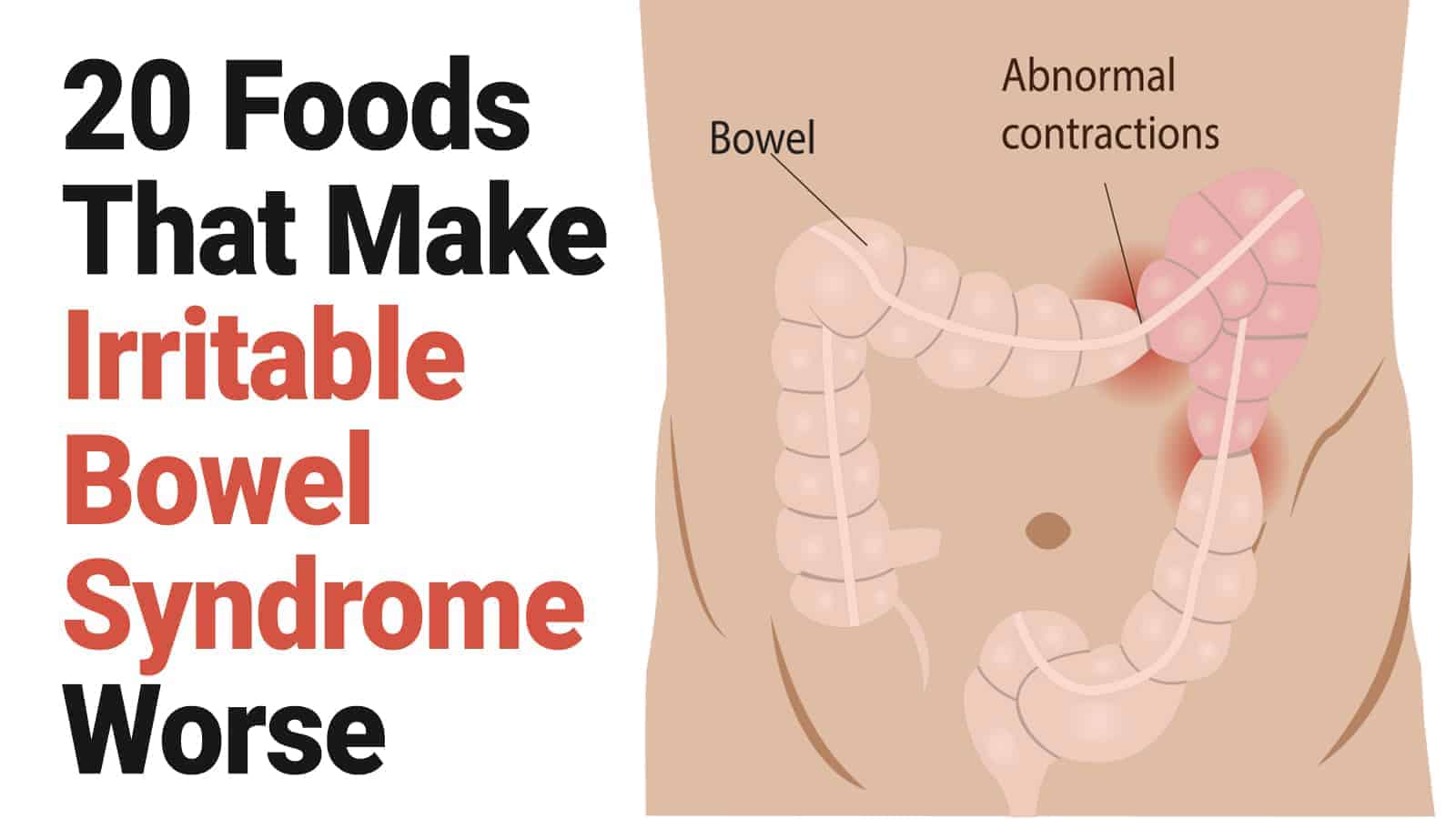
This condition is swelling or inflammation in several of the diverticula. Diverticula are little pockets that show up on the wall of your colon, like tiny air bubbles pushing outward, weakening the walls of your colon. They differ in size and may show up anywhere along your colon, but they’re more apt to show up it the lower left-hand side of your colon, which is where the S-shaped curve of your colon exists. If you have diverticulitis, you may at first have diarrhea, bloating, or constipation. As the disease progresses, you may feel nauseous and have a fever. It’s a severe condition that requires medical attention. Your treatment may include the following:

  • Antibiotics to kill bacteria
  • Rest to allow your body to heal
  • A liquid diet to rest your colon

Your gastroenterologist will want to do some tests to confirm you have diverticulitis. These include

  • Colonoscopy to check your gastro tract
  • CT scan of our gastro tract
  • Stool sample to look for infection
  • Urine test to check for a UTI
  • Blood tests to rule out cancer, kidney disease or anemia

diverticulitis

What happens if you don’t treat diverticulitis?

Left untreated, diverticulitis leads to more significant problems. You may get a perforation that leaks infection into your colon, causing an abscess to grow in your abdominal cavity. This area is called peritonitis. Vomiting, fever, and extreme abdominal pain are symptoms of peritonitis. If you ignore this severe condition, you could eventually need surgery to remove part of your colon and clean out the infection in your abdominal cavity.

This disease is a life-threatening condition, and if left unchecked, you could die. Heredity and diet may play a part in getting diverticulitis, but doctors aren’t entirely sure.

10 Foods That Help Manage Your Diverticulitis

Research shows that people who consume a fiber-rich diet have fewer chronic illnesses. Eating a high-fiber meal reduces your chances of getting heart disease, Type 2 diabetes, and certain cancers. You’ll also be less likely to gain weight. Adult women should consume 25 grams a day, while men should consume 38 grams per day to maintain a healthy diet.

1 – Whole wheat bread

Whole wheat bread is rich in magnesium and B vitamins. They contain lots of fiber, too, which is best to manage your diverticulitis.

2 – Oatmeal

Oatmeal is another whole grain that is rich in fiber and packed with vitamins. Eating oat cereals each day boosts your fiber intake for the day.

3 – Brown rice

Brown rice is packed full of Vitamin B6, magnesium, selenium, and niacin. It’s healthier than white rice because it contains more fiber plus antioxidants.

4 – Fruits

Strawberries, blueberries, and raspberries are excellent sources of vitamin C and antioxidants. Some fruits like apples and plums cause gas, so go easy eating too many of these.

cranberry

Learn the benefits of adding cranberry to your diet.

5 – Vegetables

Think of sweet potatoes, carrots, or green beans for your optimal gut health. Some veggies cause gas, so you should avoid them. Steam or oven roast your vegetables in olive oil with a dash of salt on top for flavor. Spice up your veggies with lemon juice, turmeric or ginger to add boost the flavor. They are low-salt alternatives that give vegetables a whole new flavor profile.

6 – Chicken and fish

They are great, lean sources of protein. Fish is high in Omega-3, which is vital for healthy skin, hair, and proper brain function. Grill or oven bake your chicken or fish, adding olive oil or lemon for extra flavor.

7 – Low-fat cheeses and Greek yogurt

Low-fat cheese and Greek yogurts are excellent for the gut. They are great sources of calcium and protein. Choose hard, aged cheese rather than the softer cheeses. Eat low-fat yogurt, which is high in calcium and good bacteria for a healthier gut. Top your cup of yogurt with granola or nuts for added crunchy goodness.

8 – Almonds

These nuts are rich in minerals and vitamins. They’re also high in protein, and vitamin E. Chop them up to top your yogurt or baked fish. Throw some into a salad to add a little crunch.

9 –  Eggs

Eggs are high in protein, but low-fat. They contain iron, minerals, and vitamins to boost your overall health as well as your gut health. Fry eggs in coconut oil or olive oil rather than heavy vegetable oils that have trans fats.

10 – Lots of water

If you suffer from diverticulitis, it’s easy to get dehydrated. Keep a bottle of water with you.  Keep a written journal of how much water you drink every day to ensure you’re getting enough. Water keeps your blood healthy, and your skin smoother plus keeps your body hydrated.

Ten foods that can trigger diverticulitis

If you suffer from diverticulitis, your doctor may tell you to change your diet. Studies show that eating a fiber-packed diet can help you manage diverticulitis flare-ups. There are no restrictions on your diet, but you may find that certain foods trigger the condition and will need to eliminate them.

1 – Fried foods

Fried foods are unhealthy for everyone, but especially for those people who suffer from diverticulitis. Typically, the oils used to cook foods aren’t good. They are high in unhealthy trans fats that put you at risk for heart disease and obesity.

2 – Dairy

Foods like ice cream, butter, and whole milk are high in fat may cause diverticulitis to flare up. You can still enjoy dairy products but look for low-fat alternatives. Or choose almond milk or coconut milk products for a healthier, plant-based choice.

3 – Cruciferous veggies

Avoid the likes of cabbage, broccoli, cauliflower, and Brussels sprouts. Although these vegetables are high in fiber, they don’t get digested completely in your small intestine.

When these partially digested foods arrive in your large intestine where it is processed, they will cause lots of gas and bloating. If you want to include these cruciferous vegetables in your diet, eat small amounts, drizzled with olive oil and roasted in the oven.

foods for weight loss

4 – Onion and garlic

These two foods are difficult for your gut to digest. They can cause lots of gas and bloating, which can make your diverticulitis worse.

5 – Spicy and hot foods

Spicy foods can trigger your diverticulitis. If you enjoy these types of foods, eat only a small amount at a time to lessen the chance of having a flare-up.

6 – Sugary food

Sugar is another common trigger food for diverticulitis. You’ll find lots of sugar in candy, baked goods, and table sugar. If you want to still eat baked goods, prepare them with honey or agave syrup or sweeten with natural fruit juice.

7 – Beans

Legumes are known to cause gas and bloating. They are high in fiber and protein. If you want to keep beans in your diet, eat small amounts at a time so your gut can digest them.

8 – Artificial sweeteners

Avoid artificial sweeteners. They cause gas and bloating for many people and, in general, aren’t a healthy choice if you suffer from diverticulitis. Instead, choose honey or agave syrup. Find ways to use spices like ginger or cinnamon, which add a natural sweetness to dishes.

9 – Dried fruits

Although dried fruits are high in fiber, they’re also high in sugar and calories. If you want to eat these, enjoy them in only small amounts.

10 – Bread and rice

White bread and white rice are low in fiber. They lose much of the nutritional value due to the over-processing during production.


diverticulitisFinal Thoughts on Eating to Manage Diverticulitis

Although doctors aren’t sure what causes diverticulitis, there are things you can do to manage this condition. Eating a diet high in fiber is best to offset flare-ups. Eat whole-grain bread, rice, or quinoa instead of white rice or potatoes.

Choose fish and lean meats, lots of vegetables, and fruits for your diet. Eliminate sugar and artificial sweeteners. Prepare your veggies and meats with olive oil rather than cooking oils or vegetable oils that are loaded with trans fats. Grilling, baking, or broiling is the best way to prepare meats. Also, you should drink loads of water to maintain your hydration.

If any of these foods cause you a flare-up, you may want to eliminate them from your diet. Everyone reacts differently to your condition. But once you learn which foods to eat and, conversely, what not to eat, it will be much easier to control your diverticulitis and lead a normal life.

15 Hidden Habits That Can Trigger A Panic Attack

A panic attack involves an overwhelming sensation of fear, paranoia, and anxiety, balled up alongside heart palpitations, sweating, and even breathing difficulties. They are highly unpleasant, and those who get them often can attest to how tiring and scary they can be.

If you get regular panic attacks, you may be doing certain things that are contributing to your risk of them.

Here are 15 hidden habits that can trigger a panic attack.

positivity meme

1.   Creating Crisis out of Drama

Sometimes things feel much more significant than they really are. At times, we all can exaggerate a problem by overthinking and making it seem much bigger than it really is. This is called catastrophizing, which is the misinterpretation of events or physical sensations as considerably worse than they are. These misinterpretations can become triggers for a panic attack.

It is often the case that many people with anxiety cannot distinguish the difference between what is possible and what is probable. They may consider something extremely unlikely a cause for concern, even though the risks are minimal. As an example, panic attacks can be triggered by:

  • Assuming a heart fluttering that you are feeling is a heart attack
  • Thinking that something bad happened to your partner because you have not heard from them for a while
  • Assuming someone hates you because they have not replied to your message yet

2.    Spending A Long Time On Social Media

Social media and the internet have provided many benefits, including linking us to distant family and friends. But an excessive amount of time spent on social media can be extremely detrimental to mental health and positive thinking, especially in relation to anxiety. Here’s what might happen if you stay on social media for too long:

  • You may start comparing yourself with what you see others posting about themselves
  • You could get more worried about the things you read online that others might have shared on their pages
  • Others might attack you for bad phrasing, personal opinions, or appearances
  • You might trigger a panic attack from all the negativity you are exposing yourself to

3.    Road Rage

Driving can be very stressful, which is why it’s really no surprise that people can experience road rage that almost seems to change their personalities entirely. This type of anger is especially prevalent when running late or stuck in traffic.

However, getting angry on the road is pointless and only serves to increase your heart rate and tense your muscles and send your body into full anxiety mode. Experiencing all this stress can cause you to feel even more anxious, potentially triggering a panic attack.

4.    Overcommitting

Everyone needs time for rest and recuperation, as rest is an important part of managing your anxiety. Overcommitting, therefore, presents with it the danger of removing all free time, hence reducing any time you could have used for rejuvenation.

No matter your schedule, there is always a way to get in some mindful rest. This will keep your anxiety levels down and also promote better health overall.

5.    Hyperventilating

Hyperventilating is one of the top symptoms of a panic attack; somewhat ironically, it can also trigger one. When you hyperventilate, your breathing becomes fast and shallow. Then, your body signals to your brain to tell it that something is going wrong. This can then become a vicious cycle – hyperventilating causes panic, which causes more hyperventilation.

One positive way to overcome this is through diaphragmatic breathing, which can effectively control your breathing and stop the attack. Diaphragmatic breathing is the process of inhaling through your nose for four seconds, exhaling through your mouth for six seconds, and finally pausing for two seconds before repeating the cycle three times, minimum.

panic attack

6.    Magnification

Magnification can be defined as the act of making an event more serious than it initially was. This can lead you down a mental path that believes that current events are world-ending, even if they are simply unfavorable.

For example, people with phobias often tell themselves that if they experience their phobias, it may kill or severely injure them. Of course, this is typically not the case for most phobias. This style of thought can be overcome with positive thinking, but it requires much effort! Here are some examples of magnified statements:

  • Any elevator may drop at any moment, resulting in death.
  • Brushing against trash with bare skin can cause germs to contaminate the body and kill it through infection or illness.
  • Touching an insect will result in severe danger and death through unknown means.

7.    Skipping Meals

Skipping meals can result in severe blood sugar dips, potentially leading to energy and mood crashes. Naturally, this can lead to flares in anxiety, increasing the likelihood of a panic attack. Remember, eating a balanced diet is crucial to positive health, and skipping meals will only harm you in the long run. Always remember to:

  • Eat consistently
  • Make sure your meals are nutritious
  • Eat something on the go if you are too busy for bigger meals

8.    Eating Poorly

There is a clear link between your mental health and your diet. Bad foods affect your entire body, and your brain is, after all, a part of your body. Poor nutrition can lead to panic attacks as your body struggles to regulate its consumption.

Opt for high-protein meals with moderate wholegrain carbohydrates for energy and serotonin boosts. Avoid:

9.    Procrastination

Procrastination may be a short-term solution to relieve some anxiety, but doing it too much can be addictive and may form a habit that is very difficult to break. If you keep putting things off to the last minute, stress builds up over time, and panic attacks become more commonplace.

10. Overthinking

Overthinking and over-analyzing a situation can cause a disconnect from reality. One tiny, simple thing can be turned over and over until it is no longer what it originally was, but an amalgamation of your anxiety and fear. It goes without saying that this can, eventually, trigger a panic attack. Here are some examples of situations where you may overthink:

  • After a social interaction, you overthink every word you said and each reaction you received for them and eventually conclude that these individuals disliked you
  • Spilling something onto a friend or family member and fearing that this action has caused them to hate you or write you off as clumsy
  • Spend hours analyzing a gesture shown to you by a colleague, trying to decide if it was a positive one or not with no real way of finding out

11. Isolation

For those that often deal with depression, anxiety, and panic attacks, it may feel like the safest thing to do is to isolate yourself. However, isolation is not a solution for your mental health problems, and it can even worsen symptoms of panic.

Loneliness is bad for both your mental and physical health, and it can even shorten your lifespan, increase stress levels, and weaken the immune system. As such, some socializing is needed to ensure the health of both body and mind. You should make spending time with family or friends a regular endeavor when you can.

But what about days when you feel like you can’t do anything at all? You can still be productive without socializing, which will be infinitely better for your health. You can:

  • Go for a walk outside.
  • Engage in hobbies you love
  • Do chores around the house.
  • Have a self-care day
  • Visit the mall for some shopping.
  • Catch a movie at a cinema
  • Eat out at a restaurant you’ve wanted to try.

social distancing

12. Fearing A Panic Attack

It is often said that fighting off something you fear is more complex, and the same goes for panic attacks. In a twisted sense of irony, panic attacks can be self-reinforcing, meaning that being worried about them can trigger them, and triggering them can lead to a fear of them.

If handled poorly, this turns into destructive patterns over time. As such, work on staying positive. Understand that panic attacks are not the end of the world and can be managed if you dare to face them.

13. Emotional Reasoning

Emotional reasoning is what happens when your brain comes to a conclusion based on your feelings, regardless of whether it is rooted in a rational truth or not. Just because you feel something does not mean it is true!

Instead of responding emotionally to everything, gather facts, information, and evidence first. Take some time to breathe, then approach the situation logically before coming to your conclusion.

14. Not Exercising

They say that a healthy body breeds a healthy mind – and they’re right! Exercise can be a great help in keeping the brain healthy and promoting positive thinking. This is because exercising releases positive chemicals, known as hormones, such as dopamine and endorphins. These feel-good hormones make you feel fabulous. Here are some other examples of what exercise can do:

  • Boosting libido
  • Improving posture
  • Reducing disease risk
  • Enhancing cognitive function
  • Reducing fatigue

When you don’t exercise, you’re causing your body and mind to fall into a slump. This pattern can make you more susceptible to developing panic attacks as you don’t get to work off nervous energy or increase good hormone production.

15. Jumping To Conclusions

Jumping to conclusions is rushing to a finalized thought without backing up sufficient evidence or information. It is somewhat similar to emotional reasoning, but this doesn’t require strong feelings – it just requires a lack of knowledge.

When you jump to conclusions, you allow your brain to make large leaps in logic to get to decisions and ideas. When these ideas and decisions are negative, they can trigger panic attacks due to their suddenness. Here are some scenarios that illustrate how this can affect you:

  • Finding out that you answered a question incorrectly on a test leads you to believe that you failed the examination.
  • Being left on “read” by a friend makes you believe they are ignoring you due to something inconsequential.
  • After being told half of a report regarding something that affects you, you are already ten steps ahead in the wrong direction and seeking solutions that will be ineffective.

panic attackFinal Thoughts On Some Hidden Habits That Can Trigger A Panic Attack

Panic attacks can be rare, they can be frequent, and they can be a symptom of a disorder. If you are experiencing panic attacks that are severe, impede your daily life, or are very frequent, speak to a doctor or mental health professional.

11 Red Flags That Reveal Your Partner is Gaslighting You  

You may not be familiar with the term gaslighting. First of all, it has nothing to do with gas or lighting. Gaslighting is a form of manipulation where a spouse tries to convince their partner they’re mentally unstable. Sadly, this form of mental abuse is quite common in relationships. So, what are some red flags that reveal your partner is gaslighting you?

Where did the term “gaslighting” come from?

The term gaslighting originated in 1938 when a British play called “Gas Light” was released. Then later, in 1940, it was released in the United States as a movie called “Angel Street.”

In the play and movie, an abusive husband tries to convince his wife she’s gone mad. He assures her that she’s stealing and hearing noises, leading her to believe she’s lost her mind.

Eventually, she comes to her senses and escapes her husband’s control. In today’s culture, politicians are sometimes accused of gaslighting when they question an opponent’s intelligence or question their competence.

A similar term to gaslighting is a psychological term, Machiavellianism. This personality trait in a person causes them to manipulate others by using deceitfulness or exploitation to get what they want. They are motivated by a strong desire to pursue their interests at the expense of someone else.

Gaslighters use verbal, mental, or physical abuse to control their victims.

11 Red Flags That Reveal Gaslighting Behavior

gaslighting

1. Controlling behavior

Studies show that gaslighting in marriage indicates a sadomasochistic relationship where one partner imposes mental or physical harm on the other person. The person enjoys their manipulative behavior because they get pleasure from it. This kind of cruel behavior seeks to control you and break down your emotional defenses. The person tries to dominate you so you’ll accommodate their wants and needs. This desire may be a desire for sexual control and or emotional control over you.

2. A gaslighter denies the behavior

If your partner is gaslighting you, he or she will deny they are manipulative. They’ll tell you that you just misunderstand them. They may say to you that you’re the one with the problem. This charade is an effort to stop you from questioning them.

They’ll blame you, play the victim and question your love for them. You may even end up apologizing for doubting their sincerity. It’s twisted behavior and destroys your relationship. Gaslighting tears apart a relationship, stripping away the ability to discuss issues and even disagree with one another.

3. Gaslighting will wear you down with the repeated lies

The gaslighter is tenacious. They’ll repeat their lies to wear you down. They are motivated by their desires and perceived needs. They create false scenarios to confuse you. In their lying, gaslighters use various strategies to break you down. They will try to

  • Brainwash you
  • Discredit your opinions
  • Attack your questions
  • Belittle your thoughts
  • Break down confidence and power

A person who gaslights exaggerates to get their point across. This action puts the gaslighter in control so they can overrule anything you may question or any attempt you make to point out their lies.

They are always right, and you’re still wrong. They will lie about your ability, your looks, or your intelligence to others. If you question these comments, they may call you crazy or delusional. This game puts you on the defensive and helpless to have an opinion on the matter.

delusions

Here are red flags someone is delusional.

4. They trivialize their behavior

If you are gaslighted, your spouse or partner will tend to downplay your concerns or your questions about their behavior. They will turn things around, questioning you to minimize their behavior and cause you to doubt yourself. They may say something like the following phrases:

  • “You are just too sensitive!”
  • “Why are you so jealous?”
  • “What’s the big deal?”
  • “I was just joking.”
  • “Why are you so upset over something that’s no big deal?”
  • “What’s wrong with you?”

These comments seek to destroy your self-confidence and make you feel like you’re in the wrong. You may end up so manipulated that you apologize for simplifying questioning the gaslighter.

5. Emotional pleas

Researchers found that manipulative individuals beg and threaten in their healthy life. They use impassioned pleas to convince someone to believe them or do what they want. It’s emotional manipulation that wears down a person to feel sorry for them and to give in to their pleas.

You may not realize your spouse does this. Perhaps you think they’re an emotional person who feels things deeply. Indeed, you may be reluctant to see how manipulative they are and how they use emotional pleas to get what they want from you.

6.  A gaslighter will attack your friends and family

You know you’re being gaslighted if your partner tries to tear your way from your friends and family. The gaslighter wants you totally for themselves.

At first, you may feel flattered by their attention, thinking they’re devoted to you. But it’s not devotion that motives them. Gaslighters fear exposure and think that your friends will see through their manipulation. They’ll use emotional begging to convince you to spend time with them instead of your friends or family.

They may question your friend’s motives or attempt to convince you that you can’t trust others. Or they will lie about what your friends said or did. Their goal is to isolate you from the outside world so you will be under their control.

7. Gaslighting erodes your self-confidence

If you live in a gaslighting relationship, you will begin to feel less confident about your abilities or your intelligence. This form of mental abuse erodes your self-confidence. You’ll look to the gaslighter for approval. You may apologize to them all the time because you’re anxious about how they’ll react if you disagree.  Out of fear of incurring their wrath, you’ll agree with them all the time.  If you are being gaslighted, your partner may use verbal abuse to manipulate and erode your self-confidence. They may minimize your experiences or knowledge. They’ll tell you you you’re dumb, stupid or an idiot.

8. Verbal abuse confuses you and breaks you down

Researchers found that women who are exposed to verbal abuse are more likely to experience poor mental health and depression. Constantly being accused of being wrong or confused is a form of verbal abuse which can lead you to have a mental breakdown. Verbal abuse includes

  • Shouting or yelling at you
  • Intimidating you
  • Humiliating you in front of others
  • Treating you like child
  • Threatening you harm
  • Demeaning your intelligence or your looks

You may become so anxious or worried while you’re verbally abused, you develop psychological problems. Weirdly, the gaslighter’s prediction that you’re mentally falling apart is true due to their abusive behavior.

9. They will subject you to the hot and cold treatment

Your partner is gaslighting you if they display contradictory behavior-being abusive one minute, then being loving the next. It’s easy to fall prey to a gaslighter’s emotional ups and downs. They are unstable, but you may not see it at first because they’re such good actors. First, they seek to manipulate your emotions and demand your total loyalty.

They know how to play you, being sweet and loving to you. You begin to relax your guard. Just as quickly, they’ll attack you for something you did or said. It makes the relationship an emotional rollercoaster for you. All the while, the gaslighter blames you for his behavior.

narcissist

Here are tips for breaking up with a narcissist.

10. Aggressive behavior

Gaslighters don’t like to have their motives questioned or to hear that they are in the wrong. If you question them, they will push back hard. They may get hostile or even physical with you shoving or hitting you. This behavior is an intimidation tactic to make you stop questions.

The gaslighter needs to be right. He or she will use “put-downs” or character assassination to wear you down to the point that you give up trying to point out issues in their life.

11. Treacherous promises

If you’re in a relationship with a gaslighter, they may promise you they will change. They’ll promise to be less harsh or abusive if you just give the gaslighter some time. They may get emotional and cry or beg you. They’ll tell you how much they adore or love you.

This move may cause you to feel sorry for them and even feel grateful that they say they’ll change. It’s a twisted tactic for future control of you. These yo-yo promises wear away at you until you feel emotionally exhausted and powerless.

gaslightingFinal Thoughts on Red Flags That Warn You of Gaslighting

Gaslighting is more common than you think. We’re all susceptible to being gaslighted. It can be hard to detect abuse in someone we love and care for. It’s easy to tell yourself that destructive behavior isn’t real.

Because gaslighting is a slow process of gaining control, you may not see it until it’s too late. You may suffer from depression as a result of living with a partner who is gaslighting you. Therefore, take action if you think your partner is gaslighting you.

Remove yourself from the relationship immediately. Seek help from a therapist or counselor. Finally, find a support network or friends who can help you gain back your self-confidence and hope.

15 Ways a Guy Friend Reveals His Secret Interest in a Romance

For generations, young ladies have daydreamed about their future suitors while plucking daisy petals to see if he loves them or not. Maybe you have a guy friend, and you have wondered if he wants to take your relationship from friendship to a romance.

Could he also have a physical attraction to you?

Perhaps, yours is a case of love immortalized by award-winning singer, Bonnie Raitt. If he is having romantic thoughts about you, isn’t it time to give people something to talk about? Was that a sparkle of love in his eye, or are you wishfully thinking?

One may argue that platonic relationships can’t exist. Of course, you may still have men you consider friends or “brothers.”

Is there one different guy? How can you tell if he is sending you subliminal romantic thoughts?

Do They Want More? Here are Ways to Be Sure

romance

Trying to guess if someone close to you has a secret crush can be slippery. On the one hand, you don’t want to miss out on romance just because you were too afraid to ask. However, you don’t want to look like a fool and put your heart on the line to discover that you misread his intentions.

What’s a girl/guy to do? Should you be upfront with him, or do you risk losing a good friendship? Is it possible that you are misinterpreting his extroversion for flirtation? If you wish there were more to your relationship, how will you know unless you ask?

Everyone has been in this dilemma of love at least once in their lives. Secret admiration has been the subject of novels, songs, and art since the beginning. Here are fifteen ways to tell if your guy friend secretly wishes for romance.

1. Does He Call or Text a Lot?

Let’s face it; guys would rather be doing anything than talking or texting. While some men are naturally more talkative than others, his daily texts may be more than friendly hellos. It gets even more apparent when he also calls regularly.

Before you chalk it up to chance or boredom, consider the context of his correspondence. Does he send you corny memes for a laugh, or does his conversation have substance? Maybe his day isn’t the same until he hears from you, which is a good sign that he is having romantic thoughts.

2. Are His Conversations Superficial or Meaningful?

Generally, men are less in touch with their feelings than women. Even boyfriends and husbands often find it challenging to discuss life’s more in-depth, emotional meanings. While they are all for love, they usually aren’t comfortable talking about it.

Does your guy friend have long, meaningful conversations with you, or are these talks superficial? Can you tell that he is genuinely interested in what you say and can recall the details in later conversations? Either he is a brilliant conversationalist, or he is digging you.

3. Does He Mention Other Women in His Life?

Sometimes, guy friends use their female friends as sounding boards for their romantic interests and conflicts with other women. If this is your buddy, he might be trying to get a woman’s perspective and feels comfortable discussing it with you. However, you don’t want to be a dating therapist for life.

Does he date often and talk about the other women to you? Do you see him flirting with ladies at work or in public? If the only woman he always mentions is his mother, he is either having romantic feelings for you or you should run the other way.

However, you could be the only one in his eyes, and you have yet to realize it. Listen to his conversations and observe his dating life or the lack thereof. He just may be waiting for you to return his love interest.

love quote

4. Does He Seem Nervous Around You?

It’s a man’s nature to feel intimidated or nervous when emotions are involved, especially romance. He may act like a ditzy teenager in puppy love and be amusingly awkward around you. Most men advance from this phase into relaxed confidence as the relationship matures.

Have you noticed that your guy friend is usually calm and collected until he gets around you? Does he seem a bit giddy, clumsy, and stumbles on his words? It could be that he has a secret crush on you.

5. Is He Unusually Interested in Your Life?

While there are anomalies, guys are not usually overly interested in things that women find essential, unless he has romance in mind. If he hasn’t known you for years, he probably isn’t going to remember a lot of details about your life unless he has feelings for you.

Isn’t it odd that he knows all about you without being prompted? Does he know what color your eyes are, your favorite color, or whether you prefer chocolate or vanilla ice-cream? Does it almost seem like he can finish your sentences? He might be a keeper.

6. Is He Jealous of You?

Although jealousy is a complicated emotion to hide, it may be more so for guys. A Platonic buddy wouldn’t care about whom you date and what men you discuss. The only reason a man would get his feathers ruffled would be if he had thoughts of love for you, too.

Does your guy friend seem happy for you when you mention a male love interest, or does he quickly change the subject? Can you see a tinge of the green-eyed monster in his eyes when you are talking to other guys? If he’s jealous, then it may be time for you both to talk.

7. Is He in Touch with You, Literally?

In American society, women are usually the touchy-feely ones. Sometimes, guys misinterpret a lady’s innocent touch on the hand or shoulder as a touch of romance. But if people are attracted to each other, the need to touch is almost irresistible.

The next time you kick back with your guy friend, notice how often he touches you. Does his hand linger on yours, or does he find ways to brush your shoulder, hair, etc.? Maybe he is dreaming of love and touching you as a lover.

8. Is He Often Lost in Your Eyes?

If a stranger continually makes eye contact with you, it is more creepy than romantic. When your guy friend stays locked into your eyes, he may feel a spiritual connection with you. Looking deeply into someone’s eyes indicates trust, honesty, and romance.

9. Does He Truly Notice You?

The bane of many girlfriends and wives is that their men don’t notice things. In the initial stages of romance, guys pay so much attention to their love interest that they often remember the smallest detail. Is he watching you so intently that he knows when something changes, like a new outfit or a different hairstyle?

falling in love

10. Has He Introduced You to His Family and Friends?

Maybe one of your guy friends has always felt like a brother to you, and you already know his family and background. If not, a closer male companion may casually introduce you to family and other friends.

Is he unusually nervous when he invites you to meet his family? He might be eager to see how they react to a possible love interest. Put your best foot forward because these folks may be part of your life soon.

11. Is He More Interested in One-on-One Time Than with Groups?

When people have love in mind, two is company and three is a crowd. Casual male friends may enjoy alone time with you, but they are just as happy in a group activity. Does your guy friend seem to be finding more excuses for private dates?

12. Is He More Than Generous?

It isn’t unusual for a close guy friend to give you a present for your birthday or the holidays. As a friend, his gifts are probably thoughtful but nonspecific enough for anyone. A guy friend who has romance on his mind may give you gifts for no reason, with an unsaid sentimentality.

13. Is He Extra Careful with His Style and Grooming?

A male buddy has no qualms of meeting you in a faded t-shirt and a ball cap covering his un-brushed hair. You’re his friend, so appearances aren’t always essential. If this guy has a romantic eye on you, he will be sure to dress to impress.

14. Does He Go the Extra Mile for You?

True friends help their friends when needed. However, a guy friend who wants more than friendship may be extra helpful. Does yours go out of his way to help you with things so that he can be with you?

15. Look for Yourself in His Life

Does your male friend want to be romantically involved with you? Browse through his social media accounts and notice your presence. Do you see a lot of photos of the two of you together?

romanceFinal Thoughts on Recognizing the Signs of Blooming Romance

Taking a chance on romance can be risky with your guy friend. Is not living with regrets worth the risk? Consider these tell-tale clues and see if they lead you to love. Sometimes, the most excellent relationships start as friends and blossom into more. Don’t let true love pass you unnoticed.

Scientists Reveal Why A Simple Life Makes People Happier

We have so many modern conveniences, yet our lives have become more complicated and hectic. Many people want to go back to the old ways of doing things. That’s because our fast-paced lives have affected our stress and happiness levels. We continuously work to achieve higher incomes, more benefits, and rewards. But at what cost?

Life doesn’t have to be so stressful and burdensome. However, we’ve just made it that way. In the U.S., we have more economic opportunities and innovations than almost any other country. Yet we don’t even rank in the top 10 happiest countries. Perhaps our obsession with materialism, money, and different sensory stimulations plays a large part in this unhappiness epidemic sweeping the nation. We often sacrifice our health and happiness just for the almighty dollar, but at some point, this comes back to bite us.

To increase your happiness, simplifying your life should become a priority. The less you worry about, the more time you can spend connecting with loved ones, taking care of yourself, and enjoying the life you work so hard to maintain. Below, we’ll go over why a simple life makes people happier and how you can attain it.

Scientists Reveal Why A Simple Life Increases Happiness

simple life quote

Here are the reasons why people are happy when they simplify their lives.

1 – You have more time to learn about yourself.

Going within yourself to seek answers becomes much easier when you give up all the distractions in your life. If you think about it, most of us spend the majority of our time just trying to fill up our lives with some stimulation. But that habit only leads to burnout and boredom after a while.

Whether you spend your time surfing Netflix, watching YouTube videos, shopping online, or scrolling social media, your brain doesn’t get much time to rest. If you reflect and meditate, you’ll find more peace and fulfillment in your life.

If you shift your focus from gaining material objects and entertainment to a life of simplicity and peace, you’ll find that your happiness increases over time.

Many people who chase after the latest gadgets and toys seem to find disappointment after disappointment. That’s because they never feel truly fulfilled. However, silence and solitude help increase spirituality, fostering inner peace and pure bliss.

Perhaps as a society, we need to start measuring happiness by how healthy and peaceful we feel instead of our earnings or employment rates. Inner happiness paves the way for a more balanced life, and as a collective, we need to learn that outer possessions will never bring a feeling of wholeness.

2 – A simple life will improve your relationships.

In his essay Voluntary Simplicity: Characterization, Select Psychological Implications and Societal Consequences, Amitai Etzioli postulates that the less time we spend accumulating possessions, the more time we will spend on fostering healthy relationships. In the modern world, we often have very little time to spend bonding. After work, chores, getting the kids fed, cleaning the house, and taking care of bills, we usually have a minimal amount of time left for connecting. Our distractions, such as social media and Netflix, only add to the disconnection most of us feel in these times.

Plus, quality friendships can improve our health. In a time where many people feel lonely, it’s more important than ever to put material possessions and accumulation of money on the back burner in favor of supporting each other. A Harvard study found that keeping close friends can help brain health as we age, which shows why we should prioritize our relationships.

happiness

3 – You’ll have more money.

By living a more simple life, you’ll drastically cut down on your consumption, which will put more money in your wallet. Of course, you might ask what the point of having extra money is if you don’t spend it. However, you can always donate to charities, buy some land to live more simply, or invest in a new hobby that brings you fulfillment. You don’t always need to use your money to buy the latest iPhone or trending gadget that only offers temporary satisfaction anyway.

Simplifying your finances means you’ll have less debt and therefore, less stress overall. According to a U.K. study from 2018, where 2,000 people answered questions about stressors in modern life, anxiety about money affects around 40% of the population.

You can have a simple life with more happiness by taking a good, hard look at your finances. How often do you drive through Starbucks each week? At $5 a cup on average, those visits can add up over time. Secondly, look at your monthly subscriptions. Some people don’t even remember how many things they’ve signed up for. And those $10 or $20 on Netflix or workout subscriptions can eat away at your budget.

Make sure to look at how much you dine out as well because it can save you thousands of dollars a year by just cooking more at home. It may seem difficult or unpleasant to avoid all the guilty pleasures in our world, but you’ll feel more organized and blissful over time. Saving money means you’ll have more in the bank towards other investments that create more long-term happiness.

4 – You’ll enjoy better health.

Voluntary simplicity can also improve your health over time. A 2014 study published in the Journal of Personality and Social Psychology found a strong association between acquiring physical possessions and poor health. The team also found an even stronger link between material wealth and engaging in risky activities that could harm health. Some actions included smoking, drug use, and drinking alcohol. So, by making happiness and peace your goals, you can avoid all the pitfalls of chasing after money.

After all, they say with more money comes more problems because the more you own, the more you have to worry about it. Fewer material possessions mean you won’t have to stress so much about maintaining them.

One survey from the University of the Sciences in Pennsylvania found that 90 percent of people who shifted to a simpler lifestyle had improved health after taking a pay cut and prioritizing happiness instead. Most people who simplified their lives also reported a positive change in their mental health.

When you don’t focus so much on material possessions, you have more time to spend on your health, family, friends, and other meaningful things. Many of us work so much to maintain a particular lifestyle. But we forget that we only need a few things in life. The rest, we chase after to keep up an image, for the most part.

5 – A simple life means you’ll have more focus.

If you cut down on distractions such as social media and screen time in general, you’ll notice more clarity and less mental chatter. By minimizing your life overall to include fewer material possessions, these benefits will only increase.

Researchers at the Princeton University Neuroscience Institute studied how clutter affects cognitive function. They found that clearing clutter from your work and home environments boosts concentration and the ability to process information. They also discovered that people who worked and lived in a clutter-free environment felt less irritable, more productive, and less distracted.

Also, turning off social media at times can improve your mental health and concentration levels. On average, we check our mobile phones every 12 minutes, leading to lower productivity and more mental chatter. When you work or study, turn off your phone and solely focus on the task at hand. When you finish, try not to spend as much time on social media, as it can lead to higher levels of depression and anxiety.

positivity-quotes

6 – You will help the environment.

Did you know that if everyone on Earth consumed as much as the average U.S. citizen, we would need four Earths? By consuming less and owning fewer items, we can drastically reduce waste and fossil fuels, which pollute and destroy our planet.

By living more simply and cutting down on possessions, you will increase your health and happiness and the planet’s.

You can make a difference in the fight against climate change by doing things such as buying fewer clothes. That’s because it takes an enormous amount of fuel and energy to produce them.

Humans buy 400 percent more clothes than they did just 20 years ago. The U.S. alone contributes 11 million tons of textile waste annually to the environment. Instead of purchasing new clothes, why not buy them second-hand instead? You can sometimes find items that are only one or two years old and are still in good condition. Also, recycle clothes when they no longer fit or interest you so others can use them.

Helping the environment and saving money on clothing will increase your happiness and help you live a simpler life.

simple lifeFinal thoughts on why simple living increases happiness

We don’t have to make life so complicated. We can start by cutting down on purchases, monitoring our time on social media, and living more consciously. Thus, we can all have a happier existence. We can enjoy better health and spend more time with friends and family. We will also increase our focus by choosing to shift our attention away from material items. Instead, master the art of being rather than doing.

These Tiny Birds That Resemble Cotton Balls Will Steal Your Heart

Residing on the Japanese island of Hokkaido and throughout parts of Europe and the Palearctic region, these tiny birds look much like cotton balls at first glance.

Called silver-throated dashers, these birds enjoy a mixed woodland as well as river grassland habitat. They also have been known to dwell in farmlands, parks, and gardens.

The silver-throated dasher comes in many different colors, but most are black and white. They have long tails and tiny circular bodies, which make them easy to spot if you happen to come across one in your garden. They love socializing with other birds, and sometimes they’ve been known to land on bird watchers’ shoulders to say hello!

Their bird call sounds like si-si-si-si, which makes them easily distinguishable among other birds. The calls will become louder and louder as they get farther away from their families. They have a system of breeding where other birds help co-parent offspring so that the parents have the freedom to keep breeding. This cooperation ensures the species’ survival and helps with collaboration among the birds.

They construct their nests out of feathers, moss, lichen, and spider egg cocoons, which turn into a flexible sack. They like to nest either in a low bramble bush or high in the forks of tree branches. Unfortunately, their nests only have a success rate of around 17% even though the tiny birds tend to have a pretty good strategy for nest building. Breeding season runs from July through February, at which point the dashers join forces with other birds.

birdYou’ll fall in love at first sight with this tiny bird.

They all help in the species’ survival, whether they breed or simply help other parents watch baby birds. The silver-throated dashers enjoy socializing among themselves and seem to have a friendly disposition with some people as well! If you’d like to attract these adorable fluff balls into your garden, make sure to plant shrubs or trees, so they have somewhere to nest.

On the Japanese island of Hokkaido, you can spot these birds all over the place!

Other ways to bring the dashers into your garden include leaving smaller seeds, breadcrumbs, grated cheese, and peanut fragments around your plants and grass. We could all use a little more cuteness in our lives, so if you live in one of the habitats where the dashers dwell, you will want them in your garden!

 Have you ever seen this bird before? Share your experience with us on Facebook!

15 Behaviors That Reveal Someone is Falling in Love (Without Realizing it)

Falling in love can be a tricky thing. It can be confusing. There may be someone in your life that you vibe with, but you don’t know if they’re actually enamored with you or just flirting a little bit. When you want answers, all you have to do is look at their behaviors. Here are 15 actions that reveal someone is subconsciously falling in love.

15 Signs Show That Someone is Falling in Love With You

1. They Smile When They See You

The way they look at you when you connect in person says a lot how they feel about you. If they are always smiling and seem to glow when you walk into the room, you know they are falling in love. Look to see if there is a difference between how they react when you walk in the room and other people to gauge the reaction.

falling in love

2. Acting Somewhat Nervous

Many people get nervous around someone they are falling in love with. It’s typically quite cute. You may notice them looking embarrassed when they say something somewhat silly or when you make fun of them. They may even just blush by being around you. Be gentle if you notice this, or you may scare them away.

3. They Feed You

In many cultures, food is a way of showing love. If someone is continually bringing you delicious food, that could just be their way of expressing their affection. This action is especially true if the food is homemade. Show appreciation and even consider doing the same in return to speak in their love language.

4. Body Language

Body language can tell you a lot more about someone than the words they speak. Someone who is falling in love with you will show it in their body language. They will likely angle their body toward you or touch you in small ways. Many times, they won’t even be aware they are doing these subtle movements. They may also try to sit near you when in a group setting. Of course, positive body language should not be confused with lust. You should make a point to do little gestures yourself without overdoing it.

5. They Celebrate Good News With You

The good news is even better when you have someone to share it with. If your crush is starting to fall for you, they will probably call you first when something good happens in their life. You call the person who you want to impress. This habit means they enjoy impressing you with the good news. They also probably feel comfortable telling you things and know that you will be supportive and make them feel good about their good news. Be supportive and excited when they call you.

pop meme

6. They Listen

To develop an emotional connection with someone, you need to talk. It’s not enough just to talk. The other person has to listen. You will tell if they listen by if they jump in with their own stories or sit back and let you talk. They may repeat things during the conversation. You’ll also know they were listening if they remember details about the conversation later on. They will remember details and make a point to let you know they remember by repeating certain things back to you. More than anything, they make time to listen to you when you need an open ear. Someone can’t listen if they aren’t there for you when you need them. Of course, you need to be reasonable about your expectations.

7. Using “We”

When someone is falling in love with you, they will start to look at the two of you as a unit. Instead of talking in individual terms, you will notice them saying “we” a lot to friends and family. It’s especially telling if they use “we” when it comes to the future. It shows that when they see the future, they picture you in it. Thinking long term means they plan to take the relationship to the next step eventually.

8. Eye Contact Reveals They’re Falling in Love

The eyes are often called the window into the soul. Someone who wants to develop an emotional connection with you will want to see into your soul to get to know you even better. They will make a point to look into your eyes when you talk. It’s a way to capture your attention. On the other hand, if they avert their eyes every time you talk, that could be a sign they aren’t very interested. Make a point to make eye contact yourself without being creepy.

9. Constant Communication

Communication is key. If someone is interested in you, they will make a point to talk to you often. You won’t be the one reaching out to them all of the time; they will reach out to you. When you speak, the conversation will be natural. It may even get deep at times. These in-depth conversations will help you develop a connection that goes past a physical attraction.

10. Putting Effort Into Their Appearance

If someone is attracted to you, they will likely try to look their best around you. You may notice them putting more time into their hair and grooming. You may also see them wearing certain outfits you complimented in the past. If you catch them by surprise, they may not be done up as well as when they know they are going to see you. They want you to have a physical attraction to them, so they put effort into their looks when they are going to see you.

11. They Compliment You Often

Compliments are one of the easiest ways for people to express how they feel. You may suspect someone is growing enamored with you if they compliment you all of the time. They may compliment you on your appearance. However, someone who is falling in love will also compliment other things, such as your personality, intelligence, and emotional strength. It’s even more telling when someone compliments you often in front of other people. It shows they aren’t afraid to express their admiration for you to the world.

pop meme

12. Playful Teasing

You and your crush should be free to have fun with each other. You may notice them teasing you about small things, such as your little mannerisms and quirks. Of course, teasing should contain a certain amount of respect. The teasing should never cross the line into disrespect. It should be playful and flirty. Of course, you should feel free to fire right back. Likewise, you should keep things as respectful as possible to ensure that you don’t cross any boundaries.

13. Opening Up to You

Everyone has secrets. Some people even have trauma and negative experiences that they carry with them every day without letting other people know. It can be hard to talk about these things, and some people might be worried about being judged. If someone opens up to you, it means they trust you dearly. You should take this seriously. Allow them to open up and show them the support they need. You should also make sure to keep the conversation between you.

14. Friends Comment on It

Someone’s friends may see a connection between two people before they see it themselves. Other people may notice the flirting that you aren’t sure is flirting or not. They may even notice something even more developing. Listen to what other people see. If people are always joking about how you and your crush should just get together already, there’s something there. Your crush may have even expressed their feelings to their friends, and they could just be trying to help things along.

Look at their reaction when people mention an apparent connection. Are they embarrassed or do they shut it down immediately? Someone who shuts it down immediately might be trying to clarify their feelings instead of hiding them.

15. Helps You Without Hesitation

Everyone needs help on occasion. You may need help moving or with homework. When you express that you need help with something, does your crush offer their assistance immediately? They may see this as a way to spend time with you and also demonstrate their value to you. When you need to call someone for help, do you call them first, knowing they will be likely to be there for you? The reliability and quickness to help you are not only a sign that they are into you right now, but it’s also a sign that they will be dependable in a relationship as well.

falling in love

Final Thoughts on Recognizing When Someone Is Falling in Love

Do you notice any of these behaviors from someone in your life? They may just be falling in love with you, whether they know it or not. Of course, you don’t want to look for things that simply aren’t there. If you don’t specifically notice these behaviors, they may not be as into you as you’d like. That’s okay. Wait for someone else who does demonstrate these behaviors naturally.

Polite People Do These 15 Things Without Realizing It

When you read the title of this article, perhaps a few folks you know will pop into your head automatically! These are the unfailingly polite folks in your life, i.e., folks who always seem to be doing the kindest things and making the right moves. This type of behavior is accessible and beneficial to anyone who wants to incorporate it into their lives and benefit from these actions and their repercussions.

Luckily, the ability to show kindness and listen attentively aren’t traits we are either born with or without, like big feet or certain eye color. These are learned actions which can take a bit of practice first, but you will be amazed at how easily they can become habits in your life as well.

What regular, everyday things do polite men and women do, and how can you jump on the niceness bandwagon? It’s no secret that compassion, kindness, and manners make the world a more pleasant place, right? Read on to discover 15 things polite people do without even realizing it.

#1 They Actively Practice Compassion

Compassion is a habit that needs honing in most folks because sometimes our natural tendency is to think primarily about our own best interests. Practicing compassion involves employing empathy, which is tuning in to the emotional state of other folks around you.

kindness meme

How Do I Practice Compassion?

  • Put Yourself In Their Shoes

    The easiest way to start is to simply spend one moment considering what it would be like to be the other person during your daily interactions. Instead of responding immediately and with your own needs first and foremost, think about what the other people around you are experiencing before you act or speak. Then, do your thing, and observe what happens.

  • Act How You Would Like Someone To Act

    A lot of times, we complain about the actions of those we interact with instead of taking responsibility for our part in drama. If you consistently act compassionately, like how you would personally like others to be, chances are you’re on the right path to politeness.

#2 They Do Not Openly Judge

It’s just not a polite move to scorn other’s decisions and actions, particularly right there in-person. You always feel safe saying something to a polite friend because they won’t raise their eyebrows or sneer right after your story!

Tips For Not Judging:

  • Control Your Face

    Many of us betray our thoughts by wearing them right on our faces! It’s called a “poker face,” and not everyone has one. Practice the Mona Lisa smile when hearing some particularly dramatic or salacious confessions from your friends, so that they know they are in a safe space without judgment.

  • Control Your Thoughts

    Ultimately it comes down to changing your mind when it comes to judgment. The fact is, you don’t have a right to be the judge and jury of other people’s paths or actions because it is exhausting and counterproductive. Plus, this way, you don’t even have to actively control your body language because your natural thought process will be to avoid judging altogether – and just listen.

#3 They Do Not Overshare

Polite people are all about trying to make others feel comfortable, while also feeling comfortable themselves. It’s a nice, balanced way to be and can be very healthy and gratifying.

One key tidbit to having these types of interactions is by not oversharing. You’ll find that polite pals don’t generally pull you aside and give you the juiciest new gossip about their personal lives. Follow their lead, and keep your general conversations to topics other than the oldest skeletons in your closet.

#4 They Do Not Pry Into Others’ Lives

On the flip side, polite people do not ask repetitive personal questions of others or noticeably pry. It would simply be rude to do so because no one likes to feel pressured to reveal details of their personal lives on the spot.

One thing to note is that #3 and #4 describe behavior appropriate for basic social interactions. If a shoulder is required for leaning, even the politest of people will call on a friend for a listening ear and some camaraderie. Don’t let the blanket of “politeness” keep you from getting the support you need or from being there for a friend who needs to share.

#5 They Have Basic Manners

No, you don’t have to be well-versed in Everything Emily Post to be considered polite, but you do need to have the basics down pat. It’s a matter of being respectful to those around you and presenting your best foot forward at all times.

Absolute Musts Include:

  • Table

    MannersPolite folks can go to the ballgame or the fancy five-course dinner and be just fine. Get familiar with the standard operating procedures of eating all types of food and behaving in a decent and even graceful fashion in front of others.

  • Saying Please & Thank You

    Mastering these childhood basics is critical, as well as “excuse me” or other necessary niceties during simple social interactions. You are not too busy to say “Thanks” every single time!

  • Appropriate Group Socializing

    This habit includes being considerate to others in conversations, not dominating the entire stage all the time, and also not spending all night checking your apps instead if engaging.

pplite people

#6 They Listen Attentively

This tip is a big one. Everybody knows people who make them feel like the only person in the room because of how well they are listening, almost as if they are hanging on your every word. Being polite like this is absolutely a learnable skill that will make a huge difference in life.

It’s simple but requires diligent discipline at first because, let’s face it, minds wander! Focus on what the person is saying and let them finish their entire thought or entire story before piping in with your two cents. Follow up on what they said, and don’t just use the silence as a chance to share your version of the same story.

Ask questions and listen to the responses. Look them in the eye and nod or react encouragingly throughout the conversation. And for goodness sake, do NOT look at your phone!

#7 They Can Take Constructive Criticism

Not only can these people accept helpful tips or strategies when planning, they welcome it. They aren’t so prideful that they need to be the hero every time and will even actively solicit input during projects.

#8 They Respect People’s Property

In general and overall, they have respect for other people, and they have respect for their things. A good rule of thumb is to treat all possessions as if they were your grandmother’s. Would you set a dewy mug on grandma‘s coffee table without a coaster, or rest your dirty feet on her dashboard? We didn’t think so.

#9 They Show Kindness To All

Kind people act the same regardless of who they are interacting with, and it consistently shows when you look at how they treat people. From the CEO to a general colleague, from the waitress to your fiance’s parents, everybody gets the red carpet treatment no matter what.

#10 They Have Respect For Others Behind Their Backs

This is the definition of gossip, and polite folks don’t engage in this behavior. If other people come up in conversation, they will either speak of them well or not at all. People who are truly polite and have respect for others do not rejoice in the miseries of others. They truly think well of the people around them and want them to be happy.

gossip

#11 They Are Mature In Quarrels

In general, these people take responsibility for their actions and don’t resort to immature tactics during disagreements. Let’s face it, not everyone sees eye to eye on everything, but there are basic rules to staying respectful while quarreling.

Tips For Fighting Fair

  • Stick To the Current Topic
  • No Name-Calling
  • Listen Before Responding
  • Accept The Reality of Your Actions/Avoid Instant Defensiveness
  • Agree to Disagree if They Still Don’t Reach a Conclusion

#12 They Know When To Take Their Leave

Unless they are staying behind to help with the dishes, polite friends won’t be the last ones out the door. They will read the social cues of the gathering and leave when it’s appropriate. This type of consideration is also applicable to popping into someone’s office, chatting on the phone with a friend, or visiting out-of-town relatives.

#13 They Communicate Well

Communication spans a broad array of behavior. If you are unsure of how you come across with your overall communication, consider asking a trusted friend or family member for their input, since we are not always able to see ourselves.

Good Communication Skills To Master:

  • Using An Appropriate Volume
  • Not Interrupting Others
  • Not Being Passive Aggressive
  • Displaying Positive Body Language

#14 They Are Natural Hosts

Making others comfortable is second nature to polite people, and they don’t even need to be in a formal setting. Regardless of location, the kind human is going to include others and not hog the spotlight day-in and day-out.

Consider seeing yourself as a host or hostess during conversations, and imagine it’s your job to make others feel welcome, validated, and interesting. See how this behavior transforms how others treat you in return!

#15 They Do Not Harm Others

This might seem obvious, but it is an umbrella rule for a number of examples. Harming others could mean people, and it could apply to their physical bodies or even their feelings. Be mindful of your words, for they can injure just as cruelly as a weapon against the flesh.

Harming others could also include children, animals, and even bugs. It could apply to possessions even. The name of the game is just to be respectful of everything in your orbit.

polite peopleFinal Thoughts on Polite People’s Natural Habits

We’ve broken down several behaviors and overall philosophies of the polite people who walk among us and make life more pleasant. Yes, they generally don’t have spinach stuck in their teeth and probably won’t start a food fight, but it’s much more than that! They listen attentively and treat all people they encounter with respect and dignity.

Employing the Golden Rule methodically throughout your day quite simply reaps amazing rewards, and it sums up how some people continually show kindness as they walk through life. “Treat others how you would like to be treated” are wise words that can apply to both people and things, and usually winds up with great results.

Take a look at the polite people in your orbit, and observe their behavior along with the responses they get. You’ll see a beautiful and effortless harmony that could also be yours to delight in! A true kindness never ceases to perpetuate through life.

8 Ways Meditation Rewires Your Brain and Helps You Stay Calm

Millions of people today have taken up the practice of meditation due to its ability to rewire the brain and promote calm feelings in the mind and body. This practice offers a wide range of benefits from easing depression to helping with weight loss. Therefore, meditation can transform the lives of everyone who practices it in some way.

Many people look forward to vacations or time off of work. Indeed, this break gives them a chance to rest their weary minds. However, you don’t need to travel or spend any money to get the solace you seek. Search within, and you can find everything you’ve been looking for.

During meditation, you can detach from the mental chatter and emotional states. You learn how to connect with the soul. Those who delve deep in meditation can quiet all of the senses and experience a peace that most of us couldn’t even fathom. However, everyone can access this realm of pure tranquility by using willpower, concentration, and dedication.

We all can create either chaos or peace in our lives with the power of our minds.

Our thoughts create our realities, so we get to choose what we experience on a minute by minute basis.

Meditation allows us a path back to ourselves. We came from love and peace. Thus, we must find our way back to this place within ourselves. Meditation can rewire your brain and change your thinking patterns, and the best part is, anyone can do it free of charge in their own home.

“To understand the immeasurable, the mind must be extraordinarily quiet, still.”  ~Jiddu Krishnamurti

meditation

Here are eight ways meditation rewires your brain and helps you remain calm:

1 – Meditation lowers your heart rate and stress levels.

In a study from Stanford University, participants who completed an eight-week mindfulness meditation course had more significant activity in areas of the prefrontal cortex that regulate emotions. In turn, this helped lower their stress levels. Another five-year study asked 201 patients with coronary heart disease to engage in transcendental meditation, which involves repeating a sound or mantra, for 15 minutes per day. The meditators had a 48% lower risk of heart disease, stroke, and death following this meditation program. Their blood pressure and stress levels also decreased.

2 – Meditation preserves the brain.

One study from UCLA found that long-term meditators had less brain decay as they age. Participants who’d practiced meditation for around 20 years had more grey matter volume throughout the brain.

The older meditators still showed some volume loss in the brain, but the non-meditators’ brains had much more noticeable signs of aging. Study author Florian Kurth said that the research team didn’t expect to see such distinct effects from meditating, but they observed widespread changes throughout the brain.

gratitude

3 – Meditation reduces activity in the brain’s “me” center.

One study from Yale University found that mindfulness meditation reduces activity in the default mode network (DMN), the area of the brain that causes disorganized, chaotic thoughts. The DMN becomes activated when our minds don’t have anything specific on which we should focus. And unfortunately, our thoughts tend to become cynical when left to their own devices. Our monkey minds often focus on the negative because biology wired our brains to scan for threats in our environment.

In our modern world, however, this innate characteristic can lead to ruminating about the past or future, worrying about bills, etc. Meditation can help to quiet this area of the brain so that we can focus on one task and activity at a time.

Meditation causes new synapses to form in the brain so that when the mind does wander, the meditator can easily come back to the present moment.

4 – It helps reduce depression symptoms.

A review study at Johns Hopkins looked at how meditation can reduce symptoms of depression in people who practice it regularly. Researcher Madhav Goyal and his team found that meditation had an effect size of 0.3. That number may sound low, but antidepressants have the same effect size.

“A lot of people have this idea that meditation means sitting down and doing nothing,” says Goyal. “But that’s not true. Meditation is an active training of the mind to increase awareness, and different meditation programs approach this in different ways.”

Meditation isn’t a magic bullet for depression, as no treatment is, but it’s one of the tools that may help manage symptoms.

5 – Meditation can lead to increased thickness in the brain.

In 2011, Sara Lazar and her team at Harvard found that eight weeks of mindfulness-based stress reduction (MBSR) increased cortical thickness in the hippocampus, which aids in learning and memory. Areas of the brain responsible for emotion regulation and self-referential processing also showed increased thickness. The team found decreases in brain cell volume in the amygdala, which makes us feel fear, anxiety, or stress.

These changes matched the participants’ accounts of their stress levels, which shows that meditation can alter the perception of our emotions as well as areas of the brain responsible for regulating them.

So, not only can meditation improve learning and memory, but it can help reduce unwanted negative feelings, thus enhancing our quality of life in general.

womens brains work better

7 – It improves concentration and attention.

In our world of constant distractions, it doesn’t come as a surprise that many people have trouble concentrating on one task at a time nowadays. However, meditation gives us the tools we need to retrain our brains to focus. One study found that in just two weeks of meditation training, people scored higher on the verbal reasoning section of the GRE. The average increase in score was a whopping 16 percentile points.

Meditation involves concentration and focuses on achieving desired results, so this carries over into the “real world” as well. Better concentration and attention can improve job performance, test scores at school, and even conversation and listening skills.

7 – Meditation lowers both generalized anxiety and social anxiety.

Anxiety seems pervasive in almost every area of the world today. In our fast-paced culture, this just seems to occur as an unfortunate side effect. However, the meditation we mentioned previously called Mindfulness-Based Stress Reduction (MBSR), can help to lower stress and anxiety levels. Research shows that mindfulness meditation can help reduce anxiety symptoms due to the decrease in rumination and reduced activity in the “me” center of the brain. Mindfulness meditation can even help with a social anxiety disorder. A Stanford University team found that MBSR led to changes in areas of the brain governing attention. In this way, meditation helps to calm self-destructive thoughts so that socializing and being out in public doesn’t seem as overwhelming.

8 – Meditation can help to fight addiction.

A growing number of studies have shown that meditation can help people recover from addiction due to the increase in self-control one experiences after regular practice. One study, for example, compared mindfulness training to the American Lung Association’s freedom from smoking (FFS) program. They found that people who learned mindfulness had a much higher chance of quitting smoking by the end of the training, as well as at 17 weeks follow-up than those in the FFS program.

Researchers believe that meditation may help people control their cravings better. Thus, they can simply watch the waves of thought pass by without reacting to them. In other words, they can simply observe their desire without having to give into it. However, some different types of therapy, such as cognitive-behavioral therapy, might be necessary as a supplement in some cases.

meditateFinal thoughts on how meditation can rewire your brain and help you stay calm

Meditation offers us such a powerful tool to rewire our brains and help us remain calm even amid chaos. Meditation helps reduce depression and anxiety symptoms, fight addiction, improve concentration and attention, decrease social anxiety symptoms, and reduce aging in the brain.

It also lowers heart rate and stress, leads to increased thickness in the brain, and reduces rumination and negative thinking. Meditation offers mental and emotional benefits. Plus, it can improve our physical health as well.

This shutdown offers all of us an excellent opportunity to slow down, go within ourselves, and start up a regular meditation practice. We all have incredible power within us to assert more self-control and achieve a better balance in our lives.

If you haven’t started a meditation practice of your own, just make sure to find a quiet area that you feel comfortable in. Also, try using crystals, calming music, incense, or whatever else adds to your experience and gets you into a zen state of mind.

Even if you can only spend 10 or 15 minutes before work meditating, that is fine. This time spent can change your mindset for the rest of the day. It can seem daunting at first to just sit alone with your thoughts. But once you start feeling and seeing the results, it will make it easier to incorporate into your daily life.

Skip to content