Weekly tips, affirmations, and small actions to feel your best.

New Zealand Doctors Link a Raw Food Diet to Good Mental Health

A recent study from New Zealand doctors found that a raw food diet improved mental health and well-being.

The University of Otago research, published in Frontiers in Psychology, surveyed more than 1100 young adults from New Zealand. The U.S. Researchers asked them about their sleep, exercise habits, diet, and mental health.

Lead author Shay-Ruby Wickham says the research team found that sleep quality, not quantity, most strongly predicted good mental health.

“This is surprising because sleep recommendations predominantly focus on quantity rather than quality. While we did see that both too little sleep — less than eight hours — and too much sleep — more than 12 hours — were associated with higher depressive symptoms and lower well-being, sleep quality significantly outranked sleep quantity in predicting mental health and well-being.”

“This suggests that sleep quality should be promoted alongside sleep quantity as tools for improving mental health and well-being within young adults,” Ms. Wickham says.

Researchers found that quality sleep, exercise, and a high raw food diet, in that order, correlated with improved mental health. These lifestyle factors consistently predicted better well-being in the young adults in the study.

The research team found that young adults who slept around 9.7 hours per night had the fewest depression symptoms. Those who slept 8 hours per night had the most feelings of well-being.

The doctors found that young adults who ate 4.8 servings of raw fruits and veggies daily had the highest well-being. On the other hand, those who ate less than two or more than eight servings had the lowest feelings of well-being.

“Sleep, physical activity, and a healthy diet can be thought of as three pillars of health, which could contribute to promoting optimal well-being among young adults, a population where the prevalence of mental disorders is high, and well-being is suboptimal,” Ms. Wickham says.

mental health memeWhat the study on a raw food diet means for the health of young adults

Senior author, Associate Professor Tamlin Conner of the Department of Psychology, says most previous research studies these factors separately. This one takes all three ‘pillars of health’ into account, showing how all of them can improve well-being.

“We showed that they are all important for predicting which young adults are flourishing versus suffering.”

While the study showed promising results, Conner says the findings only prove correlation, not causation.

“We didn’t manipulate sleep, activity, or diet to test their changes on mental health and well-being. Other research has done that and has found positive benefits. Our research suggests that a ‘whole health’ intervention prioritizing sleep, exercise, and fruit and vegetable intake together could be the next logical step in this research,” she says.

Other prior research shows the benefits of a raw food diet on mental health. A previous study by Dr. Tamlin Conner in 2017 showed that young adults who ate a raw food diet had better health. After two weeks of eating the recommended amount of fruits and veggies, the volunteers displayed more flourishing, motivation, and vitality. Young adults had much better health predictors than those who didn’t consume the advised amount of raw foods.

How the doctors conducted the research

For the study, Dr. Conner and her team placed 171 adults who ate low amounts of fruits and veggies into three groups:

– a control group
– a ‘momentary intervention’ group, where each person got a text message to eat more raw foods, and a voucher for food purchases
– a fruit and vegetable intervention group, where the team gave volunteers two extra servings of fruit and vegetables each day

The team asked participants to rate these three categories both before and after the study:

– Daily negative and positive moods
– Vitality, flourishing, and flourishing behaviors (curiosity, creativity, motivation)
– Anxious and depressive symptoms

Findings from the study about an increased raw food diet

Among the three groups, only the participants in the last group showed improvements in their mental health. Compared with the other groups, they had increased vitality, flourishing, and motivation in the two-week trial period. The participants in this group ate about four daily servings of fruits and vegetables, mostly apples, carrots, kiwis, and oranges.

While none of the groups reported dramatic changes in anxiety and depression symptoms, their overall well-being improved. The research team stresses that a person must eat raw foods for several months to alleviate mental health problems through nutrition. However, the study showed how just a short time of eating more fresh, whole foods could positively change.

The team concludes

“This is the first study to show that providing high-quality FV to young adults can result in short-term improvements in vitality, flourishing, and motivation. Findings provide initial validation of a causal relationship between FV and well-being, suggesting that large-scale intervention studies are warranted.”
raw food dietFinal thoughts: eating a raw food diet can promote better mental health and well-being

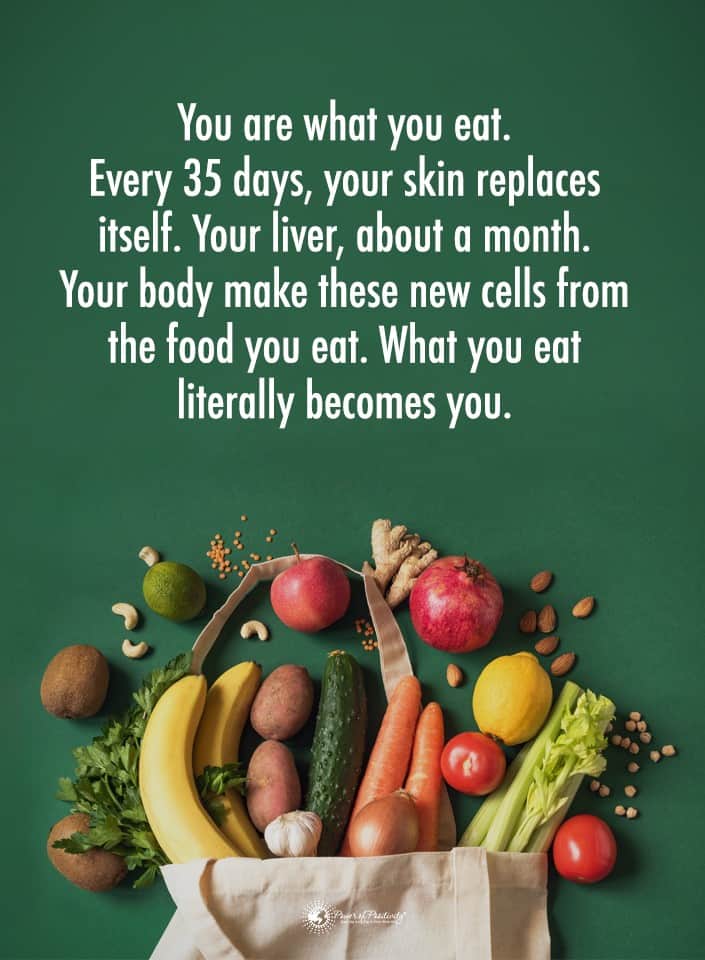
The studies above show how eating more fruits and vegetables can result in better health overall. Shockingly, around 90% of Americans don’t get enough fruits and veggies in their diet, according to the CDC. The report found that most Americans eat fruit once per day and veggies 1.7 times per day. However, the dietary guidelines recommend adults consume 1.5 to 2 cups of fruit and at least 2 cups of veggies daily.

The CDC says that increasing these numbers could mean reversing the chronic diseases plaguing the U.S. Studies consistently show that diets high in plants correlate with improved health overall, as we mentioned above.

Countries in which plants make up most of the diet tend to have lower disease reports. The Blue Zone regions – Costa Rica, California, Italy, Japan, and Greece – have the world’s healthiest people. While the diets vary slightly across these regions, all of them have one thing in common: tons of plants.

Try this experiment out for yourself to see how you feel. For two weeks, eat at least the daily recommended guidelines of fruits and veggies. If you feel more vibrant and energetic, you can thank nature for improving your health!


Japanese Scientists Link Healthy Gut Microbes to Better Sleep

A study from the University of Tsukuba in Japan revealed that people who have healthy gut microbes get better sleep. With so many people suffering from insomnia worldwide, this research could provide some relief. Many factors influence sleep, including stress levels, eating habits, and physical health, to name a few. However, the common link between all of these is the microbiome, which governs all functions in the body.

All illnesses can be traced back to the gut because 70% of our immune system is manufactured here. This may explain our chronic disease epidemic since many people today have poor gut bacteria due to various lifestyle factors. The study by Japanese scientists shows the importance of a healthy gut because it influences everything from our moods to sleep patterns.

About the gut microbes study

pop memeIn the study, researchers used various antibiotics in order to deplete the gut microbes in mice. They discovered that metabolites in the gut differed in these mice compared with controls. Specifically, metabolic pathways involved in creating neurotransmitters such as serotonin became disrupted. Furthermore, the mice showed abnormal sleeping patterns and disruptions in their circadian rhythm. In particular, their REM sleep became disrupted; the mice seemed to slip in and out of REM sleep quite frequently.

The study, led by Professor Masashi Yanagisawa in Japan, aims to show the extent that gut health impacts our lives. The thorough study in mice revealed how significantly gut microbes can alter the intestines and affect behaviors such as sleep.

For the experiment, the researchers gave a group of mice various powerful antibiotics for a period of four weeks. This depleted their gut microbes. Then, the researchers compared the intestinal contents of these mice and the control group who ate the same diet. In the digestion process, food gets broken down into small pieces called metabolites.

What the study revealed about how gut microbes influence sleep

The team found striking differences between the metabolites in the mice with no gut microbes and the control group.

Professor Yanagisawa said, “We found more than 200 metabolite differences between mouse groups. About 60 normal metabolites were missing in the microbiota-depleted mice, and the others differed in the amount, some more and some less than in the control mice.”

Next, the team wanted to determine how the metabolites act under normal conditions. Using metabolome set enrichment analysis, they discovered that the antibiotics mostly affected biological pathways involved in making neurotransmitters. Cells in the brain use these molecules to communicate with each other.

In the mice, researchers found that their tryptophan-serotonin pathway had basically stopped functioning. While the mice with depleted gut microbes had more tryptophan than controls, they had almost no serotonin. This observation proves that when the gut lacks important bacteria, tryptophan can’t get converted to serotonin. Furthermore, the team found that the mice had low levels of vitamin B6 metabolites, which aid the production of serotonin and dopamine.

Other observations

Next, the team observed the sleep quality of the mice by using EEGs to study brain activity. They found that the microbiota-depleted mice had more REM and non-REM sleep at night than the control mice. The mice also had less non-REM sleep during the day. While this would look normal for humans, it shows a flipped circadian rhythm in the mice, who are nocturnal animals.

The occurrence of REM sleep episodes increased both during the day and night. However, the number of non-REM episodes increased only during the day. Researchers say this shows that the microbiota-depleted mice alternated between sleep/wake stages more often than the controls.

Professor Yanagisawa suggested that depleted serotonin levels caused the sleep disturbances. However, they still need to do more research to determine the exact mechanism behind this phenomenon.

“We found that microbe depletion eliminated serotonin in the gut, and we know that serotonin levels in the brain can affect sleep/wake cycles,” he says. “Thus, changing which microbes are in the gut by altering diet has the potential to help those who have trouble sleeping.”

Other studies that show how healthy gut microbes can prevent insomnia

Similar studies yielded related findings.

1. Having a healthy gut helps your neurotransmitters and hormones stay balanced, which ensures a good night’s sleep.

In fact, one study found that beneficial gut microbes can lower cortisol levels, which play a huge role in hormone production. Too much cortisol results in imbalanced hormones, which can affect sleep quality and duration.

Also, a healthy gut ensures that your body will produce adequate GABA, an amino acid that helps with sleep. Finally, since 90% of serotonin comes from our gut, having good bacteria will help you relax at bedtime.

2. Melatonin levels also play an important role in the quality of our sleep.

When our bodies have healthy levels of this hormone, our sleep-wake cycles are consistent. However, in our modern world, many people’s circadian rhythms have been thrown off due to lack of sunlight. Also, the bright blue lights emitted from smartphones and computers deplete melatonin levels at night. This could explain the increase in insomnia since the advent of mobile technology in the past 20 years.

To increase the body’s melatonin levels, it’s important to eat foods high in tryptophan, since this converts to serotonin. You can also take probiotics, since these increase melatonin levels by increasing tryptophan in the body. People with low levels of serotonin often have disrupted circadian rhythms due to imbalanced melatonin.

gut microbesFinal thoughts: Gut microbes play an important role in the quality of our sleep

Scientists have just begun to discover the link between our gut microbiome and sleep disorders. Not surprisingly, the study of mice proved that having an unhealthy gut caused sleep disruptions. The mice who had depleted gut bacteria had a flipped circadian rhythm, and we see that in humans today as well. Many people feel wired at night when they should start feeling sleepy from a long day at work.

However, by taking care of our gut bacteria and eating healthy foods, we can start getting better sleep. In general, you’ll want to avoid processed foods and eat whole foods to feed the good bacteria.

12 Behaviors That Reveal Someone Is an Impatient Person

Has anyone ever told you that you’re an impatient person? Perhaps it’s not you but your spouse or another relative that seems to be on the inpatient side.

This person is usually described as having a type-A personality, and they can often come across as very rude or insensitive towards others. However, there is a method to their madness as they often accomplish a lot in life and don’t waste any time doing it.

Being in a relationship with a person like this can be challenging, but if you understand their shortcomings and cope with their nuances, it can make things easier. How many times have you heard the old saying that “patience is a virtue?” It just seems that many people lack this virtue in today’s society.

Twelve Behaviors That Unmask an Impatient Person

How do you spot an impatient individual or know if you fit the criteria? Here are some signs that perhaps you live life in a rush and expect others to do the same.

impatient1. You Don’t Have Time for Long Lines

Nothing infuriates you more than a long line. If you must sit at the bank, wait at the BMV or any other queue that holds up your day, you may become irate. You probably equate this experience to going to the dentist and having your teeth drilled.

All this waiting is taking away from 100 other things that you need to do. Don’t be surprised if you use your voice and body language to let everyone else around you know how ticked you are that you must wait. You might make a bit of a spectacle and tell the clerk a thing or two when you get to the counter.

2. Sitting in Traffic Makes You Crazy

Sitting in traffic jams or at long red lines does require patience. You will probably honk your horn, possibly make rude gestures, and show the world how aggravated you are that you must wait.

Sure, being unable to move and sandwiched in by cars can grate on the nerves, but it bothers you more than others. How do you do when sitting in a traffic jam? Do you feel the urge to jump out and run to your destination rather than sit idle?

3. You Find Waiting to Be Offensive

Don’t ever keep the impatient person waiting as they find this behavior offensive. You don’t like to wait for anyone or anything, and if someone has told you to be there at 5 pm, they better be ready to go.

Being late throws your whole day or evening into a tailspin. You may get so aggravated that someone asks you to wait that you go on without them.

4. Interjecting Isn’t Impolite, It’s Time Efficiency

It’s tough to carry on a conversation with an impatient individual because they don’t have time for a person to get out everything they have to say. Do you interrupt and talk over folks because you cannot wait until they’re done speaking? You’re probably not a good conversationalist unless you’re the only one doing the talking.

Does this sound like you? Do you have a hard time talking to people because you always want to speak over them because you cannot wait for them to get through their story?

5. You Have Tons of Nervous Energy

How do you spot the impatient individual in a room? Well, they’re the ones jingling change in their pockets, pacing the floor, folding their arms, and seemingly a ball of nerves. Take, for instance, being stuck in a waiting room at a hospital.

No doubt, you’re worried about a loved one or friend, but you can’t stand sitting idle, and you may feel as if they will have to admit you if they don’t hurry up. You feel so anxious that you may explode if you must sit still and do nothing for long periods.

6. You Have a Short Fuse

When things don’t go the way the impatient have planned, then you will see a side of them that you may not like. If you’re this person, do you tend to blow up and have fits of rage when things don’t go the way you want?

People tend to shy away from you when they see warning signs that your anxiety has reached a boiling point. Being in a relationship with you is hard when you’re not patient because everything isn’t in your time frame.

patient people7. They Hate When People Say to Them “Just Be Patient.”

How many times has someone told you to “Just be patient?” The problem is that behind this hurried mentality is a deep-rooted anxiety issue that you haven’t addressed. Did you have a rough childhood and suffer from abuse?

Many people who feel like they need to be in command have had situations happen to them in the past where things were out of their control. Your impatient nature may be a side effect of the storms you battled in life. The only way for you to overcome these problems is to get counseling and learn practical management skills, but you must realize that you have a problem.

8. You Must Always Plan Ahead

When you go on vacation, do you have an itinerary for every day of the week? Well, being impatient means that you believe you must always have a plan for the future. You must fit in everything you want to do, so you must plan it all out down to the last detail.

You probably drive those around you crazy with all the preparation. Since time-wasting is a big no-no, you want to ensure that there is no idle time. Look out if something doesn’t go according to the plan, as you may blow your top.

9. You Don’t Count on Others to Make Things Happen

Do you tend to come off as an “I’ll-just-do-it-myself” kind of person? You would love to have help, and you may often bellyache about the assistance you need. The problem is that you don’t think that anyone else can do as good of a job as you.

If someone is working alongside you, you want to show them the correct way to do something, but you do the entire task. It’s tough to work or live with the impatient because you have a mindset that few can understand.

10. You Don’t Tolerate Slowness, Delays, or Failure

Living life as an impatient person is like driving on a two-lane road and being stuck behind a piece of farm machinery that you can’t pass. You sit there trying to get by without getting run over. You may take risks and cross over the double yellow line to avoid any delays.

There is no time for any delays or failures in your life. It’s all just one significant inconvenience to a person who lives life in a rush. Life can seem like a roller coaster ride for your spouse and children when there are control issues and verbal outbursts when things don’t go the right way.

11. You Have Control Issues

To control your anxiety, the impatient person must dictate the situation. You like to call the shots to manage time. You’re very frustrating to others as they feel that they’re not as efficient as you.

So, by being in control of any situation, you can ensure that things are done right the first time. You often volunteer to step up and help just about anyone, but you drive them all crazy because of your demanding nature and impatient personality.

12. Even the Smallest Issues Are A Crisis

You ordered a pizza, and the delivery person told you that it would be about 45 minutes before they can get to you. While that doesn’t seem like a long time to most people, it looks like a death sentence to the impatient. Many things are running through your mind like:

  • What will I do for the next 45 minutes?
  • I may starve to death before they arrive.
  • I’m never ordering from this slow company again!
  • I could make this pizza in less time and save money.

impatientFinal Thoughts on Recognizing the Signs of an Impatient Person

Overcoming an impatient personality isn’t easy. However, it takes time to get to the root issue and work on coping skills. Everyone has days where they are annoyed and hurried, but an impatient person feels this way every day.

Being patient with others will remind you that there are times that others must be patient with you. You must slow down and take time to smell the roses. Life isn’t a race to see how fast you get things done. Instead, it’s about having the time to enjoy the little blessings that each day brings.

If you’re so focused on the plans and itinerary of the day, then you might miss some of the greatest miracles and blessings in your life. What’s more precious than time with your loved ones and friends? When you live life in a rush, people may turn the other way to avoid feeling unable to measure up to your high standards or sometimes annoying behaviors.

Starting today, learn to live in the moment and stop stressing about time management issues.

19 Habits to Make it Easier to Connect With Your Spiritual Gifts

If you are lucky or blessed enough to receive spiritual gifts from the holy spirit, you must do all you can to use them to the best of your ability. Once you’ve been endowed with these gifts, you have a responsibility to use them for God’s will. To do that, you must be able to access these gifts and use them knowledgeably.

A quick internet search will yield many sources, all of whom claim a different number of gifts from the Holy Spirit. However, many of these gifts overlap, and some lists are not complete. The Bible mentions nineteen gifts  in the New Testament. Once you know them, you must develop the habits that will unlock these many blessings from God.

The Nineteen Spiritual Gifts are the Following:

  • Administration
  • Apostleship
  • Discernment
  • Evangelism
  • Exhortation
  • Faith
  • Giving
  • Healing
  • Interpretation
  • Knowledge
  • Leadership
  • Mercy
  • Miracles
  • Pastor/Shepherd
  • Prophecy
  • Service
  • Teaching
  • Tongues
  • Wisdom

There is no definitive set of instructions on connecting with your gifts. On top of that, everyone is different. What could work for one person may not work for the next person. However, there are several habits you could enhance or develop that may help you access them better.

spiritual gifts19 Habits That Connect You to Your Spiritual Gifts

This article will explain habits that can make you connect with your spiritual gifts. Surprisingly, these habits also apply to everyday life. See how you hold power to connect at least one practice to each of these blessings. Below are 19 habits that can help you connect with your spiritual gifts.

1. Administration – Be proactive.

A person with the gift of administration is meant to lead the church by implementing plans and organization. It’s similar to leadership, but instead of leading through inspiration, they lead through tasks. Being proactive is a habit of any effective administrator. You know what needs to be done, so you get it done promptly.

2. Apostleship – Be a great storyteller.

Apostleship is a gift that the Holy Spirit gives to those meant to spread the church to places where the church may not be. People with this gift learn to tell stories well. After all, if you’re going to keep your audience’s attention, a well thought out, well-timed, and well-spoken tale is the perfect way to do that.

3. Discernment – Listen without bias.

This gift is also known as distinguishing between spirits. You can practically sense the difference between real people and fake people, good and evil, or truth and lies. However, to do this, you must learn to listen to truly listen to people whether you agree with them or not. You must practice seeing the truth in a situation without bias.

4. Evangelism – Communicate effectively.

Evangelists are expected to spread the word of God, especially to lost souls and nonbelievers. They must do this without fear of talking to strangers. To do this, an evangelist must be a “people person.” They must be able to communicate effectively with anyone, no matter their differences.

5. Exhortation – Be passionate.

The gift of exhortation is essentially the gift of being a motivational speaker. If you have this gift, you must help uplift people who may be wavering in their faith. You must be a cheerleader for God. This requires an extreme passion for what you believe in.

6. Faith – Think positive thoughts often.

The gift of faith is not unlike having faith. The advantage of faith means that you have an unwavering dedication to God; when he asks you to move, you move. You can’t be a negative person and have this steadfast dedication. It would be best if you learned to think positive as often as possible.

7. Giving – Be kind to others.

The gift of giving means that you freely give to those who are in need, and you enjoy doing it. A mean person is rarely going to be a giver. Someone who truly gives without expectation must be kind and compassionate towards others.

8. Healing – Take care of yourself.

The gift of healing doesn’t only mean you heal others. It means you must also heal yourself. After all, if you don’t take care of yourself, you’ll be unable to help anyone else. Ensure you take care of your mental, spiritual, and emotional health to connect with this gift fully.

how to stop worrying9. Interpretation – Be persistent.

This is understanding and explaining the next gift, the gift of tongues, or interpreting what people are telling you. You may not do this correctly the first time. It can be uncomfortable at first because there aren’t many people who receive this gift. However, keep at it, and you will eventually master it.

10. Tongues – Be fearless.

This is the other part of the previous gift. You can’t have both of these spiritual gifts. Rather than interpretation, you are the person that has been blessed with the ability to speak God’s languages. However, people who speak in tongues can’t interpret the message. It can be scary when God takes over you and delivers this message through you – it’s almost as if you’ve lost control of your body. However, let go of your fear and give yourself over to God to connect with your gift fully. It’s an incredibly divine experience, not one to be afraid of.

11. Knowledge – Read a lot.

The gift of knowledge can absorb, interpret, and reiterate a vast collection of knowledge to others. You aren’t going to one day wake up with all the experience in the world in your head. You must actively seek it out daily. Reading a lot will give you access to a vast assortment of knowledge.

12. Leadership – Learn to inspire others.

The gift of leadership is more than telling others what to do. It’s caring about them so genuinely that you want to lead them in the right direction, towards salvation. To lead people, you must inspire them, so work on being an inspirational person.

13. Mercy – Be empathetic.

The gift of mercy allows you to share the burden of another until God lifts that burden from them. While being empathetic is more of a natural trait than a learned one, it doesn’t mean you can’t learn to strengthen your empathy. Work on this to fully connect with your gift.

14. Miracles – Be open-minded.

The gift of miracles can be a great responsibility. With this gift, you connect others to the glory and blessing of God. You never claim this power for yourself. To do this, you must be open-minded and ready to share God’s glory in whatever way he deems worthy.

15. Pastor/Shepherd – Be attentive to details.

Many people think of the pastor as a leader, and in a sense, he/she is. However, they are more of a protector of the flock and a guide, making sure to keep the community connected with God. To do this, the pastor must be attentive to small changes in his congregation that alert him/her to potential problems (the devil sneaking in). Do you have any idea of what does a Christian do when their pastor sins?

16. Prophecy – Trust your instincts.

The gift of prophecy is an incredible gift in which you can share God’s revelations. This means that you must be able to interpret God’s revelations. That requires using your instinct. Don’t second-guess yourself. The Holy Spirit gave you what you need to analyze these revelations.

17. Service – Be humble.

The gift of service is a gift that often puts you in the background. Your role is in assistance to others who may be a more public figure. This means that you must be humble and accepting of your background role. You are no less important than anyone else, but you must be satisfied with possibly receiving less public recognition.

18. Teaching – Honesty is the best policy.

If you have been blessed with the gift of teaching, you will be held to a higher standard than all others. This is because you have the sole responsibility of bringing God’s instructions to his flock. It’s a huge responsibility, and it requires you to give these lessons straight as God intended, not to interpret them to your liking.

19. Wisdom – Have a heightened self-awareness.

At first, wisdom and knowledge may seem like the same gift, but they are vastly different. Knowledge is knowing things; wisdom has the perspective to apply this knowledge to life. You must be self-aware to be wise. So first, you must understand that you are not perfect. You are simply a humble servant of the Lord. This clarity will allow you the ability to make sound judgments, which is what wisdom centers on.

spriritual giftsFinal Thoughts on Connecting to Your Spiritual Gifts

The Holy Spirit doesn’t grace just anyone with spiritual gifts. If God chooses you to share these gifts, you are indeed an extraordinary individual. God chose you, so you must believe that you are worthy to receive a spiritual gift.

Believing that you are worthy is half the battle of connecting with spiritual gifts. The other half is living a life that allows you to tap into your talent fully. Although the 19 habits above are written as one habit correlating with one gift, they are all great habits to practice no matter which advantage you have.

Keep practicing these 19 habits, let God work through you, and stay humble. You’ll find that connecting with your spiritual gift becomes an effortless task that enriches your life as well as the lives of others. Be blessed!

10 Signs That Failure Is Actually a Blessing in Disguise

For every good day you have in life, there will be those that are bad. There will be a valley below that reminds you to stay humble for every mountain you climb to the top and achieve a great goal. Wouldn’t life be easy if every day were sunshine and there was never any rain? Did you ever consider that your rainy days and failures in life are blessings in disguise?

No one wants to believe the worst times could be the same experience that molds and makes you into a better person. Take, for instance, a battle with cancer.

How could anyone see a battle where they face death as something good? Well, when walking through these dark days, you learn to appreciate that you have another day to stay with your family. You become thankful for the smallest of things, like breath in your body.

Additionally, you learn that the trials of this life may be your blessings in disguise. After battling a life-threatening illness like cancer, you have a new appreciation for others fighting the battle. You find yourself with a different attitude, and you want to reach out to those who need help because you now have a testimony to share.

Are Your Struggles Actually A Blessing in Disguise?

blessings in disguiseThink back on the worst days of your life and how you felt. Now, how were you different coming out of this trial than you were before you went into it? No doubt, it changed you.

Only you can decide if the made changes were better or worse, but you can find the blessing in disguise in all these circumstances. Here are a few tips that your failure or shortcomings have been a big help to you.

1. Your Attitude Changes

A change of attitude is one thing that many people notice, and this alteration is a blessing to you and those around you. Assume that you just got a divorce after being married for 15 years. You count this marriage as a failure because it didn’t work.

However, hitting rock bottom and losing almost everything you own changed your attitude. You no longer look down on those who have less or think poorly of those married and divorced several times. You learn how to put everything into a new perspective, and it alters your thinking.

2. You Grow Spiritually

Most people believe in a higher power in this life. Your darkest days and biggest failures can enhance your spirituality. Where would you be if you couldn’t call on someone or something bigger than you to help in a time of crisis?

A spiritual journey is a very private experience that differs for each person, but you can undoubtedly enhance your dependency and need for a higher power.

3. You Learn Humility

What if the fancy, luxury SUV that made you feel bigger than life was repossessed for lack of payment? You might have lost a job or fought a health crisis that removed the resources you used to pay for it. Going without a vehicle, borrowing one from a friend or relative, or downgrading can make you humble.

When driving the SUV, you felt more significant and better than many. Now, you find that you’re glad you have a way to and from work and the grocery store. You learn to be humble and not put your stock in material possessions, as they can be gone tomorrow.

4. You Find Strength You Never Knew You Had

When you face a significant failure in life, you learn to find the strength within yourself that you never knew you had. Take, for instance, Colonel Sanders. The famous entrepreneur of Kentucky Fried Chicken seems like the ultimate success story.

Did you know that Colonel Sanders’s recipe was rejected more than 1,000 times before he found a restaurant willing to work with him? How many times would you have gone back and tried again after your failed recipe was rejected? You learn that through your failures, you have great strength to get up and try again.

5. You Analyze Your Disappointments

When you’re trying to teach a baby to walk, they fall many times. You don’t correct them and discourage them from ever trying again, but you teach them what they’re doing wrong so that they can fix their failures. Eventually, they learned the proper way to balance themselves so they can walk.

When you fall and hit rock bottom, you have a lot of time to think. Use this to see what you did wrong so that you can correct it going forward. Maybe it’s a job loss because you weren’t performing at an acceptable level. What could you do differently to make things better in the next job?

You stumbled and fell, but you had time to find the blessing in disguise because you learned what you needed to do to be a better employee.

past failures6. You Build Confidence

Henry Ford is known as one of the great pioneers in the automobile industry. The Ford Motor Company has been in business since 1903. While many have fallen by the way, they remain steadfast.

However, you may be shocked to learn that Ford’s first company failed, as did his second, and even his third automobile line. He was rattled by consumers’ complaints and nearly lost his business trying to figure out the problems with the vehicles.

The beauty in all of this was that he built a product that he was confident in because he dedicated so much time and effort. When he finally worked out all the kinks, Ford was sure that he would be successful, and he was. You learn to build confidence in yourself when you pick yourself up, analyze the situation, and do what needs to be done to save your sanity.

7. You Learn to Live in The Moment

So many people are in the hustle and bustle to get through the day that they don’t take time to appreciate each moment. Dinner around the table with your entire family is a privilege, and while it may seem chaotic, there will come a time when you miss the chaos.

If you lost your job, it’s a huge upset. However, take time to appreciate all those small things, like a family dinner. Don’t forget to take time to go to the park and see all the wildflowers in bloom. If you become so focused on material things and position, then you may miss the most significant things in life.

When life slows you down and throws you off course, it’s a blessing in disguise when you learn to live and appreciate each moment.

8. You’re Open to Bigger and Better Things

A job loss or divorce may seem like the end of your world. You may not be able to envision how you can go on from this devastating blow. However, could it possibly be that the Universe is moving you beyond your comfort zone to allow better things to come your way?

There may be a job making $10k more a year just waiting on you, but you would have never known about it if you stayed in the same position that’s made you miserable. So, you can say that the job loss was a blessing in disguise because it opened doors that would have never been for you.

9. Your Knowledge Increases

After Henry Ford failed at three companies, he quickly learned what not to do to succeed in the car industry. However, what if he never failed? He would have been just another example of an automobile manufacturing company that never made it with the economic tides.

He was a success story because his knowledge increased, and the value of his product did too.

10. You Learn You Can’t Control Everything

Why is it so challenging to learn that there are things beyond your control? If you tend to be a controlling person, something like a death of a loved one or a tragic accident soon reminds you that you’re not in control at all.

Perhaps, you will learn through your failures that there is always someone more significant and more powerful than you, and it will change your thinking.

blessing in disguiseFinal Thoughts on Considering Failing a Blessing in Disguise

Sometimes adults think that once they reach that magical age of 18 that they know everything. Once you grow and go through some significant storms, you learn the true meaning of life. It’s also through these valleys that you realize the need for a higher power, an attitude adjustment, and to live in the moment.

Your failures are as much a part of living as your successes. Consequently, most would argue that they learn the most when they have been knocked to the bottom and given time to think. Do you remember times you failed in life and the blessing in disguise that situation was to you?

Stay positive.

Never forget that you’re one decision away from a totally different life. Life can change in the blink of an eye, and you’re along for the ride.

Hyperthyroidism Diet: What Foods to Eat and Avoid

When your thyroid gland is overactive, following a hyperthyroidism diet can make a difference. While a healthy diet can’t prevent or cure hyperthyroidism, it can help ease the symptoms. In a hyperthyroidism diet, there are specific foods you should eat and others to avoid.

Healthy foods in a hyperthyroidism diet can increase the effectiveness of your treatment plan. Plus, they can support your medication while unhealthy foods interfere with medication. Making these small dietary changes can help you find a balance with your thyroid medication. Of course, that helps you live a healthier life.

Your thyroid is a gland located below your larynx or voice box. The thyroid is a butterfly-shaped endocrine gland that handles many essential bodily functions such as metabolism. It produces T3 and T4 thyroid hormones that help your body use energy, regulate body temperature, and help your organs function properly.

Maintaining a healthy hyperthyroidism diet can help you control your thyroid disfunction. Learning what foods are good for hyperthyroidism and what to avoid allows you to prevent thyroid hormone fluctuation. Plus, a healthy hyperthyroidism diet will help you alleviate the symptoms.

What Is Hyperthyroidism?

Hyperthyroidism is a condition that results from an overactive thyroid. As your thyroid produces excess hormones, your body gets too much, causing an overdose of hormones or thyrotoxicosis. If your thyroid becomes inflamed, it leads to an overactive thyroid as it leaks out an abundance of thyroid hormones.

Silent thyroiditis is a variation that doesn’t always have symptoms. Unfortunately, this variation can cause severe problems with the thyroid gland and could be an autoimmune disorder.

Some of the symptoms of hyperthyroidism overlap with other conditions, making it difficult to diagnoses. If you have multiple symptoms, your doctor can typically confirm it with a blood test. The doctor might have to scan the thyroid to check for enlargement and overactivity.

Studies show that hyperthyroidism increases many health risks, including issues with your heart, muscles, bones, fertility, and menstrual cycle. Plus, it can also increase pregnancy risks for you and your child. The same study shows that one in every 100 people has a hyperactive thyroid, and females are more susceptible.

Other risk factors for developing hyperthyroidism include a family history of thyroid disease, Type 2 diabetes, adrenal disorders, or over-consuming iodine. Being pregnant within the past six months increases your risk, too. Additionally, being over the age of 60 increases your risk.

There are a few things that can cause hyperthyroid disorder, including the autoimmune condition Grave’s Disease. This disease results from thyroid nodules that are typically benign lumps but can be cancerous. Additionally, thyroid cancer can cause an overactive thyroid because normal functioning becomes disrupted.

hyperthyroidism dietSigns You Might Need to Follow a Hyperthyroidism Diet Plan

The symptoms of hyperthyroidism are common and often confused with other health problems. Symptoms include:

  • increased appetite
  • sudden weight loss
  • mood changes
  • anxiety, irritability, or nervousness
  • feeling overheated
  • flushed skin or sweating
  • trouble sleeping
  • pounding heart or fast heartbeat
  • muscle weakness
  • fatigue
  • slight shaking or hand tremor
  • changes in bowel movements
  • thinning skin
  • brittle hair and nails
  • thin hair
  • goiter
  • swelling at the base of the neck
  • menstruation changes
  • eye changes, including dryness, redness, and blurred vision
  • redness in your palms
  • hives
  • unexplained shaking or twitching
  • irregular pulse

Foods To Eat If You Have Hyperthyroidism

If you have an overactive thyroid, following a hyperthyroidism diet can help with the symptoms. Increasing your intake of certain foods could make all the difference in your symptom management. Your diet can’t cure hyperthyroidism. However, it can help with maintaining hormone production.

Low Iodine Foods

Low iodine foods reduce thyroid hormones and include the following:

  • frozen or fresh vegetables
  • egg whites
  • iodine-free salt
  • herbal tea
  • herbs and spices
  • olive and canola vegetable oils
  • honey
  • pure maple syrup
  • fresh fruit
  • lean portions of poultry or beef
  • unsalted nuts or nut butter
  • bread without salt, dairy, and eggs
  • unsalted popcorn
  • oats
  • potatoes

Cruciferous Vegetables

Cruciferous vegetables stop hormone production and reduce iodine uptake by the thyroid. These vegetables include the following:

  • most dark greens, including turnip, mustard, collard, kale, and arugula
  • cabbage and brussels sprouts
  • bok choy
  • cauliflower
  • radishes
  • broccoli and rabe
  • rutabagas and turnips
  • bamboo shoots
  • cassava

Foods Containing Selenium

Selenium-rich foods can help balance thyroid hormone levels, protecting you from thyroid disease and alleviating the symptoms. It also helps prevent cell damage to keep your thyroid and tissues healthy. Foods containing selenium include these:

  • light fish, including tuna and halibut
  • lean portions of beef, low-sodium ham, or poultry
  • oatmeal
  • brown rice
  • cottage cheese
  • eggs, in moderation
  • Brazil nuts
  • beans
  • selenium-fortified pasta or cereal
  • spinach
  • couscous
  • chia seeds
  • mushrooms
  • tea
  • sunflower seeds
  • shrimp

Foods Containing Iron

Iron is essential for many bodily functions, including your thyroid. By increasing your iron intake, you will alleviate the symptoms and prevent the condition from worsening. Foods that contain iron include these:

  • beans and lentils
  • sardines
  • lean portions of beef, pork, or poultry
  • liver
  • spinach
  • raisins
  • dark chocolate
  • tofu
  • leafy greens
  • nuts
  • whole grains
  • fortified cereals
  • oysters and fish
  • chickpeas

Foods Containing Calcium and Vitamin D

Hyperthyroidism can cause weak and brittle bones. However, you can restore bone mass with an increase in calcium, and vitamin D. Calcium-rich foods include the following:

  • dairy products, including milk, cheese, and yogurt
  • fresh or canned salmon
  • sardines canned in water
  • calcium-fortified orange juice
  • kale
  • bok choy
  • broccoli
  • spinach
  • collard greens
  • kale
  • okra
  • white beans
  • calcium-fortified tofu and soy milk
  • almond milk
  • calcium-fortified cereal

Some foods that are rich in vitamin D include these:

  • vitamin-D fortified orange juice
  • beef liver
  • mushrooms
  • fatty fish
  • vitamin-D fortified cereal
  • salmon and tuna
  • fortified dairy products
  • vitamin-D fortified soy milk

Spices

Studies show that some spices are beneficial to the diet for hypothyroidism, as they are anti-inflammatory and help balance thyroid function. These spices include:

  • turmeric
  • green chilies
  • black pepper

Healthy Fats

Fats from whole, unprocessed foods can help reduce inflammation. The inflammation reduction helps protect thyroid health and balance thyroid hormones. Foods that contain healthy fats include the following:

  • flaxseed oil
  • avocado and avocado oil
  • olive oil
  • sunflower oil
  • coconut oil
  • safflower oil
  • unsalted nuts and seeds

Foods To Avoid With Hyperthyroidism

While there are many beneficial foods for a hyperthyroidism diet, there are also many that you should avoid. Most of these foods for hypothyroidism are fine in moderation. Hoever, avoiding them is the best option.

hyperthyroidism dietFoods With Excess Iodine

Too much iodine can lead to hyperthyroidism or make the symptoms worse. Foods with high levels of iodine include:

  • fish
  • seaweed
  • prawns
  • crabs
  • lobster
  • sushi
  • carrageen
  • agar-agar
  • algae
  • alginate
  • nori
  • kelp
  • some milk and dairy products
  • processes cheese
  • egg yolks
  • iodized salt
  • some food coloring and dye
  • blackstrap molasses
  • carrageenan
  • iodate dough conditioners (found in some baked goods)
  • restaurant meals

Gluten

In some cases, gluten can cause inflammation of the thyroid. If you have a gluten intolerance or allergy, avoid gluten entirely. Foods that contain gluten include:

  • barley
  • wheat
  • malt
  • rye
  • brewer’s yeast
  • triticale

Soy

Soy doesn’t contain iodine, but it can interfere with hyperthyroidism treatments. Some of the foods containing soy that you should limit or avoid include:

  • soy milk
  • tofu
  • soy sauce
  • edamame beans
  • soy-based creamer
  • soybean oil

Caffeine

Caffeine can exacerbate hyperthyroidism symptoms, resulting in increased anxiety, irritability, nervousness, and increased heart rate. If you notice that caffeine affects you this way, consider limiting your intake or eliminating it from your diet entirely. Food and drinks that contain caffeine include:

  • coffee
  • caffeinated tea
  • chocolate
  • energy drinks
  • soda

Sample Hyperthyroidism Meal Plan

There are many options for a hyperthyroidism diet meal plan, but it can be overwhelming to get started. Once you get into the new dietary routine, it will get easier. To get you started, though, following a sample hyperthyroidism meal plan can help.

Once you get the hang of it, you can adapt the meal plan as desired. In between meals, eat healthy snacks like nuts, seeds, fruits, or vegetables.

Breakfast Lunch Dinner
Day 1 Mixed berries and yogurt Grilled meat topped with herbs and vegetables A bowl of soup with cabbage or broccoli
Day 2 Oats with brown sugar Zucchini lasagna Chicken lettuce wraps
Day 3 Low carb waffles Pad Thai chicken bowl Beef stew
Day 4 Fortified cereal Tuna salad Turkey meatballs with zucchini noodles
Day 5 Low-carb fruit smoothie Taco salad Burger wraps

hyperthyroidism dietFinal Thoughts on Hyperthyroidism Diet: What Foods to Eat and Avoid


While hyperthyroidism is a common condition, it can cause severe health issues if left untreated. So if you have any of the symptoms, it is essential to seek professional advice to know for sure. With a diagnosis, you can begin getting the help you need to treat and maintain your condition.

Changing your diet won’t cure your hyperthyroidism, but it will make the condition easier to manage. By following a hyperthyroidism diet, you can prevent further damage from occurring. Plus, you can alleviate many symptoms of hyperthyroidism while balancing thyroid function and protecting your body.

Avoid eating food from restaurants and aim to cook more meals at home. This simple change will drastically decrease the amount of iodine you take in, plus you’ll get more nutrients and minerals. Following a hyperthyroidism diet can be life-changing as it prevents and alleviates symptoms of the condition.

3 Reasons Why You Should Never Bottle Up Your Emotions

When you experience something upsetting, do you tend to hold in your feelings and try to hide them? Do you attempt to bottle up your emotions in favor of acting like you’re fine, even when you’re definitely not?

This kind of behavior can be very harmful to you, and it can make your life worse. There are better ways to go about dealing with complicated feelings than by repressing them. Here are 3 reasons you should never bottle up your emotions and ways to express yourself instead of keeping it all inside!

Why You Should Never Bottle Up Your Emotions

Keep this advice in mind.

bottle up your emotions1.    Repressing Emotions Makes Them Stronger

A refusal to accept the negative emotions that you feel can actually cause them to become more overwhelming. When you repress those bad feelings, you’re not getting rid of them – just storing them further back in your head as they build and build unaddressed. They will come back to bite you later, or they may start bogging you down right away!

Studies have long found that expressing negative emotions may result in a more positive mental state. To reduce the impact of our worst feelings, voicing them openly and honestly (in the right situations, of course) can help reduce their severity and promote recovery from those feelings.

In terms of repressed emotions, the resulting strength increase in them can also cause:

·         Increased Anxiety

The stress from the buildup of emotions may begin to take a toll on your stress levels, causing you to feel more anxious and uneasy.

·         Mental Exhaustion

Dealing with overwhelming emotions that you don’t even realize are still affecting you can slowly but surely take a toll on your every move.

·         Worsened Negativity

Whenever you experience a new bad emotion, you might feel them in a much more intense manner.

·         Difficulty With Positive Thinking

Repressing emotions may cause that negativity to overwhelm you, leading to trouble being happy even in good times.

2.    It Can Isolate You

People often worry that being open about emotions will cause others to dislike them. In reality, they should be worrying about it the other way around.

Even though people can’t read your mind, most have enough emotional intelligence and insightful empathy to subconsciously pick up negative emotions. People naturally, without thinking about it, move away from these kinds of “auras.”

Here are some specific ways that bottled-up emotions can isolate you:

·         You Cut Yourself Off

Most people naturally start to cut people off – whether directly or indirectly – when they’re bottling up their feelings. You may think, “no one cares about me anyway,” and your behavior will let these thoughts seep through, leaving you lonely.

·         You Lash Out

Bottling up emotions causes them to grow stronger, as we’ve already established. But you don’t know that, so you’ll act totally fine and normal until something triggers the release of those emotions. Then you’ll experience sudden outbursts over small issues, hurting those around you.

·         You Are Uncomfortable Around People Who Are Struggling

Every human being experiences negative emotions, but when you’re bottling yours up, seeing other people healthily exhibit negative signs can make you nervous. You might even judge them, thinking that showing negative emotion is embarrassing.

·         You Can Seem Two-Faced

Those who bottle up their emotions typically behave very differently by themselves than with others. While most wouldn’t notice this, those who catch on to these changes may view you as dishonest or not be trusted.

Being honest about your emotions can help make relationships stronger, not weaken them. Telling someone honestly and positively about how you feel can help rectify problems and grant them more insight into your moods and behavior.

3.    Your Health Can Suffer

Emotional repression affects so much more than just your mental state and ability to maintain positive thinking or relationships. It can also genuinely take a toll on your physical health, and this has been studied and recorded for a long time. Here are some ways bottling things up might take a toll on your wellbeing:

·         Digestive Trouble

You’re more likely to experience gut issues if you spend a lot of time dealing with negative emotions, especially if they involve stress, anxiety, and other similar problems.

·         Unhealthy Weight Gain

The bottling up of emotion is often linked to poorer food and snacking choices, contributing to unhealthy forms of weight gain.

·         Headaches

Regular headaches without any underlying health-related cause can often be traced back to emotional problems, including the chance you’ll bottle up your emotions.

·         Decreased Lifespan

Due to the health issues caused by bottled up emotions, many people who repress their feelings experience a shorter lifespan overall.

·         Cancer Risk

More studies are still needed to confirm this, but it’s worth noting that some evidence indicates that emotional repression may worsen the risk of cancer development.

·         Bad Coping Mechanisms

To cope with the bottle-up feelings, you will have to turn to some methods that may not be the best for your health. This may include smoking, drinking, eating junk food, unsafe promiscuity, and substance abuse.

inspire-positive-quoteWays To Express Yourself

Use these methods to express yourself. Don’t bottle up your feelings.

1.    Write

The act of writing down your emotions sounds very simple, and yet few people realize just how much it can help them! Journaling, in particular, has been shown in multiple studies to have hugely positive results on overall mental and even physical health.

Writing can be therapeutic because no one is reading your words, so you’re free to say whatever you like. No one can judge you, and you don’t have to worry about sparing the feelings of others while carefully curating your words. So the next time you need to express yourself, try writing! Here are some tips for the most effective self-expression:

  • Don’t try to stick to logical writing only; express your emotions as honestly as you feel them, even if it sounds childish or unreasonable to you and even if they’re unorganized.
  • Elaborate on emotions; don’t just say something that made you feel sad. Elaborate on the situation and why it hurt you so much
  • Don’t overthink your works. Just write what flows and don’t hold back.
  • Optionally, you can reread your writing with a clearer head later to reflect on your emotions and how to do better or avoid future similar situations.
  • If you decide to keep a regular journal, do not pressure yourself to write long passages every day.

2.    Name Your Emotions

Sometimes the easiest way to express how you feel is to name those emotions! It sounds deceptively simple, but it can work wonders for your positive thinking. As has already been discussed, repressing emotions is terrible for your health and can make those feelings worse.

By naming what you feel, you are actively acknowledging your emotions, allowing them to be confronted and resolved. It’s actually not just a great way to start being honest with yourself, but it also helps make those emotions disappear healthily and naturally. Here are some tips for doing this effectively!

  • Don’t be too generic; get specific about what you’re feeling instead of just saying, “I feel bad.”
  • Don’t be afraid to dig a little deeper; you feel angry, but where is it coming from and why?
  • Talking to yourself in an attempt to work through your emotions and name them accurately is not shameful or embarrassing; use that technique if it helps you!

You can practice naming emotions quietly in your head so you can continue this technique in public spaces, but do be aware that it may not be as effective!

3.    Engage In Hobbies

Negative emotional energy can weigh heavily on you. It’s a good idea to find and engage in hobbies and activities to help expel and express that energy. Here are some examples of things you can do to express yourself healthily:

  • Exercising
  • Reading
  • Dancing
  • Making art
  • Volunteering
  • Hanging out with friends
  • Singing
  • Gardening
  • Playing with pets

Allow yourself to feel your emotions and channel them into these activities. Not only do the activities themselves serve as great distractions, but you’ll also be sharpening skills and using your free time and negative emotions positively and productively.

If all else fails, know that it is also okay to take a break for a while. It’s fine to need to be alone and inactive with your emotions. Just keep it under a time limit, and don’t wallow for days on end!

4.    Talk It Out

Talking to someone who you trust about your emotions is a great way to express yourself. Through listening, others can provide you with meaningful social contact, gentle validation of your emotions, and, if requested, outside perspectives and advice.

It’s useful, to begin with, to have someone else looking in on your situation from a more rational perspective. But even if you’re only looking to vent and not to receive advice, sometimes it’s just nice to feel listened to. Here are some tips for talking about it healthily and positively:

  • It’s a good idea to let the person you’re talking to know your intentions first; do you want advice or just emotional support?
  • Make sure you can truly trust the person that you’re speaking to; they should be able to keep secrets, refrain from being judgmental, and never use what you say against you in the future.
  • Don’t be offended if someone you would like to talk to is not in the right mental space to listen to venting, offer support, or provide advice; emotional boundaries are important, and not everyone can provide what you seek!

Don’t have anyone close in your life that you feel comfortable talking to? Try dialing a help hotline or scheduling an appointment with a therapist, counselor, or similar mental health professional. While it may feel awkward at first, talking to professionals is a wonderful way to express yourself as they are trained to listen to you most effectively and provide assistance in safe and proven manners.

bottle up your emotionsFinal Thoughts On Why You Should Never Bottle Up Your Emotions And Ways To Express Yourself

Emotions can be difficult to manage, but that doesn’t mean that they should be hidden. By learning to express yourself and your feelings healthily, you’ll be able to handle your negative experiences without bottling up your emotions.

900 People Pay Kindness Forward at a Fast Food Drive Thru

When you witness an act of kindness, it instantly warms your heart and restores your faith in humanity. Many people show compassion for others by buying their coffee or meal in a drive-thru line. You’ve probably heard tons of stories like this of people paying it forward at their local Starbucks. This happened recently at a Dairy Queen in northern Minnesota, where 900 cars took part in the good deed!

Employees at the fast-food chain couldn’t believe how many cars participated, but perhaps the Christmas spirit had something to do with it. Around the holidays, many people feel more cheerful and want to help lift the spirits of others around them. The customers at the Dairy Queen in Brainerd, Minnesota certainly must’ve felt the joy of the season. Also, the pandemic has brought out kindness in many people, especially since so many have lost their jobs or loved ones.

We need more kindness!

With so much going on in the world right now, the “chain reaction of kindness” brings hope into people’s hearts. Paying for someone’s meal may not seem like much, but it can remind people others care. It can turn a bad day around and help people remember we’re all in this together. Little acts of kindness like that truly brighten up a dark world and keep us connected.

The store manager of the Dairy Queen, Tina Jensen, explained to CNN how the pay-it-forward chain began. One day in December of 2020, a man pulled through the chain’s drive-thru telling the cashier he wanted to pay for the car behind him. While Jensen said she’s seen people pay for others before, it usually only lasts for 15-20 cars, not 900! None of the employees at the store expected what happened during the lunch rush that day.

pop memeThe act of kindness surprised everyone, including the customers

Actually, the act of kindness continued for two and a half days, turning into 900 acts of kindness. In total, the store made around $10,000 from this extended pay-it-forward event. They’d never seen anything like it, and it brought everyone so much love and joy during a difficult time.

 Employees helped keep the chain going by telling each customer that the previous car had paid for them. Naturally, this encouraged them to pay for the person behind them, and the act of kindness continued. The assistant manager said they would inform customers how many cars had paid ahead of them to keep the momentum going. When the employees told them it had been five, fifteen, and eventually 30 cars, it got customers excited to keep participating.

No one wanted to be the one to break the chain!

 Jensen told CNN that you can help people in many different ways. Paying for someone’s dinner may seem like a small act of kindness, but it can make such a big difference. You never know what someone goes through in their daily life, so being generous and thinking of others can mean a lot. Obviously, the pay-it-forward event at Dairy Queen touched so many people, including those reading the story later.

 When the restaurant closed the first night of the event, one customer left $10 so they could continue the next day. Then, when they closed Friday night, the same thing happened again, so they picked it right back up on Saturday morning. Upon closing each day, Jensen updated the store’s Facebook page with the number of cars that had participated.

 The kind acts performed at this fast food chain brought out the best in people

Heidi Bruse decided to pick up dinner at the Dairy Queen on a Friday night and got to experience the act of kindness. She said those types of things help restore your faith in humanity, especially during difficult times. Heidi said that in today’s world, you, unfortunately, see the angry, tense, selfish sides of people. However, the drive-thru line brought out pure kindness and love in people during those few days.

 She said getting free ice cream wasn’t even the highlight of the evening. Being able to tell her family that she had paid for someone’s meal and helped keep the chain going was.

 Jensen said that since the pandemic started, the restaurant has struggled, like many food establishments. They had to shut the lobby down temporarily, and had to reduce capacity to 50%. With only the drive-thru open, they have lost revenue some months, but the huge turn-out that weekend helped tremendously.

 In addition to the revenue boost, the chain reaction of kindness that spanned three days boosted employee morale. The kitchen crew at the restaurant kept asking other employees if the chain was still going. When Jensen said yes, everyone got excited and hoped it would continue for a while. With everything going on in the world last year, the act of kindness helped employees stay positive.

Also, the employees loved being able to see customers’ reactions when they said their meal had been taken care of. Jensen said it was a great reminder that no matter what the world throws at us, we should never stop caring. Also, focusing on all the positives instead of the negatives helps people get through tough times. The act of kindness helped everyone remember that as long as we take care of each other, everything will be okay.

kindnessFinal thoughts: challenging times bring out the kindness in people, like at the Dairy Queen in Minnesota

 There are many stories about people paying it forward in drive-thru lines, mostly at coffee shops. However, the act of kindness at a Dairy Queen in Minnesota was unprecedented. 900 cars took part, and the chain of generosity lasted two and a half days! Many people felt touched by others’ kind hearts, and so they wanted to contribute too.

 These are challenging times on the planet right now, but this story is a great reminder to always be kind. Reach out to people when you can, and never stop spreading love and compassion. Now, more than ever, we all need each other.

You can watch the heartwarming act of kindness here:

15 Red Flags That Reveal Mononucleosis

Mononucleosis is also called “the kissing disease” because it’s transferred by saliva.

According to science, the first mention of this condition was in 1889 called glandular fever. It’s caused by either the Epstein-Barr virus (EBV) or the cytomegalovirus.

The most common age group to contract this virus is those between 10-35 years. However, it can be more severe should a person get this illness when they’re older. According to Health Research Funding, about 50 out of every 100,000 people in this country are infected with this virus annually. About 98 percent of the world’s population is estimated to carry the EBV virus, which is the mono’s main culprit.

While each case is different, people suffering from mono can take 2-4 weeks to recover, while some may have the EBV virus and have no symptoms. It takes some people more than six months to regain their strength. If you don’t feel better after a month, it can sign an ongoing issue with this virus.

It’s not uncommon for people with mononucleosis to develop chronic fatigue syndrome or chronic mono.

Mono can mess with your body, making you feel as if you cannot lift your head from the bed. It’s best to get plenty of rest and allow the virus to work its way through your system. There is no cure for this condition, so there’s no magic remedy to improve it.

Fifteen Signs That You Might Have Mononucleosis

There are some undeniable signs if you’ve been exposed to this virus or feel you may have it. Of course, many of these symptoms are the same as with other infectious conditions, so it’s essential to have a blood test to rule out or confirm mononucleosis. Here are the 15 most common signs of this illness.

pop meme1. Fever

It’s typical for people with mononucleosis to have a high-grade fever that runs anywhere from 102 to 104 F. Of course, with that fever can come chills and weakness. Fevers may come and go during the duration of your body fighting this virus.

2. Debilitating Fatigue

One of the hallmarks of mononucleosis is debilitating fatigue. This exhaustion is not comparable to a lack of sleep from the night before. It’s an exhaustion that is so debilitating that you feel like taking a shower takes every ounce of strength you have.

3. Sore Throat With White Patches

A severe sore throat with white patches is classic with mono. In many cases, the soreness will move to the top of the throat, which prompts doctors to treat you for strep. If you have a severe sore throat, demand that your provider do a strep test as many are misdiagnosed when they have mono.

4. Swollen Lymph Glands

The lymph glands in the back of the head, neck, and armpits can become swollen and inflamed. They may be so sore that lifting your arms or moving your head may be discomfort. A heat compress can help to alleviate some of the pain.

Just know that your immune system is working overtime to fight the virus attacking your body.

5. Measles Like-Rash

A rash on the arms, face, chest, and torso is sometimes observed with mono. The inflammation is more like a heat rash; it shouldn’t itch or be painful.

6. Soft, Swollen Spleen

The spleen often swells as it helps to rid the body of the infection. You may be able to feel it being abnormally large and tender in the side of your liver area. You must be careful as the spleen can burst on rare occasions, especially if you try to do too much and it’s swollen.

7. Headaches

With the large swelling from the lymph nodes, it’s only typical that you would experience headaches. Headaches are usually one of the first symptoms to appear once you’ve been infected. They will last until the swelling in the lymph glands subsides.

8. Muscle Aches

Your muscles may throb like you have the flu when you’re dealing with mono. It’s a typical response from your body when fighting an infection. Many herbal supplements and essential oils can help with throbbing muscles until this condition passes.

lymph glands9. Liver Problems

The liver is another organ that filters toxins through the body and can also be involved in this illness. If you should notice that you have yellowing of the eyes or skin, it’s a sign that your liver is not functioning correctly. Again, many things can cause liver problems, but mono is also a concern when dealing with this major organ.

10. General Illness That Won’t Go Away

Many people think they have the flu or have picked up a stomach bug. However, the long-lasting nature of this condition may cause you to believe something more serious is going on. A quick mono spot test can determine if you’re fighting the EBV virus and if it’s what’s causing you to feel so sick.

11. Dizziness

Since your lymph glands are pushing on the back of your neck, you may feel dizzy or lightheaded. It can also be caused by weakness and fighting the virus. Thankfully, this symptom will pass. Some excellent herbs can help with dizziness, like peppermint, clary sage, rosemary, and frankincense.

12. You’ve Kissed or Drank After Someone Infected

One of the giant red flags that you may have mono is that you’ve been around someone else who has it. It only becomes airborne if a person that is infected sneezes and the droplets mingle with your saliva. You can get it from sharing a drink with someone infected and kissing them.

You may think you’re in the clear, but developing symptoms can take four to six weeks. Also, know that you can also be a carrier of EBV and not have any symptoms. Remember that even after you feel well enough to go about your life, you can still have the active virus in your saliva.

You must be for a few months afterward to ensure you don’t infect others.

13. Chills

Many people report that they can’t get warm no matter what they do. The chills are a typical immune response as your muscles are squeezing, trying to warm the body. It’s common when you have a fever or other illness that leaves you down for the count.

14. Anxiety

One anomaly about this virus is that many people develop issues with anxiety and panic during the onset. It’s a strange phenomenon as the two aren’t connected. However, when the virus lingers and becomes chronic fatigue, it’s not uncommon to involve mental health aspects.

Additionally, since mono causes people to feel so horrible, it’s typical to worry about the possibility of more severe health issues. Most anxiety causes will resolve with the condition, but sometimes it becomes a disorder that must be managed as other ongoing problems.

15. Trouble Breathing

When there is swelling or infection in the throat and near the airway, it may cause problems with your breathing. Breathing problems are always serious and should be evaluated. Swelling can get out of control when an infection is involved, so these issues need to be monitored closely.

mononucleosisFinal Thoughts on Knowing the First Signs of Mononucleosis

Mononucleosis is a severe illness that can leave you down for the count. The Epstein-Barr virus most commonly causes it, but the cytomegalovirus can drive it in some rare instances. Since it’s transferred through people’s saliva, it’s best to never drink after anyone, even those you love.

In most instances, mono will subside on its own and will not cause any further difficulties. However, for some people, the condition may last beyond six months and become a lifetime issue. When this occurs, the illness can morph into chronic fatigue syndrome or chronic mono.

The EBV virus can become reactive during your lifetime whenever you face physical issues. Though it was once believed that you could only get mono once, it’s now been proven that you can contract this illness more than once in your lifetime. The EBV virus lies dormant in the body and can flare out of the blue.

This virus is often seen among teenagers and college-age students as there is a lot of kissing and sharing beverages. However, an older person can contract it, though it’s not as contagious among this crowd. It’s said that when someone older gets mono, it’s way worse on their body as they also don’t have the immunity to fight it off.

When it comes to being proactive, it’s essential never to share drinks and be selective about those you kiss. Parents caring for sick children should also take proper precautions as they can quickly spread the virus to you through coughing and sneezing.

Skip to content