Weekly tips, affirmations, and small actions to feel your best.

5 Signs You Need More Self Care

Self care simply means “to look after yourself in a healthy way.” This includes looking after yourself physically, mentally and emotionally – from the big (ex: getting exercise) to the small (ex: taking a vitamin).

Self care also means that you continue doing the things important to you – seeing friends and family, taking a vacation, doing work that matters, etc. Continuing to participate in areas of life that you deem important is another big aspect in self-care. When these things are neglected, it can cause problems – from mental (depression) to physical (blood pressure, sickness, etc.)  Those who neglect self-care usually do so because they’re stressed, burnt out, overworked, have no time, or otherwise live crazy and hectic lives.

Obviously, this is very bad for our overall health. But there is hope…as long as you’re willing to make self-care a priority.

If you’re one of those individuals who is thinking “I don’t have time…” This is precisely why you need to make self-care a priority. If you attend to yourself and exert some effort, you’ll find that you have more energy, less stress, and have a more positive disposition.

But first, you need to know if you’re failing to taking care of numero uno.

Here are 5 signs it’s time for more self-care…

1. You’re sleep deprived

No surprise here. Getting an adequate amount of sleep is very important. Not getting enough sleep can carry a hefty price tag (literally), along with impacting your personal and work performance, and overall health.

While there are various “reasons” for not getting enough sleep, the two most common reasons are stress and time (or lack thereof). However, there are also legitimate medical reasons why sleep deprivation occurs – sleep disorders, mental health conditions, and some medications.

Medical reasons aside, you need to get enough sleep to adequately care for yourself. Here are the consequences of not getting enough sleep:

– Decreased cognitive (thinking) ability

– Decreased alertness

– Poor performance

-Stressful relationships

– Injury

If sleep deprivation continues to occur, this can result in:

– Poor quality of life

– Mental impairment

– Obesity

– Stroke

– High blood pressure

– Heart attack/heart failure

Healthcare professionals recommend that adults receive a minimum 7 hours (preferably eight hours). Younger people need more sleep (nine hours); especially babies and toddlers (10-11 hours).

 2. You don’t exercise

First off, you can make time for exercise. Second, you’ll notice a significant improvement to your mind and body by doing so.

Exercise is among the “big three” areas for great self-care (along with eating right and getting adequate sleep). The overall health benefits of exercise are unmatched. Along with a healthy weight, exercise can:

– Improve cardiovascular function

– Increase flexibility

– Increase strength

– Combat health problems and disease

– Boost energy (!)

– Promote better sleep

– Improve sex life

– Improve mood
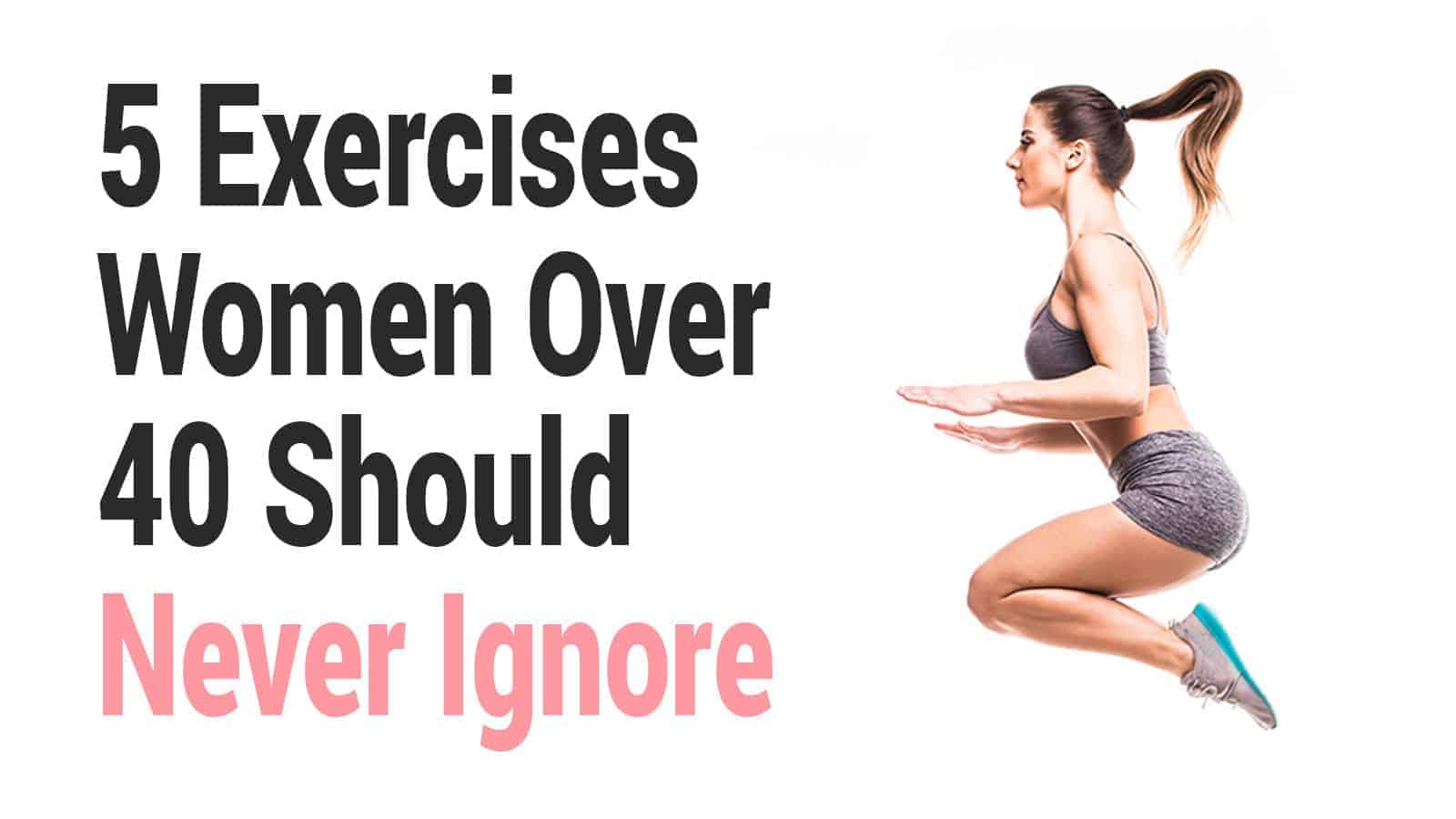
exercise - self care

You don’t need the exercise regimen of a marathon runner or triathlete to realize these incredible benefits, either. Research has consistently shown that 20 to 30 minutes a day, six days a week is sufficient. Basic activities such as walking during lunch, climbing some stairs, tossing a ball, dancing, or gardening can be counted towards this recommended time. A brisk walk, jog, or bike ride are other great ways to fit this into your schedule.

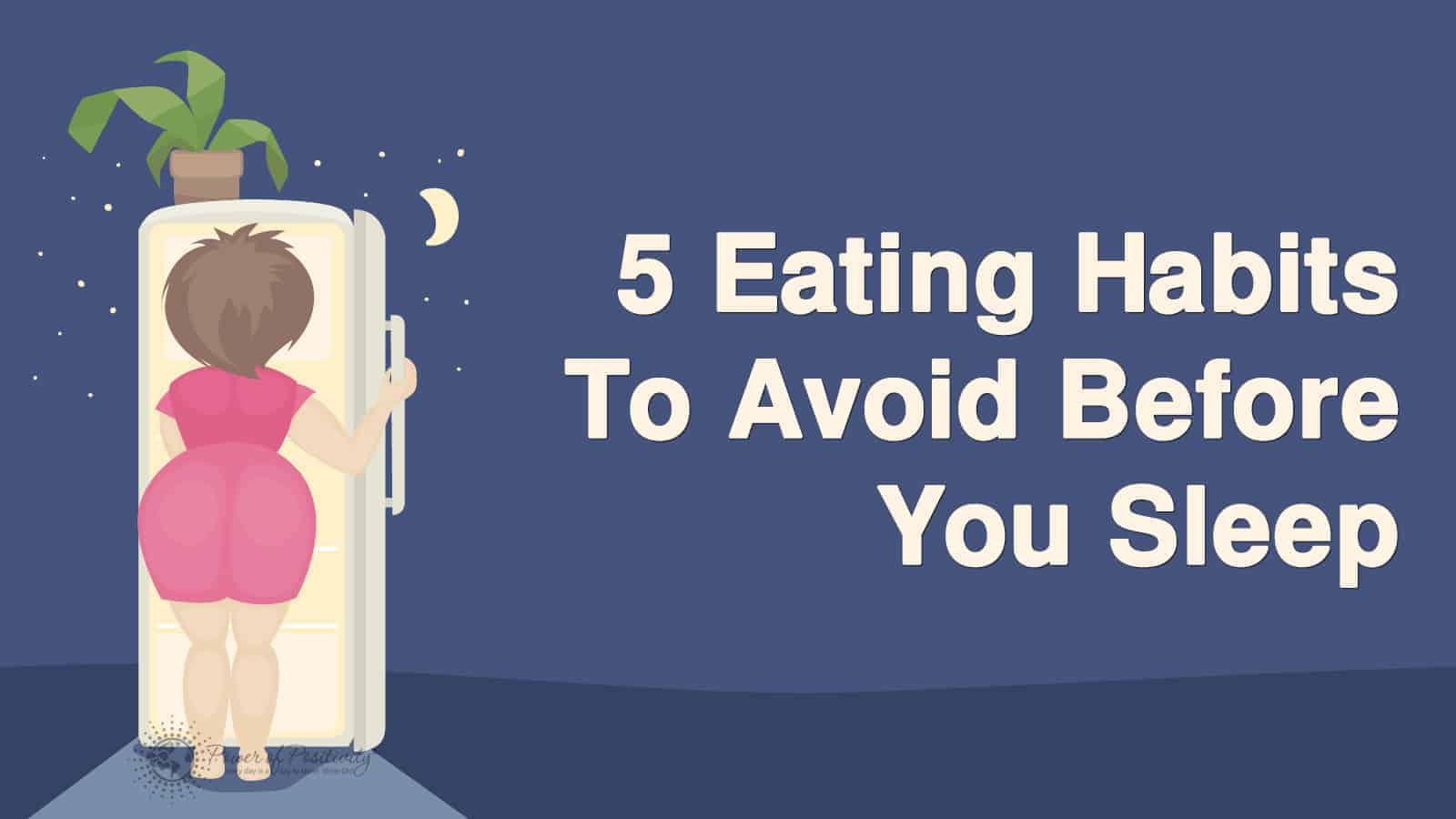
 3. You have poor eating habits

Accommodating a hectic schedule with a quick stop at a fast-food joint is commonplace in our society – but it’s certainly not healthy. In fact, it’s downright terrible for your health and undermines your other self-care efforts.

Proper nutrition is so important because it affects many different areas – body function, brain chemistry, weight, and even sleep. Nutrition consists of anything and everything that you put into your body – beverages, supplements, medicine, food, and alcohol.
poor eating habits - self care

Having an inadequate diet essentially undermines the function of our bodies. This has a negative domino effect on everything that we do throughout the day that requires an alert and active mind and body.

The American Heart Association recommends that nutrient-poor foods be eliminated or limited in their intake. This includes high-calorie or high-sugar foods and beverages. Also, make a conscious choice to limit the amount of saturated fat, trans fat, and sodium that you eat.

4. You have no alone time

Yes, we know that you have work, family, and other responsibilities. However, you should not neglect fitting some “me time” into your busy schedule – it’s an important element of self-care.

Why is alone time important to your self-care? For various reasons, but much of it comes down to replenishment and rest of your body and mind. When we are “always on” your brain and body does not have a chance to recharge, which can negatively affect your focus, clarity, concentration and productivity.

Spending time with yourself also allows you to more effectively work through any problems that you’re experiencing. It’s very difficult to think of solutions to problems when you’re constantly distracted and on-edge. You brain works best when it’s relaxed and rejuvenated. Solitude provides this much-needed relaxation and rejuvenation.

Not only does occasional solitude improve your body and mind, it also improves your relationships. Spending time with yourself allows you to work through problems, gain a better understanding of yourself, and make better choices. As a result, you come to appreciate your relationships a bit more after spending some time alone.

 5. You don’t listen to your body.

Listening to your body is important, and appropriate self-care involves taking preventative measures to ensure a healthy lifestyle. Make sure that you are in tune with your body as you exercise, add nutrition into your diet, create a healthy sleep schedule, and take time for your self.

If you add positive lifestyle habits into your daily routine, but still feel something amiss, you may need to check in with your health professional or naturopath to perform tests that can help you find problem areas before they become a significant health risk.  This can involve a physical examination, a healing cleanse, or some other mode of healing.

bonus tip love yourself

Your Turn to Talk About Self Care

Join the discussion: Have you noticed any of these self-care practices missing in your own life?  Which one of these could you begin doing? Weigh in on this topic in the comments below.

10 Things Your Inner Child Is Trying To Tell You

Take a moment and allow your mind to travel to a time when you were little, playing outside among the leaves and trees without a care in the world.  How much of that inner child is still with you today?

If you listen closely, that little boy or girl from your past is still trying to communicate with you through messages, divine interventions, or dreams. Our inner child never leaves us; we just forget about him or her as we grow older. Try to tune into these messages often, because your inner child can greatly help you along your spiritual journey.

Listen to these 10 things your inner child is trying to tell you:

1 – Don’t forget to laugh!

According to numerous studies, children laugh anywhere from 300 to 400 times a day, while adults laugh only 4 to 17 times a day. Growing older doesn’t have to mean laughing less. In fact, boundless opportunities exist for laughter, from playing charades with friends or family to telling funny jokes to coworkers. Throughout the U.S. and India, Laughing Clubs have emerged for people to get together and just laugh it up! Life is not as serious as we make it out to be, so don’t forget to laugh today!

2 – You’re safe now, and so am I.

Most of us endured some sort of childhood trauma that likely stuck with us for many years after the fact. Dealing with past pain requires a lot of inner work and acceptance of what happened in order to move on. Your inner child wants you to know that you can leave all the suffering in the past, and that a bright future awaits you.

3 – Keep things simple.

As a child, life was simple. You let your imagination run wild, and didn’t worry about tomorrow or yesterday. Why does this have to change as an adult? It doesn’t. You can still live a relatively simple life by practicing minimalism, playing outside as much as you can, and having a career that you love. Your inner child craves simplicity. Furthermore, he or she wants you to uncomplicate your life so you can enjoy it to the fullest.

4 – You’re going to do great!

How many times do you let negative self-talk take over your brain? As a child, you probably hadn’t let the negativity in society bring you down yet. However, you have the power to control your thoughts and rid yourself of toxic energy. So, wake up tomorrow and tell yourself that you will do great, and watch what happens!

5 – We’ll always be together.

Someone once said that adults are just kids in bigger bodies. Your inner child never leaves you, because it will always be an important part of you. As you get older, you may find that you have reverted back to a lot of your childhood tendencies, and you should honor that! Let’s face it – the best way to stay sane in this life is to let your true inner child shine through, and never let yourself take life too seriously.

6 – Let go of your pain.

If you want to turn the page in your personal story of life, you must let go of the past. Learn from it, forgive everyone who caused you pain, and move on. When you get rid of all the negative energy from your past, you make room for positive events and people in your life. You can’t finish your story if you stay stuck on the same page, so find the strength within you to accept your past as a valuable learning experience, and open your heart to the future.

Let go of pain - inner child

7 – Let’s play!

Children spend most of their time playing, while adults spend most of their time working. If you don’t set aside any time to let loose and have some fun, you will find that life gets pretty dull, pretty fast. Try to cut back on some obligations so that you can enjoy this life while you can. Contrary to popular belief, you were not just put here to pay bills and taxes. You deserve to enjoy this life for all it’s worth, so get outside and play hide-and-seek once in a while. It will make your soul feel good. J

8 – Don’t be afraid to love.

Children don’t have walls built up around themselves; they love freely, openly, and honestly will all their hearts. As we get older, we go through break-ups, heartache, and betrayal, and start to close ourselves off to other people. No matter how many times you get hurt, love others anyway. Unconditional love means loving others regardless of what they can give you or if they reciprocate your feelings, and children serve as the best examples of selfless love. Next time you want to shut yourself off from love, think of what your inner child would do. He or she would want you to keep love alive in this world, and give love another chance.

Don't afraid to love

9 – You’re pretty!

Children don’t automatically know what ugly means, because they have no ugliness in their hearts. They don’t perceive ugliness within themselves or the world around them, because they come into this world only knowing love and beauty. Look in the mirror and tell yourself that you’re beautiful – once you say this enough, you will start to believe it, and then you’ll see it. Channel your inner child and try to see the world through his or her eyes, free of discrimination, self-hate, and negative labels.

your are pretty - inner child

10 – I love you.

Perhaps the most important of them all, this affirmation packs a powerful punch. It reinforces the idea that you accept yourself no matter what. Your inner child would want you to love yourself as you are, because once upon a time, you did love yourself just the way you are! Hate is a learned behavior, and that includes self-hate. Remember your inner child as a beacon of light even on your darkest days, and love will come much easier to you.

Final Thoughts on Receiving Messages from Your Inner Child

inner child

Your inner child is still present inside your adult being. He or she is the little voice that tells you to have a bit of fun, loosen up, and open your heart. All you must do is tune in and listen.

Please, do join us on Facebook and share your thoughts!

11 Signs You May be Experiencing a Vibration Shift

Many of us are experiencing a major shift in consciousness as we undergo our own spiritual awakening, find our true purpose, and realize our potential as spiritual beings. You may have heard many titles for this time on Earth, but the underlying principle is that a loving, compassionate, conscious reality is slowly replacing an outdated, fear-based, unconscious one.  In metaphysical terms, we are experiencing a global shift to a higher vibration.

You play a big part in this master shift because you have a divine, ever-present connection to the Universe. Your shift in consciousness will allow the heavy energy on Earth to dissipate further, revealing a truly beautiful reality behind the veil. If you can relate to the following ideas, you might very well be experiencing a shift to a higher vibration…

11 Signs You May be Experiencing a Shift in Vibration:

vibration

1 – A Strong Urge to Explore your Individuality

As you go through a spiritual awakening, you will have an unrelenting desire to detach from limiting belief systems and explore your own philosophies more. You may feel isolated and lonely at times, and others may call you crazy or too unconventional. You’ll probably find that your new values are in stark disagreement with the “norm.” And your newfound craving to walk your own path will lead you far away from mainstream ideals.

2 – You Want to Give Up Harmful Habits

Harmful things damage your vibration. At this point, you begin to realize that you cannot become your best self with toxic substances or toxic people weighing you down. To become a being of light, you will discover that drugs, alcohol, junk food, abusive relationships, and too much time around technology will severely deplete your energy.

Along your spiritual quest, you will become interested in feeding your body lighter, nutrient-rich foods, and staying away from negative people. You probably will become very sensitive to the radioactivity within phones, computers, TVs, etc.

3 – Heavy Emotions Come to the Surface

Most people think a spiritual awakening means an immediate removal of all the heavy energies and a sudden transformation from a deep slumber to true enlightenment. However, a spiritual journey involves constant fluctuations as karmic energy come to the surface and you work to rid your energy body of those experiences and emotions.

You may have deep wounds from your childhood, past relationships, and past lives that need a lot of attention and healing before you can move forward.

4 – The World Around You No Longer Makes Sense

When you go out to a restaurant, grocery store, or bank, you may start to see these things as meaningless and harmful to the greater purpose you have found in life. You start to become disinterested in material items, shopping, eating out, and doing all the “normal” things people do. In fact, you may start to find more solace and meaning in nature and exploring your creativity.

5 – You Want to Change Jobs or Even Careers

One of the biggest transformations people go through during vibrational shifts is a longing to get out of their current job. Indeed, they long to find one that fulfills their true purpose. Many people even start their own businesses as life coaches, Reiki masters, or healers of some sort. They can’t spend another second in a soul-crushing job when they know they came here for a greater purpose.

6 – Shift in Vibration Brings Great Compassion for All Beings

During this time, you probably will feel an even stronger divine connection to Earth and all its beings. When you see pollution in the air, animals being tortured, or someone crying, you will likely experience a strong reaction and wish you could instantaneously heal everything and everyone on Earth.

As you learn to love yourself more, you will, therefore, be able to love others more, which will deepen your sense of empathy towards others.

7 – You Want to Spend More Time Alone

You have become ultra-sensitive to other energies, and sometimes being around other people drains your own energy. So you want to spend time exploring your creativity and developing a relationship with yourself. If you find yourself wanting to go off on your own more, don’t worry; this is a normal part of tuning into your higher self.

8 – You Understand that You Influence your Own Reality

You begin to realize that all your life, you unconsciously helped create whatever experiences you had up to this point. Now, you know that you can consciously create your reality, and bring about the experiences you actually want to have. You no longer feel encapsulated by a victim mentality, and understand that you and you alone can change your life. Thus, you start to take on full responsibility for your emotions, experiences, and actions.

9 – You Experience More Synchronicities

Most people would just call these coincidences, but upon awakening, you will come to know them as synchronicities. If you see repeating numbers frequently, such as 11:11, 2:22, etc, your spirit guides or angels are letting you know that you’re on the right path. If you have a song in your head and hear it on the radio immediately after, you are experiencing synchronicity as well.

As we keep moving forward, you will probably experience more synchronistic events in a variety of new and exciting ways!

10 – You Focus More on Giving, Not Receiving

You begin to realize that this planet needs more love. So you figure out ways to use your own gifts and energy to spread it like wildfire. Additionally, you may feel the urge to get rid of a lot of your belongings by giving them to charities. Or, you might want to volunteer more around your community.

During this transformation, you may decide that a minimalist lifestyle can serve you better in the long run. Having outward clutter causes inward clutter, and you realize how light you feel when you give rather than take.

11 – You Live in the Now

You realize that the only time we have is now and that the past and future are illusory concepts. By living in the now moment, you realize you can actively create your future in the present, rather than waiting for the future to come to you.

Join the discussion:  After reading this, do you feel that you could be experiencing a shift in vibration?  Share your story in the discussion below:

7 Ways to Connect with Your Soul on a Deeper Level

During these beautiful yet turbulent times on Earth, you might find yourself longing for a deeper meaning to life beyond your relationships, job, or finances. As we continue to move further along in this grand shift, we all will take different paths on our journey to enlightenment. However, these universal tips can help many of us connect with our soul on a deeper level.

And, in the process, we may unlock our full potential to shine our brightest light.

Connect with your soul on a deeper level using these 7 tips:

1 – Practice Gratitude

If you want to experience the pureness of your soul, incorporating gratitude into your everyday life will help you open your heart and connect to your true essence: Love. When you wake up each day, eat a nutritious meal, hug your loved ones, or get a new job, express your thanks to the Universe.

After all, you are the universe experiencing itself, so any experience can help you reach higher levels of consciousness. Even if you experience something negative, still try to remain thankful. Valuable lessons are often disguised as tough teachers.

2 – Eat Lighter Foods

Any time you eat chemical-laden foods that don’t come directly from a natural source, you feed your body heavy energies that will promote frantic and chaotic feelings.  In general, fresh, raw, organic fruits and vegetables will give you all the nutrients you need (except B12 and Vitamin D) and allow you to experience a deeper soulful connection

3 – Meditate Often

The best way to get to know the soul within is to sit still and embrace the silence. You came from a place free of stillness and tranquility, so meditation allows you to connect back to the source and stay grounded on a planet full of all sorts of distractions.

We have all been thrown into this fast-paced, chaotic world, but that doesn’t mean we have to give in to this energy. Meditation will help you stay calm and connected to higher realms outside of this physical, 3D world.

meditate often - soul

4 – Accept Your Past

The longer you fight your past, the longer you will carry the karmic energy from it. No matter who hurt you or what you went through, accept it as part of your journey and move on. Forgive the people that brought you down, and look at them as helpful lessons learned on your journey.

Accept your past - soul

Every person you encounter and experience you have can guide you on your way back home to source energy, so leave your past behind you and look with optimism to the future.

5 – Do Things You Love

One of the best ways to connect with your soul is to do what makes you happy! Fill your days with activities that make you come alive, such as drawing, writing, or playing outside. All too often, we pay too much attention to our worldly responsibilities and forget about actually enjoying our time here. Even if you have to switch jobs or careers to incorporate more of what you love, do what you need to do in order to feel fulfilled and vibrant.

Do things you love

If you zoom out for a second and realize that our time here on Earth is limited, this will help you to do more of what you love while you can, and remove the things that no longer serve you.

6 – Recognize Your Oneness

Realize that everything connects with everything else on a divine level and that you make up a part of this oneness. The universe has no limits, which means you have endless potential as well. In order to truly connect with your infinite being, you must remove all the barriers you once had and realize that the consciousness within you is also within other people, plants, and every animal on Earth. This will help you not feel so alone on your spiritual journey, and remind you that we are all one.

7 – Open Your Heart

Don’t shy away from vulnerability; once you reveal your true self to others, you will set yourself free. Most people tuck their emotions deep within themselves, thinking that expressing feelings makes them weak or exposed. However, in order to really get to know yourself, you have to let yourself shine. This means opening up and taking down the walls that you have built around yourself throughout your life. When you open your heart, you will be able to connect to your soul more, which will help you connect to others. The ego lives within the mind, but the soul lives within the heart.

open your heart - soul

How Will You Improve Your Soul Connection?

Join the discussion:  What daily or weekly habits and practices do you put into place to make, and keep, a strong connection with your soul?  Share with the community in the conversation below!

Are you an Introvert or an Extrovert?

“(Carl) Jung was the first to propose the model of psychic energy, suggesting that for introverts, energy flows inward, while for extroverts, energy flows outward…” – Sophia Dembling, author of The Introvert’s Way: Loving a Quiet Life in a Noisy World

Introversion and extroversion are two different personality types. These types arise from the theories of Carl Jung. He noted that the two personality types stem from where you focus your attention and direct your energy. Furthermore, the two personality types are classified as preferences. That’s because nearly everyone spends at least some time in their secondary “mode.”

In addition, a small minority of people spend roughly equal amounts of time introverting and extroverting. These interesting folks are  “ambiverts.” However, scientists classify the personalities of most people into one of the two main types.

The differences in personality types result from how our brains are wired and the variances in brain chemistry. Our environment can also influence how much we alternate between types.

The brains of introverts and extroverts are activated (aroused) under different circumstances. Extroverts require more stimulation from the outside world, which is where these individuals gain their energy. Introverts are stimulated internally and quickly deplete their energy with too much social interaction.

Primary Traits of Extroverts

Here is the basic breakdown of Extroversion from the Myers & Briggs Foundation, administrators of the infamous Myers-Briggs Typology Indicator (MBTI) test. According to Myers & Briggs, extroverts:

– Get their energy from active involvement in events and various activities.

– Become excited and energized around other people.

– Prefer to take action first and think later.

– Are often seen as “outgoing” or as a “people person.”

– Have a wide range of friends and know many people.

– Are often seen as great motivators who inspire those they are around.

– Often dive into a project, hoping to figure out the details as they go along.

Terms that are often used when describing extroverts include:

Sociable; warm; friendly; happy; enthusiastic; inclusive; aggressive; forthright; impulsive; thrill-seeker; interactive; engaging; open; charismatic; networker; attention-seeker; energetic; risk-taker

introvert traits

In general, extroversion is viewed more positively in Western society than elsewhere. The reason for this? Perhaps because extroverts outnumber introverts by about 3 to 1 in the United States and a few European countries. This number drops significantly as you move eastward from the U.S. on a map.

Extroverts also have higher levels of subjective happiness than introverts do. In fact, the often display more positive, outward emotions. Because of this, the group is well known for making people feel welcome, comfortable, and cared for. Also, due to this disposition, extroverts make excellent managers, coaches, leaders, politicians, counselors, and teachers.

Famous extroverts include:

– Bill Clinton, 42nd President of the United States

– Margaret Thatcher, Britain’s first female Prime Minister

– Michael Jordan, Basketball great and Hall of Fame inductee

– Boris Yeltsin, Russian president from 1990 to 2000

– Muhammad Ali, former professional boxer and 3-time heavyweight champion

– Winston Churchill, British Prime Minister and Nobel Prize winner

– George W. Bush, 43rd President of the United States

– Oscar Wilde, famous Playwright

– Martin Luther King Jr., Civil rights activist

– Oprah Winfrey, famous talk show host and philanthropist

Extrovert signs

Primary Traits of Introverts

According to the Myers & Briggs Foundation introverts:

– Get their energy from ideas, pictures, memories, and other thoughts

– Energy is quickly depleted by socializing too much.

– Prefer to take reflect first and take action later.

– Are often seen as “reflective” or “reserved.”

– Have a smaller circle of friends, but have deeper relationships.

– Often spend too much time reflecting; sometimes regretting not “taking action” sooner.

– Often lay out a project in detail before diving in.

In addition, terms that psychologists frequently use when describing introverts include:

Reflective; reserved; quiet; aloof; shy; creative; thoughtful; risk-averse; individualistic; lone-wolf; idea-producer; introspective; deep; listener; methodical; solitude-seeker; planner; conflict-averse

Introverts are the minority in Western society, especially in the United States. As a result, they often feel out of place. In other parts of the world, especially in Asia, introverts constitute the majority. Additionally, countries with a significant introverted population include Austria, Belgium, Czech Republic, Denmark, Finland, Iceland, Sweden, and Switzerland.

Due to the common misconceptions of introverts, we sometimes view them as not a “happy” group. However, introverts are “happy” – just under different circumstances. This means that too much social interaction drains introverts of their relatively limited energy supply. On the other hand, solitude and quiet environments recharge them. In fact, it’s the exact opposite of their extroverted counterparts.

Because of their ability to work independently, meticulous attention to detail, and ability to concentrate for long durations of time, introverts often make great scientists, writers, engineers, architects, librarians, and analysts.

Famous introverts include:

– Abraham Lincoln, 16th President of the United States

– Albert Einstein, renowned theoretical physicist; developed theory of relativity

– Barack Obama, 44th and current President of the United States

– Mahatma Gandhi, leader of the Indian independence movement

– Charles Darwin, founder of the theory of evolution

– Rosa Parks, African-American Civil Rights activist

– Warren Buffett, business magnate, investor and philanthropist

– Joe DiMaggio, former Yankee and Hall of Fame baseball player

– Edgar Allen Poe, famous author and poet

– Vladimir Putin, President of Russia

So as you may see, introverts and extroverts have very diverse personalities. Of course, there is no “right” or “wrong” personality type – just different. Your brain and environment both shape the tendency to lean towards one end of the spectrum. Thus, the strongest influence being is simply the chemical makeup of your brain.

Signs you are an introvert

Finally, researchers conclude that there is no significant difference in intelligence or ability. Despite the misconceptions that each type may or may not have about the other, both types have important roles to play in society, at home, and in the workplace.

In closing, we hope this article provides you with great insight into where you fit along the introvert/extrovert spectrum. Furthermore, you can learn some more about your specific personality type (there are 16!). Because it offers tremendous insight to your psyche, we recommend taking the free HumanMetrics Jung Typology test.

8 Things to Stop Telling Yourself Right Now

Do your thoughts empower or deflate you? Are you telling yourself lies?

Of the 60,000+ thoughts which humans have every day, most of us have at least a few demeaning ones.  Those little cold and prickly things you tell yourself, however, can do more damage than you think. They can sabotage your relationship with family, friends, and even yourself.

To prevent these “negative affirmations” from creating a life you do not want, you must first become aware of negative thought patterns. If you tell yourself any of the following statements habitually, stop them in their tracks and replace them with encouraging things instead!

8 Things to Stop Telling Yourself Right Now

1 – “I’m not good enough.”

Sorry to say it, but that’s the biggest lie ever told in history. If you weren’t good enough, then why are you here? All of us incarnated on Earth at this time in order to fulfill our ultimate purpose, and if we didn’t have what it takes, we wouldn’t be here in the first place. You must first establish a sense of self-worth before you can accomplish what you want in life.

What to say instead: I am a capable, powerful being. I have everything it takes to live a life I envision for myself.

2 – “That’s impossible.”

How do you feel when you tell yourself this? Every time you convince yourself that something is impossible, you make it so – simply because of your beliefs! We create our own reality. If you label something as impossible, it will become unattainable. You have to believe wholeheartedly in something if you really want to achieve your wildest dreams and get out of a limiting mindset.

What to say instead: I overcome my limiting beliefs, knowing that ALL is possible on my journey toward abundance!

3 – “I’ll start tomorrow.”

“Don’t put off until tomorrow what you can do today.” – Benjamin Franklin

Imagine what you could get done today if you nip the habit of procrastination in the bud. Tomorrow becomes the next day, or the next week, or even the next month or year if you let the time slip away. By putting off your plans or goals, you tell yourself that other things in your life take precedence over them. Whether you want to lose weight, write a book, become an actor, or fly to the moon, the best day to start is always today!

What to say instead: I am vigilant in achieving the things that are important to me.

4 – “My life sucks. It will never get better.”

Listen to the limiting language here. If you say that your life sucks, then you can’t possibly see all the good things that you have to cherish. If you tell yourself it won’t get better, you automatically put up an invisible barrier that keeps you getting your life back on track. You have already created the future with your thoughts and words, and it won’t change unless you align your thoughts with a positive outcome.

What to say instead: I can always change my circumstances, and I know this is only temporary. Life is my teacher.

5 – “I can’t.”

This can apply to almost anything, whether you want to cut out junk food, go to the gym at least four times a week, or ask your boss for a raise. Most people limit their outcomes because they put up walls between them and positive thinking. Of course, life comes with many challenges, but deciding to overcome these challenges will only make you stronger and show you that you can literally achieve anything you set your heart to!

What to say instead: My self-confidence is a strong foundation of support. I can do anything!

6 – “I’m afraid I’ll fail.”

“Anyone who has never made a mistake has never tried anything new.” – Albert Einstein

If you never try, you will never know how far your imagination can take you. You can’t ever reach new heights if you keep your feet firmly planted in the ground. Most, if not all, revolutionaries of our past and present reached the summit because they failed over and over again. However, they didn’t let their failures stop them. They used them as a learning tool and motivated themselves to keep climbing the mountain, no matter how many times they fell.

What to say instead: I visualize myself succeeding at my goals.  It is my time to succeed!

7 – “My friends and family won’t agree with me.”

Anytime you seek approval, you will never feel satisfied. There will always be someone that doesn’t agree with you, but that doesn’t mean you should value their opinion more than your own. Only you truly know what’s best for you, so asking others to validate your plans only take you further away from your goals. Placing your worth in the hands of others only detracts from your own self-worth, and will make them think they can manipulate your choices.

What to say instead: I will stand confidently behind my choices and follow my heart regardless. I deserve to reach my full potential!

8 – “I am too [insert negative adjective here.]”

When you allow negative self-talk, your mind, body, and soul become infected with self-defeating, harmful energy. Describing yourself in a negative light or attributing yourself to undesirable labels only create more distance between you and who you want to become. Remember all the positive things about yourself, and flood your mind and heart with loving thoughts about yourself. Keep in mind that what you think, you become.

What to say instead: I am a wonderful, beautiful, vibrant being who is forever worthy of my own love and respect.

9 Signs You’re Letting Your Ego Run Your Life

Sigmund Freud, considered to be the father of psychoanalysis, studied a very complex set of theories about the human ego. He surmised the following basic precepts.
  • Psychological problems are rooted in the unconscious mind.
  • Psychological symptoms are the result of hidden (unconscious) thoughts.
  • Most cases of psychological problems are directly attributable to issues during development (childhood) or repressed trauma.
  • Treatment focuses on bringing the unresolved, subconscious conflict into consciousness; allowing the patient to deal with the problem.

In layman’s terms, the ego is responsible for mediating impulses and desires with responsible, socially-acceptable actions. But those with excessive egos do not adequately balance their desires with action; instead, they act on what is most self-serving, instantaneous, and beneficial – otherwise known as immediate gratification.

“We must go beyond the constant clamor of ego, beyond the tools of logic and reason, to the still, calm place within us: the realm of the soul.” – Deepak Chopra

Here are nine signs your ego is in control of your life:

true self ego

1. Too much is never enough

Greed can bring down an individual, a family… even a society. It’s normal to want to achieve success, possess nice things and have some security. It isn’t normal to have an insatiable desire to attain the most of something– money, cars, homes, power, etc. In fact, such behavior is included in the textbook definition of narcissism.

If you want to see what greed can do to an individual, type ‘Bernie Madoff’ or ‘Charles Ponzi’ into a Google search. To see what insatiable greed can do to a society, type in ‘Great Depression’ or ‘2008 financial crises’. While these may be considered extreme examples by some, such events began with one person’s gluttonous thoughts and actions.

Takeaway: Attempt to rein in your impulses to always acquire a more, while showing gratitude about what you already have.

2. Disliking when people succeed

Can you remember when someone was promoted at work? What was your reaction? Were you happy for the person or envious of what they’ve attained?

People with large egos don’t appreciate when someone achieves success; especially success that they feel was rightfully theirs. This is seen quite often in the workplace where two co-workers vie for a coveted promotion, only to have the envious one feeling that they were wronged.

Takeaway: Even if you don’t want to congratulate someone, do it anyways. You’ll feel better and likely find that more doors open up for you.

 3. Redirecting the attention back to you

Here’s something interesting: attention seekers are likely to have inflated egos. Actually, that’s really not all that interesting. It actually makes perfect sense because everything is about them!

The need to always be the center of attention no matter what – in meetings, at parties, during conversations, etc. – is a telltale sign that the ego has become a little too big. Everyone should have the chance to be seen and heard.

Takeaway: Understand that attention-seeking behavior is counter-productive; it’s also obnoxious, rude, and annoying. Even when you may not necessarily feel like it, give others the chance to be seen and heard.

4. Constantly comparing yourself

Here’s the thing: no matter what you do; the skills you have; the talent you’re born with; the look that you’ve got; the intelligence that you possess – you’ll find someone, somewhere that is “more” talented, attractive, smarter, and successful.

Comparing yourself only succeeds at one thing – making you upset and potentially undermining any progress that you’ve achieved in the process. It’s an absolute waste of time and energy. Being the best possible at what you’re attempting to achieve is all that you should need.

Takeaway: Instead of likening yourself with others, focus on what you can control – your effort, progress, and persistence. You’re a special, unique person, and you shouldn’t require validation by comparing yourself with others.

5. Craving respect and recognition

The need to feel appreciated is normal and healthy. We all want to feel that our contributions are recognized and valued. Egotists take this need to another level by always needing to feel validated through excessive acts of respect and recognition.

You’ve likely seen this in the workplace at one time or another; maybe a co-worker or boss who incessantly sought recognition for virtually everything they achieved from the time they clocked in.

Respect yourself - ego

Takeaway: The only respect that you should require is self-respect. The fact that you’ve done a good job and gave your best effort is enough. People will recognize your efforts and contributions, while in turn giving you the respect and recognition that is due.

6. Always being defensive

The ego is something that will protect and defend itself from unpleasant feelings. For those with an excessive ego, they will take any subtle disagreement and turn it into an argument. They perceive any resistance to their thoughts and actions as “attacks”.

Being defensive continuously can damage relationships, career and personal growth, and make them more critical – of themselves and others. It’s simply a bad personality trait to have.

Being defensive - ego

Takeaway: Make the attempt to actively listen while accepting resistance and constructive criticism. People who resist a thought or idea are often not doing so out of contempt, so don’t take it personally.

7. Rarely (if ever) helping others

Our culture, at least in America, is very individualistic and self-serving. Unless we make a conscious decision to disregard this influence, it is very easy to think and act this way by default.

People who have ego problems are very individualistic; if a situation or circumstance does not pertain to them then it’s not worth their time or effort. We see this often in societies defined by class and status. The result has been the degradation of the social contract, the indifference to suffering, and the increased emphasis on materialism.

Do something positive for those that are less fortunate by donating or volunteering. Don’t buy into the notion that the accumulation of wealth and possessions will place you into another “class”.

Takeaway: Do something to help others instead of focusing on your own gains.

8. Setting unattainable goals

Setting goals is a powerful, productive action that empowers us to strive for excellence. It is human nature to desire accomplishment and the rewards that come with achieving a goal.

However, setting unrealistic goals is counterproductive; often done out of pride or ego. No matter how unachievable or unrealistic, egotists set these goals to internally demonstrate their superiority.

Set goals - ego

Takeaway: Goals are great, but be realistic when constructing them. Further, set mini-goals that will provide immediate, actionable things that you can do to achieve the desired outcome.

9. Manipulating others

Egotists not only have high expectations for themselves; they have high expectations of everyone else. They believe they’re more intelligent than everyone else, so it should be easy to control them.

Manipulating others

When it comes to manipulation and control, egotists are not afraid to throw a compliment or two someone’s way to get what they want. They think of it like throwing a bone or an eager dog; the person on the receiving end should be extremely grateful. Mind you, this is all in their head.

Takeaway: Regardless of the situation, don’t use manipulation as a way to get what you want. Not only will you likely be unsuccessful, but people will quickly lose trust and respect for you.

7 Things That Can Cause Anxiety (and How to Prevent It)

Anxiety is a normal human emotion that everyone feels from time to time. Anxiety is often a by-product of stress; which is something that we are all familiar with.

Battling anxiety on a daily basis can be exhausting and even result in an anxiety disorder.

“Anxiety is like a rocking chair. It gives you something to do, but it doesn’t get you very far.” – Jodi Picoult

Anxious feelings generally consist of the following:

-Feelings of panic, fear, and uneasiness

-Problems sleeping

-Cold or sweaty hands and/or feet

-Shortness of breath

-Heart palpitations

-An inability to be still and calm

-Headache

-Numbness or tingling in the hands or feet

-Stomach ache

-Muscle tension

– Dizziness

Neurochemical changes in the brain and environmental factors are considered the two biggest contributors to anxiety. Scientists have vehemently rejected personal weakness, character flaws, or a lack of maturity as being legitimate causes of anxiety.

Anxiety, if left unchecked, can affect our entire being; affecting how we feel, think and act, while having evident physical symptoms. Mild anxiety is relatively vague and uncomfortable, while severe anxiety can become debilitating.  Therefore, it’s important to know what causes anxiety in order to limit or prevent it.

Here are 7 things known to cause anxiety, and ways to prevent it:

1. Stress

Without a doubt, stress is the biggest contributor to anxiety. Stressful situations happen to nearly everyone; as a consequence so does anxiety.  Anything that poses a threat or challenge to our well-being is a stressor. While some stress is indeed good for us, battling frequently with stress can destabilize our mental and physical health.

Mental health professionals generally recommend three ways of coping with and treating stress: self-management, self-help, and medication.

Self-help methods include exercise, a healthy diet, being assertive (not saying yes to everything), breathing techniques, and expressing your thoughts and worries to someone.

Self-management techniques include learning about stress and anxiety (books, medical journals, etc.), stress management courses, and natural therapies such as aromatherapy.

Medication should be considered a last resort, but if physical and mental symptoms are in advanced states, doctors may prescribe an antidepressant or a beta-blocker, which helps to counteract the physical symptoms of anxiety.  From there, you can begin to work your way backward through the other two methods, with the goal to end any medicated means altogether.

2. Caffeine

Caffeine is a stimulant that increases blood pressure, heart rate, and respiration. These symptoms are common when experiencing anxiety. Caffeine also fuels your “fight or flight” response, which can make anxiety much worse and even trigger an anxiety attack.

Moderate amounts of caffeine can bring some mental benefits – increased alertness, motivation, concentration, memory, and attention. The keyword here is moderation; no more than 400 mg over the course of a day. Too much caffeine triggers irritability, nervousness, restlessness, upset stomach, fast heartbeat, and muscle tremors.

As with nearly everything, use caffeine wisely and in moderation. This is certainly advisable if you have had problems with anxiety in the past.

3. Over the counter drugs and supplements

Common supplements such as weight-loss pills, fat burners, and pre-workout products can include heavy amounts of caffeine and other stimulants. Other products that may initiate anxiety include headache and migraine relievers, cough medicines and decongestants.  Some popular herbal remedies such as guarana and ginseng may also cause or increase the symptoms of anxiety.

The best thing you can generally do here is to avoid “energy-boosting” pills and supplements altogether.  Calories are consumed in food, and guess what… you burn calories when your body expends energy.   The difference here is when you take into account what kinds of food you’re putting into your body.  Are you running on 87 octanes or 93?

4. Dehydration

Proper hydration is essential for healthy brain function. In a 2009 study at Tufts University, researchers directly linked feelings of anger, confusion, fatigue, and tension to mild dehydration in student athletes. All of these symptoms are common in people who experience anxiety.

In addition to being an essential element in healthy brain function, hydration is also necessary for healthy physiological function. Mild dehydration can cause high blood pressure, fast heartbeat, facial tics, shaking hands, weak and shaking voice, excessive sweating and facial swelling.

Dehydration - anxiety

Professionals at the Mayo Clinic recommend that adult males drink 13 cups (3 liters) of water each day. It is recommended that adult females drink 9 cups (2.2 liters) of water a day.

5. Nutrient deficiency

Proper nervous system function requires adequate amounts of certain nutrients. Nutrient deficiency has been directly linked with increased anxiety.

B complex vitamins, omega-3, magnesium and calcium, potassium, selenium, Vitamin D, theanine and lactium, GABA, and zinc are considered essential for proper neurotransmitters and other brain functions. A well-balanced diet will generally provide these essential nutrients, but there are substitutes available to help supplement your diet if needed.

Nutrients deficiency - anxiety

Dietitians, naturopathy specialists, and nutritionists are all knowledgeable in this area. They may be able to provide some insight into specific actions that you can take to ensure that you’re getting the recommended amounts of nutrients.

6. Skipping meals

A healthy diet is the best way to ensure that you’re getting proper nutrition. Because of our frenzied, overworked, and stressed out work culture, it is common for people to skip a meal here and there.

The negative effects are cyclical in that people who live a frantic lifestyle are much more prone to anxiety and stress – symptoms which may cause them to not feel hungry. Not feeling hungry leads to skipping meals which throws off the body’s blood sugar levels. A prolonged drop in these levels results in increased anxiety and stress. This cycle is continuous until the person either: (a) alters their diet, or (b) stops feeling anxious and stressed.

skipping meals - anxiety

Since ‘b’ is usually not an option, the only other answer is to change your eating habits. If you find it difficult to eat a full meal for whatever reason, make sure to have at least a healthy snack available. Snacks that contain healthy carbs and proteins are highly recommended.

7. Nicotine and alcohol

Nicotine is a stimulant that raises blood pressure and heart rate, which can lead to anxiety. Further, cigarettes and vapes contain carbon monoxide which can result in breathing problems – this can lead to the body reacting in a way that resembles oxygen deprivation. When we are deprived of oxygen, neither the brain nor the body can function properly.

alcohol

As with most of the causes listed, the use of nicotine and alcohol is an incessantly negative cycle. People that have continuous stress and anxiety lean more on these substances than the rest of the population. According to the Anxiety and Depression Association of America, people who suffer from an anxiety disorder are two to three times more likely to abuse legal and illegal substances.

Multiple studies have shown the detrimental effects of nicotine use, especially smoking. Quitting any kind of nicotine use is the only viable alternative to counteract these effects. Medical experts recommend that if you choose to drink alcohol that you do so in moderation. For healthy adults, this means no more than two drinks a day.

Share How You Cope With Anxiety

Join the discussion:  What are some other anxiety-inducing options that you haven’t read in this article?  Help the community by identifying them in the comments below.

10 Things Money Can’t Buy

When you reach a certain age, you begin to realize the importance of money. While true that “money can’t buy happiness”, it at least provides some security. Being poor is never something that one strives to attain. Many people who become extremely wealthy often grow up in poor households, which strengthens their resolve to never again relive the experience.

There isn’t anything wrong with having money, per se. Many affluent people have worked diligently to achieve the success necessary to accumulate wealth. It’s the prioritization of accumulating money at all costs that is the problem. In this relentless pursuit, many people realize that money is not, and never will be, the answer to what makes a person happy.

If you need further proof, look to Hollywood, California. How many actors, actresses, singers, and performers have we seen destroy themselves because of drugs, alcohol, depression, and other addictions?

Robin Williams, one of the best actors and comedians of all-time, committed suicide – attributed to depression and allegations of drug addiction. Williams was extremely wealthy and successful, yet the wealth was not enough to spare the great performer his life.

Money cannot buy happiness. What else can money not buy?

money

Here are ten things money cannot buy:

“Money has never made man happy, nor will it; there is nothing in its nature to produce happiness. The more of it one has the more one wants.”­ – Benjamin Franklin

1. Love

Money can buy lust, attraction and power…but it can’t buy love. This is because love is something intimate; something heartfelt; something mysterious. Money is none of these things. Money is simply a method of exchange – no more and no less. It’s used to pay for a product or a service; its convenience, comfort, and luxury – none of which typify what human beings truly need.

Many of us find this lesson out the hard way. We accumulate more, only to feel emptier. This is because we are raised in a culture that glamorizes wealth; which, in effect, leads to misconceptions and false beliefs.

2. Truth

Money may be able to buy influence, but truths are the most influential of all.  Oftentimes money is spent to push beliefs or an agenda and can even be spent to create biased research to bolster an opinion.  And oftentimes, the money wins… in the short term.

In the end, no matter how much money is spent on stifling or skewing the truth, it will always be revealed.

3. Time

Each passing minute is time that you will never get back; you are one minute closer to dying. This is meant to be morbid or depressing but truthful. Our life starts to fade away from the moment we are born.

Despite all of the scientific and medical advances, no practical way exists to extend life significantly. The extremely wealthy have spent countless amounts of money in the vain attempting to extend their lives, only to discover that they die around the same age as everyone else.

No amount of money will be able to turn the clocks back. We must take life in, moment-by-moment while experiencing it to the fullest.

4. Peace

Culturing your thoughts is the only thing that will ever bring you true peace. One aspect of this is accepting when bad things happen and turning it into a positive experience.

Look at the countless amounts of money governments and individuals have spent in the name of “peace”. These vast sums have never been able to come close to what we would define as “peaceful”.

peace - money can't buy

More importantly, your inner peace does not depend on your bank statement’s ‘balance’ section. It’s how you train your mind, set expectations, and define what inner peace truly means to you.

5. Talent

The gifts and abilities that you possess in your mind and body are priceless. While money can certainly help develop a talent, it will never be able to purchase a talent or skill.

Aside from innate talent, there is the ability to learn a skill or talent; this will never be able to be purchased with any amount of money. The mental processes and dexterity of the mind and body will never be purchasable…they are invaluable.

6. Health

While undoubtedly true that money can purchase healthcare and medicine, it cannot replace natural health once it’s gone. At the same time, activities like exercise, preventative medicine, and natural self-care cost little to nothing.

health - money can't buy

It’s almost depressing to see celebrities spend outrageous amounts of money in the vain attempt to keep their “natural beauty”. First off, aging is natural beauty; wrinkling is natural beauty; gray hair is a natural beauty. On the other hand, surgical procedures that implant plastic and other medicinal substances into the body? This is not at all natural.

7. Manners/Class

Rude people exist across the entire income spectrum. How to treat someone respectfully obviously does not come from money. Arguably, there are more wealthy and entitled snobs than there are those of modest means.

Money may put you into a “higher class,” but it certainly does not make you classy. Need proof? See Kim Kardashian or Miley Cyrus. Case closed.

8. True friends

Possessing money may certainly attract people who want to be friends, but it doesn’t guarantee true friendship. Most true friends love one another…and what did we discuss about money and love? The same concept applies here.

True friends

True and lasting friends are there during the ‘boom’ and still there during the ‘bust’. Money and possessions don’t matter to true friends…your person matters.

9. Knowledge

The information you accumulate, the elements of your intellect, and the ways you exhibit wisdom can never be bought. Have you ever wondered why some of the wealthiest people seem to act in the most asinine ways? This is because money or something else has influenced their thought processes.

Some wealthy people have stated how money makes them feel ‘invincible’, and as a result, have made some truly bad decisions. So it’s not only the acquisition of this knowledge that makes it invaluable, it’s the practical application of this knowledge…neither of which money can buy.

10. Presence & Acceptance

Perhaps the most important is presence and acceptance – the ability to be mindfully present and accept, without judgment, each and every situation. This tremendous, life-changing gift is not available for purchase; only to those who seek to understand and apply the concepts.

The ability to be present while accepting each moment as we navigate life is a valuable gift…more valuable than any amount of money. After all, if we are practice presence and acceptance throughout our life, what is the need for money?

Skip to content