Weekly tips, affirmations, and small actions to feel your best.

Scientists Explain How Sleep Restriction Can Help With Insomnia

Sleep restriction is a method that might serve as a valuable strategy in your battle against insomnia.

Many adults today have insomnia due to the overstimulating and stressful world we live in. For most of us, we lie down at night to go to sleep only to awaken to racing thoughts about chores, to-do lists, and responsibilities we must take care of the next day. A few nights of restless sleep won’t hurt, but recurring sleep problems can cause other health issues down the road.

Here are some statistics about insomnia according to the American Sleep Association:

  • Nearly 70 million Americans suffer from a sleep disorder
  • Insomnia is the most prevalent sleep disorder, with around 30% of adults having short-term insomnia
  • Around 10% of adults have long-term insomnia
  • Almost 40% of people accidentally fall asleep during the daytime
  • About 5% report falling asleep while driving (the most dangerous outcome from insomnia)

Adults need at least 7 hours of sleep per night, but studies show 35% get less than that. Certain age groups seem to get less sleep, as follows:

  •  37% of people ages 20-39 getting less than the recommended sleep
  • 40% of people aged 40–59 reporting less than optimal sleep.

Insomnia seems to be on the rise worldwide as well, with data from Sleep Cycle showing that no country in the world achieves 8 hours of sleep per night anymore. In the 1940s, 8 hours of sleep was the average, but now that has decreased to 6.8 hours per night.

You may have tried every trick in the book to get some shut-eye, from sprinkling lavender oil on your sheets to taking a hot bath to power off the cell phone off a couple of hours before bed. However, many people are turning to sleep restriction to address their insomnia. You might wonder how sleep restriction could help, but we’ll explain how this can improve sleep in the long run.
sleep restrictionHere’s how sleep restriction can help with insomnia:

Sleep restriction is a form of cognitive-behavioral therapy developed by Arthur Spielman, Ph.D., designed to treat insomnia by restricting time spent in bed. Spielman posited that by reducing the time spent in bed, sleep becomes more efficient instead of a drawn-out, stressful event. Of course, consolidating sleep might mean losing out on a few hours of sleep in the beginning as our bodies adjust. However, over time, sleep becomes more regulated as we get used to the sleep schedule.

Studies show that sleep restriction therapy can be just as effective as medication in treating insomnia, and have longer-lasting effects. However, it can take the body several weeks to adjust to a new sleeping schedule. Just like working out, quality sleep takes diligence and effort to achieve, but the result is well worth the effort.

Here are the steps you should take to implement sleep restriction into your schedule:

Step one: Figure out how much sleep you get per night

In the first week, you should keep a sleep diary so you can keep track of how much sleep you’re getting. This is not to be confused with the amount of time you spend in bed, however.

Total the hours of sleep you get in a week and divide by seven. This is the average amount of sleep you get a night. Now add 30 minutes to this number to account for any extra sleep you may get. This is your average total sleep time (ATST). You might only get 5 or 6 hours of sleep a night, but you can always increase it as you move along in the process.

left-side sleeping position

Step two: Decide what time you need to wake up

Once you’ve picked an ideal wake time, make sure to stick to it, so your body gets used to a routine. This means that even if you have a bad night of sleep and manage to only get a few hours, you must wake up when your alarm goes off. You should probably set several alarms before the time you need to get up so that you don’t oversleep. You might be dragging to work in the beginning, but once you get into a routine, you’ll start to feel a spring in your step in no time.

Step three: Choose a bedtime

To figure out what time you should go to bed, count backward from your ATST you calculated in step one. Don’t get into bed before your bedtime, even if you feel tired. Being in bed when you aren’t sleeping will cause you to associate your bed with other things besides rest, and this confuses the brain. You only want to associate your bed with sleep.

Step four: Stick to your sleep routine

Stick to this schedule for two weeks. If you feel alert during the day and don’t feel the need to take naps, you can stick to this amount of sleep. If you are tired, simply add 15 minutes or so to your sleep time. Keep adding to this time until you feel fully rested. Then, you’ll know how much sleep you need per night to be fully functional the next day.

Step five: Get enough sunlight or use a Lightbox

Many people don’t get enough sunlight, which can greatly affect our sleep cycle. We require sunlight when we first wake up as well as in the evening as the sun goes down for optimal hormone production.

If you don’t get a lot of sunshine where you’re at, you can always use a Lightbox. That’s a device that emulates the natural light from the sun. In the evening, you should dim the lights inside your house so that your body can wind down and prepare for sleep. Also, stay off electronics a couple of hours before bed as the blue lights cause insomnia.  If you must use electronics, you should install an app that automatically dims the light so your body can produce more melatonin.

cant sleep at night

Step six: Avoid naps at all costs

Normally, naps aren’t an issue, but if you’ve been having trouble sleeping, naps can greatly disrupt your circadian rhythm. As your body adjusts to your new sleep routine, you should avoid naps even if you feel tired during the day. The goal is to feel as sleepy as possible close to bedtime so that you can get a quality night’s sleep.

Step seven: Have a regular sleep routine

The importance of a sleep routine can’t be stressed enough. The mind and body require a daily routine, and bedtime is no exception to this. These are some good practices to have before bed:

  • Avoid stimulants such as caffeine, nicotine, and alcohol in the afternoon and evening. These substances can disrupt sleep by raising cortisol levels. While alcohol can help you fall asleep faster, it’s been known to disrupt sleep by raising insulin levels while your liver processes the alcohol. It also affects REM sleep, so it’s best to avoid alcohol at least six hours before bed.
  • Regular exercise releases endorphins and lowers stress, which can help regulate sleep. According to one Mayo Clinic article, regular exercise can raise your core body temperature during the day while lowering it at night. This induces sleepiness later on in the day, so it’s best to work out in the morning or early afternoon.
  • Don’t eat spicy or rich food before bed. Avoid heavy meals as well. Large meals and spicy, rich foods can cause heartburn and indigestion, which will wake you up in the middle of the night from discomfort. Eat protein-rich snacks like nuts or peanut butter before bed if you’re hungry. However, it’s best to eat a few hours before bed.

Be patient as you implement sleep restriction

If you stick with all of these tips listed above, you’ll likely see your sleep improve in no time. In addition to these tips, living a relatively stress-free lifestyle will drastically help your sleep as well. Do you have a stressful job? Then consider delegating tasks to others. Or, take a drastic step–find a job that better suits your abilities and interests. We must spend so much of our waking hours working. Therefore, it’s essential to find something that facilitates our happiness and fills our souls with peace.

Also, make sure you have positive, supportive people around you, as negative influences can drain your energy and increase stress. In other words, try to keep healthy, positive, and stress-free, and you’ll see your sleep and life, in general, improve tenfold.

sleep restrictionFinal thoughts on how sleep restriction might improve your insomnia

As the above research proves, it’s not about how many hours you spend in bed, but how you spend those hours. If you’re tossing and turning for ten hours a night, this does the body no good. However, if you restrict the amount of time you spend in bed to six hours per night and spend most of that time sleeping, this is a much more efficient use of your time. Try adding 15 to 30 minutes each night if you find you’re still tired upon waking. Then, you can discover the optimum amount of sleep you need to function at your best.


Researchers Reveal How To Boost Your Serotonin Levels

Serotonin is one of eight chemicals that enable neurotransmission or communication between nerve cells. As such, science refers to this chemical as a neurotransmitter. As we will soon see, your serotonin levels drive several critical functions within the brain and body.

The purpose of this article is three-fold – namely, to explain: (1) serotonin and what it does, (2) the role of serotonin in your daily life, and (3) natural ways of boosting your serotonin levels (with no prescription meds!)

So let’s get things rolling by first talking about what serotonin is and what it does!

What is Serotonin?

Scientists refer to serotonin as the “mood chemical” because of its effect on our mental wellbeing. Per WebMD, serotonin also “acts on” the non-mood-related parts of the brain, including the blood vessels and pain control pathways.

Our nerve cells synthesize serotonin, which, in turn, uses the chemical to send signals between nerves from across the entire body. Despite associating primarily with its actions within the brain, the gut actually produces and holds most of your serotonin–about 80 percent!

Our blood platelets also house much smaller amounts of the chemical.

Serotonin production involves the integrated chemical reaction of two types of the amino acid tryptophan.  Research demonstrates that low tryptophan levels directly link to a deficiency of serotonin. Speaking of which, let’s discuss serotonin deficiency.

toad poison and serotonin

New research points to toad poison as a possible depression treatment. Learn why.

Serotonin Deficiency

“When serotonin levels are lower than normal, this is…“serotonin deficiency,” and can result in a variety of symptoms including impaired body functions and…psychological disorders.” ~ Puya Yazdi, M.D. (Source)

Serotonin deficiency might even be a leading contributor to mood disorders. Current neuropsychiatric theories of depression and similar disorders focus on an imbalance of serotonin along with norepinephrine and, to a lesser extent, acetylcholine, dopamine, and epinephrine.

Common symptoms of serotonin deficiency may include:

  • anxiety (including panic disorder and obsessive-compulsive disorder, OCD)
  • behavior problems
  • carbohydrate cravings
  • gastrointestinal problems
  • general pain
  • PMS complications
  • sleep-cycle disturbances

What Does Serotonin Do?

“The leaves and my serotonin levels are falling.”

~ People who love the fall and despise winter (Hallelujah!)

The primary role of serotonin is to transmit messages between nerve cells throughout the body. Scientists believe that the chemical also contributes to smooth muscle contraction.

Concerning mood, research shows that normal serotonin levels promote calm, concentration, emotional stability, and happiness. Dysfunction of the brain serotonin system is also might trigger “exaggerated fear responses” stemming from anxiety-, trauma- and stress-related disorders.

Proper serotonin levels also help to reduce feelings of anxiety and depression, heal wounds, regulate bowel movements, stimulate nausea (which is actually a good thing, as this helps us to eliminate bad food), increase sex drive, and strengthen bones. It also helps to normalize the circadian rhythm (“sleep/wake cycle” or “internal clock.”)

Research also suggests that serotonin may be involved in processes such as breast milk production, cell division (mitosis), bone metabolism, and liver regeneration.

Serotonin is thought to influence the vast majority of brain cells.

signs of depression

Never ignore these signs of depression.

Serotonin and Depression

“People who are clinically depressed often have very low levels of serotonin.” ~ Dr. Daniel Amen, M.D.

Serotonin deficiency may contribute to the onset of depression and anxiety disorders. It’s worth mentioning that recent research questions the “serotonin hypothesis” of depression, arguing that “Simple biochemical theories that link low levels of serotonin with depressed mood are no longer tenable.”

Scientists state that a balance of four neurotransmitters – serotonin, along with dopamine, endorphins, and oxytocin – is crucial to feeling happy. In this biochemical balancing act, serotonin is involved in not only perking us up, but supporting feelings of self-confidence, facilitating deep and sustained sleep, and even promoting a healthy appetite and social life.

Regardless, the Food and Drug Administration (FDA) has approved multiple classes of prescription drugs purported to reduce depression and anxiety symptoms. The most popular class being ‘SSRIs’ – selective serotonin reuptake inhibitors – which increase serotonin levels in the brain.  Most available prescription drugs that are designed to relieve depression target the serotonin system. These include:

–  SNRIs (serotonin-norepinephrine reuptake inhibitors),

– Selective serotonin noradrenaline reuptake inhibitors (SSNRIs)

– Tricyclic antidepressants

– Monoamine oxidase inhibitors (MAOIs)

The issue with prescription drugs

The problems of antidepressants are well documented. First, there’s the issue of effectiveness. Compared to a placebo (“sugar pill”), antidepressants are as little as 20 percent more effective. However, antidepressants do appear to be potentially better received among those with chronic moderate and severe depression rather than ‘mild depression.’

Second, there’s the issue of cost. In the United States, which lacks a national health coverage plan, brand-name prescription drugs can cost upwards of a couple to a few hundred dollars monthly. Fortunately, most antidepressants offer generic alternatives, which are far less expensive. Still, advancements in depression research and treatment will likely entail high drug prices in the future.

Lastly, there’s the issue of side effects. WebMD cites “a wide range of [common] side effects,” including agitation, anxiety, blurred vision, constipation, dizziness, drowsiness and fatigue, dry mouth, erectile dysfunction insomnia, increased appetite and weight gain, irritability, loss of sexual desire, and nausea. (That’s all?)

How to Naturally Boost Serotonin

1 – Diet

It’s possible to increase serotonin levels through the foods you eat. Just make sure that your shipping list is full of foods that are high in l-tryptophan. Examples: bananas, beans, beef, cheese, chia seeds, chicken, dark green leafy vegetables, eggs, lentils, nuts and seeds, oats, peanuts, pumpkin, salmon, tempeh, tofu, tuna, and turkey. Milk is also a good source of the amino acid.

It must be mentioned that a balanced diet, complete with the essentials such as protein (especially protein, as it’s high in tryptophan), whole carbohydrates (e.g., legumes, potatoes, veggies, whole fruit, and whole grains), natural sugars (such as those found in fruit), and plenty of water will most certainly lead to a better mood and, perhaps, more balanced neurotransmitter levels in the brain.

2 – Exercise

Per an article published in the Journal of Psychiatry and Neuroscience, exercise increases serotonin function in the brain.

The researchers cite studies that measured metabolites (substances produced by metabolic activity) that serve as markers for serotonin levels. In one case, researchers found that exercise increased two precursors of serotonin – tryptophan and ‘5-HIAA.’ In another, scientists found that physical exertion directly correlates with “increases [in] the firing rates of serotonin neurons,” which “increased the release and synthesis of serotonin.”

walking to boost serotonin

Discover how walking can boost your serotonin levels.

3 – Keep Your Gut Healthy

Around 80 percent of our body’s serotonin is in the gastrointestinal (GI) tract. Moreover, recent scientific research has discovered a complex communication network within the gut, extending to the brain. Scientists posit that one job of this network is to relay pertinent information between the brain and gut.

Per an article titled “The gut-brain connection” by Harvard Medical School, “A troubled intestine can send signals to the brain…[and] [the] brain can send signals to the gut…a person’s stomach or intestinal distress can be the cause or the product of anxiety, stress, or depression.”

In other words, Harvard is saying that your gut health definitely impacts your mental health – and vice-versa. As such, consider taking a quality probiotic, drinking plenty of water, and eating a brain-healthy diet.

4 – Supplement

Nutrients such as Vitamins B6, B12, C, and D3, fish oils, folic acid (folate), magnesium, and zinc, all help to metabolize and utilize serotonin stores more efficiently. While not connected with an increase in serotonin levels, supplementing with magnesium (especially a highly bioavailable form like magnesium gluconate or aspartate, may help to stabilize the mood.)

Other supplements that may aid mood function to a greater or lesser degree include 5-HTP and DHA (docosahexaenoic acid) – a common fish oil component.

5 – Meditation

According to an important study published in the Journal of Psychopharmacology, meditation practice raises two serotonin brain receptors called ‘5-HT1A’ and ‘5-HT2A’. The former is involved in the passive coping (“tolerating”) stress, while the latter is part of the active coping (“addressing the source of stress) mechanism.

Besides possibly directly raising serotonin levels, meditation also aids production indirectly through the reduction of stress hormones.

Here are some other research-based ways to elevate those serotonin levels:

– Getting a massage: Massage therapy increases serotonin by 28 percent. Those who embrace the practice also have 31 percent less cortisol (the primary stress hormone) on average.

– Get out in the sun: We mentioned vitamin D, so now let’s talk about its key source: the sun! Yes, there is a clear correlation between exposure to sunlight and serotonin levels!

-Laugh and be positive: Isn’t it funny how laughter seemingly cures everything? That’s because it makes us feel so darned positive and happy. Speaking of happy, a good tip for stimulating serotonin production in the brain: remember a happy time in your life!

– Ask your doctor to check your hormonal levels. Certain hormonal imbalances and sudden changes can lead to a rapid serotonin drop. One example of this is in early menopause, where women (whose body holds about fifty percent less serotonin than men) are particularly at risk of depression.

serotonin and vitamin d

You can also boost your Vitamin D intake by eating these 31 foods.

Final Thought: If it’s depression, don’t go it alone

Depression is a hard, hard disease to deal with. While some people rail against antidepressants and other therapies, they can be lifechanging in some instances.

So here is the bottom line: if you are struggling with your state of mind, seek out some help. Although it may not feel like it now, there is an answer to your “problem” waiting to be discovered.

Here’s What Happens When You Meditate 100 Days In a Row

By now, it’s obvious to pretty much everyone who subscribes to the Power of Positivity that meditation practice produces at least some benefits to the human body.  If you meditate or know someone who does, you’ll almost certainly attest to this.

Due to the popularity of meditation in the United States and other Western countries, it’s a topic of interest to medical caregivers. Professional interested in learning more include psychologists, mental health professionals, and wellness practitioners. Most likely, all of the purported advantages of meditation are in medical and scientific literature.

This implication is a big deal, as some are more inclined to try something if there’s a bit of evidence behind it.

One such research topic is the effects of long-term meditation – and many of the results are utterly fascinating. Here, we’ll be discussing what happens when you meditate for 100 days in a row. (Note: some of the research studies cited are 3-month meditation retreats or just over 90 days.)

Before we get into the potential effects of meditating, let’s cover the basics.

The Basics: What is Meditation?

“Meditation is offering your genuine presence to yourself in every moment.”  ~ Thich Nhat Hanh, Vietnamese Zen Master

Despite the widely-held image of a monk sitting in a temple chanting, or some person trancing out on a pillow, meditation is a rather loaded concept with multiple meanings. Most individuals in the West have practiced some form of mindfulness meditation, which typically involves the open monitoring of mental and physical events.

Also popular are the Eastern-derived meditation styles of Samatha and vipassana. Most 10-day retreats build upon the latter. However, the former is taught and learned as a means of “calm abiding” or maintaining mindful awareness amid daily life.

Zen master Thich Nhat Hanh (and several other teachers and masters) do not limit meditation to a structured activity that occurs while sitting cross-legged on a cushion. While “sitting” (an informal Zen term for meditation) is considered a necessary aspect of a broader practice, true meditation requires us to be fully aware and attentive in the midst of any and activities, however mundane.

While simple, the act of remaining present is not at all natural. It’s tough going, and it is so because of our continuous mental activity. Just in case you haven’t noticed, our mind always seems to have something to say.

meditate

Harvard professor reveals what happens when you meditate daily.

Meditate: Achieve balance in your mind

Have you ever wondered why that is? Well, if the Buddhists are right, it’s because this self-chatter isn’t really “you.” Nor is it a “self.” It’s a conditioned pattern – habit energy – of the mind.

Buddhists consider this constant noise to be a kind of “mental disorder.” The natural state of our mind is silent, bright, and luminous. Yet, it has been made opaque through conditioning (i.e., “being in the world.”)

It is vital to realize that this habit energy strengthens the longer that it goes on, continuing to cloud our once-pristine mind.

An example of the healing power of meditation

To illustrate, let’s analogize a smoker.

If someone picks up smoking, they’ll immediately do damage to what was before a smoke-free body. However, if the individual quits smoking after, say, one or two cigarettes, they can reverse the damage quite quickly. But if the person becomes addicted, and continues to smoke year after year and pack after pack, both the mental and physical qualities of that person are severely damaged.

The good news is that a person can stop at any time. A day or two after finishing, their body begins to restore itself.

In the same way, we can approach our conditioned mind and replace its harmful contents with their opposites. One way, the best way of doing this is through meditation.

We must meditate.

meditation

Here are fifteen more proven reasons to make meditation a habit.

What Happens When You Meditate for 100 Days

In this section, we’ll be citing from both scientific and other sources (e.g., testimonials). However, it is essential to understand that because everyone is different. Therefore, your results (and benefits) of meditation practice will likely vary from another’s.

So, what can 100 days of meditation do?

1 – Meditation Can Boost Focus

Perhaps the most commonly-cited benefit of meditation is that it improves focused attention. As Shinzen Young writes in his book The Science of Enlightenment, “…every legitimate form of meditation will elevate a person’s base level of concentration power.” Young goes on to define “base level of concentration” as “how concentrated you are in daily life when you’re not particularly trying to be concentrated.”

In a study published in the journal Psychological Science, researchers tested if sustained attention (“concentration”) improved throughout a 3-month retreat. Per the study, “[Focused meditation] training produced improvement in visual discrimination … [and] improved vigilance during sustained visual attention.”

The type of meditation practiced in the study is called Shamatha, which also known as “calm abiding” or concentration meditation. It involves single-pointedly focusing on a stimulus (e.g., body sensations of the in and out-breath) over a duration of time.

Other studies have also shown improvements to concentration in even shorter timeframes.

2 – Meditation Can Buffer Stress

The amount of stress that we are subjected to nowadays is unprecedented.  This more than perhaps reveals any other reason as to why people embrace meditation practice. Indeed, there is abundant evidence that meditation can ease the body and mind.

Per a study published in the journal Health Psychology, researchers made a potential breakthrough discovery. Using serum cortisol levels 57 individuals who partook in a 3-month Shamatha retreat, the study’s researchers discovered a possible correlation between self-reported mindfulness and cortisol production. Put another way, the simple act of paying attention in the present moment may suppress the release of damaging stress hormones.

Also, in a 2013 study published in the Journal of the Medical Association of Thailand, researchers found that just four days of mindfulness meditation practice reduced the levels “stress hormone” cortisol by an average of 20 percent.

stop a noisy mind

3 – You May Reduce Anxiety When You Meditate

One of the most significant neuroscience discoveries over the last decade or so is that selective attention can “deselect” brain circuits responsible for emotional rumination. Lest we forget, emotional turbulence perhaps the number one reason why we find it so challenging to stay focused.

It’s unsurprising, then, that studies have found that meditation is capable of reducing – and even eliminating – anxiety. In a 2013 study published in the Journal of Clinical Psychiatry, individuals enrolled in an 8-week mindfulness-based stress reduction (MBSR) program reported “a significantly higher reduction in anxiety…,distress ratings…and a greater increase in positive self-statements.”

Emory University in Atlanta, Georgia, conducted one of the more groundbreaking studies regarding the effect of meditation on anxiety. Using brain imagery, researchers found that participants who practiced both concentration meditation and compassion meditation (involving the generation of loving-friendliness) reduced activity in the amygdala.

Why?

The amygdala is the region of the human brain that most strongly correlates with the flight-or-flight response. “Overall, these results are consistent with the…hypothesis that meditation may result in enduring, beneficial changes in brain function, especially in the area of emotional processing,” said Gaëlle Debordes, one of the researchers involved in the study.

4 – Meditation Can Increase Compassion

A heart filled with compassion is an increasingly rare trait in today’s world. We’re far too concerned with “me and mine” to pay attention to the “greater good.”

If one needs evidence of this, consider any of the pressing issues facing humankind today. Global warming, political upheaval, violent conflict…all of these things exist because we consider ourselves separate from such goings-on “out there.”

Compassion contributes so much to not only the genuine problems facing humanity but to our mental health. Buddhists believe that our “higher mind” – the unconditioned one – is full of compassion and warmth. What’s astonishing is that this appears to be true.

In a study titled “Meditation Increases Compassionate Responses to Suffering,” researchers note that practicing both compassion meditation and mindfulness meditation “(enhances) compassionate responding…increasing the odds of acting to relieve another person’s pain by more than five times.” (Emphasis added).

compassion buddha5 – Meditation Improves Physical Health

Finally, meditation can drastically improve physical health.

“…research suggest that…meditation may reduce blood pressure, symptoms of irritable bowel syndrome, anxiety and depression, and insomnia,” reports the National Center for Complementary and Integrative Health and the National Institutes for Health (NIH).

Truthfully, this is probably only scratching the surface of what meditation can do for physical health, especially when one considers the issue from a holistic perspective. To reiterate, meditation reduces stress, increases attention span, and works to eliminate anxiety.

Now, how mental and emotional imbalances cause many illnesses and diseases? Imbalances that can be helped or prevented through meditation practice?

How many illnesses or diseases worsen from mental and emotional imbalances? Imbalances that meditation practice helps or prevents?

Let’s list ten just for starters: accelerated aging, Alzheimer’s disease, asthma, depression and anxiety, diabetes, gastrointestinal problems, headaches, heart disease, premature aging.

In summary, meditation practice is not only necessary for your mental health. To meditate is, indeed, also essential for your physical well-being!

Science Explains What Darkness Does To Your Body and Mind 

In 1962, a French scientist named Michel Siffre conducted an exciting series of experiments. The geologist sent his studies subjects into places of darkness for months at a time.

No clocks or calendars. No light except for one lightbulb subjects used to turn on and off when they woke up and went to sleep. There was also no human contact except for daily check-ins from Siffre’s research team.

While Siffre’s sole goal was to study the effects of isolation, he ended up, also discovered that humans have a biological clock. Siffre reached this conclusion when his subjects acted rather strangely: staying up for 36-hour periods and sleeping for 12 hours, for example. 

Here’s the kicker: When participants finally learned that the experiment had concluded, many believed they still had weeks – even months – to go.

So here is the conclusion. Darkness has an enormous impact on our bodies and minds. The word of Siffre and a few others form the basis of chronobiology. That term explains the field of biology examining the effects of solar- and lunar- activity on living beings.

In this article, we’re going to discuss what darkness does to the mind and body, including early research. Undoubtedly, you will find this quite fascinating. 

The Circadian Rhythm

The circadian rhythm, our “internal clock,” “body clock, sleep-wake cycle,” or something similar term, is a biological phenomenon. It describes the daily cycle’s behavioral, mental, and physical changes. 

It is thought that the circadian rhythm was first discovered in the 18th century by the French scientist Jean-Jacques d’Ortous de Mairan, who demonstrated the presence of an internal sleep-wake cycle in plants. 

Scientists continue to study the circadian rhythm heavily. Two years ago, a trio of biologists won the Nobel Prize in Physiology and Medicine for “discoveries of molecular mechanisms controlling the circadian rhythm” in fruit flies. 

Uh, fruit flies? Well, that’s important…(hmm.)

darkness and melatonin

Darkness = Dark Mood

A common phenomenon concerning a lack of light and human behavior is the former’s effect on mental states. A mental health condition called Seasonal Affective Disorder (or – rather appropriately – ‘SAD’) affects approximately 6 percent of the U.S. population–around 19.6 million people. 

SAD diagnoses are most common around the late fall and early winter months when there is relatively little sunlight. (Although it isn’t unheard of for people to develop SAD spring and summer.) 

Common symptoms of SAD include agitation, changes in appetite or weight, difficulty concentrating, feelings of hopelessness and guilt, insomnia, low energy, loss of interest in activities, and thoughts of death or suicide.

Per WebMD, a change in sunlight patterns disrupts the body’s internal clock, reducing serotonin levels and triggering depressive symptoms. Moreover, these weather patterns also interfere with the body’s melatonin production, which impacts mood and sleep patterns.

In a 2015 study of Swedish and Brazilian workers, researchers found that Swedes are more likely to suffer from insomnia and depression. The scientists posit that this outcome stems from Sweden’s relatively limited exposure to natural light.

Factors that may increase the risk of SAD include:

  • family history of the condition
  • prior diagnoses of bipolar disorder or major depression (both may worsen as the seasons’ change)
  • living far north or south from the equator 

In reality, these statistics understate the problem. Many people – perhaps even yourself – will attest to feeling the “winter blues.” We may not ever be diagnosed with a disorder, but it nonetheless affects us.

Take, for example, a 5-year study of nurses in Anchorage, Alaska. Per the authors, “Medication errors were 95% more likely in midwinter than in the fall.” The study supports the notion that extended periods of darkness can interfere with normal cognition.

darkness and depression

Darkness and Physical Health

Have you ever walked or stayed in a dark room in mid-day? It’s weird. Here’s another question for you: have you ever worked in a dark office space or some other working environment and found yourself sicker than usual? It happens – and it happens often.

Indeed, there’s a strange thing called “sick building syndrome,” a term coined by architects to describe the weird effect that dark buildings (and other poorly maintained structures) have. Namely making people physically ill. Sick building syndrome also describes poorly ventilated buildings that are otherwise not “up to code.”

Sick building syndrome is also known to some in the business world. Office workers who sit in darker areas report more instances of sickness than those who aren’t. 

A primary contributor to sick building syndrome is the presence of microbes in air ducts, ceiling tiles, and pretty much any other crevice. Bacteria needs the darkness and nutrients and moisture (e.g., humidity or standing water) to live. Unfortunately, buildings and other structures that are darker tend to be safe havens for microbes and other indoor pollutants.

It must also be mentioned that we tend to get sicker at night (it’s not just “in your head”!)—the reason: our circadian rhythm regulates sleep and our immune system

“When the immune system is activated,” says biomedical engineering professor Michael Smolensky, “its infection-fighting cells release a variety of chemicals [which] induce inflammation…[and] it’s highly circadian rhythmic.” 

The inflammation often catalyzes or exacerbates multiple symptoms of illness, including congestion, fever, and sore throat. “You tend to experience [more severe] symptoms … when your immune system kicks into the highest gear, which is normally at night during sleep,” adds Dr. Smolensky.

Darkness and Healing?

“Darkness is like a mirror: It shows you what you don’t want to see.” ~ Anoula Sifonios (Source)

Many of the spiritual traditions emphasize the importance of darkness for holistic health and, more importantly, seeing into the nature of reality. We see this in the Taoist yin and yang to monks who cave dwell for months at a time. 

Specific lineages of Tibetan Buddhists spend an extended amount of time – 49 days – in dark retreat. According to followers of the traditions, dark retreats are conducive for two after-death attainments – the realization of the rainbow body (Google it) and navigation of the Bardos (the transitional states of consciousness following physical death.)

darkest days quotes

So there’s certainly precedent.

Anoula Sifonios spent nine days in complete darkness as part of a meditation retreat. She says (as do many others who undertake darkness retreats) that submersion in darkness produces imagery that originates from the mind. What kind of images exactly? “…geometric patterns, tunnels, buildings that are carefully carved and decorated, symbols from traditions you don’t know…[it’s] the subconscious mind…emptying out.”

Psychologists attribute this stream of consciousness to the near-constant influx of visual stimuli we experience. According to a new survey by Harmony Healthcare IT, the average person spends an average of 4.5 hours a day on their smartphones. 

Not to mention the steady dose of television that most of us get – about 35.5 hours per week, or just over 77 whole days out of the year.

So, did Sifonios experience the ultimate digital detox? Sure. But that’s perhaps oversimplifying things. Because after emerging from the darkness, she needed less sleep, had more energy, and underwent healthy physical and mental changes.

There’s also accumulating research on the benefits of sensory deprivation tanks. Sensory deprivation tanks are specialized floating tanks that, as the name implies, cuts off all sensory experience. Among some of the scientifically-validated benefits:

  • Enhanced creativity
  • Enhanced concentration and visuomotor coordination
  • Faster reaction times
  • Intense relaxation
  • Reduced stress
  • Relief of various stress-related disorders, including headaches, hypertension, insomnia, and rheumatoid arthritis.
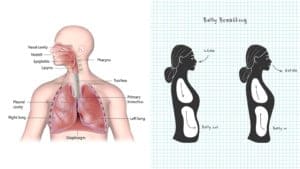
breathing exercises

Here are breathing exercises to kick up your energy levels.

Final Thoughts: Making Sense of the Need for Darkness

“I must have a dark side also if I am to be whole.” ~ Carl Jung

Okay, so is darkness “good” or “bad” for us? Well, it depends on the source, apparently!

However, science is rather unambiguous concerning adequate exposure to both dark and light. Sunlight is paramount for life, not just of human beings but of all species. Darkness is equally essential for health, both mental and physical.

However, the mental health benefits of darkness must be addressed.

It’s rather easy to dismiss any spiritual talk as too subjective and “out there.” But given our obsession with needing to “stay busy” – and our dread of “boredom” – overlooking the potentially enormous benefits of darkness immersion is a mistake.

To the darkness!

20 Keto Snacks to Keep You Full Until Dinner

One of the beautiful things about the ketogenic diet is that snacking is allowed. So many diets discourage snacks between meals, but with keto, there is no such evil restriction.

Furthermore, hundreds of keto snacks are amazing! Creative keto dieters have invented snack recipes that make being on the keto diet exciting and pleasurable.

Not Full Until Dinner? You Need Keto Snacks, Stat!

Let’s mention that one of the principles of the keto diet is to eat only when you are hungry. You are not to eat in response to the clock. Breakfast, lunch, and dinner are when your body says they are, not when tradition dictates.

However, there are times when the clock and custom must be respected. For example, if you are going out to dinner with family or friends, you will be expected to eat when they are eating.

It is in a situation such as this where you may need a mid-afternoon snack that will carry you until the time when the waitress brings everyone’s meal at the restaurant. Thankfully, keto dieters have such a wide choice of snacking options that it’s wonderfully easy to find something to fit any circumstance.

Meal Prep is the Key to Success to Keto Snacks

One of the keys to success on the keto diet is perfecting the art of meal prep. Preparing keto-friendly snacks is included in this ritual.

As every dieter knows, the worst temptation is to be hungry when a gooey, sugary treat is staring straight at you. If you are tired and hungry, you don’t stand a chance of winning the battle to stay on your diet.

Preparing keto-friendly snacks ahead of the crisis and having them readily available is a valuable secret weapon to winning the dieting war.

What Type of Keto Snack Works for You?

Are you a simple snacker or a connoisseur? Are you content with a spoonful of sugar-free peanut butter or must you have a decadent fat bomb with peanut butter, cocoa, butter, coconut flakes, vanilla extract, salt, all rolled in minced nuts? You know, as you see in the magazines?

Well, when it comes to keto snacks, you can safely go either way.

When you think of a keto snack, do you think of candy and nuts or mushrooms and cream cheese? They will both fill you up enough to tide you over until dinner, and they will both let your body remain in a state of ketosis.

keto snacks

Understand the link between dietary ketones and weight loss.

20 Keto Snacks That Will Satisfy Your Cravings Until Dinner

What makes a snack a keto snack? The number one requirement is that it is made with only items found on the keto food list.

These ingredients can be in any combination or almost any proportion. There are only a few keto food items that have a daily limit. We will point these out as we introduce the following snacks.

Having the allowable snack at your fingertips is vital. If you are hungry and want to make it to dinnertime, you will probably want to grab something quick rather than spend 30 minutes preparing a snack. Because of this, you will want to become familiar with the most natural snacks available.

1 – Nuts and Cheese

You can have this snack ready in seconds. Keto-friendly nuts include walnuts, pecans, almonds, and macadamia nuts. Cheeses must be full fat, not low-fat options.

Cut 2 or 3 slices of cheese and grab only enough nuts that will fit into one hand. The number of nuts you eat every day should be limited to just a handful.

Eat these thoughtfully with a cup of hot tea and give thanks to the gods for giving humankind the keto diet.

2 – Bacon and Hard-Boiled Egg

A pound of bacon can be fried up all at once in the morning and enjoyed a bit at a time over the next few days, like jerky. Six or so hard-boiled eggs can be prepared at once and stored in the refrigerator until you need one for a quick snack.

Scoop out the insides of one hard-boiled egg into a cereal bowl. Sprinkle with salt. Break up a slice of cooked bacon into bits and sprinkle over the egg. Add mayonnaise to make an egg salad, if desired.

Enjoy with bullet-proof coffee or homemade lemonade.

keto snacks

Try these low carb egg recipes for variety in your diet.

3 – Chicken Pieces and Cucumber

Cut up a piece of cooked chicken and place it on a sandwich plate with a few slices of cucumber. Drizzle over this a dressing of oil and specialty vinegar. Sour cream on the side increases the fat content of this snack.

4 – Roast Beef Roll Up

Take a slice of roast beef and spread sour cream or cream cheese over the meat. Roll into a tube and eat as finger food. Have two beef rollups if dinner is a long way off.

5 –  Berries and Cream

Toss a few berries in a cereal bowl and add heavy whipping cream. Only a few berries are allowed on the keto diet each day, so include only a few.

If you are not used to the thick consistency of the cream, add water until it is the thickness of regular milk. The fat in the cream will fill you up and ward off hunger for quite a while.

Add a couple of dropfuls of stevia or swerve if you want to sweeten up the snack.

Or you can substitute homemade whipped cream for the liquid cream and sprinkle some nuts on top. Voila. A fruit dessert that helps you lose weight. (It’s a miracle, really.)

6 –  Sugar-Free Peanut Butter and Celery Stalks

For a super quick snack that will satisfy, grab your jar of sugar-free peanut butter and a few stalks of celery. Slather on the peanut butter and enjoy a gooey, crunchy treat.

You can cut the stalk into fork-sized pieces, especially if someone is watching you eat! The fat and protein in this peanut butter will tide you over until dinner.

7 –  Pork Rinds and Dip

Plain pork rinds are very keto. They have fat but absolutely no carbs. Always check the label before purchasing because some brands or flavors do have carbs, whereas the original variety does not.

Keep pork rinds on hand for a fast keto snack. For a quick dip, use sour cream, guacamole, or salsa.

Iced, fresh-squeezed limeade with stevia drops goes nicely with this.

8 –  Original Brats

Fry up a couple of brats and eat them like jerky.

Check the label of the package because beer brats and other varieties may have too many carbs to qualify as keto.

Try with full-fat yogurt for a more exciting keto snack.

9 – Popcorn and Butter

Popcorn does not appear on the keto food list, typically. However, it can be a semi-keto snack if popped in an air popper and smothered with plenty of organic grass-fed butter and salt. Eat this in a small amount, considering the corn as a blank canvas for your fats.

To be clear, let’s restate this.

Since you know that popcorn is not an authentic keto food, limit the amount that you eat. Add additional fat by eating it with shredded cheddar cheese or drinking bullet-proof coffee.

ketogenic coffee

Here’s the right way to enjoy ketogenic coffee.

10 –  Salmon Wrap-Ups

Open a can of wild-caught red salmon. Place a spoonful or two into a cereal bowl with a spoonful of mayo, herbs and chopped walnuts nuts.

Place a nice spoonful of the salmon mixture on a fresh piece of lettuce and roll it up. The fat in the fish, mayo, and nuts should chase away your hunger. Have two rollups if you need them.

11 –  Keto Mug Muffin

You can whip this up in one minute. If you have a craving for a pastry, this is a sugar-free, keto-legal substitute.

INGREDIENTS:

  • 2 T coconut flour
  • One egg
  • Pinch baking soda
  • Pinch of salt

INSTRUCTIONS:

  • Grease a sizeable microwavable coffee mug with coconut oil or butter.
  • Then mix the above ingredients and add to the mug:
  • Microwave the cup and mixture for 45 seconds to 1 minute.
  • Remove the muffin from the mug and cut in half. Toast or grill the muffin. Top with butter and cinnamon or grated cheese.

12 –  Cheese and Pickle on Cucumber

The fat in the cheeses will stay with you until dinner. Have a few of these non-sweet fat bombs.

INSTRUCTIONS:

  • Finely chop four pickle chips.
  • Mix with cream cheese and finely shredded cheddar cheese.
  • Scoop with a spoon or melon ball scoop onto slices of cucumber.
  • Pop them in your mouth and dream of spring.

14 –  Almond Milk Chocolate Drink

There are times when just a creamy drink will help you make it to dinner without being overly hungry. This snack is easy to make and store in the fridge for whenever you need to feel full.

INGREDIENTS FOR THE COCOA MIX:

  • Mason jar
  • 2 C Cocoa powder 1 C Stevia powder

NEED FOR THE MILK PART

  • Another mason jar
  • 2 C Almond milk, original and unsweetened

INSTRUCTIONS

  • In one of the mason jars, put the cocoa and stevia. Stir and shake well until both are evenly mixed.
  • Fill the other mason jar half with almond milk and a half with water.
  • Add two heaping teaspoons of the cocoa/stevia mix to the almond milk/water jar.
  • Close the lid of the mason jar with the liquid and shake vigorously until the drink in a vibrant chocolate color.
  • Pour out what you want to drink immediately and put the rest in the refrigerator.

If you prefer vanilla flavored almond milk, you may use it for this snack.

If you are not sure this rich, creamy drink will be enough for you until dinner, have some pork rinds or a beef rollup with it. You will feel fuller than you expect!

14 –  Sweetened Full-Fat Yogurt with Delightful Add-Ins

Greek full-fat yogurt is an easy keto snack. Keep some on hand in your fridge for moments like these.

Always start with plain, Greek, full-fat yogurt. Low-fat yogurt is not on the keto food list, so if that is all you have in the fridge, choose a different snack.

INGREDIENTS

  • 1 C plain, Greek, full-fat yogurt
  • Add-ins, such as three strawberries or a dozen blueberries. Also, try chopped nuts or sugar-free chocolate chips.
  • 3-5 drops of your favorite liquid non-sugar sweetener, such as Swerve or stevia

INSTRUCTIONS:

  • Using a fork, crush the strawberries or blueberries in the bottom of a cereal bowl.
  • Top with yogurt and stir until blended nicely.
  • Add the desired number of drops of liquid keto-friendly sweetener and stir it again.
  • Top with chopped nuts or sugar-free chocolate chips or shavings.

This is not only a full-fat snack that can save you from hours of unnecessary hunger, but it also has those beautiful little microorganisms that keep your digestive system in good working order.

Some keto dieters make their full-fat yogurt and swear it is the best thing ever. However, full-fat Greek yogurt from the grocery store is also an excellent product, so buy and enjoy it.

15 –  Keto Chef Salad

Whip up a quick salad, using lettuce, cucumbers, celery, sunflower seeds, cheese, hard-boiled eggs, bacon bits, avocado, and anything else that appears on the keto food list.

You want to include fat to this snack because it’s the fat in the diet that makes you feel full and allows you to forget about food for a while. That’s where the cheese and avocado come in.

Use vinegar and oil or sour cream for dressing.

If you have a salad to hold you over until dinner, you may decide to skip the salad at mealtime.

keto snacks salads16 –  No-Bake Candy Fat Bombs

Fat bombs are small pieces of candy, usually including cocoa, that you can pop in your mouth when you need to chase hunger pains away quickly. Fat bombs are made up ahead of time and stored in the fridge or freezer. When there are only a few left, these are almost always included in the meal prep routine.

There will be times when you will marvel, saying to yourself, “I can eat chocolate fat bombs and lose weight! Life is certainly good sometimes.”

Here is a no-bake chocolate fat bomb recipe that you can make in just a few minutes:

INGREDIENTS:

  • 4 T butter
  • 8 T sugar-free peanut butter
  • 1/4 C unsweetened cocoa powder
  •  1 T powdered erythritol
  • 15 drops of liquid stevia or swerve
  • 1/2/ t vanilla extract
  • 1/2 C unsweetened coconut flakes
  • 3/4 C chopped pecans (optional)

INSTRUCTIONS:

  • Cream the butter and peanut butter together. You can microwave it for ten or so seconds, if necessary.
  • Add the rest of the ingredients and mix well.
  • Put small balls of the mixture, about the size of a marble, onto a parchment paper-lined cookie sheet.
  • Place them into the freezer until hardened.
  • Store in a ziptop bag in the freezer—pop one into your mouth whenever you feel the need to stop hunger or cravings.

Since this is a no-bake dessert, you can indulge as soon as everything is mixed and before the little balls are frozen. They are very rich and can make you feel full with just one or two small marble-sized amounts.

17 – Quick Scrambled Eggs and Avocado Slices

Put some unflavored coconut oil or olive oil in a frying pan. While the oil is heating, beat a few eggs in a bowl and pour them into the pan.

Add any keto thing you like – chopped green pepper, chives, or cheese cubes. Scramble and flip the eggs until they are the dryness you prefer.

Serve with avocado slices for extra hunger-fighting fat.

18 – Keto Ice Cream

You can make keto ice cream with or without an ice cream maker.  The best part is this. It contains a mere three net carbs per serving!

INGREDIENTS:

  • 2 C canned unsweetened, full-fat coconut milk
  • 1/3 C xylitol, erythritol or non-sugar sweetener of your choice
  • 1/8 t salt
  • 1-1/2 t vanilla extract
  • You can add 1/4 C MCT oil (optional) to keep the ice cream from getting overly hard.

INSTRUCTIONS:

  • Stir all ingredients together.
  • Put ingredients into an ice cream maker and churn according to the manufacturer’s directions.
  • Eat your ice cream right away or freeze an hour or so for a firmer texture.

19 –  Keto Smoothie

A dieter loves his or her blender! With it, you can make so many different types of smoothies, adding only what you love to eat and leaving out the things that don’t thrill you. So when it comes to this recipe, you are a co-partner in its creation.

INGREDIENTS

These are the ingredients for a blueberry smoothie, but you can create many other smoothie flavors. Use what is on hand or what excites your taste buds at the moment.

  • 1 C Coconut Milk or almond milk
  • 1/4 C Blueberries
  • 1 t Vanilla Extract
  • 1 t MCT Oil or coconut oil (optional)
  • 30 g Protein Powder (optional)

Put all of these ingredients into a blender and blend until smooth.

You can use any of these as a keto smoothie base: unsweetened almond milk, unsweetened coconut milk, heavy whipping cream, or yogurt. Or any combination of them with water to create the desired consistency you like.

Do not use milk. Even whole milk has sugar and not enough fat to qualify it for the keto food list.

Green smoothies are popular because they help the dieter swallow supplements that are otherwise hard to take, such as green moringa superfood powder, beetroot, liquid vitamins, MCT oil, protein powder and tasteless powdered vitamin C. Putting them all into a daily smoothie fills you up and solves the problem of taking unpleasant supplements.

Other ingredients often used in keto smoothies are:

  • Any berry
  • Vanilla extract
  • Avocado

If you want a spring in your step and a swirl in your smoothie, gently stir in one tablespoon of yogurt once the smoothie is in your glass or mug.

20 – Keto Cheese Cake

This one-serving size of cheesecake can be made in mid-afternoon to ward off hunger waiting for dinner time. When you arrive at the point where you can whip up this one-serving cheesecake for a keto snack, you are a radical keto dieter.

INGREDIENTS FOR THE CRUST

  • 1-1/2 T almond flour
  • 1-1/2 T finely chopped pecans
  • 1/4 t cinnamon
  • 1-1/2 t powdered erythritol, allulose or xylitol
  • salt
  • 1-1/2 t melted unsalted butter

INGREDIENTS FOR THE KETO CHEESECAKE

  • 2-1/2 T sour cream
  • 5 T softened cream cheese
  • 2 T softened butter, and organic grass-fed is best
  • 1/2 t vanilla extract
  • 1/8-1/4 t lemon juice
  • 2-3 T powdered erythritol allulose or xylitol, to taste

INSTRUCTIONS FOR THE BOTTOM LAYER

  • Toast the almond flour and chopped pecans until golden, about 3 minutes.
  • Put the roasted nuts in a bowl. Add sweetener, salt, and cinnamon.
  • Add butter and mix thoroughly.
  • Press mixture into glass or mug.
  • Refrigerate while you make the cheesecake.

INSTRUCTIONS FOR THE KETO CHEESECAKE:

  • In a bowl, whip sour cream for about 3 minutes.
  • In another bowl, cream the cream cheese and butter.
  • Beat in vanilla extract, lemon juice, and sweetener.
  • Add the whipped sour cream.
  • Spoon the mixture over the bottom layer in a glass or mug.
  • Chill for a while or eat whenever you want to.
  • Adding strawberries on top is excellent.

weight loss quotesFinal Thoughts: Well-planned Keto Snacks Should Be Part of Your New Lifestyle

Keto snacks are a vital part of the keto diet. Finding unusual combinations of keto foods to add variety to your routine is part of the pleasure of losing weight the keto way.

As your hunger decreases while on the keto diet, keto snacks can come more into play. What you previously thought of as a snack may seem more like a meal – like the roast beef roll-ups above.

Keto on!

Israeli Researchers Reveal Bacteria That Eats Carbon Dioxide (CO2)

The amount of carbon in the air continues to rise. This event happens as humans pump more greenhouse gases and fossil fuels into the atmosphere. According to NOAA, the monthly mean CO2 levels recorded at the Mauna Loa Observatory in Hawaii were 413.40 ppm. Let’s put that in perspective. There has been a 48% increase in carbon dioxide levels since the beginning of the Industrial Age. Furthermore, we’ve seen an 11% increase since 2000.

This shift is gravely concerning. However, Israeli scientists might have found a unique way to get rid of some of the carbon in our atmosphere. Researchers created CO2 eating bacteria that could “eat” carbon dioxide. Therefore, they can fight off air pollution and climate change.

 The research

Prof. Ron Milo’s plant and environmental sciences research lab at the Weizmann Institute of Science published a report in Cell on November 27, 2019. His team spent almost a decade creating the CO2 eating E. coli bacteria using a combination of genetic engineering, rational design, and sped-up evolution. They first identified the genes that plants use in carbon fixation. That’s the process of taking carbon from CO2 and transmuting it into protein, DNA, and other biological molecules. Most of the genes already existed in the bacteria, and the team could add or change the others. 

 They also included a gene where bacteria could derive energy from a formate, a substance that can be produced from electricity and air. The bacteria had the required genetic material Now the researchers had to get the bacteria to eat CO2 instead of their typical sugar.

carbon dioxide

Researchers warn of ever-rising CO2 levels that now exceed those in prehistoric times.

The important research

Postdoctoral fellow Shmuel Gleizer, the lead researcher, found a way to achieve this using a technique called lab evolution. Along with Ph.D. students Roee Ben-Nissan, Yinon Bar-On, and other members of Milo’s team, Gleizer was able to wean the bacteria off of sugar gradually. The researchers separated the experiment into stages, where they gradually decreased the amount of sugar given to the bacteria. At each stage, the bacteria were provided just enough sugar to keep them from complete starvation. They also were given ample amounts of formate and CO2.

 After about a year of adapting to the new diet, some bacteria were able to live entirely off CO2. The researchers even used a unique technique to make sure the E. coli weren’t eating other nutrients. The new bacterium uses formate as a form of chemical energy to drive CO2 fixation. The bacteria may provide the infrastructure for producing cleaner energy as well as sustainable production of food.

 How lab-created bacteria can save the planet

 Milo said that their lab was the first to attempt to change the diet of a bacteria for it to live off the air completely. They thought it sounded impossible at first, but wanted to give it a try for the future of the planet. The scientists now see that they can utilize the bacteria for many different green applications going forward.

 The researchers have found that engineering the bacteria to utilize energy sources such as formate, which can be synthesized electrochemically from renewable energy, might allow for the possibility of producing net-zero emissions ethanol, butanol, and even diesel, which can replace fossil fuels, according to Bar-On.

plastic bags

Here’s what happened when Australia banned plastic bags.

How the bacteria can help with food production

Besides, the bacteria could help with sustainable, renewable food production without using large amounts of land required for meat, vegetable, and fruit harvesting and agriculture. This, in turn, will reduce greenhouse gas emissions by reducing the amount of deforestation. Also, biotech companies that currently feed bacteria or yeast corn syrup to produce commodity chemicals could use the cultured bacteria feeding off CO2 and renewable electricity. This process would further reduce land demand and greenhouse gas emissions.

 Researchers think that, in time, manufacturers could use this CO2-eating bacteria production of alternative sources of protein. And that’s another important goal in the technology of food. Bar-On says that they might be able to use renewable energy in the future to drive carbon fixation and protein production in the bacteria. They could scale this to produce protein from renewable sources, which could also serve to feed livestock.

 As sustainability is a major concern for climate researchers and scientists, this bacteria could provide millions with food and fuel, which could curb some of the more dreadful climate predictions.

CO2

See how Maine’s styrofoam ban is helping reduce emissions.

Final thoughts about the CO2 eating bacteria

 CO2 levels are higher than ever before, and many scientists around the world sound the alarm that we must make drastic changes on a mass scale to delay the effects of climate change. Many scientists agree that humans have caused much of the climate changes we see today. But luckily, we have innovative, creative spirits to tackle such large problems. It will be interesting to see how E.coli bacteria will be utilized in the future.

15 Science Backed Health Benefits of Blueberries

Blueberries are a tiny fruit that packs a healthy punch. If you’ve ever thought that everything sweet and delicious in this world is terrible for you, then perhaps you need to reevaluate this tiny gem. Look beyond the junk foods and discover the delicious, nutritious alternative that can soothe those sugar cravings and give you some well-needed health benefits.

They Aren’t Just for Muffins Anymore

When you get a craving for something sweet and don’t want to break the calorie bank, you can’t go wrong with blueberries. Like cranberries, these indigo treasures are native to North America, and indigenous people for centuries have prized them.

These sweet berries are an iconic ingredient for decadent treats like pancakes and muffins. However, many of these breakfast items depend on artificial colors and flavors, which is unnecessary. Once you enjoy natural, fresh blueberries, you will know they need nothing added to them to make them great.

A Berry Background

Since the times of European explorations, this small blueberry has been cultivated around the world. You will find blueberries growing wild in nearly all states, while some produce them commercially. The impressive growing season keeps them available in supermarkets all year.

In addition to the wild “highbush” or “lowbush” species, horticulturalists have produced scores of other attractive and delicious berry varieties. These varieties range from the familiar blue to shades of violet, pink, and almost white. Although each thrives under particular weather and soil conditions, most types are easy to grow.

picky eater kids

Pediatricians share a list of foods for picky eaters.

Scientifically Proven Health Benefits

Not only will you love these plump berries for taste and convenience, but you will be amazed by their versatility. Have a cup of them all-natural, or you can add them to your favorite smoothie. Here are 15 good reasons to consider adding these beautiful berries to your diet.

1. The Perfect Snack for Weight Loss

Are you trying to lose weight or maintain a healthy lifestyle? It isn’t very easy to find snacks that are yummy and not loaded with a bunch of sugar. Did you know that a blueberry treat may curb your sweet tooth and help you lose weight?

Enjoy a whole cup of them for a little under 100 calories and 15 carbs. With the berries’ high fiber content, they are ideal for any meal plan, including low-carb or keto. They are a delicious addition to yogurt, oats, smoothies, or as a sweet kick with almonds.

2.Your New Friend for Radiant Skin

What you eat can affect your complexion. Have you ever noticed the tired, dry way your skin looks and feels with a steady diet of junk food? As part of a healthy lifestyle, nix the sugary snacks, and watch the difference it will make in your skin.

Blueberries are a rich source of Vitamin C, which is necessary for producing collagen. This vital protein keeps your skin smooth, healthy and boosts its elasticity. The nutrients found in berries can minimize dark spots and blemishes, making you look younger and revitalized.

Some beauty experts recommend homemade skin cleansers that contain berry juice. Many recipes are available online.

blueberries folic acid

Read how folic acid improves your hair and skin health.

3. Boost to Prevent Brittle Bones

Our bones can gradually weaken due to age, poor nutrition, and health problems. To avoid brittle bones and the chance of breaking them in a fall, doctors advise that you have a nutritious diet and an active lifestyle. In addition to being rich in calcium, the blueberry is a storehouse of vitamins and minerals that are the key to strong bones.

Just a serving of these little blue wonders may keep your bones solid for years to come. It may also help deter painful bone ailments like osteoporosis, especially if you are a woman.

4. Help with Diabetes Maintenance

Have you been diagnosed with Type II Diabetes? Not only do you face the daily challenge of maintaining a safe blood glucose level, but also finding sweet treats that are safe for your diet is often problematic. Before you make any changes to your eating plan, discuss them with your doctor or nutritionist.

Adding a blueberry serving may be just what the doctor ordered. Whole berries and fresh juice will not cause dangerous spikes to your glucose level as other fruits can. In fact, research demonstrates that drinking fresh blueberry juice may stabilize blood sugar in many people.

5. They Can Help Keep Cancer at Bay

Multiple studies and medical reports indicate that there is a link between eating whole foods and cancer prevention. Dark, colorful foods are a hearty source of antioxidants, vitamins, and minerals that protect your cells from cancer-causing free radicals. No wonder so many doctors and nutritionists recommend that their patients’ food choices be a rainbow of color and flavor.

Dark berries, such as the blue variety, give your plate a delightful and healthy touch of blue. While no food has been proven to prevent or cure cancer, eating whole foods is a step in the right direction. Why not add some berries to your bowl?

6. They Are A Boost for Brain Power

Wouldn’t it be miraculous to find foods that would improve your memory and brain function? Some healthy foods, like the humble blueberry, have shown positive benefits. You won’t turn into a modern-day Einstein, but adding a serving of berries to your meals can nourish your brain cells.

Although research is still in its preliminary stages, positive correlations suggest that blueberry nutrients may benefit neurons in the brain. Such benefits could prevent neurological disorders such as Alzheimer’s Disease. They may also improve mental clarity, which can help in the stressful world we live in.

blueberry and brain health

7. They Offer Cardiac Protection

It’s alarming to read that heart disease is one of the top killers in America. Chances are you have a history of cardiac issues in your family, and it’s possible that you already have an issue. Eating this humble fruit is a delicious way to give your ticker some added protection, consider adding a blueberry serving to your daily intake.

Their kick of Vitamin C and folate can help lower the bad cholesterol that puts your heart at risk for disease. The berries can also be a step to prevent clogged arteries, leading to heart attacks and other coronary issues.

8. They’re A Healthy Way to Minimize Inflammation

The tell-tale signs your body is fighting harmful micro-organisms and disease is inflammation. As the white blood cells rush to battle at the affected site, it becomes swollen, inflamed, and sore. Do you have a chronic inflammation disorder, like arthritis?

You may find relief with blueberry juice or whole berries. It can soothe the area and reduce swelling.

9. Improve Your Digestion

Blueberries have nearly four grams of fiber for one cup. Imagine what would happen if you ate two cups each day? The more fiber you consume, the easier it is to pass stool thanks to the enhancement they give the gastrointestinal tract.

10. Beat the Depressions Blues

Rather than reaching for antidepressant medications, it’s possible that blueberries can help you with your blues. The polyphenols in this fruit improve cognitive performance. Studies have proven that eating these berries has a noticeable impact on memory and overall brain health, and there are no nagging side effects either.

11. Sooth Urinary Tract Infections

If you get a urinary tract infection, you may reach for the cranberry juice. However, this is not the only member of the berry family that is known to help this common problem. The small, blueberry can also help to flush toxins from this area, bringing relief.

12. The Better to See You With

Did you know that this small berry can help to protect the retina in your eye? Additionally, eating them every day can help to safeguard your peepers from the sun. They are known to enhance the sharpness of your vision, and they can also allow a person to maintain optimal eye health.

13. Maintain Beautiful Hair and Nails

If your hair and skin are lackluster, then it may not be a bottle of some famous elixir you need. A small berry may do the trick. Blueberries are full of Vitamin B and proanthocyanidins, which are known to improve both skin and hair. Who knew you didn’t need to pay all that money for the latest miracle creams?

14. Detoxify Your Body

Because blueberries are so rich in essential nutrients, it’s believed that they have a detoxifying effect on your liver. When toxins buildup in the liver, it doesn’t work as it properly should. Many people walk around with fatty liver disease because they are overweight, and their body can’t flush the toxins quickly enough. However, eating some blueberries and a diet alteration may be all that is needed.

15. Improve Your Longevity

Who would think that a small blueberry could make you live longer? Well, because they are loaded with so many antioxidants and vitamins, researchers believe that this small berry can improve your longevity. The vitamins A, B complex, C, and E, manganese, iron, and a slew of others are helping people to live longer when consumed regularly.

blueberriesFinal Thoughts: One Small Fruit Can Change Your Health

Nature provides so many wonderful fruits and vegetables that have the power to heal and detoxify the body. Blueberries are just one of the fruits that you need to add to your daily diet. Since the blueberry is so versatile, you can put them in a smoothie, add them to your pancakes, muffins, or even have them in your bagels. The sky’s the limit when it comes to blueberries and their other colorful berry cousins.

10 Early Symptoms of Tennis Elbow Most People Ignore

Tennis elbow is an irritation of the tissue which connects the forearm muscle to one’s elbow. Although the condition is often attributed to one who plays tennis, the tenderness arises by the continuous, repetitive motion of the wrist and arm.

It manifests itself in inflammation of the tissues outside the elbow area, but some patients state that they have pain anywhere from the wrist to the forearm leading to the elbow.

While some can discern the condition on their own, a physician should make an initial diagnosis and advise on treatment in order to curb the pain of tennis elbow. Knowing the early signs of the condition is key to getting relief from the nagging discomfort.

What Causes Tennis Elbow?

  • any activity that requires excessive, constant gripping
  • hedge clipping
  • painting
  • repetitive use of a hammer or screwdriver
  • tennis is only one cause of the condition

You might be surprised at what activities trigger the pain your tennis elbow causes for you. Painting does not seem to be an activity that would cause inflammation of the elbow area or forearm. However, any activity which requires a person to continually squeeze or tightly grip a tool to complete the movement can cause the condition.

carpal tunnel syndrome or tennis elbow?

What is tendonitis, and how is it treated?

Tendonitis is another name for tennis elbow, and it arises from the repetitive motion coupled with excessive, constant gripping of a tool or instrument necessary to complete whatever activity in which you’re participating, such as painting or playing tennis.

There are specific and repetitious motions in tennis that make a person more likely to develop the condition. Using poor form when attempting to execute a one-handed backhand with a wrist extension or bending the wrist significantly when swinging forehanded. If one is serving the ball, snapping and turning the wrist using full power to do so may result in inflammation of the tendons outside of the elbow or tennis elbow.

Often, patients will ignore the signs and symptoms that point to a case of tennis elbow.

What are a few of the symptoms people often ignore that later prove to be tendonitis of the elbow?

  • tenderness on the outside of the elbow
  • morning stiffness of the elbow
  • persistent aching of the elbow
  • soreness of the forearm muscles
  • pain in the elbow that worsens when grasping or holding an object

Additionally, some atypical symptoms of tendonitis include pain stemming from the following activities:

  • opening a door
  • shaking someone’s hand
  • when you raise your hand or attempt to straighten your wrist
  • attempting to lift something

Let’s unpack each of these symptoms for a closer look.

tennis elbowTenderness on the outside of the elbow

After a day of doing manual labor, one might expect a little tenderness around the joints. Whether you are painting, hammering nails, or you are playing a game of tennis, you might dismiss some sensitivity around the elbow as usual. This is especially true if you do not usually participate in these activities.

Morning Stiffness of the Elbow

A lot of people tend to ignore the morning stiffness of our joints. This is especially true if you have morning stiffness in other joints of the body. It is easy to believe that stiffness in the elbow joint is just one of the general effects of aging.

It is also easy to ignore morning stiffness in the elbow joint if you don’t regularly participate in those aforementioned repetitive activities, which require you to squeeze a tennis racket or a tool to complete a job. We all assume within a few days the stiffness will go away, right?

In the case of tendonitis, this may be the case. However, when other symptoms are present, you might err on the side of caution and attempt to subdue the inflammation that is present in the outer area of the elbow.

Soreness of the Forearm Muscles

As we age, we are bound to experience some pain in our bodies from time to time. We may ignore this soreness if we don’t regularly participate in activities that might bring on stiffness. We may also neglect this soreness if we refrain from taking part in activities that require us to squeeze an instrument, utensil, or other tool used to complete a job.

However, when we do this, we are only keeping the problem at bay for a short while. Although tendonitis of the elbow can be treated, one can still experience flare-ups from time to time. You may dismiss soreness of the forearm muscles as normal soreness after atypical activity.

Pain in the elbow which worsens when you grip objects

Again, this symptom is natural to ignore when you have participated in activities that are not a part of your routine. You play tennis, you paint the bathroom, or you have spent a weekend using a hammer to make repairs. Even for several days after, you may dismiss these signs and symptoms as “normal” after doing something out of your routine.

Inflammation only tends to worsen when one ignores the symptoms. They can also worsen when one does not take measures to eliminate the inflammation. However, when one believes that the pain, soreness, and swelling of tendonitis of the elbow is simply due to new, out of the ordinary activity, it is easy to skip treatment assuming the pain will go away on its own.

While the previous symptoms are often ignored by the patient due to the assumption that the irritation can be attributed to another cause, there are other signs and symptoms of tennis elbow that aren’t necessarily associated with tendonitis. These symptoms are often not necessarily ignored but dismissed by the patient. However, they all point to a case of tendonitis, and they should be treated before the condition worsens.

Pain when Opening a Door

Keep in mind that doctors state one of the chief causes of tendonitis in the elbow is the repeated grasping or squeezing of an object. It makes sense that people who are experiencing tendonitis of the elbow would experience pain when attempting to grasp a doorknob and twist the object.

Yes, one of the most overlooked symptoms of tendonitis of the elbow is one’s inability to grasp everyday objects without pain. Something as simple – and as standard – as opening a door can be a sign of tendonitis.

What do people attribute this pain to? There is no particular cause. Plus, if this occurs without the presence of other symptoms, one may not associate the pain experienced when attempting to grasp and twist a doorknob as something caused by tendonitis in the elbow.

tennis elbow

Therapists reveal 10 injuries that heal well with physical therapy. Spoiler: tennis elbow included!

Pain when Shaking Someone’s Hand

Think about one of the chief causes of tendonitis in the elbow – repetitive grasping of an object. What takes place when you shake someone’s hand? You grasp the other person’s hand and squeeze.

There are many reasons that one might ignore this symptom of tendonitis in the elbow. We may not shake hands with others regularly (at least not the traditional handshake, anyway). If this is the case, we may attribute the pain to an isolated incident. Just as one might with grasping and twisting a doorknob, if we happen to have no other symptoms of tendonitis in the elbow, we may assume that the pain of a handshake is nothing to worry about.

Pain When Raising one’s Hand or Straightening the Wrist

This point seems a little obvious as to why we might not associate tendonitis in the elbow with this type of pain, especially when it comes to raising one’s hand. We tend to associate the pain from raising one’s hand with the shoulder; after all, the joint is integral in helping us raise our hands, right? Remember that tennis elbow is an inflammation of one’s tissues outside the elbow, the tissue that connects the forearm to the elbow.

We tend to forget that all tendons in the arm work together to help us carry out a range of different motions, even those around the elbow.

We might also neglect wrist pain or at least attribute it to something else rather than tendonitis of the elbow. Again, remember that all these tendons work together for our benefit.

Pain when Lifting Something

We only experienced pain from lifting something because we didn’t lift it correctly, right? Not necessarily so. Tendonitis in the elbow can manifest itself in pain when lifting any object – even if it something as simple as lifting (and gripping) a pen or pencil.

weightlifting

Meet eleven people who transformed their lives via weightlifting.

Final Thoughts: What to Do If You Suspect You Have Tendonitis

First, try RICE – Rest, Ice, Compression, and Elevation. You may need to do this for several days before you experience relief. You’ll also need to refrain from the repetitive motions that have inflamed the tendons of the elbow.

If your pain doesn’t subside after two weeks, see a physician. Your primary care physician can make an initial diagnosis, offer non-invasive treatments, and refer you to a specialist if he or she warrants further examination.

Counselor Reveals Tips to Help You Stop Cursing

Whether we intend for it to happen at the time or not, some of us use those rude four-letter words a little too often. Soon, it becomes a habit. However, this habit isn’t appropriate when you have young children or can’t manage to stop cursing- even at work.

Before you know it, it’s harder to quit than cigarettes. If you’re ready to put an end to your potty mouth, it will require a lot of effort on your part. However, there are ways to make it easier.

Here Are 13 Effective Tips to Help You Stop Cursing

1 – Pay Up! Use a Swear Jar

The swear jar is a classic method that you might remember hearing about. The premise is that you acquire a pot and place a quarter or a dollar in it every time you swear. The more you swear, the more you put into the jar. This one is effective since it hits you in the pocket. Every time you cuss, you are out the money.

The money mustn’t go right back into your wallet, or there’s no consequence. At the end of your adventure, you should take the money and do something for the people who inspired you not to swear anymore.

2 – Flick Ribber Band Against Your Wrist

Wear a rubber band around your wrist every single day. When you catch yourself cussing, you should pull the rubber band back and let it smack your skin. The pain is a mild reminder that should also act as a deterrent. Soon, you will associate cursing with the pain and stop yourself. This trick works best for people who don’t swear all of the time. The snaps can start to take a toll on your skin after a while.

cursing

3 – Use Innocuous Replacements for Curse Words

You don’t necessarily need to use swear words when you want to curse. There are many silly words that you can use to replace cussing. Some of the different words you can use instead of cursing include:

  • Holy Cow!
  • Judas Priest!
  • Leapin’ Lizards!
  • Phooey!
  • Drat!
  • Zoinks!

It might take you some time to train yourself to use these words instead of swearing words. However, with time and effort, you will start to use your preferred alternatives instead. The only problem with this method is that you can sound pretty ridiculous, shouting out these words in certain environments.

4 – Team Up with a Buddy

A 2019 NIH article suggests that you are more apt to make long-term changes if you challenge a buddy to try it, too.

That’s right. It will be easier to accomplish your goal if you drag someone into it with you. Get your significant other or someone at work to join in on your mission to stop cursing. You will be able to help hold each other accountable if you catch each other swearing. You will also be able to bounce ideas off of each other and talk about which things did and did not work for you. You may learn a new method that you haven’t thought of. Plus, misery loves company. If you can’t swear, why should your spouse get to?

cursing

5 – Expand Your Vocabulary

Many people believe that people who swear only swear since they don’t have the correct words to express themselves. Using curse words is vulgar and shows the person grasping from their most basic selves. Finding a more mature way to talk about a situation shows intelligence and maturity.

Start improving your vocabulary by getting a word-a-day calendar. Use each day’s word at least three times throughout the day. You can even incorporate the term from the day before to help you retain the information. You can also expand your vocabulary by reading more. When you read, you will come across words that you’ve never seen before, forcing you to look them up. Even if you don’t look them up, you start to learn them through context.

When you increase your vocabulary, you need to incorporate it into the moments when you usually swear. Instead of cussing about the person driving slowly in front of you, you can grimace about the dullard accelerating nonchalantly.

6 – Limit Exposure to Movies and Music with Mature Language

Today, both movies and songs contain a lot of cursing. It’s not even that noticeable until you make an effort to stop yourself. You don’t realize how much you hear this stuff throughout the day. The constant bombardment of cursing can put it in your head subconsciously. Don’t let that happen to you. Minimize your exposure to mature material by making wise choices about the movies you watch and music you listen to. You can always look for edited versions of your favorite albums.

horror movies

What you see on tv makes an impact on your mind.

7 – Learn Triggers and Avoid Them

Everyone has specific triggers that will cause them to engage in a particular behavior. In your case, you might swear. You may get triggered by traffic, rude people, or homework/work. When in these situations, you’ll almost always find yourself cursing. You can’t get rid of all of these things, but you can recognize that they are things that trigger you to swear. This awareness will help put you on alert at these times. Since you are thinking about it, you can put in the effort to catch yourself and stop it before it happens. You can also minimize how often you put yourself in your trigger situations.

8 – Change Your Mentality About Swearing

Many people who swear always don’t think that it’s a bad thing. First, you need to recognize that cursing is a negative thing. When you swear, you aren’t showing yourself at your most intellectual. You also aren’t showing a great sense of self-control. You may swear in front of somebody you shouldn’t. You could end up offending someone. This behavior could be especially bad if you are at work. You may even swear in front of a child and make them think it’s okay for them to swear, too.

9 – Understand Mistakes Happen

Releasing any bad habit takes weeks of commitment to change, according to research. Undoubtedly, not cursing is an arduous task. You probably won’t be perfect, especially when you first try to stop. You must be able to forgive yourself when you make a mistake. You need to control yourself better in the future. Notice the circumstances when you slip up to avoid those same circumstances. The goal here isn’t to be perfect. I doubt there are very many people in this world who can go for the rest of their lives without cursing once. The goal here is to do the best you can and put in a significant amount of effort.

10 – Try a Little Positive Reinforcement

So you gave up, robbed your swear jar, and went back to your former habits? Give yourself the gift of positive reinforcement.

Instead of punishing yourself by paying to a swear jar or snapping a rubber band against your wrist, you should reward yourself when you do well. Use positive reinforcement by giving yourself a treat if you don’t swear once throughout the day. The gift can be something like an extra-long shower, an hour of television before bed, or a glass of wine with dinner. Only accept your reward if you succeed. You have to make a promise to yourself not to cheat and stick to that promise.

comebacks

Learn ten comebacks for coping with the bad behavior of others.

11 – Understand You and Your Family Will Still Encounter Cursing

No matter how successful you are at not swearing yourself, the rest of the world may not put as much effort into it. You need to know, going into this transformation, that you and your family will still hear the obscene language. With this understood, you need to plan on how to handle the situation with your children. You need to teach your children what to do and why cursing is terrible. It’s better to talk to them about it than trying to protect them from it forever since that is impossible.

12 – Pretend Your Grandparent or Priest is Sitting Next to You

No decent person could possibly swear in front of their grandparents or their priest, would they? Tell yourself that these people are with you at all times, listening to your every word. This mentality will help deter you. If it helps you to visualize, you can put a picture of your grandma in your desk at work or in your wallet.

13 – Practice Self Control in Other Areas Too

If you learn self-control in one area, your improved self-control will apply to other areas as well. Work on becoming more disciplined in general by eating well and going to the gym. Granted, this might make you want to swear even more for at least a moment, but you will develop the mindset you need to create new routines. You can also improve self-regulation by making your bed every morning, following your nighttime beauty regiment, and keeping your house spotless.

stop cursingFinal Thoughts: Stop Cursing by Trying These Tips

Make yourself look intelligent and mature by eliminating swear words from your vocabulary. You can do this by using positive reinforcement and negative reinforcement. You can also try changing your overall mentality about cussing and recognizing your triggers. Even after all of the effort, you will put into it. Sometimes you might make a mistake and drop a four-letter word. Just use them wisely.

Skip to content