Weekly tips, affirmations, and small actions to feel your best.

18 Early Warning Signs Of Multiple Sclerosis Most Women Miss

Multiple sclerosis is a chronic inflammatory disease impacting the central nervous system. It affects millions of Americans each year.

The disease blocks the relay of messages between the brain and the immune system, which protects your body and its many vital functions. Thus, the immune system begins to mistakenly attack itself. Therefore, some medical professionals classify it as an autoimmune syndrome.

The lack of agreement on whether this condition is an inflammatory or autoimmune condition underscores a lack of clarity. While researchers know much about MS, they still cannot pinpoint the precise cause.

Here is what we do know. The ailment compromises your nervous system, your organs, and your health. This particular disorder targets the protective covering of nerve cells in the spinal cord and the brain, diminishing their function, and eventually rendering them useless.

Symptoms of multiple sclerosis can vary in the way they progress and how severe they get; while some only experience fatigue and numbness in the extremities, others experience loss of vision, problems with coordination, and paralysis.

How does MS develop?

While a definite cause has not yet been identified, it is thought that multiple sclerosis is triggered by certain viruses, environmental factors, stress, or a combination of all three as it causes the immune system to turn inward on itself, attacking delicate nerve cells of the brain and spinal cord. While there is no cure for MS as of yet, learning to live with the disease includes a plan that incorporates diet, movement, and management of nerve deterioration to provide a better quality of life.

18 Early Warning Signs of Multiple Sclerosis: Don’t ignore the symptoms!

It is critical to develop an awareness of signs and symptoms of MS and to identify them for proactive treatment that can reduce its severity and slow its progression. Many women, in particular, miss the early onset of symptoms because they are raising families, juggling responsibilities between work and home, and failing to provide themselves the type of self-care needed to identify and manage the disease. Look for these 18 early warning signs of multiple sclerosis that may help you on your pathway to better health:

ginger for inflammation

This drink can help ease your inflammation.

1. Vision changes or vision loss

Problems with vision are one of the earliest symptoms that indicate possible MS. Inflammation in the brain affects the optic nerve that runs along the back of each eye; vision is compromised when this nerve does not properly function. You may experience blurry, double, or tunnel vision, as well as experience pain when moving your eyes. While vision loss can be a gradual progression, it is never something that should be taken lightly.

2. Numbness and tingling

The body’s message center is the brain and spinal cord; MS attacks these two nerve centers, making communication between the brain and extremities extremely difficult. When no signals are reaching parts of the body, this can result in numbness and tingling. You may experience intermittent tingling and loss of feeling in the face, feet, hands, toes, and fingers, with a gradual progression toward arms, legs, and other larger parts of the body.

3. Pain and spasms

Involuntary muscle spasms and pain are an indicator of possible MS; most people suffering from multiple sclerosis report that they have daily pain in one or more areas of the body. Stiff joints, muscles, and involuntary spasms become a part of daily life as the disease progresses.

4. Fatigue and weakness

Over 80 percent of people note that MS begins as chronic lethargy. This symptom occurs because nerves along the spinal column deteriorate, causing weakness in bone and muscle.

5. Dizziness and balance problems

Issues with coordination and balance can make mobility a problem for those with undiagnosed multiple sclerosis. People may often feel lightheaded, dizzy, and experience periods of vertigo, where they feel as if their surroundings are swirling around them. Occurring most often when someone stands up, this symptom comes and goes at first, then becomes a part of daily experience.

6. Dysfunction of the bladder and bowels

Almost 80 percent of patients with MS report some bladder and bowel dysfunction. Problems can include frequent urination, strong urges to urinate, or even inability to hold urine. Less frequently, people may experience issues with bowel control, including constipation, diarrhea, and loss of control.

motivational quote7. Sexual complications

Stimulation in the nervous system influences sexual response in both men and women. As multiple sclerosis develops, the loss of nerve sensitivity and function becomes evident as sex drive decreases, sexual responses lose their luster, and complications occur. In men, this lack of sexual response can be particularly stressful, as it causes erectile dysfunction.

8. Cognitive issues

Unfortunately, the brain is very affected by the onset of MS and its symptoms. Signs that cognitive decline is taking place include:

  • Memory loss
  • Shorter attention span
  • Problems with language and understanding
  • Difficulty staying organized

Because of this cognitive degeneration, MS can also take a toll on emotional health.

9. Emotional volatility

Developing depression becomes common for those suffering from MS. Stress of the condition can also cause irritability, anger, mood swings, anxiety, and sadness. In some people, this emotional instability manifests itself as a condition called the pseudobulbar effect—bouts of alternating crying and laughing that the patient cannot predict or control.

10. Hearing loss

For some people, damage to the neural pathways in the brain responsible for aural stimuli can cause tinnitus and, eventually, hearing loss. Some other patients experience a very sudden and dramatic hearing loss that takes place almost instantly; in either case, the loss of one of our most precious senses is traumatic.

11. Seizures

Seizures may be one of the first noticeable signs of MS before a doctor makes a diagnosis. Even if epilepsy is not a known condition, close to 5 percent of people with MS experience some sort of seizure activity as the brain begins to break connections with neural pathways that affect other areas of the body.

12. Tremors

Tremors are involuntary muscular twitches that result in a rhythmic, back-and-forth motion of a body part. Hands and feet can most often be affected, but tremors will likely spread to include the legs, head, vocal cords, and trunk. They could be mild in nature or worsen over time.

13. Breathing difficulties

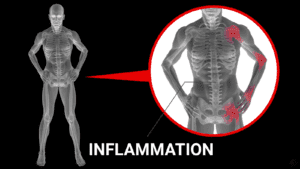
The autonomic nervous system controls breathing; most of us do not have to think about regulating our breath while we go about our daily activities. As the progression of multiple sclerosis takes hold, it compromises the ability of the autonomic nervous system to carry out its automatic functions. As a result, a person can begin to develop breathing difficulties that make it difficult to carry out daily activities.
inflammation

Here are ten foods that help fight inflammation and pain.

14. Slurred speech

As the brain and nerve communication breaks down, messages that are intended to be translated into speech become mixed up, making it difficult for someone to communicate clearly. Loss of muscle control in the cheeks, mouth, and tongue may make the formation of both vowels and consonants more difficult over time, and even the most articulate may find it increasingly more frustrating to try and express themselves through speech.

15. Trouble swallowing

Lesions may develop throughout the body in someone with multiple sclerosis, and it can be difficult to swallow past these open sores, making it almost impossible to eat and drink. This loss of muscle control around the mouth and in the esophagus increases the risk of choking when a person is attempting to eat and drink; extreme care must be used when eating to ensure that you can safely ingest liquids and solid foods.

16. Increased menstrual problems

Many women report an upswing in symptoms of multiple sclerosis when they have their period–medical professionals attribute these symptoms to a drop in estrogen levels that exacerbates symptoms. Exaggerated symptoms include dizziness, fatigue, compromised balance, and muscle weakness.

17. Pregnancy complications

While pregnancy and fertility are not affected by symptoms of MS, symptoms tend to return post-partum. Some common complaints of pregnant women may be passed off as common issues, like pain, fatigue, and mood swings. They could also be signs that a diagnosis of multiple sclerosis is afoot; looking at the symptoms and noting their frequency, duration, and severity will help you navigate a course of treatment if MS is discovered.

18. Worsening menopause symptoms

For some women, symptoms of multiple sclerosis become much worse at the onset of menopause. This may be due, in part, to a drop in estrogen levels that the body is no longer producing. Hormone replacement therapy might ease menopausal symptoms. However, you may be putting a band-aid on other things that may be occurring. Hormone replacement therapy has had links to heart disease, breast cancer, and stroke, so it may not be a good choice for taking care of seemingly minor aches and pains that could quickly evolve into large health issues.

multiple sclerosisFinal Thoughts on Receiving a Diagnosis of Multiple Sclerosis

Multiple sclerosis is a challenging and potentially life-altering disorder. However, you can take measures to avoid the fast progression of symptoms. Your best defense against MS is to see your doctor immediately if you begin experiencing any of the above signs and symptoms that could point to its existence. Don’t hesitate; proper diagnosis and prompt treatment will make all the difference in how you’ll be able to safeguard your health and wellness.


6 Reasons Why Waking Up At 5 AM Everyday Is Good For You

If you’re a night owl or just someone who values shut-eye in general, you may think anyone who wakes up at 5 in the morning is out of their minds. But they are smarter than you may think, and they’re doing a lot of good for themselves by maintaining these seemingly shocking waking times!

Lots of highly successful people wake up at very early hours, and there’s a reason for that. Countless different benefits come from getting up before the crack of dawn, and they’re ones that are difficult to get through any other means.

6 Reasons Why Waking Up At 5 am Every Day Is Good For You

Still not convinced? We don’t blame you! To get up at such an early hour sounds like torture. But we promise that it will help you in the long run. 

1. You Feel Motivated and Confident

When you wake up early, you often automatically start the day with a strong sense of accomplishment. You’ve done something – you’ve managed to get yourself up and productive at a time that you previously thought impossible. 

This feeling is especially true if you’re someone who prefers hitting the “snooze” button multiple times in a row for the sake of that previous five more minutes of sleep. You will gradually–but assuredly–progress from someone who never gets up with the first alarm to someone who is out of bed by 5 in the morning makes you feel like you’re doing well.

This kind of self-improvement lends itself to a feeling of confidence, stemming from this positive action. It sounds surprising until you realize that trust is built up in very slow, steady intervals most of the time, mostly from small events. Plus, with confidence, other traits also improve, such as:

  • Imagination
  • Flexibility
  • Goal-orientation
  • Productivity
  • Focus
  • Decision-making skills
  • Courage

But there’s another essential trait that confidence helps build, but which can also just come from waking up early: motivation. When you wake up earlier, you usually will have better clarity for the rest of the day, allowing you to be more motivated to check off items on your to-do list. 

Confidence also builds motivation. When you believe in yourself and your capabilities, you feel more driven to work harder and do your best, as you have faith in yourself.

waking up at 5 am

2. You’ll Sleep Better

Did you know that waking up earlier means that you’re likely to get better-quality sleep? It’s surprising, but it’s true! The act of rising earlier allows your body to use up its energy in the way that it was always meant to, so it craves sleep at just the right time.

There are also psychological reasons for better sleep with an early rise. When you wake up earlier, you have a clearer conscience and feel happier with yourself, as you’ve accomplished something and feel productive. This habit will lead to better positive thinking due to lowered stress and anxiety levels, which means you’ll be able to fall asleep with less tossing and turning. This outcome can also be called a feeling of “earning” your sleep.

Of course, you also need to pay attention to other aspects of your sleep, such as:

  • Duration

Make sure that you’re getting a minimum of 7 hours of nightly sleep. If you tend to be more active during the day, or don’t feel rested enough after 7 hours, increase your sleep time, up to a maximum of 10 hours per day. Sufficient sleep is necessary for a positive day.

  • Stimulants

If you drink coffee, eat sugar, or stuff your face right before bedtime, of course, you’re going to feel wide awake! Avoid eating anything too close to bedtime, and if you must eat or drink, stick to relaxing, non-stimulating foods.

  • Routine

A bedtime routine can help you wind down at the end of the night. If you’re blaring loud music, jumping around the house, or exercising within three hours of bedtime, you’re going to feel too pumped up to sleep.

  • Devices

Devices such as laptops, phones, and TVs can expose your eyes to a lot of light, causing your brain’s melatonin-producing functions to be impaired. Melatonin is the hormone responsible for regulating sleep. An hour before bed, put your devices away (and set your phone to airplane mode) and do some relaxing things.

sleep apnea

Here are seven signs that sleep apnea is disturbing your slumber.

3. You Have Time To Plan Out The Day

At 5 am, people aren’t exactly bouncing off the walls just yet. No one’s sending you fervent messages, the world hasn’t gotten noisy, and you have plenty of time to prepare without rushing around and trying to get to work on time.

These extra minutes give you an hour or two of entirely distraction-free, quiet time to yourself to plan your day meticulously. It can feel downright luxurious to have so much spare time. Sit down, chill out, and write a to-do list or get your thoughts organized while you have a leisurely breakfast or indulge in a little pampering.

Even if you’re not for planning consciously, you’ll often wind up making simple, stress-free plans anyway. At the same time, you go about your morning plans, which may include reading, going to the gym, or doing something else that doesn’t seem planning-related but will still work in your favor. 

When you finally do head to work, you’ll find your head feeling bright, happy, and positive, impacting the rest of your work day’s performance in a significant way. Getting organized and not needing to rush can change so much about you!

4. You Build Discipline

Remember how we talked about the temptation to hit the snooze button? Fighting that temptation helps you to build a strong sense of discipline. It’s so challenging to get the motivation to get up and go to turn off the alarm for good and drowsily stumble out of bed. But the more you do it, the stronger your resolve will get.

Discipline is, perhaps, best compared to a muscle – the more you make use of it, the stronger its sense gets, and before long, you’ll realize that you abide by your rules easily and have a pretty strong sense of willpower. The confidence you continue to build also keeps making your discipline stronger, since you believe you can do whatever you must do must be done!

waking up positive

Here are some tips for building discipline in all areas of your life:

  • Remove Obvious Temptation

Keep wanting to hit snooze? Buy an alarm clock with no snooze option. Have trouble resisting candy? Don’t keep any in the house. Can’t resist binging your favorite shows at night? Cancel subscriptions or have someone hold you accountable.

  • Create More Positive Habits To Replace Bad Ones

Replacing habits instead of removing them is often the best way to stick to your guns. Keep your new habits simple, so they’re easy to do. Switch night time TV-watching routines for book-reading ones. Instead of drinking regular tea, drink something without caffeine. Instead of candy, stock up on dark chocolate and fruit.

  • Grant Yourself Rewards

When you’re motivating yourself to be disciplined, plan some rewards for stretches of successfully holding your willpower. Start with small, manageable milestones and slowly increase the amount of time between each award. These rewards can be anything, from a nice meal to a new purchase, and from a day off to a little traveling.

  • Recognize Weaknesses

Even in the most disciplined people, there is often a specific something that makes them cave. Figure out what those things are for you and find ways to avoid them or lessen their draw. For example, if cold weather tends to make you hit snooze all the time, consider investing in a heater, warmer bedding, warmer nightwear, or turning up the heat. 

  • Forgive Mistakes

Progress is not linear, and you will slip up and make mistakes as you try to maintain your discipline. Forgive yourself! There’s no use in holding onto feelings of guilt and shame. Learn from these errors by locating triggers for weakened resolve and find ways to strengthen yourself instead.

5. You’ll Have A Schedule For Your Body To Follow

Are you familiar with the Circadian Rhythm? This term refers to the body’s natural sleep-wake cycle. When you don’t have a regular sleeping schedule and wake or sleep whenever you like, your body is unable to keep that rhythm going. This cycle means you can feel tired at odd times, or have difficulty falling in or out of sleep.

If you wake up at 5 in the morning every day, your body will slowly get used to it. This means that, although it may be a struggle at first, you will eventually come to wake up at this time naturally. This will make for a more positive sleep-wake cycle that is consistent and can be used by your body to keep you going strong.

6. You Can Use The Time To Exercise

Yes, yes, early morning exercise sounds terrible to many people. But when you wake up that early, you’re not going to have a whole lot else to do with that time. So fill it with something productive that will give you tremendous benefits over the rest of the day: exercise!

Exercise has been proven, time and time again, to reduce anxiety and stress, and that extra positive thinking is something that can significantly benefit your everyday life. On top of that, exercise can reduce your risk of a wide range of diseases, and it can help you with calorie consumption by shaving off sone of the excess.

All you need is a brisk walk for around half an hour every day, but there are many other kinds of exercise you can do, including:

  • Lifting weights
  • Swimming
  • Jogging or running
  • Hitting the gym
  • Yoga
  • Cycling
  • Walking a dog
  • Dancing
  • Skipping rope

waking up at 5 amFinal Thoughts On Some Reasons Why Waking Up At 5 am Is Good For You

Changing your sleep schedule can be a tall order. But with so many possible benefits, it’s not impossible to want to get a little positive thinking on to make it work.


Having trouble with the early waking hours? That’s okay; most people would! Try slowly moving your waking times back by 30-60 minutes until you’re at 5 am. And if it doesn’t work for you, as a real blue night owl, then really, all you need to do is wake up earlier, at any time that’s before the usual. Trust us. The results won’t disappoint!

Doctors Reveal the Causes and First Signs of Pneumonia

Pneumonia is a common infection that causes inflammation in the air sacs of one or both lungs. The inflammation causes mucus and other fluids to accumulate in the air sacs.

Pneumonia can be relatively mild, but it can also be deadly. The infection is particularly dangerous to people who are under two years old or over 65 years old. It is too dangerous for people with weakened immune systems or other health problems.

Where Do People Pick Up This Illness?

The infection is often categorized by where or how the patient contracted it. In 2019, the National Center for Biotechnology Information (NCBI) published an overview describing the different categories. Most cases are described as “community-acquired,” which means the patient wasn’t in a hospital or other health care facility when they got sick. Community-acquired infections are the eighth most common cause of death in the United States.

A person can also contract the disease in a hospital or similar facility. This infection happens because the patient is already ill. To make matters worse, the bacteria involved are often resistant to antibiotics. The patient is said to have contracted the disease in the hospital if they fall ill at least 48 hours after admission.

People with cancer have an exceptionally high risk of contracting infections in general. Not only are they already ill, but chemotherapy kills healthy cells along with cancer cells. It thus damages the immune system, and it will take the patient time to recover from the treatments.

Ventilator-associated pneumonia (VAP) describes any infection that develops at least 48 hours after a patient has undergone endotracheal intubation.

A patient may also get ill through aspiration, in which they swallow something, and it goes down the wrong pipe and into their lungs. The substance then causes inflammation in the bronchial tubes and the lungs. Large amounts of gastric juices can cause the patient to suffer acute distress in under an hour.

pneumonia

Read how researchers uncovered a new method of preventing viruses in human cells.

Causes of Pneumonia

1. Bacteria

In 2019, the National Center for Biotechnology Information published an overview describing bacterial infections, as they cause the most severe symptoms and most fatalities. They are also frequent; there are over five million cases of community-acquired lung infections alone in the US every year. Eighty percent of these receive outpatient treatment for the illness.

Streptococcus pneumoniae is the most common cause of bacterial infections in the United States, and it is particularly common in the community-acquired type. It can develop on its own or after the patient has had an upper respiratory infection like a cold. The bacteria may cause a condition called lobar pneumonia, which is confined to one lobe or part of a lung. Other bacteria that can attack the lungs include Klebsiella pneumoniae, Staphylococcus aureus, Pseudomonas aeruginosa, Legionella pneumophila, and Hemophilus influenza. Patients in hospitals may also contract Gram-negative bacteria like Enterobacter or Escherichia coli.

Risk factors for bacterial infection include a weak immune system, old age, illness, and poor nutrition. Patients who have recently had surgery, smoke, or drink too much also have an increased risk of contracting a bacterial infection.

2. Bacteria-like Organisms

Mycoplasma is a genus of bacteria-like organisms that don’t have cell walls and are often resistant to antibiotics. M. pneumoniae often causes “walking pneumonia,” which is usually mild enough that the patient doesn’t need bed rest.

The Journal of Clinical Medicine, however, described a 2018 study in which researchers found that M. pneumoniae can kill particularly vulnerable patients. The scientists studied 203 patients who had been admitted to the hospital. Sixteen of them died. The researchers found that the deceased patients were typically over 65 years old and often had obstructive airway disease (OAD) or weakened immune systems.

3. Fungi

Fungal infections most commonly occur in people with compromised immune systems or chronic health problems. They can also occur in people who have inhaled large amounts of spores. The type of fungus varies depending on the location, and the spores are often found in bird droppings or soil. Pneumocystis carinii is one fungal species that can infect the lungs, but it is never found in healthy people. In North America, the most common genera of fungi are Blastomyces, Coccidioides, and Histoplasma.

4. Viruses

The same viruses that cause flu and colds can sometimes cause pneumonia. Viral infections cause about 50 percent of cases, but they are most common in children younger than five years old. Fortunately, they are usually relatively mild. Unfortunately, a viral infection can sometimes lead to a more serious bacterial infection. Typical viruses include adenoviruses, parainfluenza virus, and respiratory syncytial virus.

flu virus

First Signs of Pneumonia

1. Chest Pain

A sharp and stabbing chest pain is one of the first symptoms. Pneumonia has four stages: consolidation or congestion, red hepatization, grey hepatization, and resolution. Consolidation takes place during the first day of illness. During this stage, white blood cells attack infectious agents and cause inflammation. Fluid fills the alveoli (air sacs) in the lungs, and the infection soon spreads to other parts of the lung. The patient develops chest pain that is exacerbated by breathing.

2. Cold-like Symptoms

Many early symptoms resemble those of the common cold. The patient will have a scratchy or sore throat and may also feel unusually tired. Later on, they will develop a congested nose, a cough, and a headache. One difference between a cold and pneumonia is duration; the latter lasts longer. If cold-like symptoms show no signs of getting better after three to five days, it’s time to call the doctor.

3. Cough That Can Produce Phlegm

Coughing is another symptom that appears during the consolidation stage. A patient with viral infection may not cough up any phlegm, while a patient with a bacterial infection will often cough up colored phlegm. In fact, a cough that produces mucus is the most common symptom. A patient with a bacterial infection should call their doctor, as an untreated bacterial infection can cause lung damage.

4. Shortness of Breath

Difficulty breathing is another early symptom. It often accompanies rapid breathing. In some cases, the fluid will accumulate between the chest wall and the lungs, which makes breathing even more difficult. The infection can also cause inflammation of the pulmonary pleura, which is the lining on the exterior of the lungs.

A doctor will generally start with a physical exam during which they will listen to your lungs with their stethoscope. They will order an X-ray to determine the location and extent of the infection. They may also request an ultrasound to look for abnormalities on the exterior of the lungs. Lab tests, like those of blood or phlegm, will help the doctor identify the type of microorganism made you ill so that they can prescribe the appropriate medications and treatments. Antibiotics won’t help you if you have a viral infection, for example, but they could be precisely what you need if you have a bacterial infection.

pneumonia

5. Fever, Sweating, and Chills

A temperature indicates that your body is trying to fight off an infection caused by hostile microorganisms. A fever is particularly dangerous if it reaches above 103 degrees Fahrenheit. Such a high temperature can be life-threatening if it is not swiftly treated.

Fevers don’t always cause people to sweat; different people respond differently to abnormally high temperatures. Some people experience intense chills that make them shiver.

In most cases, patients suddenly develop a high fever that is often accompanied by chills. It may take them only a few hours to start feeling very sick. Some patients, however, may develop symptoms gradually, especially if they are older.

If untreated, the fever can last for a week. As the body’s temperature returns to normal, the patient will often sweat profusely. The blood vessels in the skin dilate to help the body get rid of excess heat. Unfortunately, that can strain the circulatory system and heart, especially if the patient has a chronic condition. Consequently, the patient may develop complications after their fever starts declining.

6. GI Tract Symptoms

These can include abdominal pain, diarrhea, nausea, and vomiting. These symptoms can develop quite early in children – to the point that their parents will take them to a doctor to be treated for a stomach problem. In 2011, the European Respiratory Journal described a study in which scientists worked with 258 children between 3 and 14 years old. Many of the children had acute pain in the abdominal area – and it was the first symptom in 22 of them. The scientists found that some of the children had symptoms that mimicked those of appendicitis. Treating the children’s pneumonia caused their stomach pain to clear up.

pneumonia care for yourselfFinal Thoughts on Identifying the Signs of Pneumonia Early

Since pneumonia can be fatal, you should contact your doctor if you suspect that you or someone in your family has it. While the fungal types are not contagious, the bacteria and viral forms are. When somebody with a bacterial or viral infection sneezes or coughs, they send tiny droplets containing the contagion into the air – and anybody nearby could inhale those droplets and thus contract the infection.

If you have a bacterial infection, you will remain infectious until around the second day after your course of antibiotics. If you contracted a viral infection, you would remain infectious until you have been fever-free for several days.

It can take weeks to recover fully, so you should get plenty of rest and follow your doctor’s instructions.

10 Signs of Celiac Disease to Never Ignore

If you’ve been in a grocery store across America, you will see that gluten-free items have a dedicated section on the shelves. They have become prime real estate for those doing the Keto diet and others who suffer from gluten sensitivity issues.

Many people will experiment with gluten-free products to lose weight or out of pure curiosity. However, some individuals cannot have this necessary additive that is put in most cereals, bread, and pasta, as it causes them to be ill. When you have celiac disease, gluten is the enemy, and it causes heinous gastric issues.

What Is Celiac Disease?

Celiac Disease is a widespread autoimmune condition that affects one out of every 100 people worldwide. In America, approximately 3 million people suffer from this painful condition. Gluten consumption damages the small intestines and causes long-term health problems.

One of the major problems of having this condition is that a person will have malabsorption of nutrients, and their body will suffer. Some of the signs of Celiac Disease are:

•Excessive Gas
•Diarrhea
•Vitamin Deficiency
•Neurological Problems
•Lactose Intolerance
•Infertility
•Osteoporosis
•Anemia

When a person that struggles with celiac disease eats anything with gluten in it, the villi that absorb the nutrients in the small intestine fall under attack. Eating traditional bread daily can leave a person with horrible stomach troubles, and it can end with severe conditions and neurological problems.

Many suffer in silence, thinking they have irritable bowel syndrome or some other hereditary gut issue. However, a simple test can usually determine whether Celiac is to blame.

gluten freeHow is Celiac Disease Diagnosed?

For some, Celiac is rather hard to diagnose. A doctor will first begin by gathering your family history. If other people in the immediate family suffer from this condition, then it’s suspect that your troubles could be similar.

If they believe Celiac could be the cause, then they will order a blood test. The physician is looking for specific antibodies that are related to this condition. However, if the test is negative, and they still believe that this could be the underlying condition. They can order a skin or intestinal biopsy as well as do a dental examination.

Ten Symptoms of Celiac Disease to Never Ignore

If you believe you have Celiac Disease, you may notice a sensitivity to grains and try eating gluten-free products. However, you still need to see a doctor for an official diagnosis. If you have any of the following ten symptoms, then it’s time to be evaluated.

1. Silence on The Outside Raging On The Inside

The signs of Celiac are not always so easy to spot. You may have no outward symptoms of the disease, but your insides can tell a different story. The problem is that there is still intestinal damage occurring.

Even if you haven’t received any official diagnosis from your doctor, then you should try cutting gluten and grains from your diet. Celiac can lead to problems like cancer, osteoporosis, infertility, and a plethora of other difficulties.

2. Growth Problems

When it comes to children, they too can be troubled by celiac disease. While you may not have a problem with them eating bread or grains that you can identify, it can come out as growth issues. If your pediatrician notices that your child is not growing as they should, then Celiac can be to blame.

Another issue that can indicate Celiac is when a child delays entering puberty. Though it’s considered an atypical symptom, it’s still something a doctor may want to evaluate.

3. Intense Bloating and Uncomfortable Gas

Bloating is one of the hallmarks of this disease. Have you ever heard the term “food baby?” After someone eats, they might have to unzip their pants because their stomach swells so big. It’s almost always the case that pizza, pasta, and other bread products are to blame.

Do you feel intense abdominal pain after you eat, horrendous gas, and are cramping and feeling significant discomfort? It could be that you could have an underlying disease like Celiac that is to blame.

Celiac Disease

Bloated belly? Here’s how to rid your stomach of gas and bloating.

4. A Rash Situation

Celiac disease usually won’t cause people to break out in a rash; however, a coexisting condition called DH or dermatitis herpetiformis often forms as well. DH appears because of gluten in the body and the damage it’s doing to the GI tract. If you notice red, itchy blotches that won’t go away no matter what cream you use, then it could be caused by Celiac and its comorbidities.

5. Anemia or Low Iron

Having anemia or low iron is often a sign that your body is not getting enough nutrition, or it’s not absorbing the nourishment you eat. Many doctors often feel that it’s a side effect of menstruation and never really delve further into the cause. However, in many cases, there is something more ominous at the center of the condition.

Did you know that one out of every three people with Celiac also has an iron deficiency? Many people will take supplements for their iron, yet they still show deficient levels. It’s time to see a GI professional get a proper diagnosis. Anemia is not a disease to mess around with as it can make you tired and cause other problems.

6. Depression and Anxiety

Do you always struggle with your moods? Do you find that you are depressed and anxious more days that not? What your eating could be troubling you.

Your body needs amino acids to maintain a healthy, functioning brain. The thing is that you need your intestines to break down the nutrients in your food, and when you have celiac disease, the brain is just one thing that suffers.

If you’re eating grains and other products with gluten in them, then you could have ruptured tissues in your intestines that are bleeding. If this is your case, then you need to have immediate help. It could be affecting your moods as well as causing dangerous internal bleeding.

depression

Read about the surprising connection between junk food and depression.

7. Constant Loose Stools

Do you find that as soon as you eat, you need to run to the bathroom? Ongoing problems with loose stools can be an indicator of celiac disease. You can try to go gluten-free to see if it helps anything.

However, when it comes to this condition, having frequent trips to the bathroom for number two seems to be commonplace. Even if it’s not Celiac, it may be another inflammatory bowel issue that needs to be addressed.

8. Constant Fatigue

Did you know that an ongoing battle with fatigue is one of the most common reasons why people see their doctor? If you are feeling worn out, tired, and can’t seem to get enough shut-eye, then it could be a key indicator that something is going on inside your body.

Many things can cause you to feel run down and tired. However, going gluten-free and avoiding grain products can make a difference. It may be your gluten intolerance that is keeping you up at night counting sheep rather than getting sleep.

9. You’re Losing Weight Without Trying

Many people would love to drop a few pounds. However, when celiac disease is the underlying cause, you could lose a great deal of weight without trying. The problem is this– you will also lose much-needed vitamins and minerals too.

When you are dropping weight, and you have some of the other symptoms of this condition, then it could indicate that you have a gluten intolerance issue. Giving up grains is a start, but you need a doctor to help you.

10. Chronic Constipation

While some people fight with constant diarrhea, others fight constipation. It all depends on the amount of damage within the small intestine. The role of this part of the organs is to absorb water before it passes through the colon and forms stool.

The difficulty when this area becomes damages is that it takes too much water, and constipation develops. A gastroenterologist can help you to make an appropriate diagnosis. However, if you suffer from constipation, gluten-free products, and no grains can make things even worse.

Celiac Disease

Read here to learn the benefits of a gluten-free diet.

Final Thoughts About Celiac Disease: What is next?

Though the medical community is still learning about celiac disease and all the symptoms, it’s at the forefront of medical research. There are so many connections and treatments out there that weren’t available just a few years ago.

You need a medical team that can help you to understand what you’re going through and find the right treatment plan for you. The goal is to heal the gut through changes in diet and lifestyle. Though, sometimes going gluten-free isn’t the only thing that must be done.

Living with Celiac is no picnic. Don’t write it off as a spastic colon or an irritable bowel when the problem could be much bigger than you ever imagined. But with the proper diagnosis and advice of a nutritional expert, you can get back on the path of enjoying better health again soon.

Rapidly Thawing Permafrost in the Arctic Causes Sinkholes

Abrupt thawing of permafrost in the Arctic is triggering landslides, drowning forests, and causing erosion and craters to form. As the permafrost melts, it releases greenhouse gases into an already toxic environment. This rapid thawing can reshape the landscape of the Arctic in a matter of months.

In fact, residents of the small Alaskan town Kongiganak can’t bury their deceased loved ones due to the permafrost melting. Their cemetery has turned into a marshy swamp, swallowing the graves into the ground and creating sinkholes. On the island of Sarichef near the Bering Strait, the village of Shishmaref is shrinking so fast the locals are considering resettling elsewhere.

Permafrost is a permanently frozen layer under the thawed surface layer of the ground. Currently, it affects 18 million square kilometers at high latitudes. That number equals one-quarter of all the land in the Northern Hemisphere. Furthermore, current estimates predict permafrost contains a whopping 1,500 petagrams of carbon. And that equates to 1.5 trillion metric tons of carbon.

Rapidly melting permafrost is occurring in more places than once thought. About 20% of the Arctic’s permafrost, frozen sand, soil, and rocks, also consists of ground ice. That makeup leaves it susceptible to rapid thawing. When the ice that holds the stones and soil melts, it leaves in its wake a marshy land area known as thermokarst.

permafrost

Learn how climate change impacts Greenland’s ice sheets.

The release of carbon

Previous climate models didn’t take thermokarst into account when calculating Arctic permafrost loss, researchers reported. This oversight caused researchers to miscalculate how much stored carbon could release into the atmosphere by melting permafrost, and new estimates predict that permafrost could release twice as much carbon into the atmosphere than previously forecasted.

Frozen water takes up a larger surface area than liquid water. It transforms the frozen Arctic landscape into a flooded, sloppy mess prone to flooding and soil collapsing, said lead study author Merritt Turetsky, director of the Institute of Arctic and Alpine Research (INSTAAR) at the University of Colorado Boulder.

Turetsky said this could cause relatively dry areas such as forests to become flooded within months to years and this can affect soil up to several meters below the Earth, Turetsky told Live Science in an email.

In comparison, Turetsky said that typical gradual permafrost melting slowly affects soil over the decades.

carbon dioxide

Scientists explain that carbon dioxide levels outrank those from 3 million years ago.

The consequences of thawing permafrost

Across the Arctic, climate change is causing the permafrost to melt as temperatures continue to rise. Permafrost makes up about 15% of Earth’s soil, but holds about 60% of the planet’s carbon: approximately 1.5 trillion tons ( or 1.4 trillion metric tons) of carbon, according to the National Snow and Ice Data Center. This condition is also known as a carbon sink; however, rapidly thawing permafrost causes carbon to release into the atmosphere instead of storing it.

When permafrost thaws, it releases this stored carbon into the atmosphere. This process acts as a catalyst for global warming, known as climate feedback, the scientists wrote in the study.

In fact, carbon emissions from roughly 965,000 square miles (that’s 2.5?million?square kilometers) of rapidly thawing thermokarst could cause climate feedback similar to the emissions produced by almost 7 million square miles ( or 18?million?square km) of permafrost that softened over time, according to the study.

However, no climate forecasts include thermokarst in their models, and only a small number include permafrost thaw at all, study co-author David Lawrence, a senior scientist with the National Center for Atmospheric Research, said in a statement.

Abrupt permafrost thaw was likely excluded from prior climate forecast models because it makes up such a small portion of Arctic’s land surface, Turetsky explained.

Turetsky added that the study proves that models need to take both types of permafrost thaw into account to make the necessary changes in climate policies.

They published these findings online on Feb. 3, 2020, in the journal Nature Geoscience.

buddhaA dire warning

The World Economic Forum issued the following statement:

“The Arctic is warming faster than anywhere else on the planet. Temperatures have risen by 1? in the last decade alone, causing ice sheets to melt and sea levels to rise while threatening wildlife. Getting a handle on warming temperatures at our earth’s poles is crucial if we are to keep global warming within agreed limits.”

Final thoughts about the thawing permafrost in the Arctic

Climate change affects us all, but especially people living in the Arctic. If we all work together to live and reduce carbon emissions, the Earth can reclaim its natural cycles. Then, perhaps we can reverse some of the damage we’ve done. We only have one planet, and she deserves our care and appreciation.

So what small actions can you can take at home to combat climate change and stop harming our environment? Try to include the following:

  • Flying less frequently
  • Walking instead of driving to places close to you
  • Buying local
  • Growing your food in a garden.

We all must be the change we are looking for–and help stop the melt of permafrost.

15 Extraordinary Health Benefits of Cherries

Cherries are a popular snack and go great with dessert.

But perhaps even more importantly, they are one of the healthiest fruits you could choose.

One serving is about one cup, or around 21 cherries if you don’t have a measuring cup handy. In each serving, there are less than 100 calories while still being packed full of nutrients and vitamins.

It is essential to mention the cherry pit, as well, as it should be removed before eating. This can be tricky if you don’t know an easy way to do it. After discussing the health benefits of cherries, you’ll learn how to pit a cherry easily.

Health Benefits of Cherries

1. They are packed full of antioxidants.

Cherries contain anthocyanins, phytochemicals, hydroxycinnamic acid, and perillyl alcohol. All of these work together to provide powerful antioxidants. The benefits are that the antioxidants reduce inflammation and can encourage self-destruction of cancerous cells.

Cherries and plums vitamin c

Love the antioxidant benefits you get from cherries? Then you might also enjoy reading about plums!

2. Cherries are a good source of Vitamin C.

In a serving of this fruit, you’ll find 18% of the daily recommended amount of Vitamin C. This vitamin is vital for having a healthy immune system and healthy skin.

3. This fruit contains a large amount of fiber and potassium.

In one serving, you will get 3.2 grams of fiber. This makes them a high-fiber food, which can help lower cholesterol, aid in digestive health, and has many other health benefits.

Additionally, you can get 9% of your daily recommended amount of potassium. This is essential because many of your organs need potassium to function correctly, including your heart, kidneys, brain, and muscles. Potassium also reduces the risk of stroke, hypertension, and high blood pressure.

4. They may reduce the risk of cancer.

More specifically, cherries might reduce the risk of colorectal, pharynx, mouth, larynx, and lung cancer. The nutrients and minerals found in this fruit work together to fight cancer cells.

5. This fruit offers protection from diabetes.

The biggest reason that they offer protection from diabetes is because of their low rank on the glycemic index. Because of this, they don’t cause blood sugar and insulin levels to spike or crash. If you already have diabetes, this fruit can help manage it for the same reasons that it can protect others from it.

6. They can improve your sleep cycle.

This fruit is a good source of melatonin, especially when it is tart. Melatonin is a hormone that helps regulate your sleep cycles, and when your melatonin is low, you may not sleep as well.

7. This fruit can offer relief from osteoarthritis.

Studies have shown that consuming cherries or cherry juice regularly can lessen joint pain in those who have arthritis. Make sure the liquid is 100% cherry juice, however, because additives can cause problems and inflammation.

8. They lower the risk of gout flareups.

Millions of Americans suffer from gout, which is inflammatory arthritis. Flareups occur when uric acid crystallizes in the joints, which causes extreme pain and swelling. Consuming this fruit for a couple of days can lessen the risk of a flareup, and consuming them regularly has even more significant results.

cherries help to prevent gout

9. They can lower cholesterol.

Every small reduction in cholesterol decreases the risk of heart disease by double. Also, having high cholesterol, especially the LDL type (which is the worst type) is one of the leading causes of a heart attack.

10. The fruit lessens the amount of pain you feel after exercise.

Anyone who exercises knows the pain that follows the workout. Eating this fruit lessens the pain while also protecting your cells from the wear and tear caused by exercise. It also helps promote muscle recovery.

Cherry juice and the fresh fruit are so famous for these reasons that professional athletes and bodybuilders regularly consume 100% cherry juice. It also helps with amateur athletes or just those who exercise in their free time.

11. They can help with weight loss.

As stated before, this food is low in calories, which can help with weight loss. It goes beyond that, however, as regularly consuming them can lessen the number of fats in your blood, reduce the percentage of fat in your body, and help with fat in the abdomen.

12. It contains high amounts of potassium.

In one serving of this fruit, you’ll get around 9% of your required daily amount of potassium. This allows your organs to function correctly and leads to heart, kidney, brain, and muscular health.

Ensuring you reach the amount of potassium you need each day can help lessen the risk of stroke and can help your body regulate hypertension and blood pressure. It also reduces muscle cramping and can help strengthen muscles, too.

13. They help with vision health.

By adding this fruit to your diet, you’ll be preventing your eyesight from becoming worse, and you could even be improving your vision. This is because one serving contains a high amount of beta-carotene, which is a direct link to maintaining eyesight.

14. This fruit protects the brain.

The anthocyanins found in cherries have properties that protect against neurodegenerative issues. This can protect against disorders like Parkinson’s or Alzheimer’s disease. Another neurological disorder that it can protect against is brain ischemia, a disorder that causes a reduction in blood supply to the brain.

15. They protect against metabolic syndrome.

The same anthocyanins that protect the brain also protect your body from metabolic syndrome. This syndrome is actually more than one condition, and it can include high triglycerides, lipid profile, high fasting blood sugar, high blood pressure, and being overweight. If left uncontrolled, metabolic syndrome can lead to diabetes.

vitamin c

Here are 17 more foods that fuel your body with Vitamin C.

Different Ways to Eat Cherries

You can, of course, consume cherries raw, which is a delicious treat. Other ways you can eat them include poached to make a sauce or dried to top your salad or cereal with. Furthermore, you could eat frozen cherries or add them to your ice cream, drink cherry juice, or use freeze-dried cherry powders.

As you can see, the options are limitless. You could use frozen cherry or the freeze-dried options in smoothies or for an overnight oats recipe. Another delicious treat option is to stir the dried fruit into melted chocolate.

When it comes to cherry juice, you don’t have to drink that straight up, either. Many people add juice to water or sparkling water to add a little flavor while still getting all of the health benefits. It is important to note, however, that for the best results for sleep-aid and benefits after exercise, you should drink 100% cherry juice straight, without mixing it in water or any other liquid.

How to Pit a Cherry

Since the cherry pit (also called a stone) has to be removed, it is essential to know an easy way to do it. There are three different ways to remove the pit.

  • Cut it out

Rinse each cherry in water that is near room temperature. Then, find the spot on the cherry that has a line that slightly indents. This is the spot you will begin cutting, and you will continue the cut all the way around the cherry.

You should end your cut at the same place you began. Once you have one substantial cut all the way around, twist both sides in opposite directions until they come off of the pit.

  • Scoop it out

Find a paperclip that is about the size of the cherry pit. Wash the paper clip so that it is clean before touching the fruit with it. Then, rinse each cherry in water.

From the stem side of the cherry, push the paperclip into it, staying as close to the center as possible. Only stop pushing when the paperclip is against the cherry, then twist the paperclip around the pit.

Once you have twisted the paperclip around the entire pit, you should be able to pull the stem of the cherry to get the pit out. If that doesn’t work or if the stem is broken off, you can use the paperclip to pull the pit out.

  • Push it out

After rinsing each cherry in water, you will need to find a straw that is not any bigger than the cherry pit. Gently grip the cherry between your fingers without squeezing, leaving the top and bottom exposed. Place the cherry against the stem (with the stem going through the hole). Then push through to the other side.

cherriesFinal Thoughts on the Extraordinary Health Benefits of Cherries

While eating fresh cherries may be the first thing that comes to mind when thinking of adding more of them to your diet, there are so many other options to switch it up a bit. This variety will significantly help increase the amount you eat and will help keep them as a regular part of your diet.

Don’t let the cherry pit deter you, it is easy to remove, and you don’t need any special tools. Once you get the hang of removing it, nothing will stand in the way of you and the limitless health benefits of cherries.

Psychologists Reveal a Glimpse Into the Minds of Teenage Girls

Raising teenage girls is difficult these days. However, do you ever dream about being a teen once again? Everyone has times when they wish they could return to their youth, especially to have that carefree lifestyle. Since all parents were once a teen, it would stand to reason that you would understand what goes through the mind of an adolescent.

However, raising angst-filled teens gets more complicated with each generation. What worked a couple of decades ago cannot even reach a teen in today’s world. If you are blessed to live in a house with a teenager trying to find themselves, you know this parental dilemma all too well.

Teen boys and girls may be the same age, but their struggles can be vastly different. Understanding the psychology of teenage girls is one of your best tools to guide your daughter into adulthood lovingly.

When Did She Stop Playing with Dolls?

It feels like it was only yesterday when you were standing in line trying to find that sold-out baby or get the toy that she wanted for her birthday. Where did the time go? You turned around, and your baby girl has turned into a teen, and she also has developed ideas, opinions, and beliefs that may or may not agree with yours.

She once thought boys were yucky, and now she has become fond of the opposite sex. Her new interest is only one of the things changing in her mind. Her hormones are causing all sorts of feelings, and emotions are causing her to act in ways that even she doesn’t understand.

One minute she may have a smile on her face and be on top of the world; consequently, a few minutes later, she may want to rip your eyes out. You need to go with the flow and realize her hormones are driving her.

Even the best parents experience mixed emotions when they see that their little girls are growing up. Your relationship with your teenage daughter is about to face its most significant challenges for you both.

teenage girlsDid Someone Say Puberty?

Biologists tell us that almost all members of the animal kingdom go through puberty, the transition from juvenile to adulthood. During this time, brain chemicals alert the pituitary gland and the reproductive system to produce growth hormones and sexual maturity. For humans, the process usually starts from age 12 and can last until age 18.

The age range for human puberty is not concrete because many teenage girls start at an earlier age. “Late bloomers” might start a year or so later than their peers and will not reach maturity until 19 or 20. Don’t be surprised if your teen son isn’t up to speed with your teen daughter, because girls generally mature faster than boys.

Some teenage girls are starting as young as ten years of age. While it seems that puberty is starting earlier these days, many blame the processed foods and growth hormones used in cooking. Also, some cultures naturally begin earlier than others.

Your blossoming teenagers are a surge of hormones that demand all aspects of their lives, including physical, mental, and sexual changes. These hormones affect their emotions, and you will usually see typical teen mood swings. It is all part of them, adjusting to a new body and unfamiliar feelings.

Who Is Aunt Flo? And Why is She Visiting?

While both genders experience maturing primary and secondary features, your teenage daughter will also begin her monthly menstruation cycles. As you have candid discussions about puberty with your girl, you will need to include conversations about her imminent menstrual flows. If your teen knows what to expect, then her first period won’t be such a shock.

Although it is a delicate subject, she depends on your assurance that these changes are perfectly normal. Talk to your teen about proper feminine hygiene and the best products for her needs. Consider helping your daughter make her first appointment for a gynecological checkup.

Some girls will hide their first period from their parents as they are so embarrassed. Thankfully, they have no choice at some point but to reach out for help. Teenage girls feel all sorts of emotions that include fear, anger, rage, sadness, and they don’t know how to process all the mood fluctuations that a menstruation cycle brings.

As a parent, you must be able to ride the ebbs and flows of hormones with them. Try not to take things too awfully personally as they can’t control their emotions too well right now.

teenage girls

Explaining the importance of the menstrual cycle (other than reproduction).

What About the Birds and Bees?

All these hormonal surges teenage girls experience cause them to see boys in a whole new way. Your daughter may be frightened of the unfamiliar rush of sexual urges brought on by puberty, and she may act out. Teen girls often feel awkward around boys at this age. While she may act like she knows it all and doesn’t need your input, she inwardly craves your guidance.

Discussing sexuality with teenagers is an ongoing series of talks that often lasts into adulthood. If your teen daughter doesn’t get the right information about sex and its responsibilities, she will hear it from other kids. This secondhand advice may be far from the facts and morals that you would share.

Depending on how you were raised, having an open dialogue about sex can be difficult. Be as forthright, candid, and honest as you can with her questions. Discuss the importance of healthy relationships, birth control, and how to prevent sexually transmitted diseases.

Additionally, teenage pregnancy is something that is not uncommon. You want to make sure your daughter is mature enough to make emotional decisions that could impact her for the rest of her days. Since 1,680 girls get pregnant in this country every day, it’s time to be frank about the risks.

When Will the Mood Rollercoaster Stop?

Teenage girls and boys are renowned for their violent mood swings that drive parents crazy. Does it seem like the little darling who loved to spend time with you now seems to resent your very presence?

Teenage girls and their rollercoaster of hormones can sting and hurts your feelings but try to remember that it’s a typical teen thing to push their parents away as they strut their independence.

Along with your teenage daughter’s raging hormones comes the monthly cycles that may make her even more miserable. During her period, she may be moody and hate the world. If PMS is dominant in the women of your family, your daughter may need some medical attention to make her feel better physically and emotionally.

foods for better mood

Try offering these 10 foods that could help stabilize her moods.

Understanding PMS and Teenage Girls

Teenage girls and women alike suffer from Premenstrual Syndrome. It’s estimated to affect three out of four teenagers who suffer from this prevalent ailment. Along with their monthly cycles, they may experience:

•Depression
•Anxiety
•Violent Mood Swings
•Cramps
•Bloating
•Tender Breasts
•Headaches

The chances are that your daughter is just as bewildered and frustrated as you are about her off-the-chart moods. While this is normal, seek medical attention if these moods change into dangerous aggression or depression. Again, try to keep an open line of communication combined with a non-judgmental approach.

She may need medications to combat the horrific symptoms of this condition. Her doctor can help you decide if the humoral rushes she is feeling are from her cycle or caused by an underlying condition that needs to be addressed.

Why Can’t I Be as Pretty as My Friends?

One of the strongest disparages against women today is society’s perverted interpretation of beauty. Although boys often compare themselves to their male peers, teenage girls are more likely to suffer from poor body image. The American media whispers to them that they are “not pretty enough” or “worthy enough” unless they measure up to unrealistic images.

Flip through any magazine or scroll through your social media, and you will notice the underweight, computer-enhanced models that lure your teen girl into thinking that’s what she should look like and should be wearing. Of course, if she keeps buying the “trendy” products and services, they will be just as beautiful and successful.

No wonder so many female teens battle low self-esteem, depression, and possible suicidal ideation. Teen girls are more apt to fight anxiety and are more likely to be bullied at school. Because of poor body image, some female teens secretly cut themselves or turn to dangerous behaviors to self-medicate their pain away.

Depression and anxiety are things that a parent must be looking for to ensure that if their daughter needs help, they get the help they need.

parentingFinal Thoughts: Raising Teenage Girls Is Not for The Faint of Heart

Humans are genetically programmed to seek independence and fend for ourselves. What may seem like aggression and disregard is your teen daughter’s way of trying her adult wings. Having you as a constant in her life can make the transition a little easier for her and you.

However, you should know when it’s time to get help. Their minds are so confused and feeling all sorts of things they cannot comprehend. Thankfully, your pediatrician can help you get to the bottom of any issues, whether it’s hormone-related or not.

How to Fall Asleep Fast After A Bad Day

Ever had a stress-filled day and wondered how to fall asleep despite the continual replay looping through your brain?

Let’s face it. The older we become, the more elusive sleep seems to grow! Even young adults are working long hours and coming home to disrupted sleep patterns. Often, this is the result of stress and an inability to “leave work at work.” Ironically, there are also times when we are unable to sleep, no matter how tired we might be!

Although you might feel you should take a sleeping aid, you should first try some natural methods by which to go to sleep and stay asleep – even after an especially stressful day at the office.

Why Do We Need Sleep?

Sleep is the time when our bodies repair and restore themselves. Good sleep will help you to operate at your maximum potential. Your mind will be at its sharpest after the proper amount of sleep (regularly, that is).

A lack of proper sleep over time can cause weight gain, emotional issues, and can negatively affect your ability to learn. While not all of us need exactly eight hours every single night, we do need to get between six and eight hours every night regularly.

That means we can’t skimp on sleep all week only to catch up on the weekends, but we’ll address that later.

1 – Lower the Temperature in the Room

A cooler room leads to better sleep, according to a number of studies.

Your core body temperature falls when you are asleep while the temperature in your hands and feet goes up. If your room is too warm, then you will likely have difficulty falling and staying asleep. Experts advise keeping your room temperature between sixty and seventy-five degrees, but you should find the temperature that works best for you.

how to fall asleep2 – Meditate Before Bed

Adopt breathing methods that allow your body to calm down and relax before bed. One way highly recommended is the “4-7-8” method.

(BONUS TIP: Anytime you feel anxious, you can use this breathing pattern to calm yourself.)

  • Place the tip of your tongue behind your top front teeth. Next, exhale from your mouth so that it seems you’re making a “whoosh” sound.
  • Close your mouth and inhale; count to four (mentally) as you do this.
  • Repeat opening your mouth and exhaling, but this time count to eight. Repeat as needed.

When you meditate before bed, especially after a bad day, you’ll learn how to fall asleep once you’ve let go of your stressful day.

3 – Start and Stay on a Schedule

Remember earlier we talked about getting roughly the same amount of sleep every night, even on the weekends? This behavior puts you on a schedule.

Many young people work long hours during the week, getting less than five hours of sleep each weeknight. On the weekends, they sleep in – sometimes for ten or more hours. This practice is quite unhealthy, and it doesn’t “even out” one’s lack of sleep, no matter how it looks.

You should try to go to bed and wake up roughly the same time every day. While you can sleep an extra hour on weekends, do not allow yourself to go over ninety minutes of the time you regularly wake.

This routine keeps your body on a schedule, and you’ll get more restful sleep if you can maintain this sleep schedule.

4 – Get your Circadian Rhythms Flowing Properly

Your circadian rhythms are highly essential to get the proper amount of sleep. Getting on a sleep schedule is just one step in making those rhythms function correctly.

Light also plays a massive role in how our circadian rhythms ebb and flow. (Ever wonder why it’s so tricky for night shift workers to get proper sleep? This explanation is why!)

Our bodies should be awake during the day – when it’s light outside – and asleep at night when it’s dark. However, our current work schedules typically keep us inside during the day. Some of us may even leave for work before daylight, and we might not return until almost nighttime!

Sleep experts recommend going outdoors and taking in natural, bright sunlight at least two or three times per day. Go out on your breaks, or take a brisk walk during your lunch hour and enjoy the sunshine.

At night, keep your room as dark as possible. Keep light out of your room – that means you might need to forgo an alarm clock with a light, and you might need to cover the bottom of your door if it allows light to come into your room.

Utilize room-darkening curtains too. Make sure your body understands you’ve been wide awake during the daylight hours, and you are trying to sleep when it is dark.

5 – Forgo That Temptation to Nap During the Day

Although you are likely so sleepy that you can barely hold your head up, especially if you’ve been missing sleep at night, do not fall into the temptation of taking a nap. When you take a nap, you are only really worsening your chances of sleeping well at night.

This is particularly true if you take a nap longer than two hours late in the afternoon.

Surprisingly, this is especially true for college-aged students and for older adults. When considering how to fall asleep and stay asleep, one easy way to promote better sleep habits is to simply avoid long afternoon naps late in the day.

Furthermore, those who were overweight tended to fall into the group of people who took naps during the day.

sleep apnea

Here are seven signs that sleep apnea is disturbing your slumber.

6 – Your Eating Habits Can Also Affect How you Sleep

When counseling people of all ages on how to fall asleep and stay asleep, doctors often suggest that eating habits play a role in how well someone sleeps at night.

Furthermore, it isn’t just WHEN you eat, but WHAT you eat that can be detrimental to your sleep patterns.

Never eat anything with lots of carbs before you go to bed. While this might help you get to sleep, you won’t sleep well. Your body will be too “busy” digesting this food, and you won’t get that deep, restorative sleep your body so desperately needs.

You should opt for a meal that is high in healthy fats a few hours before bed. Indeed, you should eat dinner three to four hours before bedtime. If your meal is high in carbs, keep that time closer to four hours before bed so that your body has ample time to digest the heavy meal.

So remember–you shouldn’t eat immediately before bed if you can help it.

7 – Create a Bedtime Routine

Just as setting a sleep schedule is important in how to fall asleep and stay asleep, you must also create a routine prior to bed that signals to your body that it is time to slow down and get ready for bed.

We’ve already discussed how to fall asleep using meditation, and some people will make that habit a part of their nightly routine to induce sleep. Here are two additional helpful ideas.

Take a warm bath.

You receive bonus points for adding lavender oil to the water. The warm bath helps you to relax, particularly after a hard day. This signals to your body that time to rest is coming soon.

Listen to calming music.

Some doctors recommend soothing music as one way how to fall asleep and stay asleep. Patients in a study who listened to calming music for at least 45 minutes prior to bedtime not only went to sleep smoothly but stayed asleep and got restful sleep too.

how to fall asleep

8 – Exercise During the Day. Do Not Exercise at Night

When we tell people how to fall asleep and stay asleep, they are often surprised that we recommend exercise ONLY during the day. In fact, if you’re wondering how to fall asleep and stay asleep at night, you should never exercise just prior to bed.

If you exercise in the afternoon or even early evening, you won’t get the best effects as far as falling and staying asleep are concerned.

Exercise early in the morning to lower your cortisol levels and boost serotonin production at the right time of the evening. You’ll see early-day exercise is one way how to fall asleep and stay asleep longer.

9 – Invest in Your Bed if Necessary

Do you wake up sore and stiff? Do you wake from pain at night? You may need to invest in a better mattress and pillow. The quality of your mattress and bedding is linked directly to your sleep quality.

While your mattress may be just fine, you may have to invest in a proper pillow. An orthopedic pillow may be key to falling asleep and staying asleep.

Experts say a medium-soft mattress is typically the best kind to get a proper night’s sleep on.

toxic people quoteFinal Thoughts on Mastering the Art of How to Fall Asleep

Sleep may seem elusive right now. But if you carefully implement these ideas into your daily routine, you’ll find how to fall asleep and stay asleep without ever needing to consider drastic measures such as medication. Sweet dreams!

Therapists Explain How To Better Cope With Distractions As A Mom

Mom, you rock! Amidst all the daily hustle and bustle, you manage to get laundry done, prepare meals, get kids to and from activities, maintain a household schedule, and even take a shower once in a while. How do you do cope with all the distractions and still get it done?

The average mom feels like she has 150 activities and tasks to perform every single day. That type of schedule can make the most competent CEO crazy with stress and anxiety. While most mothers feel they do an adequate job with their daily grind, we all have areas in which we could improve. We have likely suffered those “mom” moments where we find ourselves starting a meaningless task and wondering why, or walking into a room and forgetting why your trajectory led you there in the first place.

Moms are under an enormous amount of stress to make all household, family, and career activities run smoothly. Signs that you may be experiencing too much stress include:

  • You have sleep disturbances and a lack of energy during the day
  • You are always in a bad mood
  • Experiencing food cravings
  • You have tension in your head, neck, and shoulders
  • You get sick often
  • You’ve distanced yourself from all other relationships
  • You seemingly have no downtime

All of this stress can lead to an almost constant state of distraction. You are not a present parent when you are running around, making lists, and starting tasks without completing them. Do you want some relief from a hectic lifestyle?

Here are some expert tips from therapists that allow you to refocus your energy, reduce daily distractions, and be more productive, happy, and relaxed. So let’s cut those distractions and create a better life for you and your family with these simple steps:

distractions and anxiety

Tips to Help Moms Cope With Daily Distractions

1. Model more, teach less

You are not the only one suffering from distractions in your household. Indeed, your children learn more effectively if you stop yammering at them and start modeling the types of behavior that you want them to emulate as they grow.

Children learn best from modeling. That’s because they will feel even more connected to you in those precious moments of learning together and watching your exemplary behaviors.

2. Put your cellphone down!

While technology is useful, and it enhances our lives in significant ways, there is nothing more damaging to a parent/child relationship than being stuck on a screen all day. Eliminate the potential distractions of texts, calls, and social media by putting your cell phone down and creating some quality time with your kiddos. They are only young once; you are creating precious memories with them that will set the stage for their future healthy relationships with people and technology.

distractions

3. Practice mindfulness in everything you do

You don’t have to meditate for hours on end to learn to tune out distractions. You can begin to bring mindfulness to your day by paying attention to small moments. Appreciate warm, soapy suds on your hands as you wash the dishes. Take in the fresh smell of spring as you open the door to take out the trash, sit down, and look your children in the eyes as they tell you about their day at school. Slow down your mind, your heart, and connect with the world around you through deliberate action and appreciation for all your life brings you.

4. Don’t overdo the list-making

It feels incredible to set daily and weekly goals, crossing them off as you accomplish them, but even the act of list-making can contribute to distractions.

Moms should keep two lists.  First, develop set a realistic list of things you can accomplish daily. Then, keep a separate list of long term goals tucked away somewhere that you can refer to you when you create a little more time for it.

Relish those days that you can cross everything off your daily list. Additionally, remember to take some time out for yourself and your family to celebrate. Keep your mind focused on where you are and what you are doing, rather than on the goals that you haven’t yet accomplished.

5. Focus on what you can control, let go of the rest

The world is crazy right now. Trying to keep up with current events and processing all that it means for you and your family can be stressful all by itself.

Eliminate the distractions of daily news and media that don’t immediately concern you. Instead, focus on what you can do to change your little corner of the world, and let the rest go…..for now. You can save the world another day.

6. Be productive and organized

Are any of us as organized as we would like to be? Clutter in your home adds to the many distractions of life, and it can cause mental and emotional stress to be surrounded by chaos.

You can bet that it’s realistic to clean your entire house from top to bottom in a day. However, you can do a little something each day to avoid becoming overwhelmed by stuff—paperwork, toys, belongings, clothing, and all of the many things that we accumulate on our journeys.

Small steps in a positive direction will keep you organized and moving forward with creating a tidy home for everyone. While you’re at it, involve the kids and teach them the value of keeping an orderly and clean house for better mental, physical, and emotional health.

7. Make work time fun!

Focused work time for everyone can be fun! Eliminate the distractions of different schedules, technology and screen time, and moving in different directions by scheduling a family project that everyone can feel good about completing.

So clean out the garage on a beautiful day and follow it with a family barbecue. Or, take an inventory of old toys and make a trip to the local donation center to clear out the clutter. Your whole family will grow to appreciate the value of work and what it can do to create a better environment for all of you.

8. Create one-on-one time with each child

It might be challenging to schedule time with each of your children, but it is vital to show them that you care and are invested in each of them as an individual.

Tune out all other distractions and focus on getting to know these fantastic people in your life. Instead, consider taking a neighborhood walk, share an ice cream cone, or even read a good book at the end of the day. Those are all easy ways to incorporate relationship building time with your loved ones.

9. Give yourself a break!

Life is difficult, and the demands on your time and energy are many. You need a break just as much as anyone else does; with the many tasks and distractions that threaten your 24 hours, you need to carve out some time for yourself to avoid burnout. Make yourself a relaxing cup of tea or coffee, steal away for a stress-reducing workout, or sit down for a few precious minutes to quiet the mind and soothe the soul. Regardless of how you choose to nurture yourself, you need to recharge your batteries to have the energy and resources to give back to others.

distractions for moms

10. Practice self-care

Addressing your individual needs is critical for you to be able to be present with family and friends when the occasion calls for it. Refuse to feel guilty, for your children are watching you prioritize yourself so that you can give back to others. So what are you waiting for? Schedule that massage, make that appointment for a soul-nurturing gal pal luncheon. You’ll come back refreshed, rejuvenated, and ready to take on anything that life throws at you.

11. Learn to say no

It’s okay to under schedule your kids—and yourself, for that matter—in the interest of creating better mental and emotional health. When we have too much to do, we become frazzled, stressed, and all the distractions of life get the best of us as we rush from place to place, attempt to balance home, work, and family life, and keep up with all of the demands placed upon us.

Learning to say no is a potent skill. Furthermore, it is one that can help you to achieve that balance and peace that you are looking for in life. Think long and hard about taking on commitments, and only say yes to those things that will add value to your own experiences as well as the lives of others.

children quotesFinal Thoughts: We get one chance

We get one incredible chance to rear our children, and succumbing to the distractions of life too often will mean that we miss out on many precious moments that could be created with family and friends. Becoming a conscious, intentional parent is one of the hardest roles we maintain on this planet, but it is also one of the most rewarding experiences we can have. So embrace every moment that comes your way. Also, give yourself a bit of grace and compassion, and look forward to all of those beautiful moments that are coming your way!

Skip to content