Weekly tips, affirmations, and small actions to feel your best.

7 Ways To Deal With Unfulfilled Expectations

Do you feel disappointed by unfulfilled expectations?

In life, you’re not going to get everything exactly as you want, exactly when you want it. Sometimes, your expectations are not going to be met, whether by you, others, or the universe and the circumstances it throws at you.

This epiphany can be disappointing, to say the least. You get your hopes up and hype yourself up, only to have those same hopes dashed. When that happens, how can you recover? How can you get back on your two feet?

Here Are 7 Ways To Deal With Unfulfilled Expectations

1.    Don’t Be Ruled By Shame

Shame can hold you back, and disappointment can cause you to slip into patterns of shame and anxiety. So, what do you have to do to prevent disappointment from taking over you? It’s simple – admit that you’re disappointed.

When you try to deny and repress your emotions, which is what often happens when you end up allowing disappointment and shame to consume you, you wind up living in constant stress. Eventually, that shame will boil over, and even if it doesn’t, you’ll be carrying that heavy feeling around with you.

But how can you let go of shame? The first step is in admitting that you’re feeling disappointed. Talk to someone you trust and confess your feelings, actions, or situation. Hear their perspectives, listen to their stories, and even share and laugh over the circumstances.

Disappointment can hurt, and that’s okay. But if you try not to feel that pain, you’ll only end up hurting even more later. So let yourself feel it. Allow the pain to touch you. Process the emotions, think about them, and, when you’re ready, let them go.

2.    Don’t Overplay The Importance Of The Situation

When you first face disappointment, it can be very difficult to manage it. Indeed, you may blow the entire issue very far out of proportion. You might even feel as if the world is ending for you or that your life is over, even though that one unfulfilled expectation is very far from ending your life.

Humans often tend to exaggerate the importance of specific unwanted or negative events, which leads to the death of any positive thinking that you could otherwise find in that situation.

Most things that happen to us don’t have a huge amount of meaning, but they gain meaning when we attach it to them. When you attach significance to something that shouldn’t have that much significance, you give it power over you. Remember that unfulfilled expectations are not the end of the world – they’re mere hiccups on a long journey.

3.    Let Go Of Perfection

A lot of us don’t think we’re holding ourselves to impossible standards of perfection, but we still forget to reconsider if our expectations are, in fact, ones of perfection. Consider how you see:

  • Your present
  • Your past
  • Your future
  • Yourself
  • Your job
  • Your family
  • Your friends
  • Your home

Are you holding these areas of your life to ridiculous standards? Are things just never good enough for you? Are you driving yourself and other people too hard? Doing these kinds of things can have adverse effects such as:

Let go of perfection - unfulfilled expectations

  • Bringing stressful negativity due to the impossibility of reaching perfection
  • Ending or harming relationships, projects, and career opportunities
  • Causing you to become stressed out due to fear or knowledge of the impossibility of your task
  • Leading to an obsession with social media and the perfection shown on Instagram and other platforms
  • Being trapped because of a fear of failure or disappointing others or yourself

Does this mean you shouldn’t have high standards? Of course not! Know your self-worth, know what you deserve, and go after what you want. But don’t expect yourself, or the people around you, to reach heights that simply aren’t possible to reach.

4.    Don’t Be Selfish

Selfishness is often a cause of unfulfilled expectations, but it’s not a positive trait to maintain. In the same vein of expecting too much out of other people, when you’re selfish, you damage your mental health, trap yourself, and harm others. Here are some examples of selfishness and how unfulfilled expectations can bring out the worst in it:

  • Some of your pain may come from other people. When this happens, do you think it is an intentional attack on you? This emotion comes from a wave of selfish anger; when you’re in pain, you become angry and want to direct that anger at someone. But you need to give others the benefit of the doubt.
  • Sometimes, you may inflict pain on other people. When this happens, you likely recognize it as an accident or mistake. Tying into the previous point, this is also intrinsically selfish – why are other people’s errors intentional, but yours accidental? This mindset mentally causes you always to play the victim and expect perfection from others.
  • When you’re angry, it can feel like your anger is all that matters, and you may hate that anyone else is angry at the same time. This outburst is because anger has a habit of telling you that you’re always right – and it also has a habit of blowing things out of proportion, so you believe that what your unmet expectations are the worst things in the world.

Your expectations may make you think you work harder than everyone else. Is that truly the case, though, or is that only your perspective? Or, perhaps, are your expectations so unreasonably high that they’re unhealthy, and that’s why no one else is meeting them but you?

5.    Don’t Hang Onto Unfulfilled Expectations

It’s difficult to let go of the emotions and pain of an unfulfilled expectation. Yes, you have to process emotion and think about it to deal with it, and that is instrumental in moving on. But the whole point is that you need to move on.

When you don’t release that pain, you’re holding onto that feeling of disappointment. It can cause you to get stuck and even lead you to feel like there’s no way to overcome it. You replay the scene of the incident again and again, as though hoping something different will happen each time you imagine it. You obsess over what could have been.

unfulfilled expectations

So don’t hang onto these feelings. Understand that your goal is to process them as quickly as possible so you can let them go and release them. Focus on that goal and focus on the idea of overcoming these emotional difficulties.

6.    Forgive

When other people let you down and cause your unfulfilled expectations, it can be tough to move past that and mend the damage to the relationship. But forgiveness is important in overcoming your disappointment, and it can also have positive effects on mental health. Here are some tips for forgiving others:

  • Instead of placing direct blame, put yourself in their shoes, and understand where they are coming from. While their motivations don’t excuse wrongdoing, it can help you to empathize with them.
  • Remember that everyone is human. You’ve made mistakes in the past, and these people will make their own.
  • Focus on kindness over correctness. You may be in the right, but that doesn’t mean you have to be cruel. Be kind and demonstrate gentle compassion without stepping back from your position.
  • Don’t look for more reasons to be angry or offended. When you already have a problem with someone, it’s easy to search for and find more “reasons” not to forgive them. Stop. All you’re doing is trapping yourself further!

Forgive - unfulfilled expectations

Of course, forgiveness does not have to be directly given to those who are unrepentant, who have severely traumatized you, or who have done very serious and intentional damage. It is your decision whether to forgive people in these extreme cases or not. But, in most situations, unfulfilled expectations are ones that you can overcome, and your forgiveness can set you free.

But forgiveness also applies to yourself. When you fail to meet your self- expectations or when what you hoped would happen just doesn’t come to pass, it’s easy to become discouraged. You must forgive yourself for what happened. Here are some tips for self-forgiveness:

·Admit your wrongs

Openly tell yourself that you’ve made a mistake or set your sights too high, or admit to yourself the severity or minority of your situation.

· Find the lesson

Okay, so bad things have happened – but what can you learn from them? What can you take away? Finding the silver lining in the form of something learnable can help you accept that this is for the best.

·Write an apology to yourself

To forgive yourself, you must first be sorry. Try writing out a letter to yourself. Imagine you’re apologizing to a friend or a family member. It can be quite cathartic, and it allows you to be kinder to yourself.

·Be patient

You’re going to feel guilty and terrible for a while. That’s okay. Forgive yourself for feeling this way.

7.    Get Back Into The Swing Of Things

Get back on track. You need to shake off the negativity and return to your routines. Good, positive routines help you with overall mental health due to healthier sleep, especially if you prioritize daytime routines over nighttime ones:

  • Advancing towards your goals
  • Creating new art
  • Applying for new jobs
  • Working on your projects
  • Making proposals for new clients
  • Practice your skills more and more
  • Try new strategies and angles
  • Set new goals

Set goals

If that’s a little difficult, start by getting back on track with even more basic things, such as:

  • Your self-care routine
  • Going to classes and programs
  • Reading books
  • Watching your usual shows
  • Talking to friends
  • Cooking your meals
  • Cleaning your home
  • Taking the time for positive thinking or meditation
  • Exercising

Even these simple tasks can help urge your mind and body to get back into the swing of things!

Final Thoughts On Some Ways To Deal With Unfulfilled Expectations

Unfulfilled expectations can be very painful, and dealing with them isn’t easy. The disappointment and guilt can be overwhelming, and it can even cause you to fear to get up and try again.

But you can’t let your setbacks and bad times rule yourself. Instead, learn to deal with fallout and emotions that come with these unfortunate circumstances through positive thinking and self-awareness. Successful individuals would never allow unfulfilled expectations to get in the way of their goals, and you shouldn’t either!


Nutritionists Explain Why Everyone Should Actually Snack

Hunger pangs in the middle of the day cause most people to reach for a snack. As you make a run for the vending machines, you try to forget how your parents warned you about the evils of eating between meals. But does this conventional wisdom hold up to nutritional fact?

Most families eat three square meals a day. Large families in the past did well to provide those meals, and they couldn’t spare extra nibbles for everyone. The exception was sweets and other goodies on holidays and special occasions.

Is snacking the root of the obesity epidemic in our country? Maybe your habits have given you a few added pounds. Instead of cutting out all the extra nibbles, consider the choices you make.

Snacking Is in Your Genes

If you ever watch young children at mealtimes, you will notice that they rarely concentrate on cleaning their plates. They usually take a few bites, run off to something that catches their attention, and then they return to the table for more food. Nutritionists call this habit grazing.

Grazing is a genetic remnant of the habits of our early ancestors. They learned to gather enough food for a burst of energy until they got to the next food source. No wonder most of us feel a slight gnaw of hunger between meals.

Just because the body’s energy levels fluctuate hourly doesn’t mean you can chow down all day and not have health issues. When you understand how to make wise choices, it can help you lose weight. It is all about choices and portions.

snack on nuts

Heart-healthy nuts–a perfect snack for controlling hunger pangs.

Unraveling the Myths of Snacking

How many strict rules do you remember about nibbling after meals from your childhood? Maybe you were told it would ruin your appetite or make you fat. Thankfully, only part of those warnings is true.

If you have healthy treats that are 250 calories or less, they can fit perfectly in your daily calorie count. For some, just the word invokes guilty pleasures of processed, sugary foods. Thankfully, your extra treats don’t have to be junk food. You would be surprised at the many options that are tasty, nutritious, and low in calories.

If you are trying to lose weight, a growling stomach is one of your worst enemies. When you pair hunger with the lingering cravings you already fight, they produce a perfect storm for binge eating. A healthy bite, in-between meals, may satisfy you and keep you on track for weight loss.

Learning How to Snack Smart

Before you dive into that box of powdered donuts, remember that snacking is not bingeing. Discovering how to choose the right foods and portion control is key. It is always wise to talk to your doctor and nutritionist about your specific dietary needs.

What are some of the things you crave most during the day? Are you hung up on the sugary treats that leave your energy crashing an hour later? Maybe you can’t resist a salty bag of chips or other calorie wasters in the pantry.

How can you enjoy yummy bites while maintaining a healthy lifestyle? It is all about planning. As you prepare each menu for the week, include healthy extra treat options. Depending on the calorie limit your doctor recommends, aim for quality eats with no more than 250 calories per portion, while 100 calories is even better.

Choosing the Best Snacks

Don’t despair as you may need to rethink your daily sugary soda, candy, or chips intake. Smart nibbling does not mean that you can only munch on iceberg lettuce or those pricey fitness bars. The right foods can be delicious and curb your hunger between meals.

Choose treats that don’t include processed foods. Instead of munching on candy, satisfy your sweet tooth with your favorite fruit or nuts. Consider tasty, natural meals that are high in protein and low in carbs. A small handful of almonds, pistachios, or walnuts eases the salty craving while delivering a punch of protein and heart-healthy fats.

Learn how to trade some of your fatty junk food for healthier options. A nutritionist can offer inspiring suggestions for foods that are best for you to help curb hunger Don’t wait until the urge hits; you must keep single-serving treats handy to grab on the go.

Avoiding Fad Diet Foods

Do you remember when many of your favorite junk foods came out in convenient, 100-calorie packs? You may have thought you could munch on cookies, chips, and candies without guilt. What you didn’t realize was that those were empty calories and were still loaded with unhealthy ingredients.

How about those highly praised diet bars and other seemingly innocent healthy treats? Would you believe that calorie for calorie, you might as well indulge in your favorite candy bar than to eat one of these? The real candy probably tastes better and would be much cheaper anyway.

Choosing whole treat foods like fruit, veggies, grains, or nuts don’t need all the artificial fillers to make them taste great. Many of these heavily processed “diet” snacks depend on fat, artificial flavors, and extra sodium to make them palatable. While you think you are doing well by spending a fortune on these sneaky snacks, they could be making you gain weight.

sugar addiction

Learn the seven signs that indicate you be addicted to sugar.

Forming Your Snacking Strategy

Many doctors and nutritionists recommend that their patients keep a food diary each day. If you do, notice the times you feel hungry, especially between meals. Also, try to identify if there are any specific cravings or are you just binge eating?

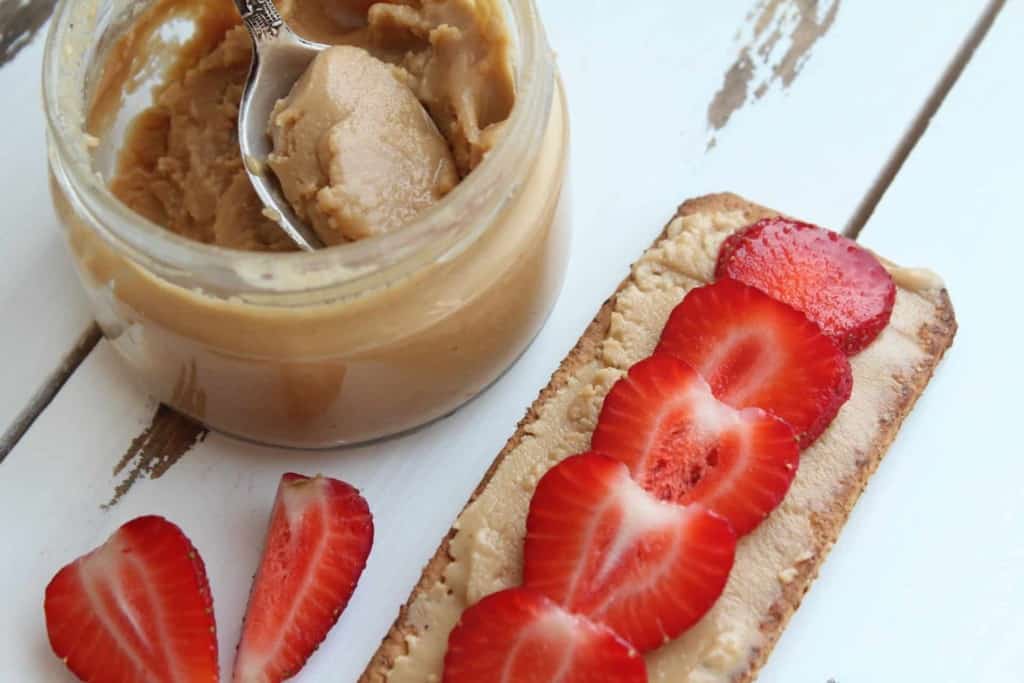
You can combat a sweet tooth with fresh strawberries or yogurt covered raisins. This information will be vital for including treats in your weekly meal plans.

When hunger strikes, most people want instant gratification. Vending machine companies and fast food joints prey on this human weakness. If your healthy options are within reach, it is easier to forgo junk food.

Inspiring Snack Ideas

Junk food marketers know how to make their products as appealing and convenient as possible. Your healthy treat options don’t have to be bland or boring.

As you prepare your treats for the coming week, let your imagination be your guide. You should sample nutritious and exotic fruits that you have never tried before. Open your pallet and your mind to new things. Try blending fruits for an exciting taste sensation.

Design an attractive portion of sliced veggies with a low-calorie dip or salsa for fun treat options at any time of the day. Check out books, magazines, and the Internet for delicious treat ideas that the whole family will love. Instead of cavity-forming sugary junk, surprise your kids with a small, portioned container of nuts, cheese, and fruit.

How about a cup of fresh popcorn or celery and peanut butter? Let your kids get involved in choosing healthy treat options. They can give you ideas and help you prepare individual portions.

Children model their eating habits after their parents, so be a good example. While being kind to your health, you can also be helpful to the environment. Instead of resealable plastic bags that end up in landfills, opt for glass, metal, or BPA-safe plastic containers.

Thankfully, they come in a variety of convenient sizes for instant portion control, and they are reusable.

snack on peanut butter

Read ten reasons why peanut butter makes an ideal snack.

Making a Snack Compromise

Choosing to indulge in treats wisely doesn’t mean you will never have your favorite ice cream or chocolaty treat again. As they say, everything in moderation. On special occasions or for a rare treat, you can indulge in your favorite foods.

Don’t beat yourself up if you succumbed to the temptation of a bag of corn chips or a delicious candy bar. Nobody eats perfectly all the time. Just figure the indulgence into your daily calorie intake and strive to do better tomorrow.

Do you crave chocolate? Have two ounces of heart-healthy dark chocolate instead of a whole bag of milk chocolates. If you can’t resist a tasty slice of cake or pie, then eat a small portion or choose sugar-free options.

snack and childrenFinal Thoughts: Snacking as a Way of Life

Instead of eating three daily meals, some people opt to eat four to six smaller meals about the size of a treat. For some health issues, physicians may recommend such a dietary plan. Before you make any changes to your diet, discuss your medical history and health concerns with your doctor and nutritionist.

No single nutritional plan fits all people. As you get older or have changes in your health, your eating habits may also change. You may need to revamp your treat options and schedule according to your needs.

Life is too short never to enjoy delightful snack options. Even if you make small changes in your treats, it will make a massive difference in how you feel.

Additionally, the scales will reflect the changes. It is possible to replenish your energy with delicious and nutritious snacks and part of a healthy lifestyle.

Millions Of Children In Thailand Meditate For World Peace

If you’re a parent with multiple children, you might be laughing at the idea of children to be quiet and still for prolonged periods, let alone meditate. But one million children from across the country in Thailand are capable of doing it. So believe it or not, it’s possible!

Of course, we’re joking around a lot here. But, seriously, this is part of a rather inspiring movement and cause known as the V-STAR project. It sees kids from across the country joined in solidarity. They share in an effort to bring about world peace and raise awareness for the movement towards a more harmonious planet.

Curious about the V-STAR project, how it works, and what it does? Maybe you’re wondering how you can contribute, support, or if there’s any way to join in. Well, read on to find out more about how a million children in Thailand come together to meditate for world peace.

What Is The V-STAR Project?

The V-STAR project, or more adequately the “V-Star Change the World” project, involves a yearly effort of a million children from over 5,000 different schools across Thailand. These children all come together and meet at a temple to meditate side by side in total silence. The chosen children are known as V-Stars or Virtuous Stars.

What are they doing this for? Well, it’s for world peace. The chosen children are all ones selected by their schools, communities, or other similar institutions as examples to be followed, usually due to moral excellence. The V-STAR project brings all these exemplary children together, allowing them to connect, make friends, share stories, and inspire each other through support networks and tales of their good deeds.

V-Star participant tasks:

Each Virtuous Star must complete a series of jobs before they join in the mass meditation event. A list of ten tasks must be completed daily for three months before they can join the meditation. These habits are relatively simple, but significant in building good character, and include:

  • Making their beds in the morning
  • Saving pocket money
  • Helping out with housework

The project first started in 2008, as a part of Luang Phor Dhammachayo’s World Morality Revival. Children are representatives of the future, after all. In this time of uncertain future, the project began to promote the act of raising children with a strong sense of moral values that can pass on to everyone around them.

Every year, more and more students express interest in joining the event, which is now known as V-STAR Unity Day. Numerous activities are held, including:

  • Ethics quizzes, taken to assess youth moral standards
  • A 3D movie screening concerning heaven and hell
  • An exhibition on the life story of the Buddha (the largest of its kind in the world!)
  • Scholarship awards for outstanding students (sponsored by adult donors)

The Temple

The temple used in this annual event is the Wat Phra Dhammakaya. It sits on land that used to be a rice field, but all 77 acres of its area was donated to the public by Lady Prayad Pattayapongsavisuttatibodi on her birthday.

The temple began being used as a meditation center in 1970, on Magha Puja Day, when Master Nun Chand Khonnokyoong and Luang Por Dhammajayo, as well as their followers, came together to start work in building the structure that stands today.

They had a measly budget of 3,200 baht, which was worth about US$160 in the year 1970, but Master Nun encouraged her anxious followers with a quote that has become part of the legend. Master Nun asked them the cost of raising one truly virtuous, moral, and ethical person who was dedicated to Buddhism. The follower replied that it would cost 100 million baht.

So, Master Nun said that with her 11 followers in front of her, she had a budget of 1,000 million baht, and that was more than enough to build the center. And it certainly was! Today, the center is wildly popular, with more and more people flocking to it to learn about Buddhism and the Dhamma of Lord Buddha. Followers also donated money after their meditations led to their happiness!

By 1984, tens of thousands of people came to meditate at the temple, meaning the 77 acres initially donated was now too small to fit everyone! Additional plots of land had to be added, as well as more buildings. The process wasn’t too complicated, as Wat Phra Dhammakaya focused on saving construction costs, and that is evident in their stable and simple structures that you can see today.

Why Meditate, and Why This Project?

The V-STAR project seeks to help boost peaceful relationships between people through meditation, which is an admirable goal in itself. The goal is to allow everyone, regardless of factors such as sex, gender identity, political opinion, race, or sexual orientation, to come together as one.

Those behind the V-STAR project, and Minister of Education of Thailand Professor Dr. Suchart Thadathamrongvej, believe that those differences cause people to become isolated from one another, which is what the program is for. It promotes the idea that hard work and togetherness can make a massive impact on the world.

The project also believes that to change the world Additionally, people must first work on improving themselves. The fact that all these children come together to perform acts of kindness and good deeds show the “moral revival” program is working in the country. Furthermore, those behind it and those in power are hopeful that it marks a positive future for the world that all these children are growing up with ethical, moral values.

But Why Meditate?

Meditation focuses on keeping you aware and present in the current moment, allowing you to boost your awareness and giving you time to focus on what matters. It is also a prevalent practice in Buddhism.

There has been some controversy surrounding the event, however. Some Buddhists criticize it and claim that the V-STAR project is for show and not interested in genuine virtue or advancement. However, regardless, the project continues to move forward and believes that by shaping the children of tomorrow, they can bring about world peace.

Scientific Benefits of Learning to Meditate

Regardless of how effective you believe the project is, there are plenty of reasons for you, personally, to begin meditation from a scientific perspective. Here are some of its benefits:

·         Compassion

Believe it or not, meditation can help boost compassion. When you meditate, you may become kinder towards both yourself and other people. This value indicates a truth to the V-STAR program – meditation can lead to more positive values, deeds, and behavior!

·         Blood Pressure

Meditation successfully reduces blood pressure by around five points, leading to lowered strain on the heart.

·         Memory

Studies indicate the meditation may be able to reduce the risks of memory loss related to age, such as degenerative disorders. For older individuals, meditation can improve cognitive function; on the whole, improving their focus, responses, and positive thinking.

·         Sleep

When you meditate, you wind up being able to fall asleep more quickly, and you’ll be able to sleep for more extended periods, too.

·         Positive Thinking

Numerous studies have indicated that meditation encourages a more positive outlook on the world and life, as well as better self-image and self-perception. It can even decrease symptoms of depression! It also provides benefits for anxiety and stress levels.

·         Pain Management

Meditation has positive effects on pain management, decreasing overall pain sensitivity, and even reducing incidents of chronic pain flairs.

·         Attention Span

If you have difficulty staying focused, meditation can help you concentrate, allowing you to carry out tasks in your everyday life better.

coloring and meditation

Learn how coloring books can help you meditate.

Building Moral Virtue In Your Children

The V-STAR project stems from Buddhism and is also currently only available in Thailand. So those are two reasons you and your children may be unable to participate in it. But you don’t need this project to encourage moral virtue in your kids! Here are some ideas for doing so:

·         Be A Role Model

Teach your child the values you want to see in them by executing those values yourself. Many children learn by example and will model their behavior after yours. So when your child sees you begin to meditate, he or she will naturally become curious.

·         Make Teaching Moments

When your child makes mistakes – as they definitely will! – turn them into teaching moments. Encourage positive reflection, showing them how to think about what they did, how to avoid doing it in the future, and how it affected themselves and those around them.

·         Build Good Habits

Remember the ten daily tasks that Virtuous Stars have to do? Nothing’s preventing you from giving your child similar jobs! Give them a timetable of daily tasks to do that will help boost their hard work and moral values and reward them every week that they stick to them consistently!

·         Use Your Religion In Teaching

Virtually all religions promote harmony and peace, so if you’re not Buddhist, you can easily use other forms of teaching. Plenty of other religions, including Christianity, also make use of different kinds of meditation!

·         Volunteer Together

Bring your child along and volunteer for charities, shelters, and other organizations. Explain to your child what the organization does, why they need your help, and what you’ll be doing for them.

·         Expose Them To Different Environments

Let your child make friends with other kids from different backgrounds. Show your child that everyone experiences the world differently, and teach them to be respectful of that fact!

meditate for spiritualityFinal Thoughts On Meditation For World Peace

Getting a large group of children to sit still can be quite a challenge. But that doesn’t mean that it can’t be done! And, for a good cause, kids may genuinely want to be a part of the effort and will happily stay still for you. Plus, you don’t need to make your kids meditate or take part in programs to raise them to be a part of a better future!

The V-STAR program is truly inspirational. Plus, you can apply plenty of points from it to your own real life. Encourage your kids to do good deeds and teach them the moral values you want them to have. Make meditation a part of your daily routine. Seek to be compassionate to those around you. The possibilities are endless, and your small efforts can make a difference in the world!

Mental Health Expert Explains 4 Causes Of Anxiety (And How to Overcome Them)

Today’s world requires us to live in a near-constant state of arousal. This state of alert triggers our fight-or-flight response, resulting in the anxiety epidemic we see happening worldwide. Our brain simply was not made to handle such an influx of information, stimuli, and stressors for such extended periods of time without rest. The result is a sharp decline in our mental health.

Our jobs require us to remain focused on one thing for eight or more hours a day. And in that time, we don’t really get a chance to rest our brains. After we get off work, we must spend time commuting on loud, busy streets. Finally, after all of that hustle and bustle, we finally get a chance to relax at home…for a few hours. Then, we get back up the next day and do it all over again. We live in very stressful times. So maybe the fact that anxiety is one of the most prevalent mental illnesses in the world is both a testament to this and a natural human response to the ongoing stressors we deal with.

“Anxiety does not empty tomorrow of its sorrows, but only empties today of its strength.” – Charles Spurgeon

However, even though the odds seem to be against us, we CAN do certain things to help ease the symptoms of anxiety and relieve a little tension from our overworked, overtired brains.

Here are 4 main causes of anxiety (and how to combat them):

Psychology Today warns that your anxiety can play tricks on you, decreasing your mental health.

1. Thinking of the worst-case scenario for any given situation

People with anxiety tend to think of the worst possible thing that can happen, so that they can prepare for that event if it SHOULD happen. However, this type of thinking can cause a lot of unnecessary stress and reduced mental health. But usually, the awful thing they’ve conjured up in their minds doesn’t happen anyway. Constantly worrying about perceived or real threats means you’ll probably avoid those things with all your power. But throughout that process, your mind suffers greatly.

The solution: Mental health expert Alicia Boyes says, “I use suddenly feeling overwhelmed as a cue to hunt for thinking errors. If ever feel overwhelmed by an email, I tell myself, ‘There’s a ninety percent chance my reaction is just my good old anxiety brain, and that the request will seem easy when I look at it with fresh eyes tomorrow.’ I’ve had enough experiences of this alternative thought being true, to believe it!”

mental health

2. Fear of criticism decreases mental health

People with anxiety, particularly those with social anxiety, have a very real fear of what people think. This translates into them either being people-pleasers or taking extreme measures to avoid contact with people to sidestep any negative interactions. At its core, anxiety causes the sufferer to think of the worst-case scenario at all times, which means the person will attempt to avoid the perceived threat, therefore, avoiding the anxiety.

However, modern life requires us to face certain obstacles daily, such as dealing with people, which might trigger an anxiety response. Unfortunately, many people with anxiety are very hard on themselves and constantly second-guess their own work.

The solution: Alicia says “If the occasional reaction or feedback I get is negative, it’s not the end of the world and is typically something I can learn from. I also remind myself that when something I’ve done wrong is pointed out, it’s usually fixable rather than a catastrophe.”

3. Self-doubt

In other words, second-guessing themselves. Anxiety makes one think and rethink about what was said, what was done, what wasn’t said or done, and plays in a loop in one’s mind until it drives a person crazy. Self-doubt easily takes over, especially when faced with a big work project or anything where a person’s abilities are put on display.

The solution: Remember to use self-compassion and self-love, and keep in mind that you’re doing the best you can. Don’t be so hard on yourself, because everyone else in the same boat, just trying to survive and do what they can to stay afloat. Make sure to intercept any negative thinking by using positive self-talk such as: “You’re awesome, and I think you’re doing a great job! You’re stronger and more capable than you think.”

4. Analysis paralysis

Basically, this means you think and rethink of every possible route you could take and every outcome that could result from taking those routes but never end up making a decision. You just sit and ruminate, which paralyzes you from taking any action. This can result in missed opportunities and only increases self-doubt because you can’t trust yourself to move forward with life.

The solution: While there isn’t a clear-cut answer to this problem, we can offer a couple of pieces of advice. For starters, write down all the options you have for the problem at hand. Next, you can then write down the pros and cons of taking any of those paths. Then, you can start narrowing it down once you have a visual right in front of you. Another way to combat analysis paralysis might be to just try out a few of the outcomes first-hand. Do this before even writing them down. If you don’t like something, you don’t have to continue doing it. But at least you can say you tried it out!

pop quoteFinal Thoughts on How to Work Through Anxiety Attacks and Enjoy Better Mental Health

While anxiety might just be ingrained in us, and further exacerbated by modern life. However, it doesn’t have to control our every thought and action. Using some of these techniques can help you get a clearer picture and remove some of the “fog” created by your anxiety. You will gain mental strength and clarity. Remember, you have more control over your mind than you think, and are more powerful than you realize!

15 Incredible Benefits of Adding Seafood to Your Diet

There are a few common-sense pieces of advice that every health care professional or well-meaning friend has given at some point. Drink less. Use less salt. Eat more vegetables, less red meat, take fewer trips to the drive-thru and more exercise. We all know that added sugar and ingredients that we can’t pronounce should be avoided, and we should add more fresh fruits and vegetables for optimum health. But few people remember to advise you to add seafood to your diet.

In fact, unless you are lucky enough to live in a city with a thriving wharf or a die-hard pescatarian scene, you may not be aware of all of the benefits of eating more seafood. While you don’t have to give up all other forms of meat to get the benefits, adding a few servings of salmon or trout and other forms of seafood to your diet every week will have positive effects on your physical, mental, and environmental health.

15 Reasons to Eat Seafood

1. Great source of nutrition.

Seafood is a great source of omega-3 fatty acids, which are essential for heart, brain and eye health. It is also a great source of vitamin D, iron, zinc, magnesium, and other minerals. Seafood is a wonderful source of lean protein which is great for everybody. Though many people are allergic to shellfish, the oceans still offer a healthy bounty that is as nutritious as it is delicious.

seafood allergy

2. Part of a heart-healthy diet.

Eating fatty fish like sockeye salmon is a great source of healthy fats. Healthy fats are important to help keep your arteries clear. By adjusting your diet you lower your risk of heart attack, stroke, and death by heart disease. Contrary to popular belief, shellfish can also be part of a heart-healthy diet. This is because of their high levels of omega-3 fatty acids, vitamin B-12, and vitamin D. As always, of course, preparation is important. Stay away from methods of preparation that add salt, oil, or carbs.

3. Help treat and prevent depression.

Add shrimp and fatty fish to your diet to help prevent depression. Numerous studies link changes in diet to easing the symptoms of depression, increasing the effectiveness of anti-depressants, and preventing depression altogether. While no single thing will treat or cure depression, making lifestyle changes can help those who suffer from clinical depression. Of course, this and any other lifestyle changes should be discussed with your doctor.

4. An eco-friendly food source.

Well stocked ponds are part of an integrated, sustainable farm. Aquapods and other sustainable aquafarming techniques not only produce healthy harvests but reduces the strain put on traditional fishing areas. While most of the world’s seas are currently overfished, aquaculture can help us to preserve or even save certain species while meeting the demand for seafood.

5. Lower your risk of auto-immune disease.

Auto-immune disease occurs when your body’s immune system turns on healthy tissues in the body. conditions like lupus, arthritis, and multiple sclerosis are all examples of auto-immune diseases. Research suggests that diets rich in omega-3 fatty acids reduces the risk of type 1 diabetes in children and auto-immune diabetes in adults.

6. Better eyesight.

When you were a kid they told you to eat your carrots for better eyesight. It turns out that as we age, protecting our eyesight demands a more dramatic menu change. Age-related Macular Degeneration (AMD) is one of the leading causes of vision impairment for older adults. A diet rich in omega-3 fatty acids helps to prevent this condition. One study found that women who ate fish regularly were 42% less likely to develop AMD. Another found that eating fatty fish once a week led to a 53% decrease in your risk of developing neovascular AMD. So, don’t skip the carrots and be sure to add a little seafood to that plate as well.

7. Prevent asthma.

What does seafood have to do with asthma? Well, recent studies have shown that children who eat fish regularly have a nearly 25% decreased risk of developing the disease. There have been no confirmed benefits for adult asthmatics or those who have already developed the disease, but an ounce of prevention is better than a pound of cure. So, encourage your little ones to eat more seafood.

asthma

Do you know the causes and signs of asthma? Read them here.

8. Promote brain health.

All of us experience a loss of mental dexterity as we age. There are many things that we can do to mitigate the effects of age on our brains. One of those things is making a change in our diets. Adding a few servings of fatty fish such as salmon, trout, and sardines every week has been shown to help people slow the rates of mental decline and has been linked with retaining gray matter. Gray matter is your brain’s most functional tissue, responsible for memory and regulating emotions.

9. Sleep better.

Having trouble getting quality sleep? Try decreasing your exposure to blue light, the kind used in most common electronics. Exercise and stress relief are also helpful to get a restful night’s sleep. There are a variety of reasons why you may be struggling to get a good night’s sleep, and just as many things that you can do to improve your sleep quality. Adding fish, such as salmon to your diet is one of them. In a study of 95 middle-aged men, they reported increased sleep quality and function after adding three servings of salmon to their diet every week.

10. Reduce your carbon footprint.

If you are a climate-conscious consumer, getting more of your dietary protein from the sea is one way you can reduce your carbon footprint. Many of the most popular kinds of seafood have a lower carbon footprint than beef or pork. You must also be careful about where your food is processed and how it is harvested. The added transport miles can eat up any environmental benefits you may have gained by making the switch. So find locally harvested fish.

11. You might lose a few pounds.

We are all fighting the battle of the bulge. even if you’re lucky enough to have hit your target weight, the fight to maintain it is never-ending. Adding seafood to your diet is one way to not only shed unwanted pounds but keep them off. Seafood is both nutritionally dense and low in calories. You’ll still have to be mindful of the way the food is prepared; breaded or deep-fried seafood will still contain excess carbs and fats.

12. Lower your risk for certain types of cancer.

You probably weren’t thinking about colorectal cancer when you ordered a shrimp scampi, but you should. Lowering your intake of red meat and processed meats links to lower rates of cancer. Choosing other lean protein sources helps you to make these necessary adjustments. Additionally, DHA snd EPA, the fats found in fatty fish, have been shown to reduce inflammation in the colon and improve colon cell function.

13. Reconnecting with nature.

Many people have sincere concerns about the condition of the meat they eat. They worry about the living conditions of the animals and the number of vaccines and chemicals used to treat them.

By now, most of us realize that the image of cows and chickens left to graze in wide-open pastures or neat barnyards are far from reality. Instead, the life of the meat we eat can be cramped, short, and cruel. Aquatic farms can be equally appalling, with overcrowded tanks and diseases and little government regulation. But there are other options.

You can go fishing! Fishing is a great way to reconnect with nature and helps to teach young children where food comes from. And you aren’t limited to what you catch on your line. You can find fish, shrimp. and other shellfish available at places where you can harvest them yourself from the wild.

nutrition

14. Great source of lean protein.

Seafood is a great source of lean protein. Whether you are training for a marathon or simply trying to live a healthier lifestyle, finding reliable sources of lean protein is important. People who include sources like shrimp and shellfish to their diet not only cut calories but report greater satiety for longer after eating.

15. Adding variety to your diet.

The sea offers a plethora of dining options. You don’t have to worry about ever getting bored. By adding more seafood to your dining options you open yourself up to a whole new world of tastes, textures, and flavors. No more complaints about having chicken, again. Shrimp, shellfish, and heart-healthy fatty fish can all be prepared quickly at home and add excitement to even a basic dinner plan.

shrimp seafood

Hungry for shrimp? Here are 10 keto-friendly recipes.

Final Thoughts: Shop for Fresh, Local Seafood and Reap the Healthful Benefits

Getting or staying healthy is always a good reason to make adjustments to your diet. When you begin looking for food that pleases both your palate and your local cardiologist, avoiding a diet high in red meat, bad fats, preservatives, and processed food is key. Making good choices about your meals can be both delicious and healthful.

Herbalist Reveals 15 Smart Uses for Peppermint Oil

The peppermint plant is a hybrid of two other plants, spearmint, and watermint. It is native to both Europe and North America. Herbalists extract the precious peppermint oil from the plant’s leaves. They market it as either an extract or essential oil. The latter is far more concentrated. Peppermint has a variety of uses; consider the following examples.

10 Wonderful Uses for Peppermint Oil

1. It Can Relieve Irritable Bowel Syndrome(IBS)

In 2019, the journal BMC Complementary and Alternative Medicine published an overview of twelve studies that involved a total of 835 patients. Some patients were given capsules containing peppermint while others were given a placebo. The researchers found that peppermint did relieve the symptoms, especially abdominal pain.

Scientists, however, are still not sure how peppermint works. They have several hypotheses as to how it helps patients with IBS:

  • This oil is an anti-inflammatory
  • It reduces the GI tract’s sensitivity to pain
  • It relaxes the smooth muscles in the GI tract
  • This oil has some effect on the gut bacteria

peppermint oil and IBS2. It Can Relieve Other GI Tract Conditions

Menthol is one of the main chemical components of peppermint. A combination of menthol and caraway can relieve functional dyspepsia, which causes abdominal pain and bloating.

The journal Pediatrics described a 2017 review in which researchers analyzed 14 studies that examined the effectiveness of various herbal remedies on GI tract complaints in children. The scientists found that peppermint could ease pain and reduce the duration and frequency of stomach upsets.

3. It Promotes Hair Growth

Peppermint oil promotes hair growth by stimulating circulation. It may also increase the number of follicles on the scalp.

Like most essential oils, peppermint should not be applied to the hair or skin in an undiluted form. Instead, mix every drop of peppermint oil with two drops of carrier oil like coconut oil. Massage the mixture into the hair and leave it in for at least five minutes before shampooing.

4. It Can Relieve Headaches and Migraines

The menthol in peppermint can also relieve migraines and headaches. In 2015, the science journal Frontiers in Neurology described a study in which researchers compared the effectiveness of a topical gel made from peppermint against that of a placebo. The researchers found that patients who had used the peppermint gel reported a marked improvement two hours after using it.

tension headache remedies

5. It Can Relieve Other Types of Pain

The science journal Digestive Diseases and Sciences described a 2019 study in which researchers gave dissolvable peppermint tablets to patients who had non-cardiac chest pain or trouble swallowing. Over 60 percent of the participants reported feeling better after taking the tablets.

6. It Can Relieve Sore Throats

The menthol in peppermint oil is an active ingredient in many throat lozenges and cough drops. Peppermint may also have antimicrobial properties that enable it to fight the pathogens that cause colds.

To treat a sore throat, add a few drops of peppermint to a glass of warm water. You can also add salt to the mixture. Gargle for about a minute.

7. It Is A Decongestant

When used in aromatherapy, peppermint oil can ease nasal and chest congestion. You can use a diffuser in which you add a few drops to the water in the diffuser. If you don’t have a diffuser, you can heat a pot of water on the stove and add a few drops of oil. Inhaling the resulting vapors will ease the congestion.

8. It Can Relieve Itching

In 2016, the journal Clinical, Cosmetic, and Investigational Dermatology described a study in which researchers used a topical peppermint treatment on patients with chronic itching. The scientists found that the peppermint eased the itching. It also had the advantages of being inexpensive, safe, and easy to use.

9. It Is A Bug Repellent

People can use either the peppermint plant or the essential oil to repel bugs. In 2011, the Asia Pacific Journal of Tropical Biomedicine reported a study in which scientists tested peppermint oil’s efficacy as a mosquito repellent and larvicide. They found it could repel mosquitoes for at least 2.5 hours, and that it could kill their larvae.

Peppermint can also repel mice, rats, and spiders. Sprinkling the oil on a pet’s bed can protect them from various pests.

10. It Can Be Used to Make Toothpaste

Peppermint can be used as an ingredient in DIY toothpaste. One recipe is as follows:

  • ½ cup of coconut oil
  • 20 drops of peppermint oil
  • 10 drops of myrrh extract
  • 2 packets of stevia sweetener
  • 2 or 3 tbsp of baking soda

11. It Can Be Used to Make A Disinfectant

Many different essential oils can be used to make DIY disinfectants. While many essential oils have some antibacterial properties, no one oil can kill all the bacteria infesting a bathroom or kitchen. Combining two or more oils, on the other hand, increases their effectiveness. They also smell nice. For example, peppermint can be mixed with tea tree oil to make a strong disinfectant with a pleasant aroma.

12. It Can Relieve Sore Muscles

The menthol in peppermint has a cooling effect that can soothe sore muscles. Peppermint also has analgesic and anti-inflammatory properties, and it can relieve spasms caused by pain. There are several ways to use it. For example, you can mix the oil with a carrier oil and put the mixture in a roll-on bottle. You can then use the bottle before or after a workout.

You can also massage the mixture into a sore muscle, so it will penetrate below the skin and relieve pain and stiffness. Here is an example of a recipe for this type of balm:

  • 8 to 10 drops of peppermint essential oil
  • 2 tbsp of Aloe vera gel

Adding the mixture to a warm bath is yet another way to relieve stiff and sore muscles.

The peppermint mixture can also be used with compresses. You would add it to a bowl of water. Usually, you would use hot water for pain and stiffness and cold water for inflammation. After soaking a towel in the water, you would place it on the sore area and leave it there for about a quarter of an hour.

muscle relaxers

13. It Can Relieve Rheumatoid Arthritis

Peppermint oil can reduce the inflammation that accompanies rheumatoid arthritis. It also has analgesic properties that ease joint pain; it can also relieve stiffness. You would massage the peppermint into the affected joint.

14. It May Relieve Nausea

Peppermint may help relieve nausea – but studies have produced mixed results. For example, the journal Nursing described a 2016 study in which patients who had undergone heart surgery were given a nasal inhaler filled with peppermint essential oil to relieve their nausea. Many patients reported feeling better after using the inhaler for just two minutes.

Conversely, the Cochrane Library published a 2018 review of several studies in which researchers administered aromatherapy to patients who were experiencing post-operative nausea. They found that the peppermint vapors were about as effective as a placebo in easing nausea. On the other hand, they did find some slight evidence that the patients who used peppermint needed fewer anti-vomiting medications than those who did not. They also commented that many of the studies they had reviewed were of poor quality.

A 2018 study reported in Journal of Reproduction & Infertility found that peppermint essential oil was no more effective in treating nausea than was a placebo. The scientists had worked with a group of pregnant women and had them undergo aromatherapy by inhaling peppermint vapors.

More research needs to be done to determine how effective peppermint essential oil is a nausea treatment. New studies should cover longer time periods (up to 24 hours) and include data on both nausea and vomiting. Researchers should also conduct trials with children.

15 – It Has Some Antibacterial and Antifungal Properties

Peppermint is also an effective treatment for some bacterial and fungal infections – and research indicates that the key word is “some.”

For example, the journal Molecules described a 2011 study in which researchers tested the effects of peppermint essential oil on several strains of Staphylococcus aureus and found that it slowed the bacteria’s population growth. Since S. aureus has become increasingly resistant to antibiotics, scientists have been looking for alternative treatments, and peppermint essential oil may be one of them.

Researchers tested the effects of nine essential oils on the bacteria Streptococcus mutans in 2012. While some essential oils did affect the bacteria, peppermint, unfortunately, did not.

In 2017, scientists conducted a similar study in which they tested the effects of several essential oils on Candida albans. So peppermint essential oil did have some effect on the fungus. However, the other oils were all more effective with tea tree oil being the most effective.

Essential oils, in general, seem to be useful treatments for bacterial and fungal infections. Different oils, however, strongly affect different bacteria and fungi. Scientists will have to continue working to identify the essential oils that are the most effective against a given pathogen.

peppermint tea

Prefer tea remedies? Here’s how peppermint tea can benefit you.

Final Thoughts on the Usefulness of Peppermint Oil

Like most essential oils, peppermint should never be taken by mouth. Very large doses can actually be toxic, so you should always dilute peppermint before using it. Again, this is also true of many essential oils.

Peppermint can also interact with some medications and thus cause side effects. Anybody taking prescription medication should talk to their doctor before using peppermint.

20 Positive Affirmations to Make You Feel Instantly Happy

Repeating positive phrases to yourself to stay happy seems like a strange activity. But positive affirmations can offset negative feelings and low self-esteem. So, what are some positive affirmations to make you feel instantly happy?

20 Positive Affirmations to Brighten Your Spirits on a Dark Day

Try repeating these mantras to elevate your mood. Scientists agree that positive-self talk helps change your mindset.

1 – I choose to be happy today

Today is a new day. Happiness is a beautiful choice to make. Anyone can choose to be bitter and angry. It takes strength and confidence to choose happiness. I can change the world today by my happiness!

2 – I’m who I was meant to be

It’s not a problem to be me, every part of me is just perfect. I can accomplish things that no one else can because I’m me. I don’t need to compare myself with anyone else or feel like I’m inferior to them. They are who they are and I’m who I am. That’s the secret today-I’m me and that’s a good thing!

3 – People don’t define who I am

Other people have views of who I am, but they don’t define me. I am who I choose and what I want to be. And I won’t accept any negative thoughts about me or change for others. If they are not happy with me, I can kindly tell them, thanks but no thanks. I will define myself.

4 – I love to learn new things.

This positive affirmation reminds you of the exciting prospect of learning new things today. I’m curious, I’m smart and I’m able to learn hard things. I won’t back down when things are challenging. I can work hard and learn anything I put my mind to.

how to learn new things faster

5 – I’m free

I’m free to live without fear or worry. I am free from the mistakes I’ve made in the past. I’m free to be who the Universe made me to be. Permission self-granted to feel free from feeling less than worthy. I’m free from other people’s opinions, they don’t make me who I am. Most importantly, I’m free from doubters and haters who don’t understand my life. Today, I’m free to be me!

6 – The Universe is bigger than my problems.

The earth isn’t spinning out-of-control today. My Creator is here and is bigger than any problem I may come up against today. The Universe cares for me. So, I can connect with nature to appreciate all the beauty that’s so much more vast than I am.

7 – My contributions are important to me and to others

This positive affirmation serves as a valuable reminder.

I have something to share with my world. Those around me need my contributions no matter how small they may seem. If I hold back, someone will lose out. My mind is strong, I’m able to problem solve. People need my gift. I will contribute with confidence and purpose.

8 – Everything will be okay as I trust the Creator

Trusting in the Creator is a good thing. I don’t need a crutch; I need a supernatural, all-seeing being who set the stars in place. He’s bigger than the world and bigger than the doubters. He’s there for me and I have confidence in Him as he uses me to do great things today.

sacred beliefs

9 – I can laugh today

The adage tells us–laughing is always the best medicine. So, I will laugh and receive its good healthy medicine for my soul.  I will laugh at the things I can’t control. And I will laugh at the things I can control. I will laugh at my weakness, my mistakes, and my human nature. Laughter triumphs over feeling bitter and pessimistic about life. I will not let the fear mongers tell me to hide and be afraid to live.

10 – I choose not to worry

I will not worry, because worry kills. Worry kills joy. Moreover, worry tells me the worst-case scenario. Worry keeps me from trying. It steals my life. Worry is boring. I refuse to worry about things out of my control. Definitely, I will not worry about things outside my control. I choose not to worry because it won’t make me a better person.

11 – I choose peace, not hate

I choose to have peace when everything around me is chaotic.  My choice is peace instead of revenge. I choose peace instead of hate. I choose peace and faith in the goodness of others instead of manipulation. During visualization, I breathe in peace and breathe out fear.

12 – Nothing is impossible for the Creator

Here’s a positive affirmation that makes one think deeply.

Our Creator is bigger than any problem I have. He’s bigger than any hate I face. He’s able to keep me from falling. He hears me when I cry out to him. No one can keep me away from his love and protection. Nothing is too hard for him to accomplish in my life.

13 – I’m not perfect, and that’s okay

Perfect is for sunsets, not for people. No one is perfect, no matter what they tell you. There is no perfect body or face or brain or job. Life is one big imperfect experience, and that’s okay. People are imperfect beings. I am happy not to be perfect, that would be boring. I’m okay with the way I am!

14 – I am strong and able to get the job done

I can do anything I put my mind to. I am capable, strong and a hard worker for getting the job done. No one can take that away from me. I’m stronger than I was yesterday and I will be stronger tomorrow. I will get the job done in my way on my time schedule.

15 – I am accepting of others who fail me

I accept other people’s imperfections. I won’t let their failure make me disappointed or sad.  That’s on them, not me. I don’t need them to succeed to find my peace or joy. I will not lean on others to find my happiness. If they fail me, I will still accept them.

16 – I am a loving person, even when those around me are not

My love for others isn’t dependent on their actions. I don’t love people for what they do for me, but who they are. If they fail or get angry or even yell at me, I don’t need to be sad. They don’t define my love for them. I can be loving but firm. I can set boundaries for them, that’s a loving thing to do. Finally, I can correct them, and that’s also a loving thing to do. To be quiet and ignore their bad behavior isn’t loving, that’s hateful. I will stand up for myself, that’s loving. This positive affirmation will reassure you that you give love to those who matter.

positive affirmations

17 – I’m a work in progress, and that’s okay

Today, I may fail. I may mess up big time. That’s okay because I’m a work in progress. Today I will grow and change, I will learn as I make mistakes. I will own my mistakes, I will take responsibility for my mistakes. Most certainly, I won’t grovel, I will be strong and not worry if I mess up. We learn from failures–it’s how you bounce back that counts!

18 – I’ll never give up, even when things are hard

If things get hard today, I will not give up. Never will I allow self-pity or play self-blame games. I can do challenging things. I can take my time and finish the task in front of me. And I will do what I need to do, in the way I want to do it. Most importantly, I won’t give up when someone tells me I can’t do it. I won’t give up when someone says they are better than me. That may be true, but I won’t give up trying to improve myself and the world around me.

19 – I’m creative

Today, I can be creative. I can find unique solutions to problems that come my way. I can think outside the box. My creativity looks different from other people’s creativity. I may not be an artist, but I can draw something that inspires. While I may not be a musician, I can sing a song to comfort someone. Finally, I may not be a writer, but I can write a letter to encourage a sick friend. I am creative, it’s special to who I am.

20 – No one can steal my joy

My joy is secure. It’s not dependent upon other people’s acceptance or perception of me. Nor does it depend upon how many likes I get on my latest social media post or how many followers I have. My joy is not based on others, but on me–and me alone. My joy is secure because it can’t be taken away!

positive affirmationsFinal Thoughts on Using Positive Affirmations to Feel Happy Today

Tell yourself these things…

I am who I am. There’s no one like me. I’m not patterned off of anyone else. I can’t be duplicated or copied. I’m one of a kind. The Creator knows who I am, and he’s happy He made me. He gave me the eyes, ears, nose, and hair I have, and that’s good. And then he gave me my sense of humor, my funny voice, and my personality. I’m a rare jewel set among other gems. So, I feel content, secure, and happy.

Positive affirmations improve your sense of well being. As you affirm yourself, it actually helps you have compassion for others. Being happy with yourself helps you and affects others at the same time. Stay positive with these 20 affirmations. Read them and believe them!

10 Reasons Why Hard Work Won’t Always Bring Success

It’s a tale as old as time. You work hard and practically burn yourself into the ground, trying to achieve your goals. And yet, success continues to elude you, no matter what you do. Why does this happen?

Well, here are the facts: hard work is always a standard part of success, but success does not necessarily spring from any hard work. It’s not just about working hard. It’s also about working smart.

Here Are 10 Reasons Why Hard Work Won’t Always Bring Success

1.    Burnout

Some people don’t believe in burnout, but anyone who’s overworked themselves knows just how brutal it can be. Burnout refers to a state where you’ve essentially worked yourself to the bone and now either:

  • Putt out work that barely meets quality requirements or expectations
  • Feel exhausted entirely to the point of missing deadlines repeatedly
  • Unable to function and perform work tasks at all

Why does burnout happen? Well, when you work too much, it cuts into your free time, forces you to cancel social engagements, and makes your concentration only revolve around that, every single day. This exhaustion saps the joy out of your world, leaving you with nothing but work – and, as they say, that does make Jack quite a dull boy.

There’s nothing wrong with working extra, and it is undoubtedly needed for success. But don’t mistake grinding yourself to the ground as a good option for success. It will more likely just create setbacks or even ruin your passion. Value quality – not quantity.

2.    Lack of Support

We just talked about how working hard often means fewer social engagements – and that’s another danger of trying to chase success without balance. Humans need social interaction, and different studies have found that it has positive effects on:

  • Learning ability and productivity
  • Symptoms of depression and anxiety
  • Memory and concentration
  • Overall physical health
  • Longevity

On top of that, success often isn’t just something that springs up from yourself alone. It can, of course, but the fact is that connections and strong relationships with others – both in your field and out of it – are equally important. Bonds can help elevate you to the next step in your career, and close, caring relationships with friends and family can give you strength, support, and outside perspectives.

3.    Copying Others

Lots of people are hard workers, but few are successful. Why? Because the act of “working hard” often involves following the crowd and doing what almost everyone else is doing. And let’s face it – following the group practically never results in success.

On top of that, a lot of “hard work” is often mindless – it doesn’t require much change or innovation. You have to do the tasks again and again, and you’re working hard. But how is that sort of repetitive, unthinking work going to give you any success at all?

Of course, hard work is still essential, no matter what you’re doing. But make sure that your hard work isn’t blind. Your hard work should also be working towards reaching your goals. If your hard work isn’t getting you anywhere, take a step back, and ask yourself – what are you doing wrong? How can you make it better?

4.    Mental Health Deterioration

People often forget that your mental health is almost always crucial to your success. Studies have found that positive mental health often correlates to better academic performance – and you can certainly bet that in the working world, that trend remains.

It’s a relatively simple concept. If you work hard, not smart, chances are you have to sacrifice your free time in other areas. This mindset means you’ll enjoy your life much less, making you potentially unhappy – and when you’re struggling mentally, it can be challenging to achieve success.

Do note that we aren’t saying mental illness dooms you. We’re saying that working too hard can contribute to mental health issues that can affect your ability to strive for success. So don’t forget about the importance of self-care, self-compassion, and looking after yourself.

5.    Lack of Budgeting 

When you’re so busy working, you may forget to make sure your numbers add up. Did you know that countless Americans don’t have an idea where most of their money goes? Consider:

  • How much money are you earning?
  • How much are you spending?
  • What amount do you need for bills?
  • How much do you spend on food?
  • How much do you put into savings?
  • Are you spending too much on non-essentials?
  • Is there anything you need to cut back on?
  • Is the amount of work you’re doing worth the money you’re earning?

Money saving tips for success

It’s a good idea to develop a budget based on the money that you earn. Figure out how much you need to spend on bills and essential expenses, then figure out where the rest can go. Can you afford to finance a hobby or a new class? Can you start saving up for something bigger?

Having trouble getting started? Download a budgeting app and log it religiously. Many will alert you when you’re nearing or reaching a specific limit.

6.    Lack of Consistency

Motivation is excellent for success, but there’s something that’s even more important than motivation: consistency. Motivation ebbs and flows and is never constant, and it’s uncontrollable, but consistent commitment is forever and something you have power over.

If you work super hard a couple of times, it’s unlikely that success will come for you. You have to be remarkably consistent to get success to come knocking at your door. You can’t achieve your goals if you’re not consistent in your efforts. So don’t focus on big, grand shows of hard work – focus on consistency, even if it’s not as dramatic or significant.

7.    Lack of Purpose and Vision

What do you believe in? What are you looking to achieve? And what are your goals? If you lack enthusiasm, vision, or purpose, it can be difficult to go above and beyond. After all, you won’t feel satisfied, even when you do take steps forward.

It’s a good idea to set correct goals that give you a delightful vision of the future, and a sense of purpose! Here’s how to come up with positive goals:

·         Make Them Specific

Don’t allow for overly vague goals. General goals won’t give you a clear enough sense of direction, leaving you open to losing your drive and being too lenient or too harsh.

·         Make Them Measurable

Goals cannot have indefinite requirements. They have to be measurable. For example, you may aim to read three books a month, or you may intend to have completed certain stages of tasks by strict deadlines. If you do neither, you have nothing concrete to work towards.

·         Break Them Down

In your long-term goal are many short-term goals. Breaking down huge goals into smaller ones with shorter deadlines can help you figure out how to work towards them.

·         Make Them Reasonable

While your goals should always challenge you and be challenging to achieve, they should still be attainable. If you set impossible goals, you will only discourage yourself.

But what if you already have goals set? What then? Well, ask yourself:

  • Do you genuinely believe in these goals?
  • Do these goals still give you a sense of purpose?
  • Why did you initially set these goals?

If these questions make you realize that your goals aren’t quite what you need any more, then it’s time for a giant overhaul!

8.    Fear Holds You Back From Success

Fear is often your biggest enemy. If you are afraid, it can prevent you from succeeding. You may fear failure, difficult circumstances, rejection, or even success itself. You may not even realize that fear is controlling your life until it is too late.

It’s not reasonable to hate yourself for being afraid. Fear is something you must treat with kindness – though you must still be firm with it! It’s okay to be frightened, but what now must be done in overcoming that fear? Slowly, bit by bit, you can work on getting over the problem.

don't hold back from success

So step outside of your comfort zone regularly. Don’t let yourself be trapped into being stuck in your fear, but don’t overstep too far that you become too frightened to try again. Don’t be afraid to talk to a professional, either, such as a therapist or psychologist, for help in overcoming your fears.

9.    Lack of Emergency Planning

Hard work can support you through regular times, but what about emergencies? Everything can be smooth sailing, only to be derailed by an unexpected and unfortunate event.

Learn to plan for possible emergencies. You can do this by:

  • Setting up an emergency fund with savings for a rainy day
  • Don’t be overly hung up on positive expectations; always know that things may not go to plan
  • Have people you can rely on – and who can rely on you – in case you or they require emergency assistance
  • Have a general backup plan for common emergency scenarios, such as medical problems or natural disasters

10. Negative Cycles Impede Success

A negative cycle can be tough to break, and hard-workers often don’t even realize they’re in one. Example of negative cycles are:

  • You are seen as the person who always works. Therefore, more work is expected of you.
  • You work at a toxic job. You make up excuses to stay. The workplace takes even more advantage of you.
  • Your goals are set too high. You feel guilty or ashamed because you can’t reach your goals. This guilt and shame add to your stress, making it even harder to achieve any goals.
  • You run out of money for the week. You spend cash dedicated to next week to buy what you want. That means you don’t have enough money for next week.

Money saving

To break a negative cycle, you must first be aware of it. Take note of specific patterns that you seem to be stuck in again and again and figure out what their root is.

Final Thoughts On Why Hard Work Won’t Always Bring Success

If you’ve been working as hard as you can but find yourself unable to reach success, take a step back, and analyze your methods. Is there something you’re doing wrong? Is there something you can improve on? How can you work smarter instead of harder? Be kind to yourself! Success will come if you know the right ingredients to it.

Doctors Reveal What Happens to Your Body If You Eat Fish Twice Weekly

If you eat fish regularly, you know all too well how deliciously satisfying it is.

However, there is a whole lot more to fish than great taste alone. Let’s help put this into perspective. A  study published by the Washington State Department of Health revealed that this light, flaky meat is low in fat and high in protein. More than that, it is also an excellent source of vitamins D and B2. Additionally, fish also contains calcium and phosphorus. Both of those minerals support strong, healthy bones and teeth.

Furthermore, adding more of this light, flaky meat to your diet can provide you with a host of health-boosting minerals. Those essentials include iron, zinc, iodine, magnesium, and potassium. In short, a plate of fish will tantalize your taste buds and improve your overall health.

WHAT YOU MIGHT NOT KNOW ABOUT FISH

While most kinds of fish are rich in vitamins and nutrients, some contain far more than others. For example, mackerel, salmon, herring, sardines, albacore tuna, and other fatty fish contain more omega-3 fatty acids than different types of fish.

Further, these omega-3 fatty acids can go a long way toward improving heart health. However, you must eat a lot of fish containing these essential fatty acids to achieve this health benefit.

Take the advice of Alice Lichtenstein, the former chair of the American Heart Association’s Nutrition Committee, as well as a professor of nutrition science at Tufts University located in Boston, MA. She suggests you should consume fatty fish at least twice per week. In doing so, it will lead to a healthier heart and better overall health, Dr. Lichtenstein goes on to state.

eat fish for wellnessADDITIONAL HEALTH BENEFITS OF EATING FISH-BASED MEALS TWICE PER WEEK

So you’re still not sure that you should eat fish twice per week? Then you may find this next section interesting. More than that, you might decide to make a special trip to your local supermarket to stock up. Along with a stronger, healthier heart and a reduced risk of developing cardiovascular disease, consuming fish regularly contributes to the following when it comes to health benefits:

1 – LOWERS YOUR CHANCES OF DEVELOPING NEURODEGENERATIVE DISEASES

Sadly, a large percentage of the U.S. population is struggling with a neurodegenerative disease of some kind. To put this into perspective, a study published by the National Institutes of Health revealed that 5.4 million Americans are currently struggling with Alzheimer’s disease. And that number could reach 12 million in the next 30 years, according to the same study. That said, it is essential to note that dementia and Parkinson’s disease are neurodegenerative diseases, as well.

While getting older does put you at risk for developing these mind-robbing diseases, it doesn’t necessarily have to be that way. And this is where eating more fish-based meals can come into the picture. A separate study published in the Journal of the American Medical Association, also commonly referred to as JAMA, revealed that consuming fish-based foods twice per week can reduce one’s chances of developing Alzheimer’s disease by as much as 47 percent.

For those who have concerns about mercury and would rather eat fish a little less frequently, adding even small amounts to your diet can be beneficial. According to Martha Morris, the lead researcher involved in the study, those who ate fish and other types of seafood at least once per week significantly reduced their risk of developing dementia.

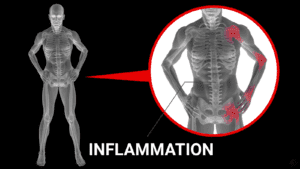
2 – FISH CAN HELP REDUCE INFLAMMATION

Are you struggling with osteoarthritis or any other kind of joint disease? Then a diet that includes fish-based meals can help ease the inflammation that is contributing to your symptoms. That’s because inflammation is the root of stiffness, swelling, and even pain.

That said, an Arthritis Foundation article revealed that individuals who consumed fatty fish saw considerable relief from rheumatoid arthritis symptoms. That’s because fatty species are an excellent source of omega-3 fatty acids. And those struggling with osteoarthritis experienced even more relief from arthritis-related symptoms. It should be noted that eating more fish-based meals will not prevent either of these joint diseases from advancing. However, doing so can make day-to-day life a little bit easier.

fish

3 – CAN HELP LOWER HIGH BLOOD PRESSURE

Considering that high blood pressure links to heart attacks, strokes, and chest pain, you should do everything in your power to keep your blood pressure levels in check. And this includes eating plenty of fish-based meals. Studies show that eating these meals, along with exercising regularly, can help lower high cholesterol, which further reduces the likelihood of developing heart problems.

4 – MAY REDUCE THE RISK OF DYING FROM CARDIOVASCULAR DISEASE

While it is clear that eating fish-based foods twice per week can improve heart health, doing so can also reduce your chances of dying from cardiovascular disease, according to a study published by the American Heart Association. In another study published in the Journal of the American Medical Association, a peer-reviewed medical journal, researchers found that study participants that consumed at least two fish-based meals per week reduced their chances of suffering a coronary death by as much as 36 percent. All in all, eating mackerel, salmon herring, and sardines, for example, can help you live a longer, healthier life.

There are many more health benefits associated with eating two fish-based meals per week. However, those we mention in this article are, arguably, the most significant.

WHAT ABOUT MERCURY?

Most scientists, researchers, nutritionists, and dieticians will agree that the positive health benefits that come from eating fish-based foods twice per week far outweigh the negatives, namely exposure to mercury. And this is especially true for men who are middle-aged and older as well as postmenopausal women. Besides, the 3.5-ounce cooked serving that the American Heart Association recommends consuming per meal helps keep exposure to this heavy metal to a minimum.

Of course, if you’re still worried about eating fish-based meals twice per week, you can make it a point to eat only those that are made with salmon, canned light tuna, catfish, and pollock, all of which are low in mercury. On the opposite end of the spectrum, however, you should avoid meals made with the following as they contain a fair amount of this element:

  • King mackerel
  • Shark
  • Tilefish
  • Swordfish
fish and healthy pregnancy

Here are 21 useful tips for a healthier pregnancy.

WHO SHOULD AVOID EATING FISH-BASED FOODS TWICE PER WEEK

Aside from shark, swordfish, king mackerel, and tilefish, consuming seafood twice per week is safe for most people who are not allergic to seafood. Additionally, women who are pregnant should either avoid or limit the amount of fish-based foods they consume.

According to a study published by the American Pregnancy Association, the mercury in these foods links to fetal brain damage and developmental delays. Further, a separate study published by the National Institutes of Health revealed that a fetus exposed to a high concentration of mercury while in their mother’s womb is more likely to develop the following:

  • Attention Deficit Hyperactivity Disorder
  • Autism spectrum disorders
  • More likely to demonstrate antisocial behavior

Note that the American Pregnancy Association caution pregnant women on consuming seafood with an elevated concentration of mercury. They recommend eating salmon, canned light tuna, catfish, and pollock–in moderation. Nonetheless, it would still be a good idea for pregnant women to speak with a nutritionist, dietician, or physician. Those professionals can determine a specific nutrition plan for their pregnancy.

CAN YOU SUBSTITUTE FISH-BASED FOODS WITH SUPPLEMENTS?

It is reasonably safe to say that some people are in no hurry to pile seafood onto their plates. And this could be because they don’t like the taste, struggle with seafood allergies, or follow a vegan diet. Do these situations resonate with you?

Then you will be happy to know that you can take fish-oil based supplements to achieve these health benefits. Studies show that just one oil-containing capsule contains about 1,000 milligrams of omega-3 fatty acids, which can go a long way toward reducing inflammation, improving mobility, reducing the risk of cardiovascular disease, and much more.

weight lossFINAL THOUGHTS ON CONSUMING A FISH BASED DIET

In summary, making fish-based meals a staple in one’s diet provides a wide range of health benefits. They are also easy to prepare and taste delicious. So consider buying mackerel, salmon, herring, sardines, or albacore tuna the next time you go grocery shopping.

Skip to content