Weekly tips, affirmations, and small actions to feel your best.

5 Ways to Slow Down in A Fast World

Is it time you took a minute to slow down in this fast world?

It seems that we’re all moving at lightning speed. We take on too much, stress out because we have so much on our plates, and rinse and repeat. Does this sound healthy to you? Hopefully, you answered “no,” because this cycle can lead to many health problems down the road. Being busy and productive are often two different things, and staying busy just for the sake of it will not bring long-term satisfaction. Trying to keep busy all the time is often an escape from something we’re trying to bury.

People are more stressed-out than ever before, for several reasons. Rising costs of everything, increasing stresses at work, strain on relationships, no time for self-care, lack of sleep, and just the fast pace of life, in general, are huge contributors to our stress. Also, political unrest, climate anxiety, and other global issues are causing upticks in anxiety. In this annual poll by Gallup, they reported that Americans were among the most stressed-out people in the world, likely because we have no idea how to slow down. So, how do we combat this monster of a problem?

Here are five ways to slow down in our fast-paced world:

  1. Take one thing at a time.

We’ve become a society of multitaskers, but switching between tasks makes us less efficient and effective. In, a study by Bryan College found that multitasking costs employers around $450 million per year. It hinders performance because it taxes the brain to have to focus on several things at once. We’re meant to put all our attention on one task at a time to perform it the most efficiently.

If we lived out in nature, for instance, we wouldn’t try to run after a buffalo to catch our dinner while also trying to collect berries. It would be physically and mentally impossible. This same idea can be compared to the workplace, where employees often try to read emails, message their coworkers, and type out a newsletter all at once.

It doesn’t work and causes our brains to tire much faster than if we focused intently on the task at hand. So, if you want to slow down, try only to take on one responsibility at a time. You will finish more quickly, and your brain won’t become fatigued as fast. Remember: slow and steady wins the race. It’s okay to have a lot of tasks to complete. But have a checklist and go down it one at a time rather than attempting to tackle it all at once.
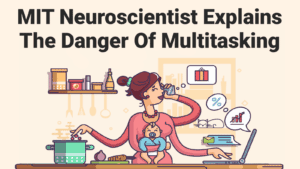
slow down the multitasking

  1. Don’t take on more than you can handle.

Building on our last point, it’s vital to gauge how much you can hold on your plate accurately. If you have kids, a husband, a demanding job, after school activities for the kids, chores, a special work project, and a social life, you probably will get burnt out pretty quickly. Learning how to say “no” will save you a lot of headache and stress in the future, because you have to make time for yourself. If you never set boundaries, people will continuously push them until you have nothing left to give.

Don’t let this happen. Instead, look within and figure out if you’ve been neglecting yourself in some way. Do you have time for self-care, such as meditation or yoga? Or, is your entire day devoted to taking care of others, including your work responsibilities? You’ll have much more energy if you eliminate activities that drain your energy, and that doesn’t serve you in the long run.

  1. Build a life that works for you.

It’s easier than ever before to build an online business, and many people can quit their jobs once they’ve built up enough of a following or gotten enough sales. You have to ask yourself, what do you want to spend your life doing? Giving all your time to a boss who puts a ceiling on your income will only get you so far. If you want to lead a life of freedom and control the work you do, assess the skills you have, and see how you can market them to people.

Of course, this is just one idea of how to build a life that works for you. What makes one person happy won’t apply to the next person, but in general, people get more satisfaction out of building a life centered around their interests and passions.

Don’t let anyone tell you that you can’t follow your dreams, because people do it every single day. Follow your intuition, work hard, and don’t give up even if you can’t see the light at the end of the tunnel. All the effort which you put into building the life of your dreams will pay off in the end when you can control your schedule and do work that fills your soul.

  1. Incorporate self-care into every single day.

One of the simplest ways to slow down and tune into your highest self is to engage in some good old-fashioned self-care. Here are some thoughts on ways you can pamper yourself:

  • TURN OFF ELECTRONICS

Set your phone to airplane mode and go outside for a while. Staring into screens all day can cause many health problems, from anxiety to worsening vision to fatigue. Many of us live our lives vicariously through others instead of living our own, and this can lead to depression, social isolation, and loneliness. See what’s happening in your community, away from technology.

  • CHANGE YOUR ROUTINE

Cooking a different meal, changing up your route to work, or just going somewhere new for a weekend can refresh your mind and give you a new outlook. Doing the same thing every day for years can take a toll on a person’s mental health, so changing things up is vital to happiness. Perhaps you may even need a whole new start in a new town or country, and that’s okay too. Just follow your heart and let the universe take care of the rest.

  • DEEP BREATHING

Practice deep breathing for 10 to 15 minutes each day. You don’t have to be solo in your room to do this; it can be done in the car on the way to work or even at your desk. However, you might find it more relaxing if you can find a quiet place at home. Breathe in for six seconds, then hold it for six seconds, and exhale for the same amount of time. This practice will instantly lower your blood pressure, stress, and anxiety.

  • GET A LITTLE EXERCISE

Exercising a few times a week is essential for physical, mental, and emotional health. Exercise comes with a slew of healthful benefits, from lowering the risk of heart disease to easing anxiety and depression symptoms to improving brain function. However, it’s crucial to find an exercise that you can enjoy and stick to regularly. If you hate running, don’t force yourself to do it. You can easily get cardio doing dance routines, hiking, swimming, or other activities that get your blood pumping.
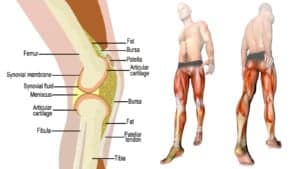
slow down and walk every day

Research reveals what happens to your body when you take a walk daily.

  • CHANGE UP YOUR DIET

If the majority of your nutrition consists of fast food or restaurant foods, you probably aren’t getting your nutritional needs met. Make sure to eat a nutritious breakfast like oatmeal and fruit or grass-fed eggs and avocado toast. Bring healthy snacks to work like cut-up fruit or nuts, and avoid vending machine snacks. After work, eat a balanced dinner with a protein source, veggies, and carbs to keep your blood sugar balanced and your appetite satisfied.

  • BE YOUR OWN BEST FRIEND

Instead of criticizing yourself, talk to yourself in a loving, kind manner. If you wouldn’t say it to a friend or family member, don’t say it to yourself. Build yourself up rather than tearing yourself apart and watch your world change. Remember, our reality is simply a product of our thoughts, so if you want your outer life to change, you must alter what thoughts you allow into your energy field.

5. Stop trying to keep up with the Joneses

One of the wisest ways to slow down is to stop trying to keep up with some arbitrary idea of success. The most excellent success story is your happiness, and frequently, that doesn’t include buying everything your neighbor does to keep up. Material things can come and go, so don’t place your value in something that you buy. Instead, look within for happiness, and you’ll find much more contentment. It only adds unnecessary stress to keep buying things you can’t afford to impress people you hardly know.
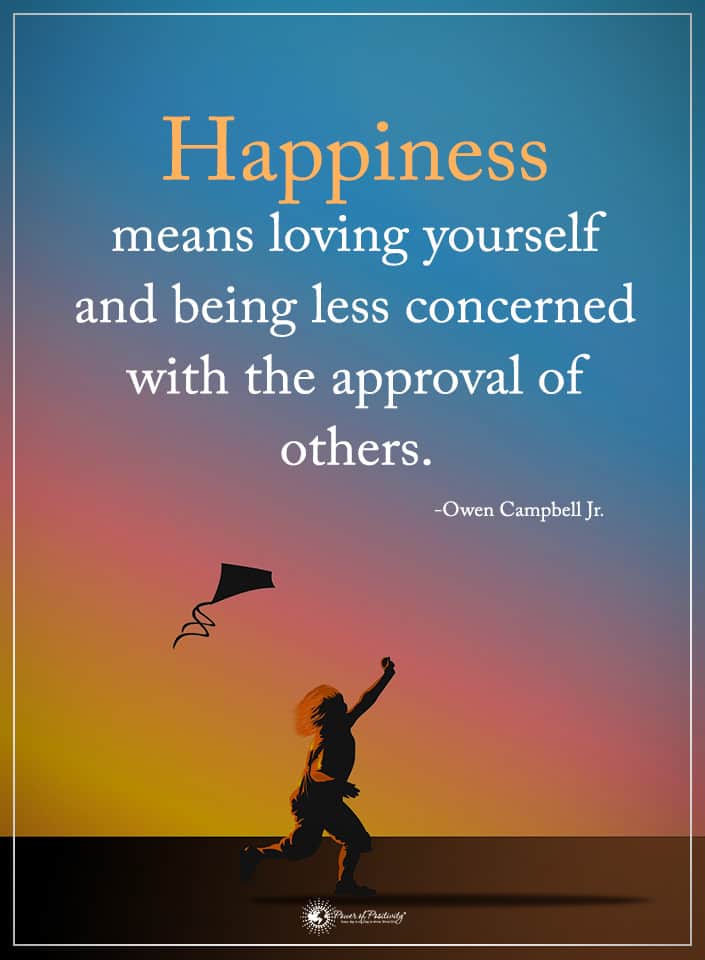
love yourselfFinal thoughts on how to slow down in a fast-paced world

People today seem obsessed with living life at breakneck speed. If you’ve grown tired of the rat race, take time to go within and figure out how you can build a life you don’t need an escape from. Remember to engage in self-care, don’t compare yourself to others, and don’t bite off more than you can chew.
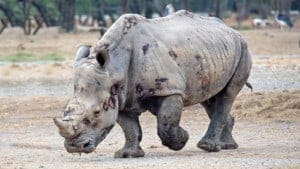

Science Reveals 15 of the Most Endangered Species on the Planet

The world is a fascinating place full of amazing environments with an abundance of exciting and fantastic plant and animal species. Some animals can thrive with the interference of humans into their habitats for cultivating or hunting purposes. However, we have pushed others toward the brink of extinction instead. If humankind does not take drastic measures to help these species survive, these endangered species could disappear within the next generation or two.

Here are 15 of the most endangered species on the planet, and what conservation efforts are doing to help some of them hold on.

15 of the Most Endangered Species on Earth

1 – Ivory-Billed Woodpecker

Until 2004, scientists believed that the Ivory-Billed Woodpecker was extinct. One of the largest types of woodpecker in the world, this bird lived in the southeast United States as well as parts of Cuba. The last confirmed sighting of one was back in 1944, but in recent years amateur ornithologists, as well as others in certain areas, have seen or heard what they were sure were Ivory-Billed woodpeckers. Science does not confirm these sightings. Thus, they classify this bird since definitely or probably extinct. If they find evidence that they still exist, it will move to the critically endangered species list.

2 – Amur Leopard

Located in the Northern Russia Primorye region, the Amur Leopard is a critically endangered species of wild cat that once was found in Korea and China as well.

Humans once also called it the Far East, Manchurian, and Korean leopard. However, most of those names do not fit any longer since its habitat has shrunk so much. Only around 80 still survive in the wild, as poachers receive high payouts for their spotted fur. Their beautiful markings drive them close to extinction.

3 – Javan Rhinoceros

Once, these rhinos lived across Southeast Asia and Sumatra. Now, because of poaching for their horns, destruction of their habitat, and natural disasters, there are less than 70 Javan Rhinoceros left. The species, known as the “most threatened rhino species,” lives only in Ujung Kulon National Park and is listed as a Critically Endangered species. Without conservationists fighting for the protection and harsh punishments for illegal hunting of the rhinos, they would quickly become extinct.

4 – North Atlantic Right Whale

A baleen whale from the Atlantic coast of Canada and the United States, the marine mammal is considered the “most endangered whale species” in the world. Climate and ecosystem changes and entanglement in fishing equipment, strike by vessels, and loss of food, all contribute to the decline of this species. Currently, only 400 live in the wild, and that is because conservationists worked to get the North Atlantic Right Whale protected status.

5 – Black Rhinoceros

The smaller of the two African rhino species, the black rhino makes the critically endangered list. Indeed, only conservation efforts have saved them from extinction. For over three decades between 1960 and 1995, the numbers in the wild dropped a terrifying 98%. Habitat loss does play a part in their decline. However, poaching for their horns caused the loss of thousands of this species. In the last 20 years, the black rhino has managed something of a comeback, and now there are over 5,500.

endangered species rhino

Read how the WWF is ramping up efforts to protect rhinos.

6 – Mountain Gorilla

Many factors have led to the rapid decline of gorillas in the wild. Living only in the Virunga Mountains and the Bwindi Impenetrable National Park, the Mountain gorilla has lost large numbers of its population to hunting, loss of habitat, disease, and war. At one point, this endangered animal was in such dire straits that scientists were thought it would be extinct by the end of the 20th century. Thanks to the work of conservationists who fought for protected habitats and better protection laws, the Mountain gorilla has bounced back to some degree. There are still only around 1,000 in the wild, however.

endangered species mountain gorilla

Here’s how Rwandans are battling to save the mountain gorilla.

7 – Baiji

Also known as the Chinese River Dolphin or Yangtze River Dolphin, the baiji is functionally extinct in the wild. That term means that there are no confirmed sightings of one since before 2007. That year a six-week expedition took place to locate any surviving baiji population without success. Human development and habitat destruction were the main causes of this 20 million-year-old species disappearing. However, in the last few years, fishermen and amateur conservationists have said they saw dolphins in the Yangtze River.

8 – Soala

Called the “Asian unicorn,” humankind only recently discovered the soala (in the 1990s.) This mammal relates closely to cattle but looks like an antelope. It sports two parallel horns on its head.

It lives only in an area between Laos and Vietnam. Already, it’s so rare that researchers cannot get a precise count of how many exist. None currently live in captivity, not even in special breeding programs. Therefore, if we lose the soala in the wild, it will vanish for good.

Scientists mark this species both Critically Endangered species and Extremely Threatened, due to habitat loss and hunting traps in its area. Conservationists are working to establish protected areas where the soala lives to keep it from becoming extinct.

9 – Leatherback Sea Turtle

The largest and most migratory sea turtle, the Leatherback is listed as Vulnerable as a whole, with several of its sub-populations being labeled as Critically Endangered species. One of the biggest threats facing this turtle is the dangers of commercial fishing. Turtles get caught in nets and on hooks and frequently end up drowning. Their numbers are also declining due to egg collection practices, as well as habitat loss. Conservationists are working to correct the Leatherback population decline by implementing turtle-friendly fishing methods, protecting habitats, and putting a stop to the over-harvesting of eggs.

10 – Giant Chinese Salamander

Endemic to China and tracing its ancestry back 170 million years, the largest amphibian in the world is the Giant Chinese salamander. It lives in mountain streams and can grow up to 1.8 meters long.

Why drives this animal to the endangered species list?

Traditional eastern medicine uses it for healing. Others hunt it for a protein source. And, of course, habitat destruction places them at even graver risk. Thus, scientists classify the giant Chinese salamander Critically Endangered.

11 – Sumatran Orangutan

In the last 75 years, nearly 80% of the orangutan population declined in Sumatra. These great apes live nearly their entire lives up in the trees, and deforestation has destroyed a large part of their habitat. Now they are Critically Endangered, with just nine populations to be found in North Sumatra. And at least two of these do not have good odds for long term survival. Poaching and the illegal pet trade have also played a part in cutting down their numbers.

12 – Sumatran Elephant

Like its neighbors, the Sumatran orangutan, rhino, and tiger, scientists deem the Sumatran elephant critically endangered. That decline comes largely from deforestation and a loss of habitat. In the last 25 years alone, they lost nearly 70% of the land where they once roamed. It has had to move closer into human settlements, which has led to human/animal conflict, often with deadly results for the elephants. It has also seen its numbers decimated by poachers, and now there are less than 2,800 left in the wild.

13 – Sunda Tiger

Also called the Sumatran tiger, these large cats once roamed Java and Bali. However, they now only exist in Sumatra. Due to deforestation and poaching, only around 400 of these animals remain in the wild today. These felines are listed as Critically Endangered. And without stronger anti-poaching laws and punishments, they may face extinction sooner rather than later.

14 – Vaquita

Labeled by marine biologists the “world’s rarest marine animal,” the vaquita is a recently discovered porpoise species (first spotted in 1958). It lives in Mexico’s Gulf of California and has been driven nearly to extinction by illegal fishing operations in the area. With only about ten living vaquita left, the species is Critically Endangered. Conservationists are working to ban the use of gill-net fishing throughout its habitat, and hope to start programs to help breed more of the porpoises.

15 – Pangolin

Pangolin are anteaters that, unlike most mammals, have scales all over their bodies. There are eight species of pangolin, and all are currently under threat, ranging from vulnerable to critically endangered. They hold the designation of  “the most trafficked animal in the world. ”

That’s because poachers prize this species for their scales. While conservation organizations and stricter hunting laws try to stop the illegal trade of pangolin parts, they aren’t always successful.

positivity quotesFinal Thoughts on the Plight of These Endangered Species

The number one threat to all of these endangered species is humankind. We not only destroy their habitat, but we also engage in irresponsible commercial practices or illegal hunting.

So it is important for humans to do what they can to stop the extinction of these and other critically endangered animals. Many conservation groups are working around the world to protect habitats and push for laws protecting vulnerable species. They are also creating and assisting with captive breeding programs to help boost population numbers. If everyone can do their part to help, these animals could come back from the brink of extinction and survive many more hundreds or thousands of years on this planet with us.

Psychology Reveals the Causes of Claustrophobia

The dictionary defines claustrophobia as having an extreme or irrational fear when it comes to confined spaces.

2019 statistics estimate that this particular phobia impacts the lives of around 2.2  percent of individuals in America. Sadly, only a few of these same individuals ever bother to seek help.

It is also worth noting that claustrophobia meets the criteria necessary to constitute a DSM-5 disorder. For those who are not familiar with DSM-5, also commonly referred to as the Diagnostic and Statistical Manual of Mental Disorders, it is a manual used by most psychologists and psychiatrists to diagnose a wide range of mental health disorders. It also helps these practitioners decide on the best course of treatment for their patients.

WHAT YOU SHOULD KNOW ABOUT CLAUSTROPHOBIA

Similarly to cleithrophobia, which is the fear of being trapped, claustrophobia can trigger a myriad of mild to severe symptoms in individuals with the disorder, including the following:

  • Profuse sweating
  • Uncontrollable shaking or trembling
  • An intense sense of panic or impending doom
  • Feeling breathless
  • A rapid heartbeat
  • Chest pain
  • A tightening sensation in the chest
  • Nausea
  • Lightheadedness
  • Feeling disoriented
  • Hyperventilation

Additionally, we should note that this list does not encompass all of the symptoms synonymous with claustrophobia. However, they are the ones commonly reported by those who are struggling with the disorder.

Cleithrophobia

Cleithrophobia and claustrophobia relate closely to one another. However, here’s how to distinguish them. As mentioned, claustrophobia is the intense fear of small spaces. On the other hand, cleithrophobics fear to become trapped and unable to get out of a small space. Technically, one with cleithrophobia is okay with entering a small space–as long as there is a nearby exit. The fear stems from feeling confined in the space.

Here’s a little more about cleithrophobia…

Unlike generalized anxiety, cleithrophobia is a situational phobia-based disorder, insomuch that specific events and experiences trigger it. According to Dr. Mark Powers, an Associate Professor of Psychology at Southern Methodist University as well as Co-Director of the Dallas Cognitive Behavioral Therapy Center, the biggest concern that individuals with cleithrophobia have is running out of air or becoming trapped. Many situations and events can potentially trigger these feelings. And in most cases, they eventually give way to symptoms synonymous with the disorder.

WHAT CAUSES CLAUSTROPHOBIA?

Although only 2.2% percent of the U.S. population struggles with claustrophobia, we have to be mindful of the fact that there are nearly 330 million people who call the country their home, according to a 2019-study conducted by the U.S. Census Bureau. And this means that the factors that trigger symptoms in the millions of people affected by the disorder can be brought on by any number of things. That said, some of the things that commonly trigger claustrophobia-related symptoms in many of these individuals include

  • Traveling in a car or plane
  • Finding themselves in a room without windows
  • Riding in an elevator
  • Having to undergo an MRI, Magnetic Resonance Imaging, exam
  • Having to undergo a CT, Computed Tomography, scan
  • Finding themselves in an overcrowded room
  • Being a closet

Although there is little evidence to substantiate this claim, many scientists and researchers believe that some individuals have a genetic likelihood of developing claustrophobia. In several studies, researchers and scientists found that children who have parents that struggle with the disorder are twice as likely to develop it themselves at some point in their life.

fear and stress

Learn how to minimize your response to fear and stress.

HOW DOES CLAUSTROPHOBIA IMPACT THE BRAIN?

Now that we have a general understanding of the symptoms associated with claustrophobia and the causes let’s take a moment to examine how the disorder impacts the brain. According to a study published by the National Institutes of Health, which is part of the U.S. Department of Health and Human Services, not to mention the world’s largest biomedical research agency, individuals who struggle with claustrophobia often exhibit changes in the amygdala. For those who are not familiar with this region of the brain, the amygdala is located in the frontal portion of the temporal lobe, which is close to the hippocampus. And these changes are what triggers the onset of phobia-related symptoms. And depending on the severity of these changes, the symptoms that one experiences can range from mild to severe.

HOW TO PREVENT CLAUSTROPHOBIA-RELATED SYMPTOMS

One way to prevent or minimize claustrophobia-related symptoms is by engaging in avoidance. While this approach might not work in all cases involving mental health, studies show that it is an effective way to combat claustrophobia-related symptoms without having to resort to taking anxiety medication. Engaging in avoidance can include any of the following:

  • Avoiding small, confined spaces
  • Making it a point to always look for exits
  • Staying close to an exit
  • Leaving the door open if you have to be in a confined space

CLAUSTROPHOBIA MEDICATIONS MAY CAUSE MORE HARM THAN GOOD

Although often effective, engaging in avoidance may not work for everyone, especially those with severe symptoms. In fact, many of the same prescription medications that doctors frequently prescribe to resolve symptoms typical of generalized anxiety disorder can combat claustrophobia-related symptoms as well. According to helpguide.org, a nonprofit mental health and wellness website, the prescription-based medications that can help with both of these DSM-5 disorders include the following:

  • Ativan
  • Klonopin
  • Valium
  • Xanax

It is important to note that all of these medications are classified as benzodiazepines, also commonly referred to as tranquilizers. And while they are useful when it comes to resolving generalized anxiety and claustrophobia-related symptoms, they can trigger several side effects, including

  • Speech problems
  • Vision problems
  • An inability to focus
  • Feelings of confusion
  • Upset stomach
  • Problems with equilibrium
  • Headaches
  • Memory problems

Perhaps most disturbing is the fact that “benzos” are highly addictive chemicals that alter your brain.

All in all, those who choose to take benzodiazepines to help ease claustrophobia-related symptoms should only take them as prescribed by a licensed physician. Further, if you experience significant physical or psychological changes while taking them, you should alert your physician or psychiatrist immediately.

claustrophobiaHOW BEHAVIORAL THERAPY CAN HELP WITH CLAUSTROPHOBIA

When it comes to treating claustrophobia, there is no such thing as a one size fits all approach. Treatments that work for some might not work for others. In some cases, a multi-faceted approach that includes the use of behavioral therapy alongside prescription-based medications may be needed. That said, some of the more common forms of behavior therapy include

Exposure therapy

Some people avoid situations that trigger claustrophobia-related symptoms. Effective? To a point. However, many argue that doing so doesn’t necessarily address the problem. After all, it is next to impossible to avoid all claustrophobia-inducing situations and events in your life. For this reason, many psychiatrists and psychologists will recommend exposure therapy.

For those who are not familiar with this type of behavioral therapy, it is, as the name might suggest, the process of being continually placed in claustrophobia-inducing situations as a way to become gradually desensitized to them. With help from the right psychologist or psychiatrist, this approach to behavioral therapy works for most individuals.

Relaxation and visualization therapy

This approach to behavioral treatment, much like exposure therapy, is yet another way to help ease mild to severe claustrophobia-related symptoms. In short, relaxation and visualization therapy teaches individuals how to cope with symptoms whenever they find themselves in a claustrophobia-inducing situation. One method of relaxation and visualization that seems to work for most people entails counting backward from 10 to 1 while imagining you are in a safe place. This approach can calm frazzled nerves while helping ease feelings of impending doom.

Rational emotive behavioral therapy

Also known as REBT, sound emotive behavioral therapy is a form of behavioral therapy. This intervention teaches individuals how to focus on the present rather than past experiences that may have contributed to their disorder. In the process, these same individuals form not only healthy but also realistic beliefs that make claustrophobia-inducing situations seem less frightening.

Cognitive-behavioral therapy

Many psychiatrists and psychologists consider this approach to behavioral therapy to be the gold standard in tackling a host of mental health disorders. And claustrophobia is no exception in this regard. Also known as CBT, cognitive behavioral therapy teaches individuals how to change the way they think about past experiences that may have contributed to their disorder. In doing so, patients will better equip themselves to deal with claustrophobia-related symptoms when they present themselves.

claustrophobia

Read about cognitive behavioral therapy–it may be the key to conquering phobias for good.

FINAL THOUGHTS ON OVERCOMING YOUR CLAUSTROPHOBIA SYMPTOMS

In summary, claustrophobia is another one of the many mental health disorders that can quickly turn an individual’s life upside down. Fortunately, there is no shortage of treatments, including behavioral therapy, that can help keep the disorder from spiraling out of control. That said, if you struggle with this particular disorder, try some of the recommendations outlined in this article. However, if your symptoms persist, you should schedule an appointment with a psychologist or psychiatrist as soon as possible.

Science Reveals 5 Life-Changing Morning Habits

Many of us claim that the way we begin our morning sets the tone for the entire day. Unfortunately, most people rush around and don’t take the time to set an intention for their day. Starting off our morning in a hurried, frantic manner puts us in fight-or-flight mode, which makes us more reactionary and irritable. On the other hand, adopting morning habits that start the day in a calm, quiet way will have the opposite effect.

“If you win the morning, you win the day.” – Tim Ferriss

Starting your day on the right foot doesn’t necessarily mean you won’t hit any roadblocks. However, it will help you better handle any issues you may face. For example, waking up an hour before your alarm to meditate or go for a walk will help you clear your mind and better prepare for the day ahead. Some people swear by waking up at 5 AM, but don’t worry, you can still have a beautiful day even if you aren’t the earliest bird in the flock. Only taking the time for mindfulness and appreciation for life can make a world of difference in your daily routine.

Here are five morning habits that will change your life:

  1. Meditation

Meditation quiets the mind eases the body and soul, as well. While meditation might seem tedious or challenging at first, anything worthwhile takes time and effort. Most of us look for constant distractions to avoid just sitting with ourselves in silence. Sadly, most people don’t even like themselves enough to enjoy their own company, but meditation can teach the critical lesson of self-love. In addition to that, here are some other benefits of meditation:

morning habits meditation

  • Reduces stress

One study found that an eight-week mindfulness meditation program reduced the inflammation response caused by stress. Typically, our thoughts are racing and jumbled, which can increase the hormone cortisol. Slowing the mind down by sitting quietly and breathing deeply will help start your day on the right note.

  • Controls anxiety

One study of 2,466 participants found a significant reduction in anxiety symptoms, and another study found that an eight-week mindfulness meditation practice reduced symptoms of anxiety disorders, OCD, panic disorders, and paranoid thoughts.

  • Balances emotions

A study published by Journal of Biobehavioral Medicine found positive responses in the brain and immune function in 25 participants who did an 8-week mindfulness meditation program. Other studies have shown positive outcomes in depression patients, such as lower markers of the inflammatory chemical called cytokines.

  • Enhances self-awareness

Meditation teaches you to look within for answers instead of looking to others. Once you have been meditating for a while, you may start to notice self-destructive thought patterns and have more awareness about your self-talk. Then, you can work on substituting these thoughts with more positive ones.

  • Lengthens attention span

Sadly, humans have the attention span of a goldfish, which isn’t saying much. However, regular meditation can help you have more mental endurance, which will help in all facets of life. You’ll have more awareness during conversations, better focus, and more mental stamina in general. This focus is essential for completing big projects, such as starting a new business.

As you can see, meditation comes with a slew of health benefits, and we just scratched the surface. Meditation is one of the best morning habits you can adopt because it will rewire your brain and help change your thought processes. Remember, if you want to change your life, it all begins with your dominant thoughts.

  1. Eat a healthy breakfast.

Many people don’t even take the time for breakfast anymore, but this can damage the metabolism in the long run. You wouldn’t drive a car on an empty tank, so you shouldn’t start your day on an empty stomach. After brushing your teeth, meditating, and stretching, take some time to make a hearty breakfast. Eggs and whole-grain toast, a smoothie with bananas, strawberries and spinach, oatmeal with fruit, and an omelet are just a few choices for a healthy breakfast.

It only takes ten or fifteen minutes in the morning to prepare a healthy meal, and your body and cells will thank you for nourishing them. According to Rush University Medical Center, breakfast helps to boost your metabolism, which helps you burn more calories throughout the day. People who skip eating breakfast tend to have a higher BMI and unhealthier eating habits than their breakfast-eating counterparts. Also, skipping breakfast can lead to bingeing on high-calorie snacks later in the day to make up for the lack of nutrients.

Eating breakfast is a morning habit that everyone should adopt.

morning habits

Science reveals why eating chocolate cake for breakfast might be an healthy option.

  1. Go for a sunrise walk.

An altered circadian rhythm affects us in more ways than we realize. In our modern world, artificial lights from our phone screens, fluorescent lights, and TV’s causes disruptions in our sleep cycles; combine that with our unhealthy diets, chronic sleep deprivation, higher stress levels, lack of exercise, and irregular eating times, and we have a full-blown epidemic on our hands. How can we reset our circadian rhythm?

For starters, taking a morning walk when cortisol levels are high can help us get back on track with regular sleep because the light signals our brains that it’s time to wake up. It’s best to get direct sunlight rather than just through the blinds because our skin needs to absorb Vitamin D from the sun.

It’s been found that misalignment of circadian rhythms can cause everything from cardiovascular disease to altered hormones and heart rates. So, this morning habit is vital to your sleep quality and overall health.

  1. Journal.

Keeping a gratitude journal will help your mind stay focused on all the positive things in your life. Humans have a natural negativity bias. And that also means we will gravitate toward the negatives as part of our survival instincts. Out in the wild, we had to scan and assess for threats continually, and this primal instinct is still a part of us today. However, in the modern world, it doesn’t serve us because it can lead to stagnation and depression.

According to npr.org, gratitude journaling can help with anxiety, depression, poor sleep, higher stress levels, unhealthy eating habits, and risk of heart disease. Journaling offers more benefits than just getting your thoughts and feelings out on paper, and can make a difference in your attitude throughout the day. If you want to start this morning habit, buy a fresh new journal so that you can start your practice off on a clean slate.

quotes about morning

  1. Drink plenty of water.

Most Americans suffer from chronic dehydration; in fact, 75% of us don’t get enough water. That’s a staggering amount and could partially explain why depression, chronic fatigue, and other illnesses are on the rise. Here are some dehydration symptoms to watch out for:

  • Constipation: when you’re not drinking enough water, your body compensates by drawing water from your intestines, which leads to this condition.
  • Frequent thirst: this should come as no surprise, but thirst signals that your body is already dehydrated.
  • Headaches: not drinking enough water can lead to imbalances in brain chemicals, which can cause problems.
  • Bad breath: dehydration can also lead to bad breath because saliva helps to promote good bacteria. If you’re chronically dehydrated, you’ll have more bad bacteria, which can lead to unpleasant breath.
  • Dizziness and brain fog: lack of hydration affects cognitive functions and mood, as well as neurotransmitter levels. Any imbalances can lead to dizziness and brain fog as your body must draw more water from your cells to compensate

One of the first things you should do when you wake up is to drink half a liter of water. Hydrating your body first thing each morning will ensure you wake up energized and ready to begin your day. Plus, keeping properly hydrated means, you will consume fewer calories, as water fills you up. This practice can help you maintain your ideal weight.

dehydrationFinal thoughts on morning habits that will change your life

How you begin your day usually determines how the rest of the day will go. If you wake up in a bad mood and don’t take time to align your energies and set intentions, your day will probably unfold in the same manner. However, if you wake up, go for a quick jog, hydrate, eat a healthy breakfast, and meditate, your mind will feel much better prepared to take on the day’s challenges.

The world currently suffers from chronic stress and other health problems. And even though a healthy morning routine may not eliminate these symptoms, it can certainly help. Stress happens when we don’t take care of our mental and physical health, or when we overwork ourselves. Learning stress management by meditating and practicing other forms of self-care can improve our health and help us integrate beneficial morning habits into our routines.

What morning habits do you swear by? Leave your thoughts in the comments!

15 Motivational Quotes About Weight Loss to Never Forget

Are you on a weight loss mission, determined to shed those extra pounds? It always feels like it was so much fun to put on that excess weight and now drudgery to try to lose it. These quotes about weight loss can help you keep a positive mindset, even on challenging days. For additional support, consider reaching out to a helpful place like Wellness Center in Dallas to guide you through your journey.

Unfortunately, as we all know, weight loss isn’t easy. You have to find the strength to exercise, plus implement a new diet. And you have to find the motivation to do it all month after month!

With all these obstacles, it’s no wonder that most of us modify our weight loss goals pretty early on. Or we just quit on our weight loss journey altogether. So, to help you continue your efforts, we’ve compiled 15 motivational quotes about weight loss always to remember.

Why Is Weight Loss So Difficult?

First, let’s take a peek at why we struggle so much with losing weight. 

Most of us already know that less weight is attributed to better metabolic activity in the muscle and pancreas, decreased risk of type 2 diabetes and heart disease, and improved insulin sensitivity. Not only that, but weight is tied to self-esteem, body image, and depressive symptoms.

Despite these well-documented benefits, many people struggle with continuing a weight loss program. There are tons of reasons why this occurs, from a high cost of healthy food to changes in food choices after moving away from home. These all present us with different challenges.

Further, there are individual, interpersonal, and organizational obstacles to weight loss. From the individual, many people struggle with using food as a coping mechanism. Meanwhile, interpersonally, many people lack support from their healthcare providers. Nor do they find mental well-being help in obesity management programs.

weight loss

Read about three of the best plans for losing weight.

Always Remember These 15 Motivational Quotes About Weight Loss

1 – “It does not matter how slowly you go, as long as you don’t stop.”

Said by Confucious, this quote is a great reminder that all you need to do is keep going to succeed. This is true whether you are trying to lose 10 pounds or 200 pounds. Or whether you lose half-a-pound a week or five pounds. Going forward, even when it’s slow, is still something worth celebrating.

2 – “We all have dreams. But in order to make dreams come into reality, it takes an awful lot of determination, dedication, self-discipline, and effort.”

When you began your weight loss journey, you probably had a specific goal in mind. Just like Confucious reminds us that even slow progress is commendable, this quote from Jesse Owens reminds us that any dream takes effort. 

No matter how far you must go, every dream requires dedication and self-discipline. You won’t reach your goal by doing absolutely nothing. So, get out there and put effort, any effort into your weight loss journey.

3 – “It’s not about perfect. It’s about effort. And when you bring that effort every single day, that’s where transformation happens.”

Things will never change if you stay the same day in and day out. This is true of everything. That new job you want won’t come without daily effort on your part. Nor will a decreasing belt size materialize when you do nothing. 

Remember this Jillian Michaels quote about weight loss when you’re having a difficult day finding the motivation to change your life. You need not be perfect when you exercise or attempt to eat better. What matters is that you are making the change.

4 – “I’ve worked too hard and too long to let anything stand in the way of my goals.”

Mia Hamm takes a slightly different approach to keeping herself and others motivated. Yes, weight loss takes effort. But once you’ve put in that effort, use that as motivation to continue losing weight. 

Whether you’ve worked for a day or longer, you invested in yourself. Don’t let anything get in the way of you realizing your dreams. Keep pushing through your obstacles, and don’t let your progress disappear.

5 – “Only I can change my life. No one can do it for me.”

Perfect for finding the motivation for any change you want, this quote from Carol Burnett encourages control over your life. Don’t blame your trainer, friends, or dietician for not meeting your weight loss goals. 

To see a change in your life, making it happen is up to you. Giving in to unhealthy habits or healthy ones is your choice. No one can take the same journey as you.

6 – “The struggle you’re in today is developing the strength you need for tomorrow. Don’t give up.”

It doesn’t matter where you are in your weight loss journey. You are bound to run into a few challenges. However, as Robert Tew notes, overcoming these obstacles now makes it easier to handle in the future.

Not only that, but a little struggle never hurt anyone. Rather, it helps you develop the skills and strength necessary for handling new challenges that you’ll face later on.

7 – “Fall seven times, stand up eight.”

A Japanese proverb, this statement is a testament to resilience. It doesn’t matter how much you fail. It doesn’t matter the number of times you fail at an exercise routine, or give up on your diet. The point is, always keep trying until it sticks. Don’t ever give up on yourself and remember that all the failure doesn’t matter as much as the one success.

8 – “A year from now, you will wish you had started today.”

We’ve all delayed our weight goals because of day-to-day stuff. But, time is time. 

So imagine where you’ll be one year from now if you started your efforts today. Instead of thinking of reasons why you “can’t” or “shouldn’t” start your journey, spend that time making whatever progress you can toward the new you.

9 – “Your will has to be stronger than your excuses. Your will has to be stronger than your fear.”

When it comes to weight loss or anything, we can come up with dozens of excuses not to do something. You tell yourself you’ll have “just one more bite” of junk food. Or that your day was really strenuous and you’re tired. 

You’re stronger than these excuses! Keep your will strong and remember this statement from Bryant McGill. There is no better time to begin improving your life than today.

10 – “All my life, I’ve had to fight. It’s just another fight I’m going to have to learn how to win, that’s all.”

Life isn’t easy, not for anyone. Still, that’s no reason to let it get you down. You’ve fought to get to where you are today, and weight loss is no different. As Serena Williams tells us, we’ve all fought and won different battles in life. This is just the same.

11 – “With the new day comes new strength and new thoughts.”

Not every day is going to end as you want it to. That doesn’t mean you should focus on that for multiple days, though. Take Eleanor Roosevelt’s statement to heart. What happened, or didn’t happen, today it doesn’t matter, because it’s a new day tomorrow.

quotes about weight loss

12 – “Doubt kills more dreams than failure ever will.”

Experiencing doubt is a normal part of being human. Unfortunately, some of us let these doubts gain too much control. Suzy Kassem tells us that failure doesn’t matter. Mistakes don’t matter. Just believe in yourself and believe in moving toward your dreams.

13 – “No amount of security is worth the suffering of a mediocre life chained to a routine that has killed your dreams.”

It’s never too late to start strolling down the path toward your goals, whether those goals are weight loss or a different job. Sure, you may feel secure in your current life. However, according to Maya Mendoza, that security is never worth the shackling of your dreams. 

If being fit is your dream, don’t let “security” stand in your way of achieving it. 

14 – “Success is the sum of small efforts, repeated day in and day out.”

Did you only walk for 10 minutes today? Did you skip that slice of cake after dinner? No matter how small your effort was today, it is worth acknowledging. Like Robert Collier says, these small efforts are what make up our ultimate success. Always remember that something always trumps nothing, especially when it comes to weight loss.

15 – “If you think you can do better, then do better. Don’t compete with anyone; just yourself.”

Everyone’s weight loss journey is different. So, it’s important that the only person you compare yourself to is yourself. It doesn’t matter if your neighbor lost 20 pounds while you lost five. The point is, you lost five pounds! 

You are five pounds lighter than you used to be, and that’s all that’s important. Keep this Bob Fosse quote in mind when you find yourself comparing your progress with others.

weight lossFinal Thoughts on Being Motivated by These Weight Loss Quotes

Anytime you find yourself struggling to continue your weight loss journey, remember these motivational quotes. Things may be tough right now, and you may not feel like putting in the effort you need. In time, it will all be worth it, though. 

You’ll feel better about yourself and be able to live your best life! Keep up your strength and persevere through the difficult times, no matter what.

Trainers Explain How A HIIT Workout Blasts Fat

A HIIT workout, or High Intensity Interval Training, is now one of the most popular types of workouts. The science behind this type of training shows that short, intense bursts of exercise are beneficial to the body in numerous ways.

“You can’t build a reputation on what you are going to do.” Henry Ford

What is a HIIT Workout?

The acronym HIIT stands for high intensity interval training. This type of workout takes some familiar exercises and incorporates them into movements that work the body hard for a few minutes.

The goal isn’t to make you tired, but to push your body hard to burn fat. Burning real fat is the key to losing fat, and ultimately losing weight. What is the key to a great HIIT workout?

An Overview of the HIIT Workout

Let’s take a look at the key factors that make a HIIT workout a go-to for anyone who wants to get into peak condition.

Why is a HIIT workout so effective? Here are some facts:

The exercises that you’ll generally use for HIIT workouts target specific muscle groups. They also require a short period with intense movements.

Your goal with any fat-blasting exercise is to to raise your heart rate consistently. At a resting state, you are not pushing your body. Exercise is ideal for raising your metabolic heart rate and then keeping it maintained for a sustained time.

Using a HIIT workout causes your heart rate to come out of the resting state for a total of 24 hours or more.

This means that once your training session is over, your metabolic rate will continue to be higher than usual.
Thus, it leads to effective fat burning as well as more muscle definition than you would experience otherwise.

Weights do NOT have to be involved for you to get an effective workout. You also don’t have to spend an hour or two in the gym. HIIT focuses on more intensity for a shorter interval. A typical workout could range anywhere from 10 to 30 minutes at the most.

An easy example would be cycling for 30 seconds at high speed. You would then cycle at a slower pace before pushing hard again. The most effective target for this type of workout is 4 to 6 repetitions of the exercises you choose.

TIP: Keep your workouts exciting– mix it up and use different exercises every time.

Here are 10 HIIT workout moves that will challenge you.

1. Burpees.

This exercise is one that people almost always describe in one word– intense. It fits well into the HIIT workout plan. It adds to your strength, but it’s also great for burning fat.

The burpee will push you to your limit, by causing you to move down low and bring your body all the way back up. This is why it’s referred to as a “squat thrust.”

You start in the standing position, then squat with your hands on the ground, move into a plank, and then work your way back up.

“Champions aren’t made in the gym. Champions are made from something deep inside them– a desire, a dream, a vision.” Muhammed Ali

2. Mountain climber.

Mountain climbers are a challenging exercise, but they work for multiple muscle groups.

One of the best things about mountain climbers is that they improve mobility. Individuals that have struggled with mobility or flexibility may increase both with this exercise.

Because mountain climbers are intense and utilized in short intervals, they indeed work the heart. Exercises like mountain climbers are highly regarded as a way to improve fitness in functional medicine.

“If you think lifting is dangerous, try being weak. Being weak is dangerous.” Bret Contreras

3. Hand-release push-ups.

Push-ups are always a great exercise to throw into the mix for intense workouts.

You can do this push-up like a standard push-up, but when you lower yourself to the ground, lift your hands for a second, then slowly exhale as you push yourself back up.

Push ups - HIIT

While this makes your arms and core work harder, you’ll work up a sweat too. This process takes more time, but it’s a great way to increase the intensity of a HIIT workout.

“The successful warrior is the average man, with laser-like focus.” Bruce Lee

4. Russian twists.

Twisting the body in yoga is known to aid in massaging the digestive system. Russian twists, as they relate to your HIIT workout, are for strengthening your core.

All you need to do is sit on the floor. You can put your legs out in front of you on the floor, and twist from side to side with your hands touching your chest.

If you want to challenge yourself a bit more, you can lift your heels off the floor. You’ll feel the burn, thus adding to the intensity of your workout.

“What hurts today makes you stronger tomorrow.” Jay Cutler

5. Tuck-ups.

Crunching up your abdominals can make you feel like you have tucked yourself into a ball. These tuck-ups are by far one of the most intense abdominal exercises in the High Intensity Interval Training.

You can do a tuck-up by lying on your back with your arms raised straight up above your head. You’ll bring your legs into the crunch position, by drawing them into your chest. As you do this, lift your back off the floor.

The goal is to use your abdominals and balance on your glutes. This move will give your abdominals an intense workout.

“It’s not about perfect. It’s about effort. And when you bring that effort every single day, that’s where transformation happens. That’s how change occurs.” Jillian Michaels

6. Flutter kicks.

Strengthening the core is essential, and mixing up your HIIT workout is a great way to do this.

Flutter kicks are simple. You can lay on the ground, but this time you’ll put your hands behind your head.

Without pulling on the neck, you’ll want to raise your head off of the ground. Then, you’ll alternate your legs while doing so.

Flutter kicks - HIIT

The burn in the abdominals makes this exercise intense, and it’s great for helping you build a stronger core.

“Take care of your body; it’s the only place you have to live.” Jim Rohn

7. Superman’s with lateral raises.

You can look like Superman with this exercise. It will strengthen your low back, and ultimately your core.

You’ll need to lie on your stomach while placing your arms straight out in front of you. You’ll raise your arms and legs off the ground at the same time.

The goal of this exercise is to raise yourself off the floor without straining your low back. Gently squeezing the low back and the glutes, you can pull yourself up off the floor.

“If it doesn’t challenge you, it doesn’t change you.” Frank Devito

8. Plank jacks.

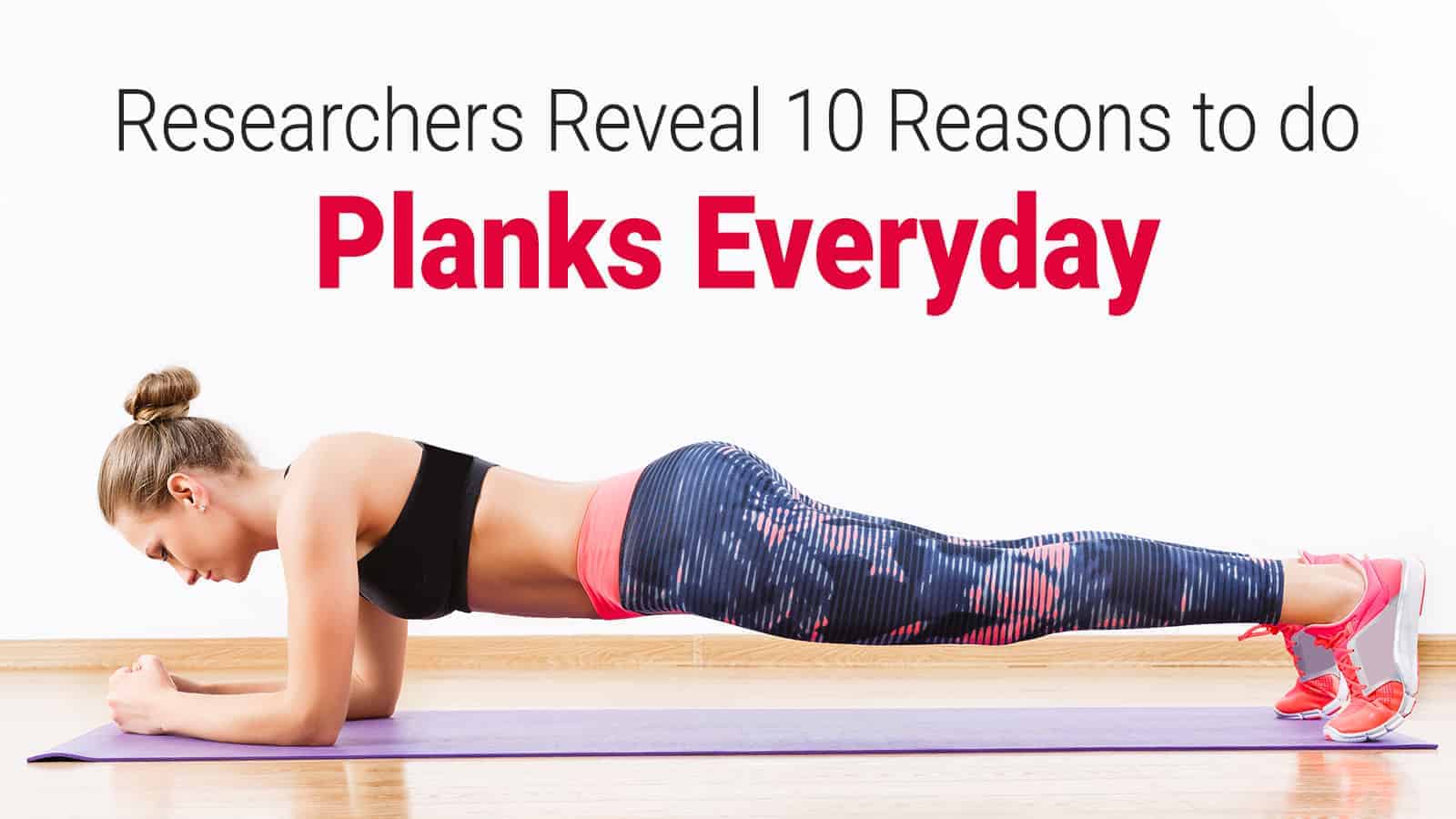
Planks are ideal for building core strength, but a HIIT workout can be more intense when you opt for the plank jack.

Remember jumping jacks? When you combine a portion of that move with the plank, you have a plank jack.

Planks - HIIT

You’ll get into a regular plank position. Then, you’ll pop your feet outside your hips to a greater width.

“A lot of times, people look at the negative side of what they feel they can’t do. I always look on the positive side of what I can do.” Chuck Norris

9. Star jumps.

Jumping up and down is one thing, but what are star jumps? The jumps start with feet together.

When you jump up, jump out with your legs and feet apart to look like a star. Keep knees slightly bent, so that you don’t strain the joints or tendons around your knees.

“Focus on progress, not perfection.” Josh Bezoni

Jumping - HIIT

10. Jumprope.

This move is a classic, and it’s excellent exercise. The more you jump rope, the longer you’ll be able to do it. The goal is to do it faster with less time.

The short burst of intense time with a jump rope will help you burn fat quickly and easily.

“Discipline is choosing between what you want now and what you want most.” August F. Kantra

Final Thoughts on Trying a HIIT Workout

There are HIIT workouts, and there are exercise routines. The great thing about all ten of the exercises listed above is that they do not require a gym membership or exercise equipment.

The key is to challenge your muscle groups intensely in intervals. Remember, as we mentioned earlier, that this is how you get your heart rate up and keep it up.

Raising the metabolic heart rate is effective in enhancing athletic performance as well. New research proves this with youth soccer players.

The only time HIIT cannot be useful is when individuals are rushing through exercises, and not warming up properly.

Every exercise program calls for proper warm-up, just as athletes would warm-up before a sporting event.

The muscles should be prepped, and learning HIIT with an experienced and reputable instructor will help you determine the proper form and movements.

If you want to lose weight and get into better shape, this program is sure to be a hit!

7 Supplements That Decrease Rheumatoid Arthritis Pain

Rheumatoid arthritis is a common autoimmune disease that causes severe inflammation of the joints. Affecting more than 200,000 people each year in the United States, RA has no cure and can only be managed by following tips and taking medication or supplements.

This disease can occur in a person of any age. However, those over the age of 50 have a much higher chance of being affected. A doctor will use lab tests and imaging to reach a diagnosis, and you will likely be referred to a rheumatologist to get the necessary help.

Early on in the disease, you may have noticed some tenderness and pain without redness or swelling. Further along in the condition, the symptoms change, however, and become more serious. The symptoms include:

  • Swelling or stiffness in your joints that lasts longer than six weeks
  • Joint stiffness in the morning that takes more than 30 minutes to subside
  • Multiple joints affected
  • Fatigue and low-grade fever
  • Redness and swelling

Once you receive a diagnosis, you will often find yourself wondering what you can do to make the disease easier to handle. Luckily, some supplements that decrease arthritis pain.

7 Supplements That Decrease Rheumatoid Arthritis Pain

Try these supplements to aid in relieving the inflammation that comes from RA.

1. Turmeric Plus

Turmeric is an herb that helps with inflammation, and this supplement contains a high dose of it. The turmeric plus supplement contains turmeric powder, turmeric extract, and Bioperine. Even though the dosage is high, it is still suitable for mild forms of rheumatoid arthritis and is robust enough for more severe forms, too.

If this exact supplement cannot be found, other turmeric supplements will work, as well. Turmeric contains an anti-inflammatory property called curcumin, which specifically targets the joints. It may be successful in preventing arthritis pain, as well, so introducing it to your friends and family may be helpful to them in the future.

2. Oil Supplements

  • Fish Oil

Fish contains high amounts of omega-3 fatty acids, so if you consume a decent amount of fish, you may not need the supplement. If fish aren’t generally in your diet, however, taking fish oil supplements can give you the omega-3 fatty acids that you need.

Fish oil is comparable to anti-inflammatory drugs that do not contain a steroid, otherwise known as NSAIDs. The benefit to the fish oil supplement, however, is that it is more gentle on your stomach than the anti-inflammatory drugs are.

  • Borage Oil

This oil contains an omega-6 fatty acid that is called gamma-linolenic acid. It is an acid that eases inflammation and stiffness of your joints. Studies indicate that when supplementing with borage oil, those who have rheumatoid arthritis have been able to decrease the number of NSAIDs they were previously taking.

It is important to note, however, that borage oil can cause unpleasant side effects such as:

  • pain from being gassy
  • constipation
  • soft stools

3. Boswellia

Another name for Boswellia is Indian Frankincense, and it is known for its anti-inflammatory properties. Those properties are comparable to NSAIDs without stomach pain and offer a natural supplement to help ease arthritis pain. Scientific studies suggest that this supplement is one of the more successful supplements in treating RA.

4. Cat’s Claw

Scientifically known as Uncaria tomentosa, Cat’s Claw stops tumor necrosis factor, which is secreted by inflammatory cells and leads to the death of healthy cells. Powerful RA prescription medications also target the tumor necrosis factor, lessening the damage caused and are popular amongst those with RA.

Unfortunately, prescription medication is harsh and has unpleasant side-effects. The Cat’s Claw supplement, however, does the same thing as the medication and has less severe side-effects. It is also beneficial to your immune system.

5. S-adenosylmethionine

This supplement is also known as SAM-e and has anti-inflammatory properties that act as a pain reliever (or an analgesic, if you’re looking for the scientific term). It can also encourage cartilage growth and acts as a neurotransmitter such as serotonin, which reduces pain perception.

A SAM-e supplement can help with the arthritis pain caused by RA more effectively than NSAIDs can and has significantly fewer side effects. The benefits also last longer than those of NSAIDs.

6. Capsaicin

This supplement reduces substance P in the body, which is a pain transmitter. Studies have shown that it effectively reduces joint pain relatively quickly, and after just three weeks, can almost eliminate the arthritis pain. It comes in a cream, gel, or patch.

7. Avocado-soybean Unsaponifiables (ASU)

When you have RA, pro-inflammatory chemicals are released into your body at a high rate, causing much of the inflammation and pain caused by the disease. That problem leads to the synovial cells that line the joints deteriorating. With the ASUs, those cells may be able to be regenerated.

Studies done with ASUs and placebos have shown the beneficial results of the avocado-soybean unsaponifiables in regards to RA. The ASUs also drastically reduced the use of NSAIDs and, in many cases, stopped the need for them altogether.

7 Other Ways to Decrease and Prevent Arthritis Pain

1. Warm compress

Using a warm and moist compress on your joints when they feel stiff. This will help loosen them up.

2. Ice pack

When your joints are inflamed, an ice pack may help reduce the inflammation.

3. Relax or meditate

The more you stress, the more inflamed your joints will become. This stiffness is because stress inhibits the inflammatory process in your body. Spend time relaxing or even meditating to help lessen some of the stress and rest your body.

4. Stick to a well-balanced, nutritious diet

The foods you eat will significantly affect your RA. Try to find foods that have Omega-3 or Omega-6 fatty acids and foods that have protein and other vital nutrients. Avoid junk food, alcohol, or cigarettes because those all make the arthritis pain much worse.

5. Exercise regularly

Exercise helps increase joint range of motion, strengthen muscles, and reduce fatigue, all problems when it comes to RA. While you won’t want to over-do it and should avoid high-impact activities, exercises such as walking, stretching, water aerobics, and swimming are all excellent options. Remember not to over-do it, however, as you can exercise in 10-minute increments instead of all at once.

6. Take a hot shower or bath

Heat provides relief from the pain of RA, and moist heat is even more useful for pain treatment. By soaking in a warm bath or taking a shower, you are allowing the moist heat to ease the pain in your joints. If that isn’t an immediate option, soaking your hands in a container of hot water can help with joint pain in your hands.

7. Take it easy

When doing an activity, make it possible to stop if you need to. Do part of a chore or task at one time, and then go back to finish it up later. If necessary, give yourself a 3rd or 4th opportunity to finish up. This rule goes for activities such as cleaning, gardening, raking, drawing, sewing, or any other jobs where your joints may become sore.

foods for rheumatoid arthritis

Avoid these ten foods that cause inflammation.

5 Things to Avoid When You Struggle With RA

Before supplementing with anything that you believe will decrease rheumatoid arthritis pain, it is best to check with your doctor first. Some supplements may clash with other medicines that you are taking, while other supplements have side effects that are not worth dealing with. Additionally, there are some foods you should avoid and some activities you should be careful with.

1. Thunder God Vine

This supplement shows up on many online searches. And, while this does contain anti-inflammatory properties that will help with your rheumatoid arthritis, the side effects might not be worth it. The side effects include:

  • nausea
  • diarrhea
  • serious respiratory infections

2. Salt

While salt may taste delicious on some of your favorite foods, it is terrible for your RA. It increases your chances of getting high blood pressure and causes inflammation directly related to RA.

3. Alcohol and tobacco

Alcohol should not be mixed with many medications (pain medications for sure), and you are likely on at least one of those medications if you have RA. Not only is the alcohol and medication combination dangerous, but alcohol also leads to inflammation. This combo causes RA flare-ups and severe pain.

Additionally, tobacco should be avoided as it increases the pro-inflammatory marker interleukin-6 (otherwise known as IL-6). This marker is normally high in those with RA and can exacerbate the symptoms.

4. Living a sedentary lifestyle

While rest is essential and important, too much rest can cause more pain, fatigue, and stiffness.

5. Skipping medications or supplements when you aren’t in pain

You may think it’s okay to skip them when you are feeling good, but that can have lasting negative effects on your body. Skipping the dose may make the pain come back quicker, ruining your time of feeling good and without pain. It can also cause your RA to get worse.

positive thinking and RA management

Make positive thinking part of your RA Pain Management strategy.

Final Thoughts On Seeking Out Supplements That Decrease Rheumatoid Arthritis Pain

Rheumatoid Arthritis is a serious disease that can greatly impact your daily life. There are ways to live with it, however, and you may not need as much prescription medication as you first thought.

By trying some of these supplements, you may notice a significant decrease in your arthritis pain and a lessened need for prescription drugs for RA. Just remember always to consult your doctor and tell them of any changes you decide to try.

5 Reasons Why People Get Thyroid Problems and How to Avoid Them

The thyroid gland, shaped like a butterfly, sits quietly in the front region of your neck. Despite its somewhat odd choice of residence, this gland is essential for producing hormones, many of which will affect your overall metabolic rate and your efforts at the gym. If it doesn’t function well, you’ll shortly notice the signs of thyroid problems.

Thyroid issues are surprisingly common, affecting more than 20 million people in America alone. But what do you need to know about it?

5 Reasons Why People Get Thyroid Problems And How They Can Avoid It (Causes of Thyroid Problems)

1.    Stress

The thyroid glands don’t work alone – they cooperate with your adrenal glands to produce hormones. Adrenal glands are responsible for releasing cortisol, which is a stress-management hormone.

Excess amounts of stress can strain the adrenal glands, causing them to produce excess cortisol that you become increasingly more resistant to. This imbalance causes your metabolism to slow down, leading to weight gain, more stress, insulin resistance, blood sugar issues, and slowed-down or halted thyroid function.

You can manage stress by:

  • Eating well
  • Having a good sleep schedule
  • Maintaining a daily to-do list
  • Taking time out for self-care or “selfish” relaxation
  • Venting to trusted friends or family
  • Eating all your required nutrients, vitamins, and minerals

2.    Diseases

Autoimmune conditions are the most common cause, arguably, for thyroid problems. Autoimmune diseases are disorders where your immune system mistakes you for a threat and starts to attack the rest of the body. Common conditions (and medical circumstances) that lead to thyroid problems are:

  • Graves’ disease
  • Hashimoto’s disease
  • Tumors
  • Medication
  • Nodules
  • Thyroid surgery
  • Genetic conditions
  • Radiation therapy

To avoid late detection that causes complications, make sure you’re aware of your bloodwork. Go for scheduled check-ups, ask questions if you have concerns, and don’t hide symptoms. Early diagnosis can work many real wonders on your outlook.

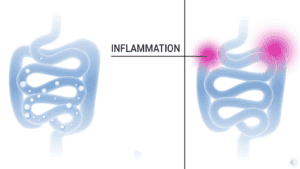
3.    Inflammation

Chronic inflammation is the start of many, many diseases – and thyroid problems are one of them. Normal soreness is healthy and occurs when you get injured – hence why cuts “burn” or muscles feel sore after a workout. They are inflamed and, therefore, healing.

But when the gland has to produce inflammation constantly, it can wind up developing into chronic inflammation. This condition can trigger cortisol production in the body, and it also leads to higher production of certain hormones in your body.

Here are some ways to reduce chronic inflammation:

  • Eat anti-inflammatory meals and shun inflammatory ones
  • Learn to manage stress better (see above for tips!)
  • Make sure you exercise for a minimum of 150 minutes per week
  • Balance and maintain a healthy weight
  • Keep an eye on your blood sugar

4.    Toxins

There are toxins everywhere, and they all cause hormone functions to suffer, leading, then, to the suffering of the thyroid gland itself.

The most common toxins that affect people this way are polybrominated diphenyl ethers, or PBDE,  polychlorinated biphenyls, or PCB, and many, many more. As a rule, it’s a good idea to stay clear of any product unless you know its ingredients for sure.

5.    Overdoses Or Underdoses Of Vitamins

In many cases, a lack of nutrition is what leads to diseases. In the case of thyroid problems, overdoses are also a common factor to take into consideration. Here are some common vitamin over- and underdoses that lead to thyroid issues:

·         Iodine

Yes, you need iodine for hormone production, and a lack of it can also cause thyroid problems. But did you know that consume an excess of 400 mcg of iodine per day can lead to many complications, including to the thyroid?

·         Iron

For the thyroid to carry out its peroxidase function healthily and positively, it needs iron. Without it, thyroid hormones cannot be synthesized, and iron-deficiency anemia opens up the door to many different diseases, too.

·         Vitamin A

Vitamin A is capable of binding to the hormone receptors in the thyroid, increasing one kind of hormone but not the other, more desirable one. You can lose as much as two-thirds of your thyroid hormones by not paying attention to vitamin A!

·         Selenium

The thyroid needs selenium to convert certain types of hormones to others. This nutrient helps to protect against autoimmune diseases and also works to encourage healthy thyroid function. A deficiency may lead to hypothyroidism.

·         Chromium

The more selenium you take, the more chromium you excrete. As such, it’s a good idea to keep an eye on your daily intake of this lesser-known vitamin.

Avoiding Thyroid Problems

1.    Avoid Toxins

Many chemicals can be toxic to the thyroid gland, and these are chemicals you’ll want to avoid. These chemicals are often called endocrine disruptors, and they often severely affect your hormonal system, as that term suggests. Chemicals to avoid are:

  • Perfluorinated Chemicals. Known merely as PFCs, these chemicals are used for protecting against water, fire, and stains.
  • This is commonly found in toothpaste, soaps, and other antibacterial products.
  • These are found in soft plastics and scented materials.
  • Nonstick coatings. Used most in pans and cooking material, this can cause hormone level imbalance.
  • Bisphenol-A. Already infamous, BPA is found in the linings of food cans as well as in cheap plastics.

Of course, it is unlikely that you will be able to altogether avoid these chemicals – so reduce your exposure. You can do so by:

  • Using essential oils as fragrances
  • Use glass, porcelain, or ceramic containers instead of plastic
  • Using ordinary soap and water to clean hands
  • Buy more fresh or frozen produce instead of canned foods
  • Make sure your home has enough ventilation

2.    Don’t Do Starvation Diets

Fad diets are popular for their quick effectiveness, but they’re objectively terrible for your body in many ways. Not only are you likely to gain all the weight back the second you stop the diet, but you’re also slowing down your metabolic rate and opening yourself up to thyroid issues.

According to a study in the Journal of Clinical Endocrinology & Metabolism, fasting causes your primary thyroid hormone that regulates metabolism to decrease efficiency by 53%. Many other thyroid hormones also saw a decrease in levels. In addition, cortisol levels leap up when you starve yourself, causing stress to you because it thinks your body is in danger. You may begin to retain a lot of fat as a result.

So don’t do starvation diets – no liquid cleanses, no super low-calorie days, nothing at all that could cause your body to believe it is starving.

3.    Eat Well

A healthy diet is one of the most crucial parts of keeping your thyroid in good working order. This is because a whopping 71% of the body’s autoimmune system lives in the gut. They’re called gut-associated lymphoid tissue, or GALT, and researched has linked their inflammation to thyroid diseases.

Many doctors recommend a Mediterranean diet for managing inflammation. It’s not strictly necessary, but your meals should include:

  • Lean proteins
  • Fatty fish; examples include herring, mackerel, and salmon
  • Three to four servings of fruit daily
  • Four to five servings of vegetables daily
  • Healthy fats; examples include nuts, olive oil, and avocados

However, there are also foods you need to avoid – some of which may surprise you! You should steer clear of:

·         Processed Foods

These foods are full of sugars, dyes, added preservatives, trans fats, and all sorts of dangerous ingredients. They’re bad for the entire body, too, not just your thyroid.

·         Soy

To be fair, soy has plenty of positive benefits for overall health. Unfortunately, more and more research has shown that soy affects the body’s ability to absorb levothyroxine, which can interfere with hormone-related medication.

·         Raw Cruciferous Vegetables

Yes, even these veggies, commonly touted as extremely healthy, but be wary of eating them raw. Raw cruciferous vegetables have goitrogens, which are natural chemicals that can cause thyroid system issues. Examples of these veggies are Brussels sprouts, kale, cauliflower, watercress, and cabbage.

4.    Reduce Endurance-Based Exercise

Endurance exercises, such as spin classes, long-distance running, and other similar forms of activity, may be harmful to your thyroid if you’re doing it in excess. This is for the same reason that starvation diets are bad for you – your cortisol levels skyrocket, your hormones produce less, and you begin to store fat and get hungry quickly.

So, what kinds of workouts can you do? High-intensity workouts, especially circuit training, are good options. Short exercises of up to 40 minutes can work best, allowing for maximum fat burning without the excessive, cortisol-boosting cardio.

5.    Stop Smoking

Cigarette smoke is packed with toxins, including thiocyanate, which disrupts iodine processes, thereby blocking the thyroid from producing its natural hormones. Smoking can also change the way you produce hormones, and research indicates that smokers have a higher risk of Graves’ disease, which is one of the leading causes of hyperthyroidism around the world.

Of course, kicking an addiction to smoking is easier said than done. Don’t be afraid to seek help from a doctor. With medical understanding, positive thinking, and a genuine desire to quit, you can leave your smoking days behind.

nicotine addiction6.    Be Careful Of X-Rays

The gland of the thyroid is susceptible to radiation, and it’s among the most sensitive organs to this situation. Remember, X-rays aren’t just the stereotypical kind you see in movies! They also include:

  • Mammograms
  • Dental X-rays
  • MRI scans

Research conducted by the National Cancer Institute found that people who receive dental X-rays are much more likely to develop thyroid cancer – up to five times more likely, in fact!

But you can’t avoid X-rays, so what can you do? Whenever you need to go through a procedure involving radiation, ask for a thyroid shield! It is basically an apron made from lead that drapes over your neck as the technician takes the image.

thyroid problems and your dietFinal Thoughts On Reasons Why People Develop Thyroid Issues And How They Can Avoid Them

Thyroid problems are the first step in a vast host of other diseases. It is wise to start now in living a healthier lifestyle, so your risk for developing this condition is much, much lower. You don’t have to be the perfect model citizen – just take care of yourself and make sure you eat well, exercise smartly, are careful about X-rays, and never miss an annual check-up!

10 Things Everyone Should Do After Retirement

When you retire, you’ll suddenly find yourself with so much more free time than you’ve ever had before. But what can you do with your free time during retirement? Or, instead, what should you do with it?

There are endless options that you have for spending your retired years positively and productively. It’s up to you which ones you choose, but they can all be great for keeping you healthy, active, social, and happy.

Here Are 10 Things Everyone Should Do After Retirement

1.    Take Up A Sport

Retirement often comes at an age where exercise is more important than ever. Exercise, especially outdoors in the morning or evening sun, can do wonders for your health. Even low-intensity activity can have positive effects on blood pressure, heart health, and more.

What should you do? Perhaps there’s a sport you wish you had more time to play or one you’ve always wanted to learn. Here are some examples of good sports options.

  • Swimming
  • Biking
  • Boating
  • Fishing
  • Aerobics
  • Walking

Of course, more extreme sports may not be the best option for you – but hey, if that’s something you want to try, you can take up lessons! Golf, tennis, and similar sports are great options for the kinds of games you may want to take classes for.

Here are some great benefits of exercise for those living their golden years:

·         Better Mental Health

Exercise releases feel-good hormones called endorphins, which can have a positive effect on your mental health overall.

·         Cognitive Function

There have been multiple links found between regular exercise and a lowered risk of cognitive degeneration.

·         Disease Prevention

Exercise can reduce your risk of heart disease, stroke, high blood pressure, diabetes, and even more severe disorders.

·         Lower Fall Risk

You are less likely to fall when you exercise regularly – and, if you do fall, exercise reduces your risk of serious injury.

·         Reducing Tension

Training is an excellent form of stress relief, and exercising regularly can help you feel less tense.

2.    Connect With Your Loved Ones

When you’re working, you don’t have a lot of time to spend with those who matter to you. That issue is no longer a problem for those who are retired, so don’t let your time go to waste! You can opt to:

  • Give your loved ones more calls, whether voice or video
  • Text your loved ones often
  • Arrange “dates” with your loved ones and have good times together
  • Take the time to travel to visit your loved ones who live very far away
  • Reconnect with loved ones that you may have fallen out of touch with

3.    Adopt A Pet

Adopting a pet can be extremely helpful for seniors, for many reasons:

·         Pain

Old age often comes with its fair share of aches and pains. Studies suggest that pets can actually not only help to distract senior citizens from chronic pain but even reduce their experience of both emotional and physical pain.

·         Mental Health

The hormone oxytocin, which boosts positive thinking, is released when a dog owner looks into the eyes of their dog for just five minutes! Cuddling with any animal at all, or even watching fish swim, also produces a similar effect.

·         Activity

When you have a pet, you get to exercise more often. You walk your dog, play with your cats, carry pets, clean up after them, and so on. It’s recommended that those aged 65 and up – basically retirement-aged individuals – get moderate aerobic exercise totaling 2.5 hours weekly, and pets can help with that.

·         Social Interaction

Numerous studies indicate that loneliness can be deadly. When you’re isolated, your risk of stroke increases by 32% and your risk of heart disease increases by 29%, plus you gain a 30% greater risk of dying in the next seven years. Pet ownership can make you more social, not just by easing your loneliness, but by encouraging positive connections with other pet owners.

·         Routine

Routine is good for mental health and positive thinking, and when you have a pet, a routine is commonplace. A majority of senior citizens find that pet ownership helps them stick to a specific method. Post-retirement, there is no real structure to one’s life, and some even lose their sense of purpose. A pet can prevent that from happening.

Hire a pet

However, you should make sure that you are capable of caring for a pet and meeting their needs before taking on the big responsibility of adopting a pet. Remember, you will have to:

  • Care for and finance their basic needs as well as medical needs
  • Provide exercise and daily walks for most pets
  • Provide training for most types of pets
  • Consider where they will go and who will care for them in the event of an emergency
  • Be able to give a pet the attention and affection they need

4.    Learn A New Skill

The saying “you can’t teach an old dog new tricks” doesn’t have to apply to you! In fact, the act of learning new skills and information can help keep your mind sharp, preventing degenerative conditions. You can take classes, watch tutorials, or join communities featuring areas that interest you. Examples of common retirement hobbies are:

Learn a new skill after retirement

  • Crafting
  • Fishing
  • Writing
  • Completing puzzles
  • Knitting
  • Drawing or painting
  • Pottery
  • Playing musical instruments
  • Carpenter work
  • Cooking or baking

If you’re not into the idea of learning brand new things, you can opt to keep your skills sharp instead. Don’t get rusty at the things you spent your life doing.

5.    Work Again On Your Own Time And Terms

For some, retiring can lead to idleness and restlessness that is uncomfortable. If that’s the case for you, then you’re more than welcome to return to work. The best part about this is that it’s on your terms and you can decide how much time you want to spend working. You could open a business, work as a consultant, do part-time work, or even drive a taxi or Uber.

You can also opt to take a gap year, which sounds like a college concept but is pretty standard among retirees. They take a year off right after they retire to travel the world, do new things, pursue new hobbies, or even just rest. Then, after that year is up and you’ve ticked something off your bucket list, you can think about doing work again.

6.    Have A Daily Routine

When we discussed the possibility of having pets, we talked about the importance of a daily routine. And it is essential! Routine can give you a sense of structure and purpose that you lose when you stop working. Examples of common routine activities that you can add to your everyday actions are:

  • Reading the morning paper
  • Watching your favorite television program
  • Going for a walk or jog at the same time every day
  • Going for classes or activities on a regular and routine basis
  • Dedicating a few hours to hobbies or learning

7.    Volunteer

If you’re seeking a more dedicated sense of purpose, volunteering can be a great way to find it. You’re contributing to the happiness and health of other people, and you’re doing something good with all your free time. You’ll feel good about yourself, get the chance to interact and socialize with others, and learn more about the struggles of those around you. Examples of ways you can volunteer are:

  • Volunteering at a local shelter, whether for animals, the homeless, at an orphanage, or another establishment
  • Clear your items and donate them, or seek out things to donate
  • Reading to children
  • Aid those who are starting up in your field
  • Mentoring someone
  • Joining a volunteer organization for seniors or retirees
  • Donating blood
  • Participating in scientific studies

8.    Make New Friends

Social interaction is crucial to health. We’re already talked about how isolation can increase your risk of disease development and even death. So make new friends from all sorts of circles. Join organizations, clubs, and classes that will help you find people to talk to.

Most importantly, try to befriend those outside of your usual age range and from different backgrounds. Befriending younger individuals keeps you up-to-date on modern life, and helping those from other walks of life improves your empathy and opens your mind to different perspectives and opinions.

Make new friends after retirement

Once you do make friends, commit to seeing them regularly often. Arrange weekly lunch “dates” or hang out with them by going to all your classes, organization meetings, club events, and more.

9.    Manage Your Money

This isn’t as fun, but it’s relatively essential. Money management is crucial to a smooth retirement. Even if you think you’re okay, it’s a good idea to keep an eye on your finances and make sure that you’re keeping tabs on how much money is leaving your pockets. For example, exploring options like Gold401k can help diversify your retirement portfolio and provide a hedge against market volatility. Here are some tips:

Manage your money after retirement

  • Log your spending and any income you receive; you can use a spreadsheet on a computer or just an old-fashioned book. Keep receipts, too, if that helps!
  • Learn how to be tax-efficient in accessing, spending, and earning money.
  • Determine how much expendable funds you have, meaning funds after required payments like bills and loans and after basic needs like food and utility allowances.
  • Continue to keep your money invested in good areas.
  • Consider hiring a financial adviser if you’re struggling to get your money in order

The last thing you want is for your pension to run out while you still need it. Get a definite spending plan in place, so that doesn’t happen!

10. Travel

Yes, travel can be quite expensive. But if you can afford it, it’s something that you likely didn’t have enough time for before but have plenty of time for now! Consider your bucket list, your dream country vacations, and other similar factors.

Of course, you don’t have to spend a ton of money on traveling. Go on a road trip around the country, or rope friends into the travel plan to save and share costs. You can even try out living an RV-type lifestyle, if that’s something you’re interested in, or seek out cheap accommodation and flight tickets through flash deals.

Final Thoughts On Some Things Everyone Should Do After Retirement

Some people look forward to retirement, only to find that they have no idea what to do when it finally comes. But with these ten ideas – and the many more out there – you can find the perfect ways to spend your twilight years in retired bliss.

Skip to content