Weekly tips, affirmations, and small actions to feel your best.

6 Habits That Damage Your Brain (and How to Fix It)

Are you participating in poor habits that damage your brain? You might be, yet you might not realize it.

The brain is our most precious organ. Intimately connected with the mind, the human brain is what makes us, well, human. Far as we know, no species that possesses even a fraction of the computing power of us humans. 

Our brain is what has allowed up to traverse space, build incredible things, and develop life-saving medicines.

The brain is also responsible for initiating violence, starting wars, harming health – mental and physical, and creating states of abject misery. 

How about that for “Good news, bad news?”

Let there be no doubt that our habits contribute immensely to the state of our wellbeing – or lack thereof. Our brain stores and acts on our practices, and our habits determine our happiness. 

Fortunately, we can rid ourselves of bad habits. It’s not easy, but it’s most certainly worthwhile. 

Perhaps the most vitally essential habits to eliminate are those that cause us to suffer. As our brain is the primary source of our psychological states, it makes sense to start there.

The focus of this article, therefore, is twofold: (1) to discover those habits that damage the brain and (2) take action to dissolve them.

6 Habits that Damage the Brain

  1. Lack of exercise

Being physically inactive is a seriously bad habit that damages the brain. Besides being a primary catalyst for multiple diseases – including cancer, dementia, depression, heart disease, and obesity – physical inactivity contributes to cognitive decline. 

In a study published by the Journal of Comparative Neurology, researchers discovered that sedentary rats demonstrated excessive excitation in the brain region called the ‘RVLM.” Among other functions, the RVLM controls the activity of the sympathetic nervous system. This disruption may lead to the deterioration of the neurons in the area of the brain. 

In other words, a lifestyle of physical inactivity can alter the structure and function of an otherwise healthy brain.

How to fix it:

Per an article published by Harvard University’s Medical School, “Exercise helps memory and thinking through both direct and indirect means.” Regular exercise reduces inflammation and insulin resistance and stimulates chemicals that promote the growth of new brain cells. 

Indirectly, regular exercise stabilizes mood and improves sleep quality. It also reduces anxiety and stress, which are commonly associated with cognitive impairment.

How much exercise should you get? The Mayo Clinic suggests at least 75 minutes of “vigorous” aerobic activity or 150 minutes of “moderate” aerobic activity per week. 

damage your brain

These five habits can optimize your brain.

  1. Multitasking

If we’ve heard it once, we’ve listened to it 1,000 times: multitasking is either ineffective, a myth, or (most likely) both. If you’re a multitasker, you may think that this is all hogwash and that you can multitask. 

So do the 1.56 million people who cause car accidents each year because they were paying more attention to their phone than to the road. Statistics show that 26 percent of U. S’s 6 million car accidents each year are caused by people who use their cell phones while driving. 

This advice isn’t to incite a guilt trip, but to make people aware of the genuine (and often life-changing) repercussions of calling or texting while driving.

Multitasking is better thought of as divided attention, which is recognized by scientists as a type of brain function. Divided attention is the act of splitting your attention between two tasks; that is, you’re dividing cognitive resources to engage in separate tasks.

This process isn’t multitasking: it’s rapidly alternating your attention between tasks. 

Mover, multiple studies have shown that multitasking increases the brain’s production of the stress hormone cortisol. “High levels of cortisol…wear down the brain’s ability to function properly,” per a study by Dartmouth University, as reported in an article, “[cortisol] can disrupt synapse regulation…kill brain cells…and reduce the size of the brain.”

How to fix it:

Fortunately, there’s a straightforward solution to the multitasking problem: single-tasking! Single-tasking, as the name implies, is focusing all of your formidable cognitive power towards just one task at the exclusion of everything else.

Now only is single-tasking more effective, it’s also less stressful. While our brain may release cortisol – especially during times of intensive thought – it’s likely far less than if we were juggling two things at once!
cortisol

  1. Information overload

Newsflash (not really!): Too much screen time isn’t good for you. 

But it’s not just the physical screen. It’s also all of the information – text messages, notifications, emails, status updates – that are bad for us. Too much sensory input can lead to excess stress and decision overload.

Glenn Wilson, a professor of psychology at Gresham College (U.K.), found that attempting to concentrate on a task while having an unread email open in your inbox can reduce I.Q. by 10 points. In other words, information overload is not only stressful, but it makes us dumber.

Exacerbating the problem is the fact that we are unaware of the harm that our digital addiction is causing, especially to our kids. A study published in the Journal of Experimental and Clinical Sciences concludes:

“…there is a relationship between cell phone addiction and adolescent’s mental or physical health. We cannot neglect the [relationship] and its adverse effects on adolescents.”

How to fix it:

Cliché time! It’s all about moderation

Curbing technology use requires some discipline and, if necessary, the adjustment of priorities. It’s almost certain that our smartphone addiction is shortening our attention spans, worsening our memory, and making us more irritable.

If nothing else, resolve to put your phone down when at the dinner table or with the family.

information pollution

  1. Sitting for too long

Per a health science article published by the Washington Post, the average American adult spends about 6 ½ hours sitting per day – a one-hour increase since 2007. For kids aged 12 to 19, this number increases to eight hours. 

While this sounds like a lot (it is), these numbers are probably on the low-end. Between commuting, work, and lounging around the T.V., some sources state that we spend up to 10 hours sitting. 

This is terrible news.

Per a study published in the journal PLOS, a sedentary lifestyle “is a more significant predictor of [abnormal] brain structure… [then] physical activity.” The authors note that “physical activity, even at higher levels, is not sufficient to offset the harmful effects of sitting for extended periods of time.” 

How to fix it:

Obviously, there are times that we need to sit, like when we’re at work, driving, and so forth. But unless your job requires you to remain seated at all times, there are times where you can get up, stretch, and move around a bit.

To say nothing of the amount of time we spend staring at the T.V. set or computer screen. The advice here is simple: don’t spend too much time in front of a screen and get out more.

  1. Listening to music at a high level

Here’s another potentially brain-damaging habit that many of us engage in. 

We all love listening to tunes. If we’re at the gym and hitting the weights hard, our playlist can keep us goin’. When we’re in the car and need a pick-me-up, that volume knob often finds itself cranked all the way right.

But just because loud music is fun and energetic doesn’t mean that it’s right for you. 

According to research cited by the U.K government, listening to loud music with headphones (defined as above 110 decibels) has the same effect on the brain’s nerves as multiple sclerosis. Nerve fibers can be stripped of the protective coating (myelin) and disrupt the brain’s signaling mechanisms.

 How to fix it:

Fortunately, myelin in the brain is capable of regrowth. As such, hearing loss may recover in many instances if the underlying issue is rectified.

As a rule of thumb, it’s a good idea to listen to your music at no more than 60 percent of your device’s maximum volume. Anything above that level increases the risk of brain damage and resultant hearing loss.

  1. Poor sleep

Most of us are well aware that poor sleeping habits are bad for us. Sleep deprivation, which the Centers for Disease Control and Prevention (CDC) calls “a public health epidemic,” contributes to illness and disease. 

Neurologically, some of the effects of poor sleep are rather obvious. Reactions time drops, we’re more error-prone and feel more depressed and anxious than usual. Insufficient sleep can also cause headaches, hormonal imbalances, and impaired memory.

Long-term, some research shows that lack of sleep causes the brain to shrink. 

How to fix it:

Sleep is critical for brain health. We must make it a priority to establish healthy pre-bedtime and bedtime sleeping habits. 

Here are a few ideas:

  • Don’t drink caffeine or alcohol at night
  • Limit smartphone use
  • Take the television out of your bedroom
  • Keep your bedroom dimly lit
  • Don’t fill up too much at dinnertime
damage your brain

Lack of sleep can damage your brain. Here’s how to fall asleep in 15 minutes or less.

Final Thoughts on Overcoming the Habits That Damage Your Brain

We must each take accountability for our actions. That statement is particularly true when it comes to taking measures to stop participating in unhealthy habits that damage your brain. Promise yourself you will shed those poor habits and embrace the new ones that will help you enjoy a longer, happier life.


10 Signs It’s Time For A Couple To Get Help From A Marriage Counselor

Relationships are an essential part of life. Our families, friends, coworkers, and partners play a vital role in how we view the world and what support we can gather around us to make life better. But when you are facing no-holds-barred conflict with your spouse, it might be time to consider marriage therapy.

A love and marriage relationship is one of the most significant relationships a person can foster. But it can also be one of the most challenging experiences in life. Anytime two people attempt to blend and integrate personalities, likes, dislikes, hopes, and dreams together, things can quickly spiral out of control. Arguing and fighting about differences can become commonplace. However, it’s how you handle these periods of conflict that can determine whether your marriage relationship will stand the test of time.

The stats on marriage

Recent statistics on marriage point to the fact that between 40 and 50 percent of marriages end in divorce. While the reasons for divorce vary widely by individual couples, the truth of the matter is that it takes time, effort, and work on these lifelong commitments to make them work. So how do people commit to each other and then see it through?

Counseling: The first step in healing

If you and a partner are experiencing difficulties, it may be time to consider bringing in a professional marriage counselor to help you resolve issues and find some common ground to stand on once more. The goal of marriage counseling Roanoke is to give you and your partner the tools needed for better communication, improved negotiation, and the ability to argue and problem-solve more healthily.

Counseling is provided by a licensed, trained marriage counselor who offers mental and emotional support to couples in the throes of conflict. They bring the focus of sessions to your relationship and uncover hurts, desires, goals, and common ground for you both to stand on while you figure out if your relationship is worth fighting for.

Some couples enter marriage counseling for a short time to weather a crisis, while others see it as an opportunity for regular tune-ups, they can prioritize their relationship. Regardless of the reason, some things can benefit both you and your partner if you decide that marriage counseling is right for you.

marriage counselor

Therapists explain 10 red flags of a rocky relationship.

Who benefits?

Most couples cannot maintain the perfection that they seek in a relationship, and it is unhealthy to think that this can be attained. Entering a relationship thinking that you will agree all the time is a recipe for disaster; try to embrace the differences that you have and learn to perceive them as opportunities for growth and acceptance, rather than a reason to fight.

Couples choose to enter therapy for a variety of reasons, including:

  • Infidelity
  • Substance abuse
  • Physical or mental conditions
  • Cultural differences
  • Financial disagreements or stress
  • Unemployment
  • Communication problems
  • Blended family issues
  • Sexual dysfunction or miscommunication
  • Conflict over raising children
  • Anger and resentment
  • Infertility and fundamental differences about having children

Some couples try to resolve issues on their own, and in some cases, they are successful in doing so. Others need a little bit of help and accountability along the way to ensure that things get resolved completely. If you and your partner are going through a rough patch, perhaps it’s time to consider seeing a marriage counselor for some help. Look for these signs that it’s time to make an appointment:

10 Reasons to seek assistance from a marriage counselor

1. Your partner is not listening

In the heat of an argument, it can be easy to focus on what you need to say next, rather than validating your partner’s thoughts and feelings. A marriage counselor can act as a mediator when there are breakdowns in communication, and help both of you develop better listening skills to make sure concerns are heard, aired, and dealt with. Communication is key to establishing and maintaining a healthy relationship, and a fundamental piece of that communication is learning to listen effectively. Seek additional help from a marriage counselor if you feel your concerns have not been validated for awhile.

marriage advice

Revealed–15 secrets for a better marriage.

2. You keep going around the mountain

Couples have fundamental differences about life, love, and relationships. You and your partner might be going around and around the same mountain, stuck on an issue that you can’t resolve. Every time you revisit it, it seems to get more heated and more hopeless in terms of resolution. Breaking through that familiar cycle of hurt and pain can be extremely difficult without the help of a marriage counselor. Many times, sitting down with an objective third party is enough to get you to look at your patterns more objectively, giving you a fresh perspective that can aid in finding better solutions and putting past hurts and disappointments to bed.

3. You are constantly annoyed by your partner

Those very things that were once endearing at the beginning of your relationship may be grating on you now. It just isn’t cute that he chews and spits his fingernails; her constant humming while doing the dishes is driving you nuts. If the little AND the big things are constantly nagging at you, and you find yourself wishing you didn’t have to deal with your partner, it’s most likely time to seek outside help.

4. You disagree with the use of social media to share your story

For some couples, social media and its use is no big deal; you are on the same page, and neither of you disagrees with your media outlets. For others, the use of social media to constantly post is a source of major strife in a relationship. One major source of contention for some couples is the desire to be “friends” with old flames. Today’s marriage counselor is savvy with technology and knows the pitfalls and traps that a couple can become embroiled in because of improper use of social media. Seek outside help if this is becoming an ongoing issue for the two of you.

marriage counselor

Learn why it’s unhealthy to connect with your ex on social media.

5. You start to seek support from others

For better, for worse. We take vows in relationships to lean on each other and to see each other through tough times. When you don’t feel that your partner is supportive of you anymore, it can be difficult to turn to them in times of need. If you finding yourself seeking outside or different sources of support or becoming emotionally attached to others as a means of desiring that connection once more, it’s time to take a good hard look at your relationship.

6. You are always fighting

If you can’t seem to see eye to eye on anything, and the smallest things become big issues as the two of you lock horns, it’s time to seek professional help. Viewing your partner as an adversary rather than an ally is a sign that you need to prioritize your relationship. Take a deep breath, take a step back, and realize that these issues will pass.

7. You never, ever fight

On the other hand, not being invested in your relationship means that you don’t care enough to fight. This lack of conflict can be more problematic than constant fighting, for it’s an indicator that you have lost interest in the relationship. Apathy is a true enemy of passion, and your marriage will not survive unless the two of you are a little invested. Seek the advice of a marriage counselor to determine the underlying cause of your disinterest, and see if you can rekindle your romance once more.

8. You face intimacy issues

Intimacy is more important than most couples think. Indeed, it can be the glue that holds you together during tough times. Sure, all couples go through occasional dry spells, but if you’re sleeping alone for extended periods, it’s a sign that your relationship could benefit from extra attention. A licensed marriage counselor or a professional specializing in sex therapy can help you both reconnect by exploring the deeper roots of your bond and rekindling the passion that brought you together in the first place. With sex therapy, you can nurture your connection and find a renewed sense of closeness.

9. You have been thinking about it

There are times when you feel that you can resolve issues on your own, and there are times when you “know” that your problems are bigger than the two of you. Most couples land in therapy long past the point where they should have decided to go; many couples wait because they attach shame to the act of getting help with their relationship. If you notice signs that you may need help learning to relate to your spouse once more, seek the advice of a marriage counselor to help you re-establish healthy patterns and boundaries.

10. If you’re thinking about getting married

Couples that are dating should consider seeing a marriage counselor to work through major differences before marrying. Making sure you are on the same page concerning major life goals, finances, and other important issues will help you build a solid foundation on which to stand for years to come. Show a deep level of commitment to one another by prioritizing your relationship from the beginning.

marriage counselor

Final Thoughts: A marriage counselor can help you solve seemingly impossible problems

You owe it to yourself and your relationship to uncover the reasons for your strife. Taking a good hard look at your feelings, your motivations, and your past actions are difficult, though. Do what you can to improve your relationship with the help of a marriage counselor, and see what life-transformative events come your way.

Science Explains 5 Different Types Of Insomnia And Prevention Tips

Insomnia is defined as a condition whereby an individual has difficulty falling or maintaining sleep. It can be highly disruptive, primarily when it affects your everyday life, leading to a lack of energy, focus, or productivity in your daily tasks. But what do you need to know about insomnia? What information can help you deal with it?

If you thought there was just one kind of insomnia, well, you thought wrong! There are multiple kinds that stem from all sorts of different causes. If you determine what type you have, you can also find its roots and learn to treat or manage them. This is especially true for those whose causes for insomnia are found in other disorders.

But what does each type of insomnia mean? What are their roots? How can you stop them from happening?

Science Explains 5 Different Kinds Of Insomnia And How They Can Be Prevented

Types of Insomnia

1.    Acute Insomnia

Acute insomnia is a short episode of sleeping difficulty that can strike at any time that there is a relevant trigger for it. It is usually a result of:

  • A life event
  • Illness
  • Stress
  • Bad news
  • Jetlag
  • Sleeping in a new location
  • Medication
  • The death of a loved one
  • Excitement
  • Discomfort or pain
  • Environmental disruptors or factors

In other words, acute insomnia is not a chronic problem. Instead, it is a result of a one-time event and isn’t something you will have to deal with on a long-term basis. In most cases, acute insomnia goes away on its own and doesn’t require a lot of treatment, or any at all.

This short-term form of insomnia is the most common kind of restlessness that affects people, and it doesn’t last for more than a few weeks. Some people may not even realize it is considered insomnia, as an inability to sleep is an expected side effect of the aforementioned causes.

2.    Chronic Insomnia

Chronic insomnia is a long-term problem, characterized by trouble sleeping in any way for at least three nights weekly over a period of three months or more. It can happen in rare stretches, or it can be a regular part of your life.

There are two types of chronic insomnia. The first is called primary chronic insomnia. This also has the name idiopathic insomnia, meaning there is no apparent underlying medical, physical, or other cause.

The second is called secondary insomnia. It is also referred to as comorbid insomnia, and this is more common than the primary kind. It usually accompanies another disorder or condition.

The following are common causes of chronic insomnia, whether of the first or second kind:

  • Mental health disorders, such as ADHD, anxiety, or depression
  • Lifestyle issues, such as persistent jet lag, inconsistent napping, or work shifts that keep changing
  • Medications, such as antidepressants, drugs for chemotherapy, or beta-blockers
  • Chronic disorders, such as hyperthyroidism, diabetes, sleep apnea, or Parkinson’s disease
  • Stimulants, such as drugs, alcohol, or nicotine

3.    Onset Insomnia

Onset insomnia refers to insomnia that involves difficulty with the act of initiating or going to sleep. It can come in acute or chronic forms. For most people, this comes as a side effect or accompanying factor of depression, anxiety, stress, or other psychiatric or psychological conditions.

For chronic onset insomnia, studies have found a link between insomnia and other kinds of sleep disorders, so if you have this type of insomnia, you may want to find out if a positive diagnosis will be returned for different ailments. This may include:

  • Periodic limb movement disorder
  • Delayed sleep phase syndrome
  • Restless leg syndrome
  • Obstructive sleep apnea-hypopnea syndrome

Acute forms of onset insomnia, however, are often caused by stimulants of some kind. Drinking coffee too close to bedtime may cause this to happen.

4.    Maintenance Insomnia

Maintenance insomnia refers to a type of insomnia defined by difficulty maintaining sleep or staying asleep. It may also refer to overly early waking hours that you don’t want. After you wake up, you will then likely be unable to return to sleep properly, thus further affecting your sleep cycle.

Hidden causes of Insomnia

A broad range of conditions can cause maintenance insomnia, including:

  • Periodic limb movement disorder
  • Sleep apnea
  • Restless leg syndrome
  • Asthma
  • Gastroesophageal reflux disease
  • Other respiratory conditions

Maintenance insomnia may also be caused by sleep disturbances, such as environmental factors like bad temperatures, excessive light, or loud noises. When you wake up from these conditions, you may not be able to go back to sleep until they are fixed.

5.    Behavioral Insomnia of Childhood

Behavioral insomnia of childhood, also known simply as BIC, is a type of insomnia that occurs in children. It actually affects a great many of them, approximately 25%. Furthermore, a lot of effort is usually undertaken by parents to make their children’s relationship with sleep more positive. There are three kinds of BIC, including:

·         BIC Sleep-Onset

This is typically a result of inadequate sleep associations. This means a child may only be able to fall asleep while being rocked, having the TV on, or even having their parent next to them. Over-reliance on these techniques to make a child sleep can, ironically, cause them only to be able to sleep when those conditions are met.

·         BIC Limit-Setting

A child with this type of insomnia will attempt to avoid sleep in many ways. They may try to put off rest by repeatedly asking to drink, asking for more bedtime stories to be read, or going to the bathroom multiple times. Parents who do not set limits for these issues run the risk of allowing their child to go too far with them.

·         BIC Combined Type

This type of BIC is a mix of both of the previous kinds of BIC.

Do note that when we discuss tips for preventing insomnia, we will not cover BIC, as this is not “insomnia” in the typical sense of the word, but due to learned behavior that parents can correct in their own time and with their own methods. As such, here are some ideas for fixing this behavior:

  • Develop a healthy and positive bedtime routine
  • Teach other forms of relaxation, especially self-soothing ones
  • Be firm and strict with bedtimes and limits

General Tips For Preventing Insomnia

1.    Exercise, But At The Right Time

Exercise can tire your body out, making falling asleep easier. However, make sure you are exercising at the right times. Don’t work out within four hours of bedtime, as this will wind you up and get your body “pumped” up, in a way, energizing it.

Exercising first thing in the morning is a common way of doing this, but if you feel too tired for the rest of the day, you can do so in the afternoon. Do note that, if you are unused to exercise, it is very typical to feel too tired when you first start doing it again.

Exercises for weight loss

2.    Make Your Bedroom Peaceful

Sleeping conditions must be right for you to fall and stay asleep. Here are some ways to make sure that your bedroom is peaceful and restful:

·         Make sure your room is dark enough

If you use a nightlight, make sure it isn’t bright enough to disturb you. Invest in blackout curtains if you must.

·         Maintain a reasonable room temperature

Notice if you tend to sleep hot or cold and try to adjust the room’s temperature for that. If you can’t, then change your bedding or blankets to be conducive to your needs.

·         Ensure proper levels of comfort

Make sure your pillows, mattress, nightclothes, and linen are all comfortable enough for you to want to sleep in them comfortably.

3.    Maintain A Regular Sleep Schedule

If you sleep at random times and change your sleep and wake hours every night, your body’s internal clock is going to get messed up. You won’t be able to sleep when you need to. So instead of binging TV shows late into the night “just this once,” be strict with yourself. Sleep and wake at the same time every day, including on weekends.

It’s also a good idea to start a bedtime routine, too. That can help you to wind down and get your body prepared to fall asleep. The routine should consist of calming or relaxing things, such as:

Maintain a sleep schedule to avoid Insomnia

  • Reading a book – non-thrilling ones preferred!
  • Listening to calming music
  • Having a nice bath
  • Drinking a glass of water

4.    Don’t Nap

If you tend to nap during the day to help maintain your energy, it may be leading to your insomnia. These naps make your body feel too well-rested, preventing it from being able to rest again later. It may even be messing with your sleep-wake cycle.

get the best nap - Insomnia

If you really must nap, stick to 20-minute naps and no longer. Longer naps than that will make you feel groggy as you enter deeper sleep phases. But too-long naps to circle back to your lightest sleep will cut into your ability to sleep. Also, 20-minute naps have been found to have benefits for:

  • Your overall mood and positive thinking
  • Productivity and concentration
  • Overall energy, even after nights of no sleep

5.    Know When To Seek Medical Aid

While acute insomnia can be self-treated, and insomnia rooted in controllable causes may be easily managed on your own, it’s essential to know when you need the aid of a medical professional. If your insomnia is chronic, stems from a disorder or disease, or is linked with other issues, you should speak to a doctor about your options.

Some people are anxious about the idea of becoming dependent on sleeping pills or other methods of sleep, and while it’s a valid concern, these are simple treatment methods – just as any would be for any medical condition. However, feel free to bring up these concerns with your doctor, and they may be able to find a solution to match your worries.

Final Thoughts On The Different Kinds Of Insomnia And How To Prevent Them

Do you experience insomnia? If so, you can work to understand and therefore prevent or manage it in a better way. Without learning to handle this issue, your focus, productivity, positive thinking, and more will be affected.

These five kinds of insomnia may affect you or those you know, and preventing them can be difficult, but it’s possible. Don’t be afraid to reach out to a doctor or other professional if you need additional help.

20 Healthy Snack Ideas When You’re on a Low Fat Diet

Do you need fresh healthy snack ideas to stick with your otherwise hum-drum low fat diet?

Low-fat diets lessen the risk of heart disease and obesity, and they help with quick weight loss. Finding healthy snack ideas for this type of food is essential, so you don’t find yourself breaking the diet or missing out on vital nutrients to follow it.

While it is not possible or healthy to eliminate fats from your diet, it is vital to put the right kinds of fats in your body. There are a couple of different types of fats, and one is better than the rest (discussed in-depth below).

While you may initially believe that you have to give up eating all delicious foods when going on a low-fat diet, that is far from the truth. There are many healthy snacks ideas for when you are on a low-fat diet, and there is a large variety of healthy snacks to choose from.

The Different Types of Fats

There are three different types of fats, including saturated fats, trans fats, and unsaturated fats. The unsaturated fats are further categorized as monosaturated and polyunsaturated fats.

Saturated Fats

These fats come from animal products, including dairy and meat. Too much of these fats can increase the chance of heart disease as they raise the levels of LDL cholesterol in the body. LDL cholesterol is considered a wrong type of fat, and it is recommended that it is less than 7% of your daily intake.

Trans Fats

Found in margarine, shortening, and sweet snacks such as cookies, cakes, potato chips, and other snacks, trans fats are created by changing liquid oils into solid fats. These fats can raise your cholesterol levels and are often used to increase the shelf life of food. Doctors recommend avoiding this type of fat altogether.

Unsaturated Fats

These come from plants and include olive oil, corn oil, and canola oil. Unsaturated fats are considered to be good fats, and the majority of your daily fat intake should be from this category.

Monounsaturated

This type of unsaturated fat has a molecular structure that has only one double bond, allowing it to help with maintaining cellular health. They can help lower cholesterol, which lessens the chance of heart disease and stroke. Some of the common foods that belong in this category include:

  • olive oil
  • sesame oil
  • canola oil
  • peanut butter
  • peanuts
  • cashews
  • avocados
  • olives
  • sesame seeds

Polyunsaturated

This type of saturated fat has multiple double bonds in the molecular structure. These can also help lower cholesterol, and they also contain omega-3 and omega-6 fatty acids. Omega-3 and omega-6 fatty acids aid in brain function and cellular growth, making them an essential part of your diet.

Other benefits of polyunsaturated fats include their ability to lower lipid levels and triglycerides. Some of the common foods that belong in this category include:

  • seeds
  • corn oil
  • safflower oil
  • soybean oil
  • pine nuts
  • walnuts
  • salmon
  • mackerel
  • herring
  • tuna
  • flax seeds
  • chia seeds
foods for better mood

Try these 10 foods that could help stabilize mood swings.

Healthy Snacks For a Low Fat Diet

1. Low-fat cheese

String cheese is a good option, as it can take more time to eat, helping you to eat less of it at a time. When you take more time, you’re less likely to choose another snack afterward. Any low-fat cheese, however, is a tasty snack.

2. Low-fat yogurt

Yogurt can be topped with fruits, dry cereal, and many other low-fat options. This makes it a snack option that you can switch up when you are craving different flavors or textures.

3. Low-fat ice cream

Even when you are looking for healthy snack ideas, you still need to indulge in a treat once in a while. Low-fat ice cream is the perfect option because you can even choose from many of your favorite flavors.

4. Fruit

Fresh fruit is always a good option for a low-fat diet. With natural sugar, fruit can even double as a treat. Some of the options include:

  • raspberries
  • strawberries
  • blackberries
  • blueberries
  • cantaloupe
  • watermelon
  • mango
  • pineapple
  • apples
  • banana
  • tomatoes
  • grapes

healthy snack

5. Vegetables

If you dip your veggies in a healthy dip such as hummus, it’s an even better snack. Some of the vegetables that are easy to snack on during a low-fat diet include:

  • cucumbers
  • peppers
  • carrots
  • snap peas
  • broccoli
  • cauliflower
  • celery

6. Baked Potato

You don’t have to have just a plain baked potato as a healthy low-fat snack option. Instead, you can top it with low-fat sour cream or yogurt with salt and pepper.

7. Sugar-free gelatin

If you choose sugar-free gelatin, you can enjoy this sweet treat regularly. It’s fat-free, and you can choose different flavors.

8. Smoothies

You can add fruits and vegetables to smoothies, making them a good choice of a healthy snack for a low-fat diet. The best liquids to add include juice, yogurt, ice, or water. Smoothies are a delicious option any time of the day and, if done correctly, can double as an entire meal.

pineapple ginger smoothie

9. Energy bars

You will have to be careful when it comes to energy bars because some of them are loaded with additives and high amounts of sugar. Read the nutrition label and choose one that is within your target goal, and it’ll be a perfect option to carry in your car or purse for a quick, healthy snack.

10. Pudding

Like jello, if you choose the sugar-free pudding, you can indulge in this creamy treat. You can also choose from different flavors such as chocolate, vanilla, and tapioca.

11. Hard-boiled eggs

Eggs are low in fat, and the fat that they do have is healthy. If you cook your eggs in oil or butter, however, the low-fat idea no longer applies. To avoid this, hard boil your eggs and eat them as a healthy snack.

12. Tuna fish

This pantry staple can be a healthy, low-fat snack if you spread it on whole-grain bread or even if you eat it alone. Another idea is to spread it onto a large lettuce leaf and roll it up before eating it.

13. Baked pumpkin seeds

These seeds are a good option because they are low in fat and can be customized to your tastes or craving. They’ll always taste different based on what they were seasoned with.

One excellent way to bake pumpkin seeds is to drizzle them with olive oil and sprinkle cinnamon over the top of them. You would then bake them for 45 minutes at 300 °F.

14. Popcorn

Not only is popcorn low in fat, but it is also high in fiber, making it an extra healthy snack to enjoy. Make sure you still check the nutrition label because since some have more butter than others, the nutrition information will be different for all.

Alternatively, plug in an air-popper and munch on an even more healthy snack.

15. Whole Grain Bagel

Make sure the bagel is small, and then top it with low-fat cream cheese or peanut butter. Sometimes, for a small treat, you can add jam to the bagel.

16. Cereal with no milk

If you’re feeling like you need a quick and easy snack, snack on a low-fat cereal but don’t add milk. You can munch on it in the car, at work, or while watching a movie. Make sure you read the label to choose an option that is within your diet guidelines.

17. Pita and hummus

Whole-grain pita is a low-fat snack that is tasty by itself but even better when paired with hummus.

18. Quesadillas made from whole-grain tortillas

Make sure you also use low-fat cheese in your quesadilla. This snack can be made ahead of time, cut, and stored to heat up later. Making them ahead of time gives you the option to only eat a piece or two at a time as a healthy snack.

19. Cottage cheese

This is a good snack to pair with fruit. Lots of times, cottage cheese is topped with peaches, but you can eat whichever fruit you prefer. Of course, you can also just have the cottage cheese by itself.

20. Frozen grapes

While the fruit was mentioned already, frozen grapes deserve to be pointed out specifically. When frozen, grapes have a texture similar to ice cream, and you’ll likely eat them more slowly than you’d eat regular grapes. This makes them the perfect treat for when you want something healthy to much on for a while.

healthy snack ideasFinal Thoughts On Healthy Snack Ideas When You’re on a Low Fat Diet

Being on a low-fat diet doesn’t have to leave you with limited healthy snack options. Many of the snacks are packed full of nutrients, too, adding to the benefits.

From quick and filling snacks to snacks that will last throughout a movie or favorite TV show, you can find something delicious and healthy.

10 Pneumonia Symptoms To Never Ignore

Pneumonia is caused by either a virus or bacteria. There are several classifications of pneumonia and over 30 types, but the most common cause stems from a chest cold or flu. The virus is in the body for up to ten days before pneumonia symptoms manifest. The condition lasts from ten to fourteen days and is treated with different chemical medications.

If people suffering from pneumonia symptoms think they just have a bad cold, they could be putting their lives in jeopardy. Not to be too dramatic, but pneumonia is sometimes fatal. To receive treatment early on, you should know these ten pneumonia symptoms..

Know These 10 Pneumonia Symptoms

1. Shortness Of Breath

We take breathing for granted until something happens that makes us force the air into our lungs. When the air simply won’t go in, it means an underlying illness is in place, such as asthma, COPD, allergies, or you’ve just gotten pneumonia.

The lungs are constructed of tubes resembling the branches of a tree called bronchi. These route oxygen through the lungs and take out the carbon dioxide. Located off, these are alveoli. These are responsible for exchanging carbon dioxide for oxygen to and from the bloodstream.

Mucus or sputum is produced in the lungs for lubrication. When too much mucus builds up, the bronchi can’t process incoming oxygen or the resulting carbon dioxide. Shortness of breath happens and is one of the first pneumonia symptoms.

2. Chest Pain

The lungs and heart are encapsulated in the chest wall. Just inside that is a pleuritic sheet protecting the lungs. When lung infections occur, this pleuritic sheet becomes red and inflamed. Anything to do with the chest can feel like a heart attack, but this pleuritic sheet feels different. It burns. Just inhaling can be painful.

Add to this the fact that the alveoli of the bronchial tubes fill with mucus. They’re not soft and pliable anymore. Coughing up the mucus or sputum puts pressure against the pleuritic sheet, which burns. These two together are both dangerous and painful pneumonia symptoms.

pneumonia symptoms

Read how researchers uncovered a new method of preventing viruses in human cells.

3. Fever, Chills, And Sweating

The body was made to operate at a certain temperature for optimal health. When the body temperature soars into a fever, it means the presence of an infection. Fevers are the body’s way of burning off an invading virus or bacterium. If fevers get too high, though, they cause convulsions, which lead to other terrible things.

Chills control the fever and keep it from raging. However, we become cold, so we pile on blankets, which makes us sweat. This dehydrates the body. The fever climbs higher, the chills shake us, and the blankets make us sweat more. It’s a dangerous circle, and one which requires a doctor the instant you suspect you have pneumonia symptoms.

4. Shallow Breathing

Bronchi can fill with mucus, limiting your ability to take deep breaths. The diaphragm can’t expand the lungs, so shallow breaths are all you can take. This is dangerous for two reasons. The first is that a lack of oxygen means a buildup of carbon dioxide. The second is that the inability to breathe deeply is stressful. Anxiety makes the problem worse and can affect the heart.

A lack of oxygen carried deep into the lungs means the mucus can’t be coughed up. The chest pain and shortness of breath can get worse. The carbon dioxide presence is perhaps the most dangerous. When this pneumonia symptom happens, get to a doctor pronto.

5. Cough

Mucus is a substance the body produces to lubricate different things. Sometimes it produces too much, in which case the body sneezes it out, coughs it up, or blows it out the nose. When it’s trapped in the lungs, it must be coughed up.

This mucus will be clear to yellowish in color. This means an infection is present. Ordinarily, mucus is clear to light green in color. This buildup of mucus can be dangerous when you can’t draw in enough breath to cough it up. It will fill the lungs until you can’t breathe. Get to the doctor ASAP.

blackberry and honey cough remedy

Learn how to make blackberries and honey into an effective cough syrup.

6. Appetite Loss

It’s normal to have a loss of appetite when you’re sick. It’s doubly hard when you have pneumonia, and you’re blowing your nose, coughing, and the muscles are tired from pushing the mucus out. Add to that not being able to chew, swallow, and breathe at the same time.

The snag to this is that the body isn’t getting the nutrition it needs to strengthen the immune system and fight off the infection. Without the energy that food provides, the body hasn’t the energy of its own.

While the loss of appetite isn’t dangerous, it’s an unnecessary complication and is one of the pneumonia symptoms. It can also be a side effect of some pneumonia medications. Try to get down as much chicken or bone broth as possible along with orange juice. This helps fight off infections and illnesses.

7. No Energy And Fatigue

One of the most worrisome pneumonia symptoms is lack of energy and fatigue. It stands to reason that with the muscles sore from coughing and nose-blowing, the struggle to breathe, and loss of appetite, the body will be worn out. Fatigue is also a side effect of some pneumonia medications.

Fatigue and lack of energy don’t endanger the pneumonia patient like anxiety would. However, if the body is too tired to cough up the mucus or fight off a fever, then the pneumonia symptoms will worsen. It will take longer for the body to fight off the illness.

DNA

8. Nausea And Vomiting

Nausea and vomiting are common with fevers, particularly in children. It’s not unusual for kids to experience children vomiting as their bodies work hard to cough up mucus filling their lungs. When the body’s muscles contract intensely to expel the mucus, sometimes the contents of the stomach are expelled as well. While this response is natural, it’s important to monitor hydration, as vomiting can lead to further dehydration. Ensuring that children stay hydrated during this time can help support their recovery.

This makes the pneumonia symptoms worse. A well-hydrated body can fight off infections and make the mucus more fluid and thus more easily expelled. When the stomach can’t even hold water down, the pneumonia is harder to get rid of.

9. Confusion

Part of pneumonia symptoms is confusion. The pneumonia patient will feel dazed. The person won’t be able to walk steadily, reach for something and miss it by a mile, make an informed decision, or even punch in a number into a phone. Part of this confusion is due to fever, part of the nervous system being overcome by pneumonia, and part of some side effects from medications.

The brain is a complex thing, but it can be overcome by certain illnesses or conditions. Pneumonia is one of them. Until the malady is gone, the pneumonia patient should remain in bed unless going to the bathroom. S/he could do her/himself harm by trying to move around.

10. Rapid Heart Beat

When oxygen enters the lungs, it’s carried to the heart. There the blood is oxygenated and then carried throughout the body. The major organs and muscles must have oxygenated blood to function properly. Pneumonia means a serious lack of oxygen getting into the lungs. This makes the heart work harder to pump what little oxygenated blood reaches it into the body.

A rapid heartbeat means that too little oxygen is entering the heart muscle. This is one of the most serious of the pneumonia symptoms in that heart attack and stroke can result. Studies indicate that pneumonia patients are four times more at risk for heart attack or stroke. Pneumonia vaccinations help slow down the risk, but pneumonia patients must see their doctors in order to keep a tight eye on the situation.

Home Remedies For Pneumonia

Pneumonia is a bacterial or viral infection that is quite serious. The bacteria or virus can’t be treated by herbal remedies or essential oils or food. However, some pneumonia symptoms can be helped using home remedies.

1 – Conquer a Cough

Hot teas made with eucalyptus, fenugreek, and peppermint help break up the phlegm or mucus in the throat. It keeps the mucus fluid, so it’s easier to cough up. Hot teas also soothe an already irritated throat and ease the pain somewhat. Steep the herbs in hot water for ten minutes to release their healing properties. Drink these hot teas at least four times per day for relief.

2 – Alleviate Tightness in Your Chest

Hot teas also relieve chest pains during pneumonia. Buy ginger and turmeric roots at the grocery store. Grate them into hot water and let them steep for ten minutes. Drink these hot teas up to four times per day for pain relief.

3 –  Boost Your Immune System

Natural remedies helping to strengthen the immune system in order to fight infections include honey, garlic, cayenne pepper, and echinacea. Use these as often as you would hot teas and put them in any food you can keep down.

pneumonia symptomsFinal Thoughts on Identifying Pneumonia Symptoms

There are over 30 types of pneumonia. All are serious. If you have any of these pneumonia symptoms, get to a doctor immediately. Get plenty of rest, drink lots of fluids, and don’t leave the house until the fever breaks, and your head is clear of any illness-caused confusion.

Researchers Reveal Possible Causes of Asperger’s Syndrome

Asperger’s Syndrome is a developmental disorder on the Autism spectrum. However, it is classified as a more low-support form of autism.

You might be surprised to learn that many famous people have an Asperger’s diagnosis. Here are a few names that you’ll recognize:

  • Dan Akroyd, actor and musician
  • Andy Warhol, artist
  • Andy Kaufman, comedian
  • Daryl Hannah, actor
  • Susan Boyle, singer
  • Courtney Love, musician
  • Sir Anthony Hopkins, actor

These traits mark Asperger’s Syndrome (information via the Official Autism Speaks Website):

  • Difficulty with social interactions
  • Restricted interests
  • Desire for sameness
  • Distinctive strengths

Strengths can include:

  • Remarkable focus and persistence
  • Aptitude for recognizing patterns
  • Attention to detail

Challenges can include:

  • Hypersensitivities (to lights, sounds, tastes, etc.)
  • Difficulty with the give-and-take of conversation
  • Difficulty with nonverbal conversation skills (distance, loudness, tone, etc.)
  • Uncoordinated movements or clumsiness
  • Anxiety and depression

At one time, if asked, scientists would say that they had no idea what caused one to develop Asperger’s syndrome. However, researchers studying this syndrome can now pinpoint a few of the causes behind Asperger syndrome.

Asperger's syndromeWhat are the characteristics of a person with Asperger’s Syndrome?

When you consider people like Daryl Hannah and Sir Anthony Hopkins as those living with Asperger’s, you’ll understand that the syndrome can affect anyone from any background.

No, you won’t be able to look at someone and recognize that he or she lives with Asperger’s syndrome. But once you spend time around a person with the syndrome, you’ll see the character traits associated with Asperger’s.

You might think many of these characteristics are the same as someone with autism. However, you will find a significant difference. Those with Asperger’s syndrome develop language skill milestones. Conversely, those with autism do not speak or encounter developmentally delayed speech.

A person with Asperger’s syndrome may have exceptional verbal skills and a high-level vocabulary. However, they may also talk to themselves a great deal. They might even speak to themselves in the third person at times. They may also develop repetitive speech patterns.

One distinctive issue where a person with Asperger’s syndrome is concerned is a high level of vocabulary that is distinctly mismatched with the individual’s inability to pick up on nonverbal cues. They may not understand non-verbal cues, leading to confusion when communicating. Those with Asperger’s often feel a need to spend time alone, and the people around them may not understand this. But it’s essential to read and research because misconceptions are everywhere. The important thing is love and kindness, even if it’s something you don’t understand.

About that research

Again, there is no singular cause for the incidence of Asperger’s, but researchers have been able to pinpoint some possible reasons an individual may possess this condition.

So to be clear, science now understands the syndrome more wholly than in past decades. However, they still continue to focus their efforts to find the precise cause. Here are the most likely causes.

Is there a genetic link to autism?

Scientists across the board accept that there is some genetic link to the occurrence of Asperger’s. However, no specific gene has been isolated.

Asperger’s Syndrome is named after Hans Asperger, who, in the 1940s, studied and detailed the behavior of a group of male subjects who exhibited above-average intelligence yet possessed poor communication skills.

In Hans’ subjects, he noted common symptoms among family members, especially fathers. Further observation since then has led scientists to believe that specific alleles may not only predispose a person to develop Asperger’s but also in determining the severity of the condition.

Therefore, although no one gene has been determined to cause Asperger’s, researchers believe that there is a genetic link that influences whether a person will develop the condition or not. Scientists continue to find concrete evidence of this connection.

*The Austrian doctor Hans Asperger cooperated extensively with the Nazi regime and may have sent dozens of children to their deaths. Reacting to this news, some experts say the eponymous medical term ‘Asperger syndrome’ should be discarded. Others are more cautious, saying the stain on Asperger’s name shouldn’t erase his contributions to the understanding of autism.

Asperger's syndrome

What are teratogens, and why are they a possible cause of Asperger’s syndrome?

Teratogens are agents that cause congenital disabilities. Many things fall into the category of teratogens: metals, heat, chemicals, and more. By definition, a teratogen is anything that could cause an embryo to change.

Scientists believe that the teratogens that cause one to develop Asperger’s are introduced to the embryo before the embryo is eight weeks of age. Most evidence points to the development of Asperger’s early on. Thus, Asperger’s (when caused by teratogens) may arise from exposure to an agent before the mother even realizes she is pregnant.

Does this mean that there are no environmental factors that may cause Asperger’s?

Many factors could cause a child to develop Asperger’s, many of which are environmental. However, scientists state that no scientific evidence exists to show precisely which of these environmental factors have a direct effect on whether a person develops Asperger’s.


autistic childrenWhat are some environmental factors that may cause Asperger’s?

When reading below, please remember that the information provided comes from studies. We have provided links throughout this section. 

Scientists believe that most of the environmental factors that cause Asperger’s reach the embryo during prenatal development.

The use by the mother of certain medications during the early development of the embryo may cause the child to develop Asperger’s later. Research points to anti-epileptic drugs as a prime example. One who takes certain medications for epilepsy may have developmental delays such as deficient motor activities and social behaviors. In particular, they have shown that, for at least some children, prenatal valproate exposure can have adverse cognitive and behavioral consequences.

The socioeconomic status of the mother may also play a role in a child’s likelihood of developing Asperger’s syndrome. Financial problems can affect the prenatal care the mother receives, and she may experience a great deal of stress due to these same issues. Researchers don’t completely understand what stress from finances can do to a baby. But scientists point out that a lack of proper prenatal care can have detrimental health effects on any child.

Furthermore, researchers state that the mental and emotional health of the mother can affect the fetus during those early weeks of development. A mother that is continuously stressed is going to produce higher amounts of cortisol, which can affect the developing embryo. Mothers who have some mental illness tend to have a higher incidence of autistic spectrum disorders developing in their offspring.

Mothers must also be well-nourished during the earliest stages of pregnancy. There is evidence that a lack of specific vitamins and minerals during pregnancy can influence the development of the fetal brain and nervous system.

Other Environmental Factors

Parental age may be a factor in whether a child will develop Asperger’s Syndrome. Once parents reach the age of thirty-five, there is a noticeable increase in the odds their child will develop this form of autism. (Study included all singleton births in Denmark from January 1, 1980, through December 31, 2003, a total of 1,311,736 children. A total of 9556 children were diagnosed with an ASD. Both maternal and paternal age was associated with a greater risk of ASD in the offspring (hazard ratios ranging from 1.21 (1.10–1.34) to 1.65 (1.09–2.48) depending on combinations of parental age categories; <35, 35–39, and 40+ years). For mothers younger than 35 years, the risk of ASD increased with increasing father’s age group. For fathers younger than 35 years, the risk of ASD increased with increasing maternal age.)

autismFinal Thoughts: We are closer to understanding Asperger’s Syndrome…

But there’s still so much more for scientists to understand. Much of the research yields results that are inconclusive or observational in nature.

There is no definitive cause of Asperger’s Syndrome. However, evidence suggests that genetics, as well as several environmental factors, can cause a child to develop the condition.

Evidence exists that exposure to specific toxins during the first eight weeks of fetal development could make a child more likely to develop Asperger’s Syndrome.

Furthermore, the health of the mother might also contribute. Influencing factors MAY include:

  • Maternal and Fraternal age
  • Environmental factors

Each of those factors might cause the development of Autism Spectrum Disorder conditions, including Asperger’s Syndrome.

Researchers still have much to learn about Asperger’s Syndrome. As the library of knowledge continues to grow, we will gain greater insight into this disorder. And we should learn more about how to help people cope better with it.

Doctors Reveal Tips To Help Avoid The Keto Flu

Most everyone has heard about the ketogenic diet movement sweeping the nation. In an era where over 30 million Americans are overweight or obese, struggling with chronic pain and disease, we are becoming more and more desperate to reclaim our health and our waistlines by eating clean.

What is the ketogenic diet?

The keto diet is a low carb, high-quality fat, and protein way of eating that promotes many health benefits in addition to weight loss. Numerous studies on the ketogenic diet have now pointed to its effectiveness in fostering stubborn fat loss, reducing chronic pain and inflammation, and even staving off diseases like heart disease, diabetes, and cancer.

Eating keto is more natural than one might think. It involves replacing high carb foods that are devoid of nutritional value with high-quality proteins and healthy fats. Fewer carbohydrates to burn results in ketosis, where the body switches from burning carbs and sugars to burning off stored fat. Ketosis improves brain function, helps to stabilize blood sugar levels, and provides a natural cleansing effect for organs like the liver and kidneys.

Benefits of going keto

There are numerous benefits of going keto, including the following:

  • A reduced appetite
  • Significant weight loss
  • A reduction in abdominal fat
  • Reduced triglycerides
  • Increased levels of good cholesterol
  • Reduced blood sugar and insulin levels
  • Lower blood pressure
  • Improved metabolic function
  • Reduced levels of bad cholesterol
  • Improved brain function
keto flu

Here are ten things you should know about ketogenic dieting before starting.

Keto Flu: The “downside” of keto

Adapting to a ketogenic diet may be difficult, as our bodies have become conditioned over several generations to crave carbohydrates for a source of quick energy. Cutting out carbs can initially cause a series of symptoms to crop up that medical experts like to call the keto flu.

The keto flu includes symptoms like fatigue, stomach pains, nausea, aches, and pains, making anyone who embarks on this diet change wonder what benefit will come on the other side of this unpleasantness. The keto flu is not caused by your diet change, but by your body’s responses to carbohydrate restriction.

The tough part about cutting carbs

Carbohydrates are your body’s first source of comfort food; we spend most of our time with them as they provide quick energy and make us feel good.

The problem is, we become “addicted” to that carbohydrate high, and we crave more and more of them–so much so that we become our own worst enemy when it comes to developing chronic diseases like heart disease, diabetes, and even cancer. When we begin to cut carbs, we find that our body revolts by increasing cravings.

The fact of the matter is, you have tricked your system and your brain into believing that you need them for survival when in actuality, you do not. Your body is much more efficient at processing proteins and fats for fuel, and this type of fuel is long-lasting. You need to embrace a new mindset of focusing on the energy and better health you will experience as a result of switching to keto.

For your body to adapt to your new way of eating and living, it must go through cellular and hormonal changes that have become known as the keto flu. Your body will go through a detoxification process, sloughing off toxins, sugars, and other harmful substances that no longer serve you.

If you have never gone through detox before, brace yourself. You will experience some unpleasantness, but the keto flu symptoms will be short-lived as you realize just how liberated and clean you feel on the other side.

Symptoms of the keto flu

For most people, signs of the keto flu last from one to two weeks, with more devoted carb lovers taking up to a month for full detoxification. Signs of the keto flu include:

  • Sugar cravings
  • Dizziness
  • Irregular heartbeat
  • Brain fog
  • Irritability and mood swings
  • Poor focus and concentration
  • Stomach pains
  • Nausea
  • Cramping
  • Confusion
  • Aches and pains
  • Insomnia

It is unusual to experience all symptoms at once, and the length of time that one experiences the keto flu varies from person to person. The reason for this variance is metabolic flexibility, and this is dependent on two factors—genetics and lifestyle. As a part of your genetic makeup, you may not have the enzyme load to handle the switch to keto, and thus, your transition would be more difficult.

Someone who has spent a lifetime in the carb aisle at the supermarket will also have a harder time cutting them out and handling keto flu symptoms than one who has tried to eat well and stay active. It is difficult to make these changes without the threat of symptoms, even more so when you know you’ll likely experience at least some of them.

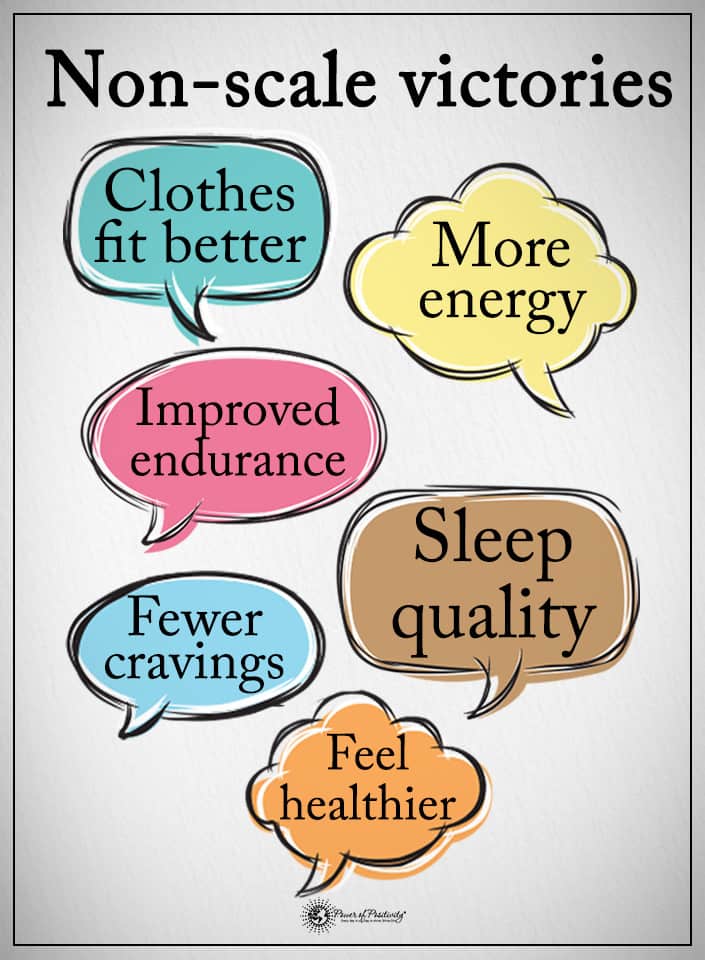
non scale victoriesWhy does the keto flu occur?

There are several reasons that the flu occurs when switching over to keto:

When we restrict carbs, water, and sodium flush out of the body.

Both of these actions are in response to insulin no longer being needed in abundance to process carbs. As a result, the first five days on keto can release up to ten pounds of water weight, and this flushing can cause a toxic release of other chemicals in the body as well.

T3 thyroid hormone levels are decreasing.

T3 hormone levels and carbohydrate intake are connected; as a result of the decrease in carbs, the hormone responsible for regulating your metabolism slows everything down as well. You’ll need to take a few days and move more slowly, get more rest, and allow the process of cleansing to occur.

Cortisol levels increase.

The release of cortisol, a stress hormone, takes place as the body perceives it is under threat. The restriction of carbs is a signal to the body that it might just be going into starvation mode. Increased cortisol levels can manifest as more significant irritability and disruption in standard sleep patterns.

How to manage or even avoid the keto flu

If you know what is coming, you can among symptoms of the flu or also prevent them altogether. Take these steps to make your transition to low-carb living a bit easier:

1. Drink plenty of water

Hydration is essential when detoxifying the body. When the ketogenic diet is implemented, a great deal of water is lost, and you can quickly become dehydrated. Even the loss of 2 percent of your body’s water content can impair cognitive and physical function; drink plenty of water to ensure that you are flushing out toxins correctly.

2. Supplement with magnesium, potassium, and sodium

The loss of potassium and sodium in copious amounts at the beginning of a keto diet can cause headaches, lightheadedness, and fatigue. Include foods like spinach, avocados, and other leafy greens as you make your transition. Sprinkle salt on your food to slow down the loss of sodium, and include some supplements in your daily regime to replace cell salts and minerals that will help shift you over into ketosis. The more you can give your body the tools that it needs for detoxification, the easier your transition to keto will be.

keto flu and magnesium

Learn about supplementing with magnesium.

3. Eat healthy fats

One easy (and delicious) way to help your body transition to keto is to eat more healthy fats, especially MCT. While it may be tempting to load up on butter, animal fat, and other delicious options, these fats have to go all the way through your lymphatic system, muscle, and other tissue before they can reach the liver to be converted into ketones. MCT oil, on the other hand, is a medium-chain triglyceride, which means it goes straight to the liver and makes conversion a snap. Studies on MCT oil have shown that when combined with keto diet and exercise, you might be able to avoid the flu altogether.

4. Do low-intensity exercise first thing in the morning

Grab a bottle of water, a pinch of salt, and hop on the treadmill first thing in the morning. This will jump-start your fat-burning process, get all systems firing, and make symptoms of keto flu easier to handle. Other low-intensity exercises include a gentle swim, yoga, or pilates. Move that body and feel the difference.

5. Meditate

Meditation has a significant impact on your body’s systems; sitting in silence for at least ten minutes per day has proven to lower heart rate, reduce stress, and reduce the production of cortisol. Even without keto transition, meditation is a good idea for whole-body health and wellness.

6. Prioritize sleep

When all else fails, get some sleep! When you’re tired, sleep. Whether it’s during the day or late into the night, get 7-9 hours daily total, and reduce the effects of the flu significantly, improving your health as you step into ketosis.

keto flu

Take time to learn the pros and cons of the ketogenic diet before you start.

Final Thoughts on Avoiding the Keto Flu

With the right combination of diet, exercise, and stress reduction techniques, even the most skeptical of us can transition into a ketogenic lifestyle. And, we can embrace the kind of mental clarity and physical health like you’ve only dreamed of. Free of the keto flu. Here’s to your best and most vibrant health!

6 Things Confident People Avoid In Life

Confident people can be inspiring. They seem to keep their heads held high, no matter what comes their way. Even rare moments of weakness don’t hold them down for very long. It’s no wonder that everyone wants to be like them!

Do you want to be confident? It’s not as difficult as it may sound! Indeed, it’s very likely that the confident spirit is already alive and well within you, but that certain habits are holding it back from its full glory. 

Here Are 6 Things Confident People Avoid In Their Life

1 – Caring Too Much What Others Think

The world is full of all sorts of opinions and beliefs, from unique and interesting people with different personalities and perspectives. If you try to care about all of them – an impossible task – you’ll find yourself losing confidence pretty quickly. Here’s how confident people avoid these patterns:

  • They Don’t Need (Or Want) Constant Praise

A confident person doesn’t need anyone to sing praises of them. They know what they’re capable of, and they know their value, so they have no need for others to tell them of it. However, they also know how to take and gracefully appreciate praise.

confident people habits

  • They Aren’t People-Pleasers

Though confident people can be thoughtful towards others, they don’t seek to please those around them above all else. They focus on relationship quality over quantity.

  • They Don’t Seek Attention From Others.

When someone is confident, the attention of others doesn’t matter. They don’t need to prove that they are essential or be amid the spotlight; they let their abilities speak for themselves.

  • They Are Unabashedly Themselves

A confident person is always genuine. Of course, they do leave room for self-improvement, but they couldn’t care less if others judge them for the clothes they wear, the way they choose to spend their time, or other shallow things.

  • They Don’t Need (Or Want) Constant Reassurance Or Validation

A confident person doesn’t beg for reassurance from those around them. They don’t need to be spoon-fed or hand-held; they pave their path.

  • Their Goals Are Not Dictated By Others

The world has a lot of “standard” goals that it expects everyone to have: a big house, a nice car, romantic partners, kids… these are all societal markers of success. Confident individuals do not let these expectations dictate their goals.

2 – Confident People Address Their Fears

Fear can be potent when it comes to destroying someone’s confidence. That’s why it’s so important to make sure it doesn’t control you, and that’s also why confident individuals don’t let their life be ruled by fear. Here are some everyday worries that confident people avoid:

  • New Things

It can be intimidating to try and begin something brand new. But a confident person doesn’t let their anxiety around that stop them from trying new things anyway.

  • Failure

Failure is a part of being human. A confident person isn’t afraid of it as they know that it is part of their journey to success. Failure means growth. They would instead try and fail than remain stagnant but safe, thus avoiding procrastination and having an outlook of positive thinking.

  • Self-Doubt

Some people think that confident people never experience self-doubt in any way, but this is far from the case. Instead, they do not fear it. They know that self-doubt can be a good thing, and in reasonable amounts, it can be a good signal that shows they need more preparation or help.

  • Missing The “Right” Time

Confident people don’t hesitate. They’re never waiting for the perfect moment to make a bold statement. They take small steps when they can and big leaps when they feel they should. They know there’s no ideal time, and the best time to act is almost always now.

  • A Lack Of Perfection

There’s no such thing as perfection. Confident people know this and therefore are not frightened of failing to be perfect. They don’t need everything to be exactly as planned – all they need is to adapt!

  • Challenges

If you never take challenges head-on, you’ll never learn and grow. Confident people become more satisfied with each problem they dare to take on, even ones that don’t necessarily give them the results that they want.

be fearless

3 – Making Excuses

Self-efficacy is a trait whereby someone has an internal belief of their control. This is a trait that all confident people have. Although some things are outside of their power, they focus on things that they can control. For example:

  • They cannot control the traffic, but they can check traffic reports and plan accordingly in the future
  • They cannot control unexpected events, but they can control their reactions to them
  • They cannot control how others treat them, but they can control who they keep in their lives

This also means that confident people don’t make excuses for their mistakes. They hold themselves accountable and do not list excuses to avoid receiving blame for something. So:

  • They don’t blame a boss for not giving them a promotion; they find ways to improve their performance to earn one or consider seeking a job with a better position elsewhere
  • They don’t point fingers when they make mistakes; they own up to them, apologize, make things right, and learn from them
  • They don’t blame a service industry worker for getting their order wrong; they recognize that they can control their reactions and seek for the issue to be rectified efficiently, not for the worker to face severe consequences

4 – Poor Conflict Management

It’s not possible to go through life without experiencing a few instances of conflict. Confident people know how best to manage conflict, and sometimes it’s not necessarily because they’re trying to achieve it entirely, but because their confidence prevents them from making poor conflict management choices. Here are some areas that confident people excel in when it comes to this subject:

  • Feedback and Criticism

Feedback and criticism are how we learn and grow, and a confident person has no reason to hate it. In fact, they appreciate receiving feedback and even welcome constructive forms of conflict because they are also seeking improvement. Their confidence means their egos are not so fragile as to be shattered by critique!

  • Defensiveness

When someone acts defensive, they’re often trying to deflect blame away from them, even when it’s not necessary. A lack of confidence can increase defensive behaviors, as you feel more and more insecure and rush to protect yourself. A confident person listens carefully.

  • Tearing Others Down

It goes without saying that this negative trait is not one shared by confident people. When someone continually tries to tear down the people around them, they are doing so to uplift themselves. Confident individuals know that their worth is not based on those around them.

  • Avoidance

Conflict-avoidance is a widespread tactic used by those who lack confidence. Confident people don’t want to create conflict, but they also don’t go out of their way to avoid it. They know how to handle conflict and like resolving disagreements and reaching better solutions for everyone.

success

5 – Negativity

Confident people are positive people. They view themselves well (but realistically) and practice positive thinking in their everyday life, which aids their confidence and overall mental health even further. Confident people, therefore, do not:

  • Second-Guess Themselves

This doesn’t mean they aren’t careful, or that they don’t check themselves and keep themselves grounded. But they move forward confidently once they have made a decision, and they are not wishy-washy about things. If they happen to have been mistaken, then they were wrong, and they learn and move on.

  • Engage In Negative Self-Talk

When someone is confident, they aren’t continually hammering themselves with negative thoughts and statements about themselves. They don’t insult themselves or doubt themselves; they know what they’re good at, and their self-esteem is happy. Plus, self-talk is a self-fulfilling prophecy; speak positively and good things will come, and the inverse!

  • Spread Negative Energy

Some people tend to spread their negative energy around, often due to their negative self-esteem. They might continuously be moody, talk themselves down in public, or, as previously discussed, put others down to list themselves up. Confident people, being positive individuals, don’t do this.

However, it is also worth noting that confident people, while they avoid negativity, are not unaware of it. They know that the world can be cruel. They know that life can be inconvenient. They know of unaddressed problems and difficulties that they may face. 

But confident people will not sweep these issues under the rug and avoid them – that’s not what “avoiding negativity” refers to. Instead, they will work to resolve these issues for a better future.

6 – Giving Up

Someone confident doesn’t give up on their hopes and dreams. Confidential individuals know that there is merit in perseverance, no matter what issues they run into along the way, how many hurdles they have to jump, or how many blocks they face that threaten to ruin their plans. They don’t give up, even if:

  • They lack resources
  • They experience failure
  • They face setbacks
  • They receive words of discouragement from others
  • Things go wrong

This doesn’t mean that confident people aren’t realistic, of course. They may adjust specific goals or change the intricacies of their plans. But, no matter what, they don’t give up on their dreams. They follow their hearts as much as their minds and push through their insecurities and doubts.

At the end of the day, a confident person welcomes hurdles. These teach them valuable lessons and help them to learn and grow, which will ultimately still lead them to their goals. Problems and walls aren’t barriers – they’re obstacles on a long race that they’re determined to see through to the end. And isn’t that the way we all ought to live our lives?

confident people habitsFinal Thoughts On Some Things Confident People Avoid In Their Life

Confidence can seem like a difficult trait to develop, especially when bad habits and negative self-esteem can affect them and ruin your attempts at embodying the character. So start small – work to avoid certain practices first, and you may find that you’ll soon exude the same positive vibes as the confident people around you.

6 Things To Start Doing Today To Be More Successful

There is virtually no one in the world who doesn’t want success in some way, shape, or form. But achieving success in an uphill battle that’s easier said than done. Still, success is not impossible. By mindfully forming positive habits, you can begin to lay the foundations for a successful life. 

Here Are 6 Things To Start Doing Today To Be More Successful

1 – Be Productive

Productivity is often wrongly defined as being very busy all the time. But productivity isn’t about keeping busy; it’s about getting things done efficiently. Sure, productive people do often maintain a work-oriented schedule, but it’s not all about that.

Essentially, working for a month straight and finishing up at the end of the month is not as productive as working five days a week but finishing a task a week. What you get done is what matters, not how much time you spend trying to get it done. You can be doing nothing and be more productive than someone burning the midnight oil. 

So, how can you turn endless working hours into shorter but more productive ones? It’s often as simple as honing your focus. Distractions from your task elongate the time you need to finish it. Some other tips for productivity include:

successful people habits

  • Use Your Travel Time Wisely

Take a long train or bus ride? Use it to read books, learn new simple skills, check your emails, and use the time to your advantage.

  • Give Yourself Rewards

When you complete tasks, reward yourself with something sweet, like a short 10-minute break to do what you want, a nice meal, a day off, something sweet, a cheap purchase you’ve wanted, or anything similar.

  • Delegate

If you work in a position of power, figure out how to fairly delegate and divide tasks among yourself and those who can help you.

  • Set A Regular Bedtime

No matter what, except in unavoidable circumstances, you must make this bedtime happen every night. No staying out extra long, no binging a few more episodes of a show, and no giving up early, either. Go to bed at the same time every day and wake up after 8 hours minimum.

  • Don’t Multitask

Multitasking is glorified but very overrated. When you multitask, you’re less likely to give enough attention to all the areas of your task that need it. Focus on the most urgent or biggest job at hand and only start other kinds of work once you finish. This can also motivate you to finish things faster.

  • Get Some Morning Quiet

A little quiet in the morning, whether through meditation or just sitting by yourself in peace, can help reduce your stress over the day, which in turn makes you more productive.

  • Take Breaks

It sounds counter-productive at first, but breaks can have a hugely positive effect on your work. The ability to take breaks helps refresh your mind and can even give you better perspectives on conquering tasks once you return.

  • Make To-Do Lists In Advance

Before you go to bed every night, make your to-do list for the next day. This means you’re already getting a productive head-start on the following day. 

2 – Engage With Others

There are probably a lot of people who you admire, look up to, or that you can find good traits in, and they’re all around you! Work on engaging them. These people can teach you, and some may even agree to mentor you.

This also goes for who you choose to spend your time with. You should choose friends who:

  • Are successful or becoming successful
  • Are reliable and trustworthy
  • Believe in mutual respect and expect that of you
  • Match their words with their actions
  • Are happy to share their experiences with you

Social skills are very important and can reduce depression and other health issues. So, even if it can be intimidating, don’t be afraid to make the first move! Introduce yourself to your colleagues. Be educated by those you admire. Help those weaker than you. It’s a simple but wonderful cycle!

3 – Set Goals

It’s difficult to achieve success when you don’t have an action plan to get there. And it’s difficult to form an action plan when you don’t know what direction you’re supposed to be heading in. This is where goals come in handy.

But even when they set goals, many people fail to do so correctly. When you’re trying to remember what qualities your goals must have, remember the acronym S.M.A.R.T. Here’s what each letter stands for:

  • S = Specific

Your goals must be specific enough that you can hone in on them without confusing yourself. Additional words to add to this are significant (so set goals that mean something important to you), simple (don’t set overly complex goals), and sensible (don’t be unrealistic – but we’ll get to that in a bit). 

  • M = Measurable

If you can’t measure your progress towards a goal, how can you tell if you’re going forward or not, or if you’re advancing at an acceptable rate? Additional words to add to this are meaningful (so the goals you set must be valuable) and motivating (set goals you’re passionate about).

  • A = Achievable

If you set your goals unrealistically, you won’t be able to achieve them, and you’ll wind up discouraged. Yes, your goals should challenge you, but they shouldn’t be impossible to get to. Additional words to add to this are attainable (same meaning) and agreed (ones that work for you and those affected by your goals). 

  • R = Relevant

Your goals should be relevant to your life and career. If they’re not relevant, how can you believe in them? Additional words to add to this are realistic (or achievable), results-based (so your goals focus on what you achieve over your methods of achievement), reasonable (again, achievable), and resourced (well-researched and prepared for).

  • T = Time-bound

All your goals should have deadlines, which you can adjust if they prove to be too tough or too easy to meet. It does you no good to have a goal you never feel the need to get to.

SMART goals

Read more about setting SMART goals–and learn how they help you become successful.

4 – Keep Healthy Habits

A healthy body makes for a healthy mind. You will never be able to be successful if your body is suffering. That’s why maintaining positive and healthy habits is very crucial to success. Here’s how to do so:

  • Exercise And Stay Active

Exercising helps keep you fit and active while increasing brain blood flow. This sharpens your focus, increases positive thinking, and helps keep your mind from wandering.

  • Wake Up Early

Your body is designed to wake up early. When you do, you are more invigorated and can get more things done when your mind is at its sharpest, instead of rushing to work and then finishing things late at night. If you have a sleep condition that makes waking up early difficult, speak to a doctor about solutions.

  • Eat A Balanced Diet

Good food provides you with nutrients, reducing the risk of deficiencies and other similar issues. In the right balance, food can power you can give you even more energy to use throughout the day. Plus, unhealthy foods have been linked to a wide host of physical and mental health options.

5 – Take Ownership

Nobody is perfect. Sometimes, you’ll make mistakes, mess up, or hurt others. The first instinct one may have in this situation is to defend themselves or deflect blame. But if you want to be successful, you must take ownership of the mistakes you’ve made and the wrongs that you have done. 

Take responsibility for events that you had a hand in, whether directly or indirectly, and no matter how big your role in it was. You need to hold yourself accountable and admit to the wrongs you’ve taken part in. 

On top of that, when you take ownership of things like this, you’re helping yourself to learn. You see where the mistakes came from, what you did to contribute, how to avoid this in the future, and what lessons you can learn. These are all valuable tidbits of information!

In addition, if someone is pointing fingers at you, don’t wallow in pity, and don’t do more than the basics: stating your case firmly and standing up for yourself. Then, regardless of the outcome, it’s time to move on. Put these injustices behind you, and you’ll have much more energy to devote to your work.

success6 – Take Care Of Yourself

When people think of success, they often think of a non-stop worker who barely even pauses to catch their breath before putting their nose back on the grindstone. But that’s not going to get you success – it’s going to get you a burnout, exhaustion, and a lot of effort that doesn’t produce results because of how little rest you get. To take care of yourself, you should:

  • Cut Off Toxic People

Toxic people can kill your vibe and bring you down quickly. They might be people who deliberately act negatively, or they might be those who are wallowing in so much negativity that they inflict it on others. Find friends and communities that lift each other up instead! You can encourage each other to become successful.

  • Prioritize Balance

The world can often pressure you to work and work and work with no break. But balance is necessary for success. You need sufficient time for leisure, rest, and spending time with your loved ones. If you’re really to packed, look into your schedule and see what can be let go.

  • Make Time For Self-Care

Self-care has amazing effects on mental health and positive thinking. Your mind and body cannot be the hardworking marvels they need to be if they aren’t well-cared-for. Take time out to make sure you have time for yourself, even if it’s just to relax and pamper yourself alone!

  • Focus On Your Happiness

Don’t just think about what’s good for your career. Think about what makes you happy, too. If you pour all your effort into something that you aren’t passionate or even a little interested in, you’ll lose your motivation and will be less likely to stay committed. Don’t waste time on what drains you.

successful people habitsFinal Thoughts On Some Things To Start Doing Today To Be More Successful

Success can be yours if you know how to form habits that pave the way for them. Still, remember to be committed to success! Motivation is a fickle thing, often coming and going as it pleases. Commitment, however, is long-term and remains regardless of your motivation. So to become successful, be committed to these new habits, and start doing them today!

Skip to content