Weekly tips, affirmations, and small actions to feel your best.

Nutritionists Reveal 4 Simple Ways To Eat Right And Keep Healthy

The battle to eat right and stay healthy is a long and arduous one. Many people struggle to achieve their goal weights and lifestyles sustainably and healthily. There’s a lot of conflicting information out there about how best to do that, so it can be confusing and may even feel unattainable.

A lot of the issues you may have with the concept of eating right stem from unrealistic expectations. The world is continually forcing us to believe that we need to be achieving supermodel status by diet alone – but that’s not how it works!

What’s the right answer to this confusion? What do you have to do to stay healthy for years to come with a good, balanced diet and positive habits? Is positive thinking really all you need? Here’s how nutritionists reveal 4 simple ways to eat right and remain healthy.

1.    Beware Diet Gimmicks

Diet culture has swept our world and covered it with generic recommendations that are marketed to sound like they’d work for everyone. They won’t, and you should do what you can not to fall for them.

Licensed and registered dietitian Lindsay Birchfield, also an activist for health and body issues, explains that human beings’ diversity means there’s no such thing as a one-size-fits-all diet. Bodies and nutrition are so incredibly complex that there’s no way that a diet exists that is good for even a majority of human beings. It’s simply not scientific!

The same goes for concepts like diet foods, which are also created for marketability, not accuracy.

keep healthyLook out for foods with labels like these:

  • Reduced-Fat
  • Low-Fat
  • Low Calorie

These labels sound great, but the truth is that most diet foods need to go a long way to make up for those missing components. Texture and flavor are lost when you remove fat and other so-called “unhealthy” ingredients from normal foods, so diet foods have to make themselves palatable with all sorts of additives.

The result? Studies show that these diet foods often have more added sugars or even more calories! Basically, if you really want to eat a healthy diet, go for whole foods instead of fad “diet” products.

While you’re at it, here are more diet tips that you shouldn’t be following:

·         Eating Superfoods

Yes, you can drop expensive “superfood” products. Though they are certainly healthy, regularly eating them can be unsustainable in the long run due to cost and availability. To truly stay healthy, licensed, and registered dietitian Marisa Moore recommends simply adding organic, fresh vegetables to your meals instead.

·         Finding Replacements For All Favorites

Yes, you should find alternatives to things like fast food burgers and deep-fried foods. But not all of your favorite treats need to be replaced. In fact, Shana Minei Spence, a registered dietician and Certified Dietitian-Nutritionist, says it can actually be wiser to permit yourself to indulge in the foods you’re craving every once in a while. As long as you’re eating them in moderation, there’s nothing wrong with a cupcake or some chips once a week.

·         Using Tracking Apps

It’s easy to become overly reliant on applications that track food consumption and exercise. But if all you’re trying to do is stay healthy, this is counterproductive. According to licensed and registered dietician Cara Harbstreet, this only makes you less and less in touch with your body as you fall into a false sense of security. Deleting your tracking apps lets you get back to your roots and be one with your body again.

2.    Add Certain Healthy Nutrients To Your Diet

The nutrients you put into your body are incredibly important, which goes without saying when you’re trying to eat right. But there are countless different options for nutrients and food components that sound healthy and good for you. Which ones should you focus on? Let’s start with these!

·         Whole Grains

It’s relatively easy to make the switch from refined or white grains to whole or brown grains. While refined carbohydrates have links to all sorts of increased disease risks, according to studies, whole grains are packed with vitamins, minerals, and more that make them healthier in the long run.

·         Protein

Protein helps to stabilize satiety, meaning it can make you feel full, and increasing protein intake has been shown to help people consume fewer calories daily. This is ultimately positive for weight management and reducing cravings. Also, protein’s ability to aid in muscle mass retention means it can also help you burn additional calories during the day while preventing muscle loss as you age.

·         Probiotics

Probiotics are typically found in fermented foods and are very important for digestion. They help keep the gut well-balanced with a mix of healthy bacteria and a beneficial microbiome.

·         Fiber

Fiber is incredibly important to your bodily health. Registered dietician and Certified Dietitian-Nutritionist Maya Feller says that fiber is responsible for creating good bacteria in the gut, helping with bowel movements and digestion. It also helps you to feel full and, according to research, can reduce the risk of certain diseases.

·         Phytonutrients

Phytonutrients are plant-based compounds made of chemicals of all sorts that provide unique benefits to the body. One of the biggest examples of this is in antioxidants, which protect the body from damage from free radicals. Berries and other plant foods are a great source of phytonutrients. With so many upsides, it’s almost a crime not to eat them! They’re cardioprotective and packed with lots of components that will keep you healthy, says Feller.
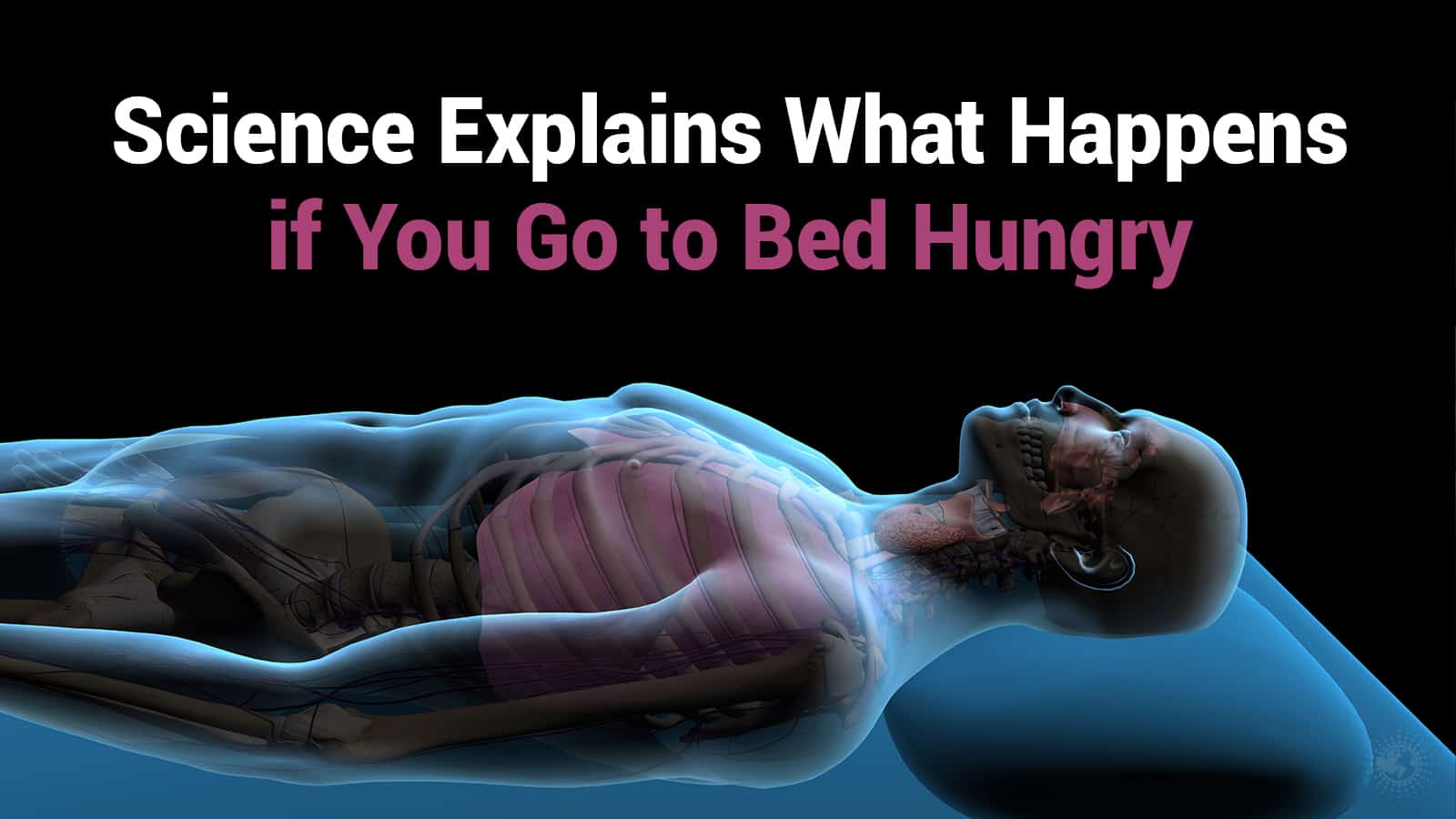
hungry3.    Make Food In A Way That Works For You

It’s easy to get caught up in meal preparation advice and lose sight of what is actually important. At the end of the day, all that matters is that you’ve made relatively healthy food and now get to eat it. So instead of stressing out over how everyone says you should do things, put on your positive thinking and make food in the way that works best for you. For example:

·         Meal Prep In A Relaxed Way

If you’re meal-prepping, you’ll need to make sure your plan is reliable – but it also shouldn’t be too strict, as that will limit you and stress you out. Rebecca Scritchfield, a registered dietary nutritionist, recommends being flexible and relaxing a little on what your idea of a “good” meal prep is. Fresh vegetables, fruits, and go-to meals are really all you need!

·         Eat When You’re Hungry

If your stomach starts to growl, it’s because you’re hungry, and your body needs food. That’s the end of the story! So if you feel hungry outside of normal mealtimes, it’s perfectly fine to eat. Bodies aren’t robots – they don’t follow a timer, says Spence, and so many factors go into what can make you hungry. Just eat when you feel like you need to, and you’ll be fine.

·         Don’t Confine Foods To Specific Meals

You likely have an idea of what is categorized as “breakfast food,” “lunch food,” and so on. Scritchfield states that there’s no need to label foods this way. Realistically, you can eat any of those foods for any meal. Breakfast for dinner isn’t a problem when you stop restricting your food to specific times of day! This allows you to enjoy more flexibility with your meals.

4.    Change How You Think Of Healthy Eating

We live in a world that focuses on diet-based “healthy eating.” It’s all about restriction and discipline. But that’s not sustainable and also not great for your psyche! Your relationship with food can become dysfunctional if you only follow what the world claims are best. Here are some areas where your perspectives might be holding you back in healthy eating:

·         Calories Shouldn’t Count

Yes, you’ve been taught all your life to count your calories, but as long as you’re not eating huge pizzas every day, there’s really no point in doing this. What you should be counting are the nutrients you’re receiving from your foods, says nutritionist Rhiannon Mack. For example, 400 calories of vegetables is inherently a better option than 200 empty calories of fries.

·         You Shouldn’t Cut Out Foods

People talk about restricting foods and cutting out “bad” foods all the time, but this isn’t a good idea. It increases your risk of cravings and doesn’t last. Spence says that adding ingredients to usually unhealthy meals is always a better option. For example, instead of cutting out pizza or ramen noodles from your life, start adding vegetables or protein to transform them into a better, more filling meal.

·         Don’t Skip Meals

Skipping meals to make up for an unhealthy meal you had earlier is not the way to go. If you tend to forget to eat because you’re distracted or skip meals due to guilty feelings, it’s time to unlearn those habits. Registered dietician and certified intuitive eating counselor Rachael Hartley states that eating regularly is crucial to feeling energized, and if it’s overall health you want, you need to eat!

·         Try Mindful Eating

How often are you distracted while having meals? Are you often on your phone, watching a show, or reading a book or newspaper while you eat? Well, that could be part of the problem! Mindful eating can help bring joy back into the act of consuming food, says certified eating disorder registered dietitian and nutrition therapist Erica Leon. This involves tuning into your senses while you eat. So put away your distractions and pay attention to the appearance, smell, texture, and taste of what you eat. Mindful eating helps you savor meals and get full faster while also improving your relationship with food!
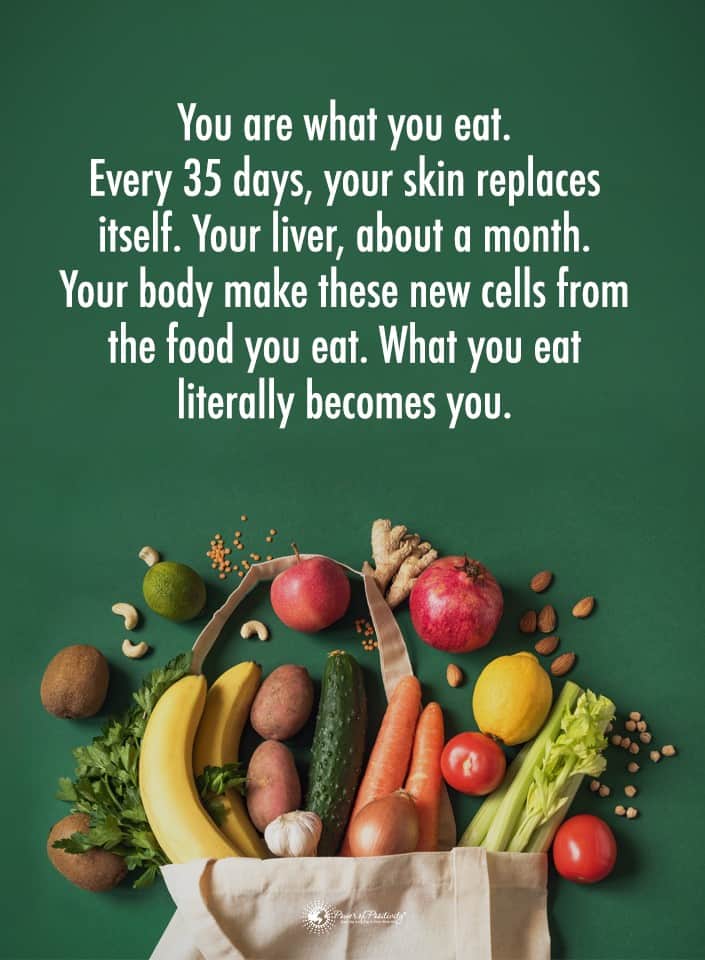
keep healthyFinal Thoughts On Some Simple Ways To Eat Right And Remain Healthy

Eating right is meant to be a long-term commitment that isn’t restrictive, boring, or unpalatable. If you feel that your food options tend to be unappealing to you, or you find yourself restricting so many aspects of your diet, then there’s a good chance that things won’t work out for longer than a few months.

It sounds tough, but avoiding diet gimmicks, adding positive nutrients to food, adapting your food preparation to what works best for you, and changing some old stigma surrounding food can help you eat right and stay healthy. Keep your positive thinking and start working on your long-term dietary health today!


Researchers Reveal Your Cat Actually Thinks You’re Their Parent

Even though your cat may hide from you for days, sometimes, a study reveals it actually thinks of you as its parent. While cats form close bonds with their caregivers, they usually shy away from visitors and even other family members. Anyone who owns a cat can probably attest to this behavior but may have wondered why their pet seems to play favorites. Now, studies show why our feline friends act so attached to their owners.

Despite their sometimes aloof behavior, a study published in Current Biology found that felines actually form distinct attachment styles. Similar to babies and dogs, cats have socio-cognitive abilities that allow them to bond with their owners. The study found that cats can have either secure or insecure attachments with their parents, which have also been noted in humans. Researchers say that the findings suggest that the shared bonding styles across species show commonalities in behaviors.

Worldwide, domestic cats greatly outnumber domestic dogs. However, even though more people own cats, scientists have focused on dog behavior and social cognition. Their research found that dogs form attachment bonds with humans, which could help them succeed in human environments. Previously, researchers believed that this attachment behavior was unique to dogs.

New research emerges

your catHowever, the groundbreaking study performed recently shows that we’ve been underestimating cats’ ability to bond with us. Like dogs, cats can live in social groups or by themselves depending on resources, human interaction, and early development. If felines grow up with humans, they will likely display the same attachment styles into adulthood. The evidence that cats share social traits with dogs and humans suggests that they have adapted to modern living arrangements.

“Like dogs, cats display social flexibility in regard to their attachments with humans,” said study author Kristyn Vitale of Oregon State University. “The majority of cats are securely attached to their owner and use them as a source of security in a novel environment.”

Attachment behavior studies previously performed on humans involved observing kids’ responses to their parents after a brief period of absence. When they reunited with caregivers, researchers noted two attachment styles – either insecure or secure. The insecurely attached kids would engage in excessive clinging or avoidance behavior, while the securely attached would appear more relaxed. Similar tests have been run on primates and dogs, so Vitale and her colleagues wanted to try it with cats.

The study

During the study, felines and their owners participated in a Secure Base Test (SBT), which is used to observe attachment styles in primates and dogs. In the test, the adult cats or kittens spent two minutes in a room with their owner, followed by two minutes alone. Then, the felines reunited with their owners, and researchers observed their behavior. Expert attachment coders classified the cats into attachment styles using the same criteria in human infant and dog literature.

In known studies using the SBT, individuals with secure attachment to their owners display a reduced stress response and relaxed exploration. However, in those with insecure attachment, their stress remains high upon the owner’s return. They will either display clingy behavior (ambivalent attachment), avoidance behavior (avoidance attachment), or a combination (disorganized attachment).

The Secure Base Test

The Secure Base Test involved kittens aged 3-8 months old. Researchers could classify 70 kittens into an attachment style, with only nine unable to be classified. Among the 70 classified kittens, almost 65% showed secure attachment behavior, and 35% had an insecure attachment. In the insecurely attached kittens, 84% had an ambivalent attachment, 12% avoidant, and 4% disorganized.

Interestingly, in human studies, around 65% of infants show secure attachment to their caregivers. This striking similarity in data across human and feline relationships with their humans display the adaptability of our feline friends. Researchers believe that the study shows how cats have successfully integrated into modern environments by forming bonds with their caretakers.

However, the scientists wanted to see if a 6-week training and socialization intervention could predict the kittens’ attachment style. When they compared these cats with the control group, they didn’t find any significant differences in attachment styles at the 2-month follow-up. This suggests that even though social reinforcement may help develop an attachment style, it will remain stable once established. In other words, if a feline shows insecure attachment, it will likely keep up that behavior into adulthood.

The researchers found the proportion of secure and insecure kittens at follow-up mirrored that of the control group. 68.6% of cats displayed secure attachment, while 31.4% showed insecure attachment. 81% of the cats had the same attachment style when retested. The researchers believe that inherited temperaments influence attachment style and may contribute to stability.

animal protection

These ten animal protection laws show we are waking up to cruelty.

But why?

Cats, like other domesticated animals, depend on humans for care even in adulthood. The researchers predicted that the felines would show attachment behavior toward a caretaker as adults, so they decided to test this theory. They took 38 cats over one year of age to participate in the study. The cats had an attachment style distribution similar to the kittens: 65.8% secure and 34.2% insecure.

They wanted to rule out the possibility that various responses to stressful situations could explain the differences in attachment styles. So, they analyzed how often the cats meowed during their time alone to measure separation anxiety. The attachment theory says that both secure and insecure cats should show signs of distress, with little difference between the groups. However, insecure-avoidant and disorganized felines should show less distress.

As the researchers predicted, both insecure-ambivalent and secure felines showed equal distress levels during the alone phase. They had more signs of distress than the insecure-avoidant and disorganized cats, which the scientists also predicted. So, if your cat runs and hides when they see you or acts aloof, it probably is insecurely attached. If it rubs up on your leg and seems to enjoy being around you, it likely has a secure attachment.

The takeaway on the research

Researchers observed various attachment behaviors such as proximity seeking, separation anxiety, and reunion behavior between cats and humans. The differences in response remained consistent with the attachment style categorizations previously determined in studies.

Overall, cats show a similar capacity for forming insecure and secure attachments with caregivers previously shown in children and dogs. 65% of children show secure attachments, while 35% display insecure attachments. In dogs, the rates are 58% secure and 42% insecure. As we’ve stated above, cats and humans both have around 65% secure attachment to caregivers, showing similarities in their behaviors.

The researchers want to use this data to understand better how living in animal shelters may impact cat and kitten behavior. “We’re currently looking at several aspects of cat attachment behavior, including whether socialization and fostering opportunities impact attachment security in shelter cats,” Vitale said.

A Nestlé Purina sponsorship for studies in cat and dog emotional well-being and the National Science Foundation supported the study.

Other interesting facts about cats:

  • Cats are the most popular domestic animal in the world. In fact, over 500 million of them live with humans.
  • Felines and humans have been living together for around 10,000 years.
  • Cats sleep a lot, around 13 to 14 hours a day. Because they’re carnivores, they need to conserve their energy.
  • Cats have teeth designed to hunt and eat small animals such as mice.
  • Domestic cats usually weigh anywhere from 8 to 11 pounds.
  • The heaviest domestic cat on record is 46 lb 15.2 oz.
  • Because cats in the wild hunt at night, they have powerful night vision allowing them to see at light levels six times lower than humans.
  • When cats walk, their back paws step in almost the same place as their front paws did. This limits the tracks they leave behind and keeps noise down, helping them hunt more effectively.
  • Felines live 12 to 15 years on average.
  • Cats lick their coats as a way to clean themselves.
  • House cats share 95.6% of their DNA with tigers.

your catFinal thoughts on the study that shows your cat thinks you’re their parent

In a fascinating new study, scientists reveal that felines share similar attachment behaviors as dogs and humans. In fact, cats look at their owners as parents because they have essentially raised them. Domesticated animals such as dogs and cats display the same attachment styles as human infants due to their modern living arrangements. However, even in the wild, dogs and cats often live in packs and display similar behaviors.

Perhaps their attachment and ability to bond with humans make them such wonderful pets. Hopefully, your cat feels securely attached to you and doesn’t immediately run behind the couch when you get home. Although, don’t get offended if it does act this way; the studies about feline attachment styles have just begun. Researchers still can’t say with certainty what makes cats behave a certain way and how various lifestyle factors may come into play.

Either way, kitties and humans have a long history together, and it’s clear that we make a pretty good team.

To Every Woman Who Overthinks And Loves Too Much

To the woman out there who overthinks, loves too much, and finds herself falling in love too easily, we know the struggle. Love should feel like a safety net, a place you can run to when the world seems to crumble beneath your feet. For the women who think too much, though, even love doesn’t always provide that sense of comfort. Love can make you overthink the most mundane things, causing you to question why you fall so hard in the first place.

For you, love means giving your all to someone, not holding back or cutting corners. You see into the depths of people’s souls, and always remind people of what makes them wonderful. Even if they don’t always treat you the same way, you can’t help having a huge heart or choosing to see the best in people. For you, falling in love means putting yourself on the line in hopes that someone else will see you this way, too.

Even the littlest things, like the way someone remembers your coffee order or how they laugh at stupid jokes, make you fall in love a little. You just appreciate people as they are, and don’t feel the need to change them. Your accepting and understanding nature makes it easy to love people, but sometimes, others take advantage of that. You’ve probably crossed paths with plenty of people who only want to take and never reciprocate your good energy.

While this article focuses on the woman who thinks too much, we also recognize that it can easily apply to men, as well. Don’t get mired too far in the pronouns, we affirm that men can overthink, also.

The woman who overthinks often wears her heart on her sleeve

overthinksPeople can sense your good heart from a mile away, and unfortunately, this can attract people with dishonest intentions. This doesn’t mean you should stop loving too hard, but you should be careful who you give your heart to. Not everyone is willing to give as much as you do, and in a relationship, you deserve someone who can meet you halfway.

However, even with a seemingly perfect partner, you may find yourself second-guessing your love. If they seem too flawless, your mind starts to dissect their words and actions, overthinking every possible scenario. Do they really love you as much as they say, or is it all just for show? Maybe the love you have conjured up in your head doesn’t even exist at all.

These types of thoughts swirl around in your head at night, making you toss and turn for hours. For the woman who overthinks and loves too much, you often feel misunderstood. It may seem like people just don’t have the capability to give or love as hard as you, for whatever reason.

You completely spoil the person you love, showering them with attention and affection. Falling in love so hard can make you vulnerable, distorting your view of the person you’re with. You may end up falling for the fantasy of love, not seeing the red flags clearly in front of you. You may think the world of someone, and because you love them so much, you overlook the warning signs.

And they might be overly cautious

On the other hand, wearing your heart on your sleeve can make you overly cautious about life. Because you overanalyze everything, you may make up problems that don’t even exist in reality. Instead of just going with the flow and enjoying life as it comes, people who overthink a lot dig deeper into situations. If they’ve been hurt a lot in the past, they may start to believe that everyone in their life is out to get them.

For the woman who loves too much, you may find yourself oscillating constantly between these two extremes. You want so badly to give your love to someone, but you get scared that they’ll abuse it, so you pull back. The woman who overthinks didn’t just become that way overnight – usually, she has a good reason for it. People may have pulled the wool over her eyes too many times, so she keeps her guard up now.

Know your boundaries

You can still have a big heart and choose to set boundaries, though. For the woman who overthinks, remember that you can have the best of both worlds. You can still enjoy life in the moment and love people without completely losing yourself. You can decide who to give your energy to, and who to keep your distance from.

Empaths or highly sensitive people often have a hard time setting boundaries, but you must do so to keep your sanity. Not everyone should have access to you at all times, because then you’ll have nothing left to give. Also, remember that everyone loves differently. Just because they don’t speak the same love language as you, doesn’t mean they don’t care about you.

At the end of the day, the woman who overthinks may just need reassurance from you. She may have been betrayed in the past and need reminders that you love and care about her. On those days where she feels unsure or lost in her own head, she may just need you to hold her a little tighter. For her, falling in love means giving all of herself, so take good care of her heart.

Also, to the woman out there who loves too much, you don’t need to change or water yourself down. Being sensitive and compassionate is not a weakness, and the world needs a lot more of what you have. You just have to remember that when you love as hard as you do, some people will hurt you. They will take advantage, misunderstand your soul, or just not appreciate you for the beautiful person you are.

Go where you feel free, where you feel like you don’t have to hold back. The right people will love your soul exactly as it is, and they won’t try to steal your energy. If you haven’t found your people yet, keep looking, because they’re out there. Keep spreading sunshine wherever you go and don’t allow the energy vampires to dim your light.

overthinkingDon’t overthink–trust the universe

Everything in this universe comes back to you in some way, including love. So, if you can give love without expecting anything in return, the law of karma will reward you. When you do find true love, try to maintain a balance. Don’t smother them, but don’t allow insecurities to make you too distant, either.

Falling in love often feels like the happiest time of your life, but it can also seem scary. Giving so much of your heart to someone can make you feel vulnerable, but this makes you human. When you fall for the right person, you don’t have to worry about protecting your heart. They will do that for you.

To the woman who overthinks and loves too much, just remember that you can only live for the moment. You can’t predict the future or control others, so try your best to enjoy the people currently in your life. Who knows what the universe will bring a month or a year from now, but you shouldn’t worry about that. Living in the past or future means you can’t immerse yourself in life happening now.

Hurt goes with overthinking

The people around you may hurt you, decide to leave, or stick by your side forever. With so many possibilities in life, we want to control something, so we often try to do this with the people in our lives. However, feeling the need to control anything takes away from the pleasures in life. People will become something to worry about, rather than something to appreciate.

Life flows best when we can find a balance between needing to control and just letting everything go. Whether in relationships or with friends, try to love without expectations. If people hurt you, at least you can walk away knowing you tried your best. If they choose to stay, then you get to give people your love a little bit longer.

To the woman who overthinks, we understand your pain. You may feel like you need to know everything about a situation, but in reality, you may not be able to. Reading too much into life can end up distorting your view, making you see things that aren’t even there. Maybe sometimes, things are exactly as they appear, and we don’t have to try to decode anything.

overthinksFinal thoughts to every woman who overthinks and loves too much

Love feels confusing, exhausting, blissful, and comforting all at the same time. To the woman who overthinks, love doesn’t always seem like a fairytale. Depending on the person, it can feel downright scary and bring up a lot of insecurities. Falling in love means giving your all to someone, but how do you know they won’t break your heart?

Honestly, you can’t know people’s intentions sometimes. You just have to go with the flow and try to find people who will appreciate your loving heart. It may take you a while to find your people, but it often happens when you least expect it. Our advice? Try to enjoy the ups and downs of life, and hold on when things get a little bumpy.

10 Things You Can Do to Attract Positive People

If you want to be more positive, one of the best ways is to surround yourself with positive people. That sounds simple enough, but first, you have to attract positive people. This is easy for some people, but it’s hard for others.

If you aren’t a naturally positive person, attracting positive people could pose a problem. Luckily, there are things that you can do to help attract positive people. It’s all about your mindset and attitude, and these changes will benefit you in many ways.

The things you should do will include putting yourself out there and checking your thoughts. Once you get used to doing these things, they will become a habit you won’t have to think about anymore. It’ll become more natural to you the more you work at it.

The Benefits of Surrounding Yourself with Positivity

Spending your time with positive people is beneficial in many ways. It’ll make you more positive and help you accomplish more in your life. Other ways that of surrounding yourself with positivity can benefit you include:

  • having a positive influence
  • experiencing greater happiness
  • making better decisions
  • easier to avoid negativity
  • more success and achievements
  • happy memories that will last forever
  • a greater overall sense of well-being
  • hope and excitement for the future

Ten Ways You Can Attract Positive People

attract positive people1. Say Positive Affirmations Before Going to Social Events

Positive affirmations can help you be more positive in all instances, and socialization is no different. Find affirmations that make you feel happy and excited to spend time with others. This will open your mind, help you be more positive, and help you attract positivity.

This can help you avoid negative thinking before going out, which would cause you to give off negative vibes. You should feel confident and happy before socializing if you want to attract positivity.

2. Eliminate Negative People from Your Life

If you have negative people in your life, you need to limit your contact. Otherwise, they will drag you down and cause you to feel negativity. You won’t be able to attract positive people if you’ve been exposing yourself to negative vibes.

Without their negative energy in your life, you’ll feel happier and less stressed. When you’re happier, you’ll attract more positive people.

3. Show Gratitude

Showing appreciation and gratitude for what you have and the people in your life goes a long way. When people see that you are happy and use a grateful mindset, they will be attracted to you.

Plus, if you are always grateful, you’ll be more open to new situations and people. Your thinking won’t be so self-centered, leaving room for more relationships with positive people.

4. Go to Social Events That are Out of Your Comfort Zone

To meet and attract positive people, you have to leave your house. Don’t cancel plans or avoid a gathering because you had a bad day. Go out and have fun, because it’ll boost your mood and allow you a chance to attract positivity.

This doesn’t mean you have to go out and party. It simply means to go to social events that are new and have different people at them. This could be joining a club, going out for coffee, or going to a dinner party.

It may be uncomfortable at first, but you have to get out and meet new people to attract positive people. Find events that will attract people who share common interests and remember to practice positive affirmations beforehand.

5. Be Flexible

When you’re able to go with the flow without getting upset, you’ll attract more positive people. However, if you react negatively and get angry about an unexpected change, it’ll have the opposite effect.

Life is full of unexpected events, so people want to be around those who make it an easier process. If you can adapt to any situation easily, you’ll have an easier time attracting positive people.

This means you should avoid arguing or bursting out in anger when a change may occur. It also means being open to new ideas and trying new methods. Being flexible is a sure way to portray positivity and attract it in return.

pop meme6. Avoid Negativity

You will attract the type of energy you are putting out. So, if you are putting out negative energy, that’s what you will get in return. You’ll be attracting negative people and finding yourself in negative situations.

If you can avoid negativity, however, you can change that path. Start being positive in all situations, and you’ll get positivity in return. This means you will attract positive people as you are giving out positivity.

Positive people will avoid negativity, so they’ll avoid you if that what you are putting out. It’s all about your mindset and the vibes that you are radiating.

7. Help Others and Give Love

Helping others and giving love often will help you attract positive people. These helpful and loving gestures don’t have to be anything big, so it’s not hard to do.

You can compliment someone or listen to a friend vent. Donating to a good cause or volunteering your time are also great options. It’ll make you feel happier and more positive, and others will notice.

Remember to give in a loving way, not in a way that can be used for your benefit later. You shouldn’t expect anything in return, or that positive vibe will go away. Some tips include:

  • give small gifts randomly to friends or family members
  • give gifts anonymously
  • do things for people you don’t know and don’t expect recognition
  • bring happiness to people you love with nice surprises, but try not to get caught

When you want to give love but are unsure what to do, try to envision the things you love. It’ll help you give off loving vibes, and your attitude, words, and actions will reflect it. This will draw positive people to you, and they will feel safe in your presence.

8. Stop Being Judgmental

Being judgmental is a form of negativity that positive people don’t enjoy. Positive people will sense that you are being judgmental and will avoid you because of it. Be understanding and try to avoid giving mean looks to someone holding up a line or doing something wrong.

Instead of judging, give other people the benefit of the doubt. You never know what their situation is, so try to be understanding instead. If you can’t keep the judgmental thoughts out of your head, keep them to yourself, and refocus your thoughts.

9. Tell the Truth

Telling the truth is so important when it comes to making and sustaining positive relationships. Being honest is important to positive people, and they expect everyone in their life to be honest. Otherwise, it can cause negativity, and they won’t want that around.

It would help if you also were honest with yourself. If you are holding onto any relationships or friendships that aren’t working, you must consider walking away. Toxic relationships don’t leave much room for positive ones, and they will continue to pull you down.

Think about your current social circle. If anyone criticizes you, makes fun of you, or belittles you, they are toxic. Even if they are important to you, distancing yourselves from them is essential.

10. Practice Mindfulness

Mindfulness is a type of meditation that involves refocusing your thoughts. You focus your thoughts on only the present moment and how you are feeling right then. It helps you with being positive, which will help attract positive people.

One way to practice mindfulness is to pay attention to the world around you. Notice the things you’re touching, hearing, seeing, and smelling. If you’re eating, focus on the flavors and how you feel about them.

Another way is to focus on each moment. Don’t dwell on the past or stress about the future. Instead, look for the good in every moment.

Accepting yourself is an essential part of practicing mindfulness, too. This means consciously changing negative thoughts to positive ones. Talk to yourself how you would talk to someone you love and lift yourself the way you raise them.

Finally, make sure to focus on your breathing. When the negativity starts to creep in, take a moment to close your eyes and do some deep breathing. Focus on your breathing for a couple of minutes, and it’ll allow you to be more positive.

attract positive peopleFinal Thoughts on Things You Can Do to Attract Positive People

If you want to live a life of positivity, you have to attract positive people. Finding friends and loved ones that are positive is life-changing.

It can give you hope for the future, motivation to reach your goals, and the drive to achieve great things. Plus, they will support you in times of need and lift you when you need a hand. They will be there to listen, give advice, and boost your self-esteem by reminding you how great you are.

The people you surround yourself with impact your mental health, whether you realize it or not. Follow these tips to attract positive people, and you’ll be surrounded by positivity in no time.

Logging Industry May Turn Amazon Rainforests into Savannahs

Researchers warn that the Amazon rainforest may soon turn into a savannah-like ecosystem due to excessive logging and climate change. As much as 40% of the existing rainforest could transform into a savannah, according to a study in the journal Nature Communications. Since rainforests need a certain amount of rainfall and moisture levels to thrive, prolonged drought and severe wildfires can throw off balance. The new landscape would have far fewer trees as well as woodlands and grasslands characteristic of savannahs.

Scientists knew these changes would occur eventually but thought them to be a few decades away, at least. Of course, it will take a while for the complete shift to occur. However, since the transformation is already underway, it’s extremely hard to reverse. Some scientists believe that in as little as 50 years, the forest of the Amazon could completely disappear. Since rainforests play a huge role in regulating the climate by absorbing carbon dioxide, the loss could prove catastrophic.

Why understanding how logging harms the Amazon is essential

Rainforests also support many more species than savannas – especially the Amazon – which is considered the most biodiverse place on earth. The Amazon represents over half of the world’s remaining rainforests. However, due to a historic drought, around 40% of the forest sees such little rainfall that it could now be classified as savannah. Researchers used computer models and data analysis to study current rainfall levels in the forests.

Mother Nature quotes

A well-known economist warned Brazil’s president, Jair Bolsonaro, about the dangers of continued logging in the Amazon rainforest. He says that deforestation and the increase in wildfires could push the rainforest past a tipping point within two years. After this, it would transform into a savannah, releasing billions of tons of carbon into the atmosphere. This would only increase global heating and cause erratic weather across parts of South America.

Of course, some climate scientists disagree, saying that the tipping point won’t occur for 15 to 20 years. Others, however, agree with the warning and believe that Bolsonaro’s destructive policies and climate change pose an imminent threat to the Amazon. The wildfires in the Amazon this year are the worst the rainforest has seen in a decade. Sadly, there’s been a 60% increase in wildfire hotspots compared with last year.

How trees benefit the environment

It goes without saying that the world’s forests benefit ecosystems significantly, providing oxygen to the species on Earth. About three trillion trees exist on the Earth, but before humans, the planet had twice as many.

Due to increasing development, 10 billion more trees get cut down than are planted each year. This contributes greatly to the carbon dioxide emissions that have played a large part in climate change. Trees absorb carbon dioxide, so planting them in huge numbers may help reverse the climate crisis. Of course, much more about our modern life needs to change, but planting trees is a good start.

In addition to absorbing carbon dioxide, trees provide habitats for thousands of species. Cutting down trees and other ecosystems cause huge losses of animal life and contribute greatly to the sixth mass extinction event. If business as usual continues in the Amazon, scientists estimate it could lose around 55 different species by 2050. Under the more optimistic scenario where farmers and ranchers complied with environmental laws, the number reduced to 38.

Since tropical rainforests house around 50% of the known terrestrial species on only 6% of Earth’s land, they are vital to wildlife. They also help to control rainfall since water evaporates from the leaves. Furthermore, urban areas benefit from trees because they help cool cities down and reduce air pollution. They also help promote mental well-being, as green spaces can reduce stress and anxiety, studies have found.

What the study researchers say about logging and the fragility of the rainforests

Lead author of the study Arie Staal said that rainforests’ wrong conditions could lead to them drying out. While they produce their own rainfall in the correct climate, anything that throws off balance can cause disaster. Staal and colleagues analyzed rainforests in the Americas, Africa, Asia, and Oceania to determine their stability. Using computer models, they made determinations about how reduced rainfall would affect the rainforests.

“By using the latest available atmospheric data and teleconnection models, we were able to simulate the downwind effects of the disappearance of forests for all tropical forests. By integrating these analyses over the entire tropics, the picture of the systematic stability of tropical forests emerged,” says Obbe Tuinenburg, former assistant professor at the Copernicus Institute of Utrecht University and visiting scientist at the Stockholm Resilience Centre.

logging

As forests grow and spread across a region, this affects rainfall. Forests create their own rain because leaves give off water vapour and this falls as rain further downwind. Rainfall means fewer fires leading to even more forests. ~Prof. Obbe Tuinenburg

However, if large areas of the rainforest disappear, the rainfall in the region will decrease dramatically. The computer models used by scientists in the study confirmed this in simulations. Staal told the Guardian that drier rainforests increase wildfires’ likelihood, making it harder for the trees to make a comeback. Once the rainforest passes the tipping point, it won’t likely return from savannah to its previous state, he said.

The researchers used computer simulations of where tropical forests might exist in certain climate conditions. They used this information to determine the minimum and maximum areas of likely forest cover. Also, they analyzed different scenarios based on greenhouse gas emissions. They concluded that once the trees disappeared, the likelihood of them growing back would decrease dramatically.

Overall, the researchers found that increased emissions would cause more parts of the Amazon to lose natural resilience. This would cause them to dry out and transform into a savannah-like environment over the course of decades, perhaps even sooner. They found that even the most resilient areas of the Amazon rainforest would shrink in a high emissions scenario. If we don’t cut down on greenhouse gases, scientists warn that the Amazon could reach the tipping point sooner than we think.

If we removed all the trees in the Amazon in a high-emissions scenario a much smaller area would grow back than would be the case in the current climate. ~ Lan Wang-Erlandsson, Stockhold Resilience Centre and co-author

The researchers found that the smallest area that can sustain a rainforest in the Amazon decreases by 66% in the high emissions scenario.

Ingo Fetzer of the Stockholm Resilience Centre, co-author of the paper, said: “We understand now that rainforests on all continents are very sensitive to global change and can rapidly lose their ability to adapt. Once gone, their recovery will take many decades to return to their original state. And given that rainforests host the majority of all global species, all this will be forever lost.”

This study only analyzed the effects of climate change on the Amazon and other rainforests. It doesn’t take into account the destructive consequences of logging due to development. However, scientists believe that deforestation has caused a huge increase in wildfires throughout the Amazon.

What can we do about climate change?

It seems that we can’t do much about climate change–at least not individually. However, if we demand stricter environmental policies from our governments, this can lead to huge improvements. As a collective, we are responsible for protecting our planet and taking only what we need from it. By cutting back on consumption and pressing our leaders to adopt better policies, we can make a difference.

It will take a monumental effort on everyone’s part and cooperation among all countries in the world. Even if we can’t totally stop climate change, we could slow it down by simply working with the environment instead of against it. Here are a few ideas for how you can work to combat climate change:

  • Eat all the food you buy at the store. Buy local, organic food whenever possible.
  • Reduce water waste
  • Invest in renewable energy for your home
  • Weatherize your home by making sure it’s properly insulated
  • Buy energy-efficient appliances
  • Use public transportation instead of driving a car
  • Fly less often
  • Unplug devices when they’re fully charged or if you rarely use them.

loggingFinal thoughts on how the logging industry could turn the Amazon into a savannah

Logging combined with climate change could bring drastic changes to the Amazon rainforest in just decades. All around the world, we’ve seen the devastating effects of climate change on the environment. It seems that wildfires, hurricanes, floods, and all other natural disasters have gotten much worse. As the world heats up due partially to human activities, we must figure out how to adapt.

Unfortunately, we can’t totally stop climate change, but we can certainly do our part to slow it down. By making more environmentally friendly choices, shopping less, and holding leaders accountable, we can bring about change. We should also fight for stricter controls over logging around the globe. We all must work together if we want a sustainable, clean world for future generations.

Research Finds That Memory Results from Combining Two Different Neurons

Memory and neurons are two of the most prevalent topics under investigation by the scientific community today. With so many memory-related neurodegenerative diseases affecting the population and increasing numbers, understanding how the human brain works is more important than ever. That’s why it’s so exciting that researchers have made an interesting discovery in memory consolidation.

A team of researchers, led by professors from multiple universities, made the discovery. Credited to McGill University in Canada, the lead professors on the team were Dr. Nahum Sonenberg and Dr. Arkady Khoutorsky from McGill, Dr. Kobi Rosenblum from the University of Haifa in Israel, and Dr. Jean-Claude Lacaille from the Université de Montréal in Canada.

Their research discovered that two different neuronal systems are involved in memory consolidation and that each can be targeted independently to control long-term memory. This discovery leads to the possibility of targeted treatments for neurodegenerative such as Alzheimer’s disease and autism.

Understanding the research can be complicated if you don’t know some basics. This article will explain what neurons are, how memory works, and how the two neuronal systems contribute to memory. Keep reading to find out more.

How Does Memory Work?

neurons

Human memory is a complex process in which people obtain and retain information. It’s an understatement to say that memory is essential. For without it, a person can’t function. From the time a baby is born, memory allows the baby to become a functional person.

According to researchers at Harvard University, there are levels, or systems, of memory which psychologists call a “dual-process” memory. The first is where the “unconscious” actions are stored and retrieved. This includes walking, talking, and all the other routine actions people do without thinking about them.

The second is conscious memory, where things you try to remember are stored and retrieved. For the second system to function correctly, it must work in conjunction with system one.

Each one of the systems operates in three phases – encoding, storing, and retrieving information. There are two types of storage that you may be familiar with. They are short-term memory and long-term memory. Information first encodes to short-term memory and then transfers to long-term memory upon retention.

Short-term memory can only hold between five and nine bits of information at a time for up to 30 seconds. The more this information is repeated, the more likely it is to be transferred to long-term memory. From there, the brain can recall the information when needed.

Memory systems are made up of nerve cells called neurons. Neurons are the basic building blocks of the entire brain and central nervous system.

Researchers don’t know how many neurons the brain and central nervous system has, but they estimate the number to be around 100 million. They are split into three main systems, and, as stated in the research, two of these systems are now known to aid in the memory process.

The Two Neuronal Systems Involved in Memory

Neuronal systems are named after the function of neurotransmitters contained in the system. These chemicals send messages between nerve cells (called synapses) in the brain. There are over 40 neurotransmitters in the brain, categorized into three neural systems.

McGill researchers focused on the two neuronal systems most important for daily functioning. They are the excitatory and inhibitory systems.

Excitatory System

The name of the system accurately identifies what these neurons do. They “excite” the brain. Another way to put it is that they are more likely to result in the receiving neuron jumping into action.

For example, you can thank histamine for your allergic reactions. This is what triggers your immune system to get rid of foreign irritants that get inside your body. The allergic reaction doesn’t feel good, but it’s your body’s way of protecting you.

The excitatory neurotransmitters are:

  • Glutamate (Glu)

    This is the most crucial neurotransmitter in the brain. It’s present in over 90% of brain synapses. Because it’s essential, your glutamate levels must be well-regulated, or nerve cell death can occur. This can lead to severe neurological conditions and diseases.

  • Acetylcholine (ACh)

    This neurotransmitter can be used in both the excitatory and the inhibitory systems. It’s a significant player in the parasympathetic nervous system responsible for contracting muscles, slowing heart rate, dilating blood vessels, and regulating bodily secretions. People with Alzheimer’s disease often have a severe shortage of ACh.

  • Histamine

    This neurotransmitter exists in many living organisms. It is responsible for activating the immune system in case of physical damage, infection, or allergic reaction in humans. Histamine allows blood vessels to dilate and become more permeable. This allows immune system cells to leak from blood vessels, travel to the injured spot, and begin the process of healing.

  • Dopamine (DA)

    This is the neurotransmitter that’s responsible for your pleasure and reward reaction. In other words, it’s the “feel good” neurotransmitter. Dopamine production is increased with the excitement of something that provides you with a reward and decreases with disappointment or an ending of the exciting activity. It’s also responsible for many other functions in the body.

  • Norepinephrine (NE)

    In conjunction with adrenaline (the next one on the list), this neurotransmitter regulates your reaction to stress. It helps increase your heart rate and blood pressure when needed. It’s also a major player in regulating your mood. It can cause mood reactions from euphoria down to depression.

  • Epinephrine (Epi) (adrenaline)

    Epi, better known as adrenaline, is a neurotransmitter and hormone because of its role outside neurons in the brain. It’s responsible for the fight or flight response in times of stress. Because it significantly increases cardiac output, physicians use it to treat severe allergic reactions (anaphylaxis), respiratory distress, and revival attempts during CPR administration. It’s available in the form of an EpiPen when needed in emergencies.

brainInhibitory System

Inhibitory neurotransmitters are the opposite of excitatory neurotransmitters – they’ll likely result in inaction by the receiving neuron. We can see an example of this in the role of serotonin. It acts as a regulator of excitatory neurotransmitters, essentially dampening their effect. A straightforward way to put this is that it’s a mood regulator. Researchers believe an imbalance in serotonin could contribute to the highs and lows of a bipolar person’s moods.

The inhibitory neurotransmitters are:

  • Gamma-Aminobutyric Acid (GABA)

    This neurotransmitter is also an amino acid. It calms you during anxiety, stress, and fear. GABA supplements have become popular since this amino acid does not occur in many foods.

  • Serotonin (5-HT)

    As explained above, it helps to regulate your mood. It also aids in digestion, sleeping, and eating. It can also help to control your bowel movements.

  • Dopamine (DA)

    This neurotransmitter, as explained in the previous section, is also an excitatory neurotransmitter.

How These Systems Affect Memory

Researchers have already been exploring the idea that the excitatory system regulates memory. This occurs through an essential factor for protein synthesis called eIF2α, which is in the hippocampus. However, through the work of McGill University researchers, we now know that the inhibitory system also has the eIF2α essential factor.

Stimulating the eIF2α essential factor in excitatory and inhibitory systems enhances long-term memory storage. However, research shows that, in the excitatory system, phosphorylation of a subunit of eIF2α can inhibit the transition of information from short-term to long-term memory. This subunit of eIF2α is the central component of the integrated stress response (ISR).

This is where the inhibitory system comes in. When phosphorylation of the subunit of eIF2α in the inhibitory system occurs, this inhibits the IRS, causing the exact opposite effect – an enhanced ability for the brain to transition information from short-term to long-term memory.

How to Put This Discovery to Use

Now that researchers have discovered that a genetic change in the inhibitory system’s eIF2α essential factor can enhance storage in long-term memory, they hope to create treatments for people with neurodegenerative diseases that target this genetic change. This is significant because of the way that IRS relates to neurodegenerative diseases.

Some people have a specific version of the apolipoprotein E allele, which is a leading factor in developing neurodegenerative diseases. Known as ApoE4, this version of the allele creates an integrated stress response. Cellular stress signals lead to the phosphorylation of eIF2α in the excitatory system.

The ability to manipulate the phosphorylation of eIF2α will counteract the effects of the ApoE4 allele. In theory, no degeneration of neurons will occur if the allele can’t activate the IRS system. According to Dr. Nahum Sonenberg, scientists hope to use this new development to create preventative and post-diagnosis treatments for people suffering from neurodegenerative diseases.

neuronsFinal Thoughts on the Research and the Two Neuronal Systems

The discovery of the neurons’ role in the inhibitory system for memory regulation is a massive breakthrough in the scientific and medical communities. Currently, there are no cures for neurodegenerative diseases, and treatments only prolong the inevitable. The diagnoses of these diseases are always fatal, even if it takes years. The afflicted person will suffer an increasingly diminished quality of life for as long as it takes for them to succumb to the disease.

With new cases of neurodegenerative diseases on the rise each year, humankind desperately needs a cure or effective treatment. The research has a long way to go. But this discovery offers hope to people at risk for cognitive diseases.

Experts Reveal 7 Traits That Make You A Good Listener

There’s an ancient saying that states that the reason we have two ears and only one mouth is because we’re meant to listen much more than we speak. Though it’s a bit of cliche, that’s a lesson that we should be carrying with us throughout life – and one you should practice in your conversations with others.

But being a good listener is a skill that not many can hone. It’s a little more complicated than it might seem! Here’s how experts reveal 7 things that make you a good listener.

1.    Mirroring The Words Of Others

Mirroring other people has been known as a hallmark of good listeners for decades of research in sociology. But why does it work so well?

According to the Center for Leadership director Adam Goodman, there is a higher chance of misunderstanding someone than understanding them purely because of how many different factors are involved in accurate communication and listening.

These three behaviors might cause misunderstandings:

good listener

  • Subconsciously anticipate what the person will say, causing preconceived ideas before the person has even spoken.
  • Agree to the point initially, only to realize that the person meant something different a few sentences later
  • Think too much about how to best respond to someone, causing you to drift into your own train of thought and miss key information from the other

Instead of doing this, there’s a better way to pay attention: by mirroring. In the context of listening, mirroring refers to the act of paraphrasing and repeating someone’s statements in your own words. This not only makes them feel like they’re being listened to, as it is an engaging and positive form of active listening, but it also forces you to focus on carefully attempting to understand the other person.

2.    Making Eye Contact Reasonably

Eye contact establishes feelings of trust and helps you connect to the person you’re listening to. Looking away or refusing to meet someone’s eyes can send many bad messages to the person you’re trying to speak to.

Eye contact is a key sign that someone is listening, so lacking it usually conveys a lack of confidence or, worse still, just plain indifference. According to Michigan State University Extension educator Jodi Schulz, This is, who specializes in youth development, resource development, family enrichment, and similar areas of expertise. She also outlines some great, research-backed tips for making positive eye contact:

  • When listening to someone, you should maintain eye contact approximately 70% of the time (this drops to 50% while you’re speaking)
  • When looking at someone while listening, maintain an interested, open expression and smile if it’s appropriate.
  • Hold eye contact for around four or five seconds before looking away.
  • When looking away from a person, do so in a slow and relaxed manner to the side, not downwards or too quickly; doing either of the latter can make you look nervous or unsure.
  • Establish this eye contact as soon as possible when someone begins speaking to you
  • If you’re unused to or feel uncomfortable about eye contact, practice slowly and work your way up to confidence with the habit.

Naturally, certain neurodivergent individuals may be unable to maintain eye contact at all. If you’re one of them, then don’t worry! There are other ways to show that you’re listening, and the people who know you enough won’t take the lack of eye contact the wrong way.

3.    Being Present

You can’t listen to something if you’re far away. That’s why all good listeners are capable of being mindful and present in their conversations, says the University of Maryland School of Social Work assistant professor, Paul Sacco, Ph.D. This awareness allows you to retain the information being said to you more easily, as you’re paying much more attention.

To be present, you should:

  • Turn off or put away devices and screens.
  • Stop doing other tasks, if possible.
  • Clear your mind of other concerns for the time being.
  • Turn your full attention towards the speaker.
  • Ignore all distractions until the conversation is over, if possible.

Distracted listening sends an apparent message, whether consciously or subconsciously, to the person you’re supposed to be listening to. When you get distracted, the conversation shifts, and they get the idea that they’re not important to you.

Conversations have nuance. If you’re not present, it can be difficult – if not impossible – to correctly understand all of that nuance. So learn to shift your focus onto the person at hand!

4.    Putting Away Agenda

You can’t help having a natural agenda in your life and interactions. Don’t feel bad about it – everyone has their own! But to be a good listener, you must learn to quiet that hidden agenda that may exist within you.

It’s easy to think about yourself when others are talking, but controlling your habits is your own responsibility, says MIT Leadership Center executive director Hal Gregersen. Quiet your mind and turn off any agendas that you may have. Besides, it’s important for you, as an individual who is learning and growing, to hear information contrary to your usual mindset!

There isn’t much point in listening to someone intelligent if you don’t walk away with more information and valuable thoughts than you initially had. If you think someone has any new information to offer you, you’re not listening well enough!

pop meme5.    Asking Questions

When you ask questions, you’re providing “feedback” to the speaker that shows that you’re not just listening but also interested. It’s also a method of validating the speaker’s feelings, says Sacco, and it can let you push the conversation forward in thought-provoking ways that are fulfilling to the person you’re listening to.

But there is, of course, a bit of a trick to asking questions that really promote better conversation without taking the spotlight from the listener. Essentially, you want to leave the listener with more positive thinking, feeling like they have been heard and understood.

Here are some tips for doing that when you’re in the seat of a listener:

  • Ask for clarifications and elaborations where you need them; this indicates that you are genuinely seeking to understand the other person.
  • Be empathic first and foremost; put yourself in that person’s shoes and try to understand the struggles or perspectives they see
  • Try to aim for open-ended questions that allow the speaker to elaborate in a free and easy manner; “yes” or “no” types of questions can halt the conversation quickly.
  • Don’t ask questions that challenge or belittle the speaker; this will result in defensiveness and is a mark of a poor listener.
  • Don’t change the subject before the current topic has been correctly or naturally resolved; this gives the impression that you can’t be bothered to listen and want to hurry things along.
  • Don’t naturally assume that you always have all the answers – your thoughts aren’t necessarily accurate to a person’s unique situation.
  • Try to foster a genuine interest in the people you listen to; feigned interest is surprisingly easy to spot.
  • Try to ask genuine questions, meaning ones you are actually interested in hearing the answers to; you’ll both enjoy the conversation much more.
  • Don’t speak until the other person has finished their piece; interruption is not a sign of good listening in the slightest.
  • Before you speak out of turn, ask yourself why you’re talking in the first place – if nothing productive can come of your speech, it’s best to wait and continue listening first.

6.    Don’t Get Defensive

Defensiveness is nothing more than a wall of pride that keeps you from seeing what you need. If you’re defensive, you’re ultimately going to fail to listen, and no trick allows you to do both.

It’s actually pretty easy to listen well if you’re only being told what you personally want to hear, says Sacco. The trick comes in listening to someone that is telling you things that might:

  • Hurt your ego
  • Criticize you or give you negative feedback
  • Trouble your thoughts with their implications

Yes, not all negative words indeed said to you will hold value worth retaining. But to sort out valuable, constructive criticism and meaningful, if difficult, information and separate them from the worthless negativity, you actually have to listen to it first.

This is easier said than done, but it’s important, to begin with positive thinking. Remember that you can improve yourself when you hear negative words. Focus on trying to understand what the other person is attempting to say to you before reacting defensively.

If you need to, step back and take a moment to process the information. Sometimes, learning to stop impulsive responses will make the difference between a productive and nonproductive listening experience.

7.    Being A Good Leader

People who are good leaders inspire confidence in the people they work with. You can’t do that if you aren’t a good leader. In fact, many famous leaders, including Virgin Group CEO Richard Branson and Marriott International executive chairman J.W. “Bill” Marriott Jr., believe that listening to employees and asking them for their opinion is crucial in being a good leader. This is because:

  • Listening to others grants you insight into other perspectives and ideas that spring from other perspectives
  • Showing others that you care about their thoughts lets them trust you more
  • Respecting the opinions of others, even when you disagree with them, gives you additional information into the way the world runs

Studies show that a huge number of good listeners are perceived in positive ways as leaders and people who are worthy of the responsibility. So strive to learn from the people around you, and you’ll be a better listener and a better leader, all in one.

good listenerFinal Thoughts On Some Things That Make You A Good Listener

Being a good listener reflects well on your character, shows others that you care, and, somewhat unexpectedly, gives you the chance to better yourself. You can learn a lot from others’ words – and you can also gain closer bonds with the people you listen to if you do a good job of it!

Don’t be too hard on yourself if you have trouble listening at first. It’s a skill you need to practice and build up over time. Give others time to speak and concentrate on understanding them, not attacking them, or thinking of your own responses!


15 Emotional Drains That Trigger Negativity

There are many emotional drains in life that can trigger negativity. These drains can be work-related, lifestyle issues, or personality traits.

No matter the cause, these emotional drains can wreak havoc on your life if you let them. It can affect all aspects of your life, including your professional life, relationships, and overall well-being.

It might lead to loss of motivation and constant fatigue, and there will be no sign of relief. Before it gets to this point, it’s important to figure out what causes the emotional drain.

Fifteen Emotional Drains That Can Trigger Negativity

Do you feel overly pressured by life? Avoid these fifteen things. They can impede your ability to be optimistic, which research proves can reduce your physical and mental well-being.

1. High-Pressure Jobs or Heavy Work Loads

emotional drainsMedical professionals, law enforcement, and teachers tend to have high-pressure jobs. Other careers can be high-pressure as well, but it normally depends on your workplace.

Having a heavy workload also contributes to an emotional drain, and that could include schoolwork, too. Working long hours without time for relaxation or socialization can quickly lead to problems.

When you are required to constantly engage with your job, co-workers, or bosses, it can lead to burning out. It will cause you to feel like the work never ends, and you’ll never be able to have downtime. While this may sometimes be unavoidable, you have to have time for rest and recuperation.

2. Feeling Like You Have No Control Over Your Life

Autonomy is necessary for humans because it allows us to feel like we are in charge. When you don’t have the autonomy, however, it can lead to emotional strain.

This could happen when you lack resources to get things done because you’ll feel like getting things done is impossible. Another time this might happen is when you feel like you don’t get a say in decisions.

You may feel this way in the work environment if your boss calls at all hours, even on your days off. It will leave you feeling like you are always on call and unable to lead a life outside of work. This causes you to feel out of control because you have no say in your life.

Another example of experiencing this in the workplace is constantly changing priorities. It’ll leave you feeling like you can never get ahead, which causes serious burnout.

3. Despising Your Job or Not Getting Recognized

There could be many reasons why you hate your job. Sometimes it’s as easy to pinpoint as not being recognized for your hard work. Other times, it may be a little more difficult to figure out.

Think of the type of work you are doing. If it is monotonous or too easy, consider if either of those things is the issue. Sometimes you need to challenge yourself and try new things to avoid emotional drains.

When you feel unrecognized or like your work isn’t challenging you enough, consider your options. You could ask for a promotion or for a raise, or maybe even for extra vacation time. Figure out what would make your job worth it, and then ask for that.

Other reasons you may despise your job could include the following:

-unfair treatment of employees

-no say in your schedule or workload

-unclear or confusing expectations

-constant chaos

-bad attitudes of co-workers and superiors

-micromanagement from your boss

4. Having a Baby or Raising Children

Both the mother and father can experience burnout from parenthood or having a new baby. There are different types of burnout parents can experience, including emotional and physical exhaustion, frustration, or defeat. Plus, parents can experience a mixture of those emotions, making the situation even worse.

Once you figure out what the types of emotional drains you’re experiencing, you’ll be able to get control of them. Then, you can figure out a plan for making the situation easier instead of letting it become more negative.

5. Financial Problems or Potential Homelessness

Anyone would feel emotionally drained if they were facing homelessness. Any financial problems can cause an emotional drain, however. It can cause a loss of hope for the future, which will lead to unnecessary spending, making the situation worse.

Plus, calling companies to deal with your missed payments can cause an overwhelming amount of stress. This leads to avoiding the calls, furthering your financial troubles. Creating a budget can be stressful, but doing so can help with your emotional strain.

Buying stuff you can’t afford or making yourself feel better with retail therapy can cause burn out, as well. It’ll set you further behind in the future, and those fixes aren’t as easy to handle.

Getting ahead of your finances and avoiding excess spending can reverse these emotional drains. Then, you won’t have this negativity in your life, and you’ll be able to look forward to a better future.

6. Taking Care of a Loved One

When you are taking care of a loved one, it will be hard in all aspects. Oftentimes, caregivers become emotionally, mentally, and physically exhausted. This can lead to a negative attitude, which is detrimental to you and the person you’re caring for.

Usually, caregiver burnout happens when there is no one else to help out. Plus, if you are giving more help physically or financially, than you can handle, it’ll lead to emotional distress. If the situation isn’t improved, it can lead to stress, anxiety, depression, and fatigue.

7. Going Through a Divorce or Other Upsetting Life Event

Divorce and other upsetting events such as death often have the same emotional repercussions. The processes tend to be drawn out and demand much focus.

It is important to find something that takes your mind off the situation for a while in both situations. If you don’t, you will trigger negativity, and the situation will become even harder.

emotionally drained

Here are the signed your partner is an emotional vampire.

8. Suffering from a Chronic Illness

Being diagnosed with a chronic illness can be both a positive and a negative event. It is positive in the sense that you now have answers and can begin to understand your situation. On the other hand, it is negative because now you have to accept the situation.

Acceptance can be hard, and it is a process that takes time. You may experience anger, denial, depression, isolation, and grief during it. Sometimes, hopelessness and a feeling of being out of control will follow.

Suffering from a chronic illness means your life changes completely, so feeling emotionally drained is understandable. However, you have to find a way to get through it so that the negativity is minimized.

9. Dealing with Injuries That Interfere with Your Normal Life

When you are used to living your life a certain way, an injury can be devastating. It may force you to take a break from your work and spending time resting and healing. For some people, this is emotionally draining.

While resting, you will have more time to think and become bored or restless. After some time, it can lead to depression, stress, anxiety, and lowered self-esteem. Another common emotional drain is that you may feel hopeless and that you’ll never fully recover.

10. Lack of Balance Between Home and Work

As explained before, your work life can be a huge source of burnout and mental exhaustion. Those reasons were all different, however, because they were only related to work. Lacking balance between your home and work life can be a difficult source of negativity that is important to address.

You have to switch off work mode at the end of your day and focus on your home and personal life. If you can’t do this, you’ll bring work negativity back home, and it will impact your family and relationships.

Finding a way to leave your work at work (or at least on your desk) will allow you to enjoy life. You’ll be able to bond with your family and work on your hobbies. Both of these things are essential to living a fulfilling life.

11. Too Many Responsibilities Without Help

In all aspects of your life, you will become emotionally drained if you take on too much. When you realize you have too much on your plate, you should ask for help. Otherwise, more negativity will pile on, and you won’t be able to do anything productively.

If you don’t ask for help, you feel the need to be in control and figure out how to change that mindset. You have to delegate tasks and ask for help, or the emotional impact will worsen.

12. Not Having Supportive Relationships or People You are Close To

Personal relationships are important when it comes to your emotional well-being. Reach out to the people you care about and spend time with them. To establish supportive relationships, you have to spend time together and build trust.

Make sure to take the time to do this. Then, your emotional drains may reduce as you have something to look forward to. Knowing you have support can be life-changing, and it’s important if you want to live more positively.

13. Lack of Sleep

Research shows that if you aren’t getting enough sleep, your emotional well-being severely suffers. It can cause irritability, stress, anxiety, and depression. Make sure that you are getting enough sleep so that it doesn’t lead to negativity.

14. Need for Perfection

If you are always striving for perfection, you will become emotionally drained. You will feel like nothing you do is ever good enough, leading to negative self-talk. Eventually, it will cause depression, anxiety, and low self-esteem.

15. Pessimistic Thoughts

Have pessimistic or negative thoughts all the time can have a severe emotional impact on you. This will lead to further negativity in all aspects of your life.

While you may think the pessimistic thoughts aren’t affecting you, that is not the case. These thoughts will negatively impact your personal life and your professional life.

You may notice you are overly pessimistic if you first look for the negative things in all situations. It can also be the feeling of helplessness and having no hope for the future.

emotional drainsFinal Thoughts on Emotional Drains That Can Trigger Negativity

By avoiding these emotional drains that can trigger negativity, you’ll be able to lead a more positive life. If you let the feelings continue, however, it might trigger negativity. Remember these emotional drains the next time you feel like you are struggling. If you can pinpoint what is draining you, you’ll be better able to get it under control.

Skip to content