Weekly tips, affirmations, and small actions to feel your best.

Doctors Reveal the Consequences of Sitting Too Long

Sitting too long is detrimental to your body, say the experts. It makes sense.

In general, people evolved from nomads to farmers to…couch potatoes.

Our ancestors kept fit from running for their lives from predators. Or, they kept active daily by accomplishing all the manual tasks that kept their children safe and their homes warm and cozy. After eons of hunting, gathering, and all that other hard work, humans were ready for a break!

However, we’ve now entered the opposite end of the spectrum. Now, we have so many automated processes that we have become sedentary people. In fact, one publication reports that Americans spend eleven to twelve hours daily in a seated position.

Furthermore, they go on to warn us that sitting too long is dangerous.

Message received.

The Negative Consequences of Sitting Too Long

Here are the consequences of sitting too long

1 – Increased Depression

One learned medical journal discusses evidence that remaining seated for extended periods triggers depression. Additionally, the more a person remains seated, the more they fall into the trap of that idle state, leading them into even further depths of depression.

A study of 8,950 women in their fifties backs up this logic. The participants who sat for under four hours daily and exercised regularly reported fewer feelings of depression. On the other hand, the sedentary women were roughly three times likelier to feel depressed.

2 – More Feelings of Stress

Similarly to depression, those who remain inactive for hours on end are more prone to feeling the impact of stress.

An Australian research team studied 3,367 government workers showed that the employees who remained stationary for six or more hours exhibited higher indicators of psychological stress than those who got to move around more throughout the day.

3 – Additional Pounds…and the Related Illnesses

The sedentary lifestyle so many of us lead today also shows up on the scale and on our ever-increasing waistlines.

In fact, the Centers for Disease Control and Prevention (CDC) issued a revealing report in 2015. In it, they warned that since the 1960s, the weight of an American woman grew from an average of 135 of 166 pounds–the weight a man weighed just five decades ago.

Furthermore, men have also gained in size. Males’ weight rose from an average of 166 in the 1960s to 195 today.

So it’s no surprise that the CDC also cited an increase in obesity-related conditions, including:

  • Type 2 Diabetes
  • Arterial diseases that lead to increased instances of heart attack and stroke

What’s the Solution?

This situation leaves people wondering about the solution to this dilemma. We all have a job to do. And many of us sit behind a computer or another workstation for forty-plus hours per week.

While the necessity of holding down stable employment is a reality for many, there is a solution–short bursts of activity throughout the day.

Indeed, an article published in the American Journal of Epidemiology by Dr. Keith Diaz of Columbia University presents research that backs up the simple suggestion to get up and move.

Dr. Diaz led a six-year study of 8,000 middle-aged Americans, aged 45 and up. The team followed participants via a tracking device that recorded their activity levels.

They concluded that participants who switched from sitting to light activity for as few as thirty minutes daily reduced their risk of death by 17 percent. These light activities include household chores and walking at a slow pace.

And, for participants who chose more vigorous activities, the risk of death from obesity-related disease dropped by a staggering 35 percent. What exercises qualify as vigorous? Jogging, brisk walking, weight training, bicycling.

How to Sneak In 30 Minutes of Exercise Each Day (to Offset Sitting Too Long)

That thirty minutes might sound like an impossible mission, but you can sneak it into your schedule.

1 – Walk at lunchtime

Instead of sitting in your company’s break room, get outside at lunchtime! Take 30 minutes of your lunch hour to walk laps around your parking lot. Better yet, pack lunch and take a stroll through a nearby park and enjoy nibbling in nature.

2 – Stand While You Work

Inquire about the possibility of a stand-up desk model. As employers become more receptive to innovative employee wellness initiatives, more and more are installing desks that can raise or lower on a hinge.

These desks enable you to walk in place or even pop a squat as you work!

 3 – Manual Labor

After you head home for the day, go old school and do some manual labor. For example, cut your grass with a walk-behind cutter instead of a riding mower. Or, consider standing at your sink and handwashing your dishes instead of placing them in the machine.

Your chores will exceed thirty minutes easily.

4 – Reconnect With Your Favorite Sport

When you were younger, what sports did you enjoy? You can reconnect with your inner child and also find an activity that you love. That might entail joining a bowling league, playing a pickup game of basketball, or even flying a kite.

Really, it doesn’t matter what sport you choose. Getting back to an activity that you love, even one or two evenings a week, it feels less like exercise and more like fun.
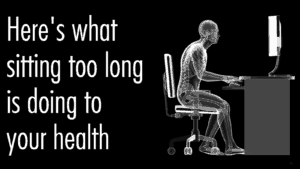
sitting too long5- Try Something New

Think of an activity you’ve always wanted to try but never took the time to master. Yoga, ballroom dancing, or spin classes are all wildly popular. Why do so many people adore these activities? Because they are fun! The novel new class will keep you on your feet and walking down a road to better health!

6- Start Slowly When You’ve Been Sitting Too Long

If you’ve been sitting too long for, well, too long, you’ll need to start slowly. If you have shortness of breath, discomfort while moving, or obesity, check in with your doctor. He or she will be delighted to hear that you want to become more active and can offer you advice on getting started safely.

move more lose weightFinal Thoughts on The Impacts of Sitting Too Long

According to some experts, awareness is the key. If people understand the effects of sitting too long, then they can find ways to offset the effects. For example, those who enjoy reading each evening might stand up and stretch, walk up and down the stairs a couple of times, or walk around the house at the end of each chapter.

During commercial breaks on TV, sitters might walk upstairs and start a load of washing. At another commercial break, the wash might be put in the dryer, and at another break, folded. Jogging in place or doing the twist (yes, the dance) during commercial breaks might be more feasible for you.

The convenience of modern-day life has put us in this fix. While we (thank goodness) don’t need to flee from predators or hand-build huts for our shelter, we have grown prone to sitting too much. And the way to reverse that is simple. Just get up and MOVE!


5 Warning Signs Of Lyme Disease To Never Ignore

Lyme disease is a condition caused by bacteria carried by the black-legged, or deer tick. The disease is transferred to humans when deer ticks burrow into and bite human flesh. You are at risk for contracting Lyme disease if you live in or frequent heavily wooded areas where Lyme-carrying ticks thrive. If you are at risk of contracting the disease, it is essential that you take precautions to prevent the onset of its serious symptoms and potentially dire consequences.

Cause of Lyme disease

To contract Lyme disease,  a tick that is infected with the Borrelia burgdorferi or the borrelia mayorii bacteria must bite you. While mature ticks are fairly easy to spot, the young ones are light brown in color and may be nearly impossible to detect. These bacteria enter your bloodstream through the bite on your skin and eventually create more serious symptoms if not detected.

Risk factors for the development of Lyme disease

Where you live or vacation has an effect on whether you contract Lyme disease. Your profession and extracurricular outdoor activities also play a role in your risk factor for its development. The most common risk factors for its development are:

  • Spending time outdoors in wooded or grassy areas
  • Having exposed skin when working or playing outdoors
  • Failing to remove ticks promptly or properly

Many people don’t initially realize that they’ve been infected by a deer tick, and it may be weeks or months before they begin to realize that the signs and symptoms they are experiencing are in fact Lyme disease. Early detection is key to effective treatment; if left unchecked, the complications and consequences of this disease could be severe. Knowing what to look for is essential for proper diagnosis and treatment.

Early signs and symptoms

A small red bump usually resembling a mosquito bite occurs at the site of the tick bite, but this is not necessarily an indicator that disease and infection are present. Within a few weeks to a month, however, the following symptoms may occur that point to infection:

1 – Rash

Anywhere from three days to a month after the discovery and removal of a tick, a red, bullseye-like rash may spread over the original site of the bite. The rash typically spreads in a circular pattern, and it can sometimes cover areas of the body up to twelve inches in diameter. The rash is not painful or itchy, but it will be warm to the touch.

2 – Fever

Shortly after the rash has begun to develop, it is not uncommon for someone to develop a high fever suddenly and in the absence of other symptoms. This fever can be consistent, or it can come and go intermittently, confusing both patient and doctor as attempts for diagnosis are made.

3 – Chills

Chills are likely to develop shortly after fever sets in, as this is the body’s natural response to trying to cool the body down. Chills that are uncontrollable and constant are sure signs that the body is trying desperately to fight off infection. Don’t ignore this warning signal–see your doctor immediately to begin treatment.

4 – Body aches and neck stiffness

Body aches and neck stiffness, in particular, are signs that infection has set in. Neck stiffness is an indicator that bacteria are working themselves along your spinal column and will eventually affect brain health and development.

5 – Swollen lymph nodes

Your body’s lymph nodes are the drainage system; they work to reduce and eliminate toxins throughout your body while increasing the circulation of more positive and proactive elements that promote good health. Swollen lymph nodes are a sign that something is stopping the process of toxin elimination, and this can get ugly pretty quickly if the cause of the swelling is not identified and stopped.

Looking for these symptoms and being able to put together pieces of the puzzle are keys to early detection and treatment.

Later signs and symptoms of Lyme Disease

It is not uncommon for people to have no idea that they have been infected with this disease for years, as they deem their symptoms nonspecific. Looking for these later-stage symptoms in combination with classic early signs will help you to effectively detect it:

1 – Erythema migrant

The persistent red, warm rash may spread to other areas of the body, indicating inflammation is present.

2 – Severe, migrating joint pain

Severe, stabbing joint pain can persist for days or weeks at a time. Most common in shoulders and knees, it is enough to reduce mobility and cause the sufferer to experience a reduced quality of life as a result of migrating, severe joint pain.

3 – Neurological problems

A culminating occurrence of this condition is an inflammation of the lining around the brain, known as meningitis. You may also experience temporary facial paralysis, reduced mobility in your limbs, and muscle cramping, all of which make moving and maintaining a regular level of activity very difficult.

Less frequent symptoms

Although rare, some people experience the following symptoms in connection with the disease:

  • Heart palpitations
  • Eye inflammation
  • Liver inflammation and failure
  • Extreme and persistent fatigue

Each of these symptoms in and of itself is alarming. But in combination with one another, one should cause one to seek medical attention immediately to discover the underlying cause and undergo treatment.

When should I see a doctor?

If you have discovered a bite from a tick and you have been exhibiting some of the above symptoms after the tick was discovered and removed, see your doctor for a proper diagnosis. In most cases, if a tick is removed within 36 hours of contact, the risk for contracting the disease is unlikely.

If you suspect that you have been bitten, however, or you are showing symptoms of infection and you live in an area where people are prone to picking up ticks on skin or clothing, err on the side of caution and see your doctor. Even if signs and symptoms disappear, it is a good idea to undergo proper blood testing to rule out possible disease or infection.

If Lyme disease is allowed to go unchecked, it can spread to other areas of the body and lie dormant for a time, then begin to effect profound issues with muscles, nerves, and even neurological activity in your brain.

Preventing Lyme Disease

The best way to prevent any tick-borne diseases is to avoid heavily wooded areas with tall grass where deer ticks live. The Center for Disease Control and Prevention (CDC) in Atlanta, Georgia recommends you take the following measures against the development and spread of the disease:

1 – Cover your skin.

When you find yourself in heavily wooded or tall grassy areas, wear closed shoes, long pants tucked into socks, and long sleeve shirts. Hats and gloves are also recommended for long periods of time spent out in these areas. Stick to trails rather than going off the beaten path, and when you return home, promptly shed this outdoor clothing in favor of something that hasn’t made the trip with you. Thoroughly inspect your skin and affected clothing before resuming daily activities.

2 -Use insect repellent.

Many insect repellents are formulated nowadays to include chemicals that deter deer ticks as well; look for blends with concentrations of DEET at 20 percent or higher. If children are accompanying you outdoors, thoroughly clothe and prep them as well before going out.

3 – Tick-proof your yard.

Clear away brush and leaves where ticks can thrive. Cut grass short, and maintain it regularly. Stack any firewood in sunny areas to deter rodents that might carry ticks from setting up residence there. Staying diligent with inspection after being outdoors is key to the prevention of any tick bites and the development of diseases that they carry.

anti inflamatory foods4 – Shower after searching.

Remaining diligent about checking for ticks after being outside is important; you can take prevention one step further by showering or bathing after an outing outdoors. You’ll rinse away unattached insects that go unnoticed with soap and washcloth. You’re none the wiser but tick-free by treating yourself to some self-care.

5 – Don’t assume you’re immune if you have had it before.

You can contract Lyme disease again, and there are chances that the second time around could have more severe consequences. Take proper precautions and remain diligent about self-inspection will keep you protected.

6 – Remove ticks as soon as possible with tweezers.

Gently grasp the tick by the head or the mouth. Being careful not to crush or squeeze it, pull firmly and steadily. Once removed, put it in rubbing alcohol or flush it down the toilet to dispose of it. Then, wipe the affected area with antiseptic to reduce the possibility of infection.

lyme diseaseFinal Thoughts on Avoiding Lyme Disease

You don’t have to be an expert on deer tick activity to prevent the onset of this disease. However, early detection of signs and prompt treatment will help you to enjoy outdoor time with your loved ones. Finally, you must be vigilant about the prevention and assessment techniques necessary to live infection free all season long.

Psychology Explains Why Your Brain Always Wants Control In Life

Have you ever wondered why your brain always wants control of your life? Not in the obvious biological way. But in the handling of uncovering all the underlying causes of, well, everything. It can lead to overthinking and loss of focus.

Most of our days, we go through a pretty redundant, consistent routine.  We expect most things to occur in a predictable pattern, including our interactions with others.  Then something unexpected and seemingly out of the blue happens.  It may be a surprisingly happy turn of events or a potentially devastating one.  In either situation, we automatically seek an answer as to why – karma, the God of your choosing, luck, the Universe, or some may even say “it’s about time,” implying statistical chance.

Yet we remain unsatisfied with random chance.  We need something more definitive than that.  Why is that?  Why does our brain scramble to find an acceptable cause so that events feel in control?  Psychology explains why your mind always wants control of your life.

How do we seek answers?

Have you ever noticed that when you are asked a question, you automatically wrack your brain for a probable answer? That’s true even if you don’t know the reason.

What about how we tend to disregard information that doesn’t match with our viewpoint. Or how about something that triggers us to feel alarmed or uncertain?

We don’t like not knowing something.  It is a core trait of our very existence.   Psychologist Arie Kruglanski coined this need as “cognitive closure.”  According to  The New Yorker, he defined it as “an individual’s desire to a firm answer to a question and an aversion to ambiguity.”  We strive to find an explanation for anything. Additionally, we are highly motivated to accept the most immediate, easily conceived answer.

In an abstract Arie Kruglansky wrote, he stated that this aversion to the random or unknown results in two tendencies – urgency and permanence.  We tend to seek immediate answers. Furthermore, we then cling to the correctness of that answer for as long as possible.  A phrase he coined regarding this is “seize and freeze.”

Once we find and accept a solution, we don’t like to admit we may have been wrong. That is especially the case if it implies that we were incorrect about related biases that we live our lives by.  We then seek information to validate our position, consequently increasing our confidence in our belief.

Causation versus correlation

One example of how this tendency plays out is in our preference in using correlation vs. causation.  Correlation is when we see A, and then we see B and therefore conclude that B caused A.  For example, you find your newly-made sandwich missing with a trail of crumbs on the floor.  Your dog is sitting near the crusts.  You automatically assume that the dog ate the sandwich.  That is a correlation.

Causation states that we should stop and question if there are other possible causes.  In the example above,  other variables would be if anyone else is home who could have eaten the sandwich.  If your son and husband are home, they are potentially the two other variables to be considered.

Correlation is a more comfortable and faster way to decide on a solution.  Causation attempts to find all the factors to arrive at a more concrete, and hopefully, accurate answer.  Social media proves every day that we are more than happy to accept correlation as fact if it corresponds with what we believe.

Many world rulers use correlation to convince the public of a specific cause for national distress. And in doing so, they manipulate the need for cognitive closure and the tendency to seize and freeze.

It requires a trained mind to be disciplined enough to think calmly, seek information, and question all the available variables in an attempt to reach a conclusive answer or a solid hypothesis.  Even then, biases may still exist, or variables may yet be unknown.

Answers lead to choices that lead to control.

Being able to have an acceptable answer to something allows us to feel as if we both have a choice in what to put our faith and actions toward and forwards our perception of control over our reality.

Our psychological need to feel in control

An article published in Trends Cognitive Science researched how our desire for power points to a psychological and biological necessity.  The basis of this research is that choice affords us the perception of control.  It maintains that not only is control a survival technique but that our brain, through various neural networks, promotes this idea.

The article lists various studies in which individuals who possessed good health and high self-esteem, tended to believe in their ability to manipulate their environment favorably, and were more socially skilled, possessed better academics, work skills, and persistence.  They were also more likely not to acknowledge having a lack of control if a situation didn’t go as planned.

When compared to depressive individuals, they were more likely to justify or excuse the outcome.  A depressive person, on the other hand, was more likely to read the level of control available in the situation accurately.

On the flip side, if someone does not believe himself to possess control of their environment or a specific facet of it, they will resort to less adaptive behaviors and seek to gain power in some manner.

In animals and humans alike, limited or removed control invokes stress, fear, focused, narrowed attention, and further negativity towards what took away the control.  In caged animals, we see a failure to be healthy or reproduce.  Both will attempt to take back control.

A great example is when a parent teaches their child to eat on their own.  Attempts by the parent to remove that control from the child results in the child refusing to eat and acting out unless they can feed themselves.  Such a response at such an early age demonstrates that there is an innate psychological need to be in control.

Biological design to feel in control

Scientists in the same article used imaging to show how the striatum, prefrontal cortex, and medial prefrontal cortex all play a role in how we related to choices and control.

The results of some of those studies include:

  • The striatum activates more when our actions equate to a particular reward, rather than if an award is given without effort required.
  • The medial prefrontal cortex demonstrated more activity in mice if they were given control over negative stimuli, such as the ability to avoid it. When that portion of the brain was intentionally altered, the mice reacted the same to negative stimuli without control as they did having control and vice versa.
  • In another study, volunteers took an option to look at disturbing images.  The scan showed their brains lessened the sensation of the negative stressor if they were in control of it by being given a choice to view the pictures.
  • The prefrontal cortex helps regulate our emotions to handle a stressful situation. Not only does it manage in stress, but it also governs pain and fear, if individuals need to feel more in control. One example of this might be when you are in a car accident.  The sense of being in control of what happens afterward could decrease or delay the sensation of pain from injury and the fear of what could have happened.
  • The medial prefrontal cortex demonstrates more activity in choices related to self-interest. On the other hand, areas surrounding the prefrontal cortex related to decisions that correlated with personal consequences.
  • Symptoms such as apathy, the ability to determine if a threat is related to oneself, or the ability to decrease the effect of negative stimuli seem to relate to damage in the prefrontal or medial prefrontal cortex. We observe these damages or reduced brain function in individuals who have depression, schizophrenia, and advanced Alzheimer’s.

brainFinal Thoughts on Understanding Why Your Brain Always Wants to Control Your Life

Psychology explains why your brain always wants control in life through both psychological repercussions and biological function. Segments of our mind operate to ensure that belief by producing positive, psychological responses to individuals who retain that sense of control.

For humankind and animals to survive and thrive, they need to feel they have some semblance of control over their environment.  Removing that sense causes people to feel stressed, anxious, non-productive, and lacking motivation and drive.  Without motivation, we have no reason to care about living.

The brain’s first intention is always to maintain our survival.  The old brain or instinctual brain focuses primarily on emotions and cognitive function.  Your mind takes in an enormous amount of stimuli from the environment and your body. Thus, it cannot question if it is in control.  It must operate on the assumption of power without any doubt.

Undoubtedly, a situation will arise soon in which we do not have an answer as to why x happened. Then, we will cling to whichever belief best suits us the fastest. This decision will arise so that our brains can continue to keep us functioning.

In short:  Life goes on, so our brain ensures we go on.

Researchers Reveal the Truth Behind Dietary Fiber

Fiber is a carbohydrate that serves the role of a workhorse in the body.

Per an article published in the American Journal of Lifestyle Medicine, adequate dietary fiber consumption is linked to a host of health benefits. These include reduced risk for heart disease, stroke, hypertension, certain gastrointestinal disorders, type 2 diabetes, and certain types of cancer. Of course, this superfood is known for regulating the activity of sugars in the body, which helps to control hunger and blood sugar.

So far, so good. Except for the fact that we’re not eating nearly enough of it. In fact, according to the same article, around 95 percent of us don’t get enough fiber in our diet. Indeed, most of us aren’t even close.

In this article, we’ll discuss what fiber is, its importance, recent studies, and what you can do to get more fiber.

What is dietary fiber?

Fiber is considered a superfood by many health experts – and for good reason. Yes, it is essential for maintaining proper digestion and preventing constipation. But fiber contributes to better health in a number of other ways, too.

Proper intake reduces the likelihood of acquiring life-long diseases and helps keep our blood pressure, cholesterol, and weight at healthy levels. Most superfoods (e.g. avocados) are high in fiber too. We’ll get into this in a bit more detail later.

Dietary fiber is a plant-derived nutrient from the carbohydrate family. However, fiber is not your usual carb. Insoluble fiber, for example, cannot be broken down into sugar molecules, and therefore remains almost wholly unbroken during its journey throughout the intestinal tract. Insoluble fiber is available through certain carbs or plant-based foods like brown rice, carrots, cucumbers, legumes, tomatoes, whole grain bread, whole grain couscous, and others.

Soluble fiber dissolves in water; its main functions are to lower blood cholesterol and reduce glucose levels.  Good sources of soluble fiber include apples, barley, beans, blueberries, citrus fruits, dried beans, oats, oat bran, peas, potatoes, and strawberries. The skin of fruits and vegetables is also an excellent potential source of soluble fiber.

Why aren’t we eating dietary fiber?

Let’s perform a thought experiment, shall we? Over the past 20 or so years, how many times have you heard something – maybe in the news, from a diet book, or a friend – about carbs or fat? Sugar? Dairy? Gluten? These things seem to dominate the narrative whenever diet is being discussed.

Now, how often do you hear the word fiber?

Not nearly as often – and this is not an accident. The talking heads that have tried to talk us into buying into the latest diet program rarely mention fiber, either. The reason is simple: fiber doesn’t sell. You’re more likely to get a bunch of people to buy your crappy diet product by mentioning buzzwords like fat, carbs, cholesterol, sugar, and so on.

But to be fair, America’s fiber deficiency isn’t all the fault of the “health and wellness” industry. Some of us haven’t directed the necessary attention and effort into understanding what our body needs to be healthy. Health experts believe that laypeople fall short in understanding what foods provide good sources of fiber. Many people also hold misperceptions about the recommended amount of fiber one needs. Dietary trends such as low-carbohydrate and gluten-free diets may also be contributing to widespread fiber deficiency.

But make no mistake about it – fiber is essential to not just a healthy weight, but a healthy body, period.

Fiber, the lifesaver

It is not hyperbole to say that regular consumption of this superfood saves millions of lives. Per a meta-analysis of 185 prospective studies and 58 clinical trials published in the journal The Lancet, there is a 15 to 30 percent lower mortality rate from conditions like colorectal cancer, coronary heart disease, and type 2 diabetes “when comparing higher with lower intakes of dietary (fiber).”

Let’s break down the findings of researchers at Harvard University’s T.H. Chan School of Public Health about the effects of fiber on medical conditions, some severe.

Breast cancer

A 2016 Harvard study published in the journal Pediatrics found that women who ate adequate fiber in early adulthood had significantly lower breast cancer risk than other women. Moreover, both soluble and insoluble fiber reduces the chances of breast cancer.

Although this particular study measures the effects of fiber consumption from childhood and early adolescence and the development of cancer, you will only gain from eating more fiber-rich fruits and vegetables. The anti-cancer benefits of fiber are well documented and understood, spanning across all age groups.

Constipation

Not being able to pass stools regularly or fully is the most frequently cited gastrointestinal complaint in the U.S. Proper fiber intake appears to prevent and relieve constipation. Along with that, it prevents hemorrhoids. No wonder it’s considered a superfood.

Fiber from bran is shown more effective at relieving constipation symptoms than fruits and vegetables. Foods like oat and wheat bran are probably the best bet. Just make sure to increase fluid intake when increasing fiber levels, as the nutrient absorbs water through the digestive tract.

Diverticular disease

Diverticular disease, or diverticulitis, is one of the most widespread age-related health disorders in the West. Adequate fiber intake may reduce the risk of diverticulitis by up to 40 percent.

While any type of dietary fiber may help prevent diverticular disease, the insoluble variety may be more effective.

Heart Disease

Heart disease is the leading cause of death for both men and women, taking about one in every four lives. In a long-term study of over 40,000 participants, Harvard researchers found that a high intake of total dietary fiber reduces the risk of coronary heart disease by as much as 40 percent. Multiple studies seem to confirm this conclusion.

Metabolic syndrome

Higher amounts of fiber intake also link to a lower risk of developing metabolic syndrome, an array of health attributes that increases the risk of both diabetes and heart disease. Metabolic syndrome is characterized by excess body weight (particularly around the abdomen), high blood pressure, high triglyceride and insulin levels, and deficiency of HDL (“good”) cholesterol.

Getting more fiber

We can do many things to help get more of this superfood into our diet. Here are some quick tips on how to boost fiber intake:

  • Eat whole fruits (not packaged or processed)
  • Eat foods with whole-grain as its main ingredient
  • Instead of snacking on potato chips, try whole fruit chips. Or just eat some raw fruits or vegetables (add a bit of low-fat dressing, if you wish.)
  • Get brown rice and whole-grain products instead of white bread, pasta, or rice.
  • If you eat meat in soups like chili, try substituting beans or legumes instead.

Sources of fiber

As mentioned earlier, the biggest issue that many people have is simply not knowing which foods have this superfood! We’re here to help! Below are ten foods that are some of the richest in fiber!

  • Almonds: Delicious and healthy, almonds contain 3.4 grams of fiber per ounce and 12.5 grams per 100 grams.
  • Artichoke: Artichokes are the Rodney Dangerfield’s of the veggie world. Nonetheless, just one artichoke contains a whopping 10 grams of fiber!
  • Avocados: Besides being loaded with healthy fats and other nutrients, avocados provide 10 grams of fiber per cup.
  • Chia seeds: Speaking of healthy, chia seeds are about as good as it gets. In fact, they may just be the best source of fiber anywhere. Just one ounce of these seeds contains nearly 11 grams of fiber.
  • Lentils: Besides being very cheap and super nutritious, lentils provide you with both protein and fiber. Just one cup of cooked lentils contains nearly 16 grams of fiber.
  • Kidney beans: Like all legumes, kidney beans contain a heavy dose of protein. Kidney beans also provide around 11 grams of fiber per cup.
  • Split peas: Are you a fan of split pea soup? You should be. Just one cup of split peas packs over 16 grams of fiber.
  • Chickpeas: Here’s another legume that carries a good amount of fiber – about 12.5 grams per cup.
  • Oats: Oats are just healthy, period. Besides carrying around some real antioxidant, mineral, and vitamin power, raw oats deliver about 16.5 grams of fiber in one cup.
  • Popcorn: Popcorn is the go-to snack if you’re looking to add more of this superfood in your diet, containing about 14.5 grams per 100-gram serving.

dietary fiber in oats

Recommended Daily Intake

Below is a table detailing the recommended daily intake for dietary fiber across age and sex:

  Age (years) Dietary Fiber RI (grams/day)
Children 1-3 19
4-8 25
Female 9-13 26
14-18 26
19-50 25
50+ 21
Male 9-13 31
14-18 38
19-50 38
50+ 30

dietary fiber foods Final Thoughts on Dietary Fiber

We all need dietary fiber for optimal health. Sadly, many of us opt for quick meals that sorely lack this superfood. Making a conscious effort at increasing your intake can mean improvements in your general wellness.

Therapists Explain 9 Ways to Thrive As A Highly Sensitive Person

If you’re a highly sensitive person in today’s world, you probably feel very misunderstood and out of place. In evolutionary terms, this trait meant life or death for you and the people around you. Because you were more alert and aware of threats, you could respond quickly to danger. However, in the modern world, this trait can often feel like more of a burden than a blessing.

Dr. Elaine Aron, a psychologist who started studying highly sensitive people in 1991, discovered that around 15-20% of the population had this personality trait.

She says that variations in the brain cause highly sensitive people to respond differently to external stimuli. They might become overwhelmed easily by bright lights, loud noises, and fast-paced environments. They need more time to decompress after socializing and thrive in quieter environments. The highly sensitive person also typically has a deep affinity for nature and animals, finding solace in what nature provides.

Since 80% of the population is not highly sensitive, this explains why HSPs often feel so isolated and misunderstood. People might tell you you’re “too sensitive” or that you need to “toughen up.” However, being highly sensitive is a gift that shouldn’t be taken for granted. This trait can allow people to make deeper connections with others and can play a crucial role in surviving tough situations due to heightened awareness.

How to Know if You’re a Highly Sensitive Person

If you think you might have this trait but aren’t sure, you can take a sensitivity test here. The key signs that you might be highly sensitive are:

  • You’re easily overwhelmed by strong stimuli, such as bright lights, loud noises, and chaotic environments.
  • You have very deep emotions and can easily pick up on others’ feelings too.
  • You’re aware of subtle changes in your environment and can usually figure out how to make others around you more comfortable.
  • You try hard to avoid violent movies and TV shows.
  • You’ll get startled easily.
  • You’re startled easily.
  • You’re very sensitive to caffeine.
  • You’re easily influenced by other people’s moods.
  • Your nervous system gets overwhelmed quite easily.
  • If you’ve had a busy day, you need a lot of alone time in a darkened or quiet room to recharge.
  • You have a hard time accepting criticism.
  • You don’t like having to multitask.
  • As a kid, people might’ve called you sensitive or shy.

There are more signs of a highly sensitive person, but if you answered yes to most of these, that is a good indicator that you possess the trait yourself.

HSPs feel overwhelmed by too much stimulus

As you can see by this list, these traits don’t often mesh well with our overly stressed, overly stimulated modern world. Many times, HSPs feel overwhelmed and unable to cope with a lot of challenges that the 21st century presents. For example, many highly sensitive people do better working for themselves than someone else because of office politics, bright lights, loud environments, and structured working dynamics. Highly sensitive people prefer to have control over their working situation.

Simply put, the modern world seems too abrasive for many HSPs. With the chaos and stimulation surrounding us, how in the world can highly sensitive people survive? Well, we have a little survival guide for you HSPs out there who feel fed up with modern living and are desperate for some answers.

Therapists explain how highly sensitive people can survive the modern world:

1 – Get enough sleep.

This applies to everyone, but especially HSPs. In Dr. Elaine Aron’s book, The Highly Sensitive Person, she states, “…I find HSPs sometimes do better if they promise themselves to stay in bed for nine hours with their eyes closed without worrying if they are actually sleeping. Since 80 percent of sensory stimulation comes in through the eyes, just resting with your eyes closed gives you quite a break.”

Many people have sleeping problems in today’s world, but for highly sensitive people especially, adequate sleep is vital. Make sure you prioritize sleep and avoid using electronics close to bedtime.

2 –  Eat healthy foods throughout your day.

Aron says that HSP’s are more sensitive to hunger pangs and that being hungry can be incredibly disruptive to a sensitive person’s daily routine. With that said, make sure you keep your body happy by bringing snacks with you to work and eating regular meals throughout the day. Eat a variety of fruits veggies, nuts, seeds, grains, and meats/dairy if your dietary preferences allow. Your nervous system will function a lot better if you’re getting a steady supply of vitamins, minerals, and nutrients.

3 –  Wear noise-reducing headphones.

In today’s often loud world, many environments are simply too overstimulating for us highly sensitive folks. Luckily, we can make loud environments much more comfortable with noise-reducing headphones. These work by using electronic processing to analyze ambient noise and generating an opposite sound. So, this results in less noise overall. These don’t eliminate noise altogether, but rather make the noise in the environment more tolerable.

This is certainly worth a try, especially for use in places like grocery stores or noisy working environments.

4 – Give yourself downtime.

If your schedule remains packed for days on end and you don’t allow yourself time to unwind, you will likely experience high stress and become more irritable. HSPs, even more than others, need ample time to decompress and get back in tune with themselves. Sensitive people simply have a lower threshold for outside stimuli, so a constantly busy schedule combined with noisy environments and lots of socializing can easily push a highly sensitive person over the edge.

5 –  Maintain positive relationships.

Stay away from people who don’t accept or acknowledge your trait. Many people with high sensitivity already feel at a disadvantage in this world, and being around others who are not accepting will only amplify these feelings. Your significant other, friends, and family should all be aware of your sensitivity and love you even more for it. Don’t let others bring you down simply because they don’t understand what makes you beautiful and unique.

6 – Do work that challenges you but doesn’t overwhelm you.

As I said before, many HSPs avoid traditional jobs simply because they don’t thrive in those environments. Many jobs today are overstimulating for the sensitive person’s nervous system, and this doesn’t mean an HSP can’t adapt to it. However, the question isn’t if an HSP can perform a job or not; it’s if the person can actually thrive in that environment. For example, HSPs typically don’t do well in demanding jobs such as sales or management. Some of them excel, but this is not a typical career for an HSP.

Common jobs for people with this trait include massage therapists, therapists, psychologists, scholars, accountants, scientists, artists, writers, and other creative occupations. Also, self-employment is a common route for HSPs.

7 – Limit your caffeine intake.

For people with an overreactive nervous system, caffeine is like adding fuel to a fire. If you’re not sensitive to caffeine, don’t worry about following this tip, but it might be good to try an experiment to see how much better you feel without it. Try weaning yourself off caffeine and then eliminating it altogether for a couple of weeks. You might just find that you feel more relaxed and less wired without caffeine at all.

caffeine impact HSPs8 –  Go to stores when they’re the least busy.

Grocery stores and shopping malls can be an HSPs worst nightmare. With the screaming kids, loud music, bright lights, and crowded shops, it doesn’t make for a relaxing experience. However, visiting stores at night or during off-hours can allow for a much less stimulating atmosphere, which will help keep anxiety and overwhelm at bay. Early morning and evening hours are usually the best times for shopping.

9 –  Get out in nature as often as you can.

Highly sensitive people need time to decompress in calm, quiet environments. What better way to get back in touch with yourself than spending time in the beauty of nature? Maybe a weekend camping trip or a day off work is just what the doctor ordered. It’s important for HSPs to stay in tune with their bodies and really listen to what it’s telling them. If you’re feeling frazzled and tired from day-to-day life, plan an escape, even if it’s just for a day or two.

Also, keep your home environment as calm as possible. Eliminate distractions and unnecessary stimuli so that when you come home from work each day, you can truly feel like you’ve entered a sanctuary.

highly sensitive person quoteFinal thoughts about ways to thrive as a highly sensitive person

HSPs often feel overwhelmed and tired in today’s modern world. This is understandable, as much of the way we live today is directly opposite of the way a sensitive person functions. However, taking care of your basic needs and allowing yourself time to unwind will help tremendously. Limiting caffeine, getting out in nature, and arranging your environment in a pleasing way can also work wonders in making you feel more at ease.

Child Psychologist Reveals Long Term Impact of Bullying on Children

Comedians tell jokes about their life, and you laugh at these funny stories because they base their tales on an ugly truth. Many learn to smile through the pain they’ve experienced as a child. Many times, the pain comes from bullying.

Being harassed constantly by other students can be a downright ugly experience. Society has a warped sense of what it means to be bullied and where it happens. It doesn’t always happen around a lunch table.

Being taunted and harassed can occur on a school bus, a gym class, walking home after school, on the internet, during a date, or even at home. The experiences are often so traumatic that they don’t leave a person, even when they are much older. Instead, these encounters can either make or break you mentally.

What effect does the bully have long term on your psyche? Can it cause personality disorders and other serious mental health issues? Psychologists are finding out that the harm is causing more problems than anyone ever imagined possible.

Bullying is A Form of Abuse

Bullying is a selfish, abusive act. Perpetrators treat others as objects rather than humans. They carry out their plans for self-gratification. The golden rule is to treat others as you want to be treated, but children are born with a bit of a narcissistic nature anyway.

Young children haven’t matured enough to understand that each person is a distinct individual. Anything unique or odd about others stands out, and it becomes a reason to call attention to their differences. Some experts, like Dorothy Espelage from the American Psychological Association, believes that those who bully have narcissistic tendencies.

Part of the harassment and abusing other children is caused by immaturity. It would be hopeful that people would grow out of this type of behavior, but sadly, adults can be bullies too.

The Long-Term Impacts

You know that being bullied can cause damage that lasts a lifetime. Not only is this a popular theory, but a tremendous amount of research backs it. Remember the old saying, “sticks and stones can break your bones, but words will never hurt?”

Well, words are much more painful than being stuck with sticks and stones. You can quickly recover from a broken bone, but an internal strike may take a lifetime to get over. Here are some of the most commonly found long term impacts caused by being harassed.

Emotional Damage

Harassment is an effort to instill fear and self-loathing. When a person is the constant target of mistreatment, it hurts their capability to view themselves as an attractive, talented, and successful person.

Harassment makes people feel that they are not desirable, their safety net frays, and they cannot defend themselves against the evil in the world. Helpless and hopeless people become depressed. When the self-image is tainted, people begin to believe what their bully says. They feel they are a loser, weak, and pathetic.

No one has unshakable self-confidence, especially a child. When you’re bullied, you become an outcast and feel excluded from groups. It’s challenging not to take the bullies’ negative messages personally; only a confident person could fight these negative words.

Unfortunately, children cope with the issue the only way they know-how. They begin to fantasize about revenge, develop intense anger and rage, and they become depressed.

Self-Harm

According to Rick Nauert, Ph.D. from Psych Central, self-harm is an act that stems from the desire to relieve tension. A recent study was done at the University of Warwick to evaluate those who had been bullied and self-harmed as a coping mechanism.

They found that of the 5000 students studied, 27 percent used self-harm with the intent to kill themselves. The other 73 percent didn’t have any intention of ending their life, but they needed to release pent-up anxiety.

The problem is that many kids suffer in silence and don’t get the appropriate help. Self-harming rituals are a way to cope without getting anyone else involved. Girls are twice as likely to engage in self-mutilating behaviors than boys, and they’re also more likely to become depressed by constant harassment.

Social Anxiety

Social anxiety is the fear of being in large crowds or public places. The apprehension stems from being afraid that someone will look foolish or not be able to escape the situation quickly. Social anxiety comes in all forms; one person may be fearful of the freeways, while another person avoids grocery stores.

There is no rhyme or reason for anxiety, but it’s always feeding irrational thoughts into the brain. When a child is bullied continuously, they may fear to be in a social situation where they could attract the attention of others. The psychological well-being is damaged in these events, and avoidance techniques are used to stay out of sight.

For instance, a girl that is overweight may be taunted and picked on at school because of her size. She will then avoid going into places where there are large amounts of people for fear of what they will think or say about her. She may become introverted and prevent any social settings because she doesn’t want to draw attention.

Some medications can help with social anxiety, but no pill can erase the damage done by the hurtful words of others. You must learn coping mechanisms to get through life regardless of what others think.

Suicidal Thoughts

Would it shock you to find out that 14 percent of high-school-age kids have thought about killing themselves? More shocking is that seven percent have attempted to do so at least once. A study done by Yale University found that kids who were bullied were as much as nine times more likely to commit suicide than those who weren’t.

Parents need to know the signs of trouble. Children often become withdrawn and isolate. They may engage in self-harming behaviors, give away their possessions, and fall into a depression.

By identifying the signs, it becomes easier to get help sooner. Children who have an active parental support system can get the help they need to save their life.

Stomach Aches – Feeling Sick

Every day, across this country, more than 160,000 kids will call off school because of their bully. They would rather lay home in bed all day than to face the harassment waiting for them.

Did you know that stomach aches and general sickness can be coping mechanisms the body uses throughout life? It all stems from anxiety. Anxiety can cause them to feel physically sick, even though there isn’t anything wrong. It’s that intense fear of facing rejection that keeps them down.

Personality Disorders

A life of being constant tainted and picked-on can cause a person to develop a personality disorder. There are ten different types of these disorders, but bullying likely to cause an avoidant, anti-social, paranoid, or borderline personality disorder.

It’s very challenging to treat these disorders because they stem from genetic or experiences that have deeply embedded themselves into the brain. Most of these people live on Social Security because they are unable to hold a job and deal with the daily rat-race. However, some people learn that they do have self-worth and overcome.

Intense Rage and Violence

Some victims develop rage and anger because they felt helpless as a child. Rather than laughing off the abuse as a comedian does, they become enraged. One such person was Andy Williams of El Cajon, California.

Williams was tormented and made fun of almost his entire ten years at school. When he reached 15 years old, he snapped. He took a .22 caliber revolver to school and killed two students, leaving 11 injured.

Police asked the student why he committed such a heinous act, and he told officials that he was tired of being bullied every day. Sometimes all the hurtful words build up and have an impact on a person’s rationale. As with the case of Williams, he no longer could focus on anything but revenge.

H.H. Holmes was considered America’s First Serial Killer. He killed 27 people and attributed these acts to being bullied as a child. The intense rage inside caused him to do unthinkable acts.

bullying causes depression in childrenFinal Thoughts: Undoing the Damage of Bullying

The most common damages observed from bullying are problems with self-esteem and identification issues. However, it’s essential to take steps early on to undo the harm. The self-worth of a person is destroyed and needs to heal.

You’ve probably heard that even plants are impacted by harsh words too. Many studies have been done where they take plants and divide them into two groups. One group of plants is talked down also and perish, while the plants that are praised thrive. The same concept can be used for children.

Kids are growing and learning every day. When they are in an environment where they are praised and loved, then they will flourish. However, if they become a constant source of ridicule and harassment, then their psyche will become damaged.

When someone is the source of ridicule for months or years, it can cause an inability to control one’s moods or urges. Now, not everyone who has been a victim of bullying is going to turn into a serial killer, but that is just an example of how much damage can be caused by hurtful words. Something must be done!

Psychologists Share Tips on How to Bounce Back from Failure

Failure is a constant in life. In the midst of it, however, those who fall short often forget this reality and dismiss the idea that they can bounce back.

Culture values success. Those who conquer challenges large and small gain the respect and admiration of peers and loved ones. This recognition, in turn, boosts self-esteem and spurs people on to more significant tasks. Yet just as momentum drives achievement, defeat also has an impetus of its own.

Athletes tell of “the agony of defeat.” Losing hurts, especially after long hours of preparation, training, and emotional investment. Whatever the goal–athletic or otherwise–people who fail understandably wonder whether all the expended effort was worth it. Turning things around is harder when such doubt creeps in.

Still, both documented and anecdotal evidence demonstrates that people bounce back from failure all the time. Psychologists who make a practice of measuring, predicting, and adjusting human behavior know this. Furthermore, they know the strategies and tactics that reverse the emotional direction from decline to uplift.

How Failure Feeds Itself

When an athlete, employee, student, or artist does not hit their projected mark, personality, and temperament largely determine whether a further failure will follow. The Harvard Business Review cites three broad psychological categories that most people fit when dealing with frustration:

  • extrapunitive
  • impunitive
  • intropunitive

Extrapunitive — Blaming Others

The financial collapse of Lehman Brothers in 2008 and the rupture of the British Petroleum oil pipeline in 2010are recent episodes that revealed extrapunitive behavior on the part of company CEOs. Both assailed other parties for their respective disasters, yet both possessed histories of bad decision-making. Most instances of this behavior are not so infamous. Meanwhile, a group of Japanese scientists reported in 2014 that this conduct could at least in part be biologically based.

Intropunitive — Self-Condemnation

The opposite sort of thinking, though just as destructive, is defaulting to blaming self. No matter what the variables or mitigating factors, intropunitive types judge themselves severely and even imagine failures where none occur. This blame is marked by anger and antipathy. Just as an extrapunitive person is blind to his or her role in a poor outcome, the intropunitive character misses external reasons for the same breakdown. Without a broader perspective, it is difficult to bounce back.

Impunitive — Living in Denial

The impunitive character refuses to recognize failure, or else refuses to acknowledge a role in it. Like the ostrich with its head in the sand (a myth, by the way), the impunitive individual neither blames himself or others but keeps a safe distance from the problem.

Psychologists hypothesize that doing so reduces the dissonance caused by conflict. In so doing, the impunitive personality allows the battle to continue…along with the spiral of defeat. Unwillingness to talk about a violent assault or another form of victimization can sometimes reflect an impunitive mindset.

Such responses can serve as natural coping mechanisms. Nevertheless, they inhibit the resolution of conflicts.

Psychologists’ Tips to Break Cycles of Defeat

1 – Cultivate Relationships

Common among these three patterns of response is some degree of self-centeredness, i.e., protecting self or attacking self. Either way, they distort the path out of perpetual decline. More relationships and deeper ones help people to see the world beyond their narrow self-interest.

Insofar as these reactions come about under stress, a strong network of friends helps to see difficult situations in proper perspective. Researchers of these matters learned that broader and deeper friendships lessen the destructive triggers of stress, allowing people to bounce back from defeat better.

2 – Cultivate Awareness

Whatever the neurological or social causes behind chronic lack of success, an excellent first step is to pay attention. Psychotherapist Nancy Colier notes that extrapunitive behavior can begin as a natural reaction to injustice. Yet it can subsequently morph into an abnormal obsession with finger-pointing.

She tells the story in Psychology Today of a client who, while driving his daughter to a sporting event, was falling behind in getting her there on time. His emotional reflex was to place the responsibility for their delay on her — time-wasting, lack of hustle, etc. Digging deeper, Colier discovered that the father feared that in making his daughter late, he had failed and disappointed her. He would not — could not — confess such a possibility.

Not until his self-image was clarified and strengthened could the father look honestly at his role in the lateness episode. The emotional work he had to do, including paying attention to his impulse to blame. While it takes time, discovering the emotions behind extrapunitive outbursts make it easier to bounce back from setbacks.

3 – Face the Fear

Many psychologically-based dysfunctions, especially those that perpetuate failure, have their roots in fear. The resolute denial of any responsibility so frequent among impunitive personalities is one such example, where fear of exposed mistakes all but guarantees more in the future.

Still, fear of the unknown can cause more angst than fear of loss, according to research published in the Journal of Biological Psychiatry. The 2016 findings conclude that risk aversion is often stronger than avoidance of pain or injury. The resulting desire to control the outcome leads to one of the three behavior patterns noted above. Each of them prevents success.

Fear of the unknown regularly asserts itself when negativity is dominant. To bounce back from negative dominance is to shout down the destructive internal voices that demand perfection and scorn human fallibility. Taking the initiative in spite of fearing, it causes the negativity to recede as confidence grows. This is especially true for intropunitive types. To be sure, doing this calls for firm intention and resolve. The results are well worth it.

The signers of the American Declaration of Independence knew they were setting themselves up for targeting by British authorities. Keeping the reward for their boldness at the front of their thoughts allowed them to follow through despite their fears. The rest, as they say.

4 – Examine Cynical Assumptions

Those who do not recover from setbacks are many times plagued by faulty thinking. True, at school, the workplace, the playing field, and other venues, there will always be a person or group eager to capitalize on the mistakes of another. Yet to assume this of everyone is a massive mistake in and of itself. In fact, the ability to trust others is central to earning lasting confidence from the same. Writing in Forbes magazine, psychiatrist Prudy Gourguechon lists ways that trust makes workers into leaders.

Among its virtues, trust:

  • Enables one to delegate
  • Helps to create mutual loyalty
  • Enhances the communication of a strategic vision
  • Helps when receiving criticism and acting on it
  • Equips a leader in equipping others

In this way, moving from cynicism to trust empowers people to bounce back from errors that come from the isolation and suspicion sometimes characteristic of the very sensitive. Dr. Gourguechon reminds her readers that there should be a limit to the degree to which one extends trust. If betrayed, the leader must always retain the capacity for trust nonetheless: “She must be able to recover from disappointments in the realm of trust without a shift in basic attitude.”

5 – The Bright Side Is the Best Side

Like trust, optimism can go too far, yet it is essential to turning a problematic scenario around. Without the ability to see positive outcomes while circumstances are in disarray, success can elude anyone. Dr. Alex Lickerman studies the mindsets of optimism versus pessimism. Citing sports performance subjects, he makes the case that confidence is not genetic, but a learned trait: “training male basketball players to attribute positive results—for example, making a free throw—to their ability and negative results to their lack of effort was found to improve their subsequent performance significantly.”

To bounce back from chronic pessimism begins with quieting the mind and focusing on a goal. Harvard psychologists Daniel T. Gilbert and Matthew A. Killingsworth wrote in 2010 a journal article in Science entitled “A Wandering Mind Is an Unhappy Mind.” The title says it all, suggesting that time for meditation and quiet can induce a more positive outlook.

quotes to help bounce back from failure

Want more inspiration? Here are quotes about how to bounce back from failure.

Final Thoughts on How to Bounce Back from Failure

Persistent cycles of failure are not inevitable. Breaking them mandates changes in the way people think — about themselves, others around them, and new strategies that may be uncomfortable to adopt. Whatever the way individuals deal with setbacks, only sober analysis, and the courage to change will prompt recovery.

Learning to cast a positive vision, trust to those who give no reason not to, and to spend time reflecting on and correcting personal thought disorders recreates the future for the better. To lose now and then is a certainty. Winning is up to us.

10 Ways to Never Let Negative People Influence You

Have you ever walked into a room and immediately known that you’d interrupted something terrible, like a fight or a generally bad mood? That’s how powerful negative thoughts and feelings can be. So if you’re around negative people, it can be detrimental to your mental and physical wellbeing.

Luckily, there are ways to block out the negativity and focus on staying positive, happy, and healthy. Better yet, it’s easier than it seems! All you need is a good heart, determination to stay happy, and the desire to rise above the mess and chaos of someone else’s negativity.

Here Are 10 Ways To Never Let Negative People Influence You

1.    Don’t Focus On What Others Think Of You

People will think about anything they like, and you can’t control their thoughts. Sure, you can be a good person and perform actions that others will like, but there will still be those who dislike you, sometimes for no reason you can discern.

Negative people tend to lean towards disliking others, or finding fault in them, for wrong reasons. As such, if negative people surround you, they will likely be judgemental of you. You have to ignore them.

Emotional detachment sounds like a bummer, but it’s the best way to avoid being dragged down by negative people. Besides, your self-esteem should never be tied to other people, what they think of you, and how they feel about you. That is an unhealthy way to live, and you need to be secure enough in your self to ignore those who aren’t being constructive.

2.    Know That This Is Not Your Fault

It’s easy to feel at fault when a negative person is around you and making you feel bad, or when they are fishing for sympathy. But it’s never your fault when a negative person does these things. Their perspectives, opinions, and ideologies are entirely their responsibility, and it’s not your burden to bear to change their minds.

When a negative person consistently acts in this way around you, it’s their problem, not yours. In fact, you might as well entirely ignore them or offer a sympathetic smile before carrying on with your day. Don’t let yourself get dragged into self-criticism; opt for positive thinking and spiritual separation from the issues a negative person brings up.

But why do negative people do this? It is often due to an inability for them to comprehend their self-esteem issues, leading to a lack of understanding that prompts them to project their problems on everyone else. Again, don’t take it personally. It’s on them.

3.    Don’t Just React

It’s easy to get angry when negative people are around you. They have a lot of nasty, questionable, and eyeroll-worthy things to say, often for attention or as a coping mechanism. But when you react to them impulsively, you only feed into the negativity.

We know just how difficult it can be to control those automatic emotions. But are negative people worth that effort from you? (They aren’t!) So take a deep breath. Count to ten. Tune out the negative person’s speech as you do so if necessary.

Then, identify the emotion causing your anger. Putting a name to a feeling often makes it more understandable, allowing you to conquer it. You can then react instead in a more proactive way by:

  • Smiling and nodding
  • Excusing yourself to return to work
  • Putting a positive spin on what they say
  • Making a gentle joke about it
  • Flat-out ignoring them

4.    Look For Solutions, Not Problems

The most common trait that all negative people share is their constant insistence on pessimism, even in the best circumstances. You can only imagine, then, what happens in adverse situations! Negative people have no desire to see silver linings – they’re too focused on the dark clouds.

To be free from negative influence, you just have to do the opposite. Don’t look at all the problems and build them up until they’re overwhelming in your head. Break them down into small, easy-to-process chunks. Then, once you’ve made sense of them, shift your focus entirely. Stop thinking about the problems. Think about the possible solutions.

This is important not just for unexpected incidents, but when dealing with negative people in general. Don’t focus on how stressful they are to be around – find a way to take polite leave of the situation so you can be right out of there.

5.    Manage Your Time and Attention

Someone who is negative can take up a lot of your time and effort. Not only do they bog down in-person situations, but your stress over dealing with them can live on in your thoughts long after you’ve left their vicinity.

Managing your attention and time so as not to give too much of it to negativity is crucial. The more time you spend being negative, the less positive thinking you can maintain. If a negative person is taking up too much of your time in person, you can:

  • Give them lackluster responses to disinterest them
  • Mention that you’re busy and offer a rain check
  • Excuse yourself and leave
  • Politely decline invitations to hang out together
  • If you find yourself thinking or stressing out too much over a negative person, try to:
  • Distract yourself with other things
  • Name several things you are grateful for
  • Refrain from complaining about them to others

6.    Change Topics To Light Ones

Is a particular topic turning into quite the downer? Switch it up and make it lighter! Sometimes all a conversation needs to be pushed in the right direction is a little bit of positive energy. You can do this by:

  • Turning the situation into a lighthearted one through tone and posturing
  • Bringing up the positive sides of the issue at hand
  • Telling a joke
  • Using a smooth segue, like “That reminds me!” or “Speaking of which…”
  • Joking with the person in a friendly way (works best if you know the person well!)

Of course, this doesn’t work on all negative people. Many of them find contentment in using negativity as a response to any inkling of something positive. But some people get cynical about specific topics and revert to “normalcy” once you change the subject, and others may be distracted by your robust and happy energy.

7.    Pick Your Thoughts and Attitude

Negativity and positivity are all about how you think and what you feel. As such, if you learn to get in touch with these aspects of yourself, you may be able to stand above a negative crowd. Here are three ways that you can try doing so.

·         Choose Your Attitude

You get to decide how your attitude is for the day. If you let yourself feel gloomy and glum all day because of a few negative people, you’re choosing a bad approach that will ultimately cause a sharp decrease in positive thinking.

·         Use Affirmations or Mantras

Positive affirmations and mantras are lovely. Essentially, you pick a specific phrase and repeat it to yourself over and over again until you begin to believe it and feel it for real.

·         Be Aware Of Thoughts

When a negative person starts to get to you, pay extra attention to the way your thoughts begin to shift. What tends to trigger your most negative responses? How can you avoid them? How can you make these thoughts better and refocus them?

toxic and negative people8.    Understand That You Can’t Change People

People can change, but other people can’t change them. You can try to educate or help those around you gently, but at the end of the day, they are the ones who decide whether they change or not. And, chances are, until they recover from whatever is causing them to be so negative, that change is not going to happen.

Just be the best version of yourself and let go of any feelings of obligation towards negative people. You don’t owe them any assistance, and most of the time, they don’t seem to want it! Focus on yourself and the people in your life who are more positive.

Yes, it sounds harsh. But negative people are people. They’re human and full of complexity and flaws. Accepting these sides of them and setting boundaries as needed, so they don’t drain you is all you have to do. Be kind, and the rest will follow.

9.    Don’t Tie Yourself To Perfection

Perfectionism is a pointless ideology. But when you’re around negative people, that can feel like it’s all they want. They’re so critical of themselves and everyone around them that it may rub off on you, and you may begin to strive for that impossible standard.

High levels of perfectionism have a link to depression, anxiety, and other non-positive circumstances, according to science — this likely because this is a very unattainable target. Human beings are inherently flawed, and that’s valid; perfection does not determine anyone’s value.

There is no way to achieve perfection, so instead, be the best version of yourself that you can be! Always strive to improve yourself and be better. Don’t let negative people trick you into believing that anything less than perfect is unacceptable. The more you grow, the more you’ll realize that you’re beautiful, just as you are.

10. Look For Positive People

Lots of negative people in your life? It’s time for you to question why that’s the case! Instead, go out of your way to find people who are positive, supportive, understanding, and encouraging.

Does this mean you may have to cut off some friends or whittle your friend list down significantly? Maybe. But studies show that having a smaller number of terrific friends is much better for positive health and wellbeing than having many mediocre friends. So don’t be ashamed of just having two or three people you can trust. Size never matters in a support system.

negative thoughtsFinal Thoughts on Freeing Yourself of the Influence of Negative People

Negative people can be challenging to filter out. They tend to be very loud and open about their feelings, even to the extent of accidentally harming other people. But with these tips and tricks, you’ll be able to reduce their influence on you significantly, allowing you to live a better, happier life.

8 Red Flags That Reveal a Toxic Liver

The liver is a vital organ. Located in the upper right-hand part of the abdomen, it is the largest organ in the body. It’s comprised of two dark reddish-brown lobes.

Think of this organ as a chemical factory. Nutrients absorbed from the digestive tract then metabolize thanks to this football-sized organ. Later, they release into the general circulation. The liver also metabolizes toxins, either ingested or produced by the body. Finally, it manufactures many essential molecules that release into the blood, like clotting factors.

What Causes a Toxic Liver?

Most people never think about their liver. It just quietly goes about its business, never hurting or drawing any attention to itself. The liver has impressive regenerative capacities. In fact, it can re-grow an entirely new organ from just a small fragment of itself.

However, some chronic conditions can, over time, damage the organ to the point it begins to fail. Although the classic symptom of a toxic liver is jaundice (turning yellow), this hepatic dysfunction only happens when the condition is relatively advanced.

Common causes of hepatic damage

Most people have heard of all of these conditions except the last one, NAFLD. However, NAFLD is becoming increasingly common in western societies and is currently the number one cause of chronic hepatic dysfunction in the US. It is characterized by a buildup of fat in the hepatocytes. Its roots are not entirely clear, but it links to obesity, high blood sugar, and high levels of triglycerides in the blood.

NAFLD can progress to nonalcoholic steatohepatitis (NASH), which in turn can progress to cirrhosis and complete organ failure. Advanced symptoms of NASH include abdominal swelling, enlarged, visible blood vessels, jaundice, and red palms.

Another often overlooked cause of hepatic dysfunction is dietary supplements. Many people make the huge mistake of thinking “natural=safe,” which is very untrue. For example, the death cap mushroom is as natural as you can get, but if you consume it, it will irreversibly destroy your organs. Some popular dietary supplements known to cause hepatic damage include:

  • Kava
  • Pennyroyal oil
  • Comfrey
  • Mistletoe
  • Valerian
  • Chaparral
  • Skullcap
  • Ma-huang

Commonly overlooked symptoms of a toxic liver

1. Itchy skin

If your skin is always itchy and you can’t figure out why, then consider the possibility of a toxic liver. One of the functions of the liver is to get rid of bile salts via the gall bladder. However, if this is not proceeding smoothly, bile salts can accumulate in the skin and make it feel itchy. Of course, many other health conditions can cause itchy skin. Therefore, your doctor needs to investigate the cause thoroughly.

2. Bad breath

Most cases of bad breath arise from problems in the mouth, sinuses, or ears. Sometimes you suffer from this embarrassing condition due to your diet (aka, onion or garlic breath). “Normal” bad breath is referred to as halitosis. Fetor hepaticus is the technical term for a particularly nasty, putrid smell to the breath that originates in your lungs.

Due to the hepatic dysfunction, toxins can build up in your body and expel through your lungs through every exhalation. Many sufferers describe the odor as a combination of rotten eggs and garlic or as a sweetish putrid smell, similar to rotting grass. If you have chronically bad breath, unrelated to your diet, and resistant to oral hygiene efforts, you should schedule an exam right away.

3. Worsening of dark under-eye circles

When most people think of dark under-eye circles, they think of a lack of sleep as the cause. Fatigue can indeed worsen under-eye circles, but they can also be a result of hepatic dysfunction. The dark color under the eye is usually caused by blood vessels under the thin skin in that area becoming dilated and, therefore, more visible. This is why applying a cold spoon to the dark circles after a late night is a time-honored way to remedy the problem quickly; the cold causes the blood vessels to contract.

Problems with toxic liver lead to fluid retention in the body as well as a build-up of toxins and deficiencies of essential molecules and proteins. All of these processes together can lead to dilation of the blood vessels under the eye, making dark under-eye circles much more apparent. These same processes can also make spider veins much more visible on the legs, and advanced disease leads to swelling of the ankles.

4. Excessive sweating

There are many causes of excessive sweating. Surprisingly, a toxic liver is one of them. Most people attribute their increased sweating to hot flashes, wearing too many sweaters, or just environmental conditions and completely overlook this common clue that something is awry internally. These sweaty episodes often mimic menopausal hot flashes in every way, coming on suddenly and causing the sufferer to feel extremely hot, flushed, and well, sweaty. The cause is not entirely clear, but it may be an effort by the body to flush toxins out through the sweat.

5. Fatigue

Fatigue is the most common first symptom of hepatic dysfunction. Still, fatigue is caused by so many other conditions that it is rarely identified as a symptom of a hepatic problem until other symptoms arise. The many functions of the hepatic system cause the entire body to stop working correctly when it starts to malfunction, so it is not surprising that sufferers experience fatigue.

6. Easy bruising

One of the many vital functions of the liver is to produce clotting factors. When hepatic dysfunction occurs, these clotting factors tend not to be delivered in sufficient quantities, which leads to delayed clotting of the blood. Even a minor bump can lead to the formation of a visible bruise. Many people with hepatic dysfunction find they frequently have visible bruises and no recollection of any injury that could have caused the bruising. Some also suffer from spontaneous nose bleeds that take a long time to get under control, again due to the reduced level of clotting factors in the blood.

7. Dark urine

The most common cause of dark urine is dehydration, and the proper response to observing your urine is dark is to reach for some water. However, if your urine remains dark even when you are sure you are properly hydrated, this may be due to a waste product called bilirubin building up in your body and ending up in your urine.

Normally, this product is taken care of by the hepatic system and moves through the digestive tract after passing through the gall bladder. This is the same chemical that turns your skin and eyes yellow or orange when it builds to extremely high levels in the body during advanced hepatic failure.

8. Constipation

Constipation is a common problem in people who consume a typical low-fiber western diet or follow a sedentary lifestyle. You can often relieve this state by simply increasing your intake of fruits and vegetables and getting regular exercise. However, constipation unresponsive to lifestyle changes could indicate a serious health problem, such as a toxic liver or colon cancer.

So, it’s embarrassing to discuss your stools. But rest assured, you should consult a doctor if you develop persistent constipation that doesn’t respond to simple lifestyle changes.

fiber to help avoid toxic liver

These ten fiber-filled foods can help you avoid constipation.

Diagnosis

A standard workup for a possible hepatic issue generally includes a basic physical examination and blood work. The blood levels of two enzymes, in particular, aspartate aminotransferase (AST) and alanine aminotransferase (ALT), are excellent markers of hepatic damage. Elevated AST indicates damage to several different organs, including the heart, but elevated ALT is specific to hepatic injury. These blood tests cannot determine the extent of hepatic dysfunction or determine its cause.

Thus, if doctors find elevated AST and ALT, they usually investigate the issue further. For example, imaging tests of the abdomen with ultrasound, CT, or MRI may be conducted. A final diagnosis of the cause of hepatic dysfunction may require a biopsy, where a long needle is inserted into the organ to collect a sample of tissue.

liver diseaseFinal Thoughts: Treatment for a Toxic Liver

Treatment depends entirely on the cause of the condition and its severity. For example, doctors will usually treat cases of hepatitis caused by viral infections with antiviral agents. But they’ll treat other conditions, such as NAFLD,  by lifestyle changes, such as losing weight, controlling blood sugar, and making dietary changes. Unfortunately, the only treatment for advanced cirrhosis is a transplant. And that is why you should visit your physician to detect a toxic liver as early as possible. Then, you can receive treatment for the problem before it progresses to cirrhosis.

Skip to content