Weekly tips, affirmations, and small actions to feel your best.

How to Flatten Your Stomach (in 10 Minutes or Less)

The stomach is one of the most common areas where fat tends to accumulate. Many lifestyle factors lead to getting a bit of a rounder belly. If you’re looking to flatten your stomach, there are a few things you can do. These tips will help burn off that excess fat and reduce swelling and bloating in your stomach.

Here are five of the best ways to flatten your stomach. Best of all, you can do it in about 10 minutes or less per day.

5 Ways to Flatten Your Stomach
flatten your stomach1 – Abdominals Exercises

One of the most obvious ways to flatten your stomach is to do abdominals exercises. The goal is to burn off excess body fat around the belly and tone the abdominal muscles. In time, this leads to an overall flatter and leaner stomach area. When picking a workout routine to target your stomach, you’ll want to do exercises that focus on your core muscles and perform high repetition exercises. These are exercises like sit-ups, V-ups, planks, bicycle crunches, leg lifts, and mountain climbers.

Combining these exercises with HIIT (High-Intensity Interval Training) could give you even better results. For HIIT, pick a set of four activities. For twenty seconds, do as many of the exercises as you possibly can. After those twenty seconds are up, rest for ten seconds, and then for the next twenty seconds, try to break the number you just hit. Spend about two and a half minutes on each exercise, totaling about a ten-minute workout.

You’ll be sore, and probably barely able to move after your first work out. But that just shows that it’s working. Between the cardio from the intensity and the specific exercises working the abdominal muscles, you’ll notice a difference in a matter of weeks. You can even increase the duration of the activities from twenty seconds up to thirty if it starts getting too easy for you.

2 – Drink More Water

Our body runs on water and needs water to perform its day to day functions. Water is an active component in cellular respiration, a reaction that plays into the metabolic process. If you don’t have enough water in your system, your body isn’t getting the fuel it needs to properly keep your metabolism going strong, which can lead to a buildup of fat.

Another benefit of drinking more water is that if you drink more water before meals, you’ll feel fuller. If you feel more full earlier into your meal, you’ll eat less and put on less additional weight since you’re not overeating. This helps you better control your appetite as well, and eventually train yourself to eat less food at each meal.

Lastly, sometimes a bulging stomach isn’t caused by fat at all. Bloating and swelling due to gas or constipation can also lead to a larger rounded belly.

Water has a cleansing effect on the body. It helps with the detoxification process, as well as helping to flush out the system. Adding more water to your diet can help flush your system, clearing up constipation or bloating that is causing your belly to protrude or swell.

bloated stomach

3 – Eat Fiber

Fiber is excellent for water absorption from food in the body, as it slows the process of passing food through the digestive tract. Since the effects of eating fiber start at early as delaying the emptying of your stomach contents into the duodenum of the small intestine, this will leave your stomach fuller for longer, and make the stomach swell, which in turn will curb your appetite.

On top of this, fiber has the added benefit of reducing the number of calories your body is able to absorb. This consumption makes for fewer calories. You’ll have to burn off later to keep a stable weight. Soluble fiber also helps prevent the buildup of fat around the organs, leading to a slimmer waist and stomach.

Adding some fiber to your diet is a great way to flatten your stomach. Fiber can be found in a variety of foods, mostly oats, flaxseeds, legumes, and brussels sprouts.

4 – Consume Probiotics

Probiotics are live bacteria that help to promote overall gut health. Your stomach uses a combination of acids and live bacteria to fully break down food before passing it on to the rest of the digestive tract. If you start putting on too much weight, sometimes this balance is shifted and thrown out of whack. This shift can significantly affect weight gain and distribution.

Consuming probiotics can help shift things back towards a healthy balance and gut health, increasing the number of good bacteria in your stomach and helping promote weight loss and proper weight distribution.

Some specific strains of probiotics have been linked to reduced belly fat, including these three:

1. Lactobacillus fermentum

2. Lactobacillus amylovorus

3. Lactobacillus gasseri

You can add more probiotics into your diet through either probiotic supplements or eating foods like yogurt, kimchi, and pickles. If you want to help flatten your stomach, consume probiotics. It’s that simple.

dietary fiber foods

5 – Reduce Your Stress Levels

Prolonged stress can have a variety of harmful effects on the body. While the stress response is supposed to give us the energy and heightened awareness to get us through a dangerous situation, modern life has conditioned our minds and bodies to interpret a wide range of circumstances as stressful, ranging from actual problems to minor inconveniences. This chronic stress keeps our bodies in a state of fight or flight, which is excellent for short bursts but can wear on our bodies as time goes on.

When under the effects of stress, our body’s priorities are increasing blood flow to the muscles, heart, lungs, and brain, diverting blood away from the digestive organs. Stress also triggers an adrenal response, causing a burst of energy and sugar retention to help fuel the body.

Under normal conditions where you need to actually fight or flight, this gives your body the energy it needs in a pinch. Since most stress is more emotional and based on life circumstances, though, rather than something like outrunning a bear, the prolonged stress leads to slower digestion, lower metabolism, and the conversion of unused sugars retained thanks to the stress response being converted into fat.

Using stress relief techniques like meditation, yoga, running, writing, journaling, and making art can actually help flatten your stomach. The more relaxed you are throughout the day and the less time you spend stressed, the longer your parasympathetic nervous system is allowed to remain in control, meaning your digestive tract is getting the full blood supply it needs, and your metabolism is running on full capacity.

Your cortisol levels are also kept lower, which also helps keep your weight down. Cortisol is a stress hormone that can lead to increased appetite and fat retention.

Bonus Tips to Flatten Your Stomach

If you’re looking to flatten your stomach, there are a lot of things you can do to help. While we’ve mostly focused on these five techniques, there are still more ways you can help reduce your weight through diet, exercise, and overall lifestyle changes. Other things you can do to help lose weight are:

  • Eat More Protein
  • Get Enough Sleep
  • Make Use of Intermittent Fasting
  • Take Fish Oil
  • Limit Your Sugar Intake
  • Use Coconut Oil
  • Cut Back on Alcohol
  • Be More Active Throughout The Day
  • Limit Your Carb Intake

flatten your stomachFinal Thoughts on How to Flatten Your Stomach With Little Effort

At the end of the day, flattening your stomach isn’t necessarily hard to do in practice. It’s not some herculean task that only those willing to pump iron and lift heavy weights can do. What it does require, though, is an openness to change, having the discipline to stick to new habits and lifestyle changes, and a lot of patience.

Weight loss isn’t a ‘blink, and you’ll miss’ it experience, but more of a prolonged journey with gradual results. As long as you keep on the right path, your results will come, and those results can be different for each person. Some people might start seeing a difference in a matter of days, while others might take weeks of dedication to a strict diet and routine before they start seeing any significant results.

The takeaway is don’t get discouraged, keep at it, and don’t let an immediate lack of results get you down. These methods are proven to work, but they take time. After incorporating these methods into your day-to-day life, not only will you eventually start to see that stomach flatten, but you’ll also begin to feel healthier and more energized overall.

While these techniques are framed around fat burning, they’re also good to keep with just for staying healthy in general. So if you’re looking to do more than burn fat and trim down that belly, introducing these five techniques into your day to day life will help you slim down and stay healthy.


Doctors Explain The Causes + Signs of Bronchitis (and how to feel better)

Your lungs give you the breath of life. However, many don’t honestly know the intricate workings of the air passageways, bronchial tubes, and lungs—these tubes and passageways transport air to and from the lungs making breathing possible. But when you have bronchitis, this network operates inefficiently.

In some instances, these tubes can become swollen or inflamed. The swelling can occur from allergies or an infection. Inflammation in this area causes breathing to be complicated. When the wheezing and coughing as you struggle to breathe becomes constant, then you may be diagnosed with bronchitis.

Acute Bronchitis

Acute bronchitis is a common medical condition that affects about ten percent of the population each year. A viral infection is responsible for this variety, in most cases. Surprisingly, the same strain of the virus that causes the common cold or flu is also responsible for this medical problem.

There are cases, however, when a bacterial infection can cause the condition too. The bacterial variety will occur when you breathe in things that are harmful to your lungs like, cleaning chemicals, cigarette smoke, fumes, as well as dust and allergens.

While the infection typically leaves behind no damage, it can cause difficulty in breathing and discomfort for days or even weeks.

Chronic Bronchitis

Chronic bronchitis is different than the acute variety as an infection does not cause it. Instead, it’s caused by irreversible damage to the lungs. When you have a chronic case, it’s called COPD or chronic obstructive pulmonary disease.

COPD is a cluster of lung conditions that makes your breathing labored. The damage can occur from years of cigarette smoke, working in a factory where you inhaled dangerous chemicals continuously, or from conditions like tuberculosis. There is no cure, but there are treatments available to improve breathing.

Living with this persistent condition means that you will have a continuous cough and may also have things like fatigue, fever, shortness of breath, and chills.

bronchitis

Is Bronchitis Contagious?

When you have the acute variety, your cough will put tiny droplets into the air. The droplets can occur from sneezing or even speaking too. These microscopic drops are infected with the virus, which can quickly be passed to others.

Did you know that even shaking the hand of someone who is infected can pass the virus to you? You must be careful when you are in public and have this condition as it’s effortless to pass along without knowing. Wearing a mask and staying at least six feet from others can help to stop the transmission.

Chronic varieties are caused by damage and not an infection, most often. So although many people may be wary of being around you when you’re coughing and struggling to breathe, it poses no risk to anyone in your proximity usually.

Natural Treatments for Bronchitis

The standard treatment for this condition is to use steroids to decrease the inflammation, antibiotics to heal the infection, and bronchodilators to help with fast-acting swelling relief. However, those who have a chronic case may need oxygen as their lung capacity slowly decreases over time.

While the medical community is quick to prescribe steroids, there are natural remedies that don’t come with the common medication side effects like dark circles under the eyes, agitation, and insomnia.

Here are the top treatments that nature provides that can promote healing and help you heal, without all the risks.

bronchitis

1. Garlic

Garlic has long been referred to as “nature’s antibiotic.” It’s been used for thousands of years to combat infections and was even known to cure leprosy. The healing properties of this vegetable caused ancient doctors to call it the “Father of all Medicines.”

The sulfur-based compound in garlic called allicin is what attacks the viruses and other ailments. When crushed or chewed, it releases the power of this potent vegetable. For those who have acute breathing problems caused by a virus, garlic can quickly attack the virus and destroy its hold on the body.

Onions, which is a relative of this vegetable, also has healing properties and can be used alongside garlic.

2. Ginger

Ginger is a potent herb that is well known for its anti-inflammatory properties. When someone has an infection in their mouth from an abscessed tooth, rubbing ginger on the gum can bring immediate pain relief as the herb eats away at the virus.

When it comes to bronchitis, ginger tea can quickly release inflammation in the bronchial tubes and promote breathing. It can be used in place of a bronchodilator as a preventative and fast-acting remedy. Those suffering from both chronic and acute varieties can benefit from the power of ginger.

3. Turmeric

Turmeric is an herb that has received a significant bit of attention these days. It, too, has anti-inflammatory properties. Some experts believe that it’s even more potent than ginger in its ability to reduce swelling. Turmeric is often used in Indian cooking, though it can be used as an herbal supplement to combat chronic inflammatory issues.

Whenever you feel the airway tubes swelling, you can mix one teaspoon of honey with a half of a teaspoon of turmeric. The combination should be swallowed without water so that it can coat the throat. You can repeat this step as often as you feel necessary.

turmeric

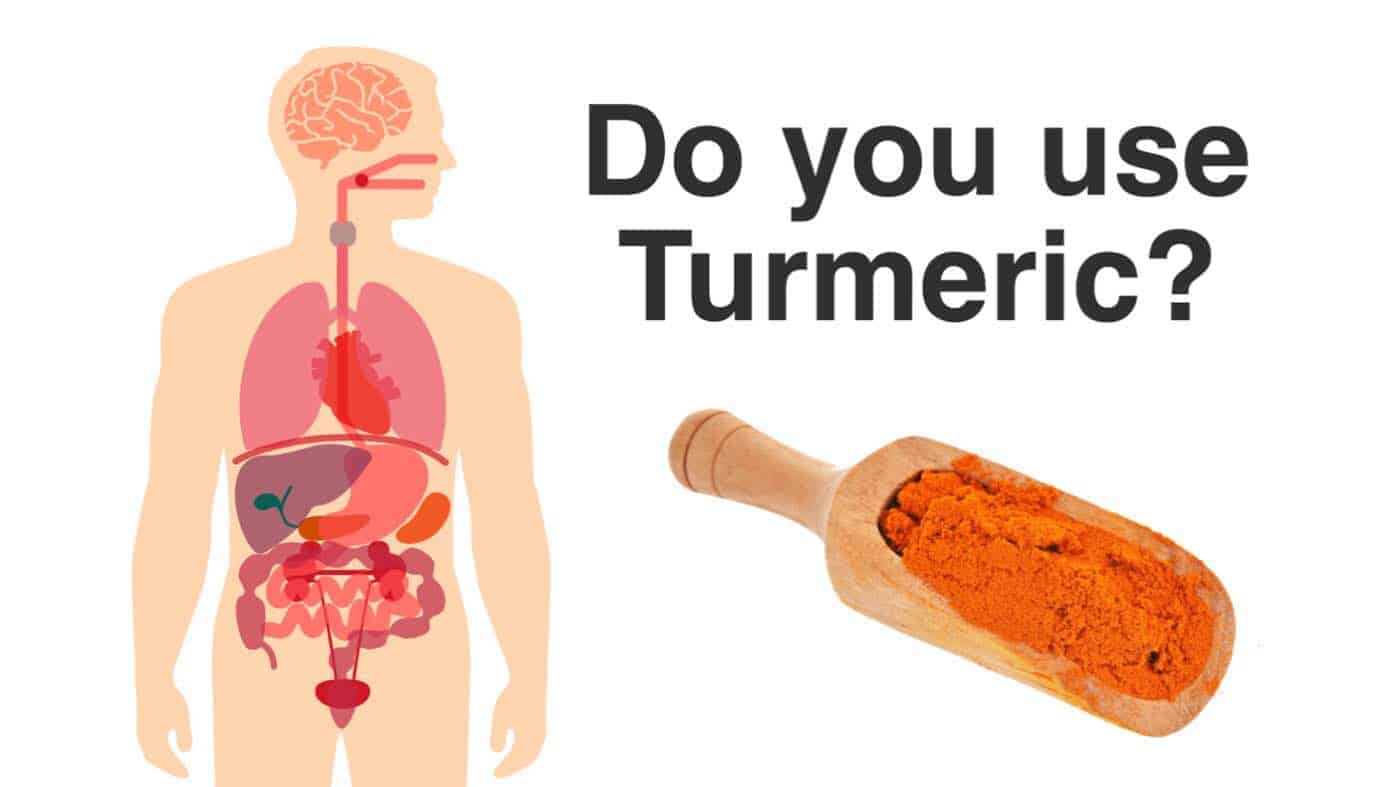
Read the 15 ways turmeric benefits your body.

4. Use the Freezer

If you’re having a bad coughing spell and find catching your breath to be difficult, then an old remedy may be the trick. All you need to do is stick your head in the freezer. It sounds crazy, but the cold air from the freezer can help to open your airways.

This method was used as a crude way to help those with the croup, but it’s also been hugely beneficial to those suffering from allergies too. When your bronchial tubes are swelling, as they do in asthma, you may find the freezer can bring fast relief.

5. The Power of Steam

When you feel moments of breathlessness, it can be quite scary. Thankfully, natural remedies can help ease your angst. Another standard old school method for dealing with breathing issues is steam. Boil some water on the stove and add an essential oil like peppermint or eucalyptus to the mix.

Once the water has boiled, remove, and put in a bowl on the table. Use a towel to cover your head, put your head towards the bowel, and allow the steam to penetrate your airways. The healing power of the steam, along with the herbs, can bring fast relief.

Taking a hot shower seems like it would be helpful, but you won’t have direct contact with the steam as you would in a bowl. If you live near a place with a sauna, then it’s also an excellent way to combat swollen airways.

6. Be Wise with Honey

Honey is one of nature’s perfect tonics. It can help to deal with chronic coughs brought on by this condition. Did you know that just one tablespoon of honey has enough power to thin out mucus secretions and stop persistent coughs?

The antiviral and antibacterial properties of this golden elixir cannot be denied. It can help to stop coughing as well as boost your immune system in the process. You can take it by the spoonful, or you can use it in a cup of herbal tea. The hot water and honey combination is a sure way to find quick relief.

honey

Final Thoughts on Understanding Bronchitis

While nature provides many remedies that can help with both acute and chronic bronchitis, some lifestyle changes can help to promote more natural breathing. First, if you smoke cigarettes, you need to stop immediately.

Also, secondhand cigarette smoke can be just as damaging to the lungs as smoking directly. The carcinogens found in these cancer sticks can further damage the lungs making breathing painful and challenging.

You should always wear a mask when you are working with any chemicals, especially household varieties such as bleach and ammonia. Avoid places that are laden with pollution as it can cause the bronchial airways to become inflamed. Wearing a mask can help to keep you from inhaling these toxins.

By eating a healthy diet that is rich in garlic, onions, ginger, turmeric, and power foods, you can boost your immunity. Having a sound immune system can keep you from getting infections even if you do encounter them.

Lastly, using a humidifier in your home can help to purify the air you breathe. Even if you are careful, there are still small amounts of pollutions as well as toxins in your atmosphere. In the typical home, you will find pet dander, pollen, dust, mold, mildew, and other irritants.

When you suffer from a condition like COPD or other breathing difficulties, removing as much of these from your home is essential. The more you get rid of the problems, the less you will need to treat the effects they have on your body.

Dealing with both acute and chronic bronchitis presents a challenge. Thankfully, the acute varieties will go away after a few weeks. However, the ongoing burdens of labored breathing and the fatigue it causes the body can best be managed through lifestyle changes rather than dangerous medications.

17 Habits of Introverts That Most People Misunderstand

Are you an introvert or an extrovert?  Everyone leans towards one of these two personality traits.  Extroverts are more socially outgoing and adventurous, while introverted people like being alone.

They prefer to fly solo instead of falling into a formation.

Thus, people often misread their behavior because they find it confusing. So, what are some of the habits of introversion that people misunderstand?

What’s the difference between introverts and extroverts?

You are most likely familiar with these two common personality traits. But remember, no one fits precisely into the introvert or extrovert box. There are varying degrees within both personality types. Despite this, there are specific tendencies in each personality type.

introverts

Introverted personalities tend to:

  • Like to blend into a group of people
  • Not like being singled out.
  • Enjoy being alone
  • Think carefully before they speak
  • Like to reflect upon their thoughts
  • Enjoy quiet, solitude

Extroverted personalities tend to:

  • Like a large group of friends
  • Like being the center of attention
  • Process their thoughts out loud
  • Tend to make quick decisions
  • Get energized from being around people
  • Be upbeat and unreserved
  • Enjoy teamwork

Here are 17 traits that cause people to misunderstand introverts

If you are introverted, you may feel like you get a bad rap for how you act. People may even consider some of your behavior as odd. Extroverts get lots of positive attention, but it’s time to debunk the wrong thinking about introverts. So, here are 17 characteristics of introversion commonly misunderstood by people.

1 – Introverts prefer to choose small groups over parties

Introverted personalities tend to pull away from social conditions. They’re often accused of being withdrawn and hard to get to know. But researchers found that when introverts and extroverts are in social situations, they respond differently.

In a social setting, an extrovert’s nervous systems send a signal that’s quickly accepted by their attention resources. On the other hand, introvert’s social signals get pushed away by their nervous system. So being an introvert has a biological cause.

This research explains why introverts find large groups of people tiresome. If they’re at a party or conference, they may drift off to a corner to get a break from all the activities. People misunderstand this, thinking the person is rude or that they’re upset.

2 – They guard their privacy

Introverts guard their privacy. They don’t like to talk about themselves. This habit can frustrate people who like to speak and easily spill their guts. They can misjudge the introvert as stuck up or that they don’t want to be their friend. Introverts want to make friends; they’re just careful who they befriend. Once they make a friend, they stick with them.

privacy meme

3 – Introverts are quiet, generally

If you are introverted, you listen more than you talk. This habit isn’t a terrible quality to have today. The world needs people who hear more than they talk. Introverts are great counselors, therapists, excellent listening partners, and parents. An introvert is a refreshing change in a world that likes to talk non-stop. They add calming stability to those around them.

4 – They prefer to be homebodies

Studies show that introverts are homebodies. They prefer being home to going out to socialize. They often have hobbies or like doing activities like quilting, writing, or computer programming, all of which lean toward technical expertise.

5 – Exhibit low-key personalities

If you’re an introvert, you like low key activities like watching television, reading, or doing a hobby. Introverts aren’t into high drama people. They find those who are tiresome or overwhelming. They are low maintenance people in general, not easily ruffled by things that happen.

6 – Need to recharge their emotional battery

Introversion means they like being alone because it allows them to recharge their battery. Extroverts receive energy from being around people. Introverts get worn out, talking, and being around people.  Quiet times alone give them time to reflect and refocus their minds and bodies.

They like to relax with a hobby or a good book. If you’re an introvert, it’s vital that you know your limits and set aside time for yourself. Don’t worry about what people will think.

You will be better able to do the things you need to do if you take little breaks occasionally to unwind and get recharged.

7 – Introverts don’t always enjoy group activities

Doing work in a group can be exhausting for an introvert. As an introvert, you prefer to work by yourself. Being alone gives you more time to contemplate the project. If you must work in a group, you’re focused and stick to your job instead of getting involved with all social distractions.

8 – Cautious in friendship

Introverts make great friends, but you won’t jump at being someone’s friend right away if you’re an introvert. You will be cautious and not quick to share details about yourself. But once you commit to being a friend, you will be loyal and committed to that friendship for a long time.

pop meme

 9 – Keep a small group of friends

A study found that introverts were happiest with a few strong friendships. If you’re introverted, you can be social. But you’re picky about who you open up to and who you like to be around. Introverts are loyal friends and often maintain the same friendships their entire life.

 10 – More introspective

Feelings oriented, revisit their conversations. Question their reactions and wonder if you said the right thing. Introverts are so introspective. They can be too hard on themselves.

11 – Like to watch, listen, and learn before they take action

Introverts are observers. They study themselves and other people learning how the world functions. By observing others, introverts learn how to interact with people. If you’re an introvert, you are often a good judge of character. You may steer clear of those situations that cause drama. After observing, you will make your move. It just might take you a while longer to decide.

12 – Introverts think before speaking

If you’re introverted, you think before you speak. You aren’t quick to answer a question. You like to think about the answer. This habit can drive people crazy, especially extroverts, who are often faster to share their thoughts.

13 – They are cautions and take only calculated risks

Introverts are willing to take risks but meticulous in their risk-taking. Studies show that extroverts like risks more than introverts. As an introvert, you study your chances carefully assessing before you take part.

14 – Enjoy watching rather than participating

In social settings, if you’re an introvert, you enjoy watching what’s going on around you. You like to listen to the conversations going on around you and watch how people interact. This habit gives you a feel for the people and the atmosphere, so you’ll be able to relax. People often misunderstand this behavior. They think you’re not having a good time because you’re quiet.

15 – Most can morph into extroversion when needed

Studies show that introverts can become extroverted when necessary.

If this is your personality, you might find yourself in a situation where you need to be more of an extrovert. Think at work when you meet a new client or need to do a presentation. If you’re a parent of several children, you must become an extrovert to encourage your kids to get up and get out the door for school and out the door in the morning.

This personality type isn’t a handicap and doesn’t negate the ability to lead. If you must be an extrovert at work or home, you will find yourself tired and in need of quiet time at the end of the day.

 16 – They find that small talk is a waste of precious time

If you’re an introvert, you find small talk a waste of time. You’d rather talk about deep philosophical issues than the weather. Introverts are thinkers.  They rarely have time for small talk, and this can be perceived as rude or unfriendly. If you’re an introvert, you may need to develop the ability to learn how to do small talk.

17 – Don’t like to talk on the phone

This personality type prefers face-to-face interaction because they like to observe people. Not seeing someone’s face is hard for you if you’re an introvert. Extroverts like talking, so they find you strange if you don’t enjoy talking on the phone.

Of course, you will need to talk to people on the phone. But most learn how to ask the right questions, which can help them understand the person is thinking.

introvertsFinal Thoughts: Be Proud to Be an Introvert!

We’re never victims of our personality. Whether you’re an introvert or an extrovert, you have both positive and negative things about your character. But introverts tend to be misunderstood more than extroverts. Learning about yourself can help you feel better about your personality, plus you can learn how to better relate to others.

Because you can’t stay home all the time, you need to learn social skills to ask questions and interact with people. Sometimes you’ll need to learn how to extrovert. As you learn more about yourself, you will also understand that you need to recharge your battery by being alone once in a while. It’s okay to be a deep thinker. Indeed, the world needs your input.

Remember, you’re not alone. Here’s a list of some famous names who share your tendencies:

  • Bill Gates
  • Eleanor Roosevelt
  • Albert Einstein
  • Elon Musk
  • Rosa Parks
  • JK Rowling
  • Steven Spielberg
  • Meryl Streep
  • Abraham Lincoln
  • Warren Buffet
  • Hillary Clinton
  • Barack Obama

 This list of famous introverts proves one thing–you’re in fantastic company!

5 Best Home Workout Routines to Boost Your Immune System

When so many gyms closed around the world, people started looking for online workout routines. And that makes sense. We all know a connection exists between exercise and the immune system. So it was smart for people to get their blood pumping.

But just because we can’t work out at the gym doesn’t mean we can’t get our sweat on in more creative ways! With so many workout apps, sites, and programs online today, you have an abundance of choices when it comes to breaking a sweat. You can even pop in an old dance workout video or play on the WiiFit – the choices are endless!

Of course, with so many options, you might become overwhelmed and not even know where to start, so we’ve found five good choices for workout routines you can do at home. Here they are, in no particular order.

The Connection Between Exercise and Immune System

You knew that exercise could help you stay healthy. But you might be surprised at how closely they link to each other.

Fewer Upper Respiratory Tract Infectionsexercise and immune system

Studies prove that people who regularly exercise experience fewer upper respiratory tract infections than those who don’t. Throughout a one-year observational study, researchers monitored healthy adults to reveal a decrease in the number of upper respiratory tract infections by 29%.

As you exercise, your lungs work harder to bring in oxygen and deliver it to the muscles. This increased effort increases the activity of the respiratory system entirely, which results in fewer upper respiratory tract infections.

This same study went on to show that exercising once in a while doesn’t offer this benefit. Instead, exercise regularly to experience fewer upper respiratory tract infections. For the best results, you must exercise at least five days a week for more than twenty minutes at a time.

Flushes Bacteria and Prevents Growth

Another connection between exercise and the immune system is that activity can help flush bacteria out of your lungs and airways. When the bacteria are flushed out, it reduces your risk of catching a cold, the flu, or other illness.

Since your body temperature rises during and after exercise, it also prevents bacteria from growing. If any bacteria aren’t flushed out, your body will fight them more efficiently as their growth is limited.

Decreases the Release of Stress Hormones

Stress hormones increase your risk of developing an illness. As you exercise, these stress hormones aren’t released quickly, limiting their negative effect on your immune system. Not only do high-stress levels lead to illness, but they can also cause temporary inflammation.

While temporary inflammation might not seem as bad as chronic inflammation, it can lead to illness and complications. Decreasing the release of stress hormones through exercise is a quick and effective solution.

Prevents and Decreases Chronic Inflammation

Chronic inflammation slows the circulation of immune cells in your body, making you more susceptible to illness. Not only does it slow the circulation, but it can cause drastic issues for your entire system.

When immune cells move around your body and encounter inflammation, your immune system becomes inflamed, too. An inflamed immune system increases your risk of becoming ill and struggling to fight it off.

Studies show a direct link between regular exercise and the immune system because of decreased inflammation. With regular exercise and a decrease of chronic inflammation, your body is better equipped to fight off infection.

Improves the Circulation of Immune Cells and Antibodies

As you exercise, your antibodies and white blood cells begin to circulate better. Your white blood cells are the ones that fight disease, so rapid circulation allows for quick detection of illnesses. With quick detection, your body can begin to fight off the illness before it worsens.

White blood cells and antibodies aren’t the only immune cells that will circulate better, either. Other essential immune cells such as neutrophils, monocytes, natural killer cells, and killer T cells also come into action.

These immune cells are typically in your spleen, lymph nodes, and bone marrow. However, when illness is detected, they are called into circulation.

Limits Aging of the Immune System

Like the rest of your body, your immune systems age the say way. With regular exercise, you can improve the longevity of your immune system, preventing you from becoming frail as you age.

Studies from the University of Valencia review explain that resistance, balance, endurance, and coordination training specifically help limit the aging of the immune system. This surprising connection between exercise and the immune system offers long-term benefits.

Wounds Heal Faster

Your immune system’s first line of defense is physical barriers such as the skin. Your skin keeps viruses and bacteria out of your body, but a wound removes that protection. When you have a skin puncture, germs can enter your body through the open skin, resulting in infection.

If you can heal quicker after getting hurt, there is less risk of pathogens entering the open wound. Regular exercise has proven effective for speeding up the healing process of wounds, making it a benefit to your immune system.

Helps Your Body Identify Germs Better

As your body’s third line of defense, adaptive immunity helps your body identify germs more effectively. Adaptive immunity, sometimes referred to as memory immunity, includes lymphocytes called T and B cells. When you exercise regularly, your body maintains a healthier number of T cells even as you age.

By maintaining a healthy number of these defense cells, your immune system can quickly identify pathogens and cancer cells. Plus, the germs won’t be overlooked or missed by your immune cells, either, if you exercise frequently.

Improves Vaccination Response

I know that not everyone chooses to get vaccinated, but those that opt for vaccination want a positive immune response. Studies show that exercise improves people’s vaccination responses significantly. I make sure to get familiar with the different types of vaccination. I also love to read about the production of vaccines as it is so interesting.

Vaccinations test how well the immune system works by attempting to coordinate and produce antibodies. People that regularly exercise develop more antibodies from the vaccination than those that live a sedentary lifestyle.

Helps Maintain a Healthy Sleep Routine

If you aren’t getting enough rest, your immune system won’t work as efficiently as it should. Exercise is a beneficial way to alleviate this problem, as exercise promotes healthy sleep. Regular exercise can help you fall asleep faster and get nights of more restorative sleep.

With sufficient and high-quality sleep, your innate and adaptive immunity will improve. You will also experience less severe allergic reactions if your body is well-rested.

5 Home Workout Routines You Can Do At Home to Boost Your Immune System

home workout routines

Learn how yoga can offer many health benefits.

1 – Practice yoga.

Yoga helps strengthen the body, but it also helps calm the mind and unite your soul with a higher consciousness. So, if you’ve been feeling stressed about this whole shutdown situation, yoga can help lower your cortisol while also giving you a great workout! While some types of yoga don’t burn as many calories, you can choose others such as Vinyasa or Bikram that will really get your heart pumping.

It also involves breathwork and mindfulness to get more in tune with your body, which helps balance the chakras. Yoga does so much for the mind, body, and soul that it might just top any other type of workout you can think of doing. You can find plenty of free YouTube videos to get you started, or if you want a membership, there are sites such as yogaglo.com that provide different types of yoga and meditation for a low monthly cost.

The great thing about yoga is that anyone can do it, whether you’ve been practicing for years or have just started getting into it.

Here are just a few benefits of yoga:

  • Reduces frequency and severity of migraines. A 2007 study placed 72 migraine patients into two groups: either self-care or yoga therapy. After three months, those who did yoga had the most drastic decreases in the severity of migraines.
  • Improves cardiovascular health. Since yoga lowers stress, it can also help decrease blood pressure and heart rate, contributing to heart disease and strokes.
  • Reduces chronic pain. Yoga helps to increase stamina and endurance, which can, in turn, boost resilience to pain.
  • Improves balance and flexibility. One 2014 study split 66 elderly individuals into two groups: one that practiced calisthenics and one that did yoga. A year later, the group that did yoga had a staggering four times the flexibility of the calisthenics group.
  • Helps depression and anxiety. By lowering stress and calming the mind, yoga can help ease depression and anxiety symptoms. In fact, one study found that more than half of women with PTSD who did yoga just once a week didn’t meet the criteria for PTSD any longer.
  • Improves sleep quality. Lower stress, anxiety, and depression help lower cortisol, which often keeps people up at night.
  • Lowers inflammation. Also, lower cortisol means that the body can function better overall, and improved circulation from yoga can decrease inflammation.

2 – Woodchoppers

If you need a good ab workout, look no further than this exercise to bolster your immune system! It targets both the abs and obliques for a full ab blaster, and the movements help strengthen the core and improve posture. This exercise can also improve balance and stability.

How to do them:

  1. Stand shoulder-width apart with the feet pointed slightly outward.
  2. Begin to squat until your thighs are parallel to the floor, but remember not to slouch your back.
  3. Hold a small weight with both hands and put it on the outer side of your right thigh.
  4. Turn your torso to the side and lift the weight up and across your body diagonally, so it’s above the left shoulder.
  5. Keep both arms straight as you lift your body back up. Then, stand and turn your torso, so you’re facing the dumbbell.
  6. Use your core muscles to control the movement as you lift your body and twist your torso. Come all the way up on your toes at the end.
  7. Return to the beginning position by reversing the twisting. As you bring the dumbbell back down, it will look like you’re chopping wood.
  8. Do three sets of 10 to 15 reps on each side.

3 – Box jumps

Box jumps fall under the classification of a plyometric workout which puts your whole body to work. While it’s a simple exercise, it’s also pretty tough and will definitely give you a good addition to your home workout routine. It engages your legs, core, and back muscles as you use your body to jump onto the box and back down again. By engaging the whole body, you’ll help improve endurance, stamina, and cardiovascular health.

How to do them:

  1. First, you need to get a box or find a platform or ledge to jump on.
  2. Stand with your feet shoulder-width apart close to the box or platform.
  3. Bend your body into a partial squat, pull your arms backward, and then swing them forward as you launch your body toward the box.
  4. Try to land as softly as you can on the box, so you don’t injure your ankles or legs.
  5. To come back down, you can either jump down or lift one leg at a time, which will strengthen the gluten as well.
  6. Try to do at least 10-15 jumps to begin with, and increase over time as you get stronger.

4 – Donkey kicks

Donkey kicks are a simple yet effective exercise that targets the glutes as well as the core. This workout also trains your lower back, pelvic floor, and shoulders. You can add donkey kicks into your normal workout routine if you want to increase your strength and reduce love handles.

How to do them:

  1. Get on your hands and knees and keep your face parallel to the floor.
  2. Keep your back straight and keep your abs tight.
  3. Raise your right knee and kick it out and up so that your left thigh is still parallel to the floor.
  4. Return to the starting position and repeat 10 times. Switch legs and do the exercise again. Try to do 3 sets on each side.

5 – Side planks

Planks help strengthen the core and target your back, shoulders, neck, and chest as well. You can do different plank variations to target different muscle groups, but the side plank specifically targets the obliques and core.

Here’s how to do it:

  1. Lie on your side with your legs stretched out and on top of each other. Put your right elbow directly beneath your shoulder, and keep your head aligned with your spine.
  2. Contract your ab muscles, inhale, and pull the navel in toward your spine.
  3. Exhale and lift your knees and hips off the floor, keeping your torso in a straight line. Hold this for at least 20 seconds, to begin with.
  4. Gradually work your way up to holding one minute on each side. Then, switch sides and repeat.

body fat melting exercises

Besides Exercise, Try These Things to Increase Your Immune System

  • Eat a balanced diet with plenty of fruits and veggies. Processed sugars, alcohol, caffeine, recreational drugs, white flour, fast food, and boxed foods all lower your immune system. Make sure to keep your vibration high by choosing as many raw fruits and veggies as you can. Also, eat brown rice, quinoa, nuts, seeds, unpasteurized dairy, pasture-raised eggs, and, if you choose, lean meats such as chicken and turkey. Salmon is great for Omega-3 and 6 fatty acids, but you can also take a fish oil supplement.
  • Get plenty of sleep. A lack of sleep can affect your immune system over time because it increases cortisol, and therefore, inflammation. Make sure you get at least 7-8 hours of sleep per night. Turn off technology a couple of hours before bed and have a bedtime routine each night.
  • Drink lots of water. Roughly 60-70% of our bodies are water, so it makes sense that we need to replenish our water as much as we can! Many people suffer from chronic dehydration, so bring a bottle with you wherever you go, and choose filtered water whenever possible.

love handles exerciseFinal Thoughts About the Link Between Exercise and Your Immune System

We have immune systems to keep our bodies healthy and away from harmful invaders such as viruses. However, if we abuse our bodies with unhealthy foods, lack quality sleep, exercise, and have a highly stressful life, our immune systems can’t do their jobs. So, the workout routines listed above will help build your immunity by increasing your strength, endurance, and stamina.

Also, eating a healthy diet, getting plenty of sunshine, having a sleep routine, drinking plenty of water, and keeping your stress low will give your immune system all it needs to do its job properly.

10 Foods That Can Worsen Diverticulitis (and 10 Foods That Help)

Diverticulosis is a widespread digestive condition.

Researchers say it affects approximately 35% of the United States’ young adult population up to age fifty. The chances of getting diverticulosis increases as you age. Diverticulosis may turn into a severe condition called diverticulitis. Diverticulitis has painful side effects. If you suffer from diverticulitis, you know the challenge of keeping it under control. So, what ten foods make diverticulitis worse? What ten foods help you manage it?

A tale of two confusing terms

Because diverticulosis and diverticulitis sound similar, it’s easy to confuse their meanings. They are two different conditions that can show up in your large intestine, which is called your colon.

Diverticulosis

This condition takes place when the small pouches in your colon push through vulnerable spots in the wall of your colon. This condition may not need special treatment but can lead to diverticulitis. Diverticulosis may not cause symptoms for some people.

Diverticulitis

This condition is swelling or inflammation in several of the diverticula. Diverticula are little pockets that show up on the wall of your colon, like tiny air bubbles pushing outward, weakening the walls of your colon. They differ in size and may show up anywhere along your colon, but they’re more apt to show up it the lower left-hand side of your colon, which is where the S-shaped curve of your colon exists. If you have diverticulitis, you may at first have diarrhea, bloating, or constipation. As the disease progresses, you may feel nauseous and have a fever. It’s a severe condition that requires medical attention. Your treatment may include the following:

  • Antibiotics to kill bacteria
  • Rest to allow your body to heal
  • A liquid diet to rest your colon

Your gastroenterologist will want to do some tests to confirm you have diverticulitis. These include

  • Colonoscopy to check your gastro tract
  • CT scan of our gastro tract
  • Stool sample to look for infection
  • Urine test to check for a UTI
  • Blood tests to rule out cancer, kidney disease or anemia

diverticulitis

What happens if you don’t treat diverticulitis?

Left untreated, diverticulitis leads to more significant problems. You may get a perforation that leaks infection into your colon, causing an abscess to grow in your abdominal cavity. This area is called peritonitis. Vomiting, fever, and extreme abdominal pain are symptoms of peritonitis. If you ignore this severe condition, you could eventually need surgery to remove part of your colon and clean out the infection in your abdominal cavity.

This disease is a life-threatening condition, and if left unchecked, you could die. Heredity and diet may play a part in getting diverticulitis, but doctors aren’t entirely sure.

10 Foods That Help Manage Your Diverticulitis

Research shows that people who consume a fiber-rich diet have fewer chronic illnesses. Eating a high-fiber meal reduces your chances of getting heart disease, Type 2 diabetes, and certain cancers. You’ll also be less likely to gain weight. Adult women should consume 25 grams a day, while men should consume 38 grams per day to maintain a healthy diet.

1 – Whole wheat bread

Whole wheat bread is rich in magnesium and B vitamins. They contain lots of fiber, too, which is best to manage your diverticulitis.

2 – Oatmeal

Oatmeal is another whole grain that is rich in fiber and packed with vitamins. Eating oat cereals each day boosts your fiber intake for the day.

3 – Brown rice

Brown rice is packed full of Vitamin B6, magnesium, selenium, and niacin. It’s healthier than white rice because it contains more fiber plus antioxidants.

4 – Fruits

Strawberries, blueberries, and raspberries are excellent sources of vitamin C and antioxidants. Some fruits like apples and plums cause gas, so go easy eating too many of these.

cranberry

Learn the benefits of adding cranberry to your diet.

5 – Vegetables

Think of sweet potatoes, carrots, or green beans for your optimal gut health. Some veggies cause gas, so you should avoid them. Steam or oven roast your vegetables in olive oil with a dash of salt on top for flavor. Spice up your veggies with lemon juice, turmeric or ginger to add boost the flavor. They are low-salt alternatives that give vegetables a whole new flavor profile.

6 – Chicken and fish

They are great, lean sources of protein. Fish is high in Omega-3, which is vital for healthy skin, hair, and proper brain function. Grill or oven bake your chicken or fish, adding olive oil or lemon for extra flavor.

7 – Low-fat cheeses and Greek yogurt

Low-fat cheese and Greek yogurts are excellent for the gut. They are great sources of calcium and protein. Choose hard, aged cheese rather than the softer cheeses. Eat low-fat yogurt, which is high in calcium and good bacteria for a healthier gut. Top your cup of yogurt with granola or nuts for added crunchy goodness.

8 – Almonds

These nuts are rich in minerals and vitamins. They’re also high in protein, and vitamin E. Chop them up to top your yogurt or baked fish. Throw some into a salad to add a little crunch.

9 –  Eggs

Eggs are high in protein, but low-fat. They contain iron, minerals, and vitamins to boost your overall health as well as your gut health. Fry eggs in coconut oil or olive oil rather than heavy vegetable oils that have trans fats.

10 – Lots of water

If you suffer from diverticulitis, it’s easy to get dehydrated. Keep a bottle of water with you.  Keep a written journal of how much water you drink every day to ensure you’re getting enough. Water keeps your blood healthy, and your skin smoother plus keeps your body hydrated.

Ten foods that can trigger diverticulitis

If you suffer from diverticulitis, your doctor may tell you to change your diet. Studies show that eating a fiber-packed diet can help you manage diverticulitis flare-ups. There are no restrictions on your diet, but you may find that certain foods trigger the condition and will need to eliminate them.

1 – Fried foods

Fried foods are unhealthy for everyone, but especially for those people who suffer from diverticulitis. Typically, the oils used to cook foods aren’t good. They are high in unhealthy trans fats that put you at risk for heart disease and obesity.

2 – Dairy

Foods like ice cream, butter, and whole milk are high in fat may cause diverticulitis to flare up. You can still enjoy dairy products but look for low-fat alternatives. Or choose almond milk or coconut milk products for a healthier, plant-based choice.

3 – Cruciferous veggies

Avoid the likes of cabbage, broccoli, cauliflower, and Brussels sprouts. Although these vegetables are high in fiber, they don’t get digested completely in your small intestine.

When these partially digested foods arrive in your large intestine where it is processed, they will cause lots of gas and bloating. If you want to include these cruciferous vegetables in your diet, eat small amounts, drizzled with olive oil and roasted in the oven.

foods for weight loss

4 – Onion and garlic

These two foods are difficult for your gut to digest. They can cause lots of gas and bloating, which can make your diverticulitis worse.

5 – Spicy and hot foods

Spicy foods can trigger your diverticulitis. If you enjoy these types of foods, eat only a small amount at a time to lessen the chance of having a flare-up.

6 – Sugary food

Sugar is another common trigger food for diverticulitis. You’ll find lots of sugar in candy, baked goods, and table sugar. If you want to still eat baked goods, prepare them with honey or agave syrup or sweeten with natural fruit juice.

7 – Beans

Legumes are known to cause gas and bloating. They are high in fiber and protein. If you want to keep beans in your diet, eat small amounts at a time so your gut can digest them.

8 – Artificial sweeteners

Avoid artificial sweeteners. They cause gas and bloating for many people and, in general, aren’t a healthy choice if you suffer from diverticulitis. Instead, choose honey or agave syrup. Find ways to use spices like ginger or cinnamon, which add a natural sweetness to dishes.

9 – Dried fruits

Although dried fruits are high in fiber, they’re also high in sugar and calories. If you want to eat these, enjoy them in only small amounts.

10 – Bread and rice

White bread and white rice are low in fiber. They lose much of the nutritional value due to the over-processing during production.


diverticulitisFinal Thoughts on Eating to Manage Diverticulitis

Although doctors aren’t sure what causes diverticulitis, there are things you can do to manage this condition. Eating a diet high in fiber is best to offset flare-ups. Eat whole-grain bread, rice, or quinoa instead of white rice or potatoes.

Choose fish and lean meats, lots of vegetables, and fruits for your diet. Eliminate sugar and artificial sweeteners. Prepare your veggies and meats with olive oil rather than cooking oils or vegetable oils that are loaded with trans fats. Grilling, baking, or broiling is the best way to prepare meats. Also, you should drink loads of water to maintain your hydration.

If any of these foods cause you a flare-up, you may want to eliminate them from your diet. Everyone reacts differently to your condition. But once you learn which foods to eat and, conversely, what not to eat, it will be much easier to control your diverticulitis and lead a normal life.

15 Hidden Habits That Can Trigger A Panic Attack

A panic attack involves an overwhelming sensation of fear, paranoia, and anxiety, balled up alongside heart palpitations, sweating, and even breathing difficulties. They are highly unpleasant, and those who get them often can attest to how tiring and scary they can be.

If you get regular panic attacks, you may be doing certain things that are contributing to your risk of them.

Here are 15 hidden habits that can trigger a panic attack.

positivity meme

1.   Creating Crisis out of Drama

Sometimes things feel much more significant than they really are. At times, we all can exaggerate a problem by overthinking and making it seem much bigger than it really is. This is called catastrophizing, which is the misinterpretation of events or physical sensations as considerably worse than they are. These misinterpretations can become triggers for a panic attack.

It is often the case that many people with anxiety cannot distinguish the difference between what is possible and what is probable. They may consider something extremely unlikely a cause for concern, even though the risks are minimal. As an example, panic attacks can be triggered by:

  • Assuming a heart fluttering that you are feeling is a heart attack
  • Thinking that something bad happened to your partner because you have not heard from them for a while
  • Assuming someone hates you because they have not replied to your message yet

2.    Spending A Long Time On Social Media

Social media and the internet have provided many benefits, including linking us to distant family and friends. But an excessive amount of time spent on social media can be extremely detrimental to mental health and positive thinking, especially in relation to anxiety. Here’s what might happen if you stay on social media for too long:

  • You may start comparing yourself with what you see others posting about themselves
  • You could get more worried about the things you read online that others might have shared on their pages
  • Others might attack you for bad phrasing, personal opinions, or appearances
  • You might trigger a panic attack from all the negativity you are exposing yourself to

3.    Road Rage

Driving can be very stressful, which is why it’s really no surprise that people can experience road rage that almost seems to change their personalities entirely. This type of anger is especially prevalent when running late or stuck in traffic.

However, getting angry on the road is pointless and only serves to increase your heart rate and tense your muscles and send your body into full anxiety mode. Experiencing all this stress can cause you to feel even more anxious, potentially triggering a panic attack.

4.    Overcommitting

Everyone needs time for rest and recuperation, as rest is an important part of managing your anxiety. Overcommitting, therefore, presents with it the danger of removing all free time, hence reducing any time you could have used for rejuvenation.

No matter your schedule, there is always a way to get in some mindful rest. This will keep your anxiety levels down and also promote better health overall.

5.    Hyperventilating

Hyperventilating is one of the top symptoms of a panic attack; somewhat ironically, it can also trigger one. When you hyperventilate, your breathing becomes fast and shallow. Then, your body signals to your brain to tell it that something is going wrong. This can then become a vicious cycle – hyperventilating causes panic, which causes more hyperventilation.

One positive way to overcome this is through diaphragmatic breathing, which can effectively control your breathing and stop the attack. Diaphragmatic breathing is the process of inhaling through your nose for four seconds, exhaling through your mouth for six seconds, and finally pausing for two seconds before repeating the cycle three times, minimum.

panic attack

6.    Magnification

Magnification can be defined as the act of making an event more serious than it initially was. This can lead you down a mental path that believes that current events are world-ending, even if they are simply unfavorable.

For example, people with phobias often tell themselves that if they experience their phobias, it may kill or severely injure them. Of course, this is typically not the case for most phobias. This style of thought can be overcome with positive thinking, but it requires much effort! Here are some examples of magnified statements:

  • Any elevator may drop at any moment, resulting in death.
  • Brushing against trash with bare skin can cause germs to contaminate the body and kill it through infection or illness.
  • Touching an insect will result in severe danger and death through unknown means.

7.    Skipping Meals

Skipping meals can result in severe blood sugar dips, potentially leading to energy and mood crashes. Naturally, this can lead to flares in anxiety, increasing the likelihood of a panic attack. Remember, eating a balanced diet is crucial to positive health, and skipping meals will only harm you in the long run. Always remember to:

  • Eat consistently
  • Make sure your meals are nutritious
  • Eat something on the go if you are too busy for bigger meals

8.    Eating Poorly

There is a clear link between your mental health and your diet. Bad foods affect your entire body, and your brain is, after all, a part of your body. Poor nutrition can lead to panic attacks as your body struggles to regulate its consumption.

Opt for high-protein meals with moderate wholegrain carbohydrates for energy and serotonin boosts. Avoid:

9.    Procrastination

Procrastination may be a short-term solution to relieve some anxiety, but doing it too much can be addictive and may form a habit that is very difficult to break. If you keep putting things off to the last minute, stress builds up over time, and panic attacks become more commonplace.

10. Overthinking

Overthinking and over-analyzing a situation can cause a disconnect from reality. One tiny, simple thing can be turned over and over until it is no longer what it originally was, but an amalgamation of your anxiety and fear. It goes without saying that this can, eventually, trigger a panic attack. Here are some examples of situations where you may overthink:

  • After a social interaction, you overthink every word you said and each reaction you received for them and eventually conclude that these individuals disliked you
  • Spilling something onto a friend or family member and fearing that this action has caused them to hate you or write you off as clumsy
  • Spend hours analyzing a gesture shown to you by a colleague, trying to decide if it was a positive one or not with no real way of finding out

11. Isolation

For those that often deal with depression, anxiety, and panic attacks, it may feel like the safest thing to do is to isolate yourself. However, isolation is not a solution for your mental health problems, and it can even worsen symptoms of panic.

Loneliness is bad for both your mental and physical health, and it can even shorten your lifespan, increase stress levels, and weaken the immune system. As such, some socializing is needed to ensure the health of both body and mind. You should make spending time with family or friends a regular endeavor when you can.

But what about days when you feel like you can’t do anything at all? You can still be productive without socializing, which will be infinitely better for your health. You can:

  • Go for a walk outside.
  • Engage in hobbies you love
  • Do chores around the house.
  • Have a self-care day
  • Visit the mall for some shopping.
  • Catch a movie at a cinema
  • Eat out at a restaurant you’ve wanted to try.

social distancing

12. Fearing A Panic Attack

It is often said that fighting off something you fear is more complex, and the same goes for panic attacks. In a twisted sense of irony, panic attacks can be self-reinforcing, meaning that being worried about them can trigger them, and triggering them can lead to a fear of them.

If handled poorly, this turns into destructive patterns over time. As such, work on staying positive. Understand that panic attacks are not the end of the world and can be managed if you dare to face them.

13. Emotional Reasoning

Emotional reasoning is what happens when your brain comes to a conclusion based on your feelings, regardless of whether it is rooted in a rational truth or not. Just because you feel something does not mean it is true!

Instead of responding emotionally to everything, gather facts, information, and evidence first. Take some time to breathe, then approach the situation logically before coming to your conclusion.

14. Not Exercising

They say that a healthy body breeds a healthy mind – and they’re right! Exercise can be a great help in keeping the brain healthy and promoting positive thinking. This is because exercising releases positive chemicals, known as hormones, such as dopamine and endorphins. These feel-good hormones make you feel fabulous. Here are some other examples of what exercise can do:

  • Boosting libido
  • Improving posture
  • Reducing disease risk
  • Enhancing cognitive function
  • Reducing fatigue

When you don’t exercise, you’re causing your body and mind to fall into a slump. This pattern can make you more susceptible to developing panic attacks as you don’t get to work off nervous energy or increase good hormone production.

15. Jumping To Conclusions

Jumping to conclusions is rushing to a finalized thought without backing up sufficient evidence or information. It is somewhat similar to emotional reasoning, but this doesn’t require strong feelings – it just requires a lack of knowledge.

When you jump to conclusions, you allow your brain to make large leaps in logic to get to decisions and ideas. When these ideas and decisions are negative, they can trigger panic attacks due to their suddenness. Here are some scenarios that illustrate how this can affect you:

  • Finding out that you answered a question incorrectly on a test leads you to believe that you failed the examination.
  • Being left on “read” by a friend makes you believe they are ignoring you due to something inconsequential.
  • After being told half of a report regarding something that affects you, you are already ten steps ahead in the wrong direction and seeking solutions that will be ineffective.

panic attackFinal Thoughts On Some Hidden Habits That Can Trigger A Panic Attack

Panic attacks can be rare, they can be frequent, and they can be a symptom of a disorder. If you are experiencing panic attacks that are severe, impede your daily life, or are very frequent, speak to a doctor or mental health professional.

11 Red Flags That Reveal Your Partner is Gaslighting You  

You may not be familiar with the term gaslighting. First of all, it has nothing to do with gas or lighting. Gaslighting is a form of manipulation where a spouse tries to convince their partner they’re mentally unstable. Sadly, this form of mental abuse is quite common in relationships. So, what are some red flags that reveal your partner is gaslighting you?

Where did the term “gaslighting” come from?

The term gaslighting originated in 1938 when a British play called “Gas Light” was released. Then later, in 1940, it was released in the United States as a movie called “Angel Street.”

In the play and movie, an abusive husband tries to convince his wife she’s gone mad. He assures her that she’s stealing and hearing noises, leading her to believe she’s lost her mind.

Eventually, she comes to her senses and escapes her husband’s control. In today’s culture, politicians are sometimes accused of gaslighting when they question an opponent’s intelligence or question their competence.

A similar term to gaslighting is a psychological term, Machiavellianism. This personality trait in a person causes them to manipulate others by using deceitfulness or exploitation to get what they want. They are motivated by a strong desire to pursue their interests at the expense of someone else.

Gaslighters use verbal, mental, or physical abuse to control their victims.

11 Red Flags That Reveal Gaslighting Behavior

gaslighting

1. Controlling behavior

Studies show that gaslighting in marriage indicates a sadomasochistic relationship where one partner imposes mental or physical harm on the other person. The person enjoys their manipulative behavior because they get pleasure from it. This kind of cruel behavior seeks to control you and break down your emotional defenses. The person tries to dominate you so you’ll accommodate their wants and needs. This desire may be a desire for sexual control and or emotional control over you.

2. A gaslighter denies the behavior

If your partner is gaslighting you, he or she will deny they are manipulative. They’ll tell you that you just misunderstand them. They may say to you that you’re the one with the problem. This charade is an effort to stop you from questioning them.

They’ll blame you, play the victim and question your love for them. You may even end up apologizing for doubting their sincerity. It’s twisted behavior and destroys your relationship. Gaslighting tears apart a relationship, stripping away the ability to discuss issues and even disagree with one another.

3. Gaslighting will wear you down with the repeated lies

The gaslighter is tenacious. They’ll repeat their lies to wear you down. They are motivated by their desires and perceived needs. They create false scenarios to confuse you. In their lying, gaslighters use various strategies to break you down. They will try to

  • Brainwash you
  • Discredit your opinions
  • Attack your questions
  • Belittle your thoughts
  • Break down confidence and power

A person who gaslights exaggerates to get their point across. This action puts the gaslighter in control so they can overrule anything you may question or any attempt you make to point out their lies.

They are always right, and you’re still wrong. They will lie about your ability, your looks, or your intelligence to others. If you question these comments, they may call you crazy or delusional. This game puts you on the defensive and helpless to have an opinion on the matter.

delusions

Here are red flags someone is delusional.

4. They trivialize their behavior

If you are gaslighted, your spouse or partner will tend to downplay your concerns or your questions about their behavior. They will turn things around, questioning you to minimize their behavior and cause you to doubt yourself. They may say something like the following phrases:

  • “You are just too sensitive!”
  • “Why are you so jealous?”
  • “What’s the big deal?”
  • “I was just joking.”
  • “Why are you so upset over something that’s no big deal?”
  • “What’s wrong with you?”

These comments seek to destroy your self-confidence and make you feel like you’re in the wrong. You may end up so manipulated that you apologize for simplifying questioning the gaslighter.

5. Emotional pleas

Researchers found that manipulative individuals beg and threaten in their healthy life. They use impassioned pleas to convince someone to believe them or do what they want. It’s emotional manipulation that wears down a person to feel sorry for them and to give in to their pleas.

You may not realize your spouse does this. Perhaps you think they’re an emotional person who feels things deeply. Indeed, you may be reluctant to see how manipulative they are and how they use emotional pleas to get what they want from you.

6.  A gaslighter will attack your friends and family

You know you’re being gaslighted if your partner tries to tear your way from your friends and family. The gaslighter wants you totally for themselves.

At first, you may feel flattered by their attention, thinking they’re devoted to you. But it’s not devotion that motives them. Gaslighters fear exposure and think that your friends will see through their manipulation. They’ll use emotional begging to convince you to spend time with them instead of your friends or family.

They may question your friend’s motives or attempt to convince you that you can’t trust others. Or they will lie about what your friends said or did. Their goal is to isolate you from the outside world so you will be under their control.

7. Gaslighting erodes your self-confidence

If you live in a gaslighting relationship, you will begin to feel less confident about your abilities or your intelligence. This form of mental abuse erodes your self-confidence. You’ll look to the gaslighter for approval. You may apologize to them all the time because you’re anxious about how they’ll react if you disagree.  Out of fear of incurring their wrath, you’ll agree with them all the time.  If you are being gaslighted, your partner may use verbal abuse to manipulate and erode your self-confidence. They may minimize your experiences or knowledge. They’ll tell you you you’re dumb, stupid or an idiot.

8. Verbal abuse confuses you and breaks you down

Researchers found that women who are exposed to verbal abuse are more likely to experience poor mental health and depression. Constantly being accused of being wrong or confused is a form of verbal abuse which can lead you to have a mental breakdown. Verbal abuse includes

  • Shouting or yelling at you
  • Intimidating you
  • Humiliating you in front of others
  • Treating you like child
  • Threatening you harm
  • Demeaning your intelligence or your looks

You may become so anxious or worried while you’re verbally abused, you develop psychological problems. Weirdly, the gaslighter’s prediction that you’re mentally falling apart is true due to their abusive behavior.

9. They will subject you to the hot and cold treatment

Your partner is gaslighting you if they display contradictory behavior-being abusive one minute, then being loving the next. It’s easy to fall prey to a gaslighter’s emotional ups and downs. They are unstable, but you may not see it at first because they’re such good actors. First, they seek to manipulate your emotions and demand your total loyalty.

They know how to play you, being sweet and loving to you. You begin to relax your guard. Just as quickly, they’ll attack you for something you did or said. It makes the relationship an emotional rollercoaster for you. All the while, the gaslighter blames you for his behavior.

narcissist

Here are tips for breaking up with a narcissist.

10. Aggressive behavior

Gaslighters don’t like to have their motives questioned or to hear that they are in the wrong. If you question them, they will push back hard. They may get hostile or even physical with you shoving or hitting you. This behavior is an intimidation tactic to make you stop questions.

The gaslighter needs to be right. He or she will use “put-downs” or character assassination to wear you down to the point that you give up trying to point out issues in their life.

11. Treacherous promises

If you’re in a relationship with a gaslighter, they may promise you they will change. They’ll promise to be less harsh or abusive if you just give the gaslighter some time. They may get emotional and cry or beg you. They’ll tell you how much they adore or love you.

This move may cause you to feel sorry for them and even feel grateful that they say they’ll change. It’s a twisted tactic for future control of you. These yo-yo promises wear away at you until you feel emotionally exhausted and powerless.

gaslightingFinal Thoughts on Red Flags That Warn You of Gaslighting

Gaslighting is more common than you think. We’re all susceptible to being gaslighted. It can be hard to detect abuse in someone we love and care for. It’s easy to tell yourself that destructive behavior isn’t real.

Because gaslighting is a slow process of gaining control, you may not see it until it’s too late. You may suffer from depression as a result of living with a partner who is gaslighting you. Therefore, take action if you think your partner is gaslighting you.

Remove yourself from the relationship immediately. Seek help from a therapist or counselor. Finally, find a support network or friends who can help you gain back your self-confidence and hope.

15 Ways a Guy Friend Reveals His Secret Interest in a Romance

For generations, young ladies have daydreamed about their future suitors while plucking daisy petals to see if he loves them or not. Maybe you have a guy friend, and you have wondered if he wants to take your relationship from friendship to a romance.

Could he also have a physical attraction to you?

Perhaps, yours is a case of love immortalized by award-winning singer, Bonnie Raitt. If he is having romantic thoughts about you, isn’t it time to give people something to talk about? Was that a sparkle of love in his eye, or are you wishfully thinking?

One may argue that platonic relationships can’t exist. Of course, you may still have men you consider friends or “brothers.”

Is there one different guy? How can you tell if he is sending you subliminal romantic thoughts?

Do They Want More? Here are Ways to Be Sure

romance

Trying to guess if someone close to you has a secret crush can be slippery. On the one hand, you don’t want to miss out on romance just because you were too afraid to ask. However, you don’t want to look like a fool and put your heart on the line to discover that you misread his intentions.

What’s a girl/guy to do? Should you be upfront with him, or do you risk losing a good friendship? Is it possible that you are misinterpreting his extroversion for flirtation? If you wish there were more to your relationship, how will you know unless you ask?

Everyone has been in this dilemma of love at least once in their lives. Secret admiration has been the subject of novels, songs, and art since the beginning. Here are fifteen ways to tell if your guy friend secretly wishes for romance.

1. Does He Call or Text a Lot?

Let’s face it; guys would rather be doing anything than talking or texting. While some men are naturally more talkative than others, his daily texts may be more than friendly hellos. It gets even more apparent when he also calls regularly.

Before you chalk it up to chance or boredom, consider the context of his correspondence. Does he send you corny memes for a laugh, or does his conversation have substance? Maybe his day isn’t the same until he hears from you, which is a good sign that he is having romantic thoughts.

2. Are His Conversations Superficial or Meaningful?

Generally, men are less in touch with their feelings than women. Even boyfriends and husbands often find it challenging to discuss life’s more in-depth, emotional meanings. While they are all for love, they usually aren’t comfortable talking about it.

Does your guy friend have long, meaningful conversations with you, or are these talks superficial? Can you tell that he is genuinely interested in what you say and can recall the details in later conversations? Either he is a brilliant conversationalist, or he is digging you.

3. Does He Mention Other Women in His Life?

Sometimes, guy friends use their female friends as sounding boards for their romantic interests and conflicts with other women. If this is your buddy, he might be trying to get a woman’s perspective and feels comfortable discussing it with you. However, you don’t want to be a dating therapist for life.

Does he date often and talk about the other women to you? Do you see him flirting with ladies at work or in public? If the only woman he always mentions is his mother, he is either having romantic feelings for you or you should run the other way.

However, you could be the only one in his eyes, and you have yet to realize it. Listen to his conversations and observe his dating life or the lack thereof. He just may be waiting for you to return his love interest.

love quote

4. Does He Seem Nervous Around You?

It’s a man’s nature to feel intimidated or nervous when emotions are involved, especially romance. He may act like a ditzy teenager in puppy love and be amusingly awkward around you. Most men advance from this phase into relaxed confidence as the relationship matures.

Have you noticed that your guy friend is usually calm and collected until he gets around you? Does he seem a bit giddy, clumsy, and stumbles on his words? It could be that he has a secret crush on you.

5. Is He Unusually Interested in Your Life?

While there are anomalies, guys are not usually overly interested in things that women find essential, unless he has romance in mind. If he hasn’t known you for years, he probably isn’t going to remember a lot of details about your life unless he has feelings for you.

Isn’t it odd that he knows all about you without being prompted? Does he know what color your eyes are, your favorite color, or whether you prefer chocolate or vanilla ice-cream? Does it almost seem like he can finish your sentences? He might be a keeper.

6. Is He Jealous of You?

Although jealousy is a complicated emotion to hide, it may be more so for guys. A Platonic buddy wouldn’t care about whom you date and what men you discuss. The only reason a man would get his feathers ruffled would be if he had thoughts of love for you, too.

Does your guy friend seem happy for you when you mention a male love interest, or does he quickly change the subject? Can you see a tinge of the green-eyed monster in his eyes when you are talking to other guys? If he’s jealous, then it may be time for you both to talk.

7. Is He in Touch with You, Literally?

In American society, women are usually the touchy-feely ones. Sometimes, guys misinterpret a lady’s innocent touch on the hand or shoulder as a touch of romance. But if people are attracted to each other, the need to touch is almost irresistible.

The next time you kick back with your guy friend, notice how often he touches you. Does his hand linger on yours, or does he find ways to brush your shoulder, hair, etc.? Maybe he is dreaming of love and touching you as a lover.

8. Is He Often Lost in Your Eyes?

If a stranger continually makes eye contact with you, it is more creepy than romantic. When your guy friend stays locked into your eyes, he may feel a spiritual connection with you. Looking deeply into someone’s eyes indicates trust, honesty, and romance.

9. Does He Truly Notice You?

The bane of many girlfriends and wives is that their men don’t notice things. In the initial stages of romance, guys pay so much attention to their love interest that they often remember the smallest detail. Is he watching you so intently that he knows when something changes, like a new outfit or a different hairstyle?

falling in love

10. Has He Introduced You to His Family and Friends?

Maybe one of your guy friends has always felt like a brother to you, and you already know his family and background. If not, a closer male companion may casually introduce you to family and other friends.

Is he unusually nervous when he invites you to meet his family? He might be eager to see how they react to a possible love interest. Put your best foot forward because these folks may be part of your life soon.

11. Is He More Interested in One-on-One Time Than with Groups?

When people have love in mind, two is company and three is a crowd. Casual male friends may enjoy alone time with you, but they are just as happy in a group activity. Does your guy friend seem to be finding more excuses for private dates?

12. Is He More Than Generous?

It isn’t unusual for a close guy friend to give you a present for your birthday or the holidays. As a friend, his gifts are probably thoughtful but nonspecific enough for anyone. A guy friend who has romance on his mind may give you gifts for no reason, with an unsaid sentimentality.

13. Is He Extra Careful with His Style and Grooming?

A male buddy has no qualms of meeting you in a faded t-shirt and a ball cap covering his un-brushed hair. You’re his friend, so appearances aren’t always essential. If this guy has a romantic eye on you, he will be sure to dress to impress.

14. Does He Go the Extra Mile for You?

True friends help their friends when needed. However, a guy friend who wants more than friendship may be extra helpful. Does yours go out of his way to help you with things so that he can be with you?

15. Look for Yourself in His Life

Does your male friend want to be romantically involved with you? Browse through his social media accounts and notice your presence. Do you see a lot of photos of the two of you together?

romanceFinal Thoughts on Recognizing the Signs of Blooming Romance

Taking a chance on romance can be risky with your guy friend. Is not living with regrets worth the risk? Consider these tell-tale clues and see if they lead you to love. Sometimes, the most excellent relationships start as friends and blossom into more. Don’t let true love pass you unnoticed.

Scientists Reveal Why A Simple Life Makes People Happier

We have so many modern conveniences, yet our lives have become more complicated and hectic. Many people want to go back to the old ways of doing things. That’s because our fast-paced lives have affected our stress and happiness levels. We continuously work to achieve higher incomes, more benefits, and rewards. But at what cost?

Life doesn’t have to be so stressful and burdensome. However, we’ve just made it that way. In the U.S., we have more economic opportunities and innovations than almost any other country. Yet we don’t even rank in the top 10 happiest countries. Perhaps our obsession with materialism, money, and different sensory stimulations plays a large part in this unhappiness epidemic sweeping the nation. We often sacrifice our health and happiness just for the almighty dollar, but at some point, this comes back to bite us.

To increase your happiness, simplifying your life should become a priority. The less you worry about, the more time you can spend connecting with loved ones, taking care of yourself, and enjoying the life you work so hard to maintain. Below, we’ll go over why a simple life makes people happier and how you can attain it.

Scientists Reveal Why A Simple Life Increases Happiness

simple life quote

Here are the reasons why people are happy when they simplify their lives.

1 – You have more time to learn about yourself.

Going within yourself to seek answers becomes much easier when you give up all the distractions in your life. If you think about it, most of us spend the majority of our time just trying to fill up our lives with some stimulation. But that habit only leads to burnout and boredom after a while.

Whether you spend your time surfing Netflix, watching YouTube videos, shopping online, or scrolling social media, your brain doesn’t get much time to rest. If you reflect and meditate, you’ll find more peace and fulfillment in your life.

If you shift your focus from gaining material objects and entertainment to a life of simplicity and peace, you’ll find that your happiness increases over time.

Many people who chase after the latest gadgets and toys seem to find disappointment after disappointment. That’s because they never feel truly fulfilled. However, silence and solitude help increase spirituality, fostering inner peace and pure bliss.

Perhaps as a society, we need to start measuring happiness by how healthy and peaceful we feel instead of our earnings or employment rates. Inner happiness paves the way for a more balanced life, and as a collective, we need to learn that outer possessions will never bring a feeling of wholeness.

2 – A simple life will improve your relationships.

In his essay Voluntary Simplicity: Characterization, Select Psychological Implications and Societal Consequences, Amitai Etzioli postulates that the less time we spend accumulating possessions, the more time we will spend on fostering healthy relationships. In the modern world, we often have very little time to spend bonding. After work, chores, getting the kids fed, cleaning the house, and taking care of bills, we usually have a minimal amount of time left for connecting. Our distractions, such as social media and Netflix, only add to the disconnection most of us feel in these times.

Plus, quality friendships can improve our health. In a time where many people feel lonely, it’s more important than ever to put material possessions and accumulation of money on the back burner in favor of supporting each other. A Harvard study found that keeping close friends can help brain health as we age, which shows why we should prioritize our relationships.

happiness

3 – You’ll have more money.

By living a more simple life, you’ll drastically cut down on your consumption, which will put more money in your wallet. Of course, you might ask what the point of having extra money is if you don’t spend it. However, you can always donate to charities, buy some land to live more simply, or invest in a new hobby that brings you fulfillment. You don’t always need to use your money to buy the latest iPhone or trending gadget that only offers temporary satisfaction anyway.

Simplifying your finances means you’ll have less debt and therefore, less stress overall. According to a U.K. study from 2018, where 2,000 people answered questions about stressors in modern life, anxiety about money affects around 40% of the population.

You can have a simple life with more happiness by taking a good, hard look at your finances. How often do you drive through Starbucks each week? At $5 a cup on average, those visits can add up over time. Secondly, look at your monthly subscriptions. Some people don’t even remember how many things they’ve signed up for. And those $10 or $20 on Netflix or workout subscriptions can eat away at your budget.

Make sure to look at how much you dine out as well because it can save you thousands of dollars a year by just cooking more at home. It may seem difficult or unpleasant to avoid all the guilty pleasures in our world, but you’ll feel more organized and blissful over time. Saving money means you’ll have more in the bank towards other investments that create more long-term happiness.

4 – You’ll enjoy better health.

Voluntary simplicity can also improve your health over time. A 2014 study published in the Journal of Personality and Social Psychology found a strong association between acquiring physical possessions and poor health. The team also found an even stronger link between material wealth and engaging in risky activities that could harm health. Some actions included smoking, drug use, and drinking alcohol. So, by making happiness and peace your goals, you can avoid all the pitfalls of chasing after money.

After all, they say with more money comes more problems because the more you own, the more you have to worry about it. Fewer material possessions mean you won’t have to stress so much about maintaining them.

One survey from the University of the Sciences in Pennsylvania found that 90 percent of people who shifted to a simpler lifestyle had improved health after taking a pay cut and prioritizing happiness instead. Most people who simplified their lives also reported a positive change in their mental health.

When you don’t focus so much on material possessions, you have more time to spend on your health, family, friends, and other meaningful things. Many of us work so much to maintain a particular lifestyle. But we forget that we only need a few things in life. The rest, we chase after to keep up an image, for the most part.

5 – A simple life means you’ll have more focus.

If you cut down on distractions such as social media and screen time in general, you’ll notice more clarity and less mental chatter. By minimizing your life overall to include fewer material possessions, these benefits will only increase.

Researchers at the Princeton University Neuroscience Institute studied how clutter affects cognitive function. They found that clearing clutter from your work and home environments boosts concentration and the ability to process information. They also discovered that people who worked and lived in a clutter-free environment felt less irritable, more productive, and less distracted.

Also, turning off social media at times can improve your mental health and concentration levels. On average, we check our mobile phones every 12 minutes, leading to lower productivity and more mental chatter. When you work or study, turn off your phone and solely focus on the task at hand. When you finish, try not to spend as much time on social media, as it can lead to higher levels of depression and anxiety.

positivity-quotes

6 – You will help the environment.

Did you know that if everyone on Earth consumed as much as the average U.S. citizen, we would need four Earths? By consuming less and owning fewer items, we can drastically reduce waste and fossil fuels, which pollute and destroy our planet.

By living more simply and cutting down on possessions, you will increase your health and happiness and the planet’s.

You can make a difference in the fight against climate change by doing things such as buying fewer clothes. That’s because it takes an enormous amount of fuel and energy to produce them.

Humans buy 400 percent more clothes than they did just 20 years ago. The U.S. alone contributes 11 million tons of textile waste annually to the environment. Instead of purchasing new clothes, why not buy them second-hand instead? You can sometimes find items that are only one or two years old and are still in good condition. Also, recycle clothes when they no longer fit or interest you so others can use them.

Helping the environment and saving money on clothing will increase your happiness and help you live a simpler life.

simple lifeFinal thoughts on why simple living increases happiness

We don’t have to make life so complicated. We can start by cutting down on purchases, monitoring our time on social media, and living more consciously. Thus, we can all have a happier existence. We can enjoy better health and spend more time with friends and family. We will also increase our focus by choosing to shift our attention away from material items. Instead, master the art of being rather than doing.

Skip to content