Weekly tips, affirmations, and small actions to feel your best.

Science Reveals The Strongest Women Often Come From A Troubled Childhood

Why is it that the strongest women often come from a troubled childhood?

It seems ironic that abuse can mold your character, but studies prove that trauma causes changes in the brain that are often irreversible.

Have you or someone you know suffered from an abusive situation in your childhood? You’ve probably heard that emotional abuse is much worse than physical because wounds will heal, but words leave terrible scars.

Though the pain may not be visible to others, it’s a constant reminder of the events you’ve suffered. Abuse affects your brain development, and you cannot process your emotions or stress and the next person. When you’re under chronic stress, your body releases a chemical called cortisol.

Today, we’re looking at some amazing women who overcame adversity and tough early lives. These strong characteristics also apply to men who face similar challenges.

A Troubled Childhood and Mental Health

An overproduction of the stress hormone can affect your learning and memory. The hippocampus is the main area of the brain that controls these vital aspects of your life. It’s no wonder that people who have been through abuse suffer from PTSD, anxiety, and depression.

Studies show that it has more devastating effects on the brain when such abuse happens earlier in life. While it’s evident that abuse comes in many forms, there is always an emotional element to all of it. Some people form a mental block and cannot remember, while the events haunt others.

Your body has built-in defense mechanisms to help you cope with the damage. Thankfully, your brain is resilient, and you can recover whatever life has thrown your way. Both women and men worldwide know that you can rebuild and restore a healthy mind and use your experiences to make a difference.

Why You Get Better, Not Bitter?
troubled childhoodPsychology shows that when a person has gone through horrific events as a child, they learn survival skills. Sure, these children are defenseless and inferior to their abusers. However, it wasn’t their fault, and they didn’t get what they deserved.

Children often adapt to their environment so that they can survive. They rationalize the abuse and think thoughts like, “Maybe if I am good and don’t make any noise in the house today, dad won’t hurt my mom or me.” Kids who go through abusive situations often grow up quicker than others.

These children often raise their brothers and sisters and take on household responsibilities long before their time. Since they deal with adult issues so early in life, they are uniquely prepared to face things that come at them in adulthood. It’s not easy, but it makes you grow up quicker, and you come out on the other side stronger than you could have ever imagined.

Many people feel weak or damaged because they grew up in a situation where they were made to feel less than other girls their age. With each blow of abuse, they learned that they had the strength inside that they never thought possible. Thankfully, that strength is an edge for you, and it gives you a unique ability to reach your goals and your dreams.

Because of the abuse you experienced in childhood, it gave you a story and a voice. You must use your voice to help others going through similar situations. Then all your suffering won’t be in vain.

Oprah Winfrey Proves Strength Comes from A Troubled Childhood

Consider one of the world’s most influential and richest women, Oprah Winfrey. People from all over the globe have marveled at her success and influence. Yet, few knew the horrific things that young Winfrey had to overcome to get where she is today.

Growing up in a poor area of Kosciusko, Mississippi, her life was already challenged as her parents separated soon after her birth. She was one of three children of a single mother.

Her mother handed her off to several people to care for her, which means a young Oprah was shuttled all over the place with nowhere to put down roots. Winfrey didn’t have good coping skills, and she turned to drugs to help her get through the day.

She details chronic sexual abuse as well as physical violence she endured from relatives. She also recalls being so lonely that the animals were the only ones she saw as friends. Her life changed when she went to live with her father at 12 years of age.

Her father was strict and guided her into college. She graduated and got a job at WJZ-TV in Baltimore, Maryland. She later went on to host one of the most popular syndicated television shows of all time. Today, she is worth an estimated $3 billion.

While money is nice to have, look at all the people she has helped along the way. She had a troubled childhood, but she let it define her and mold her into an upstanding citizen. She’s kind and shows love to others, but she is never a person you could push around.

What Winfrey has inside of her is the same power you have inside of you. Emotional abuse doesn’t have to define you, and you can rise above your troubled childhood. Oprah is just one of several women that have risen to fame amidst significant struggles.

Why Maya Angelou Was an Inspiration to All?
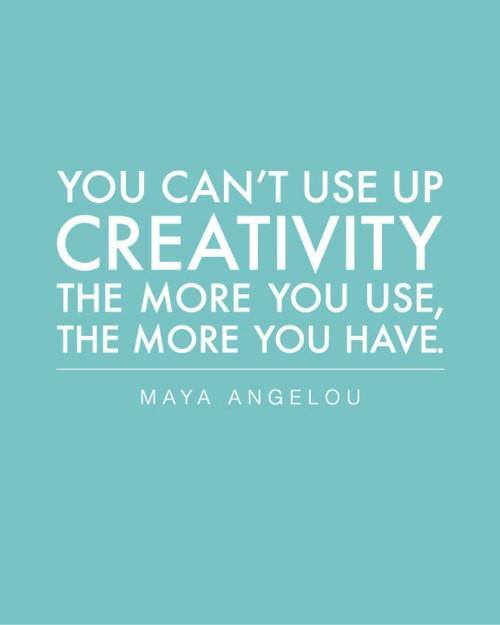
maya-angelou-quotesTo comprehend the intense emotion behind the statements that Maya Angelou wrote and spoke is impossible for many. In 1969, Angelou wrote an autobiography that bared her heart and soul to the masses.

Angelou suffered horrific abuse that led her down some dark paths. The one person she trusted in life was the one who hurt her at only eight years of age. He was arrested and released from jail after serving only one day.

To get revenge, Angelou’s uncles murdered him. The young girl had such guilt because he lost his life that she became mute for five years. She overcame this difficult time and used her story to help others.

The writings, speeches, and poetry of her childhood and early adult experiences allowed her to win 50 honorary degrees and many awards. Irrespective of the misfortunes she’d faced in life, Angelou stayed impressively positive and productive.

Never Let A Troubled Childhood Define You!

Maya Angelou and Oprah Winfrey rose above their abuse and made something of themselves because of a drive deep inside them. Do you think they didn’t spend many nights crying themselves to sleep because of the emotional pain from their troubled childhoods? They suffered, but they didn’t lay down and die.

If you’ve been through some events in life that have made your life challenging, you don’t have to suffer, either. You have two choices: you can either be a victim or a victor, and the option is all yours. You can wallow and sorrow in your self-pity, or you can rise above the pain and use your voice to help others.

There are people across the globe going through the same things you went through, and they need to see and hear your story to give them hope. Here are ways you can use your voice to help others.

1. Write a Book

The best way to tell your story is to write a book. Being a self-published author means you can write with little to no financial investment, and you can market your book on digital marketplaces. Let your voice be heard, and let your story touch someone else.

2. Get Involved in a Support Group

Support groups have many functions. When people check themselves into a drug or alcohol rehabilitation center, they are often staffed with people who’ve been through the same thing. It’s comforting to find that you’re not alone. Use your story to help others and receive strength and support from other ladies.

3. Write a Song

Do you have a musical gift? Music is a very healing art form. You can turn the things that happened to you into a song about overcoming. Some of the greatest songs are those that tug at the heartstrings and make you stop and think.

When an artist can relate to their audience, it helps them to heal. Bonnie Raitt wrote the famous song “I Can’t Make You Love Me” after reading a newspaper article about unrequited love. The emotion is so raw in this song that you can feel it. Use music to heal your inside by letting out the pain.

4. Paint

You can tell your story through art. Painting is very therapeutic and healing. Did you know that Marlene Dumas grew up in an area where women and children were inferior and scared for their lives?

Her depiction of those times comes out in her artwork as unsettling images of women and children, which has made her famous. You, too, can use a canvas to release the pain, and it might also make you some money.

troubled childhoodFinal Thoughts on Troubled Childhoods

Kelly Clarkson wrote a song that stated, “What doesn’t kill you makes you stronger.” Indeed, the things in your life mold you to be a better person. You can become a woman who looks at adversity as an opportunity from the boardroom to your home life.

The examples of strong women in this article only further prove that your past shapes your future. You make the ultimate decision, but psychology finds that most women who have suffered from a troubled childhood use their turmoil to help others. All you need to do is find your voice.
Psychology Explains Why Some People Hold Grudges (Even If You Did Nothing)

Do you hold grudges? Perhaps, someone has a grudge against you, and you’re not sure why. Closed-minded people are often the ones that hold on to resentments, according to psychology. However, there’s no person alive who hasn’t felt ill feelings that festered when they’ve been done wrong.

The real question is, why do people hold grudges even when you’ve done nothing wrong to them? You might wonder what the true definition of a grudge is. These negative feelings occur when someone harbors ill feelings towards another person based on an action or mistreatment.

Some people only hold grudges for a short bit and quickly end their dispute. However, others can keep their resentment going for a lifetime. It gets to the point where you don’t know what you’re even mad over after several years have passed. Holding grudges is one of the top ways that people lose valuable relationships.

Each person is different and has a unique personality. Your temperamental styles and inability to negotiate conflict could be one reason why you are prone to keep grudges with friends or family. Additionally, most individuals learn these habits as adolescents. Many people don’t know how to discuss their emotions when they’ve been wronged appropriately, so they back away from the person who hurt them.

The Five Most Common Reasons People Hold Grudges

Did you know that there are five different reasons why people may keep grudges? It’s not always about being mistreated. Your coping skills and how you deal with your emotions can have a lot to do with holding ill will towards someone else. Here are the most popular reasons for grudges.

hold grudges1.Unrealistic Expectations

Do you have high expectations for yourself and others? When things don’t go your way, then you will become offended, frustrated, or disappointed. Not everyone is subjective to this type of grudge, but psychology shows you that it’s usually the ones who are emotionally generous who fall into these traps.

A person that tends to be a giver expects an adequate amount of reciprocation in return for their kindness. When that person doesn’t get the thanks or praise they desire, they can become upset to harboring resentment towards the other party.

2. Being Offended/Reaching Your Limit

Have you ever had a person in your life that keeps giving you little digs? They don’t do that one big thing that honks you off. Rather, they keep doing little things that seem to add up to one big upset.

Each person is born with a threshold for how much they can tolerate. Whether your considering dating, marriages, or friendships, there’s always the breaking point. Some might say that once this line has been crossed, there’s no coming back.

A grudge can be a simple statement that “Enough is enough.” You draw a line in the proverbial sand and say that you can’t allow this person to keep abusing you. It’s possible your energy in dealing with this person and their drama has reached a breaking point, and you can’t go on.

While this is not a traditional grudge, it’s the buildup of hurtful feelings and wrongdoings that have led you to cling to feelings of resentment. Thankfully, this is human and often the ending of any bad relationship. The key is to get better, not bitter about the situation.

3. Jealousy

The “Green-eyed monster” can often be a significant problem in any relationship. Many relationships get muddled because resentments become deep-rooted. Sadly, it’s easier for you to be there and be a true friend when you see other people’s suffering.

Some people have a hard time being a good friend when their friends are succeeding. It’s a rather complicated part of grudges because they often resonate with a problem inside that comes from self-esteem. These deep-seated issues are not with your friend but rather with you.

When someone is excelling, and everything they touch turns to gold, it’s easy for jealousy and envy to creep in. Psychologists find this especially true when your life isn’t going as swimmingly as your friends seem to be. Can you believe that good relationships have ended over cars, boats, new homes, and other material things?

Real friendships aren’t based on money or things. To be a friend, you must always show yourself friendly, even when you wish you had the money or possessions that your friend owns.

4. Feeling Left Out

How many times have you felt left out in life? You might think that you’ve been used, someone has exploited you, or you have been flat out ignored. Are you one of those people that have friends that only call or text you when they need something?

If everything is going well in their lives, then you won’t hear a peep from them. What about the feeling you had as a kid when someone passed out invitations to a birthday party, but you sat there empty-handed? There are times in life when everyone feels invisible or that they’ve been passed over.

It’s possible that your friend didn’t mean to leave you out of their big party, but they became preoccupied. Or, they may have thought you were too busy and wouldn’t have the time to come to their get together anyway. The fuel for grudges can start with the smallest of grievances.

5. Disagreements and Assumptions

It’s easy to mistakenly believe that someone has bad intentions towards you, even if that is not true. If you don’t discuss the matter with them, it becomes easy to project negativity onto that person. The problem is that it might not have been their goal, and they may not have even known that they hurt you.

Consequently, when you feel mistreated, a grudge is born, and it may last for an extended period if no one ever opens the doors of communication.

Effectively Dealing with Grudges

relationship rules

Never ignore these fifteen relationship rules

Now that you know the most common reasons why people hold grudges, you need to learn what you can do to combat these issues. Here are five ways that you can handle grievances and deal with closed-minded people.

1. Open the Lines of Communication

The number one reason people have grudges with each other is that they don’t talk about the issue. When you assume things, it makes for a difficult situation. Don’t let a rift stay for days, weeks, or months in a good relationship. Instead, make the first step and talk about what’s really going on.

It may be time to end the relationship and go your separate ways, but at least you can end things on a positive note rather than with hate and malice.

2. Be Quick to Apologize

While you’re communicating with the other person, be quick to apologize for any wrongdoing that you had in the matter. If you’ve hurt someone’s feelings, then you should be man or woman enough to say you’re sorry. Being stubborn and refusing to admit you’re wrong is a whole other issue.

3. Validate Their Feelings

If your friend comes to you and talks about the things you’ve done that have hurt them, you need to listen. Don’t downplay their feelings or ignore what they have to say. Whether you agree or not, you need to validate their feelings and ensure that their voice is heard.

4. Slip into Their Shoes for A Moment

For a moment, you need to switch roles. Put yourself in your friend’s shoes and try to see things from their viewpoint. It’s easy for jealousy to creep in when your friend sees you get a new car and home, and they just lost their job.

Remember, perception is a big part of the problem when it comes to grudges. When you look at things through their eyes, you will see many different versions of the events.

5. Realize It’s Not Worth Losing Someone You Love

Sometimes, you must forgive and forget, no matter how painful the situation. People in this life are not worth losing, no matter how bad they have wronged you. It doesn’t mean you need to call or see them every day, but there are some people that you will forever be engrained into their life and they into yours.

It’s better to make peace, not war, especially when there are other important factors involved.

hold grudgesFinal Thoughts on Releasing Grudges

If you’ve done your best to clear the air with your friend, but they insist on holding grudges, then you need to realize you’ve done all you can do. Once you apologize, try to change, and open communication lines, the rest is on them.

You can’t beat yourself up for the rest of your life because your friend has a problem with unforgiveness. Some people are stubborn and will do anything they can to avoid saying “I’m sorry” or to move on. You don’t need to gravel or beg. Move on and live in peace. You owe yourself that much.

10 Things That Cause You to Feel Sluggish (And How to Fix It)

Do you feel sluggish and like you can barely drag yourself out of bed? Did you know that more than 36 percent of the American population complains from feeling tired all the time? There are many reasons you may feel like it’s all you can do to put one foot in front of others.

The good news is that many of the things that cause this sluggish feeling can easily be cured. Here are the most common reasons why you have no energy.

Ten Reasons Why You Feel Sluggish

Here are the ten most common reasons why you have no energy.

1. Stress

Tension related fatigue or emotional exhaustion causes you to feel drained and worn out. It can be a combination of strain in both your personal and professional life. Being stressed-out is a sign that you are experiencing burnout.

If you’re experiencing tension-related fatigue, you may feel like you have no control over your life. It’s not uncommon to feel trapped or stuck in a horrible situation. You may feel a lack of energy, not get adequate sleep, and your motivation will diminish.

When you stay in this stressed-out state, it can cause long term problems with your health. Having long-term strain may make you so overwhelmed and exhausted that you can barely get through a day at work.

sluggishThe Fix:

The way to combat this tension is to change the environment. If your job is too stressful, then find another one. Even if you make less money, it’s worth the sacrifice to have less on your plate.

If you find that you’re in a situation that you cannot escape, you must learn effective coping skills. Coping skills such as meditation, rhythmic breathing, and exercise can help relieve emotional exhaustion.

2. Sleeplessness

Do you clock watch for hours and hope that you will soon drift off into dreamland? There are many reasons why you might not be able to sleep. However, sleeplessness can be a primary cause of why you feel sluggish the next day.

You could have a sleep disorder that is causing you to have disturbed rest. You may also have issues like sleep apnea that are disrupting your sleep. If you find that the stain from your job and life seems too much, then your angst may be why you can’t rest.

The Fix:

Talk to your doctor about your sleepless nights. A sleep study to observe what’s going on with you may be necessary. During a sleep study, they can see if you have a condition like sleep apnea.

If your mental load causes the problem, then try taking an all-natural herb like melatonin to help you rest.

3. Sluggish Gut Microbiome

Did you know that a significant part of your immune system is in your body’s bacteria, also called your microbiome? One of the most critical factors of your bacteria is it aids in digestion. It sounds crazy but did you know that your gut microbiome helps you maintain your weight too?

You’ve probably heard the term leaky gut as it’s become a common issue. The connection with your brain and gut is becoming more a topic of conversation these days. The fact that your digestive system has the power to influence chemicals in your mind is remarkable.

When your gut microbiome is out of balance, it can cause all sorts of issues in your body. One of the main problems it causes is brain fog and exhaustion. The number one contributor to this issue is high sugar, carbohydrates, and processed foods.

The Fix:

To fix poor gut health, you must start with a healthy diet rich in fruits and vegetables. Additionally, adding an excellent probiotic to the mix can help to balance the gut flora. It’s not a problem that will fix itself overnight, but it can be resolved with healthy living.

4. Auto-Immune Disease

Many autoimmune diseases are commonplace today. The most commonly diagnosed are:

•Lupus

•Rheumatoid Arthritis

•Scleroderma

•Hashimoto’s Thyroiditis

•Grave’s Disease

•Crohn’s Disease

•Multiple Sclerosis

•Polymyalgia Rheumatica

•Psoriasis

•Celiac

•Disease

•Sjögren’s Syndrome

•Vitiligo

•Alopecia

An auto-immune disorder causes the body to attack itself. The symptoms vary from each condition, but a few hallmark signs are common across the board. Being exhausted and having sluggish behavior is often commonplace in many of these conditions.

The Fix:

While there is no cure for any of these conditions, treatment options can minimize the symptoms. As in celiac disease, eating the right foods and avoiding those that cause inflammation can bring relief.

feet5. Vitamin Deficiency

Vitamin deficiency can specifically cause problems within your body. Vitamin B12 is known for the energy it provides. It’s prevalent for you to become deficient in this vitamin if you have diabetes or don’t eat red meat.

Another vitamin that many people are deficient in these days is vitamin D. Since many people spend most of their lives indoors, the lack of sunshine can be a real problem for a body that needs the vitamins it provides. Vitamin D is also found in dairy foods.

The Fix:

You can take supplements to get both your vitamin D and B12 levels up. You can also achieve this by eating the right foods and getting plenty of sunshine.

6. Poor Diet

One of the reasons you might feel so sluggish is because you’re eating the wrong things. If you are grabbing a burger and fries on the way home from work, you’re causing significant issues inside your body. You were not meant to process all that fat and carbohydrates.

When you’re eating too many convenience foods and the only vegetables you get in a pickle and onions on your burger, you will feel it in your lack of energy.

The Fix:

Stop eating fast food and processed junk that has no nutritional value. You need grains, fruits, and vegetables, as well as sources of protein.

7. Thyroid Issues

Your thyroid is a butterfly gland that’s in your neck. It’s responsible for regulating many of your body’s functions, including your heart. When your thyroid levels are too low or too high, it can cause your system to be out of whack.

A simple blood test can confirm if your thyroid is hyper or hypo and if you need to treat it with supplements. Sometimes, this gland can swell and cause goiter or even cancer. Your thyroid is nothing to mess around with, either.

It can cause you to feel tired, have heat or cold sensitivity issues, and gain or lose too much weight.

The Fix:

If you suspect you have a thyroid problem, or if it’s a genetic issue, have your doctor do some blood tests. A poorly functioning thyroid can be supplemented with a synthetic hormone.

8. Bacterial and Viral Infections

Though most bacterial or viral infections make themselves known, you could have some that lurk inside, causing issues you’re not aware of. One of these infections occurs in your gut, and it’s called helicobacter pylori.

You might never become sick from it, but the bacteria can cause you to develop peptic ulcers. Other infections like a urinary tract infection can also cause you to drag and feel like you’re running on empty.

The Fix:

If you’re having issues with bacteria in your body, like chronic UTIs, you need to take herbal or prescription medications to combat them. Once the infection is cleared, then you will be able to regain your energy.

9. Depression and Anxiety

A chemical imbalance in the brain causes depression and anxiety. One of the hallmarks of depression is that it can make you so tired that doing simple things like taking a shower may seem like a task too great.

The combination of the two can ruin your life. You must recognize that you have a mental health problem and get help.

The Fix:

Talk to your doctor about an ongoing issue with depression and anxiety. Both herbal and prescription treatments can help. Additionally, exercise is known for helping to balance your brain chemicals too.

10. Toting Around Extra Pounds

If you’re overweight, then carrying around all that extra weight can be exhausting. For each pound you gain, your body feels the strain.

It causes your heart and many of your organs to work harder. You will fight problems with diabetes, heart disease, and hypertension.

All it takes is 30 lbs. over your goal weight to make you obese, and many Americans are far beyond that mark. Did you know that just 40 lbs. over your target weight makes you severely obese?

The Fix:

Weight can make you feel exhausted. Losing weight is not always as easy. You need a well-balanced diet and help from a dietician. If you have special dietary needs, it’s better to get a customized eating plan for issues like celiac disease. You should feel an increase in energy when you drop a few pounds.

sluggishFinal Thoughts on Getting over Feeling Sluggish

By reviewing these ten things that make you feel sluggish, you will see that one common denominator is diet. Even if you have a condition like lupus, eating a plant-based diet can increase your energy, lowering inflammation.

If you’re feeling exhausted and tired all the time, then your daily eating habits are the first place to evaluate. If you’re getting too much sugar and fast food, then it could be the problem. Other issues like insomnia, chronic strain, and mental health problems can also cause you to feel drained.

However, a healthy plant-based diet and making these other healthy changes may prove to increase your energy and keep you from feeling sluggish.

Psychologists Reveal 10 Counterproductive Habits That Destroy Success

Everyone is chasing their own success. You likely put a lot of effort into working towards your goals. But what if some of the things you’re doing are actually ruining your chances. It’s frightening to imagine that habits you’re not even aware of could be hindering your progress. To help you uncover your own negative behaviors, here’s how science and psychologists reveal 10 counterproductive habits that destroy success.

Eliminate these ten counterproductive habits to achieve your goals.

1.    Seeking Approval From Others

It’s not unusual to want to impress your peers and others around you, especially if you’re in the early stages of a career. But there’s a big difference between showing your best side to your colleagues and seeking approval. This habit is counterproductiveThe former is focused on professionalism and making your name. The latter is focused on hinging your self-esteem on the opinions of others, which isn’t great!

There are also ways that this incessant quest for approval can backfire. For example:

  • Being worried about an interviewer’s perception of you could lead to poor performance in that interview.
  • Worrying over someone’s reply could result in you tuning out the conversation altogether.
  • Your quest for seeking someone’s approval will allow them to take advantage of you.

There are, of course, times when you need someone’s approval. But outside of those rare occasions, you should learn to stop seeking reassurance, says psychotherapist, mental strength expert, college psychology instructor, author, and licensed clinical social worker Amy Morin. You’ll gain approval from others naturally by being your best self and focusing on your efforts towards your goals, anyway.

2.    Catastrophizing is Counterproductive

counterproductiveCatastrophizing is the act of creating a catastrophe where there is none. Basically, it is what happens when you spiral down a tunnel of negative thinking, constantly expecting the worst out of a situation.

At its core, catastrophizing is a form of irrational fear. Whenever you hear bad news, you imagine all the worst-case scenarios and become obsessed with those thoughts. Sometimes, this can happen to the point of genuinely expecting these things to happen and losing grasp on reality.

When you’re chasing success, you’ll often be taking a lot of risks all at once. This means it can be effortless to catastrophize and start living with anxiety about impending doom or the risk of failure. Studies have found that this way of thinking can severely affect mood and positive thinking, sometimes leading to depression and anxiety.

According to cognitive behavioral therapy expert and psychologist Judith Beck, the best way around this catastrophizing cognitive dissonance is to list the pros and cons of considering all these bad outcomes. She also suggests playing your own devil’s advocate – counter your negative thoughts with positive ones, instead!

3.    Comparing Yourself To Others

It’s easy to compare yourself to others. After all, so many people are great at their work and are chasing success too. You might:

  • Think your peers are doing better than you
  • Attempt to match the level of your peers
  • Engage in unhealthy levels of competition with your peers
  • Think worse of yourself because you don’t “match up” to your peers
  • Be unable to feel good about your own accomplishments if a peer has a “better” one

This comparison is unfair to you and your peers, as you are all in unique, individual situations. What’s more, it’s a well-known fact in the field of psychology that the way we perceive those around us versus how we perceive ourselves is often inaccurate.

According to a Society for Personality and Social Psychology study, any person usually displays more positive emotions and sides than negative. This means your comparisons that you draw between yourselves and others are inherently flawed. You can only see what others show you, but you know all the worst things about yourself. You’ll never get an accurate comparison that way!

Regardless, comparisons like this are never healthy. You don’t need to match others to be proud of your own achievements. Accomplishments are unique and are your own, and everyone has their own journey to go on.

4.    Playing Blame Games

Do you find yourself often shirking some percentage of responsibility for an event or task by passing it onto others? If so, you’re engaging in blame games. According to the University of Massachusetts Amherst Professor Emerita of Psychological and Brain Sciences Susan Whitbourne, we do this as an act of self-preservation for your self-esteem.

Unfortunately, this kind of blame-passing means you don’t learn from mistakes because you refuse to admit that you made them. The goal in life is to grow through experiences. If you never grow by accepting accountability, your success will be forever stunted.

5.    Doubting Yourself

In your uphill battle towards success, it’s not unusual to feel a little uncertain. Can you really succeed? Are your efforts paying off? Are you really good at what you do?

It’s not an inherently bad thing to worry about yourself, as it shows that you have a good sense of self-awareness. However, there are times when this can go to an extreme that is simply unhealthy. Here are some forms of self-doubt that Morin says can be counterproductive to your success:

·         Second-Guessing

Reflection on your past mistakes and actions is healthy. But being wishy-washy and second-guessing every single decision you make is extremely negative.

·         Putting Yourself Down

Insulting yourself when you make mistakes is a form of negative self-talk. This will bring you down in the long run. You’re better off using positive affirmations or speaking about yourself as you would a loved one.

·         Believing Negative Thoughts

When you start believing your self-doubt, you’re opening yourself up to a self-fulfilling prophecy. Essentially, the lies you tell yourself can become truths if you start to believe them.

peer pressure6.    Focusing Only On You is Counterproductive to Reaching Your Goals

It’s normal to be a little bit self-centered in life. But did you know that focusing on yourself too much can actually have negative effects on your attempts at networking? In your attempts to seek the attention and admiration of those you speak to, you may just end up pushing them away.

Studies conclude that focusing on others is actually a much more efficient way of achieving the spotlight. To better understand this, consider the following points:

  • Human beings naturally tend to repay kindness or favors with their own compassion and acts of service.
  • Listening to others when they speak and engaging with their words genuinely will often lead to them happily listening to you later.
  • Focusing on others will, eventually, cause others to focus more on you, leading to increased influence.
  • Too much self-focus is often interpreted as narcissism and can ruin your uphill climb.

7.    Personalization

Speaking of focusing only on you, let’s talk about personalization. Personalization refers to the act of taking things personally, even when there is no rational reason for you to take the blame. For example, you might:

  • Blame yourself for not insisting on more studying when your child gets a bad grade.
  • Worry that it’s your fault if your partner is in a bad mood.
  • Think that general criticism of your work team is directed specifically at you.

This can often lead to a lot of decreased positive thinking and is a form of cognitive distortion. The field of psychology already has plenty of research on the topic, and this kind of thinking has been linked to:

  • Shame
  • Feelings of inadequacy
  • Guilt

Stanford University School of Medicine’s Department of Psychiatry and Behavioral Sciences adjunct professor emeritus David D. Burns has something to say about this. In his work, he recommends taking a step back and considering your situation from an outsider’s perspective if you experience this type of cognitive distortion.

8.    Constantly Criticizing Others

97% of all people have something known as a Bias Blind Spot or BBS. This means that many people have so much positive thinking regarding themselves naturally that they are unable to see their own flaws. Instead, they have an easier time constantly pointing fingers at others.

It’s important to bear in mind that you’re not an expert on anyone, not even yourself. From your vantage point, someone’s motivations, personal life, and thought processes are not visible. Judging others turns you into a fool who finds fault in everyone around them without ever looking inward to find the fault in themselves, and this can make success difficult to reach.

9.    Arrogance is Counterproductive

Intellectual arrogance is an annoying and often toxic trait to deal with. It’s not unusual for someone who knows their worth to let it get to their head, but it’s crucial to remember that humility is always your best option.

Someone who is arrogant can hinder their success by:

  • Failing to evaluate their opinions properly.
  • Rejecting the ideas or thoughts of others
  • Seeking closure instead of fairness.
  • Being unable to contribute meaningfully to any situation

Interestingly, research has found that intellectual humility has positive effects on chances of success and goal achievement. Strive, then, to be humble. You can be confident without getting a big head!

10. Emotional Reasoning

Emotional reasoning is a kind of fallacy that occurs when you consider your emotions as concrete evidence for real-life situations. It’s a straightforward trap to fall into as you attempt to walk the tightrope so you can both consider your emotions valid and retain logical vision all at once.

Examples of emotional reasoning that may affect your chances of success include:

  • “I believe I’m bad at my job, so I’m not going to bother trying for that promotion.”
  • “I feel like I don’t have any good ideas, so that I won’t share them at the meeting tomorrow.”
  • “Perhaps my colleague dislikes me, so I’m just not going to work with them.”

It’s difficult to come out of a slump of emotion reasoning once you’re in it. Start by asking yourself questions like:

  • “How do I feel about this situation?”
  • “Can I identify any hard facts that support my conclusions?”
  • “Am I allowing bias to affect my judgment?”
  • “Are there other, more logical explanations?”

Learning to put aside emotional thoughts when you need truth and clarity is a valuable skill, says Leon F. Seltzer, Ph.D., a private practitioner specializing in trauma resolution, anger, stress, compulsions, addiction, and depression. Your feelings deserve attention and validation, but they shouldn’t be taken as gospel! Indeed, negative emotions become counterproductive to success.

counterproductiveFinal Thoughts On Some Counterproductive Habits That Destroy Success

Negative, counterproductive habits are easy to fall into accidentally. By being aware of the bad habits you’re making, you can stop them in your tracks and get back to chasing success!

Cosmic Views for November 2020

The cosmic views for November 2020 show that life is about to shift, and I hope it will be a good one. Mars is still square Jupiter, Pluto, and Saturn, so anger and frustration remain high. It goes direct on the 14th, and the forward movement brings relief. November 3rd is election day, but you can vote early, and I recommend that you do.

On November 4th Mercury goes direct, and life becomes less confusing, and the future becomes clear, according to the cosmic views. The month begins with the Sun in opposition to Uranus – be prepared for the unexpected. Change is in the air when it comes to finances. The market may fluctuate for a while, but it will settle down. With an isolated Venus in Libra until the 8th, when Mars opposes it, it shows that relationships may be out of sync with each other for most of the month.

The world is changing, and it won’t take much to get you annoyed. You’re tired and fed up with all the restrictions. Wear your mask. Protect yourself and others in the simplest of ways. There will be relief by the middle of December, more on that next month. By the 15th, Venus squares Jupiter, then Pluto and Mars, connecting with others, and getting your work done is a challenge. Neptune is strong, and it resides in Pisces, influencing everyone and everything in a mysterious way.

The more you surrender to what is and embrace it with faith, the easier your life becomes. Venus enters Scorpio on the 18th just as the Sun leaves it and enters Sagittarius. Whatever grudges you’ve been holding on to may suddenly return and rise to the surface. Learn to let go of what you can change and forgive what happened in the past – you don’t want it to rule your future. Happy Thanksgiving. Don’t forget to be grateful for whatever you have in your life, no matter how big or small.

Cosmic Views for November 2020

Here are your cosmic views for November of 2020, according to acclaimed astrologer and life coach, Linda Joyce.

cosmic viewsAries (March 21st – April 20th)

Aries is the sign of vision. It looks into the future and sees what needs to change. So how are your cosmic views this month?

Its vision encompasses where it feels it can make a difference or where it might find an advantage as it moves forward. With Mars, your ruler, in Aries since July of this year and in retrograde since September 10th, the energy has been reflective – showing you who you are and what needs to be strengthened or improved. Seeing your flaws and accepting them is not easy for a fire sign.

However, it’s the beginning of peace and greater strength. You don’t have to be perfect if you don’t know that yet, but it’s important to keep learning and growing. Mars goes direct on the 14th and squares Jupiter, Pluto, and Saturn in Capricorn. This increases frustration. You can’t change others, but you can concentrate on your own goals. What you want to do may be different today than it was yesterday. Something has shifted, and you need to adjust. Mars goes direct on the 14th, and the energy begins to break free and moves forward. Don’t use Mars to express your anger. It will get you nowhere, instead use it for motivation to get things done.

The Full Moon on the 30th in Gemini brings the issue of communication to a head. If you’ve been suppressing your emotions and ideas, now is the time to speak up.

If you’re in a relationship, you feel disconnected. But knot that there’s nothing wrong with owning your own space and reminding you are in charge of your happiness, no one else. If you’re single, it’s a good time to reconnect to yourself. When you’re ready for a relationship, you’ll meet someone.

Taurus (April 21st – May 20th)

Taurus energy prefers to attract what they want rather than chasing a dream. You do have charisma, and you are good at getting attention, so let go of your ego and focus on your goals. If you don’t have one, create one. You can always change it. With Uranus in your sign, you don’t feel settled. This is the planet of change, excitement, and new ideas. Don’t lick your wounds. The cosmic view show you should seek new solutions to old problems.

Mars is journeying through your 12th house since July, and it’s kept you impatient and annoyed. The square it makes to Jupiter, Pluto, and Saturn, adds stress to the picture; nothing is going the way you’ve planned. Get organized. Be clear on what you want to accomplish.  Don’t hop around and do a little of this or that. Finish one thing at a time, and then you can eliminate it from your “to do” list.  Venus, your ruler, is isolated for the first part of the month. If you need to be alone, do it.

Your soul wants to connect to you. Mercury square Jupiter, Pluto, and Saturn make communication difficult. The problem is no one is listening. The Full Moon on the 30th at 8 degrees of Gemini brings financial issues to your attention. You want to make more money, and you can — get a plan. Mars goes direct on the 14th, and it brings up old anger. Try not to let the past dominate the moment. It won’t help you move on or grow.

Relationships are difficult because you need to be alone. If you’re in one, give yourself some space. If you’re single, it’s difficult to connect with anyone at the moment. Take care of your own needs, and know that when you’re ready, the right person will appear.

Gemini (May 21st – June 20th)

 Gemini is a sign of curiosity and exploration. You love to get into things that you shouldn’t. What you need to do is slow down and think things through. When you direct that curious nature toward the right goals, it serves you well. You learn advance, and grow. When you get into trouble, it slows you down and can even lead you away from your chosen path. With Mercury square Jupiter, Pluto and Saturn, you’re not in the mood to socialize or enter into long conversations.

People seem too difficult at the moment, and you may be right. Mars rules your house of friendships, the square it makes to Jupiter, Pluto, and Saturn only makes getting along with others difficult. Mercury goes direct on the 4th, and Mars goes direct on the 14th, which gives you a push forward. Delays and obstacles begin to disappear. Be careful about engaging others in a controversial conversation until the end of the month when Mercury and Mars are direct. Before that, you could regret what you say.

The Full Moon in Gemini, your sign, happens on the 30th. Something you’ve been holding on to is exposed, and now you have to deal with it. When you keep things hidden, they grow in power. Deal with things when they arise, don’t wait. With Uranus opposite your Sun, it’s a time of new ideas and opportunities. Allow your imagination to dream and create.

If you’re in a relationship, the cosmic views say that things are not easy but will get better soon. This is a time to get rid of old problems and make room for the new. If you’re single, take care of yourself. Next month it should be easier to meet new people and have a good time.

Cancer (June 21st – July 22nd)

As a Cancer, you have a strong inner world. You live with powerful emotions that are struggling to connect and find their place in your life. The more you pay attention to them, the stronger you become without letting them take the lead. The mission is to link the positive and negative and not see the world as either good or bad, but the integration of light and shadow. It is this connection that keeps you from going too far in either direction.

The Full Moon on the 30th, in Gemini, increases your emotional response to events. What is activated is your unconscious fears and your life’s invisible powers, such as dreams, vision, emotions, wisdom, and truth. All these things may increase at this time. Mercury and Mars go direct this month, Mercury, on the 4th and Mars on the 14th. This removes the resistance and obstacles, and moving forward begins to happen slowly.

Until the 11th, Mercury is square Pluto, Jupiter, and Saturn, and it keeps things at a slow pace, partially because communication is difficult. Mars remains in square to these planets for the whole month, so although it will be direct, the obstacles don’t disappear until the end of the month. Just keep treading water until December, and relief will be in sight.

The cosmic views say that if you’re in a relationship, it’s not easy. Indeed, you may feel under attack. Ride the waves of discontent, and you’ll be fine. If you’re single, keep your cool and your distance, unless you love chaos. Relationships have been a challenge for the last two years. The good news is that’s about to change. The new year will bring new possibilities and an awareness of what will make you happy.

Leo (July 23rd – August 22nd)

Leos are the sign of the ego, of the quest to be the best and the first in all they do. Your challenge is to connect your ego with your spirit, intuition with your need for attention, and accept wherever you are. Once you do, things begin to move. The month begins with the Sun opposite Uranus, and it adjusts your goals.

You have a new view of yourself and the world, so don’t be afraid to make changes. You’re not alone. The world is changing, and those that adjust get ahead.  Accept what you can’t control until you have a choice. Your perseverance is a great asset, but it can also exhaust you if you don’t know when to let go. Things will begin to fall into place with Mercury going direct on the 4th and Mars on the 14th. You will feel a shift that will lead you forward, but not without some opposition.

Mercury and Mars are still square Jupiter, Pluto, and Saturn, at least until the end of the month. The road’s not clear, so be prepared to be challenged.  Keep your eyes on the goal and accept what you can’t do, at least until a door opens. Venus enters Scorpio on the 22nd, and old wounds resurface. Scorpio energy hangs on to resentment, but it’s important now to let go so you can move on. However, Venus energy knows how to have a good time. It will be in your 4th house of the home. You may find ways to make your sacred space feel more comfortable. This is not the time to be a perfectionist, do what you can, and let go.

If you’re in a relationship, things are changing. You’ll see things clearly next month, so don’t be in a hurry to make things right. If you’re single, you may find that you’re open to new ways of meeting people and perhaps even a different type of person. It’s all good.

Virgo (August 23rd – September 22nd)

The cosmic views for November for show that Virgos seek something more than success and power. You’re seeking a deeper meaning to your existence. When the spirit is strong, and in balance, you look to serve humanity, you have a desire to make a difference. This month your ruler, Mercury, joins Mars in a battle against the authority. You are not at peace with the situation that surrounds you. Voicing your opinion and power is always important, but timing is everything. So choose the moment carefully.

With Uranus in opposition to the Sun, you feel the change. It’s all around you. You’re on alert, and there is something you want to fight for. Venus in Libra is isolated for the first part of the month. Financially, you may feel restricted, don’t let it affect your creativity and confidence. Venus enters Scorpio on the 22nd, and old anger reemerges. Scorpio energy brings up hidden wounds, and it’s important to remind yourself not to get stuck in the past.

The Full Moon on the 30th in Gemini affects your career and goals. It’s time to decide about work, either adjust to the changes or move on. Have faith in yourself and your talents, and you’ll find your path – even if it’s a new one. Gemini rules your 10th house of career, and you’re comfortable with juggling a lot of different things. You love variety. Use your skills to reposition yourself. If the world around you is changing, you need to adjust. Don’t ignore what is, or you’ll suffer later.

If you’re in a relationship, things are doing well. Whatever you had, is still in place, and if there is a difficult, you’ll get through it together. If you’re single, you’re not looking for anyone at the moment—too many other things to focus on.

pop memeLibra (September 23rd – October 22nd)

Libras represent truth – your truth. Stop worrying about what others think and do and focus on yourself and what you believe in. Towards the middle of the month, you may feel under attack, or you may be the aggressor. Either way, it may take you out of your comfort zone, but that’s where you need to be.

Mercury goes direct on the 4th and Mars on the 14th, making it easier to get things done. However, the square both planets make to Jupiter, Pluto, and Saturn slow everything down until next month. Life is uncomfortable, and finances are an issue. If you keep your center and proceed with clarity, you will get past the problem. The Sun opposite Uranus at the beginning of the month brings friendships into play. You may let go of a few friends or make some new ones, but change is inevitable in that area of your life. Venus is disconnected for the first half of the month, and you may feel isolated and alone.

Use this time to connect to yourself, go deeper into your feelings and desires to feel centered and strong. The Full Moon in Gemini on the 30th brings your ideals and past choices under scrutiny. Are you striving for the right things? As you evolve, everything else needs some tweaking. Don’t be afraid to adjust. If you’re in a relationship, things are not going well. Bot of you are angry or holding on to resentment. If it’s not directed at you, you’ll still feel it. If you’re the focus of the problem, take responsibility for your part – but just your part. Remember, you determine your life, no one else.

If you’re single, it’s not a good time to meet someone else unless you want to share your anger and wounds. It’s important to get in touch with your feelings, whatever they may be.

Scorpio (October 23rd – November 21st)

Scorpio energy revolves around power and the ability to transform your life. This happens by first eliminating the superfluous. It’s difficult to rise above problems if you’re weighed down with what’s unimportant. If you do, you’ll feel stuck. Scorpio is about value, and for every person, it is different. And that’s what you need to be clear on – what’s important to you. If you have not defined those needs, it will be difficult to make good decisions.

Mercury goes direct on the 4th and Mars on the 14th. This helps you feel that moving forward is finally possible. However, the square these two planets make to Jupiter, Saturn and Pluto, keeps you running in place until the end of the month. Mars rules your house of work, and this area of your life gets reenergized by the end of the month. Mercury enters your sign on the 11th, and you may attempt to handle more than you should. Mercury is led by curiosity, not common sense. You have to bring that to the moment. Save your time and energy to handle the changes around you.

Getting lost in busywork is not a good idea. On the 22nd, Venus joins the Sun and Mercury in your sign, and old injuries and jalousies resurface. Let go and let things flow. If you do, you’ll land on your feet and be stronger than before. By next month you’ll feel lighter and open to new ideas and paths. The Full Moon on the 30th in Gemini, the ruler of your house of finance, opens the door to new ways to improve your income.

If you’re in a relationship, it’s been changing for a while, and if you’ve been able to adjust, then things are good. If you’re single, you’re almost ready for a relationship. Next month may bring you what you want.

Sagittarius (November 22nd – December 21st)

Sagittarius is a sign of inner strength. When you acknowledge your spirit, that invisible part of who you are, your intuition, motivation, and the faith you have in yourself, then limitations don’t exist. You are the sign of wisdom, which is nothing more than the sum-total of your experiences, the wins, and losses that taught you about yourself and the world. Jupiter, your ruler, is ending its journey through Capricorn, and by mid-December, it enters Aquarius – your independence and communication skills will improve.

Here is what the cosmic views say about the upcoming month.

Mercury goes direct on the 4th and Mars on the 14th, shifting the energy toward forward movement. However, both planets are square Jupiter, Saturn, and Pluto. Although they regain their power, conflict is not removed until the end of the month. Don’t give up. Focus on your goals, and things will slowly begin to move forward. Don’t let hidden anger take over. Release anxiety through exercise and expressing your feelings. Anger serves no one.

Venus is isolated until the middle of the month when it squares Jupiter. Be careful of either over-spending or doing too much. Venus has few limits, and with Jupiter, the ones that exist tend to disappear. Venus enters Scorpio on the 22nd, and the past with all its unresolved issues may reemerge. Whatever comes up, resolve it and let go. Set yourself free and lighten your load.  The Full Moon in Gemini brings up issues in relationships. There is disagreement or conflict that may arise, and it will seem impossible to fix. Have a little patience. It will dissipate.

If you’re single, it’s not a good time for harmony in relationships. If you’re not with anyone, you only have to take care of yourself.

Capricorn (December 22nd – January 19th)

Capricorn is the sign of authority, authority over your life. You’re either living by everyone else’s rules, or you’re making your own. You want to express what makes you different and what you believe is right. Mercury and Mars go direct this month, Mercury, on the 4th and Mars on the 14th. If the mail-in-votes are still being counted, we may know the results when either of these planets goes direct.

From around the 8th to the 12th, Uranus opposes the Sun, ruler of your 8th house of joint finances. How you make your money may experience a change or adjustment. A new opportunity can present itself, so don’t be afraid to take a leap of faith. If you take charge of the moment, you’ll shape it and be happy with the results. The Full Moon on the 30th happens in your 6th house of work. It’s ruled by Gemini, which is often about the choices you make and how many different things you take on at one time. If you’ve been overloading yourself with work, you’ll feel it now.  A Full Moon brings forth what needs to be seen.

Try to keep your center and be open to new ways of handling your environment. Venus enters Scorpio on the 22nd, and friendships become important. In fact, they could lend you a helping hand. If you need help, reach out to those who are close to you. By next month, your finances should improve. New opportunities are presenting themselves, and if you’re open to change, you’ll do well.

If you’re in a relationship, you feel connected and strong. But the cosmic views show that there are a few problems to work out. If you’re single, life is crazy, and so is your love life. Enjoy it any way you can.

Aquarius (January 20th – February 18th)

Aquarius is the sign of independence and freedom. Your soul yearns to express its uniqueness. With the Sun and Uranus in opposition around the 8th, be prepared for new opportunities and take a calculated risk. It’s important to move beyond your routine and experience new things. You have another month until Saturn and Jupiter enter your sign and shift things in your life in a major way. Even though Saturn can cause restrictions and limitations, it can also indicate where you focus your attention.

Saturn produces results, but not without doing the work. When you make a strong commitment, you change the energy you believe in gets energized. Mercury goes direct on the 4th and Mars on the 14th. What was stuck begins to move. Whether it’s the results of the election or your personal life, things will get resolved. The Full Moon on the 30th occurs in Gemini, your 5th house of authority. It brings new options and opportunities.

Use this month to better position yourself, the world is changing, and if you adapt sooner than later, it will work in your favor. If you haven’t cleaned out your closets or rid yourself of nonessentials, this would be a great month to do so. Mercury and Mars in square to Saturn, Jupiter, and Pluto for the first half of the month, makes it challenging to get your message across. Don’t give up, be consistent, and believe in what you want. You have the power to create change and opportunity.

If you’re in a relationship, you may find yourself at opposite ends of a decision. Neither one of you will want to compromise. If you’re single, it’s more about expressing who you are than joining forces with someone new.

cosmic viewsPisces (February 19th – March 20th)

Pisces is the last sign of the zodiac, and it has the difficult challenge of bringing the past and the future together. What should you hold on to? What needs to change?

Here is some advice according to the cosmic views.

The key to Pisces is being in the moment. Be present, and you’ll know what you need and what to do. Mercury goes direct on the 4th and Mars on the 14th, beginning the difficult process of advancing. Change is slow, but at least it’s going in the right direction. Your biggest challenge is to know what you want and what you don’t. The clearer you are, the easier it is to achieve your goals. Mars rules your 2nd house of finance, your clarity on how to manage your money improves.

Mercury square Jupiter, Pluto, and Saturn make communication difficult or controversial. Try not to let how you feel get in the way of your message. Don’t push too hard to make a point. It won’t change any minds. The softer you speak, the more you’ll be heard. Venus, this month is out of touch with the rest of the planet. It’s in Libra, and relationships are not present. They’re taking care of themselves. You do the same, but be kind and thoughtful.

The Full Moon in Gemini on the 30th brings issues around the home to a head. Stay centered and if it’s not important, let go. No one really wins now, so take the brownie points. In the long run, it will be in your favor. The good news is around work. If you want to be busy, you will be. The challenge is your mind, keep it positive, and all will be well. If you’re in a relationship, It’s under stress. Keep communication going and try not to shut down.

If you’re single, it’s difficult to connect with others. Everyone has some crisis they’re coping with. However, follow your heart. It will tell you what to do.

10 Reasons to Use Positive Words in Your Communications with Others

Language is one of the most potent interactive cultural tools that humans have. One mouth can speak both words to uplift and those to destroy. When you use positive words, you have the power to encourage and help build self-esteem and make someone feel good.

Did you know that your brain is hardwired to process more negative information than positive? Scientists call this phenomenon the negativity bias. Humans tend to pay more attention to negative stimuli as a learning experience.

To be an effective communicator, you can overcome this negativity bias by challenging negative self-talk and using mindfulness exercises like meditation and mindful breathing. It can also help when you learn to reframe past events and change your attitude toward them.

Positive vs. Negative Personalities

Think of your favorite people to be around and find their common denominator. You’ll find that these people are often warm, genuine, funny, and use positive language. Their positive conversation and outlook on life influences you and makes you want to be close to them.

How do you react when you are around someone who is constantly spouting off negativity? Regardless of their blessings and the kindness others show them, they always find a reason to be gloomy. Negativity is also contagious and can eventually destroy you physically, mentally, and spiritually.

A negative personality can eventually influence even the most positive person. While you can avoid negative people, it’s not always possible if they are close family or your supervisors. Keep your optimistic attitude by keeping conversations with pessimists short, sweet, and on a surface level.

positive wordsHow Positive Words Affect Nature

It’s no big secret that people respond better to positive energy than they do to negativity. Numerous studies with plants demonstrate a link between speaking positive words to plants and their ability to thrive. The plants that were spoken to harshly not only didn’t thrive but some shriveled and died.

If plants thrive in an environment of kindness and positive communication, think how much humans do. Have you wanted to improve your communication skills in your personal and professional life?

Here are ten reasons to use positive words when you communicate with others.

1. Your Words have the Power to Speak Life or Death

The concept of cursing or hexing someone is a lingering superstition before recorded human history. However, your negative words have a strong impact on people’s psyche, especially your children and other loved ones.

If you are a person in a position of authority who uses negative speech to communicate with others, it is bound to affect morale in the workplace or home. When you use positive words in your conversation, you speak life and encouragement to those around you.

Even if you must reprimand someone, you’ll have more positive results if done with kindness and concern. Positive people attract positivity to themselves, such as positive relations and situations.

2. Positive Conversation Creates Gratitude

When you use positive words in your conversation, it’s easier to be grateful for others and what they contribute. Kind words that reflect a positive outlook often show how grateful you are. In turn, you become an inspiration of gratitude to others in your sphere of influence.

3. Upbeat Communication Empowers Others

Remember the pep rallies you attended in high school? The music, cheering, and hype created a positive atmosphere that your team needed to win the game. The gymnasium’s ecstatic charge empowered the players to use their skills and work as a team to beat their rivals.

It’s the same concept when you are conversing positively with others. Let them know how much you believe in them and that you know they can do anything. Employees are much more apt to do top performance work when management is supportive, encouraging, and positive.

4. Encouraging Interaction Improves Brainstorming

When you’re facing a challenge, a positive attitude can clear your brain for fresh inspiration. Naysaying does nothing but hinders the creative thinking process. Have you ever been to a planning meeting that got nothing accomplished?

Whatever positive point you pose, the Negative Nelly in the group is quick to staunch it with a pessimistic spin. It’s difficult to deal with these negative attitudes in life.

Being positive in a brainstorming meeting doesn’t mean that your head is in the clouds. Use positive words to discuss alternatives and other choices that can be made to remedy the situation. If there are some negative aspects of the problem, try to combat it with positivity.

5. Turn Your Negative Speak into Positive Statements

Effective communicators know how to take a negative issue and spin it into a positive light. For example, assume you have an employee who is chronically late with his monthly reports. You can reprimand and say, “You never get your reports in on time. Why can’t you do your job?”

By using this tone, you’ve automatically downgraded his esteem, and you’ve put him in a defensive mode. Now, take the same situation and turn the communication into a positive statement.

Try saying, “I see that turning in monthly reports on time can be a challenge for you. Are there some ways we can rearrange your workload, so you’ll have more time to do them?”

In the second example, you’ve not sugar-coated the situation. The employee still has the issue and a responsibility to fix it. However, your positive approach makes it a team effort and allows the employee to solve problems more efficiently.

positivity quotes6. Positive Conversation in a Love Relationship

Even couples who are head over heels in love still have problems and disagreements. How do you relate to your lover? Do you find yourself bringing up the positive aspects of your relationship, or does negativity overshadow the conversation?

Statements that begin with “You always” or “You never” are not only unhelpful in a discussion, but they do more to undermine your relationship. Instead of using the words “I” or “you,” try to use “we” when you find a solution to a problem. When you say “we,” it becomes a situation that you can overcome together.

7. Your Tone Matters

Did you know that your tone and body language can say as much as your words? If your body language isn’t congruent with your speech, your words will be perceived as dishonest.

Take time to listen to the tone and volume of your voice when you speak with others. If your facial expressions and tone aren’t cordial, you can say the sweetest things, which will all seem negative.

Practice smiling, using active listening skills, and neutral body language.

8. Find Ways to Build People Up

It often said that it takes a little person to put down another human being. Use positive words to uplift people and put a ray of sunshine in their day. Positive communication includes noticing things about others and offering them a genuine compliment.

Offering an encouraging word goes a long way to boost people’s spirits. It costs you nothing to be kind to someone, yet the positive effect can be priceless.

9. Share Your Enthusiasm

It’s hard to be around someone positive and enthusiastic and not have it affect you. Both attitudes are contagious and draw people. Do you create a positive atmosphere when you enter the room?

It’s much easier to communicate with others when you have a welcoming smile that shows that you are willing to hear what others say.

10. Don’t Gossip About Other People

The late Eleanor Roosevelt didn’t achieve what she did in life by being negative and petty. She is credited with saying with bringing others together and encouraging positivity.

Anyone can jump on the bandwagon and gossip about others without knowing the individuals or the facts.

Have you ever felt the heaviness in the room when someone is speaking negatively about another person?

This type of negative communication may appeal to some people, but it eventually makes the hearers feel untrusting and bitter. If you are around someone who is constantly gossiping about others, rest assured that she is probably gossiping about you, too.

positive wordsFinal Thoughts on Using Positive Words

When you frame a conversation with positive words, you create an atmosphere conducive to sharing ideas and compromising. Even when you must address a negative situation, you can still use positive tools to find a solution. Remember that your words have power, so use them wisely for the greater good.

Be the encourager that helps lift someone’s spirits today and put a bounce in their step. When you give to others, it helps to lift your mood and make you feel good too. Giving back and speaking love and kind words to others make the world a better place to be.

5 Effective Ways To Achieve A Near-Perfect Work-Life Balance

Do you ever feel like your life is a juggling act? You have to manage your work, personal life, your family’s expectations, other errands and chores, and all while continuing to do your best and work on yourself. It’s certainly no easy task, and it can be daunting to many people achieve a work-life balance.

Those who fail to juggle their responsibilities properly often find themselves exhausted, drained, and unable to meet any aspect of their life requirements suitably. Those who work too hard burn out and lose meaningful bonds and joys. Conversely, those who spend too much time relaxation wind up being unable to progress in their careers.

Of course, the solution is not to go to either extreme, but to learn to balance these different parts of your world, so they play well together. But how? Here are 5 effective ways to achieve a near-perfect work-life balance.

1.    Determine What Your Priorities Are

You can have any work-life balance if you don’t figure out what you’re supposed to balance in the first place. This is where determining your personal priorities comes into play. What are your general priorities in life? What are your priorities at work? How about at home?

Everyone has a different set of priorities, and there’s nothing wrong with having ones that aren’t the same as many other people’s. All that matters is that your priorities work for you and get you where you want to go in life.

Here are some questions to ask yourself to help you determine your priorities:

work-life balance

  • What are the things most important to me?
  • Which things are non-negotiable?
  • What should I start doing?
  • What should I stop doing?
  • Which things should I continue doing?
  • What should I do differently?
  • What should I do more?
  • How can I do less?
  • How are these priorities serving me?
  • Are these priorities skewed or accurate?
  • How do I need to adjust my priorities?

2.    Maintain Your Health

Work-life balance is quick to fall off-kilter when your health isn’t in order. Your physical and mental health needs to be in tip-top shape, or you’ll see the negative effects permeating your personal life, work, and free time. Here are some things to incorporate into your life that can help maintain your good health:

·         Exercise

Regular exercise can have huge benefits on the body, from improving mood and positive thinking to boosting your life expectancy. Aim to exercise at least thrice weekly or to meet a total of 150 minutes of elevated heart rate a week.

·         Food

You don’t have to maintain a perfect diet, but balanced meals with good nutritional value are ideal for your health. Make sure you eat breakfast every day to give you the energy you need to power you through the day. Believe it or not, research really does show that it’s the most important meal of the day – its quality can dictate your mental and physical health!

·         Sleep

You should aim to get between seven and nine hours of sleep every night – never less and, ideally, not more. Sleeping too little can cause a huge number of health-related problems and lead to poor work performance and concentration issues. Sleeping too much can also have similar effects, believe it or not! According to studies, both extremes can increase the risks of obesity, cardiovascular issues, and similar problems.

·         Avoid Vices

Vices like alcohol, tobacco, and drugs are often turned to when you’re tired and need some stress relief, but they’re just bad news. They increase stress levels in the long run and typically can have severe negative effects on the body. At the end of the day, these vices will only cause you damage.

Taking care of your health in these ways can seem simple and arbitrary, but the positive effects you gain are significant. For example, you get:

  • A stronger immune system
  • Higher energy levels
  • Better productivity
  • More engagement from your brain and body
  • Improved mental clarity
  • More positive mood
  • Lower levels of stress

3.    Learn To Say No

In this day and age, people are often expected to be yes-men who never say no and always take all opportunities that come their way. This can be quite a tiring way to live, as it never gives you a break that you likely need. But saying “no” when you’re not used to doing so can be a bit of a struggle. Here are some tips to help you on your way!

·         Know Your Limits and Boundaries

Everyone needs boundaries, and people who say yes too often may have forgotten to set them up. Start being aware of how much you can put on your plate before you’re tiring yourself out and learn to stop accepting anything new once your plate starts filling up.

·         Say “I Don’t,” Not, “I Can’t.”

The phrase “I can’t” isn’t substantial – it sounds like an excuse that challenges others to counter it. But with “I don’t,” you’re conveying a clear message about where your boundaries lie. Does it seem arbitrary? Maybe. But people have more positive results saying “no” when they say “I don’t,” as it simply gets intentions across more clearly.

·         Be Assertive

Others might try to push you into changing your mind – don’t let them! Caving into these requests tells others that your decision can shift if they push you hard enough. Don’t let that be what they learn about you! Instead, be clear and decisive. Better yet, don’t be afraid to be just as pushy as those demanding something out of you!

·         Offer Explanations

You don’t really owe anyone an explanation for saying “no,” but it might help you feel happier with your decision if you soothe their disappointment for those closest to you. Provide a clear, honest explanation of why you’re unable to be of any assistance at this moment and, if it’s something you’re capable of doing, offer to make it up to them in the future.

pop meme4.    Allocate Daily “Life” Time

Things can get very hectic when you’re a go-getter with a lot of work to do. But don’t forget to set aside a little time every day for yourself, enjoyment, and things that don’t work. Filling up your days with nothing but tasks can drain your energy, ultimately resulting in burnout and difficulty continuing your efforts.

But what kind of time should you allocate? Here are some ideas:

·         One Hour To Yourself

Dedicate one hour every day to yourself and your me-time. During this space, you can do absolutely anything you want as long as it is not-work related. Read a book, participate in a hobby, learn a new skill, do some self-reflection, pamper yourself… the possibilities are endless! Over time, you’ll be improving yourself and making sure you get some rest time so you can return to work fully refreshed. The best part? Instead of always saying you never have time, you’ll always have a little bit of time every day to spare!

·         One Thing You Love

It is a similar concept to the previous idea, but for those who truly have even less time than to spare. Take some time to do one thing that you genuinely love and make it a habit to do that thing simultaneously every day, for the same duration, over a prolonged period to form a habit. It can be absolutely anything you like – reading, meditating, watching a show, cooking, playing with pets… again, the possibilities are endless.

·         Family Time

If you live with family – whether your parents, a spouse, and children, or even found family – then it’s a good idea to set aside time for them every day. Yes, your work is important, but your loved ones are even more so. Let’s put it this way – no one, on their deathbed, ever wishes they spent more time at the office. Your family and loved ones are the people who matter most to you and will fulfill you so much more than any material objects ever will. Try to remember that!

5.    Have Limits And Schedules

Achieving a perfect work-life balance requires structure and, at first, strict monitoring. Over time, this will become more natural to you, and you won’t need to stick to a firm, rigid schedule to maintain balance. For now, though, it’s a good idea to properly outline personal limits and create a schedule that helps you stay true to your boundaries. Here are some tips for doing that:

·         Make Schedules Based On Tracked Time

First, determine how much time you spend on different tasks. Then, arrange the tasks you absolutely have to do on a reasonable schedule for the week. Then, sprinkle in your personal me-time and non-work appointments. Finally, if you like, you can add any additional non-crucial work tasks to fill in the gaps here and there. Sure, you can’t always follow a timetable directly, but it certainly helps to have a guideline.

·         Don’t Bring Work Home

Work is meant to be done in one place – your work environment. It’s a bad idea all around to start bringing it out of the office with you. Once work infiltrates your free time, your home, and the rest of your life, you’ll find it very hard to leave it behind again. Have trouble putting work out of your mind once you’ve clocked out? Schedule something for post-work hours, such as going to the gym, meeting a friend, or running some non-work-related errands. This will form a transitional period that allows you to move from work to the rest of your personal life in a smooth, unforced manner.

·         Set And Communicate Your Boundaries

What are some aspects of work and life that are important to you? How can you protect them? Set up your boundaries and then inform those involved, if applicable, about them. These boundaries can include not checking work emails while at home, not working overtime unless there’s an emergency, or setting up an hour on non-work days to catch up on extra work from the week.

work-life balanceFinal Thoughts On Some Effective Ways To Achieve A Near-Perfect Work-Life Balance

Work-life balance can be tough to achieve. Still, it’s possible to set your priorities well, take care of your health, learn how to say “no,” allocate enough me-time to yourself, and schedule out your time. It can be a little overwhelming, but keep your positive thinking! You’re more than capable of finding ways to walk that fine but important line!

Psychological Study Confirms: Kids Need Less Screen Time and More Green Time

Today’s children get far too much screen time and far too little green time. Children have started to use technology at earlier ages, which can cause mental and behavioral problems. Until the last decade or so, kids spent their evenings playing outdoors or riding bikes with friends. Past generations didn’t have to contend with so much technology at their fingertips and had the freedom to explore the world around them.

Of course, kids today still have ample opportunities to enjoy nature, but the parents tend to park them in front of screens. Various educational apps do serve an essential purpose, but children still need green time for their development. Sadly, the use of tablets and smartphones among young children only seems to be increasing with time. According to an alarming report by Common Sense Media, almost half of young children have their tablets.

Here are some of the significant findings on screen time among kids 0-8:

  • Since 2013, the amount of time young kids spend on mobile devices has tripled from 15 minutes to 48 minutes a day in 2017.
  • On average, kids have around 2 hours and 19 minutes of screen time per day. This includes mobile devices as well as computers, TVs, video games, and DVDs. Sadly, the average TV time per day was only 10 minutes longer than the average time on mobile devices.
  • Nearly 49 percent of children ages eight and under falling asleep using some type of media. This may mean playing on tablets, watching TV, or playing video games. Also, 42 percent of parents say they have the TV on “always” or “most of the time,” even if no one is watching.
  • On average, kids from lower-income families spend 1 hour and 39 minutes more per day on screen media than children from higher-income families.
  • 95% of families with kids 0-8 have smartphones, an increase from 41% in 2011.
  • 98% of homes with kids 0-8 had a mobile device, up from 52% in 2011.
  • Fewer than half of children under two years old read along with their parents daily. However, parents may use social media for reading and educational purposes.

The American Academy of Pediatrics recommends that children between the ages of two and five spend a maximum of one hour daily using these digital screens. They also recommend setting limits for kids older than six to around one hour per day of high-quality programs. Children younger than two should only use digital media with parents for video chatting family members.

Older children and teens also need more green time.

green timeMedia use among older children and teenagers is especially troubling. The Centers for Disease Control and Prevention (CDC) reported the following screen time among kids 8-18:

  • Among children ages 8-10, kids spend an average of 6 hours per day on media devices.
  • Children 9-14 spend a whopping 9 hours a day on average behind screens.
  • For kids 15-18, it drops off slightly to an average of 7.5 hours per day.

Sadly, this means that most children in today’s world spend nearly half their waking hours on mobile devices. This may not even include the time they spend on technology during school hours. Teenagers have seen a considerable increase in rates of anxiety, depression, and suicide over the years. Experts believe that social media and smartphones play a large role in the mental health epidemic. (click to tweet)

In our always-on society, it seems difficult to put down the phones and get some green time in our lives. However, children especially need access to the outdoors to help with their development and social connections. Experts have observed troubling behaviors in kids who spend too much time in front of screens and too little in nature. Below, we’ll talk about the importance of green spaces for kids’ mental and physical health.

Here’s why children need less screen time and more green time:

According to a study published in the journal PLOS ONE, young people had better health when they spent more time in nature. While this might not seem surprising, the study may encourage parents to keep children engaged in more outdoor activities. Mental health seems to suffer when people spend too much time on screens and too little in nature.

The positive outcomes of more green time:

Because of the infatuation with smartphones, children and teens spend much less time outdoors than they used to. However, green time boosts health in many ways, such as:

  • increased physical activity
  • social connections made in parks and urban gardens
  • reduced air and noise pollution in green spaces, which promotes good mental health
  • regulates circadian rhythm because of the exposure to sunlight
  • improves sleep
  • reduces stress
  • boosts cognitive functioning and concentration

screen time

The negative impacts of excessive screen time:

In this particular study, researchers observed the following adverse effects of too much screen time:

  • depressive symptoms
  • conduct problems
  • emotional problems
  • negative affect
  • short-temperedness
  • sleep problems
  • somatic complaints
  • poor attention span
  • executive function impairment
  • memory and learning issues
  • lower happiness levels
  • poor academic performance

The study on the lack of green time

Tassia Oswald and colleagues published the previously mentioned PLOS ONE study at the University of Adelaide. Research in the past typically investigated the effects of screen time and green time separately. However, Oswald and her team aimed to understand how both factors combine to contribute to or harm mental health and cognitive abilities. They analyzed the findings of 186 studies to gather evidence about the links between screen time, green time, and psychological outcomes. This data included mental health, cognitive functioning, and academic performance for children and teenagers.

In general, they found that high usage of media devices caused adverse psychological outcomes. Green time seemed to result in more favorable mental health. It’s unclear how young people from low socioeconomic backgrounds are affected, as they were underrepresented in the study. The researchers say this group will be a priority in future research efforts.

However, the team still needs to do more research overall into the effects of decreasing screen time and increasing green time. Preliminary evidence suggests that green time could potentially ease the harmful effects of too much screen time. This means that nature may be an under-utilized (and usually free) remedy for the adverse effects of technology. Researchers will continue to study this in the future to determine recommendations about screen and green time.

Oswald said this:

“This systematic scoping review highlights that nature may currently be an under-utilised public health resource, which could potentially function as an upstream preventative and psychological well-being promotion intervention for children and adolescents in a high-tech era. However, robust evidence is needed to guide policies and recommendations around appropriate screen time and green time at critical life stages, to ultimately ensure optimal psychological well-being for young people.”

As parents of young children, especially, it’s essential to monitor their usage of technology and set limits. They should only use tablets or smartphones for educational purposes or to video chat with family members. For adolescents, parents should remain involved in their children’s online activity and keep lines of communication open. Teens are vulnerable because of cyberbullying and comparing themselves to others, which promotes low self-esteem.

The results of the study

Phones and tablets have essential places in our society and can significantly aid with education and raising awareness for specific issues. However, they should never substitute for in-person relationships or be used as an escape from problems. Children still need love and attention from parents for development and well-being. Teenagers require this as well, plus healthy relationships with peers at school.

Parents need to take responsibility for their children’s exposure to online activities and enforce rules and limitations. They can still use technology for school and socializing, but they also need time for relaxation and nature. We have started to lose an important connection with ourselves because of our constant attachment to technology. However, we can restore our inner peace and happiness by carving out more green time in our lives.

green timeFinal thoughts on why children need less screen time and more green time

Studies have found that children who spend too much time on technology tend to suffer emotionally and psychologically. They do poorer in school, have difficulties socializing, and in general, have worse health overall. Kids who spend more time in nature report more positive mental health and less stress. Time outdoors also gives kids a chance to socialize and make new friends. Technology does serve an essential purpose in modern life, but it needs to be used as a tool, not a crutch.

Parents can teach their kids to maintain a healthy relationship with technology by monitoring their usage. They can also take children to parks and set up playdates with other kids to enable more green time. While technology may be here to stay, children still haven’t evolved to use it for hours at a time. Hopefully, society as a whole will find a healthy balance between technology and nature.

It’s clear that we need both of them in the modern world, but our connection to nature doesn’t have to suffer as a consequence.

10 Myths About Midlife Crisis That Are Rarely True

When you were in your teens and early twenties, you never worried about getting older. At that phase of life, it feels like you have all the time in the world. Sadly, time seems to sneak up on you–some call this phase, “midlife crisis.”

Before you know it, you have aches and pains that seem amplified with the weather changes. When you look in the mirror in the morning, do you fear that a midlife crisis is on its way?

Depending on gender, race, and lifestyle variables, an American’s average age expectancy is currently 78 years old. If you divide that number into half, the midpoint of life would be 39 years. Some people consider turning 40 as the beginning of their middle-age decline, while others say it begins at 50.

Is there such a thing as a midlife crisis? Is the sum of your life only calculated from birth to middle age? Are you destined for a mental breakdown when you reach that dreaded number, or is it more hype than truth?

Midlife Studies

midlife crisis

The term midlife crisis was coined in 1965 by Elliott Jacques, a Canadian psychoanalyst. During his research that lasted for nearly a quarter of a century, Jacques believed that when people reach the midpoint of their lives, they become depressed and do uncharacteristic things to stop the process of aging.

Decades later, psychologists and social scientists have taken another look at the supposed condition called a mid-life crisis. Some say that a few points of the theory may be valid, while others doubt it even happens. They agree that your body does go through hormone fluctuations and other physical challenges as you age, but they’re not sure it’s an actual crisis.

Of course, nobody wants to get older. The new aches and pains and fine lines and wrinkles you discover are subtle reminders of your mortality. But does reaching 40 or 50 mean that a midlife crisis is imminent?

Ten Midlife Crisis Myths to Debunk

If you are close to middle age or are already there, you needn’t feel that such a midlife disaster is unavoidable. Many middle-aged people claim that these have proven to be the best years of their lives. Here are ten midlife crisis myths debunked.

Myth #1. Everyone Experiences It

Have you been led to believe that you will also have a midlife crisis since other family members experienced a midlife crisis? There’s no evidence to support that because this as everyone has individual experiences. In a national research project conducted by Midlife in the United States, only about 26 percent of the participants claimed to have experienced a crisis between ages 40-50.

Some people may use this so-called life dilemma as an excuse to spend uncontrollably or become uncharacteristically promiscuous. It could be that some people go through these states of uncertainty due to society’s power of suggestion. You may have some depression and soul searching, but it doesn’t mean you will have a complete break with reality when you reach middle age.

Myth #2. Your Life is Almost Over

Reaching the midpoint of your life expectancy may create the illusion that your life is on a downward swing. It depends if your viewpoint is optimistic or pessimistic. Do you see the glass half-full or half-empty?

Remember that nobody is promised tomorrow, so each moment is a gift to be accepted with joy and gratitude. Russian culture has a lovely way of viewing the middle-age years. When they experience a warm weather shift after an autumn cold snap, they call it Babuletta. It comes from an old Russian term for a middle-aged lady when she is in her prime beauty.

Other cultures worldwide also view middle age and the process of getting older with dignity and respect. Could it be that the Western world’s unrealistic ideals make people dread middle age so much that it turns into a crisis? Your life isn’t over until you die.

Myth #3. It Happens after Your Parents Pass Away

As Americans live longer, you are more apt to have one or both of your parents still alive when you reach your 40s and 50s. The death of a parent is devastating, no matter how old you are. You may feel like you’ve lost your foundation and the loving support you’ve had all your life.

True, some people have psychological breakdowns due to the grief of losing a parent. Losing both parents makes you feel orphaned at any age, and, understandably, your grief would be unbearable. However, most people cope through the loss with support from family, friends, and faith, and they don’t experience a midlife crisis.

Myth #4. You’ll Never Get Over Empty Nest Syndrome

Another milestone you reach in life at middle age is your children becoming adults and leaving the nest. It will take some time to adjust to having more space in your home and not seeing your adult kids every day. Some parents go into a deep depression with empty nest syndrome, but it doesn’t always culminate in a midlife crisis.

Myth #5. Change of Life is Always Negative

Yes, there are some negative points about getting older. However, have you considered the advantages of reaching middle age? It may be difficult for a while when your kids leave the nest but think of all the extra space you will gain. Plus, you will have more time to do the things you have always wanted to do.

Most car insurance companies give you a discount as you get older, and you may be eligible for other savings and perks. You may also have different options to invest in your retirement plan with many years in a company. Being middle-aged is hardly not the end of your journey. No wonder they call it “The Golden Years.”

Myth #6: The New Sports Car and Overboard Spending

Here is one of the most significant Hollywood stereotypes of the middle-aged man. He sees that his youthful days are behind him, and he needs something flashy and expensive to make up for it. Don’t most people assume that when they see a man in his 40s or 50s riding around in a swanky new sports car, he is going through a midlife crisis?

Overspending can happen at any age for both men and women. Some people become chronic shoppers and nearly bankrupt themselves on buying frivolous things to try to impress others. If you have an addictive personality, you may go into a spending frenzy in your middle years, but you might not.

pop memeMyth #7: Trade Your Old Spouse in for a Newer Model

Some people try to use a middle-age crisis as a reason to get a lover on the side, especially men. Sorry guys, there’s no excuse for cheating on your spouse, nor is it an excuse for the ladies. True, all marriages have their ups and downs, but reaching middle-age doesn’t mean it’s time to call it quits.

You will often see men who have been married for years suddenly divorce their wives and marry women half their age. It’s another stereotypical scenario. If a man or a woman is cheating on their spouses or trades them in for someone younger, the marriage may have been on the rocks years before they hit middle age.

Myth #8: Trying to Dress and Act Younger

According to their definition, today’s society and Hollywood put intense pressure on everyone to stay young, thin, and sexy. It often leaves no room for those who embrace their beauty and style. Recent reports show that the beauty industry is worth about $532 billion and growing.

It’s ok to be yourself and grow old gracefully. Do you think celebrities are fooling anyone with the outlandish cosmetic surgeries, hair plugs and wigs, and clownish makeup? Have you ever felt sorry for that soccer dad in his forties but is trying to dress like his 15-year-old son?

Love your body and learn how to dress age-appropriately. You needn’t try to trick anyone by dressing or acting younger than you are. You’re only fooling yourself.

Myth #9: Crisis of Faith or Belief System

The words of Socrates remind us that an unexamined life isn’t worth living. At some point, you may have a crisis of faith and begin to doubt what you’ve been taught. It isn’t automatic as soon as you hit your 40th or 50th birthday.

There comes a time when you examine your faith as you see it, not as you were told. There are inconsistencies, misinterpretations, and a history of corrupt power in all religions. However, you can make an informed decision to keep your belief system, amend it, or walk away from it. Frequently, a crisis of faith can make you more spiritually open and stronger.

Myth #10: Leave Your Career to Do Something Crazy

History overflows with stories about people who became disenchanted with their lifetime careers and made a midlife change for something they enjoyed. Hollywood has spoofed the midlife career change with characters who leave lucrative careers to become farmers, circus clowns, or professional hikers.

Granted, life is too short to stay stuck in something that you despise. If you want a career change, you needn’t wait until you are middle-aged. You also don’t have to wait until a crisis hits you to take that cruise or European backpack vacation you’ve always dreamed of.

midlife crisisFinal Thoughts on Dispelling the Myth of a Midlife Crisis

We are all different, and there’s no definite point in life that demands that you fall to pieces. While many people do battle a typical midlife crisis, it’s not a sign that you will. You only get one chance to live life to the fullest, so there’s no reason to worry about age. Just enjoy every minute of every day.

Skip to content