Weekly tips, affirmations, and small actions to feel your best.

Breaking Research Confirms the Important Role of Vitamin D

Much of how the body’s chemistry works was not understood very well until the technology to understand it came into use in the 20th century. Vitamins were one of the things undiscovered until then along with their benefits and their origins. Vitamin D was one of them.

However, new discoveries come to light every day. Research is showing that Vitamin D, other than supporting bones, benefits other organs, blood vessels, and glands. It also works in the brain and as a neurotransmitter. [1]

The vitamin’s deficiency is a major problem for many Americans. Not only is the population susceptible to bone problems like osteoporosis, but dementia, insulin regulation, and cardiac troubles as well. What is this vitamin, and why is it so important to the body?

The Basics

Vitamins are organic compounds which can be obtained from foods and drink. They can be made inactive by light, heat, and acids from storage and cooking. A tiny amount of these nutrients is all that’s necessary for the body to use them to its maximum benefit.

Vitamins support the bones, help heal wounds, and support the immune system. The transform food into energy and repair damage to the cells. Vitamin D helps the body absorb calcium from food instead of robbing the bones of it.

The vitamin is fat-soluble. This means that, unlike water-soluble nutrients, this vitamin needs a carrier to get it throughout the body. The nutrient is digested through the stomach and small intestine. It’s then escorted by a protein to the bloodstream, where it makes its way to the parts of the body requiring it. [2]

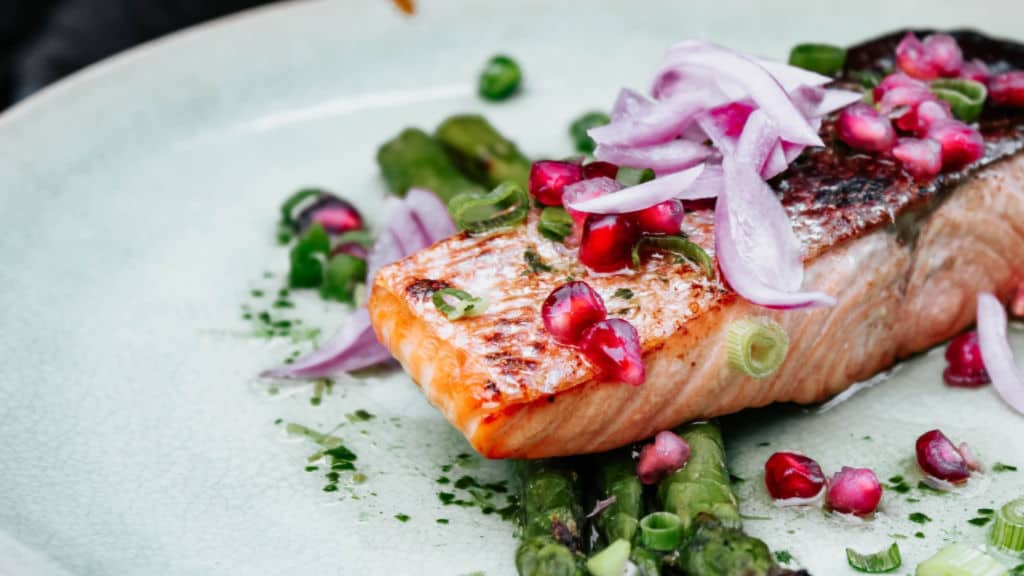
Foods from which the vitamin comes include fatty fish such as salmon, tuna, and sardines. It also comes from cod liver oil, egg yolks, and beef liver. The fish are excellent sources of the vitamin, but eating them every day would be necessary to get enough.

How Does It Work?

Vitamin D is made when the UV rays in sunlight hit the skin. A cholesterol carried in the skin converts the vitamin. And, it then travels to the liver and kidneys for further metamorphosis.

Alternatively, for many years, doctors have instructed people not to stay in the sun too long for fear of getting skin cancer. The winter months cheat Americans of this vitamin, so people have naturally developed a lack of this most important vitamin. Doctors of today now prescribe supplements in order to give patients a good chance at optimal health.

When the vitamin is present in normal amounts, it absorbs 30 to 40 percent of calcium from food. If the body doesn’t get enough of the vitamin, then only about ten to fifteen percent of calcium is absorbed. This means bad things for the bones.

However, research is now finding this vitamin’s receptors in places like organs from the heart to the prostate, muscles, blood vessels, and the glands of the endocrine system. These and the body’s tissues contain proteins to which this vitamin binds, enabling the better absorption of calcium.

Moreover, research is discovering that lack of this vitamin is responsible for many health conditions ranging from obesity to heart diseases and from diabetes to Alzheimer’s and some cancers. Additionally, over 200 genes are affected by the lack of this vitamin. [3]

It’s extremely rare that this vitamin is toxic. However, if too much builds up in the body’s fat tissues, a resulting calcium buildup will cause urinating too much, weakness, and nausea and vomiting.

Factors Affecting The Body’s Amount Of The Vitamin

We discussed above the formerly advised amount of sun to get and still remain healthy. Other factors affect how the production of the vitamin such as cloudy days preventing enough sunlight to hit the skin. Some of the factors are:

Age

As the body ages, it works harder to produce Vitamin D.

Skin Type

The darker the skin, the longer people have to stay in the sunlight, up to five to ten times longer.

Altitude

The sun shines more on top of a hill than it does on flat lands. The higher people are, the more of this vitamin they make. [4]

Storage And Release

This vitamin circulates through the bloodstream for 24 hours. After that, your body only stores the fat cells for two months. As the body needs more, it’s then released back into the bloodstream for use. This storage and release mechanism continues for months, after which the body is depleted. This is if no new sources of the vitamin enters the body, either through food or supplementation.

Vitamin D Deficiency

D-ficiency is occurring in billions of people worldwide. The deficiency is reaching epidemic proportions, so many consider it odd that the World Health Organization hasn’t blown the trumpet of warning.

Before the advent of shopping malls, office buildings, and three-piece-suit clad traveling salesmen, people earned their bread in the fields. They never had a Vitamin D deficiency. In a stunning turn-around, however, science is now telling us that today’s farmers, fishermen, and other outdoor workers have more cases of cancers brought on by D-ficiency than indoor workers.

Furthermore, those living in the Middle East are being reported as deficient in the vitamin. In that bright, sunny area, pregnant women and the elderly are the most affected, although everyone is suffering some degree of deficiency. Add to this the dark-skinned peoples of Asia and Africa, and you can see why D-ficiency is an epidemic. [5]

D-ficiency can also be found in those with intestinal challenges to absorbing fat, those with liver or kidney diseases, as well as in those beginning to age. Some medications limit the availability or actions of the vitamin. Living north of the 37th parallel provides less than the recommended amount of sunlight to make the vitamin.

Who Is At Risk Of D-ficiency

Persons at risk of Vitamin D deficiency are infants being breastfed because mother’s milk is not rich in Vitamin D. The obese are susceptible due to the fat cells not binding to the vitamin so that it isn’t transported to the bloodstream. Those with osteoporosis, liver, or kidney diseases, Crohn’s disease, and those with lymphomas are at risk of D-ficiency. [6]

What D-ficiency Causes

When the fat cells can’t store the vitamin, obesity results. Diabetes follows along with high blood pressure, fibromyalgia, chronic fatigue, depression, and neurodegenerative problems. D-ficiency also contributes to some cancers like prostate, breast, and colon cancer.

Breaking research indicates that D-ficiency causes heart diseases, stroke, birth defects, periodontal disease, and autoimmune problems. The brain isn’t protected from toxic chemicals, nor are neurotransmitters functional.

D-ficiency causes serious bone problems such as osteoporosis, weak bones, and fractures in seniors. Children get rickets which means the bones are soft and bend instead of breaking. Adults get osteomalacia which causes bone pain in weak bones and muscle weakness. [7]

D-ficiency has been noted as having a part in rheumatoid arthritis, multiple sclerosis, asthma and autism in childhood, erectile dysfunction, and baby’s immune system in pregnancy. [10]

What’s The Answer?

The answer is two-fold. The first step is to increase time in direct sunlight. Cloudy days and the government’s use of planes spraying something in the air to decrease our abuse of the ozone hamper that solution. People must find a way to get enough direct sunlight to make Vitamin D.

The second step is in the diet. People would have to eat one salmon steak, one cod, and two eight-ounce cans of tuna in order to get the minimum amount of the vitamin into their systems. Drinking a quart of fortified milk with a bowl of fortified cereal would do the same job. [8]

Food, however, can only give adults between 40 and 45 international units or IU per serving. To get the recommended daily allowance of the vitamin, adults would have to eat fish at every meal and for snacks, along with fortified cereals and dairy products which means six times per day.

Supplementation is another solution. Presently, the vitamin content of supplements is 1,000 to 2,000 IU. This is quite enough for the average adult.

How Much Is Enough?

Medical experts are at odds with each other over the ideal amount of the vitamin for children and adults. However, the National Institutes of Health recommend the following amounts.

  • Birth – 12 months  –  400 IU
  • 1 year to 13 years – 600 IU
  • 14 – 18 years – 600 IU
  • 19 – 50 years  – 600 IU
  • 51  – 70 years – 600 IU
  • 70+ years – 800 IU [9]

Vitamin D

Final Thoughts About Vitamin D

It’s surprising that such a vital part of our health wasn’t discovered or researched until the 20th century. It isn’t surprising that science has used new technologies to find a multitude of uses for the vitamin. They’ve even found that it beneficially affects colds and flu.

Vitamin D, although classified as a vitamin, acts in the body as a hormone and a steroidal one at that. It affects everything in the body from the immune system at the base to the brain at the top. It’s lack severely damages the body, yet its lack is a world-wide epidemic.

It may be a challenge to find enough of the vitamin in our food and the amount of sunlight we get. Press on, though, because the vitamin will improve your quality of health and life.

[1,2]https://www.health.harvard.edu/staying-healthy/vitamin-d-and-your-health-breaking-old-rules-raising-new-hopes

[3]https://www.ncbi.nlm.nih.gov/pmc/articles/PMC6132681/

[10]https://yourwomensclinic.com/topics/f/why-you-should-be-taking-vitamin-d

[6,7]https://medlineplus.gov/vitaminddeficiency.html

[5]https://www.ncbi.nlm.nih.gov/pmc/articles/PMC3068797/

[4,8,9]https://ods.od.nih.gov/factsheets/VitaminD-HealthProfessional/

35 Positivity Quotes From Maya Angelou You Need To Read If You’re Unhappy

In today’s stressful and hectic world, it can be very easy to succumb to all of the toxic emotions swirling around us. Of course, we need only to look at the news or focus on some of the more chaotic aspects of our own lives and we find ourselves quickly spiraling downward. In fact, it leaves us wondering if we will ever again find our peace and happiness. But positivity quotes can help us re-focus!

Many of life’s difficulties remain out of your control—the weather, your genetic disposition, inevitable challenges associated with aging, and disease and death that take their toll mercilessly. And, these conditions prove once and for all that survival of the fittest continues to reign supreme.

You cannot control the actions of others and you cannot control others’ reactions to you. Moreover, it is a certainty that you will not always get what you want in life. Perhaps an adjustment in ourselves and our thinking is necessary to put life and all of its gifts in proper perspective.

The Four Noble Truths

Embracing the Four Noble Truths of Buddhism is an excellent way to start shifting our thinking from “what should be” to “what is”, and starting to work from there. These Four Noble Truths are:
  • There is suffering in life. Unhappiness and misery are inevitable.
  • You may be the cause of your own suffering.
  • You can stop causing your own suffering!
  • Once you stop causing your own suffering, you can begin to live a good life that is in harmony with your deepest values and goals.

Underlying Causes of Unhappiness

Why are you so unhappy? Perhaps in uncovering the reasons for your mental state of affairs, we can work to reduce that which is irritating you and causing you suffering and pain. Let’s take a look at some possible reasons for unhappiness and “stinking thinking”…..

1. Dwelling on conflict

Whether it’s at home, at work, or even cast in the shadows of our imagination, dwelling on conflict is going to make us miserable as it overtakes every other aspect of life. When you do experience conflict, deal with it as best you can and let…..it……go. Move on, and embrace more positive aspects of your life.

2. Indulging in negative self-talk.

We all do this from time to time—we make mistakes, we beat ourselves up mentally, and we indulge our harshest critic for a time until we eventually right the boat again. Studies have shown that negative thinking actually creates pathways in the brain that encourage the development of illness and disease—get that mind right and start thinking and feeling healthier.

3. Wishing circumstances were different in your life and in the lives of others.

This condition is in direct violation of one of the four fundamental Buddhist truths, and it will keep you locked in a past or future scenario that you cannot control. You can only somewhat control the circumstances that are in the present; accept what is and begin to move forward in a healthier direction.

4. Playing the victim card.

Life is full of mishaps, wrongdoing, and misfortune; whether we find it or someone else thrusts it upon us, playing the victim card will very quickly spiral you downward into the negativity that is hard to recover from. Again, accept the fact that reality stinks right now, and then work to do the things YOU can do to begin to crawl out of your situation.

5. Comparing yourself to other people.

Woe is me…..I don’t have what he has, I am not as pretty as she. Get over yourself, please; someone will always do more, have more, and be more than you, and the sooner you accept that the happier you will be. You be the best version of you that you can possibly create, and let life bring success and prosperity to you in honor of your ability to be real and authentic.

We Need the Wise Words of Maya Angelou to Uplift Our Spirits

Perhaps now more than ever, we need little doses of positivity in our lives to keep moving forward in an upward direction. The use of positivity quotes, inspirational readings, and journaling can help us to deal with life’s stresses and help us regain a sense of composure once more.

No one is more adept at positivity quotes than the renowned American treasure, Maya Angelou. She was truly a forerunner in the realm of inspirational writing, speaking, and generating almost effortless positivity quotes that have the magical ability to turn one’s entire day around to the extent that we can focus on the profound meaning behind her heavily weighted words.

If you are down in the dumps lately, and life’s events have gotten you down, perhaps it’s time to dig deep into the treasured writings of Maya and see how she can inspire you to see all of life’s experiences as a gift.

Here are some of our most favorite positivity quotes–let them inspire and motivate you to affect change in your life beginning today!

The Wisdom of Maya Angelou

1. “Try to be a rainbow in someone else’s cloud”.

2. “If you have only one smile in you give it to the people you love”.

3. “You may not control all the events that happen to you, but you can decide not to be reduced by them.”

4. “If you don’t like something, change it. If you can’t change it, change your attitude”.

5. “I’ve learned that people will forget what you said, people will forget what you did, but people will never forget how you made them feel”.

6. “Love recognizes no barriers. It jumps hurdles, leaps fences, penetrates walls, and arrives at its destination full of hope”.

7. “If you find it in your heart to care for someone else, you have succeeded”.

8. “Love is like a virus. It can happen to anybody at any time”.

9. “My mission in life is not merely to survive, but to thrive, and to do so with some passion, some compassion, some humor and some style”.

10. “No matter what happens, or how bad it seems today, life does go on, and it will be better tomorrow”.

11. “Success is loving life and daring to live it”.

Positivity Quotes by Maya Angelou About Courage

Maya Angelou and her influence extend into the very fabric of American culture. An influential presence in art, music, and literature, she rose to fame as a result of her unapologetic prose and poetry that stimulates the mind and stirs the soul. Perhaps best known for little snippets of work that people began to coin as positivity quotes, she remains a favored author and cultural icon today.12. “Having courage does not mean that we are unafraid. Having courage and showing courage means we face our fears”.

13. “Ask for what you want and be prepared to get it”.

14. “A person is the product of their dreams. So make sure to dream great dreams. And then try to live your dream”.

15. “Success is liking yourself, liking what you do, and liking how you do it”.

16. “If you are always trying to be normal you will never know how amazing you can be”.

17. “You alone are enough. You have nothing to prove to anybody”.

18. “We may encounter many defeats but we must not be defeated”.

19. “Each of us has that right, that possibility, to invent ourselves daily. If a person doesn’t invent herself, she will be invented. So, to be bodacious enough to invent ourselves is wise”.

20. “Determine to live life with flair and laughter“.

21. “We need much less than we think we need”.

22. “The honorary duty of a human being is to love”.

Positivity Quotes That Offer Hope

23. “Everybody is worth everything”.

24. “Someone was hurt before you, wronged before you, hungry before you, frightened before you, beaten before you, humiliated before you, raped before you, yet…..someone survived. You can do anything you choose to do”.

25. “When I forgive other people, I let them go. I free them from my ignorance. And when I do I feel lighter, brighter, better”.

26. “My great hope is to laugh as much as I cry; to get my work done and try to love somebody and have the courage to accept the love in return”.

27. “My wish for you is that you continue. Continue to be who and how you are, to astonish a mean world with your acts of kindness”.

28. “I don’t trust anyone who doesn’t laugh”.

29. “When was the last time anyone told you how important you are”?

30. “Seek patience and passion in equal amounts. Patience alone will not build the temple. Passion alone will destroy its walls”.

31. “We delight in the beauty of the butterfly, but rarely admit the changes it has gone through to achieve that beauty”.

32. “Life loves to be taken by the lapel and told, ‘I’m with you, kid…let’s go'”.

33. “Open your eyes to the beauty around you. Open your mind to the wonders of life, open your heart to those who love you, and always be true to yourself”.

34. “We can be better, we can be wiser, we can be more kind. Yes, we have to change. We have to grow up and stop acting like 10 years old. Yes there is much to do, much to see, much to go into”.

35. “Life is pure adventure, and the sooner we realize that, the quicker we will be able to treat life as art”.

positivity quotes

Reflect on These Positivity Quotes by Maya Angelou

Everyone goes through adversity and periods of struggle in life; the training of the mind to think positive thoughts and keep moving forward is what creates resilience, strength, and adventure in life. Through the use of positivity quotes, a commitment to keep developing yourself and improving some aspect of life each day, and most importantly, embracing where you are right now and learning how to unconditionally love and accept yourself and others will have you not only pondering these positivity quotes, but learning to live them out through your actions.
Maya Angelou was not necessarily born with advantages in her life, but she created some extraordinary things by adhering to her own personal and courageous truths.
Also, you can do the same! But first, you must ask–what do you want to create in life? The sky’s the limit!

25 Positivity Quotes About Being Happy for Baby Boomers

Every stage in life brings its own set of challenges. At times, it can be hard to find the positive and happy moments in your everyday life. However, by making a commitment to looking for the good in life, you’ll be able to find uplifting moments and positivity everywhere you go. These positivity quotes are perfect for baby boomers!

The Best Positivity Quotes for Baby Boomers

Whether you’re prone to looking on the bright side or you’re having a hard time celebrating life’s little joys, everyone can benefit from a positive pick-me-up. The following 25 quotes will remind you to keep searching for happiness wherever you are and wherever you go:

1. “Act as though every action you make has a significant impact on the world.” —William James

Baby boomers and everyone alike must remember that all decisions they make in life matter. Regardless of what stage in life you are in, keep in mind, there is a purpose in everything you do.

2. “Success isn’t final and failure isn’t fatal. What matters is finding the courage to continue.” —Winston Churchill

We all make mistakes and mess things up, but that’s what humans are supposed to. Instead of focusing on these mistakes, envision about your next steps to continue.

3. “Always keep your head held high. This is the only way to take on the world: by looking hit straight in its eyes.” —Helen Keller

Fear is not a constructive emotion. Whenever these feelings creep into your life, simply raise your head and dare to take on the world one day at a time.

4. “The outcome you achieve when you reach your goals isn’t nearly as important as the person that you become in the process of achieving your goals.” –Zig Ziglar

Achieving your goals changes you. Wherever you find yourself in life, know that every step of the way is a precious moment in the person you are actively becoming.

5. “Believe you can do anything and you’re already well on your way to achieving your goal.” –Theodore Roosevelt

Motivation never ceases to be the driving force in our lives. Every dream and desire must first begin with the confidence that you know you can achieve it. With this level of confidence, there’s nothing that can stand in your way.

6. “Always hold on to your dreams. Hold on tightly and never let them go.” –Carol Burnett

Many baby boomers are tempted to give up on their dreams, accepting that their lives right now are how they’ll always be. However, there’s nothing stopping you from living the life you’ve dreamed of. Hold tightly to your dreams and refuse to let go.

7. “I can’t decide which way the wind will blow but I can change the direction my sails are to make sure I will always reach the destination I hope to go.” –Jimmy Dean

Uncertainty is a part of life. Instead of trying to control the hand life deals you, try your best to shift how you respond to each and every situation.

8. “Whatever you’re going through, keep looking for the light. Even if you’re walking in the dark, there’s always some light towards the end of every tunnel.” –Demi Lovato

Everything always has a silver lining to it, you only need to look. Even in the most difficult of situations, there’s always some bit of hope.

9. “It’s one’s attitude at the start of a challenging task that determines exactly what the outcome will be.” –William James

Life is certainly not short on hardships. When it comes to overcoming these difficult challenges, remember to always approach them with positivity in mind. Eventually, you’ll get through these hard times and find yourself in a better situation.

10. “Life is quite similar to riding a bike. To stay balanced, one must keep moving.” –Albert Einstein”

There will be times in life when you want to quit. These are the moments that feel impossibly overwhelming and draining. In these moments, don’t give in to the desire to give up. Instead, do all you can to keep moving forward. Though you may fall, you won’t quit.

11. “Don’t give up on doing what you truly want to do. Where you feel inspiration and love, nothing can go wrong.” –Ella Fitzgerald

Though everyone has dreams of their own, few have the confidence to keep pursuing them. Give into what you love and what inspires you–this is your life’s great work and what you’re truly meant to do.

12. “Start limiting your use of ‘Never’ and Always.’” –Amy Poehler

“Always” and “never” are two words that are so definitive, they should only be used sparingly. Every day presents a new opportunity, so be sure to leave room for “Maybe” in your life.

13. “The word ‘Impossible’ tells us everything we need to know: ‘I’m Possible!’”–Audrey Hepburn

Make time for positivity every day by reminding yourself that nothing is truly impossible. As long as you have the will to continue, you are capable of doing anything.

14. “You will never be too old to make another goal or to have another dream.” –C.S. Lewis

C.S. Lewis wants everybody from newborns to baby boomers to know that there will never be a time in life when our age will prevent us from achieving the dreams we long to pursue. Every dream and every goal you’ve ever had is still possible.

15. “Be the rainbow that shines the light in another person’s cloud.” —Maya Angelou

These types of positivity quotes remind us that when others have bad days, we should be the rays of sunshine in their lives.

16. “Happiness can’t be found. You must make your own version of happiness.” –Camilla Eyring Kimball

There’s no route to happiness. The recipe to what makes you happy lies within, so you must do all you can to find it.

17. “Inspiration starts within. Your inspiration starts with positivity–when you’re positive about life and yourself, good things will happen.” –Deep Roy

Your inspiration in life must start in the deepest parts of yourself. Being positive will guarantee that you seek out and you attract good things in life.

18. “The true value of the most beautiful moments are often never realized until these moments become a memory. ” –Dr. Seuss

All of us have a limited amount of time on earth. To truly feel our deepest sense of joy, we all must dig into life and really live each moment to the fullest.

19. “The most wasted days are the ones without laughter.” –E.E. Cummings

E.E. Cummings’ positivity quotes remind us to laugh in the face of anything and everything. Regardless of what we may be feeling, as long as we can find the humor in every situation, no day is wasted.

20. “You must do everything you think you can’t do.” –Eleanor Roosevelt

If something scares you or makes you hesitate, do it anyway. The more enthusiasm with which you pursue everything that you’re afraid to do, the faster you’ll get through it.

Moreover, once you’ve achieved what you didn’t believe was possible, you’ll have even more confidence in your ability to do more than you could have ever imagined.

21. “Life isn’t defined by the place that you’re from. It’s about every place you’re going that matters.” –Ella Fitzgerald

Focusing on the future means that you can’t let the disparaging thoughts of your past hold you back. While you may have had moments you’re not proud of, these don’t need to follow you into the future.

22. “You’ll never be too old to achieve everything that you might have achieved. ” –George Eliot

Even as we get older, life always gives us new opportunities with which we have the ability to do anything we want. If you haven’t yet begun living your dream life, don’t give up hope.

23. “Stay close to everything that makes you feel happy to be alive.” –Hafez

Hafez’ quote for baby boomers is a reminder to eliminate everything from your life that isn’t positive and uplifting. If something makes you happy to be alive, keep pursuing that.

24. “Happiness sneaks through the doors you didn’t realize you left open.” –John Barrymore

Happiness often finds us at the most spontaneous of times. Positivity quotes like this remind us to always be open to the unexpected arrival of happiness whenever it decides to strike.

25. “We all must be open to letting go of the lives we’ve planned so we can live the lives that await us.” –Joseph Campbell

Life has a way of surprising us. Don’t get to bogged down in your plans that you never live the life you’re meant to lead. While it’s important to have solid plans for your life, don’t forget to take each day as it comes.

positivity quotes

Enjoy These Positivity Quotes

Happiness isn’t something that happens by accident. By cultivating a positive attitude and a generally upbeat outlook on life, you’ll be able to feel and spread happiness more often.

These 25 positivity quotes show us all how we can improve each one of our lives and start living the lives we’ve always wanted. Regardless of where you are in life, keep these words of wisdom in mind. By looking within, you’ll find the happiness and joy you’ve been searching for.

Researchers Reveal 8 Vitamin Deficiencies Linked to Panic Attacks

Do you struggle with panic attacks, a type of anxiety?

Besides depression, anxiety is the most prevalent mental illness in America. In fact, it affects approximately 40 million adults! While therapy and psychiatric medication absolutely have their place, exploring deeper root causes can sometimes be the missing piece necessary for healing. (1.)

Most people are unaware that mood imbalances and nutrition are closely related. A deficiency in certain vitamins and minerals can contribute to anxiety and panic disorder, with a variety of potential root causes that could be responsible.

8 Vitamin Deficiencies That Link to Panic Attacks

  1. Vitamin D

Americans, especially those who live in states with cold winters, are becoming increasingly deficient in Vitamin D. Even residents of incredibly sunny places often lack enough of this essential nutrient due to our sedentary lifestyle that does not involve much time outdoors. Unless you are spending ample time in the sun each day, supplementation is a necessary “insurance policy” of sorts.

Ensure you consume adequate Vitamin D. This intake is imperative because it powers so many functions in the body. Also, it makes sure phosphorous is properly funneled into the bloodstream. This process is essential for mental health because it facilitates cell repair and tissue growth in the brain and body. It also promotes cranial development, and helps maintain cognitive function. Insufficient Vitamin D is associated with Seasonal Affective Disorder, or SAD, which is depression during the winter months. Vitamin D deficiency can also lead to chronic depression and panic disorder. (2.)

  1. Omega-3 Fatty Acids

Having a disproportionate balance between beneficial omega-3 fatty acids and their inflammatory omega-6 counterparts can create many problems. 60% of the human brain is comprised of fat. So, not fueling it in the correct way has been linked to mood disturbances and other mental health issues. Diets low in high-quality fats prevent the body from creating high-quality cell membranes because it can only feed off what we consume.

Omega-3s enhance B cell activation and select antibody production, so they are crucial for reducing inflammation. These healthy fats can enhance brain function and promote a positive mood. Conversely, an omega-3 deficiency has been known to cause depression, attention-deficit disorder, borderline personality disorder, and schizophrenia.

  1. B Vitamins

The food we consume can only be converted into fuel with the assistance of B vitamins. They are absolutely essential for whole-body health. B vitamins help with immunity, digestion, circulation, hormones, sleep, and nerves. In terms of mental health, they aid in stress reduction, cognitive function, and mood regulation. Deficiencies can lead to depression, anxiety, phobias, and other mental disorders.

  1. Magnesium

Due to soil depletion, magnesium deficiency is more prevalent than ever across the American population. In fact, even those who eat a diet rich in plants struggle with this. This mineral promotes relaxation throughout the body, and deficiency has been associated with stress, depression, and anxiety. Inadequate magnesium is even more common in people consuming the Standard American Diet. This includes high amounts of processed food, refined sugar, salt, alcohol, and caffeine.

  1. Amino acids

Since most Americans consume more carbs and sugar than anything else, protein intake is usually not adequate. It is a common misconception that protein only aids in muscle building, but that could not be further from the truth. Amino acids are also crucial for maintaining healthy brain function. Protein deficiency can result in depression, brain fog, fatigue, and difficulty concentrating.

  1. Zinc

Responsible for activation of the central and peripheral nervous system, zinc’s major role is promoting healthy brain function. Among other bodily processes, it also plays a crucial role in neurotransmitter, enzymatic, and hormonal procedures. Zinc insufficiency has been associated with depression, anxiety, eating disorders, and schizophrenia.

  1. Iron

More so than almost any other nutrient, serum iron levels are often inadequate across the worldwide population. Iron deficiency is particularly prevalent among women who struggle with heavy periods or are breastfeeding, athletes, and vegans/vegetarians. Iron is essential for brain health in addition to nervous system function. Deficiencies have been linked to anxiety, depression, difficulty concentrating, attention-deficit disorder, and irritability.

  1. Selenium

This trace mineral is essential for immunity, thyroid function, hormone health, and countless other internal processes. Selenium deficiency has been linked to many autoimmune conditions including Hashimoto’s thyroiditis, or hypothyroidism characterized by the presence of antibodies. This finding may be due in part to the Standard American Diet, which is not rich in trace minerals like selenium. Inadequate selenium intake is also associated with diabetes, cancer, and overall mortality. Emerging research has also linked deficiencies to depression and a generally negative mood.

ROOT CAUSES OF VITAMIN DEFICIENCIES

  1. Standard American Diet

Most people in the U.S. consume a diet that is, ironically, rich in calories but shockingly low in nutrients. Processed foods such as refined sugars and carbohydrates lack the essential vitamins and trace minerals necessary for optimal bodily function. Additionally, excessive consumption of inflammatory foods like gluten, dairy, grains and legumes, sugar, eggs, caffeine, nuts, seeds, and nightshades may lead to leaky gut. Also known as intestinal permeability, this stealthy condition causes nutrients to enter the bloodstream before the body digests and converts into usable forms.

  1. Leaky gut

As briefly alluded to above, intestinal permeability causes nutrient deficiencies. In addition to the Standard American Diet, environmental toxins, stress, and certain medications all connect back to a leaky gut. This all-too-common ailment is characterized by the formation of tiny holes in the intestinal lining. This allows food particles, bacteria, yeast, and viruses to enter the bloodstream. This results in the body becoming unable to properly absorb foods, which can lead to vitamin and mineral deficiencies, inflammation, mood disorders, panic attacks, and other health problems.

  1. Gene mutations

Testing for genetic mutations such as MTHFR is relatively uncommon in America, so many people are none-the-wiser to their predisposition to nutrient deficiencies. This mutation prevents the body from efficiently converting B vitamins folate and choline into their active forms via a process called methylation. Another mutation, VDR, also triggers Vitamin D deficiency. Yet another set of mutations responsible for creating sulfates can lead to inadequate zinc levels.

zinc for panic attacks

WHAT TO DO ABOUT VITAMIN DEFICIENCIES

1 – Prioritize consumption of nutrient-dense foods

  • Fatty fish, grass-fed or pasture-raised meat, organ meats, spirulina, wild mushrooms, and bee pollen (Vitamin D)
  • Grass-fed meats, wild-caught fish, flax and chia oils (Omega-3 fatty acids)
  • Leafy greens, root vegetables, any of the aforementioned animal proteins, fresh and dried fruits, avocados (B vitamins)
  • Dark leafy greens, seaweed, figs, wild-caught fish, avocado, bananas (Magnesium)
  • High-quality animal proteins and bee pollen (Amino acids)
  • Oysters, wild-caught fish, lamb, grass-fed beef (Zinc)
  • Grass-fed beef, shellfish, organ meats, dark leafy greens (Iron)
  • Turkey, organ meats, grass-fed beef, garlic, spinach, bananas, Brazil nuts (Selenium)

2 – Heal your gut

Your nutrient absorption might weaken if you have gut issues. This means no amount of healthy, anti-inflammatory foods can restore optimal health without targeted intervention.

Strive to heal and seal the gut. You’ll ensure that the food you consume actually digests instead of leaking into the bloodstream in a form unusable by the body. You can usually repair your gut via the “4R Approach:”

  • Remove: Minimize inflammatory foods, environmental toxins, allergens, and gut infections.
  • Restore: Add in as many nutrient-dense foods as possible. You will better tolerate these after the removal process. Supplementing with digestive enzymes can further help with nutrient absorption.
  • Utilize high-quality, high-dose probiotics to repopulate the gut with beneficial bacteria.
  • Consume collagen in powdered form, bone broth, or both to rebuild the intestinal lining.

3 – Gene testing.

Discovering whether you have a genetic mutation such as MTHFR or VDR could be the missing piece behind healing from nutrient deficiencies.

4 – Use targeted supplements

In an ideal world, nobody would need supplementation to meet their nutritional needs. Unfortunately, however, the state of our world today essentially guarantees vitamin and mineral deficiencies when relying on food alone. Supplements may never fully compare to what Mother Nature provides; however subpar nutrition is better than none at all. Here are several supplements to consider that may help your panic attacks:

  • A high-quality multivitamin can help fill any nutritional gaps from depleted soil, environmental toxins, or any of the above reasons for deficiencies.
  • Vitamin D. Make sure the supplement you choose also contains Vitamin K2, as it works synergistically with Vitamin D.
  • Omega 3. Ensure the company is open about their sourcing and uses fish with no detectable mercury.
  • Vitamin B. If you are unsure about your MTHFR status, select a Vitamin B complex with ingredients that have already been methylated.
  • For additional sleep and mood support, choose a supplement that can cross the blood-brain barrier. (3.)

panic attacks

FINAL THOUGHTS ON THE CONNECTION FROM PANIC ATTACKS TO VITAMIN DEFICIENCIES

Between unhealthy eating, environmental toxins, depleted soil, stress, and genetic mutations, getting adequate nutrition is virtually impossible in the modern world. Nutrient deficiencies are all too common, and mood imbalances such as panic disorder can occur as a result.

Identifying your deficiencies and investigating the root cause behind them is key to achieving true health. Measures such as dietary changes, gut healing, gene testing, and supplementation can fill the gaps and improve nutrient status.

As it turns out, you may be able to reduce the panic attacks with proper nutrition.

Signs of Autism Spectrum Disorder (ASD) that Every Parent Needs to Know

Many people have heard of the disease Autism Spectrum Disrder (ASD). However, most people don’t completely understand it. This makes it especially difficult to identify the disorder in the people around you. This guide attempts to explain the disease and the signs of Autism. That way if someone in our life does have the disorder, you can learn more and get them the help they may need.

What is Autism Spectrum Disorder (ASD)?

Autism is a developmental disorder. That means that the person with the disorder may not grow at the same speed or to the same level. This can affect the person both physically, socially, and mentally.

An autistic person falls somewhere on the spectrum of severity of the condition, ranging from mild to severe. People with a mild condition might look, talk, and act like anyone else in their class. However, people who fall on the severe end of the spectrum will have noticeable developmental problems. They may not be able to live a completely independent life.

ASD is not the same as being mentally disabled. Instead, look at it as more of a developmental disability with a high emphasis on communication and social issues. Luckily, unlike most people who are mentally disabled, the effects can be helped to a certain point.

Early Signs of Autism

Many children show signs of ASD as early as a year old. A child should be able to respond to their name by 12 months. Children with ASD may simply stare off into space, ignoring their name at this point. A child should also be able to point at the things that capture their attention by 14 months. If your baby can’t do these simple tasks, you should take them to get tested for ASD or other developmental disorders. It may take time for you to get a definite diagnosis since the child is so young. However, when you catch these things early, there are steps you can take to help relate to your baby and help them learn as they get older.


Additional Signsautism signs

You may not see any signs in your baby. It might take you much longer to discover a potential problem. Here are some of the common signs of ASD in children and adults. When you see multiple symptoms in one person, that’s a sign they may be on the spectrum.

Hyperactivity

Children are generally quite energetic. However, most of them slow down at some point. Children with ASD may never stop from the moment they wake up in the morning until the moment they go to bed. You’d know if this is true, especially if you’re the parent. If this lasts for over six months, it might be time to bring the child into a doctor. This hyperactivity may be a result of the disorder. It may also be a sign of other disorders. Either way, it’s something that should be addressed.

Communication Problems

Some of the most common communication problems are reverse pronouns, delayed communication skills, not understanding jokes or sarcasm, and speaking in a flat, monotone voice.
Many children with autism have a hard time finding their words. You can tell they are struggling from possible stutters, confusion, and how frustrated they get.

They may struggle and never seem to find the words they wanted to say. Unfortunately, this may cause a child to act out. Be prepared to handle this by supporting them in their struggle to express them and being understanding.

Another communication sign is if your child repeats the same things over and over again. It shows they aren’t able to say anything else to express what they are feeling. Help them expand their vocabulary by giving them other ways to say what they want. If the phrase they are repeating isn’t appropriate for the conversation, try to keep them on track as much as possible.

Avoid Eye Contact

Eye contact demonstrates confidence and a true connection with the person you are communicating with. Since people with autism may experience trouble with intimacy and communication, they may often avoid eye contact. Look to see if it happens with everyone or just certain people. You should also pay attention to see if it happens over a specific topic or at a certain time. These observations can give you clues as to why they aren’t opening their eyes. Whatever the reason, encourage the child to look people in the eye. Look them in the eye back with a smile.

Problems Comprehending and Expressing Feelings

Many people struggle with their feelings well into adulthood. However, for people with ASD, they are unable to help themselves. They may not even be able to recognize the emotion they are feeling. They may simply feel an overwhelming sensation of some kind. Additionally, they struggle with handling that emotion. When talking to other people, they might not be able to recognize the emotions of others. This can make developing personal relationships more difficult.

Obsessive Thoughts/Interests

Signs of autism also include obsessive thoughts or interests. It’s one thing to be interested in trains or make a point to remember to lock the door. It’s another thing to become completely obsessed with a particular thought or interest. This may be a sign of dependence. While you want to encourage your child’d interests, you want to make sure they try multiple things to keep them well-rounded. You also want them to try multiple things in case they learn they have a love for something else.

Problems with Change

We all must experience change in life. For children with autism, this change can cause a huge shock to the system. When a person with ASD gets used to a routine and a certain environment, it can be hard for them to get used to something new. They may not be able to adjust at the speed of others. The initial shock may also force them to act out. It’s important to be stern yet kind when punishing a child for their inappropriate behavior. You want to ensure they know what they did to get punished and the expected corrected behavior.

Self-Harm

Some children may feel extreme amounts of emotion as a result of their condition. In some cases, they might inflict harm upon themselves to help make sense of all of the feelings burrowing up inside of them. Be understanding and get them help to prevent them from an adulthood of wearing long sleeves to cover up their scars.

Consider focusing on different ways to express themselves when they get overwhelmed. If you can find something productive for them to do that they actually do, it can help keep them safe while encouraging a passion.

Inappropriate Reactions

Since communication is a big problem for children who suffer from ASD, they don’t always say or do the right thing in certain circumstances. For example, they may not respond to questions with a relevant response. They may respond with something completely obscure like they weren’t listening. Also, they may not understand how to comfort people in bad situations. Or, they may do something like laugh in sad situations or cry in happy situations. While this may come off as rude, they simply don’t know how to respond. Try to be patient.

What Is Next?autism

If you think your child or a child you know might have autism, it’s time to watch them a little more closely for the above-mentioned symptoms. Having one of the symptoms might not necessarily mean a problem. However, the more symptoms you see, the more likely the child may be on the spectrum.

If you notice several symptoms, take the child to a doctor to have them examined. The doctor can provide more insight into the problem and how to address it. There are a lot of disorders that may be mistaken for ASD, so a proper diagnosis is important.
Once there is a proper diagnosis, you will find resources to assist you. There may be things offered at school to help you child learn and develop with the rest of the kids in class. If more assistance is needed, there may be government resources.
It’s important to remember that getting a diagnosis of autistic does not mean the end of the world. In fact, most of the people diagnosed live excellent lives and are leaders in our society. However, it may require additional or alternative tools to help them reach the best of their ability.
autism

Your Child Has Autism? You’re Not Alone!

ASD is a wide-spread disease that affects people all over the world. It’s common enough for us to know quite a bit about it. However, we don’t have a total cure. The best way to combat the negative effects is to work with your child to discover what things help them produce good results. This may take a lot of time and require patience. However, with the right tools, your child will grow into the person can want to be.

Researchers Explain Why Detoxing Your Liver is So Important for Your Health

When we think about poor liver health, cirrhosis due to alcoholism is typically what comes to mind. Most people don’t realize, however, that liver function can be suboptimal even in the absence of substance abuse.

The liver is our body’s detox organ, which means it has the sole responsibility of eliminating harmful toxins and hormone metabolites. Unfortunately, most Americans have a toxic load that is essentially impossible to clear without taking specific measures.

Sluggish livers are all-too-common today, with airborne chemicals, an unhealthy diet, contaminated water, and many additional factors to blame. Reducing your toxin exposure and supporting liver detoxification with targeted approaches is imperative to avoiding disease.

SIGNS YOUR LIVER IS NOT FUNCTIONING OPTIMALLY

liver toxins cause belly pain

  1. Poor digestion

The liver is responsible for producing bile and bile salts that play a crucial role in digestion. Bile helps the body break down fats as well as absorb fat soluble vitamins such as A, D, E, and K. Difficulty digesting fats may occur as a result, which leads to increased acid secretion in the stomach. This can eventually cause regurgitation of food, commonly referred to as heartburn. (1.)

  1. Imbalanced hormones

One of the liver’s primary functions is breaking down and eliminating excess hormones from the body. Impaired liver detoxification can cause these hormones to recirculate and evolve into more toxic forms. This may result in a number of diseases such as breast cancer. Symptoms of a hormone imbalance include, but are not limited to: high blood pressure, bloating, weight gain, fatigue, insomnia, low libido, immunosuppression, cravings, and mood issues.

  1. Weight gain

Even if someone is eating a healthy diet and getting exercise, losing weight is akin to climbing Mount Everest with a sluggish liver. This is due to blood sugar dysregulation and hormone imbalance, both of which increase inflammation throughout the body.

  1. Skin issues

Rather than reaching for the Accutane bottle, it may be time to look inwards in regards to skin problems. When toxins build up internally and cannot be properly detoxified, they can manifest in rashes, rosacea, eczema, acne, psoriasis, and dermatitis.

  1. Fatigue

Unexplained fatigue is a vague symptom that could be caused by many different conditions; however, oftentimes it’s due to liver dysregulation. Feeling constantly tired despite getting enough sleep may be a sign of poor liver health.

  1. Halitosis or a white coating on the tongue

Digestion begins in the mouth, so bad breath and a white-speckled tongue often point to deeper issues such as a sluggish liver. These symptoms indicate food is not being digested well, which can cause an overgrowth of pathogenic gut bacteria.

  1. Sensitivity to smell and/or alcohol

Headaches or irritability after smelling certain perfumes or cleaning products as well as not tolerating alcohol are telltale signs of a sluggish liver.

  1. Cravings

Strong cravings for sugar and/or refined carbohydrates point towards blood sugar and hormone imbalances. Liver dysfunction is often a root cause.

  1. Gallbladder issues

The gallbladder and liver have a very close relationship. As discussed previously, the liver produces bile and bile salts that break down dietary fats. That bile is then stored in the gallbladder, where it stays until the next meal. Issues arise when not enough bile is being produced due to poor liver health. Gallbladder dysfunction can lead to ailments such as nausea, indigestion, bloating, abdominal pain, and/or intolerance to fatty foods.

  1. Pain in the upper right abdomen

Both the liver and gallbladder are located in the upper right quadrant of the abdomen. Liver congestion leads to increased inflammation, which can cause pain.

HOW TO IMPROVE LIVER FUNCTION

  1. Reduce your toxic load

Americans are exposed to nearly 80,000 airborne toxins on a daily basis. Our livers are not equipped to deal with such a large amount of pollutants! These chemicals can be found in beauty products, smoke, gasoline, paint, household cleaners, and many additional places.

Toxins are also hiding in foods and beverages, such as:

  • Alcohol
  • Non-organic produce (refer to the Dirty Dozen and Clean Fifteen lists if you need to buy some conventional fruits and vegetables for financial reasons)
  • Large, farm-raised fish (stick to wild-caught salmon to avoid mercury and other heavy metals)
  • Water (invest in a high-quality filtration system such as Berkey or AquaTru)
  • Packaged foods (Eat from the earth as much as possible to reduce exposure to dyes, chlorinated and brominated additives, and other harmful preservatives)

Remember that the skin is our body’s largest organ, and it absorbs everything that comes into contact with it. Don’t use any products that contain questionable ingredients you wouldn’t feel comfortable eating.

Also beware of EMF radiation from technology. Cell phones, routers, modems, computers, and clocks all emit this harmful, yet invisible, energy. Always sleep with your phone on airplane mode and at least eight feet away from the bed.

  1. Minimize foods that harm the liver

  • Alcohol
  • Added sugars
  • Fried foods
  • Salt
  • Refined carbohydrates
  • Red meat
  1. Add supportive herbs and vegetables

  • Dandelion tea.

This herb is rich in B vitamins that serve as a catalyst for methylation. Methylation is a crucial process allowing the body to detoxify, so ensuring it operates smoothly is crucial for optimal liver function.

  • Milk thistle.

Extremely well-researched, milk thistle has proven successful in treating liver conditions such as hepatitis and alcoholic liver disease. Not only does it eliminate accumulated toxins, but also helps restore liver cells that have been damaged by them. Milk thistle is available in both tea and capsule form.

  • Garlic

This superfood has a laundry list of health benefits, from lowering blood pressure to increasing the populations of beneficial gut microbes. Garlic also benefits the liver by activating enzymes responsible for breaking down toxins so they can be successfully eliminated.

  • Cruciferous vegetables.

Broccoli and broccoli sprouts, mushrooms, Brussels sprouts, and cauliflower are known as sulfuric vegetables. This means they contain a powerful antioxidant called glutathione, which activates phases one and two of liver detoxification. For women struggling with hormonal imbalances, these vegetables also help remove excess estrogen from the body! It’s a win-win situation.

  • Beetroot.

Much like garlic, beets also increase enzymatic activity and increase efficiency of toxin elimination.

  • Red clover.

Available in both tincture and capsule form, red clover is an incredibly potent herb. It can help remove toxins from not only the liver, but the spleen and lymphatic system as well.

  • Burdock root.

This healing root is a natural diuretic, so it helps flush out toxins and heavy metals by increasing fluid elimination. It also gives the lymphatic system a boost. (2.)

  1. Use castor oil packs

Castor oil is an incredibly beneficial, yet often overlooked, healing modality for a variety of ailments. It stimulates the lymphatic and circulatory systems, which help clear the body of unwanted toxins. The oil helps shuttle oxygenated, nutrient-rich blood to the liver, which facilitates the detox process.

Assembling a castor oil pack is quite simple. You’ll need:

  • Castor oil (ensure hexane free)
  • Organic white cotton or flannel fabric
  • Heating pad
  • Wax paper or old towel
  • Glass container with lid (3.)

Directions:

  1. Fold the fabric into a square large enough to cover your liver. Cover the fabric in castor oil until it is moist to the touch.
  2. Place the pack on top of your liver, which is located on the right side of your chest beneath the ribs. Castor oil can leave stains, so wear clothing you don’t mind getting dirty.
  3. Wrap wax paper or a towel around the pack.
  4. Take your heating pad (or a hot water bottle) and place it atop the towel or wax paper.
  5. Set a timer for 20 minutes and relax until it goes off.
  6. Once the time is up, use a towel to remove castor oil residue from your skin (you could also take a shower.)
  7. Place the pack in a glass container and keep it covered with an airtight lid. You can reuse the same pack for three months before assembling a new one, adding more castor oil if it dries out.

liver

FINAL THOUGHTS ON WHY DETOXING YOUR LIVER IS SO IMPORTANT FOR YOUR HEALTH

On the quest for optimal health, many people neglect one of the most important body parts: the liver. This tiny organ, located in the upper right abdomen just beneath the ribcage, carries the heavy burden of removing excess hormones and toxins from the body.

In the world we live in today, toxin exposure is impossible to avoid. In fact, the average American encounters approximately 77,000 chemicals on a daily basis by just stepping outside! Coupled with stress, a Standard American eating style, stress, and several additional factors, our livers struggle greatly to perform their necessary duties.

Taking measures such as reducing toxic load, eating certain herbs and vegetables that aid in liver detoxification, and using castor oil packs can help our bodies cleanse themselves of harmful substances and achieve optimal health.

20 Things To Never Shame Yourself For

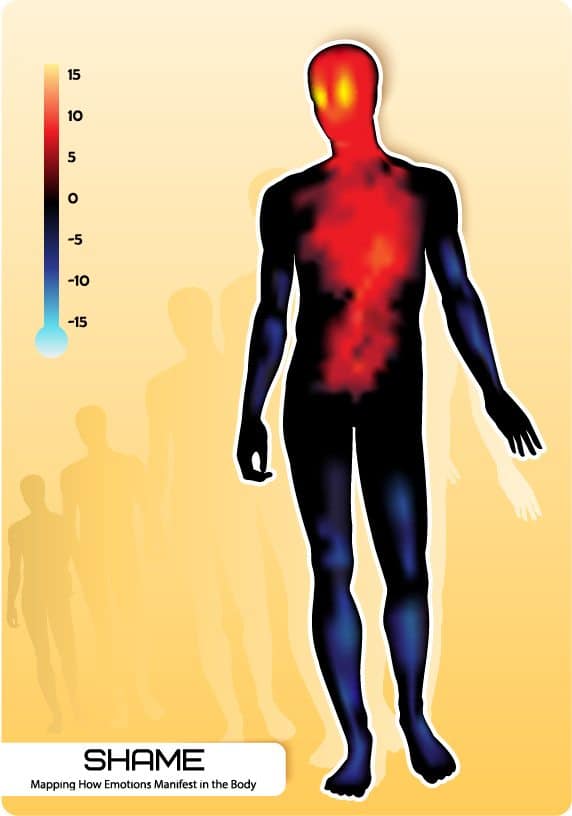
With the advent of social media, our lives have become much more accessible to others. Many of us document various happenings throughout our day, whether positive or negative. Unfortunately, this opens the door for others’ judgment and scrutiny If we don’t gain the approval of our friends, we often feel an underlying sense of shame. This applies to situations in real life as well.

“The difference between guilt and shame is very clear–in theory. We feel guilty for what we do. We feel shame for what we are.” – LEWIS B. SMEDES, Shame and Grace

Where does shame come from?

One study shows how shame plays an important role in human biology. The paper was published in the Proceedings of the National Academy of Sciences of the United States of America. In the study, psychologists and anthropologists found that shame essentially helped humans survive in the hunter-gatherer days by showing them which behaviors were more tolerated by the group. For example, avoiding work or stealing wouldn’t be acceptable or help the group survive, so if these acts were committed, it would result in a feeling of shame.

In today’s world, however, shame can greatly hinder us from accomplishing our goals or establishing relationships. Let’s take a look at some things you should never feel ashamed of.


20 Things to Never Feel Shame For

dont feel ashamed

1 – Putting yourself first

You can’t help someone else until you help yourself. If you don’t fill your cup, you’ll have nothing to give to others. So, you should never feel shame for making yourself a priority. If you take care of your own well-being, you’ll be in a much better position to serve others.

We have this idea that focusing on yourself makes you narcissistic or self-absorbed, but a certain amount of self-care is necessary. You wouldn’t drive your car without checking all the fluids or putting gas in it, so you shouldn’t skimp on self-care either.

2 – Following your passions

People will tell you to follow your dreams, until you share them. Then, they become unrealistic or unattainable. However, don’t let the naysayers get you down. Those who follow their dreams will always make people uncomfortable, because it forces them to put their own lives into question. Don’t ever stop following what brings you to life for the sake of keeping others comfortable.

3 – Your perceived weaknesses

 Everyone has strengths and weaknesses, so don’t try to achieve perfection. Instead, acknowledge your weaknesses and try to work on them with actionable steps. However, don’t make it an obsession to focus on your insecurities. This will only make you hyperaware and too introspective.

Choose to accept yourself, because when you do this, it knocks down the walls between you and the outside world. This will make your relationships blossom and greatly increase your self-love.

4 – Who you date or marry

It seems that family, friends, and even strangers online love to insert their opinion into our lives, especially when it comes to relationships. However, who you date or marry has no bearing on their well-being. So, if they have negative things to say about your partner, let it go. They might have a genuine concern, but most of the time, they’re probably just projecting their own feelings of jealousy or insecurity.


5 –  Being sensitive or emotional

We should never feel shame about our emotions, but in today’s world, many of us get pegged as “too sensitive” or “too soft.” However, in a world where logic and assertiveness seem to rule, we desperately need that balance of softness and empathy. Never apologize for feeling too deeply or caring too much. Empaths and healers are needed now more than ever, so instead of trying to stifle your gifts, allow them to grace everyone you come across.


6 – Your chosen career or job

Judging someone based on how they choose to earn money seems pretty pointless. After all, we’re all on different journeys, so instead of putting each other down, let’s embrace those differences. This is what makes the world unique; if everyone did the same thing, life would get pretty boring. On the other side of things, don’t ever compare yourself to someone else. You have no idea what they’ve been through or what it took for them to attain their success.

7 – Being overly positive

 In a world where people constantly tell us to “expect the best but prepare for the worst,” keeping our heads up can seem quite challenging. However, many scientists and researchers around the globe have recognized the many benefits of positive thinking, including decreased stress, a longer life span, greater creativity, and more.

Staying positive in hard times can make us more resilient and better able to deal with challenges. So, to all the Debby downers out there who love to rain on your parade, don’t let them!

8 – The mistakes you’ve made

 Don’t allow others to chastise you for your mistakes. Everyone makes them, and they help us grow and learn. Without taking a few missteps, we wouldn’t know the right path to take in the first place.

9 – How you eat

 People love to tell others how to eat and what will make them feel best, but at the end of the day, it’s your body. Just as you shouldn’t tell others how to eat, don’t let them dictate your eating habits, either. From vegans to meat-eaters, everyone thinks they know the optimal diet for humans. In reality, only you can decide what feels right to you, not anyone else.

10- Wanting more in life

You should always be grateful for what you have and where you’re at, but wanting more does not make you shallow. In fact, having aspirations and feeling discontent drives progress! Without longing for more, humans wouldn’t have ever advanced this much.

11 – How you choose to live

We all have different perspectives and desires, so don’t let others dictate your life. No matter if you want to live in a tiny house or a mansion, your dreams and lifestyle choices are valid. So long as it doesn’t harm yourself or others, how you live your life is nothing to feel shame for. If you’re happy at the end of the day, that’s what really matters.

12 – Your opinions

Just like everyone lives differently, we all hold different opinions. Just because no one in your family or friend group agrees with you, that doesn’t make you wrong. It simply means you look at things in a different way. Don’t let people shame you for simply exercising your right to think.

13 – How much money you have

This topic makes a lot of us cringe, and we tend to shy away from it in conversation. Most of us don’t want to make others uncomfortable by sharing how much we make, and understandably so. No matter if you make a janitor’s salary or a CEO’s, however, your value as a human being is the same.

14 – The friends you have

Your friends should make you smile and forget about the world for a little. As long as you enjoy their company, don’t let anyone else shame you for your choice of companions.

15 – Your relationship status

Once you get old enough, your family or friends might start asking when you plan on getting married or if you’re looking for a relationship. However, you shouldn’t feel pressured by anyone to do something you’re not ready for. Being single is not the worst thing you can be; in fact, studies show that it can make you healthier and better with money!

16 – Not going to college

College isn’t for everyone, so don’t fall into the trap of thinking you need to take on massive amounts of debt to make a living. You can start a business, go to a trade school, or work your way up in a job. You have options, so don’t ever feel shame for not wanting to follow the crowd.

17 – Having a mental illness

In today’s world, most people suffer from some type of mental illness. The most common disorders are:


  • Depression
  • anxiety
  • Eating disorders
  • substance abuse disorders
  • bipolar disorder
  • ADD/ADHD

Your mental illness does not define you, and does not make you “broken” or “weak.” Never let someone shame you because of a mental condition.

18 – Being different

Trying to fit a square peg into a round hole is a useless effort, so stop trying to fit in! Instead, embrace the things that make you unique and get comfortable with standing out. People will appreciate your realness.

19 – How you look

Your appearance has nothing to do with your worth as a person. Whether you’re overweight, underweight, tall, short, or have blue or purple hair, you’re worthy of respect from yourself and others.

20 – Your hobbies

No matter if you’re into anime, boxing, birdwatching or hiking, your hobbies and interests make you, you. If people shame you for your innate interests, then they aren’t the right crowd to hang around in the first place.

shame

Final thoughts on things you shouldn’t feel shame for

Shame is a natural part of being human, as it helps us learn the behaviors that will grant us acceptance into a larger group. However, it becomes problematic when this shame inhibits you or makes you obsess on negative thoughts about yourself. You should feel proud of who you are and the choices you make in your life.

If the people in your life don’t accept you, then you need to keep on marching until you find people who embrace you. Life’s too short to hang around anyone who makes you feel anything less than stellar and beautiful!

5 Signs Someone Is a Pure Narcissist

Have you ever accused someone of being a narcissist? Have people ever accused you of being a narcissist?

If so, you’re in good company. Pretty much everyone has “been” a narcissist at one time or another.

Now, before your defense shield goes up, all of us show narcissist tendencies from time to time. Indeed, it can even be a good thing. For example, children exhibit narcissism as part of a “healthy developmental process.”

See if you’ve ever identified with one or more of the following:

– Need for admiration and attention.

– The desire for love and success.

– Feeling a lack of empathy

– Enjoying the feeling of power and control.

– Feeling self-important or grandiose

So, if you identify with any of the above, you’ve exhibited narcissist traits. Does that mean that you’re a textbook narcissist? Of course not. It means that you’re human.

As you will see, there is a heck of a difference between showing narcissistic traits and being – or meeting the clinical definition of – a pure narcissist.

In this article, we’re going to talk about what makes someone a pure narcissist. Let us first delve into the development of a narcissist.

Narcissistic Personality Disorder (NPD)

“Narcissistic Personality Disorder (NPD) is a personality disorder that involves a long-term pattern of abnormal behavior … [including] exaggerated feelings of self-importance, an excessive need for admiration, and a lack of understanding others’ feelings.” ~ George, F.R and Short, D. “The Cognitive Neuroscience of Narcissism” (source)

From an evolutionary standpoint, self-interest has much survival value. Concern for oneself has allowed human beings to survive what can only have been horrendous conditions in the primal age.

However, excessive self-interest to the degree of non-concern for others provides no value. Selfish behavior – a term that certainly applies to narcissists – undermines the collective efforts of society. Pathological narcissism is a detriment capable of harming both the afflicted and the social community at large.

Heinz Kohut, an Austrian-American psychoanalyst, first coined the term narcissistic personality disorder (NPD) in 1968. Kohut expounded on Sigmund Freud’s 1914 foundational work “On Narcissism,” eventually producing a theory of his own on narcissistic development. According to Kohut’s theory, narcissism is a defense mechanism which permits the narcissist to suppress issues of low self-esteem and generate a positive self-image.

The social psychologist and humanistic philosopher Erich Fromm describes narcissism in more damning terms. It was Fromm who came up with “malignant narcissism” – a condition defined by mental sickness and “the quintessence of evil.”

A Classic Narcissist

Fromm was a German-born Jew who escaped Nazi Germany. He insisted that Adolf Hitler is a visible example of someone who embodied malignant narcissism. (In 2007, a research team from the University of Colorado confirmed that Hitler showed “obvious” traits of NPD. Other disorders listed on the assessment: anti-social behavior, psychosis, sadism, post-traumatic stress disorder, and schizophrenia.)

NPD was first included in the “Bible” of psychiatric disorders, the Diagnostic and Statistical Manual of Mental Disorders, (DSM) in 1980. Information on NPD was rather scant, describing afflicted individuals as “self-aggrandizing.”

In 1987, DSM altered its diagnostic model. This paradigm shift resulted in the further elaboration of NPD. DSM-III-R describes NPD as a condition involving “…fantasies of unlimited success, power, brilliance, beauty, or ideal love … [and] chronic feelings of envy.”

However, clinical narcissism is quite rare. Per the DSM, between .5 to 1 percent of the population receive a diagnosis of NPD. Researchers estimate that upwards of 75 percent of those with the disorder are males.

While the description and diagnostic criteria of NPD as a mental health disorder have changed in the last four decades, narcissists display a core set of characteristics across time. It is these core dimensions that we will discuss in the next section.

5 Signs That Someone’s a Pure Narcissist

narcissist

  1. They have a serious sense of entitlement

Entitlement is defined as “the unreasonable expectation that one should receive special treatment or automatic compliance with his or her expectations. In fact, narcissists inexplicably feel a sense of entitlement to all the best that life can offer. Mind you, they haven’t actually earned anything.

A wayward sense of entitlement is where the narcissist’s complete lack of self-awareness shows up. For example, it isn’t uncommon for the narcissist to make demands of their boss, request favors from complete strangers, or treat service people like dirt.

  1. They need the admiration of others

Research shows that people who score high in measurements of trait narcissism constantly desire admiration. In intimate relationships, narcissists exhibit excessively inappropriate behavior when “deprived” of high esteem.

The narcissist’s insatiable need for adoration, admiration, approval, and attention is labeled “narcissistic supply.” Psychologists say that this narcissistic supply is a manifestation of the individual’s feeble attempt to “fill the gnawing vacuum” of deeply embedded trauma.

  1. They’re incapable of empathy

One factor that clearly distinguishes narcissists from others is the former’s lack of empathy. Empathy is defined by the Oxford Dictionaries as “the ability to understand and share the feelings of another.”

Because of their low levels of empathy, narcissists are more apt to exhibit volatile emotions in close relationships, e.g., anger and aggression. While more calculating in professional settings, researchers deduce that the low empathy NPD sufferers also have a toxic effect on the work environment.

  1. They act superior and grandiose

People with NPD often exaggerate their skills, abilities, and merits in professional settings. It is also common for narcissists to overstate their relationships with important people in attempts to “get ahead.” Their delusional grandiosity also manifests in interpersonal communication. A misplaced sense of superiority often manifests in the outright monopolization of conversations.

Another way of describing these and other misplaced perceptions is delusions of grandeur. That is, if current reality does not reflect their grandiose views, they will construct a fantasy world inside their heads “propped up by distortion, self-perception, and magical thinking.”

  1. They are very sensitive

An often unmentioned symptom of narcissists is this…

Unsurprisingly, narcissists don’t respond well to criticism of any kind. The same goes for criticism that’s intended to be lighthearted or jovial. Aside from criticism – real or not – narcissists are extremely sensitive to other perceived “snubs.”

Other outward displays of a narcissist’s sensitivity are brooding and rage. Of course, both result from the ‘narc not getting their way. Agitation and rumination reach a crescendo and the things quickly escalate. Additionally, many sensitive narcissists have extreme difficulty coping in a world that doesn’t cater to their every need.

Narcissist

Final Thoughts: “Mo’ Money Mo’…Narcissism?”

“Americans may be more narcissistic now than ever, but narcissism is not evenly distributed across social strata. Higher social class is associated with increased entitlement and narcissism.”

~ Paul K. Piff, Professor of Psychology, University of California-Berkeley (source)

In a 5-study analysis published in the journal Personality and Social Psychology Bulletin, psychologist Paul K. Piff demonstrates a direct link between a country’s development, social class, and narcissistic tendencies.

Piff found that individuals who report a higher social class are more likely to hold a strong sense of entitlement. Interestingly, a strong correlation connects parents’ educational attainment and proclivity for narcissistic feelings. Furthermore, citizens of individualistic, developed nations show traits of narcissism more often than citizens of collectivist nations.

Other conclusions reached in Piff’s study:

– Narcissistic trends have been increasing in society, especially in developed countries.

– Upper-class individuals demonstrate the most pronounced narcissistic traits of any demographic.

– Lower-class individuals demonstrate “less accelerated” narcissistic traits if increasing at all.

In a fascinating study published in the Journal of Business Ethics, researchers found a connection between the “narcissistic traits of 1,126” chief executive officers (CEOs) and the inflation of corporate earnings. finally, the study’s researchers reached their conclusion by analyzing the accounting and earnings management strategies of firms’ financial performance.

The research team attributes the findings to something called the upper echelons theory. The upper echelon theory is a popular management theorem published in 1984 by Professors of Management Donald C. Hambrick and P. Mason of Penn State University.

The upper echelon’s theory states that organizational outcomes, i.e., financial performance, is predictable using just the “managerial background characteristics” of executive management. More specifically, the inflation of a company’ financial records relates directly to the qualitative narcissistic traits of its CEOs.

What a world, what a world….

Doctors Explain Why They Like You to Eat an Apple a Day

We have all heard the age-old adage “an apple a day keeps the doctor away” at one time or another. And, it turns out that there is a fair bit of truth in this Welsh proverb, which has been popularized in American culture.
This great-tasting fruit is chock-full of nutrients that can contribute to better health. Many hail apples as a miracle food.  That might explain why apples are among the most consumed fruits in America and abroad.
To further put this into context, Medical News Today named the delicious, unassuming apple a top 15 food in 2017. That’s high praise from a web-based outlet that provides medical news aimed at both physicians and the general public alike.

WHAT MAKES APPLES ONE OF THE HEALTHIEST FRUITS?

Most will agree that there are few things more satisfying than biting into crisp, delicious apples. However, in doing so, you’re taking one big step toward better health, according to several studies.

The skin alone contains antioxidants, which helps destroy free radicals. Those are the unstable molecules that cause damage to DNA in cells. And that, in turn, causes illness and speeds up the aging process.

In fact, the combination of antioxidants and phytonutrients in apples offer protection against high blood pressure, diabetes, and cardiovascular disease. Additionally, the skin also contains fiber, which helps keep you regular.

In addition, fiber is also very satiating. That means you feel full longer, which makes it easier to maintain a healthy weight. Apples also contain the following vitamins and minerals:

  • Calcium
  • Folate
  • Iron
  • Magnesium
  • Manganese
  • Phosphorus
  • Vitamin C
  • Potassium
  • Vitamin E
  • Vitamin K

Also note that apples are safe for nearly everyone to consume even those who are prone to blood sugar spikes, including 2 diabetes mellitus.

According to the American Diabetes Association, the fiber contained in apple peels helps prevent blood sugar levels from rising too high even though the fleshy part of the fruit contains carbs.

apple bonus tip

THE HEALTH BENEFITS OF APPLES EXPLAINED

So, now we have a basic understanding of the vitamins and nutrients found in this fruit. Let’s take a closer look at how it can better our health:

STROKES

One of the best ways of lowering your chances of suffering a life-threatening stroke is by consuming at least one apple every day. A study published by the National Public Health Institute included nearly 9,300 male study participants. The males ate an apple daily for 28-year years. The study participants had fewer strokes compared to those who didn’t eat the delicious fruit at all.

That said, it is important to note that study results were related to thrombotic strokes specifically. This is a type of ischemic stroke occurs when arteries in the brain become blocked.

NEURODEGENERATIVE DISORDERS

According to a 2008 study featured in the Journal of Food Science, a peer-reviewed scientific journal, apples have been shown to improve and maintain one’s neurological health, especially among those who a significant amount of the fruit each day.

Scientists and researchers involved in the study concluded that the properties that make up the apples protect delicate neurons form neurotoxicity caused by free radicals. In doing so, the risk of developing Alzheimer’s disease, dementia, and other neurodegenerative disorders are reduced significantly.

BETTER NEUROLOGICAL HEALTH

If you’re still not convinced that apples can improve your neurological health,  read on. According to a 2006 study featured in Experimental Biology and Medicine, a peer-reviewed scientific journal covering topics related to experimental biological and medical research, apples contain quercetin. That is a specific antioxidant that minimizes cellular death caused by oxidation and inflamed neurons. Also, note that apple juice contains the same healthful neurological benefits as well.

According to a study published in the Journal of Alzheimer’s Disease, a peer-reviewed medical journal published by IOS Press, a publishing house based in Amsterdam, drinking apple juice may lead to an uptick in the behavior of Alzheimer patients.

The study, which was conducted on mice with memory problems commonly associated with Alzheimer’s disease, revealed those who consumed whole apples or apple juice experienced a marked improvement in memory. And researchers and scientists involved in the study are convinced that apples could provide similar neurological benefits in humans as well.

apple oatmeal cakeHOW APPLES CAN CONTRIBUTE TO BETTER PHYSICAL HEALTH

Having established that adding apples to your diet can improve your neurological health, let’s take a look at how this delicious fruit can improve your physical health as well:

HEALTHY CHOLESTEROL LEVELS

According to webmd.com, an online resource that provides valuable health information, high cholesterol can cause a wide range of cardiovascular problems, some of which include angina, strokes, and hypertension. Fortunately, adding apples to your diet can reduce your risk of developing any of these serious health problems.

To further drive this point home, a study conducted by Florida State University revealed that middle-aged women who consumed at least one apple per day during the 6-month study saw a 23 percent reduction in their LDL (bad cholesterol) and a 4 percent increase in HDL (good cholesterol). All in all, these women were less likely to develop cardiovascular problems than those who did not consume the great-tasting fruit.

A HEALTHY WEIGHT

Along with lower cholesterol and better heart health, crisp, delicious apples can go a long way toward helping you maintain a healthy weight. For those who may need a little more convincing, a 2014 study featured in Food Chemistry, a peer-reviewed scientific journal, revealed that compounds native to specific apples, namely Fuji, Gala, Granny Smith, and McIntosh apples, can positively affect the good gut bacteria, which, in turn, prevents obesity.

Researches conducted this study on mice. But, researchers and scientist believe that humans will receive the same benefits, as well. The same researchers and scientists are also hopeful that their findings will lead to new and innovative ways to combat and prevent obesity in the future.

BREAST CANCER

Women have a lot to gain by adding apples to their diet. According to Rui Hai Liu, a researcher with the famed Cornell University based in New York, apples are an excellent source of phenolics, a colorless crystalline solid and aromatic compounds that help protect against breast cancer. Considering that 1 in 8 women will develop breast cancer in their lifetime, adding apples to one’s diet makes sense.

That said, apples can also lower the risk of breast cancer in men. After all, they are not impervious this form of cancer. Nearly 3,000 men in America will develop breast cancer in their lifetime, according to the same data compiled by breastcancer.org.

HOW WELL DO APPLES STACK UP AGAINST OTHER FRUITS?

Having extolled the health benefits of apples, let’s take a look at how well it stacks up against other fruits. In a multi-continent study, which involved scientists and researchers from the US, UK, and Singapore, revealed that apples were more effective in protecting individuals against diabetes than many other fruits.

The large-scale study followed over 180,000 study participants. It revealed that those who ate apples lowered their chances of developing diabetes by as much as 7 percent compared those who ate other fruits The other fruits included grapes, raisins, and blueberries. So, while the taste of apples may be subjective, it’s to argue against the health benefits.

apple for weight loss

FINAL THINGS YOU SHOULD KNOW ABOUT APPLES

Despite being widely praised and considered a “miracle” food by many people, there are some hidden dangers worth noting. For example, while you could probably eat the seed of many other fruits without suffering any ill-effect, this is not the case when it comes to apples as the seeds contain cyanide.

Furthermore, the seeds in apples can be very acidic and can damage the enamel on your teeth. As such, you will want to keep these things in mind when consuming this delicious fruit. Also,  there is a significant push to choose organic apples over their non-organic counterparts. However, they are both very healthy and nutritious.

Therefore, the myriad of nutrition in apples makes them not only great-tasting but also good for your health. Why not add a few varieties to your cart the next time you make a trip to the grocery store?

Skip to content