Weekly tips, affirmations, and small actions to feel your best.

15 Yoga Exercises for Baby Boomers Born Between 1946 – 1964

There are about 74 million Baby Boomers currently redefining what it means to live in the golden years. This massive generation may be living the most active retirement of any generation yet! While they’re exceptional in so many ways, no one can escape the stiffness, aches and pains that come along with aging. That’s why there’s yoga.

Yoga is a fantastic way to keep joints healthy, relieve back pain, maintain flexibility and even improve balance . Joining a studio or an exercise class is also a great way to find a social community. Try working in about 30-60 minutes on the mat 1-3 times per week. You can start noticing benefits almost instantly!


Recommended Yoga Props

It’s important to be mindful of your form and respect your body’s limits. In addition to a mat, there are certain props and tools that can help you get into the poses safely. This method is Supportive Yoga, and it’s great for beginners of all ages, including baby boomers.

Here are some recommendations to help you have a successful exercise session:

Blocks

A block is a small foam block that can be used to modify certain poses when you have limited flexibility. Having two blocks is recommended. That way you’re able to maintain symmetry by having one block on each side for certain poses.

Straps

Straps are thick fabric straps that are used to help you get leverage for certain poses. We suggest getting a strap that connects back on itself with an adjustable closure that forms a circle. These types of straps can be easier to use, especially if you have any issues with grip or arthritis in your hands.


Bolster

A bolster is a small pillow that can be used to elevate your hips, align your back, or cushion your head and neck. Bolsters are a wonderful tool, especially for those who have back or hip issues.
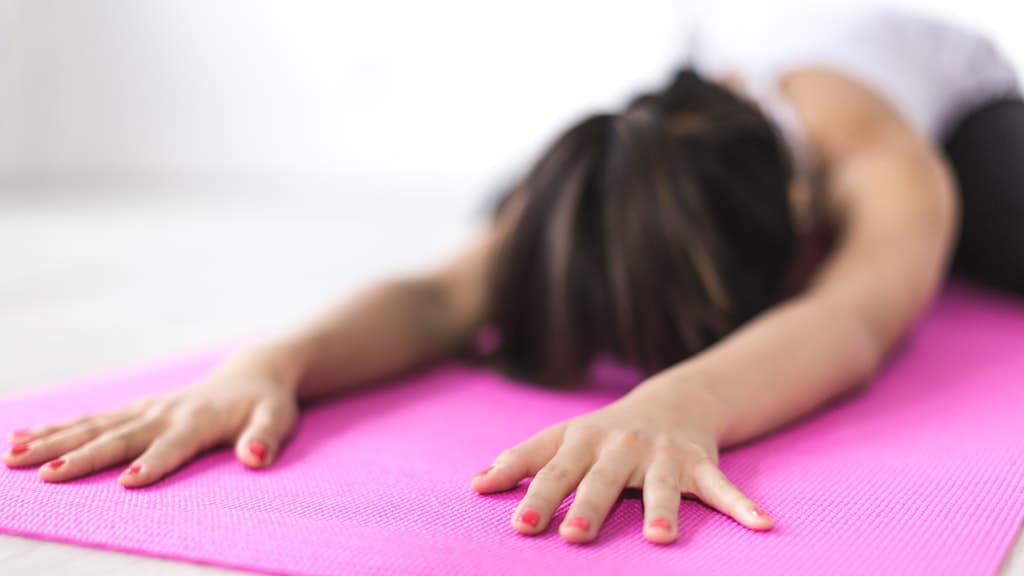
yoga pose

15 Yoga Poses for Baby Boomers


Here are 15 poses or “asanas” that are perfect for Baby Boomers.


  1. Legs-Up-the-Wall Pose (Viparita Karani)

Legs-Up-the-Wall Pose is an easy, effective pose for giving you energy and improving circulation. It can also help improve your flexibility over time. Here’s how to do it:

  • Start in a seated position with your butt about 6-10 inches a wall sitting sideways (so the wall is on your right or left).
  • Lay down on your side.
  • Exhale and extend your legs straight and up against the wall in one smooth motion.
  • Let your arms rest at your sides with palms facing up.
  • Keep only enough tension in your legs to keep them vertical (“up the wall”).
  • Stay in the position for several breaths, working up to 5-6 minutes.

You can adjust your position until you’re comfortable, but try to have your sit bones as close to the wall as you can comfortably get. You may want to use a bolster under your hips. Your back should be flat on the mat with a straight alignment from your neck down.

When it’s time to come out of the position, gently remove the bolster if you use one. Then allow your legs to slowly come down to one side. Stay in the side position for a few breaths so you don’t get lightheaded. Then gently sit up.


  1. Reclining Big-Toe Pose (Supta Padangusthasana)

Reclining Big-Toe Pose stretches a good section of your posterior chain. It’s great if you have tight legs and lower back. To do Reclining Big-Toe Pose:

  • Lay on your back on the mat with legs straight.
  • Keep your left leg flat on the mat while you raise your straight right leg up to perpendicular.
  • Use your hands to gently hold your leg at the thigh, calf, or ankle to increase the stretch. If you need to use a strap you can loop the strap on your foot and hold the other end.
  • Hold for 3-5 breaths.

Once you’re finished, release the leg and repeat on the other side. This is one of those poses where a prop – the strap – can really help you. Make sure to keep your back flat on the floor and don’t curl your neck up.


  1. Tree Pose (Vrksasana)

Tree Pose is a wonderful hip opener and helps you work on your balance.


  • Start in a standing position with feet hip-width apart and arms at sides.
  • Shift your weight to your right foot.
  • Bend your left knee as you turn out at the hip to keep the knee out to the side.
  • Place your left foot on your right calf or thigh, as high as you’re able. Just do not put the foot on your right knee.
  • Bring your hands to prayer position in front of your chest.
  • Gaze forward and slightly up, keeping your spine long and tall as you balance on your right leg.
  • Hold for 3-4 breaths.
  • Exhale and release the left foot to the floor.


Repeat this on both sides. If you can’t bring your foot all the way up to thigh height, don’t worry. Just do what you can.

Also, if you lose your balance, don’t worry! It’s all part of the process. Just breathe and reset.


  1. Cobra Pose (Bhujangasana)

Use Cobra Pose to open the chest, abdominals, neck, low back, and even hips! This is a great restorative pose because you can go as shallow or deep into the pose as your strength and flexibility allow. Here’s how to do it:


  • Lay on your stomach on the mat.
  • Bend your arms at the elbows so that your palms are on the mat under each shoulder.
  • Exhale and gently push up through your arms to raise your upper body off the mat while pressing your hips and legs down.
  • Breathe into the pose for 3-5 breaths, feeling the breath opening and stretching your body as you hold the pose.
  • Exhale and slowly lower your body back down to the mat.

This pose feels so good you may want to do it 2-3 times. Each time you’ll be able to go a little deeper into the stretch as your body opens up. You can also gently look up to add a stretch to your neck, but be careful not to strain.


  1. Downward Dog (Adho Mukha Svanasana)

Downward Dog is a classic pose that works on nearly every part of the body. Note that are a baby boomers with pain or arthritis in your wrists, then you may want to skip this pose.

  • Start laying on your stomach on your mat with your palms on the mat under your shoulders and your feet flexed with toes on the mat.
  • Press up through your hands and hinge at your hips, keeping your legs and back straight.
  • Keep your ears between your arms and make sure your neck isn’t straining.
  • To release, exhale and either bend the knees to come into a 4-legged pose, step forward into a forward bend, or hinge the hips straight and lower back down onto the mat.

Once you’re in Downward Dog pose you can bend your knees one by one to stretch out your calves and work your heels toward the ground.


  1. Warrior I (Virabhadrasana I)

The Warrior pose series is great for balance and opening up tight hips. Warrior I is the first pose in the series. You can come into Warrior I from a lunge position.


  • Step the right foot forward and bend the knee 90-degrees.
  • Turn the left heel in and keep the left leg straight with the left foot on the ground.
  • Elongate the spine and square the hips forward.
  • Raise the arms straight up overhead with palms facing each other.
  • Hold for 3-5 breaths, then exhale and either straighten the right leg to come into Triangle pose or step back to Mountain Pose.
  • Repeat on the other side.

If you want to keep the series going, transition into Warrior II…


  1. Warrior II (Virabhadrasana II)

Warrior II is the next progression in the Warrior pose series. Starting from Warrior I with right foot forward:


  • Keep the right knee bent and left leg straight.
  • Lower the right arm toward the front and the left arm toward the back, keeping the arms straight.
  • Turn your head to gaze just beyond the front fingers.
  • Hold for 2-3 breaths, then release back to Warrior II


Repeat on the other side. If you lose your balance, that’s ok! Just work yourself back into the pose. You can go back to Warrior I or into Triangle Pose.


  1. Triangle Pose (Trikonasana)

You can get into Triangle Pose from a standing position (Mountain Pose) or from the Warrior poses. Here’s how:


  • Place your right foot about 3-4 feet in front of your left with your right foot facing forward and your left heel turned in and left foot sideways.
  • Keep both legs straight.
  • Facing the side of the room, raise your straight arms to shoulder height.
  • Press your hips backward and shift your shoulders forward, then hinge at the hips to bend sideways.
  • Bring your right hand to the inside of your right ankle (or as low as you comfortably can) while your left hand reaches for the sky.
  • Turn your head to look at your left fingers to get a nice stretch in your neck.
  • Hold for 3-5 breaths, then release to standing and repeat on the other side.


As with any pose, only go as far as your body will allow. As you repeat the pose over time you’ll see changes in your flexibility and strength that let you get further into the pose.


  1. Cat-Cow Pose

Cat-Cow is a nice way to stretch your spine. This can be done in a pose sequence or even in bed when you wake up. Rise and shine, Baby Boomers! To do Cat-Cow Pose:


  • Start on your hands and knees with hands directly below shoulders and a flat back.
  • Inhale, arch your back, and gently look up. This is the “cow” part of the pose.
  • As you exhale, gently round your back as you breathe into it and let your neck relax down. This is the “cat” part of the pose.
  • Continue the sequence in alignment with your breath as long as you’d like.


This is a lovely breathing exercise and a nice, gentle way to stretch the spine.


  1. Happy Baby Pose (Ananda Balasana)

Happy Baby Pose is named because it mimics a natural position that babies love – and Baby Boomers will too!

  • Lay on your back on the mat with your spine straight.
  • Bend your knees up to your chest.
  • Use your fingers to grab onto the big toe on each foot.
  • Keeping a hold on your toes, allow the legs to separate and your knees to come down toward the armpits.
  • To release, let go of the toes and gently return your legs to the floor.

You can hold still in the position or gently rock side-to-side and straighten and bend the knees. This is a great pose to get into certain tight spots in the hips and also gently massage the low back.


  1. Child Pose (Balasana)

If your knees allow, Child Pose is a wonderful restorative pose to relax and stretch the back and shoulders.

  • Come to a 4-legged position with knees and hands on the mat.
  • Flip your toes so the tops of your feet are in contact with the mat.
  • Hinge your hips back to sit on your heels and bring your forehead to the mat.
  • Walk your hands as far forward as you comfortably can.
  • Let your body soften into the pose and breathe naturally.


You can hold this pose for as long as you need to. If you have tight or troublesome knees, try using a block under your sit bones to elevate the hips.


  1. Reclined Spinal Twist (Supta Matsyendrasana)

Reclining twists are a great way to stretch the back gently. They couldn’t be easier! Just remember to respect your body’s boundaries and only go as far as you comfortably can.


  • Start laying on your back on the mat.
  • Bring the right knee to the chest and hold it with your hands. Keep the left leg straight.
  • Use your left hand to guide your right knee across the body.
  • As you twist, release your right arm to the floor and gently look over your right shoulder.
  • To release, turn your neck into a neutral position and bring the knee back to your chest then straighten it to the floor.
  • Repeat on the other side.

Breathe into the twist and feel your breath create space in your ribs and spine.


  1. Reclined Bound Angle Pose (Supta Baddha Konasana)

This is another amazing restorative hip opener. Use a bolster along your spine for an added boost.


  • Lay on your back on the mat
  • Bend your legs and bring your feet together.
  • Allow your knees to gently fall to each side and bring the bottoms of your feet to touch.
  • Breathe! This can be a powerful stretch, so don’t hold your breath.
  • Allow your arms to fall to the sides and hold for 5-7 breaths.
  • To release, use your hands to gently support your knees coming back together, then straighten the legs.


  1. Easy Pose (Sukhasana)

Easy Pose is a fundamental for everything from starting a practice to meditation. It’s great for spinal strength and improving posture. Just be cautious if you are a baby boomer with knee or hip issues.


  • Sit up straight on the mat with legs extended in front of you.
  • Bend the right leg at the hip and knee to bring the shin parallel to your abdomen.
  • Bend the left leg to meet the right and stack it on top, either placing the ankle on the right knee or crossing at the shins.
  • Straighten the spine and sit tall.

From this basic pose, you can do place your hands on your knees, in your lap, or in prayer position depending on what you’re doing in Easy Pose.


  1. Corpse Pose (Savasana)

Just about every class ends with this ultra-relaxing pose. Corpse Pose is intentionally done at the end of the pose sequence to allow the body to get back to equilibrium and give you a moment to clear your mind into full relaxation.


  • Lay on your back on the mat.
  • Make sure your spine and neck are in alignment.
  • Place your legs into a comfortable position, then let the legs go loose and your feet fall to either side.
  • Place your arms at either side with palms up.
  • Close your eyes and breathe.

baby boomers yoga

Enjoy Your Newfound Practice of Yoga, Baby Boomers!

We hope you enjoy these 15 yoga poses for Baby Boomers. Remember to always respect your body and use props if needed to help maintain proper form. And let us know which one of these poses is your favorite!

15 Science Backed Tips to Lower your Blood Pressure Naturally

One in seven people in the world suffers from high blood pressure. That is 1.1 billion people that suffer from a potentially fatal problem.

High blood pressure is linked to increased chances of heart disease, heart attack, and early death. Therefore, it is important to get a grip on that sucker.

When considering how to solve your blood pressure problems, consider these 15 simple ways to lower your blood pressure without the use of medication.

Tips to Lower your Blood Pressure Naturally

1. Weightloss Will Lower Your Blood Pressure

Obesity is a common cause of hypertension in both males and females. The Framingham Heart Study, an ongoing study begun in 1948 on the residents of Framingham, Massachusetts, has found that an estimated 26% of men and 28% of women suffer from high blood pressure primarily due to excess weight.

Excess weight means increased amounts of fat tissue, which places additional pressure on your artery walls. Therefore, in order for the heart to properly pump blood throughout your entire body, it must work harder. This causes increased tension on your artery walls, which leads to high blood pressure.

This is great news! You are the master of your destiny. Get yourself on a weight loss program and kick that pesky high blood pressure to the curb.

2. Consistent Exercise Will Lower Your Blood Pressure

As the modern era has dawned upon us with all our dreaded machines and office jobs (thanks to industrial revolution), the general physical activity level of people has decreased significantly. That lack of physical activity has contributed to higher rates of obesity, which directly affects blood pressure.

Again, this is something you control. By starting a simple exercise regimen of 30 minutes per day, you can lower your blood pressure.

3. Processed Foods Hurt More Than Help

Processed foods are easy to spot. They are generally foods you find in either a package or a restaurant. They contain crazy amounts of sodium and fatty acids. Excessive amounts of these nutrients are linked to hypertension, which is pressure on the artery walls.

The best thing to do here is to avoid processed foods as much as possible. So no to that Big Mac and yes to a good old fashioned PB&J.

4. Do NOT Overconsume Sodium

Elevated blood pressure from overconsumption of sodium begins at the kidneys. The kidneys filter unwanted fluid from your blood cells. It does this with a balanced combination of sodium and potassium.

When the balance of the two nutrients is broken, the kidneys fail to filter out the unwanted fluid. The excess of unwanted fluid causes an elevation in your blood pressure.

Because the balance between sodium and potassium is essential, it is important to pay attention to the amount of sodium you consume daily. It is recommended that the average person consumes no more than 2,300 milligrams of sodium per day.

5. Reduce Caffeine Consumption

Caffeine consumption is linked to increased hypertension. Whether you have optimal blood pressure or are hypertensive, caffeine causes a spike in blood pressure that is potentially unhealthy.

A recent study concerning coffee, a commonly consumed caffeinated beverage, found that the link between coffee and hypertension may be unfounded. However, it is best to limit excessive coffee drinking habits.

However, as a general rule, a reduction in your caffeine consumption will lead to better blood pressure results.

6. Limited Alcohol Consumption

There is a clear link between increased blood pressure and alcohol consumption, though the exact reason why is elusive. Many hypothesize the main reasons to be the imbalance to the central nervous system and general inflammation that alcohol causes.

So, getting flat out drunk on a regular basis does not seem to be a good idea. Consume those bruskies sparingly and you will begin to see improvement.

7. Potassium and Magnesium Are Your Friends

Potassium helps your blood pressure in two ways. First, it expels excessive amounts of sodium from your body. Second, it eases tension on the walls of your blood vessels.

Magnesium is the master regulator of all your body systems. It regulates blood sugar levels, muscle function, and nerve connectivity.

Increase your intake of potassium and magnesium.

8. Swap Out Milk Chocolate for Dark Chocolate

If you are a chocolate lover with hypertension, then there is a reason to rejoice. It appears that dark chocolate has a positive effect on blood pressure.

A recent Harvard study found that 50 to 70 percent of 1,106 participants experienced positive effects to their blood pressure when consuming dark chocolate. The results were particularly staggering for those with hypertension, as their blood pressure rates became normal.

So, swap out your milk chocolate, which is high in processed sugars and sodium, for the healthier choice of dark chocolate.

9. Stop Smoking

This may be the least surprising way to reduce hypertension. It may be time to part with that pack of Marlboros you have grown to love so much.

When it comes to cigarettes, the nicotine is the major culprit. Nicotine causes your artery walls to become hard and narrow. As if that were not enough, nicotine also makes your blood thicken and more likely to clot in your arteries.

Go ahead and save yourself both time and a potential heart attack. Start getting rid of your smoking habit.

10. Limit Your Stress

When it comes to blood pressure, not all factors are purely biological. The emotional function of our minds also causes changes in our health as it leads to the production of different hormones.

Stress produces something called vasoconstricting hormones. That is a fancy term for saying stress produces hormones that put a strain on our heart and its arteries.

If you experience regular bouts of stress in your life from a job or relationship, it may not be a bad idea to seek help in managing that stress. A reduction in the level of your stress will improve your blood pressure, as the vasoconstricting hormones are not produced regularly.

11. Regularly Check Your Blood Pressure

High blood pressure is not a one and done condition. It isn’t like a cold, where you have it one moment and then it is gone.

High blood pressure is a chronic symptom in that it is a continuous problem. Therefore, it is important to check your blood pressure regularly to detect how often you are above normal. If you find that you are above normal ranges more often than not, it is time to consult with a doctor to improve your blood pressure.

12. Meditation

This suggestion may have been laughed at ten years ago. However, recent studies have discovered the benefits of meditation on blood pressure.

There are several methods of meditation. One such method is to achieve mindfulness. The reason behind this is because it helps its adherents reduce stress at the moment and learn automatic stress coping mechanisms for future situations.

Channel your inner Buddha and practice meditation for fifteen minutes per day to improve your blood pressure.

13. Try Natural Supplements

These natural supplements may be beneficial for improving blood pressure. Be sure to consult with your physician before trying any of these, as each person responds differently to supplements:

– Folic Acid

– Vitamin D

– Fiber

– Acetyl-L-carnitine

– Coenzyme Q10

– Garlic

– Melatonin

– Fish Oil Omega-3s

– Anthocyanins

14. Get Adequate Amounts of Sleep Each Night

In recent years, there has been a strong correlation detected between sleep and hypertension. Your sleeping patterns have a significant effect on your blood pressure during the day, as well as during the time you sleep.

Sleep is directly related to your ability to cope with stress. If you are sleep deprived, situations that are otherwise normal become stressful.

blood pressure - sleep well

Be sure to establish a good bedtime routine to obtain adequate amounts of sleep, particularly REM sleep. Experts recommend eliminating the presence of blue light (light emitted from computers, televisions, or phones) to increase sleep quality.

15. Develop a Support System

Just like any major undertaking in your life, it is important to gather a good support group around you to be successful.

Let your close family and friends know about your blood pressure issues. Let them know what they can do to help, whether it is to stop smoking, improve your diet, or just be a positive influence to you.

Final Thoughts

Blood pressure is directly affected by your lifestyle. Improvements in your lifestyle will lead to improvements in your health.

Take action. If you are overweight, lose weight. If you don’t exercise regularly, then exercise regularly. If you have a poor diet, then improve your diet.

Make the necessary improvements, whatever they might be, and you will see a positive change in your blood pressure.

Doctors Explain How A Colonoscopy Can Help Prevent Colon Cancer

Colon cancer is a devastating disease.

It is one of the most common types of cancer diagnosed in the US, with around 100,000 new cases diagnosed every year. It is also one of the most common causes of death from cancer in the US. However, due to colonoscopy and improvements in treatment, the incidence and mortality rate of colon cancer has been steadily decreasing over the past few decades. Currently, cases identified in the early stages have a 90% survival rate. Unfortunately, cases identified in the late stages have only a 14% chance of surviving.

Treatment primarily involves surgery to remove the tumor followed by chemotherapy and/or radiation. If the cancer is large, a surgeon might remove a significant portion of the colon or rectum. Therefore, some patients require a permanent colostomy bag after treatment. There are also a number of targeted therapy drugs available that are active against colorectal cancer and may be used to help treat advanced forms of the disease.

This cancer arises from the epithelial cells that line the interior of the colon or rectum. You’ll also hear the condition called colorectal cancer. Medically, the term “colon” refers to the large intestine. It connects the small intestine to the rectum, which then empties through the anus. Its primary role is to extract the remaining nutrients and water from the digested food and to form and store stool until it passes.

Additionally, it serves as the primary home of your all-important gut bacteria, which ferment fiber, generate vitamins and other nutrients, and can affect the health of your entire body and even your emotions.

The role of colonoscopy

colonoscopyColonoscopy is a minimally invasive method that allows doctors to actually look at the interior of the rectum and colon. The physician inserts a narrow tube with a camera on the end through the anus and advances it up the colon. Then, he or she views the appearance of the lining of the colon and rectum on a monitor.

Since polyps and cancers look different than normal cells, the doctor can identify them. The scope has a channel that allows the introduction and use of tiny surgical instruments. So, if the doctor can see a polyp, they remove it and collect the tissue. Furthermore, if the doctor finds a growth that appears to be overt cancer, they send the specimen off to a pathologist. That’s a specialty doctor who can determine if it is cancer or just a benign growth.

Screening recommendations

The United States Preventive Services Task Force recommends all adults begin a program of screening for colorectal cancer at age 50. The evidence strongly suggests that people who participate in colon cancer screening programs have a lower incidence of colorectal cancer diagnoses and are far more likely to survive if they are diagnosed with colorectal cancer.

The actual recommendation is rather complicated. That is because there are numerous methods of screening for colorectal cancer, such as fecal occult blood screening, barium enemas, and sigmoidoscopy. Unfortunately, the evidence is not clear as to which method, if any, is superior.

However, one of the recommendations is getting a colonoscopy at age 50 and then every ten years thereafter. Or, have one more frequently if they find a polyp or you have risk factors for cancer. An advantage of using colonoscopy as the primary screening method is if you do have cancer, it can be immediately diagnosed during the screening procedure. And an even more important advantage is if you have a polyp, it can be removed during the screening process and thus prevent cancer from developing in the first place.

How can colonoscopy prevent cancer?

Carcinogenic substances found in food expose the cells lining the interior of the color to carcinogenic substances regularly. Therefore, it is relatively common for them to develop mutations in their DNA. And, since these cells are also constantly dividing in order to form new cells to replace the ones regularly shed into the colon, these mutated cells can easily form small clumps of abnormal cells called polyps. Most polyps never progress to overt cancers, but a certain percentage do.

Unlike some cancers, colon cancer develops very slowly through a well-established and well-studied process of gradual accumulation of mutations and increasingly abnormal cell characteristics. Pretty much every single adenocarcinoma (the most common type of cancer arising from the colon and rectum) slowly develops from a polyp. A polyp is not cancerous; it is an abnormal growth of cells. Most are benign and never progress to cancer, but some do. Colonoscopy can detect polyps during their early stages and simply remove them all. Thus no cancer will ever form from those polyps.

Some people have a genetic predisposition to forming. In addition,  these people have a higher risk of developing colorectal cancer. The most usual presentation of this situation is developing two or three new polyps every few years from middle-age onwards. An extreme form of this condition is the inherited FAP syndrome where affected individuals begin growing polyps, often hundreds of them, during their teenage years. These people hold an elevated risk of developing colorectal cancer at a fairly young age. And, in many cases, they opt for surgery to remove their colon or enter into very strict and frequent cancer screening programs.

colon cancer

What is a colonoscopy procedure like?

The actual procedure itself is reported to be “trivially easy” and “uneventful” by most patients. Currently, patients are usually sedated with propofol, which causes them to rapidly fall asleep, remain asleep throughout the procedure, and rapidly wake up, with few to no side effects. The entire procedure takes less than an hour. In fact, some patient procedures take less than 30 minutes if the physician finds no polyps or abnormal tissues.

However, prior to undergoing a colonoscopy, the bowel must be prepped. Namely, completely empty. That allows the doctor to insert the scope and view the color walls clearly. Of course, patients dread this part of the procedure.

The patient follows a special “low residue” diet for a few days. Then they must consume a laxative, to induce the emptying of the colon and rectum. Sometimes the use of an enema is also required. The details of the most common bowel prep procedure are:

  • Eat a low fiber diet for three or four days before the procedure
  • Consume only liquids the day before the procedure
  • Consume the laxative the evening before the procedure
  • Stay in the bathroom until the bowel movements stop
  • Consume only liquids the day of the procedure

Are there any risks or side effects?

This procedure is routine and is considered to be very safe. There is a very low risk of suffering a bowel perforation, which will require surgical repair if it happens. It’s not uncommon to see a little blood in the stool immediately after the procedure, especially if a polyp has been removed.

What about a virtual CT procedure?

So, it is true that doctors may order a CT machine to look for polyps and possible cancers inside the colon and rectum. However, this procedure has disadvantages. Its primary disadvantage is that physicians cannot sample or remove the polyps. In fact, all they can do is to identify them.

In addition, patients still need to undergo the unpleasant “bowel prep”  to provide good views of the lining of the colon. If anything is found during a CT screening procedure, the patient will need to undergo a regular colonoscopy anyway. Thus, simply skipping the CT scan makes the most sense, especially since CT scans also expose the patient to x-rays.

Are there other ways to prevent colorectal cancer?

Diet plays a huge role in altering the risk of colorectal cancer, and unlike genetic predispositions, it can easily be changed to reduce the risk of colorectal cancer. Diets rich in green leafy vegetables, dark-colored vegetables, fruits, and fiber, in general, tend to be protective against cancer of the bowels. Regular consumption of charred, smoked, and preserved meats can increase the risk of cancer of the bowels.

Other modifiable factors that increase the risk of colorectal cancer include the following:

  • A lack of exercise
  • Being overweight
  • Drinking alcohol excessively
  • Smoking or use of tobacco.

Taking low-dose aspirin regularly can also lower the risk of colorectal cancer, perhaps by reducing inflammation in the tissues.

Women who take hormone replacement therapy after menopause also have a lower risk of colorectal cancer. However, they should discuss the pros and cons of hormone replacement therapy with the doctor before beginning treatment.

belly fat

Lose belly fat by adding these healthy meals to the menu.

Final thoughts on preventing colon cancer

Colon and rectal cancer are very common in the US, and if patients are diagnosed only when these cancers become symptomatic, namely in an advanced, late-stage, they have very low survival rates, only around 14%. However, if physicians detect these cancers at an early stage through screening, the survival rate increases to 90%.

Currently, the doctors recommend all individuals enter a screening program for colorectal cancer beginning at age 50. The options for screening are diverse and complicated. Therefore, the best option for each individual varies to genetic and lifestyle factors as well as patient preference. And so, you should openly discuss this issue with your doctor before embarking on a screening program.

Thus, the bottom line is that a colonoscopy may detect colorectal cancer in its earlier stages. This test allows physicians to detect and remove polyps before they develop into cancer. And that can save lives.

15 Effective Natural Remedies for Eczema

Atopic dermatitis, more commonly called eczema, is a chronic condition that causes the skin to become itchy and red. It is most commonly starts in childhood but can begin at any age. In addition, asthma or hay fever may co-exist.

More than 30 million people suffer from eczema in the United States. Although the cause of dermatitis is unknown, researchers know that genetic and environmental triggers usually prompt its development.

Atopic dermatitis typically affects the hands, face, scalp, backs of the knees, and the inside of the elbows. However, it can affect any part of the body.

It is generally itchy. But, for some, the itch is mild. While for others, the itch is severe. In fact, it often causes the skin to become extremely inflamed. For some of these patients, the itch is so severe that they scratch until the skin bleeds.

Symptoms of Eczema

  • Severe itching
  • Oozing or crusting
  • Patchy areas of swelling
  • Red, inflamed skin
  • Patches of rough, scaly or leathery skin
  • Dark, patchy colored skin
  • Dry, sensitive skin

Complications include:

  • Skin infections
  • Sleep problems
  • Chronic itchy, scaly skin
  • Irritant hand dermatitis
  • Asthma and hay fever
  • Allergic contact dermatitis

Flare-up Prevention for Eczema Patients

Preventative measures help eliminate flareups and mitigate the negative drying effects of bathing. Recommendations include:

Regularly moisturizing the skin twice a day

  • Regularly moisturizing the skin twice a day – Lotions, ointments, and creams help the skin retain moisture by sealing it in.

Identifying and avoiding triggers

  • Identifying and avoiding triggers – Triggers include dust, pollen, stress, soaps, obesity, sweat, and detergents.

Drying the skin carefully

  • Dry the skin carefully. Use a soft towel to pat-dry the skin and ensure to moisturize the skin while it is damp.

Unfortunately, there is no current cure for atopic dermatitis. However, natural remedies and efficient self-care can help relieve symptoms and prevent flareups.


Natural Remedies for Eczema

Note: Symptoms of dermatitis may mimic those of other conditions. It is important to get an eczema diagnosis confirmed by a health care provider before starting any form of treatment.

Depending on the severity of the condition, a physician may prescribe medications to help alleviate symptoms. There are also many natural remedies available that can help provide symptom relief.

Here are 15 effective natural remedies for treating eczema.

  1. Aloe Vera Gel

Aloe Vera gel is a rich source of medicinal properties for human health. Research on the benefits of Aloe Vera are primarily focused on the biological properties of the Aloe species, most notably being its antibacterial and antimicrobial capabilities.

Along with the antibacterial and antimicrobial properties of Aloe Vera gel, researchers have reported that the plant also boosts the immune system and promotes wound healing. These properties help prevent infections and soothe inflamed skin.


  1. Colloidal Oatmeal

Avena sativa, or colloidal oatmeal, is a natural supplement with many skin-healing capabilities. In fact, its anti-inflammatory and antioxidant functions improve:

  • Skin roughness
  • Scaly skin
  • Dry skin
  • Itchiness

Colloidal oatmeal is made from boiled ground oats. Then, the process extracts the oats’ healing nutrients. It is generally safe for people of all ages. However, individuals allergic to oats should avoid products containing colloidal oatmeal.


  1. Coconut Oil

Coconut oil is known for its many health benefits, as it helps reduce inflammation. Specifically, coconut oil contains lauric acid, which is used to create monolaurin. Monolaurin is an antimicrobial agent capable of fighting pathogens, including fungi, viruses, bacteria, and yeast.

In particular, coconut oil:

  • Hydrates the skin
  • Minimizes the presence of pathogens
  • Diminishes pain and inflammation
  • Decreases oxidative stress


  1. Tea Tree Oil

Tea tree oil is extracted from the Melaleuca alternifolia tree. This essential oil is often used to alleviate symptoms related to skin problems, including dermatitis.

Tea tree oil contains several compounds that have been shown to eliminate certain types of viruses, bacteria, and fungi. These compounds make tea tree oil an effective natural remedy for preventing infections, promoting wound-healing, and treating skin disorders.

  1. Sunflower Oil

Sunflower oil is an extract taken from sunflower seeds. It protects the outer layer of skin by retaining moisture and eliminating bacteria. The hydrating properties of sunflower oil may help reduce inflammation and itching.


  1. Evening Primrose Oil

Evening primrose oil – an extract from the evening primrose plant – contains gamma-linolenic acid and omega-6 fatty acids. When applied topically, evening primrose oil – calms irritated skin. When ingested orally, it may help prevent systemic inflammation.


  1. Calendula Oil

Calendula oil is an extract from the marigold flowers of the Calendula officinalis plant. Because it has antibacterial, antifungal, and anti-inflammatory capabilities, it can help to:

  • Heal wounds
  • Soothe inflamed skin
  • Reduce rashes.


  1. Witch Hazel

Humankind has used witch hazel topically as a remedy for skin irritation and inflammation for centuries. It is often used to calm inflamed skin, minimize itching, and dry any leaking.

Witch hazel contains antioxidants that can minimize inflammation. That is because of pro-anthocyanins, a component of witch hazel that helps the skin by improving water retention, minimizing redness, and controlling the irritative process.

Research also indicates that witch hazel may help control the growth of bacteria. This is especially important, as dermatitis may cause bacterial overgrowth on the skin.


  1. Apple Cider Vinegar

Apple cider vinegar is one of the most popular natural health remedies.

Items with a pH below 7.0 are acidic, and those above 7.0 are alkaline. The natural pH of healthy skin is under 5.0. However, the pH levels of the skin for individuals suffering from atopic dermatitis are generally higher.

High acidity levels promote the breakdown of the skin’s protective microbiota. And, apple cider vinegar is a mild acid. Therefore, it may help return the skin to its natural pH level.


  1. Honey

Honey’s nutritional components are traditionally known for their medical capabilities. Honey has not only natural anti-inflammatory properties but also antibacterial properties. Honey also boosts the immune system and helps treat wounds and burns.

In a 2003 study, a honey ointment mixture containing honey, beeswax, and olive oil showed a substantial reduction in dermatitis-related itchiness in 80 percent of users.


  1. Probiotics

Probiotics help balance “good” and “bad” bacteria in the digestive system. These good bacteria are thought to strengthen the immune system by increasing the number of “good” bacteria in the gut.

A stronger immune system helps combat the inflammation that causes dermatitis.


  1. Diet

Eczema is triggered by several factors, including allergens, stress, and food.

Some foods can induce or reduce inflammation, so simple dietary changes can help prevent flares.

Foods that combat inflammation include:

  • Fruits and vegetables
  • Beans and lentils
  • Turmeric and cinnamon
  • Fish
  • Leafy greens

Foods that may induce inflammation include wheat, eggs, dairy, and soy. Thus, avoiding these foods may help identify the causes of flares.


  1. Acupuncture and Acupressure

Acupuncture is a form of Traditional Chinese medicine. In this practice, fine needles are inserted into specific points of the body to change energy flow.

Acupressure is a different form of Traditional Chinese medicine. In it, therapists use their hands to apply pressure on parts of the body.

Both practices may help relieve itchiness.


  1. Cool Baths

Regular baths are important for treating atopic dermatitis.

Dry skin occurs when the skin can’t properly retain water. However, washing too much or using harsh soaps often dries out the skin, which further aggravates the condition.

The “Soak and Seal” is a method for treating dermatitis. Doctors recommend taking a cool bath – using a gentle cleanser – for five to 10 minutes. Furthermore, avoid using hot water, as it dries out the skin.

Then pat-dry and use caution to keep the skin damp. Finally, generously apply a moisturizer within three minutes to prevent the air from drying the skin out. This method helps the skin seal in moisture.

Therefore, the National Eczema Association recommends that adults with eczema should:

  • Take shorter baths or showers
  • Use warm, rather than hot, water
  • Bathe or shower once a day
  • Use gentle cleansers
  • Moisturize after washing up


  1. Humidifiers

So…Dry air causes dry skin.

Dry air is especially problematic in cold-weather months, during which the heat from heaters removes moisture away from the skin.

Thus, using a humidifier helps the skin retain moisture, keeping skin hydrated and preventing inflammation and irritation.

eczema

Final Thoughts on Coping with Eczema

Although there is no cure for eczema, you can rely on natural remedies to help ease symptoms.

Natural remedies include gels, oils, baths, and dietary changes that help reduce inflammation, combat infection, and moisturize the skin.

Remember, you should get a diagnosis from your family doctor or a dermatologist before beginning treatment. Furthermore, a health care practitioner may prescribe medications to help treat inflammation in severe eczema.

Intermittent Fasting When Pregnant: Is It Safe?

Intermittent fasting is an increasingly popular approach to body weight control. It has also been shown to be effective in helping to prevent and reverse metabolic syndrome and insulin resistance, and it can effectively treat some cases of type II diabetes.

In addition to being effective, one of the reasons it is so popular is that you will find it easy. You have no counting calories. Nor are you obsessing over the fat and carbohydrate content of food or worrying about portion sizes. You just severely restrict food consumption on some days. There are many different approaches to periodic fasting regimens.

Options When Fasting

Some people consume nothing but water two or three days a week. On the other hand, some consume only a light snack two days a week. Some people find it works better for them to just eat one meal per day. Essentially, you fast periodically.

This pattern of eating closely mirrors how our ancestors ate. Indeed, they didn’t eat three squares a day plus snacks. Most studies of hunter-gatherers suggest a more typical pattern of eating was on average one meal a day. They experienced periods of feasting interspersed with periods of limited food intake.

During non-fasting periods, while individuals engaged in periodic fasting practices do not have to engage in tedious calorie counting, carb counting, or portion weighing, they should attempt to choose healthy foods. Some individuals opt for a Mediterranean style diet rich in fruits and vegetables, nuts, fish, whole grains, and healthy meat choices. However,  others opt for Paleo, keto or even vegan. Any of these healthy diet choices can definitely assist delivering nutrients for a healthy pregnancy.

Mediterranean style diet

Are there any possible benefits to intermittent fasting when pregnant?

Controlling weight gain during pregnancy

Most non-pregnant women engage in fasting practices to control their body weight in order to improve their health. It is, however, totally normal to gain weight during pregnancy. After all, an average full-term infant weighs over seven pounds. Additionally, the placenta and amniotic fluid together usually average three pounds. Furthermore, the body tries to lay down some excess fat during pregnancy to support the demands of birth and lactation.

A woman at a normal weight before pregnancy will likely gain around 25 pounds during pregnancy. However, being overweight or obese before conception can lead to many pregnancy complications. And, gaining an excessive amount of weight during pregnancy can lead to poor birth outcomes, such as fetal death, low birth weight, and obstetric complications. In addition, excess weight gained during pregnancy is challenging to lose later.

Accordingly, the American College of Obstetricians and Gynecologists provides guidance urging women to control their weight gain during pregnancy. That need is true, especially, if they were overweight before conception. In particular, they state that considering there have been several studies of overweight women who only gained seven to 14 pounds during pregnancy and had fine birth outcomes, overweight women should not be encouraged to gain large amounts of additional weight during pregnancy.

Weight control during pregnancy

For women who have been successfully controlling their weight with intermittent fasting before pregnancy, giving up the practice may lead to excessive weight gain during pregnancy, which could harm the fetus and cause birth complications. For women who are overweight at the time of conception, engaging in careful fasting practices may allow them to control their weight gain during pregnancy and assist them in losing the “baby weight” after birth without adversely affecting the fetus or the birth outcome; indeed, controlling their weight gain during pregnancy will improve the health of the fetus and the birth outcomes.

Gestational diabetes, type II diabetes and pregnancy

Women with type II diabetes can really struggle during pregnancy, even those who have developed a routine to keep their condition under control while not pregnant. Here’s one of the major problems. Many of the drugs that doctors prescribe to treat diabetes are not safe during pregnancy. Thus, women may need to switch to insulin injections and engage in complicated blood sugar testing regimens during pregnancy. Insulin injections are safe during pregnancy.

Women should try to keep blood sugar levels under control during pregnancy. That’s because uncontrolled type II diabetes can cause these concerns::

  • Pre-eclampsia, which can lead to severe, even life-threatening complications for the mother and may require emergency delivery of a very premature infant
  • Miscarriages and stillbirths
  • Preterm births
  • Need for a cesarean section
  • Birth defects
  • Excessively large baby at birth, which can lead to serious birth complications and possibly predispose the baby to developing obesity and type II diabetes as an adult
  • Neonatal respiratory and metabolic problems

Women who fasted to control their type II diabetes might wish to continue the practice during pregnancy. This routine will help to achieve the same results without the need for insulin injections or a complicated blood sugar testing regimen. Conversely, women who have been relying on medications prior to pregnancy to control the condition may be interested in taking up periodic fasting.

A certain percentage of women, for unknown reasons, develop gestational diabetes, which is essentially type II diabetes that only occurs during pregnancy. It usually resolves after birth, but women who experience gestational diabetes are at risk of developing type II diabetes while not pregnant. If gestational diabetes remains undetected and uncontrolled, it leads to the poor outcomes described above. Usually if it occurs it is controlled by diet, exercise, and possibly insulin injections, and obviously some women may be interested in trying a fasting regimen to assist in controlling their insulin resistance and blood glucose levels.

Is intermittent fasting safe during pregnancy?

Although it is quite clear that an insufficient or inadequate diet during pregnancy can lead to poor birth outcomes, individuals engaging in intermittent fasting generally consume nutritious, healthy diets in between fasts, with plenty of fresh fruits and vegetables, nuts, fish, meat, and whole grains. Thus their diets cannot be described as “inadequate” or “insufficient”, just consumed in a different fashion than someone who eats six small meals a day. Although no studies have been conducted on pregnant women deliberately engaging in intermittent fasting practices for weight loss/metabolic health benefits, there is a rich literature on pregnant women who fast during Ramadan.

Intermittent Fasting

Ramadan fasting

Muslims participate in a celebration called Ramadan. For an entire month, individuals refrain from eating or drinking during the daylight hours. The goal of this ritual is to improve self-discipline and awareness. Furthermore, practitioners refrain from engaging in any negative acts during this month, such as lying, harmful gossiping, and so forth. Although children and pregnant women are exempt from fasting, many voluntarily engage in the ritual. At the end of each day, people gather together to socialize and eat. Thus, participation has both cultural and religious significance.

Ramadan findings

A large systematic review of pregnant women who engaged in intermittent fasting during Ramadan while pregnant was published in 2018. It included the birth outcomes of a total of 18,920 pregnancies subjected to intermittent fasting and 12,454 pregnancies from the same cultures that were not. Ramadan fasting had no effect on the birth weight or the rates of preterm delivery. However, placental weights were somewhat reduced.

Other studies of pregnant women engaging in Ramadan fasting have reported some puzzling findings in regards to metabolic markers. One reported that blood glucose levels were somewhat elevated each evening after breaking the fast, and another reported that serum cortisol levels were elevated in fasting pregnant women, although this same study carefully followed the fetuses by ultrasound until delivery and found the fasting had no apparent adverse effect on fetal development or the progression of the pregnancy.

Experts’ final opinions

The vast majority of experts simply say to not engage in fasting during the second and third trimester. However, they are in disagreement as to whether fasting is OK during the first trimester.

The experts do admit there is no solid evidence behind their recommendations for or against fasting during pregnancy. Thus, most of them choose to err on the side of recommending no fasting.

So what’s the bottom line?

Unfortunately, at this point in time, there is no bottom line. There is no solid evidence showing that fasting practices harm a pregnancy, Additionally, circumstantial evidence suggests that at least some women and fetuses may benefit from engaging in careful intermittent fasting combined with exercise and a healthy diet during pregnancy.

There may be pros and cons that vary for each woman. For some, the pros of a fasting regimen may outweigh the possible cons. For others, the reverse may be true. In general, women should discuss this issue carefully with their doctors, preferably before conception. Then, they can plan ahead and achieve the best possible pregnancy and safe delivery.

15 Health Benefits of Apples (+5 Bonus Apple Recipes)

What if there is a single food that contained an entire army of health benefits? And, what if that food is readily available at any supermarket or grocery store for very reasonable prices? Finally…what if this food holds the key to radically changing your life for the better? The answer may surprise you.

We have all heard the saying “An apple a day keeps the doctor away.” Attribute to a Welsh proverb, this old saying has a great deal more truth to it than might meet the eye. Apples are among the most widely cultivated and consumed fruits in the world and many experts, healthcare providers and laypeople who know the many benefits first-hand consider them a “miracle food.”

In  June 2017, Medical News Today listed this fruit as one of the top 15 foods on the Healthiest Foods List in surveys across the United States and Europe. [1] The humble apple is available in more than 2000 varieties across the United States. Worldwide, farms cultivate more than 7,500 varieties.. This is a staggering number for such a common fruit. Surprisingly, only the crabapple tree is native to North America. The other varieties are all imported. [2]

Not All Apples Are Created Equal

Different apple species contain varying levels of nutritive benefits. Some of the most common are listed below.

Pink Lady

Foods rich in flavonoids (plant pigments) have the potential to improve heart health. [3] The Pink Lady ranks at the top of the charts in the flavonoid category. According to Professor Jonathan Hodgson: “Flavonoid-rich [FRUIT] improve blood vessel relaxation and enhance nitric oxide status.” The ability for blood vessels to relax may play an important part in preventing high blood pressure and heart disease.

Red Delicious

The Red Delicious is perhaps one of the most popular varieties in the United States with its luscious flesh and deep red skin. According to a publication by the Journal of Agricultural and Food Chemistry, the phenolic compounds found in the Red Delicious and Northern Spy have the potential to provide additional antioxidant benefits to the consumer. The apple peels contain the highest levels of phenolic compounds, which is another very good reason to eat the entire apple rather than skinning them first.

Granny Smith

The Granny Smith is known for its ability to help with losing weight. An imbalance of good bacteria in your colon can cause inflammation or diabetes in certain susceptible people. Granny Smiths contain specific compounds that are scientifically proven to bring the bacterial colonization in the colon. Thus, you restore a healthy balance. [4]

pop meme

Health Benefits of Apples that Might Surprise You

Apples are a veritable powerhouse of nutrition and are packed with a wide array of health benefiting substances. One of the top health benefits of the fruit is their extremely high level of antioxidants. Antioxidants are either natural or synthetic substances that have the potential to prevent or delay cell damage from free radicals. Antioxidants are found in very high levels in all fruits and vegetables.

The importance of consuming a balanced antioxidant profile cannot be overstressed as an imbalanced consumption can lead to its own health risks. Obtaining your antioxidants from natural sources such as fruits and dark green leafy vegetables is the safest way to ensure a balanced nutrient intake.

Free radicals are unstable molecules that the body produces in response to environmental or physical stressors. Antioxidants are also referred to as free radical scavengers. Antioxidants provide a natural defense against free radical damage, also known as oxidative stress. Reasons for oxidative stress include:

  • Excessive exercise
  • Inflammation and injury
  • Smoking
  • Environmental pollution
  • Excessive consumption of refined foods, trans fats, and artificial ingredients
  • Radiation
  • Chemical exposure (e.g. drugs, pesticides, solvents)

The health benefits of this fruit are varied and possibly too numerous to count as science continues to find out more and more information. However, here are 15 surprising health benefits of eating this fruit that will have you eating one or more of them a day.

15 Health Benefits of Apples

apple

#1: Natural Tooth Cleaner

While they will not replace good brushing and flossing habits, consuming whole apples with the skin stimulates saliva production in your mouth. Thus, you lower the bacteria count in your mouth that can lead to tooth decay. [5]

#2: Protect Against Neurodegenerative Disorders

According to recent studies [6], people who consume high-fiber foods are less likely to suffer from Parkinson’s disease or Alzheimer’s. these conditions are caused by a breakdown of the dopamine-producing cells of the brain caused by oxidation and inflammation of neurons. Another study revealed that apple juice has the potential to increase production of acetylcholine, an essential neurotransmitter that is responsible for memory.

#3: Help Prevent Cancer

The consumption of flavonoid-rich foods can help reduce the risk of certain types of cancer by up to 23 percent. Apple peels contain a specific compound known as triterpenoids that have potent activity against abnormal cell growth in the liver, colon, and breast. Extracts from the whole fruit were observed to have reduced the size and number of mammary tumors in rats. According to the National Library of Medicine National Institutes of Health, consuming high levels of fiber can help reduce the risk of developing cancer. [7]

#4: Reduce the Risk of Diabetes

Women who consume at least one apple a day are nearly 30 percent less likely to develop type 2 diabetes. The high fiber content in [FRUIT] consumed with the peel helps regulate blood sugar swings in susceptible persons. Apple cider vinegar [8] has also been used to reduce the fluctuation of blood sugar levels in the bloodstream, which helps keep blood sugar from dipping too low.

The polyphenols present in the fruit helps lower glucose absorption in the digestive tract and stimulates the pancreas to release insulin. Also, these polyphenols help stimulate insulin receptors on the body’s cells to speed up the elimination of excess sugar from the bloodstream.

#5: Gallstone Prevention

Gallstones are formed by presences of digestive fluid deposits in your gallbladder, a small organ located just below your liver. The gallbladder is responsible for releasing bile into your small intestine to help with digestion of fats and proteins. Gallstones can be as small as a grain of salt as small or as large as a small apple. [9] Gallstone formation can occur from:


Excess cholesterol.

  • Excess cholesterol. When the liver excretes more cholesterol than the bile can dissolve, it can crystalize and eventually form into stones.

Excess bilirubin

  • Excess bilirubin. Bilirubin is produced by the liver in order break down old red blood cells. When too much bilirubin is produced as a result of liver disease, infection or blood disorders, gallstones can form.

Improper gallbladder function

  • Improper gallbladder function. When the gallbladder fails to empty properly, the bile present can become concentrated, leading to the formation of gallstones.

The high fiber content of fruits eaten with skins on can help prevent the formation of gallstones. Therefore, you enjoy balanced cholesterol levels and a healthier weight.

#6: Improve Bowel Movements

Both constipation and diarrhea can be treated by consuming apples on a regular basis. The fiber in the fruit helps pull water out of your colon to move things along and to absorb water when too much is present.

#7: Soothe Irritable Bowel Syndrome

Irritable bowel syndrome (IBS) is a condition characterized by constipation, diarrhea, bloating and pain. Treatment plans include eliminating dairy and fats and eating foods high in fiber. [10]

#8: Liver Detox

Your liver is the main defense your body uses to remove harmful substances and other toxins from your bloodstream. When your liver becomes clogged or backed up, you can suffer from a wide variety of symptoms including headaches, flu-like symptoms, aches and pains, constipation/diarrhea, skin eruptions, and stomach problems. One of the easiest and safest ways to detox your liver is to eat one to two servings of fruits a day.

#9: Immune Booster

Apples with red skins contain an antioxidant called quercetin. Quercetin can help boost your immune system and reduce allergies by calming down white blood cell activity triggered by environmental or physical stress. Other immune-boosting benefits include asthma treatment. [11]

#10: Prebiotic Benefits

This fruit contains pectin, which is prebiotic. Prebiotics feed the good bacteria in the body, thereby helping to maintain a healthy gut flora balance in the large intestine. Therefore, the prebiotic effect help improves health by eliminating harmful toxins and maximizing the amount of nutrition your body can absorb.

#11: May Help Treat Anemia

This fruit has been found to be useful in treating anemia for their high iron content. Iron helps to increase the number of red blood cells in the body and ensures proper oxygenation of your body’s organs.

#12: Can Improve Vision

Consuming the fruit can help prevent specific conditions related to eye health including macular degeneration, cataracts, and glaucoma. Thus, they help strengthen the eyes, improve eyesight and treat night blindness with their high flavonoid levels and antioxidant phytonutrient levels that combat free radical damage.

#13: Skin Care

Skin damage from free radicals shows up as symptoms as premature aging, wrinkles, age spots, and other conditions. The consumption of apples helps increase blood circulation which keeps the skin looking healthy and toned by stimulating new cell production and keeping acne at bay. Using a skincare product made from apple and honey or apple and milk can increase the healthy appearance of the skin for people of all ages.


#14: Bone and Joint Health

Specific compounds found in apples such as myricetin and kaempferol reduce specific inflammatory conditions such as arthritis and gout. Also, people suffering from rheumatism may find them to help aid the healing process.

#15: Protect Against Stroke and Heart Disease

Regular apple consumption has been shown to help reduce the risk of thrombotic strokes in men and women as a result of the high quercetin levels found in the fruit. The antioxidative properties found in them helps reduce lipid oxidation [12] that can lead to free radical damage. It can also neutralize blood vessel fat and prevent it from causing a dangerous buildup of pressure. The polyphenol epicatechin also helps in regulating blood pressure.

healthy snack apples

5 Apple Recipes that Will Leave You Begging for More

Now that you’ve had your curiosity piqued about all the health benefits of this delicious treat, here are some recipes that will get you going on your next level of health success.

So, we sourced the best apple recipes from around the internet (and included attribution links to the original recipes).

home-baked apple pie

Reese’s Apple Salad

Enjoy this salad as either part of a meal or for a quick and easy dessert.

Ingredients

  • Diced apple of your choice
  • Whipped topping
  • Instant vanilla pudding
  • Milk
  • Peanut butter cups
  • Caramel drizzle

Combine pudding and milk. Fold in whipped topping. Dice the apples and the peanut butter cups. Fold the fruit gently into the whipped topping/vanilla pudding. Set aside a small handful of the peanut butter cups for a garnish and fold the rest of them into the salad. Drizzle caramel topping over it and garnish with apple slices and peanut butter bits. Refrigerate for a few hours to allow the ingredients to gel.

Crockpot Applesauce

Quick and easy to make, crockpot applesauce is a great way to use up all those apples you picked at your local farm.

Ingredients

  • 16 apples, preferably a variety of the sweeter ones like Sun Crisp, Gala, Honeycrisp and Golden Delicious
  • 4 cinnamon sticks
  • ¼ cup brown sugar, packed
  • Zest of one lemon
  • Juice of half a lemon

To make it simple, you can “roughly” peel the apple by making a quick pass with the peeler and leaving whatever bits of skin are left. Once you’ve peeled and diced your apples, add them to your crockpot with the brown sugar, lemon zest and lemon juice. Add the cinnamon sticks and set on high.

In six hours or so, the fruit will be soft and easy to process with an immersion blender (for a super smooth sauce) or with a pastry blender, berry masher or fork. Crockpot applesauce is an excellent holiday menu item. You can even make it ahead of time and freeze it to make it even easier come that big day.

Overnight Apple Pie Baked French Toast

As a breakfast casserole that is thrown together the night before, all you will need to do when you get up is stick it in the oven to bake. A combination of apple pie and day-old bread, the result is a stunning dish that is apple pie with a twist.

Ingredients

  • One loaf French bread or sourdough bread
  • 8 eggs
  • 2 cups of milk
  • ½ cup heavy cream
  • ¾ cups brown sugar
  • 1 T. vanilla
  • 2 tsp. apple pie spice
  • 1 21-ounce can apple pie filling

Streusel topping:

  • ½ cup flour
  • ½ cup brown sugar
  • 1 tsp. cinnamon
  • 1 tsp. apple pie spice
  • ¼ tsp. salt
  • ½ cup butter, cold

Grease a 9 x 13-inch baking dish. Cut the bread into one-inch cubes and layer into baking dish. Whisk the eggs and add the milk, ¾ cup brown sugar, pie spice, vanilla and pie filling. Pour the egg/milk mixture over the bread and stir gently. Cover with a plastic wrap and refrigerate overnight. If you want to cook it sooner than that, allow it to sit for at least an hour before moving to the next step.

Using a pastry cutter, cut the butter, flour, ½ cup brown sugar, cinnamon, 1 tsp. apple pie spice and salt together until you have coarse crumbs. Store the streusel in the refrigerator for one hour or overnight in an airtight container.

To bake, preheat your oven to 350 degrees. Sprinkle the streusel topping over the French toast. Bake uncovered for 50 to 60 minutes. Longer baking times will result in a crispier crust. Dust with powdered sugar and serve with whipped cream and maple syrup.

Spiced Apple Cupcakes with Caramel Frosting

Caramel and apples meet in this delectable recipe that will be a treat to your eyes as well as your taste buds.

Frosting:

  • ½ cup sugar
  • ¼ cup water
  • ½ cup heavy whipping cream
  • 2 tsp. vanilla
  • 12 T. butter, room temp
  • ¼ tsp salt
  • 1 cup powdered sugar

Cupcakes:

  • 1.25 cup flour
  • 1 tsp baking powder
  • 1 tsp. cinnamon
  • ½ tsp. salt
  • ¼ tsp. ground ginger
  • ½ cup granulated sugar
  • ½ cup brown sugar
  • ¼ cup butter, room temp
  • 1 egg
  • ½ tsp. vanilla
  • 6 T. buttermilk
  • 1 ½ cup shredded apple, peeled

Instructions: Frosting

Stir sugar and water in a small bowl and bring to a boil over medium-high heat. Do Not Stir. Allow boiling for five to six minutes or until it turns a light caramel color. Remove from heat and slowly pour in the cream while stirring. Add the vanilla. Allow cooling to room temperature while you make the cupcakes.

Instructions: Cupcakes

Preheat the oven to 350 degrees Fahrenheit. Line a muffin tin with paper liners. In a mixing bowl, combine flour, baking powder, cinnamon, salt, and ginger together. Using a standing mixer, beat sugar and butter together until the mixture is light and fluffy. Mix in the egg and vanilla. Add the flour mixture slowly until just combined. Add the buttermilk and mix well. Fold in the shredded apple.

Fill the cupcake liners about ¾ full and bake for 22-25 minutes or until a toothpick inserted in the center comes out clean. Allow cupcakes to cool for a few minutes in the tin before removing them to a rack. Cool completely before adding the frosting.

Giant Skillet Grilled Cheese with Ham and Apple

Using two different chesses, ham and Granny apples, this supersized sandwich will hit that sweet spot every time. Perfect for multiple lunches.

Ingredients:

  • 1 round loaf of crusty bread (boule)
  • ¼ pound thinly sliced Swiss cheese
  • Mustard of your choice (optional)
  • ¼ pound thinly sliced Monterey Jack cheese
  • ¼ pound thinly sliced ham
  • 1 small Granny Smith apple
  • 1 T. vegetable or olive oil
  • 4 T. unsalted butter, softened, divided

Preheat the oven to 350 degrees. Cut the loaf in half horizontally. Trim the crusts from the top and bottom of the loaf to make two large slices around 1 ½ inch thick. If you are using mustard, spread it to taste on one slice of bread along with an even layer of Swiss cheese, reserving two slices. Sandwich the ham between the Swiss cheese and two additional slices of Swiss cheese and Monterey Jack. Core the apple and cut into very thin slices. Layer them on the sandwich, followed by the final slices of Monterey Jack cheese.

If desired, spread the remaining bread slice with mustard and close the sandwich with the bread mustard side down. Heat the oil in a heavy, oven-safe 10- or 12-inch skillet over medium-low heat. Spread two tablespoons of the butter on the top of the sandwich and place it in the skillet butter side down. Spread the remaining two tablespoons on top. Cook for three to four minutes until the bread is golden brown and toasty. Flip and cook for an additional two to three minutes more. If the cheese has not melted fully at this point, pop it in the oven until the cheese is melted. Serves four.

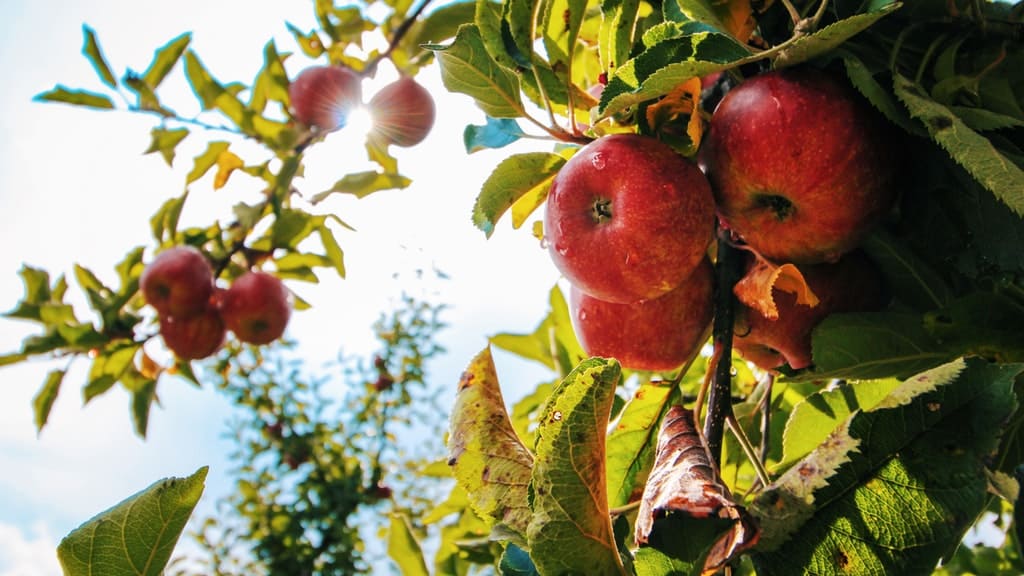
tree filled with fruit

Final Thoughts About Consuming Apples

If at all possible, consume organic apples in apple recipes over conventional. Organic apples are not treated with pesticides or harmful fertilizers that can impact the nutritional profile and health benefits of the fruit. Farm-to-table apples are the best of all, as they are extremely fresh and contain more nutrition than fruits stored for months in a warehouse. They will also create more flavorful apple recipes.

The best time to consume this treat is in the fall and early winter.You may purchase them in supermarkets in the United States all year. However, fall is the harvest time. In order to prevent their spoiling, the fruits are treated with 1-methylcyclopropene, a chemical that preserves the texture and freshness.. [13] However, once they are out of season, they lose a good portion of their nutritive value, with certain compounds being completely gone after one year of storage. [14]

Apples have a place on every table in every home. Embrace America’s favorite fruit to spice up your life and jumpstart your health.

REFERENCES

[1] https://www.medicalnewstoday.com/articles/245259.php

[2] https://www.medicalnewstoday.com/articles/245259.php

[3] http://www.news.uwa.edu.au/201110053999/research/eat-apples-healthy-heart

[4] https://www.sciencedirect.com/science/article/pii/S0308814614005251

[5] https://www.ncbi.nlm.nih.gov/pmc/articles/PMC6051571/

[6] https://www.sciencedaily.com/releases/2004/11/041116215006.htm

[7] https://www.ncbi.nlm.nih.gov/pmc/articles/PMC3183591/

[8] http://idosi.org/wjz/wjz6%281%2911/2.pdf

[9] https://www.mayoclinic.org/diseases-conditions/gallstones/symptoms-causes/syc-20354214

[10] https://www.mayoclinic.org/diseases-conditions/irritable-bowel-syndrome/diagnosis-treatment/drc-20360064

[11] https://www.ncbi.nlm.nih.gov/pmc/articles/PMC442131/ https://www.ncbi.nlm.nih.gov/pmc/articles/PMC5707699/

[12] https://www.ncbi.nlm.nih.gov/pmc/articles/PMC442131/

[13] https://agresearchmag.ars.usda.gov/2007/oct/apples

[14] https://pubs.acs.org/doi/pdfplus/10.1021/bk-2007-0956.ch020

Weight Watchers: Learn the Pros and Cons of This Diet Phenomenon

Losing weight and living a healthy lifestyle comes easily for some people. They simply reduce their caloric intake, increase their physical activity and they drop unwanted pounds. Unfortunately, it’s not always so easy for other people. Even when they drastically restrict their calories, they just can’t seem to lose weight. That’s why so many rely on programs like Weight Watchers.

While there are a lot of meal plans available, Weight Watchers is probably the most well-known of them all. To help those looking to slim down make the best decision, we’ve broken down the pros and cons of following Weight-Watchers program.


Benefits of Slimming Down

Maintaining a proper weight is one of the best ways to live healthily. In addition to lowering your blood pressure, reducing the risk of stroke, getting in shape has also psychological benefits. When people are happy with their physical appearance, it has a positive rebound effect mentally.


Overview of Weight Watchers

Weight Watchers (aka WW) is unique in that instead of having its users measure out quantities of food, they’re able to track their intake with a point system. Throughout the day, people use the point-counting system to ensure they aren’t overeating. Since every food has its own point value, it makes it easy to monitor caloric intake.


Meal Plans

When it comes to meal planning, Weight Watchers takes the guesswork out of knowing what to prepare and also the exact amount. Since overconsumption leads to weight gain, having pre-calculated portions makes it easy to lose unwanted weight.

Following the plan also helps subscribers learn the right way to meal prep. Instead of focusing on just one dish, as many dieters do, the program demonstrates the right balance of healthy fats and grains. Dieters learn the healthier ways of eating and become more mindful of what goes into their mouths.

Weight Watchers

Pros of WW

As with any type of weight loss regimen, there are pros and cons. In addition to the benefits listed below, gives those who follow choices. They aren’t limited to only one type of food or such minimal portions that they’re hungry a short time later.


1 – Flexibility

Weight Watchers is one of the most balanced diet plans available. Using the point system, users are able to choose which food has the least points and plan accordingly. Lean protein, vegetables, and fruit have zero points assigned, which makes it easier to pick and choose a well-rounded meal for weight-watchers.

In addition, the system allows people to structure their meal plans around their lifestyle. Easy heat-and-serve options also make it possible to eat healthy when at work.


2 – Encourages Lifestyle Changes

Following the plan also helps its users to develop healthier long-term eating habits. Over time, people learn about portion control and how to gradually implement when preparing meals at home. For instance, following the plan makes it easier to gauge which types of food should be eaten together, have the best nutrients, and which foods can be swapped out for healthier options.


3 – No Off-Limit Food

One of the greatest benefits of the plan is that no food is off-limits. Unlike other diet plans that forbid certain types of food, followers are able to eat the food they love and still slim down. Using SmartPoints, followers are encouraged to indulge in moderation while following a healthy diet. And since SmartPoints are specifically calculated according to weight, subscribers are better able to safely lose one to two points a week while enjoying their favorite food.


4 – Encourages Physical Fitness

People who take on the Weight Watchers diet are bound to get a lot of exercises and physical activity. The more you move, the more Activity Points you’ll earn. This is a great way to keep your daily food consumption balanced. If you’re new to the world of exercise, there is guidance available.


5 – Wards Off Chronic Disease

By following the plan and making lifestyle changes, followers of weight-watchers can reduce their risk of many chronic diseases, including Type 2 diabetes, hypertension, and cardiovascular disease.


6 – Access to Support Groups

The world of exercise and dieting is filled with support groups to join. Perhaps you’re not into all of that hardcore running and bench pressing. Or maybe you’re the opposite and enjoy working up a sweat. Either way, support groups are a great way to exercise comfortably and not feel out of your league.

Cons of WW

Keep in mind though that as popular as the program is, it may not be right for everyone. Some people may find themselves snacking in between meals.

In addition, having to track points can become cumbersome for some people. Although this program can benefit many people, the weight-watchers program may not be suitable for everyone on it.


Below is a list of cons to consider before trying out this weight loss program:


1 – It’s Expensive

For some people, this is worth every penny. For others, however, it can be a little costly. Keep in mind that the amount you pay all depends on what type of program you choose and how long you’re on it. Before diving into the weight-watchers program, make sure to examine each individual cost. You don’t want to end up spending more than you have to.


2 – Frequent Weigh Ins

Monitoring weight loss is one of the best motivators when trying to drop a few pounds. While some people are excited to see their weekly progress, others may feel uncomfortable checking their weight. It can also be demotivating if the needle doesn’t budge on the scale.


3 – Counting Points Can Be Boring

You know how redundant it can be to count the calories you’ve lost? The same can be said for all of the SmartPoints you accumulate. Counting every single point you’ve acquired can be a very lengthy process and in some cases, it might even be too difficult for those who simply want an easy way to eat. While the program provides an app, it’s still data entry.


4 – Lack of Proof for Cardiovascular Benefits

One of the main reasons to exercise is to keep the heart in top shape. However, the plan has shown to not provide a lot in regards to cardiovascular health. This could make this diet plan an unreliable candidate for those who suffer from heart conditions.

If you’re someone who has a heart condition, your best bet is to go with a diet that you discuss, first, with your doctor. She or he will gladly make heart-healthy recommendations for you.


5 – People Have Too Much Freedom

At first glance, this doesn’t seem like a con. This program gives people the ability to choose whatever they want to eat. However, there are a few individuals who lack self-control and spend most of their hard-earned points on unhealthy foods.

If you’re someone who needs to have a limit, a stricter diet plan may be your best bet. A nutritionist can tailor a dietary plan based on your age, current weight, and activity level.

6 – Rippling Effect

While the premise of counting points make sense, this type of plan may not work for everyone. In between counting and saving points for future use, it may backfire in the long run. By saving points, some people may use this as an excuse to binge, which will undo any positive results. In turn, the setback can also lead to weight gain and low self-esteem.

7 – Regaining the Weight

Since many people struggle with preparing food at home, only counting points could backfire in the long run. After following the regimen, some people may find it difficult to manage their caloric needs.

They may overestimate or even underestimate the calories they’re consuming, which often leads to weight loss, and that’s regular exercise.

weight watchers

Final Considerations About Weight Watchers

Losing and living a healthier life is what matters most. What works for one person may not be the right choice for another. Before embarking on a new diet and fitness regimen, it’s important to assess the pros and cons of the Weight Watchers program.

You should also consult with your family physician as well. Some diet restrictions may not be appropriate for everyone. Diabetics, in particular, need to sure that they’re not restricting themselves too much. Keep in that even healthy people can run into trouble if they aren’t mindful when counting points. The key is finding the right balance between points, calorie consumption and physical activity.

The best place to start is defining why you want to lose weight. If you’re just looking to lose a few pounds then simply cutting back on snacks and mindless eating is usually effective. The key is understanding your goals and implementing healthy ways of reaching them.

If you’re trying to completely overhaul your diet and are ready to commit to a lifestyle change, following a regimen program, or at least semi regimented program, can help you establish a healthier lifestyle. Understand though there is no magic weight loss program. Regardless of which program you choose, you only get out what you put into it.

Doctors Explain Why Yoga is the Best Exercise for Baby Boomers

Yoga is certainly trending among the younger demographic. However, there’s no doubt that its benefits are suitable for participants of all ages. In fact, many of the world’s newest yoga enthusiasts are baby boomers.

Yogi baby boomers are taking advantage of this meditative activity and truly soaking in all of its wonderful benefits.

Why Baby Boomers Need Yoga

Yoga is one all-natural activity that can effectively turn back the clock for boomers. From its incredible anxiety-reducing advantages to the way it improves flexibility and mobility, this discipline is one that all baby boomers should try.

Read on to learn exactly why doctors are calling this activity a must for all boomers.

9 Reasons for Baby Boomers to Try Yoga

baby boomers and yoga

1 – Improve Your Physical Health

Yogis the world over celebrate this activity for its countless physical benefits.

From being an effective way to combat weight gain to improving the flexibility of one’s body, this practice is one that has long-lasting health benefits for baby boomers.

By practicing this sport regularly, you’ll be forced to keep your body active. With each pose comes an increase in flexibility, stronger muscles, and improved athletic performance. Moreover, the more you practice your poses, the better your metabolism will be.

Similarly, this improved flexibility will reduce your risk of injury, something many people worry about as they age.

Additionally, regularly practicing your poses will help to improve your bone health and protect your spine. The weight-bearing exercises involved in this practice are proven to strengthen one’s bones, effectively warding off conditions like osteoporosis. Likewise, the repetitive movement of these poses helps to protect your spine by keeping your spinal disks supple and flexible.


2 – Eliminate Stress

There are a variety of ways to reduce stress, but few of them are as effective as practicing this meditative sport.

According to one study, 70% of boomers in the U.S. suffer from anxiety or stress daily.

While many boomers work to reduce their anxiety with their chosen form of therapy, stress-relieving activity, or prescription medications, becoming a yogi is also a viable option.

As this form of exercise causes the body to release endorphins, anyone with high levels of stress will immediately feel the calming effects as their anxiety comes to a halt. Each pose asks the body to let go of stressful thinking and to focus on the moment at hand.

As you become accustomed to getting into this freeing practice, you’ll see just how powerful a tool yoga is at melting your stress away.


3 – Improve Your Concentration and Focus 

While this practice is an excellent way to free your mind, it also is effective at training your brain to hone in on your daily tasks.

As you unite your mind and body through each new pose you attempt, you’ll be forcing your brain and body to act in unison.

As you learn to improve your concentration through hours of dedicated practice, you’ll find that you can apply these new lessons to every other aspect of your life. Whether it’s at work or in conversation with a loved one, you can use this newfound talent of improved focus to transform how present you are in every situation.


4 – Harness the Power of Mindfulness

It’s hard to navigate the pressures of life as if they don’t affect us. For this reason, many people struggle with the thoughts that constantly run through their minds.

Whether it’s events from the past or anxiety about the future, most of us spend the majority of our days giving into this endless thinking.

Boomers are no different: overthinking won’t stop unless you learn to control your brain. Thankfully, this age-old practice is one guaranteed way to get out of this cycle of overthinking.

By centering the body, mind, emotions, and breath, this exercise forces one to remain in the present. Regardless of our feelings about the future or the past, this exercise lets us return to the moment we are in and remain there.

These poses help one conquer fear, defeat sadness and tame one’s desires, so much so that becoming a yogi will completely transform your life.

This ability to immediately reign in your brain will come in handy in every aspect of your life. In experiences that would generally overwhelm anyone else, you’ll be able to center your thoughts and focus on the moment, making sure your emotions never get the best of you.


5 – Improve Your Mind-Body Coordination

This 5,000-year-old practice is based on the concept that these fundamental poses unite the mind and body.

This practice was essentially designed to improve one’s mental wellbeing and promote inner peace.

According to countless studies, scientists also note that this exercise is an effective way to unite the body and mind. That’s because regularly practicing this exercise improves one’s health and harmony.

By practicing these poses, you’ll focus on deep breathing and learn to control your body and mind in a way that will enhance your awareness as nothing has before.


6 – Kickstart Your Creativity

Creativity is something that we must strive to hold onto as we grow older. Boomers need to hold onto their sense of creativity to keep their minds active and avoid the mental decline that often comes with old age.

Getting the opportunity to bend your body in new and exciting ways is an invitation to express your creativity. These poses act as an opportunity to be self-expressive as you learn to twist yourself into the standard poses. Later, you may even learn to develop your own poses.

In addition to getting the opportunity to freely bend your body in different ways, the act of practicing this meditative exercise will allow you to be more mindful. This mindfulness is important in kickstarting your creativity. That’s because it helps to free your mind and release your anxiety.


7 – Boost Your Confidence

We never outgrow the need to foster a healthy sense of confidence. Wherever your confidence levels may be, practicing this meditative sport will transform the way you feel about yourself and how you carry yourself.

As this sport demands that you practice the same poses with every class or exercise, you’ll grow to develop a better connection between your body and mind. The more your practice translates to actual growth, you’ll experience a new sense of self-confidence.

These baby steps will lead to you perfectly executing the most difficult of poses. As you learn to master this exercise at your own pace, you’ll start to develop a better sense of self and form as you continue to learn.

The confidence that you experience in class will automatically translate to how you live life. With every new pose learned, you’ll find that you carry yourself with newfound confidence.


8 – Improve Social Interaction

As we grow older, it can be difficult to break out of our daily routines. Oftentimes, this leaves us with little time to meet new people and experience different things.

Enrolling in a class like this will help to improve your social interaction. Perhaps you’ll befriend your new classmates or simply find common ground with your neighbor after seeing them carrying their exercise mat. Regardless, you’ll find that becoming a yogi opens you to a new community full of warm and passionate people.

In addition to finding a new interest that helps you connect to others, you’ll start taking on the mindset of a yogi as you learn to become more empathetic, kind, patient, and helpful with others.

The more you practice this sport, the more you’ll find yourself connecting with others that you interact with.


9 – Grow Your Happiness

We connect to exercise emotionally. Therefore, it makes sense that this particular form of exercise becomes an important way to boost one’s happiness.

While simply sitting in your favorite pose won’t necessarily completely transform your emotions, consistently practicing these poses helps to improve depression and boost one’s serotonin levels.

Certain studies indicate that this type of exercise improves activity in the prefrontal cortex’s mediators. That area of the brain is vital to improving one’s happiness. One study also shows that veteran yogis activate this area of their brain more effectively, revealing that they feel happier as a result of long-term yogi-ing.

baby boomers

Final Thoughts on Yoga for Baby Boomers

After incorporating this meditative exercise into their lives, boomers will feel the life-giving effects of this exercise in their lives. It doesn’t matter if you practice on their own at home or go to weekly classes. Either way, getting into the habit of regularly performing this activity will do wonders for you.

So, are a baby boomer hoping to feel happier, improve your physical health, and gain better control of your mind, spirit, and body? Then yoga is the right activity for you. Check out these fabulous benefits for yourself by trying this lifestyle. Chances are, you’ll become a devoted yogi in no time.

33 Positivity Quotes About Being Happy (When You’re Not)

Studies have shown that positive thoughts are linked to positive outcomes. They can boost your mood, improve your cognitive function and even increase your chances of success at work and school (1). These positivity quotes can be an instant mood-booster!

Of course, happy thinking is easier said than done. Some days, you might need a little push to help you reach a healthier mindset. This is where positivity quotes can come in handy.

Are you ready to change your outlook on life? Here are some motivating, uplifting quotes about being happy!

positivity quotes

1. “Folks are usually about as happy as they make their minds up to be.”
– Abraham Lincoln

Happiness is a choice. It can be a difficult one, especially if you’re going through hard times, but it isn’t something that will be dropped in your lap without effort. You have to choose it.

2. “An arrow can only be shot by pulling it backward. So when life is dragging you back with difficulties, it means that it’s going to launch you into something great.”
– Paulo Coelho

Some of the best positivity quotes are about perspective. Instead of being dragged down by your troubles, try to view them as springboards for the future.

3. “One of the most tragic things I know about human nature is that all of us tend to put off living. We are all dreaming of some magical rose garden over the horizon instead of enjoying the roses blooming outside our windows today.”
– Dale Carnegie

There’s nothing wrong with dreaming about a better life. However, you should be careful not to let these idyllic fantasies consume you. Make sure that your dreams are a motivational tool and not a crutch for reality.

4. “The way I see it, if you want the rainbow, you gotta put up with the rain.”
– Dolly Parton

If this sounds like something that the queen of country would say, you’re absolutely right. Dolly Parton dropped this pearl of wisdom many years ago, but it’s still popular today because of its charm, wisdom and simplicity.

5. “It’s entirely possible that the best days of your life have yet to come.”
– Anonymous

Think back on the happiest day of your life so far. Did you expect it? Five years ago, would you have predicted it? How do you know that you won’t reach even happier times in another five years?

6. “Take responsibility of your own happiness. Never put it in other people’s hands.”
– Roy T. Bennett

If you’re looking for realistic quotes about being happy, here’s one for you. It might be a little too blunt to embroider on a tea cosy, but it’s a good quote nonetheless.

7. “A person who never made a mistake never tried anything new.”
– Albert Einstein

You didn’t fail. You just found a way that didn’t work. Now that you’re armed with better knowledge and experience than before, you can try again.

8. “Although the world is full of suffering, it is also full of the overcoming of it.”
– Helen Keller

This beautiful quote comes from Helen Keller. If anyone knows about making the best of a bad situation, it’s her!

9. “Do it with enthusiasm or not at all.”
– Anonymous

When you react to a situation with joy, you directly engage the prefrontal cortex of your brain (2). Not only does this produce happy-making hormones, but it can also boost things like self-esteem and self-confidence.

10. “You cannot protect yourself from sadness without protecting yourself from happiness.”
– Jonathan Safran Foer

If you’ve been hurt, there’s no shame in taking some time to heal. This applies to both physical and emotional wounds. Just make sure that you don’t permanently close yourself off.

11. “They say that a person needs just three things to be truly happy in this world: someone to love, something to do and something to hope for.”
– Tom Bodett

If you’re stuck in a rut, this is a quote that might help you break free. Do you have all three of these things? If not, what actions can you take to achieve them?

12. “Happy people plan actions. They don’t plan results.”
– Dennis Wholey

Take the chance. Roll the dice. Sometimes, that’s all that you can do.

13. “If you aren’t grateful for what you already have, what makes you think you would be happy with more?”
– Roy T. Bennett

One of the best things that you can do for your mental health is develop a gratitude habit. When you learn how to count your blessings, you might just find that happiness is easier to achieve than you think.

14. “Once we make our decision, all things will come to us. Auspicious signs are not a superstition, but a confirmation. They are a response.”

– Deng Ming-Dao

This was spoken by a philosopher and martial artist named Deng Ming-Dao. It’s one of his best positivity quotes because it ties into the idea of fate, karma and cosmic energy. The universe is looking out for you. You just have to open your ears and listen.

15. “What is the difference between an obstacle and an opportunity? Our attitude toward it. Every opportunity has a difficulty, and every difficulty has an opportunity.”
– J. Sidlow Baxter

Two people can approach a bump in the road with entirely different mindsets. Make sure that your mindset is a positive one.

16. “I skate to where the puck is going to be, not where it has been.”
– Wayne Gretzky

This is a quote from a famous hockey player named Wayne Gretzky. It means that you should always focus on the future instead of lingering on the past.

17. “I like living. I have sometimes been wildly, despairingly, acutely miserable, racked with sorrow, but through it all I still know that just to be alive is a grand thing.”
– Agatha Christie

This is another quote about counting your blessings. It comes from Agatha Christie, and she knows a thing or two about living an exciting life!

18. “Sometimes when things are falling apart they may actually be falling into place.”
– Anonymous

You might not be able to see the path that the universe has laid before you, but it exists. You just have to keep walking.

19. “My mission in life is not merely to survive, but to thrive; and to do so with some passion, some compassion, some humor, and some style.”
– Maya Angelou

Do you know why the caged bird sings? Maya Angelou figured it out. Have you?

20. “Man is fond of counting his troubles, but he does not count his joys. If he counted them up as he ought to, he would see that every lot has enough happiness provided for it.”
– Fyodor Dostoevsky

Never take anything for granted. If you need to, start making a list every night of the day’s triumphs and sorrows. The good things in a person’s life almost always outnumber the bad things.

21. “What the caterpillar calls the end of the world, the master calls a butterfly.”
– Richard Bach

Transformation isn’t always beautiful. It isn’t always painless. Sometimes, you don’t even know that you’re doing it. But the end result is still beautiful.

22. “The best way to cheer yourself is to try to cheer someone else up.”
– Mark Twain

Is life getting you down? Put a smile on someone else’s face. Good deeds lead to happy hearts.

23. “There are two ways to live your life. One is as though nothing is a miracle. The other is as though everything is a miracle.”
– Albert Einstein

You control how you see the world. If you want the glass to be half-empty, it will be half-empty. You’ll need to make a conscious effort to think more positivity.

24. “It always seems impossible until it’s done.”
– Nelson Mandela

Even when it feels like a massive effort just to get out of bed, the truth is that you are capable of doing it, and you can work through your bad feelings and feel better. It only seems insurmountable until you’ve put your feet on the floor.

25. “You can, you should, and if you’re brave enough to start, you will.”
– Stephen King

This is one of our favorite positivity quotes. It’s so simple. If you want it, do it!

26. “Sometimes life doesn’t give you something you want, not because you don’t deserve it, but because you deserve more.”
– Anonymous

You never know when bad luck is actually good luck in disguise. You just have to keep going.

27. “Happiness is not the absence of problems. It’s the ability to deal with them.”
– Steve Maraboli

No one has a perfect life. Everyone deals with pain and conflict. What tools are you going to use to cope with them?

28. “Happiness comes in waves. It’ll find you again.”
– Anonymous

Positivity quotes come in all shapes and sizes, but this is one of the best. If you’re at sea, just wait for the tide to bring you back. Nothing lasts forever, and that includes sadness, strife, pain and negativity.

29. “So do it. Decide. Is this the life you want to live? Is this the person you want to love? And is this the best you can be? Can you be stronger? Kinder? More compassionate? Decide. Breathe in. Breathe out and decide.”
– Grey’s Anatomy

You might recognize this monologue from the hit TV show Grey’s Anatomy. It’s one of the best quotes about happy because it puts the power in your own hands. What kind of life do you want to live? No one else can decide that for you.

30. “Now and then it’s good to pause in our pursuit of happiness and just be happy.”
– Guillaume Apollinaire

Don’t get so obsessed with building the garden that you forget to stop and smell the roses!

31. “A problem is a chance for you to do your best.”
– Duke Ellington

Instead of getting upset with a problem, look at it as a chance to increase your knowledge, experience, intelligence, and maturity. You’ll feel much better about it.

32. “Keep calm and be crazy, laugh, love, and live it up because this is the oldest you’ve been and the youngest you’ll ever be again.”
– Anonymous

Life is crazy. There’s no getting around that. You might as well enjoy it while you can!

33. “If it is important to you, you will find a way. If not, you will find an excuse.”
– Anonymous

At the end of the day, happiness is a choice. If you truly want it, you’ll figure out how to get it, and you won’t let any obstacles stop you.

Final Thoughts on Positivity Quotes

Positivity isn’t magic. It’s science. If you want to eat better, sleep deeper, laugh louder and live longer, print out some of these positivity quotes about being happy and let them guide you towards a better future.

Skip to content