Weekly tips, affirmations, and small actions to feel your best.

There are Two Types of Happiness; You’re Chasing the Wrong One

Happiness.  It seems we are always in pursuit of it but do we even know what it is?  How do you define it?  I don’t mean a list of things that you equate to the emotion, but an actual definition.  Scientists believe there are multiple types of happiness, and research reveals how we can achieve each of them. Currently, the belief is there are two types of happiness, and we are going after the wrong type of happy.

Two Types of Happiness

Happiness, what constitutes “happiness,” and how it is achieved has been an ongoing debate among philosophers for ages.  There are two main types that science has remained consistent in adhering to, although there are hybrid versions and new theories that are still being examined.
chasing happiness

1 – Hedonic happiness

The path to happiness and defining it has been a subject in humankind’s history since the ancient Greeks walked the Earth.  At that time, the first type of happiness was defined as hedonism or the intrinsic desire of the pursuit of pleasure over pain.  A Greek philosopher from 4th century BC, Aristippus, defined happiness as the sum of life’s hedonic events.  Hedonic was described as a relaxed state where one feels more removed from any life issues and is able to say they “feel happy.”

Many people view hedonistic happiness as primarily self-focused and derived more from an external source.  While hedonism is generally more recognized as gaining pleasure through physical sensations like alcohol, food, sex, or drugs, hedonic happiness can create similar effects that stem from a mental or emotional pleasure. Things, like buying a new car, getting a promotion or raise at work, or accomplishing a major goal, are examples of this.  One is more short term sensations of happiness or pleasure, whereas the other requires long term effort to achieve.

While the philosophers still debate on hedonic happiness and its complete meaning, they all adhere to three principals.  These principals are defined under the term “subjective wellbeing,” with “wellbeing” used interchangeably with “happiness.”

  • Satisfaction with life for that moment or overall
  • Having a positive mood
  • Not having a negative mood

2 – Eudaimonic happiness

Eudaimonic happiness was introduced by Aristotle.  He felt that man was driven to more than to just act upon pleasure like an animal.  Humans were greater than that.  He placed humankind’s happiness on the ability to act out of morals and virtue.  Essentially, it is the idea that one feels happiness when one feels complete about themselves, or that they’re being their ”true self.”  Proponents of this philosophy do not view happiness as mere pleasure.  Instead, it is based on morals, virtues, and the development of one’s strengths.  They believe an individual will derive happiness through taking actions and making decisions consistent with their beliefs, morals, and self-competence.

As our society is becoming more sophisticated, this philosophy has permeated the minds of many.  The entire concept of “finding oneself” in positive psychology, healing your inner child, and more are in some ways based on this concept over the hedonic.

That said, our society also places great emphasis on the importance of money, external goods, prestige, and status.  These things are more reflective of hedonic happiness.

Eudaimonic happiness on our body

Interesting enough, researchers performed a study at the University of California in Los Angeles, CA. In it, they compared the effects of both types of happiness on our genomes.  Individuals who characterized themselves as gaining happiness through eudaimonic means tended to have lower inflammation and higher antiviral and antibody expressions in their genes.  On the contrary, those who identified as achieving hedonic happiness tended toward the complete opposite.   They had high inflammation, with low antibody and antiviral gene expression.  The difference in their genomes did not seem to affect their overall positive feelings, but it did demonstrate that the differing philosophies did make a difference in how our bodies respond.

Achieving happiness

The main selling proponent of eudaimonic happiness is that it places the control, responsibility, and reward in the individual’s hand.  Whether you feel happy is not dependent on if you win the lottery, if your boss recognizes your hard work and rewards you with a promotion or raise, or if you are able to impress others with your new car, outfit, or home.   Since those are external variables you cannot truly control, your happiness could fail to be achieved, or if it is achieved, you need to chase after the next thing to keep that feeling going.

Let’s be clear here: regardless of your personal philosophy for happiness, we all feel pleasure when we achieve a great milestone, purchase a great object, or receive praise and recognition from others.  The difference is in motivation.  Those achievements equate to their only happiness for someone who gains happiness through hedonic methods.  For the eudaimonic, those achievements, while appreciated, are not their focus for happiness.  Happiness can be created for yourself, without being dependent upon external, unpredictable events and can be more consistent and long-term.   How is this achieved?
unconditional happiness

8 Actionable tips to build happiness for yourself

There are certain behaviors and habits that happy people adopt to create happiness for themselves consistently.

1- Make time to enjoy life

Stop and smell the roses. So much is happening in our day that it is easy to go into autopilot and not treasure the good things that happen in your life.  Stop and spend an extra 15 minutes to enjoy that sandwich for lunch, take 10 minutes to enjoy the birds chirping in the morning, a cool breeze, or sunsets.

2 – Donate your money

Be generous with your money (when you can) and yourself. Money takes hard work to earn and life is unpredictable.  Happy people enjoy treating a friend to lunch, helping a family member with groceries one week, or donating to a charity.  This includes sharing your time and energy to help people.  Maybe the neighbor needs a babysitter that night, or a ride to the store.  Being able to help others in one form or another enhances happiness.

3 – Choose your friends wisely

Misery loves company, and so does happiness. Positive, energetic, happy people help make each other feel good, creative, and positive about each other.  Life always feels better with friends who share your interests and are happy for your successes.  Being with like-minded people reinforces your values, beliefs, and happiness habits.

4 – Get physical

Staying physically active not only produces hormones that create that happy feeling, but it burns off stress, keeps your blood flowing to encourage creativity, and keeps you out with others who are sharing the same activity.

5 – Don’t worry, be positive

What you put into the world is usually what you get.  If you believe everything bad happens to you, then that is all you will see.  Choosing to stay positive through difficulties allows you to see the whole picture.  You don’t only see the unpaid gas bill.  You also know that you can pay for it in three days and meanwhile you have food on your table for another day.

6 – Recognize the importance of sleep

Sleep is essential to process your day.  It allows your brain and body to recover from everything it has done for you that day so it can do it again tomorrow.  When you push yourself and don’t get enough rest, it is hard to stay positive because your frustration level is higher, your emotions are higher and your brain doesn’t process information as quickly.  These all can lead to things happening that could easily be avoided.

7 – Adopt a happiness mindset

Choose to be happy. Happiness is a choice.  Every morning, every minute, hour, or day, a person has the choice to be happy.  It takes making the decision to be happy today and to not let the details of your day weigh you down.

8 – Invest in self-growth

Personal growth is an ongoing lifestyle. When a person believes they “just are the way they are,” it inhibits growth.  They have locked themselves into a way of being that doesn’t flex with life.  Choosing to have a growth mindset allows you to learn new things, discover more about yourself, and be creative in how you approach obstacles.

happy happiness

Final Thoughts on Your Ability to Find Happiness

There are two types of happiness, and we are going after the wrong one.  Happiness takes work and a commitment to yourself.   It is an amazing, powerful thing that happiness does not need to be out of your control and dependent upon achievements or other people.  You unlock the key to bliss through your hands, your mind, and your desire to be happy.  And you might need to change some habits, look at the world differently, and take responsibility for your mindset. But in the end, you will be happier for it.
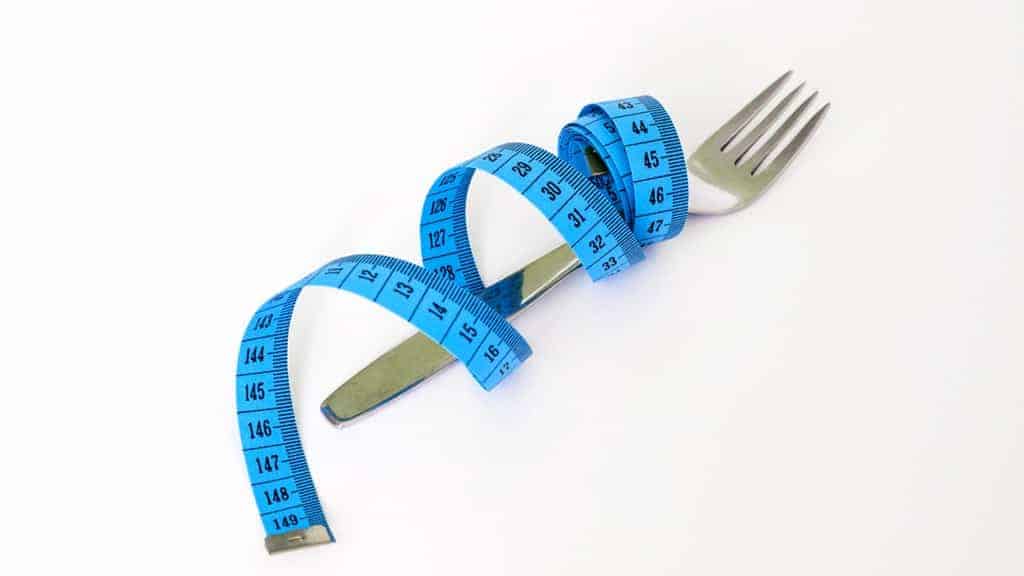
Psychology Explains How A Desire to Eat Healthy Can Become Unhealthy

The choice to eat healthy can be multifaceted.  You can choose to eat specific healthy foods due to allergies, like gluten or lactose.

Or, you may choose any one of the various vegan diets for moral reasons. Those reasons may be related to the inhumane treatment of animals, the chemicals injected into the animals, or the overwhelming articles emphasizing the importance of increasing vegetables, fruits, and whole grains in our diet.

Of course, there is always the choice to eat healthy because you want your body to be a robust, clean, fighting machine.  Whichever your reasons are, eating primarily clean is a good life choice.  Until it’s not.  Psychology explains how eating healthy can become unhealthy.

Eating Disorders

Eating disorders entail a variety of symptoms characterized by unusual or disturbing methods of eating.  Most of them consist of an obsession with food, body weight, or body image.

The most familiar of these are anorexia nervosa, bulimia, and anorexia bulimia.  We associate Anorexia with extreme calorie counting and excessive exercise.  Bulimia consists more of binge eating with forced vomiting.  Anorexia bulimia fluctuates between the two. Those who suffer from it display obsessive calorie counting mixed with binge eating and forced vomiting.

Excessive exercise generally stays constant. In any of these eating disorders, women or young girls are the primary candidates.  13% of youth by the age of 20 develop some form of an eating disorder.  Their views of their bodies become incredibly distorted.  What may start as trying to lose 10 pounds gains compliments. And that can quickly accelerate into being skin and bones while still feeling they are not thin enough.

There is a multitude of psychological and biological reasons which are the driving force behind eating disorders.  Thus far, nothing proves conclusive. Furthermore, science must assess each case individually for emotional, mental, and physical causes.

Introducing Orthorexia: The 20th-century eating disorder

The overwhelming articles focused on food, diets, exercise, probiotics, prebiotics, organic living, and more can be challenging to sort out when you are trying to decide how to become healthy.  Eating started a relatively straightforward concept.  “I am hungry, so I’ll get food, make food, and eat food.”

Then, we added knowledge about fats and various types of fat, which meats are leaner, unhealthy carbs, processed foods, and sugar. We learned how stress affects your digestion and how to augment your diet to rebalance your system. Also, knowledge about the importance of ridding your body of toxins to both help it operate better plus decrease aging came to the surface. Not to mention the 8 x 8 water rule, counting calories, and calculating BMI.

I could probably write 1500 words just on all the various methods science presents to people regarding how or why to eat differently.   Within those messages are the holistic, most organic, safe, and nutritious manners of preparing the food.  Proper preparation can almost be like a religious ritual with your body as the alter.

To add the cherry to the top, now you need to maintain this method while at work and out with friends who may not share your enthusiasm for your diet of choice.  Which restaurants allow you the most options or any options?  Should you pack a meal?  Remember, you need to get home in time to prep your food for meals tomorrow.

Healthy eating allows a balance

Despite all the confusing and never-ending information about diets out there, life is about balance.  This should include your diet, as well.  When your lifestyle of food choices, preparation, and exercise has consumed your life, your diet is no longer healthy.

Orthorexia Nervosa is the newest recognized eating disorder characterized by having an obsessive relationship with eating healthy.  Life is wholly focused on adhering to the strict regiment of your diet and lifestyle to the detriment of your social life, choices, and potentially your health.

Orthorexia Nervosa: Definition and symptoms

The term Orthorexia first became a recognized term in 1998.  It literally means “an obsession with proper or “healthy” eating,” as defined by the National Eating Disorder Association. While yet to be placed in the Diagnostic and Statistical Manual (DSM), it is still accepted by many physicians as an eating disorder.

Symptoms of Orthorexia Nervosa

Being still relatively new, exact diagnostic criteria has not been officially established, but specific symptoms are recognized as warning signs:


  • Impulsive and consistent need to check the ingredient and nutrition list
  • The health of the ingredients become a source of concern
  • Decreasing more and more food groups or choices. Ie., no eggs, no meat, nothing in-organic, no gluten, no dairy, only cooked or raw vegetables, etc.  Only certain foods considered healthy enough or pure
  • Carrying over concern and ideology toward other people’s diets
  • Stressing over what foods may be available at a social event. This may occur not only hours before but carried over if the preferred options are not available.
  • Obsessed with following all the food and diet trends on social media
  • Potential body image concerns.
  • Eating Gluten-free, Veganism, Vegetarianism, Lacto-vegetarianism, or Pescatarian diets, which require strict adherence and not easily accommodated socially. (non-medical related)
  • Lack of flexibility in food choices
  • Unhealthy fear of processed foods
  • Needing to be perfect
  • Overly increased interest and consumption of nutritional supplements
  • Avoiding social events to reduce the anxiety of being pressured to eat other foods not seen as “healthy.”
  • Potential obsession with exercise

The danger of malnutrition stems from this condition

Due to the frequently food-limiting symptom of this diet, malnutrition often becomes a side effect of orthorexia.  A few of those symptoms are:

  • A decrease in testosterone in men
  • Constipation, bloating and nausea
  • Imbalance of electrolytes such as potassium, sodium, and chloride
  • Problems with the kidneys
  • Protein deficiency contributing to kidney and other organ disorders
  • Substance abuse and mental illness in the form of obsessive-compulsive disorder, depression, and anxiety can co-exist, potentially leading to increased risk of mortality.
  • It can lead to other eating disorders, specifically anorexia nervosa.

Study analysis of Orthorexia

Science Daily published a study performed at York University’s Faculty of Health.  The researchers had compiled all reviews of orthorexia up until 2018 from two major databases.  One of the scientists, Jennifer Mills, an associate professor in the Department of Psychology, reported:

” When taken to the extreme, an obsession with clean eating can be a sign that the person is struggling to manage their mental health.”

The report stated that earlier reports had shown that while anorexia nervosa was about counting calories to reduce body weight to an extreme, orthorexia has a focus on the quality of the food and its preparation.  It becomes like a ritual in that more and more time is spent planning, purchasing, and preparing healthy meals.  This ritual becomes obsessive in daily life.

A connection between trying to eat healthy and obsessive behaviors

Additional previous reports indicated that individuals who had obsessive-compulsive traits, depression, previous eating disorders, or a tendency to be zealous regarding their body image and appearance were particularly susceptible to developing Orthorexia Nervosa.  Particular diets, which already require strict adherence and are not easily socially available, tended to sway individuals toward a more obsessive eating pattern.  For example, Lacto-Vegetarianism creates the highest risk of leading people toward an eating disorder.  These diets tend to require a particular eating schedule and long preparation time.

One trait that Orthorexia has, which is slightly different than the other eating disorders, is that it affects males and females equally.  On the other hand, most consider anorexia and bulimia as primarily affecting women.

The acceleration from eating healthy to Orthorexia Nervosa

Our society places a heavy emphasis on appearance.  That plays a role in how you dress and how your body looks.  While we are in the throes of trying to change the body image from looking thin to being healthy or comfortable with your body, it is a tough transition.  The media still upholds the false notion that particular body shapes are beautiful and sexy.  This ideal goes for men and women.

The sway from looking thin to having moderate fat body mass with taut muscles is an improvement in that it is encouraging the idea that weight is misleading, and being healthy includes muscles. It also shows that being healthy on the inside is equally important. This idea, combined with the awe we feel that someone can be as disciplined and committed to their health, can contribute to orthorexia.  Such self-discipline is an admirable trait and one not many of us possess.

When an individual first starts on making these dietary choices, not only do they get the internal rush from their pride, but others around them compliment and praise them.  This attention may further motivate them toward adhering to the diet.  In most cases, people achieve this in moderation.  In some cases, however, the person triggers an underlying mental weakness or illness, leading to an eating disorder like Orthorexia Nervosa.

eat healthyFinal Thoughts on the Choice to Eat Healthy Versus Unhealthy Obsessions

Deciding to eat healthily is a good choice.  Science can back that up imperatively.  Yet, we still don’t fully know the actual consequences of many of these diets.  We have yet to learn the ramifications of eating vegetarian on our bodies.  It might take researchers years of studying hundreds of thousands of individuals being considered over decades before concluding.

The one thing that life does consistently show is that everything requires a balance.  Eating meat is not “bad.”  Only eating meat without vegetables and some carbs is not healthy.  When you find that your healthy diet is ruling all your time, your friends, and your social activities, then your healthy diet and its requirements may not be truly healthy. There are a lot of healthy, balanced diets available that have been proven to aid in losing weight and increasing body function and do not require you to waste your life obsessing over food preparation or quality.   Eating healthy can become unhealthy, and that was never the goal.

Scientists Explain How to Release Stress Trapped in Your Body

We all know the signs of everyday stress and chronic stress:

  • Tense shoulders
  • Lower back pain
  • Achy joints
  • Diminished sleep
  • Irritability
  • Higher frustration levels
  • Less emotional control
  • Impaired judgment.

Do you notice how the symptoms aren’t just physical?  It affects our entire being.  We carry that stress in our minds and our bodies.

It can become “trapped” there if we don’t find a better way to both cope with the stress and release our bodies of it.   Stress doesn’t have to take over our lives.  We can take control.  Scientists explain how to release stress trapped in your body.

The fatal facts about stress

stress

Stress is one of the biggest killers of humanity.  It is linked as a contributing factor in the top 6 causes of death: heart disease, cancer, lung diseases, accidents, cirrhosis of the liver, and suicide.  Stress rules our every decision if we let it pile up.  We may eat poorly, smoke, drink, do drugs, fail to exercise, not sleep properly, work too hard, and the list could continue.

Consider these facts WebMD published in Dec. 2017 in an article about stress management:

  • 43% of all adults have some physical ailment due to stress.
  • 75-90% of all doctor visits are due to symptoms related to stress
  • Stress has proven to be a factor in many health issues, such as high blood pressure, heart problems, diabetes, asthma, depression, anxiety, and more.
  • Stress is brought into work and can create a workplace hazard. According to The Occupational Safety and Health Administration, stress is a $300 billion annual expense in the American work industry.
  • Constant, untreated stress can account for 50% or more of an emotional illnesses occurring in a lifetime.

All that said; however, one fact remains:  Stress is a part of life.  What can we do?  We can learn to cope better with situations creating stress.   We can ensure it doesn’t pile up by saying “NO” when we are overtasked.  Finally, we can learn to release it to prevent it from accumulating in our bodies and our minds.

Stress vs. Chronic Stress

According to Medline Plus, in an article on stress, there are three different types of stress:

  1. Daily or routine stress from our regular lives, such as going to work, cooking dinner, getting the children to bed, etc..
  2. Sudden, dramatic, negative stress. This is represented by a divorce, losing one’s job, severe injury, or a long-lasting illness.
  3. Traumatic stress often results from experiencing or witnessing a crime, such as an assault, burglary, or even a kidnapping. In such situations, individuals may not only need medical attention and emotional support but also legal assistance to navigate the aftermath. For example, consulting an assault and battery defense lawyer can be crucial if you’re facing legal accusations stemming from an incident that has caused traumatic stress. These professionals can offer guidance and represent you in court, ensuring your rights are protected throughout the legal process. Other sources of traumatic stress include severe accidents, sudden illness, or natural disasters. By leveraging Dallas law firm SEO, individuals can more easily connect with experienced attorneys who specialize in handling such sensitive cases, ensuring they receive the necessary legal support during difficult times.

Chronic stress

Usually, our daily and sudden stresses can be adapted to, and we can cope.  It entails knowing how to handle stress as it occurs and how to relieve it before it becomes overwhelming.

What happens when it never seems to stop – when there never seems to be a reprieve, or you lack the skills or knowledge to deal with it and support is minimal? It becomes chronic stress.  Scientists have established that chronic and traumatic stress causes the most physical and psychological damage.

Chronic stress is pervasive, long-lasting stress levels that place people in a state of constant awareness.  The hormones in our body continue to flood our system because they believe that we are in a dangerous situation in which fight-or-flight is imminent.  These hormones then interact with our other systems and our brain, creating a chain reaction and a deadly cycle.

stress

Stress and our bodies

The fact that how and what we think about affects the rest of our body is becoming increasingly accepted and understood.  It is a bit difficult to ignore since we live it every day.  When you have a day where you feel sad, you move slower, find it harder to concentrate, and your body feels heavier and less coordinated.

The opposite is true when it’s a happy day. Then, you’ve got a bounce, and more energy, and your thinking is faster and sharper.  These aren’t just coincidences.  How we feel is directly correlated to how our bodies perform and react.  It was designed that way.

An article in the American Psychological Association outlines the effects stress has on our bodies and virtually all of our systems:

1 – Musculoskeletal impacts of stress

The musculoskeletal system is probably the one most of us are familiar with. That familiar tightening across our shoulders, stiffening of our neck, the firm grip of tension on our lower back.  When this is affected chronically, it can lead to migraine or tension headaches or delayed recovery from a legitimate injury, particularly if you feel very negatively about the injury or the potential of recovery.

2 – Respiratory system

We may have either experienced or witnessed an individual hyperventilating due to a panic attack, severe emotional distress, or anxiety. When your body becomes overly stressed, it quickens our breathing to push more blood and oxygen into our muscles.  This may not last very long for an average person, and we can recover quickly.  For a person with COPD or asthma, this can cause respiratory distress and the need to use a fast-acting inhaler to calm their breathing.

Additionally, as mentioned above, if an individual has high anxiety, they can quickly accelerate into a panic attack and hyperventilate, resulting in passing out if preventative measures are not taken quickly.

3 – Impact on our heart and circulatory system

The best way to understand how our heart and blood vessels are affected is to know what happens in our body just when an unexpected event occurs. This could be being cut off in traffic, slamming on your brakes, or seeing your young child fall into the pool.

Under this circumstance, our heart rate rapidly increases, and our heart muscles must contract stronger.  This happens due to the release of stress hormones adrenaline, noradrenaline, and cortisol.  Simultaneously, our blood vessels widen to allow more blood to pump to our muscles and back into our hearts.  This, in turn, increases our blood pressure. This bodily response is familiar to us as the “fight-or-flight” response.

Imagine your body going through this process near-daily as it would if you had chronic stress.  It can create inflammation in the coronary arteries and potentially increase cholesterol levels.  Both factors have been linked to causing hypertension, strokes, and heart attacks.

For pre-menopausal women, extra estrogen can aid in their ability to handle stress and decrease stress’s effects.  For postmenopausal women, estrogen is no longer present to provide protection, thus increasing the risk of stress-causing heart disease.

4 – The gastrointestinal system

Your gastrointestinal system is comprised of your esophagus, your stomach, and your intestines. The stress here shows itself through our reaction to it. When we become stressed, our appetite fluctuates.  We may overeat or lose our appetite.  Of course, then, when we do eat, we tend to eat foods that require the least amount of effort to prepare, are emotionally satisfying, and provide us with quick energy to keep going.  Those foods usually consist of fast food or restaurant foods, processed foods, high fat, carbohydrates, and sugar.  You may even start smoking or increasing smoking and drinking, which can lead to acid reflux.

Acid reflux or GERD can irritate the lining of your esophagus, causing spasms or throat closures upon eating certain foods.  Contrary to popular opinion, stress does not increase stomach acid.  Poor eating changes how your esophagus performs, and it can not close the valve properly to prevent acid from coming up from the stomach.

You may start experiencing bloating, stomach cramps, nausea, or even vomiting when your stomach is affected.  As your intestines become reactive, you will experience more bloating, constipation or diarrhea, colon cramps, gassiness, and inflammation.

5 – Central nervous system

The nervous system regulates how your entire body reacts to any stimuli. Concerning chronic stress, it continually tells your body to be hypervigilant in order to handle any perceived threat.  This results in your breathing staying rapid, your heartbeat high, your muscles tense and all your senses on high alert.  Over time, this creates a tremendous drain on your body.

6 – Stress impacts our reproduction

The reproductive system, for both men and women, can be affected. It can:

  • decrease sex drive
  • reduce the count of healthy sperm or their proper formation
  • inhibit the ability to become pregnant
  • create infections of the genitalia or reproductive system
  • increase depression in new mothers,
  • and increase the severity of symptoms for perimenopausal or menopausal women.

How to release stress from your body

Being conscious of your stress levels and how they affect your body is an excellent tool for taking steps to release it from your body.  Until you can recognize it and take control, you can’t take steps to rid yourself of it or even to look into steps you can do to prevent it.

It is vital to know that releasing stress does not need to be a drawn-out process.  Here are a few simple methods when you are short on time:

  • Sit in your car, on the toilet, or in the dog house.  It doesn’t matter where.  Either step away or mentally check out for a minute. Literally, it can be a minute or longer.  Take deep, controlled breaths.  In through your nose, out through your mouth. Three deep breaths can do wonders to calm your heartbeat, relax your body a little, and calm your mind.
  • I don’t mean stretch for the stapler to throw it at your boss.  Stand up, close your eyes, take a breath, and reach up as high as you can. Do this a few times.  You can also include touching your toes if you are able and so inclined.
  • Inhale a comforting scent. Carry some essential oils of that make you feel calm. I prefer lavender, lemon, or sandalwood.   It is even possible to buy a necklace that will hold a few drops.  Could you take a moment to breathe it in?

When you are away from the circumstance and have more time, here are some additional ways to release trapped stress:

  • It doesn’t need to be intense or extended. Fifteen minutes of stretching, yoga, kickboxing, treadmill, running in place, or jumping rope will do.  Whatever gets you moving and allows your body to use up some extra hormones is beneficial.
  • I mentioned three deep breaths above.  Try increasing the three deep breaths to ten minutes of quietly sitting and breathing.  Put in earplugs if you must to drown out the noise around you.
  • We hold our stress in our muscles and joints.  Getting a massage can aid in releasing that pent-up stress.
  • Laugh or Smile. I know, if you had something funny happening in your life right now, you wouldn’t be so stressed, right?  Turn on a comedian you like, call a funny friend, read memes on Facebook, or read a comic strip.  The act of laughing, or even just smiling, has an almost instantaneous stress release on our mind and body.
  • Reach out to someone. Call a friend, a family member, your dog, or a professional.  Sometimes, letting emotions out of your head can help you see things differently.   Cry, yell, scream, or talk.  Just let it out.

stress

Final Thoughts on the Importance of Releasing Your Stress

Learning to cope with stress daily and recognize if it is built up in your body and is too heavy to carry is extremely important.  Scientists have shown how we hold that stress in our bodies, which attacks every cell of our body if stress becomes chronic.  Learning to release trapped stress is essential to your quality of life.

Researchers Reveal Kids Who Get More Hugs Have More Developed Brains

There’s nothing like the warmth and security of a loved one enveloping you in their arms.  The simple act of giving and receiving genuine hugs can completely change your mood by impacting your brain.  You feel loved, cared about, safe, and unique.  I’m not sure there is a single action that can replicate the feeling of giving and getting a hug.

It’s a good thing that giving is the same as receiving when it comes to hugs, right?  Now, science says you can be smarter for it. Your brain would develop better if you were about two feet long and weighed roughly ten pounds.  Researchers reveal kids who get more hugs have more developed brains.

Babies and their brain development through touch

When we think about learning, we consider reading, studying, using our hands, calculations, and other processes.  We started, as babies, we began exploring by touching things.  Of our five senses, touch is the first to develop.  From this, a newborn baby must navigate their new world.

According to an article from Stanford’s Medicine, Dr. Susan Crowe, an obstetrician and director at Lucile Packard Children’s Hospital, outlines the nine instinctual stages right after birth.

hugs

Birth cry, relaxation, awakening, activity, resting, ‘crawling’ (a shifting movement toward the breast), familiarization, suckling, and sleep.”

As soon as it is physically safe for both mother and baby, it’s time for skin-to-skin contact. That helps to guide the baby toward breastfeeding.

Just holding the baby within the first hour, regardless of breastfeeding, can help normalize the baby’s body temperature, heartbeat, and breathing pattern.  For many babies, it also decreases the amount of crying.  Simultaneously, the mother releases more relaxation hormones.  This also becomes the bonding time for mother and baby. Should the mother’s partner also hold the baby, it begins the bonding time for them as well.

Benefits of Infant Massage

Infant massages could be integrated into this bonding experience, as well.  The same article in Stanford’s Medicine notes a wide array of benefits. According to Maureen McCaffrey, a certified infant massage instructor at Packard’s Children’s Hospital, these benefits consist of:

  • Better sleep patterns for the baby
  • Baby appears more aware of being loved, secure, and accepted.
  • Improved digestion and bowel movements
  • Babies demonstrate more comfort by less fussy behavior
  • Weight gain improves
  • Mother and baby appear more relaxed
  • Neurological function in babies is improved

Another study done at the University of Washington aimed to locate the area of the brain in which a baby registers both “felt” touch and “observed touch.” This study proves babies can discern between an actual physical touch vs. an image of a hand touching another person.  The study found that by seven months old, a baby can not only understand the concept of their “self.” But they also know their body is separate from another person.

The Power of Touch for Babies

That knowledge is what established the foundation for mimicking others’ behavior as well as developing empathy.  The researchers discovered through specialized imaging that touch registers in the somatosensory cortex.  Depending upon if it was an actual touch, what part of the body the contact occurred in, or if it was an image, the location and strength of the signal within the somatosensory cortex in which it was registered changed.

What was also fascinating was recognizing that the baby, before it can speak or know the words for body parts, already understands that their hand or foot moves similarly to another person’s.  By imitating how the other person moves, the baby can also move.  It is this process that makes both imitations and later, empathy possible.

In a study of the opposing focus, researchers learned of the detriment to children who don’t receive touch.  A report in Pediatrics Child Health, published in PMC, outlines the results of various studies, one of which was the result of providing touch to children who were previously deprived.  The study focused primarily on limb movement as a form of sensory stimulation.  They discovered that with 10 minutes a day of handling, over ten weeks, babies “spit up” less.

The babies with twenty minutes of daily tactile stimulation over ten weeks increased in their developmental scores.  In the case of premature babies, stroking their limbs and mild limb movement demonstrated weight gain, longer alertness, more mobility, better adaptation to repeated stimuli, and awareness of their bodies. After a year, they scored high on weight and growth, and motor skills and had reduced mild neurological dysfunctional symptoms.

brain health

Oxytocin and Hugs

Oxytocin is a hormone and neurotransmitter produced in our hypothalamus and released from our pituitary gland.  Its levels increase during breastfeeding, orgasm, and hugs.

In regards to the effect on babies and their development, oxytocin encourages bonding between a mother and her baby.  This might explain why breastfeeding increases a woman’s hormone levels. It tends to foster feelings of trust, closeness in relationships, and maternal instinct or care.  Ironically, this hormone was discovered by scientists at the Weizman Institute to be the construction crew for its own future paths of blood vessels while in an embryonic brain.  Therefore, it facilitates the baby’s ability to produce oxytocin after the brain, his or her brain, fully develops.

While oxytocin has been nicknamed the “love hormone” or the “hug hormone,” it is more complicated than what was initially perceived.  It was originally recognized as the hormone that, when released in our blood, aids in uterine contractions during childbirth and induces labor.  Over time, it was discovered that it reacts differently when released into the brain.  It then has variable effects on our cognitive, emotional, and social behavior.

More Evidence

In the journal Nature, an article was published with outlined various studies which have been performed attempting to single out the role of oxytocin on our behavior.

The study focused on the response of female mice, who had never birthed, toward crying babies.  Initially, the female mice had little to no reaction toward the babies.  They then injected the mice with oxytocin, and they began responding as a mother would.  Interestingly enough, before the injection, their brain neurons were a bit scattered and unfocused.

After the injection, the neurons came together in focus as a maternal mindset would. Additionally, researchers noted that oxytocin appeared to decrease specific neurons. While hearing the cries, the oxytocin enhanced the cries and made them more important.  The scientists theorize this may be related to why some mothers claim they can distinguish their baby’s cry from another.

Another study posted in the American Psychological Association tested women at various stages of their pregnancy – the first trimester, the third trimester, and the first month after birth.  They discovered that more women with high levels of oxytocin in the first trimester bonded better with their child.  The women who maintained high levels of oxytocin throughout the pregnancy and the month after developed a closer relationship with their children.  They tended toward singing special songs, using more personal, specific ways to feed or bathe their baby, etc.

Understanding Oxytocin and Brain Development

The general understanding of how oxytocin affects our emotional and social behavior is a bit complex.  Essentially, suppose you are with an individual or group of individuals and experience an interaction that triggers higher levels of oxytocin as a positive experience. In that case, you will view those individuals as safe, and trustworthy and develop affection toward them.  Conversely, your brain will then see others who are different than those individuals as less credible, not safe, and you will be more guarded.  This is one method in which you establish your “tribe” of friends and establish who your family is.

Additionally, it may play a role in your social memory.  Through the release of oxytocin, your memory views a specific event more favorably than one where it didn’t release oxytocin.

What does this have to do with hugging your child and brain development?  Researchers continue to study oxytocin due to its very complex nature. However, it’s important we understand that how we perceive friends, family, and strangers and interact emotionally with each other is definitely a factor in our memory and behavior.  This holds true for a baby who is newly forming their understanding of the world based on how they interpret the actions of those around them.

hugsFinal Thoughts on Hugs and Children

Science may still be struggling to find the formula for why touch is so important and how our brain assimilates it in regard to our development, but most parents seem to understand it regardless.  The results of hugging a baby, a child, a teenager, or a spouse are ones most of us can recognize.

We all crave a sense of safety, trust, love, and importance. And a simple hug fosters those feelings in all of us. Plus, you can’t give a hug without getting a hug!  That is wonderful all on its own!

Researchers Reveal Why Eating Chocolate Cake For Breakfast Is Good For You

Dieting is difficult for everyone. You deprive yourself of all the yummy, sinful foods (think: chocolate cake) you want. Instead, you save them all for a cheat day or banish them altogether.

It can be hard to stick to your diet, and often, you may end up finally breaking down and throwing your willpower to the wind. But what if I told you that it doesn’t have to be this way? What if you knew that the harsh, carb-cutting diet you’re likely on now isn’t working for a good reason?

Yes, we all know how restrictive a diet can be. But dieting hard doesn’t mean you’re dieting smart. And to eat intelligently, you have to pay attention to science and ignore the fad dieting advice from non-experts. 

Thankfully for everyone, science might be on your side for this one! In fact, dessert for breakfast might be the one thing you need to kick-start your weight loss journey. No, I’m not joking!

Researchers Reveal Why Eating Chocolate Cake For Breakfast Is Good For You

What Is Dark Chocolate?

Also called plain chocolate, black chocolate, or sour chocolate, dark chocolate is a type of chocolate that does not contain added milk. Instead, it is made primarily from a mix of cocoa solids, sugar, and cocoa butter.

The standards that determine whether chocolate is considered “dark” different by market and nation, but for the most part, dark chocolate has the same qualities across the board. It’s darker in color than the milk chocolate you might usually eat. However, it’s less sweet than other forms of chocolate. Plus, it’s healthier than its alternatives. Indulge in the exquisite taste of Lily O’Brien’s Chocolates, perfect for any occasion.

High-quality dark chocolate is often extremely nutritious. So if you’re buying good brands and types, you can expect a higher content of cocoa and, therefore, increased nutritional and health benefits. Within a single bar of 70% – 85% dark chocolate weighing 100 grams, you’ll receive:

  • Copper (89% of the recommended daily intake)
  • Fiber (11 g, most of which is soluble)
  • Healthy fats (monounsaturated, polyunsaturated, saturated)
  • Iron (67% of the recommended daily intake)
  • Magnesium (58% of the recommended daily intake)
  • Manganese (98% of the recommended daily intake)
  • Phosphorus
  • Potassium
  • Selenium
  • Zinc

Of course, getting this much nutrition from what is essentially a bar of dessert comes at a cost. It’s very much not recommended for you to eat 100 grams of dark chocolate daily. Indeed, that’s a considerable amount with approximately 600 calories and more sugar than you should consume.

However, it remains a known fact that eating moderate amounts of dark chocolate – such as one square per day, depending on your dietary restrictions – is pretty healthy for you. But what about something more flavourful, like chocolate cake? Read on to find out!

Can You Eat Dark Chocolate Cake For Breakfast?

The short answer is one we all want to hear: yes! But before your positive thinking brings you to chocolate heaven, let’s understand the science behind it.

A study conducted by Tel Aviv University indicated that when regularly consuming dark chocolate cake with breakfast, individuals experience a higher chance of positive weight change. The researchers working on the case were, in no particular order:

  • Mona Boaz
  • Oren Froy
  • Daniela Jakubowicz
  • Julio Wainstein

Researchers took 193 adults who were clinically obese and did not suffer from diabetes. These individuals split into two separate groups that would eat identical amounts of calories daily. Women would consume 1,400 calories, while men would consume 1,600 calories, no matter which group they were in.

Group one’s diet focused on being low in carbohydrates, with their breakfasts totaling only 300 calories. Group two, on the other hand, received a high-carb, high-protein breakfast totaling 600 calories that included a daily chocolate dessert.

At the halfway mark of the study, both groups saw consistently similar results. Each individual lost an average of 33 pounds. But then, during the second study half, the results began to differ incredibly.

Those who were eating low-carb diets with small breakfasts began to regain their old weight, with an average of 22 pounds regained per person. On the flip side, those who consumed 600-calorie breakfasts with a chocolate dessert carried on to lose more weight, dropping an average of 15 pounds!

This practice led to an average of 40 pounds more lost by this second group compared to the first. It’s truly an impressive number. But what caused this amazing feat to happen?

Why Can You Eat Chocolate Cake For Breakfast?

Food cravings play a massive role in weight loss efforts. Overly restrictive diets can lead to a feeling of hunger or dissatisfaction, especially when you deprive yourself of every food you enjoy for prolonged periods.

According to the researchers, these higher calorie breakfasts played a considerable role in reducing food cravings throughout the day. The kick of something sweet and enjoyable along a filling, energy-providing breakfast prevented study participants from allowing severe food cravings to influence them.

The more filling breakfast with more glucose also helped participants to maintain their energy levels throughout the day more efficiently. This meal prevented unwanted hunger and weakness that could have forced them to eat outside of their diet. Your body may also begin storing food as fat stores to try and maintain survival.

At the beginning of the day, the body is also more adept at burning energy. It uses the most energy in the mornings, and as such, it is easier for you to burn off the calories from your sweet treat as the day goes on, without even trying.

Does this mean that you should continuously give in to cravings? Of course not. Instead, take a more positive approach to food. Instead of insisting on banning everything you enjoy from your meal plan, find ways to work little treats into your breakfasts. Make sure you stay within your calorie goals when you do so, though!

While this research’s main finding indicates that you can virtually eat any relatively healthy dessert food for breakfast within certain calorie limits, chocolate products are still your best bet. Their overall health benefits mean that they’re a great way to get useful nutrients into your system.

Other Health Benefits of That Dark Chocolate Cake

Dark chocolate offers countless other benefits outside of just weight loss. This is why chocolate cake as a breakfast option seems more appealing, especially if you opt for dark chocolate. Here are some of its many plus sides:

·         Blood Circulation and Pressure

Dark chocolate is full of flavonols, and these compounds can help the artery linings, known as the endothelium, to create nitric oxide in higher amounts. Studies indicate that this helps the arteries relax, allowing blood to flow more smoothly and preventing high blood pressure.

Dark chocolate itself has been found to have a positive impact on blood pressure in multiple different studies. However, more research is needed in this area.

·         Skin Protection

Another component found in abundance in dark chocolate is bioactive compounds. With flavonols, they can help to keep the skin protected against skin damage. Their improvement of blood flow also means that you wind up with more well-hydrated skin.

Studies have found that consuming dark chocolate for three months can lead to double the resistance to UVB rays based on minimal erythemal dose calculations.

·         Heart Disease

Observational studies have often found that consuming dark chocolate allows for a considerable improvement in heart disease risk factors. This news is likely due to the way it helps the arteries function more smoothly and also lower harmful cholesterol while bolstering the positive kind. (We’ll talk more about that later!)

The results can’t be denied. A study published in the Arch Intern Med journal found that cocoa consumption was able to reduce heart disease fatality risk by 50% in 470 men across a period of 15 years. Other studies have found that chocolate consumption reduces calcified plaque risk.

·         Antioxidants

Antioxidants work by preventing free radicals from releasing their harmful effects. To test the most potent antioxidants, oxygen radical absorbance capacity tests are conducted. These tests involve placing free radicals into test tubes with food samples and seeing which foods can fight off the radicals the most.

Cocoa beans, when unprocessed and raw, have tested among the very highest of all oxygen radical absorbance capacity experiments. Though more research within the human body is needed, as opposed to these test-tube studies, it’s safe to say that dark chocolate antioxidants are relatively active.

·         Brain Health

Since cocoa and dark chocolate can improve blood flow, it’s not surprising that studies have shown that these foods enhance blood circulation in and to the brain, too.

Elderly individuals who consume cocoa can face a lower risk of developing degenerative disorders. It may also improve their cognitive ability, fluency, and overall brain function, as well as provide a positive thinking boost.

Another few positive components within cocoa are theobromine and caffeine, which are both contained in minimal amounts. These provide the brain with a small boost without causing caffeine withdrawal issues or resulting in overstimulation.

chocolate cake

·         Cholesterol

Many people believe that all cholesterol is bad, but some are healthy! HDL (positive cholesterol) is much preferred and is even necessary for the body, as opposed to LDL (harmful cholesterol).

Dark chocolate – specifically cocoa powder – has been found to help decrease LDL levels for men while boosting HDL. This may be due to the high antioxidant content within the chocolate.

what fingernails say about your healthFinal Thoughts on Enjoying Dark Chocolate for Breakfast

It’s easy to feel guilty when enjoying a sweet treat or dessert when you’re on a diet or trying to watch your weight. But the scientific truth is that being too restrictive can cause you more harm than good. It will make it hard to keep your positive thinking going, leaving you susceptible to caving into cravings.

Luckily, the most favorable solution is a straightforward one. Have your treats, in the right amounts, and at the correct times! Adding a little chocolate to your breakfast is just one way you can do this. It’s the most recommended way, too – but there are plenty of other options you have!

So experiment a little and find what works for you, but always keep chocolate in mind. And, honestly, who doesn’t want chocolate for breakfast?

11 Things You Can Do to Help Your Liver Detox

Getting rid of toxins in your system is an essential function of decelerating aging, preventing illnesses and diseases, and decreasing allergic reactions or immune system responses.  Your liver plays a large part in that role.  Therefore, it stands to reason that keeping your liver healthy is quite important.  There are 10 things you can do to help your liver detox.

Your liver and all that it does for you

Your liver is the largest organ contained within your body. It also acts as a gland due to its production of certain chemicals which are sent to other organs.  Under healthy conditions, you don’t even feel its existence as it is positioned behind the ribcage, near the gallbladder, pancreas, and intestines. Together, these organs aid each other in the complete digestive process.

The liver serves many functions, including:

  • Producing protein and other chemicals which aid in the clotting of blood
  • Produces albumin, which is a chemical that aids in the balancing of fluid in our circulatory system.
  • Creates carbohydrates that are released and then will convert glucose into glycogen, which is then stored in the liver and our muscle cells for energy.
  • It is the screener for the blood coming from the digestive tract before it moves onto the rest of your body. This filtering includes breaking down various chemicals and medication which we ingest.
  • Release triglycerides and cholesterol
  • It creates urea through the detoxing of ammonia which it then sends to our kidneys to be disposed of in our urine.
  • Stores vitamins
  • Insulin and other hormones are broken down in our liver
  • Produces bile to help digestion

Symptoms of Liver Decline

As you can see, our liver is vital to the functioning of our entire body and our overall health.  When it ceases to function properly due to disease or damage, we will see certain symptoms such as:

  • Feeling weak and extremely tired
  • Lose weight for no apparent reason
  • Feel nauseous and/or vomiting
  • Our skin and eyes develop a yellow appearance.
  • Enlarged breast tissue in men. Possibly impotence
  • Bleeding and bruising easily
  • Shortness of breath
  • Pain in the area of the liver
  • Advanced stages can create fluid retention in the abdominal region or leg swelling
  • Mental confusion as ammonia isn’t filtered properly.

There are a lot of health issues that hinge on your liver being healthy and capable of functioning well.  It is no wonder that detoxing your liver is a popular subject.  The internet is filled with suggestions of detox methods, diets, and potential herbal supplements.  The goal is to not only clean out our own “detox machine” per se, the liver, but to also aid in losing weight through a better functioning liver.

11 things you can do to detox your liver

The medical field states that it is not possible to detox your liver for the purpose of ridding it of toxins, undoing the damage, or curing a disease.

Additionally, in many instances, the methods recommended potentially create harm to your body, even if just for a short time.  Most methods of detox entail living on a liquid diet, taking unverified supplements, or living on one type of food for a few days.  For those with diabetes, this can be especially hazardous.

As for supplements, most have not been approved by the FDA.  While components of milk thistle can aid in decreasing liver inflammation and turmeric has shown itself to act to protect the liver from injury, thus far, no studies have shown that regular use is beneficial.

With all of the above stated, there are still ways in which you can aid your liver to keep it healthy and decrease the chances of it being damaged or diseased so that it can fully function.

1 – Maintain a healthy weight.

Obesity contributes to a disease known as nonalcoholic fatty liver disease.  Repeated excess fat in your diet can create inflammation which then leads to cirrhosis and fibrosis. Nonalcoholic fatty liver disease is fast becoming the #1 cause of liver implants.

2  – Keep alcohol consumption moderate.

Drinking large amounts of alcohol can create more fat build up, inflammation, and scarring of the liver.  It is recommended that women only consume 1 drink per day and men are limited to two drinks.  Avoid illegal drugs or at least do not share needles.

3 – Drink water.

Water is one of the best ways to flush out toxins from the body, along with keeping our joints flexible, maintaining proper body temperature, helping in digestion and absorbing nutrients.  It is recommended that women drink 2.7 liters of water, and men drink 3.7 liters of water.

4 – Limit or eliminate processed foods and sugars.

Processed foods and sugar are the highest contributors to obesity, which, as stated above, can cause liver damage.

5 – Decrease salt intake.

Excess salt causes the body to retain fluids and decreases urination.  Urination is one of the methods of ridding the body of toxins.  The best way to counter this is to drink more water and decrease your salt.  Water will create more urination, therefore, pushing out the excess toxins.

6 – Eat enough potassium.

Potassium is a good counterbalance to the effects of salt.  Foods high in potassium include:

  1. Potatoes
  2. Squash
  3. Kidney beans
  4. Spinach
  5. Bananas

7 – Exercise.

Exercise is also a great way to keep your body clear of toxins. Exercise decreases inflammation, which is proving to be a large factor in the cause of many diseases.  Additionally, sweating is a form of releasing toxins from the body.  A minimum of 2.5-5 hours a week of moderate exercise or 1.5-2.5 hours of intense exercise is recommended.

liver

8 – Consume prebiotics.

Be conscious of your gut health by eating prebiotics. Many have heard of the importance of probiotics, the bacteria in your gut which aids in the breakdown and elimination of food.  Prebiotics are a type of fiber which the probiotics feed off of to manufacture the nutrients necessary to fulfill their role.

9 – Antioxidants are important.

Eating fruits and veggies is important for many reasons, one being that they are high in antioxidants. Antioxidants are important for ridding our cells of free radicals which are formed naturally in our body.  We gain an excess of free radicals when we drink, smoke, overeat, or eat unhealthily.

Our bodies will rid itself of the natural forming radicals. But when excess is created, it wears on our systems.  Foods with antioxidants are very important, as are other foods which provide additional nutrients or enzymes, such as:

  1. Broccoli sprouts
  2. Watermelon
  3. Garlic and onion
  4. Beets
  5. Walnuts
  6. Avocado
  7. Citrus fruits
  8. Apples, preferably with the skin
  9. Fermented foods
  10. Vegetables like broccoli or cauliflower
  11. Carrots
  12. Green tea

10 – Decrease the number of toxins that surround you.

Choose natural cleaning products for cleaning your home, your body, and brushing your teeth.  Surrounding yourself with fewer toxins decreases the amount absorbed or taken in by your body.

11 – Get plenty of sleep.

Your body does not function properly when you’re exhausted. A lack of proper sleep also creates stress, increases inflammation, and encourages a diet high in sugar or processed foods.

liverFinal thoughts about things you can do to detox your liver

These 10 things that you can do to detox your liver do not require you to starve for a week, take expensive supplements or powder drinks, nor eat the same foods every day for a week.  Detoxing your liver should look more like supporting your body through healthy food choices, activity, plenty of water, and respecting your body’s need to rest and recuperate.

There is no fast fix for years of being negligent, but every little change can make a huge difference in how it affects your body.  Prevention is the best cure for any disease, and a healthy lifestyle is the best preventative measure you can take to detox your liver.

10 Warning Signs Your Body Sends You When You Are Low In Vitamins

Vitamins have hundreds of roles literally to play in the body. They boost your immune system, stimulate bone growth, support neurological function, convert food into energy, and protect our billions of cells.

In this article, we will discuss ten common warning signs your body sends you when you are low in vitamins. We’ll also provide the name of vitamin or nutrient that can help reverse the symptom.  We also give you an extensive list of excellent foods for each vitamin or nutrient.

Let’s do this!

The 10 Warning Signs of a Deficiency in Vitamins

vitamins

1 – Bruising

If you’ve been bruising a bit too easy, you could be deficient in vitamin C. Research shows that vitamin C helps to regulate and synthesize collagen. It is key for the development of blood vessels. A shortage of ‘C’ can weaken the blood capillaries, making it much easier for that sneaky coffee table to leave a gnarly bruise.

An important thing to remember about vitamin C is that stress drains it. If you have an overly stressed-out life, you’ll need to replenish this essential vitamin more often.

Recommended daily intake (RDI) for Vitamin C

  • 65 to 90 milligrams (mg)

Sources of vitamin C:

Berries (e.g., blueberries, cranberries, raspberries and strawberries), cantaloupe, citrus fruits (e.g., oranges and grapefruit), kiwi, mango, papaya, pineapple, watermelon, broccoli, Brussels sprouts, cauliflower, green peppers, leafy greens (e.g., cabbage, kale, spinach, turnips), squash sweet potatoes, and tomatoes.

2 – Bumps on arms

If you get dry, tiny bumps and rough patches on your arms, you may be short in vitamin A or zinc. Studies show that vitamin is essential for the production and metabolism of collagen. Zinc supports wound repair and promotes skin cell growth.

The condition most commonly associated bumps and patches on the arms, buttocks, or cheeks is called keratosis pilaris. It is harmless and typically disappears by age 30.

RDI for vitamin A:

  • 5,000 International Units (IU)

Sources of Vitamin A:

Cantaloupe, carrots, dairy products, eggs, fortified bread and cereals, leafy green vegetables (e.g., broccoli and spinach), pumpkin, red peppers, and sweet potatoes.

RDI for zinc:

Males

  • 14+ years: 11 mg

Females

  • 19+ years: 8 mg
  • Pregnant, 14 to 18 years: 13 mg
  • Pregnant, 19+ years: 11 mg
  • Lactating, 14 to 18 years: 14 mg
  • Lactating, 19+ years: 12 mg.

Sources of zinc:

Beans, beef, dairy products, fortified bread and cereals, nuts, poultry, seafood (e.g., clams, crab, lobster, and oysters), and whole grains.

3 – Brittle, thinning hair

A long-term issue with brittle or thinning hair may stem from a lack of B vitamins or folic acid (i.e., folate). In most cases, a shortage of the former is the culprit. In a 2018 study, deficiencies of vitamin B12 and folate are both implicated as potential catalysts of clinical hair loss, or alopecia. Many research papers have reported similar findings.

RDI for vitamin B12:

(Adolescents and Adults)

  • Males and females age 14 and older: 2.4 mcg
  • Pregnant teens and women: 2.6 mcg
  • Breastfeeding teens and women: 2.8 mcg

Sources of vitamin B12:

Dairy products, eggs, fortified bread and cereals, meat, poultry, seafood (e.g., clams, haddock, salmon, trout, and tuna.)

RDI for folic acid:

400 mcg; pregnant women: 400 to 800 mcg

Sources of folate:

Beans, fruits (e.g., bananas, lemons, melons), leafy green vegetables (e.g., broccoli, lettuce, and spinach), lentils, and peas.

4 – Canker sores

Canker sores are painful, white ulcer-like lesions that usually appear inside of the mouth. Vitamin B-12 deficiency is most commonly associated with canker sores.

RDI for vitamin B12:

(Adolescents and Adults)

  • Males and females, age 14 and older: 2.4 mcg
  • Pregnant teens and women: 2.6 mcg
  • Breastfeeding teens and women: 2.8 mcg

Sources of vitamin B12:

dairy products, eggs, fortified bread and cereals, meat, poultry, seafood (e.g., clams, haddock, salmon, trout, and tuna.)

Per the National Institutes of Health, U.S. National Library of Medicine, vitamin B12 is better absorbed when taken with other B vitamins, including vitamin B6, magnesium, niacin, and riboflavin. Additionally, animal sources of B vitamins may be absorbed easier than plant-based sources. As such, it may be advisable for vegetarians and vegans to combine B12 with B6, magnesium, niacin, and riboflavin.

5 – Constipation

There are many reasons – at least a dozen – why one is unable to have a bowel movement. Diet-wise, the most common is a shortage of either dietary fiber, magnesium, or both. Both nutrients work to pass food, nutrients, vitamin, and other things through the intestines.

RDI for fiber:

  • Males, 18 to 50 years: 30 to 38 grams
  • Females, 18 to 50 years: 25 grams
  • Females, 51+ years: 21 grams

Sources of fiber:

Almonds, beans, berries, broccoli, Brussels sprouts, chia seeds, cauliflower, flax seeds, green beans, onions, seed husk, sweet potatoes, whole rye.

RDI for magnesium:

  • Males, 19 to 30 years: 330 to 400 mg
  • Males, 31+ years: 350 to 420 mg
  • Females, 19 to 30 years: 255 to 310 mg
  • Females, 31+ years: 265 to 320 mg

Sources of magnesium:

Fruit (e.g., avocados, bananas, dried apricots), nuts (e.g., almonds and cashews), peas, seeds, soy (e.g., soy flour and tofu), and whole grains.

vitamins

6 – Dry, flaky scalp

A dry and flaky scalp is most commonly called dandruff. Dandruff is strictly a cosmetic issue that is rather harmless. Dandruff occurs when the hair root lacks sufficient moisture in the form of sebum. Sebum is what gives the hair its “shine.” In terms of diet, a shortage of omega-3 fatty acids is a causal factor.

RDI for omega-3:

  • 500 mg (EPA plus DHA)

Sources of omega-3:

Oily fish (e.g., herring, salmon, sardines, trout, and oysters), chia seeds, Brussels sprouts, algal oil, hemp seed, and walnuts.

7 – Fatigue

Several things can trigger fatigue. In terms of diet, a shortage of vitamin D is, by far, the most common cause. Per a gold-standard (“double-blind, randomized placebo-controlled trial) study published in the journal Medicine, supplementation with vitamin D “significantly improved fatigue.”

In the study, 72 percent of participants who received 100,000 IU of vitamin D reported positive results.

RDI for vitamin D:

Recommendations vary widely. The dose of 100,000 IUs used above is significantly higher than the norm. (Most medical literature defines Vitamin D toxicity as exceeding 4,000 IU per day. As such, please consult with a physician before exceeding normal recommended vitamin D levels or any other supplement.)

Sources of vitamin D:

Fatty fish (e.g., tuna, mackerel, and salmon), vitamin D-fortified products (e.g., cereals, dairy products, orange juice, and soy milk), cheese, and egg yolks.

8 – Premature grey hair

Here is yet another sign that a multitude of factors can cause. (Yes, stress does contribute to premature greying.)

And here is another sign that is attributable to potential vitamin B12 deficiency! Studies show other possible nutrient shortages linked to premature greying to include folate and biotin. The strongest statistical association is with B12, however.

We’ve noted the RDI and food sources for vitamin B12 in numbers 3 and 4, above.

9 –  Muscle cramps

Calcium and magnesium both serve essential functions in muscle contraction. Shortages of either nutrient can result in muscle cramps, particularly in the legs and calves. Per a study published in the journal American Family Physician, upwards of 60 percent of adults and 7 percent of children experience leg cramps. Twenty percent complain of leg cramp symptoms every day.

RDI for magnesium:

  • Males, 19 to 30 years: 330 to 400 mg
  • Males, 31+ years: 350 to 420 mg
  • Females, 19 to 30 years: 255 to 310 mg
  • Females, 31+ years: 265 to 320 mg

Sources of magnesium:

Fruit (e.g., avocados, bananas, dried apricots), nuts (e.g., almonds and cashews), peas, seeds, soy (e.g., soy flour and tofu), and whole grains.

RDI for calcium:

  • Males, 19 to 70 years: 1,000 mg
  • Females, 19 to 50 years: 1,000 mg
  • Females, 51 to 70 years: 1,300 mg
  • Adults over 70 years: 1,300 mg

10 – Unhealthy nails

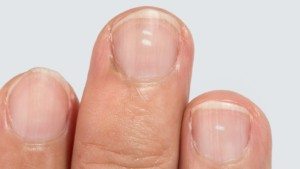
Nails are an extension of your skin and therefore require the same nutrients. Breaking, peeling, and splitting nails may be triggered or exacerbated by, among other things, the condition iron-deficiency anemia. According to the National Heart, Lung, and Blood Institute and the U.S. Department of Health and Human Services, “brittle nails or spooning of the nails” is a common symptom.

RDI for iron:

Males:

  • 14 to 18 years: 11 mg
  • 9 to 50 years: 8 mg

Females:

  • 14 to 18 years: 15 mg
  • 19 to 50 years: 19 mg
  • Pregnant (all ages): 27 mg
  • Lactating (all ages): 9 to 10 mg

All adults, 51+ years: 8 mg

Sources of iron:

Beans, fortified grains, grain products (e.g., bread and cereal), lean meat, nuts, seafood.

vitamins

Final Thoughts on Avoiding Deficiency in Vitamins

If you suspect you have a deficiency of essential vitamins or minerals, be proactive. Schedule a visit with your primary care physician. They can order an easy test to provide you with the necessary information to make changes.

Psychologists Explain 6 Gestures That Reveal A Man Is In Love With You

Are you dating someone who leaves you feeling unsure as to his true intentions? Maybe he’s not very open about his feelings of affection, or perhaps he’s not much of a showy guy. These signs can make you worried that he doesn’t love you.

But words aren’t the only way to show affection, and many times, gesturess play just as significant a role in showcasing love.

Psychologists Explain 6 Gestures That Reveal A Man Is In Love With You

1.    He’s Willing To Work Through Problems

Every relationship experiences problems, such as conflict, difficult times, and rough life events that you will weather together. It can take a lot of strength to decide to push through despite those problems. So if the man in your life is willing to do so, it’s likely because he cares deeply for you and loves you. Here are some signs of this:

·         He’s Willing To Compromise

Compromise is one of the most crucial ingredients to a positive relationship. A man who happily participates in the give and take and tries to find a win-win solution, even at the expense of what he fully wants, is one who loves you. He wants to make it work with you, and he wants you to be as happy as possible with the outcome of disagreements.

·         He’ll Talk About The Issues You Both Face

Without communication, relationships die an early death. This man wants to love you for a long time if he’s willing to discuss problems together. Your man is open about how he feels, he listens to how you feel, and he doesn’t shy away from working with you to better understand each other’s perspectives.

·         He Doesn’t Expect You To Be Perfect

Let’s face it. No one’s perfect. You’re going to make your fair share of mistakes too. But he doesn’t use these things against you. He communicates what he feels about the things you’ve done, and you’re able to talk about them so you can take steps to improve yourself. He’s in love with all of you – the good and the bad.

·         He Doesn’t Freak Out At Your Problems

Got some skeletons in your closet? He doesn’t care. He listens, he tries to understand, and he respects your past. This gesture means he loves you, and what’s most important to him is the here and now.

2.    He Shows It In Subtle Body Language

Some men aren’t very verbally open about their feelings, especially when you haven’t reached a stage in your relationship where that would be preferable. That’s why nonverbal communication is just as crucial in getting a more accurate, positive idea of a man’s feelings. Here are some signs to look out for:

·         Raised Eyebrows

This gesture is an unconscious gesture that will happen when a man sees or hears something pleasing. They will discreetly raise and lower.

·         Staring

Do you catch him staring at you when he thinks you’re not looking, especially with a particularly loving expression in his eyes? If he does this even when you’re doing unremarkable things or not all dolled up, he might be in love!

·         Eye Contact

A man who makes eye contact with you may be trying to flirt with his eyes, or he may be completely engrossed in what you’re saying. Either way, they’re good signs!

·         Pupil Dilation

If you’re looking into his eyes and notice that his pupils are large and dilated, he’s attracted to you. This effect is because dopamine, a positive love hormone, effects iris size. (Oxytocin does so too!)

·         Big Smiles

A man who is in love will have an amazingly genuine smile that seems to speak of more than just humor. A giant smile from ear to ear when he sees you indicates he’s falling head over heels!

·         Mirroring

Mirroring is a widespread form of body language that shows interest. When someone is infatuated, their subconscious picks up on the object of their affection’s actions, causing them to mimic those movements.

·         Leaning In

When a man leans in when you speak, he is giving in to a subconscious desire to be closer to you. It also shows that he is genuinely 100% interested in what you have to say.

3.    He Finds Excuses To Touch You

Touch is a prevalent way that men show their attraction to someone. So if he’s (respectfully) finding ways to touch you in what seems like subtle ways, he could be in love! Here are some things to clue you in:

·         He Plays With Your Hair

Playing with your hair is flirtatious and showcases a fun-loving side. A man who is playing with your hair is trying to get across the fact that he’s into you. It’s not discreet anymore; it’s outright flirting!

·         He Discreetly Touches Your Hands Or Legs

When you’re interacting, he will lightly touch your hand, arm, or leg. Often, men perform these small actions to encourage the person they like to reciprocate. He’s showing you that you can do the same to him – or more!

·         He Seems To Enjoy Playing With Your Hands. 

When the two of you are out on a stroll, he makes sure to brush your hands with his regularly, whether intentionally or just because he happens to be walking that close.

When he openly holds your hand, he seems to play with your hands and fingers almost absentmindedly. He makes sure to find an excuse to hold your hand often so that he can do it again and again.

·         He’s Constantly Trying To Get Closer

This man will find any reason to get closer to you. He sits right next to you whenever he can. He reaches out to touch you often. He wants to cuddle or hold your hand whenever you’re together. If he’s not in love by now, he’s definitely getting there!

4.    He Is Open With You

Sure, it’s a bit of a stereotype, but many men don’t feel very secure about opening up regarding their emotions. Plus, a relationship automatically makes both parties more vulnerable. So if a man is happy being open with you in spite of possible rejection, then he’s willing to take a big leap to see if you love him, too.

Besides, a man who can see a future with you is going to be more open about his issues, feelings, and deepest troubles. He wants you to know who he is – and he wants to know who you are, too.

5.    He Does Things For You 

To drop everything and do something for another person indicates genuine caring and love. It means that he considers you more important than everything else in his life – unless it’s something unavoidable, of course.

This gesture means that he will not complain about you being a burden. He won’t scoff and leave you be when you’re in dire need of aid. He won’t brush off your emotions, difficulties, and negative moments and tell you to use positive thinking and handle it on your own.

This is because he invests himself in you. He wants you to stick around, and he honestly, selflessly, wants to do anything he can to make your life better. That’s when you know you’ve got a keeper! Here are some examples of things he’ll do:

  • He will immediately rush to you in your time of need
  • He treats you like a priority in his life
  • He takes note of what you like and makes sure to use that information to make you happy
  • He considers you his number one
  • He goes out of his way to make you smile or make you happy
  • He pays attention to small details and performs small, sweet gestures
  • He chooses you over other obligations, especially when you don’t ask him to
  • He tries things he doesn’t like just because you like them

love6.    He Includes You In His Life

If someone doesn’t care for you, or if they don’t see you in their future, they’re not going to bother making you a big part of their life. That’s why once a man starts including you in his everyday life, you know he’s serious and pretty much in love. But how can you tell he includes you? Here are a few ways.

·         You’ve Met His Friends

A guy’s friends aren’t going to be introduced to some random fling. If he’s introducing his buddies to you, then you know he’s into you for real. He’ll likely want their thoughts and opinions on you, and he wants to see how well you guys get along.

·         You’ve Met His Family

Meeting the family is not a small matter. To most men, it’s a huge milestone. So if he’s taking you home to meet his family, he’s quite serious about you at that point. After all, this type of meeting can be quite stressful – why would he go through with it unless he thought it was more than worth it?

·         He Talks About You To Others

This man is proud of you. He tells everyone about you, even if it’s just by bringing you up casually in conversation. If you meet someone he knows and they say they’ve heard so much about you, that’s a good sign.

·         You Spend A Lot Of Time Together

You two spend loads of time going on dates, talking on the phone, or chilling at each other’s houses. It’s like you’ve both become a part of each other. If a man isn’t fond of that, he’d very quickly shut it all down. But if he’s eager to keep spending time with you, he might just be in love!

·         You’re Included In His Plans

When he talks about his future, his plans seem to include you. He doesn’t have to be ringing wedding bells and talking about kids to do so. Just mentioning where he may be in a few months and speaking as though you will still be a part of his life shows that he wants you to stick around, and usually, that’s love talking.

love

Final Thoughts on These Gestures of Love

Nonverbal signs of love are incredibly vital when someone truly cares about you. Many of us reduce the idea of love to massive life-changing statements and passionate declarations of undying love. But love isn’t always just in the things someone says. More often than not, it’s in what they do. After all, don’t actions speak louder than words?

6 Signs A Man Is Using You

Do you have doubts about your current relationship? Do you wonder if your boyfriend’s or husband’s feelings for you are genuine? Or, do you have second thoughts about whether you’re being treated fairly by your man?

Unfortunately, this isn’t an uncommon occurrence in unhealthy or unbalanced relationships. Your partner may be using you, whether intentionally or unintentionally, causing you to continually feel like you’re getting the short end of the stick.

But why would someone do this? They may be frightened of being alone, of losing financial and romantic stability, or of breakup confrontation. Perhaps they may desire easy access to bedroom activities or may enjoy being in relationships for the sake of it. They may have feelings for someone else, or they just might not be making enough of an effort.

It’s a complicated situation. Regardless of the reason, though, you never deserve to be treated this way. It can be a severe drain on your positive self-esteem and emotional energy, and it’s just not healthy! That’s why it is imperative that you spot the signs of such treatment.

Here Are 6 Signs A Man Is Using You

1 –  He Doesn’t Want To Get Personal

Getting personal is part and parcel of being in a relationship. You want to get as close as possible, both physically and mentally. So if your partner has no interest in doing that, he may be using you. Here are some ways he might do that:

·         He’s Not Interested In Getting To Know You

Someone who genuinely likes you will want to find out more about you. That’s how they figure out if you’re compatible in the long run, or find out how to make you happy.

A man who is using you will not be interested in learning about who you are – what’s the point in getting invested in you if he doesn’t plan to stick around? He might not really be interested in you at all.

·         He’s Closed Off About Himself

No matter what you do, you can’t get your partner to open up. He doesn’t tell you about even the simplest of things, like what his hobbies are or what his weekend plans are. He also refuses to talk about his emotions, so you’re never really on the same page.

·         Your Conversations Are Lackluster

When someone doesn’t want to get personal, having in-depth, insightful, or stimulating conversations is nearly impossible. This lack of engagement can leave you with dry, boring conversations. Take extra note of this if it seems like you’re doing all the conversational heavy lifting all the time.

·         He Doesn’t Include You In His Life

This man has plans for his short-term and long-term future – but none of them include you. He talks about what’s to come without thinking about you, or maybe he won’t talk about the future at all. You find out about his achievements and life events by accident, through others, or much too late to bring it up. To him, you’re not a part of his life.

·         He Doesn’t Care How You Feel

When you talk about how you feel like he doesn’t care, or when you try to discuss how distant he is, he shrugs and waves it all away. Even if he pretends to care, his actions, later on, will indicate he never really did.

·         You’ve Never Met Anyone He Knows

You’ve been going out for a while, but you’ve never met his friends or family. When you ask, he brushes it off. A man who is committed to you for the right reasons would want you to meet those he loves and cares about, but a man who is using you wouldn’t see the point in doing so.

2 – He Has Issues Discussing Commitment

Someone who is using you isn’t really committed – or, at least, not in the right ways. It’s pretty evident that if a man won’t talk about commitment or a future together, then he’s not serious about you at all. His lack of communication may also indicate that he’s going to try and continue being with you for as long as he can – or, basically, using you.

But it’s just as bad the other way around! Many people think it’s a positive thing when someone becomes committed to you very quickly, but it can be quite the opposite.

Too-early declarations of love and devotion can indicate that someone is in love with the idea of you, not who you are. That’s how you wind up being a manic pixie dream girl, and being used by someone who doesn’t realize they’re even using you!

3 – He’s Selfish

Selfishness is a terrible trait all around, but in relationships, it can be especially toxic. This trait is often the most definite sign that someone is using you; there’s just no way to look at this behavior in a positive light! Here are some signs to look out for.

·         Requesting Too Many Favors

Relationships are about give and take. If your man always asks for favors but never seems to be able to return them, he might just be using you for convenience. In other words, he’s taking advantage of you!

·         Reluctance To Compromise

Compromise is crucial in any relationship. If you feel like you’re getting a losing deal every time there’s a disagreement while your man walks away happy, he is taking advantage of your love for him to get what he wants.

·         Borrowing Your Things

It feels like every time you see your partner; he’s asking to borrow something of yours that he likes. And then, when you say no, he practically throws a fit. He could be just using you for your material objects.

·         Financial Dependence

Yes, of course, partners often have different income levels. It’s okay for one partner to be financially dependant on another in a committed relationship if both parties are in agreement about it.

But if your man only comes around when he’s in a tight spot or wants to buy something, be cautious. This behavior is especially true for new relationships; someone who wants to be financially dependent on you from the get-go raises many red flags!

·         Bedroom Selfishness

Intimacy is about giving and taking. If your man is only focused on his pleasure in the bedroom and doesn’t care about yours at all, he may just be using you casually for intimacy.

4 – He’s Not Affectionate

Affection plays a significant role in most relationships. Though levels of warmth vary between different couples, they will usually involve much more than none at all. A lack of affection often points to a lack of interest, meaning that the man in your life may be with you for reasons that aren’t purely romantic. Here are some things to look out for.

·         You Don’t Go On Dates

For some reason, your man never brings you out on dates. If you suggest one, he’s often not interested. When you do see each other, it’s never romantic or unique. It’s like he’s missing a romance chip – but he might just be losing interest.

·         You Don’t Feel Special

He treats you like he treats everyone else – or worse. You often feel like just an acquaintance or a roommate to him. And he doesn’t seem to have any interest in changing that, either.

·         No Physical Affection

He doesn’t hold your hand. He doesn’t want to hug or cuddle. You rarely ever kiss, if at all, even just on the cheek.

In most cases, a man who doesn’t want to express physical attraction to you just isn’t attracted to you at all.

·         Too Much Physical Affection

An excess of physical affection seems like something that should cause positive thinking – but be warned!

A man who can’t keep his hands off you but doesn’t show any signs of interest in you beyond that might just be using you for intimacy, or as a trophy of sorts to have on his arm. So if he can’t stop touching you but doesn’t care about your interests, feelings, or goals, it’s a red flag.

5 – Everything Is On His Schedule

We all know what it’s like to have a hectic schedule. In a positive, healthy relationship, you’ll learn to balance it all out so you can spend time together without jeopardizing the rest of your life. But your partner doesn’t do that at all – everything seems to be on his schedule, and he couldn’t care less about yours.

A man who is using you won’t go out of his way to see you if it’s not incredibly convenient for him. Here are some examples:

  • He ghosts your texts and often doesn’t reply for hours or even days
  • When he does respond, it’s at very odd hours or at late times, and usually involves desiring intimacy from you
  • He turns up to see you when it’s least convenient for you and doesn’t care
  • He won’t take you out on any dates, ever, because he’s too busy

relationship6 – You’re Never A Priority

A good partner is there for you when you need them unless they’re in their own inescapable situation. A man who uses you wouldn’t burden himself with being supportive or being there for you. As such, being in a relationship with a person like this can make you feel unimportant and lessen your positive thinking.

This man flakes out on a lot of promises and dates. He bails on you last minute and consistently disappears when you need him most. He’s got an excuse to get out of spending any time with you at all. When he has to choose between you and something else, he will, without fail, never opt for you.

You might find yourself making excuses for him (or believing the ones he’s made), but remember that if he wanted to spend time with you, he would find a way to spare even a short while for you.

manFinal Thoughts on Discerning if Your Man Is Using You

The act of using someone and leading them on is hurtful and often cruel. It betrays trust and faith, ultimately damaging a relationship and harming the self-esteem of the affected partner.

If you have reason to believe that your partner is using you, it’s time to sit down and have a serious heart-to-heart talk about it. You deserve better than to be treated this way, so keep your positive thinking and remember your worth!

Skip to content