Weekly tips, affirmations, and small actions to feel your best.

This Is the Best Anti-Inflammatory Diet According to Nutrition Experts

According to a study published by the National Institute of Health, more than 43 million Americans are struggling with chronic inflammation as a result of osteoarthritis or rheumatoid arthritis. And in a separate study published by the Asthma and Allergy Foundation of America, more than 50 million Americans struggle with combined seasonal or food allergies that can cause various parts of the body to become inflamed.

In most cases, inflammation caused by arthritis or allergies can be brought under control with the use of anti-inflammatory or antihistamine medication. However, some people oppose taking medication. So, you will be happy to know that an anti-inflammatory diet can also provide some much-needed relief.

WHAT IS AN ANTI-INFLAMMATORY DIET?

For those who may not be familiar with an anti-inflammatory diet, it is one that is rich in nutrient-dense foods. It works by minimizing the inflammatory response in the body. Following an anti-inflammatory diet also entails consuming fewer processed and sugary foods. Also, note that many of the foods that make up this diet are rich in antioxidants that can help reduce free radicals in the body.

Those free radicals are unstable atoms that can damage cells and also cause illness and premature aging. Although the body produces free radicals naturally, lifestyle and environmental factors can trigger an uptick in their production, some of which include

  • Exposure to pesticides, air pollution, and other toxic chemicals
  • Consuming too many fried foods
  • Excessive alcohol consumption
  • Smoking


WHAT YOU SHOULD KNOW ABOUT AN ANTI-INFLAMMATORY DIET

An anti-inflammatory-based diet is very similar to the Mediterranean diet in that they both place a strong emphasis on consuming more fish, healthy fats, and whole grains to improve heart health, lose weight, and reduce inflammation. The anti-inflammatory diet is also commonly recommended by physicians, nutritionists, and dieticians as an add-on therapy for those struggling with health conditions that are made worse by severe inflammation. Some of these health conditions include

  • Asthma
  • Cardiovascular disease
  • Colitis
  • Crohn’s disease
  • Diabetes
  • Inflammatory bowel disease
  • Lupus
  • Obesity
  • Psoriasis
  • Rheumatoid arthritis


WHAT FOODS SHOULD YOU EAT WHILE FOLLOWING AN ANTI-INFLAMMATORY-BASED DIET?

Several studies show that food can play a critical role when it comes to the level of inflammation that occurs in the body. While some foods can trigger the condition, others are effective when it comes to getting it under control. With that, let’s take a look at some of the foods that you should eat while following an anti-inflammatory diet:

ANTIOXIDANTS

As previously noted, antioxidants not only combats inflammation but also protects against a host of diseases. With that in mind, you should consider adding the following antioxidant-rich foods to your diet:

1 -FRUITS

  • Raspberries
  • Blackberries
  • Blueberries
  • Cherries
  • Apples
  • Avocados


2 – VEGETABLES

  • Artichokes
  • Sweet potatoes
  • Spinach
  • Kale
  • Collard greens


Along with these delicious fruits and vegetables, antioxidants are available in beans, nuts, and dark chocolate that contains 7 percent or more cocoa.

3 – FATTY FISH

For those who enjoy lighter meals, fatty fish is a great way to add omega-3 fatty acids to your diet. These fatty acids not only helps to soothe painful inflammation but also offers several other health benefits as well. According to a study published by Healthline Media, the second-largest and fastest-growing consumer health publisher in the world, omega-3 fatty acids can help combat depression and anxiety, improve eye health, improve brain health, and even lower the risk of developing cardiovascular disease. As far as inflammation is concerned, multiple studies have shown that a diet rich in omega-3 fatty acids can help reduce the body’s production of inflammatory eicosanoids and cytokines, the molecules and substances commonly associated with inflammation. Omega-3 fatty acids are also available in flaxseed, walnuts, and certain fortified cereals.

FOODS TO AVOID WHILE FOLLOWING AN ANTI-INFLAMMATORY-BASED DIET

Now that we have detailed some of the foods that make up a healthy, well-balanced anti-inflammatory-based diet, let’s take a moment to go over some of the foods that should be consumed in moderation or restricted altogether:

1 – OMEGA-6 FATTY ACIDS

Unlike omega-3 fatty acids, which are known to help ease inflammation, omega-6 fatty acids have the opposite effect, insomuch that they contribute to inflammation. Several studies have revealed that omega-6 fatty acids, commonly found in meat, dairy, margarine, and vegetable oils, can increase the production of inflammatory eicosanoids and cytokines in the body, which can give way to painful inflammation. Of course, this is not suggesting that you avoid foods that are rich in omega-6 fatty acids altogether as they do have some nutritional value, some of which include the following:

  • Helping to regulate metabolism
  • Improving brain function
  • Contributing to stronger bones


All in all, foods that contain omega-6 fatty acids can still be part of a well-balanced, anti-inflammatory-based diet; however, it is in your best interest to consume them in moderation if you are prone to inflammation.

2 – SIMPLE CARBOHYDRATES

While following an anti-inflammatory-based diet, it is a good idea to avoid consuming too many simple carbohydrates. Some might even go as far as to say that they should be restricted from the diet altogether. For those who may not be as familiar with simple carbs, they are the type of carbohydrates that are quickly broken down in the body and are commonly found in processed and refined sugars, namely candy, granulated sugar, syrups, and sodas. These foods have been known to cause inflammation. More than that, they also have a high glycemic index, which means that they can trigger a spike in blood glucose levels. That said, if you have diabetes, it would be in your best interest to restrict simple carbs from your diet as doing so will minimize the risk of possible diabetic complications.

HOW LONG BEFORE YOU SEE RESULTS?

If you’re following an anti-inflammatory-based diet strictly to relieve inflammation, it can take several weeks or even months before you will see results. In the meanwhile, however, following the diet will help you lose weight and also lower your chances of developing certain chronic diseases while awaiting relief from painful inflammation symptoms.

WHAT YOU SHOULD KNOW ABOUT INFLAMMATION

Now that we have a better understanding of what an anti-inflammatory diet entails and the health benefits that come with following it let’s take a moment to learn more about inflammation. First and foremost, an anti-inflammatory diet may not be as effective when it comes to relieving inflammation caused by rheumatoid arthritis. After all, rheumatoid arthritis is an autoimmune disorder. Therefore, dietary changes alone may not be enough to provide significant relief from painful inflammation. In some cases, inflammation is a byproduct of leading a sedentary lifestyle. According to the CDC, exercising for a minimum of 60 minutes each day is a great way to reduce inflammation and also improve your overall health.
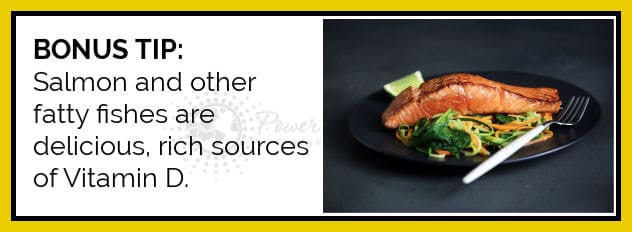
bonus tip salmon and fatty fish

ADDITIONAL WAYS TO COMBAT INFLAMMATION

Along with consuming a healthy, well-balanced diet, getting enough sleep is another great way to keep painful inflammation at bay. After all, one of the biggest tell-tale signs of sleep deprivation is increased inflammation. According to a study published by the National Sleep Foundation, adults between the ages of 18 and 64 should aim for 7 to 9 hours of sleep each night. And those who are over the age of 64 should aim for 7 to 8 hours. It is also worth noting that certain supplements can help ease inflammation. Some of these supplements, which have been approved by the Arthritis Foundation, include the following:

  • SAM-e (s-adenosylmethionine)
  • Boswellia Serrate (Indian-based frankincense)
  • Tumeric
  • Fish oil
  • Ginger
  • Capsaicin
  • Alpha-lipoic acid
  • Resveratrol

anti-inflammatory diet

FINAL THOUGHTS ON REDUCING INFLAMMATION

All in all, an anti-inflammatory-based diet, which entails replacing processed foods with healthy, nutrient-dense foods, is a great way to relieve inflammation. And it can also help you lose weight, reduce your risk of developing certain diseases, and improve your overall health. Of course, to maximize these benefits, you should exercise and also take some of the supplements detailed in this article. Lastly, it is always a good idea to seek the advice of a nutritionist or physician before making any drastic changes to your diet or starting a new exercise regimen.

15 Foods to Eat If You Have a Vitamin C Deficiency

The foods you choose to make a massive impact on your body’s intake of Vitamin C.

Did you know that a lack of Vitamin C causes a life-threatening condition? Vitamin C is the body’s antioxidant that protects it from damage caused by the free radicals. These free radicals change both the cells and the DNA, leading to various illnesses.

Vitamin C deficiency is the lack of vitamin C in the body. It means that the body is not able to form new collagen that builds and maintains the body. Vitamin C deficiency will lead to breaking down the tissues in the body leading to body infection.

The cardinal features have various symptoms. Some of them are related to impaired collagen synthesis. These include;

  • Bleeding Complications (in gums, nose, or wounds)
  • Weight loss
  • Friable gingiva, tooth loss or decay
  • Bone pain and muscle pains
  • Joint effusion
  • Fatigue
  • Easy bruising and poor healing

Other complications are;

  • Heart failure
  • Encephalopathy
  • Entrapment neuropathies

Dietary vitamin C deficiency causes Scurvy when severe. Besides the refugees and victims of famine, older people, children with autism, fad dieters, idiosyncratic behavioral abnormalities, and alcoholics may suffer the same. However, the diagnosis may delay due to the slow identification of the illness.

Vitamin C (also known as ascorbic acid), are substances needed by the body in smaller quantity to maintain good health. Processing of vitamin C is not automatic in the body; therefore, it should be essential in your diet. The body uses it when making collagen for health purposes and to repair various tissues in the body;

  • Skin
  • Bone
  • Teeth
  • Cartilage
  • Blood vessel walls
  • Ligaments and tendons

Is Vitamin C Deficiency Common?

It is quite rare; however, there is a specific group of people who are at a higher risk of vitamin C deficiency. These people include:

  • Drug addicts and alcoholics may not be balancing diet
  • People who are on a restrictive diet
  • People in low income may miss buying foods with a higher content of vitamin C.
  • Some medical conditions affect the ability of the body to absorb food: for example, ulcerative colitis and Crohn’s disease.
  • Older people may be eating a less varied diet
  • Those who smoke affects the body from absorbing vitamin C substance from food. Their body also uses the content faster than the non-smokers.
  • Women who are pregnant and those who are breastfeeding need a higher content of vitamin C.

Solutions to Vitamin C Deficiency

Preventing vitamin C deficiency is the best way to keep off from the disease. Ensuring that you have a balanced diet that contains fruits and vegetables is core. Besides, take plenty of other foods that are rich in vitamin C to prevent this disease because prevention is better than cure.

People that suffer from vitamin C deficiency, however, tend to recover fully. When diagnosed with the illness earlier enough, treatment commences replacing the vitamin C needed by the body. The patient recovers in a short while because these symptoms usually improve faster.

Functions of vitamin C

Needed for growth and repair of tissues

  • Forms protein used for making skin, ligaments, tendons, and the body’s blood vessels
  • Heals wound and procedure scar tissues
  • Maintain and repairs cartilage, teeth, and bones
  • Aid in iron absorption

An antioxidant that blocks damages free radicals causes

  • The free radicals are made either when an individual smokes tobacco (or radiation) or when the body is breaking down food
  • Buildups of these free radicals with time become responsible for the aging process
  • These free radicals may play a huge role in cancer, arthritis, and heart disease

Household remedy for the common cold

Constant take of vitamin C slightly shortens the cold or makes it milder. Consuming foods rich in vitamin C does not appear helpful when you are already suffering from cold. Therefore, take vitamin C before preventing the cold.

What to Eat If You Have Vitamin C Deficiency

All vegetables and fruits comprehend some quantity of vitamin C. The recommended daily allowance of vitamin C for adults is 90 mg for males, 75 mg for females, 85 mg for pregnant women, and 120 mg for women breastfeeding. The O.D.S (Office of Dietary Supplements)Smokers should take an extra 35 mg.

Fruits with the highest sources of vitamin C include:

  • Guava, raw

This is a highly sweet-smelling fruit containing vitamin C and other essential nutrients good for the heart, digestion, and immune system. It is higher in vitamin C and provides the right amount of vitamin A. It prevents diarrhea, diabetes, heart health, antibacterial, among others.

Guava and its leaves are astringents rich meaning that it produces substances that tightens the body tissues. It will hence solve gum health, antimicrobial properties, improving bowels, digestion, and intestinal health. Guava also controls blood pressure naturally

  • Papaya 

The fourth most popular for a good reason is papaya. It is an excellent source of vitamin C. Papaya offers substantial amounts of mineral potassium of about 265 mg in a single cup more than other fruits.

It is not clear where the papaya originated. However, papayas are in supermarkets; hence, consumers are fortunate to get access to the fruit. The Papaya can be either used as vegetables when green or turned to a humdrum salad into refreshing meals.

  • Pineapple

Its nutritional benefit is that it contains a high volume of vitamin C content and manganese. Pineapple has a more elevated enzyme bromelain and antioxidant vitamin C that plays a healing process in the body system. Besides, Bromelain is effective in treating broken skin or wounds, strains, and sprains by reducing pain, tenderness, and swelling.

  • Kiwi fruit

It delivers vitamin C when the body requires it through the blood. It is advisable to eat one fruit per day to maintain the vitamin C levels that your body needs. Toping up your vitamin C levels in the body daily may reduce fatigue, prevent cold, and increase the formation of collagen for skin, teeth, and bones.

  • Cantaloupe

It is an odd-looking tasty fruit with 50% of vitamin C daily needs. A cup of balled cantaloupe has more than 100% of the daily value recommended. The food rich in vitamin C will reduce how long some sickness will last.

  • Mango

It plays a role in immunity and keeping your eyes healthy. It is also rich in vitamin A, together with vitamin C playing a significant role in enhancing the eyesight.

  • Watermelon

Besides a water and sugar fruit, watermelon also has a nutrient-dense food. It decreases the chances of being obese, overall morality, heart problem, and diabetes. It also promotes both healthy complexion and hair, gives energy, and reduces weight.

  • Citrus Fruit

Citrus fruits, especially wedges or their juice, are full of vitamin C, some fiber, and essential minerals. When cooking, sneak citrus flavors and vitamin C into your food by squeezing lime on your diet.

  • Strawberries (raspberries, blueberries, and cranberries)

One cup contains 84.7 mg- vitamin C and an additional healthy dose of folate to help heart health. It, also, has a substance that whitens teeth naturally.

vitamin deficiencyVegetables with the highest sources of vitamin C include:

  • Tomatoes

A raw tomato is a vitamin C source and has about mg, but it is more concentrated in its juice. (120 mg and more). One 8-ounce of tomato juice glass has not less than 120 mg of vitamin C. Besides, it is rich in both vitamin A and the lycopene, which produce an antioxidant good for the heart.

  • Broccoli (and  Brussels sprouts, and cauliflower)

These cruciferous veggies provide about 132 mg of vitamin C. It also provides a punch of substantial fiber for 30 calories per serving. The research shows that broccoli has to prevent the properties of cancer.

  • Spinach, cabbage, turnip greens, and other leafy greens

Raw cabbage contains antioxidants, vitamin K, fiber, and minerals and adds some bit of vitamin C to the day to day consumption. Cooked cabbage has more vitamin C despite the study showing that cooking reduces its amount in various foods. A cup of raw cabbage is 30 mg of vitamin C while cooked has almost 60 mg.

  • Kale

 A cup serving of kale offers 80.4 mg of vitamin C. The nutrition center delivers a sizeable quantity of minerals and few fatty acids.

  • Green bell pepper

 A cup of green bell pepper cut holds lesser vitamin C than its sisters, but at 120 mg per serving, the percentage is 200 (200%) of the daily recommended allowance. Green bell pepper, besides, provides fiber.

  • Red peppers

 A cup of red bell pepper sliced contains nearly triple the vitamin C than that in an orange. Red peppers are known as a source of vitamin A that promotes the health of the patient.

  • Potatoes

They have potassium content, together with high vitamin C. Potatoes are good sources of the niacin and magnesium. People should eat potatoes with their skin (called jackets) to add fiber to the diet. Potatoes can be roasted, mashed, or sauteed.

Dangers of Excess Vitamin C

The body does not store vitamin C; therefore, there is a rare case of side effects. However, avoid extreme amounts of vitamin C higher than 2,000 mg per day. Too much of it may enhance a stomach upset or diarrhea.

foods

Final Thoughts on Overcoming a Vitamin C Deficiency

Foods such as cereals have vitamin C added to them. Fortified means that the diet has an addition of vitamins or minerals. Check the product labels to see how much vitamin C is in the product.

Cooking, extended storage, steaming, or using the microwave to food rich in vitamin C reduces the content. Light can also reduce the vitamin C content when exposed to it. Do a lot of raw vegetables and fruits, to consume the maximum amount of vitamin C provided.

Severe Vitamin C Deficiency causes scurvy, which is a rare disorder that is irregular and has epidemics affecting people. The body does not make vitamin C; neither does it stores any for future use. Therefore, it is important to continually include plenty of foods containing vitamin C in your day to day diet.

10 People Who Changed Their Life With Positive Thinking

Positive thinking is not just a New Age concept. In fact, throughout the history of mankind, our perseverance and ability to adapt to new situations despite the circumstances are how we’ve survived. If we dwelled on the unfortunate happenings in our lives, we would remain stagnant and avoid coming up with solutions.

Positive thinking also offers some impressive health benefits. According to the Mayo Clinic, thinking positively reduces stress, increases your life span, lowers your risk of depression, improves your immune system, and boosts your coping skills during stressful events.

Many people in the worst situations imaginable have enlisted positive thinking to climb their way out of a dark place. When you have nothing else, you always have your mind, which you can use to either create or destroy you. Below, we will share some stories of people who have overcome great obstacles using the power of positive thought.

Here are 10 stories about people who changed their life with positive thinking:

1. Better outlook

“My outlook on life has improved and I don’t look for fights every second of every day. It has helped my anxiety too.” – u/CanadianCoder77

2. Enjoy the present but keep striving for better

“Positive thinking doesn’t have to be all pie in the sky, unattainable fairytales. It can be as simple as finding 1 or more positive things that happened in the day as well as acknowledging 1 or more things that you could have handled better. Instead of the false hope of telling yourself that you can be perfect and will get everything you want in life, tell yourself that everyday you can try to work at being better and enjoy the things you are able to attain at your current position in life.” – u/GraphicRoach

3. Find happiness in the small things

“You appreciate the little things in your life more and gain more motivation (or at least that’s what I’ve found).” – u/skippingrope

4. Higher confidence

“It’s helped improve my self-esteem and helped me overcome my social anxiety.” -u/unknown

5. Boosted drive and motivation

“Not positive thinking so much as just realizing that as an able-bodied and able minded person, I can reasonably expect myself to be able to accomplish what most people can; if I don’t know how I can still learn, etc. Most people don’t realize what they’re capable of, and I certainly accomplished more by eliminating the mentality of “I can’t do that” and at worst adapted “I can’t do that yet.”

6. Realizing your strengths

“First and foremost, I stopping trying to fit a square peg into a round hole. I realized that I wasn’t a loser when I discovered the game that suited my aptitude. My self-confidence came basically by winning.” – u/SamuelColeridgeValet 

positivity-work

7. Accept your life

“For me accepting who I am enabled a far more positive attitude and outlook on life. I know I’m never going to set the world on fire. I know I’m likely to be doing the same job I’m doing now in 10 years time. But….I’m OK with this and I feel life is good.” – u/who_knows_me

8. You’re in control

“Know that most everything isn’t a big deal unless you make it one.” – U/Bear_trap_something

9. Gratitude

“I’m still working on it, but on days where I actually manage to shift my perspective, I just feel better— happier, more energetic, less depressed. Each morning, I try to list 5 good things that happened the day before in an effort to set the tone for the day.” – u/torchwood1842

10. You want to spread the positivity

“If I notice something nice about someone I try to say it. It’s hard sometimes, being shy, but it might make their day and that’s at least one positive thing I do all day.” – u/Raivica

Has positive thinking changed your life? Share with us in the comments!

(C)Power of Positivity, LLC. All rights reserved

Science Explains How to Calculate your BMI

Have you ever asked yourself this health-related question? Knowing your BMI (Body Mass Index) can help you determine your total body fat. But what is the body mass index?

BMI is a mathematical formula that measures a person’s weight to his/her height. BMI does not provide a direct measure of a person’s total body weight. However, it indicates a person’s body fat.

According to a study report by the Center for Disease Control and Prevention (CDC), the Body Mass Index formula is used by health professionals to screen for several weight categories. Different weight categories are used to determine whether an individual’s BMI is prone to various common health problems or not.

How to Calculate the BMI

BMI calculation is based on two metrics; height and weight. To calculate Body Mass Index for adults, we use a mathematical formula of; Weight in kilograms/ height in meter squared. Alternatively, we can also use weight in pounds divided by height in inches and then multiplied by a conversion factor of 703.

Body Mass Index (BMI) is widely used as a tool for assessing overweight as well as obesity in the general population.

Health professionals use the BMI method for its inherent simplicity. Once you get your BMI score, you can, therefore, use that data to analyze your weight. And you can compare it to that of the general population.

The following table shows various BMI data ranges and their respective body weight status categories.

BMI (BODY MASS INDEX WEIGHT STATUS
Below 18.5 Underweight
18.5 – 24.9 Normal
25.0 – 29.9 Overweight

Body Mass Index for Children and Teens

Calculating BMI for children under the age bracket of 2-19 years, a different BMI formula is used to put into account age and gender.

The initial procedure involves taking the child’s weight and height records. Once you have the data, you can then proceed to CDC BMI for age growth charts for both boys and girls.

The child’s BMI number is then closely scrutinized in comparison to the BMI of other children who are of the same gender and age bracket. Here, you will get a percentile cluster showing you where your child belongs.

For instance, if a child’s BMI is below the 5th percentile, it means that it’s lower than the BMIs of 95 % of other children of similar age and gender. In such a case, the child is considered underweight.

Check the following table, which indicates various BMI percentile range and their weight status.

PERCENTILE RANGE WEIGHT STATUS
Less than the 5th percentile Underweight
5th percentile to less than the 85th percentile Normal weight
85th to less than the 95th percentile Overweight
Equal to or greater than the 9th percentile Obese

In adults, BMI is still the measurement of choice used by many health professionals for determining weight-related health risks.

However, for more accurate results, BMI data should be used together with other disease risk measurements. Measuring waist circumference and cross-examining the data with a person’s BMI, can help health professional make a more informed decision.

For children, the BMI-for-age percentile range is a dependable pointer of body fat. However, it should be used for screening purposes only. When making a diagnosis, health professionals must also conduct other assessments. These include evaluating the physical activity, family history, and diet to get more accurate data.

What Does BMI Data Indicate?

According to the National Heart, Lung, and Blood Institute, a person’s BMI can be used to gauge the risk of getting diseases that are associated with increased body fat.

The higher the person’s BMI, the higher the risk of getting heart disease, high blood pressure, type 2 diabetes, respiratory problems, and certain types of cancer.

Besides, the Center for Disease Control and Prevention (CDC) emphasizes that BMI results should not be used exclusively as a diagnostic tool. Even if a person gets high BMI results, it might not automatically translate to being at a higher risk of getting weight-related diseases.

Proper assessment must be done by a qualified physician and use the BMI results in conjunction with other assessment results.

What are the limitations of BMI?

Due to the fact that BMI relies on a person’s height and weight only, it does not provide any reliable data that indicates body fat percentage or distribution. There are crucial elements that can affect the overall correlation between BMI and the amount of body fat. They include factors such as muscle mass, ethnicity, bone mass, age, and sex.

For instance, persons with more muscle mass, and they exercise more often are more likely to have a higher BMI compared to those individuals with less muscle mass who exercise fewer times. In such a situation, doctors might not classify a person with a higher BMI as less healthy.

BMI results are also not a good indicator of individuals who are at risk of unhealthy fat distribution in the body. Such an indicator can play a significant role in determining a person’s disease risk potential.

Other Considerations

Individuals who carry excessive weight in the abdominal area than other lower areas are at higher risk of getting heart disease, high blood pressure, and certain types of cancers compared to those who have a balanced fat distribution.

That’s why it’s paramount for health professionals to use both BMI data together with waist measurements to get a more reliable indicator of a person’s weight status as well as any potential risk of chronic diseases.

Also, elderly persons who are weak might fall in the normal weight category while in actual sense they may have little muscle and bone mass and a high body fat percentage.

Another drawback of calculating BMI is the fact that BMI calculation was initially based on Caucasian body types. It’s for this reason that BMI results may differ for individuals of different ethnicity.

A study result conducted on the ethnic difference in BMI indicated that indeed, there is a variance. When researchers compared White Europeans and Asians of the same BMI, Asians appeared had a four percent higher total body fat comparatively.

Maybe this could be a contributing factor to the high cases of abdominal obesity in South Asia.

History of BMI (Body Mass Index)

BMI concept is no new as you may have thought. Funny enough, the history of BMI dates back into the 1840s where a man called Adolphe Quetelet a Belgian statistician came up with a mathematical formula he called the Quetelet Index of Obesity.

The Quetelet Index of Obesity calculated obesity of a person using a simple mathematical formula abbreviated as w/h2. To get the obesity index, he would divide a person’s weight (in kilograms or pounds) by the square of his/her height (in inches or centimeters).

Quetelet famously once stated, “If a man increased equally in all dimensions, his weight at different ages would be as the cube of his height.”

Here’s what Quetelet implies. During the initial years of our life, we have a more substantial breadth compared to our height. However, we grow taller in proportion to our height over time.

However, it’s worth noting that when Quetelet developed the Quetelet Index of Obesity, we were not interested in studying obesity. His primary interest was to apply probability calculus to human physical features. That’s how Quetelet came up with the index to measure relative weight.

In the late 1940s, doctors saw a surge in overweight sicknesses and mortality after World War II. Science validated The Quetelet Index. Then, doctors began trusting it as a useful index to measure overall relative body weight.

Later, science renamed it to the current Body Mass Index (BMI). Then, the World Health Organization adopted it in 1995. Today, it still serves as a simple tool to quickly estimate the level of obesity in human beings.

What Did Doctors Use Before The Adoption Of BMI Concept?

BMIIt was not until the early 1980s that the medical community adopted the BMI as the international standard for measuring obesity. The concept of BMI became popular to the broader public in the 1990s. It was after the United States of America government launched an initiative dumbed the Clinton Health Plan.

The Clinton Health Plan aimed to encourage healthy eating and exercise among American citizens. Before the introduction of BMI as the recognized international standard for measuring obesity in the 1980s, health professionals used the weight-for-height table.

There were two separate weight-for-height tables for both men and women. And each one stipulated the ranges of body weights with corresponding height inches. One of the significant drawbacks of this kind of table was that they depended on bodyweight only. The did not focus on body composition.

The US National Institute of Health in 1998, decided to lower the overweight threshold for Body Mass Index from the initial 27.8 to 25 to align it to the recommended international guidelines. By adjusting the “overweight” category to the said margin, over 30 Million Americans were classified as overweight although initially they were considered to be of “healthy” category.

BMI

Final Thoughts on the Evolution of BMI as a Standard

Over recent years, scientists have continued to devise more advanced but straightforward and accurate methods to measure BMI. Among the latest development that has tried to give more precise results is the Skinfold caliper measurement on seven body parts.

Scientists Reveal Cooked Food Is Better for Gut Health than Raw Food

As adults, we either are striving to find both the most nutritious and delicious way to eat our fruits and vegetables. Or, we probably avoid most of them altogether.  There lies the billion-dollar scientific question: which is a healthier way to prepare vegetables? And, which improves gut health?

Some diets swear by the natural, raw version. And others swear by boiling, steaming, microwaving, or roasting. Even your most stubborn anti-vegetable eaters will eat them fried. Part of that question is, which is more nutritious and which is better for our gut health?   A recent study has scientists revealing how cooked food is better for your gut health than raw food.

This information directly opposes what nutrition experts shared in recent years, as the raw food movement swept around the globe. You can look on Instagram or Facebook and see thousands of pictures and accounts about raw foods. While some raw foods are better for you, we will go over the impact of cooked foods on gut health below.

Does food preparation change their benefits?

As much as we may wish we could, there is no denying the health benefits of fruits and vegetables on gut health.  They offer the benefits of vitamins, minerals, fiber, carbohydrates, antioxidants, and beta carotenes.  There is such a large selection to choose from with various textures, flavors, and colors to enhance any plate.

Preparing vegetables can also be diverse.  When I was growing up, putting sauces on our veggies was the best way to ensure someone ate their vegetables.  It was even better to dunk raw vegetables into ranch dressing or another dip.  As I became older, I reduced that to some salt and butter.  Those are just enhancements, however. As the study of nutrition has become more in-depth, the importance of their cooking preparation has taken a more significant role.  You’ll be happy to know that each of the methods has its pros and cons, but the vegetable is still amazing!

Cooking methods and their effect on food

Before getting into cooking methods, let’s examine eating raw vegetables vs. cooked.  A study was published in the British Journal of Nutrition in 2008.  The study included 198 candidates who started a diet, eating 95% of raw foods, primarily fruit.   The results showed an increase in beta carotenes but a decrease in lycopene levels.

A study in 2009 demonstrated that each cooking method did decrease certain antioxidant levels in various vegetables while increasing them in others.

When it comes to retaining nutrition, fat-soluble Vitamins A, K, D, and E kept more water-soluble vitamins like Vitamin C. Furthermore, Vitamin C is one of the worst at retaining its potency when cooked.  Fortunately, you can get a lot of vitamin C from fruits, which are best eaten raw anyhow.

One definite advantage of cooking vegetables is that it decreases their mass by reducing their water content.  Why is this good?  It condenses the amount, so you are eating more vegetables when they are cooked than raw.  Just think about spinach.  You can try and eat a bag of spinach in a salad, or you can cook it down to a simple cup.

Regardless of the method, consuming veggies improves gut health.

Boiling, blanching or steaming foods

  • Blanching vegetables: The process of bringing water to a boil, dropping vegetables in for just a moment until it starts to change color, and then pulling them out. This process is used mostly to enable fresh vegetables to be frozen for later use.  It also rids the food of tannic acid and phytic acid.
  • Boiling vegetable: Process of bringing water to a boil and cooling the vegetables to the desired tenderness.  Whether done in a pot or a slow cooker, the result is the same. It results in the most significant loss of antioxidants and nutrients of 15-25%.

The good news is that it also results in the most extensive loss of antinutrients, such as goitrogen.  Goitrogen is found in kale and broccoli.  It is also responsible for potentially exasperating thyroid conditions.  Another chemical released is oxalates, a common cause of kidney stones.

Loss of nutrients during boiling does not hold for all vegetables.  Carrots, for example, actually increased in antioxidants after boiling.  Vitamin A also retains itself better in boiling than in frying, sun drying, or fermenting.

Boiling also makes it easier for those with IBS, GERD, or other intestinal disorders to digest vegetables as they have difficulty with fibrous foods.

  • Steaming vegetables: Placing vegetables in a sieve-like container above boiling water and letting the steam cook the vegetables.  It is an excellent way to preserve nutrients and antioxidants.  It is advised by some to add some oil to the fat-soluble vegetables to enhance their nutrient absorption.

Roasting, baking, or microwaving food

  • Roasting or Baking: The process of cooking vegetables in the oven at a high temperature, usually with a little oil to prevent sticking.  This method was found to preserve nutrient value and antioxidants very highly.
  • Microwaving vegetables: Placing vegetables in a container and cooking in the microwave.  Cooking vegetables in a microwave has received a bad rap for no reason.  Microwaving showed to be very good at retaining nutritional value and antioxidants.  The main vegetable that suffered greatly from microwaving is cauliflower. In fact, it loses almost 50% of its nutrients which could decrease gut health benefits.

While there are better ways to prepare vegetables, the main thing to look at is:

  • Are you looking to increase antioxidants specifically or primarily nutrient value?
  • Do you have specific digestive or thyroid concerns that make the method more critical?
  • Could you eat various vegetables prepared all ways throughout the week and balance out the losses?
  • Will you eat the vegetables prepared that way? If not, who cares.  Just eat your veggies!

Retaining microbes in cooking can amplify gut health

A recent study at UC San Francisco and Harvard examined the effect of cooking vs. eating raw food has on microbes or healthy bacteria in our gut.  This study is one of the first to address this slant.  The experiment began with rats. The scientists chose to feed the rats lean beef and sweet potatoes in both raw and cooked form.  Surprisingly, there were no changes in raw vs. cooked meat.  The sweet potatoes demonstrated a surprising difference.

The study showed that uncooked sweet potatoes demonstrated damage to the gut bacteria.  Some evidence showed a change in how the carbohydrates metabolized and certain compounds that usually are destroyed in the cooking process, which prevent this from occurring.

The scientists continued the experiment with white potatoes, corn, peas, carrots, and beets.  Each vegetable had a different reaction from the other in regards to being cooked or raw and the effect on gut bacteria.  The starchy vegetables had the most considerable changes, while beets and carrots didn’t create much difference.

The scientists then progressed to running a small study using people.  For three days, a few people ate similarly cooked and raw foods.  They provided stool samples during this time.  Surprisingly, even in such a short amount of time, they documented a difference.  The results for the people did differ from the rats, however.

gut health

Final thoughts about how cooked food is better for your gut health than raw food

It will be interesting to see more information in the future about how our cooking methods can alter how our gut bacteria respond. For those with digestive issues, this could prove to be a significant insight into better eating methods to alleviate the symptoms.   I’m sure that a continuation of the study in the future will include if that is what impacts the nutritional value or antioxidant value during digestion.  For now, we must remain fascinated by the fact that scientists have revealed how cooked food is better for our gut health.

9 Workouts to Melt Love Handles Fast

You’ve been going to the gym, eating healthy, and drinking lots of water. 100,000 sit-ups later and those pesky love handles refuse to go away. Why?

There is a misconception that love handle fat is an abdominal problem. In reality, love handle fat rests on top of your obliques – a specific group of muscles located on the outer sides of the abdomen.

Getting rid of that fat requires you to focus your efforts on workouts that will train your oblique muscles. Keep in mind that there is no such thing as “spot reducing” fat loss. The excess fat that covers your muscles can only be removed through fat-burning cardio and a healthy, balanced diet.

Once that’s in check, you will be ready to add muscle-toning workouts to your routine. With hard work and consistent effort, you are guaranteed to see results. That being said, check out these simple and effective workouts to blast your love handles away.

9 Exercises to Melt Away Love Handles

1 – Woodchoppers

Woodchoppers are a core exercise that targets both your abs and obliques. The movements are simple but put your abs and obliques into overtime. The moves of this exercise strengthen your core, which promotes good posture, a healthy spine, and improved balance and stability.

How to Do Woodchoppers

  1. Stand with your feet pointed out slightly and shoulder-width apart.
  2. Begin to squat until your thighs are parallel to the floor, ensuring to keep your back straight.
  3. Hold a weight with both hands and place them on the outer side of your right thigh.
  4. Use a twisting motion to turn your torso to the side and lift the weight diagonally up and across your body so that it is above your left shoulder.
  5. Keep your arms straight as you lift, stand, and turn your torso so you are facing the dumbbell.
  6. Your core muscles should be used to control this movement as you rise onto your toes while you lift and twist.
  7. Return to the beginning position by reversing the twisting, bring the dumbbell back down as if you are chopping wood.
  8. The goal is to aim for three sets of 10 to 15 repetitions on each side.

2 – Russian Twists

Russian twists work all of your abdominal muscles, making it the perfect exercise to not only burn your love handles but also strengthen your core overall. These moves also help stabilize and strengthen your spine, improving its health and functioning.

How to Do Russian Twists

  1. Sit on the floor with your legs straight out in front of you.
  2. Clasp your hands together and then lean back slowly until your torso and legs form a V shape, stimulating your abs and engaging your core.
  3. Your feet should not be on the ground as you twist your torso and clasped hands from side to side, balancing yourself on your glutes without moving your legs.
  4. The goal is to aim for two or three sets of 10 to 12 repetitions.

3 – Box Jumps

Box jumps are a form of plyometric workout that engages your entire body. This simple exercise uses your body weight to work all of your leg muscles and condition your core. Through explosive movements, this exercise develops your endurance and enhances your overall cardiovascular health.

How to Do Box Jumps

  1. First, you will need to find a sturdy box, ledge, or platform for you to jump on.
  2. Stand with your feet shoulder-width apart in front of the box.
  3. Begin to bend into a partial squat, swing your arms backward, and then swing them forward as you launch yourself off of the ground.
  4. Try to land as softly as possible and aim to land in the same position as before jumping.
  5. You can either jump off of the box or slowly step off the box one leg at a time. Stepping off of the box protects against joint pain and further trains your glutes.
  6. Aim to complete as many jumps as you can in a set time period. Increase the time as you get stronger.

4 – Side Squats

Side squats are another simple exercise that targets your lower body. This workout is unique because they involve lateral movements, which invigorates the muscles to turn on and work. As an added bonus, squats give your core abdominal and oblique muscles a workout too, diminishing fat from your love handles.

How to Do Side Squats

  1. Stand up straight with your legs widely parted and hands on your hips facing the front.
  2. Shift your weight onto your right leg and bend your knee, keeping your left leg straight and stretched out.
  3. Slowly return to the starting position before shifting to the other side.
  4. The goal is to complete 20 repetitions on each leg.

5 – Kettlebell Swings

The kettlebell swing is another explosive exercise that utilizes your back, shoulders, core, quads, and glutes. As indicated by the name, this full-body workout uses a swinging motion to raise a kettlebell. They are not only great for generating power throughout your body, but also for reducing fat from your love handles.

How to Do Kettlebell Swings

  1. Stand tall with your feet slightly wider than hip-width apart.
  2. Hold the kettlebell (either with one or two hands) with the palms facing down and the arms hanging loosely in front of the body.
  3. Begin to slightly bend your knees and push your hips back as you lower the body into a partial squat.
  4. As you squeeze your glutes and core, burst your hips forward and swing the kettlebell upwards. Aim to at least reach eye level, but you can lift them higher.
  5. Aim for three sets of 15 to 20 to achieve the best results.

6 – Side Planks

Planks are core strengthening exercises that target your back, shoulders, neck, chest, and abdominal muscles. There are several variations of the plank, each of which targets different parts of these muscle groups. The side plank is one of the top exercises to strengthen and train your obliques.

How to Do Side Planks

  1. Begin by lying on your side with your legs stacked and stretched out in front of you. Your right elbow should be positioned directly beneath your shoulder, and your head should be aligned with your spine.
  2. Inhale as you contract your abdominal muscles and pull your navel in toward your spine.
  3. Lift your knees and hips off of the mat as you exhale, maintaining your torso in a straight line and hold.
  4. The goal is to be able to hold the position for at least one minute.
  5. Switch sides and repeat.

7 – The Saw

The body saw is a Pilates move that serves as a great alternative to planks. This exercise engages your core and increases your core strength. As a result, you will have better posture, balance, and stability. This workout will surely help you say “goodbye” to your love handles.

How to Do the Saw

  1. Sit on the floor with your back straight and your legs stretched out in front of you.
  2. Spread your legs and create a “T” with your arms spread out to your sides.
  3. Twist to your right and reach your left hand over to your right foot.
  4. Pulse three times before untwisting and returning yourself back to the center.
  5. Repeat on your left side.
  6. The goal is to do this move for 30 seconds on, 30 seconds off, for as many rounds as possible.

8 – Bicycle Crunch

Bicycle crunches are a classic abdominal workout that targets the obliques. Although they do not burn a lot of calories, bicycle crunches are one of the most successful exercises for strengthening abdominal muscles.

How to Do Bicycle Crunches

  1. Lie on your back with your knees folded and your hands on your head.
  2. Draw your legs up and inward, lift your right leg, and try to touch your left elbow to your knees.
  3. Reset to the starting position and repeat on the other side.
  4. The goal is to complete this move 25 to 30 times on both sides. Refrain from threading your fingers behind your head, as this may cause you to jerk your neck.love handles

9 – Donkey Kicks

Donkey Kicks are a simple exercise that targets the glutes while engaging your entire core. This workout trains your abdominal muscles (including the obliques), lower back, pelvic floor, and shoulders. Including donkey kicks in your workout regimen will help strengthen your body and reduce the appearance of love handles.

How to Do Donkey Kicks

  1. Get on your hands and knees with your face looking forward.
  2. Raise your right knee and kick it out sideways so that your left thigh is parallel to the ground.
  3. Return to the starting position and repeat 10 times. Switch legs.
  4. The goal is to complete 3 sets of 10 kicks on each side.

Final Thoughts on Ridding Yourself of Love Handles

Once you master these exercises, begin doing them three to four times each week. Do these in conjunction with cardio and strength training. In a few weeks, you’ll begin to see those pesky love handles disappear.

How to Help Someone with an Eating Disorder

You might have heard the term, but still, you may wonder. What is an eating disorder?

An eating disorder is a mental illness characterized by unhealthy or obsessive patterns around food. In the United States, about 30 million people deal with an eating disorder of some kind. Eating disorders come in many types and look different on everyone. Regardless of the individual, they tend to wreak havoc on a person’s life.

An eating disorder is a psychiatric concern for several reasons. Even though anyone can “attempt” to engage in the behaviors involved, like not eating, overeating, or also deliberately throwing up, these habits tend to be out of control. The unhealthy behaviors feel compulsive to sufferers, born out of deep-set negative attitudes, thoughts, and beliefs.

Eating disorders can be dangerous. In fact, statistics show that eating disorders have the highest mortality rate of all mental illness, according to the National Association of Anorexia Nervosa and Associated Disorders (ANAD). Because eating disorders feel harmless at first, especially to the person who is struggling with the condition, it can quickly snowball in severity. Before you know it, it’s full-blown, with a high risk of medical issues and related mental disorders. Furthermore, people with the condition tend to be secretive out of shame, denial, or low self-worth. Intervention, then, can’t be applied.

Causes of Eating Disorders

  • Genetics
  • Personality
  • Biology
  • Traumatic experiences
  • Lack of healthy coping mechanisms
  • Dieting behavior

Types of Eating Disorders

What all eating disorders have in common is patterns of abnormal attitudes and behavior around food, eating, and self-image. Eating disorders come in many forms, from those which are commonly known due to high media attention to those less heard of.

  • Anorexia nervosa
  • Bulimia nervosa
  • Binge eating disorder
  • Other (OSFED, orthorexia, etc.)

Anorexia

Anorexia nervosa is an eating disorder characterized by restricted food intake and very low body mass. Specifically, weight is defined as 15% less than the natural range at which a person’s body weight settles.

Many people with anorexia have a severe fear of gaining weight, and even if they seem very thin to the people around, they cannot see the same due to distorted perception of their own body. Sometimes they may exercise or purge as well. However, they generally are in a nutritional deficit. These behaviors eventually lead to many health problems:

  • Amenorrhea (irregular or nonexistent menstruation)
  • Malnutrition
  • Osteopenia
  • Depression & Anxiety
  • Constipation
  • Low blood pressure
  • Low body temperature
  • Muscle loss, hair loss
  • Cardiac muscle deterioration

If a person is engaging in anorexic behaviors but is not at low body weight, they would be diagnosed as atypical anorexia, a subcategory of Other Specified Feeding or Eating Disorder (OSFED).

Bulimia

Bulimia nervosa consists of periods of eating an abnormally large amount of food within a short period and purging it. Purging serves as compensatory behavior for the food out of fear of weight gain. However, purging does not always mean intentionally vomiting. Instead, it includes actions like over-exercising, fasting, or using laxatives.

About 0.5% of women in the United States deal with bulimia in their life. People with bulimia tend to have a pattern for impulsivity, which contributes to the nearly uncontrollable urge to binge eat. There is a high chance that people with bulimia may also struggle with substance abuse.

Bulimia nervosa is extremely dangerous in that it’s challenging to notice disordered behavior. Many people expect people with these diagnoses to have thin bodies. However, that is not always the case with bulimia. There are other signs indicative of bulimia nervosa:

  • Swollen cheeks or neck glands
  • Inflamed throat
  • Thin tooth enamel and decay
  • Kidney health problems (if using diuretics)
  • Dehydration and electrolyte imbalance
  • Gastrointestinal issues

Binge Eating Disorder

Binge eating without purging is called binge-eating disorder, or BED. People might not think of this is a disorder since it is more normalized to eat large amounts of food in social events or for enjoyment. What sets BED apart from a cheat day is the loss of control.

People with BED find it difficult to prevent the urge to binge. They devour large amounts of food, feeling dissociated during the process. Because many sufferers of BED feel shame about their behaviors, they binge-eat in secret. BED is quite common, with about 2.8 million Americans dealing with it. Health risks of BED include obesity, heart problems, diabetes, and mental disorders like depression.

Other Eating Disorders

OSFED is a class of eating disorders that cannot be definitively grouped into the different mentioned categories. Atypical anorexia is an example of OSFED, where a person engages in anorexic behaviors without a low weight. A person might be diagnosed with OSFED if they do a variety of disordered eating behaviors, like purging, binge-eating, or fasting, but with variable frequencies or in cycles.

Orthorexia Nervosa is another eating disorder in which a person becomes obsessive about the nutritional content and purity of food. The danger in orthorexia lies in extremely restrictive food choices to the point of dietary imbalances, limited social life, and low quality of life.

How Eating Disorders Affect Life

Eating disorders can have a tremendous impact on a person’s life. Many times, obsessive thinking and out-of-control compulsions to limit food, eat a lot of food, or over-exercise can make life very narrow. This disease is a mental illness. Thus, it can affect social lives, relationships, school or work, and in a worst-case scenario, prevent a person from functioning in everyday life.

How to Support Someone with an Eating Disorder

If you have a loved one with suffers from an eating disorder, it is easy to feel an urgency in trying to help. However, recovering from an eating disorder is not a straightforward process. Trying to jump in and force someone who isn’t ready can sometimes exacerbate things. That’s why a few steps are involved in becoming a sound support system for someone with an eating disorder.

Understand How Eating Disorders Work

Eating disorders are not due to a desire to lose weight or diet. The goal of an eating disorder is not to fit society’s body ideals. Rather, disordered eating behaviors have many complex underlying mechanisms. Eating disorders are due to genetics, personality, and environmental factors. For many, eating disorders serve as coping mechanisms for their low sense of self-worth, self-critical thoughts, or other mental conditions like depression and anxiety.

Before you bring up any concerns with someone who may have an eating disorder, make sure you do your research. After studying on how eating disorders occur and affect life, you will have more compassion and empathy for that person.

Talking to Someone with an Eating Disorder

Are you ready to gently face a loved one you suspect may have an eating disorder? First, know that you must approach this carefully. What you don’t want to do is assume you know what their issues are and warn about the possible health risks. You also don’t want to give ultimatums and shame them into eating “normally.”

What also won’t work is commenting on their body or appearance, unintentional guilt-tripping (“How could you do this to yourself?”), or judging them. These actions may cause someone with the condition to clam up, potentially exacerbating symptoms.

Speak to this person during a calm time. Focus on expressing concern without any judgment or assumptions. Let them know that you want to help in any way you can, even if it’s just listening. Be empathetic about their struggle, even if you don’t completely understand. Sometimes all a person needs is someone to talk to.

Reaction: What to Expect

Once confronted, a person with this condition may react defensively. This reception varies from individual to individual. So no matter how gentle you are, be ready for some adverse reaction about such a sensitive topic. But don’t take it personally. Many people with mental health conditions feel embarrassment about their behaviors, critical of themselves, or are in denial about their situation.

The person may not yet be ready to take a big step in recovery for many reasons. This situation can be compared to that of someone addicted to a substance. They use the food as a coping mechanism, so they can’t imagine life without it. While they understand the adverse effects it has on their life, they may not feel ready to “go sober” yet.

Be Aware of Available Resources

Several options exist to treat people with any eating disorder. The best treatment options for eating disorders usually depend on the individual’s severity, readiness, and physical and mental state.

Here are some available resources to look into:

  • First, go to a doctor to check the extent of physical damage and diagnose the person. A diagnosis helps in establishing a focused treatment plan.
  • Most treatment plans consist of a team. A doctor, nutritional, and mental health professionals work together to help in a person’s recovery.
  • The main concern initially is to discuss any serious medical issues, through nutritional counseling or weight gain/loss.
  • Other outpatient services include therapy (one-on-one, group, family) to learn better ways to cope.
  • Outside of a hospital or treatment center, people need an all-around support system of family and friends.

eating disorder

Final Thoughts on Helping Someone with an Eating Disorder

Eating disorders are severe for both sufferers and loved ones. It makes sense to want to see people take care of themselves and get better. However, when it comes to helping someone with this diagnosis, the only thing you can do is offer support.

Even when someone with this mental health diagnosis wants to accept help, it does not end there. Recovery is a long process of unlearning negative thoughts and behavioral patterns. There is no quick cure. Just because someone has attained a healthy weight does not mean they are free from problems.

Unfortunately, an eating disorder is a chronic condition that many people successfully learn to manage. The job of a supportive person is to be there for them. Listen to them without judgment. Of course, be motivating without being forceful. And, most importantly, have patience.

Arkansas City Is Actually Paying the Homeless to Pick Up Trash

In April 2019, Little Rock, Arkansas, began paying the homeless $9.25 an hour to pick up litter around the state capital. That pay outpaces the Federal minimum wage, as  Arkansas increased the state’s minimum wage to $9.25 an hour this year.

Called Bridge to Work, the program has been such a success that the city’s mayor,  Frank Scott Jr., is planning to extend it an additional year, according to 12 News Now.

About the Bridge to Work Program

Associate pastor Paul Atkins of the Canvas Community Church, which runs the program, said they’re excited about the program and its growth. They have spent around $80,000 total on the program to make sure the homeless have a chance at a better life.

“We want to work with them on their next step,” Atkins said during a board meeting last month. “There are a lot of barriers that our people experience to go from homelessness and panhandling to full-time work. There’s a lot of steps in between.”

The Bridge to Work program was only scheduled to last six months. However, administrators extended it through the end of September 2020, according to the site.

The homeless also receive other help. Opportunities include physical and mental health treatment and other job interviews in addition to their paychecks. Some even receive temporary accommodations.

According to Atkins, 380 people joined the clean-up effort, with some joining multiple times. Participants cleaned a total of 130 sites, filled 2,056 bags with trash, and worked 1,821 hours so far.

homeless-cancer-food-house

Single Homeless Mom Gets New Home! READ>

The Plight of the Homeless

Unfortunately, homelessness is on the rise, despite unemployment rates declining. Many people debate about what can be done to end homelessness, but there are plenty of differing opinions. Some people believe that homelessness is a direct result of laziness, but others view it as merely a side effect of a much deeper problem. Of course, no one chooses to be homeless. Extenuating circumstances such as mental illness, lack of income, trauma, addiction, and other issues often plague the homeless.

Arkansas views the plight of the homeless in a compassionate way, offering them a solution to the problem instead of shunning them for it.

3 Things Everyone Should Do Before They Turn 30

Of course, every list about what you “should” do before you turn 30. or 40, or any other decade should be taken with a grain of salt. And, that’s because everyone’s goals and perspectives on life are different. One person might want to travel the world while another may want to open up a pie shop. Different strokes for different folks. However, one of the top regrets of the dying is not following one’s dreams. It doesn’t matter how old you are; you can still achieve whatever you desire if you have the willpower and passion to do so.

As they say, it’s better to fail at something and say you tried than remain stuck in your head dreaming about doing things. Dreams require action to get from Point A to Point B. As humans, we are creatures of habit and comfort. We don’t like doing things that get us outside our normal routine, unfortunately.

However, studies have shown that stability is the enemy of learning. In other words, getting out of the comfort zone is the only way we can keep our brains sharp and adapt to changes. So, the key is to push past that initial discomfort and continue putting yourself a little more outside your comfort zone. That way, you can make some progress without getting too overwhelmed by your feelings.

With that said, let’s go over some common regrets people have about things they wish they’d done before turning 30.

“In the end, we only regret the chances we didn’t take.” – Lewis Carrol

3 Things Everyone Should Do Before They Turn 30

1. Travel

Before you turn 30, think about doing some traveling, even if it’s just to another state. Studies have shown that traveling abroad, specifically, offers benefits such as:

  • boosting your immune system because you’re exposed to new bacteria and organisms
  • increasing cognitive flexibility and depth
  • becoming more culturally aware
  • boosting emotional stability and openness

If you can’t afford to travel all over the world, even doing a cross-country road trip with a loved one or by yourself can offer numerous benefits. Many of us get wrapped up in our own lives and become complacent after a while, so why not use your one or two week vacation and expand your horizons? You have nothing to lose, and everything to gain.

If you need some more encouragement, here are some words from Quora users about their regrets surrounding travel:

“My father worked for Qantas and I only discovered recently that I had Staff Travel discounts available to me up until I was 26.

I never used it.

Not once.

I have been fortunate in the fact that I have traveled the world since then and even in my high school days I did some travel.

But, I squandered a major chance on some real adventures before I took on life`s responsibilities and started to settle down.

Your 20s are the perfect opportunity.

You have the time and innocence to spread your wings and go explore.

There are so many wonderful places, people, and things to do out there in our big, amazing planet.

Do it.

Don’t wait!” – Quora user Michael Bosman 

“Travel. Ask people at your workplace what they would be doing if they had significant time off, and the answer is almost always the same—traveling. Then they look to their 20-something colleague and look at them with such envy about how much time they have. Many regretted as singles not doing it more often. There was more time, lessobligations, but many did not do anything about it. In fact, many admitted they would have been happy to increase that credit card balance for the sake of travel.” – Quora user Ahmed N. Muneeb

2. Follow your passion

In life, there’s a lot of pressure to follow a certain path, and you can easily go down the wrong one if you’re listening to the crowd. Instead of following in others’ footsteps, don’t be afraid to blaze your own trail. Create your own story. Too many people are staying inside the lines instead of venturing outside their comfort zone, and this leads to stagnation and discontent.

Everyone has different passions in life, so don’t ever listen to people who want to squander your dreams. Only you know what your heart longs for, so don’t hesitate to answer that call and take the leap of faith. When we’re following our bliss, we raise our frequency and allow the universe to move through us effortlessly. Any discontent we feel about our current situation creates energetic blockages in our bodies, and this will only compound the more we turn away from our joy.

Here’s what one Quora user has to say about following your passion:

“With rising student debt and declining job security, those in their 20s are panicking. Again as someone who fits in this category, I can attest to this.

This is why I’ve started to work on my skillset outside of my traditional 9-to-5 job.

Personally, I love to write. I hope to eventually earn a full-time salary as an author and freelance writer.

Every single day, I write for two hours.

Every single day, I read for an hour.

I’m not great but through discipline and consistency, I’m slowly getting there.

I love my 9-to-5 job, but anything can turn on a dime. One conversation with HR and I could find myself unemployed within a matter of weeks.

It’s important that you explore now, when you’re free of serious commitments (i.e. children), to explore whatever craft you’ve chosen and work, slow and steady, towards mastery.” – Quora user Jennifer Chan

3. Try new activities

Before you turn 30, try to get involved with as many things that bring you joy as possible. Even if you have kids or a demanding job, take some time on the weekends to learn a new skill or hobby. You can even bring your kids with you! Let’s say you want to learn how to crochet. Maybe you can find a local class and learn from others – it could even turn into a business if you really enjoy it! The sky is truly the limit when it comes to taking on new activities.

Learning a new skill creates new pathways in the brain which help you perform better and retain all the incoming information. Therefore, if you aren’t actively learning things, your brain remains the same. Every day, try to work on a skill that you consider important. Even if you’re only working at it a few minutes a day, your brain will start to absorb the information.

Here’s what a Quora user says about learning:

“Your brain is like an engine.

The more you take care of it, the smoother it runs.

The more you work on it, the faster and more powerful it, and you, become.

When you stop using it for long periods of time, it becomes slow and rusty.

I don’t know about you, but I want a smooth, powerful engine.

The sad thing is that many people don’t think this way.

Instead, as soon as they stop school, they stop working on their brains.

Personally, I’ve learned more in the last year since I graduated college than I did in most of my schooling.

Real learning happens outside of school.

Real learning happens when YOU decide what you want to learn and how.

This is where life gets awesome.

There are an infinite amount of things to learn. More than anyone can learn in one lifetime. But that is what is so exciting.

You can learn everything and anything you want.

And with each new thing you learn, your experience of life changes.

Simply put, life is more fun when you learn new things!” – Quora user John Michael Domingo 

So, how can you get started on your goals?

Basically, you need to work on one major goal at a time. Need job experience? Volunteer to feed the homeless or coordinate a fundraiser. If you want to travel, make a list of places you want to see and figure out a ballpark estimate of how much money you need to make it happen. You don’t have to have a concrete plan, of course, but knowing some of the basics will help bring your plan to life.

Life is about learning, so as long as you make an effort to keep your dreams alive and go for it when the time’s right, everything will take care of itself. Don’t overthink it too much; just do what your heart desires and life will unfold as it should.

Final thoughts about things you should do before you turn 30

We spend a lot of our days doing things we don’t really enjoy, and that’s a real shame. Life should be about experiences, not just responsibility. Sure, we all have bills to pay, but there’s no one right way to go about that. You can pay the bills working as a comedian just as you can pay them working in finance. It’s all about what you want to be doing with your time. Choose wisely, and always follow your heart. Before you turn 30, make sure you’ve done at least one thing that brings you pure happiness.

(C)Power of Positivity, LLC. All rights reserved
Skip to content