Weekly tips, affirmations, and small actions to feel your best.

Chinese Herbalists Explain 10 Proven Health Benefits of Green Tea

Green tea is one of the most popular beverages in the world. Not only is green tea refreshing, but it is also exceptionally healthy.

In Western history, tea became etched in the history books on December 16, 1773. That’s when a bunch of teed-off early American colonists boarded three British ships with cargoes of green tea and dumped it into the Boston harbor. Also known as the Boston Tea Party, the affair would help spark the American Revolutionary War.

Suffice it to say that there’s a much more vibrant history with tea in the East. Particularly in China, where the beverage was founded.

Historians trace the origin of green tea back to the year 2737 B.C. Legend has it that the ruler of China at the time, Emperor Shen Nong, accidentally consumed a dead tree leaf with his water. Supposedly, the Emperor liked the taste of the refreshing concoction so much that he created a new beverage.

Shen Nong is also considered the father of Chinese medicine and pharmacology. His comprehensive treatise On Herbal Medical Experiment Poisons catalyzed the growth of herbal use in China.

Like many discoveries of the royal families, green tea was at first only available to the upper rungs of society. Because it was so expensive, the leaves didn’t become available for the rest of us peasants until around the 14th century – some 4,000-plus years later.

Since Shen Nong’s discovery,  Chinese medicine (TCM) practitioners and herbalists alike recommended this useful remedy. In fact, healers today still tout the many benefits. It is also one of the most popular healthy beverages in China and many other Asian countries.

Here are ten proven health benefits of green tea, according to Chinese herbalists and TCM practitioners.

10 Proven Health Benefits of Green Tea

“Tea polyphenols, via oral intake or topical application, work miraculously [emphasis added] in maintaining good health and fighting against deterioration or aggravation of age-related or lifestyle-related malconditions to which we are all prone.”~ Dr. Yukihiko Hara

According to Chinese medicine, here are ten noteworthy health benefits of this healthy beverage:

  1. Green tea reduces inflammation

In his classical scientific work, Compendium of Materia Medica, Li Shizhen (1518-1593), a Chinese herbalist, physician, and writer during the Ming dynasty, wrote the following.

“Tea is cold and lowers the fire.”

While on the surface, this sentence is cryptic, it’s both true and profound (for the 16th century, anyway).

The word inflammation means “The act of inflaming, kindling, or setting on fire.” Li Shizhen was almost certainly referring to the bodily condition of inflammation when he wrote that sentence. It turns out that Li was correct, according to modern medicine. Per the Arthritis Foundation, green tea is a potent anti-inflammatory.

  1. Green tea protects bones and cartilage

Traditional Chinese Medicine practitioners routinely “prescribe” green tea to patients with osteoarthritis (OA). OA is a form of arthritis that is characterized by, among other things, chronic degeneration of articular cartilage. The articular cartilage is that which surrounds the synovial cavity, with the latter providing a layer of lubrication for ease of movement and reduction of friction.

According to a review published in the journal Arthritis Research & Therapy, the active ingredient in green tea, epigallocatechin 3-gallate (EGCG), demonstrates “cartilage-preserving and chondroprotective [suppresses articular cartilage damage]” properties.

Moreover, according to the authors, EGCG’s antioxidative properties help to correct the “imbalance between excessive cartilage destruction and cartilage repair processes” caused by inflammatory proteins.

  1. Green tea boosts concentration and energy

It is said that one reason tea became so popular in the East is due to its enthusiastic reception by Buddhist monks. Monks in both China and Japan (and other places in Asia) are required to sit in meditation for multiple hours each day – and tea helps to “recover from fatigue and drive away sleepiness,” according to one story in China Daily.

The energy-producing benefits of green tea are likely a combined effect of its moderate caffeine levels and high antioxidant count. However, unlike coffee, green tea produces a more stable, less jittery kind of energy due to the effects of the amino acid l-theanine.

  1. This drink improves cognition and mood

Per a 2017 systematic review of 21 studies published in the journal Phytomedicine, green tea has positive effects on cognition and mood. Two components of green tea – l-theanine and caffeine – are thought to be the primary drivers of these changes. Relatedly, the authors note that separate administration of caffeine and l-theanine produces a “lesser impact” on cognition than both are consumed simultaneously.

Among the effects observed:

– Reduction of anxiety

– Benefits in memory and attention

– Better working memory (determined through observing enhanced blood flow to the brain regions associated with WM.)

  1. Green tea reduces the risk of cardiovascular disease and stroke

In China, green tea is particularly lauded for its support of a healthy heart. Furthermore, many Chinese swear that green tea lowers the risk of both heart disease and stroke.

In a 77,000-person study published in the Journal of Epidemiology & Community Health, researchers sought to determine the effects, if any, of green tea consumption on coronary heart disease (CHD) and cancer risk.

At follow-up, 2,012 deaths occurred – 1,362 from strokes and 650 from CHD. Compared to non-drinkers of green tea, people drinking 1-2 cups per day and 3-5 cups had a 28 percent and 39 percent lower risk of developing CHD, respectively.

In The Green Tea Book, authors Lester A. Mitscher and Victoria Toews cite a stroke risk reduction of 62 percent for women and 42 percent for men who drink five cups daily. (Source)

  1. Green tea speeds up the metabolism

Asians, including those of Chinese descent, tend to carry much less body fat than Westerners. Besides the apparent reason of genetic differences between races, high consumption of this drink may play some (albeit probably tiny) part.

In a 2007 study, Dutch researchers compared and contrasted four strategies for weight loss and weight maintenance. Among them: green tea, caffeine, ephedrine, and capsaicin. Green tea, with its combination effect of tea catechins and caffeine, may provide a distinct advantage over the other three substances.

Moreover, green tea may assist with the formation of new blood vessels. And that can serve as a preventative measure against weight gain and obesity.

  1. This beverage reduces cancer risk

As mentioned, green tea contains a potent mix of antioxidants. Oxidation (cellular damage caused by free radicals) contributes to the development of numerous types of cancer.

Studies show a correlation between green tea consumption and a reduced risk of multiple cancers, including breast cancer, colorectal cancer, and prostate cancer. To what extent that green tea lowers risk varies across studies, yet it is typically significant.

For example, this study shows a 20 to 30 percent reduction in the risk of breast cancer. Another study demonstrates a 48 percent reduction in prostate cancer, and yet another study cites a 42 percent lower risk in developing colorectal cancer.
green tea and cancer protection

  1. Green tea decreases cholesterol levels

There is substantial evidence that tea catechins reduce LDL (“bad”) cholesterol levels while increasing HDL (“good”) cholesterol. Researchers attribute these effects to EGCG. Furthermore, the catechins in green tea may support the maintenance of proper cholesterol levels.

Ironically, despite the relatively high smoking population in China and Japan, mortality rates from coronary artery disease (CAD) are much lower than in the West. The smoking demographic is particularly susceptible to oxidative damage that leads to increased LDL levels. LDL typically connects back to a higher number of CAD cases. Researchers attribute this anomaly in part to more regular tea consumption.

(Source)

  1. Green tea protects the skin and slows aging

The chemical components of green tea, particularly EGCG, protect DNA. DNA, or deoxyribonucleic acid, is a molecule containing the detailed instructions of organismic development, life, and reproduction.

Molecules called nucleotides make up your DNA. They are susceptive to internal and external pressures – and, thus, damage. Sun damage from ultraviolet (UV) rays is a primary cause of DNA damage.

A 2019 study published in the journal Molecules compares age-related protective effects of green and black tea. In a measure called the ‘successful aging index’ (SAI), green tea “positively associated” with SAI. However, black tea did not pass this same test.

In another study published in the British Journal of Nutrition, tea consumption reduced inflammation and reddening associated with sun exposure.
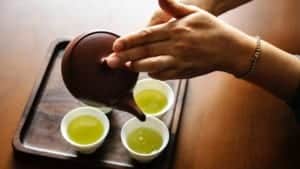
green tea

  1. Drinking it carries minimal health risks

This drink is an exceptionally healthy beverage with very few known possible side effects.

We in the West tend to think that the latest drug is their best option. The simple truth is that the vast majority of pharmaceuticals aren’t terrific. Moreover, prescription drugs are expensive and riddled with side effects. We need to get over this acquired tendency is to overlook effective, natural medicines that have been used for centuries.

Green tea is one such natural medicine with several potential health benefits.
11 Benefits of Garlic Oil, According to Science

Garlic and Garlic Oil respectively has been around for a very long time. Since ancient history, people have used garlic both as a cooking accessory and as natural medicine. Pungent in taste and smell like the onion (its close cousin), garlic continues to be consumed for its culinary and health benefits by people all over the world.

Garlic, or Allium sativum, is most commonly thought of as a culinary accouterment. Indeed, fresh garlic is ubiquitous, cheap, and delicious.

Today, we will examine the who, what, when, where, why, and how of garlic.

Our focus will be on the medicinal benefits of garlic, more specifically, the concentrated form of garlic, which is garlic oil. Like its source, garlic oil is also relatively cheap. Garlic oil also has the added benefit of also being widely available, inexpensive, convenient and, ahem, less pungent.

Before getting into the 11 proven health benefits of garlic, lets quickly take a look at the fascinating medicinal history of the plant.

The History of Garlic and Garlic Oil: Hippocrates to Today

“Let food be thy medicine and medicine be thy food.” ~ Hippocrates (c. 460 BCE – c. 375 BCE)

Garlic has an incredibly rich history, from Ancient Greece to the present day.

The “father of Western medicine,” Hippocrates, supposedly ‘prescribed’ garlic for a bunch of ailments, including digestion troubles, fatigue, parasitic infections, and respiratory issues. Hippocrates probably advocated the taking of garlic to the original Greek Olympians.

Shortly after being introduced to the Greeks, the promotion of garlic spread to Ancient Egypt, to the ‘Indus Valley’ (present-day Pakistan and Western India.) The people of ancient India made garlic an essential compound in ayurvedic medicine.

Those ancient Indian healers introduced garlic to Chinese medicine men. Today, China is responsible for 80 percent of the world’s garlic.

Sidenote: The Chinese government has recently come under fire from international health officials for “bleaching” its garlic to make it more appealing. Per the publication India Times, Chinese garlic is “loaded with pesticides” as well.

Garlic eventually made its way Westward to the New World after being introduced by adventurers and merchants from France, Portugal, and Spain.

11 Health Benefits of Garlic Oil

  1. It’s nutritious and is low in calories

Pound-for-pound (clove-for-clove?), garlic is among the healthiest and most nutritious foods. Just one clove of garlic contains 2 percent of the daily value (DV) of manganese and vitamin B6. The same amount also contains 1 percent of selenium and vitamin C. Other minerals in respectable amounts include calcium, copper, iron, phosphorous, and potassium.

  1. It may reduce lung cancer risk

Lung cancer accounts for 18 percent of total deaths globally, or 1.4 million people. Some scientists believe that the organosulfur compounds (OSCs) in garlic, excreted via the lungs, provide protective effects for lung cancer.

In a 7-year study published in the journal Cancer Prevention Research, scientists in China found that people who ate raw garlic at least twice weekly had a 44 to 72 percent lower chance of developing lung cancer. Nearly 6,000 people participated in the landmark study.

  1. It may ward off osteoarthritis

A research team from King’s College and the University of East Anglia posit that allium vegetables may reduce arthritis symptoms, specifically osteoarthritis (OA). OA is a condition that is characterized by a degeneration of cartilage and underlying bone.

Per the study, published in the journal BMC Musculoskeletal Disorders, 1,000 females who regularly ate fruits and vegetables, including “alliums such as garlic,” showed fewer signs of early-onset OA.

  1. It is a potent antibiotic

Garlic oil possesses potent antibiotic properties. Antibiotics are pharmacological substances that inhibit or destroy bacteria and microorganism growths.

Per a study published in the Journal of Antimicrobial Chemotherapy, a compound in garlic called diallyl sulfide is up to 100 times more effective at resisting the Campylobacter bacterium. Campylobacter is one of the leading causes of intestinal disease.

  1. It protects the heart

Another component of garlic oil, diallyl trisulfide, is both a viable heart protectant during surgery and after cardiac arrest. A research team from Emory University also finds that diallyl trisulfide may be an effective treatment for heart failure. Another constituent of garlic oil, hydrogen sulfide, also demonstrates heart protectant properties.

In the study, published in the Journal of Agricultural and Food Chemistry, mice that had a heart attack that was administered diallyl sulfide had 61 percent less heart damage compared to the control group.

The same scientists also note that “garlic oil possesses significant potential for protecting [the heart]” from cardiomyopathy (disease of the heart muscle) triggered by diabetes.

  1. It reduces blood pressure

Hypertension, or high blood pressure, is the key driver of cardiovascular diseases such as heart attack and stroke. Globally, more people die from heart disease than any other reason. In 2016, an estimated 15.2 million people died from CVDs worldwide.

Some studies show that the substances in garlic extract reduce blood pressure in people with hypertension. In one study, published in the Journal of Nutritional Biochemistry, a research team concludes that “…garlic extract … causes significant reductions in systolic and diastolic blood pressures. It also leads to a decrease in oxidation reactions in the body.”

  1. It may improve cholesterol levels

While the proposed benefits of garlic in lowering blood pressure aren’t quite as definitive compared to its effects on blood pressure, anecdotal evidence – and even some scientific literature – suggests a possible connection.

Regarding the latter, some studies in the 90s cite a 9-12 percent reduction; in 2000, 4-6 percent. In a 2012 study published in the journal Nutrition Reviews, researchers found that 800 mg of aged garlic extract may reduce cholesterol by 8 percent in people suffering from high cholesterol. The University of Adelaide’s (AUS) Dr. Karin Ried states that garlic supplements decrease the risk of “coronary events” by 38 percent in people over age 50.

  1. It may be a powerful neuroprotectant

As mentioned prior, garlic is a potent antioxidant. Scientists attribute the antioxidation properties of garlic to multiple active compounds, including S-acetylcysteine, S-allyl-mercapto cysteine, and N(alpha)-fructosyl arginine.

A 2006 study published in the Journal of Nutrition, cites the antioxidative properties of aged garlic extract (AGE) in the claim that garlic reduces the risk of dementia. Thus, reports claim “AGE…may help prevent cognitive decline by protecting neurons from neurotoxicity and apoptosis [programmed cell death].”

  1. It may improve athletic performance

Long ago, athletes used garlic as a sort of performance-enhancer. Ancient cultures would supposedly use garlic to enhance the work capacity and reduce the fatigue of laborers.

In a 2005 study published in the Indian Journal of Physiology and Pharmacology, garlic oil was found to reduce the “heart rate at peak exercise and … significantly [reduce] the workload upon the heart resulting in better exercise tolerance.”

In the study, participants took just four garlic oil capsules twice per day (8 in total). Also significant is the fact that these results happened within only six weeks.

  1. It may strengthen bones

In animal studies, subjects that took garlic tested for increased estrogen levels linked to decreased bone loss. In a study that seems particularly relevant, menopausal women given just two grams of dry-aged garlic extract decreased their estrogen deficiency markers.

The scientific literature demonstrates a positive association between garlic intake and osteoarthritis prevention. As such, additional research into the exact effects of garlic on bone health seems warranted. Regardless, supplementing with AGE (800 milligrams/daily?) may be advisable for those concerned with bone health.

bone health

  1. It detoxifies the body

Research exists positing that allium in garlic reduces concentrations of lead in blood and tissue. To test the hypothesis, researchers investigated the effects of garlic intake on a population at risk of lead poisoning.

In a study published in the journal Basic & Clinical Pharmacology and Toxicology, researchers recruited 117 workers at a car battery plant. Researchers administered the workers 1200 micrograms of allicin three times per day for four weeks. As a result, blood lead concentrations “reduced significantly,” the researchers report.

12 (Bonus!). It may promote longer life

Given the vast scientific literature purporting the positive effects of garlic on factors contributing to premature death (e.g., blood pressure, cholesterol, decreased risk of CVD and lung cancer, etc.), it’s fair to say that garlic may help you live longer.

garlic

Final Thoughts on Garlic Oil to Support Health

As a society, we hype up just about every new STEM advance. Thus, it is easy to overlook time-tested, natural health boosters. Garlic, in any form, demonstrates significant health benefits time and again.

7 Signs You’re A Highly Sensitive Person

You have probably heard of an “empath” before, and these intuitive, caring people also go by another name: the highly sensitive person or HSP. Dr. Elaine Aron, a psychologist who started studying this trait of people in 1991, discovered that around 15-20% of the population has this highly sensitive personality trait.

What makes highly sensitive people different? Dr. Aron says that variations in an empath’s brain cause them to respond differently to external stimuli. They might become overwhelmed quickly by bright lights, loud noises, and a hectic environment. They need more time to unwind after social interactions and enjoy quiet, peaceful surroundings. Highly sensitive people also have a great love and understanding of nature and animals.

The highly sensitive person often feels alone and misunderstood, but this makes sense because roughly 80% of the population does not have this trait. If you read online forums and Facebook groups, you will likely come across highly sensitive people who feel like they come from a different world entirely. It often feels that way, coming from a highly sensitive person herself.

We feel everything deeply and crave intelligent, soulful conversations with people. As this is hard to find in today’s world, it leaves many highly sensitive people feeling empty and on a constant quest to make the connections they desire.

“Highly sensitive beings suffer more but they also love harder…” – Victoria Erickson

What the Science Says About Highly Sensitive People

You might think, “This sounds like a bunch of New Age nonsense,” but hear us out. Scientific studies have emerged, confirming differences in the highly sensitive brain. Highly sensitive people have sensory processing sensitivity, which causes them to become easily overwhelmed by too many stimuli.

highly sensitive person

Study #1

Highly sensitive people are greatly affected by others’ moods, which is confirmed by this study. Researchers did fMRI scans of the brains of those with SPS. Eighteen participants, ten females and eight males, viewed photos of their romantic partners and strangers showing positive, negative, and neutral expressions. 13 of the 18 participants were scanned twice within a year.

The study found that HSPs had “increased brain activation of regions involved in attention and action planning (in the cingulate and premotor area [PMA]).” Furthermore, it found that happy and sad photos were associated with activation in brain regions involving awareness, empathy, integration of sensory information, as well as action planning. This trait is considered one of two strategies that evolved for survival purposes. This outcome makes sense because being sensitive to environmental stimuli would allow us to take quick action and be on constant alert for threats.

Study #2

Another study found that people with this trait were more aware of opportunities such as food, mates, and alliances within their environment. In our modern environment, it makes sense that it only evolved in 20% of the population, because it wouldn’t allow individual payoffs if found in the majority.

That said, perhaps this is why many highly sensitive people have difficulty adjusting to modern life. Scanning for threats and opportunities in our modern world takes a lot of cognitive energy, which explains why people with this trait need so much time to recharge. Also, the threats and opportunities are not as easily discernible, which leaves the HSP feeling drained. We are here to help the species survive, but what skills can we bring to the table in our modern life? If you are an HSP who feels lost and misunderstood, you’ve come to the right place. Here are a few signs you might relate to if you’re a highly sensitive person.

7 Signs You’re A Highly Sensitive Person

1 – You’re easily overwhelmed by social situations.

In crowds of people, you usually feel frazzled and tired. Sure, you can enjoy a concert or a night out on the town, but you might need a day or two to recharge afterward. Even worse are events where you have to engage with many different people. It’s not that you dislike people, it’s just that socializing drains your energy much of the time. Even if you identify as an extroverted HSP, you may need a lot of downtime after a social event.

Plus, you’re picking up on the thoughts and emotions of everyone around you, and this only adds to the feeling of overwhelm. To combat these feelings, practice setting boundaries and don’t try to be something you’re not. People appreciate a good listener who can provide thoughtful conversation.

2 – Bright lights, loud noises, and chaos irk your nerves.

Many people who identify as HSP have a hard time in typical jobs. Retail and food service jobs are the HSP’s worst nightmare due to the near-constant influx of stimuli. In fact, many HSPs are drawn to freelance work from home or becoming their boss for this very reason. They require a more quiet life, which can be explained by the studies above.

If we’re always alert for threats and opportunities, our brains run overdrive. This translates to an almost constant state of overstimulation in the modern world. Therefore, the HSP retreats to their refuge more often than not.

3 – People always say you’re “too sensitive.”

Perhaps you’ve grown up in an environment where people didn’t understand your sensitivity. They might have seen it as a sign of weakness or even a flaw in your character. Luckily, scientists can back us up and provide sound research on why we’re made this way. The next time a family member or friend pulls this card on you, you can tell them that you’re in the minority. You would’ve helped them survive in our earlier days, which should make you feel pretty special.

highly sensitive person

4 – You prefer spending time alone rather than with others.

Your favorite place is your home, where you can unwind after a long day of work or school. All the stimulation in the world melts away, and you can relax with a good book and a hot cup of tea. You’re free to exist without catering to the outside world’s demands. If you’re genuinely highly sensitive, you will relate to how amazing it feels to have peace and quiet. This is very hard to come by unless you live out in the country.

5 – Other people often come to you with their problems.

Have you ever noticed that other people are drawn to you? Highly sensitive people often have this aura of compassion and safety about them. In other words, people feel they can come to you with their problems and won’t be judged or turned away. In this cruel world, many people are lonely and alone to deal with their demons.

However, to them, you’re a beacon of hope, a light shining in the darkness. If you find that random strangers approach you and pour out their life stories, you’re likely a highly sensitive person.

6 – You get easily upset by violence or injustice.

You can’t stand scary or violent movies, TV shows, books, or music that depicts violence or hatred. You much prefer happy, uplifting entertainment that shows the beauty of being human. Movies and shows that represent love and peace are much more in line with your true nature. You also can’t stand seeing animal and human abuse. If only you knew how to fix the troubles of this world, your heart would finally feel happy. You often think about the environmental destruction and greed on this planet and wish you could eliminate it somehow.

7 – You feel starved for deep connections.

This trait is common among many highly sensitive people. They find that others don’t “get” them and are always searching for deep, meaningful connections. Highly sensitive people can’t stand shallow conversations about gossip, money, possessions, or other things that most people talk about. They crave conversations where they can talk about the meaning of life, outer space, dreams, fears, doubts, childhood dreams, etc.

HSPs usually feel pretty lonely among most people, so this is another reason why they retreat into their hermit cave so often. It’s not that they don’t like people; they require a specific type of connection that feels like searching for a needle in a haystack.

highly sensitive personFinal Thoughts about Highly Sensitive People

Highly sensitive people make up around 20% of the population. Characterized by sensitivity to external stimuli, a knack for reading people and the environment, and genuinely feeling emotions, HSPs are special. If you come across someone with these traits, cherish them, because they will never leave your side. Sensitive people are some of the most loyal, beautiful people you will ever meet.

“Slowly, a gentle, quiet, personal victory of the spirit grows out of her fear and doubt.” – Elaine N. Aron

Researchers Reveal Acetaminophen Taken During Pregnancy Linked to ADHD

Researchers are finding connections between the popular OTC painkiller, acetaminophen, and ADHD in kids.

Acetaminophen, better known by the trademarked brand Tylenol, is a popular over the counter medication.  Overall, doctors recommend it commonly. Its popularity is due to its low stomach irritation in comparison to other over the counter medications.

Doctors often recommend it to pregnant women for the following symptoms:

  • Back and leg pains
  • Cramps
  • Headaches
  • Low-grade fevers
  • Other typical discomforts of pregnancy.

In the most recent years, some began questioning this practice.  Studies reveal this popular OTC painkiller taken during pregnancy connects it to ADHD in kids.

History of Acetaminophen

Acetaminophen, as it’s called in the United States and Japan, first came on the scene in 1878 by H.N Morse.  Despite several years of testing, it took until the 1950s for it to hit the market.  At that time, companies marketed it under the name of Triagesic. They sold as a children’s pain and fever reducer elixir. Currently, is it one of the most popular pain relievers under the brand name of Tylenol or Panadol. Still, the majority of sales are as a generic drug.

Interestingly enough, despite various attempts, scientists have yet to discover how it works.  This unknown detail is crucial as it has a reputation as being toxic to the liver and has resulted in hundreds of deaths each year from liver failure.

FDA on Acetaminophen and Pregnancy

Approximately 50-70% of pregnant women worldwide take Acetaminophen to aid them in the pain and discomfort of pregnancy.  In 2015, the FDA released a statement regarding multiple pain killers available and their alleged risk factors.  The medications reviewed included OTC and prescription Acetaminophen, prescription NSAIDs, and opioids.  Studies alleged that each drug could potentially harm the baby or mother when taken during pregnancy.  In the case of Acetaminophen, it also found a link to children developing ADHD  after mothers took the drug during pregnancy.

The FDA’s statement after evaluating the reports for all of the medications concluded the studies provided demonstrated either inaccuracies or inconsistencies. Therefore, the FDA could not issue a recall or re-evaluation of any of the medicines.

The FDA stated that it was essential that pregnant women have access to pain killers prescribed by their health professionals.  It was also necessary that doctors duly informed women of potential complications with each medication. Furthermore, they advised that pregnant women take the lowest dose possible for the shortest duration.

Previous studies linking Acetaminophen to ADHD

JAMA Pediatrics published a study in October of 2016. Evie Stergiakouli, Ph.D. of Medical Research Council,  Integrative Epidemiology Unit at the University of Bristol in the United Kingdom, wrote it.

Dr. Stergiakouli and associates analyzed information gathered from 1991-1992 obtained from the Avon Longitudinal Study of Parents and Children.  They based findings on a questionnaire given to 7796 pregnant women enrolled in ALSPC, along with their partners and children.

Women completed the questionnaire at 18 weeks, 32 weeks, and when the child was 61 months old.  When the children were seven years old, the mothers answered another survey to assess behavioral problems.

The outcome of the questionnaire demonstrated:

  • Acetaminophen use by mothers at 18 weeks and 32 weeks showed the children to have an increased risk of having conduct and hyperactivity problems.
  • There was an increased risk at 32 weeks of children displaying emotional symptoms and overall difficulties.

Previously, in 2014,  JAMA Pediatrics published a similar report.   This report analyzed the 64,322 children and mothers who registered in the Danish National Birth Cohort from 1996 – 2002.   The data regarding acetaminophen use had been obtained via three separate telephone interviews throughout the pregnancy and six months after birth.  This report was looking for data related to ADHD and hyperkinetic disorders.

To ascertain the health of the children, the researchers used behavioral questionnaires given to the mothers, obtained psychiatric records from the Danish National Hospital regarding any hyperkinetic disorders and prescriptions of ADHD medication prescribed from the Danish Prescription Registry.  All records were before 2011.

The results of these reports were based on over 50% of the mothers who reported acetaminophen use during pregnancy:

  • Children from mothers who used Acetaminophen during pregnancy showed a higher risk of having a hyperkinetic diagnosis, the use of ADHD medication, or demonstrating ADHD similar behavior.
  • Results were stronger in women who used Acetaminophen in more than one trimester.

What are the possible connections between Acetaminophen and ADHD

There are a variety of reports similar to these from different countries and universities.  From these reports and some mice lab studies, researchers have theorized various reasons behind the possible connection between Acetaminophen and ADHD diagnosis:

  1. Mothers previously diagnosed with autoimmune or inflammatory disorders which already correlate with neurodevelopmental disorders in children.
  2. Acetaminophen links to maternal impulsivity. Therefore, if the mothers have a genetic predisposition toward impulsivity, then the Acetaminophen may trigger its release. And that can carry over to the child.
  3. Some studies suggest an endocrine disruption in the testes of the men, which may play a role in the brain development of conceived children.
  4. Potential interruption of specific maternal hormones, including thyroid and sex hormones, which play a role in brain development of fetuses.
  5. Oxidative stress may connect to Acetaminophen and effectively lead to neurons dying.
  6. Brain-derived neurotrophic factors showed increased levels in mouse models given Acetaminophen, which can create a display of altered behavior.
  7. Studies indicate that Acetaminophen does cross the placenta barrier and can circulate in the baby’s bloodstream for an extended period.

A more recent study of Cord Plasma linking Acetaminophen and ADHD

In October of 2019, a study was published in JAMA, by a group of doctors, nurses and other associates from the University of John Hopkins University, Bloomberg School of Public Health in Boston, Massachusetts, The Boston University of Medicine and others.

This group of researchers chose to examine potential associations between umbilical cord plasma with markers for acetaminophen use and ADHD, Autism spectrum disorders, and other developmental disorders.

They analyzed 996 mothers and infants who had volunteered in the study at birth and were part of the Boston Birth Cohort.   They were followed up by the Boston Medical Center from October 1, 1998, to June 30, 2018.

Samples from the cord were taken, measured, and recorded for three different types of acetaminophen metabolites, or broken down chemicals of Acetaminophen that was metabolized.

Researchers then compared these findings to the children’s records of doctor-diagnosed ADHD, Autism Spectrum disorder, or any other developmental disorder.

The findings

Of the 996 volunteers, of which 558 were male.  The results were this:

  • 257 of the children had ADHD only
  • 66 of the children had Autism Spectrum disorder
  • 42 had ADHD with Autism Spectrum disorder
  • 304 had other developmental disorders
  • 327 were typical

The cord studies indicated that the women taking Acetaminophen during the 2nd and 3rd trimester had an increased risk of the child receiving a diagnosis of ADHD or Autism spectrum.  The study also stated that the risk factor also increased as the dose increased.

Acetaminophen and ADHD kidsFinal Thoughts on the Connection Between OTC Painkillers and ADHD

Taking medications at any time always carries with it some risk, especially when you are pregnant.  Yet, physicians till consider Acetominophen the safest pain reliever and fever reducer for pregnant women and children. These recent studies revealing this popular OTC painkiller, when taken during pregnancy, may cause ADHD in kids is alarming.

The studies still warrant more investigation. Therefore, physicians should be advising pregnant women of its possible link. That caution is especially necessary for the second or third trimester.

They should also ensure women understand the risk associated with the dosage as well.  Advising women to take the lowest dose possible for the shortest duration may be the most prudent advice. At least, that is, until researchers finish additional studies and provide a more definitive conclusion.

Researchers Reveal That Men With High Testosterone Are Almost 20% More Likely to Get Prostate Cancer

Prostate cancer, following after lung cancer,  is the second leading cause of cancer deaths among men.  Only exceeded by skin cancer, this condition is the second most diagnosed cancer in men.

  • Men with a diagnosis of prostate cancer are 1 out of 9
  • 1 out of 41 men dies from the disease.
  • The American Cancer Society estimates that about 174,650 men received a diagnosis of prostate cancer in 2019, and 31,620 died of the disease

For years, there has been a discussion of the role testosterone plays in the diagnosis of men with this disease.  In a British study, researchers reveal that men with high testosterone are almost 20% more likely to get prostate cancer.

 What is the prostate gland, and what does it do?

The prostate gland is located under the bladder and in front of the rectum.  It is a walnut-shaped gland that grows in size as men age. The seminal vesicles, which make the fluid for semen, sit behind the prostate.  The urethra goes through the center of the prostate gland.  The urethra is what carries the urine and the semen out of the body via the penis.

Types of Prostate Cancer

While there can be multiple forms of cancer that form in the prostate, the vast majority of these cases are adenocarcinomas.  These cancer cells form from cells of the gland that make the prostate fluid that is added to the semen.   This diagnosis is what is found often in prostate cancer.  According to the American Cancer Society, other possible, yet very rare, diagnoses include:

  • Small cell carcinomas
  • Neuroendocrine tumors
  • Transitional cell carcinomas
  • Sarcomas

Typically, doctors do not consider this to be fast-growing cancer.  Only in a few cases does this disease spread quickly.  It is even not unusual for a man who has passed away due to other causes, to have prostate cancer found despite no symptoms or previous diagnosis.

 What are the possible pre-cancerous conditions for prostate cancer?

A man may develop the condition(s) that warrant further investigation, monitoring, or a biopsy due to the potential of leading to prostate cancer.

  • Prostatic intraepithelial neoplasia.

This condition comes in two possible stages.  It is recognized by a change in how the cells of the prostate appear through a microscope.  These changes do not indicate growth in other areas of the prostate, as is common in cancer.

  1. Low-grade stage has the cells appear mostly normal. This stage is not considered pre-cancerous.
  2. High grade stage is when the cells do have an abnormal appearance. This stage is indicative of an increased risk of cancer.
  • Proliferative inflammatory atrophy.

In this condition, the cells of the prostate will look smaller, and with signs of inflammation surrounding the area.

  1.  There is a possibility of this being a precursor to high grade prostatic intraepithelial neoplasia or directly to prostate cancer.

Symptoms, risk factors and complications of prostate cancer

It is essential to be able to recognize potential signs and risk factors of prostate cancer. If diagnosed, it’s also wise to be aware of possible complications.

As with many cancers, prostate cancer may not show any symptoms in the early onset.  This is why getting screening tests are essential.  While screening tests are not always accurate, the earlier cancer is detected, the better the odds are of recovery.

Symptoms of prostate cancer

In the later stages of prostate cancer, a man may experience symptoms of:

  • Difficulty urinating or less force in the urine stream
  • Semen may show blood
  • The pelvic area is uncomfortable
  • Erectile dysfunction
  • Bone pain

Risk factors for prostate cancer

The risk factors of prostate cancer are primarily related to genetics but do have other considerations:

  • With age, your risk increases
  • African American men tend to have a higher risk, and it may be more aggressive
  • Genetic history of prostate cancer or breast cancer
  • Being overweight also contributes to the aggressiveness of the disease as well as to its difficulty in treatment.

Complications of prostate cancer

Specific difficulties accompany having prostate cancer and its treatment:

  • Cancer always has a chance to spread. Preventing the spread of cancer depends upon early diagnosis and treatment.  If it does spread, it can be managed, but a cure is less likely.
  • In both the treatment and the disease, incontinence is a possibility. Treatment can be medications, catheters, or surgery depending upon the severity.
  • Erectile dysfunction may also be a complication of the disease and treatment. Alternatives to treat ED may include vacuum devices or surgery.

Testosterone and Prostate Cancer:  Friends or Foes?

Scientists have been attempting to discover if there is a link between testosterone in men and prostate cancer.  One consistent connection is that men with naturally less testosterone have a decreased chance of getting prostate cancer.  Oddly enough, however, if they are diagnosed with prostate cancer, it tends to be a more aggressive form.

What is testosterone?

Testosterone is widely considered a male hormone, although women manufacture it as well. In comparison, a woman’s testosterone level is 1/10th – 1/20th of a man’s.   Testosterone is considered an androgen, or steroid.  Primarily, the testes produce it, while the hypothalamus and pituitary gland control its production.  Essentially, the brain tells the testes how much to produce.

Testosterone is as important to male health as estrogen is to a woman’s health.  It is responsible for:

  • The development of the man’s penis while an embryo,
  • Creates puberty changes such as deepening voice, increasing penis and testes size, and facial and body hair.
  • A factor in sex drive,
  • Maintaining muscle strength and mass,
  • Red blood cell production,
  • The production of sperm
  • Fat distribution in the body.
  • Possibly prevent osteoporosis in men

Testosterone as a contributing factor in Prostate Cancer

A recent study was performed at the Nuffield Department of Population Health at the University of Oxford in Britain.  Dr. Ruth Travis led it.

Researchers studied more than 200,000 British men. The results indicated that men with higher levels of naturally produced testosterone were 18% more likely to develop prostate cancer. That is when they compared the group with men of naturally lower levels of testosterone.

A second hormone, called IGF-I, was also an indicator. IGF-1 is the acronym for insulin-like growth factors.  IGF-I is a hormone naturally processed by the body. Its job is to regulate the effects of your growth hormone.   Men from the study that showed higher levels of this hormone had a 25% higher risk of developing the disease in comparison to those with lower levels.

In this study, a research team selected over 200,000 men from the UK Biobank genetic database.  They were all free from cancer at the beginning of the study.  The study took place over seven years, and in that time, 5400 of the men developed prostate cancer, and 300 died from it.

The scientists speculate that since both hormones encourage cell growth in the prostate, the increase of cell development raises the risk of mutations in the cells themselves.  Those mutated cells then also replicate, developing into cancer cells and spreading.

The researchers expect to present this study at the National Cancer Research Institute in Glasgow.

testosterone and adaptogensAn important takeaway from the research team

One of the critical indirect facts to take away from this is that it is possible to decrease the growth hormone, IGF-I,  through diet naturally.  Men who are on vegan diets show a decrease in the growth hormone.  Maintaining a low-fat diet that is high in fruits and vegetables has also shown to aid in decreasing the risk of cancer.  Additionally, men who tend to eat less dairy also have a reduced risk of developing prostate cancer.

prostate cancerFinal Thoughts on the Connection Between Prostate Cancer and High Testosterone

Continuing to study variables that contribute to the condition is instrumental in developing more accurate tests to diagnose prostate cancer early.  Currently, many men do not request screening for prostate cancer until they are already showing progressive symptoms that could be related to the disease.  By researchers finding that men with naturally high testosterone are almost 20% more at risk, doctors can be more informed.

Prostate cancer has a good prognosis for a cure if it is found early, and fortunately, most are cured.  Yet the cause for the disease is still unknown.  Researchers and scientists must continue to look at different angles to discover its cause.  This study from Britain is an excellent example of this.

10 of the Biggest Mysteries EVER

Why do we humans love a good mystery? Is it the excitement of the unknown? Maybe it’s the interest in something bigger than ourselves. We yearn to solve a puzzling enigma that far surpasses our everyday lives of responsibilities and work, which can be taxing and stressful.

Well, say no more. Let’s try to unravel these historic mysteries…

Here are ten of the biggest mysteries in history:

mysteries

#1. Is there life after death?

Let’s start by going deep… what happens after our hearts stop beating?

This question has probably been asked since the dawn of mankind: is this life all that there is?

While we may never be able to prove that something happens when we die, there’s loads of anecdotal – and some say, scientific – evidence to support the theory.

The story of Pam Reynolds is one of the more convincing cases. Reynolds, 35 years old at the time, underwent a ‘standstill operation’ to remove an enlarged brain aneurysm. For the operation to be possible, her neurosurgeon, Dr. Robert Spetzler, induced her into clinical death.

Despite being clinically dead, Reynolds states that she had a near-death experience and accurately recalled all of the events that transpired during the operation. Spetzler confirmed that Reynold’s observations were correct and that he had no explanation for them.

#2. Is ESP real?

ESP, or extrasensory perception, is the perception of information sensed by the mind instead of the physical senses. Examples of ESP include clairvoyance, telepathy, and psychokinesis.

In the era of modern science and astounding technological accomplishments, many view ESP with a heavy dose of skepticism. At least in the West.

If you were to travel East and ask this question to Zen masters, sadhus, or yogis, you’d probably be amazed. Not only do they think of these “powers” as real, but they also consider them commonplace.

Here’s Dean Radin, Ph.D., and author of the book “Supernormal: Science, Yoga, and the Evidence For Extraordinary Psychic Abilities”:

“…advanced [meditative] capacities are not regarded as magical; they’re ordinary capacities that everyone possesses. We’re just too distracted most of the time to be able to access them reliably.” (Source)

The fact that most people have had at least a glimpse of an ESP experience fuels the fascination. After all, what is this phenomenon we call intuition?

#3. Who was the ‘Real Jesus’?

Jesus of Nazareth, who some call Christ, is undoubtedly the most influential (and perhaps controversial) figure to have ever lived. He remains somewhat of a mystery in many, including some Christian practitioners.

Most of the information about Jesus comes from the four synoptic gospels – the books of Matthew, Mark, Luke, and John of the New Testament.

Outside of these literary works, few details about the life of Jesus exist. There are no particulars concerning Jesus’ appearance – and very few of his personality or disposition.

Then there’s the omission of details regarding 17 years of Jesus’ life. The gospels share nothing from ages 13 to 30 when Jesus began his ministry. And again, there are no accounts of what Jesus did during these 17 years outside of the New Testament.

There is some speculation – and some say, substantial evidence – that Jesus traveled Eastward to India and perhaps beyond. While such details are beyond the scope of this article, BBC ran a documentary titled “Jesus was a Buddhist Monk.” Followers of the Vedic religions say that Jesus studied yoga.

In other words, this may remain one of humankind’s greatest mysteries. Indeed, we may never know who the ‘Real Jesus’ was.

#4. Is there extraterrestrial life?

Contrary to the insistence of some, the fascination with UFOs and ETs aren’t byproduct of an acid-fueled 60s. UFOs and ETs  – and even some ‘visitations’ – date back thousands of years.

In 1897, thousands of people across the U.S. reported seeing massive airships (Edison didn’t believe it though.) Even the most “buttoned-up” claimed to see strange things. In 1904, Frank Schofield, who would become the Navy’s Commander-in-Chief of the Pacific, reported seeing “three bright red [objects]” with the largest being the “size of six suns.”

In other words, these mysteries have been going on for a long time.

#5. Did ‘Atlantis’ exist?

In the fourth century B.C., the Greek philosopher Plato insisted that a lost land named Atlantis existed somewhere in the Atlantic Ocean. Plato said that the inhabitants of Atlantis conquered large swaths of Asia and Europe in prehistoric times.

While most scholars generally agree that Atlantis does not exist, Plato’s tale of Atlantis’ conquests coincided with the later discovery of the Minoan civilization. The Minoans discovered and built technologies far ahead of the time, including massive building complexes, tools, written language, and even trade networks.

A civilization with such advanced knowledge for their time (c. 2700 to c. 1450 BCE) could – at least hypothetically – conquer whoever they wanted.

#6. What is dark matter?

Science defines ‘Dark matter’ as about 85 percent of the known Universe. Dark matter causes ‘gravity,’ forms galactic clusters, and enables all celestial motion.

Yet nobody knows what it is.

Some scientists posit that it consists of yet-to-be-discovered subatomic particles. This hypothesis is certainly not out of the question, considering that the foundation of quantum mechanics (i.e., quantum physics) came about less than a century ago. Thus, the technology to measure certain quantum phenomena is in its infancy.

#7. What happened to Jimmy Hoffa?

James (Jimmy) Hoffa was a trade unionist and union leader who was the President of the International Brotherhood of Teamsters (IBT) from 1957 to 1971. Eventually, Hoffa became the most powerful union leader in United States history. Indeed, he grew the IBT to 2.3 million members at one point in his tenure.

Hoffa rose to power through his successful efforts to expand the Teamster’s influence across the U.S. Midwest. These efforts were much appreciated, as Hoffa became president of a truck driver union, Local 299, in 1946 – despite never actually working as a driver.

At the IBT convention of 1952, Hoffa was elected as IBT’s vice-president. In 1955, IBT headquarters relocated to Washington, D.C., a move that undoubtedly contributed to Hoffa’s national prominence and popularity.

In 1966, Hoffa’s efforts to expand the union were evident by the ratification of the National Master Freight Agreement, considered to be perhaps the most significant single accomplishment in the history of labor union activism.

But it was Hoffa’s other activities that garnered attention. Hoffa was first targeted for criminal prosecution at the McClellan Senate hearings of 1957. (Led by none other than JFK’s brother, Robert F. Kennedy). However, Hoffa would dodge these – and many subsequent other – attempts at prosecution.

Hoffa allegedly became involved with organized crime and disappeared on July 30, 1975. No remains have ever been discovered.

#8. Who was Jack the Ripper?

In the autumn of 1888, at least five women met their death by murder on the East End of London, England. Four of these women were grotesquely mutilated by a sadistic serial killer who would be coined Jack the Ripper.

All five victims of the Ripper worked as prostitutes in one of the poorest slums in London’s east end. By most accounts, crimes against prostitutes weren’t particularly noteworthy. According to Paul Begg, one of the most respected historians on Jack the Ripper and Victorian London:

“… the murder of a down-and-out Whitechapel [a poor London district] prostitute would not have aroused any public interest.”

So, why did it? Well, there was the sheer brutality and utter precision of the killings. Per Begg,

“The Ripper’s crimes were extraordinarily brutal and marked by extreme and increasing mutilation…” and that “…he killed at the right place at the right time.”

But the Ripper murders were not just about an insane, ruthless serial killer who lured innocent women to their death.

Underneath all of the hysteria, fear, and, yes, intrigue, were the social ills of gender inequality, sexual objectification, and class warfare — stains on the global populace that remain to present-day.

In the 1880s, the middle class in London (and elsewhere) were “alarmed by social problems such as prostitution, vice, and crime…” according to Begg. Concerns about such crime and social ills may have contributed to the massive law enforcement effort to capture the killer.

Despite the social panic, authorities never caught Jack the Ripper. Detectives and other experts have linked him to as many as 17 murders.

#9. What happened to Flight 370?

Malaysia Airlines Flight 270 took off from Kuala Lumpur en route to Beijing on March 8, 2014. Thirty-eight minutes into the flight, air traffic control lost communication with the crew. Just minutes after that, the plane disappeared from the ATC radar altogether.

A three-year search yielded no aircraft found. Tragically, 239 occupants (227 passengers and 12 crew members) perished, presumably.

#10. Is there treasure on Oak Island?

Some people will do just about anything for money. The “lost treasure” of Oak Island is a fitting example of the insatiable human greed complex. It’s also a pretty fascinating story.

Oak Island is (you guessed it) an island in Nova Scotia. The original story goes that a seafaring lad named Captain Kidd (1645-1701), whose dying minion claimed that the good Captain buried about two million pounds of treasure on the island. The first industrial-scale digging efforts commenced around the year 1799.

What were some of these supposed treasures? Meh, nothing much. The original manuscripts of William Shakespeare, the Holy Grail, the Ark of the Covenant, and a bit of pirate treasure.

Explorers and treasure hunters fail to find the cache despite numerous people’s (sometimes deadly) efforts. To date, six men have perished looking for the evasive treasure trove.


mysteries

Final Thoughts: Will These Mysteries Ever Be Solved?

So will anyone ever unravel these mysteries? Let us know in the comments. While some are under active, ongoing investigations, others are ancient history. Only time will tell.

Opthamologists Share How Blue Light Glasses Could Save Your Eyes

Have you considered using blue light glasses to protect your eyes?

According to data compiled by the Vision Council of America, more than 75 percent of the global population uses glasses or contacts to achieve 20/20 vision. While poor vision can be a matter of genetics, individual lifestyle choices can make things worse. S, what is one of humankind’s worst habits of today? We stare at a computer or smartphone screen for several hours each day. The right frame can enhance your features, whether you have an oval, round, square, or heart-shaped face. Choosing the right frame goes beyond lens clarity and vision correction. Please visit a trusted resource like Low Cost Glasses for more info.

Let’s further put this into perspective. In an article featured in Harvard Health Publishing, the consumer health education division of Harvard Medical School, Dr. Matthew Gardiner, an ophthalmologist with the Massachusetts Eye and Ear Infirmary, states that chronic and prolonged use of these devices can cause computer vision syndrome.

Symptoms of the condition include eye strain and also xerophthalmia (dry eyes). For many people, spending less time on their computers or smartphones is not an option. Fortunately, blue light glasses can help minimize the risk of developing computer vision syndrome. Furthermore, they might prevent the worsening of your vision. You can also check out some good eyeglasses similar to cheap varifocal glasses here if you need varifocals that are ideal for people who need vision correction for both near and farsightedness!

WHAT YOU SHOULD KNOW ABOUT COMPUTER VISION SYNDROME

We will explore how blue light glasses can protect eye health. But first, let’s look at the extent to which computer vision syndrome can impact one’s vision and overall health.

According to Dr. Matthew Gardiner, a healthy blink rate is 15 times per minute. After staring at a screen for a long time, one’s blink rate can fall to 5 or 7 times per minute. Furthermore, this decline is what leads to xerophthalmia, blurred vision, and general eye discomfort.

Let’s put it this way. Blinking allows you to replenish tear film, the thin layer of liquid that protects the surface of the eyes. That action keeps your eyes hydrated.

Along with dry eyes, many people that develop computer vision syndrome will also experience eye pain, ranging from mild to moderate. According to Dr. Gardiner, this aspect of computer vision syndrome is often a byproduct of the bright lights on these devices and adds that the problem can be even worse for those who wear contact lenses.

In short, the more strained your eye muscles become while staring at your screen, the more likely you’ll develop headaches Worse yet, you may even develop migraines.

The positive side of blue light

On the other hand, exposure to blue light during the day does offer some positive benefits, according to the same study published by Harvard Health Publishing. Some of these positive benefits they mention include the following:

  • Helps boost attention
  • Improves reaction times
  • Improves overall mood

HOW BLUE LIGHT GLASSES CAN HELP PROTECT EYE HEALTH

Blue light glasses, which come in prescription and non-prescription options, block the penetration of blue light, a color in the visible light spectrum that is visible to human eyes. This light links to a variety of vision problems, including macular degeneration.

This same light also causes a decline in melatonin, the sleep hormone, which occurs when we stare at computers, smartphones, tablets, and other devices at night. Thus, staring at these devices for long periods at night confuses the brain by allowing it to believe that it is daytime.

As a result, melatonin production starts to decline and eventually leads to a disruption in sleep patterns. That said, several well-regarded studies show that the use of blue light glasses can help boost melatonin, minimize eye strain, and prevent dry eyes.

HOW DO BLUE LIGHT GLASSES WORK?

The lenses that make up blue light glasses contain a yellow tint that filters the blue light that transmits from computers, smartphones, tablets, and other devices away from your eyes.

However, the benefits do not stop there. According to Dr. Sheri Rowen, a California-based ophthalmologist, the special tint on these lenses also specifically reduce eye strain and help minimize disruption to the circadian rhythm cycle.

WHAT IS BLUE LIGHT?

First and foremost, blue light doesn’t appear blue to the naked eye. Moreover, the term blue light refers to the degree of light within the visible light spectrum that contains the shortest wavelength, typically between 400 and 500 nanometers, and the highest amount of energy. Although the human eye, namely the cornea, can block UV rays that would otherwise reach the retina, the same does not apply to blue light.

As a result, when blue light passes through the cornea and reaches the retina, most people will experience many of the symptoms. Scientists are also exploring a possible correlation between exposure to blue light, especially at night, and other chronic diseases.

For these reasons, many ophthalmologists, opticians, and optometrists routinely recommend blue light glasses as a way to not only support good eye health but also to reduce the risk of developing diseases that can impact the body.

BLUE LIGHT AND CHRONIC DISEASES

In addition to contributing to eye strain, dry eyes, and effecting sleeping patterns, excessive exposure to blue light may increase the risk of developing diabetes, according to a study published by UPI (United Press International), an international news agency based in Boca Raton, FL. The study, which was performed using lab mice, revealed that those exposed to blue lights, either from a computer, tablet, smartphone, or other devices, exhibited noticeably higher fluctuations in blood glucose, which is usually a precursor to diabetes, compared to those that were not.

Also, excessive exposure to blue lights may increase the risk of developing certain cancers, according to a study conducted by the Moffitt Cancer Center. In short, the study showed that exposure to this type of light doubles a man’s chances of developing prostate cancer and can also increase a woman’s chances of developing breast cancer by as much as 50 percent. Collectively, these two studies further illustrate the importance of investing in blue light eyeglasses as a way to protect your eye health and overall health.

HIGH CONSUMER DEMAND FOR BLUE LIGHT EYEGLASSES

Because more consumers are now aware of how exposure to blue light can impact their vision and overall health, the demand for blue light eyeglasses continues to rise. In fact, many popular eyeglass brands now offer eyewear with blue light lenses.

Some of the eyeglass brands that have jumped on this proverbial bandwagon include Warby Parker and Felix Gray. Both brands offer options with or without prescription blue light lenses. There are also a few brands that come with yellow or orange lenses, which filter out even more blue light. Two of these brands include TrueDark and Blubox. All in all, there are multiple ways to go about protecting your eyesight while remaining fashion-forward.

bluelight exposureHOW TO TREAT AND PREVENT SYMPTOMS CAUSED BY EXPOSURE TO BLUE LIGHT NATURALLY

So it’s probably safe to say that the more technology becomes interwoven into our day-to-day lives, the less likely people will give up their devices. That statement holds true even if those very devices start to compromise their health.

Fortunately, you have options when it comes to minimizing your exposure to blue light. Of course, wearing blue light glasses to filter out this harmful light is the first option. Additional ways to go about minimizing exposure to blue light include the following:

Artificial tears

If you already have eye strain or xerophthalmia as a result of excessive exposure to blue light, artificial tears can help improve tear film quality. Fortunately, they can relieve both of these symptoms.

Create some distance

If you tend to sit close to your computer, create some distance between yourself and your device. That tactic can help ease many of the symptoms of excessive blue light exposure. Ideally, you should sit at least 2 feet away from your computer. Also, if you use a smartphone to access the internet, hold your phone an arm’s length away from your face.

Reduce the brightness

Nearly all electronic devices have a night mode or some way of reducing its intensity. So take advantage of these features when using them at night.

blue light glassesFINAL THOUGHTS ON BLUE LIGHT GLASSES

Excessive exposure to blue light does not cause permanent eye damage. However, it still causes eye irritation and may even lead to other health problems. Therefore, follow the tips detailed in this article and also speak with your eye doctor. He or she can guide you on measures to prevent eye strain and blurred vision that arise from excessive exposure to blue light. And, you can opt for some stylish blue light glasses.

Heard of Vitamin F? Scientists Reveal How it Can Improve Your Health

We find vitamins in many foods, such as fruits, vegetables, nuts, and grains.  The more you eat, the healthier you’ll be.  Most of us are familiar with the significant vitamins; A, B family, C, D, E, and K.  We may need refreshers as to what all they do, but we are aware of them.  Have you heard of Vitamin F?

We’ll share how scientists reveal how it can improve your health. First, let’s find out what it is and what it does.

Vitamins: What are they and what do they do? (And what is Vitamin F)?

You likely learned about vitamins in health class at school, and ever since, you’ve heard or read about the importance of different vitamins.  Scientists are continuously discovering more about them and the relationship they have with each other and with our bodies and brain.

Vitamin A

Women are probably pretty familiar with Vitamin A as part of their skincare regiment.  We rely on Vitamin A, aka retinol, as a common ingredient to decrease skin wrinkles.  You find Vitamin A in such foods as liver, carrots, spinach, eggs, milk, collard greens, cantaloupe, and pumpkin.  This fat-soluble vitamin (stored in your fatty tissue and liver) serves a few different purposes:

  • Aids in our ability to see in the dark
  • Keeps our cells growing normally and in a healthy way
  • Beneficial to the health of our skin
  • It is a carotenoid when eaten from vegetables. Carotenoid or beta-carotene is an antioxidant.  Antioxidants help to slow down or prevent damage to our cells.  As a result, they can contribute to reducing the chances of getting diseases like cancer.
  • Contributes to bone growth
  • Affects reproduction

Without enough Vitamin A, your vision at night will decrease, your skin will get dry and flaky, and you will have a more difficult time healing from infections.

Vitamin B family

Vitamin Bs get a lot of attention, as they should! That’s because science deems them to be the building blocks of your body.  Nutrition experts cite eight B vitamins in that family, the B-Complex.

Some of them you may know by a different name and not realize they are part of the Vitamin B family.  You can get your fill of B vitamins from different proteins such as fish, meat, chicken, dairy, and eggs.  Your leafy green vegetables, beans, and peas also contain vitamin Bs, along with some types of enriched bread.  Also, you can obtain folic acid in fruits and nuts. There are many more sources depending upon which B vitamin you want more of.  They are all water-soluble, meaning that they don’t stay in the body for long periods, and any excess or unused portions are excreted in our urine.

  • B1 – thiamine
  • B2 – Riboflavin
  • B3 – Niacin
  • B5 – Pantothenic acid
  • B6
  • B7 – Biotin
  • B12
  • B9 – Folic acid or folate

The general purpose of vitamin B is to help form red blood cells and to aid the process by which your body gains energy from the food you eat.  Folic acid is especially essential for pregnant women as it can prevent congenital disabilities in the brain or spine of a baby.  Additional purposes of the B vitamins include:

  • Improve eyesight
  • Supports brain function
  • Digestion and appetite
  • Nerve function
  • Production of hormones and cholesterol
  • Heart health
  • Muscle tone
  • Energy levels
  • Maintaining the health of your cells
  • Preventing infection

Vitamin C

Vitamin C, or ascorbic acid, is most commonly associated with helping you get over a cold.  It is a water-soluble vitamin as well, so taking a lot of Vitamin C at one time is self-defeating.  It is best to take it incrementally throughout the day.  You can get vitamin C from fruits and vegetables.

Vitamin C is known for helping you get over a cold because it is an antioxidant.  That isn’t its only benefit, however:

  • Promotes healing
  • Assists in the absorption of iron
  • Necessary for your connective tissue, skin, and bones

Vitamin D

Women hear a lot about Vitamin D because, during perimenopause and menopause, when the estrogen levels aren’t up to par, women’s bones become more fragile.  Taking a calcium supplement is usually recommended, along with vitamin D.  Vitamin D helps our bodies absorb calcium.  It also helps our immune system, nerves, and muscles.

Vitamin D may also be referred to as the “sunshine vitamin” because, after exposure to sunshine, our bodies make vitamin D.  We also get it from egg yolk, saltwater fish, and liver.  Bread and milk have been supplemented with vitamin D because it is so essential to our health.

Vitamin E

Vitamin E is another antioxidant that plays a role in our immune system and how we metabolize food.  It is also often in a body or face oil to provide some nutrients to the skin for hydration.  We get Vitamin E from the various oils and fats in our diet, as well as leafy green vegetables, nuts, and seeds.  Taking Vitamin E as a supplement while on blood thinners is not advised without a doctor’s recommendation and supervision.

Vitamin K

Vitamin K is most recognized for its blood-clotting abilities.  Without enough vitamin k, you will bleed too much.  It also is a fat-soluble vitamin that helps your body make proteins that are used for your bones and tissues.

Most commonly found in a variety of lettuces or other green, leafy vegetables, avocados, kiwi fruit, and surprisingly, parsley, Vitamin K is terrific for your health.

So what is Vitamin F, and what does it do?

Now that you have read a recap of the other vitamins, what is Vitamin F?  The “F” stands for ‘Fatty acids.’  Fatty acids are a variety of oils created from food and sources of protein, such as our omega 6s and omega 3s, particularly linoleic acid.

The two  fats or oils that Vitamin F consists of are:

  1. ALA – alpha-linolenic acid and is an omega-three fatty acid.

It can convert into two other omega 3s:

  • EPA – eicosapentaenoic acid: linked with lowering blood pressure and heart rates
  • DHA – docosahexaenoic acid: correlated with reducing breast tissue density in women who are post-menopausal and overweight.
  • Both of this omega 3s can also be obtained through dietary means such as salmon, mackerel, or sardines.
  1. LA – linoleic acid is an omega-6 fatty acid.

We cannot produce those fats in our bodies, so it essential that we include them in our diet. They have been proven to be extremely beneficial to our health.

ALA, DHA, and EPA offer these benefits:

  • Decreasing inflammation throughout our body, including our brain.
  • Aids in the growth and development of a fetus
  • Improving heart health by regulating your heart rate to maintain consistency in its beats.
  • Decreasing blood pressure
  • Overall healthier aging in body and mind
  • Aiding in maintaining brain function related to memory and problem solving

Linoleic acid supports our body by helping water transition in and out of our cells. Also, you can apply it to the skin in lotions or creams to be applied to the skin. That allows it to lock moisture in.  LA is  also to be attributed to these assets to our health:

  • Improving our heart health
  • The possibility of Type 2 diabetes may decrease if used in the replacement of saturated fats in your diet.
  • May increase blood sugar balance if used in the replacement of saturated fats in your diet.

We tend to get enough omega 6s but are lacking in omega 3s, which is most associated with our heart health.  It is recommended that we add LA and ALA to our diets in a ratio of 4:1 or 1.1 – 1.6 grams of ALA and 11-16 grams of LA per day.  Currently, scientists estimate that the ratio is more like 20:1. So we must strive to add Vitamin F to our regime.

Where do I get ALA and LA in my diet?

While ALA and LA are omega acids, there is not a high level of either in fish, eggs, dairy, or meat, as other omegas are. They are more typically found in nuts, seeds, and certain oils.

You primarily find ALA in seeds such as:

  • Flaxseeds and flaxseed oil: 6.5/7 grams per tablespoon
  • Chia seeds: 5 grams per ounce
  • Hemp seeds: 3 grams per ounce
  • Walnuts: 2.5 grams per ounce

You usually find LA in oils and nuts such as:

  • Olive oil: 10 grams per tablespoon
  • Soybean oil: 7 grams per tablespoon
  • Corn oil: 7 grams per tablespoon
  • Sunflower seeds: 11 grams per ounce
  • Pecans: 6 grams per ounce
  • Almonds: 3.5 grams per ounce

It is pretty easy to see why our diets are disproportionate between the two.  We most commonly cook with olive oil and corn oil while also being more likely to eat almonds and pecans.  To add flaxseed, hemp seeds or chia seeds to your daily routine, you can easily add them to your protein shake or smoothie, your cereal, yogurt, oatmeal, or granola.  You may also want to choose to use flaxseed oil in your cooking, as well.

vitaminsFinal Thoughts on Getting Your Vitamin F

Before this article, you may not have heard of Vitamin F, nor of how scientists have revealed its benefits to your health.

Yet, most likely, you had heard of your omega fatty acids.  As part of the omega fatty acids, ALA and LA are so essential to your health, that science now includes them in the vitamin group necessary for everyday living.  It’s amazing how things that come in such little packages can play such a significant role in our continued good health.

Can Acorns Can Fight Cancer? Researchers Reveal How

When you hear about acorns, you probably think of squirrels before you think of roasting and grinding them into a flour for your diet.   Most people probably don’t think about acorns at all unless it’s around the holiday season when people roast various nuts. Let alone the fact that research now indicates that they can fight some types of cancer.

Who knew acorns weren’t just for squirrels?

Recently, researchers revealed how acorns can fight cancer and aid in other health benefits. So yet again, Mother Nature provides another amazing health benefit right under our feet.

Nutritional Benefits of Acorns

Let’s take a look at answers to questions you probably have about how to add this nut into your diet.

squirrel

Meet a squirrel who recovered from an injury with the help of a human friend.

1 – How do humans process acorns for eating?

As society is seeking more food sources that are natural, unprocessed, gluten-free, and nutritious, the acorn is getting a second look.  Our distant ancestors used to eat acorns raw, roasted, leached and ground into a porridge, soup, coffee-like drink, and eventually, in bread.

Leaching is a method using water to rid the acorns of tannin.  Tannin is a very bitter chemical in some foods which can stain your teeth, has been shown to lead to certain health risks, and is harsh on our digestive system.  Tannin can inhibit the ability of our body to process nutrients, otherwise called an antinutrient.  In fact, tannin proves itself useful for processing leather to make it waterproof.

Leaching is essentially the process of using either hot water or cold water, soaking and rinsing over the acorns repeatedly to wash the tannin out of the nut.  The water will become colored a brown shade, and not until it runs clear have you removed the tannins completely.  Also, you can research and find additional methods to rid acorns of this chemical.

2 – What are the health benefits of acorns?

While there are different varieties of acorns based on the type of oak tree they grow from, scientists were interested in discovering all the nutritional and health benefits of acorns and if any of them are depleted after leaching.  Another factor under consideration was if the method of leaching made a difference and the form in which the acorn was in; had it been chopped, grounded, or was it whole during the process.

Overall, the study showed that leaching acorns, in all its forms, requires care to ensure that the nutrients and health benefits were not significantly decreased.

3 – What kind of nutritional benefit can we expect from this little nut?

It’s a fantastic source of fiber, with 4 grams per 1 ounce.  It contains high levels of vitamins A, E, B6 plus iron, potassium, manganese, calcium, and folate.  Most nuts are known for their high levels of fats, usually in the form of Omega 3’s.  Acorns have a lower fat amount at 9 grams.  The fatty acids consist primarily of linoleic, palmitic, and oleic. With all of that power in their punch, their value doesn’t stop there.

4 – How can Acorns fight cancer?

Phenols, a chemical compound, act as antioxidants.  Antioxidants act against other molecules that have lost an electron and become unstable, labeled as free radicals.  These free radicals can create mutations of other molecules and encourage other molecules to replicate in this altered stated.  When free radicals become more abundant, a condition called oxidative stress results.

Free radicals can change lipids, proteins, and our DNA.   At this point, they create diseases and illnesses, including potential cancer.  Antioxidants fill in for that missing electron and therefore stabilize molecules, allowing them to act as intended.

Some types of antioxidants include bioflavonoids, tocopherols, resveratrol, and oregano oil.  The antioxidant resveratrol is commonly found in nuts, including acorns. A separate study related to using acorn-flour showed acorns also contain flavonoids.  All antioxidants have a strong scientific link to potentially preventing cancer and strengthening the immune system.

A study was published in 2015, also stating that phenols aid in acting as a contributor toward decreasing inflammation in the body.  Inflammation is proving to be a significant factor related to many illnesses and diseases.  By reducing inflammation in the body, people feel better and respond better to treatments.

Despite the necessity of leaching, the studies show that a significant amount of antioxidants remained in acorns. Also, it proved crucial to use saltwater in the leaching process to retain the highest level of phenols.

Fatty acids in this nut

In addition to phenols, acorns contain three different fatty acids; oleic acid, palmitic and linoleic oils.  The number of oils differed depending upon which acorn species it was.  Interestingly enough, linoleic and oleic acids are unsaturated fats.

Fatty acids are acids that the body cannot make itself and therefore, must be supplemented through our diet.  We usually refer to them as essential fatty acids and alpha-linolenic acid or omega-3, and linoleic acid or omega-6 fatty acids.  We tend to have a much higher intake of omega-6 fatty acids than omega-3.

Studies have been done due to concern that this imbalance was creating heart conditions through a higher intake of omega-6s. However, research has resulted in inconsistent results, and more studies show that omega-6s are just as beneficial to heart health.

Omega-3s are a crucial part of the membranes within cells of the body and also interact with the cell receptors and their functions.  They have many functions they play a part in:

  • Initiate hormone production to regulate blood clotting, contractions, and aiding the arterial walls to relax.
  • Help reduce inflammation
  • Attach themselves to the receptors in cells that control genetic function

Due to these abilities, the benefits for humans have proven to point to:

  • Preventing heart disease and stroke by aiding the heart to beat in a consistent pattern without skipping or beating too fast.
  • Potentially have a connection with controlling lupus
  • Been linked to aiding with eczema, rheumatoid arthritis
  • Studies show they may prevent cancer and other diseases or illnesses
  • Higher doses have pointed toward lowering triglycerides and decreasing inflammation associated with atherosclerosis.
  • Help in lowering blood pressure and heart rate

You’ll typically find Omega-3s in fish, vegetable oils, nuts, flaxseed nuts and oil, and leafy vegetables.

5 – Gut health contributions of acorns

Potential cancer prevention and amazing nutrition packed into a little package isn’t all the amazing acorn offers us.  Additional studies link acorns to gut health and the prevention of Type 2 diabetes.

One such study published in the Journal of Nutritional Biochemistry in May of 2019.  The researchers demonstrated that prebiotics from acorns and sago could prevent type 2 diabetes caused by a high-fat diet through the gut-brain connection.  The researchers fed acorn and sago to mice and then studied the feces for microbes and to compare results against insulin.  What they discovered was that not only did the acorn and sago preserve the beneficial microbes, but aided in cultivating more bacteria and short term fatty acids.

It resulted in creating glucose intolerance and insulin resistance in mice in a manner superior to what was seen in insulin fed mice.  The scientists also noted that hyperpermeability and mucosal inflammation also declined.  The overall conclusion was that it could be beneficial in preventing or treating diabetes type 2 created from obesity.

cancer prevention

16 Health Benefits of Eating an Apple a Day

How to add acorns into your diet

For a nutritious, gluten-free punch to your diet, here is a recipe from Healthline on a recommended way to roast raw acorns:

  1. Only pick up or buy brown fully ripe acorns with the hat still attached. Green acorns contain too much tannin.
  2. Rinse the acorns free of any dirt, bugs, grass, etc. Discard any with wormholes or other evident pest damage.
  3. Using a nutcracker, crack the shells and remove the nut.
  4. Throw the acorn nut into a pot filled with water and boil for 5 minutes. The water will turn a dark brown.  You’ll see the tannins release and darken the water.  Strain the nuts from the water.  Rinse and repeat until the water is clear.

You can eat the acorns after the water is clear. That’s because the clear water indicates you’ve removed the tannins. Next, you can roast them in the oven at 375°F (190°C) for 15–20 minutes, adding honey or other preferred spices afterward for added flavor.

You can grind dried acorns into a gluten-free flour or add them to wheat flour or another gluten-free flour for added texture, flavor, and nutrients.

acorns for fighting cancerFinal Thoughts on Eating Acorns for Your Health

Acorns have been a part of humankind’s history stretching far back, only to have been left behind.  It may be making a comeback due to researchers revealing how acorns can fight cancer through their antioxidants and essential omega-3s and 6’s.  As an additive to gluten-free flour or regular wheat flour, it could be the dietary booster you’ve been looking for.  Roasted on their own or mixed with dried fruit, they could make for a great snack as well!

Skip to content