Weekly tips, affirmations, and small actions to feel your best.

15 Quotes About Self-love for Strong Women to Remember

Strong women sometimes need a personal reminder about how much they are worth. They need to remember how great they truly are. One way to remember is to read quotes about self-love that will remind you of your worth and strength.

Self-love will help you become the person you want to be. If you are already where you want to be, it’ll help you stay in that position.

Additionally, it’ll help you reach your goals and be successful. You’ll find yourself to be happier, more confident, and surer of the direction you want your life to go.

These quotes about self-love can help strong women remember who they are. Sometimes you may need a reminder about how fierce, capable, intelligent, and fantastic you are. If you’re one of the strong women who need the reminder, these quotes will give you just that.

Quotes About Self-love for Strong Women

quotes about self-love

1. “Love yourself enough to set boundaries. Your time and energy are precious. You get to choose how you use it. You teach people how to treat you by deciding what you will and won’t accept.” – Anna Taylor

Everything about you is precious and worthwhile. Don’t let someone treat you like this isn’t the case, because it is entirely accurate. Set boundaries and follow them, and soon people will know how you expect to be treated.

This rule means you need to be upfront about what you expect and what your limits are. Make sure those who come into your life understand those boundaries and follow them. You can’t respect yourself if you aren’t making other people in your life respect you, too.

2. “You don’t find your worth in a man. You find your worth within yourself and then find a man who’s worthy of you. Remember that.” – Unknown

Never think that you are only worthy if you have a man. You’re worthy by yourself, and you should wait until you find a man who can do right by you.

3. “The strongest actions for a woman is to love herself, be herself and shine amongst those who never believed she could.” – Unknown

You have to love yourself and know how great you are. It’s the only way to move forward and be strong. The best way to repay those who doubted you is by proving them wrong.

4. “Never be bullied into silence. Never allow yourself to be made a victim. Accept no one’s definition of your life, but define yourself.” – Harvey Fierstein

You shouldn’t ever stop stating your opinion or telling people how you feel. Even if they try to make you quiet, keep your voice, and keep talking. Don’t let anyone else dictate how you define yourself and live your life.

5. “Do not tame the wolf inside you just because you’ve met someone who doesn’t have the courage to handle you.” – Belle Estreller

You were meant to be exactly who you are. Don’t change that because someone else doesn’t like it or can’t handle it. Be you, because that is the best form of self-love to stay strong.

If someone comes into your life and wants you to change yourself, that person wasn’t meant to be there. Remember that sacrificing who you are for someone else will make you unhappy. Stay strong and be true to yourself.

6. “Love yourself first and everything else falls into line. You really have to love yourself to get anything done in this world.” – Lucille Ball

When you love yourself, you will be confident enough to handle anything that comes your way. Without self-love, you’ll find it difficult to succeed in any area. By making self-love a priority, your goals will come easier.

As Ball explains in this quote, if you don’t love yourself before attempting anything else, you won’t get it done. You have to come first every time.

pop meme

7. “I found I was more confident when I stopped trying to be someone else’s definition of beautiful and started being my own.” – Remington Miller

When you look in the mirror, you should love what you see. Your beauty isn’t determined by what other people think. If you believe you are beautiful, then you’ll find the strength that comes with loving yourself.

Never let someone else ruin the confidence and love you have for yourself. Beauty is determined by what you think. When you realize that, you’ll be more confident and stronger.

8. “Self-care is never a selfish act—it is simply good stewardship of the only gift I have, the gift I was put on earth to offer to others.” – Parker Palmer

These quotes about self-love should be a reminder. You are the only gift you can truly offer to others. If you don’t take care of yourself, there will be less to give. To give your best and offer the best version of yourself, make sure you learn to love yourself.

9. “A strong woman understands that the gifts such as logic, decisiveness, and strength are just as feminine as intuition and emotional connection. She values and uses all of her gifts.” – Nancy Rathburn

Weak women tend to downplay how smart and strong they are. Strong women, however, know that those traits are positive.

Be who you are and remember that showing your logic, decisiveness, and strength are all ways to love yourself. By doing so, you’ll be showing everyone what you’re made from. It will be a successful way to reach your goals.

10. “Don’t waste your energy trying to change opinions … Do your thing, and don’t care if they like it.” – Tina Fey

Love yourself and don’t let anyone else’s opinion change that. You are living your life and reaching your goals, don’t let anyone stop you.

Think about when you are happiest and most confident in your life. It is likely when you aren’t around people who judge you and expect you to change who you are.

Learn to feel that way even when there are negative people around you. If you can do that, you’ll learn to stop caring about their opinions.

11. “I’m going to do what I want to do, I’m going to be who I really am. I’m going to figure out what that is.” – Emma Watson

The kind of confidence that this mindset can lead to is the kind that will help you reach all of your goals. Love yourself and you’ll be strong enough to get through. If you have the kind of confidence and self-love that Watson describes, your strength will not be broken.

pop meme

12. “A healthy self-love means we have no compulsion to justify to ourselves or others why we take vacations, why we sleep late, why we buy new shoes, why we spoil ourselves from time to time. We feel comfortable doing things which add quality and beauty to life.” – Andrew Matthews

You don’t have to explain yourself to anyone. When you want to take a vacation or buy yourself something nice, do it without feeling guilty. Enjoy these moments that you take for yourself.

13. “She has fought many wars, most internal. The ones that you battle alone, for this, she is remarkable. She is a survivor.” – Nikki Rowe

Give yourself some credit for what you’ve gone through. No one has a perfect life. Give yourself some grace and move forward knowing that you got through every hard time so far.

By allowing yourself to go through hard times and loving yourself through them, you’ll be showing your strength.

14. “Don’t rely on someone else for your happiness and self-worth. Only you can be responsible for that. If you can’t love and respect yourself – no one else will be able to make that happen. Accept who you are – completely; the good and the bad – and make changes as YOU see fit – not because you think someone else wants you to be different.” – Stacey Charter

You have to love yourself before anyone else can try. Live your life and the right person will come along who fits. No one else should dictate your life and how you live it.

15. “You have to have confidence in your ability, and then be tough enough to follow through. “- Rosalynn Carter

Believe that you are enough and that you can get things done. This confidence will give you the strength to see something through to the end.

quotes about self-loveFinal Thoughts on Quotes About Self-love for Strong Women to Remember

Strong women have the confidence to roll with the punches and move toward their goals, no matter what happens. As a strong woman, you know that sometimes you start feeling down about yourself. Frequently, you likely even put self-love on the back burner.

When this happens, you’ll notice yourself feeling less strong and less sure of yourself. It’s important to find a way to fight against that. Sometimes quotes about self-love for strong women will help you remember how great you are.

Always remember that you are worthy, with or without someone else in your life. You are perfect just the way you are. Love yourself, and you’ll be a powerful, strong woman.

Fitness Coaches Explain 10 Ways to Change Up An Exercise Routine at Home

Boring workouts have no place in your home. Your exercise routine at home should be fun and exciting, so it gets the blood flowing and smile glowing. Every coach will tell you that it’s important not to get bored in your workout, or you’ll burn out. We’ve got ten ways you can spice up your home workouts.

10 Ways to Make Your Exercise Routine at Home Even Better

1. Get Your Home Gym Ready

The first thing you need to do to spice up your exercise routine at home is to get your home gym together. People prefer working out at gyms because there they have access to a wide variety of exercise equipment. Those who can’t go to the gym regularly can invest in a home gym instead. You won’t be pumped up until you have a little gym set up. It doesn’t have to be a vast area. Just get together a small space in your home and set up some exercise equipment. Whether you have dumbbells, a treadmill, or resistance bands, make a little area dedicated to working out.

Get the entire family involved in this fun. You can even print out little workout schedules. This goal-setting will help you all get a little more excited to get in a workout. Your home gym can even be in your garage, a big closet, or on your patio. You don’t need expensive machines for this makeshift gym either.

You can do online classes that get you moving, use weights, do yoga, or use your neighborhood as your track. Your home gym is anything you make it. As long as your burning calories and building muscles, any home gym works.

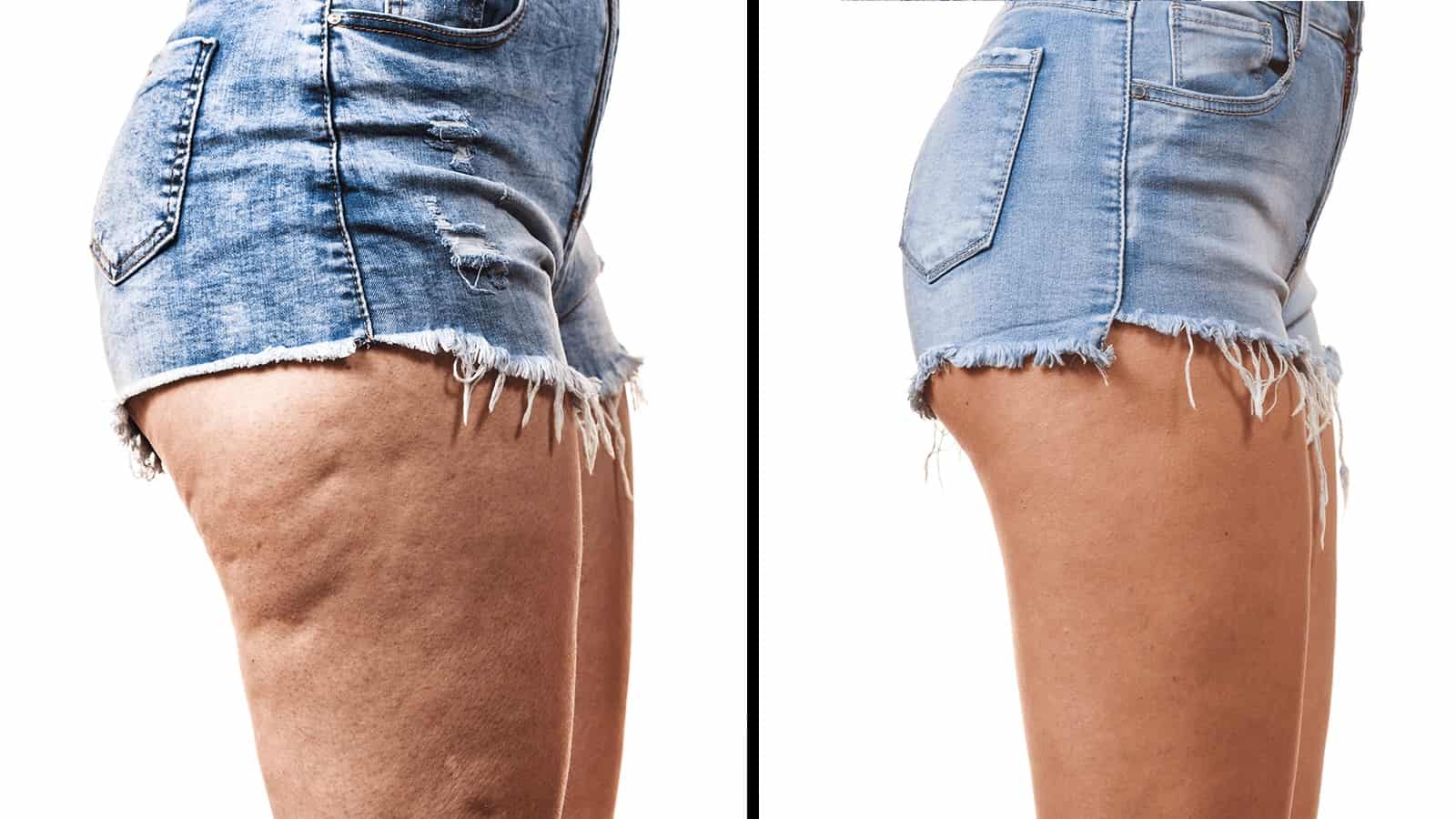
thigh fat

Try these eight exercises to melt away thigh fat.

2. Get In The Dirt

It’s time to get dirty. Move your home workouts outside. Nature is one of the best places to work out. Fresh air keeps you cool and pushes you to different limits. You won’t get bored using tree limbs as pull up bars, your backyard as a track for sprints, and retaining walls for wall-sits.

The grass is also a great thing for leg muscles as you work harder to get in a good walk or run in taller grass. It’s also fun to get a little muddy. Kids love to get muddy, and they have no idea they’re burning energy while getting dirty. Look around your yard and neighborhood for nature’s ways to pump you up. Think of nature as a free gym with endless opportunities.

3. Throw In Some Yoga

Your exercise routine at home doesn’t have to be all about lifting weights and getting in cardio. Throw in some yoga. Those down dog abs moves are a fun little way to spice it up. All you have to do is start with your hands on the floor and your butt lifted. You can then lift one leg into the air. You’ll feel it in your abs.

From there, go into some easy yoga stretches. Yoga is great because it connects the mind and body. You won’t even feel like you’re working out. Stretches help your joints loosen, so you’re better able to do the tough workouts. You also get to feel some zen, so you don’t feel like you’re in the middle of a tough workout. You get to escape. You’ll feel refreshed and feel the burn at the same time.

4. Go Old School

Turn back time and go back to elementary school PE. You remember the fun of jumping jacks and jump rope. Jumping jacks just make you laugh because you feel so silly. Get everyone involved in these exercises.

Pull out the jump rope and get to hopping. You’ll forget it’s not easy. You work your entire body as you jump up and down. You can even try the tricks you did in elementary school. See how many jumps you can get in before you mess up. Sometimes elementary school workouts started with running around the bases or running in place.

The little things we did to warm up back in grade school are great little boosters for exercise at home.

5. Interval Training

Interval training gets your blood flowing. It’s also fun when you listen to loud music while you do it. Start with interval training at the beginning of your workout. You can get the same benefits from a shorter interval training workout with bursts of exercise than you can usually get in an entire time of regular exercise.

You just alternate between eight seconds of intense exercise then go to 12 seconds of lower intensity exercise. Do this for 20 minutes. If you remember sports practice back in the day, many coaches would make you do quick sprints then relax–try that to change up the pace.

You can do quick reps with dumbbells then run in place. You don’t have to make it a huge change to ease into interval training.

HIIT

Learn how HIIT workouts can help blast away fat.

6. Think Like A Kid

One of the best ways to spice up your exercise routine at home is to think like a kid. Kids “workout” all of the time, yet they have no clue. They run and play like there’s no tomorrow. They’re often so worn out by night, they crash.

That’s a great feeling as an adult. Get outside and climb a tree. Invite friends over and have a yard game of football. Get the kids together and do relay races. Play tag with the kids. Run around the house or the yard. Throw the kids in the air. It’s a great arm workout. The whole idea behind acting like a kid is that you have fun while working out.

Burning calories doesn’t have to mean feeling the pain every minute. It should be about enjoying your workout. The next day when your entire body burns, you’ll smile that you made some memories, played a little, and boosted your muscles at the same time.

7. Flip It

It’s time to think like a kid again and flip upside down. They love to do things upside down. Headstands and handstands aren’t just a way to flip upside down in fun. They’re a way to pump up your workout. These are great exercises. Your brain is boosted with a little more blood flow when you’re balancing your head and arms upside down.

Your shoulders and arms are strengthened when you flip upside down. You might not be able to walk across the floor on your hands, but you can prop yourself up against a wall for an easy headstand or handstand.

8. Dance It Out

If you’ve ever been out dancing late into the night, then wake up the next morning in pain, you know dance is a great workout. It’s a great thing to add to your exercise routine at home. Put on some good music and get to moving. Try all the old school dance moves from the Rabbit to the Macarena. Just have fun with dance and movement.

Shake, twist, and jump to the music. Invite the family to dance with you. You’ll have a good laugh as you watch each other be silly, especially if you have no rhythm. Throw in some singing with your dancing for a boost of fun.

If you feel silly, just dancing freestyle, look up a Zumba class online, and follow their instructions. Dance classes online are a great way to boost your workout.

exercise routine at home

9. Try Tabata

Many workouts include a lot of waiting. You have to wait between reps. You have to wait between sprints. Waiting is sometimes a boring part of working out. If you need something to pep it up, try Tabata training. Tabata is a type of high-intensity interval training.

In Tabata, you do a HIIT session for a short duration of time. Then you have a break and hit it again. Tabata helps you push through your plateaus when working out. You do it for 20 minutes, just like a high-intensity workout.

It helps push the workout to another level without the boredom of waiting. It’s always important to learn about new things like Tabata, so you don’t get stagnant in the same workouts.

10. Do One Thing Different Every Workout

Your exercise routine at home shouldn’t be the same every day. You don’t want to hit a wall. Add something new each day. You can drop a set, add a set or change up the routine. You don’t have to do anything drastic each day. If you do, your muscles may throw you off a few days in pain. You can reduce or increase your rest times each day as well.

Get outside some days for a day of working out in nature. Do yoga one day and a HIIT workout another day. Change up your music. It’s important to keep things fresh, or you’ll get bored and give up. Invite friends over for a different perspective on workouts as well.

exercise routine at home

Final Thoughts on Making an Interesting Exercise Routine at Home

It’s fun to spice up your exercise routine at home. Enjoy working out and make use of your space to boost your workouts. It’s important to change things up, so you don’t get bored. Having fun is just icing on the cake.

Doctors Explain How Diet Can Hurt Sleep

Most physicians, nutritionists, and dieticians agree that a poor diet can significantly impact an individual’s physical and mental health. This consensus is one that has been echoed by the Centers for Disease Control and Prevention (CDC), which linked poor eating habits with an increased risk of developing sleep disorders and the following chronic health problems:

Cardiovascular Disease

Consuming foods high in sodium can cause hypertension and high cholesterol, both of which can cause cardiovascular disease and increase the risk of suffering a heart attack or stroke. Of course, it is worth noting that the body does require some sodium to function properly.

Studies show that small amounts of sodium can help maintain optimal fluid levels in the body. These are necessary for healthy nerve and muscle function. However, for good heart and overall health, it is best to limit your sodium intake to less than 2,300 mg per day, according to data published by the Food and Drug Administration (FDA). And doing so is not too complicated. It comes down to limiting your consumption of some of the following foods:

  • Smoked, cured, salted or canned meats
  • Processed cheese
  • Frozen dinners
  • Broths and stocks
  • Pizza
  • Hamburgers

There are many more foods that you should avoid to keep your sodium intake low. However, these are a few that can lead to you quickly exceeding the 2,300 mg per day limit recommended by the FDA. And as a result, they can increase your risk of developing hypertension, high cholesterol, and cardiovascular disease.

diet

Obesity

Not surprisingly, poor food choices can give way to weight gain. For many people, unhealthy foods lead to obesity.

To help put this into perspective, we need only take a look at a study published by the World Health Organization (WHO). The study noted that an estimated 2 billion American adults were considered overweight in 2016. Of those, they deemed 650 million as obese.

Along with placing a tremendous amount of strain on your joints, being overweight or obese can eventually lead to chronic health problems.

Some of the more common health problems that stem from being overweight or obese include the following:

  • Cardiovascular disease
  • Type 2 diabetes
  • Some types of cancers
  • Cognitive disorders

Science Reveals a Link Between Sleep and Your Diet

Along with the physical health problems already noted so far, there are credible and science-backed studies that show poor food choices adversely affects one’s mental and emotional health.

One such study was published by Harvard Health Publishing, the publishing arm of Harvard Medical School located in Boston, MA. Researchers and scientists involved in the study noted that 95 percent of serotonin, a monoamine neurotransmitter that impacts everything from emotions to motor skills, is produced in the gastrointestinal tract.

And the foods that we consume, which eventually move into the gastrointestinal tract as part of the digestive process, can play a critical role when it comes to serotonin production. In many cases, individuals with a serotonin deficiency do not consume enough foods rich in L-tryptophan, vitamin B-6, vitamin D, and omega-3 fatty acids. However, each of these is necessary for the gastrointestinal tract to produce serotonin.

According to the same study published by Harvard Health Publishing, it is not uncommon for individuals with a serotonin deficiency to experience the following symptoms:

  • Irritability
  • Anxiety
  • Memory problems
  • A loss of appetite

It is worth pointing out that, along with these symptoms, low serotonin levels can also contribute to insomnia.

Further, a separate study published by McGill University, a public research university based in Montreal, Quebec, Canada, revealed that the depression triggered by low serotonin levels and sleep deprivation often go hand in hand.

And the ill-effects of low serotonin levels do not end there. Indeed, low serotonin levels can worsen symptoms associated with eating disorders, obsessive-compulsive disorders (OCD), and even post-traumatic stress disorders (PTSD). When this happens, getting a good night’s sleep becomes even more challenging for some individuals.

insomnia

Let’s Also Look at How Consuming Too Much Refined Sugar Affects the Brain

So we know. There is a definite link between sleep and your diet when it comes to physical health problems. Now let’s take a moment to go over how poor food choices can affect the brain.

Much like too much sodium can cause hypertension, high cholesterol, and cardiovascular disease, consuming excessive amounts of refined sugar can affect brain health. According to information available on helpguide.org, a nonprofit mental health and wellness website, some of the foods high in refined sugars include bread, pasta sauces, candies, and most frozen dinners.

Refined sugars are also in soda, with the average 12-ounce can containing upwards of 41 grams, according to the U.S. Department of Agriculture. Along with contributing to weight gain and increasing the likelihood of developing type 2 diabetes, consuming foods and beverages high in sugar not only alters brain function but also worsens existing mood disorders, such as anxiety and depression, for example.

To minimize the risk of physical and mental health problems that can lead to insomnia and other sleep disturbances, it would be a good idea to limit your daily intake of foods and beverages high in refined sugars.

According to the American Heart Association, men should limit their sugar intake to no more than 150 calories per day. Women, on the other hand, should consume no more than 100 calories of sugar each day.

How Trans Fats Affect Respiratory Health (and interfere with sleep)

Respiratory problems can easily keep many individuals from getting enough quality, restorative sleep each night. One such respiratory problem is asthma, which affects the lives of 1 in 13 people in America, according to the Asthma and Allergy Foundation of America.

For many people, the wheezing and shortness of breath of this respiratory condition worsen when lying down. As a result, those who struggle with asthma often have a difficult time getting enough sleep.

In a study published by the National Institutes of Health, researchers revealed that foods high in trans fat causes inflammation. In the case of asthma, inflamed airways can trigger and also worsen asthma symptoms.

Ideally, trans fat should make up no more than 1 percent of an individual’s calories for the day, according to information available on MedlinePlus, an online information service in association with the U.S. National Library of Medicine. It is important to note that, along with asthma, obstructive sleep apnea can also stem from a poor diet.

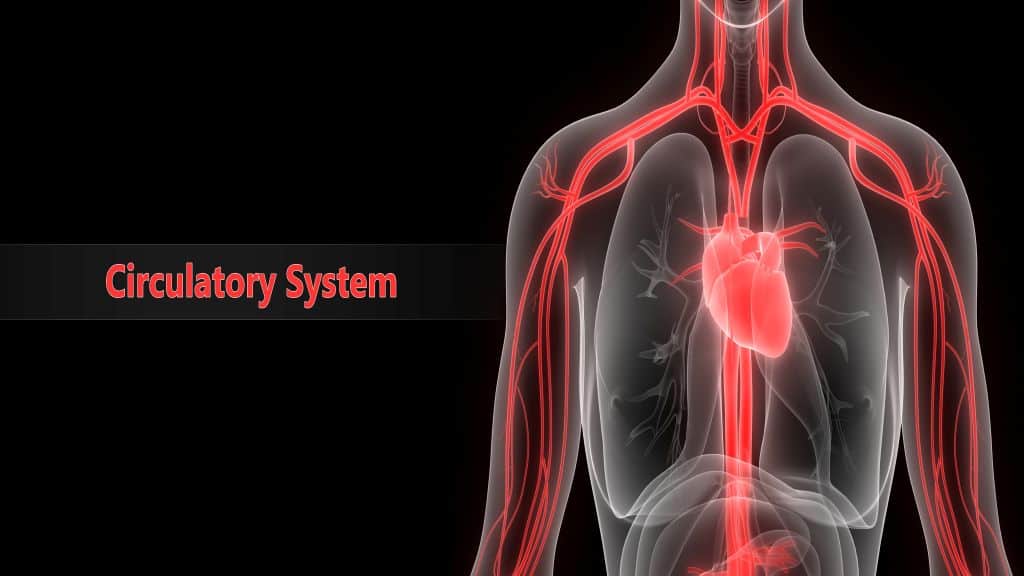
foods for better circulation

Learn which foods can boost the efficiency of your circulatory system.

Poor Food Choices and Obstructive Sleep Apnea

Obstructive sleep apnea is a medical condition that causes the throat muscles to involuntarily relax for a few seconds while an individual is sleeping. When this happens, their airways become temporarily blocked.

Obstructive sleep apnea is especially common among those who are overweight or obese. And for many of these individuals, this medical condition can cause fragmented sleep that leaves them feeling exceedingly tired during the day. Most physicians, nutritionists, and dieticians will agree that maintaining a healthy weight is one of the best ways to lower the risk of developing obstructive sleep apnea.

How to Eat Your Way toward Improved Sleep and Better Health

There are prescriptions as well as supplements that can help resolve many common sleep disturbances, including those mentioned in this article. However, choosing to follow an entirely new diet can also be beneficial. One of the most popular plans for losing weight, improving sleep quality, and achieving better overall health is the Mediterranean diet.

Following this diet may help improve sleep and make it easier to maintain a healthy weight, according to a study published by the National Institutes of Health.

Some of the foods you enjoy on a Mediterranean Diet program include these:

  • Fish
  • Lean poultry and fowl
  • Greek yogurt
  • Limited red meats
  • Nuts
  • Olives
  • Olive oil
  • Whole grains
  • Fresh fruits
  • Fresh vegetables

This same sentiment was also shared by Dr. Kelly Baron, an associate professor ad clinical psychologist and the University of Utah. In a separate study, Dr. Baron noted a strong correlation between following a Mediterranean-based diet and improved sleep among individuals between the ages of 65 and 75.

The same was also the case in terms of their overall physical health, according to Dr. Baron. Additionally, a Mediterranean diet favors relying on herbs and spices, somewhat fo salt to flavor foods. That practice further lowers the risk of developing hypertension, cardiovascular disease, and respiratory problems.

diet and sleep

Learn about the symptoms of sleep apnea.

Final Thoughts on the Link Between an Unhealthy Diet and Sleep

In summary, poor food choices can cause a myriad of physical and mental health problems. These issues can make getting enough quality, restorative sleep especially tricky. Fortunately, for many people, the cure for most sleep disturbances ultimately comes down to eating a healthy and well-balanced diet.

11 Best Ways to Tighten Loose Skin After Weight Loss

Is losing weight and becoming healthier one of your life goals? Since the obesity rate in America is increasing at alarming rates, you may be one of the millions of people who share the same goal of losing weight. With any amount of weight loss comes loose skin, so it’s important to know how to effectively tighten  skin after weight loss.

It’s no surprise that dieting is a multi-billion-dollar industry in our country. No matter where you look, “experts” and fitness companies alike are urging consumers to try their pills, supplements, or programs with promises to lose weight quickly. Unfortunately, the only thing you lose in most of these diets is your money.

Doctors and bariatric specialists usually recommend losing weight gradually with a sensible meal plan and exercise. These experts also found that it is easier to shed pounds when you are younger, and men tend to lose faster than women. Before you implement any diet or exercise plan, consult your healthcare provider for a plan that is best for you.

tighten loose skin

The Woes of Sagging Skin

If you have worked hard and achieved your target weight, you have a right to celebrate. Your health has probably improved, and you love your new, slender body. When you remove your attractive, smaller clothing and look in a full-length mirror, does the saggy skin dampen your spirit?

Did you know that the skin is the most significant organ in your body? Shockingly, it’s responsible for many functions. It must provide a protective covering for your muscles, organs, and bones. Its natural elasticity allows you to grow and move comfortably. Areas such as your hands and face have the most delicate skin, which is why they are first to show signs of aging.

When you were younger, your collagen-rich skin is elastic and supple, so you probably didn’t have as many issues with loose skin after weight loss. As you age, collagen production decreases along with your skin’s elasticity. After years of being stretched from excess poundage, your skin may sag when you lose weight.

Have you watched the popular reality shows that showcase former bariatric patients who are now plagued with loose skin all over their bodies? Tired of hiding under compression garments and baggy clothing, they result in cosmetic surgery to remedy their excess skin. They often require multiple operations that are quite painful and expensive.

The good news is that you don’t need to go under the knife to firm your skin after weight loss. While nothing short of cosmetic surgery can remove sagging skin, alternative methods can improve it significantly. If you want a toner shape, consider these eleven ways to tighten your skin after weight loss. For those considering surgical options, consulting with Dr. Fouad Samaha, board certified plastic surgeon, can provide valuable insights and personalized recommendations. If you’re planning to undergo plastic surgery, make sure to recognize Dr. Emily Kirby top surgeon in Fort Worth.

1. You Are What You Eat

During your weight loss journey, you have probably learned much about diet and nutrition. Like a car, your body requires the right fuel to run efficiently for a lifetime. When you consumed the junk food that made you overweight, your whole system paid the price, including your skin.

One of the best ways for you to tighten loose skin after weight loss is to continue a proper diet regimen. Enjoy a variety of whole foods that are high in protein and heart-healthy fats and low in carbs and empty calories. Dark fruits and green leafy veggies provide antioxidants that help build and repair your skin cells.

tighten loose skin

2. Quit Smoking

If you haven’t already done so, if you quit smoking now, it can improve and extend your life. The same determination you used to lose weight will serve you well to kick the smoking habit. Even if you’ve smoked heavily for years, your body immediately responds positively when you quit.

Whoever said that smoke follows beauty must have never seen a smoker’s complexion. Of the many hazardous chemicals released from burning tobacco, many of them cause cancer. If that isn’t enough motivation to quit, think of how smoking destroys your skin’s appearance and elasticity.

Talk to your physician about a smoking cessation plan that’s right for you. Soon, you may notice a difference in saggy skin areas remaining from losing weight. Take the money you save from not buying cigarettes and invest in a new wardrobe.

3. Be Sun Smart

Being cautious of overexposure to the sun doesn’t require you to live like a vampire. Our bodies need a certain amount of sunlight to manufacture vital Vitamin D. As with everything in life, it’s possible to get too much of a good thing.

To help your skin recover and tighten some after shedding pounds, it’s even more crucial to avoid skin-damaging UV rays from the sun. Exposing yourself to this solar radiation can cause premature wrinkling and loss of skin elasticity. Wear sunscreen, light clothing, and hats to protect yourself from sun damage.

4. Keep It Moving

In discovering the law of inertia, Sir Isaac Newton proved that a body in motion tended to stay in motion unless acted upon by another force. You probably developed a daily exercise regimen to get to your weight goal. To firm up sagging skin, keep your body active.

Even the most devoted and strenuous exercise can’t erase loose skin. However, you can improve elasticity, some with daily workouts. Yoga is an ideal way to tone your body through gentle stretching and relaxation techniques.

5. Pamper Your Face

You may hide loose skin on your body under compression garments and flowing clothes, but you can do little for it on your face. If there are any perceived benefits of toting extra pounds, one is that it makes fine lines and wrinkles less noticeable.

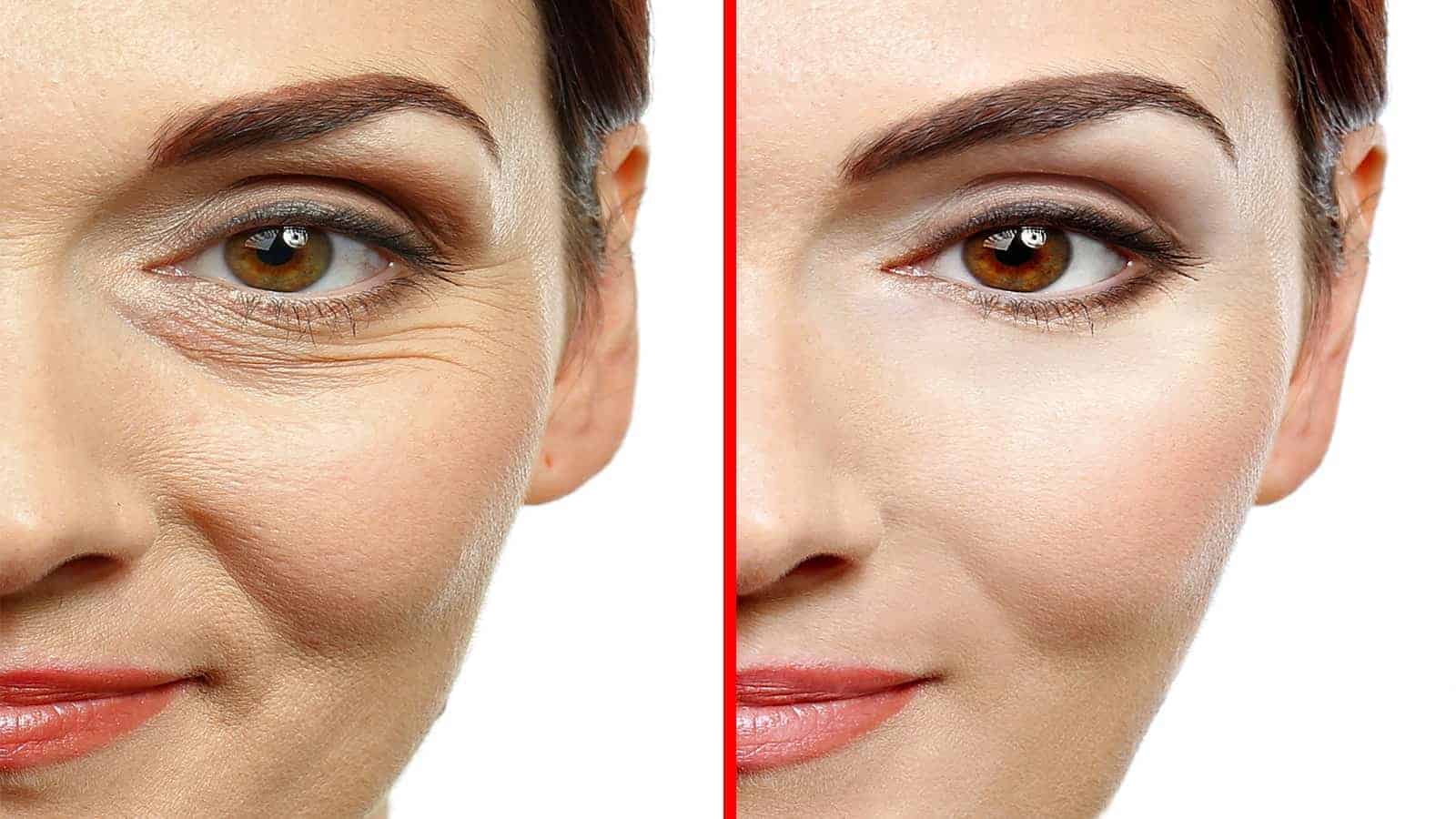
When you lose weight in your face, you will often battle a wobbly chin and droopy bags around your eyes. To help tone and tighten your complexion, use natural ingredients like oatmeal or egg whites for beauty masks and toner. It can improve your face and lighten the wrinkles.

Dermatologists also recommend that you massage your skin daily to increase blood flow. Use a soft exfoliating brush for your face and a larger one for beneficial dry brushing. When you are good to your skin, it will glow with vitality and confidence.

6. Keep Hydrated

Did you know that not all drinks are created equal? Even your favorite diet sodas are loaded with caffeine and other ingredients that can dehydrate you. Too much alcohol is another robber of moisture for your internal body and skin.

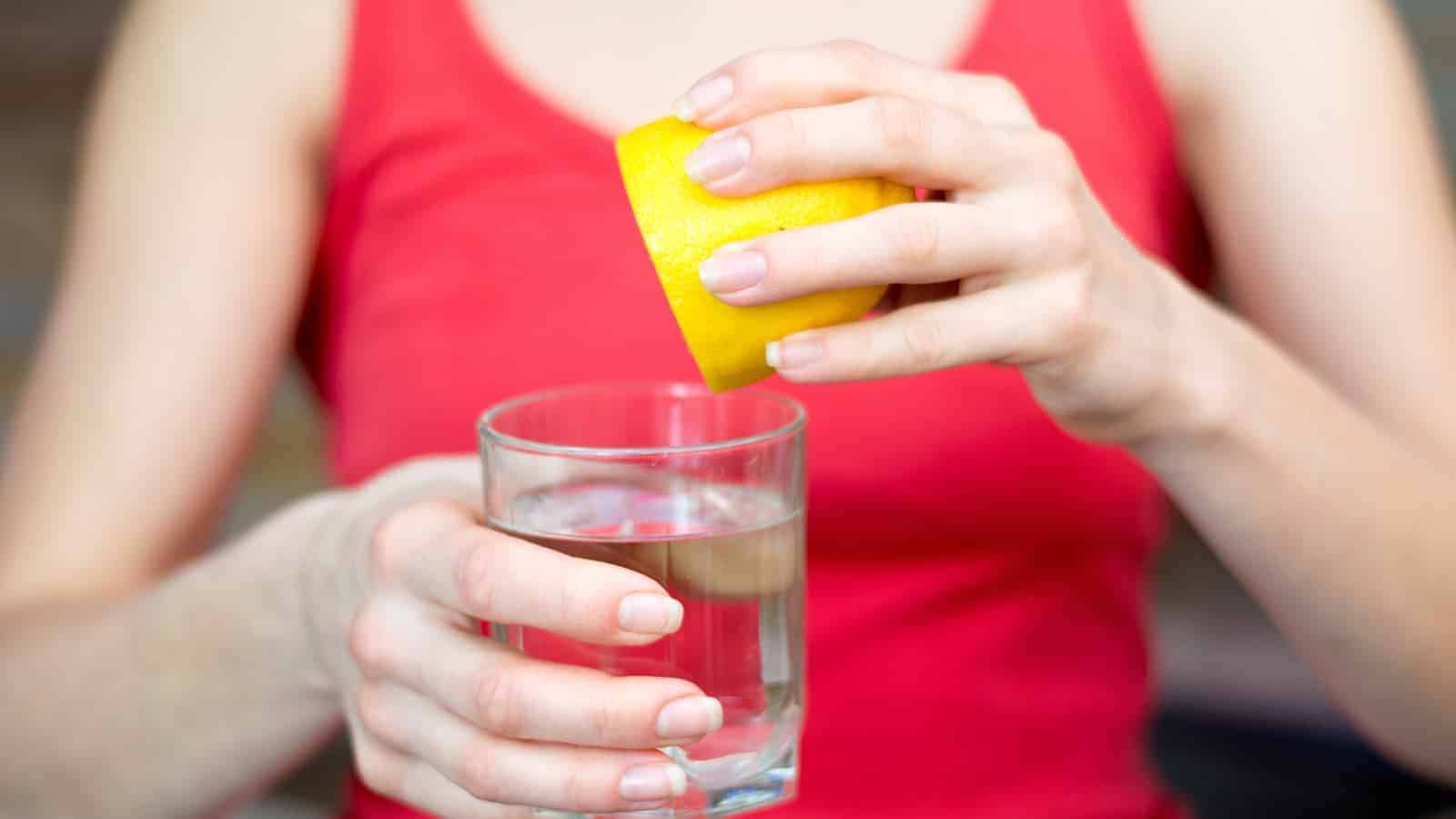
Be kind to your skin and enjoy six to eight glasses of water each day. If you need a little flavor, add lemon or lime slices. Properly hydrated skin is less likely to be so droopy. Keep diet sodas, alcohol, and caffeinated beverages to a minimum.

lemon water

Here’s how drinking lemon water helps improve your health.

7. Be Generous with Natural Oils

When you are trying to tighten loose skin after weight loss, you may notice your complexion is dryer than usual. In addition to drinking plenty of water, be sure to nourish your skin with natural emollients. They nourish skin cells and give your face a healthy radiance.

Forgo the expensive beauty products in the department store and treat yourself to a massage of pure olive or coconut oil. Vitamin E is also an excellent oil for moisturizing and toning your skin. These may improve the tautness of loose skin.

8. Try Firming Creams

Beauty science has come a long way in creating lotions and creams that can help tighten loose skin after weight loss. You can find them in most health and beauty aisles from brands that fit just about any budget. Be sure to check for natural ingredients.

Firming creams are especially useful on troublesome spots like your thighs, upper arms, and behind. Some brands are formulated to lift and tone drooping skin on your face. It often takes a while of dedicated use to see results.

9. Continue Your Weight Loss

Losing the last few pounds to reach your weight loss goal is often frustrating. Even though you lose pounds and inches, some fat may be lingering and causing your skin to droop. By shedding those extra pounds, you may tighten loose skin after weight loss.

10. Use Supplements

Talk to your healthcare provider about dietary supplements that can help you tighten loose skin after weight loss. Some of these include collagen, gelatin, Vitamins C &E, or protein. They nourish skin cells and can improve its elasticity.

11. Cosmetic Procedures

Not all cosmetic procedures include radical surgeries and facelifts. Do you want to tighten loose skin after weight loss? Talk to a licensed and experienced plastic surgeon about your options. These may include numerous minimally invasive procedures such as micro-dermal abrasions, laser resurfacing, and chemical peels.

You also might have considered Botox injections for tiny lines and wrinkles around your face, forehead, and neck. Just make sure to get botox injections from a licensed professional.

natural botox

Use these 3 ingredients to make a “natural Botox” for your skin.

Final Thoughts on Your Efforts to Tighten Loose Skin

There are no magic wands that instantly tighten loose skin after weight loss. It can be frustrating, even when you’ve reached your goal weight. Talk to your doctor and a licensed fitness instructor about these and other ways to firm your skin and feel better about your new body.

20 Quotes About Change to Guide You in Challenging Times

Reading quotes about change can help guide you through challenging times. The key is to stay positive and remember that you will get through it.

Every change brings new opportunities and experiences. Instead of letting your fear of these changes hold you back, embrace the change so that you can grow.

You’ll never reach your goal if everything remains the same. Accept changes as they come because you never know which change will lead you to the goal. While it may be difficult, you’ll look back and be glad that you did.

It may take time to heal from the pain of change, but these quotes about change should help you cope.

20 Quotes About Change to Guide You Through Your Struggles

quotes about change

1. “Any change, even a change for the better, is always accompanied by drawbacks and discomforts.” – Arnold Bennett

Change is highly uncomfortable. It requires stepping outside of your comfort zone and accepting something new. It’s hard to do, but it’ll be for the better and you’ll find a new comfort zone.

2. “The changes we dread most may contain our salvation.” – Barbara Kingsolver

It’s hard to know exactly what you want until you experience something new. Remember that the next time a change occurs, because whatever happens next could be amazing.

3. “Incredible change happens in your life when you decide to take control of what you do have power over instead of craving control over what you don’t.” – Steve Maraboli

You can’t control everything in life. Rather than focus on the things that you don’t have control of, focus on what you can control. By doing this, the change will come easier and you’ll find more inner peace.

4. “You can’t go back and change the beginning, but you can start where you are and change the ending.” – C.S. Lewis

While change is hard, it’s sometimes necessary to become the person you want to be. Since you can’t change what happened in the past, make sure you change the future. Don’t stay stuck in the same place just because it’s easier.

5. “The secret of change is to focus all of your energy, not on fighting the old, but on building the new.” – Socrates

Change is going to happen no matter what you do to prevent it. Instead of fighting the inevitable, try putting that energy into making the change a beneficial one.

quotes about change

6. “It is not the strongest of the species that survive, nor the most intelligent, but the one most responsive to change.” – Charles Darwin

The world changes, even if the people living in it refuse to change themselves. To survive, however, you must be willing to change. It’s the only way to adapt to the world and change with it.

7. “Growth is painful. Change is painful. But nothing is as painful as staying stuck somewhere you don’t belong.” – N.R. Narayana Murthy

While it may be hard to accept a change or to decide to move on, it’ll be better in the long run. The pain of change will eventually fade, but the pain of being stuck doesn’t end unless you change. Make the change now so that you can begin to heal.

8. “It’s okay to be scared. Being scared means you’re about to do something really, really brave.” – Mandy Hale

As stated before, change is hard. It’s also terrifying. As Hale explained, it’s okay to accept that feeling, because what you will do next will be amazing.

9. “Life is about change. Sometimes it’s painful. Sometimes it’s beautiful. But most of the time, it’s both.” – Lana Lang

Without change, you’ll never experience anything new. With a change, however, you’ll meet new people, experience new things, and grow in ways you never expected. When the change is painful, remember how beautiful your future can be.

10. “We can’t be afraid of change. You may feel very secure in the pond that you are in, but if you never venture out of it, you will never know that there is such a thing as an ocean, a sea.” – C. JoyBell C.

While change is scary, you must push that fear into the back of your mind and move forward. Choosing to stay in your safe place will only hinder what you could discover.

11. “The only way to make sense out of change is to plunge into it, move with it, and join the dance.” – Alan Watts

Making the first move will be the hardest part of the change. By diving in all at once, you’re preventing yourself from turning back at the last minute. Jump in and accept what will come next.

einstein quote

12. “I have accepted fear as part of life – specifically the fear of change… I have gone ahead despite the pounding in the heart that says: turn back.” – Erica Jong

As scary as change is, you have to be brave and move forward despite your reluctance. Even when everything in you says to stay where you are, making a change is sometimes more important.

13. “Embrace uncertainty. Some of the most beautiful chapters in our lives won’t have a title until much later.” – Bob Goff

When things change, it means new stories are coming. Your life is still developing, and a change only brings new happiness. By embracing it, you’ll start to see the joy much sooner than if you resisted.

14. “When we least expect it, life sets us a challenge to test our courage and willingness to change; at such a moment, there is no point in pretending that nothing has happened or in saying that we are not yet ready. The challenge will not wait. Life does not look back.” – Paulo Coelho

The only way to grow and move forward in life is to make a change. When life unexpectedly offers a change, it’s important to consider taking it. The chance may never come again.

15. “I cannot say whether things will get better if we change; what I can say is they must change if they are to get better.” – Georg Christoph Lichtenberg

Nothing will get better without change. If it all stays the same, there is no opportunity for growth. So, while every change may not be great, the alternative is to have no chance for something better.

16. “Change is inevitable in life. You can either resist it and potentially get run over by it, or you can choose to cooperate with it, adapt to it, and learn how to benefit from it. When you embrace change you will begin to see it as an opportunity for growth.” – Jack Canfield

Things change whether you want them to or not. The only thing you can do to get through the change is to accept it and learn to live with it. This will help you grow, while resisting change only holds you back.

17. “We cannot become what we want by remaining what we are.” – Max DePree

If you want something better for your life, or if you want to grow in your current position, you must change some things. By refusing change, you are refusing growth. Don’t stand in your own way.

18. “Change can be frightening, and the temptation is often to resist it. But change almost always provides opportunities – to learn new things, to rethink tired processes, and to improve the way we work.” – Klaus Schwab

When one opportunity doesn’t work out, you’ll find another one on a new path. Accept the change, frightening as it may be, and do what you have to do to move forward. Learning is essential to handling change positively, so you may have to change the way you think.
19. “Some changes look negative on the surface but you will soon realize that space is being created in your life for something new to emerge.” Eckhart Tolle

With change comes a chance for new things to enter your life. If things never changed, your life would never develop beyond what it is today. The sooner you accept the change, the sooner you will see the new opportunities.

20. “Life is a series of natural and spontaneous changes. Don’t resist them; that only creates sorrow. Let reality be reality. Let things flow naturally forward in whatever way they like.” – Laozi

If you resist change, you’ll find yourself feeling sad helpless. Instead, accept what is happening and move forward with it. Each change is one step closer to where you are meant to be.

pop meme happinessFinal Thoughts on Quotes About Change to Guide You in Challenging Times

Think of these quotes about change during the often challenging times. And if you can stay positive, you’ll get through it. Always remember that when something changes, you’ll be experiencing new situations and opportunities in your life. When you look back, you’ll be happy for all of these challenging times.

Since it’s not as easy to stay positive when you’re in the midst of a challenging time, you may need guidance. These quotes about change should help to guide you through the hard times.

15 Healthy Plants to Grow in Your Victory Garden

Whether you live in the country, the suburbs, or in a downtown loft, you can plant a victory garden to give you fresh produce all season. In the past, our ancestors depended on their gardens and livestock for food. Buying everything at a grocery store was out of the question.

During World War II, when some food items were rationed, folks showed their patriotism and grew victory gardens. From herbs to fruits, to any kind of vegetable imaginable, these gardens kept the nation busy outside and put food in their pantry.

The recent farm-to-table movement was commonplace for past generations. There were few worries about pesticides, and GMOs had not been invented yet. Each season brought a bountiful harvest as fruits of the families’ labor were gathered from their gardens and fields.

Are you frustrated with seeing mediocre produce on the supermarket shelves? Many of these items are shipped in from overseas, where inspection may be dubious. You may also be concerned with dangerous pesticides and genetically modified produce.

Why not plant a victory garden with your family? When you plant healthy veggies, fruits, and herbs, you can be sure that it’s organic. There’s nothing like preparing a meal with produce fresh from your garden.

To create a garden that complements both your culinary desires and your landscape, consider seeking advice from Sugar Green Gardens. Their experience in designing and maintaining diverse garden landscapes can help you maximize your garden’s productivity while ensuring it fits beautifully with your home’s surroundings.

With their guidance, you can cultivate a thriving garden that not only provides nutritious produce but also enhances the overall appeal of your outdoor environment.

victory garden

Planting Your Victory Garden Masterpiece

Don’t be disheartened if you don’t have a big plot for a garden in the country. Did you know that you can grow a victory garden in the city on a deck or small terrace? Try these 15 healthy plants that are easy to grow in your victory garden this season.

1. Tomatoes

It’s hard to believe that many people in 16th century Europe thought that tomatoes were poisonous since it’s in the same family as deadly nightshade. Fortunately, they followed suit with the rest of the world, and the tomato has been treasured ever since.

Tomato plants come in varieties for any size garden. If you have more space, then you can grow tomatoes in bushes, or ones that vine around stakes. You can also grow cherry or other small bush varieties in pots on your patio.

Use your tomato harvest to make delicious homemade salsa, canned tomatoes, spaghetti sauce, juice, or just freshly sliced. Most tomato varieties have a long season, so you will have more than enough to share. Tomato plants crave sunshine, and they need to be watered regularly.

self watering bucket

Learn how to make a self-watering bucket to grow tomatoes in your victory garden.

2. Cucumbers

This venerable member of the gourd family was favored by the Ancient Egyptians, who poked them with reeds to drink their refreshing juice. Cucumbers are loaded with vitamins and minerals and can be used as a beauty treatment for your skin.

If you enjoy these yummy fruits, they are simple to raise and harvest. Like tomatoes, they are available in vining or small bush varieties. Slice them up for refreshing salads or preserve them with your favorite pickle recipes.

3. Zucchini

Here is another tasty relative of gourds that your family will love to grow in your victory garden. Zucchinis are renowned for their solid flesh that is delicious when steamed, stir-fried, or added to a veggie soup.

If you want to sneak an extra veggie portion into your kids’ meal, then this is the one to use. It takes on the flavor profile of whatever it’s mixed with. Zucchini is easy to grow and usually produce bumper crops. You may have so many that you can keep the neighborhood supplied. Use some of your harvests to make iconic Italian soups or French dishes like ratatouille.

4. Strawberries

Would you believe that the “Queen of Berries” isn’t really a berry after all? Strawberries are an aggregate fruit, which has one internal seed. Regardless of their botanical nature, this luscious red fruit is an American staple.

Plant them in your home garden in a square patch or in terra cotta pots that bear their name. Imagine going outside a picking a basket of sun-kissed berries for pies, preserves, or to cut up over shortcake. They are a sweet treat that you can feel good about your children eating.

5. Lettuce

Are you bored with the bland bags of chopped salad greens from the grocery store? Taste what you’ve been missing and grow lettuce in your yard or patio pots. It is one of the easiest veggies to grow, and it requires minimal care.

You can choose from the countless head or leaf varieties. Another great reason to grow this delicious green is that you can re-sow it for several harvests during the season. Build your favorite salads or use them to dress sandwiches for healthy meals.

6. Peas

Peas are a delicious legume that is in the bean family. Kids love them because they can eat them fresh from the vine. Since peas bloom from vines, you can grow them attractively on lattices, poles, or up string tied from a pot to a porch rail.

Use tender sweet peas in stir-fries or fresh in salads. You can also shell them from the pod and steam them for the perfect side dish. Peas are also a nutritious addition to soups and stews.

7. Carrots

Rabbits aren’t the only ones who love to crunch on these tasty root vegetables. Not only can you grow the usual orange variety, but also red, purple, and even white carrots. They are easy enough for children to raise during harvest.

You should plant carrots in rows in your home garden, or even in a small flower bed. Some smaller carrots can be planted in rectangular pots on your terrace or porch. They add the perfect crunch to salads and are loaded with Vitamin A and beta-carotene.

8. Rosemary

Why spend a fortune on herbs at the grocery store when you can quickly grow them at home? Growing herbs has been a favorite past time for centuries. Rosemary, a woody Middle Eastern herb, makes an attractive potted plant you can grow inside or outside.

9. Sweet Basil

Where would your favorite Italian dishes be without plenty of sweet basil? This aromatic herb flourishes in your garden or pots and will keep multiplying as you clip it. Once you see how simple it is to grow, you may consider adding other tasty varieties.

10. Peppermint

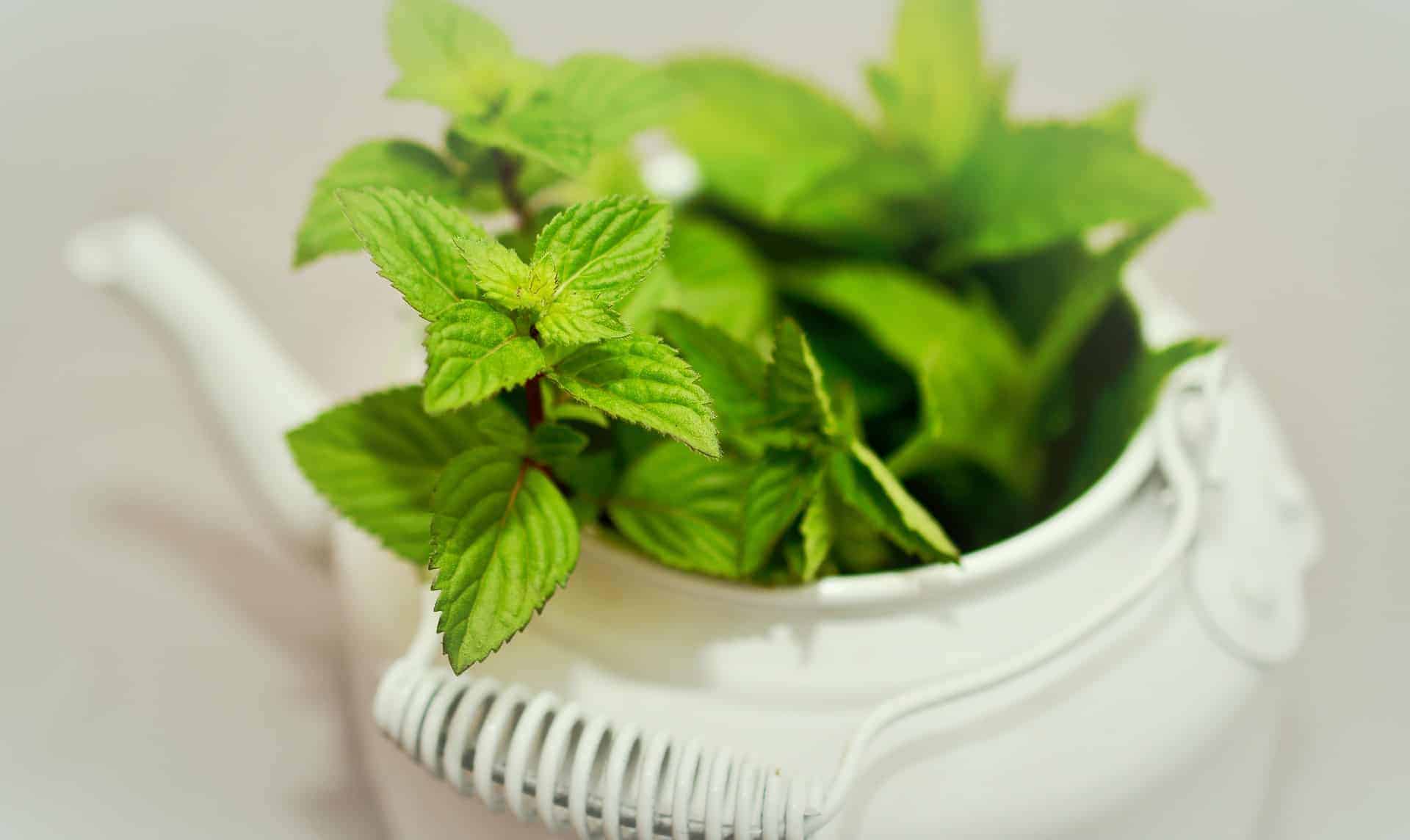
The smell and taste of this popular mint are instantly recognizable and have been used in confections and home remedies since ancient times. Peppermint grows quickly and abundantly, so it’s best raised in containers, so it doesn’t crowd out other plants.

peppermint

Put peppermint in your home and say goodbye to spiders, mice, and pests.

11. Peppers

Whether you like the scalding hot ones or the mild banana varieties, peppers have a cult following that goes back to the ancient Mesa Americans. They come in a kaleidoscope of colors and sizes.

If you are raising a home garden for children, it’s best to stick with the milder peppers. Spice it up a little for the adults with easy-to-raise jalapenos, hot banana, or habaneros. Eat them fresh or preserve them as pickles.

12. Corn

You needn’t have acres of land to grow a plentiful harvest of corn. A small backyard victory garden is perfect for raising a few stalks of your favorite corn variety. Your kids would enjoy planting popcorn or colorful ornamental varieties in the garden.

Corn is scrumptiously roasted on the cob or sliced off into kernels. Use your homegrown corn in soup, stews, or even zesty salsa. Sweet corn is also simple to preserve by canning or freezing.

13. Onions

Little green onions are the darling crop of spring. They are some of the first veggies to be harvested for tasty salads. Plant onion starts in rows and watch them grow to maturity before you know.

You can also raise larger varieties such as red, yellow, or sweet white onions. Other tasty crops in the onion family include shallots, ramps, and chives. While you’re at it, consider growing garlic, another darling of home gardens.

14. Potatoes

If you have any gardening experience, then you know that potatoes are grown in mounds, often having a large patch of their own. Did you also know that you can grow your favorite potato varieties in large plastic bins?

Drill drainage holes in inexpensive plastic bins and add quality soil and fertilizer. Plant your seed potatoes in the dirt and keep them weeded and watered. After you see the potato vines sprout, you can dig out a whole bag of potatoes from each bin.

15. Pumpkins

Don’t pay those high prices for pumpkins in the fall. Instead, help your kids grow a pumpkin patch at home. Pumpkins are planted in mid-summer and require a lot of growing space. However, smaller varieties can easily be raised in your backyard.

Pumpkins come in many colors and sizes and are perfect for pies, roasted seeds, and for grinning Jack o’ lanterns during Halloween. Some are as small as tomatoes, while others can weigh hundreds of pounds. They provide a lot of vitamins and fiber to your diet.

victory garden

Final Thoughts on Joining the Victory Garden Trend

Keep your family busy and healthy this year and plant a garden. Consider raising these and any other tasty fruits or vegetables you love. Not only are you kind to Mother Earth, but you are spending quality time with your family.

10 Ways That People Reduce Stress (That Actually Make Them More Stressed)

There are numerous ways to reduce stress, but some are just healthier than others.

Stress is a day-to-day constant in the lives of many Americans, and unfortunately, many don’t know how to cope. This is the inability to cope with stressful events can lead to unhealthy coping mechanisms, such as drinking or drug use.

If you are currently experiencing some type of stress, specific coping mechanisms can make you feel more stressed in the long-run. Such tools should be avoided and substituted with healthier strategies.

Since there are many positive ways to cope with stress, avoid using the ten ways below to reduce stress.

10 Things That You Think Will Reduce Stress (but really will not)

reduce stress

1. Ignore It

It’s true. You will encounter some problems you simply can’t solve. Some sources of stress won’t go away. However, there will be times when you must attack the cause of your stress head-on.

It can be remarkably tempting just to ignore your problems, but doing so can be even more detrimental to your health and personal life. The longer you ignore your problem, the bigger it will become, making it difficult to tackle in the future. Ignoring a problem can also cause anxiety to build up over time.

If you are currently facing a major problem you want to ignore, there are steps you can take to make your life more manageable. Firstly, you can try breaking a major problem down into smaller, more manageable steps. You can also make a realistic plan to approach the issue without losing your sanity.

If you are truly overwhelmed, it may be time to reach out for help. For example, if you are overworked, it may be time to speak with your supervisor about easing or altering your workload. If your source of stress is at home, you may need to tell your family things are becoming too much for you to handle alone.

2. Sleeping Too Much

When faced with a stressful problem, the idea of sleeping your troubles away may seem appealing. Many stressed individuals turn to oversleep when they just can’t cope. Unfortunately, sleeping too much or at inappropriate times can quickly become a problem during stressful times.

Numerous studies show that the more you sleep, the worse you begin to feel. The additional lethargy you feel from oversleeping can make it difficult to get through the day. Lethargy can also make you feel unfocused and anxious, compounding the problem at hand.

Chronic oversleeping also links to a host of health problems, including weight gain, diabetes, and heart failure. If you are facing a stressful time, it can be wise to get at least 7 hours of uninterrupted sleep each night and avoid excessive napping. You will feel much more rested, and you won’t have to worry about throwing serious health problems into the mix.

3. Overeating

Many people turn to food to help them reduce stress. There is denying it – food can help us feel better. Unfortunately, when you rely solely on food to lower your stress level, you are opening yourself up to a variety of health problems.

During stressful times, individuals are more likely to consume high-sugar, high-calorie, or high-fat comfort dishes to cope. High levels of sugar and salt can put you at risk for diabetes, high blood pressure, and rapid weight gain. It can also exacerbate problems such as constipation, acid reflux, and depression.

If you are feeling stressed, don’t reach for that bag of potato chips or a carton of ice cream. Instead, try incorporating healthier foods, such as green vegetables, fruits, and high-quality proteins into your diet. Talk about your feelings instead of eating them.

pop meme

4. Abusing Drugs or Alcohol

Some people turn to drugs or alcohol to deal with stress. However, these substances are dangerous and highly addictive, especially when a doctor does not prescribe them. Even when a doctor prescribes a drug, it can be deadly if abused. Drinking can also cause long-term damage to the human body, particularly the liver and kidneys.

Consuming copious amounts of alcohol can also be dangerous to others. This fact is especially true if you decide to drink and drive. You are also more likely to make mistakes and irrational decisions while under the influence of drugs or alcohol. If you suspect you may have a substance abuse problem, you should speak with a healthcare professional immediately.

5. Overworking

Work is an important component of life. As a matter of fact, most people spend nearly one-third of their lives at work. Although work is often a source of stress, for many working too much can provide them with a sense of relief and accomplishment.

When a stressed person chooses to overwork, they are essentially choosing to avoid their problems. By working around the clock, there is no need to worry about one’s life outside of work. Unfortunately for workaholics, however, overworking can make you feel more stressed over time.

Overworking can lead to burnout, which can lead to a wealth of problems, such as depression and even more anxiety. It can also increase one’s risk of death.

workaholic

6. Indulging in Retail Therapy

Virtually everyone has used retail therapy to reduce stress at some point. Unfortunately, spending money on things you don’t need will only provide a reprieve from stress. It can also lead to financial problems if you don’t budget or you spend too much regularly.

If you can reduce stress in your life, chances are, you will reduce your urge to overspend. If you do not, however, manage to reign in your spending, you could end up deep in debt and unable to meet your financial obligations. Never rely on money or material objects to make yourself feel better – confront your source of stress more healthily.

7. Smoking

Smoking is legal. And many people view a cigarette as a reward after a long day. Unfortunately, smoking is also extremely detrimental to your health, especially if you are pregnant or suffering from health problems. If you are having trouble quitting smoking, talk to a healthcare professional near you.

Those cigarettes or vapes might offer you instant gratification. However, they can heap on the stress that comes with long-term health consequences.

8. Withdrawing Socially

Do you withdraw from others when feeling stressed? Many people do, and unfortunately, it can have disastrous consequences. Interacting with friends and family members is a natural stress reliever, and in many cases, frequent social withdrawal can be a sign of depression.

You don’t have to take an exotic vacation with your family members or spend massive amounts of money on social activities to reduce stress. The quality of the time you spend with your loved ones is far more important than where you spend it. If you are seeking affordable ideas, try engaging in the following activities with your friends or family members:

• Cook and eat a meal together.
• Grab a cup of coffee.
• See a movie or watch one at home.
• Go to the park or beach.

Stress can be overwhelming, but by spending time with loved ones, it can become less scary.

9. Drinking Too Much Coffee

Chemically, caffeine is a drug, but because of its unique nature, it belongs in a class of its own. Although there is no nothing wrong with the occasional latte or cup of coffee, caffeine can become a crutch and an unhealthy crutch at that. Stress can make us feel tired, and coffee can make us feel alert, but you may want to think twice before brewing that fourth cup of coffee during the workday.

On average, caffeine has a half-life of five to six hours in the human body. During this time, it prevents the body from fully absorbing adenosine, a naturally calming biochemical. This inability to absorb adenosine causes the body to feel alert, but those who consume too much caffeine may experience serious sleep problems down the line.

Caffeine also causes the body to release the chemicals dopamine and adrenaline, which cause the initial high. However, once these chemicals wear off, coffee drinks are often left feeling edgy and fatigued.

10. Lashing Out At Others

If you want to place a strain on your relationships, try to reduce stress by taking it out on those closest to you. Sadly, many people don’t realize they are taking their anger and stress out on others until it becomes too late. Yelling or berating a friend, family member, or coworker may temporarily make you feel better, but it can also put a permanent damper on your relationship.

In simple terms, you should never allow stress to ruin your relationships. There are healthy, reasonable ways to reduce the stress that won’t leave you feeling even more anxious. Instead of shouting and blaming, try exercising, meditation, or if you need it, talk therapy.

reduce stress

Final Thoughts on Learning Alternative Coping Mechanisms to Reduce Stress

Finding ways to lower stress in a healthy and budget-friendly manner doesn’t have to be hard. Simple activities, such as walking, meditating, or talking to a friend, can be immensely beneficial. Over time, they can even become your go-to coping mechanisms.

By avoiding the above, you can prevent becoming more stressed than necessary. You can also reduce stress and ensure your mental and physical health remain intact for years to come.

Researchers Reveal How Worrying Lowers Your Immune System

Worrying can lower your immune system if you don’t learn how to redirect your mind to something else. As they say, worrying gives your brain something to do, but it doesn’t get you anywhere.

Unfortunately, humans naturally gravitate to more negative thinking patterns. That behavior happens because brains evolved this way to scan for threats in our environment. However, in our modern world, worrying can take its toll on our mental and physical health if left unchecked.

We have so many stressors in our modern environments. We deal with things from loud noises to responsibilities to work stress. Also, we must deal with countless internal and external stimuli on a daily basis. And this situation can easily overwhelm our immune systems. According to The American Institute of Stress, we have a stress epidemic on our hands due to the urgent and overly stimulating culture we live in.

Here are a few statistics from their website:

  • Percent of people who regularly experience physical symptoms caused by stress: 77%
  • Regularly experience psychological symptoms caused by stress: 73%
  • Feel they are living with extreme stress: 33%
  • Feel their stress has increased over the past 5 years: 48%
  • Cited money and work as the leading cause of their stress: 76%
  • Reported lying awake at night due to stress: 48%

As you can see, worrying and stress affect people in different ways, and health problems can ensue if one doesn’t employ stress relief techniques. Below, we will go over exactly how worrying can lower your immune system, and ways you can combat it.

immune system

Here’s how worrying lowers your immune system:

Worrying is using your imagination to create something you don’t want. -Abraham Hicks

Since our bodies evolved to examine our environments for threats, our modern world provides an abundance of stimuli that triggers this response. Our fight-or-flight response exists so that we have adrenaline pumping through us to make a fast decision about how to respond to a threat. However, in the modern world, this system goes awry since our bodies have to maintain a constant alert state so we can get through our days. This extreme taxation on our central nervous system causes our immunity to decline over time.

Our minds and bodies have an intricate connection to each other, so when one of them becomes imbalanced, it causes the other to experience problems. Dr. Esther Sternberg, Professor of Medicine and Founding Research Director for the Arizona Center for Integrative Medicine at the University of Arizona at Tucson, researches this topic extensively. Her studies have included the connection between the central nervous system and the immune system as well as how immune molecules in the blood can impact our emotions.

In her best-selling book, The Balance Within: The Science Connecting Health and Emotions, she examines how our emotions can either wreak havoc or create balance in our physical health.

immune system

How stress can predict the likelihood of developing diseases

Sternberg says that the same parts of the brain the control our response to stress play a role in the ability to resist diseases such as arthritis or cancer. These parts of the brain also play a role in the development of depression, which may explain why people with inflammatory illnesses develop depressive symptoms over time.

While feelings and emotions don’t directly cause disease, the biological mechanisms underlying them may contribute to the development of diseases. Scientists have shown that worrying and the likelihood of developing disease begin in the same pathways in the brain, so being predisposed to mental illness may lead to a physical ailment, and vice versa.

Sternberg went on to say that scientists have begun to study how memories can control our hormonal stress response. Negative emotions created by the memories can disrupt the immune system and lead to diseases such as arthritis and cancer. They have also begun to study how signals from the immune system can affect the brain and the emotional responses it controls.

How our modern world can affect our stress response

In our overstimulating modern world, we get exposed to thousands of different stimuli each day. These can trigger either a positive or negative response depending upon a complex set of factors.

These variables include our current physical and mental health, home environment, financial status, stress, etc. Even our thoughts can trigger positive or negative emotions. So we must deal with internal stimuli along with whatever we come in contact with within the physical world.

Our memories also play a role in our mood, as we discussed above. Depending on if we have positive or negative memories in our psyche, this will trigger a response in the brain that can affect physical health. For example, when you have positive thoughts, you may notice you feel peaceful, calm, and alert. Negative thoughts may trigger reactions such as a state of hyperawareness, sweating, heart palpitations, etc.

How memories affect our emotions

Our moods can change rapidly depending on the stimuli we come in contact with. Memories buried deep in our minds can also make our moods fluctuate. Even hearing a song on the radio that triggers a bad memory can lower our mood. And in turn, it negatively impacts our immune system. The sensory inputs that remind us of the memory cause a response in the brain where we not only process the current stimuli, but also the feeling we had when we came in contact with the memory.

These memories have strong ties to our emotions, processed in different parts of the brain: the amygdala for fear and the nucleus accumbens for pleasure. The emotional parts of the brain have linked by nerve pathways to the sensory parts of the brain, the frontal lobe, and the hippocampus, which help process memories. Our memories can affect how we respond to stress. Good stress causes us to take action while bad stress can cause us to remain stuck in fear and uncertainty.

worrying

What happens in the brain when you get stressed

“As soon as the stressful event occurs, it triggers the release of the cascade of hypothalamic, pituitary, and adrenal hormones — the brain’s stress response. It also triggers the adrenal glands to release epinephrine or adrenaline, and the sympathetic nerves to squirt out the adrenaline-like chemical norepinephrine all over the body: nerves that wire the heart, and gut, and skin.

So, the heart is driven to beat faster, the fine hairs of your skin stand up, you sweat, you may feel nausea or the urge to defecate. But your attention is focused, your vision becomes crystal clear, a surge of power helps you run — these same chemicals released from nerves make blood flow to your muscles, preparing you to sprint.

…if you prolong the stress, by being unable to control it or by making it too potent or long-lived, and these hormones and chemicals still continue to pump out from nerves and glands, then the same molecules that mobilized you for the short-haul now debilitate you.”

Here’s how chronic stress lowers the immune system

 The central nervous system and the stress response react to stimuli instantly. However, the immune system processes things much slower, in a matter of hours or days. It takes a lot longer than a few minutes for immune cells to mobilize against possible invaders. So short-lived stress won’t impact the immune system very much. However, long-term, chronic worrying lowers the immune system’s defenses, so when you do get sick, it will take your body much longer to recover.

Stress impairs the immune system because when the body lives in a state of chronic fear, it can’t do its job to protect you. The body wasn’t designed to remain on alert 24/7 for threats; it needs rest so it can recover for the next impending threat. In the modern world, if we don’t have stress management, our bodies get exposed to an onslaught of stimuli. The chaos we experience from day to day can weaken our immunity if we already have a lot of stress.

Cortisol builds up in the body when the fight-or-flight response gets triggered, which means immune cells never have a chance to recover. Cortisol shuts down the immune system, which means the body’s ability to fight off foreign triggers becomes impaired.

How to control worrying so you can build up your immunity

Since you know the damaging effects long-term worrying and stress have on your mind and body, let’s talk about ways to combat it:

  • Lifestyle changes: get at least 30 minutes of cardio and weight lifting exercise each day. Additionally,, eat a balanced diet, get enough sleep, and refrain from smoking and drinking.
  • Relaxation techniques: Meditation, yoga, and deep breathing exercises can help you mitigate responses to stress
  • Herbal remedies: Try some herbal supplements such as ashwagandha, chamomile, and 5-HTP to help manage your stress.

positivity quoteFinal thoughts about how worrying lowers the immune system

In our world today, we have a lot more responsibilities and stress than we did in the past. However, with proper lifestyle and stress management techniques, we can learn to mitigate stress. Thus, we can each live a more balanced, happy life. If you want to keep your immune system strong and working properly, make sure to employ the techniques shared. This will enable you to live your best life.

11 Strategies to Stop Fear and Enjoy Life Again

Are you filled with fear or stress? Do you find it more challenging to enjoy life these days? You are not alone. We recently faced unprecedented times, and virtually everyone faces some type of struggle. And that causes stress.

For those who are unaware, stress is a byproduct of physical, chemical, or emotional factors that trigger mental or emotional tension. Good and bad stress both trigger a chemical response in the body.

This response causes it to become filled with epinephrine, norepinephrine, and cortisol. All of these chemicals play a role in the fight or flight response. Fight or flight can either motivate us to get things done or drive us to engage in acts of self-preservation.

To help further put this into perspective, let’s take a look at examples of how one might react when they encounter good or bad stress. If you’re late filing your taxes, the good stress that you feel is what will likely motivate you to get them done and sent off to the Internal Revenue Service. After all, doing so will help you get a tax refund sooner or, at the very least, avoid a late penalty.

Bad stress, on the other hand, would be something akin to losing your job and wondering how you will pay your bills. In either of these two scenarios, the fight or flight response will influence how individuals will react under these circumstances. Unfortunately, many people today are dealing with bad stress, which is often caused by family, financial, or chronic health problems.

What You Might Not Know About Stress

enjoy life

In some cases, bad stress can give way to anxiety and create yet even more problems for some individuals. According to a study published by the Anxiety and Depression Association of America, more than 18 percent of Americans are struggling with generalized anxiety, social anxiety, or post-traumatic stress disorder (PTSD). And all too often, these various forms of anxiety invariably lead to chronic health problems, some of which include

  • A weakened immune system
  • Poor digestive health
  • Cardiovascular disease
  • Insomnia
  • Infertility

Too much stress in one’s life not only causes these health problems but also makes them worse in many cases. In a study published by Northwestern Memorial Hospital, a nationally ranked academic medical center in Chicago, IL, researchers found that stress causes a myriad of chronic diseases and also intensifies disease-related symptoms.

What Is the Difference Between Stress and Anxiety?

Despite being thought of as the same, there is a difference between stress and anxiety. In short, stress is a response to a threat, which can be either real or perceived. As far as anxiety, it is a mental health disorder typically caused by prolonged and unresolved stress.

Of course, these differences do not negate the fact that anxiety and stress can cause individuals to become so crippled with fear that it significantly disrupts their life. Whether the official classification is stress or anxiety, nearly 10 percent of American adults have admitted to having at least one specific fear, according to the National Institute of Mental Health.

The percentage is even higher among teenagers, with more than 15 percent admitting to struggling with one or more fears, the study goes on to note. Lastly, the same study reported that 0.9 percent of those living in fear have agoraphobia. And 7.1 percent have severe social anxiety.

pop meme

11 Ways to Enjoy Life and Say Goodbye to Fear and Stress

Now that we have a better understanding of how stress, anxiety, and general fear can take a toll on your ability to enjoy life. So let’s take a look at eleven things that you can start doing today to prevent such irrational feelings from spiraling out of control:

1. Embrace the Fear

Whether you choose to refer to it as stress or fear, one of the best things that you can do to prevent it from taking over your life is to embrace it. Sure, this might sound counterproductive, but there is credible evidence that proves doing so is beneficial.

Learning to face and work through your fears will keep them from morphing into physical ailments and causing worse mental health problems. For example, if financial trouble is a source of stress, instead of worrying, consider seeking the expertise of a financial planner who can help you organize your finances.

2. Give Your Fears a Name

Many people in America and around the world struggle with generalized anxiety. This widespread concern indicates there is a plurality of things that cause fear. If this is something that resonates with you, you will be happy to know that naming your specific fears can help loosen the tight grip that they would otherwise have over you.

And it is easy to do, insofar as it comes down to either enumerating your fears verbally or writing them down in a journal.

3. Distract Yourself From Your Fears

Once you have learned to embrace and name your fears, the next step should entail finding ways to distract yourself from them for at least a few hours each day. Some of the more popular ways to distract yourself from fear include reading a great book, watching movies, or spending time with friends and family.

4. Say Goodbye to Excuses

All too often, people will purposely deny themselves an opportunity to live a truly fulfilled life because of fear. And many will make excuses to justify doing so.

For example, those who struggle with agoraphobia will often convince themselves that it is unsafe to go outside. What they often fail to realize, however, is that staying cooped up inside their home prevents them from getting fresh air and limits sun exposure. For reference, sun exposure helps the body produce vitamin D, which naturally strengthens teeth and bones.

And the benefits associated with sun exposure do not end there. According to a study published by Science Direct, a leading online resource for information related to scientific, technical, and medical research, sun exposure can positively alter mood, behavior, and even cognitive abilities. Indeed, saying goodbye to excuses can sometimes improve your life in more ways than one.

positivity

5. Positive Visualization

Many people will give up on achieving specific goals without ever putting forth an effort, often feeling that they won’t be successful. Whether you’re trying to land your dream job or secure a better position with your current employer, for example, you should envision yourself being successful in all of your endeavors.

After all, whether you believe that you can or can’t do something, you will find that you’re right either way. Striving for goals is one more way that you can challenge yourself and enjoy life more.

6. Quit Smoking

If you’re struggling with low-level or chronic stress caused by world events or personal problems, smoking might offer some short-term relief from stress, but it can also wreak havoc on your physical health. After all, smoking can adversely affect cardiovascular and respiratory health, both of which can make life far less enjoyable.

7. Exercising

Physicians and exercise kinesiologists agree. Engaging in physical activity can be just as effective in easing feelings of anxiety as some prescription-based medications. Furthermore, a minimum of 30 minutes of moderate exercise each day can greatly improve cardiovascular and respiratory health.

Regular exercise can even lead to healthy, radiant skin. After all, the more you sweat, the less dirt and oil remains trapped in your pores.  And this is a good thing. That’s because studies show that when individuals are confident in their appearance, they tend to have a positive outlook on life and are genuinely happier.

8. Meditation

Similar to exercise, meditation can help distract you from feelings of anxiousness while improving your physical health. According to a study published by Psychology Today, meditation can make it easier for some individuals to cope with many of the symptoms synonymous with anxiety and even depression. A separate study published by the National Institutes of Health revealed that meditation also contributes to the following:

  • Reduces stress
  • Eases feelings of fatigue
  • Soothes chronic pain

9. Consuming a healthier diet

Consuming a healthy, well-balanced diet can trigger favorable changes in your brain. One such benefit is increased serotonin production. Ramping up serotonin enables you to enjoy life and less fearful about what the future holds.

Further, healthy eating habits can help fend off obesity, diabetes, and other chronic diseases, including viruses. According to a study published by Harvard Health Publishing, a healthy, well-balanced diet and regular exercise help strengthen a weakened immune system.

10. Aromatherapy

Aromatherapy, which includes the use of essential oils, such as lavender, geranium, and frankincense. For example, these oils reduce the natural buildup of adrenaline that we experience when we feel fearful. That said, as you inhale these fragrant scents, your blood pressure and heart rate will start to stabilize.

For these reasons, aromatherapy is ideal for those struggling with low-level or chronic stress. Beyond that, there are physical health benefits that come with aromatherapy, including helping the body to fight off bacteria and certain viruses, according to a study published by Johns Hopkins Medicine.

11. Drinking Tea

Along with helping you to get a better night’s sleep, drinking chamomile tea is a great way to soothe frayed nerves caused by stress. For this reason, it is a go-to for many individuals struggling with generalized anxiety.

enjoy life

Final Thoughts on Releasing Fear So You Can Enjoy Life Again

Whether your fears stem from health concerns, financial or relationship problems, or generalized anxiety, they can have a significant impact on your physical and mental health. Therefore, you must quickly bring them back under control. Fortunately, there are many ways to prevent them from getting the best of you and forcing you into an existence filled with fear.

Skip to content