Weekly tips, affirmations, and small actions to feel your best.

Science Explains What Happens to Your Body When You Drink Chrysanthemum Tea Every Day

Strolling through the coffee and tea aisle at your local grocery store gives you many options. While you know the chamomile, black, green, and cinnamon teas are all great for your body, one you may not see on that shelf is chrysanthemum tea. Perhaps, it’s the one tea that you need most.

Chrysanthemum tea is often used in Eastern medicine, and the Chinese hold this beverage in high regard. Many love the delicate, floral aroma that is both sweet to the taste and refreshing. However, the impressive health benefits cannot be denied.

The Asian medical community touts this tea can protect your heart from disease, enhance your vision, ease your rattled nerves, boost your immune system, heal respiratory issues, and strengthen your bones. The antioxidant-rich contents are what make this beverage so potent.

What is Chrysanthemum Tea?

chrysanthemum tea

Learn how to boost mental clarity using the power of Mother Earth.

Chrysanthemum tea is made from the flowers of the chrysanthemum plant. When you’re looking for a refreshing glass of iced or brewed varieties, it’s probably not the first one you choose, but it should be. History shows that people indulged in this tea clear back to the Song Dynasty days in China, so it’s been around for thousands of years.

The flavor and aroma can be quite different depending on which of the chrysanthemum flowers you use for your brew. There are many varieties of Chrysanthemum Indicum plants, and they all have substantial health benefits.

Most herbal teas use the leaves to brew tea. However, this tea variety is different. The flower petals are used by infusing hot water with them to form this delicious drink. The full flower is used as the organic compounds of this plant proved to be entirely beneficial for your health.

As the flowers soak in the hot water, the plant releases vitamins, minerals, antioxidants, amino acids, and other organic compounds you need to thrive. So by steeping the flowers of the chrysanthemum plant, you are getting a delicious and nutritious drink that is different than anything else on the market.

Initially, China was the only country to produce this elixir. However, word of its fantastic health benefits spread, and now it’s created around the world. The intense floral scent is well known among those who choose holistic medicine and Eastern practices.

Today, you can find four varieties on the market, which each have a unique taste and health benefits. These teas are made from various types of chrysanthemum plants. To make the drink even more healthy, wolfberries, or other herbs, are often added with the flowers as they steep.

Not only is the tea delicious but it has a beautiful yellow color too. The longer you steep the flowers, the more glorious the hue will become. Natural healers seek this tea because of its vast history and medicinal purposes.

The Vast Health Benefits of Chrysanthemum Tea

Other than the delicious taste of this tea, the health benefits cannot be ignored. You will be surprised by all the things this brew can do for you. Here are the top nine things that drinking this tea will do to your body.

1. Heals Your Skin

You’re probably wondering how tea can help with your skin. This elixir is loaded with beta-carotene. Inside your body, this mineral turns into Vitamin A. This vitamin has antioxidant properties that tremendously help your body.

Vitamin A removes oxidative stress and any damaged cells that are in or around your organs. Think of it as a cleanse that flushes toxic damage from the body. Did you know that you can even use this tea as a topic ointment?

While it may sound bizarre to rub tea on your skin, there is proof that using it for painful conditions like psoriasis and eczema can improve these irritations. Not only will it take out the redness, but it can send the disease into remission.

Others say that using the tea on the skin helps with the dreaded signs of aging, such as fine lines and wrinkles. Some teenagers can benefit from their properties because it destroys bacteria and banishes acne. Can you believe one flower can do all this?

2. Relaxes Your Nerves

After a long day of work, there’s nothing better than a cup of tea. It helps to relax and unwind the stressors of the day. When looking for something to relax you, why not try chrysanthemum tea? It’s known to help lower blood pressure, which will ultimately make you feel calmer.

It also has a long history of reducing inflammatory conditions in the body and cooling you off. Some say that the powerful antioxidants and minerals in this drink help your hormones to regulate. When your hormones are in order, it helps with stress and anxiety.

3. Boosts Your Immune System

Chrysanthemum tea has high levels of both Vitamin C and A, which are imperative for your immunity. The C vitamin helps to stimulate the production of your white blood cells, which helps your body protect itself against free radicals.

The mineral properties of this tea cannot be denied. With high levels of calcium, potassium, and magnesium, they can help kick your immune system into overdrive.

goji berry tea

4. Keeps Bone Conditions Like Osteoporosis at Bay

When drinking a cup of tea, you probably don’t think about it being good for your bones. However, the high mineral content of this drink does impressive things for your bone health. Chrysanthemum flower extract is known to improve the density of your bones.

If you start drinking a cup of this tea when you are younger, then your bones will still be healthy and allow you to be active when you are older.

5. Enhances Your Vision

Vitamin A or beta-carotene have always been linked with good eye health. Have you ever heard that you should eat carrots each day? As you begin to age, things like macular degeneration and retinal neuropathy become concerns.

Blurry vision is a scary thing that no one wants to deal with, even those of advanced age. Thankfully, drinking this tea will increase your eye health and keep terrifying sight-related problems at bay.

6. Speeds Up Your Metabolism

Vitamin B is another vital nutrient you need in your life, and it’s found within the chrysanthemum plant. Your body needs riboflavin, niacin, folic acid, and choline to function effectively.

Many functions in your body, like hormones, blood circulation, developmental progress, and brain chemical activity, depend on these vitamins, which this tea can deliver.

7. It’s a Powerful Anti-inflammatory Agent

The antioxidant-rich chrysanthemum Tea reduces swelling and inflammation in the body. If you have a sore throat or lung irritation, drinking this tea can combat the common cold or other viruses. Congestion and respiratory conditions don’t stand a chance with this tea. Some say it even gets rid of headaches.

8. Keeps Chronic Illness Away

Oxidative stress within your body can cause a multitude of illnesses. Thankfully, this yellow elixir can help to sharpen your mind and increase your focus. Another benefit of this tea is that it doesn’t contain caffeine, which so many others do.

When you have high levels of antioxidants in your body, it can keep all those dangerous free radicals in check. It can also help to stop any cellular mutations that would prohibit the body from functioning naturally. When your free radicals are in check, your body can easily fight off foreign invaders that cause illness.
lemon water

9. Enhances Heart Health

Without a healthy heart, your body cannot function and thrive. Coronary artery disease is caused by untreated high blood pressure. If you want to lower your cholesterol and blood pressure, then this tea can be an easy way to do it.

What is it about this tea that can do so many good things for your heat? The potassium content is high, and since potassium is a vasodilator, it helps keep the blood vessels open, and the blood flows freely. Life is in the blood, and you need adequate flow to your heart to keep it healthy.

Chrysanthemum Tea Recipe

Start by warming a pot of water to about 100 degrees for proper steeping. Next, select the teacup of your choice and add 4-5 flowers to the cup. You want to allow the flowers to steep for about 3-4 minutes as it will allow enough time for the health properties to transfer.

The longer you leave the buds in the water, the more robust the flavor and color will be. If you want a bit of sweetness without using sugar, you can use honey or Goji berries to give you the desired sugary flavor. You can serve this tea either hot or cold, as it’s delicious both ways.

chrysanthemum tea

Boost your heart health with these natural remedies.

Final Thoughts on Enjoying Chrysanthemum Tea Each Day

Many herbal teas have a variety of health benefits. The chrysanthemum variety has a robust flavor and beautiful color. However, if you have an allergy to daisies or ragweed, you may want to avoid this brew.

Drinking this tea each day can help your skin, heart, and immunity and keep inflammation at bay. It’s better than taking medications with horrible side effects as Mother Nature provides impressive relief for what ails you.


15 Things Never to Say to Someone with Panic Disorder

Having anxiety attacks can be scary for a person with a panic disorder. The feeling comes on so suddenly, and they may not be able to think clearly enough to stop it from happening.

Dealing with something like that can be traumatizing. Many of those who struggle with panicking opt to manage symptoms naturally instead of taking the medicines available today.

If you have a friend, family member, or other loved one who is experiencing an anxiety or panic attack, it’s understandable that you want to help them feel better. However, their panic attack can be just as nerve-wracking for you as it is for them. You will probably be wondering what to do or say.

What you say is very important. Most people don’t mean any harm when they’re trying to be reassuring, but certain comments can be taken the wrong way by the person who is panicking. To help you out, here are 15 things you should never say to a person who has a panic disorder.

Never Say These 15 Things to Someone with Panic Disorder

panic disorder

1. Just calm down.

If they could calm down, they would. No one likes being an anxious mess. Your friend honestly can’t control it, and minimizing their inability to calm down will only make matters worse. Telling a person who is experiencing anxiety to “just calm down” is like telling someone underwater to “just breathe.” It’s not helpful at all.

2. Stop it! Everyone is looking at you.

Great. Now they’re panicking because they look like a fool in front of everyone, so they’re “double panicking.”

This phrase is not the right thing to say to someone with a panic disorder. They’re probably already embarrassed enough, and the thought of people watching them can be enough to push them into a panic attack. Just try to connect with them as if no one else is in the room.

3. Oh no, not again!

Saying something like this can make the person feel guilty over something they have no control of. This statement is sure to make the panic attack worse. It can also make the person feel like they are alone or that no one understands what they’re going through.

Try to understand that they aren’t having these attacks on purpose. It’s not attention-seeking. It’s a disorder. You must be understanding and assure them that you’re there for them.

4. It’s all in your head.

Technically, it is all in their head, but you shouldn’t say that to them. They don’t “feel” like it’s all in their head. To them, the anxiety is as real as you are.

A better way to put it is that anxiety is their reality. It’s something that they deal with regularly, and chances are the condition won’t ever go away (although your friend can learn to manage it).

panic attack

5. You’re embarrassing yourself.

You don’t have to say this because a person that’s experiencing anxiety is already fully aware that they’re embarrassing themselves. Would you tell the drowning person that they’re drowning?

The better thing to do is to reassure them that no one is judging them and that they are in a safe place. Let them know that it’s okay for them to work out their feelings right where they are.

6. It’s not that bad.

You think it’s not that bad. To the person experiencing the anxiety, it’s pretty bad. They have an outburst that they can’t control. They’re losing control of their mental and physical self.

Losing control of your body is a scary feeling, especially if you must deal with it alone. Forget the reason that they’re anxious. The anxiousness itself is bad.

7. Stop overreacting.

Again, stressing the fact that an anxious person can’t control their anxiousness, they aren’t overreacting. When an anxiety attack hits, it’s very sudden. It’s not something that a person “wills” to happen. They can’t stop their anxiety any more than a person can stop an asthma attack.

Sure, there are triggers, but the triggers are usually things that would happen in everyday life. For example, a fender bender would upset most people. For people with a panic problem, this could be a trigger.

So, don’t tell them to stop overreacting. Be more understanding of what they are going through.

8. Just suck it up.

This is an insensitive thing to say to a highly stressed person, whether they have a panic disorder or not. People are entitled to their feelings, and it’s nice to have someone that cares about them enough to help them through it.

For people with panic disorders, they can’t suck it up. They must go through it. The situation may cause their anxiety to last for a few minutes or a few hours, but either way, they will come out on the other side just fine.

9. You are being “extra” right now.

The word “extra” has become a trendy word to describe someone who is being over the top. You should never use this word to describe someone with a panic disorder. Whenever anxiety hits, your friend can’t do anything about it except try to get past it.

They aren’t panicking on purpose. It’s a condition that comes and goes. Instead of calling your loved one “extra,” be a good friend or loved one and try to help calm them down.

10. You’re doing this to yourself.

Everyone gets nervous about different things. You may get nervous about an important interview while someone else may think it’s a cakewalk. For people with a panic disorder, it hits them suddenly and so intense that they may think they’re having a heart attack.

Essentially, they are not “doing” anything to themselves. It’s a part of who they are. They can get help to ease the anxiety and try to lead a normal life, but when the anxiety and panic attacks happen, it is easier if they don’t have someone judging them.

11. Other people have it worse.

Saying this can completely downplay what the person is feeling. Something upset them, panic disorder or not, so why not offer them comfort instead of dismissing the situation? Dealing with an anxiety problem can make a person feel alone and scared as it is. Do not make them feel alienated further by making statements that sound like what they’re feeling doesn’t matter.

12. Why do you do this every time?

This statement sounds like you are blaming them for having a disorder. It also sounds like your being impatient. If you care about the person, you will avoid statements like this. They are not trying to annoy you, and they don’t want to seem weird, but they honestly can’t help their reactions to certain situations. Have a little more patience with them and, instead, ask what you can do to help them through it.

panic attack

13. There is nothing to be nervous about.

This statement may not be extremely bad, depending on how you deliver it. However, it can come off as dismissive. It depends on how the person takes it. To make sure the person does not take the statement as dismissive, try to say it in a smooth, reassuring tone. However, the best way to avoid them taking it the wrong way is to steer clear of the statement. Make it more about what they need to get through the panic.

14. Just be more positive.

Having anxiety problems does not mean that the person is negative. When the panic isn’t present, they can be a perfectly positive person. However, when anxiety hits, uncontrolled feelings and emotions take over. Their panicky behavior is a learned response to certain stimuli that they encounter. They may feel scared, unsafe, unsure, and even depressed at times. By being supportive, you can help them get through the rocky spell and back to being the positive person they usually are.

15. You are being childish.

This statement is a mean, judgmental comment that will only make the person feel worse than they already feel. They are not having a temper tantrum – they’re facing real feelings of anxiety. They are not begging for attention, trying to get something they want, or being spoiled. If this is the only thing you can think of to say, you are better off not saying anything at all.

panic disorderFinal Thoughts on Supporting Someone with a Panic Disorder

Dealing with a highly stressed person who suffers from anxiety attacks is tough. You may not know the right thing to say, but what matters most is that you are supportive, and you try to calm them down. No one likes to see their loved ones suffer. That is why it’s important to find the right thing to say.

By avoiding the 15 comments in the list above, you will have a better chance of saying the right thing. You should also watch your tone of voice when you speak to them – if you are panicked, you could cause them to panic even more. If you don’t get it right the first time around, it’s okay. Just continue to be there for them, and after a while, you will get used to saying the right things at the right time.

10 Ways to Beat the Urge to Procrastinate

Are you a procrastinator by nature? There are two types of people in life, those who strive to get everything done in one day and the others who try to put off as much as they can till tomorrow. Even the most conscientious person can have an unproductive day.

Time management is a problematic issue for many people. For instance, if you have a significant project looming at work, you may push off the job because it brings you massive amounts of anxiety. You may feel overwhelmed, overworked, and exhausted at the thought of completing this project.

However, some people are just the opposite. When the pressure is on, they thrive. These people work best under stress, and they have no problem accomplishing whatever they need to do, even if it’s the eleventh hour.

Sadly, if your procrastination has become worse, then it can affect your life. Your employer may not like your slacking, and your partner might not be too happy about them either. Being a procrastinator can affect many aspects of your day.

What if you didn’t take the trash out all week in your home? You keep telling yourself you’ll get to it and tomorrow’s another day. After a few days, the entire house is going to be affected by your decision. Trash will stink and can cause a putrid aroma in your home.

How long does it take to put the trash on the curb? It may take ten minutes of your time from start to finish. Consequently, your mind and body get to a point where it cannot tackle one more thing. You put off something because you’re tired, you need to rest, and sometimes you’re just a bit lazy.

When your procrastination is affecting you and those around you, it’s time for a reality check. You can and should break the habit of putting things off.

procrastinate

10 Ways to Beat the Desire to Procrastinate

Habits don’t become rituals overnight, and they won’t be broken overnight either. You must take baby steps towards reducing your procrastination tendencies. You need to manage your time more effectively to keep on track.

If you feel like you’re racing around the clock trying to get everything done, yet nothing seems to be completed, then here are some steps to help you conquer this common problem.

1. Understand Why You Procrastinate

Step into the role of a psychologist for a minute and determine why you tend to procrastinate. Write down your observations so that you can understand your thought processes and what triggers these behaviors. The biggest reason why so many people put things off is that they don’t like the thoughts or feelings they have about a situation.

For instance, if your boss gives you a big project that you must share with the board, you may find that the thoughts of public speaking amplify your social anxiety. So the real issues aren’t the project, but the way the project makes you feel is unnerving.

Once you can identify the reasons you put a situation off, you can hold yourself accountable for it. If the real reason is an underlying anxiety disorder, then you can treat the problem.

be productive quote

2. Schedule a Hard Deadline

Some tasks in life don’t come with deadlines, like cleaning out the garage. No boss is looking over your shoulder, and your spouse probably isn’t giving you a time frame either. While there is no hard schedule for this task, it’s something that’s easy to put off.

Did you know that many people who have problems with hoarding come about due to putting off cleaning and sorting? The hoard gets out of hand, and the problem has soon grown to such a massive ordeal that they cannot begin to handle.

Even if no one else is putting you on a schedule, you need to give yourself a hard deadline and stick to it. You should treat the timeline the same as if your boss gave it to you. Make a list, get out your calendar, and put yourself on notice. You have a lot of projects you’ve been putting off that need to be done.

3. Take Small Steps

It’s hard to get motivated to do anything, but if you take small steps towards your goal, then it seems more obtainable. If you continue taking small steps, then you can accomplish what appears to be impossible.

If you were to clean the garage for just one hour each evening, you could have it accomplished in a few nights. By separating it into small segments, your mind won’t be so overwhelmed by the task at hand. Plus, you’re retraining your brain to break things down into doable stages rather than looking at the big picture.

4. Don’t Beat Yourself Up

You’ve made a few mistakes, but you must learn to forgive yourself. Though you tend to procrastinate, remember that you’re human and not perfect 100 percent of the time. Life can be cruel enough without you beating yourself up over blunders.

Rather than speaking harshly when you make a mistake, speak positive affirmations to keep you on track. Remind yourself that you can and will accomplish your goals, even if you only do a little bit at a time.

5. Get an Accountability Partner

It’s always good to have a person to help you with accountability in your personal and professional life. Most people know they have projects looming but won’t ask for help. If you have someone that is your accountability partner, you can ask them when you’re in a bind to help, and they know they can ask you.

Accountability equals commitment, and you will not only let yourself down but also your partner. Having a partner can help you overcome your procrastination tendencies.

6. Turn Off Interruptions

One of the main reasons people have a problem getting things done is they have so many interruptions. Turn off your phone, put down the tablet, and step away from the computer. You will find that you can get things done when you get rid of all the things that obliterate your focus.

7. Reward Yourself

Sometimes, you must treat yourself like a child and put yourself on a reward system. When you set small and obtainable goals, then you should reward yourself when you accomplish the task.

Keep the goals equal to the amount of work. For instance, when you finally get that garage cleaned out, you may treat yourself to dinner at your favorite restaurant. Buying a new car for cleaning out the building isn’t entirely realistic.

grateful

8. Set Time to Procrastinate

Putting things off is human. You should allow yourself time to procrastinate each day. You could also call this your downtime.

Let’s assume that you block off from 5-7 pm each evening. You permit yourself to do nothing during that time. Use this as a period where you clear your mind and refocus so that you can get things done. Everyone needs downtime occasionally.

9. Think of the Outcome

Many people tend to procrastinate because they don’t like the overwhelming task. The focus is on the wrong part of the assignment. Think about what you will accomplish in the end?

If you’ve been putting off cleaning the carpets for over six months, imagine how much better they will look and smell when you finally get them cleaned. Sure, it’s an overwhelming task to clean the carpet in every room, but you should focus on the positive result rather than the work.

10. Commit to Non-Negotiable Items

No matter how tired you are from the day, some things are non-negotiable. Things like putting the dinner dishes in the dishwasher, taking out the trash, and taking a shower are inflexible.

What are the things that you need to do daily that are non-negotiable? If you procrastinate on the dishes, a shower, or the trash, the consequences can affect those around you. Set a list of things that you must do each day regardless of how much you want to put them off until tomorrow.

procrastinateFinal Thoughts on How to Overcome the “Procrastinate” Mindset

You’re busy, and life is chaotic. It’s easy to procrastinate things that you just don’t want or feel like doing. Everyone does it, and it’s part of life.

However, your procrastinating habits can cost you a relationship, job, or affect your quality of life. You can take steps to retrain your brain to stop avoiding the inevitable. For many people, it’s as simple as breaking the task down into small, manageable pieces to keep anxiety at bay.

When you stop focusing on the overwhelming big picture, then you will find that taking small bits allows you to get it done better. Remember the old saying, “There’s only one way to eat an elephant; it’s one spoonful at a time.”

12 Benefits Of Drinking Hibiscus Tea Never To Ignore

Tea drinkers of the world, take note. You should consider switching out your “go-to” tea in favor of something bright, bold, and delicious. Hibiscus tea is taking the tea world by storm, delivering delightful tartness and a bright pop of red in each nutritious and delicious cup.

Now we know, it can be challenging to set down your chosen beverage of choice. Tea drinkers are staunchly loyal to their favorite flavors and brands. You owe it to yourself to learn a bit more about hibiscus tea and its many healthful benefits. Who knows? You might add it to your rotation for all of its nourishing properties.

What is hibiscus tea all about?

To make this tea, you must steep the brightly colored hibiscus flower petals in hot water. The resulting, delicious beverage is mild and tart all at the same time. Indeed, the flavor reminds one of cranberries. Also, it has a vivid reddish-pink hue that is as pleasant to behold as it is to drink. Because it is caffeine-free, it is classified as an herbal tea so that you can enjoy it anytime, day or night.

Also known as roselle, the hibiscus flower is harvested when the blossoms have yet to open. Interestingly enough, the buds possess a vibrant, deep-red color. However, the flowers themselves open to a stark white. The harvest is most often dried and used to make tea, syrup, and added as an ingredient to several Indian, West African, and Southeast Asian dishes.

The number of uses of hibiscus has grown steadily since its use in cuisine and medicine thousands of years ago. And little has changed with regard to the evolution of the plant and its potency in treating all sorts of health maladies and conditions.

Tea experts theorize that its use for tea and consumption began almost 6000 years ago in Sudan or West Africa, being used for both beverages and food. Even today, fine cuisine from this part of the world proudly boasts hibiscus flowers as part of a satisfying meal.

Hibiscus quickly spread around the world, moving first to India, then appearing in the West sometime around the 17th century. Today, it is quite common to see hibiscus growing in several tropical and subtropical regions around the world.

hibiscus tea

Benefits of drinking hibiscus

There are many benefits that come with drinking this brightly colored, tart, and refreshing tea. Cozy up with a cup and let us walk you through some of the many ways that hibiscus will add some flavor to your life:

1. It is loaded with antioxidants

Hibiscus is an excellent source of antioxidants, which help to fight free radicals and reduce the amount of oxidative damage that is occurring in the body. When free radicals roam freely through the body, they attack cells and speed up the aging process by clogging up cellular metabolic processes with toxic waste. Various studies link oxidative damage to diseases like dementia, diabetes, and cardiovascular disease, not to mention several other conditions that result from free radical damage. The high dose of antioxidants present in this tea will help to neutralize the effects of free radicals and lower inflammation, helping you to look and feel younger, longer.

2. It is heart-healthy

Drinking hibiscus has positive effects on heart health. It is thought to lower cholesterol, keeping your cardiovascular system healthy. It also has a positive impact on blood pressure. While it has benefits for most people with this problematic condition, it can cause problems with those who suffer from high blood pressure that takes hydrochlorothiazide, a diuretic used to treat hypertension. Talk to your doctor to see if drinking hibiscus can benefit you without causing complications.

3. It is suitable for improving cholesterol levels

Small studies showed that drinking a couple of cuppas daily of this delicious tart treat is beneficial for increasing good cholesterol (HDL) and lowering levels of bad cholesterol (LDL). Keeping cholesterol levels in check contributes to better heart health. These studies are recent, however, and more research is needed to definitively state whether this is a consistent finding.

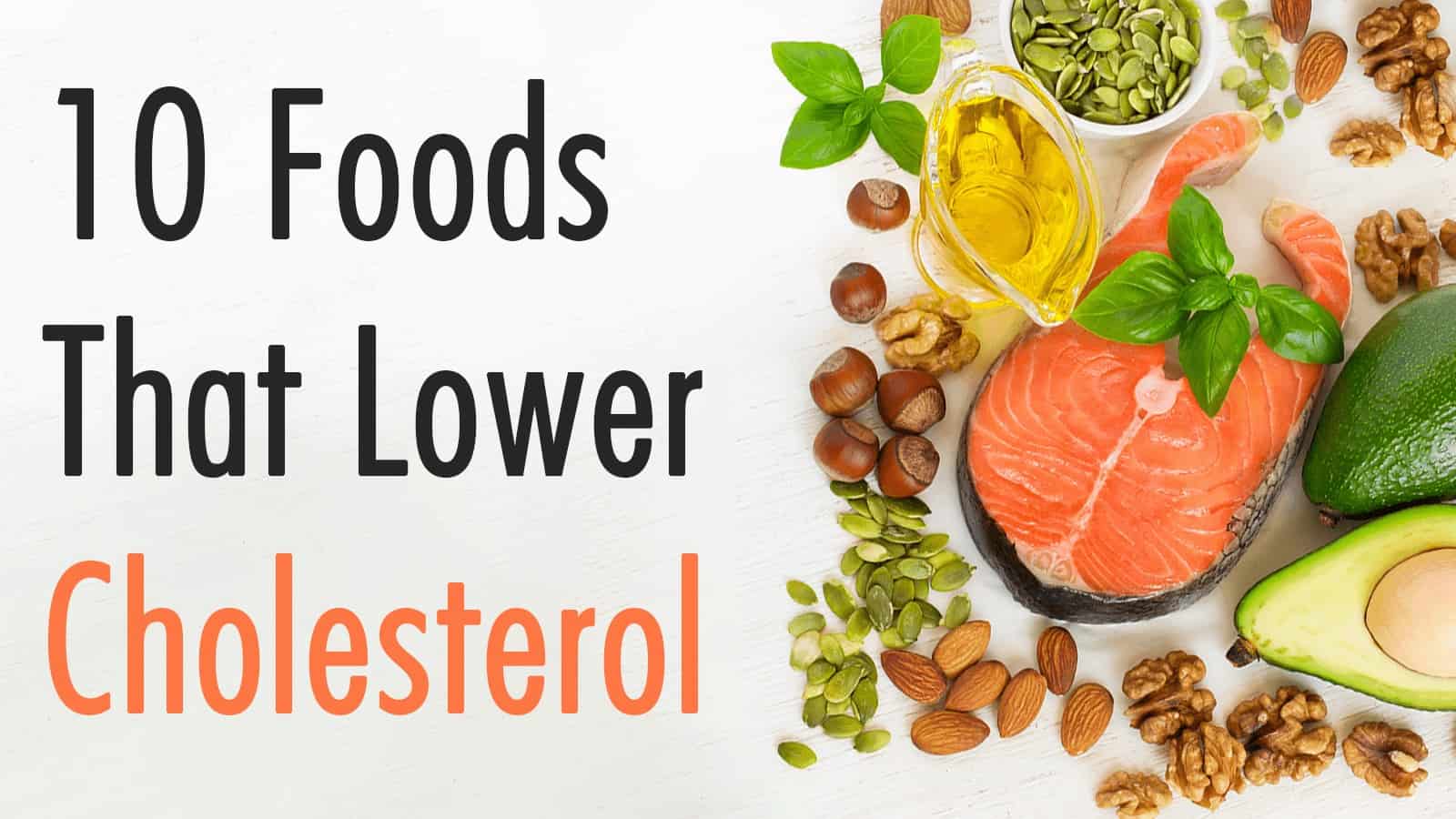
foods that lower cholesterol

4. Hibiscus tea links to weight loss

Hibiscus is not a miracle cure-all replacement for a good diet and some exercise. However, some think that its diuretic properties help contribute to steady and consistent weight loss. Studies show that consistent consumption of hibiscus tea over a 12-week period contributed to lower body weight, less abdominal fat, and a lower body mass index.

There are also clear links to tea consumption and lower cortisol levels; with cortisol being a known “fat storage” hormone, anything that we can do to reduce our levels of cortisol in the body will have a positive effect on efforts to lose weight.

5. It can help to reduce or eliminate cravings

Next time you have a hankering for something sweet, brew yourself a deliciously sweet cup of hibiscus tea to satisfy your sweet tooth and prevent unnecessary calorie consumption. Hibiscus can cleanse your palate and signify that your meal is over. If you find it too tart, consider adding a natural sweetener such as honey to take the edge off.

6. It makes a great virgin cocktail

Missing the after-dinner drinks that you used to share with family and friends? Now you don’t have to sit on the sidelines when you craft up a delicious beverage using hibiscus tea and sparkling water with a twist of lime. Others might just get so jealous that they’ll ask you to whip up a little something for them as well.

7. It can help with your digestion

Anything that is classified as a “diuretic” helps to eliminate excess waste and salt from the body; it is a natural detoxifier. This sugar-free, caffeine-free alternative to plain water will keep your taste buds happy while it cleans out your body and aids in improving the efficiency of digestive processes.

activated charcoal

Learn how to use activated charcoal (and why!)

8. It might just support your immune system

What? Drinking this pink cocktail can keep the sniffles and sneezes away? Hibiscus contains vitamin C, a very potent antioxidant that helps to fortify the immune system and keep diseases and other chronic conditions at bay. Hibiscus is also high in iron, which helps to balance the immune system and maintain red blood cells.

9. It helps regulate kidney function

Studies conducted on rats revealed that the consumption of hibiscus helped to prevent calcium oxalate crystals from becoming kidney stones. While this research is promising, more studies will be necessary with regard to its effects on humans. Any excess water that you can consume will help to efficiently flush kidneys and remove waste from the body. And what a delicious way to facilitate these processes!

10. It is great for the liver

If you are feeling tired or sluggish after a night out on the town—or three—try a cup of hibiscus to help you cleanse and detoxify your liver. Your liver is the primary metabolizer of alcohol in the body. So the more adult beverages you consume, the harder it has to work to remove toxins from your body. Studies reveal decreased markers of liver damage and an increase in detoxification enzyme levels in the body. All of these factors work together to make you healthier.

11. It can lower levels of fat concentration in the blood

Drinking hibiscus regularly can have a positive effect on triglycerides, reducing the amount of fatty cholesterol in your bloodstream at any given time. Any reduction in cholesterol levels and fat in the blood is a benefit to those that are predisposed to developing cardiovascular issues. Thus, regular tea drinkers tend to have healthy cholesterol levels and normal, healthy blood pressure. As if taste alone wasn’t a good enough reason to start drinking it!

12. It contains compounds that may prevent cancer from developing

Hibiscus is very high in polyphenols, which offer strong protection against the development of cancer cells throughout the body. Test-tube studies have revealed impressive progress concerning the ability of hibiscus extract to impede the growth of all kinds of cancer cells. It is particularly powerful in preventing stomach cancer from spreading; one study boasted a 52 percent decrease in the number of cancer cells that grew in the presence of hibiscus extract. Drinking a cup of tea daily helps to release antioxidants throughout the body, promoting normal, healthy cellular processes that stop cancer growths from forming.

Potential side effects and risks of drinking hibiscus tea

For most of us, drinking the occasional cup of hibiscus tea will not have adverse effects on our health. For others, it may have adverse reactions when mixed with prescription medications or other herbal remedies. And those with pre-existing conditions such as hypertension and diabetes should proceed with caution. In these cases, it is advised to talk to your doctor about possible complications when combined with medicines, or as it pertains to your unique medical situation.

hibiscus teaFinal thoughts on enjoying hibiscus tea for delicious taste, better health!

Replacing one of your calorie-laden, caffeinated beverages with a strong and savory hibiscus drink regularly will give you delicious taste to look forward to as well as improve your health, one cup at a time! Bottoms up!

Feelings of Malaise May Reveal These 10 Health Issues

Many people go to their doctor each year, looking for answers about fatigue and a general unwell feeling. While you may not be able to put your finger on the exact cause as to why you feel so badly, blood tests will rule out any significant concerns. Doctors often categorize these feelings as general malaise.

Malaise is a sense of discomfort or feeling ill without any significant symptoms. You may think that you’re coming down with the flu or you’re fighting off an infection.

The problem with diagnosing this type of symptom is that it occurs very frequently in life. You can have malaise if everything is going wrong, and it’s stressing you out. Additionally, it can happen because something is going on in your body.

What Causes General Malaise?

malaise

These quick and easy meal prep ideas can help you overcome malaise and feel healthier.

When a person goes to a doctor and states that they are tired and feels sick all the time, the doctor will run some routine bloodwork. A CBC or complete blood count can show if your sugar levels are acceptable, your white blood cell count is normal, and your body is not low in iron.

This forth-telling test may solve the mystery, or it may deepen it. If you are suffering from malaise, then here are ten things that could be causing it.

1. Diabetes

Diabetes is a condition that is characterized by having too much or too little glucose in the body. Insulin is a hormone made by the pancreas. It kicks into action when you eat sugar or carbohydrate-laden food.

If a person has too much glucose in their blood, they have hyperglycemia, which is Type II. If a person’s body makes too much insulin, then they have hypoglycemia. Diabetes is a severe condition and needs immediate attention.

When your blood sugar levels are too low, you can feel dizzy and can pass out. When your sugar levels are too high, you will feel sick, have headaches, experience periods of blurred vision, and pins and needles sensations. Your general unwell feeling could be coming from an underlying glucose issue in the body.

2. Depression

Chronic depression is a significant problem around the world. When the mind becomes overwhelmed, it can cause a chemical imbalance that affects all aspects of your life. Depression can cause symptoms such as:

  • Fatigue
  • Digestive Issues
  • Sleeping too much or too little
  • Eating too much or too little
  • Restlessness
  • Anxiety
  • Panic Attacks
  • Loss of interest in things you once loved
  • Isolation
  • Unable to function as you once did
  • Hallucinations
  • Delusional thoughts
  • General lethargy

Though no blood test can point to chronic depression, most doctors are familiar with this common problem and can easily recognize the symptoms. Thankfully, being depressed is treatable with therapy and herbal supplements.

3. Inflammation

Inflammation in the body can be a severe issue. It can cause cancer and other inflammatory problems with your joints. A doctor can quickly discover an inflammatory problem by doing a SED rate test.

The erythrocyte sedimentation rate blood test can identify any inflammatory activity that’s happening in the body. If the numbers are too high, it can be a cause for alarm that tells doctors that they need to do further investigation. When the body has excess fluid floating around, it can make you feel generally ill.

There is always a reason for an inflammatory response, but it may take some investigative work to find the answer.

4. Thyroid Disease

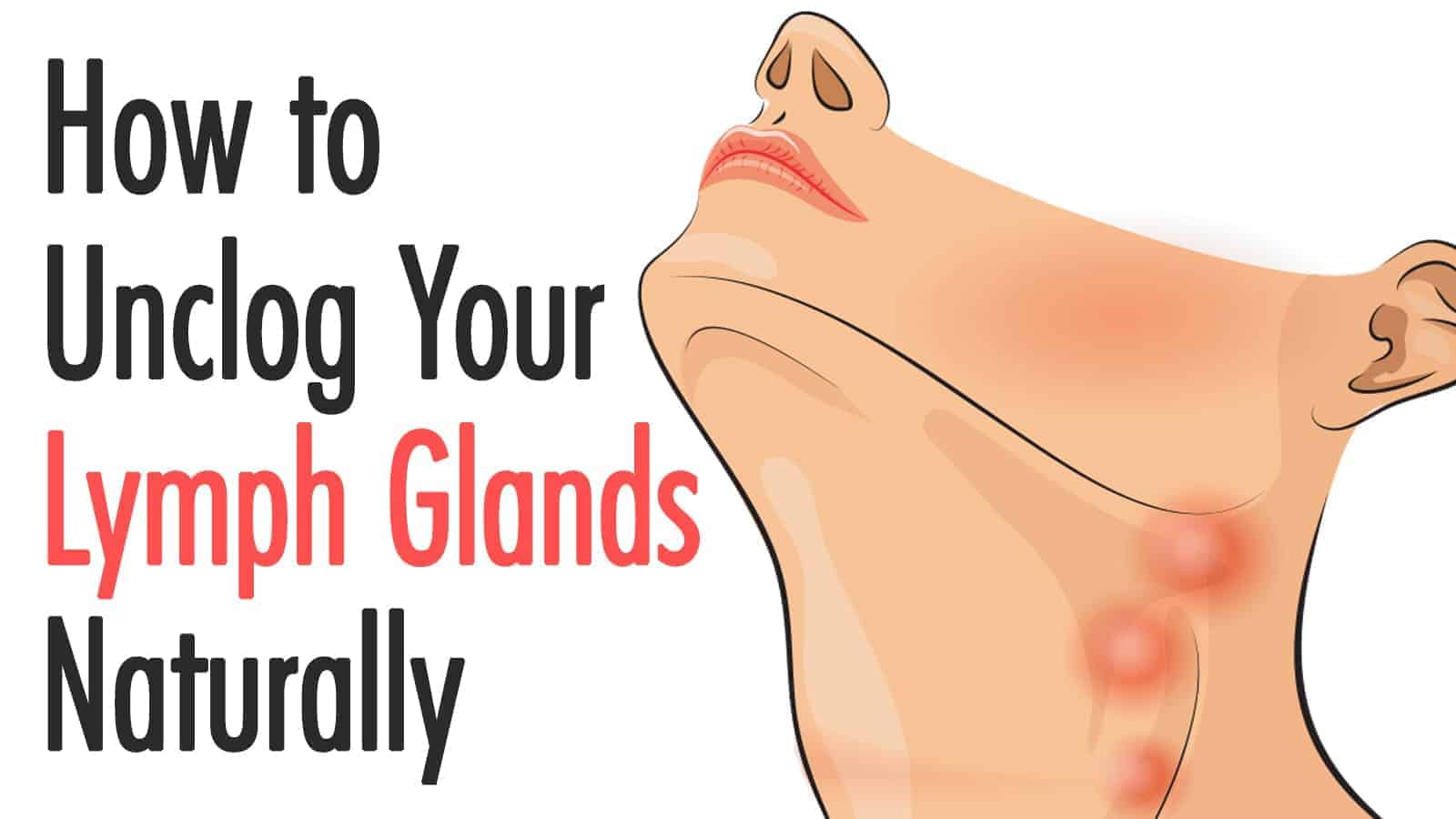
Your thyroid is a small gland located in your throat. It’s often compared in size to a butterfly. This little gland controls a lot of the body’s functions. When your thyroid is not producing enough T3 hormone for your body, then you have hypothyroidism.

When your body is producing too much of the T3 hormone, then you have hyperthyroidism. Either condition can cause you to feel tired, have heart palpitations, gain or lose weight, and have a disruptive sleep schedule. Since your thyroid is so important, any issues with this gland need to be treated as it can throw your whole body off-kilter.

lymph glands

5. Cancer

Cancer can occur in almost any area of the body, though some are rarer than others. Many times, blood tests looking for tumor markers or low platelet counts can help doctors make a diagnosis, but some cancers don’t leave any signs behind.

Ovarian cancer is one that can be present without any indications in your blood work. Having malignant tumors inside your body can cause you to have a general unwell feeling and overwhelming exhaustion.

6. Auto-Immune Conditions

An auto-immune condition is where the body attacks healthy tissues. Traditionally, the body is designed to attack foreign invaders, but when an auto-immune disease is present, it attacks both good and bad tissues and cells.

Some of the most common auto-immune conditions are lupus, multiple sclerosis, rheumatoid arthritis, Addison’s, Graves, or Inflammatory bowel disease. Also, thyroid conditions like Hashimoto’s fall under this category.

There is no cure for auto-immune conditions, but there are ways to help manage these conditions. The goal is first to identify the issue and then treat the symptoms.

7. Anemia

Having low iron is common in women, but it’s a severe condition that requires prompt treatment. Low iron can cause you to feel miserable, and the malaise can be overwhelming. There are many things that you can do to get your iron levels back to normal, including modifying what you eat.

Though anemia can occur naturally, there is almost always an underlying issue. Cancer, ulcers, heavy mensuration cycles, or any internal bleeding can cause you to become anemic. Additionally, if you have poor eating habits and you aren’t getting enough iron in your blood, then you can become anemic.

Anemia can be treated with supplements, or you can increase your diet to include iron-rich foods like spinach. If the cause is from ulcers, then treating the ulcers will restore iron levels to normal in the blood. Iron infusions are often necessary to get the body’s levels where they need to be.

8. Sleep Apnea

Sleep apnea is a serious condition where you stop breathing during your rest. It’s a potentially fatal issue because you can die in your sleep. A CPAP machine can help to keep your airways open at night.

Many people who have sleep apnea are not aware of the issue. They usually only find out when someone else observes their obnoxious snoring and complains about it. Daytime sleepiness and a general feeling of malaise are often the first signs.

The doctor will need to conduct a sleep study to see if sleep apnea is to blame for your symptoms. If you are overweight or have a thick neck area, then this may be one of the first considerations to solve your healthy mystery.

de-stress at home

9. Menopause

Menopause is an exceedingly difficult time for a woman in her life. Hormonal changes cause all sorts of feelings and sensations that make sleep difficult. Hot flashes and night sweats can leave you dragging the next day.

While you may feel that you’re coming down with something serious, your hormones can make you feel miserable. There are things you can do to help you through this challenging time. However, it’s advisable to try herbal supplements for hormone replacement rather than estrogen as it’s been known to cause cancer.

10. Heart Disease

You’ve probably heard experts say that heart disease is a silent killer because so many people don’t know they have it. Heart disease is common among those who are obese or have genetic links to this condition.

People with heart disease often develop congestive heart failure. This condition causes excess fluids to build in the body. When the fluid levels rise, the arms and legs may swell. The heart has a hard time pumping blood to all the extremities when the disease is present.

There is no cure for heart disease, but you can manage it with a healthy diet and exercise. If you are feeling exhausted and have a general unwell feeling, then it’s entirely possible your heart could be the culprit.

malaise

Celery juice has a tremendous positive impact on general wellness.

Final Thoughts on Dealing with Overwhelming Malaise

In many instances, your feelings of unwell will never be diagnosed. For others, some blood tests and a routine examination from a doctor will pinpoint the cause. Two of the best things that you can do for your body is to get proper nutrition by eating a well-balanced diet and getting plenty of exercise.

A sedentary lifestyle alone can make you feel miserable. Also, you need to get 6-8 hours of uninterrupted sleep each night. If your eating habits and sleep schedule are off, you can feel as if your body is shutting down.

Lastly, supplementation is an excellent way to boost your health. While your diet plays a big part, you still may need assistance in getting the proper nutrition. Taking iron, B, C, D, potassium, and calcium are all essential and can help you to feel better.

Dietitians Explain 15 Ways an Overeater Can Break the Cycle

Are you an overeater trying t break the unhealthy cycle? Most will agree that consuming a healthy, well-balanced diet is essential for good health. However, doing so is easier said than done for some people.

According to a study published by health.gov, the official website of the U.S. Department of Health and Human Services, many Americans not only make poor food choices but also tend to overeat.

Between 2015 and 2020, researchers involved in the study noted that many Americans routinely exceed the United States Department of Agriculture (USDA) recommendations when it comes to added sugars, saturated fats, and sodium.

Even those who do not exceed those recommendations and consume a healthy, well-balanced diet seem to have a problem with controlling their portion size when it comes to their meals, according to a separate study.

A Closer Look at America’s Love Affair With Food

overeater

Whether overeaters in America are consuming too much of the right or wrong foods, they are still putting themselves at risk of developing a plurality of health problems. After all, consuming too many calories, regardless of the food source, can lead to obesity. According to the Centers for Disease Control and Prevention, overeaters who are obese are more likely to develop the following:

  • Hypertension
  • High cholesterol
  • Coronary heart disease
  • Joint problems
  • Type 2 diabetes
  • Osteoarthritis
  • Gallbladder disease

Along with these chronic diseases, individuals who are obese have a lower mortality rate than those who are height-weight proportionate. Of course, a diet consisting of too many added sugars, saturated fats, and sodium only makes matters worse by further increasing the risk of developing chronic diseases.

The Unsettling Truth About Overeaters in America

When it comes to excessive eating, multiple factors can drive people to engage in such behavior. And this is despite the consequences associated with doing so.

For some people, compulsive eating stems from an addiction to food. As such, their decision to eat, often uncontrollably, is not for the sake of providing the body with energy or nutrition but rather a food dependence. It is also worth noting that compulsive eating is a byproduct of a substance use disorder for some people.

To put this into perspective, a study published by the National Institutes of Health noted that an estimated 35 percent of individuals who abuse drugs or alcohol also have a co-occurring eating disorder. Of course, the factors that drive individuals to eat compulsively do not end there.

Many individuals use food to self-medicate and will often overeat to quell feelings of depression, anxiety, post-traumatic stress disorder (PTSD), and much more.

anorexia

The Difference Between Overeating and Binging

There are a few notable differences between compulsive eating and binge eating.

Rather than a compulsion driven by substance abuse or as a means of self-medicating, binge eating is a mental illness that meets the criteria necessary to be deemed a psychiatric disorder per the Diagnostic and Statistical Manual of Mental Disorders, Fifth Edition (DSM-5).

In short, this means that binging is a stand-alone disorder that can exist in the absence of a substance abuse problem or another underlying mental health disorder, such as anxiety, depression, or PTSD. Statistically speaking, an estimated 2.8 million American adults struggle with binge eating, according to the National Eating Disorders Association.

15 Ways for Overeaters to Break the Cycle and Form a Healthier Relationship With Food

Whether your compulsion to overeat stems from a mental health disorder listed in the DSM-5, a byproduct of boredom, substance abuse, or a stand-alone addiction to food, the following might be worth putting into practice:

1. Counseling

If you have an underlying mental health disorder that is driving you to overeat, seeking the help of a licensed therapist can help. The same applies to those who are psychologically addicted to food or otherwise have a problem when it comes to binging.

In either case, therapists will recommend cognitive-behavioral therapy or another form of psychotherapy to help individuals identify and overcome the psychological triggers that propel them to eat uncontrollably.

During these counseling sessions, therapists will also guide overeaters on how to avoid emotional eating and also how to forge a healthier relationship with food.

2. Avoid Distracted Eating

According to a study published in the FASEB Journal, one of the world’s most cited biology journals, many people overeat without realizing it. And this is often the result of distracted eating. In short, distracted eating refers to eating while simultaneously engaging in secondary activity, such as surfing the internet, watching television, or reading, for example.

Distracted eating often leads to unintentionally overeating, which then leads to weight gain and a higher risk of developing chronic diseases.

3. Make Healthy Food a Priority

A quick way to fall into the trap of eating too much is by consuming too many of the wrong foods. For example, empty-calorie foods are not nearly as satiating as nutrient-dense foods.

Therefore, those who consume a diet made up primarily of empty-calorie foods tend to eat more, often in one sitting, compared to those who consume mainly a healthy, well-balanced diet.

For reference, empty-calories foods are those comprised, either entirely or in part, of sugar, fats, or oils.

4. Portion Control

Consuming smaller portions of food is not only a great way to lose weight but also helps to curb excessive eating. Instead of eating 2 or 3 large meals, you can have a few small snacks throughout the day instead, which keeps you feeling satiated and, at the same time, minimizes the likelihood of overindulging.

One way to control portion sizes is to avoid eating food, such as chips, cookies, and ice creams, for example, out of containers. Instead, carefully measure out a reasonable portion size, based on the nutrition label on the box, and put it on a plate.

5. Eat More Protein

A protein-rich breakfast in the morning can help keep you feeling full longer as you go about your day.

According to a study published by Science Daily, an online aggregator of scientific press releases, a breakfast consisting of eggs, bacon, and other protein-rich foods can improve appetite control, which significantly lowers the risk of overindulging as the day wears on.

6. Eat More Fiber

Along with keeping you regular, consuming more fiber keeps you feeling full longer, which means you’re less like to overeat. That said, if you find that you are always hungry, consider adding more whole grains and other fiber-rich food to your diet.

7. Keep a Food Journal

Much like controlling portion sizes, keeping a food journal can also help curb excessive eating. This unique form of self-monitoring is also an effective way to go about losing weight as it forces you to be more mindful of your eating habits.

And when it comes to excessive eating, specifically, food journaling can also help you identify emotional and situational trigger the compel you to eat even if you’re not hungry.

8. Avoid or Limit High Glycemic Foods

Along with triggering high blood sugar levels, which can pose a danger to those with diabetes, high glycemic foods, such as white rice,

French fries, doughnuts, and sugary cereals can increase feelings of hunger, which can drive you to overeat.

Brown rice, oats, and other low-glycemic foods, on the other hand, have the opposite effect in that they keep you feeling satiated longer. Thereby, these foods encourage you to eat less.

food swaps

9. Mindful Eating

For those who are unfamiliar with mindful eating, it entails being in the moment while consuming food. And this comes down to acknowledging and embracing the experience with all of your senses.

While this might sound very “new age,” there is scientific evidence that shows mindful eating motivates individuals to eat slower, consume smaller portions, savor their food as they eat it, and chew more thoroughly. And all of these factors can go a long way toward minimizing excessive eating, not to mention weight gain.

10. Meal Prepping

Planning your meals a few days in advance can help you make better food choices. And this means that you’re less likely to reach for empty-calorie foods as a way to overcome feeling hungry, which, of course, leads to excessive eating.

11. Avoid or Limit Alcohol

Generally speaking, most individuals eat more when they consume alcohol. And this is because alcohol can stimulate appetite, especially among those who indulge in several alcoholic beverages with eating. So forgoing or having fewer drinks can significantly lower the likelihood of eating with reckless abandon.

12. Drink More Water

Along with contributing to weight gain and diabetes, consuming too many sugary sodas has been shown to increase appetite. Therefore, it is a good idea to substitute these beverages with water whenever possible.

13. Avoid Fad Diets

If you’re trying to lose weight, it would be a good idea to avoid fad diets. Although some of them do help with weight loss, many are too calorie-restricted for dieters to follow them long-term. As a result, many individuals go back to eating excessive and ultimately regaining weight.

14. Avoid Stress

Too much stress can cause a variety of health problems. And obesity caused by stress-induced excessive eating is no exception. That said, finding constructive ways to cope with stress can help break the cycle of overindulging.

15. Schedule a Physical Exam

In some cases, chronic hunger that causes excessive eating is a sign of an underlying health problem, such as low blood sugar or hyperthyroidism.

Scheduling a physical exam can help determine if a physical ailment is the cause of your problem. And if so, you can begin treatments to get it under control. Similarly, it may also be a good idea to seek the help of a licensed rehab facility if substance abuse is a factor in your overeating.

overeaterFinal Thoughts on Why Overeaters Should Break the Cycle

In summary, there is a multitude of reasons for why some individuals eat food in excess. However, the bottom line is doing so can cause numerous health problems and may even take a few years off their life. That said, if you’re an overeater, and you’re concerned by your health and overall wellbeing, you’re encouraged to try some of the helpful tips detailed in this article today.

Science Explains How Keratin Treatments Give You Healthier Hair

Today, keratin treatments have become incredibly popular, and this is because of their capacity to make hair healthier. Hair was, and remains, an integral part of the human body that people strive to take care of. Of course, maintaining a head full of beautiful and healthy hair takes a lot of things into consideration, and it requires a good amount of investment.

Especially for women, hair speaks volumes about them, and that is why they go out of their way to make sure that they look good. This appearance is why the idea of keratin treatments has become such a fundamental aspect of the cosmetics industry. In fact, hair health is so important that studies on this subject have become popular among researchers.

There is a sense of wellness that healthy hair brings to a person, and this is the premise that informs the significance of keratin treatments. Just like any other treatment, there is a science explaining how keratin treatment procedures give you healthier hair. Indeed, understanding hair health and how to treat it goes a long way in improving your physical look and personality.

A Quick Understanding about Hair

keratin

Read about the 15 ways that snacking on nuts can improve the health of your hair and skin.

Before diving straight into figuring out the science behind keratin treatments, a brief knowledge about hair is in order. Keratin is one of the components found in hair. Keratin is a protein containing three layers, namely: medulla, cortex, and cuticle.

The cuticle plays the role of protector, while the medulla and cortex are responsible for pigments that give your hair color. Keratin plays a vital role in the healthy development of your hair. It’s because of exposure to pollution, sunlight, and chemicals that the amount of keratin in your hair goes down, and your hair becomes dull and gets damaged.

Overview of Keratin Treatments

Whenever you hear of keratin treatments, this is the science of adding keratin to your hair to join up with the natural keratin already existing in your hair. The procedure helps to make your hair stronger, both in the outside and inside. When one has a keratin treatment, keratin molecules go through the hair cortex, and, as a result, they help improve and repair damaged hair.

While the smaller keratin molecules go through the cortex, the larger ones cover the hair cuticle and play the role of protecting it from external factors like sunshine and pollutants. It’s imperative to note that these treatments are short, and they depend on the thickness and length of one’s hair. Moreover, you should be aware that these treatment procedures are temporary-they last for around 2-4 months.

It is of great interest to point out that keratin treatment allows you to style your hair in different styles. It doesn’t fix you to a single style.

What Is Healthy Hair Like?

Virtually everybody wants to have healthy and strong hair. The critical question, in this regard, is how healthy hair looks like. Once you are knowledgeable of how healthy hair looks like, you will know what to expect when having keratin treatments.

Different characteristics will show you when your hair is healthy. They include:

  • Soft and shiny hair

Healthy hair will appear shiny and soft when you touch it. This is often the result of well-moisturized hair that has minimal damage. Regular treatment of your hair makes it look smooth and shiny.

  • Strong hair

This is a critical point to note about your hair. Healthy hair will always be robust. While shedding off of hair is typical for its growth cycle, excessive shedding is a sign that your hair is not strong enough.

  • Minimal breakage

Again, as you monitor your hair, check the degree of its breakage. If the level of damage is minimal, then your hair is healthy. You should only get concerned when you notice your floor covered with hair every time you comb your hair.

strong-woman-dating

Research explains why having red hair might place you at a higher risk for skin cancer.

The Science Behind Keratin-treated Hair

There is an explanation of why keratin-treated hair appears healthier. Keratin treatments have become popular, and this is because of scientific proof of their ability to improve the quality and health of hair. Based on the benefits of this treatment, you will get to know how hair turns from being dull, dry, and damaged to be healthy, shiny, moisturized, and strong.

  • Keratin treatment prevents hair damage.

In most cases, people use a considerable amount of heat to work on their hair. The good thing with this particular hair treatment is that it reduces the application of a lot of heat regularly. Therefore, hair damage as a result of consistent exposure to much heat will not be a problem anymore.

  • Keratin treatment makes hair smoother.

Keratin works to make hair smoother. As you already know, smoothness is a sign of healthy hair. If you ask specialists in the hair industry, they will tell you that it’s effortless to maintain such hair.

The science behind this is that keratin functions by smoothening the cells that form hair strands. The hair cuticle takes in the keratin, and the result is the growth of smooth and glossy hair. It is because of this process that hair looks less frizzy and easier to maintain.

  • Keratin treatments strengthen hair.

Nobody wants to have his or her hair breaking now and then. In fact, this is a problem that many people go out of their way to eliminate. Keratin treatment of hair has a way of solving this significant challenge.

Upon treatment, your hair receives a boost of strength and softness, thus giving it the ability to cope with very low and high temperatures. If you are doing hairstyling techniques that require a lot of heat to produce results, the chances are high that you might affect the strength quality of your hair. It is for this reason that you should consider doing keratin treatment to increase the strength and elasticity levels of your hair.

keratin

Experts reveal the truth about using castor oil to grow longer hair.

  • Keratin prevents damage and replenishes your hair.

Keratin treatments are pivotal in preventing further damage to your hair as well as replenishing it. Generally, hair needs protection from factors that lead to its detriment. If the keratin in your hair gets exhausted, it loses its layer of protection.

However, keratin treatment provides a layer of protection that makes it possible to keep external factors from damaging it. If your hair gets damaged, keratin offers a mechanism through which you can repair it and restore its look. There are times when your hair will be susceptible to extreme dryness.

It’s during these seasons that this treatment procedure makes it possible to replenish your hair. Hair damage is a huge challenge to many people, but keratin comes in handy to provide a timely solution.

  • Keratin offers protection to hair.

Part of what affects the health of hair is excessive exposure to external factors. Hence, the fact that keratin helps to offer the much-needed protection to hair makes it an essential hair health booster.

Whenever you do keratin treatment on your hair, you increase the strength of hair strands. Consequently, your hair becomes more able to resist environmental factors. For example, even in a windy environment, your hair will remain shiny and healthy.

Again, if you live in an environment with regular air pollution, keratin keeps your hair from appearing dull. Through this, it’s evident that this treatment procedure provides the healthy hair enhancement that you need.

grow hairFinal Thoughts on Keratin and Better Hair Health

Now that you have known that keratin treatments are highly valuable for healthier hair, it’s also cardinal to know the things that you should do to maintain healthy hair. One of the things you should put into consideration is having a high-quality dry shampoo since you shouldn’t wash your hair for at least two days after treatment. This will be vital if you will have to maintain quality care of your hair for a longer time.

Moreover, for you to maintain extra care and maintain healthier hair after treatment, you should consult a specialist on details concerning the same. Usually, depending on your hair type, there are steps that you should take to ensure that you don’t expose your hair to factors that would affect its overall health. Essentially, it is an excellent idea for you to consult your hair specialist on the hair products that you should continue using to enjoy healthier hair for longer.

It’s without a doubt that having healthy hair is the goal of most people. Hair plays a significant role in one’s presentation, and it also tells much about his or her personality. That is why you will find people investing massively in hair products and procedures aimed at improving the quality of hair health.

Keratin treatment is one of the procedures that stylists and hair specialists recommend to make hair healthier. Through scientific research, it’s evident that this treatment procedure carries a great deal of significance in improving the quality of one’s hair. Therefore, if you would like to have healthier, shinier, and smoother hair, consider going for a keratin treatment.

15 Foods That Contain Soluble Fiber to Relieve Constipation

Constipation is a condition characterized by difficulty in emptying one’s bowels, often due to hardened feces. The situation usually results from consuming too much protein and not enough soluble fiber. Additionally, some medications can cause you to become constipated.

According to the Academy of Nutrition and Dietetics, women should consume a minimum of 25 grams of fiber each day. Men, on the other hand, should consume a minimum of 38 grams each day. Unfortunately, very few individuals consume the recommended dietary allowance when it comes to this particular nutrient.

Why Constipation Is More Than Just a Slight Annoyance

Occasional constipation, even while consuming enough fiber and limiting protein intake, is not uncommon. However, if you’re chronically constipated, this is an entirely different matter. And it is one that you will want to get under control as soon as possible. For reference, the National Institutes of Health, the world’s largest biomedical research agency, defined chronic constipation as pooping fewer than three times in a given week.

Additionally, the stool is exceedingly hard and, therefore, requires a great deal of straining to evacuate it from the anus. While this may sound overly clinical, it is the official definition of constipation and also a reality for more than 16 percent of Americans.

Although a poor diet is the primary cause of constipation, it can also stem from several underlying health problems, some of which include the following:

  • Diabetes
  • Irritable bowel syndrome (IBS)
  • Thyroid problems
  • Muscular dystrophy
  • Hypercalcemia

Ironically, many of the medications used to treat these same health problems can cause constipation as well. Some of the more common offenders include the following:

  • Opioid-based pain relievers
  • Nonsteroidal anti-inflammatory drugs (NSAIDs)
  • Levothyroxine and other thyroid medications
  • Emflaza and other glucocorticoid medications
  • Insulin

Of course, other health problems, along with the medications prescribed to treat them, can cause constipation as well. However, those enumerated in this article are among the most common.

soluble fiber

Can Constipation Go Away Without Medical Treatment?

Before discussing whether or not constipation can go away without medical treatment, let’s first take a moment to address what could potentially happen if it is left untreated. Because most people strain to pass stool when they’re constipated, many will develop painful hemorrhoids.

Even worse, the same straining can also give way to rectal prolapse, a severe lower gastrointestinal tract problem that often requires surgery. That said, occasional constipation can go away by making changes to one’s diet and taking over-the-counter drugs.

However, if the condition leads to hemorrhoids, rectal prolapse, or other severe lower gastrointestinal problems, medical treatment will likely be necessary.

15 Foods That Contain Soluble Fiber Commonly Used to Relieve Constipation

Are you one of the millions of Americans struggling with constipation? Then, you will be happy to know that adding more soluble fiber to your diet can provide some relief. Plus, you will lower your chances of developing worse gastrointestinal problems at the same time.

For context, soluble fiber is a dietary fiber that helps stool retain more water, which makes it not only softer but also more significant. As a result, it can pass through the intestines and ultimately out of the anus easier. Some of the foods highest in soluble fiber include the following:

1. Legumes

For those who are not already in the know when it comes to black beans, they contain pectin, a soluble fiber that helps relieve constipation. According to EcoWatch, an online curator of environmental news from more than 50 credible sources, a single cup of these dark beans provide between 40 and 60 percent of the recommended dietary allowance when it comes to soluble fiber. Along with keeping you satiated, these flavorful legumes can add more bulk to your stool while simultaneously making it softer, eliminating the need for straining when you poop.

2. Brussels Sprouts

Whether you hate them or love them, Brussels sprouts offer an array of health benefits, including better digestive health, when consumed regularly. This particular vegetable, which belongs to the Gemmifera group of cabbages, provides 4 grams of soluble fiber per cup, which goes a long way toward helping to keep you regular.

More than that, Brussels sprouts contain both vitamins B and K, not to mention short-chain fatty acids. Collectively, these vitamins and nutrients support and protect the lining of the gut, which can prevent constipation. They can also help relieve constipation as well.

3. Avocados

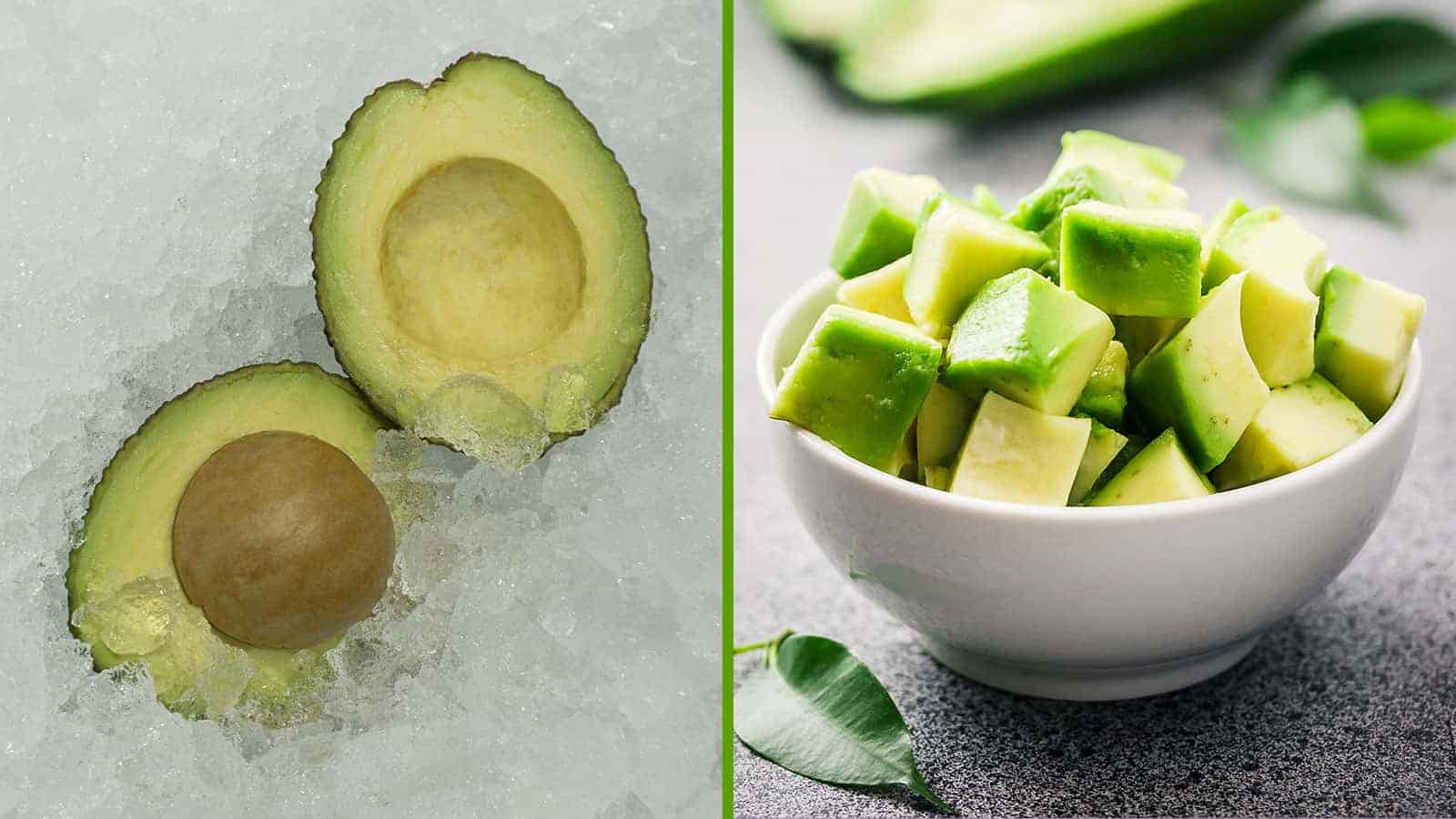
Derived from the fruit of avocado trees, which are plentiful in south-central Mexico, avocados are a venerable powerhouse when it comes to vitamins and nutrients that support gut and overall health. Just half of an avocado provides 2.1 grams of constipation-relieving soluble fiber. And they are very versatile in that they can be eaten by themselves, added to salads, or used to make guacamole.

freeze avocado

Dietitians explain why you should freeze avocado (and how!).

4. Sweet Potatoes

Boasting 1.8 grams of soluble-based fiber per one-half cup, along with a considerable amount of potassium, beta carotene, and B vitamins, consuming sweet potatoes can help relieve constipation and bolster gut health. And this is especially true for those who have a history of digestive problems. On a side note, along with soluble-based fiber, consuming a single medium-sized sweet potato provides a whopping 400 percent of the recommended dietary allowance for vitamin A, which protects against gastroenteritis, a condition that causes vomiting and constipation.

5. Apples

Similar to legumes, apples contain the soluble-based fiber pectin that improves gut function and gut health, both of which can reduce the likelihood of becoming constipated.

6. Strawberries

Strawberries do a great job when it comes to relieving constipation. Because they are 92 percent water, they help keep the entire body, including the intestines, hydrated, which contributes to regular bowel movements.

7. Apricots

Most will agree that no list of foods that contain soluble-based fiber that can help relieve unpleasant constipation would be complete without including apricots.

After all, consuming just three of them will provide 1.4 grams of soluble-based fiber. Plus, you will add vitamins A and C to your diet for overall good health.

8. Guavas

Extremely popular throughout most of South America, the guava is another fruit that naturally contains a lot of water that can help keep the body hydrated while supporting regular bowel movements. As such, they go a long way to relieving and even preventing constipation. Based on a serving of 100 grams, guavas contain roughly 8 grams of water.

9. Oats

If you’re already constipated or trying to avoid constipation, it might be worth substituting eggs for a bowl of delicious oatmeal for breakfast. After all, eggs are high in protein. While the protein in eggs helps build long, lean muscle and supports bone health, consuming too many of them, like any other protein source, can cause constipation.

That said, oats contain a fair amount of beta-glucan, a soluble-based fiber that not only relieves constipation but also helps to lower high cholesterol.

oatmeal

10. Flax Seeds

While flax seeds by themselves are not particularly satiating, you can add a few to a bowl of oatmeal or sprinkle them over a delicious salad to fight off hunger and relieve constipation at the same time. A single tablespoon of flax seeds provides anywhere from 0.6 to1.2 grams of soluble-based fiber. And when consumed regularly, these tiny seeds can go a long way toward softening the hardened feces synonymous with constipation.

11. Sunflower Seeds

Despite their tiny size, sunflower seeds punch well above their weight when it comes to providing relief from constipation. In fact, just one-fouth cup of these seeds contains 1 gram of soluble-based fiber and 3 grams of dietary-based fiber, both of which can improve gut function and keep unpleasant constipation at bay.

12. Hazelnuts

Hazelnuts are another excellent snack choice in terms of foods that contain soluble-based fiber that can relieve constipation. On a side note, they can also reduce high cholesterol and improve heart health as they are rich in vitamin E, unsaturated fats, iron, and thiamine.

13. Barley

If you’re already constipated or hoping to avoid constipation, you should consider following up a bowl of oatmeal for breakfast with a hearty stew made with barley. For those who might not be aware, this whole grain is chock-full of a variety of soluble-based fiber, including pectin, psyllium, and guar gum. And they all help ease and even prevent constipation while protecting against cardiovascular disease.

14. Carrots

The same vitamin A in carrots that support eye health can also improve digestive health, according to many studies. Just one cup of cooked carrots provides as much as 2.4 grams of soluble-based fiber that can relieve and prevent constipation.

15. Figs

If you struggle with constipation and love figs, you’re in luck. These edible, inverted flowers commonly used to make cookies or can be eaten by themselves, can slow down digestion. Therefore, this sweet treat allows the absorption of food in the intestines. And this means you are less likely to feel blocked up.

soluble fiber

Read a list of 15 healthy snacks to keep in mind at snacktime.

Final Thoughts on Consuming Soluble Fiber to Prevent Constipation

In summary, if you’re struggling with constipation, adding more fiber-rich foods to your diet can provide some much-needed relief. Adding foods filled with soluble fiber also minimizes the chances of it giving way to hemorrhoids or other digestive ailments.

15 Signs You Are An Excellent Communicator

A person who is an excellent communicator can be a valuable member of your team. If that person happens to be the leader of the group, that’s even better. Scientists and psychologists agree that these people are usually highly successful and often lead teams to success.

Spotting someone poor at communicating is not hard. In fact, they stick out like a sore thumb. They are often the person that everyone tries to avoid or the person who needs a restatement of everything all the time. It can be frustrating to deal with someone who cannot communicate well. Depending on the situation, you could be setting yourself up for failure coping with that person.

To avoid dealing with a weak communicator, or to avoid being one, you should study and practice the common traits of people who communicate well. If you pay attention, you will see these 15 signs that a person is an excellent communicator and, if needed, you can apply them to yourself.

Here are the 15 signs of a great communicator

polite

1. They are approachable.

The person will be approachable because people need to feel comfortable talking to them. They will often have an open-door policy as well as a way to put people at ease when a topic is a contentious or awkward subject. Their mood is always agreeable, even if they may disagree with the person they are communicating with. A straightforward way to put this is that you will not feel like you’re walking on eggshells around someone excellent at communicating with people.

2. They are great listeners.

Listening is essential to communicating well. Many people may hear what others say, but there is a big difference between hearing and listening. Listening means hearing and processing what the person is saying. It does not mean being solely focused on your reply, thinking about how much better your idea is, or reminiscing on the latest cat video you watched on social media. You focus on what they’re saying, and you value their input. A great communicator actively listens to what others say.

3. They are well-spoken.

A person cannot be excellent at communicating if people always must decipher what they’re saying. A person with excellent communication skills has a firm handle on the language they are speaking. They can put words together well, create clear, concise sentences, and clearly aptly describe their ideas.

Their voice is at a significant volume when they speak, and they do not mumble their words. Everyone in the room will be able to understand what they are saying clearly.

4. They write intelligently.

Have you ever read something with a lot of grammatical errors? It probably made you cringe. Communication with people is not always verbal. In fact, today, most dialogue is written or visual, especially with social media being so prevalent.

Just as excellent communication requires a person to be well-spoken, it also requires the person to be able to write well. With an excellent communicator, you do not have to worry about misspelled words, run-on sentences, or writing that simply does not flow well.

communicator

5. They are open-minded.

Someone excellent at communicating understands that not everyone is going to have the same ideas or ways of thinking as they do. This trait means they must be open-minded to the new ideas of others. Being open-minded allows everyone involved in a conversation to feel included and valued.

When people feel this way, they are more willing to keep the communication going. People who are great at communicating understand that the free flow of ideas is just as important as their ideas.

6. Great communicators are very authentic and honest.

Can a liar communicate effectively? At first, they can. However, they will have to keep lying, and eventually, their lies will be exposed. When this happens, any communication that previously happened is immediately scrutinized and possibly deemed as unreliable. A person who is excellent at communicating understands that being trustworthy is the best way to communicate with people.

7. They display the right body language.

If you think that your ears and brain are the only body parts involved in being excellent at communicating, think again. People pick up on body language. Sometimes you can even catch someone mirroring your body language when you talk to them. This is called non-verbal communication. Good eye contact is one of the most important ways to be an excellent non-verbal communicator. Good posture is another example. In many cases, body language can communicate louder than words can.

8. They maintain a positive attitude.

Just like people can mirror body language, they will do the same with attitude. Mirroring a person’s attitude can spread like wildfire. People who are excellent at communicating are aware of this and how a bad attitude can break down communication.

This is why you will often find that people who are excellent at communicating are often in a great mood. Even if they have bad things going on in their lives, you will never know it from the way they act on the outside.

9. They inspire others.

A person who is excellent at communicating knows how to inspire people even if they are speaking to a crowd. They can read the crowd and have such meaningful dialogue that people will feel like they are talking with them one on one. After talking with a person who is excellent at communicating, people feel like they have gained something they did not have before, such as knowledge, motivation, clarity, and more.

10. People tend to gravitate towards them.

People tend to gravitate towards a great communicator, just like they gravitate towards people with great personalities. This is because it can be refreshing to talk to someone whom you can understand clearly and precisely versus talking to someone who can leave you feeling confused and unsure.

You can spot a person who is excellent at communicating because people may go to them for help, advice, clarification, and more, even if they are not the person in charge.

communicator

11. They reply to phone calls, messages, and emails promptly.

As stated before, communication is not always verbal. Electronic communication is just as important as verbal and non-verbal communication. Someone excellent at conversation knows how important it is to reply to messages as soon as possible.

They respect people’s time and understand how important it is to relay information quickly. You will never have to hunt down a person who is excellent at communicating if you need an answer to an inquiry.

12. They are reliable.

Just as you can rely on them to respond to messages quickly, you can rely on them in other areas also. People who communicate well know that communication means nothing without trust and a good reputation. These two things can teach more about a person than any words can.

They can also communicate how the person feels about others as well. A person who is great at communicating is someone that you can depend on without a lot of restatement of facts or tasks.

13. They can debate without getting upset or rude.

Someone who is skilled in communicating knows that they will not always see eye to eye with everyone. They also understand that it’s okay – after all, that’s how you learn and grow. People who communicate well can have a civilized debate without getting angry, resorting to name-calling, lying, or exaggerating outlandish stories to try to make themselves seem right. They will be able to support their side of things with logical facts, or they will be ready to bow out gracefully if they’ve lost a debate.

14. They are patient.

People who are great with communication are often aware that not everyone else is excellent with communication. Therefore, they understand that they will have to have a high level of patience when communicating with other people.

One way that those with excellent communication skills builds patience is through actively listening to people. One needs the patience to listen to people and understand what they are saying. Therefore, this habit is something that a person who is excellent with communication has likely mastered.

15. They can connect with who they are communicating with.

People who are excellent at communicating are not good at it because they can talk clearly. Indeed, these people possess the ability to hit home with what they are saying. It doesn’t matter if it’s a single individual or a group, a person who is skilled at effective communication can form an invisible connection with people that will make those people want to tune in to what they’re saying even more.

conversationFinal Thoughts on the traits of an excellent communicator

There may be several reasons you are looking for signs of a person who is excellent at communicating. Perhaps you have a position you want to fill in your business. Maybe you are looking for a public speaker. You may even want to learn how to be better at communicating.

Communication is such an important skill. Without it, the world could not function each day. People who are great at communicating are often the glue that holds things together, especially in a work environment. If you need to spot an excellent communicator, the 15 signs above will help you spot one from a mile away.

Skip to content