Weekly tips, affirmations, and small actions to feel your best.

Therapists Reveal 10 Positive Affirmations To Uplift Your Spirit

Do you need to uplift your spirit? Try giving yourself a little pep talk.

Positive affirmations are specific statements that you are meant to say to yourself. The idea is that saying these affirmations will subconsciously program your brain to believe them, thus allowing you to manifest the subject of your affirmations effectively.

Some scoff at the idea, but it has a scientific basis! When you’re feeling down, who better to talk you back up again than yourself? But how do you make positive affirmations? What words and sentences suit the task? Here’s how therapists reveal 10 positive affirmations to uplift your spirit.

1.      I recognize and appreciate my many good qualities

This affirmation reminds you of the things you are capable of and is a fantastic way to boost your self-esteem. Instead of focusing on the negative, it encourages you to turn your attention to your positive qualities, reminding you that you are more than just your setbacks.
uplift your spiritThis affirmation is recommended by mind-master coach and trainer Carolina Rushforth. She discusses how improving personal image and self-esteem requires:

  • Changing how you interact with others and yourself
  • Changing the voice with which you speak to yourself
  • Believing in yourself
  • Living by your values and beliefs
  • Doing your best and recognizing that you do

Using affirmations like “I recognize and appreciate my many good qualities” helps you interact with yourself with personal power. You’re sending a message to your unconscious mind: you are worthy.

2.      This one moment does not define who I am. I believe in myself and am not afraid to keep going

Do you have anxiety or depression? Cognitive distortions and overgeneralizations are common in individuals who struggle with the aforementioned disorders. Research  proves that these problems can further exacerbate themselves, creating a cycle of unhealthy thinking.

One widespread way that this manifests is through exaggeration. Upon experiencing one negative moment, you may immediately feel horrified and start to catastrophize, losing your positive thinking. That’s why it’s important to remind yourself that this one situation will pass and is not a representation of who you are.

A longer affirmation, this inspiring affirmation is adapted from the recommendations of psychologist Catherine Moore. Other similar affirmations you can use in this vein include:

  • I have come so far and am proud of myself, and I will keep going.
  • This moment is isolated and is not a reflection of the larger world. Things will improve from here.
  • I am stronger than this situation; I will emerge victoriously.

3.      I am strong, brave, and powerful, and I am always becoming stronger

Many times, you may feel small or as if the world is too much for you. You may feel as if you aren’t worthy of that world, especially if you are often talked down or treated as lesser-than. And if you are a highly sensitive person, you may feel that pressure keenly. Saying that you are powerful, strong, and courageous and emphasizing how your power grows is a great way to bring back the pep in your step and boost your positive thinking, reducing stress even in difficult situations.

This affirmation comes at the author’s recommendation, certified life coach and Live Bold and Bloom founder Barrie Davenport. She talks about using the present tense in your affirmations as a method of manifesting something in the present. This language tells your brain that the affirmation won’t just become real but is already happening now.

4.      I love who I am and who I am becoming

This affirmation is rooted in concepts of cognitive-behavioral therapy, or CBT, specifically positive CBT. Positive CBT focuses heavily on improving wellbeing without a focus on pathology and without the need for treating specific disorders. It also focuses on amplifying your own strengths and making you more aware of them, which is exactly what this affirmation does.

Behavioral neuroscience research and psychologist Joaquín Selva states that this form of CBT is often used to treat depression and other similar disorders. It is also commonly used in conjunction with more traditional treatments for various conditions, and it’s been shown to benefit many patients undergoing it!

5.      I am safe and calm, and no one can disturb the peace of my world.

This affirmation is a great one for those who deal with anxiety. Often, anxious thoughts are filled with rumination, which is a series of repetitive negative thoughts that begin to control and consume you. Studies have found that using positive affirmations can halt rumination in its tracks, which is a great one to try.

Moore recommends using affirmations like this one when you feel stressed out, worried, or anxious, even if you don’t usually find yourself susceptible to nervousness. As you use the affirmation, make sure you regulate your breathing. Take soothing, deep breasts slowly and steadily, attuning yourself to the patterns of inhalation and exhalation. Here are some ideas for similar anxiety-busting affirmations:

  • My anxiety does not control my actions or my life; I am in control.
  • I feel serene and peaceful within.
  • I’m liberated from doubt, fear, and worry.
  • I recognize irrationality in my thoughts and stop them.
  • I breathe deeply with collected and calm thoughts.

pop meme6.      I hold the infinite potential to conquer my challenges and succeed

This affirmation is a great way to manifest your strengths into fruition. Intuitive psychologist, relationship expert, and author Dr. Carmen Harra states that affirmations like this are wonderful to affirm ambitions and dreams, thus empowering yourself with confidence and reassurance to turn those affirmations into reality.

Harra also talks about how affirmations, just like exercise and rewards, help to produce positive hormones in the body, leading to better responses to situations and challenges overall. It’s a way of saying “no” to fear and putting power into your hands, which is truly incredible!

7.      I am equipped with humility to be open to learning and growth

For those who find themselves stagnating in their current personal progress, this affirmation helps you be humble enough to ask questions and learn from those around you. It’s important to remember that every single person you meet has the potential to teach you something important, and you’ll miss out on those things if you’re too proud to learn from them. That’s why this affirmation can be so useful for self-improvement!

Well-being technology expert and consultant Tchiki Davis, Ph.D., outlines the importance of using positive affirmations that focus on the solution instead of the problem. In other words, if you phrased this affirmation as “I am not too proud to learn,” that might backfire because your brain is focusing on something inherently negative: pride. Basically, state improvements and goals, not the bad things that lead to the need for the affirmations in the first place.

8.      I form healthy habits that further uplift me

This affirmation sounds generic, but it can be specific if you speak its energy into certain areas of your life. We all have habits that we wish we could work on, and this affirmation may help you get there.

Therapist and clinical psychologist Dr. Angele Close discusses the importance of making positive affirmations about experiences, not goals. If you focus on talking about specific things you need to stop or start doing, you’re creating statements that sound like chores instead of the aforementioned affirmation. That’s not very encouraging at all! Here are some examples of goal-based affirmations that you should not use.

  • I will exercise every day.
  • I will stop watching TV at 10 pm.
  • I’ll lose 5 pounds.
  • I will learn to knit.

9.      I can do this (gain confidence + uplift your spirit)

This very simple-sounding affirmation is effective purely because of its simplicity. Licensed clinical social worker and board-certified TeleMental Health Provider Katie Leikam is a huge proponent of this affirmation. When you doubt yourself, it’s a great quick reminder to reaffirm that you are the person with power, in control, with the ability to do what must be done, she says.

This type of quick, short affirmation is useful for in-the-moment necessity. For example, you might use it when the following events occur:

  • Getting the jitters before a performance or presentation
  • Facing a difficult conversation with someone
  • Finding yourself losing hope in the face of a complicated situation

If you’re choosing daily affirmations to say in the morning, you will likely benefit from something more specific that branches off this general idea.

For example, you’ll uplift your spirit with these sentences:

  • I have the qualities necessary for success.
  • My confidence soars as I recognize my self-worth.
  • I am an indestructible powerhouse.
  • I’m full of all the energy I need to conquer the day.
  • I can do anything that I set my mind to.
  • I welcome challenges and meet them with strength and capability.
  • I’m the best at my job.

10. I breathe in positivity and exhale negativity

This affirmation is one to do along with focused breath, which is a powerful tool to uplift your spirit. Licensed clinical marriage and family therapist Tracie Strucker, Ph.D., states that it’s a great way to use your breath and mindfulness to release stress, tension, and other negative emotions, replacing it with more positive things.

This is especially useful for those who have trouble with affirmations, to begin with. When you anchor the affirmation to a physical action or two, it becomes more solid and real in your mind, making it more likely to be effective.

Eventually, enough uses of affirmations in conjunction with breathing exercises will begin to automatically make the affirmations for you when you take a steadying breath. In other words, you may reach a point where taking deep breaths immediately reminds your brain of the affirmation you’ve used! Other breathing-based affirmations include:

  • I breathe in peace and exhale stress.
  • I breathe in optimism and exhale pessimism.
  • I’ll breathe out anger and hatred and replace it with love and kindness.
uplift your spiritFinal Thoughts On Some Positive Affirmations To Uplift Your Spirit

Positive affirmations are powerful. Of course, the more you tell yourself positive things, the more your brain will recognize and apply those statements. The marvels of the brain allow these things to come to fruition. Even if you fake that positivity, you’ll still get some benefits, as your mind will register your words as truth regardless.

So try adding positive affirmations to your daily routine! You might be surprised by how much you uplift your spirit.

7 Things Happen to Your Body When You Chew Too Much Gum

What brings out the child in everyone more than a piece of chewing gum? Not only is it tasty, but it can freshen your breath, and you can use it to blow bubbles too. However, can this iconic confection be doing you more harm than good?

When you pop this chewy candy in your mouth, have you ever considered its history behind it? Bubblegum has only been around since the late 19th century. However, people all over the world have chewed on naturally gummy substances for thousands of years.

The first thing people chewed for taste and medicinal reasons was tar from various plants and trees. Archeologists have found evidence of Europeans chewing on birch resin to freshen their breath and to relieve toothaches. Ancient Egyptians, Greeks, and Romans also chewed on barks and resins for the same reason.

The Mayan culture is rich with discoveries that were advanced for their time. One of the many things they discovered centuries ago was chicle. This gummy substance comes from the native sapodilla tree. According to records, Mayans kept a wad of chicle in their mouth to stave hunger and thirst for a while.

The Aztecs’ cousins also used chicle and even set a code of manners about chewing it. It wasn’t long after the European invasions that chicle was introduced to the countries of Europe. Natives of North America chewed resin from spruce trees and introduced it to the European colonists.

Modern Chewing Gum

gumTaking from the Native American tradition of chewing spruce resins, John Curtis established the first official factory in Portland, Maine, in 1840. The product didn’t go over well with the public since it tended to get brittle and didn’t taste good. Other chewing gum inventors across the country tried to invent a product that would be tasty and would stay soft and chewy.

When inventor Tom Adams of New York was introduced to the Mexican chicle, he decided it would be a better chewing ingredient than spruce resin. His product had a pleasant taste and wouldn’t get brittle when people chewed it. By the late 1880s, his company was producing bubblegum for stores across the country.

The godfather of the industry was a salesman named William Wrigley, Jr. After having success selling soap and baking powder, Wrigley went into the bubblegum business. He invented two classic flavors that are still popular today.

The Advent of Real Bubblegum

However, these products were only meant to chew and really couldn’t produce bubbles. Fleer, another bubblegum company, wanted a product that people could chew and blow real bubbles. In 1928, Fleer produced the first authentic bubblegum, and people across the world have been blowing and popping bubbles ever since.

At first, these chewing sticks were flavored with mint or cinnamon to freshen people’s breath and perhaps calm a queasy stomach. When bubblegum was invented, it was mixed with a cocktail of artificial fruity flavors that created its imitable “bubblegum” taste. Its iconic pink color was to make it more appealing to consumers, especially children.

Bubblegum in Pop Culture

Everyone has a favorite brand of bubblegum. You probably grew up chewing a particular brand and stuck with it throughout adulthood. Maybe you had contests with your friends to see who could blow a giant bubble.

Bubblegum has played a considerable role in American pop culture. It’s been represented in music, art, books, and media. You probably remember the classic children’s hands play rhyme, “Bubblegum, bubblegum in a dish, how many pieces do you wish?” Bubblegum was a favorite among the cool kids of the 1950s, as well as barhops and waitresses.

It became such a fad that many schools made rules against having bubblegum in class. It was often taboo for adults to chew in public because people said it looks like a cow chewing its cud. The infamous bubblegum under the seats and tables was the pet peeve of many custodians and cleaning staff.

Is Bubblegum Bad for You?

The benefits and risks of chewing bubblegum have been an ongoing debate. Most people chew on bubblegum all day and don’t think about it. Maybe you wouldn’t think of going to work or out on a date without a breath-freshening stick of this chewy candy.

Yes, chewing gum may help you avoid cravings when you are trying to diet. Many people have successfully quit smoking by using bubblegum to nix their cravings. Plus, it’s always handy to have a stick of bubblegum to freshen your breath after a spicy meal with onions or garlic.

If you consider sugarless bubblegum, it can have some benefits. If you are dining out and can’t brush your teeth afterward, a stick of bubblegum can help clean your teeth. The chewing action and stickiness of the bubblegum can remove small particles of food before they turn into harmful plaque.

Seven Risks of Chewing Too Much Bubblegum:

Bubblegum is certainly a healthier alternative to chewing tobacco or snuff. However, some healthcare experts point out that chewing bubblegum can pose some health problems. Here are seven things that can happen to your body if you chew too much gum.

pop meme1. Bubblegum is Loaded with Sugar

Are you craving something sweet, and you don’t have anything on hand? Just pop a stick of bubblegum in your mouth, and it can satisfy your sweet tooth. However, the extra sugar your chewy treat has isn’t good for your health. Dentists warn that chewing too much sugary bubblegum can cause tooth decay and disease.

Although most bubblegum brands range in about 11 calories a stick, those calories can add up if you chew several pieces a day. Additionally, the extra sugar in your mouth can make you crave more sugar. When you start eating more sugary snacks, it can lead to obesity and other health issues.

2. Artificial Sweeteners

Some bubblegum companies got the big idea to use artificial sweeteners in their products to appease dentists and other healthcare professionals. They hoped that the public would try their “sugar-free” products and wouldn’t worry about sugar anymore. One company boldly advertised that dentists recommended their sugar-free product to patients who chewed bubblegum.

You may feel good about kicking the extra sugar when you chew sugarless bubblegum. However, artificial sweeteners are a risk factor of their own. Countless studies about the health dangers of artificial sweeteners can’t be ignored. Some experts say that sugar may be safer than artificial sweeteners.

3. Jaw Disorders

If ever your teeth and jawbone got a workout, chewing bubblegum would do it. As soon as you put the fruity or minty stick in your mouth, you can chew on it for hours. Such a lengthy workout may not be healthy for your jawbones.

Many people who are bubblegum addicts often develop pain in their jawbones, especially in the joints connected to the skull. These joints, called your temporomandibular joints, can get inflamed and painful from injury or repetitive motion. You can also develop muscle fatigue in your jaw and mouth.

4. Headaches

Do you have unexplainable headaches during the day? Your bubblegum chewing habit may be the blame. You may be one of the many people who chew bubblegum when stressed.

Constant and heavy chewing can not only affect muscles in your jaw and mouth, but it can cause tension in your head and neck. The result can be a tension headache that will only get worse with chewing. It’s a point worth considering when you talk to your primary healthcare provider.

5. Tooth Decay

Many bubblegum products remain full of sugar, and some products have a blend of sugar and artificial sweeteners. However, chewing sugary bubble gum can wear your tooth enamel and cause decay and cavities. Sugar also creates a haven for harmful bacteria that’s responsible for dental issues.

6. Tooth Deformities

Do you want to wreck a smile that your parents paid thousands of dollars for back when you got braces? Chronic bubblegum chewing can potentially cause tooth deformities, especially if you only chew on one side. It can cause your molars to misalign and affect your entire smile.

7. Chewing Bubblegum Can Interfere with Healthy Eating Habits

Since sugary gum is a candy, what are children more likely to choose, a healthy snack or candy? Instead of getting the satisfying crunch and nutrients from fruit and veggies, you may reach for a stick of bubblegum. A diet lacking in fruit and vegetables can lead to malnutrition, obesity, or other eating disorders.

gumFinal Thoughts on Chewing Gum

Enjoying a stick of bubblegum is engrained in our culture. However, it’s important to remember to do it in moderation, especially with the brands that contain sugar. If you crave something tasty to chew, why not reach for a carrot or celery stick one in a while for the extra vitamins.

12 Red Flags Reveal Your Partner Struggles With Toxic Jealousy

Does your partner have a problem with toxic jealousy? You may have seen red flags in the beginning, but you chose to ignore them because you thought you met “the one.” Now that the sexual chemistry has faded, you’re wondering how you didn’t see all the toxic behaviors that were staring you right in the face.

When you’re with a person that makes you feel less than, sad, and even angry at times, it’s hard to find the courage to let go and move on. Don’t think that this person will change or that you can alter their behaviors. The reality is that they will never change unless they are willing to go through some intensive therapy.

Sadly, the person who will change will be you. Once you spend time with someone who tears you down and is always jealous of your every move, it does something to your psyche. Thankfully, you don’t have to settle for such a relationship as there are people out there that will healthily love you without jealousy involved.

Signs Your Partner Has Issues with Toxic Jealousy

Many people think that they must settle because they have flaws. It doesn’t matter if you’re poor or have millions in the bank. Your body size doesn’t matter, nor does how many children you have or what religion you are affiliated with when it comes to true love.

toxic jealousyWhen you’re in a toxic relationship, they tear your self-esteem down so that you don’t believe that anyone else will ever want you. Thankfully, this is not true, and you can and will find true love. Here are the most common red flags that people see but ignore, but you don’t have to settle for this anymore!

1. Uses Derogatory Language Towards You or An Entire Gender

There is nothing worse than to hear someone down an entire gender. The behavior of this nature is often observed with misogynistic people. A guy may be mad at the woman at the drive-thru window for messing up his order, and he may call all women a derogatory term because of her mistake.

This would be disrespectful to you and your family. A woman wouldn’t care to call out men who tick her off either. The problem is that this person feels powerless around this gender, which means they could be potentially dangerous to you. Degrading and suppressing an entire group is never acceptable.

2. Monitors Social Media

Toxic jealousy can get to the level of absolute insanity. You may be required to hand over your phone when you get home from work if they ever allow you to work outside the home.

They may monitor your social media pages for instant messages and other communication. You have no freedom whatsoever, and they are frequently on guard for any sign that you’re cheating or lying to them.

3. Wants to Know Where You Are Every Minute of The Day

You have a schedule, and you better stick to it. If you’re even ten minutes late coming home from work, you know that you will have plenty of questions to answer. If you alleviate your schedule, they see this as the possibility that you are either cheating or plotting to leave them.

4. Yells And/or Becomes Violent During Arguments

Have you learned that you must avoid arguments because they escalate to a dangerous place? While many people think of men as abusive, both verbally and physically, it’s not always the case. Women can be just as violent as men, but men usually don’t speak about such things as the stigma attached to it.

Even the smallest of arguments between you two seem to escalate. They may call you names, become hotheaded, and you’re afraid they will hit you. The chances are when they have such an explosive temper that they will eventually resort to violence.

5. They’re Very Opinionated About Everything

There are many opinionated people in this world. However, their opinions go far beyond your appearance and into your preferences. They may try to dictate what movies you can watch, the restaurants you can eat, and what you can or cannot buy at the grocery store.

The toxic personality type likes routine, so if you suggest doing something new or unfamiliar, they may explode. This person has significant control issues, but you must understand that some of this control comes from a lack of security. They’re afraid that you’re going to find someone else, so they try to keep a tight rein on you. You are the only thing in their life that they feel they can control.

6. Avoids Your Family and Friends

Remember, toxic jealousy stems from insecurity problems. They don’t want you around your family or friends because they fear that they may try to get you to leave. They also don’t want all the secrets about your relationship to come to the forefront.

The truth is that you can do better, and you should leave. You don’t have to live like this as it will only get worse.

pop meme7. There Are Specifically Defined Roles in The Bedroom

The insecure person doesn’t like to change things up in the bedroom. They may not even want to discuss intimacy. They usually have defined roles on what a man and woman should and shouldn’t do when making love.

If you suggest anything outside the normal realms, they may be very offended. Additionally, some men believe that women who want to try new things are a dirty person or a “slut.”

8. Has Horrible Mood Fluctuations

You don’t know from one day to the next what kind of mood your partner will have. You’ve become so used to playing the game of whether they are Dr. Jekyll or Mr. Hyde that you are used to their bipolar tendencies. Sadly, you walk on eggshells because you’re afraid that anything you do might set them off.

9. Strong Opinions on How You Should Dress

Does your partner have strong opinions about the way you dress? They may think your jeans are too tight or your shirt is too low. Some people even get angry when a woman puts on too much makeup as they feel that she may be trying to entice another man.

It’s okay for your partner to have preferences regarding how you look, as there are some things that everybody finds attractive. However, the toxic personality will be upset if you don’t dress or look a certain way. When they point out things they don’t like, they will be angry if you don’t change it to appease their jealous tendencies.

This person is emotionally invested in you not as a person but as an object. Your nobody’s possession that is on display. They view you as an extension of themselves and not an individual with free will.

10. Complains About Parents and Raisings

Guys have mommy issues, and girls often have daddy problems. The toxic jealously might extend from issues with how they were raised. If they had an abusive mother who drank and had a substance abuse problem, then this guy might see that all women are bad and out to hurt him.

A woman who had a father that was both verbally and physically abusive might cast that negative view of her dad onto all men. This sort of ugly blaming is nothing more than holding grudges from childhood, and it’s toxic. You could potentially have a physically abusive nightmare on your hands.

11. They’re Easily Offended

Forget joking around or trying to make this person laugh. They are typically easily offended by any foolery. Remember, this person is very insecure, and they take themselves too seriously.

12. They’re A Different Person with Friends Than with You

When you’re out with your friends, your partner is the life of the party. They may laugh, tell jokes, and act like the best person ever. However, when you’re alone, you see a vastly different side that no one else sees.

Some people are awkward, reserved, and sit in stony silence when they’re out in a crowd on the flip side. They feel emotionally insecure being in larger groups as they cannot control the situation. It’s also possible that they don’t like a position where they’re not the center of attention.

toxic jealousyFinal Thoughts on Toxic Jealousy

Toxic jealousy stems from a deep-rooted issue that needs intensive treatment. In most cases, you will find someone who has a grudge against the past and is taking out their frustrations and insecurities on you. The longer you stay in this toxic relationship, the worse things will become.

Usually, these personality types escalate as their insecurities and fears mount. Mainly, they are insecure about you leaving them behind and finding someone new. Toxic jealousy is challenging to deal with daily, and you don’t have to live this way anymore. You must love yourself enough to leave.

Researchers Find an Amino Acid That May Reduce Epilepsy

Researchers from the Florida State University College of Medicine found that amino acids in the brain may help prevent epilepsy.

A certain type of seizure called temporal lobe epilepsy can lead to permanent damage, including the death and loss of function of neurons. Researchers believe that amino acids could play a vital role in preventing this type of epileptic seizure.

Temporal lobe epilepsy, the most common form of focal (partial) epilepsy, involves seizures that begin in one or both temporal lobes. Seizures usually last one to two minutes and may lead to a total loss of awareness or impaired awareness.

Symptoms of this type of seizure include:

One may feel an unusual sensation (aura) before the seizure occurs, serving as a warning. However, not everyone with temporal lobe seizures will have auras or remember them after regaining consciousness.

The aura marks the beginning of a temporal lobe seizure.

pop memeSymptoms or feelings may include:

  • A sudden sense of unprovoked fear or joy
  • A deja vu experience — a feeling that what’s happening has happened before
  • A sudden or strange odor or taste
  • A rising sensation in the abdomen, similar to being on a roller coaster

Of course, you may not have the ability to respond to others after having a seizure. This type of seizure may last for 30 seconds to two minutes.

Signs and symptoms include:

  • Loss of awareness of surroundings
  • Staring
  • Lip-smacking
  • Repeated swallowing or chewing.
  • Unusual finger movements, such as picking motions

After a temporal lobe seizure, you may have:

  • A period of confusion and difficulty speaking.
  • Inability to recall what occurred during the seizure
  • Unawareness of having had a seizure
  • Extreme sleepiness

Sanjay Kumar, associate professor in the College of Medicine’s Department of Biomedical Sciences, hopes to find a cure for this debilitating disease. The team discovered a particular mechanism in the brain, which triggers these types of seizures. They also found that a certain amino acid called D-serine can stop this mechanism from causing the seizures. The findings have been published in the journal Nature Communications.

The temporal lobe helps to decode sensory stimuli, creates memories, comprehends conversations, and processes emotions. Temporal lobe epilepsy (TLE) occurs in about 6 out of 10 adults with partial epilepsy. Unfortunately, current anti-epileptic medications do not help to prevent symptoms.

“A hallmark of TLE is the loss of a vulnerable population of neurons in a particular brain region called the entorhinal area,” Kumar said. “We’re trying to understand why neurons die in this brain region in the first place. From there, is there anything that we can do to stop these neurons from dying? It’s a very fundamental question.”

The temporal lobe epilepsy study

Kumar and his team study underlying receptors in the brain to gain more insight into how TLE occurs. Receptors, proteins in the gaps between two or more communicating neurons, aid in converting signals between them. Through their research, the team found a new type of receptor in the brain’s entorhinal cortex. They have informally named it the “FSU receptor,” which may become the new focus of TLE therapy.

“What’s striking about this receptor is that it is highly calcium-permeable, which is what we believe underlies the hyperexcitability and the damage to neurons in this region,” Kumar said.

When too much calcium enters neurons in FSU receptors, TLE patients experience seizures as neurons become overstimulated. This overstimulation from the influx of calcium causes neurons to die, a process known as excitotoxicity. Furthermore, the team discovered that D-serine blocks these receptors, keeping excess calcium from entering the neurons. This results in the prevention of seizures and neuron death.

“What’s unique about D-serine, unlike any other drugs that are out there, is that D-serine is made in the brain itself, so it’s well-tolerated by the brain,” Kumar said. “Many medications that deal with treating TLE are not well-tolerated, but given that this is made in the brain, it works very well.”

The team found depleted D-serine levels in animals with epilepsy, suggesting that TLE patients’ brains may not make much D-serine.

“The loss of D-serine essentially removes the brakes on these neurons, making them hyperexcitable,” Kumar said. “Then, the calcium comes in and causes excitotoxicity, which is the reason why neurons die. So, if we provide the brakes — if we provide D-serine — then you don’t get that loss of neurons.”

epilepsyWhat causes lower D-serine levels in patients with epilepsy?

Kumar’s team believes that neuroinflammation causes depleted D-serine levels in the entorhinal cortex of the brain. Glial cells normally produce D-serine, but neuroinflammation caused by TLE leads to cellular and molecular brain changes that inhibit its production. So, since the team pinpointed D-serine as a useable therapy, they want to focus on viable administration options.

“We have to find creative ways to administer D-serine to that particular region of the human brain,” Kumar said. “Getting it to that right place is the challenge. We have to look at what effect it has when administered locally to that region of the brain compared to systemically through an IV, for example.”

TLE often results from a severe brain injury such as a concussion. However, D-serine can block the secondary effects of this type of injury when administered properly.

“A pie-in-the-sky type idea is a hypothetical scenario where you were to have a nebulizer or have people inhale D-serine, go play football, and if they experience a concussion, no neurons would be lost because the D-serine would provide a sort of cushion just in case there is a traumatic brain injury that can lead to loss of neurons in the temporal lobe,” Kumar said.

“There are some very interesting questions to ask and solve,” he added. “The important thing is that we’ve outlined the basic bread-and-butter mechanisms of why D-serine works. What we’ve established is the discovery of the receptors, discovery of the antagonist for these receptors (D-serine), how it works, and how to prevent the emergence of TLE. The mechanisms and pathophysiology are as relevant to the animal model as they are to human beings, and that’s where the excitement lies.”

Meet 10 Incredible People Who Overcame Impossible Odds

Every day you hear about people making a difference in the world around them. In today’s broken world, these people inspire us and remind us there are still many good things happening.  Meet ten terrific people who overcame impossible odds in their own life. And in turn, each helped other people in a time of great need.

You’ll enjoy these heartwarming stories who do not accept the meaning of the word impossible.

Ten People Who Overcame Impossible Odds and Showed Incredible Kindness

1 – Inmates show kindness

When three Georgia inmates saw a well-liked deputy sheriff pass out, they jumped into action. They began yelling his name and banging on their doors to rouse him after he’d fallen and fractured his skull. The entire unit joined, chanting his name and banging on their doors. With blood pooling around his head, the noise woke the sheriff just long enough for him to push the unlock button. Then he passed out again.

impossible

Time is not refundable, use it with intention. (click here to tweet)


When the doors flew open, the three inmates dashed over to where the deputy landed and called for assistance. They applied first aid to the deputy until help arrived. Later, when recovering at his home, the deputy admitted he didn’t know he’d fallen and hit his head, but he heard yelling and thought an inmate needed help. The entire sheriff’s department is grateful for these three men who chose to show kindness to another human being.

2 – Grandma Jean’s wisdom

When pandemic forced colleges to move to online learning, one student was given the assignment to get to know someone new on campus. Since social distancing made this almost impossible, she joined several groups in hopes of completing the assignment. When she got a reply from an older woman named Grandma Jean, she was shocked but intrigued that someone so old was using social media, let alone a college student.

At 87, Grandma Jean assured her that she was a college student. Jean was in her 3rd year of school, fulfilling her dream of a college education. Grandma Jean became a close friend to the young student, sharing her sage wisdom and optimistic view of life. She could find a silver lining in every situation, maintaining her faith and gratitude as the pandemic dragged into days, weeks, and months. The young student says that Grandma Jean taught her to never give up on learning, keeping playing no matter what age you are. Jean emphasized the importance of being a happy person and learning to laugh even on difficult days.

The young student says the most important thing she learned from Grandma Jean was that there is a difference between getting old and growing up.

Growing older involves your physical body. But growing older is looking for opportunities to improve your life and the life of others. It’s waking up with a positive mindset. Grandma Jean says never let go of your dreams no matter how old you are and, most of all, live your life without regrets.

3 – Seven-year-old raises money for an excellent cause

When you ask seven-year-old Gunner Hoggard what he wants to do in life, he’ll tell you he wants to continue to write books. And he plans to use the money from the book to help fight Perthes Disease, a rare childhood disease that affects the ability to walk. His other goal is to encourage other kids like him that they aren’t alone.

This outgoing young boy knows the difficulty of the disease, but he doesn’t hold him back. He says his goal is to “help other kids like me that can’t do ‘normal’ kid things.” Despite his own pain from Perthes Disease and the many other challenges he faces, he maintains a positive attitude.

His book, “My Adventure with Perthes,” tells the story of how he finds the strength to endure the pain and other challenges of having a disease. He’s also donating one dollar from each book sale towards Perthes Disease research. Gunner’s mom says it best, “His ability to turn such a life-altering situation into something positive makes me beyond proud of him.”

4 – Landlord waives rent during a seemingly impossible crisis

Landlord Mario Salerno knew that many people living in his eighty apartments had lost their jobs or were in financial difficulties due to the pandemic. He wanted to be sure his tenants could buy food, so he waived a month’s rent in hopes of giving them a bit of a break. Described by many as extremely kindhearted, Salerno says he isn’t worried about the money as much as he is concerned for the tenants’ safety and health.

One tenant says she was worried about paying rent since her hair salon had to shut down, but when she noticed that her rent was canceled for a month, she called Salerno a wonderful man. Hopefully, his example of kindness during difficult times will inspire others to do the same.

5 – Kind sensei helps kids fight anxiety

Sensi Del Rounds loved teaching kids karate. So, when his martial arts center had to shut down due to Covid, he felt sad for the kids he knew who looked forward to the lessons. He also knew that karate could relieve the anxiety that many kids felt about all the changes going on around them. He wanted to do something to help the kids. Thus, he decided to teach an online free karate class for anyone who wanted to learn.

His first online class had  200 kids eager to learn karate. Rounds said learning karate helps kids learn to focus and concentrate in a challenging situation. His students get stronger and able to face difficulties with courage. His positivity and desire to help kids in the midst of the pandemic is an inspiration for us all.

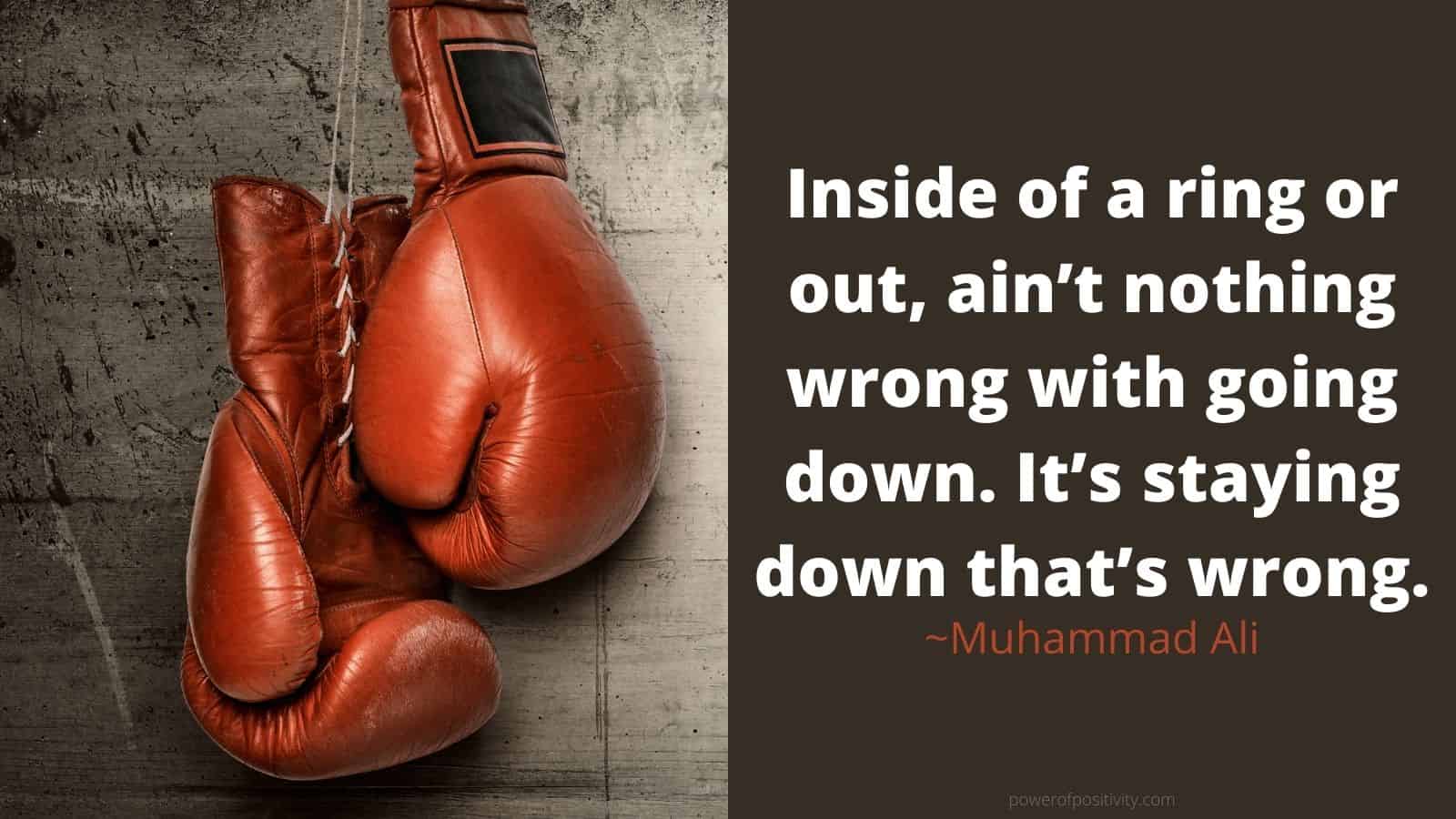
muhammad ali quote

“Inside of a ring or out, ain’t nothing wrong with going down. It’s staying down that’s wrong.” – Muhammad Ali (click here to tweet)


6 –  Elderly woman gives up her ventilator to save a younger person

When she contracted Covid and had to be hospitalized, 90-year-old Suzanne Hoylaerts refused a ventilator, telling her doctors, “save it for the younger patients. I already had a good life.” Sadly, she died two days after arriving at the hospital. Hoylaerts’ simple decision to not take a ventilator for the sake of the younger people in the hospital with her reminds us that acts of kindness have no age limit.

7 – CEO gives up salary to pay for employees

When CEO Kent Taylor decides to do something, he follows through with it. As Covid hit small businesses across the United States, some of the hardest hit were restaurants and bars. His own chain restaurant, Texas Roadhouse, was hit, so he decided to rather than let go of his front-line employees, he’d pay them using his own base salary and bonus for the year.

After his selfless act of kindness, the Texas Roadhouse board of directors decided to suspend payments of cash dividends of Texas Roadhouse stock. Inspired by Taylor’s unselfishness, the Texas Roadhouse board of directors announced they were suspending quarterly dividends from the company’s stock, freeing up cash to help employees.

8 – Plumber refuses payment

Plumber James Anderson has a habit of not charging his clients, but that’s no surprise. He’s been doing it for years. He heard that a 91-year-old woman dying from leukemia who needed her boiler repaired. So he immediately went to her house and fixed the broken boiler. The woman’s daughter expressed dismay at the bill–Anderson did not charge her. Her daughter posted the bill with all the zeros on Facebook. The next day it went viral–getting over 30,000 reactions and 11,00 reposts.

Anderson began his non-profit company, DEPHER, Disabled & Elderly Plumbing & Heating Emergency Repairs, three years ago. As of today, he fixed 2 389 people plumbing or heating for free. It’s his way of giving back after once observing an older man be taken advantage of by a worker. This experience revealed how important it is to help and protect older adults. Anderson sums it up well by saying the following:

“It got me thinking about elderly and vulnerable people-we need to do something more to help the people who need it most.”

These people he noted often suffer silently, suffering from the high prices. His goal for DEPHER is to help cancer patients, older people by offering free and low-cost services.

Anderson’s big heart comes at a cost. Currently, his non-profit business is in debt. But he says it’s worth it to help cancer patients and the elderly. His band loans him the money he needs to buy supplies and keep up his mission to help. One man’s kindness and generosity touched many people’s lives.

9 – Nurse helps a homeless man receive a heart transplant

Lori Wood, an ICU nurse, was assigned to Jonathan Pinkard when he was admitted to the hospital after falling at work. Pinkard was shocked to find out he would die if he didn’t get a heart transplant. Wood heard that Pinkard was homeless, which meant he wasn’t eligible to receive a transplant. So, Wood decided to become his legal guardian to help expedite the possibility of him getting on a transplant list.  Pinkard had been living in a men’s shelter where he worked as the office clerk.

Wood says the following:

“I had to help him. It was a no-brainer. He would have died without a transplant.”

Jonathan Pinkard’s impossible situation seemed hopeless. But Lori Wood’s kindness perhaps saved his life by offering him the support he lacked.

10 – Boy gets into trouble doodling on walls and now inspires others to reach their goals

Remember when you were in school and drew pictures all over your papers while listening to your teacher? Nine-year-old Joe Whale loved to doodle. He often got into trouble for drawing in his class, but his parents encouraged his budding talent.

They sent him to drawing class after school, where his teachers marveled at his talent. His artistic abilities became so well known that “Number 4,” a popular restaurant in Shrewsbury, England, asked him to doodle all over their walls. Whale, dubbed the Doodle Boy, has a website and showcases his work on social media. If the restaurant hadn’t given Whale a chance, his amazing talent wouldn’t have been shared with the world.

This boy proves to the world that determination helps a person achieve their goals. He strives to be an inspiration to others.

impossible

“Be like a tree. Stay grounded. Connect with your roots. Turn over a new leaf. Bend before you break. Enjoy your unique natural beauty. Keep growing.” – Joanne Raptis (click here to tweet)

Final Thoughts on People Who Beat Impossible Odds to Help Others

Impossible situations often bring great opportunities for people to show kindness and generosity. Who knows, maybe today you can help solve someone’s problem and be a huge blessing to them.

Companies Try Shorter Workweeks to Avoid Employee Burnout

In today’s fast-paced world, employee burnout affects millions of people worldwide each year. According to the Harvard Business Review, employers spend around $190 billion annually on employee burnout related healthcare costs. Combined with lost productivity and job turnover, workplace stress costs the U.S. economy around $500 billion a year.

Lost productivity due to employee burnout amounts to about 550 million workdays.

Even before the pandemic, millions of people experienced work-related stress, but the current situation adds more fuel to the fire. A survey from FlexJobs and Mental Health America reported that 75% of Americans experienced burnout this year. 40% of them said that the pandemic directly caused their feelings of work-related exhaustion. Parents juggling working from home plus helping their kids with their online schooling may explain the burnout epidemic.

Working from home means no clear distinction between work and home, and many people find themselves working longer hours. With the added stress of not seeing friends and coworkers, people worldwide are starting to reach their limit.

A few months into the pandemic, an engineering director at Eventbrite Inc, Nick Popoff, spoke up in a Zoom meeting. He shared that he felt burned out and exhausted, even though he took nature walks to recharge. Other than that, he often didn’t leave home and missed seeing his friends and colleagues. After he spoke up, other coworkers came forward and expressed their concerns.

How companies are helping employees adjust to the “new normal.”

pop meme

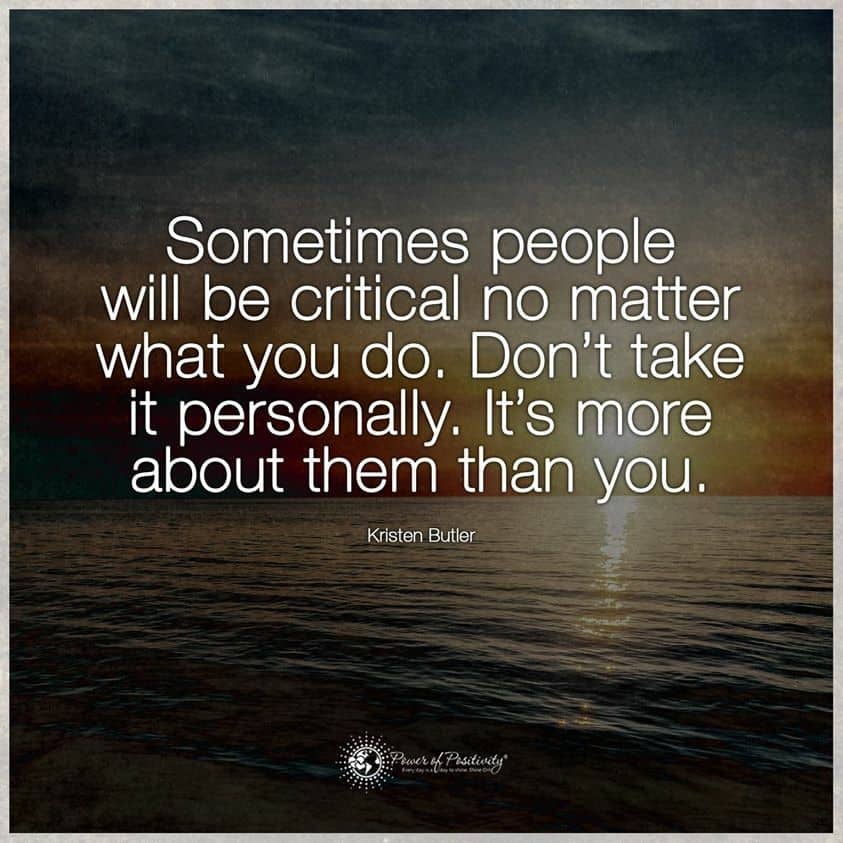
“Sometimes people will be critical no matter what you do. Don’t take it personally. It’s more about them than you.” – Kristen Butler (click here to tweet)

So, Nick decided to create “recognizing burnout” sessions for other employees, so they had a platform to voice their feelings. Mental health professionals also chimed in with ways to cope during these uncertain, stressful times. Besides offering more mental health services, employers have also suggested employees disconnect from technology for periods of time. Some companies have begun expanding training for managers on how to safely and effectively get their employees through the pandemic.

Bosses all over the world hope these measures will help their remote employees feel less depressed and fed up. Many people have been struggling with their mental health due to the isolation and lack of separation between work and home life. However, simply reaching out to employees during this time could make a world of difference. In fact, Antonio Neri, chief executive at Hewlett Packard Enterprise Co., suggested that managers call employees personally to check on them.

Eventbrite

Eventbrite’s HR officer David Hanrahan believes this approach will bolster employee’s mental health as well. The company recently had a training session on how supervisors can better empathize with employees who work remotely. During one-on-one sessions with employees, managers have been told to ask, “How are you really, really doing?” This opens the conversation and allows the employee to express their true feelings before moving on to business.

Other tactics managers have employed during the pandemic include issuing “good news Friday” memos. CEO Dean Allen at engineering and construction company McKinstry Co. LLC had this idea to boost his company’s morale. He sends out a list of good things that happened during the week, so employees get a break from depressing news. This could include things like feedback from a pleased customer or details about new clients.

While all of these approaches have their benefits, employees may still feel overwhelmed with their workload. Employee burnout happens when people feel they have too much on their plate and don’t see an end in sight. People in many industries experience this feeling, and unfortunately, the pandemic has only exacerbated this underlying problem.

One company tries a shorter workweek to combat employee burnout.

However, one company decided to try out a pilot program to choose to work 30 hour weeks. At Fidelity Investments, a small portion of the workforce will have this option and keep their full benefits. While these employees will have a small pay cut, the company hopes the reduced stress will make it worthwhile. Fidelity will hire more employees to pick up the slack so that current workers don’t become overwhelmed.

Head of HR at the company, Bill Ackerman, says employers need to adjust to their workforce’s needs. In particular, they should focus on expanding access to child-care coordinators and subsidies since many parents have to homeschool now, he says.

Other bosses have been taking extra steps to get remote employees off their laptops as the line between work and home grows fuzzy. For example, public relations firm Geben Communications started offering employees extra self-care days off in the past few months. This encourages employees to disconnect from technology and enjoy their families or take time for relaxation.

In Austin, Texas, the company Dosh has been surprising employees with impromptu three day weekends. On random Thursdays during meetings, CEO Ryan Wuerch announces that the next day will be a “Dosh Day,” or a day off work. He hopes this will encourage his employees to disconnect from the online world for a while.

Managers say that the stress from the pandemic means employees need extra support. Regularly checking in and monitoring their logged work hours will help them avoid employee burnout. Eventbrite’s Mr. Popoff pays close attention to any employees who work after hours and follows up with them the next day. He makes sure to remind them that they don’t need to work any longer than normal.

employee burnout

You are killing yourself for a job that would replace you within a week if you dropped dead. Take care of yourself. (click here to tweet)

Final thoughts on combatting employee burnout

In summary, here are specific steps employers can take to reduce employee burnout:

  • Suggest that employees take time off. Offering extra self-care days or encouraging staff to end work a few hours earlier are helpful ideas.
  • Offer expanded mental health and counseling, if necessary. Some employers have utilized online counseling apps or hired coordinators so employees can better access therapists.
  • Ask managers to check in regularly with employees. For example, some managers have started calling or video chatting one-on-one with employees for mental health support.
  • Train managers on how to oversee a team with empathy. During these times, many employees need extra guidance and support. Training managers on how to respond to these unprecedented times is necessary.
  • Let employees share their real feelings if they need to. Having special meetings specifically for mental health support can help employees get through these challenging times.

Researchers Successfully Convert Ammonia into Hydrogen for Clean Energy

Researchers from Northwestern University have developed an eco-friendly method of converting ammonia into hydrogen, a huge step toward eliminating pollution. Their findings have been published in the journal Joule and will help the world transition to a hydrogen-fueled economy eventually.

Because ammonia becomes liquified much easier than hydrogen, storing, and transporting, it presents fewer difficulties. Scientists have started investigating using ammonia as a carrier for hydrogen delivery in the past few years due to this reason. The groundbreaking study by Northwestern University helped identify possible barriers in the conversion process and provided solutions to overcome them.

The researchers explained that the delivery of hydrogen would present challenges, as the infrastructure is lacking. Therefore, transporting it would require redesigning the system, which could get costly.

“The bane for hydrogen fuel cells has been the lack of delivery infrastructure,” said Sossina Haile, lead author of the study. “It’s difficult and expensive to transport hydrogen, but an extensive ammonia delivery system already exists. There are pipelines for it. We deliver lots of ammonia all over the world for fertilizer. If you give us ammonia, the electrochemical systems we developed can convert that ammonia to fuel-cell-ready, clean hydrogen on-site at any scale.”

Haile is also a Walter P. Murphy Professor of materials science and engineering at Northwestern’s McCormick School of Engineering. She has additional appointments in applied physics and chemistry and is also co-director at the Institute for Sustainability and Energy at Northwestern.

The study

hydrogenHaile’s team found that they could use renewable energy instead of fossil fuels to complete the hydrogen conversion from their research. They discovered the process requires much lower temperatures than traditional methods – 250 degrees Celsius instead of 500-600 degrees Celsius. The clean energy technique also creates pure hydrogen, which means scientists don’t need to filter out any unreacted ammonia or other products.

The team explains that the conversion’s efficiency comes from the fact that all the electrical current running to the device creates hydrogen. It can also be directly pressurized for high-density storage by increasing electrical power since it’s pure hydrogen.

To complete the conversion, the team built a special electrochemical cell with a proton-conducting membrane. Then, they integrated it with an ammonia-splitting catalyst, which creates nitrogen and hydrogen.

“The ammonia first encounters the catalyst that splits it into nitrogen and hydrogen,” Haile said. “That hydrogen gets immediately converted into protons, which are then electrically driven across the proton-conducting membrane in our electrochemical cell. By continually pulling off the hydrogen, we drive the reaction to go further than it would otherwise. This is known as Le Chatelier’s principle. By removing one of the products of the ammonia-splitting reaction — namely the hydrogen — we push the reaction forward, beyond what the ammonia-splitting catalyst can do alone.”

When the ammonia splitting process produces hydrogen, it can then get transferred to a fuel cell. Just like batteries, fuel cells produce electricity by converting energy produced from chemical reactions. However, unlike batteries, fuel cells can conduct energy as long as they have a steady fuel supply. They never lose their charge.

How this clean hydrogen technology applies to real life

When a fuel cell consumes hydrogen, it only produces water as a byproduct. On the other hand, fossil fuels produce greenhouse gases like carbon dioxide, methane, and nitrous oxide. Clearly, the Earth would benefit much more from a clean fuel such as hydrogen. The researchers hope that the world can move in this direction and create a cleaner planet in the future.

Haile explains that this technology could transform the transportation industry in particular. In 2018, it accounted for more greenhouse gas emissions in the U.S. than any other economic sector. According to the Environmental Protection Agency, the movement of people and goods by all types of transportation accounted for 28% of emissions.

“Battery-powered vehicles are great, but there’s certainly a question of range and material supply,” Haile said. “Converting ammonia to hydrogen on-site and in a distributed way would allow you to drive into a fueling station and get pressurized hydrogen for your car. There’s also a growing interest for hydrogen fuel cells for the aviation industry because batteries are so heavy.”

According to the U.S. Department of Energy, the government and car industry have already begun working on fuel cell electric vehicles (FCEVs). Light-duty FCEVs have hit the market already in localized, limited areas domestically and worldwide. Incredibly, fuel cells connected to an electric motor have two to three times the efficiency of an internal combustion engine powered by gasoline.

Where and when?

Currently, California leads the nation in building hydrogen fueling stations for FCEVs. As of mid-2020, California had 43 retail hydrogen stations open to the public, and 19 plan to open soon. These stations provide fuel to over 8,000 FCEVs. Through its Clean Transportation Program, California continues to provide funding toward building hydrogen infrastructure.

Also, the California Energy Commission will allocate up to $20 million per year through 2023 to building this infrastructure. In addition, it has invested in 100 public stations initially to encourage the use of FCEVs. In the northeastern states, 12 retail stations are under consideration, and some already serve fleet customers. A growing hydrogen market exists for buses, material handling, ground support equipment, and medium- and heavy-duty trucks.

Haile and her team hope that their discoveries can help the world transition to hydrogen-based fuels in the future. Their next area of research lies in investigating new, eco-friendly ways of producing ammonia. This way, the whole process can create zero pollution while providing the planet with a clean energy source.

global lockdown

Here is how Earth healed during the global lockdown in 2020.

Final thoughts on the successful conversion of ammonia into hydrogen for clean energy

While the research and infrastructure remain in their infancy, hydrogen could transform how we use energy in the future. Scientists have recently successfully converted ammonia into hydrogen and will direct their efforts toward finding eco-friendly methods of producing ammonia.

Counselors Reveal 10 Golden Rules of Friendship

If you’re like most people, you have many acquaintances and only a few close friends. You might feel closer to some of your friends than you do your family. What are the rules of friendship that make it all work?

Ralph Waldo Emerson revealed the secret to lasting friendship when he advised that “to have a friend, you must be a friend.” Do you remember being nervous as the “new kid” in school and wondering if you’d ever have a close inner circle? You probably used the rules of making friends that your parents taught you.

As long as humans have been on planet earth, friendship has existed. Human beings are social creatures, and companionship is a basic need. However, some people are better at making friends than others.

Are you an extrovert who never knows a stranger, or do you have difficulty opening up to people you don’t know? Even if you’re a people person, real friendships take time and effort from both parties. You must work and cultivate a friendship if it’s going to last.

The Importance of Having Friends in Your Life

rules of friendshipFriendship plays a vital role in people’s lives. Susan Krauss Whitbourne, Ph.D., notes that “One of the most important and yet least understood areas of psychology concerns the role of friends in our lives.”

And we all have different categories of relationships. For example, some of the friends you have as an adult may have been with you since childhood. Many people consider their coworkers and colleagues as buddies, but maybe not their best friends.

There is a gray area in friendship for people who are known as “frenemies.” These are people who act like your friends, but they aren’t. Although there are many fake pals in the world, they are outnumbered by the ones that are true blue.

How do you define a friend? Is it someone who you can trust and someone who will stick up for you? Is your friend loyal and would never betray your confidence? The qualities you want in a friendship are the same ones that others look for in you.

The Ten Golden Rules of Friendship

Would you like to widen your circle of friends or cultivate relationships you already have? It’s a lifetime of work, but it’s worth every minute. Here are ten rules of friendship that you should always keep in mind.

1. Be Genuine

Have you ever wondered what brought you and your friends together? They were attracted to you because of who you are. Just like snowflakes, there are no two people in the world who are exactly alike.

So, why would you want to act like something you’re not? Good buddies are always genuine, no matter the setting or who is with them. The world is full of fake people, and you needn’t be one of them. Be proud of who you are and be genuine with your strengths and shortcomings.

2. Be Loyal

A friend is a person who you know always has your back, no matter what. It’s a basic rule of friendship that can’t be broken. You would expect that enemies would turn their backs on you when you are down, but not your buddies.

Loyalty means that you will stand up for each other even when others won’t. When you are in need, your friends are the first ones there to help. If you can’t trust your inner circle, then who can you trust?

3. Be Honest, Even When It Hurts

Another one of the golden rules for relationships is honesty. Have you ever asked a friend for their opinion about a decision you need to make? You did that because you trusted that they would be honest with you.

Sometimes, being honest can hurt. Maybe you are too close to a situation and can’t see the whole picture. A true pal always tells the truth, even if it’s not what you want to hear.

4. Know How to Apologize and Forgive

It takes a lot of guts for people to admit they are wrong and ask for forgiveness. However, if someone is your friend, they will gladly do it. Selfish people can only create toxic relationships, and they will often shift the blame on everybody else.

If you have made a mistake, be a friend and own up to it. Apologize sincerely and try to make amends. Accept your friend’s forgiveness, learn from your mistakes, and try not to make them again.

Nothing can ruin a good relationship more than holding a grudge. Forgiveness not only benefits the offender, but it is more of a gift to the offended. It doesn’t excuse the wrong that the other person did, nor does it mean you can forget it.

Forgiveness gives you both the freedom to get past a transgression and start the healing process. Sometimes, hurtful words or actions may be too great for you to want the relationship to continue. In those cases, forgiveness can allow you both to go your separate ways in peace.

5. Spend Time Together

Do you enjoy outdoor gardening or raising houseplants? What would happen if you stopped watering and caring for your plants? They would wither and die, the same way an uncultivated friendship would.

Friends enjoy spending time together, whether it’s chatting on the phone or going to a favorite restaurant. Remember that quality time is worth more than quantity. Try to get together in person as much as you can, instead of resorting to texting or messaging on social media continuously.

emotional wounds6. Don’t Break Confidence

If trust is one of the golden rules of friendship, then confidence ranks right beside it. When you tell close friends something in confidence, you expect that it will go no further. In the same token, you should respect your friends’ privacy and trust.

Never assume that just because your friends ask you not to tell anyone about something, it’s okay to broadcast it. Pals know each other well enough to understand when something needs to be kept quiet. It’s often challenging to mend a friendship that’s been broken because of a breach of confidence.

7. Avoid Aggressive Confrontation

Since we are all individuals, we all have different opinions that are going to clash occasionally. It’s going to happen even in the best of friendships. However, how you handle differing points of view can make or break the relationship.

Just because you and your friend don’t see eye-to-eye on a subject doesn’t call for a confrontation. If you do get into a heated debate, step away, and give each other some space. If you’re real friends, you will both apologize and learn how to “agree to disagree.”

8. Help Each Other

Who can you turn to if you can’t go to your friends? Nobody ever makes it high enough in this world that they don’t need anyone else to stand by their side. When your friends need help, are you there to listen or give them a hand?

You’ve probably heard some people labeled as “fair-weather friends.” These people are happy to be your pal when everything is going well, but they will abandon you in your time of need.

Being there for each other is one of the essential rules of friendship. When your friends are hurting and feeling down, they don’t need dismissive clichés or advice. Just being by their side to listen and share their burden is one of friendship’s greatest gifts.

9. Be One Another’s Cheerleader

In 2018, psychologists acknowledged that one of the best benefits of having friends is the moral support you give–and take–from each other.

This is one of the rules of friendship that people may forget after knowing somebody for years. Not only do your friends want you to share in their hardships, but they want you to be part of their victories. When they are trying to do something, they need to hear your cheers of encouragement.

Words like “you can do it” or “I’m on your side” can be the inspiration they need to cross the finish line. A real friend will be happy for each other’s accomplishments. Petty jealousy has no place in a real friendship.

10. Keep Give and Take Equal

Sherry Gaba, LCSW, states that “healthy relationships are designed to be a give and take.”

The Ancient Romans called it “quid pro quo,” which in modern terms means “I’ll scratch your back if you scratch mine.” There’s give and take in every friendship. However, the ratio should be as close to 50/50 as possible.

It’s another one of the friendship rules that reminds you never to take more than you give. Almost everyone has had at least one friend in the past who was continually wanting their time and resources but never reciprocated. That one-sided friendship is something that nobody needs.

Being a friend doesn’t mean that you must be someone’s doormat. If you have a buddy who is only there when they need you, it may be time to part ways. Real friends know that a relationship is a two-sided street, and they won’t use others, nor will they be used.

rules of friendshipFinal Thoughts on the Rules of Friendship

All the friendship rules can be summed up by saying this–always treat others how you want them to treat you. When you have a friend for life, you’ve found a treasure that money can’t buy.

AHA Links Good Sleeping Habits to Less Heart Disease

A new study from the American Heart Association (AHA) found that adults with the healthiest sleeping habits had fewer heart disease occurrences. In fact, their research revealed that those with consistent quality sleep had a 42% lower risk of heart failure.

Even when they accounted for other risk factors, adults with healthy sleep patterns had better health markers than unhealthy sleepers. The findings have been published in the American Heart Association’s premier journal Circulation.

The AHA defined healthy sleep patterns as rising in the morning and sleeping the recommended 7-8 hours per day. The criteria also included not experiencing frequent insomnia, snoring, or extreme daytime sleepiness.

Unfortunately, heart failure affects around 26 million people worldwide and continues to increase in prevalence. New evidence shows that sleep disruptions may play a role in the development of heart failure.

The American Heart Association study that links lowered heart disease to positive sleeping habits

The AHA study investigated the correlation between healthy sleeping habits and heart failure and compiled data from 408,802 UK Biobank participants. The individuals in the study were between the ages of 37 and 73 when they agreed to participate. Researchers collected data on incidences of heart failure until April 1, 2019. They also recorded 5,221 cases of heart failure during a 10-year follow-up period.

pop meme

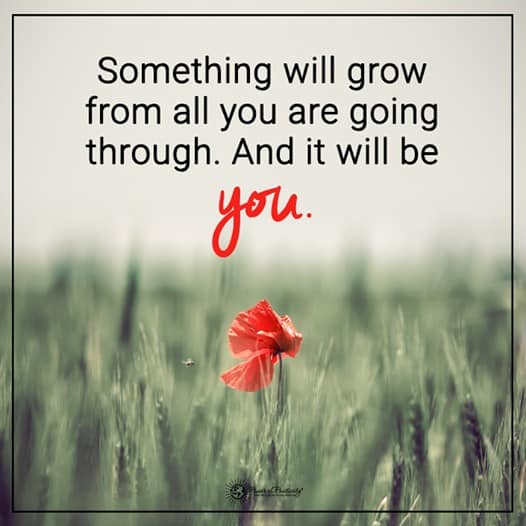
Something will grow from all you are going through. And it will be you. (click here to tweet)


For the study, the team analyzed sleep quality as well as the participants’ sleeping habits. Measures of sleep quality included time spent sleeping, insomnia, snoring, and whether the individual was an early riser or late sleeper. They also recorded whether the participants had any daytime sleepiness symptoms, such as dozing off or sleeping during the day.

“The healthy sleep score we created was based on the scoring of these five sleep behaviors,” said Lu Qi, M.D., Ph.D., corresponding author, and professor of epidemiology and director of the Obesity Research Center at Tulane University in New Orleans. “Our findings highlight the importance of improving overall sleep patterns to help prevent heart failure.”

Researchers used touchscreen questionnaires to collect data on sleep behaviors. They categorized sleep behaviors into three different groups: short, or less than 7 hours; recommended, or 7-8 hours; or prolonged, or 9+ hours a day.

The research team then adjusted for diabetes, medication use, genetics, hypertension, and other risk factors. They found that adults with healthy sleeping habits had a 42% lower risk of developing heart failure than those with unhealthy sleep patterns.

Other interesting findings from the study included that heart disease occurred:

  • 8% lower in early risers;
  • 12% lower in those who slept 7 to 8 hours daily;
  • 17% lower in those who did not have frequent insomnia; and
  • 34% lower in those reporting no daytime sleepiness.

Participants reported their own sleeping habits, but any changes in sleep patterns at follow-up weren’t available. The researchers said that other unknown or unmeasured factors might have influenced the outcome. However, Qi noted that the study’s strong points included it being the first study of its kind and having a large sample size.

Seven other ways to lower the risk of heart disease/heart failure:

According to the American Heart Association, you can lower your heart failure risk by making lifestyle changes. These include:

1 – Stop smoking.

Smoking harms nearly every organ in the body and can cause damage to the functioning of the heart. Smoking is a major risk factor for atherosclerosis and heart disease.

2 – Eat healthy foods.

Eating a balanced, nutritious diet helps you maintain a healthy weight and lower risk factors for diseases such as diabetes and high blood pressure. Many diseases today can either be reversed or at least managed with a healthy diet. Include plenty of fresh vegetables and fruits, nuts, seeds, whole grains, lean meats, and dairy in your diet. Limit consumption of processed, sugary, high-fat foods, as well as red meats.

3 – Lower your cholesterol.

Fat lodged in the arteries can trigger a heart attack or stroke. To prevent this from happening, make sure to lower your consumption of saturated fats, trans fats, and cholesterol. You may need to take medication to lower your cholesterol if diet and exercise alone aren’t helping. Healthy cholesterol levels for adults over 20 are anywhere from 125 mg/dL to 200 mg/dL.

4 – Exercise daily.

Even if you walk around the neighborhood for 30 minutes, something is better than nothing. However, experts say that at least 150 minutes per week of intense aerobic exercise is necessary to lower blood pressure and cholesterol. This will also keep your weight in a healthy range.

5 – Maintain a healthy weight.

Unfortunately, obesity in the U.S. is at an all-time high. This puts you at a higher risk of developing high cholesterol, high blood pressure, diabetes, and ultimately cardiovascular disease. Make sure to exercise regularly and vigorously, eat a healthy diet, and keep your stress low to control your weight.

6 – Keep your stress low.

Studies have shown that high cortisol levels from long-term stress can increase blood cholesterol, triglycerides, blood sugar, and blood pressure. These are all factors that can lead to heart failure. Make sure to create time in your schedule for relaxation, meditation, yoga, or something else that eases your stress.

7 – Limit alcohol consumption.

Drinking too much alcohol can raise blood pressure and increase the risk of stroke, cancer, and other diseases. It may also cause irregular heartbeats and contribute to the development of diabetes and obesity. If you do drink, limit your consumption to one drink per day.

sleeping habitsFinal thoughts on a study showing a link between good sleeping habits and reducing your odds of heart disease

Quality sleep in today’s world may seem hard to come by, but it may just save you from heart disease. The study above confirmed that adults with good sleeping habits have a 42% lower risk of heart failure than poor sleepers. Lack of sleep causes disruptions in your whole body and increases cortisol production. All of this puts a lot of extra strain on your heart.

Make sure you have a regular sleep schedule, turn off technology a few hours before bed, and keep your room cool at night. All of these habits will help you sleep better and wake up feeling more refreshed.

Skip to content