Weekly tips, affirmations, and small actions to feel your best.

5 Facts About Mood Disorders Most People Don’t Know

According to the National Institute of Health, mood disorders affect 20.9 million adults over 18 and older in the United States. This accounts for approximately 10% of adults in the United States experiencing a mood disorder every year. Still, mood disorders are greatly misunderstood today. If you want to learn more about mood disorders, here are 5 facts you may not know about them.

Your moods are those pervasive and long-term feelings and thoughts you hold inside. Moods can impact your behavior and decisions. Mood changes are normal for everyone, but it affects your everyday ability to function at work, school, and home if you have a mood disorder.

What is a mood disorder?

A mood disorder occurs when there’s a disruption in your emotions that causes extreme highs or extreme lows. Mood disorders are put into two large categories: bipolar disorders and depressive disorders.

There are two specific areas of your brain, the amygdala, and the orbitofrontal cortex, which are located in the front of your brain, that are thought to be responsible for controlling your emotions and feelings. Studies found that people with mood disorders have a larger amygdala. This supports the idea that abnormalities in this part of the brain can lead to mood disorders. It’s thought that repeated episodes of a mood disorder may contribute to this area’s enlargement.

mood disordersBipolar mood disorders

A bipolar disorder or manic depressive disorder is defined as extreme mood swings in between depression to mania. When you have a manic episode, you may feel elated or very irritable with increased activity at all times of the day or night.

There are 4 types of bipolar disorder.

Bipolar 1:

This the severest form of bipolar disorder. The manic episodes may last as long as a week and can result in hospitalization. You can also feel depressed for weeks at a time, or sometimes both mania and depression at the same time.

 Bipolar 2:

This mood disorder creates cycles of depression similar to bipolar 1, but it is usually less severe and not as intense. You can handle your daily responsibilities, and most people who suffer from bipolar 2 don’t need hospitalization, but it still affects your life and how you relate to others.

Cyclothymia disorder:

This type of bipolar disorder has milder side effects. If you have this, you’ll experience irregular mood swings, some highs, and lows without the extremes. These will last for short periods of time. Adults aren’t diagnosed with this unless they’ve experienced the symptoms for at least two years. Sometimes it’s hard to diagnosis for this reason.

Unspecified bipolar disorder:

This bipolar disorder doesn’t meet the other criteria that define the other types, but you may still have noticeable abnormal mood swings.

Suppose you have experienced these feelings and wonder if you may have a bipolar mood disorder, talk with your doctor. They will run a variety of tests to determine the cause of your mood swings. They may also suggest you see a counselor to talk to about your highs and lows.

Depression mood disorder

Depression is very common. You may feel depressed due to grief, a traumatic event or crisis such as a death in your family, losing your job, or having a debilitating disease. Depression that continues after the stressful event is past or lessened is classified as clinical or major depression. You are diagnosed with clinical depression if you have symptoms that last for two weeks or more.

Below are the types of depression mood disorders.

Persistent depressive disorder:

This is a chronic depression that lasts for years. You may have breaks in your depression, but it’s fairly consistent for you to experience it daily.

Postpartum depression:

As the name suggests, postpartum depression can happen during and/ or after delivering a baby. It can be due to hormone changes. But for some, the depression lingers months after giving birth.

Psychotic depression:

This is severe depression with psychotic episodes like seeing something that isn’t there and hearing something that isn’t there.

Depression due to medical illness:

This type of depression can happen when you’ve been diagnosed with an illness. The diagnosis can make you feel depressed because you’re not able to do the things you want. You may feel like life isn’t pleasurable or fun anymore. This is a common depression experienced by older adults if they are diagnosed with a chronic disease. Depression in the elderly is very common.

Seasonal affective disorder:

This type of depression occurs for some individuals in the fall and winter months, especially in areas where the weather turns cold and cloudy. It’s triggered by a lack of sunshine and feels like major depression for people. Typically, when the weather gets sunnier and warmer, the depression lifts. Many people who suffer from this type of depression use a light therapy lamp to lessen their symptoms.

10 facts about mood disorders most people don’t know

Here are a few interesting things that many people do not understand mental health.

pop meme1 – Medications can be the cause of a mood disorder

Taking some medications mimic mood disorder symptoms. Corticosteroids, chemotherapy drugs, beta-blockers, Parkinson’s disease drugs, estrogen replacement drugs for menopause, birth control pills, and cholesterol-lowering drugs all affect your mood. Other mediations that affect your mood include

  • Acne medications
  • Pain relievers
  • Allergy medications
  • Thyroid medications
  • Antibiotics

If you take these medications and notice you feel depressed or have extreme ups and downs, talk to your doctor to see if there are alternative drugs you can take with fewer side effects.

2 – Genetic Factors

Studies show that specific genes make you prone to mood disorders. A family history of mood disorders will make you more likely to develop one. If your parents suffer from a mood disorder, you’re at an even greater risk for developing a mood disorder in your life.

3 – Hormonal imbalances

Hormones can affect your mood and increase your chances of a mood disorder. Increased levels of hypothalamic-pituitary-adrenal activity are one type of hormonal condition that caused depression. Also, increased levels of TSH, a thyroid-stimulating hormone, effects mood swings, and depression. Approximately 4.6 of the United States population 12 years and older suffer from hypothyroidism, which causes depression. Your thyroid is a butterfly-shaped gland on the side of your throat. This gland produces hormones that regulate your energy and metabolism levels. Too little TSH in your blood indicates your thyroid gland isn’t working correctly. This is hypothyroidism. The symptoms include

  • Anxiety
  • Weight gain
  • Tiredness
  • Hair loss
  • Cold
  • Constipation
  • Irritability
  • Depression

This condition is more common in women. Thyroid changes are common during pregnancy, and this is when many women find out they have hypothyroidism. If you are experiencing these symptoms, talk to your doctor. They will do a blood test to check your TSH levels.

4 – Psychosocial Factors

Stressful life situations such as traumatic events or abuse in childhood put you at a higher risk of developing a mood disorder later in life. Indeed, a 2019 article published in Frontiers in Psychiatry cites trauma as a common trigger for mental health crises, such as depression and PTSD.

5 – Woman suffer from mood disorder depression more than men

Women are twice as likely to suffer from a mood disorder compared to men. Women also have more symptoms and more severe mood disorder symptoms compared to men.

Best natural treatments for mood disorders

Early diagnosis and treatment are important to deal with your mood disorder. Once you have a thorough assessment, you and your doctor will decide the best treatment. Many prescription medications help with mood disorders. Along with these medications or sometimes in place of them, depending upon your diagnosis and your doctor’s treatment suggestions, these treatments can help mood disorders.

Mindfulness

Mindfulness is a practice that helps you be more aware of and in control of your emotions, anxiety, and stress. It helps you relax through breathing and other techniques. This can be helpful to slow down the progression of mood disorder symptoms. Mindfulness activities like

  • Mindful eating
  • Mindful thoughts and body awareness
  • Mindfulness mediations during walks

Brain stimulation therapy

Repeated brain magnetic stimulation has shown good results in treating mood disorders. This outpatient treatment involves cortical stimulation to speed up or slow down your brain’s activity. The procedure takes around five sessions over a 4 to 6-week period. It has no long term side effects. Short-term side effects include a headache or some minor scalp pain in the treatment area.

Healthy diet

A 2020 study published by Harvard University confirmed what doctors suspected all along. Maintaining a healthy diet decreases your risk of a mood disorder. Eat a diet with vegetables, fruits, whole grains, lean meats, and dairy foods is essential.

Yoga or exercise

Regular exercise protects you against developing a mood disorder. Inactive people have a greater chance of depression. This is because exercise has a positive effect on your brain, releasing endorphins, which improve your mood.

Quit smoking

People who quit smoking say they feel more positive and optimistic about their future. Smoking is an antidepressant that increases your anxiety and the chances of becoming depressed.

Increase omega3s

Omega-3 fatty acids serve as antidepressants. This is because fatty acids regulate the serotonin and dopamine in your brain. Fatty acids also have anti-inflammatory and antioxidant benefits for your body.
mood disordersFinal Thoughts on Better Understanding Mood Disorders

Mood disorders are often misunderstood and misrepresented. They are more common than you think, so it’s important to understand what they look like and ways to decrease your chances of developing a mood disorder later in life.


10 Signs You’re Suffering from Emotional Exhaustion

Do you feel emotionally exhausted? What’s the difference between physical and emotional exhaustion? Some say that fatigue turns inward to the soul once the body becomes tired and doesn’t get the rest it needs. You suffer from emotional exhaustion, leading to depression, anxiety, and other mental or physical disorders.

Today’s world is quite demanding. Most people start their day by six am to prepare the kids for school. Then after rushing them out the door, you must fight traffic to drop them off at daycare. Once you’ve made it to work, you’re exhausted and feel you’ve done more than you can handle.

Does This Sound Familiar?

emotional exhaustionNow, you must work an 8-10-hour shift to give your job 110 percent of your efforts. Some days, you go through the motions and try to muddle through. Once you finish your workday, you rush to get the kids, get home, make dinner, pack lunches, and lay out clothes for tomorrow.

If lucky, you may fall into bed at 11 pm, barely having time to speak to your spouse. How did life get so crazy? There is only so much that your body can handle before it cracks. It would help if you had downtime to take walks in nature and enjoy your family.

Plus, you need time for you to be alone with your thoughts. Like many people, there’s no way to fit it all into your day. You use your bedtime as a bargaining tool for an hour of tranquility after everyone goes to bed.

Sure, you know that if you get in bed by midnight, you will get six hours of sleep, but it’s still not what you need to function the next day. When the alarm goes off, your body can barely move from the weight of the emotional exhaustion you feel. Your body seems like it’s just done a major workout, and your head is pounding. How can you face another day, week, or month going on the way you are?

Ten Signs That Reveal a State of Emotional Exhaustion

Different phrases describe those so tired that they feel like they cannot function. It can be called psychological burnout or emotional fatigue. According to a study, it’s a relatively common problem that plagues more than 58 percent of American workers.

How do you know if you are emotionally burned out, and what should you do to combat this miserable feeling? Left untreated, this emotional exhaustion that you feel can send you straight to the hospital. Here are ten ways to tell if your emotions are on edge and need help.

1. No Amount of Sleep Makes You Feel Rested When Emotionally Exhausted

You go to sleep and may even get a lovely rest of for a good eight hours, but you still feel as if you haven’t slept an ounce. Your entire body feels lethargic, and you’re becoming depressed. You have no problem sleeping as you seem to die once you hit the bed. When you wake up, you’re just as exhausted as when you first laid down.

You should discuss these issues with your doctors, as things like chronic fatigue syndrome, lupus, and multiple sclerosis make people feel continuously exhausted. If no medical tests find anything wrong, then it’s possible that your body is emotionally and physically tired.

2. You have Insomnia or Sleep Too Much if You Have Emotional Exhaustion

Sleep disruptions are commonplace when your emotions are out of whack. You can sleep too much, consider anything over nine hours, or you might have problems sleeping. While some people need more rest than the average of seven to eight hours a night, you should ensure that all your free time isn’t spent napping.

Additionally, you may try to go to sleep, but your mind won’t stop racing. You may reflect on all the day’s events and dread what you must accomplish tomorrow. Sleep disruptions are a classic sign of someone who is emotionally exhausted.

3. You Have Body Aches You Can’t Explain, a Result of Emotional Exhaustion

Stress can do strange things to the body. When you feel anxiety, your body automatically raises cortisol and adrenaline levels to combat these feelings. When these levels stay elevated for too long, it can cause long-term problems.

Your body is made to handle the day’s routine stressors, and some stress is good. The reason you’re on edge when you’re driving down the freeway is that your body is on high alert. It’s essential to be in a heightened state to protect yourself.

However, you cannot continue to function in fight or flight mode all the time. When you have these hormones pulsing through your body, it can affect your heart and mind. The result is headaches, muscle aches, nausea, physical fatigue, and emotional exhaustion.

4. You Dream of An Escape When Emotionally Exhausted

It’s not uncommon for you to dream of living somewhere else where your troubles might not follow you. However, someone mentally exhausted might do more than contemplate such moves. You might be so on the edge that you would leave your husband, wife, and children to find greener pastures.

Never make decisions in such an exhausted state as you will regret them later. Your mind is incapable of such choices when under such duress.

pop meme5. You’re Grouchy and Irritable Because of Emotional Exhaustion

Does your family avoid you like the plague? Are you continually yelling or so irritable that even you don’t like to be around yourself? You may feel angry and can’t pinpoint the reason. Irritability is a classic sign of a psychologically exhausted person.

6. Your Emotions Are All Over the Place

Do you cry a lot? Can you go from crying one minute to acting like nothing is wrong the next? Crying is normal and a healthy thing to do. However, if you’re continually calling, it’s a sign that the chemicals in your brain are out of whack.

The main chemicals in your brain are serotonin, norepinephrine, and dopamine. If any of these levels become off-kilter, then you can suffer much. One person may always cry while another can’t seem to stay awake. If your emotions are everywhere, it’s time to see a doctor.

7. You Feel Disconnected from Life When Emotionally Exhausted

Does the world around you seem detached, almost like you’re looking at it through cartoon lenses? One of the body’s coping mechanisms is to disconnect to stay sane. You may feel like an alien has taken over your body and is trying to ruin your life.

Be incredibly careful if you start having these feelings, as it can indicate that you are heading for a complete psychological breakdown.

8. You’re Lonely Because of the Emotional Exhaustion

Do you have a house full of people yet feel all alone? Part of why people feel lonely when they have others around them is that no one understands. Exhaustion makes your mind not think clearly, and you may begin to feel isolated.

Remember, things like anxiety and depression are great pretenders because they make you think and feel things that aren’t true. You’re probably pushing these people away because you’re cranky, irritable, constantly crying, and detached from your life.

9. You Can’t Keep Up Anymore Due to the Emotional Exhaustion

Your house is a mess, the kids need haircuts, you have a project due at work, and the bills haven’t been paid this month! You cannot keep up with all you have to do anymore. Your home and office that once ran like a finely oiled machine now barely have enough fuel to keep going.

Your emotional exhaustion has affected all areas of your life, and you are barely treading water.

10. You Feel Depressed When Emotionally Exhausted

You don’t want to admit it, but you find no pleasure in the things that once brought you joy. Perhaps you feel as if you exist rather than live. You hide in your bedroom because you don’t want anyone to bother you.

You see changes in your appetite and sleep schedule, cry for no reason, and feel depressed. Depression is a severe condition affecting more than 22 percent of American adults, according to Statista. It’s a sickness that is just as real as the flu or a cold. It requires lifestyle changes and treatment.

emotional exhaustionFinal Thoughts on Overcoming Emotional Exhaustion

While you can’t rid your life of all stress, you can attempt to eliminate the things that bring you so much pressure. Maybe it’s time for a career change if you’re in a high-stress job like a nurse, police officer, or teacher. Is your home a haven or a warzone?

Troubled marriages can often make people go through dark times emotionally. The great news is you can pull yourself out of your emotional exhaustion. The best place to start is by changing your diet.

Did you know that many people on the keto diet say they have better mental clarity? Once you fix your diet, you should incorporate an exercise routine. Exercise can naturally increase the neurotransmitters in the brain and make you feel better.

Lastly, it would help if you made time for yourself. Don’t give yourself the scraps left out of your day or bargain with your sleep time. How can you expect to pour yourself into others when you have nothing to give? It would help to keep your energy tank full to have the strength you need to make it through each day.

Brave Woman Starts Fitness Journey and Regains Health

Since beginning her fitness journey, Tracy lost 45 pounds and transformed her health. Here is the incredible story of how she got her life and happiness back. Take a look.

“After turning 40 and being the heaviest and unhealthiest I’ve ever been in my life, I knew I needed to make a change. So, in the fall of 2017, I decided to join a gym, and I began eating healthier and more nutritious foods,” she says.


View this post on Instagram


A post shared by Tracy (@tracys_pwr_journey)

By changing her everyday habits, she found so much freedom and happiness. She realized she had the power to overcome unhealthy choices. Finally, she became brave enough to take her health into her own hands. However, she hit a few roadblocks shortly after beginning her fitness journey.

“Five months after starting, I had to put a pause on my journey because I was unfortunately diagnosed with what is likely to be a benign brain tumor in the center of my brain called a Pineocytoma. Unfortunately, just weeks after that diagnosis, I was also diagnosed with a facial pain disorder called Trigeminal Neuralgia, which is also known as the Suicide Disease.”

Trigeminal neuralgia

Doctors call it this because of the intense pain many patients experiences, leading to suicidal ideation. Patients may deal with the following:

  • intense migraines
  • depression
  • anxiety
  • sleep disorders
  • other debilitating, painful symptoms.

Around 150,000 people get diagnosed with the disease each year, and it most commonly affects those over 50.

Tracy says that around ten months after receiving the diagnosis, she regained control over most pain and symptoms. So, she decided to go back to the gym and restart her fitness journey. She says that her decision to transform her health also improved her mental and emotional well-being. She feels healthy and happy for the first time in a while and feels thankful for the changes she’s made.


View this post on Instagram


A post shared by Tracy (@tracys_pwr_journey)

“When I started my journey, I was just under 170 pounds, so I began intermittent fasting, drinking more water, and I cut down on my sugar and carb intake. With these changes I made to my diet and with the introduction to exercise, the pounds melted away pretty quickly,” she said. “I have to say, at the beginning, I found it extremely hard to stay disciplined. But I always remembered my ‘why,’ and because I didn’t want to give up on myself or my goals, I kept pushing on.”

Setbacks are normal, but don’t get discouraged!

Many people who decide to start a fitness journey experience setbacks, such as losing motivation. However, a common theme seems to be remembering why they started in the first place. Keeping in mind what brought them to a healthy lifestyle in the beginning, helps many people remain focused. Of course, the mindset shift doesn’t happen instantly, but working out and eating healthy becomes second-nature after a while.

“In total, I lost 46 pounds, but because my body composition has changed so much, and I’ve gained lean muscle mass, I don’t really go by a typical scale anymore to gauge my progress,” Tracy said. “I now measure my progress by how I feel and look, rather than by my current weight. I also track my gains over my losses now, and honestly, what I’ve gained from living a healthier lifestyle far outweighs the weight I’ve lost.”

Tracy had this to say about her fitness journey on one of her Instagram posts:

“If I didn’t care about myself and gave up in the face of all the things I was forced to deal with over the course of my journey so far, I wouldn’t be who I am or where I am today!

I’ve pushed through all the things that could easily have made me quit on myself and ended up proving to myself that I can do what I set out to do and that I’m so much stronger than I thought I could be!

If I can do it, so can you! Don’t let anyone or anything stop you from reaching your goals and dreams!”


View this post on Instagram

A post shared by Tracy (@tracys_pwr_journey)

Final thoughts on Tracy’s fitness journey

Tracy has some advice to offer based on her own experience for anyone looking to start their fitness journey.

“If I had to give some advice to someone on starting their weight loss journey, or their journey to a healthier lifestyle, in general, I would tell them that they are worth the effort and energy. So, they just need to get up and do it. I promise you that once you achieve or reach your first few realistic and attainable goals that you set up for yourself, you will want to keep on going. I suggest starting off by doing what you can, how you can and when you can, but make sure to always go all in and give your best effort.

Not every workout will be the same, and that’s totally okay. What matters most is the effort you gave. Progress over perfection every time, and consistency will always be key. Rest days can be just as important as workouts sometimes, so take at least one a week. And finally, set yourself up for success by setting small, realistic, and attainable goals to where you currently are in your journey, and don’t give up on yourself. You got this!”

Incredible Woman Learns to Work Out to Reduce Diabetes Risk

People have many different reasons for starting a weight loss journey, and for Bethany Dingman, it was to reduce her diabetes risk. She began to gain interest in a healthier lifestyle in October 2017, deciding to go to the gym one day to help with depression symptoms. Bethany was going through a rough patch and needed something to ease her mind. Little did she know how much that one day would change her life for the better.

“I actually went to the weight section, which was brand new to me,” she said. “I’ve been fighting obesity pretty much my entire life, and it’s been a journey.” Since Bethany didn’t know much about weightlifting at the time, she watched others lifting weights to get an idea of the correct form. Even though she had never lifted weights before, she quickly fell in love with it.

“I left the gym that night feeling like a hundred times better. I consistently kept going for the next month and a half, and then, towards the end of November, I went for my check up with my diabetic doctor because I am a Type 2 diabetic.”

The decision to reduce diabetes risk

Bethany had never been on insulin before. But a few months earlier, her doctor said she’d have to start if she didn’t lose weight. That motivated her to workout and eat healthier so she could improve without the need for insulin. She said she dropped 12.5 pounds in a month and a half by simply changing her lifestyle. “My highest weight was 250 pounds, and my levels were returning back to normal, so from then on, I decided to fully go for it.”


View this post on Instagram


A post shared by Gym Facts (@gymfacts) on

Bethany didn’t start working out just to lose weight or lower her diabetes risk – she was also training for the Police Academy. She had dreams of becoming a police officer, so she wanted to get in shape to start her career. To kickstart her weight loss efforts, she began carb cycling and committing to regular workouts. While this worked at first, she said the restrictions became a problem down the road.

“I started binging a lot and creating other unhealthy habits,” she said. “It wasn’t sustainable for me, and then I ended up getting hurt. I got my 4th concussion in January 2019 from my car accident. At that time I was told that the Police Academy just wasn’t going to happen anymore because I was too much of a liability.”

Do not let a setback stop you for good!

While she understood, Bethany had a hard time letting go of the dream she had worked so hard for. After getting the devastating news about the police academy, she turned to the one thing she could always count on – food. She said she ended up gaining around half her weight back, but didn’t let that stop her.


View this post on Instagram


A post shared by Bethany | Wellness Journey (@evolvingbethany) on

“That was December 2019, and at that point I had to sit down with myself and literally look myself in the mirror. I was like ‘You have a choice!’ You can either continue eating and probably end up reaching a new highest weight, or you can control your food because that is something you can control.”

She knew that her body would heal in its own time, but that could never happen if she didn’t take charge of her eating habits. In May, she finally received clearance to start working out again, but Bethany says she’s taking it slow this time. Because of her car accident, certain exercises and movements cause her back to hurt. However, she remains grateful for the fact that she can still move at all, and she says she’ll never take that for granted again.


View this post on Instagram

A post shared by Bethany | Wellness Journey (@evolvingbethany) on

Here’s her advice to anyone looking to lose weight or reduce diabetes risk:

Bethany says the following about starting to lose weight:

“If you’re thinking about starting a journey or if you’re on a journey already and you’re feeling discouraged, please just keep going.” Bethany says consistency, trusting the process, and finding what works for you will greatly help your efforts. No matter how hard it seems, all the work you put in will pay off. She adds that you should look at the process as a lifestyle change, not a quick fix, because you want it to remain sustainable in the long-term. Fad diets or extreme workout plans may seem appealing because of their fast results, but your body will end up rebounding.

If you want to see long-lasting results, just remain consistent with your efforts. If you have just started, add workouts into your routine slowly. Eliminate problematic foods one by one, rather than all at once. In life, no matter what your goals, the journey matters more than the destination. When you look back on all your hard work, you’ll see that all the healthy decisions you made led you to a new place physically and mentally. We all have different challenges in life, and we must overcome them in our own way. However, with enough determination and willpower, anything is possible. Just know that you can do it.”

Final Thoughts: We will leave you with this inspirational post from Bethany’s Instagram page:

“This is a lifestyle change. I’m not on any special diet anymore and I refuse to start one. I fuel my body for the goals I have for myself and the workouts I put my body through. I’m 238.9lbs but I can move this body better than I’ve ever been able to even at my smallest which was 187lbs. The scale is a tool. A number will NEVER define your worth. Strength has no size. Fight me on it all you want but you won’t change my mind. I’ll continue doing me. I’m not where I want to be but I’m not where I used to be. I’ll continue to fight for my goals. And I hope you, whoever is reading this continues to fight for you too because darling you’re worth it!”

Bethany found that she could reduce diabetes risk by managing it by working out and losing weight–and she knows that you can, too!

Fitness Trainer Commits to Debunking Diet and Exercise Myths

Fitness trainer Gabby Male decided to debunk the diet and exercise myths out there after struggling for years on her own journey. Like most of us, she turned to the Internet to find all the information she could, but she soon got overwhelmed. Some sites said not to eat carbs, others said limit fats, and others said to eat all raw foods. How do you know which of the thousands of diets on the market to follow?!

Gabby says she wanted to stay active and healthy, so she researched to find the best path. However, all conflicting and overwhelming advice seemed to do more harm than good.

“I kind of unknowingly gave myself very disordered habits and disordered eating, and it even turned into a full blown eating disorder.”

Misinformation and peer pressure lead to eating disorders.

Unfortunately, many young women in our high-pressure world struggle with disordered eating patterns and eating disorders. According to the National Association of Anorexia Nervosa and Associated Disorders, around 9% of Americans will suffer from an eating disorder in their lifetime. Eating disorders have the highest death rate among mental illnesses, second only to opioid overdose. The most common eating disorders are anorexia, bulimia, and binge-eating.

Below are the definitions of the two most commonly diagnosed eating disorders, according to the National Eating Disorder Association.

Anorexia nervosa:

People with anorexia maintain unhealthily low body weight. They hide their malnourished appearance under heavy layers of clothing and long sleeves. They see themselves as “fat,” despite being thin, and they also refuse to eat regular meals. Also, they maintain rigid exercise programs, even when it’s unsafe to do so, such as running on icy road conditions. This eating disorder is dangerous, and potassium and electrolytes can lead to a heart attack or death.

Bulimia nervosa:

People with bulimia nervosa also express extreme concern over their body image. With bulimia, a person gorges themself on large amounts of food, then purges by vomiting or taking laxatives to rid themselves of the meal. They express feelings of shame or helplessness to stop these unhealthy behaviors. You may see a person developing a ritual of excusing themself to a bathroom right after eating–a sign of bulimia.

Over time, the dangerous cycle of binging and purging leads to periods of weight gain and loss, fatigue, and dehydration. As with anorexia nervosa, failure to address this health problem can lead to electrolyte imbalance or death by a heart attack.

Gabby recognized her problems and set out to debunk those diet and exercise myths.

Despite Gabby’s struggles with body image and eating habits, she learned a lot through that experience. She learned about food freedom, loving her body, and that life is about so much more than just your appearance. Now, Gabby creates content online to help others overturn exercise myths and find their own freedom.


View this post on Instagram


A post shared by Gabby Male (@gabbymale)

“I really, really struggled for a long time with food and fitness, and without that part of my journey, I definitely wouldn’t be where I am today,” Gabby said. “As hard as it is, I am grateful for going through that, but my whole purpose and passion and mission now is to really make sure that, especially young women, are not having to go through that.”

She says her goal is to find ways to reach young women to share her hard-earned knowledge with them. Gabby wants women to know that they don’t have to hate their bodies or compare themselves constantly to people online. However, with social media’s pervasiveness in our society, many women find it hard to maintain their self-esteem. Especially for teens and young adults, not comparing themselves to others isn’t always easy.


View this post on Instagram


A post shared by Gabby Male (@gabbymale)

“I really encourage people to not look at weight when they are starting their health journey.” Instead, Gabby asks them to focus on what types of movement they enjoy and what makes them feel good. She wants to stress that there’s much more to health and fitness than just going to the gym. One of the biggest exercise myths she’d like to debunk is that it’s not just about weight loss.

You can even have other fitness goals besides just losing weight, such as fixing your posture or getting stronger. Most of all, your health journey should be about improving your life and feeling better. Weight loss may happen as a side effect of that, but Gabby wants people to remember that there’s much more to life than just appearances.

“My biggest advice is to actually not focus on weight. Really, really try and take a step away from that scale, and focus on just feeling your best.”

You should exercise when you feel like it, rest when you need to, and avoid perfectionism in the whole process. When you get too strict and have too many rules surrounding fitness, you can easily become obsessive. This opens the door more easily for disordered eating and overexercising. Gabby encourages people to go at their own pace and really listen to their bodies during their journey.

Final thoughts on breaking free of unhealthy diet and exercise myths

If you want to learn more about Gabby and her coaching services, you can do so on her website. She offers a 30 day home workout challenge and even has an app with monthly workouts! Furthermore, Gabby does group coaching as well as business coaching and runs her own podcast and blog. She turned her passion into a viable career and helps many women debunk exercise myths and find what works for them.

We will leave you with these inspiring words from Gabby’s Instagram:


View this post on Instagram


A post shared by Gabby Male (@gabbymale)

“The most important day is the day you decide you are good enough for you. It’s the day you set yourself free.

Say it with me:
I am more than enough, I am worthy, I am beautiful.”

What diet and exercise myths have you stopped believing? Let us know in the comments!

These Glasses Unlock Color Vision For People With Colorblindness

Colorblindness affects one in 12 men and one in 200 women, or around 300 million people worldwide. Almost 95% of people with this condition are male, while only 5% are female. 98% of people with color blindness have red-green color blindness, which is passed down through the mother on the X-chromosome.

What Gene Causes Colorblindness?

Red-green color blindness is passed down through the mother from a sex-linked genetic mutation on the OPN1LW or OPN1MW gene. Since females have two X chromosomes, a woman won’t display the mutation if she inherits one normal X chromosome and one with the mutation since it’s recessive. Since males don’t have a second X chromosome to override the one with the mutation, they have a higher risk of being colorblind.

Facts about Colorblindness

– Red-green color blindness is the common name for the two most common types called Deutan and Protan. This name comes from the fact that red and green are the two colors that are hardest to distinguish by people with colorblindness who have either of these conditions.

– Red-green color blindness is caused by a defect in a person’s light-sensitive cone cells. The green-sensing M cone and the red-sensing L cone’s spectral sensitivities overlap more than they would in a person with normal vision. This causes colors to appear differently for them.

– Babies are actually born colorblind, but they typically have normal vision by the age of 6 months as their vision improves.

– Some people only have colorblindness in one eye and normal vision in the other. This is called unilateral dichromacy, which is extremely rare.

  • Famous colorblind people include Bing Crosby, Mark Zuckerberg, and Howie Mandel.
  • On the atoll of Pingelap in the Pacific Ocean, 4.9% of the population has achromatopsia or complete color blindness. In the US, only .0003% of the population has this condition.

– To a person with normal vision, a rainbow features all the colors of the rainbow. For many colorblind people, however, they will only see 2 or 3 colors, usually blue and yellow.

  • To a colorblind person, the green light on a stoplight may look white or blue, while the red and yellow lights will look similar to each other.


View this post on Instagram


A post shared by EnChroma (@enchroma) on

Glasses that “Unlock” Color Vision

Even though there is no treatment or cure for colorblindness, one company called EnChroma makes special lenses and glasses for those with the condition. Based in Berkeley, California, their patented lens technology combines color perception neuroscience with the latest in lens innovation. The glasses were invented by EnChroma co-founder, Don McPherson, a Ph.D. glass scientist, and UC Berkeley trained mathematician.

Fascinatingly, he discovered this technology accidentally while designing tinted laser glasses to protect the eyes of surgeons. One day, Don’s colorblind friend tried them on while they were playing frisbee outdoors. He saw the color orange for the first time, which led Don to develop the revolutionary EnChroma glasses!

How do the glasses work?

According to their website: “EnChroma develops optical lens technology that selectively filters out wavelengths of light at the precise point where this confusion or excessive overlap of color sensitivity occurs. The M and L cones are altered in such a way that there is a greater amount of difference in color discrimination along the so-called “confusion line” for that individual.”


View this post on Instagram


A post shared by EnChroma (@enchroma) on

The lens technology increases the contrast between the red and green color signals, which alleviates colorblindness and allows the user to see all colors. The company has more than 10 years of clinical research under its belt. Today, it continues to bring new products to the market to help those with color blindness.

According to the company’s VP of marketing, Katherine O’Connor, people with normal vision see about a million shades of color. However, those with color blindness may see only 2-10% of those colors, and they often appear muted or not as distinguishable.

The EnChroma glasses work in different lighting conditions so the wearer can experience the full range of colors in dim or bright light. They sell glasses for both indoor and outdoor use. Both types of glasses have 100% UV protection, and you can even get them in your prescription if you prefer.

“When a person writes and tells us that they can see the color of their child’s eyes or a beautiful sunset or the color of their truck for the first time, it’s an amazing and positive experience. We certainly need more positivity like that in the world today,” Katherine said.


View this post on Instagram


A post shared by EnChroma (@enchroma) on

Final Thoughts on These Glasses to Improve Colorblindness

If you have colorblindness, you can take a test on their website that will tell you if your color vision deficiency is mild, moderate, or strong. It only takes two minutes to complete and is the #1 online color vision test used by more than 1 million people worldwide. It’s the first test of its kind, designed to identify different types and severity of color blindness. Make sure to take off any glasses with colored lenses, and turn your screen brightness all the way up. Take the color vision test here.

These glasses have changed the lives of thousands of people worldwide. The optics allow people to see certain colors for the first time. You can watch some of the heartwarming reactions in the video below! The company calls these “EnChroma moments.”

Turtle Rescue Saves Over 150 Lives Every Year

Dogs and cats often get much of the attention when it comes to rescuing animals, but turtles need help as well. Today, we will share the story of a rescue group that saves over 150 lives each year.

Turtle Rescue of the Hamptons, located in Jamesport, New York, helps rescue, rehabilitate, and release injured and sick turtles. They run solely on charitable donations, as well as the drive to save stray turtles on the island. The not-for-profit organization aims to provide a high-quality sanctuary for permanently disabled turtles that can’t go back into the wild. Also, they educate the public about threats and challenges facing the native population.

Welcome to Turtle Manor

Their rehabilitation facility called “Turtle Manor” is a fully converted, charming 1920 farmhouse, which 150 of these wonderful creatures call home each year. Located on one acre of natural woodlands and manmade ponds, the sanctuary houses permanently disabled turtles. Turtle Rescue of the Hamptons began in 2012 when it became apparent that the animals in the area needed help.

Karen Testa, the executive director of the organization, says they save over 200 per year that wouldn’t have made it without them. She goes on to explain that they give permanent homes to those turtles that can’t go back to the natural world. They “live out their lives at our sanctuary with dignity and respect,” she says.

“A reward is giving them a second chance on life, especially on release day.”

The organization supports 22 national charities and retains membership in them as well. Karen Testa is a New York State licensed rehabilitator, volunteer, and devoted supporter of animal rights. In 2011, she was honored by the Evelyn Alexander Wildlife Rescue Center for her tremendous work in rehabilitating native turtles. Karen, along with Dr. Robert Pisciotta of the North Fork Animal Hospital and a small staff of volunteers, works selflessly to maintain the organization.

Facts about turtles

  • These creatures are reptiles that are either land-based (terrestrial) or water-based (aquatic).
  • They are characterized by a bony shell that shields their soft body (the shell is attached to the body at rib-like structures).
  • The fossil record indicates that turtles have been around for 220 million years – longer than lizards, snakes, and crocodiles.
  • Being an ectotherm, the internal temperature of a turtle varies with the outside temperature. This is why you can see a turtle basking in the sun to warm up before moving around or eating insects, snails, or worms. Turtles also hibernate during the winter to conserve energy and body mass when they can’t find food easily.
  • They can live over 100 years.
  • The turtle is a government protected animal and should never be removed from the wild.
  • They are most active in the spring months.

Turtle species you may see in Long Island

Mud turtle:

This small critter measures about 3 to 4 inches long. They have a smooth, patternless shell that ranges in color from olive green to near black. Mud turtles are often found in fresh or brackish water. They are listed as endangered in New York.

Painted turtle:

This critter is 4 to 10 inches long with a smooth, black-brown shell. Its soft body is characterized by red, orange, or yellow stripes. It lives in slow-moving freshwater, feasting on vegetation and small insects or crustaceans. They are the most common species in the U.S.

Eastern box turtle:

This species has a dome-like shell that is brown or black with yellow or orange lines. Its soft body has yellow, orange, red, or white spots and streaks. Males have red eyes, while females have brown eyes. They are the only land turtle in the U.S. The eastern box turtle prefers a forest habitat with cool, damp floors.

Diamondback terrapin:

Named after the diamond patterns on its shell, the diamondback lives exclusively in brackish water. It has a distinctive pattern of black spots on its face and neck. They have large webbed feet and can survive in a variety of salinities, including saltwater, for extended periods of time. Females lay anywhere from 4 to 22 eggs, three times per year.

Spotted turtle:

This specimen has yellow spots on its head, neck, legs, and shell. They live in wet, grassy areas near freshwater ponds and measure 3.5 to 5 inches in length. They prefer to nest in fields or meadows, but may also dig a hole in the sandy side of roadways. This turtle lays only 3 to 4 eggs at a time. It was once the most common turtle in New York, but a loss of habitat has drastically reduced its population.

Common snapping turtle:

The state reptile of New York, these creatures live in freshwater ponds and streams. Since they can’t totally withdraw into their shells, they’ve evolved to snap as a defense mechanism against predators. They can grow very large – up to 20 inches in length and weigh up to 35 pounds.

Hatchlings (aka babies):

Newborns are often as small as a quarter and remain by the nest during their first week of life. From the time of their birth, hatchlings are completely independent of their parents and never even see them.

Final thoughts on how you can help

Turtle Rescue of the Hamptons says that if you see a wild one, don’t intervene unless you notice signs of injury. Common signs of distress include:

-Any found October-March (they should be hibernating)

-Predator, vehicle, or machine injury

-Immobile for more than a few hours

-Bleeding

-Missing limb

-Shell injury

-Bump by ear(s)

-Bubbles or mucus by nose or mouth

-Making any gurgling noises

-Lethargic

-Swollen eyes

-Any liquid discharge

If you see a turtle in need of help, make sure to call your nearest wildlife sanctuary which can rehabilitate turtles. If you don’t have one near you, you can take it to a vet who treats wild patients for free. You can check this website for a list of wildlife vets and rescues near you. If you’d like to donate to Turtle Rescue of the Hamptons, you can do so here.

Counselors Reveal the 12 Most Common Marriage Problems

Do you and your spouse have marriage problems? Marriage is the joining of two souls for eternity. What starts as a fairy tale is soon hit because being with someone 24/7 has many challenges.

The best partners stick together and don’t give up no matter what comes their way. Sadly, statistics show that 42-45 percent of all marriages end in divorce. Though the numbers seem staggering, it’s much better than it was in years past.

Whether more people live together without getting hitched or getting married is reserved for those with old fashioned beliefs, is not mentioned in the equation. Some give marriage a derogatory term of the old “ball and chain” because you’re tied to another individual for life. You must consider this other person in everything you do.

Sometimes, love isn’t enough to weather some of the marriage problems people face today. Ask anyone that has been married for a while, and they will tell you that there are many times they felt like walking away. There are times you don’t want to speak, times you pack a bag and head out the door, and times that you contemplate why you ever got married in the first place.

However, these times are considered a normal part of marriage, and soon you get through these feelings and back to marital bliss.

Common Marriage Problems

In any marriage, there’s going to be problems, but the good should outweigh the bad. What are the most common marriage problems that people face, and are the things you and your spouse argue about normal? Here are the 12 most popular arguments among couples.

marriage problems1. Infidelity

Infidelity is one of the most common issues in a marriage, and it’s also the reason why many marriages end. Some people have a difficult time being faithful to one partner. Whether you’ve been married for two or twenty years, there will be times when you may look outside the union for comfort and friendship.

Some people are just sexual beings and can’t imagine sharing their lives and beds with one person for life. In contrast, others fall into these situations by chance. Infidelity is quite common, according to relationship therapists, especially with internet dating and online chat rooms. Cheating seems to be the norm for some people, while overcoming this marriage problem is quite tricky.

2. Dishonesty

Trust is the foundation of any good marriage, and without it, your union is in trouble. You should know that every word out of your partner’s mouth is the truth as it brings much comfort and assurance. When one partner is not trustworthy, then it becomes impossible to believe anything they say.

They may lie about their whereabouts, who they’ve been with, or how much money they’ve spent. When one person tells numerous lies, it can take a significant toll on the marriage.

3. Finances

Another common reason why marriages end is due to finances. For most couples, the lack of money is a big issue that many people argue over. Sometimes couples disagree on who will handle the finances, how or where the money will be spent, and the lack of savings.

Cash issues can put a lot of strain on people, and it’s one of the most common issues that people face. Given the downtrodden economy, it seems the financial arguments are becoming more prevalent.

4. In-Laws

In-laws can be supportive or disruptive to your union. Often, the mother-in-law gets a bad rap because they can’t seem to let their son or daughter go. Boundaries and ground rules need to be laid with in-laws that want to control the marriage.

While it can be a blessing to have an excellent extended family that is supported and helps you out in life, ones that are overbearing and controlling can ruin your marriage.

5. Household Responsibilities

Who does the dishes, takes out the trash, cleans the litter box, and does the 1,000 other things that need to be done around the home? It’s quite silly, but fights over household chores make the list of marriage problems top. Gone are the days where the man went to work, and the woman stayed home and took care of all the household needs.

These days, since both people work, it requires 50/50 effort around the house. If one person slacks on their duties, it can be a significant source of contention.

6. Children

Children are a gift from above, but they can also cause much grief in a marriage. Arguments can often come into play regarding who will transport the kids to sporting events and when one parent feels the other one doesn’t spend enough time with the kids. Another bone of contention is disciplinary styles.

One parent might be relatively lax when it comes to discipline, while another believes in a strict military-type method. Parenting styles can cause plenty of issues in any relationship.

love quote7. Careers

Jobs take at least 40 hours a week out of a person’s life. However, there are times when people become more married to their job than their spouse. Some folks tend to be obsessed with working, while others want to do their job and get home.

Having a demanding career that takes a lot of time away from the family can be a great source of strain. Another common issue is when a job requires one person to travel so that they are not around the home to share in the daily responsibilities.

An article in the Journal of Marriage and Family warns that careers challenge relationships. They advise couples to prioritize making time for each other to overcome this concern.

8. Poor Communication

Life is chaotic and hectic, and many people have poor communication because they don’t make time to fill their spouse in on their life. You should know what happened in your spouse’s day and anything significant that is going on. When you are kept out of the loop, you are giving an entry for someone else to swoop in and hear all their problems.

Poor communication is a significant issue when it comes to children, houses, and careers. Your spouse should be your best friend and the person to whom you tell everything.

9. Values and Beliefs

The values and morals that your parents instilled in you are still an active part of your life today. While some of your thoughts and feelings have morphed over time, you still hear your mother or father coming out of your mouth during certain situations. Religion would be a big issue for many, especially if you were both raised in different faiths.

Many people think that Sunday is the sabbath, while others observe it on Saturday. Some people won’t buy or sell anything on the sabbath, and others believe you cannot work on this day. All these beliefs add up to significant issues when the views are not shared.

Outside of religion, simple things on how children should be raised, holiday traditions, and even how the towels are folded can cause arguments. Everyone has their way of doing things, and it can be troubling when the other person won’t budge an inch on their methods.

10. Stages in Life

You’ve heard of a mid-life crisis, and it’s something that can cause problems in your marriage. It can be an especially significant issue when there is a larger age difference between the couple. You go through various cycles in life as you’re trying to figure out your place in life as you grow older.

It can often be a considerable source of contention between you and your partner, especially if your crisis involves buying the iconic sports car that many do to recapture their youth.

11. Stress

You always take your frustrations out on the people that are the closest to you. If your spouse is in your line of fire, then they may feel like a punching bag by the time the day is done.

Stress can kill you, doctors and counselors warn. Plus, it can also cause a great deal of strain between you and your partner. It’s important not to let the troubles of the day ruin your relationship with those that mean the most.

12. The Green-Eyed Monster

Does one of you have a problem with jealousy? When one partner is jealous, it can make the other feel that they live in prison. They may question your every move, monitor your phone calls, and even go as far as accusing you of cheating.

Jealousy can be a significant issue that can destroy your relationship because it always comes down to one spouse with insecurities. A partner can be so jealous of your time that they don’t even like you being with your children.

They want to monopolize your every minute and think any extra time you have should be spent with them. This mindset is very irrational and can make it extremely hard for the person living with a jealous spouse.

marriage problemsFinal Thoughts on  Knowing the Most Frequent Marriage Problems–and Avoiding the Pitfalls

Humans are fallible, so any relationship they have will be problematic. However, it’s the healthy couple that knows how to overcome obstacles in their marriage that can make it for decades. Think of your union as a garden.

A marriage must be cultivated and given time to flourish. You will have to deal with a few weeds and purge some of the dying vegetation, but soon you will have something of value.

Marriage is about giving and take, and you grow and learn together. When a couple first walks down the aisle, they have no clue what being together forever really means, and many of them have no idea about love.

However, after you weather a few storms together, you soon learn that you’re more powerful together as a united force than apart. Marriage problems are just par for the course, and they make for great learning experiences.

15 Migraine Prevention Tips Never to Ignore

Do you struggle with chronic migraines? The Migraine Research Foundation estimates that at least 39 million men, women, and children in America have this debilitating neurological disorder. Of the eleven types of headaches a person can have, a migraine is one of the most unbearable.

Ask anyone who has suffered from these pounding head pains and they will tell you that they would do anything possible to stop the suffering they feel. Thankfully, when it comes to keeping these headaches at bay, prevention is the key.

15 Ways You Can Prevent Migraines

If you could eat specific foods, exercise for so many hours, or stop drinking soda, would you do it to prevent a migraine? Here are some things that you can do to help prevent these painful headaches.

migraine prevention1. Recognize Your Triggers

If you struggle with migraines, you’ve probably noticed a pattern. Are there things that trigger them? Common triggers include eating certain foods, bright light, excessive noise, smells, and stress. Learning to avoid specific triggers can be the key to migraine prevention.

2. Keep a Daily Journal

How do you recognize your migraine triggers? One of the best ways is to keep a daily journal, and it needn’t be elaborate. You can write it on paper or keep it as a running document on your computer.

If you journal each day, you can compare the days that you have migraines to those symptom-free days. Take note of the food you eat, where you are, and any other significant details. Even a change in weather can be something that brings about pounding head pain.

3. Maintain a Healthy Diet

According to reports from the American Migraine Association, your diet can play a pivotal role in migraine prevention. Part of it is avoiding specific foods that trigger your pain. Also, they recommend that you follow the healthy diet guidelines as set by the USDA and your primary healthcare provider.

Skipping meals to lose weight isn’t a good idea, especially if you have migraines. The AMA warns that many people trigger migraines by not eating proper meals. Drinking enough water to stay hydrated is another issue that can help in migraine prevention.

4.The Sound of Silence

A study published by the National Institutes of Health states that hypersensitivity to noise is a hallmark symptom for migraine patients. Not only can noise aggravate a current migraine, but it can also trigger a new occurrence. If you are sensitive to sound, you may consider wearing comfortable earplugs when you sleep or are in a noisy environment.

5. Exercise Every Day

When you are trying to balance your family, career, and other social responsibilities, it’s easy to push your needs to the back burner. Do you get enough exercise? A study from the National Heart, Lung, and Blood Institute says that a lack of exercise can contribute to being overweight or obese in addition to poor eating habits.

Regular exercise may not only benefit your waistline, but it may also help migraine prevention, states a study published by Migraine Trust.org. The study mentions that strenuous exercise may cause migraine pain for some people. However, they also point out that moderate exercise has shown positive results for preventing one from occurring.

Some of the recommended exercises include walking, swimming, riding a bike, or even dancing. Your chosen workout should be done for at least 30 minutes a day, three times per week, for optimal results.

6. Reduce Your Stress

If you need another reason to reduce stress in your life, migraine prevention might be something to consider. Although you need some pressure to learn, grow, and encourage creative thinking, too much can affect your well-being. An article from the National Institute of Mental Health warns that chronic stress is linked to coronary disease, hypertension, diabetes, depression, and anxiety.

Another study on migraines published by the National Institute of Health says that chronic stress is also a common trigger. Some subjects were able to reduce their stress and had fewer migraines and less intensity. Try lowering your stress levels with meditation, journaling, or taking walks to enjoy nature.

7. Get Enough Sleep

Do you get enough sleep, or do you feel like you’re always in a brain fog? The American Sleep Apnea Association states that at least 50-70 percent of the people in the United States have some type of sleep disturbance.

Sleep deprivation is often a migraine trigger. What could be worse than being exhausted and having excruciating head pain? Getting more sleep may be your answer to relief. However, getting too much sleep can also trigger a migraine.

Maybe you oversleep on the weekends to make up for sleep deprivation during the week. You shouldn’t sleep in past 8-9 am or you run the risk of developing a headache.

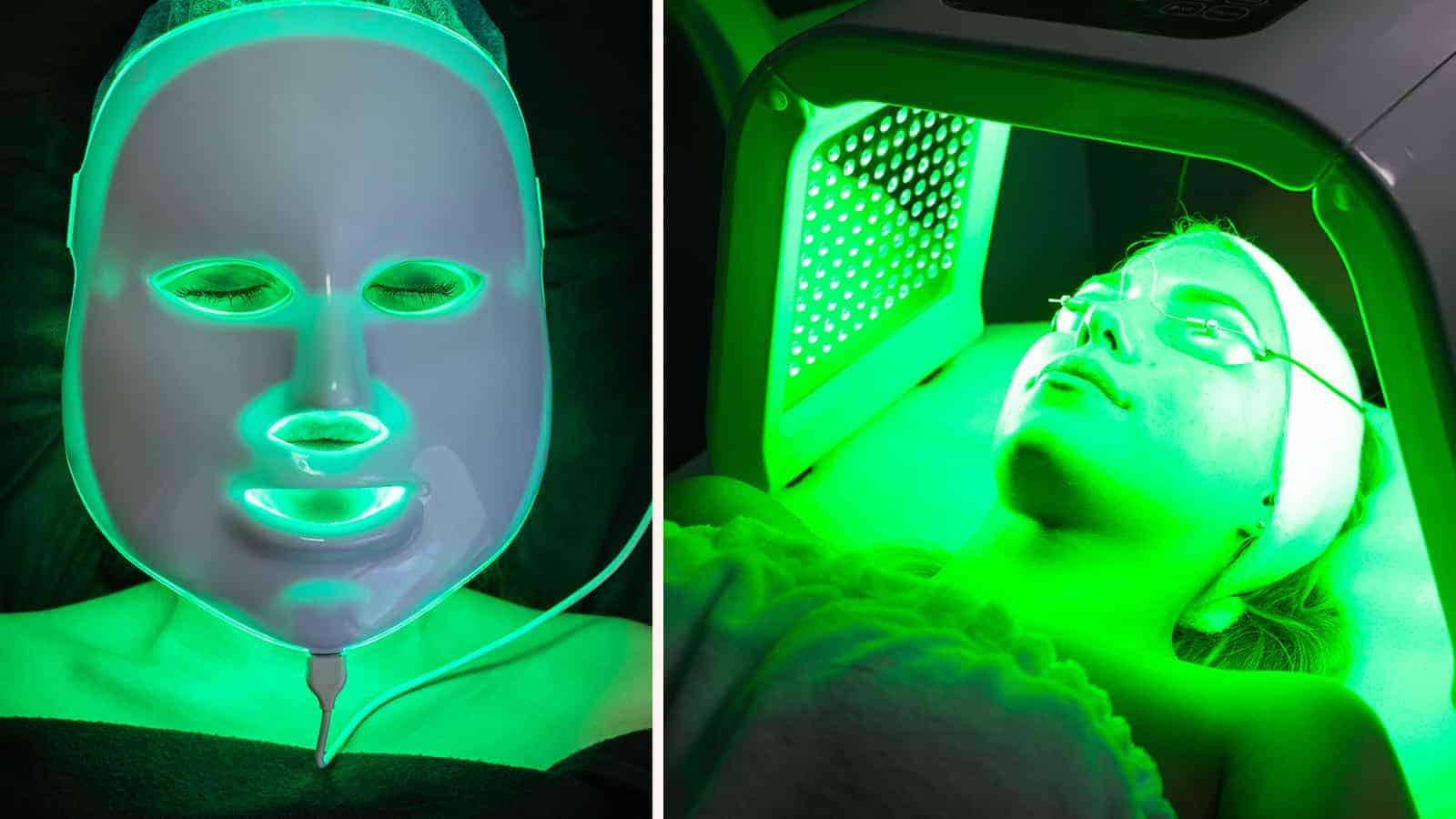
green light therapy

Greenlight therapy can help reduce your migraine pain–here’s how.

8. Try a Little Caffeine

Many people aren’t ready to face the morning without their usual cup of coffee. Not only does it have an enticing flavor and aroma, but it provides caffeine for a boost of energy. One cup of Joe has about 180 mg. of caffeine.

While caffeine may be a migraine trigger for some people, others may benefit from it, says a study from the National Institute of Health. Have you ever got a headache and felt a little groggy from lack of caffeine? In the same way that drinking a cup of coffee can ease those symptoms, it may help you for migraine prevention.

9. Use Aromatherapy

For some people who battle migraines, certain scents can trigger one almost instantly. Perfumes, air fresheners, scented candles, cigarette smoke, and sometimes aromas from food are the usual culprits. This sensitivity is called osmophobia, and 95% of migraine patients have it, says the American Headache Society.

However, aromatherapy may also be possible migraine prevention, states an article from migrainedisease.org. The medically reviewed article discusses using pure essential oils to prevent migraines and ease some of its symptoms like nausea and congestion.

If you’re not sensitive to smells, aromatherapy may be worth your while. Some of the essential oils the article suggests are peppermint, lavender, or chamomile. You can use them in a diffuser or blend them with a carrier oil to rub on your temples and wrists.

10. Apply a Cold Pack

A classic remedy for headaches and migraines is a soothing ice pack on the forehead. At the onset of a migraine, consider taking a rest and lying down with a cool compress. Many pharmacies and department stores sell reusable gel packs to freeze and have on hand as needed. You can also use the old-fashioned ice bags filled with ice cubes.

11. Turn Out the Lights

Another infamous migraine trigger is bright lights. Glaring lights in stores, at work, or other public buildings may be enough to set your head spinning. An article from the American Migraine Association says this trigger is called photophobia, and even outdoor sunlight can be a problem.

Avoiding too much bright light may help you have fewer migraines. If you are outdoors, consider wearing UV protection sunglasses. If you already have a migraine, you may find relief by lying down quietly in a dark bedroom.

12. Avoid Foods that Trigger Your Migraines

Certain foods are also notorious for causing migraine symptoms. Since all patients are different, you may be sensitive to one food that another migraine patient isn’t, and vice versa, states an article from the National Headache Foundation.

The article mentions a low tyramine diet that many migraine specialists recommend to their patients. Tyramine is an amino acid that is broken down in many aged or fermented foods. The article recommends avoiding some of the common foods that include anything pickled or fermented, nuts and seeds, alcohol, and chocolate.

13. Try Hypnosis

Before you dismiss hypnosis as possible migraine prevention, you may be interested in a study published by the National Library of Medicine. It provides compelling evidence that hypnosis may help those who have chronic pain, including migraines.

14. Cultivate a Positive Attitude

Did you know that there’s a strong link between your mental health and migraines? The American Migraine Foundation states that 20 percent of migraine patients also have depression, and at least 30-50 percent of these patients battle anxiety. The article suggests that treating patients’ depression and anxiety can also affect the severity of migraines.

Maintaining a positive attitude is linked to treating depression symptoms. If you are treated for your mental health issues, it may help you have fewer migraines. Discuss the possibilities with a mental healthcare provider.

15. Seek Support

Experiencing chronic migraines can be enough to wear you down physically, mentally, and spiritually. Having a strong support system may help you cope with the condition. Enlist your family and close friends for the assistance you need in dealing with this debilitating condition.

migraine preventionFinal Thoughts on Migraine Prevention

There may not be a cure for painful migraines, but there are some things you can do to prevent or minimize their occurrence. Being a migraine patient is a difficult road to travel, but you aren’t alone. Talk to your healthcare provider or migraine specialists about these and other preventions.

Skip to content