Weekly tips, affirmations, and small actions to feel your best.

Great Green Wall in Africa Will Protect Villages and Create Jobs

The Great Green Wall in Africa will span 8,000km across the continent, creating jobs and providing food security for millions. Since the initiative came to life in 2007, workers have completed around 15% of the wall. The natural wonder restores the rapidly degrading landscapes in Africa, creating a better environment for everyone along its path.

The wall provides a solution to many urgent problems facing the world – namely, climate change, drought, famine, and migration. After the wall’s completion, it will measure three times the size of the Great Barrier Reef. The wall will then become the world’s largest living structure.

About the Great Green Wall Project in Africa

The Great Green Wall began in Africa’s Sahel region, at the southern edge of the Sahara desert. Millions of people here live in poverty and face devastating impacts of climate change. Due to global warming, the area experiences frequent droughts, food insecurity, conflicts over scarce resources, and mass migration to Europe. However, because of the wall, communities here have a reason to stay.

pop memeNow, abundant life springs forth from creating the wall, improving people’s well-being and stability. With the wall comes jobs, food security, and a better quality of life for millions. The creators of the wall say that the impacts are far-reaching. It goes beyond just the Sahel region’s people – it symbolizes that humanity can heal the Earth together.

While climate change impacts us all, we can choose to work with nature to lessen the consequences. If nature can grow back in such arid places like the Sahel, it shows we can overcome adversity everywhere. The wall is a beacon of hope for humanity, a reminder of how we need nature to survive.

The wall will support life for generations to come, helping communities not just survive, but thrive. Last month, the wall initiative received millions of dollars to aid in its completion.

Africa is brimming with such inspiring stories, and exploring its rich landscapes offers a unique way to witness this transformation firsthand. Platforms like African Budget Safaris make this possible by offering tailor-made, private safari experiences that are accessible to all.

Whether you dream of standing in awe of Africa’s breathtaking wildlife or ticking off your bucket-list adventures, this platform provides a carefully curated list of tours designed to bring you closer to the magic of Africa without breaking the bank. From the golden savannas to vibrant wetlands, African Budget Safaris ensures that every traveler can experience the continent’s wonders in a meaningful and affordable way.

Here, the spirit of resilience and harmony that built the Great Green Wall comes alive, allowing you to connect deeply with Africa’s stories and beauty.

Funding for The Great Green Wall in Africa will help meet sustainability goals.

The Great Green Wall for the Sahel and Sahara Initiative (GGW) recently received at least $14.326 billion US dollars in additional funding. French President Emmanuel Macron announced the news after the virtual ‘One Plant Summit for Biodiversity’ held in Paris on January 11. The Great Green Wall Accelerator provides 30 percent of the $33 billion needed to complete the wall by 2030. Top financiers include the French Government, the World Bank, and the African Development Bank.

“The mobilization of this additional funding will contribute to the achievement of the Great Green Wall goals,” said Mohamed Cheikh El-Ghazouani, President of Mauritania and the Chair of Conference of Heads of State and Government of the Pan African Agency for the Green Great Wall.

The Great Green Wall makes an important contribution to the UN Sustainable Development Goals (known as the SDGs). These 17 goals created by world governments aim to eradicate poverty and inequity, creating well-being for all.

The complete list of sustainable development goals by the UN include:

  1. No poverty
  2. Zero hunger
  3. Good health and well-being
  4. Quality education
  5. Gender equality
  6. Clean water and sanitation
  7. Affordable and clean energy
  8. Decent work and economic growth
  9. Industry, innovation, and infrastructure
  10. Reduced inequalities
  11. Sustainable cities and communities
  12. Responsible consumption and production
  13. Climate action
  14. Life below water
  15. Life on land
  16. Peace, justice, and strong institutions
  17. Partnerships for the goals

The Great Green Wall will contribute to an astonishing 15 of these 17 goals. By 2030, the wall aims to restore 100 million hectares of desolate land and create 10 million green jobs. The founders of the wall also aspire to capture at least 250 million tonnes of carbon from the atmosphere. To reach their goal of restoring 100 million hectares, they will have to repurpose 10 million hectares each year.

If you’d like to give power and a voice to this movement, you can share the page on social media. Also, you can sign a pledge which will help them lobby governments or donate directly here.

The natural wonder in Africa has come a long way.

The initiative began in 2007, originally involving 11 African countries. The wall provides an eco-barrier along the southern Sahara Desert from the Atlantic coast to the Red Sea. In the 1970s, the region once teemed with life and greenery. However, population growth, poor land management, and climate change transformed the oasis into a barren landscape.

Fast forward to 2019, and nine more countries decided to join in the movement to save Africa. Volunteers planted drought-resistant acacia trees across the width of the continent. A couple of years ago, the wall had only reached 15% completion but had made lasting impacts on participating countries. Over 12 million acres of barren land had been restored in Nigeria; 30 million acacia trees had been planted in Senegal. An astounding 37 million acres of land had been restored in Ethiopia as well, a remarkable achievement.

“The Great Green Wall is an inspiring example of ecosystem restoration in action,” said Susan Gardner, Director of UN Environment Program’s Ecosystems Division. “It is rapidly becoming a green growth corridor that is bringing investment, boosting food security, creating jobs, and sowing the seeds of peace.”

While the pandemic has created financial challenges for Africa, the ‘wall accelerator’ will keep the project on course.

Ghazouani said that it would,

“Enable our countries, in accessing the necessary funds, to increase local investments within the framework of the five pillars adopted and to strengthen the capacities of the national agencies of the Great Green Wall.”

“Pandemic recovery is our chance to change course. With smart policies and the right investments, we can chart a path that brings health to all, revives economies, and builds resilience. Innovations in energy and transport can steer a sustainable recovery and an economic and social transformation.  Nature-based solutions – such as Africa’s Great Green Wall – are up-and-coming,” said António Guterres, UN Secretary General.

africaFinal thoughts: The Great Green Wall in Africa will ensure the well-being of millions

This ambitious project in Africa shows the world what can happen when we work with nature instead of against it. With the completion of the wall, it will contribute toward many of the UN sustainability goals. The wall will also provide jobs, natural wonder in Africa, and improved life for communities along its path. Hopefully, the massive movement will inspire other similar projects around the world.
10 Habits That Cause You to Make Comparisons With Other People

When you compare yourself with other people, you’re contrasting your life with theirs. This mindset causes you to either believe that other people’s lives are better than yours or worse than yours. It’s hard to break free from the comparison trap. Here are ten habits that you may be doing that cause you to make unfair comparisons about yourself to others.

Professor of organizational behavior Thomas Mussweiler explains comparison like this, saying, “It’s one of the most basic ways we develop an understanding of who we are, what we’re good at, and what we’re not so good at.”

These Ten Habits Cause You to Make Unfair Comparisons

Of course, if you’re always making unfavorable comparisons about yourself, you’ll feel like you’re not good at anything. The lens you use to look at your life will make your life look worse than everybody else’s life. These thoughts will destroy your self-esteem over time.

comparisons1 – Envying other people

Envying people causes you to feel jealous of others. According to one study, envy is looking downward or upward in social comparison. It divides rather than unites. When you envy others, you end up making negative comparisons with yourself. Typically, when you’re feeling envious of somebody else, you won’t feel good about having these negative feelings. Being envious of others will cause you to not focus on the things you need to do because you’re distracted by your envious thoughts.

What’s the difference between jealousy and envy?

According to the Merriam-Webster dictionary, envy is your discontent with what other people have and their advantages. It’s having covetous feelings about another person’s looks, possessions, or career. Jealousy is feeling suspicious and upset by someone who is your rival. Jealousy and envy get used simultaneously by most people even though they are very different.

2 – You see people as your competition

When you see others as your competition, you rank them as better than you or worse than you. You feel like you need to “beat” them in looks, dress, and how well your kids behave. This type of comparison is exhausting because you are always on alert, making sure they aren’t “winning.”

Your self worth gets tied up in how well you think you’re doing compared to everyone else.

3 – Judging other people before you know the facts

Judging people causes you to assume you know other people’s motives. You’re critical of what they do, even if you don’t see why they’re doing things. You see them as either better or worse than you. You don’t like what they do or how they do it.  At the same time, you may feel intimidated by them.

Judging is never helpful. It can lead to gossip and rejection of people. Judging can come back to bite you since you’ll gain a reputation for being overly critical and challenging to get along with. In the end, you’re the big loser when you judge others and compare them to yourself.

4 – Believing that others lives are perfect

Perfection is overrated, plus it is not reality. No one’s life is perfect, no matter how it looks to you. Social media can give you the illusion that other people have perfect lives. Online people tend to share the good stuff, but you don’t see the other stuff going on in their life. It’s easy to compare your life to these people and feel like you got a bad deal. Remember, for every “perfect” post that gets shared. There is a whole story behind it that you don’t know.

5 – Feeling like your life is more demanding than everybody else

Years ago, your parents or a teacher at school may have told you, “Life isn’t fair.” You probably didn’t like them saying that. It felt so harsh. Surely life must be fair. Sadly, as you’ve gotten older, you probably realize this truth.

But you may still be tempted to feel like everyone else has a more comfortable life than you do. When you compare your life to others, you feel discontent and irritated about your life. Everyone has difficulties in their life, and sadly, some people have more challenging things than others.

But focusing on all that’s wrong with your life won’t help you. You will feel miserable and angry. Step back from your life and get a good evaluation of what’s good and less favorable.

Are there things you can change to make your life better? If so, try to do them, but if many of the hard things are out of your control, it may be time to look for the small bit of light in the darkness. This can help you guard against bitterness and anger.

5 – Preoccupied with your past mistakes

It’s easy to focus on your mistakes. Perhaps you’ve made some bad choices in your life, or even more complicated, maybe somebody made terrible choices for you. Perhaps the decisions you have caused your life to be tough. When you’re preoccupied with the mistakes, you miss out on what you’re doing right.

Your mistakes don’t define who you are or how you live. If you compare yourself to others because you’ve made some bad mistakes, it hinders you from trying new things. You worry you’ll make another mistake. Don’t live in the shadow of your past errors or other people’s mistakes.

Instead, choose to look forward without comparing your life to others.

6 – Anxious thoughts

Sitting around ruminating about all the things that aren’t right in your life causes you to compare yourself with others. You’ll feel negative and unhappy as you dwell on how bad your life is in comparison to your neighbors, your church friends, or the parents of your child’s best friend.

Anxious thoughts weigh you down and keep you from enjoying your life. Resist the urge to give in to your anxiety and worry about your life. Stop comparing it to others whose lives look so much easier.

comparisons7 – Dwell on what others do right

But when we dwell on the highlights of other people’s lives, it can quickly become toxic. We’re wired for connection and belonging, but if we always compare ourselves to others, we’re putting our happiness, confidence, and mental health at risk.

8 – Ungrateful for what you have

If you find yourself wishing you had more all the time, good chance you struggle with feeling grateful for what you do have. It’s human nature to compare yourself to others, but if you become obsessed with comparing yourself all the time, you’ll miss out on the good in life. Step back and take a look around.

There is probably a long list of things and people you can be thankful for. Even the smallest good thing in your life is worth celebrating. Shift your focus and see what you have rather than what you don’t have in life.

9 – You do not accept yourself

You are a unique person. There’s no one like you. Perhaps you don’t like this truth, because you wish you were someone else. When you compare yourself with others, they become your standard of measure; they are what you think you want in your life. It’s important to value who you are, even with all your imperfections. Celebrating who you are can help you stop comparing yourself, so you are free to live your life growing, creating, and caring for others.

10 – Too much social media

One habit that accentuates comparison is too much social media. If you’re bombarded with other people’s success, wealth, and beautiful houses, it makes you feel like you have a dreary life in comparison. We are not all skinny Instagram models! Even if these people share their hardships online, you may feel like their worst days can’t be as bad as yours.

One study found that too much online social networking is linked to depression, anxiety, and low self-esteem. Keep your social media in check. Give yourself a break once in a while and find other things to read or do online. You may be surprised how happy you feel.

How to Stop Comparing Yourself to Others and Re-gain Self Esteem

There are some positive ways not to compare yourself to others. Here are a few practical steps you can take.

Gratitude:

Taking time each day to look for things you’re grateful for in your life can help you overcome the comparison trap. Keep a gratitude journal. Write down the good things in your life. You can reread what you wrote on challenging days.

Contentment:

Contentment gives you a sense of satisfaction that your life is enough. You can be happy with where you’re at in your life instead of worried about what others are doing. You can set goals in your life, but not because you’re trying to “beat” out other people. Remember to set goals to grow and become the best you that you can become.

Celebrate others:

When you’re comparing yourself to other people, you are self-focused. It blinds you to the good others are doing. When your friend tells you they’ve gotten a promotion at work, you can’t feel happy for them because you are focused on yourself. Try to look up and outward, see what others are doing, and enjoy their good fortune.

pop memeFinal Thoughts on Kicking the Habits That Cause You to Make Unfair Comparisons

When you compare yourself to others, it eats away at your sense of identity since you’re always looking to others to figure out who you are. It’s hard to break free from the comparison trap, but it’s worth it. Find ways to stop comparing yourself to other people and enjoy who you are and the life you have. You’ll be surprised how happy you feel as you embrace being you.

Mexico City Joins Other Cities in Banning Single-use Plastics

Mexico City recently enacted a ban on single-use plastics, joining dozens of other cities around the world. This expands upon the restriction of plastic bags, which the city banned last January. The broad ban on plastics includes items like straws, forks, containers, and balloons. After more than a year of preparation, the ban took effect on January 1, 2021.
That day, Mexico City’s environmental secretary Tweeted that “from today on Mexico City [is] without single-use plastics.” The message encouraged people always to bring reusable containers for groceries or other store-bought items. Mexico City lawmakers first passed the ban on plastic bags, utensils, and other single-use items in 2019. In the past year, businesses and vendors have been adjusting to the new laws and researching plastic alternatives.

At street vendors’ stalls, light, biodegradable plastic bags have become more commonplace. Plastic straws have gradually been disappearing off street corners. Besides, buyers have been seen using their clothes or plastic to wrap around fresh tortillas. However, without the law being enforced with fines, some vendors still choose to use plastic.

On New Year’s Day, a tamale vendor used a plastic bag to wrap the food and offered customers plastic spoons. She said she knew about the ban. But with the pandemic, authorities haven’t been enforcing it. However, the woman said other vendors hadn’t been complying with the ban either. They’ve still been trying to figure out how to serve customers without resorting to plastic.

Hopefully, as time goes on, the government will help supply businesses with proper alternatives to adhere to the ban. According to the city’s environmental agency, Mexico City produced around 13,000 tons of garbage per day in 2019. Given that statistic, the ban seems quite necessary to quell plastic use throughout the city.

Mexico City isn’t the only city banning plastic.

pop memeChina recently banned plastic straws and single-use bags as well. Other disposable plastic bans will follow while the country integrates biodegradable alternatives. Last March, the European Union banned single-use plastics in 28 countries, and the laws went into effect this year. Many other tourist destinations throughout Mexico have also seen new rules pass regarding plastics. According to the environmental organization Greenpeace Mexico, five municipalities and 22 states in Mexico have enacted bans on plastics since 2017.

The state of Quintana Roo in Mexico also banned plastic bags, utensils, and other disposable plastics, starting within 12 months. These laws will apply first to the islands of Holbox, Cozumel, and Isla Mujeres. They will then be enforced throughout the rest of the state, including Cancún, Tulum, and Playa del Carmen. Of course, most of the laws will roll out in stages to start introducing alternatives gradually.

Mexican beach destinations have also started enforcing bans, extending from the Caribbean coast to the northwestern peninsula. Baja California Sur passed a law in July 2018 banning plastic bags, cups, straws, and polystyrene containers. The ban will go into effect in the state beginning this year.

In the U.S., some places have banned plastic straws, such as the following:

  • California
  • Seattle, WA and Edmonds, WA
  • Washington, D.C.
  • Monmouth Beach, New Jersey
  • Miami Beach, FL and Fort Myers, FL
  • New York City and Hawaii have pending straw ban legislation.

In 2019, San Francisco also banned the sale of plastic bottles. It became the first city in the U.S. to ban plastic bags in 2007. Hawaii and New York also have plastic bag bans. Delaware, Maine, and Rhode Island have statewide “labeling, recycling or reuse” programs.

How plastic harms wildlife, humans, and the environment

All over the world, cities and countries have started saying no to plastic. It seems the world is headed in the right direction, as more governments show concern about the environment. Because plastic doesn’t decompose, it creates hazards for wildlife and humans alike. Sadly, scientists estimate that humans swallow a credit card worth of plastic per week.

Studies show that plastics expose the human body to numerous hazardous chemicals. One of the most harmful is Bisphenol A (BPA), a chemical used in plastic bottles and containers. A Canadian research team found BPA in the urine of a whopping 95% of the adults tested. Di (2-Ethylhexyl) phthalate (DEHP), used to increase plastic’s flexibility, is another dangerous chemical found in plastic. Long-term exposure to both of these chemicals can result in these health issues:

  • Reproduction problems
  • Early sexual maturation problems
  • A decrease in male fertility
  • Promote aggressive behaviors
  • Increased insulin resistance
  • Obesity

As for the environment, a study by ecologists from the University of Toronto found that waterways have been disrupted by plastic pollution. The study published in September of 2020 reveals this about the scale of the plastic problem in our environment:

“The cleanup alone would require at least 1 billion people participating in Ocean Conservancy’s annual International Coastal Cleanup. This would be a Herculean task given this is 660 times the effort of the 2019 cleanup.”  ~Stephanie Borrelle, University of Toronto

Some statistics on the plastic pollution problem

  • 100 million marine animals die each year from plastic waste.
  • An estimated 100,000 marine animals die from getting entangled in plastic yearly.
  • 12-14,000 tons of plastic are ingested by North Pacific fish yearly.
  • In the past ten years, we’ve made more plastic than in the last century. By 2050, the amount of plastic in the ocean will outnumber the fish population.
  • The largest trash site on the planet is the Great Pacific Garbage Patch, which measures twice the surface area of Texas. Plastic there outnumbers sea life 6 to 1.
  • China is ranked #1 for mismanaged waste and plastics. However, the US is in the top 20, with more plastic consumption per person.
  • 300 million tons of plastic is produced yearly, weighing as much as the entire global population. 50% is single-use only.
  • There are 5.25 trillion pieces of plastic waste estimated to be in our oceans. 269,000 tons float, while 4 billion microfibers per km² dwell below the surface.
  • Scientists have recently found microplastics deep in the Arctic ice.

mexico cityFinal thoughts: Mexico City joins many other cities in banning disposable plastics

Along with many other cities globally, Mexico City enacted a ban on single-use plastics, including plastic bags. Other towns throughout Mexico have followed the lead since 2017. Hopefully, one day we can have a plastic-free world so all life on Earth can thrive.

Is It Persuasion or Manipulation? Watch for These 12 Red Flags

If you have a significant other, it’s normal to have a difference of opinion on occasion. It’s also a given that you both will use gentle persuasion to get your lover to have a change of heart. But even when you are trying your best to be persuasive, it still stays within the perimeters of love and respect.

The manipulative mate couldn’t care less about your opinions and will use anything in their power to control you. According to an article published by the Psychiatric Clinics of North America, manipulative and toxic relationships are often a sign of a narcissistic personality.

Red Flags That You’re Being Manipulated

Having meaningful conversations about differences of opinion support a healthy relationship. If one partner is a manipulator, the results are damaging to the other’s entire well-being. Here are 12 red flags that will show you the difference between gentle persuasion and cruel manipulation.

persuasion1. They Stay on Their Turf

If you are a sports fan, you’ve probably heard of the home-court advantage. It’s the psychological boost of confidence you feel when you are playing on your turf. Manipulators are the same way; they seem to work their best when you are on their territory.

Those who use persuasion don’t mind where they are discussing issues. Be aware when someone insists that you be at their place or in their office before you can have a meaningful conversation. They are hoping that you feel at a disadvantage when you’re in their space.

2. They Use Your Words Against You

Another classic tool of manipulative people is that they are masters at twisting the truth. Manipulators are excellent listeners, but not because they care about what you’re saying. They hang on to each phrase to figure out their next move.

When you least expect it, they will take your words and conversation out of context to use against you. They will put a little slant it in to make you look foolish or like a liar. If the ruse works, you may end up agreeing with them.

3. They Move Too Quickly in a Relationship

When someone is gently persuasive and wants a closer relationship with you, they don’t mind taking the time. Whether or not you believe in love at first sight, successful relationships aren’t built overnight. However, a manipulator with a hidden agenda works at warp speed to get in your good graces.

Are they a bit too touchy-feely before you even know them well? Perhaps they’ve already declared you both to be a couple before you’ve even considered it. Are they making big plans while you’re wondering about a second date?

4. They Twist the Facts for Their Advantage

Persuasive people don’t have to lie to make a point. However, manipulators thrive on twisting facts and conversations to make their opinions seem credible. They also aren’t above lying to secretly make you look like the bad guy and make them out to be the saint.

For example, suppose you plan an outing with your friends, and the manipulator isn’t happy about it. He may twist one of your friends’ words or concoct a reason why you shouldn’t go on your adventure. They may also exaggerate the facts to make them seem worse, so you’ll always side with them.

5. They Try to Outsmart You

Someone once said that nobody cares how much you know until they know how much you care. Education, experiences, and talents were meant to be used as gifts and never as weapons to hurt people. Many manipulative people try to use their experiences and credentials to overpower or demean others.

It creates a toxic relationship that can make simple conversations seem like a battle. Does your significant other try to act intellectually superior to you? When they are trying to force their opinions, they may try to use their education as leverage.

Instead, those who use persuasion value your intellect, experience, and skill. They appeal fairly to your intelligence to decide on a personal or professional relationship. Manipulators pull out all stops to make their methods better than yours.

6. They Constantly Criticize You

A true lover brings out the best in you and offers sincere praise for your accomplishments. When you’re with them, you feel loved, worthy, and appreciated. If you are being manipulated, your self-esteem may burn out quickly due to the toxic environment. Manipulative people gain attention to themselves by belittling those around them, mainly their significant others.

It’s normal for a couple to argue and spew out a few criticisms. Some of the gripes may be false, but others legitimate. A manipulator is quick to criticize everything you do and speak. The plan is to eventually break you down until you feel too stupid and unworthy to say “no.”

pop meme7. They Try to Make You Feel Guilty

Nobody is above using a few guilt tactics to get their point across to another person. However, people who are easily guilted into doing things they don’t want can be targets for manipulators. These toxic personalities are virtual travel agents for guilt trips.

If your lover is using persuasion, they will highlight the positive aspects of their opinions. Manipulators depend heavily on guilt and goading. They usually have good memories and can use any past mistake against you so you wouldn’t dare speak up for yourself.

8. They Don’t Validate Your Concerns or Feelings

Someone who loves you and cares about your well-being will be empathetic to your feelings. Even if your perception is a bit off, nobody has a right to tell you how to feel or think about things. A true lover will validate your feelings as important and worthy to be heard.

Don’t expect such well-deserved courtesy from a manipulative mate. No matter your emotions or how passionate you feel about a subject, they’ll completely disregard you. They will spout off a scripted list of reasons why your feelings are unrealistic, petty, selfish, and worthless.

9. They Make Backhanded Compliments and Jokes

Shakespeare wisely penned that many truths are said in jest. Toxic and manipulative people have the skewed idea that you can negate an insult by saying, “just kidding.” They don’t care that they are the only one who’s laughing.

“Hey, I thought you said you lost weight. Just kidding.” These tormenting personalities use backhanded compliments. What may seem like a compliment at first is a disguised insult. If you are dealing with such manipulative abuse, understand that it’s cruel and has nothing to do with your sense of humor.

10. They Often Play the Martyr’s Card

A martyr is one of the four personality archetypes explained by an article published in the Journal of the Society of General Systems Research. Unfortunately, manipulative people are talented actors when it comes to persecution. The only difference is that they are pretending, and they’re only out for their benefit.

They know how to make the long, sad expressions and speak in a somber, long-suffering tone. How could you decide something on your own after all they’ve done for you? They’ve committed to memory any small deed of kindness they’ve ever offered you, plus some. They know how to turn the tables to make you look like you are taking advantage of their generous and loving nature.

Like most actors, manipulators do their best performances before a crowd. They can quickly tweak the conversation to make you look bad in front of friends or family. These award-winning acts are also meant to garner more support of them and less for you.

11. They’re Always Better

In every group of family, friends, or coworkers, just about everyone has that irritating person who is a “one-upper.” No matter what you’ve done or seen, they have done or seen better. If anyone is daring enough to mention an accomplishment, look out for the volley of “better than” statements.

It’s even worse in a toxic relationship when your lover is trying to manipulate you. They will often try to minimize any of your skills or achievements so you will back down. After all, they think that they are better at everything, including running your life.

12. They Engage in Gaslighting

This term was coined from an iconic movie starring Ingrid Bergman. According to the story, her character’s husband was a manipulator and tried to make her think she was losing her mind. He would do little things like leaving the gaslights on downstairs and convince her that she forgot to turn them off.

This eponymic trick is still a favorite of manipulative people. They may try to put words in your mouth or make you seem unbalanced in front of others. The whole time, they act with false sympathy as they continue to erode your confidence and independence.

persuasionFinal Thoughts on The Difference Between Persuasion and Manipulation

When your person is using persuasion, you may change your mind and feel good about it later. However, subtle manipulation can use verbal, emotional, and psychological abuse, and you may not even realize it. If you are in a toxic relationship with a manipulative person, your next independent decision may be to walk out the door.

10 Life Lessons to Learn from Beverly Cleary

America is mourning the loss of Beverly Cleary, one of the best-loved children’s authors of all time. Ms. Cleary left this earth on March 25, 2021.

Beverly Cleary connected with children and helped them sort through daily life problems in a relatable, easy-to-read manner that captivated generations of children. Some of her beloved characters include:

  • Ramona
  • Beezus
  • Ralph S. Mouse, aka Ralph the Motorcycle Mouse
  • Henry Huggins and his dog Ribsy
  • Socks the cat

According to the author’s official website, she based her characters and storylines loosely on her personal experiences growing up in the small town of McMinnville, Oregon.

Although she’s gone, the lessons that we learned from Ms. Cleary’s stories live on in our hearts. Let’s take a look at some of the most valuable final words of wisdom from Beverly Cleary.

10 Life Lessons to Learn from Beverly Cleary

The wisdom of Beverly Cleary gave so many of us a good foundation–kindness, empathy, and a love of learning.  We share some valuable takeaways along with corresponding Beverly Cleary quotes that prove each statement.

beverly cleary1 – Learn to be proactive in making change.

“If you don’t see the book you want on the shelf, write it.” ~Beverly Cleary

This advice echoes the famous “be the change” quote from Mahatma Gandhi.  Life is what you make of it. You have the power to shape your outcomes in a very intimate way. Instead of complaining about things not being the way you wish, set a goal and take action.

In a very literal sense, this quote almost certainly inspired many authors to muster up the courage to transfer the words that dance in their brains onto paper.

2 – Reading is fundamental to lifelong learning.

“Children should learn that reading is pleasure, not just something that teachers make  you do in school.” ~Beverly Cleary

Children who enjoy reading are more likely to perform better in school and develop better study habits than their peers who don’t perceive reading as pleasurable. That’s not just an opinion. The National Assessment of Educational Progress report agrees.

Year after year, the study concurs that reading is the fundamental basis for developing good learning habits and determines whether a student enjoys academic success.

So how do you make reading more pleasurable for your little ones? Try these things:

  • Take your child to the library to choose their own book.
  • Read to your children from an early age.
  • Cut off electronic devices, gaming systems, and the television. Instead, carve out time for reading.
  • Be a reader yourself!

3 – You are your child’s first and most influential role model.

“Children want to do what grownups do.” ~Beverly Cleary

That segues well into the next life lesson.  We mentioned above that you should be a reader to inspire your child to form better reading habits.

This concept is important because your children are watching you…always.  Even if you think they are engaged in another activity, they still tune in to you from time to time.

When you develop a positive habit, like taking up reading as a hobby, they will want to emulate that behavior.

However, you can also inadvertently influence your child to form negative behaviors, attitudes, or beliefs. For example, Columbia University warns that children of people who use nicotine products are more likely to struggle with nicotine addiction when they grow up.

So remember always–their little eyes are watching, and little ears are listening. They want to do everything that you do.

4 – Take time “offline” to experience an authentic life.

“We didn’t have television in those days, and many people didn’t even have radios. My mother would read aloud to my father and me in the evening.” ~Beverly Cleary

Beverly Cleary came into the world on April 12, 1916. Her childhood was far different than the world our children explore today.

In a broad context, this quote represents Cleary’s reflection to a simpler time, family togetherness, and treasured evening spent with her parents in a wistful, poignant memory.

But how does this relate to raising happy children in our fast-paced society?

“Unplug” your life. Release those you love from the stress of keeping up with friends on social media and online peer pressure. Plan activities with your friends, family, neighbors, and village. Let them experience their senses through the real world, not a virtual wasteland. You and your loved ones will grow from the opportunity to forge authentic connections.

5 – Develop empathy to grow your relationships

“What interests me is what children go through while growing up.” ~Beverly Cleary

Perhaps the reason that we all loved reading one of Ms. Cleary’s stories was that it felt like she wrote it just for us. Each individual learned to navigate life during our formative years with her guidance every step of the way.

The remarkable empathy and care that Ms. Cleary used as she shaped each story are evident as we look back.

Imagine how you could grow your own relationships if you applied that same empathy in your life! If you really understand how another person perceives the world and understands their thoughts, you can build a stronger bond. So put yourself into someone else’s shoes and dig in deep. Then watch how your relationship with that person can flourish.

pop meme6 – We must all become problems solvers.

“Problem solving, and I don’t mean algebra, seems to be my life’s work. Maybe it’s everyone’s life’s work.” ~Beverly Cleary

Everyone needs to develop a way of solving the everyday problems we encounter throughout a lifetime.

Every person has a unique set of circumstances and struggles.  You never know what someone is going through. Some people might be caring for ailing parents while someone else has financial distress. Life will always throw curveballs. But you can reclaim your power over those unexpected  (and sometimes unwelcome) problems by learning to take them in stride and solve them one by one.

Learn how to play to their strengths and find a support system to help them when they need an assist. Because asking for help in resolving a problem is definitely an okay strategy, as well!

7 – Spare no expense in sharing love with other people.

“Love isn’t like a cup of sugar that gets used up.”  Quote from Ramona the Brave

When you love someone, you might find it hard to express how deep the love is for that person.  This love can be romantic in nature or “agape” love for a friend or neighbor.

You pour out your love to people in both large and small ways every day. Whether it’s doing a big favor for a friend who asks you to help them move across a state or a little act of kindness like tucking a sweet note into your partner’s lunchbox, you show love through action.

But just because you do these things, you don’t run out of love! Continuing to demonstrate how much you treasure someone does not deplete the reserves of love in your heart.

So continue to be kind and loving to those around you, knowing that this emotion is immeasurable — pour some out, and it will replenish itself in your soul.

8 – People will misunderstand you sometimes.

“Nobody understood. She wanted to behave herself. Except when banging her heels on the bedroom wall, she had always wanted to behave herself. Why couldn’t people understand how she felt?” ~Quote from Ramona the Pest

The quote above expresses Ramona’s feeling of frustration. She feels misunderstood and all alone, so she rails at the unfairness she feels at that moment.

But the truth is, we all feel that way many times during life.  It’s up to each of us to check our emotions and rectify these situations. Only by dealing with these misunderstandings can we flip from a negative place and back into positivity.

The key to doing this is through honest, open, and clear communication. Don’t avoid those difficult discussions. Set some ground rules for a safe conversation, hash out the misunderstanding, admit your fault in it, and move forward.

9 – It is normal to change your mind.

“I wanted to be a ballerina. I changed my mind.” ~Beverly Cleary

We all change our minds about things; this change is a normal part of life.   Some call it change, while others call it growth or progress. Regardless, feel free to evolve without worrying about being judged by other people. This path is yours to walk.

10 – Make time for yourself.

“That was the trouble with this house. A girl couldn’t even carry on a telephone conversation with any privacy.”  ~Quote from Fifteen

Ms. Cleary wrote these sentences through the eyes of Jane Purdy, the teenager in her coming-of-age novel, Fifteen.

But does this not sound familiar to you still today? It might feel like you can’t take ten minutes of me-time to chat with a friend, grab an extra-long shower, or take an evening walk to enjoy some fresh air.

You need these moments for self-care both to physically distance yourself from the rigor of daily living and as a mental break to prevent feeling overwhelmed.

A study published by the National Institutes of Health agrees that people who embrace the concept of self-care enjoy a more positive life. So don’t apologize for it. Instead, explain to your loved ones that you must set a boundary. Please start taking care of yourself!

beverly clearyFinal Thoughts on Learning Life Lessons from Beverly Cleary

Beverly Cleary taught us life lessons that we carry with us today in adulthood. She helped us walk through childhood, and many of us are blessed to have children who are now learning the same things from this incredible author.

Belgian Researchers Pinpoint the Exact Cause of IBS

Belgian researchers have recently traced the cause of IBS to certain biological mechanisms in the body. The KU Leuven team hopes that their findings will lead to better treatments for IBS and other gastrointestinal disorders.

The study, published in Nature on January 13, 2021, was performed in both mice and humans.

Around 20% of people globally suffer from irritable bowel syndrome (IBS), which causes acute abdominal pain or discomfort following a meal. Other common symptoms of IBS include:

  • cramping
  • bloating
  • gas
  • diarrhea, constipation, or both
  • loss of appetite
  • indigestion
  • inability to eliminate bowels
  • nausea

What causes irritable bowel syndrome?

pop memeThe cause of IBS may include the following:

  • Muscle contractions in the intestines. The intestinal walls have layers of muscle lining them, which contract as food passes through the digestive system. If the contractions last longer and seem more intense than normal, it can cause symptoms like diarrhea or bloating. On the other hand, weak intestinal contractions lead to slow digestion and constipation.
  • Overactive nervous system. If the nerves of your digestive tract become imbalanced, you may experience more discomfort after meals. Scientists believe weak signals between the brain and intestines are one cause of IBS. These signals may cause the body to overreact to stages of the digestive process, resulting in abdominal discomfort.
  • Severe infection. An infection caused by a bacteria or virus can also lead to IBS. Scientists believe that excess bacteria in the gut is another cause of IBS.
  • Childhood trauma. This one may seem surprising, but researchers have found that early life stress can cause symptoms of IBS. Stress seems to negatively affect gut bacteria, which in turn can lead to gastrointestinal issues.
  • Gut dysbiosis. In other words, this means an imbalanced gut. When your microbiome becomes unhealthy, it can create problems throughout the body. Changes in bacteria, fungi and viruses within the gut may lead to IBS.

The research from Belgian scientists sheds new light on the cause of IBS

As you can imagine, this disorder can severely impact one’s everyday life. While remedies such as gluten-free diets can help, scientists are still baffled as to why this works. Since patients don’t have allergies to gluten or other foods, researchers believe there’s a deeper biological reason behind it.

“Very often these patients are not taken seriously by physicians, and the lack of an allergic response is used as an argument that this is all in the mind, and that they don’t have a problem with their gut physiology,” says Professor Guy Boeckxstaens, a gastroenterologist at KU Leuven and lead author of the new research. “With these new insights, we provide further evidence that we are dealing with a real disease.”

How histamine plays a role in IBS

The Belgian team identified a mechanism that becomes activated when foods with histamine are consumed. Called mast cells, histamine can cause pain and discomfort in some people. Previous studies by Professor Boeckxstaens and his colleagues found that blocking histamine leads to improvements in people with IBS.

However, in a normally functioning intestine, the immune system doesn’t overreact to foods. So, scientists wanted to pinpoint the mechanism causing the intolerance to histamine. People with IBS frequently report that they start having symptoms after coming down with a gastrointestinal infection like food poisoning. So, scientists decided to study how an infection in the gut might cause an overreactive immune response to a particular food.

They started by infecting mice with a stomach bug and simultaneously feeding them ovalbumin. This is a protein in egg whites that is frequently used in experiments as a model food antigen. Antigens are any molecules that trigger a reaction in the immune system. Once the mice got over the infection, the researchers gave them ovalbumin again to test their immune response.

Results from the study on the cause of IBS

The team found that the ovalbumin by itself triggered a histamine release. This caused digestive intolerance and abdominal pain in the mice. However, the mice that didn’t get an infection or receive ovalbumin did not have this response. The researchers could then pinpoint what events in the immune response connected the ovalbumin to the histamine release.

Scientists found that the infection triggered an immune response only in a specific part of the intestines. In other words, the team didn’t observe more general symptoms typical of a food allergy. Professor Boeckxstaens explains that this finding suggests a spectrum of food-related immune diseases.

“At one end of the spectrum, the immune response to a food antigen is very local, as in IBS. At the other end of the spectrum is a food allergy, comprising a generalized condition of severe mast cell activation, with an impact on breathing, blood pressure, and so on.”

The researchers then wanted to see if people with IBS had the same reaction. The team injected food antigens linked to IBS (gluten, wheat, soy, and cow milk) into the intestinal walls of 12 patients. They found that the antigens triggered a localized response like the one observed in the mice. In healthy volunteers, the team said no reaction took place.

However, since the sample size was so small, more studies will need to be done in the future. So far, though, it seems that the research is promising since earlier clinical trials showed IBS patients improved with antihistaminics. A larger clinical trial of the antihistamine treatment is currently in progress.

“This is further proof that the mechanism we have unraveled has clinical relevance,” Professor Boeckxstaens says.

“But knowing the mechanism that leads to mast cell activation is crucial, and will lead to novel therapies for these patients,” he goes on. “Mast cells release many more compounds and mediators than just histamine, so if you can block the activation of these cells, I believe you will have a much more efficient therapy.”

cause of IBSFinal thoughts: researchers believe histamine release in the intestines is the cause of IBS

In this groundbreaking study, a Belgian research team found that a biological mechanism that triggers histamine release may cause IBS. They also discovered that people are more vulnerable to developing IBS after getting food poisoning or other infections. The team hopes that their research will lead to improved treatments for IBS in the future.

6 Hobbies Of Highly Motivated People

Do you ever notice that certain people seem more motivated than others? These highly motivated people are always moving about, pursuing new projects, and doing something exciting or other. It can be tiring to watch them, and yet they seem energetic and happy about their lives!

If you’d like to gain some of this motivation, where can you start? One might suggest that you only need to look to those motivated people themselves. Specifically, please take a look at the things they do when they’re not on the clock. Many people can be motivated in the workplace, But they also continue to grind after special skills and a unique mindset overtake work hours.

It is in the free time of a motivated person that you’ll see how they keep themselves going. Their leisure activities are often chosen with purpose, so they still feel productive even when they’re getting some much-deserved and much-needed rest. Here are six hobbies of highly motivated people you can adopt today.

1.    Writing

highly motivated peopleWriting is a powerful tool and a very versatile hobby. Highly motivated individuals often take to some form of writing in their free time. This can be anything from writing poems, songs, or stories to writing in a simple journal. Blogs, social media posts, and non-fiction works are all also great options for highly motivated people.

Why do so many great people write? Well, as it turns out, writing has an endless number of benefits. As an outlet for all kinds of self-expression, it’s a safe space for anyone to let go of their most complex thoughts and feelings without judgment. It’s such a vital tool that studies have found it can even accelerate physical healing! Here are some of the mental health results of writing:

  • Better sleep
  • Boosted memory
  • Improved focus
  • Lower stress levels
  • Improved emotional regulation
  • Better gratitude
  • Faster trauma processing
  • Better resilience
  • Improved decision-making

2.    Exercising

Exercise is good for the mind and body. It’s absolutely crucial for long-term health. This is why highly motivated people make sure to exercise. They want to live long, healthy lives and incorporate physical activity into their schedules to make that happen. Those who would like to start with the sport of archery may need to invest in equipment and gear including an arrow quiver.

Here are some excellent forms of exercise that highly motivated people use as their hobbies:

·         Running

You probably already know a few motivated people who run. It seems like a go-to for all those go-getters, you know! This affinity is likely because it’s a very productive hobby that improves fitness, breaks mental and physical barriers, and proves that you can push yourself to new limits. It’s no wonder that highly motivated people enjoy a good run!

·         Hiking

Hiking is a relatively common form of exercise that is easy to get into. Any weekend can involve this form of more strenuous exercise, thanks to the abundance of scattered parks throughout the nation. Hiking is also great for your body and mind, boosting fitness while giving you the time and space to clear your head of worries and stress. Highly motivated people may also enjoy the sense of accomplishment that comes from physically reaching new heights!

·         Swimming

Swimming is a very relaxing hobby, and it’s fantastic for burning fat, building stamina, and strengthening the lungs and muscles. It’s also a go-to for the highly motivated because it helps burn off stress and anxiety. Tension is quickly released in the lovely, cool water, allowing you to be more productive and less stressed out when it’s time to leave the pool. It’s a terrific way to clear your mind and gain some energy back!

·         Yoga

You might roll your eyes when yet another person recommends yoga to you, but there’s a reason it’s so popular! It lets you get in touch with your body as you build strength, flexibility, and stress resilience. All the positive thinking that comes from this relaxing but challenging form of exercise may be way highly motivated individuals often swear by it.

·         Bodybuilding

It’s odd to think of bodybuilding as a go-to exercise for anyone other than complete gym rats. It’s not very mainstream as far as hobbies go, but it’s a rewarding exercise that’s fantastic for motivation. Highly motivated people love the ability to focus on building their strength in different muscle groups. They can see and feel the improvements over time, which adds to their motivation. You can then use these lessons for the rest of your life – what other specific groups or areas can you improve on?

3.    Solving Puzzles

Sharpening one’s mind is a great way to spend free time, and highly motivated people know this. Just because you’re done with school doesn’t mean that you shouldn’t give your brain a workout now and then, and doing puzzles can improve positive thinking, cognitive ability, and self-confidence.

Highly motivated people like working out their minds, keeping them sharp and ready to learn and grow. They consider this an acceptable form of fun practice for the further sharpening of their skills. They may:

  • Do number puzzles
  • Solve crosswords
  • Play puzzle-based video games
  • Read and solve riddles.

These puzzles challenge highly motivated individuals’ intellects, pushing them to do better and better and building their minds for other forms of non-hobby efficiency.

gardening

Gardening can improve your health in these seven ways.

4.    Dancing

Dancing is technically a form of exercise, but it’s not often considered so, and its benefits deserve their category. It’s easy to do, requires little to no equipment, and can be done anywhere, anytime, for any reason. Research has also found that it’s a great way to boost cognitive function and prevent cognitive decline.

Highly motivated individuals love to dance because it’s a form of physical self-expression that doesn’t strain the body. It’s an excellent way to do an unwinding hobby while still moving around, and it’s also easy to do with friends and loved ones since there are no real rules to it!

You can take a dance class if you like, but even highly motivated people see the value in turning on some music and scooting away for fun. If you’re too shy to do this in public spaces, you can dance in your own home. Don’t worry about looking silly; that’s part of the fun! You’ll enjoy many benefits to your cardiovascular system, balance, stamina, muscles, and bones, which all enjoy positive effects when you dance often.

5.    Making Art and Creating Crafts

Working with your hands means building something out of almost nothing. Highly motivated people love doing things like this because it’s a tangible symbol of hard work and effort. It also allows them to stay active and productive while taking breaks, which many motivated individuals consider a win. Here are some examples of arts and crafts hobbies to try:

·         Painting

Not many people view painting as inherently productive, but highly motivated people often see its value. You get to express your creativity with a range of different mediums, finding different visual perspectives that may open up your mind slightly. Painting has the uncanny ability to help you tap into your innermost thoughts, and you may even find some parts of you that you didn’t realize existed – or maybe it’ll make you more productive when it’s time to get back to work!

·         Knitting

Knitting gets a negative reputation as a grandmother’s hobby, but it’s a great way to fill time in general – and highly motivated people know this! It’s not just enjoyable and fun, but it’s also a way to create something with materials and effort tangibly. These creations can be given to others or even used as practical items in your own home. There’s something innately satisfying about creating something so meaningful and productive as a hobby!

·         Sculpting

It’s not exactly a usual hobby, but it’s a productive one. From something as simple as clay (or another similar medium), you can create forms, shapes, and all sorts of magical things. Bit by bit, tiny little steps help shape something from a lump of nothing to something potentially intricate and beautiful. It’s a bit symbolic, but highly motivated people enjoy this tangible product of effort and small, careful movements. There are many lessons to be learned from sculpting!

·         Woodworking

Certainly more of a niche hobby, woodworking is another way a highly motivated person may choose to fill their time. The hobby is great for those who like to work with their hands, but primarily, it’s great for people who want to be productive, even when they’re having fun. You get to make furniture and other practical items when you create woodwork, and the accomplishment is excellent for your self-esteem. The hard work and effort that goes into turning slabs of wood into something useful is the kind of thing that is up a motivated person’s alley!

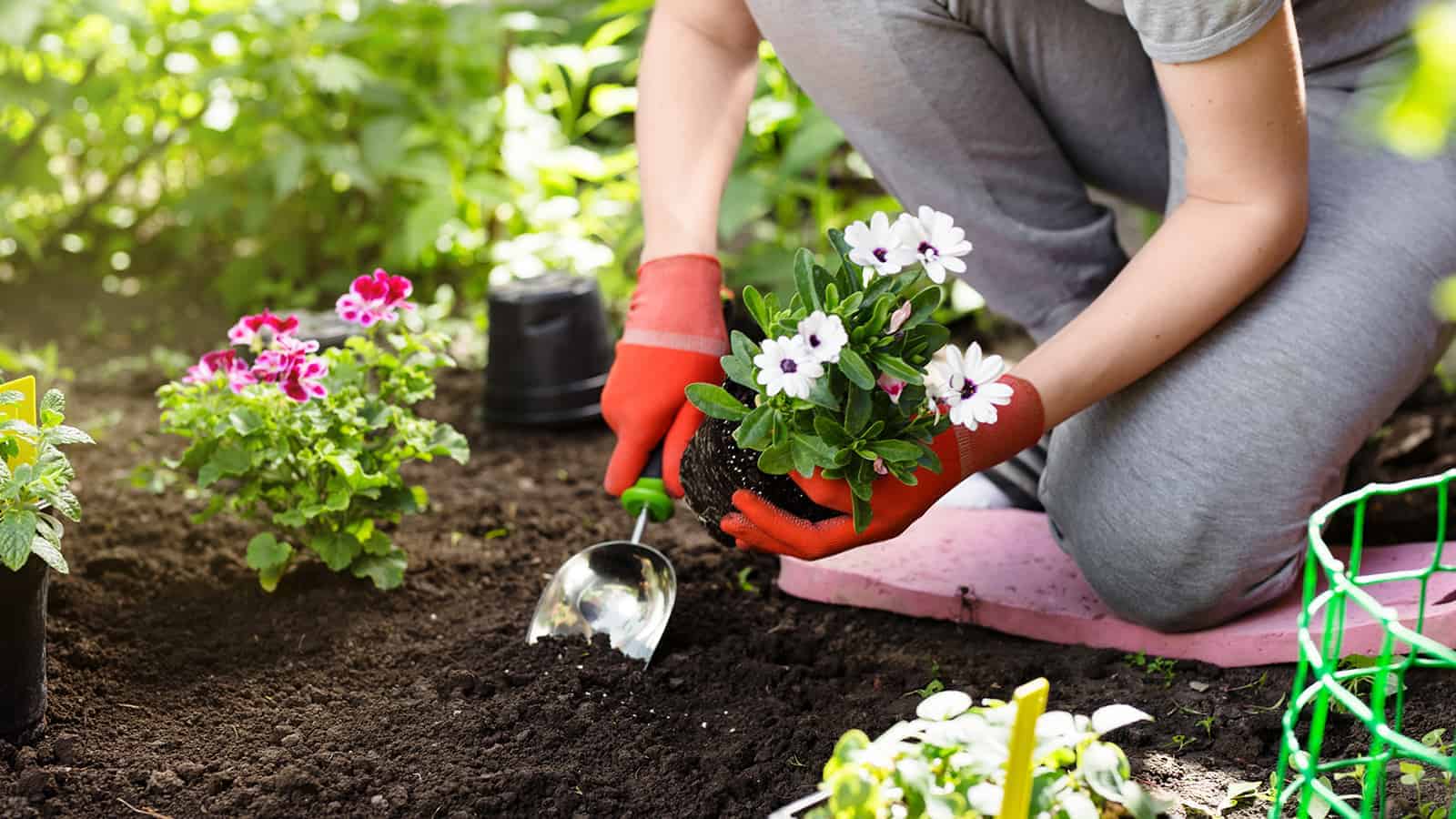
6.    Gardening

Gardening is a surprisingly strenuous activity. You do a lot of moving around in the heat, you have to look after a wide range of potentially temperamental plants carefully, and you get to see the natural fruits of your labor spring forth with patience.

Highly motivated people love hobbies that allow them to see the results of their efforts, as you’ve probably noticed. Gardening is one of the best ways to do it! You gain strength in your muscles, get better stamina, and can even engage in the form of aerobic exercise while you garden, often without noticing it. This is a double benefit for the highly motivated – the gardening itself is productive, but the extra activity means they’re working on themselves, too.

Studies have also found that it has positive effects on physical health, which is a definite bonus! This is primarily because gardening occurs outdoors, and being in nature under the sun can energize you significantly. No one highly motivated people love gardening!

highly motivated peopleFinal Thoughts On Some Hobbies Of Highly Motivated People You Can Adopt Today

A highly motivated person is very good at keeping themselves inspired, disciplined, and optimistic. Their positive thinking and constant drive mean that they don’t feel the need to slow down, and when they do, even their breaks seem productive and meaningful. They’ve built a series of powerful, useful traits that make them inherently productive and driven. Start adopting some of their hobbies, and you may see how these traits come into play – and you’ll even build them yourself!

14 Behaviors That Reveal Parental Narcissism At Home

Did you grow up in a home filled with parental narcissism? There are few perfect childhoods, so you must learn to make peace with the past to heal and empower yourself. Coming to terms with a parent’s mental illness is difficult.

Children need their parents to love, support, encourage, and nurture them through their formative years. Sadly, when a child is denied these essential things, you must develop coping mechanisms to get through them. In adulthood, you’ll use these same coping skills by habit, which can cause many relationship problems.

When you grow up with parental narcissism, it often contributes to soul loss. While this sounds like an odd term, it merely means you have unresolved wounds and traumas. All these failures and unresolved issues accumulate and alter your thought processes.

If you want to heal from what you endured as a child, you must acknowledge the wrong things you did to yourself. You can’t justify or condone these actions, as you must get to the root cause of your pain. Once you learn how to process, release, and move on, you will find that your whole outlook on life changes.

These Fourteen Things Reveal Parental Narcissism

parental narcissismIf you grew up with a parent with mental illness, you’ve probably thought you were the one with the problem. It’s not abnormal to doubt yourself or your feelings toward your parents. Do you struggle with constant guilt over your childhood?

If you suffered from parental narcissism, you probably feel tremendous guilt and shame from your upbringing. Don’t beat yourself up anymore. It’s time to recognize the signs of a parent having an issue so you can let yourself off the hook.

1. Your Parents Laid on The Guilt

Guilt is a standard tool that is used to control a person. For instance, if they want you to do something you don’t want to do, they can spew a list of all the sacrifices they’ve made for you.

They make you feel like you owe them or are indebted. Since narcissists are master manipulators, they can play the guilt card to make you putty in their hands.

2. Their Love Was Circumstantial

Sadly, most narcissistic parents control others through love. When you did something they were proud of, their love was overflowing.

However, when you make a mistake, they might say things detrimental to your esteem. They may have even gone as far as telling you that they didn’t love you. Another common trick is silent treatment, or they can become physically abusive.

3. They Got Even

It’s sad when parents act like children. They wanted to ensure you were punished when you defied them or did something wrong.

Like a child that wants to get even, they would break something that meant a lot to you or sabotage relationships. They were able to stoop to the lowest levels to get revenge.

4. Parental Narcissism Means Lies

Nothing is more challenging as a child than not having a trusting relationship with their parents. When your parent tells you that you’re going to have a birthday party or that you’re going to go to the mall on Saturday, you believe them.

However, the narcissistic parent will lie about all sorts of things. You’ve learned early that you can’t trust them or count on their promises, as they tend to be a pathological liar.

5. They Insulted You

Many children have stories of being bullied at school. However, few can say that their parents were the bully. When you’re growing and developing, you will go through many stages.

Who doesn’t have some pictures where their hormones and various seasons of life made them look frumpy? However, your parents always quickly point out everything negative about you. They were the first to call you names if you gained a few pounds.

Having insults hurled at you every time you mess up or about a physical characteristic takes years of therapy to get over. Your esteem is being built during the formative years, and your parents caused you low self-esteem.

6. They Were Controlling

Parents must control their children by nature. However, parental narcissism victims have a different kind of control unleashed on them. Parents can use emotional blackmail to get what they want.

Children who live with narcissists may go to bed without dinner, be grounded in their bedroom for several days, or not have any connections with the outside world. All this is done because the parent didn’t get their way.

7. Your Accomplishments Were Theirs

Your parent could never let you have the glory. If you got an “A” on your science project, they took the credit by saying they did most of the work.

If you went to college and got a good education, they may take credit, saying they pushed you to be all you could be in life. They cannot let anyone outshine them, even their children.

pop meme8. Parental Narcissism Relied on Fear Tactics

Some people don’t know how to parent, even if they don’t have a mental health disorder. The narcissist will use fear to get you to do what they want. For instance, they may have smacked you and left a bruise on your arm.

Rather than taking responsibility for their wrongdoing, they tell you you cannot tell anyone. Their reasons are because if you tell someone, then they will remove you from home and put you in foster care.

They will never see you again. Even as an abuser, the child still loves their parent. Fear tactics are commonplace when you try to manipulate others.

9. Your Feeling Were Never Considered

Your parents had one agenda, and that was to better themselves. They would move you across the country, uproot you from schools, and do horrible, manipulative things. However, they never one time took your thoughts or feelings into consideration.

Not all decisions come down to the child’s thoughts, but you never had anyone listen or even care about your hurts. Even if it was just a breakup for a boy or girlfriend from school, they didn’t have time to hear about your heartbreak.

10. They Have a “Golden Child”

While most parents say they don’t have a favorite, most do. The key is that each child has a unique personality, and it’s easier to have a relationship with some more so than others. Remember the story of Cinderella?

The evil stepmother had two daughters whom she loved dearly, and Cinderella was quite loathed. You might have grown up in a situation where you felt like the outcast because you clearly weren’t your parents’ pick. The “Golden Child” gets by with things you could never have done.

11. They Used Codependency Control Methods

Another common way that narcissists control is through codependency. Your parents may have wanted you to avoid going away to college or getting married. So, they would tell you they won’t live or go on if you leave home.

They may go as far as to say they will kill themselves or die because of loneliness. These tactics are just trying to manipulate you into doing what they want: to stagnate in a horrible situation.

12. Parental Narcissism Means a Lack of Proper Boundaries

You never grew up with healthy boundaries as a child. There was no space to call yours. Your parents would come into your room and go through diaries and your belongings like it was their stuff. Additionally, anything they found that was derogatory would be used against you to further their agenda.

13. They Used Gaslighting Techniques

A term to describe psychological manipulation is gaslighting. They would strive to make you feel like you’re going crazy to get the upper hand with you. As a result, you develop self-doubt, which carries on into adulthood.

14. There Was No Empathy

A lack of empathy usually identifies parental narcissism. They never seem to care when you are crying or hurt. The only thing that matters to them was their feelings. So, self-soothing techniques often handle your emotional breakdowns because no one is there for you.

parental narcissismFinal Thoughts on Growing Up When You Cope With Parental Narcissism

Do you notice any of these signs from your childhood? How can you relate to these issues of growing up with a narcissist? If you find that this list outlines your upbringing perfectly, then there’s a good chance that you’re a victim of parental narcissism.

The good news is that you can rise above what happened to you and do better for your children. When you break the chains that the past holds on you, you open the door to freedom and live a new life free of this baggage.

15 Kind Actions That Will Help Spread Love and Joy in the World

Love makes people feel that you care for them. Showing love to others doesn’t require a lot of time or money. Sometimes the littlest things mean the most. If you want to spread some love in the world, why not begin with these ideas?

Can helping others help you?

Researchers say that volunteering leads to better mental health. Studies show that people who volunteer have a healthier lifestyle. Another study says that when you give to others, you’ll have lower stress levels. It’s incredible how being thoughtful and kind comes back around. Maybe the old Bible verse that says, “It is more blessed to give than to receive” (Acts. 20:35) is right. It’s a blessing in more ways than one to give to other people. Here are some ways you can spread the love to your local community, family, or friends.

spread love1 – Volunteer at a school, church, or local food bank

Local charities are always looking for volunteers. They need people to work for free, so all the money they collect goes for their mission. Check out your local charities, schools, churches, or food banks. If you have unique talents in art, writing, finances, or organizing, let the charity know because your skills may be valuable to them. Find a place you can fit in the best. You may need to try several places to find one that fits your schedule or time limits. Get your kids involved if possible so you can teach the benefits of helping others.

2 – Donate to a local cause

Local causes are plentiful in most areas. There are significant needs all around you if you look for them. Getting a personal recommendation is often an excellent way to find a good cause. Ask your children’s teachers, the clerk at the grocery store, or your local librarian about places to donate. Most communities have local organizations that need and appreciate donations, including:

  • Girl scout organization
  • Boy scout organizations
  • Local police or sheriff organization
  • Firefighter organizations your community
  • Local schools
  • Animal shelters
  • Homeless shelter
  • Women’s shelters
  • Local food bank

These places need money, but they often need other things as well, such as:

  • Books
  • Clothes
  • Hair
  • Toys
  • Furniture
  • Time
  • Food or meals
  • Toiletries
  • Gift cards

It may take a while to figure out where you want to spread the love in your local community, but it’ll be worth the search in the long run.

3 – Animal shelter drop-offs

Animal shelters are always in need of help. You can volunteer your time to help clean out cages or hold pets to keep them socialized. Animal shelters usually need items for the animals at the shelter or for the new pet owners who adopt. You can drop off things like

  • Clean towels
  • New toys (never used)
  • Leashes and collars
  • Flea and tick treatments
  • Pee pads
  • Baby bottles for feeding young animals
  • New beds
  • Food
  • Cages for birds or rodents
  • New bags of litter for the bottom of cages
  • Grooming supplies
  • Dog and cat treats
  • Furniture
  • Office supplies

When you drop-off something for an animal, it’s just one small way for you to spread love in the world around you.

4 – Helping your elderly neighbor

You may have an older neighbor that could use a little help now and then. Keep your eyes open to their daily needs, like putting away their trash cans, delivering their mail, or bringing them cookies. Older adults can be lonely, especially if their family isn’t local. Why not stop in for a weekly chat? You don’t need to stay long, but just give them a little time and attention. It will mean a lot to them and make you feel better for doing it.

5 – Pay for coffee for a stranger

Have you ever had a stranger pay for your coffee? It doesn’t happen often, but when it does, it’s always a pleasant surprise. You could be the first one to get the love going at your local coffee shop, inspiring others around you to pay it forward to someone else. It’s easiest to do this when you’re in a drive-through since you can tell the cashier privately you want to pay for the person behind you. Sip them the money and then go your way. This is just one simple way to make someone smile.

6 – Donate blood

According to the American Red Cross, in the United States, every day, they need around 36,000 units of red blood cells, 10,000 units of plasma, and 7,000 units of platelets. The donated blood is used for various things such as cancer, organ and marrow transplants, blood disorders, and orthopedic surgeries. Search online for a local blood drive in your community. When you donate blood, you could be saving someone’s life. What could be a better way to spread love in the world?

7 – Mow your neighbor’s lawn

Take a look around your neighborhood. There’s probably someone in need. Perhaps there is a family with a sick child or an elderly neighbor who just got out of the hospital, or a single mom caring for her kids and working full time. During the summer, yards usually need to be mowed at least once a week. After you mow your yard, go over and mow your neighbor’s yard. You get extra exercise, and your neighbor gets a beautiful yard along with a feeling that someone cares for them.

positive ways8 – Help out at soup kitchen

Statistics show that every night, more than 1 million Americans are homeless. Of this number, it’s estimated that 35% of this number live on the streets, and 65% live in shelters. Soup kitchens help feed those who are homeless, destitute or living in poverty. These facilities are always looking for volunteers to serve food. Of course, most soup kitchens serve more than just soup. They serve full-course meals, lunches, and snacks for the homeless. Look online for soup kitchens in your area.

9 – Take flowers to your child’s school nurse

The unsung heroes of schools are those individuals who serve behind the scenes. For instance, a school nurse takes temperatures, hands out bandaids, and calls parents when a child isn’t feeling well. They are the ones to comfort a kindergartener who fell on the playground or reassure the sixth-grade boy that he can go back to class. They’re often forgotten on appreciation days, so why not surprise your child’s school nurse with a little bouquet to make her day brighter?

10 – Buy cookies from kids selling them

Many scouting organizations sell candy, popcorn, or cookies. The local troops’ kids sell these items at grocery stores to earn badges and help their troops. Money raised from these sales goes towards a particular project to support the local community or a local troop. These are worthy causes. It’s a simple way to spread some love in your world.

11 – Offer to babysit for a family member

Parents always need a break. If you have a sibling with young kids, show them your love by offering to baby for their kids one evening a week. Or take their kids for an all-day Saturday trip to the zoo and dinner. It’s a great way to build a better relationship with your nieces and nephews and serve your sibling in a practice way.

12 – Mentor someone

Volunteering as a mentor to a child or adult is a wonderful opportunity to help someone else. From teaching someone English, reading, or offering help with finances, people are always in need. Your skills can help them get started in life.

13 – Plant flowers in your parent’s yard

Spring flowers cheer everyone up. Planting flowers for someone, maybe your parents, will put a smile on their face.

14 – Help a friend

Do you have a friend in need? If so, you can step in to help them. Whether it’s helping them paint their living room, babysitting, or offering to run to the grocery store for them, your help will mean a lot and make them feel like you care.

15 – Go on a mission

Get out of your comfort zone and go on an overseas mission. Many churches do summer outreaches to third-world countries, usually to teach kids, do construction projects, or set up a school. Church outreaches are usually well-organized since they do them annually. Plus, they only last only a week or two, so you can use some vacation time. Medical organizations put on other mission outreaches, so you may want to volunteer if you have a background in dentistry or physical therapy. Once you find a mission you love, you may end up making it a yearly event.

spread loveFinal thoughts on finding easy ways to spread joy and love in the world today

Spreading love in the world is easier than you think. Small actions speak volumes to those around you, whether you’re chatting with an elderly neighbor, donating blood to your local community, or mentoring a young adult. Try some of these suggestions, and before you know it, you’ll be spreading love in the world around you and enjoying it.

Skip to content