Weekly tips, affirmations, and small actions to feel your best.

12 Skincare Tips That Can Help Prevent Blemishes

No one wants to have blemishes on their skin, but it sometimes seems beyond your control.

There are things you can do to prevent them, though, and you can diminish the appearance of ones you already have. Blemishes are not all the same, so it is essential to learn more about what you have going on.

A blemish is any spot, mark, or flaw on your skin. There are many types of skin flaws, from acne to papules and age spots. Each kind is caused by something different, although some of them share similar causes or triggers.

Some blemishes are caused by viruses, infections, medications, or genetics. Other things that might cause skin flaws include sun exposure, age, clogged pores, and the things you eat or drink. The key is to determine which type of blemish you are working with and then find ways to prevent them.

Different Types of Blemishes

No matter what kind of breakouts you are prone to, there are things you can do. The tips discussed below are practical ways to prevent blemishes. Plus, most of the tips will help reduce any imperfections you currently have.
blemish-free skin

Acne

Acne is one of the most common skin flaws, and many people struggle with it. Pimples, blackheads, and whiteheads are all considered acne, and they may all appear at once. Acne occurs when oil, bacteria, or dirt clogs hair follicles.

Sometimes, acne is caused by hormonal changes such as pregnancy or medication changes. Acne is worsened if you are stressed, too, because it increases oil production.

Papules

While papules are a type of blemish, the size and colors vary from case to case. Sometimes, pimples are considered papules, along with chickenpox, eczema, psoriasis, shingles, and dermatitis.

Nodules

Nodules are bigger and harder than papules, and they are made up of a collection of tissue. The colors vary, and they can appear anywhere on your body. Two examples of nodules are skin tags and warts.

Age Spots

Age spots are small, dark spots that appear on skin that has been exposed to the sun regularly. While they don’t cause papules or nodules, they do cause discoloration of the skin.

Most often, age spots occur in those over the age of 50, but they can appear in younger people, too. The more often you are in the sun without sunscreen, the earlier you could develop these spots.

Ingrown Hairs

Believe it or not, ingrown hair can be the cause of skin flaws. These hairs can occur due to tweezing, waxing, and shaving. Ingrown hairs cause large, fluid-filled cysts that can vary in color and are painful.

Cysts

Cysts appear beneath the skin and vary in size. They are filled with fluid and are normally harmless, although uncomfortable, painful, and unsightly if they are large enough. Different kinds of cysts include epidermoid, ganglion, and sebaceous cysts.

Scars

Scars of any kind are considered blemishes, and they are preventable. They appear when the dermis layer of skin is damaged, which can happen by popping pimples or picking at breakouts. The dermis layer is where your blood vessels, sweat glands, hair follicles, and nerve endings are.

Skin Discoloration

Any instance of skin discoloration is a blemish. It could cause an uneven skin tone or dark patches on your skin. Discoloration generally happens when your body produces too much melanin. Some instances that cause an overproduction of melanin include:

  • excess sun exposure
  • not using sunscreen when in the sun
  • acne scars
  • hormonal changes

Skincare Tips That Help to Prevent Blemishes

Here are some practical things that you can try at home.

1. Try Over-the-Counter Acne Medications

If you are prone to acne, many over-the-counter products can help prevent and reduce breakouts. These products can help with whiteheads, blackheads, and pimples. Different products work for different people, so you may have to try a few before you find a favorite.

Many all-natural products are available in stores and online. There are many options to choose from, meaning that there is something for everyone.

2. Find Positive Ways to Cope with Stress

When you are stressed, your body overproduces oil-enhancing hormones. An overproduction of oil can make skin flaws worse and can cause more breakouts. Find something that helps decrease your stress levels, and you will quickly find that your skin improves.

3. Use Moisturizer

It is essential to keep your skin hydrated if you want to prevent skin flaws. Moisturizers are great for this, but make sure you choose one that doesn’t contain oil or fragrance. Use a moisturizer every time you wash your face, and you can also use it whenever your skin feels dry.

4. Try Witch Hazel

This natural remedy reduces inflammation and can help reduce and prevent acne. You can buy Witch Hazel in many stores, and some face washes contain the ingredient.

5. Drink Plenty of Water

Dehydration can cause your body to overproduce oil which leads to breakouts. Being dehydrated can also cause skin inflammation and redness. To prevent this problem, drink enough water to stay hydrated.

You should drink at least 64 ounces of water each day, but more might be necessary. If you exercise or do anything strenuous, you will need to drink even more than that.

6. Protect Your Skin from the Sun

The sun can cause serious skin problems and many types of skin flaws. It is essential to use sunscreen anytime you go outside, especially if you know you will be in the sun. Wearing a hat and sunglasses will help, too.

Remember that the sun dries your skin out, and dry skin is a cause of skin flaws, too. Look for an oil-free sunscreen so that your pores don’t get filled with excess oil. Many facial moisturizers contain SPF, but not enough for prolonged exposure to the sun.
blemish

7. Give Your Skin a Break from Makeup

Makeup clogs your pores and can cause breakouts. When you can, don’t wear makeup at all. Putting makeup overtop of blemishes you already have can make them worse, too.

If you must wear makeup, pay attention to the ingredients in your favorite brands. Avoid any that are oily or greasy, and try not to use a heavy foundation.

8. Address Your Diet

Surprisingly, the things you consume play a role in your skin health. Pay attention to when breakouts occur and think about what you were eating in the days leading up to it.

Some foods trigger skin flaws more than others, and it varies for each person. Commonly, junk food triggers breakouts, but for some, dairy is an issue, too. Make sure you consume plenty of Vitamins C and E because it helps with healthy skin.

9. Keep Your Hands off of Your Face

Your hands are covered in bacteria, oil, and germs, even if you wash them often. When you touch your face, all of that nasty stuff is transferred to your skin and into your pores.

Of course, you will have to touch your face sometimes but limit it as much as you can. Make sure to wash your hands often, too, to reduce the amount of buildup.

10. Practice Good Hygiene

To reduce and prevent excess oil that causes breakouts, you must practice good hygiene. Washing your face, body, and hair regularly will help more than anything else. Don’t wash too often, though, because overdoing it can make skin flaws worse.

Try to wash your face twice a day, and make sure to follow these steps:

  • use warm water to get your face wet
  • apply your cleanser in a gentle motion with your fingertips
  • rinse the cleanser off completely
  • pat your skin dry

11. Don’t Pop Your Pimples

It might be tempting to pick at blemishes or pop pimples, but you must resist the temptation. You don’t want to cause bleeding or scar your face. Plus, picking and popping skin flaws can even cause infection, inflammation, and more clogged pores.

12. Use Tea Tree Oil

Applying a couple of drops of tea tree oil to skin flaws can reduce their appearance. Plus, it can entice faster healing while preventing new imperfections from appearing. You can even put some tea tree oil in your daily facial cleanser.
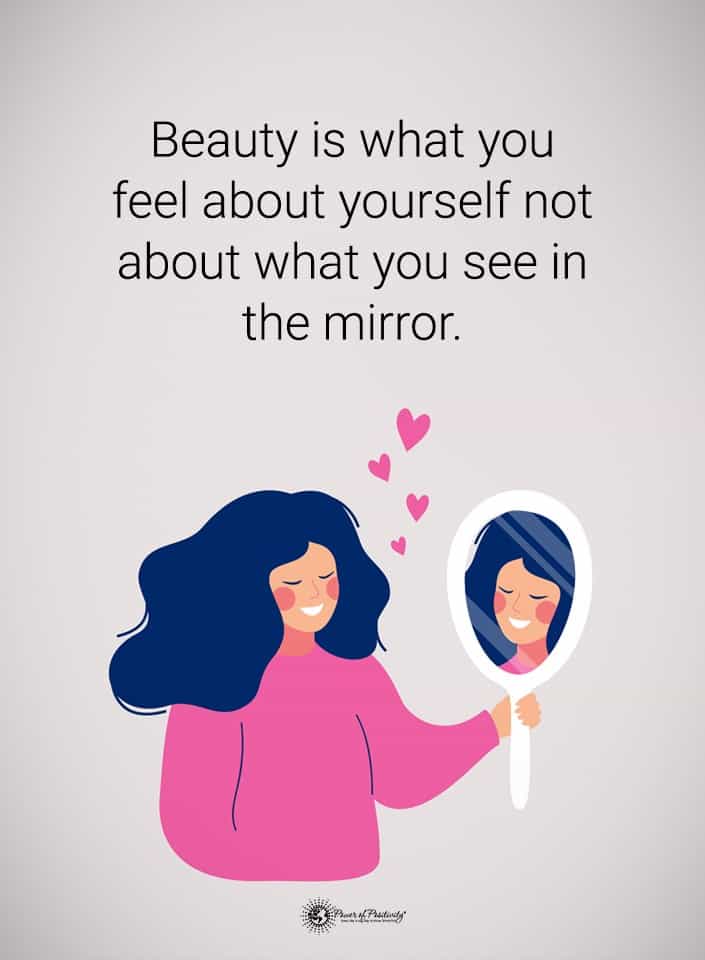
blemishes

Final Thoughts on Practical Skincare Tips That Help to Prevent Blemishes

Skincare can be hard to keep up with, but with consistency and determination, you will get there. Before you know it, the things you have learned here will become a habit for you. When you reach that point, it’ll no longer seem like a daunting task to take care of your skin.

If you are prone to blemishes, find which skincare tips work best for you. The tips mentioned here will help clear up your current imperfections, and they will help prevent more from appearing. Remember not to overdo the skincare, though, or it could make the problem worse.

Once your blemishes are cleared up, and you no longer worry about more appearing, you will feel better. The confidence you will experience is well worth the work put into preventing skin flaws.

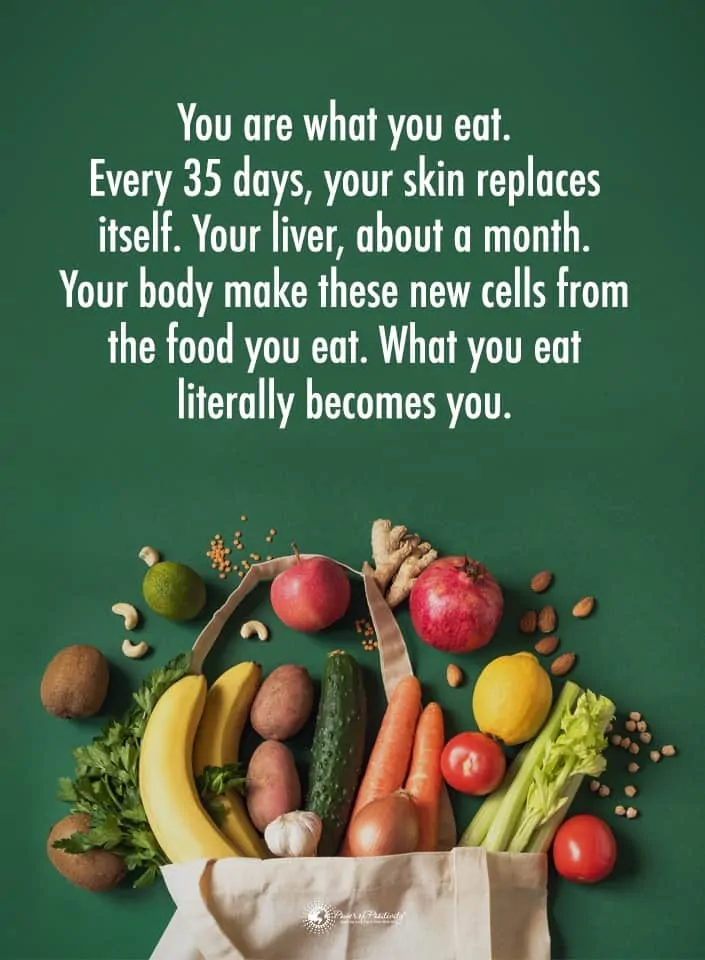
Science Proves Eating Plant Foods Instead of Meat Improves Heart Health

Doctors long surmised that patients who consume plant foods primarily were healthier than those who ate meat. While this was anecdotal in nature, recent research now confirms it.

In a study published in October of 2020 by The BMJ, researchers found that people who substituted red meat for plant-based foods had better heart health. In particular, they discovered that eating foods such as beans, nuts, or soy may reduce coronary heart disease (CHD). Furthermore, swapping whole grains and dairy foods for total red meat, and eggs for processed red meat may also reduce the risk.

Previous studies have found that eating large quantities of red meat, mainly processed red meat, is associated with early death and chronic disease. In particular, processed meats such as bacon, hot dogs, sausages, and salami may lead to the development of diseases such as CHD.

In prior studies that show inconsistent results, they often failed to compare red meat with other similar protein sources. To avoid these problems in the current study, the US research team analyzed total, processed and unprocessed red meat. They then studied how various meats impacted CHD risk and estimated the effects of swapping other proteins for red meat.

Researchers based their findings on data from 43,272 men with an average age of 53 from the Health Professionals Follow-Up Study. They had no cardiovascular disease or cancer when they signed up for the study. All participants filled out a comprehensive diet questionnaire from 1986 and every four years afterward up to 2016. The questionnaires provided detailed information on their medical history and personal lifestyles.

The researchers also pulled their medical records to observe fatal and non-fatal CHD instances over the 30-year study period. Over the years, scientists recorded 4,456 CHD events, 1,860 fatal.

Key findings from the study on eating meat versus plant foods

pop memeAfter taking into account other CHD risk factors, researchers discovered that:

  • every serving of total red meat per day led to a modest (12%) higher risk of CHD;
  • every serving of unprocessed red meat had an 11% higher risk;
  • processed red meat led to a 15% higher risk of developing CHD

However, consuming one serving of plant proteins such as nuts, legumes, or soy daily resulted in a 14% lower CHD risk. The risk decreased even more among men over 65 to 18%, compared to eating processed meat (17%).

They also found that swapping whole grains and dairy such as milk, cheese, and yogurt for total red meat led to lower CHD risk. Finally, subbing eggs for processed red meat lowered the chances of developing heart disease. Researchers noticed the strongest association in younger men, who had a 20% lower CHD risk when subbing red meat with egg.

They didn’t observe any CHD risk when replacing red meat with total fish. However, they believe cooking methods such as deep-frying may explain this, and the fact that processed fish products were still included.

Benefits of a Plant-Based Diet

Are you considering ditching red meat and switching to a plant-based diet? Here are a few rewards that you might reap.

1 – You’ll have more energy and a clearer mind!

Many people on a plant-based diet find themselves eating fewer calories than their omnivore counterparts. Plus, many vegans and vegetarians eat many fruits and veggies, which increases their vitamin and mineral intake. In fact, a 620-person study published in the American Journal of Cardiology found that vegans ate foods lower in fat and sugar. Because of this, vegans had higher energy levels as well as lower stress and anxiety.

Vegans even outperformed the vegetarian group. However, both groups came out well ahead of the meat-eating group.

2 – You’ll have a lower risk of many types of disease.

Because vegans and vegetarians tend to eat a lot of whole foods, this helps prevent disease in the long-term. Scientists believe that vegans’ consumption of phytonutrients may safeguard them from developing cancer, diabetes, or heart disease. Phytonutrients protect plants from things like bacteria, bugs, fungi, and toxins, so they have many benefits for humans!

In a study published in Nutrients, researchers found that vegans may also have a lower risk of hypertension, obesity, and mental disorders.

Foods with high levels of phytonutrients include the following:

  • carrots
  • citrus
  • berries
  • tomatoes
  • sweet potatoes
  • bok choy
  • broccoli
  • kale
  • garlic
  • onions
  • romaine lettuce
  • spinach

3 – You’ll have stronger bones.

After reviewing many different sources, Swiss scientists found that vegans may have healthier bones than non-vegans. Researchers believe that vegans’ higher consumption of fruits and vegetables may explain these results. Most fruits and vegetables have low acid levels, which helps stabilize bone mineral levels.

4 – You may have lower blood sugar and improved kidney function

Overall, vegans have lower blood sugar levels, higher insulin sensitivity, and a 50–78% lower risk of developing type 2 diabetes. In one study, 43% of participants reduced their blood sugar medication dosage when following a vegan diet. This compares to only 26% in the group following an ADA-recommended diet. Other studies show that people with diabetes who substitute meat for plant protein may have improved kidney function.

plant foodsFinal thoughts about the new study proving how plant foods improve heart health

Because this was an observational study, the researchers can’t say what caused the improvements in heart health. When adjusting for personal and lifestyle factors, they can’t rule out the possibility that other unmeasured factors may have affected results. The study also included primarily white health professionals, so these findings may not apply to other ethnicities or groups. However, because of the study’s size and duration, the findings show great promise and credibility.

The study shows that higher consumption of total, unprocessed, and processed red meat led to a higher CHD risk. This is after accounting for other dietary and non-dietary cardiovascular disease risk factors. Eating more whole grains, dairy, and eggs instead of processed meats also lowered CHD risk.

“These findings are consistent with the effects of these foods on low-density lipoprotein cholesterol levels and support a health benefit of limiting red meat consumption and replacement with plant protein sources,” the team explained.

They added that eating more plant-based foods instead of red meats would positively impact the environment.

Unexplained Weight Loss May Reveal These 10 Things, According to Science

If you’re gaining weight and you don’t know why, chances are you’re doing something regularly that is contributing to weight gain, even if you don’t realize it. The same is true if you find that you’re losing weight and can’t figure out the cause. While some people may be thrilled that they are losing weight, losing too much weight too quickly could be a sign of a severe health issue. Here are ten reasons why you may be experiencing unexplained weight loss, according to doctors.

Ten Things That Might Be Causing Your Unexplained Weight Loss

Could you have one of these conditions?

unexplained weight loss1. You’re Stressed

Stress has a strange but profound effect on the body. It can make some people very emotional and cause them to want to eat all the time. However, stress can also cause a loss of appetite in some people, leading to weight loss.

When you experience stress, your body has a fight or flight response, and cortisol and adrenaline are released into your bloodstream. This can take away your motivation to eat since your digestive system is slowing down as your heart rate increases. If you experience stress often or are going through particularly stressful events, you may find that you’re losing weight too quickly.

2. You’re Coming Down With an Illness

When your body is trying to ward off sickness, your immune system releases cytokines. Cytokines are a chemical that encourages your body to sleep so you can rest and restore your body. Your immune system works best when you’re sleeping, which is another reason why it’s essential to get enough rest each night. Cytokines can also stop the signals to your brain that facilitate hunger because your body is trying to send you the message that sleep should be your top priority while you heal. This is why you likely don’t have much of an appetite when you’re not feeling well.

3. You’re Experiencing a Side Effect of Medication

Some medications, particularly antidepressants, could cause appetite loss. In some cases, you may be relieved that you’re not constantly hungry. However, this side effect could become severe, and you may not feel like eating for days at a time. Loss of appetite is also a common side effect for some diabetes medications and may cause nausea every time you try to eat something. If you experience these side effects, you should speak to your doctor right away to discuss alternate treatment options.

4. You May Be Pregnant

Pregnancy causes several hormonal changes, so if you’re losing weight, you could be pregnant and not know it. You may notice an extreme difference in your appetite. One minute you’ll want foods that you wouldn’t normally eat together (yes, pickles and ice cream are a natural pregnancy craving), or certain foods that you used to love could make you nauseous. Nausea, along with the hormonal fluctuations, could be a sign that you’re expecting.

5. You Could Have Gastroenteritis

During the colder months of the year, gastroenteritis is common. This is known as a “stomach bug” that can cause nausea, cramping, and an upset stomach. If you are experiencing these symptoms, you likely won’t have much of an appetite, leading to rapid weight loss.

pop meme6.You May Have Diabetes

Diabetes I and II are both severe health conditions. These conditions are characterized by either a lack or excess of insulin in the bloodstream and should be treated consistently. One of the symptoms of Type II diabetes is a loss of appetite. You may not even know that you have diabetes until you visit the doctor to evaluate other health issues. It is also common for you to be free of noticeable symptoms until you realize that your glucose numbers are far too low or too high. However, several people cite unexplained weight loss or gain as one of the first signs of diabetes. It’s essential to work with your doctor to develop a treatment plan as soon as you receive a diagnosis. Even if you suspect you have diabetes, making adjustments to your diet and becoming more physically active can reduce symptoms.

7. You’re Suffering from Thyroid Issues

Thyroid issues can cause several physical symptoms, including weight loss. The hormones that the thyroid gland creates govern bodily functions, so if you’re deficient in these hormones, you’ll have much less energy, and your appetite will be affected. If your thyroid is overactive, you may gain weight because your fatigue won’t allow your body to burn calories efficiently. However, if you have an underactive thyroid, you may notice that you’re losing weight at an alarming rate. Discussing your condition with your doctor and learning which dosage of synthetic hormones are right so you can bring your body back in balance.

8. You Have Migraines

You may not realize this, but it’s possible to have a migraine without feeling any pain! In fact, you could be experiencing something called migraine syndrome, which is characterized by loss of appetite, sensitivity to light, and nausea. Even if you don’t suffer from migraines, a headache from any cause can make you feel sick, so you’re likely not thinking about eating while you’re trying to ease the pain.

9. You Are Dealing With Anxiety Disorders

More than 40 million adults in the US have some variation of an anxiety disorder. Anxiety can make you sick to your stomach, which takes away your desire to eat. General anxiety disorder, PTSD, panic disorder, social anxiety, and phobias are among the most common anxiety disorders. But a significant number of people also experience agoraphobia or separation anxiety.

Anxiety can over-stimulate the appetite and make you overeat, or it could take away your appetite completely, so you lose your desire for food. This symptom can change based on your anxiety levels and stressors you may experience during the day.

10. You Are Hyperglycemic

If you’re experiencing unexplained weight loss, you may be hyperglycemic. Most of the time, being overweight is a sign of diabetes. So when you lose a few pounds, you may be glad about this change and see it as progress. However, there could be a negative reason for your weight loss.

When your body isn’t producing or processing enough insulin, it relies on something to nourish your cells. This hormone causes your body to use the fat storage in your body to keep all your systems functioning properly.

At some point, you’ll run out of fat storage, and your body will no longer be able to maintain proper cell activity. Rapid fat storage release can also lead to ketoacidosis. This is different from ketosis, which is a level you may want to reach if you’re striving for weight loss and following the keto diet. Ketoacidosis is characterized by the body’s release of ketones, which can be toxic if released at high levels. Ketoacidosis makes the blood extremely acidic, which could be fatal.

Digestive Issues and Weight Loss

If you’re suffering from a digestive condition like celiac disease, irritable bowel syndrome, or another type of food intolerance, you will likely have unexplained weight loss. When your body cannot properly digest food, you could experience stomach cramping, constipation, diarrhea, and malnourishment.

These conditions can arise from an influx of hormones with or without pregnancy and accompanying anxiety disorders or thyroid imbalance. Irritable bowel syndrome and celiac disease may also be more common in people who have a genetic history of these disorders. Learning about your family health history and keeping a food journal can help you figure out which foods contribute to your unexplained weight loss.

unexplained weight lossFinal Thoughts: What to Do About Unexplained Weight Loss

If you’re experiencing unexpected weight loss and you’re concerned this could be a sign of a severe health issue, talk to your doctor. In general, if you’re losing over 5% of your total weight within a 6-12 month period, this could be your body’s way of telling you that you have a condition that needs to be addressed. Weight loss is an even bigger concern for older adults, especially if you already have an underlying condition. As we age, we tend to eat about 30% less than we did in our younger years. However, if you lose even a tiny amount of weight when you already have a diagnosis with another chronic condition, this could signal a more significant issue.

Your physician will assist you in figuring out the reason for the unexplained weight loss. Initially, your doctor will review your medical history. Next, you may have to take a physical exam or undergo lab work. In some cases, you may even need X-rays if you indicate pain in your internal organs that you think may be connected to weight loss.

If the doctor doesn’t find anything suspicious during your physical, wait about six months and pay attention to how your body feels. If you’re still not feeling your best and are continuing to lose weight, you’ll need to visit your doctor again for the next steps. It may be necessary to maintain a special diet that will keep you from experiencing digestive issues, fatigue, and rapid weight loss.

15 Affirmations for Self Love to Increase Self-confidence

Everyone experiences low confidence sometimes, and negative self-talk likely plays a part. There are ways to prevent this loss of confidence and ways to fix it if it has already happened. With affirmations for self love, you will find the positivity you need to increase your self-confidence.

Affirmations for self love can boost your confidence and help you feel better about yourself. You will be happier when you are confident and able to achieve much more. As you repeat them, the affirmations make your mind stronger and help you boost your confidence.

After some time regularly repeating these affirmations, confidence will become natural for you. Each time you say the phrases, your brain believes it a little more. Eventually, you will always feel confident, and it will be because of affirmations for self love.

Don’t let a day of low-confidence cause problems for you or hold you back. Instead, turn the day around with these affirmations for self love to increase self-confidence. You will feel better before you know it, and your self-esteem will be higher because affirmations truly work.

How Self Love Can Increase Self-Confidence

affirmations for self loveIf you can love yourself, you will be confident. That sounds simple, but that’s only because self love is truly all it takes to increase self-confidence.

With self love, you will live differently. You will put yourself first when necessary, and you will do what you know is best for you. Plus, you aren’t afraid to speak up when necessary, either for yourself or those around you.

With those benefits of self love, it becomes clear why loving yourself can increase self-confidence. It gives you the courage to do what others won’t and the courage to do what is right.

Reaching this level of self-confidence may seem impossible, but it isn’t. You can make it happen and make it a regular part of your life.

These 15 Affirmations for Self Love to Increase Self-confidence

The affirmations for self love discussed below will help you increase your self-confidence quickly.

1. I am beautiful and love the way I look.

You don’t have to look like every other person to be beautiful. If you looked like everyone else, you would lose your beauty. The things that make you different are the things that make you perfect.

Embrace all parts of yourself, even the things you’re insecure about. Learn to love the way you look, and remember that you are beautiful. Repeat this affirmation for self love whenever you begin to forget.

2. I am confident, and I can do this.

It doesn’t matter what you are trying to do. If you are confident, you can do anything.

This affirmation helps build confidence because you are telling your mind that you are confident. Your brain will believe it, and suddenly you will feel more confident.

Anytime you are unsure of yourself, use this affirmation. If you are nervous about doing something new, this affirmation will remind you that you can do it.

3. I accept myself completely.

You are the exact person you were destined to be. Accept who you are, and embrace all parts of yourself. If you can accept yourself, self-confidence will come naturally.

4. I will continue to be myself because the person I am is perfect.

Don’t change the person you are for anyone. Every person is different, and it is supposed to be that way. Love yourself and the differences you bring to the world.

If anyone ever makes you feel like you should change, you should question your relationship with them. You are perfect as you are, and you should never feel the need to change.

5. I am worthy of love and expect to be treated that way by myself and others.

Know your worth, and always remember that you deserve loving treatment. This goes for self love as well as love from those around you. You must set boundaries, and that begins with telling yourself that you are worthy of it.

6. I belong and am valuable.

If you ever feel like you don’t belong, repeat this affirmation until you believe it. You are an asset to those around you, and everyone is lucky you are there.

If by chance, someone around you honestly doesn’t want you there, then they are the one who doesn’t belong. Never assume that you are the outcast because you are valuable anywhere you go. Remember this, and you will have no problem with self-confidence.

7. I am happy and won’t let anyone bring me down.

Taking care of yourself means allowing yourself to be happy. You are in control of your emotions, so if you choose to be happy, you can make it happen.

Don’t let the people in your life bring you down because you deserve happiness. Knowing that you deserve happiness will help you with self-confidence.

pop quote8. I am resilient and strong enough to get through anything.

Life is unexpected, and you can never guess what will come next. Even with thorough preparation, things could go differently at the last second. When this happens, know that you are resilient and you can work through this problem.

9. I am growing anytime I face a challenge or obstacle.

Don’t beat yourself up when you face a challenge. Love yourself as you work through the problem, instead, and it’ll help you achieve a solution more quickly. Being patient and compassionate with yourself will help you get the job done, and your confidence will increase.

10. I can say “no” without feeling guilty.

Love yourself enough to say “no” to people sometimes. You can’t do everything and still make time for yourself. With that being the case, it will make you feel better to turn things down.

The more often you say “no” to things, the easier it will get. You will become more confident each time you practice self-love by putting yourself first.

11. I am focused and know what I must do.

Tell yourself that you are focused, and you will focus better. When faced with a tough decision, use this affirmation to remember that you know what is best. It will help you be confident as you face what comes next.

When you use this affirmation for self love, think about what you must focus on. As you do, the answer will likely become clearer.

12. I make the right decisions, and I trust myself.

Once you have made a decision, don’t begin questioning yourself. Trust yourself and have faith that you made the right choice. Be confident and keep moving forward.

13. I have what it takes to be successful and reach my goals.

Everything you need to reach success is inside of you. You can do anything you set your mind to, even if you must be creative to figure it out. Don’t doubt yourself, and never think that you don’t have what it takes.

Keep your mind on your goals, and remain strong as you work toward your goals. You will get there, and you only have to believe in yourself.

14. I choose to do what is right for me.

You must put yourself first sometimes, even if you have others to take care of. Self love requires that you meet your own needs and do things that bring happiness and joy. Don’t forget to take care of yourself because you can’t be confident if you feel run down all of the time.

Additionally, don’t agree to do things that you aren’t comfortable with or don’t want to do. You know what is best for you, and if you think turning something down is best, then don’t feel bad for doing it. Putting yourself first will help you set boundaries and increase your self-confidence.

15. I am a good person with morals and values.

Good people often feel guilty, even when they have done nothing wrong. Instead of being this way, practice self love when you think this way about yourself. Use this affirmation for self love to remember how great you are.

You are a good person, and as long as you love others and treat people kindly, your morals are fine. Don’t let self-doubt or the words of others make you feel differently.

affirmations for self loveThese 15 Affirmations for Self Love Can Help Increase Self-confidence

It can be hard to practice self love all of the time, which can cause you to lose self-confidence. If you find yourself in that position, you can remedy the issue using affirmations for self love. These affirmations will help you love yourself, which increases your confidence.

There will be times in your life when you doubt yourself or feel bad about who you are. These affirmations for self love can help you in those times. If you replace the negative self-talk with these affirmations, you will notice a difference.

If you struggle with being confident daily, it might be best to use these affirmations for self love each morning before you begin your day. Otherwise, repeating them before bed could help, or you could use them as needed throughout the day.

9 Things People Do That Make It Harder to Become Happier

Do you want to become happier in life? It goes without saying that few people would say they don’t! But are you doing what you can to achieve that goal, or are there things that hold you back?

A lot of the things that are preventing you from finding happiness aren’t the things you lack, but the things you continue to hang onto even when they only trap you. Here’s how experts reveal 9 things to let go of in order to become happier.

1.    The Need For Constant Comfort

Do you tend to stay within your comfort zone at all times? There’s nothing wrong with relaxing and enjoying what’s familiar, but being uncomfortable shouldn’t be something you view as inherently bad. Sometimes, the fear of leaving that zone of perceived safety may be what’s preventing you from becoming the happiest that you can be!

Sascha Ballach, who wrote Get Out of Your Comfortzone, states that a lack of comfort doesn’t mean a lack of safety. In order to grow and feel free, you have to put on your positive thinking cap and dare to step outside what you’re used to once in a while. Big progress and genuine happiness involve taking risks every now and then, even if it makes you uncomfortable!

become happier2.    Judgment

Many people are very judgmental, both towards themselves and others. The issue is that judgment is always a sign of a tumultuous inner world. The judgment you put on others is a projection of the same judgment you put on yourself, and a life like this depletes positive thinking.

Roland Alexander, Ph.D. states that a lot of negative judgment, both towards the self and to others, can lead to the stifling of potential. It means a lot of negative focus on weaknesses over strengths. So focus on building what you’re good at and, when you’ve finally understood that your weaknesses don’t define you, you can begin working on your flaws, too. Let go of judgment to reach your true potential!

3.    Unhealthy Habits

Most people are fully aware when something they do isn’t the healthiest, but they continue anyway because it seems harmless enough. Unfortunately, some remnants of guilt often remain, and those bits can build up into stress. And even those who don’t feel that guilt significantly aren’t immune to the negative effects that come with those habits anyway!

Cognitive psychologist Sarah C. McEwen recommends working on giving up or at least reducing the frequency of unhealthy habits. Though it can be tough at first, even just working on one or two bad habits can make a significant difference in long-term happiness. For example, you can:

  • Enforce strict bedtimes on yourself to stop staying up late
  • Limit alcohol consumption to once a week
  • Limit caffeine consumption to one cup a day
  • Work on stopping acts like biting nails or picking hair
  • Pick up a hobby to replace time spent on something unhealthy

4.    Comparisons

Every human being on this planet is going through their own personal growth, and most of them don’t share their setbacks and struggles with the world. As such, if you constantly look for people who seem to be doing better than you, you’ll always find them, and you’ll always drag yourself down in the process.

When you compare yourself to others, you forget that it’s like apples to oranges. Your life and experiences are so wildly different from any other person’s, and theirs is similarly different to everyone else. This comparison neglects to remember the uniqueness of your personal journey and how only you matter in your own growth.

Worse still, this type of comparison is a cycle. It stems from personal issues, and when you perform these comparisons, you create more of those issues and increase their severity! Judith Orloff, M.D., author of Emotional Freedom, states that comparing yourself to others can both come from and lead to:

  • A lack of focus and progress on a personal path
  • A lack of self-confidence or low self-esteem
  • Lowered trust in yourself and your abilities
  • Reduced focus on your own growth

5.    Social Media Reliance

Social media lets people present the very best sides of themselves, often leading to feelings of:

  • Inadequacy
  • Envy
  • Fear of missing out
  • Social anxiety or pressure
  • Validation desire
  • Depression

In fact, numerous studies have found concerning links between poor mental health and social media usage, indicating that in excess and unfiltered, a lot of social media can ruin your positive thinking.

While it’s fine to use social media to keep in touch with close friends, the search for external validation through social media is much less productive, says Jennifer Musselman, a therapist. She adds that it’s difficult to maintain this kind of drive and desire for likes and online validation, and it’s much wiser to let go of this need and try building self-esteem internally.

social media6.    The Need To Say “Yes”

Are you often overwhelmed with all the things you’ve committed to, promises you’ve made, and so-called favors you’re carrying out? It’s time to learn to let go of the need to please others – so you can begin by saying “no” every once in a while.

Kevin Gilliland, a clinical psychologist, says that boundaries are extremely important for this. You need to realize that you have a lot of control over your life and time – more than you may have originally thought! It’s okay to say “no”, to draw lines about what you won’t do, and to not need a big explanation for why you don’t want to do something.

7.    Negative Thoughts

Many of us have negative thoughts, and they can weigh down and disrupt positive thinking fairly quickly. Learning to release and let go of that negativity can work wonders for you and your personal progress!

Forensic and clinical neuropsychologist Judy Ho, who published a book on stopping the act of self-sabotage, states that it’s important to begin learning to effectively diffuse negative thoughts. She recommends changing thought relationships by challenging the way we think. Here is how to do so:

  • 1: When confronted with a negative thought, stop the thought first.
  • 2: Ask yourself if the negative thought is an accurate representation of true and complete factual reality.
  • 3: If the negative thought represents a factual reality, use “yes, but” to add positive connotations or indications of truthful progress to the negativity; for example “Yes, I did skip out on exercising today, but I’ve been doing wonderfully with eating healthy and will go to the gym tomorrow!”
  • 4: If the negative thought is not factual, you should use the “labeling” tactic to identify a negative and untrue thought and strip it of its power; for example “This is a toxic thought!”

Do note that this doesn’t mean you should repress negative thoughts. You should acknowledge and address them in order to decide what to do with them! And, if you need to, there’s no shame in taking time to express yourself or even cry. Research indicates that crying – when relevant – has a positive effect on stress and can even be therapeutic!

8.    Food Shame

A lot of people have anxious or worried thoughts about their diet. If you’ve been counting calories, feeling guilty about eating less healthy treats, and denying even tiny sweets only to cave in to cravings and binge much later, it’s time to let go of food shame!

Fork The Noise founder and registered dietician Lisa Hayim explains that these kinds of anxious and stressed out thoughts when eating are immensely bad for happiness. Stress hormones go haywire and the sympathetic nervous system activates, preventing you from making good decisions that are empowered and fair.

Learning to trust and listen to your body is crucial. It tells you how much it wants and when, if you only pay attention. If you need more help staying grounded in your relationship with food, you may want to try out a practice known as mindful eating, which has been shown to have multiple positive effects on the body and mind.

The Center for Mindful Eating president and registered dietitian Marsha Hudnall says that mindful eating involves being present in an intentional manner during food-related interactions. You pay attention to what you eat and drink and what you think and feel as it happens, and it can make eating more pleasurable and less stressful. Here are some tips for mindful eating, according to Hudnall:

·         Savor Your Food!

Don’t wolf it all down quickly – truly enjoy the textures, flavors, and even appearance of the food you eat.

·         Listen To Your Body

Your body will inform you when it begins to feel full when it begins to feel hungry, and even when it likes or dislikes certain types of food.

·         Don’t Be Restrained To A Schedule

If your body wants to stop eating halfway through lunch only to ask for more food an hour later, well, listen to it!

·         Don’t Judge Foods

No food is inherently bad – they are all different, and you can decide what components you want in your body by choosing food that aligns with what you want and need.

·         Learn

Sometimes, you’ll have setbacks where you know you ate something you wanted to stop eating altogether. Don’t shame yourself – just learn! What led to you deciding to eat that thing? Was there a trigger? How can you handle that trigger and replace that food with something better?

9.    Excuses

People make excuses all the time for why they’re not doing their best, why they’re not snatching up an opportunity, or why they had to give something up. While it’s fine to know your limits and understand rationally when it’s time to step away, it’s not fine to use excuses as a stand-in for a valid reason.

Lead From Within CEO and president Lolly Daskalm, also an author, makes it clear that if you truly want to do something, you will make it happen. The things most important to you are things you’ll find a way to get to. Settling for less and making excuses means it didn’t matter enough on your list of priorities – and if you dislike that fact, then it’s time to stop making those excuses!

become happierFinal Thoughts On Some Things To Let Go In Order To Become Happier

Most people want to be happy, but few truly understand how to get there. It can seem overwhelming at first but start by looking inwards and finding things it’s time to release. Letting go can be cathartic, and it can be the catalyst to your ability to finally feel the happiness you seek!

7 Habits That Cause Under Eye Puffiness (And How to Fix It)

Do you suffer from problems with eye puffiness? It’s not an uncommon predicament as you age. The amount of inflammation you get in this area can be from genetics, stress, eye fatigue, or even your skin’s characteristics.

You’ve seen people with cucumbers under their eyes trying to remove any puffiness, and some people go as far as using hemorrhoid cream trying to reduce the excess swelling in this region. However, it would help if you got to the root cause of the swelling to fix it without using such dramatic measures. Sometimes, a simple slice of cucumber works wonders, and other times using this vegetable will do nothing for your eye bags.

What Causes Your Eyes to Puff and Swell?

eye puffinessAnytime there is excessive swelling in the body, it’s called edema. Edema is a medical term used to describe a collection of fluids surrounding your skin’s tissues. Since the skin around your eyes tends to be thin, it’s prone to dark discoloration as well as swelling.

You’re probably wondering why fluid would accumulate in this area anyway. A few things can cause this inflammation, and much of your eye swelling is due to your bad habits. It sounds bizarre to think that you could be contributing to your eye bags, but here are a few things you’re doing that could be causing issues.

Bad Habit #1: Eating Too Much Salt

One of the first things you must do is examine your salt intake. Salt automatically causes the body to retain fluids, which isn’t good for your eyes or heart. According to Heart Attack and Stroke Symptoms, it’s recommended that you eat no more than 2,300 milligrams each day.

Now, to break this down so you can further understand it. A classic can of tomato soup from your local supermarket has more than 1,150 milligrams. Wow! So, eating just one can of soup is about half of your daily allowance. That doesn’t even consider if you add crackers to the mix.

• How to Fix It: Use A Sodium Restrictive Diet

It’s essential to monitor your salt intake, especially if you have high blood pressure and other challenges with edema. The chances are that you’re eating way more sodium than you ever imagined, and it’s a significant cause of eye puffiness. Reducing your salt intake or using a substitute can help your entire system.

Bad Habit #2: Not Drinking Enough Water

It sounds bizarre to think that when your body is dehydrated, your eyes can become puffy. The truth is that the surrounding tissues of the eyes are full of nerves, and the area is stimulated when the body is in distress. Since your eyes are a vital part of your system, this area will hold onto fluids when the body is running low.

You see them as bags or eye puffiness, but it’s a significant indication of a severe problem. It can be an ongoing issue if you don’t regularly drink enough water.

• How to Fix It: Increase Your Water Intake

You need to drink the recommended amount of water for your weight. According to Step to Health, a person who weighs around 120 pounds would need five cups each day. It depends on your weight, so you need to ensure you’re getting an adequate amount.

Bad Habit #3: Not Getting Enough Sleep

Do you have a sleep deficiency? When you don’t get enough rest, you can tell the next morning by merely looking at your eyes. They will be dark and have a puffy appearance to them. What causes your eyes to look like this when you don’t get adequate rest?

When you haven’t slept enough, your body stores fluid and blood around the eyes. Your eyes keep a certain amount of fluid in reserve for your tears. When you blink, your eyes refresh the fluids to ensure you don’t get dry eyes.

When you haven’t slept enough, your eyes slow the blinking process and become dry. They will do anything possible to retain enough fluid to nourish the eyes.

• How to Fix It: Get Proper Rest

The easy fix is to ensure you get at least six to eight hours of rest each night. If you have trouble getting adequate sleep, you may need to use an herbal supplement like melatonin to help you fall asleep faster and stay asleep longer.

Bad Habit #4: Not Washing Off Makeup at Night

After a long day, it’s easy to forget to remove any makeup products. Sadly, makeup can irritate those tender tissues under your peepers and cause eye puffiness in the morning.

• How to Fix It: Wash Your Face at Night

Make a habit of washing your face when you brush your teeth before bed. It only takes a few minutes to clean your face, and your eyes will be less irritated the next day.

Bad Habit #5: Using Alcohol to Frequently

Alcohol is something that should always be enjoyed in moderation. When you regularly consume these beverages, it can cause you to experience eye puffiness. Why would alcohol do this to your body?

Alcohol is a liquid, but it dehydrates the body and removes the water your cells need. Consuming it regularly causes the skin under your eyes to be irritated from a lack of moisture.

• How to Fix It: Cut Back on Alcoholic Drinks

Reduce the number of alcoholic beverages you drink or make it something you enjoy on special occasions. These drinks are also known to be high in calories and pack on the pounds, so it’s essential to use them in moderation.

pop memesBad Habit #6: Using Tobacco Products

You’re already aware of how dangerous smoking cigarettes is for your body. The toxins in cigarettes break down your skin’s elasticity, which causes it to sag and develop eye puffiness.

Additionally, nicotine, a substance in cigarettes, stimulates you and can cause a lack of sleep, contributing to puffiness around your eyes.

• How to Fix It: Stop Smoking

Not only do cigarettes damage your skin, but they can also damage the tissues around your eyes. You’re putting pure poison into your body when you inhale the toxic chemicals in smoke. Your skin won’t be the only issue you’ll have if you smoke; you can also develop severe medical problems like oral or lung cancer.

Bad Habit #7: Getting Too Much Sun Exposure

Sitting in the sun’s golden rays is tranquil, and many people enjoy the lovely hue that it gives their skin. However, did you know that it can contribute to eye puffiness? The heat from the sun damages the skin cells and the collagen that gives your skin its elasticity.

When you’re outside too long, your body can also become dehydrated. All these factors can contribute to puffiness around your eyes.

• How to Fix It: Limit Your Direct Sun Exposure

You should limit your direct exposure to the sun. You’ve seen people with leathery skin as they age from being outside too much, and you don’t want to break down your skin’s elasticity and have it take on a leathery look from dehydration.

Other Things That Can Cause Eye Bags

While the items above all pinpoint lousy habits that you do that contribute to eye swelling, some things are out of your control. Here are some common issues that can contribute to your eye puffiness:

  • Sinus issues
  • Crying
  • Normal aging process
  • Genetics
  • Thyroid disease
  • Eye infections
  • Kidney failure
  • Systemic diseases

Your puffy eyes may be caused by something you’ve done or something out of your control. It’s best to start by trying a few home remedies first. Using tea bags and cucumbers can help reduce swelling, and it’s a trick many people use.

Splashing cold water on your face can also help, as changing some bad habits. If nothing seems to work, then it warrants an investigation by a physician. Your eye swelling could be linked to an underlying disease and should be ruled out.

eye puffinessFinal Thoughts on Eye Puffiness

As you age, you will notice that the skin around your eyes becomes more delicate and it’s prone to inflammation. Some people will have problems with eye puffiness and dark circles their entire life as it’s hereditary. You can do things to be proactive regarding these common issues, which may or may not work.

It’s a process of elimination to see what’s causing your eye bags and what will work for you. If it’s an ongoing issue that doesn’t seem to resolve, it should be evaluated by a doctor. Many conditions in your body can cause the skin around your eyes to swell and discolor, and you need to make sure there is no serious underlying issue that needs to be addressed.

Does a Friend Secretly Resent You? 25 Signs That Reveal a Toxic Person

Does your friend seem to resent you all of a sudden? You are trying to grasp why they went from being your best buddy to a toxic person in your life.

Every friendship goes through seasons. Sometimes you’re inseparable, and there are other times where you can’t stand one another. As you grow in life, your opinions change, which is why some people are friends for just a season, and then you move on.

In some instances, a friend may hang on even though they have bitterness towards you. What could cause a person that you were once so close with to resent you? There are many reasons, but you must face the situation head-on if you want to salvage this relationship.

25 Signs Your Friend Resents You, Secretly

If you’re not 100 percent sure that they have resentment towards you, then there are some signs or red flags that can help. The subtle signs of a friend with hate or jealousy in their heart aren’t hard to spot if you’re watching closely. Here are 25 things a friend who is upset with you may do.

resent1. They’re Offended by Everything You Say or Do

It doesn’t matter what you say or do; your friend is offended. A once charming and carefree person has become quite pretentious about any interaction they have with you. It isn’t easy to spend any time with them.

2. They Don’t Like to Go Out in Public Anymore

You would love to go to the movies or a nice dinner and chat about life. However, your friend doesn’t want to be seen in public with you anymore. Any interaction you have is on the phone or at home.

3. Conversations Are Short and About Surface Things

Forget those long and meaningful conversations that lasted for hours. Now, you’re lucky if you can get them to have a conversation with you about anything other than the weather. You feel as if it’s a bother for them to even speak to you.

4. You Agree on Nothing

If you want ice cream, they want gelato. If they spend time with you, you may find it hard to agree on anything. They seem very indifferent these days.

5. They Act Peculiar Around You

You can’t help but feel that something is off. It’s not anything they’ve said, but their actions are speaking much louder than their words. They act oddly.

6. You Hear They’re Gossiping about You

One sure way to find out if someone is mad at you is when you find out they’re gossiping about you. Some of the secrets you told them has come back through the grapevine. Additionally, some of the stuff you’ve been told they’ve said wasn’t pleasant.

7. They’re So Negative, You That It’s Really Not So Secret They Resent You

Your communication with them was always so positive that they were fun to talk to. However, now they spew negativity, and you find it hard even to carry on a conversation. Why are they so full of hate and pessimism?

8. When You Speak, They Ignore You

You try talking to them, either on the phone or in person, but they seem to ignore you. They don’t care what you have to say about anything. It’s evident how much they resent you when they act like this.

9. They Don’t Have Time for You

Even if you offered them an all-expense trip to the Caribbean, they would decline your invitation. They don’t have time for you because they don’t make time.

10. They Don’t Laugh at Your Jokes Anymore

They always loved your sense of humor before. But now your jokes land like a lead balloon. They give you an odd look and don’t even crack a smile.

11. The Arguments Are Becoming Continuous

Having fun together is out of the question, especially since everything out of your mouth starts an argument with them. You don’t know what you’re doing wrong, but it seems that everything you do is rubbing them the wrong way.

12. They Don’t Keep You in The Gossip Loop

They once shared gossip about others with you. But now they air your dirty laundry to others. They don’t tell you anything juicy, and you miss the details of all the town gossip.

13. Your Presence Irritates Them

You don’t even need to open your mouth, and they’re offended. They seem to be on edge and ready to pounce at the first thought or action that you do. They have a chip on their shoulder when it comes to you.

14. They No Longer Have Your Back

One thing you loved about this friend is that they always had your back. Now, it seems that they’re the ones that you need someone to protect you from. They resent you so much that they wouldn’t even care what happened to you.

pop meme15. They Refuse to Apologize to You

Even when they’re clearly in the wrong, they refuse to apologize. They act like you deserved what you got. Their attitude is poor, and they seem to treat you in any old way.

16. They Have New Friends

One of the reasons they don’t have any time for you is because they have new friends. They seem to be enthralled with their new relationships and focus their energy on these new connections.

17. Their New Friends Don’t Like You

In a perfect world, you could hang out with their new friends as one big group. However, whenever you’ve tried to become friendly with their new connections, they act like you’re the fifth wheel.

18. They No Longer Share Their Life with You

You once knew what time they had breakfast and what they ate for dinner. Now, you two seem almost like strangers. You don’t know one thing about their day or week.

19. A Friend Who Resents You Might Block Your Phone Number

One sign that they resent you is if you try to call or text and your number is blocked. By the time they reach this stage, the relationship is pretty much doomed.

20. They Don’t Respond to Text Messages

You’ve texted and tried to talk or see what’s bothering them, but they won’t even respond to your messages. You might be able to see if they’ve read them, but they don’t have the courtesy even to answer you back.

21. You’ve Been Blocked on Social Media

All your social media accounts like Twitter, Facebook, and Instagram disappeared from your view. They’re not just no longer a friend, but it doesn’t even show them as a user. This action is one way you can know for sure that they blocked you.

22. A Person Who Feels Resent Might Blame You for Things You Didn’t Do

Whether at work or in social circles, your once close friend has begun to blame you for things. You know you didn’t do what you’re accused of, and you don’t understand why they want to get you in trouble.

23. You Catch Them in Lies

When they do have the courtesy to talk or answer a text, you catch them in lies. They may lie about where they’re going or who they’re with, but the deception is a clue something is wrong.

24. They’ve Become Insulting

Not only does their attitude and communication seem to be off, but they have become insulting to you. They may comment about your family, your attire, or 100 other things that they see wrong about you. A once chipper person suddenly seems so negative.

25. They’re Overly Suspicious of Your Motives

You feel like you’re being watched or monitored. No matter what you do or where you go, they seem to be suspicious of you. They give you a specific look that sends chills down your spine. You know they resent you for some reason.

How to Handle a Toxic Friend Who Resents You in Secret

If you believe that your friend is resentful of you, then you need to get to the bottom of it. Put on your thinking cap and try to remember anything that you might have done to offend them. When you have a mental list of things, then you need to confront them.

It may be problematic if they’re not answering you and have blocked you on social media. Apologize to them if you did anything wrong that is causing them to act this way. If they were a good friend to you in the past, then it’s worth working to have a bright future.

However, if their friendship wasn’t that great, then you still need to say you’re sorry and move on.

resentFinal Thoughts on How to Handle It When a Friend Resents You

If you’ve been friends for a long time, there will be all sorts of issues that arise. The key is to work through them as soon as they occur so that the problems don’t grow and fester to the point where they resent you. It would help if you considered that even the best relationships could start healthy and turn toxic.

Sometimes, it’s best to clear the air and go your separate ways, especially if a line has been crossed and feelings have changed. Once a relationship turns negative, it takes a lot of work to get it back on track. However, if you’ve been friends for 20 years, it might be that you need some breathing room.

Resenting someone is serious, and it’s not going to be one apology, and all is forgotten. You must work through the pain and keep an optimistic outlook.

10 Behaviors That Reveal Someone Won’t Take Responsibility for Mistakes

For some people, it seems impossible to take responsibility for their mistakes. While this behavior can be infuriating, it may be easier to accept if you understand it.

People like this often blame their mistakes on someone or something else, rather than admitting any role in it.

If you or someone you know struggles with taking responsibility, there are reasons behind it. Oftentimes, this behavior isn’t intended, and they truly don’t want to be this way. They tend to be negative and harbor pain or distress, which contributes to the behavior.

Not taking responsibility for mistakes can present itself in different ways. It can make the person vulnerable, and it will also cause them to do the following:

  • place the blame on someone or something else
  • make excuses for what has or hasn’t happened
  • not owning up to something that they have done
  • often say something along the lines of, “it’s not my fault.”

While bad things happen in life, it is important to take responsibility for some of it. While it may be hard to understand why some people struggle with this, counselors explain the reasoning.

Ten Reasons Why Some People Won’t Take Responsibility for Mistakes

take responsibilitySo what causes people to refuse to take responsibility for the errors of their ways? Here are ten.

1 – They Think Refusing to Take Responsibility Will Benefit Them

People usually avoid taking responsibility for their mistakes because they think it will benefit them. It happens when the person can’t think of another solution or feel that they can’t handle it. They think that avoiding responsibility is easier than holding themselves accountable.

2 – They Have a Victim Mentality

Counselors reveal that this is sometimes caused by the person having a victim mentality. If someone has a victim mentality, they feel that bad things happen to them and that other people are to blame. They also believe something always prevents them from succeeding, so they don’t even try.

Oftentimes, they believe that there is no solution to their problem. The person gives up and believes that it didn’t work out because of the obstacle rather than admitting it was because they didn’t try to find a solution.

3 – They Feel Powerless

People who don’t take responsibility for their mistakes also may feel powerless. They want things to go well, but it seems that they can’t do anything about their life to make them better. This is often because they think change is impossible or will never work out.

4 – They Use Negative Self-Talk

Counselors also reveal that negative self-talk or self-thoughts contribute to this behavior. People believe that bad things only happen to them and that they deserve all of those bad things.

5 – They Fear Rejection and Feel Like No One Cares About Them

They often feel like no one cares about them, so they don’t want to admit their mistakes because they are afraid of further rejection. Their fear of making others angry or disappointed in them is too great to admit fault when it is necessary.

6 – They Do Not Take Responsibility Because They Lack Self-Confidence

Another reason for being unable to take responsibility is a lack of self-confidence or self-esteem. They may not think they are good enough or smart enough, and they won’t work on being better. Plus, they won’t try anything new.

7 – They Harbor Negative Feelings

Frustration, anger, and resentment can all contribute to someone not taking responsibility for mistakes, too. When these negative feelings take over, it feels better to blame someone else or think of how someone wronged you. They also don’t like to see other people being happy and successful.

8 – Refusal to Take Responsibility Is a Defense Mechanism

Past trauma often contributes to not taking responsibility. It develops as a coping mechanism, and it can be hard to change it once the situation ends. When they think a situation will be challenging, they will deny responsibility to avoid dealing with the problem.

9 – They Feel Like They Are Losing Control

People who avoid taking responsibility would blame their behavior on someone else if they lost control. If they lost their temper or said something hurtful, they will blame the other people for making them say it. They do this because they feel like they have lost control and always need to always feel in control.

10 – They Have a Fragile Ego

This type of person wants to feel better than others and that they are right and others are wrong. To do this, they will blame their mistakes on others or make it seem like someone else caused them to fail.

How to Change This Behavior if You Don’t Take Responsibility for Your Actions

If you are struggling to take responsibility for your mistakes, there are ways to change that behavior. Likewise, if someone you know struggles with taking responsibility, you can help them make a change.

strong women1 – Find a Solution

Instead of giving up and blaming it on the obstacle, figure out a different option. There is always a way to reach your goal and live the life you want to live. Find a solution to the problem, and don’t give up until you do.

While it’s fine to mope a little when something doesn’t work out, you have to get past it. This is the only way to figure out what works and then move in that direction. Once you can successfully find a way through your problem, you’ll begin to take responsibility for mistakes in the future.

2 – Change Your Mindset

If your find yourself having negative self-thoughts, change your thought process. Start saying positive affirmations to help you get out of the negative mindset. This could make a huge difference in your life and help you take responsibility for your mistakes.

3 – View Everything as a Learning Opportunity

You will learn and grow if you view everything as a learning opportunity. This will allow you to admit your mistake responsibility because you will recognize the benefit. Viewing it as a learning opportunity will help you avoid future problems, allowing you to grow.

4 – Consider What Will Happen

If you find yourself wanting to avoid responsibility, think about what it will achieve. You won’t learn from the situation, so avoiding responsibility won’t help you in the long run.

Consider what will happen if you do own up to it, too. Not only will you be learning, but you won’t be left with guilt or anxiety. Admitting to the mistake likely won’t impact you long term, anyway, so it’s best to get it out in the open.

5 – Take a Deep Breath

If you feel like you are losing control of your emotions, stop and take a deep breath. Then, think about what you are going to do. Don’t let yourself react automatically when you are in that emotional state because you are the one in control of your emotions.

6 – Think About What Is Making You Feel So Bad

When people don’t take responsibility for their mistakes, it is often caused by negativity, as explained before. Think about why you feel so bad and make a change in that area of your life.

How to Respond When Someone in Your Life Refused to Take Responsibility

If you aren’t the one who avoids taking responsibility, then you likely know someone who does. It can be hard to communicate and spend time with them if they always behave this way. There are ways to remedy the situation, however.

Explain the Behaviors That Bother You

Start a conversation with the person about their behavior and the way it bothers you. Don’t attack them, but explain that the way they won’t take responsibility is frustrating to you. They may not realize that they do this and, while it might be an uncomfortable conversation, it will help.

Set Boundaries

Being around this person won’t make you feel good if they are always shifting responsibility. If this happens, you will feel bad when you are around them. Nicely, let them know that you see through it and then give yourself some space when needed.

Offer Help

Walking away from someone isn’t always an option, especially when you love them or have to work with them. In both instances, finding a solution that will work for both of you is best. While doing this, you must avoid making them feel bad about their behavior.

Offer solutions that might help, and offer help with those solutions if they need it. Offering solutions could open them up to other options and get them thinking about other things. Remember not to tell them what to do, but to offer suggestions, instead.

behaviorFinal Thoughts on Understanding Why Some People Refuse to Take Responsibility for Mistakes

While it is frustrating when people won’t take responsibility for their mistakes, you can try to understand them now. Most people don’t want to be this way, and some don’t even realize that this is how they are.

If you are the one who struggles with taking responsibility, you can make a change in your life. This change can help you take responsibility, grow, and move forward in life. You can also try to help others change if someone in your life struggles with taking responsibility.

Ikea Buys 11,000 Acres of Georgia Forest to Save the Trees

If we want a greener, more harmonious Earth, we have to do our part to save the trees. Recently, Swedish company Ikea decided to buy 11,000 acres of forest in southeast Georgia to protect the planet. Ikea’s investment group, The Ingka Group, purchased the land to safeguard it from development and protect the plants and animals. Hundreds of different species call the forest their home.

The IKEA subsidiary owns and operates the majority of the retail chain’s stores. They have committed to help protect the environment as much as possible. The Ingka Group recently acquired land in Georgia near the Altamaha River Basin from The Conservation Fund. The nonprofit conservation organization protects over 8 million acres of land in the US.

“We are honored to work with Ingka Group and applaud its dedication to preserve and enhance forest quality in the U.S. and Europe. Well-managed forests provide essential benefits, including clean water and important wildlife habitat, as well as mitigating climate change,” said Larry Selzer, President, and CEO of The Conservation Fund.

About the non-profit

The nonprofit sold the land to Ingka Group because of its history in managing forestlands responsibly. 350 plant and wildlife species call the southeast Georgia forest their home. This includes the endangered longleaf pine, which can live for over 300 years, and the gopher tortoise. Unfortunately, most of the longleaf pines disappeared by the 1920s, and today, coverage has fallen to less than 3 percent.

As for the gopher tortoise, the main threats to its population include habitat destruction, fragmentation, and degradation. According to the Florida Fish and Wildlife Conservation Commission, urbanization and development have been significant contributors to population decline. This makes IKEA’s move to protect the valuable land in Georgia even more crucial. Since IKEA decided to save the trees in this area, the wildlife won’t have to worry about their home being destroyed.

IKEA has even bigger plans than to save the trees

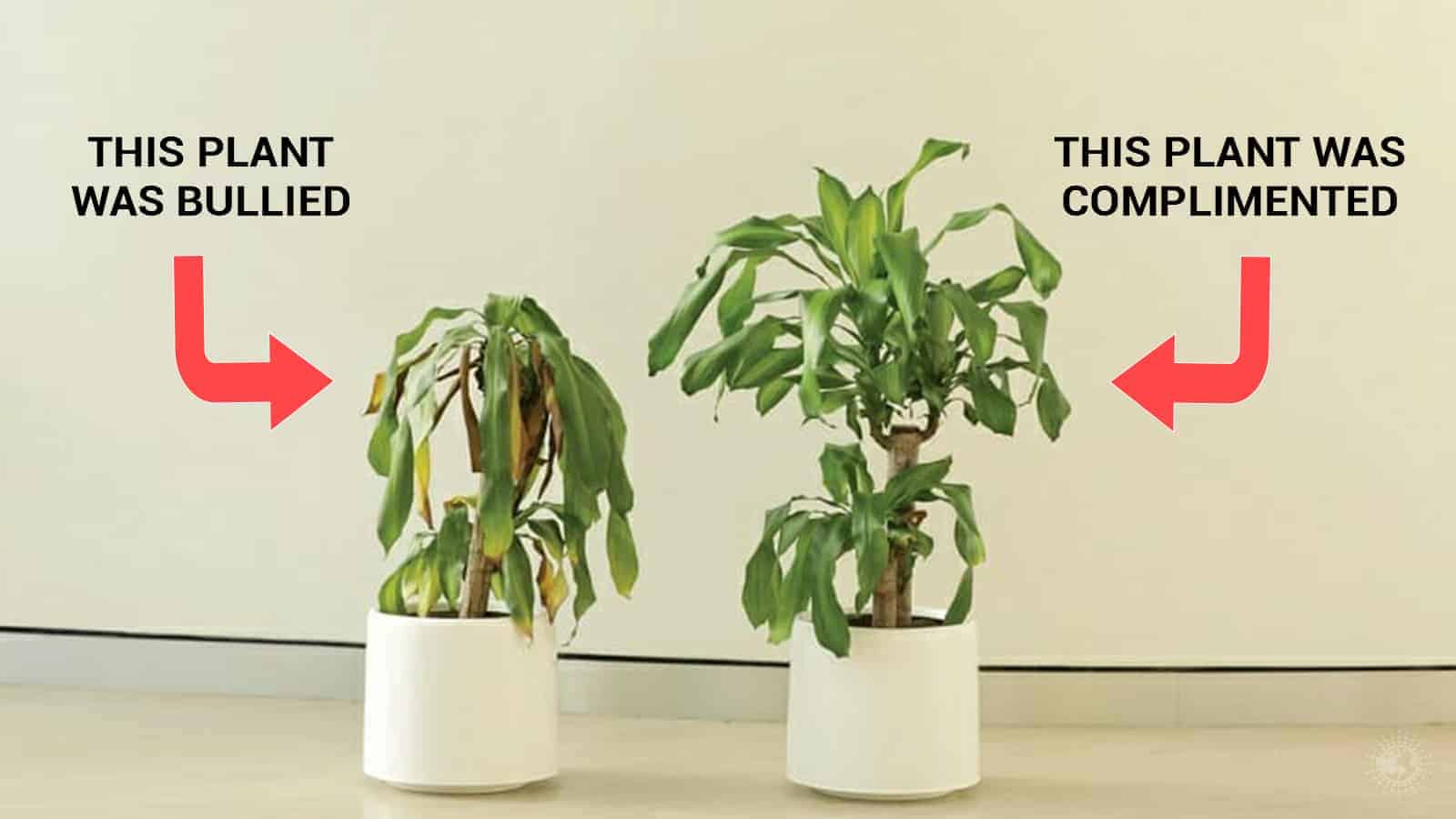
bully a plant

IKEA’s Bully a Plant project proves the power of positivity can alter your outcome.

IKEA recently announced that it planned to become carbon neutral by 2030. The company released a detailed plan on how it will commit to being more eco-friendly. Future objectives include eliminating all single-use plastics from its restaurants, bistros, and cafes. Besides, IKEA wants to only use sustainable, renewable materials in its home furnishing range by 2030. They’ve already made huge strides toward this goal; in January 2020, they stopped using single-use plastics in home furnishings. Visit www.carbonclick.com to know how you can start carbon offsets online.

According to their website, here are some other eco-friendly commitments they’ve made:

  • Today, more than 60% of the IKEA product range is based on renewable materials.
  • By 2030, we aim to end our dependency on virgin fossil materials.
  • We recycled more than 73% of the waste in all our* stores in 2018

Regarding forest management, Ingka Investments now owns 136,000 acres across the U.S. States where it acquired land include Georgia, South Carolina, Alabama, Texas, and Oklahoma, according to manager director Krister Mattsson.

“We are committed to managing our forests sustainably while at the same time meeting our business objectives. In all our properties, we pay special attention to ensuring environmental protection, so we are happy to see that our efforts in working with responsible forest management are being seen and trusted,” he said.

The Conservation Fund gave the Ingka Group legally binding conditions to which it must adhere to. These include protecting the land from fragmentation, repurposing the longleaf pine forest, and ensuring the gopher tortoise’s safety. Since the tortoise is endangered, it’s crucial to protect them in the Georgian forests. Also, under these agreements, the public can still have access to the forestland.

Ingka Group’s proven history of helping to save the trees

Ingka Group currently maintains and owns around 248,000 hectares (approx. 613,000 acres) of forests in the U.S. and Europe. Countries in Europe where they have acquired land include Estonia, Latvia, Lithuania, and Romania. To ensure the IKEA subsidiary adheres to environmental and social guidelines, the Forest Stewardship Council audits their forest management. In every country where the group owns the land, the management units have obtained the FSC certificate for responsible forest upkeep.

Between September 2019 and August 2020, Ingka Group planted 600,000 seedlings on 480 hectares (1,186 acres) in the U.S. Around the world. The company planted almost seven million seedlings.

“The transfer of these lands to Ingka Investments completes our Working Forest Fund® process, through which we identify and buy important, at-risk private forests; develop sustainable harvest and restoration plans; secure permanent conservation protections to block fragmentation and development, and then resell the permanently conserved forest to a private or public buyer,”  ~Larry Selzer

In addition to their commitment to saving the trees, the furniture outlet giant announced other eco-friendly business plans. They have begun buying used IKEA furniture from customers to resell and also employed electric vans for transporting items. The company offered vouchers up to 50% of the original selling price. It launched this idea last Black Friday to encourage customers to cut down on consumption.

“By making sustainable living more simple and accessible, Ikea hopes that the initiative will help its customers take a stand against excessive consumption this Black Friday and in the years to come,” a spokesperson said.

IKEA is paving the way for a cleaner world with its pledge to save the trees and adopt more eco-friendly practices. Hopefully, other companies will follow suit in the future.

save the treesFinal thoughts: IKEA plans to save the trees by acquiring 11,000 acres in Georgia

In addition to buying land in four other U.S states and four European countries, IKEA now owns land in Georgia. The company pledged to protect as much forestland as possible to help save the trees. So far, it owns and manages around 613,000 acres worldwide and has planted 7 million seedlings. IKEA hopes that their commitment to protecting forests along with the vision of becoming carbon-neutral by 2030 will inspire others.

If every company worldwide operated in an eco-friendly manner, we would have a much cleaner, greener Earth. Here’s to hoping that IKEA will create a domino effect and motivate other companies to change their practices.

Skip to content