Weekly tips, affirmations, and small actions to feel your best.

10 Effective Tips to Prevent Heart Diseases

According to the American Heart Association, more than 121 million Americans have been diagnosed with some form of heart disease since 2016. Heart disease, also known as cardiovascular disease, is an umbrella term. Science uses it to describe angina, myocardial infarction, stroke, atherosclerosis, and other forms of heart disease. Of course, each of these can adversely affect one’s cardiovascular health and could lead to a heart attack if left untreated.

More often than not, heart disease is a byproduct of plaque buildup in the arteries. This not only causes blood clots but it also disrupts the flow of blood to the heart and throughout the body. All in all, heart disease can have a profound effect on one’s overall quality of life. In addition, it can be fatal if left untreated. In this article, we will take a look at 10 ways to prevent heart disease and how they can potentially save your life.

HEART DISEASE STATISTICS IN AMERICA

Having detailed the number of individuals already diagnosed with heart disease in America since 2016, let’s take a closer at some additional statistical data related to the various forms of the disease.

Studies by the CDC show that heart disease accounts for 1 in every 4 deaths in the United States, which equates to roughly 610,000 deaths every year. Also, the same CDC report states that coronary heart disease is considered the most common form of the disease. The condition occurs when the arteries that supply blood to the heart muscle become hardened and narrowed. And it’s is responsible for more than 300,000 deaths every year.

Lastly, CDC shares that heart disease is linked to more than 735,000 heart attacks every year in America. While these statistics are alarming, there are things that you can do to avoid heart disease. Of course, you must recognize the early signs and symptoms of the disease. Some of the most common signs and symptoms of heart diseases often occur before an individual ever experiences a heart attack. Some of which include:

  • Chest pain
  • Pain or discomfort in the jaw, neck, arms, or stomach
  • Difficulty breathing
  • Lightheadedness, cold sweats, and nausea

Of course, this is not an all-encompassing list of the primary symptoms. Moreover, it is a list of the most commonly reported symptoms amongst those who have either experienced a heart attack or have been formally diagnosed.

HEART DISEASES BY RACE AND ETHNICITY

It is fairly safe to say that no one is impervious to heart disease as it can affect the lives of men and women of all ages and socioeconomic backgrounds. However, some individuals are more susceptible to the disease than others. For example, Native Americans, Alaskan Natives, Asians, and Pacific Islanders are the most likely to be diagnosed with heart disease, according to the American Heart Association.

It is also worth noting that heart disease is second only to cancer amongst these groups. Generally speaking, genetics can play a significant role when it comes to whether or not someone will develop heart disease; however, lifestyle choices and certain medical conditions can also be contributing factors as well, some of which include

  • Obesity
  • Diabetes
  • A sedentary lifestyle
  • Poor diet
  • Excessive alcohol consumption

10 WAYS TO PREVENT HEART DISEASES

Now that we have a general understanding of heart disease and who is most at risk for developing it, let’s take a moment to go over a few steps that you can take to improve your heart health and overall quality of life. The best way to prevent heart diseases is by familiarizing yourself with the early signs and symptoms of the disease and making healthy lifestyle choices, some of which include

1. DIETARY CHANGES

Small dietary changes can significantly minimize your risk of developing not only heart disease but other health problems as well. Of course, this is not to suggest that you need to overhaul your diet completely; however, making small changes like increasing your fiber intake, for example, can go a long way toward improving your heart health. Some of the most fiber-rich foods include apples, strawberries, bananas, beans, and potatoes. These foods and other fiber-rich foods can lower high cholesterol, keep you regular and, most importantly, prevent heart diseases.

2. READING LABELS

Along with adding fiber-rich foods to your diet, it is also a good idea to read labels on any of the foods that you’re thinking about consuming as many of today’s foods contain excessive amounts of sodium, sugar, and fats, all of which can lead to high blood pressure, high cholesterol and, over time, heart disease.

3. MAINTAINING A HEALTHY WEIGHT

Maintaining a healthy weight protects not only your joints but also your heart. According to the Centers for Disease Control and Prevention (CDC), excess weight is one of the primary contributors to heart disease. Also, those who are obese are twice as likely to be diagnosed with high blood pressure, which can lead to a heart attack or stroke.

4. EXERCISING

Regular exercise is one of the single best things that you can do to prevent heart diseases and to safeguard your overall health. According to the American Heart Association, 30 minutes of exercise each day along with a healthy diet can help you maintain a healthy weight and also strengthen your heart by lowering blood pressure and cholesterol. Additionally, regular exercise can help stabilize blood sugar levels and also reduce feelings of stress.

5. QUIT SMOKING

If you are a smoker, you have yet another reason to quit. According to the American Heart Association, smoking can significantly increase the likelihood of developing heart disease, especially when coupled with other risk factors like obesity and high cholesterol, for example.

In addition to damaging the cells that line the arteries, cigarette smoking can trigger a myriad of physiological changes, including increased blood clotting, high blood pressure, and increased heart rate. That said, quitting smoking is a great way to reduce your risk of developing some of the most common heart diseases. In fact, the risk of developing heart disease or suffering a heart attack diminishes significantly after five years of not smoking.

6. TAKING SUPPLEMENTS

Along with eating a well-balanced diet and exercising, taking the right supplements can help prevent a variety of heart diseases and also improve your overall health. According to Dr. Stephen Sinatra, a well-regarded cardiologist and assistant clinical professor at the University of Connecticut, supplements like magnesium, fish oil, and coenzyme Q10 are among the top three supplements that one can take for all-around good health. However, it is always a good idea to consult with your physician or a nutritionist before starting any supplement regimen.

7. GETTING ENOUGH SLEEP

Although often overlooked, getting an adequate amount of sleep every night can help reduce your risk of developing coronary disease. These include coronary artery disease and heart rhythm disorders. According to a study published by Harvard University, poor sleep has been linked to several heart disease risk factors, such as high blood pressure, strokes, diabetes, and heart failure.

If you’re having trouble getting enough sleep each night, you should consider speaking with your physician. They may talk with you about possible treatment solutions like prescription sleep aids or herbal remedies like valerian root or melatonin. All in all, adults should aim to get a minimum of 7 hours of sleep each night.

8. MANAGING STRESS

Eliminating or minimizing stress in your life is a good way to avoid many common heart diseases. Studies show that stress can raise your blood pressure and, in extreme cases, can cause a heart attack. Fortunately, there many ways to get your stress levels under control. Some of the most popular ways to destress include listening to soothing music, meditating, exercising, and staying positive.

stress - prevent heart diseases


9. MANAGING YOUR DIABETES

It is a well-established fact that individuals with diabetes are at a higher risk of developing heart disease. That said, if you have diabetes, it is imperative that you routinely monitor your blood sugar levels. After all, high blood sugar can damage blood vessels as well as the nerves that control your blood vessels and heart. The best way to stay on top of your diabetes is by taking insulin and other diabetic medication as prescribed by your physician and eating low-glycemic foods.

10. CONTROLLING YOUR BLOOD PRESSURE

Similar to diabetes, high blood pressure can naturally increase your risk of developing heart disease. The best way to keep your blood pressure within a healthy range is by scheduling routine physical exams with your physician and making certain lifestyle changes like exercising regularly and eating a healthy, well-balanced diet, for example.


5 Ways to Spot Child Abuse

Child abuse is a tragedy of the utmost magnitude. Indeed, the act of violence against children tears away innocence from a child’s heart and mind.

In fact, the problem is widespread. So we’re going to focus on ways that you can spot a child who is living this nightmare. Let’s start by defining what it is and the current state of this criminal act is in the world. Additionally, we’ll see how we can prevent these atrocious acts.

First, let’s define child abuse and then get into the numbers.

What is child abuse?

Child abuse can an act of commission or omission. This act results from either direct participation or neglect. Unfortunately, most of these terrible cases involve either one or both parents or a caregiver. 

Forms of violence against children include emotional abuse, exploitation, neglect, physical abuse, and sexual abuse. 

Physical abuse

Physical abuse involves any deliberate physical action that results in injury to a child. Examples of physical abuse include: biting, burning, choking, hair pulling, kicking, shoving, striking, throwing, or whipping.

Unfortunately, physical abuse may result in:

– blisters, bruises, burns, and cuts.

– broken bones.

– dislocated joints.

– emotional or psychological scarring.

– internal injuries.

– lifelong injury or death.

Over 28 percent of adults report that they experienced physical abuse as a child.

Sexual abuse

Sexual abuse involves the use of a child for direct sexual exploitation by an adult. Moreover, children may also commit actions of child abuse. For example, they may use their age or physical strength as leverage against smaller children.

Types of sexual abuse include fondling, non-direct exploitation, oral sex, and penetrations. Additionally, they include child pornography, child prostitution, forced viewing of a sex act, inappropriate sexual communication.

Sexual abuse may result in:

– Acts of self-harm, including cutting, burning, or pulling out hair. 

– Delinquent behaviors.

Eating disorders such as anorexia.

– Excessive masturbation.

– Feelings of aggression.

– Psychological disorders, such as anxiety, depression, or suicidal ideations.

Twenty-one percent of adults report they experienced sexual abuse themselves.

Emotional abuse

When a parent, caregiver, or another person harms a child’s emotional, mental, or social development, it’s emotional abuse. This method of abuse is often continuous. And the effects are usually gradual.

Acts of emotional abuse include attempts to corrupt, isolation, rejection or ignoring, shaming, and manipulation.

Emotional abuse may result in:

– bedwetting

– developmental delays

– disorders of speech

– health problems such as skin disorders or ulcers

– obesity and weight fluctuation

Approximately 11 percent of adults report being abused emotionally as a child.

Child neglect

Child neglect involves continuous acts of omission. These include failing to provide the affection, care, supervision, and support necessary for a child to develop both mental and physical health and stability.

Acts of child neglect include educational neglect, emotional neglect, inadequate supervision, medical neglect, and physical neglect.

For example, let’s look at educational neglect. Of course, this term refers to allowing the child to miss excessive time from school. However, it can also include refusing necessary special education services and failing to enroll a child in school or a home-schooling program.

Child neglect may result in:

– psychological conditions such as anxiety and depression

– sleeping difficulties, including insomnia

– stunting of physical development (height and weight, especially)

– undiagnosed and untreated medical conditions

– not being immunized

Child abuse: the numbers

“Every year, more than 3 million reports of child abuse are made in the United States.” ~ Childhelp (source)

Indeed, child abuse is an epidemic. The definition of an epidemic is “a widespread occurrence of an infectious disease in a community at a particular time.” And make no mistake: child abuse is an infectious disease. One that stains the very fabric of our society. 

So, while we are in definition mode, let’s define infectious: “likely to be transmitted to people, organisms, etc., through the environment.” It’s a known fact that victims of child abuse are much more likely to become abusers themselves. 

Also, note that there is a flip side to the above statement. Some victims of child abuse go on to become passionate and influential advocates of anti-abuse movements. Therefore, our society is greatly indebted to these people.

So there isn’t any statistic that could accurately reflect the cumulative damage – on a societal or individual level – that child abuse inflicts. However, the numbers are somewhat helpful in understanding just how pervasive a problem it is. 

Per the American Society for the Positive Care of Children (American SPCC):

– 4.1 million reports of child abuse in 2017. These reports include a total of 7.5 million children.

– 75 percent of child victims experienced neglect.

– Nearly 40 percent were physically abused, sexually abused, or psychologically mistreated.

– 25.3 percent of child abuse victims were under the age of 1

– 1,720 children died from child abuse in 2017. The actual number may be 50-60 percent higher.

– 5 children die every day from child abuse.

– 72 percent of child abuse deaths were children under the age of 3 years.

The consequences of child abuse:

– Abused teens are more likely to engage in risky sexual behaviors. As a result, this puts them at risk of STDs.

– 80 percent of child abuse victims meet the criteria for at least one psychological disorder.

– Abused children are 25 percent more likely to become pregnant during their teenage years.

– The estimated financial cost of child abuse and neglect in the United States: $585 billion.

5 Ways to Spot Child Abuse

The first step in being able to help an abused child is to know the signs of child abuse. Because the problem is so large, know the five ways to spot child abuse.

  1. The child shows signs of neglect

Three out of every four abused children show apparent signs of neglect. These signs include:

– Noxious body odor and/or wearing dirty clothes.

– Continuous medical problems that go unresolved.

– Learning problems that aren’t attributed to any specific psychological or physical cause.

– Chronic absence or truancy from school.

  1. Reluctance to leave the side of a trusted adult

Children who are abused often refuse to leave the presence of a trusted adult. And these adults include teachers, coaches, counselors, or someone with whom the child has a close relationship.

Therefore, if a child is reluctant to leave your side, offer your comfort. And encourage them to open up about anything that may be bothering them. Don’t imply anything. Finally, remind the child that the conversation is private and that it’s okay.

  1. The child is on-edge with adults for seemingly no reason

This sign is most evident in younger children as they lack enough life experience that tells them that most adults are safe. Children who always seems on-edge with adults may be abuse victims.

Once again, do not imply anything. Be observant. If the child continues to display this behavior, casually ask if there’s something they’d like to discuss.

  1. The child engages in risky behaviors

Abused children often display erratic and inappropriate behavior. As a result, the child will participate in acts that put their safety and life in danger. The most frequent risky behaviors exhibited by these young victims are abusing others and sexual activity. 

So what if you are concerned and want to approach the child? Here’s what to do. Because they may suspect adults, do not imply anything. Be observant. Finally, if the child continues to display this behavior, casually ask if there’s something they’d like to discuss.

  1. The child displays underdevelopment

Sadly, the entire situation often stunts a child’s emotional, social, and intellectual development. These children are more likely to disengage from classroom activities and isolate themselves from their peers. Thus, they shut themselves off from potentially positive social interactions. 

If the child continues to display this behavior, casually ask if there’s something they’d like to discuss.

child abuse

Final Thoughts: Be part of the solution

“In approximately 18 States and Puerto Rico, any person who suspects child abuse or neglect is required to report. The other three States—Indiana, New Jersey, and Wyoming—require all persons to report without specifying any professions. In all other states, territories, and the District of Columbia, any person is permitted to report.”

~ Child Welfare Information Gateway (source)

Preventing and rectifying possible acts of crimes against children should be the responsibility of every capable adult. Therefore, having an “Out of sight, out of mind” attitude about an innocent child who is suffering should not be an option. The fact that less than half have a legislative mandate in this regard is, to put it lightly, disturbing.

So, consider it a personal responsibility and the right thing to do.

If you see any signs of abuse in someone you know, or you’re a victim, seek professional assistance.

 There’s a 24/7 National Child Abuse Hotline called Childhelp. A qualified representative will assist you with resources to aid in every abusive situation. Finally, all calls are confidential. So feel free to call 1-800-4-A-CHILD (1-800-422-4453) for help.

Science Explains How A Mother’s Immunity Transfers to Baby Before Birth

The parents of a newborn baby couldn’t be more thrilled. After all, they have a new bundle of joy in their arms to love and cherish! But being a new parent also comes with its fair share of anxieties – and for good reason! One worry they don’t need to have is immunity. Baby is born with the strength of the mother’s immune system.

Babies are fragile and new to the world. Their brains are still developing, as are the rest of their bodies. They don’t know what’s dangerous and what isn’t, and, even more worryingly, they are much more susceptible to infections and disease.

The answer to protection against preventable diseases is usually vaccinations. But newborns cannot have most of the vaccines that can protect them as their immune systems are not strong enough to respond positively to them. This is where maternal vaccines come in, administered to pregnant expectant mothers to boost a fetus’ immunity.

But there’s a limit to the capabilities of the transference of a mother’s immunity to their babies. As such, researchers are always looking to find new ways to improve this link – and a recent study indicates that may be possible.

Science Explains How A Mother’s Immunity Is Transferred To Her Child Before Birth

immunity

1.    Risks To Newborns Without A Mother’s Immunity

Newborn babies are extremely fragile in health. In their first 28 days of life, they are at high risk for developing severe conditions that can lead to fatalities. Birth complications, asphyxia, and infections make up a shocking 80% of causes for neonatal death. Infant mortality rates can be anxiety-inducing as well, with figures like:

  • In the first 28 days, 18 in 1,000 babies will pass away.
  • After the first 28 days but before they turn one year old, 12 in 1,000 babies will pass away.
  • After the age of one but before the age of five, 5 in 1,000 children will pass away.

While trying to use a mother’s immunity to protect a baby may not work for certain complications, fatalities through infection can be greatly prevented through them. In order to understand this, let’s take a deeper look at how viral infections can become deadly in newborns.

Newborn babies cannot receive vaccinations, with most only starting administration when they reach 2 months of age. Babies’ immune systems are not yet strong enough to safely receive vaccines, but they are also not strong enough to protect themselves against potential threats. This means the double threat of a weak immunity with an inability to receive vaccines puts them at high risk.immunity

Baby vaccination schedule

The general vaccination schedule for a baby, until they reach 15 months of age, is as follows:

  • After birth: Dose 1 of Hepatitis B vaccine
  • Between 1 and 2 months: Dose 2 of Hepatitis B vaccine
  • 2 months: Dose 1 of:
    • Diphtheria, tetanus, and acellular pertussis vaccine
    • Rotavirus vaccine
    • Haemophilus influenza type b vaccine
    • Inactivated poliovirus vaccine
    • Pneumococcal conjugate vaccine
  • 4 months: Dose 2 of:
    • Diphtheria, tetanus, and acellular pertussis vaccine
    • Rotavirus vaccine
    • Haemophilus influenza type b vaccine
    • Inactivated poliovirus vaccine
    • Pneumococcal conjugate vaccine
  • 6 months: Dose 3 of:
    • Diphtheria, tetanus, and acellular pertussis vaccine
    • Pneumococcal conjugate vaccine
  • Between 6 and 15 months: Annual influenza vaccine, and dose 3 of:
    • Hepatitis B vaccine
    • Inactivated poliovirus vaccine
  • Between 12 and 15 months: Additional dose of:
    • Haemophilus influenza type b vaccine
    • Pneumococcal conjugate vaccine
  • 15 months: Dose 4 of Diphtheria, tetanus, and acellular pertussis vaccine

Additional dosages may also be required for a variety of these vaccines, but that depends on the individual baby and their doctors best orders. At any time after 6 months, babies may also receive vaccines against:

  • Varicella
  • Measles, mumps, rubella
  • Meningococcal
  • Hepatitis A

But what happens until then? Do you just have to stomach the risks with positive thinking and hope for the best while doing all you can to shelter your child? According to a new study, you may not have to do so for long.

2.    How A Mother’s Immunity Can Be Transferred

The research entitled “Fc Glycan-Mediated Regulation of Placental Antibody Transfer” was published at the end of June in the journal Cell, explaining how this seemingly impossible feat can be accomplished with positive results. The study authors, in alphabetical order, are as follows: (2)

Study authors

  • Aniruddh Sarkar
  • Arnaud Marchant
  • Arthur Y. Kim
  • Barney S. Graham
  • Carolyn M. Boudreau
  • Cormac Cosgrove
  • Douglas Lauffenburger
  • Francesca J. Noelette
  • Galit Alter
  • Georg M. Lauer
  • Ilona Goldfarb
  • Jasneet Aneja
  • Jennifer H. Cooperrider
  • Jishnu Das
  • Joelle Brown
  • Laura E. Riley
  • Madeleine F. Jennewein
  • Marina Krykbaeva
  • Matthew J. Gorman
  • Sepideh Dolatshahi
  • Stephanie Fischinger
  • Tessa Goetghebuer
  • Todd J. Suscovich

To begin with, let’s talk about what mothers already pass on to their children. When they first develop, fetuses are completely clean slates – their immune systems are clueless as to what they need to defend against. A mother’s placenta forms in order to provide antibody transference to these fetuses, providing them with protection against a variety of threats.

Maternal antibodies

In some cases, maternal antibodies from a placenta can be easily moved to the baby within, serving as one of the first examples of a mother’s immunity being transferable. But for diseases like polio, that immunity becomes harder to pass on.

The researchers wondered if the placenta may hold the key for a mother’s immunity, and therefore, they decided to investigate. They used systems serology, which is a highly innovative tool designed for vaccine and immunity research, to analyze antibodies from certain blood samples, taken from umbilical cords and mothers.

These antibodies were ones used against pertussis, and scientists compared them against each other in quality and quantity. Findings revealed that the placenta actually can sift through certain antibodies and deliver them to infants, leading to the activation of cells known as natural killer cells. These natural killer cells are crucial in the formation of a working immunity.

These types of cells are apparently the most functional of all cells involved in immunity and are therefore the most effective. They are also the most abundantly found in newborns, making them the more reliable of the available immune system cells.

Researchers discovered that placentas can transfer certain antibodies that are designed to trigger natural killer cells against conditions such as respiratory syncytial virus and influenza. This indicates that future vaccines can be designed with this in mind, allowing for the encouragement of the right antibodies transferring from a mother’s immunity to their children.

Moving forward

What’s next for this research to continue in a positive direction? The goal is to be able to make maternal vaccines, injected during the correct and most effective time during an expectant mother’s pregnancy. This can be done to provide much-needed assistance to babies, protecting them in ways that were not previously possible. The researchers are also currently studying immunity in infants to create even more effective vaccines.

immunity

3.    Current Ways To Improve A Baby’s Immunity

Sure, we all know that a healthy diet and exercise are crucial for immunity. But when your baby is brand new to the world, these things don’t apply to them the same way. They are completely reliant on you! So how can you ensure that you are keeping them safe and protective? How can you set your fears to rest and focus on positive thinking?

Here are a few tips that you can use to ensure that your baby is as protected as can be:

·         Keep Them Warm

The cold can wreak havoc on anyone’s immunity. It’s why so many people fall ill after being in low temperatures. As such, you’ll want to keep your little one warm. Just a bit of a cold can lead to a huge degradation of their immune system.

·         Go For Balanced Foods

Newborn babies don’t eat proper foods yet – but if you’re breastfeeding, they eat from you! This means that you have to make sure that the food you’re consuming is good, so you can pass nutrients onto your little one.

Breast milk on its own is already very nutritious, but being extra mindful of what you eat can really aid the immunity of your baby. Here are some foods to opt for:

  • Sardines
  • Salmon
  • Organ meats
  • Broccoli
  • Nuts and seeds
  • Shellfish
  • Pork, beef, and lamb
  • Eggs
  • Cabbage
  • Kale
  • Seaweed
  • Potatoes
  • Quinoa
  • Tomatoes
  • Dark chocolate
  • Garlic
  • Oats
  • Berries
  • Buckwheat

·         Maintain Distance From Others

When you have a new baby, many people in your life will want to hug them, cuddle them, and even kiss them. Unfortunately, adults can carry a lot of viruses that are harmless at their age, but dangerous for young kids.

Though it isn’t extremely common, plenty of cases show that babies can quickly become ill without a mother’s immunity or any vaccines. Your best bet is to keep other people’s interactions with your baby at a minimum for the first month, and prevent anyone from kissing them! (3)

·         Establish Routines

Your baby should have a regularly well-scheduled bedtime and wake-up time. Just like with adults, your baby needs regular sleep and wake cycles. Without sufficient rest, they can quickly become tired and fall ill, and with too much rest, it’ll be harder for them to get to sleep later.

·         Give Them Fresh Air

Fresh air can relax babies, and it aids in the clearing of their lungs. Being out in the sun can also make them get some added vitamin D, which will help them to get stronger. Just make sure that it’s not too hot out – use a hat if necessary!

·         As They Grow Older…

Once your baby is no longer a newborn, you’ll be able to relax a little, but you’ll still have to keep an eye on them and their immunity as they navigate their first precious years of life. You should:

  • Teach proper hand-washing and cleanliness habits
  • Ensure all vaccinations are received on schedule
  • Make sure they eat a balanced diet
  • Make sure they drink plenty of water
  • Encourage regular exercise

immunity

Final Thoughts On How A Mother’s Immunity Is Transferred To Her Child Before Birth

It’s easy for parents to worry significantly about the safety and health of their newborns, especially in the first few crucial weeks. With these new findings, many of these fears can be alleviated. Though more research is needed, these building blocks can serve as the needed boost for the medicine to advance far enough to make this possible.

Until then, you can do your best to keep your children safe. Make sure they get their vaccinations on time. Keep them active and give them balanced meals. Ensure their hygiene is kept up, regulate their temperature, and take them to a doctor if you’re ever in doubt!

Scientists Explain What Happens To Your Body When You Eat A Vegan Diet

Vegan diets are becoming increasingly more popular through time. They involve eating only plant-based foods and, often, using only plant-based materials. The vegan community couldn’t speak more highly of the diet if they tried, so it’s easy to see why so many people are interested.

Many people who are curious about the vegan diet are afraid to dive right in, and with good reason! You’d be cutting out a massive chunk of your usual food, after all, and you may be nervous about how your body would handle it.

Science Explains What Happens To Your Body When You Become A Vegan

1.    Your Sense Of Taste Will Change

Your taste buds – along with most other parts of your body – are highly adaptable. This means that they can change and respond to different situations accordingly, if given enough time to adapt. In just a few weeks, your taste buds can completely transform, giving you benefits such as:

  • A heightened sense of taste
  • Lowered sweet cravings
  • Lowered junk food cravings
  • More enjoyment of food

As such, if you’re worried about keeping your positive thinking when switching to this diet, you can put your mind to rest – it may only take a short while for your taste buds to grow more sensitive. This happens because many animal-based food products have a lot of fat, salt, and sugar in them, numbing our natural sense of taste. (1)

Do note, though, that this can go the opposite way if you’re not careful. Zinc, which you usually find in meat products, especially red meat, helps to keep your taste buds healthy. If you find your taste buds becoming dull and boring after going vegan, take a plant-based zinc supplement after speaking to your doctor.vegan diet

2.    Weight Change

Most vegans report experiencing weight loss of around 10 pounds shortly after making the switch from one diet to another – even in those who aren’t trying to lose weight at all. This is definitely a positive side effect that many people would be interested in. Here’s why this likely happens: (2)

·         Reduced Calories

A lot of products like milk, eggs, and even meat aren’t particularly filling but are surprisingly high in calories. When you cut them out of your diet, you have to replace them with options that are often much healthier and lower in calories.

·         Feeling Full More Quickly

A lot of vegan foods are rich in a wide variety of different nutrients, especially in fiber. These types of foods are often much more filling, causing vegans to feel satiated more quickly. This decreases their chances of snacking between meals and causes them to cut down on portions.

·         Convenience

Vegan options are somewhat limited, and most easy-to-buy snacks that you might see while commuting to work or on errands often are not suitable for you. You’d have to go out of your way to buy something vegan-friendly – and in a lot of places, those options are much more expensive.

·         Preparation

As aforementioned, it’s hard to find vegan-friendly food options when you’re out and about, depending on where you live. This limitation can force you to pre-plan all your meals and snacks, often making them yourself to bring along. This diligence allows you to make healthier choices and be more aware of what you put in your food.

Of course, weight loss will only occur if you are health conscious. Eating a lot of vegan junk foods, for example, can have an adverse effect. A label indicating that something is vegan doesn’t automatically mean that it’s healthy!

You should also ensure that you’re getting enough nutrients every day. Don’t neglect protein and other nutrients typically found in meat. If you’re not getting what you need, your body could go into “starvation” mode – or a fat-storage mode – to keep you alive and well.

You may also experience some bloating as your body adjusts to the new diet. Enzymes in your gut meant for digesting animal products will suddenly become idle with nothing to do, while those working on plant products will go into overdrive. The initial bacterial imbalance can cause unwanted bloating which will die down on its own.

3.    Your Athletic Performance May Change

When you eat processed animal fats, unhealthy junk foods, and other similar products, your energy stores are quickly depleted. The vegan-friendly options of vegetables, fruits, and even whole grain carbs can provide your body with healthy minerals, fats, and vitamins that fuel you more efficiently throughout the day.

Unfortunately, although your energy levels can increase, you may see some decline in your athletic performance as a result. This can turn off a lot of people, especially those who are passionate about fitness and muscle-building. But worry not, and keep your positive thinking! All that’s needed in this case is education on how to supplement your new diet to achieve the results you want.

Most athletes or fitness fanatics will need a lot of protein – between 20 and 30 grams in each meal. As they age, the amount of protein they need will also increase. If your muscles don’t get what they need to recover post-workout, they can’t get back in shape in time for your next grind at the gym.

But even if you eat a lot of protein, plant-based types, while just as effective, don’t have the same quick absorption rate of animal proteins. Your muscles will need more time to break down plant proteins to use for muscle synthesis.

A lot of post-workout drinks for vegans can encourage faster recovery, so take a look at some and see if they work for you. You can also carb-load; vegan diets with a lot of carbohydrates can actually help to boost muscle recovery due to all the glycogen you’re storing.

Talk to your doctor about supplements, foods, and ways to keep up your physical ability with this new diet. We promise it’s possible if you put in the effort!

4.    You May Become Deficient In Some Nutrients

When you omit huge groups of foods from your daily meal plan, you need some time to figure out how to replace the nutrients that you’re cutting out with them. If you don’t make up for the difference, you can wind up becoming nutrient deficient in certain areas, leading to adverse effects on your health. Here are some nutrients to pay extra attention to:

·         Calcium

This nutrient, typically found in dairy products, is crucial for bone and teeth health. You can find it in broccoli, collard greens, black beans, kale, almonds, soybeans, bok choy, and chickpeas.

·         Zinc

This mineral is rarely found in plants, and it is vital for immunity. You can find zinc in nuts, leafy greens, peas, whole grain bread, dried beans, and root veggies.

·         B12

This vitamin is used in a vast number of bodily functions, and a lack of it can cause an increased risk of anemia. You can find it in soy milk, nutritional yeast, and some cereals.

·         Omega-3 Fatty Acids

These components keep your cardiovascular system healthy and are usually found in fish. You can find it in algae, chia seeds, and walnuts.

·         Iron

Iron helps to keep you strong and energetic by moving oxygen around the body. You can find it in beans, leafy greens, and some cereals. Try having some with vitamin C sources for better absorption.

·         Vitamin D

This vitamin is especially essential if you don’t go outdoors much. You can find it in shiitake mushrooms, soy milk, orange juice, and cereal.

·         Riboflavin

This B vitamin is usually abundant in meat, and it is responsible for giving you energy from food. You can find it in almonds, mushroom, and spinach.

Do note that you can take supplements for all these vitamins and minerals. It is best to speak to your doctor first before doing so. Make sure never to exceed the recommended dosage!

5.    Your Disease Risk Drops

The best news about going vegan is that you become less at risk for a wide range of diseases. Of course, you will have to maintain that diet for the rest of your life, but many vegans will tell you that it’s more than worth it. Here are some of the diseases that you are less likely to get:

·         Digestive Disease

You probably already know that there are a lot of different types of bacteria living in your gut. These types of bacteria and the overall microbiome can influence overall gut health. Studies have indicated that your chosen diet can completely change a gut microbiome altogether.

One digestive disease that can be affected by diet is inflammatory bowel syndrome or IBS. Meat-eaters tend to have an increased amount of fecal bile acid within their digestive system. Their microbiomes also have a higher number of certain bacterial microbes known as B. wadsworthia. This bacteria is closely linked to IBS.

·         Heart Disease

If you’re concerned about cardiovascular disease, going vegan may be a positive step in the right direction. Those who eat meat and other animal products are 24% more likely to pass away from ischemic heart disease – and 40% more likely to develop any kind of heart disease. (3)

Many vegan proteins, such as soy, work wonders on reducing harmful cholesterol levels and balancing blood pressure. Vegetarians have also been shown to consume less saturated fat than meat-eaters. Do note that you will still have to avoid saturated fats to replicate these results.

·         Bone-Related Disease

Plant-based foods, especially vegetables and fruits, tend to have a lower acid load overall. A Swiss literature review indicated that this lowered load means that bone resorption decreases significantly. This process involves the breaking down of bones, causing minerals from them to enter the bloodstream.

This study may suggest that vegans, who likely consume a lot of fruits and veggies, can benefit from this perk, lowering their risk of bone-related diseases like osteoporosis. With that, more research is necessary for conclusive results.

·         Diabetes 

Type 2 diabetes is often caused by an unhealthy lifestyle that involves excess sugar and carbohydrate consumption. Although it is entirely possible for vegans to overeat these components, studies indicate that up to 35% of cholesterol is reduced in a plant-based diet – and many theorize that this leads to lower diabetes risk.

·         Cancer

According to a collection of different studies, vegans have a lower chance of developing cancer of all kinds. This may be due to healthier food consumption and a smaller total intake of calories, leading to an overall decrease in risk of 15%.

vegan

Final Thoughts On What Happens To Your Body When You Become A Vegan

A vegan diet can seem intimidating, but in the long run, it has been scientifically proven to provide positive benefits of all kinds. As long as you make the change in an educated manner, you’ll be able to enjoy the good things from it without suffering the downsides. If you have any doubts, don’t be afraid to speak to your doctor!

10 Signs You Can Trust Your Partner

Trust is a central feature in all healthy, positive relationships. After all, how can you share your life with a partner who you can’t trust? A fling is one thing, but a committed, long-term partnership requires genuine honesty and faithfulness.

But how can you tell if you can trust your partner? It’s normal to have doubts, especially when more serious commitment is in your near future. Luckily, some factors indicate you’re dating a keeper.

Here Are 10 Signs You Have A Partner You Can Trust

1.    They Are There For You

When you’re going through a rough patch, this person is always there. When you need to talk, they’re happy to lend an ear. It’s about more than just presence, too – here are some areas that show they can be trusted:

·         You Have Never Had To Chase Them

Your partner wants to be around you. They don’t make you come after them. You both equally make an effort to spend time with one another, and it doesn’t feel like you’re always begging for quality time.

·         They Do Things That Inconvenience Them For You

Will your partner do things for you that they’re not necessarily the most comfortable with? Or do they shy away from doing things for you at their expense? Take extra note if you’re always doing things for them but they never return the favor.

·         They Really Mean It

A lot of people say that they’re there for you, but when everything comes to blows, and you need someone by your side, they’re no one to be found. If your partner has proved time and time again that they will be there, you can trust them.

·         You Feel Safe Around Them

Sure, instincts can be wrong sometimes, but sometimes you know you can trust someone. You feel safe around them. They’re your rock, and you turn to them first before anyone else.partners in the grass

2.    They Talk To You But Also Listen To You

Your partner will put down whatever they are doing to talk to you. They are eager to talk to you after a long day, and it seems like second nature to them to tell you about what’s on their mind.

A partner who turns to you in good times and in bad trusts you, and therefore, they themselves can often be trusted. If they tell you about their day and relate funny stories to you from their lives, then there’s a good chance that they aren’t hiding anything. They want to share things with you!

A trustworthy partner is also a good listener. You feel safe talking to them about your concerns and frustrations. They respect and validate, focusing more on understanding than on responding.

If you happen to bring up any relationship-related issues, your partner responds in a positive way. They do not dodge questions and are open to communication. In this situation, it’s quite clear that they have nothing to hide.

3.    They Are Trustworthy In Other Aspects Of Their Life

If your partner can really be trusted, then you’re not going to be the only person who thinks that they are trustworthy. They’ll be reliable all around. Here are some signs of that:

·         They Do Not Tell Exaggerated Stories

They don’t inflate tales to make themselves sound cooler or better – they tell the truth, even if it’s underwhelming.

·         They Are On Time

They know the value of punctuality and is on time for meetings, dates, and hangouts with everyone they know. If they’re running late, they’ll be sure to let others know as soon as they realize it – and that’s a rare occurrence!

·         They Don’t Gossip

They have no interest in spreading rumors or listening to tall tales. They much prefer hearing the truth from the source.

·         They Are Regularly Relied On In His Workplace

Their colleagues know them as someone who can be counted on.

4.    They Communicate With You Well

Communication is the most crucial aspect of a relationship of any kind. It shows that you know how to deal with problems in a positive way. Here are some key features of communication that indicate a partner is genuine:

·         They Look You In The Eye

Many liars have difficulty maintaining eye contact. They are usually concerned with being caught and don’t want you to catch wind of it in their expression. However, skilled liars may overcompensate by making too much eye contact.

·         They Are Willing To Talk About Difficult Things

No matter how awkward or painful something may be to discuss, a trustworthy partner is willing to talk about it. They understand the necessity of communication through trying times.

·         They Don’t Make Assumptions

Insecurity can cause partners to make incorrect assumptions about their significant others. Instead of allowing those assumptions or fears to grow, they talk them through with you. They also accept your responding gestures of faithfulness and would do the same to you.

5.    People In Your Life Like Them

When you are in a relationship, you can be too close to the situation to see things objectively. The people closest to you who care about you will be able to see problems with more clarity. They also tend to be protective of you, allowing them to be more critical of what your partner does.

Sure, your friends and family can be a little harsh on the person you’re dating. But this just means that they may notice small issues and even red flags that you’ve been overlooking in your infatuated state. Plus, you know that if someone has their approval, there’s a good chance that they can be trusted.

A partner you can trust will also not go out of their way to avoid hanging out with the other people in your life. They understand that these people are important to you and may even want to impress them.

6.    They Trust You

People who cannot be trusted often project their issues onto their partners. Because they are doing negative and problematic things, all positive thinking goes out the window, and they believe that you might be doing those same things, too.

Contrary to this, a partner who can be trusted trusts you. They don’t obsessively ask you where you’re going or where you’ve been. They don’t cross-reference your “alibis.” If they’re feeling jealous, they tell you in an honest and genuine matter, and they don’t accuse you of intentionally inciting that jealousy.

7.    They’re Open But Not Possessive Over Phones And Devices

Your partner shouldn’t care if you catch a glimpse of their phone in passing, but a significant other who you cannot trust will be oddly protective of it. They might:

  • Snatch their phone away as soon as you come close to it
  • Become angry if you read a notification that pops up on their phone to them
  • Refuse to allow you even to check the time
  • Become very possessive over their phone, bringing it with them everywhere or at least never leaving it unattended around you
  • Change their phone and device passwords from ones you knew to ones you don’t know
  • Never ask you to help them hold their phone, even if they ask you help hold other things

Do note that a partner should expect the same openness from you, but not to the point of obsession. If your significant other is trustworthy, they would never snoop through your devices and messages and then accuse you of having something to hide when you get upset. Your privacy is still valid and valuable, and it should not be invaded this way – nor should you invade theirs.

8.    They Take Responsibility

A grown-up, mature adult that you can trust is more than capable of taking responsibility for their wrongs. If they make a mistake, they own up to it. If they say they’ll do something, they absolutely will, and will inform you immediately if they find out that they can’t.

Often, an untrustworthy partner will attempt to shift blame or gaslight you to make themselves look like the “good guy” in any given situation. They may use phrases like:

  • “You made me do this!”
  • “How was I supposed to know?”
  • “If only you had…”
  • “You’re very sensitive about this.”
  • “Next time, you should…”
  • “It wasn’t that serious. You should relax.”
  • “You should have…”
  • “This is a non-issue.”
  • “What about when you…”

Yes, in many situations, one person in a relationship is not exclusively at fault. But this means both of you should be willing to admit fault, take responsibility for your issues, and work together to prevent this from happening again. Remember, fights are about a couple versus their problem, not you versus your partner!

9.    They Are Okay With Being Emotionally Vulnerable

Emotional openness is exceptionally crucial in long term relationships – and it’s the mark of a trusting, mature adult partner when they can be open about themselves and their feelings. Here are some great features of emotional vulnerability to look out for:

·         They Open Up About Their True Selves

A trustworthy partner understands that, to have their partner be open with them, they have to be open, too. They share deep thoughts and conversations with you, they tell them about their different fears and dreams, and they reciprocate when you are open.

·         They Don’t Pretend To Be Someone They Are Not

In the first phase of a relationship, it’s easy to want to pretend to be a person you’re not, all in the effort of being cooler or looking better. But as the relationship goes on, you’ll want a partner who is true to themselves – especially around you.

·         They Are Honest About Their Emotions

Being vulnerable can be frightening, but your partner will not pretend to be okay when they aren’t. They see no shame in being emotional, and talking about those emotions can improve positive thinking and help the problems to be overcome. This emotional honesty can also bring couples closer together.

10. They Respect You

At the end of the day, a relationship is about respect. If your partner respects your words, who you are, and what you do, you’ll know that you can trust them. They love your independence and would never try to change you, but they are always up for providing advice and constructive criticism in a thoughtful way. That’s how you know they’re for real!

partner

Final Thoughts On Some Signs You Have A Partner You Can Trust

Trust is critical in any relationship. A lack of it points to a shaky and negative partnership that won’t withstand the test of time. If you don’t feel safe with the person you share your life with, it’s time to rethink your decision to stay with them.

Of course, some small elements related to trust can be discussed with your partner. Sitting down and communicating these problems to them can change your relationship for the better. Who knows – you may learn more about each other and grow closer in the process! After all, what are relationships all about, if not about learning and growing together?

Marriage Counselors Explain 10 Signs A Relationship Won’t Last

Are you worried about the health of your relationship? Maybe some things are troubling you, and you’re wondering if you and your partner will be together. Things can change in relationships over time, and you have to be able to catch negative changes that can completely derail your partnership.

Marriage Counselors Explain 10 Signs That Reveal A Relationship Won’t Last

relationship

1. Holding Grudges and Harboring Resentment

If something about your partner is bothering you, kindly bring it up with them and talk it over. Then, once the issue is resolved and you’ve agreed, you should let it go. You shouldn’t hold onto it and build resentment over it.

It is not okay to hold grudges against your partner. Yes, some acts may take some time for you to heal from. But bringing up something that happened months ago and using it against them in arguments forever will only harm your relationship in the long run.

Resentment can often build slowly due to a feeling of underappreciation, invalidation, or dismissal. You must take note of these feelings to talk about them with your partner instead of bottling them up until it all comes to blows.

2. You Have Nothing In Common

It’s okay to have wildly different interests. Still, there has to be something you enjoy doing together – even if it’s just lounging on the sofa watching TV, going out for drives, or something else that is small but significant for bonding.

Besides, having little in common on a superficial level is acceptable, but having considerable differences in ideologies is not. If you have conflicting priorities when it comes to each other or are on opposite sides of the political spectrum, it’s much harder for things to work out. We’re not saying it’s impossible – just nearly impossible.

3. Jealousy and Trust Issues

Jealousy is often not a controllable emotion, and it does not automatically point to a relationship’s death- if handled positively. But an improperly handled green-eyed monster can lead to a steady decline due to all the underlying trust issues. Here are some red flags related to jealousy and trust issues.

·Bringing Along Old Baggage

Did your previous partner cheat on you? Did they hurt you in some way? It can be a painful and challenging healing process from issues like that. You can continue to heal and work on yourself in new relationships, and everyone has baggage – that’s not the issue.

The problem arises when you develop unfounded suspicions against your partner based on this old baggage. Suddenly, you’re worried that they’ll betray you, too, and you force them to prove to you that they won’t. Your trust issues are your own to work on. Don’t drag your partner into it.

·Control

Someone feeling jealousy may control their partner, restricting their access to their friends, demanding that they only befriend a particular gender, or insisting on spending all their time with them. The relationship is highly toxic and abusive if you or your partner do this.

·Lack Of Honesty

Honesty is essential as a foundation for trust. If you or your partner regularly tell lies to avoid consequences, no matter how “small” or “harmless” you think those lies are, you will slowly erode your trust in each other. Before long, you may feel like you can’t trust a word they say, and they won’t be able to trust you, either.

4. Bad Connections To Outside Relationships

Other relationships can dictate the health of your romantic relationship. Many believe it shouldn’t or wouldn’t matter, but it does. Here’s how:

·Dislike Of A Partner’s Family and Friends

It’s okay not to get along with everyone in your partner’s family. But outwardly expressing your dislike, hatred, or lack of fondness for the people your partner cares about is unhealthy and likely to cause problems for you in the long run.

Committed relationships also usually require you to be on relatively alright terms with the people in your partner’s life. If you can’t stand seeing their family, the relationship outlook is not great.

·Regular Contact With An Ex

A partner may have to keep in touch with an ex because they co-parent a child or simply because they’re now on good terms and consider each other friends. However, it’s a red flag once they turn to that ex instead of you for everything.

·Too Much Involvement From Family

Partners who regularly defend their parents or refuse to stand up for their partners over their original family are often not sufficiently committed to their new relationship. This interference is unhealthy and can lead to a lack of connection between partners.

·Removal Of External Relationships

Partners must have friendships outside of their romantic relationship. Suppose you and your partner begin to cut off everyone else or have no interest in maintaining those friendships. In that case, you will lose a crucial external support system, and you can both become miserable.

5.    Bad Fighting Habits

Fighting can be a positive thing for a couple. But when done the wrong way, it quickly points to disaster. Here’s how:

·You Never Fight

No arguments don’t mean that couples don’t experience challenges. Often, this is a manifestation of conflict avoidance. Unfortunately, using positive thinking to pretend everything is alright makes it much worse. Some call that response toxic positivity.

·You Always Have The Same Fight

You’ve fought about whose turn it is to do laundry more times than you can count. Although it seems like a small issue, the fact that you have never resolved it suggests that either, one, you are breaking promises and agreements on what to do. Or, two, you have never attempted to find a compromise. Neither is a promising idea.

·You Fight To Win

Fighting in a relationship should be done to solve a problem – the couple against the issue. It should not be you versus your partner in an attempt to come out on top.

·You Fight Unfairly

You hit below the belt and bring up something that happened last year. You guilt-trip, or manipulate, or threaten to hurt yourself. These are all incredibly toxic types of fighting that don’t bode well for you.

relationship6. There’s No More Respect

The relationship is as good as dead if you don’t respect each other. You need to care about one another and value the other person to stay together. Insults, put-downs, and rolled eyes all indicate that your respect for one another is waning.

Once you step out of the territory of constructive criticism and into overly critical bashing, you’ve gone too far. You must work on loving each other for who you are and respecting each other’s wants and needs, or else you’re heading straight to Splitsville.

7. You Are Constantly Criticizing Each Other

Speaking of criticism, many couples go too far and begin to find fault in every single little thing that happens. Nothing you do pleases your partner, and you feel like you’re being stretched thin and still failing to live up to expectations.

Worse still, some couples fail to communicate their issues healthily. Instead of gently explaining a complaint that they have, they lash out, expect the other person to read their mind, or put the other person down so much that it shatters their self-esteem.

Partners may start to feel like they have to walk on eggshells around each other to avoid messing up. Once you’re in this stage, the chances of the relationship lasting are minimal.

8. There Are No Simple Signs of Affection

Passion can slowly fizzle out over the years, but once it dies completely, it has to be reignited to save a relationship. Here are some signs that the affection had died out:

·There’s No More Laughter

Couples who know how to have fun, enjoy each other’s sense of humor, and feel at ease around each other tend to laugh more often. It’s a good reminder of why you first began dating!

·You’ve Stopped Complimenting Each Other

Compliments are a great way to brighten someone’s day, and they inform your partner that you still find them desirable. Tell them they look amazing, praise one of their skills or talents, or talk about how you love a trait of theirs.

·You Rarely Touch Each Other

We’re not just talking about what goes on in the bedroom! Holding hands, touching their arm or leg lightly, or giving them a quick hug or kiss can make all the difference. Touch is a very reassuring and loving act that is intimate and can really strengthen the bond between two people.

9. A Lack Of Taking Responsibility

You will never always be right, and neither will your partner. You will both mess up, make mistakes, and show your worst selves in your time together. It makes sense – you spend lots of time with them, so they’ll see you at your worst and best.

Both parties need to be capable of taking responsibility when something goes wrong. If you or your partner cannot admit when you are at fault, you’re heading straight for Splitsville. You should not:

  • Be overly defensive
  • Stonewall a discussion
  • Blame the other person for your mistakes
  • Refuse to apologize
  • Gaslight the other person and insist they’re being too sensitive or need to be calmer or have more positive thinking.
  • Bring up past issues

10. You Don’t Feel Like You’re In A Relationship Anymore

You feel different than you did before. Worse yet, you go about your day as a single person would. You rarely think about your significant other or miss them. Your solo plans for the future that don’t involve them.

You feel as though you can no longer turn to your partner for support. Or, rarely do you talk about anything beyond the superficial. You feel worried or anxious about your relationship all the time.

All of these statements can indicate that you’ve fallen out of love or that you’re ready to move on to the next chapter of your life without your partner. It doesn’t make you a bad person – it makes you human, and it’s okay to want to leave a relationship that is no longer making you happy. Just make sure you end things with compassion.

relationship

Final Thoughts On Some Signs That Reveal A Relationship Won’t Last

If your relationship experiences any of these ten signs, does it mean it’s over for good? In most cases, no! What you have to do now is work on these issues together. Communicate, discuss your wants and needs, and devise a solution together.

Don’t be afraid to try going for relationship counseling if necessary! You and your partner get to decide how your story goes. If you’re willing to do everything you can to stay together, it will help you in the long run.

And if it’s time to end things? That’s okay, too. It will hurt for a while, but you must make the best decision. Take the leap of faith – it will all work out in the end.

What is the Gut Microbiome?

“Gut health” is one of the biggest buzzwords in the wellness community. A quick visit to any holistic living blog or health influencer’s Instagram page will likely turn up several posts about this trendy topic. But what exactly does microbiome mean?

Tens of trillions of microbes, or bacteria, have been residing in our digestive system since the beginning of time. Most of these organisms live in the large intestine, with only about 10,000 populating the small bowel. Approximately one-third of the gut microbiome is the same across all humans, with the remaining portion being unique to each individual. (1.)

ROLE OF YOUR GUT MICROBIOME

So what are these microbes for? Well, basically everything. It’s a well-known fact that our gut bacteria aid in digestion. Each time we eat, they help us extract and assimilate essential nutrients from our food, turning the remnants into waste. What many people aren’t aware of, however, is just how many other hats these microscopic beings wear when it comes to shaping our overall health. Here are several of their many functions:

Immunity:

Science estimates that about 70% of our immune system originates in the gut. Microbes communicate with immune cells and control how the body responds to infection. (2.)

Brain health:

Emerging research suggests the central nervous system, which is in charge of brain function, and gut microbiome are closely related. 

Blood sugar control:

A study revealed that less diverse gut microbiota are associated with type one diabetes in infants. It also discovered that certain gram-negative bacteria became more prevalent just before diagnoses. Additionally, postprandial blood sugar varies widely across the population, even when we consume the same food. And this could be due in part to differences in gut bacteria. 

Mental health:

Most of our neurotransmitters, such as serotonin and dopamine, are located in the digestive tract rather than the brain. The two organs talk to one another via the gut-brain axis, which means our mental and gastrointestinal wellbeing have a very close relationship. Not only does the food we eat have a profound effect on our mental state, but psychological stress also negatively influences digestion. 

Cardiovascular health:

The gut microbiome plays an integral role in promoting optimal levels of HDL cholesterol and triglycerides. Certain strains of bacteria convert nutrients found in red meat to TMAO, a chemical that contributes to blocked arteries, which can lead to myocardial infarction or stroke. Conversely, other species such as Lactobacilli may lower LDL cholesterol when taken in probiotic form. 

Weight control:

Many studies have shown an association between gut dysbiosis, or an unfavorable balance of good and bad microbes, and obesity. In rodent experiments, those implanted with an obesogenic microbiome gained more weight than those receiving bacteria from a lean person. This was true even when they ate the same diet. 

This by no means an exhaustive list. Hopefully, it illustrates just how important the gut microbiome is for all facets of health. Now that we’ve established that let’s move on to some of the worst things a person can do for their gut health. 

WORST THINGS YOU CAN DO FOR YOUR GUT HEALTH

Eat a diet low in diversity.

A diverse microbiome is healthier than one with fewer strains of bacteria because different microbes have their unique defense mechanisms against harmful influences such as antibiotics.

Drink alcohol excessively.

Chronic overconsumption of alcohol is associated with gut dysbiosis. Beverages such as gin decrease the number of beneficial bacteria. However, moderate red wine consumption improves overall digestive health; this is likely due to the polyphenols present. 

Take antibiotics.

While antibiotics are crucial for such illnesses as strep throat and urinary tract infections, they can have long-lasting repercussions in the body. These powerful drugs eradicate both good and bad microbes. But levels of beneficial bacteria can also remain suppressed for years. Besides, antibiotic use can temporarily increase the population of harmful bacteria such as Clostridium. (3.)

Lead a sedentary lifestyle.

Regular physical activity has many health benefits, one being a definite alteration of the gut microbiome. Athletes’ microbiomes contain more organisms that produce butyrate, a short-chain fatty acid essential for overall health. Active people also have higher levels of Akkermansia, a microbe that plays a crucial role in metabolism and obesity prevention. 

Get inadequate sleep.

Much like the rest of our body, the gut also follows a circadian rhythm. Altering that biological clock via sleep deprivation can increase numbers of bacteria associated with weight gain, type 2 diabetes, and fat metabolism. 

Stress excessively.

Stress is unavoidable in our fast-paced society, but finding ways to mitigate its effects is crucial for maintaining a healthy gut. In mice, high stress levels increase gram-negative bacteria while decreasing beneficial populations. 

Clearly, the choices we make day-in and day-out have an overarching potential to influence our gut microbiome in either a positive or negative fashion. What we put on our plate is one of the most frequent decisions we face, so it’s time to zero in on the best foods for gut health. 

15 OF THE BEST FOODS TO EAT FOR GUT HEALTH

Prebiotics

A prebiotic is a type of fiber that passes through the gut undigested. While it doesn’t provide any nutritional benefit to the host, our gut bugs love it! Microbes feed on this substance, and consuming it regularly promotes their growth and diversity. Prebiotics are naturally occurring in many foods, including legumes, oats, bananas, Jerusalem artichokes, asparagus, garlic, leeks, onions, and nuts. 

Yogurt

While prebiotic fiber feeds our preexisting microbiome, yogurt actually contains the bacteria that comprise it. Full-fat Greek yogurt with no added sugar is the best option because it requires the least amount of processing. (4.)

Sauerkraut

Another source of probiotics, this German delicacy is shredded cabbage that has been fermented. Make sure the kind you select hasn’t been pickled in vinegar, as it doesn’t have the same benefits. Try it on salads, sandwiches, hot dogs, or simply by the forkful!

Kimchi

This Korean dish is another form of fermented cabbage, except with a spicy kick to it. It has the same beneficial properties as sauerkraut and is most commonly enjoyed with meat and eggs.

Sourdough

Gluten receives a considerable amount of flack in the wellness world, but that is because modern-day wheat and ancient grains are two entirely different crops. The wheat cultivated today is much more concentrated than ever before, which might explain the explosion of autoimmune disease in recent years. Traditional sourdough bread, however, is much easier to digest because of the fermentation process. It also releases slowly into the body, so no need to be concerned about blood sugar spikes!

Kefir

Essentially a drinkable yogurt, kefir is a probiotic drink made by the fermentation of milk. It is chock-full of good bacteria and makes a wonderful on-the-go breakfast or snack. As with yogurt, look for the simplest, most natural version possible. 

Ginger

Fresh ginger has been used all over the world for centuries because of its soothing properties. Not only does it aid in the production of stomach acid which helps break down food, but it also stimulates peristalsis: the movement of contents through the digestive system. Add it to soups, smoothies, and Asian dishes, or brew a cup of homemade tea by pouring boiling water on top. 

Garlic

While this breath bomb may not ward off vampires, it does keep bad gut bacteria at bay and balances yeast. It adds flavor to nearly every dish, so don’t be afraid to go crazy!

Brussels sprouts

Love or hate them, these smelly veggies are extremely beneficial to the gut. They contain sulfur compounds that help combat pathogenic bacteria such as H-pylori, which can result in peptic ulcers if left untreated.

Kombucha

This fermented tea beverage originated in Manchuria, and it’s full of beneficial bacteria. It’s almost like a healthier soft drink, with sweetness and carbonation making every sip more delicious than the last. 

Roquefort cheese

Hailing from France, this soft cheese contains high amounts of probiotics to replenish your gut. It pairs perfectly with crackers, fruit, or even a slice of sourdough. 

Olive oil

A staple in the anti-inflammatory Mediterranean diet, olive oil is a powerhouse of essential fatty acids and polyphenols – both of which our gut bacteria thrive on. Studies have proven it to aid in reducing intestinal inflammation, which contributes to digestive tract diseases such as Crohn’s and Ulcerative Colitis. 

Peas

An overall high intake of vegetables positively influences the gut microbiome, but even more so when it contains an equal distribution of soluble and insoluble fiber. Balancing the two is crucial for maintaining intestinal homeostasis, and peas harbor similar amounts of both. 

microbiome

FINAL THOUGHTS ON THE BEST FOODS TO EAT FOR GUT HEALTH 

The trillions of bacteria residing in our guts have a profound impact that extends far beyond the confines of the digestive system. While many factors influence the balance of pathogenic and beneficial microbes within our intestines, diet is a crucial aspect – and one we have control over multiple times per day. 

Overall, a diet high in fruits, vegetables, and essential fatty acids create the most favorable environment for a healthy microbiome. Foods such as yogurt, sauerkraut, olive oil, Brussels sprouts, and traditional sourdough bread provide the prebiotics, probiotics, and polyphenols that allow beneficial gut bacteria to flourish and inhibit the growth of gram-negative microbes.  

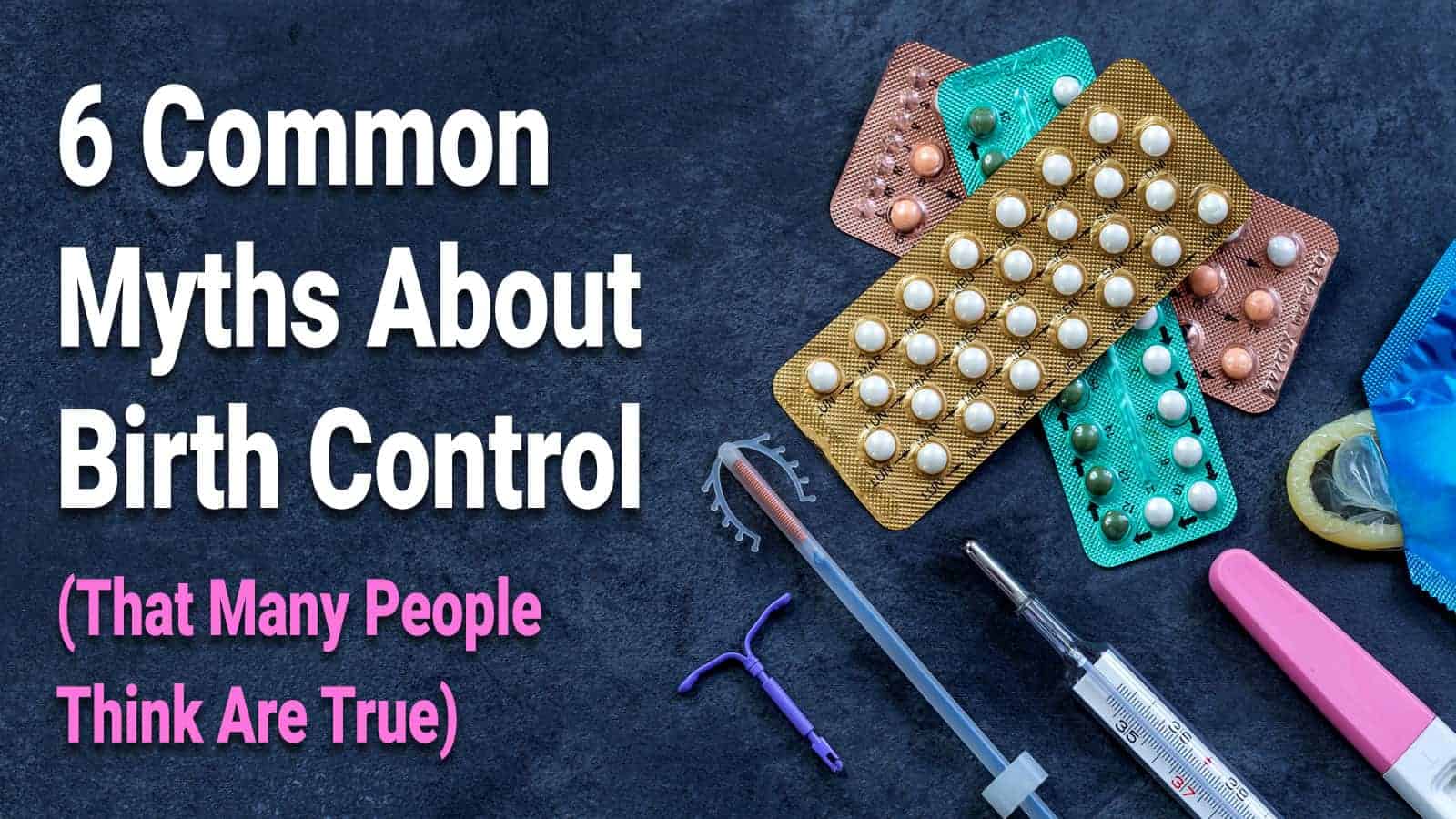
6 Common Myths About Birth Control (That Many People Think Are True)

Documentation of humans engaging in pregnancy-prevention techniques such as abstinence and withdrawal dates back to before 3000 B.C. When these birth control methods ceased to be reliable, those early people turned to condoms and spermicides made out of everything from fish bladders to linen cloth. (1.)

It wasn’t until 1960 that a woman named Margaret Sanger introduced the first oral contraceptive, called Envoid. In her mid-80s, she raised $150,000 for the research project and product development process.

Originally, the US Supreme Court approved oral contraceptives only for use by married women not looking to conceive. Regulations denied access to other women until new legislation overturned the law nearly a decade later.

THE INTRODUCTION OF IUDs

Intrauterine devices, or IUDs, came about in 1968 as an alternative to daily medication. In 1974, they were slowly removed from the U.S. market after a slew of lawsuits against one particular brand: the Dalkon Shield IUD. 

The 1980s and 90s saw rapid expansion in the types of birth control available. Introduced were drugs with low-dose hormones, the popular ParaGard IUD, contraceptive implants and injectables, female condoms, and the Plan B pill.

A new century dawned, and it brought forth even more contraceptive advancement in terms of availability, safety, and options. New treatment options such as the hormonal patch, vaginal ring, and female sterilization offered females even more methods to choose from. 

Today, birth control is widely available in America. But it remains a highly controversial and political topic. While undoubtedly effective at preventing pregnancy, each type of contraceptive also comes with many risks that doctors often don’t disclose to women. 

birth control

RISKS AND ALLEGED BENEFITS OF DIFFERENT CONTRACEPTIVE METHODS 

Oral contraceptives

Birth control pills include any combination of synthetic female reproductive hormones taken orally. There are over 30 different types available in the United States, most of which include 21 hormonally active pills and seven which contain no hormones. 

    • Pros 
      • Prevention of certain diseases such as benign breast disease, pelvic inflammatory disease, functional cysts, ectopic pregnancies, and certain ovarian and endometrial cancers. 
      • Women with a history of irregular menstrual periods can expect a bleed on the same week each month while taking the non-active pills. 
      • An effectiveness rate of between .1 and 5% depending on the accuracy of use.


  • Cons
    • Physical symptoms such as nausea, weight gain, breast tenderness, breakthrough bleeding, absent periods, headaches, depression, anxiety, and diminished libido. 
    • Increased risk of blood clots, especially among women who are over the age of 35, have elevated cholesterol levels, diabetes, high blood pressure, or are obese. 
    • There is also a loose correlation between oral contraception and breast and cervical cancers. 

Contraceptive implant

Known as Nexplanon, the contraceptive implant is placed in the upper arm and releases a slow, steady dose of progestin (the synthetic form of progesterone, a naturally-occurring female reproductive hormone.) It is generally very effective for up to three years. (2.)

  • Pros
    • Comparable to surgical sterilization in terms of effectiveness. Pregnancy rates increase from about .2% to .5% over three years. 
    • Women typically regain fertility shortly after removal. 
  • Cons
    • Physical symptoms include menstrual changes, weight gain, headaches, altered mood, growth of facial hair, and acne. 

Birth control patch

Under the brand name Ortho Evra, the transdermal patch releases estrogen and progesterone directly into the skin. It contains a one-week supply of hormones equivalent to the lowest daily dose of oral contraception. 

  • Pros
  • Failure rate of only one out of every 100 women. 
  • Women don’t have to remember to take a pill each day. Instead, they apply a new patch every week for three weeks and remove it on week four when they expect a menstrual cycle. 
  • Cons
  • Similar to those experienced by women taking oral contraceptives, in addition to skin irritation where the patch is placed. 
  • The patch may come off and go unnoticed. 

Vaginal ring

Vaginal rings deliver a combination of estrogen and progesterone, released slowly and absorbed through the vaginal walls. 

  • Pros
    • Fewer symptomatic side effects than oral contraceptives, implants, and patches with similar effectiveness. 
    • Like the patch, vaginal rings are left in for three weeks and removed for one, during which time menses are expected. 
  • Cons
    • If the vaginal ring happens to fall out for more than three hours, a backup form of contraception must be readily available in order to prevent pregnancy. 

Injection

Depo-Provera, or an injectable synthetic hormone, stops ovulation for up to three months by preventing the ovaries from releasing eggs. 

  • Pros
    • The shot doesn’t interact negatively with other medications and its effectiveness isn’t decreased in heavier patients. 
    • Failure rate of just .3% during the first year. 
    • Doesn’t produce the serious adverse side effects seen with estrogen, such as blood clotting. 
    • Lowers the risk for certain types of endometrial cancers. 
  • Cons
    • A delayed return to fertility after coming off the injection. 
    • Possible bone-density loss. 
    • Weight gain, depression, and menstrual irregularities that can persist for up to one year following the last injection. 

Intrauterine devices (IUDs)

IUDs are small, T-shaped plastic devices placed inside the uterus. Two types of IUDs are available: hormonal and copper. 

  • Pros
    • One of the most effective types of birth control available. Only eight out of every 1,000 women with an IUD will become pregnant within the first year of use. 
    • Constant protection with no need to remember anything. 
    • Low risk of side effects compared to other birth control methods. 
    • Longevity. IUDs can remain in place for up to ten years, and as such, are relatively inexpensive over time. 
  • Cons
    • Can only be inserted and removed by a trained professional. 
    • Can be spontaneously expelled, a phenomenon that most commonly occurs during menstruation. 
    • May perforate the uterine wall when inserted (this only occurs in 1-3 per 1,000 cases.) 

It is worth noting the Fertility Awareness Method is a free, non-hormonal alternative to contraception. This involves a woman tracking her basal body temperature and cervical mucus to determine when she is fertile. There are no risks to this method aside from unintended pregnancy. 

THE TOP 6 MYTHS ABOUT BIRTH CONTROL YOUR DOCTOR MAY HAVE TOLD YOU 

1: It regulates hormones and menstrual cycles

This is likely the most common myth regarding birth control. Here’s what happens. Women go to their doctors complaining about irregular menses, painful periods, acne, or a number of other symptoms associated with menstruation. The doctor writes a prescription for the pill. While it may induce a monthly bleed and reduce unwanted symptoms, birth control is by no means a solution. In fact, it doesn’t address the underlying issue. (3.)

2: It heals endometriosis. 

Endometriosis is a condition characterized by heavy periods and debilitating pain during menstruation. Women are offered birth control to ease these uncomfortable symptoms, but again, it is only a band-aid covering up the root cause. While the research about this disease is minimal, what experts know at this point is that it appears to be autoimmune in nature. This means focusing on gut health and reducing inflammation are helpful to reduce symptoms naturally. 

3: Fertility returns immediately after stopping 

Many doctors assure women that they’ll have no problems conceiving after coming off the pill, but this false hope often results in heartbreak and confusion. On average, a woman can expect to wait 3-6 months post-pill before consistently ovulating again. – in rare cases, it can take as long as eighteen months. 

4: It increases progesterone

Progesterone is a vital hormone that reduces anxiety, increases focus, and improves PMS symptoms. It is only produced after ovulation, which doesn’t occur on birth control. Instead, the pill contains a synthetic version known as progestin. Progestin does not offer the same benefits as progesterone, and in fact, is associated with an increased risk of depression. 

5: You need to have a period while taking birth control

It is impossible to have a true period while on birth control. Instead, women experience what science calls a withdrawal bleed. This is a shedding of the uterine lining triggered by the cessation of hormone ingestion during the sugar pill week. However, it doesn’t offer any of the benefits of a natural period.

6: There are no symptoms associated with stopping the pill 

Something called Post-Birth Control Syndrome is a myriad of unpleasant symptoms that can arise when a woman stops taking the pill. She might experience a return of previously suppressed symptoms or new issues that weren’t present, to begin with. 

birth control

FINAL THOUGHTS ON THE TOP 6 MYTHS ABOUT BIRTH CONTROL 

Millions of women take the birth control pill, but often for reasons other than its intention: preventing pregnancy. Doctors routinely prescribe the pill to suppress unpleasant symptoms such as acne and painful periods. However, it’s far from an ideal solution. 

Doctors tell their patients that birth control regulates hormones, increases progesterone, and doesn’t cause any issues to arise after stopping. These are the top six myths about the pill. In reality, each is a band-aid that covers up the root cause of symptoms that can often be managed with lifestyle changes. 

10 Foods That Help You Recover from Lyme Disease

Lyme disease prevention and treatment are all about feeding your body with healing foods. These foods are filled with essential vitamins and nutrients that help to improve your overall health while allowing your body to better recover from the effects of Lyme.

The Lyme Recovery Diet

As Lyme triggers inflammation in the body as well as digestive issues, anyone with Lyme has to be as careful as possible to focus on filling their diets with healthy, anti-inflammatory foods.

Foods to Eat for Lyme Disease Prevention

Healthier eating is the key to better health as you recover from Lyme disease. While each body will have its own set of foods that they are compatible with it, there is a list of doctor-approved foods that are a must for anyone working on Lyme disease prevention or recovering from this disease. The following guide details important foods to eat during this time:

1. Water

When it comes to the best foods that are ideal for preventing Lyme disease, water is number one. As the human body is composed of 60% water, making it a priority to consume the required amount of water will help your body fight any illness as it will work to ensure your body is functioning in its prime.

Not sure how much water your body needs when recovering from Lyme disease? When drinking water, it’s best to consume room temperature water as the body will absorb it faster, leading to higher levels of hydration.

In addition to preventing dehydration, drinking more water will improve your body’s detoxification abilities. As Lyme patients accumulate excess amounts of toxins, it’s incredibly important that they increase their water intake to flush the toxins out of their bodies.

2. Leafy Greens

Leafy greens like kale, spinach, lettuce, broccoli and the like are all incredibly important for individuals recovering from Lyme. Lyme patients need to improve their intake of minerals and vitamins ad the best way to do this is to fill their diet with leafy greens that are high in nutrients.

These leafy veggies offer incredible benefits like heart protection, increased energy, and an improved immune system.
The darker green vegetables in particular offer individuals more concentrated nutrients than other types of veggies.

Improving one’s immune system is particularly important for Lyme patients. Vegetables that are high in beta-carotene like spinach, kale, and lettuce are especially helpful for increasing your body’s ability to fight infections.

These veggies also give a boost in energy that is an absolute must for recovering from Lyme as one of the most unforgiving symptoms of this disease is the excessive fatigue it brings. Thanks to these veggies, you’ll be able to add some energy to your daily diet.

3. Sunflower Seeds

While many people love snacking on sunflower seeds, these tasty snacks actually are an important part of the Lyme diet. These seeds are high in Vitamin E and are effective in increasing one’s antibody responses.

As such, sunflower seeds are powerful immune boosters that help your body bounce back after fighting Lyme. This delicious snack can be added to almost any of your favorite meals to help you boost your intake of this important vitamin.

4. Salmon

High in omega-3’s, salmon is a fatty fish that can do a world of good for all recovering Lyme patients. Known to reduce inflammation, making salmon a regular part of your diet is an excellent way to increase your intake of important nutrients.

In addition to its fatty acid content, salmon is an important source of protein that will help you build up your health after Lyme. With less saturated fat than popular protein sources, salmon is a great food option for improving heart health and promoting positive mental health.

5. Kimchi

Kimchi, the Korean dish that is made with fermented cabbage is another important food for fighting Lyme disease. As kimchi helps to produce good bacteria.

This good bacteria is helpful as you work to repair your gut in your recovery process for Lyme disease. While most people don’t understand exactly what their gut does, many of the negative symptoms associated with Lyme can be traced back to the gut.

Everything from depression and headaches to chronic pain and fatigue can be affected by the state of your gut health. By prioritizing your gut health and eating more kimchi, you’ll be able to reduce the effects of Lyme and improve your overall health.

6. Turmeric

Whether you’re using the spice when cooking or you take a turmeric supplement, this ancient antiinflammatory spice promises to benefit anyone working to recover from Lyme.

As a treatment for Lyme, this spice will help to lower one’s risk of bacterial infections and relieve other symptoms of Lyme. With this all-natural Lyme treatment, experts say that this spice will also work to relieve any arthritis joint pain commonly associated with Lyme.

7. Chickpeas

Whether you are eating hummus or adding these chickpeas to your meals, doing so will help to improve your overall health after Lyme.

These popular legumes are a great way to help your body recover after Lyme. Chickpeas are full of the important Vitamin B6, which helps to improve your body’s immune response.

It’s easy to add this food to any meal, which makes it one of the most popular foods to consume while healing after Lyme.

8. Sweet Potatoes

Whether you bake the sweet potatoes or heat them up in the microwave, adding this veggie to your diet is a great way to combat the effects of Lyme.

As sweet potatoes are high in Vitamin A, they make it easy to boost your immune support. According to experts, vitamin A in sweet potatoes plays a significant role in fighting any infection as a deficiency in this essential vitamin has been linked to impaired immunity.

9. Stevia

Stevia is a natural sweetener that is also viewed as an effective food to fight Lyme as this sweetener can kill the bacteria species known for causing Lyme.

This sweetener kills the borrelia burgdorferi bacteria that will otherwise wreak havoc on your body. Though stevia has predominantly been tested on isolated bacteria in certain studies, many Lyme patients swear by this treatment.

Additionally, experts note that stevia is a biofilm disruptor, which means that this natural sweetener works to fight the biofilm produced by Lyme bacteria.

10. Garlic Essential Oil

Garlic oil has proven to be effective in killing Lyme bacteria. This medicinal oil also helps to alleviate the common symptoms associated with Lyme. Some statistics even how these natural treatments are even more effective than typical antibiotics Lyme treatment.

Foods to Avoid When Treating Lyme

Just as you need to eat very intentionally while treating Lyme disease, it’s also necessary to avoid eating foods that will trigger or aggravate Lyme bacteria. The following foods should be avoided when recovering from Lyme:

1. Sugar

Experts say that bad bugs like Lyme and candida feed on sugar. Others link one’s sugar intake to the suppression of the immune system.

As sugar and sugary foods will ultimately take its toll on the immune system, Lyme patients need to stay away from sugar.

2. Grains and Gluten

As grains or products with gluten are often genetically modified and heavily processed, they should be avoided. For individuals working to recover from Lyme, it’s important to completely eliminate any grains and gluten from their diet.

Many Lyme patients report that they feel better overall after they cut out grains and gluten from their diet.

Additionally, experts have linked grains to issues with cognitive function as well as a leaky gut.

3. Dairy

Non-organically sourced dairy is to be avoided for those with Lyme. If you are sensitive or allergic to dairy, it’s best to avoid any dairy products altogether.

Clean dairy products can be part of the Lyme diet as long as they aren’t causing any added inflammation.

4. GMOs

High in pesticides and generally unhealthy, GMOs have been linked to inflammation and should not be included in any Lyme patient’s diet. Typically, the most commonly modified foods are cotton, canola, soy, and corn.

Caffeine and Alcohol

Excess stress on the body will lead to dehydration, which will work against your attempts to recover from Lyme. It’s best to steer clear of alcohol and caffeine as they are diuretics that may lead to dehydration if you aren’t careful.

5. Trans Fats

Trans fats are unhealthy as they negatively affect the heart and should be avoided as much as possible. For Lyme disease prevention, it’s import to read labels to make sure one avoids consuming these trans fats.

6. Unhealthy Saturated Fats

Saturated fats that come from meats that are grain-fed tend to be inflammatory. Moreover, these fats contain antibiotics and hormones that will work against your attempts to recover from Lyme.

lyme disease recovery

When looking for healthy saturated fats, opt for the kind that comes from grass-fed meats.

7. Processed Foods

Processed foods contain a significant amount of chemicals to help increase their shelf life. These ingredients can be particularly harmful to anyone treating Lyme and should be avoided.

8. Foods with Dyes, Colors, and Additives

Foods that have unnatural dyes, colors, or additives have all been linked to health concerns. Moreover, as these additions are all man-made, they won’t benefit your body in the same way natural foods will.

Final Thoughts on Lyme Disease Prevention

For those dealing with Lyme, eating the right foods is the first step in finding your way back to feeling as healthy as you did prior to Lyme’s symptoms. While eating properly isn’t the only way to treat Lyme, it is absolutely essential that you consume food that will work to heal your body rather than hurt it.

Keep this guide in mind as you work to treat Lyme and heal from its symptoms. With consistency and the right food choices, you’ll start noticing how this careful and intentional diet positively transforms your life.

kale

Love us? Pin us!

Skip to content