Weekly tips, affirmations, and small actions to feel your best.

10 Natural Remedies to Soothe Acute Heel Pain

The heel is the largest bone in the foot. And when heel pain strikes, you know it in short order.

An Overview of Heel Pain

Damaging or overusing your heel may cause pain to develop. Plantar fasciitis, or pain that radiates from beneath the heel, is the most common source of heel pain. Achilles tendinitis is characterized by:

  • Pain that occurs on the inner or outer side of the heel.
  • Pain that occurs behind the heel.

Most people explain that the pain tends to start mild and progress in severity over time. In some cases, it resolves without intervention. In others, the pain may become chronic and debilitating. Treating pain early is important in preventing it from becoming severe. But how?

If your heel starts to feel a little achy, check out these natural remedies to soothe heel pain.

10 Natural Remedies to Soothe Heel Pain

1. Ice

Ice is a common natural remedy for treating inflammation. There are several ways you can use ice for pain, such as:

  • Ice pack. Make an ice pack by filling a plastic bag with ice or a package of frozen vegetables. Wrap a towel around the bag and apply it to your heel for 15 to 20 minutes, three to four times a day.
  • An ice bath. Make an ice bath by filling a shallow pan or tub with ice and water and soaking your heels for 10 to 15 minutes, several times a day. It is important that your toes stay out of the water to prevent frostbite.
  • Ice block. Make an ice block by filling a small foam or paper cup with water and freezing it. Rub the ice block over your heel for five to 10 minutes, several times a day.

2. Stretches to Relieve Heel Pain

Stretching your foot and calf can soothe pain caused by plantar fasciitis. Simple foot stretches and exercises ease pain, strengthen muscles, and improve flexibility in the foot. Stretches and exercises to try include:

  • Rolling stretch
  • Calf stretch
  • Foot flex
  • Picking up marbles
  • Towel curls

Stretching is one of the best remedies not only for soothing pain but also for preventing pain. When performing these exercises and stretches, you should not feel any additional pain. Complete these stretches two to three times a day for maximum relief.

3. Lavender Essential Oil

Essential oils are found in different parts of plants and are extracted through a process called steam distillation.

Research suggests that some essential oils, such as lavender, can help soothe pain and inflammation.

A 2015 study revealed that lavender essential oil might be an effective anti-inflammatory agent and analgesic. When diluted and applied topically, the lavender essential oil was as effective in relieving pain as prescription pain medications.

4. Flaxseed Oil

More than half of the fatty acid found in flaxseed oil is alpha-linoleic acid (ALA), an omega-3 fatty acid. When ingested, ALA converts into docosahexaenoic acid (DHA), a powerful omega-3 fatty acid, and eicosapentaenoic acid (EPA). When taken for a month, the ALAs found in flaxseed oil significantly diminished some markers for inflammation.

There are several ways to mix flaxseed into your diet, including:

  • Add ground flaxseed to your salad
  • Mix flaxseed oil into an egg, tuna, and chicken salad.
  • Roast vegetables in flaxseed oil.
  • Replace half of the oil or butter in a recipe with flaxseed oil.
  • Coat cooked pasta in flaxseed oil.
  • Add ground flaxseed to your smoothies, cereal, and oatmeal.
  • Mix flaxseed oil, vinegar, and Dijon mustard to make a vinaigrette.
  • Use whole or ground flaxseed in your bread recipes.

People who take blood thinners should avoid taking flaxseed oil because it may increase bleeding. People who take medication to reduce their cholesterol should also take caution with flaxseed oil, as it may cause levels to decrease too far.

5. Weight Loss

Extra weight means extra pressure on your heel. If you are overweight, shedding a few pounds reduces the amount of pressure on your plantar fascia. Consult with your doctor to develop a weight loss plan that focuses on routine stretching, regular exercise, and a balanced diet.
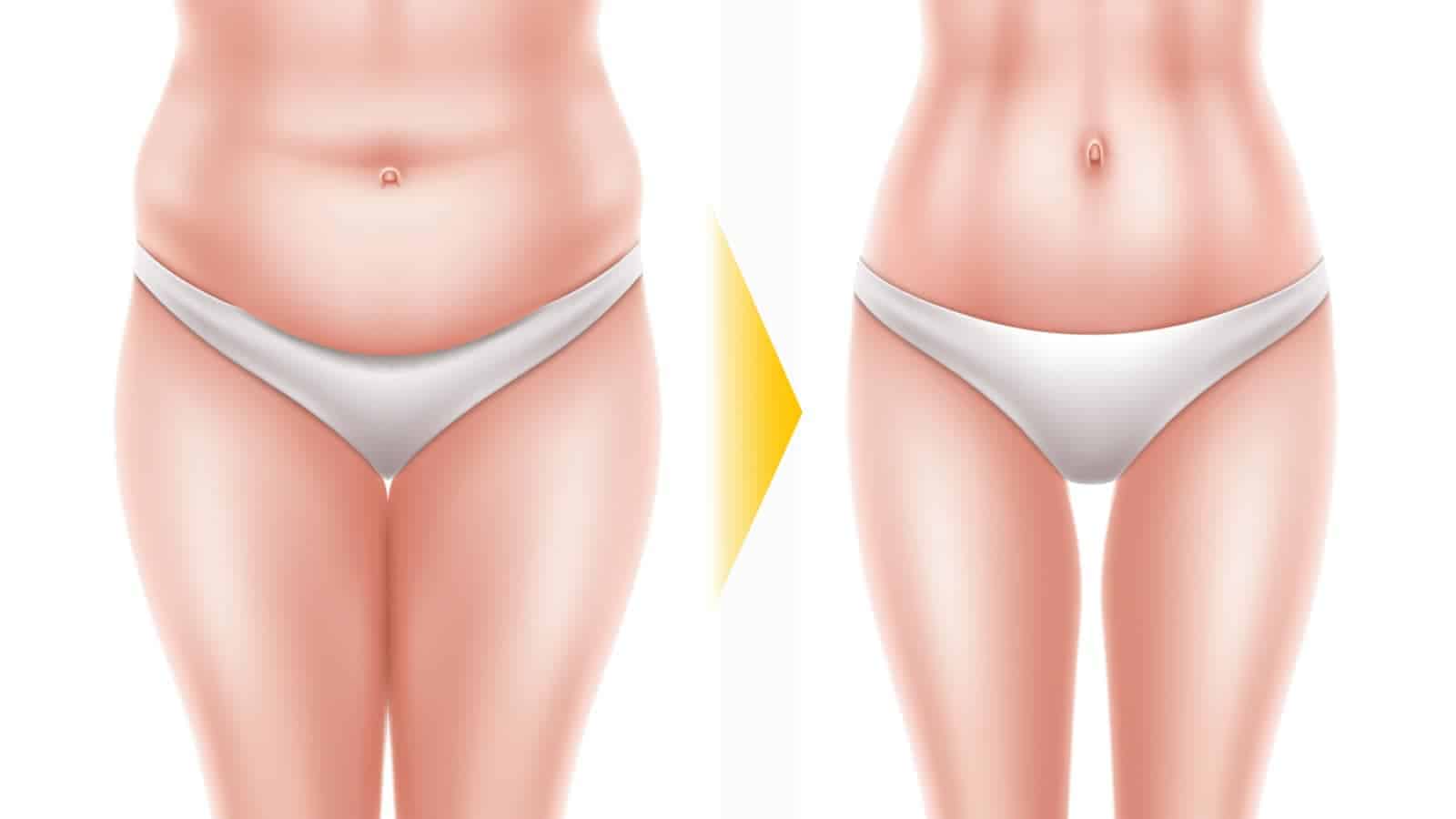
weight loss

6. Supportive Shoes and Orthotics

If you are suffering from heel pain, then you may need to look at your shoes. If you are on your feet often, shoes with low heels and proper arch support should be a staple in your closet. Supportive shoes help prevent inflammation in your heels.

Orthotic shoe inserts are another option to consider. They help distribute weight evenly, especially if your feet have high arches. Shoe inserts and foot pads are readily available over the counter at most pharmacies but can also be custom made for your foot type.

7. Massage

Massages are one of the best natural remedies to soothe pain anywhere on the body, especially your heels. Simple massage techniques help ease pain and can be done almost anywhere, whenever your heel is in pain.

Before beginning your massage, make sure that you are seated comfortably and able to hold your foot with both hands. Using your thumbs and start at the balls of your feet. Then, massage your heels in a circular motion up towards your heel. Aim to apply as much pressure as you massage, ensuring that you do not cause additional pain. You can also try rolling a golf ball, tennis ball, or frozen water bottle underneath your heel and arch of your foot.
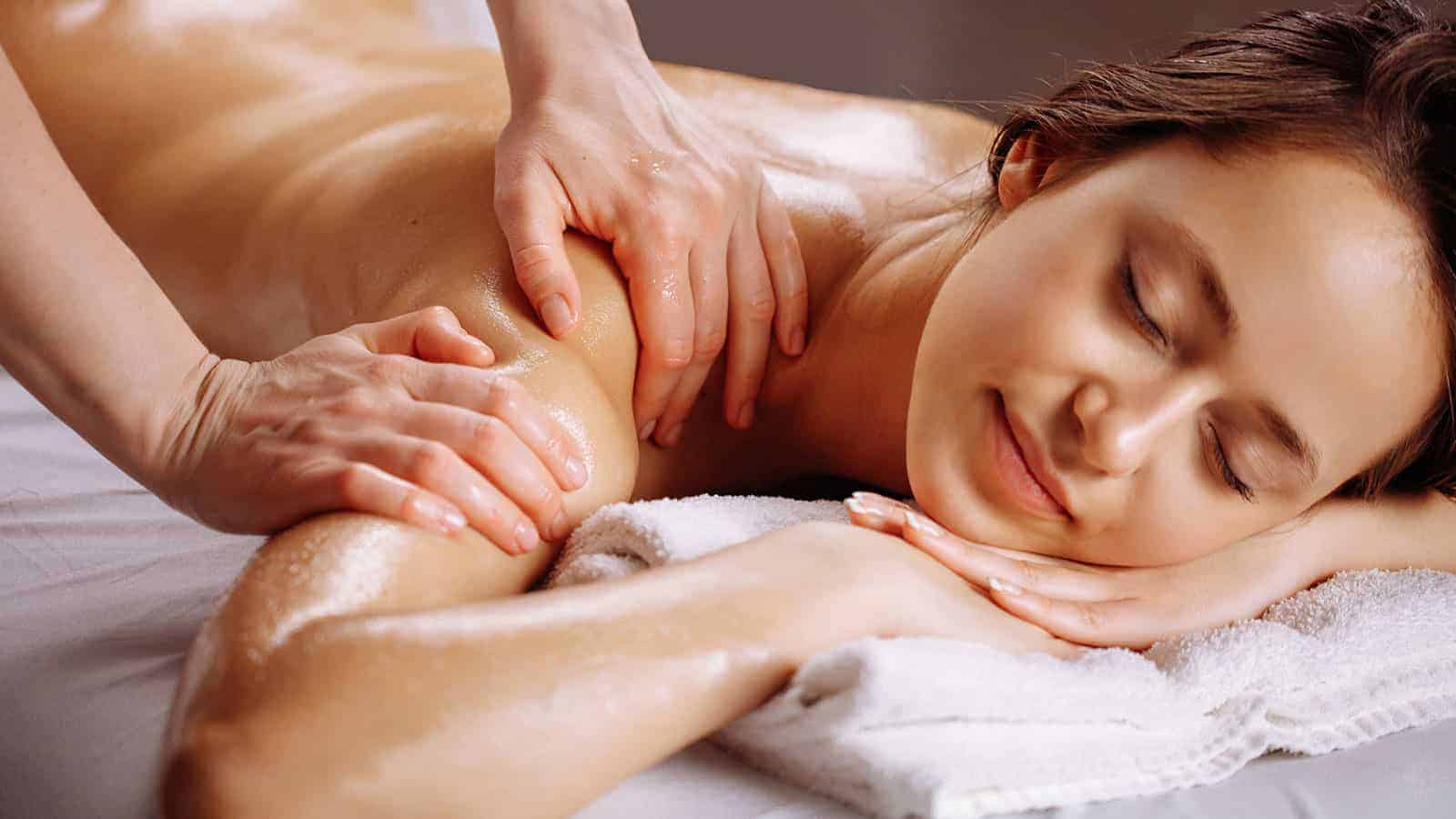
Massage therapy to relieve heel pain

Massages help relieve pain by:

  • Improving blood circulation
  • Invigorating blood flow
  • Diminishing pain signals
  • Stretching and relaxing tight tendons and muscles

8. Rest

Natural remedies for plantar fasciitis can be as simple as giving your feet a break. Pain may indicate that your feet need some time to rest, especially if you are on your feet all day or play high-impact sports.

Your feet need a chance to rest to reduce inflammation and promote healing. In the meantime, try low-impact activities such as cycling or swimming. These activities strengthen your lower body, which helps diminish reoccurring pain.
heel pain

9. Night Splints

Night splints help soothe the pain by stretching the arches of your feet and calves overnight. People tend to sleep with their feet pointed down, which compresses the Achilles tendon and plantar fascia. Night splints keep the feet at a 90-degree angle, giving you a nice, continuous stretch as you sleep.

Night splints are an effective natural remedy for people experiencing plantar fasciitis for at least six months. Once your pain is gone, you can stop using the splint. They are typically used for one to three months and are available in both soft and hard mockups.

10. Anti-inflammatory Foods

“You are what you eat.”

We’ve all heard this before, but there is evidence to support this claim. Experimental research suggests that certain components of foods and drinks have anti-inflammatory properties. These foods help ease pain by reducing inflammation on a cellular level – from the inside out.

Anti-Inflammatory Diet to reduce heel pain

According to Harvard Medical School, foods that reduce inflammation help reduce chronic disease, such as plantar fasciitis. Anti-inflammatory foods to include in your healthy meal plan include:

  • Fatty fish (tuna, mackerel, sardines, salmon)
  • Green leafy vegetables (kale, collards, spinach)
  • Fruits and berries (cherries, strawberries, oranges, blueberries)
  • Nuts (walnuts and almonds)
  • Tomatoes
  • Olive oil

Foods to avoid or remove from your meal plan include:

  • Red meat (steaks, burgers)
  • Processed meat (sausages, hot dogs)
  • Refined carbohydrates (white bread, sweets, pasta)
  • Soda and sugar-sweetened drinks
  • Fried foods
  • Margarine

Final Thoughts on Relieving Your Heel Pain

Heel pain commonly occurs when the plantar fascia becomes inflamed. In general, the pain from plantar fasciitis is typically worse in the morning or after sitting for a long time. It tends to worsen after spending a lot of time on your feet.

The risk of plantar fasciitis is greater if you:

  • Are between 40 and 60 years old.
  • Are female.
  • Carry extra weight.
  • Have high foot arches, flat feet, or tight Achilles tendons.
  • Spend many hours standing on your feet.
  • Wear high heels often.
  • Have an abnormal foot position or walk.
  • Wear old, worn-out shoes.

There are many natural therapies for treating pain, including using splints, eating an anti-inflammatory diet, losing weight, stretching, and resting. Starting treatment early is critical to preventing the condition from progressing or becoming chronic. What other natural remedies have you tried?


Counselors Explain Why A Visualization Board Helps You Reach Goals

The mind is a powerful organ, and the power of suggestion, positive thinking, and goal setting is real. It is no secret that we can shape our reality with our thoughts. Creating a tangible representation of our life’s hopes and desires is one of the best ways to manifest our goals and see them come to fruition. Crafting a visualization board is one of the most effective ways to achieve this.

Harnessing the Law of Attraction

The Law of Attraction states that our reality is based on our thoughts and what we focus on most. We attract into our life what our brain is telling us to attract. Most people have an internal script that shows them how to view and process the world. If that script is positive, you will manifest positive outcomes in life. Surrounding yourself with positive people, repeating daily positive affirmations, and creating vision boards will help you to reach your goals and create the life that you will be excited about living.

Every day, we put out energy into the universe, and we take in power from the world around us. The energy we circulate determines our life’s path. While we can’t control everything that happens to us, we do have the power to manifest good or bad things into our lives. The thoughts in our head, the company we keep, and the way we react to life all have a role in shaping our destiny.

What Are Vision Boards?

A vision board, or “visualization board,” is a physical poster that contains photos and other physical representations of the life you want. Most people take a hard poster board and cut out pictures of what they want in their lives. Some people paste pictures of cars, homes, and material items. Other people stick on pictures of babies, experiences, and trips.


The whole purpose of the exercise is to take the goals that are in your head and make them exist in the real world, if only on paper at first. The idea is that they will eventually become a reality because the visual representation is telling your brain exactly what to strive for and work toward.

The Power of Intention

Most people don’t live by intention. They operate on a sort of “life autopilot,” in which they go through the motions without thinking deliberately about what they want in life. Your visualization board will force you to make your intentions clear. First, examine what it is you want from your life. Be specific. In creating your vision board, you are giving your brain a command.

To carry out this command, it has to know exactly what to look for. It’s not enough to put money on the vision board. You have to tell your brain, “I want a job that offers me a $30,000 a year raise,” and find images that fit that exact vision.

Power of intention - Visualization Board

Our brains tell our bodies what to do. Whenever we plan to take action, our minds practice this action in our head first.

Going to the airport in a week? Your brain is already thinking about the route beforehand. When we tell our brain what it is we want, our brain starts taking steps to make it a reality.

Conversely, if we focus heavily on what we don’t want, our brain will get the signal to manifest that right into our lives. When creating your vision board, be intentional. Tell your mind precisely what you want it to do and start putting your positive energy out into the universe.

Plan Out Your Board in Advance

Think about what you want to put on your board and write it down on paper. Consider the message you want to send the universe. Your vision board will likely include your goals for the following areas of life:

Career Goals

-Family Life

-Personal Values

-Health

-Learning

-Love and Romance

-Leisure Time

Smart goals - Visualization Board

Learn more about the Law of Attraction and planning for your success.

Decide whether you want to create one board with everything on it or multiple boards for different areas of your life. Make sure that your vision board doesn’t contain conflicting ideas that will confuse your brain and the universe. If you add photos of a home and a family to your board, then add pictures of a person solo traveling around the world, you’re going to confuse the universe about what it is that you want. If you prioritize leisure time on your board, then also paste pictures of a high-stress, time-consuming career, you will make the universe confused with this conflict.

Carefully Select Your Materials

Some people create an online visualization board to visualize their goals. This is less effective than a physical board that you can see and touch daily. Think about where you will put your vision board before you shop for materials. Do you have space for a large board?

Think about the color of your board. Different colors convey different emotions. Red means action and decision. Red is an assertive color and perfect for hard-charging goals. Green usually represents stability, earth, and money. Blue can convey calmness, rational thinking, and peace. Use a blue vision board when your goal is to have a more relaxing and peaceful life.

Decide whether you want to use magazine clippings or photos on your board. Your board may also contain newspaper clippings, quotes from the Internet, and book pages. You can handwrite messages on your visualization board as well. The way you design is entirely up to you.

Create Your Vision Board

After planning out your board and gathering your materials, you can create your vision board. Choose a time when you won’t be interrupted, and you can be as relaxed as possible. Some people drink tea or light incense while creating their visualization board. The key here is that you have to be in a positive mood with little to no stressors distracting you.

Visualization Board

Start thinking of precisely what you want. Be specific in your mind. Think of the exact home you want, down to the color of the paint and the plants in your front yard. Think of yourself as placing an order into the universe that it has no choice but to fulfill.

While most people create their boards in one shot, you can take as much time as you need to complete your visualization board. When you have completed it, display it in a part of your home that you frequently pass so that it stays at the forefront of your mind.

Vision Board Parties

Some people host parties at their home, school, or place of worship to create vision boards. Creating your vision board in a communal environment has its benefits and drawbacks. The most significant advantage is that you get positive feedback from the other people in attendance. Speaking your goals aloud also adds a degree of accountability. Your friends will know that you are trying to craft a specific life, and they may encourage you, keep you on track and send new opportunities your way.

law of attraction

Creating your vision board with an audience can, however, be detrimental to your goals. Other people can discourage you from your goals, both intentionally and accidentally. If you’re planning to take a year off to travel the world, other people may say that your goal is unrealistic or that you’ll run out of money. Also, seeing other people’s vision boards can make you feel inadequate or foolish. You may think that you’re either aiming too low or too high with your goals.

If you are confident and secure, you may find vision board parties are a fun way to start dreaming of your goals and putting them into action. It’s also an excellent way to save on the cost of materials, making your vision board a more economical project.

Final  Thoughts: Why Do Vision Boards Work?

Many people wonder why vision boards work in the first place. After all, they’re just photos on a poster board. Many people fail to realize that the power of suggestion, the Law of Attraction, and the power of the mind all work together to craft the life that we want. Vision boards, however, are not magic genies. You can’t just paste pictures on a board and hope for the best. They are simply a tool to help you visualize what it is that you will be working on in your daily life.

Vision boards are most effective when used as an overall strategy in changing your life. If you are hoping to buy a home, you should include photos of the home you want on your board. Besides, you should also be doing the work necessary to secure that home. The vision board works to keep your goal at the forefront of your mind so that you don’t lose sight of it.

When used in combination with real-world efforts, vision boards can harness the Law of Attraction and the power of positive thinking to help you lead a life of intention. Whether you are trying to bring love into your life, see the world, or start a new business, creating a vision board is an effective way to make your life’s dreams a reality.

4 Japanese Mind Concepts That Can Maximize Your Potential

If you know anything about Japanese culture, you know how deep it is. Indeed, it is a fascinating place with fascinating people. From the Samurai, ninjas, and Geishas, to anime, sumo wrestling, and Zen archery, Japan is a cultural anthropologist’s dream.

The Japanese also possess an incredibly unique mindset, which, due to relations early in the nation’s history, is heavily influenced by Chinese culture. Today, we can see many similarities between both countries regarding customs, philosophy, and religious and familial piety.

In this article, we will focus on four Japanese concepts of mind that are both empowering and transformative. Studied and practiced correctly, these philosophies will allow one to fulfill their highest potential.

Let’s get to it!

Here are four Japanese mind concepts that can help you to maximize your potential. In parentheses is the Japanese word for the term.

Immovable Mind (Fudoshin)

Imagine that you’re of a Samurai warrior in war-torn feudal Japan. The whole deal is the horned helmet, thick, hockey-like armor, and razor-sharp katana sword. When fighting with another clan (which was constant in those days), you’re required to stand face-to-face (or rather, mask-to-mask) with another warrior. Furthermore, the opponent is often just as well-trained and just as fierce.

For over six centuries, Samurai often found themselves in such a very do-or-die scenario. How could they: (a) subject themselves to the threat of near-constant death and (b) come out victorious time and time again?

It bears repeating that all Samurai were elite warriors. You couldn’t even think about becoming one unless you’d proven such. Once you get to an elite level – in any endeavor – it’s often the intangibles that determine the outcome.

So, how did the victor find an edge?

Again, the difference is the state of one’s mind.

Fudoshin is the Japanese term for “immovable mind” – a mind of equanimity and imperturbability. It’s a philosophical or mental dimension in Japanese martial arts, contributing to the advanced practitioner’s effectiveness.

There’s a Japanese saying, “When the mindfulness of a samurai warrior fails, he loses his life.” In other words, in the face of death, an individual can not afford to drop their guard.

Okay, so you’ll probably never face the sharp side of a Katana sword. Nevertheless, developing Fudoshin – a keen sense of level-headedness in all situations – is a powerful means of achieving your highest potential and living your best life.

Fudoshin can be applied to pretty much any area of your life. If you have a chore, see it through to the best of your ability; if you told someone, you’d call them back, then call them again, and do so with a mind of evenness. More importantly, it brings a sense of serenity and clarity to every task, large or small.

Mind without Mind (Mushin no shin)

Have you ever seen the movie ‘The Last Samurai’ with Tom Cruise? If so, you probably remember the scene when Cruise’s character, Nathan Algren, is practice dueling with the clan’s most skilled swordsman. Algren, a novice swordfighter, pretty much has no chance. Algren is being handled quite easily by the master (much to the chagrin of a heavyset samurai who keeps losing money by betting on Algren’s skills – an epic and funny scene).

At one point, when Algren is on all fours from the beating he’s taking, a young samurai compassionately runs to him, kneels, and says, “Too many mind.” Algren, confused, asks, “Too many mind?” To which Nobutada, the young Samurai says, “Hai [Japanese for ‘Yes’]. Mind the sword, mind the people watching, mind the enemy. Too many mind… No mind.”

mind concepts

The young warrior was telling Algren that to overcome his opponent. He must clear his mind, which is getting in the way and causing him to lose repeatedly. There is, in other words, no room for thought in battle.

So what does Algren do?

After losing (again), he closes his eyes, relaxes his grip, releases the tension in his body, and acts. The next battle between the master samurai and Algren ends in a draw, which immediately garners the respect of everyone in attendance.

The message: Trust yourself.

If you prepare the best you can, it is unnecessary and counterproductive to put excess strain on your mind and body. The seeds of your efforts take root in the subconscious. So, when the time comes, you can simply act.

trust yourself - mind concept

Work is an excellent time to practice no-mind.

Work-related stress is the leading cause of unhappiness for most people. Why? Because we’re always tensing up and stressed out about it. We’re worried about our performance, that promotion, our boss, that pay raise – when all we need to do is act and let things be.

Or how about when we’re stuck in traffic? How nice would it be not to ruminate and give your mind a much-needed rest? So do it. You don’t need to ‘do’ anything.

That’s the beauty of Mushin no shin.

Beginner’s mind (Shoshin)

“In the beginner’s mind, there are many possibilities. In the expert’s mind, there are few.” ~ Shunryu Suzuki

Beginner’s mind, or Shoshin, is a Zen Buddhist philosophy that refers to possessing an open, eager, and non-conceptual mind in any situation, especially when learning a new subject. The underlying rationale for Shoshin is that our brains are filled with preconceived notions that can hamper development and stunt potential.

With a beginner’s mind, we are open to every possibility – every input – without self-judgment or self-limitation. As we get older and accumulated more and more knowledge, however, many of us come to fancy ourselves as know-it-alls.

Two psychologists have donned this misplaced know-it-all mentality the Dunning-Kruger effect. While we’re all guilty of being Dunning-Kruger’s, the result is especially pronounced in the less gifted.

Or, as Justin Kruger and David Dunning put it, “…people who are unskilled…reach erroneous conclusions and make unfortunate choices, but their incompetence robs them of the metacognitive ability to realize it.”

Overestimating one’s abilities not only the individual but society as a whole. Too often, these people end up in positions of undue influence where their ineptitude is capable of inflicting real harm on innocent people.

Sharper folks are also prone to cognitive bias, but they’re more likely to underestimate rather than overestimate their abilities. In short, they are more likely to suffer from low self-confidence.

This is where the Japanese concept of Shoshin can help.

In essence, everyone starts on equal footing. We hold no biases about our ability or lack thereof. When we think this way, we open our minds to more opportunities without being swayed by our often-misplaced perception about what we’re capable of – which is much more than we think.

Habits that can damage your brain

So, when learning something new, empty your mind of any preconceptions. Assume nothing and allow your mind to receive the teachings.

When listening to someone who holds a different opinion than you, use it as an opportunity to expand your horizons by hearing them out with a mind of Fudoshin.

Develop a beginner’s mind, and you will reach your potential.

Finishing Mind (Zanshin)

If you know anything about golfing, you know not to assume anything until the ball is in the cup. Why? Because, out of all the sports, golf is probably the most unpredictable. Even the slightest mistake can sink the entire match. (The writer’s convinced that golf is voodoo disguised as a legit sport.) For those who want to increase their chances of success in the golf course, they can invest their time practicing with the aid of equipment like a custom golf simulator.

mind concepts

The best golfers – and the most successful people – have what is called zanshin, or finishing mind. Zanshin is, quite simply, the laser focus that allows one to finish 100 percent of the task – whatever that may be – without becoming complacent.

In short, it’s finishing what you start. It’s also doing your best in any given task.

In this sense, multitasking is perhaps the single most significant barrier to a mind of zanshin. The mistaken belief that we can somehow attend to two demanding responsibilities at once without compromising quality is both ubiquitous and foolish.

Achieving zanshin is only possible if one is wise with their attention.

When you are spending time with family, just spend time with family. And when at work, focus on the job. When eating or working out, eat, or do your workout.

Don’t zone out. But don’t be to tight with your mind either. Achieving concentrated attention is a delicate balance between relaxation and focused energy. When you strike just the right balance, that’s zanshin.

12 Natural Blackhead Remedies To Try At Home

It can be such a hassle to look in the mirror and notice imperfections that involve your skin. A lovely complexion can make you feel like a million bucks. One that’s full of blackheads, pimples, and the like, however, is a whole other story. Thankfully, these 12 natural blackhead remedies can do a lot for people who want to banish pesky blackheads for good. So you don’t have to tolerate these irritating sebum plugs for too long.

Try These 12 Blackhead Remedies and Skip the Drugstore

1. Try Honey

Honey isn’t just a wonderful ingredient in sweet desserts of all kinds. That’s because it can also combat unpleasant blackheads that are taking up precious real estate on your face. It does away with blackheads. It simultaneously calms and hydrates the complexion. Put raw honey on your face after cleansing and drying it thoroughly. Let it remain on your complexion for roughly 20 full minutes. After that, you can wash it away using warm H20.

2. Use Water and Baking Soda

You may be able to banish blackheads using other things that are often inside of kitchens. Baking soda can counteract imbalances of pH levels within the complexion. It also sloughs off old and dull skin cells. It can even extract debris. Blend a couple of baking soda tablespoons with a couple of water tablespoons. This mask can create a paste of sorts. Put it straight on your visage. Use warm water to wash it away after the fact. Don’t forget to hydrate your skin thoroughly when all is said and done. Since this blend is potentially drying, you should utilize it a maximum of three times weekly.

3. Go for Tea Tree Oil

Tea tree oil can do wonders for people who want to say goodbye to frustrating blackheads. Put this oil straight onto parts of your face that have blackheads. It can do a lot for blackheads that pop up on noses and chins. How does it operate? It eradicates bacteria. You can utilize this oil in essential oil form if you wish. It’s also accessible in a wealth of creams and soaps that you can find on the shelves of your local drugstore.

4. Take Advantage of Lemon Juice

Lemon juice can get rid of lifeless skin cells. It’s an astringent that’s natural as well. That’s how it eliminates blackheads. You can utilize cotton wool as a means of putting lemon oil onto a fresh face. Do this before sleeping at night. Focus on the part of your face that has the most blackheads. Let this lemon oil remain on your complexion as you sleep soundly. Wash it away after you rise and shine in the A.M. hours. Make sure you utilize water that’s warm. Do this on a nightly basis for seven full days or so.

5. Opt for Vinegar and Cornstarch

Vinegar and cornstarch make a great combination for people who are searching for natural blackhead remedies. Retrieve a single tablespoon of cornstarch. Blend in some vinegar. Do this as a means of establishing a dense paste. Put it on the part of your skin that has blackheads. Let it sit for 20 minutes maximum. Remove it using water that’s nice and warm. You can seal your pores up later with the assistance of water that’s cold. Ice should work like a charm as well.

6. Mask With Honey and Egg Whites (one of the most effective blackhead remedies)

Honey alone can do a lot for people who are keen on natural blackhead remedies. Teaming honey up with egg whites can be a blackhead game-changer, too. Use a mask that consists of these components. You can put it all over your face without exception. Allow it to remain for a while. Once your complexion feels taut, you can rinse it off thoroughly. This mask can be amazing for people who long for radiance.

Honey - Blackhead Remedies To Try At Home

7. Test Out a Sugar and Coconut Oil Scrub

If you want natural blackhead remedies, then you should test out a sugar and coconut oil scrub. This option can do a lot for people who are frustrated by the emergence of blackheads on their physiques. Remember, blackhead development isn’t at all exclusive to areas by the mouth and on the chin.

Exfoliation can accomplish a lot for folks who are fed up with blackheads. You should slough off lackluster cells using a sugar and coconut oil scrub. Blend sugar and coconut oil. Voila! You have an effective blackhead management scrub on your hands.

8. Wash Your Face Regularly

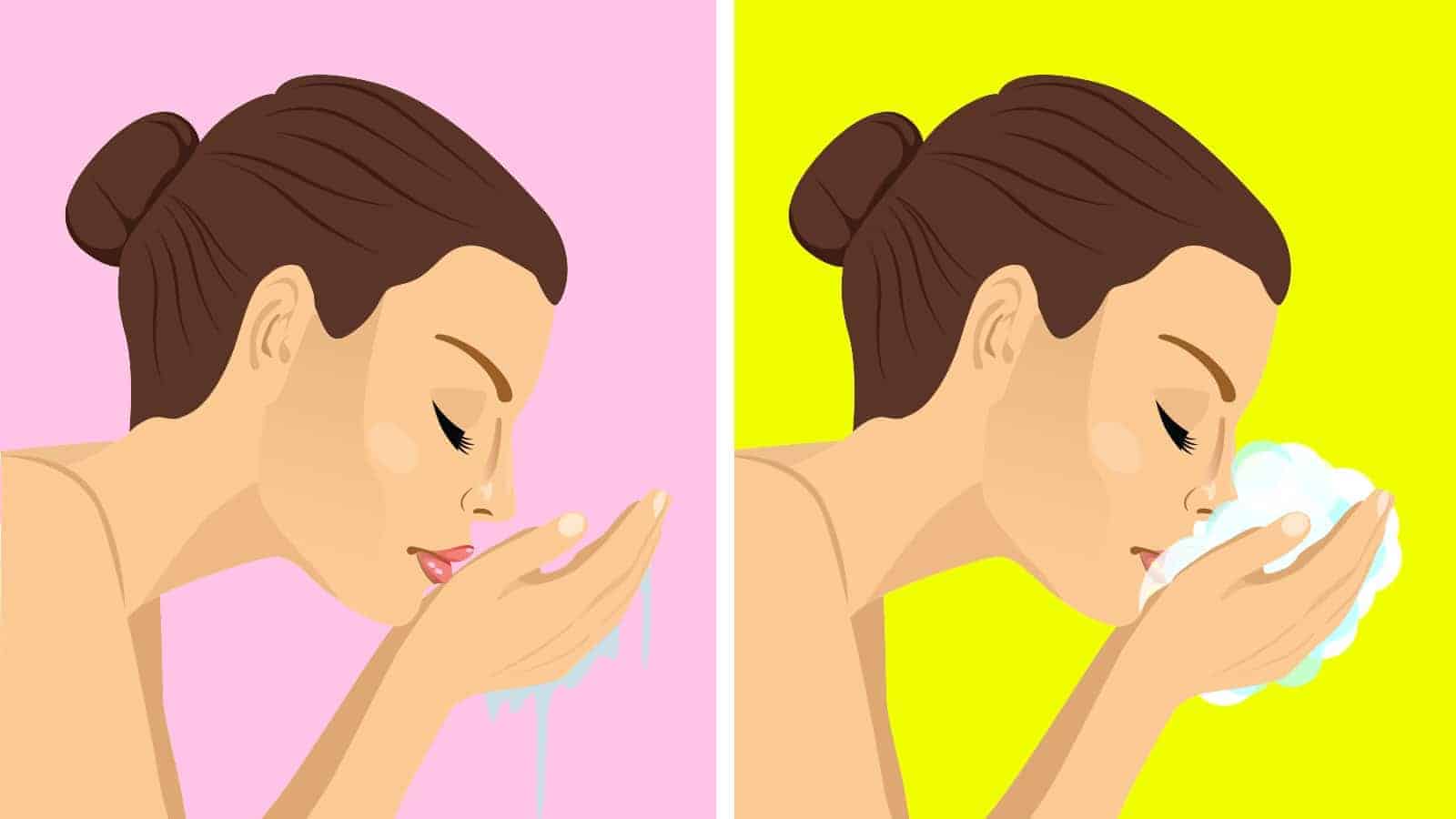
Don’t assume that you have to take a complex approach to doing away with blackheads. That’s because routine face cleaning sessions may be enough to do the trick. Thoroughly cleanse your face right after you rise in the morning. Do so right before you hit the sack at night. Doing this can eliminate the accumulation of oil. Utilize a mild facial cleanser that doesn’t lead to irritation or redness in any manner.

Wash your face

9. Wash Your Tresses Frequently

Washing oily strands frequently can do a lot for people who are searching high and low for natural blackhead remedies, strangely enough. If you make a point to wash your hair daily, you may make dealing with unpleasant blackheads a thing of the past. Daily hair washing sessions can do a lot for people who have locks that are on the oily side. Oil from hair can lead to the clogging of the pores. Make a point to cleanse your complexion immediately following the consumption of food items that are high in grease. French fries are a big example. Food oils can lead to stubborn pore clogs that can be a pain.

10. Say Hello to Green Tea

Green tea is a beverage that brings all sorts of health advantages to the table. It can also be terrific for people who are trying to find natural blackhead remedies. Putting the caffeinated beverage straight on the complexion can help people who are sick and tired of unsightly and lingering blackheads. Green tea can reduce the manufacturing of oil within the skin. It’s an amazing antioxidant as well. Get dry green tea leaves. Blend them with a single teaspoon of H20. Rub it onto the section of your skin that has the most blackheads. Do so for three full minutes. Cleanse your face and put a hydrating formula on it.

Green tea - Blackhead Remedies

11. Steer Clear of Products That Include Oil

If you’re trying to find amazing blackhead remedies, then you don’t have to do much at all. That’s because you can simply steer clear of all accessible skincare products that include oil. Products that feature oil can lead to blackhead development. Opt for products that are devoid of oil. Opt for sunblocks, moisturizers, and makeup items that are noncomedogenic as well.

12. Choose Kasturi Turmeric

Turmeric is a spice that’s a staple in many spicy and irresistible dishes from all around the globe. The spice may also be able to aid individuals who suffer from annoying blackheads of all kinds. Turmeric is a component that’s equipped with anti-inflammatory, anti-fungal, and antibacterial elements. Standard turmeric may bring on the staining of the skin.

Turmeric - blackhead remedies

Kasturi turmeric, though, can do wonders for people who wish to dodge the headaches of stains.

Retrieve a single tablespoon of this kind of turmeric. Blend it with a tablespoon of coconut oil and a little bit of water to make up a paste. Put the concoction on your skin. Allow it to remain there for anywhere in the range of between 10 and 15 minutes total. After that time has gone by, you can wash everything off in a thorough and detail-oriented manner.

Final Thoughts: Clear Skin Can Be Yours With These Blackhead Remedies

If you’re fed up with blackheads ruining the appearance of your skin, then you don’t have to tolerate things for long. That’s because these 12 natural options may be able to reverse your blackhead dilemmas dramatically. Remember, there are all sorts of things that can make people a lot more vulnerable to the emergence of unappealing and stubborn blackheads. If your body makes excessive amounts of oil, you may be susceptible to blackheads. If you use various medications, then you may be just as susceptible to them.

Androgens and corticosteroid use can sometimes make people a lot more prone to these skin headaches. If you want to abandon your blackhead dilemmas without having to do anything tough, then these natural choices may be right up your alley. Getting rid of blackheads doesn’t have to be something that costs you a huge sum of money. It doesn’t have to be something that eats up a lot of your time, either.

These natural blackhead remedies can be lifesavers for people who feel self-conscious about their physical appearances. They often operate swiftly, too. If you want to feel fantastic about the looks of your skin again, then trying out these natural choices, be the answer you need.

Therapist Explains How to Lay the Foundation For a Lasting Relationship

Regardless of what type of relationship you are in – whether it’s marriage, friendship, or something else – you want it to be a lasting relationship. This is because humans need to be with other people. We’re pack animals, so collaboration and community are essential for our well-being.  

But, as we all know, maintaining relationships in the long-term is hard! 

Bringing two people together is always a challenge, regardless of the type of relationship you share. So, how do you create a long-lasting relationship? What sort of foundation do you need?

To help you answer these questions, we spoke to Dr. Ron DeStefano, Ph.D. He’s been working with couples for more than 45 years and has trained several other therapists all around the world. Not only that, he is the youngest Charter Member of the American Family Therapy Academy. Needless to say, he’s an expert when it comes to relationships.

Our Two Fears When it Comes to Relationships

To know what you must do, it’s important to understand what fuels a lot of our behaviors. As Dr. DeStefano explains, human beings have “two extreme fears.” When any relationship starts, we experience love. This love is blind, initially, anyway. We all get caught up in “the beautiful madness of falling in love.”

Over time, though, this dwindles for most people. Couples start telling each other things like, “I love you, but I don’t think I’m in love with you.” 

This triggers the two main fears that humans have when it comes to relationships: fear of abandonment and fear of being trapped. Dr. DeStefano notes that “Depending on our mood and how we treat each other, we often vacillate between those two opposites.”

Every lasting relationship, particularly long-term romantic ones, go through difficult periods that bring up these fears. When this happens, couples “can either break up or have break-throughs, both individually and as a couple.”

bad days quotesStarting on the Right Foot

Fortunately, there are certain skills that we can all learn for building lasting friendships, marriage, or other relationships. And, according to Dr. DeStefano, these skills are seemingly relatively simple.

So, what are they? Being present and mindful.

“Presence is the best ‘present’ we can give to each other.” It shows we are grateful, which leads to happiness. Being present and grateful toward our partner continues the circle of happiness. In turn, your partner will be more present and grateful toward you, as well.

At the beginning of a relationship, presence is hardly given a second thought. We show that we are present and appreciative of our partner in so many ways. We show these gestures of kindness with our words, expression, or looks of affection. To start, we almost always feel that “us against the world sort of thing.”

But, the longer the relationship goes, the more distracted we become with regular life. Not only are we constantly bombarded with digital information from our computers and cellphones, we worry about work, kids, and other responsibilities. Our relationships no longer get the time and presence they need to survive.

Meanwhile, mindfulness is being aware of the present. The concept grew out of meditation. Being more aware of yourself and also your surroundings is extremely healing. It brings you more peace and enables you to be present and also receive someone else’s presence.

When you stay aware of your presence, you are creating a strong foundation for any relationship. Cultivate these skills like you would a garden. Take some time, slow down, and remind your partner that you see them, hear them, and are fully aware of them with every sense you have.

lasting relationship

What Does Being Present Mean?

If you still find yourself a bit confused about what being present is, don’t worry about it! To help, Dr. DeStefano gave a great example of what being present is:

Think about a parent at the park with their toddler. When their toddler plays on the swing or slide or anything, they don’t beg their parent to tell them how good they are doing. Instead, they just ask their parent to watch them. They want to be seen.

When their parent looks and smiles at the sight of their child playing, that positivity is enjoyed by the child, and they feel good. This is being present. You don’t need to say how good your partner or friend is doing something. You just need to be aware of them.

The Other Two Essentials for Strong Relationship Foundations

Aside from presence and mindfulness, people also need to create a strong foundation of trust and safety in their relationship. These factors relate more strongly to the two main fears that we have in relationships. If we fear abandonment or entrapment, our sense of trust and safety will waver.

Learning and maintaining these two factors is possible. Though it does take hard work and commitment, let your significant other know that you want always to be a team. This doesn’t necessarily mean staying together. You can come apart as a team, as well. But it is one of the most difficult things to do.

Further, if you notice cracks in your relationship foundation, set about fixing them right away, make “repair attempts.” These are basic apologies that include verbally saying you’re sorry and showing your partner that you’re apologetic.

It’s also important that you be willing to take a break from arguments or disagreements you’re having in your relationship. This doesn’t mean that you are walking away, but rather that you are taking a time-out to cool off. Once you’ve taken 20 minutes to relax, you can return to the conversation without the negative emotions that often lead to criticism.

lasting relationship

Here are seven ways to restore love in your relationship.

Stay Aware of Common Relationship Killers

Part of being present and aware of your life is being capable of recognizing the things that often destroy relationships. There are four things that Dr. DeStefano mentioned: criticism, contempt, defensiveness, and stonewalling. These four habits, the Four Horsemen, were defined by Dr. John Gottman, a world-renowned researcher of marital stability and divorce prediction.

The first issue, criticism, can easily worm it’s way into a relationship when you don’t stay aware of it. Any time you live with someone, they are going to engage in habits that are bothersome to you. For instance, maybe they leave wet towels on the floor or bed.

Initially, you may talk to them about these towels. You’ll say things like, “please don’t leave wet towels on the bed.” Eventually, these phrases will morph into criticisms of the person’s self. For instance, you’ll say things like “you’re such a slob,” instead. 

This constant attack of a person’s personality or character feels like abuse. In response to it, people shut down and become contemptuous. They are thus leading to the second issue of contempt.

In response to criticism, people will also become defensive. This is a natural response. We want to defend ourselves when we are being attacked. So, when we feel victimized, we blame the other person. We start criticizing them, thus leading to contempt and defensiveness from them, as well.

Finally, people begin stonewalling. They lose their energy when it comes to defending themselves all the time. Instead, they sit with disapproval and are mentally flooded with emotions and feelings about themselves and their partners.

Enjoying Stronger Relationships

It’s important to note that you cannot change the other person in your marriage, friendship, or what-have-you. All you can do is change yourself. Notes Dr. DeStefano, “If you change your ‘dance steps,’ sooner or later, your partner may change their steps.”

Instead of getting caught up in the “Four Horsemen,” be aware of your behavior and your patterns. You won’t be perfect since humans are never perfect, but being present and aware makes you the best version of yourself. These seemingly simple skills make everything work better, from relationships and communication to work.

It’s also essential that you stay aware of your limitations. “Don’t take a step longer than your leg,” says Dr. DeStefano. “If you feel like it’s too much, try a smaller step toward that goal.” There is nothing shameful about your personal limitations, but you must acknowledge them to keep growing.

Further, Dr. DeStefano makes special note of the importance of “gratefulness and great-full-ness.” No matter what type of relationship, being grateful leads to you being great-full. This makes you happy with yourself and happier with your partner. 

It also helps you maintain a good ratio of positive and negative experiences. If possible, aim for a ratio of at least five positive experiences for every negative experience. This 5:1 ratio is key to long-term relationship success, according to Dr. DeStefano, citing the research of Dr. John Gottman.

lasting relationshipFinal Thoughts on Relationship Expert’s Advice for a Lasting Relationship

Presence, mindfulness, trust, and safety: these four learnable skills are what you need to build a strong, lasting relationship. They apply to almost any type of relationship, including marriage and friendship, as well. 

So, if you’re thinking about how to get back to “huddles and cuddles,” or deciding whether to “leave and go, or somehow stay and grow,” remember the importance of cultivating these skills. Relationships are like a garden: without regular effort and attention, they will eventually wilt and die.

20 Be Happy Quotes Only Optimists Will Understand

Quotes about happiness have a way of encouraging us to dream bigger and smile brighter. These “be happy” quotes remind us of life’s greatest joys and give us optimists something to believe in.

The Best “Be Happy” Quotes for Optimists

Whether you’re an optimist or you are looking to add more happiness to your life, these “be happy” quotes are for you. Keep the following be happy quotes in mind to make your days just a little brighter:

1. “Happiness isn’t a ready-made object. This feeling comes from one’s own actions.” — The Dalai Lama

Society likes to create the idea that happiness is some product or service that can be bought or sold.

While advertising companies the world over like to paint the picture that we’re all just one purchase away from being happy, this quote shows us the opposite.

Optimists know that they have the power to create their happiness. Rather than relying on outside sources, take control of your happiness.

be happy quotes dalai lama

2. “Everyone must realize that the path to happiness is finally being happy for yourself and by yourself.” –Ellen DeGeneres

We all have the power to create our own lives. Whatever your deepest dream may be, it’s yours if you want it.

This quote by Ellen DeGeneres is a present reminder that we all can choose to be happy. Don’t fall for the trap of letting others tell you who to be or what you should do. Live your life for yourself and find the happiness you deserve to have.

3. “Don’t set aside your own happiness. Don’t wait for the future to be happy. Choose to be happy now; now is the best time.” –Roy T. Bennett

Be happy quotes like this show us how important it is to be satisfied in the present day. Though we all like to dream of a bigger and better future, the reality is that you don’t have to wait for your most magnificent dreams to come true to be happy.

There’s no better time than the present to bring positivity to your life. Choosing to be optimistic about where you are now will help you pave the way for a future filled with happiness.

4. “Happiness is made up of small pleasures or conveniences that we experience each day, rather than great amounts of good fortune that occur seldom in the course of one’s life.” –Benjamin Franklin

Benjamin Franklin’s quote is another way of saying that finding happiness is no stroke of luck. If you hope to be happy with your life, choose to do so right now.

By seeing life’s little pleasures for the blessings they are, you’ll find that feeling happy isn’t quite that difficult.

5. “Each day is new; you’ll never feel happy if you can’t move on.” –Carrie Underwood

Life has its fair share of good and evil. Though it’s easy to focus on the bad aspects of our lives, quotes like this remind us to take stock in the positive.

Don’t discount the unfortunate events that have happened to you, but don’t obsess over them either. Happiness is on the other side of moving on.

6. “If one day you find happiness, others might be jealous. Choose to be happy anyway.” –Mother Teresa

This quote is Mother Theresa’s way of telling us to ignore the naysayers. Everyone will have an opinion of your life, especially if you’re living your truth and are happy doing so.

Do yourself a favor and tune out the detractors. Keep the negativity away and tune in to your happiness.

mother teresa quote

7. “A modest and calm life brings much more happiness than any pursuit of success fraught with constant restlessness.” –Albert Einstein

We all have goals we hope to reach. Though there’s nothing wrong with wanting to better yourself or your life, spending your days chasing “success” and wearing yourself thin isn’t healthy.

Albert Einstein’s quote explains that the key to happiness is finding a way to lead a calm and modest life. Continue to work hard to achieve your goals, but remember that they shouldn’t come at the cost of finding peace in your life.

8. “Happiness is dependent upon ourselves.” –Aristotle

Optimists can successfully cultivate a positive lifestyle because they know that they are responsible for their happiness. Though there are many things we cannot control in life, we get a say in whether or not we get to feel happy.

If you want to feel happy, don’t depend on anyone else but yourself.

9. “Happiness shouldn’t be the goal…it is a by-product of having a well-lived life.” –Eleanor Roosevelt

The happiest among us don’t live their lives chasing the goal of finding happiness. These optimists naturally achieve satisfaction as a result of the type of experience they have.

10. “Think of life’s beauty still around you and decide to be happy.” –Anne Frank

Any of us can pick and choose something we’d like to change about our lives. Many of us often get overwhelmed by the struggles we contend with in life.

Anne Frank’s quote reminds us to choose happiness, despite everything. Next time you find yourself overcome by life, remember to appreciate the beauty around you.

11. “Happiness is all in the mindset. Happiness happens as a result of how you see things.” –Walt Disney

The creator of the “happiest place on earth” Walt Disney knew the power of thinking positively. Walt Disney was a man committed to happiness. By adopting a positive mindset, Disney was able to be one of the happiest men on earth.

12. “It isn’t who you are, where you are, or what you have that will make you unhappy or happy. Happiness comes from your thoughts.” –Dale Carnegie

Never underestimate the power of your thinking. Dale Carnegie’s quote may seem simple, but it hits home.

What do you think about during the day? The happiest people make sure they leave room for positive thinking.

be happy quotes dale carnegie

13. “Anyone that wants to be happy can’t dwell on the past or worry about their future; they must focus on living life fully right now.” –Roy T. Bennett

Living in the moment is more complicated than it sounds.

Though the past can be stressful and the future may seem uncertain, the only way to find happiness in life is to plug into the present-day truly.

14. “One cannot protect themselves from sadness without keeping themselves from happiness.” –Jonathan Safran Foer

Getting hurt isn’t fun. At times, the pain can seem so unbearable that it makes us want to close ourselves off from feeling anything ever again.

If you’ve ever felt this way, remember that while the pain can be overwhelming, it won’t last forever. The only way to be happy again is to open yourself up emotionally.

15. “Happiness and sanity are quite an impossible combination.” –Mark Twain

To be joyful, Mark Twain proposes that one can’t be completely sane. While you don’t have to embrace insanity to find your happiness, this quote points out that frequently, others will classify what makes us happy as “crazy”.

Throw caution to the wind and pursue what you like if it makes you happy.

16. “There isn’t anything else quite like the feeling after a hard laugh. Nothing so good like having a sore stomach for these reasons.” –Stephen Chbosky

Little things like laughing are enough to remind us of how it feels to be happy. Should you ever need a pick-me-up, find something that makes you laugh. Sooner than later, you’ll forget what it was that made you sad in the first place.

17. “We should be grateful to all people that make us happy; our loved ones are the gardeners that make our souls blossom.” –Marcel Proust

Marcel Proust’s poetic words compare our lives to gardens. Finding happiness in this life is all about finding the “gardeners” that will nurture our hearts and souls.

Whether it’s a friend, significant other, or family member, spending time cultivating relationships with your loved ones will bring you happiness.

18. “A person only needs three things to find happiness: something to hope for, something to do, and someone to love.” –Tom Bodett

For someone to love, look to yourself, for something to hope for, think about building a better future. For something to do, strive to live your dream every day.

19. “Medicine can’t cure what happiness cannot.” –Gabriel García Márquez

Many of us turn to medicine as a way to heal what ails us. Though this medication can ease the pain, it won’t fill our need for happiness.

Optimists know that the only cure for life’s most significant ailments is happiness.

20. “In happiness, one finds the secret to beauty. There can be no beauty where there isn’t happiness.” –Christian Dior

Beauty is in the eye of the beholder, but many of us fail to see the beauty in our everyday lives. Take time to recognize the beautiful aspects of your life, and you’ll find that happiness is nearby.

optimistFinal Thoughts on Be Happy Quotes for Optimists

Be happy quotes remind us to take stock in gratitude and to count it all joy. Whatever stage you currently are in life, remember that you have every reason to be happy.

Keep these positive quotes close to keep the happiness alive. Quite like a plant, the more you feed your pleasure, the more it grows.

14 Best Pilates Exercises for Lower Back Pain

Lower back pain is a common ailment amongst adults, but Pilates can help. Back pain hurts more than your back, as it can eventually affect your entire body. Pilates for back pain can help ease the pain and prevent it from setting in again or spreading.

The American Chiropractic Association explains that at least 80% of Americans experience back pain at least once. Back pain might be mild or excruciating, and it could be from an injury, disease, disorder, or another issue. No matter the cause, back pain can be debilitating and interfere with your quality of life and ability to do things.

Pilates is a natural way to relieve back pain and tension and can help long-term. It might allow you to give up pain killers and other remedies that don’t solve the underlying issue. Pilates improves core strength, improves muscle strength and flexibility, and leads to better posture.

What is Pilates?

Pilates is a low-impact, low-intensity strengthening and toning exercise that improves your spine’s mobility and reduces back pain. This exercise method helps with muscle control, deep breathing, concentration, body flow, centering, and precision. The principles encourage center-focused movements while strengthening your core and protecting your back.

This exercise method focuses on each vertebra in your spine and promotes correct alignment. It also improves the stability of your back and abdominal muscles, preventing muscle tightness and joint stiffness.

As you do pilates exercises, ensure that you take a deep breath before beginning each movement. As you do so, it moves your ribcage up and out to prepare your body for movement. The exhale engages your diaphragm and moves your ribcage back down and in, limiting the flaring of your ribs.

Fourteen Best Pilates for Back Pain

1. Pelvic Curl

The pelvic curl is simple and shows you how to use your abdominal muscles to support and lengthen your back. As your abdominals, hamstrings, and gluteus maximus work together, it alleviates lower back pain.

How to do a pelvic curl:

  1. Lie on your back, bend your knees, and keep your feet flat on the floor, hip-width apart.
  2. Place your arms by your side with your palms facing downward.
  3. Relax your shoulders, neck, and lower back.
  4. Inhale deeply, and then exhale to slowly curl your pelvis and spine off the ground or mat.
  5. Hold your breath once your pelvis has reached maximum posterior tilt and your hip flexors stretch.
  6. On the exhale, slowly lower your trunk, rolling down one vertebra at a time.
  7. Repeat this exercise ten times.

2. Single-Leg Lifts

Single-leg lifts promote pelvic stability and core awareness. This exercise focuses on the abdominals and hip flexors.

How to do single-leg lifts:

  1. Start by laying on your back with your knees bent and legs parallel.
  2. Relax your arms at your sides with your palms facing down.
  3. Take a deep breath in and exhale as you raise one leg. Stop only when the knee is above the hip joint, and your thigh is perpendicular to the floor.
  4. Inhale as you return to the original position, repeat the exercise five times for each leg.

3. Chest Lift

A chest lift pilates exercise can alleviate lower back pain by strengthening your abdominal muscles. The chest lift is similar to a sit-up or crunch but emphasizes pelvic stability without pulling on the neck or overusing hip flexors.

How to do a chest lift:

  1. Lie on your back while keeping your feet flat on the ground and knees bent
  2. Interlace your fingers behind your head and bend your elbows so that they point outwards.
  3. Curl your head and upper trunk upwards, lifting your shoulder blades off of the mat.
  4. Inhale deeply, pulling your abdominals deeper but maintaining the height of your trunk.
  5. Pause before exhaling and lowering your head and chest back to the starting position.
  6. Repeat this process ten times.

4. Supine Spine Twist

A supine spine twist helps strengthen your oblique muscles while stretching your back muscles. The strengthening and stretching prevent tightness, helping relieve back pain.

How to do a supine spine twist:

  1. Lie on your back and put your legs in a tabletop position. A tabletop position means that your knees should be bent and directly above your hip joints, and your lower legs should be parallel to the floor.
  2. Spread your arms out in a T position with your palms facing upward.
  3. Press your lower back into your exercise mat or the floor, depending on what you’re using.
  4. Exhale as you pull your abs in to do a posterior pelvic tilt.
  5. Inhale and rotate your spine, moving your pelvis and lowering your legs to one side.
  6. Exhale again, rotating your legs back to the original position.
  7. Inhale and rotate your spine again, moving to the other side of your body.
  8. Return to the center and repeat this five times on each side.

5. Shoulder Bridge Prep

The shoulder bridge prep challenges lumbar stabilization and strengthens the glutes, providing lower back pain relief.

How to do a shoulder bridge prep:

  1. Start by lying on your back with your knees bent and feet flat on the floor, hip-width apart.
  2. Place your arms next to you with your palms facing down.
  3. Relax your body, specifically your lower back, shoulders, and neck.
  4. Exhale as you lift one leg up into the tabletop position, moving only the hip joint and keeping it at pelvis level.
  5. Inhale as you lower your leg back down to tap the floor or mat.
  6. Repeat the process five to 10 times before switching to the other leg.
  7. Once you’ve done both legs, place both feet on the floor or mat and roll down one vertebra at a time.

6. Side Bend

Side bends work your abs, shoulders, and back, offering relief from lower back pain.

How to do a side bend:

  1. Sit sideways on your mat and bear your weight on your right hip.
  2. Using your right arm to support your upper body, press your palm into the mat and keep your fingers pointed away from your body.
  3. Bend your legs until your knees are in front of you and your left foot is resting in front.
  4. Relax your left arm on the side of your body before inhaling deeply.
  5. Lift your pelvis, straighten both legs, and raise your arm until it is straight out from your side.
  6. Exhale while lowering your hip and arm back to the starting position.
  7. Do five to ten repetitions of this exercise on each side of your body.

7. Basic Back Extension

A basic back extension is a pilates exercise that eases lower back pain. It strengthens the back extensor muscles and helps you develop control of your core.

How to do a basic back extension:

  1. Lie facing down with your forehead resting on a small cushion or rolled-up towel.
  2. Place your arms by your sides with your palms pressing against your straight legs.
  3. Set your core muscles before inhaling and as your head and upper back lift off the mat or floor.
  4. Hold this position for a couple of breaths before exhaling and returning to the starting position.
  5. Repeat this exercise five to 10 times.

8. Bridge

The bridge exercise strengthens your glutes and hamstrings and helps stabilize your body. As this happens, it eases and prevents lower back pain.

How to do a bridge:

  1. Lay on your back with your arms by your sides, and your knees bent, and feet pressed firmly into the ground.
  2. Push your feet into the floor and lift your lower back, engaging your back and gluteus maximus.
  3. Keep your hands on the floor throughout the movement to provide stability.
  4. Hold this pose for 15 seconds, lower your body to the floor, and repeat five times.

9. Roll Down

A roll down challenges postural muscles and improves body awareness. It also decreases the pressure placed on the lumbar spine, a common cause of lower back pain.

How to do a roll down:

  1. Stand with your feet shoulder-width apart and have both arms out in from of you.
  2. Practice good posture and stand up tall as you slowly start to curve each segment of your spine, starting at the neck.
  3. Continue down, reaching your fingers toward the floor.
  4. When you’ve touched the ground, inhale deeply before exhaling and reversing the movement.

10. Breaststroke Preparation

The breaststroke preparation exercise progresses your deep neck flexors and increases postural awareness.

How to do a breaststroke preparation:

  1. Start on your stomach and rest your forehead on a folded towel, keeping the back of your neck elongated.
  2. Rest your arms by your side and keep your legs straight, hip-distance apart.
  3. Slide your shoulder blades downward, and reach toward your fingertips toward your toes using your shoulder blades for movement.
  4. Allow your fingers to hover about two inches off the ground.
  5. Lengthen your upper body and hover your breastbone one inch off the ground.

11. Clams

This exercise helps strengthen the gluteal muscles and improves muscle activation near the hip. Plus, it promotes rotary control of the pelvis.

How to do clams:

  1. Lie on your side and bend your knees bent.
  2. Roll up a towel and place it between your ear and shoulder.
  3. Lift the top knee toward the ceiling and then lower it back down.
  4. Do this ten times before switching sides and repeating the process.

12. Swimmers

Swimmers promote core strengthening while elongated and working muscles that cause lower back pain.

How to do swimmers:

  1. Lay on your stomach with your arms stretched in from of you and legs behind you.
  2. Focus on your breathing as you pull your navel up and raise your upper back and head. At the same time, lift your right arm and left leg.
  3. Repeat it, switching arms and legs, starting an even rhythm similar to swimming.
  4. Continue doing this 20-24 times.
  5. Press your back into the rest position, sitting on your heels.

13. Plank Singles

Plank singles work your abdominals, shoulder girdle stabilizers, and legs. As it works these muscles, it reduces back pain and prevents it from returning.

How to do plank singles:

  1. Start on your knees and forearms.
  2. Exhale to pull your abs inward and up as you move one leg straight back for 30-60 seconds.
  3. Please return to the starting position and do it again, switching legs.

14. The Hundred

This Pilates exercise for lower back pain challenges lumbopelvic control and incorporates a healthier breathing pattern. It works the local and deep abdomen and spine muscles, encouraging back breathing and relieving back pain.

How to do a modified hundred:

  1. Start by lying on your back with your legs raised and bent at the knee in the tabletop position.
  2. Inhale deeply, and then exhale as you bring your head up and your chin down.
  3. Curl your upper spine off the floor until everything down to the base of your shoulder blades is up.
  4. Once you’re up, inhale and then exhale again as you deepen the abs and extend your arms and legs.
  5. Stretch your legs out toward where the wall and ceiling come together, adjusting as needed.
  6. Extend your arms, keeping them straight and low, just a few inches off the floor.
  7. Hold this position while you take five short breaths in and out, moving your arms in an up and down manner.
  8. Do this ten times before bringing your knees in toward your chest, rolling your upper spine, and head back to the floor.

Final Thoughts on Mastering These Best Pilates Exercises for Lower Back Pain

When you’re looking for ways to relieve and manage pain, consider Pilates for lower back pain. The low-impact exercise offers plenty of benefits that provide relief and prevent pain from reoccurring.

Rather than letting the lower back pain interfere with your life, use these exercises to get it under control. You’ll be glad that you did, and the benefits will extend to your entire body.

13 Early Signs That Reveal You Have Hay Fever

Do you suspect you are suffering from an allergic condition called hay fever?

According to the American College of Allergy, Asthma, and Immunology, more than 50 million people in America are struggling with allergies of some kind. And hay fever is one of them. For those who are not familiar with this type of allergy, hay fever stems from inflammation in the nose that occurs when the immune system encounters and overreacts to allergens in the air. Estimates indicate that 18 million Americans struggle with hay fever, which is often either seasonal or perennial. Those who develop this type of allergy often find themselves confronted with symptoms that can make healthy day-to-day living difficult.

13 EARLY SIGNS OF HAY FEVER

In many cases, those who struggle with hay fever often don’t realize that their symptoms are related to an allergic reaction. For the most part, hay fever symptoms are not too dissimilar from that of the common cold. To help put this into perspective, let’s take a look at 13 early signs of this specific type of allergy. Whether an individual develops seasonal or perennial allergic rhinitis, also known as hay fever, they will typically experience the following:

  • Nasal congestion
  • Sneezing
  • Runny nose
  • Watery, red, and itchy eyes
  • Postnasal drip
  • A chronic cough
  • Sinus pressure
  • Sinus pain
  • An itchy throat

Along with these symptoms, individuals with severe allergic rhinitis may also experience the following:

  • Profuse sweating
  • Headaches or migraines
  • A loss of taste and smell
  • Facial pain

It is also not uncommon for those struggling with hay fever to find themselves having to contend with bouts of fatigue, insomnia, and irritability, all of which makes matters even worse. Also, those who have respiratory problems, such as asthma, the condition may trigger wheezing and may even leave them feeling breathless.

WHAT ALLERGENS TRIGGER ALLERGIC RHINITIS?

Now that we are more familiar with allergic rhinitis and some of the symptoms associated with the condition. Let’s take a look at some of the allergens in the air that may contribute to it. Of course, it is worth noting that not everyone will experience an allergic reaction to the same allergens. That said, some of the most common allergens that trigger allergic rhinitis symptoms include

  • Fungi and mold spores
  • Pet dander
  • Pet hair
  • Perfumes and colognes
  • Dust mites
  • Pollen

It is worth noting that exposure to these allergens can trigger an allergic response whether an individual is indoors or outdoors. In either case, once the exposure happens, the immune system will identify these substances as a threat to one’s bodily health. From there, it will produce antibodies that signal blood vessels in the body to expand to facilitate the flow of histamine, the inflammatory chemical responsible for many of the allergy symptoms detailed in this article.

WHO IS MOST LIKELY TO STRUGGLE WITH ALLERGIC RHINITIS?

Exposure to fungi, mold, pet dander, and pollen, for example, will trigger a mild allergic response in most people. However, some people are genetically predisposed to develop acute allergic rhinitis when they encounter them. In short, if an individual’s parents or siblings are struggling with allergic rhinitis, their chances of struggling with it themselves will be quite high. And this claim is substantiated by a study published by the National Institutes of Health, which examined both the environmental and genetic causes of allergic rhinitis.

ENVIRONMENTAL FACTORS THAT CAN MAKE ALLERGIC RHINITIS WORSE

Although symptoms associated with allergic rhinitis are unpleasant, they can be made worse by several environmental factors, some of which include

  • Air pollution
  • Aerosol sprays
  • Humidity
  • Tobacco smoke
  • Wind
  • Changes in temperature

All in all, poor weather conditions and environmental irritants can further inflame the delicate lining of tissue in the nose, which makes allergic rhinitis-related symptoms even worse. That said, if you have allergic rhinitis, it would be best to limit your exposure to poor weather and environmental irritants as much as possible. In doing so, you will prevent your symptoms from spiraling out of control.

HOW IS ALLERGIC RHINITIS DIAGNOSED?

If you’re experiencing any of the symptoms mentioned in this article after being exposed to indoor or outdoor allergens, there is a strong possibility that you have allergic rhinitis. However, to confirm that is, in fact, the case, you will want to schedule an appointment with an allergist. During your exam, your physician will inquire about the specific symptoms you’re experiencing. He or she may ask about your family and personal medical history as it pertains to allergies. To confirm your symptoms allergic rhinitis-related, your physician will likely start by ordering a blood test.

hey fever allergies

WHAT WILL A BLOOD TEST REVEAL?

While the prick-like sensation caused by the needle used to draw your blood might only last for a few seconds, the blood test itself can take 15 to 20 minutes. The blood sample is then sent to a laboratory to be examined. And from there, laboratory technicians will measure the level of IgE antibodies. If the level of IgE antibodies measures six or higher, it generally indicates that the blood contains allergens. In most cases, a blood test will also reveal the specific allergen that is triggering a patient’s symptoms; however, sometimes, a skin-prick test might be needed as well. The test involves the physician injecting known allergens into a patient’s skin and then waiting about 20 minutes to see whether or not they develop an allergic reaction.

WHAT TREATMENTS ARE AVAILABLE TO THOSE STRUGGLING WITH ALLERGIC RHINITIS?

If you’re struggling with allergic rhinitis, know that you can find many over-the-counter and prescription-based treatments to relieve your symptoms. Some of these medical treatments include the following:

OVER-THE-COUNTER TREATMENTS FOR HAY FEVER

Antihistamines

Over-the-counter antihistamine sprays and tablets are highly effective when it comes to relieving most allergic rhinitis-related symptoms, such as a runny nose, itching, and sneezing. Some of the go-to medications for many people include Allegra, Benadryl, Claritin, and Flonase Nasal Spray.

Eye drops

Because watery, red, itchy eyes are often par for the course when it comes to allergic rhinitis, many allergists will advise their patients to take over-the-counter eye drops that contain sodium cromoglycate. This active ingredient is available in several over-the-counter eye drops, including Opticrom, and works by inhibiting the release of histamine that can irritate the eyes.

eye drops to cure hey fever

PRESCRIPTION-BASED TREATMENTS

Those with severe allergic rhinitis-related symptoms should seek care from a licensed physician. Some of the most common prescription-based treatments include

Immunotherapy

This physician-prescribed treatment is ideal for most people as it offers long-term symptom relief. Immunotherapy, also known as allergy shots, works by helping the immune system become desensitized to allergens over time. For most allergies, including allergic rhinitis, allergen immunotherapy is successful in nearly 80 percent of cases, according to a study published by the National Institutes of Health. In short, allergen immunotherapy entails receiving injections that contain a small amount of a known allergen over a long period, which gradually tamps down the allergic response of the immune system. The allergens can also be administered via sublingual drops as well.

hey fever

Oral corticosteroids

This physician-prescribed treatment, similar to immunotherapy, also provides long-term relief from allergic rhinitis-related symptoms. One of the most commonly prescribed oral corticosteroids is Prednisone. Studies show that this medication helps relieve swelling in nasal passages, which, in turn, restores normal breathing. Prednisone also provides relief from a stuffy, runny, or itchy nose. Lastly, it is highly effective when it comes to assisting sneezing.

Leukotriene receptor antagonists

This physician-prescribed treatment entails taking leukotriene receptor antagonists-based drugs, such as Singulair. This medication, along with other leukotriene receptor antagonists-based pills, works by blocking histamine and other chemicals produced by the immune system that trigger allergy symptoms. It is also considered a go-to pharmacotherapy in the treatment of asthma symptoms that are made worse by allergic rhinitis-related symptoms.

hey fever

THE NATURAL TREATMENT: PREVENTION IS THE BEST MEASURE FOR HAY FEVER

If you don’t want to take medicines or suffer through a bout of allergic rhinitis, prevent your symptoms! Learn what triggers your flare-ups and avoid them altogether. For some, this means staying indoors with the windows closed on high-pollen count days. And for others, this might mean hiring help dusting and housecleaning.

This prevention, as the adage says, is worth its weight in gold versus the prescription drug so-called “cure.”

FINAL THOUGHTS ON COPING WITH HAY FEVER

In summary, allergic rhinitis can stem from several known allergens. Further, the symptoms associated with this specific type of allergy can range from mild to possibly life-threatening. Once you have identified the allergens that are contributing to your condition,  avoid them. Most importantly, if you don’t know what is causing your allergic rhinitis-related symptoms, schedule an appointment and testing with an allergist as soon as possible.

20 Kind Ways You Can Help Your Local Animal Shelter

Most animal shelters rely on volunteers to keep things running smoothly. They need people to do anything from helping at the front desk to training the animals and everything in between. If you contact your local animal shelter, you’ll likely find that it’s helpful for them.

Many people believe that they don’t have time to help their local animal shelter, but it can actually be super simple. Some of the things you can do to help can be done from your home or during your commute.

Even if you aren’t confident with animals but still care enough to want to help, there are jobs for you. They don’t all have to be hands-on. But there are plenty of jobs for those who do want to have direct contact with the animals.

Since you now know that anyone can help, you may be wondering exactly how you can help. While you know of the basic ways to help your local animal shelter, there are also many other kind things you can do.

Ways You Can Help Your Local Animal Shelter

cute smile1. Walk the shelter dogs

Dogs need exercise, but it can be time-consuming when so many dogs need to walk. This is something that even beginners can do, and it can be beneficial for more than just the dog. Walking can be therapeutic for both the dog and yourself, and you can count it as your exercise for the day.

2. Feed the animals

Another task that can be time-consuming, shelters are always looking for people to fill the bowls with food and water. This simple job can be an immense help, and it’ll give you a chance to bond with the animals.

3. Brush or groom the animals

Help keep the animals looking their best so that they are ready when the perfect family comes in to adopt a new pet. Aside from just making them look nice, a groomed animal will feel better and be more comfortable.

4. Clean the kennels

By keeping the kennels clean, illness and disease will not spread as easily throughout the shelter. It also gives the animal a safe, clean space to try and relax in.

5. Answer their phones

If you don’t want to be so hands-on with the animals, offer to answer the phones at the front desk. Many people call with simple questions that volunteers can easily answer. There may also be paperwork to file or documents to send.

6. Organize events

Adoption events are often held at local businesses, and select animals are brought in for families to come and visit. Helping to organize these events can be helpful to the staff as there can never be too many hands. Organizing fundraising events is a kind way to help, as well.

koala lives saved

Learn how Australians worked together to save koala lives in the forest fires.

7. Use your professional skills

If you can take decent photos, sew, create graphics, or website content, you can help! The same goes for veterinarians who can spay or neuter a pet or give it vaccinations, or a dog trainer who can help make a pet more adoptable. Attorneys can help with any legal aspects, and any other professional service could be used in some way.

8. Donate supplies

These donated supplies don’t always have to be brand new. You can bring in gently used pet beds, collars, leashes, towels, or sheets.

Of course, new supplies are welcome, as well. Pet food, cleaning supplies, and all the things mentioned before (pet beds, collars, etc.) are in high demand all the time at shelters.

Other things you can donate include:

  • treats
  • toys
  • paper towels
  • blankets
  • laundry detergent
  • grooming supplies
  • kitty litter
  • puppy pads
  • office supplies, including printer paper, pens, markers, file folders, etc.

Your local shelter may have a wish-list posted online or at the shelter if you wanted to check for specific requests.

9. Make sure your animals are neutered or spayed

By ensuring your pets are taken care of in this way, you are helping to prevent stray animals in your neighborhood from reproducing. Many shelters are full of animals that they picked up as strays. The more strays that are reproducing, the more strays there will become.

Other things you can do for your pets that could help the shelter are making sure they are micro-chipped, kept in a fenced-in yard, and that they are up to date on all of their shots.

10. Adopt a pet

The best way to help your local shelter is to free up space in the shelter permanently. By adopting a pet, you are giving a pet a loving home and making room for the shelter to take others in off the streets.

11. Donate money

You don’t have to take this cash straight out of your pocket. Instead, think of ways to raise funds. Collect soda cans to recycle for money (not all states have this deposit, however), bake cookies and sell them to earn money or tell your friends and family that you are collecting money to donate to the local animal shelter.

volunteering

Read about why volunteering for a cause supports mental wellness.

12. Spread the word on your social media

Advocating for the shelter can be as simple as sharing their content on your social media page. It also involves talking to others about what the shelter is doing to help the animals. You could also pass out flyers, photos, or business cards.

13. Play with the animals

The animals in a shelter get very little connection with people other than those who feed it each day, despite the solid efforts of the staff. There are sometimes so many animals that they don’t get the play that animals desperately need. By volunteering to play with an animal, you are freeing up time for another animal while also helping to get that animal ready for adoption.

14. Read to the animals

Animals in a shelter are frequently stressed out. Reading to them in a calm voice can lessen their stress or anxiety. This can make them more ready for adoption when the right family comes in.

If you have children, take them with you. Kids will love the chance to help the animals, and the child will be benefiting, as well.

15. Help with pet training

Animals are more likely to be adopted when they are already trained. It can take some time, so it’s hard to get all of the animals ready.

16. Cuddle with the cats

Being in a shelter is stressful for animals, no matter how well they are taken care of. Studies show that cats who receive cuddles are happier, healthier, and adopted more quickly than those who aren’t. This is because the cuddling lessens stress and makes them more social.

17. Provide transportation

Sometimes pets are adopted by a family who lives far away from the shelter. When this happens, the shelter relies on volunteers to transport the pet to their new home. To make the trip easier on volunteers, the new family will sometimes meet up halfway to get their new pet.

18. Foster an animal

If you don’t want a new pet in your home permanently but don’t mind one temporarily, this is super helpful to shelters to avoid over-crowding. It can open up a spot for an animal who has nowhere else to go, as well.

Fostering a shelter animal can last only a couple of days, or it could go for up to a month or two. It’s important to let the shelter know if you have a time restriction, but any amount of time is appreciated. Sometimes the shelter will even provide food, medications, and any other necessary supplies for the animal.

19. Let the staff or other volunteers know you appreciate their efforts

Bake cookies or have lunch delivered to the shelter. With as busy as they get and as much as they dedicate to helping the animals, they deserve a reminder that they are appreciated.

20. Ask what they need

If you don’t know what to offer, ask what they need. Maybe they need some handiwork done, and you’re good with a hammer and nails. They may need something as simple as someone to sweep the lobby.

You truly never know what is needed, and the best way to help is to ask what you can do.

kindness to local animal shelterFinal Thoughts on Kind Ways You Can Help Your Local Animal Shelter

There are many ways you can help your local animal shelter. Whether you love to be hands-on with animals or you like to help in other ways, there are things that you can do to help.

While many people think about the basic ways to help, many other tasks would be immensely helpful to those who work at the shelter. Remember, if you still don’t know what to do to help, you could always ask how you can assist their efforts.

In the end, you’ll probably be surprised to feel that you benefit from this as much as the animals do! Food for the soul…

Skip to content