Weekly tips, affirmations, and small actions to feel your best.

15 Cauliflower Recipes To Support Your Diet Goals

Anyone who has been on a diet knows how difficult it can be. We struggle to put bad habits behind us and begin embracing a life of moderation, better food, and more activity.

Finding ways to incorporate more fruits and vegetables into our diet is one way to improve our health; it is not always easy to much on fresh fruits and veggies, however. Sometimes we could go for a heaping helping of some good old fashioned comfort food—or at least something that resembles comfort food—as we work toward our firmer physique.

Benefits of incorporating more vegetables into our diets

There are a number of body-positive changes that take place when you start adding more veggies to your plate, including:

  • Improved digestion
  • Better quality of life through fewer aches and pains
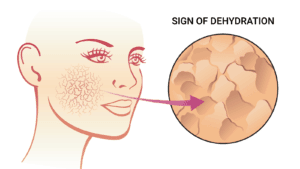
  • Improved look and feel of your skin
  • Boosted immunity
  • Less stress, better emotional state
  • Healthier pregnancy

Consider cauliflower!

This delicious cruciferous vegetable is taking the keto world by storm; used as a substitute for potatoes, bread, and even pizza crust, its mild flavor, and amazing nutrition make it a perfect backdrop for all kinds of diet-friendly recipes. If you are watching your waistline and you still want to indulge in some delicious fare, consider these amazing recipes!

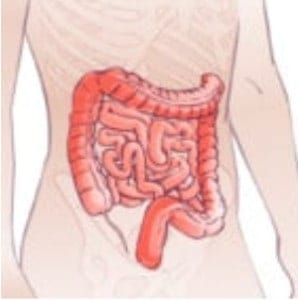
cauliflower for gut health

15 Tasty Cauliflower Recipes

1. Grilled “steaks” with fresh herb sauce

This meatless meal is savory and filling–you won’t even miss your filet as you slice up this amazing meal:

Ingredients:

  • 1 large head cauliflower
  • 1 tablespoon canola or grapeseed oil
  • One tsp ground cumin
  • 1 tsp ground turmeric
  • salt and pepper
  • 1 Tbsp ground parsley
  • One Tbsp ground mint
  • 1/2 small lemon, minced and juiced
  • 1 tsp olive oil
  • A garlic clove, minced
  • 1 pinch red pepper flakes

Directions:

Preheat your grill to medium-high heat. Trim leaves off the head and remove the stalk. Set the head on your cutting board and cut it into thick steaks. Save the remaining florets for another use. Brush both sides of the steaks with oil; dust with cumin and turmeric and season with salt and pepper on both sides. Grill steaks for five minutes on each side, testing for the desired doneness. Combine parsley, mint, garlic, lemon, olive oil, and pepper flakes in a small bowl; season with salt and pepper. Serve steaks drizzled with sauce and accompanied with a beautiful green salad.

2. Fried rice

Asian food lovers, rejoice! Ricing this cruciferous veggie will fulfill your urge to indulge in your favorite Chinese. This delicious dish can be used as a side for any main dish meat:

Ingredients:

  • 2 Tbsp olive oil
  • 1 onion, chopped
  • Two cloves minced garlic
  • 1/2 cup shredded carrots
  • One red bell pepper, julienned
  • 2 cups florets
  • 1 egg
  • 1 Tbsp soy sauce
  • 2 Tbsp scallions
  • salt and pepper to taste

Directions:

Place half the florets in a bowl of a food processor and pulse for about 20-25 seconds. Don’t overcrowd the bowl, or you will get an uneven rice texture of powder and large chunks. Move the “rice” to a different bowl and repeat with remaining florets.

Heat olive oil in a large frying pan–add onions, garlic, and peppers and saute till tender. Add carrots and cook for an additional minute. Stir on soy sauce, simmer for 1-2 minutes, and then add the riced veggies back in. Saute for an additional five minutes, or until the rice becomes soft and tender.

Push the vegetables to one side of the pan, Crack the egg and scramble it into the pan, incorporating it into the vegetable mixture. Season with salt and pepper to taste, sprinkle scallions and serve with your favorite protein.

3. Gnocchi

Containing the same round, fluffy texture as regular gnocchi, this recipe will indulge your need to sauce something red or white. Delicious when sprinkled with parmesan or doused in your favorite marinara, you’ll add this to your list of dinner staples.

Ingredients:

  • Two heads florets
  • 1 egg
  • 1 cup grated mozzarella
  • 1/2 cup finely grated parmesan
  • 1/4 tsp salt
  • 1/3 cup almond flour plus more for rolling
  • Sauces or toppings of your choice

Directions:

Trim the florets, discarding any leaves and debris. Chop vegetables in a food processor until it resembles something between rice and sand. Transfer mixture to a large, clean kitchen towel, squeezing as much water out as possible. Be aggressive, for the more water you squeeze out, the better the quality of your gnocchi will be.

In a large bowl, combine egg, parmesan, mozzarella, and salt. After making sure that the rice is completely dry, add it to the cheese and egg mixture and combine.

Sprinkle on almond flour and stir to combine. The dough should pinch together when you apply pressure to it; if not, keep adding small amounts of flour until it forms a soft dough. Transfer mixture to a large piece of plastic wrap use the plastic wrap and dampened hands to roll the mixture into a log about 8 inches long. Chill in the refrigerator for at least one hour before cooking.

Bring a large pot of water to a boil; add salt to the water while heating. Shape the dough by slicing log in half lengthwise, then cutting again into 1/2 inch chunks and rolling into a gnocchi shape. If your hands become sticky, clean and sprinkle with flour.

As the water comes to a boil, test/cook one gnocchi; drop it into boiling water, stirring gently, so it doesn’t stick on the bottom of the pot. Let it cook in a gentle boil for 1-2 minutes, or until the gnocchi floats to the top of the water.

Cook the gnocchi in batches; they should fit into the bottom of the pot in a single layer before floating to the top. Keep the gnocchi warm in a 200-degree oven while you are boiling the rest. Serve hot with the topping of your choice!

4. Roasted cauliflower and quinoa salad

One of our favorite recipes, this delicious salad packs a flavorful punch. A blend of bright flavors and textures makes it perfect as a lunch or as a side to accompany a hearty meal.

Ingredients:

  • 1 large head of florets
  • 1/2 tsp kosher salt
  • 1/2 tsp freshly cracked pepper
  • garlic salt
  • 1/4 cup olive oil
  • 1 cup cooked quinoa
  • 1 cup cooked peas (just till tender)
  • 2 thinly sliced green onions
  • 1/3 cup sliced blanched almonds
  • 3 Tbsp lemon juice
  • salt to taste
  • pepper to taste

Directions:

Heat oven to 375 degrees. Line a baking tray with foil and toss florets with 1/2 tsp salt, 1/2 tsp pepper, garlic salt, and olive oil. Spread florets out on baking tray and roast for 20 minutes, stirring occasionally.

Place a dry skillet over medium-high heat. Add almonds and toast till browned and aromatic. Remove from the heat.

Combine roasted florets with the quinoa, peas, toasted almonds, sliced green onions, salt, pepper, and lemon juice. Taste and adjust seasonings as needed, adding more lemon juice if you desire. Serve warm or chilled with salad greens.
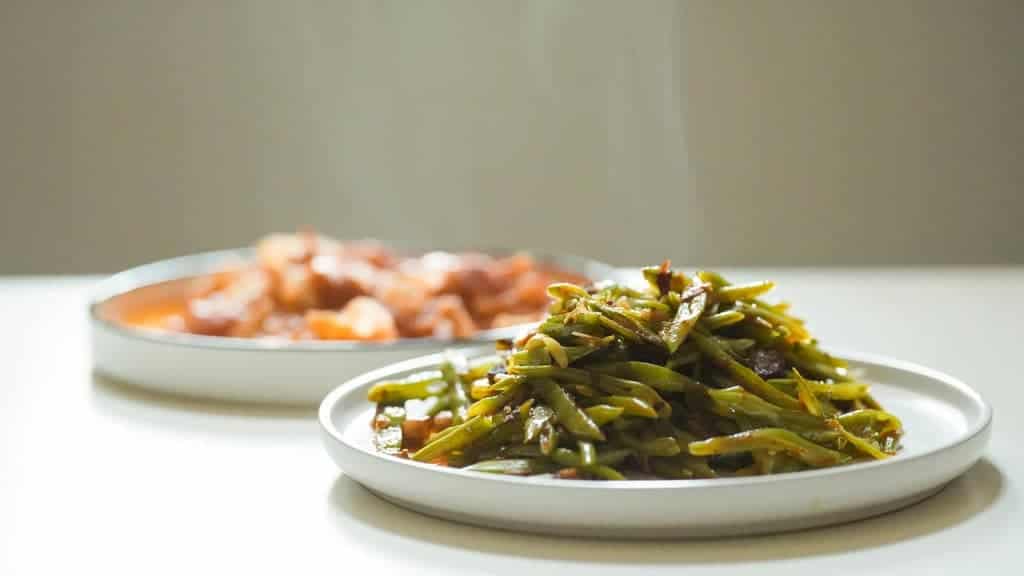
cooked food

Science explains why cooked foods are better for you than raw roods.

5. Cauliflower pizza crust

When it seems that all of our comfort foods are off-limits, this is one of those recipes that saves the day. With this crispy, flavorful option for pizza, you can load up on your favorite toppings without piling on the guilt.

Ingredients

  • 1 head florets
  • 1 clove garlic
  • An egg
  • 1/2 cup shredded parmesan cheese
  • 1/2 cup almond flour
  • 1/4 tsp salt
  • 1/4 tsp freshly ground pepper
  • 1/2 tsp dried oregano

Directions:

Preheat oven to 425 degrees. Bring a pot of salted water to a boil, add florets, and cook till tender, about 12 minutes. Drain and spread on a sheet pan to cool. While cauliflower cools, peel and mince the garlic. Mash cooled florets with a food processor or potato masher without turning it into a puree. Transfer cauliflower to a large cheesecloth and squeeze as much moisture as you can out of it. The more moisture you can get out of it, the crispier your crust is going to be.

Transfer veggie mixture to a bowl. Add garlic, egg, cheese, flour, salt, pepper, and oregano. Mix thoroughly.

Line a baking sheet with parchment paper. Place vegetable mixture onto parchment paper and spread into a 14-inch disk. Bake until golden brown and crispy on the edges; about 35 minutes. Finish with your favorite toppings and dig in!

6. Cauliflower casserole

This is one of those recipes that screams comfort food. Tender vegetable, creamy sauce, and flavorful accents make it perfect for a quiet meal at home or a festive holiday gathering.

Ingredients:

  • 1 head florets
  • 6 Tbsp butter, divided
  • 1/2 chopped red bell pepper
  • 4 green onions, thinly sliced
  • 1 Tbsp chopped parsley
  • 3 Tbsp all-purpose flour
  • 1 1/2 cups milk
  • 2 cups sharp cheddar cheese
  • salt and pepper to taste
  • 1 cup soft bread crumbs

Directions:

Heat oven to 350 degrees. Butter a 2-quart baking dish. Steam florets till tender, about 10 minutes. Set aside. In a medium saucepan, melt 4 Tbsp butter and add red bell pepper. Cook for 2-3 minutes or till tender. Add green onion and chopped parsley and cook for 3 minutes longer. Add flour and stir till blended. Gradually add milk, cooking till thickened. Add one cup of the cheese, salt, and pepper to taste; stir till cheese is melted. Combine cheese mixture with florets. Spoon into prepped baking dish and top with remaining cheese. Melt remaining 2 Tbsp butter and toss with bread crumbs; sprinkle over casserole. Bake for 30 minutes or till topping is crunchy and browned.

7. Oven-roasted buffalo “wings.”

For those of you wanting buffalo taste without all those extra calories, this is one of the best recipes for satisfying your craving. Serve with carrots, celery, and your favorite dipping sauces–you won’t even miss the original!

Ingredients:

  • 1 cup unsweetened almond milk
  • 1 cup of all-purpose flour
  • 3/4 tsp garlic powder
  • 1/4 tsp sea salt
  • 1 head florets, cut into small “bite-sized” pieces
  • 1/3 cup buffalo wing sauce
  • 2 Tbsp butter

Directions:

Heat oven to 450 degrees. In a medium-sized bowl, combine milk, flour, garlic powder, and salt, stirring till well combined. Pat florets dry with a paper towel. Coat each piece in milk mixture and place on a baking tray that has been sprayed with nonstick cooking spray.

Bake florets for 18-20 minutes. Prepare buffalo sauce by whisking together wing sauce and butter in a saucepan over low heat.

Remove florets from the oven and brush liberally with buffalo sauce. Return to the oven and bake for an additional 5-7 minutes. Cool and serve with your favorite garnishes.

cauliflower and weight watchers

Learn meal prep ideas to keep your diet on track.

8. Veggie and sausage roast with cheddar cheese

One of our favorite recipes for a hearty meal, this combination of textures and flavors, will make you forget that you are dieting. Serve with a vibrant green salad for a complete meal.

Ingredients:

  • 1 large head florets
  • 1 tsp cajun seasoning
  • 2 Tbsp chopped fresh parsley
  • 1/4 tsp freshly ground pepper
  • 1/8 tsp salt
  • 2 Tbsp olive oil, divided
  • 1 chopped medium onion
  • 12 ounces andouille sausage
  • 1 1/2 cups sharp shredded cheddar cheese

Directions:

Heat oven to 425 degrees. Grease a 2-quart baking dish with butter and a little olive oil. Toss florets with seasoning, salt, pepper, and olive oil. Set aside.

Heat 1 Tbsp olive oil in a skillet. Add onion and sausage and cook till fragrant and tender. Add this mixture to florets and drizzle with remaining olive oil; mix well.

Spoon mixture into the baking dish and bake till 30 minutes, or till florets are tender and browned. Stir once or twice during cooking time. Remove from oven, sprinkle with remaining cheese, and return to the oven till cheese melts about 5 minutes.

9. Cheesy bread

This is easily one of the most flavorful recipes for “healthy” cheese bread that exists. It is a great gluten-free option for those who love bread with a meal, and it is much healthier than its greasy counterparts.

Ingredients:

  • 1 large head florets
  • 2 large eggs
  • 3 cups shredded mozzarella, divided
  • 1/2 cup grated parmesan cheese
  • 1 tsp garlic powder
  • 1/2 tsp dried oregano
  • 1/4 tsp salt
  • 1/2 tsp ground black pepper
  • 2 Tbsp butter
  • 3 cloves minced garlic

Directions:

Preheat oven to 425 degrees. Grate florets in a food processor. Transfer mixture to a large bowl. Add eggs, 1 cup of mozzarella cheese, parmesan cheese, garlic powder, oregano, salt, and pepper. Transfer dough to a prepared baking sheet. Moisten your hands and pat into a thin, even rectangle. Ideally, it should be about 1/2 inch thick.

Bake until golden brown and dry to the touch, about 25 minutes. Melt butter in a small bowl and add minced garlic. Sprinkle remaining mozzarella cheese over the crust and place it into the oven again until the cheese has melted. Slice into small sticks and serve with your favorite marinara sauce.

10. Cheddar cauliflower cakes

Top these delicious cakes with your favorite meat, tomato sauce, sour cream, or even more cheese! They are amazing hot or cold, and they will keep you on track when you need something to munch on.

Ingredients:

  • 1 large head florets
  • 2 cups sharp shredded cheddar cheese
  • 2 large eggs, beaten
  • 1 tsp cajun or creole seasoning
  • 1/2 tsp garlic powder
  • 1/2 tsp black pepper
  • 1/4 tsp kosher salt

Directions:

Preheat oven to 400 degrees. Line a rimmed baking sheet with parchment paper. Cut florets and steam or boil them for 12-15 minutes; drain well. Place florets in the bowl of a food processor and pulse several times, until it looks riced or mashed. Place it in a large bowl and let it cool for 5-10 minutes.

Add cheese, eggs, and seasoning to floret mixture and mix well. Spread on prepared baking sheet until the mixture is at a depth of 1/2 inch. Using a cookie cutter, canning lid, or another circular ring mold, cut cakes out of the floret mixture and place on a baking sheet prepped for the oven.

Bake at 400 degrees for 25 minutes, or until they are golden brown and crispy on the edges. Remove from the oven and cool for at least ten minutes before removing from the pan. Enjoy!

11. Roasted florets with chimichurri sauce

The vibrant green color and delicious flavor of a chimichurri sauce elevate this dish to our recipes hall of fame. Serve with your favorite lean protein and a fresh greens salad for a completely delicious meal.

Ingredients:

  • 1 head florets
  • 2 Tbsp olive oil
  • salt and pepper to taste
  • 1/4 cup extra virgin olive oil
  • 1/2 cup flat-leaf parsley, washed
  • 2 cloves garlic
  • 1 Tbsp red wine vinegar
  • salt and pepper to taste
  • 1/2 tsp dried oregano
  • pinch red pepper flakes

Directions:

Preheat oven to 450 degrees and position racks in the bottom third of the oven. Place florets on a large rimmed baking sheet. Toss florets with 2 Tbsp of olive oil; sprinkle with salt and pepper. Roast until lightly browned and tender, about 30 minutes. Stir a few times during baking to ensure that they are evenly done.

While florets are roasting, put the sauce together. In a food processor, place the olive oil, parsley, garlic, onions, vinegar, salt, pepper, oregano, and red pepper flakes. Taste and adjust the seasonings as needed.

Serve florets hot with chimichurri, either drizzled on the top or on the side.

12. Bang bang cauliflower

Breaded florets and spicy sauce form the perfect combination of flavors that will tantalize your tastebuds.

Ingredients:

  • 4 cups florets
  • 2 eggs
  • 2 cups panko breadcrumbs
  • salt and pepper
  • 1 thinly sliced scallion
  • 2 Tbsp sweet chili sauce
  • 2 tsp sriracha hot sauce
  • 1/2 cup mayonnaise
  • 1/2 cup Greek yogurt
  • chopped parsley or cilantro

Directions:

Preheat oven to 425 degrees. Whisk together eggs in a small bowl, adding salt and pepper (1 tsp of each will do). Add a little water to thin out the eggs and make it easier to stick to the florets.

Dip florets in egg wash till they are coated on all sides. Drop them into another bowl filled with panic bread crumbs, toss till coated thoroughly. Place coated florets on a parchment-lined baking sheet. Spray florets with cooking spray and cook for 20 minutes, or till brown and crispy.

Whisk remaining ingredients in a bowl to make the Bang Bang sauce. When florets are done, assemble on a plate and drizzle sauce over the top, leaving some for additional dipping on the side. Sprinkle with chopped scallions.

13. Creamy mashed cauliflower and leeks

This staple side gets a little bit of a facelift with the addition of sautéed leeks. Make it even more flavorful by adding a little bit of sour cream and some chives.

Ingredients:

  • 1 large head florets
  • 1 large leek, sliced thinly
  • 3 Tbsp butter
  • 1 clove minced garlic
  • 1/4 cup heavy cream

Directions:

Chop florets coarsely and put in a medium saucepan. Cover with water and 1 tsp salt; bring to a boil. Reduce heat and simmer for 10-12 minutes, or till florets are very tender.

Clean the leeks. Cut off the root and the dark green tops and discard. Rinse under cold running water as you are cutting to remove excess sand. Continue slicing into thin strips.

Place butter in a large skillet and melt over medium heat. When the butter stops foaming, add the leeks. Reduce heat and simmer for 7-10 minutes. Add garlic and cook for 2 minutes longer.

Put drained florets and leeks in a food processor and add heavy cream. Process till smooth. Add salt and pepper to taste. Spoon into a serving dish and enjoy!

cauliflower and weight loss

Here’s a seven-day keto meal plan to kickstart your weight loss.

14. Sweet potato and floret soup

This rich, creamy soup perfect for quiet meals at home or lunch on the go. A wonderfully sweet, earthy taste satisfies and keeps you on track at the same time.

Ingredients:

  • 1 small head florets
  • 2 medium sweet potatoes, peeled and cubed
  • 2 minced garlic cloves
  • 1 large sweet onion, chopped
  • 1 large carrot, chopped
  • 2 Tbsp olive oil
  • 2 quarts vegetable stock
  • salt and pepper to taste
  • bay leaf
  • 1 Tbsp dried thyme
  • Fresh parsley or cilantro

Directions:

Prep all veggies, reserving 2 cups mini florets. Heat olive oil in a large saucepan. Add garlic, onion, and carrot and sauce till all are tender, about 8 minutes. Add sweet potatoes and large florets, vegetable stock, and three pinches of salt, as well as the bay leaf. Bring to a boil; cover and lower heat, simmer for 30 minutes.

Discard bay leaf, add thyme and remove from heat. Puree mixture in a blender in small batches until everything is smooth. Adjust seasoning to taste and add small florets, simmering for another 10 minutes or till florets are tender. Garnish with fresh parsley, cilantro, and sour cream.

15. Cauliflower and chicken casserole

This delicious, nutritious casserole is one of a kind! Whether you serve it up for your family or for a crowd of hungry guests, it is sure to please!

Ingredients:

  • 1 pound boneless chicken breasts
  • 1 Tbsp olive oil
  • 1/2 tsp salt
  • pepper to taste
  • 1/4 cup heavy cream
  • 1 head grated florets
  • 1/4 tsp onion powder
  • 2 tsp Italian seasoning
  • One Tbsp parsley
  • 1 1/2 cups cheddar cheese

Directions:

Cut chicken breasts into cubes sprinkle with salt and pepper. Heat olive oil in a large skillet and add chicken, cooking till no longer pink. Add heavy cream to deglaze the pan. Heat oven to 325 degrees, spray a 1 1/2 quart casserole dish with cooking spray. Add riced/grated veggies to the pan. Sprinkle liberally with the rest of the salt and pepper, onion powder, Italian seasoning, and parsley. Top with browned chicken and cream mixture. Sprinkle cheddar cheese over the top. Cover the casserole dish tightly with foil and bake for 20 minutes. Serve and enjoy!
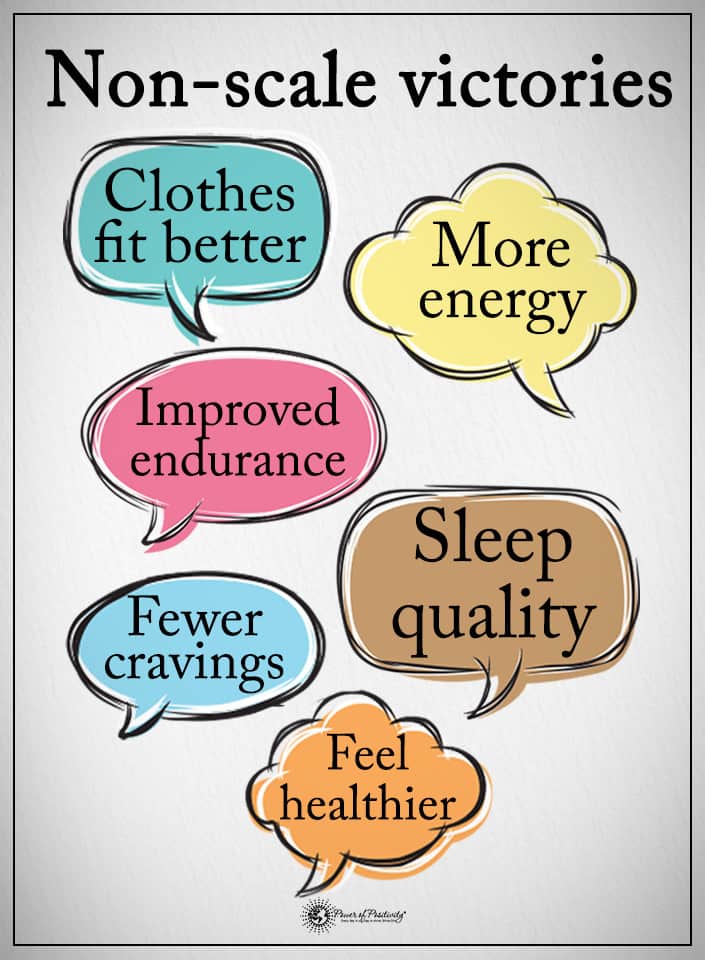
non scale victoriesFinal Thoughts on Using Cauliflower to Help Reach Your Diet Goals

No matter how you serve it, no matter how you slice it, cooking with cauliflower is one of the healthiest things you can to maintain your diet and weight loss goals. Choose from this list of stellar recipes, get yourself into the kitchen, and start cooking! Bon Appetit!


Pediatrician Explains How to Transition Baby From Crib to Toddler Bed

One of the most significant milestones in an infant’s life is transitioning from the crib to a toddler bed. Most children are eager to change their entrapped space for one that is large and free. However, the process can be quite tricky for both the parent and the child.

Since the confinements of a crib are all the young one has ever known, giving up their comfort zone does not come easily. It’s the equivalent of going from a twin-size bed to a king-size in the adult world. You need to learn how to manage all that space, and your sleep will be slightly interrupted.

Thankfully, pediatricians have a few tricks to help you ensure that this transitional period isn’t as difficult as it seems.

9 Tips to Help Your Child Adjust to a Toddler Bed

1. Make Sure The Timing Is Right

Many parents try to rush getting the crib out of the house to set up an average bedroom. However, you don’t want to get into too big of a hurry. Medical experts show that the best time to transition a child from a crib to a toddler bed is between 2-3 years of age.

It isn’t until this age that the toddler is mentally capable of making such a change. If you try to make the transition too early, then it can be counterproductive. Many children will reject the new bed if the transfer happens when they are not ready, and it can take longer than usual for them to make such an adjustment.

The young one must be capable of acknowledging and accepting such a change, or it could be a complete disaster. Sure, you want to toss the baby décor and opt for something that shows their individuality, but you must be patient.

toddler habits to reveal talent

Reveal your child’s talent by developing these habits.

2. Communicate With Them About The Transition

When it comes to making significant changes that involve your baby, communication is critical. Is your child asking to be moved to a toddler bed? You want to make sure you have their input on the process.

They may be entirely against making such a change as they have formed attachments to their crib. You know that feeling when you’re on a trip, and you don’t sleep right because you’re not in your bed? Well, your toddler feels that sensation during the switch.

They may be cranky and not sleeping their best during the initial switch. However, it’s always best if you have their input on the situation. If they are eager to get a big bed, then it’s going to be less of a transition for them.

However, if they are adamant that they don’t want a new bed, then you may need to wait a bit and broach the subject again. When it’s their idea, things always go much smoother than when you’re the only one eager to adjust.

3. Get Them Involved In The Toddler Bed Buying Process

Taking a young child shopping is typically not a fun experience, but it’s essential to bring along your young one when shopping for a toddler bed. When they are involved in the selection process, it makes them more eager to accept the change. Plus, they are the one that must sleep in the bed, so let them voice an opinion.

It’s just like with foods, if they help to cook them, then they are more willing to try new offerings. So when considering bed shopping, always include their input. Don’t be surprised if they pick something that appeals to their taste and not yours.

Keep in mind that while they may choose something a little cartoonish or themed with their current likings, but it’s just a transitional bed. The toddler bed is not as significant of a purchase as a twin or full-sized bed, where they will spend many years to come.

picky eaters

Find out 18 foods that even the pickiest children will eat.

4. Make Sure They Don’t Still Need A Crib

Some children still need the confines of a crib. They need to be enclosed so that they don’t wander the house getting into mischief. If you cannot leave your young one alone for any period, even five minutes, then it may not be the right time to make a switch.

Part of being mentally ready is that they can get in and out of bed without wreaking havoc on the home. If they will get into the fridge and bust eggs on the flour, smear toothpaste on the walls, and destroy the house while you sleep, then it’s best to hold off a bit longer.

5. Establish a Bedtime Routine

Pediatricians say that bedtime routines are practical for both the parent and child. If you want your baby to sleep in their new bed, then you need to make it a part of their regular schedule. For instance, bath time follows a story while being tucked into bed.

When a child knows what to expect, they can adjust easier. Make bath time fun with bubbles, toys, and interaction with mom and dad. Also, let them pick the story for the night, or you can make up your own stories for even more engagement.

Being tucked into bed won’t be such a big chore, no matter where they are sleeping, if they have that close interaction with their parents. The story and snuggle time will mean so much to them that they could care less about the transfer to the toddler bed. Try incorporating other relaxation techniques too.

6. Incorporate White Noise

Many people leave the cribs in their room until their child is ready for a toddler bed. While that’s not the best situation, it can make switching to a new sleeping arrangement more difficult. If your baby is accustomed to having the sound of a television, radio, or dad snoring, then being in a room all alone can be hard to adjust.

The use of white noise enhances sleep in youngsters. It helps them to drown out the silence and focus on the comfort of ocean waves, the sound of a fan, or even raindrops. The little machines that can produce these sounds are very inexpensive, and it may be the thing that gets them to sleep in their toddler bed with ease.

Some experts believe that white noise also helps children who suffer from night terrors. So it’s worth investing a little bit of money to see if it’s helpful.

toddler bed transition

7. Set Firm Boundaries

Rules are set to help a child know their boundaries. When it comes to bedtime, you will need to set some guidelines. Switching to a toddler bed may give your little one an excuse to push the limits of your patience.

For instance, some families say that a child can have one drink of water and may use the restroom one time before bed. Of course, you must be flexible for times when they aren’t feeling well, or you need to make other considerations.

A child will use every excuse in the book to get out of bedtime, especially if they are not comfortable in their bed. By setting firm boundaries and using a counting system, they will know if they don’t follow the rules, then they will face the consequences. Don’t let your anger get the best of you as you will only make their fear worse.

8. Consider A Convertible Bed

Many cribs on the market can be used as a bed clear through to adulthood. These convertible cribs will turn into a toddler bed, and later to a twin size. Your child may have little need to adjust much if they have one section of the bed removed that allows them freedom.

You must consider that if your child is above 50 lbs., and they have mastered the art of climbing out of the crib, then it’s safer to put them into a toddler bed. If you continue to allow them to sleep in one that they have outgrown, then it can be dangerous.

A convertible crib is worth the investment because they accommodate the child from birth through graduation with little adjustments. It’s just one of those things that most parents wish they knew sooner.

9. Make The Whole Experience Exciting

Most babies love the thought of becoming a big boy/girl. If you are excited about the changes from crib to a toddler bed, then they will likely jump on the bandwagon. If you are sad and crying because your baby is growing up, then they may feed off that negative emotion.

Talk up the new bed like it’s the best thing on the planet. Let them pick out their bedding, selecting special pillows that will enhance their sleep. Choosing a night light and a few other things to make the room comfier will help to ease them into the transition too.

The more positive you are about the situation, the more optimistic your child will also be. Even if you must get animated and cheer at the milestone they have reached, any reinforcement from their parent will help.

parentsFinal Thoughts on the Transition From Crib to Toddler Bed

Making the change from a crib to a regular bed is not going easy on you or your child. However, it would help if you remained positive. By getting the child involved in the process of choosing the bed and comforter, then they will feel like they are part of this change. Finally, set firm boundaries and don’t make the change until they are ready.

6 Quotes from Buddha That Have the Power to Transform Your Life

One needn’t be a Buddhist to learn from the Buddha. Hindus, Jews, and even Christians study and implement some of the Buddha’s teachings. Many Christian contemplatives and historians also compare the words of Buddha and Jesus side-by-side, even writing books that point out the similarities between their discourses.

One big reason why Buddha has become universally adored is his inclusive “Come as you are!” attitude. He turned away no one. Furthermore, he demonstrated the utmost patience, even to those who insulted – and also injured – him.

Buddha also appealed (and continues to appeal) to the skeptics, never demanding devotion or blind faith. He was, as a fact, both a rationalist and a pragmatist. He encouraged people to put his teachings to the test and see for themselves. How refreshing!

Unfortunately and unnecessarily, much of modern religion tends to turn its collective nose up to the notion of empiricism; instead, requiring this illogical devotion and blind faith. This practice is a massive no-no in the Buddhist tradition.

Buddha made is clear from the get-go who he was. Not a God, but an enlightened being.

A Story About Buddha

Buddha explained this in a fascinating conversation that reportedly took place between Buddha and a man named Dona, the brahman. According to the Dona Sutta of the Pali Canon, the latter knew that something was different about the Buddha’s footprints, exclaiming, “How amazing! How astounding! These are not the footprints of a human being!”

The man approached the Buddha, who was sitting at the root of a tree and asked:

“Master, are you a [god]?”

Buddha replied, “No, brahman, I am not a [god].”

“Are you a heavenly being?”

“No…”

“…a [holy man]?”

“No…”

“…a human being?”

“No, brahman, I am not a human being.”

“Then what sort of being are you?”

“Just like a red, blue, or white lotus – born in the water, grown in the water, rising up above the water … in the same way I – born in…, grown in…, [and] having overcome the world – live [unaffected] by the world. Remember me, brahman, as ‘awakened.’ (Source)

Buddha

Read here for 31 happiness quotes by Buddha.

The Six Quotations by Buddha

(Note #2 from the writer: Pardon the interruption, again! You may notice that some of the commentaries are a bit dry. I’ve tried to make things as entertaining and applicable as possible! Enjoy!)

#1 – Know Your Mind

“Mind is the forerunner of (all good) states. Mind is chief and [states] are mind-made. If one speaks or acts with a pure mind, happiness follows as one’s shadow that never leaves.” (Dhammapada, Verse No. 2)

In both Buddhist and Western psychology, the mind is thought to be the origin of all thoughts, feelings, and perceptions. Buddha, and the spiritual Path that he founded, emphasizes the importance of this fact.

Buddhism does divert significantly from Western science (and many religions) in that Buddhists believe that everything is created in and by consciousness. Everything. As such, they do not attribute creation to a single, omnipotent being

With regards to the body, classical Buddhist thought understands that the mind arises in dependence on the body (the mind and body “are one.”) This latter stance is becoming more accepted by modern science.

As our mind is considered the source of all things, Buddhism places a heavy emphasis on the training thereof. This training involves purification, specifically, the removal of a class of mental obstructions known as the “hindrances.”

The five hindrances are as follows:

1) Sensory desire: seeking external happiness through the five senses of feeling, sight, smell, sound, and taste. (Examples: sex, drugs, fine foods, music, etc.)

2) Ill-will: holding feels of bitterness, hatred, hostility, and resentment.

3) Sloth and torpor: dullness of the mind and lethargy of the body.

4) Restlessness and worry: turbulent energy of the mind and body that produces a sense of (often subtle) irritability and anxiousness.

5) Doubt: Lacking a personal sense of conviction or trust.

Upon the uprooting of these obscurations, the mind can then show it’s “original face” – one of luminosity, clarity, and perfection!

The primary means of removing the hindrances is living a life of morality – being mindful in word and deed!

#2 – Practice mindfulness

“Let the wise man guard the mind, so difficult to detect and extremely subtle, seizing whatever it desires. A guarded mind brings happiness.” (Dhammapada, Verse No. 36)

No doubt that you’ve heard the term mindfulness once or twice. In so many words, this is what the Buddha is referring to in the 36th verse of the Dhammapada. Mindfulness not only means attending to those things in the world but also attending to within!

In other words, watching the mind!

Why watch the mind?

Well, have you ever noticed that most of the things “you” think about aren’t “yours”? What about the fact that our mind never seems to shut up? What’s this “I” that’s noticing? How can you watch yourself?

According to Buddhist thought, our “higher mind” is capable of babysitting our “lower mind” to ensure that it doesn’t cause trouble. Moreover, this “quiet watchfulness” is who you really are!

Isn’t that wonderful?

With practice, we can make a habit of observing the workings of our minds. Over time, the inherent awareness that is our true nature will torch these unhealthy thoughts, feelings, and perceptions.

mindfulness

Learn six ways to become more mindful.

#3 – Watch Your Words

“Even though a speech is composed of a thousand words, but those words are senseless, one word of sense is better; when people hear it, they become quiet.” (Dhammapada, Verse No. 100)

The sheer amount of useless chatter that we are exposed to is insane. (Just try and sit through two minutes of Real Housewives!) Even the people who are responsible for providing the news will “report” on the most stupid stuff. Such unfiltered talk affects our mental states.

In this quote, the Buddha is stating, “When there’s nothing to say, say nothing; when there is, keep it short!”

There’s simply no point to drone on about trifles. Idle talk and gossip and looked down upon in Buddhism as entirely pointless and potentially mentally harmful.

When we watch our speech and choose words wisely, people are more likely to listen. We also come across as upright and trustworthy individuals.

Buddha quotes#4 – Rid Yourself of Hatred

“We live happily indeed when we are not hating those who hate us! Among those who hate us let us dwell free from hatred!” (Dhammapada, Verse No. 197)

If you’re Christian, you probably noticed some similarities between the Buddha’s words here and those of Christ. In Matthew 5:44 (World English Bible), Jesus says, “But I tell you, love your enemies, bless those who curse you, do good to those who hate you…”

While the words are different, the meaning behind them is likely the same. Hating and loving those who return the emotion in-kind doesn’t permit the cultivation of loving-kindness or compassion. Hence, the need for holy men such as Jesus and the Buddha to set the record straight!

If you can’t “love your enemies,” at least don’t make matters worse by hating them!

#5 – Know Your Priorities!

“Health is the greatest of gifts, contentment is the finest of riches, trust is the best of relationships, nirvana is the highest happiness.” (Dhammapada, Verse No. 204)

The quite here is rather simple, but the meaning – and the potential repercussions on one’s life – are extraordinary. Let’s go line-by-line.

“Health is the greatest of gifts…” Well, who can argue with that? Without our health, we’re nothing. When the health meter hits zero, we die. The thing is that most of us don’t bear this fact in mind. We don’t practice gratitude.

“…contentment is the finest of riches…” Oh boy, do we Americans have a fundamentally-discontent mindset! The main problem: we think contentment comes from outside of us. It doesn’t, and it can’t.

“…trust is the best of relationships…” Trust is the one thing that everyone is every kind of relationship can’t do without. When it’s gone, it’s gone for good. It stands to reason, then, that maintain trust in said relationship contributes significantly to its satisfaction.

“…nirvana is the highest happiness…” In the Buddhist context, nirvana is the elimination of all greed, hatred, and delusion. Freeing the mind and contributing to everlasting bliss.

quotes about spirituality

Click image to read 41 quotes about spirituality.

#6 – Compassion is Wisdom

“Those who possess compassion and wisdom, who are just, speak the truth, and take responsibility for themselves – those the world holds dear.” (Dhammapada, Verse No. 217)

The Buddha demonstrated a near-faultless character. He was wise, patient, and, by all accounts, very compassionate.

If you reread the above quote, you’ll notice that the Buddha puts compassion and wisdom side-by-side. This is most likely not a coincidence!

The Buddhist school of thought is that a calm and concentrated mind, which produces wisdom, cannot be cultivated without warm-heartedness and compassion.

An example of this Buddhist approach to well-being can be seen today. In his speeches, His Holiness the Dalai Lama very often mentions cultivating a calm mind along with an open heart. Once again, this is likely a deliberate act. (If you’re interested, look for his commencement speeches for a frame of reference here.)

It’s also likely that the justness, honestly, and self-responsibility that the Buddha mentions in the Dhammapada are the fruits of putting compassion and wisdom at the forefront!

Quotes to Be Happy Even on Your Darkest Days

Life has its highs and lows, and no one is exempt from experiencing disappointments, grief, and pain at some point. When going through those downtimes, you can help turn the tide by a little self-therapy in the form of quotes to be happy by combined with measured positive responses.

There are different ways of dealing with negative pressure, and we don’t all respond to the same types of encouragement. Some people may need to laugh. Others may need a good cry. Some may need family and friends to stay close. Others may need periods of solitude.

A favorite quote when life is playing hardball is this short reminder (paraphrasing John Shipp):

In every situation, you can choose to get bitter or better.

Just this simple advice can help save us from the grief of many a pity-party or self-indulgent pout. Studies confirm the importance of keeping a positive attitude and being careful about how we treat ourselves in difficult times.

It may undoubtedly be true that it doesn’t require inspiring quotes to be happy. But they can help by focusing our minds on the positive. Some people may need a quote to make them laugh, others, to make them think. And of course, there are times when you may be looking for some inspirational saying to give away to a friend, coworker, or family member.

It’s essential to keep a positive view of life in general, even if the moment seems to be wholly negative.

20 Quotes to Be Happy Even When You’re Down

quotes to be happy

1. “I have been bent and broken, but—I hope—into a better shape.” -Charles Dickens

An inspirational quote you can read again and again to keep you on track for better days. You are resilient and strong.

2. “Bad days turn, to manageable days, to nothing can break my days.” -Unknown

Changing your focus can make all the difference. Things will get better from here.

3. “We all have our problems, bad times, and bad days. But there is so much more in life than problems. So irrespective of your problems, make time to love, to smile, and to pray.” -Anurag Prakash Ray

Sometimes the best thing we can do is stand up, take a look around us at the nature of life, and decide to be happy. Make a mindful decision to embrace joy today.

4. “Some days, you just have to create your own sunshine.” -Unknown

Choose to be kind no matter what life throws at you. It helps to heal many hurts.

5. “Smile at each other, smile at your wife, smile at your husband, smile at your children, smile at each other—it doesn’t matter who it is—and that will help you grow up in greater love for each other.” -Mother Teresa of Calcutta

Sometimes enjoying a funny moment may be just the release you or a friend needs to be able to let go and begin living again with hope for the future. Laughter can even be a first step toward overcoming crippling fear. There are a lot of funny quotes to be happy about out there on the web. For some, healing may begin with a gentle chuckle bubbling up out of nowhere.

It may be true that one of the best medicines is laughter.

6. “Be happy. Smile even on your darkest days and worst times even though you’re broken up inside. If you can’t seem to do that, call your 2 or 3 best friends and tell them to pick up ice cream on the way over.” -Unknown

When we laugh, we forget for that moment just how awful life can be and remember how wonderful and absurd it can be instead.

7. “Smile. It might not make our problems disappear, but it will stop people from asking what’s wrong with you.” -Unknown

Smiling may not change the situation, but it can certainly lessen its impact on everyday life.

quotes to be happy

8. “I figured something out. The future is unpredictable.” – John Green

When bad things happen, you may feel frozen in time and space, afraid of failing or making things worse. Looking at the lighter side can help put things in their proper perspective.

9. “The elevator to success is out of order. You’ll have to use the stairs… one step at a time.” – Joe Girard

Reading quotes to be happy might lift your mood for the moment. However, you must remember that overcoming adversity–even bouncing back from failure–it a skill all beings must master.

10. “Optimist: someone who figures that taking a step backward after taking a step forward is not a disaster; it’s more like a cha-cha.” –Robert Brault

Some people seem to wax philosophical when difficulties come. You may try to dissect the reasons why, what you did wrong, what others did wrong, and so on. There are rarely apparent answers. Celebrate life as if it’s a dance!

As you muddle along, you might try a few quotes to be happy again and cope with the unanswerable questions.

11. “I find hope in the darkest of days and focus in the brightest. I do not judge the universe.” -Dalai Lama

It may be necessary to begin building a whole new tomorrow from the ashes of yesterday. The universe sets your ultimate plan–which will become apparent to you when it’s time.

12. Smile when in pain, smile when trouble pours like rain. Smile after someone hurt your feelings, because you know smiling always starts the healing. -Unknown

Sometimes a bad day gets better just by going through the motions of a good day. And you’ll be even happier when you face these days with a smile on your face.

13. “Appreciate where you are in your journey, even if it’s not where you want to be. Every season serves its purpose.” -Unknown

Keep on track to fulfilling your destiny. Things will turn your way when the time is right. Until then, buckle up and enjoy the ride.

14. “There are hundreds of languages in the world. But a smile speaks them all. And the best smile is the one which shines through troubles.” -Justice Cabral

Smiling. It’s a universal language. Your smile might make the day of someone who needs to see kindness.

15. “When you can’t control what’s happening, challenge yourself to control the way you respond to what’s happening. That’s where your power is.” -Unknown

Use your positivity to aid those in need. Offer your time and energy to help them recover. Or help them find the counseling they need if necessary. Often, the greatest asset we have for living a full and happy life is the investment we make in one another, no matter what’s going on in the world around us.

The most precious memories are the words of encouragement from your own heart to the ones you know best.

happy quotes

16. “Even on the worst days, you still manage to make me smile.” -Mary Gaohlee Thao

Love those closest to you, even on your dark days. Tell them how important they are to you–the mere act of expressing love is a special token of gratitude that will enrich your spirit.

17. “You are my everything, the reason I wake up in the morning. Just the thought of you brings a smile to my face that can last for days. The sound of your voice brings chills throughout my body. You make me the happiest that I have ever been. And to you, I am only a friend.” -Unknown

Feeling down because of unrequited love? As this quote demonstrates, you don’t struggle alone in this feeling. If the timing is right, your stars will align. And, if not, appreciate this special person as your close friend.

18. “I wish I could show you, when you are lonely or in darkness, the astonishing light of your own being.” -Hafiz

A positive quote may challenge a person suffering from depression, disappointment, or grief to try to be happy again, both with themselves and the life they have in front of them.

19. “Don’t give up on the person you’re becoming.” -Unknown

You have the power to shine a light on the future, even on difficult, dark days.

20. “When things seem to be going against you…remember that the airplane takes off against the wind, not with it.” -Henry Ford

We all face adversity in this world. Even the greatest minds and innovators were turned down until the Universe was ready for their innovations. Be patient.

quotes to be happyRemember These Quotes to Be Happy, Even on Your “Down” Days

Using quotes to be happy yourself or for others is just one way to be lifted up even on the darkest days of life. Learning to discern what is happening both around and in you can be a first step to creating a plan of recovery.

Give yourself or hurting friends the space needed to deal with difficult times. But when needed, don’t hesitate to ask for help from those you love and trust. Building a strong support group can be important, as well as building your own foundation so that you can stand on your own.

Time is a wonderful gift, and it often brings resolution we had not thought possible. It reveals our strengths and weaknesses and how they work together to make life an amazing adventure. With each new day, we can choose to be better. And taping a few encouraging quotes where we can see them and remind ourselves to look for the positive in each moment can help keep us excited about the days to come.

Doctors Explain Why You Should Never Ignore Blood in Stool

If you have ever taken the time to look in the toilet after defecating, you may notice that the color of your stool is some shade of brown, which is normal. However, for some people, this may not be the case as they may find that they have blood in the stool. And this can happen for any number of reasons. Blood in stools signs of illness should never be ignored, as it could indicate underlying health issues that require medical attention.

For example, it is not uncommon for anal fissures, which are small tears in the thin, moist tissue that lines the anus, to cause bleeding while defecating. The same also applies to hemorrhoids, which are swollen veins that form in the lowest part of the rectum and anus. In this article, we will take a deep dive into some of the other medical conditions that can cause bloody stool and also the importance of seeking prompt medical attention.

BLOOD IN  STOOL: WHY YOU SHOULD NEVER IGNORE IT

The human body heals itself remarkably well. However, there are times when you must seek out medical intervention. In either case, the body will present you with symptoms that signify something is wrong. When it comes to bloody stool, the body is usually alerting you to the fact that bleeding is taking place somewhere within the digestive tract, which includes the rectum and anus.

That said, bleeding that starts in the rectum or anus is usually bright or dark red. Conversely, bleeding that starts in the upper digestive tract will generally cause the stool to appear black or tarry. Either way, individuals with significantly discolored stool should call their physician for an exam as soon as possible. Along with anal fissures and hemorrhoids, blood in your stool can signal any many additional health problems.

blood in stoolCONDITIONS THAT CAN CAUSE BLOOD IN YOUR STOOL

Diverticulitis

Rectal bleeding, also known as hematochezia, can sometimes be a sign of diverticulitis, which is a disease that adversely impacts the digestive tract. Individuals with diverticulitis will develop inflamed pouches that form in the lining of their intestines. If these pouches rupture, it can cause rectal bleeding, infections, fever, and abdominal pain. Rectal bleeding due to this specific health condition appears black or dark red most often. According to the National Institutes of Health, over 35 percent of Americans between the ages of 50 and 60 have diverticulitis.

Ulcerative colitis

In addition to abdominal pain and diarrhea, both of which stem from an overactive immune system, ulcerative colitis can also cause rectal bleeding. According to the Genetics Home Reference, a health website in partnership with the National Library of Medicine, over 750,000 Americans are struggling with this condition, which causes severe rectal bleeding when the colon is significantly ulcerated.

Crohn’s disease

Much like ulcerative colitis, Crohn’s disease is yet another inflammatory bowel disease that can cause rectal bleeding. In many cases, individuals with this condition will notice blood mixed in with diarrhea. Even when passing solid stool, the stool may appear bright or dark red. Ulcerative colitis also causes severe abdominal pain. What’s more, the rectal bleeding caused by this specific inflammatory bowel disease can cause numerous infections, including Shigella and Salmonella. Further, those with HIV, also known as the Human Immunodeficiency virus, may develop an infection known as cytomegalovirus. According to the Crohn’s and Colitis Foundation, over 780,000 Americans are struggling with Crohn’s disease.

Ischemic colitis

This inflammatory bowel disease occurs when there is a reduction in blood flow to the colon. In most cases, the reduced blood flow is the result of a blood clot that blocks the artery that would otherwise supply blood to the colon. When this happens, the colon becomes ulcerated, triggering a wide range of inflammatory bowel disease symptoms, including rectal bleeding.

It is important to note that rectal bleeding caused by ischemic colitis is not as severe compared to that of Crohn’s disease and ulcerative colitis. And in many cases, the bleeding, abdominal pain, and other symptoms will resolve themselves within a matter of weeks. Nonetheless,you should schedule an exam with your physician to rule out other health problems.

Colon polyps

If you’re not familiar with colon polyps, they are mushroom-shaped protrusions that form on the colon. In many cases, they are benign, but they can sometimes lead to the development of colorectal cancer. Whether these polyps are benign or malignant, they can cause rectal bleeding. What’s more, the loss of blood can lead to low blood pressure and, in severe cases, iron deficiency.

Also, if polyps give way to colorectal cancer, it can cause significant changes in bowel movements. Bleeding caused by polyps or colorectal cancer is usually mild and intermittent, and the blood can appear bright or dark red depending on where they form on the colon.

Malignant and benign polyps are usually painless, so if you notice that you have blood in your stool, it would be a good idea to schedule a colorectal exam. It is important to note that 15 to 20 percent of adults in America over the age of 50 have polyps, according to the Roswell Park Comprehensive Cancer Center based in Buffalo, NY.

colonoscopy

A doctor explains what happens during a colonoscopy.

Radiation

Ironically, radiation treatment, traditional medicine’s go-to for most types of cancer, can also cause rectal bleeding. This particular type of bleeding is known as radiation colitis. Studies show that individuals who have undergone radiation treatments for prostate and colorectal cancer, for example, often suffer permanent alterations to the innermost lining of the colon. It is important to note that there are two types of radiation colitis, acute and chronic. Individuals with the acute variant will usually experience rectal bleeding within 6 weeks following treatment compared to 9 or more months for those with chronic radiation colitis.

Angiodysplasias

Blood in your stool may also be a sign of angiodysplasias, which is a condition characterized by the development of enlarged blood vessels that form under the innermost lining of the colon. They can also occur in the stomach or small intestines as well. While the epidemiology of angiodysplasias is unclear, studies show that the condition is quite common in older adults. Similar to colon polyps, angiodysplasias is generally painless; however, those who develop the condition often experience bright or dark red rectal bleeding when defecating. And if they lose too much blood, it can result in iron deficiency anemia. It is worth noting that angiodysplasias make up roughly 10 percent of all cases involving rectal bleeding.

Obviously, this list does not encompass all of the health problems that can cause rectal bleeding; however, they are some of the most common.

poop and healthWHEN SHOULD YOU CALL YOUR DOCTOR?

Considering that there are a plurality of health conditions that can contribute to rectal bleeding, you should be seen by a physician as soon as possible if you notice any signs of blood in your stool. Ideally, you should consult with a specialist, such as a proctologist, gastroenterologist, or rectal surgeon. Moreover, this is especially true if you experience any of the following:

Extremely discolored stool

If you’re passing black, tarry stool, it may indicate that bleeding is occurring in either the gastrointestinal tract or esophagus. And this would constitute a medical emergency. According to an article published by Medical News Today, a trusted online resource for medical news and information, black, tarry stool is often a byproduct of liver disease and can be life-threatening if left untreated.

Maroon colored stool

Passing red or maroon-colored stool usually denotes bleeding in either the upper gastrointestinal tract or small intestines. Furthermore, maroon-colored blood in stool links to inflammatory bowel disease and tumors, both of which can lead to life-threatening complications.

Lightheadedness

Although rectal bleeding is typically mild, some health conditions can trigger profuse bleeding that leads to lightheadedness. In these cases, you should see your physician as soon as possible. And this is especially true if you’re experiencing chest pain, shortness of breath, or feel faint at the same time. According to Harvard Health Publishing, the publishing arm of Harvard Medical School, lightheadedness is linked to the following:

  • Dehydration
  • Low blood glucose levels
  • Cardiovascular disease
  • Stroke

Fever

If you’re experiencing rectal bleeding and develop a fever, give your doctor a call. According to a study published by the National Institutes of Health, these two symptoms, in particular, have been linked to acute myeloid leukemia. For those who are not familiar with this specific medical condition, acute myeloid leukemia is a form of cancer that impacts both the blood and bone marrow.

blood in stoolFINAL THOUGHTS ON FINDING BLOOD IN STOOL

In summary, blood in your stool can be either a sign of a chronic health problem or something less severe, such as hemorrhoids. Nonetheless, take this symptom seriously. That means you should schedule an appointment with your physician sooner rather than later.

15 Motivational Quotes for When You Need to Boost Your Patience

Have you ever read motivational quotes when you were feeling down and became inspired? Or maybe you were stuck in traffic for the last hour, and instead of screaming out the window, you closed your eyes and took a couple of deep breaths. You need a dose of good, old-fashioned patience.

This is the art of practicing motivation and becoming more patient. The two of them often coincide for various reasons. You can be a motivated person but not patient and vice versa. However, both will lead to burnout and potential health problems if you don’t learn both.

Often, people that are impatient but are motivated will feel like a failure. This outcome happens when they haven’t reached a goal by a particular time and won’t feel as accomplished once they reach it. The same applies to being patient but in a different way. Impatience can lead to feeling like the goal is unobtainable. Lack of motivation continues to happen, leading to unsuccessfulness.

The good news is they both can be practiced with simple techniques and come with a set of health benefits.

Science Behind Motivation

Motivation is the reason one has to act in a certain way. Without motivation, one couldn’t achieve their goals. It can be for many reasons, and usually, people have more than one motive for behaving the way they do.

There are two types of motivation: intrinsic and extrinsic. Intrinsic motivation refers to an internal desire to accomplish a particular goal. This type tends to cause people to work harder, and the accomplishment is more rewarding. Extrinsic is when other people or events drive the desire.

In 1943, an American psychologist, Adam Maslow, developed the hierarchy of needs. This theory states that humans are inherently motivated to become better and move towards self-actualization. Humans would need to attain and satisfy the different levels of demand from the most basic like food, to higher-order needs like love.

The theory expanded to include self-transcendence. People achieve the peak of growth and discover the meaning of life by tending to things beyond themselves. While many people challenge this theory, it’s also widely regarded in terms of understanding why humans have motivation.

Why Do I Lack Motivation?

A lack of motivation can happen to anyone at any time. There are various reasons as to why someone loses motivation. It can stem from depression, only doing tasks you have to do and not what you desire to do or even rejection. The good news is that you can regain motivation. The first step is to find the cause of the loss of motivation.

Tips for Gaining Motivation

1. Find the root cause of motivation loss and address it

Sometimes we can lack motivation due to health reasons or if we have too much on our plate. Finding out the cause of the problem and confronting it will allow you to move forward.

2. Select an obtainable goal

Often, we pick unobtainable goals in the short term. This can cause us to feel overwhelmed or frustrated when we aren’t fulfilling the purpose. Starting out small can help you regain focus.

3. Stay positive

Negative thinking or focusing on the adverse outcomes can change your perception of yourself and the goal. Reading motivational quotes can help inspire you to think more positively. With a positive attitude, you’re more likely to look at the bigger picture of what’s to come.

motivational quotes

4. Take a day and do something you enjoy

It can be easy to get caught up in accomplishing your goal that you become burnt out. Doing something you love, like going for a walk or seeing a movie, can clear your mind and refocus your energies.

Science Behind Impatience

“Patience is a virtue.”  ~William Langland

In today’s world, it’s easy to get caught up in the hustle and bustle of life. Things are literally at our fingertips, and waiting has become a thing of the past. The problem with that is sometimes you do need to wait and do something later and not now. Being patient is often perceived as a weakness compared to an attribute of the strong.

Why Becoming Patient is Important

Becoming a patient person is crucial for many reasons, and not all of them are for virtuous purposes. It comes with health benefits. Studies show that it can reduce negative emotions and reduce depression. Patient people are more likely to express more prosocial behaviors like generosity, empathy, and compassion.

Studies found that there are three types of patience that people must learn.

1. Interpersonal

This type is when you’re dealing with an annoying person or someone angry or upset. Those that are more patient tend to be more hopeful and satisfied in life.

2. Life circumstances

Life can be rough sometimes. Expressing positive thinking like things will get better after problems arise like a job loss or battling illness is linked to hope and courage.

3. Daily challenges

This is similar to the first one but involves more about dealing with waiting, delays, or anything that gets you irritated. Staying patient in these matters links to better mental health and less depression.

Research found that those patient interpersonal tend to make better progress towards their goals. They were also more satisfied when they accomplished them compared to less patient people.

motivational quotes

Not being a patient person links to many adverse health problems. A study found that those who were less patient experienced more health problems. These ranged from headaches, ulcers, acne, sleep problems, diarrhea, and a weak immune system.

Studies suggest that being patient isn’t a set personality trait. Anyone can learn to become patient over time. Like with anything in life, it takes practice.

Tips to Develop Patience

1. Reexamine the situation

Despite how it feels in the moment, impatience isn’t an automatic response. It involves your thoughts and beliefs. For example, you might feel as though someone is being disrespectful for being late. Instead, take the extra time and read a book, motivational quotes or grab a quick snack. Developing patience deals with self-control. Regulating our emotions when something goes wrong trains our thinking.

2. Try some mindfulness exercises

Studies show that being present in your experiences and feelings can help with being patient. Mindfulness exercises are as simple as taking a deep when you’re irritated or overwhelmed. You can practice it anywhere and in many alternative ways. Popular ways include meditating while seated, yoga, or sports. You can even read mantras such as motivational quotes to distract your mind and calm you down.

3. Express gratitude

Studies on those who express gratitude show that they’re better at delaying gratification. The research presented the choice of receiving a cash reward right away or waiting a year for a more considerable sum. Those that expressed less gratitude took the cash payment right away and received once $18 was offered, but others waited until it was at least $30.

Gratitude - motivational quotes

Motivational Quotes for When You Need a Boost of Patience

1. “Life is 10% what happens to you and 90% how you react to it.” – Charles R. Swindoll

2. “All in good time.” – Horace (65-8 BC)

3. “It does not matter how slowly you go as long as you do not stop.” – Confucius

4. “Patience can’t be acquired overnight. It is just like building up a muscle. Every day you need to work on it.”- Eknath Easwaran

5. “One moment of patience may ward off great disaster. One moment of impatience may ruin a whole life.” – Chinese Proverb

6. “Patience is not simply the ability to wait – it’s how we behave while we’re waiting.” – Joyce Meyer

7. “Have patience with all things. But, first of all, with yourself.”– Saint Francis de Sales

8. “A man who is a master of patience is master of everything else.” – George Savile

9. “Develop an ‘Attitude Of Gratitude.” Say thank you to everyone you meet for everything they do for you.” – Encouraging Quote By Brian Tracy

motivational quotes

10. “One minute of patience, ten years of peace.” ~ Greek proverb

11. “Nature does not hurry, yet everything is accomplished.” – Lao Tzu

12. “The pessimist sees difficulty in every opportunity. The optimist sees opportunity in every difficulty.” – Winston Churchill

13. “It’s not whether you get knocked down, it’s whether you get up.” – Vince Lombardi

14. “All good things come to he who waits.” – Proverb

15. “Patience is the best remedy for every trouble.” Plautus

Final Thoughts: Find the Self-Motivation to Learn Patience

Motivation refers to the way you behave based on a goal you have. You can lose sight of your motivation for various reasons, including health problems like depression or anxiety. There are many ways you can get on track and redirect your thinking to help keep you focused. Taking care of your basic needs, doing something you want to do, gain inspiration by reading motivational quotes, and practicing positive thinking can make all the difference in achieving your goals.

Being patient is a personality trait that can be practiced and gained over time. More importantly, this virtue offers plenty of health benefits. And, it reduces the negative impacts of stress related to impatience. So try some of these techniques– you’ll grow from them in the long run.

Yogis Explain What Happens To Your Body When You Do Bikram Yoga

Have you ever tried yoga? Are you a current yogi on the path to enlightenment? Yoga has been around for thousands of years. And in today’s health and fitness world, many hail Bikram Yoga as the ultimate in achieving mind/body balance and ultimate fitness.

If you have never tried yoga before, the thought of embarking on this type of adventure can seem quite daunting. Images of pretzel-like positions, incredibly fit and active people, and hour-long sweat sessions intimidate even the most ambitious. This article will offer you an overview of the benefits of yoga, as well as some of the specifics of Bikram Yoga.

Yogis repute that Bikram is the most effective for cleansing the mind, body, and spirit. So let’s answer this question first. What’s all this buzz about yoga?

What is yoga, anyway?

Yoga is an ancient practice of uniting the mind and body that has its roots in over 5000 years of East Indian philosophy. Physical postures, breathing techniques, and meditation are all symbiotically planned to give you, the yogi, the ultimate in mind/body balancing and physical fitness.

History of Yoga

No one can claim fame to the beginning or inception of yoga; men and women alike had engaged in the practice long before it became a documented, well-thought-out discipline. Yogis would pass along their knowledge and expertise to students, who taught their students, and the practice came to be what it is known as today.

The earliest accounts of an organized discipline are written in the “Yoga Sutra,” a manuscript penned over 2000 years ago. It is an account of how to completely master the mind, body, and emotions through the practice of specific postures combined with breathing techniques.

Believe it or not, the ancient practice of yoga did not hold physical fitness as its ultimate goal. The energy focused on reaching a state of spiritual enlightenment, mental and emotional peace. Starting in the Middle East, it gained popularity in the Americas at the beginning of the 19th century, where it has remained a steady and robust practice ever since.

hot yoga Bikram yoga

Benefits of  All Styles Yoga

There are several measurable benefits to beginning yoga practice. Some of these mind/body benefits include:

1. Decreased stress

Yoga is known to calm both mind and body, helping to reduce the adverse effects of stress. Regular practice of yoga has been known to decrease the production of cortisol in the body, which is a stress hormone that triggers other undesirable conditions that have adverse effects on your health.

2. Reduced anxiety

Yoga practice teaches the student to be in the present moment and focus on appreciation and gratitude for all that is. In creating these conditions and making it easier for you to tap into these “feel good” emotions, you’ll likely experience a greater sense of peace and well being.

3. Reduced inflammation

Yoga helps to stimulate the normal nervous system and immune system responses, which may help reduce excess inflammation and help safeguard you against the development of diseases like heart disease, diabetes, and cancer.

4. Improved heart health

Yoga does its part to improve circulation throughout the body, helping to keep arteries free from buildup. This results in lower cholesterol and lower blood pressure readings for those who regularly engage in the practice.

5. Improved quality of life

From greater flexibility to greater peace of mind, there are few disciplines that can boast as many whole body, whole brain benefits as yoga. With energy and vitality lasting well into your golden years, you are likely to experience a greater quality of life as you continue your practice.

bikram yogaThe Philosophy of Yoga

Yoga practitioners often use the imagery of a tree to convey a balance between the earth and the higher realms. Each branch of yogic service represents a branch on the tree.

Different types of yoga focus on certain aspects of existence:

  • Hatha yoga–designed to prime the physical body and calm the mind
  • Raja yoga–highly focused on brain evolution and meditation
  • Karma yoga–the pathway of yoga that focuses on liberating one from karmic cycles and negativity
  • Bhakti yoga–yoga that focuses on healing the emotions and focusing on greater humanity
  • Jnana yoga–yoga that is designed to improve the intellect through study and meditation
  • Tantra yoga–yoga that focuses on improving the body to enjoy ultimate pleasure in relationships

In recent years, there has been a focus on hatha yoga postures in an environment designed to cleanse and rejuvenate the body.

This type of yoga is known as Bikram yoga–yogis practice in a room that is heated to over 100 degrees in an effort to help the body detoxify, create conditions ideal for flexibility, and increase endurance. Students of Bikram yoga report that they experience significant mind/body benefits from the beginning of practice, and that it’s like no other discipline in terms of how dramatically it improves physical, mental, and emotional health. Let’s take a look at Bikram yoga and see what separates it from other types of yoga:

A Bikram Yoga Overview

Bikram yoga is a type of yoga developed by Yogi Bikram Choudhury; it involves a series of 26 poses and two breathing exercises performed in a room that is heated to 105 degrees. Sessions typically last about 90 minutes.

Benefits of Bikram Yoga

The Bikram style of yoga is known to promote deep relaxation and detoxification, and it improves flexibility and strength if performed correctly. Doing Bikram under the watchful eye of a trained instructor can help you to avoid some of the potentially dangerous complications that come with practicing rigorous postures in such a hot space. If you decide to take up Bikram yoga, tread carefully, drink a lot of water, and look forward to these changes in mind and body for lasting results:

1. You will experience greatly improved flexibility

Stretching while warm is much better for your muscles than cold stretching. The heat in a Bikram studio fosters greater flexibility and range of motion. Thus, the temperature allows you to deepen and get the full effect of each intended pose.

2. You will burn more calories

A 160-pound person burns about 200 calories per hour during a regular yoga session. Turning up the heat allows for maximum calorie burn. Recent studies show that this difference can be as much as 450 calories per session for men and 330 for women! An increase in heart rate, respiration, and improved circulation all contribute to this extra burn.

3. You will build more bone density

Supporting your weight during a yoga pose helps to build bone density. This is particularly important as we age; bone loss and bone brittleness increase the risk of injuries that can affect the quality of life. If practiced regularly, Bikram can help to reduce the development of osteoporosis and other age-related disorders.

yoga

4. You’ll reduce your stress level

You’ll be able to feel a marked improvement in relaxation and well-being following a Bikram yoga session. Yoga students are stronger, more confident, and ready to take on life’s challenges. This positive approach to tackling life results in more joy and less stress.

5. You’ll reduce symptoms of anxiety and depression

A study indicates that a regular Bikram yoga routine helps reduce anxiety and depression symptoms significantly. This became the standard way of handling depression and anxiety for the same study participants, many of whom were able to stop taking prescription medications for the same conditions.

6. You’ll strengthen your heart

You’ll not just strengthen your heart, but your lungs, muscles, and all other systems of the body. Hot yoga revs up your circulation, your respiration, and your metabolism, providing the same challenging workout effects as walking briskly at a pace of 4 miles per hour.

7. You’ll lower your blood glucose levels

Any type of exercise improves circulation and helps to stabilize blood glucose levels. However, Bikram hot yoga is known to produce dramatic results in regulating glucose, particularly in those who are at risk for or suffer from type 2 diabetes.

8. You’ll glow!

You will have a red, flushed appearance after your session. That’s because you’ll likely sweat more than you ever have before. On the other side of the shower, however, your skin will be glowing, as you’ve managed to push out harmful toxins and slough off dead skin cells during your session. You’ll look and feel better than you have in years.

Safety Tips When Starting Bikram Yoga

As with any exercise program, get your doctor’s approval before taking on a new exercise pursuit. Even if you are in good health, here are some things to keep in mind when practicing Bikram:

1. Stay hydrated

Drinking enough water before, during, and after a Bikram session is essential. Dehydration is a real concern, as you’ll be sweating throughout the class. So stay hydrated to reduce potentially life-threatening consequences of severe dehydration.

bikram yoga can lead to dehydration

2. Be upfront about pre-existing health conditions

Some people faint in the high heat and humidity that accompany hot yoga. Those with high blood pressure, heart disease, diabetes, anorexia, and other autoimmune conditions should let their instructor know prior to class that they should be watched closely for signs of weakness and fainting.

3. Be mindful of low blood pressure and low blood sugar

If you periodically deal with low blood pressure or low blood sugar, you need to check with your doctor to determine whether Bikram yoga is safe for you. Check with your instructor to see if there are modifications that you can make in postures that will make practice more comfortable.

4. Pregnant? Proceed with caution

In general, it is not wise to take on a new exercise pursuit when pregnant, but something that you have been doing prior to getting pregnant is sometimes considered acceptable. Listen to your body, talk to your doctor, and proceed carefully for your sake and for baby’s sake.

5. Stop immediately if…

If you feel dizzy, faint, or weak, by all means, stop immediately and seek a quiet place where you can cool off and rest. Bikram yoga is an ambitious pursuit and one that should not be practiced lackadaisically.

yoga poses

Read about eight healthful reasons to try yoga.

Final Thoughts: Give Bikram Yoga a Try!

Bikram yoga is an exciting journey of transformation, but you need to consider both benefits and risks before attempting a class. Talk with area instructors, visit a class, and feel free to ask questions to determine whether Bikram is right for you. Namaste!

5 Ways Meditation Can Help You Master Your Emotions

You can find countless studies nowadays on the numerous benefits of meditation. From the workplace to schools to yoga studios, meditation is taking over the globe and transforming people’s lives. In our fast-paced world, we all need a break from time to time. Fortunately, that’s exactly what meditation is–a reprieve from the constant chaos — a solace from the barrage of stimuli affecting our minds, bodies, and spirits.

Quiet the mind, and the soul will speak.” – Ma Jaya Sati Bhagavati

During meditation, one learns to identify less with the mind and more with the soul. It provides a way to tap into the collective consciousness instead of the logical mind. Meditation is a practice of releasing attachment to the ego and creating a path to the soul. In our busy lives, we can easily forget who we are and why we’re here. When we come to this planet, we embody love and peace. We unlearn this natural state due to social and societal conditioning. So in a way, meditation gives us a path back to ourselves.

Meditation can also help you identify less with your emotions. It helps you to feel them and release them instead of burying or holding onto your feelings. Below, we’ll go over five ways in which meditation can help you become a master over your emotions instead of allowing them to master you.

habits

Here are five ways meditation can help you control your emotions:

1 – Meditation lowers your heart rate and reduces stress.

When our emotions control us instead of us controlling them, we tend to respond more negatively to stress. Little things like getting cut off in traffic or getting reprimanded by our boss can set us off. However, meditation can help combat this by lowering our heart rate and helping us control our reactions to things. Instead of reacting, we will learn to respond. Meditation gives us the space we need to become less attached to our ego, which desires to be right at all costs.

Meditation can help us to respond in a more loving, less combative way. If someone cuts us off, we can brush it off instead of trying to race that person on the freeway to prove a point. We can take a couple of breaths before responding to our boss instead of becoming defensive to protect our ego.

In this study from Stanford University, an eight-week mindfulness meditation course showed increased activity in areas of the prefrontal cortex that help regulate emotions, thus reducing stress. Another five-year study asked 201 patients with coronary heart disease to do transcendental meditation, which is where you repeat a sound or mantra in your head, for 15 minutes per day. The meditators had a reduced risk of heart disease, stroke, and death by 48%. They also had lower blood pressure and stress levels.

2 – It helps to quiet your mind.

While at first meditation feels like another chore on your list, it quickly becomes an enjoyable activity. It provides solace from a busy, hectic life, and a chance to tune out the world and tune into yourself. By quietly sitting and focusing on one’s breath, one moves from a state of reacting to a state of relaxing.

Thoughts don’t seem as important or demanding when we have a chance to examine them by slowing our breathing and becoming still. In a world that seems to discourage slowing down, we must take our power back by giving that right to ourselves. Even if you have five or ten minutes at the end of the day, this can help you slow your mind down and become less attached to fleeting emotions.

meditation

3 – Meditation helps you become aware of your feelings.

Most of our emotions run on autopilot throughout the day, meaning we don’t even notice them. We may wake up, rush to make coffee, and take a quick shower before heading out the door. Our morning routine sets the stage for the rest of our day, so taking a few moments to check in with our emotions can make a world of difference.

Instead of rushing around in the morning, which activates our fight-or-flight response and gets the cortisol pumping, why not meditate and set your intentions for the day? Believe it or not, we get to control how our day will go based on our thoughts and intentions. Of course, we can’t control everything that will happen, such as traffic on the way to work or an angry coworker, but we can choose how to respond. Responding favorably becomes more manageable when we can take time in the morning to quiet our minds and open our hearts.

4 – Meditation reduces reactivity.

As we stated above, meditation helps us become less reactive. If we get irritated by every rub, how can we ever become polished? This control is what meditation teaches you to do – become more aware of yourself and your emotions so you can live life in a more peaceful, balanced way.

Consider this study.

One study published in the Journal of Cognitive, Affective & Behavioral Neuroscience found that regular meditation makes people less reactive to negative feedback in life.

Researchers divided people into three groups: experienced meditators, novice meditators, and non-meditators. They had the participants perform a task where they had to pair images with a reward. However, not all photos had the same probability of being a reward – some pictures had an 80% chance of success, while other images had a 20% chance of success. The participants were tasked with choosing images with the highest probability of success.

Researchers found that meditators were more likely to learn by focusing on images with a high probability of success. At the same time, non-meditators were more likely to learn by choosing photographs with the lowest likelihood of success. This finding suggests non-meditators were more likely to learn from adverse outcomes, while meditators were more likely to learn from better results.

This might be because humans are wired to have a negativity bias. When we lived closer to nature, our brains prime us to look for threats. Unfortunately, this instinct carries over into our modern lives today. The brain can’t easily distinguish between real and perceived threats, but meditation can help us overcome this negativity bias by helping us become more aware of our emotions.

Also, our brains may focus more on what is wrong in our lives rather than what is right so that we can fix whatever problems we may face. There’s nothing inherently wrong with this. However, fixating on our problems can cause us to see issues where none exist. Meditators seem to be immune to negativity bias by choosing images with more positive outcomes.

The study outcome

Researchers also connected participants to an EEG to measure electrical activity in the brain while they were choosing images. By doing this, they could measure the participants’ reactions to both positive and negative feedback.

They discovered that all participants reacted the same to positive outcomes, but non-meditators showed the strongest reaction to adverse outcomes. Experienced meditators showed the least amount of response to adverse results when the researchers measured brain activity.

The lead author of the study, Paul Kntyl, said this about the study:

“Humans have been meditating for over 2000 years, but the neural mechanisms of this practice are still relatively unknown. These findings demonstrate that, on a deep level, meditators respond to feedback in a more even-handed way than non-meditators, which may help to explain some of the psychological benefits they experience from the practice.”

positivity

5 – You learn to dissolve your ego and open your heart.

Through this practice, we detach from our ego and move into our heart space. Thus, we can learn to have more loving, positive, and accepting emotions toward ourselves and others. This is especially true in practice called loving-kindness meditation. In fact, in a groundbreaking study, Barbara Frederickson and her colleagues found that participants who practiced seven weeks of loving-kindness meditation showed increased love, joy, contentment, gratitude, pride, hope, interest, amusement and awe. These positive emotions resulted in increased mindfulness, purpose in life, social support, and decreased illness symptoms. This, in turn, resulted in greater life satisfaction and reduced depressive symptoms.

meditationFinal thoughts on how meditation helps you control emotions

Meditation offers a wide range of physical and emotional benefits, namely, maintaining control emotions by slowing our ideas and making us more aware of ourselves. Most of us run on autopilot and wonder why our lives are unsatisfying and full of severe problems. Tuning into our inner selves can help us to overcome negative emotions. Plus, we start to respond to situations in a more balanced, healthy way.

If you haven’t started a meditation practice of your own, there’s no better time than today to begin. Even if you can only spend five minutes before work meditating, that can change the course of your day.

10 Natural Remedies to Soothe Acute Heel Pain

The heel is the largest bone in the foot. And when heel pain strikes, you know it in short order.

An Overview of Heel Pain

Damaging or overusing your heel may cause pain to develop. Plantar fasciitis, or pain that radiates from beneath the heel, is the most common source of heel pain. Achilles tendinitis is characterized by:

  • Pain that occurs on the inner or outer side of the heel.
  • Pain that occurs behind the heel.

Most people explain that the pain tends to start mild and progress in severity over time. In some cases, it resolves without intervention. In others, the pain may become chronic and debilitating. Treating pain early is important in preventing it from becoming severe. But how?

If your heel starts to feel a little achy, check out these natural remedies to soothe heel pain.

10 Natural Remedies to Soothe Heel Pain

1. Ice

Ice is a common natural remedy for treating inflammation. There are several ways you can use ice for pain, such as:

  • Ice pack. Make an ice pack by filling a plastic bag with ice or a package of frozen vegetables. Wrap a towel around the bag and apply it to your heel for 15 to 20 minutes, three to four times a day.
  • An ice bath. Make an ice bath by filling a shallow pan or tub with ice and water and soaking your heels for 10 to 15 minutes, several times a day. It is important that your toes stay out of the water to prevent frostbite.
  • Ice block. Make an ice block by filling a small foam or paper cup with water and freezing it. Rub the ice block over your heel for five to 10 minutes, several times a day.

2. Stretches to Relieve Heel Pain

Stretching your foot and calf can soothe pain caused by plantar fasciitis. Simple foot stretches and exercises ease pain, strengthen muscles, and improve flexibility in the foot. Stretches and exercises to try include:

  • Rolling stretch
  • Calf stretch
  • Foot flex
  • Picking up marbles
  • Towel curls

Stretching is one of the best remedies not only for soothing pain but also for preventing pain. When performing these exercises and stretches, you should not feel any additional pain. Complete these stretches two to three times a day for maximum relief.

3. Lavender Essential Oil

Essential oils are found in different parts of plants and are extracted through a process called steam distillation.

Research suggests that some essential oils, such as lavender, can help soothe pain and inflammation.

A 2015 study revealed that lavender essential oil might be an effective anti-inflammatory agent and analgesic. When diluted and applied topically, the lavender essential oil was as effective in relieving pain as prescription pain medications.

4. Flaxseed Oil

More than half of the fatty acid found in flaxseed oil is alpha-linoleic acid (ALA), an omega-3 fatty acid. When ingested, ALA converts into docosahexaenoic acid (DHA), a powerful omega-3 fatty acid, and eicosapentaenoic acid (EPA). When taken for a month, the ALAs found in flaxseed oil significantly diminished some markers for inflammation.

There are several ways to mix flaxseed into your diet, including:

  • Add ground flaxseed to your salad
  • Mix flaxseed oil into an egg, tuna, and chicken salad.
  • Roast vegetables in flaxseed oil.
  • Replace half of the oil or butter in a recipe with flaxseed oil.
  • Coat cooked pasta in flaxseed oil.
  • Add ground flaxseed to your smoothies, cereal, and oatmeal.
  • Mix flaxseed oil, vinegar, and Dijon mustard to make a vinaigrette.
  • Use whole or ground flaxseed in your bread recipes.

People who take blood thinners should avoid taking flaxseed oil because it may increase bleeding. People who take medication to reduce their cholesterol should also take caution with flaxseed oil, as it may cause levels to decrease too far.

5. Weight Loss

Extra weight means extra pressure on your heel. If you are overweight, shedding a few pounds reduces the amount of pressure on your plantar fascia. Consult with your doctor to develop a weight loss plan that focuses on routine stretching, regular exercise, and a balanced diet.

weight loss

6. Supportive Shoes and Orthotics

If you are suffering from heel pain, then you may need to look at your shoes. If you are on your feet often, shoes with low heels and proper arch support should be a staple in your closet. Supportive shoes help prevent inflammation in your heels.

Orthotic shoe inserts are another option to consider. They help distribute weight evenly, especially if your feet have high arches. Shoe inserts and foot pads are readily available over the counter at most pharmacies but can also be custom made for your foot type.

7. Massage

Massages are one of the best natural remedies to soothe pain anywhere on the body, especially your heels. Simple massage techniques help ease pain and can be done almost anywhere, whenever your heel is in pain.

Before beginning your massage, make sure that you are seated comfortably and able to hold your foot with both hands. Using your thumbs and start at the balls of your feet. Then, massage your heels in a circular motion up towards your heel. Aim to apply as much pressure as you massage, ensuring that you do not cause additional pain. You can also try rolling a golf ball, tennis ball, or frozen water bottle underneath your heel and arch of your foot.

Massage therapy to relieve heel pain

Massages help relieve pain by:

  • Improving blood circulation
  • Invigorating blood flow
  • Diminishing pain signals
  • Stretching and relaxing tight tendons and muscles

8. Rest

Natural remedies for plantar fasciitis can be as simple as giving your feet a break. Pain may indicate that your feet need some time to rest, especially if you are on your feet all day or play high-impact sports.

Your feet need a chance to rest to reduce inflammation and promote healing. In the meantime, try low-impact activities such as cycling or swimming. These activities strengthen your lower body, which helps diminish reoccurring pain.

heel pain

9. Night Splints

Night splints help soothe the pain by stretching the arches of your feet and calves overnight. People tend to sleep with their feet pointed down, which compresses the Achilles tendon and plantar fascia. Night splints keep the feet at a 90-degree angle, giving you a nice, continuous stretch as you sleep.

Night splints are an effective natural remedy for people experiencing plantar fasciitis for at least six months. Once your pain is gone, you can stop using the splint. They are typically used for one to three months and are available in both soft and hard mockups.

10. Anti-inflammatory Foods

“You are what you eat.”

We’ve all heard this before, but there is evidence to support this claim. Experimental research suggests that certain components of foods and drinks have anti-inflammatory properties. These foods help ease pain by reducing inflammation on a cellular level – from the inside out.

Anti-Inflammatory Diet to reduce heel pain

According to Harvard Medical School, foods that reduce inflammation help reduce chronic disease, such as plantar fasciitis. Anti-inflammatory foods to include in your healthy meal plan include:

  • Fatty fish (tuna, mackerel, sardines, salmon)
  • Green leafy vegetables (kale, collards, spinach)
  • Fruits and berries (cherries, strawberries, oranges, blueberries)
  • Nuts (walnuts and almonds)
  • Tomatoes
  • Olive oil

Foods to avoid or remove from your meal plan include:

  • Red meat (steaks, burgers)
  • Processed meat (sausages, hot dogs)
  • Refined carbohydrates (white bread, sweets, pasta)
  • Soda and sugar-sweetened drinks
  • Fried foods
  • Margarine

Final Thoughts on Relieving Your Heel Pain

Heel pain commonly occurs when the plantar fascia becomes inflamed. In general, the pain from plantar fasciitis is typically worse in the morning or after sitting for a long time. It tends to worsen after spending a lot of time on your feet.

The risk of plantar fasciitis is greater if you:

  • Are between 40 and 60 years old.
  • Are female.
  • Carry extra weight.
  • Have high foot arches, flat feet, or tight Achilles tendons.
  • Spend many hours standing on your feet.
  • Wear high heels often.
  • Have an abnormal foot position or walk.
  • Wear old, worn-out shoes.

There are many natural therapies for treating pain, including using splints, eating an anti-inflammatory diet, losing weight, stretching, and resting. Starting treatment early is critical to preventing the condition from progressing or becoming chronic. What other natural remedies have you tried?

Skip to content