Weekly tips, affirmations, and small actions to feel your best.

7 Supplements That Decrease Rheumatoid Arthritis Pain

Rheumatoid arthritis is a common autoimmune disease that causes severe inflammation of the joints. Affecting more than 200,000 people each year in the United States, RA has no cure and can only be managed by following tips and taking medication or supplements.

This disease can occur in a person of any age. However, those over the age of 50 have a much higher chance of being affected. A doctor will use lab tests and imaging to reach a diagnosis, and you will likely be referred to a rheumatologist to get the necessary help.

Early on in the disease, you may have noticed some tenderness and pain without redness or swelling. Further along in the condition, the symptoms change, however, and become more serious. The symptoms include:

  • Swelling or stiffness in your joints that lasts longer than six weeks
  • Joint stiffness in the morning that takes more than 30 minutes to subside
  • Multiple joints affected
  • Fatigue and low-grade fever
  • Redness and swelling

Once you receive a diagnosis, you will often find yourself wondering what you can do to make the disease easier to handle. Luckily, some supplements that decrease arthritis pain.

7 Supplements That Decrease Rheumatoid Arthritis Pain

Try these supplements to aid in relieving the inflammation that comes from RA.

1. Turmeric Plus

Turmeric is an herb that helps with inflammation, and this supplement contains a high dose of it. The turmeric plus supplement contains turmeric powder, turmeric extract, and Bioperine. Even though the dosage is high, it is still suitable for mild forms of rheumatoid arthritis and is robust enough for more severe forms, too.

If this exact supplement cannot be found, other turmeric supplements will work, as well. Turmeric contains an anti-inflammatory property called curcumin, which specifically targets the joints. It may be successful in preventing arthritis pain, as well, so introducing it to your friends and family may be helpful to them in the future.

2. Oil Supplements

  • Fish Oil

Fish contains high amounts of omega-3 fatty acids, so if you consume a decent amount of fish, you may not need the supplement. If fish aren’t generally in your diet, however, taking fish oil supplements can give you the omega-3 fatty acids that you need.

Fish oil is comparable to anti-inflammatory drugs that do not contain a steroid, otherwise known as NSAIDs. The benefit to the fish oil supplement, however, is that it is more gentle on your stomach than the anti-inflammatory drugs are.

  • Borage Oil

This oil contains an omega-6 fatty acid that is called gamma-linolenic acid. It is an acid that eases inflammation and stiffness of your joints. Studies indicate that when supplementing with borage oil, those who have rheumatoid arthritis have been able to decrease the number of NSAIDs they were previously taking.

It is important to note, however, that borage oil can cause unpleasant side effects such as:

  • pain from being gassy
  • constipation
  • soft stools

3. Boswellia

Another name for Boswellia is Indian Frankincense, and it is known for its anti-inflammatory properties. Those properties are comparable to NSAIDs without stomach pain and offer a natural supplement to help ease arthritis pain. Scientific studies suggest that this supplement is one of the more successful supplements in treating RA.

4. Cat’s Claw

Scientifically known as Uncaria tomentosa, Cat’s Claw stops tumor necrosis factor, which is secreted by inflammatory cells and leads to the death of healthy cells. Powerful RA prescription medications also target the tumor necrosis factor, lessening the damage caused and are popular amongst those with RA.

Unfortunately, prescription medication is harsh and has unpleasant side-effects. The Cat’s Claw supplement, however, does the same thing as the medication and has less severe side-effects. It is also beneficial to your immune system.

5. S-adenosylmethionine

This supplement is also known as SAM-e and has anti-inflammatory properties that act as a pain reliever (or an analgesic, if you’re looking for the scientific term). It can also encourage cartilage growth and acts as a neurotransmitter such as serotonin, which reduces pain perception.

A SAM-e supplement can help with the arthritis pain caused by RA more effectively than NSAIDs can and has significantly fewer side effects. The benefits also last longer than those of NSAIDs.

6. Capsaicin

This supplement reduces substance P in the body, which is a pain transmitter. Studies have shown that it effectively reduces joint pain relatively quickly, and after just three weeks, can almost eliminate the arthritis pain. It comes in a cream, gel, or patch.

7. Avocado-soybean Unsaponifiables (ASU)

When you have RA, pro-inflammatory chemicals are released into your body at a high rate, causing much of the inflammation and pain caused by the disease. That problem leads to the synovial cells that line the joints deteriorating. With the ASUs, those cells may be able to be regenerated.

Studies done with ASUs and placebos have shown the beneficial results of the avocado-soybean unsaponifiables in regards to RA. The ASUs also drastically reduced the use of NSAIDs and, in many cases, stopped the need for them altogether.

7 Other Ways to Decrease and Prevent Arthritis Pain

1. Warm compress

Using a warm and moist compress on your joints when they feel stiff. This will help loosen them up.

2. Ice pack

When your joints are inflamed, an ice pack may help reduce the inflammation.

3. Relax or meditate

The more you stress, the more inflamed your joints will become. This stiffness is because stress inhibits the inflammatory process in your body. Spend time relaxing or even meditating to help lessen some of the stress and rest your body.

4. Stick to a well-balanced, nutritious diet

The foods you eat will significantly affect your RA. Try to find foods that have Omega-3 or Omega-6 fatty acids and foods that have protein and other vital nutrients. Avoid junk food, alcohol, or cigarettes because those all make the arthritis pain much worse.

5. Exercise regularly

Exercise helps increase joint range of motion, strengthen muscles, and reduce fatigue, all problems when it comes to RA. While you won’t want to over-do it and should avoid high-impact activities, exercises such as walking, stretching, water aerobics, and swimming are all excellent options. Remember not to over-do it, however, as you can exercise in 10-minute increments instead of all at once.

6. Take a hot shower or bath

Heat provides relief from the pain of RA, and moist heat is even more useful for pain treatment. By soaking in a warm bath or taking a shower, you are allowing the moist heat to ease the pain in your joints. If that isn’t an immediate option, soaking your hands in a container of hot water can help with joint pain in your hands.

7. Take it easy

When doing an activity, make it possible to stop if you need to. Do part of a chore or task at one time, and then go back to finish it up later. If necessary, give yourself a 3rd or 4th opportunity to finish up. This rule goes for activities such as cleaning, gardening, raking, drawing, sewing, or any other jobs where your joints may become sore.
foods for rheumatoid arthritis

Avoid these ten foods that cause inflammation.

5 Things to Avoid When You Struggle With RA

Before supplementing with anything that you believe will decrease rheumatoid arthritis pain, it is best to check with your doctor first. Some supplements may clash with other medicines that you are taking, while other supplements have side effects that are not worth dealing with. Additionally, there are some foods you should avoid and some activities you should be careful with.

1. Thunder God Vine

This supplement shows up on many online searches. And, while this does contain anti-inflammatory properties that will help with your rheumatoid arthritis, the side effects might not be worth it. The side effects include:

  • nausea
  • diarrhea
  • serious respiratory infections

2. Salt

While salt may taste delicious on some of your favorite foods, it is terrible for your RA. It increases your chances of getting high blood pressure and causes inflammation directly related to RA.

3. Alcohol and tobacco

Alcohol should not be mixed with many medications (pain medications for sure), and you are likely on at least one of those medications if you have RA. Not only is the alcohol and medication combination dangerous, but alcohol also leads to inflammation. This combo causes RA flare-ups and severe pain.

Additionally, tobacco should be avoided as it increases the pro-inflammatory marker interleukin-6 (otherwise known as IL-6). This marker is normally high in those with RA and can exacerbate the symptoms.

4. Living a sedentary lifestyle

While rest is essential and important, too much rest can cause more pain, fatigue, and stiffness.

5. Skipping medications or supplements when you aren’t in pain

You may think it’s okay to skip them when you are feeling good, but that can have lasting negative effects on your body. Skipping the dose may make the pain come back quicker, ruining your time of feeling good and without pain. It can also cause your RA to get worse.

positive thinking and RA management

Make positive thinking part of your RA Pain Management strategy.

Final Thoughts On Seeking Out Supplements That Decrease Rheumatoid Arthritis Pain

Rheumatoid Arthritis is a serious disease that can greatly impact your daily life. There are ways to live with it, however, and you may not need as much prescription medication as you first thought.

By trying some of these supplements, you may notice a significant decrease in your arthritis pain and a lessened need for prescription drugs for RA. Just remember always to consult your doctor and tell them of any changes you decide to try.

5 Reasons Why People Get Thyroid Problems and How to Avoid Them

The thyroid gland, shaped like a butterfly, sits quietly in the front region of your neck. Despite its somewhat odd choice of residence, this gland is essential for producing hormones, many of which will affect your overall metabolic rate and your efforts at the gym. If it doesn’t function well, you’ll shortly notice the signs of thyroid problems.

Thyroid issues are surprisingly common, affecting more than 20 million people in America alone. But what do you need to know about it?

5 Reasons Why People Get Thyroid Problems And How They Can Avoid It (Causes of Thyroid Problems)

1.    Stress

The thyroid glands don’t work alone – they cooperate with your adrenal glands to produce hormones. Adrenal glands are responsible for releasing cortisol, which is a stress-management hormone.

Excess amounts of stress can strain the adrenal glands, causing them to produce excess cortisol that you become increasingly more resistant to. This imbalance causes your metabolism to slow down, leading to weight gain, more stress, insulin resistance, blood sugar issues, and slowed-down or halted thyroid function.

You can manage stress by:

  • Eating well
  • Having a good sleep schedule
  • Maintaining a daily to-do list
  • Taking time out for self-care or “selfish” relaxation
  • Venting to trusted friends or family
  • Eating all your required nutrients, vitamins, and minerals

2.    Diseases

Autoimmune conditions are the most common cause, arguably, for thyroid problems. Autoimmune diseases are disorders where your immune system mistakes you for a threat and starts to attack the rest of the body. Common conditions (and medical circumstances) that lead to thyroid problems are:

  • Graves’ disease
  • Hashimoto’s disease
  • Tumors
  • Medication
  • Nodules
  • Thyroid surgery
  • Genetic conditions
  • Radiation therapy

To avoid late detection that causes complications, make sure you’re aware of your bloodwork. Go for scheduled check-ups, ask questions if you have concerns, and don’t hide symptoms. Early diagnosis can work many real wonders on your outlook.

3.    Inflammation

Chronic inflammation is the start of many, many diseases – and thyroid problems are one of them. Normal soreness is healthy and occurs when you get injured – hence why cuts “burn” or muscles feel sore after a workout. They are inflamed and, therefore, healing.

But when the gland has to produce inflammation constantly, it can wind up developing into chronic inflammation. This condition can trigger cortisol production in the body, and it also leads to higher production of certain hormones in your body.

Here are some ways to reduce chronic inflammation:

  • Eat anti-inflammatory meals and shun inflammatory ones
  • Learn to manage stress better (see above for tips!)
  • Make sure you exercise for a minimum of 150 minutes per week
  • Balance and maintain a healthy weight
  • Keep an eye on your blood sugar

4.    Toxins

There are toxins everywhere, and they all cause hormone functions to suffer, leading, then, to the suffering of the thyroid gland itself.

The most common toxins that affect people this way are polybrominated diphenyl ethers, or PBDE,  polychlorinated biphenyls, or PCB, and many, many more. As a rule, it’s a good idea to stay clear of any product unless you know its ingredients for sure.

5.    Overdoses Or Underdoses Of Vitamins

In many cases, a lack of nutrition is what leads to diseases. In the case of thyroid problems, overdoses are also a common factor to take into consideration. Here are some common vitamin over- and underdoses that lead to thyroid issues:

·         Iodine

Yes, you need iodine for hormone production, and a lack of it can also cause thyroid problems. But did you know that consume an excess of 400 mcg of iodine per day can lead to many complications, including to the thyroid?

·         Iron

For the thyroid to carry out its peroxidase function healthily and positively, it needs iron. Without it, thyroid hormones cannot be synthesized, and iron-deficiency anemia opens up the door to many different diseases, too.

·         Vitamin A

Vitamin A is capable of binding to the hormone receptors in the thyroid, increasing one kind of hormone but not the other, more desirable one. You can lose as much as two-thirds of your thyroid hormones by not paying attention to vitamin A!

·         Selenium

The thyroid needs selenium to convert certain types of hormones to others. This nutrient helps to protect against autoimmune diseases and also works to encourage healthy thyroid function. A deficiency may lead to hypothyroidism.

·         Chromium

The more selenium you take, the more chromium you excrete. As such, it’s a good idea to keep an eye on your daily intake of this lesser-known vitamin.

Avoiding Thyroid Problems

1.    Avoid Toxins

Many chemicals can be toxic to the thyroid gland, and these are chemicals you’ll want to avoid. These chemicals are often called endocrine disruptors, and they often severely affect your hormonal system, as that term suggests. Chemicals to avoid are:

  • Perfluorinated Chemicals. Known merely as PFCs, these chemicals are used for protecting against water, fire, and stains.
  • This is commonly found in toothpaste, soaps, and other antibacterial products.
  • These are found in soft plastics and scented materials.
  • Nonstick coatings. Used most in pans and cooking material, this can cause hormone level imbalance.
  • Bisphenol-A. Already infamous, BPA is found in the linings of food cans as well as in cheap plastics.

Of course, it is unlikely that you will be able to altogether avoid these chemicals – so reduce your exposure. You can do so by:

  • Using essential oils as fragrances
  • Use glass, porcelain, or ceramic containers instead of plastic
  • Using ordinary soap and water to clean hands
  • Buy more fresh or frozen produce instead of canned foods
  • Make sure your home has enough ventilation

2.    Don’t Do Starvation Diets

Fad diets are popular for their quick effectiveness, but they’re objectively terrible for your body in many ways. Not only are you likely to gain all the weight back the second you stop the diet, but you’re also slowing down your metabolic rate and opening yourself up to thyroid issues.

According to a study in the Journal of Clinical Endocrinology & Metabolism, fasting causes your primary thyroid hormone that regulates metabolism to decrease efficiency by 53%. Many other thyroid hormones also saw a decrease in levels. In addition, cortisol levels leap up when you starve yourself, causing stress to you because it thinks your body is in danger. You may begin to retain a lot of fat as a result.

So don’t do starvation diets – no liquid cleanses, no super low-calorie days, nothing at all that could cause your body to believe it is starving.

3.    Eat Well

A healthy diet is one of the most crucial parts of keeping your thyroid in good working order. This is because a whopping 71% of the body’s autoimmune system lives in the gut. They’re called gut-associated lymphoid tissue, or GALT, and researched has linked their inflammation to thyroid diseases.

Many doctors recommend a Mediterranean diet for managing inflammation. It’s not strictly necessary, but your meals should include:

  • Lean proteins
  • Fatty fish; examples include herring, mackerel, and salmon
  • Three to four servings of fruit daily
  • Four to five servings of vegetables daily
  • Healthy fats; examples include nuts, olive oil, and avocados

However, there are also foods you need to avoid – some of which may surprise you! You should steer clear of:

·         Processed Foods

These foods are full of sugars, dyes, added preservatives, trans fats, and all sorts of dangerous ingredients. They’re bad for the entire body, too, not just your thyroid.

·         Soy

To be fair, soy has plenty of positive benefits for overall health. Unfortunately, more and more research has shown that soy affects the body’s ability to absorb levothyroxine, which can interfere with hormone-related medication.

·         Raw Cruciferous Vegetables

Yes, even these veggies, commonly touted as extremely healthy, but be wary of eating them raw. Raw cruciferous vegetables have goitrogens, which are natural chemicals that can cause thyroid system issues. Examples of these veggies are Brussels sprouts, kale, cauliflower, watercress, and cabbage.

4.    Reduce Endurance-Based Exercise

Endurance exercises, such as spin classes, long-distance running, and other similar forms of activity, may be harmful to your thyroid if you’re doing it in excess. This is for the same reason that starvation diets are bad for you – your cortisol levels skyrocket, your hormones produce less, and you begin to store fat and get hungry quickly.

So, what kinds of workouts can you do? High-intensity workouts, especially circuit training, are good options. Short exercises of up to 40 minutes can work best, allowing for maximum fat burning without the excessive, cortisol-boosting cardio.

5.    Stop Smoking

Cigarette smoke is packed with toxins, including thiocyanate, which disrupts iodine processes, thereby blocking the thyroid from producing its natural hormones. Smoking can also change the way you produce hormones, and research indicates that smokers have a higher risk of Graves’ disease, which is one of the leading causes of hyperthyroidism around the world.

Of course, kicking an addiction to smoking is easier said than done. Don’t be afraid to seek help from a doctor. With medical understanding, positive thinking, and a genuine desire to quit, you can leave your smoking days behind.

nicotine addiction6.    Be Careful Of X-Rays

The gland of the thyroid is susceptible to radiation, and it’s among the most sensitive organs to this situation. Remember, X-rays aren’t just the stereotypical kind you see in movies! They also include:

  • Mammograms
  • Dental X-rays
  • MRI scans

Research conducted by the National Cancer Institute found that people who receive dental X-rays are much more likely to develop thyroid cancer – up to five times more likely, in fact!

But you can’t avoid X-rays, so what can you do? Whenever you need to go through a procedure involving radiation, ask for a thyroid shield! It is basically an apron made from lead that drapes over your neck as the technician takes the image.

thyroid problems and your dietFinal Thoughts On Reasons Why People Develop Thyroid Issues And How They Can Avoid Them

Thyroid problems are the first step in a vast host of other diseases. It is wise to start now in living a healthier lifestyle, so your risk for developing this condition is much, much lower. You don’t have to be the perfect model citizen – just take care of yourself and make sure you eat well, exercise smartly, are careful about X-rays, and never miss an annual check-up!

10 Things Everyone Should Do After Retirement

When you retire, you’ll suddenly find yourself with so much more free time than you’ve ever had before. But what can you do with your free time during retirement? Or, instead, what should you do with it?

There are endless options that you have for spending your retired years positively and productively. It’s up to you which ones you choose, but they can all be great for keeping you healthy, active, social, and happy.

Here Are 10 Things Everyone Should Do After Retirement

1.    Take Up A Sport

Retirement often comes at an age where exercise is more important than ever. Exercise, especially outdoors in the morning or evening sun, can do wonders for your health. Even low-intensity activity can have positive effects on blood pressure, heart health, and more.

What should you do? Perhaps there’s a sport you wish you had more time to play or one you’ve always wanted to learn. Here are some examples of good sports options.

  • Swimming
  • Biking
  • Boating
  • Fishing
  • Aerobics
  • Walking

Of course, more extreme sports may not be the best option for you – but hey, if that’s something you want to try, you can take up lessons! Golf, tennis, and similar sports are great options for the kinds of games you may want to take classes for.

Here are some great benefits of exercise for those living their golden years:

·         Better Mental Health

Exercise releases feel-good hormones called endorphins, which can have a positive effect on your mental health overall.

·         Cognitive Function

There have been multiple links found between regular exercise and a lowered risk of cognitive degeneration.

·         Disease Prevention

Exercise can reduce your risk of heart disease, stroke, high blood pressure, diabetes, and even more severe disorders.

·         Lower Fall Risk

You are less likely to fall when you exercise regularly – and, if you do fall, exercise reduces your risk of serious injury.

·         Reducing Tension

Training is an excellent form of stress relief, and exercising regularly can help you feel less tense.

2.    Connect With Your Loved Ones

When you’re working, you don’t have a lot of time to spend with those who matter to you. That issue is no longer a problem for those who are retired, so don’t let your time go to waste! You can opt to:

  • Give your loved ones more calls, whether voice or video
  • Text your loved ones often
  • Arrange “dates” with your loved ones and have good times together
  • Take the time to travel to visit your loved ones who live very far away
  • Reconnect with loved ones that you may have fallen out of touch with

3.    Adopt A Pet

Adopting a pet can be extremely helpful for seniors, for many reasons:

·         Pain

Old age often comes with its fair share of aches and pains. Studies suggest that pets can actually not only help to distract senior citizens from chronic pain but even reduce their experience of both emotional and physical pain.

·         Mental Health

The hormone oxytocin, which boosts positive thinking, is released when a dog owner looks into the eyes of their dog for just five minutes! Cuddling with any animal at all, or even watching fish swim, also produces a similar effect.

·         Activity

When you have a pet, you get to exercise more often. You walk your dog, play with your cats, carry pets, clean up after them, and so on. It’s recommended that those aged 65 and up – basically retirement-aged individuals – get moderate aerobic exercise totaling 2.5 hours weekly, and pets can help with that.

·         Social Interaction

Numerous studies indicate that loneliness can be deadly. When you’re isolated, your risk of stroke increases by 32% and your risk of heart disease increases by 29%, plus you gain a 30% greater risk of dying in the next seven years. Pet ownership can make you more social, not just by easing your loneliness, but by encouraging positive connections with other pet owners.

·         Routine

Routine is good for mental health and positive thinking, and when you have a pet, a routine is commonplace. A majority of senior citizens find that pet ownership helps them stick to a specific method. Post-retirement, there is no real structure to one’s life, and some even lose their sense of purpose. A pet can prevent that from happening.

Hire a pet

However, you should make sure that you are capable of caring for a pet and meeting their needs before taking on the big responsibility of adopting a pet. Remember, you will have to:

  • Care for and finance their basic needs as well as medical needs
  • Provide exercise and daily walks for most pets
  • Provide training for most types of pets
  • Consider where they will go and who will care for them in the event of an emergency
  • Be able to give a pet the attention and affection they need

4.    Learn A New Skill

The saying “you can’t teach an old dog new tricks” doesn’t have to apply to you! In fact, the act of learning new skills and information can help keep your mind sharp, preventing degenerative conditions. You can take classes, watch tutorials, or join communities featuring areas that interest you. Examples of common retirement hobbies are:

Learn a new skill after retirement

  • Crafting
  • Fishing
  • Writing
  • Completing puzzles
  • Knitting
  • Drawing or painting
  • Pottery
  • Playing musical instruments
  • Carpenter work
  • Cooking or baking

If you’re not into the idea of learning brand new things, you can opt to keep your skills sharp instead. Don’t get rusty at the things you spent your life doing.

5.    Work Again On Your Own Time And Terms

For some, retiring can lead to idleness and restlessness that is uncomfortable. If that’s the case for you, then you’re more than welcome to return to work. The best part about this is that it’s on your terms and you can decide how much time you want to spend working. You could open a business, work as a consultant, do part-time work, or even drive a taxi or Uber.

You can also opt to take a gap year, which sounds like a college concept but is pretty standard among retirees. They take a year off right after they retire to travel the world, do new things, pursue new hobbies, or even just rest. Then, after that year is up and you’ve ticked something off your bucket list, you can think about doing work again.

6.    Have A Daily Routine

When we discussed the possibility of having pets, we talked about the importance of a daily routine. And it is essential! Routine can give you a sense of structure and purpose that you lose when you stop working. Examples of common routine activities that you can add to your everyday actions are:

  • Reading the morning paper
  • Watching your favorite television program
  • Going for a walk or jog at the same time every day
  • Going for classes or activities on a regular and routine basis
  • Dedicating a few hours to hobbies or learning

7.    Volunteer

If you’re seeking a more dedicated sense of purpose, volunteering can be a great way to find it. You’re contributing to the happiness and health of other people, and you’re doing something good with all your free time. You’ll feel good about yourself, get the chance to interact and socialize with others, and learn more about the struggles of those around you. Examples of ways you can volunteer are:

  • Volunteering at a local shelter, whether for animals, the homeless, at an orphanage, or another establishment
  • Clear your items and donate them, or seek out things to donate
  • Reading to children
  • Aid those who are starting up in your field
  • Mentoring someone
  • Joining a volunteer organization for seniors or retirees
  • Donating blood
  • Participating in scientific studies

8.    Make New Friends

Social interaction is crucial to health. We’re already talked about how isolation can increase your risk of disease development and even death. So make new friends from all sorts of circles. Join organizations, clubs, and classes that will help you find people to talk to.

Most importantly, try to befriend those outside of your usual age range and from different backgrounds. Befriending younger individuals keeps you up-to-date on modern life, and helping those from other walks of life improves your empathy and opens your mind to different perspectives and opinions.

Make new friends after retirement

Once you do make friends, commit to seeing them regularly often. Arrange weekly lunch “dates” or hang out with them by going to all your classes, organization meetings, club events, and more.

9.    Manage Your Money

This isn’t as fun, but it’s relatively essential. Money management is crucial to a smooth retirement. Even if you think you’re okay, it’s a good idea to keep an eye on your finances and make sure that you’re keeping tabs on how much money is leaving your pockets. For example, exploring options like Gold401k can help diversify your retirement portfolio and provide a hedge against market volatility. Here are some tips:

Manage your money after retirement

  • Log your spending and any income you receive; you can use a spreadsheet on a computer or just an old-fashioned book. Keep receipts, too, if that helps!
  • Learn how to be tax-efficient in accessing, spending, and earning money.
  • Determine how much expendable funds you have, meaning funds after required payments like bills and loans and after basic needs like food and utility allowances.
  • Continue to keep your money invested in good areas.
  • Consider hiring a financial adviser if you’re struggling to get your money in order

The last thing you want is for your pension to run out while you still need it. Get a definite spending plan in place, so that doesn’t happen!

10. Travel

Yes, travel can be quite expensive. But if you can afford it, it’s something that you likely didn’t have enough time for before but have plenty of time for now! Consider your bucket list, your dream country vacations, and other similar factors.

Of course, you don’t have to spend a ton of money on traveling. Go on a road trip around the country, or rope friends into the travel plan to save and share costs. You can even try out living an RV-type lifestyle, if that’s something you’re interested in, or seek out cheap accommodation and flight tickets through flash deals.

Final Thoughts On Some Things Everyone Should Do After Retirement

Some people look forward to retirement, only to find that they have no idea what to do when it finally comes. But with these ten ideas – and the many more out there – you can find the perfect ways to spend your twilight years in retired bliss.

Shrimp Recipes Everyone On The Keto Diet Should Try

Keto is all the rage right now. It seems that everyone is trying out the ketogenic lifestyle, hoping to slim down, gain more energy, and improve health in general. If you haven’t been hiding under a rock lately, you’ve likely heard about the keto diet movement and what it can do for your health. Just in case you’re out of the loop, we’ll provide you with an overview of the keto lifestyle and then get you started with some fantastic shrimp recipes to keep you and your waistline in check without sacrificing taste.

What is the ketogenic lifestyle, anyway?

Ketogenic eating is another term for a specific “low-carb” diet. The idea of eating keto is to get the majority of your calories from protein and fat. Those replace carbohydrates.

Eating a low-carb diet puts the body into a state of ketosis, where your body switches from burning carbs and simple sugars to fat stores in the body. Your body runs more efficiently, you have longer sustainable energy, and your cravings for sugar and carbs virtually disappear.

Why shrimp?

Shrimp is a low-fat, tasty option for eating keto, and these shrimp recipes are bound to become your favorite staples for staying on a low-carb lifestyle toward better health. shrimp have many health benefits, including:

  • They are low-calorie and nutrient-dense
  • Shrimp provides a rich source of iodine, which we need for proper thyroid function
  • They contain powerful antioxidants
  • They are high in “good” cholesterol and are heart-healthy

Try out these shrimp recipes to round our your ketogenic recipe arsenal, and get ready for some serious taste and flavor.  Note that in preparation, you’ll want to add your fats!

Here are our top 10 picks for ketogenic shrimp recipes you’ll love:

shrimp and keto diet

Ready to eat shrimp and other keto foods? Learn more about how to get started.

1. Lemon garlic shrimp

Your weeknights are most likely hectic—this is one of our favorite shrimp recipes that you can whip on the fly; all you need to do is pick up shrimp, add a beautiful green salad, or some pasta, and voila! Dinner. Served.

Ingredients:

  • 2 Tbsp butter, divided
  • 1 Tbsp extra virgin olive oil
  • 1 lb medium shrimp, peeled and deveined
  • One lemon thinly sliced, plus the juice of one lemon
  • Three cloves minced garlic
  • 1 tsp crushed red pepper flakes
  • kosher salt
  • 2 Tbsp dry white wine or water
  • Freshly chopped parsley for garnish

Directions:

In a large skillet over medium heat, melt 1 Tbsp butter and olive oil. Add shrimp, lemon slices, garlic, and red pepper flakes. Cook and season with salt, occasionally stirring until shrimp are pink. Remove from heat and stir in remaining butter, lemon juice, white wine, or water. Season with salt and garnish with parsley just before serving.

2. Garlicky shrimp zucchini pasta

Do you miss pasta? This is one of those shrimp recipes that you can go to when you’re feeling tempted to call Olive Garden. Delicious, light shrimp, and zucchini noodles form a symbiotic relationship that rivals the best pasta dish around.

Ingredients:

  • 3 Tbsp butter, divided
  • 1 lb medium shrimp, peeled and deveined
  • Kosher salt
  • Three cloves minced garlic
  • 3/4 cup heavy cream
  • 1/2 cup grated parmesan
  • 1 cup halved cherry tomatoes
  • 3 Tbsp chopped parsley
  • Three large zucchini, spiraled (about 4 cups noodles)

Directions:

In a large skillet over medium heat, melt 1 Tbsp butter. Add shrimp and season with salt and pepper. Cook until shrimp is pink and opaque on each side, about three minutes. Transfer to a large plate.

Melt remaining butter in a skillet and add minced garlic. Cook for 1 minute, then add heavy cream. Bring to a simmer, add tomatoes, parmesan, and parsley. Simmer till vegetables soften, and sauce thickens about 2 minutes.

Return shrimp to skillet and add zucchini noodles; toss to combine and serve immediately.

3. Shrimp and zucchini boats

When you are craving something more substantial, zucchini boats are a great option. Low fat and extremely tasty, this is one of our favorite shrimp recipes that are good at any time of day or night.

Ingredients:

  • Four large zucchini halved and scooped out
  • 1 Tbsp extra virgin olive oil
  • 1 tsp thyme leaves
  • 2 Tbsp butter
  • 3/4 lb jumbo shrimp, peeled and deveined
  • Two chopped tomatoes
  • Three cloves minced garlic
  • 1/4 cup heavy cream
  • 1/4 c grated parmesan
  • Juice of 1/2 lemon
  • 1 cup shredded mozzarella
  • Fresh parsley for garnish

Directions:

Preheat oven to 350. Score zucchini and scoop out insides to use later. Place zucchini boats in a large baking dish and drizzle with olive oil. Season with salt, pepper, and thyme. Bake until tender, about 20 minutes.

In a large skillet over medium heat, melt 2 Tbsp butter. Add shrimp and season with salt and pepper. Cook until pink and heated through, about 4 minutes. Remove from heat, cool, and cut into bite-sized pieces. Return shrimp to skillet and add chopped zucchini, tomatoes, and garlic and cook till fragrant. Add cream, parmesan, and lemon juice; cook for 3 minutes, or till sauce is reduced.

Fill zucchini boats with shrimp mixture and top with mozzarella cheese. Bake till cheese is bubbly, about 10 minutes. Garnish with additional parmesan and parsley.

4. Buffalo shrimp lettuce wraps

Who needs bar food anymore? This is one of the best shrimp recipes for satisfying that urge to snack. Go ahead; load up on these beauties—-they are delicious and nutritious!

Ingredients:

  • 1/4 Tbsp butter
  • Two minced garlic cloves
  • 1/4 cup Frank’s hot sauce
  • 1 Tbsp extra virgin olive oil
  • 1 lb shrimp, peeled and deveined
  • Kosher salt and freshly ground black pepper
  • One head romaine, leaves removed
  • 1/4 red onion, finely chopped
  • One celery rib, sliced thin
  • 1/2 c bleu cheese, crumbled

Directions:

Make buffalo sauce. In a small saucepan over medium heat, melt butter. Add garlic and cook till fragrant. Add hot sauce and stir to combine. Turn to low and let sit while you prepare the shrimp.

In a large skillet over medium heat, add oil. Add shrimp and season with salt and pepper, cook till pink and opaque, about 4 minutes. Turn off the heat and add buffalo sauce, tossing to coat. Assemble the wraps–add about two large scoops of buffalo mixture to romaine lettuce leaves, top with additional sauce and bleu cheese. Serve with your favorite veggie sticks.

5. Spicy shrimp stuffed avocados

Who needs a sandwich for lunch? The combination of creamy avocado and spicy shrimp makes it one of the most delicious shrimp recipes you could serve up for any light meal.

Ingredients:

  • 1 Tbsp extra virgin olive oil
  • One pound of shrimp, peeled and deveined
  • 1 tsp paprika
  • Kosher salt and freshly ground black pepper
  • 1/3 cup mayonnaise
  • 2 Tbsp hot sauce
  • Juice of 1/2 lime
  • 3 avocados, halved and pits removed
  • 1/2 small red onion, finely chopped
  • 2 green onions, thinly sliced

Directions:

In a medium skillet over medium heat, add oil. Add shrimp and season with salt and pepper. Cook shrimp until pink and opaque, about 3-4 minutes. Add paprika and season with salt and pepper; cool. In a small bowl, combine mayonnaise, hot sauce, and lime juice.

Scoop the flesh out of the avocados and dice into cubes. Add shrimp, red onion, and avocado to a bowl and toss to combine. Pour spicy mayo over the mixture and gently stir till combined; season with salt and pepper. Divide the mixture between avocado shells and garnish with green onion slices.

shrimp and food prep for keto

Try these keto food prep hacks to help you stick to the plan.

6. Cajun shrimp kabobs

Who doesn’t love grilled food? This light yet meaty fare will keep you on track with your diet while providing you a delicious meal. Pair with a delightful green salad for any backyard occasion.

Ingredients:

  • 1 lb shrimp
  • 2 Tbsp olive oil
  • 1 tsp kosher salt
  • 1 tsp cayenne
  • One tsp paprika
  • One tsp garlic powder
  • 1 tsp onion powder
  • 1 tsp oregano
  • Two lemons, sliced crosswise

Directions:

Preheat grill to medium-high heat. Make cajun spice mix by combining salt, cayenne, paprika, garlic powder, onion powder, and oregano in a small bowl. Stir with a fork till well mixed. In a medium bowl, toss shrimp in olive oil. Add spice mixture and toss till shrimp are evenly coated. Thread shrimp and lemon onto metal skewers, alternating as you go. Grill on medium-high heat for 4-5 minutes, or till shrimp are pink and lemon slices are slightly charred.

7. Keto breaded shrimp

This is the king of all shrimp recipes—-powerfully crunchy pork rinds give your shrimp a delightful texture, while a flavorful aioli rounds out the dish and leaves you wishing you had more on your plate.

Ingredients:

  • Cooking spray
  • 6 oz pork rinds
  • 1/4 cup grated parmesan
  • 1 tsp chili powder
  • 1/2 tsp paprika
  • 1/2 tsp garlic powder
  • 1 tsp dried oregano
  • Kosher salt
  • Two eggs, lightly beaten
  • Freshly ground black pepper
  • One pound of shrimp, peeled and deveined
  • SAUCE AND GARNISH
  • 1/2 cup mayonnaise or sour cream
  • Juice of 1/2 lemon
  • Dash hot sauce
  • Freshly chopped parsley

Directions:

Preheat oven to 450 degrees. Grease a large rimmed baking sheet with cooking spray or line with parchment paper. In a food processor, grind pork rinds until they resemble fine crumbs. Transfer to a medium bowl and whisk in parmesan cheese, spices, and herbs. Season with salt and pepper.

Pour beaten eggs into a separate bowl. Dredge shrimp in egg mixture, then place in pork rind mixture and toss to coat thoroughly. Place breaded shrimp on the prepared baking pan and bake until golden and crispy, for 10-12 minutes.

Make aioli sauce. Whisk together mayo, lemon juice, and hot sauce, season with salt and pepper to taste. Garnish with chopped parsley and serve shrimp with sauce on the side.

8. Keto shrimp pad thai

When the craving for a good Asian dish strikes, it’s hard to ignore. This is one of our favorite shrimp recipes that delivers all the flavor with very few carbs. Slurp away; it’s culturally appropriate!

Ingredients:

  • 1 pkg shirataki noodles
  • 1 1/2 Tbsp fish sauce
  • 2 Tbsp coconut aminos
  • 2 Tbsp artificial sweetener
  • 1/4 tsp blackstrap molasses
  • 1/4 tsp red pepper flakes
  • 2 Tbsp fresh lime juice
  • 2 Tbsp coconut oil
  • Two cloves minced garlic
  • 1 lb fresh shrimp
  • 2 eggs, lightly beaten
  • bean sprouts
  • 3 green onions, finely sliced
  • 1/2 cup fresh cilantro leaves, torn
  • unsalted chopped peanuts

Directions:

Prepare shirataki noodles according to package directions; set aside.

In a small bowl, whisk together fish sauce, coconut aminos, sweetener, and red pepper flakes. Add lime juice to taste.

Heat oil in a skillet or pan over medium-high heat. Add garlic and saute for two minutes. Add shrimp to pan and cook for about 5 minutes, or until shrimp is pink. Pile the shrimp against one side of the pan. Pour lightly beaten eggs into the pan and cook till they form a soft scramble. Pour in the prepared sauce and mix till eggs and shrimp are evenly coated. Add noodles and sprouts and heat through, about 2-3 minutes. Garnish with green onions, cilantro, and peanuts.

9. Cauliflower grits with gouda cheese and blackened shrimp

Want a little flavor from the bayou? This is one of those perfect shrimp recipes that provides comfort food satisfaction with a kick of flavor.

Ingredients:

Blackening mix
  • 2 Tbsp smoked paprika
  • 1 Tbsp sweet paprika
  • 1 Tbsp garlic powder
  • One Tbsp onion powder
  • 1 Tbsp freshly ground black pepper
  • 1 1/2 tsp dry mustard
  • 2 tsp dried thyme
  • 1 1/2 tsp dried oregano
  • One tsp cayenne pepper
  • One tsp kosher salt
Cauliflower grits
  • 1 large head cauliflower
  • 2 Tbsp unsalted butter
  • 1 bunch scallions
  • 1 cup chicken broth
  • 4 oz cream cheese at room temperature
  • 1 cup shredded Gouda cheese
  • salt and pepper to taste
  • 1/4 cup chopped parsley
  • 3 Tbsp olive oil
  • 1 pound jumbo shrimp

Directions:

Combine all blackening seasoning ingredients in a small bowl; set aside. In a food processor, pulse cauliflower until it resembles rice. Heat butter in a shallow saucepan; add scallions and cook till tender. Add chicken broth and bring to a boil. Whisk in cream cheese until it is incorporated with the rest of the sauce ingredients. Add cauliflower and cook 3-5 minutes, or till it softens. Add in Gouda cheese and stir till melted; season with salt and pepper and garnish with fresh parsley.

Generously coat shrimp with the blackening seasoning. Heat olive oil in a large skillet and cook shrimp till pink and no longer opaque, about 3-4 minutes. Serve atop a pile of steaming, delicious grits.

cauliflower

Cauliflower is more versatile than you think! Read to learn why.

10. Keto surf and turf

Here is a classic keto twist on a delicious dish; this is perfect for an intimate evening in or a dinner party with friends who are all on the keto track. Serve it up for an impressively flavorful evening:

Ingredients:

  • 3/4 tsp salt
  • 1 tsp black pepper
  • 1/2 tsp garlic powder
  • 1/2 tsp onion powder
  • One tsp paprika
  • 1/2 tsp mustard powder
  • 1/4 tsp thyme
  • 1/4 tsp crushed red pepper
  • Two 8-oz sirloin tip steaks
  • Six jumbo shrimp, peeled and deveined
  • 3 tsp lemon juice
  • 2 Tbsp butter
  • 1/2 tsp freshly minced garlic

Directions:

In a small bowl, combine salt, pepper, garlic and onion powders, paprika, mustard powder, thyme, and red pepper. Liberally season both sides of each steak and all shrimp with seasoning. Heat olive oil in a pan over medium-high heat. Sear, then cook both steaks to the desired doneness, about 5-6 minutes each side. As you flip steaks, squeeze lemon juice over them to infuse flavor and create steam.

Transfer steaks to a serving dish and turn the heat down to medium on your pan. Place shrimp in the pan and cook about 2 minutes per side, drizzling with lemon juice during cooking similar to the steaks. Transfer shrimp to your serving dish as well.

Turn heat down to low on your pan, add butter and garlic to the sauce to deglaze and combine. Add the remaining 2 Tbsp of lemon juice to the pan and heat for 60 seconds. Pour lemon garlic butter sauce over steak and shrimp, serve with your favorite keto side dish.

shrimp egg keto recipes

Want more keto recipes? Don’t overlook eggs!

Final Thoughts on Making These Scrumptious Shrimp Keto Recipes

You’ve got some delicious days ahead of you; serving up these simple and easy shrimp recipes will keep you on track and keep you from getting bored in the kitchen. Bon Apetit!

Oncologist Explains the Adverse Side Effects of Chemotherapy

Cancer is a terrible disease, and chemotherapy may have adverse side effects on patients.

This disease is widespread. Indeed, the American Cancer Society reported that in 2019 alone, over 1 million people perished from this disease. Furthermore, they reported more than 600,000 newly diagnosed cases of cancer.

Chemotherapy is the primary treatment that many oncologists recommend. What patients might not understand is the potential impact of this therapy on the human body.  There can be many adverse side effects of chemotherapy, depending on the type utilized. An oncologist explains how this treatment works and discusses the possible risks.

What is Chemotherapy? And How Does it Work?

Chemotherapy is usually the first course of action after a doctor diagnoses cancer. These drugs kill cancer cells that rapidly divide. While the purpose behind using chemotherapy is to kill cancer cells, they do not discriminate. In fact, they destroy healthy cells, as well.

Most chemo treatment is given intravenously, but there are some forms of chemo that are now available in pill form.

Although the pill form of the treatment isn’t as popular, it is certainly more comfortable for those who suffer from specific types of cancer.

sound treatment instead of chemoSide Effects of Chemotherapy

Some of the most common adverse side effects of chemo treatment include the following:

  • Nausea and vomiting
  • Changes to appetite
  • Constipation
  • Anemia
  • Hair Loss
  • Anemia
  • Fatigue
  • Easy bruising and bleeding

Although these unwanted side effects are some of the most common, they can be problematic for the individual who is receiving treatment.

An oncologist explains the adverse side effects of this conventional approach to treating cancer.

Why Does Chemotherapy Cause Adverse Side Effects on the Body?

Chemo treatment’s purpose is to kill cancer cells that are growing at a rapid pace. Along with these dangerous cells, the chemicals also destroy the body’s healthy cells in the process.

The death of those healthy cells is what causes you to be sick. As those robust cells die, your body becomes depleted. Thus, your immune system weakens.

Let’s take a more in-depth look at the side effects of chemo.

1. Nausea and vomiting.

Nausea and vomiting have always associated with the flu or stomach viruses. But for cancer patients, it also links to their chemo treatments. In fact, one report states that this adverse impact occurs in a staggering 80 percent of cancer patients.

That sick feeling in the stomach that is undeniable, and it comes on as the chemicals used for treatment cause imbalances in the body. The inability to eat and the sick feeling in the pit of the stomach make patients feel nauseated. Vomiting is just a way for the toxins to exit the system.

The danger arises because the continual cycle of chemo treatment, nausea, and vomiting triggers lowered potassium and dehydration. These issues leave cancer patients more prone to heart problems, pneumonia, flu, and viral infections.

2. Change to appetite.

Most patients express a lack of interest in eating post-treatment. Some patients feel that  “chemo days” as so exhausting they lack the energy to lift a fork for days afterward. Additionally, a change in appetite may also occur with treatment because of the change of taste in your mouth. This change to the taste buds is quite usual with treatment for cancer.

Why is this loss of appetite so dangerous? According to research revealed by the Canadian Cancer Society, this side effect triggers rapid, unhealthy weight loss and may contribute to malnutrition. That scenario poses a danger to the patient’s ability to bounce back once treatments end.

3. Fatigue.

A lack of energy is quite usual with cancer treatment. When healthy cells are dying, this causes a significant strain on a patient’s energy levels. Not only do patients lack the energy to go about their day, but the fatigue also disrupts the patient’s everyday life.

This fatigue occurs because of the destruction of healthy cells along with the dangerous, cancerous ones. The body focuses its energy on cell remanufacturing, leaving the patient feeling depleted. According to one report, the human body might take as long as five years to manufacture cells to replace those lost in chemotherapy. 

The same report goes on to offer a natural energy booster that can help patients get back to feeling better, faster–ginseng.

4. Losing hair.

Hair loss is one of the most common side effects that the world associates with cancer treatment. Doctors call this condition Chemotherapy-Induced Alopecia or CIA.  CIA is relatively common. However, not every patient will deal with it at all.

Hair loss occurs because there are hundreds of thousands of blood vessels around hair follicles which fuel the growth of hair. Although cells multiply, they grow faster here than they do anywhere else in the body.

Not only is the loss of hair uncomfortable, think sunburns or itchy scalp, but it psychologically damages the patient. Every day, the person looks in the mirror at the indelible reminder of cancer.

quotes for cancer survivors5. Irregular bowel movements.

Chemo treatment literally changes everything, including the patient’s gut health. Along with cellular damage to the lining of the digestive organs comes the previously mentioned appetite loss.

These changes precipitate constipation, hardening, or loosening of the stools, diarrhea, and vomiting.

Over time, this irregularity could cause irregular heartbeat, seizures, or respiratory distress.

6. Anemia.

Anemia, an iron deficiency links to chemotherapy. The healthy growth of red blood cells is essential for energy reserves. Those who are unable to get this energy reserve will discover that anemia comes on easily.

One report points to this condition as the cause of some of the cancer-related fatigue. Additionally, it suggests that anemia might be the cause of nausea and appetite loss in some patients.

7. Infection (Post Cancer Treatment).

Did you know that some may face infections long after the treatment is over? New research has shown that treatment for cancer can cause disease or problems fighting off infection long after treatment has ended. This weakening is because the immune system may not be as robust as it once was. It takes time to build up the immune system after chemo treatments are over.

“You beat cancer by how you live, why you live, and in the manner in which you live.” Stuart Scott

mammogram

Radiologists explain the effectiveness of a mammogram in beating breast cancer.

Managing the Adverse Effects of Chemo

Chemo ravages cancer and healthy cells. While about 80 percent of people experience adverse side effects, there are ways for patients to minimize their impact.

According to research, some natural ways a cancer patient can reduce the impact of chemotherapy include the following:

Yoga

Yoga helps patients restore a more positive mindset as they fight their disease. It also helps to minimize inflammation that may occur.

Herbal remedies

The same report mentions herbal remedies. In addition to ginseng mentioned earlier, ginger may quell nausea that arrives after a chemotherapy treatment.

Massage therapy

Getting a massage can help a patient feel better physically and mentally. All patients should make self-care a priority during treatments, and this is a real treat for the body.

Mindfulness Meditation

Patients who learn to meditate during chemotherapy treatments may improve their mood, sleep better, feel less fatigued, and stave off nausea.

Recap

Along with cancer treatment comes some adverse side effects. Most of these side effects are due to the fact that during chemotherapy treatment, healthy cells die also. When healthy cells become damaged, the body fights to overcome this and rebuild healthy tissue and new cells to fight disease.

The fight to overcome damaged cells and tissue will cause the body to feel fatigued. There are several natural remedies that prove to decrease the severity of the adverse impacts–or even eliminate them altogether in some people.

chemotherapy

Learn how this woman beat stage four breast cancer in two months–without chemo!

Final Thoughts: Is chemotherapy a curse or a cure?

Cancer is a terrible disease that destroys millions of lives each year. Furthermore, several thousand more receive a new diagnosis each year.

And the seemingly best treatment options that oncologists can offer–surgery and chemotherapy–are invasive. More importantly, they cause risks and disrupt the daily life of cancer patients. Even as a patient should gear up to literally “fight for their life,” they receive surgical and chemical interventions that knock out their zest for life.

Scientists conducted a tremendous amount of cancer research over the years, but new research continues. Cancer research will always continue. It seems that there is so much to learn and that researchers have only scratched the surface.

It is essential that all cancer treatment be taken seriously, and that research continues to help save lives. There are so many different types of cancer, and cancer treatment will vary with each patient.

But many patients know that the cure is also a curse. While it will kill off cancer that invades their bodies, it will weaken them for the near future. Complementary care like yoga, massage therapy, and meditation can help ease the symptoms of chemotherapy. In the meantime, researchers continue to look for a less invasive cure for cancer.

Orthopedic Doctors Explain How Glucosamine Eases Arthritis

For years, glucosamine enjoyed a highly-desired status among go-to for gym-goers. That’s because this supplement aids those who need a little bit of help recovering from long, strenuous workouts.

Commonly paired with chondroitin, a dietary supplement that helps accomplish the following:

  • Healthy cartilage
  • Reduce joint pain
  • Eases inflammation
  • Other forms of post-workout discomfort.

The combination of glucosamine and chondroitin is so popular that manufacturers sell it as a singular supplement product. This multi-use packaging means that you don’t have to buy one bottle of each to derive these benefits. It is also worth noting that a 2018-study published by the American Family Physician revealed that the U.S. consumer market for the combined supplement has an estimated valuation of $810 million.

Doctors also know that glucosamine, even when used alone, can also benefit those struggling with painful arthritis symptoms.

WHY GLUCOSAMINE IS BECOMING THE MUST-HAVE SUPPLEMENT

Glucosamine (D-glucosamine) is a naturally-occurring compound found in cartilage, the hard tissue that helps cushion your joints. Without this compound, jumping, running, and even walking would be extremely painful. Although the human body is capable of producing D-glucosamine naturally, it produces less of it as we age. As a result, many individuals, particularly those struggling with joint pain, will turn to supplements that contain this compound to relieve pain and improve mobility. The same applies to athletes and avid gym-goers as well. And when you add in the fact that these supplements are well-researched, it is not too hard to see why they have captured the attention of so many consumers.

collagen deficiencyWHAT YOU MAY NOT HAVE KNOWN ABOUT D-GLUCOSAMINE

A look at ongoing research shows that D-glucosamine remains one of the most studied supplements on the market today, with well over 20 randomized controlled trials involving more than 2,500 study participants. These trials revealed that D-glucosamine was effective in slowing the progression of anatomic joint structure changes often associated with knee osteoarthritis. Further, these results came with little to no side effects. Of course, the joint and mobility benefits did not end there as researchers and scientists involved in these trials also found that D-glucosamine effectively controlled the progression of symptoms that are usually par for the course when it comes to knee osteoarthritis.

WHAT YOU SHOULD KNOW ABOUT ARTHRITIS PAIN

We will detail how a D-glucosamine supplement regimen can help resolve pain and mobility issues associated with arthritis. However, it is important to note the three common types of arthritis, including the following:

Rheumatoid arthritis

This form of arthritis is considered an autoimmune disorder and occurs when the immune system begins attacking the body, namely the joints. Individuals with this autoimmune disorder often experience severe pain, swelling, and stiffness in numerous joints. While the epidemiology of rheumatoid arthritis is not fully understood, researchers, scientists, and many physicians believe that it is the result of the immune system becoming confused, typically following an infection or virus, and attacking healthy tissues in the body. In any event, individuals with rheumatoid arthritis typically find completing routine tasks, such as walking, driving, or even opening a jar, exceedingly difficult.

Psoriatic arthritis

This form of arthritis usually affects those between the ages of 30 and 50. Individuals with psoriatic arthritis will usually develop areas of patchy, raised skin, which can form on nearly any part of the body. These skin conditions are often made worse by a burning or itching sensation. In most cases, the discomfort stops here; however, for about a third of the people with psoriatic arthritis, these symptoms are accompanied by swelling that affects the fingers and toes. And over time, the swelling will start to impact joint health in these specific body parts. Those with this form of arthritis may find driving and completing tasks that require the use of their fingers difficult.

Osteoarthritis

This form of arthritis is by far the most common; according to News Medical Life Sciences, an online, open-access resource for insightful medical information, osteoarthritis affects the lives of 27 million people in America, surpassing that of rheumatoid arthritis, which affects roughly 1.3 million Americans. While osteoarthritis is usually a byproduct of getting older, the condition is also common among those who are obese or overweight. Osteoarthritis causes inflammation and a loss of cartilage, both of which can impact joint mobility, particularly in the knees, hips, feet, and spine.

Because D-glucosamine supplements are not as effective in resolving symptoms caused by certain types of arthritis, it helps to know the difference between these three common forms of arthritis.

glucosamine for arthritis pain

D-GLUCOSAMINE AND OSTEOARTHRITIS

First and foremost, there are many variations of D-glucosamine supplements on the market. Some products contain sulfate, hydrochloride, or N-acetyl. That said, the go-to for those seeking relief from pain and other arthritis-related symptoms is D-glucosamine sulfate. And this is especially true when it comes to osteoarthritis. In a study published by the National Institutes of Health, which included 318 study participants, researchers concluded that those who took 1,500 mg of D-glucosamine sulfate per day achieved the same level of relief from arthritis-related pain symptoms as those who took 3 grams of acetaminophen three times per day.

D-GLUCOSAMINE AND RHEUMATOID ARTHRITIS

Because rheumatoid arthritis is an autoimmune disorder, D-glucosamine supplements may not be quite as effective in relieving stiffness, pain, and inflammation. However, studies show that those who are struggling with the condition can still benefit from taking them. To help put this into perspective, a study published by Healthline, an online resource for health information based in San Francisco, CA, revealed that study participants diagnosed with rheumatoid arthritis who took 1,500 mg of glucosamine hydrochloride per day for three months saw noticeable improvements in their symptoms compared to those who took a placebo.

D-GLUCOSAMINE AND PSORIATIC ARTHRITIS

When it comes to psoriatic arthritis, there is little scientific evidence to suggest that taking D-glucosamine supplements can provide relief from arthritis symptoms.

However, most scientists, researchers, and even rheumatologists believe that in a holistic approach. That combines a healthy diet, exercise, and D-glucosamine supplements. This combination may give individuals a small amount of relief from their symptoms.

psoriatic arthritis

HOW DOES D-GLUCOSAMINE WORK IN THE BODY?

Although the mechanics behind how D-glucosamine works when it comes to easing arthritis-related symptoms is not fully understood, they do boost cartilage production in the body. And the more cartilage you have to cushion your bones and joints, the less severe your arthritis symptoms. Of course, rheumatoid arthritis is the exception in this regard. All in all, D-glucosamine helps boost cartilage production and minimizes the deterioration of existing cartilage, both of which keeps joints healthy and painful arthritis symptoms at bay.

IS D-GLUCOSAMINE SAFE?

As with any supplement, D-glucosamine is not regulated by the Food and Drug Administration. Therefore, those who choose to take this supplement to ease arthritis pain, improve joint mobility, or a combination of the two should do their own research and choose a brand that best meets their health and wellness needs.

Also, note that most studies only discuss D-glucosamine in the treatment of arthritis. They do not cover D-glucosamine combined with chondroitin. Furthermore, there are other variations of D-glucosamine on the market. However, the sulfate variant is the one scientists study the most for the treatment of arthritis. That aside, D-glucosamine supplements can cause side effects, especially when taken incorrectly. Some of these side effects include the following:

  • Constipation
  • Diarrhea
  • Drowsiness
  • Headaches
  • Heartburn
  • Nausea
  • Irritated skin
  • Stomach upset

CONTRAINDICATIONS ASSOCIATED WITH D-GLUCOSAMINE

Also, note that D-glucosamine supplements contraindicate with certain medications. In other words, they may cause an adverse reaction when taken together. Some of these medications include:

Warfarin

As a prescription anticoagulant, doctors issue warfarin prescriptions when it comes to resolving blood clots. However, if taken with D-glucosamine supplements, it can lead to excessive bleeding.

Acetaminophen

Acetaminophen is yet another medication that can trigger an adverse reaction when taken with D-glucosamine supplements. Taking acetaminophen and glucosamine supplements at the same time diminishes the effectiveness of both the supplement and the medication.

ALLERGIC REACTIONS

If you’re among the 7 million Americans allergic to seafood considering D-glucosamine supplements, keep in mind that they are derived from shellfish. As such, it would be best to either avoid them entirely or speak with an allergist before taking them. According to a study published by the United Kingdom’s National Health Service, D-glucosamine may affect blood glucose levels and also worsen asthma symptoms in those who are already struggling with the respiratory condition.

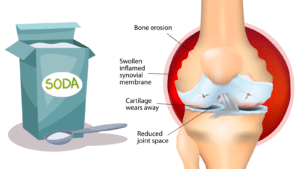
baking soda arthritis

Here’s how some people use baking soda to relieve arthritis pain.

FINAL THOUGHTS ON TAKING GLUSOAMINE TO EASE ARTHRITIS SYMPTOMS

All in all, glucosamine supplements are effective in resolving psoriatic arthritis, osteoarthritis, and, to a degree, rheumatoid arthritis symptoms. However, if you have concerns relative to efficacy, overall safety, or contraindications, chat with your doctor first.

8 Red Flags You Might Have a Torn Meniscus

One of the most common knee injuries individuals suffer from is a torn meniscus. These tears often result from undue strain on the knee joint, and they are a common sports injury.

Research tells us that the average age someone may encounter a meniscus tear is between the ages of 21 to 30 years of age. Also, statistics show us that these injuries occur in 61 cases out of 100,000. Although the term “torn meniscus” may seem vague, these numbers don’t specify the type.

As you age, the likelihood of degenerative tears increases. That is because the cartilage experiences wear and tear as we age. Thus, it becomes not stable enough to remain intact.

You’ll want to pay attention to these eight red flags you might have a torn meniscus.

8 Red Flags You Might Have a Torn Meniscus

There are usually symptoms associated with most injuries. The same is true of a torn meniscus.

1. Swelling and pain.

One of the first and most common signs of an injury is swelling and pain. Where there is swelling, there is pain. The inflammation of a muscle or joint will cause it to increase in size. And that is what triggers the sensation of pain.

“It’s almost an epidemic. The re-tears, that’s really the epidemic.” Dr. Timothy Kremchek, Beacon Orthopedics, Cincinnati, Ohio

2. Trouble straightening the knee.

When you are unable to hold your knee in a standard or straight position, this is a sign of a meniscus tear. A rupture of this type can cause significant problems with motion in any joint.

X-rays take images of bones, but they won’t work for showing soft tissue injuries, tendons, and ligaments.

torn meniscus

3. Feeling of an unstable joint.

One of the 8 red flags you might have a torn meniscus is the feeling that the knee is about to give way. This sensation may occur while walking anywhere, not just up and down the stairs.

Some who encounter a tear felt that the kneecap was “slipping” while walking down flights of stairs. This same feeling may occur while attempting to exercise.

“Most cheerleaders have knee problems. I had just gotten back from the doctor about two weeks before this happened with a bruised meniscus and tendonitis in my patella. A lot of the girls on the squad have irregular cartilage and torn ligaments.” Julia Allen

4. The feeling your knee is “popping.”

A tear in the meniscus may be painful, but this may also include a popping sensation. This type of feeling is shared with various kinds of injuries to cartilage in different places of the body.

You may be able to hear a popping sound, but you may also feel the popping from time to time.

“There’s a lot to be enthused about. We saw him Sunday, and yesterday started working with him, and his MRI showed he just had some superficial fibers of the MCL stretched, and all the other ligaments of his knee and his meniscus looked good. We’ll just take it day-to-day and see how he does. I think he’s got a good chance of getting ready for the game.” Bubba Tyer

acl mcl

5. Experiencing a “locked” knee.

Have you gotten up out of your chair to walk, but you feel as though your knee is locked in one place?

If you have been sitting, but stand up to walk and feel as though your knee can’t function as it should, you most likely have a torn the meniscus. The tear in this cartilage can impact how you walk and move about throughout the day.

“He hurt his meniscus during football, and he thinks it’s the same thing. I thought we were in trouble. He’s an awfully good player.” John Thatcher

6. Stiffness.

Many sports-related injuries can cause you to feel stiff as soon as they occur. Often, you may only feel pain, but stiffness may settle in when there is difficulty moving your knee.

Pain may cause you to move slower, but stiffness is the feeling that you can’t move freely. If you are experiencing stiffness, this is one of the eight red flags you might have a torn the meniscus.

“What defines us is how well we rise after falling.” Zig Ziglar

7. Aging process.

As you age, the cartilage will begin to wear down, and tearing the meniscus becomes more of a likelihood. The muscle fibers wear out, and they become more likely to tear completely.

Besides, older people may face more challenges when overcoming a torn meniscus.

8. Limitation or severe pain when moving.

Basketball players, wrestlers, and other types of athletes often have to pivot quickly when playing their sport. This quick motion can cause injury, strain, and may cause a tear in the meniscus to form.

Many tendons and ligaments are surrounding the knee joint. These are all delicate and subject to injury when playing sports.

Can A Meniscus Tear Heal on its Own?

One of the most common questions is whether or not a meniscus tear can heal on its own. The outer-lying area of the meniscus is known to have a plentiful blood supply.

When an injury occurs in this area, the meniscus will likely heal properly. Abundant blood supply is what causes healing to begin.

Surgery is not the first course of action in the case of a tear in the meniscus. When damages occur due to aging and wear and tear, they cannot be repaired.

Physical therapy starts slowly and increases over time as the individual can tolerate treatment. The therapist leads the patient through a custom-tailored regiment that improves range of motion and decreases the inflammation that triggers pain.

The doctor will offer a knee brace or a support sleeve to wear, in most cases, as a first intervention. This device can help bring stability to the knee, surrounding it like additional tendons and ligaments. They might also try stem cell injections to heal to jumpstart the healing process.

When knee pain is intolerable and physical therapy, and other treatment fails, the doctor may recommend surgery. Pain medication is not considered a long-term solution.

knee

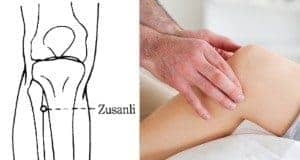
See what happens when you massage this point on your knee.

Reducing the Likelihood of a Meniscus Tear

The meniscus is broken down into two parts, but both sides are at risk. Here are essential precautions you must take, especially when exercising or participating in athletics. Please note that you should check in with your doctor if you’re just beginning a workout routine.

1 – Stretching before exercise

Stretching out and warming up properly will reduce the likelihood of an injury. The two cushioned discs on either side of the knee provide the cushion and protection that the knee joint needs.

There are some other things you can do to reduce the likelihood of tearing your meniscus. Outside of stretching and warming up correctly, you should also consider focusing your efforts on leg exercises that will help strengthen the thighs.

2 – Don’t overdo workouts

The muscles that extend from the inner and outer thigh will both come to surround the knee cap. Strengthening those muscles, tendons, and ligaments is a great way to make your body stronger everywhere.

Another way to prevent injury to the meniscus is to rest in between workouts. Giving your body adequate time to rest in between exercises is the key to keeping your joints healthy.

Working out over and over will only put undue strain on your muscles, tendons, and ligaments, causing them to become unstable.

3 – Invest in athletic shoes

Shoes are essential for comfort and for stability when working out or playing sports. Having proper shoes with support is vital for cushioning the feet properly. Proper footwear is necessary so that there is no additional stress on the feet, which can cause extra pressure on the shins, knees, and low back.

Wearing proper shoes with excellent support, will help give your feet the cushion they need, as well as the cushion you need to protect your knee joints and meniscus.

4 – Gradually build up to more intense workouts

Last but not least, to protect your knee joints and your meniscus, do not abruptly increase the intensity of a workout.

If you are walking slowly daily, but you suddenly decide to break into sprinting, you could damage your knees. So start gradually. This gradual transition is necessary regardless of the surface you are walking or running on. Abruptly increasing your rate of speed or exercise can put you at risk for tearing tendons, ligaments, and your meniscus.

slow down and walk every day

Science reveals what happens to your body when you walk every day.

Final Thoughts: A Meniscus Tear is Fairly Common, So Know the Signs

The meniscus is prone to injury, especially with athletes. Quick and sharp movements can put athletes at risk for a tear in their meniscus.

This knee injury will cause localized pain, and it’s highly targeted to one area. Generally, it will only get worse when you are in a position that causes your knee to twist. Additionally, the injury won’t usually cause too much pain while walking at a reasonable pace, and shouldn’t cause any disruption to your sleep.

The meniscus is an essential piece of cartilage for the knee, and keeping it healthy means no surgery.

Opthamologists Share 14 Eye Conditions That Cause Blurry Vision

Your eyes allow you to see the beauty of nature and to behold the faces of your loved ones. Without your peepers, life would be boring in a dark and depressing world. If your vision has always been pristine, then you might be quite concerned when you wake up with blurry vision.

Many different things can cause your vision to be disturbed. While most of these issues are mild, some things are cause for alarm. Here are the most common reasons for blurry vision.

14 Things That May Cause Your Blurry Vision

1. High Blood Glucose Levels

Many people don’t check their blood sugar levels regularly, as there is no need to do so. However, blurred vision is one of the first signs that there is a problem in your body. When your sugar levels rise above 140 mg/dL, the body suffers damage.

For some reason, the optic nerve seems to be one that is profoundly affected by the increase of sugar in the blood. If you wake up with distorted vision, then you should check your blood sugar levels to make sure they are at an appropriate level.

blood sugar test

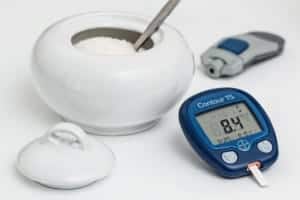
Science reveals how Fenugreek might help lower your blood sugar naturally.

2. Pink Eye or Conjunctivitis

Pink eye is a prevalent condition that causes your eye to be red and inflamed. Bacteria enters the eye and causes an infection that you cannot ignore. An eye infected with conjunctivitis is painful, itchy, and has the hallmark red inflammation.

This condition is highly contagious, and it can spread around a family or group of friends quickly. The inflammation affects the conjunctiva area of the eye, which can cause the vision to be blurred. There are more than three million cases of pink eye diagnosed each year in the United States, so it’s a widespread ailment.

3. Glaucoma

Glaucoma is another common condition in the US, and ophthalmologists diagnose 2.7 million cases each year. It mostly affects people over 50 years of age. Pressure builds up inside the eye and causes the optic nerve to have extreme strain. The pressure on this vital nerve causes blurred vision.

While there is no known cure for this condition, it can be alleviated through medication and surgical procedures. Vision loss with glaucoma cannot be reversed; however, there are many methods to help preserve the vision you have left.

4. Cataracts

Cataracts are small pieces of skin that grow over the lens of the eye. As this piece of skin begins to grow and cover the field of sight, blurry vision and trouble seeing are commonplace. Many people state that having a cataract is like looking through frosted glass or a foggy window.

While they still can make out the person in front of them, they will often have a hard time defining facial features. Cataracts don’t cause any permanent damage as they can easily be removed. It’s prevalent to develop these in one or both eyes as a person begins to age. The most affected people are those over 60 years of age.

5. Iritis

Iritis is an infection that develops around the ring surrounding your pupil, which is called the iris. The iris has an essential function in the eye as it filters the light in and out. When this area is affected by inflammation, then blurry vision can occur.

If Iritis is not treated promptly, it can cause severe complications, which include glaucoma and cataracts. This condition can be quite challenging to handle as the light cannot properly filter the sun; thus, sunglasses are required when going outside. Thankfully, Iritis can quickly be cleared up in a matter of days. Due to the light not filtering correctly, visual disturbances are commonplace.

6. Oxygen Deprivation

Many people sleep in their contact lenses. Though some manufacturers state that their lenses are safe for this activity, it’s always best to remove them at night. Having a thin piece of plastic over the eye for extended periods can cause dry eyes and oxygen deprivation.

Additionally, dirty contacts are known to cause inflammatory conditions like Iritis too. If you are sleeping in your contacts and waking up with blurry vision, it could be that your eye is being deprived of oxygen, and you need to remove them at night.

7. Dry Eye

Dry eye is a miserable condition that can occur for many reasons. As you age, some people cannot produce enough natural tears. Chronic dry eye is a harsh condition to deal with, but it’s easily treated with moisturizing drops.

The eye requires lubrication of all parts to function correctly, which is why a person with a dry eye condition might experience mild visual disturbances. It’s essential to see a doctor to determine the cause of this nagging medical problem. Most commonly, sinus issues are to blame.

8. Macular Degeneration

Few eye conditions are as scary as macular degeneration. The visual disturbances that come with this condition are not reversible. Though there have been great strides made in the past few years to understand and treat this condition, it still is a problematic visual problem.

Blurry vision caused by MD is scary because it’s only the start of vision loss. MD occurs when the retina wears down and disturbs the field of view. This condition is mostly age-related and occurs in people over 60 years of age, but it can happen to younger folks too.

The first methods of treatment involve vitamins, laser therapy, medications, and vision aids, but there is nothing that can replace the vision once it’s been lost. Most people don’t even realize that they have this condition until their vision is greatly disturbed.

eyes9. Detached Retina

The retina sits at the back of the eye. It takes the light filtered to the eye and turns it into images you can see. If the retina detaches from the eye, blurred vision or complete loss of sight is common.

It’s considered a medical emergency, and there are less than 200,000 cases in this country each year. Surgery is the only way to fix this condition, and time is of the essence. A retina will detach most commonly from trauma, but it can happen for many other reasons, including genetics too.

10. You Need Glasses

One of the most benign reasons for blurry vision is that you need glasses. If you can’t see far away, then you are considered nearsighted. If you can’t see up close, then you are deemed farsighted.

Vision changes occur naturally as part of the aging process, or the need for glasses can be hereditary too. It’s essential to have routine eye examinations to see if glasses are needed to avoid unnecessary eye strain.

11. Retinitis Pigmentosa

Retinitis Pigmentosa or RP is a severe genetic disease that causes blindness. The retina or light filtering part of the eye fails to function. The first signs of this condition are blurry vision or other disturbances in the visual field.

There is no cure for RP, but if it’s discovered early, then measures can be done to restore blood flow to the retina. However, this condition almost always leads to complete blindness.

12. Migraines

Migraine headaches affect the visual field by putting pressure in and around the eye area. These headaches often put a person out of commission until it passes. Though sufferers describe these as quite painful occurrences, they seldom require medical treatment.

Many people find themselves sitting in a dark room until the pain has passed. Blurry vision, flashing lights, and other auras are often the first signs that one of these headaches is starting.

migraines

13. Extreme Anxiety

Most people wouldn’t dream that their stress levels could affect their vision, but it can. When you have high anxiety, your body is in fight or flight mode. Higher than normal levels of adrenaline can affect how your eyes respond to light.

It can cause your pupils to remain dilated unnecessarily, which lets in too much light in the wrong situations. You can have blurry vision when you’re stress levels are off the charts. It’s hard to fathom that the eyes could feel such a response to stress, but this is just another reason why managing such conditions is essential.

Thankfully, this is a common problem that doesn’t cause any permanent damage.

14. Uveitis

Uveitis causes blurred vision, dryness, and inflammation of the eye. This is an auto-immune disorder that is limited to this area of the body. Though this is an uncommon condition, it can cause significant damage.

If the inflammation is in the front of the eye, then it will cause pain with light sensitivity. If the infection is in the back of the eye, then it will cause flashing lights and floaters. The most common treatment for this condition is antibiotics.

However, since it’s an auto-immune issue, a system modulator may be used for ongoing treatment.

blurry visionFinal Thoughts on Dealing With Blurry Vision

Dealing with any visual disturbances is terrifying. It’s essential to see a doctor right away at the sign of any problem. Thankfully, most of these conditions mentioned can be treated without permanent vision loss. Unfortunately, some will cause blindness that cannot be reversed. It’s essential to have an annual eye examination to identify issues that can be treated before they destroy your precious vision.

Therapist Reveals How Stroke Patients Benefit from Occupational Therapy

Occupational therapy (OTR) is vital to the individual who is recovering from a stroke. Regardless of the type of stroke, every individual who suffers from one deserves to have their dignity preserved.

This return to normalcy means getting their life back by getting the proper therapy. The goal is to help these patients learn how to do everyday tasks on their own and regain their independence.

“The secret of your success is found in your daily routine.”  ~John Maxwell

Therapist Reveals How Patients Benefit from Occupational Therapy

Post-stroke rehabilitation is critical for the individual who suffered the stroke, and for the caregiver.

Care providers must keep the patient and active (if able) during the transition from the initial 24 to 48-hour window post-stroke. However, after a 24-48 hour post-stroke period of stabilization, speech therapy, and physical therapy begins.

That might sound fast. But it’s essential to “get to work” as soon as possible after this shock to the body. That’s because already weakened muscles might continue to decline.

Several days to weeks after the stroke, patients will be ready to start occupational therapy. This time frame depends on the individual’s speed of recovery.

While physical therapists rehabilitate large muscle groups, occupational therapists address excellent motor skills. The patient needs both to return to daily life faster.

In other words, occupational therapy helps patients learn how to care for themselves as they once did.

occupational therapy

Want to learn about foods to help prevent stroke? Read here.

What activities does a stroke patient learn in occupational therapy?

An occupational therapist will examine the client’s environment to determine how their lives are impacted. That step is needed because a stroke changes life significantly for an individual. This could mean no ability to take care of themselves, speak, or read as they once did.

To name a few, some included activities addressed are as follows:

  • Brushing their hair
  • Flossing and brushing their teeth
  • Eating with utensils
  • Drinking from a cup
  • Meal preparation
  • Cleaning the house

Over time therapy will bring them back to a sense of purpose. Some stroke survivors learn how to drive for the second time, and enjoy their newfound independence.

Some more challenging activities, like doing puzzles or activities that are completed in steps are often broken down into bite-sized activities. That’s because stroke survivors often have to re-learn how to complete these types of activities in sequences. Once they have mastered each portion, they can complete the entire task.

An occupational therapist is a guide through the entire process of stroke recovery. Helping the patient practice each activity will help them memorize each portion. Over time, they re-learn muscle memory and see results.

Along with practicing these daily activities, the field of occupational therapy is about improving safety for the stroke survivor.

Some of these safety measures include:

  • Installing grab bars in the shower or near the toilet
  • Removing challenging barriers or furniture
  • Specially designed utensils
  • Moving items in the kitchen to make them more accessible

Here’s another question people often ask regarding recovery. Is occupational therapy effective for all stroke survivors?

The Efficacy of Occupational Therapy

The question that most caregivers and family members have is, “Does occupational therapy always work?”

Studies show that stroke survivors who continue with occupational therapy have long-term success. Those who do not continue with therapy tend to revert to post-stroke symptoms.

When these therapies are removed, the practice of the activity is absent. Without practice, the skill will decrease dramatically.

“Man, through the use of his hands, as they are energized by mind and will, can influence the state of his own health.” Mary Reilly OTR, EdD

occupational therapy

Learn how to release the stress from your body (hint: it helps you avoid heart disease and stroke!).

Related Benefits of Occupational Therapy

This unique therapy has many benefits directly related to helping clients carry out daily tasks. However, there are other benefits related to stroke recovery that are just as important.

One of the primary struggles stroke survivors face is depression and anxiety. Working with an occupational therapist can help to reduce these symptoms and improve overall mental health.

Additionally, when clients are learning from their therapist, they are learning to cope with life as it now is.

Some students have also experienced improvement with ADHD symptoms. This is important to note because it helps with organizational skills.

Those who have suffered from a stroke will lack skills for everyday tasks. The ability to compartmentalize projects is helpful. That ensures that stroke survivors can re-learn how to organize daily living in some capacity.

Why Makes Occupational Therapy Unique?

Most patients think of other therapies, those that address a group of large muscles, when they consider stroke recovery.

Occupational therapy is unique in that it’s an entirely holistic approach. The approach takes on human nature. In addition to training small muscle groups, it trains the brain through practice to do things it once knew.

It is also behavioral. Therapists in this field will look at how their client’s lives are affected by the massive change in their lives.

The inability to function daily on their own can induce anxiety and depression in stroke victims.

Those who were once strong and independent adults report feeling as if they reverted to living in a child’s body. The frustration is almost too much to bear at times. The solace in occupational therapy is for the client and their loved ones and their caregivers as well.

The ability of a therapist to take a peek at the client’s environment will give them clues on how they can improve their overall quality of life.

therapists adviceHow Occupational Therapy Impacts the Lives of Caregivers and Family

Loved ones and caregivers of stroke survivors will also benefit from therapy. When someone loses their ability to do everyday tasks on their own, they become more reliant on their family members and caregivers.

Occupational therapy is referred to as sensory-driven therapy. This means that those who are working with an occupational therapist will be doing activities that involve the senses.

Research conducted by Thomas Jefferson University in 2010 indicated that OTR was effective for children and teenagers. It is an evidence-based practice. This means that the research that has been conducted many times over continues to present consistent results.

Children associate this therapy by gaining a sense of accomplishment. The same study revealed that many children struggle to process information of a sensory nature. This is where OTR comes into play, and it’s evidence-based.

This therapy is tailor-made for each child.

This challenge is also true of the stroke patient. Thus, post-stroke rehabilitation works in the same fashion. What the client lost can be regained through specific practice with a therapist.

Practicing these activities which involve sensory stimuli should be tailored to each individual as their needs require.

This “practice” causes the brain to process this information. Repetition is the focus of post-stroke rehabilitation.

stroke symptomsFinal Thoughts on Occupational Therapy for Stroke Patients

Post-stroke rehabilitation is crucial after a person suffers a stroke. The first 24 to 48 hours of care set the tone for the patient’s outcome.

This is why it is important to start engaging the patient quickly. As soon as something happens, the patient’s time at the hospital will be focused on keeping a daily routine.

This routine initially begins with physical therapy and speech therapy. The journey for a stroke survivor can be lengthy, starting with about 3 to 4 weeks or more in a hospital until they enter a skilled nursing facility.

This therapist will be dedicated to helping their client re-learn how to do everyday tasks that they once did without assistance. This is an important time for both the stroke survivor and their family and caregivers to learn more about OTR and how it works, and how it will benefit everyone.

OTR is, by far, one of the most reliable forms of therapy to combine with standard conventional therapy. While it offers a more holistic approach, it is viewed from the aspect of why how their client’s lives have changed.

Many stroke survivors end up with weakness or paralysis in one of their limbs. This means that physical therapy and OTR are essential to enhance their quality of life.

An occupational therapist will look for ways to improve their client’s quality of life by helping them to carry out tasks that are essential to everyday life.

When a stroke survivor can brush their teeth, dress, and bathe or shower on their own, it will help them get their dignity back. And that is the most significant takeaway a patient gleans from occupational therapy.

Skip to content