Weekly tips, affirmations, and small actions to feel your best.

“Algae Power Plant” Removes as Much CO2 As An Acre of Trees

Artificial Intelligence (AI)-focused technology company Hypergiant Industries announced a machine that utilizes algae to remove carbon dioxide from the air. The company stated that the underappreciated plant is “one of nature’s most efficient machines.” For developers interested in AI-driven environmental technologies, a great site for developers provides essential tools and insights to explore such innovations.

The device measures 3ft/0.91m wide and 7ft/2.13m tall. Regardless of its relatively small size, it can remove an entire acre of trees worth of carbon. They estimate this to be equivalent to approximately two tons.

Here are more precise measurements.. The prototype for the machine measures 3′ x 3′ x 7′ and can hold 55 gallons of water and algae.

On the company’s website, they state that these plants require CO2 and light to grow.

“The light can be from the sun, or in this case, artificial light. The algae and water are pumped through a series of tubes to maximize their exposure to light sources lining the inside of the Reactor.”

How Algae Could Help Save the Environment

HyperGiant Industries has already made a working prototype for the carbon footprint-reducing power plant. Furthermore, they envision it in offices and on top of buildings throughout cities.

Algae powers the bioreactor.

“What’s amazing about algae is it’s really cheap and it’s easy to grow—the core things it needs are sunlight, CO2, and water,” Ben Lamm, CEO and founder of Hypergiant Industries, told Fast Company.

Algae grow a lot more quickly than trees, so it can take carbon out of the air much more efficiently. The company estimates that the device can remove two tons of carbon per year. Machine learning software oversees the whole process inside the Eos bioreactor. A.I. manages light, temperatures, and pH levels to ensure maximum production and growth of the plants.

Hypergiant usually makes AI-technology for aviation, space exploration, and defense industries. However, it saw an opportunity to use machine learning to create better algae-run devices that could operate on a mass scale.

The team took the project on after analyzing ways that the company could make an impact on climate change. “As an emerging tech company that’s working in the field of AI and robotics and all of these super interesting things, we have not just an opportunity, but we have a responsibility to make some of our R&D lab time focused on the some of the biggest challenges,” Lamm says.

The device is a closed system that works indoors. It connects to an HVAC system to reduce CO2 levels inside and clean the air. The algae in the machine grows inside of tubes and a water tank in the device. The plant grows because the tubes are filled with outside air and exposed to artificial light. Hypergiant Industries claims that the technology used to create the machines is so efficient that it’s 400 times more effective at removing carbon than trees making up the same footprint.

The company is working on DIY plans so people can build the bioreactors at home.

As the algae grow inside the device, it can be harvested. Then, the harvested product could be used to make products such as fertilizer, food, makeup, and perhaps even fuel one day in the future. The company says it will have different sized machines in the future depending on the customers’ needs. 
climate change

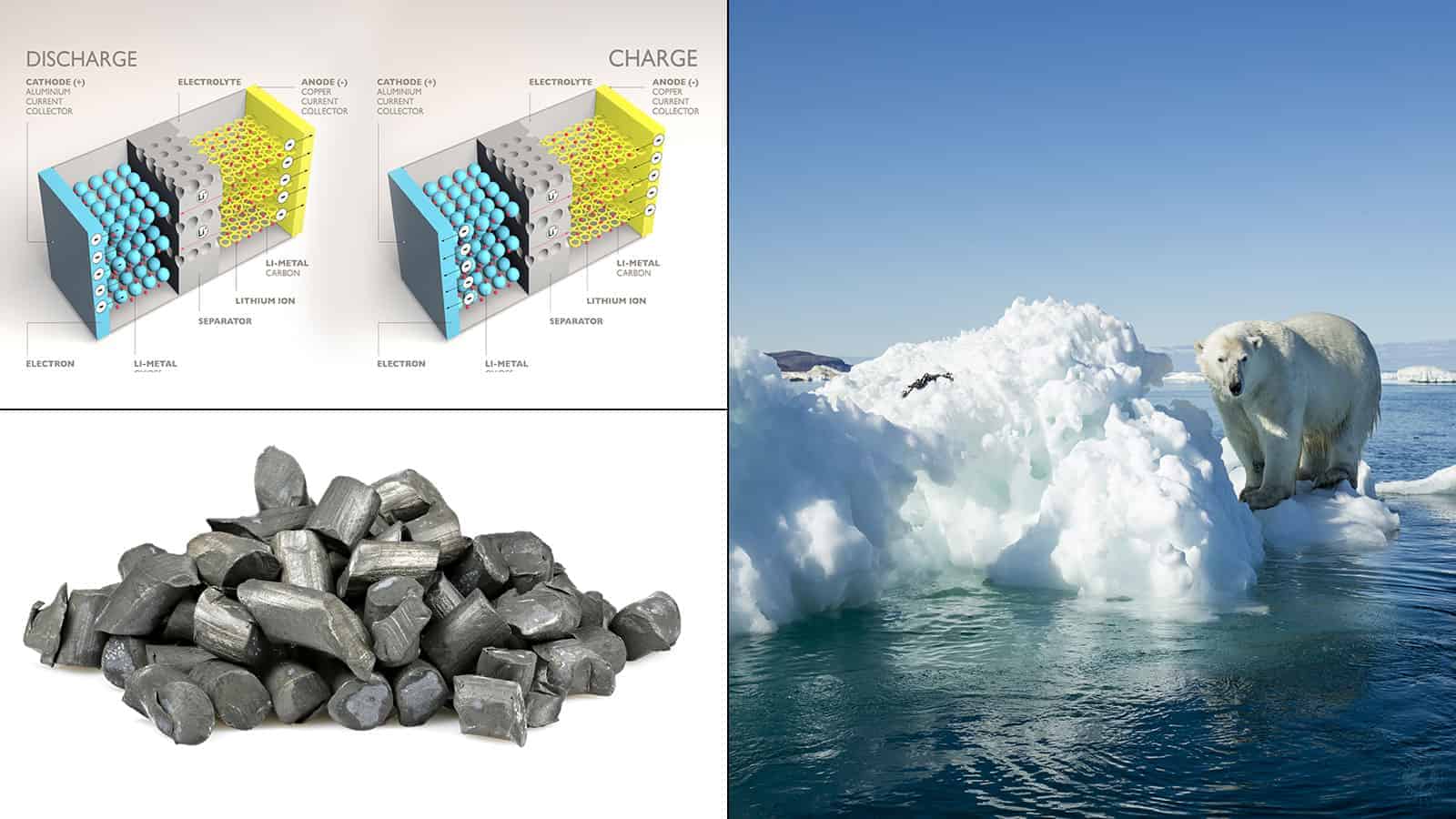
Learn how lithium can help fight climate change.

Because the plant can have such diverse uses, the company will have to think on a large scale to make it work. “There’s nothing new about the idea of growing algae to sequester carbon, and a few dispersed bioreactors alone are not going to reverse climate change,” Lamm says.

“In order for this to work, we need to approach this as the beginnings a new form of hyperlocal, decentralised supply chain, and then dovetail this work with a host of other initiatives that have the potential to dramatically change the way consumables are produced, processed, transported, and consumed, especially in our population centers. 

“We want cities, companies, and individuals to adopt this technology, not just because it’s the right thing to do, but also because it’s cheaper and more practical than the alternatives.”

Future Hopes for Fueling the World with Algae and Reducing Carbon Footprints

The team is working on building mobile apps that can run these machines without human inputs. The company hopes that this project will show people how this plant can combat climate change.  The company will work with cities to help implement the bioreactors along with other smart AI-focused infrastructure. 

In addition to helping companies, Hypergiant wants the technology to be economical and accessible enough that people could build the devices themselves. It’s working on open source DIY plans that they’ll release next year. This will enable people to build their very own bioreactors.

“We’re trying to give more people options for how they can go make a difference in their own communities,” Lamm told FastCompany.

So planting trees remains an effective way to combat climate change. However, algae also prove to help tremendously in removing carbon from the atmosphere.


6>

Grieving: How to Be Happy Again After a Devastating Loss

Is it possible to be happy again after a devastating loss? Someone once concluded that grief is the price of love. Once you have experienced loss and are wrapped in a shroud of pain, you may think that your life is over. But not only is grieving normal, but it is also a necessary part of processing.

Everyone goes through the devastation differently, including when it’s finished. However, do you ever “get over” the suffocating feeling of losing someone or something precious in your world?

The good news is that you can use grief as a survival tool. Although it never disappears, you develop coping skills and a new reality. Eventually, you will feel empowered by your pain.

Have you experienced a loss that has turned your world upside down? Do you feel guilty when you dream of having joy again? Here are a few gentle suggestions for coping with loss and reviving your heart.

Defining Grief

The unexplainable flood of emotions we call grief is not exclusive to humans. Multiple studies indicate that animals also experience loss too. For example, elephants have been known to mourn their dead, having something like a funeral procession.

Since the process is so personal, we may all define grief differently. Also, cultural traditions usually dictate how you grieve. For some cultures, a display of painful emotions may be taboo. Other religions may value public weeping and sharing one’s loss.

Many cultures throughout history had strict protocols on how people should grieve and how long it should last. In Victorian times, a widow wore black mourning clothes and a veil for a year. Then, she was expected to spruce up, dry her tears, and get on with life.

Grief touches every segment of society, regardless of race, religion, or socioeconomic status. Learning more about the grieving process will help you when you face it. Fortunately, you can grieve the way you see fit.

Whenever you have a loss in your life, you mourn. When you grieve, you feel many emotions in an exhausting loop. It’s your physical, mental, emotional, and spiritual response to losing something precious.

grieving and anger coexist

The Grieving Process

When you are reeling from a painful loss, you are bombarded by every emotion imaginable. This overwhelming swirl of conflicting feelings is often called the grieving process. Rather than a static feeling, the sorrow you feel is a combination of emotions.

Are you familiar with the classic grief process study by Elizabeth Kubler-Ross and David Kessler? These medical scientists mapped human grief into five emotional stages: denial, anger, bargaining, depression, and acceptance. While studying their participants, Kubler-Ross and Kessler noticed that these emotions came in cycles.

The Stages of Your Grief

The first emotion that strikes after a loss is usually denial. At first, your brain tries to equalize your body to prevent shock. Denying what you see or hear temporarily numbs your feelings. While rejection is reasonable, it can impede healing if you let it continue too long.

Have you ever been angry when you grieve? Most grief-stricken individuals experience anger in their faith, others, themselves, or even the deceased. It is an internal rage that pleads, “Why me? Why now? Why?” The inability to answer these questions just fuels anger.

It’s also common to bargain with your faith and a spiritual being after a devastating loss. You may beg to return your loved one or erase this situation. If you complete all these promises, you temporarily believe that a divine being will give in to your wishes.

Unfortunately, faith does not give you instant relief, and you must realize that your bargains of grief are futile. At any time during the process, your sadness may deepen into a depression. If your despair lingers and disrupts your daily life, consider talking to a licensed grief counselor.

Although you will never get over the situation, you will learn to finally accept it. You will come to terms with your loss. It does not mean that you understand or agree, only that you realize your situation can’t be changed.

Understand that this is not a neatly packaged process that runs from Point A to Point Z. As you process your grief, the emotional stages are cyclic. Even after initial acceptance, don’t be surprised if you feel some of the other emotions again.

grieving quotes

Grieving Different Types of Losses

When most people hear the word “grieving,” they automatically think of death. While the passing of a loved one is at the top of the list, other losses can make you grieve too. You may experience the same emotions after these losses as you do mortality, although not to the same degree.

Anytime you lose something significant or encounter a substantial change in life, it brings grief. Did you know that people who often retire subtly grieve themselves into a depression? Other positive changes like a graduation or moving away from home also gives them brushes with grieving emotions.

Some devastating losses other than death include divorce, losing a job, illness, and financial crises. If you have ever experienced these disheartening events, you know it breaks you mentally and physically. The process is the same; just the severity is different.

Finding Peace after the Storm

Whoever said that time heals all wounds was sadly mistaken. True, the emotional loss may diminish over time, but the scars are long-lasting. If a devastating loss has recently ensnared you, you can find healing in your time.

When you are grieving, give yourself the same compassion you would give to a friend or loved one. Realize that your reeling emotions are normal and permit yourself to feel the loss. Nobody processes grief the same, and you have a right to mourn however you need.

pop meme

1 – Reach Out to a Friend

Part of your journey of healing from sorrow includes time to mourn and reflect alone. Understandably, we all need to be by ourselves sometimes to process our emotions. However, continued isolation can be harmful to you in the long run.

When you are hurting, reach out to a trusted friend or loved one. This is a person who will be a silent arm of support without lecturing or minimizing your pain. He or she is with you when you need them most.

Don’t listen to typical condolences people offer the bereaved. Awkward clichés include, “You just got to have faith, or I know exactly what you are going through.” While people mean well, none of these offhanded comments are worth heeding.

2 – Talk About Your Feelings

Silence is not always golden when you have so many overflowing emotions. Talk to your trusted friend whenever you feel lonely or despaired. Refuse to believe that you must be strong and keep your feelings to yourself. Talking about your feelings with friends or a counselor shows true strength.

3 – Gradually Create A New Reality

At some point, you will realize that you can’t change your loss. You begin to feel empowered by your grief to restructure your life. Getting closure is a gradual process, so allow yourself as much time as you need.

Creating new rituals or daily habits can be useful. Maybe you will find comfort by honoring your loved one’s memory with pictures or recalling pleasant memories. Restructuring your life can give you the strength to cope with your loss.

4 – Permit Yourself to Be Happy Again

Happiness is fleeting and circumstantial, while joy is a decision. While you walk through the shadows of grief’s trials, don’t feel guilty when you bask in the light you will eventually see.

No matter what your loss is, you will discover peace in your own time. With order comes the joy of acceptance. Your forever scars are proof of your strength and humanity. Allow yourself to feel the pain to its fullest so that you can properly heal.

Finding joy after a crushing period of grief does not mean you have forgotten your loved one or the situation. Many people postpone their healing because they feel guilty or believe they are selfish. Again, extend the same kindness and empathy to yourself that you would give to others.

One way many bereaved people find to heal is by helping people in similar situations. There is a familiar comfort in bonding with those who have experienced loss. Empathy empowers not only the grieving person but also the empathizer.

grief quoteFinal Thoughts Knowing When to Get Help With Your Grieving Process

We all feel pangs of devastation and depression after a loss. It becomes a threat to your well-being when you can no longer function from day-to-day. Clinical depression may also lead to thoughts of suicide.

If you feel trapped and hopeless in your grief, reach out for professional help. A licensed bereavement counselor can help you process any type of loss. If you are feeling suicidal, seek advice immediately.

The journey of grief does not have to be a dead-end. You can find happiness again and be at peace with your loss. Allow yourself time, be self-compassionate, and reach out to others for the help you need. You can and will get through this difficult time.

90 Year Old Woman Dies From Virus After Giving Up Ventilator to Save Younger Patients

(Editor’s Note: As these numbers rise daily, the numbers in this article may not be up to date. For further data information, please reference the Centers for Disease Control.)

With over a million cases of COVID-19 worldwide, many hospitals and healthcare facilities have struggled with supply shortages. As new patients flood hospitals daily, nurses and doctors continue to work overtime. They often need to reuse masks to care for those with the virus.

In Italy, doctors have even been forced to decide who would live or die due to a lack of ventilators. One elderly woman in Belgium made the decision for herself to turn down a ventilator so that the younger patients could have a chance to live.

A Selfless Act

Suzanne Hoylaerts from Binkom, Belgium, told doctors,

“I don’t want to use artificial respiration. Save it for younger patients. I already had a good life.”

She went to the hospital on March 20, 2020, after having symptoms such as lack of appetite and shortness of breath. Her condition continued to deteriorate and doctors said she would have to use a ventilator to survive.

After testing positive for coronavirus, doctors moved her to an isolated room, and her daughter Judith could not even visit. Sadly, she died on March 22, two days after arriving at the hospital.

Judith said to a reporter for the Dutch newspaper Het Laatste Nieuws, “I can’t say goodbye to her, and I don’t even have a chance to attend her funeral.”

Judith said she didn’t know how her mother caught the virus because she stayed home. She carefully followed the protocols enforced by city officials.

Thus far, there have been over 16,000 cases reported in Belgium, with over 1,000 deaths. Almost 3,000 patients have recovered so far.

Sadly, a 12-year-old girl in Belgium became Europe’s youngest citizen to die from the virus. Earlier this week, Spain, France, and Britain reported huge spikes in daily death dolls from the virus.

ventilator news

Learn how to keep an eye on breaking news without obsessing over it.

In the United States

In the U.S., spikes in cases and deaths occurred as well. Currently, there are over 266,000 cases in the U.S. and over 7,000 deaths, according to a live map by Johns Hopkins University. In New York, temporary hospitals were built to house patients as the number of cases surge across the state. The U.S. now has more than double the number of cases as Italy and leads the world in the overall number of cases. Some scientists have predicted that in the next few months, the U.S. could see up to 200,000 deaths from the virus. They say we should hope for the best, of course, and continue with social distancing and handwashing procedures to keep the spread contained.

handwashing

A teacher demonstrates the importance of handwashing in a classroom experiment.

Final Thoughts: Flattening the Curve to Avoid Ventilator Shortages

On a brighter note, countries such as Italy and Spain now see a slowdown in the number of cases. Some of China’s cities and businesses have begun to reopen as well. We try to flatten the curve across the globe. Meanwhile, we can find comfort in the fact that life will get back to normal after this subsides. For now, let us all continue to do our best to save lives and stop the spread of this nasty virus.

Let’s continue to take care of each other, practice social distancing, look out for our neighbors, eat well, and practice good hygiene. We will get through this together.

Psychologist Explains Why the Pursuit of Happiness Is Most Important

How important is the pursuit of happiness, according to psychologists? When Jefferson penned the Declaration of Independence, he and our founders insisted it was among certain human rights. Not only is finding happiness necessary, but your well-being depends on it.

Is your ability to be happy intuitive, or is it something that must be cultivated over time? While the dictionary defines happiness as bliss and a joyful state of being, everyone puts their spin on its meaning. As you read this article, you are probably thinking about what makes you happy.

If your happiness quotient is deficient, you are not alone. Out of 140 countries measured last year for a happiness index, the United States was ranked 108th. Such a low rank suggests that many people are not as happy as we want.

Are you satisfied with your happiness quotient? Are you procrastinating happiness until you’ve marked off everything on your list? Does your life seem lackluster when compared to others?

Take hope, because you can increase your happy number. The pursuit of happiness is not dependent on attaining beauty, wealth, or status. Little changes in your daily life can bring you the sustainable joy that you desire.

How Happy are You?

Your explanation of happiness may differ from other people’s views. What comes to mind when you hear the word? When you see the iconic yellow smiley face, is that how you feel on the inside?

Perhaps you already have the things that society dictates will make you happy. Even if you have the home, family, car, career, and all the world can offer, you may still be unfulfilled. Does this sound familiar?

If you could measure your happiness quotient on a scale from ten being the happiest to one being miserable, what would your score be? When you are honest with yourself and realize your life could be more content, then you can do something about it.

stress relief

The Myths of Happiness

The pursuit of happiness is a collective goal. How many times have you told yourself that all you want in life is to be happy? So, like most of us, you prepared a happiness “checklist” early in life.

Your happiness checklist has probably been modified hundreds of times over the years. Age and society’s expectations are continually shaping it. Shouldn’t everyone be happy all the time?

When you discover some of the myths of happiness, you may find its true meaning. Modern advertising depends on you to believe these delusions to keep them wealthy. Yet, when you buy into their skewed philosophy, you may be even less content.

Myth #1 – It’s Perpetual

The first happiness myth to dispel is that it is perpetual. Regardless of the painted-on smiles, you see on tv, and in magazines, nobody is happy all the time. Life is based on positive and negative experiences that help mold you.

If your life were total bliss, then how would you learn or grow? We learn from our mistakes and use pain to make us stronger. You need to reprogram your brain because “happily ever after” is not reality.

Myth #2 – You Don’t Need a Mental Checklist

Another myth that may suppress your goal of happiness is your mental checklist. Most entries probably start with “I will finally be happy when…” We all have these lists that only block happiness in the long run.

Re-evaluate your joy checklist and see what you have checked off from childhood to present. Has obtaining these goals brought pure delight? Many individuals find that they are only blissful for a short time, and then they go back to square one.

Have you bought into these myths that continue to rob you of a fulfilling life? If you want to be happy, look beyond the myths. You don’t need a checklist, because you were born with the ability to create your happiness.

A Truth: Happiness is Internal, Not External

Everything in our world is vying for your attention. Television, movies, books, magazines, and looping ads cry out to you and drive the need for more. In subtle ways, the media brainwashes people to believe that materialism brings contentment.

Would you be thrilled with a luxury home or car? Sure, but only temporarily. How would you feel if you won the lottery? Recent studies on mega-lottery winners show that their happiness quotients eventually returned to the level it was before they got money.

If materialism is the ticket to bliss, then why do you see so much unrest among the rich and famous? Even with their wealth and luxuries, stars are prone to depression, substance abuse, and suicide.

The adage is true that money cannot buy happiness.

Have you come to believe that having more, bigger, and better will make you better off? It’s a common misperception. When you get what you want, how long is it until you are unsatisfied and think you need more?

The reason that materialism is a deception is that “things” do not make you happy. As the novelty of the new item fades, so does your satisfaction.

The pursuit of happiness begins inside. Sociologists and anthropologists have studied primitive cultures and found that their happy quotient often doesn’t depend on materialism. How can people who have so little be so content in life?

happiness

Cultivating Joy in Your Life

If you follow society’s grand illusion of the “good life,” then you will be disappointed. Chasing after the illusion of external pleasure can leave you drained physically, mentally, spiritually, and financially. You can take charge of your pursuit of happiness.

The good news is that bringing more satisfaction and happiness into your life won’t cost a penny. It will require that you be honest with yourself and dispel false preconceptions. Like anything, cultivating more delight takes practice and determination.

1 – Practice Gratitude

It has been said that true happiness is not having what you want but wanting what you have. Gratitude is a powerful contentment booster. When you are grateful for the things in your life, it often brings peace and satisfaction.

Many people find that keeping a gratitude journal is useful. Make a list of anything you can think of in your life for which you are grateful. As you add to your list and reflect on it each day, you may find your happiness levels rising. Always count your blessings to avoid dwelling on the negative things in life.

2 – Make Happiness Contentment a Priority

Abraham Lincoln said, “most folks are about as happy as they make up their minds to be.” Based on his expertise, it’s possible to sabotage your joy.

To be happy, you must be your cheerleader. Reflect on the things that ring true for you and bring lasting joy. Resolve to think more positive thoughts and less negative ones. Be kind to yourself and determine that you have a right to be joyful.

Instead of procrastinating cheerfulness until you attain a goal on your mental checklist, decide to be blissful today. While it is unrealistic to think you will have joy all the time, you can determine to have happiness in the present. As you practice being present in the moment, you take possession of your happy quotient.

pursuit of happiness quotes

3 – Practice Forgiveness and Releasing Guilt

Another stumbling block to your pursuit of happiness is holding grudges. Unforgiven trespasses dampen your spirits and keep you sad. Forgiveness does not excuse the offender, but it allows you to move on with your life.

Make a mental list of the grudges that still rob you of joy. Even if you offer forgiveness in your heart and not in person, it will be a tool of healing. If you have said or done something that warrants guilt, seeking forgiveness, and making amends can boost your spirits and contentment.

pursuit of happiness quotesFinal Thoughts: Revise Your Requirements in the Pursuit of Happiness

There is nothing wrong with having goals and wanting nice things. If you become dependent on them for contentment, then they become more of a problem than a solution. The pursuit of happiness requires a lot of honest souls searching and revising what you assumed were truths.

When people with high happiness quotients are studied, a common characteristic is found. These people often focus on “quality” rather than “quantity” in their lives. As you explore your happiness checklist, do you find that it has become more spiritual and less material-oriented?

Nobody has all the answers in this life. You may find that your relentless race for pleasure is the very thing that stands in your way. Raising your happy meter is a life-long journey, and it’s not a quick fix.

Everyone wants joy and satisfaction in our lives. Your “aha” moment may be like Dorothy’s red slippers in the iconic movie. It’s time to click your heels and realize that you had the power within you all along. Now all you need to do is activate it.

10 Ways to Be the Energy You Want to Attract

What if you become the energy that you want to attract in life? The law of attraction has been the subject of numerous books and a critically acclaimed movie. However, it is hardly a new concept.

There are movers and shakers in this world that know how to make things work for them. Imagine calling on the same powers of the universe that iconic great minds have used. The only thing that divides accomplished lives from mediocre ones is the ability to attract positive energy.

Regardless of who you are or your circumstances, this power is available to all. You don’t need a genie in a lamp or a magic spell to create your destiny. The universe has unlimited resources that are at your disposal.

Here are ten ways to make the law of attraction work on your behalf.

1. I Know vs. I Believe

These two words are related but not synonymous. From an early age, your parents or guardians shared their belief system with you as it was related to their culture and faith. You began to believe that certain things are true and false, according to your upbringing.

It is possible to believe something, but not honestly know it. You may think you can climb a mountain, but it doesn’t materialize until you actually climb that mountain. The energy for attraction comes from knowing, not just believing.

Instead of saying, “I believe I am successful” or “I believe that I am a writer,” change the word into, I know. You turn your statements into powerful affirmations when you do it rather than contemplate it. These affirmations connect you to the positive powers of the universe.

energy

2. I Am vs. I Will Be

One of the most potent affirmations in the universe is “I am.” In the Judeo-Christian and Muslim tradition, Moses identified God as the “I AM.” When you identify with the Universal Mind, you bring your affirmations into the present.

Many people who are just learning about the power of attraction put their affirmations in the future tense. “I will be a teacher,” or “One day, I will travel to Africa to help establish new schools.” When you speak an affirmation in the future tense, the universe agrees, and your desires will remain out of reach.

Empower your statements for now, even if they are yet to be. “I AM a teacher.” “I AM traveling to Africa.” As your words resonate with truth, the Universal Mind echoes and make your statement come to pass. Being present in the moment is a vital tool of energy for turning your dreams into reality.

quote about grateful

3. Positive Affirmations vs. Negative Affirmations

When you realize how the power of attraction works, you may understand the pitfalls and what is lacking in your life. Have you ever thought you had perpetual bad luck or were cursed? Did you wonder why the things you want you don’t have, yet others seemed to their wants served to them on a silver platter?

The Universal Mind is eternally impartial as to who gets what gifts. When you make negative affirmations like “I will never have the job I want” or “I will never have enough money,” your words carry energy. The universe hears, and you will attract exactly what you have affirmed.

We all have the potential to live abundantly, regardless of our situation in life. As you eliminate negativity in your thought processes, you create positive energy that the universe will match.

4. Create an Affirmation Journal

Journaling is an excellent tool for self-reflection and accountability. How can you attract blessings without knowing what you want? Compare your wants to making a list of the things you need before going to the grocery store.

Buy or craft a journal and personalize it as you like. Use it to write the needs and desires of your heart, and then you must turn your passions into positive affirmations. Feel free to draw, doodle, or paste pictures in your journal to help you visualize your agreement with the universe.

You make the rules for how your journal is written, and you needn’t feel obligated to share it with anyone unless you wish. As the Universal Mind responds to your affirmations, check them off. Let your journal help you to set goals that you will accomplish.

5. Gather with Like Minds

Sacred texts from many religious sects affirm the power of attraction, such as “deep calls unto deep.” Even secular wisdom agrees that “birds of a feather flock together.” As you broaden your understanding of universal attraction, these adages ring true in your spiritual being.

Have you ever felt chipper in the morning and had the misfortune of listening to a co-worker’s negative conversation? Afterward, you probably lost your energy and felt just as miserable. Why did this happen to you? You were drawn into a negative vortex, and the universe matched your affirmation.

As much as possible, choose the company of positive and uplifting people. When you send positive affirmations up with another person, the universal attraction doubles. No wonder religious people often meet in groups to pray, meditate, and “agree” on a matter.

Is there someone in your life whom you admire? Perhaps it’s a person who radiates with a charisma that you can’t explain. No doubt, he or she has discovered the power of attraction and might be an inspiring mentor.

Find books and quality online articles about the law of attraction. Since knowledge is power, it will boost your confidence to agree with the universe. Take what rings true for you and forget what doesn’t.

6. You Must Give Energy to Receive It

Perhaps no principle of attraction has been misinterpreted more than “You must give to receive.” This adage was never meant to be a devious tool of religious charlatans to extort money from gullible followers. Giving and receiving transcends monetary value.

You may know it as karma or the law of sowing and reaping. When you give of yourself to others, the universe echoes your positive actions in kind. People like Mother Teresa and Dr. Martin Luther King understood the value of giving and made a difference in their world.

happiness quotes

7. Start Out Small

One of the hardest things for people to grasp is spirituality and your Universal Mind. Having faith and believing in a higher power is not equal to Santa Claus. You may not be flooded with abundant tangible gifts. Rather, your gifts may be more spiritually based than materialistic.

To build your confidence and knowledge of the power of attraction, start with simple affirmations. For example, set your mind on a friend or relative you haven’t talked to in a while. Visualize this person in your mind and see yourself talking to him or her. Don’t be surprised when you get a call out of the blue by this person.

Some books about the subject suggest that you make small affirmations for good parking spots or to get flowers unexpectedly. These affirmations build energy with the universe, and it helps to build a solid foundation for greater fulfillment.

8. Try Meditation

When you pair meditation with visualization, you eventually learn the language of the Universal Mind. It’s the best way to define what you want, and you can turn your visions into positive affirmations. Numerous scientific studies suggest a correlation between mediation and health benefits.

Find a quiet place and close your eyes for a few moments. Use this time to connect with the universe and your higher power. Even if you can just meditate ten to fifteen minutes a day, you will see a difference. Your declarations will become part of you, and you will attract the things you desire.

9. Decide What is True for You

Personal affirmations are just as different as the people who make them. It’s not easy to free yourself from a belief system that no longer serves your greater purpose. To bring your affirmations to life, you must decide what is true for you and discard the rest.

Have you ever noticed how some of your beliefs agree with your spirit, and you soon know them to be true? It’s because the Universal Mind established these truths in the eternal past, and you are one with it. When you are in-tune with the universe, miracles happen.

10. Practice Gratitude Each Day

Nothing opens your life for more abundance than gratitude. A wise person once asked how we would feel if the only things we had today were the things we were grateful for yesterday. Has it been a while since you have sincerely taken the time to count your blessings?

The universe compounds your blessings when positive affirmations are sent up with wings of gratitude. It’s impossible to be positive and ready to receive when you can’t be happy with what you already have in life. Consider using a section of your affirmation journal for listing the things for which you are grateful.

energy

Final Thoughts on Becoming the Energy That You Want to Attract

Did you know that many people suffer from anxiety and other mental disorders because they live in a negative realm? As you assimilate these suggestions into your daily life, the results may inspire you to dig deeper into the vast reservoirs of the Universal Mind. You can attract health, wealth, peace, and joy that is your eternal heritage.

15 Reasons Why Many Smart People Don’t Share Their Knowledge

Smart people are great individuals to look up to. They seem to know so much, but sometimes, they also share very little. You want to learn from them, but they keep things close to their chest. Why?

There are many causes for a smart person’s choice not to share knowledge with others. You aren’t entitled to that knowledge to begin with, but it can help to understand where they are coming from.

Here are 15 reasons why many smart people don’t share their knowledge.

1.    They Don’t Know How To Share It

For some people, sharing knowledge comes easily and naturally. It’s a simple process. But for others, it can be challenging to do so. After all, you often need a platform to share knowledge or at least need to be among the right people who would want to hear it.

Try asking a smart person for some of their knowledge next time! If they give it to you willingly, then the only thing stopping them was difficulty in sharing it. Don’t hold it against them, though! Encourage knowledge sharing among your friends to reduce this problem.

smart people

2.    They Think Knowledge Is Power

Some people wholeheartedly believe that knowledge is a form of power. Yes, it’s true that there’s a famous saying that claims this, but that saying speaks in a metaphorical sense, informing listeners that knowledge can give you what you need to succeed.

But for some smart people, knowledge isn’t just power in that sense – it’s the kind of power your hoard. As an example, they may:

  • Want to be treated as an expert because of their knowledge
  • Seek to receive a form of control in return for it
  • Enjoy the feeling of being the “most knowledgeable.”

These types of selfishness can be discouraging to encounter, but smart individuals who hoard knowledge for these reasons aren’t worth your time. Put on some positive thinking and seek information elsewhere!

3.    They Don’t Get Anything Out Of It

This idea sounds like a selfish concept at first, to think that a smart person would refuse to share knowledge because they don’t get something from it. But think about it – how many things do you do that you don’t get anything from? You may feel that you aren’t ever doing tasks out of personal gain, but think again:

  • You work every day because it earns you money
  • You eat because it gives your energy
  • You engage in hobbies because it makes you happy
  • You do things you don’t want to for moral or social fulfillment or obligation
  • You do beautiful things for others because it makes you glad to help others, or because you want them to be happy

What does this mean? Well, smart people may not think to share their knowledge because the part of their brain focused on survival realizes that there is no benefit to be gained from expending their energy this way.

4.    They Think They Already Are

Certain smart people fail to realize that they aren’t sharing their knowledge. His is because they often learn very quickly and don’t understand that others don’t do the same. This depends on their learning style. For instance:

  • Hands-on learners may feel that letting you watch them work automatically grants you the knowledge
  • Visual learners may send you a video on the subject and believe you’ve figured it all out from there
  • Technical learners may rattle off informational jargon that you struggle to understand and assume you’ve absorbed it all
  • Fast learners may believe that others are picking up on their complex or brief tidbits of knowledge at their speed

5.    They Are Busy 

A lot of smart people are always on the move. They’re driven people with full schedules and a lot to do. Without the time to share that knowledge, they simply can’t impart it to others.

For other smart people with a bit of free time, sharing knowledge may not feel like a very high-priority action. They have different aspects of their lives they want to spend that time on, like hobbies, personal growth, travel, or social activities.

6.    They Assume Everyone Already Knows

When someone is exceptionally smart, they may simply believe that everyone has picked up the same knowledge as them. It can feel so basic and simplistic to them that it feels condescending to share it with others.

Consider it this way: would you design to share with others of your age how to add or subtract numbers, how to read complex words, or how to do the dishes? It would feel odd to try and impart what feels like basic and trivial, standard information to others. That’s what it feels like to some smart people.

7.    They Have Faced Negative Consequences From Sharing Before

From a young age, negative reinforcement can have unintended consequences on people and their positive thinking and anxiety levels. The effects of what you do can often stick with you well into adulthood, resulting in emotional baggage from childhood that can be tough to understand.

Many smart individuals can be very passionate about their areas of interest, and at a younger age, most of them would have very excitedly shared their passions with others. But people who find those topics boring or uninteresting, or simply have no time to listen to it may have hit them with adverse reactions. They may have been bullied for expressing this interest.

As a result, today, they may be reluctant to share their knowledge for fear of similar “rejection”. Positive reinforcement can encourage them to share what they know, but don’t expect it to work right away.

8.    They Don’t Receive Respect From Others

The act of sharing knowledge is worthy of respect. It involves an exchange of information, often out of the goodness of one’s own heart. Is that not a position worthy of some favorable treatment and respect.

For smart people who are looked down upon even after sharing knowledge, or who are not treated with basic respect, it can feel ridiculous to want to share knowledge with those disrespecting them – and for a good reason.

9.    They Believe That Others Should Put The Work In Themselves

Self-made smart individuals put hours and hours of work into being who they are today. They may have even started not feeling or being stereotypically bright and are only considered such today thanks to all their hard work.

If that’s the case, why would they expect less from those around them? In their eyes, others should work just as hard as they did to achieve what they have achieved. It’s a valid, though slightly flawed, stance, and not an opinion that is likely to change.

10. They Are Only Willing To Share In Certain Circumstances

Some individuals do share their knowledge, but selectively. Circumstances, where they share their knowledge, may include:

  • To students, as a teacher educating them
  • To family members, as an older family member imparting knowledge
  • To those who need the advice, given sparingly
  • To those who they are entirely comfortable with
  • To employees or coworkers in their field working under them

11. They Are Jealous

Some smart people get easily jealous of those who are at their level of expertise. They want to be the very best among everyone, which means they will, of course, not want others to share their knowledge.

If they help others, those people will receive positive boosts in their performance, which could make them potential rivals. This is a rather selfish stance and – again, like the previous selfish stance we discussed – not worth the effort.

dont tolerate these behaviors

12. They Feel A Lack Of Trust

Smart people may lack a feeling of trust towards others. This can make them reluctant to share their knowledge and is often a result of previous experiences. They may fear that:

  • Others will take credit for the knowledge
  • They will be taken advantage of
  • The knowledge will be misused in some way
  • Improper use of the knowledge will result in them being blamed

13. They Don’t Want To Sound Like Know-It-Alls

Sharing knowledge in the right amounts can be somewhat difficult. If you overdo it, you can sound like a preachy or lecture-y know-it-all. You want others to openly receive your knowledge, and sometimes, to do so may require withholding some information for a while.

Some smart people don’t know how to walk that line, or simply don’t feel comfortable attempting it. There is also a chance that they have been made fun of for being a know-it-all in the past.

14. They Are Introverted

Introverts aren’t very people-oriented. Sharing knowledge means expending energy and effort around other people, and that might just not be something the person in question is interested in doing.

Introverts can also have difficulty reading social cues, so they are unable to make positive contributions when it is open for them to do so. As a result, they may prefer to keep things to themselves to avoid potentially awkward situations.

pop meme

15. They Realize That They Have A Lot More To Learn First

Have you heard of the Dunning–Kruger effect? It refers to a cognitive bias that causes people to feel that their level of knowledge is greater than it is. But, the more they learn, the more they realize that they have left to learn.

This means that feelings of positive confidence can diminish the more a smart person learns about an area of knowledge. They will start out feeling like the subject is easy, but realize the further they go that this is far from the case. This can also affect others – you may feel like these smart people are experts because you think that’s all there is to know!

A smart person who won’t share their knowledge because they feel that they have a lot more to learn is being responsible. Half-knowledge can be dangerous, and they will not act as an expert until they think that they have truly become one.

smart peopleFinal Thoughts On Reasons Why Some Smart People Don’t Share Their Knowledge

You can’t force a smart person to share their knowledge with you. But, using your understanding of that person and your understanding of their reasons for reluctance in sharing, you may be able to encourage them to be more open with you. However, do note that nothing is stopping you from seeking that knowledge on your own, especially in the age of the internet!

Can a Traumatic Event Be Erased from the Brain?

When you’ve experienced a traumatic event in your life, is it possible to erase this incident from your brain entirely? Wouldn’t it be miraculous if your mind worked like a video recorder, and you could delete anything that has caused you psychological damage? Unfortunately, you don’t have the option to erase history, and the scars it leaves behind are a part of you.

It’s impossible to go through life without any pain or grief because it’s all part of the human experience. In fact, you learn and grow from the things that happen to you. Good or bad, the occurrences during your lifetime will mold and shape you into the person you become.

If you have issues from a trauma that go unaddressed, they can result in post-traumatic stress, depression, and other mental disorders. Your brain is permanently altered by past trauma, and it can affect you physically and emotionally. Is there any way to wipe away these troubling memories and regain control of your life?

How Does a Traumatic Event Affect Your Brain?

The brain is a magnificent organ that has as much storage capacity as a computer system. Even when you were in your mother’s womb, your brain was perpetually processing stimuli and storing vital information. As an infant and later a child, your brain used these positive and negative experiences to form patterns of behavior.

These collective events caused new neurons to form to determine your voluntary and involuntary responses. It’s like entering a program into a computer to complete tasks for the day. Some things are innately hardwired for survival, while others depend on learning experiences.

When something traumatic happens to you or in your life, it can be difficult for you to process the events. Traumatic events shock the brain, and as a defense mechanism, your mind will quickly try to protect itself. These negative episodes create neurons and paths in the brain that can lead to psychological damage.

pop meme

Many people who suffer from trauma have severe anxiety, depression, and develop personality disorders. The event alters the way the brain responds to things, both good and bad. Think of a river that has flown over a rock so long that it has cut indentations into that stone.

The rock is forever changed because the current from the water has left its mark. Now, if you try to get the water to turn and flow another way, it’s almost impossible. Even if the water does turn, the marks will never go away. Though you may be able to turn your life around and go in the opposite direction, the marks will always stay with you that trauma has left behind.

Types of Trauma

When you consider trauma, you aren’t talking about the usual disappointments and painful snags that occur in everyone’s life. Trauma reaches far into your being and leaves an indelible footprint in your memory bank. It can change your thinking and concepts of what you believe to be true.

Trauma exists in different forms and degrees, and not everyone processes these events the same way. A traumatic event can be physical, such as a devastating illness or a tragic accident. It can be emotional distress induced by neglect or abuse.

Since some people are more resilient than others, how everyone reacts to traumatic incidents vary. No matter the reaction, the brain will still try to process the event into your long-term memory bank. These remembrances can cause negative emotions and potential psychological damage.

forgive others

Trauma, Disassociation, and Mental Disorders

Your brain has an extraordinary ability to go into self-preservation mode. Whenever you are overwhelmed with trauma, your brain instantly reacts to protect your sanity. One of the best ways that you can cope is by using disassociation.

In a traumatic incident, the brain often hides and creates a false reality, called disassociation. To avoid the physical and emotional pain your mind can separate itself from the event. You become an observer. This dissociative reaction can create the feeling that a person leaves or checks out of their body.

Disassociation is an instinctual way of blocking the trauma until it can be processed. While this initial reaction is beneficial, disassociation can cause psychological impairment if it becomes a pattern. Using the philosophy “Out of sight, out of mind” is not a permanent solution for healing.

Often, people who are traumatized disassociate, but the problem is that this coping mechanism can cause severe mental disorders. In serious cases, victims of trauma may develop dissociative personality disorder or DID, which was formerly known as multiple personality disorder.

It’s also common for people who were traumatized to experience night terrors, depression, anxiety, and a host of debilitating side-effects. For many, the trauma was so severe that they constantly re-live the incident and they develop post-traumatic stress disorder. This condition can seriously impede a person’s life if left untreated.

With these disorders come a downpour of emotions ranging from grief, unbridled rage, to apathy. In these conditions, some people who were traumatized and abused as children often become abusers themselves. Many try to dull the pain and turn to substance abuse, illegal drugs, or alcohol. Sadly, others contemplating suicide.

traumatic events

Dealing with Past Trauma

Most people in this life experience at least one traumatic incident that brings deep pain. Perhaps, the trauma was so ravaging that you unconsciously label your life as pre-trauma and post-trauma. It may seem like you have lost your identity to the distress of this event.

Have you survived a horrific event and continue to deal with its aftermath? While you cannot erase trauma from your memory banks, there are tools for coping with it.

1 – Talk to a Licensed Counselor

It’s unfortunate that psychological problems still hold a stigma in the 21st century. Were you taught to believe that going to counseling showed weakness and a lack of faith in your spirituality? Clinging to these false beliefs may hinder you from the mental healing you deserve.

As a survivor of past trauma, your ways of coping may be doing more harm than good. You may consciously block the incident from your memory, but it still lingers in the shadows of your mind, and it will disguise itself as emotional turmoil.

Consider talking to a licensed counselor who specializes in treating people who have been traumatized. Perhaps, the thought of digging into your past seems too painful. The best way to begin healing is to confront your pain with help from a professional.

2 – Putting Your Trauma into Words

This suggestion may seem overused and silly, but many people find comfort by writing how they feel. Often, it is easier to express your feelings on paper than to speak them. How you write and what you write are up to you, but many people keep a journal of their deepest secrets.

Sometimes, you can sort through your feelings by writing a letter to someone and later burning it as a sign of release. Maybe it’s a person who traumatized you in the past who is now living or deceased. Pour your heart into your writing and hold nothing back, and you don’t need to mail it unless you want too.

Even writing a letter to yourself can bring clarity to a past situation clouded by shock, grief, and pain. If you were traumatized as a child or youth, consider writing a letter to yourself at that age, as if you are a mentor.

Extend unconditional love and acceptance to yourself in your writings. Most of all, forgive yourself and realize that in many cases, you had nothing to do with the horrific event that happened to you.

traumatic event and your brainFinal Thoughts: Taking Back Your Joy

Most people have the preconceived notion that forgiveness erases past offenses and traumas. Forgive and forget is not only a false concept, but it is not humanly possible, save for dementia. Instead of seeing forgiveness as an eraser, see it as turning the page in your life’s novel.

You cannot forgive and rewrite the past, but you can stop allowing your trauma to define you. When you forgive someone who has traumatized you, you are neither excusing nor forgetting the trespass. Forgiveness is a tool that allows you to move beyond the trauma and find joy in your life again. Here are some ways to take back the joy that was robbed from you:

  • You can join a support group that helps people overcome traumatic events like you’ve experienced.
  • It would be great if you started a support group on social media that focuses on healing and acceptance.
  • Always make sure you reach out to others in your area and network with locals.
  • You should give your time to help worthy charities that are for survivors.
  • You can become an advocate and motivational speaker about overcoming grief and trauma.
  • Becoming a mentor to someone going through the trauma can help you and them to heal.

At the end of the day, the traumatic event that happened was a small fraction of your life. It’s what you do before and after that counts. Once you learn to process the anger, grief, and hurt from the event, you can get on with the rest of your life.

5 Dirtiest Items at a Doctor’s Office

Germs are everywhere in the world, and there is no way that you can avoid them. Shockingly, even your doctor’s office does not offer you relief.

Your body builds immunity so that you are not affected by these foreign invaders. However, the very place that you go to get help for your medical issues has millions of bacteria and viruses lurking in the most unexpected places.

Could it be that going to the doctor for a common ailment can infect you with something else? We will share studies that show that your doctors’ office is crawling with all types of microbes that can be potentially dangerous to you. If any viral infection has you concerned about picking up toxins, then you may want to avoid a physician’s office until it’s over.

Five Things to Avoid at The Doctor’s Office

People who go to a medical center for help visit these facilities because they are sick. Some have illnesses that are not transferable, while others have conditions that are contagious and can be deadly.

Some individuals carry disease, and they are asymptomatic. They don’t even know they are sick. While the condition might not affect them, it can be life-threatening for you. Recently, an insurance company conducted swab tests of everyday items inside. Here are four things you should avoid on your next trip to the doctor.

doctor's office

Read about the body parts that people tend to overlook when washing.

1. Ink Pens at the Doctor’s Office

Your physician uses various medical equipment to examine your ears, throat, and to listen to your heart. However, would you ever guess that the dirtiest thing in the office is the ink pen attached to the clipboard?

Let’s stop and think about it for a minute. The ink pen is given to dozens of people every day to fill out forms for the medical staff to enter into their records. It’s one of the most touched and less cleaned items in any medical center. Most cleanup crews focus on the necessary things, and cleaning ink pens isn’t in their job description.

Recently an agency conducted a test to see how dirty that ink pen was that gets routinely touched. They found that the bacteria and germs on this little writing device had an average of 8 million colony-forming units. Every inch of that pen carries a truckload of bacteria.

To put the test into terms that you understand, it means that that writing device has 46,000 times more bacteria than a public toilet seat. The toxins on that pen are so potent that they can thrive and reproduce on this object.

Your doctor needs to gather routine information from the patients to input into the computer program. However, you should insist that they give you a new pen or bring your own with you. Some of the strains of bacteria found on these little pens can cause pneumonia and sepsis, among other things.

2. Doorknobs

Another one of the germiest things in the doctor’s office is the door handles. If a doctor sees 20 patients each day, the door can be touched more than 60 times. Think about how many people used the restroom and didn’t wash afterward?

During a routine appointment, the patient enters the room, the nurse comes in and out to get vitals, and the doctor makes their rounds. To estimate that a door is being touched 60 times is a low estimate. Don’t forget about the phlebotomist who comes to do blood drawls and the other people scattering all around.

Each time that door is touched, the germs are transferred back and forth between the object and the hand. Now, on that surface is things like the Norovirus, which causes intense vomiting and diarrhea. It’s such a powerful virus that it initiates about 70,000 people to be admitted to the hospital each year.

More than 21 million people will have this stomach bug annually, and 800 will die. The problem is that people touch things such as this doorknob, then they touch their face or mouth. How can you prevent the spread of germs on this handle?

For starters, always wash your hands after changing diapers or using the restroom. Fecal bacteria is one of the most dangerous varieties of germs. Never go into the kitchen to prepare food before washing your hands with soap and water.

If you’re in public, avoid doorknobs at all costs. If you use the restroom, then always wash your hands with an antibacterial soap. Use a paper towel or the tail of your shirt to open any doors.

When you’re in the doctor’s office, don’t touch that doorknob either. Get into the habit of carrying around hand sanitizer for those times when you can’t get to a supply of soap and water.

Thankfully, almost all medical centers have a sink in the patient room that allows you to wash your hands.

clean your home

Learn how to clean and disinfect your home with household ingredients.

3. Toilet Seats

Using the bathroom is public is not for the faint of heart. Most facilities try to keep up with their restrooms; however, it becomes a daunting challenge. If you must use the bathroom when you go to the doctor’s office, then you should be aware of the dangers that lurk on that toilet seat.

The Diseases Society of America did a study on public seats, and their find was astounding. Mostly what was found was fecal-borne bacteria, which is to be expected. However, they found bacteria that causes E. coli and streptococcus.

If the toilet seat were visibly dirty, then you wouldn’t sit on it. However, you cannot see the bacteria that are lurking in microscopic amounts. The underside of the toilet seat is by far the dirtiest.

Shockingly, a toilet can spray bacteria and germs up to 20 feet during each flush. Most public restrooms don’t have lids on their commodes, which means toxins can really get into the air. You should never sit on a toilet seat.

If you must use the bathroom, those thin and flimsy seat covers will do little to help. If you want to use these covers, then using two or three is advisable for adequate coverage. Never set your purse or a diaper bag on the bathroom floor, either.

Use any hooks provided on the doors to place coats or personal items. You can spread the bacteria to a handbag, and most people won’t think twice about scratching their nose or face after touching their purse.

Thankfully, the study found that things like HIV and other sexually transmitted diseases cannot live long outside the human body. For these illnesses to be transferred, there must be an open cut or sore that the bacteria can enter.

fight viruses

4. Stethoscopes

The one thing in your doctors’ office that you probably don’t even consider to be dirty is the stethoscope. That little device has touched every patient that has come into the office that day, and most medical professionals prefer to listen on a bareback or chest.

The American Journal of Infection Control recently did a study to see how many doctor’s offices are cleaning these widely used tools. Astoundingly, they found that not one of the doctors in the study cleaned them, in-between patients.

If the physician uses it on a patient that has MRSA on their body, then they can transfer the staphylococcus aureus bacteria to the next patient. Some people have open sores and don’t even realize they have a staph infection, which makes cleaning essential.

The problem is that most doctors’ offices put all their focus on hand washing and avoid such things as an ink pen or a stethoscope. While they are looking at the big picture, they are losing the war against bacteria in the small stuff.

Some physicians will listen to the heart through a shirt, which adds little to no protection from toxins. These devices must be cleaned after every single encounter. If they use a new tip on an otoscope to look into a patient’s ears, and a sleeve for the thermometer, then why wouldn’t they have some protective device on the stethoscope?

5. The Doctor’s Office Keyboard

Here’s a final consideration. The doctor’s keyboard. Think of the appointment process. Before you see the doctor, a medical assistant or nurse visits with you. She washes her hands. Then she takes your blood pressure, might pick up a pen to make notes, then types the notes into a database using…the keyboard.

Next, the doctor enters, washes his or her hands, shakes your hand, or claps you on the back. They might use the stethoscope on you to listen to your heart or breathing, then…add findings to the computer via that same keyboard.

Many offices keep a wipeable plastic cover over that keyboard. But do they sanitize it in between patients? The published test results suggest that they do not.

protect your bodyFinal Thoughts: Living Clean In A Dirty World (Even the Doctor’s Office)

You need exposure to some bacteria and germs so that your body can build resistance.

It’s not possible to live in a bubble and avoid all contact with bacteria. Those who adopt a germophobic lifestyle become obsessed with keeping themselves clean. While you can’t go around afraid about every hand you shake or doorknob you open, you can be mindful.

Basic rules for cleanliness include washing your hands as much as possible, use hand sanitizer when there is no access to soap and water, and use extra caution when you’re in public places. Being proactive in disease-ridden situations can help you to protect yourself.

As you have likely experienced from your colds, flu symptoms, and viral infections, microscopic droplets enter the air from sneezing and coughing. Germs are all around you, and there is no way to avoid them. However, taking extra precautions may save your life.

Skip to content