Weekly tips, affirmations, and small actions to feel your best.

15 Etiquette Rules Every Parent Should Teach Their Kids  

Proper etiquette is essential, no matter how old you are. As parents, we’re responsible for teaching our kids proper etiquette. Understanding etiquette helps your kids be poised and comfortable in all kinds of social settings. So, what are15 etiquette rules every parent should teach their kids?

Manners or etiquette?

Manners and etiquette are used interchangeably, but actually, they have different meanings.

Etiquette is the prevailing behavior related to cultural norms, such as things to do or not do. Etiquette goes beyond manners. They guide behavior i.e., where you place your fork and spoon.

Manners are considerations for others. They are guidelines that show respect and thoughtfulness. Saying “please and thank you” are examples of good manners, but it’s also proper etiquette.

Etiquette matters

Educators say that parents who neglect to teach their kids basic social etiquette put their children at a disadvantage at a young age. If you want them to learn proper etiquette, you must first practice what you preach. The old saying, “More is caught than taught,” applies here. So, be a model of proper etiquette for your kids.

etiquette rules

Greeting etiquette

1 –  Say hello and remember the person’s name

If you can’t remember a person’s name when you greet them, ask them. No one will think less of you if you ask for their name. They’ll probably be pleased you asked.

Teach your kids to greet using the person’s name. Some families prefer that their kids use titles, like Mr. or Mrs. It’s really up to you if your kids call adults by their first name. But it’s probably good for them to learn proper titles in case they are in a situation where an adult introduces themselves as Mr. or Mrs., then they should use the title to greet the adult.

2 – Eye contact

Our culture values eye contact. Help your kids look into the eyes of those they greet. Practice this at home with your kids or with their grandparents or neighbors. Kids learn from repetition, and if you make it fun, they’ll remember even more. When your child makes eye contact and greets an adult, be sure to give them lots of praise. Shy kids may need more encouragement and practice, but after a while, greeting with eye contact will be a natural habit.

3 – Asking someone, “how are you?”

Asking someone how they are is an excellent way to demonstrate care and concern. In the United States, it’s a common thing to say when you see someone you know. It can sometimes be said without much interest, but it’s still a kind thing for your kids to learn. You can teach them to say something like

  • Are you well?
  • How are you doing?
  • How’s it going?

4 – It was nice to see you

After you finish a conversation with someone, it’s proper etiquette to tell them it was nice to see them. Training your child to say this teaches them to be kind to people. Kindness must be taught. It doesn’t come naturally to all kids or adults.  Explain what kindness is and why it’s important to show compassion. Being kind is a small way your child can change the world around them.

Please and thank you etiquette rules

work from home

Here are quiet activities for the children to do while you work from home.

5 – Thanks for having me over

If someone has your child over for a meal or a playtime, teach them to thank their hosts. This phrase is another way to show their gratitude. Adults are surprised when kids show appreciation, but being thankful to a host can become a natural habit for your kids.

6 – May I please?

Who hasn’t heard a child yell, “I want it!” But even a very young child can learn to say please. Role-play is a fun way to teach this to your kids about these habits. Keep the times short-no longer than 15 minutes.

You can demonstrate both the right way and the wrong way to ask for something. You can get in on the act by pretending to be the screaming child. The kids will have so much fun. They realize you’re teaching them something.

7 – Thank you

Gratitude is a thoughtful way to show people they are meaningful to you. A grateful child will become a thankful adult. Thankfulness must be taught. Little ones don’t come into the world as grateful beings. This phrase is another simple thing to teach your child with role play games.

Table etiquette

8 – Sitting at the table

Sitting in a chair is not only proper etiquette, but it is also a safety issue.  Use positive reinforcement to remind your child to sit down. Try saying, “Remind me where your feet go,” instead of “Don’t stand up.” Positive reinforcement gives the child a chance to problem solve on their own.

9 – Ask before you reach

Teach your children to ask for items they need rather than reaching across the table. Sadly, many adults do this. Train your child to say, “May I please have….”. This brings up the question of when to use may or when to use can. They are very different words.

  • May-Saying “may” means you are asking someone’s permission. An example is: “May I have the sugar.”
  • Can- Can means you are asking if you have the physical ability to do something. An example is: “Can I go up the steps with my broken foot?

10 – No thanks, I don’t prefer that

Your kids don’t need to like everything they’re served at a meal. Teach them how to refuse food graciously. A simple no thank you is excellent for a younger child to say, but an older child can say, “No, thank you. I don’t care for more Brussel sprouts.”

This begs the question about whether children should be made to eat everything that’s put on their plate. This is up to you, but generally, they should at least take one or two bites of everything on their plate. It’s a good practice to learn as a child and will serve them later in life.

11 – Elbows off the table

Good etiquette requires no elbows on the table. It’s an easy habit to break with repeated reminders. Of course, dad and mom will need to practice this too.

12 – May I be excused?

Generally, at the end of a meal, your child should ask before they get up from the table. You can teach them to wait until everyone at the table has finished eating before they ask to get up. It’s just good etiquette to wait for others and to seek permission before leaving the table. When they get up, it’s an excellent time for them to thank their host for the meal.

parenting meme

Generally speaking: Conversational etiquette rules

13 – Interrupt the correct way

Sometimes a child needs to ask you something. Teach them the right way to interrupt. Adults do this all the time, and it’s something a child needs to learn. Don’t assume they’ll figure it out on their one. Even a small child can learn to stand beside you and wait.

Some parents have the child gently touch their arm. Then when you look at them, your child can say, “Excuse me, mom…” and ask you whatever they need to ask.  It takes practice, and it’s hard for kids to have the self-control to wait, but they’ll learn.

14 – Let parents have adult conversations

Your kids need to learn to allow you to speak with a co-worker or a friend without them hanging on you. Young children often do this because they want your full attention. Adults often assume kids can’t learn hard things like this, but your kids will surprise you. This is another great role-play game for your kids. You can pretend to talk with an invisible friend. Your child can wait next to you until you look at them.  Give them lots of praise when they wait patiently—trying to increase their wait time- thirty seconds to one minute, then up to two minutes. Keep practicing this when grandma or a friend comes over so they can try it out. Give them lots of praise when they try hard.

15 – Wait for your host before you start eating

Adults don’t always get this one right, but your kids can learn it.   Practice this at home at dinner time or breakfast. Have your child sit down and watch you. Make it a game for them as you sit down,  put your napkin on your lap, lift your fork, and then they can pick up their fork and begin eating. Congratulate them when they get it right. Be patient. Kids need repetition and reminders.

etiquette rulesFinal Thoughts on Children and Etiquette Rules

Parents remember to adjust your expectations for your kids as they get older. A two-year-old may be expected to only say, “Hi” but a five-year-old should say, “Hello, Mr. Smith. It’s nice to see you.” when she greets your neighbor next door. Your kids may feel shy but remind them how important it is to focus on the other person instead of themselves. It will help them feel less shy.

Making others comfortable is a great reason to have good etiquette rules. But good etiquette is also helpful for your child. It prepares them for life by giving them the tools they need to feel comfortable in any setting. Good etiquette improves your kids’ confidence so they can live without feeling inadequately prepared. So, parents start teaching your kids good etiquette rules. They’ll thank you later.


10 Habits of Strong Couples Never to Ignore 

You’ve seen those pictures of the cute little elderly couple holding hands and smiling sweetly at one another as they celebrate sixty years of being together. They usually get asked the secret to their long relationship. It’s inspiring.  Many people wonder what strengthens a connection.  So, here are ten habits of strong couples to never ignore.

10 Habits of Strong Couples

1 – Communicate

One of the best practices of strong couples is their ability to communicate with one another. Communicating well means you can share what’s on your heart of mind without fear that the other person will laugh at you. Being vulnerable when you talk with someone deepens your relationship. Things you may want to talk about with your partner include the following:

  • Goals
  • Expectations
  • Dreams
  • Disappointments
  • Fears
  • Joys

Communication also means feeling the freedom to share something your partner did that you don’t like without fear of them getting angry at you. One study found that couples who learn how to communicate during a conflict will sustain their relationship. It takes commitment to keep talking during a battle, instead of running away. You may need to take a break to calm down but then get back together later to talk it out. Strong couples value communication and make it work.

strong couples

2 – Resist blame-shifting

Healthy, strong couples resist the urge to blame-shift. Blame-shifting is easy to slip into if you’re not careful, especially when you’re feeling upset. But it’s a damaging habit to a relationship. If you feel like your partner blames you without taking responsibility for their actions, you should gently push back. Point out their contribution to the problem and own up to your contributions. Tell your partner honestly how it makes you feel when they blame-shift. Sometimes people don’t realize what they’re doing or how they affect others. It’s essential to help them understand how their actions affect you. Stable couples can work through bad habits like blame-shifting and learn to change.

3 – Good listening

Listening is an essential skill in any relationship. It shows you care for them enough to hear what they’re saying to you. Checking your emails while they’re talking or glancing at the television while they pour out their heart won’t go over well. Your actions are clearly saying you don’t care. One study found that when a partner shows careful listening as their partner talks,  it improves their communication and boosts the overall happiness of the relationship. Healthy couples value good listening and desire to become better listeners.

4 – Assume the best about one another

Assuming the best about your partner means you don’t believe they’re being unfaithful, lying to you, or out to get you.  It means you trust them and their choices and don’t feel superior to them. This attitude can weaken your relationship. Your partner will feel they can’t do anything without being questioned and mistrusted. Strong couples have mutual trust for one another without jealousy or accusations about intentions.

5 – Laugh together

Strong couples know how to laugh together. They aren’t worried about how the other person will take a joke or loving “put down.” They deliver their humor with kindness, not being mean spirited. They’ll never take themselves too seriously and can laugh at themselves.  Like the old proverb, “Laughter is good medicine,” one study revealed that laughter makes you healthier and helps fight stress. A strong couple knows how to use laughing to enhance their relationship and make it more fun.

man in relationship meme

6 – Emotional support

Supporting your partner emotionally means you encourage them in their difficulties at work or school, or home. Emotional support is essential because you feel like your partner understands you; they want the best for you and will do whatever they can to support you through tough times. Learning how to ask the right questions is vital for couples.

Healthy couples seek to learn how to help one another. They’re continually learning how to improve their relationship by reading books or encouraging quotes, listening to podcasts, or attending seminars on how to build better relationships.

7 – Encourage one another

Encouragement is a great way to build up your relationship. It’s something that a lot of couples don’t do. They assume their partner doesn’t need to be encouraged. Studies show that encouragement makes partners feel supported. Here are some encouraging things you can say to your partner.

  • I love you
  • You are amazing
  • I appreciate you did that
  • Thank you
  • You make me feel loved
  • You make me feel cared for
  • I’m so glad you are my partner
  • I missed you today
  • I appreciate your thoughtfulness

8 – Have the same friends

Having your friends is great, but strong couples make it a priority to have shared friends. Hanging out with other couples can help your relationship. As the couples share what’s going on in their relationship, you’ll discover that your relationship has many of the same struggles. You also learn from other couples how not to act. If you notice the cruel way one partner treats their partner,  it makes you not want to do that in your relationship.

9 – Show respect

Stable couples respect one another. Respect means you regard their feelings, rights, and opinions. Other ways to show respect include

  • If your partner asks you to do something they need, you are ready to help them
  • No eye-rolling
  • No sarcastic or snarky comments
  • Patient rather than irritable
  • Being compassionate
  • Allow them to contribute their ideas freely
  • Acknowledge how important they are
  • Apologize when you make mistakes
  • Take responsibility for hurtful words or actions toward your partner
  • Forgive quickly without strings attached
  • Show respect in public

10 – Commitment to the relationship

One of the best habits of a strong couple is that they are both committed to the relationship. They showed determination from the beginning. They want the partnership to succeed. Here are some ways to tell if your partner is committed to your relationship:

  • They build you up, not tear you down
  • They say “we” instead of “I”
  • Both partners value the relationship
  • Don’t look around at other potential choices of partners
  • Value the relationship above other relationships

Strong couples are willing to sacrifice for the sake of the relationship. One study found there was greater trust in a relationship for couples as they saw their partner moving away from self-interest for the relationship.

relationship memeHow can you help your relationship?

All relationships need to grow stronger. Even small things can make a big difference in a relationship. Here are some simple ways to strengthen your relationship.

  • Have a date night-Getting out once a week to do something as a couple will enhance your relationship.
  • Small things are meaningful-Little gifts, flowers, or a dessert can be meaningful.
  • Call or text-Reaching out to your partner to say hello means a lot to your partner.
  • Ask questions-Even after being together for years. You can learn something about your partner.
  • Show affection on a regular basis-Affection is critical for a couple. Without love, you may as well have a business relationship.
  • Get time for yourself, too-Being a couple is important, but you need time alone, too. Get out once a while on your one for a meal with a friend or family member.

Strong couples are easy to spot. You can’t ignore them. They’re the ones who show one another respect in public,  listen to one another, and are committed to making their relationship successful. They communicate well. They’re easy to spot because they don’t care what others say about them; they care more about one another and what the other partner thinks is important.

These partners stick together through tough times. They find ways to grow their relationship, so it’s even stronger. Strong couples get old and gray together, and that’s something never to ignore.

Connect with your partner by asking questions.

Our needs, dreams, and goals change in life. Strong partners keep attuned to those shifts. Ask questions to ensure you remain aware of your spouse’s evolving needs!

Sometimes it’s hard to come up with good questions. Here are some you might want to ask your partner.

  • What would a romantic night look like to you?
  • Do you have any fears?
  • What would you do if you had an hour and wouldn’t get interrupted?
  • Is there something I could do to help you with work, school, the house?
  • What do you sometimes feel anxious about?
  • Is there something you wish I did more? Less?
  • Do you feel like I meet your needs?
  • Am I affectionate enough?
  • Can you count on me?
  • Are you happy with our sex life? How can I help make it better?
  • Would you like to be a singer? An actor?
  • What is a perfect day, in your opinion?
  • What’s your favorite song? A beloved cartoon character?
  • If you were on a desert island, what two foods would you want to have with you?
  • What’s the worse experience you had in elementary school?
  • What do you think is vital in friendships?
  • What’s your most treasured childhood toy?
  • What was your most embarrassing moment in high school? College?
  • When was the last time you cried in public?
  • Who was your favorite teacher in middle school? Why?
  • What was your favorite pet growing up?
  • If you had a million dollars, what would you do with it?
  • Who is the most influential person in your life?

strong couplesFinal Thoughts on Adopting the Habits of Strong Couples

Others around them may envy strong couples. But the underlying truth is clear. They work hard together to maintain that happy status. Every relationship deserves such thoughtfulness and care. And any couple who wants to strengthen their partnership can apply these same principles.

Nutritionists Reveal the 25 Healthiest Foods for Anyone Over 40

Those days when you could eat whatever you want, whether it was the healthiest foods or the worst foods, and still look like a supermodel are gone. Once you reach 40 years of age, you must shift your focus to proper nutrition because your nutritional needs change.

However, this doesn’t mean that you can’t eat good food anymore. In fact, you’ll still be able to eat many of the foods you ate in the past with a little guidance and some tweaks. In this article, we’ll tell you of 25 healthiest foods for people over 40 years old.

Nutritional Requirements of People Over 40

As stated in the introduction, your nutritional needs change as you begin to age. Suddenly deficiencies, supplements, and other age-related conditions become a center-focus of your daily diet. These changes aren’t fun to think about, but they don’t have to make your eating habits dull.

Before diving into the 25 healthiest foods you should eat, it’s essential to know what your nutritional needs are over the age of 40. It’s slightly different for men than for women, so here are some of the highlights separated by gender.

Nutritional Needs for Men

  • As you get older, you begin to lose muscle mass and bone mass, which drops your metabolism. Eat foods that boost your metabolism.
  • You need fewer calories, so try to stay away from calorie-dense meals.
  • Your risk of heart disease, cancer, and erectile dysfunction are higher, so eat more fruit and vegetables to fight against these diseases.

Nutritional Needs for Women

  • Women lose around half a pound of muscle each year after 40, so you’ll need muscle-building foods.
  • Since estrogen levels drop after 40, which causes insulin levels to rise, this reaction makes you hungrier. So instead of eating more food, simply eat more fiber to keep you fuller longer.
  • It’s harder to lose weight after 40, so metabolism-boosting foods are excellent.

25 of the Healthiest Foods for People Over 40

healthiest foods

1 – Whole Grains

Whole grains are a great source of fiber, which both men and women need. They are also a great source of B vitamins. Two other benefits are that they help to reduce heart disease and obesity.

2 – Green Tea

Green tea is prevalent in Eastern healing and well-known for its health benefits. It reduces blood pressure, cholesterol, and fights against cardiovascular diseases. It also links to the reduction of the risk of stomach and prostate cancers.

3 – Milk

Milk really does your body good, as the tagline said. It’s full of calcium. As you get older, your body needs all the calcium it can get to fight bone diseases that start occurring in old age.

4 – Collard Greens

Collard greens are one of the healthiest foods you can eat. They provide you with over 30 percent of the vitamin A that you need daily, and that’s in only one cup of collard greens. This helps you to retain healthy skin and good vision.

5 – Eggplant

Eggplant has anthocyanins which provide you with a lot of cognitive benefits. They can help give you a memory boost while also fighting against inflammation. This fact means it’s terrific for people who may have arthritis issues.

6 – Cherries

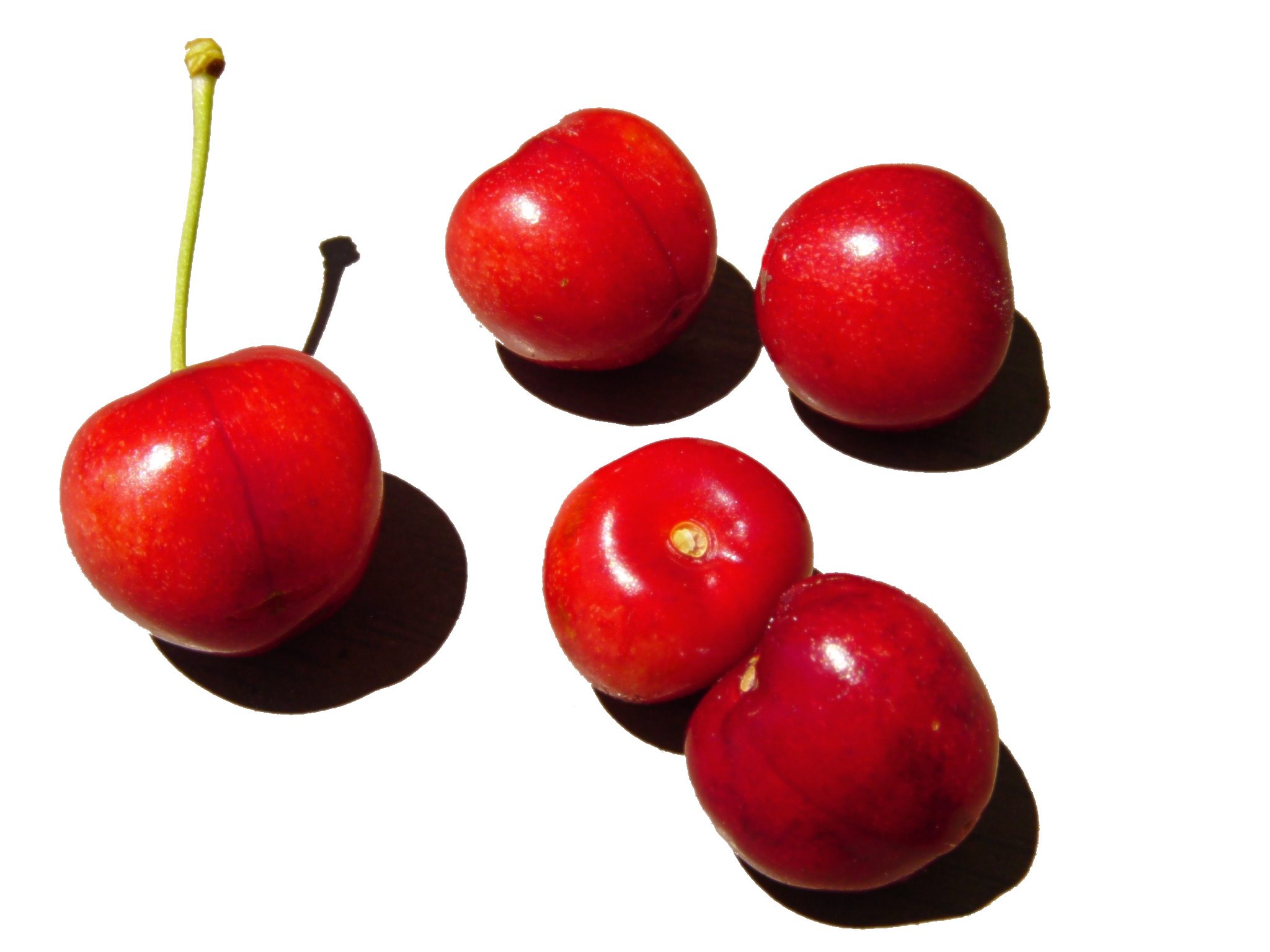
Cherries are a great source of antioxidants when they’re eaten fresh (not in a cherry pie). They help to stabilize insulin, fight against Type 2 diabetes, and are one of the healthiest foods in the fruit category.

cherries-healthy-happy-food

Read about the many extraordinary health benefits of consuming cherries.

7 – Berries

Berries are yummy, juicy, and sweet, and they also have fantastic health benefits. They are known to help reduce mental decline that leads to diseases such as dementia. They can also keep your mind sharp in your younger years while aiding in weight loss.

8 – Beans

Beans are a great source of protein as well as fiber. They also have plenty of antioxidants, and they help to control your appetite, so you don’t overeat. Plus, with so many varieties, you have plenty to choose from.

9 – Eggs

Eggs are one of the most beneficial foods you can eat. They help to stabilize glucose levels and aid in weight management. They also help you to keep away visceral fat and provides protection against several diseases.

10 – Healthy Oils & Fats

Healthy oils and fats such as olive oil or macadamia oil should have a place in your diet. Not only will they enhance the flavor of your food, but they’ll also help you to absorb vitamins easier. Oils should make up around 20 – 30% of your diet.

11 – Spirulina

This isn’t a typical food. In fact, it’s a blue-green colored algae. It’s packed with antioxidants, including vitamin B1, and is low in fat and calories. It provides a significant boost to the immune system.

12 – Sardines

Sardines are a great source of omega-3 fats. These fats provide you with an unbelievable number of health benefits. This includes improved eye health, reduced symptoms of depression and anxiety, and even an improvement in cognitive functioning. It’s one of the healthiest foods with high omega-3 content.

13 – Garden Herbs

Herbs not only make your food taste good, but they help you cut back on your reliance on salt as a seasoning.  After the age of 40, too much salt becomes very dangerous for your cardiovascular health. Anything to reduce sodium intake in your life is a great idea.

14 – Turmeric

Turmeric is an Indian spice with substantial anti-inflammatory properties. It’s excellent for reducing swelling, reducing aches in joints, and easing pain from arthritis. It’s also known to help lower bad cholesterol.

15 – Dark Chocolate

Dark chocolate is a pro at reducing bad cholesterol. It also contains flavonoids that work to lower blood pressure. As long as it’s eaten in moderation, dark chocolate is an excellent choice for people over 40.

16 – Guava

Guava is a phenomenal source of vitamin C. This helps to boost your immune system, something that can take a hit as you age over 40.

17 – Broccoli

Here is another fiber-packed food. Broccoli is excellent for helping to reduce your appetite and keep you full longer. It does this by stabilizing blood sugar and helping to slow down digestion. They also help to balance out certain chemicals, vitamins, and minerals in your body.

18 – Walnuts

Walnuts are one of the best sources of antioxidants. They have anti-inflammatory properties, so they help fight against cardiovascular disease as well as aches and pains. They are a source of the “good fat” that you need in your diet.

snack

19 – Wild Salmon

Packed full of Omega-3 fatty acids, wild-caught salmon is terrific for reducing bad cholesterol while increasing good cholesterol. It also lowers blood pressure and reduces the risk of heart disease by as much as 36 percent.

20 – Oatmeal

Oatmeal is great for fighting an expanding waistline because it’s full of fiber to help keep you full through the day. It also helps to reduce bad cholesterol and is great if you mix it with other foods on the list, such as walnuts.

21 – Carrots

Orange vegetables like carrots are masters at fighting inflammation. They’re great for pesky conditions like arthritis or other joint pain. Plus, they’re full of vitamin A which can help keep your skin looking good as you age.

22 – Beets

Beets are a great source of nitrates. This nutrient helps to keep your arteries unclogged, which essentially helps to ward off heart disease, strokes, and other conditions. It also has a healthy serving of potassium.

23 – Kale

Any leafy green vegetable is beneficial after you hit the big 4-0, but kale is one of the healthiest foods because its full of vitamin C, which can help boost your immune system. It also has a fair amount of folate, making it especially suitable for women.

24 – Cauliflower

This last food is another one with a generous helping of fiber in it. It also has two enzymes, glucosinolate, and isothiocyanates, that are reported to help reduce the risk of cancer. It’s a great food choice.

25 – Citrus Fruits

Citrus fruits provide your body with potent doses of the antioxidant Vitamin C. Including them in your diet helps to fight free radicals which assault your body and can reduce your immune system plus cause specific types of cancers.

Some of the citrus fruits to include on your menu are as follows:

  • Oranges
  • Limes
  • Lemons
  • Grapefruit
  • Tangerines

If you don’t like eating fruit, consider at least squeezing a twist of the citrus juice into your water bottle.

healthiest foodsFinal Thoughts On the Healthiest Foods for People Over 40

When you reach 40, it’s more important than ever to get the proper nutrition daily. Your body is aging, but you don’t have to feel like you’re aging if you eat the right foods. This doesn’t mean you can’t enjoy the things you enjoyed when you were younger, but those foods will have to be eaten in moderation if you want to live a long, healthy life.

The 25 foods on this list are the healthiest foods to add to your diet. There is a wide variety on the menu across all food groups, and many of them are excellent foods that provide an outstanding amount of benefits. Don’t be afraid to give a few of them a try to see which ones you like the most. If you’re lucky, you’ll be a fan of all of them!

Doctors Explain 15 Habits That Can Increase Your Risk of Viral Infections

The talk of bacterial and viral infections is a hot topic these days. You want to protect yourself and your family, but how can you be proactive and keep your immunity high? The problem becomes less about the infections around you and more about what you do or don’t do.

15 Bad Habits That Invite Viral Infections

Think about all the little things that you do in a day. Have you ever thought about whether you rub your nose, touch your face, or scratch your eye?

These little actions seem routine and mundane, but they can increase your chances of contracting viral infections. Here are 15 other habits that you need to avoid as they increase your chances of contracting an illness.

15 Habits That Increase Your Odds of Catching a Viral Infection

viral infections

1. Not Washing Your Hands Enough

The importance of washing your hands has come to the forefront. While many people don’t wash their hands after using the restroom, the problem is more that folks don’t wash their hands long enough. You need to be using the hottest water you can tolerate to get rid of the germs.

You need to make sure that you are washing in-between your fingers, getting your nails, and even the backs of your hands. Later up with soap and scrub for at least 20 seconds. It’s often best to hum a catchy tune like Happy Birthday while doing this to make sure you give enough scrubbing time.

Simply put, you cannot wash your hands enough! If you want a healthier lifestyle that keeps you safe from viral infections, then lather up.

2. Growing a Long, Shaggy Beard

Beards are in style. However, few men know how much bacteria is harboring in their unkempt facial hair. If you want to express your manly rights and grow a mustache or beard, then keep it neat and kempt.

The real problem with longer facial hair is that you touch it regularly. You contact the door handles at work. Then you touch your face. When you eat, particles of food become trapped in the hairs and harbor bacteria.

A beard may look great, but when you are trying to keep your immunity in check, you need to wash it every two or three days. Experts say if you have a weakened immune system, you might want to shave to help keep infections at bay.

3. Biting Your Nails

Biting the nails is a habit that many people can’t avoid. However, retrace your steps in a day and think about all the things that you touch. Do you know how much bacteria is on your cell phone, computer keyboard, door handles, and all the million other things you touch?

When you bite your nails, you put all that bacteria into your mouth. Additionally, if you have cuts and bite them down to the quick, the sores are an open breeding ground for toxins.

4. Wearing Shoes in the House

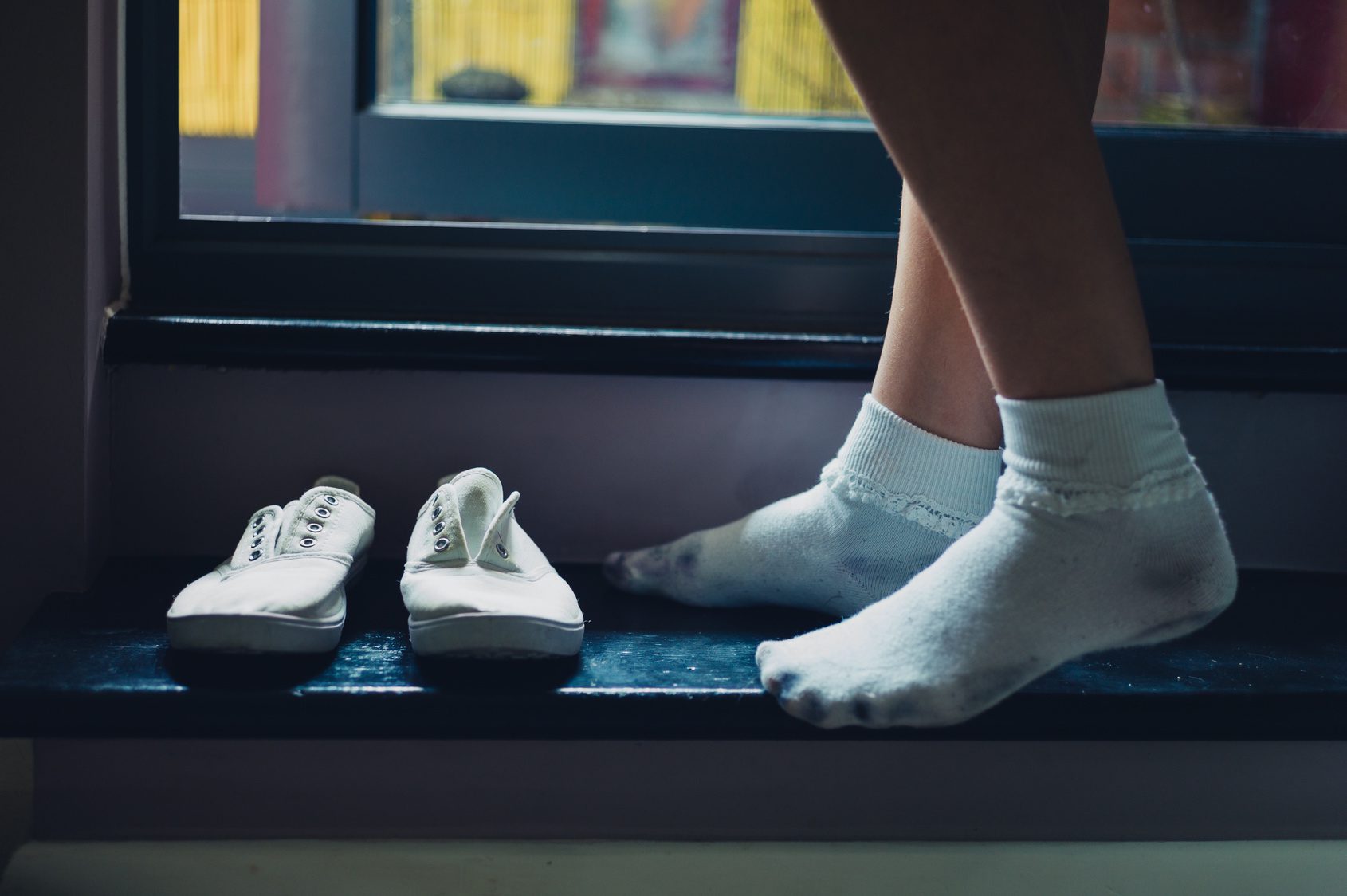
In many countries, it’s customary to take off your shoes and put on house slippers. While some Americans are picky about shoes inside, others tend to wear them all through their home without issue. The problem is whatever is outside you bring to the inside.

Do you have animals? Along with nature, your pets use the grass as their restroom. When you walk outside the home and then wear your shoes on the inside, you track urine and fecal matter into your space. Then when you run around barefooted, the microorganisms get onto your feet.

A study was conducted at the University of Arizona that found that 93 percent of shoes have fecal matter and E Coli on the bottom of them. Any cracks in your feet or sores will instantly transfer that bacteria into your body.

shoes

Learn why you should always remove your shoes before you enter your home.

5. Not Washing Your Produce

Everyone assumes that fruit is natural and fresh. When you go to the grocery store, you pick the biggest and best pieces and bring them home. However, you probably don’t stop to realize how many hands have touched that produce.

The fruit is picked by machines or by hand, depending on the type. It’s washed, and a layer of wax is put on it to enhance its appearance. The fruit goes into bins and makes its way to your local supermarket.

The problem is that the fruit is touched by the stock person and tons of shoppers. Eager consumers dig through bins of fruits and vegetables, trying to find the juiciest and best-looking piece. When you bring this home and don’t wash it, you are putting yourself at risk for bacterial and viral infections.

6. Using Contact Lenses

Most people would prefer to wear contact lenses over glasses. However, you must touch your eye to put the lens on your cornea. You’re supposed to wash your hands before you put in your contacts. But how many times have you been in a hurry and put them in without washing?

You’re transferring bacteria from your hands into your eye. If you think about it, it’s quite disgusting that you put so many toxins in your eye without even realizing it. The mucus membranes easily absorb contaminations, and contact lens wearers are at a higher risk of developing bacterial and viral infections.

7. Missing a Shower

There are times that you’re so tired you fall into bed after a long day. However, you should always make time for a shower, even if it’s just a quick one. A healthier lifestyle that avoids viral infections means washing all the dirt and debris from your body.

If you don’t leave your home for the day, you may be okay to skip a shower. However, if you go outside of your home for any reason, then you need to wash your body and change your clothes.

8. Picking Your Nose

Nose picking is a disgusting habit, but many people do it in secret. However, many people do it when they have sinus problems or other issues. Honestly, everyone has done it a time or two.

The problem with nose-picking is that the mucus membranes can easily pick up the bacteria on your fingers. If you’re not careful, you can contract viral infections from this gross habit.

9. Sharing Cosmetics with Friends and Family

Your cosmetics should be treated as a toothbrush, and no one should ever use them. Even if you allow your children to wear your makeup, you are transferring bacteria and germs from their face to yours.

Cosmetics also need to be changed out frequently. Did you know that they have an expiration date? It’s not always because the makeup is not useful anymore; once you’ve used that tube of mascara for more than a couple of months, the germ content of that tube is toxic and should be pitched.

10. Touching Your Face

How many times do you touch your face in one day? You put your head on your hand while working on your computer, you scratch your nose, play with your hair, and rub the sleep from your eyes. You probably touch your face 100’s of times daily.

Any bacteria on your hands can easily make it to your nose, eyes, and mouth with little effort to Resist touching your face to avoid viral infections.

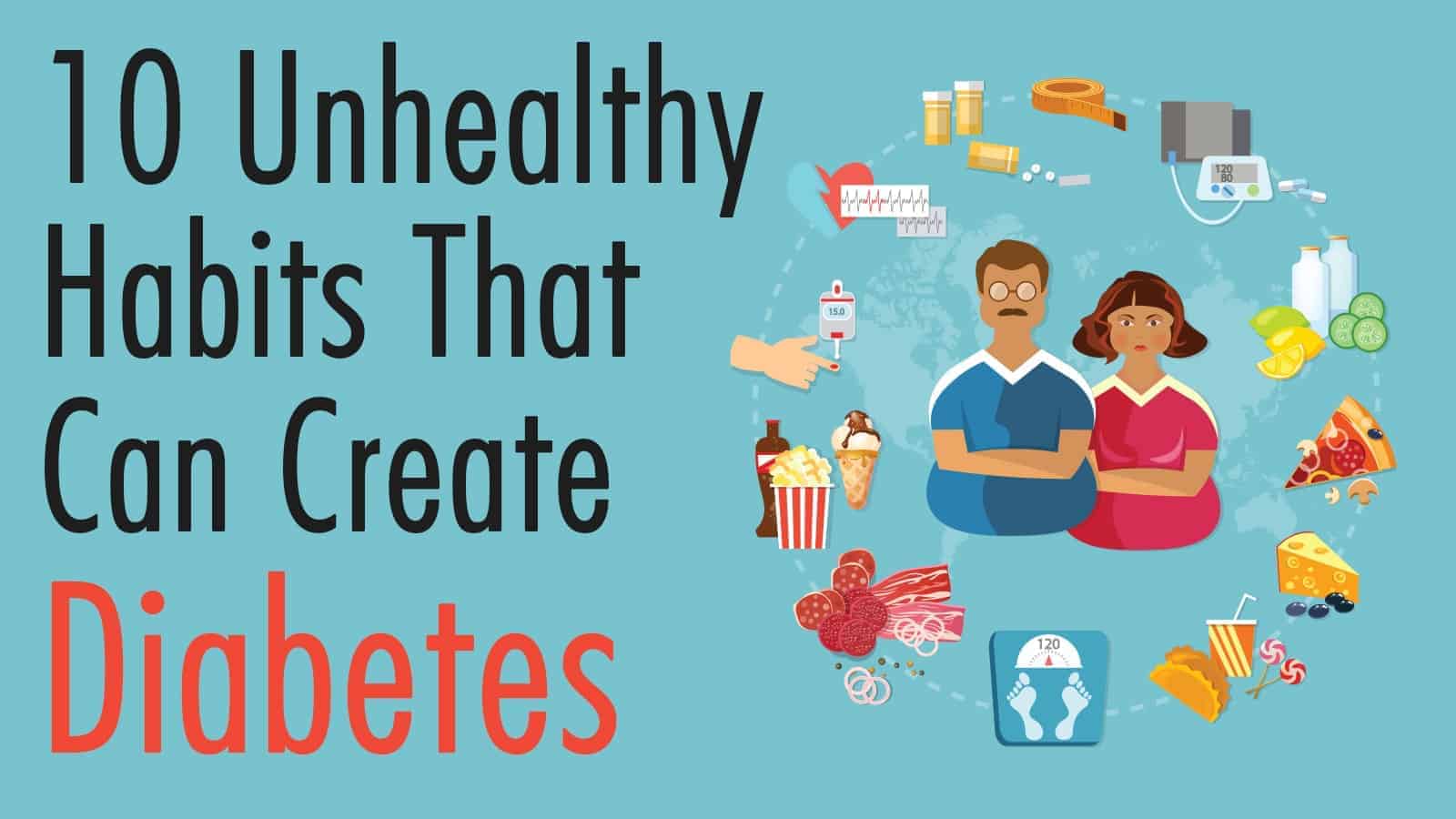
diabetes

11. Not Wearing a Mask in Social Settings

Do you use a mask when you are in social settings or large groups? Covers can help you to keep microscopic droplets from coughs and sneezes out of your nose and mouth. Yes, they are uncomfortable and make you feel smothered, but they are necessary for protection.

12. Hugging Everyone

Some people tend to be more affectionate than others. If you want to hug every friend or family member you encounter, you might want to save your affection. Even germs like the common cold and flu can easily be transferred when you are in such proximity.

13. Not Eating Healthy

Do you depend on take-out and fast food to get you through the day? You need your fruits and vegetables to ensure you get all your vitamins and minerals. If you’re relying on carbohydrates and fatty foods, you’re not getting what your body needs.

People who depend on nature for their food will build a robust immune system that can fight off germs and bacteria. Processed foods harm the body.

14. Taking Your Cell Phone to the Bathroom

There’s nothing better than playing a game or scrolling social media while using the restroom. However, you can quickly transfer the fecal matter to your phone. Do you wash and sanitize your phone regularly?

Many people don’t give the cleanliness of their phone a second thought. However, a survey conducted by Deloitte found that the average person touches their cell phone 47 times each day, and the phone is ten times dirtier than any toilet seat in a public bathroom.

15. Eating While Driving

When’s the last time that you washed your steering wheel? Most people don’t think that they need to clean this heavily used item. However, your steering wheel is lurking with tons of germs.

Whenever you scratch your face, pick up fast food, run into a store, or encounter any germs, it’s all luring on your steering wheel. Your steering wheel is four times dirtier than your toilet seat, according to a study conducted by the National Center for Biotechnology Information. It’s the filthiest place in your car.

viral infectionsFinal Thoughts on Avoiding Viral Infections

It’s impossible to think that you can avoid all germs in your life. There’s always bacteria and toxic particles floating around you. Building immunity to these items is essential for survival. However, there are certain things that you can do to ensure that you don’t get sick for careless reasons.

Science Explains What Happens to Your Body When You Stop Eating Red Meat

Do you consider yourself a meat & potato person? Back in the day, it was a badge of nutrition and a healthy lifestyle to consume a wide variety of red meats. However, countless studies suggest that reducing or eliminating meat may have several health benefits.

Red meat gets its name for its bloody appearance when uncooked. It comes from animals like cows, pigs, and sheep. Flesh from chickens, turkeys, geese, and fish turn white when cooked, called white meat. Humans have been consuming these animals as the primary source of protein for thousands of years.

A Plant-Based Lifestyle Is Best

All meats are not created equal. In addition to being higher in fat and cholesterol, many red meat types are chemically altered into processed foods like lunch meats, hotdogs, and bacon. White meat and other protein sources are usually leaner and have fewer calories than their red counterparts.

Did you know that diets high in red meat consumption can put you at risk for certain diseases? Research is often unclear about how much people should have each day. How can you modify your diet and lifestyle for optimal health?

Many people opt to become vegetarians or vegans for health or ethical reasons. If those lifestyle changes seem too radical for you, you might consider reducing the non-white meat you eat. Meatless Mondays have been popular in our country, encouraging moderation and eating more fruits and vegetables.

The good news is that you needn’t give up meat entirely to be healthy unless you wish. Remember that moderation, healthier substitutions, and wise choices are the keys. You can never go wrong with eating more plant foods and substituting white meat for red as often as possible.

Benefits of Eliminating Red Meat from Your Diet

red meat

While one or two servings of these types of meat per week may be fine, you might consider eliminating processed meats. These junk meats are laden with fat, sodium, sugar, and chemicals that aren’t good for you. Some studies suggest that meat infected with cancer is still sold to the public.

Make it a rare treat if you must have a tasty Coney dog or a salami sandwich. To jumpstart your system and commit to a healthier lifestyle, a few simple diet changes go a long way.

You will be amazed by the good alternative protein sources available. Here are some ways science suggests your body can benefit from reducing or eliminating meat from your meals.

1. You May Experience Weight Loss

If non-white meat is high in saturated fats, it stands to reason that consuming too much could make you obese. The extra weight can cause cardiac disease and a host of other deadly diseases and disorders. Lowering your fat intake from this meat will lower your risk factors.

Purchase the leanest cuts possible when you have the occasional steak or pork chop. Trim any visible fat to save calories and fat grams. Your diligence will show as you lose fat and weight when you step on the scales.

2. Your Heart Will Thank You

It’s probably not news that a diet high in red meat can contribute to coronary issues. When you consume this type of meat, it ends up as fat deposits on your body. Its high cholesterol can also increase plaque build-up in your arteries, causing strokes and heart attacks.

Why not substitute most of the red for healthier white options, like poultry or fish? Multiple studies worldwide demonstrate that fish is a rich source of amino acids and good fats that encourage heart health.

3. You May Reduce Risks of Alzheimer’s Disease

In addition to enhancing your heart health, reducing beef, pork, and lamb consumption can benefit your brain cells. While the word is still out on the causes of Alzheimer’s disease, research has noted a definite link between it and consuming these animals.

When medical experts study the brains of Alzheimer’s patients, they notice tell-tale plaque build-up. Some of these plaque growths may be blamed on years of eating meats that are red instead of other options. Although eliminating these meats isn’t a magic wand, reducing Alzheimer’s risks may be worth your effort.

vegan diet

4. Give Yourself Some More Energy

How do you feel after eating a large meal heavy on beef, pork, or lamb? You probably leave the table bloated and ready to collapse on the couch. It’s no wonder you feel like you need a nap after consuming such a meal.

Your body will see the difference when you reduce your fat and calorie intake and choose leaner white meat options. Nutritious, whole food fuels your body and boosts your energy. You will lose fat and have more power for exercise, which means you can spend more quality time with the ones you love.

5. You Could Reduce Your Chances of Cancer

Many healthcare professionals have remarked that cancer may be the greatest epidemic in modern times. The chances are that you or someone you love has been touched by this cruel disease at least once or more. While medical science makes astronomical strides in cancer treatments yearly, it’s still an uphill battle.

Do your eating habits put you at risk for developing cancer? You probably know that smoking and a sedimentary lifestyle are risk factors, but did you realize the meats you eat are, too? Eating less red and replacing it with lean white meat significantly reduces your chances of getting colorectal and other cancers.

6. Be Kinder to Your Skin, Hair, and Nails

Some nutrients vital for healthy skin, hair, and nails can only be found in meat. Vegetarians and vegans often must take supplements to make up for their deficiencies. However, you can get amino acids and beneficial fats from fish and other protein options other than from cows, pigs, and lambs.

When you are consuming less meat, you may substitute it with more fruits and veggies; the more colorful, the better. These whole foods pack a punch of vitamins and minerals that defend your cells against free radicals. Your complexion will look younger and healthier.

Many people who reduce or eliminate red meat varieties often see a noticeable difference in their skin, hair, and nails. Your skin may look more radiant, your hair is more luxurious, and your nails less brittle. You don’t have to eat steaks and lamb chops for these beauty benefits.

7. Less Red May Mean Less Acidity

Have you read recent studies about highly acidic bodies and lethal diseases? While our bodies naturally work to keep a safe PH balance, overeating acidic foods like non-white meat can raise the acid level. High PH balances have been linked to cancer, diabetes, and many other maladies.

Do you want to reduce acid and balance your PH levels? Medical experts recommend a diet of less meat, especially red. They also suggest you enjoy more fruits and vegetables that are low in acid. Your PH-balanced diet can create an environment for healthy gut microbes to flourish and eliminate harmful ones that cause disease.

Did you know that being overly acidic can be the root cause of inflammation in your body? Just think of the myriads of painful disorders that inflammation causes, like arthritis, tissue disease, and cancer. Less acid can mean less inflammation and a healthier you.

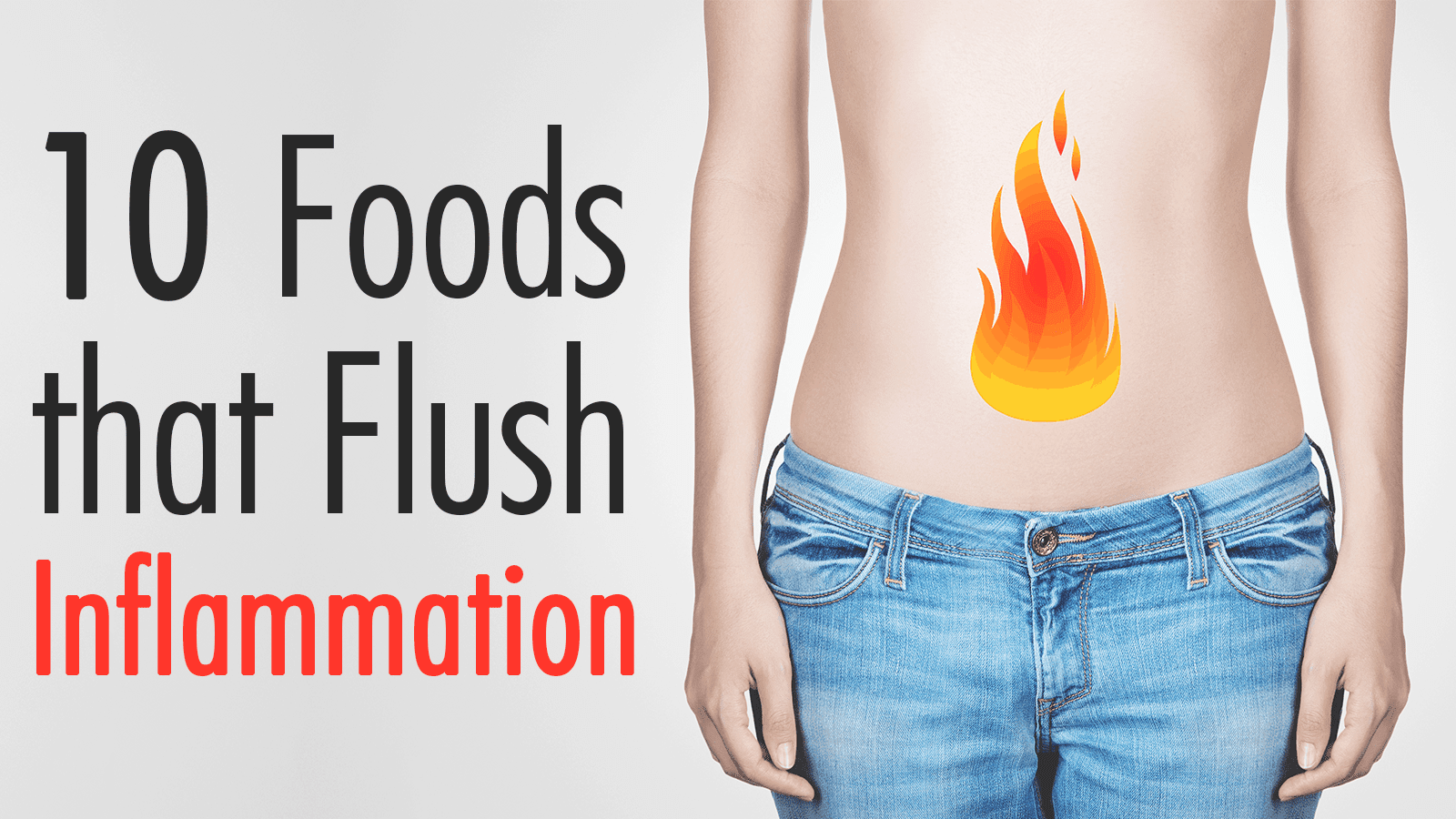
inflammation

8. You May Enjoy a Longer Life

There is no fountain of youth; however, your life’s length and quality are directly affected by what you eat and how you live. One way you may tack on a few years is to reduce or eliminate your meat consumption.

It probably doesn’t surprise you that vegetarians and vegans often enjoy better health than their meat-eating peers. You can still reap the longevity benefits by substituting some red with white meat or veggie protein options. Your diet and overall health are directly linked.

9. A Kinder Diet Can Benefit the Environment

Perhaps, you have chosen to go meat-free because of bioethical reasons. You don’t feel right taking another life for food. While less or no meat consumption may be kinder to the animals, it may also benefit the environment.

Did you know that cows’ methane alone significantly contributes to greenhouse gases? These gases pollute the air and deplete the beneficial ozone layer, allowing more hazardous solar radiation into our atmosphere.

Raising farm animals for slaughter also takes its toll on land and crop production. Do you realize the millions of acres that are dedicated to herding animals? The land is also often over-farmed to raise the tons of grain needed for animal feed each year.

If your heart and values convince you to adopt a vegetarian or vegan lifestyle, perhaps another benefit would be the peace of mind. You won’t need to feel guilty by eating a diet that contradicts your belief system. You may be less depressed and anxious because of your personal decision and see weight loss.

red meatFinal Thoughts on Eliminating Red Meat and Enjoying the Changes to Your Body

If you’re considering reducing or eliminating red meat dishes from your family, consider your options. These are just a few of the many benefits scientific research has demonstrated from others who have made the decision.

Talk to a certified nutritionist about exciting and delicious meatless choices you and your family can enjoy. One of the most significant ways you can cut back is to eliminate processed meat like hot dogs, bologna, and other lunch meats.

Trainers Reveal 10 Exercises You Can Do From Your Bed

Exercise is defined as any movement that you do to increase your heart rate, strengthen muscles, and promote flexibility. If you have mobility restrictions or love napping, you can even perform workouts from bed!

Numerous types of exercises can increase flexibility, strengthen your cardiovascular system, and improve muscle tone. Swimming, recreational sports, running, weight lifting, stretching exercises, and HIIT workouts are yours for the taking. Now it seems that the only difficult decision is deciding which one to implement for better health.

Unfortunately, due to the recent restrictions, many of us have put gym memberships on hold. We have taken our pets for more walks than even they care to go on. And we stayed in bed longer than we should have to avoid some of the news continually streaming on our feed. How can we go about the business of getting fit and staying in shape during these strange times?

Not to worry! Even if you don’t feel like getting out of bed until noon, there are exercises that you can do right there—in bed—-and you can be working on your fitness goals while still semi-snuggled up to your pillow. Now you truly have no excuses; it’s time to implement a workout regime from the comfort of your bed and your bedroom. Why is exercise so vital to good health?

yoga for beginners

Learn how to start doing yoga from the comfort of your home.

Five primary benefits of exercise

Exercise benefits both your body and your brain; studies show that people who exercise are happier, and they live longer. Here are some other reasons that you need to get your took us in gear and move that body:

1. Exercise can make you feel happier

Training is a natural mood booster. Science confirms that people who regularly exercise note fewer experiences of anxiety, stress, and depression. Powerful endorphins, or feel-good hormones, are released in the brain when you exercise, and this floods the body with nervous system signals that promote happiness and pleasure. Interestingly enough, the intensity has nothing to do with the release of endorphins. Indeed, it seems that any moderate activity will do for you.

2. Exercise helps with weight loss

It’s obvious–exercise does help with weight loss. When you diet alone, your body responds by slowing your metabolic rate, causing you to actually maintain your weight or even gain a pound or two. Conversely, exercise increases muscle mass and allows you to burn fat deposits, even when you are at rest. Start pumping some weights, and increase your metabolic rate exponentially!

3. Exercise is good for muscles and bones

Exercising is a crucial player in the development of healthy muscles and bones. When exercising, your body sends signals to your muscles to utilize amino acids from protein to repair and increase muscle tissue. It also helps to promote bone density; both muscle tone and bone density are essential as you age, as we tend to lose strength. We can combat the effects of aging by performing weight-bearing exercises a couple of times weekly.

4. Exercise increases your energy levels

Exercise is an energy booster for healthy people as well as those with pre-existing health conditions. Recent studies show that as little as six weeks of exercise can dramatically reduce reports of chronic fatigue, aches, and pains. One theory behind this is the ability of exercise to more efficiently circulate oxygen and vital nutrients throughout the body, improving the function of almost every system in the body.

5. Exercise keeps you healthier!

Lack of physical activity is a primary contributor to the development of chronic diseases. In contrast, a lack of physical exercise is known to increase belly fat, which is a factor in the development of heart disease and type 2 diabetes. Get that body moving, and you’ll improve all aspects of your health.

Exercising when getting out of bed is difficult

Some of us have fewer obligations right now, and it might be tempting to spend more time than usual in bed. Rest assured, staying in bed all day will not help advance your health and fitness goals! Getting fit does not have to be complete drudgery, though—did you know there are exercises that you can do while you are still in your favorite reclined position?

Try these up-and-at-’em exercises the next time you’re tempted to spend the day in a supine position, and see if they don’t motivate you to get up and do a little more than you’d planned to:

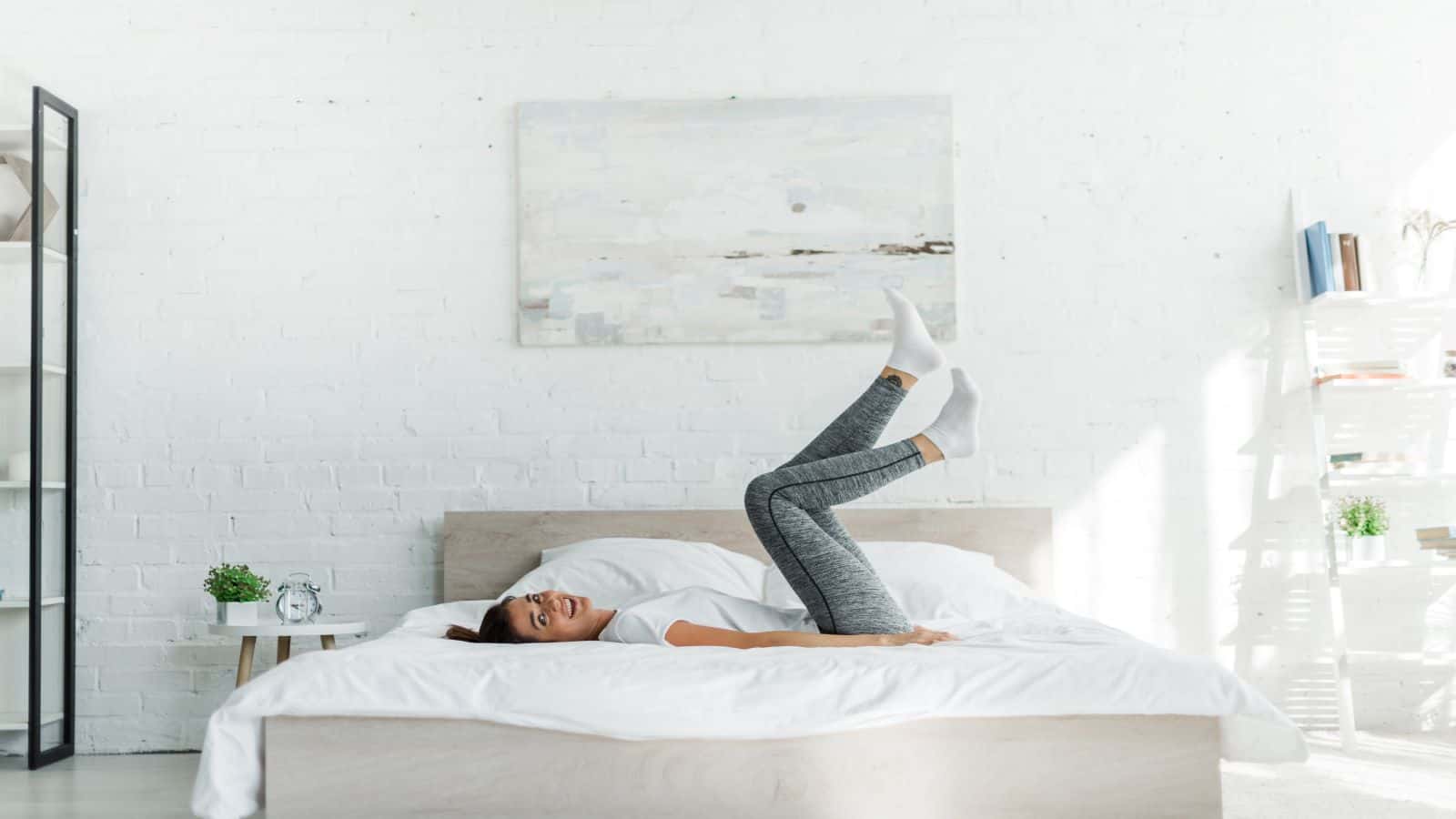
1. Marching hip raises

Lie flat on your back. Knees bent with your heels near your buttocks. Press down into your mattress and heels as you lift your buttocks off the ground, so your hips are raised in a straight line from your knees to your shoulders. Lift your right knee up as if you are marching, keeping left leg and hip raised to strengthen your core and backside. Put your right foot down in bend knee position, and use that to stabilize your body as you lift your left leg in bend knee position, hips off the mattress. Alternate sides several times, or until you experience muscle fatigue.

bed

2. Side plank with a twist

If you have a firm surface, this move will be more efficient. Lie on your right side with your hips, knees, and ankles all stacked over each other, propping yourself up on your right elbow. Press down and lift your hips off the mattress, extending your left arm straight up toward the ceiling. As you continue lifting hips up, twist your body at the abdomen and bring your left arm in a downward swing into the gap between your body and the bed. Extend your left hand back up toward the ceiling, lower your hips, and switch sides. Alternate several times for shapely shoulders and a strong core.

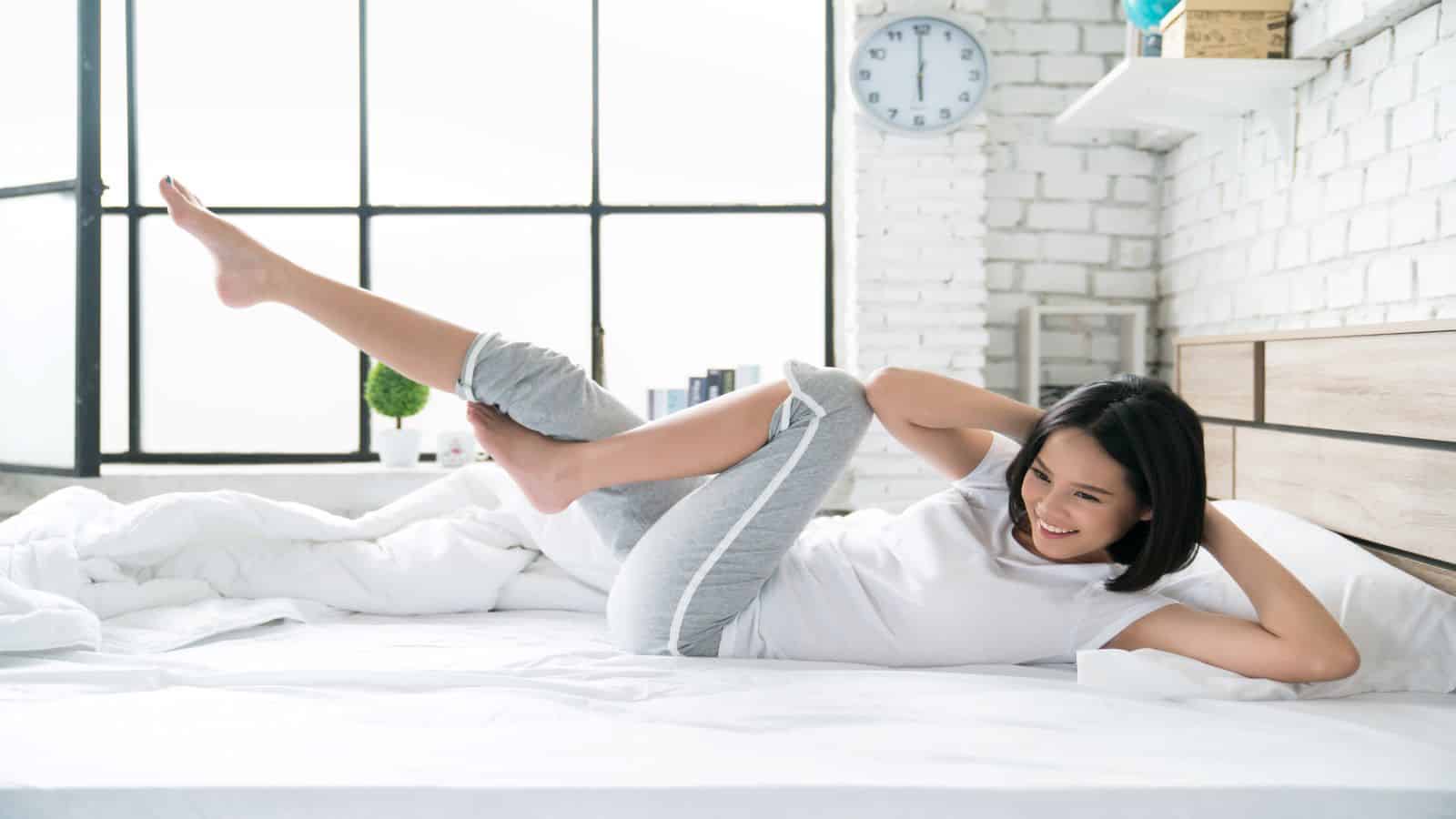
3. Leg lift with bent knee

Lie on your right side with your head propped up on your hand, and your right knee bent at a 90-degree angle. Extend your left leg in a straight line outward from your core. Lift your left leg toward the ceiling, then perform a single leg crunch by bringing your left knee in toward your abdomen.

Raise left leg again toward the ceiling, extending it out straight, and lower back into its original position. Perform several reps and lifts on each side. Increase the difficulty by twisting to the opposite knee as you gain strength.

bed

4. Reverse diamond crunch

Lie on your back with your arms facing down, soles of the feet together and knees bent so that your legs form a diamond shape. Press your lower back into the mattress as you keep the soles of your feet together and lift your feet up toward the ceiling, performing a reverse ab crunch. Slowly bring your feet back down toward the bed. Perform several reps, or till you feel some serious contraction in your core.

5. Jack split

Despite the fact that you are starting this exercise in a relaxed position, this exercise is anything but easy. Lie on your back with your arms and legs outstretched, so your body forms a straight line. In one “graceful” move, lift your legs toward your core and outward into a V shape as you swing your arms up toward the ceiling and through your open legs. Return to your mattress with control, coming back into a straight line. Don’t relax just yet; perform several reps of this exercise for a strong core, shapely legs, and toned arms.

6. Scissors

Lie on your back with your hands underneath your hips, legs outstretched. Bring your feet upward to point toward the ceiling, keeping toes pointed as best you can. Alternate bringing one straight leg down to the bed and back up to the ceiling as you keep the other leg outstretched toward the ceiling. Keep your lower back pressed against the mattress and legs lengthened and stretched as much as possible as you continue alternating legs.

7. Dolphin plank

Many of us are carrying extra stress in our upper back and shoulders, particularly because we are sitting for long hours on the computer. The dolphin plank is the perfect solution for toning and stretching the upper back and shoulders. Lie on your stomach with your upper back supported by your bent elbows, and forearms stretched out along your mattress.

Get into the plank position first by raising your hips up so that your body forms a straight line from hips to feet. As your body allows, bend your buttocks into an inverted V up toward the ceiling as you lower your head toward the mattress; hold for several seconds, then lower back into plank position. Repeat several times for a good stretch and some serious upper body strength.

8. Arabesque lifts

This exercise works the posterior and the outside of the hips, giving your legs that long, lean look. Start on your mattress on all fours, knees bent, and perpendicular to your hips. Point your left toes, then extend your left leg outward straight behind you and up toward the ceiling. Lower the leg, and bring it back to a bent knee position beside the right leg. You can either perform several reps on each side, or you can alternate leg raises for balance and control as well.

9. Around the world abdominals

Abs are not anyone’s favorite muscle group to work out, but once you start seeing them take shape, you want to see even more. To perform around the world, start on your hands and knees. Balance on your left hand and right knee as you swing your left leg out to the side. Swing your knee forward as you tap it with your right hand, then bring both feet and hand back around behind you to tap behind the body as well. Swing back and forth from front to back as you keep your balance and tighten up that core.

10. Arm extension/shoulder taps

This all-encompassing move works the core, thighs, buttocks, and arms. It is right on the money! Get into a fully extended plank position on your mattress, lifting one arm up and out in front of you. Bring your extended hand back to tap the opposite shoulder before placing back down; repeat on the other side while keeping your plank in a straight line from shoulders to feet.

pop memeFinal thoughts on doing a workout from your bed

Whether you choose stretching exercises, cardio breathing, or some of these muscle moves, you now have no excuse not to improve your health and fitness right in the comfort of your own home. Doing these exercises consistently will improve your strength, stamina, and your self-confidence!

10 Hidden Behaviors Reveal That Your Coworker is a Gaslighter

.Gaslighters are toxic people that you really should evict out of your life. While you may be fully aware of this, if the person is your coworker, you may not be able to avoid them altogether. What you can do is limited contact with these types of coworkers as much as possible. To do that, you need to know how to spot them. We share ten hidden behaviors that identify coworkers as gaslighters.

What is Gaslighting?

Before diving into how you can spot a coworker that is a gaslighter, you should know precisely what gaslighting is.

A gaslighter is psychologically manipulating a person by planting doubt in that person about the person’s perception, memory, or judgment. This tactic can often result in a loss of identity, low self-esteem, and a lack of confidence for the person they manipulate. This person can have narcissistic and sociopathic tendencies.

Ten Hidden Signs of a Gaslighter

gaslighter

1. They Lie and Exaggerate Blatantly

These people have no shame. They will tell blatant lies, both big and small. What is crazier is that they will lie directly to your face, knowing that you know the truth. It can get extremely bizarre when they begin to lie about big, obvious things – you know they are lying. Still, they are lying so convincingly you wonder if you possibly misunderstood something.

The lying tends to happen in levels. They might start small just to plant the seeds of doubt. It can even manifest in the form of overriding your opinions or feelings about certain things. For example, they may attempt to convince you that you love a particular food even though you’re sure you don’t. Eventually, the lies and exaggeration get worse and worse, but by then, they may already have you under their spell.

2. Behavior is Repetitive

The whole process of gaslighting takes some dedication. This person will not just deceive you occasionally. It will be a constant occurrence. It can be so consistent that you never know when you’re going to hear the truth from them, and in the event that they do tell the truth, it can be surprising.

After being exposed continuously to the lies and deception, incidences where they tell the truth or compliment, you could also be used as manipulation (more on this in another section). The bouncing back and forth from reality to lie, and the repetitive behavior can easily lead to the next sign.

3. You Feel Worn Down by Spending Time Around the Person

You’re human. You can only take so much. Strong-willed, confident people may not be affected as much as others, but the constant exposure to psychological warfare can wear your shell down.

This defeat is especially true when you are required to be around this person. For example, if your boss is doing the gaslighting, but you need your job, you may feel like you do not have a choice. You may begin to feel depressed, hopeless, and even worthless. Most of all, you can feel stuck.

If you are feeling worn down around a coworker, do what you can to stay away from them.

quotes

4. A Gaslighter Won’t Admit to Flaws

Gaslighters see themselves as more perfect than anyone else. They will rarely admit to any flaws, no matter who distinct they are. To them, you and everyone else are the ones who have it wrong. They would deny a fault just as they are performing it.

This denial can also manifest in the form of them calling you and everyone else liars. Even if you have proof of them being the liar, they will find some manipulative way to turn it around. This behavior can often be by telling more lies to support the original myth. Pretty soon, they will have an entire fabricated story that they use to prove that they are right and you are wrong.

5. A Gaslighter Issues a Constant Reminder of Your Flaws

We have already established that they will not admit to any flaws. However, they will be sure to remind you of all of yours, all the time. Doing this is a way to bring your self-esteem and self-confidence down so low that they have total control and domination over you.

With coworkers, this means could be expressed in actions such as discrediting your work or your work ethic.

They may say things like, “It doesn’t matter how hard you work. You’re just not a good fit for that promotion.”

They may say phrases like this with no proof at all that they are correct. If they do happen to find an actual flaw of yours, the taunting can be much worse.

6. They Blow Things Out of Proportion

If you do find some courage to challenge them when they are lying, manipulating you, or pointing out your flaws, prepare for war. They don’t take criticism well. They don’t like to take it at all.

Pointing out their flaws garners the same reaction as challenging their lies. In some cases, their response can escalate into the argument of the century. You must have very thick skin to make it through one of these arguments. If you don’t, you can be left feeling wrecked when the debate is over.

7. You Have a Sense of Walking on Eggshells

When you are dealing with a person who blows up at the simplest criticism, or that turns everything into something to use against you, it can make you feel like you’re walking on eggshells around them. You will begin to feel like you do or say the wrong things all the time. You may even notice that you are correcting yourself constantly to not trigger the person.

Being in this situation long term can lead to a lot of stress and mental exhaustion. It can affect your work performance because it becomes more about pleasing the gaslighter than doing your job. Staying away from coworkers like this is the best way to relieve your stress and anxiety.

psychopath8. Say One Thing, Do Something Else

You can never expect gaslighting people to lead by example. They do a lot of talking about what is right or wrong, what to do next, or what’s honorable or what’s not. After all this talking, they will turn around and do the exact opposite of what they said.

So pay attention to what they are doing over what they are saying. You already know that they are liars. However, the actions they take often tell the truth a lot more than their words. With gaslighting people, actions honestly do speak louder than words.

9. Confusing Compliments

Gaslighting people are masters at playing mind games. They know that if you start expecting them to be a liar and a bully all the time, their games will not be as effective as they would like. That is why they may throw in the occasional compliment. You can get so used to them putting you down regularly that when they give praise, you are completely confused about their authenticity. However, it is likely just a ruse.

When you get an unexpected compliment from this person, it is likely because you did something to help them, even if you didn’t know it. After all, they are not terrible people for no reason. A gaslighter’s primary purpose for their actions is to help themselves. When you seem to be on their side without question, you can expect the occasional compliment.

Do not fall for it. It will take next to nothing for them to start putting you down again.

10. Rallying Troops Against You

It is not enough for the person to wage psychological warfare on you by themselves. They will up the stakes by turning other coworkers against you. They are not beneath starting rumors and gossip or flat out lying to someone about something you said or did. Turning people against you works because the gaslighting person is usually playing their mind games on others in the office also.

Even as workplace tension increases, the gaslighting person will try to make you feel like it is your fault that people do not like you. There is a good chance that everyone loves you, but the gaslighting person just tells you lies to make you think people do not like you. If you are dealing with a coworker who consistently hints to you that others in the office have a problem with you or your work, you have found your gaslighter.

gaslighterFinal Thoughts on Working With a Gaslighter

If you recognize any of these qualities in your coworkers, you are in trouble if you work closely with these toxic people. They may attempt to sabotage your success and manipulate you into thinking it’s your fault. Even worse is that they are good at gaslighting. The best advice that you can follow is to distance yourself from the person. Continue to uphold your excellent work ethic and move forward despite the sabotage. It can be hard to do at work, but in the end, it is better than working in a toxic environment.

Treat Yourself to a Relaxing Pedicure at Home (relax + save your cash)

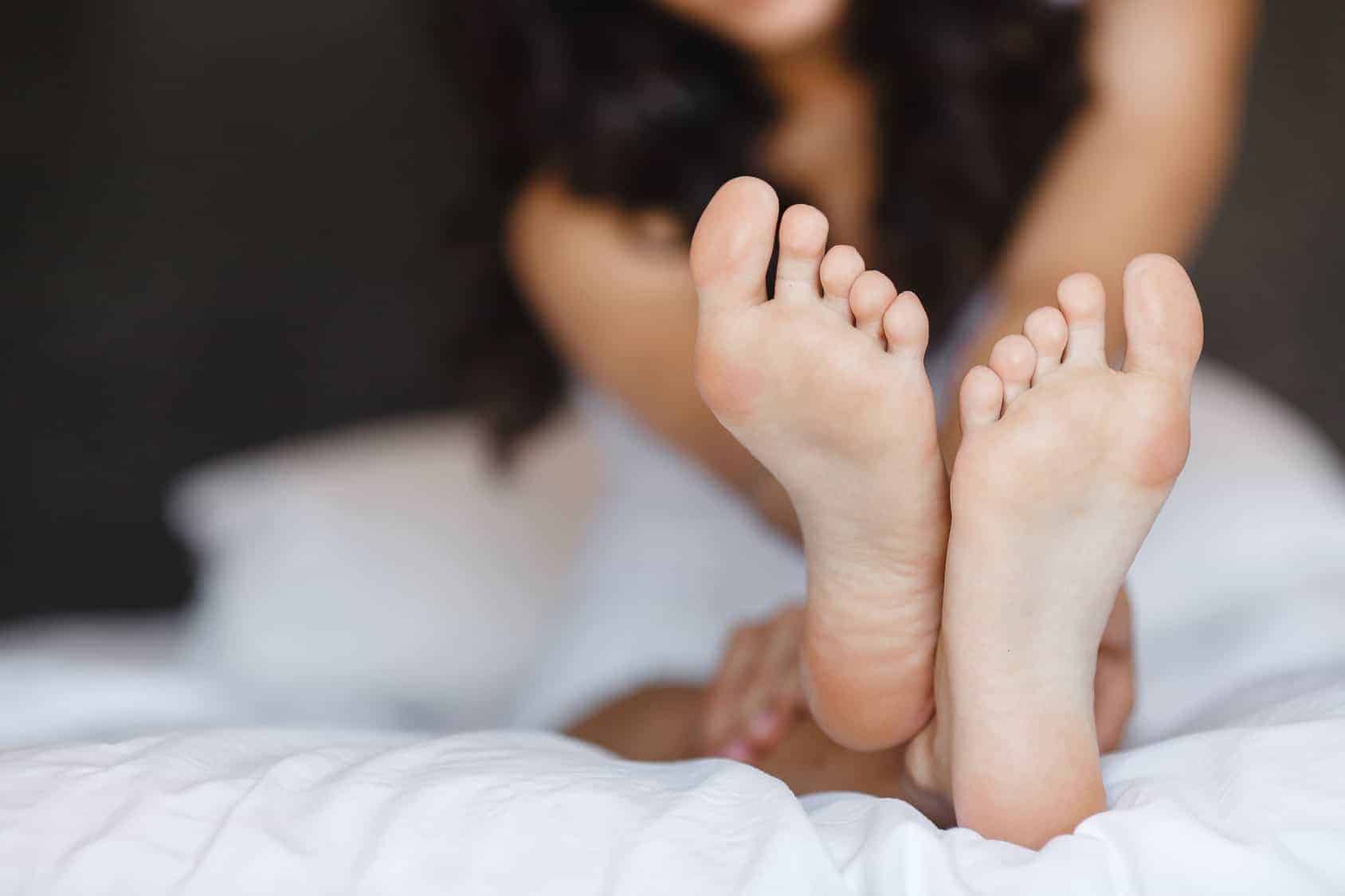
Are you looking to treat yourself to an incredibly decadent and enjoyable home pedicure?

Here are the tips you need to make it an exceptional experience. Look no further for instructions because we will walk you through everything you need to know to pamper your precious feet.

You might think that only trained professionals can perform pedis, but you couldn’t be further than the truth. Of course, salon and spa employees and estheticians receive specialty training in these skills, and that education is a fundamental of their success. However, you can quickly learn the basics, and use that knowledge to treat yourself to regular home pedicures at your convenience and within your comfort levels.

It’s always nice to have another person rub and pamper your feet, and you don’t have to give that up. But, you could do well to learn a few of the basics to supplement your spa treatments, to enhance the knowledge you have of your feet, and to make your ankles, feet, and toes feel better thanks to the skills of your own two hands and without having to leave the house.

Benefits Of Home Pedis

feet massage

Learn how you could be damaging your feet–but not even realize it!

  • You Likely Already Have Everything You Need.

You don’t need to break the bank to get a whole professional-grade set-up for your house. Take a look around at what you already have. Namely, you need a large basin for soaking your little paws, a few towels, plenty of moisturizer, and some handy, clean tools to use on your softened feet.

  • They Are Cheap, Even Free!

    You can easily spend $30-50 a pop or more on professional pedicures at the salon or spa. Of course, you’re worth a million dollars, but perhaps you could find a better use for that moolah and DIY with the same results.

  • You Can Remain In The Comfort Of Your Own Home.

    No need to dress up and hustle about, having to deal with parking and making small talk with strangers. You can stay in your most comfortable lounging pants and get a professional-grade pedicure while listening to your music and eating your favorite snacks.

  • You Can Do It Exactly How You Like.

    Sometimes you leave the salon feeling a bit underwhelmed by the entire experience. No need to be disappointed! Get that water temp perfect for you, let that foot massage run along a little longer, and get that color polished on the entire surface area of each nail bed – just the way you like it.

Step-By-Step DIY Instructions

Start by getting everything you’ll need for your luxurious home spa experience before you put your feet in to soak, or else you’ll miss it later on when you need it!

Here’s what you’ll need:

  • A large basin for soaking both your feet, water to fill it, a few drops of Castile soap, essential oils, or fractionated coconut oil
  • Two medium-sized clean towels
  • Sterile tools for working on your feet, such as a pumice stone, nail clippers or scissors, a nail file, cuticle trimmers, an orange stick for pushing back cuticles, etc.
  • A moisturizer that you like
  • Nail polish, both colored and clear
  • Toe separators

Now, here’s what you do for your luxury at-home pedicure:

pedicure

1 – Make a perfect foot soaking tub

Fill the basin with water that is more than warm but not scalding. Ideally, you should be able to comfortably put both feet into the soaking tub at one time, but if your container only fits one foot, you can easily do them one at a time.

Be sure to use a clean basin and clean water, and swap out the water in between feet. The name of the game here is sterility, so you want to start with unsoiled items and to only use clean items throughout the pedicure.

You can opt to add a few drops of Castile soap, a few drops of your favorite essential oil, and/or a squirt or two of fractionated coconut oil to facilitate the process a little. Lavender and Frankincense have relaxing properties, while Tea Tree is a natural microbial and will be useful to zap away foot odor.

2 – Enjoy a pampering, long soak

Place one or both feet into the water and let them soak comfortably for a solid 10 minutes. This step is essential so that the hot water penetrates into the many layers of live and dead skin on your feet and begins to soften everything up.

This step is also important to set a time or mood for your overall experience. This should not be a rushed process, as this time should be calm and enjoyable. Consider putting on some calming music, lighting a candle, and flipping through a magazine while your feet start to melt into the water.

3 – Perform nail and cuticle care

Now is the time to use the tools you have, and let’s emphasize once again how important it is for your devices to be clean and sterilized. This is often the source of the infections you read about in salons, so be sure to wash and thoroughly dry all your tools. What happens is, you might nick your skin on accident, and then it is easier for germs to infect your tiny open wound. However, this is easy to avoid with clean tools and surfaces.

Start with the nail clippers or scissors and take advantage of your now soft toenails by clipping them down. You want to cut straight across and not curve the edges down too much to avoid possible ingrown nails. It’s always better to err on the side of caution because you can file them as well.

Next, use the orange stick or equivalent to gently push back all your cuticles. Since they will be soft and pliable, they will be easy to push back. So don’t break the delicate skin by being too rough. Use your cuticle trimmers to cut off that excess dead skin carefully.

4 – Exfoliate your feet

Take a few moments, if you have a pumice stone, to quickly run it over the surfaces of each foot, paying close attention to the heel, the big toe, and the sides. Then, take one foot out of the water and dry it with a clean towel. Keep the other foot in the basin, and cross your dry ankle over your knee to access it. Adding liberal amounts of your moisturizer, begin to massage your foot and rub it in.

This is a time to really knead that arch, stroke that heel, and rub those toes. Use your thumbs to press into the center of your sole. And then rub the thumbs outward toward the edges of your feet. If something feels good, stay with it, and don’t forget to keep adding the lotion or oil to your hands. Your steamy, slightly damp feet will soak that moisture right up!

When you’re finished with one foot, wrap it up in the towel, and set it down on the ground next to your basin. Bring the other foot up to dry and cross it over your knee, gently sliding the tub away from under your feet, so you don’t accidentally step into it. This water should be discarded when you’re finished, and the basin should be scrubbed with soap and hot water in order to fully sanitize it.

When you’re finished with the second foot, wrap it up in the towel. Feel free to take ample time with this step because your feet hardly ever get this kind of dedicated TLC. Enjoy!

5 – A polished finish

To polish or not to polish? If you’re opting out of nail polish, then you are all set! Think about putting on some nice cotton socks for an hour or so in order to let all that moisture fully penetrate into your skin.

However, if you’re polishing, take the corner of one of your towels and buff each of your nails with it. You don’t want the oils and such from your lotion to affect the polish’s finish and need a dry nail bed.

Gently roll each of the polishes, color, and clear, in between your palms for several minutes each. This practice serves to mix up the lacquer but not add air bubbles. Apply two coats of the color of your choice to each of your toenails. Move from one side of the foot to the other twice. Finally, apply one coat of clear coat on every nail. Take your time, and have a piece of tissue nearby to wipe up any polish that ends up on your skin while it’s still wet.

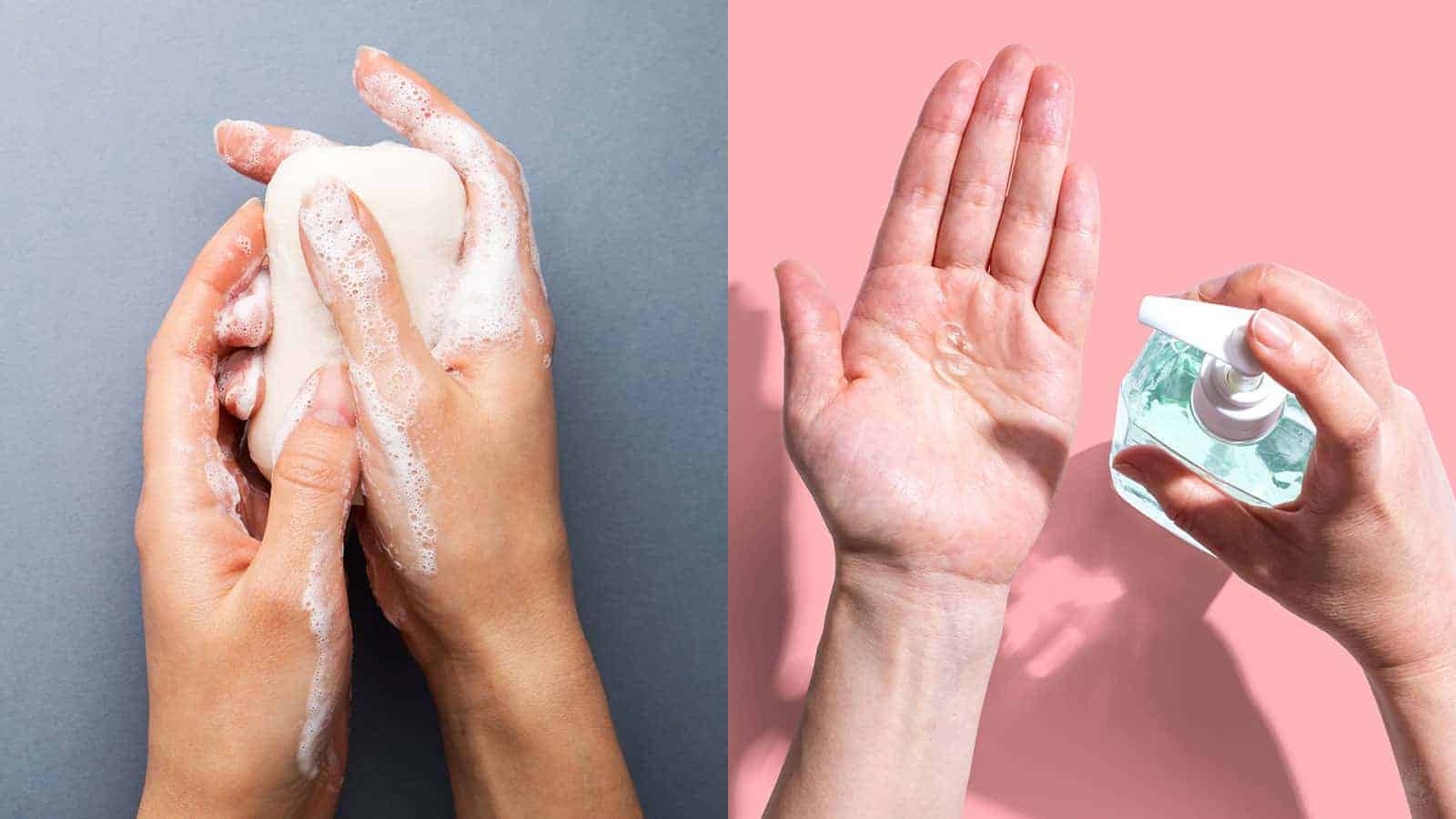
handwashing

10 Tips for using hand sanitizer and performing handwashing the right way.

6 – Patience, please–don’t bloop your nails

Keep your nails dry and smudge-free by applying toe separators or cotton balls in between each toe. After all your hard work, this is not the time for damages! Wait 15 more minutes before getting up from your chair. Remember, this patience is well worth the wait.

pedicureFinal Thoughts On Home Pedicures

Use this tutorial tonight, and give yourself the pedicure you’ve been missing. This can become automatic and easy, a real pattern in your life if you’d like! Learn what makes the process easier and better and improve your technique each time you treat yourself.

You’ll discover that this type of pampering is more than a simple treat. It’s required maintenance for our bodies and our peace of mind. There’s always time to perform a little self TLC. You deserve it!

Essential Oil Diffuser Cleaning Tips to Never Overlook

A wellness routine that fits into your life is of the essence. Be it simple workouts, hitting the gym, or jogging, the simpler the method, the better. And using an essential oil diffuser is an effortless way of bringing wellness into your living space.

Essential oils have been in use for centuries. Their complex blend of therapeutic benefits and aromas has also seen them play an indispensable role in modern life. Apart from making the room smell better, they have many uses in the food and cosmetic industries.

Research proves essential oils contain a mixture of molecules obtained from plant organs. Leaves and flowers contain the highest concentration of essential oils in a plant. If plants gain this much from essential oils, how much more do you stand to gain? Once you know all that, the next thing is to get the essential oils from the plant to the room, office, or car. So, how do you do that?

Think essential oil diffusers. Whether you use a nebulizer or an ultrasonic diffuser, the principle is constant. Diffusers break down the complex chains of hydrocarbons and oxygenated hydrocarbons of essential oils into small molecules. These molecules then disperse as tiny, breathable particles into your room.

essential oil diffuser

Common types of essential oil diffusers

When it comes down to buying a diffuser, the kind of diffuser you buy will depend on:

  • Cost of the diffuser
  • Availability of the diffuser type
  • Size of your room
  • Dispersion capacity of the diffuser
  • Your tastes and preference

What to look for when buying an essential oil diffuser

1. Timer

A timer determines the frequency of releasing essential oils. Most diffusers have an interval of 1, 2, or 4 hours. The timer allows the diffuser to run for some minutes or continuously, depending on the type of diffuser.

2. Mist adjuster

An adjuster allows you to determine the number of essential oils you want to diffuse in your room. The button or knob should have an allowance of low, high, or medium setting.

3. Low noise level

A nebulizer diffuser produces a lower noise as compared to an ultrasonic diffuser. The noise comes from the release of the pressured air, which means that you will barely notice it.

4. Wide dispersion capacity

A diffuser should cover the entirety of a room.

5. Lightweight

Since it is an essential item, a diffuser should be cordless, rechargeable, and electric to allow you to carry it with you wherever you go easily.

6. Manufacturer guarantee

A warranty is a standard feature in many diffusers. It ensures that in the event of a malfunction, the manufacturer will repair your diffuser.

The above factors will largely determine the type of diffuser you opt for.

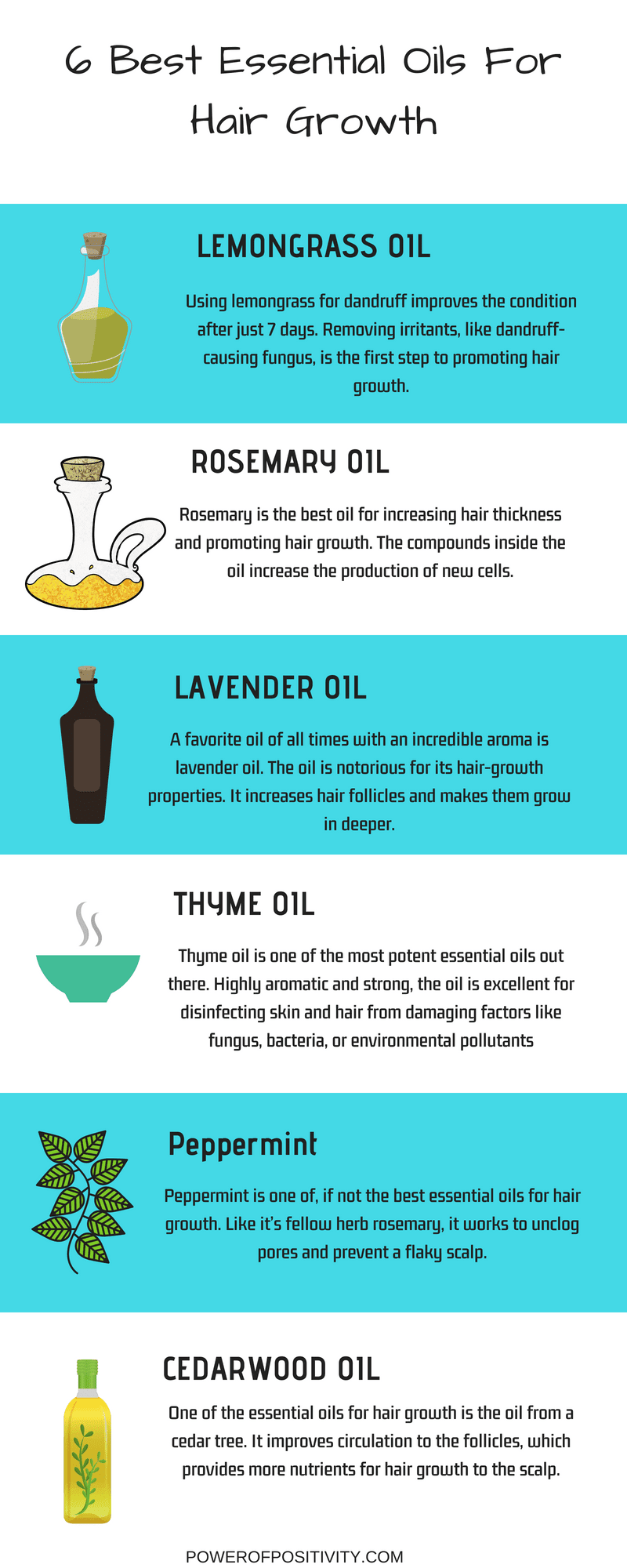
essential oils for hair growthThere are two main types of essential oil diffusers on the market right now:

  1. Nebulizer diffuser

When you want to buy a silent diffuser, uses no water, and do not produce heat but still look classy, consider acquiring this diffuser. It has no plastic parts, which means that it feels and looks expensive. Its usage is simple because it only requires you to pour pure essential oils into its reservoir. After that, it will work to disperse the essence and aroma of the oil.

It works in the following ways:

  • Air under high pressure forces a current through a small tube. The low pressure at the end of the tube reduces the speed and direction of the air.
  • The change in pressure, speed, and direction create a sucking force that causes essential oils to rise upwards.
  • As the oil is rising, the pressured air separates it into tiny particles.
  • The oil particles then rise and are emitted out of the glass container in the form of a dry mist.
  • The remaining particles drop back into the container, thus creating a cycle that only ends when the container is empty.

Nebulizing diffusers are low maintenance since they don’t require water or heat. They are a great choice for the environmentally conscious people.

2. Ultrasonic diffuser

This is also known as a humidifying diffuser. It works in the following ways:

  • Water dilutes the essential oils to enable the ultrasonic vibrations to work.
  • The diffuser generates tiny waves above the human hearing ability. These waves break up the essential oil into fine molecules. The fine particles then create a visible, aromatic mist.

Other than giving your room a fragrance, this diffuser also adds moisture to your room. This makes it a great choice, especially during the cold season. It is important to note, however, that this type of diffuser requires extra attention and care because its plastic parts are prone to corrosion by the oils.

Pro tips on cleaning your diffuser

After reaping the many benefits of owning a diffuser, it is now time for some maintenance. To continue reaping the endless benefits of essential oils, it is important that you take care of your diffuser. The following are some pro tips on how you can clean and maintain your diffuser.

Just like any other appliance that you use at home, diffusers are also prone to catching some dirt. To avoid dirt build-up, regular cleaning is mandatory. There are several methods you can use to clean your diffuser.

Before we review them, however, first things first:

Turn off and unplug the diffuser. As simple as that might sound, it should be the first step you take before you start cleaning your diffuser. This will help avoid accidents such as electrocution and possible damage to your diffuser.

Before commencing the cleaning exercise, it is important to read and understand the manufacturer’s instructions. This helps avoid common mistakes that could damage your diffuser. It is worth noting that each diffuser is manufactured differently.

  1. Deep cleaning

    • Fill your diffuser with clean water. The water should be preferably at room temperatures.
    • Add white vinegar. Experts recommend using approximately ten drops. Vinegar breaks down the essential oil particles.
    • Switch on your diffuser and let it run for a few minutes. This step allows any oils stuck on the diffuser to break down.
    • Flush out the water
    • Using a soft cloth, swab or brush, wipe the inside of the tank. Concentrate on the grunge that could be stuck to the sides of the tank.
    • Afterward, wipe the outer surface of your diffuser with a clean cloth.

    2. Wiping

    • Pour out the water in the diffuser. Experts recommend that you do this from the back to avoid damaging the buttons.
    • Pour a small amount of dishwashing soap on a piece of cloth or cotton swab.
    • Gently wipe the inside and outside of your diffuser.
    • Dab persistently on the grime to remove it effectively.
    • Use a clean damp cloth to rinse the soap residue. Do this by wiping the inside and outside of your diffuser gently. Repeat this step until there is no soap remaining on your diffuser.
    • Clean the ultrasonic chip inside the water tank. To do this, just take a clean cloth, dip it in rubbing alcohol, and gently wipe the chip to avoid damage.
    essential oils

    Get Glowing And Radiant Skin With These Fabulous Essential Oils

    Common mistakes to avoid when cleaning your essential oil diffuser

    • Avoid soggy clothes since they may get water under the buttons and lead to a malfunction.
    • Avoid using hard bristles because they may scratch surfaces and cause your diffuser to look old.
    • Clean your hands thoroughly before working on the diffuser to avoid getting more grime onto it
    • Do not let water and oil sit in the diffuser for long. This makes the diffuser harder to clean.
    • Avoid cleaning your diffuser while plugged in.
    • Do not use water that has been sitting in the diffuser to clean the diffuser.
    • Do not use harsh chemicals. These can harm your diffuser or leave a persistent smell that will affect the natural scent of your essential oil.
    • Do not use more soap than needed because it will make the cleaning process longer than necessary.

essential oil diffuserFinal Thoughts on Maintaining a Clean Essential Oil Diffuser

Using essential oil diffusers comes with many benefits. Among them is the fact that they allow you to use our essential oils easily whenever you need to. With enough research backing the use of oils, all you will need is an oil diffuser to enjoy their full benefits. Essential oils promote better sleep, relieve pain, improve skin conditions, encourage digestion, and help you breathe better.

No better way exists of reaping these benefits than using a diffuser. It is affordable, portable, and convenient. Whichever type of diffuser you choose. However, it is necessary that you take good care of your diffuser in the same way it takes care of you.

Skip to content