Weekly tips, affirmations, and small actions to feel your best.

How to Make Disinfectant Wipes at Home

There’s nothing quite as satisfying than having a home that is sparkling clean. As you survey each room, you feel pleased that they are clutter-free, and all surfaces are dustless and pristine. It’s what you don’t see that maybe the problem, even in a spotless house.

Studies indicate that we share our abode with billions of bacteria and viruses. While many bacteria are harmless and even beneficial, many more are a health hazard to humans and pets. Cleaning your house does not eliminate all the microbes in the air or the ones that can survive on surfaces for days.

Because of these invisible invaders, you must clean your home with a disinfectant. You’d be surprised where harmful germs are lurking. They cling to nearly all household surfaces, but they can also be present in the air you and your family breathe.

Have you noticed that you or your family get sick often? You may have more asthma flareups or a nagging cough that doesn’t seem to get better. Could your impeccably clean dwelling be hiding germs that are making you sick?

Whatever microbes are in your home’s air that you don’t inhale will settle on household surfaces. When you use a powerful disinfectant on everything in each room, you can kill most harmful bacteria and viruses. Anything that your family touches needs to be properly disinfected to keep illnesses and viral infections at bay.
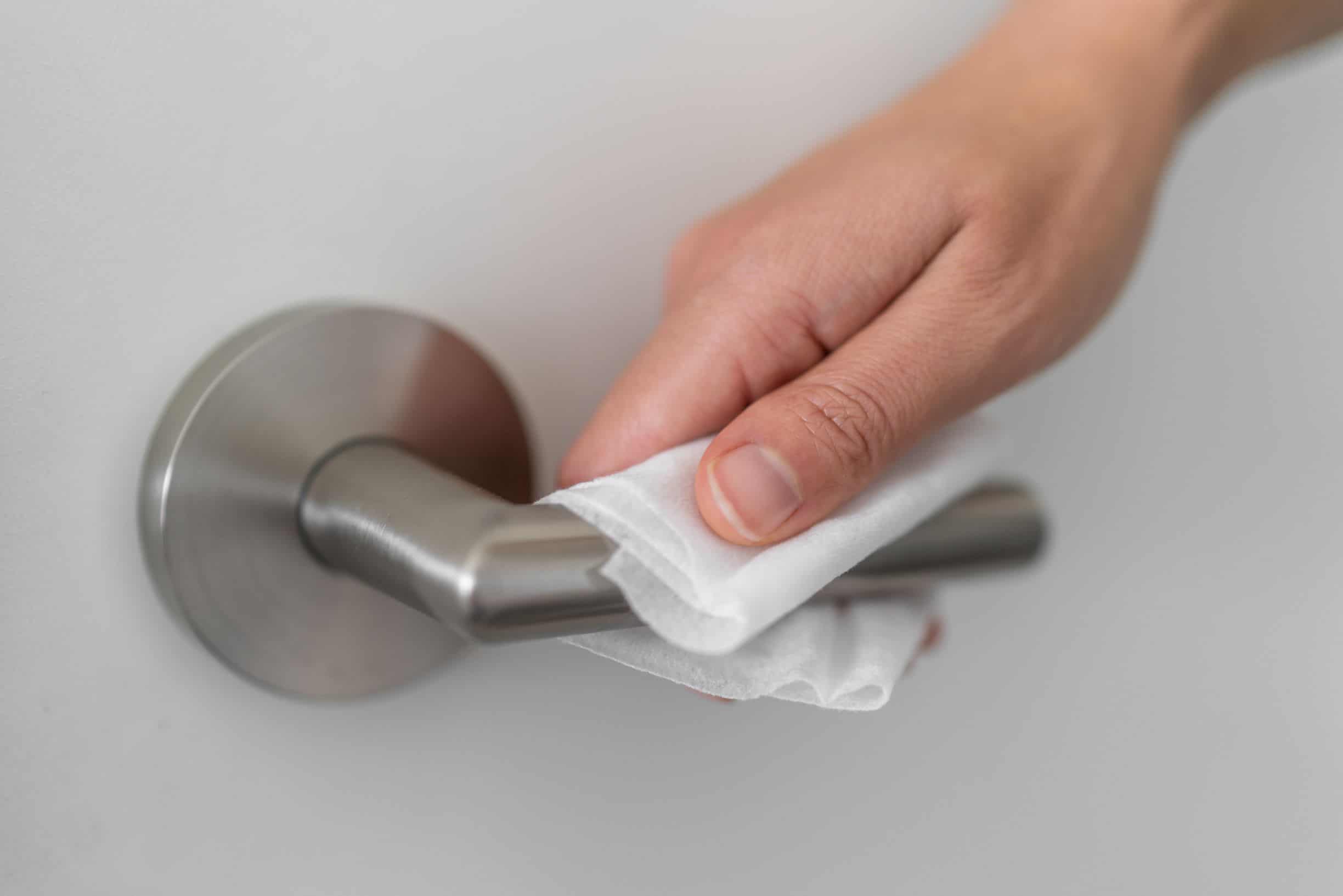
disinfectant

Common Hiding Places for Microbes In Your Home

If you are like most people, your strictest attention goes to the kitchen and bathroom when you’re cleaning your house. Although you may scrub your kitchen from top to bottom, rouge microbes may be hiding in places you never imagined. Check out these areas when you use a disinfectant.

• Kitchen

Remember that food draws microbes like a magnet, so it’s imperative to keep anything that comes in contact with it clean. Your kitchen sink is a potential breeding ground for bacteria, so disinfect it often. To disinfect your kitchen sponges, run them through the dishwasher or microwave them for two minutes.

• Bathroom

Would you brush your teeth with the same brush you scrub your toilet? Each time you flush with the lid up, you send microscopic fecal matter throughout the bathroom, which can land on your toothbrushes and towels. Sanitize or replace your toothbrushes often and wipe down faucet handles with disinfecting wipes. Finally, close the lid to your commode before you flush it.

• Electronics

Television and gaming controls are notorious for harboring hazardous bacteria because many people don’t think of washing their hands before or after touching them. You can also collect countless germs and viruses on your cell phone, so be sure to disinfect all these technological gadgets.

• Bedrooms

Did you know that you share your bed with millions of microscopic freeloaders each night? You bring germs on your body from outside and in your home, but most mattresses have mites. Vacuum and disinfect your mattress, bedclothes, and bedroom furniture regularly.

• Your Floors

Think of all the disgusting things you walk through in a day. If you and the kids wear your shoes in the house, you are depositing these microbes everywhere you step. To be on the safe side, leave your shoes at the door and go barefoot or wear slippers in the house, and ask guests to do the same.

Difference Between Cleaning, Sanitizing and Disinfecting

disinfectant

20 funny quotes about kids for every parent to read.

We often use the words cleaning, sanitizing, and disinfecting interchangeably, but they are not the same. While each aspect is necessary for a clean and safe home, disinfecting completes the germ-killing task. Once you add it to your list of chores, disinfecting becomes second nature.

Almost everyone has a regular house cleaning routine. When you clean, you remove visible dirt, grime, and dust from everything in the house. Using proprietary or homemade cleaning products as well as other cleaning tools, make your home less inviting to invasive microbes.

You may remove a few germs by cleaning, but you will kill more when you sanitize. Many cleaning products also have sanitizing ingredients for all the surfaces in your home. Sanitizing typically removes enough microbes that scientists deem is enough to be safe.

In addition to regular cleaning and sanitizing, health experts recommend that you also use a disinfectant. When you disinfect surfaces in each area of your home, you can expect to remove nearly 100 percent of bacteria and viruses that can make your family sick.

Choosing a Disinfectant

Do you want to save money and make disinfectant wipes at home? You’ll need a disinfectant, which is inexpensive and easy to find in the store. Buy the best quality brand that your budget allows.

• Isopropyl or Ethyl Alcohol

You probably recognize these as rubbing alcohol. To make wipes that will disinfect efficiently, purchase alcohol that is at least 70%. If you add a little bit of water, you can strengthen the alcohol’s effect.

• Chlorine Bleach

In the household world of disinfecting agents, chlorine bleach has been the reigning Queen of Clean for generations. Bleach effectively kills germs and viruses on contact. The only downside to using chlorine bleach is that it has a strong smell, can be corrosive to some surfaces, and is dangerous if accidentally mixed with other compounds.

• Vodka

If you want to make some disinfecting wipes in a hurry and can’t find anything else, go to your liquor cabinet. Did you know that vodka at least 120 proof can kill bacteria and viruses in your home? It is clear, odorless, and evaporates quickly without the need to rinse.
cleaning products

How to Make DIY Disinfectant Wipes

Are you tired of paying high prices for proprietary disinfecting wipes at the store? Why not make your own and have fun while you are saving cash. Since you are using chemicals, it may be a good idea if you do this project without the kids. Here are the things you will need:

  • An inexpensive roll of paper towels or reusable cloths
  • Your choice of disinfectant
  • If using paper towels, a round container with a lid
  • For reusable materials, use a flat square container with a lid
  • A few drops of essential oil, optional

If you are using chlorine bleach, add four teaspoons of bleach to a quart of water. Remember to use gloves when you are handling full-strength bleach. Never add essential oils or any other solution directly to chlorine bleach because you can create a hazardous chemical reaction.

First, put your paper towels or cloths in the container. Add either enough bleach solution, alcohol, or vodka, so it doesn’t overflow. If you are using alcohol or vodka, feel free to add a few drops of your favorite essential oil for a natural scent.

Did you know that many essential oils are naturally antibacterial and antifungal? Lavender and tea tree oil smell heavenly and will destroy most microbes in their path. You may also choose citrus oils like lemon or grapefruit or make a pleasing combination of scents.

Seal your container and allow the wipes to soak in the solution for at least five minutes or overnight. If you are using paper towels, you may need to cut the roll in half to fit into the container. Use a dedicated box that isn’t used for food and label it so that you will know the contents.

When you use paper towels, you can turn your container into a handy dispenser. Use a craft knife to carefully cut an X in the center of the container lid. Remove and discard the center cardboard from the roll and thread the first inner towel into the lid’s opening. Your homemade wipes will dispense just as quickly as the store-bought ones.

Using Your Disinfecting Wipes

While chlorine bleach is a powerful disinfecting solution, it’s strength quickly fades when you dilute it with water. Wipes made with a bleach solution are only good for a day, so that you may consider only making a few. Always wear rubber gloves when using bleach wipes, so they don’t irritate your skin.

Use your wipes on non-porous surfaces in your home to disinfect them. Avoid using bleach products on natural stone or stainless-steel surfaces. These wipes are handy to use on doorknobs, handles, and other germ collectors that are often forgotten.

For a disinfecting wipe to work effectively, the solution must stay on the surface between five and ten minutes. A solution made with alcohol or vodka will usually evaporate on their own. However, you should wipe bleached surfaces with a plain cloth to remove residue.

While it’s commendable to be thrifty, don’t take it too far when using disinfecting wipes. Once you use a wipe on a surface, discard it, or put the cloth ones in the wash. If you keep using the same wipe in a room, you are just transferring germs to another surface.

feng shui

Here are 15 ways to make a more restful home by following feng shui.

Final Thoughts on Saving Cash and Make Disinfectant Wipes at Home

You needn’t spend a lot of cash on store-bought disinfecting wipes. You can make ones at home that work just as well for a fraction of the cost. For your family’s well-being, try to disinfect your home at least once a week during your cleaning regimen and develop some new, clean, healthy habits.

New Research Reveals a Connection Between Negativity and Alzheimer’s

Scientists have uncovered a lot of new research about Alzheimer’s in the past decade. For instance, they’ve found a clear link between a sugary diet and Alzheimer’s, as well as how the disease could present with anxiety symptoms in its early stages. However, most people wouldn’t think twice about the connection between negativity and Alzheimer’s.

Negative thinking can cause a lot of health problems. Issues range from headaches to insomnia to mental disorders such as depression and anxiety. Over time, negativity can rewire your brain, lower your immune system, and decrease cognitive functioning. All of this can lead to Alzheimer’s in the long run. Of course, no one can feel happy all the time. But for the sake of our health, we should try to maintain a positive disposition more often than not.

Below, we’ll go over the research that links negative thinking with neurodegenerative diseases such as Alzheimer’s. And we will discuss how you can lower your risk of getting it.

Here’s how negativity can lead to the development of Alzheimer’s:

cancer and negativity

In a study of 292 people over the age of 55, published in Alzheimer’s & Dementia, researchers found ‘repetitive negative thinking’ (RNT) led to cognitive decline as well as higher deposits of dangerous proteins associated with Alzheimer’s. The researchers now believe that RNT poses a significant risk to brain health and that scientists should do more research on its link to dementia. They also say that mitigation tools such as mindfulness or meditation should be investigated to see how they can help lower Alzheimer’s risk.

Lead author Dr. Natalie Marchant of UCL Psychiatry said: “Depression and anxiety in mid-life and old age are already known to be risk factors for dementia. Here, we found that specific thinking patterns implicated in depression and anxiety could be an underlying reason why people with those disorders are more likely to develop dementia.

“Taken alongside other studies, which link depression and anxiety with dementia risk, we expect that chronic negative thinking patterns over a long period of time could increase the risk of dementia. We do not think the evidence suggests that short-term setbacks would increase one’s risk of dementia.

We hope that our findings could be used to develop strategies to lower people’s risk of dementia by helping them to reduce their negative thinking patterns.” -Dr. Natalie Marchant

The Alzheimer’s Society helped fund the study, and the research team included scientists and psychiatrists from UCL, INSERM, and McGill University. They studied 292 people in one group, as well as 68 from another cohort, all over the age of 55. Over two years, they asked them questions about how they think about negative experiences. Researchers made sure to focus on RNT patterns such as rumination about the past and worry over future events. Participants also completed questionnaires about anxiety and depression symptoms.

About the study

Researchers assessed their cognitive function as well, measuring memory, attention, spatial cognition, and language. 113 of the participants also underwent PET brain scans, which measured deposits of tau and amyloid proteins. These proteins in the brain can cause Alzheimer’s disease when they build up over a long period.

The researchers found that people who showed higher RNT patterns experienced a more significant rate of cognitive decline over four years. They also had poorer memory (which usually points to early-onset Alzheimer’s), and they had more amyloid and tau deposits in their brain. Depression and anxiety caused a more significant cognitive decline, but not amyloid or tau deposits. These factors led scientists to conclude that RNT could be a factor in why depression and anxiety increase Alzheimer’s risk.

“We propose that repetitive negative thinking may be a new risk factor for dementia as it could contribute to dementia in a unique way,” said Dr. Marchant.

alzheimers

Here are five signs someone could have Alzheimer’s

How exactly does negativity cause Alzheimer’s?

 Researchers believe that RNT might contribute to Alzheimer’s because of its impact on markers of stress, such as high blood pressure since other studies have linked greater levels of stress to amyloid and tau deposits.

Co-author Dr. Gael Chételat (INSERM and Université de Caen-Normandie) commented: “Our thoughts can have a biological impact on our physical health, which might be positive or negative. Mental training practices such as meditation might help to promote positive- while down-regulating negative-associated mental schemes.

“Looking after your mental health is important, and it should be a major public health priority, as it’s not only important for people’s health and well-being in the short term, but it could also impact your eventual risk of dementia.” -Dr. Gael Chételat

Researchers want to do more investigating the impact of mindfulness and targeted talk therapy on people at high risk of Alzheimer’s or dementia. Some of the doctors involved in the study, as well as other European researchers, have started working on a project to see how mindfulness or meditation may reduce dementia risk in older people.

Fiona Carragher, Director of Research and Influencing at Alzheimer’s Society, said: “Understanding the factors that can increase the risk of dementia is vital in helping us improve our knowledge of this devastating condition and, where possible, developing prevention strategies. The link shown between repeated negative thinking patterns and both cognitive decline and harmful deposits is interesting, although we need further investigation to understand this better.

The study participants

Most of the people in the study were already identified as being at higher risk of Alzheimer’s disease, so we would need to see if these results are echoed within the general population and if repeated negative thinking increases the risk of Alzheimer’s disease itself.

“During these unstable times, we are hearing from people every day on our Alzheimer’s Society Dementia Connect line who are feeling scared, confused, or struggling with their mental health. So it’s important to point out that this isn’t saying a short-term period of negative thinking will cause Alzheimer’s disease. Mental health could be a vital cog in the prevention and treatment of dementia; more research will tell us to what extent.”

Memory tricks

Here’s how you can lower your risk of developing Alzheimer’s:

 Another study published in Alzheimer’s & Dementia provides hope for those predisposed to Alzheimer’s and outlines a specific plan for people to follow to reduce symptoms within 18 months. The program involves diet changes, exercise routines, and cognitive exercises. The study, led by Dr. Robert Isaacson, founder of the Alzheimer’s Prevention Clinic in New York, involved 154 patients between the ages of 25-86. Isaacson and his staff asked some of his clients to volunteer for the study.

While the patients didn’t show any symptoms of Alzheimer’s, they had a history of it in their family. They also showed a decline in cognitive functions on specific tests but did not have a clinical diagnosis of Alzheimer’s or dementia. Thirty-five of the volunteers showed beginning stages of cognitive impairment, but not enough to where it affected their daily lives significantly.

Researchers asked all the volunteers many questions about family health and medical history. Then, they gave them cognitive tests to determine their overall health. For the patients who showed cognitive impairment, researchers gave them further evaluations. Then, the research team presented the members with a specialized list of 21 activities to follow. They placed the most significant importance on nutrition and exercise and gave each patient a personalized plan for both areas.

Here were some of the recommendations given by the research team:

  • Sleep
  • Alcohol intake
  • Dairy consumption
  • Vitamins and minerals
  • Listening to music
  • Meditation
  • Learning something new
  • Stress and avoidance of negativity
  • Overall medical care

The results of the study

Shockingly, the patients who showed mild cognitive impairment who followed at least 12 of the 21 activities had markedly improved memory and cognitive skills just 18 months later.

Those with cognitive decline who didn’t follow at least 60% of the activities showed no improvement. Instead, they declined in cognitive health. Those who had a family history of Alzheimer’s but didn’t show any symptoms also had improved cognitive health. That outcome occurred even if they followed fewer than 60% of the recommendations.

negativityFinal thoughts about the connection between negativity and Alzheimer’s

Research about how to prevent Alzheimer’s is still in the beginning stages. However, scientists have come a long way in understanding the disease. They know that dwelling on negativity for extended periods could increase your risk for developing it. That’s especially relevant information for those predisposed to it. They’ve found that negative thinking can exacerbate depression and anxiety, which have also been associated with Alzheimer’s in some cases.

To prevent the disease, it all starts with taking your health into your own hands. Here are some changes you can make to decrease your risk of Alzheimer’s:

  • Exercise regularly
  • Follow a healthy diet.
  • Get enough sleep
  • Keep your stress low through meditation.
  • Get enough sunshine
  • Have positive relationships

Above all else, keep negativity out of your mind as much as possible. When you think negatively, it keeps you in a lower vibration. And that only invites disease into your mind and body.

You can’t separate the mind and body, because what we do to one affects the other immensely. As you practice more positive thinking, you will start to see the benefits in all areas of your life.

Therapists Reveal 10 Behaviors of Unhappy Couples

Relationships are hard work. At first, things may seem easy when you’re in the cupcake phase. Love, romance, and a genuine connection initially seem to flow like water, but over time, these things may dwindle to the occasional show of affection. Unhappy couples result from not being mindful of the effort it takes to maintain affection for the long haul.

The easy solution to an unhappy or toxic relationship is to leave it, but many people don’t. This situation is because, deep down, they either want to save the relationship or they don’t want to be alone. A human’s innate need for companionship often keeps them in a bad partnership.

Whether you’re reading this to figure out if someone in your life is in an unhealthy relationship or reading this for yourself, these ten therapist-curated signs can help you identify unhappy couples.

10 Red Flags of Unhappy Couples, According to Therapists

unhappy couples

Learn how to break free from your toxic relationship.

1. Passive aggression becomes common.

Unhappy couples have passive aggression down to a science. They don’t want to get into a full-out argument but want to make a point. They want their significant other to feel that point. In many cases, an annoyed partner may be unaware of passive aggression.

Passive aggression comes in certain degrees or levels. It can be mild and easy to miss (for a while). However, if it’s a substantial degree, it can lead to full-out arguments anyway, causing even more unhappiness. Things become worse as the passive-aggressive behavior continues without a resolution. It’s common to see discontent couples be aggressive about passive-aggressive behavior.

2. New experiences rarely happen.

Remember when it seemed like you were always sharing something new with your partner? The thrill of a shared, unique experience kept the relationship alive and exciting. You were probably in love and loving it. The spontaneity of it kept you excited because you never knew what was around the corner.

Unhappy couples can find that those new experiences aren’t happening anymore. One big reason is that they probably aren’t spending as much time together. Some of it is just that the magic hides underneath resentment or depression. Either way, a lack of new experiences is one of the signs of unhappiness.

3. Unhappy couples often compare current behaviors to past behaviors.

Daydreaming about how a partner used to be is a tell-tale sign that someone is unhappy in their current relationship. This wishful thinking means that there is nothing new to dwell on. The connection is stagnant or worse. The significant other has changed.

It’s not uncommon for both partners to reminisce about how the other person used to be. When one partner changes, the other partner can often mirror the behaviors. They can be unaware that they’ve changed, also. It’s worse when the couple decides not to discuss what they’re missing. This miscommunication leads to two miserable people who may have trouble admitting they’re no longer happy.

passive aggressive

4. The excitement in the relationship is replaced with mundane living.

Unhappy couples may find that their relationship is no longer exciting. Fun dates, secret rendezvous, spontaneous trips, passionate sex, or even unique gifts have replaced work, kids, chores, or other boring life activities. Even worse, it may have been replaced by drugs or alcohol.

For couples with troubled relationships, it can be hard to bring excitement into a relationship they aren’t excited about. The spark just isn’t there anymore. Doing things that once were exciting can now feel like a chore. Getting back to a relationship that keeps you on your toes once you hit this point is hard, but it’s not impossible. Both parties must be willing to put aside their differences and try.

5. Date night has disappeared.

Going on dates is an essential part of any relationship. It’s a way for couples to connect, build friendships, and keep the fire burning in a relationship. The date doesn’t have to be some grand event. As long as it involves the couple spending quality time alone with each other, it’s a perfect bonding experience.

When couples aren’t going on dates, you can be sure that one or both parties are unhappy. Dianne Grande, a licensed clinical psychologist, wrote, “when there is strong resistance to planning couples time, I wonder whether both partners are avoiding time alone together. If this is a long-standing pattern, it is worth considering whether one or both of you have a fear of emotional intimacy and deal with that fear by always including other friends or family in your free time.”

If date night has disappeared from the relationship, that’s a definite sign that something is wrong, and not dealing with that can zap the happiness away fast.

life

6. Disagreements on who is right or wrong happen often.

One of the most prominent signs of unhappiness is constant disagreements or arguments. It can be about something as significant as being accused of cheating or as minor as whose turn it is to do the dishes. When someone is in an unhappy relationship, everything has the potential to get on their nerves.

Many disagreements happen because unhappy couples don’t discuss things like they need to. This discontent could be the source of unhappiness – a lack of communication. Neither party expresses what they want or need from the relationship when communication breaks down. This outcome can lead to resentment, anger, and disappointment, contributing to unhappiness.

7. Unhappy couples don’t know each other’s schedules.

People don’t need to know their partner’s schedule minute by minute, but they should have some general idea of where their partner is during the day. This is because happy couples take an interest in each other’s lives. Happy couples probably text each other about exciting things during their days, which allows them to know where their significant other is.

Then you have the couples who seem to have no clue of their significant other’s whereabouts. Even stranger, they seem not to care. They might also change the subject away from their significant other. This is a glaring indicator of an unhappy couple.

8. Flirting and touching become a thing of the past.

Sometimes couples can get so used to each other that they feel they don’t need to work hard to keep each other. That means gentle whispers in the ear, playful touching, and flirting no longer happen. This could signify a relationship that needs a refresher but is paired with other symptoms. You can bet that the couple is unhappy.

This is especially true if they don’t touch each other at all. The absence of hugs and kisses says a lot. They may even go out of their way to avoid touching each other. This is a sign of severe relationship problems.

9. They don’t have a lot of meaningful conversations.

Healthy, happy couples talk about any and everything. They love talking to each other because they’re friends and lovers. Conversations can often get intense and intellectual when couples mesh well. It’s almost as if they’re on the same wavelength.

This is why it would be strange if they don’t have meaningful conversations. One-liners and one-word answers indicate tension between the two. There may even be a lack of eye contact when they talk. This means that things need to be said but are being held in. These suppressed feelings and expressions can lead to a lot of unhappiness.

10. They’re always on their phones in the presence of each other.

Have you ever tried to talk to someone who is always on their phone? You quickly feel that they aren’t paying you attention, mainly because they won’t even look at you. In most cases, that’s what’s happening, exactly.

Couples who are always on their phones when around each other are merely not paying each other any attention. This could be because they’ve lost interest in each other or, as mentioned previously, avoiding each other. Either way, paying more attention to social media than a significant other is a clear sign of unhappy couples.

unhappy couples

Learn how to grieve for a lost relationship.

Final Thoughts on Knowing the Signs of Unhappy Couples

No matter how much they may try to hide it, unhappy couples are apparent. Everything can be a giveaway, including their words, actions, and glances. Interestingly, unhappy couples will stick together and not try to fix what’s making them depressed. Sometimes, they may not also be aware of how miserable they are.

Some couples grow so accustomed to living the way they do that they don’t even recognize the signs, no matter how obvious they are. Whether you’re reading this article for a friend or trying to discover if you’re in an unhappy relationship, these ten signs will clue you in on what’s happening.

10 Reasons to Include Butter Coffee in Your Ketogenic Diet

Are you one of the countless people across the country who isn’t alive until you’ve had your morning cup of Joe? You savor the warm, enticing aroma of freshly brewed coffee and the kick of caffeine to take you through another hectic day. What if this delicious beverage could benefit your efforts on a keto diet?

Do You Know About Keto?

Even if you’re a newcomer to the diet and fitness world, you’ve probably heard about the ketogenic diet. Whether you are browsing through the grocery store, Internet surfing, or reading a magazine, you’ll see something about it. The popular food has spawned a plethora of books, magazines, and websites devoted to helping people lose weight the keto way.

The premise of the keto diet is to severely reduce your carbohydrate intake while increasing your fat grams, which goes against the fat-free diet craze of the past decades. Research suggests that when your carbs are reduced, your body begins to burn fat for energy, a process called ketosis.

While keto-conscience might seem like a wave of the future, it’s not a new concept. Dr. Russell Wilder developed an eating plan in the early 1920s to help his epileptic patients. His research found that when his subjects’ bodies went into ketosis, it benefited his patients. He also noticed that his patients were losing weight.

Like most dieting trends, what’s old is new again. Research has gleaned more information since Wilder’s studies and promote the keto diet as a sound way to lose weight. As a backlash against the current anti-fat campaign, many Americans have embraced keto as a silver bullet for weight loss.

Proponents of keto claim that they have more energy and lose weight and inches than on previous diets. Instead of tolerating bland reduced or fat-free foods, keto encourages dieters to enjoy full-fat versions, including butter. So, you can ditch the margarine and slather on the butter.

butter coffee

Are You Better with a Bit of Butter?

For the past few years, butter and other venerable dairy products were demonized by the fad diet industry. As medical science discovered more about saturated fat and its link to obesity, cardiovascular disease, and diabetes, they sounded the anti-fat alarm. They encouraged an overweight America to shun butter and other fat-laden foods, only to replace them with foods that presented another issue.

Not only do most keto diet plans urge you to eat full-fat foods, but some encourage you to be creative with them. Keto websites share a plethora of recipes for tasty fat bombs, which are snacks that are supposed to jumpstart ketosis. One of the most popular of these unique fatty recipes is buttery rich coffee.

Please Pass the Butter for Coffee?

For generations, coffee aficionados have sipped their favorite beverage in every way imaginable. Various roasting styles and added ingredients created iconic coffee drinks popular around the world. From cream-laden mochas, lattes, and cappuccinos to intense espressos, everyone has a favorite.

While many coffee fans prefer their brew au naturel, you may be like others and like to add a dash of sugar and a splash of cream. You might also be adventurous and experiment with the myriad of flavored syrups available to enhance your java experience. You might be open to new taste sensations for your cup of Joe, but would you consider butter?

butter for health

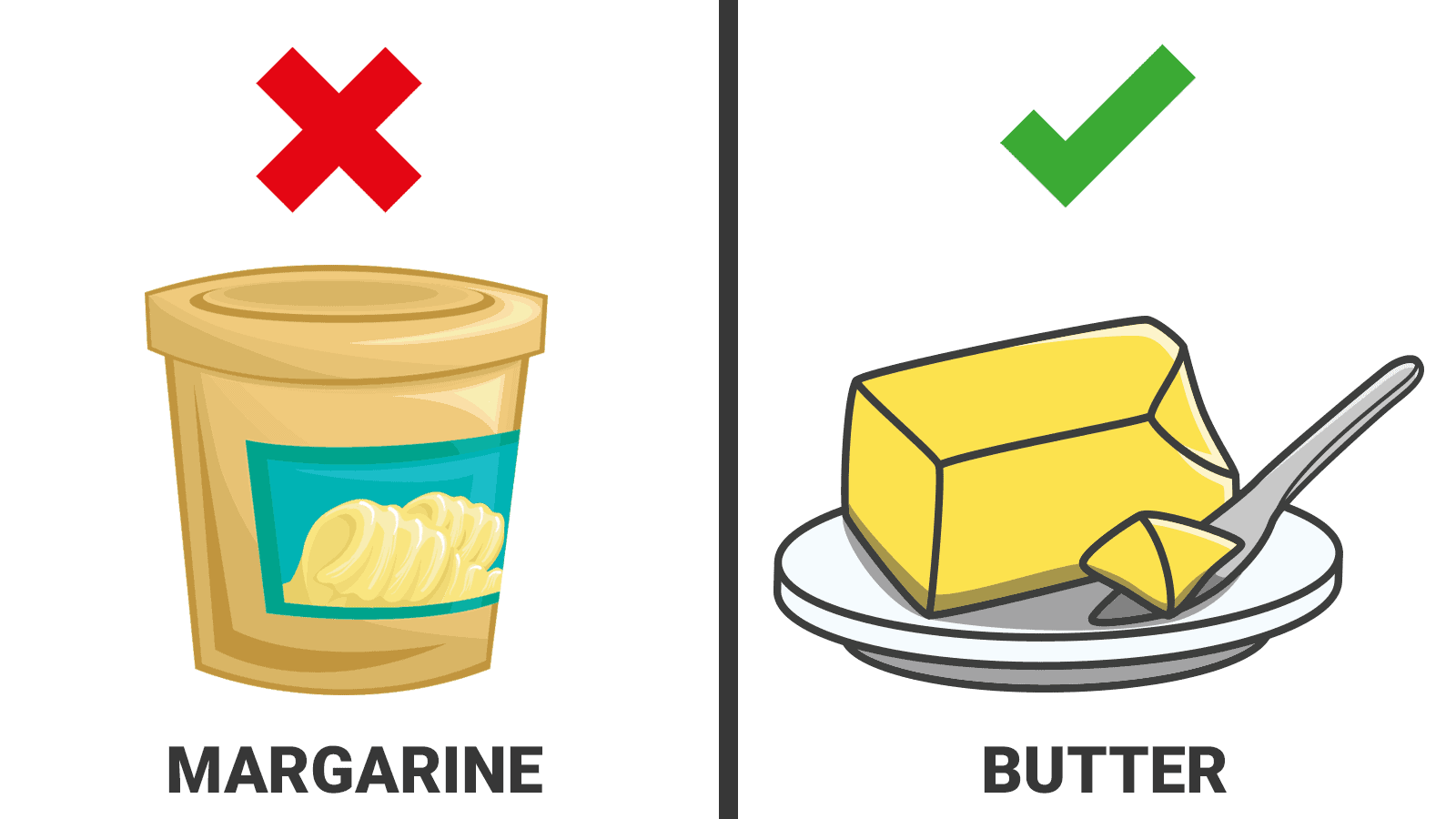
Doctors reveal that butter is healther than margarine.

How to Make a Delicious Hot Cup of Butter Coffee

Pure, creamy butter lends a lovely rich flavor to meats, vegetables, and baked goods. When you consider adding butter to your coffee for taste and keto benefits, it makes sense. If literature’s favorite junior wizard and his friends are spellbound over butterbeer, then butter coffee could be a tasty treat.

Recipes for this creative concoction abound in books and online, with slight variations. The most basic formula is as follows:

•16 Ounces of Coffee of Your Choice
•1 Tbsp. Ghee, Pure Butter, or Clarified Butter

You should mix this thoroughly till you get a creamy consistency.

Ten Reasons Why You Need to Add Butter Coffee to Your Ketogenic Diet

If you’re on the fence about adding buttered coffee to your diet, then here are some things that might help to convince you. Here are ten reasons why this new trendy coffee should be part of your day.

1. It Fills You Up

Butter has such a high-fat content that it helps to fill you up when added to your coffee. It’s incredible how mixing a little bit of butter in your coffee can make such a difference in your hunger levels. Many people have found that they are not hungry until lunchtime by having a cup of coffee for breakfast and their favorite butter or MCT oil added.

If you use MCT oil, it gives you all the macronutrients you need, which only help to keep hunger at bay.

2. It Gives You Energy

Since fat is the most energy-dense macronutrient, adding a tablespoon to your coffee helps to rev you up. You will be amazed at the energy you have by merely drinking buttered coffee. There’s nothing that says you can only have this drink at breakfast, either. If you need a little kick after lunch, it’s easy to mix up this brew.

3. It Helps with Sleep

Americans get into a pattern where they are sleepy all day and wide awake at night. This process is a vicious cycle caused by the inability to get the proper rest the night before. When you drink bulletproof coffee, you have the energy to go all day long.

You may not need naps anymore as your stamina has improved so much. The result is that you’re ready to go to bed when it’s bedtime. You won’t have to fight sleep because of all the energy you have during the day, and you are more than ready for bed at night.

4. It Gives a Mental Boost for Clarity

The energy boost that you feel helps sustain you throughout the day, but people are reporting mental clarity with this coffee for some odd reason. Could fat not be as toxic as what people thought? For some reason, it seems to increase mental clarity as the fats boost brain chemicals.

Just make sure you’re using clarified butter, ghee, or MCT oil as margarine is a processed food that has toxic chemicals in it.

Productive (Without Coffee)

5. It Tastes Great

Buttered coffee tastes fantastic. You might think that it would be greasy, have an oily film floating on top, and be hard to drink. It feels like a little bit of heaven in your mouth. It’s not at all greasy and tastes great!

6. It Speeds up Weight Loss

Is it any wonder that weight loss is enhanced? Caffeine has long been taunted to speed up the metabolism, and coffee is loaded with it. However, when you add butter to it, it changes everything.

7. Butter is Better Than Sugar and Cream

Adding sugar and creamer packs on the calories. While it may taste good, butter can taste just as good, and you get all that beneficial fat. Sugar is terrible for your body and can slow weight loss, and it’s a no-no on the keto diet. However, butter is better in taste and health components.

8. Using Clarified Butter Gives You Healthy Omega 3s

It’s always best to use clarified butter because it’s full of healthy Omega 3s. Your body needs these healthy fats to protect your heart from disease. It’s incredible to think that adding clarified butter to your diet can protect your heart.

Clarified butter has a nutty flavor, so it enhances the taste of your coffee too.

9. Reduces Caffeine Sensitivity & Crashes

For some odd reason, people who drink lots of coffee can become sensitive to this “drug” found in coffee. They may experience heart palpitations and have nervous energy. Strangely, adding butter to your coffee, in addition to the ketogenic diet, helps to reduce any caffeine sensitivity you might have.

Plus, people report that they have fewer energy crashes during the afternoon when drinking it at breakfast. If you are always sleepy after lunch, then maybe a cup of this brew can help.

10. It Curbs Appetite and Cravings

The extra fat content is beneficial to helping you feel fuller longer, which means you eat fewer calories. When you eat fewer calories, you lose weight. Who doesn’t need help on their weight loss journey, not to mention anything extra it does to your metabolism.

butter coffee

Final Thoughts on Trying Butter Coffee

If you can’t imagine putting butter in your coffee, what do you have to lose? If you’re already on the ketogenic diet, what will it hurt to try a cup of buttery coffee? You may find that it’s the magic elixir that you’ve been looking for in your weight loss journey.

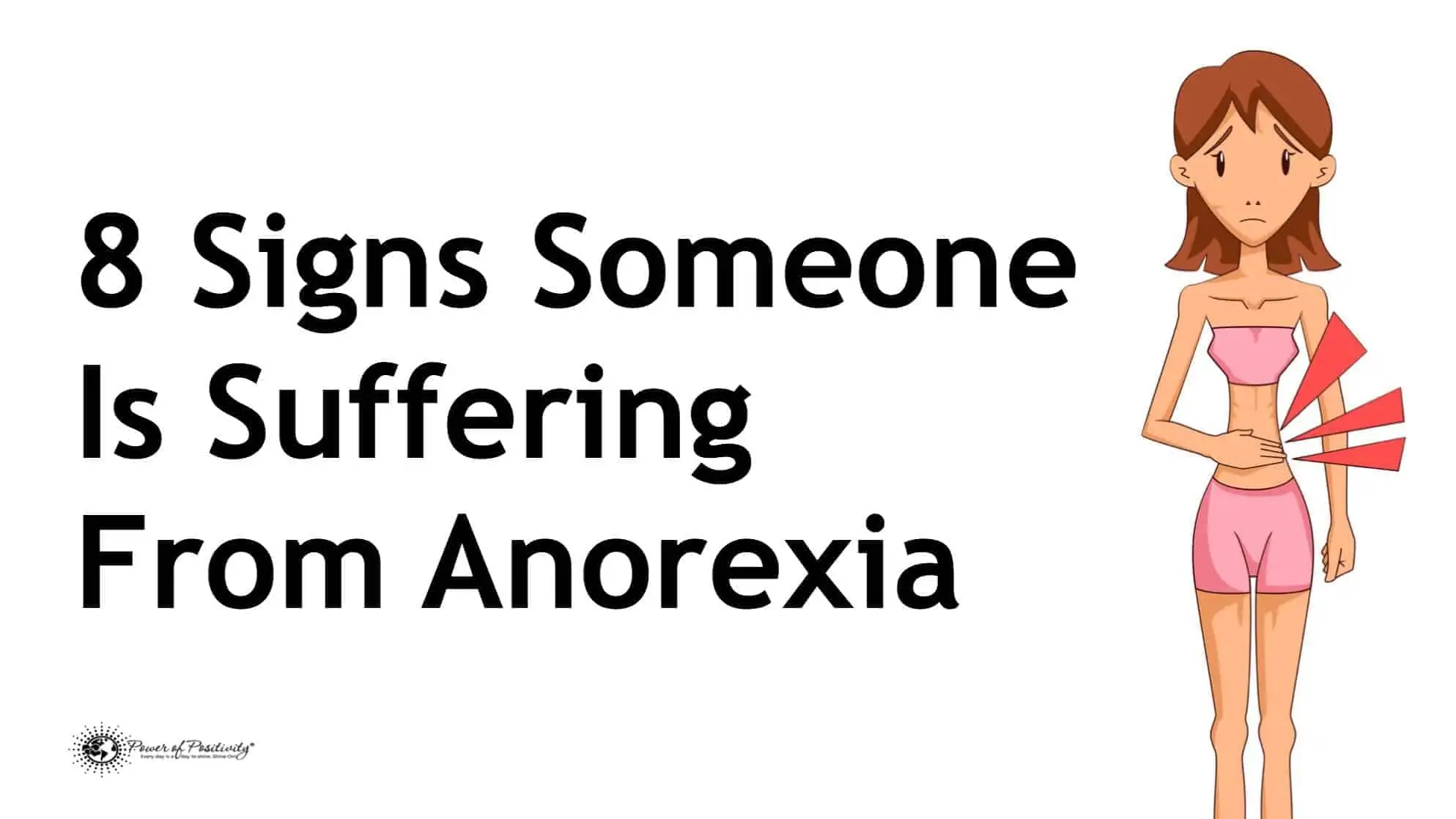
10 Red Flags of Anorexia Nervosa

Eating disorders are a complicated mental illness that goes undiagnosed in America each day. Of the three different types, most people are probably familiar with anorexia nervosa. Unfortunately, many who have it continue to suffer because of denial.

While you’ve heard of anorexia, do you know its signs and symptoms and how dangerous it can be? Anorexia nervosa distorts people’s sense of reality while their body wastes away day by day. Knowing the facts about this debilitating disorder can empower you to seek treatment for yourself or a loved one if needed.

The Origins of Anorexia Nervosa

anorexia

Although the medical world described symptoms of anorexia as early as the 17th century, the term anorexia nervosa wasn’t created until the mid-19th century. One school of thought credits an English physician for coining the word, while another claims it originated in France.

Either way, this devastating eating disorder entered the global spotlight and has intrigued medical experts ever since. The word anorexia is a transliteration of the original Greek meaning, no appetite. Since anorexia had several subcategories, Dr. Richard Gull added the qualifier Nervosa in the 1850s, which means nervous.

Together, the term denotes having no appetite because of nerve problems. We now know that the word anorexia may be a misnomer because patients often have a ravenous appetite but refuse to eat. It remains a mystery to scientists if the disorder is based on genetics, environmental influences, or both.

Social Backdrop of Eating Disorders

Thanks to Hollywood and the American media, we have generations of young people who never feel good enough. In past eras, full-figured men and women were considered healthy, wealthy, and attractive. Consider the Renaissance paintings and sculptures.

The global sense of beauty shifted on the scales in the latter 18th-early 19th century. Women endured painful undergarments and dangerous medications to keep an hour-glass figure. Some went to the extent of having ribs removed to create a wasp-like waistline, and eating disorders were commonplace.

This delusional concept of the ideal feminine form created self-body shame that has only worsened. Images of painfully thin supermodels like Twiggy and Kate Moss enticed young women into serious eating disorders like anorexia. Even after beloved songbird Karen Carpenter succumbed to the disease in 1983, many women continue to be blinded by false media body images.

telling yourself

Statistics of Anorexia Nervosa

Did you know that at this moment in America, at least four out of 100 women are anorexic? You may be shocked to discover that at least one out of every 100 men are too. The statistics may be higher since these only represent diagnosed cases, and not the ones left undiagnosed.

Anorexia nervosa is a recognized mental illness and is cataloged in the DSM-V used by mental health professionals for diagnoses. Sadly, this eating disorder has some of the highest relapse and mortality rates than all others. Because people with anorexia often have coexisting disorders such as depression and anxiety, suicide is usually the cause of death.

It’s a prominent misconception that this eating disorder is exclusive to women. Perhaps the illusion stems from the fact that more female cases are documented. Medical experts believe that because many men are hesitant to admit and be treated, male anorexia often goes unnoticed.

Could You Have Anorexia Nervosa?

As with any mental disorder, the first step in being treated for anorexia is to realize you have a problem. Unfortunately, one of the symptoms of this eating disorder is a skewed sense of self-reality, so patients continue to decline. If you believe a friend or loved one is anorexic, it’s essential to recognize the signs and symptoms before it’s too late.

Although eating disorders are more prominent in young women, don’t dismiss these warning signs just because you’re a guy. Many of these symptoms overlap with other serious eating disorders, so it’s crucial to consult with your professional healthcare provider.

Could you or someone you love be anorexic? Early intervention can save lives. These are the top ten red flags that usually indicate this life-threatening eating disorder.

10 Signs Someone Has Anorexia Nervosa

body shaming

1. You Obsess About Your Body Image

Do you avoid mirrors because you hate your body? People who are anorexic can’t look beyond the bathroom scales to appreciate their unique beauty and talent. You may have an eating disorder if you are obsessed with weight loss and dream about liposuction and plastic surgery.

2. You’ve Lost Too Much Weight

Although standards of height and weight may vary slightly, they are a reasonable gauge for figuring your ideal weight and body mass index. Losing too much weight can be just as hazardous to your health as being overweight.

3. You Consider Your Body Image as Your Self-Worth

We are as unique as snowflakes and are a triune being of body, mind, and spirit. The sum of these plus your character makes your self-worth. If your self-esteem relies on your weight and body shape, you’re missing the whole picture.

A person who is anorexic feels constant self-loathing because of this body image distortion.

4. You Only Eat Low-Fat and Low-Calorie Foods

Of course, medical and fitness experts recommend eating whole, nutritious foods to maintain optimal health. Yes, we should make low-fat and low-calorie foods a priority in our meal plans. However, those with anorexia obsess about calories and fat content, always trying to lose more weight.

In addition to being obsessed with dieting and losing weight, those who are anorexic often are passionate about exercise. They will often spend hours in the gym or at home, exercising themselves into a frenzy. Unfortunately, their body is in starvation mode, and they can only lose muscle mass, which encourages the delusion.

5. You Won’t Eat in Public

People who have social anxiety don’t feel comfortable in a crowd, regardless of the gathering involves food. You could have an eating disorder like anorexia if you avoid eating in public for fear that people are watching what you eat. You may not want them to notice your eating habits or how little you eat.

Perhaps you may depend on a few slights of hand to detract attention from yourself if you cannot avoid eating a meal with family or friends. Maybe you put a few things on your plate and move them around with your fork to give the illusion of eating. Perhaps you claim you are full and put your food in a doggie bag, which you will probably feed to your pet instead of yourself.

6. You Often Skip Meals for Days

It’s normal to skip a meal when you are in a rush or don’t feel well. When you make it a daily habit, it becomes a problem, especially if you crave the food. Skipping meals and self-induced starvation is a classic symptom of anorexia.

7. You Use Baggy Clothes to Hide Your Thin Body

Take a few minutes to inspect your wardrobe and notice if you are wearing the appropriate size. While most people enjoy a baggy outfit for lounging or working in the yard, your wardrobe may be dominated by oversized clothes that cover you entirely. Ask yourself if you are trying to mask your dangerously thin body to avoid questions from others.

How long has it been since you’ve worn form-fitting clothes or ones that show a little skin? If you can’t remember or don’t have any clothes like this in your wardrobe, it’s time to be concerned.

Why are you covered up in hoodie and sweatpants in the heat of summer?

8. If You are Female, You’ve Missed Three or More Periods

After you’ve experienced your first menstrual period, you will soon recognize your pattern for each month. Although it’s normal to miss a period occasionally, some medical conditions and medication may make them erratic or stop entirely.

Malnutrition from anorexia can wreak havoc on your reproductive system, including period cessation and infertility.

9. You Avoid Social Scenes That Involve Eating

Women and men who are secretly hiding anorexia often become reclusive. Not only do they avoid eating in public, but they tend to decline any social gatherings that may include food. The resulting depression and isolation not only worsen their depression but can increase the anorexic symptoms.

10. You Continually View Yourself as Overweight

If you’ve changed your lifestyle and have reached your targeted weight, you have a right to feel proud. However, do you continue to see an overweight person in the mirror regardless if you continue to lose too much weight? As a mental disorder, anorexia nervosa erodes your self-worth and deludes your mind into thinking you are fat, even when you are emaciated.

anorexia nervosaFinal Thoughts on Overcoming Anorexia Nervosa

Treatment for anorexia and other eating disorders usually combine psychological therapy and behavioral modification. Individuals are often hospitalized for an extended period for therapy and medical supervision. Like alcoholism, anorexia recovery is often ongoing for life.

Eating disorders like anorexia nervosa are life-threatening conditions. If you or a loved one recognize one or more of these symptoms, seek help from your professional healthcare provider as soon as possible. With intervention, compassion, and the right treatments, you can overcome anorexia and reclaim a healthy life.

10 Habits That Reveal Someone Displays Too Much Vanity

Society defines vanity as excessive pride in or admiration of one’s appearance or accomplishments. Other words for it include egotism, arrogance, or even narcissism, depending on how bad it is.

Being vain is often viewed as a bad trait in today’s society. Although it’s not bad for someone to believe in themselves, too much pride can cause quite a few social problems.

How much vanity is too much?

This article will point out ten habits of excessively vain people. If you’re guilty of some of these habits, recognizing that you are is the first step to a solution, so keep reading to find out more.

Confidence or Vanity?

Before diving into the ten habits, it’s worth noting that there is a difference between being confident and being arrogant. There is nothing wrong with being confident in your looks, capabilities, or other aspects of yourself. Being confident is critical to success in life.

However, you might know you crossed the line if you notice others around you, reacting negatively to your displays of confidence. There may be a jealous person – you can ignore that person. However, if you often see a significant number of people being uncomfortable while you’re patting yourself on the back, it’s likely because you’ve crossed over into arrogance. This knowledge can be applied to other people so you can spot them as well.

vanity

10 Annoying Habits That Reveal a Person Who is Too Vain

Here’s how you can identify an overconfident person who displays too much vanity.

1. A person with excessive vanity can’t admit their faults.

Ironically, this is close to the behavior of a narcissistic person. Extremely vain people feel like they can do no wrong. They have it all figured out. They’re a regular Einstein, and no one can even come close to their level of knowledge. Faults are something for the lesser degrees of society.

Indeed, a narcissistic person may be aware of their faults but simply won’t admit them. A vain person honestly thinks they don’t have any. It’s hard to figure out which one of these is worse, but if you encounter a person who thinks they’re always right, chances are they’re incredibly vain.

2. A vain person may think they are the best-looking person on the planet.

There is nothing wrong with knowing you’re hot, but an excessively vain person will take it to the extreme. Arrogant people think they are the definition by which beauty standards are set. Every single one of their features is perfect, and they’re flawless.

It might even be true that they look fantastic. A vain person would make sure everything about them is perfect and in place. However, a vain person would spend a lot of time obsessing over how perfect they look and, in the process, make others feel like they don’t compare.

first impression

3. They ignore people’s advice.

Why would such a perfect person need to follow someone else’s advice? They’re perfect, so what advice could you possibly give them? This is the mentality of an excessively vain person. They may not even be fully aware that they think this way.

What’s worse is that they’ll not only ignore advice, but they’ll make others feel awkward for attempting to give it. They have no qualms about making it evident that they don’t care for or need your advice. They may even do this in a passive-aggressive manner, but you’ll know when your opinion is not wanted.

4. A vain person won’t think about the consequences of their actions.

This ties into their idea of themselves being perfect. It’s not just that they’re confident in their actions. A confident person is someone who has weighed the consequences and determined the best outcome. However, someone who is excessively vain simply thinks their choices are gold no matter what.

Their unwillingness to consider the consequences before acting can land them or their team in a lot of hot water. Unfortunately, they’ll probably find a way to blame someone else for the misfortune instead of taking responsibility for it.

5. They tend to be loud and noticeable.

Overly vain people tend to desire to be the center of attention, so they participate in attention-seeking activities such as being the loudest person in the room. They want everyone to notice them and listen to what they’re saying because, well, why wouldn’t people what to listen to them?

People who have too much vanity find other ways of sticking out, such as unique and distracting clothing or hair choices, annoying laughs, or even bizarre behavior. When they enter a room, people are going to look at them (not always in the right way). They’ll do whatever it takes to get people’s attention.

6. TA vain person always compliments themselves.

Vain people simply have no etiquette when it comes to accepting compliments. Before you can even compliment them, they’ve likely already complimented themselves in front of you and everyone else.

They’ll point out how great they look since losing weight–for example–not that they weren’t a goddess before. They make it a point to let everyone know that they got a raise and a promotion because they’re just so awesome. They want you to know that they have the best dentist in town and a perfect smile which may have cost them a fortune, but it’s okay because they just got a promotion and a raise so they can easily afford it now. Overly vain people have no qualms about self-promotion.

7. A person with excessive vanity always advises others on how to be as perfect as they are.

Receiving advice from someone good at something can be helpful and appreciated. However, when the person is always giving unwanted advice and making themselves seem like the world’s leading expert at everything, that can quickly get annoying.

Vain, arrogant people, seem to think that everyone around wants to be exactly like they are. They also believe that no one will ever be exactly as good as they are. This overconfidence is why they don’t mind advising the first place – they don’t think you have a chance at reaching their level.

psychology

8. A vain person could be rude or just plain old mean.

People who are vain and conceited rub people the wrong way. They think they’re better than everyone else, so they don’t feel a need to be liked by the “lesser” people of the world. They may insult and belittle people with no apologies. It’s often just a mask they wear to hide their insecurities, but they’d rather die than admit this (remember the first habit – not admitting to faults).

An excessively vain person can also be vindictive, manipulating, and a master at sabotaging people. If you’ve ever been treated like a peasant by someone, you can be sure that this person has vanity issues. They’ll continue to treat you this way as long as you allow the behavior to continue.

9. They associate with other vain people.

One of them is tough enough to handle, but unfortunately, these types of people run in groups. There will usually be one dominating personality in the bunch who becomes the leader, but don’t let that fool you – they’re all just as bad.

This group of people will be the cause of a lot of conflicts. They may constantly try to bully people, and they’ll take up for each other if someone retaliates. If you notice a group who is constantly getting into altercations with others, you’ve spotted a whole group of excessively vain people.

10. A person with too much vanity lives in a fantasy world.

A person with excessive vanity has grandiose views of their life, whether those views are real or not. If they aren’t real, they’ll make up stories about fame, wealth, adoration, love, or more. Depending on how deep their narcissism runs, they may not even care if everyone knows they’re lying. They’ll stick to the illusions no matter what.

If you call the person out for lying, they’ll simply lie their way out of the trap and likely belittle or attempt to embarrass you in the process. They’ll simply tell a story to kill your credibility and keep going like nothing ever happened. That, ladies and gentlemen, is an excessively vain person.

vanity

Here is advice on how to look confident–even when you don’t feel it!

Final Thoughts on Habits that Reveal Too Much Vanity

People with an inflated sense of vanity are easy to spot if you’re around them for a little while. They are the person that just can’t help but brag on themselves constantly. They’re also the person that seems to be in the center of many problems.

The ten habits above reveal a lot about excessively vain people, but they also serve as a red flag system so you can stay away from this type of person. Their behavior isn’t controlled by a switch that they can turn off. They often have deep-rooted issues that cause them to behave the way they do. In other words, unless you’re a therapist of some type, you probably won’t be able to help them.

On the other hand, if you happen to be the excessively vain person, hopefully, reading these signs can help you reevaluate your behavior for the better.

Research Reveals How Pink Noise Promotes Better Sleep

We’ve all heard of white noise and how it helps people fall asleep, but now scientists have discovered how pink noise can lull us into a restful sleep as well. Unfortunately, insomnia and other sleep disorders have increased dramatically over the last decade, likely due to the prevalence of technology and a faster pace of living.

According to the Centers for Disease Control and Prevention, 30 percent of American adults don’t get the recommended amount of sleep each night.

Here are just a few health consequences of sleep deprivation:

  • Memory problems
  • Trouble concentrating and thinking clearly
  • Weakened immune system
  • Higher risk of developing diabetes
  • Risk of heart disease increases
  • Poor balance and coordination
  • High blood pressure
  • Risk of gaining weight and obesity
  • Accident risk increases
  • Anxiety and depression, along with other mental illnesses, can develop.
  • Disruption of hormone production

As you can see, a lack of sleep can affect many aspects of health, and today, people seem to have more sleep troubles than ever. Many doctors recommend white noise to help people get better sleep, but now, pink noise appears to show some promise as well.

Below, we’ll explain what pink noise is and how you can incorporate it into your sleep routine to get a restful night’s sleep.

pink noise

Research reveals how pink noise promotes better sleep:

First of all, what the heck is pink noise anyway? It operates on the lower range of frequencies compared to white noise, so this results in deeper sounds with more bass.

Humans can hear frequencies ranging from 20 hertz to 20,000 kHz. Frequency means the number of times per second a sound wave repeats itself, which determines the pitch of the sound. When we look at the scale of frequencies, 20 hertz is the lowest, so it will have a shallow pitch. On the opposite end, 20,000 kHz is the highest pitch and frequency we can hear.

Here are some common examples of pink noise that you probably hear at some point:

  • steady rainfall
  • the wind rustling through leaves
  • gentle ocean waves
  • low rumbling thunder
  • a low roaring waterfall
  • a fan on a low setting

Experts now believe that pink noise may even outperform white noise in its ability to help people get better sleep, but they still need to do more studies comparing the two. However, in one 2012 study, participants who listened to pink noise while sleeping got more deep sleep than those two slept without any noise. This outcome occurred because it slowed the brain waves of participants, which allowed them to fall into a deep sleep for a more extended period.

Pink noise may also positively impact memory. In a 2017 study, researchers played pink noise in sync with people’s delta brain waves (corresponding with deep sleep) and discovered that people improved on memory tests by 26% the following day. Also, a small study done in 2019 found that pink noise improved deep sleep and memory recall in people with mild dementia.

Plus, pink noise can mask other noise that can make it difficult to fall asleep, such as cars or loud music. Not to mention, hearing nature sounds will automatically lower your stress levels and put you into a much more relaxed state, which will help you fall asleep faster.

insomnia

Here’s a description of the different types of noise, classified by colors:

Pink noise

To recap, pink noise is like white noise except much more deep-seated. It operates at lower frequencies and has a deep, rumbly sound.

White noise

White noise is comprised of all frequencies. It is equally distributed along the frequency scale, unlike pink noise, and creates an even, humming sound.

White noise examples include:

  • whirring fan
  • radio or television static
  • hissing radiator
  • humming air conditioner

Since white noise operates along with all frequencies equally, sleep therapists often recommend it for their patients to get better sleep since it will easily mask other sounds.

Brown noise

Brown noise is even more profound than pink noise, operating at lower frequencies.

Examples of brown noise include:

  • anything with a low roaring sound
  • strong waterfalls
  • thunder

Brown noise sounds similar to white noise to the human ear, but you can differentiate it because brown noise will have a deeper frequency. No studies exist on the effectiveness of brown noise for better sleep, but waterfalls and thunder can have a relaxing impact on some people.

Black noise

Black noise simply means a lack of sound. If you’ve ever been inside a sensory deprivation tank, you’ll know exactly what this feels like. We don’t typically get a chance to experience this in daily life, however, because even at night, we may hear the air conditioner or bugs outside. However, if you have a soundproof room, you might just get to experience the peacefulness of no sound at all.

If you frequently have trouble falling asleep at night and you don’t like noise at bedtime, we have some other suggestions for you. Experts have found that relaxation techniques such as breathing exercises can promote better sleep and lower the stress response.

Here are a few to try out if you frequently experience insomnia or other sleep problems:

relieve insomnia

  1. THE 2-TO-1 EXERCISE

Here’s how to do this breathing technique: Exhale for double the time you inhale on the same breath. This breathing exercise benefits both the sympathetic and parasympathetic nervous system. The sympathetic nervous system gets less stimulated during this breathing exercise, which increases activity in the parasympathetic nervous system. In turn, this slows the heart rate and relaxes the body.

Breathe in for as long as you feel comfortable; for most people, it’s three to four seconds. Do this exercise while sitting up straight in a chair with your spine in alignment, or while lying down in bed with your arms at your sides and your palms facing up. After you inhale, exhale for double that amount of time. Count each breath out loud, not in your head, because you want to put all your attention on your breaths.

Contract your ab muscles and deepen your exhalations to push out excess carbon dioxide, which will increase blood flow to the heart and lungs.

  1. THE 4-7-8 BREATHING EXERCISE

Known otherwise as the relaxing breath, this breathing technique helps some people fall asleep in just one minute. Creator Dr. Andrew Weil says this technique is “a natural tranquilizer for the nervous system.” As a practitioner of holistic medicine and health, Dr. Weil developed the 4-7-8 breathing method to help people get better sleep and also lessen feelings of stress and anxiety.

This breathing technique helps ground the mind and body into the present moment, which can greatly aid those suffering from anxiety and panic attacks. People with anxiety disorders have trouble relaxing their minds, but breathing deeply helps us reconnect to our bodies. This breathing exercise also helps expel excess carbon so that the body feels lighter and more relaxed for sleep.

To do the 4-7-8 breathing technique, inhale through your nose for four seconds, hold for seven and exhale with your mouth open for eight seconds. While you do the exercise, touch the tip of your tongue to the roof of your mouth on the area right behind your front teeth. Make sure you concentrate on regulating your breaths and try to perform the exercise at least twice per day.

  1. ALTERNATE NOSTRIL BREATHING

This technique comes from a yogic exercise called pranayama. When you perform this exercise, you’ll feel a deep sense of peace and calm come over you, as it helps balance each side of the brain for better sleep and relaxation.

First, place your right thumb over the right nostril and then inhale deeply through the left. When you’ve inhaled completely, remove your thumb and place your ring finger on your left nostril and exhale slowly and evenly. Repeat this exercise several times. Afterward, you will feel more tranquility and be able to fall asleep easier.

Remember not to focus on counting the seconds, but simply put your awareness on your breath. Focus on how it feels to breathe in deeply through each nostril, and how feelings of relaxation start to wash over you. Do not put your attention on anything except your breath, because this grounds you to your mind and body.

pink noiseFinal thoughts on how pink noise promotes better sleep

While more studies must be done on this topic, small preliminary studies have shown promise about how pink noise can promote better sleep. Many people throughout the world struggle with insomnia and other sleep disorders. However, relaxing noises such as waterfalls and rain can greatly aid with easing a troubled mind.

If you often have racing thoughts and difficulty getting restful sleep, try apps on your phone or pink noise machines to promote better sleep. A lot of people find that listening to peaceful noises before bed helps them fall asleep faster and get deeper sleep throughout the night.

Researchers Explain How the BRCA Gene Increases Breast Cancer Risk

Several genes increase the risk of breast cancer, most commonly BRCA mutations (BRCA1 and BRCA2). These genes do not cause breast cancer, however. In fact, they actually help suppress tumors and repair DNA.

But in some people, these genes begin to mutate, which can lead to breast cancer. Around .25% of the population has mutated BRCA genes, which makes them more likely to develop breast cancer.

According to the National Breast Cancer Foundation, about one in eight women, or 12%, will get a breast cancer diagnosis in her lifetime. However, women with specific genetic mutations have a higher risk of developing the disease. Researchers estimate that 55 – 65% of women with the BRCA1 mutation will develop breast cancer before turning 70. Approximately 45% of women with the BRCA2 mutation will receive a diagnosis of breast cancer before turning 70.

Women with the BRCA1 or BRCA2 mutation who have a successful treatment for breast cancer have a higher risk of recurrence. Diseases related to a BRCA1 variation have a higher likelihood of being triple-negative breast cancer, which is often more challenging to treat. While these statistics are concerning, remember that less than 10% of women diagnosed with breast cancer have a BRCA mutation.

Plus, most cancers can be treated, even for women with mutations of the BRCA gene. Since it carries such a high risk, however, women who have a family history of breast cancer should get genetic testing done to see if they have it. Below, we’ll talk about exactly why this gene increases breast cancer risk, and how to treat it if you develop it.

BRCA gene

Read the connection between eating oranges and fighting cancer.

Here’s how the BRCA gene increases breast cancer risk:

First of all, let’s talk about what BRCA genes do in the body. In general, genes synthesize from DNA molecules that reside in each cell of the body. They create codes for the proteins that your body makes. BRCA genes help suppress tumors, and each cell carries two copies of each BRCA gene – one from each parent. When they function normally, they help prevent tumors such as breast cancer. However, when a mutation occurs, this increases the risk of developing breast cancer as well as other types of cancer, such as ovarian.

Mutations happen when an error in genetics occurs. While there are many different BRCA gene mutations, they most commonly occur in the BRCA1 and two genes. BRCA gene mutators are autosomal recessive, which means that both copies of the gene have to show abnormalities for a person to have a risk of developing cancer.

Most commonly, a person will have just one mutated BRCA gene, which will give them a predisposition to cancer, but they cannot actually get it. In order for cancer to develop, the other copy of the gene must become mutated, which means your DNA cannot correctly repair the cells. However, you can have two abnormal copies of the BRCA gene if you have an inherited mutation and develop an acquired mutation or a mutation occurring after conception.

  • Inherited (germline) BRCA mutations get passed from the mother or father to a child upon conception.
  • Acquired mutations stem from DNA damage associated with the environment, lifestyle factors such as smoking or poor eating habits, or even normal metabolic processes in cells. These can happen at any point during a person’s lifetime.

Breast Cancer Risk

BRCA mutations have a strong link to breast cancer, but not all hereditary breast cancers occur because of BRCA mutations. Overall, BRCA mutations make up 20% to 25% of hereditary breast cancers and 5% to 10% of other breast cancers. On average, the risk of developing breast cancer if you have a BRCA mutation is about 70%.

Science refers to hereditary breast cancers that don’t occur because of BRCA mutations as non-BRCA familial breast cancer or BRCAX. Gene mutations associated with breast cancer have been found in the ATM, CDH1, CHEK2, PALB2, PTKN, STK11, and TP53 genes. There are probably more, but research is still in the early stages.

In those under age 40, about 10% of breast cancers occur because of BRCA gene mutations. Around 5% of older women with breast cancer have BRCA-positive genes.

breast cancer

How the BRCA gene mutations can impact treatment

BRCA mutations usually occur in cancers that have a higher tumor grade, meaning the disease is more aggressive. While it makes it more challenging to treat, the success rate is still very high. Also, in women with mutations of the BRCA gene, they tend to not have estrogen or progesterone receptors, which are proteins on the surface of breast cancer cells that cause cancer growth when they bind with these hormones. This might sound like a good thing. However, this means that medicines that treat breast cancers occurring due to hormone receptor malfunctions will likely not work for BRCA mutations.

However, breast cancers in women with BRCA mutations usually respond better to neoadjuvant chemotherapy, which is given before surgery, than in women without these mutations.

Genetic Testing for BRCA Mutations

Most people do not get genetic testing for breast cancer. However,  women who had breast cancer before or have a family history of it might prefer to test for the BRCA gene. Before you decide to get tested for BRCA genes, you should discuss it with your doctor should you get a positive result. He or she can talk about treatment options with you after you’ve received your results.

Also, you may want to talk with loved ones if you’re having a hard time making the decision to go through with a test. While it can feel scary to think about the possibility of testing positive for the genes, it’s ultimately better to know so you can begin treatment. Oftentimes, the support of friends and family can help when it comes to matters about our health and well-being.

Even if you decide not to go through with the test, make sure to get recommended mammograms. Keep in mind that health insurance may not cover genetic tests if you are not high risk for breast cancer, but paying out of pocket is worth it if you want the peace of mind. Also, remember that testing negative doesn’t completely rule out breast cancer while testing positive does not mean you’ll absolutely get cancer.

cancer

If You’re Positive

Having a positive result for breast cancer genes may mean you need to have mammograms before the usual age of 40. If you do test positive, the decision to go through with treatment is ultimately up to you. Many women who test positive don’t end up developing cancer. Talk it over with your doctor to decide on the best course of action.

Preventing Breast Cancer

Lifestyle can play a significant factor in increasing the risk of developing breast cancer. Make sure you eat a well-balanced diet full of plenty of fresh fruits and veggies, avoid eating too many processed foods, don’t smoke, and get lots of exercise.

You can also discuss hormone therapy with your doctor; some women with the BRCA gene decide to use hormone therapy customarily used to treat breast cancer. However, this type of treatment comes with some risks that you should consider before undergoing it.

If you carry a heightened risk of breast cancer, your doctor may recommend surgery to remove the breasts, called prophylactic mastectomy. You will undergo reconstructive surgery afterward, in most cases.

BRCA Gene and Association with Other Cancers

Ovarian cancer occurs in about 1.3% of women. For those with BRCA1 mutations, 39% end up developing ovarian cancer, while 11% to 17% of those with a BRCA2 mutation will get it. Other diseases, such as prostate, pancreatic, and lung cancers, have been linked to the BRCA gene mutations as well.

BRCA geneFinal thoughts about how the BRCA gene increases cancer risk

While only a tiny portion of the population carries the BRCA gene mutation, women who do have it are at a higher risk of developing breast cancer. If you have a history of breast cancer in your family or have had it before yourself, you may want to get tested for the gene mutation. Of course, this is a big decision that you must make with your doctor and loved ones, and if your result is positive, you’ll have to figure out what course of action you want to take.

However, keep in mind that getting a positive doesn’t mean you’ll absolutely get breast cancer. It just means you have the gene mutation for breast cancer, and that you have a higher likelihood than the average population of developing it. However, you can possibly prevent the disease from developing by following healthy lifestyle practices:

  • drink plenty of water
  • eat antioxidants in fruits and veggies
  • get quality sleep
  • take daily exercise
  • distress with yoga or meditation
  • take in enough sunshine

Of course, adopting these healthful habits does not mean cancer can’t develop. But it will have a harder time growing in an oxygenated environment.

Researchers Reveal What Teens Who Self Harm Are Really Trying to Say

Mental health issues among teenagers are on the increase. Alarmingly, new research shows that young people are turning to self-harming behaviors to ease their mental anguish. Sadly, this cry for help is a way to deal with the emotional pain they often hide.

Here’s a realistic example…

Karen was 11 years old when she first started harming herself, and her parents didn’t even know until the problem was out of hand. They thought it was odd that she was always wearing hoodies and wrapped in blankets. When the season changed from winter to spring, she still dressed for the cold weather.

Her mother found the cuts one day when she asked her to change her shirt to short-sleeves. It didn’t make sense why she would want to wear long sleeves when it was 80 degrees outside. Her family soon learned that she was covering up the deep wounds she inflicted on her small arms.

What makes a child take a knife, razor blade, or other sharp object and slice into their skin?

self harm

All parents should know the five signs of depression in teenagers.

Karen found that the physical pain made her forget about her mental distress, even if just for a little while. See, the family adopted this little girl, and she had a vast history that her parents could not fathom.

Even though they had done everything to ease the trauma from her past, she needed to process her grief. She was trapped inside a mental turmoil filled with rejection and fear. The anxiety became overwhelming, and Karen found that cutting was the only way she could deal with the pain.

Karen continued this terrible habit throughout her teen years. She would use whatever she could get her hands on to pierce the skin and bring a sense of relief. If she got a bad grade on a test, disappointed the family by being disobedient, or thought about her past, she would cut. Cutting became the security blanket that helped her feel better about her life.

Self-Harming Behaviors are Increasing

nervous breakdownKaren’s story is not uncommon. Sadly, the National Center for PTSD states that around 35 percent of teens have cut or purposely injured themselves at some point. Though cutting is the most common, they can also pull their hair, pick at their skin, or scratch themselves.

Headbanging is another self-soothing method to punish themselves for things they’ve done, and it makes them feel better. A study was conducted regarding self-harming behaviors and emergency room visits. Researchers found that about 1.6 of all hospital visits are due to self-harming actions from kids ages 13-18.

Cutting or piercing the skin seems to be the most common method used by girls, while boys tend to use knives.

Parents don’t often understand that self-harming is not the same as suicidal tendencies. Generally, these children don’t want to kill themselves; they only want to make the pain stop the only way they know. It’s a coping skill that they find useful for their angst.

Now, some children are suicidal that will experiment with self-harming initially. Their behaviors will escalate as they become more comfortable with the pain. These children may try to poison themselves, use suffocation methods, or even fall down a flight of stairs on purpose.

If you find that your child is cutting, then there is a cause for alarm. Studies show that teens who self harm are at an increased risk of future suicide attempts, but it doesn’t mean they are trying to kill themselves if they make cuts in their arms.

Understanding the Emotional Release

When Karen began cutting, her parents believed she was merely seeking attention. However, it didn’t make sense. Why would she hide the cuts under a long-sleeved shirt? It was after talking to a specialist that her parents found that she was trying to self-soothe.

She didn’t want anyone to see it; instead, she was hiding the marks because she was ashamed. When wearing short sleeves shirt and checking her arms daily became commonplace, she began cutting in more inconspicuous areas. Her parents discovered that it’s common for these teens to self harm on the upper chest, thighs, and the upper arms.

However, you can’t be too careful as they can cut anywhere. The sad part is that you can’t take your child to the emergency room every time they make a mark on their body. Only the very severe cases are treated. Since the issues have profound roots, it’s not always easy for parents to know to handle the situation.

There’s no magic pill that they can take, and it will all go away. Plus, your child must want help for counseling to be successful. Before you can help your child break the habit of self-harming, you must get to the root issue.

Uncovering the Causes of Self-harm

It was easy to identify the trigger for our example, Karen, as she was adopted with a horrible past full of abuse. Unfortunately, many parents struggle to get to the crux of the matter with their child. Self harm is a deeply entrenched issue, and teens may hide the real reasons behind their behaviors.

Teens will often cut to rebel against authority, they may be risk-takers, or they may do it because they know of a friend who does it. Let’s suppose that Karen became friends with another adopted child who cut.

Her friend showed her how she released her anxiety and stress, and then Karen, too, found relief this way. It’s difficult for parents to understand that this was the only way they can deal with all the emotions teenagers have, and they don’t know how to cope healthily.

When Karen’s parents asked her why she did this to her body, her answer was haunting. She told them that the physical pain felt better to her than the emotional discomfort. She couldn’t see what was bothering her mentally, but she could relate to the physical pain.

After talking with a therapist and doing much research on the subject, they found that the body can’t feel two things at once. So when Karen cut her skin, her body temporarily forgot about the emotional turmoil as it focused on the pain. Her pain receptors overpowered her mental anguish.

The counselor diagnosed Karen with depression and post-traumatic stress disorder. Though, some of these teens will develop issues such as anxiety and bipolar also.

The real problem is that most pediatricians don’t document mental health issues or symptoms when parents complain. Additionally, they don’t ask if anyone in the family has such conditions and make a note of that either. Genetics play a huge role in mental health.

There’s a whole generation out there that needs help, and we adults are brushing them under the rug.

Psychology facts

Here are 50 interesting psychology facts everyone should know.

Breaking the Cycle

The key to treating this issue is seeking help from a mental health professional specializing in self harm in teens. Even with counseling, Karen continued to cut for years. She didn’t want to stop, and no one could make her.

Sadly, she cut all through high school. Most kids don’t want to stop because the act makes them feel better and gives them the release that they crave. It’s emotional medication, and they don’t mind the marks because the effect it gives them is worth it.

They must shift their outlook for there to be change. These children need tools to cope with their anxiety. They won’t stop cutting until they have something to replace the calming effect that they crave.

Sadly, many teens don’t have insurance and access to mental health services, so they may not get the counseling or help they need. It’s a difficult subject to talk about. Karen once told her parents that “no one gets it, and no one understands.”

Parents often trivialize their child’s pain because it can’t be as bad as what they as adults face. Honestly, they’re not paying bills or providing for a large family. However, it’s crucial that you learn that your child’s problems are just as significant as that of a 40-year-old.

You must become more sensitive to their needs, both physically and mentally, to help them get through this struggle. All the help in the world didn’t make Karen stop until she wanted to do so. Though she still feels tempted sometimes, she no longer cuts herself.

Her parents were lucky that she didn’t end up in the emergency room from going too deep or attempting suicide. Raising kids is difficult, and you must always be on guard. Keep your eyes open for any signs that there’s an inner turmoil you can’t see.

self harm

Psychologists explain what causes children to grow into narcissists as adults.

Final Thoughts on The Cry for Help That is Self Harm

If your child uses self harm to cope, it doesn’t mean you’re a terrible parent or that you have a bad child. It means there is an underlying issue that needs immediate attention. It’s a cry for help that must be investigated.

Don’t ever think the situation is something you can handle on your own. Self harm comes from a deep place and requires professional counseling and prompt intervention.

Skip to content