Weekly tips, affirmations, and small actions to feel your best.

Scientists Explain How an Artificial Kidney Could Replace Dialysis

If you have an end-stage renal disease (ESRD), then perhaps you have heard of the groundbreaking new treatment in the works that uses an artificial kidney. It brings a ray of hope to those who’ve suffered waiting for a donor. Is this artificial body part the answer to a significant medical dilemma?

Your kidneys are a biological engineering feat that keeps your blood clean with countless tiny filters called nephrons. After filtration, they send the waste to your bladder to eliminate as urine. Without your kidneys, your body would poison itself, and you couldn’t live.

Medical experts have voiced their concerns about the hazards of American lifestyles. They point to the alarming obesity epidemic that is caused by poor diets and lack of physical activity. All these factors lead to a rise in chronic kidney disease and failure.

The Relationship Between Kidney Disease and Other Diseases

Did you know that recent reports show that at least 15 percent of adults in this country have a renal disease? The number is probably more significant because many people have low-functioning kidneys that have yet to be diagnosed. Sadly, chronic kidney disease is among the top killer diseases in the modern world.

Since your body systems are interrelated, it makes sense that a disorder in one would affect your whole body. Not only are your kidneys part of your urinary system, but they are also a vital part of your circulatory system. Diseases that affect your heart and blood vessels will also cause trouble for your kidneys.

• Hypertension

Hypertension, also called high blood pressure, is a disease that causes too much pressure to be exerted on your arteries and veins. Since your kidneys are the central station for blood filtration, their many nephrons are loaded with blood vessels transporting blood back and forth. Hypertension can cause damage to these blood vessels, resulting in chronic kidney disease.

artificial kidney

• Diabetes

Chronic kidney disease and kidney failure are classic comorbidities of diabetes. Think of your blood vessels as water pipes. If the water pipes in your home become overloaded with silt and other sediments, it will eventually damage them.

If you have uncontrolled diabetes, the surplus of sugar in your blood will do the same thing to your blood vessels. It can clog or even block vital blood vessels in your kidneys, resulting in kidney damage and improper blood filtration.

• Obesity

Obesity is a common denominator for both high blood pressure and Type 2 diabetes. Perhaps it is the most preventable condition that can lead to kidney disease or end-stage kidney failure. A proper diet and exercise regimen can bust the fat and minimize your risks.

Signs & Symptoms of Chronic Kidney Disease

If you have diabetes, hypertension, or other medical conditions, you can be at risk for chronic kidney disease or end-stage renal failure. Some of these signs and symptoms overlap with other diseases, so you should consult your primary healthcare provider for a proper diagnosis. Here are some common symptoms:

  • Change of appetite and unexplained weight loss
  • Change of sleeping patterns
  • Edema in the hands, feet, or ankles due to water retention
  • Dyspnea (shortness of breath)
  • Blood in the urine
  • Muscle cramps
  • Increased urge to urinate, especially during the night
  • Constant skin itchiness
  • Lightheaded feeling or headaches
  • Lack of sexual performance in male patients

There’s no easy fix when your kidneys are failing. When dialysis is no longer sufficient, kidney patients must rely on a transplant. These can be taken from a living donor or from an organ donor who has died.

None of these options are in vast supply because donor kidneys must be a perfect match for the transplant surgery to be a success. It’s difficult to find living donors who will give a kidney to a stranger, and not everyone with viable kidneys who dies is a registered organ donor. No wonder the waiting list for a kidney transplant is so long because the demand exceeds the supply.

Kidney patients often pass while waiting for a transplant, since their bodies can’t live long without at least one properly functioning kidney. The wait for a kidney transplant can take years, and these patients don’t have enough time. Even if they are fortunate enough to get the transplant surgery, they can die from organ rejection or other complications.

regrets

These hospice nurses reveal the regrets people make on their deathbeds.

The Evolution of Kidney Dialysis

If you have chronic kidney disease and your kidneys are failing, your only hope of surviving is dialysis. In the 1940s, Dr. William Kolff invented the first dialysis machine and called it the “artificial kidney.” After caring for his many renal patients and observing their mortality rate, he correctly concluded that their blood could be artificially filtered to prolong their lives.

He brought his invention to the United States and introduced it to renal specialists at Mt. Sinai Hospital. His work brought limited success for patients who were in renal failure, but his artificial kidney machine couldn’t help those with end-stage renal disease or ESRD.

Twenty years later, another kidney specialist named Dr. Belding Scribner built on Dr. Kolff’s work and devised an artificial kidney that could filter toxins from ESRD patients’ blood. It worked through a port that drew blood from the patient’s arm through the filtering machine, then pumped the cleansed blood back into the patient. Scribner’s portable device allowed renal patients to do dialysis from the comforts of home.

Today, most people go to a dedicated dialysis center for treatment rather than doing the process at home. These centers are found in most major hospitals and private clinics across America. Those with kidney failure or end-stage kidney disease usually have dialysis treatments from 3-4 hours at least once to three times each week, and sometimes daily for severe cases.

The Cons of Kidney Dialysis

Yes, this artificial kidney filtration can prolong renal patient’s lives. However, it’s a temporary treatment for the symptoms, and it can’t cure the failing kidneys. If you are a dialysis patient, it’s difficult to have a normal schedule because you are connected to the artificial kidney for hours each week.

Kidney patients must take many medications to minimize their symptoms, and some of these drugs can have substantial side effects. Dialysis is an expensive treatment, and most private insurance plans and Medicare will only cover 80 percent of the cost. The 20 percent left for the patient to pay can be staggering and can cause serious financial problems.

The artificial kidney is merely a bandage for kidney failure and end-stage kidney disease. Of the estimated 468,000 Americans on dialysis each year, roughly 20-25 percent will survive their first year of treatment. Only about 35 percent will live past five years.

The Birth of Bionics

As of now, the only treatment options for kidney disease patients is a transplant or dialysis. While survival odds are much better for those who get a transplant, patients often die while waiting on the long list. Dialysis can prolong these patient’s lives, but they often lose the quality of life and have a slim margin of survival.

With such dilemmas as these, advanced technology may hold the keys to a better solution. Remember the iconic 1970s television show about the man and woman who were rebuilt with bionic parts? What was then science fiction is a reality in the 21st century.

Of course, current medical technology has yet to produce a human with superpowers, but bionic parts have revolutionized health and medicine. In 1982, the first artificial organ, a bionic heart, was successfully transplanted. Advances in bioengineering continue to find artificial solutions for other organ transplants, such as an artificial kidney.

artificial kidneyFinal Thoughts on The Artificial Kidney Project

You may have already heard about the conglomerate of American kidney experts and bioengineers called the Kidney Project if you are a kidney patient. Their goal is to replace traditional dialysis with a bionic kidney that is transplanted in the patients’ bodies. It’s a complex marriage of the human body and machine that can offer the quality of life and more time to kidney patients.

This innovative artificial kidney debuted during National Kidney Week at the American Society of Nephrology in November 2019. The Kidney Project is centered at the University of California-San Francisco Schools of Pharmacy and Medicine, with Shuvo Roy as the project director. Roy and his associates have a positive outlook on the bionic kidney’s success.

Instead of kidney patients being hooked up to a traditional dialysis machine, this artificial kidney will be surgically transplanted into their bodies. It will use high-tech filters to remove toxins from the blood, just like a human kidney. The device is still in its developmental stage and can go to clinical trials with FDA approval, which experts hope will be soon.

Chronic kidney disease is severe and can affect your quality of life and even cause premature death. If the new artificial kidney is successful and gets approval, it may be a ray of hope for kidney patients worldwide. If you follow a healthy lifestyle and get regular checkups with your primary healthcare provider, you may keep your kidneys happy and healthy for years to come.

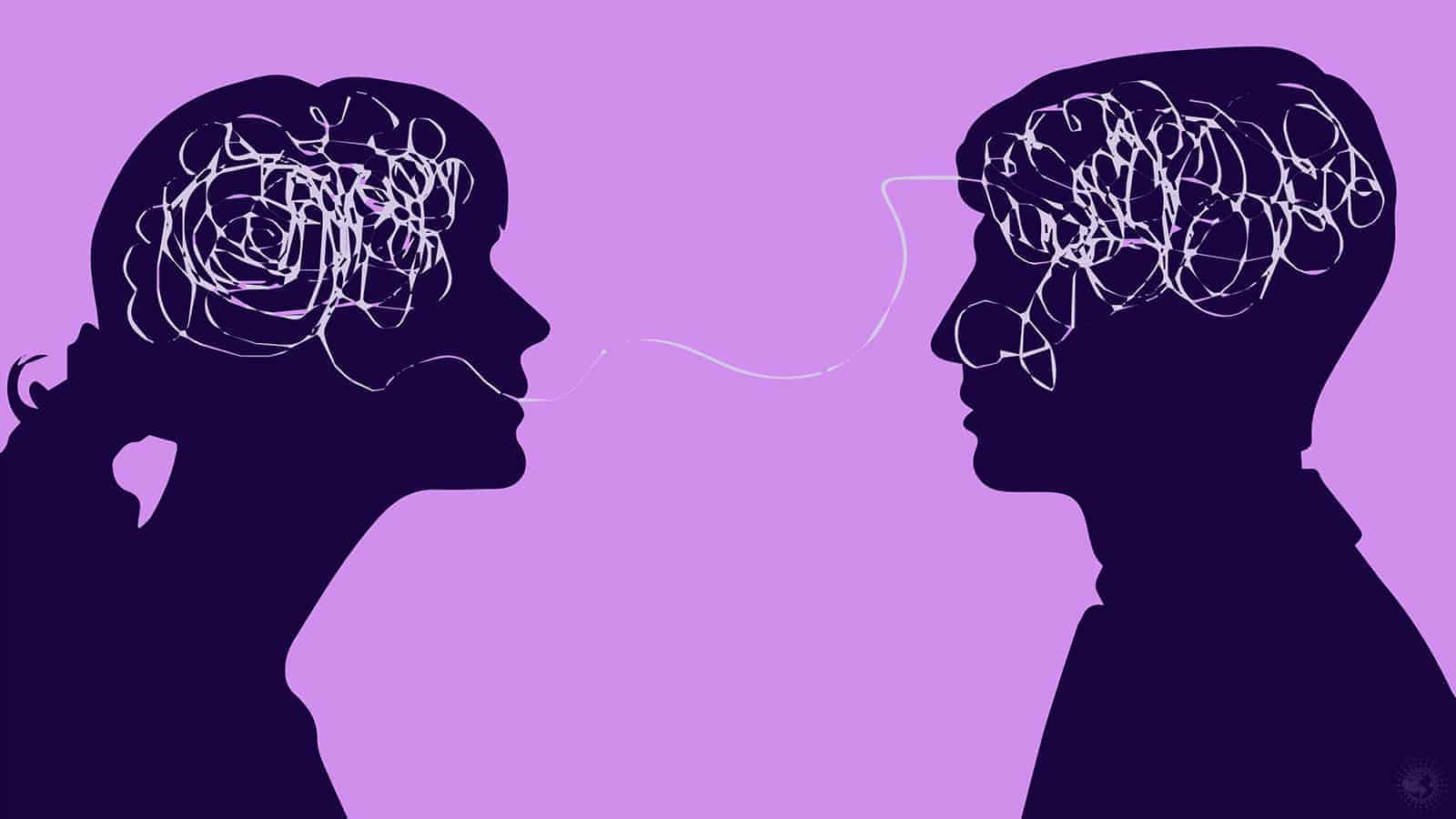
Counselors Explain 10 Signs a Child May Need Mental Health Therapy

Kids will be kids. It can sometimes be difficult to distinguish the awkward behaviors of growing children from more serious, mentally unstable behaviors that may plague their well-being. However, as a parent, you may get a vibe that something is wrong with your child. Do you even suspect your child would benefit from mental health therapy or treatment?

Don’t ignore these vibes. Children often don’t talk about the mental and emotional problems they’re going through, so it’s up to you to recognize these problems and get them some help. When talking to them doesn’t work, it’s time to get professional help.

According to psychology researcher Courtney E. Ackerman, MSc., here are ten signs that, according to counselors, your child needs mental health therapy.

Ten Signs You Should Seek Mental Health Care or Therapy for Your Child

1. Constant depression.

This red flag is one of the most common mental disorders in the U.S., so it’s no surprise if a child is suffering from it. There are so many factors in life that can contribute to a child feeling down and hopeless, and they may not all be obvious. However, it’s important to recognize depression as soon as possible so you can get your child the mental help they need before something disastrous happens.

These feelings should not be confused with fleeting moments of sadness. That’s completely normal. However, if your child’s sad moments are lingering for weeks or months, this is a primary clue that something is not right. Some signs to look for are negative thinking, extreme self-criticism, feelings of being unlovable or unlikeable, or overreacting to minor problems.

mental health therapy

2. Skipping school.

Skipping school is usually a significant indicator that there is something wrong with a child. It could be that they’re exceptionally down, as was discussed in the previous section. Children could have problems at home or feel unsafe at school. It could also be a combination of any of these situations.

Whatever the reason is, skipping school is a sign that something is going on with your child. While the direct reason could be physical like bullying, for example, you can be sure that it’s having some harmful mental effects on your child. You should get your child some mental help so you can get to the bottom of the problems.

3. Bad behavior in school.

Just like skipping school is an indicator of problems, so is bad behavior in school. Children may not know how to express how they’re feeling about certain things, or they may be embarrassed to express themselves. This turmoil can lead to children “acting out.”

The best way to get to the root of your child’s bad behavior is to talk to them. Often children act out because they don’t understand the lessons, but they’re too embarrassed for their classmates to find out.

If this is the problem, it’s simple to fix. However, if there is more going on, getting mental help for your child may be the best way to figure out why they’re misbehaving.

4. Out of control behavior.

It can be incredibly difficult and frustrating to deal with a child who has out of control behavior. You may have seen this before in public – that parent who has a child who screams, hits, or destroys in-store displays because they can’t get what they want. Hopefully, you aren’t the parent that’s dealing with that.

Unfortunately, children who are displaying this type of behavior are doing so because the parent has not asserted themselves as the authority figure. The children have lost respect for the parent and feel as though they can do whatever they want without consequences since, usually, the parent doesn’t implement any consequences.

The problem with this is that the child grows up with this false mentality. As teenagers and adults, this out of control behavior can lead to them getting into constant trouble and going through severe hopelessness. That’s why it’s important to get mental help for the child (and probably the parent also) when they are out of control at a young age.

5. Hurting themselves or others.

It’s never normal to hurt yourself. In most cases, it’s not normal to hurt others. If your child is doing this, you need to rush to get them some mental help.

This type of behavior can and will escalate if it isn’t taken care of immediately. It can be dangerous for the parents but especially dangerous for any other children that are around. Don’t delay on getting a violent child the help they need.

mental abuse

Never ignore these ten hidden signs someone is suffering from mental abuse.

6. Talking about death or suicide.

Kids say some weird things but talking about suicide should never be one of them. The suicide rate of teenagers in the United States is alarming. It’s the second leading cause of death for young people ages 15 to 24 years old.

If your child mentions anything about dying or ending their life or something vague like they won’t be your problem anymore, stop what you’re doing and get them some help. This type of conversation means that they are dealing with some other underlying severe issue (most likely depression), and they don’t know how to handle it.

7. Frequent mood swings.

It’s normal for children to have mood swings. However, you should begin to worry if the mood swings are frequent or interfere in the child’s daily life. If this is the case, your child is in mental distress.

There can be quite a few reasons that a child has frequent mood swings. Being extremely sad or hopeless is one of those reasons, but it could link to a different underlying cause. Examples are (attention-deficit/hyperactivity disorder) ADHD, bipolar disorder, and dysthymic disorder.

Unless you’re a medical professional, you won’t be able to diagnose your child on your own. Mental health therapy can identify any problems your child may have and provide you with a treatment plan that will help your child live every day and productive life.

8. Strange eating patterns.

Children who are under mental distress can display strange eating habits such as not eating enough or overeating. It’s normal for kids to fluctuate in how much they eat – they’re growing, and their bodies are getting “used to” the nutrition they need as they grow. However, if you notice extreme fluctuations, this is a sign that your child may need some mental health therapy.

Extreme can be defined by significant weight loss or weight gain, a sudden disinterest in their favorite foods, sneaking foods or snacks when they’ve already eaten, or relying on food to deal with their emotions. If these behaviors aren’t taken care of, it can lead to problems like anorexia, bulimia, or obesity. This habit will only make your child even more mentally distressed.

When you notice that your child has strange eating habits, don’t hesitate to find out why. If they won’t talk to you about it, get them some help before their physical health becomes a problem also.

9. Difficulty sleeping.

Sleeping problems are a classic sign of mental distress. While it’s normal for children to have dreams or even nightmares now and again, they shouldn’t interfere with your child’s life. Once they cross the threshold to vivid dreams or night terrors, it’s time to find out what’s happening with your child mentally to interrupt their sleep so much.

Counselors explain that vivid dreams and night terrors are usually manifestations of painful emotions that your child is dealing with internally, but possibly not expressing while they’re awake. Mental health therapy can get to the bottom of these unexpressed emotions, and hopefully, the vivid dreams and night terrors will stop.

If this problem isn’t taken care of, it can lead to other issues while they’re awake like anxiety, fatigue, irritability, and more. Don’t ignore your child’s dreams and nightmares if they become excessive.

10. Drug or alcohol abuse.

It’s not pleasant to think about a child or teenager abusing drugs or alcohol, but unfortunately, this is an ordinary reality in today’s world. It can come from hanging with the wrong crowd, but there is usually some mental or emotional underlying issue that causes them to choose that path in the first place. If your child is abusing drugs or alcohol, you need to get them the best mental health therapy that you can afford.

Abusing drugs and alcohol can ruin a child’s life. Often, begging and pleading with them to stop doesn’t work. Reasoning with them won’t work. Only getting to the root cause of the problem works, and children are often uncomfortable confiding in their parents. Getting mental health therapy might be the only way to get them back on the right track.

mental health therapyFinal Thoughts on Signs That a Child Needs Mental Health Therapy

As a parent, you want the best for your child. It can be incredibly difficult to decipher what’s going on in your child’s head. After all, you’re not a psychic, and no one expects you to be one.

The best you can do is be attentive. Look for signs such as the ones above that counselors suggest and when you see them, take action. The National Institute of Mental Health (NIMH) indicates that a great starting point is to talk to your child’s teachers and counselors at school.

Keep in mind that your mental health is essential also, and having anxiety about your child’s mental health may affect yours. It’s okay to get mental health therapy as a family. In fact, that could be a great way to let your child know that they aren’t alone.

25 Ways to Make Your Weight Loss Plan Work Faster

Are you in a hurry to lose the weight you’ve carried for years? First, you must realize that you didn’t gain the extra pounds overnight, and similarly, losing it will take time and effort. For those looking for a more immediate solution, consulting a weight loss surgeon at https://www.adelaideweightloss.com.au/ could be the next step toward a healthier life. With the right guidance and support, you can finally achieve lasting results and feel confident again.

Thankfully, you can do some things to enhance your weight loss plan. If you’re ready to kick your weight loss into high gear, then there are 25 things you can do to help.

25 Ways to Kick Weight Loss Plan into High Gear

Are you looking to supercharge your journey to better health and a trimmer figure? Try these new habits.

1. Change Your Lifestyle

Don’t look at your efforts as just another diet because most diets are short-lived. Instead, focus on making better food choices and creating a healthier lifestyle. When you make gradual changes in your old eating habits, it can be easier to lose weight and keep it off for good.

weight loss plan

2. Aerobic Exercise

Aerobic exercise is one of the best workouts for your heart, mental, and overall health. The American Heart Association recommends this type of workout to help keep your heart fit. It’s known to lower blood pressure and help manage blood glucose levels too.

3. Walking Daily

Walking is one of the best exercises around because it helps you move your entire body, plus you can enjoy the scenic views of nature too. Whether you use a treadmill indoors or the track outdoors, walking daily can quickly help you in your weight loss plan.

4. Resistance Bands

Resistance bands have recently made a comeback. They’re very inexpensive, can fit in your suitcase when you travel, and give you a good workout without oversized equipment.

Using the power of science, resistance can help you to build muscles and lose weight too. Plus, you can target areas like your arms and legs with ease.

5. Use a Smaller Plate for Portion Control

The average-sized plate in America is 14”. Psychologically, when you see a large plate, you feel like they need to fill it up.

Switching to a 10” dessert plate can help you in your weight loss plan. You won’t have room to pile on the goodies, and you shouldn’t go back for a second helping either.

6. Switch to Heart-Healthy Fats

No matter how amazing your eggs taste when fried in bacon fat, it would help if you switched to more heart-healthy fats like coconut, avocado, or olive oil. Using canola, lard, and vegetable oils are harmful because they have unsaturated fats that cause inflammation.

This inflammation can fill your blood vessels, causing a buildup of plaque, which can lead to a heart attack. You need to use an oil that is good for your body and not one that causes health risks. Inflammation can also be counterproductive to your weight loss plan as it will put water weight on you, and it will reflect on the scales.

7. Supplement Your Diet with Probiotics

Probiotics are great for your gut health, which has a direct link to your mental health. These beneficial bacteria can help your body protect against infection, aids in digestion, and will strengthen your immunity.

8. Eat More Fiber

You can find fiber in fruits, vegetables, whole grains, and legumes. The more fibrous foods you eat, the less your desire to snack. Any healthy weight loss plan must have fiber. Plus, it will keep your bowels regular too.

9. Spice Up Your Meals

Did you know that some spices can help you burn fat and make it easier to lose weight? Adding flavors like turmeric, cinnamon, cayenne pepper, ginger, rosemary, cumin, and cardamom. No wonder the Spanish tend to be heavy with the spices; they don’t seem to have the weight problems of Americans.

10. Get Enough Sleep

Why are Americans backward? When you’re depressed, you eat. When you’re tired, you eat too. Sadly, when you are exhausted, you will often consume extra calories and drinks to keep yourself awake.

If you’re not getting the right amount of sleep, your body cannot function at optimal levels. Plus, you may be inclined to snack and drink caffeinated drinks to keep yourself going.

11. Stay Hydrated

Water helps to flush impurities from your body. No, diet soda won’t do the same things for you as water. If you’re drinking diet beverages, it could be harming your weight loss plan more than helping. Avoid caffeine as much as possible and stick to good, refreshing water.

12. Try Intermittent Fasting

Intermittent fasting is all the rage these days. Rather than eating around the clock, you only consume foods during a specific window of time. Research has shown that those who incorporate fasting into their life can lose way more weight than those who eat three meals.

pop quotes diet

13. Eat More Protein

If you’ve read about the Keto plan or other similar diets, then you’ve learned that protein and good fats are what you need to lose weight quickly. Your body needs protein to help keep your glucose levels stable and to burn fat. Additionally, protein helps to fill you up faster, so you don’t overeat.

14. Cut the Carbs

Carbohydrates are in everything from pasta to potato chips. A carb is a combination of sugar, starch, and fiber, and your body has a more difficult time breaking down these particles. You should strive to eat under 100 carbs per day unless you’re on a restricted weight loss plan that calls for under 50.

15. Get Healthy Together

Getting an accountability partner is probably the most significant thing you can do in the weight loss journey. You need someone to help you along the way. It helps if the person who is assisting you lives in your household, but that’s not always necessary. Just having someone to go to the gym with or taking a walk with you is extremely helpful in you reaching your goals.

16. Eat Slowly and Chew Better

Did you know that Americans eat way too fast? It’s true; people are in such a hurry to get to the 100 places that they need to go that they eat quickly.

The problem is that when you eat slowly and chew each bite, you will consume less. Try to chew each bite to the count of 10 and see if it makes a difference in how much you eat.

17. Calories Still Count

Even if you’re on a low carb diet, your calories still matter. Most people have a misconception that as long as you eat foods low in carbs, you can eat all you want.

In theory, having two double cheeseburgers from a fast food restaurant without the bun would work, but the calories would be more than you should consume in an entire day. You won’t lose weight eating like that, so you must still count your calories no matter what plan you’re on.

18. Eat a Variety of Fruits and Vegetables

Mother nature has a bounty of fruits and vegetables for you to consume. While some are higher in sugar than others, you don’t have to cut those out, just limit them. Fill your plate with nature’s offerings, and you will find that it fills you faster and has fewer calories.

19. Kick the High-Calorie Drinks

As hard as it is, you must get rid of your soda, juices, lattes, and other sugar-filled drinks. They are high in calories and sugar and can sabotage your weight loss plan. Stick with water, coffee, and an occasional diet soda if you must.

20. Limit Your Sugar and Sodium Intake

You already know that sugar is terrible for your weight loss plan, but did you know that sodium can be detrimental to your diet? Sodium is found in abundance in things like canned soups, potato chips, and other processed foods. It can cause inflammation and water weight, plus it’s not good for your heart either.

21. Enjoy Whole Foods

If you prefer white bread, then it’s time to switch to whole grain. You need the fiber; plus, white flour is highly processed and has things that are hard on your body. You don’t need white flour in your diet when whole wheat is a better option.

22. Avoid Overly Processed Foods

Overly processed foods, like boxed potatoes, mac-n-cheese, and a million other things, will do more harm than good to your body. They use preservatives like MSGs that are harmful to the body, and they can cause digestive issues. There’s no reason to eat processed junk when you have nature providing amazing things that are pure and good for you.

23. Drink Coffee and Herbal Teas

In addition to coffee, which is a non-calorie drink, you can also enjoy herbal teas. Many teas have significant benefits for weight loss, such as cinnamon. When you feel the urge to splurge outside of your allotted food for the day, a lovely warm tea can help to fill your gut and keep you satisfied.

24. Avoid Drinking Diet Sodas

Though the subject of diet soda has already been touched on. But you should honestly know why it’s so unhealthy for you. Did you know it can cause metabolic dysfunction? The first three letters of the word diet are “die,” and you should remember that those artificial sweeteners are not going to make you healthy.

25. Change Your Mindset

While there are many things that you can do to help your weight loss journey, perhaps the most significant is to change your mindset. If you think you will fail, then you will. You must start each day with the passion and drive that you will be successful no matter what temptations you face.

weight loss planFinal Thoughts on Making the Changes That Supercharge Your Weight Loss Plan

Set realistic goals and expectations for yourself, and you must remember that it’s a journey that you will walk for life. Set small obtainable targets, and you will master every one of them before you know it.

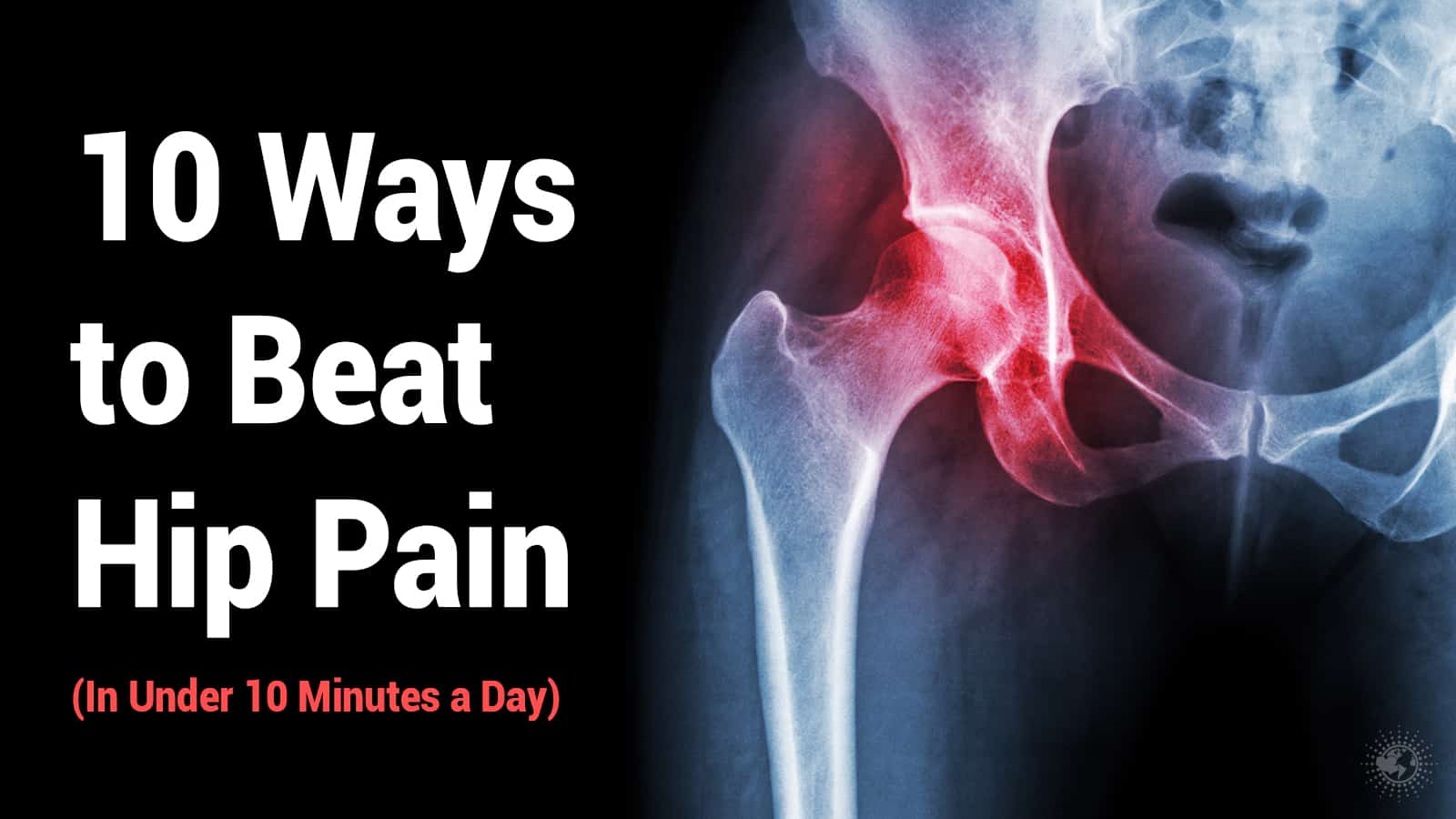
10 Ways to Relieve Arthritis Pain in Under 10 Minutes

Wouldn’t it be a dream if your body were forever youthful and pain-free? Unfortunately, age and health conditions affect everyone. Still, a healthy diet and exercise regimen can help you beat arthritis pain.

Arthritis Basics

Scientists found evidence of arthritis in some of the earliest human remains. It seems to be a disease that has plagued humans since the beginning. Arthritis even affects members of the animal kingdom. Did you know that your body has between 250-360 joints? These joints are places where your bones connect with ligaments, tendons, and protective cartilage. Babies start with more, but some bones fuse, so they have fewer as they mature.

• Joint Types

Your skeleton has three different types of joints that are classified by the degree of movement. Most joints move freely, like your shoulders and knees. Your vertebrae are an example of joints with limited movement. Like the ones in your skull, a few bones are fused and don’t move.

beat arthritis pain

• What Causes Arthritis

Although specialists have recognized over 100 types of arthritis, the most common type is osteoarthritis. It’s a common symptom of aging as your protective cartilage around your joints slowly erodes. The affected joints become stiff, painful, and inflamed as their range of motion is more limited.

Rheumatoid arthritis is another common type, but it is considered an autoimmune disease. If you have RA, your body attacks itself by slowly destroying the soft tissue that produces lubrication for your joints. As a result, your joints become painfully inflamed and eventually disfigured.

• Treatments for Arthritis

According to which type of arthritis you have, your healthcare specialist will usually recommend a treatment plan that includes medication and physical therapy. People with severe cases often must have surgery. Medical specialists also recommend a healthier lifestyle with proper nutrition and exercises geared to benefit arthritic joints.

10 Fun Ways to Beat the Pain of Arthritis

If you have been diagnosed with arthritis, you can still have a productive life filled with love and joy. Some of your usual activities may benefit your bones and joints. Try these ten fun ways to beat the pain of arthritis and get back to doing many of the things you love.

1. Go for a Walk

Walking is one of life’s simplest pleasures. Fitness experts explain that walking is one of the best exercises to help you get in shape. Strolling through the park can also beat arthritis pain and strengthen your muscles, joints, and bones.

If you have a dog, she will be your inspiration to take mindful walks together each day. Go at a pace that’s comfortable for you. As you walk in the park or through the woods, breathe the fresh air, and notice the natural wonders around you. Walking for as little as ten minutes can also lift your spirits and ease depression.

2. Take Dancing Lessons

Dancing has been an integral part of recreation and sacred ceremonies in nearly all cultures throughout history. When combined with music, you use your body to create a visual image of the beat and harmony. Each movement expresses the emotion of music and its magical story.

You needn’t be Fred Astaire or Ginger Rogers to enjoy dancing. There’s a dance for everyone from tango, waltz, square dancing, or even break dancing. Turn on your favorite music and beat arthritis pain with a joyful dance. Make it romantic and dance with your partner if you want.

3. Plant a Garden

Perhaps nothing brings as much joy as walking among the flowers and other plants in a home garden. Are you tired of buying puny produce at your local supermarket? When you plant a garden, you’ll have healthy, organic produce, lovely flowers, and plenty of beneficial exercises.

Even if you have a small veggie patch in your back yard or some potted plants on your patio, it will be enough to keep your body moving and your happy factor maximized. Bending and moving to care for your garden can beat arthritis pain and make your joints more limber. You can complete gardening tasks in about ten minutes each day, making it a quick and enjoyable experience.

4. Use the Stairs

We can thank Elisha Otis for inventing the first elevator in 1861 that was generally safe for passengers. It forever changed how we navigate in multi-storied buildings. Until that time, people climbed stairs, which were patterned after natural formations that existed long before the first humans.

Although it’s tempting to ride the elevator in comfort, climbing stairs involves moving your whole body, and it’s the perfect exercise. Did you know that you can burn as many as five calories when you take 12 stairs? It also stretches your legs, improves balance, and works stiffness out of your arthritic joints.

hip pain

5. Practice Yoga

When you consider yoga moves, forget the stereotypes of young hippies chanting, burning incense, and twisting their bodies into human pretzels. Yoga is so much more than complicated poses. It is an ancient Hindu philosophy that combines movement, breathing, mindfulness, and spiritual awareness.

Historians believe that the yogic tradition was developed as early as the 6th century BCE in India and spread worldwide. It didn’t find an American audience until the 1960s. Now, you’ll find yoga studios in most cities and some urban areas.

Countless studies suggest that yoga moves and stretches can beat arthritis pain and keep your body limber and healthy. Yogic practices like mindful breathing can be a positive influence on your mood and can also minimize or eliminate chronic pain. You can visit a yoga studio or learn basic poses online.

6. Take a Few Laps in the Pool

No doubt you’ve read about the many benefits of swimming. It’s a fun exercise that involves your entire body in motion. Because of the water’s density, your body floats, and it’s easier for you to move. Most physical therapists recommend swimming for patients with arthritis and other bone and joint conditions.

Take advantage of your outdoor pool and swim in warm weather as often as you can. If you don’t have a collection or the weather is terrible, most public gyms and spas have heated indoor pools. Consider taking a water aerobics class at your local YMCA or other available gyms.

7. Clean Your House

Ask anyone who spends a day cleaning the house if they got a good workout or not. It’s a never-ending job that can burn as much as 190 calories an hour. Plus, you are moving all day while bending, stretching, climbing, and walking. It can strengthen your muscles, connective tissues, and joints that are affected by arthritis.

If you are following an anti-inflammatory diet, cleaning your house can be an activity to help you beat arthritis pain. Your body stretches as you dust, sweep, and mop, and you get a little weight training in by moving furniture and lifting things. Just don’t overdo it because you can hurt yourself.

8. Play Games

There’s a reason that you learned how to play different games in high school gym class. Sports are a fun way to stay in shape and keep your joints pliable and healthy. Would you have ever guessed that a spirited game of badminton or croquet could beat arthritis pain?

Keeping your body moving is a great excuse for playing with your children and grandchildren. If you have arthritis pain in your hands, simple board or card games can work your hands and fingers for better flexibility. Playing games also benefit your psychological well-being.

9. Play a Musical Instrument

Aren’t you glad your parents made you take piano lessons or join the band when you were in school? Not only do you have an enriching lifetime hobby, but it may lower your risks of getting painful arthritis in your hands. Playing an instrument can also beat arthritis pain if you already have it.

Almost all musical instruments require using your hands and fingers to produce specific notes or tones. Even if you practice your scales on the piano or other devices, you are giving your hands a good workout. Also, music feeds your soul and is a beautiful way to bond with family and friends.

10. Ride a Bicycle

They say that once you learn how to ride a bicycle, you’ll never forget. Riding a bike requires correct posture, balance, and coordination. It’s especially beneficial to your hips, behind, legs, and feet. These are common points of arthritis pain.

When’s the last time you donned your helmet and other safety gear to ride on a bicycle? Bicycle transportation for all ages is the norm for many European countries. If you want to have some fun, go for a spin with your sweetie on a bicycle built for two.

beat arthritis painFinal Thoughts on Learning How to Beat Arthritis Pain with New Habits

While there’s still no cure for arthritis, but using correct posture, eating an anti-inflammatory diet, and getting proper exercise may help prevent it or beat the pain. Before you begin any diet or exercise regiment, talk to your primary healthcare provider or a certified fitness trainer. You can have fun exercising and enjoying more pain-free days in the future.

Dermatologists Explain the Cause of Nail Fungus (and How to Fix It)

Do you or someone you love suffer from nail fungus? It’s a common problem that can happen to anyone, but a few individuals are at a higher risk than others. Did you know that your age, health, and lifestyle can all affect whether you will develop those unsightly, thickened surface yellow nailbeds?

What Causes Nail Fungus?

Many things can cause nail fungus, but it all starts from fungi that get into the nailbeds and fester. Tiny, microscopic organisms called fungi cause an infection in the nail that multiplies. Commonly, a condition such as ringworm or athlete’s foot introduces fungi to the nail.

Still, skin-to-skin contact with other contaminants or someone infected can cause this unsightly problem. Places like locker rooms, saunas, or a pool decks are also loaded with fungi; they love to dwell in moist areas. Walking across a public pool deck barefoot may be all it takes to introduce fungi to your nails.

You can pick up this infection from a pair of finger or toenail clippers or even a bath towel in the household. Another shocking thing is that you can develop this fungus even if you haven’t been exposed. The feet of someone who wears socks and shoes are regularly subjected to moisture from sweat, and it’s easy for fungi to thrive in such an environment.

How does the fungus make the leap from the skin to the nail? Here are a few ways to consider:

  • Cuts or abrasions surrounding the nailbeds
  • Cracks or tears in the nail
  • A space or separation between the toe or finger and the nail

Underneath the nail is nice and warm because the body is nearly 99 degrees. The infection can establish residence there as it’s the perfect breeding ground to live and thrive. Once it grows here, it will move and spread to other areas of the body.

When the infection starts, it’s easier to catch as it sits near the nail’s surface. However, as the fungi spread, it becomes much more complicated.

Who Gets Nail Fungus?

nail fungusWe’ve already established that anyone can develop a nail fungus, but some people have a higher risk of infection. As you age, the chances of you developing such an infection increase. Children are the least common people to get such a condition, especially before six.

People who live in hot and humid climates have an increased risk of infection due to their living environment. Your medical situation also plays a big part in whether such a fungus can thrive on your body. Those who have the following conditions are more susceptible:

  • Type 2 Diabetes
  • Circulation Issues
  • Psoriasis
  • HIV – Human Immunodeficiency Syndrome
  • Weakened Immune System
  • Organ Transplant Recipient
  • Injured Toenail or Fingernail
  • Athlete’s Foot
  • Cancer
  • Recent Nail Infections
  • Those Who Sweat Heavily
  • Those Who Frequent Gyms, Spas, or Swimming Pools

Symptoms of a Nail Fungus

The most common sign of a fungus of the nail is a thickened surface. Here are some other symptoms in the nails:

  • Yellow or brown discoloration
  • Crumbly or brittle nails
  • Foul smell
  • Shape distortion
  • Debris building under the nail
  • Dark coloring
  • Impossible to cut with clippers because it’s too thick

Fungus on the nails is quite common. It often starts as a white spot under the nail, an annoyance more than anything else. However, as the infection grows and penetrates, it will turn colors, become thicker, and crumble. What started as a fungus affecting one nail can quickly spread to other toes or fingernails.

Some mild conditions that are troublesome may not require treatment. However, you can do home-based therapies when the nail becomes thick, turns colors, or smells foul. Remember that even if your efforts are successful, the fungus can return.

The same fungus that gets between the toes and causes athlete’s foot is called tinea pedis, and it’s not the same as onychomycosis or nail fungi, but having this infection in between the toes can undoubtedly spread to the nails if there is an opening that allows it to creep in.

Difficulties with Nail Infections

While many cases of fungus are mild, some become complicated. When issues are severe, the toxins can cause permanent damage to the nail, and you may lose it. The goal is to keep the infection from spreading to other body areas beyond the feet.

The biggest concern is those with a compromised immune system, which can be dangerous if the infection gets out of control. Those with Type 2 diabetes can often have circulation issues too that affect their feet. This puts you at a greater risk of developing a bacterial skin infection like cellulitis, which can be dangerous.

With diabetes, any infection that affects your feet can be a severe complication requiring prompt medical help. While most don’t need to be concerned if there is a small dot of yellow or white under the nail, for the diabetic, it’s a cause for alarm.

Preventing Toenail Infections

Prevention is the key to keeping nail fungus at bay. You can reduce the risk of developing such a condition by doing the following things.

  • Wash your feet every day. Scrub them several times if they are prone to excessive sweat.
  • Wash your hands frequently and wash them, especially after touching your feet.
  • Wear shoes that allow your feet to breathe so no moisture builds up inside the footwear.
  • Always wear shoes in locker rooms, pool decks, and saunas.
  • Avoid using artificial nails and going to public salons for such treatments.
  • Don’t paint toe or fingernails as it traps bacteria.
  • Don’t keep old shoes that smell and have soles missing.
  • Buy sweat-absorbing socks that can keep your feet dry or change your socks a couple of times each day to prevent moisture build-up.
  • Trim your nails straight across and never cut to a curve.
  • File down any thickened areas of your nails before it becomes unmanageable.
  • Always clean all toenail and fingernail clippers with soap and water after each use.

Home Remedies and Treatments for Nail Fungus

Not every case of fungus requires a trip to the doctor. You can do many treatments at home to handle the situation. Here are the most common treatments–they’re at least worth a try.

1. Tea Tree Oil

Make sure you use a pure 100 percent essential tea tree oil. Rub the nail directly with the oil and allow it to dry before putting on socks or shoes. Repeat often as this oil is known for its antifungal and antibacterial properties.

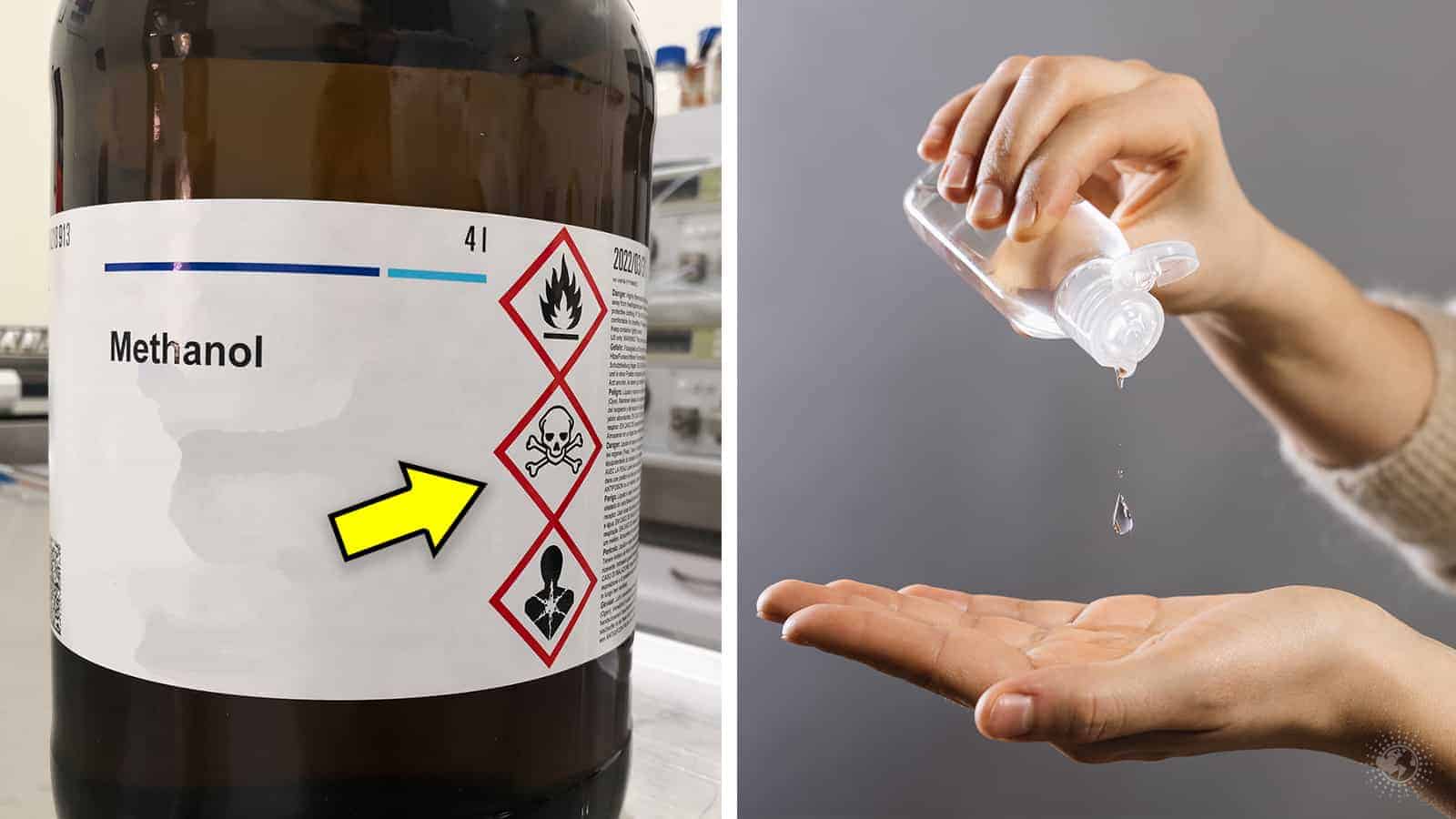
toxic hand sanitizer

The US government warns about toxic hand sanitizer ingredients on the market.

2. Olive Leaf Extract

Apply olive leaf extract directly to the nail, allowing it to do its magic. It has a property called oleuropein that can help it to eat away at the unsightly toxins.

3. Listerine

Did you know that Listerine was first created in the 1800s to keep surgeries clean? It was invented by Dr. Joseph Lawrence, who wanted to help control germs during surgical procedures at his clinic.

After some trial and error, they found that it would also do wonders for the mouth’s bacteria. However, you needed a prescription to obtain it. Today, you don’t need a prescription for this tonic, and a foot soak in this potent brew is just what you need to get rid of the nasty fungus. Only dilute it in water and soak your feet for up to fifteen minutes.

4. Vicks VapoRub

Do you remember your mom or grandma using Vicks VapoRub for many things? Well, they were smart to use this stuff for anything from sore throats to skin issues. Just rub some Vicks VapoRub on your affected nails and watch it work magic. It turns out that this product has camphor and eucalyptus oil, which is known to have a positive effect on nail fungi.

5. Snakeroot Extract

If you have a stubborn infection, you may want to try some Snakeroot extract. It’s a plant related to the sunflower, and it’s known for its antibacterial properties. If you’ve tried some of the other commonly found methods and they haven’t helped, then you may want to order some of this extract to try.

6. Olive Leaf Extract

Olives and their leaves are both known for their medicinal properties. With this herb, you can either use the capsules that heal your body from the inside out or apply the mixture to your feet. The immune-boosting abilities of this plant and the antifungal and antimicrobial benefits cannot be denied.

7. Vinegar

You can use vinegar for cooking and cleaning your house, but did you know it works great for removing fungus? Get a tub and put one-third vinegar to two-thirds water. Warm water is advisable since it helps open pores and allow the mixture to penetrate. Soak for about twenty minutes each day until you see an improvement.

nail funguwsFinal Thoughts on Ridding Yourself of Embarrassing Nail Fungus

Having nail fungus is no fun, especially when you want to wear sandals and flip-flops in the summer. Thankfully, most cases can be treated with a home remedy. However, if you’ve tried several alternative medicines and nothing works, you need to see your dermatologist. A nail fungus could reveal a more serious underlying concern, so seek treatment if these remedies don’t work.

15 Short Inspiring Quotes for Boosting Self Confidence

Many short inspiring quotes can help you boost your self-confidence. Sometimes, when life seems to be too much, you may need the guidance of others who have been through it.

These short inspiring quotes will be easy to remember when your confidence is faltering. Then, you’ll have the inspiration you need to remember how great you are.

There are other things you can do to boost your confidence, as well. After you have read the short inspiring quotes, you can read tips on boosting your confidence.

Why You Should Work to Boost Your Self Confidence

1. Life becomes more straightforward and easier.
2. You’ll experience more emotional stability.
3. Negative self-talk won’t happen as often.
4. You’ll be happier.
5. Overcoming hardships and unexpected obstacles will be more comfortable.
6. You will be surer of your decisions and feelings.

Short Inspiring Quotes for Boosting Self Confidence

short inspiring quotes

1. “Remember, you have been criticizing yourself for years, and it hasn’t worked. Try approving of yourself and see what happens.” – Louise L. Hay

As Hay explains, all the times you criticized yourself, nothing positive came of it. It won’t help you be successful or better in any way, and it’ll have the opposite effect.

This time, try to approve of yourself and the decisions you have made. Even if those decisions didn’t work, you are still teaching yourself along the way. If you approve of yourself, your confidence will rise, and you’ll be able to achieve more than you thought possible.

2. “A man cannot be comfortable without his own approval.” – Mark Twain

If you don’t approve of yourself, you will never be confident. Before anything else, work on earning your approval. Then, you will be able to see what you are truly capable of.

3. “One’s dignity may be assaulted, vandalized and cruelly mocked, but it can never be taken away unless it is surrendered.” – Michael J. Fox

It shouldn’t matter what anyone else says about you. All that should matter is the way you feel about yourself. If you remember this, your dignity will never falter.

4. “To fall in love with yourself is the first secret to happiness.” – Robert Morley

When you accept and love who you are, everything else will fall into place. It’s impossible to be unhappy or to let the words of others affect you if you love yourself.

5. “You yourself, as much as anybody in the entire universe, deserve your love and affection.” – Buddha

Sometimes, you may think that as long as you love those around you, it’s enough. This fallacy isn’t true, however, because you deserve your love just as much as everyone else does. Remind yourself of how great you are and avoid thinking negatively about yourself.

6. “To establish true self-esteem, we must concentrate on our successes and forget about the failures and the negatives in our lives.” – Denis Waitley

If you continuously think about your failures and mistakes, your self-esteem will plummet. Instead, try thinking about all the positive things you have done and all the times you succeeded. Thinking this way will help boost your self-confidence quicker than anything else will.

7. “Never be bullied into silence. Never allow yourself to be made a victim. Accept no one’s definition of your life, but define yourself.” – Harvey Fierstein

Speak up and say what you know to be true, no matter who tells you to be quiet. Don’t let others belittle you into wavering your opinion. Your definition of your life is the only one that matters, and don’t let anyone change it.

8. “Owning our story and loving ourselves through that process is the bravest thing that we’ll ever do.” – Brené Brown

Everyone makes mistakes and fails at things they’ve worked hard on. Even still, you have to focus on loving yourself. If you can love yourself while owning your past, you will know that you are brave and strong.

9. “Love yourself first, and everything else falls into line. You really have to love yourself to get anything done in this world.” – Lucille Ball

If you can love yourself, everything else will work out. You have to love yourself to accomplish your dreams and reach your goals.

10. “Our self-respect tracks our choices. Every time we act in harmony with our authentic self and our heart, we earn our respect. It is that simple. Every choice matters.” – Dan Coppersmith

Do the things that make you happy and that you feel are the right thing to do. When you make your decisions this way, you’ll earn the respect of yourself, and this is important. It will boost your self-esteem and happiness, and you’ll continue to respect yourself even more.

11. “Why should we worry about what others think of us, do we have more confidence in their opinions than we do our own?” – Brigham Young

Be confident in your opinions, thoughts, and behaviors. If you are confident in them, no one can affect you.

Stop worrying about what others think of you. As long as you are confident, you will know their opinion doesn’t matter.

12. “One of the greatest regrets in life is being what others would want you to be, rather than being yourself.” – Shannon L. Alder

Living up to the expectations of others is sure to bring unhappiness. You will question everything about yourself, and your confidence will take a hit. When you are true to yourself, however, you will be confident and happy with who you are.

13. “Remember always that you not only have the right to be an individual, you have an obligation to be one.” – Eleanor Roosevelt

It is essential to be yourself if you want to boost your confidence. You owe it to yourself. Plus, you owe it to the world to grace them with the real you and all that you have to offer.

14. “If you don’t love yourself, nobody will. Not only that, you won’t be good at loving anyone else. Loving starts with the self.” – Wayne Dyer

Subconsciously, people can tell when you don’t love yourself. If you can’t love you, then they will feel the same way. Plus, you won’t be able to fully love anyone else until you can learn to love yourself.

15. “Act as if what you do makes a difference. It does.” – William James

Everything you do makes a difference in the world. Stop telling yourself that it doesn’t because you are amazing just as you are.

pop memeOther Ways to Boost Self Confidence

Don’t Hide Who You Are

If you find yourself hiding certain things about yourself from others, you need to reevaluate. Ask yourself if there is a reason you feel the need to hide it. If there is no reason you can come up with, stop keeping it to yourself.

If you are open and honest about who you are, your confidence will benefit. This self-assuredness includes telling others about your hobbies or favorite things. When you are who you are, what you like, you’ll feel happier and more confident with yourself.

Exercise or Work Out Regularly

If you regularly exercise, you’ll see that your confidence will get a boost. You’ll feel accomplished that you stuck to an exercise regime, and it will help you be happier and more confident. Exercise is known to relieve and prevent depression and anxiety, so the benefits are plentiful.

Try Something New

It can be difficult to make yourself uncomfortable, but trying new things is essential in life. If you can be comfortable in a variety of settings, you’ll always feel more confident. Each time you step out of your comfort zone, you’re improving your confidence.

From starting a new job to meeting new people, you’ll be grateful that you gave it a shot. Each time, you will learn more from the situations, and eventually, you won’t feel so uncomfortable.

Do this regularly, and you’ll raise your self-esteem. If you only do it once in a while, however, you won’t benefit much from it. Aim for stepping out of your comfort zone every day, even if it’s something small like trying new food.

Change Your Look

Not only can your appearance affect other’s perception of you, but it also affects your perception of yourself. By simply changing up your wardrobe, you will be able to feel better about yourself and exhibit more confidence.

You will behave and think differently, depending on what you are wearing. So, if you want to experience confidence, you will want to dress in a way that makes you feel confident.

Work to Avoid Negative Self-Talk and Thoughts

Don’t tell yourself that your accomplishments are small or meaningless. You have to remember to focus more on your successes than you do on your failures or mistakes.

When you feel the negativity creeping in, make a list of all your accomplishments. This will help you remember all that you have done, so the next time the negativity doesn’t happen at all.

Fix Your Posture

If you are slouching, you’re not likely to feel very confident. Just like with the way you dress, your posture plays a significant role in your confidence levels. Studies show that practicing good posture can make you more confident and surer of yourself.

short inspiring quotesFinal Thoughts on Short Inspiring Quotes for Boosting Self Confidence

Boosting your self-confidence is essential to living a happy life, and these short inspiring quotes should help. Remember them the next time you need a boost, and you’ll be able to remember why it’s essential to do so.

Your self-esteem depends on having confidence in yourself. If it will help, write out some of these short inspiring quotes and put it somewhere, you will often see it. Ensure that you are successful in life and that you reach your goals by loving who you are.

Science Explains What Happens to Your Body With a Calcium Deficiency

symCalcium deficiency, or hypocalcemia in medical terms, is a condition that is exactly what the name says. Essentially it means that your body doesn’t have enough calcium to function properly.

The mineral calcium is stored in your bones and teeth, where it ensures your bones stay strong. Calcium can also help build your muscles. Without enough calcium, your bones will suffer as you age, and it can be difficult to maintain muscle mass at any age.

The effects are much greater than the two that were mentioned. In this article, science explains what happens to your body if you have a lingering shortage of calcium.

Causes of a Calcium Deficiency

Most people think that calcium deficiencies are caused by not drinking enough milk as a child. However, it can be a little more complicated than that. A calcium deficiency can be caused by any of the following, or any combination of the following:

  • Not getting enough calcium from food or supplements
  • Genetic factors
  • Dietary intolerances
  • Medications that can interfere with calcium absorption
  • Hormones
  • Certain diseases and conditions

The main reason is not getting enough calcium from what you eat, but it’s not that simple. As you can see, it’s not all about drinking milk or taking supplements. Indeed, it may not even stem from something you’re doing or not doing. There could be some other underlying reason for your calcium shortage, but either way, you still need to figure out a solution.

Symptoms of Calcium Deficiency

calcium deficiencyAccording to the National Institue of Health’s Office of Dietary supplements, the symptoms of a calcium shortage can show up anywhere on your body. The symptoms can be physical, mental, or even emotional. They can appear in children, adults, older people, men, or women. They are all over the place.

In other words, they’re varied, random, and could easily be confused for some other condition. The good news is that if you alert your doctor to a combination of symptoms, your doctor knows what tests to run and should be able to catch a calcium deficiency. It can be corrected easily if detected early.

Minor Symptoms

  • Numbness
  • Tingling fingers
  • Brittle nails
  • Poor appetite
  • Problems with swallowing
  • Muscle cramps
  • Fainting

Major Symptoms

  • Dental problems
  • Brain fog
  • Confusion
  • Anxiety
  • Depression
  • Hallucinations
  • Seizures
  • Growth/development delays
  • Cardiovascular issues
  • Thinning of the bones/bone fractures
  • Blood won’t clot properly

Although some are labeled as minor, don’t think they aren’t consequential. All these symptoms can severely impact your quality of life. They can even affect your loved ones’ lives. Don’t wait until you’re experiencing significant symptoms to handle the problem.

If you’re experiencing any of these symptoms, make sure you tell your doctor so he/she can rule out a calcium deficiency. In many cases, calcium deficiencies are so easy to fix that there is no reason to deal with all that discomfort.

What Happens When Dealing with a Calcium Deficiency

At first, you may not notice any symptoms when you’re dealing with a calcium shortage. This lack of symptoms is because your body deals with the deficit by pulling calcium from your bones. This scenario is terrible – that’s how your bones get weak.

Weak bones are almost a guarantee with a long-term calcium shortage, but the other symptoms may or may not occur. Usually, people with underlying conditions are the ones who experience the other symptoms as their calcium levels continue to deplete. However, this isn’t an exact science, so that any sign could occur in anyone.

The body can’t make calcium on its own, so if you don’t ingest enough, the depletion will continue over time until it reaches critical levels. Critical levels mean that your bones are so weak that even a cough could cause a fracture. By the time this happens, it could be too late to reverse the damage.

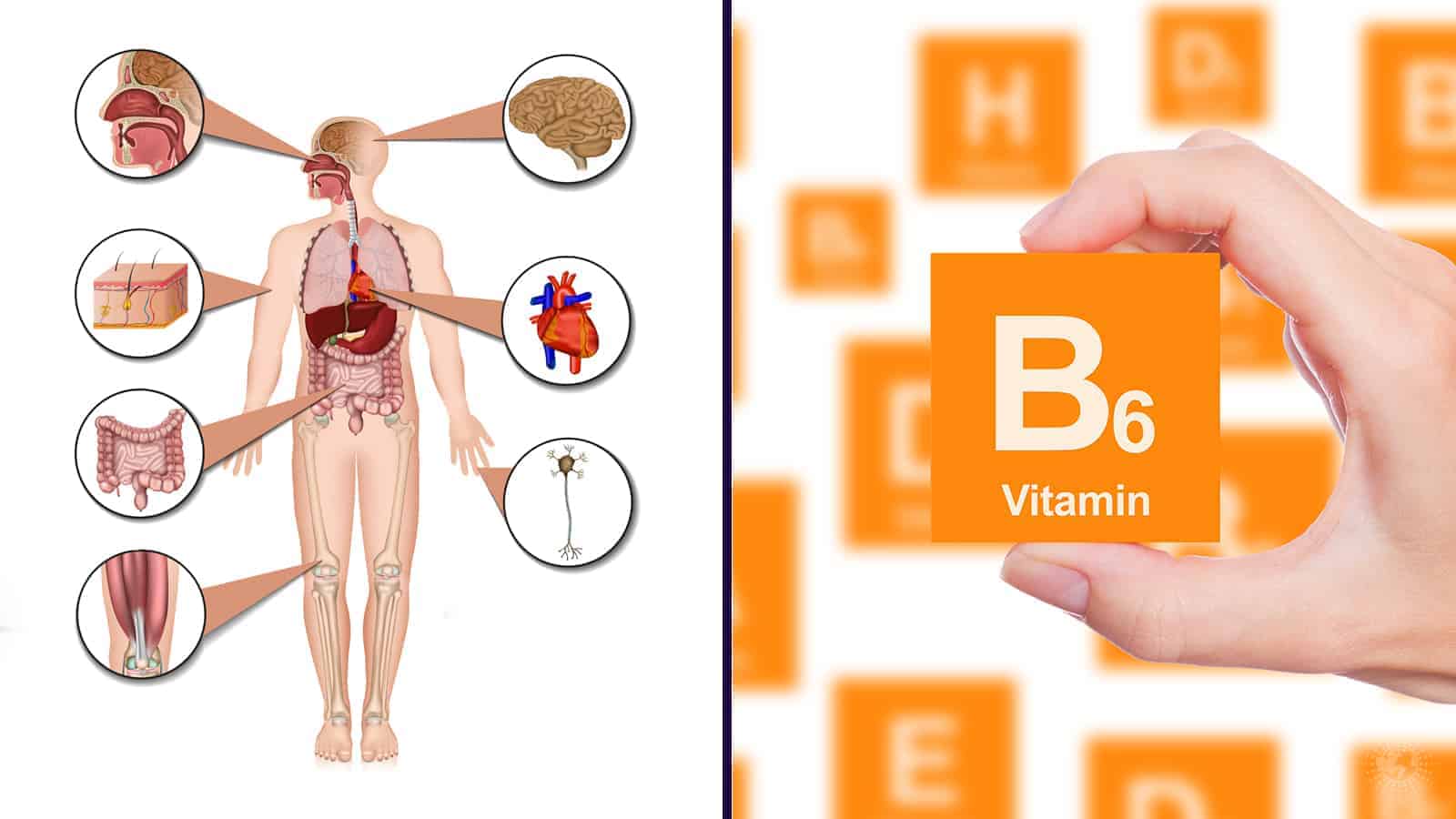
Vitamin B6

Nutritionists explain how to overcome vitamin B6 deficiency.

Osteoporosis

This condition is a horrible disease to have. It’s characterized by fragile bones – so weak that doing everyday things could cause a fracture. It’s scary to live with osteoporosis, and it can be painful if you break your bones often.

The disease develops over many years. Here is a quick explanation of how it begins and develops.

When you’re young, your bones are strong and flexible. This is due to a mixture of calcium and collagen. Keeping this balance allows your bones to breakdown and regenerate like it’s supposed to, so that they stay healthy.

It’s important to note that 99% of the calcium in your body is in your bones. The other one percent is in your blood. Although it’s such a small amount in your blood, you still need it there. It aids in functions like making your nerves work, squeezing your muscles, and helping your heart to function.

When you’re dealing with a calcium deficiency, your body attempts to replace that one percent of missing calcium in your blood by pulling it from your bones. It takes a long time to pull the calcium from your bones, which is why you likely won’t notice what’s happening until your senior years. To make matters worse, your bones become less efficient at regeneration around age 30. As it does, your bones become more and more brittle. This is how the disease comes to fruition. If you don’t take care of the deficiency at this point, it will continue to get worse.

Osteopenia

Think of this as a lighter version of bone brittleness. It’s essentially the middle area between normal and total bone breakdown. However, don’t think of it as good or negligible. It’s an indicator that you have bone problems.

A bone density test can determine which disease you have. It’s determined by a scale of numbers. Scientists encourage people to worry less about the label of the disease and more about the numbers, called your T-score.

T-Score Chart

  • Average bone density is -1 or higher.
  • Osteopenia is -1 to -2.5.
  • Osteoporosis is -2.5 and lower.

As you can see, if you go by labels, then a -2.4 would be considered as osteopenia, but it’s clear that it’s borderline between the two diseases. For this reason, you should do as scientists say and use the numbers over the labels.

Treatment Options for a Calcium Deficiency

When you’re young, the treatment when your body is short on calcium is to ingest more calcium. You can do that by eating more calcium-rich foods or by taking calcium supplements. This boost will fix the shortage and reverse any bone brittleness issues.

You must be careful not to take too many calcium supplements. When your body has too much calcium, you will begin to have health problems. Many of the health problems are the same as if you don’t have enough calcium. You can also experience excessive thirst, high blood pressure, abnormal heart rhythm, and more.

If you are a senior or you have other reasons for not being able to absorb calcium, treatment may require more effort. You may need to get regular calcium injections from your doctor.

Prevention of a Calcium Deficiency

The easiest way to avoid a deficiency problem is by getting enough calcium in the first place. There are plenty of foods besides milk that will provide you with a healthy dose of calcium. That’s great news for people who happen to be lactose intolerant. Here are a few foods with a fair amount of calcium:

  • Sardines
  • Dark, leafy green vegetables
  • Soybeans
  • Cheese
  • Yogurt
  • Almonds
  • Chia Seeds
  • Edamame
  • Dried figs

You may see some foods that are fortified or enriched. This label means that nutrients such as calcium have been added to it. Examples are orange juice and whole wheat bread. These foods are also a great source of calcium.

It can be helpful to know exactly how much calcium you should be ingesting each day. According to the National Institutes of Health (NIH) Office of Dietary Supplements, these are the recommended amounts for male and females, by age group:

Age Male Female
0–6 months 200 mg 200 mg
7-12 months 260 mg 260 mg
1-3 years 700 mg 700 mg
14-8 years 1000 mg 1000 mg
9-18 years 1300 mg 1300 mg
19-50 years 1000 mg 1000 mg
51-70 years 1000 mg 1200 mg
71+ years 1200 mg 1200 mg

These numbers may seem a bit high, but if you make sure you’re eating a balanced diet each day with nutrient-dense foods, you should have no problem getting enough calcium. However, supplements can help if you are falling short.

calcium deficiencyFinal Thoughts on What Happens When You Have a Calcium Deficiency

Having a deficiency in calcium is a severe problem. It’s a problem that can be easily corrected in most cases until you allow it to get to a point where the thinning of the bones is irreversible. The good news is that it takes decades for this to happen, so you have plenty of time to work on your calcium levels.

The best way to make sure your calcium levels are up to par is to get tested. Your doctor will be able to help you formulate a plan of action if needed. Hopefully, your calcium levels are sufficient, but at least you’ll know one way or the other before your bones suffer the consequences.

Experts Explain Whether a Nighttime or Morning Shower is Healthier

Do you like to take a morning shower, or do you prefer to clean up before going to bed? Whether you choose to cleanse your body in the morning or night doesn’t matter. It’s about getting clean. So, which method is the best?

It’s an age-old debate that probably has been going on since the cavemen were rinsing off from their day in basins. Even with all the advancements in science and health, there is still no clear answer to this dilemma. Indeed, we might never have a clear answer–just personal choice. However, you can use science and studies to make an educated decision on when you should shower.

Of course, you must also consider your personal preference as there is no right or wrong answer; some might say that the answer is just as murky as used bathwater, and if you prefer to shower at night to wash away all the dirt and grime from the day before you get into bed, you should know what to do if the hot water heater is leaking. Addressing a leaking hot water heater promptly can prevent significant water damage and costly repairs.

Those individuals who prefer a morning shower like to wash away all the sweat and debris from the night. Since some people sweat heavily during their sleep, it’s understandable how washing away the nighttime and having a fresh start to the day is the way to go.

The sad fact is that you can take a shower but still spread germs and such around on your sheets. It’s common for humans to sweat at night, and all the bacteria that you collect and generate throughout the night are on your sheets and your body. The germs are just sitting on your skin, waiting to make you smell and feel gross during the day.

Advantages of a Morning Shower

The argument for a morning shower is that you start your day fresh and clean, putting you in the right mindset for success. A shower is refreshing and awakens you so that you can be more alert for your day. If you need a creative boost to get you going, or you have a hard time waking up in the am, then a morning shower may be a better choice for you.

Everyone experiences sleep inertia, and it can last for 15-30 minutes after you rise. Your body is starting to wake up and get all your systems going. It can take some people longer than others. A morning shower can help you shake off that sleep inertia and step out on the right note.

Did you know that many people plan their day and deliberate about their problems while letting the hot water pour over their bodies? It’s in these moments that you have a few minutes to ponder your life, and what better time than when you’re lathering up your soap and cleansing away dirt and grime from your rest. Might as well wash a little bit of negativity down the drain too.

A scientific argument for a morning shower is that the hot water activates your “alpha brain waves,” which are known for giving you clarity about your life and situations that you must handle. Some believe it’s like the zoning out experience that you have when you’re doing exercise or meditations as it can get your creative juices flowing.

Advantages of an Evening Shower

morning shower

Now, if you prefer to wash off the bacteria from the day in a night shower, then you couldn’t imagine changing your bath schedule. Some argue that since you’re rolling around on the sheets, the germs are spread on the surface rather than piling on top of your skin. Additionally, taking a shower before you go to sleep can help set the mood for a good night of rest.

A study showed that if you take a bath about an hour and a half before you go to bed, it will improve your ability to sleep well during the night. Though it was specifically looking at baths, their investigation focused on the warmth felt from the waters, so it can easily apply to a bath or a shower, either one.

Did you know that your body cools down at night, and your circadian rhythm or internal body clock winds down so that you can drift into dreamland? When you take a shower, it raises your body’s temperature ever so slightly, which kickstarts your body into going into the cooling down process. So, it makes it easier for you to sleep, which is ideal for those who suffer from sleep disturbances like insomnia.

What About Baths?

What if you could care less about the time of day you shower but prefer to take a bath and soak away your troubles? Some argue that baths are nasty because you’re sitting in your bacteria and grime washed from your body. Others don’t care because the warm water eases their tired muscles and feels invigorating.

• Old School Bathhouses

Did you know that bathing has been popular since the Middle Ages? While people weren’t as lucky as a civilization today to have indoor plumbing and tubs, they would gather in bathhouses spread throughout the cities. The Egyptians were the ones who revered the bath as they were fanatics about keeping their bodies clean.

Soap was invented around 2,000 B.C., and before this time, people would use things like olive oil to cleanse their skin and scrape it off with a unique tool. You’ve probably heard of The Roman bathhouses as they were made famous by the people in Italy.

A bath in one of these houses was not just an opportunity to get clean, but it was also a reason to come together and assemble. These baths had a cold room that they called a frigidarium. You started here to get your body ready for the tub. Then you went to the warm room, aka the Tepidarium.

The last room was the hot room or the caldarium. The final step in the cleansing process was to take a lovely, cool dip in the swimming pool. Remember, this was before the days of chlorine and other pool cleansers, so can you imagine the bacteria in those pools?

The churches deemed these sinful places. Thus, church leaders stepped in during the 16th century to begin closing these places, which became obsolete shortly after.

They were concerned about the number of children being born from sinful acts in these houses as well as people’s desire to spend more time congregating in the bathhouse and less time in service. Thankfully, history was already moving beyond the need for public bathing as more families installed bathrooms in their homes.

morning affirmations• The Revolution of the Bathroom

By the 14th century, people had begun to build tub structures from trees to put in their bedrooms. The Palace of Westminster was the first official residence to receive a bathroom, and Edward III ordered it. The baths were mostly with cold water unless they took the time to heat a cauldron.

During the 19th century, everything changed. By the late 1800s, bathrooms were commonplace in households, and residents enjoyed taking a warm bath thanks to Benjamin Maughan and his invention of the gas water heater. Baths became more a part of a daily ritual as people didn’t need to travel to a bathhouse or heat water. In this century, toothpaste, paper towels, soap, and other toiletries also became commonplace.

History is fascinating to learn, and you can now see where your daily bathing habits originated. But, it still doesn’t answer whether it’s clean to take a bath. The truth is you’re not getting clean, even if you use soap, by sitting in a tub of water.

Your body sheds about 30,000 skin cells every hour, which is a significant amount. So not only do you have all the filth you wash from your body, but you also have tons of dead skin cells floating around in your water. How can you possibly get clean when you’re sitting in a tub full of bacteria?

If you like to take a bath for the therapeutic benefits that it brings, then rinse off in a quick shower afterward. There are about 200,000 bacteria per square inch in your tub. Thus, it’s easy to see that you’re not doing yourself a favor by soaking to get clean.

morning showerFinal Thoughts on the Night Versus Morning Shower Debate

Whether you prefer a bath or a shower doesn’t matter, the point is that you get clean the way that feels comfortable for you. As to when you take that shower, again, preference comes into play. The ideal thing would be to shower in the evening and then again in the morning, but many people don’t have extra time.

Essentially, your shower schedule appears to depend on whether you require more help going to sleep at night or if you need help with getting your body and mental juices flowing first thing in the morning. When your water heater is not working, that’s where the problem truly lies as you have to get a cold shower. Get a water heater repair to fully enjoy bath time. Look up water heater installation in Jupiter, FL or nearby areas to find professionals who can help. There truly is no wrong time of day to get clean.

20 Things That Give You a More Peaceful and Happy Home

You want your home to be a haven of peace, and all those who live there happy and blessed. However, you must realize that a family doesn’t just get this way without some hard work. It takes dedication and a commitment of your time and energy to have a happy and healthy family unit. So how do you create a peaceful place where you can entertain friends, relax, and live in harmony? Well, here are 20 tips that can help you.

20 Ways to Create an Environment for a Peaceful and Happy Home

Are you ready to make your household more peaceful? Try these easy tips.

1. Don’t Take Out Your Frustrations on Family Members

Life is frustrating, and it’s easy to take out those frustrations on your family members. If you want peace in your home, then you need to leave your troubles at the door. When you walk into your abode, it should be a place of peace and tranquility, and the best way you can do that is by not letting the outside problems influence what’s on the inside.

2. Resolve All Conflicts Before You Go to Bed

Unless you’re the perfect family, there will be occasions when you argue or have disagreements. While it’s perfectly normal to have these times of conflict, you should try to resolve all things before going to bed at night. You are not promised tomorrow, and should something happen during the night, you want your partner and children to know that you love them above all else.

happy home3. Assign Tasks for Each Person, So Everyone is Involved in Upkeep

A household cannot run itself, nor can one-person handle everything. The best way to keep your home running like a fine oiled machine is to assign tasks for every person to do. To have a happy home and place to relax, every person must do their job.

4. Always Be Honest

Perhaps one of the things that have the most significant impact in a household is honesty. It means something when you can trust that the other inhabitants are telling you the truth. Even when it hurts or is hard to say, make sure you’re always honest.

5. Make Time For Each Other

Spending time together is the recipe for a happy home. While you may not take exotic vacations, you can watch a movie and pop popcorn together. It’s the little things that have the most significant impacts, especially when it comes to your time together.

6. Have Open Communication and Family Meetings

Family meetings are essential to clear the air. When issues do arise in your family unit, it’s best to meet them head-on rather than to try to sweep them under the rug. At the family meeting, allow everyone to speak what’s on their mind. Together, you can find a good compromise for whatever life throws your way.

7. Take Time for Family Dinners

Outside of entertaining friends, you want to make time for family dinners. There’s something special about the dinner table and sharing all the happenings of the day. Make sure that each person gets a chance to talk about their day, both good and bad. One day, they will remember the magic of sitting around the table, eating good food, and enjoying great conversation.

8. Value Each Other’s Opinions

Each person is a vital part of your happy home, and their opinions matter. Ensure that each person is heard even if it’s just a recommendation on the type of cereal to buy. When everyone feels essential, then the family unit can function healthily.

9. Choose Your Battles Wisely

When it comes to parenting, it’s not an easy task. As a parent, you must choose your battles wisely. This can be an essential bit of advice for your spouse too.

Sure, you may not like that your husband doesn’t shave for three days, but is it hurting you? Your kid may want to dye their hair purple, and you find it embarrassing, but it’s something that must be overlooked.

Remember, the bigger the deal you make of the small issues, the more trouble it will be. If you want something to change, then try using some reverse psychology.

burning sage

Learn the ten healthy benefits of burning sage in your home.

10. Laugh Often

Do you often laugh? How can you have a happy home if there isn’t lots of laughter? Stop being so serious and functioning like a robot.

Take time to tell a funny joke, laugh at something silly that happened to you, or smile. You will be surprised how much better the dynamics of your home when there is plenty of humor.

11. Never Criticize or Be Judgmental

If you want your home to be a place to relax, then you want to feel like you are a contributing member. If you’re continually critical or judgmental of others, then you’re creating a negative dynamic.

No one wants to be judged and feel like they can’t do anything right. Stop being controlling and learn to accept the strengths and weaknesses of others.

12. Celebrate Victories No Matter How Small

An “A” on a math test might not be such a big deal to one child on the honor roll, but to the child who is struggling, that grade may mean everything. Celebrate the little victories as well as the big ones. Each person should feel like their accomplishments matter.

13. Live in the Moment

Do you spend so much time thinking about tomorrow and the day after that you forget to live in the moment? You will blink, and your children will be grown, and you will be in your Golden Years. Don’t forget to take the time to enjoy the here and now. Remember, today is a gift, which is why it’s called the present.

14. Develop a Positive Outlook and Rid Negative Energy

Do you want a happy home with serenity and peace? Well, you must shake off the negative energy that holds you back. Another way that you can help to rid the negativity is by burning sage.

Ancient Indian tribes learned the importance of burning sage to cleanse a space, and you should utilize whatever tools possible to ensure your home is a peaceful haven for all.

15. Spend Money and Time on Making Memories

While it’s fun to entertain friends, you should spend more time making memories. Do you spend your money on material possessions that you can’t take with you when you leave this earth? Why not spend your money on vacations and other adventures that will stick with your family for a lifetime.

Leave a legacy of someone who appreciated serenity and their happy home and lived a life full of adventure.

16. Limit Electronics

Spending too much time on electronics is not advisable. Start small by making dinners smartphone free and setting guidelines for how much time can be spent on television, computers, tablets, and phones.

Did you know that the American Pediatric Association recommends no more than two hours of screen time each day? That means your children shouldn’t be on anything electronic for more than a couple of hours. The effects of too much technology are damaging.

17. Don’t Air Dirty Laundry on Social Media

There’s nothing worse than a person that airs their dirty laundry on social media for all to see. When you have problems that disrupt your happy home, then you need to work on these issues from within. Don’t involve others, especially over social media channels, as it’s a recipe for disaster.

18. Forgive Often

If you want a place to relax and feel at home, you need to learn to forgive. No one can have peace and tranquility if they always feel like someone is holding a grudge against them. Be eager to forgive so that when you do something wrong, you too will be forgiven.

19. Give Preference to Entertaining Friends

There’s something special about inviting friends and relatives over for a barbeque or a cookout. Getting together with others, laughing often, and eating good food is special. You will make memories in your home and ensure that others feel the warmth of your happy place.

20. Don’t Try to Control Everything

Lastly, the best thing that you can do for your mental sanity is not trying to control everything. You must realize that some things are beyond your command.

Use your higher power for guidance and meditate for the times when things can be overwhelming. In this life, it’s impossible to have complete control over everyone or everything. Just do your best to make sure that you are happy and fulfilled, and maybe it will be infectious to others.

happy homeFinal Thoughts on Creating a Peaceful and Happy Home for Your Family

Your home is the place where you hang your hat. It’s the space where you can relax, feel protected, and enjoy the serenity. By following these 20 tips, you can ensure that your home is a happy one where friends gather, and memories are made.

Skip to content