Weekly tips, affirmations, and small actions to feel your best.

Opthamologists Share How Blue Light Glasses Could Save Your Eyes

Have you considered using blue light glasses to protect your eyes?

According to data compiled by the Vision Council of America, more than 75 percent of the global population uses glasses or contacts to achieve 20/20 vision. While poor vision can be a matter of genetics, individual lifestyle choices can make things worse. S, what is one of humankind’s worst habits of today? We stare at a computer or smartphone screen for several hours each day. The right frame can enhance your features, whether you have an oval, round, square, or heart-shaped face. Choosing the right frame goes beyond lens clarity and vision correction. Please visit a trusted resource like Low Cost Glasses for more info.

Let’s further put this into perspective. In an article featured in Harvard Health Publishing, the consumer health education division of Harvard Medical School, Dr. Matthew Gardiner, an ophthalmologist with the Massachusetts Eye and Ear Infirmary, states that chronic and prolonged use of these devices can cause computer vision syndrome.

Symptoms of the condition include eye strain and also xerophthalmia (dry eyes). For many people, spending less time on their computers or smartphones is not an option. Fortunately, blue light glasses can help minimize the risk of developing computer vision syndrome. Furthermore, they might prevent the worsening of your vision. You can also check out some good eyeglasses similar to cheap varifocal glasses here if you need varifocals that are ideal for people who need vision correction for both near and farsightedness!

WHAT YOU SHOULD KNOW ABOUT COMPUTER VISION SYNDROME

We will explore how blue light glasses can protect eye health. But first, let’s look at the extent to which computer vision syndrome can impact one’s vision and overall health.

According to Dr. Matthew Gardiner, a healthy blink rate is 15 times per minute. After staring at a screen for a long time, one’s blink rate can fall to 5 or 7 times per minute. Furthermore, this decline is what leads to xerophthalmia, blurred vision, and general eye discomfort.

Let’s put it this way. Blinking allows you to replenish tear film, the thin layer of liquid that protects the surface of the eyes. That action keeps your eyes hydrated.

Along with dry eyes, many people that develop computer vision syndrome will also experience eye pain, ranging from mild to moderate. According to Dr. Gardiner, this aspect of computer vision syndrome is often a byproduct of the bright lights on these devices and adds that the problem can be even worse for those who wear contact lenses.

In short, the more strained your eye muscles become while staring at your screen, the more likely you’ll develop headaches Worse yet, you may even develop migraines.

The positive side of blue light

On the other hand, exposure to blue light during the day does offer some positive benefits, according to the same study published by Harvard Health Publishing. Some of these positive benefits they mention include the following:

  • Helps boost attention
  • Improves reaction times
  • Improves overall mood

HOW BLUE LIGHT GLASSES CAN HELP PROTECT EYE HEALTH

Blue light glasses, which come in prescription and non-prescription options, block the penetration of blue light, a color in the visible light spectrum that is visible to human eyes. This light links to a variety of vision problems, including macular degeneration.

This same light also causes a decline in melatonin, the sleep hormone, which occurs when we stare at computers, smartphones, tablets, and other devices at night. Thus, staring at these devices for long periods at night confuses the brain by allowing it to believe that it is daytime.

As a result, melatonin production starts to decline and eventually leads to a disruption in sleep patterns. That said, several well-regarded studies show that the use of blue light glasses can help boost melatonin, minimize eye strain, and prevent dry eyes.

HOW DO BLUE LIGHT GLASSES WORK?

The lenses that make up blue light glasses contain a yellow tint that filters the blue light that transmits from computers, smartphones, tablets, and other devices away from your eyes.

However, the benefits do not stop there. According to Dr. Sheri Rowen, a California-based ophthalmologist, the special tint on these lenses also specifically reduce eye strain and help minimize disruption to the circadian rhythm cycle.

WHAT IS BLUE LIGHT?

First and foremost, blue light doesn’t appear blue to the naked eye. Moreover, the term blue light refers to the degree of light within the visible light spectrum that contains the shortest wavelength, typically between 400 and 500 nanometers, and the highest amount of energy. Although the human eye, namely the cornea, can block UV rays that would otherwise reach the retina, the same does not apply to blue light.

As a result, when blue light passes through the cornea and reaches the retina, most people will experience many of the symptoms. Scientists are also exploring a possible correlation between exposure to blue light, especially at night, and other chronic diseases.

For these reasons, many ophthalmologists, opticians, and optometrists routinely recommend blue light glasses as a way to not only support good eye health but also to reduce the risk of developing diseases that can impact the body.

BLUE LIGHT AND CHRONIC DISEASES

In addition to contributing to eye strain, dry eyes, and effecting sleeping patterns, excessive exposure to blue light may increase the risk of developing diabetes, according to a study published by UPI (United Press International), an international news agency based in Boca Raton, FL. The study, which was performed using lab mice, revealed that those exposed to blue lights, either from a computer, tablet, smartphone, or other devices, exhibited noticeably higher fluctuations in blood glucose, which is usually a precursor to diabetes, compared to those that were not.

Also, excessive exposure to blue lights may increase the risk of developing certain cancers, according to a study conducted by the Moffitt Cancer Center. In short, the study showed that exposure to this type of light doubles a man’s chances of developing prostate cancer and can also increase a woman’s chances of developing breast cancer by as much as 50 percent. Collectively, these two studies further illustrate the importance of investing in blue light eyeglasses as a way to protect your eye health and overall health.

HIGH CONSUMER DEMAND FOR BLUE LIGHT EYEGLASSES

Because more consumers are now aware of how exposure to blue light can impact their vision and overall health, the demand for blue light eyeglasses continues to rise. In fact, many popular eyeglass brands now offer eyewear with blue light lenses.

Some of the eyeglass brands that have jumped on this proverbial bandwagon include Warby Parker and Felix Gray. Both brands offer options with or without prescription blue light lenses. There are also a few brands that come with yellow or orange lenses, which filter out even more blue light. Two of these brands include TrueDark and Blubox. All in all, there are multiple ways to go about protecting your eyesight while remaining fashion-forward.

bluelight exposureHOW TO TREAT AND PREVENT SYMPTOMS CAUSED BY EXPOSURE TO BLUE LIGHT NATURALLY

So it’s probably safe to say that the more technology becomes interwoven into our day-to-day lives, the less likely people will give up their devices. That statement holds true even if those very devices start to compromise their health.

Fortunately, you have options when it comes to minimizing your exposure to blue light. Of course, wearing blue light glasses to filter out this harmful light is the first option. Additional ways to go about minimizing exposure to blue light include the following:

Artificial tears

If you already have eye strain or xerophthalmia as a result of excessive exposure to blue light, artificial tears can help improve tear film quality. Fortunately, they can relieve both of these symptoms.

Create some distance

If you tend to sit close to your computer, create some distance between yourself and your device. That tactic can help ease many of the symptoms of excessive blue light exposure. Ideally, you should sit at least 2 feet away from your computer. Also, if you use a smartphone to access the internet, hold your phone an arm’s length away from your face.

Reduce the brightness

Nearly all electronic devices have a night mode or some way of reducing its intensity. So take advantage of these features when using them at night.
blue light glassesFINAL THOUGHTS ON BLUE LIGHT GLASSES

Excessive exposure to blue light does not cause permanent eye damage. However, it still causes eye irritation and may even lead to other health problems. Therefore, follow the tips detailed in this article and also speak with your eye doctor. He or she can guide you on measures to prevent eye strain and blurred vision that arise from excessive exposure to blue light. And, you can opt for some stylish blue light glasses.

Heard of Vitamin F? Scientists Reveal How it Can Improve Your Health

We find vitamins in many foods, such as fruits, vegetables, nuts, and grains.  The more you eat, the healthier you’ll be.  Most of us are familiar with the significant vitamins; A, B family, C, D, E, and K.  We may need refreshers as to what all they do, but we are aware of them.  Have you heard of Vitamin F?

We’ll share how scientists reveal how it can improve your health. First, let’s find out what it is and what it does.

Vitamins: What are they and what do they do? (And what is Vitamin F)?

You likely learned about vitamins in health class at school, and ever since, you’ve heard or read about the importance of different vitamins.  Scientists are continuously discovering more about them and the relationship they have with each other and with our bodies and brain.

Vitamin A

Women are probably pretty familiar with Vitamin A as part of their skincare regiment.  We rely on Vitamin A, aka retinol, as a common ingredient to decrease skin wrinkles.  You find Vitamin A in such foods as liver, carrots, spinach, eggs, milk, collard greens, cantaloupe, and pumpkin.  This fat-soluble vitamin (stored in your fatty tissue and liver) serves a few different purposes:

  • Aids in our ability to see in the dark
  • Keeps our cells growing normally and in a healthy way
  • Beneficial to the health of our skin
  • It is a carotenoid when eaten from vegetables. Carotenoid or beta-carotene is an antioxidant.  Antioxidants help to slow down or prevent damage to our cells.  As a result, they can contribute to reducing the chances of getting diseases like cancer.
  • Contributes to bone growth
  • Affects reproduction

Without enough Vitamin A, your vision at night will decrease, your skin will get dry and flaky, and you will have a more difficult time healing from infections.

Vitamin B family

Vitamin Bs get a lot of attention, as they should! That’s because science deems them to be the building blocks of your body.  Nutrition experts cite eight B vitamins in that family, the B-Complex.

Some of them you may know by a different name and not realize they are part of the Vitamin B family.  You can get your fill of B vitamins from different proteins such as fish, meat, chicken, dairy, and eggs.  Your leafy green vegetables, beans, and peas also contain vitamin Bs, along with some types of enriched bread.  Also, you can obtain folic acid in fruits and nuts. There are many more sources depending upon which B vitamin you want more of.  They are all water-soluble, meaning that they don’t stay in the body for long periods, and any excess or unused portions are excreted in our urine.

  • B1 – thiamine
  • B2 – Riboflavin
  • B3 – Niacin
  • B5 – Pantothenic acid
  • B6
  • B7 – Biotin
  • B12
  • B9 – Folic acid or folate

The general purpose of vitamin B is to help form red blood cells and to aid the process by which your body gains energy from the food you eat.  Folic acid is especially essential for pregnant women as it can prevent congenital disabilities in the brain or spine of a baby.  Additional purposes of the B vitamins include:

  • Improve eyesight
  • Supports brain function
  • Digestion and appetite
  • Nerve function
  • Production of hormones and cholesterol
  • Heart health
  • Muscle tone
  • Energy levels
  • Maintaining the health of your cells
  • Preventing infection

Vitamin C

Vitamin C, or ascorbic acid, is most commonly associated with helping you get over a cold.  It is a water-soluble vitamin as well, so taking a lot of Vitamin C at one time is self-defeating.  It is best to take it incrementally throughout the day.  You can get vitamin C from fruits and vegetables.

Vitamin C is known for helping you get over a cold because it is an antioxidant.  That isn’t its only benefit, however:

  • Promotes healing
  • Assists in the absorption of iron
  • Necessary for your connective tissue, skin, and bones

Vitamin D

Women hear a lot about Vitamin D because, during perimenopause and menopause, when the estrogen levels aren’t up to par, women’s bones become more fragile.  Taking a calcium supplement is usually recommended, along with vitamin D.  Vitamin D helps our bodies absorb calcium.  It also helps our immune system, nerves, and muscles.

Vitamin D may also be referred to as the “sunshine vitamin” because, after exposure to sunshine, our bodies make vitamin D.  We also get it from egg yolk, saltwater fish, and liver.  Bread and milk have been supplemented with vitamin D because it is so essential to our health.

Vitamin E

Vitamin E is another antioxidant that plays a role in our immune system and how we metabolize food.  It is also often in a body or face oil to provide some nutrients to the skin for hydration.  We get Vitamin E from the various oils and fats in our diet, as well as leafy green vegetables, nuts, and seeds.  Taking Vitamin E as a supplement while on blood thinners is not advised without a doctor’s recommendation and supervision.

Vitamin K

Vitamin K is most recognized for its blood-clotting abilities.  Without enough vitamin k, you will bleed too much.  It also is a fat-soluble vitamin that helps your body make proteins that are used for your bones and tissues.

Most commonly found in a variety of lettuces or other green, leafy vegetables, avocados, kiwi fruit, and surprisingly, parsley, Vitamin K is terrific for your health.

So what is Vitamin F, and what does it do?

Now that you have read a recap of the other vitamins, what is Vitamin F?  The “F” stands for ‘Fatty acids.’  Fatty acids are a variety of oils created from food and sources of protein, such as our omega 6s and omega 3s, particularly linoleic acid.

The two  fats or oils that Vitamin F consists of are:

  1. ALA – alpha-linolenic acid and is an omega-three fatty acid.

It can convert into two other omega 3s:

  • EPA – eicosapentaenoic acid: linked with lowering blood pressure and heart rates
  • DHA – docosahexaenoic acid: correlated with reducing breast tissue density in women who are post-menopausal and overweight.
  • Both of this omega 3s can also be obtained through dietary means such as salmon, mackerel, or sardines.
  1. LA – linoleic acid is an omega-6 fatty acid.

We cannot produce those fats in our bodies, so it essential that we include them in our diet. They have been proven to be extremely beneficial to our health.

ALA, DHA, and EPA offer these benefits:

  • Decreasing inflammation throughout our body, including our brain.
  • Aids in the growth and development of a fetus
  • Improving heart health by regulating your heart rate to maintain consistency in its beats.
  • Decreasing blood pressure
  • Overall healthier aging in body and mind
  • Aiding in maintaining brain function related to memory and problem solving

Linoleic acid supports our body by helping water transition in and out of our cells. Also, you can apply it to the skin in lotions or creams to be applied to the skin. That allows it to lock moisture in.  LA is  also to be attributed to these assets to our health:

  • Improving our heart health
  • The possibility of Type 2 diabetes may decrease if used in the replacement of saturated fats in your diet.
  • May increase blood sugar balance if used in the replacement of saturated fats in your diet.

We tend to get enough omega 6s but are lacking in omega 3s, which is most associated with our heart health.  It is recommended that we add LA and ALA to our diets in a ratio of 4:1 or 1.1 – 1.6 grams of ALA and 11-16 grams of LA per day.  Currently, scientists estimate that the ratio is more like 20:1. So we must strive to add Vitamin F to our regime.

Where do I get ALA and LA in my diet?

While ALA and LA are omega acids, there is not a high level of either in fish, eggs, dairy, or meat, as other omegas are. They are more typically found in nuts, seeds, and certain oils.

You primarily find ALA in seeds such as:

  • Flaxseeds and flaxseed oil: 6.5/7 grams per tablespoon
  • Chia seeds: 5 grams per ounce
  • Hemp seeds: 3 grams per ounce
  • Walnuts: 2.5 grams per ounce

You usually find LA in oils and nuts such as:

  • Olive oil: 10 grams per tablespoon
  • Soybean oil: 7 grams per tablespoon
  • Corn oil: 7 grams per tablespoon
  • Sunflower seeds: 11 grams per ounce
  • Pecans: 6 grams per ounce
  • Almonds: 3.5 grams per ounce

It is pretty easy to see why our diets are disproportionate between the two.  We most commonly cook with olive oil and corn oil while also being more likely to eat almonds and pecans.  To add flaxseed, hemp seeds or chia seeds to your daily routine, you can easily add them to your protein shake or smoothie, your cereal, yogurt, oatmeal, or granola.  You may also want to choose to use flaxseed oil in your cooking, as well.

vitaminsFinal Thoughts on Getting Your Vitamin F

Before this article, you may not have heard of Vitamin F, nor of how scientists have revealed its benefits to your health.

Yet, most likely, you had heard of your omega fatty acids.  As part of the omega fatty acids, ALA and LA are so essential to your health, that science now includes them in the vitamin group necessary for everyday living.  It’s amazing how things that come in such little packages can play such a significant role in our continued good health.

Can Acorns Can Fight Cancer? Researchers Reveal How

When you hear about acorns, you probably think of squirrels before you think of roasting and grinding them into a flour for your diet.   Most people probably don’t think about acorns at all unless it’s around the holiday season when people roast various nuts. Let alone the fact that research now indicates that they can fight some types of cancer.

Who knew acorns weren’t just for squirrels?

Recently, researchers revealed how acorns can fight cancer and aid in other health benefits. So yet again, Mother Nature provides another amazing health benefit right under our feet.

Nutritional Benefits of Acorns

Let’s take a look at answers to questions you probably have about how to add this nut into your diet.

squirrel

Meet a squirrel who recovered from an injury with the help of a human friend.

1 – How do humans process acorns for eating?

As society is seeking more food sources that are natural, unprocessed, gluten-free, and nutritious, the acorn is getting a second look.  Our distant ancestors used to eat acorns raw, roasted, leached and ground into a porridge, soup, coffee-like drink, and eventually, in bread.

Leaching is a method using water to rid the acorns of tannin.  Tannin is a very bitter chemical in some foods which can stain your teeth, has been shown to lead to certain health risks, and is harsh on our digestive system.  Tannin can inhibit the ability of our body to process nutrients, otherwise called an antinutrient.  In fact, tannin proves itself useful for processing leather to make it waterproof.

Leaching is essentially the process of using either hot water or cold water, soaking and rinsing over the acorns repeatedly to wash the tannin out of the nut.  The water will become colored a brown shade, and not until it runs clear have you removed the tannins completely.  Also, you can research and find additional methods to rid acorns of this chemical.

2 – What are the health benefits of acorns?

While there are different varieties of acorns based on the type of oak tree they grow from, scientists were interested in discovering all the nutritional and health benefits of acorns and if any of them are depleted after leaching.  Another factor under consideration was if the method of leaching made a difference and the form in which the acorn was in; had it been chopped, grounded, or was it whole during the process.

Overall, the study showed that leaching acorns, in all its forms, requires care to ensure that the nutrients and health benefits were not significantly decreased.

3 – What kind of nutritional benefit can we expect from this little nut?

It’s a fantastic source of fiber, with 4 grams per 1 ounce.  It contains high levels of vitamins A, E, B6 plus iron, potassium, manganese, calcium, and folate.  Most nuts are known for their high levels of fats, usually in the form of Omega 3’s.  Acorns have a lower fat amount at 9 grams.  The fatty acids consist primarily of linoleic, palmitic, and oleic. With all of that power in their punch, their value doesn’t stop there.

4 – How can Acorns fight cancer?

Phenols, a chemical compound, act as antioxidants.  Antioxidants act against other molecules that have lost an electron and become unstable, labeled as free radicals.  These free radicals can create mutations of other molecules and encourage other molecules to replicate in this altered stated.  When free radicals become more abundant, a condition called oxidative stress results.

Free radicals can change lipids, proteins, and our DNA.   At this point, they create diseases and illnesses, including potential cancer.  Antioxidants fill in for that missing electron and therefore stabilize molecules, allowing them to act as intended.

Some types of antioxidants include bioflavonoids, tocopherols, resveratrol, and oregano oil.  The antioxidant resveratrol is commonly found in nuts, including acorns. A separate study related to using acorn-flour showed acorns also contain flavonoids.  All antioxidants have a strong scientific link to potentially preventing cancer and strengthening the immune system.

A study was published in 2015, also stating that phenols aid in acting as a contributor toward decreasing inflammation in the body.  Inflammation is proving to be a significant factor related to many illnesses and diseases.  By reducing inflammation in the body, people feel better and respond better to treatments.

Despite the necessity of leaching, the studies show that a significant amount of antioxidants remained in acorns. Also, it proved crucial to use saltwater in the leaching process to retain the highest level of phenols.

Fatty acids in this nut

In addition to phenols, acorns contain three different fatty acids; oleic acid, palmitic and linoleic oils.  The number of oils differed depending upon which acorn species it was.  Interestingly enough, linoleic and oleic acids are unsaturated fats.

Fatty acids are acids that the body cannot make itself and therefore, must be supplemented through our diet.  We usually refer to them as essential fatty acids and alpha-linolenic acid or omega-3, and linoleic acid or omega-6 fatty acids.  We tend to have a much higher intake of omega-6 fatty acids than omega-3.

Studies have been done due to concern that this imbalance was creating heart conditions through a higher intake of omega-6s. However, research has resulted in inconsistent results, and more studies show that omega-6s are just as beneficial to heart health.

Omega-3s are a crucial part of the membranes within cells of the body and also interact with the cell receptors and their functions.  They have many functions they play a part in:

  • Initiate hormone production to regulate blood clotting, contractions, and aiding the arterial walls to relax.
  • Help reduce inflammation
  • Attach themselves to the receptors in cells that control genetic function

Due to these abilities, the benefits for humans have proven to point to:

  • Preventing heart disease and stroke by aiding the heart to beat in a consistent pattern without skipping or beating too fast.
  • Potentially have a connection with controlling lupus
  • Been linked to aiding with eczema, rheumatoid arthritis
  • Studies show they may prevent cancer and other diseases or illnesses
  • Higher doses have pointed toward lowering triglycerides and decreasing inflammation associated with atherosclerosis.
  • Help in lowering blood pressure and heart rate

You’ll typically find Omega-3s in fish, vegetable oils, nuts, flaxseed nuts and oil, and leafy vegetables.

5 – Gut health contributions of acorns

Potential cancer prevention and amazing nutrition packed into a little package isn’t all the amazing acorn offers us.  Additional studies link acorns to gut health and the prevention of Type 2 diabetes.

One such study published in the Journal of Nutritional Biochemistry in May of 2019.  The researchers demonstrated that prebiotics from acorns and sago could prevent type 2 diabetes caused by a high-fat diet through the gut-brain connection.  The researchers fed acorn and sago to mice and then studied the feces for microbes and to compare results against insulin.  What they discovered was that not only did the acorn and sago preserve the beneficial microbes, but aided in cultivating more bacteria and short term fatty acids.

It resulted in creating glucose intolerance and insulin resistance in mice in a manner superior to what was seen in insulin fed mice.  The scientists also noted that hyperpermeability and mucosal inflammation also declined.  The overall conclusion was that it could be beneficial in preventing or treating diabetes type 2 created from obesity.

cancer prevention

16 Health Benefits of Eating an Apple a Day

How to add acorns into your diet

For a nutritious, gluten-free punch to your diet, here is a recipe from Healthline on a recommended way to roast raw acorns:

  1. Only pick up or buy brown fully ripe acorns with the hat still attached. Green acorns contain too much tannin.
  2. Rinse the acorns free of any dirt, bugs, grass, etc. Discard any with wormholes or other evident pest damage.
  3. Using a nutcracker, crack the shells and remove the nut.
  4. Throw the acorn nut into a pot filled with water and boil for 5 minutes. The water will turn a dark brown.  You’ll see the tannins release and darken the water.  Strain the nuts from the water.  Rinse and repeat until the water is clear.

You can eat the acorns after the water is clear. That’s because the clear water indicates you’ve removed the tannins. Next, you can roast them in the oven at 375°F (190°C) for 15–20 minutes, adding honey or other preferred spices afterward for added flavor.

You can grind dried acorns into a gluten-free flour or add them to wheat flour or another gluten-free flour for added texture, flavor, and nutrients.

acorns for fighting cancerFinal Thoughts on Eating Acorns for Your Health

Acorns have been a part of humankind’s history stretching far back, only to have been left behind.  It may be making a comeback due to researchers revealing how acorns can fight cancer through their antioxidants and essential omega-3s and 6’s.  As an additive to gluten-free flour or regular wheat flour, it could be the dietary booster you’ve been looking for.  Roasted on their own or mixed with dried fruit, they could make for a great snack as well!

Scientists Explain Why People Who Quiet Their Minds Live Longer

Our brain is one energy-intensive organ. Though weighing just three pounds, it consumes about one-fifth of the body’s energy supply. The human mind is a beautiful, massively-complex piece of work comprised of billions of neurons and trillions of synaptic connections.

The sheer processing power of the brain is on display wherever we look. Humans have built vehicles that can traverse space, create medicines to cure fatal diseases, and design tiny microchips capable of running just about everything imaginable.

But all of this comes at a high price. Namely, a brain that is always on, and that is never really at rest.

We experience this first hand as the voice in our head that never shuts up.

Try closing your eyes for five minutes and focusing on your breath. Unless you’re an experienced meditator, thoughts are going to pummel your mind. Emotions like anxiety and boredom will quickly make themselves at home.

Worse yet, we humans have somehow decided that this mental state is normal. We call it “The Human Condition.” In actuality, there’s nothing ordinary about it. It may be shared – perhaps even universal – but it isn’t normal by any sense of the word.

How Can We “Quiet” Our Brain?

The question then becomes: what can we do about this mind of ours? How can we take advantage of its formidable intellectual capability without being barraged by thoughts and emotions?

In this article, we’re going to discuss the immense benefits of learning to quiet your mind. To do so, we’ll take a quick but deep dive into the field known as contemplative science. Finally, we’ll break down a fascinating study capable of transforming how we think about mental activity.

The Wandering Mind Isn’t A Happy Mind

“…a human mind is a wandering mind, and a wandering mind is an unhappy mind. The ability to think about what is not happening is a cognitive achievement that comes at an emotional cost.” ~Gilbert, D.T. and Killingsworth, M.A. (source)

In 2010 Harvard Psychologists Daniel T. Gilbert and Matthew A. Killingsworth published a study in the journal Science titled “A Wandering Mind Is an Unhappy Mind.” The paper’s objective was to ascertain the “emotional consequences” of mind wandering.

Therefore, the duo developed an iPhone application (‘app’), which asked participants about “thoughts, feelings, and actions … as they went about their daily activities” at random intervals. When subjects were “pinged” by the app, they answered three questions:

1) A happiness question: “How are you feeling right now?” answered on a sliding called from 0 (‘very bad’) to 100 (‘very good’).

2) An activity question: “What are you doing right now?” wherein the participants were to select one or more of 22 activities.

3) A mind-wandering question: “Are you thinking about something other than what you’re currently doing?” and were to select one of four potential answers: yes, something unpleasant; yes, something neutral; yes, something unpleasant; no.

The facts about this data

Following data analysis, Gilbert and Killingworth observed three essential points.

First, that people’s mind wandered often. Mind-wandering was taking place in 47 percent of all samples taken. Of these samples, it occurred in at least 30 percent of the time when doing any activity besides making love. In most cases, is percentage was much higher.

Second, people were most often unhappy when their mind was wandering – regardless of what they were thinking. On the plus side, people’s minds were more likely to wander to pleasant than unpleasant or neutral topics (42.5 percent, 26.5 percent, and 31 percent, respectively).

However, “people were no happier when thinking about pleasant than unpleasant or neutral things.” Concerning the latter two, people reported being significantly unhappier when the topic to where their mind wandered was neutral or unpleasant.

Lastly, what the participants were thinking was a more precise indicator of their happiness than what they were doing! The happiness variance (on the sliding scale) was more influenced by mind wandering than the activity. The research attributes just 4.6 percent of someone’s subjective happiness to the action itself, and their presence of mind (or lack thereof) to around 11 percent.

Killingsworth adds, “Mind-wandering is an excellent predictor of people’s happiness. In fact, how often our minds leave the present and where they tend to go is a better predictor of our happiness than the activities in which we are engaged.”

Let’s briefly discuss a field that is emerging out of such findings: contemplative science.

What is Contemplative Science?

Contemplative science is a growing field of scientific inquiry that seeks to understand the effects of a meditative state on the human mind and brain. A term first coined by B. Alan Wallace – a former Tibetan Buddhism monk and founder of the Santa Barbara Institute for Consciousness Studies – contemplative science may also be called contemplative neuroscience.

Contemplative scientists often promote mental discipline to “[counteract] the effects of conative (intention and desire), attentional, cognitive, and affective imbalances” so commonplace in today’s society.

The chaos of modern living serves as the impetus of contemplative science. According to ancient Eastern wisdom traditions, the default mode of the human mind is way out of balance. It is out of balance because we haven’t learned how to settle and focus our thoughts. Such are the premises that form the foundation for contemplative science.

Three questions that every contemplative scientist and practitioner eventually ask themselves are:

  1. Why is my mind chattering all the time?
  2. How can I shut it up?
  3. What are the benefits of doing so?

Which leads up to the next point.

Study: People Who Quiet Their Minds Live Longer

“Here, we show that extended longevity in humans is associated with a … signature in the cerebral cortex … characterized by downregulation [of] … neural excitation and synaptic function.”  ~Zullo, J.M., Et. al (source)

Last month, researchers from Harvard Medical School published a potentially groundbreaking study in the journal Nature. Per the research, neurons in our cortical networks show increased excitability and the curbing of inhibitory factors as we get older.

(In the human brain, there are two types of transmitters, excitatory and inhibitory. Excitatory transmitters promote the generation of electrical signals in the brain while inhibitory transmitters suppress it.)

The team’s experimentation involved the investigation of donated brain tissue of individuals aged 60 to 100 who had died. Those who lived the longest – age 85 and older – demonstrated lower neural activity than those between the ages of 60 and 80.

Further, REST (‘RE1-Silencing Transcription factor’) in the brain was found to be more active in people who live longer. The REST gene is “expressly involved” with glia, another name for the non-neuronal cells.

Non-neuronal cells protect and support nerve by maintaining a state of dynamic equilibrium (homeostasis) and forming myelin, a protective insulating layer or sheath that forms around neurons.

REST proteins are also thought to help protect against dementia and other brain stressors.

The team then had to try and ascertain association or causality in their findings (the whole “correlation does not imply causation” thing.)

To do so, they “conducted a barrage of experiments,” which involved cell and molecular testing and analysis of various organisms. Among them: earthworms, genetically-altered mice, and additional brain samples of deceased centurions (people who lived over 1oo years.)

Study findings

The conclusion? That “altering neural excitation does indeed affect life span…”

These findings led the researchers to conclude that “neural excitation [is] linked to a shorter life, while suppression of overactivity appears to extend life span,” and that the REST protein “emerges as a key player” – or the driver – of these neural mechanisms.

your mind and electronicsFinal Thoughts: How to Quiet the Mind

“This study shows that daily periods of slowed activity, whether spent in meditation, unitasking, or simply being still or sleeping, are as important for brain health and longevity activity and exercise.” ~Gyatri Devi, M.D.

You probably did not need a scientific study to know those periods of rest and relaxation are beneficial for the mind and body. Not all rest, however, is created equal.

Namely, the ‘rest’ that’s no ‘rest’ at all — those periods of rest where the mind is still active. Resting the body does not necessarily imply that the brain is resting. You can be sitting on your duff doing nothing while your mind runs circles around itself.

The bottom line: do those things that you both enjoy and that quiet your self-talk.

It doesn’t matter if it’s golf, yoga, reading, napping, stretching, or meditation.

Here are a few other ideas:

– Body-scanning

– Mindful eating

– Playing sports

– Journaling

– Getting out into nature

Here’s How People Are Saving Endangered Mountain Gorillas in Rwanda

Sharing 98% of our DNA, the Mountain Gorilla is a magnificent being to behold.  They have a frame upwards of 6 feet tall, carrying an average of 400 pounds in weight. Additionally, their arms can reach across to 8 feet wide.  Amazingly, they are vegetarians. They support their frame on roots, berries, tree bark, and pulp from the mountain forests in Uganda, Rwanda and the Democratic Republic of the Congo.

They reside at the height of the mountains between 8000 – 13000 feet.  It’s hard to believe that over 50 years ago, these rulers of the Ape kingdom were down to a population of only 240.  Now, between two locations, their population has grown to 1004, according to the International Union for Conservation of Nature or the IUCN Red List from surveys in 2011 and 2018.  What has created this change?  Here’s how people are saving endangered Mountain Gorillas in Rwanda.

History of the passion for saving Mountain Gorillas

The passionate drive to save the Mountain Gorillas stemmed from an occupational therapist, Dian Fossey, who became restless with her life and chose to take a trip to Africa in 1963.  This trip introduced her to Mary Leakey, a paleontologist, and her husband, an archeologist, Louis Leakey.   They were one of the most renowned husband and wife teams of their fields.  Later, Dian Fossey met Joan and Alan Root, wildlife photographers. The couple was on their mission to photograph the elusive Mountain Gorillas.

Dian Fossey did return to the states but met up again with Louis Leakey in 1966. At that time, she joined him and his wife for a long term study in the Rwanda mountain forest. The gorillas were already of endangered status.  Dian Fossey accepted the offer and lived among the gorillas in the Democratic Republic of the Congo until political infractions, and civil war forced her to go to Rwanda.

Dian Fossey’s legacy

At Rwanda’s Volcanoes National Park, she created her Foundation in 1967 called the Karisoke Research Foundation.  While putting forth time there, she also split her time at Cambridge University to obtain her Ph.D. in 1976.  Due to her long-time interacting with the gorillas, she became known as the world’s leading authority on Mountain Gorillas. In particular, she became an expert in the area of their physiology and behavior.  She was the first scientist to interact with the gorillas, not just observe them.

She imitated their behavior, grooming habits, pretended to eat as they did, and developed relationships with the gorillas.  Her research and passion toward their survival also included fighting the very sources of their extinction; game wardens, zoo poachers, and government officials who wanted the land for farming.

In 1983, Dian published the book, Gorillas in the Mist.  After Dian’s brutal murder in 1985 by suspected poachers, Gorillas in the Mist became a movie released in 1988.  Sigourney Weaver was the actress who portrayed Dian Fossey in this heartwarming movie.  Sigourney Weaver went on to become an honorary chair of the Fossey Foundation for 30 years after starring in the film.

Details about the Mountain Gorilla

Mountain Gorillas, or Gorilla Beringei,  as scientists have labeled them, grow from 4 – 6 feet in height and can weigh from 300-485 pounds.  Their build is one with broad chests, muscular arms, and large hands and feet. They are strictly herbivores, devouring about 40 pounds of various plants and tree barks a day.  Most of the plants they eat contain tannin, which is how these gorillas get their black teeth.

Traits of female mountain gorillas

Females generally give birth around their 10th year and carry their young for about 8 1/2 months before giving birth. They tend to have children about every 4+ years.  The babies are surprisingly small, only weighing about 4 pounds and they will nurse for the first three years of their life. They develop twice as fast as a human child.  Scientists estimate their lifespan to be about 50 years.

Traits of male mountain gorillas

The Silverback Mountain Gorilla is a male gorilla with a silver streak or mark on their backs.  They tend to be the leaders of their group.  They begin to seek out their group, and a mate, at about 11 years of age.  Groups usually consist of about 30 gorillas. As the leader of the group, it is his responsibility to aid in finding the best feeding grounds and resting places and acting as the groups’ protector.

The infamous thumping of the chest, which gorillas are stereotyped to do, is a sign of power and strength.  When threatened, the usually mild-mannered gorilla will thump his chest, stand upright, possibly throw things and give out an impressive roar.  While preferring to intimidate foes in this manner, a silverback will fight to his death to protect his group.

Mountain Gorillas use facial expression, body language, and vocalization to communicate.  As Dian Fossey suspected,  staring is viewed by them as an act of hostility.   Gorillas do play as well.  The children will play tag, on the ground and through the trees and perform somersaults.

Causes of the extinction of Mountain Gorillas

Mountain Gorillas became at risk of extinction due to the political and social warfare, demand for natural resources, and an increase in the human population.

The political climate of Africa has been one of the constant and varied battles and wars both between villages and between totalitarianism regimes, rebel groups, and other countries attempting to colonize.  Often, these wars find themselves in the land which the gorillas need to live.

Despite Africa’s massive continental size, its useable resources are scarce, and it is difficult to initiate and maintain projects which could further the lives of those who live there.

The Mountain gorillas live up in areas that are rich in resources making it a highly-populated region.  With more people, come more diseases that the gorillas lack the immune system to fight off.  Additionally, the land is highly desired, making poaching and illegal animal trade of the gorillas a financial goldmine for the impoverished people trying to survive and for the rebels seeking funds to continue their fighting.

Foundations and National Parks to preserve the Mountain Gorilla

While it can be said that humans are the primary cause of the near extinction of the gorillas, tourism is how national parks are funding the ability to preserve their life.  The Mountain Gorillas reside in the Virunga Mountain ranges, which are shared within three national parks: the Volcanoes National Park located in Rwanda, Mgahinga National park in Uganda, and Virunga national park in the Democratic Republic of Congo.

It is due to this tourism that the parks can provide a wealth of methods to combat the forces placing the mountain gorilla at risk.

  1. Increased funding for training and arming park rangers to patrol the park 24/7 to deter poachers and rebels. They have also hired additional special forces for both inside and around the perimeter of the parks.


  1. Increased education regarding the importance of the gorillas and the effect diseases have on the gorillas. Affiliated organizations have been vaccinating dogs, cats, goats, and other animals in the communities, further emphasizing the importance of minimizing disease.


  1. They take monies and put it toward surrounding communities to bring in water, agriculture, and lessons in animal rearing, beekeeping, and vegetable gardens to not make the mountains the only location in which resources for survival can be gained.

It takes a community to save a species

Additionally, various groups have joined in on the cause.  Scientists go out to observe the gorillas also make notes if they see any that need medical care.  They then return to the village and report to area veterinarians. Finally, they render aid to the gorillas that are diseased, ill, or injured.

The idea of using tourism to bring in money originated with Bill Weber and Amy Vedder during their life in Rwanda in the 70s and 80s.  It has been a rough process filled with trials and mistakes in attempting to find the balance of conserving the beauty and necessity of the land and protecting the gorillas while determining the number of people that could be allowed through.

In 2005, the government of Rwanda devised a method to utilize 5% of the profits from tourism toward the villages and built schools and clinics.   Relatively recently, that percentage was raised to 10%.

It took a coordinated and involved approach from all three nations and parks to work together. Besides that, it took dedication to their shared mission. This mission has led to furthering the preservation of other wildlife in the areas as well.

One woman’s passion lived on to incite national and international awareness toward the preservation of the Mountain Gorilla.  It has led to an increase in their population, and they have recently been recategorized from the “critically endangered” list to the “endangered” list by the IUCN.

endangered species and environmental newsFinal Thoughts on the Fight to Save the Endangered Mountain Gorillas

Here is how people are saving the Mountain Gorillas in Rwanda. Entire communities are joining forces to keep this magnificent animal from extinction.  Their protection requires group efforts, national coordination, governmental assistance, and driving personal passion toward the cause.

Concurrently, they focus on maintaining an awareness of the needs of the environment and the people surrounding the area.  In the end, they aren’t just saving the Mountain Gorillas. Indeed, they are also keeping the people of those nations.

What’s Your Love Language? (According to Zodiac Sign)

Discovering what the best love language is with every zodiac sign can be fascinating. In fact, a person’s astrology sign can reveal much more than just the top traits. By and large, the knowledge can be quite powerful. It can help make relationships last longer and also help you avoid inappropriate relationships.

In truth, many people have reported that learning about the five love languages changed their personal life with their partner in a positive direction. What is more, studies now show that love can be literally addicting. According to research by the National Center for Biotechnology Information (NCBI), there is a narrow view and a broad view of loving addiction. NCBI refers to the close look as extreme and harmful. However, the expansive view entails the whole spectrum, including primary social attachments.

The Five Love Languages:

Loving can be received and expressed in 5 different languages. Applying any of the five languages to your life can be exciting. The five languages include:

love languages

1 – Words of affirmation.

Giving and receiving words of praise are vital. You must hear the words “I love you.” Adversely, insults and harsh language leave you shattered and are rarely forgotten.

2 – Acts of service.

The perfect love relationship is about what you do, not what you say. Anyone that lends a helping hand is highly thought of. Magic words to your ears are, “What can I do to help?”

3 – Receiving gifts

You show that you really care for someone by showering them with a special gift. You also like receiving gifts. You thrive on loving, thoughtfulness, and the whole endeavor of a special gift. A forgotten birthday or anniversary is unforgivable!

4 – Quality time

You feel loved when someone gives you their undivided attention. That means the cell phone and TV is off, fork and spoon are on the table, and work is put on hold. You will also do the same for a loved one.

5 – Physical touch

You are very “touchy.” You need to give and receive hugs, pats on the back, holding hands, and physical intimacy. Being there and staying accessible is essential. Abuse or neglect is unacceptable and unforgivable. Learning and applying the critical language may improve and strengthen your relationship.

Here is a more in-depth profile of lover’s languages according to each zodiac sign.

Find Your Love Language, According to Your Zodiac Sign

Aries

Primary Languages: Quality Time and Words of Affirmation

The zodiac sign Aries is independent and zealous. They can also be brash and impatient. On the other hand, spending a lot of time with them will make them happy. However, the time spent with them should include an activity. For example, have a date at a car or craft show or have a picnic in the park. They also adore surprises!

An Aries thrives on attention. They need to be showered with words. To win their hearts, surprise them with small compliments, make them feel important, and praise their accomplishments.

Taurus

Primary Languages: Physical Touch and Gift Giving

Body language often says a lot about a person’s character or mood. When it comes to non-verbal communication and the language of love, Taurus has the art of touching down to perfection. A Taurus loves to hug, cuddle, and kiss. As well, they adore any physical activity with their loved ones.

Taurus people are dependable, down to earth, and stable. They are also one of the most sensual signs of the zodiac. In fact, a lot of touching is essential! As well, a Taurus can be materialistic. They adore giving and receiving gifts. However, a gift should be tasteful and exquisite.

Gemini

Primary Languages: Acts of Service and Words of Affirmation

Gemini is a zodiac sign that loves to talk. They are very fun-loving and friendly people. Likewise, the Gemini personality requires quality time and a good deal of mental stimuli. This sign also needs eye contact. Looking at your phone or the TV while they are talking is a big “No.” Give a Gemini your complete attention and they will feel loved.

Gemini’s also need adventure and intelligent conversation. Otherwise, they get bored. When a Gemini gets tired, they can lose interest and search for someone new. It is also imperative that you show how you feel through your actions.

Cancer

Primary Languages: Quality Time and Words of Affirmation

Cancers are sensitive, moody, and emotional. They can also be clingy at times because of their insecurities. However, they are nurturing, have a heart of gold, and will adore you unconditionally. They do require a lot of quality time to remedy their anxieties. They need to know that they are the most important.

Cancers also respond well to acts of service. You will quickly gain their trust and loving heart when you clean or cook for them. Nice candlelight dinners are a big plus.

Leo

Primary Languages: Acts of Service and Gift Giving

The zodiac sign Leo is one of the most generous and warm-hearted signs around. They are also somewhat confident and good-humored plus have a temper to boot. However, the Lion is very kind and generous. They really enjoy a lot of hugs and kisses. They need a partner who can leave them alone when it’s time for a cat nap and also be available when they’re in a frisky mood.

Surprise gifts will always warm their hearts, such as flowers, sweets, excellent food, or something grand. In addition, Leos need words of affirmation and praises. Makes sure and tell them how you feel about them and give plenty of physical affection. Likewise, this sign adores public displays of affection.

Virgo

Primary Languages: Quality Time and Acts of Service

The Virgo is very practical and is a hard worker. They function best with a planned schedule and will always follow through. This meticulous sign will generally have a planner that entails all the things they need to accomplish.

A Virgo will feel loved if you volunteer to do small errands for them. To them, it is a sign of caring. In fact, it will melt their hearts if you do their laundry or dishes. However, this earthy sign is not much for romantic talk, but they do like physical touch. A word of caution; be careful with giving public affection. Some do not like it at all!

Libra

Primary Languages: Acts of Service and Words of Affirmation

The top language for this sign is quality time. They love spending time with their partner, almost daily. However, Libras have an independent streak that you should never step on. Allow their free spirit to fly, and you will keep them happy.

Libra is the peacemaker of the zodiac. They are all about fairness and justice. They hate arguing, especially when someone raises their voice. They love beauty! On the other hand, Libras are very intellectual and adore a good debate. Just don’t get them out of balance, they will be very temperamental!

Libras are the most romantic and kind-hearted people in the zodiac. As well, they are very charming, sociable, humorous, and dazzling. Libras also like giving and receiving gifts plus spending quality time with their partner.

Scorpio

Primary Languages: Acts of Service and Physical Touch

Scorpio is a zodiac sign that is very sensual and enjoys engaging in physical affection. In fact, their most primal language is physical touch. Scorpions are also one of the zodiac’s most alluring, secretive, and mystic signs. They are also quite intense, passionate, and emotional. What is more, it can be hard to get to know them because they are very good at maneuvering and hiding how they truly feel.

A Scorpio’s magnetic and electrifying personality is hard to ignore. Moreover, they will want quality time, not quantity! Also, be attentive to what they say, especially when they share the secret side of themselves.

Sagittarius

Primary Languages: Physical Touch and Gift Giving

Sagittarians are the adventurers of the zodiac. They thrive on spontaneity and spending quality time with their partners. They also enjoy doing fun activities and having in-depth conversations with their significant other.

The Sagittarius is free-spirited, motivated, and she or he has a positive attitude and is well-traveled. They also hate to be tied down. In fact, they are often the bachelors and bachelorettes of the zodiac. Their temperament is also filled with fire, along with their bluntness. Moreover, they are naturally inconsistent and will seldom share how they feel.

When a Sagittarian falls in love, they are wholly committed. They have big dreams and will treat you to an unforgettable and unbelievable experience. They are also huggers and love physical intimacy. In fact, physical touch is vital to this sign.

Capricorn

Primary Languages: Quality Time and Acts of Service

Capricorns are goal-oriented and will always have their eye on a goal. They are very responsible and serious as well as reserved and quiet. In fact, a Capricorn is often alone and does not seek a romantic relationship. Their priority is to work and accomplish their goals.

Oftentimes a Capricorn will proceed with the action and not words. However, they genuinely require verbal encouragement and support. They also need a partner as loyal and devoted as they are.

For the most part, Capricorns will not invest in a relationship if they do not think it has potential. Once they commit, you can be assured that they are in the relationship for the long haul. You can generally win a Capricorn’s heart with acts of service. They also like someone to be as reliable as they are.

zodiac signAquarius

Primary Language: Acts of Service and Words of Affirmation

The zodiac sign Aquarius is very independent, creative, kind, and empathetic. In addition, they often lead with their compassionate hearts. Aquarians are also unpredictable, stubborn, and unwilling to conform.

Although Aquarians thrive on taking a risk, they are quite slow to reveal their true feelings. To win the heart and love of the water bearer, you need to give them their freedom. As well, words of affirmation are vital to them. They need to know that you appreciate their ideas. Aquarians also need quality time with their partner, especially since they often enjoy their freedom. This sign does not disclose their feeling very often. To top it off, an Aquarian needs to know that you care more than the average person.

Pisces

Primary Languages: Quality Time and Acts of Service

Pisces is one of the most sensitive signs of the zodiac. They are very emotional, gentle, and kindhearted. Pisces is also very intuitive, friendly, and creative. In fact, their sensitivity is so keen that they absorb other people’s emotions. Likewise, trying to decipher their feelings with someone else’s can be confusing.

Unfortunately, the Pisces individual is often taken advantage of. They are classic romantics and do not like being alone. Gaining their hearts and trust is easy if you are completely devoted and romantic. Their main primary language is quality time. They relish moments that are filled with undivided attention from their partner. In addition, acts of service will make them feel needed because they often struggle with ordinary everyday activities.

Pisces is the truth holder when it comes to proving that a loving partner can heal all.

love language

Final Thoughts on Knowing the Love Language for Your Zodiac Sign

You might have begun reading for fun, thinking knowing your love language by zodiac sign would intrigue you. But here’s the surprise! As it happens, according to the National Center for Biotechnology Information (NCBI), there may be some truth to how being loved can actually heal your soul. Thus, knowing yourself better will help you attract the partner you deserve.

Doctors Reveal 10 At Home Remedies for the Flu

According to the Centers for Disease Control and Prevention, flu (aka influenza) activity peaks between December and February, which means that your chances of becoming sick around this time are also quite high.

For those who may not know what the ailment is, precisely, it is a respiratory illness.  1 of 3 influenza-related viruses, types A, B, or C, trigger the onset. Also, the flu is highly contagious and affects the nose, throat, and lungs. Additionally, it can be life-threatening in extreme cases or to infants or the elderly.

Are you among the 10 percent of the U.S. population that gets the flu every year? Then you will be happy to learn the home remedies that can help provide a speedy recovery.

10 HOME REMEDIES TO HELP YOU GET OVER THE FLU FASTER

Now that we have a better understanding of influenza let’s take a moment to go over 10 natural remedies that can benefit those who are struggling with symptoms brought on by the illness:

1. STAYING HYDRATED

When trying to overcome a flu-related illness, it helps to drink plenty of water. This intake can keep the respiratory system hydrated. And, it works at loosening mucus that forms in the mucosal glands lining the nasal passages and sinuses. Besides, drinking plenty of water can also help break up chest congestion, which can make breathing that much easier.

2. STEAM THERAPY

Although you may not feel up to it, sitting in a steam-filled bathroom for a few minutes is another way to loosen mucus and phlegm that can make you feel not only congested but also miserable. The same benefits can also be achieved through the use of a steam vaporizer or cool-mist humidifier. For best results, you should try to inhale the steam, either from running a hot shower or through these machines, slowly and deeply through your nose for a minimum of 5 minutes.

3. GARGLING WITH SALTWATER

Gargling with warm salt water for 1 to 2 minutes is another one of the many natural remedies that can help loosen thick mucus and phlegm that often gathers in the back of the throat. Beyond that, gargling with warm salt water reduces swelling in the throat while also helping to flush away harmful bacteria, which, according to a study published by ScienceDaily, is the leading cause of death among those who develop flu-related illnesses.

4. HONEY

Honey is yet another natural remedy that can ease flu-related symptoms. In a study published by JAMA Network, an international peer-reviewed general medical journal, it was revealed that the antibacterial and antiviral properties in honey are highly effective in resolving the upper respiratory tract infections commonly associated with flu-related illnesses.

To get the most out of this all-natural remedy, consider consuming a minimum of 1 tablespoon of honey every 3 to 4 hours until your symptoms start to subside. Dissolve the honey in warm water or tea for easier drinking.

5. EATING

Understandably, when you’re sick, the last thing you want to do is eat. However, evidence suggests that certain foods may help you get over the flu that much faster. That being said, the following foods, herbs, and spices have been shown to alleviate chronic coughing, reduce mucus buildup, and improve overall respiratory function:

  • Berries
  • Guava
  • Lemons
  • Pomegranates
  • Clear broth soups
  • Fatty fish
  • Garlic
  • Ground cayenne
  • Chili pepper
  • Ginseng
  • Elderberry

While there is a plurality of other foods, spices, and herbs that can help ease flu-related symptoms, those listed in this article are especially effective for those seeking relief from a chronic cough, significant mucus buildup, or poor respiratory function.

6. ESSENTIAL OILS

Essential oils often prove to help resolve a myriad of health problems. And providing symptom relief from a flu-related illness is no exception. Indeed, using the following essential oils can help improve breathing, reduce chest congestion, and prevent the growth of bacteria that would otherwise trigger a respiratory tract infection.

  • Lemongrass
  • Cinnamon bark
  • Peppermint
  • Rosemary
  • Tea tree
  • Thyme
  • Oregano
  • Basil
  • Eucalyptus

Best of all, these natural remedies can be used in a variety of ways, some of which include adding them to a diffuser or warm bath, using them in the form of a vapor rub, or even applying them topically.

7. SUPPLEMENTS FOR INFLUENZA

Taking supplements can also help ease flu-related symptoms. One of the most effective supplements for those seeking relief from thick mucus that impedes breathing or chronic bronchitis is N-acetylcysteine, also commonly referred to as NAC. According to a study published by the European Respiratory Journal, a peer-reviewed medical journal covering respiratory health, study participants who took 600 to 1,200 mg of NAC daily experienced significant relief from chronic bronchitis and also saw a reduction in the mucus, which previously obstructed their airways. Of course, NAC is not the only supplement that can help ease flu symptoms. Additional supplements that can provide some much-needed relief include

Vitamin C – There is a reason why vitamin C supplements are a popular choice among those battling either influenza or the common cold. And that is because they work. The antihistamine and anti-inflammatory properties in vitamin C are effective in relieving a runny nose. Even more than that, this particular supplement can help boost the immune system by strengthening macrophages and neutrophils, immune cells that work collectively to destroy viruses, including those that trigger flu-related illnesses.

Vitamin E – Similar to vitamin C, vitamin E can also boost the immune system and also reduce your chances of developing an upper respiratory infection, which is a common occurrence among those who develop influenza. To substantiate this claim, we need only look at a study conducted by researchers and scientists at Tufts University, a Massachusetts-based private research university. The study, which included 451 participants over the age of 65, those who developed flu-related symptoms and took 200 international units (IU) of vitamin E daily, were less susceptible to developing an upper respiratory infection.

8. ACETAMINOPHEN AND NONSTEROIDAL ANTI-INFLAMMATORY DRUGS

It is not uncommon to experience fever and body aches when you develop a flu-based respiratory illness. The best way to combat both of these symptoms is by taking over-the-counter pain and anti-inflammatory medication, such as acetaminophen or ibuprofen, for example. Although they are not all-natural remedies like the others on our list, they offer significant relief from flu-related symptoms. That said, let’s take a closer look at how these two particular medications work:

Acetaminophen – This over-the-counter medication is commonly used to reduce pain and fever. While the science behind how acetaminophen works is not widely understood, studies show that Tylenol and other acetaminophen-containing drugs help restrict the production of prostaglandins in the brain, the chemicals that trigger pain and fever in the body.

Ibuprofen – This over-the-counter medication is very similar to acetaminophen, in that it reduces fever and alleviates pain by restricting the production of prostaglandins. However, unlike acetaminophen, ibuprofen can provide relief from inflammation as well.

9. COUGH SUPPRESSANTS

Another one of the many symptoms associated with flu-related illnesses is a chronic cough. This coughing is often accompanied by chest congestion. Fortunately, many over-the-counter cough medicines contain camphor, eucalyptus oil, menthol, or dextromethorphan, all of which are excellent cough suppressants. More than that, many also contain guaifenesin or glyceryl guaiacolate, which are expectorants that can help loosen and break up chest congestion.

It is important to note that cough suppressants, acetaminophen, and nonsteroidal anti-inflammatory drugs do not make flu-related illnesses go away. Instead, they will have to run their course naturally. And that can take anywhere from 1 to 2 weeks. However, they do provide relief from symptoms, which can help you feel slightly less miserable.

10. STAYING HOME

Staying home while you’re battling flu-related symptoms can speed up your recovery and, more importantly, prevent you from getting others sick as well. The various viruses that contribute to flu-related illnesses can be passed on to others for up to 7 days following the onset of symptoms.

cold and flu (influenza) seasonFINAL THOUGHTS ON FIGHTING THE FLU WITH HOME REMEDIES

All in all, flu-related symptoms can quickly and easily take a toll on your physical. And, to some degree, the sluggish feeling can impact your mental health. Fortunately, the at-home remedies referenced in this article can provide some much-needed relief from influenza.

Of course, if your flu symptoms have not improved after several days of using these remedies or have significantly worsened, see your physician as soon as possible.

Neurologist Explains 4 Ways to Lower Your Risk of Alzheimer’s Disease

Next to a diagnosis of cancer, perhaps the most feared diagnosis many people carry in the back of their minds is Alzheimer’s Disease. You may also know it as Alzheimer’s Dementia.

According to the Alzheimer’s Association, Alzheimer’s Disease affects 5.8 million Americans as of 2019.  This is across all age groups.  Approximately 200,000 are under the age of 65 with what is labeled as Early Onset Alzheimer’s disease.  From the original number of 5.8 million diagnosed with Alzheimer’s, an astounding 81% of them are aged 75 and up.

In comparison, people ages 65-74 only make up about 3% of the statistics.  The population of Americans reaching age 75 will increase from 55 million to 88 million by 2050. That makes for staggering numbers and a reasonable concern for your elder years.  However, some of the markers begin to show themselves in the brain as much as 20 years before diagnosis. Thus, taking steps to decrease your risk only makes sense.  A neurologist explains four ways to lower your risk of Alzheimer’s Disease.

What is Alzheimer’s Disease?

Alzheimer’s has become almost synonymous with aging that people may forget that it is not a normal part of aging. Also, dementia is not the same as Alzheimer’s.  Dementia is a symptom of Alzheimer’s, or it can stand alone as its disease.

Alzheimer’s is a degenerative brain disease. Furthermore, it begins its battle on your brain upwards of 20 years or more before you have significant symptoms.  During that time, our brain can compensate for the gradual deterioration until the damage has become severe enough that symptoms such as lack of memory or language difficulties occur.

How Alzheimer’s destroys the brain

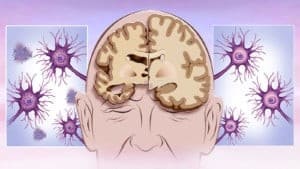
Our brain transfers information via neurons and branches of the neurons with synapses used to connect them all together.  The data is like a spark of static electricity from one neuron to another neuron.  This process is what allows for our memory, thoughts, sensations, skills, emotions, and motion.   With Alzheimer’s disease, two proteins attach themselves to the neurons.

Beta-amyloid plaques attach to the outside of the neurons.  They are believed to cause cell death by preventing the neurons from being able to communicate with each other at the synapses.

The second protein is called tau tangles, and it attaches to the inside of the neurons. It is believed to essentially create the starvation of the neurons by blocking the ability of nutrients and other molecules to get in.

As the beta-amyloid plaques increase to such a high level, they push the tau tangles to spread throughout the brain.  This then triggers the microglia in the brain.  Microglia are designed to rid the body of toxins and are the janitors of the dead cells.  An abundance of the two proteins become viewed as a toxin, creating inflammation as a response from the microglia attempting to decrease their numbers.  As the microglia is overwhelmed, more brain cells die off, and the brain begins to atrophy.  At the same time, the brain is unable to use glucose, which is its primary energy source, furthering the damage.

This decline continues as the plaques and tangles spread to include the various function of the brain.  It can affect the person’s personality, create confusion, noticeable memory loss, including time and place, depression, and eventually, in the final stages, semi-automated body functions begin to fail.

What are the symptoms of Alzheimer’s disease?

The symptoms of Alzheimer’s disease can be similar to normal aging mental decline except to a much higher degree.  It is not unusual for anyone to forget where they placed something.  The difference is that an average person will be able to retrace their steps that day and find the lost item.  An Alzheimer’s patient will have no recollection of their day at all.  Here are some of the other symptoms of Alzheimer’s:

1 – A significant decline in memory.

An individual with Alzheimer’s will have difficulty remembering new information, dates, events, or needing a constant repeat of other information that typically they were capable of handling.  You may find them write themselves notes. Or, they might need friends and family to remind them about normal daily things.

2 – A decreased aptitude for problem-solving

Problem-solving, working within a plan, or ability to work with numbers decrease. Suddenly they have problems paying bills, doing simple math, counting money, or figuring out how to double a recipe.

3 – Time and place are confusing.

They begin to lose track of seasons, dates, or how much time has passed.  For example, they may go for a walk and not realize how much time has passed. Nor will they recall why they are where they are.  In fact, they may not even recognize where they are and become lost altogether.

4 – Sight and spatial awareness declines.

They may have difficulty reading, identifying colors, and judging depth or distance.

5 – Communicating and vocabulary become difficult.

They may be unable to find the right words often or substitute other phrases to represent an everyday item.  They may start a conversation and then forget what they were saying or stop talking as if they didn’t remember they were speaking.

6 – Less hygienic and displays judgment impairment.

More susceptible to buying sprees or telemarketers. They become forgetful about bathing, brushing, and flossing, or other self-care habits.

7 – Social activities decline.

As they become more aware of their deficiencies, they begin to withdraw from family and friends.  They are no longer able to follow conversations, TV shows, and do their hobbies.

8 – Personality begins to change.

As their world becomes more of a scary place, they become overly suspicious, hostile, angry, and confused.

What are four ways to lower your risk of developing Alzheimer’s Disease?

A study recently published in “Alzheimer’s and Dementia: The Journal of the Alzheimer’s Association.” provides hope towards the potential improvement of brain functions and a decrease in Alzheimer’s symptoms within 18 months of following a specified plan.  This plan involves diet, exercise, and doing cognitive exercises.

The study was organized and written by Dr. Robert Issacson, a founder of the Alzheimer’s Prevention Clinic at NewYork-Presbyterian and Weill Cornell Medical Center. He and his research staff conducted a study by asking clients of his to volunteer.   They had 154 patients between the ages of 25-86 volunteer.

These patients were non-symptomatic but had a history of Alzheimer’s in their family. And, they already showed a decline in cognitive function on specific tests but not any clinical symptoms of dementia or Alzheimer’s.  Thirty-five of the volunteers displayed the beginning stages of Alzheimer’s or Mild Cognitive impairment.  MCI means they show strong signs of cognitive difficulties that have not reached a level of daily impairment.

All of the volunteers underwent a battery of family health questions,  medical, and cognitive testing to ascertain a total healthy picture as well as determine if they were displaying cognitive impairment leaning toward Alzheimer’s.  Those who did display cognitive impairment, in some degree, underwent further evaluations.

Researchers gave each of the members a personalized, specialized list of 21 activities to follow.  An emphasis was placed on nutrition and physical activity, yet that portion of the plan was designed specifically for each individual.  Some of the details on the list that the group monitored was:

The study’s results

The results were impressive.  The individuals diagnosed with mild cognitive impairment who followed at least 12 of the 21 activities demonstrated an improvement in memory and thinking skills 18 months later.

For those with MCI who did not follow at least 60% or 12 of the 21 activities, they showed no improvement and declined in memory and thinking.

The individuals who had a family predisposition to Alzheimer’s but were not displaying any symptoms also had marked improvement regardless if they did 60% or less of the list.

The medical field has already been doing studies to attempt to ascertain the role nutrient or diet and exercise may play on Alzheimer’s, but this is the first study to personalize the diet and exercise per the patient’s health needs or difficulties.   The other two factors which this study ruled as being critical toward the delay of Alzheimer’s are sleep and learning something new.

This study may not be a cure, but it does point to a method to decrease the cognitive decline during those 20 plus years before the sharp onset of symptoms.

alzheimer's diseaseFinal Thoughts: Prevention of Alzheimer’s Disease Is Imperative

Researchers still search for a cure for Alzheimer’s Disease. Therefore, every step doctors and scientists can take to decrease its severity or delay its onset is a blessing to the patients and their families.

Neurologists explain the four ways to lower your risk of Alzheimer’s, and it all boils down to a proper diet, exercise plan, sleep, and keeping your brain learning something new.   Mixing that with potentially new medications and an accurate early blood testing may give hope to the millions in the next 30 years of limiting the devastation that Alzheimer’s can cause.

12 Ways To Overcome Negative Thoughts (In 10 Minutes Or Less)

Negative thoughts can severely drain your energy, making you feel depressed, anxious, and stressed out. Even at its most harmless, they can take a toll on your self-esteem and lead to self-sabotaging behavior.

As with all bad habits, you can break a pattern of repeated negative thinking – and you’re capable of that with just a little work. There are plenty of tried and true methods that can promote positivity and discourage periods of self-pity and sadness.

Here Are 12 Ways To Overcome Negative Thoughts

1.    Actively Look For The Good In Life

Seek out good things, and they will come to you. Sometimes, we’re so used to focusing on the negative that we don’t try to find the obvious positive things around us. As such, it’s a good idea to build a good habit of looking for good things. You can do this by:

  • Appreciating the excellent taste of food or drinks you love
  • Taking note of subtle things you like in textures, surfaces, and more
  • Appreciating opportunities to learn, grow, or improve yourself
  • Actively going out and looking for things you enjoy

2.    Have Dedicated Time For Negativity

When you’re first starting to fight negative thoughts, you might find that you struggle to contain them. Instead, you might shove them all to one corner of your brain, where they will eventually overflow and cause problems for you later.

Instead of letting this happen, what you can do is set aside some time for yourself to experience negative thoughts. This habit should be a daily practice and should take up no more or less than 10 minutes.

During this time, feel free to think of all the negative things you want. Outside of that time, when you discover a negative thought forming, push it aside, and wait for your next 10 minutes of negative thoughts to give it attention. This exercise will slowly but surely teach you to manage and, eventually, phase out negative thinking.

3.    Find New Habits and Skills

Sometimes, imagining the necessity of overcoming the negativity of thought can be intimidating. Instead of trying to eradicate them, try changing the way you think about it. You’re not getting rid of something – you’re forming new habits.

Experiment with new skills and hobbies until you find some that click for you. Aim to find things that make you feel good about yourself. You can:

  • Take a new class
  • Create a bucket list of things to try
  • Tag along with a friend to something they enjoy
  • Make new recipes or crafts

4.    Take Responsibility

It’s easy to point fingers or play the victim when life has you feeling down. You might say things like:

  • It wasn’t my fault
  • I had no way of knowing
  • I only did that because I was stressed out
  • There’s nothing I can do about this
  • I have no choice

Yes, some situations are outside of your control. But at the end of the day, it’s your life. You’re responsible for the decisions you make, you’re accountable for your actions and reactions, and it’s time to take control of that.

5.    Replace Negativity

Take your negative thoughts and replace them with positive ones. It seems simple, but it can take some getting used to. There are a few steps you can take to catch negative thoughts and turn the tables on them.

  • Take note of when negative thought patterns begin to occur.
  • Decide that you dislike this pattern and want to change it.
  • Figure out how you want this thought pattern to change and what you wish was different about it.
  • Find an appropriate thought replacement that matches the goals you made in step 3.

Here’s an example of a situation and the steps taken to solve them:

  • I notice that I tend to call myself names like “dumb” or “incompetent” when I make mistakes.
  • I don’t like that I talk myself down this way, and it usually just makes me more upset.
  • Instead of name-calling, I would like to accept and process mistakes and move on from them without feeling terrible.
  • The next time I make a mistake, I will remind myself that even the greatest minds make mistakes, and then I will tell myself that mistakes mean I am learning.

6.    Practice Gratitude

Gratitude is a fantastic way to become more positive. It has numerous benefits for both mental and physical health, as well as relationships.

Start a gratitude journal where you record a minimum of 3 things that you’re feeling grateful for every day. They can be anything from small, seemingly insignificant things to huge events. Even on bad days, you can probably find things to be grateful for. This reflection can help put things into perspective and give you a chance to remember things you often take for granted.

Here are some ideas for things to be grateful for:

  • Your health
  • Access to clean food and water
  • Electricity, gas, water, and other utilities
  • A roof over your head
  • Your friends and family
  • Your pets
  • Classes you enjoy
  • Your favorite books, TV shows, movies, and music
  • Things that made you smile, even for a second
  • Job opportunities
  • Upcoming vacations or plans
  • New items you purchased

7.    Separate Yourself From Negative Factors

Often, we willingly surround ourselves with negativity without realizing it. Here are some things you may want to separate from yourself:

·         Social Media

Look at your feed on the social media platforms you frequent. Are there a lot of people complaining? Or are there lots of people you like to compare yourself to, usually ending with you feeling bad about yourself?

Unfollow “influencers” who make you feel bad about yourself. Remember, their lives aren’t like they portray, anyway. Mute friends or family who are too negative. Control what you see on social media, or don’t use it at all!

·         News

News programs, especially the morning news, can be real bummers – and it’s a terrible way to start the day. In fact, research indicates that consuming news of a harmful variety for just three minutes first thing in the morning can hugely impact positive thinking and productivity for the rest of the day.

Yes, keeping informed is essential. But if you really must read sad or bad news, do so later in the day, not in the morning with breakfast.

·         People

Surrounding yourself with negative people is guaranteed to bring you down. Cut those toxic people from your life and seek to find friends who are positive, supportive, and kind.

Of course, you can’t ignore negative things forever. But until you learn how to manage negative thoughts properly, steering clear of these factors can work for you.

8.    Find A Silver Lining

Every single dark cloud has a silver lining, though it can be hard to see them at first. The next time you find yourself in a bad situation, ask yourself questions to help you find that elusive silver lining. Your questions can include:

  • What can I do differently next time to prevent this?
  • How would I treat a friend in this situation?
  • What’s one positive side of this event, no matter how small?
  • What can I learn from this event?

9.    Do Positive Affirmations

Positive affirmations can help you to overcome negative thoughts in a myriad of unwanted scenarios, and research indicates that even the worst situations can be made better for those who are used to performing these acts of positive thinking. Here are some examples of positive affirmations that you can try:

  • I am intelligent and capable
  • I am strong
  • Negative thoughts have no power over me
  • I think positively in all situations
  • I’ve got the strength to overcome adverse circumstances
  • I react well to mistakes
  • I expel negativity and welcome positivity

10. Express Yourself

Pent-up negativity can burst forth and overflow when you least want it to. That’s why expressing that negativity, especially if it’s very strong, can help you to overcome those thoughts and switch to positive thinking. Here are some ways that you can do this:

  • Talk to a friend, family member, loved one, mental health professional, or anyone else you feel you can trust
  • Use art as a form of expression; draw, write stories or poetry, make music, rant in a journal or personal video log, dance, sing, or make any art you like
  • Express yourself through physical activity; lift weights, jog or run, punch a punching bag, dance, cycle, or do any other kind of exercise
  • If all else fails, talk to yourself; rant out loud about your issues

stop negative thoughts

11. Be Kind To Others

Making others happy is a great way to make yourself happier. It allows you to shift the focus off from yourself and your negative thoughts, and the positivity that will spread from your compassion will be contagious (and it may even beget more kindness!). Here are some ideas of things you can do to be kind to others:

  • Smile at someone or say “good morning” to someone you pass
  • Hold open the door for someone or let them pass first when you’re driving
  • Give an honest and thoughtful compliment to someone
  • Be there for someone in need
  • Help someone out with a problem they’ve been having
  • Do a favor for someone
  • Buy someone a gift

12. Be Kind To Yourself

Humans tend to be harder on themselves than they are on everyone else. You might be less forgiving for your mistakes and say mean things to yourself. It’s crucial, therefore, to be your own best friend.

What does this mean? Well, if you wouldn’t say what you’re thinking of yourself to your best friend, then you’re unnecessarily cruel. Treat yourself like you would a dear friend, with all the patience and compassion that entails.

Remember, you’re human! You’re going to make mistakes. And, of course, you’re going to have bad days. You’re not going to be perfect, and that’s part of your beauty. Take it easy and be kind. You deserve to be treated with compassion, especially from yourself.

positive vibes outweigh negative thoughtsFinal Thoughts on Overcoming Negative Thoughts

No one wants to be negative all the time. By understanding the patterns behind bad thoughts and working to change them and replace them with better habits, you’ll be giving yourself a happier, healthier life and mind.

Skip to content