Weekly tips, affirmations, and small actions to feel your best.

Nutritionists Weigh the Pros and Cons of Water Fasting

As you continue to create a healthy lifestyle for you and your family, you’ve probably increased your water intake. Not only does water quench your thirst like nothing else, but our body requires it daily to live. While most drinking water is naturally fortified with minerals, it is usually odorless, tasteless, and calorie-free.

Nothing quite evokes our primordial senses like water. Since the earliest records of civilization, it’s been revered as the giver of life with mystical properties. Ancients recognized its sustenance for all living things and were in awe of the vast oceans, rivers, lakes, and streams that they often deified.

Healthcare experts recommend that we drink at least six to eight glasses of water each day. Unfortunately, many Americans would rather sip on sugary soda, juice, coffee, and other beverages. While you may be hooked to the taste, these liquids don’t hydrate your body as plain water does.

Since scientists claim that our bodies are at least 60 percent water, our eternal affinity to it makes sense. You can survive long periods without food but will die within days from lack of water. It is responsible for a plethora of vital functions in your body.

The Popularity of Water Fasting

water fasting

Fasting can reboot your metabolism, here’s why.

Water fasting for spiritual purposes is as old as civilization itself. Most cultures throughout history promoted periodic fasting for religious enlightenment or penance. Although it was mainly a norm for monastic life, water fasting was often practiced among the average person in the culture.

This fasting practice has ebbed and flowed throughout history to modern times like the tides of the sea. A few decades ago, it was often associated with pious churchgoers and hippies. Once again, fasting with water has garnered attention for weight loss and controlling blood sugar levels.

What is a Water Fast?

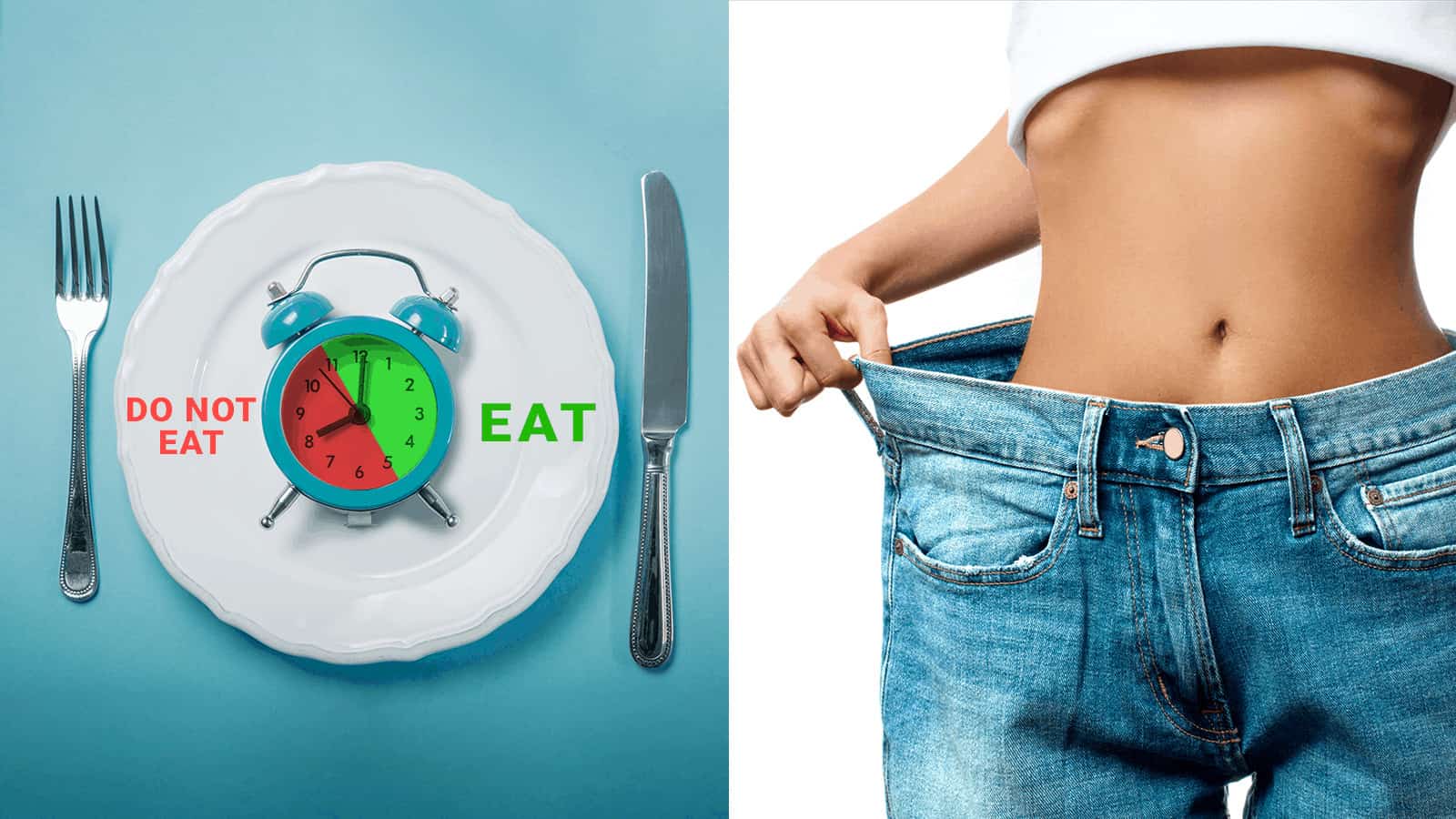
While each plan may differ slightly, the basic premise is replacing food with water. Some plans suggest that you replace at least two meals a day with water and others say you can’t eat at all during the fast. You’ll notice that fasting periods will vary, from one day to as many as 40 days.

There are also debates concerning water additives for extra vitamins or flavor. Many water fasting plans allow you to flavor your water with fresh lemon juice. Less strict ones often consider plain coffee, tea, and diet soda for their fasting regimen.

Is Water the Way to Go?

It’s worth noting that although you can reap benefits from water fasting, it is one of the riskiest diet kickoffs. Before you even consider trying one, have a detailed discussion with your professional healthcare provider. If it’s right for you, she can recommend a suitable timeframe and supervise your fasting efforts.

After your healthcare provider and you have chosen the fast and time frame right for you, you may ask about the benefits of drinking mineral water or adding a little lemon juice for flavor. If you feel suddenly ill while fasting, stop immediately and call your provider.

If you are serious about fasting from food and drinking only water for a short time, do some research. Regardless of the plan’s guidelines, water fasting isn’t something to start without trustworthy information and medical supervision. Here are some pros and cons that nutritionists suggest for you to consider.
thigh fat

Pros of Water Fasting

Depending on the scientific research you read, most can’t agree on the safety and supposed benefits of fasting with water. Every person is different and may have variable results. Additionally, some reports you read may be anecdotal and may not be backed with scientific evidence.

If you are feeling the benefits of this fast, resist the urge to go longer than your allotted time. You may lose any possible benefit, and your health can be compromised. These are some benefits you may see while you fast with water.

• May Help You Lose Weight

Many people who fast with water periodically report it helps their weight loss regimen. It makes sense that if you are only sipping water, you wouldn’t be consuming calories. So, you’ll probably see a lower number on the scales after your fasting period is complete.

While it may be the thing to encourage you to adopt a healthier eating lifestyle, these initial pounds you lost during a fast are deceptive. The few pounds you lose are usually from losing stored water in your system rather than from burning fat.

• May Help Prevent Type 2 Diabetes

Did you know that becoming insensitive to insulin is what causes Type 2 diabetes? Some research into this disease suggests that short-term fasting with water can lower your insulin insensitivity. With a healthy diet and fitness program, trying periodic water fasts may guard against diabetes and high blood sugar levels.

https://www.nih.gov/news-events/nih-research-matters/understanding-insulin-sensitivity-diabetes

• May Make You Less Prone to Disease

When you have free radicals floating around in your body, they can wreak havoc on your cells and make you susceptible to illness and disease. Evidence suggests that if you fast with water for a short time, it can help your body fight off these damaging free radicals.

You may also see a noticeable drop in your cholesterol and triglyceride levels, which are leading risks of cardiovascular disease and strokes. Fewer free radicals may also mean that your risk for certain cancers might be lower than usual.

• Might Help Hypertension

Have you been diagnosed with high blood pressure or borderline hypertension? You might see lower numbers on your blood pressure readings when you ingest only water for a short period. The water helps to flush your system, and you won’t be overdoing sodium.

Be on the safe side, monitor your blood pressure daily, and track your progress on paper. Never stop or alter the dosage of your blood pressure meds without medical advice. When your blood pressure normalizes, you may have more energy and fewer headaches.

• May Promote Healthy Cell Production

Did you know that your body is an amazing recycling machine? It takes the millions of body cells that die off each day and recycles them into new ones. Scientists believe this process also acts as a defense against diseases.

In laboratory tests, this cell recycling process seemed to be enhanced in animals who fasted periodically with water. These results may be promising to humans. However, testing is still in its preliminary stages, and no concrete evidence has been established.
dopamine fasting

Cons of Water Fasting

Almost every diet plan that may have benefits also carries some risks. Fasting with water isn’t for everyone and can be dangerous for some. After reading this plan’s pros, consider these cons that have been discussed by medical experts.

• You Might Become Dehydrated

If you are drinking nothing but water for a few hours or a couple of days, shouldn’t you be hydrated to the point of feeling bloated? Contrary to reason, water fast can dehydrate your system. Many foods you eat, especially fruit and vegetables, are also a major source of hydration.

• You May Become Malnourished

There’s no argument that humans must eat to survive. Your body needs the vital nutrients that food provides and can’t sustain only on water. Even after a day of fasting with water, some people may feel the effects of malnourishment.

• Your Diet May be Sabotaged

Even the strongest willed person probably daydreams of delicious foods while fasting on water. When you try this fast, you may count down the minutes until it’s finished. Going without food can make you obsess and give in to your cravings, resulting in food binges that are bad for your health.

• You May Get Water Intoxication

Yes, you can have too much of a good thing, including water. Did you know that your body can become weak and intoxicated when you drink too much water? This condition, called hyponatremia, is a possible risk from fasting with water.

Your professional healthcare provider will advise you not to exercise if you are fasting. Water alone can’t replace the electrolyte balance you lose while sweating during a workout. Hyponatremia can be a dangerous situation.

• Dangerous Blood Pressure Fluctuations

Although periodic water fasts may help hypertension, drinking an excess of water can drop your pressure too low, resulting in hypotension. Your blood pressure might experience dangerous fluctuations while standing or sitting down, so you need to be monitored closely by your healthcare provider.

• Look Out for the Fasting Blues

You know that feeling when you’ve gone without eating all day. The malaise can suddenly attack you and make you feel like you’re coming down with something. During a water fast, it’s common to experience brain fog, dizziness, and sick headaches.

If you are planning a short water fast, consider it when you are off work or school. You may feel too weak to focus. You also should exercise caution when driving or operating heavy machinery. If in doubt, don’t do it.
water fasting

Learn the benefits of intermittent fasting and tips to help you start.

Final Thoughts on Deciding if a Water Fast Right for You?

Only your professional healthcare provider is qualified to consider if water fasting is right for you. With strict medical supervision, your benefits may outweigh the common risks. Talk to your provider about your medical history and list any medications or supplements you are taking.
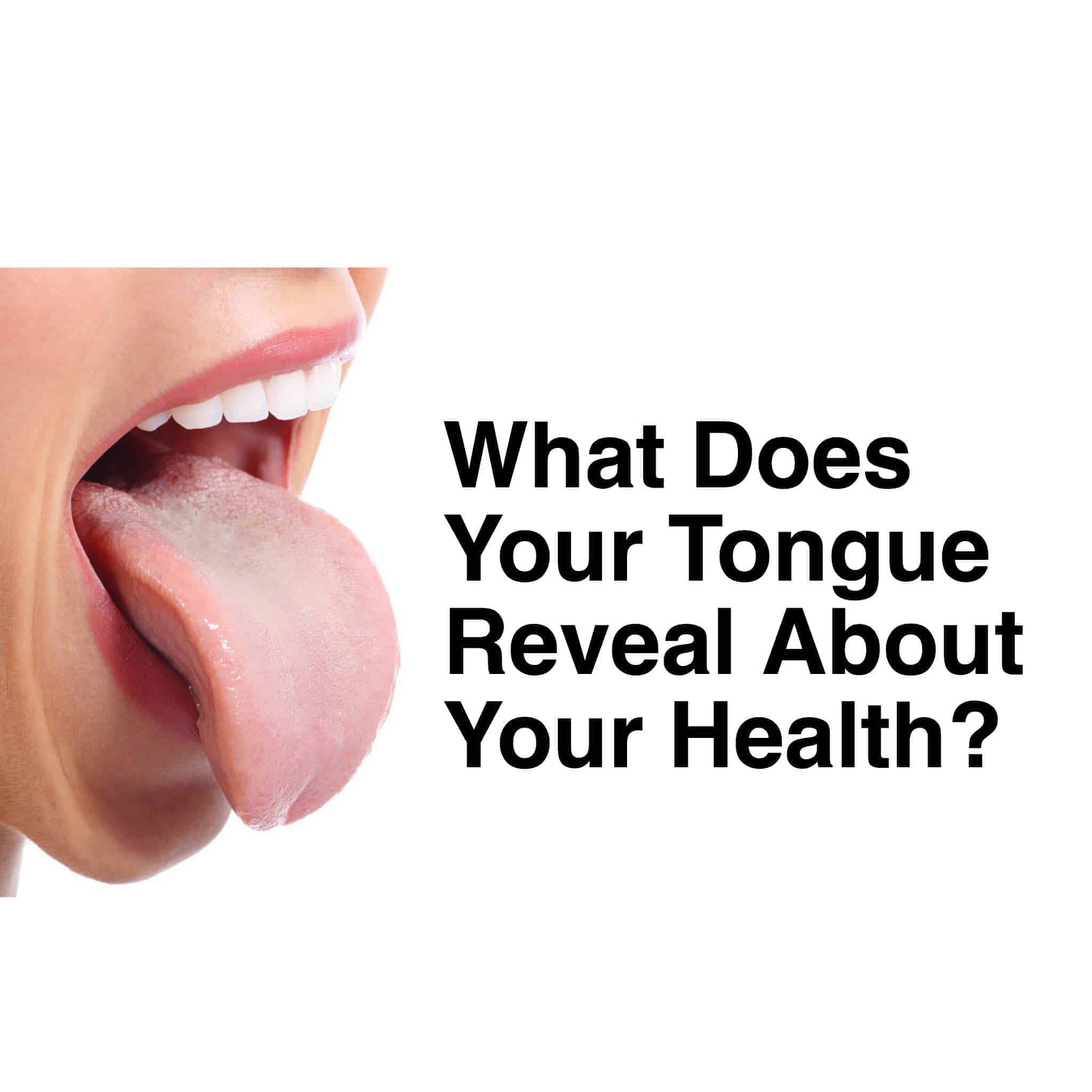
Dentists Explain 10 Things Your Mouth Reveals About Your Health

Your dentist knows all your secrets. No, not those secrets. When your dentist looks inside your mouth, they uncover secrets about your health. From signs of nutritional deficiencies to potential systemic conditions, your oral health reveals much more than you might expect. For instance, if you’ve been considering improving your smile and overall oral health, Tysons Corner dental implants offer an excellent solution. They not only restore function and aesthetics but also contribute to better long-term oral health. It’s fascinating to discover what your mouth says about your health—and how modern solutions can make all the difference!

The battle inside your mouth

Your mouth hosts over 700 kinds of microbes. Microbes are assorted bacteria, viruses, and fungus. Some microbes in your mouth are beneficial, while others are harmful, causing tooth decay or gum disease. The harmful microbes create plaque, a transparent film that sticks to your teeth. There’s a continual battle going on inside your mouth between the good and bad bacteria. The good microbes work hard to slow down the growth of the bad ones, plus they help you digest your food.

But poor mouth hygiene strengthens the harmful microbes. Eating sugary foods or drinks feeds these microbes, causing their little community to flourish and spread around your mouth.

These microbes turn the sugar into acid, which attacks your teeth surfaces, causing plaque build-up and damage to your teeth. Regular brushing and flossing limit the growth of the harmful microbes, keeping them from getting out of control.

mouth

Good mouth hygiene can prevent these conditions.

  • Tooth decay
  • Gum disease
  • Cracked teeth
  • Receding gums
  • Bad breath
  • Periodontitis

What your mouth reveals to your dentist

Your mouth is a good indicator of your health. Some dentists say a healthy mouth reveals a healthy body. Here is a list of 10 conditions your dentist can diagnose from looking in your mouth.

  1. Diabetes

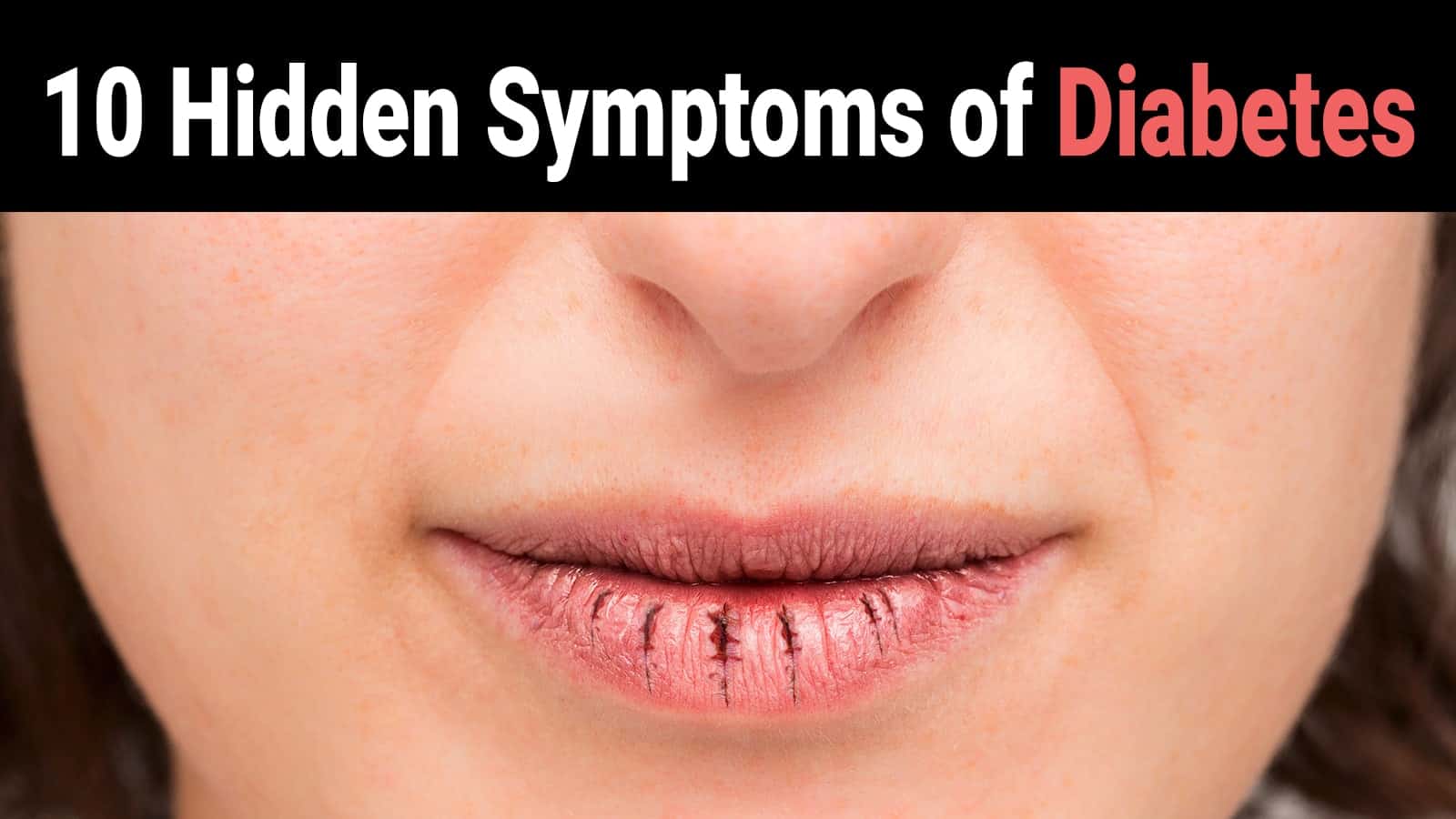
Your dentist can see evidence of diabetes while checking out your teeth and mouth. If you have diabetes, you’re more likely to have a gum disease called periodontal disease, which is an infection in your gums and bone around your teeth. Gum disease causes pain, constant halitosis or bad breath, and sometimes chewing problems. Diabetes can also cause the following:

  • Dry mouth-lack of saliva which causes sores, tooth decay, and infection
  • Thrush-a painful fungal disease that makes white sores in your mouth
  • Increases the amount of glucose you have in your mouth which cause bacteria to grow
  1. Cardiovascular disease

Studies found there is a clear link between periodontal disease and cardiovascular disease. Your dentist could be the first health professional to tell you the risks of gum disease associated with heart disease. You may not realize the long-term effects on your heart from gum disease. You may eat well and exercise. But if you have poor mouth hygiene, you’re still at risk for cardiovascular disease.

  1. Endocarditis

This infection attacks the lining of your heart chambers or heart valves. It arises when bacteria or fungi from another area of your body, like the mouth, spreads into your bloodstream and attacks certain parts of your heart. Your dentist may see that you have an infection in your mouth. Their diagnosis plus other symptoms could mean you have endocarditis. Other symptoms include

  • Joint pain
  • Fever
  • Weight loss
  • Headaches
  • Loss of appetite

If your dentist notices a mouth infection, contact your doctor right away so you can be checked for endocarditis.

tongue-health

  1. Canker sores

Your dentist can see canker sores in your mouth. These little round white sores appear on your lips or the inside of your mouth. Sometimes you get them on your gums, tongue, and even the roof of your mouth. They’re not big, but they are painful. Doctors don’t know the cause of canker sores, but sometimes they indicate you’re under stress or have a weak immune system, or you’re going through hormonal changes. Studies show that sometimes canker sores point to deficiencies in your body, such as low iron or a vitamin B deficiency. Canker sores can also point to injuries to the lining of your mouth. Ask your dentist how to treat canker sores.

  1. HIV

Open sores on the inside of your mouth may alert your dentist that you have HIV. HIV is an often-deadly virus that attacks your immune system. Left untreated, HIV kills off cells of your immune system, so you’re more prone to infection and cancer. The open sores called aphthous ulcers are not contagious, nor life-threatening, but they hurt. They make eating painful. Thirty-two to forty-five percent of those who have HIV develop these painful sores.

  1. Bad breath

Bad breath doesn’t seem like that big problem, but it could mean you have digestive issues. Doctors can test your breath to see if you have a bacterial infection called Helicobacter pylori or H. pylori in your stomach.  Bad breath is a common symptom of this infection. It also causes peptic ulcers, stomach inflammation, and even stomach cancer. H. pylori infections are treated with two different antibiotics taken at once.

  1. Osteoporosis

Many studies found a connection between bone loss and loose teeth. If you have osteoporosis, you’re three times more likely to lose teeth than other women who don’t have the disease. Osteoporosis is a disease that impacts your bone density. It causes your bones to be more porous and frail, making you at risk for breaks and fractures. There are often no symptoms until you break a bone. There are treatments you can get for osteoporosis to help your bones. But one group of medications for osteoporosis can cause osteonecrosis of your jaw, which cuts off the blood supply to your jaw. This condition is a dangerous side effect.

You can keep your bones healthy by following these suggestions.

  • Eat a diet with lots of calcium and vitamin D
  • Try weight-bearing exercises or walking or dancing to keep your bones healthy and strong.
  • Don’t smoke
  • Don’t drink too much alcohol.
  • Regular dental checkups
  1. Alzheimer’s disease

Some studies indicate that periodontitis may lead to Alzheimer’s disease. Researchers think that inflammation from the periodontitis is what may cause AD. Gum disease or periodontal disease occurs when sticky plaque builds up between your teeth and gums. Bacteria living in the plaque grows and causes inflammation. Inflammation makes the gums deteriorate, recess, and then you can lose teeth. Also, periodontitis causes other diseases, diabetes, and heart problems.  You can fight periodontal disease by following good daily mouth and teeth care.

  • Brushing your teeth twice a day-Brush your teeth in the mornings and at night to lower plaque growth and kill bacteria. Don’t forget to brush your tongue, too.
  • Floss-Floss at least once a day to remove food particles between your teeth.
  • Mouthwash-Yep, it’s not just for bad breath. Use mouthwash to kill the plaque and get rid of anything you missed brushing and flossing.

heart procedures

Researchers reveal that many heart procedures are unnecessary.

  1. Autoimmune disease

Some autoimmune diseases produce symptoms in your mouth, which your dentist may notice. Some of these symptoms include

  • Bumps or sores-If you have little bumps on your gums may indicate inflammation related to an autoimmune disease.
  • Trouble swallowing or change in your speech-Autoimmune disease causes your glands to not make as much saliva as usual. This decreased production affects your swallowing and speech due to dryness.
  • Jaw pain-Many people with rheumatoid arthritis have jaw pain.
  • Low lip swelling-If you notice your lower lip swelling or more prominent than usual, this could be a sign of lupus.
  1. Anemia

Your tongue can tip off your dentist that you’re iron deficient or anemic. Iron deficiency is a sign of low hemoglobin, which means you’re low in red blood cells. Red blood cells move oxygen throughout your entire body. Indications that you’re iron deficient can show up on your tongue.  Studies suggest that if tongue changes of color and texture are symptoms of vitamin B12 deficiency and pernicious anemia.

Symptoms of being iron deficient include the following:

  • Change in your tongue’s color-either pale or bright red
  • Trouble chewing, talking, or swallowing.
  • Pain in your tongue
  • Swelling in your tongue
  • Tenderness in your tongue
  • Loss of texture of your tongue

Good mouth hygiene practices

Follow these simple practices to keep your mouth healthy and free of bacteria or plaque growth.

  • Consider a new toothbrush-If possible, brush your teeth with an electric toothbrush. Regular toothbrushes are good, but they aren’t as effective as an electric one. The fast movement helps you clean more in-depth and in harder to reach places between your teeth.
  • Brush your tongue-Many people neglect to brush their tongue, but plaque builds up there too. Brush your tongue every time you brush your teeth.
  • Choose a fluoride toothpaste-Flouride toothpaste is the best to fight tooth decay, and it leaves a protective barrier on your teeth.
  • Flossing-Flossing should be done twice a day. Some people prefer the little handheld dental flossers to floss their teeth.
  • Dental appointments-You should see your dentist twice a year for cleanings and checkups. No one loves going to the dentist, but it’s excellent preventative care so that you won’t end up with cavities and other problems. Your dentist can also recommend products and treatments like clear aligners if you need to correct the alignment of your teeth.

mouthFinal thoughts on the secrets your mouth tells the dentist about your health

Your good health is no secret to your dentist. They’re trained to find conditions that affect not only your mouth, teeth, and gums but your entire body. They’re experts at what’s going on in your mouth and will let you know if you are at risk for gum disease, tooth decay, or receding gums.

Follow their directions regarding good mouth hygiene. It can help not only your teeth but your entire body to stay healthier. So, pull out your floss, toothbrush, and mouthwash today for better oral hygiene plus a healthy body… and you won’t have to worry about your dentist knowing your secrets.

Therapists Reveal 14 Red Flags of a Doomed Relationship

You’ve seen it happen–what looks like a relationship made in heaven suddenly fizzles. You wonder what happened. How can you prevent this from happening to your relationship?  So, what are 15 red flags of a doomed relationship?

Love is healthy for you. According to one study, love activates parts of your brain that reduce your stress levels and gives you a sense of pleasure. That’s powerful. But sometimes a relationship goes wrong, turning into a toxic relationship. This process doesn’t happen overnight. Like a balloon slowly losing air, the bond deflates over time.

Here are 14 red flags that reveal a doomed relationship

argue

Here is advice on how to cope with your toxic love life.

1 – Loss of friendship

Many people dismiss the idea that you can be good friends with your partner. They assume that means there’s no romance. But you can maintain your passion and be good friends with your partner. In fact, these kinds of relationships last longer because of their deep friendship. Friendship involves respect, care, and loyalty. These qualities are beneficial to romantic relationships as much as they are to friendship. Often, the longer couple is together, the more their friendship and romance grows.

2 – No honest communication

Studies show for a relationship to be long-lasting, there must be honest communication. Shallowness reveals a lack of genuine desire to grow the relationship. Talking honestly about your feelings makes you vulnerable.

If your partner isn’t willing to go deep, it could be a sign they’re not in the relationship for the long haul. There is the possibility your partner isn’t comfortable talking about their feelings. They may want to go deeper, but they don’t know where to start.

You can help by asking the right questions. Don’t try to ask all of them at once. Ask one or two questions at a time.  Don’t interrogate, have a desire to learn and listen. Here’s a list of 12 talking points to spur more in-depth conversations with your partner.

  • What part of our relationship makes you happy?
  • What’s your biggest fear related to our relationship?
  • What does love mean to you?
  • What’s the hardest thing you’ve ever done? Why?
  • What’s your favorite memory of our relationship so far? Why?
  • What’s one thing you want to ask me, but are scared to ask? (I promise not to get angry)
  • What do you think is a strength in our relationship? A weakness?
  • If you could change our relationship in one way, what would that be?
  • What bad thing has happened to you that has turned into a positive blessing?
  • If you had a billion dollars, what would you do with it?
  • What’s the worst thing that’s happened to you? Why?
  • What’s the best thing that’s happened to you? Why?

3 – Secretive emails, phone calls or text

Keeping secrets is never a good sign in a relationship. Hidden conversations make you feel left out and not valued. It’s tempting to think your partner is cheating on you. Being secretive hurts your relationship’s trust and sense of protection.

If your partner is sending or receiving secretive texts or emails, ask them if you can talk to them. In an inquiring, calm way, ask them about the secrets. If they say it’s not a big deal or accuse you of stalking them, they’re not taking you or your relationship seriously. Secrets divide, they don’t promote faithfulness.

cheating spouse

4 – Make decisions without talking to your input

If your partner makes a big decision without talking to you first, this is a sign of a doomed relationship. Decisions like large money purchases, or a vacation, buying or selling a house, or where to spend the holidays are significant.  Big decisions should be discussed between a couple because they affect both people.

Independent decisions like these are often a subtle way of saying they’re disinterested. If your partner is doing this, ask them why. Don’t accuse, but calmly tell them what they’re doing is hurtful and confusing. If they defend their right to be independent, you may want to rethink for you to reconsider the relationship.

5 – Loss of respect

Respect is a foundational part of any relationship. Respect means to admire or esteem. If you respect someone, you consider their feelings, rights, and wishes. Respecting one another builds trust and loyalty in your relationship. Toxic relationships lack respect. A partner who doesn’t respect you will try to control you. Don’t stay in a relationship that lacks mutual respect. It’s headed for disaster, and you will eventually get hurt.

6 – Sarcasm and toxic humor

Having a good sense of humor is vital in a relationship, but toxic jokes at the expense of your partner do harm. Sarcasm about your partner’s looks, abilities, or feelings causes deep wounds. This kind of humor is toxic to a relationship. It tears and destroys. Some people bring this type of sarcasm into a relationship because they’ve never seen a relationship built on mutual trust and love.

If you’re doing this, it may be helpful to seek professional counseling to help you heal from your hurts and learn how to relate in a healthy way to your partner. If your partner is using sarcasm or toxic humor against you, you may need to draw a line.

Never stay in a relationship where you are belittled, mocked, or made fun of. This feeling isn’t healthy. Your partner may apologize or say they were just kidding, but this is weak. Toxic humor is never a joke.

7 – Anger or manipulation

Another component of a toxic relationship is anger and manipulation. Anger tears down relationships. It’s a profoundly destructive way to relate, leaving fear and mistrust in its wake.

Manipulation is forcing someone to do what you want without them realizing your real motive. It’s deceitful and just a desire to have power. Manipulation is sometimes seen in the way a man relates to women. But women aren’t exempt.

They may manipulate with pouting or being overly sensual. It’s still an attempt to get what you want using different methods. It’s immature, and a shallow way to treat your partner. Both anger and manipulation are big red flags of a doomed, unhealthy relationship.

8 – Differing values

Many relationships start excellent, but as time goes on, differing values get in the way of the relationship. Things like family, religion, self-discipline, i.e., exercise and eating, self-improvement in career or education, money, and children are significant values you bring into your relationship.

When you get past the early stages, you may find yourself on different pages when it comes to family or going to church or career choices. Your values are part of who you are. If your partner doesn’t value what you value, it may work out.

Instead of being a couple, you will be two independent people living together. If you and our partner lack common values, this could be a red flag that your relationship won’t last.

doomed relationship

9 – Not resolving conflicts

Minimizing conflicts, or pretending like everything is okay, isn’t healthy in a relationship. Over time, things will start to decay and erode your affection towards one another. All couples have conflicts. It’s a normal part of being in a relationship.

What’s important is how you solve your conflicts. Learn how to have a fair fight. Fair fights have boundaries. These boundaries include

  • Stay calm, don’t erupt into anger.
  • Don’t use the word “always.” No one “always” does anything…
  • Never threaten to leave or move out.
  • Don’t change topics, stick on a theme for each conflict even if you think another issue relates.
  • Never name call or belittle the other person.
  • Listen, don’t interrupt even if you don’t like what they’re saying.
  • Repeat back what you thought they said, “I think I heard you say…” If you aren’t getting it right, have them explain again what they meant.
  • Say you’re sorry, then ask them to forgive you.
  • Find common ground where you agree.
  • Pick what’s worth arguing about and what isn’t. Putting someone’s dirty dishes in the dishwasher may not be worth having a significant conflict over.

If everything you discuss turns into a big conflict, this is a red flag that you’re in a domed, toxic relationship.

10 – Not willing to sacrifice

Being in a relationship involves self-sacrifice. Self-sacrifice isn’t a dirty word. It’s defined as giving up one’s self-interest to help others. It means you care for someone else besides your self. It could be demonstrated by you giving up your favorite television show to help your partner with paint the livingroom.

Or you coming up with some great craft ideas for your partner’s children who come over for the weekend. Giving up your time, energy, and love for your partner’s sake deepens your relationship. If your partner isn’t willing to give up things for your sake, it should be a big red flag.

11 – Being critical

Partners who are picky about your clothing, your hair, or your career, aren’t in love with you. They are in love with the image they want to project. True acceptance means loving a person for who they are, not what you want them to be. It doesn’t mean you can’t make suggestions or share ideas, but being critical about these things shows you aren’t accepted.

Critical people are never happy. They critique everything you do and say. This nit-picking is deadly to a relationship. Sadly, negative people rarely see their faults, because they’re too busy pointing out everyone else’s flaws. You can try to point this out, but you will probably get corrected for it. This habit is a red flag that you’re in, a toxic relationship that is sure to fail.

12 – Flirting with other people

Flirting with other people while in a relationship speaks volumes. It’s a red flag if your partner is doing this. Never think that’s just the way she is, or it’s not that bad. Public flirting with someone else is a slap in your face.

Never accept a weak excuse like, “I was just having fun” or “it’s nothing, why are you making such a big deal of it.” This excuse is deflecting and being dishonest. Your partner is showing you they aren’t as committed to the relationship as you are.

13 – Acting single

If your partner acts like they’re single, that’s a red flag. If they more I more than we, it reveals they aren’t into the relationship. Going places without inviting you along, or choosing to do things without telling you indicates your partner isn’t ready for a committed relationship but probably want to stay single.

14 – Loss of affection

If your relationship lacks affection, it’s headed in the wrong direction. Affections and intimacy is a big part of a genuine connection. Hugging, kissing, cuddling, or snuggling up with your partner is healthy and demonstrates love. If this is lacking, you are little more than roommates. Don’t fall into this trap; find ways to initiate affection with your partner every day.

If you are the only one initiating affection, it may be useful to find out why. Some people had poor examples of a healthy relationship growing up. They need to learn how to be affectionate. But if your partner is unwilling to be tender, this could be a bad sign of a doomed relationship.

doomed relationship

Strong women will never accept these behaviors in a relationship.

Final thoughts on recognizing that you are in a doomed relationship

If you recognize these signs, all hope is not necessarily lost. If both you and your partner can commit to reconnecting and strengthening your bonds, you can try to heal. However, sometimes the kindest thing you can do for yourself is to recognize that it is time to cut the cord on a doomed relationship.

10 Causes of Bedwetting in Older Children (and even teens)

Did you or your partner experience bedwetting as a child? Chances are one or more of your children will face the same challenge. While it’s to be expected for young children to wet the bed occasionally during potty training, the problem can extend into older childhood and even teen years.

Bedwetting, called enuresis, can be humiliating for older kids and frustrating for their parents. Because of the embarrassment, some teens will hide their wet sheets and pajamas in the laundry. However, a stained and smelly mattress is a tell-tale indication that your child or teen has a problem.

Did you know that at least 20 percent of kids in America have this issue? How can you help your child cope with the problem while keeping his self-esteem intact? It takes time, patience, and often medical intervention.

The adolescent years are difficult enough, let alone coping with bedwetting. Your child probably will feel uncomfortable discussing the issue, so it is up to you as a parent to intervene with empathy. If you had the same problem, then sharing your story with your kid may ease their discomfort.

Consequences of Child and Teen Enuresis

bedwetting

We’ve all been a kid and a teen, so we know how fragile the ego can be. Plus, kids can be quite cruel to each other. Bedwetting for an older child or teen goes beyond humiliation.

The psychological impact can be devastating for your child. He may feel ashamed of the urine-soaked sheets and pajamas and his stained mattress. Enuresis can cause isolation when your child or teen doesn’t attend overnight trips or sleepovers because he is afraid that he will wet himself during the night.

Why Do Older Children and Teens Experience Bedwetting?

Doctors aren’t exactly sure what causes enuresis, and every child is different. Your child’s pediatrician can ask questions and run tests to rule out underlying medical conditions. Enuresis can be triggered by issues that are physical, mental or both.

Is your older child waking up to urine-soaked sheets and pajamas occasionally or every night? Finding the root cause is the first step to alleviating the problem and preserving your child’s self-esteem. Here are ten common reasons why your child or teen could be wetting his bed at night.

1. It’s all in the Genes

As if your teen didn’t have enough to blame on you, bedwetting is often a genetic predisposition. So if she is coping with enuresis, you or your partner probably did, too. Enuresis is a dominant trait that seldom skips a generation, although some may be spared in sibling groups.

2. Underdeveloped Bladder

Since children often mature at different rates, it stands to reason that some may have an underdeveloped bladder. On average, doctors can calculate how many ounces a child’s bladder can hold by taking her age and adding two. For example, your nine-year-old child would be nine plus two, which would be 11 ounces.

Unfortunately, many children and teens have smaller bladders, so they are prone to wetting their beds at night. This physical condition usually corrects itself as the body matures. A pediatric urologist can tell you more about your child’s bladder.

wet the bed

3. Deep Sleeping

Some children are such light sleepers that the faintest bump in the night will awaken them. However, many other children and teens are such deep sleepers that hardly anything disturbs their slumber, even the need to urinate. For those with enuresis, they may sleep right through soaking through their bedclothes with urine.

Even at a young age, some children and teens may be diagnosed with obstructive sleep apnea. With this disorder, their sleep is interrupted by brief intervals of not breathing. They will often snore loudly and have urination accidents.

4. Anxiety and Loss

If you or your partner battles anxiety, your children will most likely do the same. Children with general anxiety often lack the words to describe their unknown fears and stress. Because of hormonal fluxes, teens may also experience anxiety that can cause bedwetting.

When some children and teenagers experience loss, they can have urination accidents at night. They may grieve after the death of a loved one, a friend, or a beloved pet. Divorce can also create a devastating situation for children.

Not all anxiety stems from bad experiences. Change and uncertainty are significant triggers for anxiety, especially for children. Moving, changing schools, or having a new baby sibling, is enough stress to leave your child with a urine-soaked bed in the morning.

toddler bed

Here’s advice on transitioning your tot from a crib to their toddler bed.

5. Trauma

When children experience traumatic experiences, it alters the way their brains are hardwired. Those who are physically and sexually abused will usually revert to wetting the bed. Since most sexual abuse occurs at night or in the bathroom, traumatized children often fear to leave their beds to urinate at night.

Some child psychologists say that traumatized children may subconsciously use bed wetting as a defense mechanism. In their minds, they may believe that if they are wet and smell like urine, the abuser won’t touch them. Parents often report their children started wetting the bed again after others have hurt them.

6. ADHD

Has your child or teen been diagnosed with attention-deficit/hyperactivity disorder or ADHD? You are familiar with the behavior issues, but did you know it can cause enuresis? It is often one of the common symptoms that are considered when the doctor makes an ADHD diagnosis.

7. Chronic Constipation

Many children have medical issues or take certain prescriptions that cause constipation. Did you know that we use the same muscles to move the bowels and to control the bladder? When your child or teen has chronic constipation, it weakens these muscles, and enuresis can be the result.

8. Urinary Tract Infection, or UTI

It’s not unusual for a child or teen to have an occasional urinary tract infection, although it is more common for females. With a UTI, urination causes a burning sensation, and the urine has a pinkish tinge from the blood. Enuresis that results from a UTI often ceases when the infection is treated.

9. Diabetes

One of the earliest signs of Type 1 diabetes is enuresis, combined with an unquenchable thirst, weight loss, and apathy. Since diabetes negatively affects the kidneys, those with the disease also have constant urine output. If your child or teen is experiencing these signs and symptoms, consult your pediatrician as soon as possible.

10. Hormone Imbalances

Our bodies depend on hormones for most of our vital functions, including urine output. The brain creates and stores antidiuretic hormone, or ADH, to signal your urinary system to slow production at night. When children have and ADH imbalance, their kidneys don’t know when to shut off and it will often cause them to wet the bed.

bedwettingHow to Help Your Child or Teen with Overcoming Bedwetting

Don’t expect an older child or a teenager to be candid about such a complicated issue. Be there to listen and support her as much as possible, especially if you were also a young bedwetter. Gently assure your child that enuresis is common, and the pediatrician can help.

After an exam, your pediatrician will see if your child’s problem is physical. Some cases of enuresis require medication. If it is a psychological issue, therapy can be a great tool. It may be a combination that will need time to resolve.

The doctor may suggest that you limit how much your child drinks before bedtime. You should also make sure that your child goes to the bathroom right before bed. If your child is a deep sleeper, you might wake him in the middle of the night to go to the toilet and avoid an accident.

Your child needs your empathy and support, not shame or blame. Until the problem is resolved, put a water-proof cover on your child’s mattress and put extra sheets in his closet for nighttime accidents. Place a clothes hamper in his room for wet bedclothes and pajamas.

Encourage your child or teenager to go to the bathroom after an accident to wash the area and change their pajamas. Then, they should change the bed linens. If they sleep in urine-soaked bedclothes all night, it can cause painful rashes on the genitals and buttocks, like diaper rash, which could lead to infections.

Your child needn’t stay away from sleepovers or camping trips with friends. Until the issue is resolved, you can buy incontinence pull-ups that are discreet and look like regular underwear. If he has a urination accident at night, all he needs to do is change the pullups, and nobody is any the wiser.

reye's syndrome

Every parent must know the symptoms of Reye’s Syndrome.

Final Thoughts on Getting to the Root of the Bedwetting Problem

Bedwetting for older children and teenagers can frustrate them and erode their self-confidence. Consult your pediatrician if it’s a chronic problem for your child. With a doctor-recommended plan of action and you as a loving advocate, your child can have drier nights and feel better.

10 Natural Stool Softeners That Work Better Than Medicine

Do you find yourself looking for an alternative to medicated stool softeners?

If you struggle with constipation, you can take comfort in knowing that you are not alone. According to a study published by the National Institute of Diabetes and Digestive and Kidney Diseases, an estimated 42 million Americans struggled with constipation at one time or another.

Considering the large number of people affected, it is not too surprising to find that constipation ranks as one of the most common gastrointestinal problems in America. It is important to note that constipation not only makes it difficult to poop.  But, it also increases the risk of developing other health problems. Think of hemorrhoids, for example, that result from untreated constipation. Fortunately, there are over-the-counter stool softeners, prescription drugs, and home remedies that can help.

A Closer Look at the Consequences of Unresolved Constipation

stool softeners

Learn how prebiotics and probiotics work in tandem to promote gut health (and alleviate constipation).

Indeed, if you’re among the millions of Americans struggling with constipation, strive to resolve your issue as quickly as possible.

Along with hemorrhoids, several studies have shown a correlation between rectal prolapse and long-term constipation. Here is a quick overview of rectal prolapse. This condition causes part of the intestines to push out through the anus when an individual strains to poop. Additionally, rectal prolapse can damage the rectum by causing ulcerations and severe bleeding.

Although the probability of experiencing rectal prolapse as a result of constipation-induced straining is relatively low, it is still something worth pointing out. According to the American Society of Colon and Rectal Surgeons, less than 3 in every 100,000 people will ever experience rectal prolapse as a result of their struggles with constipation.

Diagnosing Constipation

Although having to strain to pass poop is a clear sign of constipation, it is still a good idea to been seen by a physician who can determine the cause and recommend the best course of treatment. To accomplish such tasks, most physicians will perform a series of medical tests, some of which include the following:

Blood tests

These tests help determine if an individual’s struggles with constipation stem from high calcium levels or a thyroid deficiency as both conditions can lead to hard stool, which, in turn, can lead to constipation.

X-rays

These high-energy electromagnetic radiation tests are also useful in formally diagnosing and unearthing the cause of an individual’s struggles with constipation. In short, X-rays allow physicians to determine if the intestines are blocked and whether or not the individual has stool present throughout their colon.

MRI defecography

Along with X-rays and blood tests, some physicians will also recommend an MRI defecography to patients complaining of constipation. MRI defecography entails inserting a contrasting gel into the patient’s rectum. After the patient poops, a stool sample containing the gel is examined by the physician via an MRI scanner.

The purpose of this type of testing is two-fold. First off, it helps physicians determine if the patient’s defecation muscles are functioning correctly. It also allows the physician to determine if the patient’s constipation is the result of rectal prolapse or another problem involving the lower gastrointestinal tract.

blood in stool

Here are the reasons why you should never ignore blood in your stool.

3 Drug-Free Ways to Conquer Constipation

For many people, making a few lifestyle changes is more than enough to ease their struggles with constipation. Some of these lifestyle changes include the following:

Consuming more fiber

One of the easiest ways to combat constipation is to consume more high-fiber foods, such as nuts, whole grains, and fruits. Along with keeping you regular, these fiber-rich foods also act as natural stool softeners in that they help make it easier to pass stool without straining. On a side note, in a study published by Harvard Health Publishing, researchers found that increasing one’s fiber intake lowers the risk of dying from cardiovascular disease and certain cancers by as much as 24 percent.

Regular exercise

Along with improved heart health, regular exercise has been shown to help ease constipation. According to most nutritionists, dieticians, physicians, and exercise physiologists, just 10 to 15 minutes of exercise is enough to increase muscle activity in the intestines, which helps to soften stool and ease constipation.

Drinking plenty of water

Similar to consuming too much protein, dehydration can also lead to constipation. That said, drinking a minimum of eight 8-ounce glasses of water each day can help ease constipation and may even prevent it from occurring in the first place. Additionally, staying hydrated reduces the risk of kidney damage.

To substantiate this claim, we needn’t look any further that a study published by the National Kidney Foundation. The study revealed that chronic dehydration increases the risk of developing kidney stones and urinary tract infections, which can both cause severe kidney damage.

10 Drug-Free and Natural Remedies That Might Work Better Than Medicine for Easing Constipation

When it comes to easing constipation, a multi-faceted approach might be worth considering. According to many naturopathic physicians, a healthy lifestyle coupled with all-natural stool softeners can go a long way toward easing and even preventing constipation.

Some of the natural stool softeners that many individuals use, often in place of both physician-prescribed and over-the-counter medicine, to relieve constipation include the following:

1. Castor oil and orange juice

This combination acts as both a laxative and a stool softener in that it can increase bowel movements while also softening stool enough so that you don’t have to strain. On a side note, the orange juice is used mainly to mask the bitter taste of the castor oil; however, it is an excellent source of vitamin C, which is good for overall health.

2. Prunes

Another one of the many home remedies for constipation would be prunes. For years, many individuals have praised these dried plums for their natural laxative and stool softening properties. To further put this into context, consuming just three prunes provides the body with three grams of fiber that can help keep you regular. Additionally, prunes contain phenolic compounds that work to stimulate intestinal contractions that help you poop more often.

3. Raisins

Similar to prunes, consuming raisins can also help alleviate constipation. In short, raisins, which are dried grapes, contain tartaric acid that works as both a laxative and a stool softener. They are also an excellent source of fiber, which helps keep you regular.

4. Lemon water

As far as natural stool softeners go, drinking a few glasses of cold, refreshing lemon water is another excellent way to ease constipation. Studies show that the citric acid found naturally in lemon works as a stimulant to help flush toxins from the digestive system that would otherwise lead to illness. Plus, the vitamin C in lemons also work as a natural stool softener.

lemon water

Lemon and turmeric tea offers you these healthful benefits.

5. Salads

If you love salads and struggle with constipation, you will be happy to know that they are another one of the many natural remedies that can provide some relief from constipation, particularly those rich in polyunsaturated fats. According to researchers at Harvard Medical School, salads that contain olive oil, nuts, avocados, and other ingredients rich in polyunsaturated fats can help lubricate the intestines, which, in turn, makes it easier to poop.

6. Sesame seeds

Commonly found in bread, bagels, and certain cereals, sesame seeds keep the intestines moist. That moisture leads to softer poop. On a side note, you can sprinkle sesame seeds on your favorite salads for added flavor and, more importantly, to ease constipation even further.

7. Blackstrap molasses

As a byproduct of refined sugar cane or sugar beets, blackstrap molasses contain magnesium that helps relieve chronic constipation. In fact, according to a study published in the Journal of Ethnopharmacology, a single tablespoon of blackstrap molasses taken before going to bed can significantly ease constipation by morning, especially in children.

8. Peppermint or ginger tea

Either of these two great-tasting teas can help resolve various digestive problems, including constipation. Ginger tea triggers a warming effect in the body that helps to soften stool. Peppermint tea, on the other hand, contains antispasmodic properties. That term means it can relax muscles in the digestive tract, which promotes regular bowel movements.

9. Coffee

Along with getting your morning off to a great start, coffee also increases bowel movements by stimulating the colon. However, coffee alone does not make stool softer. Therefore, pair your coffee with a muffin that contains raisins or a bagel chock-full of sesame seeds. That combination will ensure you will get the most out of this all-natural remedy for constipation.

10. Apples

Along with being delicious, apples contain pectic, a soluble fiber that many nutritionists and dieticians agree is among the best in terms of all-natural stool softeners.

stool softeners

Learn what foods can help you avoid becoming constipated.

Final Thoughts on All-Natural Stool Softeners

In summary, many people experience constipation from time to time. And in most cases, it is not a cause for alarm. However, for some people, it can lead to serious health problems involving the lower gastrointestinal tract.

Fortunately, lifestyle and dietary changes can ease and may even prevent the problem from ever occurring in the first place. Of course, if home remedies don’t provide relief, see your physician as soon as possible.

Research Reveals How Emotional Support Animals Help Relieve PTSD

There is nothing purer than the relationship between an animal and a human. Pets love unconditionally and accept you for who you are. They don’t care if you have tons of money or live in the most beautiful home on the block; they just want your affection. That adoration is why emotional support animals prove effective at helping people cope with PTSD.

For the eight million people in the world that have post-traumatic stress disorder, the relationship with a pet goes far beyond that of love. These animals are therapeutic too. Suffering from PTSD can be challenging, especially when trying to do routine activities.

Emotional support animals or ESA as they are called are there to help manage the painful symptoms of a condition that few understand. These loving companions make it possible for some people to live, work, and drive. They should not be confused with service animals, which are different.

Understanding PTSD

Post-traumatic stress disorder is an anxiety-based condition that develops from a trauma. It’s common for someone to develop this condition after being in a car accident, being a victim of violence, or serving the country in war. Experts say that there are four categories that a person will experience after their trauma.

emotional support animal

• Flashbacks and Reliving the Trauma

Keep in mind that the severity of the trauma and the symptoms you experience will differ, and no two cases are the same. The first symptom is flashbacks or reliving the trauma over and over again. When a person has these flashes, it can cause them significant discomfort.

They will experience things like an elevated heart rate, sweating, nausea, feeling of impending doom, or feel as if they will faint. They may also have nightmares where they wake up and relive the trauma in their sleep. Flashbacks are frequent, and they come from your thoughts or by a trigger from outside sources.

• Avoidance

Avoidance comes from the mind’s attempt to keep from reliving the pain. For instance, if a person experiences a car accident, they may be fearful of being in a car. They may relate the vehicle to the trauma they felt, and this is where a support animal can help.

• Arousal

A person going through this stage of their recovery will have periods of insomnia, anger, irritability, and being on guard. This stage is similar and can turn into depression as this person will lose interest in things they love. It’s also not uncommon to feel guilt or shame for the things that have happened.

You may lash out at those around you for no reason. Dealing with the things that have happened to you is often more than your mind can bear, so it short circuits.

• Mood Disorders

The feelings that come along with post-traumatic stress disorder are overwhelming. If you have PTSD, you may feel like you are so overwhelmed with the burden of your mental torment that you feel suicidal.

It’s easy to develop other mental health disorders to go along with PTSD, such as depression, general anxiety, agoraphobia, panic attacks, and even personality disorders. Thankfully, emotional support animals have shown us that they can be a great source of comfort during some of the darkest times of life.

The Best Emotional Support Animals

Most people think that the best emotional support animals to combat post-traumatic stress disorder is a dog or a cat. However, there are many other animals approved and actively used as an ESA. Here are the different animals you should consider.

quotes

1. Dogs

Dogs have been called man’s best friend because of their unique bond with humans. They are intuitive and can detect when a person is about to have a seizure or mental breakdown. Canines are used in police work and for emotional support animals because they are so in-tune with their master.

Many people with PTSD like the feeling of having a dog nearby. Taking them for a walk in the park or play fetch with a toy is a reason for you to get out of bed and get going. When you have PTSD, you will often have times where you feel isolated, but having a dog with you can help you to feel more in-tune with the world around you rather than detached.

Since there are more than 339 dog breeds, and they are divided into ten different categories. The breeds best serving as a support animal are as follows.

• Cavalier King Charles Spaniels

You may like this dog if you want a calmer and quieter animal. Since they are so gentle, they are suitable to be around children too. They are highly intelligent, which makes it easy to discern when you are in danger or about to have a panic attack.

• Retrievers

Retrievers are extremely easy to train, and their larger size helps a person with PTSD to feel more grounded. These dogs will require you to take them for a walk and spend some playtime in the great outdoors.

If you struggle and sit behind four walls from your trauma, then they can give you a reason to get out and mingle. Being in nature is one of the best therapies for someone who has been traumatized.

• Schnauzers

If you live in an apartment or smaller space and want a dog that’s a bit more compact, then you should consider the schnauzer. These canines don’t tend to be yappers like some of the other smaller breeds.

They are easy to train, obedient, and very loyal to their master. If you want your mood to be uplifted, then you should consider one of these miniature varieties.

• Havanese

The Havanese is another dog that is great for PTSD people living in small spaces. They love to cuddle and sit on your lap, so if you need therapy that requires a dog being in your area always, then they are a magnificent emotional support animal for you to choose.

• Poodles

The standard or miniature poodles are both excellent options. They are very eager to please, which makes them a great ESA. These dogs have a long history of helping people during panic attacks or seizures. They also provide constant companionship.

• Boxers

Boxers are highly intelligent, can be fun to play with, and teach new tricks, and they are great if you want a more substantial animal. A person that is continuously fearing an attack from their trauma can be safer knowing that a large dog can protect them should they find themselves in a terrible situation again. Their muscular stature makes them appear to be mean, yet they are gentle giants.

Many other dog breeds are great for those who have PTSD that need emotional support animals. Do some research to find the best pup for you and your situation.

dog quote

2. Cats

Cats are an excellent animal for those people that don’t want an animal that requires constant attention. The very nature of a feline is that of self-sufficiency. Cats are calmer than most dogs, but they are intelligent.

They can sense your emotions and provide companionship like their canine counterparts. Choosing the breed can be important when you are trying to select an emotional support animal. For instance, the Himalayans often tend to be extremely attached to their owners and more of a lap pet than others.

3. Rabbits

Some people who have PTSD cannot go outside, so a rabbit is an excellent choice for the indoor person. They don’t need to be walked or have constant attention, but they can still cuddle and provide companionship.

The biggest issue with keeping a rabbit inside is the mess. They do require constant cage cleanings and their food and water bowls filled once a day. Rabbits can use a harness and take a walk if you want to spend time outside with them.

4. Pony

Mini horses have become quite popular in recent times as support animals. Do you remember the story of the woman that took a horse on an airplane in 2019? A pony is about the size of a large dog. They are very intuitive and excellent companion. Plus, they can provide a good sense of protection due to their size.

5. Ferrets

A ferret may not be the best selection for everyone, but it’s certainly an interesting choice. They have a lot of energy, and they can be quite entertaining. They don’t like to snuggle or cuddle, but they can still have an excellent bond with their family. While they’re not for everyone, it’s certainly an option you can consider.

emotional support animalsFinal Thoughts on How Emotional Support Animals Make PTSD Bearable

Life can be quite tricky if you have an anxiety-based condition like PTSD.

Thankfully, having an animal around for love and companionship can ease some of the symptoms.

If your condition is bad enough to have depression, panic attacks, mood disorders, and other ailments, then a pet can help to ease your mind and warn you of an impending incident.

15 Symptoms of Hypoglycemia Never to Ignore

Having high blood sugar is often talked about on television and in printed materials because of its prevalence. However, low blood sugar levels are a problem too. Hyperglycemia occurs when the body has too much glucose in the bloodstream; hypoglycemia is the opposite.

There is a wide misconception that people who have diabetes also have hypoglycemia. If a person is treating their diabetes with medication or insulin, their sugar can drop too low, resulting in this medical emergency. However, it can occur naturally, also.

When your body cannot stabilize blood sugar levels, then it’s a dangerous situation. When it comes to glucose, you can go to the extreme on both ends of the spectrum. It’s more common for a person to suffer from high blood sugar rather than low glucose, but it does happen.

The 15 Symptoms of Low Blood Sugar

hypoglycemia

Your blood sugar levels go up and down all day. When you eat, your pancreas kicks into overdrive, sending insulin to combat the sugars. It uses some for energy and flushes the rest.

The problem with high blood sugar is that it’s absorbed into the body and not appropriately flushed. Another issue is that when a person is obese, the fat cells absorb the sugar, and the pancreas cannot produce enough insulin to wash the glucose.

In low blood sugar, a person’s body isn’t making enough insulin. Whether too high or too low, you need to watch for warning signs that your blood sugar levels are off. Here are some of the most observed symptoms that you should never ignore:

  1. Overwhelming Feeling of Hunger
  2. Dizziness
  3. Extreme Headaches
  4. Confusion or Disorientation
  5. Loss of Concentration
  6. Shaking or Feeling Unwell
  7. Sweating
  8. Vision Changes
  9. Mood or Personality Differences
  10. Feeling Faint
  11. Heart Palpitations
  12. Depression
  13. Unexplained Weakness
  14. Nightmares
  15. Crawling Sensations on Your Skin

Did you know that many people have hypoglycemia unawareness? They go for months or even years with this condition and have no clue they have an issue. Everyone reacts differently to the shifts in your glucose, and it depends on how low it goes as to the symptoms you will experience.

Many people don’t know they have a problem because of their low levels, but they are not low enough to bring about symptoms.

Causes of Hypoglycemia

Low blood sugar levels are divided into two categories, reactive and non-reactive. It’s essential to understand which one you have so that you know how to treat it.

hypoglycemia

Learn the signs of high blood sugar.

• Reactive

Reactive hypoglycemia is the most common type observed. It occurs hours after your last meal. The person suffering from this condition has a pancreas that is making too much insulin for their body to use.

Those who have reactive variety are at an increased chance of developing diabetes.

• Non-Reactive

Non-reactive hypoglycemia has nothing to do with your food consumption. Rather, this condition is triggered by an underlying illness. It can be caused by prescriptions used to treat kidney disease.

If a person drinks too much alcohol regularly, the liver becomes diseased and cannot assist in your digestion. Since the liver is responsible for making glucose, the impairment causes a deficit in the body.

Other conditions that can affect blood sugar levels are illnesses that affect the heart, pregnancy, or eating disorders like anorexia or bulimia.

In some situations, a tumor can occur in the pancreas that causes it to malfunction. The tumor causes this organ to produce a substance that is like insulin, but it’s not. However, the body cannot tell the difference between the substances, and low blood sugar develops.

Hormonal issues can also alter blood sugar levels and cause a person to be insulin resistant, like those with a polycystic ovarian syndrome or PCOS.

• Dumping Syndrome

Dumping syndrome occurs when a person has had stomach surgery. Altering the stomach for weight loss or to combat GERD can change everything. What is dumping syndrome?

When a person eats sugary carbohydrate foods in abundance, the stomach becomes irritated. The body will try to get rid of this excessive sugar by creating more insulin. However, it can cause you to get sick and vomit or have diarrhea and severe cramping.

Even worse, you can develop low blood sugar if you keep eating unhealthy foods. You must pay special attention to what you eat if you’ve had stomach surgery as you are at risk.

food myths

Here are fifteen food myths everyone should know.

Developing Low Blood Sugar without Diabetes

Low levels of sugar can occur in adults and children alike. Those who have hypoglycemia are at an increased risk if they have these issues

•Overweight or Obese
•Family History
•Comorbidities
•Previous Stomach Surgeries

Keep in mind that just because you are predisposed to have diabetes or are considered a prediabetic doesn’t mean that you will develop this condition. You can make many changes in your life, including diet and exercise, that can keep this disease at bay.

In many cases, you can stop the progression from prediabetic to diabetic. Studies show that if you would exercise just 30 minutes a day, that you can reduce the chances of getting diabetes by up to 58 percent.

Diagnosing Low Blood Sugar

Low levels of sugar can occur when you are fasting. Your doctor will want to conduct a glucose tolerance test and draw blood work to see your sugar levels after going for several hours without food. You may need to fast for up to 72 hours.

If your problems seem to occur after you eat, the physician might do the mixed-meal tolerance test. They are looking for levels between 50-70 mg/dl to see if you have low blood sugar. Each person will have a different rate based on their body, but they use a baseline to decide.

Fighting low blood sugar levels can be difficult. It’s best to use a glucometer, track your levels, and write down your symptoms in a journal. Your doctor will use this information to see how your blood sugar fluctuates.

Treating Hypoglycemia

The first step is to determine which type of low blood sugar you suffer with. After this determination is made, the experts can decide on the right therapy. The key is to get glucose into your body when the levels drop too low.

One way to do that is by taking glucose tablets or drinking a small amount of orange juice. Some people keep a piece of hard candy or gum with them should their low blood sugar act up. The rule of thumb is to consume about 15 carbohydrates when you begin having symptoms.

The only problem is that getting a quick fix from candy or juice is not a long-term solution. It will band-aid the situation to bring immediate relief. However, there will always be the next time.

One way to combat this problem is to eat foods full of whole grains, which can sustain blood sugar levels. Complex carbohydrates, like rice and pasta, are good choices.

Most people learn how to live with low blood sugar and can work, drive, and live a healthy life. However, if your blood sugar levels drop to a severe rate where you lose consciousness, you may need injectable glucose.

Complications of Low Blood Sugar

Blood sugar levels that repetitively drop too low can cause long-term health issues. Your body cannot function without the proper amount of glucose. Your body needs sugar as fuel to handle normal functions.

Low blood sugar causes problems with your thought processes, and you won’t even be able to perform the simplest tasks. If your blood sugar levels are too low for an extended period, it can cause strokes, seizures, or a loss of consciousness. At anytime that you feel your sugar levels are too low and your body is not reacting, you need to call 911 or get to the nearest emergency room.

diabetesFinal Thoughts: Strive to Prevent Hypoglycemia Instead of Treating It

If you want to avoid low blood sugar issues, then you have the power to control things. Start by eating a diet that is balanced with protein, fiber, and complex carbohydrates. Avoid foods that are full of sugar and starches. If you crave potatoes, then choose the sweet potato as they have a low glycemic index.

It would help if you never went for long periods without eating. To maintain a healthy sugar level, you should eat every 2-3 hours. You don’t need a huge meal; just a simple, healthy snack will keep things under control.

Always keep some snacks with you should you feel your sugar level dropping. The way to prevent side effects from this condition is never to let sugar levels get that low in the first place. Eating more protein will help your glucose stay balanced for more extended periods.

Sadly, meals and dietary changes won’t always fix the difficulty. It would be best if you got to the root of the problem. You may have an underlying condition or are taking a medication that is causing your glucose imbalance, and only a doctor can help you solve the mystery.

10 Reasons That Prove Living Single is Better Than a Bad Relationship

Are you in a bad relationship? If so, you should consider the benefits of some alone time. Living single can be a freeing experience that allows you to discover things about yourself you never knew. In fact, there are a lot of reasons that being single is attractive. Plus, being in a bad relationship is pointless since it probably won’t survive in the long run. Why subject yourself to the emotional abuse of a failing relationship?

Being in a bad relationship is a very draining experience. It affects you mentally, physically, emotionally, and sometimes even financially. Your spirit, along with your bank account, can get drained down to zero. You may end up feeling worse than you have ever felt before.

Instead of being in a relationship that makes you unhappy and unhealthy, you should consider a happy, single life. Being single can prepare you for the next relationship, which, hopefully, will be a lot better than the bad one you’re in. Plus, there are plenty of other benefits you will gain from being single. Here are ten reasons that single life is better than staying in a bad relationship.

Ten Reasons Why Living Single Beats Staying With a Poor Partner

living single

1. When you’re single, you’ll have peace of mind.

All the constant fighting in a bad relationship can take a severe toll on your psyche as well as your physical body. A bad relationship puts continuous stress on you. As plenty of doctors will tell you, stress can cause cognitive decline, a decrease in overall health, and can even lead to an early death.

You do not have to deal with your psyche being in turmoil. All it takes is a decision to be by yourself so that you can repair yourself. By choosing a single life, you will have peace of mind and spirit.

2. You can focus on your own goals.

Achieving goals is hard enough as it is. When you must split your focus between your goals and someone else’s goals, that will make your goals even harder to attain. After all, you are only one person.

It may sound selfish to be single so that you won’t have to worry about your significant others’ goals, but it’s not. Before you can help someone else, you must help yourself. Imagine how much stronger your relationship would be if you have already achieved some goals in life, and you and your significant other both have something to bring to the table.

3. No one can hurt you.

When you enter a relationship, you take a risk on love and, unfortunately, a chance of getting your heartbroken. A bad relationship often results in the latter. Being hurt can do severe emotional damage, and it can take a miracle to get over the pain.

Being single shields you from being hurt again. This situation does not mean you should be alone forever. However, you should fly solo for as long as it takes for you to heal. There is nothing wrong with protecting yourself from the pain of a bad relationship and do not let anyone rush you to get over it. Take all the time you need.

4. You can work on loving yourself.

No one is perfect. In a bad relationship, you might feel pressured to be perfect to make things work. You may think that the relationship will improve if you are smarter, prettier, stronger, more prosperous, etc. Dealing with this sense of not being good enough can cause you not to love yourself. In fact, it might even make you hate yourself.

You cannot love someone else until you love yourself first. Being single allows you to rediscover self-love without the feelings of being inadequate for someone else. You will only have to make yourself happy, so it will be easier to love yourself on your own.

mental health

5. You’ll be free to go where you want whenever you want.

When you are in a bad relationship, you may feel like you need to leave. However, distance can make a bad relationship even worse. One of the best solutions to this is living single.

When you’re single, you can go wherever you want and stay as long as you want. You can move, travel, or stay right where you are. You do not have to check in with anyone, and you don’t have to consider the effects of your traveling on the relationship. Being free to move around on your terms is much better than being in a bad relationship.

6. You won’t have to compromise.

When you are in a great relationship with someone you love, compromising is tolerable and sometimes even welcomed. In a bad relationship, it can feel like you are giving up a little more of yourself each time. You can begin to feel like you’re never getting what you want or need, or that your feelings don’t matter.

When you are single, the world is your oyster. Your wants and needs come first, and you can fulfill your desires. You can be selfish without, well, being selfish. Living single means that you don’t have to compromise until you meet someone worth you putting them first.

7. You’ll have more space at home.

In the grand scheme of things, having less space in your home due to a relationship isn’t one of the biggest problems you can have. However, if the relationship is a bad one, what’s the point of being unhappy and cramped?

When you’re living single, you have your home all to yourself (unless you live with parents or a roommate). You don’t have to make room for decorations you hate or split up valuable closet space. If you live in a major city where apartments are the size of shoeboxes, this is even more of a reason to be single. Space is a commodity. Don’t sacrifice it for a bad relationship.

pop meme

8. You’ll be free to meet the right person.

If you’re in a lousy relationship, chances are you’re probably with the wrong person. The right person wouldn’t make you feel so bad. Knowing this, why stay with the wrong person?

It can be hard to stay single and wait for the right person to come along. You’re human, and human nature makes you desire love, bonding, and attraction. However, you don’t want to settle for a bad relationship just to satisfy an instinct.

No matter how hard it is, choose to be single until the right person comes along to fulfill your innate need. After all, you don’t want Mr./Mrs. Right to pass you by because you are taken.

9. Your health will improve.

The first section touched on how a bad relationship can affect your health negatively due to stress. Stress, especially chronic stress, can have devastating health consequences. While stress can come from many areas of your life, a bad relationship is guaranteed to produce a large amount of it. Some health consequences of stress include:

  • Headaches
  • Anxiety
  • Fatigue
  • Depression
  • Diabetes
  • Heart problems

The list doesn’t end there. You can avoid having stress-related health problems from a bad relationship by not being in a bad relationship. Embrace living single. It might save your life.

10. Being in a bad relationship is just not worth it.

No one deserves to constantly be unhappy. This goes for you as well as your significant other. Being in a bad relationship can destroy your self-confidence, your self-worth, and your self-respect. When those things are destroyed, it can be hard to build them back up. It’s just not worth losing yourself to a bad relationship.

Being single allows you to live your life and build yourself up. While some people might look at single life as a lonely life, it’s better than dealing with the sacrifice you’ll make by trying to save a failing relationship. Plus, when you’re single, you can focus on all the right things so that when you get into your next relationship (a good relationship), you have everything you need to make it work.

living singleFinal Thoughts on Living Single vs. Staying in a Bad Relationship

There are a lot of bad relationships in the world. In many cases, it’s not because the people are bad, it’s because they aren’t right for each other. No matter what the reason is, it’s just not going to work without you sacrificing yourself.

If you’re in a bad relationship, you should give some serious thought to living single. A failing relationship can take a severe toll on you in the form of physical, mental, or emotional abuse. Choosing to be single over staying in a bad relationship is choosing to love yourself enough to put your well-being first. Doing this also helps the other person in the relationship because they are free to do the same.

Don’t look at living single as a bad thing. It’s an experience of self-discovery. You’ll learn so much about yourself while simultaneously strengthening yourself more than you ever thought possible. When the next relationship comes around, you’ll be ready. And hopefully, it will be a relationship that lasts a lifetime.

15 Red Flags That Reveal a Toxic Relationship

Relationships are supposed to be a safe place, full of love and acceptance. However, that’s not always the case. Some people are in relationships full of toxicity and don’t even know it for fear of being alone or simply not knowing what real love feels like. If you are questioning your relationship, here are 15 red flags that reveal a toxic relationship.

15 Things That Reveal You Are in a Toxic Relationship

“Toxic people attach themselves like cinder blocks tied to your ankles, and then invite you for a swim in their poisoned waters.”― John Mark Green

1. Constant Arguing Reveals a Toxic Relationship

There is arguing in every relationship. That’s normal. However, when you start to notice you and your partner arguing almost every day, that’s a sign of a toxic relationship. You and your partner should be able to interact civilly in just about any situation.

It’s also a serious problem when you keep arguing about the same thing every single day. It shows that you have continued issues that aren’t getting better.

toxic relationship

2. Walking on Eggshells

How do you feel when your spouse comes home every day? Are you excited, or does your stomach drop when you see their car pull into the driveway? This, in itself, can offer a lot of information about the relationship. When your partner is home, you shouldn’t feel uncomfortable around them for fear of triggering them in some way.

You should be able to say and do what you would normally do when they aren’t there. If you feel like you have to walk on eggshells around them constantly, you need to find a healthier situation.

3. Diminishing Your Education/Career

You have put a lot of work into where you are at this point in your life. You should feel proud of your accomplishments. Your partner should also feel proud of your accomplishments and encourage them.

It’s a sign of a toxic relationship if your partner constantly puts down your progress in life or discourages continued progress, such as going back to school or fighting for that promotion. Some mates do this to remain in control, and you need to find someone who isn’t threatened by your success.

4. Intimacy Makes You Uncomfortable

It can be fun to experiment in the bedroom. However, your partner should never try to talk you into sex that you aren’t 100% on board with. If you feel odd or don’t like the idea at all, that should be the absolute end of the discussion. If they continue to try to get you to do things you don’t want to do, that’s sexual abuse.

Plain and simple. even if you find yourself giving in, you should not blame yourself.

However, you should avoid doing it again in the future. Make your desires clear. If your spouse isn’t okay with your comfort level, you may not be meant to be together. Also, you should feel okay ending any interaction you are not happy with, even if you agreed to it in advance.

5. Forgetting Important Dates/Events May Signify a Toxic Relationship

When something is important to you, such as a birthday, anniversary, or graduation, it should also be important to your significant other. If your partner forgets these important dates regularly or makes absolutely no effort, it could be a sign that they just don’t care about you very much.

If they cared, they would put in the effort to make you happy. This can be especially frustrating when you go out of your way to be there for their big days.

strong women

6. A Toxic Relationship is Emotionally Draining

A relationship should feel light and easy. It shouldn’t be especially draining and difficult. If it feels like a struggle to keep the relationship going for more than just a couple of instances, that’s a sign of a toxic relationship.

The truth of the matter is certain things don’t fit together. No matter how hard you try, you will never get a square to go through a circle. If the relationship feels draining and difficult, it might be time to move on.

7. Constant Criticism Exists in a Toxic Relationship

No one is perfect. However, your partner should emphasize the good parts of you instead of the bad. Your partner shouldn’t criticize you regularly about your appearance or anything else. They especially shouldn’t do this in public. It shows a lack of respect for you. It can also be embarrassing. However, this doesn’t mean they can’t ever offer constructive criticism when alone if you ask for it.

8. Isolation From Friends and Family

Friends and family are your support system. When you are in a toxic relationship, your friends and family may notice the signs before you do. They may even voice these concerns. When this happens, your significant other may attempt to limit your communications with these people. You need someone who encourages your relationships and does what they can to get into their good graces.

9. Failure to Take Responsibility

Everyone needs to take responsibility for the things they do. This includes both you and your paramour. If your partner refuses to take responsibility for their part in any of your arguments, it can mean you are in a toxic relationship.

Your spouse should be okay with admitting when they do something wrong during an argument. However, saying sorry doesn’t always make the situation better if they take things too far.

10. Financial Abuse Reveals a Toxic Relationship

Money can be quite problematic in a relationship. One person may make significantly more than the other person. When this happens, the person who makes less may even take advantage of the other person’s money. If you end up paying for everything, that can cause resentment. It’s even worse when the partner has their own money but simply expects you to pay for things.

It’s financial abuse, and it’s a drain on you. In the end, you’re likely better off without someone spending all of your money for you without contributing to the relationship yourself.

11. Codependency and the Toxic Relationship

Not all toxic relationships have a strong disconnect. In fact, some toxic couples are extremely close- too close. You and your significant other should have some independence in the relationship. You should be able to do things on your own and have your own life.

When you get too caught up in a relationship, you may lose yourself along the way. This can lead to you not doing things to improve your own life.

12. Lying

Couples should be honest with each other. This is the only way to promote trust. Trust is absolutely necessary for a relationship. If your partner lies constantly, how are you possibly going to be able to trust them? One innocuous lie doesn’t necessarily mean that you are in a toxic relationship.

However, serious lies and continuous lies are actually a form of emotional abuse. You do not need to have someone play with your head in that way regularly.

break up with your partner

13. Addiction

When your significant other struggles with addiction, you may not want to give up on them right away. You may choose to fight with them and be a support system. However, you can only put up with so much. You shouldn’t be forced to deal with someone who steals, lies, and continues to relapse after countless broken promises.

At a certain point, the relationship isn’t fair to you. You need to let them continue their journey on their own. Hopefully, losing you will be a wake-up call for them and help encourage them to get sober.

Remember, they make a choice to use drugs or drink alcohol. So it is their addiction and not yours!

14. Controlling Behavior

Some relationships have someone who likes to “wear the pants.” Sometimes, the person who sees themselves as in charge may use this power to establish control over the other person. This control can come in the form of checking your phone constantly or telling you what to wear.

They may also demonstrate some serious jealousy issues that result in problems when you talk to coworkers or friends they may see as a threat. The controlling behavior is a sign of emotional abuse, and you should make some serious changes or leave the relationship immediately.

15. Physical Violence

Physical violence should never be tolerated, especially not in a relationship. A relationship should be a safe and comfortable place- not dangerous. If your partner hits you or threatens physical violence, you should leave immediately. Do not question it or try to work on things.

There are a number of resources for people who need to leave an abusive relationship, so don’t think you are stuck. There are ways to leave, no matter how bad the abuse may be. Stay strong and do it for yourself and any children.

toxic relationshipFinal Thoughts on Identifying You’re in a Toxic Relationship

If you experience a number of these red flags, you need to make a change right away. One of the first things to do is determine if the relationship is worth working on. Any physical violence should be a sign that you need to leave immediately. If you do think the relationship is salvageable, consider going to therapy. If things don’t change soon, it may be time to look for someone you are more compatible with.

Skip to content