Weekly tips, affirmations, and small actions to feel your best.

8 Ways to Use Lemon Balm for Better Mental Health

Many people are looking away from big pharma and prescription medications and turning to herbalists and natural remedies for what ails them. Chemically processed drugs come with many side effects that are often more troublesome than the illness being medicated. Lemon balm is just one herb that is known to help many diseases or problems within the body.

Using herbal treatments are better for you and your home, and you will find they are much more cost-effective. Lemon balm is one of the best herbs because it has so many uses that it’s mind-blowing. It’s so easy to grow that you can cultivate it for your family, but if you prefer to buy it, there’s plenty of organic options.

Improving Your Mental Health with Herbs

The official name of this plant is Melissa officinalis, and it’s a relative mint. You won’t believe all the ways this little plant can help to improve your mental health. When you’ve tried everything else, then why not look to nature? Here are just a few of the ailments that you can treat with lemon balm.

1. Improve Your Sleep Quality and Cure Insomnia

Since this lemony balm is a cousin to the mint family, it’s known for its ability to bring relaxation, which is good for insomnia. It’s best to make it into an herbal tea and drink it about an hour before bedtime.

Some suggest that the supplements are better than teas for sleep, but you can try a variety of methods to see which one works best. Also, you can find comfort in knowing that this herb has been used since the middle ages to help with insomnia, and they found it a reliable treatment.

When you can’t sleep at night, it affects your mental health. Did you know that you can even experience hallucinations or delusions if you go several days without sleep? It’s essential to get 6-8 hours each night for optimal health, and herbs can assist you in reaching that medical goal.

2. Helps to Control Blood Sugar

Did you know that when your blood sugar levels are out of control, it can affect your mental health? High glucose levels affect the body’s ability to transport the blood since it becomes thick like sludge.

When your body isn’t circulating blood adequately, you aren’t getting enough to your vital organs, like your brain. If you don’t have the proper oxygen from your blood to nurture your cells, your mental health can suffer.

Many people go to their doctor, thinking that they are a nervous wreck when it’s diabetes. Thankfully, if you don’t like the options for blood sugar control on the market, herbs provide a natural alternative. Using an essential oil version for about a month will provide you with better control over your glucose.
pop meme

3. Calm Inflamed Muscles and Joints from Stress

Tension is one of the worst problems to handle. It can make your head feel like it will explode and make your muscles and joints ache. Thankfully, lemon balm can provide the soothing relief you need.

Make a beautiful, healthy brew of lemony tea and add it to your bathwater. Sit and soak as long as you like. To enhance your mental health, try some candles and soft music too. Your muscles and joints will feel amazing.

4. Improve Your Focus and Concentration Levels

Many people don’t realize that ADHD or ADD are both mental health disorders. The hyperactivity or inability to focus is all caused by the brain. Thankfully, you have herbal options that won’t have near the side effects of stimulants.

Fill a diffuser with lemon balm essential oil and allow your body to breathe in this aroma as you work. Many offices believe so strongly in this that they keep a diffuser going all day. Employee’s focus can be enhanced with more than coffee or soft drinks.

There’s no need to use harsh chemicals to improve concentration when nature provides everything you need.

5. Ease PMS Symptoms

While you might not think of PMS as a mental health condition, there are mental health components as doctors treat this issue with antidepressants. All the hormonal fluctuations in the body during a lady’s time of the month can wreak havoc.

Thankfully, this lemon wonder acts as an analgesic for pain, plus it has a profound effect on anxiety. The power of nature can combat all the hormonal changes. It’s pretty impressive that one plant can do so much good for your body.

6. Boost Cognitive Function

Do you have problems with your memory, concentration, or doing those pesky math calculations? A 2014 study proved that lemon balm could help to perform better and enhance cognitive abilities.

The study used 25 people, both male and females, between the ages of 18-25. The people who used this lemony balm in dosages of 300-600 milligrams, three times each day, did better in the testing than those who didn’t use it.

The results were uncanny and enough to prove that the cognitive abilities of this herb are amazing. Thankfully, there are no side effects if you miss a dose and no habit-forming issues to contend with either.

7. It Treats Nausea

Nausea isn’t specifically a mental illness, but it’s a side effect of anxiety. Many times, when your nerves are all upset, you feel jittery and have stomach and digestive issues. Having chronic nausea is a horrible problem, especially when you can’t seem to function because it’s bringing such discomfort.

Thankfully, lemon balm has shown to be tremendously calming on nausea and acid reflux. The herbal tea seems to work best, but others have had great luck with the supplements too. The balm goes straight to the stomach and adds a coating of soothing relief.
depressive disorder

8. Helping Schizophrenia and Serious Mental Illnesses

One of the most shocking uses for this herb is to help those with schizophrenia. Many professionals often consider this illness a mental death sentence as the effects it has on the brain are devastating. However, the therapeutic nervous function properties of lemon balm came to the aid of one woman.

The article called her Ms. R. When she came for help, she was on a wide variety of medications for her mental issues, all of which were very sedating.

Her bubble of life was exceedingly small, and she didn’t have much living to do. Her holistic practitioner did put her on a healthy diet, which can do many things alone.

Next, she was put on a regimen of herbs that included valerian, chamomile, hyssop, lavender, lemon balm, and sweet flag. Within six weeks of treatment, she began to let the harmful medications go one-by-one. Today, Ms. R. only uses herbs to treat her condition, and she does way better than she did on any of the prescription medications. Isn’t nature amazing?

Lemon Balm Tea Recipe

Making lemony tea is easy. You can make a hot or cold variety to appease your taste buds. Try it iced on a scorching hot day or warm on a cool winter’s day. You can even make it into healthy popsicles.

Ingredients:

•Two Cups of Boiling Hot Water
•Three Tsp. Lemon-Balm fresh or dried
•Honey to taste

You can also add rose hips, orange, or mint for extra flavors.

Directions:

Boil two cups of water in a tea kettle, then pour water into a large mug. Take the herbs and roll the leaves in your fingers to release the natural oils in the plant. Place either dried or fresh leaves in a diffuser for ten minutes. It takes this long for the proper steeping to make a delicious brew.

Once you remove the diffuser, you should use honey or a natural sweetener to taste. Since this plant has a citrus flavor, many find it enhances the taste to add other citrus herbs, though it’s delicious alone.
lemon balmFinal Thoughts on Trying Lemon Balm for Better Mental Health

Mental health conditions plague society. With almost 10 percent of the population over 18 suffering with some depressive condition and 40 million people with anxiety, is it any wonder why they turn to herbs for help? Herbalists know the proper blends of teas and supplements to help ease these problems.

While Eastern Medicine was once frowned on as experimental and dangerous, the Western world has discovered that these ancient ways have just as much research and respect as pharmaceuticals. Thankfully, this cousin to the mint family is one of the hundreds of herbs that can help with such disorders.

Now, keep in mind that there is not much research on how this herb affects pregnancy, so expectant mothers should avoid this one. However, there are little to no side effects and a whole lot of benefits.

Are you ready to help your mental health and start living again? The answer may be as simple as drinking a refreshing glass of herbal tea.


11 Herbal Teas That Fight Viral Infections

Before modern times, people couldn’t run to their local urgent care facility, see a doctor, and get a prescription for their ailments. They depended on Mother Nature’s lush pharmacy of plants, herbs, seeds, and roots.

Through study, trial, and error, cultures around the world discovered herbal remedies that became the predecessors of many of our modern medicines.

Nature’s Infection Fighters

Before scientists even discovered the germs and viruses that cause infections, people often used herbs to combat them, often successfully. They ingested them whole, ground, or infused in steaming teas. Modern scientific data indicates that many herbs can benefit your body and fight infection naturally.

Have a Cup of Tea

If you enjoy a warm, fragrant beverage without caffeine, herbs have you covered. You can purchase herbal teas loose-leaf or in tea bags. Have a steamy cup in the morning, or to help you rest at night. For a cool, refreshing alternative to soda, prepare a pitcher of iced herbal teas in your favorite.

The Perfect Way to Brew Herbal Teas

For brewing the ideal cup of herbal tea, heat purified water in a tea kettle until it comes to a rolling boil. Put your loose-leaf teas in a tea strainer or use a ready-made tea bag in your teacup.

Pour the water in your cup, allow the tea too steep for 3-5 minutes, and remove the filter or tea bag. While most herbal teas are delicious on their own, feel free to add a bit of organic sugar, honey, or lemon to taste.

You may consider doing some experimenting with loose-leaf teas to find a combination that fits your palate.

herbal teas

Use Caution Mixing Herbs and Prescription Medications

Just because an herb is entirely organic and natural doesn’t mean it can’t have side effects. Some herbs can interact negatively with certain medications and can create a dangerous situation. Before drinking herbal teas, talk to your doctor about any health issues you have, your medications, and if you are pregnant or nursing.

What are the Best Herbal Teas for You?

Since many herbal teas are high in antioxidants and vitamins, you have many choices. Some herbs have delicate, floral aromas and tastes while others have more spicy, woodsy nuances.

Here are some of the top teas that can fight viral infections and give you a better sense of well-being.

1. Ginseng

Of the many legendary herbs and roots with historical medicinal value, ginseng is among the top. Historians believe that this admired root was discovered and cultivated thousands of years ago in China, where it remains an integral part of Chinese medicine.

Its Latin name Panax describes the benefits as an herb for just about everything. The root is often ground into a fine powder and blended into a delicious, earthy tea that was once the elixir of ancient Chinese emperors. Studies have shown that Panax may boost energy, improve your mood, or increase sexual energy in men and women.

2. Dandelion

Do you spend the better part of spring trying to rid your lawn of dandelions popping up everywhere? When French explorers in North American observed the abundant yellow flower, its leaves reminded them of dent de lion, or the tooth of a lion, from which we get our word.

Did you know that this has been a revered herb for centuries? Its roots are often ground to make an aromatic brew that is loaded with antioxidants, and Vitamin A. Scientific reports suggest that this member of the daisy family can be a mild diuretic, liver cleanser, anti-inflammatory, and cholesterol reducer.

3. Chamomile

Remember when your grandmother swore by chamomile tea to soothe frazzled nerves? It looks like Grandma was in good historical company. Ancient Egyptians picked the delicate daisy-like blooms, dried them, and steeped them in water for a beverage to combat the common cold.

This classic herb has a devoted following in other ancient societies such as Greece and Rome. Not only can this herbal blend help your cold symptoms, but it may also induce a relaxing sleep, soothe indigestion, ease menstrual cramps, level blood sugars, and possibly prevent certain cancers.

4. Rosemary

Who would have thought that the zesty herb so prevalent in Italian cuisines would make a delightfully healthy tea? Rosemary is a perennial shrub native to lands surrounding the Mediterranean.

It was a familiar herb to Ancient Egyptians who used it for food, medicinal, and burial purposes. This woody-stemmed shrub has small fragrant needles like pine trees, and it lends strong floral tastes to meats and vegetables.

When steeped as a tea, it may improve your memory and lift your moods. Multiple studies suggest that this tea may benefit your vision, reduce inflammation, support brain health, and encourage strong and healthy hair.

5. Licorice Root

Remember the peppery sweetness of black jellybeans and licorice twists you enjoyed as a child? Licorice root has a long history embedded in Ancient Chinese medicine. It was developed in Medieval monasteries as a valuable culinary and medicinal herb.

You are probably familiar with licorice’s unmistakable flavor nuances in everything from candy, desserts, and dental hygiene products. Licorice tea has a crisp, refreshing flavor that can soothe heartburn and indigestion. Since it has natural anti-inflammatory properties, it may encourage good dental health and may help heal peptic ulcers.

herbal

6. Lemon Balm

No herb garden would be complete without a few bushes of lemon balm. It has a lovely citrusy scent with subtle flavors of mint and lemon. It is native to Africa, parts of Europe, and Asia and is a member of the mint family.

Just a small start can quickly spread throughout your garden, so many people opt to grow it in containers. A tea rich with this lemony flavor has been used for generations to calm anxiety and soothe irritated nerves. Some reports indicate positive benefits for improving mood and memory and easing menstrual cramps.

7. Fennel

Do you know that sweet and zesty licorice-like flavor you often taste in sausage and Italian tomato sauces? It comes from fennel, a bulbous vegetable that is in the carrot family.

The bulb grows on the surface of the ground and sprouts gracefully like dill weed. All parts of the vegetable are edible, including the green leaves and its seeds. This veggie has a wealth of dietary fiber, vitamins, minerals, and antioxidants that protect your cells from free radicals.

Infuse the seeds as an herbal tea to help indigestion, breathing problems, constipation, or regulating your blood pressure.

8. Elderberry

This humble purple berry has garnered a lot of attention in the world of alternative medicine. Elderberries are native to eastern North America and have been used for thousands of years by indigenous peoples as a food, beverage, pharmaceutical, and a natural dye.

The primary benefit of drinking elderberry in tea form is how it can soothe cough and congestions from colds and other respiratory issues. Since these fruits are a significant source of Vitamin C, it can support your immune system and ease inflammatory problems in your body.

9. Peppermint

Merely a whiff or taste of this iconic mint probably makes you think of holiday candy canes and swirled disk candies. Since ancient times, peppermint was valued for its cooling, calming effect on the digestive tract. Its minty freshness is the darling of pastries and is a ubiquitous flavoring agent for medicines and dental hygiene products.

Herbal teas made with this mint can help reduce heartburn and upset stomachs. It’s also suitable for soothing a sore throat and hacking cough. It is a natural anti-inflammatory that can ease stuffy sinuses and help you rest better.

10. Echinacea

If you talk to trained and experienced herbalists about alternative medicine for respiratory problems, they will recommend purple coneflower, scientifically named echinacea. These lovely daisy-like flowers are prominent across the prairies of North America.

Native Americans recognized this herb as a vital medicine and often prepared it in herbal teas for colds, sore throats, earaches, toothaches, and body aches.

11. Ginger

Since the earliest annals of many Asian cultures, ginger has played a pivotal role in food, beverages, and medicinal treatments. It is a thick, woody root that can be used raw, cooked, or infused in teas.

It is often ground into a powder for tempting desserts, such as the eponymous holiday shortbread. This blend of tea has an intoxicating aroma and has been used for thousands of years for digestive and liver issues.

It can be helpful to ease nausea, diarrhea, and cramps. Some medical evidence suggests that this herb can lower your blood pressure and regulate your blood glucose level.

goji berry teaFinal Thoughts on Enjoying Herbal Teas for Better Health

Herbal teas are a delicious way to relax and benefit your health. Consult your professional healthcare provider about which supplements and herbal may be right for you. Whether you like it hot or cold, teas may help you fight viral infections and keep you and your family healthy.

15 Habits A Conscientious Person Has Without Realizing It

Don’t we all want to live our best, most conscientious lives? It isn’t easy to rise above life’s daily stresses and challenges. We must each learn to overcome obstacles and realize our goals one by one. Many of us have aspects of our personality or habits that we would like to change to improve our lives. Still, we may lack the self-discipline and resolve to make authentic, lasting changes.

What does it mean to be conscientious?

Conscientiousness is the personality trait of being deliberate and diligent. It implies a desire to do things well and to honor commitments to the self and others sincerely. Conscientiousness is a desirable character trait, for it means that you are thoughtful in your words, thoughts, and actions when living your life. While most people have some areas of their lives where they display traits of conscientiousness, it is admirable to show this kind of integrity in all aspects of life.

How do conscientious people think and act?

A conscientious person generally applies deliberate, careful thought to all situations, from a minor position to the most significant aspects of life, and seeks to act in integrity and honesty regarding all situations. While this character trait can be developed, most people who display this type of deliberate thinking have done so for some time; they were born and raised with examples of people around them living and acting in integrity. People who display conscientiousness may even have ingrained habits and patterns they engage in that they are unaware of; it’s simply woven into the fabric of their being.

15 Dominant Traits of a Conscientious Person

Are you conscientious? Do you apply deliberate and diligent thought and action to life’s situations? Do others find you admirable and want to be in your company in hopes of learning how to manage their lives better? Take a look at these traits of conscientiousness and see how many of them you embody or what you must do to become one of those people you admire.

shame yourself

Trait #1: Organization

A place for everything and everything in its place. You have designed a system of organization for most things in your life, and you get slightly stressed if someone isn’t privy to your stacking, storing, and measuring mode. If taken to the extreme, this organization can morph into obsessive-compulsive disorder or perfectionism. Along with this talent for the organization comes a need to balance it out; those socks can stay on the floor for five more minutes. Try not to have a meltdown.

Trait #2: To-do lists

If something goes on a “to do” list, you WILL achieve this goal. You cross it off with great satisfaction, knowing that you put your heart and soul into the task. And now you get to move on to the next conquest. You are a person of your word; you honor your commitments to yourself and others, and others seek you out for your dependability and responsiveness.

Trait #3: Self-discipline

You are the epitome of self-discipline. Whether your goal is to read a new self-development book, to improve an aspect of your professional life, or to lose ten pounds, you have it covered. You will find systems of success to reach each goal, and if these systems don’t yet exist, you will create them. Discipline and steadfast attention to each task allows you to enjoy the journey of accomplishment, and you stride forward with the confidence that you will find a way to meet all of your goals.

Trait #4: Best effort

When others sign up for the half marathon, you put your name down for 26 miles. Home economics class may have meant scrambled eggs for your classmates, but you were interested in crafting a delicate and flaky quiche for your presentation. Whatever you choose to do, you give it your best effort, and if you are not adept at the skills required to accomplish a task, you’ll acquire this skill set to reach your ultimate potential. Watching you achieve is a source of inspiration to others as they seek the same resolve they see from you.

Trait #5: Deliberate thinking

You may be a person of few words, but they are well-chosen. You are a deliberate thinker; when a problem is presented, you survey all angles before arriving at your conclusion and course of action. Being a careful thinker allows you to take action confidently, knowing you have exhausted all possibilities and arrived at all findings before coming to a resolution. Be proud of your intellectual abilities, for a person like you is becoming increasingly harder to find.

Trait #6: Success

Being the type of person others wish to allow you to exude a sense of confidence, which is extremely attractive. You seem to attract success like a magnet, and your humility and honesty make your station in life much more admirable, as you don’t take your position for granted. You have earned the respect of others, and you return this in kind as you forage successful relationships. Indeed, you may even have made it your mission in life to help others achieve their goals as well; nobility and kindness look good on you. Keep up the excellent work.

Trait #7: Financially responsible

Being a person of your word is essential to you. You understand the value of obligations and expectations, and your financial affairs reflect these qualities and beliefs. You pay your bills on time, honor your commitments to others, and find your economic issues growing positively. As you use your resources wisely, you’ll keep growing and expanding to your full potential.

conscientious

Trait #8: Clean

Cleanliness and order are essential to you. Indeed, you like your surroundings and your home to reflect this value. You take pride in your home, and even if it is modest, you care for it and lovingly maintain it, knowing that as you do so, you are paving the way for more good to come to you.

Cleanliness may be a habit that is so ingrained that you don’t realize it is a part of your daily routine; dishes are always washed, the floor is always swept, and beds are always made. You’ve made the mundane fun and enjoyable; please teach the rest to cherish our home and create inviting spaces, no matter what we currently live in.

Trait #9: Practice self-care

A conscientious person cares about his/her body as a temple and practices self care and presentation with care. Clean and combed hair, clean clothing, and a polished appearance are just as important as grooming your home; you present an image of loving kindness to yourself that is inspiring to others, so keep shining in the self-care department to show others how to love and care for themselves.

Trait #10: Healthful eating

Just as you think about how you design your day, you carefully consider how you design and care for your body. The practice of healthy eating is very important to you. So you shop for, prepare, and cook meals as if you were serving a king or queen. Gobbling chicken wings over the sink is not an option for you. It is time to set out the linens, light a candle, and practice mindful eating in an environment that is good for the body and the soul.

Trait #11: Organized workspaces

Regardless of the number of deadlines you have, you always seem to be able to maintain a clean workspace. Papers are filed, the desk is dusted, and your personal effects are tasteful and pleasing. You have designed the ultimate space for creativity and productivity. Plus, it is a place that you look forward to going to each day as you anticipate the wonderful things you will do at work.

Trait #12: Punctuality

A conscientious person is almost always on time. They will do so if it is within their power to arrive on the dot. Meetings, dinners, social engagements, work, play….it doesn’t matter. Being on time is part of the whole package. Of course, you can count on them to be watchful and respectful of others’ time as well.

Trait #13: Dependability

If you are conscientious, you can be trusted to do what you say you will. You will not take on more than you can handle. That which you do take on you do to the best of your ability. Sure, you have challenges that may arise. However, you are diligent about working around them and coming up with solutions that work for all.

Trait #14: Fearless about challenges

True grit is evident here in that you don’t run from challenges—you meet them head-on. Many people who live in this kind of integrity tackle life’s most challenging and unpleasant aspects first, knowing that leisure will come later. The best part about completing your work satisfactorily is that you can attack your entertainment with the same passion as the early day.

Trait #15: Body conscious

Your body is your temple, and it is essential to keep looking young and fit as long as possible. You have adopted a regular exercise routine, which is a regular part of your day. As sure as the sun rises in the East, you commit to a workout each day to attain the perfect human form….or at least your version of perfect.

conscientiousFinal Thoughts: Thank You if You Are One Such Conscientious Person

Deliberate life-liver, you get our respect for sucking the marrow out of life. You inspire the rest of us to live better, cleaner, more regulated lives; for that, we thank you. We are grateful for the opportunity to see your example, so that we may raise the bar and improve our quality of life.

10 Ways to Bounce Back If You Catch A Cheating Partner

Getting cheated on sucks. It can cause so many confusing emotions. It can crush your world when you realize your partner is prone to cheat. However, no matter how bleak the situation may seem, you can bounce back from cheating stronger and better than ever.

Ten Ways to Recover After Discovering Your Partner Cheating

Here are ten ways to bounce back when you discovered your partner cheating.

1. Get a makeover.

One way to bounce back is to show your partner what they’re missing out on. Not only will a head-to-toe makeover accomplish this, but it will make you feel much better.

Get a new hair color and cut. Go shopping for a new, sexy outfit with new, sexy shoes. Don’t be modest with it! Go all out and get the most head-turning outfit (head-turning in a good way) you can find.

Get your makeup done by a professional makeup artist and don’t forget about a manicure and pedicure. By the time you’re done with your makeover, you’ll look and feel like a cover model and your partner will be regretting their infidelity.

cheating

2. Spend time with close friends.

After a partner cheats on you, it can make you feel alone. You may withdraw from people without even realizing you’re doing it. Even worse, dealing with the situation alone can make you feel worse.

A great way to remedy this feeling is by spending time with people who really care about you. It’s a great opportunity to plan a weekend getaway with you and people who will remind you of how amazing you are. Most importantly, they’ll help keep your mind off of your unfaithful partner so you aren’t wallowing in misery.

As a bonus, you’ll probably have loads of fun. Fun is always a great remedy for sadness.

3. Talk to a professional.

If you’re feeling really down about your partner stepping out on the relationship and you can’t think of any other way to shake it, you may need to seek professional counseling. Often talking to a stranger can be easier than talking to people you know.

Getting cheated on can often lead to a lot of confusing emotions. These emotions could affect you in ways you don’t even realize until it’s too late. Seeking professional counseling can help you keep yourself on track until you process the things that are going on with you.

If you feel embarrassed to talk to a counselor, try to understand that it’s nothing to be embarrassed about. Plenty of people see counselors and it’s perfectly healthy and normal to need one when you’re going through heartbreak. Your sessions are also confidential, so you don’t even have to tell anyone you’re going.

4. Go to church or a spiritual gathering.

If you’re a spiritual or religious individual, and you find out your partner hasn’t been faithful to the relationship, a divine intervention could be in your near future. Turning to your faith can help you process what’s happened as well as get through it in one piece. In fact, you might come out of the other side better and more enlightened than ever.

There is a certain inner peace that can occur when you turn your troubles over to your faith. This can be further reinforced by worshiping with others who believe as you do. It’s almost like the combined worship multiplies your inner strength and helps you to get through the situation.

5. Fully process the emotions.

One big mistake that people make when processing trauma such as infidelity or a breakup is not processing their feelings. It can be natural to suppress what you’re feeling, especially if you don’t like being vulnerable around people. However, it’s important to realize that you’re human and that it’s okay to be vulnerable from time to time.

Finding out your partner isn’t faithful is definitely one of those times.

Dealing with your emotions is the healthiest way to bounce back from a cheat. licensed psychotherapist Vanessa Marin says that it’s okay to have these awful emotions because it just makes sense, and at some point, you’ll realize that the infidelity wasn’t about you. That’s where you’ll start to bounce back.

While you’re feeling your emotions, don’t let anyone tell you how to feel. If you’re angry, be angry. If you’re sad, be sad. If you’re feeling forgiving, forgive. Give yourself time to feel your emotions and process them. If you do that, you’ll bounce back faster than you can imagine.

jealousy

Experts explain what causes jealousy–and how to deal with it!

6. Deal with the situation immediately.

You may feel the exact opposite way of that statement like you absolutely don’t want to deal with it right now. However, that would be a mistake. The main reason is that you’re simply putting off the inevitable and suppressing the feelings that come with it and you just learned that doing that is bad.

The other reason you want to deal with it immediately is that you can’t bounce back from something you haven’t dealt with yet. The longer you put it off, the longer it will take to heal from it.

This can be even worse if you live with your partner. Passive aggression can start coming out of nowhere even if you’re not intending to behave that way. When this happens, you’re not bouncing back, you’re acting out, so deal with it as soon as possible.

7. Don’t be anyone’s doormat.

An unfaithful partner is bad enough, but when they make you feel powerless, insecure, or unworthy, it’s time to stand up for yourself. You can’t bounce back if your self-esteem is down the drain. Dealing with someone who makes you feel bad due to their horrible actions is not going to help your self-esteem.

When your partner steps out on the relationship, you may begin to feel like you need to “do something” differently to make them faithful. This is simply not true. You can’t control the actions of other people.

If they take advantage of that situation, and you allow it to continue, this is where you’ll begin to feel like a doormat. Nip this situation in the bud. Keep in mind that you cannot make someone be faithful no matter what you do.

Once you accept this, you’ll be able to regain your self-esteem and bounce back from the infidelity.

8. Have fun.

Finding out your partner isn’t faithful can come as such a shock that the pain cuts deep. One way to bounce back is to have fun. This might sound ridiculous – after all, how can you possibly have fun when you’re heartbroken?

The answer is to fake it until you make it. Even if you’re just going through the motions, do things that you would normally think of as fun. The key is to do them with friends (as suggested in tip number two).

When you’re doing fun activities with friends, eventually the fun will take over, even if only for a little while. Those little breaks in sadness can be enough to fuel you until you can make a complete comeback.

9. Move on from the cheating.

It can be awfully hard to trust your partner once you become aware of infidelity. In fact, many people never trust an unfaithful partner again. Despite the lack of trust, some people attempt to stay in the relationship.

It’s understandable that you may want to remain in the relationship. After all, you weren’t the one who cheated because you love your partner. Unfortunately, your partner doesn’t value you the way you value them.

It’s hard and can feel like your heart is being ripped into a million pieces but if there is no trust in the relationship, it will never work. In fact, there is scientific research to support saying, “once a cheater, always a cheater”. It’s time to let go of your cheating partner for your own well-being.

10. Date other people.

You don’t have to immediately jump into another relationship but going out on simple dates can help to take your mind off of your partner’s infidelity. Of course, you should only date other people if you’ve completely ended the relationship with your partner. Otherwise, dating other people can further damage the relationship.

Dating other people can also boost your confidence after it’s been shaken by a cheating partner. It will help remind you that you’re attractive, you have a great personality, and that you’re desirable. This will be especially true if you happen to click with one of your dates.

Besides making yourself feel great, once your partner sees you out there on the market, they’ll regret stepping out on you. That could bring you some satisfaction that can make it much easier to bounce back.

cheatingFinal Thoughts on Bouncing After You Found Out Your Partner Was Cheating

You’ve put your all into a relationship, so it really blows when your partner steps out on you. However, it doesn’t mean that you have to be depressed. You don’t deserve that. You may not know what the next step is in your relationship, but one thing is certain – you may not make a great decision without a clear head. Take some time to bounce back from the blow so you feel good again. Once your confidence and self-esteem are back, you’ll be better equipped to handle the situation.

Therapist Reveals 10 Useful Methods Of Managing Anger

Contrary to common belief, anger isn’t bad. It’s pretty normal and healthy. In controlled levels, anger can help you stand up for things you believe in or even manifest the most honest version of yourself. But how do you cope with anger? How do you express it, healthily?

Take a moment to reflect on your anger issues. Do you overreact when someone cuts you off in a banking line? Does your blood pressure spike whenever your kids go against your rules? Do you say things when angry that you later regret? Perhaps this is a piece for you.

Managing Anger is Easier With These Ten Hints

Uncontrolled anger can be detrimental to your relationships and health. Learning ways to manage your anger will help you be in control of the actions and things you do after that. The following as ten insightful tips to help you control your anger the right way.

1 – Recognize anger rising

We aren’t going to promise that you won’t be in a foul mood after trying out these tips when managing anger. While anger can be difficult to stop once it starts rising, detecting the feeling can be vital to controlling it. Identifying the anger feeling early allows you to redirect the emotions and thoughts to a more constructive place.

Anger triggers various physical reactions within the body. In the process, it produces adrenaline, a hormone responsible for preparing you to react in the response of conflict or danger. When angered, you may feel:

  • An increased heartbeat.
  • Clenched fists and grinding teeth.
  • Fast breathing.
  • Sweating and trembling.
  • Raising your voice.
  • Shaking.
  • Being defensive, snappy, and argumentative.

managing anger

2 – Step back

In the moment where you realize your anger emotions bursting, you could buy some time to limit the anger response. Stepping back is an effective measure in managing anger. Consider taking a short walk to think about the situation and calming down.

You could also try counting to ten while focusing on bringing the emotions down. Sometimes, what you need is to talk to someone who wasn’t directly involved in the crisis or conflict that caused the angry reaction. You could approach a friend, family member, or even a counselor to express the thoughts triggering the anger vocally.

3 – Work out your anger triggers

According to statistics, there are many reasons behind your anger outbursts. Maybe it’s the stress that has been building up from a dysfunctional relationship back at home. Perhaps it’s because someone at work has been maltreating you.

Things like how people don’t respect your limits and boundaries are quick loopholes that could make you snap. You might want to reflect on your day and ask yourself why you have sudden unusual reactions towards a particular person or action. Other reasons, such as hormonal imbalances, life frustrations, and pressures, can easily cause mood swings.

If you take the time to pinpoint your anger outbursts’ main causes, you will have the upper hand in managing anger.

4 – Learn various anger management techniques

Anger can be highly destructive if not contained on time and in a subtle way. Managing anger can mean the difference between saving a relationship and completely destroying it. Certain tested anger management techniques have proven to distract or calm individuals for a considerable duration adequate to process thoughts constructively.

As earlier stated, every individual is different. You need to find something that works for you and calms you to a level you can think straight. Some of these useful anger management techniques include:

  • Taking deep and slow breaths.
  • Exercise and yoga.
  • Ease physical tension.
  • Meditation.
  • Build distractions.
  • Get adequate sleep.

5 – Identify solutions for the anger triggers

Many people make the mistake of focusing on things that made you mad instead of working on a solution to the anger triggers. After identifying what makes you snap, you could write down solutions for the problem. For instance, is your boss always screaming and yelling at you for absolutely no good reason? Does your child infuriate you every time you walk by his room, and it’s always messy? Here are some solutions.

You could talk to your boss and express your concerns about how they relay frustrations and messages. Close your child’s door to avoid coming across the very things that infuriate you. Always remind yourself that anger outbursts don’t work.

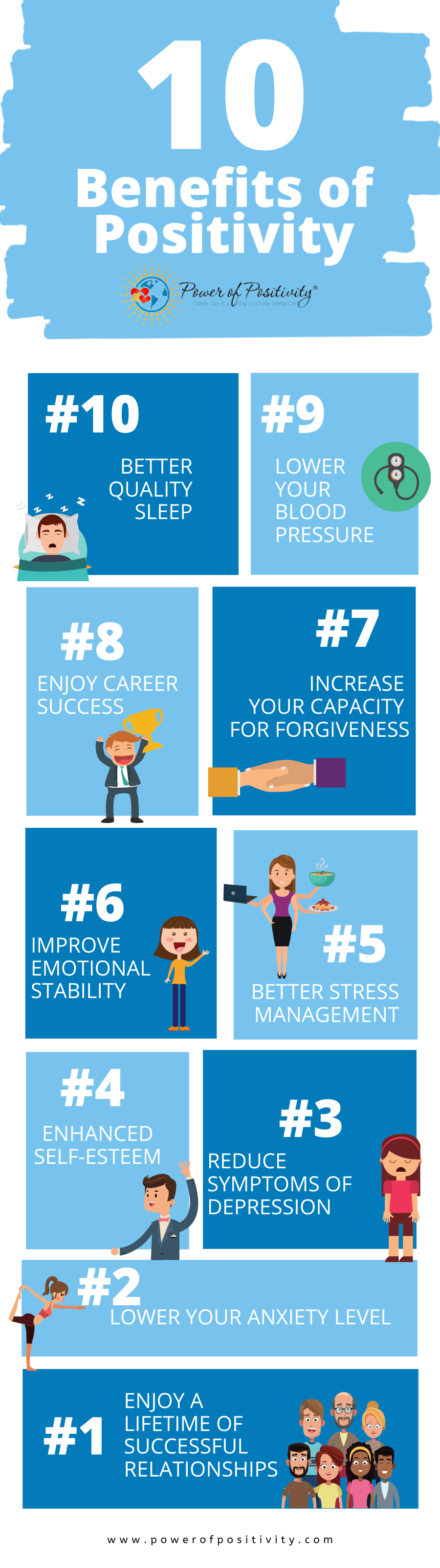
positivity infographic

Learn the 10 top reasons to embrace positivity in your life.

6 – Find ways to manage your thoughts

Experts discourage focusing on angry thoughts believed to add fuel to your anger, often coined as cognitive thinking. Part of managing anger consists of holding positive perspectives on life. Reasoning like this, “I can’t stand it. This child will make me go nuts,” will only surge your frustrations.

Learn how to re-frame your thoughts and frustrations. Convert your reasoning to something like, “Raising kids is a process; mama said that.” You are likely to stay calmer if you focus on the facts without adding distorted exaggerations and catastrophic forecasts.

It might help if you developed a mantra to calm you and cut down the angry thoughts. With time, you will find that logic defeats anger even if it’s justified because it clouds judgment. Work on your mind through self-reflection to gain a more balanced perspective of life and watch it work wonders.

7 – Try therapy

In some extreme cases, anger turns you into a violent person, which isn’t healthy. Signs such as getting involved in physical confrontations, breaking objects, getting on the wrong side of the law, and physically assaulting a child or partner are clear indications you need to see a professional.

Some of these extreme anger outbursts may be signs of underlying mental health issues such as bipolar disorder, substance addiction, or borderline personality disorders. You may want to approach a professional to help you manage extreme anger issues. Your therapist will equip you with stress and anger management skills to control your anger and act accordingly.

A professional will also help you understand your anger triggers, where they emanate from, and eventually managing anger.

8 – Learn to control your anger during confrontations

In most cases, anger erupts when confronting others about events, problems, or grievances. How do you address your concerns while limiting the chances of triggering your anger eruption? You might want to learn how to converse and address these prickling concerns productively.

From your end, you may help prevent the escalation of the confrontation by avoiding words such as “always” or “never,” which often sparks more anger within a conversation or obstructs the other party from believing that a situation can change. Experts recommend letting go of grudges and resentment that make it hard to control anger building up. Learn how to cultivate positive vibes and humor to avoid sparking outrage. Avoid sarcastic and harsh humor at all costs.

Consider your timing. After a long day at the office, the last thing you want is arguing with your spouse over dishes. Be smart about how you approach arguments by not bringing up issues and talk times when the other party is in a foul mood. Look for perfect venues and times to talk about sensitive topics. Working towards compromise maturely and healthily encourages positive emotions among parties involved in the argument.

9 – Improve your communication skills

Anger tends to fuel under-thought reactions that fault you into jumping into conclusions in which a majority of these conclusions are widely inaccurate. If you find yourself in a heated conversation, tame your mind to slow down and keep your mouth closed. This response will help you think through your responses.

You’ve probably been there in a heated conversation where you let out something harsh that you can never take back. Pay attention to what the other person is saying before answering. Be compassionate and try to understand what prompts their anger.

Picture this; you are probably different from your partner in that you love your space and freedom while your spouse believes in more connection and closeness. If you approach the argument with anger, you may paint your partner as a jailer or choker around your neck, which isn’t true. Practice effective communication skills.

Relaying messages effectively will help your partner see life from your point of view. While it’s natural to get defensive when criticized, calm down, and listen before tackling. You could ask for some breathing space to think about the other party’s points and avoid escalating it into a disastrous one.

10 – Switch channels

Do you feel like the only thing that will make you feel better during an argument is punching your friend’s face? Don’t, that’s just the adrenaline talking. Instead, go home and channel these emotions to distractions in your normal routine.

Consider deep cleaning the bathroom, playing with the kids, or baking that cake you’ve always wanted. Distract your mind from doing the harmful and watch your body and brain calm down.

managing angerFinal thoughts on managing anger

Some people choose to condone their anger outbursts and channel them in the wrong direction. While these behaviors might yield short-term results, the consequences are detrimental and deep-staining. Two or three words are enough to send a relationship to its grave.

Learn a few things from this piece about managing anger and emotions and choose a healthier way to handle arguments and hefty discussions. These insightful ways go a long way to building healthy relationships, mindsets, and peace. Try them today!

8 Signs You May Be a Hypochrondriac, According to Experts

Hypochondria, also known as illness anxiety disorder, is an anxiety disorder that causes someone to obsess about their health. Any change or the slightest pain can make a hypochondriac think they’re getting sick or developing a disease. It can become so overwhelming that they experience physical symptoms, but these symptoms are typically a result of anxiety overdrive.

A hypochondria may fear for their life and struggle to leave home because they’re scared of illness. They become so convinced that something is wrong with them that they disrupt their lives, careers, and relationships. Their anxiety will disrupt the lives of those around them, too.

Hypochondria is a long-term mental health condition, but the severity fluctuates. When the person experiences high-stress levels in their lives, it’ll be worse than when things are going as smooth. Sometimes, the condition worsens with age.

If you or someone you know constantly complains about illness, injuries, and other health problems, it could be hypochondria. Frequently talking about health and worrying about developing conditions and diseases are sure signs. Experts have studied this condition and made it easier for us to understand.

What is a Hypochondriac?

The American Psychiatric Association recognizes hypochondriasis as an anxiety disorder. When a hypochondriac experiences uncomfortable health sensations, they tend to be fear-based rather than indicative of a real ailment.

Some psychiatrists diagnose hypochondriacs with somatic symptom disorder because the focus on their physical symptoms can disable them. Someone with this condition might experience pain, dizziness, constant worry, and other symptoms that cannot be linked to a medical condition.

Hypochondria causes a preoccupation with illness and assume everything means they have a medical problem. For example, if the person’s stomach rumbles, their mind will jump to cancer or Crohn’s disease rather than using the restroom or eating.

hypochondriacEight Signs You May Be a Hypochondriac

Do you suspect that you are dealing with hypochondria?  Know these eight hypochondriasis symptoms.

1. You Are Regularly Checking Yourself for Any Signs of Illness

People with hypochondria analyze their bodies for signs of injury or illness every day. Sometimes, their anxiety becomes so severe that they do body checks multiple times a day. Tiny bruises or lesions that most people overlook are identified and scrutinized right away for someone with hypochondria.

Their constant body checks force their mind to be more aware of subtle changes within their bodies. While this could be a good thing, it turns out to be all-consuming for those with hypochondria. Plus, they might become so convinced that something is wrong that they repeatedly ask for a doctor to check it.

Minor issues will cause them to spiral, and they will likely panic when they think something is amiss. They might even monitor their vitals at home, repeatedly checking even when everything is fine.

2. Making Frequent Visits to Your Doctor

If you’re a hypochondriac, you likely make many doctors visits. Even when your physician says you’re healthy, you continue to worry and continue going back. After a few visits, you might even find a new doctor to take a look at you.

When you fail to get a diagnosis, you continue looking for doctors until you find one to validate your concerns. This process can be lengthy and expensive as doctors continue to give tests and rule things out. Even with health insurance, you will still have out-of-pocket costs, and some diagnostic tests may not be covered.

If you don’t let go of the health worry even after a doctor says that you’re fine, you might have an anxiety disorder instead. Lacking trust in medical professionals won’t ease your anxiety, and you’ll continue looking for answers that aren’t there.

3. Always Talking About Their Health and Possible Illness

Constantly complaining to your family and friends about your health is a sign of hypochondria. Likewise, constant discussions about diseases and ailments are signs, too. Most people don’t want to talk about health problems all of the time, as it isn’t an enjoyable topic.

It indicates a toxic mindset, and your loved one could start to avoid you because of it. Your loved ones will try to be supportive at first, but they’ll eventually realize that they can’t help you. You might be looking for reassurance from them but turn it down when they offer it.

Even when you try not to talk about it, you will likely notice your conversations turn to health anyway. When you suffer from this anxiety disorder, you subconsciously look for ways to alleviate your fears.

4. You Are Not Convinced by Your Negative Medical Test

When you think something is wrong and see your doctor about it, you might not believe them when they say nothing is wrong. They’ll send you for diagnostic tests, and even when the results are negative, you aren’t convinced.

Being unconvinced with negative medical tests is what often leads to seeking a new doctor. When the next doctor discovers the same results, you might look for a third doctor. The process continues, and you will continue racking up bills for medical tests that all come back negative.

You might also push for further tests when you don’t get the results you expected. While getting a second opinion and advocating for your health is encouraged, hypochondriacs go too far.

hug me5. Excessive Worrying About Minor Symptoms

Anytime you experience a minor symptom, you might think the cause is something serious. If this is the case, it could be that you are a hypochondriac. It will seem that nothing is minor, and every symptom results from a life-threatening but undiagnosed disease.

An occasional headache might make you anxious about a brain tumor, or muscle aches might make you think you’re suffering a stroke. Even if you don’t think specifically of tumors or strokes, you might overthink the situation and convince yourself that something is going on.

If your mind immediately going to the worst-case scenario, it could be a sign of underlying anxiety. Your body changes, and you will experience discomfort sometimes, but it doesn’t always mean that something serious is wrong.

6. Avoiding People and Places for fear of Getting an Illness

A sign of hypochondria is when you avoid people and places because you’re afraid to catch an illness. Researchers from the Harvard Medical School found that hypochondriac patients exhibit avoidant behaviors, resulting in a lower quality of life.

Sometimes, you might avoid places that remind you of illness. These places would include hospitals, locations where you’ve been sick, or where you have seen others be sick. Your obsession might become so severe that you can’t watch movies or shows that have sick people in them.

When when you feel fine, you’ll experience anxiety about future illnesses or injuries. Constantly being on alert and focusing on every sneeze isn’t a good sign. It could interfere with your daily life and relationships.

7. Excessively Researching the Internet for Possible Symptoms or Illness

If you find yourself searching the internet for your symptoms and possible causes, it’s a sign of hypochondria. You might search for minor symptoms and see it on a list for something more serious, and then that sends you into a panic. Then, you might start thinking that you have some of the other symptoms on the list, even if you hadn’t noticed them before.

This health obsession might turn into researching other medical conditions, too. If you start reading the symptoms of health issues you’ve never considered before, you convince yourself you have them. When you do this, you add more worry and anxiety to what you are already experiencing.

8. Stressing Too Much About Possible Illness Affecting Your Activities of Daily Living

One of the biggest signs that you might be a hypochondriac is allowing your health anxiety to interfere with your daily life. The fear and worry can become so consumed that it takes over their life. It can hinder your ability to work in a professional setting, function daily, and maintain fulfilling relationships.

Your hypochondria might prevent you from attending important events, leaving you with regret and your loved ones upset. You miss out on opportunities, and you watch everyone else experience life without you. Even when you realize you are missing out and still can’t convince yourself to do things, it’s a drastic sign of hypochondria.

Hypochondriac Treatment

Next let’s look at how to stop being a hypochondriac.

Counseling

Seeking professional therapy can help you overcome hypochondria. Talking to a therapist about your worries can help you work through them, and they can offer a new perspective.

Herbal Remedies

Some herbs can bring peace and calm to your body. Try using lavender, chamomile, or peppermint to alleviate your anxiety.

Meditation

Practicing meditation can help you be present at the moment as you engage in rhythmic breathing. You can meditate anywhere, as long as you have a quiet space, which can help you no matter where you are.

Eat a Healthy Diet

Proper nutrition can help heal your mind and body, making you feel better and giving you energy. Changing your eating habits can reduce anxiety, too.

hypochondriaFinal Thoughts on Signs You May Be a Hypochondriac, According to an Expert


While there is no cure for hypochondria, you can manage your symptoms. If you think you are a hypochondriac, start making beneficial changes in your life. Talk to a medical professional to see what they advise, and get all of the help you can.

Once you can quiet your health fears and reduce anxiety, you can start to live your life again. Let go of the worry that consumes you and begin finding positive things to fill your life instead.

15 Symptoms of Major Depressive Disorder

Depression is a common mental health concern that is often diagnosed in people between the ages of 15-45 years of age. Though, it has no boundaries as it can affect those young and old of all nationalities and genders. Having major depressive disorder is a persistent feeling of overwhelming sadness that controls your life.

Many people who are depressed lose interest in the things that they love to do. You may not be able to get out of bed to do the laundry, clean your house, or make dinner for your family. Going to work may be impossible, especially if you don’t even have the strength to shower or get dressed.

Since this is a severe mental health problem that can escalate, you must seek help. The wide variety of emotional and physical issues can bring you to the point of suicide. What most people don’t understand is that depression is not the blues.

Sure, anyone can feel blue and down when life isn’t going the way they hoped, but it’s not something that you can control. The blues go away, but depression needs help to relinquish its hold. Consequently, many people think that those who are depressed can snap out of it, but it’s not that easy.

Symptoms of Major Depressive Disorder

A depressive episode may occur just once in your life, or you can have a steady battle with it. You will learn to notice the signs and symptoms and be able to thwart the condition with natural remedies and counseling. Here are some of the most reported symptoms of depression:

major depressive disorder

1. Sadness and Hopelessness

2. Anger and irritability

3. Loss of interest in usual activities

4. Feelings of worthlessness

5. Concentration issues

6. Suicidal thoughts or attempts

7. Trouble remembering things

8. Unexplained pains and headaches

9. Anxiety and panic attacks

10. Restlessness

11. Weight fluctuations

12. Slowed movements or thoughts

13. Chronic fatigue

14. Sleep disturbances -sleeping too much or too little

15. General malaise

Pediatric Depression

While many assume that depression is a problem that is experienced by adults, many children also face this mental health issue. It’s estimated that more than 2.8 million teenagers from ages 12-17 have experienced at least one bout with major depressive disorder. Sadly, about five percent have an ongoing battle and suffer in silence.

The signs and symptoms of depression in children are often different and not as easy for adults to recognize. Here are some of the common signs of pediatric depression:

1. Frequent crying

2. Complaints of belly hurting or other body aches

3. Refusing to go to school

4. Withdrawn from friends and family

5. Socially isolating in bedroom

6. Poor self-image

7. Experimenting with drugs or alcohol

8. Extreme sensitivity

9. Eating problems – either too much or too little

10. Sleeping difficulties – too much or too little

11. Anxiety – can display as hyperactivity

12. Feeling misunderstood

13. Self-harm

14. Suicide ideation or attempts

15. Seeing or hearing things that don’t exist

Getting Help for Major Depressive Disorder

There is a significant stigma attached to mental health, so many people won’t reach out to a doctor for help. You must talk to someone, especially if you are having thoughts of suicide or engaging in self-harm. A doctor will conduct some tests and pull blood work to ensure that there is nothing organic going on that can be explained.

Depression can mimic or be a symptom of a significant illness. For instance, those with Lupus have body aches and pains that make them unable to get out of bed. So, the person who has Lupus may become depressed. It doesn’t mean that it doesn’t need to be treated, but it means that there is an underlying condition fueling the pangs of your major depressive disorder.

Unlike traditional depression, major depressive disorder is a condition that has been around for a while, and it affects you most of the days of your life. After you’ve seen the doctor and determined that you are depressed, you must consider your treatment options.

Treatment Options for Major Depressive Disorder

Treatment options for depression are vast. The first course of action is antidepressant medications. These drugs are classified into different types, which are:

•Selective Serotonin Reuptake Inhibitors

•Serotonin- Norepinephrine Reuptake Inhibitors

•Tricyclic

•Monoamine Oxidase Inhibitors

The most prescribed are SSRI medications. These tend to have the least side effects and are more tolerated than the others. Sadly, more than 30 percent of the people who take these medications won’t find relief from their medicines.

Consequently, the doctor will want to add either an atypical or an antipsychotic medication to stimulate the antidepressants’ properties. The more pills you ingest, the more side-effects you are prone to have, and the harder it will be to come off these later.

Mental health medications and prescribing them for major depressive disorder is not cut and dry. Most can’t take a pill, and it all goes away. You will continuously need to be monitored and have your medications adjusted. Thankfully, you have other options that don’t come with the dependency or the scary side effects.

Natural Remedies for Major Depressive Disorder

You don’t need to double and triple up on medications to take care of your depression. Nature has provided some excellent options that are side effect free and good for you. Check out these seven natural ways to cure your chronic blues.

depression

1. Switch to a Plant-Based Diet

This method is put first and foremost because you are what you eat. You were meant to ingest plants and vegetables of all varieties. Did you know that many people have cured significant illnesses, including depression, by merely removing meat, processed foods, and sugary substances from their life?

Nature has so many things that nourish the cells in your body, including those in your brain. Take, for instance, blueberries. One of the leading causes of depression is inflammation in the body. However, this sweet little delight has anthocyanins in them that fight inflammation.

Not to mention that they also boost serotonin levels and help fight specific depressive and anxiety conditions like PTSD. Now, imagine what a whole organic fruit salad can do for you?

2. Exercise

When you exercise, you release endorphins into your body. The vigorous movements make you feel amazing, but the chemicals surging through your body makes your brain feel good. Shockingly, a 20-minute workout can boost your brain chemicals enough as taking an antidepressant medication.

3. Fish Oil

There’s a considerable correlation between omega-3s and depression. Fish oil is a concentrated blend that has fantastic benefits as it’s packed with those omega-3s your body needs. It’s shown to reduce triglyceride levels, help you become heart-healthy, and assist with depression.

4. Probiotics

The gut-brain connection cannot be denied. When you take probiotics and get your digestive center on track, it helps your brain health too. Not only are people reporting having no depression, but they are also saying their anxiety goes away when they take probiotics.

5. Get Outside in Nature

Many of the people who complain of depression spend their days behind a desk and indoors. Many of these people are deficient in Vitamin D and not taking supplements. You don’t need to take an herb when you can go outside and let nature do her job.

Mother Nature provides ample doses of Vitamin D3 just by sitting outside for 20 minutes. Not only the sun helps but take a walk and ingest the clean air. Walk barefooted to feel the ground beneath your feet and help to ground you. Why do you think so many wellness camps and recovery centers focus on getting out in nature as part of their treatment plan?

6. Lavender

The natural anti-anxiety and antidepressant action of lavender cannot be denied. You can sprinkle it on your pillow at night, use it in a diffuser, or make a sachet. If you need an instant boost, why not sniff it right out of the bottle. Just make sure you’re using 100 percent essential oils, not a blend.

7. St. John’s Wart

St. John’s Wart is an herbal remedy that’s been used for decades. Many experts compare their abilities with that of the antidepressants Prozac. Though it takes some time to build up in your system, you will find that it’s an effective depression treatment.

major depressive disorder

Final Thoughts on Living with Major Depressive Disorder

Mental health is not an exact science. Even if you treat using herbals, you may need to change things up and around after your body becomes immune. Thankfully, there are many ways that you can fight your major depressive disorder and get back to living.

10 Ways to Use Lavender to Relieve Chronic Anxiety

Since early humans discovered the healing properties of essential oils from herbs and plants, we have benefited from their discovery. Perhaps, one of the most precious essential oils comes from the stunning lavender plant, also known as Lavandula. Its iconic scent is used in everything from perfumes and toiletries to cleaning products.

Lavender: A Scent from the Past

Ancient cultures also touted Lavandula as a powerful medicine before microbes were even discovered. Modern scientific studies have shown that lavender is an impressive antiseptic, antifungal, antibacterial, and antimicrobial. Essential Lavandula oil has healing properties for cuts, scrapes, burns, and bruises.

Not only is this oil and excellent topical medicine, but its mesmerizing scent can naturally soothe panic and anxiety. It’s believed that the natural chemicals in Lavandula oil affect parts of the brain that controls well-being. It has also been shown in countless studies to induce sleep while it soothes frazzled nerves.

Have you been diagnosed with an anxiety or panic disorder? These common mental illnesses can be completely debilitating if left untreated. However, medical experts say that anxiety disorders are some of the most treatable of all mental illnesses.

Wouldn’t it be nice to have a natural ally to pair with your medical and therapeutic treatment for anxiety? Lavandula is one of the best on the list of essential oils that many have reported helped reduce their symptoms. It’s worth discussing with your mental health professional.

How to Purchase & Store Essential Lavandula Oil

lavender

You can find pure Lavandula oil anywhere that sells essential oils. Be sure to purchase one that is 100 percent pure cold-pressed lavender, no fillers, or artificial ingredients. If you plan to dilute the oil to use on your skin, make sure that you purchase a brand that says food-safe quality.

Although Lavandula oil is a natural product, it’s not for everyone. Some people may have an allergic reaction to it if used topically or inhaled as aromatherapy. If you are allergic to Lavandula or notice any responses to your skin or breathing, discontinue use immediately and see your professional healthcare provider.

It’s easy to find quality essential oils in health food stores or online at a price that fits most any budget. While Lavandula oil has a long shelf life, you should replace it if you notice the scent is weak or musty. To preserve your essential oil, store it in a dark glass container with a tight-fitting lid.

Calming Anxiety & Panic with Lavender Oil

Are you considering using essential Lavandula oil to help ease your anxiety and panic? There are several ways you can enjoy its benefits. Here are ten creative ways to use Lavandula oil for anxiety issues:

1. Keep a Vial in Your Purse or Pocket

One of the worst characteristics of anxiety and panic is that you don’t know when it’s going to strike. You can be in a great mood all day and suddenly be enveloped in anxious feelings or a panic attack. How can you level your heightened emotions during this mental ambush?

Consider keeping a vial of pure lavender oil in your pocket or purse for whenever you need it. Before your anxiety gets out of control, open the vile, and inhale the soothing herbal scent. It can bring the calm you need when you are on the go.

2. Use a Diffuser

For a sense of peace and serenity throughout your home, many herbalists recommend diffusing essential oils with an electric diffuser. You might also consider a tea light diffuser that uses a small candle. Both use low heat to gradually warm the essential oil and water mixture.

As the mixture heats, the water vaporizes and carries the scent of the oil throughout your home. Diffusers and tea lights provide subtle aroma throughout your house or office. You can find them at a price for just about any budget, and they are available in most department stores and online.

3. Make an Oil-Infused Spray

Most air freshener sprays are loaded with chemicals and artificial scents that are potentially hazardous to you, your family, and your pets. Their exhilarating, overwhelming smells may make you feel more anxious rather than calm you. When you make homemade spray infused with essential oils like lavender, you control the ingredients.

Try these simple DIY spray to freshen your bed linen or the air in any room.

Ingredients:

·3 tablespoons vodka or witch hazel
·1 cup purified water
·25-30 drops of essential oil

Directions:

Mix ingredients in a spray bottle, seal, and shake well. Use your homemade herbal spray whenever you need to quell anxiety and relax or sleep.

4. Take a Bath

Do you want the peace and tranquility of a day spa without spending a fortune? Why not pamper yourself in a luxurious bubble bath at home? To set the mood, light candles, play some soothing music, and soak in a warm bath infused with homemade lavender bath salts.

Ingredients:

·1 cup Epsom salts
·20 drops of pure essential lavender oil
·1 small bunch dried Lavendula blossoms, optional

Directions:

In a small bowl, add salts, essential oil, and blossoms. Stir gently to combine and store in a sealed glass container. To use, add ¼ cup of salts to running bath water and soak your troubles away.

5. Make a Roll-On Vial

Ancient apothecaries blended essential oils, flowers, herbs, and spices to create the world’s first perfumes. Because pure essential oils can irritate your skin, herbalists always recommend that you dilute them with a neutral carrier oil first, like sweet almond oil. Lavandula oil is an ideal scent you can use in a DIY roll-on vial.

Ingredients:

·10 milliliter glass roll-on bottle
·Sweet almond oil
·10-20 drops Lavandula oil

Directions:

Use a small funnel to fill the glass bottle almost to the top. Add Lavandula oil, replace the roll-on lid, gently shake, and allow it to sit for about an hour. Gently rub the oil on your wrists as a perfume or when you are feeling anxious.

6. Homemade Lavandula Sachets

During the Victorian Era, ladies often sewed cute little pillows, called sachets, that were stuffed with aromatics. Sometimes, they would use dried herbs or their favorite essential oils. They used these sachets to add a sweet scent to their stored clothing or their bed linens.

Lavandula was often the essential oil of choice since it soothes anxious nerves and repels nasty bugs. Why not follow a venerable tradition and make a few Lavandula sachets for your house? They are easy to make and are the perfect gift for friends and loved ones.

Ingredients:

·Colorful fabric scraps
·Needle & coordinating thread
·Uncooked rice
·Essential Lavandula oil
·A few yards of narrow ribbon or twine

Directions:

Fold a rectangular piece of fabric inside out to create a little pouch. Sew around the sides, leaving the top open. Fill each sachet with rice and add 10-15 drops of essential oil, and tie tops with ribbon.

Hang your sachets in clothes closets, with linens, or place under your pillows for a restful night’s sleep. The gentle smell can ease anxiety and panic and give your clothes a refreshing scent. When the sachets no longer smell, replace rice, and add more oil.

lavender helps anxiety

7. Sugary Sweet Facial Scrub

Did you know that essential lavender oil is a natural antiseptic that’s good for your skin? Plus, the refreshing scent can calm your nerves. The sugar provides a gentle exfoliant that rubs away dead skin cells leaving your complexion glowing and rejuvenated.

Ingredients:

·1 cup sugar
·1/4 cup sweet almond oil
·10 – 20 drops Lavendula

Directions:

In a small bowl, mix ingredients until well combined and spoon into a sealed glass jar. To use, rub a generous amount of scrub on your forehead, cheeks, and chin, avoiding your eyes. Rinse with warm water and pat dry with a towel.

8. Soften Your Clothes

Do you want to soften your clothes naturally with a refreshing scent? Add 5-10 drops of essential Lavandula oil to a damp washcloth and place it into the dryer with your wet clothes. You’ll notice less static cling, and your clothes will smell heavenly.

9. Ease Symptoms of a Cold

Not being able to rest because of coughing and sneezing can raise your anxiety levels considerably. Keep a roll-on bottle of Lavandula oil close to your bedside at night, especially if you have a cold or allergy problems. Roll a little on the soles of your feet, under your nose, and under your chin for some welcome relief.

10. Reduce the Pain of Bug Bites & Stings

When you have problems with anxiety and panic, the last thing you want is to battle scratchy bug bites. If mosquitoes and other pests decide to leave a bite or sting, all you need is dab a little diluted Lavandula oil on the sores. It can calm the burning and itching and prevent infection, allowing you to calm your mind.

walking meditation

Learn the 15 ways Walking Meditation improves your mental and physical health.

Final Thoughts on Using Lavender to Fight Feelings of Anxiety and Stress

No wonder ancient people praised essential oils for their many benefits, like calming anxiety and panic. Its light perfume is instantly recognizable and can be mixed with complementary essential oils for unique blends. You’ll love the scent and will appreciate how it calms your nerves.

Therapist Reveals 10 Signs Your Crush Wants to Be Just Friends

Unrequited love is one of the worst things to experience. Most relationships start as a friendship, but overtime there develops something special that grows and blossoms. However, how do you know if your crush is really into you, or are they forever going to look at you as a friend?

Attraction can be physical, emotional, or spiritual. While you may fall in love with someone, it doesn’t mean that they feel the same way about you in return. You give the relationship time, and you wait, and nothing happens. How do you know if you should hang on hoping for more or if you should give up?

Signs You’re Stuck in the “Friend Zone”

just friends

One of the hardest things for people to do is to remove their ego from the situation. It’s hard to accept that there’s nothing more than friendship between you and the one you’re crushing on.

Sometimes, people flirt around and tease you, but it’s not meant to be a sign that they want more. Some people are flirtatious by nature. If you’re not sure how he or she feels about you, then here are some signs that show they don’t want to be anything more than friends.

1. They Only Hang Out with You in Groups

When two people are crushing on each other, then they want to spend time alone. However, if one person is stuck in the friend zone, then they will want to hang with the group. If you suggest that the two of you hang out, do they automatically say they will call your other friends?

If they know that you have feelings for them, they may use the group as a shelter to keep from leading you on. It’s also possible that they don’t want to be alone because they are afraid you will misread the situation, and they want to be just friends.

2. There’s No Flirting

When there is sexual tension between two people, flirting comes naturally. When a couple is developing feelings, they flirt. If there are no comments or gestures that let you know that they are into you, then it’s a sign that they want to be just friends.

Keep in mind that some people flirt because they are looking for a one-night stand rather than a meaningful relationship. You want to make sure you don’t fall into these traps because you will not get what you want from the situation.

3. They Don’t Text or Call You

Are you continually sitting by the phone and waiting for a text or call to come through? Are you stalking them on social media to see if they’re on? If someone is into you, then they will find every reason possible to call or text you. It’s all about making that contact.

It’s much easier for most people to text than it is to make a call. There’s no awkward dead space, and you can say how you truly feel. If the only conversations you have with this person are face-to-face, then it’s a sign that they are not interested in more.

serial cheater

Here is how to spot a serial cheater before you fall in love.

4. There’s Always Physical Distance Between You

When you’re hanging out with your friends, do they stand close to you or far away? If you like someone, then you want to be by their side. There’s something magical about brushing up against them or making eye contact in a crowded room. These first glances and moves are the things that ignite passion.

Notice their body language when you’re in a group. Do they seem to be into your conversation or treat you like the others? It’s all foretelling about how they feel about you and if they want to be just friends or something more.

5. They Don’t Make Any Moves Towards You

Does he stare just a little too long? Does she stand a little too close to you? Are people starting to talk about you as a couple? Maybe these people see something that you don’t understand, or you are stuck in a rut of wishful thinking.

You need to make sure that their advances are pure, and they’re not just trying to hook up and move on. The last thing you need is for someone to play with your affections and want nothing more than to be friends.

6. They Introduce You as Their Friend to Others

When they introduce you to others, how to they classify you? Are you just friends, or do they add other adjectives like my “special” pal? How they categorize you means everything.

His or her friends may automatically think that you’re a couple if you stand too close. So they may feel the need to clarify the situation to others. If they introduce you as a friend to their parents or other relatives, then it’s a sign that there’s nothing more than friendship between you.

7. They Don’t React to Your Hints

If they aren’t moving fast enough for you, then try dropping a few hints. How do they react to your advances? Do they put up a wall and ignore what you’ve said or done, or do they flirt back?

When you put yourself and your feelings out there for this person to see, and they don’t do anything with them, then you know you’re stuck in the friend zone. Don’t waste your time or energy on someone who doesn’t want to be with you or isn’t emotionally available.

significant other

Here are twenty signs that it’s time to call it quits on your relationship.

8. They Talk About Other Love Interests

It’s very hurtful when you have strong feelings for someone, and they talk to you about people they’re interested in dating. Now, keep in mind, they may be trying to see what your reaction is when they mention someone so that they can see if you have feelings for them.

The whole thing can be a test to see how you feel about them dating other people. On the other hand, most of the time, when someone is freely talking about other love interests with you, it’s because they don’t want to date you. They want to be just friends, and they are not trying to hurt you. They just want your opinion on their love life.

While it hurts as bad as getting your heart ripped out, you should give them an honest answer. It may not be in the cards for you two to be anything more than friends right now.

9. Your Gut Tells You It’s Not Going to Work Out

People were born with intuition, and women seem to have a distinct intuitive nature. You will often feel in your gut that it isn’t going to work out, yet you still pursue things. They say that the heart wants what the heart wants, and sometimes you must get your heart and mind in alignment.

If this situation has been dragging on for a while and there’s still no advancements, then it’s probably best if you move on. In some rare instances, a person may be shy or have issues from trauma or abuse, but most of the time, it means that they have no romantic feelings.

10. They Tell You They Only Want to Be Friends

Some people can’t take a hint even if that person comes out and tells them that they want to be just friends. You may try to rationalize the conversation in your mind thinking they were just fishing to see how you felt. Don’t spill your heart to someone who isn’t interested in picking up the pieces once you’re done.

There are too many people out there that will love and appreciate all the great gifts that you have to offer them. You should know up front that they’re not interested in you so that you can move on promptly. Don’t waste too much of your precious time on someone who doesn’t want to be with you in the way that you want to be with them.

just friendsFinal Thoughts on Knowing That You Will Always be Just Friends

Too many times, people get in a big hurry to find someone right now. What you should be focused on is finding the right one. When things come into perfect alignment, you won’t have to worry about whether they like you or not, as they will be open and honest.

You’re wasting your time on someone who may have given their heart to someone else and doesn’t have it to give to you. Sadly, they may be emotionally skewed from watching their parents and other relatives go through a divorce or other horrific breakups. They may be afraid to get into a committed relationship for fear of what could happen.

Then, there are those people who don’t want commitments. They like to have fun and hook up, but they don’t want any ties. Always trust your gut instincts. When it’s right, you won’t have all these questions about being just friends because you will know.

Skip to content