Weekly tips, affirmations, and small actions to feel your best.

Physicians Explain Why Exercise Makes You Feel Better

When you feel run down and in a lousy mood, what’s the first thing you want to do? Maybe you are like many people and want to cover your head and stay in bed. What would you say if you discovered that exercise could make you feel better?

Yes, it’s counterintuitive, but research has found this to be true on many levels. Think of Newton’s Law of Motion, which says that a body at rest tends to stay at rest until a force acts upon it. Being a perpetual couch potato may keep you inactive and make you feel worse in the long run.

An impressive number of studies  link poor diet and a sedentary lifestyle with obesity, cardiovascular disease, hypertension, diabetes, strokes, cancer, and premature death. On the flip side, proper diet and staying active may prevent illness and help you live a longer, more fulfilled life. This information should be encouraging enough to make anyone leave the couch and start moving, so we are sharing these science-proven benefits with you.

Possible Mood-Lifting Benefits of Exercise

Is there a connection between exercise and your moods? Research demonstrates that exercising just 20-30 minutes a day can influence your brain’s hormones that correspond to moods and your feeling of well-being.

Are you ready to lift the dark clouds from your mind and bask in the sunshine of joy? The solution may be easier than you think. Here are some convincing ways that health experts say that exercise can make you feel better.

1. Boost Your Moods

feel betterWhen you are in a bad mood, your whole body can ache, and the world seems bleak and uninviting. If you have five minutes a day to do a few cardio exercises, your brain will show its gratitude. It will begin pumping mood-boosting hormones into your body like dopamine, serotonin, and norepinephrine. The more you move, the better you may feel.

2. Minimize Your Stress Levels

If you live, stress is inevitable. Some level of stress is beneficial to stay safe, learn, and grow. However, the undue strain is harmful to your body and can result in severe health conditions. While you can’t make stress disappear, you can do things like exercise to minimize it.

You needn’t do a grueling regimen to receive some of the benefits of exercising. Low-impact styles like walking or yoga can help you feel better. Some studies show that daily exercise may ease symptoms of anxiety, depression, and post-traumatic stress disorder.

3. Boost Your Immune System

Did you know that staying active may help you maintain a more robust immune system? When you work out and practice mindful breathing, you may exhale harmful bacteria lingering in your respiratory system. Moving your body systematically can also stimulate your lymphatic system to flush more waste from your body.

As you are doing your workout, notice that your heart rate increases, which increases your blood circulation throughout your body. This influx of blood may bring more antibodies into your system to detect and destroy pathogenic microbes. It may contribute to better health in the long run.

Remember the stress hormones that are pumped into your body from undue stress? Working out regularly can lower the output of adrenaline and cortisone, so your health improves. If you do get ill, a healthier immune system may minimize the symptoms and shorten the duration, so you feel better quicker.

Do everything in moderation, including exercise. Although light to moderate exercise can boost your immunity, extreme workouts can do the opposite and raise your stress levels. Talk to your primary healthcare provider or a certified fitness expert about what exercises are best for you.

4. Increase Your Brain Functions

Have you ever experienced that dense brain fog that makes you feel like a zombie all day? Poor eating habits and a sedentary lifestyle can contribute to this mind-numbing condition. When you work your body physically, it can also benefit you mentally.

You may see benefits in your cognitive functions, memory, and mental resilience. As you achieve each goal of your workouts, you may handle stress better and strive for higher goals. Mental strength can be a valuable tool for stability and enriched relationships.
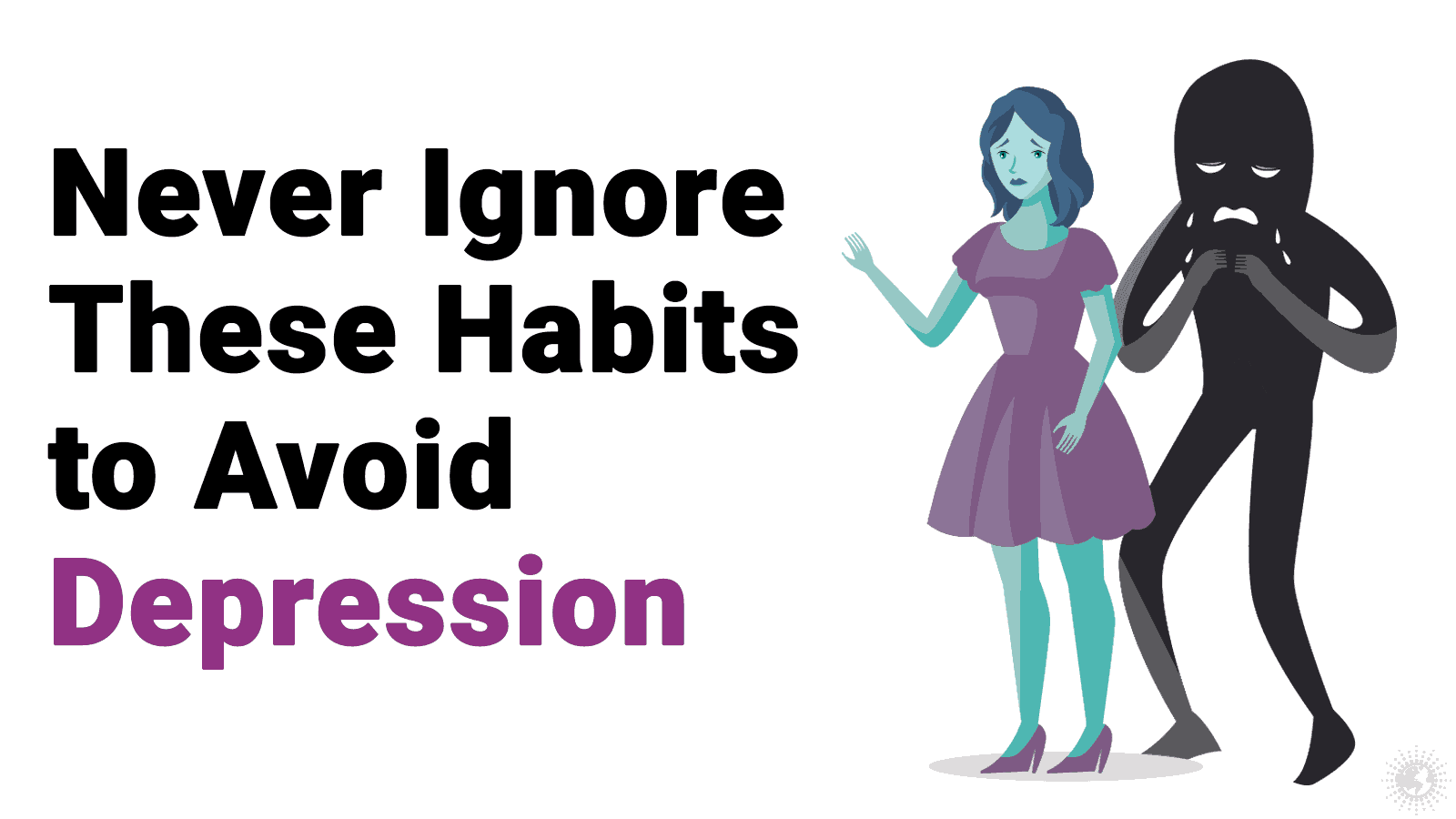
depression5. Daily Activities for Living May Become Easier

When you feel blue, sometimes you don’t want to get out of bed in the mornings. Workouts like stretching and yoga can not only bust fat and tone your muscles, but they can make you feel better. As you lose weight and gain more strength, you’ll find it easier to do your daily chores.

Just imagine doing things with ease that you once dreaded. Your furry friends will be happier because you’ll have enough energy for leisurely walks in the park. You may gain more cardiovascular strength that will be useful for doing heavy yard work and other chores around the house.

6. Your Leisure and Outdoor Life May Improve

Who feels like going on an exhilarating morning hike through the woods if you feel bloated, tired, and depressed? Regular exercise like walking, stretching, or resistance training may help change your leisure life around for the better. Add cardiovascular workouts and weight training, and you may be surprised at the things you will be able to enjoy.

Have you ever wanted to hike through the mountains or go on an exciting skiing trip with your family? Perhaps you once didn’t even have the stamina to take your kids to an amusement park or go on a walking tour with your partner. Just a few minutes of working out each day can strengthen your body and renew your desire to get out of the house and live.

7. Get Better Sleep

Are you one of the thousands of people across America who are sleep deprived? A lack of quality sleep can not only affect your personal and professional life, but it can also be detrimental to your health. Sleep deprivation can cause severe health disorders and put you at risk for mental illnesses.

What can you do if you’re not getting enough rest at night? You may be surprised that many studies show a positive correlation between daily exercise and healthy sleep. That’s not to say that you should perform an exhaustive workout before you go to bed.

Simple stretches, yogic poses, and other light workouts can make you pleasantly tired enough for good sleep. Try to do these routines about five or six hours before you go to bed. You will awaken with more energy for the day and feel better.

8. Increase Your Energy

Ask most people around you what they could wish for, and many would probably hope for more energy. When you are juggling caring for your family, a job, and social obligations, it’s understandable that your stamina would be depleted most of the time. You may try to guzzle those popular energy drinks, but their boost is short-lived and may carry some health risks.

If you want to energize your body, health experts recommend that you try a daily exercise routine. As you work and strengthen your muscles and joints, you might be amazed at how it can boost your energy. To track your progress and stay motivated, using a day counter can help you see how many days you’ve consistently followed your routine, giving you a sense of accomplishment. Soon, you may have all the energy you want and feel better.

9. May Prevent or Reduce Symptoms of Anxiety and Depression

Have you been diagnosed with anxiety or depression? These common mental conditions are often treated successfully with medication and therapy. Did you also know that working out may prevent anxiety and depression or reduce their symptoms?

When you are more active, some medical research states, you are less likely to have depression symptoms. If you make workouts a daily priority, you aren’t apt to have a mental illness relapse. The same conclusion is made for people who battle with anxiety.

10. Increased Self-Esteem

How do you feel about yourself when you are overweight, depressed, and hardly ever leave the couch? Overeating and inactivity produce a perfect storm of sickness, depression, and low self-esteem. Each variable affects the others until you are debilitated and prone to a life-threatening disease.

Now, picture yourself following a healthy lifestyle with good eating habits and daily exercise. You will lose weight, tone your body, and have more energy for your work and play. Above all, these changes will boost your self-esteem, and you’ll feel better.
feel betterFinal Thoughts on How Exercise Can Make You Feel Better

There are too many positive studies to ignore the significance of working out and your well-being. It just takes 20-30 minutes a day, and you don’t need expensive gym memberships either. Take some time out to get your body moving and notice how much better you feel.

Before you start any exercise regimen, talk to your primary healthcare provider or a certified fitness expert. They can help you find the workouts that are right for you. It’s in investment in your physical, mental, and spiritual self that reaps dividends of vibrant health and happiness.
Researchers Reveal Why Some Mental Disorders Are A Response to Adversity

These days, it’s more challenging to find people who don’t have a mental issue than those who do. The latest statistics reveal that at least 46.6 million Americans have mental illnesses, such as depression, anxiety, and post-traumatic stress disorder. Could adversities be the culprit to these common mental disorders rather than chemical imbalances in the brain?

What if people who battle PTSD react to adversities, and it has nothing to do with their brain chemistry? ADHD may have evolved as a survival instinct in the past, but it doesn’t serve people well in the modern world. Will current research help scientists and medical experts form a different view of what mental disorders are?

Mental Health Issues vs. Adversities

When you have a diagnosed mental disorder, most mental health professionals will prescribe medication for you. However, some researchers claim that diseases such as PTSD, anxiety, or depression might not be genetic. They pose the question if any of these are real medical conditions.

mental disordersMedication for most physical conditions can either cure or manage the symptoms. Why is it that between 1999 through 2014, statistics show that the use of antidepressants rose 65 percent? Still, the numbers don’t offer a decrease in depression, anxiety, and other related mental issues.
Perhaps it’s not a coincidence that some of the world’s most volatile areas have higher instances of depression and anxiety. Research from Queensland’s University in Australia shows that these mental conditions are more elevated in Middle Eastern and North African countries. Approximately five percent of each respective country has citizens with anxiety, depression, or both.

Considering these statistics, research published recently by the American Journal of Physical Anthropology states that difficulties may cause PTSD, anxiety, and depression. The writers suggest that these conditions could be an evolutionary response to adverse situations rather than unbalanced brain chemistry.

Could these mental disorders be involuntary responses to dangers like the brain’s survival instinct? Researchers believe that anxiety could play a part in the fight, flight, freeze, or faint response. Your stress makes your hyperaware of hazardous conditions.

Depression, they argue, may also be a response that warns your body of potential danger. Wit depressed feelings, you tend to ruminate on the negative situations in your life. This focused attention could be the body’s way of identifying problems and creating ways to avoid them in the future.

The Scarlet Letter of Attention Deficient Hyperactivity Disorder

It’s human nature to claim a label that a doctor assigns to you. Were you ever told that you were nervous or depressed? You may have identified with the proverbial scarlet letter even without a proper diagnosis. After an analysis, you may find yourself referring to “my” anxiety, “my” depression, or “my” ADHD.

When you’ve accepted a label, you may limit yourself without realizing it. These researchers believe that re-labeling depression, anxiety, and ADHD may be necessary. If you are depressed or anxious, are you coping with a medical brain issue, or is your brain trying to adapt to hardship?

Generally, doctors do not “cure” mental disorders. But you can manage the symptoms with therapy and behavioral techniques. Moreover, you can learn how to overcome an adverse situation. The various possibilities depend upon how they are labeled.

In the past, ADHD was less understood, and children suffering from the symptoms were labeled as hyper, rowdy, or lazy. Instead of realizing these children had issues they couldn’t help, they were often punished at home and school for being a “bad child.” It wasn’t until medical specialists researched that they discovered that these children had mental disorders and learned differently from their peers.

• Your Story

If you were diagnosed with ADHD as a child or with Attention Deficit Disorder (ADD) as an adult, you could relate to the condition’s frustration. In the past generation, you may have had your share of corporal punishment or endless detentions. Maybe your teachers deemed you “unteachable” and corralled you into a classroom of other challenged children. There, they ignored your needs.

The model of students sitting for hours listening to a teacher isn’t the best way to learn for every child. Perhaps you felt nervous and fidgety and had difficulties sitting still and being quiet. Your teachers may have seen the signs as disrespectful or that you had a cognitive issue.

Consequently, you may have been conditioned to equate school and learning with harsh punishment, humiliation, and unacceptance. It may have been a downward spiral that followed you into adulthood. If you were fortunate enough to be in a later generation, your ADHD symptoms would have been recognized, and you would’ve received the proper treatment.

According to the new study, your ADHD may have little to do with your brain chemistry. It could be your reaction to the misfortune and stressors around you. This theory may have impacted how your condition was labeled and how you were treated.

It’s little wonder that people with ADHD also deal with anxiety and depression. Are these coexisting mental disorders, or are these mental health concerns all part of your adaptation? Even the study authors say that nobody has a definitive answer, and more research is needed.

pop quote• Current Model of ADHD

In today’s classrooms, children with ADHD aren’t stuck in a corner wearing a dunce cap. Instead, educational experts have found ways to help these children cope with their symptoms and learn by using various learning modes. They’ve discovered that children with ADHD aren’t “bad kids” and can flourish under the right conditions.

What if you or your child’s ADHD isn’t a disorder? The authors of this study propose that these symptoms were due to an evolutionary glitch to cope with our modern environment. Making children sit quietly while a teacher lectures may not be how the human brain is hardwired.

If ADHD is an evolutionary glitch due to the environment, the study concludes that it can’t be classified medically as mental disorders. That premise moves the responsibility of the medical community to the educational system. Perhaps more educational reform can help address the issue.

On the flip side, many experts denounce the conclusions of this fascinating study. They present countless ADHD studies that include biological factors, such as premature birth. Not enough evidence exists to erase ADHD from the jurisdiction of the medical community.

Is Adversity the Real Cause of Mental Disorders?

Considering this study, should your depression, anxiety, or PTSD be treated with medications as a mental condition? Are these conditions more part of brain dysfunction, or do they represent a flaw in our society? If so, then experts need to turn their attention to sociocultural change as part of the solution.

Most mental health professionals will agree that the system fails people, and experts should re-examine how to treat mental conditions. The authors of the study deny that their goal is to change mental health treatments radically. Instead, they say, they seek to find novel ways to study the problems.

They believe that when it comes to anxiety, depression, and PTSD, there should be a greater concentration on resolving conflict and difficulty instead of so much on balancing brain chemistry. The challenge isn’t simple, given the fact that there’s a plethora of research that indicates brain chemistry’s role in these conditions.

If you go to a strict definition of adversity challenges, how can you explain the research mounds that connect depression and anxiety to brain chemistry changes? The authors of the study say that both sides can be reconciled. While an indisputable link exists between brain chemistry and anxiety and depression, it still doesn’t rule out responses to adversity.

Shifts in the Way We Treat Mental Disorders

After reading this study and its pros and cons, do you think changes are necessary to view and treat mental health? You may agree or disagree. No doubt, you would agree that the mental health community needs to change the labels they use.

When you believe that you have the tools and the ability to get better, you have a greater recovery chance. In addition to therapy and medication, you might be encouraged if your therapist told you that your symptoms might be linked to a healthy response to adversity.

Most mental health providers concur that hardship can directly affect your mental health. Variables such as physical health, mental health, and social conditions are all considerations. Until genuine reforms help remedy mental illnesses’ social impact, medical experts will continue with the usual care plans.

mental disordersFinal Thoughts on Responses to Adversity vs. Mental Disorders

To date, experts haven’t been able to determine what causes conditions like ADHD, depression, anxiety, or PTSD. Whether these are mental disorders or are an evolutionary response to adversities remains open to interpretation. These are still issues that affect people worldwide. Scientists need to improve their treatment and prognosis.

7 Traits That Reveal A Selfish Partner

Are you a selfish partner, or do you considered your spouse to be self-absorbed? Relationships are about give and take. A partnership is supposed to be 50/50, but what if one person puts in 80 percent of the effort and the other one 20 percent?

When you enter a long-term relationship, you want what’s best for the person you love. You put their needs ahead of yours, and you go out of your way to ensure their happiness. Sadly, not all relationships work this way, and some toxic people are immature, self-centered, and are inconsiderate of the other person.

Is it any wonder that people don’t want to walk down the aisle of matrimony these days? The divorce rate as of 2020 is 34 percent. However, this number doesn’t give a good representation of the couples that live together in long-term relationships and part ways, which tends to be commonplace these days.

People end their relationships for many reasons, such as finances, communication issues, infidelity, a lack of intimacy, and substance abuse. The problem within all these issues is that one party isn’t considering the other party and their feelings. Save yourself a trip to court and think about the other person and their needs over yours.

Dealing with Selfishness in a Relationship

How do you know if you’re a selfish partner or living with someone so self-absorbed that you’re not even part of the equation? Here are some questions to ask yourself.

selfish partner

Do you:

•Ask your partner what they want to do this weekend, or you plan the time according to your needs?

•Call the shots on everything from buying a new car to replacing the house’s windows without asking them?

•Do you steamroll all conversations or listen to what your partner has to say?

•You are constantly criticizing their methods and always trying to show them that your way is better.

If any of these scenarios sound familiar, then there is much work to be done. Here are seven traits that you will find in a selfish partner that may sound familiar to you.

1. The Other Person is Always Wrong

There’s nothing worse than a know it all personality. These are the people that are never wrong, no matter if they have proof to the contrary. They tend to be a bit narcissistic in their thought process because they feel that their opinions are superior to everyone else.

Everything is an argument with them, even down to the type of jelly you bought from the store. The problem is that this person is not a partner at all. They are only considering their needs as well as thoughts and opinions.

If you don’t listen and consider the other person’s thoughts, then why be in a relationship? When someone is never wrong, it’s a big red flag that they are a selfish partner.

2. Plans Are Made That Don’t Involve the Other One

Being left out is a horrible feeling that can cause resentment and questions of infidelity. Does your husband or wife make plans for things without consulting or inviting you along? Perhaps you’re the one who would rather go out with your friends or family members and leave your spouse behind.

While it’s okay to have nights where you hang with your friends, most of your free time should be spent with your spouse. You wanted to be with this person because you love them and can’t imagine spending a day without them. A healthy relationship is built on spending quality time together.

3. They Don’t Know Their Partner’s Needs

Each person has wants and needs in their life. Maybe you want a better job, or you would like to trade-off that older car for a newer model. Perhaps you’re having issues at work that are making you miserable.

A good partner would know all about these issues, and they would do anything they could to take some of the pressure from you. However, a selfish partner is so out of touch with what’s going on in the house that they have no clue that you’re suffering.

why men leave4. They Constantly Threaten to Leave If They Don’t Get Their Way

Nothing is worse than a grown man or woman that still acts like a toddler. When a toddler doesn’t get the toy they want to play with, they will throw a temper tantrum. Adults have temper tantrums too, and they usually center around leaving or threatening divorce.

A manipulative person will only consider their needs, and if they don’t get what they want, they will use any manner possible to make it happen. They will threaten you that if you don’t give in to them that they will leave. They may go as far as printing the divorce papers out online and giving them to you.

Be careful of people that play such games with your emotions as they only care about themselves. Do you want someone who threatens to walk out on you when you don’t give in to their requests?

5. They Expect You to Listen to Them but Don’t Offer the Same in Return

Communication is a two-way street, and it takes one person to speak and the other to listen. Then, there are times when the roles are reversed. Does your partner want you to listen to them talk about their day and all the things wrong in their life, but they don’t want to do the same in return?

One of the beautiful things about having someone that is “your person” is that you can share your frustrations, secrets, and plans about the future. When something happens during the day, you can’t wait to call or text and talk to them about it. That’s what people in love do; they want to share their life with the one they adore.

However, the selfish partner will want you to listen to them while they vent, but they won’t have time to hear about your troubles. Ineffective communication is a significant stumbling block among couples. It’s just as important in a relationship as trust, honesty, and monogamy.

6. They’re Overly Critical of Everything

There’s nothing worse than an overly critical person. It seems that nothing can be done to please them. Whether it’s complaints about dinner, your family, or friends, nothing makes them happy.

You may start to walk on eggs shells around them for fear that one wrong step might set them off. They may become aggressive or even loud when you’re hanging with friends they don’t like. They want your time when it’s convenient for them, but if you hinder them from doing things they want to do, then it’s a whole different story.

Someone who absolutely loves you with a pure love that is wholesome and good would never make you walk on eggshells. There’s no perfect union, but there should be more good things about it than bad.

7. They Withhold Intimacy

Part of being with a couple is that you take care of each other’s needs both physically and emotionally. Now, there are times when one party won’t feel well or just isn’t in the mood. That’s quite different than withholding intimacy because someone made you mad, or you didn’t get your way.

Some self-absorbed people use intimacy as a weapon against the other person. If you do something that makes them mad, they will hold a grudge and withhold their services until you comply. Be careful because some people will use this as an excuse to have an affair and say that you pushed them into it.

Always be on guard when it comes to the selfish partner, as they are constantly manipulating and using your emotions for their benefit.

selfish partnerFinal Thoughts on The Selfish Partner

Did you find some traits that you or your spouse have in the list above? Remember, no partnership is perfect, and you both have things that you need to work on. The focus should be that you have a healthy connection that considers the other person’s needs before yours.

Now, toxic relationships are no fun to deal with, and there are plenty of them out there. Don’t be shocked if any of these behaviors follow verbal abuse. Additionally, some people can become so mad when they don’t get their way to resort to physical violence.

The good news is that if you’re in a toxic relationship, you can get out. You don’t have to live this way any longer. There are plenty of people that will respect you and give you the kind of love and affection you need. You don’t have to suffer from a selfish partner who thinks only of themselves.

Life is too short to be miserable when you have the power to change your situation. Your one decision away from an entirely different life, and it may be the fairy tale you’ve dreamed of.

Psychology Explains The Biggest Causes of Sibling Rivalry

It’s a well-known fact that you spend more time with your siblings during your childhood than with your parents. Some of these relationships are excellent as they have a strong bond, while others are precarious, and sibling rivalry is unfortunate.

Sibling rivalry can be caused by birth order, personalities, parental treatment, and things outside the family unit. Once siblings begin arguing, it can become an ugly war that can last for a lifetime.

Thankfully, many have their differences and can quickly work through them. Both parents and siblings need to understand the dynamics and what causes this friction to work through the issues.

The Top 10 Reasons That Cause Sibling Rivalry

The sibling relationship is complicated. Some naturally tend to get along, while others tend to be at each other’s throat more often. Here are the most common reasons for tension among brothers and sisters.

sibling rivalry1. Attention Seeking Behaviors

One of the top reasons why sibling rivalry exists is because of the inherent attention-seeking nature to be noticed. If mom is spending more time with a daughter getting ready for a wedding, the brother who doesn’t even have a girlfriend feels left out.

While mom would give brother just as much time and attention, it’s the sister that needs her devotion now. Kids want their parents’ attention, and they can’t reason why their attention might be focused elsewhere at the moment.

2. Unequal Treatment Among the Group

Parents always say that they don’t have any favorites among their children. However, that statement is not 100 percent truthful. Each child goes through different phases in life where they need the parent more than others.

Additionally, one child may allow you to love and nurture them more than another. Parents tend to be closest to the sibling that needs them the most. If a child is sick and having surgery, then it’s natural that the parent caters to them at that time.

Children often get unequal treatment based on circumstances. While the parent has every right to cater to the sick child as they need attention, the other kids in the home may not see things that way. They may feel neglected and left out when nothing could be further from the truth.

Children naturally vie for their parents’ attention, and sibling rivalry can begin when they feel one is getting preferential treatment. If a parent gives more attention to one over another for no good reason, they are setting the stage not for rivalry but war.

3. The Green-Eyed Monster: Jealousy

While a little friendly competition can be healthy, having jealousy in the family is never beneficial. Envy can be there in early childhood, but it seems to grow as children get older. Parents must be careful never to foster these feelings, identify any potential issues, and immediately deal with them.

4. Promoting Competition Within the Group

No sibling has the same skill set. While you may be good at football, your brother may excel at art. There can be constant competition in any group of kids, which is sometimes healthy. The key is that the differences should never be used to build one or destroy another.

Some kids make the honor roll with little effort, while some struggle to get a “C” average. Parents must use their praise strategically so that they’re not praising one while cutting down the other. Parents must remember to honor each child for their accomplishments as individuals and not based on their sibling.

The last thing you want to do is cause a sibling rivalry over silly inner family competitions.

5. It’s a Safe Place to Vent

You get to choose your friends, but your relatives are something you can’t get rid of in life. Sibling rivalry is often steeped in the fact that they are ever-present. Many people feel safe letting their frustrations out on their siblings because they know they can’t leave even if they wanted to.

6. Unique Temperaments and Personalities

Did you know that you not only have a unique personality, but you also have a distinct temperament? These differences will dictate how you approach life’s situations.

You may be easy going and don’t see the reason to get upset over anything, while your sister may be high strung and is an anxious ball of nerves. Your sister could become terribly upset that you’re not reacting as aggressively to a situation as she.

She may find it hard to understand why you’re not reacting the same. Parents can step in and help by understanding their children and their views on issues. No two people will act the same, so each person should be treated as an individual.

natural talent

Here are ways to help identify your child’s natural talents.

7. Changing Phases in Life

Each person will go through various developmental phases throughout life. For instance, a four-year-old has different needs than a 13-year-old. By the time a child reaches the older teen years, their developmental needs are even more altered.

These phases are one of the main reasons why children fight. Each one has different needs as their body is growing and changing, and they are less likely to understand how the other sibling thinks or feels. Being at different stages in life can cause sibling rivalry.

8. Frustrations

It’s frustrating when you don’t reach a goal you’ve set for yourself. The stress of life can be challenging, and you can take out your angst on those closest to you. In many cases, sibling rivalry is nothing more than misplaced anger from life’s woes.

How many times do you come home from work and yell at your spouse because you had a bad day? They became your sounding board because they were the safe place and the one there to take the heat. Siblings work the same way regardless of their age.

If your brother or sister has had a bad day, don’t stir the pot. Parents must also be wise to see if the argument was because of stressors outside of the relationship or because of something the sibling did to upset them.

9. Unmet Expectations

It’s only natural that spending so much time together can cause both a tight bond and issues. You learn to expect things from each other. For instance, if a group of kids is picking on you, your sibling should have your back.

Betrayal can be a devastating thing when you thought someone was there for you, but they weren’t. Even if it’s something as innocent as telling your parents that you took the extra piece of cake that’s missing, it’s the fact that they didn’t keep your secret.

Being a tattletale is never acceptable in any relationship. The loss of trust in a bond can come with bad blood. Parents need to realize that children need to have some secrets to connect.

A parent doesn’t need to know everything that goes on in their home. Allow children to have things that are kept just between them. The key is that you must know when things are severe, or someone is in danger.

Even into adulthood, some siblings feel the need to call the parents and report everything they know about their brothers or sisters. It can cause great rifts when you betray one of your siblings when you’re grown. It’s easy to see how expectations can become misplaced when involving relationships.

10. The Need for Space

When you have a brother or sister, you must share your attention throughout your life. You don’t get the love and devotion you would if you were an only child. Siblings share bedrooms and bathrooms, not to mention your parent’s affection.

Every person needs alone time and some space. Both parents and siblings should recognize that it’s okay not to be with your family 24/7. When children are always together, it can cause great turmoil just from frustration alone.

Additionally, if children are expected to step in and help with the younger kids, they may feel resentment towards their parents and siblings. Older siblings tend to be overbearing when put in this position, and it can strain the relationship.

Allow children to have time apart and some space when needed. Parents can help to facilitate this by coordinating activities with each one that gets them away from each other for a period.

sibling rivalryFinal Thoughts on Sibling Rivalry

Even in the best of families, there will be some rivalry amongst the siblings. It’s natural, can be healthy, and hard to avoid. However, parents must watch that their actions don’t foster these unhealthy wars.

Favoring one child over another is easily done without much thought, especially if you have one child who is a delight and the other is a challenge to raise. Thankfully, most sibling rivalry issues can quickly be resolved. When you spend time with someone so much, it’s only natural to expect there to be a few bumps along the way.

11 Reasons People Can’t Make Friends (And What To Do Instead)

Why do some people seem to be social butterflies with friends all around them, but others struggle to find meaningful relationships? How can you make new connections with people when you don’t exactly know how to go about it?

Making friends sounds so simple, but why are so many struggling to find someone they can welcome into their inner circle? Thankfully, this list of 11 reasons why making friends is hard may be able to help.

11 Reasons Why Some People Struggle to Form Friendships

Once you can identify the areas you struggle with, you can see how you need to change your approach to widen your circle. What would life be without people who love and support you walking beside you?

1. You Expect Them to Appear Magically

make friendsIt’s easier to make friends when you are in school. However, when you graduate from high school or college, making friends becomes a whole new ballgame. The structure that helps you form relationships is gone.

Once you reach adulthood, you must create opportunities for yourself to make friends. It would help if you came up with a strategy that works for you. You can’t make friends sitting on the couch watching television.

The fix:

You need to get out and mingle a bit. Show up at places where there are people of like interests. When you leave things up to time and chance, you’re taking a big gamble.

You must take the first step and get out there with others. Not only making yourself available will increase your friend circle, but it will also feel good to get off the couch and do something fun.

Some places you can try are book clubs, art galleries, clubs, churches, conferences, and the gym. Additionally, when you have children, it’s easy to trust them and hook up with their parents as you form a bond with your kids.

2. You Need to Learn That Making Friends Is Like Dating

Do you ever have invites to an office party or other social event, yet you always turn them down? These sessions are excellent places to mingle with people outside of the office. You could hit it off well with someone while you’re there.

Think outside the box — instead of planning all your time with your love interest, schedule time with your buddies. You can have a “girl-date” or a “guy-date.” Make plans as you would with a romantic partner, and then stick with the plan.

The fix:

If you hit it off with someone, then schedule a get-together and put it on your calendar. Why is it that having a social life seems much like going on a date? You meet someone you like; you get their number, pencil them in, and make plans to do new and exciting things.

After you meet someone you like, don’t be like a scared guy to call for that second date. If you feel a spark of friendship between the two of you, then you need to jump all over that feeling. The chances are that they feel the same way about you.

3. You’re Afraid People Will Think You’re Weird

Many people are scared to put themselves out. You may be afraid that they will think you’re weird or that you have horns coming out of your head when you speak. Sadly, this is all a figment of your imagination.

It’s just as hard for some people to make relationships in school or life because they find themselves socially awkward. If you think that you’re a bit creepy, then the chances are that you’re not. The extraordinary people are the ones that have no clue that they’re a bit odd or eccentric.

The fix:

Change your mindset to a more positive note. Think of it this way; even if you do come off as a bit weird, the other person might enjoy it because they walk to the beat of their own drum too.

4. You’re Not Using Your Connections

If you have one friend that seems to be the life of the party, then why not ask him or her to introduce you to others? The chances are that if she likes you, then any friends that she has will also like you.

The fix:

If you don’t know where to start making friends, start by going to the people you love and trust the most.

Why not ask your friend to organize a get-together where you can meet some of the others in her circle?

5. You Don’t Know What You Want

It’s challenging to make friends if you don’t know what you want. Some people will just become friendly with whoever is around because they’re there. Don’t just pick the first person you see; you need to meet people that complement your taste.

The fix:

You should connect with your friends, and don’t be afraid to be selective about who you let in your circle. Look for people that have the same ambition, style, and character traits as you. When you have similarities, then you will likely remain friends longer.

pop meme6. Don’t Be Afraid to Be Unique

Don’t ever lower your standards or be something you’re not just to make friends. It’s okay if you don’t like someone, and it’s okay if it takes several friend dates to see if you click. Remember, relationships in the platonic world are like those in the dating world; things take time.

The fix:

If you don’t like someone, then you don’t have to ask for another date. You can be kind and respectful and back away. There is no obligation for you to act a certain way or pretend to be someone you’re not. Relationships built on falsehood will crumble. You should find someone who fits you like a sock and shoe.

7. You’re Trying to Avoid Drama

Perhaps you’ve had a relationship that went sour, and it’s left a bad taste in your mouth. Don’t compare other friendships with any potential new friends. Not everyone who comes into your life will be a gossiper, backbiter, or someone toxic.

The fix:

It’s not fair to judge potential friendships on blunders of the past. Would you be happy if everyone judges you on things you’ve done previously? To make friends, you must be willing to move on from past events and live in the future.

8. You Don’t Feel Social Enough

You may see yourself as an anti-social person, so you feel inferior about making new friends. There is nothing wrong with you if you don’t have a lot of close buddies. Some people need to be surrounded by people, while others prefer the solitude of going solo.

The fix:

Work on taking a strong dose of self-love!

There’s nothing wrong with you. Don’t feel embarrassed because you don’t have a long list of friends to invite to an event. If you have one or two good friends, then you have found one of life’s greatest treasures.

9. Making Friends Takes Skills

If you have some self-confidence and excellent communication skills, then it can help you to make friends. However, you don’t need those things to form a connection. Your emotional intelligence, sense of humor, and presentation will draw people to you.

The fix:

Why not build your sense of humor by learning a few jokes to help you break the ice? People like to mingle with those who have something to offer, even if it’s just a good personality. Develop some social skills to help you know how to win some new friends.

10. You’re Too Private

Are you a private person who doesn’t want people in your business? It’s okay; you don’t have to spend every waking moment with your buddies. You get to choose the type of social life you want to develop.

Maybe you want someone to go to the movies with or out to eat on occasion, and that’s perfectly okay. Some people like friends at their house every day, and others prefer distance. Do what feels right for you when it comes to your buddies.

The fix:

Build relationships up slowly, and you will begin to trust a little at a time. There is nothing wrong if you choose to open up carefully!

11. You Don’t Know Your Worth

Are you afraid to get out there and mingle with others because you don’t know your true worth? You may feel that people will judge you, not like your personality, or feel embarrassed to be with you. That’s just your low self-esteem talking.

The fix:

Can you offer warmth and coziness or a shoulder to cry on? If so, then you already have the perfect foundation for a good friendship. Your kindness is a gift anyone will treasure.

make friendsFinal Thoughts on Making Friends

An old proverb says to make friends; you must show yourself friendly first. What are you doing to enhance your inner circle? If you want someone to tell your secrets to and a shoulder to cry on, you must also become those things.

Put yourself out there, and don’t be afraid to take a chance on new experiences. You get to make the rules and decide what’s best for you. However, life is too short to go through it without a strong support system of friends by your side.

Doctors Reveal: Loss of Appetite May Reveal These 15 Problems

Though most people deal with cravings and an overwhelming urge to eat, the loss of appetite can be an even bigger issue. When your body stops wanting food and you’re unable to eat, then you may experience other symptoms like fatigue, low-grade fevers, and general malaise.

Some common things, like anxiety and depression, can play games with your appetite. Thankfully, these issues are usually temporary, and with proper medication and therapy, your appetite will return.

Reasons Why You Have a Loss of Appetite

Sadly, if you’ve gone for several days without eating, then you need to see a doctor. The longer you go without nourishment, the weaker your body will become. Here are the most common reasons why you aren’t hungry.

1. Stress

loss of appetite

Stress does funny things to the body. One person will become so emotional due to the ongoing angst that they want to eat all the time. However, another person may be so overwhelmed with life that they can’t eat a bite.

When your body is experiencing the fight-or-flight response from hormone releases like adrenaline and cortisol, it can cause a loss of appetite. Your digestive system slows when your heart beats faster from the overabundance of these hormones in the body.

Now, you should know that if you’re under prolonged periods of stress, then you could experience cravings for sweets and intense hunger. Just be advised that your appetite can be affected in either direction when you’re under constant tension, and it can shift back and forth too.

2. Medications

Some medications will cause a loss of appetite, specifically antidepressants. While in some cases, you welcome a reprieve from constant hunger, in other cases, it becomes severe, and people can go for days without food. Other prescriptions, such as those to treat diabetes, can also cause you to feel nauseated at the very mention of anything edible.

Thankfully, it’s typically easy enough for your doctor to switch you to another type of drug to see if the side effect subsides.

3. You’re Coming Down with Something

When your body is fighting off an illness, your immune system will release a chemical known as cytokines. The purpose of this chemical is to make you sleep so that you will rest and heal. As you know, your immune system does its best work when you’re asleep.

This chemical will also stop your hunger signals, as your body is trying to tell you that nothing is more important at this moment than sleep.

4. You’re Pregnant

Could you be pregnant and not know it? Pregnancy causes all sorts of hormonal changes within the body. One of the most common changes you will experience will be your appetite.

One minute you may be eating pickles and peanut butter, and the next minute the smell of coffee makes you want to vomit. The loss of appetite can be caused by nausea or other hormonal fluctuations present when you’re expecting a baby.

5. Gastroenteritis

During the winter season, stomach bugs like gastroenteritis are commonplace. If you’re experiencing cramping, nausea, and an upset stomach, then you can also have a loss of appetite. When your stomach is churning in knots, the last thing you want to think about is eating anything.

6. Stomach and Intestinal Disorders

Many stomach disorders can mess with your appetite. The most common ones are:

•IBS or Irritable Bowel Syndrome

•Crones Disease

•Ulcerative Colitis

•Acid Reflux

•Gastritis

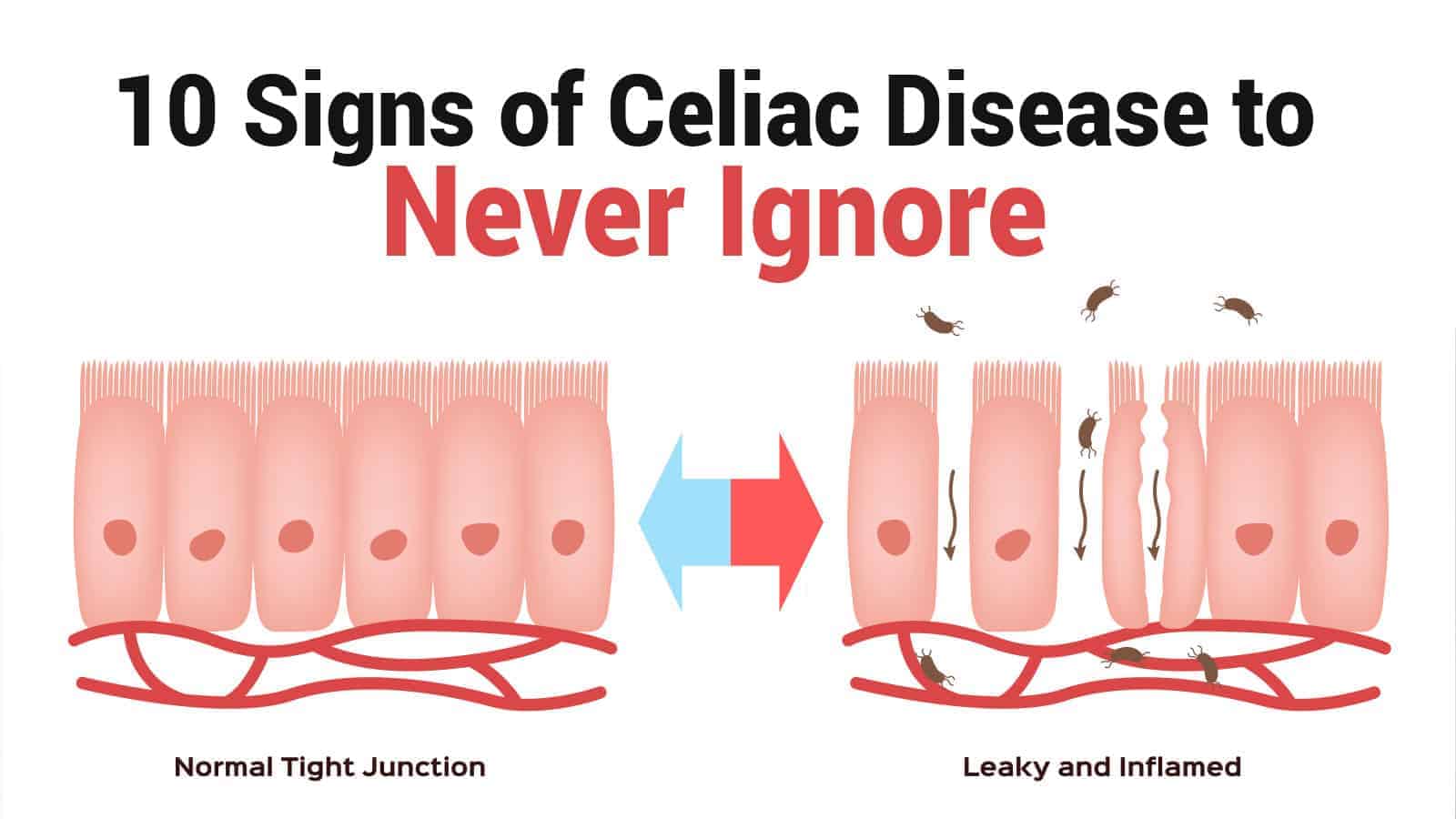
•Celiac Disease

When you have an overproduction of acid, then it can make your belly a cramping mess. Additionally, dealing with issues like IBS is no fun. People who have digestive and stomach related problems often find that they have a loss of appetite.

Additionally, many are sensitive to certain types of foods too. Conditions like celiac disease can cause insensitivity to foods with gluten in them, and it can appear as IBS, but it’s something different.

celiac disease

7. Anemia

Your body needs healthy red blood cells to carry oxygen throughout your body. When your body isn’t making enough of these cells, you can experience fatigue and a loss of appetite, among other things. The exhaustion and other problems you encounter will quickly go away with a healthy regimen of vitamin B12.

8. Side Effect from Cancer/Treatments

When there’s cancer in the body, everything is in an uproar. It’s also not uncommon for a person who is undergoing chemotherapy or radiation to lose their appetite. One of the hallmarks of this condition is that people lose weight because the very sight of food makes them ill.

9. You’re Getting Older

As you age, you won’t eat nearly as much as you did in previous years. There’s no specific number where this occurs, but it usually happens over time. When you reach middle age, it’s estimated that you will eat about 30 percent less food than you did a decade before.

10. Diabetes

Diabetes I and II are both severe conditions. The overabundance or lack of insulin in the bloodstream is not something to let go untreated. One of the signs of type II diabetes is a loss of appetite.

Many people don’t even know they have it until they go to the doctor for other issues. It’s not uncommon to be symptom-free until the glucose numbers are far beyond the danger zone. However, one of the main symptoms people complain about before they get help is an unexplained weight loss or gain.

11. Thyroid Issues

Having thyroid issues can cause all sorts of problems in the body. The hormones made by this tiny gland are responsible for your bodily functions. If you aren’t making enough hormones, you won’t have any energy, and your hunger will be affected.

Many people will gain weight with thyroid issues because they aren’t burning enough calories with their sluggish nature. Thankfully, taking synthetic hormones can bring everything back to normal.

12. A Headache

Did you know that you can have a migraine headache without having the actual aching part? There is a thing called migraine syndrome, where you have light sensitivity and nausea, and hunger loss. Plus, any headache can cause you to feel sick to your stomach, where food is the last thing on your mind.

13. Brain Injury

If you’ve had a bump or fell anyway that affected your head, you could have a brain injury. A concussion is severe but often subsides without medical intervention. However, after experiencing a fall of any kind, it can cause you to feel food is unappealing.

14. Anxiety Disorders

There are more than 40 million adults in this country that struggle with some sort of anxiety disorder. Anxiety can make your stomach fill with knots, and you may not feel like eating. The most common anxiety disorders are:

•PTSD or Post Traumatic Stress Disorder

•GAD or General Anxiety Disorder

•Panic Disorder

•Social Anxiety

•Phobias

•Separation Anxiety

•Agoraphobia

Any one of these conditions can cause you to overeat or not want to eat at all. It can also shift depending on the day and the level of your anxiety.

15. Eating Disorders

There are three types of eating disorders; they are:

• Anorexia

• Bulimia Nervosa

• Binge Eating Disorder

With anorexia and bulimia, the goal is to lose weight. When a person has anorexia, they will take diet pills, starve themselves, and still believe their body is fat. With bulimia, the person suffering from this condition will binge eat and purge what they’ve eaten.

After a period of these behaviors, the body can become accustomed to not having food, and the actions taken will mess with the hormonal triggers that tell the body it’s time to eat. In later stages of anorexia, eating may be difficult, if not impossible, for some people. Sadly, many are put on feeding tubes to get quick nourishment, but the damage is too much for the heart and other organs to take.

Binge eating disorder is a different problem. Most of the people in this category can’t stop eating, even if they’re full. They will eat enough for 2-3 people in one setting. All three are serious issues, but an eating disorder can mess with your appetite in negative ways.

loss of appetite

Final Thoughts on Appetite Loss

The body is an intricate system that needs each hormone and an electrical impulse to function correctly. When something is off-kilter on the inside, it can cause all sorts of issues, affecting your appetite. The body can live about 1-2 months without food, and a little longer if you’re getting sufficient water when you can’t eat.

With so many people struggling with weight loss in this country, it seems complicated that a loss of appetite could be such a significant issue. Still, not getting enough food can be just as dangerous as overeating. If you have any problems that prevent you from getting the nourishment you need, then you need to seek medical help.

These 15 Quotes About Work Ethic Will Motivate Your Success

Your success depends solely upon your work ethic. With a strong work ethic, you’ll be able to do anything you set your mind to. Your dreams will become a reality, and you’ll continue rising all the time.

Without a strong work ethic, however, you won’t reach your goals. You will constantly be held back, and you won’t be learning enough to continue moving forward. Since this isn’t what anyone wants from life, it is important to develop and maintain a habit of hard work.

Of course, it will sometimes be tempting to take the easy route once in a while. It can be easy to put things off for another day and only give part of yourself in the present. When you do this, you are hindering yourself because giving your all today will mean more progress another day.

The more you strive for giving your all each day, the more you will learn and grow. This development is what will help you reach success and fulfill your goals. If you find yourself struggling to stay motivated, read these quotes about having an excellent work ethic that will motivate you.

Quotes About Work Ethic

1. “The price of success is hard work, dedication to the job at hand, and the determination that whether we win or lose, we have applied the best of ourselves to the task at hand.” – Vince Lombardi

You have to work hard and show dedication and determination no matter what you believe the outcome will be. To have a good work ethic, you need to apply yourself in all situations fully.

2. “I have learned that success is to be measured not so much by the position that one has reached in life as by the obstacles which he has had to overcome while trying to succeed.” – Booker T. Washington

Even when things get tough, you have to keep working hard. Overcoming obstacles and hardships are essential for success, and the more you go through, the more you will achieve.

3. “All growth depends upon activity. There is no development physically or intellectually without effort, and effort means work.” – Calvin Coolidge

You can’t be idle if you want to grow and succeed. To develop, you have to keep working no matter what is going on. Keep putting in the effort, and you’ll keep seeing results.

4. “What you do in practice is going to determine your level of success. I used to tell my players, ‘You have to give 100 percent every day. Whatever you don’t give, you can’t make up for tomorrow. If you give only 75 percent today, you can’t give 125 percent tomorrow to make up for it. ‘” – John Wooden

You can’t expect to slack off most of the time and then make up for it in one instance of hard work. Instead, you have to give your all every single day to be successful truly. Putting things off until tomorrow or next week does not offer you the same opportunity as giving your all today.

5. “Working hard becomes a habit, a serious kind of fun. You get self-satisfaction from pushing yourself to the limit, knowing that all the effort is going to pay off.” – Mary Lou Retton

Once you train yourself always to work hard, it’ll become something you enjoy. The more you accomplish, the more satisfaction you will experience. Keep learning and growing, and remember that every bit of work you do will be worth it.

6. “You have to have a work ethic, and you have to be educated in what you’re doing. You have to take it seriously. It doesn’t mean that everything you do has to be serious. But you’ve got to have the tools.” – Jakob Dylan

To take what you’re doing seriously, as Dylan suggests, you have to be educated. This means continually learning and developing your skills so that you can keep up and always improve.

7. “Hard work opens doors and shows the world that you are serious about being one of those rare – and special – human beings who use the fullness of their talents to do their very best.” – Robin Sharma

Not everyone can reach the level of success that a hard-working person can reach. This is because it takes dedication and perseverance to get to that point.

You will have opportunities opened up for you that others won’t have. Keep working hard and doing your best each day, and your efforts will pay off.

8. “I don’t know what your future is, but if you’re willing to take the harder way, the more complicated one, the one with more failures at first than successes, the one that has ultimately proven to have more meaning, more victory, more glory—than you will not regret it.” – Chadwick Boseman

Those who are willing to take the hard way and keep fighting until the end will be more successful. The easy way might be tempting, but it won’t take you as far, and you won’t learn as much. While the hard way may cause more failure for you, it will ultimately lead to much greater success.

9. “If you work hard enough and assert yourself, and use your mind and imagination, you can shape the world to your desires.” – Malcolm Gladwell

Work hard so that you can make the world whatever you want it to be. Make all the things you have dreamed of possible. Do this by constantly looking for new ways to do and improve things.

10. “I never feared about my skills because I put in the work. Work ethic eliminates fear. So, if you put forth the work, what are you fearing? You know what you’re capable of doing and what you’re not.” – Michael Jordan

Fear is something that often holds people back in life. As Jordan explains, however, the fear wouldn’t hold you back if you knew you had put in the work.

If you know what you are capable of, you’ll be able to get out there and do the work efficiently. So, keep practicing and developing your skills. Before you know it, the fear won’t be so intense anymore, and your confidence will lead you to success.

11. “There may be people that have more talent than you, but there’s no excuse for anyone to work harder than you do.” – Derek Jeter

The amount of talent a person has should not equal the amount of work they put in. Instead, each person should constantly work hard.

This can (and often does) lead to those with less talent becoming more successful. So, always work hard whether you have high amounts of talent or if you think others are more talented than you. The level of talent does not determine the level of success.

12. “You have to work hard in the dark to shine in the light. Meaning: It takes a lot of work to be successful, and people will celebrate that success, will celebrate that flash and hype. Behind that hype, though, is dedication, focus, and seriousness—all of which outsiders will never see.” – Kobe Bryant

The thing that most people celebrate is the victory at the end, as Bryant explains. Other people don’t see all the hard work, dedication, and determination that you put in. Still, the hard work put in behind the scenes leads to the celebration of success at the end.

13. “Plans are only good intentions unless they immediately degenerate into hard work.” – Peter Drucker

You can do all the planning you want, but it could amount to nothing. Putting your plans into action is the only thing that can lead to success. Make plans, but begin executing them immediately so that they don’t go to waste.

14. “Everyone talks about age, but it’s not about age. It’s about work ethic. Winning never gets old.” – Lisa Leslie

The age of a person means nothing when it comes to success. Whether you are old, young, or somewhere in between, your chances are the same. Put in the hard work, and you will win.

15. “Let me tell you the secret that has led me to my goals: my strength lies solely in my tenacity.” – Louis Pasteur

Having tenacity means that you are determined and persistent in achieving something. When you live your life this way all of the time, you will experience success.

Final Thoughts on Quotes About Work Ethic to Motivate Your Success

As you can see, having a strong work ethic is what will lead you to success. No amount of talent will get you there if you don’t put in the necessary time and effort.

Each day, remember to give your all and work as hard as you can. You will grow and develop so that you can achieve more in the long run. Remember these quotes about work ethic, and they will help motivate your success.

Kind Woman Rescues Two Lynxes from a Fur Farm

After rescuing two lynxes from a fur farm, Anastasia gave them a chance at a whole new life. The two wild cats joined an already huge fur family, which included three horses and eight dogs. Anastasia also rescued most of these animals; with the addition of the cats, she now has 13 pets. She named the lynxes Geralt and Bulochka and said they act just like smaller house cats.

“Most of their traits are similar to those of domestic cats. They love climbing, playing with teaser wands, and cuddling with their humans,” she said. “That’s why I gave them a lifelong home.”

If Anastasia hadn’t adopted the lynxes, they would’ve ended up as someone’s fur coat, sadly. She didn’t have the heart to let that happen to them all, so she rescued the first kitten in 2018. A year after picking up the first one at the fur farm, she got asked to rescue another kitten also rescued from the farm.

The rescuers hadn’t tamed her, so Anastasia had a lot of work ahead of her.

Adopting an exotic pet

If you want to adopt lynxes or any animal, you have to make sure you have the time and resources to dedicate to them. Anastasia says, “when you decide to adopt or rescue a pet or help an animal in need, it’s crucial to remember that rescuing is just the beginning. You have to assess your resources and willingness to provide the one you rescue with a good life.”

Because of her love for animals, she decided on a career in biology. She also dreamt of having an animal family of her own and loves caring for all her fur babies.

“I loved animals ever since I remember myself. I always wanted to work with animals, and because of that, I’ve chosen my education. I’m a biologist – now, my dreams came true.”

Judging by the video clips, it looks like the lynxes love their new home and family. They love eating delicious food like grapes, playing fetch with tennis balls, and watching the clothes spin around in the washing machine.

They also enjoy going on adventures to the local lake to watch the ducks, and, like most cats, they love climbing on stuff! It seems like they get along great with the other members of the fur family.

“By adopting and helping all these animals, I create my own world.”


View this post on Instagram


A post shared by Anastasia Poznyak (@lynx_and_husky) on

“It all started with a husky; in fact, with Banshee – a little puppy left in the clinic. We took her home and cured her disease.

To be honest, all our animals, except Geralt, found us themselves. The standard scenario was like: I was surfing the web aimlessly and accidentally found [a] post about an adoption. I fell in love, assessed my resources, doubted – and then we took our new beast home.

I never wanted a lot of animals, but it somehow happened so. And I don’t regret a thing.”

Here are some facts about the newest lynx in the family:

– They named her Bulochka (the Russian word for sweetbread) because she’s delightfully sweet.

– She spent the first 3 months of her life with her mother.

– She came to Anastasia untamed, but they worked hard to train and housebreak her.


View this post on Instagram


A post shared by Anastasia Poznyak (@lynx_and_husky) on

Here are 10 more main facts about both of them:

1. They eat raw meat (chicken, rabbits, turkey, and so on).

2. They use a simple cat litter box.

3. They refuse to pee without the litter box.

4. They are trained to walk on a leash.

5. They are friendly to dogs.

6. All their claws and teeth are in place!

7. They have gnawed three monitor displays and one notebook (an unfortunate part of owning lynxes).

8. Bulochka always steals slippers, and Geralt prefers pillows.

9. They are both neutered, so there will be no offspring.

10. Their favorite sleeping spot is on the top shelf.


View this post on Instagram


A post shared by Anastasia Poznyak (@lynx_and_husky) on

If you ever should want to (and can) adopt lynxes, the owners have provided some important tips:

Lynx at home: checklist

✅Food. The most basic and important thing is healthy food. It is very important that the diet consists not only of meat filets but also includes bones and offals.

✅Supplements and vitamins. Lynxes from the fur farm tend to have weak bones and joints, so they need support. Our cats receive additional salmon oil and vitamin courses.

✅Toys. Lynxes are active cats. Ours prefer running after a cat teaser with a toy mouse on a string.

✅Litter box. Lynx can be taught to use the toilet, but ours use a large cat litter box.

✅Treatment for parasites. We use vermifuge and flea drops on schedule. Usually, dog medicines are used for the lynxes.

✅Equipment. Lynxes are large, strong, and flexible animals, so the usual ammunition from a pet store does not suit them. It’s from our own experience. We use a collar from @ykka_collar, a harness from @dogwithlog, and a Flexi tape for giant dogs.


View this post on Instagram


A post shared by Anastasia Poznyak (@lynx_and_husky) on

Final thoughts on adopting lynxes

Even though a lynx would make a unique and amazing pet, you should only adopt them if you have ample room and resources. They need a lot of time for training and attention, and you’ll have to put up with items getting chewed up frequently. Since they’re wild cats, they will have certain instincts that will stick even with training. However, they can become domesticated and get along well with humans.

Lynxes need a warm living space with plenty of things to climb and play with. You’ll also want to have a strong foundation in your house with well-built walls, so they can’t claw or chew their way out. As you can see, you have so much more to think about when you adopt wild cats, but for kind people like Anastasia, it’s well worth the effort!

Research Suggests a Link Between Polluted Air and Cognitive Diseases

All around the world, cases of cognitive diseases are on the rise. It’s an epidemic that scientists are feverishly researching in an attempt to find causes and solutions. This is especially true since most cognitive diseases are irreversible.

A recent breakthrough in research suggests that markers of certain cognitive diseases were present in young people’s brains who were constantly exposed to polluted air. This suggestion combines three of the most researched topics of today – cognitive diseases, pollution, and climate change. Keep reading to find out more.

Details of the Study

The study was done by researchers from several different universities and scientific research centers around the world. The lead researcher was Lilian Calderón-Garcidueña, affiliated with The University of Montana and the Universidad del Valle de México. Other researchers included:

  • Barbara Maher, professor and Director of the Centre for Environmental Magnetism & Paleomagnetism in the UK
  • Angélica González-Maciel of the Instituto Nacional de Pediatría in Mexico
  • Rafael Reynoso-Robles of the Instituto Nacional de Pediatría
  • Jessica Hammond of the Centre for Environmental Magnetism & Paleomagnetism
  • Randy Kulesz of Lake Erie College of Osteopathic Medicine in Erie, PA, USA
  • Ingolf Lachmann of AJ Roboscreen GmbH in Leipzig, Germany
  • Ricardo Torres-Jardón of the Universidad Nacional Autónoma de México
  • Partha S.Mukherjee of the Indian Statistical Institute in Kolkata, India

polluted airThe research occurred in Mexico City, Mexico where 186 young people participated. The ages of the participants ranged from 11 months and 27 years of age.

Researchers likely chose this city because, in 1992, the World Health Organization (WHO) named Mexico City as the city with the most polluted air in the world. The city’s government has made tremendous strides since then to clean up pollution, but the city is still very smoggy. Plus, it’s Mexico’s capital and has the highest population of all cities in Mexico making the selection pool of participants more versatile.

For the study, researchers analyzed the brain stems of the participants. They found markers of Alzheimer’s disease, Parkinson’s disease, and motor neuron disease (MND). When compared to a group of young people who lived in an area with less polluted air, researchers saw that the young people in the less polluted air didn’t have the markers. They concluded that long-term exposure to dangerous particulates and fumes in the air of the Mexico City residents are what led to the markers appearing in their brains.

The Importance of the Study

Right now, the scientific community has a limited understanding of what causes cognitive diseases. Depending on which cognitive disease a person has, there may be medication to help manage it, but these diseases have no cure and medications only delay the inevitable. Any scientific breakthroughs can possibly help shed light into dealing with this crisis.

This research points to a way to possibly prevent the diseases in the first place and, ironically, it’s not a medical solution. The solution is environmental which points scientist to the issues of climate change, pollution, recycling, and other environmental problems. It seems that these issues are harming people as much as they’re harming the earth.

Climate Change: How It’s Affecting Life as You Know It

Climate change, also called global warming, is a topic of hot debate. There are plenty of people trying to debunk the concept, but the evidence is there. The National Aeronautics and Space Administration (NASA) is one of the biggest research organizations collecting data on climate change. Their results are shocking.

Greenhouse Gases

Earth goes through many temperature cycles. According to NASA, there have been seven cycles of glacial advance and retreat in the last 650,000 years. The last one started with the end of the Ice Age which brought the beginning of human civilization. The difference between previous cycles and the one that is occurring now is that previous cycles were due to natural causes because people weren’t around.

Greenhouse gases are responsible for climate change because they trap the heat from the sun in the earth’s atmosphere. While these gases can occur naturally, people are responsible for the high levels of greenhouse gases that are currently plaguing the atmosphere. In fact, NASA states that carbon dioxide (one of several greenhouse gases) is 250 times higher than they have been in previous cycles due to human activity. Some ways that people are causing a rise in greenhouse gases are fumes from cars, the use of aerosol cans, rapidly depleting forests, and more.

Besides carbon dioxide, the other greenhouse gases are:

  • water vapor
  • methane
  • chlorofluorocarbons
  • ozone
  • nitrous oxide

pop memeLinking Greenhouse Gases, Climate Change, and Cognitive Diseases

Rising temperatures aren’t the only consequence of having concentrated levels of greenhouse gases in the atmosphere. What you need to understand about greenhouse gases is that it’s like a blanket surrounding earth. That means nothing is escaping – pollution is being trapped in the air. That’s why many cities appear so smoggy.

In fact, certain greenhouse gases turn into pollution. For example, when ozone breaks down, it turns into free radicals. Free radicals damage humans and animals on a cellular level.

Another example is the results of inhaling high levels of carbon dioxide fumes. This can cause respiratory illnesses. It also leads to people breathing in less oxygen which can damage their brains and cardiovascular systems. Unfortunately, carbon dioxide makes up over 80 percent of greenhouse gas in the polluted air.

Going back to the study, the whole point was that polluted air is leading to cognitive diseases. This means that climate change and greenhouse gases are contributing to this problem. In fact, it could even be a primary cause of the problem although more research would be needed to verify this.

The Effect of Polluted Air on Plants

According to studies, the three air pollutants that are the most harmful to plants are

nitric oxides, ozone, and sulfur dioxide. Plants can absorb these pollutants which will cause changes on a physiological level. These changes can lead to stunted or mutated growth.

The Parts of Plants That See the Impact

The leaves of plants can have a chlorophyll deficiency due to a phenomenon called chlorosis. This is caused by ozone. Plants need chlorophyll for photosynthesis, the process that allows them to make food and energy from the sun. If plants can’t perform photosynthesis, the leaves (and eventually the plant) will die.

Fumes from vehicles and other air pollutants can cause delayed flowering or a cancellation of flowering. A plant that is exposed to polluted air must use all its resources for survival, so it can’t dedicate any to flowering. This is especially true for plants in urban areas where the concentration of air pollution is much higher.

The roots of plants can also be affected. Greenhouse gases like sulfur dioxide can cause acid rain. This rain is then absorbed by the soil and the acidity level of the soil is raised. This can cause a depletion of bacteria and nutrients in the soil that helps plants thrive.

Why Polluted Plants are So Significant

The reason this problem is significant is obvious. Humans rely on plants for food and air. Without them, people will surely die. However, it’s not just crops on farms that must be considered. A decrease in the growth of wild plants and non-edible plants can disrupt the delicate balance of the natural food chain.

Disrupting this balance affects all living creatures. Even with humans being at the top of the food chain, disrupting this balance can have devastating effects on the food supply. Animals that people eat rely on the plants that are being polluted. This means that, without these plants, the animal population begins to decrease. Even insects will have less food to eat and there are plenty of animals who rely on insects for food.

An even bigger consideration is that humans and animals could be ingesting polluted plants. This means that people are getting a direct dose of pollution to their bodies. This leads back to the study – polluted plants due to the smoggy air, contribute to the markers of cognitive diseases of the participants in Mexico City. It’s a safe bet that this is happening all over the world.

polluted airFinal Thoughts on the Study, Polluted Air, and Cognitive Diseases

The study is one of many that is pointing out the inevitable outcome of long-term exposure to air pollution. It’s a global crisis that is no longer speculation – the harmful effects are happening right now. What’s worse is that scientists speculate that it could be too late to completely reverse the damage in any significant time frame.

The best thing people can do is to use studies like this one to make changes for the following generations. Air pollution is something that people can control. They just have to come together and simply do it. Many companies and groups have been leading the change. Hopefully, this revolution catches on before too much more damage is done.

Skip to content