Weekly tips, affirmations, and small actions to feel your best.

NASA Study Reveals Sea Levels Could Rise 15 Inches by 2100

A study found that if greenhouse gas emissions continue at the current pace, sea levels could rise 15 inches by 2100. More than 60 ocean, ice, and atmosphere scientists worldwide from 36 international institutions contributed to the research. Their new estimates revealed that Greenland and Antarctica’s ice sheets alone could cause this surge in sea levels. Furthermore, this doesn’t even account for the global sea-level rise already set in motion by Earth’s warming climate.

This study’s results align with projections made by the Intergovernmental Panel on Climate Change’s (IPCC) 2019 Special Report on Oceans and the Cryosphere. Scientists estimated that Greenland would contribute 3.1 to 10.6 inches to global sea-level rise in this century. They projected that Antarctica’s ice sheets could add 1.2 to 11 inches to sea levels. Overall, melting ice sheets cause around a third of the global sea-level rise.

The study resultssea level rise
The results from this study have been published in an issue of the journal The Cryosphere. The data came from the Ice Sheet Model Intercomparison Project (ISMIP6) led by NASA’s Goddard Space Flight Center in Greenbelt, Maryland. NASA satellite observations keep track of changing sea levels from space and use this data to estimate impacts on melting ice sheets. They also hope to gain more insight into the causes of retreating ice sheets and ways to adapt to climate change.

“One of the biggest uncertainties when it comes to how much sea level will rise in the future is how much the ice sheets will contribute,” said project leader and ice scientist Sophie Nowicki. “And how much the ice sheets contribute is really dependent on what the climate will do.”

“The strength of ISMIP6 was to bring together most of the ice sheet modeling groups around the world, and then connect with other communities of ocean and atmospheric modelers as well, to understand better what could happen to the ice sheets,” said Heiko Goelzer, a scientist at NORCE Norwegian Research Centre in Norway. Goelzer was the lead scientist for the Greenland ice sheet research.

Greenhouse gas emissions will determine the sea-level rise.

Both warming air temperatures and increasing ocean temperatures have caused Greenland’s ice sheet to melt rapidly. As a result, it contributes greatly to global sea-level rise. However, just how much it will rise depends on the carbon emissions level being released into the atmosphere. The ISMIP6 team investigated two different scenarios set for the IPCC’s future climate to estimate sea-level rise by 2100. In the first one, emissions keep increasing rapidly, and in the second, emissions have been dramatically decreased.

Greenland ice sheet

In this scenario, they found that the Greenland ice sheet would cause an additional global sea-level rise of about 3.5 inches by 2100. With lower emissions, the retreating ice sheet would only raise global sea levels by about 1.3 inches. Remember that these estimates don’t include ice already lost due to warming temperatures between pre-industrial times and now. Prior studies estimated that the Greenland ice sheet would add around a quarter-inch sea-level rise by 2100 due to this factor alone.

styrofoam

Learn about how Maryland became the first state to ban styrofoam carryout containers.

Antarctica ice sheet

The ISMIP6 team also analyzed the Antarctic ice sheet to estimate how much it would impact sea level rise. (Remember that this amount doesn’t include sea-level rise set in motion already by warming temperatures). Scientists say they have a harder time estimating future ice loss from this ice sheet due to several reasons. In the west, warm ocean currents cause erosion on the bottom of large floating ice shelves, resulting in a loss. However, on the eastern side, the ice sheet often gains mass due to increased snowfall resulting from warmer air temperatures.

This means that a greater range of possibilities could happen. But that depends on how this ice sheet reacts to the changing climate. Their research reveals that extreme ice sheet fluctuations could decrease sea levels by 3.1 inches or increase it by up to 12 inches. As we said, this all depends on the climate and greenhouse gas emissions in the future. However, the climate model projections show the most severe loss in the West Antarctica ice sheet. In the warmest climate conditions, it causes up to 7.1 inches of sea-level rise by 2100.

What the researchers say about the sea level rise

“The Amundsen Sea region in West Antarctica and Wilkes Land in East Antarctica are the two regions most sensitive to warming ocean temperatures and changing currents, and will continue to lose large amounts of ice,” said Hélène Seroussi, an ice scientist at NASA’s Jet Propulsion Laboratory in Southern California. Seroussi led the Antarctic ice sheet research.

“With these new results, we can focus our efforts in the correct direction and know what needs to be worked on to continue improving the projections.”

Various groups within the ISMIP6 community contribute to different aspects of the ice sheet modeling research. The models help them better understand why the ice sheets have changed and improved estimates on sea-level rise.

“It took over six years of workshops and teleconferences with scientists from around the world working on the ice sheet, atmosphere, and ocean modeling to build a community that was able to ultimately improve our sea-level rise projections,” Nowicki said. “The reason it worked is because the polar community is small, and we’re all very keen on getting this problem of future sea-level right. We need to know these numbers.”

The new results will help scientists gather data for the Sixth IPCC report scheduled for release in 2022.

sea level riseFinal thoughts on the study that showed sea levels could rise 15 inches by 2100

New data and climate modeling systems have shown that sea levels could rise by 15 inches by 2100. 60 scientists from all over the world have contributed to the research, using advanced climate technology and satellite imagery.

The greenhouse gas emissions rates in the future will greatly determine the sea level rise globally. If we keep emissions low, sea levels won’t increase but a few inches. However, under the highest emissions scenario with a very warm climate, we could see 15 inches of sea-level rise by the end of the century.

Experts Reveal 5 Key Traits Of Manipulators (And How to Stop Them)

Manipulators are cunning and clever. They often have a good understanding of human psychology, allowing them to coerce you into doing what they want through any means necessary. To be on guard against this, you must first understand the traits of a manipulator.

Being tricked by a manipulator can be significantly harmful to you, so you need to learn how to spot a manipulator and defend yourself against them. Here’s how experts reveal 5 key traits of manipulators and how to stop them.

Five Primary Traits of a Manipulator

Do you feel someone is trying to pull one over on you? Here are five of the most common traits of a manipulator.

1.    They Make Unreasonable Requests Or Offers, Presented As Reasonable Ones

Manipulators often try to use the people around them as “tools” to achieve their goals. They might make all sorts of offers to you that are just ways of them disguising their true motive. Their requests will usually be very unreasonable on paper but will be presented so that they sound completely valid.

Some manipulators might be very transparent and obvious when they do this, as they lack the self-awareness necessary to realize that they’re asking for the ridiculous. But the manipulators you have to worry about are aware that what they’re asking for is too much. They might even make their desires sound so reasonable that you’d feel bad for declining. This is a common trick among manipulators – they seek to get something positive in return for deceiving those around them.

Regardless of the traits of the manipulator you’re dealing with, author, professional private coach, and communications expert, Preston Ni, M. S. B. A., recommends turning the focus back to them using probing questions. It can make the manipulator in question suddenly very aware of the disproportion of their requests.

traits of manipulatorsHere are some examples of questions to use:

  • Do I have any say in this?
  • Do you think that sounds reasonable?
  • Does this seem fair to you?
  • Are you really expecting me to do (ridiculous request)?
  • Are you asking or telling me?
  • What exactly do I get out of this?

These types of questions force a manipulator to look at themselves in a metaphorical mirror to realize how disproportionate these requests are. It’s enough for most of them to back down.

2.    They Present Exaggerated Scenarios That Make You Question Yourself

Exaggeration can be used liberally by any manipulator to get the reaction they want. They exaggerate their experiences or the wrongs that others have done to them. They exaggerate their levels of need for something and exaggerate how “unreasonable” you’d be if you reject them.

Therapist Sharie Stines, whose field of work specializes in toxic relationships and abuse, says that this is called “gaslighting.” It’s a form of manipulation that seeks to make you question your thoughts, reality, or memory, all at once. In short, it can make you feel like you’re going crazy.

Before you begin to question yourself, put on some positive thinking, and pause. Contextualize what’s happening and ask yourself if it’s really what they say it is. According to Ni, the best way to reject such exaggeration is by asking for evidence or proof. If that’s too direct an approach for you, you can stick to the facts instead, constantly redirecting to reality.

Here are some other dos and don’ts:

  • Do be clear about the situation at hand, especially if you’re explaining how a manipulator is hurting you to them.
  • Don’t bother over-explaining to a manipulator who is hell-bent on misunderstanding you or playing the victim.
  • Do provide examples of the manipulator’s behavior towards you.
  • Don’t feel the need to demand answers from a manipulator for reasonings behind their
  • Do stick to your main point; don’t let yourself be swayed by moving the goalposts, says American Board of Professional Psychology certified psychologist Loren Soeiro, Ph.D.
  • Don’t make further excuses for a manipulator who can’t deliver on your basic respect and boundaries.
  • Do expect these kinds of discussions to be draining and tiring, so don’t feel obligated to perform them.

3.    They Make You Feel Guilty

Manipulators love to make other people feel guilty because it appeals to the natural empathy and kindness that most of the population share. Stines refers to these kinds of manipulators as “the victim” – they act hurt and pretend to be severely affected by you and things around them, even when they’re usually the cause of the problems they act hurt by.

When you don’t agree to help a “victim”-type manipulator, they’ll usually play up their act even further, causing you to feel guilty. You will then experience a sense of obligation that almost compels you to “help” them – but stop right there! You need to understand better what a manipulator is looking for in you to target you this way.

For example:

  • They recognize that you feel inadequate and try to make you feel like you’d be more adequate if you helped them.
  • Often, they try to avoid taking any blame by shifting it onto you so that you help them out of the situation they created
  • They know you’re a people-pleaser and will feel guilty if you don’t satisfy them, so they ask you for unreasonable things while preying on the “Yes man” in you.

Of course, you can also feel obligated to help people who aren’t manipulators but are genuinely in need. How can you differentiate between them? Instead of surrendering to these feelings, Ni recommends taking a little moment of self-reflection before making a decision.

Ask yourself:

  • Is what is being asked of me reasonable?
  • Do I feel positive about my relationship with this person?
  • Is this person treating me with genuine respect?
  • Are the expectations being placed on me achievable?
  • Is my relationship with this person equal parts give and take, or am I always doing the giving?

traits of manipulators4.    They Get A Foot In The Door First

Manipulators are notoriously charming, and this charm fuels most of their tactics, according to studies. You might think you’re giving them a kind shot at being nice and kind by opening the door a little for them to state their case before deciding if it’s reasonable. Unfortunately, with the charm they have, just that little gap in the “door” is all a manipulator needs.

Doctoral researcher Jay Olson, whose area of study focuses on manipulation, states that one of the most common manipulation tactics used by manipulators is the “foot-in-the-door” method. Essentially, it involves beginning with a request that sounds extremely reasonable, then slowly and gradually escalates in a way you don’t notice. And even if you do notice, you might be in too deep to say no!

Some examples of this are:

  • “Could I let something off my chest?” can escalate into a discussion about how hard they’ve been working and how tired they are, which can turn into “Could you take over my shift on Saturday?”
  • “Do you have the time?” can escalate into a conversation about how they’re late, which ultimately results in “Can I borrow 10 bucks for a taxi?”
  • “Could I have a piece of that candy?” can escalate into a complaint about how they haven’t eaten all day, which then leads to “I’d really like to have an hour to go and eat a proper meal right now.”
  • “Is it okay if I leave five minutes before the end of the meeting?” can escalate into a conversation about their responsibilities for the week, which finally ends in  “Could you look after my dog for the next couple of days?”

But this tactic also works in reverse, and a smart manipulator will know if this will work better on you. Instead of starting small, they start ridiculously large, making a request you’re sure to be shocked by and refuse. Then, they work their way down into a smaller request that sounds totally fine after the big one. Ultimately, you don’t notice that the smaller request still isn’t reasonable.

You can call this the “door-in-the-face” method, but it’s ultimately the same concept. One of the key traits of a manipulator is the ability to get you listening to trick you into doing what they want.

Here are some examples of this:

  • Requesting a huge sum of money to borrow, then dialing it back to a smaller amount.
  • Asking for you to handle a huge amount of their chores, reducing it to just two or three.
  • Requesting a very long extension on a deadline, then reducing it to one that sounds less extreme.

How do you stop this? Put on your positive thinking and say “No.” As a human being, you have the right to say “no” when something is asked of you. Be polite but firm in your statement, and don’t allow the manipulator to get any word to counteract your refusal. The “no” is a hard “no,,” and it can’t be negotiated.

5.    They Act Like An Expert

Manipulators have to sound like they know what they’re talking about to get the results that they want. Unfortunately for them, most of them don’t, so they have to convince you to look at them in a positive light.

They may achieve this by:

  • Talking up their experience and referencing your lack of it, even if that condescension isn’t rooted in the fact
  • Drawing arbitrary connections between things you know they’ve done and the knowledge they claim to have, even though those connections don’t necessarily really exist
  • Speaking in lengthy monologues that don’t allow you to get any word in, avoiding having to answer any questions that might reveal their lack of expertise
  • Masking details and being general to disguise any shaky logic or half-truths
  • Engaging in intellectual bullying, according to Ni, where they act like you’re less intelligent because you don’t see the truth in what they say
  • Slowing down to condescend to you that you need things dumbed down for you
  • Dismissing questions by saying that it’s too complicated to explain to someone who doesn’t have the general background that they have

To counteract this, focus on the facts. As they speak, link their words to what you know is true in your head, and you’ll see the discrepancy fairly quickly. Don’t be afraid to say you’re going to ask for a second opinion, or bring others in to listen, too.

traits of manipulatorsFinal Thoughts On Identifying the Key Traits Of Manipulators–and Stopping Them in Their Tracks

It’s not fun to be on the receiving end of manipulation. But by learning to spot a manipulator and stop their behavior from taking over you, you won’t have to fall victim to their schemes again.

Why Negative Personality Types Often Act Victimized

Everyone has some negative qualities, but those with negative personality types take it a step further. Negative personality types tend to act as if they have been victimized in most situations. This behavior makes it hard for others to be around them, leading to feeling isolated.

Negative personality types often act victimized by blaming others for their mistakes. They acquire a victim mentality, which causes them to act as if they are always being victimized. This mentality allows them to displace blame, anger, and accusations and can seriously damage relationships.

The good news is that even the most negative personality types can change their mindset. This isn’t to say that the negative characteristics will disappear, but there is a way to get them under control. The thought process can be changed, and that will make all the difference.

Victim mentality is a complicated topic to understand. It is essential to understand, however, if you want to understand why negative personality types often act victimized.

What is a Victim Mentality?

negative personalityVictim mentality causes a person to see themselves as a victim of other people’s negative actions. While this may be fine if it were true, there is normally evidence showing that this isn’t truly the case. This mentality is a trait developed over time, rather than one that someone is born with.

Having a victim mentality also involves blaming other people for personal misfortunes. It is easier for the person to shift responsibility rather than admitting they are the person responsible. They won’t realize they can make a beneficial change because they don’t feel responsible for their lives.

You will notice that someone with a victim mentality believes that bad things continually happen. They also blame other people or situations for those bad situations.

Then, as they blame others, they won’t ever think that they change their life for the better. They may often use the excuse that something or someone is holding them back. It’s important to mention that this negative mindset is often a way to displace pain and stress.

Signs of Victim Mentality from a Person with a Negative Personality

Those who have a victim mentality may show some of the following signs:

  • every hardship is personal, as if someone made it happen to them
  • they believe that most parts of life are out of their control
  • most parts of their life are negative
  • they should receive sympathy because of their challenges
  • improving their situations isn’t an option
  • they blame other people or situations as the cause of their problems
  • admitting responsibility doesn’t happen often
  • they become hypervigilant around others
  • watching for negative actions of others is a habit
  • they always seem to be waiting for something bad to happen
  • when they receive sympathy, they bask in it
  • they often believe that everyone else is more fortunate than they are
  • constant self-pity and pessimist
  • repressed anger
  • they create elaborate and convincing stories to explain how they were a victim
  • often act entitled and selfish
  • they quickly become defensive and accusatory
  • taking risks isn’t an option for them
  • they underestimate themselves and often fear powerless
  • negative self-talk
  • lack of empathy
  • they focus on the negative and don’t look for a solution
  • often wish for revenge against the other person
  • when they are offered a potential solution, they find reasons for why it won’t work
  • they are not assertive and won’t express their needs
  • trust-issues
  • heavily critical

How This is Different from Truly Being a Victim

When someone is a victim, it means they have experienced loss, injury, or misfortunate by no cause of their own. This could be caused by another person or by a situation beyond the victim’s control. This includes instances when they were:

  • injured or harmed in another way, and they were not the cause
  • they were unable to prevent the harmful situation
  • another person violated their rights

How This a Negative Personality Develops

Victim mentality isn’t genetic, and most people don’t behave this way because they want to. Instead, it is a mentality that is learned and developed over time and can be caused by many things.

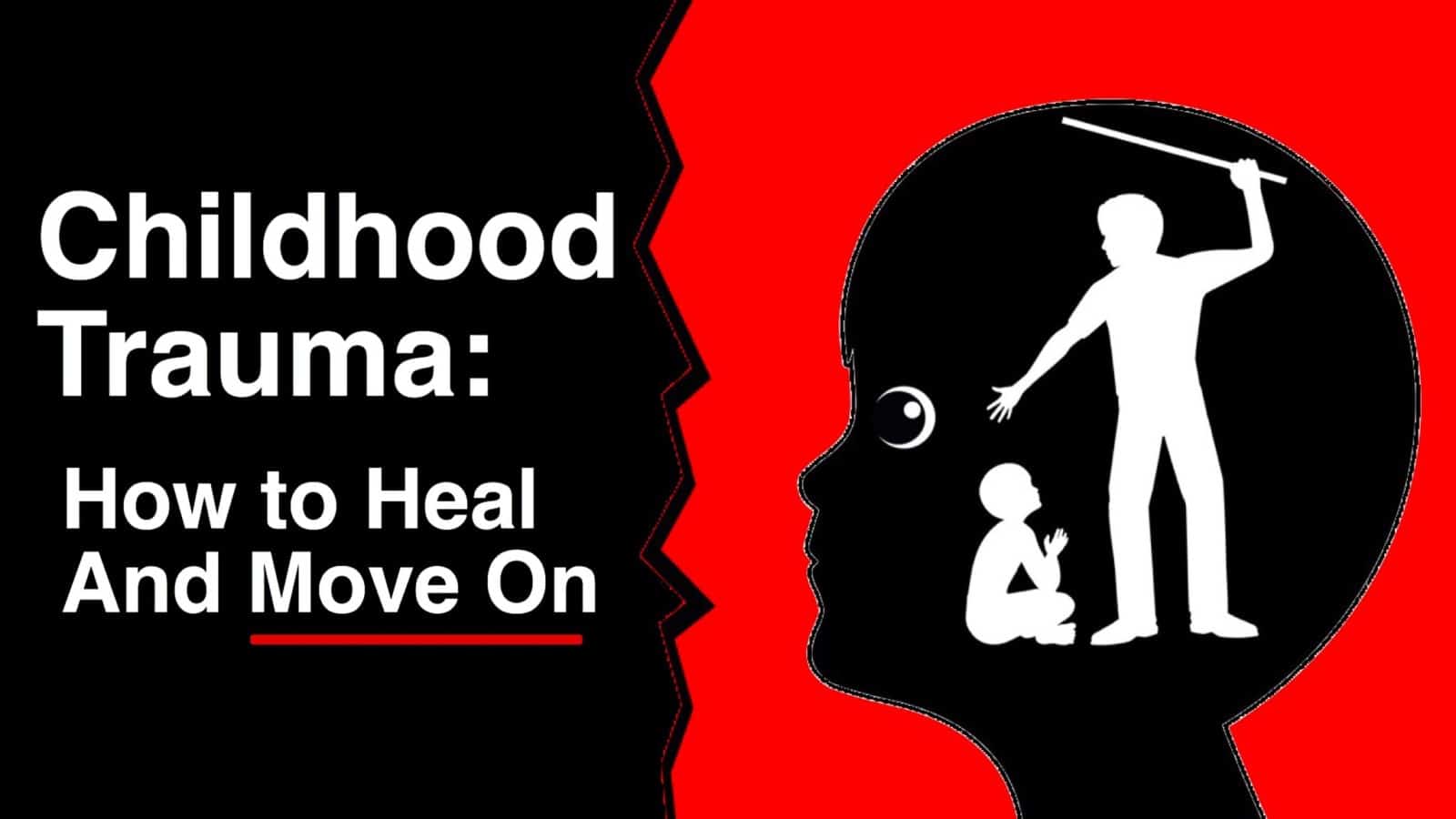
childhood traumaPast Trauma

If someone has experienced trauma in the past, they might develop a victim mentality. It can originally develop to cope, and then it simply becomes a habit and a way of life. This often happens if a person experiences a couple of traumatic situations right in a row.

People with negative personality types often act victimized because they dwell on things. Every traumatic moment in their life is thought about often, especially if it happened during childhood. This leads to smaller hardships seeming much worse than they are.

Betrayal of Trust

This is normally the case when the person seems to have trust-issues. Oftentimes, it means that their trust was betrayed repeatedly, but it can happen after just one instance.

Being Co-Dependent

A co-dependent person often puts their desires and goals on hold for their partner. Eventually, it will cause a victim mentality to feel like they don’t get what they want or need. They have difficulty realizing that they could change this on their own, so they begin to feel helpless.

How to Deal with a Negative Personality Type that Acts Victimized

While the negative person can change their mindset at any time, they often don’t realize that their behavior is an issue. Or, if they do realize it, they don’t know how to make it happen, so they don’t do anything about it.

You’ll likely find it to be difficult to spend time with someone who always acts victimized. Sometimes there is no other option, however. Try to remind yourself that they have likely faced trauma in their life that has made them this way.

While you shouldn’t take responsibility when they try to blame elsewhere, you can show them empathy. If you find yourself the subject of their accusations, try the following:

  • don’t openly label them as having a victim mentality
  • nicely bring up the behaviors you are noticing
  • set boundaries and enforce them
  • offer solutions that might help them
  • try to envision yourself in their situation
  • offer encouragement

When you gently bring up the behaviors, it can open up a discussion. The person might express their feelings positively and allow for further discussion.

Setting boundaries is helpful because you are no longer allowing them to blame you for their hardships. They will have to own up to them, and they’ll understand that you won’t comply with their negativity. Even as you help them, you may have to remind them that their behavior toward you is unacceptable.

While it was stated before that offering solutions will only result in their reasons why it won’t work, there is a way around this. Once you’ve started a positive conversation about it, they may be more susceptible to your ideas. Plus, you can help them brainstorm ways to work and make suggestions rather than giving direct advice.

From there, you can encourage them. Tell them what you think they are good at and remind them of the things they have achieved. This can make all the difference in helping them overcome victim mentality.

When you put yourself in their position, you can think about all the ways they are feeling. They likely feel hopeless and like they have no support. Plus, they often have low self-esteem, depression, and other mental disorders, hard to live with.

What to Do If You’re the One Acting Victimized

It is important to acknowledge when you are the one behaving like a victim. Addressing this issue is important because having a victim mentality has a terrible effect on your mind. It will hinder your potential in life and hold you back from achievement.

If you can’t seem to change your mindset on your own, it’s normal to look for outside help. A professional therapist can help you overcome the victim mindset. Plus, they can help you with the root cause of the issue, making your life that much easier.

negative personalityFinal Thoughts on Why Negative Personality Types Might Act Victimized

Negative personality types often act victimized because of the victim mentality they develop. Some people might develop this mindset due to childhood incidents. Negativity is not genetic. It can also develop if any family members or caregivers had a victim mentality because it can be learned.

While it’s important to set boundaries with these people, try to show compassion. They are truly feeling pain or anger inside, which is the only way they know to cope. If you can’t or don’t want to walk away, try to help them as much as possible without bringing yourself down, too.

If you are the one with a victim mentality, remember how important it is to change this mindset. There is help out there if you can’t do it on your own, but you must do something. Victim mentality and negative personality can be addressed and fixed with the right thought process.

5 Signs A Child Has Williams Syndrome

Williams Syndrome is a rare condition seen in about one out of 20,000 kids born each year. It’s a developmental disorder that has no cure, but treatments and other therapy types can help. Sadly, the lifespan of a person suffering from this condition can live into their 60s, though it’s thought that this disease will shorten their years from 10-20 percent.

It was first discovered in 1961 by Dr. J.C.P. Williams, a physician in New Zealand, though knowledge of this condition has increased since then. Genetics plays a significant part in this disease, as it’s believed that someone who has this syndrome has a 50 percent chance of passing it along to their offspring.

Since there is no way to prevent this illness, someone diagnosed should seek medical advice before having a child.

What Causes Williams Syndrome?

This disorder is caused by an abnormality in the #7 chromosome, which helps with behavioral skills and cognitive abilities. There are 1,150 genes and over 940 pseudogenes in this chromosome. It’s by far the largest of all human DNA chips in the body.

There are 26 missing chromosomes in this gene. While that doesn’t sound like a great deal with so many, even one can cause abnormalities. One of the genes that are responsible for creating the protein known as Elastin is within this sector. It’s called the ELN.

williams syndromeELN helps with neurodevelopment, and when this gene is missing, it can cause problems with the connective tissues. It’s also quite common for those missing ELN to have cardiovascular issues. Some of the other genes missing help with vision and processing what the eyes view.

Sadly, a significant portion of these genes is responsible for cognitive and behavioral skills, which substantially impacts the person with this disease. While genetics are essential in this condition, no genetic factors may be involved.

Symptoms of Williams Syndrome

The list of symptoms that accompany this disease is extensive. Parents often notice children not hitting their milestones right away as a developmental disorder, while others may not notice immediately. Here are the most common issues with this syndrome:

In Children

  • Attention Deficit Hyperactivity Disorder (ADHD)
  • Acid reflux or chronic colic
  • Problems with feeding and vomiting
  • Delayed developmental milestones
  • Learning disorders like dyslexia
  • Mild to moderate cognitive delays
  • Smaller than average stature
  • Clinodactyly or small finger that bends inward
  • Overly friendly and too trusting of strangers
  • Fear of loud noises
  • The unusual appearance of the face
  • Pectus excavatum aka a sunken chest space
  • Small nose with a flattened bridge that is upturned in appearance
  • Larger lips and mouth always open slightly
  • Small, widely-spaced teeth
  • Defective tooth enamel
  • A flap of skin covers the corners of the eyes.
  • Obsession with music
  • From the upper lip to the nose, there may be ridges of skin.
  • Too skinny and problems gaining weight
  • Prefers left side including eye and hand use
  • Early hypothyroidism
  • Hormonal abnormalities
  • Farsightedness
  • The iris inside the eye has an unusual problem.
  • Hearing loss

In Adulthood

  • Pulmonary Stenosis (the narrowing of the blood vessels)
  • Supravalvular and pulmonary artery stenosis
  • Seizures
  • Rigid muscles
  • Higher than average blood calcium levels
  • High blood pressure
  • Debilitating joint stiffness
  • Anxiety and other mental health disorders
  • Type II Diabetes
  • Gastrointestinal issues
  • Hearing loss

Making a Diagnosis

The first indication of Williams syndrome is usually peaked by physical symptoms and the unique look that this disease causes. A genetic test is a deciding factor when a doctor has a hunch that a child may have this disorder. The facial deformities usually include puffiness around the eyes, an abnormally large area between the top lip and the nose, and an unusual iris pattern.

Frequently, it’s the cardiac issues that are discovered in infancy. Babies present with heart murmurs as well as stenosis. The intense feeding disturbances of an infant is also concerning. As the child begins to age, the developmental delays become more apparent.

5 Signs Williams Syndrome is Present

Though there are many signs and symptoms, the five signs that primarily lead a doctor to suspect this ailment are these:

  • Facial abnormalities
  • A child not reaching their milestones
  • Too skinny and problems gaining weight
  • Feeding problems
  • Infant cardiac issues

How Doctors Diagnose Williams Syndrome Conclusively

dna

• DNA Testing

When Williams syndrome is suspected, two varieties of genetic tests are used, they are:

• Micro-Array Analysis

A microarray is called a DNA chip. During this test, a blood sample is drawn to see if there are any missing or extra pieces of chromosome material in the DNA. The number of chromosomes in the human body can take up to a month to get the test results back.

•Fish Test or Fluorescent in Situ Hybridization

This test will specifically look at the #7 chromosome and the elastin gene, which should have two copies. More than 99 percent of people that suffer from this condition are missing half of the gene, which is a high indicator of this disease.

In previous years, experts didn’t rely on DNA testing as much as physical symptoms, such as facial features and cardiovascular issues. The problem is that the facial abnormalities are not always present. Relying entirely on facial concerns can lead to misdiagnosis, as many diseases can cause facial deformities.

Treatment Options

Sadly, there are some parts of Williams syndrome that are not treatable. Since this is a developmental disorder, people must cope with whatever issues they were dealt with. It’s possible to treat the symptoms, such as high blood pressure and hearing loss.

Some people can live on their own with little assistance. Then, others need support to function at all. Since no two cases are the same, it varies from person to person. Special education and occupational therapy programs have increased the ability to obtain an education and work.

A person suffering from this disease must have a vast medical team that works to help with all their needs. Here are the most common treatment types available for this disease.

•Childhood Intervention

It’s expected that those suffering from this ailment will have both physical and intellectual delays. While an average toddler will walk at 9 – 20 months, children with this disorder may not walk until they are three years old. When the syndrome is diagnosed early, interventions can be put in place to help children meet their milestones faster.

The most common concerns are language, social, and motor skills, which can all be addressed with early intervention programs.

•Schooling and Basic Instruction

Identifying both weaknesses and strengths is imperative for a person with intellectual disabilities from this condition. Training and programs must be geared towards the individual and their specific needs. In most cases, these children will be in special education courses as mainstreaming is impossible due to severe intellectual abnormalities.

The social, language and behavioral issues also make it difficult for these children to be mainstreamed. Some have fared well in a regular educational setting, but it all depends on the severity of their limitations.

•Behavioral Therapy

Behavioral therapy is an immense aid to these children. Since they are missing filters and social skills that many other kids have, they cannot interact well with other children. They miss social cues and often come across as “weird” or different from others.

Therapy can help reduce things like temper tantrums and aggression to make friends and have a social life. Medication and other techniques may be needed to help with hyperactivity issues. When these therapy sessions are started early in life, they have a better chance of being effective.

•Speech and Language Therapy

When there are language and speech problems, then therapy can benefit those individuals. When children are directed and helped with their communication skills, they can advance and grow to have powerful speaking abilities. Sadly, their communication develops much slower than that of other children.

Though there are delays, a child with this syndrome can make remarkable strides when it comes to speech. They can learn to use an impressive vocabulary and learn new words with ease.

•Surgical Intervention

When there are problems such as aortic stenosis, surgery is commonplace. The aorta is the main artery in the heart. The syndrome will frequently cause it to take on an hourglass appearance as it narrows in the middle. The narrowing will continue throughout the entire vessels, so a tube graft is necessary to keep blood flowing.

williams syndromeFinal Thoughts on Williams Syndrome

Many childhood diseases and ailments can cause developmental issues. The classic look that accompanies a child with Williams syndrome is hard to deny. The facial abnormalities are usually hard to ignore. So doctors won’t use this indication as the only basis for a diagnosis.

Since no two cases are the same, the degree of disability varies greatly. Thankfully, with therapy and treatment, most people who have this syndrome can live well into their 60s. Though it presents many challenges to those suffering, most can have a social life and get the education they desire.

10 Red Flags That May Reveal Liver Toxicity

Liver toxicity is a condition that occurs far too often for a mostly preventable condition. It’s reversible up to a certain point, but many people pass that point of no return every year. The result of this is dreadful and usually ends fatally.

Identifying the condition early is the key to reversing the damage, but this isn’t always easy to do. In many cases, early liver toxicity doesn’t show symptoms, but the more likely scenario is that people don’t realize a symptom when they see one. This article will tell you a little about the condition and ten red flags that indicate you may have it.

What is Liver Toxicity?

There are several types of liver disease, and liver toxicity is one category of several. It can also be called toxic hepatitis, but it’s often called drug-induced liver injury (DILI). This is the term that will be used throughout the rest of the article.

If you have any of these symptoms, please seek guidance from your primary care physician.

The Cause of DILI

toxicityA drug overdose causes DILI. However, it’s not necessarily from illegal drugs. It can be drugs such as nonsteroidal anti-inflammatory drugs (NSAIDs), acetaminophen, cancer medications, neuropsychiatric drugs, dietary supplements, and many more. The drug that contributes to DILI the most is acetaminophen, while antibiotics are the most common class of drugs that cause the condition.

The drug overdose doesn’t have to be (and often isn’t) on purpose. It results from using the medication for too long. That’s why these medications have warning labels about how long you can safely take them. Unfortunately for over-the-counter (OTC) medications, some people don’t heed these warnings.

Stages of Liver Disease

No matter which category of liver disease a person has, it will usually follow the same path. The first stage is the healthy liver, where nothing is wrong, and it functions normally. Healthy livers can heal themselves and/or regenerate when they are damaged.

The second stage is fibrosis. Although inflammation occurs before fibrosis, it’s not a stage because it can still be healthy. Inflammation just indicates that there is a problem.

However, if the problem is not taken care of promptly, scar tissue can develop from the damage. Fibrosis is the process of scar tissue replacing healthy tissue. The damage may still be reversible at this stage if it’s treated properly.

The third stage is cirrhosis. This is also where scar tissue replaces healthy tissue, but hard scar tissue likely can’t be reversed. Unfortunately, it’s also the stage where you may see the first signs of liver disease.

The last stage is liver failure. In this stage, the patient must seek immediate medical attention. Medical staff may try to save what’s left of their liver, but a liver transplant may be the only thing that can save the person’s life.

The best way a person can survive liver toxicity is by identifying that they have DILI early. As stated before, it may not always be obvious. However, if the person has been taking medications for a long time and has any of the symptoms below, that could warrant a doctor’s visit for some tests. Keep reading to learn more about these ten red flags that could save someone’s life if they aren’t ignored.

Ten Red Flags That Indicate Liver Toxicity

One of the biggest issues with symptoms of DILI is that the symptoms are so generic. They could be symptoms of many other conditions that have nothing to do with the liver. There really is no specific way to tell if a person is experiencing DILI without medical tests.

If the person experiences any of these symptoms and has been taking medicine for a while, heavily drinking alcohol, or using illegal drugs, that could be a clue. However, one undisputed fact is that if a person has any of these symptoms below, there is something wrong somewhere in their body, and they should see a doctor. Here are ten red flags that could indicate DILI.

1. Jaundice

Jaundice occurs when a person has too much bilirubin in their system. Bilirubin is a bile pigment that the liver usually clears out. However, a low-functioning liver can’t effectively do this.

Jaundice is characterized by a yellowing of the eyes, skin, and mucous membranes. Doctors don’t treat jaundice. They treat whatever it caused. However, jaundice usually goes away once the underlying condition is treated (unless your liver is failing).

2. Really Dark Urine

While this is due to liver disease, it’s also due to jaundice. When broken down properly by the liver, bilirubin is what helps to give urine. It’s a yellow color. However, with liver disease, the bilirubin could leak from the kidneys since the liver does not process it. This means the absence of the chemical can lead to dark urine. It can get so dark that it may even be a dark brown color.

3. Itching

The medical term for itching due to liver disease is pruritus. There is still a lot of research on this condition, but doctors suspect it’s due to several factors that occur in just the right way. One theory that doctors suggest is bile salts. Since a low-functioning liver can’t clear them out properly, they could accumulate under the skin, causing itching.

liver detox4. Rashes

In most cases, a rash can indicate a liver disease caused by an infection, not toxicity. However, DILI can occasionally happen because of the liver not being able to filter out toxins. These toxins can settle under the skin or even interact with the skin causing negative effects that might lead to rashes.

5. Nausea or Vomiting

This is one of the earliest signs of liver disease. It makes sense that the body would react this way with all the toxins that the liver can’t properly dispose of. All these toxins that spill over into your body put too much stress on your digestive system, resulting in a nauseated feeling. The vomiting is likely a direct result of liver damage.

6. Weight Loss

This is a common side effect of liver damage, particularly cirrhosis. Since the liver can’t process food and waste properly, it can’t pull nutrients from food. This leads to malnutrition. While scientists are still studying weight loss due to liver damage, it’s been shown that weight loss can happen to anyone regardless of their age, gender, race, or other factors.

7. Abdominal Pain

The abdomen is just one of several places that pain could occur due to liver disease.

There are quite a few reasons this can occur. One of the more common reasons is called ascites. This condition is a buildup of fluid in the abdomen from the leaking of the liver and intestines.

Sometimes the pain a person experiences could be from the liver itself but may feel like it’s in the abdomen. The person could also experience back pain.

8. Fever

Science suggests three reasons that a fever occurs from liver disease. The first is due to endotoxemia. This is when endotoxins aren’t sufficiently cleared from their blood because the liver isn’t functioning properly.

Infections could be the cause of a fever. Since the liver can’t clear bacteria as thoroughly as it should, this leaves people more susceptible to getting sick. The third reason could be due to alcohol hepatitis. Fever is one of the symptoms of this type of liver damage.

9. Fatigue

Fatigue is the most common symptom that people have due to liver disease. Scientists are still researching the reasons why fatigue occurs, but some strong theories give a reasonable explanation. One big theory is that the central neurotransmission system is affected by liver disease. The signals to the brain could be causing a fatigue response.

There isn’t an effective treatment for fatigue due to liver disease right now. However, doctors may try to offer treatments for lack of sleep if the disease causes this.

10. Loss of Cognitive Functions

Liver disease can lead to a condition called hepatic encephalopathy. This is a condition where a person begins to lose certain cognitive functions. The condition can be mild or severe and can be acute or chronic.

Symptoms of mild cases include mild personality changes, difficulty thinking, memory problems, confusion, foul breath, and more. More severe symptoms are severe personality changes, fatigue, shakiness, anxiety, seizures, or more. If the condition is bad enough, the person could even slip into a coma.

Hepatic encephalopathy can be reversed with the proper treatment if it’s caught in time.

toxiticyFinal Thoughts on Liver Toxicity

DILI is a condition that can be avoided in most cases. If people take medicine as prescribed, stay away from illegal drugs, and don’t abuse alcohol, the risk of them developing the condition is slim to none. There are a few exceptions to this – people who develop the condition due to no fault of their own – but DILI’s development is usually due to poor life choices with medication.

Keep in mind that other problems can cause other liver diseases. Those diseases may have some of the same symptoms, so a doctor will have to determine which disease it is. If you or someone you know experiences any of the above symptoms, don’t wait until it’s too late. See a doctor as soon as possible so that it can be reversed.

Therapists Suggest These 6 Things May Improve Your Mental Health

In a stressful world that believes in physical disorders over mental ones, it’s fairly common for mental health to be overlooked. Sadly, ignoring problems that manifest psychologically or emotionally isn’t good for your wellbeing and can result in serious disorders or, even at best, you being trapped in your own mind. It’s time to improve your mental health!

Luckily, there are ways that you can strengthen your mental fitness, allowing for a healthier mindset and increased positive thinking. These methods are all backed by science and professionals alike. In short, therapists want you to do these 6 things to improve your mental health!

1.    Spin Things To The Positive

It’s impossible to avoid negativity in life. Sometimes, learning to put positive spins on the bad things that will come can help you get through the very worst of times. Here are some expert-recommended ways to do so:

·         Note Down Good Things

improve your mental healthIf you find yourself trapped in a cycle of overwhelmingly negative thoughts, try to spin them towards the positive by writing down two things for each negative one. This will help you shift your perspective and make you realize that some things are going well. It’s also a form of gratitude, says Alicia H. Clark, a licensed clinical psychologist, and a doctor of psychology, and it can completely change your current mindset.

·         Counter The Negative

Sometimes, ignoring your negative thoughts isn’t sufficient and simply doesn’t work. Instead, try to counter them with the use of positive thoughts and statements, recommends John Mayer, Ph.D., a licensed clinical psychologist. As an example, when you begin to think negative and anxious thoughts about needing to spend money on repairing an appliance, counter those thoughts with the fact that this means the appliance is safer to use and will not malfunction again for a while.

·         See The Good In Things to Improve Your Mental Health

Stress and anxiety can make it difficult to see the silver linings that sit and wait for attention in every dark cloud. So the next time you feel that anxiety, take a breath and try to seek that elusive but very real lining, suggests Clark. Instead of fretting that you’ll perform badly at a sports event, think about the lessons you’ll learn and the experience you’ll receive, for example. And if you can’t find anything positive? Well, consider that your cue to back out of the stressful situation!

2.    Maintain Good Social Relationships

Extroverts surround themselves with friends often, but even introverts need a little bit of social interaction to thrive. The same goes for those with social anxiety and other similar disorders that affect their ability to socialize.

Most studies agree that social interaction is somewhat crucial for positive mental health. Not much of it is entirely necessary for those benefits, but a complete lack of it can send your wellbeing tanking. It can even affect physical health, shortening your lifespan, and putting you at risk for diseases.

Skylight Counseling Center founder and licensed marriage and family therapist David Klow recommends making a list of “your people”. These are the people you’re most comfortable with and who care about – those that you trust and know you can turn to in times of need. This allows you to be aware of the people who form the best relationships you have while also reminding you that these people can be there for you when you need them.

Worried that you’re still not getting enough social interaction? Don’t have enough relationships that are close enough to list? Try joining a group of some kind so you can enjoy some regular social interaction. For example, you can join:

  • A class
  • An activist group
  • A volunteer program
  • A professional group for your trade or skills
  • Local religious community
  • A therapy group
  • A club for your hobbies

3.    Eat Well to Improve Your Mental Health

The things you eat determine your wellbeing in many ways. An occasional unhealthy treat isn’t a bad thing, but constantly consuming junk foods and empty calories while ignoring daily nutritional requirements could affect your mental health.

On the flip side, some healthy foods have benefits for mental health. Your diet can alter hormone production, cognitive processes, and bodily function, so it makes sense that what you put in your body changes its wellbeing! Here are some examples of nutrients, vitamins, and minerals that have been found in research to have benefits for mental health and positive thinking:

  • L-theanine
  • Magnesium
  • Omega-3
  • Vitamin B
  • Vitamin D3

4.    Try Mindfulness

Mindfulness is the act of becoming present in the moment. It is meant to teach you to concentrate on the now instead of overly fretting over the past or future, leading to some degree of control over your thoughts.

Although mindfulness meditation is the most commonly discussed form of mindfulness, you don’t need to set time aside to fully meditate in the typical sense to do it. As a concept, mindfulness meditation can be performed anytime you like. It simply involves the process of clearing your mind, grounding yourself, and focusing on the present.

There have been numerous recordings of benefits from mindfulness for mental health and positive thinking, including:

  • Reduced stress
  • Improved memory
  • Better concentration
  • Healthier relationships
  • Decreased anxiety

All you really need to do in order to practice mindfulness is to perform deep, focused breathing while emptying your mind. You can do this during yoga, while on a slow walk, or while sitting quietly anywhere. In general, you should aim to practice mindfulness once or twice daily for about periods of twenty minutes each time.

Want another way to practice mindfulness without the silence? Need help keeping your mind from wandering? Travis Bradberry, a SUCCESS contributor, recommends reciting positive phrases as mantras to yourself. For example:

  • I achieve my goals.
  • I am strong.
  • I’m not my depression.

pop meme

Lisa Bahar, a therapist, has other ideas for alternative methods of mindfulness: incorporating it into daily tasks and actions. Basically, this involves being extra aware of the things you do every day. For example:

  • Pay attention to the taste of your breakfast and identify what you love about it
  • Appreciate the scent of your favorite shampoo and take note of the individual components of the scent that you love
  • When you pick up an item you regularly interact with, take note of its texture, weight, and other touch-based features
  • Look around your room at something you see every day and examine it as if you were looking at it for the first time
  • Be present in all your activities, focusing on the task at hand, without letting your mind wander.

5.    Engage With Your Negativity

As previously mentioned, completely avoiding negative circumstances is simply not possible in life. For the most part, except when they’re overwhelming, you might be tempted to gloss over them. Don’t! It’s incredibly useful to learn to engage with that negativity and interact with it. Here are some ways to do so:

·         Talk Back To Your Negative Voice

When your inner voice becomes negative, make it clear that you won’t stand for that kind of toxicity – even from yourself! That inner critic can, sometimes, be reasonable, but a lot of the time it will provide you with unhelpful thoughts. It might tell you that you’re useless or stupid. This is why Klow says you need to learn to transform that voice to a reassuring one – and you can do so by talking back. When that negative voice crops up, respond to it the same way you would respond to a friend who says the same things. You’ll find that it’s easier to be kind when you think of that inner critic in the third person.

·         Write Down Your Thoughts

By writing down what you think and feel, you’re performing the act of venting. As the term “venting” suggests, this involves letting off metaphorical “steam” from your brain, allowing you to get out the worst of your emotions and thoughts. Klow suggests keeping a mental health journal where you can spend time recording your most difficult thoughts. Once you get into the swing of things, start writing daily entries, and even write about your positive thoughts! It’s so much easier to process what you feel when it’s all on paper and not bottled up inside you.

·         Challenge Yourself By Asking What’s Next

When anxious or negative thoughts have you in a chokehold, force yourself to move forward. Clark says you should try asking your thoughts, “And then what?”. This forces you to push your train of thought further, allowing for more reasonable thinking of more probable circumstances. This helps puts situations into perspective instead of blowing them out of proportion, and you might realize that the thing you’re fretting about isn’t too bad after all.

6.    Exercise Can Improve Your Mental Health

There is no shortage of information that indicates the very close relationship between exercise and mental health. Most research agrees that a complete lack of exercise contributes to mental health problems while even minimal exercise can help reduce the symptoms of mental disorders.

This is mainly due to the fact that exercise increases the production of the feel-good neurotransmitters, endorphins. This increased production reduces stress, helps boost sleep quality, and can be great for mood and anxiety disorders overall. Here are some facts about exercise that can help you plan its inclusion in your everyday life:

  • 5 minutes of aerobic exercise can help reduce anxiety levels
  • 30 minutes of daily walking can reduce stress levels and boost positive thinking
  • 75 minutes per week of vigorous activity and 150 minutes per week of moderate activity is the standard recommended amount of exercise for good health overall

improve your mental healthFinal Thoughts On Some Things That Help Improve Your Mental Health

Mental health problems can be just as taxing on your body and mind as physical health problems and should be treated as such. So if you know you’re supposed to work hard on improving your physical health, it only makes sense that you should work to improve your mental health, too.

Working on bolstering your mental health with these 6 things can provide surprising results. You might be impressed by how much better you feel when you start working on keeping your brain healthy. Need some help in the process? Don’t be afraid to reach out to a therapist or other mental health professional! They’ll be able to equip you with the tools and knowledge you need to tackle your mental health problems head-on.

Arctic Sea Ice Coverage at Second Lowest on Record

On September 15, 2020, the Arctic Sea ice extent reached the second lowest on record, measuring 1.44 million square miles. Satellite data by NASA and the National Snow and Ice Data Center (NSIDC) helped make this discovery. This marks the second lowest sea ice cover since record-keeping began 42 years ago. Only 2012 had a smaller ice minimum than this year, measuring 1.31 million square miles.

Last year’s sea ice coverage tied for second at 1.60 million square miles on September 18, until this year. In the last 20 years especially, scientists have observed the summer ice coverage decreasing dramatically. Over the past four decades, Arctic Sea ice has shrunk by a staggering 66%. The 2020 minimum extent covered 958,000 square miles less than the 1981-2010 yearly average.

In fact, 2020 marks only the second time in history that the ice coverage fell below 1.5 million square miles. Unusually warm weather in the Arctic led to the rapid melting of ice sheets, which will likely continue in the future. A Siberian heatwave in spring 2020 kicked off the Arctic sea ice melt season earlier than usual. Arctic temperatures soared 14 -18 degrees Fahrenheit above average, which caused sea ice to keep shrinking.

“It was just really warm in the Arctic this year, and the melt seasons have been starting earlier and earlier,” said Nathan Kurtz, a sea ice scientist at NASA’s Goddard Space Flight Center in Greenbelt, Maryland. “The earlier the melt season starts, the more ice you generally lose.”

Overall, scientists have observed the Arctic ice getting ever thinner over the years. Large decreases in sea ice extent in 2007 and 2012 resulted in fewer thick ice regions formed over multiple winters. Adding fuel to the fire, thin ice melts much faster than thicker glaciers and sheets.

What causes the Arctic Sea ice sheets to melt?

pop memeAbove average water, temperatures have contributed to the retreating ice as well. Normally, the Atlantic Ocean’s warmer waters remain deep below the colder Arctic waters, keeping ice intact. However, a study found that the Atlantic waters have started to creep ever closer to the sea ice, warming it from below. This warm water area usually sits 150 meters below the surface, but now it remains only 80 meters away. Scientists have said that this factor alone is the key driver of retreating sea ice regionally.

The effects in the Arctic act like a snowball, said Mark Serreze, director of NSIDC. Warmer ocean temperatures erode the thicker, more resilient ice, which results in thinner ice in springtime. Springtime melts have begun earlier in the last decade, which leads to more open water. In turn, this means more water available to absorb heat from the sun, causing water temperatures to rise.

“As the sea ice cover extent declines, what we’re seeing is we’re continuing to lose that multiyear ice,” Serreze said. “The ice is shrinking in the summer, but it’s also getting thinner. You’re losing extent, and you’re losing the thick ice as well. It’s a double whammy.”

The second-lowest ice minimum on record signals one of many signs of a warming Arctic, he said. He pointed to the Siberian heat waves, forest fires, and above average temperatures in the Central Arctic. Also, warming temperatures caused permafrost to thaw, leading to the Russian oil spill earlier this year.

In normal winter conditions, frozen seawater covers almost the entire Arctic Ocean and surrounding seas. During late spring and summer, this sea ice thins and shrinks, and it expands and thickens throughout the colder months. The summer ice extent in the Arctic affects more than just the local ecosystems and weather patterns. It also plays a huge role in global weather as well as ocean circulation.

The impact of the Arctic Sea ice melt

The melting sea ice could devastate ecosystems, more turbulent weather conditions, and warmer Arctic temperatures. Unfortunately, some scientists predict ice-free summers as soon as 2035, especially if global emissions don’t decrease. Even if we cut emissions and the climate stopped warming, however, research shows the ice will keep melting.

It seems we’ve reached a tipping point, as another study discovered an already transitioning environment in the Arctic due to global warming. The researchers found that the climate has begun to shift from one characterized by snow and ice to one with more open water and rain.

While it took decades to get to this point, humans have rapidly accelerated the effects of climate change. Satellite images taken of the Arctic since 1979 have revealed a 12 percent decline per decade in ice coverage. In 2007, the ice extent started having record lows almost every year. While global sea levels won’t fluctuate much due to melting sea ice, the loss of glaciers and ice shelves can have a huge impact.

For example, if Greenland’s ice sheet melted completely, it could raise sea levels by as much as 20 feet. This would wipe many coastal cities off the map, although this likely won’t occur for several centuries. Even though sea ice wouldn’t cause this devastation level, it can speed up the melting of land-based ice by destabilizing it. Since glaciers and ice sheets hold millions of water gallons, this can potentially reshape the world as we know it.

arctic iceFinal thoughts on record-breaking Arctic Sea ice extent

While 2020 doesn’t hold the record for lowest Arctic ice coverage, it comes in at a close second. 2012 had the lowest sea ice minimum, at 1.31 million square miles. This year, it measured 1.44 million square miles on September 15. Over the past four decades, scientists have observed a rapid decrease in sea ice, shrinking by 66%.

While global warming combined with greenhouse gas emissions will continue to melt ice regardless of the changes we make, we can still mitigate its effects. Doing away with fossil fuels as well as decreasing consumption can do wonders in protecting the environment. Even if we make up a small part of the whole, we can effect large changes by working cohesively as a collective.

15 Quotes on Breakups to Ease a Broken Heart

Going through a breakup is never easy, but these quotes on breakups can help ease the pain. No matter the length of your relationship, dealing with a broken heart is hard. You may be overwhelmed with emotions, feeling defeated, or unable to get past it. Hopefully, these quotes on breakups can help ease your pain.

Moving on is essential, however, or you will miss out on opportunities for happiness. Through the healing process, you will learn more about yourself than ever before.

While nothing can magically make the pain of a broken heart go away, some things will help. These quotes on breakups will help ease a broken heart. Plus, they will help you see that you are not alone, which will bring more comfort.

Everyone goes through breakups, and everyone gets their heart broken, as you will see in these quotes on breakups. While your pain and situation are unique, you can find solace in the wisdom and insights of those who have successfully moved on.

Fifteen Quotes on Breakups

1. “New beginnings are often disguised as painful endings.” – Lao Tzu

quotes on breakupsWhile a breakup will hurt, you should think of it as a new beginning instead of a painful ending. New things will come into your life, and you will be happy again. Life will become what you want, and you will look back and realize that the breakup truly was the beginning.

2. “Life always waits for some crisis to occur before revealing itself at its most brilliant.” – Paulo Coelho

If you think about it, all the most exciting and memorable times occur right after something terrible happens. That is what is happening for you right now. While you might feel terrible about the breakup, try to remember that something amazing will soon come.

3. “The saddest thing about love is that not only that it cannot last forever, but that heartbreak is soon forgotten.” – William Faulkner

While the ending of love is sad, you can rest assured knowing that the heartbreak will end, too. While Faulkner thinks that forgetting heartbreak is sad, it will bring you comfort knowing that it will end.

4. “I was never one to patiently pick up broken fragments and glue them together again and tell myself that the mended whole was as good as new. What is broken is broken, and I’d rather remember it as it was at its best than mend it and see the broken pieces as long as I lived.” – Margaret Mitchell

Even if you could fix things with the person who broke your heart, things would never be the same again. The damage would always be there, visible no matter how hard you tried to mend it.

Instead, begin moving forward and choose to remember the good parts of the relationship instead of the cracks. Otherwise, you will be stuck with broken pieces of something that should be whole.

5. “Eventually all the pieces fall into place… Until then, laugh at the confusion, live for the moment, and know that everything happens for a reason.” – Albert Schweitzer

Things will work out in the way that they were meant to. You cannot rush it, force it, or wish it to be any different.

While you wait for that time to come, follow Schweitzer’s advice. Enjoy each moment that you can, and learn to laugh when things get complicated. Live in the moment, avoid wallowing in the past, and understand that this is how life is supposed to be.

6. “We must be willing to let go of the life we’ve planned, so as to have the life that is waiting for us.” – Joseph Campbell

Life does not always work out the way you want it to. You have to accept that and let go of what you wanted, however. Otherwise, you would not get the life intended for you, and things would never be perfect.

relationship advice7. “Every time your heart is broken, a doorway cracks open to a world full of new beginnings, new opportunities.” – Patti Roberts

Think of all the things you will get to experience now that your relationship has ended. There are plenty of things that would not happen if you had not broken up. Life would have led you to a completely different place than where you were meant to go.

Find comfort in the new world that you have discovered. Bask in the feeling that something even better is out there for you. Look for these new opportunities, and you will soon forget the pain of a broken heart.

8. “Letting go has never been easy, but holding on can be as difficult. Yet strength is measured not by holding on, but by letting go.” – Len Santos

If you keep hanging onto a relationship that is over, you will continue being in pain. While letting go is not easy, it will help you make progress toward being happy again.

Be strong and look forward to the future. Take one step at a time, and let go of what is causing you pain.

9. “Breakups hurt, but losing someone who doesn’t respect and appreciate you is actually a gain, not a loss.” – Unknown

If someone broke your heart, acknowledge that they did not appreciate you enough. You will find someone who respects and appreciates you the way you deserve to be. Be patient and let the right person come along instead of wallowing over the wrong one.

10. “Letting go doesn’t mean that you don’t care about someone anymore. It’s just realizing that the only person you really have control over is yourself.” – Deborah Reber

You are in control of yourself, and this includes your emotions and well-being. You cannot keep holding onto someone that you love simply because you care about them. The sooner you realize you cannot control the way they feel, the sooner you will be able to move on.

11. “One of the best times for figuring out who you are and what you really want out of life? Right after a break-up.” – Mandy Hale

Use this time to truly discover who you are and who you want to be. Figure out what you want in life, and then go for it. There is no better time because it will give you a new passion and ease your broken heart.

12. “Sometimes you have to forget what you want in order to remember what you deserve.” – Unknown

While you might want to be with a person, it is not always what is best for you. Remember that you deserve to be truly loved, respected, and appreciated.

If you were not treated that way, it is best that you have broken up, even if that is hard to see. Now, you can look forward to what you deserve, which is always worth the sacrifice.

13. “Remember that sometimes not getting what you want is a wonderful stroke of luck.” – Dalai Lama

Sometimes the things you want are not what is best for you. A breakup is a clear sign that there is something better out there for you. Once you find it, you will realize that this breakup was truly a good thing.

14. “Watching you walk out of my life does not make me bitter or cynical about love. But rather makes me realize that if I wanted so much to be with the wrong person how beautiful it will be when the right one comes along.” – Nicholas Sparks

As Sparks explains, this should be a time to realize how wonderful the right relationship will be. If you can love the wrong person, then the amount of love in the right one is unimaginable. Look forward to that moment, because it will happen one day and you will be glad this breakup happened.

15. “If you really want closure… at some point, you have to shut the door.”- Jacki Wells Wunderlin

You cannot keep looking back at what is hurting you if you want to heal. To get closure, you have to close that chapter of your life on your own. No one else will help you do it, but you must do it so that you can start looking forward instead.

quotes on breakupsFinal Thoughts on Quotes on Breakups to Ease a Broken Heart

Dealing with a broken heart is hard, but these fifteen quotes on breakups are perfect for easing the pain. With reminders of the things to look forward to and the happiness that will come, it should keep you going.

When you are having trouble looking forward, remember these quotes on breakups. You are worth having someone who will love you and appreciate you all of the time. Look at this moment as the beginning of the life you were meant to live.

If you can do that, you will quickly be on your way to easing your broken heart. Give yourself time and grace, but remember that you are amazing, and the right person will come along.

15 Joyful Quotes About Having a Best Friend

Having a best friend is one of the greatest blessings in life, as these joyful quotes will explain. You will never have to go through life alone as long as you have a best friend by your side. They will be there through all of the happy times, as well as the hard times.

Best friends will comfort you and reassure you in times of struggle. They will make memories and experience new things with you in times of happiness. No matter what is going on, you can count on them to be there.

Cherishing your best friend and letting them know how much they mean to you is important. This is a person you do not want to let go and for a good reason. Make sure to keep being there for your best friend, too, as they do for you.

One way you can show your best friend how much you love them is by sharing joyful quotes with them. These joyful quotes about having a best friend will bring a smile to their face. Sharing these joyful quotes will allow them to see you are thinking of them and that you cherish your friendship.

Joyful Quotes About Best Friends

joyful quotes1. “I cannot even imagine where I would be today were it not for that handful of friends who have given me a heart full of joy. Let’s face it, friends make life a lot more fun.” – Charles R. Swindoll

Without friends, life would not be as much fun. They bring happiness and joy to your life and help you see the good in the world. Your heart will be full, and you will live your life with a smile on your face.

2. “A friend is someone who knows the song in your heart and can sing it back to you when you have forgotten the words.” – Unknown

Your best friend can help you remember who you are when you feel like you have forgotten. You will never lose yourself as long as you have them around. Even when things seem to be going wrong, your best friend can help everything realign in your mind.

3. “The glory of friendship is not the outstretched hand, not the kindly smile, nor the joy of companionship; it is the spiritual inspiration that comes to one when you discover that someone else believes in you and is willing to trust you with a friendship.” – Ralph Waldo Emerson

Not only are they willing to trust you with a friendship, but they are willing to trust you as their best friend. They chose you as the person they would confide in and put their faith in. Bask in that realization because you have someone who truly believes in you.

4. “Everyone has a friend during each stage of life. But only lucky ones have the same friend in all stages of life.” – Unknown

As you go through life, your friends will change as people come and go from your life. For some, however, one friend remains steady the entire time. This person is your best friend, and nothing can bring more joy than a friend who stays by your side.

5. “In the sweetness of friendship let there be laughter and sharing of pleasures. For in the dew of little things the heart finds its morning and is refreshed.” – Khalil Gibran

Friendship should help make you happy, and you should find joy in it always. This will help make your heart lighter, and you will feel refreshed and ready for anything.

6. “If you’re alone, I’ll be your shadow. If you want to cry, I’ll be your shoulder. If you want a hug, I’ll be your pillow. If you need to be happy, I’ll be your smile. But anytime you need a friend, I’ll just be me.” – Unknown

Friends will be there through everything. They will keep you company, give you a shoulder to cry on, and hug you anytime you need it. Most of all, they will help you stay happy and keep a smile on your face.

pop meme7. “Each friend represents a world in us, a world possibly not born until they arrive, and it is only by this meeting that a new world is born.” – Anaïs Nin

When a friend comes into your life, everything changes. The change may seem small at first, but it is truly much bigger than that. It opens up a whole new world for you because memories and experiences will happen that would not have otherwise.

8. “The real test of friendship is: can you literally do nothing with the other person? Can you enjoy those moments of life that are utterly simple?” – Eugene Kennedy

With your best friend, you will find joy in the little things. Simply enjoying one another’s company while doing nothing will be enough for the two of you.

9. “Friendship is a strong and habitual inclination in two persons to promote the good and happiness of one another.” – Eustace Budgell

Best friends work to bring out the good in one another, as Budgell explains. They strive to help the other friend become the best that they can be. Plus, they strive to make one another happy any chance they get.

10. “There is one friend in the life of each of us who seems not a separate person, however dear and beloved, but an expansion, an interpretation, of one’s self, the very meaning of one’s soul.” – Edith Wharton

A true best friend will seem like they are not a separate person at all. You will feel them with you always, and you will mirror one another in some way. They become a part of you and you of them.

11. “Some people arrive and make such a beautiful impact on your life, you can barely remember what life was like without them.” – Anna Taylor

Once your best friend comes into your life, you will not be able to imagine anything different. It will seem like they have always been there, and you will never forget them, either. If you have a friendship like this, cherish it and remind yourself how lucky you are.

soothing12. “Friendship is born at that moment when one person says to another, ‘What! You too? I thought I was the only one.” – C.S. Lewis

Most friendships form because two people have something in common. It will strike a connection that would not have otherwise happened. The reason friends tend to be so similar is because they bond over shared interests and qualities.

13. “In everyone’s life, at some time, our inner fire goes out. It is then burst into flame by an encounter with another human being. We should all be thankful for those people who rekindle the inner spirit.” – Albert Schweitzer

Friendship will rekindle the inner spirit that Schweitzer is talking about. Sometimes you lose motivation, and you stop feeling like yourself. Spending time with a friend can alleviate those issues and leave you feeling so much better.

14. “When the world is so complicated, the simple gift of friendship is within all of our hands.” – Maria Shriver

No matter what is going on in the world around you, you still have your friendship. You can always count on your best friend, and they will give you stability when everything seems out of control.

15. “Best friends share laughs, memories, and inside jokes. They will always be honest and stand by your side no matter what. They wipe your tears, pick you up when you fall and are forever a piece of your heart.” – Unknown

Best friends are there for every part of your life. You make memories with them and have jokes that will last a lifetime. They are honest with you but stand by your side no matter what the situation is.

Plus, best friends will comfort you and help you get back up when things do not go as planned. When you are down, you can count on there to help you through it all. Then, through it all, they become a piece of your heart that you will carry with you everywhere.

joyful quotesFinal Thoughts on Joyful Quotes About Having a Best Friend

Having a best friend will bring so much joy to your life. You will always have someone there to talk to, comfort you, make memories with, and love. There is not anything much better than this in life.

Your best friend is the person you can spend time with and not do anything. They are the ones you can be yourself around and not worry about judgment. Plus, they are the ones who will support you through the hardest times and love you no matter what.

Cherish your best friend, and share these joyful quotes with them. Not everyone is lucky enough to have a best friend, so always remember how special they are.

Skip to content