Weekly tips, affirmations, and small actions to feel your best.

10 Habits That Harm Your Skin (Most People Don’t Realize)

Although you take care of your skin every day, you may be surprised to learn that some of your habits are harming your skin. Here are ten things that you may be doing that can harm your skin.

Your skin is your body’s single largest organ. It protects your body against bacteria and other environmental dangers. The skin has nerve endings that allow you to feel so you will pull away from too hot or sharp things. Sweat glands control your body temperature.

Plus, skin cells absorb sunlight and turn it into vitamin D to strengthen your bones. Your skin is a good indicator of your overall health. It alerts you to potential health problems with rashes, allergies, weird colorings, or infections. These signs indicate you may have an illness like cancer, lupus, or liver disease.

Ten habits that could be harming your skin

It only makes sense to take good care of your skin, but maybe there are things you’re doing that you didn’t realize could harm your skin. Here are everyday habits that can damage your skin.
harm your skin1 – Hot water

Giving yourself a good scrub in extra warm water may have been acceptable when you were a kid, but one study found that being exposed to hot water while bathing can, over time, damage your skin barrier. Hot showers damage the keratin cells located in the outer layer of your skin. Damaged cells stop your skin from being able to lock in moisture, causing it to dry out.

This routine makes your skin look older and makes it susceptible to rashes, scratches, and scarring. It may be hard at first to get used to a lower temperature of water for your bath or shower. Over time you’ll adapt to more tepid temps so that you aren’t damaging your skin. Avoid hard scrubbing with brushes or loofah sponges. Go easy on your skin. It needs to last a long time.

2 –  Stress

You know that stress isn’t healthy for your brain and heart, but stress is also harmful to your skin. Stress releases hormones like cortisol and adrenaline throughout your body. These hormones cause your skin glands to react by producing more oil. The extra oil causes breakouts and pimples. Stress can also cause the following issues:

  • Psoriasis
  • Rosacea
  • Eczema
  • Hives
  • Rashes
  • Fever blisters

Find ways to lower stress, such as exercise, yoga, or journaling. Eat a healthy diet with lots of B vitamins and proteins to reduce your stress levels. Release tension naturally by getting outside at least two hours every day.

3 – Insomnia

The CDC recommends that adults get at least 7 to 8 hours of sleep per night. Getting less than your usual amount of sleep causes your skin to age prematurely. This is because the loss of sleep causes your body to produce cortisol, which triggers inflammation. Inflammation breaks down proteins that keep your skin looking smooth and wrinkle-free. That’s why you look puffy when you don’t sleep well. Lack of sleep also reduces oxygen levels, so your skin looks blotchy and pale.

Create a regular bedtime routine to help you sleep better. Avoid caffeine or alcohol after dinner since they can keep you from sleeping all night. Make sure your room is the right temperature and dark enough. If you can’t sleep, try a natural remedy like Melatonin. It’s non-habit forming and won’t give you weird dreams.

4 – Not enough fluids

A great way to care for your skin is to stay hydrated. Studies show that adult women should drink approximately 2 to 2.7 liters of fluids per day, while adult men should consume 2.5 to 3.7 liters of fluid per day. Your skin holds in moisture. If you’re not getting enough fluids per day, your skin will become rough, dry, and lose its elasticity. Dehydrated skin makes your skin itch and looks dull. Dry skin will cause a lack of skin tone and show more wrinkles and lines. Fortunately, you can easily change your habits to improve your skin. The more water you drink, the younger your skin will look and feel. Keep a water bottle with you on errands. Avoid caffeinated drinks since they can dehydrate your skin.

5 – Eating processed food

Junk food like burgers, fries, and sweets has a high glycemic index level. This spike triggers skin breakouts as well as raises your blood sugar levels. Fast food contains a lot of fat and salt, which affect your skin. Excess sugar, salt, and fat in your diet break down collagen and elastin of your skin. It makes your skin lose its firmness, so you’ll end up with sagging and wrinkles. Instead of eating processed foods, choose foods such as

  • Fresh fruits
  • Fresh veggies
  • Lean protein foods like beans, low-fat cheeses, or Greek yogurt
  • Whole grains like quinoa, brown rice, and whole-wheat pasta
  • Nuts and seeds
wrinkles

These ten habits cause wrinkles eventually.

6 – Haircare products

You probably use a variety of hair care products every day without thinking about the effect they could be having on your skin. Hair products that contain ingredients that clog the pores around your hairline, back of your neck, or forehead causing little breakouts or pimples. If you notice bumps in these areas, it may be time to get new hair products. Once you stop using a product, it can take a couple of weeks to clear up your skin. Here is a list of just some major culprits in hair care products that cause outbreaks and pimples.

  • Argan oil
  • Coconut oil
  • Palm oil
  • Hemp seed oil
  • Almond oil
  • Grapeseed oil
  • Cocoa butter
  • Cottonseed oil
  • Soybean oils
  • Shea butter
  • Oleyl alcohol
  • Isodecyl oleate
  • Botanicals
  • Algae extract
  • Isopropyl myristate
  • Isopropyl palmitate
  • Butyl stearate

7 – Pouty face selfies

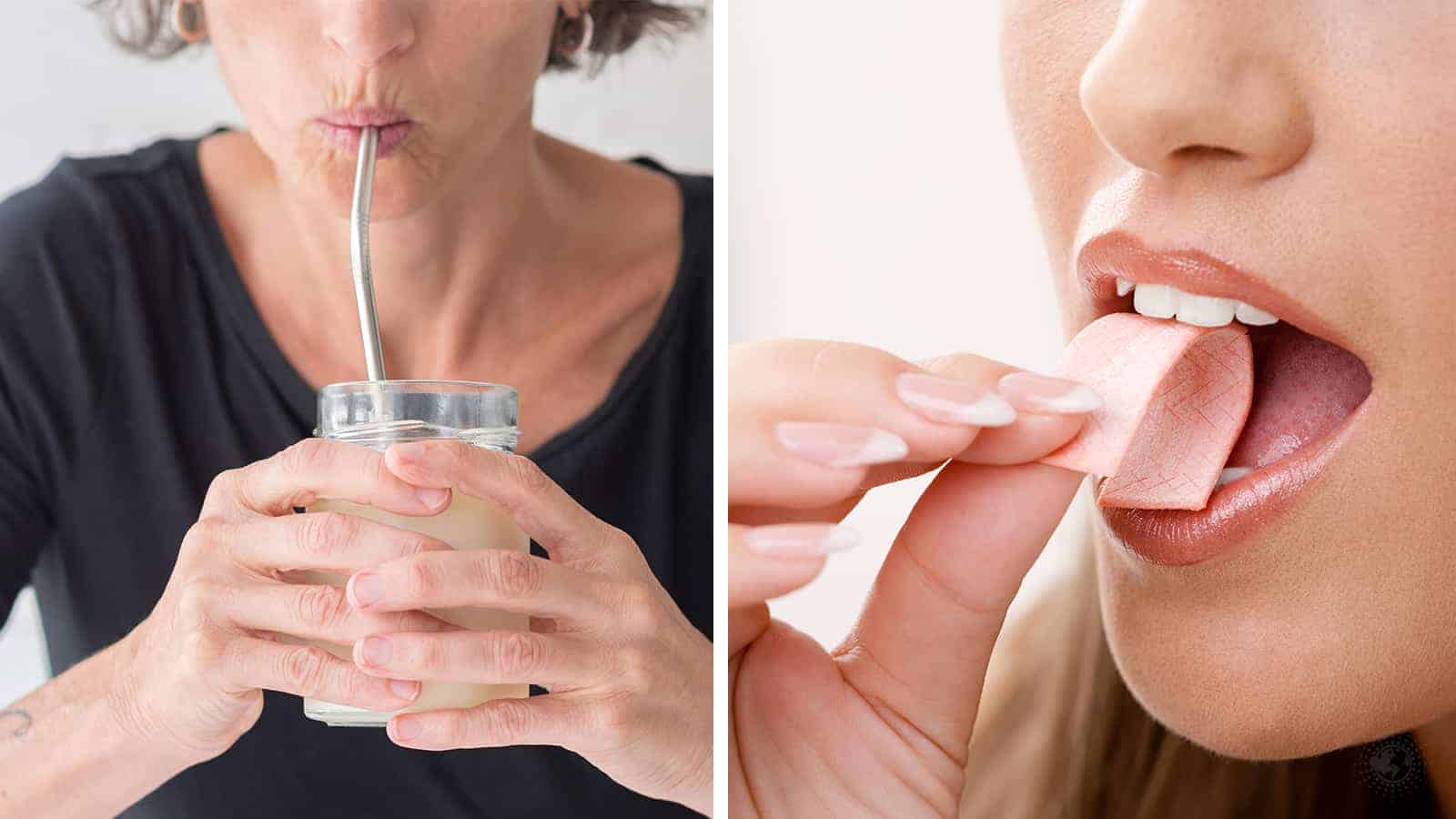
It seems harmless to pose for a selfie with a little pout. Everyone does it, but facial expressions like this can contribute to wrinkles around your mouth and lips. The wrinkles around our mouth are called perioral wrinkles. These wrinkles grow more profound as you age, especially in women.

This is because the skin around your mouth has fewer sebaceous glands, sweat glands, and blood vessels, so there’s less circulation in these areas, which leads to wrinkles. The muscles in this area also have more traction because they’re attached to your skin’s middle layer, which causes wrinkles. Other facial expressions that lead to wrinkles include

  • Puckering to sip from a straw
  • Frowning: This facial expression uses the most muscles and causes the worst wrinkles.
  • Raised eyebrows: Surprised looks cause forehead lines.
  • Pouting: Puckering up makes wrinkles around your lips.
  • Smiling too big: Smiling and laughing contribute to crows’ feet.
  • Squinting: If you’re in the sun and continuously blink, you’ll have crow’s feet and forehead wrinkles and lip wrinkles.

8 – Not reading the ingredients in your skin products

When you see a new skin product, always check the ingredients. Silicone-based products clog your pores, causing the collagen to break down and enlarge your pores. They will also make your skin oily or look ruddy. Be picky about what you put on your skin. Read labels. You may need to pay extra money to get a better quality product, but your skin is worth the additional cost.

9 – Dirty cell phone

You carry your cell phone around with you to the dirtiest places like your bathroom and kitchen. When you spend a long time on your cell phone, you transfer the bacteria and other dirt from your phone to your face. It’s no wonder that this habit harms your skin. Try to wipe down your phone often with antibacterial wipes. Also, avoid taking your phone into your bathroom where it can pick up E.coli and other bacteria that can not only make your face break out but also make you sick.

10 – Dirty sunglasses

You probably haven’t thought about cleaning those sunglasses you’ve worn for the past year. Bacteria and dirt land on your sunglasses, just like your car windshield. These things can get on your skin and into the pores of your nose or around your eyes. Rashes, pimples, or infections can occur when you’re not cleaning your sunglasses regularly. Glass wipes make it easy to clean your sunglasses right before you put them on. Keep the wipes in your purse or your car for convenience.

harm your skinFinal thoughts of skipping those habits that harm your skin

You may be surprised to learn that you have developed some bad skincare habits over the years that are harming your skin. Whether you’re taking too hot of showers, eating processed foods, or not cleaning your cell phone enough, you’ll notice a difference if you stop these habits. Your skin is worth taking care of, so why not break these bad habits today for younger-looking skin tomorrow?


10 Habits That Lead to Healthy Decision-Making

No one likes decision-making when it comes to the most challenging choices that can change your life. Nevertheless, each day you’re required to make decisions. Deciding things like where you’re going to eat, if you will take that nap that your body needs or whether to watch another hour of television are all harmless decisions.

It’s the more critical choices that count, such as if you should put the house on the market, move to another town, or take a new job that takes some deliberation. You’re free to make the choices you want, but if you make the wrong decision, then you may be broke or miserable. If only there were a way to get this process down to a science.

If you want to make good choices, then you must determine emotions from rationale. You can’t predict the future, but you can use facts to perceive a situation. This little bit of insight can help you make decisions.

Habits to Making Wise Decisions

You’ve probably haven’t given a thought to the mental processes behind your decision-making. However, it’s been a study that’s been observed by both neurobiologists as well as psychologists. According to a study by Harvard Business Review, your decision-making skills come down to things like math, sociology, sensibility, money matters, and diplomatic knowledge, to name a few.

decision-making1. Using Gut Instincts

Making a pro and con list is not the wrong place to start. However, you must make sure that you don’t make snap judgments. Sometimes, you must trust your gut on things and hope for the best. Using unconscious decision-making may work out better for you.

Using a list to define all the good and bad aspects of your choices is helpful. Consequently, it all comes down to how you feel about a situation. You may like the job offer you received because it pays good money, but you hate the town where the job is located. Since your life is about much more than your career, you might want to think long and hard before jumping.

According to Making Smarter Decisions, a pro and con list work great for some situations, but it doesn’t work so well for others.

2. Look at The Situation from All Sides

Have you ever been in a situation where you needed to be a “devil’s advocate?” When it comes to your decision-making, it’s always good to look at things from both sides. You can’t just latch on to facts and figures and make the choices that you already know are best for you.

In many situations, it’s hard to be objective when it matters so close to your heart. So, you need to search for evidence that can prove you wrong. For instance, your spouse wants to move away from the snow and cold, and they have the idea that California is the perfect state.

However, you only know what you see in movies or on TV. You research the intended location and find that they have some snow in the winter and wildfire risks. Sometimes you need to get an objective third opinion who isn’t so close to the situation. They can help keep things in perspective.

3. Stay Focused

You want to buy a new car. You have your eye on a specific model, but you read an article stating that a few consumers had issues with the airbags. The car is affordable and gets good safety ratings, but you can’t get your mind off these airbag problems.

In this instance, you’re not keeping your eyes on the decision at hand, but instead, you’re getting overly concerned with this tiny detail. The fact is that you need a car, your old one is falling apart, and this vehicle receives good consumer reviews. It’s easy to get caught up in the negative aspects and forget all the positive ones.

4. Stop Crying Over Spilled Milk

The more invested you’re in an item, the more likely you’re to procrastinate on parting with it. Don’t let the price tag always influence your choices. Let’s assume you have a closet full of clothes you need to donate.

Nevertheless, you keep holding onto them because you paid so much for them, and it’s like throwing money out the window. While it’s good to be financially conscious, you cannot cry over “spilled milk.” You spend that money long ago, and these clothes could help someone now.

Since you’re not using these items and they’re taking up space in your closet, it’s only wise to donate them.

5. Ignore Social Pressure

There are plenty of people who will try to influence your decisions. While it’s okay to use a third party who can be objective, it’s not always the best option to get unsolicited advice. Let’s assume that you don’t care for the pediatrician that sees your baby.

You decide to go to a new pediatrician. However, your family injected their feelings about this matter because they all have used the same doctor for decades. In this instance, you must do what’s best for you and your child, even if it goes against the grain.

pop meme6. Let Someone Else Choose

If you’re too emotionally attached to the situation or having a hard time deciding, it’s time to call in professional help. For investments, a financial representative might be the best one to make the decision.

When it comes to choices, some people can’t make the right call. This is when it’s good to have trusted friends and advisors that can step in to help.

7. Stop Fearing the After Effects

It’s normal to wonder what the consequences will be to the decisions you make. Sure, having Chinese for dinner instead of Mexican isn’t the same as deciding whether to move across the country. You strive to make a choice based on your happiness and comfort.

How many times does the grass look greener on the other side? Sure, if you’re not happy where you are, then a move might give you hope. However, it could make you miserable too. Have you ever thought that winning the lottery would make you happy?

If you’ve watched any television shows or read newspapers, many people who win the lottery are miserable. You have a 50/50 chance of getting things right. All the fear you feel is from silent psychological resilience.

The key is to stop using your heart and mind to project how this decision will affect you. Instead, look to others who’ve been where you are to make an informed decision. You don’t always have to play it safe. Sometimes the most significant risks in life turn out to be the greatest rewards.

8. Consider Another Viewpoint

Decision-making doesn’t have to be hard when you look at things from another viewpoint. Using a decisive framing factor will allow you to look at the big picture rather than all the small details. When you look at all sides of your choices, then the choices you make can be straightforward.

9. Limit Your Options

You’re standing in line at the local coffee shop. You want a flavored coffee, but you’re having a hard time deciding. There are 50 different options on the menu, and your mind is overwhelmed by the choices.

More choices are not always better. The more options you have, the greater the risk of making a mistake. If you’re trying to pick a new couch for your living room, narrow the choices down to the final three, and then select from those.

If you try to look at 50 at once, it’s too overwhelming for the brain to decipher the best option.

10. Consider Your Emotions

Did you know that your emotions can be the enemy when it comes to decisions making? Anxiety about a situation can put your mind in “fight or flight mode.” Your emotions play a big part in decision-making.

Carol lives next door to her parents. They’re getting older, but she received a job offer that will move her five hours away. While she is excited about the opportunity, she is afraid for her parent’s well-being.

She cries for days at the thought of leaving her ailing parents behind. In the end, she chooses to stay put because she fears her emotional state would be lacking if she were too far away. Your emotions certainly have a significant impact on both your motivation and your thinking.

While you cannot let your emotions dictate your choices, you can use them to guide you. Carol knew that she would be miserable once she got away from her parents, so she made the right choice for her.

decision-makingFinal Thoughts on Sharpening Your Decision-Making Skills

Did any of these tips help to sharpen your decision-making techniques? While you will make choices every day, some of the more important ones require more deliberation. When you look at things from all sides, step back and reflect on the situation, and keep your emotions out of things, making the right choice won’t be nearly as difficult.

10 Defense Mechanisms Used by Someone Who Was Abused as a Child

Defense mechanisms are actions that folks utilize to separate themselves from bad experiences, events, or reflections. These mental tactics could help individuals detach from their fears or undesirable feelings, such as guilt or embarrassment. They are often observed in adults that had trauma from their childhood.

The various traumas can be physical, verbal, or sexually related. The concept of defense mechanisms derives from psychoanalytical philosophy, a mental viewpoint of a character that sees temperament as the collaboration among three essential elements: the id, ego, and superego.

According to Freud Files, this notion was initially suggested by Sigmund Freud, but over time many experts argue that these mechanisms are not something that a person has any control over. Furthermore, many individuals carry out these actions without knowing that they’re doing it as it’s become a regular part of their lives.

These mechanisms are a natural element of mental growth and classic coping skill. Pinpointing which ones you use and your loved ones can help you in future relationships.

10 Defense Mechanisms That Might Show Someone Was Abused as a Child

defense mechanismsTraumas from the past can dictate the future if you allow it, but you can learn effective coping methods. Typically, a child who grew up in an abusive situation will have unresolved issues from the upbringing.

However, it’s possible to use mental tactics to overcome the uncomfortable feelings that abuse leaves behind. Here are the most common defense mechanisms utilized that can reveal a background of abuse.

1. Displacement

In displacement, you shift all the emotions you’re feeling and put them onto a person or object that isn’t as intimidating. You get to react to the situation, but you’re not going to have the severe consequences you may experience. One easy way you may displace your emotions is when you’ve had a horrible day at the office, you come home and blow up on your child.

Your kid isn’t the target of your emotions, but you let off some steam on them that was intended for the workplace. However, had you experienced such a verbal explosion at the office, then you may have lost your job. Your child was a comfortable target people to use to vent.

2. Sublimation

Unlike some of the other strategies, this mechanism is more of a positive nature. In this defense approach, you will direct your feelings onto a safe object. An instance of this could be that you’re upset because you had a fender bender on the way home from work.

Rather than taking it out on your family, you choose to do some exercise to get out your anger. It’s a safe and healthy way to deal with painful issues. Adults that were abused as a child may hit the gym frequently to keep them mentally healthy.

3. Intellectualization

When a situation that really tries your patience hits you, it’s normal to remove all your emotions from this event. Rather than blowing off steam and losing your cool, you try to focus on the facts. This strategy is often used by someone who has experienced neglect or abuse in the past as it teaches them not to overreact to stimuli but rather take situations at face value.

4. Denial

Of all the defense mechanisms used by abused children, denial is by far the most utilized. If you cannot accept reality or the facts as they’re being presented to you, then you will deny them adamantly. You’re so convincing with your denial that you might even believe it too.

The reason you deny is that you have blocked certain instances so that you don’t have to relive them again. The pain is too great, so you don’t want to go there. Being “in denial” is an everyday catchphrase use by folks today. However, most have no clue what they’re really saying.

Whether a victim of child abuse or another trauma, denial allows you to avoid dealing with too painful or embarrassing things.

5. Regression

Regression is another relatively common tactic used when the brain needs to escape. For instance, if you were a victim of verbal abuse, then your brain may try to regress to an earlier time.

While these actions are typically seen in children, it’s not out of the ordinary for an adult either. Children may regress to bad habits like bedwetting or sucking their thumb, but adults may engage in past activities.

Have you ever seen a girl go through a breakup on television? She may grab a stuffed animal her ex-boyfriend got her and cuddle up with it. She is regressing to her past when she felt comfortable holding her teddy bears.

Other activities adults might engage in could be chewing on pencils or turning to food for comfort.

pop meme6. Compartmentalization

If you’ve been through abuse, then it might be commonplace for you to categorize your life or put the facets of your life into individual sections. By doing this, your brain can cope with all the different aspects. Do you refuse to discuss your personal life at work?

Some people are just more private than others, but you can function without anxiety when you block off sections of your life from common knowledge. If you don’t want people to know who your parents or spouse is, then you feel better when you keep this part of your life private.

7. Repression – Mental Blocks

When terrifying thoughts or painful memories come to the service, it’s easy to be upset by irrational beliefs. Rather than facing these beliefs head-on, many people choose to hide them. The goal is to forget about them altogether, but that doesn’t mean that will happen.

Some may refer to this as a mental block as one blocks terrible memories from their mind. Sadly, you may try to forget, but the body has a way of keeping score. These painful recurrences can impact future relationships and your behaviors.

Many people try to use these mechanisms as a defense line, but they have no clue the impact it may have on them in the future.

8. Inadvertent Projection

It’s normal to have some uncomfortable feelings when you’re a victim of abuse. When you think of your abuser or the events that have occurred, it can cause anxiety and severe emotional distress. However, you can inadvertently project these feelings onto someone else.

Let’s assume that you have a new co-worker that moved into your cubical pod. You immediately decide that you don’t like this person, even though they have done nothing to you to warrant these feelings. It’s because their actions remind you of a person that you don’t like or may have hurt you in the past.

9. Reaction Formation

In this defense line, a person is fully aware of their negative feelings; however, they want to behave in a completely different manner. An example would be getting angry because the electric company didn’t get your payment and tacked on a late fee.

Rather than getting all upset at the disconnection notice, you choose to take the high or positive road. You call the electric company and explain that the check was cashed way before the due date, and you provide documentation as such. You didn’t need to blow a gasket to get results.

Some victims choose not to express any negative emotions. They believe that there is always a resolution that is bathed in optimism.

10. Restructuring

Your mind can only cope with embarrassing or painful memories by reconstructing them. For instance, you try to concoct facts to explain situations rather than dealing with the truth. By engaging in defense mechanisms, you can feel more at ease with the things that have happened to you, even if you know the tales you tell aren’t accurate in your heart.

For instance, if your mother was an alcoholic and drug user, and she often hit you in her drunkenness, you might explain to people that she had an illness that she tried to self-medicate. While it sounds better in your mind, you’re ignoring the fact that she abused you. There is never any reason for abuse, regardless of the underlying circumstances.

defense mechanismsFinal Thoughts on Defense Mechanisms from Child Abuse

Whether the abuse that you suffered happened once or repetitively over many years, the impact that it leaves behind lasts forever. By utilizing one of the ten defense mechanisms listed above, you learn to cope with the pain and go about life.

However, while some of these mechanisms are excellent and positive coping skills, others are very destructive and can hurt your relationships. There are many ways that you can process the painful reminders of things that happened to you, and one of the best ways is through cognitive behavioral therapy. According to the National Institute of Health, there is evidence that using these counseling techniques can ease post-traumatic stress in those that suffer.

What Causes Someone to Faint? 5 Causes to Watch For

Whenever you experience a lack of blood flow to the brain, you can faint. Fainting is an abrupt loss of consciousness that occurs for many reasons. The medical term for this condition is syncope, and it can be an acute issue or one of a chronic nature.

The good news is that people who faint usually wake up rather quickly. If you should ever be around someone who passes out, you should allow them to lie flat until they regain consciousness. The key is to figure out the reason why they fainted because it can happen again.

Some people are more prone to spells of syncope than others. Typically, if a person is going to have issues of this nature, it starts at the onset of the teenage years.

The progression when someone is going to faint:

faint

  • A person feels flushed, and a hot sensation overtakes them.
  • There is a feeling of total body weakness.
  • They break out in a cold sweat.
  • They lose consciousness
  • The body goes limp

It’s possible to have periods of syncope while standing, but it’s more dangerous. A person in the upright position who passed out will fall to the ground. When unconscious, the heart automatically kicks into overdrive to correct the issue to restore consciousness.

Signs of Impending Syncope

Since there are various reasons why syncope might occur, there are also numerous signs and symptoms to watch for. Some of the most common symptoms that a person is about to pass out includes:

  • Disorientation
  • Sudden hearing loss
  • Flushing sensations
  • Weakness
  • Nausea
  • Lightheaded
  • Blurry vision
  • Tunnel vision
  • Turning pale in color
  • Cold sweating
  • Cold chills
  • Difficulty breathing
  • Headaches

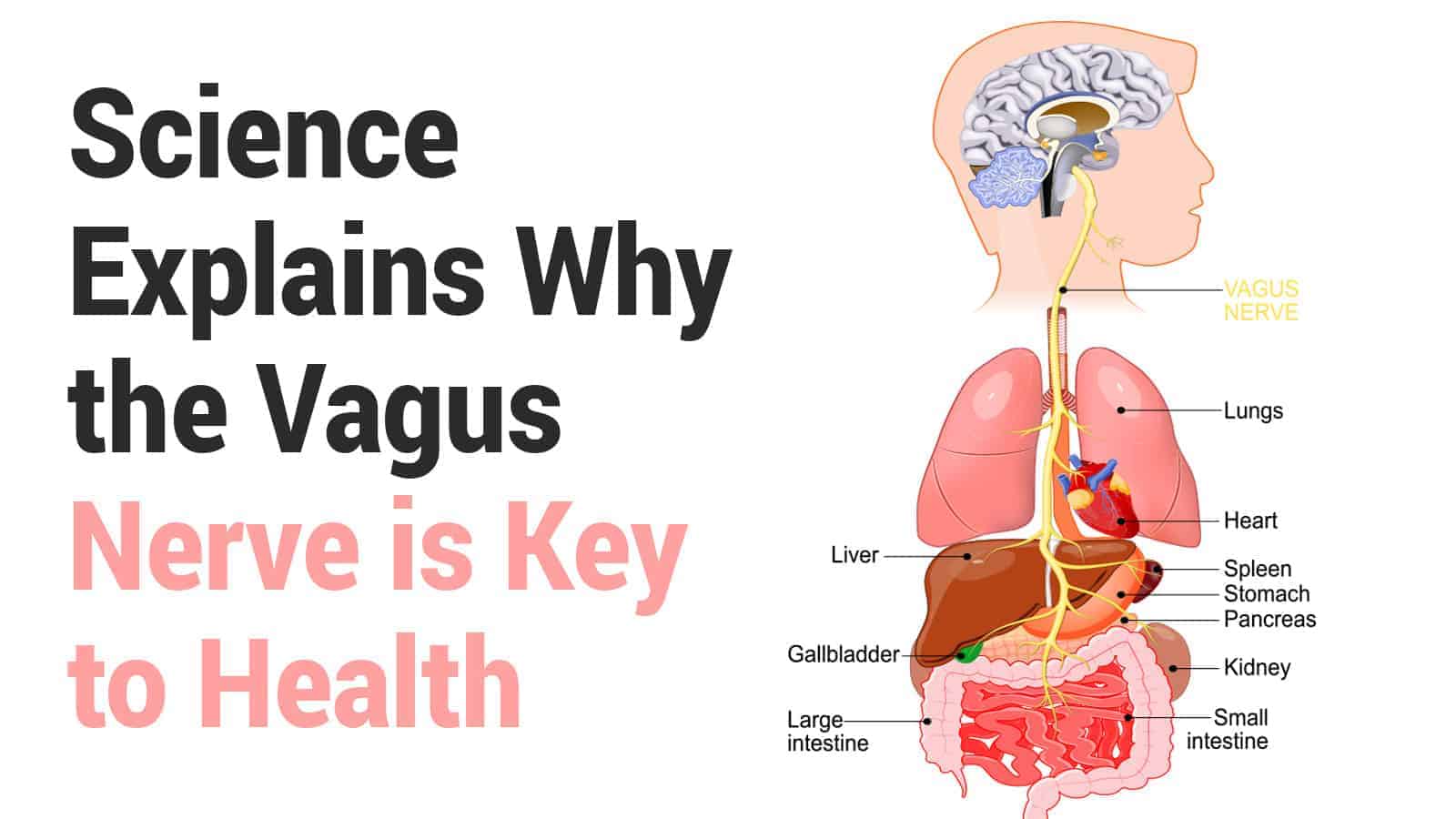
One common cause of syncope is the stimulation of the vagus nerve. If this is the cause for passing out, these folks often experience abdominal cramps or feel the need to have a bowel movement right before they faint.

Have you ever seen someone faint in a movie or on television? They typically fall gracefully to the floor while one hand goes gently over their forehead. If it’s a woman, there’s usually a handsome male standing by to catch her. If only things were that neat and tidy in life.

In the real world, when someone faints, it can be a range of mild to violent. When the brain is robbed of proper blood flow, the muscles don’t receive the appropriate signals. Sadly, the muscles lose all tone, and the body falls. If you ever see someone appear to have an electric jolt after they pass out, it’s due to the blood quickly leaving the brain leads.

Many people mistake this action for a seizure, though it’s nothing more than a short tremble. It’s remarkably similar to the same feeling you have when your arm or leg goes to sleep. The technical term is myoclonic contraction. A person who is experiencing syncope is feeling that “pins and needles” feeling in the brain.

Syncope and seizures both are issues within the brain, but they’re treated differently.

Regaining Consciousness

While lying on the ground, the brain starts getting the proper blood flow. Once the flow is restored, the person will awaken. Each person is different, and the underlying reason can also dictate how long it takes to regain consciousness. Some folks have consciousness restored in a matter of seconds, while others take several minutes to wake up.

Many things start to happen when a person regains consciousness; they are as follows:

  • Color returns to the skin, and the pale color vanishes
  • The pulse still races to try to get blood to the proper areas of the body.
  • Sweating subsides
  • Incontinence

What Causes a Person to Faint?

The vagus nerve is a vessel that runs from the brain to the digestive system. The primary duty of this nerve is to make sure that the gut gets proper blood flow. When you eat, this nerve makes sure that both the intestines and the stomach receive blood for digestion.

If necessary, the vagus nerve will pull blood from the brain or body tissues to help food pass. At times, this nerve doesn’t work correctly or becomes hypersensitive, and it draws too much blood from an area. There are many instances in the body where this nerve works harder, such as when someone is sick and puking or when you use muscular strength to have a bowel movement.

Other situations that cause stress to this nerve can include bodily pains and cramping during the menstrual cycle. Since these conditions force an alteration to the blood pressure, the vagus nerve steps into overdrive. Here are some situations to watch for that indicate that a person could pass out.

vagus nerve pain1. Irregular Heartbeats

Have you ever felt your heart flutter or skip beats? Your heart is responsible for getting blood to the entire body, including the brain. Your blood pressure is what regulates this process to keep it flowing. If the heart is not functioning correctly, then the blood pressure may fluctuate.

The heart can be the cause of syncope. If a person feels their heart is going too fast, it’s essential to check the pulse. If it’s beating more than 150 beats a minute or under 70 bpm, it can cause a person to pass out.

2. Lack of Fluids

According to United States Geological Survey, the human body is made up of 60 percent water. You need water to survive, and if your levels get too low, it can cause you to pass out. Being dehydrated can occur for many reasons, such as a bout with sickness where you have vomiting and diarrhea, or it can come from being out in the sun too long.

Additionally, it will stimulate the vagus nerve to react when vomiting and have frequent bowel movements.

3. Using Drugs or Alcohol

It’s not uncommon for people to lose consciousness when they’re drinking or using drugs. Although it’s technically not called fainting, the principles remain the same. Alcohol has a sedation effect, and it makes you urinate more frequently.

You can quickly become dehydrated from your frequent trips to the bathroom. Another issue with alcohol is that it dilates your blood vessels and causes your blood pressure to dip. The body goes into a shock-like state, and you lose consciousness.

According to the Centers for Disease Control, more than 2,00 people die each year from alcohol poisoning, which will also cause them to pass out. When someone passes out due to heavy intoxication, it means they’re severely inebriated.

4. Shock

Most of the reasons people pass out are related to vagus nerve issues, but this is not always the case. When the body goes into shock, it’s usually caused by a drop in blood pressure. It seems that most people are so focused on high blood pressure that they don’t stop and realize that low blood pressure is just as dangerous.

A state of shock can occur when a person has an allergic reaction, an infection in the body, the heart is not working correctly, or significant blood loss. When the body goes into shock, it’s a severe condition. It’s usually accompanied by confusion, disorientation, and finally, a loss of consciousness.

Though it’s not actual syncope, it appears the same on the outside. The only difference is when someone passes out, they come too quickly, and someone who is in shock won’t wake up.

5. Anxiety and Panic Disorder

According to the National Institute of Health, 6 million people, or 2.7 percent of the American population, suffers from panic and anxiety disorder. Stress has a direct effect on the vagus nerve, which is why some people can pass out during an anxiety attack.

The parasympathetic nervous system is responsible for keeping your pulse and blood pressure regulated. When someone is having an anxiety attack, they become hypersensitive. Thus, this action can cause the vagus nerve to be aroused, resulting in the person passing out.

faintFinal Thoughts on Understanding Why Someone Might Faint

Though fainting by itself is not a cause for alarm, the underlying reason must be identified. For instance, if a person’s heart is not functioning correctly, passing out could be a sign of cardiac arrest. Playing the wait-and-see game can be dangerous because every minute counts when it comes to things like heart attacks.

The key is to make sure that the person is breathing. If you don’t detect any breathing, then you need to call for help. One simple trick to help restore blood flow to the brain is to elevate the feet to see if it helps them wake up quicker.

Some people have a history of syncope, and no real reason can be uncovered. However, for others, it’s a serious matter that needs medical attention. When you witness someone pass out, give them a few minutes to see if they come too.

If they don’t come too quickly, then you need to call 911 for help. Chronic medical problems and recent illnesses are common causes for syncope, but there are many other causes. It’s always best to be evaluated by a doctor when someone passes out.

20 Phrases to Reveal Your Love to the One Who Steals Your Heart

The words you say to the person who steals your heart are more important than you realize. While you can show them how you feel, they will still want to hear you say it sometimes.

If you don’t know where to start, many phrases can help you reveal your love to the one who steals your heart.

It doesn’t matter how you share these phrases. You can send them in a text message, write them in a note, or tell them face-to-face. While the face-to-face option is best, all of them will convey what you want to express.

Twenty Phrases to Reveal Your Love to the One Who Steals Your Heart

These phrases will not only reveal your feelings, but they will also get the one who steals your heart thinking of you, too. Try these phrases out and see how it helps you build a stronger relationship.

steals your heart1. You are on my mind all the time.

Tell the person who stole your heart that they are always on your mind. It is a subtle way to reveal your love, and they will be happy to know that you think of them. Plus, it will help show how serious you are about the relationship.

2. I am proud of you and proud to be with you.

Telling your loved ones that you are proud of them will help them feel the love. Especially in hard times, make sure they know you are proud of them and proud to be with them. Plus, it’ll boost their confidence and happiness.

3. I don’t want to think about how my life would be if you weren’t in it anymore.

This revealing statement makes your intentions clear to your partner. When you can’t envision your life without them in it, then it is a clear sign that things are serious. By communicating it to the person who stole your heart, you will be taking a big step in your relationship.

4. What can I do to help?

When your loved one is busy or overwhelmed, ask how you can help them. Even if they don’t seem stressed out, it will be a nice gesture to ask what you can do. By doing things without making the other person ask, they will see how thoughtful and loving you are.

5. I miss you when you aren’t with me.

Letting your loved one know when you miss them is never a bad thing. They want to feel wanted, too, so make sure you tell them.

6. I want to be a better person because of you.

When someone makes you want to be better, make sure they know it. Feeling this way because of someone in your life is a sure sign that you are in love.

This phrase will let your partner know that they are important to you. Plus, it shows them that they bring value to your life which will make them happy, too.

7. I appreciate you and all of the things you do for me.

Everyone wants to know when they are appreciated, and this is especially true for your significant other. Not only will it make them happy and help them see their importance, but it can benefit you, too. If they know that you enjoy the things they do, they will be more likely to keep doing those things.

8. Our relationship is important to me, and I can’t wait to see where it leads us.

Knowing that the relationship is important to you will get them thinking about the importance, too. When you explain that you can’t wait to see where it goes, you are making your intentions clear. This phrase shows that you are thinking of spending the future with them and are excited about it.

9. You make me feel safe and protected.

While this may seem like a phrase for women to use with men, it could go either way. There are more ways to make someone feel safe and protected than just in a physical way.

Feeling safe and protected could be emotional, as well. Whether you feel physically or emotionally protected, make sure you tell your loved one if they are the reason. Making them feel like a protector will help them feel good, and they will know that you trust them.

10. Spending time with you always makes me feel good.

This compliment is too great not to use with your loved one. Let them know how good you feel when they are around and that no one else makes you feel that way. It will let them know how special they are to you and is the perfect way to reveal your love.

cuddling11. I will support anything you want to do in life.

Let your loved one know that you will always support them in their goals and dreams. Encouraging and supporting them will make your bond grow stronger.

This is the key to a lasting relationship, but you have to make sure that they know you are supportive. Don’t miss out on a chance to tell your partner that you’ll support them. Plus, even more importantly, always show them how supportive you are of them, even with the small things in life.

12. You understand me so well, and I feel like I never have to hold back.

A strong relationship requires open communication and understanding. You have to feel like you can be yourself and voice your opinions or thoughts without judgment. Saying this phrase will reveal your love to the one who steals your heart will make them feel great.

13. I feel like I have known you for a long time.

When you feel like you have known someone longer than you have is a sign of a deep connection. It shows that the two of you have the potential for a strong bond. Use this phrase to let them know how connected you feel to them.

14. I can’t wait to spend time with you.

Everyone wants to know that their significant other wants to see them and spend time together. When you aren’t with your partner, please send them this in a message or call them to let them know.

This phrase will make them think of you (if they weren’t already). Plus, it will make them look forward to spending time together, too. This phrase expresses a true desire to further the relationship and get to know one another on a deeper level.

15. I’m not going anywhere, and I plan to stick around as long as you will let me.

When your loved one knows you aren’t going anywhere, they will feel more secure and open with you. It will help them see how much they mean to you and that you are serious about your relationship. This phrase is the perfect way to reveal your feelings.

16. I smile so much because of you.

Let your partner know that they make you smile. It will show love, care, and security in your relationship. They will also love to know that they are one of the reasons for your happiness.

17. I want to share every detail of my life with you.

When someone has your heart, you will find yourself wishing they were sharing every moment with you. As you experience things without them, you will find yourself wishing they were there. Plus, you will find that you can’t wait to tell them all about your day.

If you are in a relationship that sounds like this, then you know they have stolen your heart. Let your loved one know that you want to share the details of your life with them. This phrase will help them understand how much you mean to them and how often you think about them.

18. Tell me what I can do to make you smile.

Your partner wants to make you smile, but they also want to know that you want to see them smile. When you see that they are having a rough day, ask for a way to cheer them up.

It could be something simple like making them a cup of coffee, but you won’t know unless you ask. Even if they don’t offer any suggestions for cheering them up, the thought will still be meaningful.

19. I will spend my life making sure you are happy and loved.

There is no hidden meaning in this phrase, and it makes your feelings very clear. If they know you want to make them feel happy and loved, they will be more open to furthering the relationship.

20. I would rather spend my time with you than with anyone else.

This phrase will make your loved one feel special and reveal that they are the most important person to you. When someone has stolen your heart, be sure to share these feelings with them.

steals your heartFinal Thoughts on Phrases to Reveal Your Love to the One Who Steals Your Heart

Communication is important in any relationship. When you want to reveal your love to the one who steals your heart, it is even more essential. Don’t miss an opportunity to tell your loved one how you feel about them and how they make you feel.

If expressing yourself this way is hard for you, rest assured that it will get easier. The more often you say things like this to your loved ones, the more natural it will become. Use them to help your relationship grow stronger.

Could “COVID Dogs” Help Us Return to Normal? The Miami Heat Thinks So 

Covid dogs will now start screening fans who want to attend Miami Heat games. Because of the pandemic, many sporting events have been put on hold. Some events have been canceled and postponed, and stadiums have been empty. While fans have been allowed in certain events, it all depends on guidelines imposed by each state.

However, with the help of covid dogs, the Miami Heat hopes we can soon return to everyday life. Around 2,000 fans will get to attend each game if the dogs have given them the green light. This would keep capacity at approximately 10% to ensure safety and adherence to virus guidelines. ESPN reported that a German study determined the success rate of the dogs is about 94%.

While this isn’t perfect, the Heat staff will still enforce known safety measures like wearing masks and social distancing. They will also perform temperature checks, scatter seat patterns, prohibit cash transactions, and limit beverage and food sales. The staff says that if people have allergies or phobias of dogs, fans can do a rapid antigen test. The Covid test produces results in around 45 minutes.

Also, the staff will have fans fill out a health-screening questionnaire before entering the arena. If an attendee starts feeling sick during a game, isolation rooms will be available. However, the dogs will be the most significant line of defense in keeping the virus out of the games.

Matthew Jafarian, the Heat’s executive vice president for business strategy, told ESPN,

“If you think about it, detection dogs are not new. You’ve seen them in airports, they’ve been used in mission-critical situations by the police and the military. We’ve used them at the arena for years to detect explosives.”

kobe memeDogs have an uncanny ability to detect everything from bombs to diseases like cancer, diabetes, and even depression. So, it’s not surprising that they can be trained to sniff out viruses as well.

Miami Heat staff have been working on getting fans back in the American Airlines stadium for months. The dogs have been sniffing out the virus at a few games this season so far. However, only friends and family had been allowed to attend until recently. The first game fans could attend held last Thursday against the LA Clippers. Season ticket holders were able to start securing their seats that Monday.

How the covid dogs sniff out the virus

Before the games, fans will go through a designated screening area upon arrival. The covid dogs will then walk past each fan to sniff for the virus. If the dog keeps moving, that means the fan is cleared to enter. However, if the dog sits down, it has detected the virus, and the fan will be denied entry.

When the pandemic started spreading around the world, experts started looking to dogs for their keen sense of smell. Many covid dogs have been employed to help stop further transmission of the virus. Dogs have up to 300 million smell receptors, and humans only have about 6 million. This means dogs can pick up on smells that are not detectable by us.

Due to their innate smell receptors, researchers around the world have started training dogs to help fight the virus. One group of researchers in Paris, France, shared their work on covid dogs last June. For the research, the team trained eight dogs to detect the virus in 198 sweat samples. Half of these came from people with the virus.

When researchers mixed the positive and negative samples, the dogs identified the virus 83% to 100% of the time.

Another study published in the journal BMC Infectious Diseases analyzed dogs’ success rate at detecting the virus in saliva or tracheobronchial secretions. The research team was led by veterinary neurologist Holger Volk at the University of Veterinary Medicine Hanover in Germany. The researchers had eight covid dogs sniff saliva and tracheobronchial samples of seven people with covid, plus seven uninfected people. The results showed that the dogs detected 83% of positive cases and 96% of negative ones.

In yet another study in July 2020, the United Arab Emirates (UAE) found that their covid dog trials proved successful. Researchers presented police sniffer dogs with sweat samples from both COVID-19 patients and uninfected volunteers. The dogs detected the coronavirus with 92% accuracy, as reported by The National. Airports in Dubai and Helsinki, Finland have also started using covid dogs to detect the virus in airports.

Finally, a British medical charity called Medical Detection Dogs has trained dogs to sniff out the virus. The charity successfully trained dogs to smell malaria, so they wanted to test their ability to detect covid. The charity partnered with the Tropical Medicine and Hygiene School in London and Durham University to begin training dogs. Dr. Claire Guest, a behavioral psychologist behind the charity, told CTV News that she fully believes in the canines’ ability to detect the virus.

While these findings show promise, the trials have been relatively small and have not been peer-reviewed. Therefore, it may take a while before we learn if covid dogs can come to the rescue for us. However, the results seem to show that the dogs could help fight the virus and other methods.

covid dogsFinal thoughts: covid dogs bring Miami Heat fans back to the stadium

Covid dogs have been trained all over the world to detect coronavirus. While the trials have been small, the results show promise thus far. Perhaps shortly, many businesses will employ dogs to sniff out the virus so life can return to normal. Right now, the dogs have only been used at basketball games and airports.

With their keen sense of smell, it doesn’t a surprise that dogs can detect viruses. Since the pandemic began, officials have been enforcing safety guidelines like wearing masks, washing hands frequently, and social distancing. The dogs can add another line of defense when it comes to stopping the spread of the virus.

15 Quotes of Wisdom Shared with Us by Gandhi

Life can be unexpected, but with these quotes of wisdom by Gandhi, you will have a positive insight to help you. These quotes of wisdom shared by Gandhi offer guidance on life, love, and happiness. As you go through your day, recall your favorite spiritual quotes to boost your positivity and happiness.

Mahatma Gandhi was a civil rights leader who focused on nonviolent activism and resistance. He was imprisoned a few times because of his unwillingness to cooperate in things he didn’t believe in. Another way he helped change the world is by going on hunger strikes to protest oppression.

Until the end of his life, Gandhi worked to bring equality, peace, and goodness to the world. He left behind many quotes of wisdom that everyone could benefit from. His words help promote positivity while going through life without violence and hostility.

Fifteen Quotes of Wisdom Shared with Us by Gandhi

By following Gandhi’s guidance, you can find happiness and peace in your life. Use his words to remind you of what is truly important in your life.

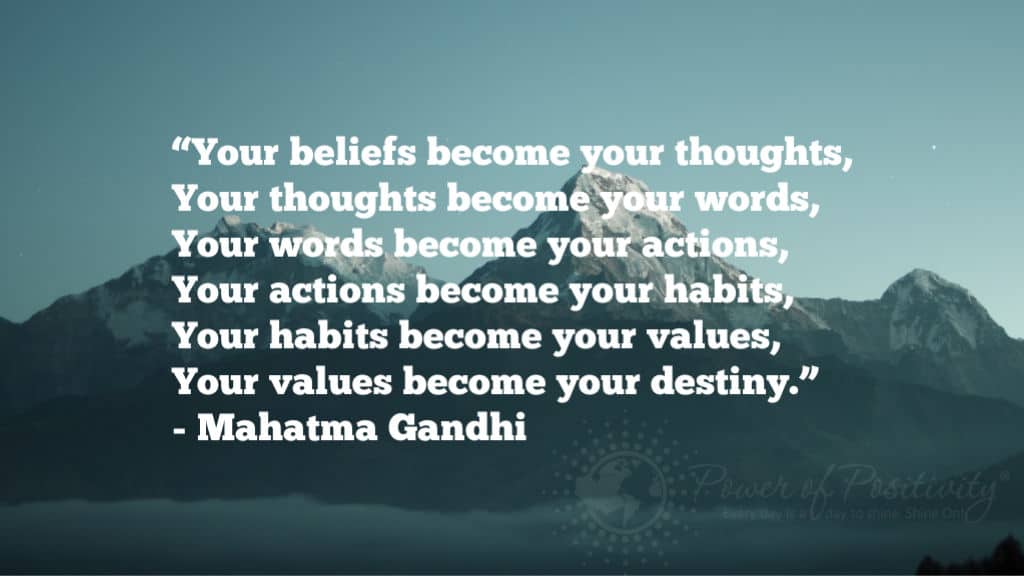
negative1. “Carefully watch your thoughts, for they become your words. Manage and watch your words, for they will become your actions. Consider and judge your actions, for they have become your habits. Acknowledge and watch your habits, for they shall become your values. Understand and embrace your values, for they become your destiny.” – Gandhi

The things you think become the things you say, and then your words become your actions. Think about what you are going to do, and judge the things you have already done. When you judge yourself, you can break bad habits before they become an issue.

If you let your actions go without judging them, you could develop bad habits. With those bad habits, your values will change for the worse. Instead, judge yourself in a way that helps you stick to moral values.

2. “As human begins, our greatness lies not so much in being able to remake the world- that is the myth of the atomic age- as in being able to remake ourselves.” – Gandhi

You can’t re-create the world, but you can re-create yourself. Focus on becoming the person you want to see in the world. Only by changing yourself can you contribute to changing the world for the better.

3. “I object to violence because when it appears to do good, the good is only temporary; the evil it does is permanent.” – Gandhi

Violence doesn’t permanently help any problem, and it could even make the situation worse. As Gandhi says, the evil that comes with violence is permanent, and it will be impossible to undo the damage.

4. “Many people, especially ignorant people, want to punish you for speaking the truth, for being correct, for being you. Never apologize for being correct or for being years ahead of your time. If you’re right and you know it, speak your mind. Speak your mind. Even if you are a minority of one, the truth is still the truth.” – Gandhi

Speaking the truth is never wrong, no matter what other people try to tell you. Ignorant people don’t want to hear or know the truth, and they don’t want anyone else to, either. Don’t apologize, and keep speaking your mind when you know it is right.

Even if no one else will speak up with you or stand by you, stay true to yourself. You know the truth, so speak it and stand strong.

5.   “A man is but a product of his thoughts. What he thinks he becomes.” – Gandhi

Your thoughts become the things that you do, as stated before. Keep your thoughts pure and positive so that you can live a positive life. Work to push negative thoughts away and replace them with positivity.

6. “The weak can never forgive. Forgiveness is an attribute of the strong.” – Gandhi

Weak people can’t forgive others or themselves for mistakes. When you are strong, though, you can forgive. To become stronger, work on forgiving anyone who needs to be forgiven.

wise quotes7. “If you want to change the world, start with yourself.” – Gandhi

You can’t change anything else until you change yourself first. This doesn’t mean that you shouldn’t be yourself or that you shouldn’t be true to yourself. Instead, it means to identify your faults and work to improve them.

As long as you are always working on becoming a better person, you make the world a better place. All changes must start with yourself.

8. “Freedom is not worth having if it does not include the freedom to make mistakes.” – Gandhi

Making mistakes is a part of life. It is how you will learn, grow, and get better at what you are doing. Embrace mistakes and recognize them as the learning opportunity that they are.

If you don’t allow yourself to make mistakes, you are hindering your freedom. Likewise, if you hold mistakes against others or expect them to be perfect, you hinder their freedom. To be free, you must accept mistakes and recognize them for the good situation they can be.

 9. “You must not lose faith in humanity. Humanity is like an ocean; if a few drops of the ocean are dirty, the ocean does not become dirty.” – Gandhi

Just because a few people do bad things doesn’t mean that everyone is bad. Keep your faith in humanity because there are more good people out there than bad.

10. “Service which is rendered without joy helps neither the servant nor the served.” – Gandhi

Be joyful as you do things for others. If you can be joyful, it will help you and the person you are doing it for. Otherwise, your service is wasted and doesn’t benefit anyone.

11. “Happiness is when what you think, what you say, and what you do are in harmony.” – Gandhi

If you stay true to yourself and your values, you will be happy. Think positively, speak positively and honestly, and then do what you know is right. As long as you can do those things each day, you will be on a sure path to happiness.

12. “If I have the belief that I can do it, I shall surely acquire the capacity to do it even if I may not have it at the beginning.” – Gandhi

Believing in yourself is life-changing because it means that you can do anything that you set your mind to. Don’t get discouraged if you can’t complete something right away. If you believe in yourself, then you will develop the necessary skills to get it done.

13. “The difference between what we do and what we are capable of doing would suffice to solve most of the world’s problem.” – Gandhi

Giving your all to anything you do can make a huge difference. The problems in the world are solvable, but only if everyone did their best. You are more capable than you might realize, so keep pushing and trying to do better.

14. “It’s the action, not the fruit of the action, that’s important. You have to do the right thing. It may not be in your power, may not be in your time, that there’ll be any fruit. But that doesn’t mean you stop doing the right thing. You may never know what results come from your action. But if you do nothing, there will be no result.” – Gandhi

Do good things that you know are right, even if you won’t be rewarded. The things you do are more important than what the result will be. Sometimes, you will never see the fruit of your action, but know that it was still worth it.

Doing the right things will produce the right results, even if you can’t see it. On the other hand, as Gandhi explains, doing nothing will produce no results. Keep this in mind so that you always remember to do the right thing.

 15. “Whenever you are confronted with an opponent, conquer him with love.” – Gandhi

Anger, violence, or negativity will not help your situation or make things any better. Show love, instead, and you can conquer any opponent.

By showing love, you will knock your opponent off their game, and you will have a better mindset than them. Being positive will keep your mind on what is important and help you through.

wise quotesFinal Thoughts on Quotes of Wisdom Shared with Us by Gandhi

These quotes of wisdom shared by Gandhi can help everyone at any point in their life. Use his guidance to help you make choices as you move forward in life. As Gandhi taught, negativity doesn’t help any situation.

Focus on staying positive, changing yourself for the better, and helping others joyfully. Even when you encounter an opponent, remain positive and show love always. You will become a better person because of it, and you will develop positive habits that last a lifetime.

Gandhi went through his life living this way, and you can do it, too. While you may not go to the extremes that Gandhi did, you can do your part to make the world a better place. Use these quotes on wisdom to help you live a life you can be proud of.

Research Team Finds a Link Between Extroverts and Positive Language

A new study by psychologists from Nanyang Technological University, Singapore (NTU Singapore) reveals a correlation between extroverts and their word choices. The finding suggests that online personality prediction tools need better linguistic indicators to improve digital marketing strategies. Marketing companies have already begun working on these tools. Digital marketing explained in simple terms to help your business grow. If you also want to build a good online reputation, learn more info here by navigating this website at business-on.de.

If you’re interested in Digital Marketing NJ get in touch with Radiant Elephant for your free marketing strategy call and see what they can do for you and your business.

In our modern world, these companies utilize predictive algorithms to forecast what customers want according to online behaviors. Digital marketing services similar to digital marketing company in Brisbane also take advantage of online data and machine learning to better understand the psychology behind consumers’ choices. Of course, this research can provide insight into ways to improve targeted advertising.

For instance, extroverts may respond better to marketing, which corresponds with their personality. Retailers could then appeal to these consumers with more extroverted, creative language. However, online personality prediction tools utilized by marketing firms today need some improvement. They lack accuracy because they only apply in certain situations and applications.

Lead investigator of the study, Associate Professor Lin Qiu from the Psychology program at the NTU School of Social Sciences, said,

“Current machine learning algorithms for personality prediction can seem like a black box — there are many linguistic indicators that can be included in their design, but many of them are dependent on the type of computer application used. This may lead to biases and overfitting, an error affecting the performance of the machine learning algorithms. This begs the question — how should we create robust and accurate personality predictions?”

The research discovered a link between extroverts and their tendency to choose specific types of words. The study revealed that extroverts tended to use more positive language and “social process words.”

How psychologists discovered the correlation between extroverts and word choice

relationshipsUsing text analysis tools, psychologists define positive emotion words as those portraying an enjoyable emotional state. Words that describe positivity include ‘love,’ ‘happy,’ ‘blessed,’ ‘beautiful’ or ‘nice.’ Social process words describe those which contain personal pronouns except for ‘I.’ These words also show social intentions or goals, such as ‘meet,’ ‘share,’ and ‘talk.’

“This is the first time a relationship has been established between extroverts and their tendency to use the two categories of words. As it is a small correlation, we believe that stronger linguistic indicators are needed to improve machine learning approaches, amid rising interest in such tools in consumer marketing,” Assoc Prof Qiu said.

The research was published in the Journal of Research in Personality in December 2020. The NTU team said that these findings could help marketers develop better linguistic predictors for machine learning algorithms. This will, in turn, enhance software tools for personality prediction.

How the team carried out the study

Prior studies reviewed by the NTU psychologists have found a link between extroversion and specific word choices. Extroverts tend to have more positive emotions and enjoy socializing more than introverts. The team positively associated this personality trait with increased usage of “positive emotion” and “social process” words. However, the strength of this correlation varies across the studies exploring extroversion and language.

To prove the strength of these linguistic predictors, the team reviewed 37 studies on the topic. They categorized extroversion using internationally recognized personality type questionnaires. In the future, the NTU team wants to study the relationship between extroverts and other word choices.

Currently, machine learning and predictive tools can help companies and marketers in business endeavors. However, the NTU psychologists say that the design of these models could use improvement. They hope their research will help marketers better understand how certain words can appeal to different personality types. Furthermore, they expect the study will bring about improvements in machine learning tools used for personalty prediction.

These same tools can likely help predict words that introverts use as well. Of course, most people fall somewhere on the spectrum between introverts and extroverts. Personality can change depending on many factors, and therefore, can’t be reduced to just word choices. However, there are certain traits that introverts and extroverts exhibit, which give their underlying personality away.

Common characteristics of introverts and extroverts

Here are the differences between extroverts and introverts.

Extroverts

  • They have lots of friends.
  • An extrovert feels comfortable talking to pretty much anyone, even strangers.
  • They love social environments and loud, energetic places.
  • Extroverts tend to hate being alone for extended periods of time.
  • They thrive around other people.
  • Extroverts openly express concerns and opinions.
  • They may talk before they think.
  • They’re outgoing and optimistic.
  • They take more risks than introverts.
  • Extroverts go with the flow.
  • They don’t dwell on a decision or problem.
  • An extrovert loves being the center of attention.
  • They love getting to know people.

Introverts

  • Enjoy spending time alone.
  • They don’t like being the center of attention.
  • Introverts prefer a few close friends rather than many acquaintances.
  • Others may see them as reserved, shy, or aloof.
  • They put a lot of time and effort into their personal relationships.
  • Introverts think before they speak.
  • They gravitate toward quiet, peaceful environments with few people.
  • Introverts gain energy from being alone and lose it around others.
  • They may keep their opinions and beliefs to themselves.
  • An introvert may not feel as comfortable taking risks.
  • Introverts are more likely to work from home or work independently.
  • They usually wait for someone else to approach them to start a conversation.
  • They think deeply about a topic or decision before taking action.

extravertsFinal thoughts: a team of psychologist finds a link between extroversion and positive language

This doesn’t mean introverts are inherently harmful; in fact, much more research is needed on this topic. However, a meta-analysis by the NTU team found that, in general, extroverts tend to use more positive language. Their optimism and love of external stimulation may explain their tendency to choose specific words.

In conclusion, researchers found that they used more “positive emotion words” and “social process words.”

These words describe a pleasant emotional state or show social intentions. Of course, studies on introverted language should also be done to have a basis for comparison. However, it’s interesting to see how word choice can correlate with personality traits. The team hopes that their research will help improve machine learning tools in the future.

Psychologists Link Addictive Cravings to Social Isolation

A new study by psychologists from the University of New South Wales reveals that addictive cravings may stem from social isolation. The analysis performed on rats found that social interaction could mitigate cravings triggered by loneliness.

Published in the journal Scientific Reports, the research found that socializing reduced cravings for both sugar and nicotine in the rats. Social interaction had the same effect on both cravings as living in a rich, stimulating environment.

The results make sense because when animals or humans become isolated, they turn to other stimulation activities. Oftentimes, this means finding happiness in destructive habits such as overeating, smoking, or drinking.

Social interaction can lessen the cravings by diverting the mind to people rather than unhealthy triggers.

“This was an animal study, but we can probably all relate to the mental health benefits of being able to go for a coffee with our friends and having a chat,” lead author Dr. Kelly Clemens from UNSW Sydney’s School of Psychology said. “Those sorts of activities can divert our attention from being at home and eating and drinking — but they can also be rewarding in and of themselves, and we come away from those interactions feeling relaxed, happy, and valued in a way that means our general demeanor and mental health has improved.”

Social isolation now reaches the forefront.

pop memesResearchers say that even before the pandemic, Australia saw an increase in social isolation. In fact, almost 25% of Australians reported feeling lonely or socially isolated. Prolonged loneliness can lead to health problems such as anxiety, depression, overeating, and a higher risk of cardiovascular disease and cancer.

Dr. Clemens said that social isolation could also result in increased drug use. Furthermore, it can make it more difficult for those wanting to cut back or quit the habit. The UNSW Scientia Fellow wanted to study why people often relapse on drugs when they feel lonely or isolated.

The study on how social isolation can trigger addictive habits

“We know that if you’re a regular smoker and you’re trying to give up, and then you see somebody else smoking on tv, smell cigarette smoke, or you see a packet of cigarettes, people experience very strong cravings,” she said. “So we wanted to know if isolation increases the likelihood of picking up on those cues and of initiating cravings.”

Clemens said that previous studies have found that certain psychological traits can trigger addiction. The research discovered that both people and rodents who felt anxious or lonely paid more attention to substance cues. These types of signals tend to stay in a person’s long-term memory.

“And they can actually have a bigger influence over behavior later on,” she said.

How this differs from previous studies

Many prior studies have focused on how isolation affects adolescent rats. However, Dr. Clemens chose to study adult rats for this particular study. She analyzed how cues associated with nicotine intake influenced cravings in socially isolated adult rats. The purpose of the research was to see if returning animals to social settings could reverse these cravings.

The team measured cravings by recording how often the rats pressed a lever that activated a cue linked to nicotine. The researchers found that the socially isolated rats had a higher likelihood of relapsing on nicotine after a brief hiatus. However, their cravings disappeared when they returned to group housing. This proves the importance of social interaction in people trying to recover from substance abuse.

“When we put the rats back with their cage mates, they weren’t interested in the cue for the nicotine anymore, and they showed little evidence of relapse,” Dr. Clemens said. “The key finding of this particular study is the reversal of susceptibility to relapse with that return to group housing.”

The main takeaways from the study

Dr. Clemens expressed her surprise in discovering how quickly the rats overcame addiction when returning to group housing.

“The impact of social isolation took much longer to manifest, suggesting that social interaction may have a lasting protective effect against the development and relapse of addiction,” she said.

She also said that the study demonstrated the impermanence of drug use due to social isolation.

“Smokers who want to quit are often provided with a pharmacological response to their addiction. They can access many medications and replacement therapies that can have variable results. Our findings suggest that something as simple as socialising with your friends could reduce those cravings and make you less likely to smoke.”

“This is consistent with other recent evidence that suggested people crave social interaction and that isolation interacts with the brain’s reward circuitry. “But it’s important to note that this was research done in animals, and how exactly it translates to human behavior needs to be the subject of further research.”

The study concentrated on nicotine, but Clemens discovered a similar result from the control measure used in the research: sugar.

“This tells us that our results probably extend to other high fat, high sugar food, and drinks. It is possible that if we did a similar study with alcohol and other drugs of abuse, we might find a similar pattern. But we would have to test that specifically.”

Dr. Clemens added that an additional study could analyze if social isolation leads to long-term or temporary brain changes. This could provide insight into the behavioral impacts observed in the study.

pharmaceutical drugsFinal thoughts: a study on rats reveals social isolation can worsen cravings

The UNSW study found that social isolation in rats made cravings for substances like sugar and nicotine worse. However, when the researchers returned the rats to a social environment, their cravings almost disappeared. This shows the importance of socializing for both mental and physical health. When people associate, it triggers the reward system in the brain, which also becomes activated with drugs and sugar.

Therefore, socializing can mitigate the effects of addiction and perhaps totally eradicate it in some cases. Researchers want to do further studies on how isolation impacts the brain, and consequently, behavior. In the meantime, the research shows promise for those suffering from social isolation or drug addiction. The main takeaway is that the consequences of social isolation can be reversed, and we can help each other heal.

Skip to content