Weekly tips, affirmations, and small actions to feel your best.

8 Things to Never Clean with Baking Soda

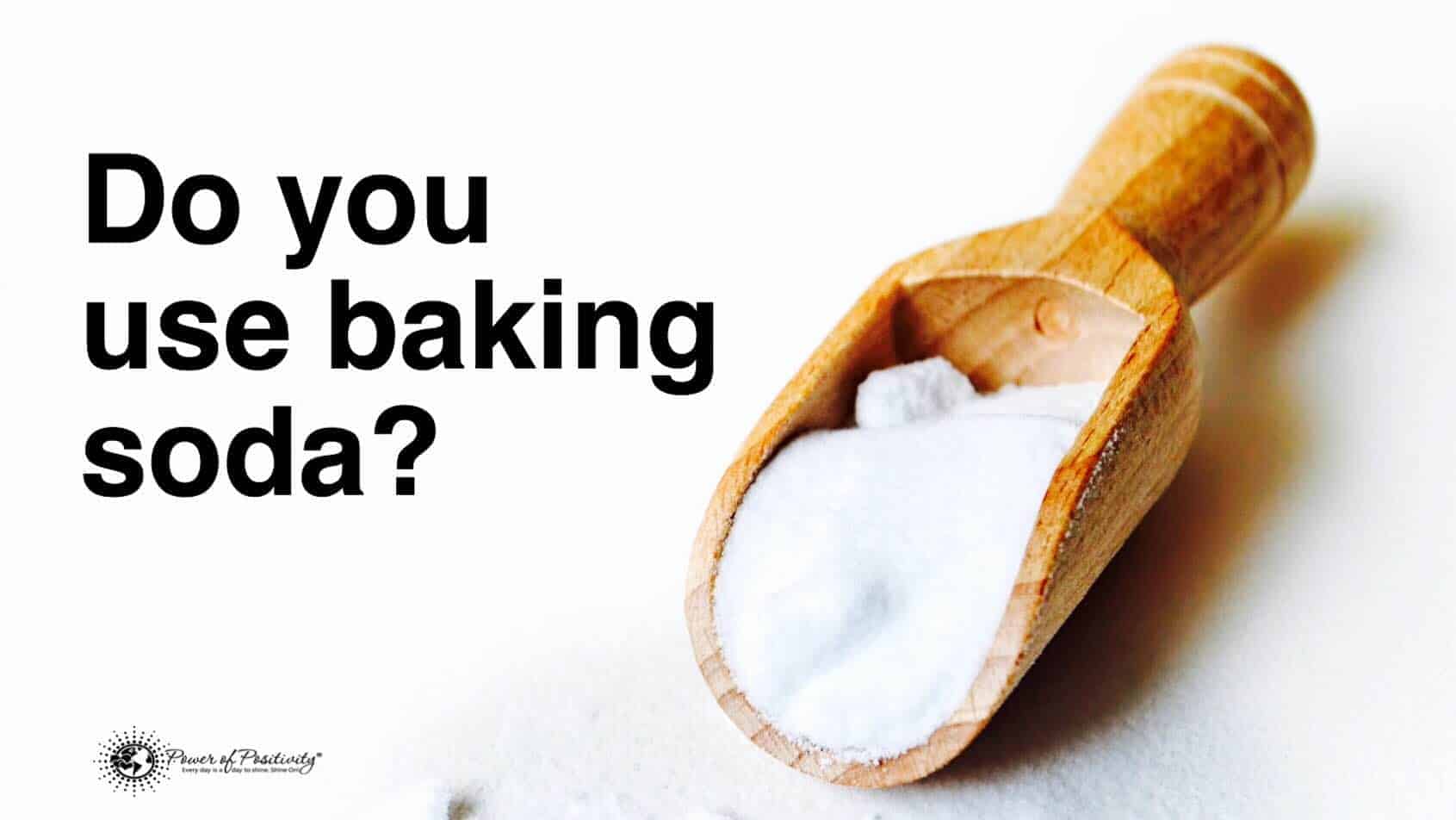
We’ve all heard how baking soda is a miracle when it comes to house cleaning. This is because baking soda is abrasive and can easily break down dirt and grime molecules.

But baking soda can’t be used on everything. Its properties mean that it can actually be damaging to certain items! Here are eight items never to clean with baking soda.

1.    Marble Surfaces

You may have heard from a lot of people, including so-called cleaning experts, that marble should be cleaned with baking soda. Whatever you do, please don’t believe it! Most stone manufacturers would strongly recommend against doing such a thing.

Though the abrasion caused by baking soda is very mild, using baking soda as a regular cleaning product will slowly harm the upper layers that seal and protect the stone. Over time, this will result in scratches on any marble or quartz surface.

Instead of using baking soda, keep in mind the following tips for cleaning marble surfaces:

clean with baking soda·         Opt For Prevention Over Cure

Marble is very porous and requires regular upkeep if you want to avoid scratches and stains. Every few months, use Professional finish with Silicone Sealant to re-seal the marble, making it more resistant to stains.  In addition, try to keep acidic liquids off of the surface.

·         Clean Daily

Simply use warm, soapy water to wipe up messes and spills. Clean off the top, rinse with clean water, and then dry thoroughly. You can also use a marble-specific cleaning product.

·         Wipe Spills and Stains Quickly

Liquid cleaners with acetone, household detergents, or mineral spirits work wonders for getting stains off if they’ve just begun to set.

·         Buff Scratches Gently

You can attempt to get rid of surface-level scratches with dry #0000 steel wool. However, deeper etchings will require professional attention.

2.    Wooden Furniture and Flooring

Wooden surfaces use sealants in order to stay strong and pristine, and using baking soda over time will cause that sealant to wear away, just like with marble. For wood, though, that sealant is necessary to avoid significant and obvious damage, so the abrasiveness of baking soda is even worse for it!

To clean wooden furniture, you should:

  • Dust regularly with a dry, soft cloth or a feather duster of some kind
  • Avoid using all-purpose cleaners as much as possible unless the wood has a plastic coating
  • Use cleaning products that contain silicone oil, which will add hard protection to the surface
  • Mild soap, water, and clean cloth can be used to get rid of sticky stains or spots in wooden furniture
  • Clean mildew with a vacuum followed by mild soap, water, and clean cloth
  • Older wooden furniture can be cleaned with #0000 steel wool and should be treated with a wax conditioner or orange oil

According to vidaspace.co.nz, you should clean wooden flooring, specifically hardwood flooring:

  • Clean regularly with a broom or microfiber dust mop, or use a vacuum with a floor-brush attachment
  • Mop rarely with properly diluted wood floor cleaning product and a wood floor mop; use damp mop methods only
  • You can try mixing half a cup of white vinegar into a gallon of water for a natural homemade wood-cleaning product, but make sure to spot test first as some vinegar may cause discoloration
  • Remove stains with floor wax and #0000 steel wool

3.    Glass

Glass is fragile and easily scratched, so it goes without saying that the abrasiveness of baking soda is bad for it. You’re better off with:

  • Commercial glass cleaner
  • Soap and water
  • White vinegar and water, mixed in a 1:4 ratio respectively

Of course, different types of glass may require different kinds of attention. In general, the usual standard cleaning methods are sufficient, but you may want to take note of the following tips anyway:

·         Annealed Glass

Use glass cleaner or soap and water, scrub gently or scrape hardy portions with a razor blade, remove the soap and water, and dry with a microfiber cloth.

·         Coated Glass

Use an ammonia-free glass cleaner and clean very gently, then dry with a microfiber cloth.

·         Tempered Glass

Use window cleaner and clean very gently, then dry with a microfiber cloth.

·         Mirrors

Remove stains from products with rubbing alcohol and a cotton pad, spray with glass cleaner, then wipe dry with a microfiber cloth.

4.    Items With Grooves and Cracks

When baking soda dries, it leaves behind a residue that can get lost in cracks and grooves. It’s pretty tempting, especially since baking soda has a positive effect as a disinfectant and can easily ensure that these groove-filled items are free from menacing bacteria and pathogens.

Unfortunately, the dusty, whitish leftovers from the baking soda are not worth this trouble. A mini vacuum would work well for getting into cracks, or you can use a microfiber cloth to collect dust and dirt.
baking soda5.    Aluminium Cookware

Metal surfaces are often free game for baking soda scrubs, but cookware of aluminum make should be treated with caution. Technically, you can use the stuff for a quick clean, but you have to rinse it off thoroughly immediately. If you don’t, it will lead to oxidation, changing your aluminum to brown.

Instead of risking it with nothing but positive thinking, try cleaning your aluminum cookware in the following ways:

·         Want To Do Regular Cleaning?

Use a commercial cleaner specialized for this kind of cookware. It’s simple, easy, and to the point.

·         Want To Return Some Shine?

Mix equal parts of vinegar and water, then use a soft cloth to wipe this mixture onto the cookware. Buff until shiny, then rinse and leave to dry.

·         Want To Remove Stains?

Fill your cookware with water, put apple peels into it, and then bring to a boil. Once it boils, bring it down to a simmer and allow it to sit for half an hour. Then, pour out the water, allow it to dry and cool, and clean with soap and water.

·         Want To Get Rid Of Discoloration?

Fill your cookware with water. For each quart, add half a cup of vinegar or lemon juice and two tablespoons of cream of tartar, then bring to a boil. Allow it to boil for 10 minutes. Then, pour out the water, allow it to cool, and wash with hot water and soap.

·         Want To Get Rid Of Very Tough Stains?

Scrub a little with a steel wool pad.

6.    Hair and Skin

Your hair and skin both need natural oils and a well-balanced pH. Baking soda neutralizes the natural and necessary acidity of these parts of your body while stripping both of their moisture and oil. You’ll wind up with cracked skin and brittle, dry hair!

Does this mean you can’t use baking soda anywhere on your body for hygiene purposes? Not necessarily. With baking soda, you can:

·         Use It As Deodorant

Sweat doesn’t gain a smell until bacteria begin breaking it down, leading to the acidic smell. Baking soda patted on the armpits, may be able to reduce the acidity, leading to less odor according to some research.

·         Use It As A Mouthwash

Baking soda has positive effects on breath and kills microbes and bacteria. To use this, mix half a teaspoon of the stuff in a glass of water.

·         Use It To Whiten Teeth

According to studies, toothpaste that has baking soda in it typically works better when it comes to whitening teeth than toothpaste that doesn’t have any. The mild abrasiveness of the baking soda is able to break down the stains in your teeth.

7.    Antique Silverware

You’ve probably heard repeatedly that baking soda should be used for cleaning silverware. There’s some truth to this; baking soda is great at quickly removing tarnishing. Once again, though, you’ll want to exercise caution and not gun ahead with plain positive thinking.

While most normal silverware is fine to clean with baking soda, antique silverware is not the same. The abrasion from baking soda can affect the finish, especially if they’re not pure sterling silver. Baking soda can also harm any decorative insets in silverware. Here are some tips for cleaning them safely:

·         Want To Store To Avoid Tarnish?

Store your silverware in a dry, cool location.

·         Want To Do Some Regular Washing?

Use mild dishwashing soap and warm water to gently and quickly wash the silver. Rinse then use a soft cloth to dry.

·         Want To Polish?

Use ketchup for extra shine. Spot test first.

·         Want To Get Rid Of Water Spots?

Use concentrated lemon juice and a clean microfiber cloth and polish with it. Spot test first.

·         Want To Bring Back Some Shine?

Dilute some toothpaste in water and use a soft cloth to polish your silverware. Rinse after. Spot test first.

·         Want To Ensure Absolutely No Damage At All To Your Antique Silverware?

Talk to a professional. They are best equipped to ensure your silver gets the absolute best care.

8.    Gold-Plated Dishware and Cutlery

Gold-plated serving items and pieces are rarely ever genuinely plated with 24k gold, but if they are, then you’re going to have to be extra careful with them. True gold corrodes and scratches easily when exposed to baking soda because of how soft it is, and the plating will flake off too. Here’s how to clean these items instead:

·         Regular Cleaning

Start by soaking your gold-plated serving pieces in a mix of ammonia, water, and soap for 20 minutes. Dry completely. Then, use turpentine or alcohol and a cotton ball to clean off dirt and grime. Finally, clean with a dry chamois cloth.

·         Removing Tarnish with Ethanol

Ethanol helps bring the shine back to gold-plating and removes tarnish. A damp soft sponge and ethanol do the trick and can also be used preventatively.

·         Removing Tarnish with Egg Whites

Mix a tablespoon of bleach into egg whites, soak a cotton pad in the mixture, and use to clean gently. Make sure you wear gloves.

·         Removing Tarnish with Beer

Soak your gold-plated dishes and cutlery in dark beer for a minimum of thirty minutes. Use running water to rinse them afterward, then dry them completely with a chamois cloth.

clean with baking sodaFinal Thoughts On Some Items You Should Never Clean With Baking Soda

Baking soda works wonders in most situations, but not for these 8 items. When in doubt, always look up the proper care of certain materials and products before using anything that isn’t specifically made for them!


20 Habits That Make It Easier to Improve Your Concentration

Do you suffer from a lack of concentration? Are you reading or typing the same sentence over and over because you cannot focus?

According to the National Institute of Health, more than four percent of the adult population in this country suffers from attention deficits.

Though ADHD is often thought of as a children’s issue, many kids never outgrow the problem. A child who has severe attention problems can turn into an adult with attention deficit problems. Sadly, many adults don’t get the help they need for this problem, and they don’t realize that they can develop effective coping skills.

Identifying Focus Issues

How do you know if you’re someone who struggles with concentration issues? Are there clear signs that you have a problem? Here are a few of the indications that your focus is lacking:

concentration

  • You have poor short-term memory.
  • You don’t think clearly.
  • You’re always losing things.
  • You can’t make decisions with ease.
  • You cannot focus on the task at hand.
  • It takes a great deal of energy for you to concentrate on anything.
  • You’re constantly fidgeting or doodling on paper.
  • Your mind is always a million miles away.
  • People often tell you to focus on pay attention, even in a conversation.

Twenty Ways to Improve Your Concentration

Now that you’ve identified there’s a problem, it’s time to fix it. There are many natural ways to combat our inability to focus; here are the 20 most popular methods.

1. Fix Your Posture

How many times did your parents tell you to sit up straight? Well, it seems that your mom and dad knew what they were talking about. Your posture can affect your concentration. Keeping your spine straight and your shoulders back will help your body get the oxygen it needs, improving brain function.

2. Play Calming Music

Having some mellow music playing in the background often helps people with ADHD focus. Now, keep in mind that some people need to have a tranquil room to get anything done. Try it the next time you have focus issues and see how it works for you.

3. Try the Pomodoro Technique

If you have a task that requires direct focus, then you should try the Pomodoro technique. If you haven’t heard of it, it’s something you should consider. According to Forbes, Italian Francesco Cirillo created this method to keep himself focused.

Set a timer to encourage you to stay on task. For instance, if you must do your taxes, you should focus on the paperwork for one hour. Then, when the timer goes off, you stop and take a break. It’s a simple trick that tells the brain when to focus and when it’s time to rest.

4. Alter Your Diet

Have you heard of the Keto diet craze? One of the many benefits of a diet high in protein and healthy fats is that it improves concentration.

Many say they feel as if a fog has been lifted once they get the processed foods and sugar out of their system. If you lack mental clarity, you should avoid harmful foods and raise your glucose levels.

5. Focus on Goals and Objectives

Stop focusing on the other 150 things that are going through your mind. Set goals and objectives for each day and make that your priority list. Try to stay focused on the tasks and hand and not get sidetracked by life’s never-ending chore list.

6. Remove Distractions

Is there anything in your office that is distracting to you? Do you try to work around your children, a television set, or have problems shutting off the electronics? Part of the issue with your focus could be that you have things pulling your mind in 100 different directions.

Take inventory and start by removing devices and limiting your access to things like your email. You don’t need to check your email and instant messenger every five minutes, and you should limit it to just a few times a day.

7. Try Meditation

Before you begin work or any other strenuous mental tasks, try meditation. You don’t have to spend a whole hour as ten minutes will do. Give yourself time to relax and clear the mind. When you’re under stress, your brain cannot function properly, and meditation helps alleviate this problem.

8. Take Breaks When Needed

It will help if you take frequent breaks when doing difficult tasks. Your brain needs time to refresh. You can even do small mini-meditation sessions during the day as needed. Why do you think so many people sleep in their car on their lunch break? They need to turn off their mind for a few minutes.

9. Create A Reward System for You

Most folks think of a reward system as something that is used for children. However, adults can benefit from these programs too. Give yourself small rewards for accomplishing all the tasks you must during the day. You can build up the little rewards to one big prize at the end of the month.

pop meme10. Declutter Your Workspace

Your workspace will be a place of productivity if you clear the clutter that’s all around. It’s easy to have stacks of papers piled on your desk and work lying everywhere. However, when you declutter your office, you can also declutter your mind. A clean space will have a good impact on your brain, which helps to improve your attention.

11. Make To-Do Lists

To-do lists are great tools to keep you focused. You will feel a sense of pride when you cross items off as done. It also helps to ensure you accomplish all the tasks you must do in a day.

12. Hit the Gym

Many people don’t know that when they exercise, it improves their brain function. When you’re working out, it activates the prefrontal cortex area of the brain. This area stimulates the production of vital neurotransmitters, like serotonin and norepinephrine, which flood your mind with much-needed oxygen.

13. Make Bedtime a Priority

Did you know that your lack of focus can come from not getting enough sleep the night before? If you go without the appropriate 7-9 hours of sleep each night, you create a sleep debt. You will eventually need to pay that debt, but your brain’s function depends on proper rest.

When your body is exhausted, it reduces oxygen levels in your brain, which affects your attention span. Make bedtime a priority and stick with it.

14. Arrange Tasks by Difficulty Levels

Did you know if you do the most difficult tasks first and save the easiest for last, it can help your focus? If you keep all the hard stuff for after lunch, you will dread coming back to work. Plus, focus levels are almost always better during the morning hours, especially if you have a lunch full of sugar and carbs.

15. Burn Candles or Incense

Certain scents are very calming and soothing to the body. Candles with a citrus smell can enhance focus as well as lavender and cinnamon. Burning these aromas helps to relax and keep you focused.

16. Get Out in Nature

Too many people stay inside and don’t get the sunlight they need. So, if you’re finding it hard to focus, get outside and take a walk in nature. Bask in the golden rays of the sun while you watch the cares of life melt away.

17. Take Brain Supplements

Did you know taking an herbal supplement can boost your concentration levels? Some of the most common for memory and focus are ginseng, peppermint, ashwagandha, sage, and Rhodiola Rosea.

18. Stop Multitasking

Did you know that multitasking does more harm than good? While it’s nice to do 2-3 things at once, it’s very confusing to the brain. Sadly, many people don’t know that multitasking can kill your focus.

19. Practice Gratitude

Did you know that folks who appreciate their job or practice thankfulness have a greater level of focus and attention? Appreciation does improve focus because the brain functions clearly when you practice gratitude.

20. Visualization

Visualization is a neat little mental trick that shouldn’t be underestimated. It’s used in hospitals by women given birth, and psychiatrists teach patients to use it to calm their anxiety. You can picture yourself being more successful and in a more powerful position, and it can make you feel confident in your abilities.

Imagine that you’re a powerful boss of a big company. You have staff waiting to get your work done to stay on top in the corporate world. When you think big, you can accomplish big.

When you see yourself as small and insignificant, then you will never be able to achieve anything beyond your realm of imagination. Would a man have ever walked on the moon if someone didn’t visualize the monumental step and see it come to fruition?

concentrationFinal Thoughts on Improving Your Concentration

There are so many distractions these days that trying to work can seem impossible. Even if you’re not dealing with outside influences, you also have the internal chaos that runs through your mind. Thankfully, there are many natural ways that you can use to combat this issue.

Whether you want to take an herbal supplement, clear the clutter from your space, or make to-do lists, you can find something that works for you.

5 Habits That Can Help Control Anger

Anger is a powerful emotion, and it can sometimes feel uncontrollable. If you’ve ever done and said things you regret in the heat of the moment, then you know just how awful it can be when you realize that you find it difficult to control your anger.

Though anyone can empathize with actions you did in anger, there isn’t any excuse for harmful behavior just because of anger. That’s why you need to learn to manage those intense feelings. Here are 5 habits that make it easier to control your anger.

1.    Give Yourself Time

Anger is, by nature, an impulsive emotion. To stop it from taking over you, you need to manage it patiently and give it some time. Time can allow you to see the more rational side of things, and you may find you feel completely differently about a situation than you did before. Here are some ways to give yourself time to control your anger:

·         Count

control your angerOne of the most common anger management techniques to force yourself to pause and think is to begin counting. Typically, you would count up to or down from 10, but higher numbers will help if you’re outraged. As you count, your anger will balance itself out as your heart rate slows, allowing you to be calmer afterward.

·         Use A Timer

When you’re angry, the things that you want to say are likely things you will regret saying later. It’s a good idea to impose a time rule on yourself. Set a timer for however long you think you need to calm down to the point of improved rationality. The angrier you are, the longer you may need to wait.

·         Breathe

Being angry typically means your breathing rate will spike while the actual breaths become shallower. This further worsens the stress that you feel. Reverse these effects and bring the mood to a balance by breathing deeply, in through your nose and out through your mouth. Keep doing this until you feel less angry.

·         Try To Understand

Anger clouds understanding and empathy. To resolve problems, you have to give yourself time to understand the situation and where other people are coming from. More importantly, it would be best if you had time to understand where your anger comes from so you can address it more productively.

·         Rehearse Beforehand

Sometimes, the best way to handle a situation is to forcefully stop before you even engage in a potentially high-tension interaction. When you know you’re going to have to broach a complicated topic, try rehearsing your statements and responses beforehand. It gives you the chance to prepare mentally, so you’re not taken by surprise.

2.    Work Your Body to Control Your Anger

Anger has to be released to leave you healthily, and one of the best ways to do this is by working at your body. A little bit of effort and movement goes a long way in managing even the most furious emotions. Here are some ways to do so:

·         Relax Your Muscles

Anger tenses you up, and that tension continues to store stress and high emotions in your body. Relax your muscles by using a technique called progressive muscle relaxation. This technique involves gradually tensing and relaxing individual muscle groups one by one, usually from head to toe in order, while doing deep breathing. After you do this, you’ll have much less tension in your body.

·         Stretch

Like relaxing your muscles, stretching gets the blood flowing in your body and helps relieve angry tension that may be rushing around. Yoga is a great way to do this, but any non-strenuous stretching exercises can achieve a similar effect. Slow, deliberate stretching also gives you better control of your body and, by extension, your emotions.

·         Do Some Exercise

Exercise has great effects on positive thinking and is a wonderful and healthy way to work out some of that angry energy. Anything that gets your heart pumping and exerts effort is a good option. Still, even less intense activities like playing golf, going for a walk, or cycling can help your mind and body expel the negativity.

pop quotes3.    Expand Your Vocabulary of Anger

Anger is overwhelming when viewed simply as its own monolith. Referring to all negative emotions as “anger” isn’t productive, and there are variations in anger that change exactly what their experiences are.

This sounds arbitrary, but it’s actually important to differentiate kinds of anger. It allows you to separate different situations, find their unique roots, and manage them positively and effectively. In short, different types of anger have other methods of management!

So the next time something makes you angry, ask yourself what the actual anger you’re feeling is. Is it even anger at all? Here are some definitions:

  • Rage refers to too intense and powerful fits of acute irritation, often to the point where you lose rational focus and act based on offense alone.
  • Annoyance and irritation typically refer to something grating at your nerves, resulting in mild anger.
  • Like annoyance, frustration is mild anger that usually refers to a kind of feeling that arises when you cannot achieve a particular goal.
  • Resentment is a specific kind of anger that refers to mild but long-term negative feelings towards a person or circumstance you may perceive as having wronged you.

There are many more specific emotions under the umbrella of general anger. While you don’t have to learn all of them, you will benefit from identifying those that affect you most often.

4.    Use The Art Of Stopping

We’ve talked about the habit of intentionally giving yourself time to process and think about your anger. But even more crucial than that is the habit of only stopping. When you’re already in the heat of your anger, how do you prevent yourself from losing yourself in it? It’s much easier to tell yourself to pause and take time when you’ve just begun getting angry, but what about when you’re so furious it’s hard to think at all?

This is where the art of stopping comes in. This refers to the ability to regularly and consistently hit the pause button on your emotions. It may not make a situation more positive, but at least it won’t make it worse. It’s a tough habit to pick up, but here are some tips to get you started:

·         Imagine A Stop Sign

Think about a big red sign screaming “stop” at you. It sounds silly, but it’s a universal sign that demands you pay attention, and it may be the mental trick you need to get yourself together long enough to step away or prevent the worsening of an already bad situation.

·         Enforce A Timeout

Kids get timeouts because they work. They put a stop to emotions that are only running wild with no direction. So use this method on yourself. Say “excuse me” and walk away. You don’t have to stand in a corner facing the wall like a toddler – head someplace away from other people, where you can have some time to yourself to process and think about the events that led to your anger.

·         Keep Your Mouth Shut

If all else fails, focus on one thing and one thing alone: keeping your mouth glued shut. It’s tempting to allow all those hurtful words to fly away out of your mouth, but you’ll likely regret them later. If you find yourself barely able to contain those words, focus on “gluing” your lips together and say not a peep more. This will give you time to think of the next step without escalating the situation.

5.    Express Your Anger

Did you know that repressing your anger is inherently wrong for you? Bottling it all up doesn’t have any positive effects and can often make the initial feelings much worse. So while you need to control your anger to avoid blowing things out of proportion, you also need to direct that anger and find a healthy place for it to go. Here are some good habits that allow you to express your anger safely:

·         Talk To Someone You Trust

Tell someone you trust, such as a close friend or family member, that you’d like to vent your frustrations about something in your life to them. Tell them what you need from them – just a listening ear? Some advice? Nothing at all? Then go for it! Talking things through to others grants you outside perspectives and lets you untangle your thoughts.

·         Write A Letter

Angry at someone? Write a letter to them (or an e-mail) where you express all the fury you have, even if it’s mean or cruel. Then rip up that letter and throw it away (or delete the e-mail). You may find that expressing all those feelings has lessened them, giving you a new perspective and a more charitable or relaxed view of the person in question – or, on the flip side, it might make you realize they aren’t worth your anger at all!

·         Find A Creative Channel

Art is a great way to express your anger. Write stories, poems, and songs. Paint, sketch, and draw. Go out into the garden, tend to your plants, play a lot of angry music on your guitar, or cross-stitch a furious message. When you channel your anger in this manner, you continue to create and healthily express yourself in a productive and inspiring way.

·         Listen To Music

Angry music, sad music, and even cheerful music may all be beneficial to helping you get your anger out. Sing as long as you can, dance along with your angsty tunes, and let the lyrics of the music you relate to speaking for you.

·         Keep A Journal

If you’re an emotional person, you’d likely benefit from keeping a journal! No one can read what you write in a journal, so you can express all your thoughts and feelings unfiltered. It’s a great way to release anger, process it, and reflect on it, and studies have found that journaling boosts positive thinking, too.

control your angerFinal Thoughts On Some Habits That Help You Control Your Anger

Controlling anger is important for positive interactions with others. It’s okay to feel angry, and your emotions are valid, but you are also responsible for any actions you perform driven by those feelings. As such, you should practice habits that teach you to control your anger and direct it in more positive and healthy ways.

Counselors Explain What Happens To Your Mental Health From Cuddling

Cuddling is a great form of endearment. It involves the act of hugging another person closely, usually for a prolonged amount of time, as a manner of showing affection or only getting comfortable with a trusted person. It’s a relaxing and enjoyable activity for most, even if you have to detangle yourself due to heat or discomfort eventually.

But is cuddling really just nothing more than an expression of love? It’s likely more important than that. You see, whenever you do something, you’re affecting your mind and body in some way, shape, or form. Some are positive, some are negative, some are neutral, and some are so minute that their results don’t matter in the grand scheme of things.

So, where does cuddling come into play? It’s believed that cuddling can be useful for you! Skin-to-skin contact and general human touch have long been touted as “remedies” for specific problems. If you’ve ever heard someone say that they need a hug, or if you’ve ever felt like that yourself, then you know that cuddling can make you feel better.

But is the effect that significant? Is this a reason to up your cuddle quota? Does cuddling boost your mental health? Here’s how counselors explain this phenomenon.

1.    Touch Is A Form Of Communication

cuddlingHuman beings desire communication from the people around them. Even introverts like being connected to others to some degree. And as it turns out, physical touch is an almost universally recognized form of communication. According to clinical psychologist Sabrina Romanoff, Ph.D., it’s essential to the way we interact.

Why is it so powerful as a communicative tool? Well, the fact that it’s nonverbal means it communicates things that are hard to say, like safety, trust, and even love. For many people, this helps boost their mood, making them feel closer to others while also promoting safety feelings.

2.    Cuddling Promotes Positive Bonding

Alright, so cuddling makes you feel more connected, which is very good for you. But did you know that it can also take it a step further than that? Basically, cuddling can promote bonding, especially pair bonding in relationships, thus facilitating more robust interpersonal experiences that contribute to mental health. According to the author and clinical psychologist Carla Marie Manly, Ph.D., these are some ways cuddling does this.

·         Early Relationship Bonding

Not all people enjoy physical relationships, and that’s okay! But science indicates that if you’re seeking to promote a new connection for long-term success, you may want to get cuddly. This is because of the release of the cuddle hormone oxytocin, which helps promote positive bonding, especially in early relationship stages.

·         Distress Indication

As it turns out, feel-good hormones like oxytocin are released during stressful situations. This proves that the body sees fit to use positive neurotransmitters like this to help soothe duress and rough times, and it’s likely that, in turn, cuddling can help even more. Since cuddling produces those hormones, you’ll benefit from the support of a significant other during hard times if you get close! You’ll feel better and bond with them at the same time.

·         Feeling Wanted

Your mental health gets a quick boost whenever you feel genuinely desired, wanted, and loved, especially in close relationships. Cuddling reinforces bonding between partners by making both parties feel desired by the other. It’s a wonderful feeling and experience!

·         Pair Bonding After Intimacy

Bedroom intimacy in itself can facilitate bonding between interested parties. But once it’s over, the levels of oxytocin in all parties involved tend to drop. To maintain the strength of bonding through that hormone, intimate partners can cuddle after their nighttime activities, retaining the intimacy and giving them positive thinking boosts.

3.    Cuddling Makes You Resistant To Anxiety And Depression

Cuddling activates a part of the body known as the parasympathetic nervous system. Clinical psychologist and psychology professor James Cordova, Ph.D., states that this activation leads to relaxed, settled feelings of ease and relaxation.

In turn, this can help the body better cope with emotions about sadness and anxiety. In people without mental disorders, this is already helpful. But in those with anxiety and depression, it’s even more beneficial!

The positive thinking you can gain from the serenity brought about by cuddling enables you to fight the worst symptoms of depression and anxiety. You’ll become resistant to the increased severity of these disorders or from developing them at all if you don’t have them.

4.    Cuddling Helps You Sleep

When you cuddle, you’re able to feel a little more relaxed naturally. This can enable you to fall asleep more quickly, says researcher, immunologist, and professor Lina Velikova, MD. She adds that this allows the body to receive improved restorative sleep or deep sleep.

Deep sleep, also known as rapid-eye-movement (REM) rest, is crucial to mental health. A lack of it can lead to:

  • Exhaustion
  • Irritability
  • Anxiety
  • Stress
  • Depression
  • Emotional dysregulation
  • Hormonal fluctuations

In other words, without REM sleep, your psychological state goes downhill.

Luckily, cuddling will likely be able to help you sleep better! This is even psychologically backed by research. A study that looked at this, titled “Bed-Sharing in Couples Is Associated With Increased and Stabilized REM Sleep and Sleep-Stage Synchronization,” found that healthy young couples would be able to experience better REM sleep when cuddling, even if they moved more in potentially disruptive ways during sleep.

Interestingly, this research found that your body can be less relaxed when you sleep with someone or cuddle with someone, but your brain remains just as calm, if not more so. So even if you or your partner tend to be fussy sleepers, trying to cuddle as you drift off for the night may ensure that you get the deep sleep you need for mental health!

pop meme5.    Cuddling Releases Oxytocin

We’ve mentioned in passing why oxytocin from cuddling helps with certain aspects of mental health. But even more importantly, we should look at how oxytocin on its own is capable of improving one’s psychological state.

Licensed professional counselor Sarah Watson talks about how most of the cuddling’s benefits are related to the increased oxytocin because it’s a feel-good neurotransmitter. It’s basically a free and easy way to release positive chemicals that balance your mood and make you happier.

This is also why oxytocin is known as the “cuddle hormone.” It rises whenever you sit near to, hug, or touch others, especially when it’s people you love or care about. Oxytocin helps:

  • Reduce stress levels
  • Produce happy emotions
  • Improve positive thinking
  • Reduce blood pressure
  • Balance norepinephrine, the stress hormone

6.    Being Touch-Starved Is Harmful

It’s completely okay not to enjoy physical contact most of the time. But ultimately and utterly, abstaining from it is impossibly bad for your health! Cordova discusses the concept of touch-starvation, which means you lack any physical affection, whether given or received, at all.

Most neurotypical human beings have the natural desire to seek touch, and there’s a reason for that. Touch, specifically skin-to-skin contact, is necessary for:

  • Stress management
  • Relaxation of heart rate
  • Relaxation of blood pressure
  • Regulation of hormones
  • Calming the nervous system
  • Managing negative emotion
  • Reducing feelings of social exclusion and loneliness
  • Emotional health
  • Physical health

On the flip side, touch-starvation leads to:

  • Anxiety
  • Insomnia
  • Depression
  • Stress
  • Low satisfaction with relationships
  • Attachment avoidance

7.    Cuddling Helps The Management Of Social Anxiety

If you often feel anxious around others, a cuddle from someone you trust can help you ease those fears. It sounds counterintuitive at first since you’ll be adding physical contact to the mixed bag of social anxiety, but it’s actually fairly well-known for being helpful. It creates a peaceful environment and can help you feel safe and cared for.

Paradigm Malibu Treatment Center executive director and founder Jeff Nalin, Psy.D., also a licensed clinical psychologist, states that cuddling is beneficial to all sorts of people with social fears, not just those with social anxiety. People with PTSD and autism can also benefit.

8.    Cuddling Makes Your Body Healthier

Ever heard that a healthy body makes a healthier mind? Well, it’s true! Cuddling provides all sorts of physical health benefits that can make your brain sharper and happier. According to Romanoff, these are some of the health benefits of cuddling:

·         A Healthier Heart

With heart conditions being so prevalent worldwide, it’s amazing to think that the simple act of cuddling can regulate and aid positive cardiovascular function. This is because cuddling lowers blood pressure and heart rate. Though the connection to mental health isn’t direct, few can deny that knowing your heart is in bad shape preys on your mind, so it’s good to stay heart healthy for the sake of your mental health, too.

·         Improved Digestion

The oxytocin released during cuddle-sessions is famous for triggering a reflex known as the “rest and digest” reflex. This is a great way to tell your body to calm down and bring its energy towards improving certain functions, including digestion. It reduces stress across the board and focuses on boosting how your body works naturally, all of which is beneficial to mental health.

·         Stronger Immunity

When you cuddle people, you’re less likely to develop an illness when exposed to viruses, according to research. It’s a little odd to think that being closer to other people may reduce your chance of being sick, even if you’re exposing yourself to a virus in the process, but it’s true! The more social support you have, primarily when expressed physically, the stronger your immune system fights against pathogens. If you’ve ever felt awful when you’ve been sick, then you know how a better immunity can aid your psychological state! Just don’t be irresponsible with this information; a balance between being safe from viruses and getting your cuddle fix should be present.

cuddlingFinal Thoughts On How Cuddling Boosts Your Mental Health

Cuddling is a great way to express love, find comfort, seek relaxation, and boost your mental health in many ways. The cuddle hormone, oxytocin, certainly is powerful! Not everyone likes cuddling, and it’s okay if you’re one of those people! Substituting it for milder and less intimate forms of physical touch will provide you with similar effects. A little bit of communication goes a long way!

5 Behaviors That Reveal Someone Has An Addictive Personality

Addictive personalities refer to a set of traits that are believed to indicate a higher risk for someone developing an addiction. There is little universal agreement on these exact traits. But in general, they relate to a tendency for someone to rely on unsafe habits to an extreme degree to cope with problems.

Addictive personalities are a touchy subject. And addiction is such a broad term that it’s hard to pinpoint exact behaviors to attribute to them. Still, here are 5 behaviors that reveal someone has an addictive personality.

1.    An Inability To Self-Regulate

Self-regulation refers to the ability to know when enough is enough innately. For example:

  • At a buffet, you can know when you’ve eaten more than enough. Thus, you can stop once you get a fair amount of fullness in your stomach
  • When enjoying a nightly glass of wine or bottle of beer, you should not reach for a second, third, or fourth. Nor should you drink yourself into a stupor
  • You can tell when you need to stop doing a specific activity and take a break to do something else. Or, you can realize when you’ve spent too much time on something and will give yourself a break

addictive personalityOf course, as a human being, you will occasionally let go of those limits. You may have eaten a whole tub of ice cream after a breakup, let loose and got hammered for a weekend birthday party, or spent two days straight on a big project. But even that has an element of self-regulation to it. You know it’s a once-in-a-while deal. So you feel okay doing it, or you may even feel a little bad and vow not to do it again soon.

An individual with an addictive personality will not be able to regulate themselves. They will not know when to stop, how to stop, or how much is enough. The idea of moderation doesn’t process with them, or, if it does, they pursue the concept of a rewarding feeling even when it’s destructive. If they like the buzz of something, they’ll keep doing it again and again, and when that buzz fades off, all they want to do is chase it even more.

2.    Extreme Types Of Behavior

Extreme behavior can refer to any conduct that is out of what is socially considered the “norm,” typically performed over a prolonged period of time or constantly as a part of someone’s personality. This does not necessarily refer to neurodivergence, instead referring to any acts that are overly frowned upon due to the harm they may inflict on the person themselves and the people around them. Here are some examples of extreme behavior:

·         Impulsiveness

Impulsive behavior refers to the act of acting without considering the possible impacts of those actions. An impulsive person may engage in activities with obvious adverse effects without thinking ahead, essentially following whatever whim they have with poor planning and misplaced positive thinking. This is a common hallmark of an addictive personality.

·         Disconnectedness

Those who are dealing with many severe and difficult emotions, such as anxiety or depression, may withdraw into themselves and attempt to manage their issues unhealthily. This results in the use of addictive substances or means to feel better. Therefore, they become dependent on those substances and building up a tolerance over time that bleeds into a full-blown addiction.

·         Compulsion

Individuals who develop addictions may show symptoms of obsessive-compulsion, according to research. Essentially, they may become overly rigid in their efforts to manage impulses. Those efforts may still turn to other addictive acts and substances to build up a prolonged habit over time. This can often lead to habitual and compulsive addiction to substances, following an obsessive schedule or pattern to maintain it in a way that they desire.

3.    Negative and Harmful Behavioral Traits

An individual with an addictive personality may be more prone to negative behavioral traits that involve malicious acts towards others. Even if they feel a sense of remorse for these actions, they are willing to behave this way to get what they want to further their addiction or escape consequences for their addiction. While not all addicts exhibit these traits, most who are lost in their addiction do. Here are some examples:

·         Lying

Lying is a central part of addiction. Not only does an addict lie to themselves, but they lie to others about their state. They say they’re okay and that they have it under control, and they lie even more to get to the subject of their addiction. Denial is a powerful thing to be influenced by, and sometimes, to an addict, lies feel like truth.

·         Blame-Shifting

An addict remains an addict for as long as they blame others for their addiction. Maybe life was unfair to them. Maybe someone’s actions drove them off the edge. Or maybe they’ll even blame the subject of their obsession for the fact that they’re addicted. It’s an endless cycle of never taking responsibility or accountability.

·         Manipulation

To get to the subject of their addiction, addicts manipulate others. They’re dependent on that subject and will do anything to get a hold of it while staying afloat and alive, even if it means making everyone believe things that aren’t true. Their emotional stories garner money, their promises garner support, and their expressions of love make others feel like accepting their empty words.

pop quotes4.    The Desire For Risk and Feeling

Those with addictive personalities may feel an innate desire to try out things that can turn into addictions. While it’s OK to be bold and leave your comfort zone, there’s a point where it becomes destructive, and that’s a line many with addictive personalities don’t see. Here are some traits of this variety common in addictive personalities:

·         Sensation-Seeking

The act of looking for “sensations,” meaning new sources of novel experiences, adrenaline rushes, and reward responses, can be part of an addictive personality. The drive to seek that has not been experienced before opens the door to potentially dangerous experimentation, ranging from alcohol to drugs and beyond, say studies.

·         Risk-Taking

Those with addictive personalities like to take risks and do things that could be dangerous. There are many possible reasons for it, but no one can deny that addictive subjects and substances are risky enough to be attractive to those with this trait.

·         Adventure-Seeking

There’s nothing wrong with a little adventure, but there’s a balance between positive thinking in spontaneity and an addiction to the rush that comes with that. Those with addictive personalities may seek the use of anything that gives them a dopamine rush, which is often a common trait in people with high levels of the feel-good neurotransmitter dopamine and, therefore, low sensitivity to regular sources of that hormone.

5.    Being An Addict

Let’s face it. The easiest way to tell if someone has a so-called addictive personality is to see if they already struggle with other addictions. All the other symptoms can appear on someone who doesn’t develop an addiction at all, whereas an actual addict may have displayed little to none of the other symptoms before falling into addiction.

Addiction counselors hotly debated the concept of an addictive personality over the years. A wide range of experts even debunked it. It’s not a positive identifier. Indeed, it may actually be harmful to addicts and those in danger of falling into addiction.

The argument involves a lot of nuances. On the one hand, in favor of the idea of an addictive personality:

  • The ability to take note of certain personality traits and dimensions that put people at risk of addiction sounds helpful for diagnosis and treatment
  • Awareness in an individual who meets the definition of these traits can help them to prevent their risk of developing bad habits that could lead to addiction
  • Human beings have free will; individuals can make decisions that wind up leading to addictive patterns with full awareness of their actions, and it takes a certain kind of personality to do so willingly
  • People who take risks are more likely to encounter things that could be addictive in the first place

On the other hand, in favor of dropping the idea of the “addictive personality:

Addiction’s basis lies in chemistry; it’s all about how the brain responds to hormones and neurotransmitters, and personality often has less to do with it than circumstances and developed mental disorders; this is scientifically supported

  • You may have, over the course of your life, seen people who became addicted to things despite not having any of the stereotypical signs of an addictive personality
  • The label of an “addictive personality” stigmatizes addicts as individuals who manipulate, gaslight, lie and commit crimes
  • People who don’t have the traits of an addictive personality may believe that they are safe from it
  • People who do have the traits of an addictive personality may believe that they cannot overcome addiction as it is hardwired into their brains and the kind of people they are
  • There is an all-around lack of evidence that supports the label of an “addictive personality.”

In short, the only “true” sign of an addictive personality may be whether one is or isn’t an addict. Thus, it is best not to get too wrapped up in these ideas. Positive thinking towards yourself and the people around you is more beneficial than assigning labels based on traits.

addictive personalityFinal Thoughts On Some Behaviors That Reveal An Addictive Personality

Addictive personalities are merely a set of traits, and they do not define actual addicts. In itself, addiction is a dangerous and difficult thing to overcome. And the fact that it’s so taboo to discuss in society adds to the shame that addicts may feel when seeking help. It also means stigmatization that can harm addicts, restricting their access to treatment.

If you believe you have an addiction, ask yourself: are you reliant on a particular behavior or substance? Do you crave or desire that subject and feel like you cannot function without it? Have you done things you’re not proud of to obtain this subject? If that’s the case, whether you have an addictive personality or not, you should speak to a mental health professional or reach out to an addiction crisis hotline or center. You are not alone, and help is available to you.

If you believe that someone you care about has an addiction, begin by seeking further information regarding the subject of their addiction. You will be able to learn through this method what the best ways to help them are. Remember, many addicts don’t want help and will fight you if you attempt to aid them. You can reach out to a mental health professional. Or, you might reach out to an addiction crisis center for help and advice.

15 Things Parents Should Never Do to a Child During a Breakup

Anytime there is a divorce or a relationship breakup with a child (or children) involved, it’s only natural for the other person to worry about parental alienation. This is a growing concern among custody disputes across the country, and the cost is extensive to fight these matters in court. Thankfully, there are ways that the parents can avoid these actions by taking a proactive stance.

The problem with these situations is that children feel caught in the middle, and they often mirror the actions they see from their parents. Additionally, children learn that it’s acceptable to use mean and nasty tactics to get what they want. Various behaviors are categorized as parental alienation, but few are the most commonly seen from officials.

In child custody disputes, a child custody investigator plays a vital role in gathering crucial information to support the best interests of the child. These professionals are skilled in assessing family dynamics, collecting evidence, and providing unbiased reports to the court.

In situations involving concerns of parental alienation, their findings can be key in revealing how each parent’s actions are impacting the child’s well-being. A Vancouver PI agency, known for its expertise in family law investigations, can assist in this process by conducting thorough investigations outside of the legal framework, helping to uncover critical information that supports a fair and balanced custody decision.

By working alongside child custody investigators, these agencies play a crucial role in uncovering important details that contribute to resolving custody conflicts. Their expertise helps build a solid foundation for custody cases by revealing the behaviors and actions that impact the child’s well-being, ultimately guiding parents toward a more peaceful and fair outcome.

Fifteen Behaviors That Might Cause a Child to Feel Alienation

If you had a bitter breakup with the mother or father of your children, then you may be inclined to get the kids involved. However, nothing can cause more psychological damage than a child being caught in the crossfire between two fighting parents. Here is a list of the most common alienation tactics observed, and you can see if you have room to improve in your situation.

alienation1. Allowing Kids to Defy Court Orders

One of the most significant issues in a custody battle is following the court orders. If the child doesn’t want to see the other parent, you must still make them visit. A child cannot choose to alter the court orders, and you must make sure they’re enforced.

The other parent has a right to see their kid regardless of how the child feels about it. If one parent allows a child to skip visitation, then they are guilty of alienation. Plus, it can result in unnecessary court drama as the other party may file a motion of contempt.

2. Not Being Flexible on Visitation

Wouldn’t it be nice if life always goes as planned? Sadly, things never go entirely as you intend, so you need to learn flexibility. When you don’t accommodate the other parent on a change of plans, then they won’t be apt to accommodate you.

3. Not Allowing Kids to Transport Belongings

When children have favorite toys or clothing, they will naturally want to bring them to the other parent’s home. When you put specifications on what can and cannot go to the other house, you’re causing issues.

If there is a problem with the child bringing home things or stuff getting broken, then communicate with the other parent about your concerns rather than making the child suffer.

4. Making the Child Spy

Your child is not a spy for you. Don’t grill them with 101 questions when they come home from a visit. When the child must recall every minute of their stay with the other parent, they will feel like they’re in the middle.

It’s not fair to the other parent or the child to make them feel this way. Letting go means that you must trust the other parent. If there are issues, then hire a private detective to do your investigative work, and leave your child out of it.

5. Making a Child’s Schedule to Busy Visitation is Disturbed

It will help if you don’t pack your child’s schedule so much that they miss visitations. An occasional sport’s practice is acceptable, but the other parent shouldn’t feel that you’re infringing on their time by purposely involving them in too many extracurricular things.

6. Sharing Confidential Relationship Information with Children

Whatever happened between you and your ex is no business of your child. Don’t tell your kid things about their mother or father that are private in nature. Knowing their parent cheated or did some other unscrupulous thing is not going to help matters one bit.

Be careful about parental alienation by trying to make the other parent look bad because it can come back to bite you.

7. Asking the Child to Transport Information To Other Parent

Your child is not your go-between, nor are they an answering machine to reply to messages to the other parent. If you have something to say to the other party, then you need to be the one to relay the message. If you can’t get along enough for a face-to-face conversation, then use text messages that can be printed for verification.

pop meme8. Refusing to Cooperate with Other Parent

Cooperating with the other parent is only going to make your child’s life easier. Some families feel comfortable enough to go on vacation and mingle new relationships together. However, you don’t have to be close buddies to get along. The more effort you put into getting along with your ex, the happier your child.

9. Breaking Promises to Children

Parents often get in a war for their child’s affection. You want to “one-up” the other parent by buying expensive gifts and promising the moon. Sadly, your child will enjoy every minute of this game, but it’s often hard to keep up with for the long haul.

If you or your ex make a promise to your child, you need to make sure that you keep that promise. They will remember every broken vow, and they will hold you responsible for them.

10. Badmouthing the Other Parent

Don’t blame everything wrong on the other parent. Sure, it’s easy to point fingers and get upset when there is a custody battle. However, it would help if you remembered there are always little ears listening.

That other person that you’re badmouthing is their mom or dad, and they love them. They should never have to hear you talk smack about someone they love. Let your kid make their decisions. If the other person is not the greatest for them, they will see for themselves in time.

11. Making A Child Choose Between Parents

Never, ever ask your child to choose between their mom and their dad. That’s not a fair position to put them in as they love both of you.

If they come to you and decide they want to live with the other parent when they’re of age, you need to accept that as their choice. However, don’t try to bribe them or offer to buy them the moon to make them choose you.

12. Keeping Secrets

Children shouldn’t have to keep secrets from one parent or the other. The only thing you can ask them to do is not tell personal information from your home. Things regarding their health and safety, and activities going on in their lives, are never things they need to keep quiet.

13. Accusing the Other Parent of Abuse

If you think that there may be some abuse issues or a substance problem, don’t make these accusations in front of the child. Your child will tell you if there is something that you should be alarmed about. If your kid comes home with bruises, you don’t get to play judge and cancel their next visitation.

You must go before the court and ask the judge to issue an order suspending visitation or change it to supervised visits. If you start changing the demands without authority, then you’re in danger of being in contempt of court.

14. Making Demands Contrary to Court Orders

The court orders are noticeably clear on how much money the other person must pay and their responsibilities to the child. You cannot make demands for more money and hinge it on the basis that you will withhold visitation. You’re not in control of whether the parent sees their kid as it’s up to the court.

15. Allowing A Child to See You Argue

If you have a problem with the other parent, don’t fight and argue in front of the children. Imagine how you would feel if you were that child seeing two people they love hurl accusations against the other? It’s a terrible position to put the child into, and it can cause them long-term problems.

alienationFinal Thoughts on Parental Alienation For A Child

Going through a divorce or a separation with a child is one of the most challenging things you will ever go through. No matter how angry you are or how bad things have become with the other parent, you should never take it out on the child. Parent alienation is a serious matter, and it can be punishable by the courts.

Though it may be the most challenging thing you ever do, you must learn to get along with the other parent for the sake of your child. They will appreciate being able to spend time with both their parents without passing messages or feeling that they’re going to be in trouble when they get home.

You only get a few years with your kid before they’re grown and on their own. Don’t make their childhood full of torment and regret. You have the power to control how things go if the other party is willing to work with you. If the other party proves to be difficult, then let the courts handle the situation.

15 Beauty Habits That Help Keep Firm Skin As You Age

You know that beauty is only skin deep, but young-looking, firm skin is always a plus.

Who doesn’t admire the beauty of a gracefully aging model, actress, or celebrity? While you know they probably had some “work done,” you can’t help but envy them, just a little bit. Fortunately, you can make adjustments to your daily routine to keep your skin looking as healthy as it can be.

You may wonder what you can do today to maintain firm skin even when you’re older.

15 Habits to Help Promote Firm Skin as You Age

Here are 15 beauty habits to practice now that will guarantee you’ll have firm skin as you age.

firm skin1 – Hydrate, hydrate

Staying hydrated keeps your skin moist. Dry skin reduces your skin tone and shows lines and wrinkles. If you aren’t drinking enough fluids every day, your skin will look dry and rough. Studies suggest that women drink 2 to 2.7 liters of fluid a day. Men should consume 2.5 to 3.7 liters of fluids per day. Keep a water bottle with you while you’re out running errands. Make it a habit to stick a pitcher of water, which is almost 2 liters, in your fridge, so you gauge how much you’re drinking every day. The more water you drink, the smoother your skin will feel and look.

2 – Treat yourself to occasional facials

Facials help exfoliate dead cells from your skin. After getting a facial, you have slight edema on your face, which makes you look better since you can’t see the fine wrinkles. But this effect lasts only for a short amount of time. Studies show that too many facials can do more harm than good, so keep them to a minimum so you don’t damage your skin.

3 – Avoid hot showers

Over time, exposing your skin to hot water damages your skin barrier. Damaged cells prevent your skin from locking in moisture, causing it to dry out. Dried-out skin looks old. Lower the temperature of your bath or shower. Go easy on your skin, don’t scrub too hard with a sponge or brush. Keep your showers short, no longer than five minutes to prevent drying out your skin.

4 – Use sunscreen

Sun protection is the most important habit you can practice keeping your skin looking good. The sun’s UVA rays damage your skin. Dermatologists suggest that you use a moisturizer that contains at least an SPF of 15. Wear hats and other clothing that protects your skin. Choose a sunscreen that has zinc oxide or titanium dioxide since these both totally block the sun. The difference between whether you have old-looking skin and young-looking skin is often how much sun you are exposed to when you were young. Sun exposure causes the loss of collagen, which gives your skin its elasticity. Sun-dried skin gets saggy. Brown spots, wrinkly skin, and sagginess are common if you’re outside in the sun all the time without sunscreen protection.

5 – Use retinoids

You can prevent the appearance of wrinkles by using a retinoid cream. These penetrate your skin to work deep in your skin cells. If you use them consistently, over time the retinoid can improve the collagen and elasticity of your skin.

6 – Use eye cream

The skin under your eyes is extremely thin. Because of this, wrinkles are more visible. Try to moisturize this area without causing irritation. Never use exfoliants on the skin under your eyes or rub too hard. Some people swear by using white petroleum jelly under your eyes since it is a lipid that will hold in moisture.

7 – Try petroleum jelly

Native Americans first used petroleum jelly to protect and heal their skin. Made of soft white paraffin, mineral oils, and wax, it was first used to heal burns and wounds of oil workers. Some dermatologists suggest that white petroleum jelly often called Vaseline can be used effectively to remove make-up because it provides better protection from dryness than most make-up removers.

There are different opinions about whether Vaseline clogs pores. A study by the National Institute of Health suggests that Vaseline permeates the membranes of your skin, so instead of clogging pores, it provides a physical barrier to the top layer of your skin to prevent the loss of water which makes your skin hold in moisture. But a doctor from the Harvard Health Medical school said the following in an open letter:

Vaseline is 100% white petrolatum, an ingredient in many skin moisturizers. White petrolatum is a very effective occlusive, a substance that blocks evaporation and can help keep skin moist and supple. But don’t choose it as your primary face cream because it might clog up pores and perhaps make the skin look shiny.”

So, it’s up to you whether you choose to use petroleum jelly on your face. It’s probably good to moisturize your body, but you may want to avoid using it on your face long term.

pop meme8 – Get a good night’s sleep

Less than the normal amount of sleep causes premature aging. This is because sleep reduces your body’s inflammation levels. Inflammation breaks down the proteins, which keep your skin smooth and wrinkle-free. This inflammation makes you look puffy when you don’t get enough sleep. Here are a few tips for getting a good night’s sleep:

  • A normal bedtime routine
  • Avoid caffeine or alcohol after dinner
  • Cooler room temperature
  • Keep your room dark
  • Stay off blue screen products like computer, tablet, or iPad at least an hour prior to bed

9 – Frequent multipurpose acne wash

In an interview with the American Society for Clinical Investigation, a group of dermatologists admitted it was okay to use a multipurpose acne wash even if you don’t have acne. This is because these washes can help eliminate the signs of aging through exfoliating which reduces discoloration and fine wrinkles. These washes make your skin look fresher and brighter.

10 – Reduce your facial expressions

When you’re young, you don’t think twice about facial expressions that could wrinkle your skin. But over the years, repeated facial expressions cause deep wrinkles, especially around your lips and mouth. The skin around your mouth has fewer glands and blood vessels, so there is less circulation in this area. Plus, the muscles in this area have more traction so they cause wrinkling when you make certain repeated facial expressions over the years. Facial expressions that cause wrinkles on your face and around your mouth include:

  • Frowning: This expression uses a lot of muscles and causes deep wrinkles
  • Pouting or puckering: It’s trendy to pucker up for a selfie, but this will cause deep wrinkles around your mouth
  • Big smile: Smiling is nice, but when you make a huge smile, it encourages crow’s feet, or tiny line wrinkles, around your eyes.
  • Squinting: Squinting gives you forehead and lip wrinkles plus crow’s feet around your eyes. Wear sunglasses or a hat when you’re out in the sun, so you won’t squint.
  • Gum chewing: Although it’s not a facial expression, chewing gum will add facial wrinkles.

11 – Steer clear of smoking

Smoking weed or tobacco reduces the blood flow in your face, which adds wrinkles to your skin so it looks leathery and dry. Marijuana smoke is high in hydrocarbons so when it touches your skin it disrupts your skin’s ability to make collagen. Damaged collagen results in premature aging, wrinkles, and the loss of elasticity.

12 – Daily moisturizer

Apply a daily moisturizer that contains lipids can maintain a moisture barrier for your skin. A new moisturizer ingredient called ceramide actually mimics your skin’s natural moisturizing system. It’s now being sold over the counter and is found in beauty products like lotions, moisturizers, and serums.

13 –  Eat a healthy diet

Your diet affects your skin. Choose antioxidant-rich fresh fruits and vegetables to repair and prevent damage to your skin that leads to premature aging. Avoid refined foods such as white sugar and white flour products. Choose whole grains, seeds and nuts, and lean proteins for your meals and snacks. Drink water or plain seltzer instead of drinking sugary sodas or juices.

14 – Exercise

Exercise boosts your immune system and increases your blood circulation. An increased blood flow improves your skin because the cells are nourished with oxygen and other nutrients. More circulation also removes waste products like free radicals from your skin. Exercise can also reduce your stress, which has a negative effect on your skin. It also enhances your muscle tone, which makes your skin look tiger and younger. Try to exercise every day for at least 30 minutes. Good exercises for better-looking skin include:

  • Fast-paced walking
  • Swimming
  • Moderately fast biking
  • Jump rope
  • Yoga

15 – Run a humidifier at night

Firm skin requires hydration. Using a humidifier at night while you sleep is a simple way to add moisture to your skin. This is especially helpful during the winter when it’s cold and dry. Running your humidifier in the summer may help as well since you probably use your air condition which is drying.

firm skinFinal Thoughts on Trying These Firm Skin Habits

What you do today will have a big impact on whether you have firm skin when you’re older. Practicing these 15 simple beauty habits will help your skin look its best today and in the future. You can’t turn back the clock, but you can do the best you can to protect and nourish your skin now to keep your healthy, happy glow.

15 Behaviors That Reveal a Master Manipulator In A Relationship

Recognizing manipulative behaviors early on can help you identify problems early on. If you have a new partner, you want to ensure they are not a master manipulator. Manipulative people hide their negative ways well, but many of their behaviors will be revealing.

When someone acts a specific way to get what they want from someone, it is an act of manipulation. Manipulators want to have control and everyone to agree with them and do what is beneficial for them. If you don’t serve a manipulative person’s needs, they will react negatively or distance themselves.

Look for signs of deception and shady methods of getting what they want. If you feel like your new partner takes advantage of your vulnerabilities or weaknesses, stay alert. They may be trying to control you and use you to help them.

Behaviors That Reveal Your New Partner is a Master Manipulator

As stated before, it can be hard to spot a master manipulator. Knowing the behaviors that reveal this trait can help you take control of the situation and protect yourself.

master manipulator1. They play mind games.

Master manipulators are good at subtly playing mind games. You may not even realize what is happening for a while. They twist conversations and situations and make everything work out in their favor.

Manipulative people often make you feel like you are crazy because they make you question your perception of reality. They do this by twisting the truth and leaving out specific information.

2. They are Controlling

When someone is controlling every situation or conversation, it is a sign of something worse. To be controlling signals that someone is a master manipulator. Their desire to be in control stems from wanting to feel powerful and superior over others.

This type of person always wants the focus to be on them, and they seek constant validation. They will act like they know what is best for you, even if it isn’t what you think. Then, if you disagree with them, they often react negatively, making it so that you can never win.

3. They are Unreliable

Manipulative people often agree to doing something or going somewhere and then back out. Sometimes, they won’t even back out and fail to show up, leaving you hanging. Other times, they will completely deny agreeing to something or claim they forgot.

4. They Don’t Own Up to Their Mistakes

Everyone makes mistakes, but manipulative people don’t own up to them. They will not take responsibility for their actions or their words. Plus, they often try to make it seem like the mistake wasn’t their fault and make others feel bad for them.

5. They Don’t Think About the Best Interest of Others

Manipulators only want what they think is best for themselves. They won’t cause about the needs or wants of anyone else. Plus, they will try to convince everyone that their way or their plan is better.

They’ll do whatever they can to convince others to serve them and help them achieve their selfish goals. Your goals won’t seem important to them, and they won’t support you. They may even make you feel like you must sacrifice to make their life better.

They’ll manipulate your thoughts to get you to do what is most convenient for them. They might do this by always pointing out your mistakes or shortcomings. Over time, it could cause you to seek advice for everything because you don’t trust yourself.

6. They Can’t Communicate Without Becoming Upset or Angry

If you correct a manipulative person or tell them that their behavior is bothering you, they may not react well. They might become angry or defensive, and it will seem impossible to get your point across. Manipulative people will be passive-aggressive and try to intimidate you or use threats to make you uncomfortable.

If you try to tell your partner about something they did that hurt you, they will try to invalidate your feelings. They might say that you are overreacting or being sensitive. It is also normal for a manipulative person to make you feel guilty for being upset or wanting to communicate.

pop meme7. They Emotionally Bully You

A master manipulator will bully you emotionally. They might do this by insulting you, spreading rumors, not letting you speak your mind, or alienating you. Another way your partner might emotionally bully is by telling you you are wrong if you disagree with them.

8. They Make Excuses

If your partner always says their negative behavior was their only choice, it reveals that they may be manipulative. They will try to convince you that their decision was right, even if there is evidence to show otherwise. Manipulative people have excuses for everything and will never admit fault or apologize.

9. They Blame Others

Just like they make excuses, manipulative people will also blame other people. They might blame you for their actions or even for the things they haven’t done. Since they won’t admit when they are wrong, they have to find someone else to take the fall.

If you try to explain to them that it wasn’t your fault, they will try to make you feel selfish or ignorant. After a while of your partner doing this, you will find that you feel bad for questioning them. Plus, you might find that you do start blaming yourself or wondering if you are the problem.

10. They Change the Subject When They Get Uncomfortable or Aren’t in Control

When a manipulator knows they were wrong about something, they won’t want to discuss it. They will switch the conversation to something else whenever something related to that subject comes up. Doing this helps them avoid telling the truth or making up a lie.

Another time you might notice that they change a conversation is when it isn’t about them. Manipulators want to be the focus and will switch the topic. You may recognize that your partner will only have conversations about themselves or about things that are beneficial to them.

11. They Stretch the Truth to Their Advantage

Master manipulators will hide essential information to be at an advantage. They will also do this to avoid exposing a mistake or a lie. Sometimes, they will avoid questions altogether to avoid being honest.

12. They Make You Feel Guilty

When you are in a relationship with a manipulator, you may notice that they make you feel guilty for everything. They will expect you to sacrifice your well-being to do what they want and will guilt trip you if you don’t. Even when you have tried your best and done everything you could, they still may do this to you.

13. They Are Insulting and Offensive

A sure sign of a master manipulator is that they insult those around them and act offensively. They may try to make it sound like they are joking, but they will cross a line. Manipulative people do this to undermine other people and appear superior.

14. They Minimize Their Behavior

If your new partner always minimizes their behavior, it is a sign of manipulation. They will try to make it seem like the things they have said or done aren’t a big deal.

Even when they know you are upset or hurt, they will continue to minimize what they have done. You can’t expect an apology or improved behavior if they can’t even admit to the problem.

15. They Give the Silent Treatment

Giving the silent treatment is another way your new partner may reveal they are a master manipulator. It is passive-aggressive behavior and a form of emotional abuse. Manipulators often ignore people to express their displeasure and to try and get you to feel unworthy.

If your partner gives you the silent treatment when they are unhappy, they try to get you to give in. They want you to agree with them or to do what benefits them. You may notice that they ignore you if they openly talk to others but not to you.

pop memeFinal Thoughts on Behaviors Reveal Your New Partner is a Master Manipulator

While it can be hard to recognize manipulation, you can identify it if you know what to look for. If you have a new partner, revealing their true nature is essential. Learning their characteristics and being manipulative will prevent you from becoming too involved if things go bad.

You don’t deserve to be used and emotionally abused, so you must find a way out of the situation. If your new partner exhibits the above behaviors, they could be a master manipulator. Don’t let them hold you back or allow them to use you for personal gain.

Protect yourself and your well-being by doing what is best for you, including cutting out manipulative relationships. You shouldn’t settle for someone who won’t treat you well, so look for a partner who doesn’t manipulate you.

12 Behaviors That Reveal Someone Struggles With Catastrophic Thinking

Are you a victim of catastrophic thinking? Perhaps you have this terrible habit, but you don’t realize what it is. When you’re faced with a situation, do you always jump to the worst possible conclusion?

The underlying factor behind most of these thoughts is a generalized anxiety condition. Your anxiety levels rise to unprecedented proportions when things are outside of your comfort level. Remember, when you’re dealing with anxiety, it can make you think and feel untrue things.

Have you ever had a panic attack and thought for sure that you had a heart attack instead? Anxiety can cause the body to go into fight or flight mode, and much of your catastrophic thinking could be coming from this underlying condition.

Cognitive Distortion

catastrophic thinkingYou’re catastrophizing, which is experiencing cognitive distortion. This misrepresentation occurs when you have little information, and your mind automatically jumps to the worst explanation. While it can be a bit upsetting not to have all the data you need, it’s not always a catastrophic event.

It all comes down to negative thinking. If you feed this monster, it will spin out of control in your life. The smallest of things can trigger significant fear. Let’s examine a couple of scenarios to help you see how this distorted thinking can control your life.

Here Are Three Hypothetical Situations That Illustrate Catastrophic Thinking

Look at these three scenarios to get a better picture of what catastrophizing looks like.

The Threat of An Accident

Linda’s son is late coming home from work. He always walks through the door at 5:30 pm. She catches a news alert that tells her there’s a wreck on I-95. Knowing her son uses this freeway, her mind automatically thinks the worse.

She calls him time and again but gets a voicemail. By the time her son returns her call, she’s already started calling the police department and hospitals to see if her son has been in an accident.

* Linda caused herself great pain and torment because her mind automatically assumed it was her son in this incident. Thankfully, her son was fine, but it took her all night to calm back down.

Waiting For His Pink Slip

Jeffry received an email from his boss to be in his office at 8 am for a meeting. Since his boss usually doesn’t call such meetings, Jeffry immediately starts to panic. He knows that he is going to be fired.

All night he couldn’t sleep, and he wakes up feeling nauseated and anxious. He makes it to work and can barely get his composure to make it to his boss’s office. Once inside, he is congratulated for his help on a project, and the boss gives him a healthy bonus check.

* Jeffry didn’t do anything wrong. Just because the meeting was out of the ordinary didn’t mean he was in trouble. Actually, he was being rewarded.

Avoiding Tax Problems

Using her informed mail delivery service, Bonnie sees that she has a letter from the IRS. Her heart drops to the floor, and she begins to panic. She knows she is being audited and going to go to jail.

Being a small business owner, she replays all the deductions she took in her mind. She races to the door when the postman walks by her house. The letter was just a formality and telling her about a refund they owe her of $12.00.

* Bonnie was getting a refund, not a jail sentence. If she had just waited till the letter arrived, she would have never had all these false scenarios racing through her mind.

Do you see how the smallest of things can make someone jump to these outlandish conclusions? It’s all because of catastrophic thinking caused by cognitive distortion. So, how do you know if you have this condition?

12 Signs the You Struggle with Catastrophic Thinking

So, you’ve read the accounts of others who have struggled from this distorted version of thinking. Now, it’s time to see if you have some similar traits as these people. Here are the most commonly observed behaviors in someone who engages in the unhealthy practice of catastrophic thinking.

1. The News and Social Media Stresses You Out

While you would love to watch the news or engage with friends on social media, it stresses you out. You can’t handle all the negativity as it sends your anxiety soaring. A Taiwanese psychological study confirms that stress and catastrophic thinking often walk hand-in-hand.

2. You Are Stuck in The Past

You’ve had something traumatic that’s happened to you, and you can’t get over it. No matter how hard you try, your past is ruining your future. You replay these events in your mind like a loop.

pop meme3. Your Favorite Word Is No

When your kids or spouse ask you to go anywhere, the answer is always no. You are so worried about what might happen to them or that you prefer to stay in your home. If you don’t watch, behaviors like these can cause you to become agoraphobic.

According to the National Institute of Health, agoraphobia is characterized by extreme anxiety that being in a public place won’t allow you to escape. People often shut themselves in their homes to try to protect themselves from impending doom.

4. Your Routine Must Be Written in Stone

Your routine must be the same every day. If there is an alleviation from your schedule, you become very anxious. When everything goes as it should, you can function with ease.

5. You Exaggerate

When you retell a story, you always add a little flair to it. It’s not that you’re trying to lie to others; it’s that your mind automatically replays your thoughts and feelings on the matter, which may be a bit twisted.

6. Adventure is Not for You as You Prefer Certainty

Throwing caution to the wind and being adventurous is not your thing. You are so nervous when things don’t go according to your schedule that you cannot enjoy yourself. You like certainty, even when it comes to vacation.

Consequently, you may find yourself going to the same vacation spot, staying in the same cabin, and eating at the same restaurants. Certainty brings you comfort in life, and anything out of the ordinary causes your anxiety to soar.

7. You Overthink Everything

You tend to overthink, and this learned behavior could cost you friendships and even jobs. The key to this problem is that you’ve had past failures that you’re afraid to repeat. So, you’re too cautious, and you analyze everything.

8. You’re Always Asking “What If Questions.”

When you consider anything, you play 20 questions in your mind. When your spouse wants to put the home on the market, you have many “what if” questions that paralyze you with fear?

What if the house sells too quickly and you have nowhere to go? What if the home has issues that are found in the inspection that you don’t know about? Sometimes you must trust your gut instincts and jump.

9. You Rehash Conversations

A conversation can drive you mad as you will try to remember and rehash parts of it. You may even download a phone recording app so that you can replay conversations to put your mind at ease. You analyze each word trying to see if someone was trying to tell you something or if you missed a few things.

10. You Worry Constantly

You lie in bed at night and worry about everything. You’re not only contemplating your tomorrow, but you’re worried about bills, relationships, and your health. In the olden days, they called people who always worried “Worry warts.”

You’re so afraid of getting out of your comfort zone that you’re becoming paralyzed by your fears.

11. You Only See Things Your Way

A big problem with your catastrophic thinking is that you cannot see anyone else’s point of view. If your mind is jumping to conclusions and someone tries to talk you back into reality, you can’t see things from their perspective. You tend to be very assured in your beliefs, and you don’t like anyone else trying to tell you anything differently.

12. Your Moods Fluctuate

Part of disorganized thoughts is mood fluctuations. It’s only natural that you would become a bundle of nerves when you think a loved one has been in a wreck or some other dangerous situation. Your anxiety is ruining your life, and it can cause you to feel all sorts of emotions.

When your anxiety is at its highest, you might yell and scream at others. When things are normal every day, you might be the kindest person on the earth. However, when you feel duress and like things are out of control, then you can be a force to be reckoned with. According to the National Institute of Health, anxiety disorders often cause people to feel restless, wound-up, or on-edge, making everyone around you feel uncomfortable.

Ways to Combat Catastrophic Thinking

Now that you’ve identified a problem with your thought processes, here are some ways that you can combat it.

  • Get an appointment with a counselor and try cognitive behavioral therapy.
  • Recognize when these disorganized thoughts enter your mind and use self-talk to bring you back to reality.
  • Engage the help of family and friends to assist you in distinguishing between fact and anxiety.
  • Ease gradually out of your comfort zone and start living again.
  • Learn meditation techniques to calm your body-mind-spirit when you feel chaos in your mind.

catastrophic thinkingFinal Thoughts on Catastrophic Thinking

Everyone is guilty of catastrophic thinking at some point in time. It’s human nature to worry a little bit. The problem occurs when your worries and fears take over your life. It would help if you learned how to silence the chaos that tries to take over your mind so that you can have some peace.

Learning some practical coping techniques for dealing with the parts of this disorder that are anxiety-based. Additionally, if you have things that happened to you as a child or traumas from the past, you must address them. Your history could be keeping you from a bright future, and it’s time to manage the destructive thought processes that are holding you back.

Skip to content