Weekly tips, affirmations, and small actions to feel your best.

Photographer Empowers Body Acceptance and Self-love in Women

Lindsay Rae, the owner of a luxury boudoir studio in New York, helps women embrace body acceptance and self-love through photography. Now more than ever, women have begun to realize the importance of defining their own worth. As women, we don’t need anyone but ourselves to validate or accept us as we are. Similarly, Erika Parker Boudoir is a boudoir photographer New Orleans who shares the same mission, empowering women to see their beauty through intimate and elegant photography sessions. Contact a Photographer in Denver to help take captivating portraits that you can post online.

We’re beautiful without makeup or plastic surgery, or unrealistic beauty standards being shoved in our faces. Lindsay Rae has made it her life’s mission to empower other women, helping them recognize their inner and outer beauty.

“I have convinced nearly 600 women to take their clothes off in front of me. Well, not so much me as my camera, and not so much as convinced as much as given permission to,” Lindsay says.

A Woman On A Mission To Promote Body Acceptance

On her website, she talks more about her mission to make every woman feel comfortable in their own skin:

“Boudoir is about embracing your sensuality and feminity – breaking down your pre-conceived notions about beauty to show you how gorgeous you really are. Our sessions are female only and we pride ourselves in working one on one with every single client to meet her needs and bring her vision of sexy to life.

As a woman guilty of this myself, I see so many struggling with negative self-image. We do this because we internalize the unrealistic expectations of beauty that are set out for us by the media and entertainment industry. The truth is, you are exactly as you are meant to be, perfect in your realest form.

It is my mission to be your mirror for the day – to show you the beauty that your lover, friends and family see in you – to bring out your most sensual, vulnerable, and feminine side, and to capture it on camera.”

Lindsay Struggles With Body Acceptance, Too

Lindsay’s own struggle with body acceptance fueled her passion.

“I am a luxury boudoir and empowerment photographer, and if I have learned anything, it is how deeply damaging the beauty propaganda machine is. And it all hinges on one word: IF… ‘IF I could lose some weight, then I would book a session. Or IF my breasts weren’t so saggy from breastfeeding three kids, then I would book a session.’”

While Lindsay’s had many clients, she knows that there are probably thousands more who’d love to have their photos taken. But, their own insecurities about body acceptance get in the way. Their own “ifs still paralyze them.”

Lindsay says they’re probably thinking,‘“Maybe if I can fit into this teeny, narrow-minded mold of what society considers beautiful, then I could be happy.’”

Lindsay proudly reveals that she’s a size 20 with stretch marks and cellulite from having a C-section. However, she no longer feels ashamed. In fact, her journey to body acceptance led her to love herself, stretch marks and all.

self loveThe Beginnings Of Insecurity

Sadly, her own father made her feel insecure about her weight as a child and teenager. Much of her difficulty with body acceptance came from his cruel remarks. He would often say,‘“Lindsay, if you only lost some weight…”’

As she got older, though, she realized she could use her own pain and trauma to help others. She combined her passion for photography with her message of self-love and body acceptance to inspire other women. For senior pictures Sun Prairie, call Sheri Birchler Photography, where each session is a step towards embracing and celebrating your unique journey.

“When I became a photographer in 2013, I silenced my ifs, and I set out on a mission to help others silence theirs as well. What you have to understand about the beauty industry is that models don’t have flawless skin,” Lindsay explains.

She says the photographer and cinematographer put diffusion filters over their lenses. This scatters and diffracts light to create a blurred effect on their skin, making it appear flawless.

Lindays Cautions Women About The False Expectations Of The Beauty Industry

“Don’t even get me started about photoshop,” she jokes. “You know, the dirty little secret about the beauty industry is that they have to first destroy your confidence in order to build it back up. And I’m not buying.”

She recalls that in high school, she almost skipped her homecoming because of her body acceptance issues. She couldn’t find a dress that fit that she could afford. Because she wore a size 12 and felt deeply insecure. However, she eventually found a dress she liked and decided to enjoy the night.

“I remember I came home and I had slicked my hair back in this little bun to match the baby blue dress to look like Cinderella, and my dad walks in, and he looks at me and says, ‘Hey Lindsay, you should take your hair down to hide your basketball head.’ And then he walked me over to a mirror, and he pulled my skin back to show me how much better I would look if I was skinnier.”

His reaction only worsened her body acceptance issues, and she felt she’d never live up to her father’s expectations. Her worth depended on his perception of her, and as she got older, she looked to other men for acceptance.

“Being a woman and loving ourselves is a near-impossible challenge,” Lindsay says. “But through the clients that I’ve worked with who just trust me in their most vulnerable moments, I’ve learned it’s the relationship that I have with myself that sets the tone for all of these other relationships in my life, as a boss, a mom, a sister, a wife, a business owner.”

body acceptanceFinal Thoughts About The Photographer Who Empowers Other Women In Body Acceptance

Lindsay says to tell yourself, “No more I could be beautiful IF, I’m beautiful right now!” While she suffers from anxiety and PTSD due to her childhood, she accepts that part of herself, too. She doesn’t let her life experiences hold her back but uses them to help others.

“Simply by confronting your own self-judgment, you’re winning,” she says. “You are taking back your power from a society that tries to tell you that you’re not good enough. Give yourself permission to feel beautiful and worthy, right here and right now. No ifs, ands or buts about it!”
5 Questions About How Mindfulness Helps Prevent Panic Attacks

Are you looking for ways to help prevent panic attacks?

Mindfulness has been a hot topic in the world of wellbeing and mental healthcare for a while. Many therapists state that it has powerful properties. Despite that, its adoption into many different spheres of knowledge has led to some cynicism surrounding the concept.

The concept of mindfulness is likely appealing to those who deal with mental health struggles in their everyday life as is. For people who have to deal with regular panic attacks, the idea that something can help keep them grounded, calm, and adaptable is an enticing one. So, can mindfulness help you prevent panic attacks?

1.    What Is Mindfulness?

prevent panic attacksYou’ve likely heard the phrase “mindfulness meditation” a lot, but mindfulness does not have to involve the act of meditation. Of course, the meditation aspect can be helpful. But that dilutes the concept of mindfulness and doesn’t quite do it justice.

The American Psychological Association defines mindfulness as a form of awareness of existence and experiences, sans judgment or suppression. It involves being present in the current moment and being aware of your feelings, actions, the world around you, and what you’re experiencing. Essentially, mindfulness isn’t a trait. Instead, it’s a state, and it’s a skill to build it in the first place.

This seems fairly generic, but you have to consider this. How many times do you retain full awareness of the world around you?

In reality, most people are too busy with their everyday lives that they don’t pay attention to their senses or savor things. They don’t hear the specific tune of the birds or taste every layer of flavor in their lunch. Nor do they take the time to admire the texture of everyday objects or acknowledge their fleeting thoughts.

Of course, mindfulness isn’t necessarily about spending a lot of time observing. It means being a welcome and open observer that does not judge what they feel, think, sense, or experience. This positive concept is one of the more commonly accepted views of mindfulness on the whole.

2.    How Do Professionals Rely on Mindfulness to Help Prevent Panic Attacks?

If mindfulness is truly a workable concept, then it surely must be used by those who work in the mental health field. As it turns out, mindfulness-based methods have been used by therapists, psychologists, and similar healthcare workers for a long time. So it’s far from a modern-day faux-spiritualist fluke. As you can see:

Empirical studies into the concept of mindfulness have been conducted for a long time and found it to be scientifically valid. A simple search of any medical journal related to psychology will quickly bring up many of them!

Mindfulness has an operational definition, meaning it, as a construct, has been given a scientific definition that involves testable and measurable methods of determining, describing, and observing mindfulness. This means that it is a technical and scientific construct, as opposed to a mere cry for positive thinking by non-professionals.

Mindfulness has been discovered to have many, many scientifically-proven benefits that aren’t limited merely to anxiety, panic attacks, or even mental health in general. Once again, a wealth of studies relating to the many, many ways that mindfulness improves your life are available in countless journals. And the results speak for themselves!

There are common mindfulness treatments used by professionals to treat their patients. For one, mindfulness-based stress reduction is a very common technique used for the management of anxiety, stress, and panic disorders, following studies promoting its benefits. There is also mindfulness-based cognitive therapy, which is a form of cognitive therapy used in the treatment of mental disorders with the aid of positive mindfulness.

The bottom line is this: mindfulness works, and it works so well that professionals stand by it!

3.    How Can Mindfulness Prevent Panic Attacks?

So, you now know what mindfulness is and that it is beneficial for you from a medical standpoint. But does it help with panic attacks? It likely doesn’t surprise you that the answer to this question is a definite yes! Here are some ways that it does so:

·         It Reduces Anxiety

Although anxiety attacks and panic attacks aren’t exactly the same. Indeed, the fact remains that many panic attacks come from heightened states of anxiety. Studies indicate that the use of mindfulness can help with the reduction of anxiety symptoms, both in everyday anxieties and in conditions like social anxiety disorder.

·         It Helps With Stress Management

Stress can send a lot of parts of your body into overdrive, including your fight-vs-flight response. And since a panic attack is typically a result of those fight-or-flight impulses, it makes sense that reducing stress can help with the management of panic attacks. Mindfulness helps to reduce stress by allowing the mind to properly process different thoughts in productive ways, according to research.

pop meme stress·         It Reduces Reactivity

Reactivity refers to the natural reaction of your body and your emotions to situations around you. As is likely obvious, higher reactivity increases the emotive risk of a panic attack as it makes you respond more strongly to difficult circumstances. Mindfulness, specifically mindfulness meditation, allows you to be less emotionally reactive, promoting improved task focus and better positive thinking, even in the presence of less-than-ideal circumstances.

·         It Helps You Better Use Your Strengths

Panic attacks often occur due to a feeling of loss of control. When you feel more capable, you are more likely to employ positive thinking and believe in your ability to escape negative situations. But in order to notice and work on your strengths, to begin with, you need to know what they are and hone in on them with focus. Mindfulness brings your attention to areas of strength and promotes them, according to research, allowing you to achieve better results and better confidence in daily life.

·         It Improves Resilience

Resilience is the ability of the human mind and body to recover from negative events, trauma, and change. It’s basically how well you can adapt to new things or bounce back from bad ones. The part of the brain that is most responsible for this function is called the anterior cingulate cortex, which helps the brain to learn from mistakes, regulate the self, and manage emotion. Mindfulness can help to strengthen the anterior cingulate cortex, promoting its positive function and helping you to manage stressors in more productive ways, so you don’t experience panic attacks as easily.

4.    Can Mindfulness Make Panic Attacks Worse?

For the most part, mindfulness is a very positive thing. But that doesn’t mean that it can’t have its downsides. Even the best things in life may come with a few drawbacks, and nothing is foolproof. In addition, an excess of anything – even the healthiest things – is inherently harmful, and that’s the concept employed when mindfulness becomes a hindrance more than a help. This may happen when:

·         You Begin Avoiding Complex Thinking

When you’re confronted with tasks that are difficult or complex, an over-reliance on mindfulness can cause you to withdraw into yourself and enter a mindful state. This can be detrimental to your ability to do work and get things done.

·         You Discard Good Thoughts Too

Mindfulness often involves observing thoughts, acknowledging them, and letting go of those that don’t serve you. Unfortunately, in some cases, people may begin to discard positive thoughts along with the negative, which happens most commonly when writing and physical manifestation are used as tools for mindfulness.

·         You Start Forming False Memories

Mindfulness can make people a little more spaced-out, which may lead to derealization and difficulty in monitoring reality. This is because mindfulness involves the act of openly accepting, watching, and moving away from any thoughts they have or that are given to them. This can make you form false memories more easily, according to studies.

·         You Start Experiencing Negative Symptoms

Not all forms of treatment work for everyone, and the same goes for mindfulness. If the act of mindfulness results in hallucinations, derealization, depersonalization, or other negative symptoms, it’s safe to say that it’s not the most positive option for someone to use.

5.    Tips For Practicing Mindfulness For Panic Attacks

So, you know now that mindfulness is a great way to prevent and manage panic attacks. But how can you put that into practice? Here are some tips for doing so:

·         Let The Thoughts Flow

The goal of mindfulness is to view your thoughts and emotions without judgment. Over time, you will become used to this, but at first, it will take a little bit of effort. Each thought that pops into your head should be observed carefully, and then your reactions to that thought noted. Finally, once you’ve watched the thought enough, you can ask yourself – is this thought logical or rational? Does it hold water? If it doesn’t, you can discard it. But if it does, you can keep it. If it does but is very negative, you can approach it from a different angle.

·         Tune Into Your Senses

Pay attention to what your senses are experiencing! What can you see? How do the colors look, and do you notice any interesting design elements? What can you hear, and can you pinpoint what each sound is connected to? And what are you touching and what are their textures? What are you smelling, if anything? Eat something small and quick and savor every bite, paying attention to the flavor. When you start learning to listen to your senses, you’ll be more grounded in reality and everyday life, helping to fight panic attacks.

·         Express Your Emotions

When you need to process feelings and have trouble doing so, seek to express those emotions in positive ways. The easiest way to do this is by journaling. But you can also use art, exercise, or other means to let your feelings fly. Whatever you choose to do, remember that the goal is to express everything clearly and plainly without judging yourself for it. It’s okay if what you use or make feels a little embarrassing at first. You’ll be able to look back at these feelings later and reflect on them. So focus on getting them out there first!

prevent panic attacksFinal Thoughts On Some Ways Mindfulness Helps You Prevent Panic Attacks

Mindfulness is a great tool for mental health, including for issues such as anxiety, panic, and other similar problems. Still, if you are struggling with regular panic attacks, it is a good idea to speak to a mental health professional to seek proper treatment so you can better manage them.

Toddlers Perfectly Demonstrates the Joy of Growing Up With a Dog

Every kid should get to experience the happiness of growing up with a dog. Dogs make life better in every way and help teach kids responsibility. When children have a dog, they have to learn how to care for their pet. Parents can allow them to do small tasks like giving the dog food or filling up its water bowl. In addition to teaching children care and compassion, having a dog gives them companionship.

Luke, a four-year-old golden retriever, shows his sisters Manu and Bela the joy of growing up with a dog. They live in Rio de Janeiro, Brazil, where they go on adventures, play, and cuddle together as a family. Life is pretty sweet when you have a fluffy friend along for the ride with you!

These kids prove the benefits of growing up with a dog.

Golden retrievers are one of the most popular family dogs for many reasons. They’re lovable, friendly, sweet-natured, and easygoing. They will cuddle and relax with you, but always be up for an adventure. Goldens offer the best of both worlds and can adapt to any situation. They’re delightful and affectionate with children, making them the perfect addition to a family.

“There was this food truck event, and we went with Manu, she was ten months. She was walking around with a toddler, and she found a golden,” the toddler’s mom Ana says.

“She wouldn’t leave its side, and she was so in love with the dog. After that day, we went back home, and we were like, ‘We need to get a dog; Manu is definitely going to be a very nice big sister.’”

From that moment, they started searching for a canine sister for Manu. Since she bonded so much with a golden, they decided to get one of their own. Eventually, they found the perfect golden retriever for the family.

“So, a couple weeks after, my husband was coming back from work. He called me and was like, ‘I’m going to send you a picture!’” It was their future puppy Luke, and they all thought he was adorable! The girls’ mom, Ana, immediately said for him to bring the dog home.

“From day one, Manu and Luke were just inseparable,” Ana said. They did everything together, from cuddling on the couch to paddleboarding out on the water. Ana had grown up with dogs, but she didn’t realize the benefits of having pets until she became a mom. Once she saw Manu and Luke interacting and playing together, she noticed how much they helped one another.

Growing up with a dog is an experience every kid should get

Research shows that kids benefit from dogs in many different ways. They boost self-esteem because taking care of a pet gives children a sense of purpose. It makes kids feel good knowing they play a part in keeping their dog healthy and happy.

Not to mention, having a dog makes children more compassionate. Since dogs depend on humans for survival, caring for dogs teaches children empathy. It makes them more aware of and responsive to the needs of people around them.

Plus, the unconditional love and support dogs give to children is undeniable. Kids feel more secure and calm when they know they have someone on their side. Simply petting a dog or reading aloud to them can lower childrens’ stress levels. Some studies have shown that growing up with a dog can reduce a person’s risk of developing allergies.

Finally, having a dog gives kids a reason to explore the outdoors. Since dogs need to be walked every day, it forces children to get off technology and play outside. A dog also provides the perfect icebreaker when talking to strangers.

“I can see that Manu is such a secure child; she’s so active, and I think Luke is a big part of it. We’re always taking Luke outside, and when we’re walking, Luke always brings people and kids toward us. Manu gets to make new friends, and it’s so easy because they always a first subject to talk about, right?”

“For someone wanting to adopt a dog, and with kids, I would say you’re not going to regret it. It’s amazing to see their relationship; it’s amazing to see kids taking responsibilities for a living being.”

Plus, having a dog brings children closer to nature and encourages a healthy lifestyle. Kids won’t want to stay inside all day when they have a dog to go on adventures with.

Ana recommends getting a golden retriever if you want a dog

Goldens make lovely pets, but they aren’t for everyone. They require an ample space for exercise, but you can always bring them to a dog park or walking trail.

“Many people tell me that they don’t have enough space for a golden because it’s a big dog,” Ana says. However, she tells people it’s possible because she had one while she lived in an apartment for three years. She tells them, “It’s not about size – a golden will always want to be close to you, no matter how big the house is.”

It’s not about how much space you have, but about how much time you spend with your best friend. If you shower your dog with affection and attention, you’ll both benefit no matter how much room you have. As they say, it isn’t the size of the house – it’s how happy the home is that truly matters.

growing up with a dogFinal Thoughts: This toddler perfectly demonstrates the joy of growing up with a dog

Dogs are man’s (and woman’s) best friend because they’re loyal to a fault and provide a sense of responsibility. Because dogs give you unconditional love, you’ll naturally want to do whatever it takes to care for them. When kids grow up with a dog, they have the opportunity to learn essential life skills. Dogs teach them to have empathy for other beings and to look out for those around them.

How has having a dog benefited your children or family? Let us know in the comments below!

8 Reasons Couples Should Practice Relationship Equality

Relationships involve the coming together of two different and separate individuals in a long-term loving or caring arrangement. This sounds like paradise, but there are times when relationships can take a turn for the worst due to unhealthy dynamics between partners. To share a life with someone, both parties have to be on equal footing. A lack of such equity can be damaging in the long run. Here is why it’s important that you and your partner should practice relationship equality.

1.    It Allows You To Communicate Constructively

It’s fairly common knowledge that communication is the central keystone to a healthy and positive relationship. However, it’s easy to misunderstand this concept and believe that any form of verbal speech is sufficient for getting messages across in productive and effective ways.

Relationship equality involves give and take. In a situation of equality, no one partner’s words are more valued than the other’s. Both parties communicate, listen, and move forward on equal terms, which creates a more positive environment. Both parties seek only to communicate honestly and directly, with no hidden agenda, and with an active interest in understanding and respecting the other person. It’s easy, as such, to see why being equal in a relationship means that communication becomes more constructive.

One particular benefit of this is that it aids conflict management. Conflict necessitates the use of open and direct discussion and debate, which can quickly escalate where inequality is present. The ability to listen and communicate with respect is known to have more positive effects on relationships than factors like commitment, personality, stress levels, and temperament.

relationship equality2.    It Prioritizes Consent

In the age of third-wave feminism in its truest definition, which involves a goal towards total and complete equality for people of all genders, you’ve probably heard a fair bit about the importance of consent. In a healthy relationship, consent is something that is prized, respected, and never made dubious.

Many issues surrounding problematic views of consent and the withholding of consent have their roots in sexism, which is why equality for heterosexual partners is so crucial in maintaining proper consent.

Consider these facts:

  • Women are, in some places of the world, considered to be actively inferior to their male partners, meaning their personal desires or boundaries are never considered, much less respected.
  • There is a strong stigma against men who have had their ability to consent taken away from them, with implications that they should have “enjoyed” such interaction or that it is an “emasculating” experience.
  • Common cultures include a belief that “no” doesn’t always mean “no”, but that it may mean things like “convince me” or “try again” or even “actually, yes”; this problem more commonly affects women but has been known to affect men, too.
  • Gender roles often force a man to be the ultimate provider, caring for or agreeing to any and all the whims of their female partner, even at the cost of their happiness or even if they genuinely do not want to.

With all these thoughts in mind, equality in a relationship means that these forms of sexism do not play a significant role. Partners, regardless of gender, are given the free space they need to give, withdraw, and refuse consent at any point without the threat of ire from their significant other.

It is worth noting that these consent issues can also arise in any unequal relationship with negative power dynamics, where a partner with more power does not request consent from the partner with less power. This can occur in any relationship, regardless of gender.

3.    It Prevents Financial Control

When one partner earns more than the other, relationship equality is necessary to prevent unhealthy and dangerous levels of financial control. This is a factor more so in long-term relationships that have already been ongoing for a significant amount of time as opposed to new relationships.

When you enter a fully committed relationship and are married or in a similar long-term agreement, an aspect of finances is typically shared. While it is true that individual partners may maintain their own separated funds, when there is significant income variance, a shared pool may involve percentage-calculated contributions. For example, both parties may contribute 50% of their earnings, which means the higher earner pays more technically. This allows both parties to fairly shoulder financial responsibility in a way that matches their capabilities.

Regardless of how you choose to handle finances in a relationship with unequal income, the fact remains that in unhealthy relationships, higher earners often assume financial control. This can make the other person feel trapped and rip agency away from them. They may not be consulted before large purchases are made and they may be unable to use funds for themselves in any way.

In an equal relationship, a higher-earning partner will still usually have to pay for more things. But this isn’t used as a mechanism for gaining power, nor is this used as a tool to guilt-trip the other person. There is no pressure for the person who doesn’t pay to “make it up” to their partner, and paying or not paying doesn’t have a larger effect on the dynamic of the people involved.

4.    It Creates A Dynamic Of Respect

Equal relationships create respect. No one party is more valued or better treated than the other. This is, at its core, a form of respect. Equality means everyone is respected, validated, and listened to in a relationship with fairness, an open mind, support, and love.

Without respect, relationships cannot thrive. You have to respect your partner because it fosters understanding and interpersonal health. Respect means you understand that your partner is a separate being from you and accept and love them with all their quirks, flaws, opinions, and preferences.

Putting two different people with different ways of thinking, preferences, and personalities together can be challenging. Cohabiting a space and sharing lives in this manner cannot work unless both partners respect each other wholeheartedly. That means even if they don’t always understand their partner off the bat.

5.    They Divide Chores Wisely

It’s the 21st century! It’s time to leave behind the idea that only one partner – usually a woman – must do all the household chores. Of course, dividing chores doesn’t necessarily mean an exact 50/50 split. Instead, it stems from equal relationship terms and means creating an environment of genuine equity.

loyalty memeFor example:

  • A partner with longer work hours will likely perform fewer chores at home.
  • A partner who enjoys certain chores will likely perform those chores. Meanwhile, the other performs chores they personally like, and the remainder is split between them.
  • Partners should not be above stepping in to help with the other party’s chores during extenuating or difficult circumstances.
  • A partner who takes over childcare most of the time will likely perform fewer chores overall.
  • A partner with a disability will likely perform fewer chores, or may perform all the least physically taxing ones.
  • No partner should feel overburdened by their chore requirements and both should feel that the contributions are fairly even.
  • Regular check-ins regarding chore schedules are a good idea to make sure everyone’s on the same page.

6.    It Allows Both Parties To Make Decisions

A relationship is a combination of two people working together in their shared lives. No one person should get more say over the relationship than the other. The domination of one individual in decision-making means the other never gets their personal needs, desires, or feelings met.

An equal relationship involves both parties being given the privilege of decision-making. Partners discuss things with each other before making big decisions, and neither dismisses the other’s thoughts or preferences. This creates a welcoming environment where compromises can be made and everyone can come out happy!

7.    It Maintains Affection

In most long-term relationships, the positive thinking, passion, and spark that comes from the first few dates begin to fade away after a while. This doesn’t mean that you stop loving each other, of course, but does mean that the initial heady infatuation doesn’t typically stick around for decades – even though there are outliers.

But here’s the thing: even those outliers only manage to maintain that affection with positive relationship dynamics of equality. This is because people have different levels of needs when it comes to comfort and affection. In an equal relationship, both parties want to take that into account and meet their partners’ needs, even if they vary from their own in terms of frequency, style, and amount.

8.    It Fosters Honesty and Openness

Trust is central to any relationship, and you can’t build a happy or healthy one without it. In order for that trust to exist, partners must be open and honest with each other. They don’t have to fear their partner’s reaction or hide reality in order to keep the peace.

In an equal relationship, trust comes more easily, because all parties know that it is only human to make mistakes. Here are some ways that equality fosters honesty:

·         No One Has To Pretend

Lots of people feel pressured to pretend to be someone that they aren’t. In an equal relationship, both parties are free to be themselves and grow and improve for their own sake. They are not shamed for who they are and don’t feel the need to hide their truth in any way.

·         There Is No Need To Lie

In relationships, people may lie when they fear backlash or fear a negative and hurtful reaction from their partner. In an equal relationship, both partners know that they will be listened to, understood, and spoken to in a positive way, even if they’ve done something negative or need to break bad news. There is no need to lie because all parties feel welcome and accepted.

·         They Accept and Allow for Differences of Opinions

In an equal relationship, it’s accepted and expected that both parties will have clashes of opinion. There’s nothing wrong with them, and equal partners want to hear about these differences. While it’s fair for certain serious opinions to be deal-breakers, equal relationships view clashes with positive thinking and try to work through them, or at least come to respectful disagreements.

relationship equalityFinal Thoughts On Why You And Your Partner Should Practice Relationship Equality

Equality in a relationship is a bare minimum no-brainer. You and your partner should enjoy an equal partnership where you both feel catered to and like fair contributors. Don’t allow yourself to be treated as if you are less than your partner in any way!

Researchers Prove How Spiritual Health May Affect Alzheimers

Recent research shows that meditation and spiritual health may reduce Alzheimer’s risk. Experts predict that around 152 million people globally will have Alzheimer’s disease by 2050. No medical treatments or pharmaceutical drugs exist to reverse or prevent cognitive decline due to Alzheimer’s substantially. However, numerous studies have shown that lifestyle changes can greatly benefit cognitive health.

In fact, a new review published in the Journal of Alzheimer’s Disease investigates how spirituality can reduce Alzheimer’s risk. Published by IOS Press, the study examines research that finds that certain spiritual practices can improve cognitive health. Specifically, a 12-minute meditative practice called Kirtan Kriya shows promise in reducing multiple risk factors for Alzheimer’s disease (AD).

“The key point of this review is that committing to a brain longevity lifestyle, including spiritual fitness, is a critically important way for aging Alzheimer’s disease-free,” explain authors Dharma Singh Khalsa, MD, Alzheimer’s Research and Prevention Foundation, Tucson, AZ, USA, and Andrew B. Newberg, MD, Department of Integrative Medicine and Nutritional Sciences, Department of Radiology, Marcus Institute of Integrative Health, Thomas Jefferson University, Philadelphia, PA, USA.

“We hope this article will inspire scientists, clinicians, and patients to embrace this new concept of spiritual fitness and make it a part of every multidomain program for the prevention of cognitive disability.”

Previous research shows that religion and spiritual health can help to improve cognitive function with age. The authors of this study note that people may practice spirituality within or outside organized religion in today’s world. However, whether people choose to attend religious services or practice in their own homes, spirituality provides benefits either way.

Called “spiritual fitness” in the world of medicine, researchers have begun to observe the benefits of spirituality on psychological wellbeing. The new concept in AD prevention encompasses basic, psychological, and spiritual health.

The study showing how meditation and spiritual health reduce Alzheimer’s risk

spiritual healthThe authors of the study explain how these various factors can impact brain function and cognition. For example, psychological wellbeing may help to lower inflammation, cardiovascular disease risk, and overall disability.

Interestingly, the study found that people who scored highly on a “purpose in life” (PIL) measure had greater protection against AD. Individuals who felt more meaning in their lives had 2.4 times the likelihood of remaining AD-free than those with low PIL. In a separate study, participants who had the greatest sense of purpose in life displayed better cognitive performance. Furthermore, a higher PIL had a protective effect on those with pre-existing pathological conditions, slowing their decline.

A growing body of evidence proves that stress is a significant risk factor in many diseases, including Alzheimer’s. However, stress management is often overlooked in measures taken to prevent AD. The authors explain that prolonged stress can increase AD risk due to physical, mental, and emotional imbalances.

A meditation practice called Kirtan Kriya can help reduce the effects of stress

Maintaining spiritual health can make a huge difference in reducing stress and inflammation throughout the body. The authors cite a specific exercise called Kirtan Kriya, a 12-minute singing meditation. It involves various chants, mantras, breathing techniques, and repetitive finger movements. The documented benefits of this meditation practice include:

  • lowering stress
  • improving sleep quality
  • reducing depression symptoms
  • increasing overall well-being
  • boosting blood flow to areas of the brain involved in cognition and emotional regulation
  • increasing grey matter volume
  • reducing ventricular size in long-term meditators, which may slow brain aging
  • improving cognition
  • slowing memory loss
  • improving mood

What researchers found

In science, the study of spiritual fitness and its relation to a person’s overall health is relatively new. The emerging field of study, called neurotheology, examines how spiritual health can impact physical and emotional health. So far, the studies have centered around developing models to document which various spiritual practices impact brain regions.

Throughout the last couple of decades, scientists have grown interested in studying how meditation can change the brain. Practices like meditation, yoga, and breathing exercises have grown exponentially over the years. Scientists have utilized neuroimaging and other physiological studies to evaluate the effects of spirituality on the brain.

For example, one neuroimaging study of Kirtan Kriya discovered long-term effects on the brain during meditation and afterward. According to the study authors, these neurotheological studies can enhance understanding of how spiritual health impacts brain function. This exciting new field of study may lead to better treatments for various diseases in the future.

“Mitigating the extensive negative biochemical effects of stress with meditation practices, in tandem with the creation of heightened levels of spiritual fitness, may help lower the risk of AD. Small shifts in one’s daily routine can make all the difference in AD prevention,” Dr. Khalsa and Dr. Newberg conclude. “We are optimistic this article will inspire future research on the topic of spiritual fitness and AD.”

Other ways to reduce Alzheimer’s risk

In addition to maintaining spiritual health through meditation, yoga, or prayer, you can help prevent Alzheimer’s in other ways. Here are a few important tips on reducing risk for AD:

  • Eat a balanced, healthy diet with plenty of Omega-3 fatty acids for brain health.
  • Get the recommended amount of sleep to keep cortisol levels low.
  • Avoid smoking or drinking alcohol excessively.
  • Exercise at least 30 minutes per day, 3-4 times per week.

beautiful heartFinal thoughts about how meditation and spirituality can reduce Alzheimer’s risk

A new study published by experts in Alzheimer’s research reveals that spiritual health can lower Alzheimer’s risk. Practices such as prayer and meditation can boost cognitive health and even alter neural pathways in the brain. Many studies have proven the benefits of meditation and spirituality on overall health, and this research provides further evidence.

Researchers found that a specific meditation practice called Kirtan Kriya helped reduce Alzheimer’s risk and improve brain function. The 12-minute practice involves breathing techniques, certain sounds, and finger movements. This study proves that small changes in your daily routine, such as this meditation technique, can make a huge difference in your health.

Indigenous People in Washington State Heal by Reconnecting with Nature

A ‘healing forest’ in Washington planted by indigenous incarcerated people helps to revive more than just the land. It gives those in correctional facilities a sense of purpose and reconnects them to nature. Beginning last month, inmates began planting 5,000 native trees on a barren patch of land at the prison. The healing forest will eventually contain 36 species, including medicinal plants.

The project was spearheaded by Ethan Bryson, a ‘forest maker’ for US conservation and app SUGi, which focuses on community reforestation. When he saw the desolate landscape, he saw the potential for something amazing. Knowing that incarcerate people need rehabilitation while in jail, he realized the land could become their medicine.

So, he transformed a patch of land at the Yakama Nation Correctional and Rehabilitation Facility into a flourishing forest. While he had the idea, the inmates really put it into action. So far, the project seems to have a positive impact on those in the correctional facility.

One prisoner said: “You know, I am going to be able to come by here and show my kids that I did that. It feels great. It makes my heart feel good.”

Other indigenous members of the community agree that the healing forest benefits everyone involved.

elon musk

Read about how Elon Musk delivered broadband service to a remote tribe of Indigenous people.

“Our identity lies within these plants,” said caseworker Marylee Smunitee Jones, a member of the Yakama Nation who helped lead the project. “They show us that it’s OK to be unique, that we all have our own medicines, and that the healing forest is needed – it’s needed very much.”

As all humans require nature to thrive, it’s easy to see why the project is so successful.

“Part of the philosophy is to bring a type of rehabilitation program to our inmates that would get them out of the detention facility,” said Chief Vernon Alvarez, a member of the Shoshone-Bannock Tribes of Idaho and Chief of Yakama Nation Corrections.

The healing forest restores harmony to indigenous inmates and the land they tend

SUGi’s global community of Forest Makers finds that the Miyawaki method of planting yields the best results. This technique which began in Japan, involves planting diverse species close together. SUGi’s founder, Elise Van Middelem, says that native forests are “30 times denser, capture 16 times more carbon and are 100 times more biodiverse than conventional tree plantations. We’ll begin with 5,000 trees planted in two phases, and within two years, the forest will be self-sustaining.”

This method of planting also benefits the growth rate of the forest.

“It was discovered that, by planting the trees in close proximity and through the community of the roots communicating, and the microbiology thriving, the trees will grow 10 times faster,” said Ethan, who also founded Natural Urban Forests.

A jail in Rio de Janeiro, Brazil, attempted to rehabilitate inmates by allowing them to plant trees as well. Officials say that including them in reforestation projects resulted in less violence in packed jails. The project also provided inmates with new skills they could use upon their release. As Brazil has the world’s third-largest prison population, tree-planting projects could make a huge difference.

Even though enormous efforts have been made to plant trees, deforestation continues at a worrying pace. Last year, nearly 12 million hectares of tropical forest disappeared thanks to human activities. This equates to a football field of forest every six seconds. If nothing changes, total global tree cover could shrink by 223 million hectares by 2050, according to Science.

However, the World Economic Forum launched the 1t.org platform at the yearly meeting in Davos in January 2020. This project encourages a global effort to plant one trillion trees by 2030. Reforestation projects supported by 1t.org include the Great Green Wall in Africa and restoration efforts in the Amazon Basin.

“With the right attention, we can nurture a barren space to become a model of natural diversity and abundance. The way we treat the life around us is a reflection of ourselves. For the long-term wellbeing of our planet and ensuring healthy communities, we need to care for life in the soil and enliven the return of nature’s bounty,” said Ethan.

pop memeThe project in Washington helps to rewild the world, one tree at a time

The healing forest spans 1400 square meters, according to the project website. Ethan hopes that the reforestation project “will teach the wisdom of the old ways, in which individuals live in balance with themselves, their neighbors, and the natural world. Illness happens when this harmony is broken.”

Ultimately, he believes the forest will bring “harmony to body, mind, and spirit, and to relationships with family, community, and nature.”

Not only will the forest repurpose native species, but it will also provide habitat for bird and butterfly migrations. The medicinal herbs growing in the forest can also help the community heal naturally.

What will the indigenous program participants grow?

Herbs planted in the forest will include the following:

  • stinging nettles for pain relief;
  • tree moss for overall health;
  • huckleberry leaves for stomach pain/nausea;
  • pine needle tea for digestive health; and
  • yarrow for wound-healing

Trees and shrubs planted in the forest will include Black Cottonwood, Scouler Willow, Trembling Aspen, Wild Rose, Buffalo Berry, Native Blackberries, and Huckleberry.

This isn’t the first time Washington has turned to incarcerated people for help with conservation projects. In 2009, inmates at the Stafford Creek Prison helped cultivate endangered prairie grasses to conserve wetlands in Washington.

Final Thoughts: Indigenous people in Washington state heal by reconnecting with the land

A reforestation project envisioned by a forest maker for SUGi became a huge success. Not only did the project restore 5,000 trees to the barren land, but it also revived the spirits of the inmates. Instead of spending all their time inside the prison walls, they got to reconnect with the land and become part of something greater.

Perhaps this project will gain traction with more prisons across the world. The future of our Earth depends on the actions we take today. We can only begin to heal as a collective when we treat each other and the planet as equals.

3 Reasons Why Perfectionism Makes People Unhappy

Are you a perfectionist? Perfectionism is commonly looked upon as a positive thing, and many people consider it a trait to aim for. Some people take pride in their perfectionism, citing how detail-oriented they are, meeting deadlines well, and performing different tasks with intricate quality.

Many people believe that they should be perfectionists – or, at least, they desire it out of the people they work with. The idea is that it’s good to be a perfectionist. It’s supposedly something motivational and inspirational, and it keeps your standards high, so it must be a good thing. But is that the case?

As our understanding of perfectionism evolves over time, it has become increasingly clear that the desire to be a perfectionist is entirely counterproductive. The desire to do well in life often contradicts the natural traits that come with perfectionism. Some people even become unhappy as a result of these traits.

But how does that make any sense? How can the act of seeking high standards be harmful to you or make you sad? Is it true – can perfectionism make you unhappy? Well, as it turns out, research says so! Here’s how this trait can wind up doing more harm than good.

1.    What Is Perfectionism?

perfectionismPerfectionism is best described as the holding of oneself to impossibly high standards. On a simplified level, one can say that perfectionism is impossible because those who have this trait desire, well, perfection – and that’s impossible to achieve. But that view removes some of the nuances of this particular way of thinking.

When someone is a perfectionist, they don’t register that they’re trying to reach something impossible. Instead, they’re always striving to “do their best” while being entirely unreasonable about what their best should be. No matter what they do, they consider it to simply never be good enough.

It’s easy to see, then, where that unhappiness stems from. When you’re a perfectionist, you deplete your positive thinking by insisting upon something unachievable. Worse still, it’s a trait that can affect people of all ages. Working adults may feel the need to measure up to their idea of proper adulthood. At the same time, school-aged children and adolescents may experience constant pressure to overachieve in academic and extracurricular activities.

There’s nothing wrong with having high goals or a desire to do well in life. But when this becomes an irrational extreme, you have a problem.

Symptoms of maladaptive perfectionism include:

  • Regular procrastination due to fear of an inability to complete tasks perfectly.
  • Everyday experiences of “failure” even when you do well and primarily when you perform at average
  • Being motivated by fear
  • Being highly critical of yourself or others
  • Having high and unrealistic standards
  • Feeling like everything you try is something you’re bad at and being unwilling to learn new skills due to the initial lack of aptitude.
  • Highly controlling behavior in relationships with friends, family, partners, and even colleagues and employees
  • Having difficulty relaxing or staying calm
  • Struggling to share emotions or admit to any negativity
  • Depression due to an inability to meet very high and lofty goals
  • Experiencing a very low self-esteem
  • A tendency to react with defensiveness instead of understanding
  • A lack of interest in celebrating successes, no matter how well-earned they are
  • An obsession with work, lists, rules, details, and penance
  • A complete apathy towards everyday tasks, typically after a spell of obsession

Many different things can cause perfectionism, but for the most part, it’s a learned behavior. An individual who is a perfectionist may feel that they only have value based on their achievements and abilities.

2.    How Does Perfectionism Make You Unhappy?

Maladaptive perfectionism refers to specifically unhealthy forms of perfectionism. It can typically be characterized by a lot of fear of failure or not doing things perfectly, but it may also make you impose those standards onto others in the form of projection. Regardless, here are some ways that perfectionism can make you unhappy.

·         You Feel The Constant Sting Of Failure

When you’re a perfectionist, everything you do winds up being a source of failure. You may want to do impossibly well at something that doesn’t work that way, or you may want to be the best among others who are more experienced than you in a friendly, non-competitive situation. Whatever the case, failing all the time is very bad for your self-esteem and can make you feel terrible!

·         You’re Always Under Pressure

Perfectionists place a ton of pressure on themselves. This means you likely rarely ever give yourself a break, which makes you constantly stressed out. You may also feel pressure from your workplace, your friends, and your family to achieve certain levels of success with them, even though they don’t require that, and the idea has never even crossed their minds.

·         You Get Anxious

Imagine that you’re constantly on the clock and required to make no mistakes, get everything done to perfection, and make miracles out of thin air. It’s only natural that anxiety would follow you if you were to put that kind of stress on yourself. Being perfect isn’t possible, and trying to make that happen can make you anxious and lose positive thinking.

pop meme·         You Feel A Lot Of Guilt

Repeatedly “failing” to meet perfection as a standard can make you feel very guilty. After all, you don’t seem to be making any progress, and you’re not following through on the promises and words you’ve given to others. This traps you into a corner and brings down your mood as you wallow in feelings of undeserved shame.

·         Your Relationships Suffer

No one likes hanging around a person who demands impossible perfection out of them. Remember that the people in your life are just human beings and don’t deserve to be projected onto when you struggle or grapple with your perfectionism. Regardless of whether you heed this advice here or not, though, the fact remains that you can feel unhappy when you don’t have anyone to socialize with.

·         You Become Depressed

Apathy refers to a state where you may no longer care about anything or everything in life. This can often happen due to perfectionism because you feel as if it is simply not possible to achieve whatever “perfection” you desired. Apathy is a prevalent symptom of depression and requires treatment or therapy for the best results.

·         You Never Take Risks or Learn

Perfectionists aren’t willing to bite the bullet and try something new, which can leave you stagnant in your circumstances. When you want everything to be perfect, the very concept of taking a risk and having to learn something new can be terrifying. But without the desire to take risks, you run the risk of becoming somewhat bored with your life, which can make you unhappy – especially if you’re not making any progress towards your goals at the same time.

3.    Is There Such A Thing As Positive Perfectionism?

You may now believe that all perfectionism is destructive, but this is not the case. There are excellent and positive forms of perfectionism out there. Healthy perfectionism involves those high standards but with a more realistic coat of paint and genuine determination in the face of challenges and hurdles. Positive perfectionism involves:

·         Being Goal-Directed

Healthy perfectionists are excellent goal-setters. They ensure that they set achievable but challenging and clearly defined goals, set time limits on them, and measure and track their progress. This keeps them motivated and guarantees positive thinking as they visibly move closer and close to their dreams.

·         Staying Organize

Organizational skills are often overlooked in unhealthy perfectionists, which is one reason they crumble. Healthy perfectionists schedule things intelligently, leaving spare time for hobbies and relaxation, and they keep their lives and environments nice and organized, too – though the latter isn’t always a requirement.

·         Seeking Personal Success

Healthy perfectionists customize their idea of success. Instead of getting caught up in every single ideal presented by others, they focus on themselves. They are capable of understanding that their best may be different every day and that it’s okay if their success isn’t defined as a success by others. They matter most to themselves!

·         Being Okay With Failure

Positive perfectionists know that they can’t always achieve what they set out to find, and they think that this is okay (and it is). When they fail at something, they learn the lessons they can from it and release control of the situation, knowing that they are now stronger and more equipped to face future endeavors.

The concept of healthy perfectionism is surprisingly new in the realm of research. We may have found a balance between maladaptive perfectionism and apathy, which allows you to be driven and challenge yourself without falling into common perfectionist traps. The perfectionism construct is neither good nor bad – it’s all about how you use it, whether positive or negative.

perfectionismFinal Thoughts On How Perfectionism Can Make You Unhappy

Perfectionism gets a mix of good and bad reputation, but the reality of the matter lies somewhere in the middle. Still, the most common idea of perfectionism is usually pretty harmful, and it isn’t ideas that should get regurgitated and used again and again as it has for all these years.

At the same time, remember that positive perfectionism is a thing. You can be a perfectionist and keep your thoughts realistic and in check, and you’ll have a much better time in your pursuits. Challenging yourself regularly and giving yourself rest when necessary is already enough to get you started in a balanced way!

Of course, there are times when you can’t shake perfectionism of an unhealthy variety. This can happen due to trauma, mental disorders, or other similar problems. If your perfectionism gets in the way of your everyday tasks and starts making daily chores and responsibilities impossible to do, whether due to apathy, stress, or general unhappiness, then you should see a mental health professional. Therapists, counselors, and similar medical workers will be able to give you the best care possible while remaining unbiased towards your problems.

The bottom line is this: everything can make you happy in moderation and unhappy in excess. Most of the literature on perfectionism skews more toward the concept of negative perfectionism, but positive perfectionism shouldn’t be forgotten, either. Learn to channel healthy perfectionism more, and you might be surprised when you feel happier at the end of the week!

Time-Honored Ways to Open Your Heart Chakra

Your heart chakra is located in the center of your chest, and it works with your heart, lungs, thymus gland, and cardiac plexus. But how open your heart chakra when it’s closed off to others?

Each chakra is characterized by a different color and frequency, and the heart chakra connects the other six chakras. It is the centralized chakra that everything revolves around. The heart chakra is represented by the color green and brings about love, forgiveness, and compassion.

If this chakra is blocked, it will cause anger, grief, hatred, and jealousy instead. When you open your heart chakra, you can improve your emotional life and understand your feelings more. You’ll become happier, and you will start finding joy in the little things.

If you’re struggling emotionally in any way, opening your heart chakra is the way to heal. It only takes a little work to figure out and, once you get the hang of it, it’ll become a natural habit in your life. To start, use these time-honored ways to open your heart chakra and begin healing right away.

What Happens When the Heart Chakra is Closed

open your heartThere are a few things that can block this chakra and make it difficult to open back up. Illness, stress, and any emotional conflict can cause a blockage. When it is blocked, it can cause your physical, spiritual, and emotional health to suffer.

You might experience poor circulation and irregular blood pressure. It can also cause an emotional disconnect, a lack of empath, and a lack of trust. Plus, you will be insecure if your chakra is closed.

If your heart chakra is closed, it can also cause you to block self-love and the love for others. You might struggle to love others and the world around you, too. Other issues that it can cause include:

  • feeling bitter and angry
  • blaming others
  • judging others
  • feeling like you lack purpose in life
  • moodiness and emotional sensitivity
  • feeling lonely or isolated
  • codependency
  • self-hate
  • relationship troubles

Ten Ways to Open Your Heart Chakra

Keep these tips in mind when you are ready to clear your energy.

1. Use Daily Affirmations

Repeating positive affirmations each day can help you open your heart chakra as you increase your positive energy. To remember to repeat them every morning, you can leave sticky notes on your bathroom mirror or in your office at work. You can use affirmations for any blockages you experience in life.

2. Do Yoga

Yoga is beneficial for many things in your life, and opening your heart chakra is one of them. Certain poses open the chakra and help you with healing. Some of the poses that help with this include:

  • bow pose
  • upward facing dog
  • half camel pose
  • bridge pose
  • wheel pose
  • reverse plank pose

3. Accept Yourself

When your heart chakra is blocked, it can be easy to fall into the habit of negative self-thoughts. You might find that you aren’t accepting of yourself, and you continually judge yourself. Attacking yourself mentally and emotionally will hold you back, so removing this habit is essential.

Anytime you think of a negative thought, replace it with a couple of positive ones. Start identifying the things you love about yourself rather than your insecurities or faults.

4. Try Some Breathing Techniques

The heart chakra’s element is air, so breathing techniques help open it up. There are many breathing exercises you could try, but Nadhi Sodhana is the most successful technique.

Nadhi Sodhana is a form of nostril breathing. It will help you relax and find balance while having positive effects on your entire body.

To start this breathing technique, you will want to sit or lay down. Once you are comfortable, blow all of the air out of your lungs. Then, use your thumb to block the right nostril while inhaling through the left and into your stomach.

Once you can’t inhale anymore, use another finger to block the other nostril and hold it for a few seconds. Release your thumb from the right nostril but keep your finger on your left nostril.

Exhale all of your air out of the right side, then repeat this process. This time, inhale through your left nostril and blow it out of your left nostril.

5. Meditation

Doing meditation can help positive energy flow throughout your body. It helps you become aware of your emotions and deal with them accordingly. Medication is different for everyone, so find what works for you and try it out.

Some meditation tips include:

  • wear something comfortable
  • sit or lie down
  • find a quiet, calm location
  • focus on your breathing
  • close your eyes

open your heart6. Try Sonic Therapy

Sonic therapy uses sound, vibration, intonation, and music to bring healing to the heart, body, and mind. Oftentimes, this means using music or sounds that relate to the natural environment. You might hear waterfalls, birds, wind, rain, thunderstorms, laughter, or anything else that brings you peace.

To open your heart chakra, you will want to focus on elements associated with air. It will help you recalibrate and clear the blockages. For further benefit, pair sonic therapy with your yoga or meditation session, too.

7. Use Gemstones or Crystals

Gemstones are useful for healing all chakras, and the heart chakra is no different. By wearing or holding the stones, you can open your chakra to allow love and happiness inside. You can wear them as jewelry or keep one nearby to hold in your hand when you need some help.

If you are dealing with loss or need emotional healing, you should use jade. For erasing limiting beliefs and reduce negativity, green calcite is useful. Emerald will help with developing harmony and unity, while malachite is helpful for fidelity and loyalty.

If you are looking to clear emotional blockages, you can use a green aventurine. Rose quartz will help you regain mental stability, and ruby can help with nurturing, health, knowledge, and wealth.

As if all of that isn’t enough, amazonite can open the heart, soothe emotional trauma, and promote positive communication. Gemstones can help with any blockage you might experience, making them the perfect option.

You can hold the gemstones while you do some of the other activities, too. During meditation, sonic therapy, breathing techniques, and while repeating affirmations, use the gemstones as an added benefit.

8. Add Some Green to Your Life

Since green is the color associated with the heart chakra, adding green to your life will help you open it up. Incorporating this color into your life can help you heal, open up, and become more positive.

It is easy to add green to your life, too. You can invest in some green clothing you love or add green to your office or workspace. Adding green plants to your home can help, too.

Another way you can add green to your life is by eating green food. The healthier the green food is, the more it will help with your energy blockages. Aim for green vegetables such as cucumbers, leafy greens, broccoli, and green apples.

9. Practice Self-Love and Self-Care

Self-love is essential if you want to open your heart chakra again. Take care of yourself by setting boundaries, saying ‘no’ when you want or need to, and taking responsibility. Self-care also includes holding yourself accountable and doing things you enjoy, as well.

Take this time for yourself because it is the only way you will regain your sense of balance. Work on bettering yourself as a person, too, because that is the ultimate form of self-love.

10. Use Essential Oils

Some essential oils can help open the heart chakra, including rose oil, rose geranium oil, and peppermint oil. You can use the essential oils in a few different ways, making them easy to implement in your life.

However, the best way to use them in this instance is to mix them with a carrier oil and rub them on your chest. Do this before you go to bed or after your shower for the best results.

pop memeFinal Thoughts on Time-Honored Ways to Open Your Heart Chakra

The seven chakras are miraculous, and learning about them can change your life. Your fourth chakra is essential for emotional stability and healing, so learning how to open your heart chakra is essential. These time-honored ways to open it can help you obtain the lifestyle and mindset that you desire.

If you feel like you might have an emotional or energy block, a closed heart chakra could be the cause. Check for the signs of it being closed, and then implement some of these methods into your daily life. As you implement these tips, you will notice a drastic improvement.

You can try one tip at a time, or you can use multiple suggestions at once. Add these activities to your day will help you immensely, so try the ones that fit your lifestyle and are comfortable doing. You can always come back later and try some of the other methods to open your heart chakra.

5 Ways To Avoid Unnecessary Conflict (That Really Work)

Do you wish you could learn to avoid unnecessary conflict in your relationships and life? Think of how nice it would be if you didn’t have to argue with people for no apparent reason. Think of how nice it would be if you never had to be confused about why you had this unnecessary conflict in the first place!

People tend to handle conflicts poorly nowadays. Either because of their stress every day or because they don’t have time to control them properly. Sometimes, the best way to handle conflicts is to learn to avoid them altogether. It’s more time-efficient, and it makes you appear like you have your life together. So, for all you feisty people, here all some tips to help you avoid unnecessary conflicts.

5 Effective Ways To Avoid Unnecessary Conflict

Try these techniques to avoid unnecessary conflict.

1.    Avoid Unnecessary Arguments and Conflict by Learning To Communicate

avoid unnecessary conflictMost conflicts arise because of a lack of proper communication. People are busy, stressed, and under pressure, and they tend to speak before they think. You know how this goes. You tell your mother you’ve already bought bread. She forgets and buys more. And before you know it, there’s a full-blown fight over something as unimportant as bread. So, how do you avoid these unnecessary situations?
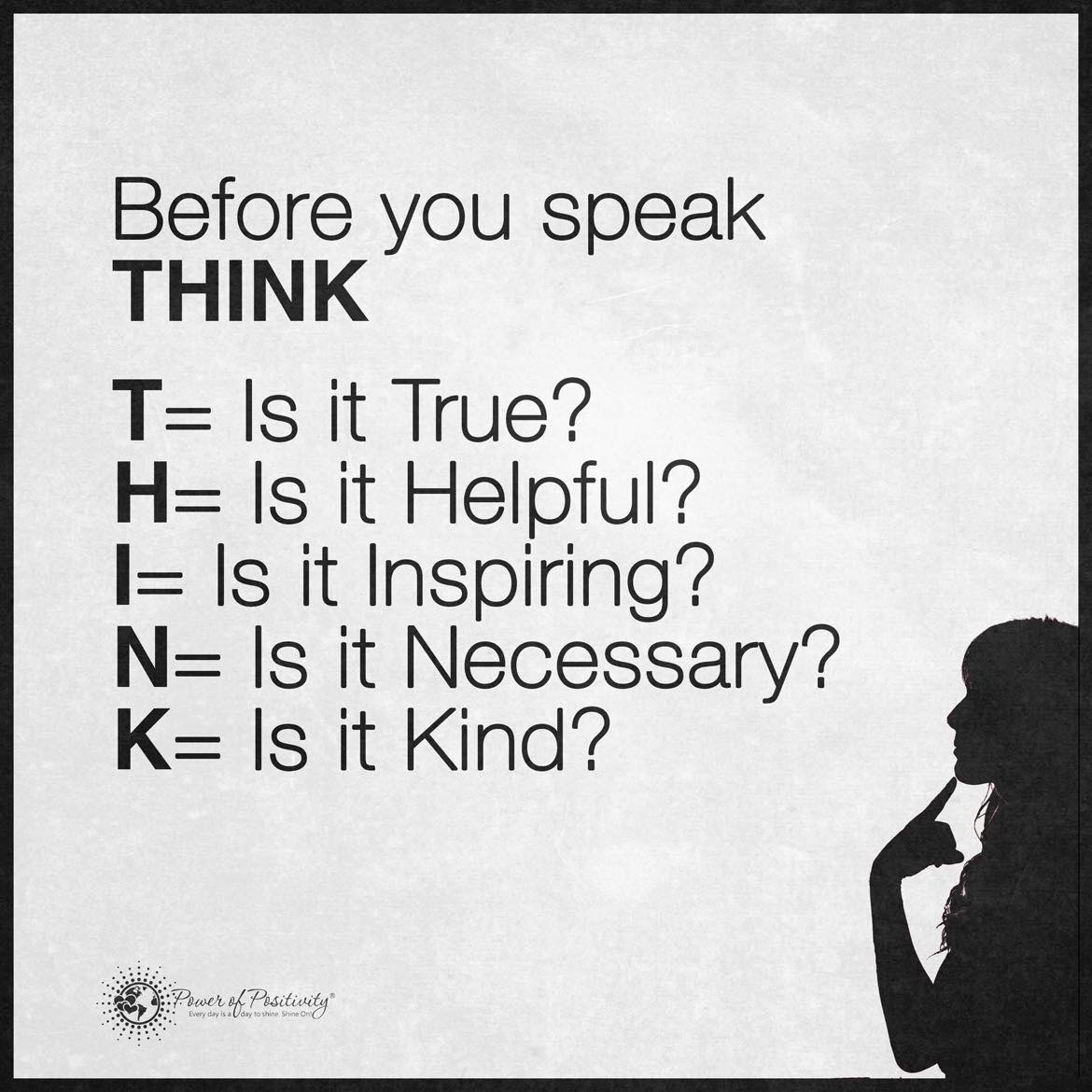
The first step is learning to be a good listener. Make conscious efforts to do more than hear what others say. Take your time and register what you heard. Make mental notes of the discussions you have. Or, if it’s something important, make physical notes, either on an app or on paper. This way, you will avoid misunderstandings. Always listen first and talk second.

If misunderstandings still arise, don’t be defensive. Take a moment to ensure you and the other person are on the same page. Step back and ensure you’re talking about the same thing. You will never see eye to eye if you’re talking about apples and the other person about oranges. Take your time to calmly explain what bothers you and understand whether that’s a real issue. Ask the other person to describe what their problem is. This way, you will ensure you understand the starting point.

From there, try to find solutions instead of fighting to decide who’s right. Understand that being right will not help you. It only matters to be able to de-escalate the conflict. So, learn to control your tongue and try to be calm. Work together and figure out solutions.

Lastly, make sure you communicate about all issues. If you’re buying something for the house, let your roommates know. If you’re frustrated about something someone did, tell them. Don’t let frustrations build up, and work proactively to de-escalate them.

2.    Admit Your Mistakes to Avoid Conflict

Too often, people care too much about their ego to understand when they are wrong. They don’t want to admit their mistakes because they don’t think they did something wrong or because they’re too stubborn.

Understanding and admitting your mistakes is key to avoiding unnecessary conflict. Whenever someone seems frustrated with you, take a step back and try to understand what you might have done wrong. Reflect on your actions and single out your flaws. Whatever they might be, try to work on them actively. If you’re too stubborn, try to let go and be more flexible. If you’re easily annoyed, try to refrain from snapping. Actively try to be better.

You will never be able to be perfect, though. Mistakes will happen from time to time. So, whenever you do something wrong, understand what you did and how you can fix it. Listen to your friends’ complaints and take them constructively. Don’t let your ego blind you. If someone points out your mistakes, don’t get mad for no reason. Accept constructive criticisms and understand them.

Accept that mistakes are unavoidable. There’s nothing shameful about being wrong sometimes. Instead of being stubborn and starting fights, learn to apologize. A simple “I’m sorry” will go a long way in calming the waters. Apologizing will help you avoid wasting time engaging in irrelevant fights.

3.    Control Your Emotions to Avoid Conflict

Emotions are tricky to navigate. They are the driving force behind all good things. Unfortunately, they’re also the catalysts for fights and disagreements. And they can be tough to control. When people get heated, all logic flies out the window. The best way to manage your emotions is to make sure you have no reason to get heated in the first place. But how do you do that?

You need to assess and understand when it’s worth fighting for your point of view. Most conflicts don’t do anything for you. If you win them, you gain nothing valuable. If you lose them, no absolute principles of yours are undermined. But, in both cases, you risk endangering a relationship. To avoid fighting in vain, asses what principles of yours are threatened. If the answer is none, don’t even bother engaging in any back-and-forth. Or, if the gain doesn’t surpass possible losses, better drop the issue than risk creating more problems. Understand your moral framework and only fight for those principles. Leave petty conflicts in the past. Once you understand your regulations, you will find that most issues will even stop bothering you altogether.

Learn to use logic and don’t let emotions lead the way. Don’t make snap judgments about people and situations, or you’ll find yourself in an unnecessary conflict. If you have a wrong impression of someone, give them a second chance. Maybe they said something that seemed offensive, but it was an honest mistake. Take the time to make sure if they meant it or not. Give people time to show their true selves instead of judging them based on incomplete stories.

Be aware of how you feel and why you feel that way. If you feel like you’re about to make a snappy comment, distance yourself from the situation. Take some time to calm down and come back when you’ve cooled off. Resolve your frustrations on your own time. Don’t go into a social setting already annoyed. It’s better to skip going out rather than risk starting a fight.

avoid unnecessary conflict4.    You Avoid Conflict When You Respect Other People’s Views
Often, people think that the world is black and white. That there can only be one valid perspective. But that couldn’t be further from the truth. Most things in life are highly nuanced. People can be right about the same issue while having vastly different perspectives.

Understanding this is imperative to ensure avoiding conflicts. Make an effort to treat other perspectives as valuable. You aren’t undermining your viewpoint if you accept the validity of different ideas. You might even learn something new. The more you listen, learn, and broaden your perspective, the less feisty you’ll be.

Even if their perspective is objectively wrong, they might have valid reasons for believing that. Have a discussion and let them talk through their thought process. Maybe they have good intentions and are just misinformed. Strive to teach them instead of maltreating them just because they have questionable points of view.

Don’t make snide comments about their beliefs. You don’t know everything people have been through. Specific traumas and experiences might make them believe certain incorrect things. Always be careful when making comments. Try putting yourself in their shoes. Understand what actions might tick them off, and avoid those actions at all costs.

Always be empathetic and treat people with kindness. Always know your audience. If you don’t know someone on a personal level, avoid touchy subjects. You don’t know how much people care about certain issues, and you might unintentionally tick them off. If you want to avoid conflicts, stick to light subjects. Conversing about work, the weather, movies, and generally making small talk is a safe bet that will help you avoid unnecessary conflict. Get to know someone on a personal level before engaging in more profound subjects. And even then, always approach discussions respectfully.

5.    Use An Impartial Third Party to Avoid Conflict

If you ever feel like, no matter how hard you try, tensions are looming, ask a third party to referee. You will always be too personally involved to assess the situation objectively. Someone who has no emotional attachment to the problem will always be your best bet.

Some disputes are so personal that they might never be fully resolved in a closed environment. If the ones engaged in the conflict are left to be dealt with, it might even worsen. From a small problem, everything could skyrocket in a big fight. If stubborn enough, the people disagreeing will never be flexible and give in. The tensions will keep building and building.

For these reasons, it’s better to ask someone to mediate the issue. Find someone who is impartial and has no attachment to the problem. Someone who is not a close friend would work best. A mutual acquaintance or even a credited therapist. They will be able to listen to both sides and get the complete picture. They can even get the people having a disagreement in a room together and question them on the issue. From their objective position, they can offer advice for everyone involved. They can find solutions you would have never thought of.

Because of the existence of an objective party, you will be more likely to give in. You will be incentivized to make the sacrifices needed to avoid a full-on conflict. Most importantly, they will be able to calmly explain what you did wrong and how to avoid those situations in the future.

avoid unnecessary conflictFinal Thoughts On How To Effectively Avoid Unnecessary Conflicts

In this society, people have to deal with increasingly more problems. As you juggle all your responsibilities, the last thing you need is to be engaged in conflicts. Sometimes, they seem so hard to avoid. You’re already so stressed, so tired. How could you possibly manage your temper when someone is driving you crazy?

Feeling like it’s easier to have a yelling match with someone rather than being civil is legitimate. But that attitude won’t help you in the long run. You need to shift your perspective and learn to be the bigger person. Take your time to learn to communicate effectively. Make sure you listen and register things that were said to you rather than passively hearing.

Let go of your ego and be ready to admit your mistakes and apologize. If you ever feel like you’re about to burst, walk it off instead of engaging in a back-and-forth. Lastly, learn that other perspectives are as valuable as yours. If none of these tips work, try getting someone to mediate the issue, then you may be able to avoid unnecessary conflict in the future from the skills you learned.

Skip to content