Weekly tips, affirmations, and small actions to feel your best.

Why Women Love Charcoal Masks On Their Face

Charcoal masks have exploded in popularity all over the Internet. People are opting for these masks as a way to ease all their skincare woes. All that’s needed is to apply a mask to their face, let it set, and then peel the mask back after leaving it on the face for a period of ten minutes, resulting in smooth and radiant skin!

Why Charcoal Masks are All the Rage

The reason these masks are so popular is due to the countless charcoal mask benefits. The following guide will explain the benefits of using charcoal products, what to look for in a charcoal mask, and how to make your own.

What is Activated Charcoal?

Skin can become clogged from pollution and impurities from makeup and other products. Using masks will help you to remove dirt and completely cleanse your skin.

In addition to purifying your skin, you’ll be able to control your skin’s oil secretions and limit your acne and blackheads.

If you’ve never heard of using a charcoal mask before, it’s likely that you’ve envisioned rubbing a piece of coal on your face. However, this isn’t the type of charcoal that is used in charcoal masks.

The real secret ingredient in charcoal face masks is activated charcoal. This activated charcoal is really a carbon that has been treated to increase its absorbency.

This absorbency is what makes it so effective as a treatment in hospitals. This characteristic of activated charcoal is coincidentally what makes it so effective as a face mask.

The activated charcoal acts in the same way a magnet would to absorb and attract oil and dirt. When the dirt in your skin makes contact with the activated carbon, you’ll be able to wash away all the impurities in your skin.

Charcoal Mask Benefits for Skincare

There is a reason that activated charcoal has become a popular choice for skin care. For years, charcoal has been used as a way to treat the body for overdoses and poisoning. Now, activated charcoal is a great way to treat the skin.

The activated charcoal works to bring out bacteria, dirt, chemicals, oil, and toxins by absorbing foreign substances. This excess will then be removed once the charcoal is washed off.

Uses for Charcoal Masks

When getting into the nitty-gritty of charcoal masks, you will find that most people use them to:

  • Cleanse their pores
  • Exfoliate
  • Remove dirt and blackheads
  • Absorb oil
  • Leave skin healthier, cleaner, and smoother

Charcoal masks are easy to apply and relatively easy to get off. With peel-off masks, you will be able to exfoliate your skin when removing the mask.

Looking to harness the powers of charcoal? Keep the following things in mind:

1. Brighten Your Skin

Charcoal masks help brighten your skin after the dirt and impurities are removed. After the mask is washed off, you’ll clearly see that your skin is brighter.

Almost instantly, your skin will be revitalized.

2. Exfoliate Your Skin

As you brighten your skin with a charcoal mask, you’ll be able to exfoliate your skin with the coarse texture of the charcoal mask. This will effectively remove any dead skin cells, allowing the new skin to shine through.

3. Banish Oily Skin

Is your skin always excessively oily? Before trying out any medication for acne, consider a natural option for treating your oily skin.

Oily skin can lead to acne. With charcoal masks, you’ll be able to eliminate excessively oily skin.

4. Tighten Your Skin

Suffer from sagging skin? An activated charcoal face mask is the right option for you. Regularly using the mask will help to flatten your skin, allowing you to eliminate any sagging over time.

5. Balance Your Skin’s Appearance

Impurities in the skin can be difficult to get rid of. While there are often harsh processes that can be used to remove blemishes, an activated charcoal face mask is a good way to eliminate the defects in your skin.

The exfoliating power of the activated charcoal works to bring balance back to your skin.

Use Your Own DIY Charcoal Mask

Ready to try the power of charcoal on your skin? While you can buy some of the best charcoal masks, you can also make your own exfoliating and brightening charcoal mask with activated charcoal and other items around your home.

The best thing about making your own mask is that you control the quality of the products that go into it. To put together your charcoal mask, use the following:

  • 1 teaspoon of charcoal powder
  • 1 teaspoon of bentonite clay
  • A small amount of baking soda
  • 1 teaspoon of coconut oil

After you put together this charcoal mask, apply it to your face using a clean brush. Leave it on your face for a 10 minute period. Rinse your face, then apply moisturizer.

For consistently clean and exfoliated skin, apply this mask once a week.

Tips for Choosing the Best Charcoal Face Mask

Not a fan of DIY? You’ll be able to find the best charcoal face masks to help keep your skin looking fresh by looking at the key ingredients in each mask.

Simply picking up any charcoal face mask won’t ensure that you’ve made the right choice for your skin type. You’ll want to think about what you really need out of a face mask.

While activated charcoal is generally used to remove toxins, you may want a little more out of your face masks. Consider the following options when looking for the right mask:

Masks to Maintain Moisture

Trends in the beauty world go as quickly as they come, but face masks are here to stay. There’s nothing quite like the feeling of pampering your skin with a face mask.

If you need to add moisture to your skin, you’ll want to find a mask with hyaluronic acid, glycerin, dimethicone, squalene, and ceramides. These ingredients will help to build barriers that will ensure your skin is as moist as possible.

Opt for an Acne-Fighting Mask

Activated charcoal is already a key ingredient in fighting acne. If you want to boost your mask’s acne-fighting abilities, consider using one with salicylic acid. This will help to decrease the amount of oil in your skin.

Choose a Mask to Reduce Signs of Aging

Masks with vitamins E and C help to eliminate signs of aging. The presence of these vitamins will help you even out any wrinkles that may be present in your skin.

Issues to Keep in Mind When Using Charcoal Face Masks

Whether you make your own face mask or you purchase one of the activated charcoal masks that are on the market, you’ll find that once you start, you too will fall in love with using charcoal face masks.

However, every popular beauty trend should be properly researched. While there are several positives to using activated charcoal, there are a few disadvantages of using these masks, depending on how you use them.

Some people find that in the removal of their face mask, they end up ripping it off. Even though there are many charcoal mask benefits, the process of peeling off a mask can cause other issues:

Removing the Mask May Clog Your Pores

While the purpose of an activated charcoal face mask is to help unclog your pores, the opposite may occur. When removing the mask, blackheads can form as a result of falling debris.


While the hope is that the mask will take the toxins with it, the reality is that the way you remove a mask may result in these toxins falling into your open pores and clogging them.

The Ingredients in the Mask May Clog Your Pores

Moreover, some of the most popular masks have ingredients that may clog your pores. If a mask is made of petrolatum, or paraffin liquid (mineral oil) it is likely that your pores will be clogged after using the mask.

Masks that are made with oils like coconut oil and shea butter may also lead to clogged pores. Additionally, you’ll want to stay away from any products with isopropyl myristate and isopropyl palmitate, as they aren’t the healthiest ingredients with which to treat your skin.

Final Thoughts on Charcoal Masks and Why We Love Them

Charcoal face masks have become a beauty world staple. With all the positives that come from using these activated charcoal products, it isn’t likely that they’ll stop being a popular choice in skincare anytime soon. While there are some concerns regarding the use of these masks, most people find that they are a godsend for their skincare routine.

As you look further into charcoal mask benefits, keep this guide in mind. With the right products and a consistent skincare routine, you’ll find that activated charcoal is your skin’s new secret weapon.

(C)Power of Positivity, LLC. All rights reserved

12 Healthy Chia Seed Recipes You Are Going To Love

The chia seed powerhouse is taking the world by storm, and for good reason. It’s jam-packed with nutrients your body needs for energy, bone health, and fiber, and provides more omega-3 fatty acids than a serving of fish.

What are Chia Seeds?

Salvia hispanica: a black little seed that was an ancient staple of the Aztecs and Mayans. This whole grain’s name translates to strength in the Mayan language; they used it as a continuous energy source.

In modern day, we consider it a superfood and a building block for many lifestyles and diets. The plant-based staple is low in calories, gluten-free, GMO-free, and low in carbohydrates while providing a hefty 5-gram dose of omega-3 fatty acids.

Chia seeds are an excellent source of many vitamins and minerals, which increases its nutrient density and place in the modern diet. They also taste similar to poppy seeds.

Chia Seed Benefits Backed By Science

Chia seed benefits are vast. They start at the cellular level with a rich source of antioxidants, which protect your cells from degeneration and cancer-causing free radicals. (1)

They promote a healthy gut by providing food for your gut flora. Many scientists and researchers believe your digestive system must remain balanced and in good working order to maintain a strong immune system. (2)

While only containing four grams of protein per serving, the chia seed’s protein chain provide a variety of amino acids. These can be lacking in plant-based diets, so ensuring your body receives proteins from various sources can be difficult. The addition of chia seeds makes it easier to follow plant-based diets. (34)

Protein helps you feel fuller for longer and reduces in-between meal snacking. Both can aid in weight loss or maintenance diets. Do keep in mind that simply adding chia seeds to a non-healthy diet is unlikely to produce any results. This can be said about any single food swap. If you’re looking to drop pounds, you must address your entire diet. (567)

Chia seeds contain omega-3 fatty acids. One important note, however, is they’re not a great source of DHA. They’re high in ALA and EPA though, and studies suggest ALA fights and protects from many types of breast and cervical cancer. (9)

They might benefit your heart and blood pressure. Animal and human studies show promising results.(10)

Bone health is a fact every woman must address at some point in her life. Osteoporosis affects 3 million people in the US each year. The leading cause is a diet low in calcium. Using the chia seed benefits vegans, non-dairy vegetarians, and anyone who’s lactose intolerant by providing one of the best plant-based sources of calcium with a daily allowance of 18% per serving.

Chia seeds added to breads and meals might assist your blood sugar levels. Human and animal studies have provided mostly positive results.

12 Healthy Chia Seed Recipes You are Going to Love

You can eat chia seeds plain, tossed on a salad, or you can add them to recipes for an extra punch. In vegan baking, they make an excellent egg replacer. You can grind them to a fine powder and use in gluten-free and low carb baking recipes too.

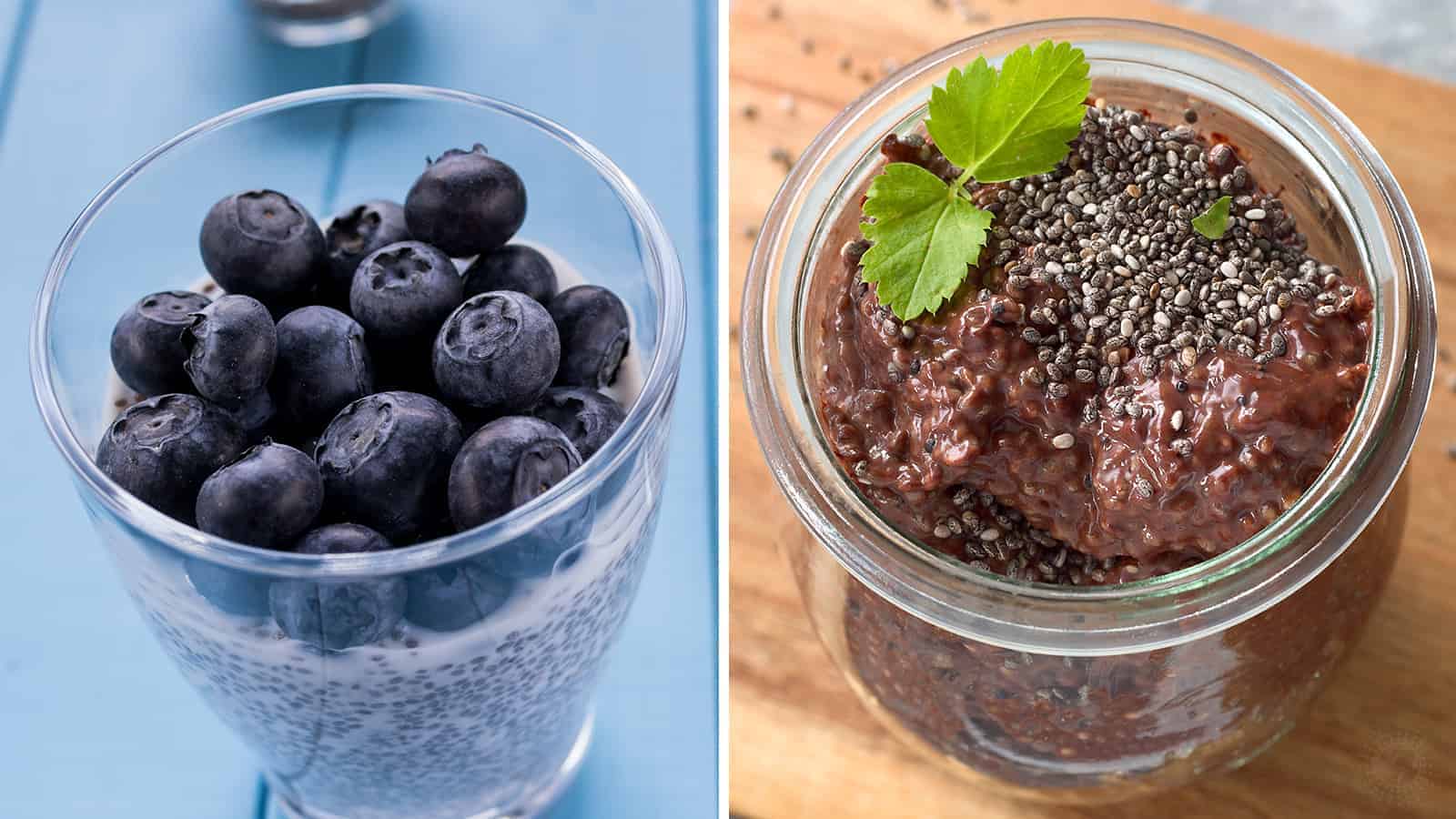
1. Healthy Fruit Pudding

This adaptable recipe can serve as a snack, dessert, or breakfast. You can certainly use any fruit (or no fruit) to suit your tastes.

Ingredients:
• 16 ounces of fruit
• 1 ½ cups milk
• 1 Tbsp. of vanilla extract
• ½ cup chia seeds
• Sweetener of choice to taste

Directions:
1. Blend fruit, milk, vanilla, and sweetener until well combined. Taste test for sweetness too, and add more sweetener if desired.
2. In a large bowl, add chia seeds and pour mixture over them. Whisk together and let sit for 10 minutes.
3. Give it another stir before covering and placing in your refrigerator for 4 hours.
4. Serve chilled.

Pudding will keep for about three days, but the longer it sits, the more it thickens. You can add a bit of milk or water to thin it out before serving.

2. Lower-Carb Cauliflower-Chia Seed Falafel

This non-traditional take on a delicious street food produces the texture and taste of falafel without deep-frying. The recipe still uses chickpeas and rolled oats, but you’ll be replacing half with cauliflower and chia seeds to lower the carbs and up the nutrition.

Ingredients:
• 1 c onion, chopped
• 1 medium head of cauliflower, chopped and steamed
• ¾ c rolled oats
• ¼ c chia seeds
• 2 ½ c chickpeas, cooked
• 2 tsp. baking powder
• 1 tsp. nutritional yeast
• ½ tsp. turmeric

Directions:
1. Preheat oven to 325 degrees
2. In a food processor, pulse all ingredients until well-combined.
3. Roll into golf ball sized balls and place on a lined baking sheet.
4. Bake 12 minutes.
5. Flip balls.
6. Bake an additional 10 minutes
7. Serve warm

3. Lemon Chia Seed Muffins

Adapted from Pinch of Yum

A classic gets an updated twist with the use of chia seeds instead of poppy. This variation is vegan-friendly and omits poppy seeds and the glaze found in the original recipe.

Ingredients:
• 1/3 c lemon juice
• ¼ c lemon zest
• ½ c sugar or substitute of choice
• 1 ½ c all-purpose flour
• 1 ½ tsp. baking soda
• 2 tsp. vanilla extract
• Vegan egg replacer or enough chia slurry to replace 2 eggs*
• 3 tbsp. coconut oil, melted
• ½ c of favorite plain vegan Greek-style yogurt
• ¼ c milk of choice
• 5 Tbsp. chia seeds

Instructions:
1. Preheat oven to 375 degrees
2. Toss lemon zest and sugar in a bowl. The friction assists in releasing oils from the zest.
3. Add flour and baking soda, tossing again.
4. In a second bowl, mix juice, vanilla, chia slurry, melted oil, milk, yogurt, and chia seeds.
5. Add your wet ingredients to the dry, stirring until combined. Don’t over stir.
6. Scoop batter into a greased muffin tin.
7. Bake 12 minutes or until tops are golden and springy.

*Homemade chia slurries vary in thickness and by recipe used.

4. Baked Oatmeal

Baked oatmeal is delicious on a cold morning. It also doubles as a delicious, healthy snack or dessert when dressed with an extra layer of sweetness.

With a few swaps and substitutions, you can make this vegetarian dish vegan-friendly.

Ingredients:
• 1 ripe banana, mashed
• ½ c almond, cashew, or peanut butter
• ½ c cottage cheese
• 1½ tbsp. honey
• 1 ½ c milk of choice
• 2 cups rolled oats
• 1 egg white
• ½ c slivered almonds, toasted and chopped
• 1 tbsp. chia seeds
• 1 tsp. vanilla extract
• 2 tsp. cinnamon
• 1 ½ tsp. baking powder

Directions:
1. Preheat oven to 350 degrees.
2. Mix banana, egg, honey, cottage, cheese, and milk.
3. In another bowl, combine dry ingredients, including spices and chia seeds, and whisk.
4. Transfer the wet ingredients to the dry and stir until combined.
5. Pour into an 8×8 baking dish. Sprinkle nuts evenly over the top.
6. Bake 30 minutes.
7. Cut into squares and serve warm.

Vegan options: Replace egg white with a chia slurry and swap out the cottage cheese for chunky applesauce.

5. P-Nutty Energy Bites

For an on-the-go snack, these little bites will keep you fueled throughout your day.

Ingredients:
• 1 c rolled oats
• ¼ c chia seeds
• ¼ c flax seeds
• 2/3 cup peanuts, chopped
• 1 c dates, chopped
• 1/2 c milk of choice
• ¼ cup peanut butter
• ¼ c honey
• 1 Tbsp. coconut oil, melted
• 1 tsp. vanilla extract
• 2 Tbsp. shredded coconut, unsweetened

Directions:
1. Combine oats, seeds, and peanuts in a bowl.
2. Add in dates, milk, peanut butter, oil, honey, and vanilla. Stir until well-combined.
3. Shape into 1-inch balls. Roll in coconut flakes and place on a parchment-lined tray.

6. Chocolate Avocado Pudding with Chia Seeds

Raw avocado pudding gets an extra healthful boost with ground chia seeds. Better yet, this recipe contains no added sugar.

Ingredients:
• 2 avocados, ripe
• 1 banana, ripe
• 1/3 c cocoa powder or carob powder
• ½ tsp. chia seeds, ground
• 1 tsp. vanilla extract

Directions:
1. Blend all ingredients until smooth.
2. Enjoy!

Pudding will be thick, so if you prefer a thinner consistency, you can thin it with your milk of choice. Use a tablespoon at a time. If you want a sweeter pudding, use a touch of honey or stevia to taste. I always found a ripe banana makes it sweet enough for my tastes.

7. Grain-free Granola

Most granola contains grains either to assist in binding or to distribute flavorings. This recipe is similar to a trail mix or muesli type cereal. It’s Paleo-friendly and naturally vegan.

Ingredients:
• 1 c almonds, chopped
• ½ c cashews, chopped
• ¼ c pistachios, chopped
• 1/4 c sunflower seeds, shelled
• ¼ c pumpkin seeds
• 3 Tbsp. chia seeds
• 1 Tbsp. pumpkin, pureed
• 1 Tbsp. coconut oil, melted
• 2 Tbsp. pure maple syrup
• 1 Tbsp. vanilla extract
• 1 tsp. cinnamon
• ½ c cranberries, unsweetened and dried

Directions:
1. Preheat oven to 300 degrees.
2. Mix nuts, seeds, and cranberries in a large bowl and set aside.
3. Combine puree, melted oil, maple syrup, extract, and cinnamon until blended.
4. Pour wet mixture over the nut mixture. Toss until well coated.
5. Transfer to a lined baking sheet. Press down into a single layer.
6. Bake for 15-20 minutes, stirring frequently.
7. Granola is done when it’s no longer sticky.

8. Chia Protein Shake

No recipe collection could be complete without a quick and easy shake made to jumpstart your morning.

Ingredients:
• ½ c milk of choice
• 1 c frozen fruit of choice
• 1 scoop of your favorite protein powder, optional
• 2 tsp. chia seeds

Directions:
1. Add milk, fruit, and protein powder to your blender.
2. Mix until creamy and well combined.
3. Stir in chia seeds or sprinkle on top.

9. Vegan Mushroom Cream Sauce

Dairy-free cream sauces don’t take a lot of work or special ingredients that you can’t pick up at the grocery store.

Ingredients:
• 3 c mushrooms, thinly sliced
• 1 shallot, diced
• 2 c cashew milk*
• 1 Tbsp. coconut oil
• 2 garlic cloves, crushed
• 1 tsp. parsley
• 1 Tbsp. nutritional yeast

Directions:
1. In a large pan over medium-high heat, sauté mushrooms in coconut oil until cooked.
2. Add shallot and cook until translucent.
3. Stir in garlic and toss frequently. Be careful not to burn the garlic.
4. Add cashew milk and nutritional yeast. Bring to a boil.
5. Reduce heat and simmer about 10 minutes.
6. Stir in chia seeds and remove from heat.
7. Sauce thickens as it stands.

*Cashew milk is naturally thicker. If you prefer to use another plant-based milk, you might need to reduce it to ¾ cup.

10. Chia Lemonade

Ever see those fancy bottled chia drinks in the produce aisle? You can most certainly make your own at home and save lots of money. Don’t like lemonade? You can use unsweetened green tea, or add your chia seeds to nearly any beverage.

Ingredients:
• 2 c water
• ½ c lemon juice
• 3 Tbsp. honey or sweetener of choice to taste
• 4 Tbsp. chia seeds

Directions:
1. Mix all ingredients in a tall pitcher.
2. Let it sit for about 30 minutes before serving.

11. Lime Chia Dressing

The tartness of lime and a slight sweetness from honey marry in this simple dressing that works well on regular salad and the fruity variety.

Ingredients:
• 3 Tbsp. lime juice
• 1 Tbsp. honey
• 2 Tbsp. chia seeds

Directions:
1. Whisk all ingredients together.

Give it a kick: add a teaspoon of hot pepper flakes or a dash of hot pepper sauce to the recipe for a sweet and spicy experience.

chia seed

12. Berry Jam

Adapted from The Kitchn

Chia seeds make thickening jams and jellies easier without adding sugar or thickening agents. Our version omits the honey for a vegan friendly version. Serve traditionally or use it for a healthy topping on pudding, yogurt, or oatmeal.

Ingredients:
• 1 c of strawberries or a mixture of berries
• 1 peach, peeled and cubed
• 2 Tbsp. chia seeds
• 1 Tbsp. lemon juice

Directions:
1. In a saucepan, stir berries, peach, and lemon juice over medium heat.
2. Gently boil for about 5 minutes, stirring frequently and mashing fruit with your spoon.
3. Add chia seeds, stir, and remove from heat.
4. Let sit for 5 minutes more before transferring to a bowl or jar.
5. You can use it now or allow to fully cool before moving to the fridge.

chia pudding recipesFinal Thoughts on the Chia Seed

The chia seed is easy to add to your diet. They’re readily available in supermarkets, or you can grow your own with little effort.

Don’t forget chia seed benefits are innumerous too. Plus, their crunchy, poppy seed-like flavor lends well to many recipes. Use one or try all of our delicious recipes here.

(C)Power of Positivity, LLC. All rights reserved

18 Natural Remedies For Treating Nausea

Nausea is a feeling that no one wants to deal with. It’s unpleasant, but this feeling can happen in any situation, like when traveling and at any moment during pregnancy. To treat nauseous feelings, many people use anti-nausea medications. However, these medicines often have side effects like drowsiness that make using them a challenge.

Natural Nausea Remedies

Instead of putting up with this feeling or having to deal with the side effects of the medicine, many people looking for nausea remedies are opting for more natural options. The following methods are the best for treating this nauseous feeling:

1. Eat Ginger

Ginger is one of the more popular choices for natural cure-alls. What’s more, ginger is a great way to treat nauseous feelings naturally.

Though ginger is a superfood, its powers aren’t fully understood. Experts agree that ginger is made up of compounds that act in a way that is similar to other medications.

Many studies show that ginger is incredibly effective in trying to reduce nauseous feelings in many different situations.

There isn’t a consensus on the proper dosage that one needs to take to reduce the effects of nauseous feelings. However, in the study, most participants were given around 0.5 – 1.5 grams of ginger root each day.

While ginger is relatively safe, individuals may need to lower their ginger intake if they’re prone to having low blood sugar or low blood pressure, especially if they are taking blood thinners.

Pregnant women should ask their doctor before treating nauseous feelings with ginger. There are only a few studies regarding the use of ginger during pregnancy, but the studies show that healthy pregnant women are less likely to experience side effects. Thus, many experts believe that ginger is safe to use during pregnancy.

2. Use Peppermint Aromatherapy

Peppermint aromatherapy can be used to reduce nauseous feelings.

A study that assessed peppermint aromatherapy’s effects on women after a C-section birth showed that after being exposed to the peppermint, these women rated their nauseous feelings as being significantly lower than individuals given placebos or anti-nausea medications.

Many experts even suggest that drinking peppermint tea can provide similar anti-nausea effects, though there haven’t been any studies to back this up.

Individuals that have taken peppermint oil in pill form have experienced mixed results. Some have seen benefits, while others see no change in their nauseous feelings.

Additionally, there is very little information available regarding the safety of consuming peppermint oil.

3. Try Acupressure or Acupuncture

Acupressure and acupuncture can be used to treat vomiting and nauseous feelings.

With acupuncture, professionals use thin needles on certain pressure points all over the body. With acupressure, experts aim to stimulate similar points on the body. However, this pressure is used in place of needles.

These techniques are ultimately used to stimulate nerve fibers, allowing signals to be transmitted to the spinal cord and the brain. These signals have the ability to abate nauseous feelings.

Some evidence even shows that during pregnancy, acupuncture can be used to treat nauseous feelings, but more studies need to be done.

Looking for a way to harness the power of acupuncture without having to go through the spine-tingling process? You can stimulate the acupuncture point on your own.

This nerve is located two or three finger widths away from the inner wrist, located between your two prominent tendons.

Once this point is located, you will press your thumb down for a minute. Then, repeat the process on the other arm. Keep repeating until the nauseous feelings melt away.

4. Slice a Lemon

The smells from a fresh lemon can be used to reduce nauseous feelings, especially in pregnant women.

One study with 100 pregnant women used almond or lemon essential oils to determine which smell was the most effective in reducing nauseous feelings. The results of the study showed that individuals with the lemon essential oil were able to reduce their nauseous feelings by 9%.

For many people, simply scratching or slicing a lemon is enough to release its essential oils. Similarly, having a vial of your lemon essential oil might be enough to reduce nauseous feelings if you are on-the-go.

5. Control Your Breathing

Taking deep breaths will help to reduce nauseous feelings.

Controlled breathing is one of the best all-natural nausea remedies. By focusing on your breathing patterns, you’ll find that you can think clearer and feel less nauseous.

This is why controlled breathing is such a powerful part of meditation. As taking time to focus on one’s breathing works to calm the body, it is one of the easiest natural alternatives anybody can use to help become focused.

To take control of your breathing, inhale through your nose and count to three. Then, hold your breath while counting to three, and finally, release your breath.

6. Use Various Spices

Certain spices can be used as a way to deal with nauseous feelings.

The following three spices are proven to fight nauseous feelings:

  • Fennel powder: Fennel powder will reduce menstrual symptoms and help women shorten their periods.
  • Cinnamon: The use of cinnamon will help to reduce how nauseous women feel when menstruating.
  • Cumin extract: Cumin extract can help to improve symptoms of abdominal pain, diarrhea, nauseous feelings, and constipation.

7. Work on Relaxing Your Muscles

Oftentimes, anxiety can bring about nauseous feelings. Before resorting to medication, try muscle relaxation. This is the process of intentionally tensing your muscles, then relaxing them.

One of the more common ways to use muscle tension to relieve stress or nauseous feelings is through massage.

In a study of patients going through chemotherapy, individuals that were given a lower leg or arm massage found that they were 24% less likely to feel nauseous after the fact.

8. Take Vitamin B6 Supplement

Vitamin B6 has become increasingly popular as an all-natural way for pregnant women to relieve their anti-nausea symptoms.

Supplements of vitamin B6, known as pyridoxine, have been proven to successfully reduce nauseous feelings for pregnant women. These supplements are often taken as a treatment to abate nauseous feelings.

Vitamin B6 is typically seen as safe to use for pregnant women with virtually zero side effects.

9. Avoid Spicy Foods

Foods like rice, bananas, baked potatoes, crackers, or applesauce are also excellent options to help relieve nauseous feelings. This will also help to decrease the likelihood that you will suffer from an upset stomach.

10. Eat Protein-Rich Meals

Protein-rich meals are an excellent way to stave off nauseous feelings. Whether you eat more meals that are high in protein or supplement your diet with protein pills or powder, you will be less likely to become nauseous by eating food with more protein.

11. Avoid Larger Meals

Individuals that are used to eating larger meals should consider downsizing. By reducing your meals in size and increasing the frequency with which you eat, you will likely be able to reduce your symptoms.

12. Exercise More Often

Yoga and aerobic exercise can be used to help reduce nauseous feelings. These exercises harness the power of controlled breathing, allowing the calm of meditation to settle any uneasiness.

nausea

13. Stand Upright After Eating

People that find themselves experiencing nauseous feelings or acid reflux on a regular basis should keep in an upright position after a meal. Lying down 30 to 60 minutes after a meal can increase nauseous feelings and similar uncomfortable feelings.

14. Avoid Drinking During Meals

Drinking during meals can lead to increased feelings of fullness. This can have the effect of worsening nauseous feelings in certain people.

While you may be used to drinking during a meal, consider having your beverages before or after a meal.

15. Stay Hydrated

Dehydration is another way to bring on nauseous feelings. If you are feeling nauseous and are also vomiting, it is likely that you are dehydrated. Replace any lost fluids with a drink that is rich with electrolytes.

Mineral water is a good choice for anyone in need of hydration, as is regular water, a sports drink, or vegetable broth.

16. Avoid Pungent Smells

Smells that are incredibly strong can worsen nauseous feelings. During pregnancy, these strong smells can intensify, making your nausea worse.

If possible, avoid using any substances with a strong odor.

17. Avoid Iron Supplements

Women with regular iron levels should avoid using iron supplements in the first trimester, as they may worsen nausea.

18. Use Baking Soda

Baking soda is always handy to have around the house as it can be used as a cleaner and a way to ease symptoms of nausea.

Dissolving baking soda in water works well to diffuse nauseous feelings. By mixing a half teaspoon into a glass of water, you’ll quickly have an all-natural solution to reduce your nausea.

Final Thoughts on Natural Ways to Relieve Nauseous Feelings

Nausea is unavoidable at times. However, before reaching for the pills, think about all the natural ways to relieve nausea. By using these supplements, roots, breathing processes, and more, you’ll find that you are able to alleviate your own nauseous feelings.

While natural nausea remedies often work well, they won’t always. If the nauseous feelings persist, it’s best to seek additional care from a medical professional.

(C)Power of Positivity, LLC. All rights reserved

21 Popular Uses Of Tea Tree Oil For Skin

Looking for the magic medicine? Something that can do a bunch of different things like help with a cough and heal skin rashes? Tea tree oil might be just the thing for you.

Tea tree oil comes from the leaves of the tea tree. It was discovered in the tea trees growing on the Australian coast. There are many tea tree oil benefits for a plethora of people. Just about anyone can find a reason to use it.

So, want to find out some of the great uses? Well, keep reading and you will find out some of the unique ways the tea tree oil can be used. The tea tree oil benefits cannot be understated. Many different applications can be made because of the same properties, but you might not think of them. So, here are a bunch of them.

Medicinal applications

There are quite a few ways to use the oil to treat medical conditions. This is mainly because of the anti-bacterial and antiseptic properties of the oil. Here are a few:

  1. Acne – The oil can help reduce the bacteria that causes inflammation and swelling in the skin. It has been shown to treat mild to moderate acne. You can use the oil on acne that is on various places on your body, including the face. In addition to reducing the bacteria, it can help remove oil and dirt from clogged skin pores.
  2. Skin tags – These can be very annoying because they rub on material from clothing and can even get caught and snagged, causing pain or bleeding. If you use the tea tree oil routinely on the skin tag, it will slowly disappear. It may take some time for them to go, but sometimes the only other option is having them removed by a doctor. This can be painful and cause discomfort, so you might want to just take the time to wait for the oil to get rid of them.
  3. Chicken Pox – In the past, just about every kid got chicken pox. Today, there are vaccinations, but no vaccination is 100% and there are people who do not vaccinate. One of the signature symptoms of chicken pox is the intense itching it can cause. The scratching can cause scars on the skin that can last a lifetime. If you use oil in a warm bath, it can help ease the itching. If you can ease the itching, it will reduce the scratching that causes the scarring. This is important because if you get scars from chicken pox, they are very difficult to get rid of or hide, especially since they are usually on your face.
  4. Eczema – Adults and children suffer from eczema. This means that they can get rashes, blisters, itching, and dryness that cause pain and discomfort. The oil has antiseptic properties that help with itching that can be caused by rashes and blisters. You can treat individual spots with a mixture of coconut oil or you can treat the whole body by using the oil in a bath. If you suffer from eczema, you might want to try a natural method either in conjunction with or in lieu of prescribed medications.
  5. Psoriasis – This condition results in inflamed, red scaly skin that can crack and hurt. The oil has anti-bacterial aspects which can help relieve the symptoms of psoriasis. If you mix it with coconut oil, it will reach deeper skin layers and help with scarring. The deeper the moisturizing goes, the better the condition of the skin will be, and the number of symptoms will be reduced.
  6. Antiseptic for cuts and scrapes – As with many of the other applications, the anti-bacterial and antiseptic properties of the oil are great on cuts and scrapes. It helps reduce the chance of infections and reduces any swelling and irritation.
  7. Wound healing – Because of the properties of the oil, it can promote wound healing and help you get on the road to recovery. When the inflammation is reduced, it triggers white blood cells, which are vital in the healing process.
  8. Nail fungus – Even though they will not cause major harm, they are disgusting. And, there are plenty of medicines on the market, but sometimes you just do not want all the chemicals and artificial ingredients. You might want to try the oil and go the more natural route.
  9. Skin inflammation – This can be caused by any number of reasons. As stated with specific conditions that result in skin inflammation, the oil can help reduce it. Reduced inflammation leads to less discomfort and faster healing.
  10. Athlete’s foot – This condition can cause odor, redness, itching, and peeling. It can be painful and embarrassing. You can pick it up in the gym shower or other places, since it is contagious. However, if you mix some oil with baking soda and arrowroot powder, you can create your own remedy to help get rid of the condition. You just need to apply it to clean feet twice a day and you will be on your way to healing.
  11. Yeast infection – The oil has anti-bacterial properties. Studies have shown that the oil can interfere with the yeast and inhibit the chemical makeup. It is very beneficial to combine the oil with lavender, which is a natural candida killer. This pretty much kills the yeast. All you need to do is add the oils with some distilled water and apply with a cotton swab.

Beauty

It is possible to use the oil for beauty regimens and other applications. The oil makes the skin feel better while providing protection and killing bacteria.

  1. Deodorant – You can make your own deodorant, without all those chemicals with the oil and some other ingredients. Underarm odor is caused by the mixture of sweat gland secretions and bacteria. The oil helps reduce the amount of bacteria, thus decreasing any odor.
  2. Mouthwash – While it might seem weird to use an oil in your mouth, especially when it can be used to treat nail fungus, it can help with bad breath and tooth decay. The mouth creates bacteria, and if you mix the oil with some warm water and swish it around, it will help kill it. Just remember, it is similar to regular mouthwash in one way – do not drink it.
  3. Dandruff – Dandruff is embarrassing, frustrating, and sometimes hard to get rid of. There are options in the store, of course. But, they are chock-full of chemicals and things you cannot even pronounce. Try using your favorite shampoo and mixing in a few drops of oil. It will soothe the scalp and help stop the flaking.
  4. Toothpaste – There are recipes that let you use tea tree oil in the recipe. You can get the tea tree oil benefits through the toothpaste. These benefits include anti-inflammatory properties, which help soothe the gums and reduce any bleeding that you might have going on.
  5. Shampoo – Some of the ingredients in shampoo can leave a film on your scalp. This film can lead to irritation and flakiness. You can create your own solution using aloe, coconut milk, and oils. This will help soothe the scalp and reduce flaked skin. There are even people that have used it to treat lice, which can be particularly resilient.
  6. Makeup remover – The oil makes a perfect ingredient to a homemade makeup remover. If you combine the oil and canola oil, you can put it in a container and use it on cotton balls to remove your makeup. It lets you moisturize your skin and reduce any swelling or inflammation. Your skin will look smoother and healthier.

tea tree oil

Cleaning and Repellent

You can use the oil to serve as a cleaner, whether it is for food, your hands, or your home. Making a compound infused with the oil can help you in many ways. Here are a few:

  1. Hand sanitizer – Because the oil has germ killing properties, it makes a perfect hand sanitizer. It has a pleasant scent and can help kill bacteria and viruses. This can help keep you and your family healthier and protect from illnesses such as E. coli and influenza. Again, as with many other conditions and applications, using the oil will create a more natural and healthier composition to put on your skin.
  2. Insect repellent – There are preliminary studies that have shown that the oil repels mosquitos better than DEET. This would create a more natural way to keep away those pesky insects that plague many areas during the summer months. Some mosquitos can carry disease, so a preventative measure can help protect against these diseases.
  3. All-purpose cleaner – Using something without chemicals to clean might seem like a foreign idea, but tree oil gives you this option. It makes surfaces clean without leaving behind streaks of chemicals. You just need to make your own mixture with oil, water, and some apple cider vinegar and put it in a spray bottle.
  4. Banish mold – Just like the oil can keep fungus on the skin under control and bacteria off your countertops, it can help wash mold off your fruits and vegetables. This will make your food safer and healthier to eat because you will not be ingesting any mold. You should be washing this down the drain, not putting it into your system.

You can surely find one or two reasons to use the tea tree oil. It can help alleviate so many different afflictions. It is like a miracle. The tea tree oil benefits provide you a natural way to achieve so many different results.

Using the oil will let you kill bacteria that cause many different problems, whether it is on your skin or on your fruit. This can only lead to a healthier you and a healthier life. Using this oil instead of many other products helps you eliminate some chemicals from your environment.

Eliminating toxins can lead to a healthier environment and a healthier body. If you are striving for a more natural way to eliminate bacteria, inflammation, and other things, trying the tea tree oil should be a must-do on your list.

(C)Power of Positivity, LLC. All rights reserved

8 Behaviors That Reveal Someone Has An Eating Disorder (And What To Do About It)

Young women and men today are bombarded on television, movies, magazines, and social media with images of people with “perfect” bodies. Of course, we know that most of these images are altered to make the model appear thinner than they actually are. Looking at these images can give these young women and men unrealistic standards for their own bodies. In attempts to reproduce the models they see in the media, they sometimes develop unhealthy eating habits leading to an eating disorder.

It can be difficult to pinpoint someone who has an eating disorder, so here are 8 telltale signs (and what to do about it).

Information About Eating Disorders

Eating disorders are more common than you may think. In fact, roughly thirty million people in the country suffer from a disorder. The unhealthy behaviors generally start in adolescence after puberty. While they are more common in women than men, the issue does affect both genders. There are three main eating disorders:

repeating pastAnorexia nervosa

Often called anorexia, this disorder causes people not to eat very much or not at all in an attempt to lose weight. This leads to extreme weight loss and malnutrition. In some situations, it can be fatal.

Bulimia nervosa

Bulimia refers to people throwing up after eating to prevent themselves from gaining weight. This can cause a wide variety of health concerns, from rotting teeth to gastrointestinal issues.

Binge eating disorder

Binge eating disorder is when people eat to the point of hurting themselves, seemingly never able to satisfy their hunger. Many people often eat even though they don’t want to, feeling a loss of control. This can lead to health issues associated with being obese.

Signs of an Eating Disorder

Many people with an eating disorder put a lot of time and effort into hiding their problems for fear of embarrassment or interference. To hide it, many people will pretend to eat or wear clothes to hide the weight loss. If you aren’t sure, here are 8 signs that someone has an eating disorder:

1. Obsession with food

Some people seem to be obsessed with food because they like it so much. People with a disorder may obsess about food a little differently. They may seem to always be on a diet and watching what they eat. They may know excess information about unhealthy food and have a very picky taste. It’s also a bad sign if someone brings up food and diets constantly in conversation. It demonstrates their obsessive thoughts related to food.

2. Drastic weight change

Humans should not gain or lose an excessive amount of weight in a small amount of time. Anytime this happens, it’s a sign of something unhealthy. If you notice that your loved one lost weight in a concise amount of time, it’s a sign they might not be getting the nourishment they need. This can be the result of anorexia or bulimia. On the other side, if you notice someone gained weight in a short amount of time, they might be binging too much food at once. There may be other reasons for dramatic weight change, and it is a cause to go to the doctor.

3. Not eating in front of others

Some people don’t like eating in front of others. In fact, most people don’t like it. However, when someone absolutely refuses to ever eat in front of anyone to the point of very awkward dinners, they might not be eating on their own, either. In some cases, not eating in front of others could signify that someone doesn’t want anyone to see their binge eating. Not eating in front of others shows an uncomfortable relationship with food, and it should be addressed.

4. No menstrual cycle

After a woman receives her first period at puberty, she gets a visit from Aunt Flo every month. If you notice that they don’t seem to be getting their period anymore, it could mean they have an eating disorder. Getting a period is a normal, healthy thing, and it’s a bad sign if someone isn’t getting it anymore. There are several other possible reasons for someone to skip a period, including stress and pregnancy.

5. Body dysmorphia

Many times people with a disorder have what’s known as body dysmorphia. This means that the image they see in the mirror is not what we see. Usually, the image they see is much larger. People need to have a clear sense of their weight. Someone thinking they are fat when they are actually skinny indicates that they have an unhealthy standard of skinny they are trying to achieve. In many cases, they will never be skinny enough, and they will always see themselves as fat, no matter how much weight they lose or how beautiful they are.

6. Bad teeth

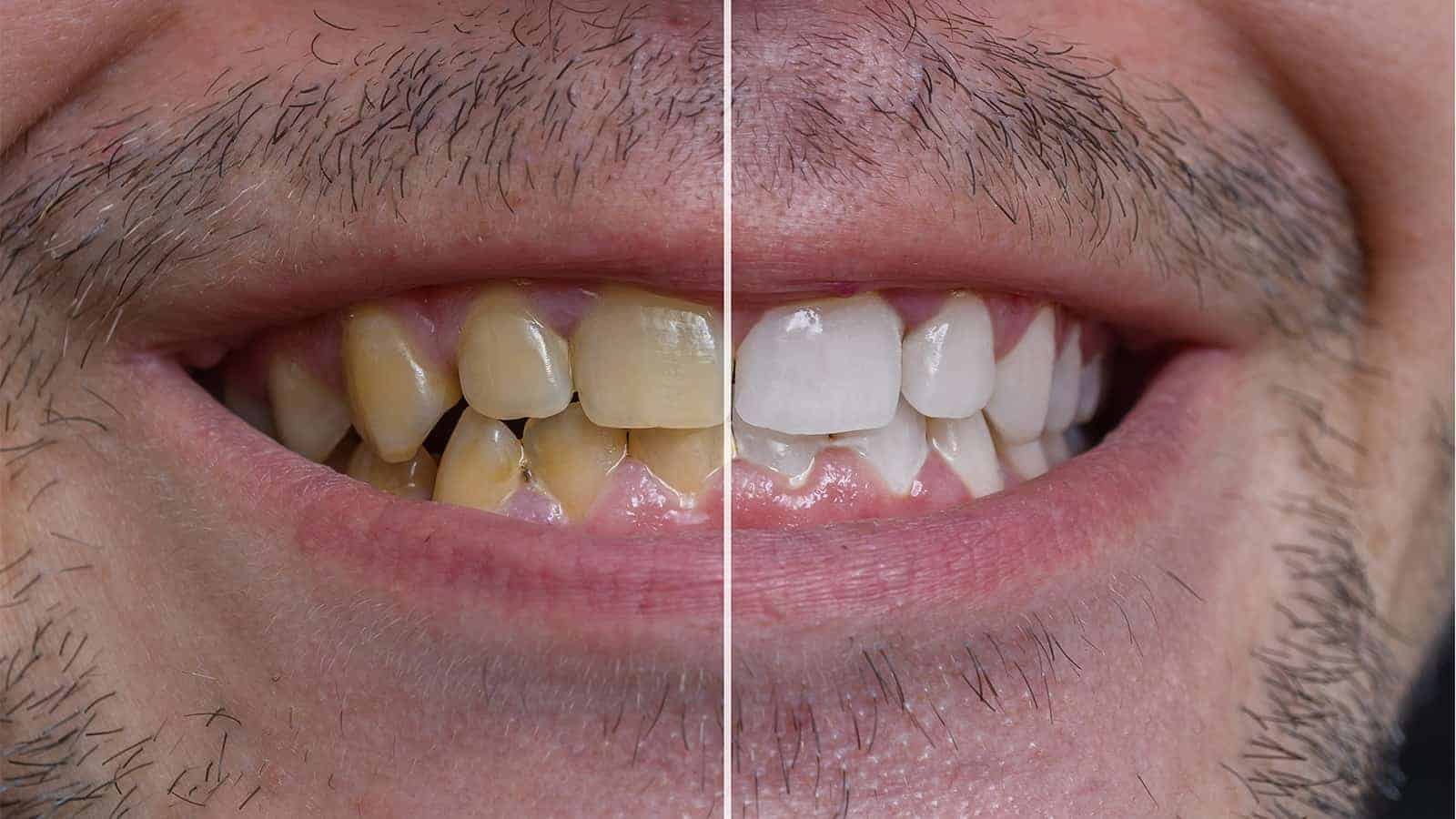
One of the many ways people try to stay skinny is by purging their food. Since we have to eat multiple times a day, this can lead to a lot of purging. The acidic stomach bile reaches the teeth. The longer someone purges, the more the bile will eat at the teeth, causing cavities and a loss of enamel. A dentist may be able to give insight as to why they are having a dental problem.

eating disorder - bad teeth

7. Weakness

Food gives us nourishment. When we don’t eat enough, it can cause malnourishment in the body. Without the proper nourishment, a person may seem emaciated and weak. If you notice someone struggling to carry simple things or moving much slower than before, it could mean they aren’t getting the vitamins they need to keep themselves strong. It’s a horrible sign when someone’s strength seems to be depleted before your eyes.

8. Need to control

One of the reasons women develop an eating disorder is to gain control over an aspect of their lives. Many people who feel their life is out of control will look at eating as the one thing they can control. If you notice that your loved one seems to be desperately attempting to control things around them (successfully or unsuccessfully), it can be a sign of an eating disorder.

How to Help

When you see someone struggling with their weight, please don’t allow them to continue suffering. Ask to speak to them in private to discuss their health. Avoid a confrontational one. Instead, use a friendly and understanding tone. If they deny a problem, as many will do, it’s important to have clear evidence to show them why you are concerned, hopefully. If they are responsive to the conversation, be sure to listen more than talk. This might be their opportunity to open up about the problem, and they could probably use someone to hear their pain. If they want help, talk about their options. Since most eating disorders occur because of an underlying psychological issue, some therapy is usually recommended.

There are several different options for treatment.

Some of the options to treat body dysmorphia include:

1. Support groups– short, scheduled meetings for people going through a similar problem to offer support and advice. Many places offer support groups for free. Indeed, this is the least intense option.

2.Inpatient therapy– individualized sessions with a therapist anywhere from a couple of times a week to once a month.

3.Outpatient treatment- intense therapy that still allows the patient to go to their own home at the end of the day. Great for people who want to spend time with their family.

4.Inpatient treatment– intense therapy in a medical facility that allows the patient to focus on the problem 24/7. In many cases, a physician requires this therapy, but people can also voluntarily go into inpatient care.

The decision as to what steps to take can depend on the severity of the problem, availability, and cost. The most intensive treatment is the best, but anything is better than nothing, so you should support any decision they make as long as they seek treatment. If the problem is at a nearly fatal level, you may need to take them to the hospital to have the doctor require inpatient treatment.
The most important thing to remember is to stay positive and be supportive. It will be easier for your loved one to recover and become healthy with support.

binge eating disorderFinal Thoughts on Identifying When Someone Has an Eating Disorder, and How You Can Help Them Heal

People want to feel thin and attractive. This is particularly true in adolescence, especially in certain industries, such as dance. We need to change the problem in society for future generations, but we have to start by helping the people we see with a problem. They are not weak for falling victim to this disease; they are strong and can overcome it. If you know someone going through this particular struggle, it’s your role to remind them of their strength as act as a pillar of support for them. If you go with them on this journey, you can watch them change their life for the better. They may even be able to use their story to help other people stay healthy.


Science Explains 11 Ways to Fall Deeper In Love With Your Partner

Feelings can grow and fade. If you’re in a long-term relationship, chances are that you’ll want to fall deeper in love as time goes on. But is that possible? Can love really keep improving, even after years of being together?

It can be saddening to hear of couples who “fall out of love” with each other. You may worry that all relationships are doomed to follow that same path. You may worry that you and your partner will not last as long as you want to.

The good news is that love in relationships is something that fades when you stop working on it. Essentially, as long as you keep prioritizing your relationship and working to improve on it, your love will develop and grow.

But how can you do this? How can you ensure that you and your partner continue to become stronger together?


Science Explains 11 Ways To Fall Deeper In Love With Your Partner

1.    Give And Pay Attention

Life gets hectic and busy, and you can become so absorbed in work that you neglect your partner. This is a huge no-no. You need to prioritize your relationship in order to continue to grow your love.

Building regular connections with your partner is crucial to helping the love last, and you can’t do them without paying attention to them. Here’s how you can do so!

  • Ask about your partner’s day.
  • Cuddle with them for a short while.
  • Give them a heartfelt compliment.
  • Give them a subtle message of support.
  • Make them coffee or tea.
  • Listen to them.

Though these might seem like small efforts, they make all the difference in one’s busy lifestyle. Trust us, your partner will notice these small, sweet gestures and will appreciate them immensely.

2.    Spend Time Together

When was the last time you set aside time specifically to spend with your partner? Clinical psychologist Joshua Klapow, Ph.D., states that doing things together involving only the two of you is very important. It creates unique moments that you can share and hold onto, thus helping to nurture your bond.

Relationships always need regular nurturing. Here are some ways to allocate quality time to your partner.

  • Schedule a date night and follow through.
  • Have a lovely home-cooked dinner.
  • Go for a walk together.
  • Plan a short holiday when you next have the time.
  • Cuddle in front of a TV and catch up on shows.
  • Just hang out.

Studies have shown that married couples who continue to have dates between once and thrice a week feel more satisfied in their relationships, thus reducing the likelihood of divorce significantly and enjoying a more positive love life.

Many long-term relationships begin to die out the more busy each person gets, as they stop being able to truly make time for the other easily. Making the effort to plan and spend time with your partner can save the relationship as a whole.

3.    Be Grateful

Taking your partner for granted is a one-way ticket to losing them. That’s why it is so important to be grateful and appreciative of them and all that they do.

The worst thing you can find yourself saying on special occasions is “I know I don’t say this enough, but…” Sure, it sounds like a sweet sentiment, but why haven’t you been saying it? Appreciation shouldn’t be reserved for anniversaries and birthdays – it should be practiced daily.

Learn to be grateful and practice positive thinking regarding your partner every day. Here are some ways you can do so.

  • Compliment your partner regularly.
  • Thank them for every nice thing that they do.
  • Go out of your way to do nice things for them.
  • Keep a gratitude journal and log the sweet, loving gestures your partner performs.

Not sure where to start with your gratitude? Here are some suggestions that you may be overlooking.

  • The household chores your partner does
  • Your partner making you food or drinks
  • Your partner giving you quiet space for days so you can focus on work
  • The hard work your partner does to put food on the table
  • Your partner loving you and caring for you
  • Your partner knowing just how to cheer you up

4.    Face Problems Together

You’ll deal with a lot of problems during your lifetime. It can be tempting to deal with them on your own and leave your partner out of it, but this type of isolating behavior is endlessly harmful to otherwise healthy relationships.

Ask your partner for opinions, advice, or even just support. Treat them like you can count on them, because you can, and you’ll learn a lot of things about them that make you fall even more in love with them.

This also applies to problems that affect both of you, like serious arguments and fights. Remember that you should always treat fights as both of you versus the issue, not one person versus the other. A couple that works on resolving arguments healthily stays together!

5.    Make More Physical Contact

Taking time to cuddle, hold hands, or just engage in more physical contact is great for any relationship. It helps strengthen bonds and can provide a closeness that never fails to give your love a boost.

When you touch a partner lovingly, even if it’s just to hug, your brain produces oxytocin; this feel-good neurotransmitter boosts your positive thinking and makes you feel great. On top of that, it’s a bonding hormone that helps you feel closer to the other person and increases feelings of trust between you.

6.    Find New Experiences

Adventures bring people closer together. They’re fun, they’re brand new, and they can teach you more about the other person along the way.

According to dating expert and relationship expert Jonathan Bennett, it has been scientifically proven that trying new things, especially exciting ones, can help you feel more satisfied in your relationship. Here are some ideas to try out!

  • Go on a day trip to somewhere new.
  • Try an adrenaline-pumping activity, like skydiving, together.
  • Do a new type of date. (Museum date? Amusement park date? Concert date? Massage date?)
  • Play new games.
  • Take a class together.

7.    Listen And Empathize

It’s very easy to only see the world through your own perspective. But your partner is a separate, whole person with their own lens and way of looking at life. That’s why learning to put aside your opinions to truly listen to your partner is such a positive habit.

When your partner has a complaint, try to listen to them and see where they are coming from. Validate their feelings and work on empathizing with them. If you put effort into this, you’ll be able to show more care towards your partner, and you’ll also be able to understand their moods and thoughts much more easily.

8.    Make More Eye Contact

The thought of staring into your partner’s eyes might sound silly, but it’s a very important part of maintaining and growing love. In fact, science has proven that is has a positive effect on passion and love levels in couples.

Try holding eye contact for extended periods of time. Gaze into each other’s eyes and hold a conversation, or just say nothing. It can feel funny at first, but you’ll be surprised by how much closer you feel after it’s done!

9.    Do More Nice Things

Many relationships lose their sense of romance as time goes on. Don’t let that happen to you! Keeping adorable romance alive can be as simple as continuing the random, sweet, thoughtful things you did when you were still courting your partner, such as:

  • Writing sweet notes
  • Surprising them with gifts
  • Planning a surprise dinner or date
  • Giving a massage

10. Understand Their Love Language

Love languages refer to ways that people like to receive love the most. It’s usually also the way they show love. A discrepancy in love languages without understanding them can lead to a lack of fulfillment in relationships.

There are five love languages, which are:

  • Gifts – giving and receiving presents
  • Words of affirmation – compliments, verbal support, and more
  • Acts of service – helping with chores, whittling down a to-do list, running errands for the other person
  • Quality time – spending time together, going on dates, and more
  • Physical touch – intimacy, kissing, holding hands, and more

in love

As an example, if your love language is quality time, you might believe that putting aside work to hang out with your partner is enough. But if their love language is acts of service, they might feel like you aren’t doing anything romantic and therefore don’t love them as much as you used to!

Talking about your love languages and catering to each other’s is a great way to fall deeper in love with your partner. Make sure you understand how they like to receive love and that they know your preferences, too.

11. Learn More About Each Other

No matter how long you’ve been with someone, you can continue to learn more about them every single day. Don’t lose your sense of curiosity about your partner. Ask them questions, show an active interest in their hobbies, and keep up with their ever-changing dreams and goals.

Human beings develop and change over time. Don’t assume your partner will always be the same person they were when you met them. Continuing to learn about them as the years go by will prevent a sudden shock that is sure to come if you haven’t been keeping up to date on their personal selves!

Final Thoughts On Some Ways To Fall Deeper In Love With Your Partner According To Science

No one goes into a relationship expecting it to end. For the most part, when someone starts dating another person, they want that partnership to last. If you’ve been dating someone for a good long while or are even married to them, chances are that you want to be in it for the long run.

A successful, positive relationship requires effort from all parties. You, alone, cannot make love grow if your partner doesn’t put in equal effort. As such, when you’re performing these 11 ways to fall deeper in love with your partner, make sure it’s not one-sided! All members of a relationship must be interested in growing their love in order for it to work.

At the end of the day, falling more and more in love with your partner is all about continuing healthy habits, avoiding toxic ones, and making sure neither of you falls complacent. By continuing to work on your relationship and togetherness, you’ll always find new things to fall in love with!

The Best Diet For Breastfeeding Mom

Breastfeeding is a nutritious way for mothers to make sure their children get the nutrients they need. There are incredible benefits for both the baby and the mom when a mother chooses to start feeding her child this way.

The Healthiest Diet for the Breastfeeding Mom

The mom needs to eat healthily while she is breastfeeding. Filled with important nutrients, breast milk is a great way for growing babies to get the food they need. What the mother eats will greatly affect what goes into breast milk. Mothers looking for the best breastfeeding tips should consider the following foods:

Eating More Calories

The body needs its calories to keep making breast milk. Breastfeeding is said to increase a mother’s need for energy by up to 500 calories a day. This increased need also requires that a mother gets more nutrients, so a mother needs to have a varied diet.

While many mothers want to lose their baby weight as soon as possible, they need to be patient. It’s even normal not to lose any weight or for them to start gaining more weight after giving birth.

Hormonal changes in the body may lead to mothers having a larger appetite, which is why eating a lot of calories at this time is important.

breastfeeding

Eat Foods High in Nutrients

Women’s nutrient needs are quite high when they are breastfeeding. Consequently, the mother’s breast milk transfers these nutrients to the baby. This is why mothers should try to eat as many whole foods as possible.

The following nutritious foods are best for mothers and their breast milk:

  • Fish and seafood: salmon, shellfish, sardines, and seaweed.
  • Meat: Lamb, liver, pork, and beef.
  • Fruits and vegetables: Cabbage, kale, broccoli, and garlic.
  • Nuts and seeds: Walnuts, almonds, hemp seeds, flaxseeds, and chia seeds.
  • Other foods: Oats, eggs, potatoes, quinoa, dark chocolate, and buckwheat.

In addition to making a dedication to eating more nutritious foods like those above, it’s important that breastfeeding mothers avoid processed foods, unhealthy fats, and added sugars.

Breastfeeding Mothers Should Focus on Nutrient Groups

Dr. Dan Raiten, an NIH children’s nutrtion expert, says, “Breastfeeding is the gold standard for feeding infants.”

This overview explains the nutritional values of breast milk. A mother’s breast milk can be separated into two groups. Group 1 nutrients in a mother’s milk are based on her daily dietary intake. Conversely, group 2 nutrients refer to nutrients secreted into the breast milk with no regard for the health or nutrient intake of the mother.

Group 1 Nutrients

The following are nutrients found in group 1:

  • Vitamin B1 (Thiamin): Pork, fish, nuts, seeds, and bread.
  • Vitamin B2 (Riboflavin): Red meat, cheese, almonds, eggs, oily fish, and nuts.
  • Vitamin B6: Nuts, poultry, fish, pork, dried fruit, and bananas.
  • Vitamin B12: Oily fish, shrimp, crab, shellfish, and liver.
  • Choline: Beef, chicken, liver, eggs, peanuts, and fish.
  • Vitamin A: Carrots, sweet potatoes, leafy greens eggs, and organ meats.
  • Vitamin D: Oily fish, cod liver oil, fortified foods, and mushrooms.
  • Selenium Seafood, seeds whole wheat, and Brazil nuts.
  • Iodine: Dried seaweed, milk, cod, and iodized salt.

The group 1 nutrients are important for your baby. If your diet doesn’t contain enough of the aforementioned foods, consider adding them by way of supplements.

Group 2 Nutrients

The following group 2 nutrients are important to a breastfeeding mother’s health:

  • Folate: Lentils, leafy greens, avocados, asparagus, and beans.
  • Calcium: Yogurt, legumes, cheese, and milk.
  • Iron: Pork, red meat, poultry, green vegetables, dried fruit, seafood, and beans.
  • Copper: Whole grains, shellfish, nuts, potatoes, organ meats, and beans.
  • Zinc: Red meat, oysters, poultry, dairy, nuts, and beans.

If a woman’s intake of the group 2 nutrients is low, the body will try to take the nutrients from the mother’s tissue and bone stores by secreting them into the breast milk.

This is why it is so important for the mother to ensure she is eating healthily.

Supplements the Mother May Benefit From

Many breastfeeding tips suggest that mothers take supplements. While supplements are a good way for a mother to make up the nutrients she is lacking, it is essential to ensure that the supplements are right for the mother, as they will be broken down and passed to the baby.

Most popular supplements for mothers contain stimulants, herbs, and active substances that can be transferred through the mother’s breast milk.

The most likely substances to benefit the mom are:

Multivitamins

Mothers that lack key nutrients should take multivitamins. Without the nutrients found in multivitamins, mothers may find that they have pregnancy-related nausea.

To avoid this, mothers can use daily multivitamins to ensure they are getting the nutrients they need.

Vitamin B12

Vitamin B12 supplements are generally a good way to prevent vitamin B12 deficiencies. However, mothers need to consult with their doctors before deciding to add these supplements to their diet.

Omega-3

Docosahexaenoic acid (DHA) can be taken as well. The omega-3 fatty acid is found mostly in seafood like algae and fatty fish.

These fatty acids are important to the eyes, skin, and central nervous system. DHA is an important factor for brain function and development.

Mothers can also add DHA into their baby’s formula as it has improved babies’ vision.

Vitamin D

Vitamin D can be found in fish liver oils, fortified foods, and fatty fish. However, Vitamin D is typically only present in meager amounts. This vitamin’s deficiency often occurs if the mother lives in an area with limited sun exposure.

Drinking Enough Water

Mothers often experience a particular thirst as the hormone oxytocin is released when feeding their child.

When the baby latches onto the mother’s breast, the mother’s oxytocin levels increase. This reaction allows the milk to flow more readily.

breastfeeding

This release of breast milk also stimulates the mother’s thirst. This is so the mother will drink an adequate amount of water to meet her baby’s needs.

Many breastfeeding tips suggest that mothers should make sure they stay hydrated. If you feel faint or tired, this is is an indication that you should be drinking more water.

Foods and Beverages to Consume in Moderation

When putting together a diet, it’s essential that mothers consider the types of food that they should avoid. When consumed in larger quantities, certain foods stand to affect the health of a baby negatively.

Alcohol

Moms should be careful to schedule their drinking and feeding at separate times. As alcohol can pass through breast milk, women should avoid feeding following drinking.

While “pumping and dumping” will remove the milk from your breasts, it doesn’t take the alcohol levels out of your blood or the milk. It’s best to wait until the alcoholic beverages have cleared the body before feeding again.

Though the level of alcohol a mother should be consuming will vary for each person, it’s typically safe to breastfeed following one alcoholic beverage, one shot, or a beer. Ideally, mothers should have their drink after they breastfeed. Then, it’s better to wait a few hours before nursing again.

Caffeine

Tired of those late nights with your baby? Lucky for you, caffeine is fine for mothers, as long as it is consumed in moderation. Caffeine should be limited to three cups of caffeinated beverages each day.

Caffeine does pass through the mothers’ bloodstream, so it is important to note that feeding right after drinking coffee can make babies jittery. However, when consuming caffeine in chocolate, the levels are too low for the baby to experience anything.

Fish

While fish has essential nutrients, mothers should eat it in moderation, as all fish contain a certain amount of mercury in them. As a neurotoxin, this mercury stands to affect a baby’s brain.

Fish that should be avoided are king mackerel, tilefish, swordfish, and shark. The older, predatory fish tend to have the most mercury, so these should be eliminated from a mother’s diet.

Most breastfeeding tips suggest that moms should aim to eat 12 ounces of fish a week. The best options include catfish, pollock, salmon, and shrimp.

Parsely, Sage, and Peppermint

These herbs are anti galactagogues. In higher doses, they will decrease the mother’s breast milk production. Mothers should think twice before applying peppermint oil or adding three herbs to their diet.

Spicy Foods

Excessively spicy foods aren’t something that should be explicitly avoided. However, mothers must remember that these flavors will be transferred to their breast milk. The baby may develop a taste for these things, which may shape their preference as they grow.

breastfeeding

Final Thoughts on Diets for Breastfeeding Mothers

You are what you eat certainly applies to a feeding baby. Mothers would do well to keep this in mind when searching for breastfeeding tips.

With a comprehensive guide like this one, mothers will be able to see where they can improve their diet and what they should cut back on. Remember, the health of your baby must first start with your own health.

(C)Power of Positivity, LLC. All rights reserved

Scientists Explain The Best Breakfast to Lose Weight Fast

Are you looking to lose weight? If yes, then you need to ensure that your breakfast, which is the most significant meal of the day, is healthy. Eating doughnuts and cakes is not the way to have a healthy breakfast meal.

So how do you prepare a healthy breakfast meal? First, pick ingredients that are low in calories. Then be sure that your ingredients have high levels of nutrients like proteins and fiber that boost fullness.

Scientists explain that these are the best breakfast foods to lose weight fast.

1. Nuts

Nuts offer the ideal balance of heart-healthy fats, protein, and fiber, making them a perfect addition to your breakfast. Research has shown that including nuts in a Mediterranean diet decreases your weight critically.

Another study included 65 adults and compared the impacts of a low-calorie diet with 84 grams of almonds daily to a low-calorie intake with complex carbs. Both breakfast diets had equal amounts of proteins and calories. But by the end of six months, participants who took almonds had lost 56 percent more body fat and 62 percent more weight as compared to those who took complex carbs.

Remember that nuts are also rich in calories. Hence, it is critical to restrict your intake to about 28 grams per intake to prevent the calories from accumulating in your body. Mix a serving of nuts into homemade granola, cottage cheese, or yogurt to make your nutritious breakfast and allow yourself to lose weight.

2. Flaxseeds

Flaxseeds have high levels of viscous fiber, which is a soluble fiber type that absorbs water to create a gel in your digestive system. Research reveals that soluble fiber is particularly effective at slowing down digestion, which could aid in decreasing appetite and lowering calorie intake; thus, it assists you in losing weight fast.

Studies suggest that putting flaxseeds in your breakfast diet can have a potent effect on appetite control and weight loss. A study discovered that taking a drink prepared with flaxseeds increased satiety and minimized appetite. This was in comparison to a beverage sweetened with sugar.

Another study comprising 18 men revealed that bread buns with flaxseed fiber reduced appetite and enhanced satiety as compared to regular buns. Flaxseeds are versatile and easily enjoyable. Ground flaxseeds can be sprinkled over cereal, mixed with water, or used in preparing breakfast smoothie.

3. Oatmeal

Oatmeal is a delicious and healthy breakfast option, particularly if you want to lose weight. Oats are low in calories but high in protein and fiber, the two compounds that affect weight control and appetite.

Specifically, oats are a rich source of beta-glucan. This fiber has been proven to boost heart health, immunity, and more. According to research, beta-glucan can balance levels of blood sugar in order to avoid crashes and spikes that could boost your appetite.

A study that involved 14 overweight adults also revealed that eating high amounts of beta-glucan resulted in elevated levels of peptide YY hormone that aids in the regulation of food intake through appetite reduction.

Mix 235 grams of prepared oatmeal with 74 grams of berries, a handful of almonds, and 7 grams of ground flaxseed. You’ll have a great breakfast rich in fiber.

4. Chia Seeds

Chia seeds are a perfect breakfast supplement to help you lose weight fast. They are rich in fiber and can absorb water to create a gel that expands in your tummy, which help you feel satisfied longer.

They also have high levels of protein. This can slow down the emptying of your tummy and minimize levels of ghrelin hormone that works to stimulate hunger. A study in 11 adult participants discovered that consuming chia seeds baked into white bread minimized both blood sugar levels and appetite.

Another 3-month study in 19 adults revealed that 35 grams of chia flour every day critically minimized waist circumference and body weight.

Try preparing a chia seed breakfast by combining 28 grams of chia seeds with 245 grams of yogurt. Leave the mixture for half an hour so that the seeds can swell before topping it off with 74 grams of berries. Chia seeds can also be consumed with oats, smoothies, and tea.

5. Green Tea

Green tea is a significant ingredient in most fat-burning supplements and diet pills. This food has been studied widely for its fat-burning and metabolism capacities.

For example, a study involving 23 adults discovered that consuming three capsules of green tea extract improved fat burning by 17 percent within half an hour. Another study involving 10 participants revealed that green tea extract increased the speed of metabolism. It also boosted burning of calories over a day by four percent.

A similar study in 31 participants discovered that drinking a beverage that has calcium, caffeine, and particular compounds present in green tea thrice a day improved the number of calories burnt each day by 106 calories. Hence, you can lose weight fast with green tea.

There are numerous ways to have your green tea for breakfast. Try squeezing a lemon, adding some honey, and including some ginger or mint when making your green tea.

6. Kiwis

Kiwis are rich in potassium, vitamin K, and vitamin C. They also have high levels of fiber. You can get 21 percent of your daily requirements from 177 grams of kiwi.

Research in 83 ladies revealed that a calorie-restricted, high-fiber diet was effective at minimizing appetite and preoccupation with meals while also reducing waist circumference, body fat, and body weight.

Additionally, kiwis have a particular fiber type called pectin. Pectin has been proven to induce satiety, reduce appetite, and help you lose weight. Kiwis are also a natural laxative that stimulate the movement of your gut. They support regularity and aid you in losing water weight temporarily.

Sliced kiwis are fantastic for a nutritious breakfast. They can also be added to cereals, smoothies, and yogurt.

7. Coffee

Many studies have proven that your daily cup of coffee could help you lose weight. Due to caffeine content, coffee could assist in weight loss by improving fat-burning and metabolism.

According to research in eight participants, the consumption of caffeine boosted metabolism by 13 percent and enabled the breakdown of fats. Another study involving 58,157 adults revealed that coffee could assist in weight-control in the long-run since heightened intake of coffee was linked to less weight gain over 12 years.

healthy breakfast

Since coffee cannot make for a complete breakfast meal, you can pair it with other healthy breakfast foods to upgrade your morning meal. Be sure not to overdo on the creamer or sugar; this will only add calories and reverse some of the potential health benefits of coffee.

8. Grapefruits

Grapefruits are well-known components of numerous diets and programs that help you to lose weight. In addition to being low in calories, they are rich in fiber and water content, which aid in weight loss.

According to research in 91 participants, it was discovered that consuming half a grapefruit prior to meals led to critical weight loss. The study took three months; people who ate grapefruits lost about 1.6 kg, which was five times more in comparison to the control group.

Another study that involved 85 participants showed that consuming grapefruit juice or grapefruit before a low-calorie meal for three months reduced body fat by 1.1 percent, decreased calorie intake by 20-29 percent, and increased weight loss by 7.1 percent.

Fresh grapefruit slices are perfect for a balanced breakfast. You can also add them to fruit salads, smoothies, and parfaits.

But if you are taking any medication, be sure to inform your pharmacist or doctor before consuming any grapefruit. Particular drugs could interact with grapefruit, potentially resulting in some adverse effects.

9. Berries

Berries include varieties like raspberries, blackberries, strawberries, and blueberries. They are rich in nutrients but low in calories.

Besides offering numerous essential minerals and vitamins, berries have high levels of fiber, which could minimize hunger and food consumption. A study involving 12 ladies discovered that swapping a high-sugar morning snack for some mixed berries minimized calorie consumption later in the day by about 133 calories.

Another study involving 133,468 participants revealed that each daily serving of mixed berries was linked to 0.5 kg of weight loss over four years. Add berries to your breakfast oatmeal, yogurt, or smoothie to lose weight fast.

10. Smoothies

Smoothies are an easy and quick way to consume high levels of nutrients. Also, when consumed as a breakfast meal, they can help you lose weight.

Because you can personalize your ingredients, you can tailor your smoothie to suit your personal preferences. Putting low-calorie fruits and veggies can improve the intake of fiber to reduce appetite.

You can include some ingredients that have high levels of protein to increase satiety and eradicate cravings. However, note that smoothies can increase calorie consumption if you overdo on ingredients that are rich in calories.

For a straightforward weight loss smoothie, combine 240 ml of milk with some leafy greens, 28 grams of chia seeds, and 144 grams of strawberries. Drink your smoothies throughout the morning period to fight off cravings.

Conclusion

Whether you settle for a smoothie, fruit salad, oatmeal, or any one of these healthy foods, you will lose weight fast. Even if you are not doing any exercises, you will still see some great results. However, these results can be significantly increased if you combine these healthy foods with some daily exercises.

You need a lot of discipline when starting your journey to lose weight. Therefore, be strict on your diet and be patient and you will see some tremendous results.


Psychology Explains 5 Ways to Treat Social Anxiety (Without Medicine)

Struggling with social anxiety? Looking for a way to take the edge off normal social interactions? You’ll find thousands of tips, tricks, and techniques to sort through on the worldwide web, all promising a quick fix to the anxieties that plague you. But if you want real results, you’ll want to start with those which have been thoroughly researched, explored, and found worthwhile by professionals.

To make it easier to start improving your condition, we’re focusing today on those techniques and tactics you can implement on your own, without much or any outside help. Professional counseling and/or medication can of course prove very valuable in dealing with anxiety and other behavioral health problems. The following, however, are techniques you can begin implementing immediately.

Social Anxiety Therapy Techniques

Exercise

Exercise is often the first recommendation for improving your life. You’ll receive this advice from any doctor, therapist, psychiatrist, or life coach for one reason: it works. While the exact level of improvement you see by treating anxiety with exercise will vary, depending on the type of anxiety you face, you’ll almost certainly see some level of improvement.

Most studies focused on mental health have noted improvements primarily from aerobic exercise, such as running, biking, swimming, dancing, gardening, etc. While you’ll likely see benefits from anaerobic exercise such as weight lifting, sprinting, and other intense physical activity, your best choices are traditional aerobic exercises.

There are a few ways exercise works to improve anxiety in social situations.

At the simplest level, it’s about brain chemistry; exercising triggers the release of numerous chemicals that work to elevate mood, reduce inflammation, bolster your immune system, neutralize stress, and more.

But the purely physiological benefits of exercise aren’t the only reason fitness is a key technique for controlling social anxiety. Research also indicates a few secondary benefits. For instance, you can bolster your confidence by setting and achieving fitness goals. Additionally, you create shared points of reference you can use to navigate social interactions. Finally, you may find it easier to engage other people while distracted by exercise, such as in a fitness class or hobby group.

For the chemical benefits, regular vigorous exercise will show the greatest benefits, as with the other benefits of exercise. Just make sure to avoid the trap of overtraining in your desperation for relief from social anxiety; if you start interfering with sleep quality, hurting yourself, and producing stress hormones because you’re trying to exercise too hard too fast, you’ll undo any benefits you may have earned from your efforts.

Cognitive behavioral therapy

Cognitive behavioral therapy or CBT remains a favorite choice for managing anxiety. This is true whether you’re receiving guided therapy with a professional or developing the techniques on your own. Research shows that even self-taught CBT strategies can have a drastic effect on your response to the feedback loops and mind states that drive social anxiety.

Much of CBT rests in the process of logically evaluating your feelings when anxiety hits (or depression, or anger, in other conditions). A classic example of a trigger for anxiety would be public speaking. CBT techniques for dealing with anxiety would include asking yourself a series of logical questions:

What are you afraid of happening, and how likely is it? 

  • This is quite often all you’ll need to escape your concerns; you may immediately feel that laid out logically, the consequences for a speech gone poorly aren’t so bad, or the bad outcomes aren’t at all likely.

What are the best case and likeliest outcomes? 

  • Reminding yourself of the other possible outcomes of giving your speech is the next logical step with CBT techniques. Extreme outcomes are rare in life, and thinking about the broad spectrum of possibilities can help immensely.

How often has this negative prediction come true in the past? 

  • Realistically comparing your current worry to your past worries can be valuable as well, helping put that dread of social disaster into context.

If it did happen, or does happen, how would you cope with it?

  •  Social anxiety, and other forms of anxiety and phobia, often lead us to think about the single worst moment of the potential worst outcomes. Thinking past that point, to what it really means for your life, is valuable.

Is worrying about this helpful? 

  • Worrying isn’t a useless thing to be ashamed of, but it can get in the way of living. Accepting your worries and making good use of them where necessary can make them a tool, rather than a dominating force in your life.

This is only a small example of what CBT’s full range of techniques encompasses, of course. Other CBT techniques include identifying warnings that you’re about to experience an attack of social anxiety. It also involves spotting the physical and mental flags so you can stop your mind before it starts constructing nightmares for you.

The key benefit of CBT isn’t necessarily in applying logic to your problems, as that won’t always help; it’s about breaking the loop so you don’t feel worse and worse over time. When social anxiety hits, it often pulls you into tight spirals of worry about the single worst potential moment in the worst case scenario. CBT gives you the tools to escape the loop and think about your situation with your full faculties.

Mindfulness techniques

There are any number of related techniques for controlling your self-awareness, and all of them offer benefits in managing anxiety. This may seem counter-intuitive if your anxiety tends to manifest as a crippling over-awareness. But similarly to CBT, and in many ways overlapping with its techniques, mindfulness is about controlling the racing thoughts that make you anxious in social situations.

This encompasses a number of techniques. Mindful meditation is perhaps the most popular technique for anxiety sufferers. It has an emphasis on letting go of goals—at least for a moment. Instead, you focus on contentment and awareness in the moment. The closely related field of self-hypnosis offers similar benefits. From a biological standpoint it may function the same, yet it focuses on achieving goals.

Looking at specific techniques, there’s often a focus on redirecting and neutralizing the negative thought patterns associated with anxiety and related ailments. For example, a mindfulness practitioner may recognize anxious patterns and then stop and concentrate exclusively on the sensation of feet pressing against the ground. Or they might focus on breathing, or on the sensations at their fingertips. In other words, they put energy into a combination of visualization and physical feedback as a time-out from anxiety.

Relaxation techniques

Social phobias and anxieties, like all forms of anxiety, can be greatly managed through simple relaxation.

Relaxation techniques encompass a broad selection of relaxing activities, not all of which are as dramatic and obvious as the others. Deep tissue or therapeutic massage, aromatherapy, deep breathing techniques, progressive relaxation, even sitting in a comfy room without interruptions; all of these show benefits for the symptoms of anxiety.

social anxiety

The key here isn’t any particular magic bullet for anxiety hidden in any one of these techniques; rather, you’ll find a broad benefit of relaxation for people experiencing anxiety disorders—social anxiety included.

Exposure therapy

This is likely the scariest technique for dealing with most phobias, anxieties, and fears; it is also one of the simplest to implement and see benefits from. Exposure therapy for anxiety continues to be the favored approach to anxiety in clinical settings, especially in combination with CBT, thanks to ease of implementation, efficacy, and efficiency.

Again, comparing the reality of experience against the image in our minds is a key component of managing anxiety. Exposure therapy seeks to create a wealth of experience to draw upon in making these assessments. You can accomplish this by repeated exposure to the perceived threat in a controlled environment.

This might include exercises such as asking dozens of strangers on the street for their phone numbers. It may simply mean introducing yourself to people and shaking hands. Or it could mean calling up businesses in the phone book and asking questions. The point is to put yourself in a stressful environment, but one where failure doesn’t matter. You wait for the anxiety to tire itself out in the face of mundane reality.

This comes with caveats. Doing too much too soon can be counter-productive; you want to be pushed to an uncomfortable place, not a terrifying one. It can also be difficult to practice safe exposure to certain forms of social situation; you can’t easily practice first dates with people you like at will, for example.

Parting thoughts

These aren’t the only techniques you can rely upon to improve your anxiety—especially if you’re willing to work with a therapist, support group, or psychiatrist. However, they are scientifically proven and easy to implement on your own. You’ll also find that they have a minimum of drawbacks, expenses, or potential side effects. Combine these with general efforts to improve your health such as healthy diet, low-stress living, and good sleep habits. Any one or combination of these techniques should help you make progress over anxiety.

Skip to content