Weekly tips, affirmations, and small actions to feel your best.

20 Foods That Relieve Constipation

Constipation is very real for many people but is rarely discussed openly. Most people fail to understand that an essential diet shift can permanently eliminate these constipated feelings.

The human digestive system is a complex network of organs and tissues that work together to break down the food we eat into its parts, absorb nutrients and water, and eliminate waste. The elimination of waste is a critical function of the digestive system as it ensures that harmful toxins and waste products are removed from the body, allowing for the healthy functioning of all the other body systems.

The waste elimination process begins in the large intestine, also known as the colon. The colon absorbs water and electrolytes from the digested food as it passes through, forming feces. These feces are then moved through the rectum and out of the body through the anus. The rectum is a muscular tube that stores feces until it is time to eliminate them.

The movement of feces through the large intestine is controlled by a series of muscular contractions known as peristalsis. These contractions help to move the feces through the colon and towards the rectum. Several factors, including the amount of food in the colon, the body’s hydration level, and the balance of electrolytes, regulate the timing and strength of these contractions.

In addition to the large intestine, other organs in the digestive system also play a role in waste elimination. The liver produces bile, which helps to break down fats and eliminates toxins from the body. The pancreas produces enzymes that help to break down proteins, carbohydrates, and fats, and the gallbladder stores and releases bile as needed. Together, all these organs and processes ensure that waste efficiently eliminates from the body, allowing optimal health and well-being.

Twenty Foods to Relieve Constipation

Constipation can result when the process described above does not function as necessary. The solution that can restore gut balance is to eat healthily. We are what we eat. The foods we consume can either build us up or back us up. If you’ve ever dealt with this issue in the bathroom, you certainly know this to be true. If you’re ready to treat constipation, read on for twenty superfoods that will do just that.

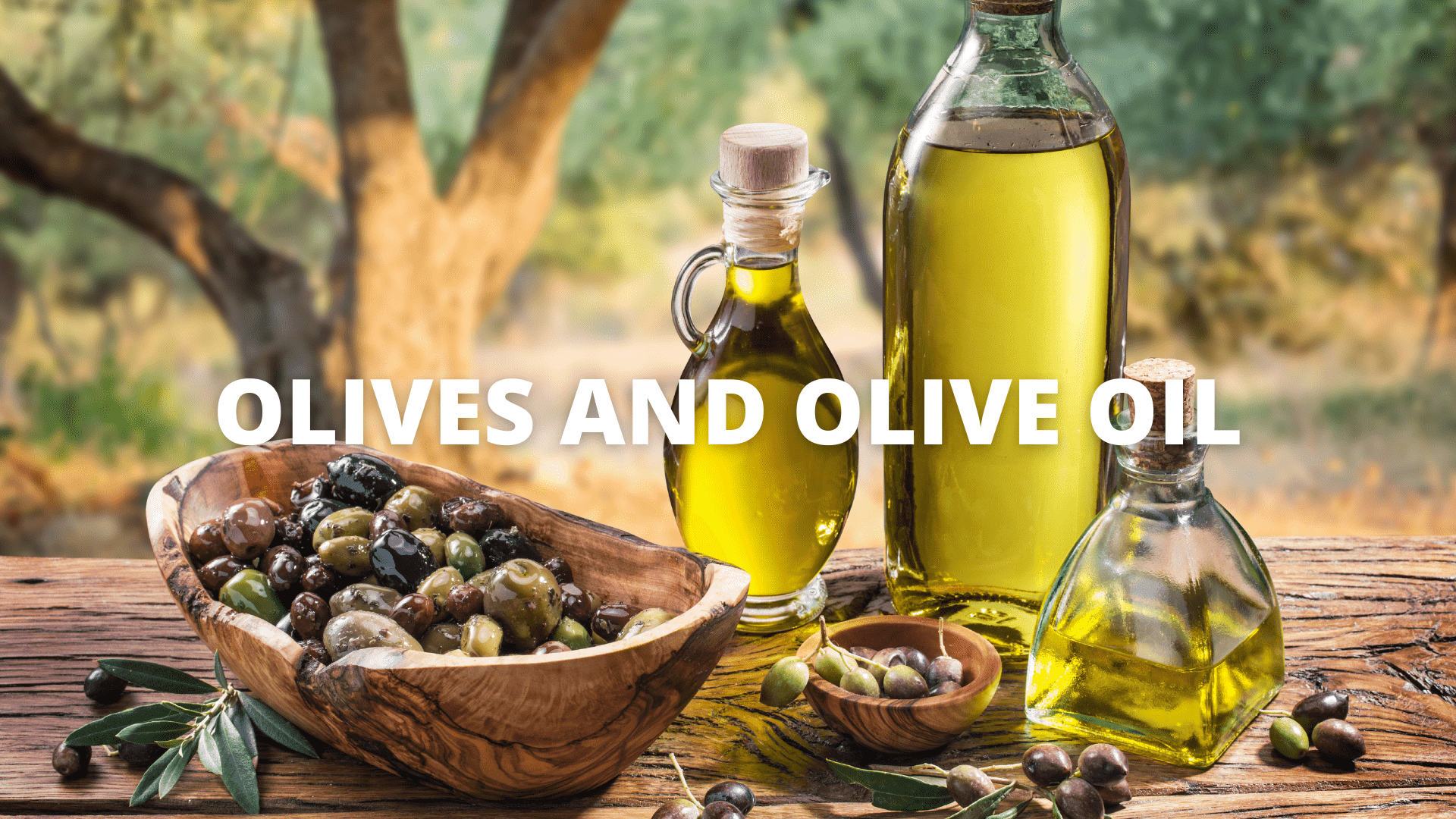
1. Olives and Olive Oil
CONSTIPATION

Did you know the cure for constipation was sitting in your pantry?

If you have olives or olive oil on hand, you can stimulate your body’s production of bile juice. This extra bile will help your body better digest food.

The entire process helps remove toxins when excreting as well.

Take advantage of these constipation-boosting benefits by ingesting at least one teaspoon of this oil daily.

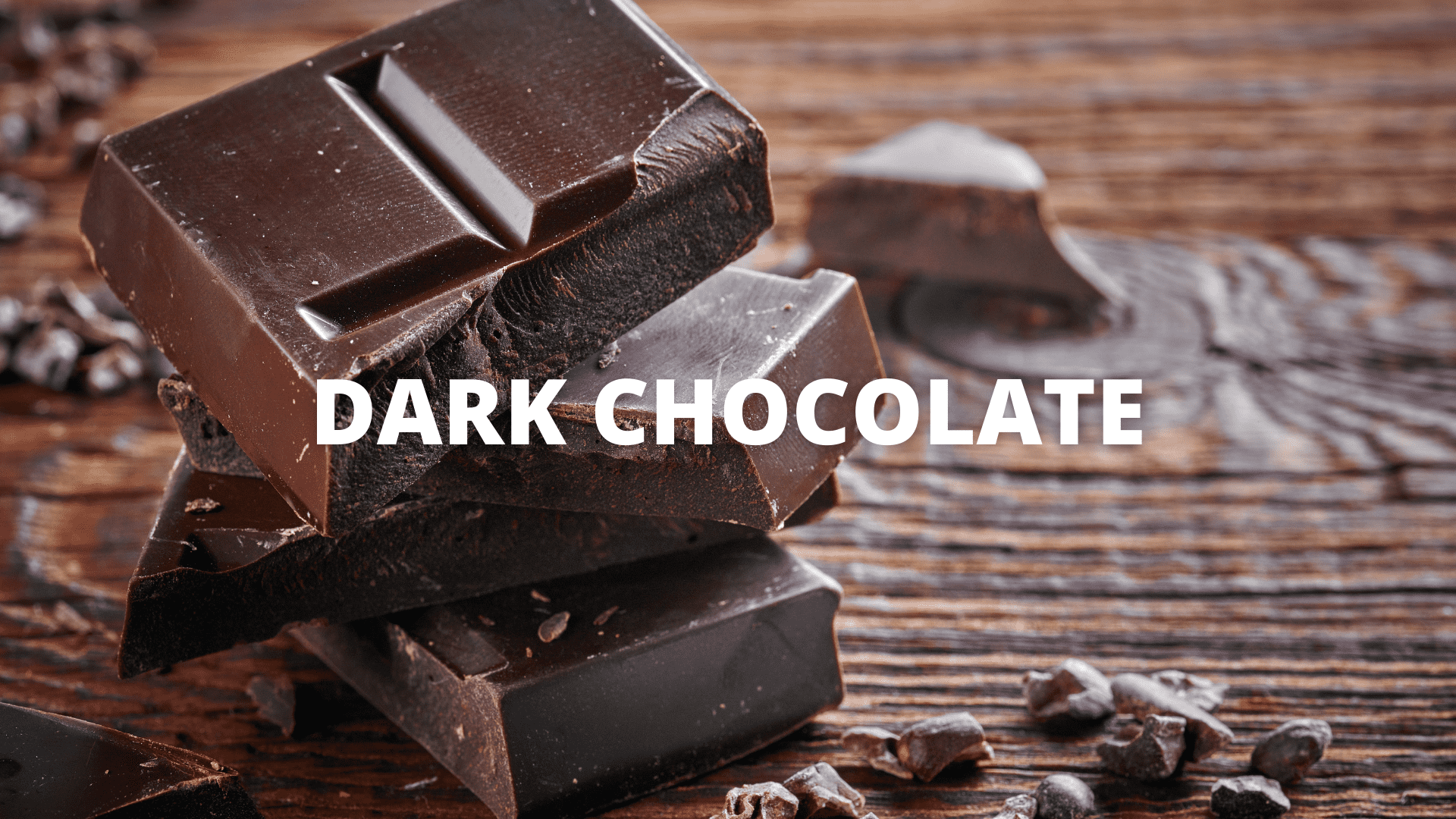
2. Dark Chocolate
constipation

Many people often hear that dark chocolate is healthy, but few realize all the excellent benefits of eating dark chocolate. With dark chocolate, you can boost your body’s magnesium intake.

The magnesium will work to loosen the muscles in the digestive tract (as well as the rest of your body). This helps improve your go and reduce the risk of becoming constipated.

Look for a chocolate bar that is all-natural and made with 72% cocoa. The purer the dark chocolate, the better you’ll enjoy its benefits and relieve constipation.

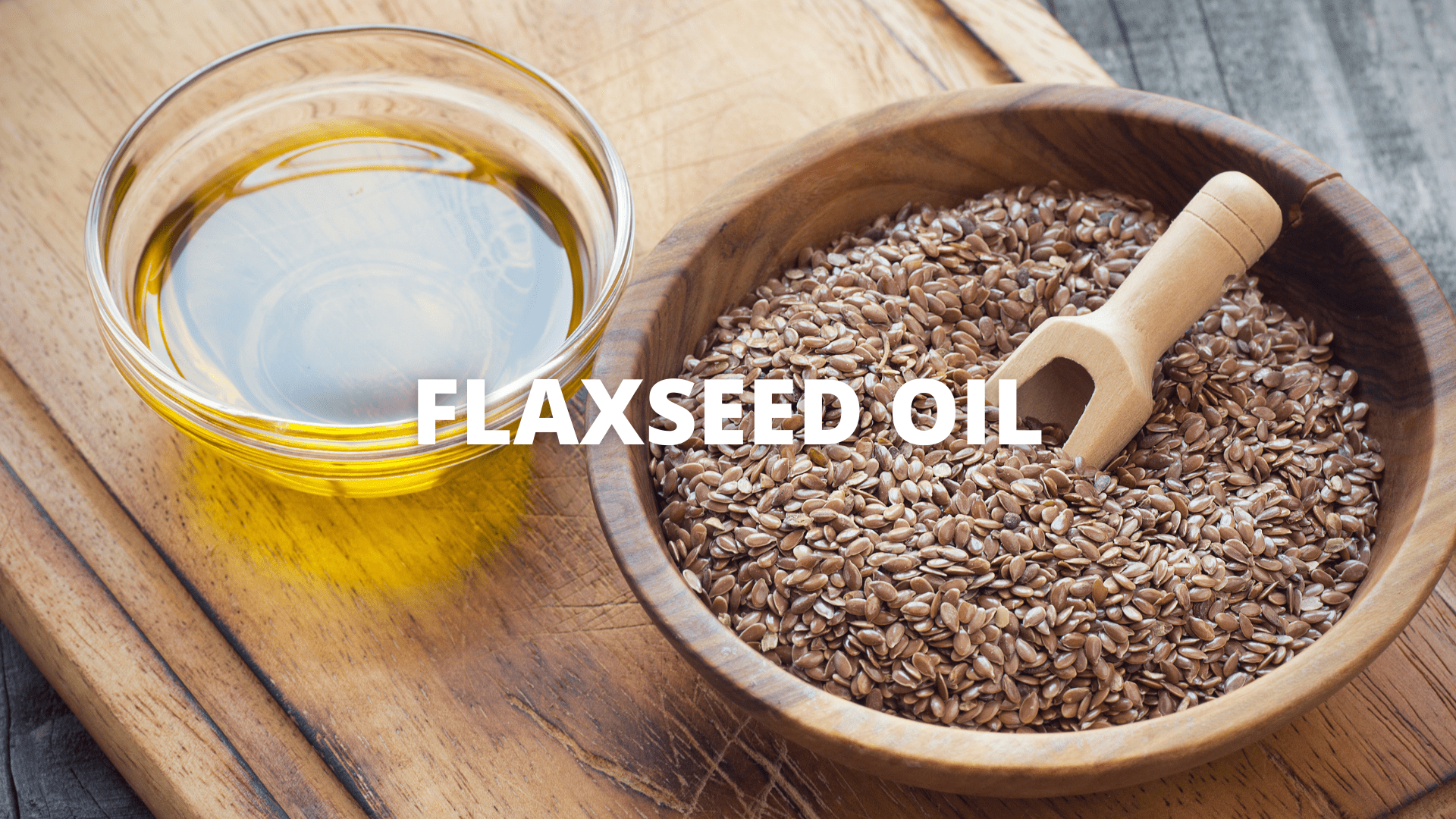
3. Flaxseed Oil
constipation

While consuming flax seeds will bulk up your stool, the flaxseed oil acts as a laxative, promoting regularity with your stool. Take the flaxseed oil before eating anything to maximize its benefits when treating constipation.

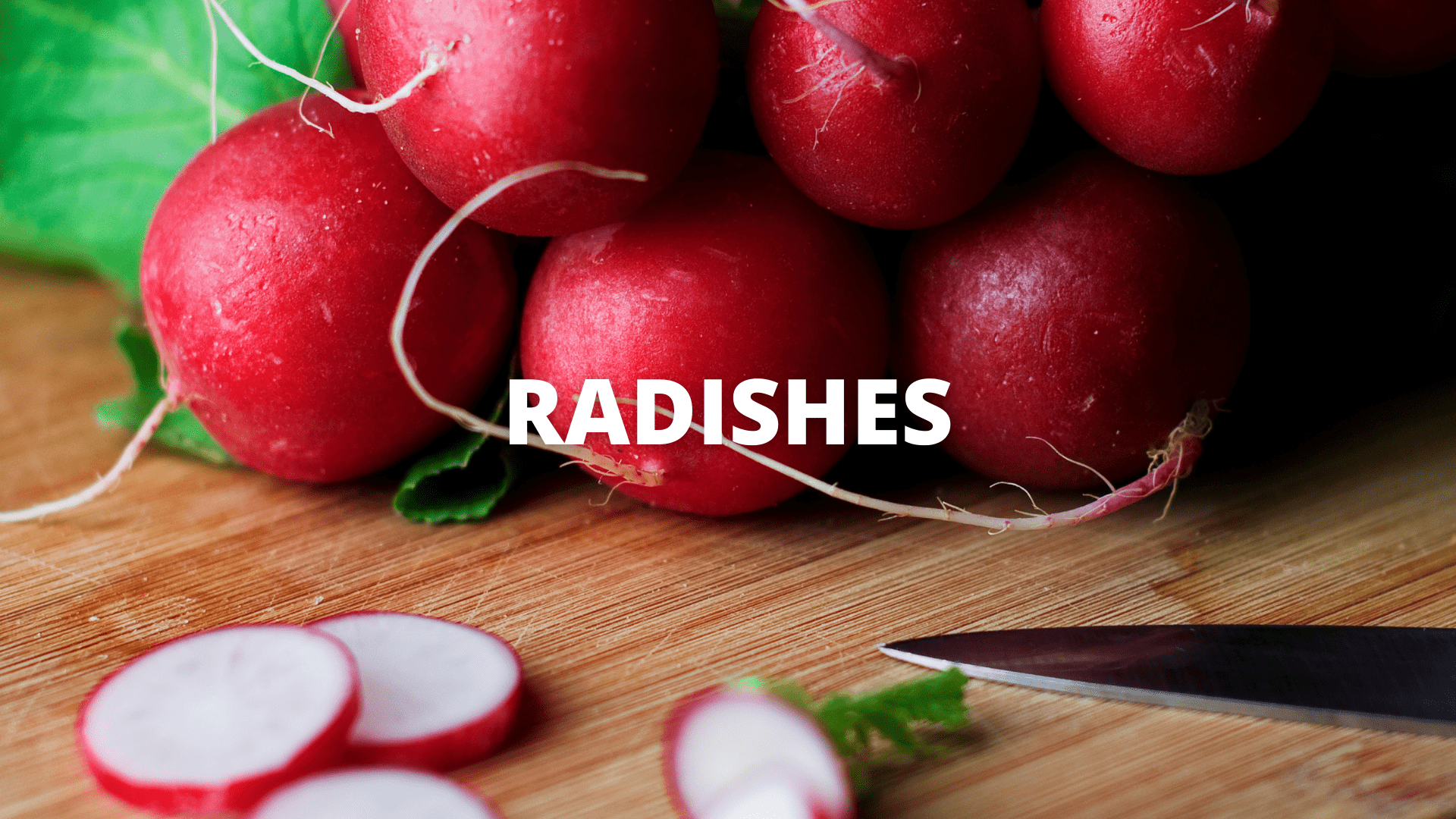
4. Radishes
constipation

If you’ve never found a reason to eat radishes, relieving constipated feelings is undoubtedly good. This vegetable has the unique benefits of detoxifying the liver and boosting the body’s peristalsis process.

Peristalsis is the contraction and relaxation of your intestines. Thus, adding radishes to your diet should do the trick if you struggle with your bowel movements.

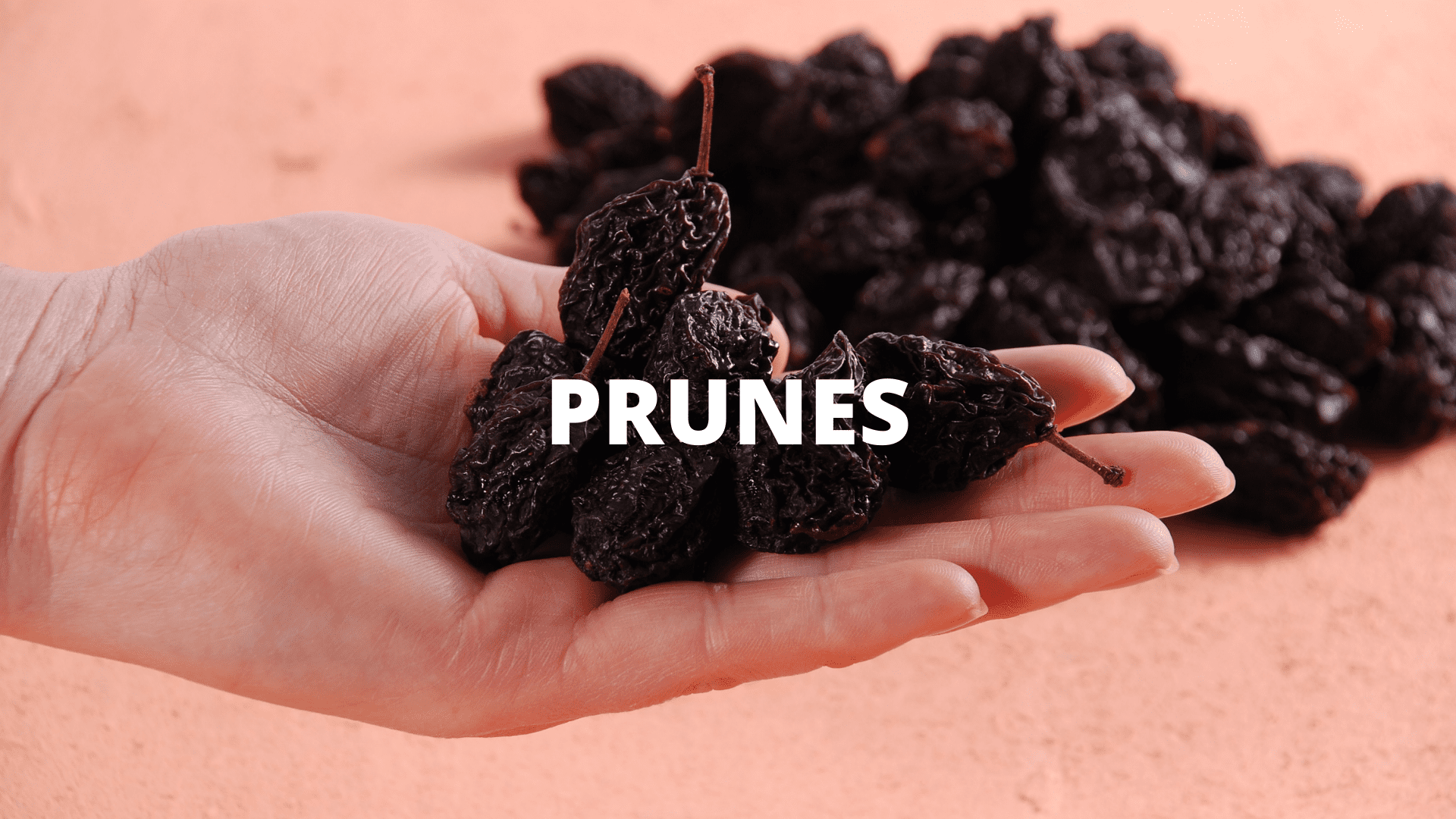
5. Prunes
constipation

Prunes have long since been considered the go-to food for constipation. By making prunes a regular part of your diet, you can ensure that you remain regular.

If you feel backed up, eat a few prunes at breakfast and before bed. The more prunes you eat, the more regular you will be.

However, drink a fair amount of water as you consume these prunes. Since prunes are a great source of diet, they are quite effective as laxatives.

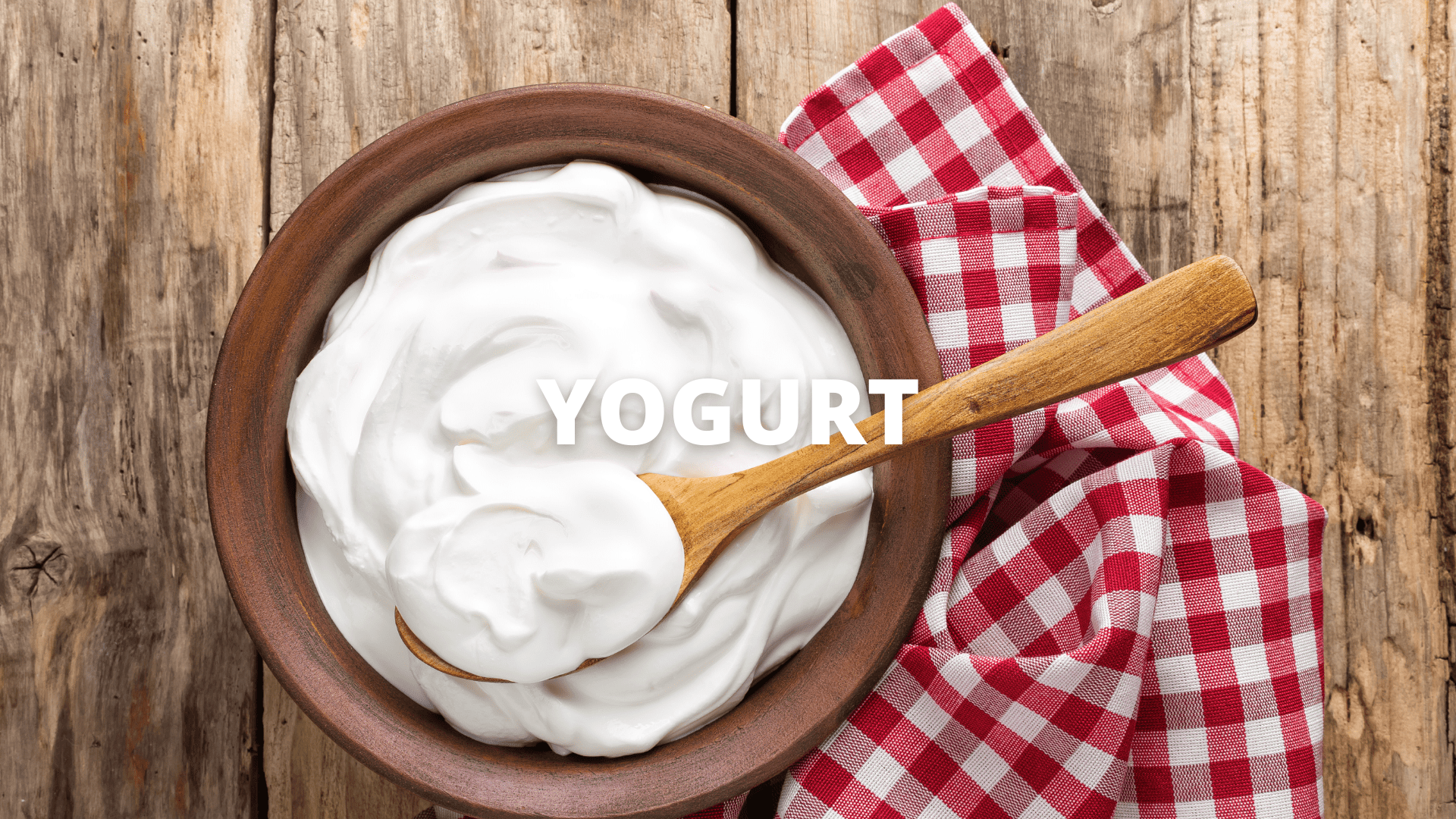
6. Yogurt
constipation

While not every yogurt has laxative qualities, certain types will help improve your go. Homemade organic yogurts have a significant amount of probiotics. In addition to improving the health of your gut, this kind of yogurt will help to boost your regularity.

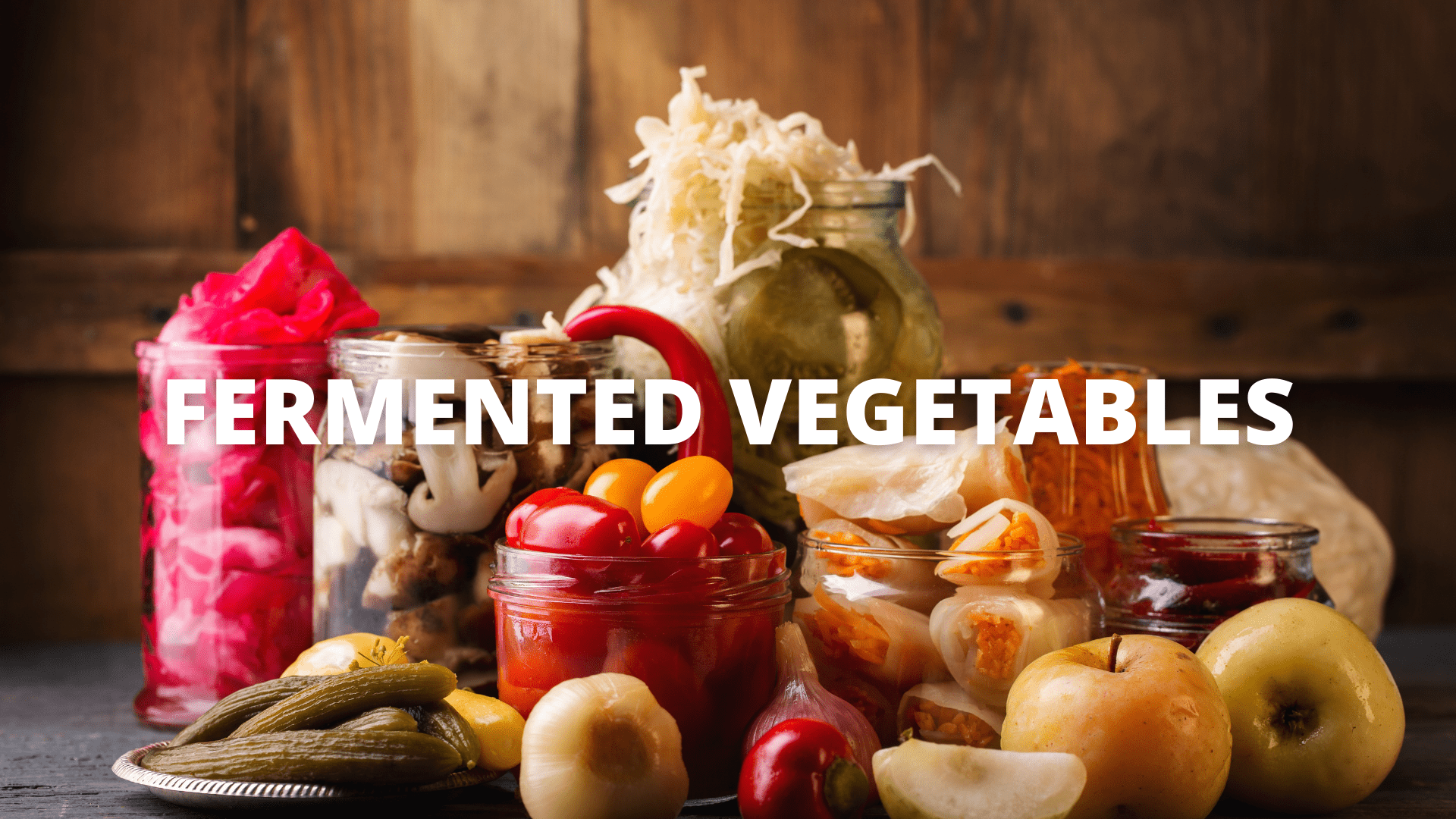
7. Fermented Vegetables
Fermented Vegetables

Though many people don’t relate fermented veggies with regularity, the truth is that these veggies are higher in fiber and are rich in probiotics.

Vegetables like kimchi, sauerkraut, and pickles are some of the best foods to relieve bathroom issues.

While you can buy these fermented vegetables in the store, you may get the best benefit from vegetables that you ferment yourself. Brining these veggies on your own will ensure they are full of powerful intestinal enzymes and microorganisms that improve your go.

8. Leafy Greens
Leafy Greens

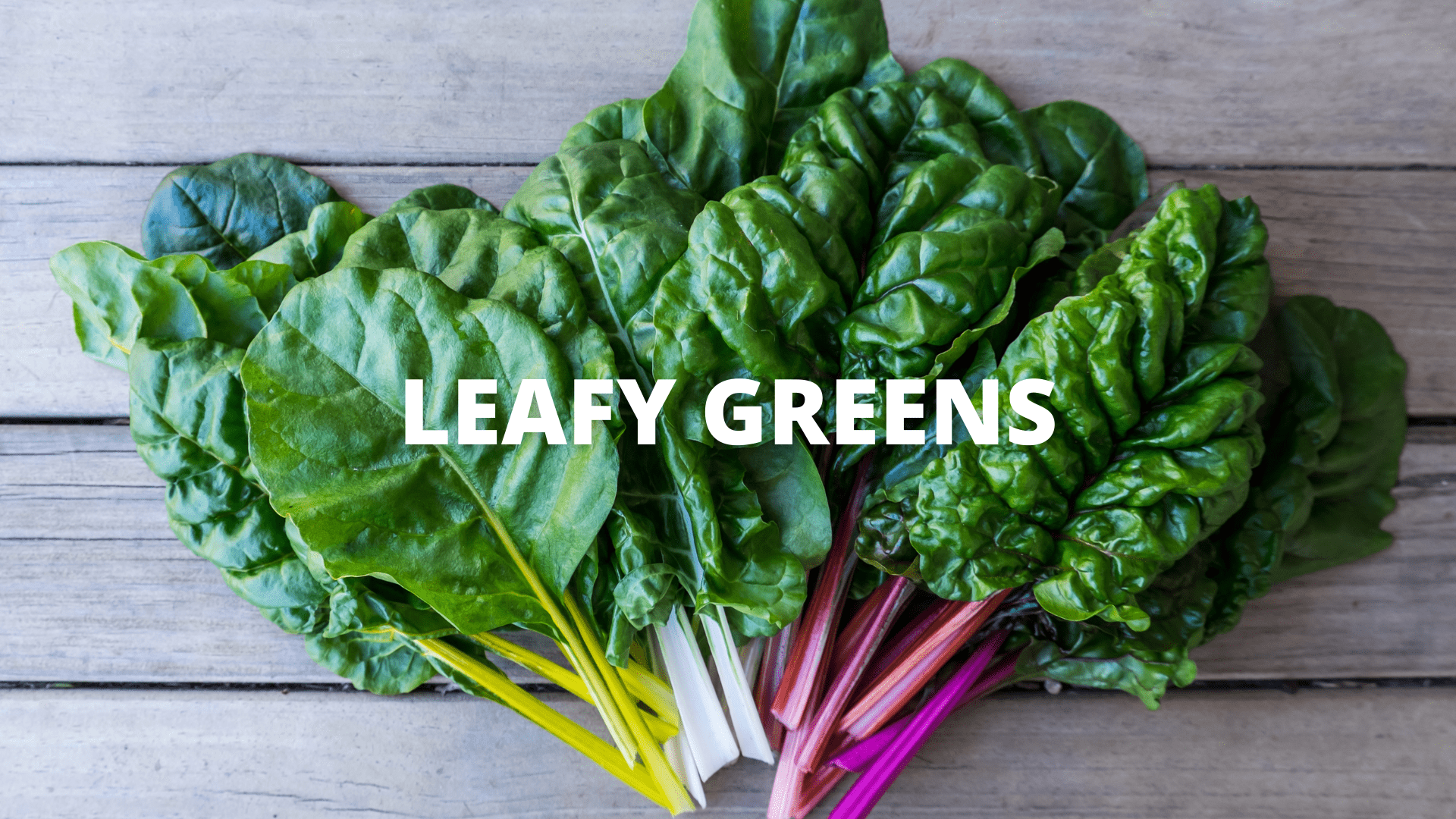
Ever been told to eat your greens? If you’re constantly being backed up, you likely need more greens.

Leafy greens like kale, beet greens, collard greens, bok choy, and watercress are all excellent options for relief.

Packed with many phytonutrients, these leafy greens will give you a fresh dietary fiber and magnesium dose. Eaten fresh, these greens provide the maximum amount of vitamins and nutrients, keeping you healthier overall.

9. Sweet Potatoes with Skins
Sweet Potatoes with Skins

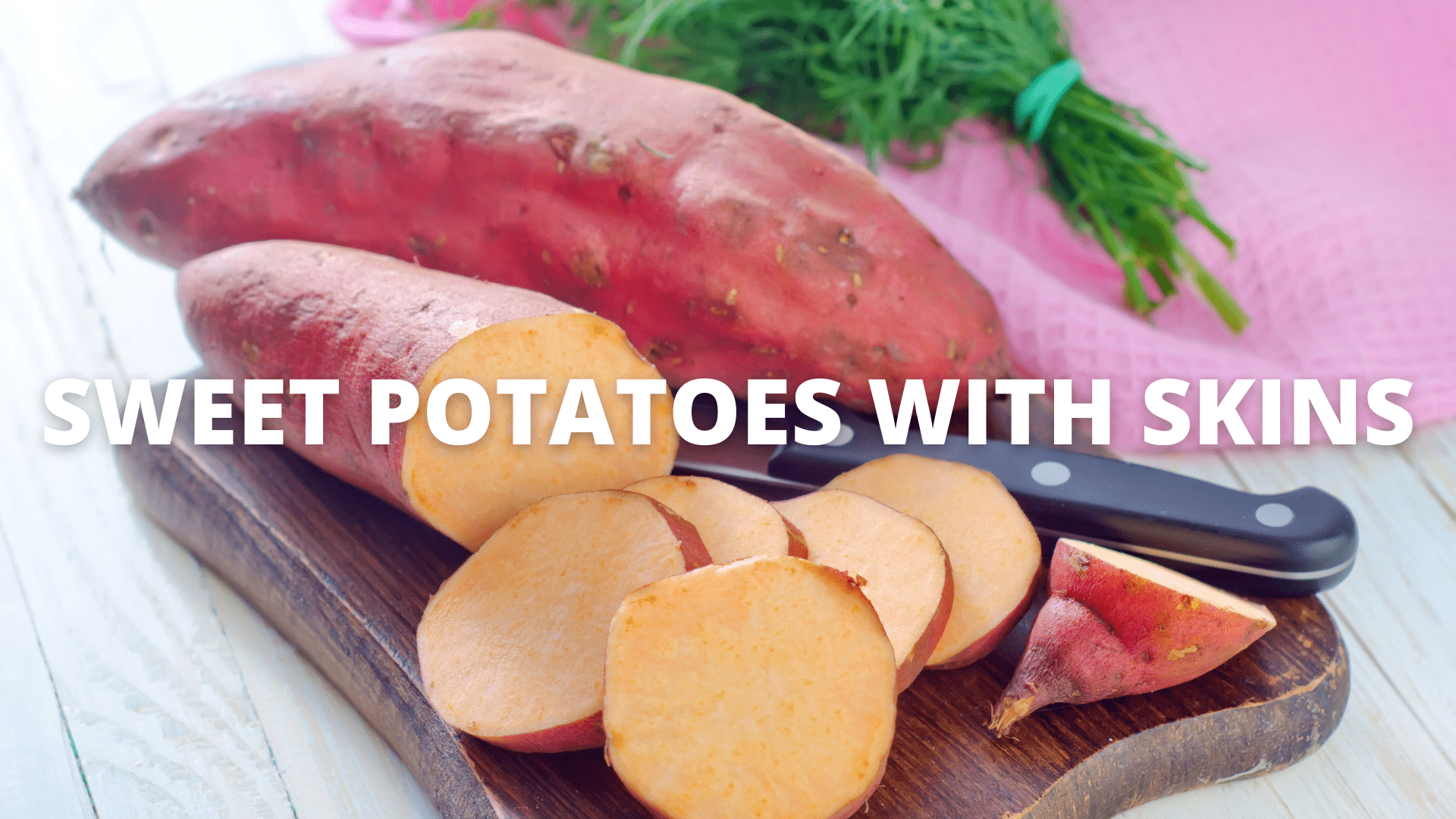
While some people tend to avoid potatoes due to their starch content, sweet potatoes have many health benefits, including boosting one’s fiber intake.

With 4.8 grams of fiber, sweet potatoes are a very healthy way to treat constipation.

Cook your sweet potatoes in the oven or boil them to take advantage of their powerful health benefits. If you want to keep this meal as healthy as possible, avoid frying them and consume the potatoes with the skin on.

10. Nuts
Nuts

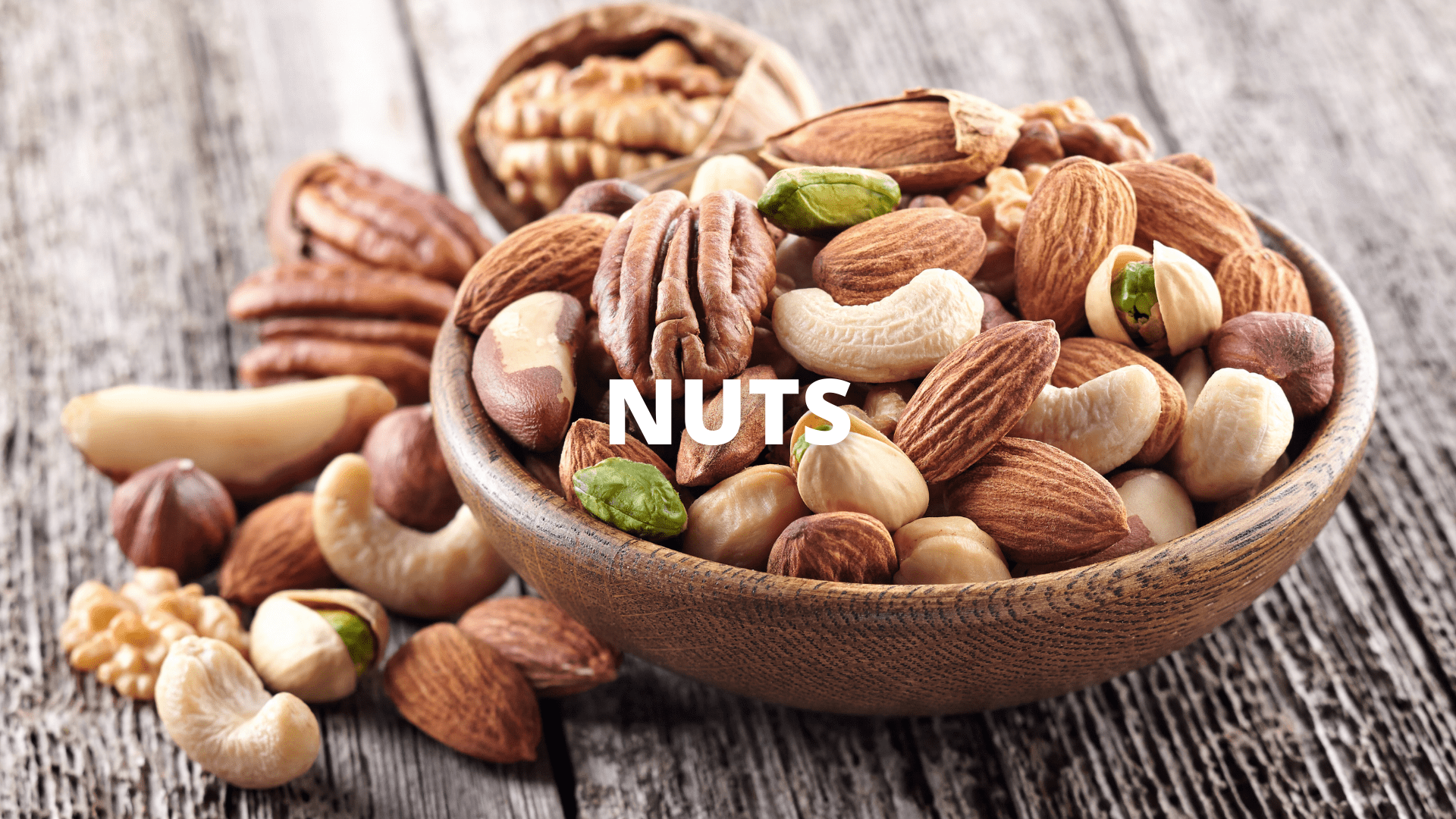
From walnuts to peanuts to Brazil nuts, this superfood offers many options if you ever need to improve your ability to go.

While nuts are relatively high in calories, they are just as high in fiber. If you’re struggling to go, grabbing a handful of nuts should help you release sooner rather than later.

11. Pears, Apples, and Fruits
Pears, Apples and Fruits

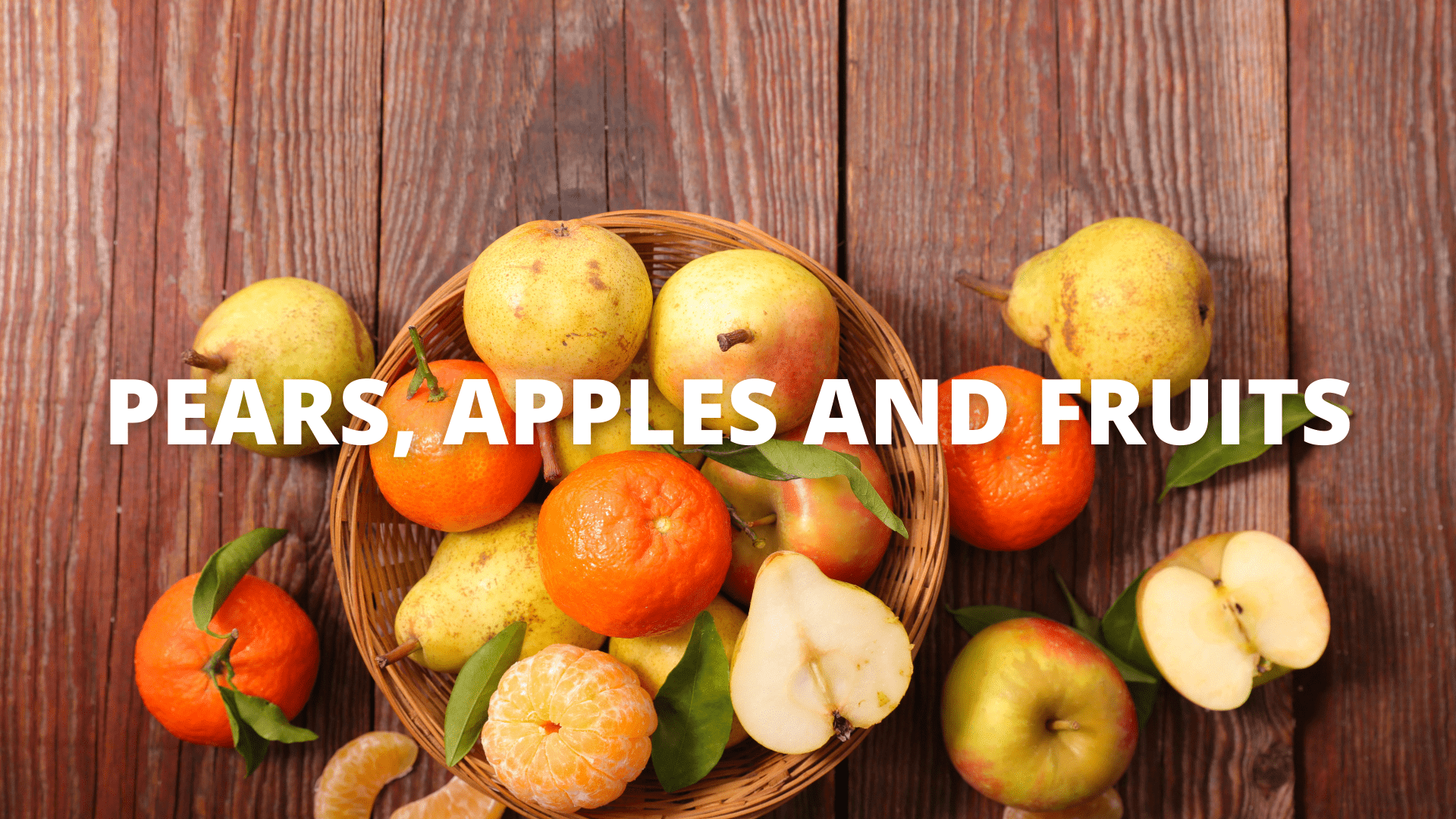
Whole fruit is another must if you need fiber. With pears, apples, and plums, you have many high-fiber options, as their skins contain a significant amount of the fiber pectin.

Uncooked pears provide 4.4 grams of fiber, and an apple with the skin on offers 3.3 grams of fiber. While cooking these fruits will still provide you with nutrients, you’ll benefit the most from these three fruits if you eat them raw.

12. Broccoli
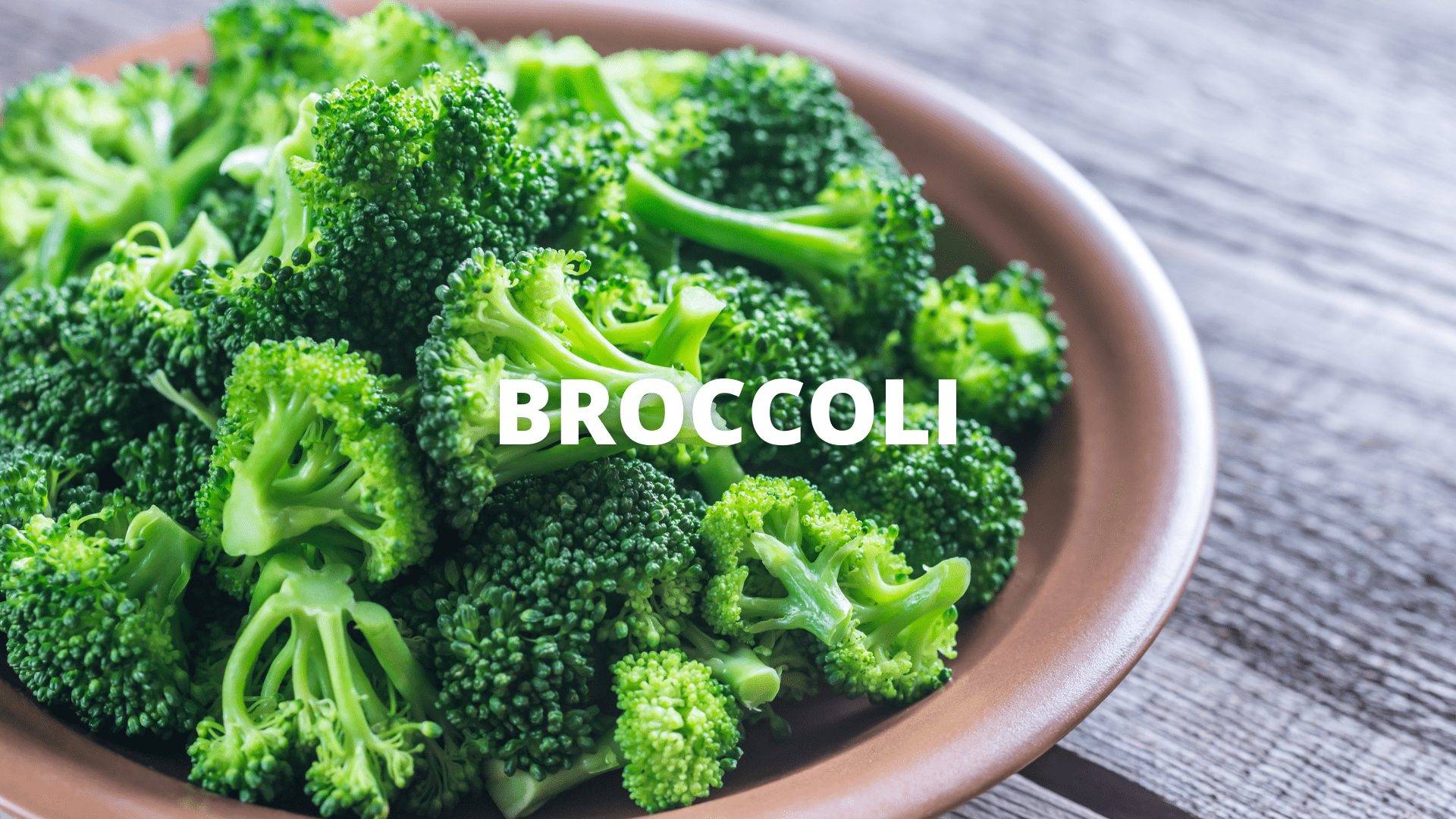
Broccoli

Broccoli is another superfood that is high in fiber. If you are a fan of uncooked broccoli, this is the best way to take advantage of its fiber content.

Though cooking the broccoli will limit the amount of fiber you consume, consider baking, broiling, or steaming your broccoli if you must.

13. Cereal
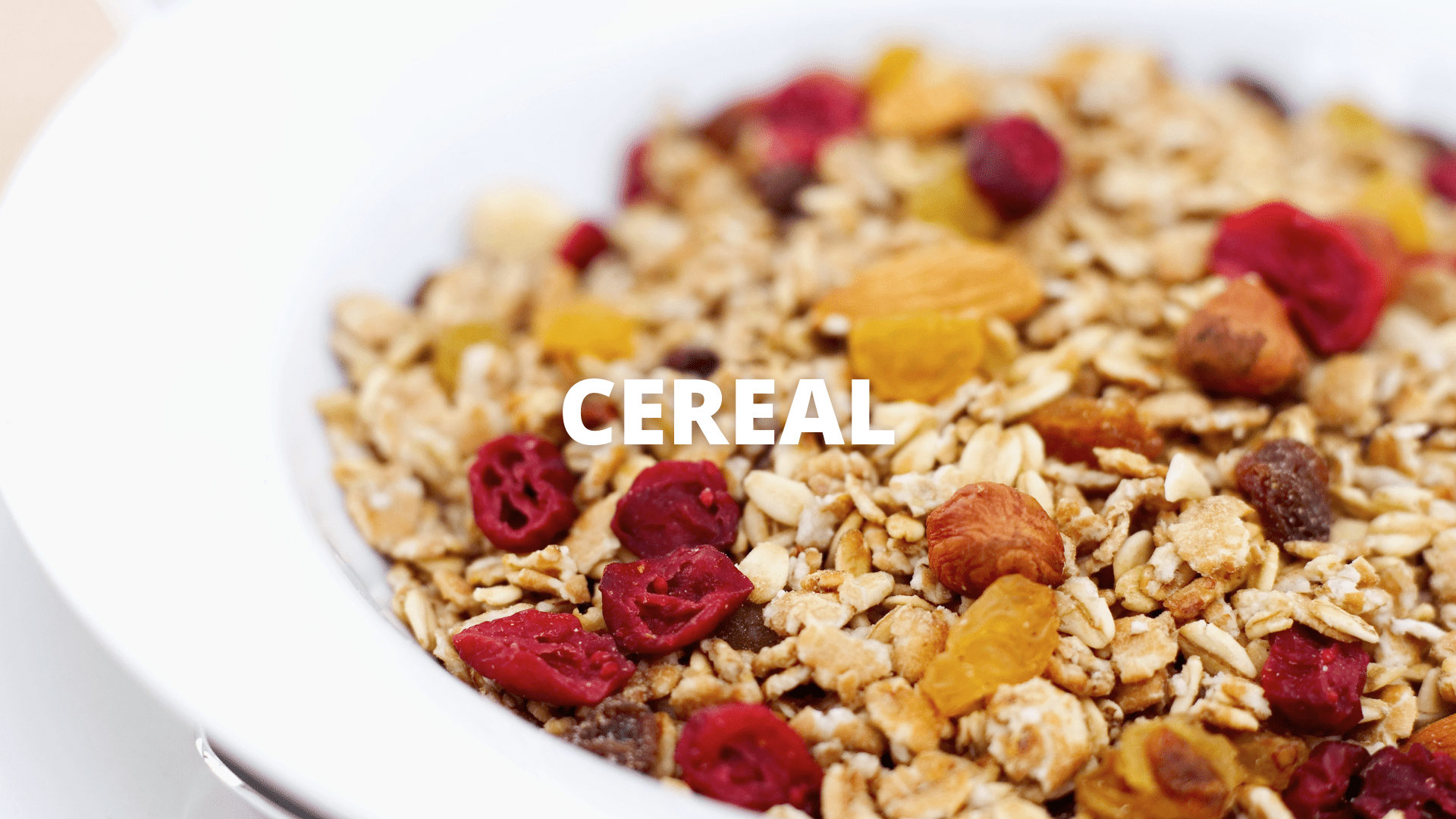
Cereal

Cereal is often starchy and loaded with carbs and sugar, but a few high-fiber cereal options will help improve constipation.

While fiber-filled cereals in the past have tasted like cardboard, these days, there are a wide variety of tasty cereals to choose from. Consider cereals with wheat bran or flaxseed to ensure a hearty dose of fiber.

14. Whole Grain Breads
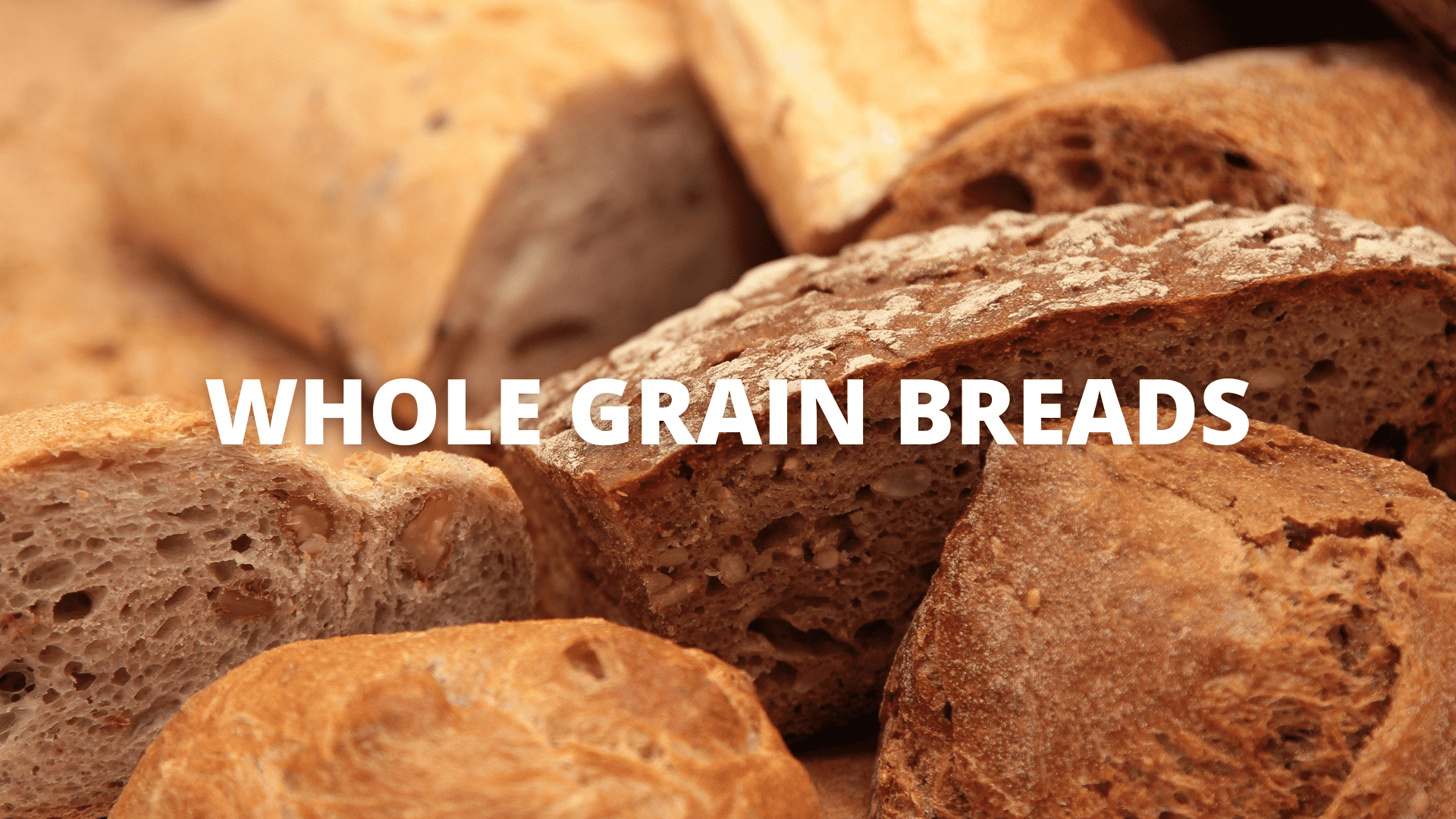
Whole Grain Breads

Whole grain bread isn’t just healthier than the white alternative.

Low in fat and high in soluble fiber and complex carbs, whole-grain bread is the perfect solution for anyone searching for a bit of relief. Once you start eating whole-grain bread regularly, you’ll find that you can use the bathroom easily.

15. Dried Fruits
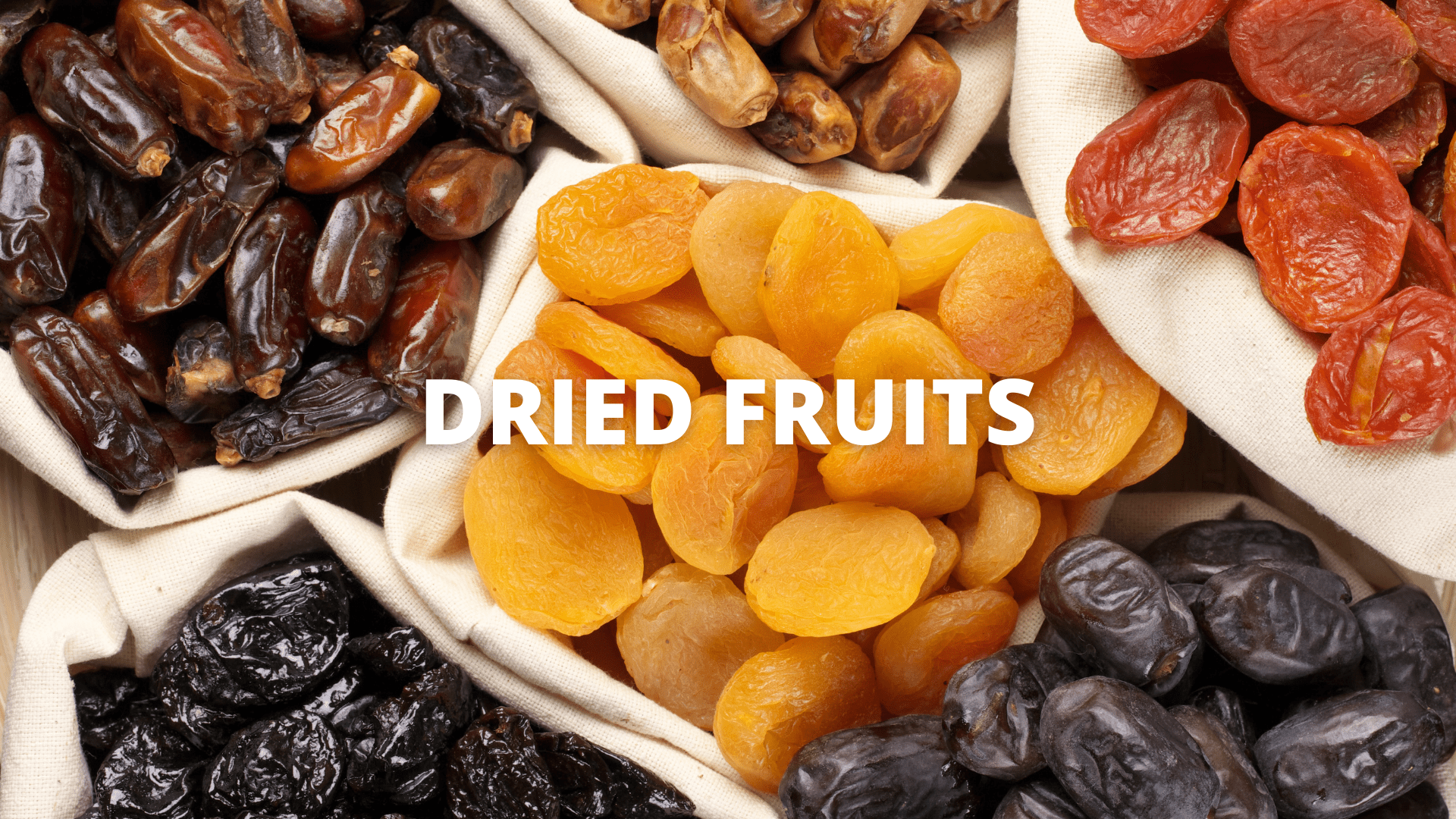
Dried Fruits

Apricots, figs, and dates are all dried fruits that will help relieve you if you are backed up. Just as prunes have long since been a go-to for this condition, these other fruits all provide the same function.

Whether you consume these fruits as part of trail mix or eat them by themselves, you’ll find that the more they become a staple in your diet, the easier it will be to use the bathroom.

16. Legumes
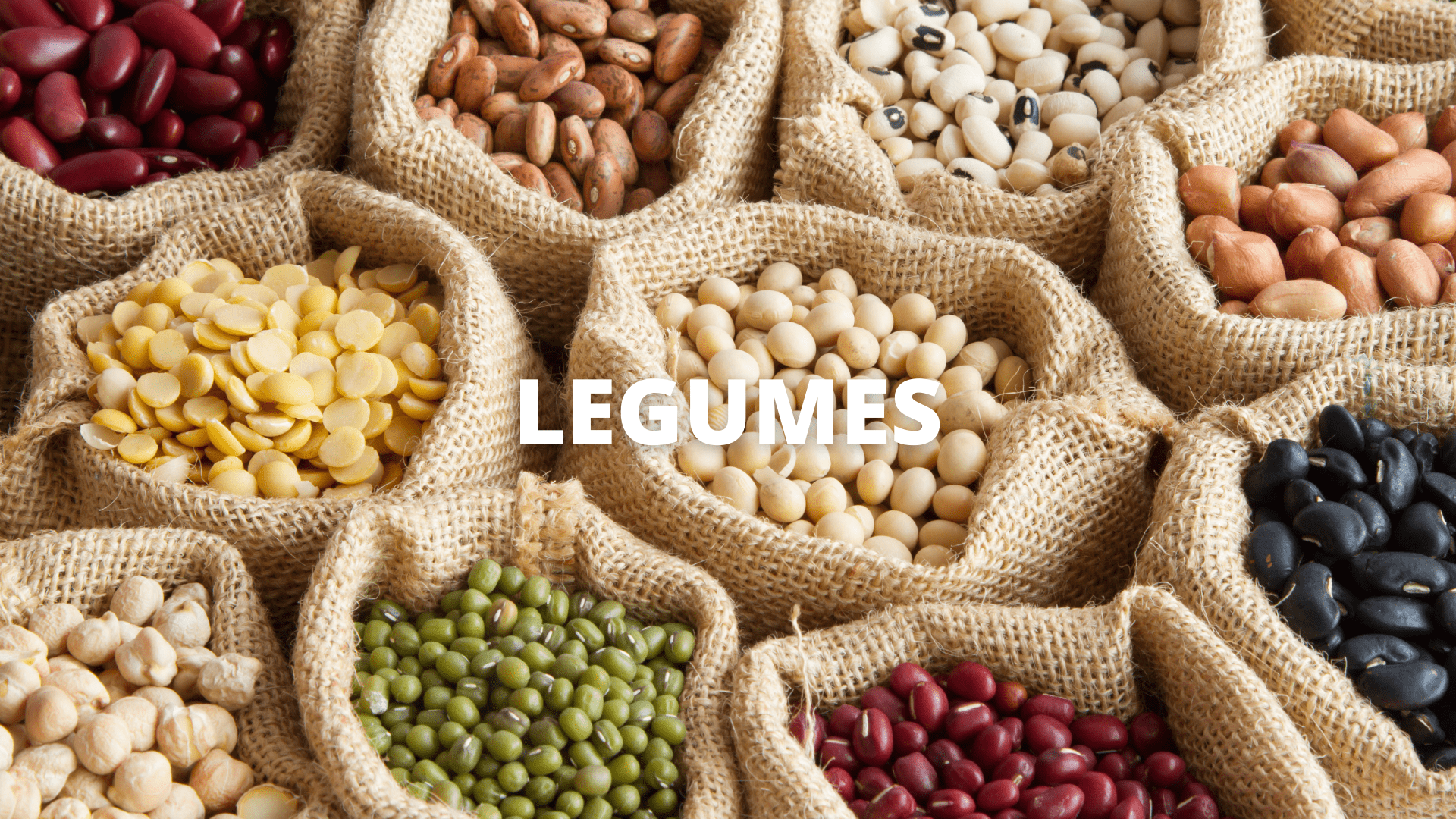
Legumes

Many people opt to add legumes to their diet to improve their protein intake, but there are many more benefits to eating beans. With kidney, navy, Lima, and pinto beans as a steady part of most of your meals, you’ll find that you’ll rarely experience any constipated feelings.

As versatile as legumes are, you can consume them in several ways. Whether you like to eat rice and beans or try making a bean burger, eating more legumes will do your body good.

17. Popcorn

Popcorn

While popcorn is usually thought to be a buttery, sugary movie companion, it’s much more than that. Popcorn often surprises most people once they learn that this is a high-fiber food.

Low in calories and instead filling, popcorn is an all-around healthy snack that fits in with many people’s dietary restrictions.

Whether you cook your popcorn on the stove or in a microwave, eating popcorn by itself is an excellent way to get things flowing in the bathroom.

18. Bananas and Raspberries
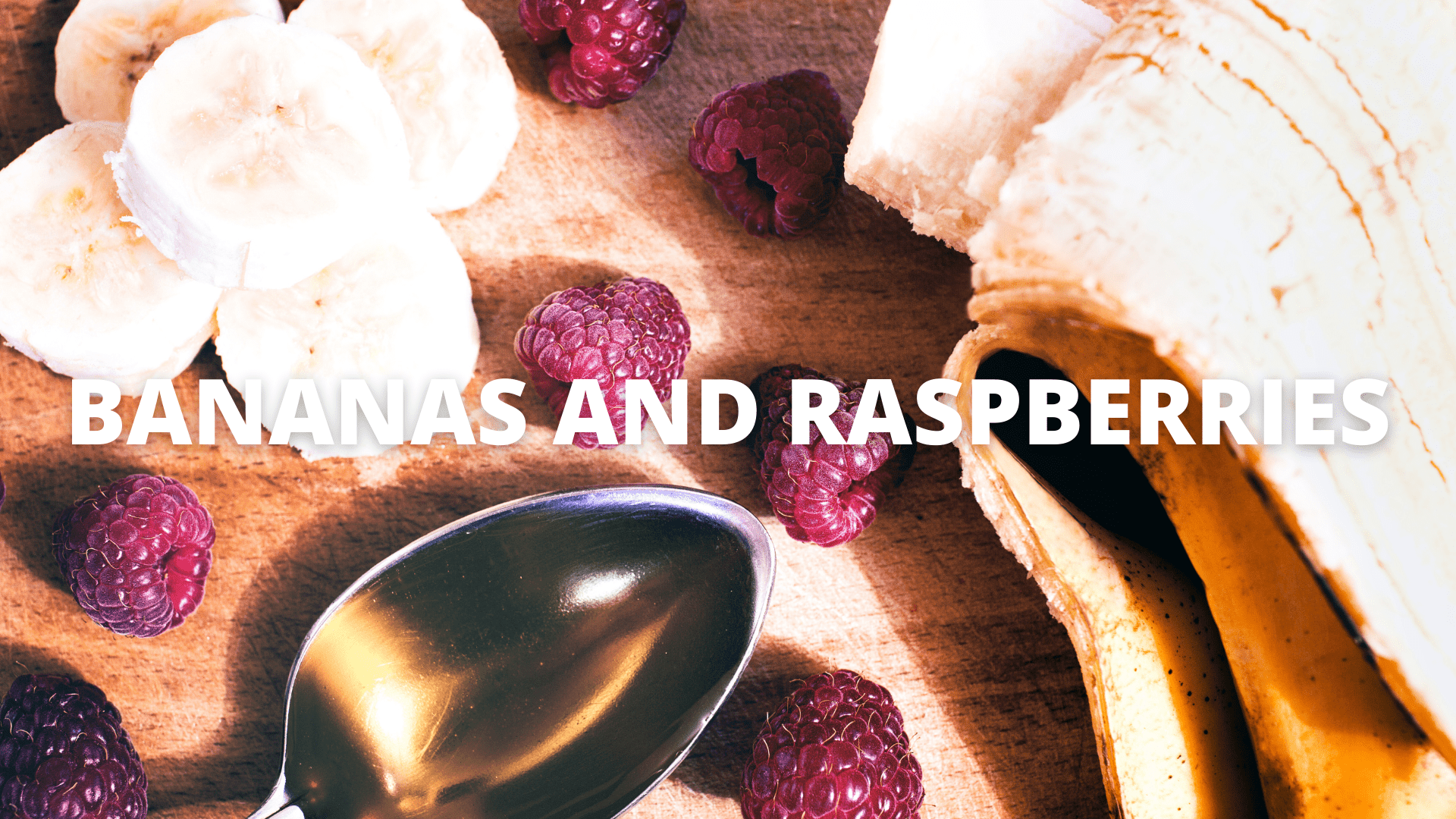
Bananas and Raspberries

Superfoods like raspberries and bananas are packed with fiber. Half a cup of fresh raspberries contains two grams of fiber, so this fruit is the perfect snack for satiating hunger and keeping you regular.

Bananas are also an excellent option. As they contain magnesium and potassium, they are a popular choice for anyone needing to go to the bathroom easily.

19. Wheatgrass or Barley
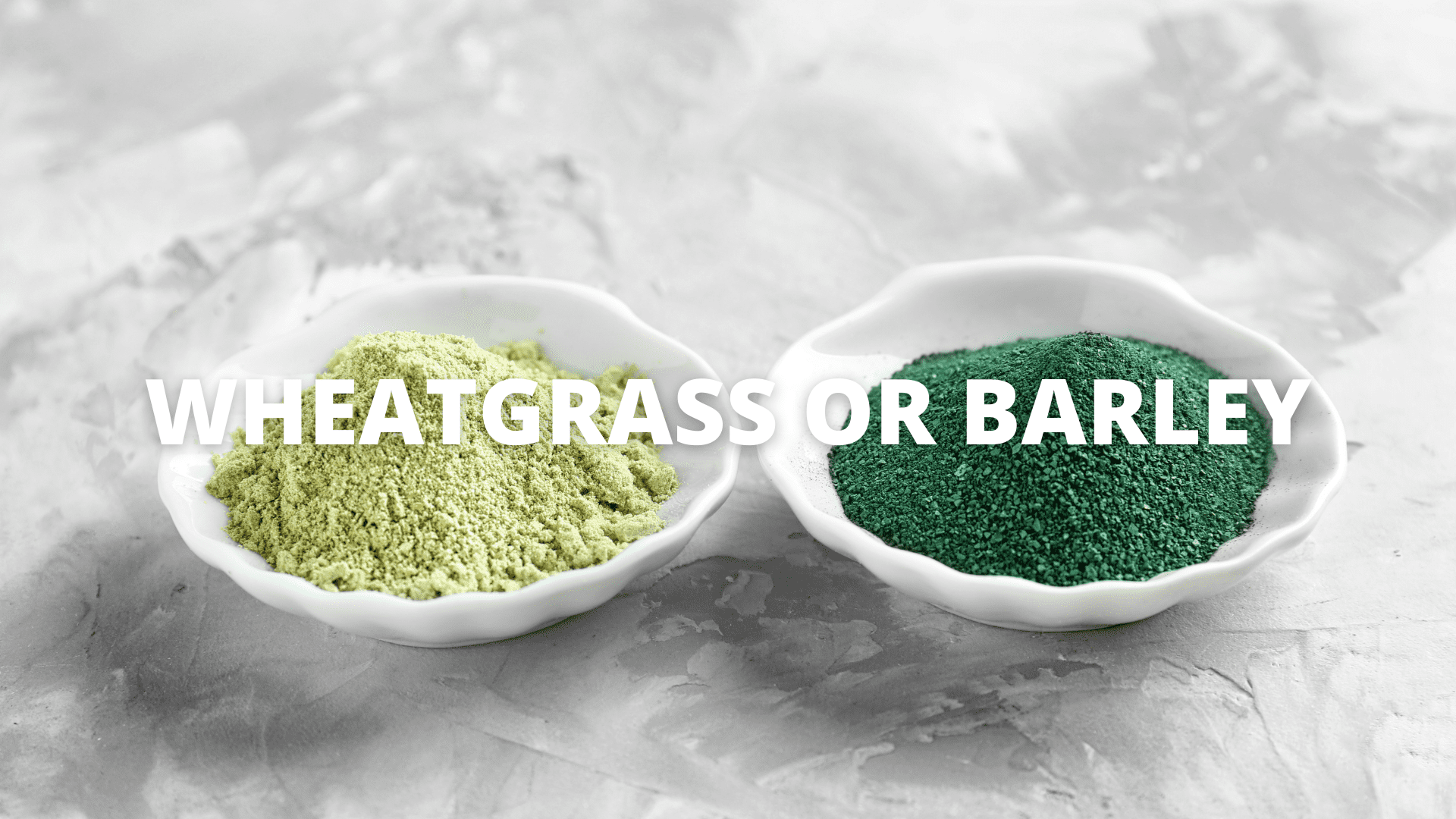
Wheatgrass or Barley

Adding barley or wheatgrass to your daily diet will keep you regular. Do so by blending three barley or wheat grass teaspoons into the water.

Take this serving once or twice a day to keep things consistent. While this beverage may not be particularly tasty, it will benefit your intestinal tract and improve regularity.

20. Water
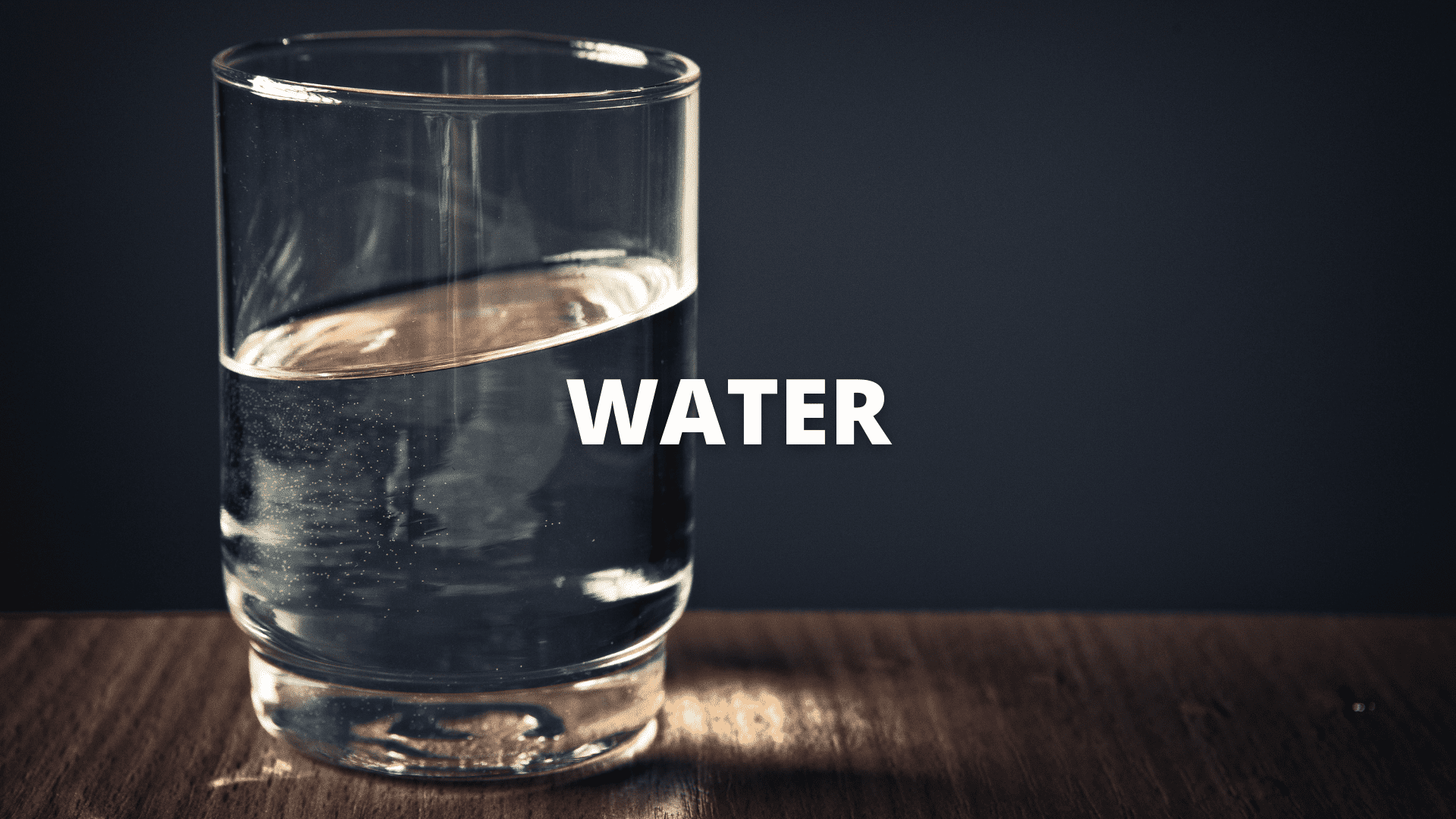
WATER

While water isn’t necessarily food, it is the source of all life. Staying hydrated is one of the most important ways to keep yourself from becoming backed up.

Ideally, drink between eight and twelve sixteen-ounce glasses of water a day. The more hydrated you are, the better your body will function.

Final Thoughts on Foods to Relieve Constipation

The food you eat must come out. To ensure that this digestion process culminates as simply as possible, make sure the foods you’re eating keep you regular and healthy.

These twenty tips will help relieve constipation and keep you as healthy as possible. Even if you don’t try all these foods, make it a point to supplement your diet with a few and see how they improve your life.


10 Signs Someone Is Thinking About You

It’s flattering to imagine someone thinking about you. There’s something comforting about knowing you’re on someone else’s mind, especially if there’s a special someone you’re hoping has you running through their head. Naturally, you’d want to know if that’s happening!

Of course, there are other reasons someone might be thinking of you. They might dislike you, or they may even have a dangerous obsession with you. In this case, you’d also want to know so that you can take steps to defend yourself.

Essentially, you’d always want to know if you’re on another person’s mind. But surely there’s no way to do that, right? After all, reading minds is the stuff of fantasy. It’s something you’d see in a superhero movie.

What if I told you that there are psychic energies that reach you whenever someone has you in their thoughts? It sounds far fetched, but it’s true! It’s possible to tell if you’re occupying someone’s mind if you know what to look for.

Here Are 10 Signs Someone Is Thinking About You

1.    Sneezing

This belief has its roots in Asian culture. It is stated that when someone thinks about you, your nose might start to itch, which causes repeated sneezing.

Of course, this doesn’t apply if you’re sick at the time. But if you’ve caught a case of the “achoo’s” for no discernable reason and you don’t have a cold, you just might be the center of someone’s thoughts.

Can you tell what kinds of thoughts they are? Two sneezes in a row indicate that someone is talking negatively about you. For three consecutive sneezes and above, then that someone has only positive thoughts about you and might even be missing you or in love with you!

It’s also traditional to ask someone around you to give you a random 3-digit number. This can be used to calculate the initial of the person who is causing these sneezes. If you are given the number 735, for example, you add them together like this: 7 + 3 + 5 = 15. The 15th letter in the standard alphabet is O, so that means someone whose name starts with O is thinking of you.

2.    Burning Sensation In Ears or Cheek

Imagine the aftermath of a slap. Your face tingles and burns slightly. That’s the feeling you might get if someone is thinking about you and speaking badly of you – as though they are slapping you in the face, but with words.

This may also manifest more physically than a faint burning sensation. For example, you might notice that your cheeks or ears are flushed in a significant way. This doesn’t mean you look like you’re blushing cutely; it can sometimes involve a lot of redness!

If you’re not feeling embarrassed, you aren’t feeling particularly warm, and you haven’t overdone your blush to ridiculous levels, suffice to say that the burning sensation and the bright flushes are a good way to tell that someone is throwing shade your way. Some people also believe that flushed ears alone mean that someone has feelings for you.

3.    Hiccups

Getting the hiccups can be quite annoying. It’s pretty common to get them after eating, but completely random hiccups can mean that there’s someone who is thinking about you. Unfortunately, it usually means someone is badmouthing you or complaining about you, but keep your positive thinking – there’s also a way you can tell who’s thinking them!

You might notice that you tend to get hiccups when you’re around a certain person. This means that that is the person who has been talking smack. Now you can confront them or steer clear of them – whichever you prefer.

Before you jump to conclusions, though, make sure you rule out these other possible causes for hiccups:

  • Eating in excess
  • Drinking in excess
  • Eating very quickly
  • Abdominal surgery
  • Nerve-irritating diseases
  • Medication

4.    You Get A Random Eye Itch or Twitch

There is a superstition that many people believe is more than just the itching or twitching of an eye. If you suddenly find that your eyes are exhibiting this behavior, it could indicate that someone out there has you on their mind.

In men, it is believed that right-eye itches and twitches point to positive thinking about you, while in the left eye, those thoughts are negative. This is reversed in women, so their left eye twitching indicates positivity while right-eye itches aren’t too good.

Naturally, if you’re dealing with allergies or any problems that might affect your eye, you can safely ignore this omen. Do note that stress, diet, tiredness, and other factors can lead to eye twitching, too; additionally, that some serious eye conditions can cause itching, so don’t overlook medical causes.

5.    Discomfort While Eating

Picture this. You’re enjoying a meal quietly by yourself. You’re not eating or rushing, so there’s no reason for anything bad to happen. You’re focused on your food and enjoying life.

Then, all of a sudden, you begin to feel like food isn’t going through your esophagus so smoothly. You might start to cough or choke, even though you were very careful. Surely this is just a weird body quirk, right?

Wrong! Look around you. There could be someone nearby who is experiencing a lot of tension, and it might be concerning you. Your body is then responding in kind to that tension and finding it difficult to swallow smoothly.

No one around you? Then it’s almost certain that you’re running through someone’s mind! They might be tense and thinking about you at that moment, causing you to feel that tension even from far away, affecting your subconscious.

6.    Finding A White Feather

White feathers are very touching symbols. They typically turn up after you have lost someone you care about. It’s difficult dealing with someone you love passing away, but if you come across a white feather, you can rest easy.

These feathers symbolize the fact that the one you’ve lost is in a better place and is thinking of you while they are there. They are trying to send you a calming message so that you no longer worry about them. They are telling you that they are watching over you and want you to be happy.

7.    Feeling Unexplained Physical Touch

Do you ever just suddenly feel like someone is touching you, but you turn around and no one’s there? It’s definitely a rather concerning feeling and it can make you anxious and worried about the paranormal. Don’t worry, though, as there’s an explanation!

If someone is thinking about you very, very strongly, their thoughts could manage to transmit a message to you that manifests in a manner similar to physical contact. It’s a type of telepathic contact that means the person in question has very intense thoughts towards you.

Are these thoughts positive or negative? There’s no sure way to tell, but sometimes you may get a certain vibe from these touches that informs you of them. For example, a pleasant touch might be from a loved one or someone who has feelings for you. Meanwhile, a creepy touch might be from someone who is angry at you or sad about you.

8.    Getting Goosebumps

Goosebumps are typically a reflection of very strong, emotion-based thoughts surrounding your person, so they’re a surefire sign someone is thinking about you. Though they can be a physical reaction, they are also very rooted in emotion – hence why you get goosebumps from memories and other factors.

It’s highly likely that if you get goosebumps for no discernable reason, someone could be thinking of you because they find you very attractive and want to be with you. Usually, though, thoughts manifesting as goosebumps mean that the person in question has psychic abilities – so you’ll want to think about how to deal with the situation!

9.    Dream Contact

If you keep seeing someone in your dream, especially someone you haven’t seen in a long time, they might be thinking of you. Their thoughts regarding you might be strong enough to transmit to you and manifest in a visual form when you dream.

Your dreams may show you what they are thinking, or what kind of vibe their thoughts have; much of the time, however, a dream with someone in it doesn’t give you a lot of detail. In this case, there’s no way to know for certain whether they are thinking positive thoughts or bad ones.

signs someone id thinking about you

Still, dreams can be mysterious. If someone is in your dream, that doesn’t necessarily mean that they are thinking about you; you naturally create dreams from personal memories or experiences. But you can always reach out to them and find out for sure!

10. Sudden Emotional Changes

You’re having a good day, when suddenly you experience a rush of sadness. You’re not feeling too great, and suddenly you feel warm and fuzzy. You’re angry, and then you’re suddenly calm. You might be super focused at work, then suddenly are too distracted to keep your eyes on the screen.

All these emotional changes could be the thoughts of someone else getting to you. It’s usually pretty clear what kinds of type of thoughts are involved when you get these sudden changes. It can be disconcerting to feel things that aren’t your own emotions but know that this means someone is thinking about you pretty intensely.

Final Thoughts On A Few Signs Someone Is Thinking About You

Not everyone believes in psychic-like transmissions that indicate someone is thinking about you. If you don’t, that’s totally fine – but you can’t deny wondering about it sometimes when sudden occurrences throw you off-balance.

Thoughts are very powerful tools, and the mind is even more powerful. We don’t even understand the full extent of the human brain’s capabilities at this juncture. Who knows how someone’s thoughts could affect you? Who knows how someone’s mood could be picked up on by you?

At the end of the day, there are a lot of odd, sudden things that could happen to you that may indicate someone’s thoughts are infiltrating your brain. So the next time any of these things pop up, just smile to yourself and know that, somewhere out there, you’re on somebody’s mind!

10 Gluten Free Grains That Make You Healthier

Grains in various bread, flour, cereal, crackers, rice, and pasta are staples in our diet. They have a long history in humankind’s past as well our progressive development. But are you allergic to them? Specifically, are you allergic to gluten?

You’ll find the protein gluten in wheat, rye, barley, and triticale (a cross of wheat and barley). You can find wheat, rye, and barley in almost every recipe, as gluten helps food maintain its shape and acts as a glue to hold it together.  In addition to the above list of grain products, you will almost also certainly find it in condiments, malt, food coloring, soups, salad dressings, beer, Brewer’s Yeast, sauces, and more.

If you are allergic to gluten or are gluten intolerant, what grain options do you have?  Are they nutritionally beneficial?  We’ll first go over the history of gluten and then get into some great gluten-free alternatives.

Grains in human history

Grains have been an essential part of humanity’s history for thousands of years. Breadcrumbs of a pita-like flatbread were discovered in July 2018 in northeastern Jordan that dated back 14,500 years.  Originally, archeologists had dated breadmaking back to the start of agriculture in the Neolithic era.  This last finding places breadmaking 5,000 years earlier.  It was attributed to a group of Stone Age hunter-gatherers called Natufians.

gluten free grainsHow does the body react to gluten?

Gluten is a term used for multiple proteins or prolamins found in wheat, barley, rye, and triticale.   The prolamins in wheat are called gliadin and glutenin, while the primary one in barley is called hordein.

Oddly enough, gluten proteins are highly resistant to protease enzymes which break down proteins through digestion.  This incomplete digestion of protein allows large units of amino acids, or peptides, to go through the wall of your small intestine into the rest of your body.  Your body may see these amino acids as enemies and attempt to kill them.  Our body is designed to get rid of excessive proteins or protein-creating cells.  This attempt to eliminate these “enemies” shows itself as an immune response that can create various symptoms in a person.

What Happens When Someone Is Gluten Intolerant?

Three conditions may manifest as a result of having a gluten intolerance.

Celiac disease:

This disease is a combination of a genetic disorder and environmental conditions which impact about 1% of the world’s population.  It is considered an inflammatory autoimmune disease of the small intestine. Some people with Celiac disease also have other autoimmune disorders.  For those with Hashimoto’s, a thyroid disease, Celiac is four times higher than the general public.

By eating grains containing gluten, damage occurs to enterocytes, which are cells lining your small intestines.  This leads to intestinal damage, poor nutritional absorption, and possibly weight loss and diarrhea.  It can additionally contribute to anemia, osteoporosis, neurological disorders, and skin diseases.  Some can have no symptoms at all.

This condition is best diagnosed by an intestinal biopsy or by blood testing for specific genotypes or antibodies.  The only “cure” is to eliminate gluten from your diet.

Wheat Allergy:

One study reveals that a wheat allergy affects more children than adults, and like Celiac, it is an immune response to proteins in wheat.  These symptoms can be mild nausea to anaphylaxis – a reaction that causes the throat to close up due to an allergic response.  It is possible to have both a Celiac and a wheat allergy.  Wheat allergies are usually diagnosed by a blood or skin-prick test.

Non-Celiac Gluten Sensitivity:

It is possible to have intestinal symptoms and other symptoms when one consumes gluten without technically receiving a diagnosis of food allergies.  Some of the other symptoms may be headache, fatigue, and joint pain.  It is important to rule out the other two possibilities before being diagnosed with Non-celiac gluten sensitivity.  Like the other two diagnoses, removing gluten from your diet results in an improvement of symptoms.

Researchers explain that there is no test to see if you are non-celiac gluten sensitive. You must eliminate gluten from your body and see if your symptoms decrease or go away.

Enter the Good News: Gluten-free Grains

The good news?  There are plenty of gluten-free grains available, and they all have several nutritional benefits.  It should be cautioned that it is best to buy these grains as “Certified Gluten-free,” as many of the companies that package these grains also package wheat, rye, and barley-related products.  Even traces of gluten from the dust of those grains can be enough to create a reaction.  “Certified Gluten-Free” verifies that the company has made a point not to package gluten ingredients and non-gluten grains from the same machinery, so there is no cross-contamination.

Here are ten gluten-free grains that make you healthier:

Try these alternatives.

  1. Sorghum:

This is generally used as a cereal grain or produced to make sorghum syrup or even some alcoholic beverages.  It contains plant compounds with antioxidants; studies have shown it to have anti-inflammatory properties and an ability to reduce blood sugar and insulin.  It contains 12 grams of fiber, 22 grams of protein, and almost half of your daily dose of iron in one cup.

  1. Quinoa:

This is an amino acid powerhouse – having all 8 amino acids.  It also has a high number of antioxidants.  Nutritionists at the University of Pittsburgh Medical, UPMC, explain that quinoa contains 8 grams of protein and 5 grams of fiber.  It also has almost your daily dose of magnesium, manganese, and phosphorous.

build wellness meme

  1. Millet:

Nope, it is not just for the birds! Researchers proved that this grain could help decrease blood triglycerides and inflammation and lower blood sugar and glycemic responses.  One cup contains 2 grams of fiber, 6 grams of protein, and 19% of the daily dose of magnesium.

  1. Buckwheat:

It may sound like you should avoid this, but it actually does not contain gluten or wheat.  A study showed that it could help achieve positive wellness outcomes:

  • Reduced risks of high blood pressure
  • Weight control
  • Decrease the chances of developing heart disease
  • Reduce the chance of developing gallstones.

One cup delivers 17 grams of fiber, 23 grams of protein, and over 90% of magnesium, copper, and manganese for your day.

  1. Amaranth:

An old and cherished grain, historians trace amaranth back to the Inca, Maya, and Aztec civilizations. Studies find it helpful to treat inflammation and decreasing blood triglycerides and LDL cholesterol levels. One cup contains 5 grams of fiber and 9 grams of protein. It also meets 29% of daily iron needs as well as other minerals.

  1. Teff:

Teff is the smallest grain in the world at 1/100th the size of a kernel of wheat.  Because of its tiny size, you can use it as flour or paste in your recipes.

The Journal of Food Science and Technology notes that this tiny grain contains powerful benefits. They cite these reasons to add teff to your menu:

  • Teff contains all eight amino acids our bodies need
  • Low risk of sensitivity or food allergies
  • Excellent fiber content
  • Useful in helping to prevent diabetes
  • It May help prevent anemia

Nutritionally, it has approximately twelve grams of protein and twelve grams of fiber in just one cup.  The protein and fiber make it a great way to help one feel full to reduce cravings, boost metabolism, and improve regularity. It also contains B vitamins. Wow! What a powerhouse!

  1. Wild Rice:

This grain may be temperamental in how it grows, but it is full of nutritional value and flavor.  It provides the body with protein, fiber, folate, Vitamin B6, niacin, and other minerals.  It has been discovered that it has 30 times greater antioxidant activity than white rice and effectively lowers cholesterol and other fatty lipids.

  1. Brown Rice:

This is the healthier version of white rice, as it retains both the bran and germ of the grain that white rice lacks. This gluten-free grain is high in protein and fiber and is commonly known to decrease the risk of diabetes, weight gain, and heart disease.

One cup yields 4 grams of fiber and 5 grams of protein.  Brown rice also contains magnesium and selenium.

  1. Corn:

Another grain used generously throughout humankind’s history, corn is also prevalent.  It is high in antioxidants, lutein, and zeaxanthin – which aids in eye health and decreases cataracts and age-related macular degeneration.  One-half of a cup of yellow corn contains 6 grams of fiber, 8 grams of protein and is also high in magnesium, vitamin B6, thiamin, manganese, and selenium.

However, corn can cause symptoms to flare up in people who suffer from digestive issues or irritable bowel syndrome.

  1. Oats:

Oats already have an excellent reputation, being recognized for lowering LDL and total cholesterol levels.  It has also been shown that it may slow the absorption of sugar and lower blood sugar and insulin levels.  A 1/4 cup of oats provides 4 grams of fiber and 7 grams of protein with B vitamins and minerals thrown in for good measure.

Please also note that while oat is gluten-free, sometimes some gluten-intolerant people may become sensitive to avenin, the protein found in oats.   Additionally, it is more likely that oats will be cross-contaminated at packaging plants. So, make sure only to buy “Certified Gluten-Free” oats.

gluten free bread recipe


Final Thoughts on Adding Gluten-Free Grains to Help Reduce Sensitivities

As you can see, gluten-free grains not only have a long history of use but contain several health benefits, including their levels of protein, fiber, and various vitamins and minerals.  Whether you are gluten intolerant or want to eat healthier, these 10 gluten-free grains will definitely make you healthier in multiple ways!

10 Herbs and Spices That Heal Your Body

Adding spices and herbs that heal your body has been an ever-increasing interest in the United States.  This is partly due to the high cost of medications and the realization that current medications have severe side effects that are almost as deadly as what they treat. In addition, since people are living longer, there is increasing interest in preventable measures to promote a higher quality of life in their older years.

The use of herbs and spices in mankind’s history dates back centuries. It pre-dates recorded history.  We even have several medications that contain roots from certain herbs and spices.  Is it any wonder that we would search out better ways to live by returning to what has been part of our history and that science has been utilizing?

The study of herbs and spices that have healing properties is still in its infancy to verify purity, dosages, and the validity of medicinal claims.  There are 10 herbs and spices which have science proves useful to heal the body.

Definition of Herbs Versus Spices

The definition of an herb and a spice can be unclear, and there are some exceptions to the rule.

According to Cambridge Dictionary, an herb “a type of plant with a soft stem” or “a type of plant whose leaves are used in cooking to give flavor to particular dishes or in making medicine.”

According to Cambridge Dictionary, a spice is “a flavoring for food made from part of a plant, such as its fruit, seeds, or root, usually dried and made into a powder.”

It is essential to point out that herbs can be used as a spice and that spices can have medicinal uses.  The most important part of each definition is more on the parts of the plants rather than what the plants are used for.  It is also possible for the same plant to have one name as an herb and another as a spice. For example, cilantro is considered an herb but its seeds, when ground, are called coriander.

An additional point of interest is how the definition of an herb specifies that the leaves are used in cooking to give flavor or make medicine.  When used for medicinal purposes, a plant is not limited to the leaves. Instead, any part of the plant may be used and individual parts of the same plant may have different benefits, or even be toxic.

herbs

History of Herbs and Spices

One of the oldest known ingredients for “flavor enhancement and preservation” is salt.  It dates back in recorded history as far as 6,050 BC. Likely, salt was used even before this.  Salt played a crucial role in mankind’s desire to trade; it also found use as a currency in many parts of the early world.  Yet, salt is not a spice.  It’s a mineral.  However, with the salt-inspired trade came the discovery of other spices and herbs in various parts of the world.

As far back as 3,500 BC, ancient Egyptians used spices for cosmetics, food flavoring, and embalming the dead.   The oldest written evidence of plants used for medicine is on a Sumerian clay slab from Nagpur about 5,000 years ago.  This slab had the recipes for 12 different medications with over 250 plants used in the preparation.

From then on, there are multiple references to herbs and spices being used for medicinal uses, a form of currency, in negotiations for territories, in religious books, and more.  It was not until the early 19th century that there was a change in the knowledge and use of medicinal plants with the growing aid of science.

Current Medicines Based on Herbs and Spices

While we often distinguish herbal medicine from traditional medications, many current prescribed medications come from herbs.  Such as:

  • Morphine came from seed pods of the poppy
  • Penicillin from bread mold
  • Digoxin, a cardiac stimulant, came from foxglove
  • Salicylic acid, a precursor to aspirin, came from willow bark
  • 60% of all cancer therapeutics on the market or in testing are plant-based
  • 70% of the 177 drugs used to treat cancer are based on natural products and then improved with other chemistry.

It is estimated that about 25% of the drugs prescribed worldwide were derived from plants and about 121 such active compounds are in use.

Herbs and Spices that Heal the Body

Turmeric:

Curcumin is the active ingredient found in turmeric.  It has been recognized as a powerful antioxidant, anti-inflammatory, and digestive aid. Indeed, some studies state it may even treat or prevent Alzheimer’s disease.

Ginger:

There are hundreds of compounds in ginger that create various benefits.  This spice has long been recognized for its beneficial effects in treating nausea, but it also has digestive benefits, antioxidants, and mild anti-inflammatory effects related to joint pain.  Some studies show its potential use for preventing and treating cardiovascular disorders; it helps relax blood vessels and stimulate blood flow.

Black Pepper:

Recognized to reduce cholesterol, have antioxidant properties, and reduce inflammation.

Cinnamon:

One of the oldest spices and among the most used.  It has been proven that half of a teaspoon to 2 teaspoons a day can reduce blood sugar by 20% in diabetics.  It aids in the reduction of cholesterol and digestion and can provoke blood flow while reducing peripheral vascular resistance, making it great for your circulation.

Coriander:

The seeds of the cilantro plant, coriander, may treat diabetes and cholesterol.  There are also some studies in regard to it being used to reduce platelet aggression.

Rosemary:

Aids reduces allergy reactions in the nose and sinus congestion and acts as an antioxidant. Also, some evidence shows that the smell of it can boost brain function.

Garlic:

Probably one of the most used plants in cooking, garlic has an ingredient called allicin. This contributes to both its pungent odor and its health benefits.  Evidence links garlic to increased cardiovascular health, lower cholesterol (possibly up to 9%), and a 5% reduction in blood pressure. It is also an antioxidant and has antibacterial effects.  Additionally, several studies point to various benefits related to blood anti-clotting and reducing cholesterol from the arterial walls.

Cayenne Pepper:

This spice has been used in ointments targeted toward arthritis through the active ingredient capsaicin.  It creates a warming or thermal heating from the body. Thus, it aids in reducing joint pain, increasing fat burning, and decreasing appetite.  Sadly, if you are accustomed to eating hot peppers, it loses its effectiveness; your body can build a tolerance to it.

Clove:

This little seed is used to prevent or relieve gas build up, increase hydrochloric acid in the stomach, which aids in digestion, fight acid reflux, and help to absorb B12, calcium, iron, and protein.   Additionally, some dentists use its essential oil form as a pain killer in emergencies.

Thyme:

Traditional healers used thyme treating respiratory infections such as bronchitis. It reduces mucus production and coughing and has proven to inhibit bacterial growth.

Americans now take a keen interest in herbal solutions. Thus, it is important to understand why it is taking science so long to “approve” their use:

  • Isolating the active ingredient(s) and from which part of the plant.
  • Isolating an effective dosage.
  • Determining the survival of active ingredients through our digestive enzymes.
  • Determining the most effective form for each benefit; essential oil, pill, tea, cream, crushed, ground, whole leaf, etc.
  • Deciding if it requires a second or third treatment for best results.
  • Determining longevity and conditions for the lifespan.

The future potential of returning to the more natural use of spices and herbs in treating or preventing mankind’s various health issues looks great.  However, not everything you read regarding the benefits of herbs or spices has been verified.

herbs

Final Thoughts on Using Herbs for Better Health

Be sure to research science or medical reports before taking any herbal supplement. This saves money and the potential toxicity from wrong dosages or irresponsible marketing making false statements.   Many of these herbs or spices, when used medicinally, can create an unfavorable interaction if you are currently on medications.  Use any natural remedies with caution and under the supervision of a medical professional. If you aren’t taking medications, the above-listed spices and herbs are generally safe in recipes or as stand-alone health remedies.

10 Acts of Kindness That Will Warm The Coldest Heart

“No act of kindness, no matter how small, is ever wasted.” – Aesop

We hear about bad things happening in the world all the time, but usually fail to remember the kindness and warmth that people share. The news likes to showcase the evil taking place yet often overlooks the positive things humans do. In these trying times, we have to count on each other and spread love as much as possible, and the people below have fully embraced that.

If you’re having a bad day or just need a reminder to keep your faith in humanity, we have you covered. If you enjoy this article, please spread it far and wide so others can remember that we have a lot more that unites us than divides us.

Here are 10 acts of kindness that will bring warmth to your soul:

1. This heroic man brought a beached dolphin back to its home. What an amazing act of kindness!

MMA fighter rescues a baby dolphin on his day off.
byu/tallproducer inpics

2. A server at IHOP helped feed a disabled woman so that she and her dining partner could fully enjoy their meal together.

https://www.facebook.com/photo.php?fbid=10155509941743488&set=o.10036618151&type=3

3. When Kara turned 22, she challenged others to complete random acts of kindness with her and post them online!

© smarterchild3333 / Imgur

One person decided to bring coffee and donuts to their local fire department to offer thanks for protecting their town.

4. This person could’ve easily stolen the phone, but they did the right thing and put it in a bag for them so it wouldn’t get rained on.

I forgot my phone on the hood of my car and someone put it in a plastic baggy and left it on my windshield

5. When her coworker was stressed, she brought him lunch to make his day better. Acts of kindness can turn someone’s day completely around!

Simple kindness…

6. Finding $20 on your windshield might not change your life, but it can remind you that we’re all in this thing together!

Random Acts of Kindness – Appleby GO Station

blessed

7. When this woman felt dizzy while shopping at Walmart, one employee didn’t hesitate to offer her support until the ambulance came. Humans are beautiful indeed!

https://www.facebook.com/photo.php?fbid=10210041757950472&set=a.1248658786561&type=3

8. When a Safeway employee saw that this customer was blind, he offered to help him bring his groceries home.

Safeway employee helping blind man take home groceries

9. Kids work hard at school all year long, so acts of kindness such as this can really help them push through to the end!

candy and notes of encouragement for students in their last week of the semester

© jepuku / Imgur

10. This kind young boy donated one of his Christmas presents to children in need. What a selfless young man!

https://www.instagram.com/p/BrAmm-6nXhD/?utm_source=ig_embed

We hope these random acts of kindness brought a smile to your face and restored your faith in human beings. As much as the media tries to divide us, love and kindness will always bring us together. No matter what kind of day you’re having, try to spread just a little bit of cheer to others; not only will you help them feel better, but you’ll get a happiness boost yourself!

(C)Power of Positivity, LLC. All rights reserved

5 Ways to Raise Your Vitamin D Level (Without Supplements)

Of all the vitamins in existence today, Vitamin D has been sanctioned by many nutritionists as one of the essential vitamins in the body. Although it is one of many readily available vitamins, (I mean you can get it directly from the sun by just walking outside), it is shocking that a good 1 billion people in the world today suffer from its deficiency .

It is more shocking when the latter number has people who live in areas where the sun is thought to be in excess (areas of low latitude). Vitamin D benefits in the body are self-explanatory with the major ones being increasing intestinal absorption of calcium, magnesium, and phosphate, which are then synthesized for mainly healthy bone formation.

Illnesses such as bone and back pains, loss of hair and general weak bone structures are associated with a lack of the vitamin. A common disease in children is rickets. Scientists are, also researching probable connections of vitamin D deficiency to diabetes, cancer, and high blood pressure3.

The older one becomes, the higher the level of Vitamin D benefits required, Nutritionists put a healthy level of this vitamin at approximately 400 IU and 700 IU (international units) for both children and adults. The highest amount being 800 required people aged around 65 and above.

Maintaining such a level is not an easy task and requires patience and constant dedication. If your levels are low, a few ways can aid in raising the standards to the required amount.

Ways to raise your vitamin D levels


1. Sun

The levels of deficiency today have increased. This is because contrary to earlier times where people spent more time in the outdoors, most of our time today is spent inside the home or inside workstations behind a desk trying to complete a report that is way past its deadline.

Most of these workspaces are in shades where the access of the sun by the body is limited. Researchers recommend not less than a daily exposure of 30 minutes of the body to the sun.

A few daily routines can help you give the body the highly anticipated Vitamin D benefits.

  • Exposing your arms directly to the sun for 20-25 minutes. This is as simple as it sounds. Just pick a lean back chair, put it outside during a sunny day and let your body enjoy the sunshine. Do not sit under a shade; the essence of sitting outside is to expose the authority to direct sunlight.
  • Getting out of the office and strolling around under the sun for a few minutes now and then could be a better alternative for those whose schedules are too busy and don’t allow sitting in the sun for too long. I am sure you could spare some time for your bones.
  • Letting children do a lot of outdoor activities is an excellent way to raise the ‘sunshine vitamin’ levels in their bodies, especially since their developing bones indirectly require high levels.
  • Taking a break from work and traveling to sun-rich areas is another option to enjoy and access the various benefits especially during the winter when only a few minutes of UV light can be experienced in days or weeks.
  • Exercising in the sun regularly means merely a good increased blood flow and hence a faster rate of synthesis which directly translates to a high vitamin absorption rate in the body.

Although staying in the sun is a good and perfect natural way to increase its amounts, care should be taken to avoid sunburns and skin rashes. Consultation should be made to the doctor to prevent such adverse effects.

The sun can also cause skin cancer, and necessary applications should be acquired from the doctor to enjoy the benefits of the beautiful sunshine.

Generally, the sun is one of the best sources of the vitamin. It follows that vitamin-deficient patients are given a prescription to sit in the sun for hours daily; Imagine getting a subscription from a doctor to sunbathe!

The best source of vitamin D is sunlight says Kelly Pritchett, Ph.D., R.D., spokesperson for the Academy of Nutrition and Dietetics and assistant professor of nutrition and exercise science at Central Washington University.

2. Fatty fish

Fish is known to be a significant source of many vitamins. The vitamin is synthesized from the fat found in the body of fish.

A good serving of fatty fish two to three times in a week is profitable with a 4-ounce daily serving having around 127 percent of the recommended amount. The following fish are known to contain reliable levels.

  • Salmon
  • Herring
  • Tuna
  • Mackerel
  • Sardines

3. Fortified foods (fruits and vegetables)

Fortified foods are known to have a good quantity of the vitamin. It is, however, essential to take note of the packaging of these fortified foods as some lack it. These fortified foods can be considered as whole meals or supplemented with other flours. It might be beneficial when these fortified foods are taken as snacks especially for children and older people.

Below are some of these foods

  • Soy milk (a four-ounce serving provides approximately 17 percent of daily needs)
  • Rice milk
  • Orange juice
  • Cereals
  • Bread
  • Tofu
  • Mushrooms

4. Animal extracted Foods

General milk gotten from animals contains vitamin D. This translates directly to most of the milk products such as cheese and yogurt having it. Ricotta cheese is well known for its richness in the vitamin and doctors are keen to point out Vitamin D benefits that are output from this kind of cheese.

Beef liver is also rich in the vitamin, and substantial amounts of liver can easily be incorporated into daily servings.

Eggs, and specifically the egg yolks, have and could provide around 7 percent of daily sunshine vitamin needs. Having a couple of egg yolks especially for people with deficiency in a single day is indeed fulfilling. Since eggs have fat, the fat goes a long way in assisting in the absorption of the vitamin by the intestinal walls.

This is supported by the quality of this vitamin being fat soluble.
Pork ribs have a good content of this vitamin although care should be avoided since they possess an abnormally high-fat content.

5. Ultra Violet (UV) lamps and bulbs

Artificial UV ray bulbs and lights have been developed today to assist those with absorption deficiencies and are at extreme risk of illnesses. The lamps are made with a width of about 17 inches and a length of 25 inches.

These lamps have high rates of UV Ray emission and pose the same risks to skin and eyes. It is therefore advisable and goes without saying that they are made for those with a good doctor’s recommendation.

vitamin d

Appropriate eye protection is also employed in such cases.
Increasing the levels of the sunshine vitamin in the body entails playing around with your lifestyle and diet. This is the reason for the term balanced diet.

The concentrations required to increase the level of this vitamin in the body differ from person to person.

For example, a person with an average level does not require vast amounts of these sources of the vitamin. A person with high or low vitamin levels may need moderate or high levels of this vitamin and hence low or high amount of the sources above respectively.

Understanding your levels is necessary to avoid wastage of resources and also deficiency illnesses. This is why it is advisable to have a nutrition advisor diagnose you before embarking on the level raising journey.

Can Too much of this vitamin be harmful? Yes! Too much of everything is poisonous! Huge levels are generally accompanied by nausea, constipation and weight loss. Excess vitamins may destroy the kidneys. High vitamin levels increase blood calcium content which indirectly causes disorientation and heartbeat issues.

Excessive vitamin obtained from the sun isn’t much poisonous as the body limits the amount of this vitamin it synthesizes from the sun. You can stay and bake yourself in sunlight for as long as you wish. Supplements, however, are the leading cause of the effects associated with high levels. It is most advisable to pursue natural solutions to deficiencies rather than artificially synthesized supplements.

Final thoughts on increasing levels and Vitamin D benefits

Interestingly, being exposed to things such as cigarette smoke deducts enormous amounts of the vitamin in the bloodstream and respiratory areas4. This is why many smokers have respiratory issues since the bones and muscles are weak due to its deficiency.

Vitamin D benefits are long-lasting, and there’s no excuse (especially with this knowledge) to avoid living a fulfilling life, especially when you are confident that your bones, muscles and general body structure won’t fail you.

These Vitamin D level raising methods are generally beneficial in that; They, not only aid in increasing Vitamin D levels, but also supply extra nutrients and different vitamins to the body.

Adding fatty foods to your meal is a bonus due to its solubility in fats as mentioned earlier.

With the knowledge on how to raise the level of vitamin D in your body gained, it will be easier for you to understand different ways in which you can increase your vitamin D levels in the body without necessarily having to struggle. We hope a lifestyle/ dietary change is on its way.

11 People Who Transformed Their Health With Weightlifting

Many people out there wish to lose weight and get healthier, and weightlifting can provide you with the results you want. Not only will weightlifting help you burn fat, but it can also help you tone up and strengthen your muscles. Although everyone needs to do some sort of cardio as well for heart health, lifting weights are equally as important.

Weightlifting can help prevent osteoporosis, which is especially important for women and older adults, and plus, you’ll just feel stronger and more confident! We hope the following photos inspire you to get into weightlifting and transform your body.

Here are 11 people who transformed their health with weightlifting:

1. Katie definitely shows us that hard work pays off!

A post shared by Katie Crewe (@katiecrewe) on

She says it’s important to focus on your overall health, not just what the scale says. In weightlifting, if you go by only your weight, you will be disappointed, because muscle weighs more than fat.

2. “Keep working, keep grinding.”

A post shared by Stacey Diaz ?? #LatinasWhoLift (@boomfamf) on

Stacey says, “My love for the gym and years of consistency have brought me here. And you can achieve it if you want it too.”

3. Nothing worth having comes easily; you have to work for it.

4. This woman has been both underweight and overweight, which is why she can relate to so many women out there.

However, Sia says, “I would take strong over skinny any day.”

5. You can see that the squats have definitely paid off in the difference between these photos!

A post shared by melanie (@squat.for.peanutbutter) on

6. Yes, she gained 15 pounds, but she also gained confidence and health as well.

A post shared by pizza queen ? (@erinbethfit) on

7. Though there’s only a four pound weight difference, Jenny says the confidence she gained is through the roof!

8. What a difference weightlifting can make in just a couple years.

A post shared by Alysha Arias? (@fitnesswithaly) on

9. Everyone has to start somewhere, and as long as you keep working at it, it WILL pay off!

weight loss

10. Guys, we didn’t forget about you! Check out this man who transformed his health with weightlifting.

A post shared by JaKob Torres (@jacobt5858) on

11. Wow, check out those gains!

We hope these photos inspire you to get into weightlifting, because it can truly kickstart your health and take your confidence to new heights!


(C)Power of Positivity, LLC. All rights reserved

Researchers Reveal Cannabis Removes Toxic Alzheimer’s Protein From The Brain

How ineffective are current Alzheimer’s disease treatments? Quite. So much so, in fact, that David Cameron, the Conservative former prime minister of the United Kingdom – a supposed BFF of Big Business and one can only deduce, Big Pharma – called out the pharmaceutical industry for its “failures undermining dementia research and drug development.” A huge multi-billion-dollar industry being called out by a world leader isn’t something that happens every day.

But then again, Cameron’s sentiments have plenty of merits. Per Scientific American, dementia drug research has failed miserably. In a mega-study investigating 244 drugs across 413 clinical trials, researchers found that just one drug was approved. In other words, 99.6 percent of the experiments amounted to nothing. Just this past January, another company discontinued not one but two Alzheimer’s drugs during the final stages of clinical trials.

So, what is going on? Well, it’s one thing for a politician to lambast an industry for their lack of progress and next-to-nil results; it’s quite another to pinpoint and act upon the catalysts of dementia. It certainly doesn’t help that the drug industry is so entrenched into the health care apparatus either, as this discourages looking at alternative methods of care. Mix in public ignorance about natural remedies (yes, including marijuana) and the outlook doesn’t appear favorable.

But researchers may just be edging ever closer to a real solution to the Alzheimer’s problem – and it isn’t in the form of an expensive pill. What is it, then? Well, if studies are to be believed, it’s the use of cannabis.

In this article, we’re going to discuss some interesting findings concerning the use of cannabis and Alzheimer’s disease. We’ll briefly touch on the problem of Alzheimer’s in today’s society as well as the problems posed by conventional dementia treatments.

Alzheimer’s Disease: An Overview

Alzheimer’s disease is a progressive neurodegenerative disease characterized by a gradual loss of memory, learning ability, communication, and judgment. In some cases, these cognitive functions decline to a point where the person becomes entirely dependent on caregivers for daily activities.

Alzheimer’s is typically found in those over the age of 65, of whom approximately 1 in 14 adults are affected. The highest concentration of patients with the disease are those over the age of 80, with 1 in every 6 meeting the criteria for diagnosis. This type of Alzheimer’s, also known as Late-onset Alzheimer’s is the most common, accounting for nearly 90 percent of all cases.

Only 6 to 8 percent of patients develop symptoms before the age of 65 – a condition known as early-onset Alzheimers – with those affected having a family history of the disease.

The rarest form of Alzheimer’s is called Familial Alzheimer’s disease (FAD), which is believed to be wholly inherited. In affected families, members of at least two generations are found to have had Alzheimer’s disease. FAD accounts for less than 1 percent of all Alzheimer’s cases.

Alzheimer’s disease symptoms are classified into three categories: mild, moderate, and severe.

Common symptoms of mild Alzheimer’s include:

  • Difficulty completely once-routine tasks
  • Impaired sense of judgment
  • Impaired sense of direction or getting lost
  • Increased anxiety and aggression
  • Lethargy and lack of purpose
  • Memory loss
  • Monetary difficulties
  • Poor decision making
  • Repeating the same questions

 Moderate symptoms include:

  • All of the symptoms mentioned above
  • Further deterioration of memory
  • Poor judgment and worsening confusion
  • Requiring assistance when doing simple tasks (e.g. bathing, grooming, using the bathroom.)
  • Significant changes in personality and behavior.

Severe symptoms may include:

  • All of the signs mentioned above
  • Losing the ability to converse or speak
  • Complete dependence on others for many tasks
  • Declining physical abilities (e.g. inability to walk or sit up straight, rigid muscles, etc.)

Problems Abound With Dementia Drugs

It’s not just that so few drugs are approved for Alzheimer’s and other forms of dementia; the problem is also that they are ineffective and downright counterproductive in just about every conceivable way. Let us briefly discuss the problems with current dementia treatment.

  1. They’re expensive

First, Alzheimer’s prescription drugs are costly. While Medicaid covers much of the costs, prescription drugs for dementia can add up to hundreds of dollars per month. For seniors who live on a fixed income, this amount may be unattainable, forcing them to choose drugs over other necessities like food, or vice-versa.

  1. They carry nasty side effects

Among the pervasive side effects of dementia medicines are abdominal cramps, bruising, confusion, constipation diarrhea, insomnia, muscle cramps, nausea, vomiting, fatigue, and weight loss.

  1. They’re ineffective (except for one)

While the statistics may vary, they seem to agree on this point: Alzheimer’s prescription medications aren’t very effective at doing what they say they’ll do. In a meta-analysis of 41 randomized control trials published in Alzheimer’s Research & Therapy, the research team concludes that there is not one drug that reduces neuropsychiatric symptoms of Alzheimer’s.

Memantine is the sole dementia medication that carries significant benefits. In both the previous meta-analysis, and the second analysis of 30 studies published in the Journal of Alzheimer’s Disease, memantine (brand name “Namenda”) significantly improved learning, cognition, and memory. (Furthermore, compared with the other type of dementia medications – acetylcholinesterase inhibitors [e.g. donepezil] – memantine has relatively few and less severe side effects.)

Cannabis as an Alzheimer’s and Dementia Treatment

“When we investigated the power of THC … we found that [it] was a very effective inhibitor of acetylcholinesterase. [We] also found that THC was considerably more effective than two of the approved drugs…” – Kim Janda, Ph.D. (source)

It’s a good thing that marijuana use is becoming less and less taboo – especially for those with medical conditions. To give you an idea of just how widespread cannabis is as either a primary or secondary treatment option, consider what it’s been thought to help treat:

  • Alzheimer’s disease (of course!)
  • Anxiety
  • Cancer (by killing cancer cells and slowing tumor growth)
  • Chron’s disease
  • Chronic pain
  • Eating disorders
  • Epilepsy
  • Excessive weight loss (in people with AIDS and cancer)
  • Glaucoma
  • Inflammation
  • Loss of appetite
  • Mental health conditions such as schizophrenia and posttraumatic stress disorder (PTSD)
  • Nausea and vomiting (from chemotherapy)
  • Multiple sclerosis (MS)
  • Muscle spasms

Understanding Alzheimer’s

To understand how cannabis may help treat Alzheimer’s, we must first understand the underlying neurophysiology of the disease. To this point, researchers attribute the onset and progression of the disease to the buildup of a sticky plaque protein called beta-amyloid. It is thought that the protein disrupts communication between neurons in the brain and causes cellular death. It is these effects of the beta-amyloid, neuroscientists say, that causes both the cognitive and neuropsychiatric problems seen in Alzheimer’s patients.

An active compound in marijuana called tetrahydrocannabinol (THC) may help to remove the toxic buildup of beta-amyloid, say researchers from the Salk Institute for Biological Studies in California. Moreover, THC may also help to reduce inflammation in nerve cells. Dave Schubert, the leading neurobiologist at the institute, believes that his team’s study is the first of its kind to demonstrate these dual properties of THC.

anxiety

Schubert’s team may have made another novel finding: the inflammation produced in the brain may stem from beta-amyloid buildup within the neurons – not immune-like cells within the brain as thought previously. Moreover, “THC-like compounds (within) the nerve cells themselves may be involved in protecting the cells from dying,” says Antonio Currais, a researcher in Shubert’s lab.

Schubert’s team attributes these the anti-inflammatory, beta-amyloid reduction properties to THC to activation of the brain’s “switches,” or receptors. Research has shown that endocannabinoids activate these receptors, causing intracellular signaling within the brain. As THC has similar molecular activity as endocannabinoids, they have similar effects of the brain’s receptors.

Final Thoughts

In related research, Schubert’s lab discovered that a potential drug known as J147 produces similar effects of beta-amyloid proteins and reduces the inflammatory response in the brain. Schubert’s team has found that the J147 drug works by manipulating a mitochondrial protein called ATP, which performs the role of providing cellular energy to neurons. As of this writing, J147 is said to be nearing clinical trials – the first step, albeit a long one, in gaining approval for mass manufacturing and distribution.

As of this writing, the Salk Institute is advancing its research on THC and endocannabinoids as a potential Alzheimer’s treatment.

15 Stories That Prove Good Things Happen When You Least Expect Them

Life can get us down if we focus on all the bad things happening to us instead of the good things. Of course, life isn’t easy; everyone knows that by the time they make it past high school (or maybe even earlier). It all comes down to how you look at life, and what you do with the circumstances that you’re given.

We all want our lives to be a little bit easier, but oftentimes, miracles happen when we’re not even paying attention. When we’re just going about our daily lives and appreciating them for what they are, life radiates that positive attitude right back at us.

If you’ve been feeling a little discouraged lately, read on to find inspirational stories of people who found the sunshine in the rain.

Here are 15 stories that prove good things happen when you least expect them to:

1. What a heartwarming story! Some people are your family by blood, while others are your family by choice.

My stepdad is officially my legal father after raising me with my mom since I was 9 years old. He’s an amazing human. You’re never too old to be adopted!
by inpics

2. This is truly a miracle. Sometimes, good things DO happen, and it’s those moments that we should remember.

After being told she wouldn’t survive and spending eight months in the hospital, my little girl turns one in three days at home.
byu/jb1128 inpics

3. Even if you have unfortunate circumstances early in life, good things can happen if you work hard and believe in yourself!

https://twitter.com/iiambrianb/status/1102383681707098116?ref_src=twsrc%5Etfw%7Ctwcamp%5Etweetembed%7Ctwterm%5E1102383681707098116&ref_url=https%3A%2F%2Fbrightside.me%2Fwonder-people%2F20-people-shared-their-happiest-moments-with-us-and-we-cant-hold-the-tears-back-709860%2F

4. Maybe our soulmates aren’t always other humans; maybe they’re animals, too. Their eyes are beautiful!

I thought I should put it here
byu/mw3298 inMadeMeSmile

5. Everything comes full circle in life. What a way to give back to those in need!

Childhood cancer survivor returns to the same hospital as a nurse 20 years later.
byu/attheisstt inpics

6. So much can change in three years. Amazingly, this little girl looks so happy in both pictures despite what she’s been through.

2016 fighting Leukemia vs 2019 first hair cut!
byu/szissousz indaddit

7. We can sense pure joy emanating from this picture. We can’t imagine how thankful and full of love they both are.

2 years ago today my mom had a profound brain hemorrhaging stroke. She’s exceeded all of her medical teams milestones & goals. Here we are on my wedding day, a day I feared we may never share together, celebrating life, love and support
byu/LoMeinBrain inhappy

8. What an amazing story about how hard work pays off no matter where you come from in life! Good things happen to those who work for them!

9. Ten years is a long time, but when you finally achieve your dream, time doesn’t even matter anymore.

After 10 years, I’m proud to say that I’m am an American citizen
byu/Kcaithxiii inpics

10. Imagine if we all helped each other how the world would look. This guy is definitely paying the kindness forward and making good things happen!

I wanted to end my life when I was 16. My friend helped me during that time. Now I’m 28, a new Pediatric occupational therapy practitioner, and helping children grow big and strong! Sometimes we need a little help on our journey. 🙂
byu/Perswayable inhappy

11. Wow. We have no words for this feat of strength, determination, and bravery.

This is my cousin Gareth. He lost his leg to cancer 3 years ago and now has 15 lung tumours and is terminally ill at age 26. Last week he completed the London Marathon.
byu/emmattack inpics

12. Awesome! That is a life-changing moment for him and his family.

Local guy worked 16 years to win this tournament. Couldn’t be more happy for him and his family.
byu/sweetcarolinagirl inpics

good things

13. What a proud moment! The good things in life are definitely worth living for.

As a kid, I visited this store *every* chance I got. Today, they’re carrying a game I made. A year after our big Kickstarter and quitting my job, this is my “made it” moment. Thank you Reddit! This is a dream come true.
byu/pgboz inpics

14. A beautiful story of how traumatic endings can give way to beautiful new beginnings.

7 years ago my ex slammed my face into a bathroom counter and damaged all my front teeth. Last week my dentist fixed them all free of charge. For the first time in 7 years I can actually smile.
byu/abortionlasagna inhappy

15. Love always wins.

After 8.5 years of ‘dating’ we finally got married in the winter of 2017. We wanted to get married for years, but our families were strongly opposed because of religious and cultural reasons. This is a picture of our wedding celebration in Pakistan (my dad’s side of the family.)
byu/NoorM29 inhappy

The stories above serve as a reminder to anyone going through tough times that it can and will get better! Sometimes, you just have to stick your nose to the grindstone and make it happen, but it will pay off in the end. Nothing in life comes free of charge; we all have to work our way to the top. However, you will meet people along your path who will help you out when you need it; call them your guardian angels, guides, or whatever you’d like.

As long as you stay true to yourself and what you believe, good things will inevitably come your way. Just remain patient, and always stay humble and kind.

(C)Power of Positivity, LLC. All rights reserved / All Images in this article embedded from Reddit.com Facebook.com and Twitter.com
Skip to content