Weekly tips, affirmations, and small actions to feel your best.

11 Habits A True Friendship Does Differently

We all seek true friendship. This kind of companionship is a step above normal friendship. It involves people around whom you can simply be yourself – people you can trust and who care for you just as much as you care for them.

But figuring out which of your friendships are genuine, long-lasting ones can be challenging. Luckily, there are some very clear signs that separate true blue pals from the rest.

Here Are 11 Things A True Friendship Does Differently

1.    They Make You Feel Less Stressed Out

When you go to hang out with a true friend, you’ll feel the stress melt right off of you. Every encounter you have with them will leave you feeling great and even energized.

In fact, spending time with good friends who are good for you can drastically improve your positive thinking and happiness levels, especially after or during negative events or circumstances. Essentially, if you feel the urge to spend time with someone when you need a pick-me-up, that’s a true friendship.

If you’re dreading a meeting with your friend because you always feel drained from them, it may be time to re-evaluate the friendship – especially if you feel bad before, during, and after each hang-out session.

2.    They Are Honest With You

Honesty is always the best policy, and this applies to friendships, too. A true friend will make sure that they never deceive you in the following ways:

·         False Flattery

A true friend is never going to hype you up falsely. This doesn’t mean they aren’t supportive; it just means you can count on them to never lie to you. They compliment you on real things you’re good at – and they don’t flatter you just to get on your good side.

·         Gossip

A friend will not start rumors about you, nor will they listen to gossip that is floating around. If they think something is happening, they’ll tell you; if someone is spreading rumors, they’ll tell that person off and report it to you.

·         Sugarcoating

A true friend does not try to make you happy by allowing you to be ignorant or wrong. They can be brutally honest, even if they are tactful, about what’s going on. They always tell you what you need to hear, not only what you want to hear – even if it’s tough, even if it hurts, and even if they know you’ll be angry.

·         Backstabbing

If a true friend has a problem with you, they will tell you to your face. They won’t complain about you to everyone you know so that they can gain high ground. They respect you and they would never tarnish your reputation.

3.    They Don’t Get Jealous About Your Other Friendships

Jealousy and envy don’t have any place in any kind of healthy relationship – whether a platonic, friendly one or otherwise. These emotions stem from insecurity and can drag a friendship down.

In a friendship that isn’t a true friendship, your companion will feel oddly possessive over you. They will take it personally when you hang out with other people, and they feel upset when you make other friends. They might even be angry if you take up hobbies that reduce the time you can spend with them.

Of course, the green-eyed monster can be difficult to control. Some people do feel jealous of their friend’s friends, but they don’t allow it to take over them. Instead, they ask themselves why they feel that way and recognize that it is a negative emotion before taking steps to overcome it.

4.    They Know You Better Than Everyone Else

A true friend is someone you can confide in, and who will never use the things you tell them against you. They know:

  • Deepest secrets
  • Silly, unintentional quirks
  • Worst flaws
  • Most “out-there” dreams
  • Personality traits
  • Buried history
  • Love life
  • Embarrassing moments

Essentially, a true friend knows you better than just about anyone else does, and they might even know you better than you know your own self. They know your negative sides, your positive sides, your weird sides, and everything else in between – and you trust them with that knowledge.

This is someone who knows who you really, truly are and values every last bit of you! That’s truly something precious to be treasured.

5.    They Are Genuinely Happy When You Succeed

A friend who isn’t true will be bitter when you do well in life. They might have trouble smiling and congratulating you, even if they try their best to act happy through it. A part of them is envious of what you have any wishes they could have it, and that insecurity separates them from a true friend.

On the other hand, someone who can’t wait to celebrate every success you have is a friend you can count on. They’ll scream along with you when you get a job promotion. They’ll demand you take loads of pictures to send them when you go on vacation. They’ll be just as happy as you are about your achievements and positive life changes.

Some people are very good at hiding envy and bitterness. But, as you carry on through life and go through its ups and downs, the people around you will reveal who they really are.

6.    They Call You Out Without Judging You

You aren’t perfect, and the average friend will overlook your errors in favor of keeping the peace. In true friendship, however, they aren’t afraid to call you out when you’re being unreasonable. Here’s how they might do so.

·         They Tell You When You’re Wrong

A friend isn’t going to point out your wrongs just to play devil’s advocate. But when you do something they don’t agree with or think is morally questionable, they’re going to tell you directly without sugarcoating it. They want you to be held accountable for your mistakes, just like everyone else has to be.

·         They Are Gentle, But Firm

A true friend won’t intentionally hurt your feelings or belittle you when you mess up. They will tell you when you’re in the wrong, but always in a constructive and helpful manner – not in a cruel one. This helps you maintain your positive thinking even while they’re correcting you.

·         They Don’t Hold Grudges

Once you’ve apologized or made up for a mistake, a true friend will put it behind them and move on. If they need time, they’ll tell you, but they’re not going to hold a grudge against you forever.

·         They Don’t Expect Too Much

A true friend doesn’t expect you to be the picture of perfection. You don’t worry about needing to walk on eggshells around them, but you know that if you start trampling on them, they’ll say something. They don’t expect perfection – they only expect the best you can do!

·         They Aren’t Judgmental

We all make mistakes, and it doesn’t mean we’re bad people. A true friend knows this, so when you mess up big time, they aren’t going to judge you for it. They’ll be understanding and encourage you to be better.

·         They Want You To Improve

At the end of the day, a real, genuine friend wants you to be the best you can be. That’s why they tell you what you need to hear, even if it’s not the most pleasant.

7.    They Make An Effort To See You (And You Do The Same)

Life can get very busy, but a true friend wants to work around a hectic schedule to see you. You will both compromise so you can find a time to meet and hang out because you’re both so important to each other.

A friend who isn’t the best you could have will not make much of an effort to meet you halfway. You suggest outings, ask them to meals and movies, or even invite them over for a friendly sleepover, and they always seem to be too busy.

Worse still, these fake friends may only want to be around you when they want something out of you. This type of one-sided friendship isn’t great for anyone involved.

8.    You Have Loads Of Memories and Inside Jokes

A true friend is someone who complements you as you complement them. You laugh together, forge amazing memories, and collect hilarious inside jokes as you spend time together.

You know a friendship is for real when you can’t even keep track of all the amazing times you’ve had over all the hours you’ve hung out. Better yet, you can’t wait to continue making these memories with them!

9.    They Really, Truly Listen

Lots of people claim to be good listeners. A true friend really is one, especially towards you. Here are all the ways they listen to you if it’s a true friendship.

·         They Converse Fairly

Conversations are a two-way street. When you and a friend are chatting, a true one does not cut you off, nor do they constantly turn the topic back to them. They want to hear from you as much as you want to hear from them.

·         They Give You Their Full Attention

A true friend puts their phone away while they’re talking to you, and you do the same. If you don’t do this, then you should definitely consider it if you want a positive friendship! Research has found that the mere presence of any device can reduce connection levels between people.

·         They Listen To You When You Need Them To

If you have concerns, a true friend listens to them carefully. They validate your feelings and make you feel heard. Plus, they know when you just need to rant, so they won’t offer unwanted advice.

10. They Are There In Good Times And In Bad

A friend will be with you through the positive and negative moments in life. Whether you’re excited about your engagement or sobbing over losing a job, they’re right there by your side through it all.

If it’s true friendship, they will also stick around through ups and downs. The challenges you face will make you stronger friends with closer bonds at the end of the day. A fake friend will leave at the first sign of adversity. A real one values your friendship too much to give up.

11. They Love You Just As You Are

love quote

Throughout your life, some people will try to change you to be who they want you to be. A true friend is not one of them. They love you for who you are, including for your flaws and silly antics. To them, the person you are is incredible, valuable, and wonderful, and they couldn’t imagine anyone else they would rather be friends with!

Final Thoughts On Some Things A True Friendship Does Differently

Do you have a friend who checks all these boxes? Good news! They’re a true friend! Cherish them and value them, and don’t forget to do all these same things for them, too!

Finding true friends can be difficult. But if you know what to look for, you’ll be able to separate fleeting friendships from ones that will last a lifetime.

The Truth Behind Castor Oil For Hair Growth, According To Experts

Unlike most other oils that contain a large amount of fat and little of anything else, castor oil contains large amounts of vitamins, fatty acids, antioxidants, and other nutrients. There are many other popular hair masks out there, but with all of the castor oil benefits, especially the antioxidants, it has become an even more popular method of encouraging healthy hair growth.

You have to be careful when using this oil, though. If you use too much of this oil on your skin, it can cause irritation or other issues. This isn’t always the case, but it is best to start with just a little bit and work your way up from there to see what is comfortable for your skin type.

If you notice any skin discomfort when using the oil, you should immediately wash your hair and discontinue use. While issues are rare, you do have to still be careful.

Castor Oil Benefits For Hair Growth

  • Traps moisture
  • Smooths the hair cuticle
  • Gives hair more shine
  • Anti-bacterial
  • Anti-inflammatory
  • May improve blood flow and circulation in the scalp
  • Moisturizes the scalp
  • Eases dandruff

Castor Oil As A Normal Part of Your Beauty Routine

Because this oil is believed to increase the amount of absorption of your other beauty products, it may be beneficial if it is included as a normal part of your beauty routine. By doing so, your other beauty products will become more effective. This is possible due to the castor oil’s tendency to attract oil and effectively remove it from your scalp, leaving fresh, clean skin for the other products to soak into.

Additionally, this all-natural oil cleans your scalp in a natural way while also improving blood circulation. This can lead to the hair follicles receiving extra nutrition, and it can lead to stronger, healthier hair strands, and less hair breakage. It may also lock in moisture, giving your hair a healthy shine and potentially inhibiting hair growth.

The Vitamins

In order for your hair to grow, your body needs specific vitamins and nutrients. Some of these nutrients include iron, vitamin D, zinc, magnesium, and B-complex vitamins. Each of these aids hair growth in some way, and a deficiency in any one of the them could prevent hair from growing or being healthy.

The vitamins that castor oil contains are iron, magnesium, zinc, vitamin E, vitamin D, and many other nutrients and vitamins. By using this oil on your scalp, you are allowing your body to absorb more of these beneficial nutrients.

As you have just read, this oil contains many of the vitamins that you need in order to inhibit hair growth. This could mean that it would aid hair growth while also offering many other benefits, as well.

The Downside to Castor Oil For Hair Growth

Unfortunately, this oil isn’t free of downfalls. Experts have differing opinions about the effectiveness of this oil for hair growth.

Some say that it will only work for conditioning the hair and scalp, not for growing hair. Other experts have said that it may cause hair to fall out due to irritation, inflammation, or an allergy to the oil. Still, there have been some experts who point out the anti-microbial composition of the oil and how it plays a role in a healthier scalp, but they have also pointed out that there is no proof that it inhibits hair growth.

Side Effects

On rare occasions, negative side effects could occur when using this oil for hair growth. Essentially, you will have to decide if the castor oil benefits outweigh the possible but rare negative side effects. These side effects might include:

  • Acute hair felting (a rare, irreversible disorder that causes the hair to tangle into a hard mass)
  • Skin rash
  • Irritation
  • Inflammation
  • Hair loss
  • Allergic reaction

While all of these side effects may sound terrifying, there are safe ways to experiment with it at home. Experts do agree that using this oil in small amounts or diluted with safe products is safe and maybe even beneficial to your scalp and hair. One other option is that you could use castor oil halfway down your hair and to the end of your tips since those are typically the drier parts of hair, and it will avoid contact with your scalp.

Steps For Using Castor Oil For Hair Growth

After considering all the possible but rare side effects of the oil, if you decide that you want to try it, there are certain steps to follow. Those experts who do say that the oil can inhibit hair growth also seem to agree on the steps you should take when using it.

Step 1

Test for possible skin irritation.
The last thing you want to do is cover your head in the oil, only to find out that it caused irritation, inflammation, or an allergic reaction on your scalp. You never know if you may be allergic to it, or if your skin just doesn’t agree with it, so it is best to test a small spot on your scalp before a full application. Doing this could prevent hair loss and other major issues.

Step 2

Massage just a couple of drops into your scalp.
Remember, you don’t want to use too much, just in case there is a negative reaction. You also won’t need very much, as oil goes a long way. Just a little bit of this oil contains all the nutrients needed to inhibit hair growth and give your skin added moisture and nutrients.

Step 3

Rub a couple drops into the midsection of your hair and your tips.
This is likely the driest part of your hair, so it can use a little additional moisture and shine. It will help prevent breakage and repair split ends. Since applying it to this part of the hair would not involve contact with your scalp, it is safe to use more.

Step 4

Set a timer for two hours.
Two hours seems to be the most popularly recommended time length for leaving the oil on your hair to inhibit hair growth. There is no certain answer, however, as some experts say to leave it in overnight, and some say only for a couple of minutes.

If your scalp starts to feel uncomfortable in any way, such as itching, burning, or anything like that, you should wash your hair immediately instead of waiting the two hours. Other than that, the length of time is up to you, but two hours seems to be a safe guess.

Step 5

Cover your hair with a shower cap or drape a towel around your shoulders and back.
You may even consider draping a towel on any furniture or flooring you may potentially drip on. This oil may stain, so it is best to prevent the issue instead of regretting it later.

castor oil

Step 6

Wash all of the oil out.
Unfortunately, this part normally takes a while. The oil really attaches to the hair, so you may have to wash your hair a couple of times before it makes a difference, and then a couple more times to get it to not seem greasy.

How to Wash The Oil Out of Your Hair
Since this oil can be difficult to wash out of your hair, beauty experts have suggested several tips to make the process easier. These tips include a specific process to follow. That process is as follows:

  • Use mildly warm water
  • Lather the shampoo in your hands before putting it in your hair
  • Massage your scalp gently with your fingertips
  • Leave the shampoo in for one minute or longer
  • Using warm water, wash your hair
  • Massage hair while running warm water over it to remove any leftover shampoo
  • Wash your hair again the same way
  • Apply leave-in conditioner to your scalp, hair, and tips
  • Leave the leave-in conditioner on your hair for five minutes
  • Wash the leave-in conditioner out with cold water
  • Gently towel dry your hair, then allow it to air-dry
  • Use a comb, not a brush, to comb through your hair

Final Thoughts On Castor Oil For Hair Growth

While most experts agree that castor oil has no direct impact on hair growth, it can potentially still help. If your hair breaks easily, this oil has all the properties that can make your hair stronger, healthier, and have more moisture. This could stop the breakage and, in turn, help your hair grow longer.

While experts cannot seem to completely agree if castor oil benefits actually inhibit or enhance hair growth, they do seem to agree that using a little oil every once in a while is safe and potentially beneficial to your hair and scalp.

It is important to remember to use caution when you first use the oil, however, as it can cause hair loss due to scalp irritation or an allergy. Testing for skin irritation before covering your head with it may be best initially.

(C)Power of Positivity, LLC. All rights reserved

10 Health Benefits of Jackfruit

Jackfruit is an exotic fruit that grows in the world’s tropical regions and is native to South India. It is in the Moraceae plant family that also includes breadfruit, mulberry, and fig. Its outer skin is spiky, and the color is yellow or green.

One unique thing about the fruit is its unusually big size. It is the world’s biggest tree fruit and can be up to 35 kilograms in weight. Jackfruits have a flavor that is subtly sweet and fruity and has been claimed to taste like a mixture of fruits, including mangoes, apples, bananas, and pineapples.

Its texture resembles that of shredded meat, which makes it appealing to vegetarians and vegans who use it as a meat substitute. Because Jackfruits can withstand tropical climates, it can be a significant source of carbs and calories for people in developing countries who face the risk of starvation. Despite being popular in tropical regions, it is still grown in other world regions, including the US where it is in season in the summer.

Here are ten Jackfruit health benefits


1. Boosts Levels of Red Blood Cells & Prevents Anemia

Anemia is a disease that is defined by a low count of red blood cells or Hemoglobin in the blood below the lowest acceptable levels. It results in slow oxygen transportation in the body, which leads to constant exhaustion, blacking out, pale complexion, and bouts of lethargy.Jackfruits have iron mineral that can solve the issue of deficiency of red blood cells in the blood. Vitamin C found in the fruit further assists in the efficient absorption of iron in your body. The lack of vitamin C in the body can lead to the lack of absorption of all iron ingested from dietary sources.

Other minerals such as magnesium and copper available in the fruit boost the quality of blood.

2. Bone Nourishment

Jackfruits have high amounts of calcium that strengthens and promotes the health of your bones. Some illnesses that are related to bones are Osteoporosis and Arthritis, which can be prevented and managed with regular eating of the fruit.

Jackfruit also has high potassium levels that further reduce the loss of calcium via the kidney. This boosts the density of bones, hence strengthening it.

3. Relief from Asthma Symptoms

Due to an increase in weakened immunity from pollution, cases of asthma are increasing annually. But Jackfruit has been seen to benefit patients of asthma. Asthma reveals symptoms such as extreme difficulty during breathing, panic attacks, and wheezing.

Asthma is a chronic condition with no cure but can be managed with a hypoallergenic diet and medicines. However, studies are being conducted to see if jackfruits and their extracts can treat the condition and curb the symptoms. For now, boiling the root of the fruit and eating it can relieve you from asthma symptoms.

4. Prevents Against Free Radicals & Aging

Prevention of aging is one of the top jackfruit health benefits. Aging is no longer caused by natural factors only. Unhealthy lifestyle, UV radiation, and pollution result in faster aging.

The primary cause of aging is free radicals produced in the body as a result of high oxidative stress that results from pollution. This can be combated by a diet rich in anti-oxidants such as Jackfruit. The fruit destroys free radicals to slow down the process of aging.

Additionally, consumption of Jackfruits aids in keeping the skin well hydrated and moisturized since it has high levels of water. Water minimizes the dryness and offers a supple look to your facial skin. This further minimizes fine lines and light wrinkles on the sin to make you glow and look younger.

5. Eye Protection

Jackfruits have vitamin A as well as its equivalent in the form of Lutein Zeaxanthin and Beta Carotene. Beta Carotene is synthesized and converted to vitamin A, which is a crucial nutrient when it comes to eye health. It is an anti-oxidant that boosts your vision and safeguards your eyes from free radicals.

It is also popular for safeguarding the eyes from viral and bacterial infections by making the mucous membranes that form a layer on the cornea strong. Lutein Zeaxanthin has antioxidant properties, which serve your vision impressively and efficiently. It safeguards the eyes from harmful and intense light waves such as UV rays.

This component is also deemed significant in boosting your vision in low or dim light. It is highly effective in preventing the degeneration of the retina and minimize the risk of macular degeneration and cataract.

6. Safeguards against Piles and Colon Cancer

Colon cancer prevention is another one of the top jackfruit health benefits. Colon cancer arises as a result of colon damage at the cellular level, and the altered cells divide rapidly even though there is no need for new cells. They end up ruining the healthy cells as they move to other body parts via the bloodstream.

Colon cancer comes out in its initial stages as polyps in the lining of the colons and takes the form of full-blown cancer as it progresses. But fruits such as Jackfruit that are rich in antioxidants assist in cleaning toxins from the colon, keeping it healthy. Although it fails to treat cancer, it assists in minimizing the risk of the condition developing.

Jackfruits also help in preventing and alleviating piles. Piles refer to Hemorrhoids in the anus that consist of swollen blood vessels. Hemorrhoids can be an excruciating condition, and critical situations result in bleeding and pain during the passing of stools.

Chronic constipation is a leading cause of Piles. The high levels of fiber in Jackfruit can cure constipation and alleviate the symptoms.

7. Promotion of Healthy Digestion

Jackfruits contain 1.5 grams of fiber per serving of 100 grams, which is deemed excellent. Dietary fiber is a laxative that increases the bulk of your stool while softening it. This makes it easy for your gut to push it via the intestines, which boosts digestion and avoids constipation.

Jackfruits also have both insoluble and soluble fiber, whereby soluble is 25 percent of the overall fiber. Soluble fiber is digested in your gut and offers energy while insoluble goes through the gastrointestinal tract.

The insoluble fiber increases the bulk of the stool to create a quick exit. It maintains cleanliness of the tract while minimizing build up in the intestines.

8. Generally Healthy Heart

Potassium is one of the most significant components that control the pressure of the blood. The body requires about 4700 milligrams of Potassium per day. An optimum level of potassium is critical in controlling the proper amount of sodium in the body.

Deficiency of potassium can make your levels of sodium get out of control, which results in significant damage to the arteries and heart. Additionally, potassium can coordinate and maintain muscle function, which includes the heart muscles. Jackfruits have great levels of potassium that is around 10 percent of the daily intake.

The perfect levels of potassium are needed to maintain a fluid level and balance electrolytes. All these various potassium functions assist in maintaining the ideal blood pressure and minimizing the risk of heart attack and stroke.

9. Improves Energy Levels

If you want a quick boost of energy, there are not so many fruits that can match the energy provided by Jackfruits. The fruit has a healthy amount of sucrose and fructose, which are simple sugars that are easily digested by the body.

In addition to easy digestion, the sugar in Jackfruits originates from a group called SAG or Slowly Available Glucose. It minimizes the glucose level in the body in a manner that is limited and hence minimizes the Jackfruit’s glycemic index.

Simply put, diabetic individuals suffering from high levels of sugar and sugar spikes can have this fruit without having to worry about the levels of glucose. But if Jackfruits are a regular part of the diet, be sure to add exercise to your routine to improve digestion.

10. Improves the Immune System

Anti-oxidants are needed by the body to combat free radicals. The body needs antioxidants to scavenge free radicals. Free radicals are generated when oxygen reacts with particular molecules to kick start a chain reaction that ruins cell membranes and DNA.

jackfruit for immune system

These free radicals are linked to natural processes such as skin wrinkles, aging, and increased vulnerability to diseases and infections as well as chronic conditions like tumors and cancer. Vitamin C is a natural antioxidant that is water soluble and absent in the body. Hence, you need to consume it via dietary sources.

Jackfruits have high levels of vitamin C, which is 13.8 milligrams per 100 grams of serving. According to research, vitamin C is a better antioxidant when compared to Ethanol and Methanol compounds. This makes vitamin C exceptionally efficient against the body’s free radicals.

The purification of the body by eradicating it of free radicals boosts the function of the immune system. It boosts immunity to safeguard against common infections such as flu, cold, and cough. Research also shows that the fruit enables the body to create a powerful resistance against diseases.

Conclusion

If you are looking for a nutritious fruit to include in your diet, Jackfruit is the perfect one. You will enjoy numerous Jackfruit health benefits, including a healthy heart, prevention from piles and colon cancer, improved immune system, and more.

The most commonly eaten part of the fruit is the flesh, which can be eaten both when unripe and ripe. It can be utilized in sweet and savory dishes, including curries and desserts. The roots and the seeds can also be eaten.


6 Toxic Relationship Habits To Never Ignore

Everyone wants a happy, healthy relationship. They do everything they can to keep love alive, keep the romance going, and ensure longevity. They might take on habits and actions that they deem to be helpful in ensuring a positive relationship.

But lots of toxic habits and behaviors are normalized and even romanticized, and it’s important to be able to tell them apart from truly positive habits. Luckily, if you are able to spot them, you can stop them from taking over you and your partner before it’s too late.

Here Are 6 Toxic Relationship Habits To Never Ignore

1.    Using The Relationship As Leverage

There are a number of ways someone might use a relationship as leverage, but for the most part, they all involve threatening a break-up over some form of conflict or disagreement. This is a form of emotional and psychological blackmail, making it a highly abusive and toxic type of behavior. Here are some phrases a person doing so might use:

  • I can’t date a person who prioritizes their work over their family.
  • If you go on that trip, we’re through.
  • I don’t want to be with someone who can be so inattentive.

One quibble or disagreement shouldn’t be a reason to threaten the entire relationship. A partner who uses your desire to keep a relationship together against you is seeking to gain high ground. They are not interested in proper communication or problem-solving – they just want to “win,” and this kind of attitude is extremely detrimental to a couple.

If you or your partner engage in this type of behavior, it’s time to focus on communication and compromise instead of cutting and running at the first sign of trouble. It’s important to understand that loving someone and being 100% committed to them doesn’t mean you’re going to like or agree with everything they do. Go for feedback and discussion instead of judgemental reactiveness.

2.    Beating Around The Bush

Direct communication is very important in ensuring a healthy, positive relationship, but that doesn’t stop a lot of people from neglecting it, especially when they are angry or upset. Here are some ways someone might beat around the bush with their partner.

·         Dropping Hints

Dropping hints is a surefire way to get misconstrued or misunderstood. Many people do this in order to avoid being judged or sounding cruel. There’s a difference between stating something in a gentle, tactful manner and completely confusing the other person by hedging around the real issue.

Don’t nudge someone in the right direction; kindly tell them what the issue is and what you need them to do. Be direct about it. You can be firm without being mean!

·         Passive Aggression

Passive aggression is rooted in emotional manipulation and mind games that don’t actively solve the problem. It involves a refusal to deal with the problem maturely, instead seeking to “win” or get your way by guilt-tripping the other person.

The correct way to deal with a problem is to have a discussion about it. Passive aggression will only hurt the other person.

·         Silent Treatment

This is the opposite of good communication, as it involves no communication at all. Plus, it’s highly emotionally toxic. It’s almost a form of guilt-tripping and it closes off all opportunity for discussion.

If you need time to be quiet and collect your thoughts, tell your partner that you need it. Don’t just fall silent and walk around huffing and giving them the cold shoulder – it’s non-productive and mean.

If you or your partner tend to beat around the bush in your relationship, figure out why that happens. Is there a fear of confrontation? Does one of you tend to lash out at the other? Are there deeper issues at work? Communication is crucial to a relationship’s survival – don’t discount it!

3.    Buying Peace

Conversations and discussion are difficult – we know this. Sometimes, if an argument has been going on for too long, partners may attempt to “buy” peace instead of solving the issue. Here are some ways someone might try to buy peace.

·         Gifts

A partner might buy you expensive jewelry, flowers, and other presents in order to appease you after a fight, and you may do the same for them. This is all fine if it’s an apology gift after you’ve made up and talked things out – but it’s not good if it’s taking the place of good communication.

·         Intimacy

Intimacy is used as a reward, apology, or proof of love in many relationships – in 78% of relationships, in fact! Unfortunately, it is not a positive mechanism for solving problems. It can result in the commodification of intimacy, which is then seen as something to be earned instead of an enjoyable bonding activity between partners.

·         Promises

There’s nothing inherently wrong with promises. But making them in lieu of talking about something is dangerous. A partner may refuse to talk about an issue and instead promise to do better next time without even understand what they did wrong. This causes an endless cycle that has no clear solution.

Covering up arguments and problems with gifts or material items and shoving them beneath the rug instead of dealing with them is a surefire way to have them build up. Taking someone out to a nice dinner or buying them a new item is not going to solve the issue. It’s going to fester and grow instead.

4.    Keeping Score

Relationships aren’t a competition – or, at least, they shouldn’t be. Here are ways you might be keeping score without realizing it.

·         Gifts

Who gives the most gifts to the other? Relationships aren’t about presents, and who gives the most isn’t a viable argument to have.

If you give your partner a lot of gifts and want more from them, talk about it; don’t silently keep score and get increasingly more angry with each additional present you give. Gifts should be given from the heart, expecting nothing in return.

·         Mistakes

Remember that one time you messed up at your partner’s family home? How can you forget, when they keep reminding you and using it to prove that you’ve screwed up more than they have?

You and your partner are both human. You are going to make mistakes, and you are going to have to learn more and more as you go. If you’re keeping track of errors and using that to judge who the best partner is, you’re doing it wrong!

·         Successes and Failures

A little healthy competition is great, but in some relationships, it can become all-consuming. If you’ve both been gunning for a promotion at your respective jobs and you win it before your partner does, your partner should not become angry. They should celebrate your success with you.

In many relationships, a scorecard of this variety is used as a reasoning for why current wrongdoings are acceptable; this adds a whole additional level of toxicity. Dredging up the past and using a scorecard as proof of your point is only going to guilt-trip your partner. You’re convincing them to view your actions against their track record, instead of taking them at face value.

When a new problem comes up, deal with it in the present and treat it as an individual occurrence – not as an add-on to past problems. If something that happened six months ago is still bugging you, it should have been dealt with six months ago. If needed, deal with it separately, after this current issue is handled.

5.    Blaming The Other For Emotional Problems

If you’ve had a bad day or are in a bad mood, the last thing you should do is take it out on your partner. You might find all sorts of excuses as to why it’s their fault, such as:

  • They aren’t being sympathetic enough.
  • They’re too distracted.
  • They haven’t done anything to make your day better.
  • They never care about your problems.

Of course, through the perspective of your upset thoughts and anger, it definitely looks like this. But perhaps your lens is muddy and needs a change. Your partner is not responsible for solving your problems. They are not expected to magically know how to brighten your day. And if you’re in a place where nothing helps, it is unfair to expect the impossible of them.

emotional- healthy relationship

This type of behavior is very selfish, and it can be dangerous and harmful to your partner. If you need them to make you feel better, tell them. In fact, tell them exactly what you need. Want to be left alone? Need them to listen? To offer advice? Hugs? Their full attention? Be clear.

Worse still, this type of blaming can lead to codependency. Your partner may start to feel like they have to constantly check in with you at every turn and for every single tiny decision, or else face your wrath. If positive thinking just isn’t possible at the moment, take time to yourself and speak to your partner again later.

Most importantly, take responsibility for your own emotions. Your partner should be supportive of you – not obligated to take all your worries away.

6.    Expecting A Relationship To Make You Whole

Lots of people perpetuate the idea that when you find the right person, you become “whole,” and two parts become one. They expect everything to fall into place the moment they meet a good dating candidate. This is an immature thought born from romantic movies and novels, and it’s incredibly damaging and toxic in real life.

To say you must love yourself before someone else can love you is mostly accurate. Though it is a little extreme, the concept rings true. You have to be one whole person going into a relationship with another whole person in order to enjoy a successful relationship.

Relationships aren’t designed specifically to make you happy. They’re meant to encourage you to grow. They are meant to provide you with extra positive thinking on your journey of self-discovery and self-improvement. They’re part of your life – they shouldn’t take over all of it.

Final Thoughts On Some Toxic Relationship Habits To Never Ignore

Relationships aren’t easy, but they shouldn’t be toxic. It takes a lot of work and effort to communicate well and maintain positive interactions without any negative habits forming – but it’s definitely worth it.

If you or your partner display any of these toxic relationship habits to never ignore, it’s time to sit down and talk about them. By working together, you can solve the issues you are facing.

Everything You Need To know About Cardiac Arrest : Risk Factors, Symptoms And More

With more than 356,000 of them happening a year, cardiac arrests are one of the most deadly health occurrences in the world. More generally, heart disease is the #1 leading cause of death in the United States. Of the 356,000 cardiac arrests occurring yearly in the United States, more than 90% of them are fatal. This shows that not only are cardiac arrests extremely dangerous for your overall body health, but they can even lead to death if not treated and caught early (1).

Since cardiac arrests are most commonly correlated with heart disease, people tend to think that the disease and arrests only affect adults. But, cardiac arrests are possible among children as well. In fact, more than 7,000 of cardiac arrests that occur each year in the United States are in children. More specifically, the majority of these cases where children undergo a cardiac arrest are by young athletes.

Although there are a great number of cases in which death occurs after a cardiac arrest, survivors of the arrests are forced to deal with additional, long-lasting complications of the arrest. For instance, survivors are likely to experience a multitude of medical issues, such as impaired consciousness and even cognitive deficits. Before we try to understand the symptoms, risks, and other cautionary information about cardiac arrests, we must first understand what cardiac arrests are and why exactly they occur.

Cardiac Arrests

Cardiac arrests occur as a sudden loss of functioning in the heart. They are usually unexpected and occur within a matter of seconds. Additionally, cardiac arrests can include a sudden loss of breathing as well as consciousness. That’s because of a lack of blood flow to the brain. Generally, they occur without warning, and if the affected individual isn’t treated immediately, then the likelihood of death is a plausible result.

Cardiac Arrest vs. Heart Attack

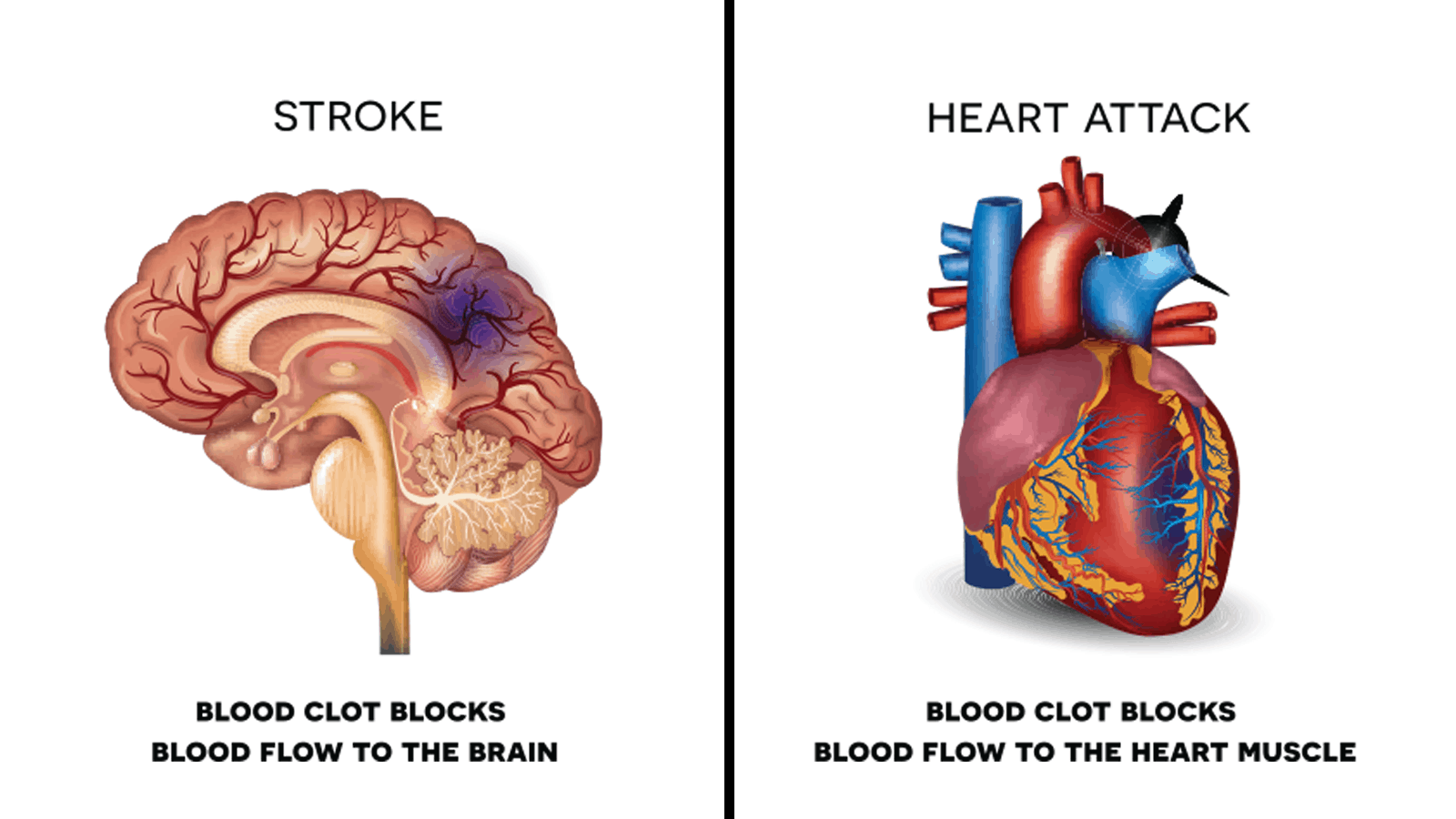
Cardiac arrests and heart attacks are often confused with each other because of the similarities in their symptoms, but they also differ when it comes to their results as well as their mechanisms. More specifically, an arrest occurs when there is an electrical issue in the heart that results in the heart beating irregularly. This then leads to the heart stopping altogether, which means that cardiac arrests are more severe than heart attacks. On the other hand, a heart attack occurs when an artery is blocked and a portion of the heart is now deprived of blood that’s containing oxygen.

If a cardiac arrest occurs for too long without treatment, the affected individual will die due to lack of blood flow to the vital organs of the body. Similarly, when someone has a heart attack, the part of their heart that has been deprived of blood begins to die if the affected individual’s heart is not treated immediately as well. Typically, heart attacks cause an increase in the chances of someone undergoing a cardiac arrest within sometime in the future (2).

Causes

The underlying, ultimate cause of cardiac arrests is an irregular rhythm of the heart. The heart’s irregular beating becomes unable to withstand the ability to distribute blood to the rest of your body. Aside from this, there are more specific instances that can cause the heart to beat irregularly and then lead to an arrest.

Heart Attack

An individual’s risk of receiving an arrest is heightened when they’ve had a heart attack in the past because heart attacks can result in more scar tissue being present in the heart. When there’s a large amount of scar tissue, then the electrical communications in the heart are forced to move around the scar tissue, resulting in there being an irregular heart beat and an arrest.

Cardiomyopathy

Cardiomyopathy is defined as a range of several diseases that the heart can have. But all of these diseases have the same condition in that they enlarge the heart. Not only this, but they may also be responsible for making the heart either rigid or thick. This results in the heart becoming weakened, and then it will only be able to pump small amounts of blood as it becomes larger. When the heart only pumps small amounts of blood in addition to being weak, then the beating rhythm of the heart can be affected, resulting in cardiac arrests.

Coronary Artery Disease

Coronary artery disease is a condition in which cholesterol clogs your arteries, which then results in a lesser amount of blood flowing to your heart. When the heart is not receiving enough blood from the body, then it doesn’t have enough in return to pump out. This then results in an irregular heartbeat, and it risks cardiac arrests in the future.

Valvular Heart Disease

Valvular heart disease occurs when the valves of the heart are either thinning out or leaking, which then results in the heart muscle becoming larger. When the chambers of the heart become too large, the heart risks developing an irregular heart beat and rhythm, and even cardiac arrests.

Other Risk Factors

Although there are many heart diseases that lead to cardiac arrests, there are also other additional risk factors that can lead to cardiac arrests that don’t involve having a previously diagnosed heart condition. For instance, smoking, high blood pressure, diabetes, high blood cholesterol, obesity, substance abuse, low potassium, and a family history of heart disease can all contribute to cardiac arrests in the future.

Cardiac Arrest Symptoms

There are cardiac arrest symptoms that you can look for before you have an arrest, and there are also symptoms that occur while you’re currently going through an arrest. Both are equally important to know, whether you’re at risk for an arrest or not.

Cardiac Arrest Symptoms Before an Episode:

  • Dizziness
  • Shortness of breath
  • Nausea or vomiting
  • Heart palpitations
  • Weakness or fatigue

Cardiac Arrest Symptoms During an Episode:

  • Chest pain
  • Collapsing or falling
  • Loss of consciousness
  • Loss of pulse
  • The loss of or difficulty breathing

What to Do

Clearly when you’re in an arrest yourself, you cannot personally do anything because you will likely be unconscious. If you feel as though you may go into cardiac arrest and you have chest pain or shortness of breath, then you’re advised to call 911 and explain your situation before it’s too late. But it’s also important that you educate yourself on what to do when someone else around you is experiencing an episode. First, you’re advised to call 911 immediately. If the affected individual is unconscious and has no pulse, you’ll need to find someone certified to do CPR on that person until professional help has arrived. If a doctor is nearby, you’re advised to confront them for help (6).

Treatment for Cardiac Arrests

After someone’s undergone a cardiac arrest, immediate treatment in an emergency situation would be CPR and defibrillation. Both of these immediate treatments are designed to get the heart beating again. CPR is designed to manually get the heart beating again, and a defibrillator is a device that’s responsible for sending an electric shock to the heart in order to start it up again.

cardiac arrest

In order to reduce someone’s risk of going into an arrest in the future after already going through one in the past, doctors may prescribe medication in order to lower their blood pressure. In addition to this, the doctor may treat cardiac arrests with surgery in order to repair any damage that’s occured from previous cardiac arrests. Additionally, you’re advised to undergo dietary changes as well as engage in exercises to reduce your chances of going into an arrest again in the future.

Complications

Regardless of whether someone was treated properly or not for an arrest that they’ve previously experienced, there are still possible complications that can occur after the arrest has taken place. For instance, when a cardiac arrest occurs, there is a limited amount of blood that travels to the rest of an affected individual’s body. Since the heart stops beating, the vital organs of the affected individual’s body are deprived of blood flow.

Because of this, it’s common that when an unconscious person has undergone a sudden arrest for too long without treatment, their brain received too little blood flow. This can be problematic because when blood is restricted from traveling to the brain, then brain damage can likely be the result of the restricted blood flow. Consequently, many survivors of cardiac arrests will most likely show common signs of brain damage.

Prevention for Cardiac Arrests

In order to prevent additional cardiac arrests from occuring in the future, affected individuals are advised to attend regular checkups with a doctor specialized in heart health. Not only this, but you’re also advised to go through regular screening for heart disease in particular. Lastly, you’re also recommended to change your current lifestyle to a heart-healthy lifestyle.

Overall, cardiac arrests can be extremely harmful to affected individuals’ bodies, and they can even be deadly. Because of this, it’s important that everyone is educated on the primary symptoms. Additionally, it’s important that everyone learns what actions to take when faced with this situation.

(C)Power of Positivity, LLC. All rights reserved

15 Amazing Benefits of Folic Acid For Your Skin and Hair

Folic acid goes by multiple names; Vitamin B9, folate, and obviously folic acid. As it would suggest, Folate is a member of the B-complex group of vitamins. As with all B-vitamins, folate plays a starring role in energy production and cellular metabolism within the body.

To be more precise, without folic acid, our bodies would not be able to effectively undergo the processes of RNA and DNA synthesis, both of which are essential during periods of substantial growth. Examples of such periods include when one undergoes puberty or pregnancy. By way of keeping homocysteine levels under control, folate may have a profound effect on mitigating the risk of heart disease, cancer, diabetes, and even depression!

Aside from these standout examples of ways you can benefit from Folate, it has significant effects on both your skin and hair!

Continue reading for 15 folic acid benefits:

1. Acne Reduction

By way of aiding the process of eliminating toxins from your body, folate, in combination with other important antioxidants, can result in a significant reduction in acne on your face!

Acne is probably the most common condition of the skin and it’s quite a miserable experience that have to deal with it. It may be possible that the acne you have currently is actually a result of your body being deficient in folate!

By adding more foods that contain folate, such as cereals, leafy green vegetables, eggs, dried beans, and fruit, you’ll likely notice improvements in your acne symptoms.

It is important to note, though, that too much folate can backfire on you and you can end up with dry, patchy skin that can eventually lead to even more acne!

2. Attain A Healthy Glow

By supplementing your body’s normal intake with more folate, you may enjoy a more healthy, moisturized, and natural glow!

Be mindful to not take too much folate, though, as too much can lead to a number of unwanted side effects! Potential side effects of an overdose of folate include fatigue, rashes, seizures, and hypertension. It is best to check with your doctor if you are considering supplementing folate for your skin or hair, just in case.

3. Promotes Hair Growth

By way of bolstering the body’s cell production processes, folate has a profound effect on our bodies’ ability to grow a healthy head of hair.

By regularly supplementing folate, you may notice increased rates of hair growth. Supplementing folate may also prevent unwanted hair loss or hair thinning due to aging! Research has backed this claim, proving that a folate deficiency can result in excessive hair loss. It is a vital nutrient in regards to healthy hair growth and development.

Aside from playing a starring role in the growth rate of your hair, folate renews cells that aid in hair growth. Additional folic acid benefits include a reduction in the rate of premature graying!

4. It May Prevent Skin Cancer

By making sure you are getting adequate amounts of folate in your diet, you will be at a reduced risk of developing skin cancer! Researchers looked at folate intake in relation to the development of skin cancer and found that ensuring you are getting the required daily amount had a positive impact on skin cancer development. Either being deficient in folate or getting too much can result in your chances of developing skin cancer increasing, so it’s a good idea to check with a doctor to get your levels checked first to determine dosage.

5. Reduces Signs of Premature Skin Aging

Aside from improving the firmness of your skin, it may also help in reducing the signs of premature skin aging! Folate may keep you looking younger, longer!

When combined with the amino acid creatine, folate can improve the look of your skin by reducing fine lines and improving wrinkles! Folate also aids the body in maintaining adequate collagen production, which has numerous benefits of its own.

Aside from the folic acid benefits attained by consuming folate through either food sources or a multi-vitamin, topically applied folate may aid in reducing the signs of premature aging, according to some research studies.

6. Adds Volume and Shine to Your Hair

Folate has a profound effect on the health of your hair. By supplementing folate, you’ll likely notice that your hair appears more voluminous and has a healthier shine to it. You’re not imagining things either; folate aids in your body synthesizing the nutrients needed to keep your hair follicles healthy and nourished!

7. Protects Skin From Sun Damage

You skin is especially susceptible to the damaging ultra-violet radiation produced by the sun. As a result of prolonged exposure to the sun’s harmful solar radiation, damage to skin cells’ DNA may occur, resulting in the abnormal duplication of skin cells that may lead to an increased risk in developing skin cancer.

Supplementing folate offers the benefit of maintaining adequate skin cell replication while also aiding in the repair of damaged DNA. Consider supplementing more folate in your diet for skin and hair health as it will protect you from sun and skin damage!

By way of repairing the damaged DNA in your skin cells while also improving the development of healthy new cells, folate supplementation can reverse damage caused by the sun.

8. Folate Promotes Healthly Nail Growth

A sure sign of a folate deficiency is thin, cracked, or short finger nails. By ensuring adequate intake of folate, your finger nails will remain strong, healthy, and beautiful!

By aiding in your body’s ability to produce new tissues and cells, folate can promote healthy nail growth. Try to eat more foods that are high in folate or consider taking a folate supplement regularly to promote optimal nail growth. It’s best to check with your doctor before taking any folate supplements, as too much can be dangerous!

If you would like nicer, longer, and healthier looking nails, then you should consider adding more folate to your diet. Your nails will likely become healthier and stronger as a result! Folate supplementation will promote nail, cell, and tissue growth.

If you are wanting to increase your intake of this essential vitamin, it is best to get it from food sources as opposed to supplementation, if possible.

9. Folate Is Important For Maintaining Glowing And Healthy Skin

Adequate folate intake is of utmost importance to attaining and maintaining healthy skin! Folate is a skin-friendly vitamin that, when supplemented, may result in healthier, glowing skin. Some natural sources of folate include broccoli, spinach, citrus fruits, peas, beans, Brussels spouts, avocado, cauliflower, nuts, corn, and carrots. In order to maintain healthy, radiant, glowing skin, adequate folate intake is necessary.

Numerous beauty benefits may be attained through the supplementation of folate! As has been mentioned previously, it is best to get this essential beauty vitamin from natural food sources if possible, though supplementing isn’t that big of a deal.

10. Folate May Firm Your Skin

Folate is considered an essential vitamin and should be a part of everyone’s diet! Essential for optimal growth of tissues, the development of healthy brain cells, and cell development, folate intake is vital.

Folate is especially good for your skin, as it can greatly improve its firmness. By taking in more folate, you’ll likely appear younger than your actual age due to a reduction in the signs of aging.

Folate is considered one of the best skin nutrients! If you want healthier, younger looking skin, then you should seriously consider upping your intake!

folic acid

11. Folate Fights Skin Discoloration

A great benefit of maintaining adequate folate intake is that it can combat the occurrence of discoloration of the skin. Research indicates that folate may aid in reducing the symptoms of the condition known as vitiligio, which often occurs as a result of the destruction of melanin, which helps your body produce new skin cells.

Elevated levels of the amino acid homocysteine may damage the production of cells in your body by way of increasing the occurrence of oxidative stress. Folate helps here by breaking down homocysteine.

Ensuring adequate intake of folate is one of the best things you can do in order to combat skin discoloration.

12. Folate May Prevent Hair Loss

Besides aiding in the maintenance of healthy cell production in the body, folate helps to prevent premature hair loss.

13. Folate Aids in Collagen Production

By supplementing folate, your body’s natural production of collagen will be bolstered! One of collagen’s most sought-after benefits is its great ability to promote vibrant, glowing skin. By way of improving skin elasticity, collagen can help you to appear more healthy and youthful!

As you move up in years, your natural production of collagen will decline, which may result in drier, looser skin, and fine lines. By increasing your collagen as a result of upping your folate intake, you can combat this!

In a recent study on collagen hydrolysate supplementation, those who took the supplement showed marked improvements in skin elasticity in as few as four weeks! In a similar study conducted soon after by the same manufacturer, increased collagen resulted in significantly fewer wrinkles in just 2 short months!

14. Folic Acid Prevents Premature Hair Graying

Being deficient in folic acid is one of the leading causes of premature graying of hair, after factoring in genetics. Adequate intake of folate also results in reduced occurrences of alopecia and baldness, as well as many other hair issues. In order to gain these folic acid benefits, try increasing your intake of folate rich foods such as red bell peppers, raspberries, oranges, mushrooms, black-eyed peas, asparagus, avocados, papayas, artichokes, spinach, and lentils.

15. May Reduce Cellulite

By increasing collagen production as a result of maintaining adequate folate levels, you may realize an improvement in the appearance of cellulite! Cellulite occurs when the layers of fat directly under the skin push up on connective tissues, resulting in lumpy or dimpled looking skin.

Folic acid has so many benefits for your skin and hair; you’d be making a huge mistake by not ensuring you’re getting at least the minimum amounts in your daily diet. Aside from the improvements in your skin and hair that you’re likely to see, numerous other health benefits are on offer. As long as you don’t go overboard, little risk is involved, but great rewards may be attained!

(C)Power of Positivity, LLC. All rights reserved

Virginia Reveals Law That Makes Animal Cruelty a Felony

Tragically, animal cruelty is an all-too-common occurrence.

While the most shocking cases of cruelty to animals may grab media headlines, these heartbreaking stories are rarely enough in themselves to bring the necessary awareness and education to help.

In fact, most incidents of animal cruelty never get reported to authorities. Complicating this issue is the fact that neither U.S. federal or state law bodies keep up-to-date data pertaining to cases of cruelty to animals. This perplexing omission by law enforcement agencies makes it impossible to know just how widespread these problems are.

What is animal cruelty? How does one define it? How can we stop it? Besides discussing the significance of Virginia’s new legislation, we’ll also address these questions and other relevant topics.

What Is Animal Cruelty?

golden retriever

Meet a golden retriever who loves trips to the beach.

Animal cruelty, also referred to as animal abuse, animal neglect, or cruelty to animals, is committing an act that results in the suffering of a non-human being. Animal cruelty can be one of omission (neglect), commission (emotional, physical, or verbal abuse), or both.

At times, animal cruelty is subjectively defined as killing an animal for human purposes of clothing, food, or something else. Some view the use of animals for purposes of education, entertainment, and research as acts of animal cruelty.

Most people fall somewhere in the middle of these two positions. Those concerned with animal welfare, for example, typically do not condemn the use of animals for specific human purposes, including in the production of food and certain forms of entertainment (e.g. zoo exhibits).

Determining the stance of many is their perspective on animal rights. Do animals have rights? If so, what are they? Should they receive protection under the law? Should they hold the same rights as humans? Of course, these issues are rife with contention and debate.

Types of animal cruelty may include:

  • Cultural rituals: “breaking,” sacrifices, taming, etc.
  • Entertainment: bullfighting, cinematic props, cockfighting, dogfighting, circuses, and zoos, etc.
  • Industrial: farming: branding, castration, restraint, tagging, etc.
  • Neglect: abandonment, malnutrition, unsanitary living conditions, etc.
  • Physical abuse: constriction, suffocation, striking, throwing, etc.
  • Scientific experimentation: unnecessary use of animals for scientific research purposes.

Animal Cruelty Facts

According to the Humane Society of the United States, here are some known facts about animal cruelty in the U.S.:

  • Cats, dogs, horses, and livestock are the most commonly reported victims of animal abuse. Reports of violence against livestock (e.g. cattle, pigs, etc.) rarely ever get prosecuted.
  • Men under the age of 30 are the most likely to commit acts of animal violence.
  • Women over the age of 60 are most likely to hoard animals – an act of animal neglect.
  • Intentional acts of animal cruelty correlate highly with other forms of abuse, including child abuse and domestic violence.
  • Dogfighting is reported in areas all over the United States, including rural, densely populated communities.
  • An estimated 900 to 2,000 cases of animal hoarding get reported every year.
  • Every popular circus venue in the United States has been cited for failing to comply with minimum animal welfare standards.
  • Over 115 million animals – including intelligent or domesticated species like cats, dogs, and monkeys – die every year for laboratory experimentation purposes.

animal cruelty“Tommie’s Law”

“We have heard from folks all over the commonwealth who share our belief that anyone who intentionally tortures a dog or cat is a threat to public safety and should be dealt with severely.” – Bill DeSteph, State Senator of Virginia

Virginia became the latest U. S. state to make animal cruelty a felony. Prior to the law’s passage, which goes into effect on July 1, 2019, an animal had to die from its injuries to classify as a felony in the state. This definition now extends to include any person who “tortures, willfully inflicts inhumane injury or pain,” or “cruelly and unnecessarily beats, mains or mutilates any dog or cat.” Like so many human achievements, this one also came out of the ashes of tragedy.

The beating of a dog named Sugar in Virginia Beach resulted in the Commonwealth of Virginia tightening up animal cruelty legislation already on the books. Sugar was found beaten, maimed, and severely injured in Virginia Beach in 2016. The authorities arrested the offender; however, because the animal lived, the maximum sentence called for no longer than one year in jail and a $2,500 fine.

It was only after the tragic case of a Pitbull named Tommie when the Virginia government introduced legislation that would come to be known as “Tommie’s Law.”

(Please read: graphic and potentially disturbing description forthcoming. Please move onto the section The State of Animal Rights if so inclined.)

Virginia police officers determined that the young Pitbull was tied to a pole, doused with gasoline and set on fire on February 10, 2019. Richmond Animal Control quickly rescued the severely injured dog, but the animal died five days later. Shortly after that, Senator Bill DeSteph of Virginia’s 8th district introduced legislation that effectively established that anyone who commits an act of cruelty against animals is subject to a felony charge and conviction.

The law passed without one “nay” vote by both the House of Delegates and Senate. Virginia’s governor, Ralph Northam, signed it into law. The law made Virginia the 48th U.S. state to make certain acts of animal cruelty a felony offense. (Washington D.C. and U.S. territories Puerto Rico and the U.S. Virgin Islands have done the same.)

The State of Animal Rights

One of the nation’s preeminent animal rights advocacy groups, the Animal Legal Defense Fund (ALDF), ranks the animal protection laws of all fifty states based on a review of nineteen criteria deemed to be critical for the enforcement of animal protection. The ALDF releases the “U.S. Animal Protection Laws Rankings Report” once per year. The latest release, on in early January of 2019, marks the 13th report to date.

Here are some of the key findings from the ALDF feature:

  • The top five states for animal rights included the following: Illinois, Oregon, Maine, Colorado, and Massachusetts.
  • The bottom five states were these ones: New Mexico, Wyoming, Iowa, Mississippi, and Kentucky.
  • Illinois has ranked as the best state for animal protection for the second straight year.
  • Seven states with possession bans – the prohibition of convicted animal abusers from owning or living with a pet – either created or strengthened existing bans in 2018.
  • Animal protection laws have evolved significantly over the past decade.
  • Louisiana has improved the most, jumping 14 spots from #21 to #7, followed by Massachusetts, which jumped nine spots, from #14 to #5.
  • Internationally, just four countries – Austria, New Zealand, Switzerland, and the United Kingdom – receive an “A” grade concerning animal rights and welfare. (What about the U.S.A.? We get a “D.”)

The nation of Austria deserves mention here. In Austria, the Animal Welfare Act of 2004 outlaws the pain and suffering of all animals with the limited exception of activities related to fishing and hunting. Some go so far as to say that the law regards the safety and wellbeing of animals at a level that equals human rights!

The worst countries for animal rights and welfare? Azerbaijan, Belarus, and Iran.

animal cruelty

Final Thoughts: Education is the Answer to Stop Animal Cruelty

“Non-violence leads to the highest ethics, which is the goal of all evolution. Until we stop harming all other living beings, we are still savages.” – Thomas Edison (source)

Why do individuals harm animals? This is a complicated answer; one that assuredly touches on things like psychology, environment, bullying, and education. It is the last factor, education, where we just might make the most significant impact if done right. While society may not be able to solve the psychological issues affecting animal abusers, we can certainly make a difference in the safety and wellbeing of other species by investing in education.

Consider animal cruelty classified as “acts of omission,” defined as “…cases of neglect, where the crime is a lack of action rather than the action itself.” What are such inactions? Dehydration, starvation, poor immunization record, low-quality shelter, parasite infections, preventable illnesses, and lack of supervision.

So notice that all of the above are rectifiable through basic animal education. The question then becomes “How?” Well, one idea is to require animal education classes for first-time pet owners. Would you still buy a dog or cat if you had to take a short online course teaching you how to care for it?

We can solve these issues, provided we have the will to see things through. In a perfect world, people would see animals for what they are – vital parts of our planet as well as our lives. In the meantime, we can do our part by working to eliminate ignorance. We can also take responsibility for any concerning behavior toward animals that we might witness. Finally, we can care for our own pets by treating them with love and compassion.

30+ Healthy Crockpot Recipes For Breakfast

Many people skip breakfast because they can’t prepare for work and make a meal without getting late. But with the crockpot, making breakfast is a breeze. You only need to toss the ingredients inside the pot and wake up to the sweet aroma of your pre-cooked breakfast.

This offers you a chance to include healthy ingredients that would have otherwise taken a lot of time to prepare in the morning. For your crock pot recipes, you can have eggs, ham, broccoli, spinach, tomatoes, avocado, and more. These will offer you loads of vitamins and minerals ideal for a healthy lifestyle.

Here are 30+ healthy crock pot recipes for breakfast.

crock pot recipes

1. Veggie Omelet

It can fulfill a significant part of your daily vegetable intake in the morning. You can accomplish this with the veggie omelet. It has nutrition-rich broccoli, onions, red pepper, and any other vegetable you wish to include. The omelet cooks fully in the crockpot, preventing you from hovering over the cooker, looking for the proper time to flip the omelet.

2. Mozzarella Frittata with Spinach

If you like easy dishes that are Italian-inspired, you must prepare the frittata. Put spinach, tomatoes, and mozzarella inside the crockpot before cooking until you achieve a delicious egg bake. But utilize full-fat, organic milk and freshly grated and whole mozzarella cheese.

The fats in these dairy meals are perfect for you and lack preservatives, making this one of the best healthy crock pot recipes.

3. Sticky Buns

Morning pastries are tasty, but they come at a huge price due to plenty of unhealthy and costly ingredients. Fortunately, you can prepare yourself sticky pecan buns that are bakery-quality with the use of real ingredients in your kitchen.

4. Frittata with Feta, Roasted Red Pepper, and Artichoke Hearts

Frittatas look good, and their taste is even better when cooked properly. But they can be tricky for beginners and experts as well. That is why it turns out amazing when cooked with a crockpot.

The feta, roasted red pepper, and artichoke hearts make this dish part of the top crock pot recipes.

5. Raspberry Steel Cut Oatmeal

Avoid sugar lows and highs with an oatmeal breakfast that is steel-cut. It offers a steady stream of fat, protein, and complex carbs while using coconut oil. Use fresh or frozen raspberries and use walnuts as toppings.

You will enjoy a nutty breakfast as one of the top healthy crock pot recipes.

6. Quinoa Energy Bars

Sometimes you may be too busy to sit down for a meal. These bars are perfect for you when you are looking for a healthy breakfast to eat on the go. They have healthy almonds, quinoa, and almond butter. They also have chia seeds that are healthy and add great texture to the bar.

Raisins will add some natural sweetness, which makes these bars some of the most healthy crock pot recipes.

7. Pumpkin Spice Oatmeal

If you like pumpkin flavor recipes, you will fall in love with this oatmeal. It includes some sweet-smelling spices like cloves, nutmeg, and allspice. The pumpkin makes it one of the top unique crock pot recipes.

8. Overnight Oats and Quinoa

Some steel-cut oats and a splash of quinoa will offer you a tasty and nutritious breakfast. You can top it with blueberries and strawberries for color, taste, and the nutrients. This is one of the healthiest crock pot recipes due to coconut sugar.

9. Overnight Apple Oatmeal

Instead of purchasing flavored oatmeal packets, prepare your own tasty spiced apple version. You will use several ingredients to slow-cook one of the tastiest healthy crock pot recipes.

10. Huevos Rancheros

This recipe includes eggs doused with chiles and taco sauce for a rich flavor. Its toppings include avocados, scallions, and more. Spread them on sprouted grain tortillas for one of the most nutritious crock pot recipes.

11. Casserole

This hearty casserole is filled with vegetables and has a delicious taste. It is ideal for personalizing according to the tastes of your family. Replace frozen hash browns with nutrient-filled sweet potatoes to achieve another one of the healthiest crock pot recipes.

12. Greek Eggs Casserole

Eggs are packed with proteins that you need to build your body. In addition to the Greek-style eggs, include feta cheese, spinach, mushrooms, and sundried tomatoes to make one of the most delicious crock pot recipes.

13. Crockpot Banana Bread

Sometimes you are not looking for a full breakfast, and you only want something comforting, savory, and sweet. This banana bread is excellent for the novice baker as you only need to combine the ingredients before putting them in the crockpot.

14. Creamy Homemade Yogurt

Yogurt is an exceptional probiotic source critical for a healthy digestive system. This DIY recipe utilizes gelatin derived from collagen and keeps the hair shiny, joints functional, and skin firm.

15. Coconut Cranberry Quinoa

This recipe involves coconut water, cranberries, shredded coconut, honey, and almonds. If you have no time to wait for it to cook in a crockpot, you can use a pressure cooker.

16. Chocolate Chip French Toast

This tasty breakfast is ideal for a Sunday brunch or the moment you are looking for a more indulgent breakfast. In addition to French bread, use coconut sugar instead of brown sugar for a healthy treat.

crock pot recipes

17. Carrot Cake & Zucchini Bread

Forget the boring old oatmeal and embrace this tasty version that prepares overnight. It is a soy-, gluten-, and vegan-free breakfast with a dash of veggies. Use the nutritious maple syrup to sweeten it instead of brown sugar, and top it with your best nuts.

18. Coconut Milk and Banana Steel-Cut Oatmeal

Make a hearty crockpot breakfast that is rich in fiber. Include energy-boosting bananas, omega-3-packed flaxseeds, and heart-healthy coconut milk. Cook it overnight to allow yourself to wake up to food that will maintain satiety until lunch hour.

19. Apple Granola Crumble

If you consider apple crumble a desert, this recipe will make you think otherwise. It is filled with cinnamon, fresh apples, and granola. It has all the ingredients ideal for you.

20. Tater Tot Egg Bake

The meal includes Canadian bacon that is naturally low in fat, eggs, and cheddar cheese. It will taste like an upgraded version of Egg McMuffin. You can include your favorite vegetables to make it even healthier.

21. Cheese, Shrimp, & Grits

You can master grits and cheese even though you are not from the South. Shrimp is a rich source of omega-3 fats and is irresistible when combined with grits and cheese. Make sure you add the shrimp last in the crock pot.

22. German Chocolate Oatmeal

Put oats, coconut milk, and cocoa powder in the crockpot for a tasty breakfast to cook slowly. Remember to include chopped pecans, shredded coconut, and brown sugar.

23. Cinnamon Rolls

Instead of Cinnabon and refrigerated rolls, prepare homemade cinnamon rolls, and include sugar frosting. You require rolling out the dough and slice it into rolls before putting them into your crockpot. The meal takes one and a half hours to prepare, which is worthwhile. You can cook it for a particular occasion morning.

24. Ginger Pumpkin Bread

This delicious bread uses a mix of whole and white wheat flour and olive oil instead of butter. Also, instead of refined sugar, it uses maple syrup. Including crystalized ginger and walnuts makes the pumpkin loaf something you would see in a bakery. Within 120 minutes, you will have your pumpkin bread ready.

25. Creamy Banana French Toast

Put walnuts, coconut sugar, layer bread, potassium-rich bananas, and cream cheese inside the crockpot. Add milk, cinnamon, vanilla, honey, and nutmeg. It will only take four hours to get ready.

26. Crustless Spinach with Feta Quiche

Instead of using the original recipe for this tasty no-crust quiche, you can adjust it by using mushrooms, crushed pepper, Italian seasoning, spinach, and feta cheese. You will have a full breakfast in four hours.

27. Mexican Fiesta Frittata

If you are having a slow week, make this spicy breakfast in advance during the weekend. Allow it to cook on Sunday for several hours. During the week, warm a frittata and top it with salsa and avocado to let your body absorb more lycopene from the tomatoes and more carotenoids from the peppers.

28. Peach and Blueberry Oatmeal

If you are craving tasty oatmeal, avoid the flavored packets and prepare your own. This fruity version features peaches, blueberries, cinnamon, and vanilla. Put everything in the crockpot and let them cook till morning.

29. Breakfast Burritos

Everyone wants to wake up to burritos. Use fresh or frozen diced potatoes, your favorite vegetables, breakfast meat like ham, and seasoning like Sriracha. You can wrap it in a tortilla or eat it the way it is.

30. Frittata with Feta, Tomato, and Zucchini

Zucchini has shown that it can be tossed in any meal, including frittata. This meal is easy and flavorful due to parsley, thyme, and paprika. Remember to grease the crockpot with a liner to make cleaning easy.

crock pot recipes

Final Thoughts on Crock Pot Recipes For a Quick and Healthy Breakfast

As you consume these thirty recipes to eradicate your hunger and maintain good health, you can include exercises in your routine. This will not only keep you fit, but it will also give you the appetite you need to devour these heavy breakfasts.

These breakfasts are perfect for you if you are looking for a breakfast that will keep you full till lunchtime.

10 Natural Home Remedies For Heat Rash + Prevention Tips

There are different kinds of skin rashes. They are often uncomfortable and sometimes very painful. Heat rash, also known as miliaria, is one of the most common skin rashes.

Miliara often affects adults and children during hot and humid conditions. It is often a result of the blocking of the pores which makes it nearly impossible to sweat.

The cause is attributed to friction, usually on the surface of the skin. Among adults, miliaria develops along the body parts that rub together causing friction. Miliara occurs across both sexes but there are some studies that have shown it is more common in men. [1] It occurs when the eccrine sweat duct is blocked. Other names include prickly heat or sweat rash. There are different kinds of sweat rashes and they are classified based on the severity:

Miliaria Crystalline

This is the most common and mildest type of sweat rash. In case you have Miliaria crystalline, you will notice white bumps, usually filled with fluid forming on the surface of your skin. The condition can be caused by heat, fever, and occasionally some drugs (bethanechol and isotretinoin) [2]

Miliaria crystalline is never itchy or painful, which is contrary to popular beliefs. This sweat rash is more common in babies than in adults.

Miliaria Rubra

If you’re an adult and experiencing a sweat rash, chances are high you have Miliaria Rubra. This kind of rash is known for causing discomfort compared to Miliaria crystalline. This is because it goes deeper on the outer layer of the epidermis. The condition is caused by hot or humid conditions. Some of the symptoms include:

  • Itchy sensations
  • Lack of sweat
  • Red Bumps
  • Soreness or inflammation of the skin

The bumps caused by Miliaria Rubra can progressively get worse and be filled with pus. [3] When it results in pus, the condition is referred to as miliaria pustulosa.

Miliaria Profunda

This has to be the least common kind of heat rash. There are high chances of it recurring and becoming a chronic disease. It occurs in the deeper layer of the skin, which makes it stubborn to treat. It is common in adults who sweat a lot after physical activity.

The bumps are flesh-colored and are usually larger than the other kinds of sweat rashes,. It may lead to dizziness and nausea because the pores are blocked completely thus preventing the sweat from leaving the body.

What Causes Heat Rash?

Contrary to popular beliefs, a person can also get heat rash in cooler temperatures. There are certain clothes that can trap sweat which makes it difficult for the skin to breath. Intense physical activity could also lead to a heat rash. Miliaria develops when the skin is clogged and can’t release sweat as a result.

When to See a Doctor

The condition is not always serious and should clear after a few days even without treatment. You should contact your doctor if you start experiencing:

  • Fevers
  • Chills
  • Pus and Bumps
  • Increased Pain

You should also see a doctor if the condition is affecting your young child and doesn’t clear after a couple of days. The doctor might recommend applying some specific lotion like lanolin and calamite to reduce the itching.

Heat Rash Prevention

There are some basic tips you could follow to avoid heat rash:

Avoid Tight Clothing: These are clothes that don’t allow the skin to breathe. Look for moisture-wicking clothing for your exercises as they prevent the buildup of sweat on the skin.

Thick Lotions: Avoid thick lotions as they might clog your skin, thus preventing sweating.

Cool Off: Make sure you’re not heating up during the warmer months. Go for a swim and take quick showers whenever the temperatures are unbearable.

10 Heat Rash Home Remedies You Could Try For Instant Relief

As much as most sweat rashes will clear after a couple of days, there are heat rash home remedies that could provide relief and are highly recommended.

  1. Olive Oil

Olive oil is full of Vitamin E and helps in healing and replenishing of the skin cells after a lot of itching. The Vitamin E acts as an antioxidant and provides relief from the constant itching. You can mix a combination of honey and virgin olive oil to be applied on the rash daily until it heals. According to aesthetic plastic surgeon Paul Lorenc, MD, “Olive oil contains antioxidants that fight free-radical damage and an ingredient called squalene, which is extremely hydrating.”

Coconut oil and castor oil have also been found to be among the effective heat rash home remedies.

  1. Baking Soda

Baking soda is readily available in most homes and is used as a remedy for many ailments. It can come in handy when dealing with sweat rashes and also in providing relief from itching and inflammation.

Start by adding three parts water to 1 part baking soda and then apply to the affected area using a clean cloth. You can make it more effective by adding coconut oil to the mixture. You should not leave the baking soda to stay on your skin for a long time as it may lead to irritation.

  1. Oatmeal

Oatmeal comes highly recommended for prickly skin. It can provide immediate relief from constant itching and inflammation. It can also be helpful in treating rashes that are triggered by allergies, poison, sunburn, and even chicken pox.

Mix warm water with finely grounded oatmeal and let it soak for about 20 minutes. You can apply equal amounts of plain yogurt mixed with honey together with the oatmeal. You can repeat the procedure daily until the rashes heal.

  1. Aloe Vera

Nearly every beauty product has aloe vera as one of the components. Aloe vera is used to treat skin diseases because of its emollient, antifungal, anti-inflammatory, and antibacterial properties. [4] It will not only treat the rashes but will also help in smoothening the skin. It is recommended you use fresh aloe vera for the rashes, but you can always opt for the gel if it is not available.

  1. Cold Compress

This is not a popular technique but is still one of the effective heat rash home remedies you could try out. It works best for rashes caused by heat, bites by insects, shingles, and poison ivy. A cold compress helps by reducing the swelling, itching, and inflammation. You should try it out when you notice the rashes are developing into blisters. Gently compress the affected area with ice cubes for a couple of minutes. Never place the ice cubes directly on the skin, as it could lead to further irritation.

  1. Apple Cider Vinegar

Apple cider vinegar is another solution that is readily available in most homes. It can be used to treat rashes and provide relief from the itching. It contains acetic acid which comes in handy when countering skin allergies and infections which could aggravate the situation.

apple cider vinegar for heat rash

Dip a cotton ball in the apple cider vinegar and apply it on the affected area. If by any chance you experience irritation, you can always dilute the concentration further with water to neutralize the acidity level. Don’t try to cope with the pain, as you will only be making things worse.

  1. Neem

The neem has often been described as the wonder plant. It can treat a couple of ailments, and rashes are no exception. It is popular because of its antibacterial, anti-inflammatory, analgesic, anti-irritant, antifungal, and antiviral properties. It can treat skin ailments like acne, rashes, eczema, scabies, and psoriasis. Neem is also known to contain antioxidants that replenish the skin cells and prevent aging.

Start by boiling the neem leaves. Filter the solution and allow it to cool for a few minutes. Soak cotton in the solution and apply it on the affected area. You can also use neem cream and soap as an alternative.

  1. Chamomile

This is an effective solution when it comes to treating mild rashes. It has anti-inflammatory and anti-irritant properties which help in relieving itches and also in smoothening the skin.

Soak a piece of cloth in chamomile solution and compress it on the affected area. Do it twice a day until the rashes disappear. It can also be applied by diluting a couple of drops in coconut oil to have a better impact on the outcome.

  1. Coriander

Coriander works well for skin irritation and rashes. This is because it contains antiseptic and anti-inflammatory components.

Coriander paste should be applied on the affected area. Repeat it twice or thrice a day until you’re healed. Alternatively, you can add a teaspoon of the seeds in warm water and drink once or twice a day. It can still work but will not be as effective as applying it directly on the skin. The other option will be coriander juice which you can also take directly.

  1. Calendula

This is a home remedy that helps in soothing itching, rashes, dry skin, eczema, bruises, and even wounds. This is because it contains antiviral, anti-inflammatory, antibacterial, and antifungal properties.

You simply apply the calendula oil on the affected area and leave it for a couple of hours. Do it twice a day until there is some improvement with the condition.

Don’t sweat it if you have a sweat rash! It usually clears after a couple of days. It might be severe with a lot of itching. These home remedies should provide immediate relief and accelerate the healing process. You should see a doctor if the rashes have refused to clear, as it could be a sign of a bigger problem. Having a rash doesn’t have to be uncomfortable and painful when there are home remedies that could provide relief.

(C)Power of Positivity, LLC. All rights reserved
Skip to content