Weekly tips, affirmations, and small actions to feel your best.

10 Ways To Relieve Pelvic Pain Naturally

The pelvis is situated below the belly button and above the thighs and hips. The pelvic area includes the tailbone, sacrum, and hip bones. People with pelvic pain might face a sharp, stabbing, or aching sensation anywhere around the pelvic region.

For particular individuals, the pain starts in another body part, such as the lower back or thighs, before spreading to the pelvis. Since many health problems can cause pelvic pain, there is no certain way to describe it. Because a female’s reproductive organs are situated within the pelvic area, pelvic pain is more common in women. A gynecologic condition often causes it.

Some general causes of pelvis pain can impact women, men, and children. These include constipation, bladder disorders, irritable bowel syndrome, hernia, kidney problems, and psychogenic pain. Pelvic pain treatment can be done naturally in these ten ways.

10 Ways To Relieve Pelvic Pain Naturally

1. Chiropractic Care

Chiropractic care can reduce pelvic pain linked to pubic symphysis diastasis. The condition occurs when the pubic bones are dislocated or separated.

In recent research, a 30-year old lady reported severe pain in the pelvis a week after childbirth. The pain felt like a dull, constant ache at the pelvic region. The pain grew severe at times. The lady reported that the pain affected her walking and lifting of her legs. Also, she felt pain in the lower back, which spread to her thighs.

Low-force chiropractic care was done to numerous regions of her body, including the sacrum, hip bones, and lower back. Trigger points were located, and manual compression was done to minimize tenderness. The lady also underwent stabilizing therapeutic exercises, including bridge, Kegels, and pelvic tilt. Additionally, she exercised using a stability ball.

Her pelvis pain improved instantly. After one and a half months of receiving pelvic pain treatment, she experienced progressive functional improvement. This treatment reduced her difficulty lying on her side, climbing stairs, walking, and standing up.

2. Pelvic Floor Physical Therapy

Physical therapy can assist in relieving pain in muscles and connective tissues. Also, it can aid people facing pelvic pain to learn how to stretch, control, strengthen, and relax their pelvic muscles. Some pelvic floor workouts can aid in reducing pain in the region by supporting the muscles of the pelvis, including the bladder, uterus, and bowel.

Factors that result in weak pelvic floor muscles include childbirth, lifting heavy objects, chronic coughing, pregnancy, and obesity. If the pain in the pelvis results from weakened pelvic muscles, you might try Kegel exercises.

You do the workout by contracting the pelvic muscles for about 10 seconds and releasing at the same time. Do ten repetitions. You can also find pain relief by doing squats and bridge pose.

3. Biofeedback Therapy

Biofeedback, a training program, assists patients in controlling involuntary physiological processes that lead to painful symptoms. This type of therapy can be utilized in managing tension and pain, anxiety, IBS, and other health problems that result from chronic stress.

According to research, biofeedback therapy can prove effective for pelvis pain; it triggers muscle relaxation and emphasizes muscular re-education that can offer symptom relief. Professional biofeedback therapists can determine how to reduce a patient’s symptoms by learning to control their involuntary physical behaviors.

Patients can learn how to minimize muscle tension that results in pain.

4. Cognitive Behavioral Therapy

Cognitive behavioral therapy, a popular psychotherapy, focuses on the significance of underlying thoughts and how they make an individual feel or act. For individuals who face pelvic pain due to trauma or emotional stress, psychotherapy treatments like cognitive behavioral therapy can prove themselves as beneficial pelvic pain treatment.

Cognitive behavioral therapy offers patients more control over their lives. It aids them in replacing harmful ways of life with beneficial and positive ones. According to research, cognitive behavioral therapy has been discovered to assist females with sexual pain disorders. These include vaginismus and vulvodynia, which can lead to pain in and around the pelvic region, uterus, vulva, and vagina.

A study published by the Association of Behavioral and Cognitive Therapies discovered that 80 percent of females participating in cognitive behavioral and physical therapy found relief from pain.

5. High-Fiber and Anti-Inflammatory Diet

Pelvic pain can result from many health problems that include inflammation. Hence, consuming a diet filled with anti-inflammatory foods can surely help. Concentrate on consuming a lot of omega-3 and anti-oxidant foods that will assist in healing the body.

According to the Journal of Child Neurology, a 2013 study found that the ketogenic diet can provide a successful anticonvulsant therapy that can relieve inflammation and pain. The keto diet includes anti-inflammatory foods such as leafy greens, broccoli, organic protein, seeds, olive oil, carrots, nuts, and coconut oil.

Studies also reveal that a diet rich in fiber can aid individuals with pelvic floor disorders, mainly resulting from digestive problems like constipation. Consuming a lot of veggies, seeds, and nuts can assist in regulating your digestion and relieving pelvis pain that results from straining while using the restroom or high pressure on your rectum or abdomen.

In addition to consuming anti-inflammatory foods, keep away from foods that increase the pain in the pelvic region. These include artificially sweetened beverages and foods, refined starches, excessive alcohol, and inflammatory packaged foods.

6. Quercetin

Quercetin refers to a flavonoid antioxidant that aids in fighting free radical usage and inflammation, which makes it an effective pelvic pain treatment. Taking a quercetin supplement can assist in treating the cause of pelvic pain, mainly when caused by inflammatory conditions.

According to The Urologic Clinics of North America, a 2011 study discovered that quercetin was essential for patients with complaints specific to organs involving pelvic floor spasms, prostate, and bladder. You can find quercetin supplements in numerous vitamin or food shops and online. You can also find quercetin in foods such as apples, blueberries, leafy greens, red wine, olive oil, peppers, cherries, and green tea.

7. Lie Down and Sleep with a Pregnancy Pillow

When pregnant, lying down should relieve your symptoms and help you find the source of the pelvis pain. If you are facing round ligament pain, lie on the painful side to get pain relief.

If you lie down but feel acute pubic pain after rolling over, you have SPD. When you experience pelvic pressure, lying down should help. Experiencing Braxton-Hicks contractions, cramping, or serious pelvic pressure that does not find relief after changing positions and lying down could indicate pre-term labor. Contact your doctor instantly.

Also, sleeping with a pregnancy pillow can relieve pressure on the pelvis by propping up the knees and keeping the hips parallel. Sleeping on the side and keeping the knees together can cause the top leg to drag the hip down and discomfort the hip and pelvis.

Therefore, sleeping with a pregnancy pillow between your legs can assist in relieving this pressure. If you have no pregnancy pillow, a regular pillow will suffice.

8. Yoga & Acupuncture

One of the numerous advantages of yoga is its ability to minimize pain and boost the quality of life. According to the Journal of Pediatric and Adolescent Gynecology, yoga poses like the fish, cat, and cobra could minimize the severity of pain in females during their menstrual cycles.

relieve pelvic pain

Yoga poses also minimized the severity of cramps and pain. This study shows that yoga can also treat pelvis pain since it assists in relieving pressure and managing gynecologic pain.

Acupuncture stimulates particular points on the body to minimize inflammation and pain. Many studies reveal the significance of acupuncture in relieving chronic pelvic pain in both women and men.

A study in Japan discovered that pelvis pain decreased drastically after five acupuncture treatments. Additional research supports the use of this treatment to reduce pain in the pelvic region and treat an inflammatory reaction that can lead to related pain.

9. Heat

Taking a hot bath or putting a hot water bottle or heating pad on the lower abdomen can relax cramping pelvic muscles. This popular treatment for menstrual cramps can provide instant relief when you feel pain in the pelvic region.

A 2001 study tested the efficiency of heating pads on 81 female participants with painful periods. It discovered that utilizing a low-level heating pad was as efficient as ibuprofen for relieving pain.

10. Turmeric and Herbal Supplements

Turmeric consists of anti-inflammatory properties, which are essential in minimizing pelvis pain. A 2013 study revealed that turmeric could inhibit estradiol, an estrogen form. This could assist in preventing growth.

You can find turmeric supplements in the form of capsules. The spice is usually included in teas and can also be added to meals.

Herbal or other supplements can assist in reducing pelvis pain symptoms, even though very little research has been conducted. It is vital to consult your physician before taking any herbal supplements; the FDA does not usually monitor herbs for purity, dose, and quality.

Final Thoughts on Reducing Pelvic Pain Naturally

Whether with an anti-inflammatory diet, high-fiber foods, yoga, acupuncture, or any other treatment on this list, you should find effective treatment for your pelvic pain.

While some of these treatments are easy DIYs like lying down and using a pregnancy pillow, others like acupuncture need the help of an expert.

Folic Acid Is Great For Pregnancy. Here Is Why

Folic acid promotes a healthy pregnancy before and after conception. Rapid growth and cellular division occur in the first few weeks of gestation. Your baby’s neural tube defect, congenital heart defect, and cleft lip risks are at their highest during this time. Supplementing might offer your baby protection, but folic acid benefits only begin there.

What is Folic Acid?

Also called vitamin B9, folate and folic acid benefits extend to DNA and new cell growth. One important difference between folate and folic acid is that folate occurs naturally. However, often doctors and medical professionals will use all three terms interchangeably.

The first weeks of pregnancy are when your baby’s heart and neurological system develop. Vitamin B9 protects your baby from many conditions that could affect them in vitro, shortly after birth, or later in life.

Sources of Folic Acid

• Fortified cereals, breads, and pasta
• Fortified flours and grains
• Fortified milks
• Prenatal vitamin
• Yeast extract spread
• Nutritional yeast

Natural Sources of Folate

• Legumes: chick peas, lentils, peas, soy-based products, and all beans
• Fruits: bananas, melons, strawberries, mangos, oranges, and lemons
• Dark, leafy greens and vegetables: spinach, asparagus, broccoli, and lettuces
• Seafood and shellfish: crab, mussels, salmon, and clams
• Meats: lamb, turkey, chicken, and ham
• Nuts: sunflower seeds, chestnuts, hazelnuts, walnuts, and peanuts

Edamame provides you with 121% of your daily value in a single serving, but you can easily enjoy a well-rounded diet, including vegan or vegetarian, and meet your folate needs during pregnancy.

How Much Do You Need?

The standard dose is 400 mcg/day for pregnant women. Most prescription and over-the-counter prenatal vitamins use 600 mcg. Some doctors recommend up to 800 mcg from supplements and dietary sources. However, some women are at a higher risk for deficiency depending on medications or medical conditions.

High Risk for Deficiency

• Pregnant women with deficiency
• Women who’ve had previous pregnancy with neural tube defects or congenital heart defects
• You take valproic acid or its derivatives for autoimmune disorders
• Sickle cell disease
• Celiac disease or gluten intolerance
• Liver disease
• Consuming more than one alcoholic beverage a day
• Kidney disease

What it Protects Your Baby From

Neural Tube Defects

• Spinal Bifida
• Anencephaly
• Encephaloceles
• Hydranencephaly
• Iniencephaly

Babies born with neural tube defects account for 3,000 births each year in the US. This is a 25% drop from before the government mandated the addition of folate in enriched foods. The number has slowly declined across the globe since the CDC and other health organizations launched a worldwide initiative to educate and provide prenatal vitamins to pregnant women. (1)

Many of these conditions carry long-term care costs after delivery and others can result in death. While you can’t offer your child 100% protection, you can give them some protection against developing a neural tube defect by implementing a healthy diet and supplements.

Congenial Heart Defects

• Septal defect
• Atrial septal defect
• Ventricular septal defect
• Complete atrioventricular canal defect
• Valve defects
• Tetralogy of Fallot
• Patent ductus arteriosus
• Truncus arteriosus
• I-transposition or D-transposition
• Single ventricle defects

Congenital heart defect risk can increase during pregnancy if you don’t receive enough vitamin B9 through your supplements or diet. Again, folic acid benefits cellular growth, and this includes the development of your baby’s heart.

Supplementation doesn’t protect your baby fully. Nothing can. Many factors, such as genetics, can increase the likelihood of a congenital heart defect, so any ability to lower the risk is important. (2)

Your doctor can see a few heart conditions in vitro, but they might not be able to diagnose congenital defects until your child is older or an adult. This is why offering your baby protection as soon as possible is important.

Cleft Lip

While still being researched, preliminary results show a reduction in cleft lip and palate. The study initially found a correlation between deficient laboratory animals and the development of the conditions.

After these findings, researchers investigated any association in humans from previous studies and high-risk countries. They discovered folic acid results in a one-third reduction in cleft lip occurrences. (3)

What it Protects You From

When we hear about vitamin B9 and pregnancy, most of the focus remains on your baby and the protection your baby receives. However, you will benefit from the vitamin as well. This can be important if you’re already at risk for heart related conditions, such as hypertension or cardiovascular disease. Some research suggests it can protect against cancer and neurological diseases too. (45)

Vitamin B9 can help ward off anemia. Often a blood test will let your doctor know which type you have. (6)

Folate also assists your body in absorbing and using vitamin B12, which is important for your brain health and preventing “pregnancy brain.” While not a life threatening condition, pregnancy brain can be disruptive at times.

It might prevent you from getting sick by boosting your immune system. This revolves around the role vitamin B9 plays in red cell development. Keeping you healthier during pregnancy benefits you and your baby.

Current Concerns

Receiving all of your recommended daily allowances from food is not difficult once you understand which foods to eat. Still, pregnant women should aim to stay under 1,000 mcg per day, according to doctors.

Some medical professionals raise concerns over using synthetic vitamins over folate. Scientific research currently doesn’t back these claims, and most conducted research on the benefits are done using synthetic vitamin B9. While natural sources might be best, consuming fortified foods or supplementing is better than doing nothing.

Other early pregnancy concerns may make it difficult to get your RDA of vitamins, especially if you have morning sickness. One tip is to take your prenatal vitamin before bed when you’re most likely to keep it down. If your vomiting is severe, prolonged, or throughout the day, you should speak with your OB or midwife.

Don’t Wait Until You’re Pregnant to Supplement

If you’re trying to conceive, you and your partner can both see benefits. The earlier you start, the better. Most women are weeks into gestation before they begin supplementing. Key cellular growth and creation has already occurred by that point. Supplementing before conception gives your unborn baby protection from the start.

Some doctors suggest that males supplement as well when their partner is trying to conceive. Men receive many of the same cancer, brain, and heart benefits as women, but studies show folate increases sperm count by up to 74%. (7)

Continue Supplementing if You Breastfeed

If you breastfeed, folate continues to be an important vitamin for you and your baby. The recommended dose does drop to 500 mcg, which you can obtain from food or a supplement.

folic acid

Much like when you were pregnant, folic acid benefits new cell growth. It can also repair your DNA. Research supports the fact that it’s beneficial for lowering your risk of stroke, and it further protects you and your baby from heart and brain conditions.

Postpartum depression is a common after-pregnancy concern. Because B9 does address depression, it might help women who have the baby blues, in combination with therapy. (8)

Take it if You Bottle Feed

Even if you don’t breastfeed, you should consider continuing your supplement or eating foods to meet your daily needs. Studies have linked it to a reduction in certain cancers and depression, a boost in brain health, and protection against strokes and other heart conditions.

If you plan to conceive again, you’ll already have the building blocks in place, too.

Final Thoughts on Folic Acid

Supplementing with folic acid or consuming a folate rich diet while you’re trying to conceive gives your child the most protection from birth defects. Even if it isn’t 100%, some protection is better than none.

Your diet before, during, and after pregnancy (if breastfeeding or not) is important for mother and baby. Make your food choices count and pick nutrient-rich foods to nourish you both.

No matter your personal dietary views, you can find vitamin B9 foods in every special diet. However, a focus on a Mediterranean-style or vegetarian diet might offer you larger benefits. Both are naturally rich in folate foods and contain whole foods with other important vitamins and minerals to support a healthy conception, pregnancy, delivery, and beyond.

Folate needs don’t end when your baby is born. Truly, it’s a vitamin we should all seek to add to our diets, as it can reduce the risk associated with certain cancers, protect our brain and heart, and reduce depression, its symptoms, and possibly mood disorders, too.

Whether you reach for fortified foods, a prenatal vitamin, or seek natural sources, you should aim to increase your vitamin B9 intake if you’re pregnant or looking to conceive.

(C)Power of Positivity, LLC. All rights reserved

10 Healthy Quinoa Recipes For Weight Loss

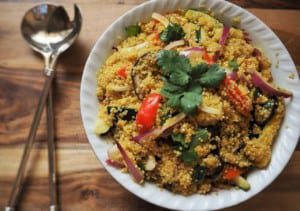
If you’re trying to lose weight, you know all too well the challenges that come with trying to find great tasting food that ties into your weight loss goals. Not surprisingly, the foods that taste the best are usually the ones that are bad for you, often loaded with calories, salt, sugar, or fat, and, in many cases, all four. That said, there is one food that is low in calories, tastes great, and is an excellent source of protein–quinoa.

If you’re not already familiar with quinoa, it is a gluten-free seed that resembles rice and contains nine essential amino acids.

Unlike rice, however, quinoa has a grainy texture that many have described as similar to that of oatmeal. If you have never tried quinoa before, this article is for you, as we will be detailing a few not only healthy, but delicious quinoa recipes that will make your mouth water. If you are a vegetarian, you needn’t fret, as we have you covered too.

Here are 10 delicious quinoa recipes:

QUINOA BREAKFAST CEREAL

Regardless of your weight loss goals, it’s always a good idea to start the day with a healthy breakfast. Although quinoa is probably not the first thing to come to mind, it can make for a great-tasting, healthy breakfast. For example, it can be used to make a hearty breakfast cereal packed with protein and complex carbohydrates that will get you through the morning. To get you started, here is a list of the ingredients that you will need:

  • 1 cup of dry, white quinoa
  • 2 cups of water
  • 1 tablespoon of honey
  • A dash of sea salt
  • ½ cup of soy or almond milk

As you may have noticed, the ingredient list is short, which means less prep time and more time enjoying a delicious meal. Now it’s time to mix all of these wholesome ingredients together; here are the instructions for a great tasting breakfast cereal:

  • Pour the dry quinoa in a large pan and then add water, honey, and salt; stir the ingredients together until they are thoroughly mixed, bring to a boil and allow the mixture to cook for 15 minutes.
  • Remove pan from heat and pour it into a serving bowl before adding warm milk of your choice.
  • To add a splash of color and some more nutritional value, consider topping your cereal with fruits like apricots, bananas, or nuts and enjoy.

QUINOA-BASED BREAKFAST OR MID-DAY SMOOTHIE

For those who lead busy lives, a sit-down breakfast is not always ideal; if this is the case for you, you’ll enjoy a quinoa-based breakfast smoothie. As a side note, it also makes for a great mid-day snack. That said, let’s take a look at what the ingredient list entails:

  • ½ cup of cooked of quinoa-based gluten-free, whole-grain carbohydrate
  • A frozen banana
  • 1 cup frozen berries
  • 1 ½ cups green tea
  • Ice

Again, we try to keep the ingredient list as minimal as possible for those who prefer spending less time in the kitchen and more time enjoying their meals. That said, let’s take a look at how to whip up this delicious tasting smoothie:

  • Place all ingredients in a blender and mix until you achieve a smooth consistency.
  • If you prefer a sweeter smoothie, consider using a red quinoa-based, gluten-free, whole-grain carbohydrate instead.

Needless to say, preparing a smoothie requires minimal instruction; once everything is blended together, pour yourself a glass and enjoy.

ALMOND JOY MID-DAY SNACK BARS

Going overboard when it comes to snacking is a great way to derail your weight loss goals. With only 94 calories, a quinoa-based, gluten-free, whole-grain carbohydrate is a great way to satisfy your hunger without ruining your long-term goals. That said, it is important to note that these snack bars do require a fair bit of prep and cook time for quinoa recipes like this one, but they are well worth it. Plus, they can be refrigerated, allowing you to enjoy them throughout the week. Here is what you’ll need in the way of ingredients:

  • 1/3 cup dry quinoa-based gluten-free, whole-grain carbohydrate
  • 2 cups water
  • 12 whole dates
  • ½ cup skinless whole almonds
  • ½ cup grated coconut
  • ¼ cup of gluten-free chocolate chips

Now that we have detailed what you need for this recipe, let’s focus our attention on making this delicious goodness:

  • Pour your quinoa-based gluten-free, whole-grain carbohydrate into a small saucepan and cover with a lid.
  • Bring water and quinoa-based gluten-free, whole-grain carbohydrate to a boil and then allow to simmer for 15 minutes.
  • Allow mixture to cool and then place it in the refrigerator for about 2 hours
  • After cooling, add almonds, dates, coconut, and gluten-free, whole-grain carbohydrate and place mixture into a food processor to combine all ingredients.
  • After the ingredients are combined, pour them into a mixing bowl and start shaping them into candy bar-like shapes.
  • Melt chocolate over low heat and drizzle some on each bar and place bars back into the refrigerator to cool for about an hour.

PROTEIN BARS TO FUEL YOUR WORKOUTS

If you’re really into fitness, quinoa-based gluten-free, whole-grain carbohydrate snack bars can be a great way to fuel your body for those strenuous workouts. Similar to the almond joy bars, these protein bars will require a fair bit of prep and cook time, but they too can be stored in the refrigerator for when you need a great pick-me-up or a snack to take with you on the way to the gym. Here is what you will need to get started:

  • ½ cup rinsed quinoa-based gluten-free, whole-grain carbohydrate
  • 2/3 cup water
  • 16 pitted dates
  • ½ skinned almonds
  • 1/3 cup crunch peanut or almond butter
  • ¼ cup chocolate chips

INSTRUCTIONS

  • Pour water and quinoa-based gluten-free, whole-grain carbohydrate into a pan and cover with a lid.
  • Bring mixture to a boil and allow to simmer for roughly 15 minutes, then allow to cool.
  • Pour mixture into a food-processor and add dates and pulse until mixture reaches a doughy consistency before pouring everything into a mixing bowl.
  • Add peanut butter and almonds and shape into candy bar-like shapes
  • Heat honey and chocolate chips until they’re both well combined and drizzle the mixture over your bars.
  • Place your protein snack bar back in the fridge to cool for about 2 hours before consuming them.

HEALTHY HAMBURGERS

Although hamburgers are usually the antithesis of healthy eating, quinoa-based gluten-free, whole-grain carbohydrate burgers with only 268 calories are a different story. Not surprisingly, the quinoa recipes for hamburgers involve a great deal of prep and cook time, but they’re chock full of flavor and worth the time spent making them. Here is what you’ll need to get started:

  • 2 tablespoons olive oil
  • ¼ cup diced onions (red)
  • 1 cup quinoa-based gluten-free, whole-grain carbohydrate (cooked)
  • One cup of drained brown lentils
  • 1 can diced green chilies
  • ½ cup oats
  • ¼ whole wheat flour
  • 2/3 cornstarch
  • ¼ whole grain bread crumbs
  • ¼ teaspoon garlic powder
  • ½ teaspoon cumin
  • 1 teaspoon paprika
  • Dash of salt and pepper
  • 2 tablespoons Dijon mustard
  • 3 teaspoons honey

INSTRUCTIONS

  • Pour oil and onions into saucepan and cook onions until they’re tender.
  • Mix all ingredients in a mixing bowl before shaping into patties.
  • In a separate pan, add 1 tablespoon of olive oil and patties, cooking until both sides are a golden brown.
  • Add patties to a bun with honey and other condiments of your choice.

VEGETARIAN MEATBALLS

If you’re a vegetarian with a taste for something that looks like meat, vegetarian meatballs are a great choice, and, best of all, they’re only 291 calories.

INGREDIENTS

  • 1 cup water
  • ½ cup rinsed quinoa-based gluten-free, whole-grain carbohydrate
  • ¼ cup diced red pepper
  • 1 cup drained green lentils
  • 2 cloves minced garlic
  • ½ cup diced onion
  • ¼ grated parmesan
  • 1 tablespoon parsley leaves
  • ½ cup gluten-free bread crumbs
  • 1 tablespoon coarsely chopped oregano
  • ¼ teaspoon cayenne pepper
  • ½ teaspoon black pepper
  • 1 egg white
  • 3 tablespoons olive oil

INSTRUCTIONS

  • Pour water and rinsed quinoa-based gluten-free, whole-grain carbohydrate into a pan and bring to a boil.
  • Reduce heat and allow to simmer for about 15 minutes
  • In a separate pan, add onions, peppers, and olive oil and cook until ingredients are tender. Next, add oregano, garlic, and parsley to mixture and cook for one additional minute.
  • Remove from heat and absorb excess water with a paper towel
  • Add all ingredients to a mixing bowl and mash the mixture until the lentils are softened. Next, shape the mixture into meatballs and refrigerate them for 2 hours.
  • Add olive oil a to non-stick pan and place meatballs on it; on a medium heat, brown all sides of the meatballs to a golden brown.

HEALTHY PORTOBELLO MUSHROOMS

If you’re a vegetarian, you will love these meatless Portobello mushrooms. In fact, even if you’re not a vegetarian, you’ll still love them.

INGREDIENTS

  • 2/3 cup water
  • 1/3 cup pre-rinsed quinoa-based gluten-free, whole-grain carbohydrate
  • 4 large Portobello mushrooms with cap removed
  • 1 tablespoon olive oil
  • 2 tablespoons balsamic vinegar
  • ¼ teaspoon crushed red pepper flakes
  • 1 cup diced tomatoes
  • ½ cup whole grain bread crumbs
  • ¼ cup coarsely chopped basil
  • ½ cup fat-free feta chesse

INSTRUCTIONS

  • Heat oven to 375 degrees
  • Add water and pre-rinsed quinoa-based gluten-free, whole-grain carbohydrate to a medium-sized pot, cover, and bring to a boil.
  • Reduce heat and continue cooking for 15 minutes or until all the water is absorbed.
  • Place mushrooms on a baking sheet with the open side facing up and brush them with olive oil. Allow them to cook for 10 minutes.
  • Combine the remaining ingredient in a mixing bowl and mix thoroughly
  • Add mixture into each mushroom and bake them for 12 minutes. Allow mushrooms to thoroughly cool before eating them.

BLACK BEANS AND RICE ALTERNATIVE

If you a fan of black beans and rice, you are sure to love this quinoa-based gluten-free dish with black beans.

INGREDIENTS

  • 1 tablespoon olive oil
  • 1 medium diced, sweet onion
  • 2 minced garlic cloves
  • 2/4 uncooked quinoa-based gluten-free, whole-grain carbohydrate
  • 1 can black beans
  • 1 teaspoon chili powder
  • ¼ crushed red pepper flakes
  • 1 teaspoon cumin
  • ½ cup black pepper
  • 1 can diced tomatoes
  • ½ cup coarsely chopped cilantro
  • 1 ¾ cup low sodium vegetable broth

INSTRUCTIONS

  • Heat olive oil in a large pan
  • Lower heat and add sautéed onions until they are tender. Next, add garlic and saute for an additional minute.
  • Add the remaining ingredients and then cover pan, bringing everything to a boil.
  • Reduce heat and allow to simmer for 20 minutes.
  • Use a spoon to fluff the mixture and enjoy

VEGGIE WRAPS

If you’re pressed for time and need a quick low-calorie snack before starting your day, you really can’t go wrong with the 364 calorie veggie wrap.

INGREDIENTS

  • 1 brown rice tortilla
  • ¼ cup cooked quinoa-based gluten-free, whole-grain carbohydrate
  • 1 grated carrot
  • ¼ sliced avocado
  • 2 tablespoons hummus

INSTRUCTIONS

This is the easy part; you just have to add the ingredients inside of your brown rice tortilla, roll it up, and enjoy a delicious treat.

quinoa

AVOCADO TOAST

If you’re a fan of uncomplicated quinoa recipes, you’ll love this 184 calorie snack, and, best of all, the ingredient list is short and includes:

  • 1 large avocado
  • 1 teaspoon lime juice
  • Goat cheese
  • A dash of salt and pepper
  • ½ cup cooked quinoa-based gluten-free, whole-grain carbohydrate
  • 4 slices of toast

INSTRUCTIONS

    • Slice avocado and remove the pit
    • Scoop avocado meat with a spoon and place into a small bowl
    • Add quinoa-based gluten-free, whole-grain carbohydrate and lime juice, and thoroughly mix all ingredients
    • Add a dash of salt and pepper
    • Spread mixture on toast and top with goat cheese
(C)Power of Positivity, LLC. All rights reserved

Castor Oil : 21 Amazing Benefits And Uses For Skin, Hair And More

Castor oil is the ultimate home remedy and cure-all for many ailments. While parents and grandparents of generations gone by were often quick to recommend castor oil as a way to treat sickness, lovers of holistic living celebrate castor oil for its powerful healing qualities.

Castor Oil Benefits the Whole Body

Almost every person has a little bottle full of this oil somewhere in their home. For years it has been used for medicinal purposes. Today, people still use castor oil to promote health as well as supplement their beauty treatments.

Castor oils’ power comes from the ricinoleic acid responsible for its antibacterial qualities. Ready to learn even more bout the amazing health benefits of castor oil? Read on.

1. Heal Cuts and Grazes

Castor oil is used to treat cuts and grazes. Due to its unique anti-inflammatory and anti-bacterial properties, this oil is an excellent choice for treating any nicks or bruises.

As it works to disinfect the cut, this oil will also work to alleviate any pain that you are feeling. Simply apply a bit to a clean cloth or paper towel. Then, press it onto your bruise, allowing the disinfecting properties to do their work.

2. Treat Athlete’s Foot

Dealing with Athlete’s foot is a major inconvenience. As it is a type of fungal infection
that affects the feet, it can be quite a discomfort to deal with.

Thankfully, one of the many castor oil benefits is treating Athlete’s foot.

With this wonder treatment, you can help to fight the infection and get your feet back to normal. Apply a generous amount to the feet to ensure that your feet are properly covered.

The anti-fungal properties of the oil will immediately target the infection. Additionally, as you use this regularly on your feet, you will see that its moisturizing benefits help to heal cracked heels.

3. Subdue Back Pain

Most people think of taking pain relievers as a way to treat back pain. However, pills aren’t your only option.

This oil is quite capable of easing the discomfort of back pain. Much like the essential oils used in a massage, this oil can also be massaged onto your aching body to help target affected areas and ease any stiffness.

Moreover, the calming effects of this oil will help to reduce pain as the anti-inflammatory benefits start to work their magic.

4. Ease Symptoms of Arthritis

In addition to treating back pain, this oil can be used to help ease symptoms of arthritis.

This oil helps to reduce joint pain throughout the body, which is helpful for anyone dealing with arthritis. To treat arthritis, soak a towel or tissue in the oil. Then, place it wherever you feel the effects of arthritis.

To keep the oil in place, use a piece of cling wrap and wrap it around your skin. Add to your relief by using a hot water bottle as a compress against the area.

5. Fix an Upset Stomach

Did you eat something that doesn’t agree with you? Bring out this oil to help cleanse your stomach.

These detoxifying castor oil benefits will help to alleviate abdominal pain. In addition to being a laxative, this oil will treat sickness, bloating, irritable bowels, trapped gas, cramping, and any similar symptoms.

6. Fight Ringworms

This ringworm remedy combines castor oil benefits and coconut oil. Take advantage of the undecylenic acid by applying this mixture to the affected area on your skin.

7. Strengthen Your Immune System

Boost your immune system with this cure-all.

Make this oil a regular part of your diet to help increase your body’s count of T-11 cells. These cells are responsible for forming antibodies.

8. Fight Premature Aging

Want to get rid of the wrinkles around your lips, eyes, and forehead? Apply this oil directly to your skin to fight these signs of premature aging.

When applied topically, it helps to stimulate your body’s production of collagen. In addition to reducing wrinkles, it also softens and hydrates the skin.

9. Treat Skin Inflammation

Treat symptoms of skin inflammation with the help of this home remedy.

Dip a piece of cotton wool into the oil and apply it to your skin. Leave the treatment on for an hour before washing your skin.

10. Limit Acne Outbreaks

Tired of fighting acne with no results? It’s time to tap into the benefits of this powerful oil.

While it will feel weird to put oil on your oily skin, this remedy works. The ricinoleic acid will fight the bacteria in your skin that causes acne.

Apply this to your face after you have washed it with warm water. This will ensure that your pores are open before you add the oil. Leave it on overnight and wash it off in the morning.

11. Reduce Brown Spots

Hyperpigmentation can leave your skin spotted with discoloration.

Fight this by applying this oil to these areas. Whether you are dealing with freckles, uneven skin tones, or sunspots, this is an effective solution.

12. Create a Natural Moisturizing Treatment

As a moisturizer, this oil is quite powerful. Once added to the skin, this remedy will leave your skin rejuvenated and completely moisturized.

After your skin absorbs the oil, it will work its way deeper into your skin. This is why it is such an effective treatment for eczema.

Consider adding some of this oil into your favorite lotion or moisturizing treatment. This will ensure that you get a regular dose of the oil and your skin is as hydrated as possible.

13. Fade Marks and Scars

Have any prominent scarring on your skin that you’ve been trying to fade? This oil will do the trick.

Apply a bit of the oil every day to your problem areas. These scars, marks, and blemishes will soon begin to fade the longer you use the oil.

14. Prevent Stretch Marks

The fading power of this oil will help to fade stretch marks as well. What’s more, it will even help to prevent any more stretch marks from forming.

When you use the oil to massage areas that are prone to developing stretch marks, you’ll find that the elastin in the oil helps to keep any more marks from forming.

15. Treat Scalp Infections

The antibacterial properties in this oil are excellent for treating scalp infections. Any itchiness or dandruff that might have occurred as a symptom of these infections will be treated as well.

The oil’s antifungal qualities will help fight off the infection. Harness the power of this oil by adding it to shampoo or massaging it into your scalp directly.

16. Eliminate Gray Hairs

Premature graying is something everyone wants to prevent. This graying occurs when the pigment in a strand of hair reduces, leaving it to appear gray or white.

Rinsing with this oil will help delay this pigmentation loss, allowing you to put your hair graying on hold–at least for now.

17. Encourage Hair Growth

Tired of watching your hair grow slowly? Want to thicken up your eyebrows? Start using this oil on a regular basis to encourage hair growth.

Massage the oil onto the areas where you’d like to see more growth. In addition to accelerating growth, the oil will also work to strengthen the hair.

18. Moisturize Your Hair

Anyone with excessively dry hair or an overly dry scalp should use this oil as a remedy. In addition to being an excellent way to add moisture to the skin, this cure-all can quickly give you the shiny, healthy hair you’ve been waiting for.

castor oil

By adding a couple drops of the oil to your hair products, you’ll be able to smooth split ends and heal damaged strands.

19. Put an End to Chapped Lips

Some lips always tend to become chapped. If your lips are often dry, this oil should work for you.

By regularly applying a drop or two to your lips, you’ll have moist and hydrated lips in no time.

20. Hydrate Your Eyes

Suffer from dry eyes? This oil can be used to help treat that. However, be sure to use eye drops that are already made with the oil in them.

21. Aid Your Sleep

Having trouble sleeping? This remedy might just help you.

A tried and true way to use this oil as a sleep aid calls for you to dab a few drops of the oil on the eyelids to help you get to sleep quickly.

Final Thoughts on Castor Oil

This oil really does work like magic. When treating dry skin, constipation, fungal infections, and so much more, using this oil will help you heal yourself in an all-natural way.

Continue to research the benefits of castor oil as you find new ways to use it. Keep this guide in mind to help you remember the power of the oil.

(C)Power of Positivity, LLC. All rights reserved

Money Saving Tips : How To Save Money On A Tight Budget

Saving money while on a budget can be hard at times. With cash stretched thin as it is, finding a little extra cash to put aside for later use might have never crossed your mind.

To help you with your saving quest, we’ve put together some of the best money-saving tips we’ve heard!

By following these money-saving tips even on the tightest of budgets, it is still possible to put aside a meaningful amount of dough in case of emergency.

Continue on for our top money-saving tips:

1. Take advantage of Customer Reward’s Programs

Sign up for every free reward program that retailers in your area have on offer. It’s recommended that you create a new email address specifically for this to avoid your main email inbox getting filled up with advertisements, and also, so all your deals end up in one convenient place.

2. Make your gifts instead of buying them

The next time you find yourself looking for a gift to buy for someone’s birthday or for the next holiday, consider making it yourself instead of just buying something from the store. Crafting a gift by hand shows the recipient that you really care about them, and offers you a great chance to save some cash! Taking up crafting can also become a fun new hobby, so extra bonus points for that!

3. Seek out a better banking establishment

If you are being charged a monthly or yearly fee by your bank in order for them to hold your assets, consider shopping around for a better bank that offers more incentives to stick with them. Most banks nowadays are offering zero fee accounts and also quite frequently will offer bonus cash just for opening an account!

4. Sell your unwanted collections

If you’re one of those people who fall for the latest fad collectibles and goes all in, consider selling off the old collections that no longer interest you! More times than not, the things people buy with the thought that they’ll appreciate in value with age end up floundering, and all that cash was spent for nought. Sell off your collections sooner rather than later; you’ll likely be glad you did in the long run!

5. Try mending your own clothing

The next time you find yourself with a torn or ripped article of clothing, instead of just tossing it in the bin and replacing it, opt for sewing it up and repairing it yourself! With a little practice, basic clothing repair is a very easy and rewarding hobby to take up when you consider the money you’ll be saving by not having to replace everything!

6. Cook Casseroles in Bulk

When cooking up a nice casserole for your family, next time try tripling or even quadrupling the recipe! For only a small bit of added effort, you can make large amounts of food to freeze and store for quick meal options. By cooking your meals in bulk in this fashion, buying your groceries in bulk becomes much more feasible, which offers up even more cash-saving opportunities!

7. Clean Out Your Closets

Consider this money saving tip: Dig through all of your closets and get rid of everything you no longer wear. Don’t just trash it though; consider selling it on Craigslist or eBay, having a yard sale, or even donating it for a tax deduction.

Selling your old, unused clothing is a great way to make a little extra cash while also getting rid of unwanted clutter!

8. Avoid convenience stores and fast food while traveling

The next time you find yourself out on the road and hunger pangs kick in, opt for a healthy snack such as trail mix or nuts instead of stopping at the nearest fast food establishment or convenience store for sustenance.

9. Quit that smoking habit

If you’re one of the millions of people that took up the unfortunate habit of smoking, consider quitting! Smoking cigarettes are not only unhealthy, but the price of a pack really adds up after a while. Quitting smoking is one of the most impactful things you can do to improve your health and your wallet!

8. Drink lots of water

Some money saving tips don’t seem so obvious at first: Switch out your expensive soda drinking habit for a healthy water drinking habit! By drinking water, you’ll benefit from the copious health benefits attained through adequate hydration while also saving loads of cash by not having to purchase all those drinks! By drinking water more frequently, you’ll find yourself feeling more satisfied when eating and will not become hungry again so quickly. This all adds up to water being a great choice!

9. Change out your lights with energy efficient LED or CFL bulbs

CFL and LED light bulbs offer up much-improved energy efficiency compared to older light bulbs, and if you haven’t already, it might be the time to consider switching! They’re a bit of an investment up front compared to older bulbs, but you really do get what you pay for; LED and CFL bulbs have vastly improved lifetimes and end up costing a lot less to run.

10. Cancel your old club memberships

If you signed up for a gym membership or country club at one point but found it wasn’t for you or lost interest, then now is the time to cancel! By not taking advantage of the services offered by these clubs, you are only wasting your money. If you cancel and decide later on that you do want to give them another shot, you’ll likely be able to sign back up without any problems.

11. Give used items a shot

Try purchasing used items from time to time instead of always opting for brand new. By looking around thrift stores and the like, you can quite frequently find items you’ve had your heart set on for much lower prices than if you had purchased them new. A lot of the times, these items and even used cars in south el monte will be in almost new condition, and some clothing may still even have the tags attached!

12. Clean or change your auto’s air filter

If you don’t already regularly clean or replace your car or truck’s air filter, consider taking up the habit as a part of your car’s regular upkeep. For as meager a price as $10, you can improve your car’s mileage by more than 7%, which can add up to over $100 in savings a year! Who can argue with that?

13. Cancel old, unwanted magazine subscriptions

If you have a growing mound of unread magazines somewhere, then now is the time to go through them and cancel your old subscriptions. These magazines are likely costing you some hard-earned cash that you probably have better uses for.

14. Don’t waste your leftovers

If you do a lot of cooking at home but don’t make use of your leftovers, it’s time for a change! Leftovers are a great chance to have a meal ready later in the week, quickly and cheaply. With a little kitchen wizardry, you can even add to them a bit or re-purpose them into something new entirely!

15. Don’t ignore weekly fliers

The weekly fliers sent out by most grocery stores offer up great opportunities to save a load of cash every month while perhaps introducing you to new ingredients you might not have considered otherwise! Next time you are thinking about taking a trip to the store, skim the flier and try to build your shopping list around what’s on sale. You’ll find you can save a good amount by making this a habit!

16. Compare your grocery store’s prices to competitors

Pay attention to what you are paying currently for regular items the next time you go shopping, and then, consider trying an alternative store later on to see if you really are getting the best deal. You may find you’re overpaying by a considerable amount, and switching to a new grocery store may be to your benefit!

17. Keep your hands clean

Washing your hands after using the restroom is an amazing way to avoid getting sick. Not getting sick so frequently is a great way to save, as you’ll be less likely to miss work and won’t have medical bills to worry about!

18. Prepare and bring your own lunch

Consider preparing and bringing your own lunch to school or work from now on. Going out to eat every day adds up fast, and it’s unlikely you’re eating very nutritiously by doing so! By preparing your meals at home, you’ll likely end up saving quite a bit and may also end up losing a few pounds as an added bonus!

19. Try repairing things yourself

There are so many great resources available to us on the internet nowadays that not giving DIY repair a shot when your stuff breaks is a real missed opportunity. With a little research and patience, you may find that you can fix a lot of things you thought were beyond repair, and, you’ll likely save a lot of dough in the long run by not having to take your items in for repair.

24. Try the generic or store brand

Instead of instinctively opting for the name brand on common everyday items, give the generic or store brands a go the next time you’re out shopping. You’ll find that, most of the time, these items are just as good as the name brand, and a lot of the time, they’re actually identical, save for the packaging and marketing materials!

25. Prepare home-cooked meals

If you happen to be one of the millions of people who regularly eat out instead of preparing and eating meals at home, consider changing things up and eating at home more frequently! Cooking and eating your own food at home offers up a real cost-saving opportunity, and you’ll likely end up eating more nutritiously to boot. This is not only one of the best money-saving tips, but life tips as well!

money

Even on a tight budget, cutting down on costs can be easy simply by following some of these great money saving tips. Consider slowly adopting just a few of these money saving tips, and, over time, your savings will grow!

(C)Power of Positivity, LLC. All rights reserved

10 Uncomfortable Things That Happen When You’re Becoming Your True Self

It is said that “With age, comes wisdom.”  What is that wisdom, and at what cost?  More importantly, how old does one have to be to obtain such wisdom? Finally, what does wisdom have to do with becoming your true self?

According to Merriam-Webster, wisdom is defined as:

            a: ability to discern inner qualities and relationships – i.e. insight

            b: good sense – i.e. judgment

            c: generally accepted belief

            d: accumulated philosophical or scientific learning – i.e. knowledge

In looking at this definition, it appears wisdom is also synonymous with becoming your true self.  As you become your true self, you gain the ability to discern inner qualities and good relationships, act with good sense towards others and yourself, as well as use sound judgment. Because you’ve accumulated a lot of knowledge, you can use this in your daily life.

The road to becoming your true self is not an easy one.  There are plenty of mistakes, pain, and triumphs in your life.  At some point, you realize you are tired of trying to be what everyone demands of you.  You are more than the roles you’ve had to play, and you’ve decided enough is enough!  Once you’ve made the decision to be your true self, you realize you need to find out who that is.

Meaning of being your true or authentic self

At the beginning of our lives, we learned what we could do to get attention, approval, and emotional feedback.  These were our first steps in figuring out how to act to achieve this reward from our family and friends.   During our teenage years, we started to learn how to best act to show our femininity or masculinity, as well as our sexuality.    As we became older, we also had to contend with expectations in a professional role, and possibly a parental role and/or a spousal role.

By the time we have enough space and time in our lives to recognize we are someone we don’t even recognize, close to 40 years has probably passed.   At this point, we aren’t even sure what it means to be our true selves.

Being our authentic selves means we are owning our reality, facing our fears, and accepting and loving our imperfections without excuses.  We choose to pursue our truth and wholeness to find happiness instead of just seeking immediate gratification and acceptance. 

Signs of not being our authentic selves

After decades of developing habits and mindsets regarding how to “be,” it can be difficult to recognize where you are not being true to you.   Some of the signs are:

  1. You justify your decisions.

For example, you told everyone you were going to start working out at the gym at 5:00 a.m. four days a week.   Yet, every morning, you fail to get up on time.  Rather than honestly stating, “Quality sleep is more important to me. I need to find a better time to go to the gym,” you give excuses: “My alarm clock didn’t go off,” “I had to work really late the night before so I overslept,” or, “I had a headache.”    Take responsibility for your choices and be honest; this is wisdom.

  1. You hide from difficult emotions.

Oftentimes, emotional outbursts aren’t really out of anger.  You are actually feeling pain, guilt, or maybe fear.  If you find yourself acting out in anger when you are feeling something else, then you are hiding from yourself.  You need to acknowledge the real emotions and deal with them.

  1. You put others before yourself.

Being selfish has a very negative connotation in our society.  We tend to raise up people who sacrifice for others.  The reality is there needs to be a balance.  You are as important as everyone else and you need to treat yourself as such.  You cannot please everyone; trying to will only result in a complete loss of yourself.

  1. You judge others.

It is so much easier to judge others from a distance than it is to look more closely (and possibly feel the need to get involved).  Judgment gives an instant boost of your ego that you are better than someone else.  The fact is, if you are constantly judging others, then you need to look deeply at yourself.

  1. You seek attention and gratification from others.

There are so many little ways in which a person can seek attention and approval.   A comment here, a “like” here, or a post that requires others to react are all ways on social media we are seeking validation or attention.

Going out of our way to do something for someone at a cost to ourselves,  performing well above necessary, or seeking help for something you could look up or do for yourself are all more ways to draw attention toward ourselves.  If you find yourself doing this a lot, then you are trying to fill a need that you are choosing to be blind to.  You aren’t happy with yourself and are seeking others to make you feel happy about yourself.

10 uncomfortable things that happen when you find your true self

Becoming our true self is hard work.  It requires brutal honesty and stripping away the image you’ve spent decades creating. You’ve become so good at creating that image that you almost believe it yourself. Yet you find yourself unhappy, frustrated, putting off doing things you should, and coming up with excuses for not doing certain things.  At some point, you realize you are what needs to change.  When that journey starts, there are 10 uncomfortable things that will happen on your way to find your true self.

  1. You feel lost.

As stated above, you’ve spent decades creating this person you’ve become.  Now you need to ask yourself questions you haven’t asked in a long time: “What are my dreams?”  “What hobbies would I like to do?” “Why am I so angry?” “How did I grow so distant from my family?”  “Why does going to work make me feel empty?”

  1. You feel angry at people and life.

You start to see things differently.  Perhaps you don’t have tolerance or patience for certain behaviors from others that you used to have.  You see it as a waste of your time and energy.  You question things that used to be viewed as “norms” in your life.  No longer do you feel obligated to do the things that you have built a pattern of doing.  Someone else can do the laundry, cook dinner, pick up the kids, clean the house, do yard work, etc.

  1. You see going to the same social gatherings as a waste of your time.

Suddenly the gatherings you used to go to with friends or co-workers just aren’t worth the effort.  You’d rather stay at home and read a book, practice a new hobby, go for a walk, or spend quality time with a close friend.  You prefer doing things that help you discover more about yourself.

  1. It’s difficult to find that tactful honesty.

You want to express your real opinions and not hold back but you still understand that it’s not always appropriate.

  1. Your friends become fewer.

You start to look at your friends differently.  You may see how one only uses you for their convenience, how another never listens to you, and how another just wants to go out and party all the time.  No longer do you want people in your life who aren’t honest, sincere, and genuine.

  1. You want to know for yourself.

No longer do you just accept any answer.  You want to truly understand it from your perspective.  Thus you seek more knowledge and insight.

  1. You have to face your emotions.

Suddenly old hurts and betrayals that you thought you had dealt with come to the surface.  You are surprised by the strength of the emotions.  On the flip side, things which used to raise high emotions, suddenly have no effect on you.  It’s as if you just don’t care anymore.

true self

  1. You create your own book to live by.

No matter how long you have been doing them, you no longer wish to do things as you are “supposed to.”  You feel more willing to take risks, do things more creatively, or do things differently than you have for years.

  1. You have to acknowledge and forgive your mistakes.

We all make mistakes.  We have all hurt people we love or made choices which negatively impacted others or ourselves.  Coming to terms with the fact that you are not perfect and never will be and it’s your imperfections that make you who you are is a giant step toward becoming your true self.

  1. Letting go of habits that make you feel safe.

Throughout our lives, we have created habits or mindsets to help us feel safe and comfortable. That is the function of our brain.  Many of those habits may have been created in our childhood or young adulthood.  Their purpose has long been gone, but we still do them, and unfortunately, they may be keeping us from growing.

Final Thoughts

Finally feeling that freedom to spread your wings and be your true self is both invigorating and terrifying.  The journey is so worth it, but you will likely encounter these 10 uncomfortable things that happen on your way to becoming your true self.  Knowing this in advance can be a source of strength that you are on your way.  Be proud of yourself for taking the steps!

How to Use Autophagy to Clear Damaged Cells From Your Body And Reduce Inflammation

If you were to look up “autophagy” online, you would see that it has become the latest fascination and health cure over the last few years.  It is most commonly associated with one of the benefits of a ketogenic diet and fasting.  Many claims to its fame include extending life, slowing aging, and acting as a natural detox to your system.  There is positive scientific evidence to show how you can use autophagy to clear damaged cells from your body and reduce inflammation.

History of Autophagy’s Discovery

Autophagy was first discovered and named by Christian de Duve, a 1974 Nobel laureate.  He discovered the lysosome.  Upon continued observation of lysosomes, he discovered damaged or unusable material placed into the lysosomes.  Therefore, he coined that process autophagy, or “self-eating,” and called the cellular vehicles autophagosomes.

In 1988, a gentleman by the name of Yoshinori Ohsumi started his study related to autophagosomes.  During his experiments, he chose to interrupt the process of autophagy in a cell to create a larger gathering of autophagosomes hopefully.  By doing so, he hoped to view them better under the microscope.  He chose to do this by starving the cells; surprisingly, it worked! Ohsumi discovered a method to identify and characterize critical genes involved in autophagy.  The results were published in 1992; in 2016, he was awarded the Nobel Prize in physiology.

autophagy

Definition of Autophagy and Its 3 Types

As stated above, autophagy is Greek for “self-eating.”   Simply put, it is defined as the process in which misfolded proteins, damaged organelles, and pathogens are transferred into lysosomes to be broken down and recycled for cellular use. It’s similar to how we collect plastic bottles, smash them down, and then re-create other plastic materials.

There are 3 types of autophagy:

  1. Macro-autophagy – delivers cellular “garbage” to the lysosome by an autophagosome and then fuses with the lysosome to create an autolysosome.
  2. Micro-autophagy – the lysosome itself absorbs the damaged cells.
  3. Chaperone-mediated autophagy – the degraded cellular material essentially rides “piggyback” on a protein that the lysosome receptors recognize, and then that protein is unfolded and degraded.

Can autophagy help clear damaged cells from your body?

The role of autophagy in our bodies helps maintain the homeostasis of our cells.  We have various amino acids and proteins that fuel our cells.  Some of those proteins don’t develop as they should or get used and discarded by our organs.  The process of autophagy causes our lysosomes to absorb these organelles and proteins; they then break them down and convert them into usable cells for our body once again.

Most studies regarding this process were performed while starving the cells – literally.   The subject’s body did not receive food for 24-48 hours.   This creates a further breakdown of protein cells and an increase in amino acids, which then cause the cells to group faster while elongating and enlarging.  This makes it easier for the lysosomes to absorb and recycle.

We must remember that we are only as healthy as our cells are.  By starving the cells, they kick into survival mode by attempting to create more food through amino acids to ensure our tissues and organs remain operational.  At the same time, they cannot allow this sudden abundance of “bad cells” to remain in our body and, therefore must attach themselves to lysosomes to rid the body of this excess – much like we do not allow trash to accumulate in our homes for an extended period.

Methods to induce autophagy

  • Fasting and intermittent fasting: We naturally fast daily from the time we eat dinner until we eat breakfast the following day.  This assumes, of course, that you aren’t getting up to eat or snacking before sleep.  If you eat dinner by six and then don’t eat breakfast until about seven to eight a.m., you have fasted for thirteen to fourteen hours.  While most studies were done on subjects who fasted for 24-48 hours, results manifest in fourteen to sixteen hours.   Scientists have also stated that fasting or reducing calorie intake may trigger autophagy.
  • Exercise: Exercising is another way scientists theorize that autophagy can be triggered.  This is still being studied.  Scientists believe that autophagy is the reason behind all the chemical benefits in your body after exercising.  There exists evidence of increased life span and protection against cardiovascular diseases, diabetes, cancer, and neurodegenerative diseases.  These benefits mirror the results scientists see in their studies about autophagy. Additionally, they discovered increased cognitive function in the cerebral cortex due to increased autophagy activity after exercise.

autophagy

  • Calorie Reduction: This reduction of calories, by about 20-30% of the current 2000-2500 caloric diet, has several benefits. Each points to the increased occurrence of autophagy.  Increased cognitive ability, decreased chance of diabetes, and reduced age-related illnesses such as bone degeneration, arthritis, etc., are all benefits of autophagy.
  • Protein reduction: A reduction in protein consumption, the ketogenic diet, has the same results as a calorie reduction diet due to reduced e oxidation of damaged proteins. You should reduce protein intake to 5-10% of your diet rather than the 20% usually taken.

Autophagy and Inflammation

“A complex association has been identified between autophagy and inflammation. First, autophagy influences the development, homeostasis, and survival of inflammatory cells, including macrophages, neutrophils, and lymphocytes, which play critical roles in the development and pathogenesis of inflammation.”

Scientists are currently studying autophagy’s role in macrophages, neutrophils, and lymphocytes.  Each of those cells plays a role related to inflammation and infection.  Diseases investigated include COPD, Crohn’s disease, pulmonary hypertension, Cystic fibrosis, and Systemic lupus erythematosus.  Each illness comes from a defective genetic, autophagy, or protein link. Autophagy can alter these or stimulate the cell to allow for cell death in a different format without the autoimmune reaction.  Through manipulating various compounds, scientists have found they can use autophagy to decrease the inflammatory and autoimmune response.  This is not an easy study, as everything is on the molecular level. Furthermore, the interplay between all the cells and genes is very complex.

In addition to the diseases listed above, scientists hope to discover more correlations between autophagy and diabetes, insulin resistance, obesity, and cancer.

The study of autophagy by scientists is still relatively new; the interplay between various amino acids, fatty acids, proteins, and other cells is more complex than described above.  Scientists proved that autophagy can positively impact the liver, cells related to food consumption, and neurons in the brain.  Scientists also understand that this process needs further study and regulation before using it on a therapeutic level.

Can autophagy be both good and bad for you?

Our bodies, and therefore our cells and their systems, naturally maintain balance.  As a matter of fact, autophagy provides a perfect example. It maintains a balance by removing degenerate or weakened cells and recycling them as food in other cells while recycling others to be re-released into our bodies in a usable form.

Therefore, it stands to reason that extremely triggering this process will have consequences.  The process provides benefits in cell regeneration initially.  Extension of the process, however, causes specific cells to be easily and quickly identified as “trash” to be killed off too quickly. Meanwhile, other cells not identified as quickly might remain longer than they should.  The process of autophagy will attempt to respond to its new “norm” by recreating another homeostasis.  The new “norm” may not benefit our overall cell health.

The interplay of our amino acids, fatty acids, proteins, and genes in how autophagy can clear damaged cells from our bodies and reduce inflammation is both fascinating and promising.  Many people have been researching the fasting element and the ketogenic diet about autophagy.

It is also essential to understand that scientists still do not fully understand how autophagy affects the body.  Our bodies should work in balance; going to extremes can upset that balance. Thus, it can cause us more harm than good.

autophagy

Final Thoughts on Autophagy

Utilizing some methods to initiate autophagy has promising benefits; the advice isn’t new to us.  Doctors have advised for decades: Exercise regularly, watch your calories, and don’t eat late at night.  Now we can understand the science behind their benefits and name it autophagy.

Cardiologist Shares A No Guilt, Gluten Free Bread Recipe You Can Eat As Much As You Want

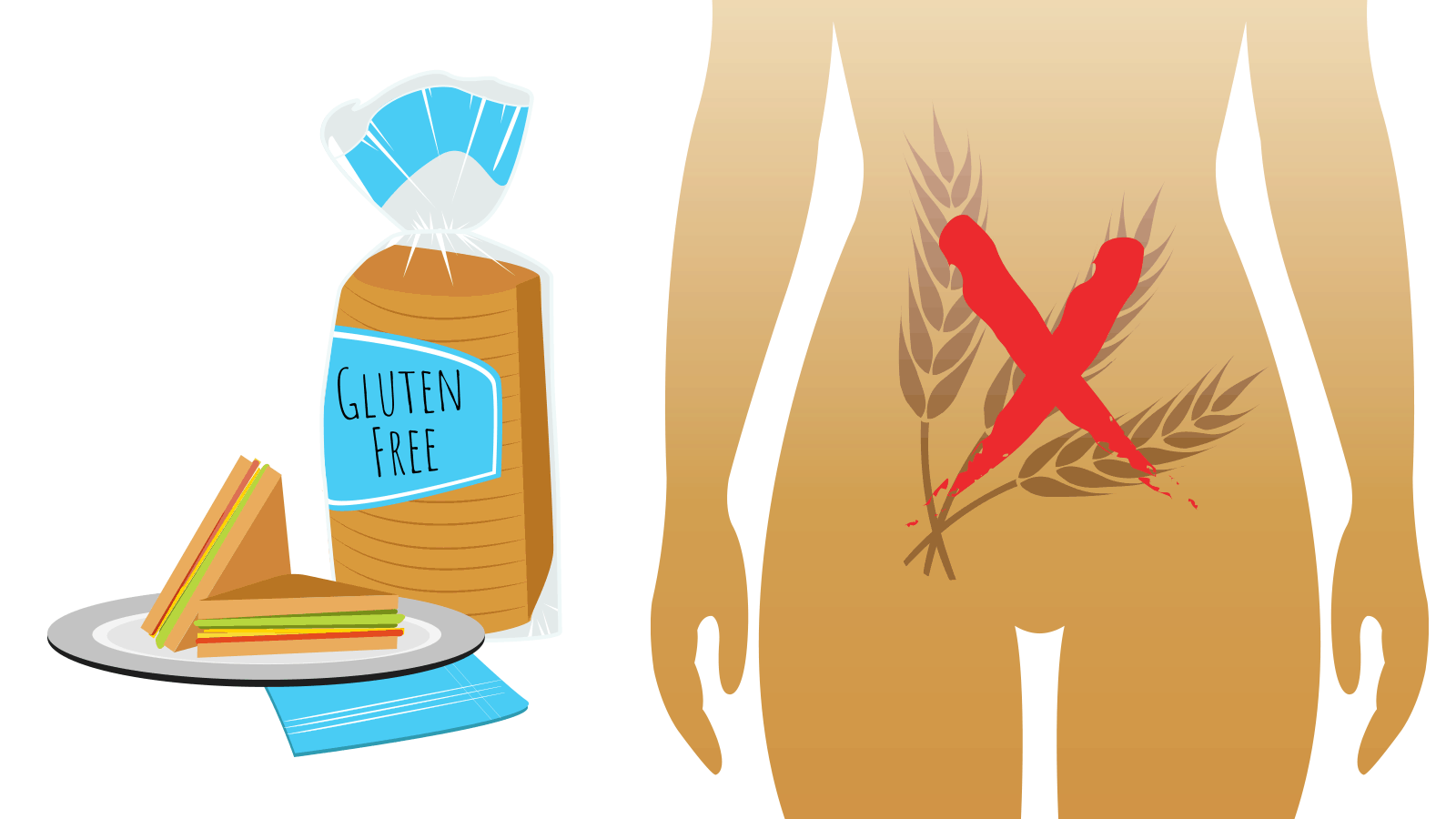
Bread, carbohydrates, sugar, white flour, and wheat have been under attack in society for the last 5-10 years.  There have been multiple variations of diets which call for a decrease or elimination of at least one of the above ingredients.

Currently, the latest “health” trend related to carbohydrates is the Gluten-Free diet.  Prior to this latest trend, pretty much only people with Celiac disease even knew what gluten was and had to avoid it – a fairly difficult process when the bulk of people didn’t even have to think about it.

Many people with Celiac disease have learned to make their own bread at home.  Why?  For starters, gluten-free bread in the grocery store could rarely be found and secondly, most have a less-than-desired taste and consistency.  Finally, it also very expensive to buy.  Hopefully, since going gluten-free is spreading across America, maybe there will be an increase in tasty gluten-free bread soon.

Back in 2017, a cardiologist by the name of Dr. Steven Gundry introduced a new book titled The Plant Paradox.  In this book was a recipe of a bread named the “Barely Bread.”  It is a yeast-, soy-, and gluten-free bread substitute which is also paleo-friendly.  It is touted as the “no-guilt bread recipe that you can eat as much as you want.”

First of all, let’s go over what celiac disease is and why Dr. Gundry’s bread recipe is so revolutionary.

What is Celiac Disease?

Celiac disease is an inherited autoimmune condition that affects an extremely small percentage of the population. The consumption of gluten from wheat, barley, and rye causes damage to the tiny hairs, or villi, of the small intestine. This damage results in malabsorption of nutrients.

Adult patients may show symptoms such as:

  • Abdominal pain,
  • Diarrhea,
  • Unintentional weight loss,
  • Constipation

They may also have causative symptoms such as iron deficiency anemia, reduced bone density or osteoporosis, infertility, miscarriage, skin rash, depression, elevated liver enzymes, neuropathy, and headaches.

Pediatric patients may present with unexplained growth failure or failure to thrive, short stature, diarrhea, delayed puberty, and iron deficiency anemia.

Who is Dr. Steven Gundry?

Dr. Steven Gundry has several great achievements in the field of cardiology, specifically heart transplants. Per his website, his accomplishments and patents include:

EXPERIENCE

  • Joined his colleague, Leonard Bailey, to perform more infant and pediatric heart transplants than anyone else in the world.
  • Pioneered the science of interspecies heart and tissue transplants, and kept a baboon alive with a transplanted pig heart for 28 days – a record for this type of surgery.
  • One of the first twenty surgeons to test the implantable left ventricular assist device, a type of artificial heart.
  • Operated in more than 30 countries, including charitable missions to China, India, and Zimbabwe.
  • As a consultant to Computer Motion was one of the first surgeons to receive FDA approval for robot-assisted minimally invasive surgery.
  • Consultant to self-improvement guru Tony Robbins, Oscar-winning actor Alan Arkin, and Emmy Award-winning actress Sela Ward.


INVENTIONS

  • The Gundry Retrograde Cardioplegia Cannula, the world’s most widely used device for preventing cell damage during open heart surgery.
  • The Skoosh Venous Cannula, the world’s most widely-used data and fluid transfer tube for minimally-invasive heart surgery.
  • The Gundry Lateral Tunnel, a “living” tissue that can rebuild parts of the heart in children with severe genetic heart defects.
  • The pioneer of the Gundry Ministernomy, a now-widespread method for minimally-invasive heart valve repair.


Undeniably, these are impressive accomplishments!  While there are fairly well-recognized parallels between cardiology and diet, why would a cardiologist develop a new diet?

Holobiotics

In his words, back in 2001, he took on a chronically ill, overweight patient who was viewed by others as someone who couldn’t be helped.  Apparently, this patient later reversed his own heart-threatening symptoms.  These heart conditions were inoperable, according to doctors.  How did this patient do this?  Basically, he combined nutrition with other natural remedies and lifestyle choices.

Dr. Gundry himself at that time was fighting his own weight issues with added high cholesterol and high blood pressure.  He became very interested in this diet and conducted his own research.  This led him to form his foundation, Center for Restorative Medicine, located in Palm Springs, CA.  He has named his study “Holobiotics” and he states on his site:

“The key to strong, sustainable health lives in all of us… in the form of beneficial microbes. These ‘good bacteria’ are in danger of dying out, due to dietary and environmental issues that overload our systems with threatening ‘bad’ microbes. Once you begin taking care of your ‘good’ microbes – or, as I like to call them, ‘your gut buddies’ – you can begin an incredible transformation.”

While he points to microbes as a factor in a healthy diet, in a separate article written in Health Organic Portal, he also mentions how lectins can act as toxins, or, in his words, “create a kind of warfare on your body.”  They can create inflammation which may lead to weight gain.  Lectins are a plant-based protein found in fruit, vegetables, and forms of gluten and wheat.

The rest of the basis of his diet and recipes can be found in his publications, which can be ordered on his website.

Back to the Barely Bread

So what is the wonderful recipe for this “Barely Bread” that you can reportedly eat all you want of?  Here it is in all of its lectin-free and gluten-free glory!

Ingredients:

  • 2 cups almond flour
  • 1/3 cups + 1 tablespoon of ground flax seed
  • ½ tsp salt
  • 1 tbsp baking soda
  • 1 tbsp whole flaxseed
  • ½ cup cornstarch
  • 1 tbsp apple cider vinegar
  • ½ cup Greek yogurt
  • 6 tbsp butter
  • 4 eggs


Instructions:

In a bowl, mix the dry ingredients, and add the flax seeds. Over medium heat, melt the butter, leave it to cool for 5 minutes, and add the wet ingredients to the dry ones. Mix with a spatula until you get a dough-like mixture.

Then, transfer it onto a baking pan covered with baking paper. Sprinkle with flaxseed and bake at 175 degrees for 25 minutes. Use a toothpick to check if it is ready.  Leave the bread to cool down and wrap it in a towel. To preserve the freshness, it would be best to keep it in a Ziploc bag.

Caution of Going Gluten Free

While trying the above recipe certainly isn’t harmful, going gluten-free when you haven’t tested positive for Celiac Disease, non-celiac wheat sensitivity, wheat sensitivity, or gluten intolerance should be done with full information.

There are many vitamins and minerals that we gain from enriched bread such as:

  • Iron
  • Calcium
  • Fiber
  • Thiamin
  • Riboflavin
  • Niacin
  • Folate

Additionally, if buying store-bought gluten-free products, there may be increased sugar and fats.  Make sure you are reading the labels for additives as well as the nutrition facts.  You may want to consider supplementing your diet with added vegetables, fruits, or a multivitamin to make up for the loss of nutrients.  Gluten-free flours are not usually enriched like wheat flour is.  However, there are some nutritious substitutes for grains:

  • Amaranth
  • Arrowroot
  • Buckwheat
  • Corn and cornmeal
  • Flax
  • Gluten-free flours (rice, soy, corn, potato, bean)
  • Hominy (corn)
  • Millet
  • Quinoa
  • Rice
  • Sorghum
  • Soy
  • Tapioca (cassava root)
  • Teff

gluten free bread

An additional caution is to make sure that when you purchase these above grains, you pay attention to the label of “Certified Gluten Free.”  For example, cornmeal is an easily available grain.  Oftentimes, though, the companies may package the cornmeal using the same machines that they use to package wheat flour.  If you truly are allergic or have Celiac Disease or gluten intolerance, you are still getting gluten through cross contaminations.  For those of you who do not have any gluten issues and choose this diet as a preference, it probably won’t matter to you.

IBS and Gluten

Irritable Bowel Disorder plagues many people.  Whether your symptoms include chronic constipation, diarrhea, or both, it is not only uncomfortable, but brings with it an assortment of gaseous and painful symptoms such as bloating.

Interestingly, studies were performed looking into implementing a gluten-free diet as a method of addressing these symptoms.  It has been shown that people with IBS who adopted a gluten-free diet saw a reduction in their symptoms, even though they did not test positive for a gluten allergy.  It should be noted that the same subjects were not tested for a wheat allergy.

The benefit of choosing to eat gluten-free even if you don’t have illnesses is debatable, but thus far, the only drawbacks are the price of gluten-free products, potentially more sugar and fat in the products, and the missing enrichment of vitamins and minerals.  However, even if you don’t have Celiac disease or a gluten allergy, you can enjoy as much of the barely bread as you want!

Scientists Explain What Happens To Your Body When You Walk Barefoot

Were you the child that loved to run around barefoot? Did you laugh at that funny, cold, squishy feeling when you twisted and turned your toes in the mud?  Did you love the feel of the soft dewiness of morning grass?  If you smile inside at the memories of being barefoot as a kid, you probably still enjoy it to this day because of how freeing it feels.

For centuries, there have been stories about the benefits of walking “connected to the Earth” or “Earthing,” as it is now called.  The idea is that the closer you are to the Earth, the more of Earth’s energy you could pick up through your feet.

It sounds a bit ridiculous initially. After all, haven’t we also heard warnings about running around barefoot?  We are told to make sure our feet are dry after stepping out of the shower because of the possibility of getting foot fungus.  We hear that we could be walking on parasites and bacteria or skin-penetrating bugs if we walk in the dirt.  Finally, we are cautioned about potential shards of glass, nails, or other sharp elements we could step on.

Despite all of the proposed dangers, it turns out there are benefits to walking barefoot, or Earthing, for your overall health.  Below, read about what scientists have discovered happens to your body when you walk barefoot.

The Discovery of Earth’s Energy

There has been increasing evidence that we and other forms of nature have an energy field around us.   Scientists are still discovering what things have positive and negative effects on our energy fields.  For example, you might have heard that speaking positively around a plant increases its growth and hardiness.  What about our planet Earth?

Earth has its own energy field, or frequency.  In 1952, W.O. Shumann, German physicist and professor at the University of Munich, began trying to prove that the Earth had a frequency.  He based his hypotheses on the fact that when a sphere lies within another sphere, an electrical tension exists.  Since the Earth is a negatively charged sphere located within a positively charged ionosphere, the tension between the two should create a charge.  After doing some calculations, he found the frequency was 10hz.

barefoot

In 1954, Shumann partnered with another scientist, Herbert Konig.  Together, they recalculated it to be 7.83 Hz.  It is now a scientifically accepted fact known as the Schumann Resonance.

“The Earth’s surface possesses a limitless and continuously renewed supply of free or mobile electrons. The surface of the planet is electrically conductive (except in limited ultra-dry areas such as deserts), and its negative potential is maintained (i.e., its electron supply replenished) by the global atmospheric electrical circuit.”

What is “Earthing” or Grounding?

Earthing (also known as grounding) refers to contact with the Earth’s surface electrons by walking barefoot outside or sitting, working, or sleeping indoors connected to conductive systems, some of them patented, that transfer the energy from the ground into the body.”

Specific outcomes of testing

Increasing studies support and prove that Earth’s electrons can create a variety of health benefits on a therapeutic level.  These include reducing pain, improving sleep, thinning blood, reducing inflammation, minimizing stress and cortisol levels, improved healing of muscle soreness, and improving parasympathetic systems (blood flow, respiration, oxygenation of the blood, pulse rate).

In the studies, the subjects were either instructed to walk barefoot outdoors or were connected to grounded conductive devices.  Most subjects reported major improvements in parasympathetic responses in as little as 30 minutes, and positive results involving inflammation, stress reduction, cortisol levels, etc., in a few weeks’ time.

In addition to these studies, there have been other studies related to osteoporosis, glucose regulation, and thyroid responses. K. Sokal and P. Sokal, cardiologist and neurosurgeon of a medical staff in Poland, did a series of studies utilizing a copper conductor in contact with the Earth and found that this could affect physiological responses.

Here are their findings:

Osteoporosis:

Double-blind experiments were performed on groups of 12-84 subjects who all maintained a similar diet, exercise routine, and fluid intake during the trial period. The doctors then used a copper plate attached to the leg with a conductive wire attached to a grounding rod outside.  In one night of sleep, they reported major changes in the blood’s concentration of minerals and electrolytes.  There was also a major reduction in calcium and phosphorus excreted in urine and blood tests.  A loss of calcium and phosphorous are contributing factors to osteoporosis.  This test shows that those markers can be reduced in one night of grounding sleep.

Diabetes Mellitus:

Earthing was done through rest and outdoor activity for 72 hours for patients with non-insulin-dependent diabetes mellitus. They had taken an anti-diabetic drug for 6 months but still lacked glycemic control despite a diet and exercise plan.  They showed decreased fasting glucose after the 72 hours.

Thyroid disease:

Patients on thyroid medication reported symptoms related to hyperthyroidism after doing earthing. This generally would not occur without a decrease in medication.  After just one night, other subjects not diagnosed with any thyroid issues started showing a decrease in free tri-iodothyronine and an increase in free thyroxin and thyroid stimulating hormone.  These tests, though inconclusive, show that earthing can affect our hepatic, hypothalamus, and pituitary interplay with the thyroid system.

Sokal and P. Sokal performed other tests related to stimulating the immune response and increasing blood viscosity, which are issues for diabetics and those who develop cardiovascular disease. While these tests indicate positive results on multiple systems in our bodies, the results are still tentative. Scientists will need to do more testing on more subjects before it can be thoroughly verified.   If the simple act of walking in the grass, at the beach, or in the dirt could help improve your health or prevent health problems, it would be worth it!

barefoot

Other benefits of walking barefoot

Dr. Jonathan Kaplan, a foot and ankle specialist and surgeon at Hoag Orthopaedic Institute, sheds some light on how Earthing improves the physical health of your feet:

  1. Better control of your foot position as it lands on the ground.
  2. Improves balance.
  3. Improves body awareness about the surroundings. This is one of the reasons it is recommended that toddlers don’t wear shoes when first walking.
  4. By improving foot mechanics, it also helps in keeping your knees, hips, and core in proper alignment and movement.
  5. Prevents your foot and ankle joints from exaggerated movements and range of motion, allowing for proper strength and stability in the muscles and ligaments in your ankle and legs.
  6. Decreases issues from shoes that don’t fit properly (i.e., bunions, hammer toes).
  7. Increases leg strength, which helps improve lower back strength.

With all of these benefits, you have to keep in mind these tips when Earthing as well:

  1. If you are not accustomed to walking barefoot, then your foot strength may be compromised and susceptible to damage. Here are recommendations to ease into earthing:
    1. Do it in short increments at first to build up strength.
    2. Build up your balance through ankle exercises
    3. Start by using a minimalist shoe
    4. Try exercises like yoga or pilates, which require your feet to be bare
    5. Try it indoors first
  2. Be mindful of the terrain. Rocky areas can cut your feet, certain areas can have broken glass or nails, and wet areas could cause you to slip.  Also, certain surfaces do not provide grounding benefits: asphalt, wood, rubber, plastic, vinyl, tar, or tarmac.   Sand, grass, soil, concrete, or ceramic tile does provide grounding. Basically, any natural surface provides benefits.
  3. Ensure you thoroughly wash your feet afterward, as you can be exposed to many bacteria.
  4. If you are diabetic, it is crucial to take extra precautions (check with your doctor first!).
    1. Be sure the ground is level and clear of potential objects which can puncture or cut your feet.
    2. Wear minimalist shoes, such as those that don’t have synthetic rubber soles, which can still allow for contact with the ground while protecting your feet.
    3. Make sure you wash, inspect thoroughly, and moisturize your feet afterward.

barefoot

Final Thoughts on the Benefits of Walking Barefoot to Benefit From Mother Nature

Earthing, or walking barefoot, may be another way to improve our health while staying connected to nature. Preliminary studies have explained what happens to your body when you walk barefoot, and the results have been positive.  While there needs to be further studies done before any doctor is “prescribing” earthing as a treatment, earthing is free.  You don’t need to wait for a doctor to tell you to try it on your own.  Besides, it feels good too!

Do you walk barefoot to improve your health? Let us know in the comments!

Skip to content