Weekly tips, affirmations, and small actions to feel your best.

Scientists Explain 10 Habits that Boost Your Brainpower

It wasn’t that long ago when scientists claimed that intelligence was fixed at birth. Around 5th or 6th grade, you’d be given an I.Q. test to determine where you “rank” in society. Fortunately, the advent of sophisticated technologies and novel means of testing has since debunked the ridiculous notion of “lucky draw” intellect.

In this article, we will discuss an astounding human capability: neuroplasticity. Also, we’ll go over ten habits proven by science to boost your brainpower!

What is ‘neuroplasticity’?

The word neuroplasticity refers to the innate ability of the human brain to form new neural connections throughout life. Most incredibly, the term plasticity was first mentioned by the father of modern psychology, William James, in his treatises The Principles of Psychology in 1890 – over 100 years before the phenomenon would be proven.

The Polish neurophysiologist Jerzy Konorski coined the term neural plasticity – a derivative of neuroplasticity – sometime in the early ‘60s. Of the process, Konorski explained, “The plastic changes would be related to the formation and multiplication of new synaptic junctions between the … terminals of one nerve cell and the soma of the other.” Unfortunately, Konorski’s observations mainly were ignored.

The first scientific evidence for neuroplasticity was put forth by neuroscientist Marian Diamond and published in the Journal of Comparative Neurology in 1964. However, although Diamond had proven the validity of neural growth in the live brain, neuroscientists and other experts had yet to determine that cognitive changes (e.g. thinking and intelligence) co-occurred with physiological ones. This discovery wouldn’t happen until roughly 40 years later when a scientist by the name of Michael Merzenich broke the news.

Of course, the reality of neuroplasticity impacts not only the lives of those who study the phenomenon but everyone. If intelligence can be cultivated through training, the ramifications of such a finding on everyone are vast.

According to Dr. Merzenich, you can use neuroplasticity to train your brain and become better at anything. Merzenich founded his company, Posit Science, on the premise that neuroplasticity can improve your brain and, thus, improve the quality of your life.
brainpower

Neuroplasticity and Boosting Brainpower

“Your brain – every brain – is a work in progress. It is ‘plastic.’ From the day we’re born to the day we die, (the brain) continuously revises and remodels, improving or slowly declining, as a function of how we use it.” – Michael Merzenich, Ph.D.

It is now well-accepted that the brain is malleable and trainable. However, the notion that certain people can’t do certain things (read: math!) because it is “too hard,” or they’re “not naturally good” at it remains pervasive thinking in society.

Now, the truth of neuroplasticity doesn’t mean that some people aren’t more gifted in certain things. Natural, heritable talent is every bit as real as the malleable brain. But what neuroplasticity and the research around it imply is that nearly everyone can become better at anything if they’re willing to invest in the time needed to train their brain.

Here are ten habits that will boost your brainpower!

Try these activities to challenge your brain – they’re fun. Plus, you increase your brainpower.

1. Play dual-n-back

Per a 2017 study by Johns Hopkins University, published in the Journal of Cognitive Enhancement, dual-n-back training is perhaps the best form of brain training for improving attention and memory. Kara Blacker, Ph.D. and lead author of the study, says, “People say cognitive training either works or doesn’t work. We showed it matters what kind of training you’re doing. [Dual-n-back] seems to show the most consistent results and … impact on performance … in improving cognition through training.”

After taking a battery of cognitive tests to determine attention, intelligence (“I.Q.”), and memory, the study sorted the participants into one of three groups. One group played dual-n-back for 30 minutes a day, five days a week; the second tried another brain exercise, and the third played yet another “control task.” After a month, the dual-n-back group demonstrated a 30 percent improvement in working memory capacity, double the gains achieved by the next closest group.

2. Get aerobic exercise

In a joint meta-analysis study by Western Sydney University (Australia) and the University of Manchester (UK), researchers looked closely at the effects of aerobic exercise on the hippocampus – an area of the brain associated with memory and learning. After reviewing 14 clinical trials comprising over 700 brain scans, researchers concluded that aerobic exercise increases the size of the left hippocampi in humans.

Researchers attribute these physiological changes to the production of brain-derived neurotrophic factor (BDNF), a chemical released during exercise.  While all exercise types boost BDNF, aerobic exercise (including high-intensity interval training, or HIIT) greatly increases brainpower.

3. Eat dark, leafy greens

Multiple studies, including this one by the National Institute on Aging, found that consuming dark, leafy green veggies effectively slows cognitive aging (“brain age”).  Researchers at Rush University and Tufts Human Nutrition Research Center documented the level of consumption of vegetables like collards, kale, lettuce, and spinach, and their cognitive effects. They studied 960 older adults over five years. Besides tracking their food intake, the team administered cognitive tests across five domains. These included visuospatial ability, episodic memory, perceptual speed, semantic memory, and working memory.

In the end, the team’s research coincided with that of others, which found that dark green vegetables contain properties “positively and significantly” associated with slower cognitive decline.

4. Meditation to boost brainpower

In a famous TED talk given at Cambridge University, neuroscientist and one-time skeptic of meditation Dr. Sara Lazar presented her conclusions about the effects of meditation while commenting on her own experiences:

“I started noticing that I was calmer and I was better able to handle difficult situations. Indeed, I was feeling more compassionate and open-hearted towards other people, and I was able to see things from other people’s point of view.”

At first, Lazar was highly skeptical (she is a scientist, after all!). But upon conducting a literature review – essentially a gigantic research project studying other studies – Lazar confirmed that her experiences were not rare. Moreover, she confirmed other benefits of meditation, including decreased stress, reduced symptoms of anxiety, depression, insomnia, and pain, enhanced attention, and increased quality of life.

brainpower

5. Get your omega-3s

Omega-3 fatty acids are critical for brain health and development and stable mood and behavior. Double-blind studies confirm that one type of omega-3 fat, docosahexaenoic acid (DHA), improves attentiveness in children and adults with ADHD. DHA also reduces inflammation, which can interrupt the functioning of the brain. Finally, omega-3 supplements reduce the risk of dementia potentially.

Excellent plant sources of omega-3 fatty acids include chia seeds, Brussels sprouts, hemp seed, walnuts, and flaxseeds. Fatty fish like salmon and mackerel are also plentiful sources to boost brainpower.

6. Learn an instrument

Scientists have discovered that learning an instrument affects numerous brain regions, including the cerebellum and motor cortices. As reported by The Telegraph, “The parts of the brain that control hearing, memory, and the part that controls the hands among others, all become more active. Essentially the architecture of the brain changes.”

In other words, the brain becomes denser – and potentially more significant – in certain areas as you learn a musical instrument.

7. Take a nap to boost brainpower

Seriously. A global survey across 12 countries found that approximately 60 percent of Americans are sleep-deprived. Our friends the Brits, came in as the most sleep-deprived, followed by Singapore and Australia. How bad is it? Over half (51 percent) report regularly getting less sleep than needed. Eighty percent report using the weekend to catch up on sleep.

Adequate, restful sleep is critical to numerous brain functions, including nerve communication. Poor sleep links to poor memory, slow response time, and shorter attention span.

8. Drink coffee

Okay, so we probably didn’t need to tell you to go ahead and drink that cup of coffee! But anyway, research shows that coffee may have both neuroprotective and cognition-enhancing benefits. Coffee may also protect against liver cancer, liver disease, type 2 diabetes, and Parkinson’s disease.

Remember that not all coffee provides equal benefits (organic, fresh coffee beans are best.) Also, try to limit your java intake to two cups maximum in a single sitting.

coffee to boost brainpower

9. Sharpen your attention

According to Richard Davidson, a Harvard-educated psychologist and professor at the University of Wisconsin, our mind wanders at least “47 percent of the time.” Moreover, studies show that a wandering mind is an unhappy mind.

In a groundbreaking study published in the journal Science, Harvard psychologists Matthew Killingsworth and Daniel Gilbert had a smartphone app that randomly pinged as people were going about their day. Upon completing the study, the duo reached two main conclusions: “(1) that people are thinking about what is not happening almost as often as they are thinking about what is and (2) found that doing so typically makes them unhappy.”

10. Play a video game for brainpower

That’s right. Fire up that Candy Crush, baby! According to a study at the University of London (UCL), certain kinds of video games can improve the brain’s capacity for quick and strategic thought.

The research team at UCL gathered 72 student volunteers and tested their capacity for flexible thinking by having them play various games. Two groups played the game StarCraft, a real-time, sci-fi strategy game; the third group played the life simulation game, The Sims.

All volunteers played the games for 40 hours over six to eight weeks. Each participant took a series of psychological tests before and after playing the games. The researchers found that the students who played StarCraft improved their strategic thinking ability to a greater degree than those who played The Sims. But cognitive flexibility improved in both groups, indicating that video games may indeed boost this capacity.
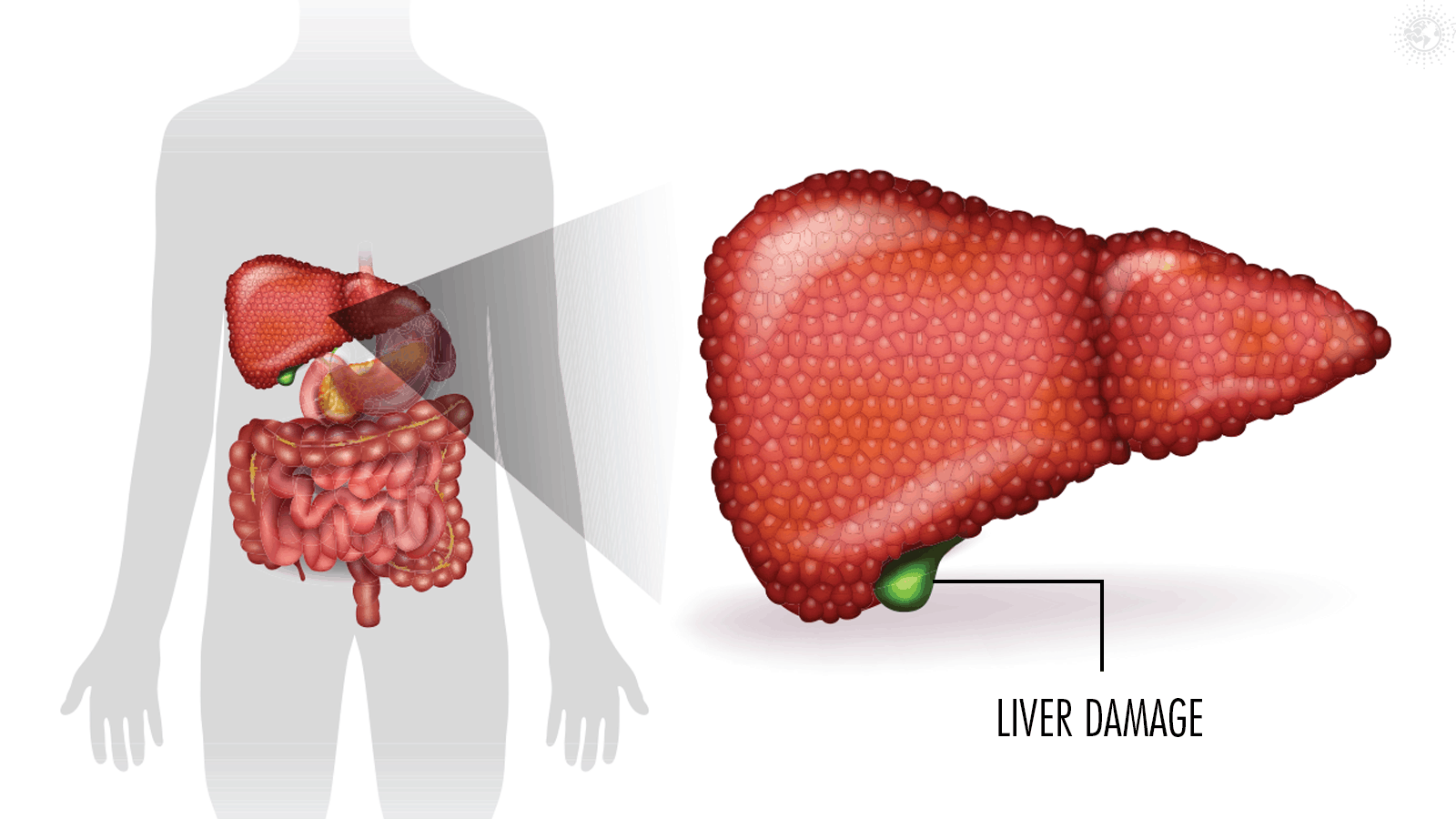
Science Explains How Marijuana Can Prevent Liver Damage From Alcohol

As of March 2019, 15 states plus the District of Columbia have maintained laws to keep marijuana illegal.  The rest have legalized marijuana for mostly medical use, but some states allow recreational use.  Marijuana has several “claims to fame” for its medical use. This includes use as pain treatment, for seizures, and for nausea related to chemotherapy and radiation.  Many of its other reported medical uses are still being studied.

One use that medical professionals and scientists are still studying is how marijuana can prevent liver damage from excessive alcohol use, otherwise known as alcoholic hepatitis.

What is Alcoholic Hepatitis?

Alcoholic hepatitis is a liver infection primarily caused by repeated heavy use of alcohol.  It creates a buildup of fat in the liver cells which then leads to inflammation and scarring of the liver.  This scarring is called cirrhosis.  The results can be fatal and can lead to needing a liver transplant, which requires one to abstain from alcohol entirely.

Our liver is designed to convert food and drink into nutrients that our body can then use.  As a part of this process, the liver filters poisons and other harmful substances from the blood.  When we consume too much alcohol at one time, we create a strain on the liver.  If we consume a lot of alcohol on a regular or daily basis, it is too much for our liver to handle.  Alcohol can damage and destroy liver cells, weakening the liver and causing damage to the organ.

Our liver can only filter one alcoholic drink per hour.  More drinks consumed within that time only increases the amount of time it takes for the liver to filter it.  The excess of alcohol then circulates into the bloodstream.  That process is responsible for the effects we feel when we are drunk or intoxicated.  The word “intoxicated” literally means we have toxins in our body which are creating effects on our nervous system, heart, and brain.

Symptoms of Liver Damage

Twenty percent of all heavy drinkers develop some form of liver disease.  The safe amount of alcohol for a person to drink is considered one drink for women or two for men a day.  Regular increased amounts raise your chances for liver disease.   It is important to add that liver disease is not only caused by alcohol, but can also be caused by genetics, obesity, medications, poisons, and viruses.   This form of liver disease is referred to as non-alcoholic fatty liver disease.

The symptoms of liver disease are:

  • Yellowing of the skin and eyes, otherwise known as jaundice
  • Abdominal pain
  • Swelling in the legs
  • Dark urine
  • Nausea or vomiting
  • Discolored stool
  • Unusual bruising
  • Fatigue or fluctuating energy levels
  • Acid reflux
  • Bad reactions to medications like antibiotics and pain killers
  • Skin conditions, such as eczema, psoriasis, and overall itchiness.

The good news is that liver damage doesn’t have to be fatal or even require a liver transplant. The liver can repair itself if you stop drinking before the point of cirrhosis.

The Marijuana and Alcohol-related Liver Disease Connection

A study was published on January 17, 2018, by several scientists; they analyzed the 2014 Healthcare Cost and Utilization Project-Nationwide inpatient small discharge record of patients 18 years and older.  These patients had a past or current background of abusive alcohol use. They studied four different stages of progressive liver disease in conjunction with 1) non-cannabis users, which made up about 90.3% of the study population; 2) non-dependent cannabis users, which comprised 8.26% of the populace; and 3) dependent cannabis users, making up 1.36% of the study.

Dependence indicates a state of physical dependence on a substance; subjects demonstrate tolerance toward the use of the substance and withdrawal symptoms upon not using it regularly.  Marijuana is not viewed as an addictive substance, but a dependent substance.

The results showed that cannabis users, dependent or non-dependent, showed far lower odds in developing the four progressions of liver disease. Dependent users had even lower odds when compared to non-dependent users.

Interestingly enough, a similar study was performed for non-alcoholic fatty liver disease and it was determined that a strong relationship exists between cannabis use and reduction of liver disease.  Results showed that the prevalence of NAFLD was 15% lower in non-dependent users and 52% lower in dependent users.

Receptors that Help Combat Liver Disease

Another study published back in 2005 states that endocannabinoids in cannabis positively affect the liver.  Endocannabinoids are compounds that bind to the same receptors as tetrahydrocannabinol (THC), which is the active ingredient in hashish and marijuana. These receptors are the same as the ones in our brain and peripheral tissues, including our liver.   The study concludes with this: “Endocannabinoids appear to be involved in several aspects of acute and chronic liver disease, including vascular changes, modulation of the inflammatory process and neurological function.”

marijuana for liver

A later study published in Jan 2011 essentially states that there are two different types of receptors: 1) CB1, recognized as the most common receptor in the brain, as well as in peripheral tissue, including various cell types of the liver, albeit at a lower level; and 2) CB2 receptors, expressed primarily in the immune and hematopoietic cells as well as in the liver cells.  The study concludes that CB1 activity contributes to the abnormalities and fibrosis in liver cirrhosis.  Therefore, if we activate CB1 antagonist, then we can slow or delay the process of liver disease.

The concern of using cannabis as that antagonist is the neuropsychiatric side effects which can limit the therapeutic effects on the brain.  Yet, there have been more discoveries of non-psychoactive CB2 agonists which may offer benefits to the liver, including tissue repair. Essentially, since cannabis has the same receptor properties as CB1 receptors, its use can help the body combat liver disease.

Thus far, all studies emphasize the importance of more research to further explore the role cannabis use could play in the treatment of liver disease. Also, further research may help to determine how it creates this decrease in progression.

Advice to Use Marijuana with Caution

While the studies above show promise for liver disease, doctors advise caution in the use of marijuana.

Norah Terrault, MPH, MD, the director of the Viral Hepatitis Center at the University of California in San Francisco, spoke about marijuana use while at the 2018 American Association for the Study of Liver Diseases in November of 2018.

She states that due to the recent legalization of medical and recreational use of marijuana, she has more and more patients who inquire about its use in their treatment.  She warns that there are about 60 different cannabis products from THC, CBD, and others.

Terrault advises her patients that the studies related to liver disease are still fairly new. There remain a lot of unknowns.  She personally treats it as an herbal supplement.  Why an herbal supplement?  Her view is that it is not known how pure a product actually is – whether it is herbal or cannabis.  Often, additives are present which can change its effectiveness.  Additionally, we are still not certain regarding the pros and cons of cannabis use for treatment on liver disease.

In regards to a virus-induced liver disease, she states: “There is some data in the hepatitis C virus arena. [That area] is probably where there actually are some human studies and publications. For individuals who have hepatitis C viral infection who are using daily cannabis, we have prior studies that suggest those individuals were at higher risk of fibrosis progression, and there are some animal data to support that.”

Final Thoughts and Advice

She continues to state: “We know that when the liver develops fibrosis, there is expression of CB1, CB2 receptors, and so the cannabinoid receptors are expressed on fibrotic tissue. Some of them are profibrogenic, and some of them are antifibrogenic, and depending on the cannabinoid product, those receptors could be affected differently. In a given individual with this variable product that we have of marijuana, it may actually be a potential risk for a profibrogenic effect, and so you could have accelerations.”

Currently, she is advising her patients who wish to try it (in states where it is legal to do so), but to not use cannabis on a daily basis.  She does emphasize that results are still unknown and it is her preference to not use it at this time for any serious treatment.

The study of marijuana preventing liver damage from alcohol, or non-alcohol use, interests scientists and doctors alike.  Thus far, it shows great promise. As a new discovery, it will take years to understand its long-term benefits or disadvantages.

If you do use cannabis to treat liver damage from alcohol, make sure to talk to your doctor first. As a final caution, smoking it is counterproductive, since inhaling smoke from any plant material causes damage to the lungs. If you can find it in tea, powder, or tincture form, that would be considered a superior treatment method.

Divorced Man Explains 20 Pieces of Marriage Advice to Never Ignore

Gerald Rogers is a courageous and humble man. How can one tell this? Because very few people could’ve done what he did – talk about his marriage and divorce so candidly – and for the benefit of so many. Here’s a small taste of his marriage advice:

“Obviously, I’m not a relationship expert. But there’s something about my divorce being finalized this week that gives me perspective of things I wish I would have done different … After losing a woman that I loved, and a marriage of almost 16 years, here’s the advice I wish I would have had…”

A couple of things to take away from Rogers’ introduction. First, his divorce was settled the week he wrote the article “Marriage Advice I Wish I Would Have Had.” Second, genuine humility is required to admit personal shortcomings contributing to the end of a marriage – and to do so in such a public manner.

This article focuses on the 20 pieces of marriage advice Rogers gives. The article was so successful that Rogers wrote the 2014 book Marriage Advice I Wish I Would’ve Had: What Divorce Taught Me about Love and Life.

Before getting into the marriage advice, here’s a short section about Gerald Rogers.

Who Is Gerald Rogers?

“What?! I can control my world? I can control my results? It lit my soul up…” – Gerald Rogers, upon listening to Earl Nightingale

In his own words, Rogers is a “breakthrough mentor” who aims to transform those who seek transformation. (Yes, that’s it.) Rogers uses phrases like “conscious creators,” “divine power,” “soul purpose,” and “live big.” From his public talks, it is apparent that he is an unabashed proponent of manifestation. Rogers is a life coach, author, mentor, and guest speaker.

To hear Gerald Rogers talk is to hear a charismatic and obviously intelligent person. He doesn’t bring the over-the-top energy like Tony Robbins or the smooth tongue of a Les Brown, but his subtle approach connects with people who dig that kind of intellectual, softer, “professor-like” demeanor.

He attributes much of his success and direction in love to Earl Nightingale’s The Strangest Secret, a 1957 personal success and self-help book that sold over one million copies. The book is credited with helping to “launch [the] fields of business of motivation and audio publishing.”

Now that you know who Gerald Rogers is, let us get to the heart of the article.

20 Pieces of Marriage Advice to Never Ignore

marriage advice

#1 – “Never Stop Courting”

The gist here is that she chose you. There’s a tendency for both men and women to take one another for granted once the knot is tied – kind of like a subliminal, “Well, she’s mine, and I’m hers.” Make sure to step back and appreciate just how much trust is involved. Don’t get lazy in your love or devotion.

#2 – “Protect Your Own Heart”

Protecting your heart is about not leaving room for someone else to come and reside there. Be vigilant about who you allow into your life, particularly those of the opposite sex.

#3 – “Fall In Love Over and Over Again”

It’s so easy to allow love to stagnate. Being comfortable with each other’s presence is one thing; living as if you’re dorm buddies at college is another. Actively keep your attention on your loved one. Doing so will cause you to fall in love over and over again.

#4 – “Always See the Best in Her”

What you focus on expands, so focus on what you love about each other. If you focus only on those things that are annoying or frustrating, you’ll have a marriage filled with tension and unease. Have you ever had someone mention just how wonderful your spouse is and why? Concentrate on those things.

#5 – “It’s Not Your Job to Change or Fix Her”

Pretty straightforward here, isn’t it? Indeed, it isn’t your duty to fix what’s wrong with your spouse. Support them? Yes. Point the way? Yes. But they must be an adult and initiate the change required.

#6 – “Take Full Accountability”

Be responsible for your own emotions. It’s not your spouse’s job to act as an emotional circus clown in some vain attempt to make you happy. If you have personal issues that are impeding your marriage, fix them. Ask your spouse for help.

#7 – “Never Blame Your Wife If You…

Notice the “you” in that sentence. Why are you shifting blame for something that you did? Yes, this includes getting angry or upset at her for something you did or did not do. Get yourself under control and get back to your wife when you’re in the right state of mind.

#8 – “Allow Your Woman to Just Be…”

Again, this one is about not trying to “fix” her (or your) emotions. Be there. Be present. Hold each other. Tell her things will be okay. Be the rock.

#9 – “Be Silly…”

Yes, be silly. Act like a damned goofball. Have you ever stepped back and observed someone you know who takes life too seriously? Do you want to be that person?

#10 – “Fill Her Soul Every Day”

Know what makes her feel loved and do those things. What makes her feel important? Validated? Make a mental note of those things and commit it to memory. Execute.

marriage advice

#11 – “Be Present”

Few things are more pitiful than the man or woman unable to be present with their loved ones. The perfect archetype is the workaholic husband too wrapped up in their inner world to share themselves with their family. Don’t be that person. Put your attention on there here and now – and on your spouse and family.

#12 – “Love Strong”

The title says it all. It means exactly as it says. You’re the man. You’re physically stronger and more aggressive. There are times to leverage these differences, and romance is one of them.

#13 – “Don’t Be An Idiot”

Message received. This one isn’t about never making mistakes. It’s about taking ownership of your screwups instead of compounding them. Act with common sense; own your mistakes.

#14 – “Give Her Space”

Personal space – while more limited during marriage than singlehood – is nonetheless essential for relationship happiness. Give each other the space they need. If you have children together, it’s even more critical to grace her with the magic words, “Take some time for yourself, honey.”

#15 – “Be Vulnerable”

A marriage covenant includes sharing thoughts and feelings, whether or not you like them. Fear, insecurity, sadness, regret, all of these, and more should be out in the open and up for discussion with few exceptions.

#16 – “Be Fully Transparent”

One of the biggest mistakes when getting married is failing to disclose parts of their lives that will affect the other person. This lack of accountability and transparency may carry far into the relationship and, depending on the degree and nature of the offense, may lead to a culture of mistrust. Have the courage to be fully transparent – and then allow him or her to make the call.

#17 – “Never Stop Growing Together”

Just as a person must continue seeking growth to reach their full potential, they must do the same in a marriage. But this time, the growth must be shared and reciprocated. Have dreams and goals – and resolve to work on them together.

#18 – “Don’t Worry About Money”

This is an excellent quote: “Money is a game, find ways to work together as a team to win it. It never helps when teammates fight. Figure out ways to leverage both persons strength to win.”

#19 – “Forgive Immediately”

Let your focus be on the present and future, but never on the past. Forgiveness is a powerful antidote to emotional pain and must be a priority in marriage. If you can’t forgive right away, take the time you need to heal and revisit the issue later. Just remember: forgiveness is freedom.

#20 – “Always Choose Love”

Have you ever just sat back and observed how emotional humans are? Not only are we emotional, but we can be incredibly short-sighted amid emotions, especially negative ones. In the throes of an emotional whirlwind, it is a tremendous blessing to bear in mind the potent nature of love. Love can overcome anger, irritation, hurt, jealousy, lust, malice, pettiness, and even hate.

marriage advice

Final Thoughts on the Marriage Advice From Gerald Rogers

Marriage is not static – it evolves continuously. Challenges arise, and you can conquer them together when you heed these words of marriage advice. Be unceasing in your love for each other. May you have an extraordinarily blessed and loving marriage.

20 Foods That Have More Protein Than Eggs

Protein is an essential component of any balanced diet. Protein helps muscles recover after workouts. It works to prevent osteoporosis and similar conditions. It provides overall feelings of fullness, which in turn lead to better concentration, positive thinking, and energy.

Eggs are one of the most popular sources of protein, and they have about six or seven grams of this component. But just eating eggs can get boring, so what are your other options?

Here Are 20 Foods That Have More Protein Than Eggs

1.    Greek Yogurt

Yogurt is delicious, but Greek yogurt has 24 grams of protein in one single cup. That is roughly as much as you’ll find in four eggs!

Master of Science and registered dietician Julie Upton states that Greek yogurt works so much better than typical, normal yogurt because it has better protein content, much less sugar, and even a better taste.

Do note that plain Greek yogurt is always best. Opting for flavored kinds or adding less healthy toppings can detract from its overall value.

2.    Sardines

Sardines may be a small fish, but don’t let that size fool you. They’re chock full of great components and nutrients that practically elevate them to a superfood. Apart from their whopping 18 grams of protein in just 3 ounces, they also contain:

  • Vitamin D (50% of the Recommended Dietary Allowance!)
  • Selenium
  • Omega-3 fatty acids (both EPA and DHA: 1800 mg of them!)

Maybe when people say “packed like sardines,” they’re also referring to their immense nutritional value … Jokes aside, get the canned variety for the most positive results!

3.    Edamame

Edamame is a great finger-food for those who like to snack but need healthier options. One single serving (around 1 cup) of these immature soybeans provides you with an impressive 26 grams of protein. On top of that, they also hold:

  • Calcium
  • Iron
  • Fiber (33% of Recommended Dietary Allowance!)

Grab a pack at the frozen aisle of your grocery store and enjoy! Boil, steam, or microwave your edamame for best results, seasoning with salt (and other simple condiments) to taste.


4.    Cottage Cheese

Cottage cheese is nice for adding some filling value and good taste to vegetables or fruits, especially as a snack or a light-and-easy meal. Just one half of a cup of this creamy item will give you a good 8 grams more protein than an egg.

As a bonus, you can go for cottage cheese that is made to have probiotics through the use of active cultures. This will have positive effects on your digestive system.

5.    Tofu

Tofu is an easy-to-prepare food option that can be made in so many different ways to suit your preferences. It’s full of protein and, in fact, has all of the types amino acids in it – so it definitely is one of the foods that have more protein than eggs! Plus, it has:

  • Vitamin B1
  • Zinc
  • Magnesium
  • Copper

Tofu is very inexpensive and the average serving will only net you 90 calories – a great food for the weight-conscious.

6.    Chickpeas

Chickpeas are often known as very healthy superfoods and are used in lots of vegetarian dishes. They’re delicious and can be cooked in many ways, and just one cup has 15 g of protein. On top of that, they’re packed with:

  • Vitamin B6
  • Zinc
  • Folate
  • Magnesium
  • Fiber
  • Iron

Turn them into a dish, roast them for a yummy guilt-free snack, or use them as a salad topping! And, of course, you can also make hummus with them.

7.    Shrimp

If you’re looking for more high-protein seafood options that are also refreshingly low in calories, shrimp may be your best bet, says nutritionist and registered dietician Martha McKittrick. Three ounces has a surprising 20 g of protein!

Of course, lots of shrimp preparation options aren’t really the best when it comes to overall healthiness and calories. Cook shrimps very simply and eat them accompanied by some light cocktail sauce for a yummy but relatively safe dish.

8.    Hemp Seeds

Hemp seeds and hemp hearts may not be as popular as the famous superfood chia seeds, but they’re still great foods with lots of positive benefits! They have all the amino acids there are, plus 11 grams of protein, and they’re very low in calories, even when compared to chia. They also contain:

  • Omega-3 fatty acids
  • Vitamin E
  • Fiber
  • Manganese
  • Zinc
  • Calcium
  • Potassium
  • Iron
  • Magnesium

There are lots of ways you can use hemp seeds. Sprinkle them over a salad if you like, or drop them into a smoothie mix and blend!

9.    Quinoa

Quinoa may be a fad food, but there’s no denying how good this ancient grain can be. Hailing from South America, this special grain is such a wonderful source of protein that has all the essential amino acids that exist!

It also has lots of fiber which helps keep you full. Plus, quinoa’s unsaturated fat content makes it a great source of fat that’s actually good for you! Mix it into a salad or try making a quinoa bowl.

10. Dried Pumpkin Seeds

Pumpkin seeds are easy snacks and very, very full of protein, with a whopping 10 grams in just one-fourth of a cup of them. They are so good for positive health because they also have:

  • Copper
  • Vitamin K
  • Iron
  • Magnesium
  • Zinc
  • Fiber
  • Manganese

Pumpkin seeds are one of the easiest types of foods to add to meals or eat on their own, says Candida diet creator and nutritionist Lisa Richards.

11. Watermelon Seeds

Some people spit out their watermelon seeds, but these completely plant-based, unfairly unwanted components are great sources of protein. It’s definitely surprising, but pediatric dietitian, Master of Science, licensed dietary nutritionist and registered dietary nutritionist Colene Stoernell swears by them for her vegan clients! On top of that, these seeds also have:

  • Zinc
  • Iron
  • Magnesium

Sure, they’re a little odd, but they’re becoming more popular. Some people even make plant-based butter out of these seeds, so don’t be surprised if they get more accessible as time goes on.

12. Almonds

If you eat an ounce of these small nuts, you’ll be enjoying 6 grams of protein – which is about the same as an egg, and you can always eat more of them. They’re a great snack, and they’re packed with fiber, so they’ll fill you up in a healthy way.

Almonds also boast an impressive number of vitamins – 12 in all – as well as loads of minerals. If you tend to snack a lot, enjoy almonds for a more guilt-free bite.

13. Chicken

You already probably knew this was on the list! Chicken is very flexible when it comes to cooking styles, so you can prepare it virtually any way you want. A serving around the size of your palm – or 4 ounces in weight – will provide you with 25 g of protein.

While mildly seasoned chicken breast is the most healthy option, and the most frequently enjoyed by those who are building muscle, you can make chicken virtually any way you like. Just take note of caloric values so you don’t go overboard!

14. Mozzarella and Cheddar Cheese

Most people love cheese. We slather it over fries and nachos. We devour it on pizza and pasta. And that’s why most of the time, meeting protein requirements is easy – as long as we have our cheese!

Cheddar and mozzarella cheeses are both packed with protein. They’re also a great source of heart-healthy fats (when eaten in moderation), vitamin D, and, of course, calcium.

15. Sprouted Grain Bread

Not all sprouted grain bread is created equal, but two slices of any one loaf should give you around 10 g of protein. So if you’re using this for your breakfast, it’s an easy way to get protein in your diet without thinking too much about it. If you can’t say goodbye to your carbs but still need more protein, you get the best of both worlds with sprouted grain bread.

16. Peanut Butter

Peanut butter is the perfect accompaniment for your sprouted grain bread if you want even more protein! Just two tablespoons of many types of this spread give you more protein than you could ever hope to get from an egg. You can also mix some into a smoothie, or toss noodles with them.

protein - peanut butter

Do note that there are many different brands of peanut butter, so choose the right kinds. Read labels and choose the ones with more protein, fewer preservatives, and better health values.

17. Lentils

Lentils have a bit of an acquired taste, but if you like them, a standard serving earns you an impressive 18 grams of that coveted protein. In most countries, they’re also quite inexpensive, so they’re good options for budget-friendly healthy meals. They also contain:

  • Fiber (15 g)
  • Iron (Around 30% of Recommended Dietary Allowance)
  • Vitamin B1
  • Potassium
  • Zinc
  • Copper
  • Manganese
  • Pantothenic acid
  • Vitamin B6
  • Phosphorus

18. Tuna

Tuna is yet another seafood on the list, and probably best known for omega-3 fatty acids as opposed to protein. But you shouldn’t discount it from muscle-building yet – just 3 ounces of raw tuna has around 20 grams.

Still not enough protein? Get a can of tuna (5 oz) and cooked they’ll give you 32 g of it, at a relatively small amount of calories (just 140). They’re an amazing fish!

19. Black Beans

Black beans don’t need to be cooked to be enjoyed – just open a can, drain the beans, rinse them up, and add them to any meal you like. Just half a cup will provide protein of about 7 grams, which is as much as a larger egg and more than a smaller one. They also have a good amount of iron in them.

20. Jerky

Most people don’t think of jerky when they think of healthy foods. But these dehydrated meats are packed with proteins; they may have more than most other options in an ounce, with up to 15 grams! Registered dietary nutritionist Anne Danahy states that this makes them really good for snacking.

However, you need to make sure to avoid the worst of the lot. Go for jerky that has less than 5 gram of sugar and, preferably, a lower sodium content than 400 mg. You should also try to go for grass-fed varieties, and organic too, if you can.

Final Thoughts On Some Foods That Have More Protein Than Eggs

There are plenty of ways to get your protein fix, and they don’t have to all be from eggs. These 20 options all provide versatility, taste, and nutrition in multiple ways, so don’t be afraid to try new things and see what works for you!

10 Questions to Ask Your Partner To Test Their Loyalty

Being a part of a relationship can be scary. You may not be entirely sure what your partner’s plans are or how much loyalty they have, especially if you haven’t been together for a very long time. You may be worried that, while you’re in it for the long run, your significant other isn’t – or just hasn’t decided yet.

Many people resort to unsavory “tests” of loyalty to find out the truth. But playing mind games and executing trick scenarios and situations is the opposite of what we’re advocating for. Those types of tricks are unhealthy and only create more reasons to lose someone’s loyalty.

So what should you do instead? Having honest, open conversations and discussions with your partner is the way to go. But it can be difficult to figure out where to start, and how to go about it. To help you out, here are some questions to ask your partner to test their loyalty.

10 Questions To Ask Your Partner To Test Their Loyalty

1.    What’s your definition of loyalty?

Most people assume that everyone thinks of loyalty the same way. The truth is that people have different ideas of what loyalty really, truly is. For some people, it’s a very strict thing, and for others, it involves very little. Whichever side you fall on, or wherever you stand in between, you shouldn’t fall into the trap of assuming your partner feels the same way.

It’s important for those in a relationship to be on the same page. Discuss what loyalty means to each of you, what you both define as cheating, and essentially what commitment is defined as by you and your partner. This is according to mental health counselor and therapist Deanna Fernandez.

Knowing how your partner defines loyalty helps to prevent arguments in the future, as you both know what you’re getting into. It’s also a great way to ensure that your partner is someone who values and appreciates loyalty.

2.    What are your current priorities?

This is a question best asked outside the context of your relationship, so bring it up in casual conversation – not when you’re already discussing your relationship. This is because you may not get the most accurate answer when you’re already talking about your romance and emotions are focused on that.

Karol Ward, a licensed psychologist and licensed clinical social worker, suggests that you pay close attention to whether your partner talks about long-term, committed relationships as part of their priorities. If not, they may not be ready to commit to a serious partnership.

  • It’s also a good way to make sure you’re both at the same point in your life.
  • If you’re focused on work and they are, too, it all works out.
  • But if you or they are ready to settle down and put the other person first, yet this is unrequited, it’s time to take a step back.

3.    Where do you think this relationship is headed, or where do you want it to go?

One of the easiest ways to know how loyal or committed your partner is to you is just to ask them directly. Ask them where they currently see the relationship going. If they’re not sure, ask them where they personally would like it to go.

The reason a lot of people wind up being “led on” by their partners is purely due to a lack of positive communication, says Dr. Connie Omari, licensed professional counselor, clinician, and nationally certified counselor. Without good communication, you cannot know for sure that your partner is loyal to you; chances are, they might not even know that you expect that of them!

Does your partner not have a clear answer?

  • Open the floor for discussion.
  • Talk about the future of your relationship and see if you both have similar desires.
  • It’s good to get it all out there.
  • If your partner gets angry or doesn’t want to talk about it, there’s a good chance commitment isn’t on their mind.

4.    What are your thoughts on long-term versus short-term relationships?

Not everyone is a believer in “happily ever after.” For some, it’s all about dating the right person for them at the right time, and moving on when that time is over. Some people also just can’t be happy in one relationship for long stretches of time. That’s all okay, as long as you both know about it!

Frame the question casually, not aggressively, and ask in a hypothetical way. Does your partner prefer long-term relationships, or would they rather keep their options and open and move on with the seasons? Are they serial monogamists, or do they refuse to be tied down?

This will also give you some insight into your significant other’s ideas on loyalty and commitment, and it can prepare you for what lies ahead. Plus, you’ll know whether they’re likely to stick around in times of trouble, which links us to our next point.

5.    How can we deal with an upcoming challenge?

All relationships go through rough patches, and you need to be ready to handle them with your partner. If you foresee a challenge up ahead, have a serious discussion with your partner about how you are going to handle it. Don’t have any imminent challenges? Pose a hypothetical one that is likely to occur in a long-term relationship.

Licensed clinical social worker of psychotherapy Erin K. Tierno states that partners have to be willing to have discussions about these incidents.  If they don’t want to talk about it, it’s not a good sign for your longevity – or for their commitment levels.

In difficult times, couples have to be able to acknowledge issues, discuss problems, keep positive thinking going, and listen to their significant other. So if they’re not willing to do that now, they likely have one foot already out the door.

6.    What do you think is the most important aspect of a long-term relationship?

Committed partners know exactly what they want in a long-term relationship, or at least, they know what matters in them. If your significant other has absolutely no idea what they believe to be important in long-term partnerships, it’s likely because they aren’t considering one.

Sometimes, a partner may not have thought about that yet. If this is the case, be prepared for them to be less committed – especially if they never seem to get around to doing any positive thinking about it.

7.    How long do you think you should wait before committing to someone?

This is a fairly straightforward question. Your partner will tell you how long it takes before they believe it’s safe to feel like they’re with the right person and commit to them. All you have to do now is compare how long you’ve been with them and see if you fit the bill.

  • Even if you’re still a new couple, it’s a good question to ask because it gives you an idea of how they feel about loyalty.
  • Does it take them a few months to commit? You have a good chance.
  • Does it take them a few years? Consider whether you’re really willing to wait for that.

8.    Do you think one of us is more invested in our relationship?

In an ideal relationship, both partners are equally invested in each other. It can, however, take a while to reach that point for new couples. So, ask your partner who they think is more invested, and the answer will tell you a lot.

Do they think you’re more invested? Ask if that’s something they plan to change. Do they think they’re more invested, or that you’re both equal in that area? See if what they do actually match up with what they say.

If you find yourself canceling your own plans, working around their schedule, and putting in the extra effort while they can’t do the same for you, they’re not as invested as you are. This isn’t always a bad thing if you’ve just started dating, but if things don’t even out, it’s going to be painful down the line.

9.    Would you like to come to dinner with my family/friends?

CAP-accredited licensed mental health counselor Erin Parisi states that someone who is not serious or committed to the relationship is not going to show any interest in meeting your friends or family. So if you want to know if your partner is positive about being with you, ask them to meet your loved ones!

This is because it involves extra effort, can be awkward, and can even be a hassle or a difficult thing to go through. Why would they bother if they’re not in it for the long run? Of course, don’t expect a partner to want to meet your family or your friends immediately upon beginning a relationship. But if you’ve been dating for a long while and they still don’t want anything to do with your loved ones, it’s a red flag.

  • You can also ask this the other way around if you like.
  • Ask them if you can meet their friends or family.
  • If they quickly say no, they may not see you being in their life for long.

10. Where do you see yourself in five years?

Okay, so this question is straight out of a job interview, but it’s an important one. What does your partner think they’ll be doing in five years? Still dating you? Chasing a big dream around the world where you can’t follow? Anywhere involving you? Anywhere without you?

It’s simple. If your partner sees you in their life in five years, they’re in it for the long run. If you don’t factor into their otherwise decently conceived future plans, it’s because they don’t plan to have you there.

grow old together

Final Thoughts On Questions To Ask Your Partner To Test Their Loyalty

Relationships are hard. That’s why communication is so crucial and important to a healthy, happy one. If you’re not making sure that you and your partner are on the same page with loyalty and commitment, you could be setting yourself up for failure.

These 10 questions to ask your partner to test their loyalty are great because they start up a discussion and urge the beginning of an in-depth conversation. You’ll come out after each one knowing a little bit more about your significant other and feeling like you can trust them more than ever before – and isn’t that the whole point?

Researchers Reveal Popular Heartburn Medicine Filled with Cancer Causing Chemical

Last Friday, the Food and Drug Administration said it discovered small amounts of a chemical linked to cancer in the popular heartburn medicine Zantac. Health officials say it contains a “probable” cancer-causing chemical in the medications. This medication is sold over-the-counter, as well as by prescription, to treat heartburn symptoms. Doctors wrote more than 15 million prescriptions for Zantac (generic name ranitidine) in 2016.

What chemical did investigators find in the heartburn medicine?

Known as NDMA, or N-nitrosodimethylamine, this impurity heightens the risk of colorectal and uterine cancers.

FDA officials said amounts of the chemical barely exceeded levels found in common foods. However, the same chemical has been the cause of dozens of prescription blood pressure medication recalls in the past year. The recalls are still under investigation. And last month the FDA penalized a manufacturing plant in India that makes some of the ingredients used in this medicine.

According to the Centers for Disease Control and Prevention, NDMA is commonly found in tobacco smoke, chewing tobacco and cured meats such as bacon. The FDA continues to investigate whether the amount found in antacids would cause serious health problems for the millions of people who take them daily.

It’s not clear where the contamination occurred in regard to Zantac, also known by the generic name ranitidine. However, there are currently no recalls on Zantac or any other medicines containing ranitidine. The FDA says patients can keep taking their medication for now while the investigation is ongoing.

Health officials in Europe also stated on Friday that they are investigating NDMA contamination in ranitidine.

Other heartburn drugs, such as Prevacid, Nexium and Prilosec, contain other ingredients. Therefore, they are not included in the investigation.

What is the FDA doing to protect patients?

Most of the FDA’s efforts in the past have been on U.S. manufacturing factories. Gradually, however, many companies have moved their operations overseas to take advantage of cheaper labor and ingredients. According to the Government Accountability Office, about 80% of the ingredients used in U.S. drug manufacturers use today come from abroad. Primarily, they import them from China and India.

heartburn

Distribution of medicine grinds to a halt

After the FDA discovered cancer-causing chemicals in some heartburn medicine, Novartis AG’s Sandoz unit said on Wednesday it planned to stop distribution of its versions of the drug commonly called Zantac in all markets it sells to. This includes the U.S. and Canada.

The Swiss drugmaker’s decision follows the investigation by European and U.S. health officials into the potentially dangerous chemical NDMA.

Health Canada said it had requested makers of ranitidine to stop distribution. This halt allows them to look further into the matter and consult with international health regulators. Name brand versions of the drug such as Sanofi SA’s Zantac will remain available for purchase in OTC versions in Canada. And generic versions will remain on shelves both as OTC and with a prescription.

A distribution halt means that stores can still sell through their existing stock of the product. However, manufacturers must stop production.

Novartis said that the decision to halt manufacturing was purely precautionary and that they will comply with health authorities as far as next steps are concerned.

Final Thoughts About the Heartburn Medicine Zantac

If you currently take Zantac, you have nothing to be concerned about. However, keep tabs on the news to stay informed about possible recalls or further information about the investigation into NDMA. Right now, FDA officials know that the amount found in the medications barely exceeds levels found in common foods. So, it’s unclear what kind of threat the chemical poses on human health.

Investigations are ongoing in regard to the heartburn medicine Zantac.

(C)Power of Positivity, LLC. All rights reserved

Researchers Reveal A New World in our Solar System (And You Get to Name It)

A minor planet discovered is now to be named, the finders say. Astronomers at the Gemini Observatory in Hawaii have decided on a public vote to help name the distant dwarf planet found in our solar system, now called “2007 OR10.” Catchy, isn’t it?

OR 10, which was initially discovered over ten years ago, is now finally getting around to being named – by the public. (See? Those tax dollars are working for us!)

Why the delay? Meg Schwamb, co-discoverer of the OR10 and graduate student at the California Institute of Technology, says, “You can’t name something when you don’t know anything about it. When we found it, I knew the orbit and generally the size.” Good point.

So, although OR10 was technically revealed in ’07, astronomers and planetary scientists couldn’t ascertain much about the object. It took years of observation and gathering of data to be confident going forth with calling for a “proper” name.

Let’s talk about dwarf planets and 2007 OR10 for a bit.

What is a dwarf planet?

OR10 is a “dwarf planet” – a planetary-mass object that resembles a smaller planet but lacks the properties to be named as such. The former planet Pluto is the best example of these differences in features. Pluto was downgraded to dwarf status in 2006 because it did not satisfy one of the three criteria of being a “planet” as defined by the International Astronomical Union. That criteria being that Pluto didn’t “clear the neighborhood” of nearby objects around its orbit.

“Makemake” is the most recently discovered dwarf planet, having been found in 2005. To date, five dwarf planets have been found – Eris (2003), Pluto (1930), Haumea (2003), Makemake (2005), and Ceres (1801). The discovery of Eris is thought to have been the impetus for drafting the guidelines that ultimately led to the reclassification Pluto from the ninth planet to a dwarf planet.

Here are a few interesting facts about the five “dwarfs”:

  • Eris is the largest at 3,326 km (1,445 miles) in diameter. Pluto is just 24 km (15 miles) smaller.
  • All dwarf planets are spherical in shape with the exception of Haumea, which is an ellipsoid. This oddity is the result of Haumea’s “major axis” being twice the length of its minor axis.
  • The order of dwarfs from the closest to the Sun to the furthest: Ceres, Pluto, Haumea, Makemake, and Eres.
  • Astonishingly, Ceres was discovered by the Sicilian astronomer Giuseppe Piazzi – in 1801!
  • NASA’s space probes have visited two dwarfs: Pluto and Ceres.
  • It takes Eris a whopping 557 years to orbit the sun!

More about OR10

“Using data from the union’s Minor Planet Center, the astronomers who discovered the minor planet, which is currently referred to as 2007 OR10, estimate that it is the largest unnamed world in our solar system. The group has designated a total of nearly 525,000 minor planets in our solar system.” – The New York Times (source)

OR10 was discovered by the American astronomers Michael (Mike) Brown, David Rabinowitz, and Megan Schwamb on July 17, 2007. Brown is also known for the discovery of Eris, the most massive object found in the Solar system in the past 150-plus years.

OR10 is a “Trans-Neptunian” dwarf planet, meaning that it orbits the Sun at a distance beyond the planet Neptune. Located in the Kuiper belt, OR10 is approximately 1,250 kilometers (~ 777 miles) in diameter. Except for Ceres, all other dwarfs fall into the category of “Trans-Neptunian.”

Like all resonant objects along the Kuiper belt, OR10’s surface is covered in ice, with traces of methane. OR10 is a dark shade of red, the result of the sun’s rays hitting the methane ice. The dwarf planet’s high concentration of internal water ice is thought to be the result of cryovolcano eruptions. Other dwarf planets along the same orbital belt as OR10 – Ceres, Pluto, and Titan – are believed to have partially formed from the explosion of the volatile gasses’ ammonia and methane. The surface texture of OR10 is described as “rocky.”

The Quest to Name OR10

“Dr. Schwamb likened the process [of naming 2007 OR10] to parents naming a baby after they meet it. Except that this planetary get-to-know-you process took more than a decade.” – Julia Jacobs, The New York Times (source)

Of the over 525,000 minor planets in the Solar System, the OR10 is currently the largest unnamed object of them all. Finally, after more than a decade of discovery and deliberation, the team is deciding to ask the public’s help for naming their baby.

Why so long? Because scientists are adamant about knowing the properties of aeronautical objects before slapping a label on it – a tradition that goes all the way back to the advent of astronomy.

What are these properties?

Let us count the ways: observation arc, aphelion, perihelion, semi-major axis, eccentricity, orbital period, mean anomaly, mean motion, inclination, longitude of ascending node, argument of perihelion, known satellites, mean diameter, mass, mean density, rotation period, geometric albedo, spectral type, apparent magnitude, absolute magnitude

And it’s not as if you can bring the thing into the lab. A team has to observe, observe, observe, and calculate, calculate, calculate. Oh, and they have to try and measure something that’s over five billion kilometers from Earth.

But it’s not just the distance. In the case of OR10, the uncovering of the dwarf’s traits has been painstaking partially because of its unique origins and strange features. Illustrating this point is Dr. Brown’s tale regarding the team’s initial naming efforts:

“… we named it Snow White, with the assumption that it would have a nice bright white icy surface like all of the (others) … All we needed to do was determine the surface composition of Snow White, see that it looked like pure water ice, and then announce success … But when we went to the telescope and measured it, Snow White was not white. In fact, Snow White is one of the reddest objects ever found in the Kuiper belt.”

Back to the drawing board.

Dr. Schwamb adds that the dwarf planet appeared as a just a bright blip on her PC. It wasn’t until years later that Schwamb and the rest of the team learned the special nature of the minor planet: that it was (literally) made of rock and ice, that it has its own moon, and that its properties (e.g. axis rotation) are one-of-a-kind among other objects in the same orbital path.

How You Can Help Name This New World in Our Solar System

“It’s time to give 2007 OR10 a name. We’re asking for your help to pick a suitable name for the [dwarf planet] to submit to the International Astronomical Unit (IAU). The IAU formally bestows permanent names upon Solar System minor planets ….” – The Planetary Society Today, Mike Brown, David Rabinowitz, and Meg Schwamb (source)

It is quite rare to involve the general public in the naming of planets, minor planets, or, really, anything space-related.

The three-person team eventually narrowed the list of potential names for the dwarf planet down to three choices: Gonggong, Holle, and Vili. Gonggong is the name of a Chinese god of water with red hair and a serpent tail. Holle is a pagan European wind goddess linked to the Yuletide, or “yule” (an archaic term for the Christmas season.) In Nordic mythology, Vili, one of two brothers of the Norse god Odin, helped to form the cosmos. Vili is associated with intelligence, will, and effortful action. The choice that gets the most votes will be submitted to the IAU as the team’s formal choice in naming 2007 OR10.

never too late

In case you were wondering why the team needs to present a limited number of options and have a vote-based selection process, it’s because the name must be approved by two bodies – the Minor Planet Center and the International Astronomical Union – both of whom have strict criteria for naming minor planets.

If you feel so inclined to help name the next dwarf planet, you can do so by visiting the Help Name 2007 OR10 website at https://2007or10.name/. You will need to cast your vote by 11:59 pm PDT (pacific time) on May 10, 2019.

Now is your chance to be a part of the incredible history of our Solar System! Cast your vote today!

11 Photos That Perfectly Capture The Power of Female Friendship

Female friendships are some of the strongest bonds on the planet. We can count on our girlfriends to bring us ice cream when we’re going through a breakup and laugh at our lame jokes. We look to them for comfort, support, understanding, and a shoulder to cry on.

Of course, we love our significant other, but men and women think and act very differently, and women tend to bond on a deeper emotional level. Women help talk each other through problems and support one another to become the best versions of themselves. It’s hard to describe in words just how important female friendships are in a person’s life.

Studies have even shown that women with early stages of breast cancer were four times as likely to die from cancer if they didn’t have close friends. Those who had more friends had a higher rate of survival. This remained true whether the friends lived close to each other or far away.

Below, we will share with you some photos that prove how powerful friendships really are.

11 Photos That Show the Power of Female Friendship

1. Real friends will do anything to capture your perfect Instagram photo.

2. Because matching friendship bracelets aren’t just for friends in middle school. Adults can wear them too and they mean just as much!

https://twitter.com/epiIoguewings/status/906609272653586434

3. Female friendship sometimes means shaving each other’s legs when you feel lazy.

4. When you miss your best friend so much you make them your wallpaper on your phone just so you can see their face.

https://twitter.com/charngsy/status/919509232688365568

5. This is what real female friendship should look like.

https://twitter.com/KrisMichelle_/status/1005248240986607616

6. Females should empower each other and make each other better.

Two friends who got fit together
byu/dustofoblivion123 inpics

7. The lengths a real friend will go to for your perfect photo are unreal.

8. You don’t always have to be together to get your nails done at the same time!

9. Their roles have switched but the friendship remains the same.

https://twitter.com/HannahMendez16/status/723982859413803008

10. Female friendship means stepping up to the plate when your friend really needs you to. This is beautiful!

11. When your best friend photobombs your wedding photos but you don’t care at all because she’s hilarious.

https://www.facebook.com/ashleyhempelphotography/photos/a.238017131098/10154977250366099/?type=3&theater

Final thoughts on the power of female friendships

female friendships

As you can see from these photos, friendship is powerful, heartwarming, hilarious, and downright messy sometimes. No matter what, though, our true friends will be there for us until the end, and that’s what really matters. Friendships are important for everyone’s happiness, because relationships come and go, but real friends stand the test of time.

We hope you have someone in your life who you can count on when everything seems to be crashing around you, as well as when there’s reason to celebrate. Female friendship is one of the strongest forces out there, and the bond women share is unmatched by any other. We just get each other. If you have someone in mind when reading this article, please tag them and share!

6 Foods To Never Eat If You’re Suffering From A Cold

The “common cold” – that doesn’t sound so bad. But for such an innocuous-sounding illness, a common cold can make your life miserable. In no scenario is this sentiment truer than when a person doesn’t take heed to essential, commonsense health advice. Or when they try to carry on per usual – as if they don’t have a virus. Yeah, that never works.

While not quite to the degree of influenza (“the flu”), a cold virus can still limit your ability to function.  Colds are especially brutal as an adult, aren’t they? Think back to childhood. At least as a kid, you got a bit of sympathy and maybe even a hot bowl of chicken soup. Fast-forward to adulthood, and you can forget it.

People are also massively undereducated about the seriousness of the cold virus. This lack of knowledge is quite disconcerting, especially when you consider that just about everyone on the planet has been put down by a cold spell. In no arena is this ignorance more apparent than in the typical workplace. Consider the following exchange between a minion and his boss:

You: “Hey, Boss. I won’t be in today. Got a nasty cold.”

Boss: “A cold? Really?”

You: “Uh *cough* yeah *sneeze* *hack*…”

Boss: “Well…okay…will you be in tomorrow?”

You: “Uh, *sneeze* *hack* most colds last a few days *sniff sniff*. I’ll try my best.”

Boss: “Okay…see you.”

You: “Thanks for not understanding *blows nose into receiver*…”

Boss: “What?”

*Click*

Does that sound like a familiar conversation you have had with an employer?

The Common Cold Virus

The oft-used medical term for the cold is the common cold – and common they are indeed. In the U.S. alone, there are an estimated one billion cold cases every year. Yes, you read that right. Yes, the U.S. population is just over 330 million. How is this possible? Many of us have to contend with multiple bouts of cold, of course.

In this article, we will get into a somewhat disregarded yet vital, aspect of common cold (and flu) treatment: diet. Contrary to what the Big Pharma peddlers on T.V. would have you believe, there’s more to treating a common cold (or flu) than downing tiny cups of goodnight juice.

Let’s set the stage by first discussing the differences between the cold and flu and the importance of diet during times of illness. Keep reading to find the list of six foods you should never eat when sick with the common cold – followed up by those foods you should eat instead.

cold virus

The Differences Between Cold and Flu

When sick, it can sometimes be hard to tell if you’re dealing with a common cold or the flu. As mentioned, the flu is classically more symptomatically severe. When your cold is of the nastier variety, those two illnesses can be mistaken – at least during the onset phase of the illness.

Here is a quick comparison highlighting the differences between the most commonly reported symptoms of cold and flu:

Signs and Symptoms Cold Flu
Symptom onset Gradual Sudden
Symptom duration Primary symptoms: 7 days


Residual symptoms: Rare

Primary symptoms: 2-3 days


Residual symptoms (Dry cough, fatigue, weakness): 3-7 days


Fever Rare Common
Aches – Body and Head Rare Common
Chills Occasionally Common
Difficulty breathing Rare Common
Fatigue and weakness Occasionally Common
Chest congestion, cough Moderate to severe Mild to moderate
Sneezing Common Rare
Stuffy or runny nose Common Occasionally
Sore throat Common Occasionally

Source: The Centers for Disease Control and Prevention

As you can interpret from the above chart, there exist obvious symptomatic differences between the two illnesses, including onset and duration. Cold symptoms overwhelmingly target the sinuses, whereas flu symptoms tend to spread throughout the body. As you can see from the bold text, a handful of symptoms – fever, body and headaches, and difficulty breathing –  usually only appear when the flu is present.

Cold and flu symptoms rarely overlap, but it does happen. In such a case, consider the sign(s) that are most severe and prevalent. Discerning the presence of a cold or flu virus is very helpful in determining a course of treatment. More about this last one later.

6 Foods to Never Eat (and what to eat instead!)

Without further delay, here are the six foods you’d be better off avoiding when the cold fairy pays a visit:

common cold virus

1 – Alcohol

Okay, so this first item isn’t a food. But it is nonetheless vital that one avoid imbibing while sick with the cold – or sick with anything, really. First, alcohol suppresses the immune system – and it does so when the immune apparatus is in an active state. When this happens, your symptoms may become more severe, longer in duration, or both. Second, alcohol is a dehydrator. Retaining fluids during times of illness is critical to the recovery process. Any trace of alcohol in your system hampers the ability to acquire and retain fluids.

Replacement: Water and or tea, preferably. Hot drinks such as broth and herbal tea are good for relieving congestion.

2 – Caffeine

Caffeinated beverages like coffee, cola, energy drinks, and some teas should be avoided as they contain caffeine. As with alcohol, caffeine is dehydrating. Caffeine also suppresses the immune system and stresses the endocrine system during a time when doing so can exacerbate the common cold.

Replacement: Water is, of course, the best liquid alternative, particularly if you’ve ingested any amount of caffeine. If you need or want a coffee fix, try drinking a decaffeinated or low-caffeine variety.

3 – Bakery Products

When you have a virus, you’re probably not all that tempted to reach for a sugary, fat-laden doughnut – and that’s a good thing.  Bakery products like doughnuts, croissants, and other types of pastries contain refined carbohydrates – including high amounts of sugar – that both trigger inflammation and weaken illness-fighting white blood cells (WBCs). Being sick is one of those times when going light on the day’s meal is okay.

Replacement: Go for a light breakfast with a piece of fruit, preferably citrus (e.g., orange, grapefruit.) Citrus fruits contain high concentrations of vitamin C, which helps kick your immune system into high gear! One caveat: if you’re feeling nauseated, it may be better to lay off the fruits until it settles.

4 – Refined Carbs

Foods like crackers, bread, and pasta contain refined carbohydrates that are quickly converted into sugar. Anything that jacks with your blood sugar should be avoided – at least while sick. Like pastries, anything with refined carbohydrates also raises your inflammation levels.

Replacement: While most medical types will advise against this if you must have a piece of toast or a muffin, try to make it the whole-grain variety. Keep in mind that the abovementioned foods, because of their rough texture, may irritate your throat when swallowed. For this reason, make sure to drink some water, milk, juice, or other cold-approved liquid while eating.

5 – Canned Soups

Mostly, canned foods are packed with sodium, additives, and preservatives. Canned soup is one of the more egregious offenders, as many brands advertise their canned soups as a healthy choice when they are anything but. However, while most canned soups are unhealthy, you can find some decent alternatives. Reduced-sodium varieties of Campbell’s and Progresso chicken noodle soup and a few lesser-known organic chicken soup varieties are palatable and contain a decent amount of nutrition.

Replacement: Go low-sodium canned soup if you must. There are also a few decent, simple homemade chicken soup recipes online.

6 – Other Fatty Foods

At no time are fatty foods healthy, but especially when you’re stricken with a cold virus. The fats in foods like burgers fried chicken, and spike inflammation levels and drain the sick body of the energy necessary to counteract and kill off viral infections. Again, you probably will not feel too included to feast on a bunch of greasy, fat-laden food, but heed this caution nonetheless.

Replacement: Use common sense to decide what foods are serviceable when sick. Low-fat or non-fat foods, along with plenty of vegetables, fruits, and a few whole grains should make up the contents of your diet until the cold passes. And, as always, make sure to drink plenty of water when eating to avoid irritating the throat and digestive tract!

cold virus

Final Thoughts: Getting Over the Cold Virus

To wrap it up, let’s discuss how to speed up recovery from a cold virus – or at least keep you on “schedule” to feel normal again. Here are a few pieces of advice to follow:

  1. Stay hydrated: Drink water continuously throughout the day.
  2. Stay in bed: When you’re not drinking or eating, rest.
  3. Gargle: Appease your sore throat by gargling with a quarter- to half-teaspoon of salt dissolved in water.
  4. Combat congestion: Try using over-the-counter drops nasal drops and sprays to clear the airways.
  5. Relieve pain: If pain is a problem, take OTC medications like antihistamines and pain relievers. Talk to a pharmacist to get the best recommendations here.

Stay healthy!

Skip to content