Weekly tips, affirmations, and small actions to feel your best.

Science Explains 5 Reasons People Get Red skin

When it comes to skin redness, there are a variety of things that can contribute to the condition including burns, allergic reactions, infections, and certain health problems. Skin redness, in some cases, can be resolved with common over-the-counter medication; however, there are times when medical attention is required. In this article, we will identify 5 conditions that can lead to skin redness and when you should consider seeking medical care.

Science Explains 5 Reasons People Get Red skin

1. BURNS

Not surprisingly, sunburn tops the list when it comes to skin redness. This condition, which is a byproduct of too much exposure to the sun’s ultraviolet ray and not enough sun protection, causes the skin to become red as blood in the body is redirected to help repair sun-damaged skin. In addition to skin redness, sunburns can cause a number of unpleasant symptoms including

  • Itching
  • Peeling skin
  • Blisters
  • Sensitive skin

In addition to sunburn, the following types of burns can also contribute to skin redness:

Thermal burns – These types of burns generally occur when the skin comes into contact with steam, hot liquids, or a hot surface.

Electrical burns – These burns occur when the skin comes into contact with exposed wiring or strong electrical current.

Chemical burns – These burns generally occur if the skin is exposed to strong or irritating chemicals like bleach and acids, for example.

Radiation burns – Radiation therapy, commonly used in cancer treatments, can cause burns and other forms of skin damage.

Friction burns – These burns are generally the byproduct of the skin being rubbed against carpets or other rough surfaces repeatedly.

While generally temporary, all of these burns can cause skin redness. It should also be noted that these burns are categorized based on severity, ranging from first-degree to fourth-degree burns.

2. DERMATITIS

Dermatitis, which is a group of inflammatory skin conditions, can often result in itchy patches of skin that is usually accompanied by redness, particularly on the areas of the skin where inflammation has occurred. Also known as eczema, dermatitis can take on many forms including

Seborrheic dermatitis – This inflammatory skin condition primarily forms on the scalp and may cause dandruff; it can also occur on other parts of the body as well, especially in areas with a lot of oil-producing glands. Some of the more common areas prone to seborrheic dermatitis include the face and chest.

Contact dermatitis – This specific type of dermatitis typically occurs whenever the skin comes in contact with allergens that causes itch or rash. It may also stem from the skin coming in contact with certain irritants like latex and certain household cleaners, for example.

Atopic dermatitis – Commonly referred to as atopic eczema, this type of dermatitis is common amongst children and causes itchiness and redness.

Along with itchiness and redness, all form of dermatitis can produce the following symptoms including

  • Blisters filled with fluid
  • Hives
  • Flaky, dry, or scaly skin
  • Discoloration
  • Bumpy skin

3. ROSACEA

Rosacea is a long-term skin condition that is known to cause redness, particularly on the face. In most cases, it begins with flushing, which can last for an extended period of time as rosacea progresses and can become if left untreated. Along with red skin, common symptoms include spots as well as a burning or stinging sensation.

4. SCARLET FEVER

It is important to note that red skin is not relegated to adults only as it is also quite common amongst infants and very young children. To help put this into context, scarlet fever, which is a bacterial infection that causes red skin, primarily affects children. Scarlet fever is often characterized by patches of rough skin, which is generally a pink or reddish color. In most children, the condition develops on the chest but may also spread to other areas of their body as well. Along with skin redness, scarlet fever is notorious for producing the following symptoms:

  • Sore throat
  • Muscles aches
  • Nausea
  • Vomiting
  • Pain in the abdomen
  • Fever
  • Discoloration on the tongue
  • Swelling

5. HEAT RASH

In addition to sunburn, long-term sun exposure can lead to red skin, especially if you’re in an exceptionally hot or humid climate. Along with redness, the condition typically consists of patches of skin that itchy and small raised pimples, which gather in clusters. Also, heat rashes tend to form on the groin, elbows, and other places where the skin folds or there is skin-to-skin contact.

DRUG ALLERGIES

While it didn’t make the list of top 5 contributors to red skin, it is worth noting that certain medications can trigger an allergic reaction that includes skin redness. Some of the more common prescription medications that cause this condition include

  • Antibiotics
  • Medications used to treat epilepsy
  • NSAIDs
  • Chemotherapy medications

In addition to these side effects, certain prescriptions medications may also cause hives, itching, and skin rashes.

HOW TO GET RID OF GET SKIN REDNESS

Because red skin can be the result of many things, including an underlying health condition, treatments can vary from person to person. For those who have been diagnosed with a health problem that contributes to skin redness, seeking treatment for that condition is highly recommended. The same applies to medications that contribute red skin as well; if you’re experiencing skin redness as a result of prescribed medication, consider speaking with your physician as he or she may be able to recommend an alternate medication. Having said that, if your skin redness is the result of a burn or an allergic reaction, the following treatments may be beneficial:

HONEY

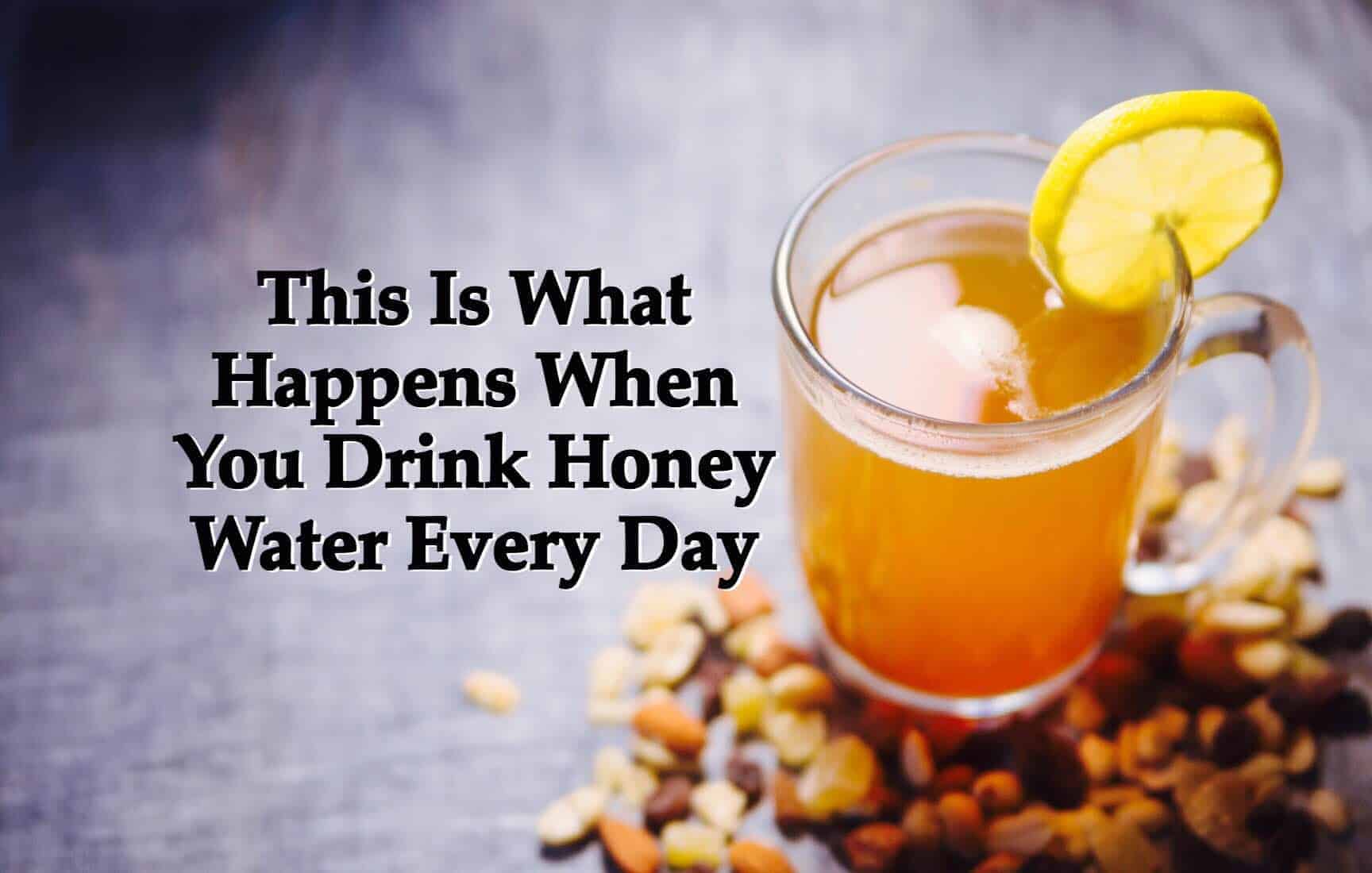
Because of its natural anti-inflammatory properties, honey is a great way to soothe irritated, red skin. To get started, first cleanse your skin with warm water and then apply a generous amount of honey to the affected area. For best results, leave the honey on your skin for a minimum of 30 minutes before finally rinsing it off. Although honey is useful in treating skin irritation and redness, it is not a recommended treatment for sunburn.
honey for red skin

OATMEAL

Similar to honey, oatmeal contains natural anti-inflammatory properties that can help soothe red, irritated skin. For best results, consider soaking in an oatmeal bath as it can rehydrate for dry skin and also reduce inflammation and redness. For those with exceedingly dry skin on their face, consider combining oatmeal and avocado to create a mask. The combined ingredients make for a great all natural moisturizer.

HOW TO GET RID OF GET SKIN SUNBURN AT HOME

If you have ever experienced a sunburn, you know that redness and a constant stinging sensation is par for the course when it comes to such a condition. That aside, the best way to relieve these symptoms is by combining the gel from an Aloe Vera plant along with white vinegar and cider vinegar to create a homemade emollient, which can be used to soothe the skin.

  • Cool chamomile tea
  • Cucumbers
  • Yogurt
  • Lavender oil

HOW TO GET RID OF GET SKIN SUNBURN USING COCONUT OIL

Coconut oil contains antioxidants as well as vitamin E, which means that it can reverse the signs of aging, hydrate the skin, and heal skin damage. For best results, consider using pure virgin coconut oil as it contains a formulation that is especially effective in the treatment of sunburns. Studies show that when coconut oil is absorbed into the skin and reaches the body’s connective tissues it help minimizes the damaging effects cause by too much sun exposure. Furthermore, coconut oil also contains antibacterial agents that can help treat and prevent infection.

WHEN SHOULD YOU SEEK MEDICAL ATTENTION?

Unless your skin redness is linked to an underlying health condition, it may not be necessary to seek medical attention as the condition will often resolve itself over time with the help of emollients and other home remedies. However, you should be seen by a physician if your get rid of get skin redness fits the following criteria:

  • Covers a significant area of the body
  • Coupled with a fever
  • Does not improve after several days
  • Spreads to other areas of the body
  • Coupled with blisters
  • Becomes extremely painful
  • Begins to show signs of infection

 

Science Explains 10 Secrets of a Healthy Relationship

Are there couples in happier and healthier relationships? Sure. But, in most cases, it has little to do with the amount of love or commitment one has for the other. Just as there is a science behind other elements of human relationships (see: Dale Carnegie’s How to Win Friends and Influence People), there is a science to a healthy and fulfilling relationship. And, as with any science, there are multiple elements and variables.

What are the secrets to a healthy relationship? Read on, friend!

“What’s normal anyway?”

“Relationships don’t always make sense. Especially from the outside.” – Sarah Dessen

First, the obvious: relationships are complex. Like, really complex. Relationships are complex because, well, human beings are complex. And some humans are more complex than others. And fickle. Also, sometimes just downright strange. For some people, relationships bring out the worst in them – sad but true.

Second, all relationships are different. Is this cliché and overly general? Yes, it is. But since one of our favorite pastimes is playing the comparison game, it bears repeating. Don’t play the relationship comparison game – it’s a no-win contest. And, again, there are just too many variables and things unseen at play.

Typical Behaviors in a Healthy Relationship

healthy relationship

Anyway, here’s a rather long list of things that are normal in a relationship that, for some reason, many of us think aren’t. After that, we’ll get to the science-y stuff.

  1. Long periods of silence: Who at one point hasn’t thought that zero decibel level hanging in the air wasn’t awkward? Anyways, the longer you and your significant other are together, the more often you’ll hear the proverbial pin drop.
  2. Needing time apart: No matter how fulfilling, a relationship isn’t meant to replace an individual’s need for space. Constantly being within arm’s distance of each other isn’t healthy.
  3. Feeling distracted (especially in conversation): Humans don’t have the best attention span. Couple this with the fact that, untrained, we’ve got the attention span of a goldfish, and one of you is likely to feel ignored at some point.
  4. Having ahem, “fantasy” moments on occasion (on occasion!): The infatuation you felt when first dating your spouse/significant other? Yeah, that’s not supposed to last. What will we do with that overactive imagination and some Hollywood hunk/babe staring back at us through the tube?
  5. Feeling the need to “be free”: This goes along with #2. It’s possible (probable) that you’ll feel “shackled” by your relationship at some point. It’s only natural that we think about what’s on the other side of the door.
  6. Being annoyed at a partner’s habit: It never ceases to amaze how many people in committed relationships are easily offended by their partner’s insistence on quitting ‘x’ habit. Really? Did you expect them to fall in love with biting your fingernails and leaving dirty socks on the ground, too?
  7. Not getting on with one of their friends: There are far too many people out there for everyone to tolerate one another. Personalities clash. Read through the Jungian typologies, the Zodiac signs, the Chinese chart, etc. With that said, you must straighten out that friend who steps out of line (e.g., the drunkard who makes the offensive jokes at every get-together, the misogynist, etc.)
  8. Telling a white (or not-so-white) lie: In a perfect world and in a perfect relationship, we’d have the courage to speak the truth in every circumstance. But this isn’t a perfect world, and there is no such thing as a perfect relationship. But again, there are commonsense boundaries that should never be crossed.
  9. Faking or exaggerating sexual excitement: Uh, ladies? *Nervous laughter* It’s getting warm in here…moving on!
  10. Leaving a skeleton or two: Omitting certain things about one’s past is more common than you think. While psychologists definitely won’t get on board with leaving out “Any data that could hurt a potential partner,” – and rightly so, by the way – the tell-all, church confessional, no-holds-barred, brutal truth-type relationship is a bit extreme.

Feeling more normal already, are we? Wonderful! Let’s get to the heart of the matter.

10 ‘Science-y’ Secrets of a Healthy Relationship

“Women marry men hoping they will change. Men marry women hoping they will not. So each is inevitably disappointed.” – Albert Einstein

1 – Know how to argue

Arguments happen in relationships and are sometimes necessary for clearing the air and resolving a conflict. But far too many people in committed relationships attack their partner instead of the issue. At no time should personal insults fly and self-esteem be sunk.

Focus on the crux of the matter. Learn to express your thoughts and feelings without offending the person. It is possible to respect and love your partner while arguing. If things heat up to the point where you may say something you later regret, simply say so and walk away.

2 – Keep the candle lit

Richard Schwartz and Jacqueline Olds are professors at Harvard Medical School and certified therapists. They’ve also been married for over 40 years.  Schwartz and Olds are adamant that couples not get too complacent in their relationship.

“We call it the rustiness phenomenon,” says Olds, “Couples get out of the habit of sex, of being incredibly in love, and often for good reasons: work, children, a sick parent. But that type of love can be reignited.”

3 – Prioritize quality time

This one is rather straightforward but vitally important. While you may never duplicate those first couple of years of marriage or courtship, spending quality time is the responsibility of anyone in a long-term relationship.

Quality time is necessary to maintain that special relationship bond and keep communication lines open. Try having at least one night alone weekly to focus on your partner only.

4 – Give and take alone time

In a long-running study by researchers at the Institute for Social Research at the University of Michigan, psychologists conclude, “Having enough space or privacy in a relationship is more important for a couple’s happiness than having a good sex life.” In other words, personal space is pretty dang important.

Dr. Terri Orbuch, a research professor at the University of Michigan, says that giving and taking personal space makes each partner happier and less bored while giving them the necessary alone time to process their thoughts and relax.

what ruins relationships

5 – Practice relationship gratitude

Nobody likes feeling unappreciated, especially someone in a committed relationship. It’s essential, then, to make sure that you’re not taking your partner for granted by practicing gratitude. As it turns out, practicing gratitude is not only mentally and physically healthy, but also helpful for nurturing relationships.

You can show your gratitude by voicing it (always advisable!), leaving a nice card or note, giving them a small gift, cooking for them, or taking them out for a special night.

6 – Keep learning about them

How much do you know about your loved one, really? Here’s an experiment: during a nice dinner (maybe a glass of wine or two), ask them, “Tell me something about you that I don’t know.”

After their initial shock and disbelief, you may be surprised at the answer. You see, stuff like this is relationship gold. Few things keep a relationship going and improve the partnership more than keeping the lines of communication both open and interesting.

7 – Make eye contact

Strange as it may sound, making deliberate eye contact with your partner can increase feelings of closeness. Research also affirms this finding, as well: “…couples who participated in mutual eye contact reported stronger feelings … (including) higher feelings of affection, passionate love, dispositional love, and liking for their partner.”

Try this: while relaxing with your partner on the couch (or someone else where you two are nearby), look over and hold your gaze. If necessary, initiate some sudden movement to grab their attention. They’ll probably laugh at first, but it’ll feel amazing!

8 – Try something new

We’re all overworked and overstressed. Money may be tight, and time is hard to come by. But try having a unique experience with your partner whenever you’re able. Research shows that trying new and exciting things increases relationship gratification.

Ideas? Hiking, horseback riding, camping, picnicking, exercising. Anything you can do together that is out of the ordinary.

9 – Make time for cuddlingcuddle

Physical intimacy – not necessarily sex – is a great way to give your relationship a boost. Cuddling boosts the “bonding hormone” in the brain called oxytocin while increasing feelings of trust and generosity between partners.

Cuddling can be as simple as holding your partner during a movie or drawing them close while walking in a park. Bedtime cuddling is always a good idea too!

10 – Be empathetic

It’s fair to say that we all possess varying levels of empathy. But even trying to understand your partner while reciprocating love and understanding go a long way.

Your partner knows and loves you enough to appreciate when you go the extra mile for them. So pay attention, act compassionate, and be present as you cultivate a more loving relationship!

Science Explains 7 Ways to Flirt (That Actually Work)

Trying to flirt can feel awkward, clunky, and complicated. It’s reasonable to struggle to do so in the right way, and even when you do all you can, sometimes it still doesn’t work out. It might feel like an incredibly complex labyrinth with no clear solution!

But flirting, just like any other form of social interaction, is rooted in psychology – and, therefore, in science. This means that there are specific actions you can perform that guarantee a more successful attempt at flirtatious behavior.

Here’s How Science Explains 7 Ways To Flirt That Actually Work

1.    Eye Contact

Eye contact is arguably one of the most important parts of any successful interaction, including flirting. From the beginning, this type of contact already begins to build a level of trust between you and the person you are speaking to.

The act of maintaining eye contact also helps to create a sense of intimacy. Studies have found that doing so has a positive effect on bonding experiences, and it can even create higher passionate emotions between two people.

On top of that, eye contact makes you appear more confident. It sends a message that you’re sure of yourself, and let’s face it – confidence is attractive. Plus, your eyes will dilate when they see someone you like or find attractive, so they’re practically flirting on your behalf, to begin with.

Of course, there’s such a thing as too much eye contact, which can be unnerving, so you have to balance it out. You may also have difficulties with anxiety or nervousness that make eye contact a little too challenging.

  • In both cases, try starting slow!
  • Consciously make eye contact, look away, and look back again.
  • Repeat until you’re used to it and the motion becomes natural.
  • You should make eye contact in bursts of between two and four seconds, not longer, and preferably not much shorter.

2.    Show Genuine Interest

People like to say that the reason we have two ears but only one mouth is because we are supposed to listen more than we speak. While we can’t say anything about this statement’s biological accuracy, we can certainly appreciate its more metaphorical meaning.

This is a good approach to have through your whole life, but for flirting it’s just as important. One of the most important parts of flirting with someone is getting to know them, and the best way to do so is through good, meaningful discussion and conversation.

And if you want that meaningful conversation, the main way to get that is by expressing real, honest interest in the other person’s words. You should be genuinely curious about what this person has to say and want to listen and know more.

Don’t be afraid to ask questions, listen to and consider replies, and ask even more. This shows that you’re engaging with what the other person has to say, and they will always appreciate your interest. If it’s appropriate, share your own opinions and experiences that contribute to the discussion – but only if it’s relevant!

What if the other person is boring you, or just isn’t talking about anything that interests you? Excuse yourself and move on! Flirting isn’t the equivalent of asking someone to marry you. Have fun with it and meet other people until you find someone who really catches your eye – and ear!

3.    Touch

Touch is simple, but it conveys so much meaning. It is linked with being attracted to someone and expressing a desire for the other. Surprisingly, it can also increase the other person’s heart rate, as well as your own – and that always gets the message across that something more-than-platonic is occurring!

If you think someone is already attracted to you, touching them can actually increase those feelings on their part, so it’s a good move to go for. Here are some examples of flirtatious physical touch:

  • Brush against their hand when you reach over for something.
  • Touch their arm in a friendly manner when you joke around or when they make a joke.
  • Hug them when you meet them or when you’re leaving (or do a similar equivalent).
  • Dance together if you’re in the right setting for that to happen.
  • If it’s someone you already know, wrap an arm around their shoulder or rest your head against their arm.
  • Again, if it’s someone you already know, you may try to hold or touch their hand.
  • Encourage physical contact so the other person knows they can touch you, too!

Of course, not everyone is on board with physical touch. It can make some people uncomfortable, so take note of body language. If the other person stiffens up, backs away, or just starts looking awkward in general, stop the physical contact and stick to the countless other non-physical ways you can flirt.

4.    Tell Jokes

A lot of people put a good sense of humor on their list of deal-makers. That’s why telling jokes is considered such an attractive trait! Even corny jokes can get a laugh, and there’s something just as endearing about “lame” gags as well thought-out ones.

Telling jokes can be pretty hard to do if you’re very nervous. Maybe you just tend not to joke around at all naturally. This doesn’t have to apply to corny dad jokes, cheesy pick-up lines, or perfectly set-up funny tales. You can show off your sense of humor in other ways, often just by showing that you’re not afraid to have a good laugh and have a good time.

  • Using humor when flirting works so well because it helps those around you stay relaxed while also keeping you calm.
  • This lowers the anxiety of the person you’re talking to and boosts their positive thinking, so they’re more open to flirting with you in turn.
  • It can even increase the speed of a relationship’s development.

The easiest way to be funny and humorous is through your own personal experience. Tell silly or funny tales from your life, focusing mainly on being engaging and drawing the other person in. Don’t forget to smile, too; the person you’re talking to will often mirror you and be more inclined to loosen up and chuckle.

5.    Give Compliments

Compliments are great. They make the other person feel good, they make you feel good for making someone else smile, and they’re endlessly charming to those on the receiving end. The trick, of course, is to choose a compliment that you genuinely mean and believe in. Don’t tell someone a lie just to get them to like you – tell real compliments!

Do note that very general compliments tend not to have as much of an effect as more specific ones. Specific compliments touch someone and get their attention in better ways than others that they’ve probably heard a million times, says Tiffany Ashenfelter, a licensed professional therapist. Here are some examples.

  • I am really impressed with how you handled that situation!
  • It’s lovely how kind you were to that nervous waitress.
  • I couldn’t help but overhear you talking about your love of programming. You really sound like an expert!

You don’t have to put yourself under too much pressure to be unique, but if you can say something more interesting than, “You look great,” “Your hair looks pretty,” or, “I like your shirt,” that will definitely score you some bonus points.

Compliments are also a great positive conversation starter or ice breaker. Walk up to someone and say something nice to them. Doing so will also clue even the more oblivious people into your intentions. Compliments are much more likely to be perceived as flirting than any other type you might be attempting to use.

6.    Have Fun When You Flirt

A lot of times, we get a little too wrapped up in attempting to flirt and look cool at the same time that we forget to have fun with it. Flirting isn’t meant to be super serious. It’s not meant to solidify your future with your one true love forever. It’s meant to convey your interest in someone in a way that makes them interested in turn.

The goal of flirting shouldn’t be to score someone’s phone number, succeed in scheduling a date, or getting lucky later that night. The goal is, plain and simple, to have fun. If you focus on trying to “succeed” and get someone to give you their number, you’ll spend the whole time anxiously over-analyzing everything you do, which doesn’t come off well.

  • Instead of thinking about how to get someone to come home with you, aim to have a good conversation.
  • Practice positive thinking.
  • Laugh and enjoy your time.
  • This is much more likely to catch someone’s attention than actively trying to win them over.

When you flirt for fun, not “scoring” at the end of the night doesn’t make you feel like you failed. You just get to enjoy a day or night out without worrying too much about what comes next, so you’re happy no matter what happens.

Besides, flirting is fun! It’s playful, it’s witty, and it can feel nice to be on the receiving end of someone’s attention. Focus on the now, not the future.

7.    Be Your Authentic Self

authentic self

It’s cliché, but the best way to flirt is by being yourself. Sometimes, people try to make themselves look better than they really are, or attempt to exaggerate facts in order to seem cooler. This isn’t a great idea, especially if you end up spending more time with this person later on.

If you’re trying to get someone to like you, don’t you want them to like you for who you really are, not for the persona you’re putting on? Being inauthentic is unfair to the person you’re interacting with, and it’s especially unfair on you.

Think about it – you’re a great person with positive qualities. What’s not to like?

  • Learning to be self-confident is crucial to putting your best foot forward and flirting in a way that scientifically works.
  • Try to be honest with the people you meet.
  • Starting any kind of relationship – platonic or otherwise – on inauthenticity is not going to end well.

Final Thoughts On Some Ways To Flirt That Actually Work According To Science

Flirting, like all other forms of social interaction, takes practice to do well. By implementing these 7 ways to flirt that actually work according to science, you’ll be able to practice in the right way. Before you know it, you’ll be a pro!

5 Simple Eating Habits That Can Protect You From Alzheimer’s

For years we’ve been told that what we eat affects our cholesterol, heart, weight, etc. This is genuinely good advice – and very accurate. But something that’s not discussed nearly enough is how the foods we eat impacts the brain–epecially concerning Alzheimer’s. Make no mistake; our eating habits have a significant effect on our brain health.

Consider this study by Rush University Medical Center in Chicago: researchers developed a diet that they say reduces the risk of developing Alzheimer’s Disease by over 50 percent. More impressive, individuals who followed the prescribed diet only “moderately well” lowered their risk of Alzheimer’s by as much as one-third.

In this article, we are going to discuss the ways in which diet and lifestyle influences brain health. We’ll explain which eating habits are conducive to good brain health, along with the recommended portions of each food type. Finally, we’ll discuss those eating habits that can help protect you from Alzheimer’s!

A Quick Look at Alzheimer’s Disease

Alzheimer’s Disease is the 6th leading cause of death in the United States, killing more people than breast cancer and prostate cancer combined. Astonishingly and tragically, 1 in 3 senior citizens dies with Alzheimer’s or another type of dementia. While scientists and other medical experts have made progress reducing the numbers of deaths from certain medical conditions like cardiovascular disease, the number of people who die from Alzheimer’s has increased – up 145 percent between 2000 and 2017.

Early symptoms of Alzheimer’s include:

– Losing track of time or location

– Difficulties with solving problems

– An inability to work through previously familiar tasks

– Frequent memory loss that disrupts daily life

– Trouble speaking or writing

– Changes to mood and personality

– Withdrawing from social situations

– Increasingly poor judgment

Effects of Eating Habits on The Brain

“Like an expensive car, your brain functions best when it gets only premium fuel. Eating high-quality foods … protects it from oxidative stress – the “waste” (free radicals produced when the body uses oxygen, which can damage cells.” – Eva Selhub, MDEva Selhub, MD

In the quote above, Dr. Selhub – an internationally-renowned physician and fierce promoter of holistic mind-body health – likens the brain to an expensive car. This is a good analogy, even if the brain is much more complicated (and valuable) than even the most expensive luxury vehicle. (That doesn’t seem to stop some people from caring more about their cars than their own health, though …*sigh*.)

Anywho, Dr. Selhub continues, “Unfortunately, just like an expensive car, your brain can be damaged if you ingest anything other than premium fuel.” Right she is, and the good doctor then lists those foods, including refined and processed foods.

How do certain foods damage the brain? By triggering inflammation and oxidative stress. Worse, the brain doesn’t have the capability to suppress many of these triggers due to its location and enclosed space. These limitations can eventually harm the brain’s structure and impair functioning.

Foods Affect How You Feel

“Studies have shown that when people take probiotics (supplements containing the good bacteria), their anxiety levels, the perception of stress, and mental outlook improve.” – Eva Selhub, MD

Without turning this into a human biology course, let’s quickly discuss the biophysical processes behind food’s influence on mood. Around 95 percent of the neurotransmitter serotonin is manufactured in the gastrointestinal (GI) tract. Surrounding the GI tract are around a hundred million neurons that are in constant communication with your brain.

Moreover, the right balance of “good” bacteria in the gut protects the integrity of this complex system by absorbing nutrients, activating neural pathways between the brain and gut, and limiting inflammation. All three functions are critical for both gut and brain health. If one of the three is out of whack, so are all three, and our mood suffers as a result.

Many researchers hypothesize that high levels of inflammation may promote the development of AD by increasing the rate at which beta-amyloid forms in the brainbrain. Amyloid is a type of protein that accumulates in Alzheimer’s patients, causing neuronal damage that interrupts signally from one neuron to another.

Nutritional scientists discovered an interesting fact when comparing the Western and Eastern fare. Eating a more traditional diet, for example, Japanese and Mediterranean may reduce the risk of depression and anxiety (since the two often go hand-in-hand) by as much as 35 percent. The aforementioned cuisines are typically rich in fresh fruits and vegetables, fish, seafood and whole grains. Absent are dairy products, refined sugars, and red meats.

The 5 Simple Eating Habits

Without further ado, here are nine simple eating habits that can help protect you from Alzheimer’s and other forms of dementia.

  1. Eat fresh fruits and veggies

Try aiming for at least five servings of fresh fruits and vegetables per day. You won’t hear us badmouthing any fruit or veg, but some are better for brain health than others. Regarding the prevention of dementia and AD, antioxidants could be crucial.

FoodsFoods packed with antioxidants include blueberries, kale, artichokes, dark chocolate, raspberries, and pecans. Other foods that promote brain health include asparagus, which is excellent for energy; blueberries, which are loaded with antioxidants; oranges, with their high flavonoid and vitamin C concentrations; and dark leafy greens, which help to boost blood flow to the brain.

  1. Marinate your meat

Byproducts known as advanced glycogen end products, or ‘AGEs,’ form when fats, protein, and sugar interact with heat. Numerous studies demonstrate that AGEs stunt the production and availability of the vital brain protein brain-derived neurotrophic factor or BDNF. BDNF helps to ensure the growth, maturation, and survival of nerve cells (neurons) within the brain.

Marinating – as well as boiling, braising, and poaching – fish and meat changes the composition of the food as to allow in more moisture. This extra moisture drastically reduces the number of AGEs.

  1. Spice things up

Instead of flavoring your food with butter or salt, try adding a spice or two. Of all the herbs and spices to choose from, curcumin may be the most beneficial for brain health. Per the Alzheimer’s Society, curcumin shows promise as a potential dementia treatment due to its potent anti-inflammatory, anti-amyloid, and antioxidant properties.

Curcumin may also help to reduce the risk of arthritis, cancer, and depression. In people with type 2 diabetes, ¼ teaspoon of curcumin may lower blood sugar by nearly 30 percent!

  1. Eat fatty fish at least once per week

In a 2017 meta-analysis of multiple studies published in the Journal of Clinical Medicine Research, researchers hypothesized that the two main acids found in omega-3 – EPA and DHA – “have anti-inflammatory effects and neuronal protective functions and may benefit prevention of dementia.”

One of the larger studies cited in the analysis – 815 residents (aged 65 to 94) – found that “(study) participants who consumed fish once per week or more had 60% less risk of AD compared with those who rarely or never ate fish.” Freshwater fish with the highest concentrations of omega-3 fatty acids include wild salmon, herring, mackerel, perch, rainbow trout, and sardines.

  1. Drink Coffee and Green Tea Liberally

Instead of reaching for a soda or beer, heat some coffee or green tea alternatively. The former contains a chemical called DHT which studies show may be a neuroprotective agent. Scientists at Johns Hopkins University found that a 200-milligram dose of caffeine helps with memory consolidation and speed.

Green tea is a good source of antioxidants and the substance EGCG. Besides helping to reduce blood pressure and cholesterol levels, the substances within green tea may reduce the accumulation of beta-amyloid plaque and tau.

Final Thoughts

alzheimers

“Promising research shows that you can reduce your risk of Alzheimer’s and other dementias through a combination of simple but effective lifestyle changes. By leading a brain-healthy lifestyle, you may be able to prevent the symptoms … and slow down, or even reverse, the process of deterioration.” – HelpGuide

There is currently no cure for Alzheimer’s disease or any other type of progressive dementia. As there is no known cure, active prevention in the form of permanent lifestyle changes should be considered paramount. Proper diet and regular exercise are two critical elements of such a lifestyle, along with:

  • Social engagement
  • Mental stimulation
  • Quality sleep
  • Stress management
  • Maintaining a healthy weight
  • Limiting alcohol intake
  • Regularly checking blood sugar, blood pressure, and cholesterol levels
  • Not smoking or using illicit drugs

7 Morning Habits That Create Inflammation

Many people with inflammation go through the same motions every morning. We all wake up simultaneously, drink our favorite morning beverage (read: coffee),  eat breakfast, and so on. If you’ve noticed that your days aren’t going so well, how you approach this time of day is probably a factor.

  • #1: Everything you do (and don’t do) in the morning affects how the day unfolds, for better or worse.
  • #2: Your inflammation levels directly impact #1.

In other words, getting your inflammation game right can go a long way in helping set you up for a happy, productive day. If you prioritize eating right, reducing stress, and getting organized before you head out, you have a much higher chance of feeling balanced and focused all day long.

In this article, we will discuss seven counterproductive habits that create, sustain, and worsen inflammation. We’ll also go over a few steps that you can take to re-calibrate the inflammatory response. Ready? Let’s do this thing!

Habits That Create Inflammation

inflammation

1 – Eating the Wrong Stuff

“Unhealthy food seems to make the body’s defenses more aggressive … Even long after switching to a healthy diet, inflammation towards innate immune stimulation is more pronounced.” – Dr. Eicke Latz and Dr. Anette Christ

Eating a bunch of processed foods first thing is a surefire way to send your inflammation markers – chemicals that “measure” inflammation levels – into a screaming frenzy. Foods that fall into this dubious category include doughnuts, sugary cereals, cookies, pastries, frozen and boxed products, and refined foods.

It’s probably just fine to indulge in these things occasionally, but making a habit of it will boost your inflammation. Popular breakfast foods like doughnuts, coffee cakes, and pastries offer little in the way of nutrition.  As such, we’re depriving ourselves of vital nutrients when our bodies need them most – the morning. (Remember, you just spent the last eight hours in a metabolic state similar to fasting!)

Eat a healthful breakfast every morning. Think of and treat your body as the high-performance machine designed to be. What would you put into the gas tank of a Porsche? Premium fuel, right? Your body’s premium fuel is healthy fat, fiber, and protein.

2 – Waking Up Fatigued in the Morning

“Circadian rhythms … regulate our immune system, and with it, our levels of inflammation … We’re more prone to unhealthful inflammation, and more at risk for diseases, including metabolic disease, cancer, and heart disease.” – Michael J. Breus, Ph.D.

Struggling to get out of bed in the morning is a probable sign of insufficient sleep. This is bad because pro-inflammatory messengers called cytokines are elevated when sleep loss is a regular occurrence. Worse, this phenomenon can alter the body’s equilibrium state to such an extent that these cytokines remain at high levels during times when the person tries to catch up on sleep. In other words, if sleep deprivation continues for an extended period, the body will reverse its natural tendency to act against inflammation during sleep.

Get your beauty sleep. Four great bedtime habits will go a long way to getting your inflammation and circadian rhythm back in check.

  • First, synchronize your body clock by going to bed and waking up at the same time every morning, weekends included.
  • Second, resist the impulse to nap or remain stationary during the day.
  • Third, limit your exposure to artificial light (e.g., digital screens) during the evening hours.
  • Finally, stick with non-alcoholic and caffeine-free beverages during the evening hours.

3 – Getting Frazzled First Thing

“Inflammation can be a response to chronic stress and elevated cortisol levels. If your mornings are hectic [and leave] you feeling anxious and wiped out, you’re setting yourself up for burnout, [which] takes a toll on the immune system.” – Dr. Josh Axe

Some of us tend to be relatively mindless in the morning, mainly when commuting to work. Do you find yourself rushing around trying to find something to wear, gulping your coffee, and/or frantically scavenging for the now lost (sorry, “misplaced”) car keys?

It doesn’t take an expert on mental health to ascertain that rushing around in the morning isn’t conducive to well-being. However, you may be surprised to know that these seemingly “minor” inconveniences can wreak significant havoc on our hormones and inflammation levels. Habituating this undisciplined approach to mornings is a recipe for disaster.

“Slow down there; speed racer!” So maybe the morning got off on the wrong foot. It happens – especially in the A.M. But try not to get too worked up. Ease into the day by practicing meditation, journal writing, reading, or other activity that promotes positivity and empowerment. The resulting shift in mindset is truly astonishing!

4 – Playing with Your Phone First Thing

You had to know this one was coming, right? Indeed, staring at your social media and text messages can manifest a potent stress response, something that you don’t need. Especially when just getting out of bed – or trying to!

Something to remember: emotional stress is the leading cause of inflammation in the body. Digital media is one of the top producers of emotional stress. Add two and two together, and you have a good reason to cut back on your social media use – at least first thing in the morning.

There’s a mountain of evidence suggesting that meditation builds your resilience muscles. Per a study published in the journal Personality and Individual Differences, “Mindful people … can better cope with difficult thoughts and emotions without becoming overwhelmed or shutting down. Pausing and observing the mind may [allow us to] resist getting drawn into [setbacks].”

5 – Consuming a Bunch of Sugary Coffee

Not much of a shocker here, eh? Sugar is a significant contributor to whacky inflammation markers. It’s probably not a big deal in the short term. However, making a habit of downing cups of sugar coffee may contribute to chronic inflammation problems. Chronic inflammation is a leading cause of dangerous and potentially fatal health conditions, including cancer, diabetes, and heart disease.

Moderation, Moderation, Moderation. Most people with inflammation issues stemming from poor diet habitually consume things like sugar. Again, the point here is not to eliminate what you enjoy from your plate, cup, or bowl but to practice eating and drinking in moderation via mindful discipline. Of course, you should also know if you have a family history of diabetes, heart disease, hypertension, or any other medical condition that may require medical oversight and dietary intervention.

6 – Fretting the Day

It can be challenging to be equanimous at the crack of dawn, especially if your schedule is packed full. But you don’t need to possess Dalai Lama-ish composure to approach the day more calmly. Our aim here is to dial down on the inflammation, and we can’t achieve that aim while looking at our day ahead in disgust!

Remember this old riddle? “How do you eat an elephant? “One bite at a time.” Most of us have had those days where we approach each task in our schedule with one thing in mind: the next task. Multitasking most certainly isn’t the answer. In fact, multitasking may not even exist. So, what is the best approach? Doing one thing at a time. Direct all of your cognitive reserves onto the task at hand. Single-task. Try it and thank us later.

7 – Hitting the Gym Wrong

“Huh? How do you hit the gym wrong?” Many make the same mistake when researching. But it turns out that there is a wrong way to approach exercise in the morning. Two ways, actually. The first is not trying to get in any semblance of morning physical exercise. This is not advisable for obvious reasons. The second is engaging in an overly vigorous workout regimen. Both can cause your body to rebel by hitting you with a flood of stress hormones.

Take it slow and easy when you start exercising. Light exercise is okay, especially when trying to watch your inflammation levels. Consider incorporating a mindfulness exercise – meditation, mindful walking, yoga, etc. – with a light physical activity or a medium-intensity workout class.

morning exercise

Final Thoughts on Morning Habits That May Contribute to Inflammation

The dawn of a new day presents an opportunity to start fresh, reset, and prioritize our well-being. However, as outlined, many everyday morning habits unintentionally fuel inflammation, laying the groundwork for potential long-term health repercussions. Whether it’s indulging in sugar-laden breakfasts, neglecting sleep, or succumbing to the lure of digital screens, these habits compound over time. Thus, each can create a ripple effect on our overall health.

How do we restore wellness?

Prioritizing mindfulness, a balanced diet, adequate sleep, and conscious technology use can redirect this trajectory. By curbing inflammation-causing habits, we not only uplift our wellness but enhance our ability to navigate life’s challenges and support others effectively. So, let’s start each morning with intention, making choices that foster vitality and longevity.

Psychologist Explains How to Beat Procrastination

Procrastination is a treacherous habit. A dangerous habit. Fortunately, procrastination is also a conquerable habit.

The Oxford English Dictionaries defines procrastination as “The action of delaying or postponing something.” More interesting is OED’s example phrase for the word: “Procrastination is the thief of time.” It is most certainly that.

It’s not hyperbole to say procrastination kills ambition, energy, happiness, and success. The procrastinator – a title that sometimes applies to everyone – wants to stop this incessant delay. The question is not a matter of desire but self-control, knowledge, and implementation.

This article will discuss ways to defeat the procrastinator in us all. Of course, it is not as simple as barking out (or typing out) instructions. As overcoming procrastination involves a shift in mindset – no small feat – we must approach this shift methodically and scientifically.

Regarding the last point, it is essential to understand the why’s behind the act of procrastination. According to psychologists, this knowledge can help us to beat procrastination. This is because the mindset that gives rise to procrastination involves three truths that, once acknowledged and remembered, can go a long way toward helping relieve us of the habit and the guilt that often arises from the habit. These three main points are: (1) procrastination is a very human thing, (2) procrastination has its origins in evolution and neurology, and (3) we can do something about it!

Let’s discuss all three points in order:

#1 Procrastination Is A Very Human Habit

“While procrastination seems like a character flaw, it evolved for a reason.” – The Genetic Literacy Project

According to psychologists and professors Joseph Ferrari and Timothy Pychyl, there are ten things that people should understand and remember about procrastination. Doing so will help sweep up some of the regret, anger, and confusion that often follows when procrastinating. As you will see, this knowledge will put you in a better position to call yourself out before it takes hold.

procrastination

Here is procrastination at a glance using ten points:

  1. Procrastinators can undoubtedly change their habits. The problem for most is that the work required to change said habits consumes much mental energy.
  2. The adverse effects of procrastination are felt nearly everywhere. Evidence exists that procrastination can cause both personal and professional problems. Life areas that can be affected by procrastination include health, education, finances, relationships, and career.
  3. The three types of procrastinators are arousal, avoidance, and decisional procrastinators. The first gets a “thrill” from procrastination. Avoidance types procrastinate from a deeply rooted fear of failure. Decisional procrastinators are unable to make decisions.
  4. Procrastinators are constantly scanning the environment for possible distractions to use as an excuse to deviate from the task at hand.
  5. Procrastination usually summon rationalization, which can cause the mind to “play tricks” to the point where the procrastinator feels entitled to put something off. Common rationalizing phrases include, “I’m feeling too (tired/uninspired/sick/etc.) to do this now,” “I can’t think clearly,” and “I’ll do this tomorrow.”
  6. Substance abuse is common in those with an avoidant style of procrastination. Experts attribute this correlation to poor self-regulation skills.
  7. Controlling parents, particularly fathers, may cause the person to procrastinate out of rebellion.
  8. Procrastination cannot be attributed to personal shortcomings like poor planning or inept time management.
  9. There is a cultural element to procrastination. In the United States, for example, Americans tend to tolerate the excuses of others more than many (most?) others. Such excuses wouldn’t fly in many other countries, including in places where punctuality is highly coveted.
  10. Two out of ten people identify themselves as chronic procrastinators. In other words, procrastination is evident in most, if not all, areas of their life.

#2 Procrastination Has Its Origins in Evolution and Neurology

We must first discuss cognitive planning to understand the evolutionary and neurological roots of procrastination. Complex planning is one of the executive functions. It involves the neurological processes utilized in formulating, evaluating, and selecting a sequence of thoughts and actions. It is a necessary process to achieve a desired goal.

Our brain can reject planning at the subconscious level. So, if your subconscious mind “thinks” that your plan is worthless, do you think you’ll dive into some project head first? Highly unlikely. You are more apt to find something else to do. All the while, your conscious mind is trying to rationalize why you are putting off that important project (and failing miserably!).

Why have we evolved only to adopt the apparent self-sabotaging act of procrastination? This question is a bit complicated. Long story short, we’re much more intelligent and intuitive than we think. To illustrate, let’s use the following complex planning scenario, courtesy of Dr. Cal Newport: “Sharpening a spear and charging a mammoth, and sharpening a spear and throwing it at the mammoth are both complex plans. Early Homo sapiens could … notice that the latter plan, with its much reduced risk of trampling, was the better choice.”

Now, here’s a rhetorical question followed by a critical point:

If your subconscious mind knew – even if your conscious didn’t – that tossing the spear may prevent you from getting trampled by a mammoth, is there a chance you’d think twice before charging a ten ton woolly mammoth?

Dang right! And you can bet that many of our hunter ancestors felt the same anxiety masquerading as procrastination. The lesson of the story: It may feel as if we’re unnecessarily delaying for no good reason when in fact our subconscious knows that there’s a better way.

Besides the normal evolutionary and neurological mechanisms of procrastination, there also appears to be a potential link with various mental health disorders. More specifically, mental health conditions that decrease the brain’s levels of the neurotransmitter dopamine. Not only does this make sense from a commonsensical perspective, but a biological one.

#3 We Can Do Something About It!

Now for the part we’ve all been patiently waiting for! Here are seven science-backed ways to beat procrastination based on psychologist Timothy Pychyl’s research on procrastination.

habit

1. Label Negative Emotions

Remember when we talked about the role of cognitive planning in procrastination? Well, it must be understood that the subconscious part of this process is strictly non-verbal. This means that when the circuits just beyond conscious thought object to our current plan, we won’t hear “Wait, stop!” or “Try this!”

Instead, our subconscious will attempt to get our attention by manifesting a bunch of unpleasant emotions. Learn to label the emotions of anxiety, boredom, fear, incompetence, indecision, and overwhelm – and you will be well on your way to beating procrastination.

2. Pay attention

Our brain has two modes: a default mode and a focused mode. The default mode is impulsive, lazy, and loves to make excuses. The focused mode tunes in and locks on. Guess which one is conducive to doing good work and beating procrastination?

Of course, fighting distractions and overcoming procrastination isn’t always easy. You will fail at times. But if you invest even a few minutes a day building your attentional capabilities, you’ll find it much easier to pay attention to work – even when it’s boring.

3. Spot Rationalization

When procrastination seeps into the conscious mind, the uber-intelligent brain will “reward” us by providing excuses. (Thanks, brain!) By learning to spot rationalizations, we can hold ourselves accountable and return to the right frame of mind. Here’s a short list of some of the more common rationalizations:

  • “I have plenty of time.”
  • “It’s easy, I’ll get it done in no time.”
  • “I’ll get it done tomorrow.”
  • “I need to do (x) before I can finish the job.”
  • “I work better under pressure.”

4. Know the Types

This one is all about recognizing procrastinating activities for what they are – time wasters – and then returning to work. Some of the more common types of procrastination include:

Busy work: email, phone calls, organizing, etc.

Bodily needs: drinking, eating, and sleeping

Entertainment: social media, texting, YouTube, etc.

Notice if these time wasters always appear when starting a complex task. If so, your mind and body may be playing tricks. Ask yourself if what you’re thinking about can wait. If not, that’s okay. Please do what you need to do and then get back after it.

5. Lay the Bricks

It’s quite incredible just how creative the mind gets when it wants to avoid the hard stuff. One way it does this is by conjuring up a bunch of activities that only work in appearance. Get around this by breaking each goal into actionable steps, or “bricks.”

Think of a house or building project. Progress is always measured incrementally or, to use a corny analogy, brick by brick. Ensure you do the real (read: hard) work by laying only those bricks necessary to achieve your goal.

6. Just Get Started

The pain and discomfort of procrastination is at its peak before you start doing a task. As soon as you start, the amount of pain falls drastically. (Google “Procrastination Pain Graph” if interested.)

Anyway, forgo the need to have everything planned out and begin. Doing so will make you feel much better and more inclined to finish.

7. Forgive Yourself

We would love to tell you that, by knowing all this stuff, you will never procrastinate another day. The writer would be lying through somewhat crooked teeth. Unfortunately, procrastination is as human as bad traffic and selfies.

Remember: “To delay is human, to forgive is divine.” (Sorry, the writer’s creative juices are also fried. Or am I procrastinating? Hmm…) Anyways, be neither too harsh to too lax with yourself. Lay those bricks, make consistent progress, and try to enjoy the ride!

procrastination

Final Thoughts on Overcoming Your Procrastination Habit

Procrastination, a universal adversary to productivity and personal growth, often holds us captive in a cycle of delay and regret. Overcoming it isn’t just about accomplishing tasks. Instead, it’s about liberating ourselves from the weight of unmet commitments and unrealized potential. The first step is to recognize that every moment spent dawdling is an opportunity missed. We can reclaim our time and potential by employing strategies, understanding the root causes of our hesitations, and actively fostering an environment conducive to action.

At the end of the day, the journey to conquer procrastination is a testament to our commitment to personal evolution. Let us move forward with intention, embracing each new habit as a stepping stone to a more fulfilled and purpose-driven life.

Doctor explains what happens to your body when you drink decaf coffee every day

Coffee is a popular beverage around the world. Numerous people enjoy drinking the beverage, but limiting caffeine intake is usually essential to them. For these individuals, decaf is usually a great alternative.

Decaf is similar to the regular cup of joe, only that caffeine is extracted. This means that they share some great health benefits. These include improved cardiovascular health, better function of the liver, reduced heartburn symptoms, and more. This article explains the health impacts of decaf on your body.

What is Decaf?

Decaf is an abbreviation for decaffeinated coffee. Decaf typically has 97 percent caffeine extracted from the beans. The extraction process includes carbon dioxide, organic, and water solvents. Coffee beans are cleaned in the solvent until extraction of the caffeine into the solvent. The beans are decaffeinated before roasting and grounding. Decaf’s nutritional value is almost similar to a regular cup of joe, except for the caffeine content.

But the smell and taste might get a bit milder, and the color could change, depending on the method used. This can make decaf more pleasant to those with more sensitivity regarding the strong smell and bitter taste of the regular cup of joe.

decaf coffee

Caffeine Content

Decaf is usually not fully free from caffeine. It has different amounts of caffeine, usually about three mg per cup. According to research, 180 ml of decaf has 0-7 mg of caffeine. On the contrary, a regular cup of joe has around 70-140 mg of caffeine, depending on the type, cup size, and preparation method. However, despite decaf having some caffeine, the amount is normally insignificant.

Decaf Has Nutrients and Antioxidants

Decaf, just like any cup of joe, is the largest source of antioxidants. However, it has fifteen percent fewer antioxidants than a regular cup of joe. This variation most likely results from a slight loss of antioxidants during decaffeination. The primary antioxidants in decaf and a regular cup of joe are polyphenols and hydrocinnamic acids. Antioxidants are very efficient at neutralizing reactive compounds referred to as free radicals. This minimizes oxidative damage and could assist in the prevention of diseases such as type 2 diabetes, cancer, and heart disease.

Additionally, decaf has trace amounts of particular nutrients. A cup of brewed decaf includes 2.4 percent of the daily requirement of magnesium, 4.8 percent of potassium, and 2.5 percent of vitamin B3, or niacin. This might not appear like plenty of nutrients, but the quantities increase quickly if you drink two or more cups.

Health Benefits of Decaf

Decaf is associated with several health benefits, generally attributed to the content of antioxidants and other active compounds. But the particular health impacts of decaf can be difficult to determine. This is because numerous studies assess the intake without differentiating between a regular cup of joe and decaf. Additionally, the majority of this research is observational. It cannot be proven that coffee leads to health benefits, only that consuming decaf is linked to them.

1. Premature Death, Liver Function, and Type 2 Diabetes

Drinking both decaf and regular coffee for health has been associated with decreased type 2 diabetes risk. Every daily cup can minimize the risk by up to seven percent. This shows that other elements not caffeine may cause these health impacts. The impacts of a regular cup of joe on liver function are better studied than that of decaf. But one significant observational study associated decaf with minimized liver enzyme levels, which shows a protective impact. Consuming decaf has also been related to a small but significant decrease in the likelihood of premature death and death from heart disease or stroke.

2. Neurodegenerative and Aging Diseases

Consuming both regular and decaf coffee for health positively impacts mental decline related to age. Also, studies on human cells reveal that decaf can safeguard neurons in the brain. This could assist in the prevention of diseases like Parkinson’s and Alzheimer’s.

A particular study revealed that this could be as a result of chlorogenic acid in the beverage as opposed to caffeine. But caffeine itself has also been associated with a minimal risk of neurodegenerative diseases and dementia.

Numerous studies reveal that individuals who consume a regular cup of joe have a decreased risk of Parkinson’s and Alzheimer’s diseases. However, more research on the decaf’s role is needed.

Another benefit of decaf is its effect on psychomotor behavior and brain cognition. Research from Tufts University involved aged rats that were offered a 0.55 percent diet with the beverage. This is similar to ten cups of joe per day.

The researchers found out that the rats that consumed the diet rich in the beverage showed better performance in the working memory task and psychomotor testing compared to the control group of aged rats. These favorable impacts were not due to the benefits of caffeine. It was due to the bioactive polyphenols available in the coffee.

3. Decreased Risk of Rectal Cancer and Heartburn Symptoms

A popular side effect of coffee for health is acid reflux or heartburn. Numerous people face this, and consuming decaf can relieve you from this adverse side effect. According to research, decaf causes less acid reflux than a regular cup of joe.

Additionally, taking two or more cups of decaf daily is associated with as much as a 48 percent decreased risk of getting rectal cancer.

decaf coffee

4. Improves Cardiovascular Health

A great benefit of decaf is the positive impact on endothelial function. This function is essential to cardiovascular health since it assists in modulating blood flow, vasoconstriction, and vasodilation, delivering the proper quantity of nutrient and oxygen-rich blood throughout the body.

A dysfunction in the endothelial tissue may result in a heightened risk of heart disease. But scientists recently found that decaf has less favorable effects on endothelial function than a regular cup of joe regarding abilities to scavenge free radicals. This is because decaffeination removes some of the polyphenol content from the beans.

In addition to the many antioxidants, decaf has a decent quantity of particular minerals like iron, sodium, and calcium.

Benefits of Drinking Regular Coffee for Health over Decaf

A regular cup of joe is popular for its stimulating effects. It minimizes feelings of exhaustion and increases alertness. These impacts are linked to caffeine, which is present naturally in coffee.

Some of the advantages of a normal cup of joe are directly linked to caffeine, which means decaf does not offer the same impacts. These positive impacts include increased fat-burning and metabolic rate, enhanced athletic performance, minimized risk of suicidal thoughts, and mild depression in women. Additionally, you will get improved mental function, memory, mood, and reaction time as well as decreased risk of end-stage liver damage or liver cirrhosis.

However, keep in mind that research on regular coffee for health is much more extensive than decaf coffee.

Side Effects of Decaf

The side effects linked to decaf are not extensively studied. Most studies only look at the regular cup of joe. In addition to slight caffeine, some widespread side effects of decaf are the adverse impacts on nutrient interactions and non-heme iron absorption.

Another area to be concerned about, particularly regarding females, is decaf’s ability to bind to non-heme iron. This blunts the ability of the body to absorb iron. A cup of decaf minimizes iron absorption by 39 percent when a hamburger meal is consumed.

However, drinking your decaf an hour before your meal reveals no potential decrease in iron absorption.

Why Decaf over Regular Coffee?

There is plenty of individual differences when it comes to tolerating caffeine. For particular people, one cup of joe can be too much, while others are okay with five or more cups. However, excessive caffeine consumption can overwhelm the central nervous system and cause anxiety, heart arrhythmia, amnesia, restlessness, and digestive issues.

If you are sensitive to caffeine, consider limiting the consumption of your regular cup of joe or switching to decaf. Also, you may need to restrict your caffeine intake if you have specific medical conditions. This is particularly important when taking prescription drugs that may interact with caffeine.

Moreover, breastfeeding and pregnant women should restrict their intake of caffeine. People suffering from anxiety or amnesia, adolescents, and children should follow suit.

coffee

Final Thoughts on Drinking Decaf Coffee for Better Health

Coffee is one of the most nutritious beverages in the world. It is rich in antioxidants and is related to the minimized risk of severe conditions. But not all people can take a regular cup of joe since the caffeine can lead to issues in some people.

For these individuals, decaf is an excellent alternative for enjoying a cup of joe, except without the adverse effects of excessive caffeine. Decaf has most of the same health benefits as a regular cup of joe but none of the side effects.


Science Explains 11 Things That Happen To Your Body When You Have A Hormone Imbalance

Of all the systems that make our bodies amazing machines, the endocrine system is the least talked about. After all, as long as everything works as it should, it produces hormones. Then it is mostly automatic, requiring no real effort on our part.

Essentially, the endocrine system is the modem for the creation and management of our hormones. Our hormones act like a wi-fi network. They are special chemical messengers in our bodies that travel via the bloodstream to control most of our body’s functions by communicating with our organs, including the brain. Feeling hungry? Able to sleep? Blood sugar is good? Immune system strong? Healthy sex life? These are just a few of the things that you can thank your hormones for controlling.

So, what happens when you have a hormone imbalance? To understand that, first we need to understand the diversity of the glands, the hormones released, and what each hormone does for the systems or organs they help monitor. Then, you can see the chain reaction if they go awry.

Hormones are created by various glands throughout our body. You may have heard of many of these glands. Sadly, not enough emphasis is given to them when compared to our brain, heart, lungs, and other major organs. These small but significant powerhouses are:

The Main Boss Glands:

  • Pituitary: The brains of the whole operation, or “the Master Gland,” the pituitary gland controls other glands. It is also the gland responsible for triggering growth.
  • Hypothalamus: Second in command, this gland controls the release of hormones from other glands. It is also responsible for many other body signals such as hunger, mood, thirst, sleep, and even your sex drive.

The Worker Glands:

  • Parathyroid: Regulates the amount of calcium in your body.
  • Thymus: This gland helps itself to mature, influences how your immune system adapts, and produces T-cells (a type of White blood cell essential in your line of defense against illness).
  • Pancreas: Controls your blood sugar levels by producing insulin.
  • Thyroid: Calorie burning and heart rate are controlled through this hormone.
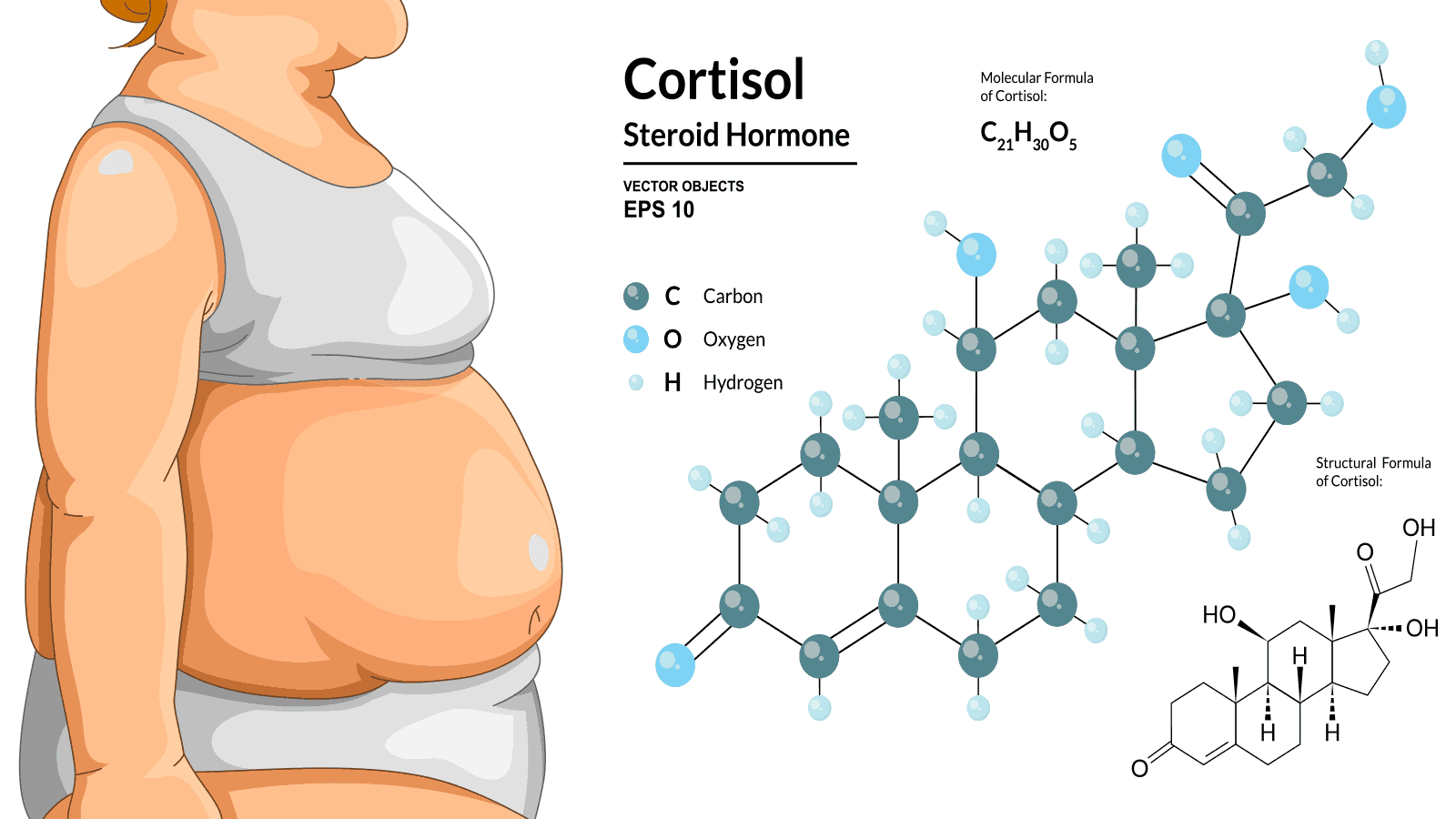
  • Adrenal: Produces the hormone which controls your sex drive and regulates the levels of cortisol, a hormone which is released to aid in stress levels.
  • Pineal or Thalamus: Produces melatonin from serotonin to aid in sleep.
  • Ovaries: the ovaries secrete estrogen, testosterone and progesterone – the female-only sex hormone which aids in pregnancy, puberty, bone strengthening, hair growth, regulating the menstrual cycle, and mood.
  • Testes: They produce testosterone in men. Testosterone plays a role in bone density, puberty, muscle mass growth, strength and facial hair.

Endocrine Disrupters

Hormones circulate throughout the body but are designed to only be picked up by the needed target. Just like when you send a text, it is only supposed to go to one person on your contact list, not the entire list. But what if something interferes? These interferences are called endocrine disrupters and can act in a variety of ways.

  • They can mimic the correct hormone and then arrive at the destination in the correct one’s place.
  • They can block the original hormone from being excreted.
  • Endocrine disrupters block it from bonding at the destination.
  • They decrease the effect the hormone should have.
  • Endocrine disrupters also affect how the target or destination responds to the hormone.

If any of these disruptions occur in a fetus, it can create severe developmental issues. In an adult, it can cause a variety of symptoms as body signals get scrambled and a chain reaction occurs. Some causes of these interrupters are:

  • Weight gain
  • Diabetes
  • Stress
  • Tumor
  • Injury
  • Radiation or chemotherapy
  • Chemicals

So, now that you know about the various glands in the body responsible for creating hormones, let’s talk about the symptoms of hormone imbalance. Many of the symptoms most commonly recognized are exclusive to gender as they are due to the dysfunction of male or female sex hormones.

Science Explains 11 Things That Happen To Your Body When You Have A Hormone Imbalance

Women Specific Hormonal Imbalance

For women, dealing with hormone imbalance is a monthly occurrence due to the fact that their three main hormones – estrogen, progesterone, and testosterone – fluctuate as part of the menstrual process. These same hormones also fluctuate during pregnancy and menopause.  Women’s hormones are meant to act as a check and balance to each other, but their fluctuations can occur within short periods of time, making them very difficult to maintain a balance. The symptoms related to these hormonal imbalances include, but are not limited, to:

  • Fatigue
  • Headaches
  • Weight gain or loss
  • Mood swings
  • Thinning hair or increased hair growth on face, neck and body
  • Constipation or diarrhea
  • Abnormal bleeding – related to mensuration or not
  • Difficulty getting pregnant or maintaining pregnancy

Men Specific Hormonal Imbalance

Hormonal imbalances in men aren’t spoken about as much as women since their imbalance occurs as they age. The hormones which naturally affect them are the growth hormone and testosterone. By the age of 40, they have less than half the production of the growth hormones that they had at age 20. The loss of testosterone also effects their adrenal gland, which then impacts their cortisol levels. The symptoms related to their hormonal imbalances are many, but here are a few:

  • Fatigue
  • Decreased sex drive
  • Weight gain
  • Depression
  • Erectile Dysfunction
  • Decreased muscle mass
  • Possible thyroid dysfunction (hyperthyroidism or hypothyroidism)
  • Adrenal dysfunction (Andropause or Adrenal fatigue)
  • Decrease in body hair
  • Infertility
  • Lower sperm count

Other Hormonal Imbalances

lose weight

Beyond the gender specific hormones and related glands, there are still more hormone imbalances which can occur. They create a wide variety of symptoms and dysfunctions depending on which other glands they affect. Here are just a few major ones:

Thyroid disorder

A thyroid disorder can take the form of either hypothyroidism or hyperthyroidism.  In hypothyroidism, your gland is not able to produce enough of the thyroid hormone – creating symptoms such as weight gain, fatigue, feeling cold, hair loss, dizziness, dry skin, and more.  Hyperthyroidism occurs due to the thyroid producing too much of the thyroid hormone and can cause weight loss, high energy, increased hunger, increased heart rate, and more.

Diabetes

Diabetes is a disorder in which your body is no longer breaking down the glucose from the food you eat. The hormone insulin is triggered from your pancreas as glucose is detected in your bloodstream. That glucose is then supposed to be transferred to your cells for the purpose of providing energy to your body. Symptoms which may point to diabetes are increased thirst, increased hunger, craving for sweets, increased urination, decreased stamina, and blurred vision.

Addison Disease

Addison Disease is a disorder that occurs when the adrenal glands are not producing enough adrenal hormones. In many cases, the cause is unknown, but the autoimmune system attacks the adrenal cortex. Symptoms are usually related to the balance of potassium and sodium.  Symptoms consist of dehydration, darkened skin patches, dizziness upon getting up, fluctuations in sodium levels dependent upon how much water one drinks, low blood sugar, fluctuations in blood pressure, and other complications.

Recognizing Hormonal Imbalance Disorders

These are just a small list of the disorders that an imbalance of our hormones can cause.  As shown above, our hormones control the functions of every aspect of our bodies. Therefore, the symptoms are vast. As one gland is affected, the related hormone can cause a chain reaction with other dependent glands and hormones. Due to this interplay, it can be difficult for doctors to identify the original cause.  Additionally, the symptoms can be gradual, easily ignored in the beginning, and related to multiple causes – further complicating a diagnosis. While it is essential to pay attention to our bodies, a hormone imbalance does not need to be viewed with dread.

While it can cause many complications in the young during growth stages, one should recognize it is also a natural process that as we age, certain hormones will increase production and others will decrease. Treatments range from taking synthetic or natural forms of the hormones, healthy diet, increased vitamins, exercise, possibly surgery, and supportive medication to treat any additional symptoms.

Upon seeing how many bodily functions our endocrine system – and therefore our hormones – regulate and control, one can’t help but be further amazed by the human body and its design.  Just think of all the things you could not enjoy if not for these little messengers!  Yet, it is not difficult to see how they can go from awesome to awful when our hormones grow imbalanced and affect our bodies. We are so fortunate in that by being aware, eating healthy and exercising, we can help our bodies stay in balance so our hormones function properly.

Final thoughts

If you believe you have a hormone imbalance, make sure you get it checked out with a doctor. He or she will help you find the cause of the imbalances and come up with a corrective plan to get your body back on track. Diet, exercise, keeping stress low, and getting enough sleep can often help hormones become balanced again. Of course, there are exceptions to this, which is why having regular check-ups is so important.

12 Things to Do Every Day Before 12 PM

What’s your morning routine like? Everyone has a different way of going about their mornings, and we all have different habits. But did you know that there are scientifically proven routines that do wonders for the rest of the day? These are things you should try to fit in before 12 pm if you can.

Here Are 12 Things To Do Every Day Before 12 PM

Add these small tasks to your morning routine. You will become more productive and feel better motivated.

positive thinking

1.    Make The Bed

It seems like something small and inconsequential, but doing a task as simple as making your bed is a great way to start the day. This is because it gets your momentum going. Essentially, completing a small task like this one kickstarts your brain into wanting to do more tasks.

No one can deny that getting out of bed in the morning is difficult, and motivating your groggy brain is harder. If you get your bed tidy and prepared for later, you’ll be able to wake yourself up in an easy, routine way that lends itself to better routines. Even small accomplishments can give you the motivation you need.

Plus, at the end of a long, tough day, you’ll be able to crawl into a comfortable, well-made bed. It’s the perfect way to close the day’s chapter positively.

2.    Have A Bath Or Shower

Personal hygiene is crucial to mental health. If you’re home all day, you might think hopping in the shower in the morning is unnecessary, but it can make all the difference. Jump in and take a quick one, or take a dip in the bathtub to help get rid of residual sleepiness, sweat, and dirt.

Washing and cleaning your body can be revitalizing and even give you a boost in energy. It helps refresh you, so you’re not just cleaning your skin – you’re also cleaning your mind.

3.    Exercise

Even a little bit of physical activity is good for you, and it’s best to do in the morning or early in the day. It can be hard to convince yourself to get your butt going, especially if you’re feeling not-quite-awake, but you don’t have to hit the gym for an hour or go for a several-mile run in order to reap these benefits.

There are plenty of simple forms of exercise you can perform for this purpose, including:

  • Stretches
  • Yoga
  • Walking
  • Jogging
  • Running
  • A selection of workout moves
  • Swimming
  • Dancing
  • Anything that gets your heart pumping!

Early-day exercise boosts positive thinking, gets your creative juices flowing, and prepares your body to tackle the day. It’s a wonderful habit to start doing and it can change your day entirely, all while making your body that much healthier.

4.    Drink Water

The average person needs around eight glasses of water daily. As you approach the halfway mark of your day, you should make good progress on reaching this goal. This doesn’t mean you should force yourself to drink; if you usually barely drink, it can take a while to get used to increased water intake.

Drink two glasses of water in the morning, one before and one after breakfast. Then, drink another glass between then and 12 pm, or two if you had an early rise. Not only will this keep you healthy and hydrated, but it will also help you to stay more full, especially if you have a bit of snacking problem!

5.    Have Breakfast

Many people skip breakfast, but it’s the most crucial of all the meals you’ll eat in a day. It gives you strength and nourishment, providing your body with the energy it needs to tackle the rest of the day. Without it, you’ll feel hungry and snack on unhealthy foods before lunch. Either that, or you’ll feel exhausted and incapable of positive thinking.

If you’re not used to having breakfast in the morning, you still need to fuel your body, but you can go a little lighter. Here are some simple, healthy, and often light breakfast ideas.

  • Cereal
  • Porridge
  • Omelet
  • Toast
  • Fruits
  • Smoothie

Don’t let lunch be your first meal of the day. If you want to start your day off right, eat a good, nutritious, balanced breakfast.

6.    Listen To Music

Music soothes the soul and touches the heart in ways few other things can. It provides positive benefits to the body, including mood improvement, better creativity, and energizing power.

There are a lot of different kinds of music you might like, and there’s no one “best” type to listen to every day before 12 pm. Go for songs that make you happy! If that is perky and upbeat, well, even better.

If you tend to like sad, dark songs, it may be best to save them later. Slower songs can drag you down and make you feel bad. Still, we’re not here to judge, and if nothing makes you smile like a tearful piano ballad or some screaming, fatalistic rock, go for it!

positivity

7.    Read

We know not everyone has time to read, but making room for a short skim through something before 12 pm on the daily is absolutely great for you. You can read just about anything, which will give you something positive. Here are some options:

  • A newspaper
  • A chapter of a book
  • A magazine
  • An article online
  • A reading assignment for homework
  • Study notes

Looking over homework or study notes can help you prepare for the day and make use of your time. If this stresses you out, opt for something lighter. Similarly, reading from a newspaper or online can keep you updated on current events and stimulate your brain. However, steer clear of overly sad news.

Meanwhile, reading fiction before 12 pm can give you a creative boost, allowing your imagination to create better innovation during a work or study day. Just make sure you don’t get too immersed in the chapter that you lose track of time! All kinds of reading sharpen your brain and help you focus during the day.

8.    Social Contact

One great way to get your day going is through social interaction. Call a friend, text a loved one, compliment a stranger’s outfit, say hi to your cashier and ask how their day is going, or arrange to meet a friend for lunch.

This is especially crucial if you work from home, or do a job with minimal social contact. Social activity has immeasurable positive effects on the brain and can even help alleviate depressive symptoms; even if you’re an introvert, make an effort to reach out to someone before 12 pm – even if it’s just over text!

9.    Deal With Emails

Email inboxes get full of spam, promotional messages, and social notifications quickly. Taking the time to delete them and clear unwanted emails can help you focus on the important ones. It can also make you feel professional and ready to take on the world.

With that being said, this doesn’t work for everyone. If it causes unwanted stress, drop the habit. Also, you should not check your email as soon as you wake up, as this can be stressful. Allow yourself to go about your morning routine before sitting down to handle email-related things.

Do note that the act of checking emails usually prompts you to do something or respond with an action. As such, it can give you a sense of urgency which can be helpful for daily focus, but not very good if you still have other things to do. Plan your routine accordingly so your emails don’t mess up your schedule.

10. Make A To-Do List

A to-do list doesn’t have to be very detailed. Simply write a general outline of what you have to get done. You can add more information if you want, but a short list will do the trick.

The act of writing a list like this is extremely helpful, as it causes your day to run more smoothly. It can motivate you to tick things off the list, which in turn helps you strive to complete them. Generally, to-do lists work because they keep you on task and maximize your productivity, so make one before 12 pm.

11. Do Your Least Favorite Tasks

We often put off tasks we dislike, procrastinating and procrastinating until they can no longer be done that day. This leads to a big pile-up of boring, hated things to do that are dangerously close to deadlines, all at once. To avoid this, spend your early day doing all the things you dislike. This can include:

  • Making an appointment
  • Doing a household chore you dislike
  • Writing a difficult email or responding to an awkward text

Pushing aside less-than-fun tasks and errands can make you forget about them. Worse still, you’ll remember them too clearly and begin facing stress and anxiety as they loom over you, disrupting your focus. It’s best to get them out of the way. Trust us; you’ll thank us when you’re tired from a long day!

12. Get Some Fresh Air

Some days don’t require leaving the house, but that doesn’t mean you shouldn’t. You should strive to leave your house before 12 pm every day, even if it’s just for a short while. This can give you extra energy, give you a little physical activity, and even help you relax if needed.

There’s something very rejuvenating about the outside world. Go for a short walk, pop to the store to grab something small, or stand outside and watch the world go by. It’ll do wonders for the day and make it much more positive.

It’s easy for us to become physically isolated from the world when we have access to everything on our smartphones and laptops. There isn’t anything inherently wrong with taking advantage of technology, but enjoying some fresh air now and then is important.

positive thinking

Final Thoughts On Some Things To Do Every Day Before 12 PM

Mornings are when we start the day. As such, it’s no surprise that ensuring healthy, helpful habits in the morning guarantees a better end result. By doing these 12 things daily before the clock strikes noon, you’ll be on your way to a more organized, productive, and happy day.

Skip to content