Weekly tips, affirmations, and small actions to feel your best.

5 Plants That Are Higher In Protein Than Peanut Butter

It’s important to stay mindful of how much protein you’re eating daily. Proteins are the basic building blocks of our bodies and are used to build muscles, tendons, and organs, repair tissue, regulate hormone production and even produce the neurotransmitters that modulate our moods. Life as we know it wouldn’t be possible without proteins, and if you’re not getting enough, your health will quickly suffer.

This is why peanut butter can seem like a miracle food. At 4 grams of protein per tablespoon, just a few PB&J sandwiches can get you to a full day’s worth of protein. But with fat accounting for half of its volume, many people have begun to search for healthier alternatives. Here we explore five unexpected plant-based foods that can meet or exceed the protein levels of peanut butter.

5 Foods That Are Higher In Protein Than Peanut Butter

1. Chia Seeds

These tiny little orbs are among the healthiest food on the planet. A 1-ounce serving (about 2 tablespoons) will give you over 4 grams of protein, along with 11 grams of fiber and 5 grams of alpha-linolenic acid (ALA) and linoleic acid, plant-based Omega fatty acids.

This superfood was domesticated in the Mexican valley as early as 2,700 B.C. and was prized for its energizing properties by the Aztec, Mayan, and Incan people. Just a single spoonful of chia seeds in water was used to provide the nutrition needed for a long day of hard labor. This food was considered so valuable that it was even used as currency by these native peoples.

These seeds are also loaded with antioxidants and have well-balanced levels of essential amino acids, making them a source of complete protein that our body can easily use. Best of all, they don’t require complex preparation, or even cooking! Simply blend some in with your smoothies or put some right on top of your yogurt or with some avocado. You can even just pour chia seeds into a cup of water or juice, allow them to soak up the liquid, and drink up the gelatinous, nutrient-rich mix.

2. Almond Butter

At close to 7 grams of protein per a 2-tablespoon serving, almond butter is a serious contender for a top healthy, protein-rich food. Although it is also a high-fat food, it only contains about half of the amount of saturated fat than peanut butter does. Saturated fat is one of the unhealthy, artery-clogging fats that can lead to high cholesterol and weight gain. Almond butter also has higher levels of fiber, vitamins, and minerals than peanut butter.

Almonds and almond butter provide large amounts of vitamin E, great for your skin and hair, and 61% of your recommended daily dose of magnesium, an important mineral that plays a role in our metabolism and keeps our bones and heart-healthy. It’s also full of calcium, niacin, folate, riboflavin, and Omega-3s.

Almonds are also great for our brains and may be of particular benefit to the elderly. An animal study found that regular consumption of almonds leads to a boost in memory in healthy rats as well as lower rates of cognitive dysfunction and neurodegenerative disorders.

3. Quinoa

This ancient grain originated in the Andes mountains of South America close to 4,000 years ago and fed the burgeoning Incan empire for hundreds of years. They considered it to be sacred and held it in such high regard that they dubbed it chisoya mama, or mother of all grains. Although the Spanish conquistadors tried to eradicate this incredible crop in their attempt to wipe out native culture, it found a way to survive and now helps to feed billions of people around the world.

At 8 grams of protein per 1 cup serving, this plant-protein heavy-weight is a superfood in its own right. It provides all 9 essential amino acids that our bodies require for a balanced diet. It is also naturally gluten-free and is a perfect rice replacement for people with gluten intolerances. In fact, with twice the amount of protein as rice, quinoa should be part of everyone’s diet.

Quinoa is also vitamin and mineral-rich, containing high levels of manganese, folate, phosphorus, magnesium, and vitamin B1. There are even more than 120 varieties of quinoa for you to try, so don’t give up on this awesome protein source if you tried it at the health food store that one time and didn’t like it. Its flavor can vary immensely depending on how it’s prepared, and it can be cooked in different ways for breakfast, lunch and dinner.

4. Lentils

At 9 grams of protein per half-cup serving, these nutrient-dense legumes pack quite a protein punch. They are low in calories and high in fiber, and are very versatile. Cook them whole and pair them with rice or another grain for a complete protein meal, turn them into a delicious lentil burger or whip them up into a protein-rich dip. Any way you choose to eat them, you’ll be getting a hefty dose of protein along with other important micronutrients your body needs.

Lentils come in multiple colors, such as red, brown, green, and yellow, and each variety has its own unique composition of antioxidants and phytochemicals. At 25% protein by volume, they’re an inexpensive way of getting the high levels of nutrition our bodies need to function. They’re a great source of B vitamins, magnesium, zinc and potassium. They also provide 37% of the recommended daily dose of iron, an important mineral that’s often lacking in vegetarian diets.

These legumes are also high in fiber and low in fat, ensuring that your heart health won’t suffer when you enjoy this versatile protein source. Lentils have even been shown to exhibit cardioprotective effects when eaten as part of a regular diet. One study even showed that eating a third of a cup of lentils for 8 weeks decreased “bad” LDL cholesterol and increased “good” HDL cholesterol in 48 overweight or obese participants with type 2 Diabetes.

This is just the tip of the iceberg when it comes to lentils and their health benefits. If you’re looking for a low-fat, high-protein food that will keep you healthy for many years to come, make sure you don’t forget about this humble, yet powerful plant.

5. Hemp Seeds

With over 10 grams of complete protein per 2 tablespoon serving, hemp seeds top our list as nature’s top plant-based protein source. This superfood provides all 9 necessary amino acids and is exceptionally rich in Omega fatty acids. By weight, hemp seeds provide similar amounts of protein as beef and lamb.

They are also highly digestible, more so than many grains, nuts, and legumes. This means that our bodies are easily able to extract and use their nutrients. Hemp seeds contain high levels of vitamins and minerals, including vitamin E, phosphorus, potassium, magnesium, sulfur, calcium, iron, and zinc. And unlike what you may have heard, you won’t get high from eating this cannabis product.

Hemp seeds have been used as food or medicine for over 3,000 because of their high utility. They can be eaten raw, roasted, pressed for their oil, and even powdered into a fine meal. Not only are they a great source of protein, but research has shown that the compounds in hemp seeds can reduce blood pressure, decrease the risk of developing blood clots, and can even help a heart bounce back after a heart attack.

If you haven’t already, be sure to include hemp seeds in your daily diet for a protein-rich and nutrient-dense alternative to peanut butter and meat-based proteins.

How Much Protein Do I Need?

Protein is crucial for the development of a healthy body and protein deficiency can lead to a host of health issues ranging from mood changes and fluid retention to more serious conditions such as stunted growth in children, muscle wasting, and liver disease. That’s why it’s important to ensure you’re getting the right amount of protein for your needs.
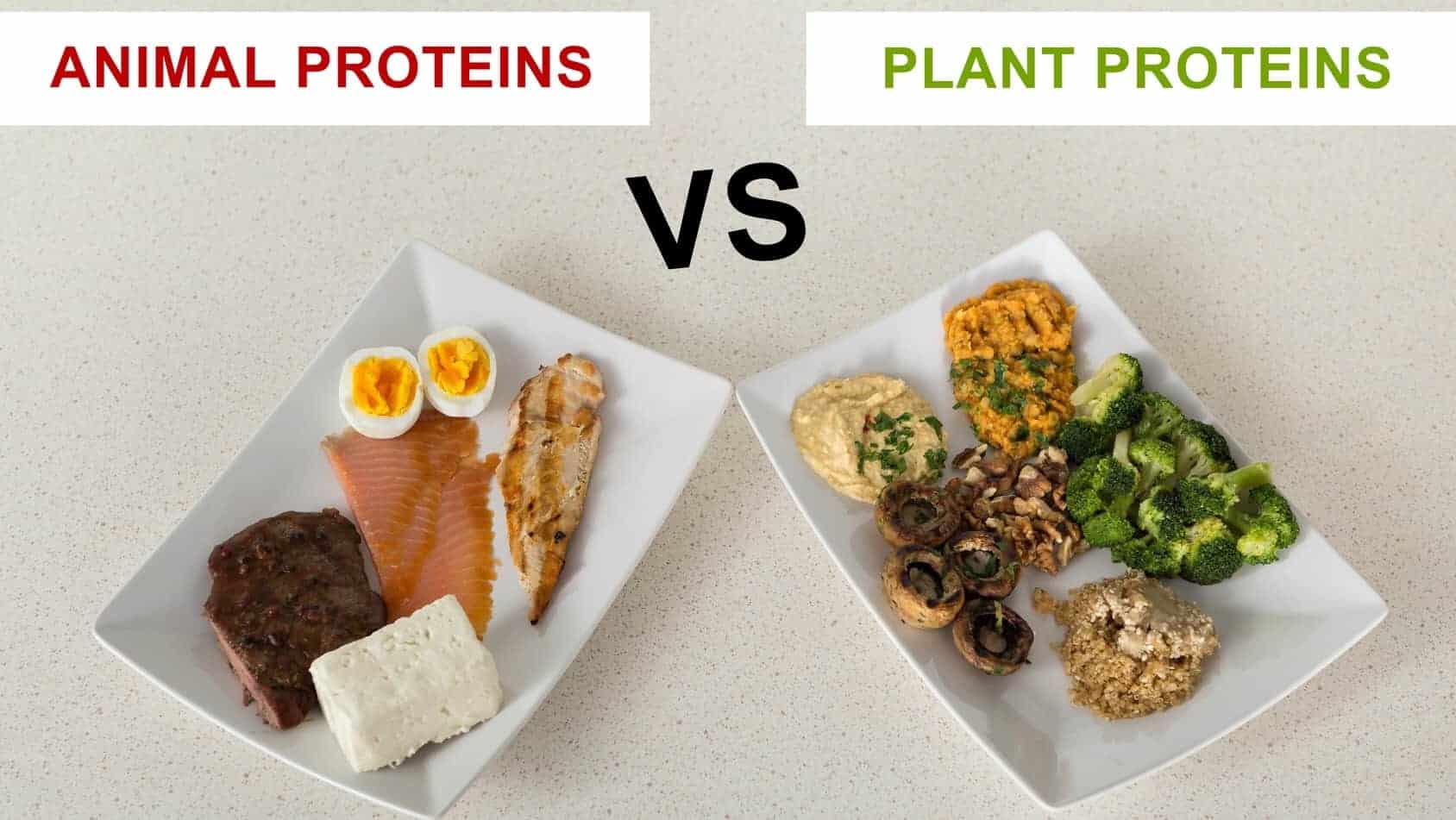
peanut butter

The Recommended Dietary Allowance (RDA) for protein is roughly 0.36 grams per pound of body weight for a sedentary person. This is considered the minimum amount of protein you should be eating daily, and it’s best if you can get it from a variety of sources and space your consumption out throughout the day for best absorption. People can even eat up to two times their RDA and still stay within healthy protein levels. In fact, higher protein intake can help preserve muscle mass, even in old age. You can use this online protein calculator for a more customized daily protein requirement analysis.

Final Thoughts on Peanut Butter

In moderation, peanut butter can make a great and delicious addition to any diet. Especially if you opt out of getting highly processed peanut butter with added sugars, salt, and other chemicals, it truly isn’t that bad. If you really want to do what’s best for your body though, you’ll feed it a varied diet with multiple protein and nutrient sources, including the foods on this list.

While these five protein-rich foods are far from exhaustive, they’re a great starting place on what can be a lifelong adventure in eating a healthy, plant-based, and varied diet that can help heal your body and mind. By ensuring you’re getting all the protein you need and cutting back on animal-based high-fat sources, you can keep your body healthy and strong into your golden years.

10 Questions to Ask Yourself Every Month (That Will Change Your Life)

The beginning of a month marks a new (albeit small) chapter in your life. It’s not as much of a new beginning as a new year, but it’s not as minor and inconsequential as a new day, so it’s perfect for making plans and working to improve yourself. To make the most of the new months, you should make plans that help you do better than you did in the previous month. It’s confusing to figure out where to start. So, to help you out, here are some questions to ask yourself every month that will change your life.

10 Questions To Ask Yourself Every Month That Will Change Your Life

questions

1.    How Was Last Month?

Regular reflection is a very important part of self-improvement. You can only plan for your new month and make positive changes by understanding what happened in the month before it. If not, you’ll go in circles and repeatedly make the same mistakes.

Challenge yourself to be critical of your actions. Examine your successes and failures so you can find ways to replicate and avoid them. Keep in mind that this doesn’t mean dwelling on bad times and errors; it means being aware of low points, owning them, and analyzing them in a productive way.

Have some trouble figuring out what to think? Here are some sub-questions to ask yourself within this main question.

  • What happened last month?
  • Did I accomplish my goals for the month? Why, or why not?
  • What were the successful points?
  • What were the unsuccessful points?
  • Is there anyone I fell out of touch with? Should I reconnect with them?
  • What were some mistakes I made, and can I prevent them? How?
  • If I reencounter this situation, how can I do better?

Thirty to sixty minutes in one day is enough to help you get all your ducks in a row. Once you’ve done this, you can ask the next few questions with more clarity and knowledge.

2.    What’s My Bare Minimum?

We should always aim above and beyond the bare minimum, but knowing where your standards lie is a good way to figure out how to work your way up. Determine what you have to do this month to feel satisfied and happy with yourself.

This can come in the form of goals. How much do you need to save to feel like you’ve been frugal? How well do you want to do at work? What–and how many–books do you want to read? Your bare minimum is personal and unique to you, and knowing this in various areas can help you get your priorities in order.

3.    Are There Any Events I Should Prepare For?

The last thing you want is for a big, important event to catch you by surprise. Making sure you remember them is very important, and it can prevent last-minute rushes that make life so stressful. Here are some sub-questions to ask:

  • Are there any birthdays, anniversaries, or big days?
  • Is there a holiday coming up? How do you want to spend it?
  • Are there any appointments you need to make?
  • Is there an important event to keep in mind?

4.    How Do I Want To Feel?

It seems like an odd question, but it’s important. Logic is necessary when preparing for a new month, but that doesn’t mean your feelings should get thrown out the window. A big part of personal happiness and positive thinking comes from catering to your emotional needs.

Determine how you want to feel that month, and work from there to figure out what steps you must take to achieve those feelings. Once again, it will help you choose your priorities.

5.    What’s My Budget This Month?

Not everyone enjoys the process of budgeting. And of course, we aren’t expecting you to keep perfectly meticulous track of everything you spend, earn, and save – though if you can, definitely do so! Still, understanding your financial situation is important to get your perspective straight.

Budgeting is a very important aspect of a positive life. Start by going through your accounts. Take note of large expenditures, your salary, and how much of it tends to go where. Now, come up with a general plan of how much you can spend on what. Here are some sub-questions to consider:

  • What bills need to be paid?
  • Are there any big expenses I need to prepare for?
  • Do I tend to overspend in certain areas?
  • Are my savings sufficient for rainy days?
  • Do I want to set any financial goals?

Having a proper personal budget, even a rough outline, gives you a clearer picture of your financial state. It prevents you from running out of money and can significantly change your habits. Plus, budgeting is important so you can be prepared for emergencies or for large payments that need to be made.

It’s also great to try setting some financial goals. Maybe you want to try and save $50 extra weekly or $100. Maybe you want to focus on cutting your entertainment expenditure in half? Or perhaps you want to have enough to enjoy a movie and a night out or two during the month. The choice is yours, but it pays to prepare!

questions

6.    Who Do I Want To Spend Time With?

A healthy social life makes a healthy mind. Falling out of touch with people, especially good friends, isn’t fun; if you stay disconnected for too long, you’ll regret it.

Make time with friends, family, a significant other, or anyone else you’d like to. If you have a very busy schedule, now’s a great time to make plans with them in advance. Lost touch with anybody? Time to reconnect!

7.    Am I Happy With My Possessions?

Marie Kondo has become popular for her take on decluttering and mild minimalism. While many people joke about her methods, she’s somewhat right! Decluttering is a freeing process and can be a crucial part of someone’s routine. Some areas to look at include:

  • Your wardrobe
  • Food (especially to check for expired cans/cartons, etc.)
  • Technology (emails, DMs, photos, etc.)
  • Books
  • Games
  • Toys
  • Other collectibles
  • Built-up clutter and junk

Of course, we know just how much collectible items can mean to you. We’re not asking you to throw out things that make you happy. We ask you to examine whether you really need or truly want everything you own. You’d also be surprised how much-unwanted junk you can collect in a month!

The most important one on this list is probably your wardrobe. Many of us buy items we’ll never use. Every month, dedicate around half an hour to looking through your closet. Pack away non-seasonal items, unpack seasonal items, and donate things you never wear. Your life will get much simpler, and you’ll be happier, with much more positive thinking!

8.    What Fun Things Do I Want To Do This Month?

One of the most important questions is about how you can have more joy.

A lot of serious people look down on the idea of doing something purely for entertainment and fun. Unfortunately for them, this is a very important part of maintaining a positive attitude and keeping yourself happy and satisfied.

Living is about more than just existing, surviving daily, and doing what must be done. It’s about giving yourself time to breathe, smell the roses, and have a good time. So figure out what it is you want to do this month that can help make it fun! Some examples are:

  • Go for a night out on the town
  • Go shopping
  • Watch a new movie
  • Go on a nice date
  • Take a day trip
  • Buy a new video game
  • Take up a new hobby
  • Buy yourself something small
  • Make time for a cozy day in

Choose activities you know will make you feel fulfilled and help you feel happy about life and living. Self-care and treating yourself are more important than you think – don’t ignore this aspect!

9.    How Can I Keep Myself Healthy This Month?

Health is endlessly important to your life. One of the questions you must ask is whether you take care of yourself. Without health, you won’t truly be living. There are several ways you might want to keep yourself healthy, such as in your:

·         Fitness

Regular exercise helps you keep in shape, feel good about yourself, and get enough sleep every night.

·         Diet

Food is what keeps you going. Work on eating mindfully. This doesn’t mean you can’t have treats now and then – just focus on having regular, healthy meals.

·         Mind

How can you keep your brain sharp and healthy? Read books that you like, meditate, do puzzles, and engage in interesting conversation.

·         Mental health

Yes, this can also fall under your mind, but it deserves its own category. If you feel down or anxious, consider speaking to a therapist or do some exercises that help reduce these feelings.

10. What Goals Do I Want To Accomplish?

fitness

Learn how to set achievable, sensible fitness goals.

This is the most important question to ask yourself every month. It’s about your goals, your desires, and what you need to get done. Many people make the mistake of making generic plans for their months, not setting specific, short-term goals.

Why are monthly goals so important? They provide a lot of encouragement and motivation and give you something to actively work towards with a concrete deadline that you can’t dodge around.

When making these goals, it’s important to do them with optimism and realism. You shouldn’t set goals so boring and generic that you’ll meet them with no problem. Instead, aim to challenge yourself and believe in yourself and your ability to reach those goals.

At the same time, though, you shouldn’t aim so high that it isn’t feasible to meet those goals at all. This will only leave you discouraged when you fail to reach them.

Once you have the right goals, start planning to reach them. What do you have to do to get there? What things can you sacrifice to make it? It’s all up to you – so choose wisely.

Final Thoughts On Some Questions To Ask Yourself Every Month

It can be difficult to carve out your own path on a journey of self-improvement that is effective and achievable. By asking yourself these 10 questions, you’ll be giving yourself time to think critically about self-improvement to get the most out of each month.

They may seem minor things to ask, but you’d be surprised how much impact they can have. These questions can completely change your life with just a little extra thought!

5 Behaviors That Reveal Insecurities In Your Relationship

70% of couples in a relationship fall apart within the first year, and a great majority of this boils down to couples not overcoming insecurities.

There isn’t a person on this planet who feels 100% confident 100% of the time. We like to think we hide it well, but deep down, we are all insecure about something or another. Yet, this lack of confidence can be overcome thanks to the love and words of kindness from our friends, S/Os and our family.

However, prolonged contact with insecurity can cause significant issues in a romantic relationship. When one partner is too clingy—and refuses to work on it—the more confident partner is almost always inevitably pushed away. Unless—of course—both partners are clingy, which results in both of them staying out of fear of losing one another. The first scenario is painful and sad. The second is downright tragic. Insecurities are how abusive relationships are made.

Behaviors That Reveal Insecurities In Your Relationship

Behavior 1: Infidelity

Let’s just get this one out of the way from the get-go.

There are two reasons a couple breaks up after infidelity:

1. The cheater is insecure in their personhood and they feel the need to repeatedly cheat on their S/O in order to feel satisfied.
2. The victim is insecure and unwilling to forgive the cheater and work through the pain as a couple.

This reasoning may sound harsh, but the reality is: all cheating stems from a place of insecurity, and every relationship which falls apart as a result fell apart because one or both partners was too insecure to work through it.

Don’t get me wrong. Infidelity hurts. It hurts on the level of losing a child. Yet every act of infidelity has a root. That root may be that your partner is feeling unsatisfied sexually. It may be that they were deeply hurt as a child and are running for easy comfort because truly opening up to you is painful for them. Whatever the reason for cheating, cheating is wrong—but the majority of the time it isn’t purposefully malicious.

When you’ve been cheated on, you are fully justified in being angry. You are fully justified in feeling possessive. However, just because you feel a certain way does not make acting on it the right thing to do. Forgiveness does not just mean swallowing your feelings and forgetting. Forgiveness means, “let’s work through this together. Let’s heal our relationship together.”

Recovering from infidelity

To overcome insecurities surrounding infidelity, the pair of you need to be 100% transparent. You need to be willing to accept constructive criticism. You need to be willing to listen to your partner’s side, emotions and thoughts. There is an unimaginable amount of pain on both sides in these cases—even if your partner is a serial cheater.

That said, both partners need to be willing to repair the relationship for mutual healing to occur. If you have talked with your partner—be they the cheater or the victim—and they continually shut down, throw accusations, cast the blame or emotionally abuse you, it may be time to walk away and heal on your own. However, this should only be an option once you have exhausted every single resource to salvage the relationship.

Behavior 2: One-Sided Pursuit

Another signal of insecurity in a relationship is a one-sided pursuit. When one partner is constantly showering another in gifts, romantic dates and compliments at first it seems so romantic. However, as the relationship progresses through the natural stages, the infatuation wears off and most couples settle into a comfortable rhythm. This rhythm is still romantic and leaves room for great romantic gestures to be made. However, these are not constant.

If one partner is always offering these gestures, it demonstrates that they might be hiding a fear of their partner leaving. They are attempting to buy their affections, trying to prove that they are worth loving because they keep serving their partner. However, this is just a mask to their inner insecurities.

The problem with this sort of behavior is that the relationship will never reach maturity. The partner constantly showering the other with gifts is actually putting up a barrier which keeps the couple from ever reaching a depth of emotional intimacy. So when something truly turbulent happens in the relationship, the gift giver’s fears are finally realized. Either their partner leaves, or they confess their deep insecurity.

If the latter happens, the pair can begin to build towards establishing a true trust based on love and action. If the former, well… sadly the cycle usually continues from relationship to relationship until the insecure party begins to actively pursue individual healing.

Behavior 3: Mutual Identity

A mutual identity is when two partners inextricably wrap themselves in eachother’s lives so you cannot tell one without the other. They attend every single function together, must complete every project together, and it one is out of town the world comes to a crashing halt until they are together again.

This sort of relationship usually stems from each individual being unaware of who they are as a singular person. They do not know who they are, do not know their purpose, or are afraid of one of those two and are running away.

Whatever the reason, these relationships are almost always doomed to fail—or make the couple extremely unhappy—because life requires us to be able to fend for ourselves. Yes, it is healthy to be able to rely on your partner to pick up the slack when you are struggling. Yes, it is healthy to be able to cry on their shoulder when life is just too overwhelming. However, it is never healthy to stop living unless they are there by your side holding your hand through every little thing.

Time apart as partners is good, healthy even. Partners are able to develop their own interests and skills, pursue their dreams. Then when they come back together at the end of the day, they have plenty of interesting developments to discuss.

To overcome insecurities in this requires partners to find out who they are separate from each other. This does not necessarily mean splitting up, but rather pursuing different interests to develop their own skills. Once your individual skills are developed, you will be able to help each other pursue your dreams.

Behavior 4: Constant Interrogation

A small amount of jealousy from time to time is acceptable. However, a jealousy which results in your partner getting angry when you go out, rifling through your internet history, and constantly asking where you’ve been is a little scary. These are the kinds of relationships that result in stalkerish tendencies—the kind that Netflix warns us about.

While most people who struggle with insecurities are no cause for that degree of alarm, someone with a snooping partner needs to have a serious conversation with them. Oftentimes an insecure partner is rifling through your schedule because they are afraid of losing you, and they will do anything to keep you. This fear often stems from a form of childhood neglect.

When your partner is struggling with abandonment issues, you need to be patient, understanding, but firm. Reassure them that you are with them in this present moment. They will want constant affirmation because they do not believe you. Rather than continually saying “I love you,” which they will not truly hear anyway, do your best to bring your partner to the present moment.

Overcoming fear of abandonment requires the partner to return their mind to the present moment. They are drawing on old feelings and mistaking the present for the past. Take your parter through emotional grounding techniques to help them recognize that the present is now and that you are here. In time, they will begin to realize that you are staying and they will begin to calm down. Talk with them about your boundaries, but even more, be willing to serve them by helping them learn to self regulate these fears. If you are in a truly committed relationship, eventually these fears will fade and be replaced by love.

Behavior 5: Constant Apologies

People who struggle with insecurities have no idea why you are with them. Literally no clue. They are thrilled when they find out that someone is interested in them, but that thrill is quickly replaced by a crippling fear that once their partner truly knows their imperfections, their partner will leave forever. Then begins the game of constantly trying to be enough for you.

Which means, they will always be apologizing.

Why?

Because your insecure partner can never live up to their expectations of perfection.

insecurities in relationship

They will apologize for breathing too loud, for buying you the wrong shampoo, for crying when something truly tragic happens to them. They will apologize for every little thing.

Overcoming insecurities requires much of the same tactics as outlined in the previous section. You need to reassure your partner that you love them. Remind themhow it is normal to feel emotions and to make mistakes. Remind them of the grace they give you when you mess up and encourage them to extend that same grace to themselves.

Final Thoughts to Overcome Insecurities:

Ultimately, to overcome insecurities in relationships requires a great deal of work and determination. Both parties need to be willing to help one another cope with their own emotional baggage. At the end of the day though, the only person responsible for your own healing is you. Your partner can be there to support you. But it takes two to tango, and the two of you need to provide your own emotional support and regulation to be able to help one another.

20 Signs of Poor Mental Health Most People Ignore

The issue of mental health has increasingly been hitting the headlines. We have been reading more and more articles related to celebrities committing suicide, mass shootings, and the general rate of suicides on the rise. More children are being diagnosed with ADHD, depression, anxiety and pediatric bipolar disorder. Awareness should be higher than ever, so how is the image of declining mental health still allowing society to turn a blind eye? In examining the definition, the history, stigma, and unsuspected symptoms, it is possible to theorize why we turn a blind eye to mental illness.

How prevalent is poor mental health in our society?

Per the National Institute of Mental Health, 1 in 5 adults live with mental illness.

Note: AMI refers to Any Mental Illness as opposed to specifically Serious Mental Illness.

  • In 2017, there were an estimated 46.6 million adults aged 18 or older in the United States with AMI. This number represented 18.9% of all U.S. adults.
  • The prevalence of AMI was higher among women (22.3%) than men (15.1%).
  • Young adults aged 18-25 years had the highest prevalence of AMI (25.8%) compared to adults aged 26-49 years (22.2%) and aged 50 and older (13.8%).
  • The prevalence of AMI was highest among the adults reporting two or more races (28.6%), followed by White adults (20.4%). The prevalence of AMI was lowest among Asian adults (14.5%).

Definition of Poor Mental Health – Part of the Confusion?

According to Merriam-Webster, mental illness is defined as the following:

“any of a broad range of medical conditions that are marked primarily by sufficient disorganization of personality, mind or emotions to impair normal psychological functioning and cause marked distress or disability and that are typically associated with disruption in normal thinking, feeling, mood, behavior, interpersonal interactions and daily functions [such as major depression, schizophrenia, obsessive compulsive disorder, or panic disorder].”

Issues with the Definition

Just in reading this definition alone, you probably note a vagueness and inability to associate or connect with the behaviors considered symptoms of mental health illnesses. Of course, symptoms will vary depending on the diagnosis and severity of the illness.

The second issue with the definition is that it does not give a range of the intensity of the symptoms. It gives the image of someone with very obvious symptoms, such as an individual unable to eat, speak to people in public in an accepted manner, hold down a job, go to school, drive a car, handle a family and responsibilities, and more. However, most people with mental problems can still carry out day-to-day tasks, even if they struggle through them. People around them may just label them as “moody,” “having anger issues,” “anti-social,” “not highly motivated,” “unfocused,” “lacking in discipline,” “ a little odd,” “over-emotional,” “high-strung,” or that they “just need a drink to calm their nerves.” The list could go on and on. Many symptoms of mental illness that are now professionally recognized might have previously been “excused” behaviors for our loved ones or people we have met.

As a third note, the dictionary goes on to mention a few disorders, such as schizophrenia, that still have a strong stigma attached to them. Unfortunately, those who don’t have a mental illness often look at these disorders as something the sufferer brought on themselves.

While the definition’s vagueness helps it broadly define a wide variety of symptoms for a multitude of disorders, it does not aid in the general public’s understanding.

Brief History of Mental Health Issues

Mental illness is not new to society and the human populace. It simply had a different name throughout centuries past. In the past, many cultures viewed it with a religious or superstitious nature. Essentially, most people considered lower-functioning individuals as possessed by evil spirits, falling out of God’s grace, practicing witchcraft, and more. Treatments for these individuals were torturous. It was believed that, of course, they must banish the evil, which usually involved isolating the individual, physical abuse, torturous handling, and more. At one time, some practiced drilling a hole in the sufferer’s head, believing it would release the “bad elements.”

While Hippocrates, in 500 BC, pioneered the idea of treating the mentally ill with medications and removing them from their jobs or living situations, the amount of medical information was clearly inadequate. Sadly, most of the medications consisted of opiates to keep them calm.

Mental Illness and Women

Women overall have had the worst stigma associated with mental illness. What was being labeled as mental illness was often hormonal imbalances which caused women to be more emotional, reactive, anxious, and depressed. To further complicate things, the manner of dress inflicted on women – primarily the corset – restricted the ability to breathe as well as the proper settling of internal organs. This created pain, difficulty breathing, back issues, and other symptoms labeled as panic attacks. Most people believed that women were just weak of heart and nerves.

It was not until the 18th century that America started addressing the need for proper living conditions for the mentally ill. Not until the 1900s did people start to push for a proper understanding and treatment of these illnesses. Due to this great delay in recognition, research and study, centuries-old stigmas remain to this day. Fortunately, this stigma is now getting recognized in the public through celebrities speaking out.

Functioning Mental Illness

“There’s no look to mental illness.” – Project Helping

For years, centuries even, there has been an idea of what a highly depressed, anxious, schizophrenic, or bipolar person looks like. There is usually the image of strange ramblings, odd statements, poor grooming, and a disheveled appearance. Or perhaps you have a mental image of someone with a “wild look in the eye” or always looking down at the ground. People might think those with mental illness loudly display their emotions, and so on. The fact is, many people have a functioning mental illness. They may or may not take medication; to meet them briefly or as an observer from a distance, they appear just fine. They are intelligent, well-spoken, dressed and groomed appropriately, financially secure, and employed. In other words, they have all the expected societal behaviors of a “well-adjusted” individual.

Funny, that word “well-adjusted.” They have adjusted well to coping with their symptoms of depression, anxiety, compulsions, mood swings, phobias, or whatever form their mental illness takes. Human beings are amazingly adaptive creatures and mental illness does not change this. Many people with mental illness turn to religion, meditation, visualization, exercise, adjusting their schedules, and accepting jobs that can accommodate what they know to be their symptoms.

They take proactive measures to help themselves by reading articles that address their symptoms and alternative behaviors. Yet, while they have learned to function, they may still fight hidden symptoms. Additionally, they likely find their symptoms difficult to discuss or find alternatives for.

mental health

Here are 20 signs of poor mental health most people ignore:

  1. Continued mood swings
  2. Social anxiety or isolation
  3. Sweating a lot (or feeling very cold)
  4. Sensitivity to noise, crowds, too much stimulus
  5. Low frustration or tolerance levels leading to angry outbursts
  6. Fluctuating sex drives from high to low
  7. Scars from self-harm
  8. Sleep difficulties – either feeling excessively tired even with sleep or unable to sleep
  9. Increased heart rates leading to dizziness, weakness
  10. Panic attacks
  11. Muscle weakness or tension
  12. Overthinking
  13. Difficulty making a decision
  14. Poor self esteem
  15. Perfectionist – feel they cannot make a mistake
  16. Difficulty with consistency of work performance
  17. Negative thinking
  18. Vomiting in anxiety-producing environments
  19. Continued feelings of inadequacy
  20. Fear of rejection

Some people who battle such demons find that humor helps get them through it. Memes or comics are a great way to get a different perspective on mental illness as well as educate others about the symptoms people deal with on a daily basis. Reaching out to someone and trying to understand can mean the world to someone battling this hidden war. It’s important to understand that just because a person appears “well-adjusted” doesn’t mean they don’t still have a mental illness. It just means that they have created a system to limit the effect it has on their lives. All survivors have this in common.

Closing Thoughts

The subject of Mental health is diverse and can be pervasive or subtle in its symptoms. It is a dysfunction of the brain in most cases and an actual disease in others. If 1 in 5 people have a mental illness, then chances are, someone you know has an illness even if you are completely unaware of it. The diversity of symptoms aids in lack of awareness. The stigma placed on a mentally ill person also plays a part. Additionally, society has learned to excuse behaviors that don’t fit the norm so long as they’re not seen as immediately dangerous. All of these factors combine to result in people turning a blind eye to unsuspecting symptoms of mental illness.

If you or someone you know suffers from poor mental health, please seek professional help. There are plenty of resources available for anyone struggling with a mental disorder.

10 Warning Signs Of Gaslighting To Never Ignore

It can be very disorienting to feel like you have done something, but you haven’t. It’s also disorienting to be someone who tries to be a nice person, but is constantly accused of being disingenuous. Have you experienced either of these feelings as a result of another person’s actions? If so, it’s possible that someone is gaslighting you.

Gaslighting Takes Its Name From a Classic Film

Though many people have been introduced to the term gaslighting recently, it’s important to understand exactly where it came from. The term has a long and varied history in the public eye, but it mainly takes its name from the 1944 film Gaslight, in which a woman (Paula, portrayed by Ingrid Bergman) is psychologically manipulated by her husband to feel like she is insane when in reality she is perfectly fine.

Despite the fact that her mental state is perfectly fine, she still believes that she is going mad. As a result,  her intense discomfort produces legitimate feelings of madness.

It’s important to note that Paula eventually gets out of the relationship after realizing what is happening to her and learns to deal with manipulation. But the situation set a useful precedent for talking about psychological manipulation as it happens in society. Because of this, the term “gaslighting” reference’s the movie’s title as a way of describing the specific method of manipulation.

It might seem easy to understand manipulation as something that simply happened in a movie. But it can occur quite frequently in society. The most damaging thing about the practice is that many people who suffer from it don’t realize it. Instead, they mistake their confusion for legitimate feelings against themselves, leading to lowered self-worth and possible situations that make it more difficult to deal with gaslighting, such as Paula’s position in the aforementioned film.

The Manipulation of Gaslighting Can Be Hard to See

This is why manipulation is important to understand and fight against when you notice that it is happening to you or somebody you know. More often than not, gaslighting occurs between two individuals who trust each other. One person subtly starts to manipulate the other. Because it occurs often within intimate interpersonal relationships, the intention can be incredibly difficult to spot.

Like with many other conditions, failing to notice manipulation early on can result in the condition getting worse, the victim becoming even more unaware, and potentially more damage in the long run.

To prepare yourself to deal with gaslighting before it’s too late, it’s essential to familiarize yourself with its symptoms. This is why we’re here to help—in this article, we’ll be taking a look at 10 Warning Signs of Gaslighting to Never Ignore.

Before we get into this article, we want to say that if you think that you might be experiencing symptoms of manipulation, it is important to get professional help from a psychologist or therapist. Medical professionals are the people who truly understand manipulation and how to deal with gaslighting, so please be careful and get help if you notice any of these 10 symptoms happening in your life.

Ten Signs of Gaslighting Never to Ignore

#10. It’s Not All Negative

It’s easy to think that abuse and emotional manipulation is simply constant negativity and nothing else. However, abusers often mix in positive comments and what looks like love to make a victim believe that they actually do care about them. This type of hot/cold treatment is a cornerstone symptom of abuse.

Regardless of how it happens, it’s worth noting that positivity does not negate emotionally manipulative behavior and cannot be justified as love no matter how brief the negative behavior was.

#9. They Project Their Emotions

Many abusers often project their own problems onto their victims. For instance, if an abuser is having trouble managing money, they might criticize their partner’s financial situation more harshly than their own. They use this as a way of getting their partner to doubt their sense of reality.

#8. Confusion is Their Priority

Many abusers will start to gaslight victims by making them feel as though they are perpetually confused. It’s important to see these symptoms as they occur so you don’t fall prey to emotional abuse.

#7. They Get Others to Doubt You

Sometimes an abuser can manipulate the relationship a victim has to others by getting them to also be complicit in manipulating the victim. This is often without the others even knowing, getting them to admit to small personality traits and then blowing it up in the face of the victim.

For example, if an abuser wants a victim to think that they over-exaggerate everything, they might get a close mutual friend to admit that the victim blew one situation out of proportion. After this, they’ll present the findings to the victim in order to make them think they do blow things out of proportion.

#6. They Target Friends

A lot of the time, many people who are victims of gaslighting don’t realize it. That’s because they don’t have much contact with others who might be able to see the symptoms. This is often because the abuser makes the victim feel like they can’t trust their friends. As a result, they do not socialize as much as they once did.

This can also be done by making their friends seem inauthentic or like liars themselves. In turn, they cause the victim to believe the abuser and willingly limit their contact.

#5. Using Their Emotions

It’s no secret that being in a relationship involves both partners being able to listen to the other’s needs. However, abusers will often manipulate this relationship dynamic to make the other person do things they don’t want to do without evidence. Similar to what was previously mentioned regarding targeting friends and making the victim feel uncomfortable around those they used to socialize with, abusers can also cite their own personal feelings without providing evidence for something.

For example, if an abuser refuses to let their partner go see a friend on the basis that they hate them (or other aggressively negative feelings) without having any actual anecdotal evidence, that can be a form of gaslighting.

#4. Lying as a Precedent

When people lie, sometimes we have to think a bit to actually see through it clearly. This is why when somebody lies so blatantly, we take notice. Abusers manipulating victims will often take advantage of this dynamic, spewing blatant lies as a means of setting up a precedent.

By lying so directly, they will make the victim assume that everything they say from that point onward is a lie, something that makes manipulation a normal routine.

#3. Denying the Victim Agency

When we think of abusive behavior in relationships, we typically assume that it is something drastic. Indeed, we think of an abuser literally locking somebody into their apartment so they can’t go outside. However, there are more subtle ways this can occur through manipulation. Often the victim fails to even notice it. At worst, they sometimes unwittingly comply.

For example, if you’re in a relationship with somebody who continually questions your ability to not flirt with others while alone, they might be able to pressure you into feeling guilty for going outside or feeling that you can’t socialize without them by your side.

#2. Repetitive Nature of Symptoms

Many people falsely assume that they will be able to spot manipulation as soon as it begins happening, allowing them to quickly put a stop to the behavior. However, this couldn’t be further from the truth. In fact, gaslighting typically occurs over long periods of time. The abuser slowly introduces more and more tactics into the victim’s everyday life until it has gotten too far to recognize it cleanly.

gaslighting

This is why it’s important to not take certain denials of agency lightly. If somebody is doing a similar action to deny your agency multiple times over, it could be an effect of how manipulation is now entering your relationship.

#1. Deny Something They Said

One of the most distressing symptoms of gaslighting is that the abuser might directly deny something they surely said previously. This is especially insidious as it pushes the victim to start to question their sense of reality.

When somebody says something didn’t happen that surely did happen, what does that mean for the rest of reality? Is it possible to even have an objective sense of reality when someone is lying so blatantly? This is why manipulation is such a harmful form of manipulation. Indeed, it can really get into somebody’s head and make them begin to question their entire life.

A way to prevent this can be to create an objective proof of certain conversations so when they’re brought up again, you’re able to be sure that the abuser is definitely manipulating you.

Final Thoughts on Gaslighting

Gaslighting is an incredibly harmful form of emotional manipulation that is important to be aware of. By learning how to deal with gaslighting effectively, you can see the symptoms before it’s too late.

If you’ve noticed that you or somebody you know is experiencing symptoms of gaslighting, read the tips in this article and understand that speaking with a medical professional is the best way to deal with gaslighting!

7 Things That Happen to Your Body When You Take Magnesium Every Day

While magnesium (Mg) may not be the most well-known mineral, it is absolutely essential to the human body. Per the National Institutes of Health Office of Dietary Supplements, magnesium is:

  • Involved in more than 300 biochemical reactions
  • Critical for cellular energy production
  • A base component for materials of the bone, DNA, and RNA
  • Crucial for nerve function, protein synthesis, and blood sugar regulation

And this doesn’t even begin to scratch the surface of everything that magnesium does in the body. The truth is that Mg is a miracle mineral. Without it, we could not function.

In this article, we will discuss the biological effects of magnesium, including the dastardly effects of magnesium deficiency. We’ll also talk about how you can ensure proper intake and some of the best sources of magnesium on the planet.

What is Magnesium?

“The nitrogen in our DNA. The calcium in our teeth. The iron in our blood. The carbon in our apple pies. We’re made of the interiors of collapsing stars. We are made of star stuff.” – Carl Sagan

Magnesium, or ‘Mg,’ is a chemical element of the alkaline earth metal group. As a solid, magnesium has a shiny-grey coloration similar to that of its chemical kin: barium (Ba), beryllium (Be), calcium (Ca), radium (Ra), and strontium (Sr).

Magnesium is thought to have existed since before the Earth was formed – a primordial element. Of all the elements, magnesium comprises the ninth-highest environmental concentration in the known universe. ‘Mg’ is produced by the accumulation of three helium nuclei to a carbon base – most commonly from the erosion of aging stars. Magnesium is also an abundant element in the Earth’s crust and in seawater.

In the human body, magnesium is just outside the ‘Top 10’ of the most abundant elements by mass, coming in at number 11. But magnesium is probably among the most important compounds for the smooth running of the human apparatus. ‘Mg’ is involved in the life and operation of every cell in the human body.

Here are some other interesting magnesium facts:

  • Discovery: In 1755, British scientist, Joseph Black, discovered magnesium.
  • Industries: Aeronautical, automotive (mainly engine blocks and alloy frames), electronics, and energy production all require this substance.
  • Isolation: Another Brit, Sir Humphry Davy, chemically separated magnesium – a process known as chemical isolation – in 1808.
  • Name: Mg was named after the city Magnesia, in the country of Greece. It is chemically related to the metals magnetite and manganese.
  • Uses: Structural metal (3rd-most-common), aluminum alloys, die-casting, titanium production, and sulfur purification (in the manufacture of irons and steels).

Magnesium In The Body

Highly interactive with ions of the chemical phosphate, magnesium is a central element to the DNA and RNA of all living organisms. Of all known human enzymes, 300 of them require the action of magnesium ions. Mg is also a critical element in synthesizing ATP, DNA, and RNA enzymes.

Medical experts are always researching new ways to use magnesium to benefit human health. Case in point: its use in a recently-discovered surgical implant that naturally degrades in the body. But magnesium has found uses in medicine and healthcare since the chemical’s isolation in 1808.

Dubbed the “miracle mineral” by many health experts, here are seven amazing things that happen to your body when you take magnesium every day:

1. It promotes cell communication

As mentioned, magnesium is critical to the structure and function of every cell in the body. Of course, one cell job is to communicate with surrounding cells to support your health. Well, it turns out that magnesium is a necessary building block of a vital cell-signaling molecule – cyclic adenosine monophosphate (cAMP). cAMP is present in numerous body parts, including the neurological, immunologic, and metabolic systems.

2. It supports the chromosomes

A very recent study finds that magnesium ions are at work in chromosomes. (The study also found that calcium ions are at work.) In this regard, magnesium ions influence what geneticists call chromosome condensation. Condensation is known as ‘folding and coiling,’ wherein the DNA material is held together by proteins at an area of the chromosome called the centromere. It is this intricate process that gives chromosomes their elegant shape.

3. It optimizes the sunshine vitamin

According to a 2018 study published in the Journal of the American Osteopathic Association, Mg is required for the proper activation and function of vitamin D, otherwise known as the “sunshine vitamin.” Per the study, the effect is systematic: “Magnesium assists in the activation of vitamin D, which helps regular calcium and phosphate … to influence the growth and maintenance of bones.” Besides being active in “switching on” the body’s stores of  ‘D,’ researchers note that vitamin D deficiency or Mg deficiency is linked to multiple disorders, including cardiovascular disease, metabolic syndrome, and skeletal deformities.

4. It sharpens the brain

Magnesium also plays essential functions in the areas of brain health and cognition. As a vasodilator, magnesium helps relax the smooth muscles, increasing blood flow to the brain and surrounding areas. Studies show that Mg also plays critical roles in regulating the stress hormone cortisol and those brain receptors involved in cognition, learning, and memory. Recently, a form of magnesium known as magnesium l-threonate has been found to improve brain plasticity and cognitive abilities.

5. It regulates labor cycles

Preterm labor occurs before the 37th week of pregnancy. Contractions of the uterus lead to cervical changes, which can result in premature delivery. In the U.S. and many other places, intravenous (IV) administration of magnesium sulfate is the most common drug for treating preterm labor. Although doctors are unsure about the mechanism of action, magnesium sulfate is effective at inhibiting or slowing contractions.

6. It’s a natural muscle relaxant

Mg is the most powerful natural muscle relaxant available. Dr. Mark Hyman recalls the abundant use of magnesium in his practice: “I remember using Mg when I worked in the emergency room. It was a critical ‘medication’ … If someone was dying of a life-threatening arrhythmia (or irregular heartbeat) … If someone was constipated or needed to prepare for [surgery] we gave them milk of magnesia or a green bottle of liquid magnesium citrate, which emptied their bowels. [Or] if pregnant women came in with pre-term labor, or high blood pressure of pregnancy or seizures, we gave them continuous high doses of intravenous magnesium.” What do all of these applications for Mg have in common? That’s right; they first relax the surrounding muscles!

7. It normalizes the sleep/wake cycle

Just when you thought you heard it all: it turns out that the magic ‘Mg’ also influences the sleep-wake-regulating hormone melatonin. In a gold-standard double-blind, placebo-controlled study of 46 elderly adults, “dietary magnesium supplementation brought about statistically significant increases in sleep time … (and) sleep efficiency” while “decreasing factors such as sleep latency and serum cortisol (stress hormone) concentration.” The authors of the study also note that melatonin concentration appeared to increase with magnesium supplementation.

anxiety

Final Thoughts on What Happens When You Take Magnesium 

“Up to 50 percent of the U.S. population is magnesium deficient.” – The American Osteopathic Association (source)

As with so many other vital minerals, a large number of people are deficient. In this section, we’ll go over the recommended daily intake (RDI) for Mg.

Per the National Health and Medical Research Council, here are the magnesium RDIs by age and gender:

Men:

19-30 years: 400 mg/day

31-50: 420 mg

51+: 420 mg

Women:

19-30 years: 310 mg/day

31-50: 320 mg

51+: 320 mg

Pregnancy:

14-18 years: 400 mg/day

19-30 years: 350 mg

31-50 years: 360 mg

Lactation:

14-18 years: 360 mg/day

19-30: 310 mg

31-50: 320 mg

Finally, to wrap things up, here are the ten food sources with the highest amount of magnesium content per serving!

  1. Cashews, 1 ounce: 82 mg (20% RDI)
  2. Dark chocolate, 1 ounce: 64 mg (16% RDI)
  3. Avocados, 1 medium: 58 mg (15% RDI)
  4. Black beans, 1 cup, cooked: 120 mg (30% RDI)
  5. Tofu, 3.5 ounces/100 grams: 53 mg (13% RDI)
  6. Pumpkin seeds, 1 ounce/28 grams: 150 mg (37% RDI)
  7. Dry buckwheat, 1 ounce/28 grams: 65 mg (16% RDI)
  8. Salmon, ½ fillet/178 grams: 53 mg (13% RDI)
  9. Banana, 1 large: 37 mg (9% RDI)
  10. Cooked spinach, 1 cup: 157 mg (39% RDI)

6 Ways to Release Attachment to Toxic People

We become attached to many things in life. But not all of these things are good for us. This is why non-attachment is a crucial concept. Many people make the mistake of believing that a state of non-attachment is being emotionless and closed off, but this is far from the case–that’s often where toxic people start.

Instead, non-attachment refers to the releasing of negative thoughts and emotional issues that, when you become attached to them, can cause turmoil and toxicity. It can also mean letting go of toxic people and relationships in such a way that leaves you feeling free and positive.

Non-attachment provides peace, positive thinking, and joy to one’s life when done correctly. The problem is that it can be difficult to start on this spiritual journey, especially if you have to let go of people you’ve become used to having in your life, even if they have been creating toxicity.

This is a difficult journey that can be frightening, but its end results are worth the uphill climb. You will be amazed at how much calmer and happy you feel!

Here Are 6 Ways To Release Attachment To Toxic People

1.    Be Kind And Understand Interdependence

Compassion is key to healthy non-attachment, and it’s about kindness to yourself as well as to others. This allows you to desire an end to pain, suffering, and trouble, both for you and the toxic people in your life. This allows you to be gentler to yourself, so you understand that you do not deserve toxicity and begin to melt the attachments that present that problem.

At the same time, this kindness allows you to wish the people you leave behind good things in their lives. You understand that you can live without them, and they without you, and your love for them and desire for their happiness outweighs your attachment to them. This makes it easier for you to let them go and move on, and it also often results in you being the bigger person.

This concept of compassion in non-attachment is rooted in the idea of interdependence. This means that you want happiness and less suffering for everyone because you are able to see that you are all linked through negativity and your quest for a better life. You will then understand that you are all connected – and as such, your desire for physical, forced attachment will dissipate.

  • If you have trouble with this concept, try to distract yourself as you work on it.
  • Move your focus onto others instead of yourself, and project this compassion outwards.
  • Volunteer at a non-profit organization, help someone through a difficult time, or donate to charities and spread love all around you.

2.    Focus On Yourself and Your Journey

If you’ve been around a toxic person and spend a lot of time with them, you know how much of your energy winds up being devoted to meeting their every whim. This means you often end up neglecting yourself just trying to appease them. That’s why it’s so important to release attachment to toxic people.

One way you can do so is by shifting your focus away from others and onto yourself. Contrary to what you may believe, self-focus isn’t necessarily selfish. You should be your own top priority, and the concept of loving yourself first before anyone else has a lot of merit to it. Toxic people drain your energy, and you must focus on yourself to restore it.

This isn’t just about making healthy habits and physically taking care of yourself (which you should definitely do). It’s about looking inward and asking yourself what you want.

  • What are your goals, hopes, and dreams?
  • How do you want to feel?
  • What do you want to devote yourself to?
  • How can you achieve these aspirations?

Another question that you can pose to yourself regularly is simply to say “How are you?” Love yourself enough to want the best for your wellbeing. This can help motivate you to make positive changes in your life and cut off those who drag you down.

3.    Accept And Allow

Attachment often means wanting things to change. You want a toxic person to become better and treat you how you so desperately want to be treated. But the fact is that this isn’t going to happen – you need to accept that.

In general, non-attachment is very rooted in acceptance. This doesn’t mean you don’t feel passionate about current issues or that you don’t want the world to be a better place. It just means that you are at peace in your current moment and are able to accept who you are, what the world is, and who other people are. This gives you a clear head to think about the next step.

In the process, shed your use of phrases like “should have,” “could have,” and “what if.” Put aside ideas of “must” and “or else.” Instead, believe in yourself and believe in others. The person who hurt you could have been better, and they should have treated you well – but they didn’t, and you have to learn to live with that so you can move on.

  • Most important, allow life to be the way that it is.
  • Allow your emotions and thoughts to flow.
  • Allow things to go wrong even when you try your best.
  • Resisting life and its natural changes will do you no good.
  • Allow things to go right when you try your best.
  • Allow yourself to be happy, to move on, and to live life in the best way you know how.

4.    Embrace Healthy Habits and Routines

After cutting ties with a toxic person, you may still have an attachment to them even if you no longer contact them. How is this possible? Well, your mind still may be on them. You might have difficulty moving on, feel upset or sad at their absence, or be on an emotional roller coaster due to the troubles involved in cutting them off.

Falling into a regular routine of sorts can help the body and mind the heal and recover. There’s no better time to try adopting healthier habits and using them as a “distraction” while you work to move on. Soon, you’ll find they aren’t a distraction anymore – they’re things you genuinely enjoy doing.

Routines improve overall health, boost positive thinking, and help with stress management. Adding self-care habits to your daily routine is a great way to help yourself in more ways than one. Here are some great ideas for positive habits that you can add to your routine.

  • Eating a balanced diet
  • Exercising
  • Reading
  • Learning to play an instrument
  • Cooking
  • Drawing
  • Writing
  • Homemade self-care routines
  • Taking up a new hobby

Keeping yourself busy will keep your mind off of toxic people, helping you to release your attachment to them more quickly.

5.    Reflect On Lessons and Emotions

Self-reflection and critical thinking are crucial in positive personal growth and learning, and it’s a great way to realize toxic relationships and free yourself from them. This is why it’s so important to learn to make observations on your emotions, thought processes, and actions.

Analyze your relationships and the toxic people you’ve had to release your attachment from, and look for lessons you’ve learned from them that will help you as you move forward. This can help you feel at peace with failed relationships with others, as you have emerged a better person from them.

The more you practice thought-awareness, the easier it will be for you to let go of past relationships and stay focused on the now. This will also allow you to process the emotions that led to your attachment so you can grow from them and understand them. It is extremely easy to elect to ignore issues and problems, but bottling up thoughts and feelings is simply not healthy and can cause you to cling to toxicity.

  • Admit your errors, understand the reasons behind them, and find ways to break the cycle.
  • Take note of your emotions, how you reacted to them, and how your actions were influenced by them.
  • Finally, recall which of your needs and desires were ignored or denied with this toxic person, and realize that the person in question wasn’t doing anything good for you.

6.    Expand Your Mind And Hope For The Future

Many of us are born with an open mind that becomes narrower and more jaded over time. Expanding your mind and keeping it open and big-picture-focused is crucial to positive thinking and a happier life overall.

The mind is capable of amazing things, and, when wide open, it can see infinite possibilities, goals, and dreams. Think of healing. Reflect on good friends and relationships. Think of the amazing things that await you at the other end of your trials.

One thing to keep in mind is that everything around you is transient. Nothing lasts forever, and many things are temporary, which is why change is such an important part of life. A toxic person was in your life to teach you valuable lessons, and now is the time to enact change and cut them loose.

The idea that nothing is permanent can be a scary and saddening one, but it is the truth, and it reminds us of the importance of living life to the fullest and with those who make us happy. A negative, toxic person will bring you down and stop you from achieving the joy you can find in life.

This can also help you to stop focusing so much on external things, as many of them will not last for your entire lifetime. It’s good to have external things that make you happy and that you love, but know that creating internal peace and joy is far more important and will make you much happier. It’s also a great way to challenge yourself to embrace uncertainty.

  • When you’ve been around someone toxic, you may be reluctant to try and open your heart to others again.
  • But uncertainty is part and parcel of life and resisting it only causes stress and isolation.
  • Instead, learn to be non-attached, instead loving and appreciating the people around you through your natural connection with them.

Final Thoughts On Ways To Release Attachment To Toxic People

toxic thoughts

Non-attachment, especially to people, takes practice, but it’s worth it. It allows for a sense of freedom, an ability to go with the flow, and lots more positive thinking. Better yet, it allows you to free up space in your life for healthier relationships with others.

When you master healthy non-attachment, you will become like water – adaptable, effortless, and peaceful in your journeys. You will be comfortable taking different shapes when the need arises, yet remain confident in who you are at your core. By releasing attachment to toxic people, you will take your first step in this direction of mental and spiritual positivity.

5 Signs You’ve Met Your False Twin Flame

Twin flames, soulmates, one true love – there are many names for this special relationship. But what never changes is its meaning. This is a deep, spiritual bond you share with someone that elevates you, inspires you, and makes you feel like you’ve found your other half.

The problem is that love is a complex and difficult-to-understand thing. The passionate emotions of love can make it difficult to differentiate a real twin flame from one who isn’t a soulmate, but instead a false twin flame.

There’s nothing wrong with being with someone who isn’t The One. They teach you valuable lessons, they prepare you for more destined relationships, and they provide companionship and love in many good ways. But if you are not careful, you may not notice that they aren’t your true soulmate.

Here Are 5 Signs You’ve Met Your False Twin Flame

1.    Commitment Issues

Many twin flames come in and out of each other’s lives, but they always find their way back to each other. With a true twin flame, these meetings are long and their partings melancholy and never overtly negative or aggressive. With a false twin flame, these splits are painful and angry, with the brief payoff from a reunion being brief and less than worth it.

Even in a long-term, consistent relationship, there are still signs that differentiate a true twin flame from a false one. Here are some to look out for:

·         Distance

A false twin flame is likely to hold themselves at a distance from you. You will find them just a little bit too far away, barely out of reach. You will constantly find yourself chasing them, and they never do the same for you.

In addition, this often forces you to hang on as tightly as you can to them, always giving more than you get. A real twin flame will either have the same level of commitment as you do or will inform you if they don’t. They will not leave you hanging.

·         Challenge

Challenges are part and parcel of life. A true twin flame will stick around with you as you face challenges together. With a false twin flame, you will feel that commitment waiver more frequently than not.

When things get too difficult for you or your partner and you are false twin flames, you may decide to give up. Or if you make it through, will be frayed at the edges and barely holding it together. With a true twin flame, the reaction will be more positive – you will tackle difficulties together and emerge stronger for them.

·         Excuses

A false twin flame is always reluctant to commit, and they will find any reason to do so. The dangerous part about this is that they may phrase it in such a way that it sounds good and bolsters positive thinking, instead of just telling it like it is. As an example, they may say things like:

  • I’m not ready to be tied down just yet.
  • The timing just isn’t right.
  • In another lifetime, we would have been together now.

A true twin flame will let absolutely nothing come between your relationship. They will fight as hard as they can to be with you. It will be almost impossible for the universe to create any obstacle they aren’t willing to break through. There is absolutely nothing that will keep them away from you, no matter what.

·         Hope

There’s something selfish about a false twin flame. They will lead you on and convince you that they feel the same way about you, only for you to discover later on that this isn’t the case. You’ll find out about all the new people they’ve met and have stronger connections to, and you’ll never quite be on the same page.

2.    Emotional Unavailability

It can be difficult to be vulnerable with someone. If the person you’re with seems to be a closed book, refuses to let their walls down, and remains a confusing, barricaded puzzle to you for a long time, then they may not be your real twin flame.

Emotional unavailability isn’t just a problem for non-soulmates; it’s a sign of a bad relationship in general. It can lead to unhealthy, toxic patterns where you put in all the work and receive little to nothing in return.

Another example of lack of emotional availability is when you are constantly second or third place. You may never be prioritized, mainly because your partner won’t commit to you or considers other things their main priority, even though you always prioritize them. This is not a positive relationship and should be ended.

3.    Confusion and Doubt

If you experience a lot of doubt or confusion regarding your relationship with someone you believe is a twin flame, then they may not be the real deal. Nothing in life is certain and anxiety is valid, but for the most part, you should feel confident in the longevity of your relationship.

Here are some examples of signs you’ve met your false twin flame based on personal doubt.

·         Jitteriness vs Comfort

When you’re with your true flame, you will feel like you’re safe and comfortable with a best friend. It will feel like home. Of course, you can be a little nervous and lovestruck, as many would be, but not to the point that it manifests in anxiety.

In comparison, being with a false twin flame could make you anxious. You may feel terrified of making the wrong mood, frightened of turning them off, or just simply awkward.

·         Lack Of Clarity

We’ve talked about how a relationship with a false flame is never certain, and they may keep you on your toes and stay out of reach. This plays into this point we’re making here.

With a true twin flame, you will see a clear path of your relationship. Even if you are forced to part ways, your mind will see the same vision of your future with them as they do. With a false one, the relationship might feel like it is stuck in limbo.

·         Doubt

There’s something about a false twin flame that just makes you wonder if it’s real. You may think they’re right for you, but deep in your heart, you’ll question it. You’ll be constantly uncertain, doubting the nature of your relationship, and lacking confidence in it to confirm it to friends and family.

Again, everyone has their moments of anxiety. But with a false twin flame, that anxiety is intense and at the forefront of your mind when you think of them. Everything is unsure, and you may catch yourself wondering if it’s worth it, or if they’re really the right one.

·         Purpose

When you meet your true twin flame, everything falls into place. You understand why you’re with them, you understand their role in your life, and you are confident that you will make it through hard times. With a false soulmate, you’ll curse the universe and ask why you have to experience all this pain, hurt, and fighting.

This is, of course, different from being amazed at a relationship and wondering what you could have done to deserve it, or other sweet, romantic thoughts you may have. Instead, it’s about struggling to see the purpose or point of a relationship, and not understanding how you got there in the first place.

4.    Lack of Support

Support is crucial in any relationship, but it’s most crucial in a long-term one that’s supposed to last till death do you part. It can even improve both your lives! Here are some areas that lack support if you’ve met your false twin flame.

·         The Past

Everyone makes mistakes. If the actions you did as someone young, dumb, and learning are constantly used against you by your partner, they likely aren’t your soulmate. A true twin flame understands that dwelling in your past is unhelpful and looks forward to the future with you instead.

·         Success

A false twin flame may feel threatened by your success or become envious of what you have achieved. They may feel like they are losing in an imaginary competition if you earn more than them, are working in a better position, or simply are doing better at something.

Meanwhile, a true twin flame is always as excited and positive as you are for your success. They will always support you through the ups and downs, helping you succeed even more.

·         Failure

When you have bad times, expect a true twin flame to stand by you. They aren’t going to leave just because the going has gotten tough. A false twin flame, though, will not be able to understand this failure and will refuse to give you the support you need.

5.    Absence

Yes, twin flames can drift in and out of each other’s lives until they can finally be together. And some true twin flames, sadly, just don’t get end up together due to circumstances outside their control. But if there isn’t anything stopping them, and your supposed soulmate still isn’t coming around, then you may have a false twin flame on your hands.

A false twin flame will, like a true one, have lived through the ups and downs with you. But once they have received the energy that they want from you, they lose contact with you and drop out of your life. If you reach out, they make it clear that they’re through with you and have no interest in trying again.

This doesn’t mean a false twin flame serves no purpose. They do. They teach you important lessons, help you become better for your real twin flame, and make you realize that unconditional love is a completely different ballpark from these normal relationships.

There’s a danger with these wrong matches, of course. You may become caught up in the past, wondering where you went wrong, and fearing that you’ve let your one true love slip away. But this isn’t the case. A person who ends things with you just because they’re sick of the relationship was never your twin flame, to begin with. So practice positive thinking, keep your chin up, and have faith in the fact that you will find that true, right person one day!

emotionally unavailable

Final Thoughts On Some Signs You’ve Met Your False Twin Flame

The concept of twin flames is a hotly debated one. While not everyone believes in this idea, the fact remains that you can apply these concepts to any long-term partner, whether you believe in soulmates or not.

A healthy relationship and one that is meant to last displays itself the same way as a true twin flame relationship. One doomed to fail, unhealthy, or simply not the best will likely present itself in the same ways as a false twin flame.

So whether you believe in twin flames or not, know this one truth: if someone is meant to be in your life, they will find their way back to it, and if someone really, truly wants to be with you, then they will fight to do so.

Psychology Explains 5 Reasons People Are Bad At Making Connections

Most, if not all of us, have had people in our lives that we connected with, whether it was a family member, boyfriend/girlfriend, lover, spouse, or best friend. Yet, it seems harder and harder as we get older to build more of these connections. Why is this? The Earth has over 8 billion people on it. We come into contact with about 250 people a day and usually work with about 5+ people on a daily basis. Yet, we find that creating a new connection eludes us. A flurry of questions may haunt us at our most vulnerable, lonely hour about why, despite coming into contact with various people throughout our day, we still feel distant from them. The answers may or may not be that simple, but here are 5 of our best tips on how to fix bad connections in your life.

Here’s why people are bad at making connections (and how to fix it):

1. Understand the difference between a relationship and connections.

“What are you talking about!? I have friends and relationships!” you may think to yourself. Yes, you most likely do, yet a relationship and a connection are two separate things. What is the difference between a relationship and a connection? Don’t you need a relationship to have a connection? Yes, and no.

Relationships

With a connection usually comes a relationship, but the reverse is not always true. The definition of a relationship is rather vague as it must cover a variety of ways in which people may relate to each other, and only in two definitions is the word “connection” used. An example of such a relationship would be that you may be neighbors with someone, therefore connected via location. You may go out with co-workers, which is a relationship in which you’re connected by where you work. You may be in a sexual relationship and are connected by a physical need or attraction.

“I believe people begin their dating experiences by searching for a connection, but get confused into seeking a relationship instead. As one of my coaching clients identified with me yesterday, we learn to accept the belief that a relationship creates and guarantees the feeling of connection.  We mistakenly see relationships as the source of connection.” – Dan Munro, The Inspirational Lifestyle

This concept holds true not just for dating, but also friendships. Essentially, in our search for connections, we find relationships that may not have the elements of a connection but do satisfy our need for a social interaction. All relationships have their importance in our lives, but not all relationships can or should equate to a connection.

Connections

With each of the above examples, should the commonality change, the relationship changes and may eventually no longer exist. In contrast, a connection in which it is “a state of being connected” means that circumstances around how you met, things you have in common, location, etc. can change but the connection remains. The connection itself has its own state of being just like water is still comprised of bonded H2O molecules regardless of if the water is in a solid, liquid, or gaseous form. Being able to recognize a relationship as it is and why it exists, compared to a connection, is essential in being able to leave yourself open for connections.

2. Be your authentic self.

We all have been hurt emotionally in our lives and, generally speaking, the longer we live, the more hurt we accumulate. With that hurt comes distrust, defensive actions, barriers to keep others from getting too close, anger, fear, and negativity towards others and life itself.  This all builds up and may show itself by isolating oneself, only allowing casual relationships, having failed relationships, physical illness, decreased confidence, and decreased successes in life, to name a few.

Most importantly, it prevents us from being our authentic selves with love, compassion, respect, and honesty.  We make the choice to focus on impressing others through artificial means: how we dress, exaggerated accomplishments, showing off places we have been or things we possess. We may even lose sight of who our authentic selves are in this process. Therefore, only others like us will be attracted to us. If we are unable to be our authentic selves, then we can only attract others in a similar state.

You need to be willing to be honest with yourself and face the hurt and pain in order to find yourself and heal your heart. You can do this through various therapies:  psychotherapy, hypnotherapy, EFT, NLP, engaging in affirmations and positive thinking programs, prayer, and so many more. It can feel like a long and difficult journey. In the end, though, your heart will heal, allowing it to open to receive genuine relationships and connections into your life.

3. Ask, listen, and feel.

Remember that man or woman you met who only talks about trivial information, like the latte they had that morning? They seem to talk a lot but don’t let you get a word in edgewise. You end up stuck, standing in front of them and nodding your head or giving the occasional “Uh huh” or “Yeah.” Most likely, you really don’t know anything important about them or feel any connection to them. The way we ask questions, listen, and emotionally relate to people greatly influences how we connect.

How do we know if a man or woman has interest in us? They ask about our lives, our family, our thoughts, our likes and dislikes. Then, they truly listen without interrupting and continue the conversation – showing they understood what you had to say by relaying something about themselves or expressing emotion towards what you said.

That person is working at creating a connection by asking genuine questions that evoke personal information. By doing so, they reflect back that they listened, understood, and willingly show their own emotions regarding the conversation. Open yourself up and ask genuine questions of the people around you. Then, listen and express feedback. You may feel surprised what barriers break down that can allow for a connection!

4. Smile, with your eyes too!

The universal sign of inviting others into your space and life is the simple, glorious smile. The person who walks into a room with their head up and a smile on their face is most likely to attract more people to them and therefore increase the chances of making a connection. They are already displaying an open heart and willingness to let others in.

The next most commonly recognized body language in a majority of countries is making eye contact. It reflects confidence, honesty, and a curiosity about those around them. Unless a person is specifically trained, only those with social anxiety or who have something to hide will avoid eye contact. Practice walking into your office, the grocery store, your child’s school, or anywhere smiling and making eye contact; you will visibly see the difference in how people react to you.

5. Build on smaller connections.

There are multiple ways to connect to people. Like a web, the more points we connect with, the stronger the connection is. You may connect with someone intellectually because they understand how you think and what you think about. Yet, they may not understand you emotionally; for example, why you have certain reactions, or feel a certain way toward something in life that they do not. The various ways to connect are intellectually, emotionally, spiritually, and psychologically.

Recognizing where you do connect and then working on ways to develop some of the other ways can help strengthen the connection. This then goes back to asking questions and listening as well as being open-minded and respectful. Not everyone sees the world in all of its complexities the same. Yet, the more you know about someone and accept their differences with respect, the more gates should open.

You don’t have to agree with the perception; you do need to be able to understand where they are coming from. This starts the path to compromise in people, which is like building a bridge to another plane of existence. You can learn and grow together, which always strengthens connections.

behaviors

Final thoughts

These 5 tips are like street signs to help you invite, welcome, and embrace connections. There is no reason to go through life feeling disconnected, alone, or lonely.  We are each connected to multiple people throughout our lives, and there’s always room for making deeper connections with them. Many people want relationships with depth, but fear closeness at the same time. Of course, healthy relationships cannot exist when both love and fear play dominant roles.

If you want deeper connections with people, focus on getting rid of fear and limiting beliefs that cause friction in your relationships. Once you remove the barriers to love and compassion, you will find that your capacity for love expands beyond your wildest dreams.

Skip to content