Weekly tips, affirmations, and small actions to feel your best.

Vegan Food List: 15 Vegan Foods That Are Good For The Waistline  

Going vegan? While filling your diet with all or most vegan foods will lead to a healthier lifestyle overall, many people that go vegan also happily realize another benefit of veganism: weight loss.

As you fill your diet with beans or snack on nuts, chia seeds, and other popular vegan foods, you’ll find that going vegan will completely transform you–both on the inside and out.

Vegan Foods List for a Smaller Waist

Whether you’re hoping to slim down or you’re just curious as to what a vegan foods list for weight loss includes, read on for 15 great suggestions that are proven to stimulate weight loss.

1. Beans

Beans are one of the most popular foods that vegans and non-vegans alike eat to lose weight. With a wide variety of beans to choose from, you can take part in this power protein-filled diet by eating black beans, navy beans, garbanzo beans, pinto beans, kidney beans, and soybeans.

Lover of beans and bean-filled meals take advantage of the fact that this is one source of protein that is particularly low in fat. Due to their low-fat content, these beans are an excellent choice to include as part of any weight loss diet.

Every bean is packed full of fibers and proteins, which makes it one of the best low-calorie choices for any vegan hoping to slim down.

Wondering what type of beans to start with? If you’re looking for something with no saturated fat, black beans are the way to go. Are you a fan of chickpeas? These types of beans are also low in starch and a tasty way to lose weight.
vegan foods

2. Oats

Having oats as a breakfast staple is a healthy way to start the day, but can also become a staple for any vegan hoping to take off the pounds. Having a serving of oats each day will give your body the nutrients you need while taking advantage of oats’ slow-releasing carbohydrates.

As a low-fat food, oatmeal is recommended for weight loss. Additionally, its fiber content will help to boost your digestive system. This high fiber content makes oats a superfood that will keep you feeling fuller for longer periods during the day.

When making your own oats, choose a daily serving of a half cup or more. This serving size is filled with five grams of the healthy carbohydrate resistant starch. This starch will help to boost your metabolism.

3. Avocados

The avocado is often thought of as fatty food, but experts know that this fruit is included in many vegan foods list for the best solutions for weight loss. Avocados melt belly fat fast as these fruits have monounsaturated fats that work to boost cells’ ability to burn fat.

Additionally, avocados help to improve one’s metabolism by protecting most cells from any free radical damage.

Many vegans turn to avocados when they hope to lose weight. The unsaturated fats found in avocados help to raise the body’s levels of the hormone leptin, which lets the body know when it is full or not. By filling up on avocados, your body will feel fuller longer, allowing you to lose more weight.

Additionally, avocados contain oleic acid that helps to trigger the body’s ability to curb hunger pangs.

4. Pistachios

Pistachios are another food that vegans swear by when losing weight.

In addition to being low calorie, these nuts also contain polyunsaturated and monounsaturated fats. When consumed with other fiber-rich veggies and fruits, these fats can help to reduce one’s risk of developing heart disease. In turn, these fats can also fight diabetes, which has also been linked to weight gain.

if you hope to take advantage of the weight loss benefits of these nuts, eat them in-shell as a snack since it won’t lead to any weight gain. In fact, these nuts will help make you fuller, accelerate your metabolism, and reduce oxidative stress.

Wondering how many delicious pistachios you should eat to melt off the pounds? Experts agree that 24 kernels as a snack after breakfast and before lunch and 25 pistachios for a snack before dinner are the best servings of pistachios.

5. Chia Seeds

Chia seeds are gaining popularity for their ability to stimulate weight loss. These seeds will help to suppress your appetite as they activate the fat-burning hormone glucagon.

These trending seeds are quickly becoming known as a powerful superfood with a wide variety of health benefits that help to shrink the waistline.

According to experts, chia seeds are high in fiber and quite filling, so they’ll make you fuller faster and for a longer period of time. Thus, adding chia seeds to your diet is likely to prevent you from overeating or filling up on unhealthy foods.

As two tablespoons of these seeds contain about 10 grams of fiber, you’ll be able to enjoy around 40% of your recommended daily intake. These types of high fiber diets are linked to losing weight. According to experts, eating about 30 grams of this fiber every day will help you lose the same amount of weight that one might lose in a more extensive diet.

6. Broccoli

One of the world’s favorite vegetables, broccoli is one of the most loved low-calorie foods. This green veggie is high in fiber, meaning that a serving of broccoli will fill you up faster than most other foods.

The good carbs in broccoli will help improve your digestion and curb the desire to overeat. Along with these benefits, broccoli is preferable for losing weight as the fiber content and proteins will help you to feel full on more of this tasty vegetable.

Additionally, the water content in this vegetable will help to balance your meals without adding any empty calories.

Need another reason to fill up on this veggie? Broccoli has been proven effective in fighting cancer as it has antioxidants that help fight cell degeneration and aging.

7. Brown Rice

If you look at any list of popular vegan foods, you’ll likely see brown rice as a top pick. This fiber-packed healthy option is a popular alternative to starchier white rice.

Not used to brown rice? While the taste takes a little getting used to, the resistant starch in this rice will help to burn fat.

Additionally, as a low-density food, brown rice is filling and quite heavy, making it easier to have a filling meal with fewer servings of food. With the vitamins and proteins found in brown rice, you’ll be able to get the flat belly you hope for by eating this food.
vegan protein

8. Pears

Love fruits? Start eating more pears if you hope to melt off the pounds. As one pear has 15% of the recommended fiber amount, it is a perfect fit for anyone hoping to lose weight.

To make the most of this fat-busting fruit, eat the pear without peeling it first. As its skin has high amounts of fiber, eating it will allow you to feel fuller, and ultimately lose more pounds.

9. Lemon

Ever heard that lemon juice will help you lose weight? This is one of the best-kept secrets that many vegans use to pare down.

If you’re hoping to lose weight off your waist, try starting off the day drinking lemon water. As lemons contain high amounts of pectin fiber, this will help to fight your hunger cravings.

Additionally, the lemon juice in your water will stimulate the flow of gastric juice and saliva, ultimately aiding your digestion.

10. Red Wine

While you may debate that red wine isn’t quite a food, consuming this regularly as part of your diet will help to lose weight. Red wine delays young fat cells’ generation, preventing them from developing into mature fat cells.

Additionally, this wine will block insulin’s ability to stimulate genes that play a role in fat cell formation. Moreover, experts point out that this wine helps to burn calories through the process known as thermogenesis.

11. Grapefruit

Grapefruits are another popular fruit that makes it to many a vegan foods list for stimulating weight loss.

Experts agree that eating just half of this fruit before each meal can help one lose one pound every week. A certain compound in grapefruit helps to lower insulin, which will ultimately help to trigger weight loss.

12. Almonds

Filled with healthy fats, almonds are a great choice in nut if you are trying to slim down.

Almonds would be included as the best vegan foods for weight loss as they can curb hunger. High in vitamin B2 and rich in magnesium, these nuts are a great way to fill up and stimulate weight loss.

13. Green Tea

Green tea can improve one’s metabolism by 5% within a 24 hour period. Regularly drinking this tea will keep it high throughout the day.

This green tea will hydrate the body and help to burn calories and fat.

14. Asparagus

This popular vegetable is a favorite when it comes to vegan foods known for triggering weight loss.

As an excellent source of insulin, asparagus helps to regulate blood sugar and helps to prevent overeating.

Additionally, these vegetables contain high amounts of fiber which helps to improve digestion and to stimulate probiotic growth.

15. Tomatoes

Known as an effective fat-fighting fruit, tomatoes help to curb one’s appetite, allowing you to feel satiated for a longer period of time. Additionally, regularly consuming tomatoes helps to detoxify the body and flush any toxins from your fat cells.

green tea

Final Thoughts on Making the Shift to Vegan Foods

Eating vegan has a way of making us feel cleaner on the inside and outside. In addition to filling us with all the vitamins and nutrients in some of the most popular fruits and vegetables, an all-vegan diet will help you lose weight.

From veggies and fruits to beans and nuts, this list of foods will definitely help you keep the weight off. Try one or all of these foods to shrink your waist.
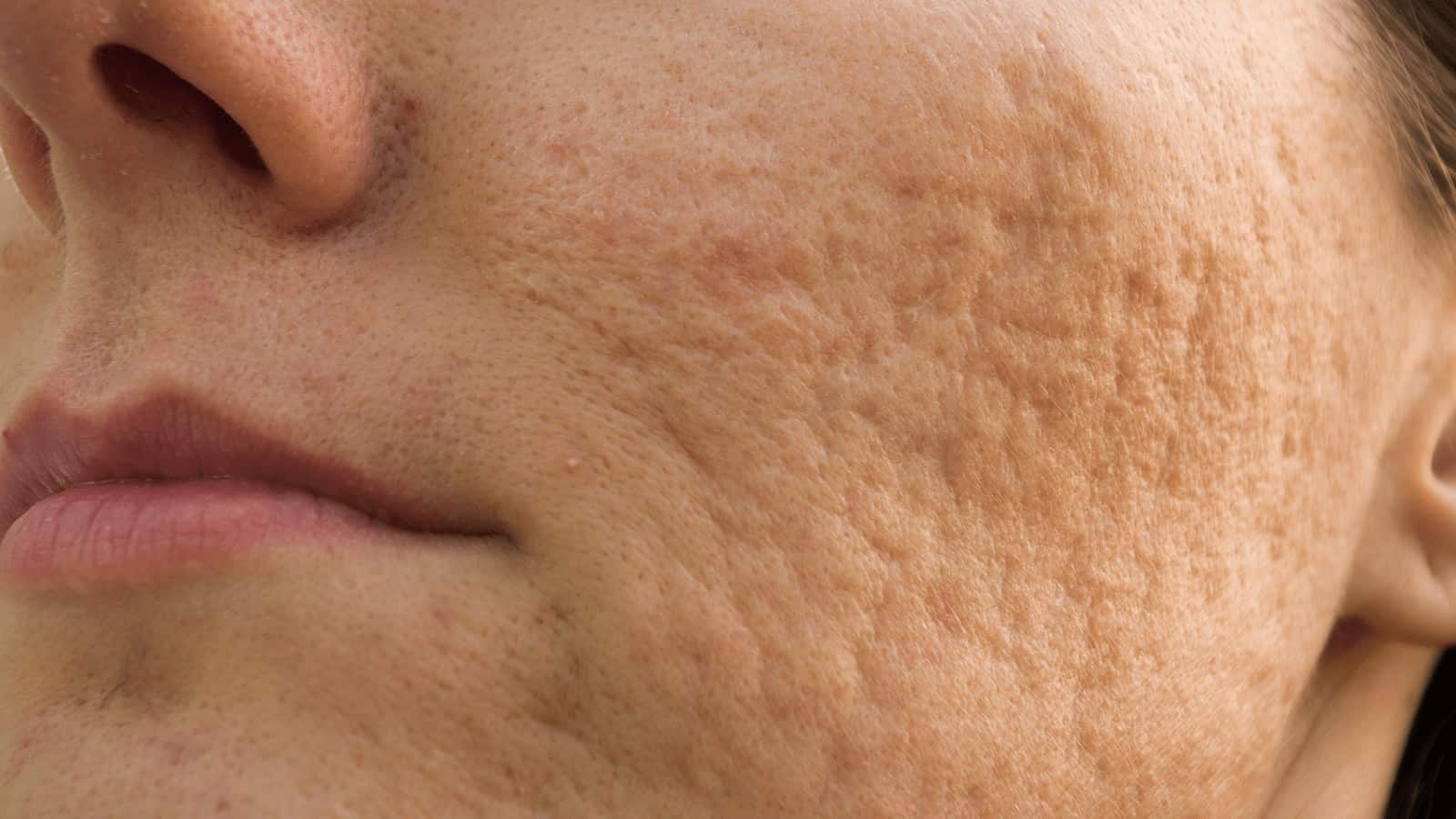

12 Essential Oils for Clear Skin : How to Use Them + Benefits  

Clear skin is something most of us search for a lifetime to find. While many products promise to give us the effortless healthy glow and firm and flawless skin, there are other all-natural ways to get the best skin of your life. With the right essential oils, you’ll be able to take advantage of nature’s best-kept secrets.

Essential Oils for Clear Skin

Want clear skin? Tired of struggling with oily skin, acne, inflammation, and similar conditions?

Look no further than some of the most popular essential oils. From the likes of clove essential oil to geranium essential oil, using these oils as part of your skincare routine will help you get the clear skin you’ve been longing for. Read on to find the best essential oil for clear skin.

1. Reduce Blemishes with Tea Tree Oil

Tired of turning to over-the-counter and prescription solutions for treating blemishes?

It’s time to try tea tree oil. This all-natural essential oil is a key ingredient for many people hoping to fight acne.

Loved for its antimicrobial, antibacterial, and antibiotic properties, tea tree oil is incredibly effective in killing any bacteria or germs that threaten to aggravate acne-prone skin.

With just one drop to the affected area or as part of a DIY treatment, this is is an incredibly powerful essential oil for clear skin.

2. Treat Cysts and Boils with Clove Essential Oil

Cysts can be particularly difficult to treat. These cysts are caused by bacteria and can be incredibly challenging to remove.

However, with the help of the best essential oils, you’ll be able to target and eliminate your cysts completely.

Take advantage of this all-natural treatment by using organic clove bud oil to treat any affected skin. The anti-inflammatory, anti-fungal, antimicrobial, and antibacterial elements in this oil make it a godsend to cystic outbreaks or boils. While traditional medicine is often used to treat these types of outbreaks, this essential oil is one of the best and most natural solutions to rid your skin of this condition for good.

Hoping this clove essential oil will treat your cystic acne? Be sure to consult with your doctor or dermatologist for their opinion before starting on this treatment.

3. Fight Pimples with Lemongrass Essential Oil

Lemongrass essential oil is a favorite among dermatologists and customers with oily skin alike. This stimulating essential oil is one that makes for an awesome DIY astringent.

Citrusy and light, lemongrass oil is one fragrant natural solution for fighting acne. This antimicrobial and antiseptic oil is effective in destroying pimples and relieving any pain related to acne.

This oil is one of the best oils for clear skin as it helps to prevent and reduce one’s appearance of pimples all while revitalizing and healing the skin.

As you start to use this essential oil as part of your daily beauty regimen, you’ll find that it has a wide variety of uses. As versatile as this oil is, it can be used as an astringent, cleanser, and overall fighter of acne.

When using this oil to fight acne, remember that a little goes a long way. Using too much of this oil can be harmful, so only use a few drops to keep your skin as healthy a possible.

4. Heal Popped Pimples with Lavender Essential Oil

So you’ve popped your pimples, cysts, or ingrown hairs? While it isn’t recommended to pop these common blemishes, the fact is that this does happen.

When cysts, pimples, and ingrown hairs are popped, this more often than not leads to scarred skin. If you find yourself in this situation, use lavender essential oil as soon as possible.

This soothing and calming oil will help relieve irritation and itchiness as it helps to heal and clean any affected areas. Moreover, using this essential oil will work to repair the skin after these blemishes have been popped.

5. Reduce Scarring with Frankincense Essential Oil

Another great essential oil for clear skin is frankincense essential oil.

This oil is an excellent solution for reducing scarring on the skin. Whether you’ve been cut and are bruising or you’re hoping to reduce scarring from acne, this essential oil is an all-natural and gentle treatment for repairing your skin.

Additionally, this oil is an excellent treatment for irritated and dry skin. With this oil, you’ll be able to better balance your skin’s oil production, as well as reduce inflammation.

Make your own DIY frankincense treatment with 20 or so drops of this oil added to a carrier oil, then apply to damp and clean skin.

Not sure what carrier oil to use? Consider jojoba oil.

Get back to nature by using jojoba as this oil is particularly light and the closest oil to our own molecular structure for sebum.

Top cosmetologists note that this oil is an ideal carrier oil for individuals with oily skin as it will trick one’s skin into thinking it has already produced enough oil. Thus, using jojoba helps to stop the overproduction of any oils that may otherwise trigger acne.

6. Treat Acne with Rosemary Essential Oil

If you haven’t used rosemary essential oil for acne treatment yet, now is the time. This incredible oil has many benefits designed to improve the overall health of your skin.

As rosemary is known for its antiseptic properties, this oil is one of the best for reducing excess oil in the skin and eliminating inflammation.

Use frankincense oil to reduce redness and soreness caused by acne. As this oil also helps to improve circulation in the skin, be sure to use this oil if you want a clearer complexion and firmer skin.

7. Calm Skin with Aloe Vera Oil

Using aloe vera oil will help to calm the skin, reduce inflammation and redness.

If your skin tends to be particularly aggravated, use this essential oil on a regular basis. As it is packed with Vitamin B, E, and C, as well as other minerals, proteins, beta-carotene, and amino acids, using this essential oil will help to actively repair your skin.

8. Regulate Sebum Production with Geranium Essential Oil

Geranium essential oil is another important oil for regulating the production of sebum, making it an ideal pick for oily skin.

If you have overly oily skin, use this oil to tighten your skin and promote blood circulation. Regular use of this oil will help to heal any scars from acne as well.

9. Hydrate Skin with Ylang-Ylang Essential Oil

Ylang-ylang oil is an important treatment that effectively treats any irritation inflammation and dryness in the skin.

This soothing oil helps to regulate your skin’s oil production, hoping to balance out oily skin and eliminate excessive acne. As this oil helps to promote the growth of skin and hair, it is one of the best solutions for clear skin.

When used regularly, ylang-ylang oil also helps to improve circulation in the skin, helping to maintain hydration and prevent infection.

10. Fight Breakouts with Myrrh Essential Oil

Never thought to use myrrh oil for clear skin?

This oil is one of the oldest beauty treatments as it has a wide variety of benefits. As myrrh has powerful antiseptic properties, it is a powerful go-to for killing bacteria and microbes. When used for treating skin, this oil will help to protect against bacteria that may otherwise trigger acne.

essential oils

Additionally, past studies have shown that this essential oil can help heal wounds. When used as a skin treatment, myrrh also helps to inhibit fungi and the like that are triggered by bacteria on the skin.

11. Treat Breakouts with Chamomile Essential Oil

While chamomile makes for a tasty tea, as an essential oil, it is also an excellent treatment for acne.

Use chamomile oil to help you fight acne with its antiseptic and anti-inflammatory properties. Similarly, regularly using this oil will help to fight breakouts and acne scars.

In addition to chamomile’s effectiveness in treating acne, you can use this powerhouse essential oil to protect your skin from the effects of aging. As this oil helps to reduce the damage from free-radicals, it will also help to accelerate tissue and cell regeneration.

12. Soothe Skin with Eucalyptus Oil

Eucalyptus oil has long since been a favorite when it comes to all-natural acne treatments. With this essential oil, you’ll be able to kill any bacteria that threaten to infect your pores and develop into acne.

These antiseptic properties help to eliminate acne and clear up your skin. Additionally, this oil will help to reduce oil production, which helps to lower the risk of more future outbreaks.

Final Thoughts on Essential Oils for Clear skin

If you’ve never used this oil to treat your skin, now is the time to start doing so. With all the vitamins and nutrients packed in these high-powered oils, your skin will be totally transformed with these new additions to your beauty routine.

Stand up to acne, scars, cysts, blemishes, and more by using your own treatment with these essential oils. Keep this guide in mind as you search for the best oil to treat your skin with.

Here’s How A Woman Beat Stage 4 Breast Cancer in 2 Months Without Chemotherapy

When most people hear that they have Stage 4 cancer, they tend to think all hope is lost. However, a new treatment is restoring faith to doctors and patients alike. After taking part in an experimental clinical study, Judy Perkins discovered her breast cancer had vanished without any chemotherapy. This gave hope to thousands of others going through the same thing. How exactly did her cancer disappear without conventional treatment? Read on to find out her incredible story.

Woman Cures Stage 4 Breast Cancer in 2 Months Without Chemotherapy…Here’s How She Did It

Judy’s battle with cancer

Judy Perkins got the unpleasant news in 2003 that she had the early stages of breast cancer. Soon after, she got a mastectomy and got back to her regularly scheduled life. However, 10 years later, Judy found that the disease had returned and had become full-blown metastasis.

An unconventional treatment

Doctors offered Judy the most common treatments such as chemotherapy and immunotherapy, but she didn’t respond to them. Two years later, though, she had a renewed sense of hope after coming across an unusual treatment for cancer. In a class on immunotherapy, she met Stephanie Goff, a member of the National Cancer Institute. Stephanie told her she was doing clinical trials of groundbreaking cancer treatments using immunotherapy, so Judy immediately decided to sign up to be a part of the study.

The immunotherapy treatment

The doctors took out some immune cells from Judy’s body. They then evaluated what happened when the cells came in contact with cancerous cells. Once they figured out which immune cells attacked the cancerous cells, they took the cells to the lab. Scientists kept them here for a few months while the immune cells multiplied and increased in potency. Once the immune cells were strong enough, doctors injected them back into Judy’s body.

breast cancer

Cancer-free in 2 months

At the beginning of the treatment, Judy felt very sick and suffered from chills, pain, and fatigue daily. However, Judy kept at it because she knew the treatment was working. “I started to notice that the tumor pinching the nerve in my arm seemed to be causing me less pain,” she said. “After a week or 2, it was pretty much gone.’’ She noticed the same results with the tumor near her heart. The treatment was successful, and in less than 2 months, Judy’s cancer eradicated. She’s been cancer-free now since 2016.

The mastermind behind this breast cancer treatment

The doctor who came up with immunotherapy is Dr. Steven Rosenberg, Chief of Surgery at the National Cancer Institute, and a pioneer in immunotherapy research. “I think it’s the most promising treatment now being explored for solving the problem of the treatment of metastatic, common cancers,” he shared. It may not cure every patient’s breast cancer, but it can certainly provide a new solution to many people.

What do you think about immunotherapy? Have you ever known anyone who has undergone this treatment? Share with us in the comments!

(C)Power of Positivity, LLC. All rights reserved

15 Foods You Can Eat On a Low Carb Diet to Boost your Health

We all love carbs. From pizza to baguettes and beyond, carbs make a strong contender for the best macronutrient. However, many of us have decided to steer away from carbs for a while in an attempt to shed some fat and re-focus our health. If this is you, you may have noticed that a lot of your favorite foods are carb-heavy. If you’re struggling to figure out how to stay satiated and not an irritated, hungry mess without your carbs, fear not. There are tons of healthy, nutrient-dense, low-carb food options out there that don’t make you feel like you’re dieting. The secret is to be selective in how you choose your food.

Fifteen Low Carb Diet Foods Never to Overlook

With that in mind, below are fifteen delicious, nutrient-dense foods that fit perfectly on a low-carb diet.

1. Eggs

The most basic breakfast item out there is still one of the healthiest options, especially for a low carb diet. Eggs have a ton of protein and healthy fats, not to mention their high omega-3 content, which helps regulate brain function as well as cardiovascular health. Eggs are a super-basic building block for a huge variety of foods. The first that comes to mind is the infamous avocado toast, which can be made with a ket-friendly toast to keep the carbs low. Eggs can also be used for a variety of dinner options and can be prepared in a variety of ways.

eggplant

2. Red Meat

This is a huge category of foods that offers a ton of variety. Meat’s high protein content makes it very satiating, which is crucial to succeeding on a low carb diet. Meats offer more than protein, though: They have a great variety of nutrients that are crucial to overall health and longevity. In particular, beef has a good amount of vitamin B12 and iron. Iron is essential to maintaining energy levels, which you’ll need more than ever without the “quick” energy that carbs usually provide. Other meats like lamb or bison vary but are all generally a mixture of good protein and mostly healthy fats, so they are all safe options.

3. Salmon

Seafood is arguably the healthiest (in terms of nutrient content) food out there. Seafood is particularly high in vitamin B-12 and Omega-3 fatty acids and, of course, contains virtually no carbs. Salmon, one of the best seafood options, is super high in good protein and fats as well. The best part about seafood is that it is virtually carb-free and always high in protein.

4. Brocolli

Most vegetables are super low in carbs, especially leafy green vegetables like spinach and kale. Other vegetables like peppers or tomatoes are a bit higher in carbs, but not nearly high enough to be excluded from this list. Other vegetables like potatoes or plantains are pretty high in carbs. Brocolli is a great low carb option; it’s one of the best sources of vitamin C, and it has been found to have a variety of cancer-fighting properties. It can be added to a variety of dishes for a great nutrient boost.

5. Shellfish

While shellfish probably isn’t a common item on your plate, they are still worth considering as part of a healthy diet. Foods like crab or lobster closely match organ meats in their nutrient content. They contain a variety of nutrients that are lacking in most people’s diets, and of course, are essentially free of carbs. There are around 4-5 net grams of carbs per 100 grams of shellfish.

6. Eggplant

An eggplant is a great option for low carb diets because it retains a nice, carb-like structure without the presence of a lot of actual carbs. It can be chopped up and used in stir-fries in Asian dishes, along with a ton of other options. Eggplant can also be crusted with parmesan cheese for a very convincing bread-like cheesy dish. It is perhaps best prepared roasted to bring out the sweetness.

7. Asparagus

One of the best side dishes to pair with meat out there, asparagus is super high in both fiber and vitamin C. It is very high in protein for a vegetable, and also contains folates and vitamin K. Asparagus can be pan-roasted with plenty of olive oil and butter and topped with garlic and parmesan cheese. Served alongside steak or salmon, asparagus is a great side dish option for low carb diets.

8. Avocados

Avocados have become the fruit in vogue in the past few years, and for good reason: They are a super satiating fruit that is high in nutrients without the presence of carbs. Plus, avocados are high in omega-3’s as well as potassium. They also contain plenty of fiber, which transforms carbs into net carbs, which means they are not digested or absorbed by the body. Avocados are always great served alongside eggs or meat.

best low-carb diet foods

9. Almonds

Almonds are another option for a low carb diet that is high in fat and protein with very few carbs. Additionally, almonds have a ton of fiber and vitamin E. They also contain magnesium, a vital micronutrient that most people don’t get enough of in their daily diet. Because of their high protein and caloric content, they are super filling, which makes them a powerful food to include in a low carb diet. Almonds can be eaten by the handful, thrown on top of smoothie bowls, or included in salads.

10. Chia Seeds

Chia seeds have become much more popular in the last few years among health and diet enthusiasts. These tiny seeds are incredibly nutrient-dense, and, because of their size, are extremely versatile when it comes to including them in your diet. Chia seeds can be mixed with water or almond milk to make a pudding, which can be topped with fruit and other healthy, high-protein foods. They can also be thrown in smoothies or sprinkled on top of just about anything.

11. Cheese

If you can do dairy, cheese is a great high-protein and low carb diet option for you. Besides being one of the most satisfying and delicious foods on the planet, cheese contains plenty of good protein and fats. We probably don’t have to tell you to eat more of it, but just in case you need some ideas, you can bake it on top of meats, shred it on top of tacos with keto-friendly tortillas, or eat slices of it when cravings strike.

12. Full-fat yogurt

Yogurt, when purchased at big chain grocery stores, is most often found in “low fat” form. This is because, for years, popular health science has touted the benefits of low fat diets, assuming that consuming fat is what makes us fat. While this might sound like common sense to some, it’s really not the truth. For most people, excess sugar consumption is what makes them fat, not dietary fats. The problem with “low fat” yogurt is that it has lots of added sugar to replace the flavor it would normally get from fat. Because of this, look for full-fat yogurt to avoid the excess carbs. Full-fat yogurt has tons of protein: Just one cup has around 20 grams of protein.

13. Butter

While butter has historically been seen as the enemy, it’s really not detrimental to your health when consumed in a normal amount. We honestly can’t say enough good things about butter. It’s extremely satiating, has no carb content whatsoever, and makes everything taste incredible. It contains plenty of great nutrients, especially if you choose grass-fed butter, which we highly recommend. A super-popular option for a low-carb diet is bulletproof coffee (coffee with butter and MCT oil blended in.) Fans claim that it can increase energy and help burn fat. While it might take a little getting used to, it’s actually quite good.

13. Coconut Oil

Another popular health food, coconut oil is a great alternative to other cooking oils. It has a unique (but very pleasant) taste and has plenty of medium-chain fatty acids that can work to boost your metabolism. Including fats like coconut oil in your diet can curb appetites and help you lose fat quickly.

low carb diet

14. Coffee

Coffee, when taken black or with cream, has zero carbs. It has also been shown to help increase the body’s fat-burning ability. If you’re into intermittent fasting, it has also been shown to have the ability to curb appetites to help push your first meal back a little later in the day. Coffee is our secret weapon for fat burning and sticking to a low carb diet successfully.

15. Dark Chocolate

Surprise! Dark chocolate can be included in a low carb diet, with one stipulation: It has to be real dark chocolate. Look for chocolate that advertises over 70% cocoa content, and you should be safe. Make sure to check the nutrient facts section to make sure there isn’t excess sugar added in. Natural dark chocolate is packed with tons of great nutrients and is extremely satiating as a healthy dessert option. In addition, around 25% of carb content in chocolate is fiber, which means that the total net carbs are greatly reduced.

10 Time Management Tips That Will Give You More Success And Freedom

Time management is something that teachers don’t tell us in school. However, this might be one of the most important topics that you can master.

Time is everything in a world where we want to get as much done as possible. We might have energy. Yet, we lose hours to our sleep and wake cycles. We must utilize our daytime as best as possible when we want to achieve something without losing time in the process.

You could be working on completing an important project, making the income that you want, or achieving your dreams. And, you might need time management tips. Here are some time management hints that will drastically change your life with their simplicity.

10 Time Management Tips for Success

Try these ten hacks to improve your productivity.

Find Where You Are Losing Time

pop meme

It might be the occasional look on social media that turns into an hour of reading posts or just endless talks on the phone. Either way, there are periods in the day when you aren’t productive. In fact, you’re doing things that are not propelling you forward in a chosen direction. We all need our time to relax. And sometimes that makes us even more productive during our working hours. However, time for inactivity and leisure can also be strategically set apart from the rest of the day.

Most people get caught up wasting our precious time. It could be because you have it easy in those moments or are too vague or hindered in your goals to get on with them. Whatever the case may be, the first step to claiming back more of your time for the things that you count on is to pinpoint the activities that you use to escape from your productivity time.

This drain of your time could be surfing on the internet, reading emails, or just chattering on the phone. When you find the things that take up most of your time, set a time limit. This habit makes you keep a check on the time you are spending on those activities and keep it to a minimum.

Separate your Work Time and Personal Time

When you are at work, you can be tempted to open up that email from a friend or checking out an online shop. This distraction cuts up your time and concentration on what you are doing. Focus is the key to finishing things as quickly as possible.

When you are busy at work and know that you must complete a given goal for a given period. Therefore, you will focus entirely on what you are doing and finish it as quickly and efficiently as possible. This task might require that you set a goal that you will not look at things that are separate from your work until you are finished. Keeping things compartmentalized this way will make you feel calmer as well as you will not be jumping between different tasks simultaneously.

Organize Your Work Space

Disorganization is another time waste. You might not realize it, but how much time passes by to find the file you need on your computer or a desk? Time organization includes space organization as well.

Keep things organized and labeled. Then, when you look for something, you will not spend minutes looking for it. This searching for something you need in the middle of the process also impeded your momentum with work and diverts your attention from what you are doing.

Set Clear Time Limits

We all have many jobs to do. So whether you’re reading emails or completing a project, it’s a good idea is to set time blocks for those activities. For example, if you need to read emails from clients, you will strictly place a time limit for this activity.

Whatever happens, the moment the clock hits that time limit, you will stop doing it and go onto another essential task. Another great thing about this particular time management tip is that you will not linger on one email when you know that you have a limited amount of time to read them all and respond.

Have Routines That You are Committed To

Routines are great for time management because they help you get straight to your task without losing time or wondering when and whether to start what you have planned. While routine is not something set in stone and changes can occur on different days, if you keep to your routine as much as possible, you will have more consistency and focus when doing what you must accomplish.

This practice gives you peace of mind when dealing with things that you might not particularly enjoy working on. Instead of wondering when to do them, you will have the time of the day set aside for them when you will be mentally prepared to deal with whatever they require of you.

brain multitasking

Get Help

If you are working on a chore or task that requires your particular skills or qualities and takes up all or most of your time, consider delegating or outsourcing. While this step will need you to look for the right people to complete tasks for you, once you find the right people, you will be glad that you found someone to help you out.

Find people who can do the simple things for you like reading and answering emails or just taking some of the workloads on themselves. Some people look to complete simple tasks daily for you, so you can concentrate and work without disturbance on what you do best to push your projects forward.

Prioritize

There are too many things to be seen and done. You might have people waiting for you to spend time with them or projects that you are thinking of starting. Remember that you still have your hours of the day to dedicate to your activities.

Whenever thinking about whether to turn down a meeting or not, remember that time is the most precious thing you can give to something or someone. Choose the things that you give your time to carefully, as those will become part of you and your future.

When waking up in the morning, you can make a list of the priorities that you have for that specific day. This list will help you to keep your eye on the things that are important to you and not jump into random activities during the day and leaving your priorities behind. Be decisive and even ruthless when choosing your preferences over things that you do with half a heart or for uncertain causes.

Use Time Management Tools to Your Advantage

Today there are apps, tools, and programs for your computer for almost anything that you can think of. There are also time management tools and apps that you can and should use for your daily schedule.

The will help you organize your time in a way that you can tailor it to your unique lifestyle. Tools such as Outlook let you schedule your events way before their time. Even if you forget about them in the future, the app will remind you of what you need to do for that day.

You can readjust the schedule at any given moment using those apps. This way, you will have an idea of graphically seeing your days ahead of you and making any changes that you need to make at any given time. Seeing the thing you need to do graphically will also give you more clarity on what you need to get accomplished and check them off as you go.

Don’t Wait

You might fall into any situation where you have to wait or something. While you are waiting for someone to do something that you are dependent on, use the time to your advantage. With the mobile world we live in now, you can always open up your phone or laptop and finish up something while waiting.

Remember that your time is precious and any five additional minutes can be used to check up on emails, get spreadsheets done, or plan your next step for your projects.

Set Goals

It’s vital to implement time management tips. It’s also essential to remember that you are not changing time but improving your habits and behaviors. Have a clear set goal to eliminate all your time-wasting in the first place. For example, you can set a goal to cut down talking on the phone to a specific time limit. Then, never go over it.

Set clear goals for a certain amount of time and change your habits one by one. With patience, you will completely transform the way you do things and how your days go by. Before you know it, you will be getting more done than you ever expected. And, you’ll have time set aside for the things that make you unwind.

time management skills


Final Thoughts on Time Management Tips

Time management is all about changing your habits and the way you look at your life. You will begin to value your time and yourself more as you start to prioritize your time.

Learn to change the way you manage your time. Indeed, you will be surprised at how much longer your day will seem. Plus, you’ll love learning how much you can get done in a single day. You will also feel more relaxed and less stressed out with what looked like strenuous work before. This is because cutting your attention span with multiple tasks is more stressful than working long hours during the day.

Take your productivity and time in your own hands with these time management tips. You might be pleasantly surprised by the results and boost your self-confidence through the process.

25 People Describe Their First Experience With Anxiety

Anxiety disorders are the most pervasive mental disorders in the U.S.

And it’s a commonly found illness, affecting over 40 million adults age 18 or older, or 18.1% of the population. Unfortunately, only about 37% of those suffering receive treatment, probably due to the stigma still surrounding mental illness. Until recently, scientists thought that a hyperactive amygdala – the brain’s emotional processing center – caused anxiety.

However, new studies have come out showing that anxiety is caused by complex interactions between different brain regions and that by being able to overpower the emotional brain by using cognitive rationality, anxiety will be reduced.

Cognitive behavioral therapy, medication, or a combination of both can usually help reduce anxiety symptoms. Also, eating healthy, exercise, getting enough sunlight and sleep, reducing stress, and other lifestyle factors can help symptoms of anxiety.

However, people with anxiety will tell you that it isn’t an easy disorder to manage by any means, and it usually requires lifelong treatment to keep symptoms under control. Below, you’ll find first-hand experiences from different people who have suffered from anxiety their whole lives.

We hope you find comfort in their stories and that they will serve as a reminder that you are not alone.

25 People Describe Their First Experience With Anxiety

1 – Malia A.

I could date this all the way back to grade school. Not wanting to go to Wednesday night church because I was so shy and afraid I would get asked to be called on or someone would just want to talk to me. I would feel physically sick because if it. #My1stExperienceWithAnxiety

2 – Rebecca

3 – Tristitia


4 – Nico

5 -Nohemi


6- Jennifer

7 – Brittney

8 – Bella

9 – Lindsay F

10 -Brittany L.

11 – Chloe

12 – Maddie

13 –  Arya

14 – Gamerga

15 – Jacqueline Z.

16 – Jim

17 – Bekah K.

18 – McSpocky

19 – Kaz W.

20 – Alana

social anxiety

Social anxiety is a real struggle. Learn 12 tips for coping.

21 – Jordan D.

22 – Joolz

23 – Nadir

24 – Allis

25 – Elle

(C)Power of Positivity, LLC. All rights reserved

Why Finding the Right One Begins with You

We all crave love, but not just any love. We crave a love where we are free to be ourselves; where we connect with the other person intimately; where we feel supported, listened to, and protected. All of us want a love that completes us physically, emotionally, and mentally. We want to find the Right One we can give our entire soul to … knowing they will do the same.

Yet, with over 8 billion people on this planet, finding “the right one” can be a bit challenging. Young girls are raised to look for a knight on a great stallion to sweep in and carry them away. A man is taught to go out and seek many women until they find the woman of their dreams. These are quite contradictory to each other and certainly not how love works in reality.

Finding “The Right One” may require you to find yourself first.

It may require you to let go of your fairytales from childhood and be willing to accept that the man may not be the tall, dark, handsome prince, but instead of average height, slightly overweight, and possibly bald. The woman of your dreams may not have the perfect figure you dreamed of, be a great housewife, or blindly follow you wherever you wish to go.

It is those traits that may make them perfect for your imperfections.

“Never obsess about chasing love. Chase goals [and] dreams. Chase the behaviors that are going to make you better. You don’t chase love; you allow that to find you by accident, and when it finds you on accident, you’ll know that it was supposed to find you purposely” – Sylvester McNutt III, in “Lust for Life”

Know yourself and heal yourself

Knowing yourself, or self-actualization can be a crucial component to finding lasting love. I had a friend who carried around insecurities, past loves, and old emotional baggage; she found the “one” for her at 70 years of age.

How you may ask?

It wasn’t that she hadn’t been married before. She had. Sadly, this person became a widow by age 50. Events related to her husband’s death and relationships afterward kept her from becoming the person she was meant to be. She also failed to accept who she was. Once she did accept herself and made some necessary changes in her life, she found the man of her dreams.

Now, don’t make the mistake of thinking it was as easy as I made it sound. She was on that journey for years. I just so happened to become friends with her in the most pivotal last few years. It was an amazing transformation and I was so happy for her when I attended her wedding. They were married within a year of starting to date because they “just knew.”

Don’t make the mistake of thinking the right one is going to make you happy and take away all of your baggage and insecurities. The goal in life should be to become the best version of yourself you can possibly be. Granted, that is a lifelong process. You should always be changing and growing. However, it is essential that you recognize that happiness is a “now” concept. It is not about when all the ducks are lined up in a row perfectly.

Be happy with who and where you now.

For several of us, that is a difficult concept. Part of that means dealing with your past baggage and insecurities. You have to be able to love yourself to let love in. That is not just a cliché. When you are hurt, angry, or bitter, you are less trusting of others and, therefore, less open to allowing others into your life.

The sooner you are able to know and heal yourself, the more willing you are meet others, trust them in your life and be open to receiving love.

Embrace Imperfection

Knowing yourself should include embracing your imperfections, as well as the imperfections of others. Our imperfections are part of what makes us who we are. They are the unique twists and turns of your personality that make you, you. What you may view as a fault, maybe something that another person finds real value in. The same philosophy should apply to how we view others.

Some people can look at the traits of stubbornness and think of negative ideas like closed-mindedness, inflexibility, and determination to have their way. Others can look at the stubbornness and see a strong will, passion, and determination.

Oftentimes, humorously, one person’s perceived faults can be what makes our strengths shine. It can aid in creating a mutually beneficial relationship. For example, having two stubborn people in a relationship together can be intense. They tend to be more like two bulls butting heads.

Yet, if one of the two knows how to back off, then communication becomes far more successful. On the other hand, the more willful one may bring out the expressiveness of the passive one. In essence, they complement each other through this dichotomy so long as respect is given to each.

No One Is Perfect

Learning to recognize that not only are you not perfect, but neither is anyone else, can surprisingly bring you great relief. The pressure is off for you to force yourself to be a certain way that is contradictory to your nature. You can then learn to appreciate your faults and see where they actually serve you. You will see how your weaknesses have taught your brain to think differently. A person prone to depression, for example, will usually be more empathetic than the average person. They feel for the underdog and will go out of their way to help someone in need.

Accepting your flaws will allow you to be far more accepting of other weaknesses. It will also balance the idea that the right one you are looking for must fit your idea of the “perfect person.” They don’t need to be perfect, and shouldn’t be. Their imperfections will perfectly offset your imperfections and allow each other’s strengths to shine.

Pushing your limits to grow together

While striving to become the best you that you can be, the right one may enter your life and cause even more havoc. The right one might push all of your buttons. He/she may challenge your way of thinking about life, people, success, and love.

Finding the right one does not guarantee love at first glance or the whirlwind romance of roses and kisses. Sometimes that right one is going to turn your world on its end first. They force you to make changes for your own betterment that you hadn’t even conceived yet. They will challenge you, push your limits, and even infuriate you. In the end, the two of you have been molded together.

On the other hand, they may also teach you how to love yourself and heal. They may see through your façade and demonstrate enough love, care, and patience to help you bloom back into the person you were meant to be.

Essentially, not every relationship is obvious in the beginning. Everyone is a work in progress and, therefore, relationships require work as well. The more two people learn about each other through strife but remain supportive, the stronger their love can become. Life is hard and so are relationships. Both require work, but that work becomes the foundation for something great and lasting. Knowing you have each other’s back breeds trust, a sense of calm about each other, an innate ability to communicate with each other, and comfort in each other’s nearness.

the one

Above all, the right one will only help grow your capacity to love, be empathetic and supportive, and further encourage you to be the best you can be.

The right one is not about just what they can do for you. You are together to help each other through this world and this life. With continued work, communication, trust, respect, and love, your relationship can only grow stronger. With appreciation and gratitude, love only grows more abundant. There is no limit to the amount of love you can share and the beauty is, the more you share, the more it grows.

In conclusion, finding the right one may include finding and accepting yourself, flaws and all, so you can, in turn, open your eyes and your heart. The right one may not be the perfect one of your dreams, and neither are you. Yet, a relationship with the right one will be far more substantial and rewarding than any fairy tale.

“I’d rather have bad times with you, than good times with someone else.

I’d rather be beside you in a storm, than safe and warm by myself.

I’d rather have hard times together than to have it easy apart.

I’d rather have the one who holds my heart.”

Luther Vandross – song “I’d Rather”

Here’s How Holland Became The First Country with No Stray Dogs

If you look around your neighborhood or community, you’ll probably notice stray dogs roaming around. Unfortunately, there are about 70 million strays in the U.S. Only six to eight million cats, and dogs get put in shelters each year. In other words, there’s a massive stray dog problem in not only the U.S. but also in the world overall. In Holland, they’re taking this problem seriously and ensuring that all stray dogs stay off the streets.

How did Holland accomplish this? The government started implementing the PSVIR method (pick, sterilize, vaccinate, identify, and return). Because of this, it became the first country to have no stray dogs in 2016. Think of how wonderful it would be if every government could implement this strategy and save all beautiful animals from a life on the streets!

Here’s How Holland Became the First Country with No Stray Dogs

dog love

How the stray dog problem began

Since the 19th century, Holland’s dog population has grown tremendously. Virtually every family in Holland had a dog as a pet because they viewed it as a status symbol. However, rabies soon spread among the dogs since the population was so high, and it became one of the leading causes of death. This outbreak caused many pet owners to abandon their pets, which led to the stray dog problem.

Mandatory medical examinations

Holland wanted to reverse this problem somehow. They started setting days of compulsory sterilization and castration to take place. The government paid all expenses, so there was no excuse to avoid the responsibility. Because of this, they could sterilize 70% of female dogs. The services included medical examinations to see if the dogs needed any vaccines or other medical attention.

Making abandonment illegal

To ensure that the stray dog problem wouldn’t continue, the government made it illegal to abandon pets. The new laws protected pets from abuse and inadequate treatment from their owners. If owners broke the rules, they could be punished with up to three years in prison and a fine of $16,000 or more.

Increasing taxes on purebred dogs

Many people who want a dog choose to get one from a breeder because they’re considered better looking and healthier. Because of this, the Dutch government raised taxes on bred dogs in hopes that fewer people would buy them. It worked because people started going to shelters more often, which helped decrease the stray dog population.

Awareness campaigns

They also decided to raise awareness through campaigns to educate people about stray dogs. During the campaigns, people had the opportunity to give stray dogs a forever home. We’re happy to say that over a million stray dogs found homes during these campaigns, proving the beautiful things that can happen when people are made aware of a problem. 90% of the population ended up adopting a pet.

The end of stray dogs in Holland

The government decided to hand the job over to “Animal Cops” in 2011, a group of policemen who ensured that all dogs in Holland were safe and protected. Now, all dogs in the Netherlands have a safe home and are even allowed in most establishments.

How to Help Your Local Shelter Care for Stray Dogs and Cats

Shelters give stray dogs and cats a second chance by taking them off the streets and allowing people to adopt them. Caring for the animals takes monumental efforts from volunteers and staff, and they can’t always do it alone. If you’re an animal lover and want to help your local shelter, we have a few options for you below.

1. Walk the Shelter Dogs.

When stray dogs get taken to a shelter, they can no longer roam freely through the streets. Instead, they spend most of their time in a kennel and don’t get much opportunity to move around. The staff does walk the dogs each day, but as more stray dogs enter the shelter, it’s challenging to keep up with their needs.

Volunteers can help by walking the dogs around the shelter to get them used to humans and provide them with exercise. Plus, walking dogs benefit humans on a physical and emotional level.

stray dogs

2. Feed the Animals.

While the staff does take care of feeding the animals, they could always use a few extra hands. You can help shelters immensely by simply refilling water and food bowls for the stray dogs and cats. This gesture also gets the animals used to human interaction and will help them become more adoptable.

3. Bathe and Groom the Stray Dogs and Cats.

You can also help care for shelter animals by bathing, brushing, and grooming them. These kind actions help the animals look and feel their best, making them more desirable for potential adopters.

4. Clean the Kennels.

As you can imagine, kennels can get pretty messy after a while. Shelters need volunteers to clean the kennels so that the dogs and cats have a safe environment. To do this, you’ll want to remove the animal and other items from the kennel first. Then, clean any waste and debris from the kennel and spray it with hydrogen peroxide.

Next, use a long-handled brush to scrub the floor and let the disinfectant sit for 5-10 minutes. Finally, use a squeegee to push the water down the drain and allow the kennel to dry. This will give the animals a clean place to relax and reduce disease risk in the shelter.

5. Answer Phones at the Shelter.

Some people don’t enjoy the intensive hands-on duties required in animal shelters. Luckily, shelters also need help with administrative tasks such as answering phones or tending to guests. Jobs you could assist with at the front desk include filing paperwork, walking guests through the facility, and answering general questions.

6. Volunteer at Adoption Events.

Depending on the location, local pet stores usually hold adoption events weekly or monthly. They need help from volunteers to coordinate adoptions and answer questions that the public may have. Organizing these events can help the shelter find forever homes for deserving pets.

7. Use Your Natural Talents to Help.

You can help stray dogs and cats by using your innate talents to provide a service to shelters. These could include photography, website design, dog training, or simply cuddling with the animals! If you’re a veterinarian, you already help animals by spaying and neutering them and giving life-saving vaccines. Everyone has something they can contribute to help animals live a better life.

8. Donate Supplies.

Shelters welcome gently used or new supplies to keep their animals well-fed, happy, and healthy. Some items that shelters frequently ask the public for include:

  • treats
  • pet food
  • cleaning supplies (paper towels, laundry detergent, hydrogen peroxide, etc.)
  • pet beds
  • collars
  • toys
  • blankets
  • grooming supplies
  • kitty litter
  • puppy pads
  • office supplies, such as printer paper, pens, markers, file folders, etc.

Check your local shelter’s website to see if they have a wish list or specific supply requests.

9. Neuter or Spay Your Animals.

Each time you spay or neuter a stray dog, you prevent another animal from possibly living on the streets. Plus, it keeps shelters from becoming overcrowded since most shelter animals were strays at one point. Also, you can help your local shelter by microchipping and vaccinating your pets and keeping them in a fenced area.

10. Adopt a Pet.

Of course, one of the best ways to help a stray dog or cat is to adopt them from a shelter. Shelters are better than a life on the streets, but no animal wants to stay in a shelter forever. Like humans, dogs and cats require love, companionship, and stability, so giving them a permanent home is an ultimate way to support them.

Plus, by adopting a pet, you allow the shelter to make room for more animals who need a loving home.

11. Post Adoption Information on Your Social Media.

One benefit of social media is its ability to relay information to a broad audience. You could help shelters increase their adoptions by posting information about animals on your social media pages. Simply sharing a cute animal photo is often enough to get someone’s attention nowadays.

12. Offer to Transport Shelter Animals.

Some people who adopt animals from a shelter live in different cities or states, making it difficult to pick up their furry friends. This is where volunteers come in, as they can help transport animals to their forever homes. Roman, a young boy from Texas, started his rescue program called Project Freedom Ride to connect people with unwanted, stray animals. The organization coordinates efforts to transport shelter animals from Texas and Georgia to other parts of the United States and Canada.

Even if you don’t want to start your transportation service, you can still check with your local shelter to see if they need help transporting animals.

dog rescue

Meet an extraordinary boy who founded a “Freedom Ride” service to save lives.

Final Thoughts on Keeping Stray Dogs Off the Streets

Countries like Holland have succeeded in keeping stray dogs and cats off the streets by implementing strict policies. The government-mandated medical exams, made abandonment illegal, increased taxes on purebred dogs, and spread awareness about stray dogs. They also recruited a special police force to ensure all animals in Holland remained protected.

Hopefully, other countries around the world will follow suit. In the meantime, you can help keep animals in your community by adopting them from local shelters or volunteering at animal care facilities.

How do you help stray dogs in your community? Would you like to see your country implement these initiatives? Let us know in the comments!

7 Signs You Are Addicted to Sugar

Do you think you might be addicted to sugar? Natural sugars are necessary. Added sugars are poison. That’s right, poison. There, we said it. And, you know what? It just happens to be completely true.

Does the word poison seem too harsh? Well then, let’s look at the definition of “poison.”

The Oxford English Dictionary defines poison as “a substance that causes death or harm if it is swallowed or absorbed into the body.”

Addicted to sugar…what harm does it cause?

Let us count the ways – all backed by scientific evidence:

  • Consuming added sugar increases the risk of chronic diseases, including:
    • cardiovascular disease (CVD)
    • diabetes
    • non-alcoholic fatty liver disease (NAFLD)
    • obesity
  • Added sugars have been implicated in the development of certain cancers.
  • Sugars may induce brain fog and contribute to cognitive decline.
  • High sugar intake is linked to an increased risk for mood disorders, including depression.

sugar

That sounds like poison to us.

Another thing: sugar is addicting. No, it has addictive qualities. We’re using the word “addictive;” or, more accurately, addiction – in a clinical, completely non-hyperbolic way.

This is terrible news. Especially so for Americans who consume, on average, roughly twenty teaspoons of added sugars daily. The recommended maximum intake? Nine teaspoons for men and six for women.

This article will discuss how sugars are addictive, signs that you may have a sugar addiction, and how to recover. First, let’s quickly make an important distinction: natural sugars versus added sugars.

Added vs. Natural Sugars

There is one exception to this conversation: natural sugars. As the name implies, natural sugars are found in nature. More specifically, they’re present in fresh foods such as fruits, vegetables, dairy, and grains. Unlike added (refined) sugars, natural sugars are digested slowly. In turn, they deliver a continuous supply of energy to your cells.

Also, natural sugars are not implicated in the increased risk of developing illness or disease. Per Harvard Health Publishing of Harvard Medical School, natural sugars are okay and even healthy:

“A high intake of fruits, vegetables, and whole grains (has) been shown to reduce the risk of chronic diseases, such as diabetes, heart disease, and some cancers.”

Again, sugars from fruits, vegetables, grains, and even some dairy are healthy. Of course, if you are trying to cut back on carbs to lose weight, you may want to limit eating fruits that contain large amounts of natural sugar.

Your Brain Addicted to Sugar

“Sugar not only tastes good but is also potentially addictive. Consuming or even thinking about sugar can trigger a dopamine release, a neurotransmitter that controls pleasure and reward-motivated behavior, into your system.” – Addiction Resource (source)

The human brain does not accept foods manufactured in some manufacturing plants. Last of all, refined sugars.

Eating sugar causes the dopamine levels in your brain to rise drastically. Even thinking about sugar can trigger a dopamine release into your system, producing feelings of euphoria.

The novelty of this neurochemical reaction remains short-lived. However, the body becomes used to the sugar high and eventually craves more. In the short run, these changes are temporary and seemingly harmless. We cannot say the same for the long term.

In the long run, the neural rewiring in the brain following continuous sugar consumption is linked to mood disorders.

In a study published in The British Journal of Psychiatry, researchers discovered that, of the 3,486 participants, two dietary patterns emerged: “whole food,” characterized by high consumption of fresh fish, fruits, and vegetables, and “processed food,” which included a heavy load of fried food, high-fat dairy products, processed meats, and refined grains.

Scientists used a clinical instrument to measure depression with the CES-D scale. Indeed, the results prove that those who consume large quantities of processed foods suffer increased odds of  depression:

“In middle-aged participants, a processed food dietary pattern is a risk factor for CES-D depression … whereas a whole food pattern is protective.”

7 Signs You’re Addicted to Sugar

“I’ve always joked that I have a sugar addiction, not really taking it seriously. But as I reflect on so many attempts to deal with depression … I binge behind closed doors on sugar, and not facing that it is a real addiction, even as I comforted myself that it wasn’t that bad.” – User ‘Done’ on SAMHSA’s Addiction Resource (source)

According to the Substance Abuse and Mental Health Services Administration (SAMHSA), about 80 percent of all packaged foods sold in grocery stores contain added sugars.

As bad as some of the food is for you, says SAMHSA, the highest concentration of sugars is in many of today’s most popular beverages. For example, certain brands of orange drinks contain up to 35 grams of sugar in just eight ounces. Unfortunately, our children love these drinks.

Drink McDonald’s Frappe’ Mocha? You may want to reconsider, as the beverage contains a whopping 62 grams of sugar.

sugar addict

Anyways, enough hammering on the irresponsibility of the American beverage industry (and McDonald’s!). Let’s look at the seven signs of sugar addiction:

1. Cravings

Yeah, so a pretty obvious #1, right? Cravings ensue immediately following the stoppage of sugar intake. Regarding sugar (and many other tasty foods), these cravings surface because of the fluctuation in the brain’s levels of hormones, including neurotransmitters. The hormones leptin and serotonin influence the rising of cravings, as does the reward-pleasure chemical, dopamine.

Besides sugar, cravings for salty and fatty foods are also common.

2. Tiredness

Lack of energy is a common symptom of those without refined sugar, which can serve as one’s primary energy source if misused. The initial lethargic feelings kick in about 24 hours after ceasing sugar intake. Mentally, you may feel numb and dull and have difficulty communicating and thinking clearly.

At this point, one may begin to develop depressive feelings if some dependence on sugar was present.

3. Anxiety

In a study by Princeton University researchers, rats deprived of sugar displayed withdrawal behaviors that mirrored opioid withdrawal, including teeth chattering, forearm tremors, and head shakes.

The study led researchers to conclude that excessive sugar intake and withdrawal is similar to that of opioid withdrawal. Other quantitative measures indicated that some rats showed symptoms of withdrawal similar to morphine or nicotine, “suggesting that the rats had become sugar-dependent.”

4. Headaches

Headaches are perhaps the most common nasty side effect of consuming sugar. Eating simple carbohydrates (white sugars, pasta) can even cause migraines.

Headaches and migraines occur due to the sudden spike in blood sugar – known as hyperglycemia – and the sudden crash of blood sugar following use. For migraine sufferers, skipping meals may also induce headaches and migraines.

5. Guilt

Okay, so we all feel guilty about eating something we shouldn’t have from time to time. However, when you’re always giving into sugar (or any other food), it may be a sign of an eating disorder. Eating disorders can be very serious to the point of interrupting your daily life and endangering your health.

If this describes you, please consider seeking professional help.

6. Irritability

Any time the brain’s hormone and neurotransmitter makeup changes, behavioral changes may result. We already know, for example, that not eating regularly leaves us lethargic and on edge.

Ever heard of the word “hangry”? A combination of “hungry” and “angry,” the Oxford English Dictionaries defines hangry as feeling “bad-tempered or irritable as a result of hunger.”

7. Other withdrawal symptoms

Here are some other signs of addiction to sugar:

  • Gas and bloating
  • Insomnia
  • Muscle pain
  • Nausea

These symptoms typically reach their peak 24 hours following sugar consumption.

addicted to sugar

Final Thoughts: Don’t Stay Addicted to Sugar

Regardless of what the supposed champions of willpower claim, quitting – or cutting back on – refined sugar is a challenging endeavor. As noted above, the brain and body quickly adapt to depend upon sugar if used regularly, which changes the body’s delicate physiology.

Sugar is no different than any addictive substance. Cut back. Sure, it isn’t easy, but it’s certainly possible. One of the biggest mistakes people make when going carb- or sugar-free is quitting sugar cold turkey. Abruptly stopping sugar consumption can lead to terrible side effects (as noted above) and also, much of the time, relapse.

Instead of setting yourself up for failure by suddenly quitting the sweet stuff, prepare to fight back sugar cravings by having plenty of viable food substitutes.

Some of the best foods you can eat to prevent sugar cravings include berries, chia seeds, dark chocolate, dates, fruit, prunes, snack bars, sugar-free gum, sweet potatoes, trail mix, and yogurt.

Skip to content