Weekly tips, affirmations, and small actions to feel your best.

Kansas City Builds Tiny Home Village For Homeless Veterans

The Veterans Community Project is located at 8900 Troost Avenue, in an old automobile shop. Across the street is a plot of land. There, they will build over 50 tiny homes to create a Veterans Village. The facility will house homeless veterans across Kansas City. Every one of these homes will offer veterans a solid, stable life.

Chris Stout created the Veterans Community Project. He envisioned a goal of eliminating veteran homelessness by providing transitional-housing and many other on-site services to address the root cause of veteran homelessness Because of this amazing work, CNN named Stout as one of CNN’s Top 10 Heroes of 2018.

The dedication of the Veterans Community Project to providing a stable and supportive environment for homeless veterans in Kansas City is a commendable initiative that highlights the urgent need for innovative housing solutions. In addition to the planned Veterans Village with over 50 tiny homes, there is a growing interest in alternative housing options that can further address homelessness effectively.

One such option gaining attention is the use of shipping containers for sale, which can be repurposed into durable, cost-effective living spaces. These containers can be quickly transformed into functional homes, offering a practical solution to the housing crisis faced by many veterans.

By integrating this modern approach to housing with comprehensive support services, the Veterans Community Project is paving the way for a brighter future, ensuring that those who have served our country receive the care and stability they deserve.

About Veterans Community Project

Walking into the Veterans Community Project feels more like walking into a family member’s house, not an office. A secretary greets guests at the door, with a candle burning and candy and Chapstick ready for guests to grab. Stout, the CEO and his partners Kevin Jamison and Vincent Morales renovated the entire office in just 28 days in 2014.

Even though Stout is the CEO, talking to him felt more like talking to a friend than talking to a non-profit owner. A visit to his office reveals a desk filled with commemorative mugs and awards for his service. In the corner sat his service dog, who was napping on his day off. He has two lounge chairs sitting in front of him for guests to feel welcome and comfortable.

“That’s the best part, you know, being able to interact with [the veterans],” Stout notes. “They are like family. It’s like a family here.”

homeless

Everyone who works at the VCP has some sort of connection with Stout, and flow out of each other’s offices contently, as they knew that their presence would never be a bother. Stout is a medically retired veteran, after being injured in Afghanistan, and said he is lucky he had the support he did when he got out.

“Luckily, I had family. Not everyone does,” he said. Stout said this motivated him to help these homeless veterans.

Along with Jamison, and Morales, Stout worked for 211-emergency call service when they met. Stout said he heard heart-wrenching stories of veterans suffering after getting out of the service, and he noticed there was a huge gap in the nursing market.

homeless

Read about how Robin Williams made an impact on the lives of homeless people in L.A.

Why They Started The Project

The real turning point for him and his partners was when a veteran needed $200 dollars to stay in his apartment. Stout and his peers knew exactly how to get that money for him. However, the veteran’s landlord kicked him out in the middle of the day–before Stout could assist him.

They had to get a U-Haul and move him to a hotel as soon as possible, which wound up costing the team much more than 200 dollars in the long-run.

Stout said he knew he had to come up with a solution, and soon. They found an automobile shop for sale on Troost they knew would be perfect for starting a veteran non-profit. They had trouble getting a loan for their office at first, but after he put his home up for collateral, they were able to purchase the shop and begin building the tiny homes for veterans.

“People like to put these people in categories like ‘oh they’re homeless,’ or ‘oh they’re veterans,’ but the fact of the matter is, they’re people just like you and me,” said Stout. “They’re trying to make a better life for themselves just like the rest of us.”

About the Tiny Homes

Each home is 240 sq. ft., with the exception of family homes which are 320 sq. ft and can house up to 6 people. Each fully-furnished home offers a vet a private, comfortable space to themselves.

They are doing each build in phases of 10 to help the veterans adjust more easily, and there will be 50 homes on the KC property when finished. They are currently at Phase Two of the Tiny Homes project in Kansas City, which brings the current number to about 20 homes. Additionally, they are also building a 5,000 square foot community center, which they hope to finish by the springtime.

They want each veteran to have as much time as needed to be able to adjust while living in their tiny homes. However, they instituted a loose two-year maximum “rule” for living there. At that two-year point, they will sit down with the veteran to determine if VCP is the right program for them.

“It would be delusional to imagine that this is the perfect program for every single veteran,” Stout said. “We always only want what is best for them, even if it isn’t us.”

Veterans Community Project has several sponsors, including Samuel Adams beer, Google Fiber, and Coca-Cola. Although these sponsors are very appreciated, this non-profit is only expanding, and could always use more help. From volunteering to sponsorships, all assistance is welcome.

are tiny homes another solution?Which Is the Next Community to Host Tiny Homes for Veterans?

Currently, the VCP has locations in Kansas City, Denver, St. Louis, and Nashville. They have received offers from several other cities. And, they want to expand as far as they can, so they can help as many people as possible.

They have sponsorships of $15,000 to help them build several tiny homes. Additionally, they fund other programs for veterans at their facilities. Some services they provide include drug and alcohol abuse assistance, mental and physical health services, gardening classes, cooking classes, veterinary services, and dental services.

Stout said there are several ways to get involved besides the $15,000 sponsorship. To learn more about the organization and how to get involved, visit the website at veteranscommunityproject.org, as well as their social media pages.

10 Healthy Reasons to Crack Open Pistachios If You’re Hungry

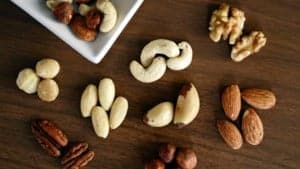
Pistachios are, indeed, a great little nut that everyone loves to break out of their small shells. Try them, and you’ll discover its pure awesomeness.

The nut has been the thing of legends, being used in an assortment of foods and drinks across the world. It has even made its way into popular culture. Does anyone else remember the Great Pistachio Wars from the 1990’s show Dinosaurs?

Why Should You Snack on These Smiling Nuts?

While these are a tasty snack, with sweet and salty hints, what do they do for us, aside from test out patience? It turns out these are just short of a superfood, with some incredible health benefits. There are some significant medical studies to support these claims, surpassing hubris claims on fad nutrition and health blogs. Get past the hype and see why you should be eating more pistachios.

1 – Lowers Blood Sugar

It is pretty easy to understand that if you swap out a candy bar for any nut, you will lower your blood sugar. However, one clinical study looked at the effects of eating these nuts regularly on both fasting blood sugars as well as hemoglobin A1c levels. Participants ate about three-quarters of an ounce twice a day as a snack over the course of 12 weeks.

The results were nothing short of shocking. The fasting glucose results dropped by an average of 16mg/dl. The HbA1c results dropped by an average of 0.4%. For anyone who is not familiar with blood sugar levels, these numbers are almost the difference between being prediabetic and being diabetic. That is a significant difference when you are trying to control elevated blood sugar.

pistachios

Read about the healthful benefits of eating pistachios and other nuts.

2 – Reduces High Blood Pressure

Uncontrolled high blood pressure increases the risk of severe health problems like heart attack and stroke. That means people with elevated blood pressure need to take serious steps to reduce it.

Studies have shown that taking 10-20% of your daily energy from nuts over the course of at least four weeks helps reduce blood pressure. Most nuts only lower the systolic blood pressure. However, when taken over a long period of time helps reduce both systolic and diastolic pressures.

Reducing both pressures has the most significant impact on your health. It ensures you are not putting undue stress on your heart, and protects your veins from rupturing under too much pressure. The point is that making them a regular part of your diet may help keep your blood pressure in check. Keep in mind. This is not a magic bullet. You still need to watch other factors like getting regular exercise.

3 – Balances Cholesterol

Everyone knows how vital cholesterol is to avoiding heart attacks. After all, it is the cholesterol that helps lead to the formation of plaque on artery walls, slowly restricting blood flow.

You may have also heard that cholesterol is not merely keeping the overall number down. Instead, there is a good kind, or HDL, and a bad sort, or LDL. It is balancing the two properly, which gives you the best protection.

Many studies have looked at the effect of pistachio consumption on cholesterol. What they have found is a significant decrease in LDL levels and improvement in HDL levels. What that means is a better ratio of HDL to LDL, which is indicative of better heart health.

heart health

Read why consuming nuts can improve both heart health and blood sugar levels.

4 – Aids in Weight Management

Some people have purported that pistachios have an effect on helping people lose weight. However, that correlation is not directly due to the consumption of the pistachio nut.

One study looked at the effect of using these as a snack compared to eating pretzels. In that study, there was no difference in actual weight, but blood triglycerides were lower. Elevated triglycerides have been linked with heart disease.

However, other studies have indicated that eating the ones that you have to shell yourself helps reduce caloric intake. This is, in part, linked to the visual cue of how much you have consumed. Further, there is evidence that only eating something helps reduce the urge to continue eating.

5 – Protects Brain Health

One of the things most people fear about getting older is some form of neural degeneration. This could be Alzheimer’s, dementia, Parkinson’s, or a host of other conditions.

Pistachios have a chemical called resveratrol in the skin, between the nut and the shell. This is a chemical constituent that has been studied for its role in cancer. However, recently this chemical has been a focus of research for neural degeneration, including Alzheimer’s.

Does this mean that they will prevent you from developing this debilitating and deadly condition? Not at all. What it does mean is that consuming these nuts will help protect cognitive function.

pistachios and brain health

6 – Strong Source of Antioxidants

Antioxidants have been the focus of so many blogs for their benefits. One of the first things antioxidants do is to reduce free radicals throughout the body. Free radicals are atoms with an unpaired electron. These free radicals have been linked to some forms of cancer.

The oxidative stress they create in the body is also linked to other conditions. These include cardiovascular disease, respiratory problems like COPD, neurological disorders, inflammatory diseases like rheumatoid arthritis, and kidney disease.

Pistachios have demonstrated potent antioxidant properties due to the polyphenols they contain, specifically catechin. This strong effect on the body helps to reduce the risk of many conditions. However, keep in mind that more is not always better, as other studies have shown that consuming excess antioxidants can lead to other problems.

7 – Reduces Inflammation

Many people deal with inflammation of different types, whether from an injury or a chronic condition. In fact, some estimates suggest 60% of Americans have at least one chronic inflammatory condition. It is further estimated that 3 out of 5 people die due to one of these inflammatory diseases.

These diseases include such conditions as arthritis, COPD, cardiovascular diseases, diverticulosis, irritable bowel syndrome, and more. As you can see, chronic inflammation in the body can lead to a host of problems.

Research shows that pistachios have strong anti-inflammatory potential. This does not mean that if you have a swollen ankle, these will solve it for you. This is an example of acute inflammation caused by an injury. Chronic inflammation, on the other hand, has a different cause, with a number of various possible reasons. These tiny nuts are shown to help combat those causes.

8 – Promotes Gut Health

There has been a lot of discussion about gut health and its critical role in your overall health. That is what has led to a nearly $50 billion industry selling probiotics.

It is true, gut health impacts everything from immune function to heart health, brain function, mental health, and sleep health. That is why working to support a healthy gut is so important.

Fortunately, what you eat strongly influences your gut health. Studies have shown that nuts help to cultivate healthy gut bacteria, especially these fantastic little nuts. This means that eating these regularly will help you maintain a healthy gut microbiome, supporting many systems throughout your body.

9 – Supports Eye Health

Most people do not think much about their eye health until there is a problem with it. For instance, the CDC estimates over 12 million adults in the United States have some vision impairment. Our eyes are a significant organ that provides a vital function in how most of us experience life.

You can see that it really does make sense to try to take care of your eyes. Sure, you should have regular visits to an optometrist. Why not also do everything you can to help keep your eyes healthy. Studies have focused on lutein as a critical nutrient to help support healthy eyes.

Tree nuts, including pistachios, have a high concentration of this crucial nutrient. As you enjoy this tasty snack, you will support your eyes in addition to so many other functions of your body.

10 – Encourages Healthy Sleep

Sleep is a critical part of maintaining a healthy body. Without the proper amount of sleep, your body cannot properly repair itself. The American Academy of Sleep Medicine estimates that about 30% of adults have symptoms of insomnia.

Fortunately, it is also well known and accepted that dietary melatonin is a great way to help solve this problem for some people. Studies have indicated that pistachios have a high concentration of bioactive melatonin. Eating these can help keep your body’s clock regular so you can get the sleep you need.

insomnia

Struggle with insomnia? These 16 tips can help you get some rest.

Final Thoughts On Pistachios

As you can see, there are a lot of reasons to enjoy cracking open some pistachios as a regular snack. No, they may not be a magic bullet like some other foods claim to be, but they sure do taste good, and there is a lot they can do in the body.

From all the research presented, you are best to eat pistachios that are not pre-shelled. This not only helps you control how many you have but also exercises your patience and dexterity. How much should you eat are you asking? The recommended serving based on all of these studies is about 25 grams of actual nuts. This works out to be about ½ cup when they are in the shells.

So what are you waiting for? Go grab a bag and crack some open today!

10 Early Signs of Bursitis to Never Ignore

Bursitis can be extremely painful and affects the bursae of the joints, which are fluid-filled sacs that are supposed to cushion tendons, bones, and muscles around your joints. When a person experiences bursitis, those bursae become inflamed.

This condition most commonly occurs in the shoulder, elbow, and hip area, but it can also occur in the knee, heel, and base of the big toe. In other words, it affects the joints that repeat the same motion often. Another way this condition can arise is by repeatedly putting pressure on the bursae around a specific joint.

Some specific examples of activities that can lead to bursitis include:

  • throwing a baseball
  • lifting over your head
  • leaning on elbows
  • kneeling for long periods
  • raking or shoveling
  • painting
  • playing tennis
  • playing golf

There are other times when this condition can occur, such as when someone is suffering from or having a flare-up of arthritis, gout, or infection. Also important to note is that it is most common in adults over the age of 40. It is essential to treat this condition early on to prevent it from getting worse and to eliminate the extreme pain that almost always occurs.

tendonitis

Early Signs of Bursitis to Never Ignore

The signs and symptoms of bursitis may come on slowly, but frequently they are sudden and unexpected. No matter which method the pain takes, however, it usually is always severe. If you have calcium deposits in the same area as the inflammation, the pain is even worse, making it unbearable.

While the pain from this condition has been mentioned many times already, there are different times when the pain may affect you. Along with the differences in the pain, there are many other signs and symptoms of this condition that you should watch for.

1. Sharp and shooting pain without movement

When the pain occurs when you aren’t even moving the affected joint, it is almost a dead giveaway that you are suffering from a severe case of bursitis. You should stop using the joint immediately and contact your doctor.

2. Pain when moving joints

If you experience pain when you move the affected joints, you should try to limit your activity in that area. The condition may ease on its own with rest in this case, but it could quickly become worse if repetitive use continues.

3. Stiffness in the joints

This red flag may just come across as seeming a little sore, and your movements may not be as easy. If this is the case, try to rest and apply ice to see if the signs ease.

bursitis comes from inflammation

4. Swelling of joints

This is a sign that you should see a doctor as soon as possible. It is a sign that the condition is worsening or that medical attention is required to ease the pain and heal the flare-up.

5. An unusual warmth in the joints

When you feel warmth in the area, it is likely caused by an infection. A doctor should always treat disease, so merely resting won’t do the trick.

6. Tenderness of the joints

Like some of the other signs, this may seem like a minor sign, but it could quickly become worse if not treated properly. Preventing further injury is the most important thing to do in this case, so resting the joints is essential.

7. Difficulty moving the joints

When this occurs, you will know that something is wrong. This means that the pain is likely pretty bad, and you are losing range of motion. It may be best to see a doctor to get the best treatment plan possible.

8. Fever

If your fever goes over 102 degrees, it is a huge sign that the condition is being caused by an infection. This is extremely important to have treated, as the infection can spread and lead to even more significant issues.

9. Aching joints

This is a sign that worse may be coming if you don’t make a change right away. Aching joints are never a good sign, and you may begin noticing that you have trouble moving those joints before long.

10. Bruising, a rash or redness

While you will typically see redness when this condition flares up, you may notice bruising or a rash instead.

bursitis might cause red skinDiagnosis and Treatment of Bursitis

Diagnosis

To diagnosis this condition, you will need to see a doctor. They can sometimes diagnose it based on a physical exam, symptoms, and previous medical history. Other times, however, testing will be needed for a formal diagnosis.

The testing that may be required include:

  • X-Ray (only to exclude other possible conditions)
  • Ultrasound
  • MRI
  • Blood tests (to determine the cause)

Treatment

Most often, this condition is treated by resting the joint that is having the problem. This not only prevents more severe injury from occurring, but it also helps heal the current issue. It usually goes away in a couple of weeks with proper rest and using ice, and warm compresses can help in the meantime.

If rest doesn’t work to treat the condition, other measures may be taken. The cause of the situation will be considered when determining how to handle it. If there is no infection, then all-natural remedies can be used for treatment.

Another option is to use chamomile and olive oil mixed together. You would rub this mixture into the red, swollen, or painful area. Within a short amount of time, you may notice a reduction in pain.

One other natural remedy for treating this condition is to drink water with one tablespoon of honey and one teaspoon of apple cider vinegar mixed in. If you drink this mixture each day, the situation may be treated, and the pain will be eased.

For more severe instances, physical therapy may be prescribed. This helps build strength in the surrounding muscles, and it can ease pain and prevent the condition from reoccurring. Using a walking cane or other walking-aid may be used to relieve pain and pressure, as well.

inflammation fighting foods

Complications

There aren’t many complications of this condition, but the ones that may occur are enough to make you want to treat it before it gets any worse. The most common complication is a lessened range of motion and sometimes even the complete inability to move that joint. This could cause you not to be able to move your shoulder or other body parts at all.

How to Prevent Bursitis

Not all types of this condition can be prevented, but you can minimize the chances of it occurring. You can also reduce the severity of an episode, lessening the pain, and the complications that can arise.

Limit repetitive motions

The best way to prevent it is to practice doing any repetitive tasks in a way that doesn’t cause discomfort or soreness during or after the activity. If you are laying flooring, for instance, using kneeling pads can prevent a flare-up in the joints of your knees. This is the same for any task that requires kneeling, such as gardening or scrubbing floors.

Lift things safely

Another example of changing the way you do an activity to prevent this condition is to make sure you are lifting correctly. If you commonly have to lift things, make sure you are bending your needs as you lift to avoid excess stress on your hips. You can also look for every opportunity to use a dolly or cart to move heavier loads rather than carry them every time.

Take frequent breaks

In all repetitive activities, you should take breaks often. While on these breaks, make sure you are resting the joints that have been in use. If complete rest isn’t a possibility, switch up the task and do something that uses different joints for a while.

Maintain a healthy weight

Another vital way to prevent a flare-up is to watch your weight. The more you weigh, the more harmful stress you are putting on your joints. Maintain a healthy weight to ensure you are doing what you can to prevent serious issues like this.

Stretching exercises

Finally, spend some time exercising and stretching. Exercising can strengthen the muscles that you often use during those repetitive tasks, which helps protect your joints. Stretching also protects your joints, by warming up the muscles and preparing them for movement and work.

prevent inflammationFinal Thoughts On Early Signs of Bursitis to Never Ignore

Bursitis is a condition that causes extreme pain and a decreased range of motion. Paired with other signs and symptoms, and you will quickly find that this condition is hard to live with.

Early signs of bursitis should never be ignored, as it can lead to further injury and even more pain. The treatment options don’t have to be invasive or harmful, either. Luckily, there are many all-natural remedies to ease the symptoms and treat any flare-ups.

How to Handle the Storms In Your Life (Without It Getting You Down)

Life isn’t easy, and you don’t need us to tell you. Life can actually be pretty unfair at times.

“She stood in the storm, and when the wind did not blower her way, she adjusted her sails.”  ~ Elizabeth Edwards

Elizabeth Edwards knew all about weathering life’s storms. Edwards, a tough-as-nails woman, battled breast cancer, her husband’s (2004 vice presidential candidate, John Edwards) infidelity, and constant hounding by the press.

Throughout it all, she displayed nothing but class. This despite her morally bankrupt husband creeping around while she battled the disease that would ultimately claim her life.

Elizabeth Edwards demonstrated an irrefutable truth. We’re all going to deal with personal battles; some of them horrifically difficult.

Maybe the question to ask instead is “What have I learned from my setbacks? What can I learn?” To this point, the odds are that you’ve learned a great deal from some difficulties, while next-to-nothing for others.

This isn’t disparaging your character. We’re all human; as such, we gain wisdom from obstacles – but only to a certain point.

Unless we’re taught otherwise.

And here’s some valuable instruction: we can learn from any obstacle. Elizabeth Edwards knew this – even throughout her final days.

The Harvard Study

life

The ‘Harvard Grant Study’, one of the longest-running academic studies in history, followed the lives of hundreds throughout a 75-year period. The question researchers were attempting to answer: “What are the ‘secrets to a happy and purposeful life?’ (Hint: it has nothing to do with money or “success.”)

George Villant, a researcher and psychiatrist who oversaw the study, reached the following conclusion based on an overwhelming amount of evidence: The happiest people were those with the ability to ‘make gold’ out of the ugliest of situations.

The ability to steadfastly embrace and accept the adverse events in life has a “significant effect on social support and overall wellbeing.”

Keeping a “challenge notebook”

Based on the study’s findings, Villant confidently insists that everyone should keep a “challenge notebook,” documenting every challenge faced throughout life. More specifically, Dr. Villant insists that the happiest people ask the following four questions when things “don’t go to plan.”

How to Embrace the Storms In Your Life (Without It Getting You Down)

1. What can I learn from this?

It’s tempting to see any challenge we face as annoying at best and devastating at worst. But after things have settled, a critical question we ought to ask is “What can I learn from this situation?”

And no, “nothing” is not an acceptable answer. Regardless of how bleak that situation may appear, there’s always something to discover.

Let’s say you were let go from your job; without question, a potentially disastrous situation.

After you’ve come to grips with your job loss, ask yourself “Is this where I envisioned myself?” “Was the job my calling?” “What, if anything, can I do better next time?”

Answer honestly. You may just surprise yourself.

2. How am I stronger from this?

Viewing challenges as opportunities is one of the most powerful human traits – and something we’re all capable of.

Whether or not we realize, adverse events have a way of strengthening our character. If we’re able to admit this fundamental truth – proven again and again over thousands of years – we can not only confront challenges but uncover abilities and strengths that we never knew existed.

struggles

3. How is this situation advantageous?

If we’re mindful, life challenges can present a golden opportunity to develop ourselves.

Let us use another example: your children “flew the coup,” heading off to college or somewhere far from home for the first time. Sad? Absolutely. We love our kids – and they’ll always be part of us.

But if you stop and reframe the situation –  say, from bleak and depressing to liberating and opportunistic – you may just realize the beauty of it all.

Your children, for the first time, have the opportunity to seek out life’s adventures. You have more time to devote yourself more to things you’re passionate about.

4. How can I use this situation to help others?

Here’s another example: military spouses who must contend with extended separations from their spouse.

Spouses, predominantly wives within the Army, Navy and Marine Corps, have leveraged their experience of time away from their husbands in a heartwarmingly constructive fashion: educating husbands and wives of military spouses on what to expect during periods of prolonged separation.

Once again, a very difficult and potentially heart-wrenching situation that may be a blessing in disguise. For if you hadn’t faced such a daunting obstacle, there’s no possible way you’d be able to help those in said obstacle’s grasp.

“Resilience is very different from being numb. Resilience means you experience, you feel, you fail, you hurt. You fall. But, you keep going.” 

©Power of Positivity, LLC. All rights reserved

Tendonitis Versus Tendinitis, The Differences According to Science

If you’re not sure of the difference between tendonitis and tendinitis, you’re not alone. Many Americans and, arguably, people around the world routinely mix up these two very different health problems. Of course, the fact that they have a similar spelling and sound nearly identical certainly doesn’t help matters.

That said, the main difference between these two health conditions is that tendinitis is characterized by inflammation. Often this occurs following a sudden injury to a tendon. (Tendons are the tissue between the muscles and bones.)

Tendonitis, by comparison, does not cause inflammation and commonly links to a repetitive strain injury. Of course, there are many more differences between these two painful health conditions.

Everything You Need to Know About Tendinitis

Now we have a basic understanding of tendinitis, also commonly referred to as tendinitis-related tendinopathy. So let’s take an even closer look at what makes this condition different from tendonitis. First and foremost, tendinitis is most common in men and women over the age of 40.

Now you might be wondering. Why does age factor into this tendency? The condition stems from the fact that our bodies change with age. Indeed, the tendons in our body are no longer able to tolerate the same level of stress as they did when we were younger. As a result, they lose their elasticity and become increasingly susceptible to tearing, especially when performing repetitive tasks.

Undoubtedly, it is possible to develop tendinitis in any part of the body where tendons connect bones to muscles. However, the condition primarily impacts the following spots:

  • Elbows
  • Hips
  • Knees
  • Shoulders
  • The base of the thumb

tendonitisThe Achilles tendon

Tendinitis-related tendinopathy can also affect the Achilles tendon, the largest tendon in the body. This particular tendon is a large and sturdy band of fibrous tissue. It connects the calf muscle to the calcaneus, also known as the heel bone. Not surprisingly, when an individual develops tendinitis of the Achilles tendon, they often have trouble running, walking, or even standing for long periods.

Who Is Most Likely to Develop Tendinitis?

Because tendinitis-related tendinopathy frequently results from repetitive strain injuries, it is not uncommon for it to impact individuals who engage in any of the following work-related activities:

  • Sewing
  • Typing
  • Woodworking
  • Shoveling
  • Painting
  • Gardening

Along with these work-related activities, playing certain sports, such as baseball, tennis, or golf, have also been shown to increase one’s chances of developing tendinitis-related tendinopathy.

foot pain

Doctors reveal the top reasons you get foot pain.

Additional Risk Factors for Tendinitis-related Tendinopathy

Tendinitis-related tendinopathy, which, in addition to pain and inflammation, is characterized by damaged tendons with disorganized fibers, can also be caused by poor posture. Along with causing back pain, headaches, and even difficulty breathing, poor posture can place a tremendous strain on the group of muscles that make up the rotator cuff and the tendons of the bicep, all of which are needed to support the shoulder. When these muscles and tendons become inflamed, it is known as shoulder tendinitis.

That said, tendinitis-related tendinopathy of the shoulder can cause mobility problems as well as severe pain. Of course, repetitive strain injuries, age, and poor posture are not the only culprits when it comes to tendinitis-related tendinopathy as the condition can also stem from certain chronic diseases, including

Kidney disease

According to a study published by emedicinehealth.com, a consumer health information website, the probability of developing tendinitis-related tendinopathy increases exponentially for those diagnosed with chronic kidney disease, which is often the result of high blood pressure. Further, chronic kidney disease, which is also known as end-stage renal disease, can cause tendons in the quadriceps, triceps, and fingers to suddenly rupture, according to a separate study published by the National Institutes of Health. It is worth noting that certain blood diseases, such as leukemia, lymphoma, and myeloma, for example, can also cause these same problems.

Rheumatoid arthritis

Along with pain, stiffness, and inflammation, rheumatoid arthritis has also been linked to tendinitis-related tendinopathy. According to a question and answer segment published by the Arthritis Foundation, a nonprofit organization committed to supporting research into curing and possibly preventing arthritis, the same inflammation that causes joint damage in those with rheumatoid arthritis also damages connective tissue, including tendons and ligaments, in and around the joints.

tendinitis and arthritisEverything You Need to Know About Tendonitis

Having identified factors that can contribute to tendinitis-related tendinopathy and who is most at risk of developing the condition, let’s turn our attention to tendonitis. Also referred to as tendonitis-related tendinopathy, this condition is similar to tendinitis-related tendinopathy in that they can both trigger severe pain. And this has a lot to do with the micro-tears on the affected tendon. While tendonitis might not cause inflammation, the pain does become more intense with movement

Tendonitis-related tendinopathy arises from repetitive strain injuries. However, it usually results from a direct injury to the affected tendon, which can stem from a slip and fall, car accident, or any other kind of sudden blow to the body. Aside from the quicker onset of pain symptoms and the absence of inflammation, tendonitis-related tendinopathy is not too dissimilar from tendinitis-related tendinopathy. As such, the approach to treating or preventing either condition is nearly identical.

How to Prevent Tendonitis

Whether you have an occupation that requires repetitive movement, play sports, or have a chronic disease that causes inflammation of the tendons, there are things that you can do to minimize your chances of developing tendonitis or tendinitis-related tendinopathy. And it all comes down to taking a few steps to help keep your body and joints limber. That said, here are a few tips to help you get started:

Taking breaks

The human body has an uncanny way of letting you know when something is wrong. That said, if you’re experiencing pain while performing any activity, it would be a good idea to take a break. In doing so, you not only allow your body to recover but also any tendon that might be contributing to your pain symptoms.

Stretching

Along with keeping your muscles limber, stretching can go a long way toward fending off joint problems. Beyond that, it can help improve the range of motion in your joints.

Exercising

Performing weight-bearing exercises is yet another way to keep your joints, muscles, and tendons strong and healthy. Beyond that, doing so ensures that they can withstand the stress being put on them as you go about your day-to-day life. To get the most out of these exercises, consider doing some light stretching afterward.

Improving ergonomics

One of the most common forms of tendinitis-related tendinopathy among those who work in an office environment is carpal tunnel syndrome. And you can avoid it by improving your posture while sitting at your desk. Additionally, it is a good idea to make use of an ergonomic keyboard, chair, and desk whenever possible. According to a study published by Princeton University Health Services, well-designed ergonomic products can help take a lot of stress off of your tendons and joints.

positivity quotesAt-home Treatments for Tendonitis and Tendinitis

In most cases, you can relieve the sore feeling of tendinitis-related tendinopathy and tendonitis-related tendinopathy with a variety of at-home treatments.

  • Acupuncture
  • Resting the affected area
  • Physical therapy
  • Taking herbal supplements, such as turmeric
  • Applying a cold compress or ice packs

When Should You Seek a Doctor’s Advice?

Generally speaking, you should start seeing relief from your symptoms within a few weeks after home treatment. Having said that, if your symptoms persist beyond this point or become worse, you should seek help from a physician.

If natural remedies do not resolve your issue

Some of the more common physician-prescribed treatments used to address tendinitis-related tendinopathy or tendonitis-related tendinopathy if your natural remedies do not provide relief might include:

Corticosteroid injections

This type of therapy can provide short-term relief from tendinitis-related tendinopathy and tendonitis-related tendinopathy. However, there is a caveat; overuse of corticosteroid injections can further weaken an already damaged tendon and increase the chances of it rupturing.

Phonophoresis

This approach to treatment involves using prescription-based topical anti-inflammatory creams, such as Voltaren, for example, and ultrasound to treat tendinitis-related tendinopathy or tendonitis-related tendinopathy. The sound waves from an ultrasound machine allow topical anti-inflammatory creams to deeply penetrate the skin and connective tissue, which helps relieve pain and inflammation that much faster.

Surgery

In severe cases, some physicians will recommend surgery to correct tendinitis-related tendinopathy or tendonitis-related tendinopathy, especially if either condition is causing mobility problems. A doctor might advise surgery if the affected tendon has already ruptured.

tendonitis and tendinitis painFinal Thoughts on Understanding Tendonitis Versus Tendinitis

All in all, tendinitis-related tendinopathy or tendonitis-related tendinopathy can both cause pain and mobility problems. Fortunately, there is a wide range of treatments available to those who are struggling with either condition.

9 Incredible Benefits of Selenium Supplements

With the prices of pharmaceutical drugs reaching ever skyward, people are looking for ways to improve their health without taking a visit to their doctor. More and more people are turning to holistic medicine to promote their overall physical health. Even the average Joe is committing to researching a wide variety of vitamins and minerals that can have a positive effect on one’s health. Selenium supplements might be one such useful tool.

One mineral that individuals are finding possesses multiple health benefits is selenium. Like magnesium and calcium, this mineral is one that humans do not need a considerable amount of. Still, when one does not possess the right amount in the body, he or she can experience issues that can adversely affect one’s well-being.

People intake most of the RDA (recommended daily amount) of this mineral through their diets. However, doctors might advise others to take a supplement. The RDA of this mineral in healthy adults of either gender is 55 micrograms per day. However, physicians may instruct men at an increased risk for developing prostate cancer to take 100 micrograms of the mineral daily.

Similarly, obstetricians might advise pregnant women to take 60 micrograms per day. Moreover, they may instruct, breastfeeding women to up that amount to 70 micrograms per day. Adults (men or women) should never take over 400 micrograms per day. That’s because anything more than that number may cause an overdose.

Who needs selenium?

Who should take this mineral? Specific health issues predispose individuals to lacking this critical element. These issues include being fed intravenously (using a feeding tube), having HIV, or having Chron’s disease. However, doctors advise these take supplements most often. Due to the idea that above-average levels link to adverse side effects, you should consult your doctor before you begin a supplement routine that includes this mineral.

How can you ensure that you are getting the recommended daily amount of this mineral from your diet?

Start by consuming specific foods that are rich in the mineral. First, you can get a great deal of this mineral in nuts, particularly in Brazil nuts or walnuts. Selenium is one of the natural antioxidants in nuts.

Additionally, a great many kinds of seafood contain selenium, including the following:

  • tuna
  • herring
  • red snapper
  • mussels

Meats such as beef and poultry also contain this mineral, as well as grains (wheat).

selenium

Nine Health Benefits of Selenium Supplements

Let’s discuss the benefits of ensuring you are getting the recommended daily amount of this mineral.

First, this mineral is naturally present in nuts and fish. Both nuts and fish are renowned for their possession of antioxidants, and selenium is one of the antioxidants naturally occurring in fish and nuts. Antioxidants help prevent cell damage caused by free radicals in our environment.

Stress, smoking, and the overuse of alcohol all lead to the overproduction of free radicals or oxidative stress. Oxidative stress produces free radicals that can damage healthy cells (which can cause cancer or other issues). This mineral will work to neutralize the excess free radical cells, which, in turn, prevents oxidative stress damage to healthy cells. In this way, this mineral can help to prevent heart disease and Alzheimer’s disease.

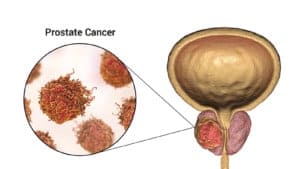
1 – Prostate cancer and selenium supplements

This mineral links to the prevention of certain cancers. The most prevalent evidence concerns prostate cancer. This is why some doctors advise men to up their intake of the mineral to 100 micrograms per day (again, because there are some risks involved with taking too much of the mineral, always consult your doctor before beginning any vitamin or supplement routine).

Many of the studies regarding selenium and prostate cancer are observational. And, there seems to be conflicting information. Speak with your doctor and decide what course of action is best for you.

prostate cancer

2- Reduces oxidative stress on the human body

The mineral is thought to not only reduce the amount of oxidative stress that the body may incur, but it is also capable of reducing damage to one’s DNA.

Furthermore, we know that antioxidants can destroy or weaken cancer cells. Additionally, this mineral can also boost one’s immune system. Many studies indicate that people with higher blood levels of this mineral are less likely to have oxidative damage done to their bodies.

It is important to note, however, that these studies linked lower incidences of oxidative stress to individuals who received their supply of this mineral from their diet, not solely from supplements.

3 –  Minimizes the damage stemming from radiation treatment

Next, this mineral can help to alleviate some of the side effects of radiation treatment. When individuals with cervical or uterine cancer experienced diarrhea associated with their radiation treatments, the intake of this mineral helped to reduce this side effect of radiation. Furthermore, women taking this type of therapy said the increased consumption of this mineral helped to improve their overall quality of life during radiotherapy.

chemotherapy

Oncologists reveal the side effects of chemotherapy.

4 – Protects the heart

Just as we know that antioxidants protect against heart disease, so does this mineral. Selenium deficiencies directly connect to incidences of heart health. 

One reason that this mineral is thought to lower one’s risk of developing heart disease is that it naturally reduces the amount of inflammation in one’s body. Since inflammation is one of the notable risk factors for heart disease, reducing this marker by getting the proper amount of this mineral in one’s diet is a great way to lower one’s risk of heart disease.

5 – Ups the antioxidants

Surprisingly enough, this mineral can raise the levels of a healthy antioxidant, glutathione peroxidase, which is known to be a powerful antioxidant. In this way, this mineral not only reduces oxidative stress, but it can also reduce the amount of inflammation in one’s body. Inflammation in the body can lead to the build-up of plaque, which causes atherosclerosis (a blockage in one’s arteries). Atherosclerosis can lead to not only heart attacks, but it can also cause strokes. Ensuring one is taking in the proper amount of this mineral can help to prevent both heart disease and strokes.

6 – Selenium supplements show promise in fighting Alzheimer’s Disease

Previously, it was mentioned that those who obtain the proper amounts of the mineral in the diet would see a reduction in the chance of developing Alzheimer’s. This is because the same antioxidants we keep mentioning lead to a reduction in oxidative stress.

Many consider oxidative stress to the brain to be a leading cause of Alzheimer’s disease. The degeneration in the brain cells can be hastened by the presence of cell damage due to oxidative stress. Taking in the proper amount of this mineral means that free radicals that damage healthy cells are reduced, and this, in turn, reduces the likelihood one will develop Alzheimer’s.

brain

Neurologist reveals four ways to decrease your risk of Alzheimer’s.

7 – Also shows promise in slowing the progression of Parkinson’s Disease

Not only does the proper amount of this mineral in one’s diet improve one’s chances of preventing Alzheimer’s, but it also helps to slow down the progression of Parkinson’s disease and multiple sclerosis. Researchers continue to work to strengthen their claims. But in the meantime, this news encourages many.

8 – Improves thyroid function

Another great benefit of taking in the correct amount of this mineral is an improvement in one’s thyroid health. The thyroid regulates many functions in the body, one of which is metabolism. The thyroid also controls one’s development and growth, so selenium intake in pregnant or breastfeeding women and young children is essential. When the thyroid does not function properly, the hormones naturally released by the thyroid are either released too often, not enough, or not at all.

Furthermore, improperly functioning thyroid can directly result from a lack of this mineral. Research proves that Hashimoto’s thyroiditis directly links to a lacking of this mineral in one’s diet. Those with Hashimoto’s disease that took this supplement stated that they had an overall improvement in their well-being. Other forms of hypothyroidism link to a lack of selenium in one’s diet. Thus, doctors recommend supplementation to combat this situation.

9 – Selenium supplements strengthen the immune system

The mineral promotes one’s immunity. Again, remember that it reduces oxidative stress, and this helps to fight off certain illnesses. Those who have higher levels of this mineral in the blood often experience an enhanced immune response. Furthermore, selenium reduces inflammation in the body, which can help to lower one’s immunity. Research indicates the mineral aids in strengthening the ability of the body to fight off disease in those with conditions that compromise the immune system.

selenium deficiencyFinal Thoughts: We Need Selenium But Often Overlook It

Selenium is one of the essential minerals that we often overlook. However, we need this to strengthen our ability to fight specific diseases, reduce oxidative stress, and ease inflammation. Check with your doctor on precise dosing, and begin selenium supplements only under his or her guidance.

15 Ways to Enjoy Pumpkin All Year Round

Can you enjoy pumpkins throughout the entire year?  The answer is yes. Indeed, your body can benefit from the proven nutritional, medicinal power of pumpkin—every day.

The prospects start with a pumpkin patch to grow what is scientifically called cucurbit. You need to harvest the seeds, which not only have nutritional properties, but they’ll replant into a full, healthy, and growing patch. Now you might ask yourself, why would I want to enjoy pumpkin during the warmer months?

This gourd can increase your physical well-being and mental health. You can even use it to stimulate your creativity.

Here’s a better look into how you can enjoy this amazing gourd—all year around.

Nutritional Value of Pumpkin

A full cup of cooked, fresh pumpkin delivers a powerful punch of nutrition. Let’s take a look at this critical nutritional data.

  • 49 calories
  • 12 grams of carbohydrates
  • 2.7 grams of dietary fiber
  • 0.2 grams of fat
  • 0.1 grams of saturated fat
  • Zero monosaturated or polyunsaturated fats
  • Zero cholesterol
  • Sodium free
  • 4.9 mg each of Omega-3 and Omega-6 fatty acids
pumpkin

Here are fifty vegetables that support your weight loss (including pumpkin).

Pumpkin vitamin and mineral values, by the percentage of daily recommended value:

  • Vitamin A  – 245%
  • Vitamin K – 2%
  • Thiamin – 5%
  • Vitamin C – 19%
  • Vitamin E – 10%
  • Riboflavin – 11%
  • Niacin – 5%
  • Vitamin B6 – 5%
  • Folate – 6%
  • Calcium – 4%
  • Iron – 8%
  • Magnesium – 6%
  • Phosphorus – 7%
  • Potassium – 16%
  • Zinc – 4%
  • Copper – 11%
  • Manganese – 11%
  • Selenium – 1%

15 Ways—How to Enjoy Pumpkin Every Day

1. Collect Your Seeds for Starters; Then Roast What’s Left

Plan ahead. This vegetable is best when you have control over how much you grow and when. There’s no limit as long as you’re the grower. Be ready to collect pumpkin seeds for this very reason. You can buy seeds online or collect them from last year’s festivities. To do so from last year, you need to dry those seeds out.

Put them on a paper plate and into a place that receives fresh air and sunlight.

Use your remaining seeds for edible roasting.

In roasting, you get the chance of seasoning your seeds in any manner you like. Start with your oven preheated to 300 degrees. Fill a tray with seeds and a mix of butter, salt, or any other seasoning. Give the seeds 45 minutes to roast; let them cool when done. Now enjoy. Just be sure to have more seeds set aside. Later, we’ll tell you why.

pumpkin seeds

Science reveals how eating seeds can regulate female hormones.

2. Start Your Patch in the Springtime

Children love to grow things. Adults do too. Germinate your seeds with a seeding tray.

These trays have small pockets to put individual seeds into. Keeping your trays indoors gives your plants the best conditions to start life in. The ingredients you control are sunlight, fresh air, warmth during the nights, and a source of clean water. You can start in spring, but look for mature leaves to sprout. Transplant those outside once the temperatures warm.

Taking these steps in spring ensures that you’ll have more than enough in fall.

3. Use the Flowers for Medicinal Help

Growing this cucurbit will begin a process where wide, yellow flowers start to blossom.

Harvest those for various home remedies. These flowers grow as both male and female. Males have to fertilize the females to obtain an actual fruit. The flowers, whether male or female, however, are used for healing colds, boosting heart health, improving eyesight, and bone formation. Eat them as is or in hot-water as tea.

4. Prepare a Nap-Time Remedy

Now is the perfect time to pull out your stash of dry seeds. It’s the presence of tryptophan found in pumpkin seeds that makes them a useful sleep aid. This is the same compound that makes turkey “the lights-out meal” that we know it to be. Eat a handful of seeds, instead, right before going to sleep, and this can guide you into a better rest.

5. Now Start Your Morning with the Right Meal

It’s okay if you woke up with an appetite. Consider a healthy bowl of oatmeal. Then, amp it up with pumpkin.

Our spiced variety is easy to make—as long as you stock your pantry with this tasty fruit. Start with either fresh pumpkin or canned—Cook down your chopped cucurbit with water, ginger, and a bit of cinnamon if possible. Oats work best when steeled cut. With three tablespoons of brown sugar per one cup of oats, add in 1-1/2 teaspoons of pie spice.

At your discretion, add in diced pecans along with a mix of brown sugar and milk.

6. Enjoy Some Pumpkin French Toast

Do you want a heartier breakfast? This rich French toast is a delicacy due to its butter and pumpkin content.

Most home chefs start with dry yeast, two tablespoons of soft butter—or more—and a large egg. Mix in flour and salt.. Your active dry yeast will raise the bread once it’s heated. For this reason, you can expect a soft, fluffy and light dough with a golden brown hue. Add two tablespoons of brown sugar to bring out the flavors of your pumpkin mix.

7. Now a Spread of Pumpkin Butter Wouldn’t Hurt

Homemade-pumpkin butter starts with the canned variety—if your gourds haven’t grown out yet. Though you’ll eventually cook down the ingredients in a pot, you need to find the right consistency with a blender. Start with apple cider, maple syrup, ground nutmeg, and cinnamon; vanilla extract, lemon and a puree of the cucurbit.

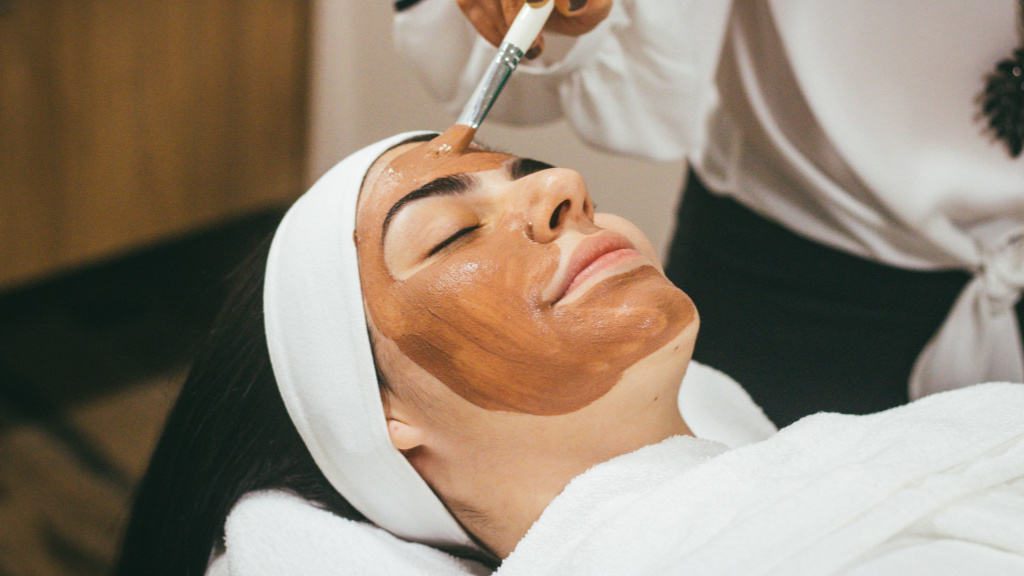
8. Time to Wind Down with a Pumpkin Facial

Pumpkin facials are only a surface-scratch look into the spa treatments that you can enjoy with this “gourd of the vine.”

What we know is that cucurbit is packed with vitamins. Its mix of antioxidants, vitamins C, E, and A are a great combination for skincare. This includes a healthy dose of zinc. The ingredients are a perfect combination for those hoping to moisturize and lighten the load off their skin.

9. Follow That up With a Pedicure

It’s not only possible to get your toenails painted with a creamy-orange tone. There are many spas that provide pedicure ointments and skin care products derived from this carotene-rich vegetable. Vitamins like E and carotene give many fruits and veggies their orange to yellow color, which helps to pigment and rejuvenate the human skin.

10. Get Back to the Kids with “Rainbow Melts”

Crafting helps you destress and stimulates your creativity.

When you arrived back home, put a white coat of paint on each of your gourds. The colorful creation that you’ll end up with requires melting crayons—Crayola, preferably—on top of your white, painted pumpkins. You do this by tying a group of colors to the top of the gourd. With such a wide spectrum of neons, pastels, and basics to choose from, feel free to experiment. Melt the colors with a hairdryer; allow them to dry-down the gourd.

childs creativity and genius

11. Heal with an Anti-Inflammatory Remedy

In making the most of your dry seeds, consider them as a remedy for inflammation.

Mild inflammation is common. Every move we make creates friction, but there’s still the potential of encountering a big injury. Common daily inflammation may not be drastic, but it can cause discomfort. You can reduce the damage of playing with the kids by putting another handful of seeds into your daily diet.

12. Start the Evening with Pizza

Some roast it. Others sauté it in a pan with a bit of brown sugar and cinnamon.

No matter how you prepare cucurbit in winter, fall, spring, or summer, this veggie is a tasty one on top of a pizza. Don’t forget how closely related your gourd is to butternut squash. It’s the fresh mix of cheese that gives this autumn favorite a twist that you might not have expected. Just be sure to carefully mix the right flour and yeast.

Bread is central to any great pizza—no matter what topping you use. Some make their dough with a mix of flour and Greek yogurt to cut down on their fat consumption. The result isn’t just fresh and tasty. It’s the ideal texture to match with pumpkin.

13. Design Your Own Serving Bowls

Reduce your waste by recycling the empty shell of your pumpkin.

You can use the leftover shells of your gourds as creative plates and bowls. Look for those without marks or blemishes, and then cut the top off in order to clean the insides outs. A large specimen makes a serving dish that everyone can take food from. Soups, rice, and mix veggies are the types of things to serve. Use smaller ones for personal dishes.

14. Turn the Leftovers into Planting Vases

Whatever you don’t use as serving bowls are still useful. Seeing that you’ve prepared your patch for fall, you’re now in the perfect place to choose which ones will work best in the house with flowers and other plants. Clean them out before you fill them with water or soil. They’ll certainly create an autumn presentation to remember.

15. Pickle It for Later

Pickling is a traditional means of preserving foods harvested in the summer and fall. This fermentation allows veggies to remain edible for months without a refrigerator. You can pickle all types of cucurbit. Doing so requires apple vinegar and sugar as the base ingredients. Various fruits, cloves, and bay leaves can be added at will.

facial mask

Read how to get glowing skin with at-home face masks.

Final Thoughts on Enjoying Pumpkin All Year Round

Be creative with mother nature. Eat healthy in every opportunity that you get.

The promises of pumpkin are useful for all ages. As a daily source of vitamins and minerals, you’ll be surprised at its versatility. The many ways to eat and prepare pumpkin means that you can enjoy it daily—without getting tired of it. Knowing how to use the seeds will even make sleep easier and inflammation a non-issue.

Science Reveals Why You Feel Happy When You Hear Your Favorite Song

Do you feel instantly happy the moment you hear the first bars of your favorite song?

According to a 2019 Gallup poll that examined the emotional state of people in America, over 55 percent of the U.S. population reported experiencing some degree of stress in their daily life. And this was roughly 20 percent higher than the global average of 35 percent. While any form of stress can take a toll on your mental health, chronic stress can impact your physical health.

That being said, it is worth pointing out that American teens and adults struggle with chronic stress more than ever.  To help clarify the difference between low-level and chronic stress, we should take a look at them individually. In short, people experiencing low-level or mild forms of stress in their lives may find themselves having to contend with:

  • bouts of anxiety
  • depression
  • fatigue
  • insomnia

Those who have chronic stress in their lives are struggling with the same symptoms; however, they are also dealing with physiological changes that can potentially jeopardize their health as well.

How Does Chronic Stress Affect Your Physical Health?

Now that we understand some of the fundamental differences between low-level and chronic stress let’s take an even deeper dive into chronic stress. Furthermore, let’s look at how it can potentially affect one’s physical health.

First and foremost, whether we are talking about low-level or chronic stress. Note that the two “stresses” are not dissimilar. Indeed, they both are a byproduct of the body’s reaction to what it perceives as being a harmful or difficult situation. To further put this into perspective, when we encounter difficult times in our lives, both the brain and body will enter into what is known as “fight or flight” mode.

This “fight or flight” mode triggers feelings of panic or distress that typically motivates us to find ways to overcome those difficult times in our lives. However, in some cases, we might choose to run away from such problems. And in doing so, we allow them to consume us to the point where stress, depression, and anxiety begins to wreak havoc on our lives. From a physical standpoint, the longer we remain in this “fight or flight” mode, the more likely we are to fall victim to physiological changes that can impact our health. Several studies show that individuals who are dealing with prolonged chronic stress will usually experience the following physical symptoms.

stress and anxiety

Physical symptoms of stress:

  • Muscle tightness
  • Elevated blood pressure
  • An increase in heart rate
  • Faster breathing

Along with these symptoms, those who do not take steps to resolve the chronic stress in their lives will also experience an increase in cortisol, a stress hormone that can increase blood glucose levels in the bloodstream. This increase in cortisol and blood glucose levels can have a profound impact on the body, insomuch that it can potentially suppress the digestive system and alter immune system responses. What’s more, excessive cortisol, when brought on by prolonged chronic stress, can negatively affect the reproductive system and disrupt the body’s natural growth processes.

Chronic Stress Causes Additional Health Problems

The combination of elevated cortisol levels and prolonged chronic stress, according to AARP, can also give way to the following:

  • Stomach problems
  • Cardiovascular disease
  • Sleep dysfunction
  • Slower healing times
  • Weight gain
  • Becoming increasingly susceptible to the common cold
  • Back, neck, and shoulder pain

How Does Low-level and Chronic Stress Impact Your Mental Health?

From a psychological standpoint, both low-level and chronic stress can significantly impact one’s mental health if not corrected. According to a study published by BMJ, a peer-reviewed medical journal, more than 800,000 people around the world commit suicide every single year. Friends and family members often later believe that stress played a role in their decision to take their own life. Some of the stressful events cited by those family members and friends included the following:

  • Conflicts with co-workers
  • Family problems
  • Job loss
    Problematic romantic relationships
  • Financial problems
  • Legal troubles

It should be noted that these same problems also contributed to suicidal ideations among those who chose not to let stress push them into taking their own life.

How to Cope With Low-level and Chronic Stress

Having spent a great deal of time detailing the physical and psychological toll that stress can take on one’s life, let’s take a moment to address how to reduce and maybe even eliminate it from our lives entirely. There is a plurality of things that can make day-to-day living stressful. However, there are many ways to go about reducing stress, and they all can go a long way toward keeping us physically and mentally healthy, some of which include meditation, exercise, journaling, and getting enough sleep. Of course, some of these strategies might work better for some than others. Therefore, you will want to try several different approaches until you find one that works best for you.

music relieves stress

Can music help melt away stress?

In discussing ways to reduce or eliminate stress naturally, listening to music should be part of that conversation. According to a study published by the University of Nevada, Reno, one of the oldest public research universities in America, the right song can do much more than entice you to dance, tap your feet, or bob your head. The study found that a good song, measuring about 60 beats per minute, synchronizes the brain to the beat’s tempo. And this synchronization eventually leads to the development of alpha brainwaves, which are frequencies measuring between 8 to 14 hertz per second. According to scientists and researchers involved in the study, when high-stressed individuals listened to their favorite song that met these specific criteria, they became noticeably relaxed. Beyond that, they experienced a significant drop in their stress and anxiety levels.

What Songs Should You Liston to if You Have Low-level or Chronic Stress?

When it comes to listening to music to ease low-level and chronic stress, you can put your favorite song or even an instrumental on repeat as either will help melt stress away. After all, the healing power of music, particularly when it comes to stress relief, has a lot more to do with the beat than the actual lyrics of the song. The same study published by the University of Nevada, Reno revealed the following type of music, with or without lyrics, were highly effective in relaxing the mind and tamping down feelings of stress:

  • Native American music
  • Celtic music

The study also found that Indian music, especially the kind with drum, flute, or stringed-instrument sounds, was quite effective in calming the mind and resolving stress. And the power of music did not stop there. The same researchers and scientists involved in this highly sophisticated study also pointed to jazz as another viable option for those seeking to ease stress by listening to music.

As with any other form of music, jazz can be an ear-pleasing mix of soothing melodies that make up a good song or a stand-alone instrumental. However, jazz music that contains atmospheric sounds, such as light rain or wind, is more relaxing among those who listened to it to cope with the stress in their lives. The same was also true among those who listened to this particular type of jazz to resolve feelings of anxiety.

music and personality

Can the Wrong Song Choice Intensify Your Feelings of Stress?

Unfortunately, music can sometimes be a double-edged sword when it comes to helping to reduce or eliminate stress from one’s life. Listening to the right music can quickly bring you out of a depressive state, banish feelings of anxiety, and even melt away stress.

However, the wrong music can intensify all of these feelings and make you worse. For example, if your romance ended, and you hear a sad love song on the radio, you could end up feeling even more depressed. Conversely, if you hear an uplifting song about love, you will feel more optimistic. You might also believe that another relationship lies around the corner.

The same applies to feelings of stress. Certain types of music might push you deeper into “fight or flight” mode. Unfortunately, that could increase tension and cause you to feel panic-stricken. Ideally, it would be best to seek out the expertise of a music therapist who can advise you on the type of music that will work best for you.

In short, a music therapist completed an approved music therapy program. Therefore, they hold a license to plan, organize, and prescribe music therapy activities. Additionally, they help patients come up with a playlist of songs. All of these activities can positively influence patients’ psychological or behavioral state. And yes, outcomes include reducing stress, anxiety, depression, and other mental health problems.

song

Science reveals how songs have a positive impact on the brain.

Final Thoughts: Your Favorite Song is Medicine for Your Soul

In summary, turn on some music when you feel weighed down by stress, anxiety, or depression. Finding a good song on the playlist on your smartphone is worth its weight in gold.

13 Low Carb Snack Options for Parents on the Go

Snacking. It seems like we humans are continually putting something in our mouths. When you are on the go all the time, you may feel as though you are eating something almost every second. But your wellness often boils down to choosing the right snacks for your low carb diet.

Whether you’re driving carpool, taking your little ballerina to a recital, or cheering on the sidelines of a soccer game, parents on the go share a problem. That is, they tend to put the kids first and neglect their own diet goals.

But here is the good news. Snacking is a normal part of a healthy diet. You have to know how to snack, and you have to understand what consists of a tasty, healthy, nutritional snack. Poor choices in meals will not provide you with enough energy, and can even make you a little, well, fluffy.

Most adults over thirty remember the government’s promotion of the Food Pyramid. It has evolved a lot over recent years, and now it is called “My Plate.” The changes were made so that less emphasis was made on servings and more on portions. Snacks are included but are required to remain within the portion control size recommended.

Furthermore, for those who carry their weight in the middle, or for those with pre-diabetes or diabetes, low carb snacks are highly recommended. That is not the most natural thing in the world to do if you are always on the run. However, if you plan ahead and create some low carb snacks on the weekend, you should be good to go for the rest of the week. Here are suggestions low carb snacks that are easy to make and are really good for you too.

low carb snackSweet Low Carb Snacks

1 – Strawberries, Sliced or whole

Strawberries, surprisingly, are the perfect low carb snack. They do not require a lot of prep work either. Trim the leaves and stems, wash the berries, and then put them in a little snack travel container.

They fit right into your “My Plate” meal guide since two fruits are recommended daily. One cup of fresh strawberries with a little artificial sweetener to taste is between eleven and thirteen grams of carbs, depending on whether you pack the whole berries or slice them. Other low carb snackable berries include raspberries at six carbs for a cup and blackberries at eight carbs per cup.

2 – Apple Slices

With all the sweetness apples have, you would think they would be off-limits. They are not. They contain between six and ten grams of carbs for one whole sliced apple, which is on par with the berries mentioned above.

low carb snackLow Carb Veggie Snacks

3 – Wax Beans

If you love the snap, crunch, and taste of yellow and green wax beans, buy some from a farmer’s market when they are in season. Wash them thoroughly, and turn them into one-inch crunch sticks. The mix of yellow and green makes for an attractive low carb snack at eight carbs for a cup.

4 – Pepper Strips

When you want a very colorful and enticing low carb snack, bell peppers cut in strips are a great option. You can buy a three-pack of these peppers in the grocery store. The pack contains one red, one yellow, and one orange or one green pepper. Core the peppers, slice them into vertical strips, mix the pieces in a bowl to get a variety of colors together, then portion out by a single cup (or four pieces of each color). Your rainbow snack is only four carbs for each one-cup serving.

long peppers

5 – Baby Carrots

Sure, you could spend an hour chopping larger carrots into sticks or bite-size rounds, but it is just far simpler to buy a bag of baby carrots. These miniature carrots have a slightly sweeter and more pleasant taste than their bigger family members. Three ounces, or a quarter cup of baby carrots, has about seven grams of carbs.

This three-ounce serving also counts as one serving/portion of vegetables on your My Plate. Carrots of any orangey kind contain two key nutrients your body needs, too. Beta carotene and vitamin A are essential to eye health, lung health, and possibly cognition function in older adults. This low carb snack works for the DASH diet too.

6 – Celery Sticks and High-Fat, Low Carb Ranch Dressing for Keto

So many people love their ranch dressing. So many more love celery sticks and peanut butter, but peanut butter is off the low carb snack menu. Substitute a high healthy fat, low carb version of ranch dressing for the peanut butter and try your zero-carb celery sticks that way. Kids love this easily portable and quick dipping/dippable snack too.

7 – Lettuce and Lunchmeat Rolls

Lettuce, especially romaine and iceberg, are very low carb snacks. When you use the large leaves in place of bread (which is a high carb), then you can create lunchmeat rollups. Lay a lettuce or even kale leaf flat. Place a single slice of lunchmeat over the top of that. Roll it up and tuck it with a toothpick. Lunchmeat with no preservatives has zero to two carbs a slice, and the lettuce or kale is zero.

Crunchy Low Carb Substitutes for High Carb Chips

8 – Low Carb Nuts

Yes, there are low carb snack nuts! While peanuts and peanut butter are off the menu for a little while, you can enjoy other snack nuts. Brazil nuts have the least amount of carbs, followed by pecans, macadamias, and walnuts. If you cannot eat nuts without a little salt, buy the lightly salted ones to avoid excess sodium in your diet.

9 – Cheese Sticks or Curds

Cheese sticks, such as mozzarella/string cheese, and cheese curds, such as the very fresh ones sold in Midwest grocery stores, are low in carbs, too. You still have to portion out what you eat, but cheese sticks that are wrapped individually make it very easy. If you are lucky enough to try cheese curds, a quarter cup is all you need to satisfy that craving for a mildly salty, cheesy, and squeaky snack.

10 – Kale Chips

If you are a lover of potato chips, a low carb replacement option is kale chips. At first, these might not sound that appetizing, but once you taste them, you can get into it. There are a few different flavors on the market, too, so you will not miss your potato chips at all.

High Protein, Low Carb Options for the Athletic Types

11 – Cubed Snack Meat

As long as you pick a low sodium version with no nitrates or nitrites, cubed snack meat can be a delicious snack. A lot of grocery stores now sell cubed meats such as ham, turkey, and chicken. These all contain zero carbs, plus they are pure protein, perfect for post-workout snacks, or for the kids when they finish sports practices.

12 – Sashimi

Sushi is generally not a low carb food because of rice and nori paper. However, a type of sushi, sashimi, is low carb because there is no rice or nori involved. It is generally just raw fish or partially cooked fish. Kids who want to be chic and eat sushi can have sashimi as a low carb option instead, and you can enjoy it too. Just keep it in a cooler when you transport it around with you.

13 – Canned Meat

Canned meat, like chicken and tuna, now also come in easy to carry single serving pouches. To market these canned and pouched meats, clever companies have added several different flavors and seasonings to appeal to a more massive crowd. All you and the kids need is a fork or spoon, and you can eat it straight out of the pouch or can without having to put it on a high carb bread, cracker, or chip food.

keto snacks

Are you starting a ketogenic diet? Here are tips on avoiding the dreaded keto flu.

Final Thoughts on Low Carb Snack Options for Parents on the Go

Low carb snacks fit in well with most diets and dietary needs. These snacks should be high in protein so that your muscles (and your kids’ muscles) do not lose volume to the lack of carbs. Healthy fats, and plenty of these healthy fats, are acceptable, but you still have to eat them in small quantities.

Snacking is built into any healthy lifestyle. When done right, snacking can help you maintain a healthy metabolism all day long and avoid eating junk food. It can also help you avoid consuming mass quantities of food when you forget to eat a meal and find yourself utterly ravenous.

Low carb snacks are especially good at maintaining blood sugar levels. They still provide enough fuel for the body calorie-wise without spiking the blood sugar. In fact, it has been proven that healthy snacking can prevent diabetes, or at the very least, slow the progression toward Type 2 diabetes in adults. Low carb snacks substituted for the high carb, high sugar snacks kids often eat will help prevent diabetes in them, too.

Skip to content