Weekly tips, affirmations, and small actions to feel your best.

10 Quotes for Positive Thinking When You Need It Most

Some days it seems like everywhere you go, people are complaining and pessimistic about everything. There is so much going on in the world today, and most of what the public hears is the latest disease or disaster. Indeed, very rarely is the good news published. So it’s up to you to find quotes for positive thinking to stay motivated despite all that bad news.

Positivity is a mindset, and it takes some work to maintain a positive attitude, but the benefits make it all worthwhile, especially when it looks like everybody is “catching” negativity. Before long, the ripple effect occurs because misery loves company, and everyone contributes by adding their own problems. Now you’re stuck.

Problems Go Downhill When You Allow Them To

When 24 hours drag on like 24 years, and you’re “living for the weekend” month after month, it’s time to get out of the funk and get your life back on track. One of the best ways to do this is to have a stockpile of amazing quotes for positive thinking available. You can’t let pessimists win; put a ‘STOP’ to the negatives pulling you down, and make a conscious effort to turn them around.

All it takes is good quotes for the positive, ready and waiting to use, so you can change your attitude back into a positive, happy, and productive one. For most people, learning this simple trick of replacing the old, worn out, negative voice in their head with a quote for positive is simply saying one before getting stuck in a negative space.

Becoming aware that your positive attitude is slipping is 90 percent of the problem. No matter what the cause, when you are aware that a negative vibe is creeping in, you can develop a great habit of turning it back around. Pretty soon, you are affecting everyone around you, and the entire office is happy, finishing their work projects, and enjoying lunchtime.

quotes for positive thinking

Here’s the Positive Solution

The first suggestion is to stop allowing others to influence you. Once you find the key to remaining satisfied and happy, and you get in the habit of turning the negative into a positive, you’ll attract other happy, positive-minded people along the road to your destiny. It’s a proven fact that people who are confident and have a good attitude attract more positive situations to them.

What Does Research Have to Say About Being Positive?

Most people prefer to say they’re not feeling well instead of upset or depressed, but is the term “thinking positive” outdated? Does it sound too superficial or surreal to have any real meaning? To some, it may, but then others have taken quotes for positive thinking and incorporated them into their lifestyle. Studies show that people who do this, maintain a higher level of health, better relationships both in their family and out, and they are excelling in their careers!

This observation isn’t imaginary. Recent behavioral research reveals that positivity is more than just having an upbeat attitude while whistling down the street. It’s been revealed that the state-of-mind you regularly maintain will predict your success on a day-by-day basis. When a person lives from the inside out, their thoughts and actions are directed toward success in all areas of your life, and when failure comes along, these people are much more apt to get back on their feet again and move forward.

10 Quotes For Positive Thinking When You Need Them

“Dream it – Believe it – Live it!”  – Joel Osteen

Here’s another short positive quote to get you moving in the right direction. Add more positive statements like this to your life, and watch it produce benefits.

Here are 15 excellent quotes to help you raise your level of positivity in your life. Some of them are from well-known people who have experienced a sense of failure, but got back up time and time again, never giving up. They found success when they changed their thought life, and despite the challenges, they found how important a positive attitude is.

1. “The difference in winning and losing is most often, not quitting.” – Walt Disney

Did you know that Walt Disney built his legacy only after years of failures? His can-do attitude serves as an inspiration to millions.

2. “Focus on an ocean of positives, not a puddle of negatives.”? Kevin Ansbro

In every adversity, you can take away a new lesson. Focus on those positive outcomes ruminating in the gloom.

3. “What we think, we become.” – Buddha

Ah, Wise One. This statement is true. Focus on the negative state of your life, and you’ll slip into the rabbit hole. But if you train your focus on a positive outcome, you’ll take steps to achieve greatness.

4. “Keep your face toward the sunshine – and shadows will fall behind you.”? Walt Whitman

Face forward, with your eye on the prize! You will equip yourself to stay in the light and out of the shadows. Your increased positivity will help you attract good things in life.

5. “The greatest discovery of all time is that a person can change his future by merely changing his attitude.” – Oprah Winfrey

The businesswoman, motivational speaker, and award-winning actress advises us that our attitude influences our eventual success. And, Oprah would know firsthand. She built a multimillion-dollar business with nothing but sheer determination and smarts.

quotes for positive thinking

6. “Some days there won’t be a song in your heart. Sing anyway.” – Emory Austin

Every day in your life is what you make of it. You can choose to embrace positivity even when it feels like the world is against you. That spirit will help see you through those toughest days.

6. “Things turn out best for the people who make the best of the way things turn out.” – John Wooden

Legendary basketball coach transferred his experience from the basketball court into his real life. As a motivational speaker, Wooden inspired and challenged people to become their very best. Wooden came from a humble family, survived the Great Depression, and rose against the odds to coaching greatness at UCLA. He did not allow obstacles to become excuses.

7. “Don’t be pushed around by the fears in your mind. Be led by the dreams and goals in your heart.”  ? Roy T. Bennett

Your fears are distractions. They hold you back, cause you to feel uncertain of your life path, and introduce unclarity. Face your fears to eliminate the doubt they whisper to you–you’ll conquer them and can then refocus on reaching your highest potential.

8. “Always end the day with a positive thought. No matter how hard things were; tomorrow is a fresh opportunity to make it better.” – Unknown

At the end of a harrowing day, search for any lessons or takeaways. Then, use that insight to make tomorrow better. After all, each day is a new chapter in the book, that is your life.

7. Push yourself, because no one else is going to do it for you.”  – Anonymous

Setting your goals and striving to reach those outcomes are two very different things. Moreover, the goal setting is easier for most of us. Don’t fall into contentment once you determine your path. Instead, strive to claw at that goal each day, little by little. You’ll attain what you want in time, but it’s up to you to do the hard work.

9. “Life is 10% what happens to us and 90% how we react to it.” – Dennis P. Kimbro

Life has a way of giving us lemons. Know that no single person is “luckier” than the rest of us. Indeed, they know how to analyze the lemons, squeeze them into a glass of water, and enjoy them. They use logic instead of complaining that the lemons taste bitter.

10. “Do what is right, not what is easy or popular.” -Roy T. Bennett

We are only human, so it’s easy to fall prey to temptation. In our day of trying to make everything social media-worthy, we are under pressure to be popular. But that can cause distractions in life. So focus, always, on doing the right thing for yourself, your family, and all others.  The internal rewards far outweigh a few likes from random strangers.

positivity

How to Make These Quotes for Positive Thinking Work in Your Life

Putting quotes for positive thinking into your words, attitudes, or actions is the key to adjusting your thought life and keeping it on the right pathway. To get started, simply choose two or three quotes for positive that jump out at you as read through the list. Write them on a card or Post-it that you can take with you anywhere because you will want to have them right at your fingertips to pull out when you need it most to remind you of your goals. Put one on your mirror in the bathroom, in the car, and at work until you have them memorized.

Now start saying them and incorporating them into your life. It may be difficult at times because you’re making a 180 degree U-turn in the way you have been thinking, but you can do it! Here’s the best quote for positive thinking yet, – “if it’s worth having, it’s worth working for!” One of the best quotes for positive!

Another way to boost your positive thinking is to associate with other positive people. Like attracts like, and you will take turns encouraging each other through difficult times.

You may have probably heard of this before, but besides helping to improve your mental health and wellbeing, the residual result is better physical health also. Research has shown that people who laugh at least three belly laughs throughout the day have fewer colds and flu and better general health. Positive thinking also helps boost your confidence, helps you in meeting new people, and improves the relationships you already have.

There are many ways to boost positive thinking. Another suggestion is to associate with other positive people. Positive people are those that never give up and always have that positive attitude, the kind of people who will keep encouraging you even when you fail.
reach your goals

Final Thoughts: Use Quotes for Positive Thinking When You Feel Blue

Using quotes for positive thinking may save you money, too. If you get depressed or “down the dump” less, you’ll spend less money on seeing a counselor; memorizing is free and good for your brain health!

You can maintain a higher level of positivity by allowing yourself to get enthusiastic about the little things, even if you feel dull. When you have spare time, even 5-10 minutes, pull out a list of uplifting quotes and allow them to inspire you to be more optimistic. These are all significant keys to use to keep your thoughts lifted up.

Here’s a great example:

If an when you get in an argument with someone, pause for a moment and bring to memory one of your favorite quotes. If it will work, say it out loud, and then ask if it would be possible to continue after you’ve cooled down a bit. But if your anger and emotions get out of control, then you might get to the place where that’s all you can think about, and you’ll get nothing else accomplished until you change this around with some quotes.

To avoid allowing negative situations to consume you, get back to your list until you feel the weight come off your shoulders. For most people, changing their thought life doesn’t happen overnight, but dedicated work and patience will pay handsomely!


15 Signs That Reveal Someone Has Paranoia

Paranoia is a problem that many people suffer from, yet they can hide it so well. No one knows what waits behind a closed door, is lurking in a closet at night, or what the person sitting next to you is thinking about you. However, it’s reasonable to have some thoughts of this nature, but when the views take over your life, then you are paranoid.

Our DNA programs us to fear the unknown. Indeed, early human existence depended on a measure of suspicion. Today, this mistrust can still save us from difficulties or life-threatening situations.

When these thoughts become irrational and interfere with your daily life, it becomes a problem. Paranoia, from the Greek meaning a “distracted mind”, is an intense, irrational mindset that isolates and consumes your thoughts. Psychology divides paranoia into three primary mental disorders:

•Paranoid Schizophrenia

•Delusional Disorder

•Paranoid Personality Disorder

Warning Signs of Paranoia

With each condition, suspicious feelings are a chief complaint. If left untreated, paranoid disorders can alienate you from others and destroy your life. Here are fifteen warning signs that you may be battling a mistrustful disorder.

paranoia

Here are eight tactics that true manipulators often employ.

1. You Have Problems Trusting or Believing Anyone

It’s normal to be leery when building trust with anyone new in your life. With paranoia, you flip your anxiety into overdrive. So it’s difficult for you to trust loved ones and caring friends you’ve had for years.

You may feel that no matter what they say or do, it’s meant to hurt you. Even acts of kindness may be considered as hidden ways to undermine you. You believe that anything people tell you can’t be trusted.

2. You Take Offense Quickly

We all get furious when someone intentionally makes an offhand remark or does something to hurt us. If you are paranoid, you may question everything your family and friends say. Even when people compliment or say something kind, you wonder if it is a veiled insult.

You may express your anger to the perplexed person and consider him an enemy. These irrational offenses create resentment and a downward spiral into mistrust and hate. You become even more prone to be offended.

3. Skewed Thinking Blinds You

Delusional thinking goes beyond wishing and fantasy. It’s a firm belief and attitude, no matter how illogical or false it is. People with hallucinations of grandeur often believe they have superhuman powers and are invincible.

In their confusion, they may think they are somebody famous or an immortal. If you are delusional, you might act out your imaginations, causing problems in relationships. Acting out fantasies can also cause legal issues.

4. You Can’t Confide in Others

Do you have difficulties talking to trusted friends and loved ones about your problems? We all need a sympathetic ear, but a paranoid person rejects confidence. Perhaps you assume that if you talk to someone about issues in your life, he or she will use that information against you.

This self-imposed isolation does no good for any relationship. Not trusting a confidant in your life closes your heart and imprisons you in your mind. It may be a warning sign of a distrustful disorder.


5. You Have an Aggressive Personalitymental illness

If you have always been an easy-going person and find yourself more aggressive over time, it may be part of a paranoid dilemma. When people lack trust and build up mental walls, they often feel that they must defend their position.

Do you find yourself being more argumentative and combative in the mildest situations? Maybe friends and family walk on eggshells around you or avoid conversation because you’ve become so confrontational. It may be time to talk to a mental health professional.

6. You Are Fascinated with Conspiracy Theories

The reason tabloids are so popular is that everyone enjoys a little conspiracy. However, rational people are quick to spot “fake news” and can brush it aside. When your waking hours are consumed with reading and talking about conspiracies and doom, it is no longer healthy.

Review what you watch on television or read on the Internet. Are you hoarding food and survival gear an imminent apocalypse? Do you spend thousands of dollars on anti-spying equipment to keep Big Brother at bay?

Is your mind tangled with thoughts of secret government plots meant to destroy you? Are you confident that alien beings are controlling your brain or that Big Foot is tracking you? Religious fantasies are often combined with conspiracy theories to create a perfect storm of paranoid havoc.

7. You Wreck Your Relationships

Since people with paranoid issues can’t trust or believe others, having meaningful, lasting relationships is almost impossible. Relations with loved ones and life-long friends are often strained and become non-existent. If you find this behavior familiar, then you are continually pushing others away.

The break with reality is often a gradual one. As your relationships become more troubled, people may try to bring it to your attention. Their pleas may fall on deaf ears if you are paranoid, and you believe you cannot trust them.

The life of someone struggling with a paranoid illness is a lonely one.

8. You Hold Grudges

When you mix mistrust, fear, and paranoid aggression, it becomes a bitter concoction of grudges. Although it is understandable to be angry for a while with someone who has hurt you, chronic grudge-holding only hurts you. If you have paranoid visions, slights from others may not be reality-based.

Grudges can become volatile when they are turned into revenge. You may harm yourself and others trying to get revenge. Paranoid fantasies can be trouble for everyone close to you.

9. You Have Delusions of an Evil World

Yes, there are many evils in this world, and we should be cautious and stay safe. However, paranoia can blind you to the beautiful gifts that life offers. Paranoid hallucinations make false claims that everything and everyone in the universe is out for your demise.

The evil world illusion robs people of healthy socialization and enjoying the wonders of nature. Paranoia may whisper in your ear that the outside world wants to destroy. These irrational thoughts are the enemy, not the world.

10. You Fight the Delusion of Persecution

All the mistrust and suspicion of a paranoid disorder is usually wrapped in the illusion of harassment. You play the victim as everyone gangs up against you to destroy you and everything you own. Your relationships wither because you believe wholeheartedly that everyone has an ulterior motive.

In this mindset, it is easy to think that since everyone is out to get you, so you should get them first. A misapprehension of persecution can be dangerous if it’s mixed with alcohol and drugs. You need professional intervention.

11. You Will Not Compromise

Is it your way or the highway? Such an attitude can not only ruin you professionally, but it can crush relationships with family and friends. If you are paranoid, you feel that your is the only one that matters.

paranoia

12. You Refuse Constructive Criticism

Those who struggle with paranoid issues will take all criticism as a personal attack. Have you noticed that you view even the most helpful suggestions as spiteful? Such feelings may stem from paranoia, and you may consider discussing it with your mental health specialist.

13. You are Always Playing Defense

Along with the aggression caused by paranoid thinking is the constant need to be in defensive mode. You feel compelled to defend almost everything you think, do, or say. Not only does this symptom exhaust you in a negative fog, but it makes others avoid you.

14. Audio or Visual Hallucinations

The symptoms of paranoia overlap with other serious mental illnesses, such as depression and schizophrenia. Delusions of grandeur are often accompanied by audio or visual hallucinations, which causes the person to see and hear things that aren’t there.

Hearing voices and seeing irrational visions can be frightening and potentially life-threatening. Paranoia fuels the fire with beliefs that the hallucinations are real, and the person must act upon them. Seek professional help immediately with these symptoms.

15. Refusing to Accept Treatment

Why would people with paranoid problems decline medical intervention? Because of their fallacy of persecution, they often think medical professionals are trying to hurt them. You stop taking their medication because you fear that someone is poisoning you.

You may not realize this symptom if you have a paranoid disorder. In its early stages, it may be more noticeable. Treatment is available to help you get better.

Mental health experts do not fully understand what causes paranoia disorders. Research demonstrates that they often run in families. Along with genetics, experts also believe that the environment and circumstances of each person play a role.

narcissistFinal Thoughts: Overcoming Paranoia and Mistrusting Disorders

If you or a loved one are dealing with one or more of these symptoms, you don’t have to fight alone. While there are no miracle cures for paranoia and fallacy disorders, medication and therapy can significantly reduce the symptoms. You can win the battle and continue a productive life with meaningful relationships.

Psychology Explains When Codependency Turns Unhealthy

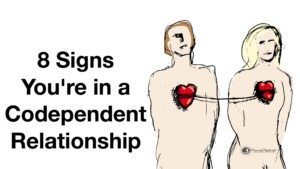
If you’ve ever wondered why you keep getting yourself trapped in bad relationships and why they affect your mental and emotional well-being in such a negative way, there may be an underlying issue. Codependency is an issue that many people struggle with, and they don’t even realize it. When you’re codependent, you may think that you’re giving your all to a relationship in a healthy way. However, it’s a trademark sign of an unhealthy relationship.

There are a variety of different reasons as to why someone develops these types of behaviors in relationships. For some people, their childhood is the primary source of their relationship issues. Others may have learned these unhealthy behaviors from past relationships. If you hope to recover and start having healthy relationships with yourself and others, you first need to understand what codependency is.

What is Codependency?

When you’re codependent, you’re addicted to another person. No matter what the other person does, you’re always there for them, even when it comes to the sacrifice of your mental health. While parents may have these types of relationships with their children, codependency is far more common in romantic relationships. J Lampis describes this type of unhealthy relationship as “a specific relationship addiction characterized by preoccupation and extreme dependence—emotional, social, and sometimes physical—on another person.”

Addiction can easily be summarized as continuing a behavior despite adverse consequences. In relationships, this looks like continuing to behave in a way that’s making you or another person miserable. For many people, this comes in the form of enabling, but you can’t stop letting the other person because you’re so attached to them. Many codependents will continue fueling an addict’s addiction to fear that the addict will leave them if they don’t.

Many parents are codependents, and this can hurt the child’s ability to become self-sufficient. A parent’s inability to let their child become their person can gravely affect the child’s future. Moreso, this type of relationship can allow a child to ruin their life because the parent fears the child getting upset with them. Without the ability to let go or set healthy boundaries negatively impacts both the parent as well as the child.

codependency

Some of the common signs of a codependent relationship include:

  • Valuing the approval of others more than you value yourself
  • A lack of trust in yourself
  • Poor self-esteem
  • Intense, and sometimes irrational, fears of abandonment
  • Difficulty identifying your feelings
  • Experiencing an exaggerated sense of responsibility for the actions of other people
  • Dependence on relationships that come at your own cost

How Does Codependency Develop?

In 2012, Theresa M. Knudson and Heather K. Terrell wrote a landmark paper titled “Codependency, Perceived Interparental Conflict, and Substance Abuse in the Family of Origin.” Through their research, they wanted to look at how a person’s upbringing affected them later in life. In the paper, they discuss how frequently one or both parents struggled with substance abuse, and this type of childhood may be the leading risk factor for creating codependents. Terrell and Knudson discovered that although substance abuse may play a significant role, the biggest contributor to people becoming codependents was the interparental conflicts.

parents behaviors

Here is how you can spot the signs of domestic abuse.

Children with codependency

Although different studies explain various risk factors for codependency, the consensus is that most of these issues develop in childhood. When you have an unstable childhood or have to take on more responsibilities than a child should, you’re primed to create unhealthy relationships when you’re older. Many people believe that nature overpowers nurture, but more and more research is showing that how you were raised and what you experienced as a child has a significantly tremendous impact on who you become.

As a child, you may have to become a caretaker at a young age if your parents are unstable. This doesn’t have to mean that they’re an alcoholic or drug addict, but they could have struggled with an illness or were continually working. Picking up the responsibility of taking care of your siblings, cleaning the house, cooking, and taking on other duties can mold you into someone who takes care of others.

Taking up so many responsibilities can also turn you into a people pleaser. During your childhood, and even later in life, you can start to feel guilty if you think that you’re not taking care of everything. This is how you begin to develop the idea that you’re responsible for the actions of others and thinking you had some way of preventing adverse outcomes.

Children of substance abusers

For people who had parents that were alcoholics, addicts, or were verbally and emotionally abusive, this causes even more problems. You most likely felt that you were flawed, which created an intense need to feel loved. You may have also realized that even though people say they love you, they might hurt you. Furthermore, you never learn to set boundaries with other people.

While all of these may seem like they create a problematic childhood, all of these characteristics can turn into codependency later in life. You may not only have difficulty in romantic and personal relationships, but you might start to realize that this is affecting you at work too. Once you start recognizing these signs in your life, you can start working towards a solution. No matter how long you’ve struggled with these issues, there are many ways to recover.

quotes of reassurance

How to Overcome Codependency

They say that addiction is continuing any action despite adverse consequences. Those with codependency issues continue to pursue unhealthy behaviors and relationships even though it’s making themselves or others miserable. Luckily, many people have overcome these unhealthy behaviors and have gone on to live incredible lives. Before you embark on your journey of recovery, know that it’s going to take time and patience.

Remember, these issues have been deeply ingrained in you since you were a child. As you start on the path towards recovery, you need to cut yourself some slack and realize that this will take practice. All of the strategies for overcoming codependency involve making difficult decisions that you’re not used to. Over time, these new behaviors become more comfortable as you continue to stay on the right track.

Peer support is a great way to begin healing, and there are some incredible groups out there that can help. If you start going to therapy, your therapist can most likely recommend various support groups where you’ll be around people who understand precisely what you’re going through. In the age of social media, there are plenty of support groups online as well.

Establishing boundaries is going to create a solid foundation for your recovery. Many people who struggle with codependency issues don’t even know where to begin when it comes to setting boundaries. When you have lived your entire life trying to appease and take care of others, it can be difficult even to imagine telling someone “no.”

Some ways to start establishing boundaries are to ask yourself these questions:

  • Does this align with my wants and needs?
  • Is this acceptable behavior from the other person?
  • Am I faithful to my feelings?
  • Is this crossing my limits?
  • Am I making myself a priority?

Setting boundaries can be a struggle at first because there may be some trial and error. All relationships with significant others, friends, family members, and coworkers depend on cooperation and compromise. Sometimes healthy relationships mean doing things for others that we may not want to do at the time, but it’s unhealthy when it happens all of the time.

codependencyFinal Thought: Learn to Love Yourself

The best thing you can do is begin to learn how to love yourself. Many of the issues that you’ve been dealing with are rooted in a lack of self-love and self-compassion. Like all of the other strategies, this can take some time as well, but you can start by realizing that you can’t save the world.

Sometimes, the greatest act of love you can show is letting a person figure things out on their own. They might fail, but that’s alright because they will develop resilience and be better the next time. Many times, a person needs to face the consequences to correct their behaviors.

It’s also okay to learn to live a life without being dependent on another person. The overwhelming need to be with someone else is often rooted in insecurities and fears. Remember, you don’t need validation from someone else to feel validated, and many people in your life love you even if you’re not in a relationship.

The road to recovery is a long one, but it is possible. Many people around the world are living proof that it’s possible to overcome their struggles and lead incredible lives. It all starts with recognizing the codependency problem and then actively participating in one’s recovery.

15 Positive Quotes About Crushing Your Goals

There is nothing more exhilarating than setting a tough goal and crushing it. It feels incredible to know that you put in the work and accomplished the thing you set out to do. If you haven’t experienced this kind of accomplishment, there are a few things you can do to ensure you achieve your goals. You can start by reading these positive quotes–and shred your goals.

Research proves that the simple act of writing down your goals makes you 33% more likely to achieve them.

In addition, creating S.M.A.R.T. goals takes goal setting a step further. The S.M.A.R.T. acronym stands of Specific, Measurable, Attainable, Realistic, and Time-based. These goals are specific about what your goal is, how you plan on reaching it and gives you a time frame in which to complete your goal. In studies, S.M.A.R.T. goals have been shown to be successful 76% of the time.

Once you have your goals set, find the motivation to accomplish that goal. A great way to get started is by reading positive quotes about goal setting and achieving those goals. To help you get started, here are 15 positive quotes about crushing goals that will inspire you to achieve your own.

15 Positive Quotes to Help You Crush Your Goals

1. “One part at a time, one day at a time, we can accomplish any goal we set for ourselves.” -Karen Casey

Sometimes a goal can seem overwhelming. That’s why it’s a good idea to take it one step at a time. As long as you keep moving forward, you will meet your goals and reap the rewards of your hard work and dedication. The key is to keep going and not lose momentum. Keep going no matter what stands in your way.

2. “What you get by achieving your goals is not as important as what you become by achieving your goals.” -Henry David Thoreau

This one of the great positive quotes about achieving your goals that is truly timeless. In this quote, Thoreau reminds us that the actual goal is not the only thing you gain from the goal achieving process.

3. “Arriving at one goal is the starting point to another.” -John Dewey

Getting to a goal is hard work, especially if it’s a good, challenging goal. If it’s too easy, set your sights higher. To keep moving forward, it’s important to continue setting new goals as you achieve old ones. This ensures you are never standing still and always know what to do next.

reach your goals

4. “People with goals succeed because they know where they’re going.” -Earl Nightingale

It’s hard to know which way you are going if you don’t have a destination in mind. This is one of the best positive quotes about goals that reminds us of this important factor in setting successful goals. Direction ensures that we maintain focus and don’t lose sight of our objective.

5. “Focus on the possibilities for success, not the potential for failure.” -Napoleon Hill

This quote reminds us to keep our eyes on the prize. It’s easy to let all of the negative “what ifs” impact your thoughts and keep you from doing what you need to do in order to achieve your goals. Instead, think about the possibility of success and ignore the rest. The negative things only stand in your way. Be positive. You will succeed.

6. “The people who achieve their goals are simply the ones that refuse to give up and put in the work.”

Hard work and determination are the two greatest attributes that lead to accomplishment. If you really want to achieve the goals you have to be willing to put in the work and not be willing to give up if things get tough. The truth is that most people fold at the first sign of a struggle. Instead, dig your heels in and work harder. You’ll get there.

7. “The victory of success is half won when one gains the habit of setting and achieving goals.” -Og Mandino

Setting goals is an important part of success. It gives you direction and tells you exactly what you are aiming for. You never have to wonder what is your next step when it’s stated clearly with your goal. It’s always great to have a reminder that you are working toward something bigger and better.

8. “Set daily, monthly, and long term goals and dreams. Don’t ever be afraid to dream too big. Nothing is impossible. If you believe in yourself, you can achieve it.” -Nastia Liukin

This is one of those positive quotes about setting goals that reminds you that even your wildest goals can come true if you dare to set them. It also reminds us that we need to set short-term and long-term goals. Short-term goals can be smaller goals that lead to a big goal or stand-alone goals. These smaller goals give us a sense of accomplishment and encourage us to keep going until we hit the long-term ones.

9. “The real value of setting goals is not the recognition or reward, it’s the person we become by finding the discipline, courage, and commitment to achieve them.”

To achieve our goals, we have to level up. That means we need to learn, grow, and develop in order to be successful. Once you have put in the work, it shapes the person you become. Through these actions, you learn what you are capable of when you set your mind to it and it’s something that you can’t forget. It changes you. You learn your value.

10. “Mirror, mirror on the wall, I’ll always get up after I fall. And whether I run, walk, or have to crawl, I’ll set my goals and achieve them all.” -Chris Butler

This quote sounds cute, but it has a powerful message. Achieving your goals is a hard-won battle. You have to be willing to fight when things get tough and take a risk on yourself. As long as you have a plan of action and determination, you can accomplish any goal that you set your mind to. You just have to keep getting up and trying.

positive quotes 11. “This year I will achieve my most important goal by breaking it down into 365 tiny chunks and tackling on chunk each day.” -Marelisa Fabrega

Sometimes it helps to break down an overwhelming goal into easily digestible pieces. Setting a challenging goal can be a bit overwhelming at times, but as long as you keep moving forward, day-by-day, you will see results. Baby steps are steps forward. The worst thing you can do is not move forward.


12. “I will fight for it, I will not give up. I will reach my goal and absolutely nothing will stop me.” -Qandeel Baloch

If you are determined to succeed, there is nothing that can stop you. It may not be easy, but you can do it. Mindset is the greatest part of any battle, including the battle to achieve your dreams. This is something no one can take from you without your permission. Don’t allow it.

13. “To reach a goal you have never attained, you must do things you have never done before.” -Richard G. Scott

You can’t experience anything new if you never change. We must accept that change is important for personal growth and is an integral part of success. That means you will have to try new things and put yourself out there in order to gain something you’ve never had. Don’t worry though, it will be worth it.

positive quotes

14. “The thing about goals is that living without them is a lot more fun in the short run. It seems to me though, that the people who get things done, who lead, who grow, and who make an impact…those people have goals.” -Seth Godin

If you ask any successful person, from athletes to philanthropists, what is the key to success, they will all tell you that they set goals. Whether that goal is to achieve a new milestone, raise a specific amount of money, or to deadlift 400 pounds, it doesn’t matter. Simply setting a goal to achieve is enough to keep you moving in the right direction.

15. “Our goals can only be reached through a vehicle of a plan, in which we must believe, and upon which we must vigorously act. There is no other route to success.” -Pablo Picasso

S.M.A.R.T. goals give you the path and plan to achieve your goals. That’s what makes them so much more successful than ordinary goals. It’s a statement of intention that shows you the path and the destination. Both are important and give you direction so that you have a clear shot to success.

vision boardFinal Thoughts: Get Out There and Crush Your Goals

These positive quotes about crushing your goals are a great way to kickstart your goal setting and achievement. The rest is completely up to you.

Right now is the perfect time to sit down, decide on the goals you wish to achieve and create a plan of action on how you will achieve them. Remember to write it down. Also, post your goals somewhere that you will see them every day and to remind of what you are working toward.

15 Quotes That Will Stop Whiners in Their Tracks

Some people seem to be natural-born whiners. They have to complain about everything they come across. Often times, their complaints come across as entitled and minor in the grand scheme of things. Most of us simply don’t want to listen to it all day, and we need a way to stop them from complaining even more. Here are 15 quotes to drop on whiners to stop them in their tracks.

15 Quotes to Stop Whiners from Complaining

1. “Pressure will squeeze whining out of losers and winning out of achievers.” ~ Orrin Woodward

Everyone comes across pressure in life, whether it be work, family, or personal pressure. It’s how we handle this pressure that makes us who we are. This quote makes it clear exactly how you feel about whiners. Complaining is what losers do. Plain and simple. Instead of complaining, the complainer should go win at something. They can do this with hard work and reasonable expectations. If they aren’t willing to put in the time and work, they don’t have the right to whine.

2. “Most people mostly use freedom of speech as freedom to bitch.” ~ Mokokoma Mokhonoana

We live in a country that allows us to say whatever we want without fear (within reason, of course). Throughout history and even today, some people were not blessed enough to have this right. These people had to live in fear of persecution if they said something that the powers that be did not like. What do we do with this wonderful right today? Most of us, sadly, use it to complain. It’s an insult to the people who fought for this freedom. We should use freedom of speech to enhance the world and make it more positive.

whiners

Here are useful techniques to banish whiners and boost your positivity.

3. “One should not confuse creativity with whining.” ~ Silvia Hartmann

Artists choose a number of different topics to cover in their work. Someone may paint a rainbow or a homeless person. Another person might create a song about how bad their life is. Another person may write an article about how terrible the government is. It’s important to clarify the difference between whining and creativity. Take a close look into the art you enjoy to avoid being caught into the trap. It should also be said that whining and art can mix. You may come across a talented artist who happens to like to complain. This doesn’t make them any less of an artist, but it might make them a little less emotionally mature.

4. “American voters have to pay closer attention to politics if they want to avoid four years of whining about the outcome.” ~ Jack Germond

One of the most common things people complain about is the government. Unfortunately, many people don’t vote or pay attention to what is going on. This quote reminds whiners that they have no right to complain if they aren’t taking an active role in the very things they are complaining about. Rather than just voting blindly, voters have a responsibility to research their candidates and learn about who best represents them. Too often, people vote blindly and act surprised when things don’t work out the way they wanted.

5. “Complaining about a problem without posing a solution is called whining.” ~ Teddy Roosevelt

It’s very easy to complain about things. However, it’s much more difficult to come up with a solution to the problem. You shouldn’t bother speaking up about something unless you can propose a better alternative. Take your proposition to the proper authorities. If you follow the proper procedures and have a good idea, you may turn your complaining into progress.

6. “If you cannot be positive then at least be quiet.” ~ Joel Osteen

Too many people think they have to comment on everything in front of them. Sometimes these comments are not helpful. In many cases, it is much more advantageous to just stay quiet if we cannot contribute to a conversation. If you do comment, you should remain brief and positive instead of complaining.

7. “Any fool can criticize, condemn, and complain – and most fools do.” ~ Dale Carnegie

You may have complaints. Well, so does just about everyone else. That only keeps you in line with the lowest common denominator. Elevate yourself to be better than the average fool who spouts out at the mouth.

8. “If you don’t like something, change it. If you can’t change it, change your attitude. Don’t complain.” ~ Maya Angelou

When people encounter something they don’t like, most people complain. Instead of complaining, you should try to change the thing you can’t like. This isn’t always entirely possible. You can’t change your height, for example. However, you can change how you feel about the thing you don’t like. Look for a new way to think about it so that you can be as happy as possible. If you can’t change something, you should at least learn how to live with it in a positive way.

maya angelou quote

9. “Those who do not complain are never pitied.” ~ Jane Austen

It’s not fun to be pitied. People look at you differently and treat you differently. All most of us want is to be treated with respect as an equal. If you don’t want to be pitied by those around you, you shouldn’t announce all of the bad circumstances following you.

10. “Maturity is the ability to reap without apology and not complain when things don’t go well.” ~ Jim Rohn

Complaining is rather juvenile. Children complain when they aren’t allowed to stay up late to watch a movie. Adults have control of their own lives. As you get older, you should become more mature. Don’t complain. As an adult, everything you face is a direct choice of your own decisions.

whiners no more11. “Don’t complain. The Israelites wasted forty years murmuring and complain in the wilderness when they could have just obeyed God and entered into the Promised Land.” ~ Joyce Meyer

Complaining is a distraction. It can distract you from getting where you want to go in life. Instead of arriving at your goal, you may find yourself wandering around in your land of whining just like the Israelites. Hopefully, it won’t take you forty years to come to your senses. When you finally stop complaining, you should find your way again. You may even find your way to paradise.

12. “Don’t complain about it. Pray about it. Thank GOD for what you have and let it go. Give it to GOD.” ~ Joanna C Smith

There is a higher power that controls everything on this earth. Whether we understand it or not, there is a plan and a reason for absolutely everything that happens. It’s best to not complain. This is God’s plan after all. Who are we to complain about the world that God has given us? We have to trust in him and see everything, even struggles that come our way, as part of the blessings of life.

13. “There are always things to complain about. Things could always be better but things could always be worse.” ~ Marla Gibbs

Everyone has things in life to whine about. The secret is not to let it get to you. Instead of looking at all of the bad things in your life, you should look at the things that could be worse. Are you relatively healthy? Do you have friends or family? Do you have a roof over your head? Food? A cell phone? Count your blessings, and it will help you stop complaining.

14. “Discontent, blaming, complaining, and self-pity cannot serve as a foundation for a good future, no matter how much effort you make.” ~ Eckhart Tolle

No matter what we are experiencing today or what we experienced in the past, we have to focus on the future. If whiners take the anger and negativity they carry with them every day into the future, it will weigh them down. They may not be able to make the most out of their potential. Don’t let complaining weigh you down. Let it go when walking into your future. You want to walk into the next days of your life with a positive attitude.

15. “I hate whining.” ~ Hilary Clinton

Hilary Clinton said it best. Plain and simple. Everyone hates whining and whiners. Just stop. Nobody wants to hear it. If you come across somebody who can’t seem to stop complaining, just keep it simple with this quote. They’ll get the point.

overcome whinersFinal Thoughts on Stopping Whiners

It’s frustrating when you find yourself surrounded by whiners. If you want to get it to stop, you need to step up and say something. However, that doesn’t mean that they will listen right away. Continue to use these quotes to help stop people from annoying you and possibly hurting their own future prospects. Many whiners can’t take comebacks well, so be careful about how you will be received. If that still doesn’t work, you can always stop hanging around those negative people. Surround yourself with people who are grateful.

Oncologist Reveals the Causes and Early Signs of Oral Cancer

Oral cancer affects more than 35,000 people each year in the United States. Though it’s not often talked about, it’s just as common as leukemia. Primarily, mouth cancer affects men over 60 years of age, but some women get it too.

Mouth cancer is anything that affects the oral cavity, which includes the tongue, lips, cheek, palate, uvula, gums, or the salivary glands. However, it’s a generic term that refers to any malignancy within the mouth, neck, thyroid, and certain parts of the head. It’s even possible to have tonsil and jaw cancer, though that is extremely rare.

Signs and Symptoms of Oral Cancer

Many people get sores inside their mouth for random reasons, and usually, there is no fear that it’s cancerous. Jaw cancer, or any other malignancy in the oral cavity, begins when the healthy cells in the mouth break down abnormally.

The changes can be gradual, or they can happen quickly. The most common sign is red or white patches, which are ulcerations that won’t heal. The white spots tend to be the most common, and their proper medical term is leukoplakia. While the white patches aren’t always malignant, they can quickly become cancerous.

The red patches are called erythroplakia, and they are almost always malignant. When a person has a presence of both white and red spots, then the medical term erythroleukoplakia is used. Other than the irregular patches, here are some other signs of concern.

Primary signs of oral cancer:

•Bleeding in the oral cavity
•Losing teeth or loose teeth
•Pain when swallowing
•Problems when wearing dentures because of sores
•Lump(s) in the neck area
•Earaches
•Altered facial appearance
•Pain in the mouth, neck, or head
•Weakness
•Dry mouth
•Frequent infections of the throat, or gums
•Thyroid issues
•Hair loss
•Nausea and vomiting
•Diarrhea
•Changes in your voice

oral cancer

Cancer forms during the process of making new cells. As the cells become old or damaged, they will perish so that new cells can replace them. In some people, the process becomes interrupted as something goes wrong. When cells don’t die off like they should, then the new cells build on top of them, forming masses.

While these masses are not always malignant, these tumors must be evaluated. If there is cancer in the mass, the troubled cells will slowly break away and enter the blood or lymphatic system. Since these vessels branch out into the entire body, the malignancy will spread.

Most commonly, mouth cancer spreads to the neck first as it’s the closest area. Any signs of mouth or tongue cancer need to be evaluated quickly. When dealing with a tumor, time is of the essence. The earlier it’s caught, the better the long-term prognosis.

Causes of Mouth and Tongue Cancer

When it comes to the mouth or oral cancer, the leading causes in the United States are alcohol and tobacco. The chemicals found in these products cause damage to the cell’s DNA, which can lead to cancer formation. Both alcohol and tobacco are considered dangerous because of their chemical content.

Many things can increase your risk of developing mouth cancer, which includes smoking and drinking alcohol together. Medical experts are not sure what triggers the cellular DNA abnormalities that turn into a malignancy. Additionally, there are more than 41 million people alone who smoke cigarettes, so the number of individuals that get oral cancer is relatively small in comparison.

Risk Factors To Examine

Some risk factors for developing mouth cancer include having an unhealthy diet, eating betel nuts, using smokeless or chewing tobacco products, having HPV or human papillomavirus, and having poor oral hygiene.

•Smokeless Tobacco

Products that fall under the smokeless tobacco category include snuff and chewing tobacco. Not only does using these products increase your chances of developing mouth cancer, but you may also have issues with pancreatic, stomach, liver, or esophageal cancers.

The carcinogenic juices escape during the “chewing” process and travel to other areas of the body. While some see these products as a safer alternative to smoking, they are just as dangerous, if not more.

oral cancer

•Oral Hygiene

Your dentist always told you the importance of brushing and flossing your teeth. This process removes toxins that can decay inside your mouth. Cancer l to the development of wounds in your oral cavity.

These wounds can be caused by broken teeth that have jagged edges that make cuts on the tongue or gums. Additionally, poor oral health can cause ulcers or wounds to form on the gums, tongue, or roof of the mouth once these sores are in the mouth, the chance of oral cancer increases.

When you consider that your oral hygiene can make a significant impact on the possibility of developing cancer, brushing your teeth seems more critical.

•Your Diet

Medical research reveals that your unhealthy eating habits can have a direct link to your risk of developing mouth cancer. When you eat a healthy, well-balanced diet, it’s believed that it reduces the risk of having any significant oral issues. The fiber and necessary vitamins inside fruits and vegetables are imperative for your body.

•Human Papilloma Virus(HPV)

HPV was first discovered in the late 1980s, but it’s quickly become a significant concern for those in their late 20s, though it can affect people of any age. HPV is a cluster of viruses that affects the moist membranes within the body. Most commonly, the areas affected are the mouth, throat, cervix, and the anus.

HPV spreads through sexual contact, but all you need is skin-to-skin associations to transfer this dangerous disease. Though it’s rare, there is significant evidence that shows that some of the strains of human papillomavirus can trigger the abnormal growths that cause oral cancer.

•Betel Nuts

Many people won’t recognize the betel nut because they are native to Asian communities. While people from Sri Lanka, Pakistan, and Bangladesh use them often, they are not readily available for purchase in the United States.

The risk of mouth cancer is significantly higher in these areas because people chew on these nuts as it has a stimulant effect. Some compare the taste and feeling of drinking a cup of coffee. Betel nuts have a carcinogenic impact like tobacco, which means they can increase the chances of developing an oral malignancy.

In the United States, some tobacco companies will add a bit of betel nut to their blend because of the enhanced feeling that it gives to their users. The popularity of this seemingly harmless nut is beginning to catch on, though it’s not innocent at all.

mouth

Never ignore these oral health signals.

Diagnosing Mouth Cancer

If you are having issues that you believe could be mouth cancer, then you need to have some tests run. Many people start at a dentist and switch to a specialist to handle the issue. The medical team will need to know your complete history, including whether you’ve used tobacco or alcohol.

You will be referred to both radiologists and pathologists who specialize in these types of cancers. The first step will be to conduct a biopsy of the questionable area.

•Oral Tissue Biopsy

The first step in determining if you have mouth cancer is to have an oral tissue biopsy. The surgeon will remove a small piece of the abnormal tissue to have it analyzed at a lab. A pathologist will receive the sample and look at it under a microscope so that they can make an official diagnosis.

•Diagnostic Imaging

Once cancer has been identified, your doctor may want to take a series of x-rays. They will look at the lower jaw and sinus area. The goal of the imaging is to see if cancer has spread and how deep it has gone. They can use a CT, MRI, or a special x-ray called a Panorex.

•Genomic Testing

If your cancer is advanced, then the oncologist will want to do tumor sequencing. Also called molecular profiling, it will look at the cells that they obtained from your biopsy to see if any genetic mutations are present. In many cases, they find that a change in your genes is related to the type of cancer in your body.

Gathering genetic information is essential for treatment. Additionally, it can help predict the chances of cancer reoccurring.

mouth cancer quit tobacco

Final Thoughts: Treatment Options

Treating mouth cancer is complex, and it depends on a person’s beliefs and preferences. The hallmark treatment is chemotherapy and radiation; however, there are holistic methods that, while controversial, prove just as useful. Some people won’t require treatment as surgical intervention is all that is needed.

Many variables come into play when you’re facing oral cancer, so you need to have a medical team that can work with you to find the best solution. Dealing with cancer is something that no one wants to face. Thankfully, the five-year survival rate is over 69 percent, which means it’s a highly treatable form of malignancy.

Neuroscience Unravels the Mystery of Dyslexia

Dyslexia is a neurological disorder that affects more than three million people in this country. It often coexists with issues like ADHD, dyspraxia, or dysgraphia. Many people don’t truly understand this condition, and it’s often thought that it just causes mirror reading or learning difficulties.

Each person that has this condition has a different mix of problems. For instance, one person may suffer from word or letter reversal, while another person has an issue with sequencing.

The critical thing to remember is that this ailment has nothing to do with intelligence. A person can have this condition and have a high IQ. Students with this disorder often hear that they are not applying themselves when they get a bad grade.

However, the problem is not that the student isn’t applying themselves. Its issues lie within the brain’s recall and delivery systems. Thankfully, there are methods to help a person combat the problems they face.

Symptoms of Dyslexia

While problems with writing characterize this neurological disorder, it’s not the only problem that exists. The brain sees and perceives things differently. Here are the most common symptoms.

•Poor Spelling

Spelling doesn’t come easy to someone who suffers from this condition. Because their brain is continually mixing up the words, they have a hard time learning the correct order. The poor spelling comes with the territory.

•Sequencing Difficulties

Sequencing is a significant problem for someone with this condition. They have a hard time putting things into a series, or they cannot remember things that are in a string. A list such as this can cause significant problems for a child:

•Pick Up Your Bookbag and Shoes

•Change Your Clothes

•Clean Your Room

•Change Your Sheets

•Take the Dog Out

• Run the Vacuum

A child or anyone suffering from this ailment may only get one or two of these things. It can also be a sign of attention deficit hyperactivity disorders, so a person must be careful and not attach labels until a child has been professionally evaluated.

dyslexia

•Recall and Short-Term Memory Issues

The recall is another big problem for the dyslexic person. Schools are giving children with these disabilities more extended periods to take a test. Cramming for an exam involves the use of short-term memory.

While most people have proper access to this memory bank, those who have dyslexia don’t have that ability. It takes longer to recall events. It’s like knowing someone’s name but being unable to remember it when introducing them to someone else.

Rather than using short-term memory, those with this issue

often use long-term memory instead. The reason it takes them so long to retrieve the information is that they cannot focus on pulling the right “file card” in their brain.

However, studies have shown that when the pressure is off, a person suffering from this ailment can easily access their memories. So taking tests with longer time frames allow these children to get higher grades because they have more time to work with their recall issues.

•Right Left Distinction Problems

Many dyslexic people cannot distinguish between their right or left. Asking them to shake a right hand may require thought. When giving directions, they might not be able to understand things like “turn to the right and then make a left.” Most must do little mental lectures to be able to differentiate from the right and left sides of their body.

•Dysgraphia

While dysgraphia is not a part of dyslexia, it’s closely related. The way a person with this condition sees and perceives things is altered. Writing coherently when there are brain issues can be a real challenge.

•Letter and Word Reversals

When a person with dyslexia tries to write, they may find it quite challenging. They often will mix up words, and simple spellings of things like “bat” may become “pat.” It’s not uncommon for people to make mistakes when they are tired, but this problem doesn’t get any better with rest for the person with dyslexia.

•Poor Organization

People with dyslexia cannot have someone telling them a string of things to do. Children with this condition often have messy bedrooms. Rather than saying to them, “Go clean your room,” you must give them things in steps one at a time.

Because they cannot focus enough to do each step to clean effectively, they prefer to live in dishevel. Some say that the condition of the space around them and the mess is an indication of their internal thought processes.

•Underemployed

While this condition is often diagnosed in childhood, it can affect a person for their entire life. Those who have dyslexia will often be underemployed. It’s not the fact that they aren’t smart enough or that they are lazy.

The real issue lies within the fact that they have a problem focusing. The best line of employment for those with dyslexia include expressive jobs like sales, artists, or chefs. Expressing their personality through their food or art gives them an outlet for the inward confusion.

dyslexia and career choice

Being Diagnosed

There is no lab test or MRI that can help a doctor to diagnose this condition. Rather, they can administer psychological examinations to see a person’s aptitude and identify abnormalities. Medical experts usually rely on these tests and observations to make a definitive diagnosis.

Because there are hereditary components to this ailment, the physician will want to know if anyone in the family had this issue. If the mother or father had this disorder, then their offspring are 50 percent more likely to have it. Consequently, it can skip a generation.

While most cases of this neurological condition are diagnosed in the school-age years, many children have red flags long before that time.

One thing a doctor will look for when diagnosing a child is chronic ear infections.

For whatever reason, when a child experiences chronic infection so close to the brain, it causes significant disturbances. Many experts believe that this condition is more of an auditory disability than a visual one, so the infections have done irreversible damage.

Another thing a doctor will be interested to know is if the person in question was born prematurely or had a low birth weight. When a child is born early, there are often neurological problems that develop at the lack of time in the womb.

Other concerns are a fetus that was exposed to drugs or alcohol during pregnancy. If a mother smoked while pregnant, then it can also cause some of these issues. The history of the person is essential as it can help doctors to make a diagnosis.

adhd

Researchers show a link between mothers who took acetaminophen during pregnancy and child health issues.

Treatment Options

There is no magic pill that you can take that will alleviate the symptoms of this condition. However, you can learn techniques to overcome the challenges you face. A child with this ailment meets the requirements for special needs services in school.

The special considerations given to these children can include:

•Longer Test Times

•Having Examinations Read Orally

•Given Special Help or an Aid

•Allowing The use of a Sensory Room When Frustrated

•Being Put in An Inclusive Classroom

•Having a Reduce School Workload or Individualized Assignments

Since you can’t fix this problem, you can do some things to make your life easier. Some ways that may be beneficial include:

•Read Out Loud Rather Than Silently

•Use Pictures or Videos to Learn A New Concept

•Use Visuals to Express Thoughts

•Utilize Sound Recognition

•Work with a Therapist to Overcome Troublesome Issues

•Learn How to Meditate and Do Breathing Exercises to Calm Yourself

•Accept and Embrace Your Differences

mental healthFinal Thoughts: The Need for An Individualized Treatment Plan

If the person who has dyslexia is a school-aged child, then they have the right to have an IEP. An individualized education plan is a legally binding agreement between the school district and the parents.

The district must accommodate the needs of any child who has unique requirements. Each school will conduct a series of testing by a psychologist. They will identify the child’s strengths and weaknesses. Once they have accurate data on their learning abilities, they will formulate an education plan.

The goal of an IEP is to help the child thrive and learn to the best of their abilities. There’s no easy fix for any neurological problems, but there are methods and ways that can be utilized to make school and learning more accessible.

The school is mandated by law to do the things required for the child to learn. If they fail to provide them with the assistance they need, then there are legal ramifications. The “No Child Left Behind” program protects children with dyslexia.

Once this plan is in place, the parents need to work with the school, attend annual IEP meetings, and keep the lines of communication open. Additionally, a child with these needs requires lots of support. They are often the target of bullying and low self-esteem.

Anyone who has dyslexia must know that there are smart, but they just require different ways of learning. There is no reason that anyone with this problem cannot have a fulfilled life with a career and family. It’s all about finding appropriate coping skills.

Scientists Reveal 7 Ways Thinking About the Past Damages Your Health

Many of us revisit our past to gain new insights or try to heal from traumatic experiences. However, doing this often can backfire and cause us to relive painful experiences instead of moving on from them. We should look at our past as a learning tool, so we don’t repeat the same mistakes; however, many people become stuck in a cycle of rumination. The past simply harbors stories we tell ourselves, but that doesn’t mean they have to define us.

We get to choose how those experiences shaped us. For example, if you grew up in a turbulent environment, perhaps you can choose to see the silver lining and look at how that shaped your character. You probably had to be resourceful, resilient, and durable at a young age. Maybe this helped you remain calm in your adulthood when bad situations came your way. 

“To get over the past, you first have to accept that the past is over. No matter how many times you revisit it, analyze it, regret it, or sweat it…it’s over. It can hurt you no more.” ? Mandy Hale

We can always put a spin on past situations and look at them with rose-colored glasses. This doesn’t mean the past didn’t hurt us, but by choosing not to let the past define your present, you can successfully move on and feel inner peace. 

A dangerous cycle

Replaying old scenarios only serves to take away your power in the now. If you live in the moment and choose thoughts that empower you, then the past can no longer dictate your life. However, by rehashing painful memories of the past constantly, those thoughts will always control you and bring your energy down. Living in negativity can harm your health, as studies have shown. 

Emiliana Simon-Thomas, Ph.D., science director of the Greater Good Science Center at UC Berkeley, said that negative emotions such as anger and fear could become a problem when they become someone’s disposition rather than just temporary feelings. This negative outlook on life can have an impact on your physical health as well.

In fact, a 2014 study published in the journal Neurology found a link between high levels of cynicism later in life and a heightened risk of dementia compared to more trusting people. This held true even after accounting for other risk factors like age, sex, lifestyle habits such as smoking, and heart health. This way of thinking may also hurt your heart.

A 2009 study published in the journal Circulation analyzed data from nearly 100,000 women and found that the most cynical participants were more likely to have heart disease than less cynical people. The more pessimistic women also carried a higher risk of dying during the study period than those who had a more positive outlook about the world. However, thoughts and beliefs are not set in stone. You’re welcome to change them whenever you want. 

Something called neuroplasticity allows us to create new neural pathways in our brains when exposed to new stimuli. Exercises such as cognitive training, physical activity, getting adequate sleep, and eating healthy foods all promote brain health and the creation of new pathways. 

Now you know how malleable the brain is. So let’s go over how ruminating on the past can harm your mental and physical health.

thinking about the past

Science reveals healthy brain habits.

Here are seven ways scientists say thinking about the past can harm your health: 

Ruminating is not a good form of self-reflection because it stirs up unpleasant memories and often does nothing to alleviate psychological pain. It can enhance negative feelings because nothing can be done about the past. It cannot be changed, so the only logical solution is to simply move on. However, many people have a hard time accepting traumatic experiences in the past and get stuck in cycles of replaying these situations.

However, remaining in a negative state only serves to bring more of these experiences into your field of awareness, as this is the vibration you’re putting out. Here are the ways that rumination can harm your health.

1 – Ruminating can become another addiction and form of escape.

Just like drugs, alcohol, sex, or any other addiction, ruminating can feel right at first because it takes you out of the present moment. Humans can become addicted to anything that brings them temporary pleasure, even if it ends up harming them in the long run. 

2 – Rumination can lead to depression.

Moreover, it can increase the likelihood of having recurring depressive episodes. Living in the past leads to depression because it makes us feel powerless. We can’t change it, but we want to justify what happened to us somehow. Of course, the only way to successfully deal with the past is to accept it and move on. The future is waiting for us, and we deserve to give ourselves a shot at happiness. 

3 – Rumination can lead to alcohol or drug abuse.

The cycle goes like this: we think about a distressing event in our past, decide to numb our pain with substances and repeat this on a daily or weekly basis. You can see how this is maladaptive and can lead to serious health problems in the long term.

4 – Rumination can also lead to the development of eating disorders such as anorexia, bulimia, or binge eating disorders.

Many people like to use food to numb their emotions, or on the other end of the spectrum, choose not to eat to punish themselves for their past. Either way, this behavior can lead to dangerous health problems such as heart issues and digestive disorders. 

anorexia nervosa signs

5 – Rumination usually leads to negative thinking if not kept in check.

Thinking negatively about our past invites these feelings into our present, which makes us feel powerless to change our lives. The future depends on our present actions, but if we constantly live in the past, then we cannot effectively make changes toward our future.

6 – Rumination can hinder problem-solving abilities.

For example, one study found that women who discovered a lump in their breast who also had ruminative tendencies waited two months longer to schedule a doctor’s appointment than women who didn’t ruminate. This can have disastrous effects on health.

7 – Ruminating increases psychological stress and cortisol levels

This point exposes a health danger. Increased stress leads lead to cardiovascular and heart disease in the future. Anytime the body is in a prolonged stressful state, the immune system can’t work as well, which can lead to disease.

How to stop thinking about the past

Because ruminating tends to work in cycles, the only way out is to simply find a new habit to occupy your time. When we live too much in the past, perhaps that means we don’t have enough going on to keep our minds focused on the here and now. The next time you catch yourself ruminating, distract your mind by going for a jog, watching a funny TV show, or anything else that releases endorphins. We want to increase our feel-good hormones, not deplete them with destructive habits such as rumination.

Humans easily pick up on habits, but the problem is, many of us reinforce destructive habits. Whether that’s having a few too many glasses of wine after work to calm our nerves, overeating, or even sleeping too much, we can become addicted to bad habits quite quickly.

Unfortunately, depression is on the rise in our modern world, and perhaps rumination is a key factor in this uptick in mental issues. By removing ourselves from the present moment and rehashing the past, we don’t leave ourselves much room to experience joy. Also, forgiveness plays a key role in our ability to move on from the past. Whether that means forgiving ourselves or others for wrongdoings, being able to practice forgiveness is essential in moving on. 

thinking about the pastLearning the art of forgiveness

Here’s how to forgive, according to Dr. Robert Enright, a pioneer in the field of forgiveness:

  1. Know that forgiveness is always in reach
  2. Make a choice to forgive
  3. Make a list of people to forgive
  4. Honor your feelings before forgiving them
  5. Commit to forgiving them
  6. Consider how you might have hurt others as well

In this step, feel free to reach out to those who you think deserve an apology. It might bruise your ego, but you will feel much lighter after going through this essential step.

  1. Realize that everyone is human and makes mistakes, including you
  2. Open your heart
  3. Realize the pain makes you stronger

You might feel pain during this phase, but realize that the experience made you more resilient and built your character. Being able to forgive people is an essential part of being human. This skill will help you later on when you encounter others who hurt you.

  1. Reflect on what you’ve learned

forgiving someoneFinal Thoughts on How Thinking About the Past Damages Your Well-being

Being able to forgive yourself or others is a courageous act, and often sheds light on the human condition. So give up on obsessively thinking about the past. Instead, realize the struggles people go through daily. And you also learn that their negative feelings toward you are just a reflection of something they’re going through internally. Don’t take it personally. 

20 Uplifting Quotes That Build Your Self Esteem

Your self-esteem connects to many factors, one of them being your thoughts and feelings about the circumstances around you. We feel good about ourselves when we are successful at something, achieve our goals, or feel as if we have done something good for those around us. However, at the same time, the world attacks us with so many negative images. We may feel that we are never “enough” – not smart enough, not attractive enough, or not worthy enough. Sometimes we need uplifting quotes to help recognize our worth.

The following uplifting quotes remind us that we must first love ourselves to have a positive outlook on life. We tend to be more successful if we have a healthy self-esteem. When life tends to throw lemons at you, look to these inspirational quotes to remind yourself that you ARE enough and that you do have a particular purpose.

Why is it a good idea to have healthy self-esteem? How do uplifting quotes help?

Life is never easy, no matter what your circumstances are. Some wealthy people are very lonely, even though they have no financial worries. Then there are people with no money that are blessed with loving friends and family, and they find joy in this fact.

When we have healthy self-esteem, and we have a personal joy in our lives – regardless of how “good” or “bad” the experience might be – we are better equipped to cope with the tougher situations in life. Sometimes uplifting quotes help us to see how to handle these issues.

In short, having healthy self-esteem will help you to stop overthinking situations and possibly blaming yourself for any negative things that happen. We can recite uplifting quotes when we feel anxious about life.

Next, you will tend to stop utilizing others to validate your worth. You must know your worth; it cannot be assigned to you based on the opinions of others. Your own idea about yourself is most important. Use the following uplifting quotes to realize your self-worth.

Furthermore, the more self-esteem and love you have for yourself, the more likely you are to believe that you deserve good things in life. You’ll see an increase in your motivations, and you’ll see yourself start to accomplish more personal goals. Say one of these uplifting quotes to yourself daily to lift your spirits.

Finally, when your self-esteem is healthy, you’ll find yourself overall much happier than before. You’ll find joy in areas you didn’t think possible. You might even share some of these uplifting quotes with others you suspect are having difficulty in their lives.

overthinking

20 Uplifting Quotes to Renew Your Self Esteem

Keep the following citations in mind when life throws a curveball your way! Reminding yourself that you are “enough” by reading and reciting these uplifting quotes is a great way to bolster that healthy self-love that will only add to your happiness.

1. You yourself, as much as anybody in the entire universe, deserve your love and affection. (Buddha)

We often give our appreciation to our family, friends, and relationships. However, what do we give to ourselves? When we don’t have healthy self-esteem, we tend to seek our validation in others. While it is always nice to have a pat on the back for our accomplishments, we should learn to tell ourselves that we have done a great job. Focus on this uplifting quote as a reminder to love yourself.

We must first love ourselves to love others.

uplifting quotes

2. Until you value yourself, you won’t value your time. Until you value your time, you will not do anything with it. (M. Scott Peck)

Do you detest when somebody wastes your time? Put a stop to it. Ask yourself.  What do I do with my own time? Am I vegging out in front of the television, or am I putting my spare time to good use?

When we truly value ourselves, we utilize our possessions for good. Only when we truly appreciate ourselves can we be of use to others. Sharing an uplifting quote such is this is an excellent reminder that we must love ourselves to give love to others.

3. A man cannot be comfortable without his own approval. (Mark Twain)

This is an uplifting quote from one of the great, outspoken individual who was often right in his assessments of others. While we don’t always associate him with uplifting quotes, Twain is correct – a man who does not hold himself in high regard will often find that he is quite uncomfortable with himself and with others.

Learning to love oneself often means accepting yourself for who you are – physically and emotionally, even mentally! We all have shortcomings, but we can learn to celebrate them as unique trademarks of ourselves. These uplifting quotes remind us that our imperfections are actually what make us who we are.

4. Never be bullied into silence. Never allow yourself to be made a victim. Accept no one’s definition of your life, but define yourself. (Harvey Fierstein)

Again, celebrate the things that set you apart as something that makes you individual. Never let others define who you are. Are you a Star Wars “nerd”? Perhaps you are a health food “nut”? Those words are meant to categorize you as something odd, but take pride in the things you enjoy! Never, ever let anyone make you feel “less” because of your interests!

uplifting quotes

5. Love yourself first, and everything else falls into line. You really have to love yourself to get anything done in this world (Lucille Ball).

No one gives us an uplifting quote better than America’s favorite redhead! When you love yourself, everything else will take care of itself.

Sometimes, we have to put ourselves first. We have to learn how to press forward for the things we want. We keep trying because we love ourselves.

6. Remember always that you not only have the right to be an individual, you have an obligation to be one. (Eleanor Roosevelt)

Individualism is a great thing! There is no one person on this earth exactly like you or me! That’s a wonderful thing! Only you can bring certain ideas to the company meeting. Only you can sing as well as you do. And only you can encourage the people around you in your special way! No matter what you do in life, no one else can perform that task the way you can. Be proud of who you are – you are an original.

7. If only you could sense how important you are to the lives of those you meet; how important you can be to people you may never even dream of. There is something of yourself that you leave at every meeting with another person. (Fred Rogers)

You might feel small–or even insignificant. But with this uplifting quote, you can rest assured that your presence makes an impact on others. Indeed, you might be more valuable to someone than you can imagine.

8. Low self-esteem is like driving through life with your hand-break on. (Maxwell Maltz)

Have you ever tried to drive with the emergency brake on? You just drift along! Life is not meant for us to simply drift through! We are meant to just meander through life! We are meant to enjoy a rich and full life.

9. When you recover or discover something that nourishes your soul and brings joy, care enough about yourself to make room for it in your life. (Jean Shinoda Boler)

Part of self-love is making time for things we enjoy, such as reading, playing sports, or listening to music. We need to give our minds a break from work and worry sometimes; a hobby is a great way to do just that.

positivity

10. What lies behind us and what lies before us are tiny matters compared to what lies within us. (Ralph Waldo Emerson)

Ralph Waldo Emerson, a man with a great mind, gives us this uplifting quote. We hold high power – the power to love ourselves and to draw happiness from a positive self-assessment.

11. When you adopt the viewpoint that there is nothing that exists that is not part of you, that there is no one who exists who is not part of you, that any judgment you make is self-judgment, that any criticism you level is self-criticism, you will wisely extend to yourself an unconditional love that will be the light of the world. (Harry Palmer)

Whew! That’s a mouthful, but this uplifting quote is worthy of inclusion. Let’s break this one down. Own your thoughts, and be confident in them. Don’t judge yourself too harshly. And don’t be overly critical of yourself. Overthinking is detrimental to your mental well-being. Forgive yourself when you make mistakes–just as you would find forgiveness for others.

12. Self-care is never a selfish act – it is simply good stewardship of the only gift I have, the gift I was put on earth to offer to others. (Parker Palmer)

When you think of yourself and your unique skill set as a gift to those with whom you are in contact every day, you realize that your talents are a gift to those around you. It is a gift only you can provide.

13. Why should we worry about what others think of us, do we have more confidence in their opinions than we do our own?

We should never allow others’ opinions of us to determine our worth. We should do that ourselves.

14. To fall in love with yourself is the first secret to happiness. (Robert Morley)

Before you can give or receive the love of others, you must believe you are worthy of entering into a loving relationship. But how? By loving yourself, first and foremost.

15. Don’t waste your energy trying to change opinions. Do your thing, and don’t care if they like it. (Tina Fey)

When you love yourself, you can do what you feel is best for yourself. The opinions of other people are irrelevant, as long as you cause harm to nobody else.

16. Owning our story and loving ourselves through that process is the bravest thing that we’ll ever do. (Brene Brown)

Have you made mistakes in life? Do you struggle with guilt or shame? Shed the self-loathing or embarrassment. Your errors are human. Moreover, they serve as part of your unique story. Own them, and you can carry them as a badge of honor.

17. So then, the relationship of self to others is the complete realization that loving yourself is impossible without loving everything defined as other than yourself. (Alan Watts)

To feel a rise in your self-esteem, you must also love yourself wholly. Furthermore, you must open your heart up to others. Life’s most exceptional experience is in giving and receiving affection.

18. One of the greatest regrets in life is being what others would want you to be, rather than being yourself. (Shannon Adler)

Live the life you dreamed of! Write your own story. Don’t feel obligated to follow a path that someone else sets out for you. That will lead to regret in the long run. Be confident, bold, and assured and become stronger with every goal you reach.

19. Once you embrace your value, talents, and strengths, it neutralizes when others think less of you. (Rob Liano)

Use your God-given skills to achieve all that you hope to accomplish on this earth. This uplifting quote is a valuable reminder that each of us possesses unique talents. Nobody can take those away from us. Thus, it would be a shame to turn your back because you fear the outcome.

self love tips20. To establish true self-esteem, we must concentrate on our successes and forget about the failures and the negatives in our lives. (Denis Waitley)

Failure is part of life. Bounce back from every misstep with your head held high. You’ll grow by learning from the experience and boost your self-confidence.

Skip to content