Weekly tips, affirmations, and small actions to feel your best.

20 Quotes About Change Never to Forget (No Matter What)

Change means different things to different people, as these quotes explain. Some people embrace change, while others resist it.

Change can mean good things are coming, or it could be something unexpected and dreaded is happening. Either way, you have to accept it and make that change into something great. These quotes about change can help you accept any change and make it as beneficial as possible.

Based on your mindset, you can control what effect a change will have on your life. If you embrace change, you will find the benefits of it. On the other hand, if you resist change, you may struggle to see any benefit.

20 Quotes About Change Never to Forget

Change in life is inevitable. These quotes about change will help you understand that it is necessary. Plus, some of the quotes about change guide making the most of the change.

1. “Change will not come if we wait for some other person or some other time. We are the ones we’ve been waiting for. We are the change that we seek.” – Barack Obama

No one else can implement the changes that you want to see, says President Obama. You have to be the one to make the changes and begin the process. This is the only way to have the life you have dreamed of and reach your goals.

quotes about change2. “Any change, even a change for the better, is always accompanied by drawbacks and discomforts.” – Arnold Bennett

Change isn’t easy. It’s uncomfortable and new, and it won’t always be perfect. This doesn’t mean it’s not a good change, so keep an open mind as you get used to the new situation.

3. “Even if you cannot change all the people around you, you can change the people you choose to be around.” – Roy T. Bennett (click to tweet)

Change doesn’t always have to be forced on you. It can be a choice that you make. This doesn’t always make it any easier, however. When you sense that you need a change in your life, it is up to you to figure it out. This may mean walking away from people you care about if they aren’t a positive influence in your life.

4. “I cannot say whether things will get better if we change; what I can say is that they must change if they are to get better.” – Georg Lichtenberg

There is no guaranteed outcome when something changes. However, if you don’t try and choose to stay the same, there will be no room for improvement. To have a better life, you have to be willing to change.

5. “Life is a series of natural and spontaneous changes. Don’t resist them — that only creates sorrow. Let reality be reality. Let things flow naturally forward in whatever way they like.” – Lao Tzu

Resisting change is only resisting the inevitable. It will leave you feeling frustrated and in despair, as Tzu explains. Instead, accept each change as it comes and adapts accordingly.

6. “Nothing is absolute. Everything changes, everything moves, everything revolves, everything flies and goes away.” – Frida Kahlo

Everything in life changes at some point. Things aren’t meant to stay the same, so nature ensures the changes are never-ending. Accept them and know that even if one thing leaves, something good will take its place.

7. “Resistance is never the agent of change. You have to embrace the actions that are going to get you closer to your goal.” – Ali Vincent

Trying to avoid making a change will keep you from reaching your goal. You have to roll with each change, no matter how unexpected, to keep getting closer. With each change that you adapt to, you are becoming more resilient for the next one.

8. “There can be no life without change, and to be afraid of what is different or unfamiliar is to be afraid of life.” – Theodore Roosevelt

Without change, the life cycle would end. Each part of life requires some change. So, to be afraid to change is the same as being afraid of life itself, as Roosevelt explained.

9. “No matter who you are, no matter what you did, no matter where you’ve come from, you can always change, become a better version of yourself.” – Madonna

Anyone can change if they set their mind to it. This means you can change yourself and become whoever you have always dreamed of being. It isn’t too late to become the best version of you. Just remember that you are the only one who can change you; it should be the changes you want.

10. “Progress is impossible without change, and those who cannot change their minds cannot change anything.” – George Bernard Shaw

You can’t become better if you never change. Improvement is always necessary, and improving means changing and adapting. Those who can’t change won’t be able to progress in any of their life goals.

pop meme11. “Look at things from a different perspective, embrace change, look out for opportunities, and you will feel much more in control.” – Steve Backley

When a change seems to be hard, try looking at it differently. If you can see it differently, you’ll find the opportunities that arise from the change.

12. “Continuity gives us roots; change gives us branches, letting us stretch and grow and reach new heights.” – Pauline R. Kezer

While roots are essential, branches are the only way to expand. Branches grow and stretch across new places and see new things that roots could never see. Allow yourself to branch out and see more of the world than you would have if your life never changed.

13. “Without change, something sleeps inside us and seldom awakens. The sleeper must awaken.” – Frank Herbert

Life would become dull and monotonous if nothing ever changed. You would lose a part of yourself that sparked the urge to grow and adapt.

14. “Stop being afraid of what could go wrong, and start being excited about what could go right.” – Tony Robbins

In life, there are always things that could go wrong. This is especially true when a change is taking place because you aren’t sure what to expect.

However, the chance of things going right is greater than the chance of them going wrong. Instead of focusing on what could go wrong, focus on the excitement of what you want to happen. There is no need to stress yourself out over the negative when the positive is likely to occur.

15. “Obstacles don’t have to stop you. If you run into a wall, don’t turn around and give up. Figure out how to climb it, go through it, or work around it.” – Michael Jordan

Sometimes, life forces you to make a change. When an unexpected obstacle gets in your way, make a change to get around it. Create a new plan and adapt accordingly.

16. “Things alter for the worse spontaneously, if they be not altered for the better designedly.” – Francis Bacon

If you don’t make a change when given the option and the chance to plan accordingly, it could happen unexpectedly. When this happens, you’ll be left scrambling and trying to recover. So, when the chance arises, make a change for the better, so you aren’t blindsided later on.

17. “Dreams are the seeds of change. Nothing ever grows without a seed, and nothing ever changes without a dream.” – Debby Boone

You must be willing to change your life when you have a dream. You can’t reach new successes and achievements if everything stays the same. So, when you have a dream, allow it to grow and make the necessary changes.

18. “Change is slow and gradual. It requires hard work, a bit of luck, a fair amount of self-sacrifice, and a lot of patience.” – Robert Greene

When a change occurs, it isn’t always easy, as explained before. Getting used to it may take time and dedication, and you may feel like giving up sometimes. Just keep working at it, though; eventually, it will be normal.

19. “It takes a lot of courage to release the familiar and seemingly secure, to embrace the new. But there is no real security in what is no longer meaningful.” – Alan Cohen

At some point, change is necessary. Your life isn’t intended to stay the same for all of the time. You have to let go of what you are comfortable with and accept what is coming next.

20. “Some changes look negative on the surface, but you will soon realize that space is being created in your life for something new to emerge.” – Eckhart Tolle

While some changes may seem devastating, try to remember that something good is coming. When a change leaves an empty void in your life, it will be replaced by something else. You will have good things in your life, even if bad things occasionally happen.

quotes about changeFinal Thoughts on Quotes About Change to Remember Always

Change isn’t always easy, but these quotes about change should help you accept it. Life is full of unexpected changes, and you must make decisions that will lead to serious change. It is all a part of growing and learning.

Learn to embrace change and view it as an opportunity for something new. Look around for good in life even as everything changes, and you’ll be reminded that change isn’t always bad. Remember these quotes about change the next time you experience a change and know that everything will be okay.

Research Reveals a Spider Venom That May Help IBS

If you’ve ever suffered from irritable bowel syndrome, you know that it is not a pleasant experience. Even worse, it can be challenging to diagnose. Most people suffering from irritable bowel syndrome would do almost anything to get rid of the symptoms. Researchers now reveal a new way to treat irritable bowel syndrome: spider venom.

This therapy is not going to turn you into a Spider-Man, but you could feel so much better you would think after receiving this particular spider venom. Keep reading to find out what researchers now know about this atypical treatment.

What is Irritable Bowel Syndrome?

Irritable bowel syndrome (IBS) is a disorder of the large intestine. It’s quite common but quite uncomfortable. There is technically no cure. It’s a chronic condition that can arise many times throughout a person’s life.

The good news is that it’s not known to cause colorectal cancer. This diagnosis is a little bit of relief for a person with chronic IBS. When you suffer from this condition, you’ll welcome any bit of comfort you can get. However, if left untreated, it can get severe and possibly even be life-threatening.

If you do have any damage to the tissues in your large intestine, it’s probably something more severe than IBS. Your doctor can examine you to tell you more.

Types of IBS

spider venom ibsThere are two types of IBS, and both have similar symptoms. The difference is the location of the afflicted areas.

  • Ulcerative colitis is when you get inflammation and ulcers in the lining of your rectum and colon (large intestine). It’s estimated that 750,000 people in the United States have ulcerative colitis. It takes time for this condition to develop. Although you’ll never be completely cured of it, it can go into long-term remission with treatment and lifestyle changes.
  • Crohn’s disease is an inflammation of the digestive tract. It can affect deep layers of tissue. This version is also incurable but can go into long-term remission with treatment and lifestyle changes. It may have a few additional symptoms that are different from ulcerative colitis: inflammation of the eyes, skin, joints, liver, and bile ducts. However, this usually occurs if it’s allowed to get to a point where it’s severe.

Symptoms of IBS

There is a bit of good news and bad news about the symptoms of irritable bowel syndrome. The good news is that the symptoms alone are relatively harmless (albeit uncomfortable). The bad news is that the discomfort can be so severe that you might feel like it’s going to kill you.

IBS is most often characterized by cramping, abdominal pain, bloating, mucus in stool, and gas. This ailment may be accompanied by diarrhea, constipation, or both. Essentially, any strange and sudden change in your bowel movements is an indicator of IBS.

If you experience more severe symptoms such as weight loss, rectal bleeding, vomiting, or nausea, these symptoms indicate something else. It could be colon cancer, so see your doctor right away.

Diagnosing IBS

Gastroenterologists don’t have a specific test for irritable bowel symptoms. They generally go by the symptoms you experience. Your gastroenterologist may do tests to rule out other issues before concluding that you have IBS.

The biggest clue is that the pain you experience connects to your bowel movements. Most people with IBS notice that the problem goes away shortly after the bowel movement has been completed. Other significant clues are that your stools look different, or you have a change in the frequency of your bowel movements.

Time is another clue that the gastroenterologist may use. They generally check to see if you’ve had the issues at least once a week for the last three months and if you’ve had symptoms for at least six months.

Additional Information About IBS

IBSCauses, Risk Factors, and Triggers

The cause of IBS is unknown. However, researchers have identified a few speculated risk factors. One is genetics. If you have a family history of IBS, you’re more likely to develop it.

IBS develops in young people under the age of 50. Women are more prone to IBS than men, and people with mental health problems seem to be more inclined to it.

Certain things seem to trigger irritable bowel syndrome in people. Food is the main trigger, which makes sense because IBS is a disorder of the large intestine. Stress can make IBS worse, but researchers don’t believe it causes IBS.

Traditional Treatments

Since doctors don’t know what causes IBS, there aren’t any specific treatments for the disorder. Traditionally doctors treat the symptoms. For example, if you’re constipated, they’ll tell you to take laxatives, but if you have abdomen pain, they may prescribe antispasmodics.

Doctors may also recommend that you change certain lifestyle factors. Eat healthier, exercise more, stop smoking, and take probiotics, improving your gut flora.

Statistics

*Statistics provided by the International Foundation for Gastrointestinal Disorders.

  • Between 10 and 15 percent of people worldwide have IBS.
  • About 40% of people with IBS have a mild version, 35% have a moderate performance, and 25% have a severe case of IBS.
  • IBS is the most common disorder diagnosed by gastroenterologists.
  • Women make up from 60 to 65 percent of IBS cases.

Spider Venom as a Pain Treatment?

It may sound bizarre, but recent research done by Professor Richard Lewis from the Institute for Molecular Bioscience, University of Queensland, and the company has found two peptides in spider venom that could alleviate pain associated with irritable bowel syndroms. Research believes these peptides can relieve pain from many conditions. The study is in the beginning stages, but if it becomes a mainstream treatment, it will revolutionize the way chronic pain is treated.

Why Venom Instead of Pain Medication?

Although there are current pain medications that treat pain associated with IBS, after long-term use, a person can develop a tolerance to the medicine. This scenario won’t happen with the peptide in the spider venom.

Another consideration is that current medications don’t always work ultimately, primarily because of dosage limitations. The effects are only temporary, so pain medications are not an effective way to treat pain. Of course, no one is recommending that you skip pain medication – you still need some relief until something better comes along.

The Peptides in the Venom

The venom of the Bird Eating Tarantula is harmless to humans, typically. Otherwise, it wouldn’t be an option for pain treatment. However, as mentioned before, it’s two peptides in the venom that would be isolated for treatment usage. They are called TAP1A and TAP2A.

The way they work is by inhibiting chronic pain channels in the body. Most chronic pain channels are sodium (NaV) and calcium (CaV) channels. These are known as voltage-gated channels because they use electrical signals to move sodium and calcium into cell membranes. The main channels are:

  • NaV1.1
  • NaV1.3
  • NaV1.7
  • NaV1.8
  • NaV1.9
  • CaV2.2
  • CaV3.2

Think of these channels as radio stations. The peptides in spider venom would act as interference that stops the frequency (chronic pain) to the channels. It would eliminate the problem, and you wouldn’t need pain medications, which can sometimes have severe side effects.

The Spider That the Venom Comes From

The venom in discussion comes from the Venezuelan Pinkfoot Goliath Tarantula. It’s the world’s most massive spider. The two peptides used from the venom are called Tap1a and Tap2a. They effectively inhibit pain receptors in the gut area and do so almost immediately. There is still a lot of research to be done on this spider venom treatment, but it’s showing promising results.

If you’re a spider lover, you’ll find the Pinkfoot Goliath interesting. If not, it may be a nightmare for you.

This gigantic tarantula is sometimes called the Bird Eating Tarantula because it can eat birds or anything that’s smaller than it is. These spiders grow up to 4.75 inches (12 centimeters) with a leg span of up to 11 inches (28 centimeters). Despite the name, the spider is a coffee brown color. However, it does have a bit of pink fur towards the bottom of its legs.

spider venom and ibsFinal Thoughts on Using Spider Venom for IBS

When you say it out loud, using venom from a spider (or any venom for that matter) for IBS sounds ridiculous and dangerous. However, many medications started with bizarre theories and have proven beneficial once the research was done. There is promising evidence that the spider venom treatment could be the next best thing for pain treatment of IBS.

Still under research, this treatment most likely won’t be available any time soon. So for now, you’ll have to continue using pain medication. Check-in with your doctor to learn more about the progress and availability of this therapy as it emerges. Until then, manage your irritable bowel syndrome with specific lifestyle changes can help prevent the disorder from affecting your quality of life. Make sure you have regular appointments with your doctor and take care of yourself so that chronic pain will be the least of your concerns.

Psychologists Explain 12 Bipolar Depression Signs Never to Ignore

It’s common for people to experience ups and downs, and with the state of the world currently, there may be more downs than ups. However, bipolar depression is a whole different animal. It can be severe depression with bizarre behavior that lasts for an unreasonably long amount of time.

It’s essential to recognize the signs of bipolar disorder so that you or whoever is suffering from it can get the help they need before severe consequences occur. By recognizing the signs and symptoms early, you may even be able to prevent the depressive episode from getting worse. In this article, you’ll learn a little about depression from bipolar disorder plus 12 symptoms that psychologists say you should never ignore.

What is Bipolar Disorder?

If you’re reading this, there is a good chance that you already know what bipolar disorder is. However, if you don’t, make sure you read this section.

Bipolar disorder is a disorder in which the affected person has severe shifts in mood, thinking, behavior, and day to day operation. Everyone might have an off day, but people with bipolar disorder have extreme off days that are noticeable and possibly dangerous. Even worse, they may not be aware of the change.

Bipolar Depression

bipolar depressionBipolar depression is a “state” of bipolar disorder. People with bipolar disorder can have shifts from manic episodes (extreme, erratic highs of feeling euphoric) to extreme lows, which is the depression state. Neither state is good, but the depression state can quickly become dangerous to the affected person and the people around them.

If that’s not bad enough, affected people can experience both episodes simultaneously. These people will be extremely depressed while being unusually energized. It might be one of the most bizarre things you’d ever encounter. Unfortunately, the disorder is more common than you think.

Types of Bipolar Disorder

There are three types of bipolar disorder. They are defined by the moods that the affected person may experience. They are:

  • Bipolar I disorder – characterized by manic episodes lasting at least a week and depressive episodes lasting at least two weeks. May require hospitalization.
  • Bipolar II Disorder – deals more with depressive episodes than manic episodes. There could be hypomanic episodes (not quite full-blown manic).
  • Cyclothymic disorder – defined by the cycling of depressive and hypomanic episodes over at least two years. It can be only one year for children.

Occasionally a person can display a bipolar type that doesn’t correspond with any of these three. In this case, it may get labeled as “other.”

Unfortunately, there is no cure for bipolar disorder. This means that it must be managed well to keep it from getting out of hand. That’s why it’s so vital that you don’t ignore the signs of a depressive episode. Below are 12 of the most common symptoms of depression from a bipolar episode. If you are someone you know are displaying them, don’t delay getting treatment.

12 Causes and Signs of Bipolar Depression You Should Never Ignore

Here are classic signs that someone may struggle with this mental health challenge.

1. Feeling sad or hopeless may indicate bipolar depression.

This symptom is a classic and most recognized sign of bipolar depression. However, it’s also a symptom of unipolar depression (usually just called depression). You can tell the difference if the person also has manic episodes. Keep in mind that the depression that comes with the condition isn’t merely feeling a little down. The person will feel utterly hopeless.

2. Loss of interest in everything.

People suffering from bipolar depression can experience a loss of interest in life. This lack doesn’t mean just the things they usually love to do. This means everything.

Being interested in life is not something they can turn off and on. It’s not a choice that they’re making. They don’t have the motivation to be interested in anything. This symptom ties into the next symptom on the list.

3. Nothing they do brings pleasure.

If they’re experiencing a loss of interest in life, it makes sense that nothing will make them happy. For something to affect their mood, they have to care about it one way or the other. Bipolar people suffering from depression may be unable to manage.

In a case like this, it’s helpful not to care when dealing with stressful situations. We may all wish we could let those roll off our shoulders. However, not caring or feeling anything at all is no way to live.

4. They sleep too much or not enough.

Depression from bipolar disorder affects the brain on a chemical level, and those changes can interrupt sleep patterns. Some of it comes from a lack of pleasure and care. They may not have the motivation to get up. The rest of it is simply changes in their mental and physical health. If they’re not sleeping enough, it could be due to the next symptom.

5. Restlessness may mean bipolar depression.

The affected person can’t seem to settle down. The person is antsy, agitated, and not at peace. Their minds may be running a marathon all the time, and you would be able to tell because they may be speaking rapidly. They’re restless and can’t sleep.

This is also a symptom of stress, so you would need to look for other signs of bipolar depression to go with this one. However, keep in mind that stress can trigger bipolar depression.

6. Their energy level plummets.

With chemical changes in the body, interrupted sleep patterns, and possibly elevated stress levels, it’s no surprise that the affected person’s energy level would plummet. The body and mind are likely going through a taxing ordeal during a depressive bipolar episode, so all of their energy is being diverted to survival. This is especially true if they’re not getting enough sleep to replenish their energy.

bipolar depression7. They have unfounded guilt.

Depression from bipolar disorder can make a person feel guilty for no reason at all. It’s possible that they didn’t even do anything wrong, but the feelings of guilt can manifest themselves out of nowhere. It’s even worse if they did something. However, it’s probably nothing that they should continuously feel guilty about. Unfortunately, the disorder makes it seem like the worst thing in the world.

8. They can’t concentrate.

With so many things going haywire, primarily mental and emotional things, it’s no surprise that a person’s concentration may be broken. Again, stress is a common cause of this, but stress can also aggravate bipolar disorder. The inability to concentrate can come from the fact that you’re easily distracted. This is another concentration-related symptom of bipolar disorder.

9. Indecisiveness may indicate bipolar depression.

They can’t seem to settle on anything and are anxious about a decision. They’re doubting every move they make and may even have a bit of fear deciding on something. Being indecisive is a sign that a depressive bipolar episode is around the corner. If you can recognize it, you may be able to stop the attack from progressing into full-blown depression. If they’re already there, indecisiveness will be one of many symptoms.

10. For children, they’re highly irritable.

Children who are suffering from a bipolar depression episode may display their depression as irritability. They don’t know how to express themselves adequately and suffer from raging hormones. This is during everyday life so having a depressive bipolar episode makes matters worse. They may be aggressive towards siblings, parents, or other school children. They may even get into fights.

11. The person is experiencing psychosis.

Psychosis is one symptom that you or others around you won’t be able to ignore. With depression from bipolar disorder, psychosis appears in the form of hallucinations and paranoid delusions. It’s similar to schizophrenia. Psychosis can also be characterized by incoherent thought patterns and rapid speech. Don’t ignore this – whoever is suffering from it could seriously hurt themselves or someone else.

12. They’re thinking about suicide.

Suicide is nothing to play around with. Research has found that as much as 60 percent of people suffering from bipolar disorder will attempt suicide and that as much as 20 percent of them will succeed. The depression can get so heavy that they feel like suicide is their only way out.

If someone you know is having thoughts of suicide, seek help immediately. You can contact the National Suicide Prevention Lifeline at 1-800-273-8255. They are available 24 hours a day, seven days a week.

double depression

Here are the seven main warning signs of double depression.

Final Thoughts About Bipolar Depression

Depression from bipolar disorder is a severe disorder to deal with, but it doesn’t only affect the sick person. It affects everyone around them. It’s a stressful condition, but the affected person can lead an everyday life if managed properly. The key is recognizing signs of depressive episodes before they become full-fledged.

Depression, whether it’s from bipolar disorder or not, is nothing to ignore. Ignoring it can have devastating results. Pay attention to these signs listed above and seek help for the affected person as soon as possible.

15 Signs of Cushings Syndrome Never to Ignore

Cushings syndrome is a symptom that affects many parts of the body. Unfortunately, the worst part of it is the part that everyone can see – the changes in physical appearance. When a person has this syndrome, there is nothing they can do to hide it.

One good thing about the syndrome is that it’s reversible. Catching it early is best before all the embarrassing physical changes take place or before it causes worse problems in the body. To catch it early, people need to know what signs and symptoms to look for.

This guide will tell you everything you need to know about this rare syndrome. Plus, we’ll reveal the first signs of Cushing’s syndrome you should never ignore.

What is Cushings Syndrome?

Named after Henry Cushing, an American neurosurgeon who pointed out the condition in 1912, this is a syndrome that is caused by long-term exposure to excessive levels of cortisol. Cortisol is a hormone made by the adrenal glands, located right on top of the kidneys. You may have heard of cortisol before during discussions of obesity.

Physical Changes from the Syndrome

cushings syndromeCushing’s essentially makes a person look obese but in a more “deformed” way. Thin arms and legs characterize the condition, but a large midsection with an extended abdomen may hang low. They may have a rounded face and a fatty hump in the middle of their upper back near the neck. They can have excess fat around their neck

The syndrome causes a person’s body to look unsightly, leading to low self-esteem, withdrawal from people, and depression. However, since Cushing’s is reversible, so are the physical effects from it (maybe not entirely in some cases, but enough for the person to feel better about themselves).

Other Problems Caused by Cushing’s Syndrome

A person’s physical appearance is not the worst part of this syndrome, even if they feel like it is. The syndrome can cause significant health problems, many of them associated with being obese, although the person did not gain the weight of their own accord. Some of these problems include (but are not limited too):

  • Thin skin that bruises easily
  • Lack of muscle strength
  • Fatigue
  • Trouble sleeping
  • High blood pressure
  • Loss of bone density
  • Menstrual changes
  • Excessive body hair growth in women
  • Women may start looking more “masculine.”
  • Diabetes

Living with Cushings syndrome can be an absolute nightmare. That is why the signs and symptoms shouldn’t be ignored, especially when it’s a syndrome you don’t have to live with. The next section has the signs and symptoms you should look out for.

Statistics on Cushing’s Syndrome

*Statistics provided by the American Association of Neurological Surgeons (AANS)

  • 10-15 per million people are affected every year
  • Most commonly affects adults ages 20-50
  • Women make up about 70% of cases of the disorder
  • Most cases of Cushing’s syndrome are caused by corticosteroid medications

15 First Signs of Cushing’s Syndrome You Should Never Ignore

1. Weight gain.

Not only should you not ignore the weight gain, you probably will not be able to ignore it because it will be so significant. It can be extreme, especially for women. It can be even more alarming if you know you don’t overeat, but you’re becoming obese. It’s a clear indicator that something is wrong.

The weight gain will happen around your midsection while your legs and arms remain small. You may also gain weight in your neck and face. It can be especially alarming when you know you aren’t overeating.

hormones2. Moon face.

Moon face is a descriptive term used to describe how the face begins to look. Extra fat starts building up on the side of the face, causing it to have a rounded, plumper appearance. It’s sometimes also called a Cushingoid appearance.

Moon face can also cause other skin conditions, some of which are mentioned further along the list. You may notice that you have to perform extra skincare steps in your routine to keep your skin healthy.

3. Hump on your upper back.

The syndrome causes fatty deposits to collect in the middle of your upper back near the neck. This leads to what laypeople describe as a “buffalo hump.” Over time, these humps can become significantly pronounced and possibly even prevent you from holding your head up straight. It’s not something you can ignore.

4. Weak muscle legs.

The syndrome causes a weakening of the muscles, especially in the legs. Unfortunately, this muscle weakness could persist even if you get rid of the syndrome. That makes it more critical than ever to get tested and treated early before the muscle weakness becomes irreversible.

5. Purple stretch marks.

Stretch marks are common, especially on overweight people. However, if your stretch marks are purple, you should be concerned. These stretch marks most commonly appear on the breasts, arms, abdomen, and thighs.

6. Oily skin/Acne

The syndrome can cause oily skin, which is precisely what causes acne. Even if you’ve had a history of dry skin, you may suddenly have oily skin. A sudden switch from dry to oily is a significant indicator of the possibility of Cushing’s syndrome.

7. Red face.

Along with moon face, your face may become redder than usual, especially on your cheeks. This is known as cutaneous flushing in the scientific community. The flushing is not so much about the color of the skin. It occurs because the syndrome encourages additional blood flow to the face.

8. Face is warm to the touch.

This also occurs from the cutaneous flushing. The additional blood flow causes the face to warm up. This is a vital sign for dark-skinned people who may not see the redness in their face. The warmth gives it away.

9. Osteoporosis

Osteoporosis is a syndrome on its own, so it can be tricky to figure out that it’s being caused by Cushing’s syndrome. However, if you have osteoporosis along with some of these other symptoms in the list, then you should get tested for Cushing’s syndrome.

10. High blood sugar.

Hypercortisolism (the name for excessive cortisol) impedes the action of insulin in the body. This can lead to high blood sugar levels. If this isn’t taken care of, you can develop secondary diabetes.

You’ll need to recognize the symptoms of high blood sugar to realize something is wrong. This can include frequent thirst, frequent urination, fruity-smelling breath, fatigue, and dry mouth.

11. Slower growth rate in kids.

Kids suffering from Cushings syndrome may be obese, but the rest of their growth could be stunted. The child’s pediatrician would likely recognize this symptom even if you don’t bring it up. However, that does require regular doctor visits, so it’s essential to keep up with the child’s appointments.

12. Extra facial and body hair.

While this can affect men, it affects women more. They may experience hair growth in strange places on their body. This can include the face, neck, chest, abdomen, and thighs. This is due to Cushing’s causing an increase in the production of a hormone called androgens. Androgens are responsible for male characteristics in the body.

13. Mood changes.

It makes sense that if someone’s body is changing before their very eyes, and negatively at that, they would be moody. However, with Cushing’s syndrome, some people can develop real psychiatric problems. Depression is common, but it can get as bad as psychosis (rare).

14. Erectile dysfunction.

This symptom that affects men can happen due to secondary causes. Obesity, diabetes, high blood pressure, depression, and many of the other signs on the list can all contribute to erectile dysfunction. Add that to the hormone disruption caused by Cushing’s in the first place, and it’s a recipe for erectile dysfunction.

15. Difficulty getting pregnant.

Cushing’s syndrome can cause a woman to seem infertile. This is because the syndrome affects the menstrual cycle. It can make it occur randomly or not at all. Plus, the secondary conditions that Cushing’s causes, such as diabetes and high blood pressure, all contribute to difficulties with conceiving.

cushings syndromeFinal Thoughts About Cushing’s Syndrome

Cushing’s syndrome doesn’t start as a condition that significantly impedes your life. It’s a slow-developing condition, so it can be easy to miss the signs at first. However, when they start showing up, especially if you have more than one, you should see a doctor right away.

Getting treatment right away for the syndrome gives you the best chance of reversing all the symptoms and damage caused by it. When treated early, it could be treated with medications rather than surgery. Keep an eye on your body and your health, and if you see any signs of Cushing’s Syndrome, don’t hesitate to get tested

Couples Lose Weight Better Together, According to Research

When you’re in a relationship, you won’t want to do 100% of everything together.  There will be things you’ll do with your partner, while others you prefer to do on your own. Losing weight should be one of the things you do together, if you both need to lose weight. Studies show that when couples lose weight together, they’re more likely to lead to success with their weight loss goals.

Why You’re Stronger Together

Most people have some type of support when they’re trying to lose weight. It’s rare that a person will be doing it completely alone. It could be a friend, family member, personal trainer, mentor, or buddy partner. Either way, they’ll have the support of someone. That’s because losing weight is hard, and it’s not uncommon for people to lose their motivation sometimes.

Having a support system helps to keep you going. Even more importantly, it helps to keep you accountable. Once people know you’re trying to achieve a goal, you’re more likely to stay on track. It would be embarrassing not to meet the goal after talking about it, which is a big motivator.

When that support system is a loving partner, it’s even more potent. If you and your partner have a stable relationship, working together on a daunting goal like losing weight keeps you more motivated than any other relationship. The bond that you have with your partner is the fuel that keeps you going.

Hurdles That Happen When Couples Lose Weight Together

couples lose weightWhen you’re in a relationship with someone, they have a unique effect on you that no one else can have. It’s almost like you’re more assertive with your partner. This comes in handy when you must navigate weight loss hurdles.

Uncertainty

One weight loss hurdle is uncertainty. When the going gets tough, many people become uncertain about why they’re putting themselves through the torture of all that exercise and eating like a rabbit. There are times it can get downright miserable.

There is no better person to push you past that uncertainty than your loving partner. They can remind you of why the journey is essential.

Insecurity

Another hurdle is insecurity. Let’s be honest. You might feel embarrassed about going to a gym and working out in front of all those fitness nuts. By going with your partner, you’ll be less likely to worry about what the other gym-goers think. You’ll be with someone who loves you just the way you are, so you’ll feel less awkward and less vulnerable.

Staying Motivated

Staying motivated is undoubtedly one of the biggest hurdles that people face when losing weight. Angela Fitch, MD, Director of Medical Weight Loss at the Women’s Center, said, “Whether you’re changing your lifestyle for the better or maintaining it, having someone to encourage and challenge you along the way, really helps motivate men and women.”

There will be times where one of you is feeling unmotivated, but the other person has enough motivation for both of you. The next time, the motivation or lack thereof may be reversed. Either way, at least one of you is going to keep the other on the right track.

Benefits of Slimming Down with Your Partner

According to an August of 2020 article in Science Daily, new research cites the following reasons to join your partner in a weight loss journey.

  1. You’ll be more likely to implement healthy lifestyle changes.

    Losing weight isn’t all about dropping pounds. It’s about keeping them off for the long-term. Doing that requires significant lifestyle changes.

    Researchers at Amsterdam University of Applied Sciences and the Academic Medical Center conducted a study that showed that couples who implemented lifestyle changes together were more successful. While the research didn’t focus on weight loss, it’s clear that making healthy lifestyle changes leads to weight loss. These changes won’t seem so hard when you have someone being as positive about them as you are.

  2. You’ll spend quality time together.

    Any quality time you can get with your partner is a blessing, especially these days when people are always so busy. Achieving a goal like losing weight, plus all the moments along the way, lead to memories that will last a lifetime. You’ll be that much closer to your partner when you share something so significant in your lives.

    Of course, losing weight isn’t about romantic quality time together, but the romance is there underneath the sweaty exercise sessions and salads. Romance will likely get more comfortable as you both shed the pounds and feel better about yourselves.

    sedentary lifestyle

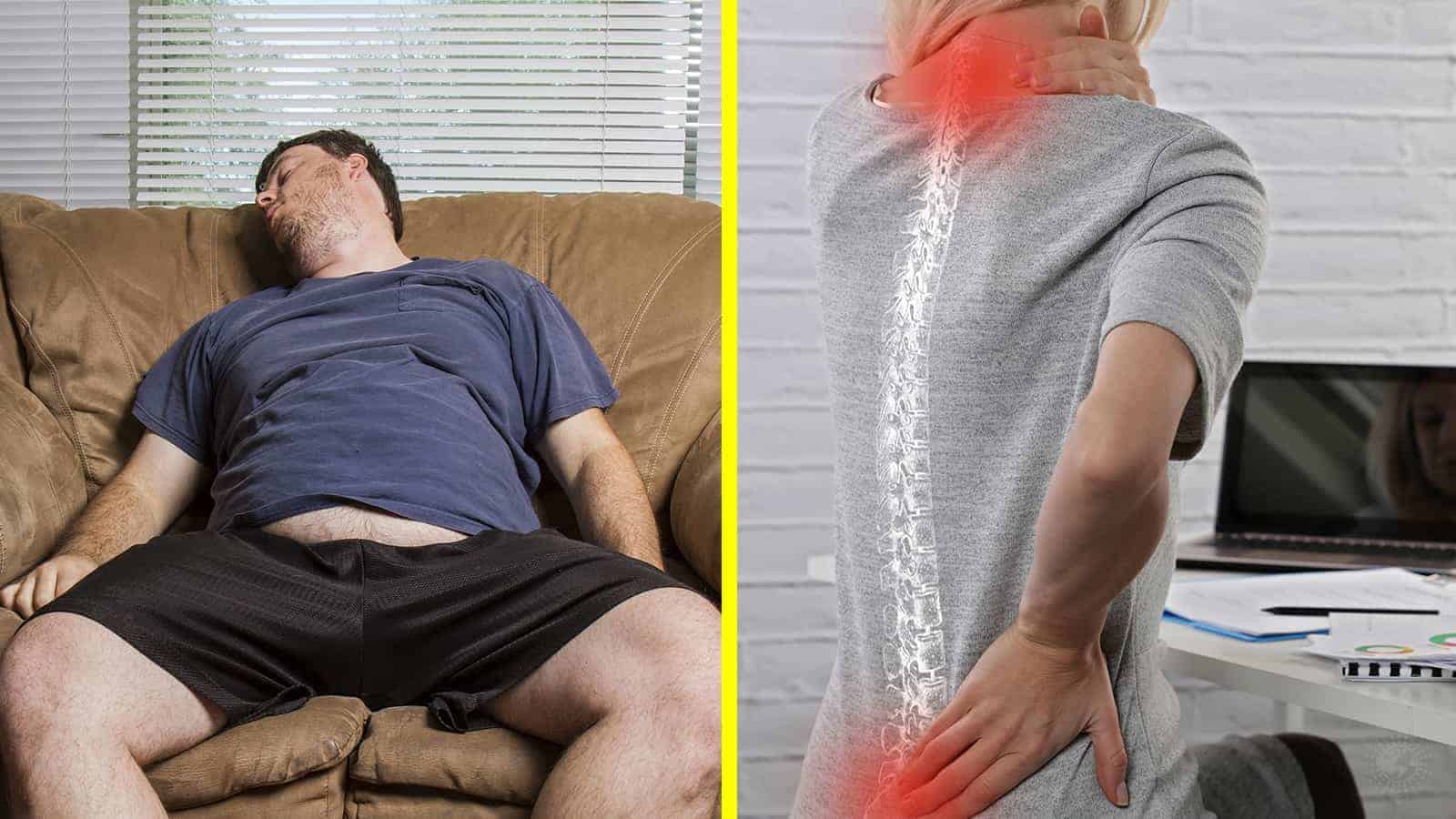
    Doctors explain the consequences of leading a sedentary life.

  3. You can see what you’re both made of.

    It can be rewarding to look at your weight loss journey with your partner in a competitive spirit. Of course, you don’t want to be excessively competitive, but studies have shown that a little competition keeps the passion going in a relationship.

    By being competitive and pushing each other, you can encourage each other to be the best you can be. Knowing what your partner is made of and how hard they’re willing to work to be the best helps you to see them in a shining light. It also pushes you to do more. Ultimately this competitive spirit will lead to significant achievements along the way.

  4. Your relationship will stay strong.

    Imagine how awkward it would be for one person in the relationship to go through a transformation for the better, but the other person just settles for being unhealthy. You might love each other.

    But eventually, the differences in lifestyle choices may drive a wedge between you. To keep this from happening, you both need to lose weight together unless one person is already at their ideal weight.

    The good news is that as you both start slimming down, your bond will strengthen, and your relationship can flourish even more. You’ll be more attracted to each other and prouder to be with your partner. Looks aren’t everything, but it sure helps.

  5. You’ll teach your kids about healthy habits and teamwork.

    Kids are impressionable. Even if they don’t say anything, they’re watching your every move and learning from them. If they see you and your partner working together to achieve a common goal, they’ll understand the concept of teamwork, which will help them in school and in life.

    When couples lose weight together, they show their kids that living a healthy lifestyle is normal.

    If they see both parents agreeing on healthy decisions, they grow up with the concept that being healthy is correct. It will be less of a struggle for them to live a healthy lifestyle because they’ll be used to it already.

Tips for When Couples Lose Weight Together

It’s not always rainbows and butterflies when couples lose weight together. There are going to be some rocks in the road. However, that doesn’t mean you can’t dodge them and keep the journey going. Here are some tips you can use.

  • Men tend to lose weight faster than women, even if they both do the same things and eat the same things. If you’re a woman, don’t get frustrated with this. There is really nothing you can do about it.
  • While it’s nice to have your partner step in and motivate you when you’re feeling tempted, there are going to be times where you want your partner to back off so you can reward yourself. It’s understandable. After all, you’re human. Just talk to your partner and tell him/her how you feel.
  • When you go to the gym together, you don’t have to do the exact same exercises in order to be working out together. The fact that you’re there together is enough.
  • Above all, be positive and encouraging, no matter what. If your partner messes up and has a cheat day or they skip the gym a couple of times, don’t get down on them. Instead, find a positive way to motivate them back to the right path.

Finding a Balance Between Working Together and Working Individually

It’s great when couples lose weight together. But just like everything else in a relationship, you need to have some personal time on your weight loss journey too. One big reason for this is that you’re two separate people, and your bodies aren’t going to respond the same way. You may have to change up your routine to meet your own needs, and your partner may need to do the same.

This could mean that one person needs more calories than the other, or maybe one needs more cardio than the other. Perhaps your work schedules don’t match up on certain days. Or maybe one person needs to lose more weight than the other. Differences in goals mean that you’ll need to have times where you’re working towards them individually.

Another consideration is that if you do everything together all the time, you’ll eventually burn each other out. Sure, you love each other, but you each need your own sense of identity. Plan the journey together, but make sure you each get breaks to explore on your own.

couples lose weightFinal Thoughts About When Couples Lose Weight Together

When couples lose weight together, they significantly increase their chances of success. The thought of becoming healthier together with the one you love is often enough to keep you motivated. This is especially true when you both start seeing the fruits of your labor. If you find yourself in a situation where your partner doesn’t want to lose weight with you, talk to them and let them know how important it is to you. Chances are they’ll join in more for you than themselves. But as they see the changes, they’ll find their own inspiration. Before you know it, you’ll be a healthy, happy couple.

30 Foods That Healthy People Include in Their Diets

What do healthy people eat that make them so strong? Do they cut out all sugars and carbs as suggested in the popular Keto diet, or do they just know the proper combinations of foods to eat to fuel their body.

You would be surprised by what they do and don’t eat, as they know all about proper nutrition. If you don’t know where to begin, then here’s a nice list to get you started.

30 Foods That Healthy People Include in Their Eating Plans

Are you embarking on a journey to a healthier lifestyle? Then never overlook the value of eating nutrient-dense foods.

1. Eggs

Eggs are good scrambled or fried, but these healthy little wonders can be used for just about anything. Their high protein content keeps you full for more extended periods, and they’re low in calories too.

healthy people

2. Beans

Do you remember the old song “Beans, beans good for your heart?” Well, it seems that the song had some truth to it. There are numerous varieties, and they’re full of calcium, magnesium, and potassium. One cup of beans has about 17 grams of protein, which isn’t too shabby either.

3. Greek Yogurt

Who doesn’t love yogurt? Greek varieties give you immune-boosting properties and have almost double the protein of the regular array. No wonder healthy people eat this stuff anytime day or night.

4. Nuts

No wonder squirrels hide and collect nuts. They are a protein powerhouse, and did you know that they can help keep your glucose levels regulated? Also, many studies show that a handful of almonds works better on migraines than prescription medications. Salicin and magnesium are a powerful antioxidant found in this type of nut, and it’s what healthy people eat to keep headaches at bay.

5. Salmon

If you need a good boost of Vitamin D, then salmon is the easiest way to get it. It has all the omega-3s fatty acids that healthy people crave, and it keeps you fuller for more extended periods.

6. Flaxseeds

The omega-3 fatty acids in flaxseeds cannot be denied. Plus, it can cut the risk of heart disease by up to 46 percent. Another tremendous advantage is that it can prevent blood clots from forming and blocking your arteries.

7. Fat-free Organic Milk

You need some type of milk in your diet, but the organic variety is just better for you. Drinking milk makes sure you have adequate D levels, and it can help to protect from heart disease too.

8. Spinach

Spinach has lutein, which you need to protect against macular degeneration as well as heart attacks. Plus, it has iron and folate in it that is known to help with cholesterol and energy levels.

waist fat9. Sweet Potatoes

Carrots aren’t the only food containing beta-carotene as the sweet potato has a high content too. The nutrients in these vegetables can help to maintain the , skin, and urinary system.

10. Olive Oil

Healthy people use olive oil for everything. From drizzling on a salad to sautéing their vegetables, this is one heart-healthy fat you can’t get enough of.

11. Garlic

What would a dish of spaghetti or a stew be without garlic? While it tastes great, it also has antibacterial and antibacterial benefits. It can help fight infections as well as lower high blood pressure problems.

12. Lean Beef

The less fat on the meat you eat, the better off you’ll be. Beef is full of zinc and B vitamins that can help you stay healthy. Try to buy grass-fed beef as it has powerful brain-boosting antioxidants that healthy people want.

13. Blueberries

By eating just a half cup of blueberries each day, you are getting more than your required amount of antioxidants. These little berries can help with memory loss as well as provide maximum health benefits.

14. Apples

You know that an apple a day keeps the doctor away, so it’s an easy way to add some extra healthy goodness to your diet. Apples are known to help reduce the risk of heart disease and be high in both fiber and water. They’re a nutrient powerhouse.

15. Dark Chocolate

If you have a sweet tooth, and there’s no shame in that, you need to use dark chocolate instead of milk varieties. The antioxidants in dark chocolate can help keep your blood platelets from sticking together. Plus, it’s lower in carbs and sugar too.

16. Pomegranates

Health-conscious people love pomegranates because they are packed with antioxidant compounds. They’re known to help reduce Alzheimer’s disease by warding off inflammation in the body. They taste great and can be used as in a juice or eaten raw.

17. Oysters

While oysters are an acquired taste, it’s one taste that you should acquire. The health benefits are unbelievable. They are a significant source of iron. Just one small oyster can provide you with 3 milligrams, which is one-sixth of your daily goal.

18. Chia Seeds

You can talk about healthy foods and not mention chia seeds. They are packed with calcium, zinc, magnesium, and iron, which you need to keep your body in top shape.

19. Lemon

You know that lemons are a citrus fruit that is full of Vitamin C, but did you know that they’re also full of antioxidants? They have anti-cancer properties as well as flavonoid compounds. They’re great with salmon, in your tea, in an ice-cold drink, or just by themselves.

20. Quinoa

If you love rice but don’t like the calories and carbs it packs, then you should try quinoa. First, it’s a plant-based grain that is remarkably like rice, but this one contains all nine essential amino acids that your body needs to thrive. Adding something this multivitamin-heavy to your diet can only enhance your health.

21. Sardines

While sardines are another thing on this list that is a bit of an acquired taste, it’s certainly something that you should consider adding to your diet. These minuscule fish have been proven to reduce inflammation as well as slow tumor growth.

Being a significant source of Vitamin B12 is good too. The more Vitamin B12 you have, the better it will keep your nerves and blood cells healthy.

22. Figs

Figs are potassium-rich, and they can lower your blood pressure by up to 20 percent. They are a high source of calcium and are perfect as an addition to cottage cheese, desserts, and even oatmeal.

23. Peanut Butter

Low carb and health-conscious people know that peanut butter is a staple when you want to eat healthily. Make sure to use a natural or sugar-free variety, but you can enjoy this when you have a sweet craving. The monounsaturated fats in this delicious spread will help you lose weight.

24. Brussels Sprouts

As a cruciferous vegetable, Brussel sprouts are excellent at lowering your risk of cancer. They’re rich in iron and potassium, as well as folate. They can be sautéed with onions and garlic in some olive oil for a delicious heart-healthy meal.

25. Tomatoes

The antioxidant that gives the tomato its bright hue is called lycopene. Did you know that lycopene will help to protect against heart disease and breast cancer? Healthy people don’t eat them in sugar-loaded jarred pasta sauce; instead, they find healthy ways to eat these red delights.

26. Oranges

Oranges are another citrus fruit bursting with vitamin C. As far as nutrients, they have pectin, Vitamins B1, and A, as well as potassium. These nutrients are essential for your vision and immune function. Who doesn’t love a glass of freshly squeezed orange juice anyway?

27. Kale

You know that dark, leafy greens are good for you. However, did you know that kale has vitamins A, K, and C? It’s a nutritional powerhouse for your body.

28. Mushrooms

The beautiful thing about mushrooms is they are versatile, fat-free, and have hardly any calories. There’s also no sugar to worry about either. You can gobble shiitakes or white buttons all you want.

29. Avocado

Very few healthy people pass up these green wonders in the grocery store. They are wonderfully packed with soluble fiber, Vitamin E, folate, and potassium, all of which you need to stay healthy.

30. Oatmeal

Eggs aren’t the only thing healthy people eat for breakfast. Oatmeal is a delicious and nutritious way to keep heart disease at bay. Did you know that it also can reduce the risk of type 2 diabetes?

healthy peopleFinal Thoughts on Adopting the Eating Habits of Healthy People

The next time you head to the supermarket, don’t just put everything you see in your cart. You need to mentally prepare yourself for a shopping trip based on your health needs.

If you want to be one of the healthy people that are fit, trim, and have built their immune system, then you will learn to eat for your body’s needs. Just adding some essential fruits and vegetables into your day can help you to live longer and healthier. Isn’t your health worth the time and effort it takes to adopt a new lifestyle?

How to Make Honey Ginger Tea to Soothe Coughing

Is there anything quite like a steaming, fragrant cup of honey ginger tea? It’s been a relaxing health tonic for thousands of years for good reason, especially with a drizzle of honey. You can quickly learn how to make honey ginger tea to soothe coughing and other ailments.

Ginger’s Early Origins

When you think of ginger, your mind may go back to the delightfully sweet and peppery cookies your grandmother made during the winter holidays. Ginger lends a touch of warm spiciness to many foods and beverages. Chances are you have a sealed piece of fresh ginger root in the refrigerator and some dried powdered ginger in your spice drawer at this moment.

Have you ever considered the history of this beloved plant? Since it’s the root of the ginger plant used, botanists classify ginger as a culinary spice. It is native to China and Eastern Asia, and it’s a close cousin of turmeric, another pungent spice.

Food historians and anthropologists have found evidence that suggests that ginger was first discovered in its native China around 3,000 BCE. It was one of the many spices and herbs used in Ancient Chinese and Indian medicine. Ginger was consumed whole, powdered, dried, and in countless topical ointments.

The Significance of Ginger in the Western Hemisphere

honey ginger teaThe popularity of this esteemed spice stayed in the Far East until the beginning of the Common Era. When the Romans became the world’s leading power in the first century CE, they discovered ginger by trading with Chinese and Indian merchants. Toward the beginning of the second century, ginger began building a reputation for culinary and medicinal uses throughout the Roman Empire.

During the Middle Ages, ginger was a well-established spice used for digestive problems and circulation issues. When the Europeans invaded North and South America, they introduced ginger to natives in tropical zones, where it started to flourish.

The earliest American settlers already had an insatiable taste for ginger because of memories of their homelands in Germany, England, and France. Ginger was an indispensable ingredient in both savory and sweet recipes. The settlers recreated popular European treats like ginger beer, ginger ale, and gingerbread, and they knew how to brew honey ginger tea to soothe coughing.

For generations, they used ginger for their upset stomach, and they taught their children how to make honey ginger tea to soothe coughing. It was a staple in everyone’s spice cabinet as well as in the local apothecary’s shop. After the War for Independence, this hardy plant root followed settlers during America’s era of expansion.

Ginger in Modern Times

Although some wild ginger cultivars are native to North America and have been consumed for centuries by natives and European settlers, modern research has discovered that some of its compounds may be toxic. However, the research confirms that wild ginger is still as safe as a topical treatment. Most of the ginger you see in the grocery stores were imported from the East, while two percent is produced in Hawaii.

You already know the earthy, sweet spice that ginger adds to dishes worldwide, especially Asian-inspired ones. If you’ve never had it steeped to make a tasty tea, then you are in for a treat. It didn’t take long for the Ancient Chinese and other Far East countries to create ginger tea for religious significance and medicinal purposes, like making honey ginger tea to soothe coughing.

Why Should You Drink Ginger Tea?

Not only is honey ginger tea comforting and delicious, but research backs up many of it believed medicinal qualities. Perhaps you’ve heard of past generations drinking a little ginger tea for a cold, often with a touch of honey. It’s easy to learn how to make honey ginger tea to soothe coughing and other health benefits.

Is that nagging cough getting you down? When your ancestors had a cold or flu, they often turned to Mother Nature’s pharmacy and learned how to make honey ginger tea to soothe coughing. Here are some of the benefits of ginger tea that has the attention of the medical science community.

1. May Help Prevent Colds

Did you know that ginger is a significant source of Vitamin C and beneficial minerals like magnesium? While nothing can guarantee you won’t catch the virus that causes the common cold, ginger tea provides powerful antioxidants to make your body less susceptible to it.

2. Soothe and Repress Coughing

Ginger tea has noted anti-inflammatory properties that may reduce inflammation from asthma, coughing, and sore throat. When you give it a boost with the healing properties of raw honey, it can help relax your airways, so you aren’t hacking as much. Learning how to make honey ginger tea to soothe coughing can help you and your family any time you need.

honey health benefits3. Break up Mucus

You know how miserable it is when you have a mucus buildup due to a cold, flu, or allergies. The warm steam from a fresh cup of ginger tea can help loosen the excess mucus and make it easier to expel. Plus, the tea soothes and relaxes your throat when it’s sore from coughing.

4. Relieve Nausea

Have you ever felt waves of nausea because of motion sickness or another condition? Why not brew a hot cup of ginger tea? It can comfort your stomach and soothe the lining of your esophagus after vomiting. Drink some before the onset of your symptoms, and it may calm your stomach, so you don’t vomit at all.

5. Improve Your Circulation

Ancient civilizations who venerated ginger often used it to improve their circulation. Even though they didn’t know the chemistry behind it, modern science has discovered the vitamins and amino acids can benefit your circulation. Some studies suggest that it may prevent plaque buildup in the arteries that can cause cardiovascular disease and stroke.

6. Reduce Stress

If you are like most Americans, you probably have more stress than is necessary. Did you know that chronic stress can lead to high blood pressure, coronary diseases, stroke, cancer, and even premature death? When you learn how to make honey ginger tea to soothe coughing, the warmth and aroma can also calm your nerves and effectively reduce your stress levels.

7. Reduce Inflammation

Inflammation is responsible for most diseases and disorders, like arthritis. Do you want a natural remedy to reduce inflammation in your painful and stiff joints? The anti-inflammatory properties in ginger tea can minimize the swelling so your joints can have less pain and more range of motion.

Brew Your Way to Better Health

Do you want to learn how to make honey ginger tea to soothe coughing and other ailments? If you know how to boil water, then you won’t have any problem. The basic ingredients are fresh ginger and honey, but you can use other ingredients to suit your taste.

Honey Ginger Tea

Try this soothing and delicious brew.

What You Need:

•4 ounces organic fresh ginger root, sliced into 1- inch pieces

•4 cups of filtered water

•Organic Raw honey, to taste

How To:

•In a small saucepan over medium-high heat, add the water and bring it to a boil.

•Add the ginger slices to the water and stir a few times. Reduce the heat to low and simmer for five minutes. If you want a stronger brew, allow the water to simmer 2-3 minutes more.

•Use a small strainer to strain the tea into a teapot carefully. For each cup of tea, pour enough tea to fill the cup a little more than ¾ of the way to the brim. Drizzle in about a teaspoon of honey, or to taste. Stir the tea well and enjoy it hot.

•If you prefer iced tea, allow the simmered tea to cool to room temperature. Strain it into a pitcher and chill it in the refrigerator at least four hours or overnight. Fill glasses with crushed ice, and add the tea with a splash of honey and stir well.

Ginger Tea Precautions

Before you learn how to make honey ginger tea to soothe coughing and other conditions, keep some precautions in mind. While people have drunk ginger tea without a problem for thousands of years, you may be sensitive to ginger. If you drink too much ginger tea, it can cause indigestion and diarrhea.

Just because something is natural doesn’t mean it can’t have side effects. The compounds in ginger can reduce your blood pressure and thin your blood, so you may not want to consume it if you take blood-thinning medications. Talk to your primary healthcare advisor about all the medications you take before consuming ginger or taking ginger supplements.

Ginger tea has been a traditional home remedy for generations of women with pregnancy morning sickness. Some research suggests that it can minimize nausea connected with chemotherapy. Since the research is preliminary and the remedy is controversial, err on the side of caution and seek medical advice first.

honey ginger teaFinal Thoughts on Consuming This Honey Ginger Tea

Once you learn how to make honey ginger tea to soothe coughing and other ailments, it may become your favorite tea variety. Along with honey, feel free to add other yummy additions like lemon or a complementary herb. Calm your cough and discover other possible health benefits one delicious cup at a time.

11 Ways Emotional Trauma May Harm Your Health

Have you experienced emotional trauma? Traumatic events happen to everyone in life. Whether it be the tragic loss of a loved one or a cheating spouse, it’s hard to get over being hurt.

In many instances, trauma causes physical problems like a broken arm or leg, but physical issues will heal. It’s the emotional and psychological problems that can take a lifetime to get over. Trauma imprints itself into your mind, and it can affect your physical well-being.

Many of the scars you have might have come from a rocky childhood. You may replay the events like a video loop that never stops. The constant strain and anxiety that these images create can devastate your mental and physical health.

How do you change from a victim’s role to a victor over the things that have happened to you? It’s not easy, but it can be done.

What Is An ACE?

ACE stands for Adverse Childhood Experiences. If you were in the foster care system, suffered from physical, sexual, or verbal abuse, as well as any other horrific event, it can leave a lasting impression on your brain. Did you know that people who have experienced childhood trauma are more likely to develop a substance abuse issue?

Your childhood experiences have a significant impact on your future. Mental health professionals score a person on the ACE table to see their risk of future issues. Those who score really high on this test are the ones who are in danger of violence and perpetration, while those that score lower may have depression and anxiety.

Anything traumatic that happens to you before you reach the age of 18 is an ACE, and it can affect your future. Things like teenage pregnancy, serious injuries, attempted suicides, sex trafficking, and being sexually deviant can all have a severe impact on your psyche.

emotional traumaWhen the Past Won’t Release Its Hold on Your Future

Have you ever heard someone tell their life’s story? It’s the part of their past that they allow you to experience. However, for everything they tell you, there are many more hurtful things that they do not say.

There are things that each person has been through that they bury so deep that they don’t tell anyone. These are often referred to as “skeletons in the closet.” The only problem with these issues is that they sit in the corners of your mind, and they fester.

Most people don’t like going to the dentist’s office. You dread the needles coming close to your tender gums and the irritating noise created from the drill. However, when you have a cavity causing the nagging pain, you will do anything to stop the hurt.

You build the experience up in your mind till you’re almost in a full-blown panic attack by the time you reach the dentist’s chair. Thankfully, there is a moment when that rotten tooth is extracted that the pain suddenly stops. You feel that all the struggle to get to this point was worth it because you had a resolution.

Your past experiences are much like that to you. You’ve magnified them and went over them time and again until you’ve almost driven yourself crazy. Then, there’s the time when you learn to let them go.

The relief you feel when you no longer allow the past to dictate your tomorrow is a remarkable feeling, but it doesn’t happen overnight. Walk into any substance abuse rehabilitation center across the country, and you will be stunned by the stories you hear. These people don’t want to live this kind of life.

They want help with the inner pain they feel. Most of these individuals are trying to self-medicate to make the emotional turmoil and internal pain stop.

11 Ways Emotional Pain Causes Physical Issues

Your mental well-being is essential. Whether you’ve witnessed a violent crime, suffered through a natural disaster, or were bullied every day you were in school, it can cause you a lifetime of pain. Do you know that it can be responsible for the physical ailments you have too? Here are the top health problems caused by emotional trouble.

1. Anxiety

There are 40 million people in this country between the ages of 18-54 that suffer from anxiety. Anxiety comes in various degrees, from mild to debilitating. A car accident can give a person such bad stress that they fear getting behind the wheel again. Anxiety is an unrealistic fear of things that probably won’t occur.

2. Obesity

While some people medicate their troubles with drugs or alcohol, others will use food. Your emotional trauma gives you a greater risk of gaining weight. More than 40 percent of the population in this country is obese, and at the crux of much of this is an underlying emotional trauma.

3. Heart Problems

Heart disease is the number one killer. While the American Heart Association doesn’t list obesity as the problem, it’s the most common cause of heart disease. If you’re overeating to help your mental well-being, then it can kill you.

mental abuse

Never ignore these ten hidden signs someone is suffering from mental abuse.

4. Substance Abuse Disorders

Did you know that 75 percent of individuals who have survived abuse or violent trauma will have issues with substance abuse? The numbers are staggering when you consider how full the treatment centers are across the country.

5. Post-traumatic Stress Disorder (PTSD)

You’ve probably heard of PTSD from soldiers who fought in a war. They often see things so horrible that they can’t get them out of their mind. The diagnosis of this anxiety-related disorder became increasingly popular after Vietnam.

PTSD causes a person to have flashbacks and relive the trauma time and again. You don’t have to go to war to have PTSD, as you can have it from being in a car accident or a victim of a violent crime.

6. Depression

Depression is an epidemic these days, and the emotional trauma that many people experience makes them more susceptible. There are more than 350 million people in this world that suffer from depression, and many of them are suffering from emotional distress.

7. Diabetes

Diabetes can be genetic, or it can be caused by a poor diet. Obesity, heart disease, and diabetes all run together when someone is trying to self-medicate with food. Emotional trauma can cause you to eat massive amounts, or you may starve yourself. There’s no rhyme or reason as to why the body does certain things.

8. Personality Disorders

There are currently ten personality disorders recognized by the American Psychiatric Association. These disorders often stem from deep emotional trauma suffered as a child. They can cause instability in moods, violent behavior, poor self-image, and problems functioning in everyday life.

9. Strokes

Ruminating about emotional traumas can cause your blood pressure to rise. While stress and trauma won’t directly cause a stroke, it can indirectly cause the issues that can lead to one. Any self-medication such as smoking, drinking, overeating, or taking illegal drugs also increases your chance of a stroke.

10. Sleep Disturbances – Night Terrors

Another problem that can come about with trauma is issues with sleep. Take, for instance, a child that was sexually abused at night. Even in their adult years, they may be unable to sleep well at night for fear of what might happen.

The risk of abuse repeating itself is long gone, but the traumatic experience is forever notched in the brain.

11. Muscle Aches and Pains

When you’re under stress, your body can feel the pain of the inner turmoil. Your muscles store energy, whether good or bad. Have you ever been to a chiropractor because your back kept slipping out of place? Stress is a significant part of your body’s inability to function normally.

How many times do you get headaches or neck pain when you are under stress? Emotional trauma can put you in a state of constant pressure, and your body can feel the effects of the higher cortisol levels.

emotional traumaFinal Thoughts on Recovering from Emotional Trauma

While it’s easy to see that there are many ways that any emotional trauma you have suffered can cause you pain. But it is also nice to know you don’t have to live that way. Therapy can give you the keys you need to lose the chains of trauma that bind you.

You don’t have to be a victim anymore. You can overcome the events of the past so that they do not hold you back from a bright future anymore. Your mental well-being is counting on you to take the first step towards healing.

Trainers Reveal 6 Calf Stretches to Reduce Knee Pain

Don’t your muscles feel great after a healthy stretch? You probably focus on your arms, back, and the bigger muscles in your legs to relieve tension and pain. Have you tried the benefits of calf stretches to ease pain in your knees?

Your calves do a lot of work each day that you may not even notice. The Ancient Greeks and later the Romans thought the muscle in the back of the leg resembled a stomach, so it was named the gastrocnemius. Together with the soleus muscle, it creates what you call your calves.

These muscles surround the lower leg bone, the tibia. Sometimes, you don’t think about your calf muscles until you wake up with an aching Charlie horse, or your knees are giving you problems. If you don’t do something at the onset, it can lead to chronic pain issues.

Did you know that calf issues can cause other parts of your body to have pain? You may notice problems in your ankles, shins, and feet. Some lower back issues stem from poor calf mobility.

Why Should Care About Your Calves?

Did you know that your calves can absorb nearly 12 times your body weight when you are stopping or changing directions quickly while sprinting? Your calves are responsible for slowing your body during a run. Keeping them toned and healthy helps you avoid injury.

It would help if you also had muscular calves to stabilize your knees and other leg joints. When you are doing jumping exercises, you can get hurt if your knees aren’t supported properly.

Healthy calves allow you to make quick motions, like sprints, squats, and high jumps. Your primary calf muscle, the gastrocnemius, is made of fast-twitch muscle fibers that make these movements possible. The more you stretch and exercise your calves, the greater your ability to do these power-boosting exercises.

Since both of your gastrocnemius and soleus play a pivotal role in knee and foot movement, it makes sense that any issues with your calf would affect these. Also, you have a thin membrane called fascia that keeps your calf muscles together, and it runs from your upper leg to the base of your foot.

Fascial tension can cause your pain when you walk, stand, or squat and negatively affect other muscles.

Calf Stretches Can Help Relieve Muscle Cramps

calf stretchesHave you ever awoken from a sound sleep with a stabbing cramp in your calf? These acute attacks may make you feel like you are dying of pain, but they are harmless and usually don’t last long.

Leg cramps, or Charley horses, are common in people who have overexerted themselves or are kids with growing pains. They usually happen when you are lying down, especially at night. The calf muscles often go into tight, painful spasms that may have you jump out of bed for relief.

Experts say that these cramps can affect you if your electrolytes are low. They recommend a sip of pickle juice to replenish your electrolytes and relieve the cramps. You can also get rid of a painful Charley horse instantly by standing up straight and stretching your calves by raising your toes toward your body.

Regularly stretching your calf muscles can prevent these leg cramps. Usually, they are sporadic and will go away quickly. However, if you have chronic cramps in your calves, you should discuss it with your primary healthcare provider.

How to Create an Effective Calf Exercise Routine

Good calf stretches and traditional massage techniques can help you relieve tension and pain before it becomes an issue. You can do them at home, and you don’t need a bunch of expensive equipment. Here are six beneficial calf stretches and massage techniques to add to your daily exercise regimen.

You want your calves to be smooth and relaxed to receive the optimal benefits of calf stretches. When these muscles are relaxed, they are easier to stretch and lengthen. Try a few simple lunges or squats with body weights to test your range of motion after stretching.

One of the many benefits of regular stretching exercises is that it affects your brain and your body. As you achieve new ranges of motion safely, it signals your brain to set them as a standard. Your warmup exercises may help you have more energy during the day and increase your mobility.

1. Warmup Calf Massage with a Tennis Ball

What You Need:

•A standard tennisball

•Foam yoga block (optional)

How To:

•Sit comfortably on your exercise mat with your legs resting straight ahead. Put the softball right above your ankle at the base of your left calf.

•Roll the softball gently from side to side as you gradually work it up toward the top of your calf. You will probably notice some tender spots as you keep massaging. If so, keep the softball in that spot while you roll your left foot to the right and the left for about 15-20 seconds.

•For a little more pressure during your massage, use a yoga block to elevate your leg while rolling the softball. You’ll also have more room to rotate your ankle. When you have completed the massage on your left calf, repeat the same steps on your right calf.

2. Soleus Massage

What You Need:

•Foam Roller

How To:

•Place your foam roller flat on your exercise mat. Sit on the roller comfortably with your feet stretched out in front of you.

•Now, rock slowly side-to-side as you work the foam roller down your calves. If you notice any sore spots, keep the roller in place for 15-20 breaths and feel the tension and pain release.

•Do 2-3 repetitions and pay close attention to tension or tenderness in your calves, glutes, and hamstrings.

The first two massage exercises should have your calves smooth, relaxed, and ready for stretches. If not, continue massages until they are ready. For optimal benefits, go straight into the stretches.

3. Downward Facing Dog Stretch

If you are a yoga enthusiast, you will probably recognize this basic yoga pose. It’s a superb stretch that benefits your calves, shoulders, hamstrings, and even your ankles.

How To:

• Get down on your hands and knees comfortably on your exercise mat. Position your knees beneath your hips and your wrists beneath your shoulders.

• Push your hand against the mat while you smoothly raise your rear into the air and move your head between your elbows. Use your heels to hold your position.

• Stay in the position for 30-60 breaths while rocking your feet from time to time.

4. Heel Stretches

Your calves are connected to your Achilles tendon in your heels so that these unique calf stretches can stretch and strengthen them.

What You Need:

• Foam or wooden yoga block (or a step or stair)

How To:

• Take your yoga block and place it on your exercise mat. You can also do this stretch on an elevated surface like a low-rising stair.

• Position both your feet on the block or stair and have your left heel over the edge.

• Gently lower your left heel to the floor or ground, using most of your body weight. Hold this position for 20-30 breaths. Now, use your right heel and repeat the steps. You can bend your legs a little if you want to stretch other parts of your calves.

• For more muscular calf stretches, try the same steps while using both heels. Use the balls of your feet to raise your heels from the ground and hold for 20-30 breaths.


5. Resistance Band Calf Stretches

What You Need

• A sturdy resistance band or a rope

How To

• Sit comfortably on your exercise mat with your legs straight ahead.

• Arrange the resistance band around the ball of your left foot. Bend your toes toward your body, and you stretch the band. As you push your right heel away from yourself, you will feel your calf muscles stretch more.

• Hold this position for 30-60 breaths, then repeat the steps for your right leg.

6. Wall Stretches

This is a convenient calf stretch that you can do at home or on break at work.

How To

•Stand naturally about two feet from a sturdy wall. Take a step forward with your left foot and place the ball of your foot against the wall. Your right heel should stay firmly against the floor.

•If you need extra support or balance, place your hands flat against the wall at your sides. If you use your right foot to press against the floor as your hips move forward, you can intensify the stretch.

•Hold this position for 30-60 breaths, then return to the starting position. Repeat the same steps for your right leg.

Final Thoughts on How Calf Stretches Can Provide Knee Pain Reduction

Before you try these stretches or any other exercise, talk to your primary healthcare provider or a certified fitness trainer. So if you keep your calves in excellent shape, you can help reduce knee pain. That’s because when your calves are strong, they will continue to support your knees–and the rest of your body for years to come. Consider adding these massages and stretches to your regular exercise routine.

Skip to content